A Queen They Couldn’t Silence
In 1820, Caroline of Brunswick returned to Britain to claim her place as queen. Her husband, King George IV, wanted nothing to do with her. Rather than welcome his estranged wife, he attempted something extraordinary: using Parliament to strip her of her royal status and end their marriage. What followed became one of Britain’s most sensational royal scandals.
A Marriage Doomed From The Start
Born in 1768, Caroline was a German princess whose marriage to George, Prince of Wales, was arranged in 1795. The prospective groom was already notorious for his extravagant spending and complicated romantic life. George reportedly found Caroline deeply unattractive when they first met, while she found his charms underwhelming, to say the least. Their marriage began in mutual disappointment and rapidly deteriorated into hostility.
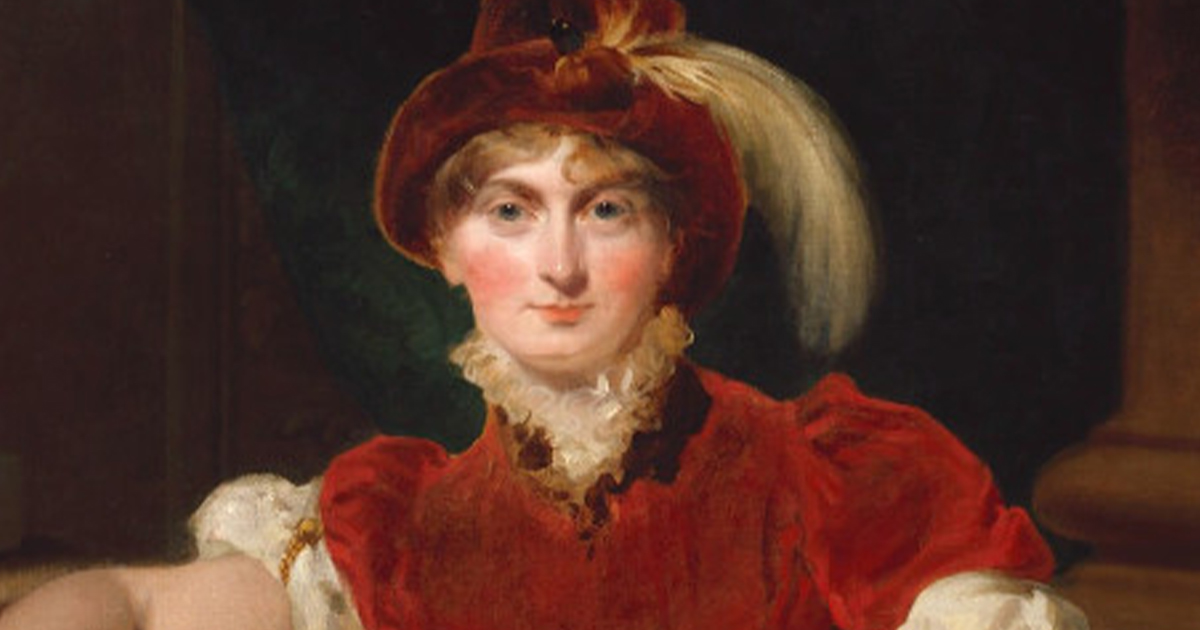
 Guy WF Loftus, Public domain, Wikimedia Commons
An Heir Changes Everything
Despite their unhappy relationship, Caroline gave birth to Princess Charlotte in January 1796, providing the royal family with a legitimate heir. Once that obligation was fulfilled, George had little interest in maintaining their marriage. The couple separated, and Caroline established an increasingly independent household. Her unconventional behavior, friendships, and refusal to observe courtly expectations soon attracted gossip and suspicion.
The Prince Investigates His Wife
Caroline’s independence infuriated George. In 1806, allegations about her relationships and the parentage of a child in her household prompted an official inquiry known as the Delicate Investigation. Although investigators found no proof that Caroline had given birth to an illegitimate child, they criticized aspects of her conduct. George continued searching for evidence that might justify ending their marriage.
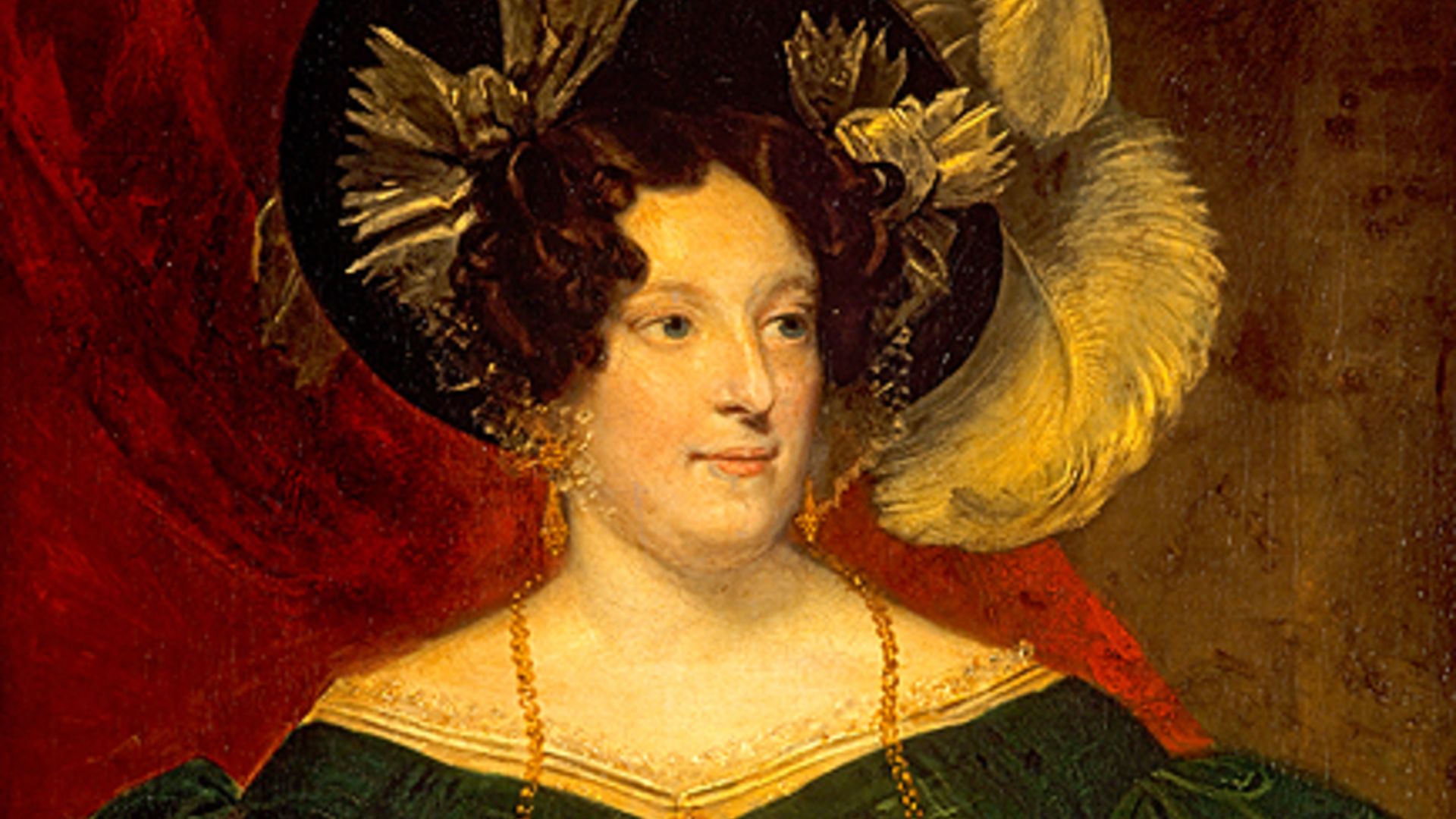 Samuel Lane, Wikimedia Commons
She Escapes To Europe
In 1814, Caroline left Britain and began traveling across Europe and the Mediterranean. During her travels, she employed an Italian servant named Bartolomeo Pergami, also known as Bergami, who eventually became a trusted member of her household. Their closeness attracted scandalous rumors, including accusations of an affair. George’s agents gathered information about Caroline’s activities, hoping to build a case against her. Whether she and Pergami were lovers remains disputed.
Tragedy Strikes Her Daughter
While Caroline was abroad, her only child, Princess Charlotte, married Prince Leopold of Saxe-Coburg in 1816. The marriage appeared promising, but disaster followed in November 1817. Charlotte died after giving birth to a stillborn son, plunging Britain into mourning. Caroline lost her daughter, while the royal family lost its expected future queen. The tragedy also intensified the uncertainty surrounding the succession.
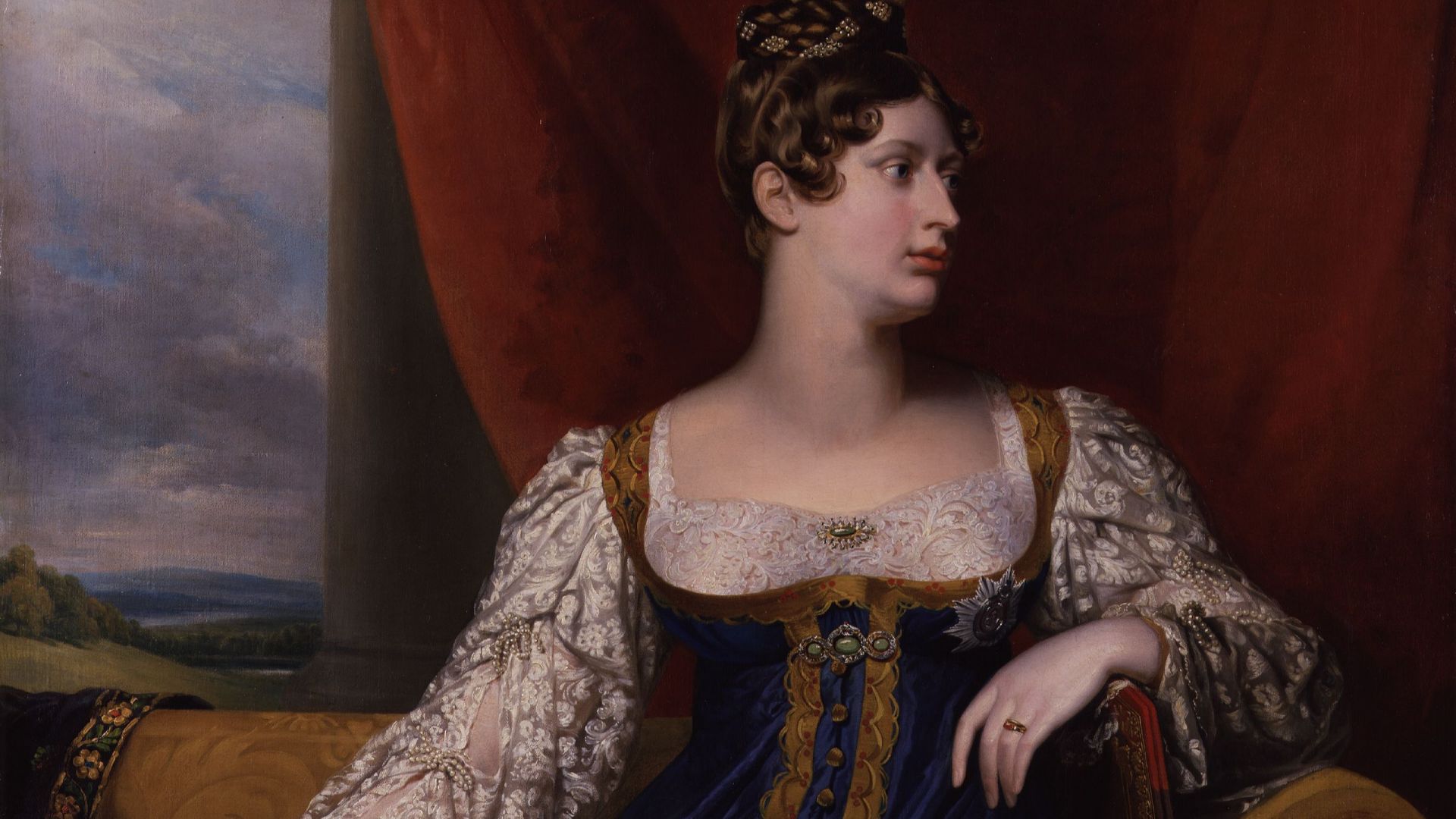 George Dawe, Wikimedia Commons
She Returns As Queen
When George III died in January 1820, his son became King George IV, automatically making Caroline queen consort. George wanted her to remain abroad, but Caroline refused to surrender her position. She returned to Britain in June 1820, where enthusiastic crowds welcomed her. Many regarded her as a woman mistreated by a notoriously unfaithful husband. Her arrival transformed a miserable royal marriage into a national political confrontation.
The King Demands A Trial
George’s government introduced the extraordinary Bill of Pains and Penalties, designed to deprive Caroline of her title and dissolve their marriage. The bill accused her of an improper relationship with Pergami. Beginning in August 1820, proceedings in the House of Lords resembled a trial, with witnesses examined and challenged by lawyers. Technically, however, Caroline was facing parliamentary legislation rather than an ordinary criminal prosecution.
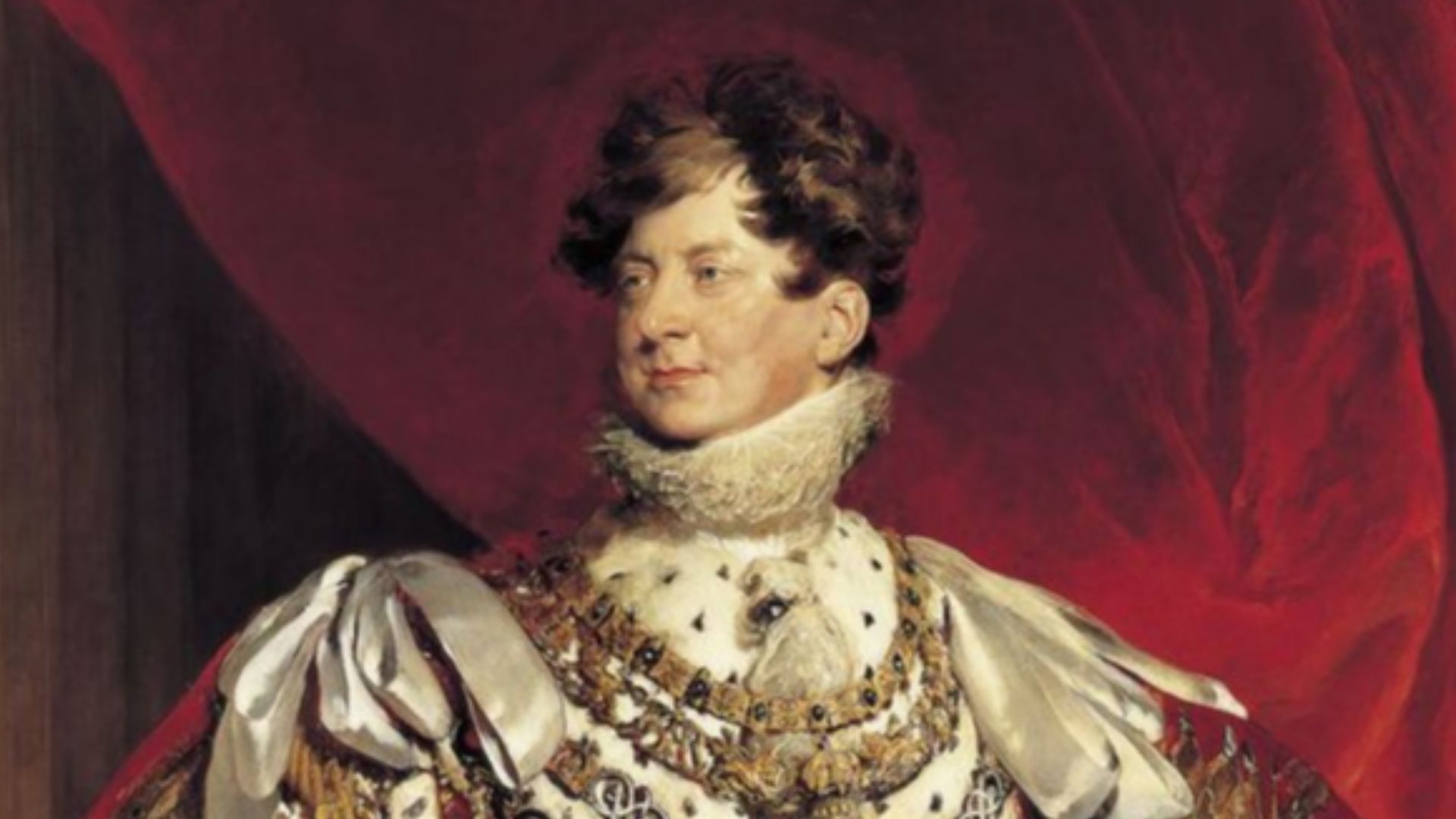 Thomas Lawrence, Wikimedia Commons
Britain Takes Her Side
The proceedings became a sensational public spectacle. Newspapers reported the testimony, political cartoonists mocked the royal couple, and crowds gathered to support Caroline. Her defenders emphasized George’s own history of infidelity and questioned why his wife’s alleged misconduct should be treated differently. Caroline’s legal team, led by Henry Brougham, challenged the evidence against her. What George hoped would be a decisive humiliation instead became a public-relations disaster for the monarchy.
The King’s Plan Collapses
By November 1820, the government’s position had become increasingly precarious. Although the bill survived its third reading in the House of Lords, its majority had dwindled to just nine votes. Ministers feared it could not pass the House of Commons and abandoned the legislation. Caroline retained her title and remained legally married to George. It was a political victory, though not a formal verdict of innocence.
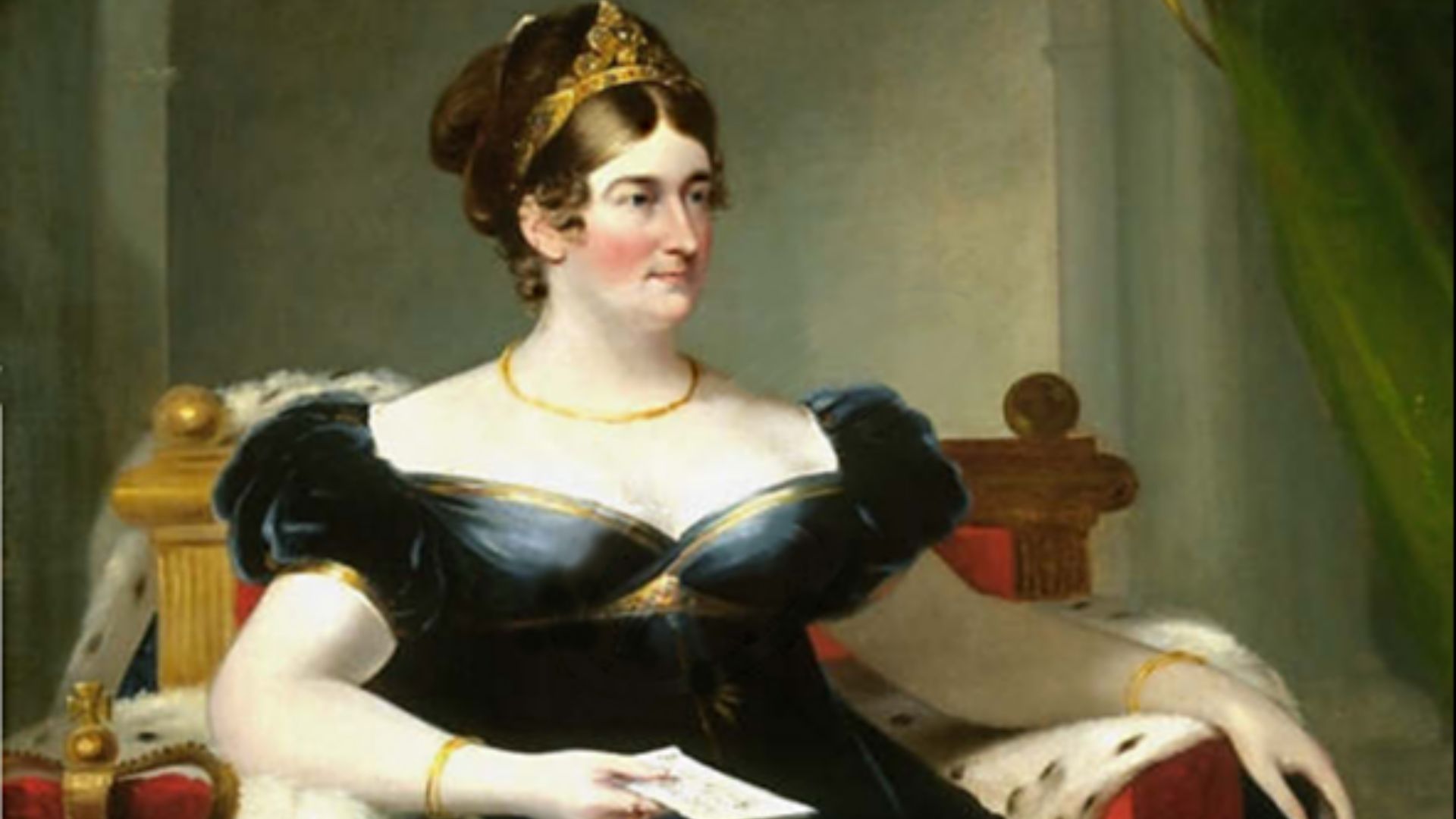 Unknown authorUnknown author, Wikimedia Commons
One Final Royal Humiliation
Caroline’s victory proved painfully short-lived. When George IV held his lavish coronation at Westminster Abbey on July 19, 1821, she was excluded. Determined to assert her position, Caroline appeared at the abbey and attempted to gain admission, but was turned away. The spectacle provided one final public humiliation. Less than three weeks later, on August 7, 1821, she died at the age of 53.
Caroline never enjoyed the ceremonial recognition she had fought so fiercely to obtain, but her struggle exposed the hypocrisy of the royal court and made her an unlikely symbol of resistance to arbitrary power. George had tried to destroy his estranged wife’s reputation through Parliament. Instead, he helped turn her into one of the most celebrated and controversial queens in British history.
You May Also Like:
Sinful Facts About King George IV, The Royal Rake
Long-Suffering Facts About Elizabeth Charlotte, Madame Palatine, the “Grandmother of Europe”