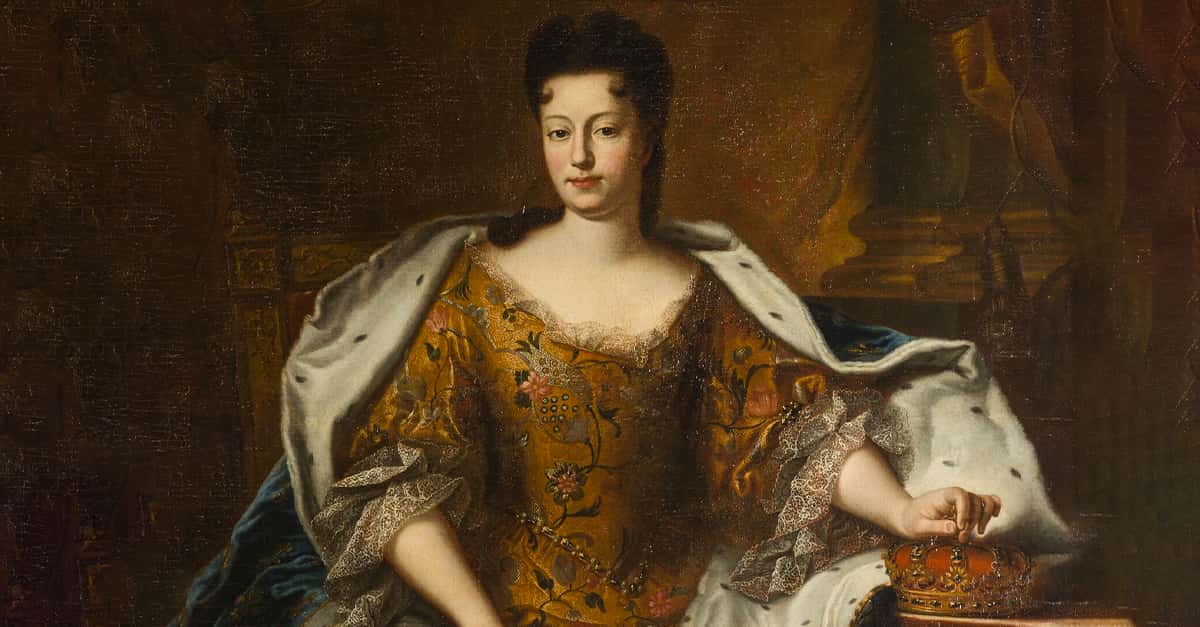
She Wrote Down Europe’s Secrets
Elizabeth Charlotte, Madame Palatine wasn’t the most popular woman in King Louis XIV’s court—but she knew everyone’s secrets. Her exhaustive letter-writing revealed the scandals, betrayals, and intrigues of Europe’s royal houses. Even if she was often the laughingstock, Madame Palatine would get the last word when her grandchildren ascended to thrones across the continent.
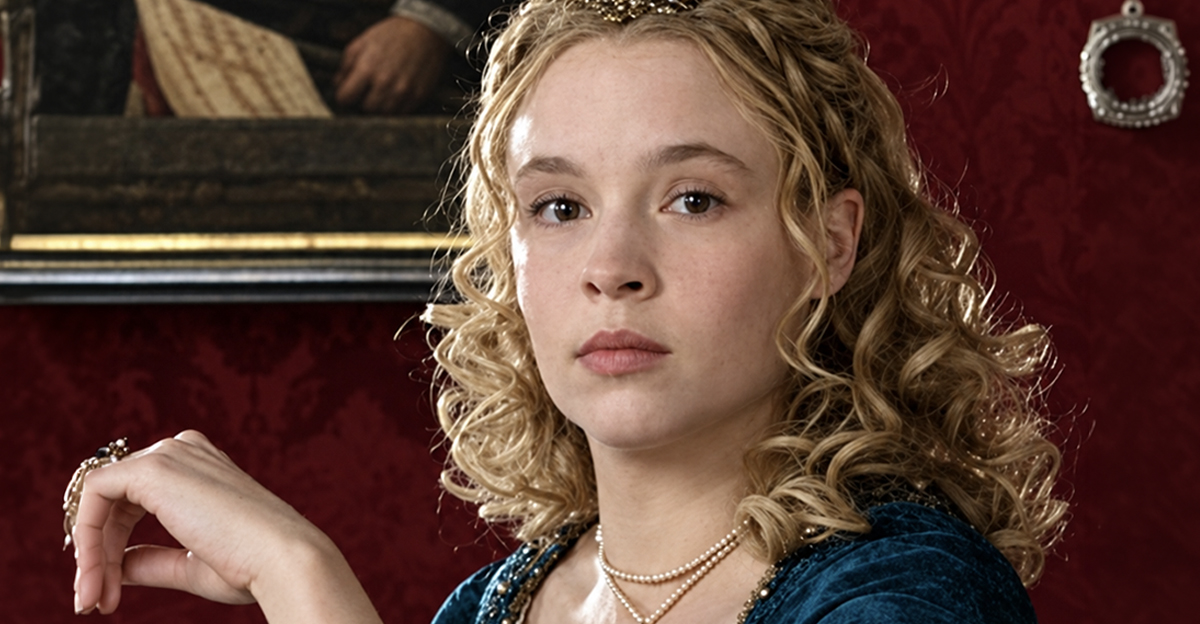 Netflix, Versailles (2015-2018)
1. She Was The Only Girl
Elizabeth Charlotte, Madame Palatine was born into imperial grandeur in late May of 1652 in Heidelberg, a city within the Holy Roman Emperor. Her father was Charles I Louis, Elector Palatine and her mother was Charlotte of Hesse-Kassel. Despite her high pedigree, everyone took to calling her “Liselotte”—a simple blending of her mother’s and grandmother’s (Elizabeth Stuart’s) names.
She almost never made it out of infancy.
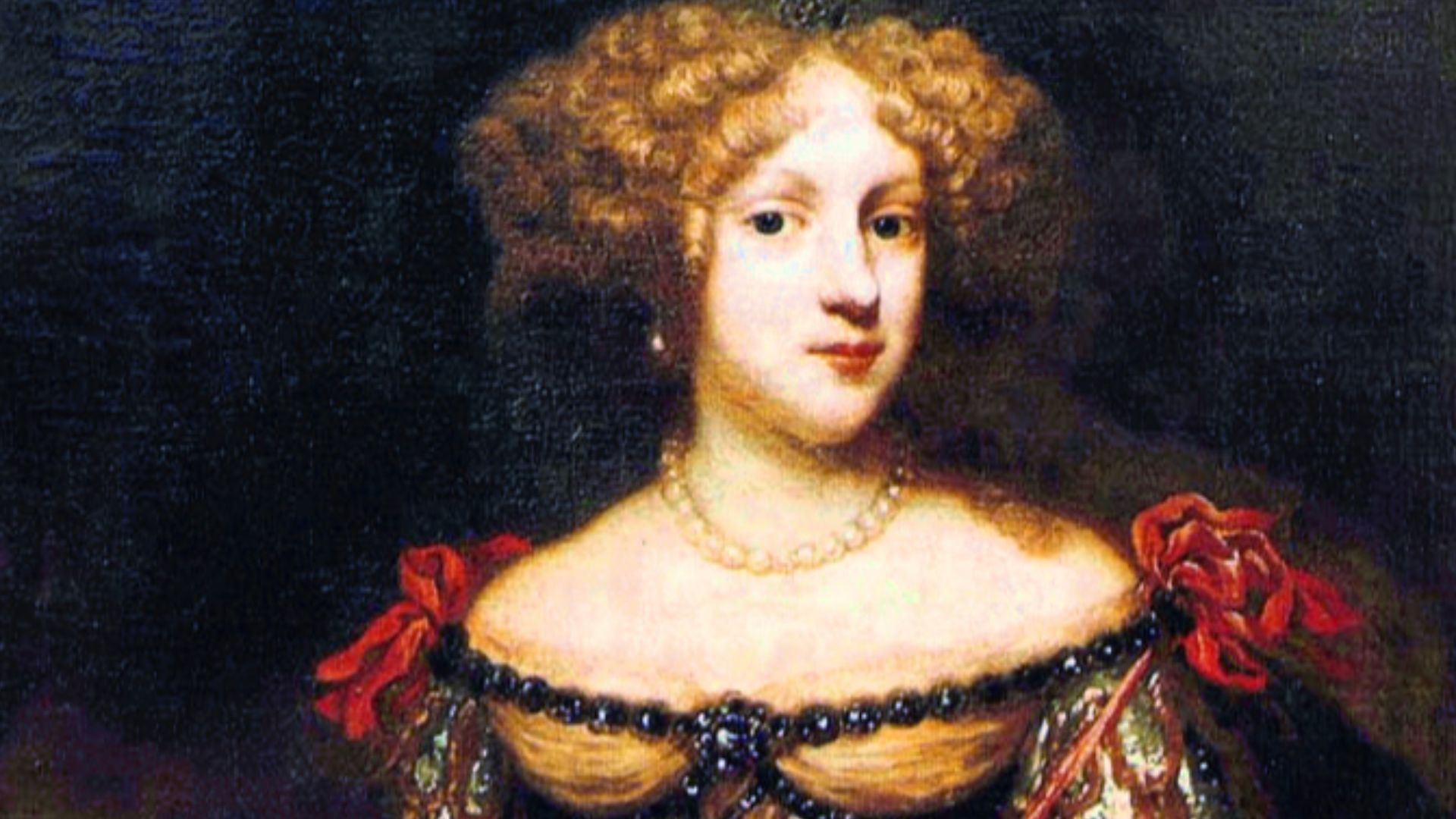 anonymous / Unidentified painter, Wikimedia Commons
2. She Made A Miraculous Recovery
Born "very weak and thin," no one was certain that little Elizabeth Charlotte would survive past birth given her condition. So, in a rush, her parents had her baptized—and it worked. Elizabeth Charlotte became a vigorously healthy child, preferring hunting and climbing trees to embroidery and etiquette. In her later letters (thousands of which have survived), she even called herself a “wild child”.
One thing was certain: she was about to have a wild childhood.
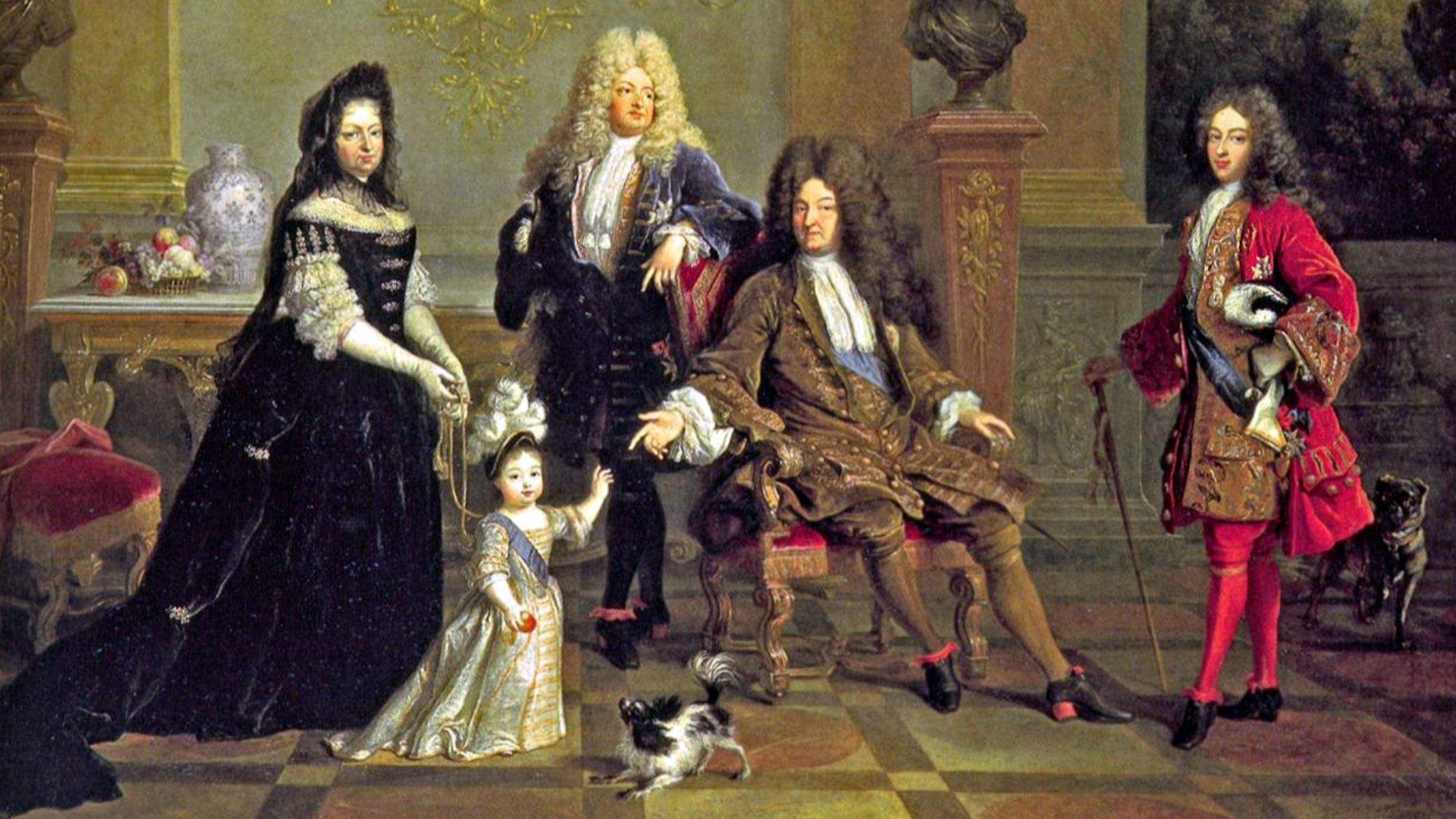 Formerly attributed to Nicolas de Largillière, Wikimedia Commons
3. Her Parents Fought—Brutally
Elizabeth Charlotte' idyllic imperial childhood fell apart quickly. By 1657, she had witnessed her father hitting her mother before the couple finally separated. Despite the marriage possibly never officially ending in divorce, Elizabeth Charlotte's father remarried. Her new stepmother was the comparatively low-born Marie Luise von Degenfeld. To make matters worse, von Degenfeld came with 13 new complications.
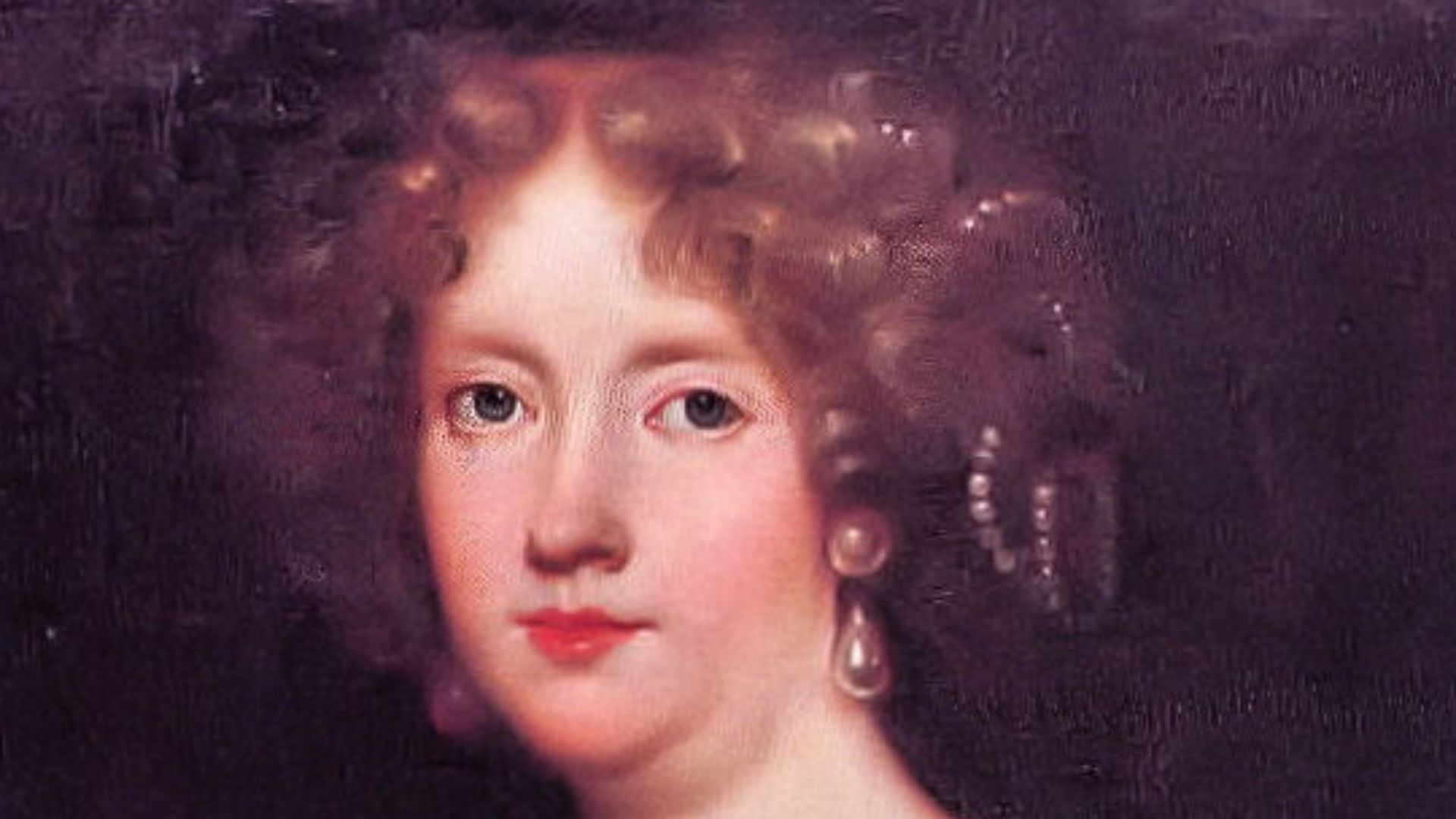 Pierre Mignard I, Wikimedia Commons
4. She Had A New Family
When Elizabeth Charlotte's father remarried, she gained 13 new siblings. Sadly, many of them did not survive into adulthood. However, despite her rocky relationship with her stepmother, Elizabeth Charlotte forged a deep and abiding relationship with her half-brother Karl Ludwig, whom she lovingly nicknamed “Black Head” because of his dark hair.
Their time together would be painfully short.
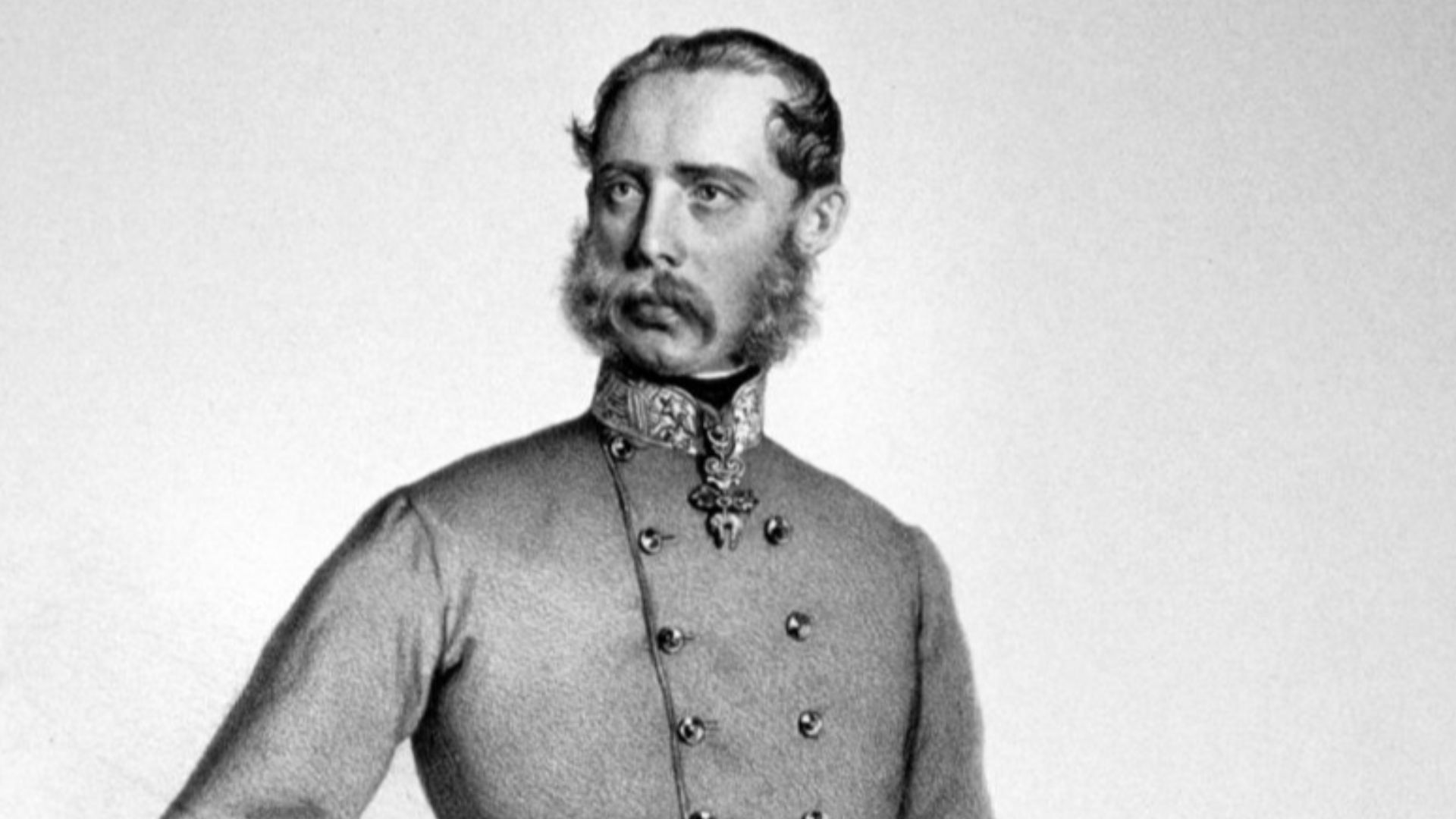 Josef Kriehuber, Wikimedia Commons
5. Her Father Sent Her Away
Elizabeth Charlotte's father wasn’t satisfied with his own separation from her mother—he wanted Elizabeth Charlotte separated from her too. When she turned seven, he shipped her off to live with his youngest sister, Sophia of the Palatinate, far removed in Hanover. However, the joke was on him. Elizabeth Charlotte remembered those years as some of her happiest and found in her aunt a lifelong maternal figure.
In fact, she gained more than one new stand-in mother.
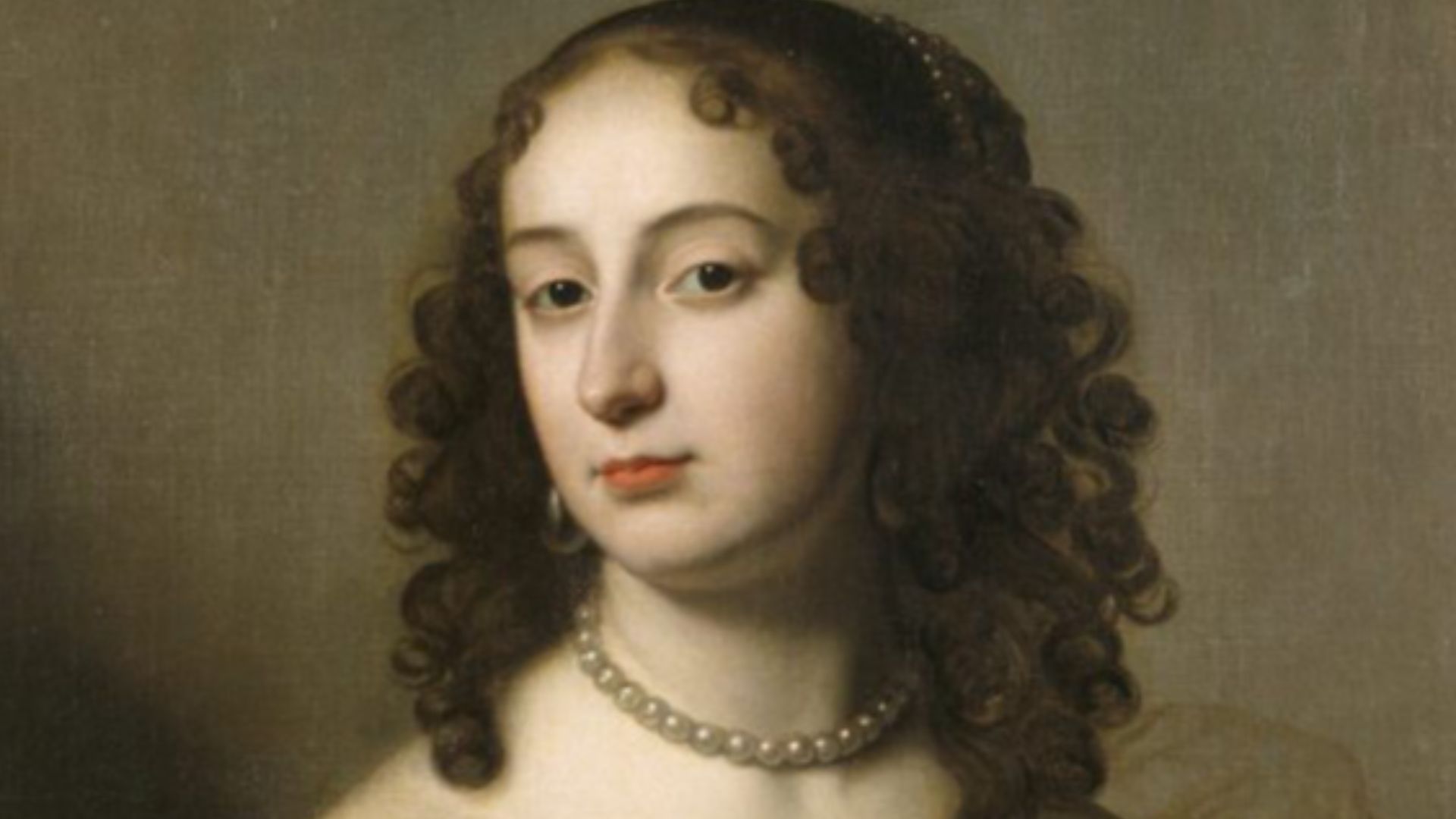 Gerard van Honthorst, Wikimedia Commons
6. She Wasn’t Like Her German Family
Elizabeth Charlotte could win over anyone—including her English grandmother Elizabeth Stuart. Despite Stuart’s aversion to children, she became fond of Elizabeth Charlotte and even wrote of her approvingly, saying, “She is not like the House of Hesse…she is like ours”. The subtle nod to her English heritage was as much of an endorsement as she could hope to get, and she even became a close playmate of her cousin, the future King William III of England.
But her father wouldn't let her become too English.
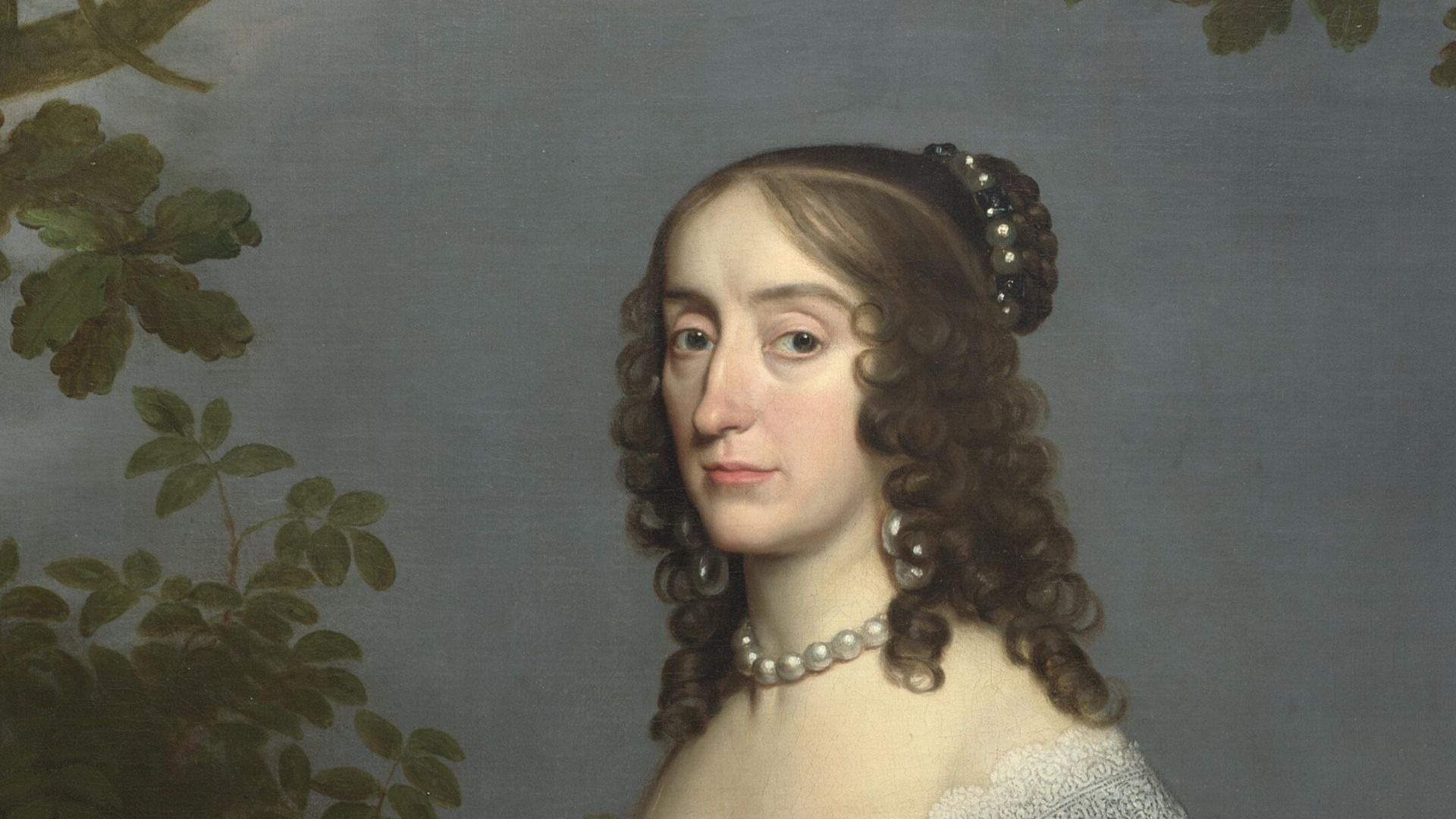 Gerard van Honthorst, Wikimedia Commons
7. She Returned Home
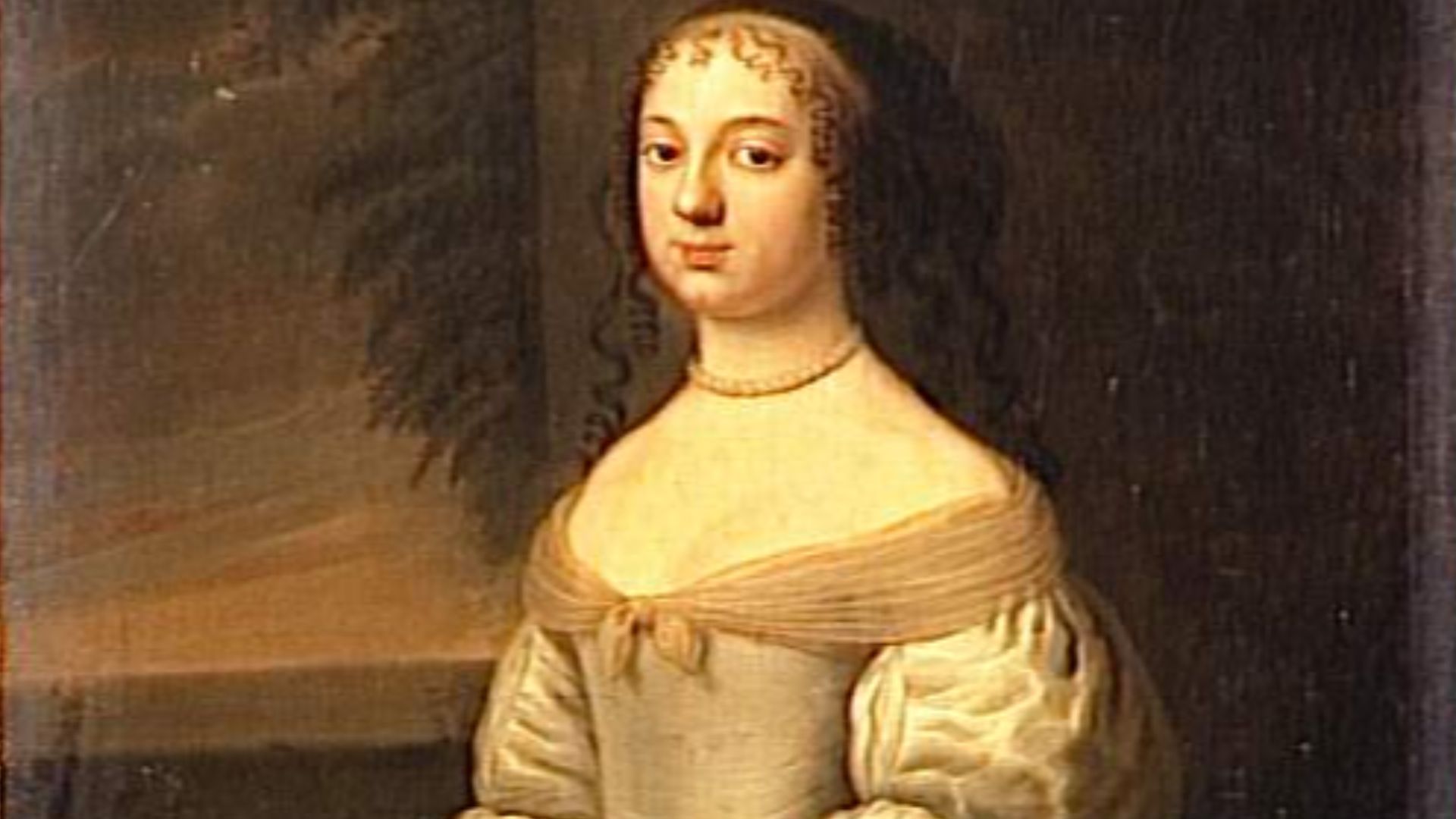
In 1663, Elizabeth Charlotte's father called her back home after kicking her mother out of Heidelberg Castle. Thus began her formal education in “dancing, playing the spinet, singing, handicrafts, and history”. By that time, however, she was already fluent in French and could read the Bible in both her native German and French. Her religious education proved to be quite revolutionary.
 Workshop of Henri and Charles Beaubrun, Wikimedia Commons
8. She Learned Tolerance
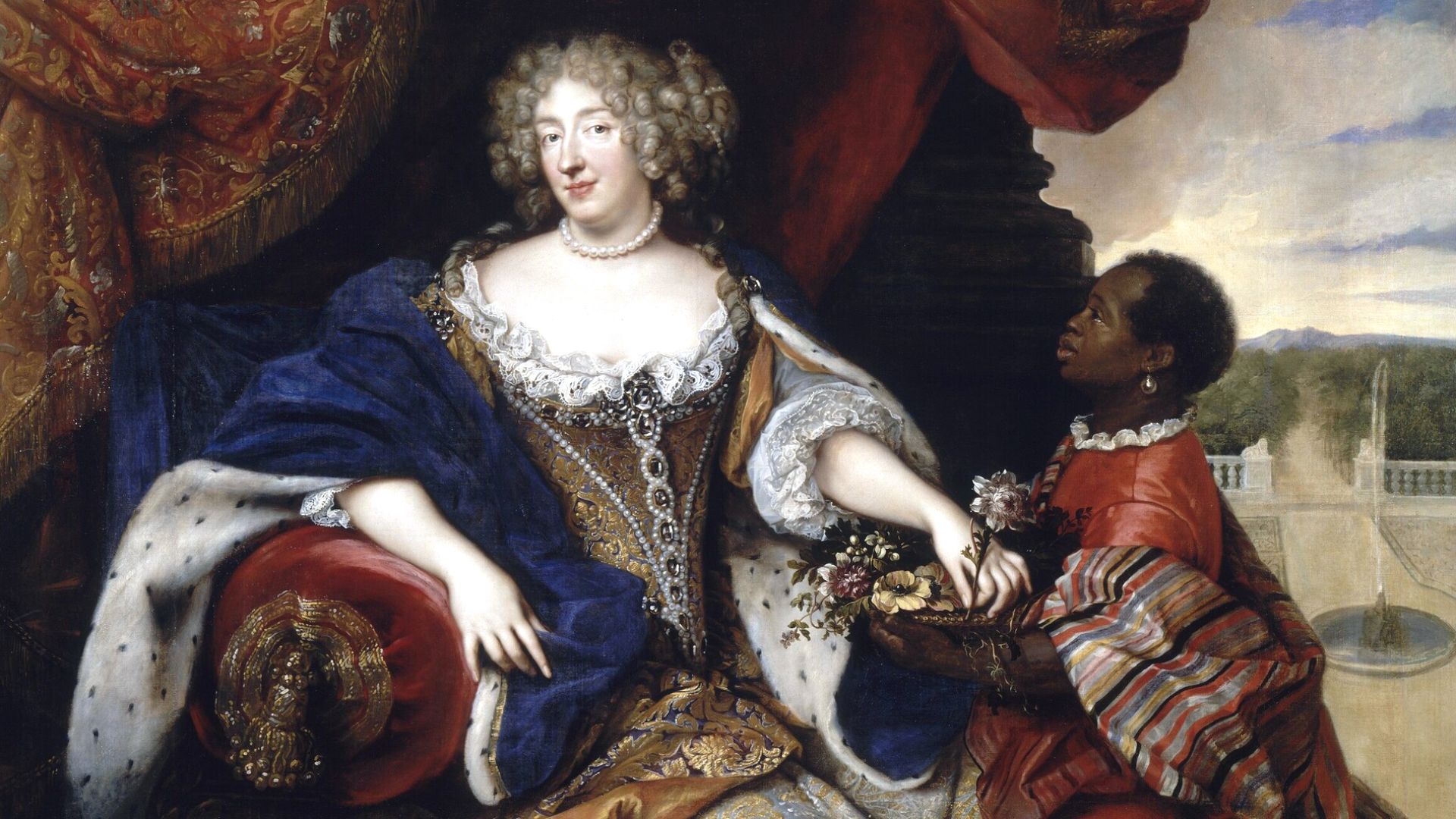
Long before it was fashionable, Elizabeth Charlotte learned the importance of religious tolerance. Her governess at Heidelberg saw to it that Elizabeth Charlotte never showed “any hatred or prejudice against someone because they belong to a different religion”. However, being a Calvinist herself in a largely Catholic Europe, religious tolerance was more about survival than anything else.
She would need her faith for what came next.
 François de Troy, Wikimedia Commons

History's most fascinating stories and darkest secrets, delivered to your inbox daily.
9. She Snagged A French Prince
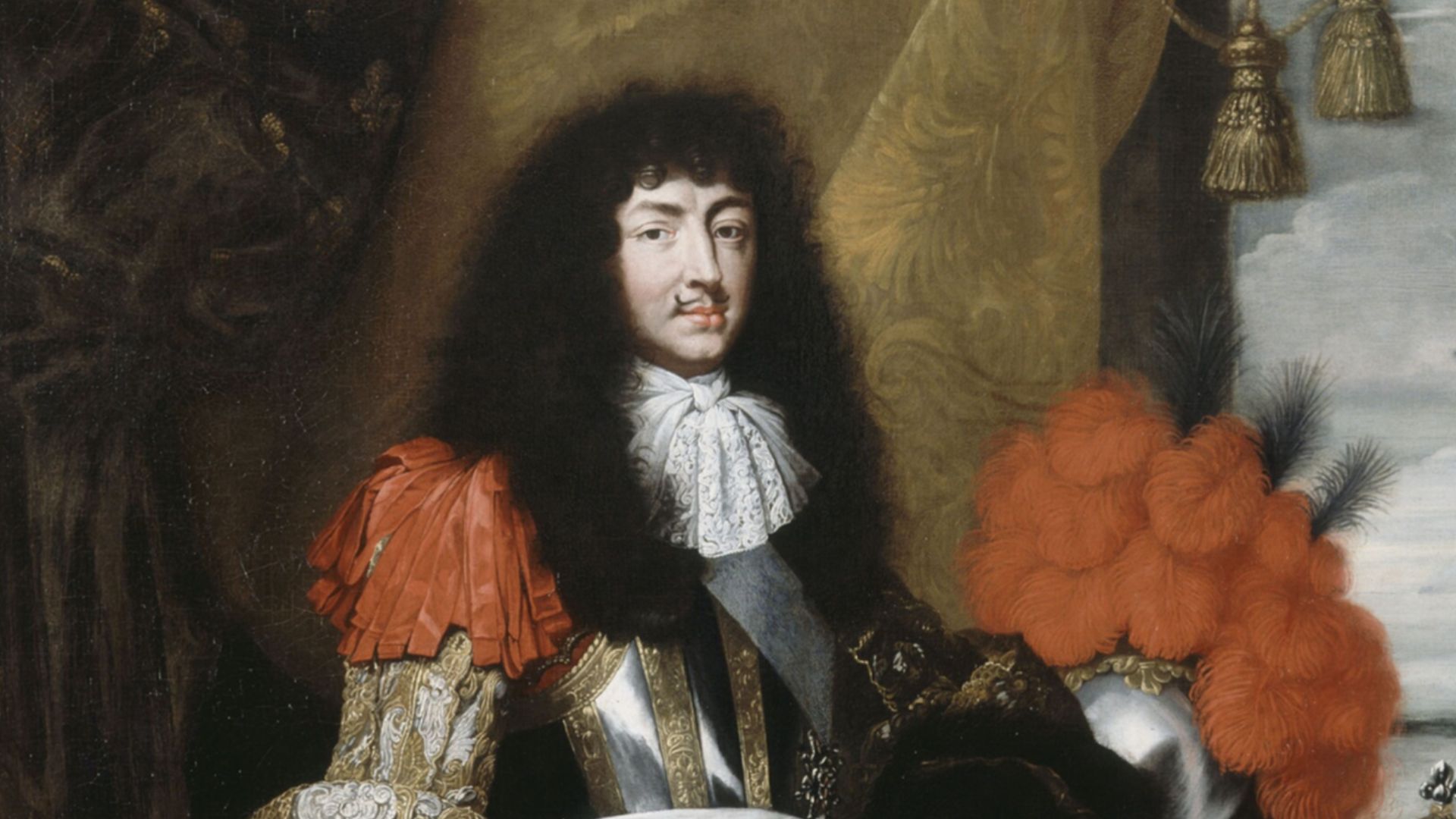
When King Louis XIV of France was looking for a suitable match for his younger brother, Philippe I, Duke of Orléans, there was only one good choice: Elizabeth Charlotte. The political marriage was meant to forge lasting peace between France and the Palatinate, regardless of her wishes. To finalize the agreement, Elizabeth Charlotte had to convert to Catholicism. That would be the least of the compromises she would have to make.
 Claude Lefèbvre / Formerly attributed to Philippe de Champaigne, Wikimedia Commons
10. She Never Abandoned Her Faith
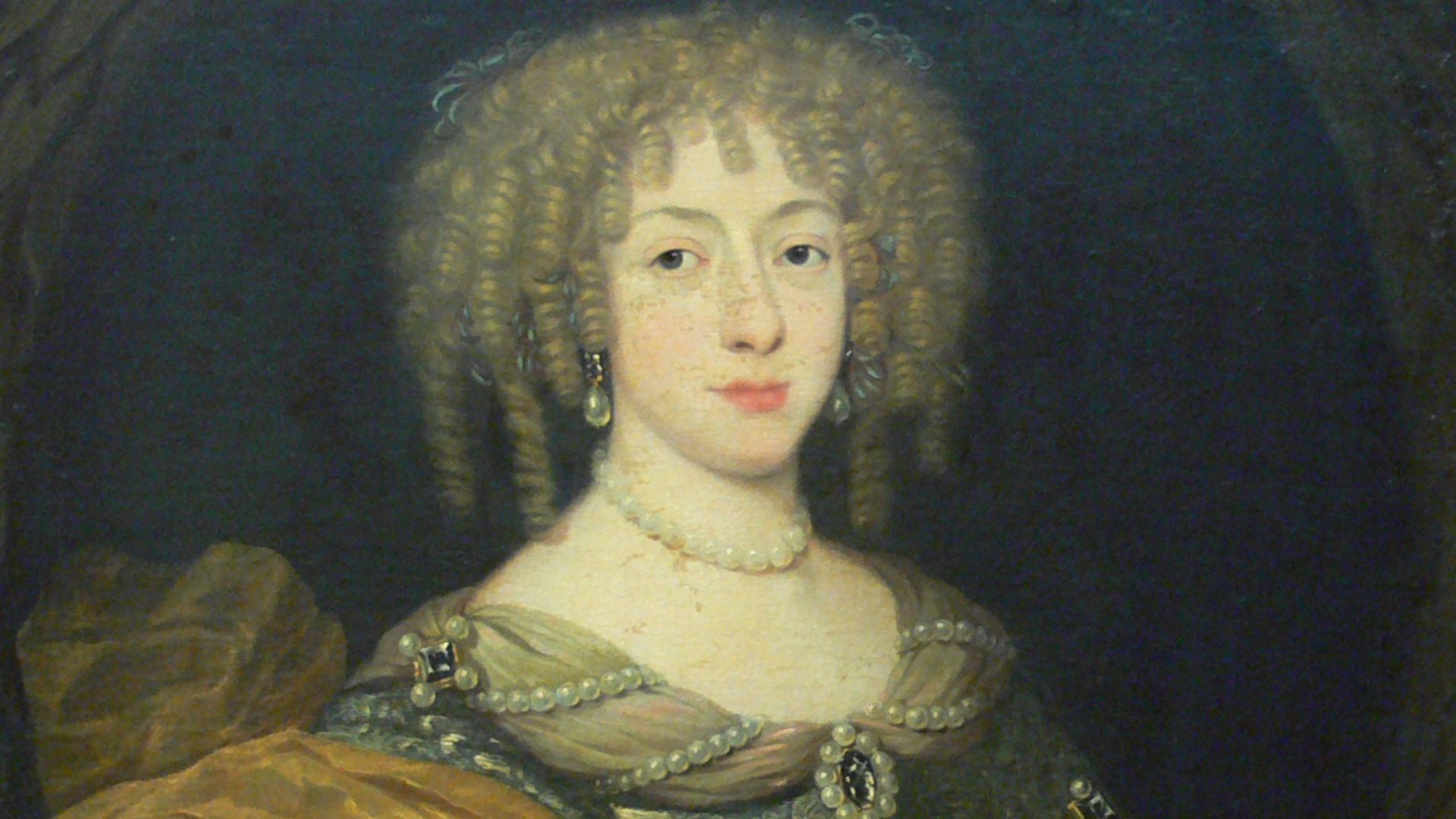
Elizabeth Charlotte's conversion to Catholicism was probably all for show. Marrying into the French Royal family was unquestionably a step up for the Palatine family, so she got the better end of the deal. But, throughout her life, she remained skeptical of Catholic dogma and procedures and sympathetic towards Lutherans and Calvinists.
Sincere or not in her conversion, the marriage was on.
 Unidentified painter, Wikimedia Commons
11. She Married A Total Stranger
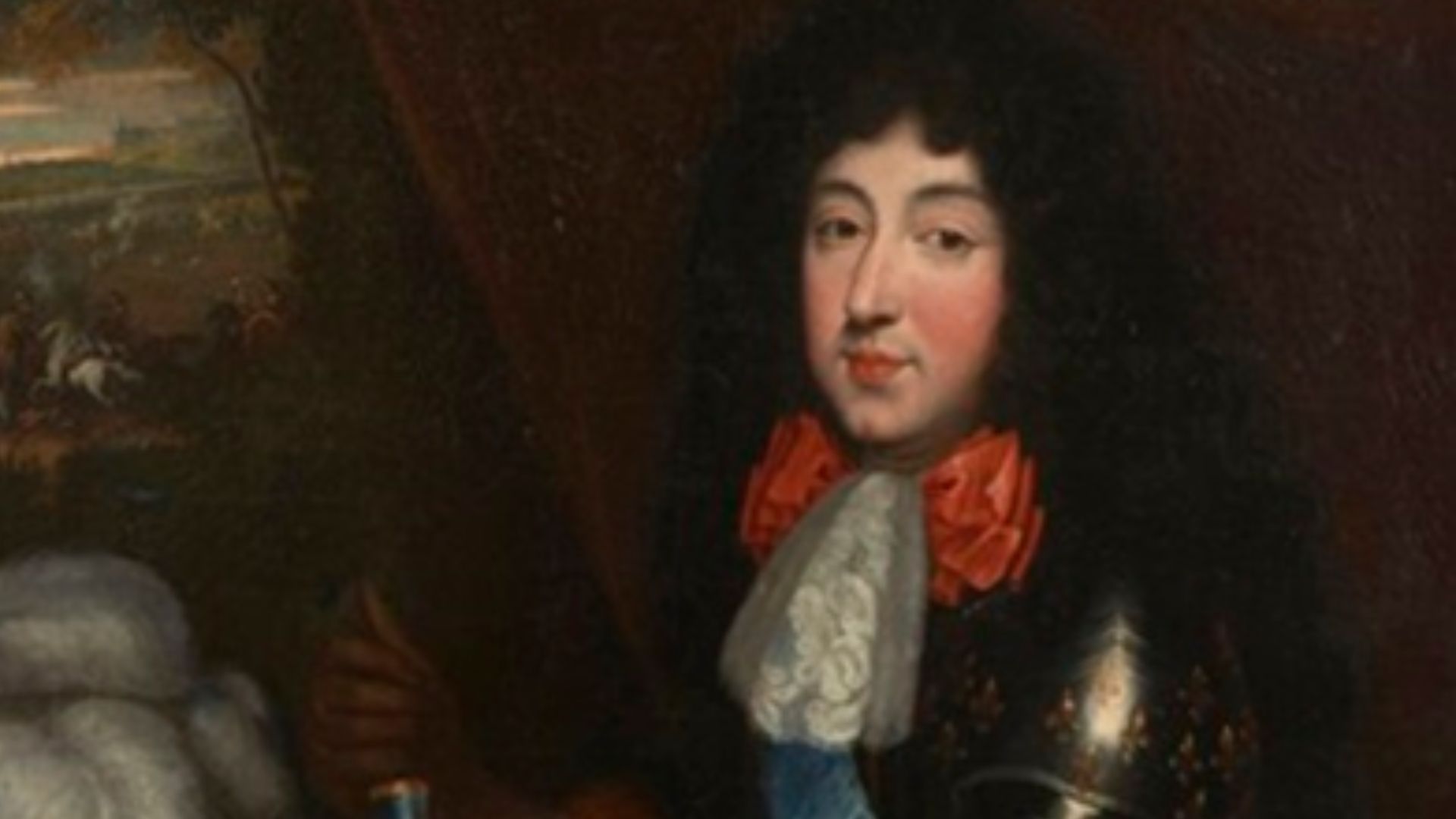
Elizabeth Charlotte's wedding went ahead without the groom. On November 16, 1671, she said her vows at the Cathedral of Saint Stephen in Metz. To whom, you ask? The Duke of Plessis-Praslin, who stood in for the absentee Philippe I. Just like that, she became the “Madame” to his “Monsieur”. Four days later, Elizabeth Charlotte would finally meet her husband, who was 12 years her senior.
Her first impression was…grim.
 French School / Unidentified painter, Wikimedia Commons
12. She Catalogued His Every Flaw
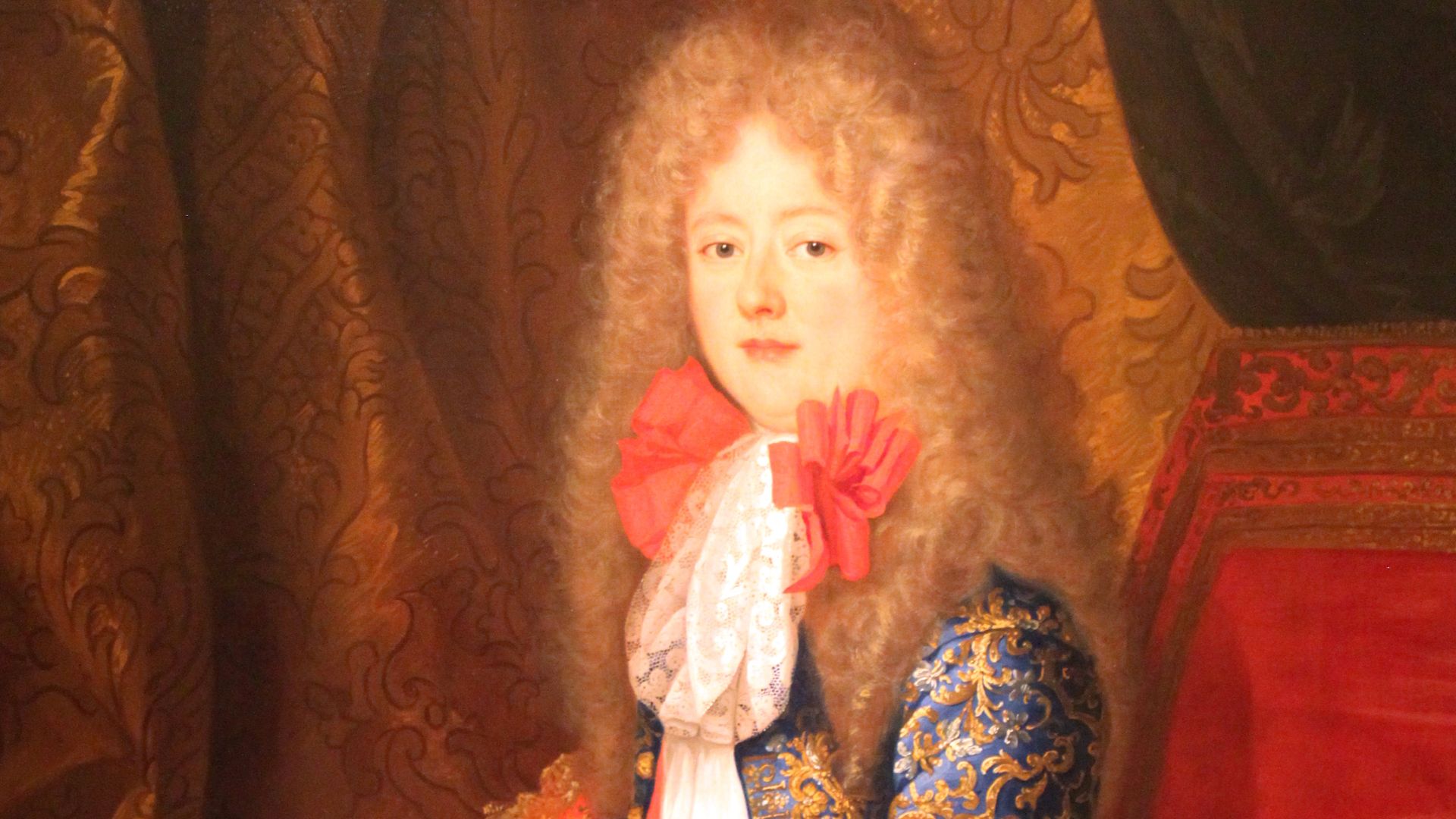
15 years after Philippe I was gone, Elizabeth Charlotte confessed that her first impression of him had been underwhelming. Writing to Caroline, Princess of Wales, in 1716, she offered this (unflattering) portrait: “Monsieur didn't look ignoble, but he was very short, had pitch black hair, eyebrows and eyelids, big brown eyes, a long and rather narrow face, a big nose, a mouth that was too small and ugly teeth”.
Then she took aim at his personality, as it was.
 Louis Ferdinand Elle the Elder, Wikimedia Commons
13. Her Husband Was More “Feminine”
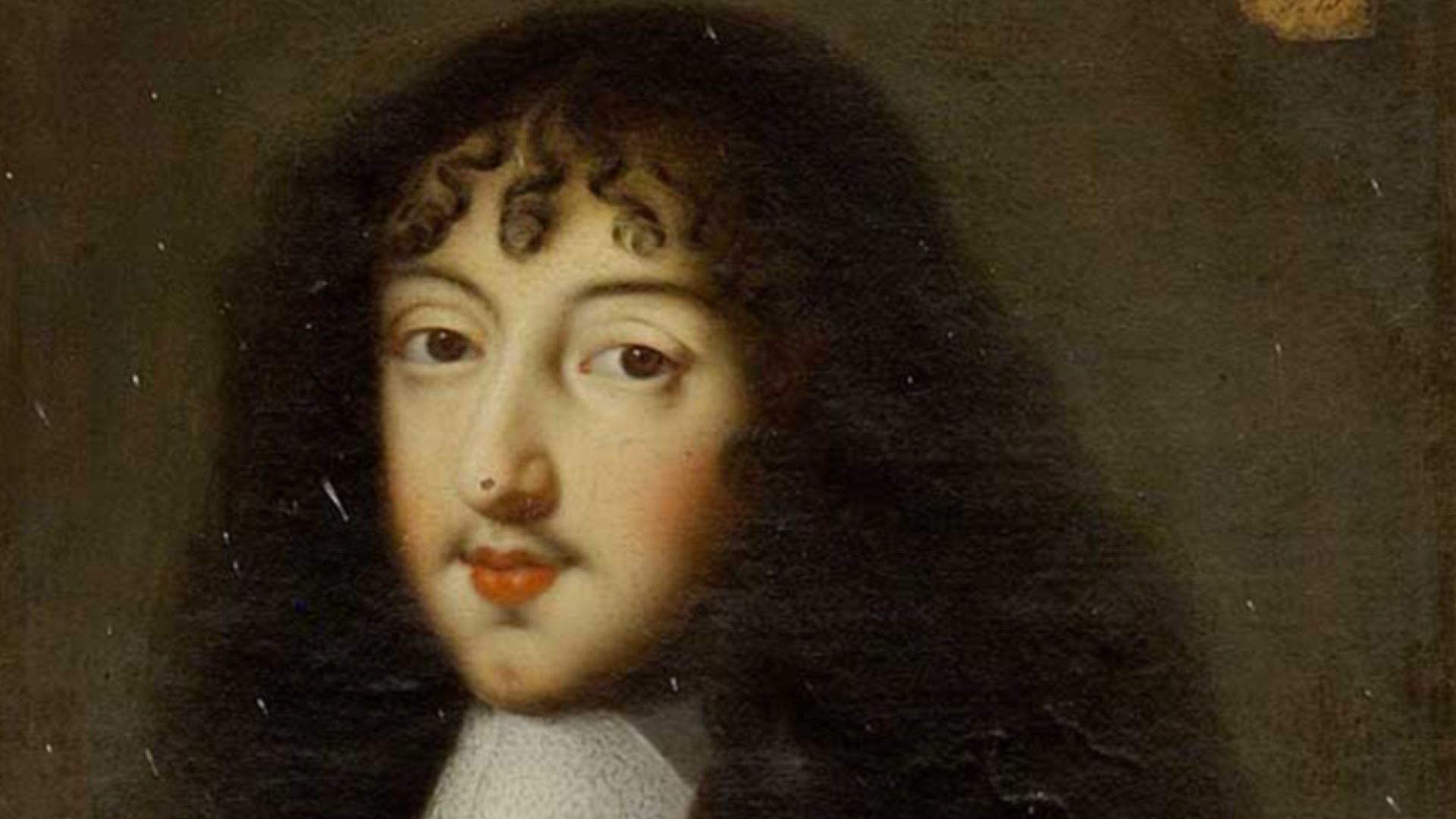
In that same letter to the Princess of Wales, Elizabeth Charlotte was even more critical of Philippe I’s personality—and his heart—than she had been of his looks. She claimed that he had “never been in love in his life”. Further, she wrote about his “more feminine than masculine manners”, saying that he preferred “everything that ladies love”.
She was even more right than she knew.
 Jean Nocret, Wikimedia Commons
14. She Shared Him With Another
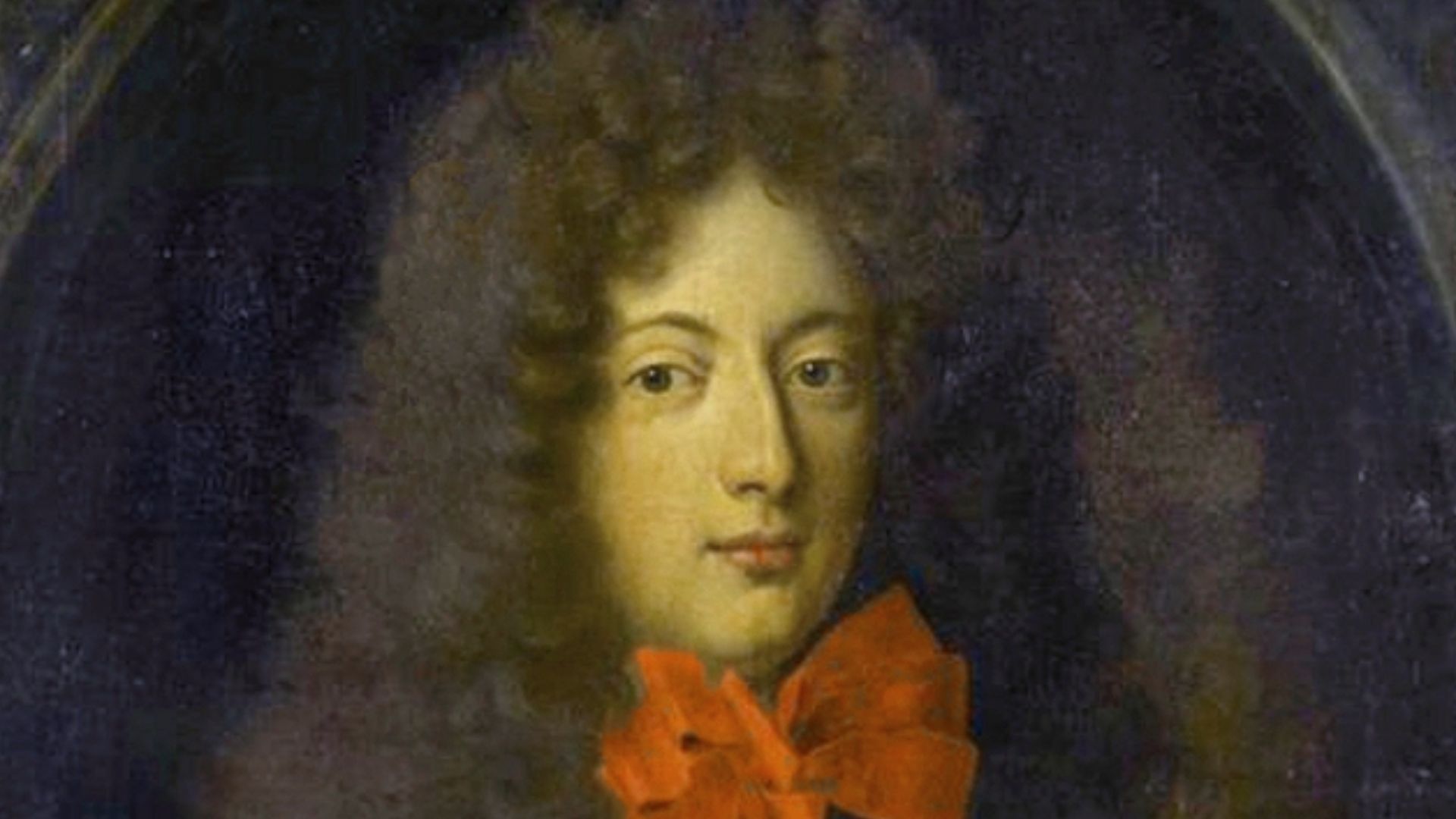
Elizabeth Charlotte's early suspicions about Philippe I’s “feminine” inclinations were entirely correct. The historical record is clear: Philippe I was attracted to both men and women, and may even have “preferred men to women”. None competed for Philippe’s attention quite as much as the Chevalier de Lorraine, with whom he carried on a lifelong romantic relationship.
The Chevalier wasn’t her only competitor for her husband’s affections.
 Unidentified painter, Wikimedia Commons
15. She Answered To His Favorites
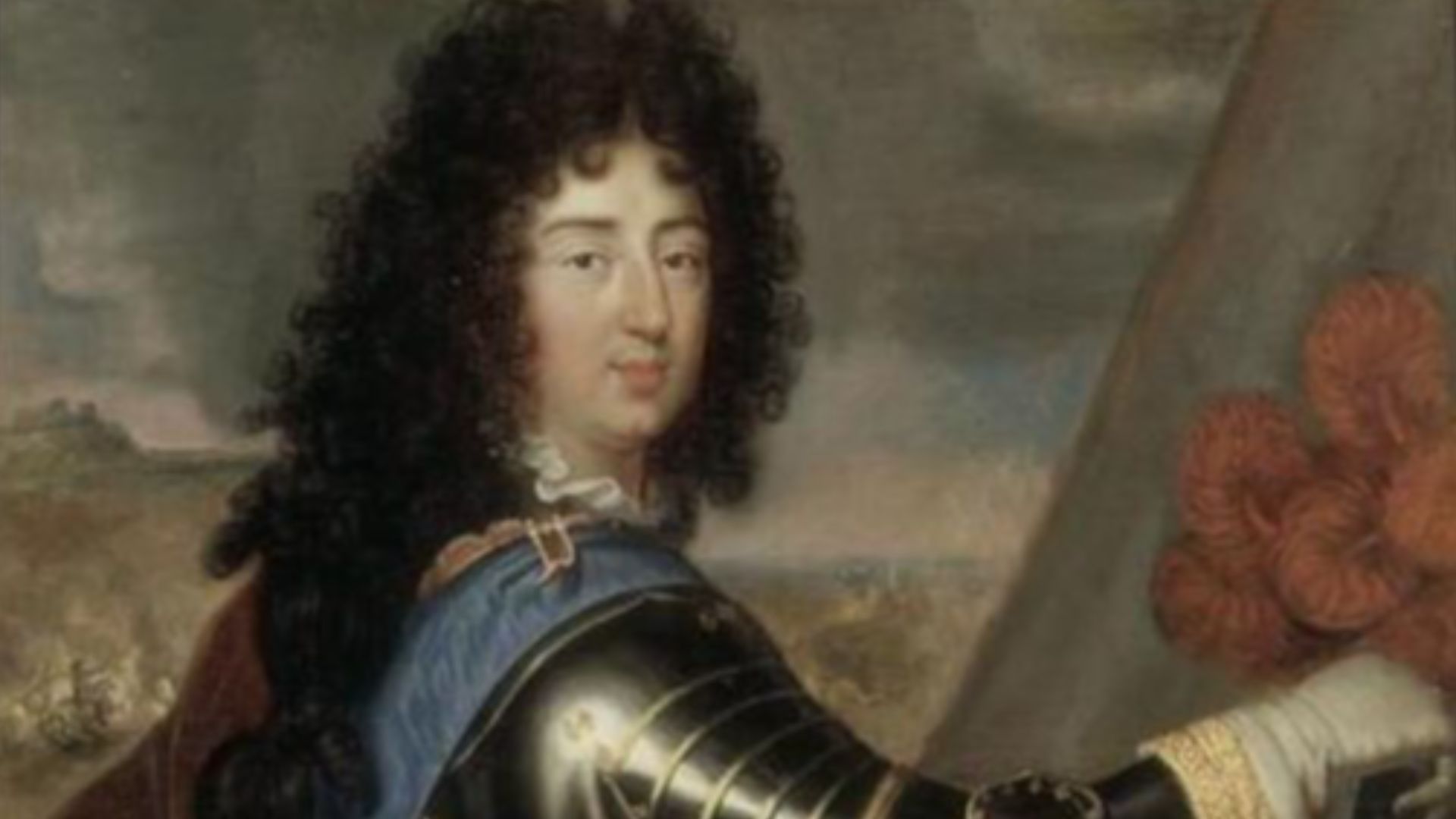
Elizabeth Charlotte could only watch in horror as Philippe kept company with a widening circle of younger men. Then, much to her chagrin, Philippe added insult to injury when he made Antoine Morel de Volonne—one of his many lovers—a close personal aide of hers for 10 years. Even by the already low standards of the time, de Volonne was seen as a scoundrel who “sold boys like horses”.
Elizabeth Charlotte could barely even share a bed with her new husband.
 Michel Corneille the Elder, Wikimedia Commons
16. She Found Relief In Rejection
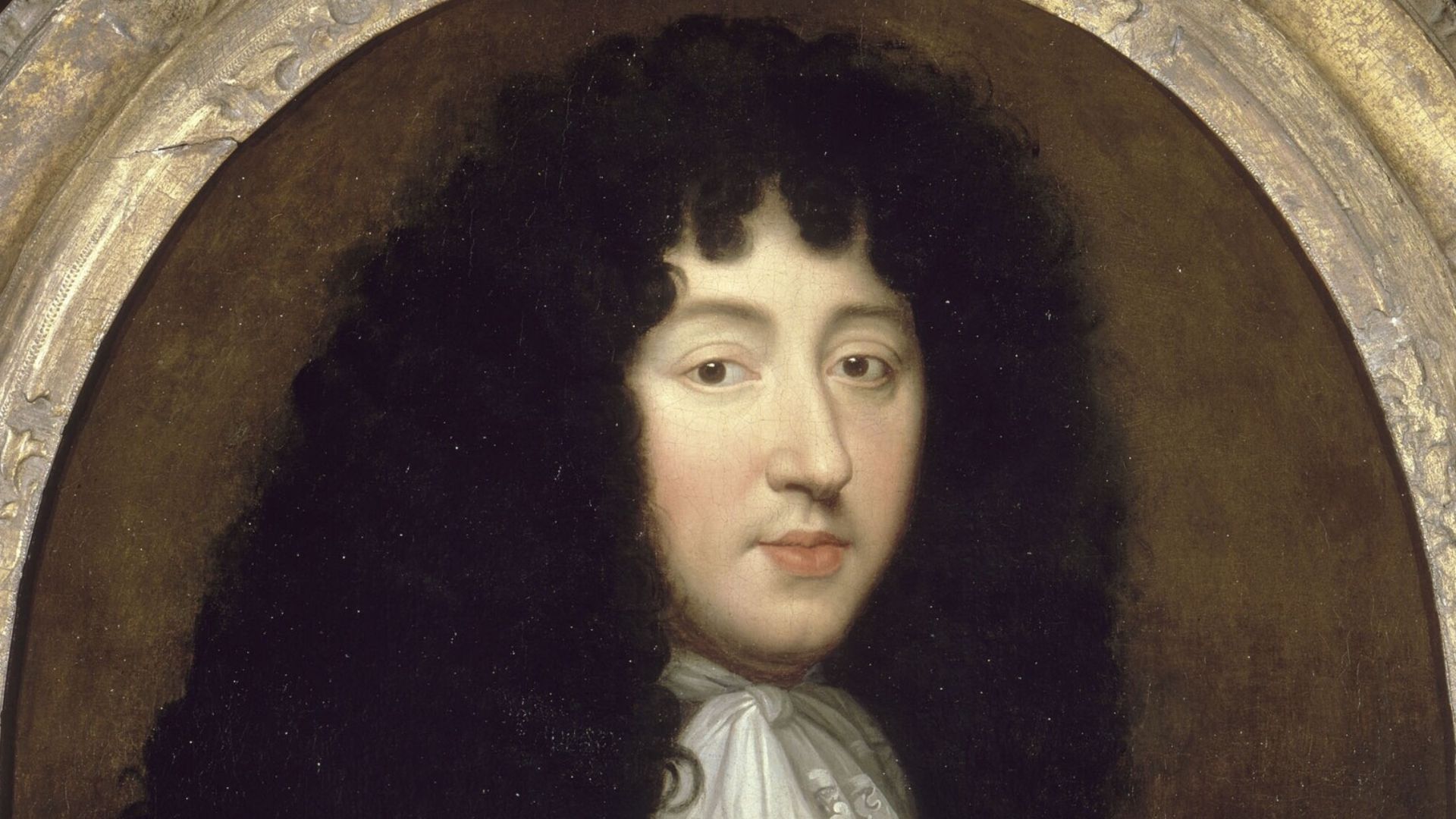
Whatever love Philippe I had in him, Elizabeth Charlotte saw little of it. Even in their marital bed, if her arm accidentally touched his, he would recoil in disgust and reprimand her for the inadvertent affection. Somehow, the couple managed to fulfill their marital duties, but after the birth of their third child, Philippe I ended their physical relationship.
Elizabeth Charlotte, for her part, could not have been happier about it.
 Unidentified painter / French School / Formerly attributed to Pierre Mignard I, Wikimedia Commons
17. She Was Unusually Progressive
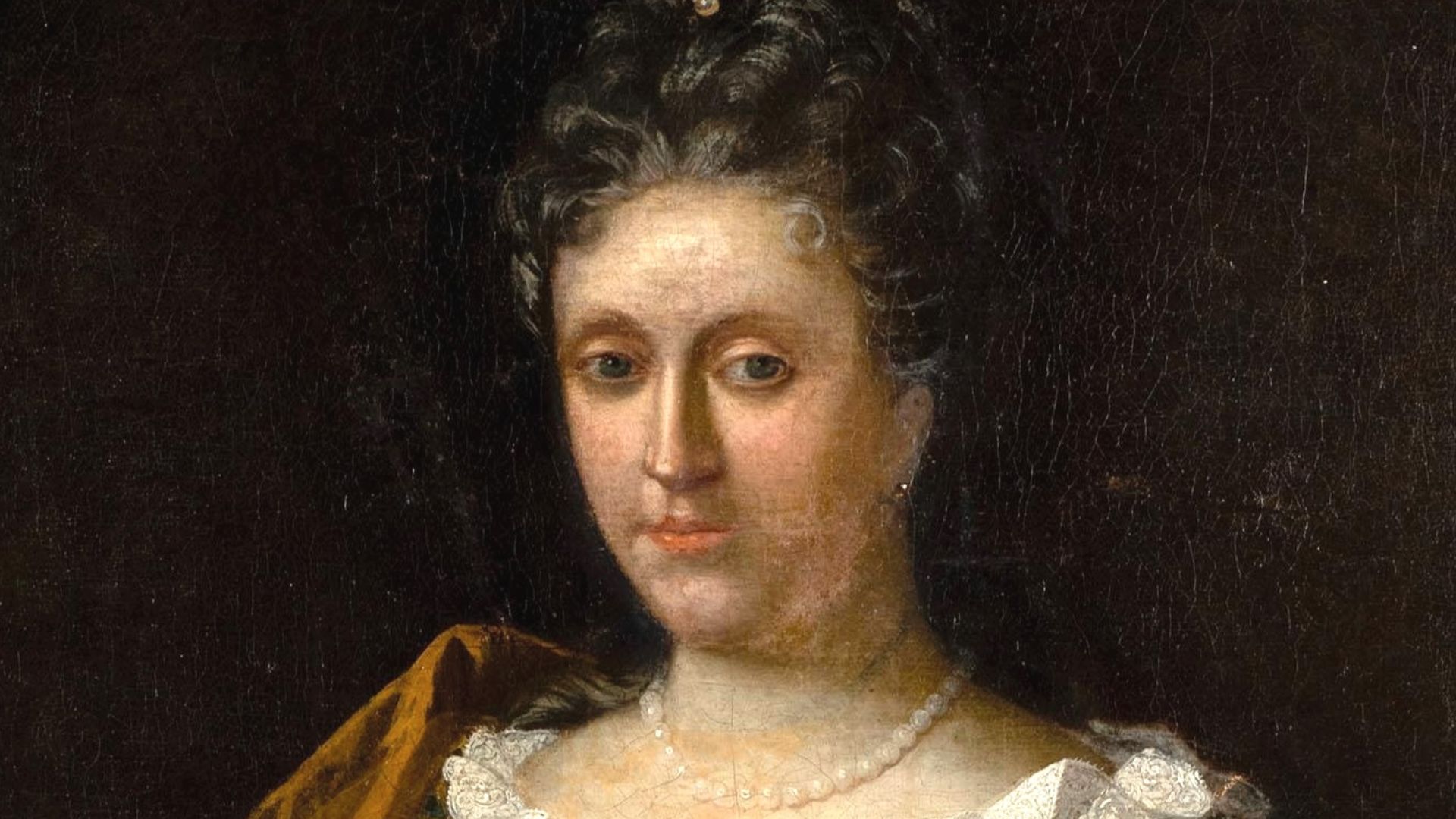
Elizabeth Charlotte developed a reluctant (if disdainful) tolerance for her husband’s lifestyle. Writing to one of her half-sisters in 1705, Elizabeth Charlotte said, “Where have you and Louisse got stuck that you know so little about the world…those who want to hate everyone who loves young guys wouldn’t be able to love 6 people here…You tell, dear Amelisse, that the world is even worse than you never thought”.
Even so, she and Philippe led totally different lives.
 German School / Unidentified painter, Wikimedia Commons
18. She Kept Her Own Staff
Elizabeth Charlotte and Philippe I may have shared a marital bed (for a time), but that’s where the sharing ended. She made a point of keeping her own apartments within Philippe I’s residences inside of France’s regal palaces. She even went so far as to keep a staff of her own, consisting of some 250 people. Philippe’s staff was larger, but Elizabeth Charlotte kept what mattered most: their children.
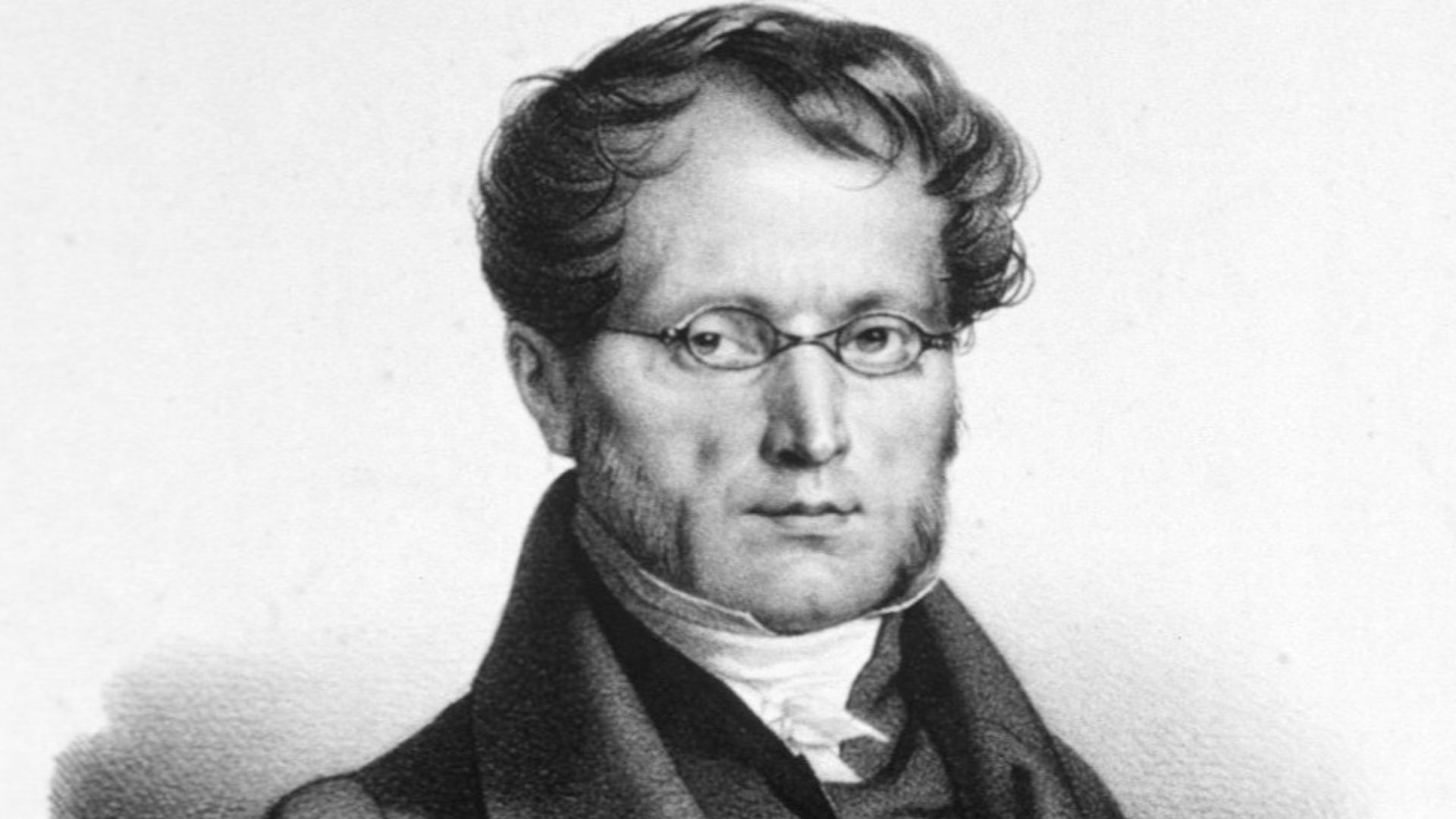
19. She Lost Her Firstborn Son
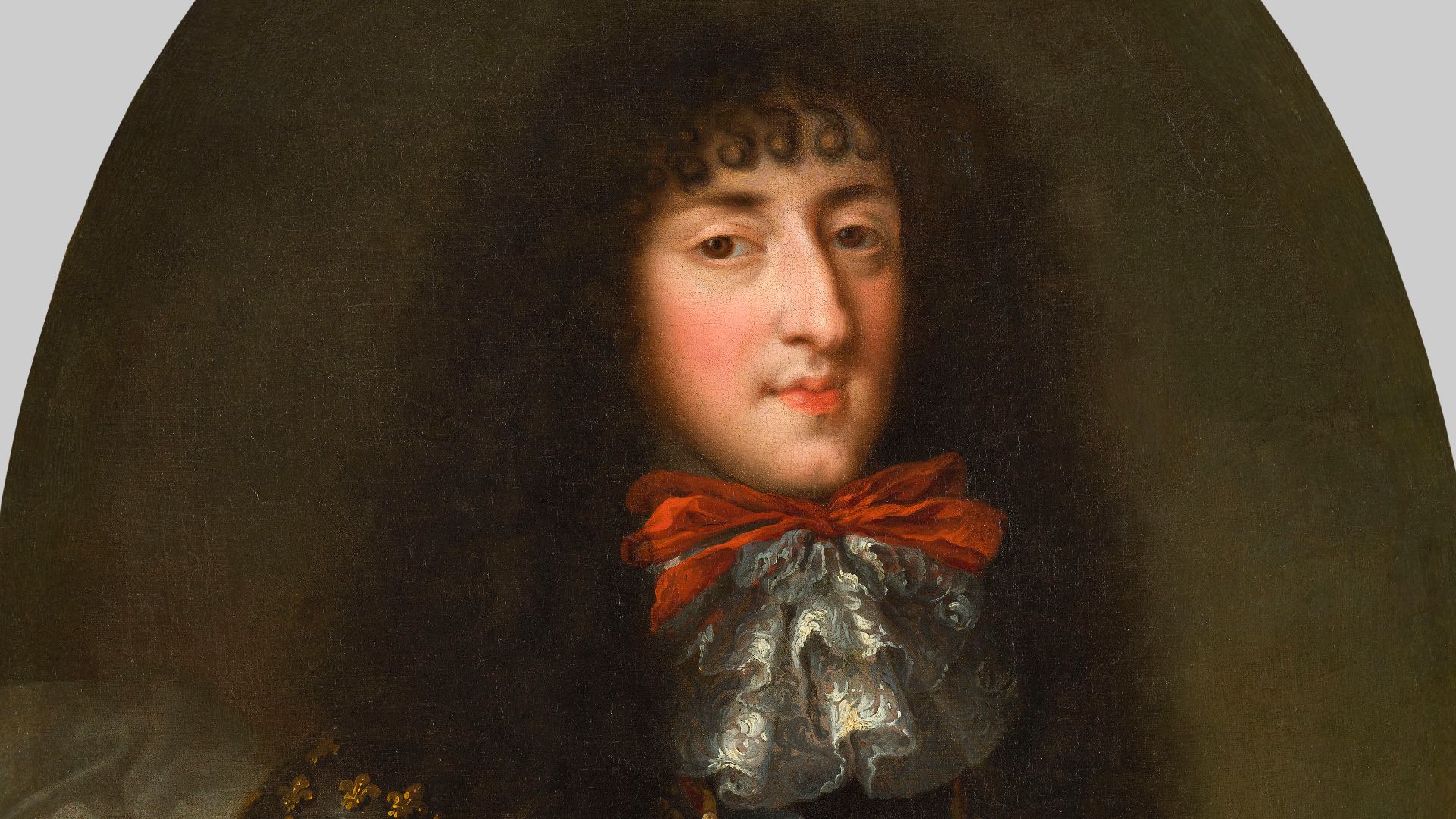
Elizabeth Charlotte gave her children the affection her husband refused. So, in 1676, when her eldest son Alexandre Louis perished at the age of two, she was utterly crestfallen. Writing that April, she said, “I don’t think one can [perish] from excessive sadness, otherwise I would undoubtedly have [gone]”. It wasn’t until six months later, with the birth of her daughter, that the dark cloud lifted.
Then she found an unlikely and powerful ally.
 Unknown authorUnknown author, Wikimedia Commons
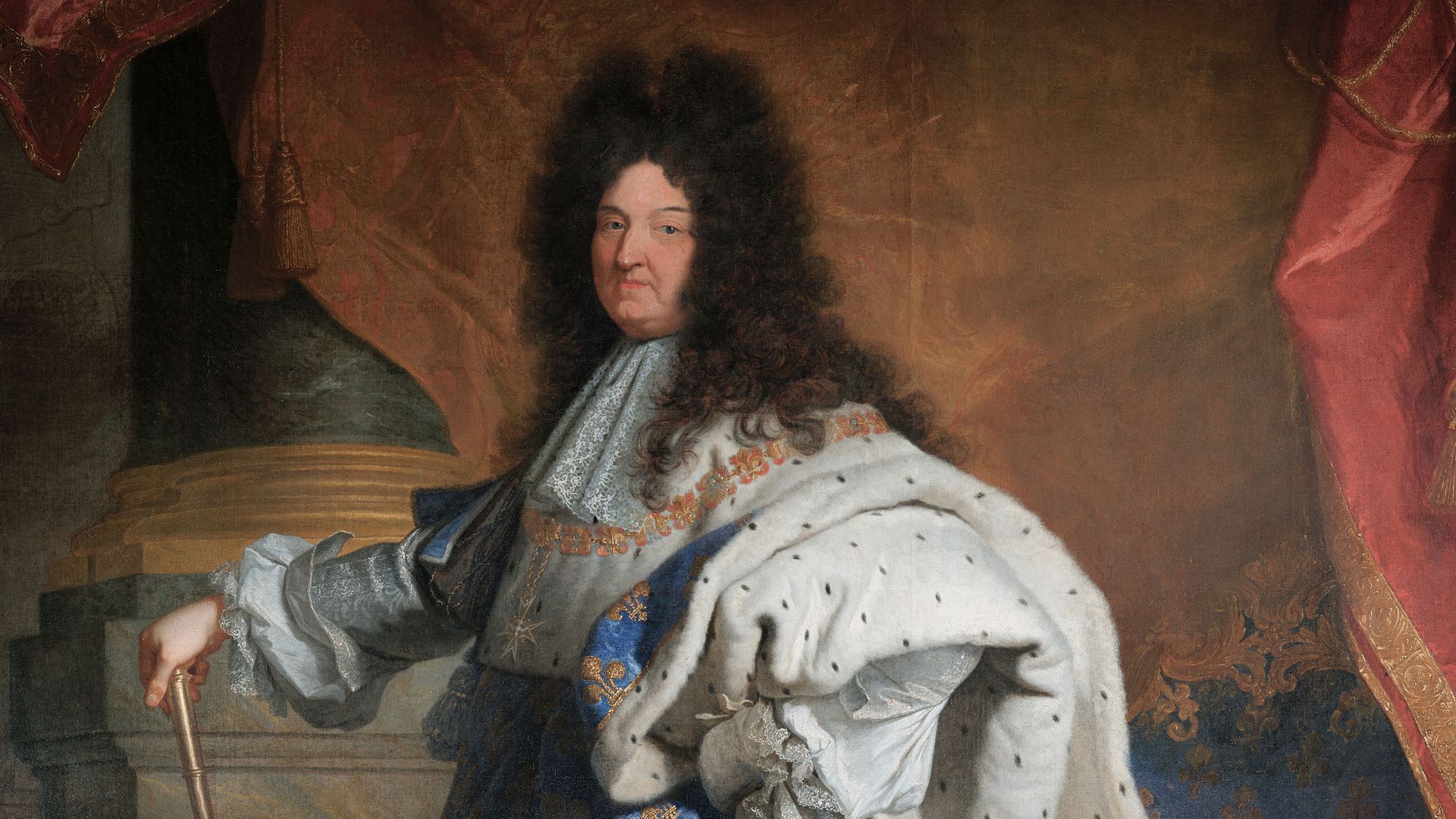
20. She Hunted With The King
Elizabeth Charlotte had clearly married the wrong brother. When the court retreated to Fontainebleau for the autumn hunting season, no one—except for King Louis XIV himself—could keep up with her. The duo were practically inseparable, hunting from dawn until dusk. Even after the sun set, they weren’t done. “Returning from the hunt,” she wrote, “we all went to the evening meal, and from there to the ball”.
Their friendship only grew from there.
 Hyacinthe Rigaud and workshop, Wikimedia Commons
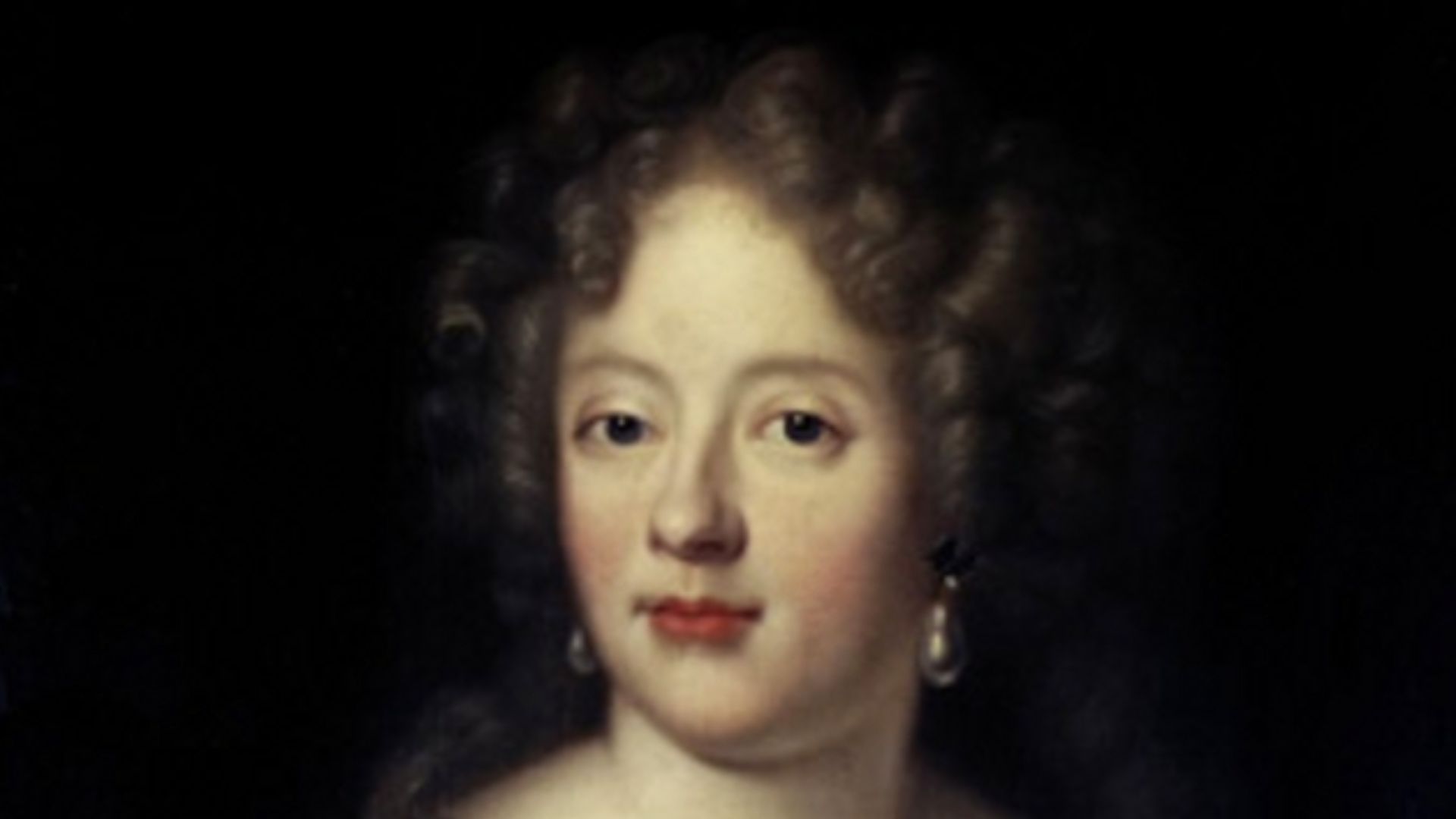
21. She Charmed A King
If Philippe I had no use for his wife, his brother certainly did. King Louis XIV was reportedly “enchanted by the fact that this was an extremely witty and lovely woman” and remarked “that she danced well”. Where the French court saw a blunt German outsider, the King saw someone refreshingly free of pretense whose “keen intelligence” he respected and whose “sincerity” he appreciated.
He even liked her strange habits.
 Pierre Mignard I, Wikimedia Commons
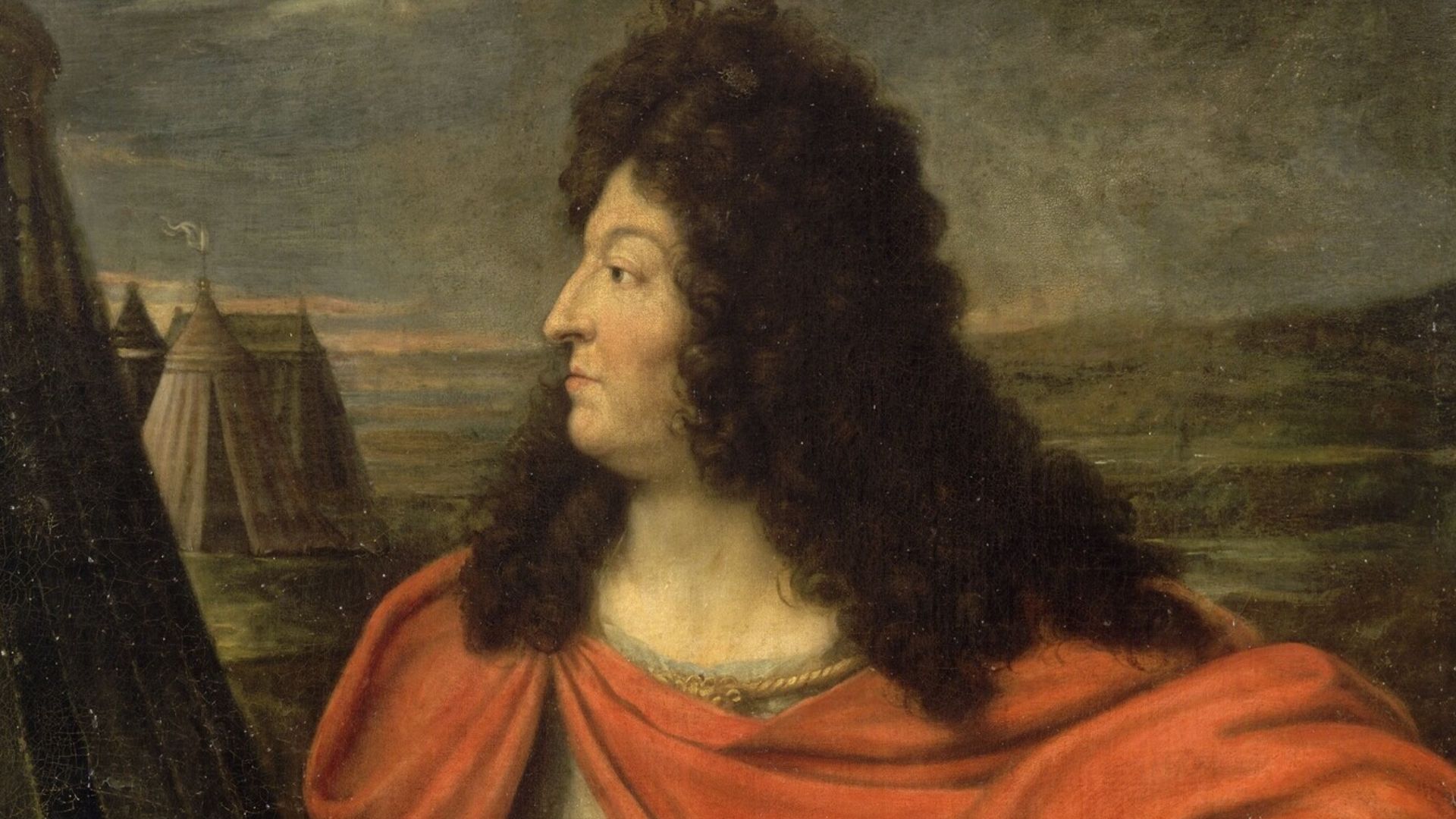
22. She Wandered The Gardens At Night
Elizabeth Charlotte enjoyed strolling through the gardens at Versailles. While the rest of the French court found it odd, King Louis XIV found it utterly charming. He once told her, “Il n’y a que Vous qui jouissés des beautés de Versailles” (You are the only one who enjoys the beauties of Versailles). But, as her friendship with the King deepened, the jealousies at court intensified.
 After Pierre Mignard I, Wikimedia Commons
23. She Was Stuck Between Two Brothers
The historian Dirk Van der Cruysse—who also wrote Elizabeth Charlotte's biography—summed up her position at court perfectly. “She was providentially placed between two completely dissimilar brothers,” he remarked. According to Van der Cruysse, Elizabeth Charlotte endeavored to show “her affection to both of them, wholeheartedly and without any ulterior motives”.
Still, she attracted the envy of less noble nobles.
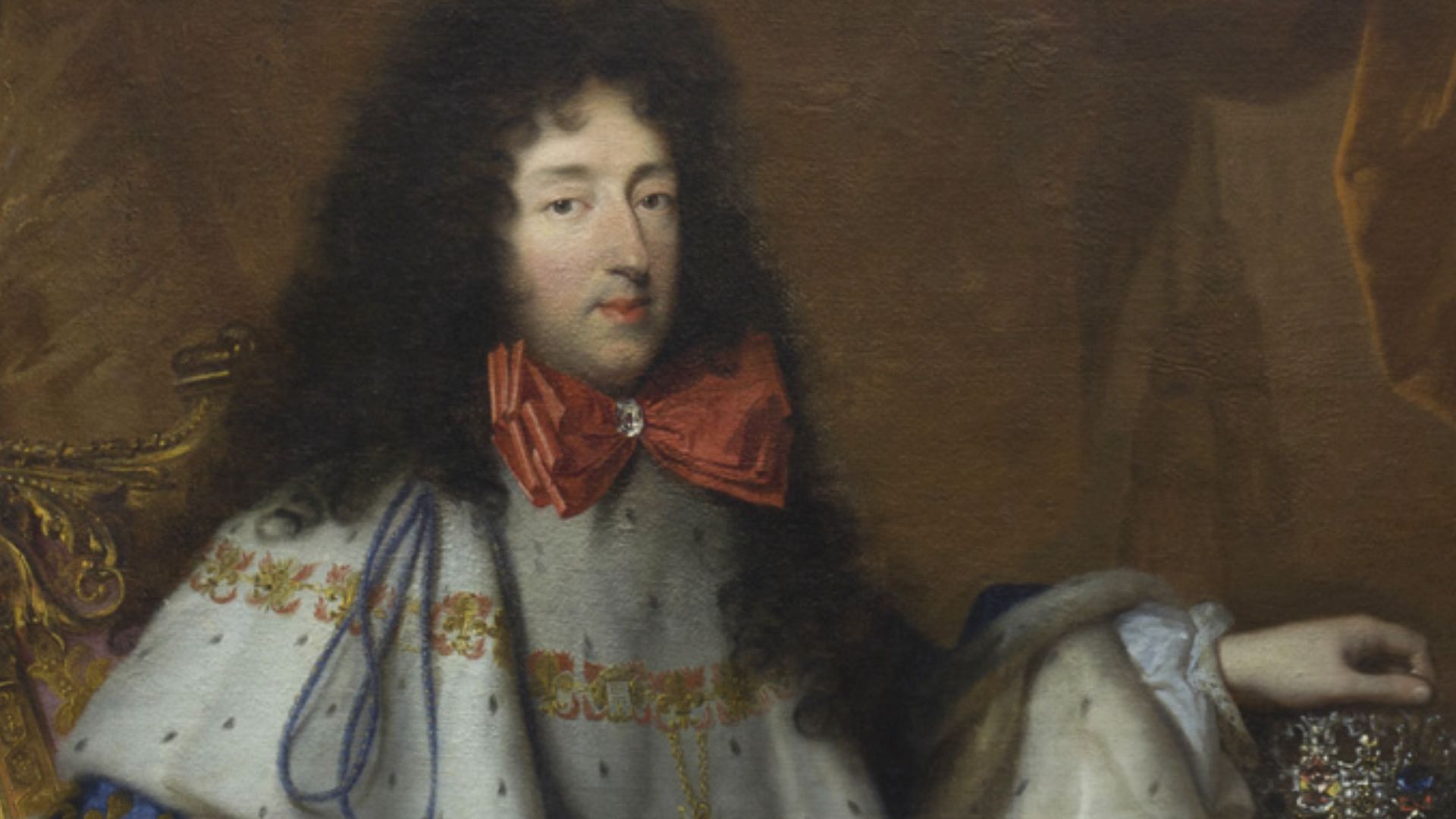 Pierre Mignard I, Wikimedia Commons
24. She Was “Ungainly”
Within the walls of Versailles, beauty was its own currency—and Elizabeth Charlotte had little of it. Her contemporaries within the French court described her as “ungainly and plain in appearance, with a brash and assertive manner”. Even so, she managed to win over some of her detractors who had originally written her off as an “uncultivated foreigner”.
Even the sharpest tongue in France had to admit it.
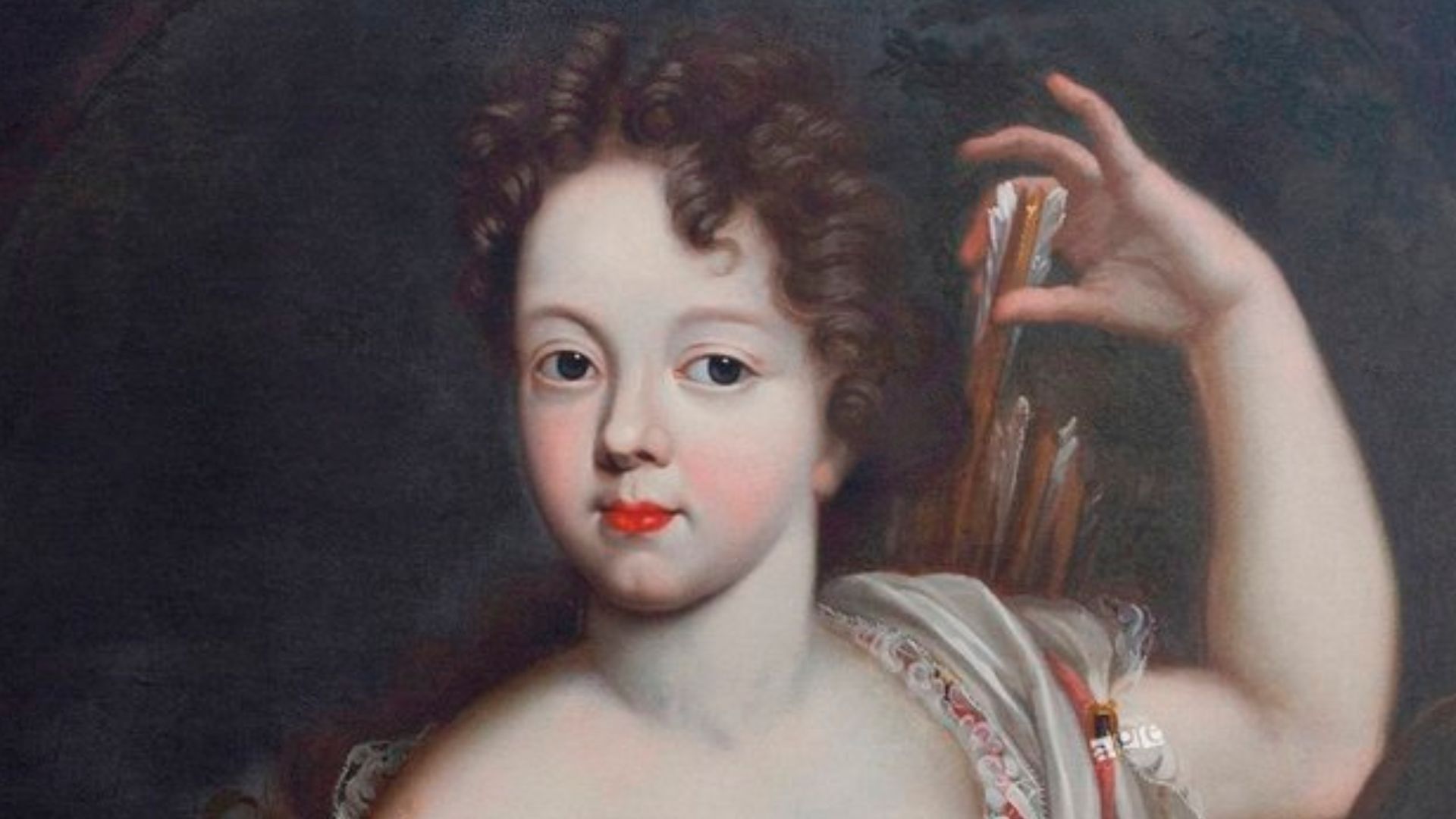 Manner of Nicolas de Largillière, Wikimedia Commons
25. She Won Over Her Harshest Critic
When the whip-tongued Madame de Sévigné paid Elizabeth Charlotte a backhanded compliment by quipping, “What a delight to have a woman again who can’t speak French!” her social fate seemed sealed. However, it wasn’t long before Sévigné was singing her praises. “I was amazed at her jokes,” Sévigné confessed, complimenting her “charming directness”.
Not all of her critics would be so easily won over.
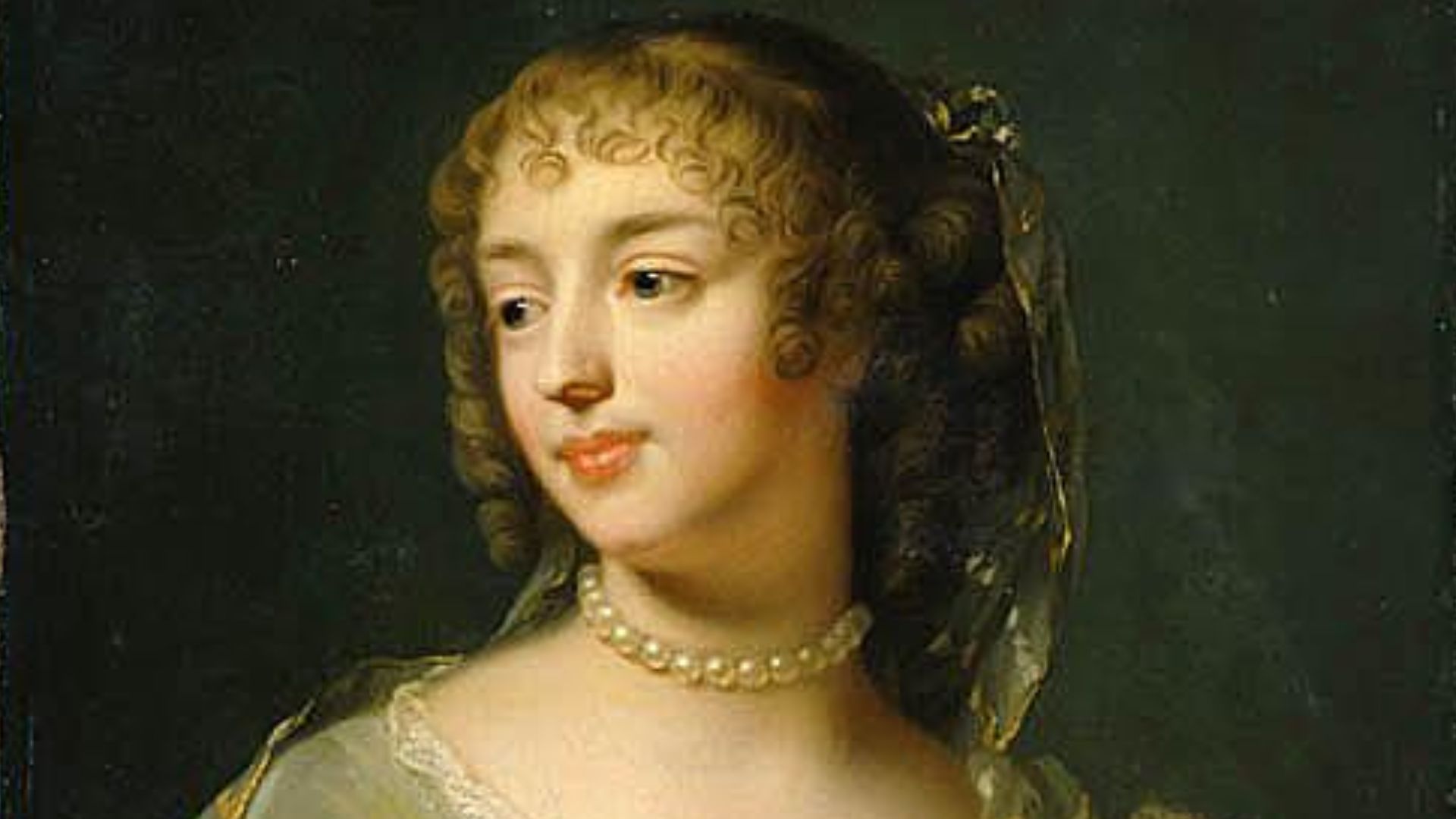
26. Her Enemies Picked Off Her Friends
Elizabeth Charlotte tolerated her husband’s lovers—but they didn’t tolerate her. Fearing her growing influence over her husband, the Chevalier—along with a cabal of Philippe I’s other male lovers—conspired to isolate her. They successfully booted her closest confidantes from court, leaving her without powerful allies. And that was just their opening salvo.
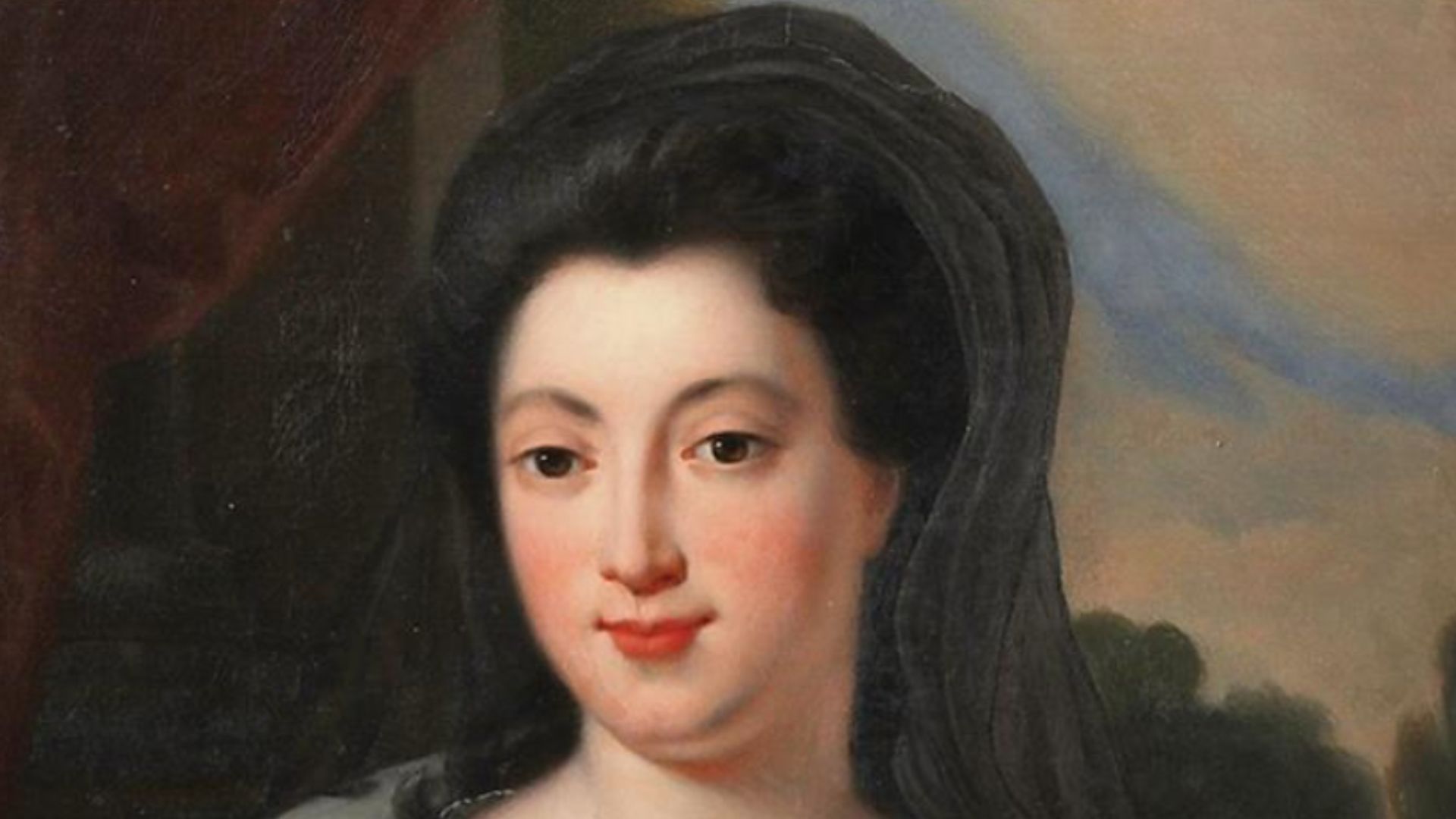 Joseph Albrier, Wikimedia Commons
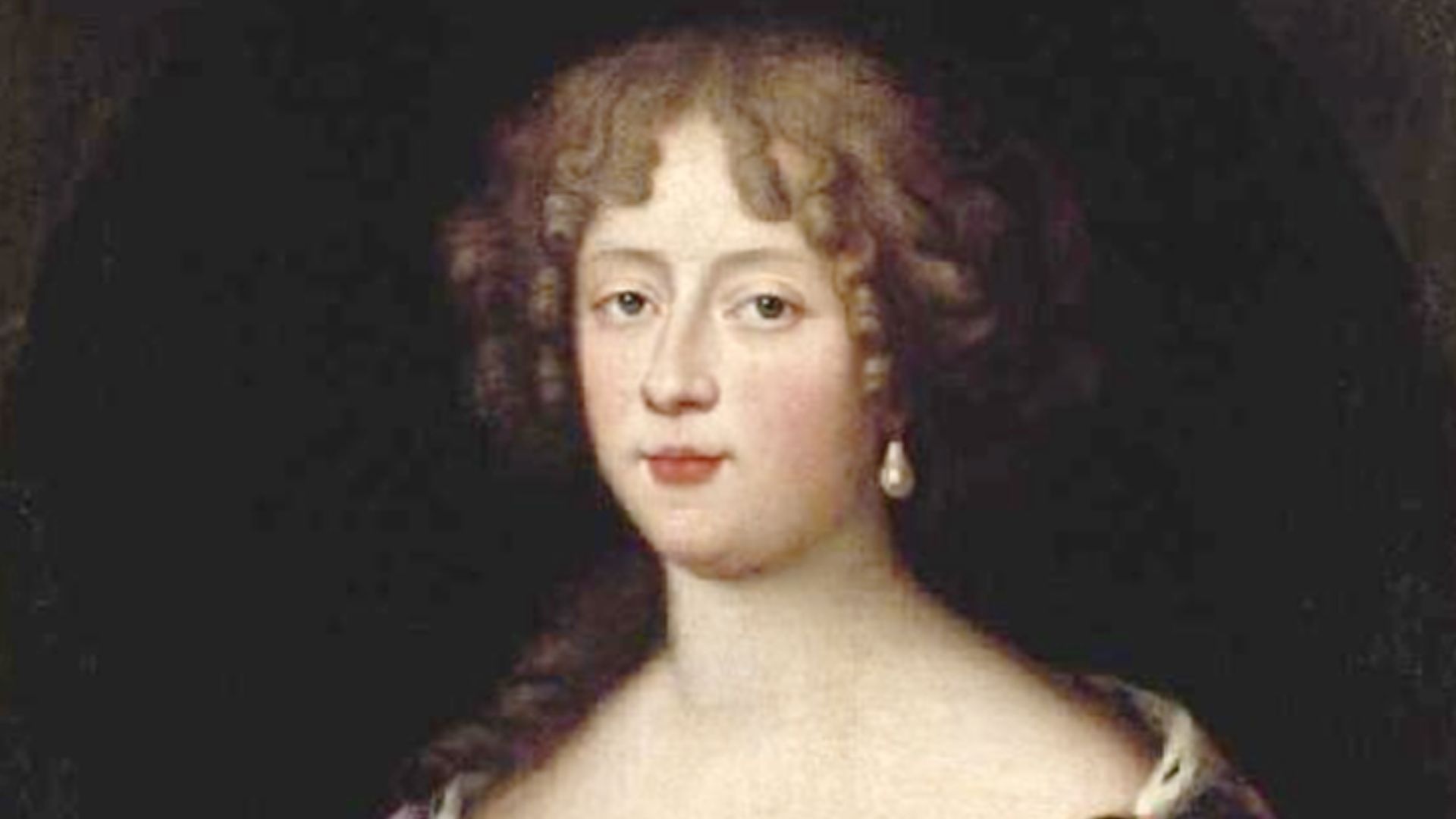
27. She Shut Herself In Her Writing Room
Isolated and outmaneuvered, Elizabeth Charlotte withdrew further and further from court, finding refuge only in her own quarters. From the safety of her writing room, she told her aunt, Duchess Sophia of Hanover, all that was happening: “Monsieur…has nothing in the world on his mind but his young boys to eat and drink with them all nights and gives them unheard-of sums of money”.
Worse, she wrote, “his children and I hardly have what we need”. The scandals only worsened from there.
 Pierre Mignard I, Wikimedia Commons
28. She Raised The King’s Son
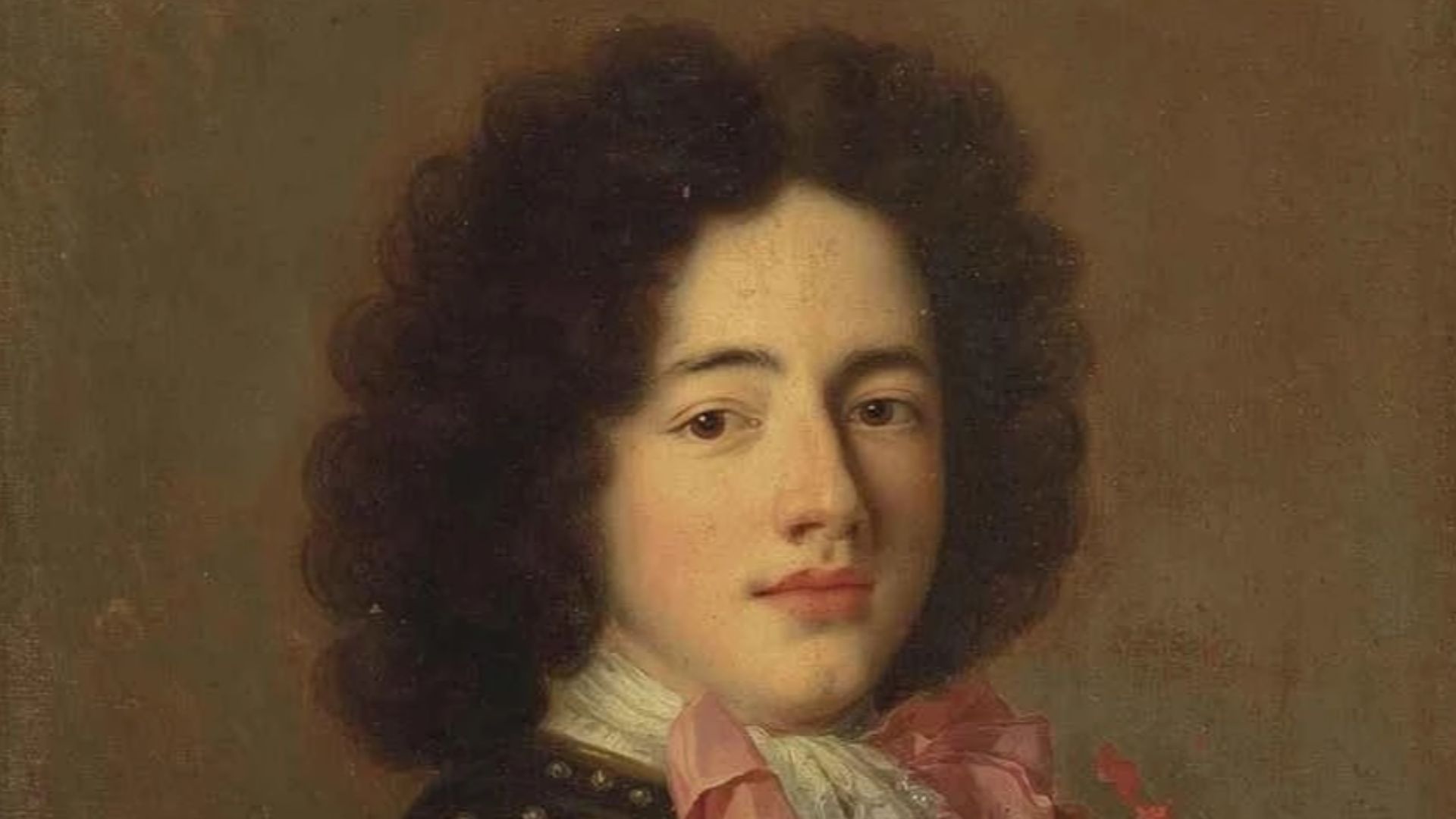
King Louis XIV was no saint himself, and he left behind a string of illegitimate children. One of them, Louis de Bourbon, Comte de Vermandois, somehow found his way into her care. What she didn’t know, however, was that her young ward had fallen in with a secret “brotherhood” of aristocratic young men, one that required its members to “swear an oath to renounce all women”.
When the scandal came to light, Elizabeth Charlotte would lose more than prestige.
 Circle of Pierre Mignard I, Wikimedia Commons
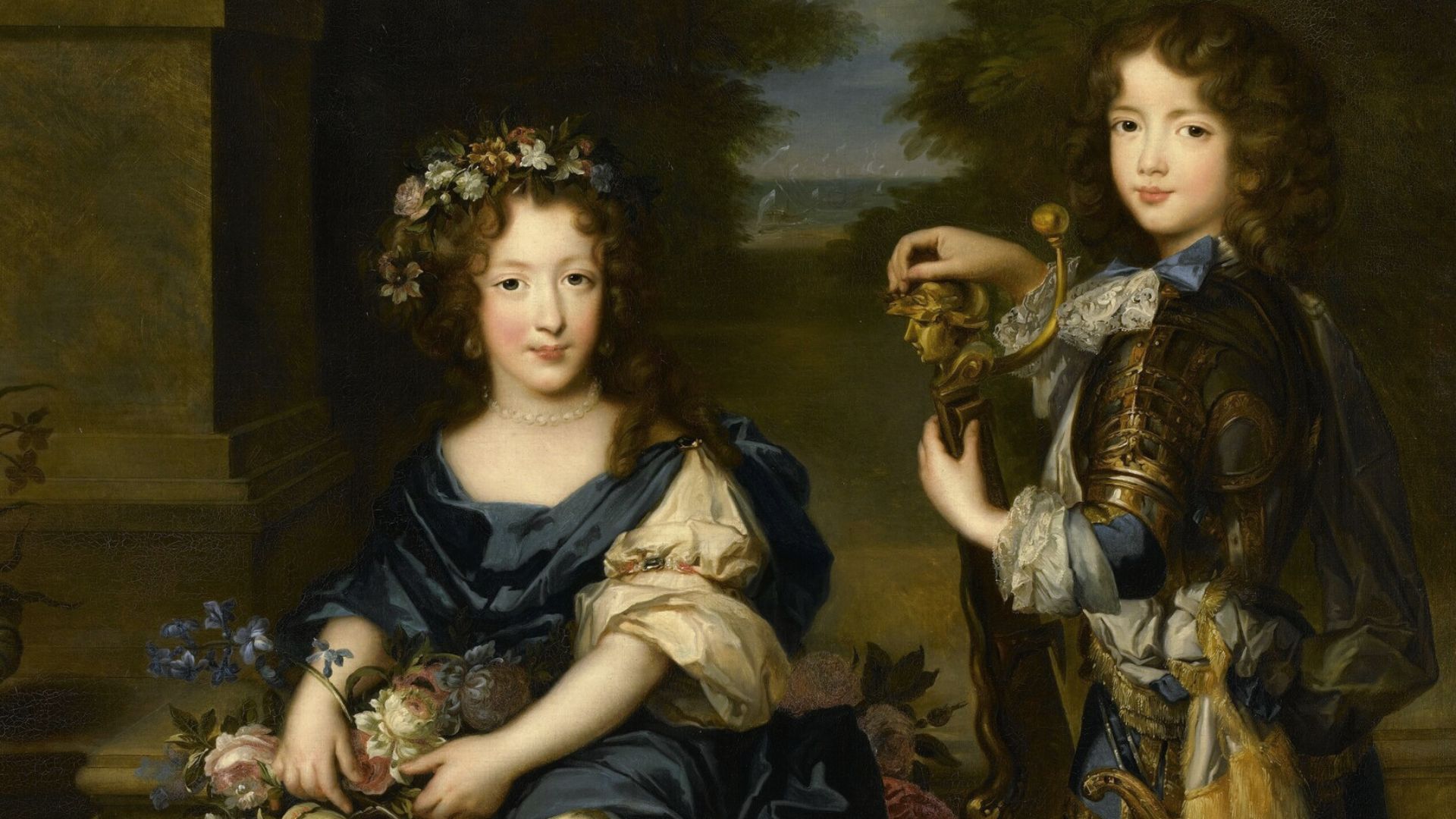
29. She Couldn’t Protect Her Ward
Elizabeth Charlotte had taken the young Comte de Vermandois under her wing and loved him as her own. But she had been powerless to save him from the predations of the likes of the Chevalier de Lorraine and others. When the scandal broke, she would be even more powerless to save him from the fury and indignation of the boy’s father, King Louis XIV.
 Louis-Édouard Rioult / After Pierre Mignard I, Wikimedia Commons
30. She Lost Her Nephew Too Soon
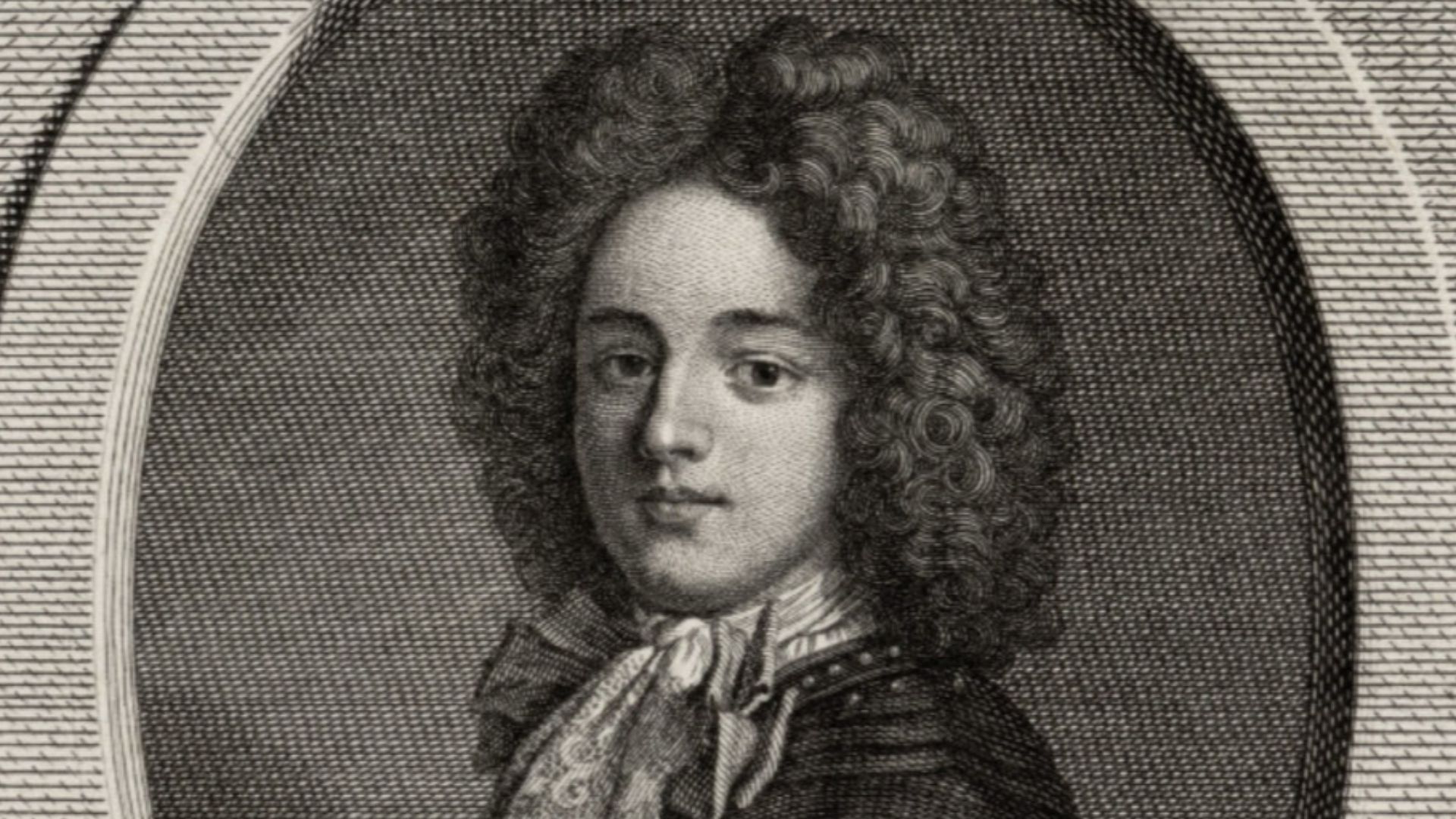
News of the Comte de Vermandois’ association with the “brotherhood” broke in June of 1682—and Louis XIV showed no mercy. He exiled the Chevalier de Lorraine and the other members of the “brotherhood”, then banished Vermandois to Normandy before packing him off to fight in Flanders. He would never return home. To her horror, he perished in battle at the age of 16.
It was a loss that cut her more deeply than she had expected.
 Dominique Sornique / After Pierre Mignard I, Wikimedia Commons
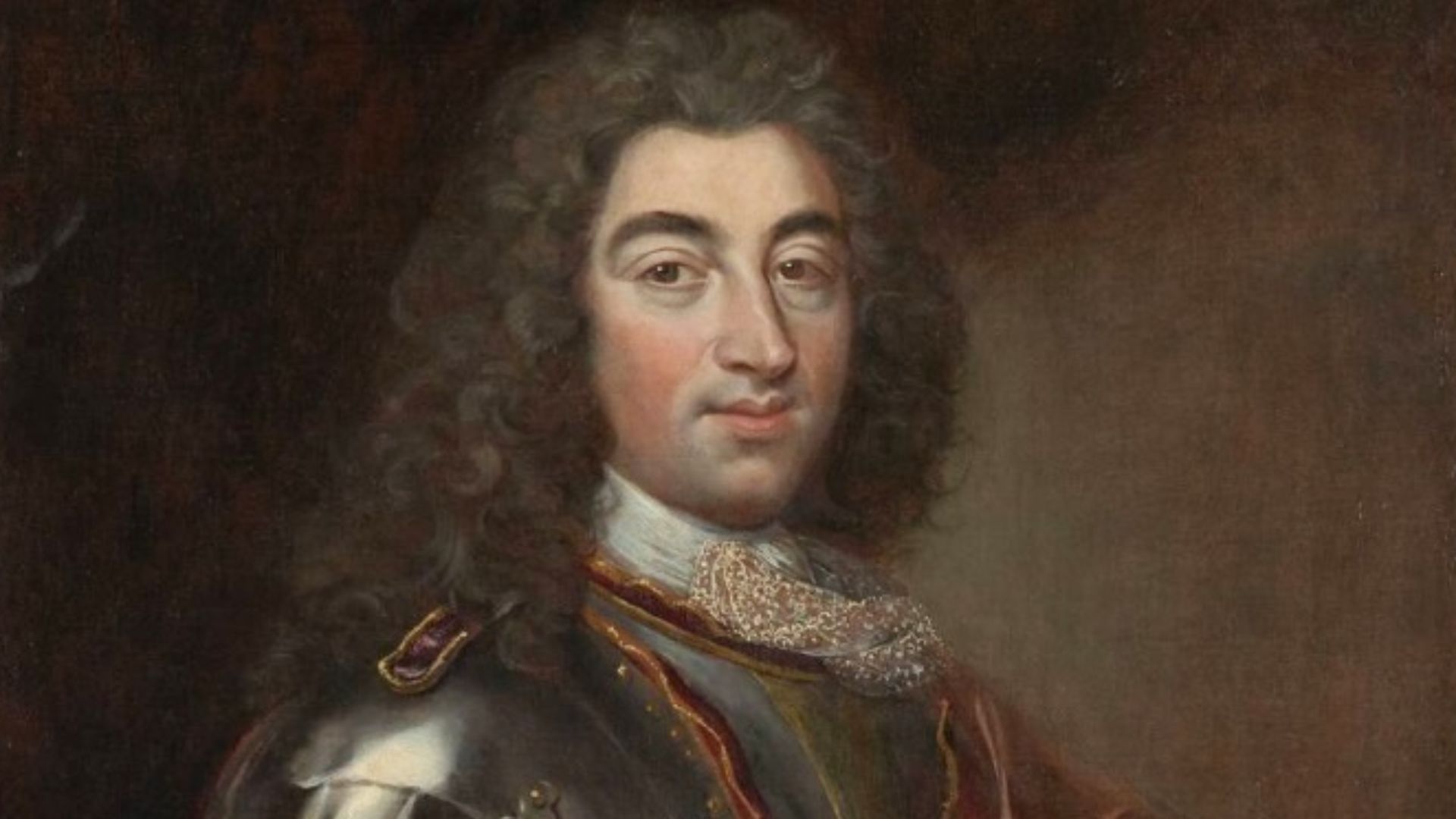
31. She Refused To Blame The Boy
Even years later, Elizabeth Charlotte refused to blame her ward for his corruption and scandal. “The Comte de Vermandois was very good-natured,” she insisted, remembering that “the poor person loved me as if I were his birth mother”. In her telling, the boy had confided everything to her before the end: “He told me his whole story. He had been horribly seduced”.
By now, she wanted out of the palace and its scandals.
 Anonyme France XVIIIe siècle, Wikimedia Commons
32. She Asked To Disappear
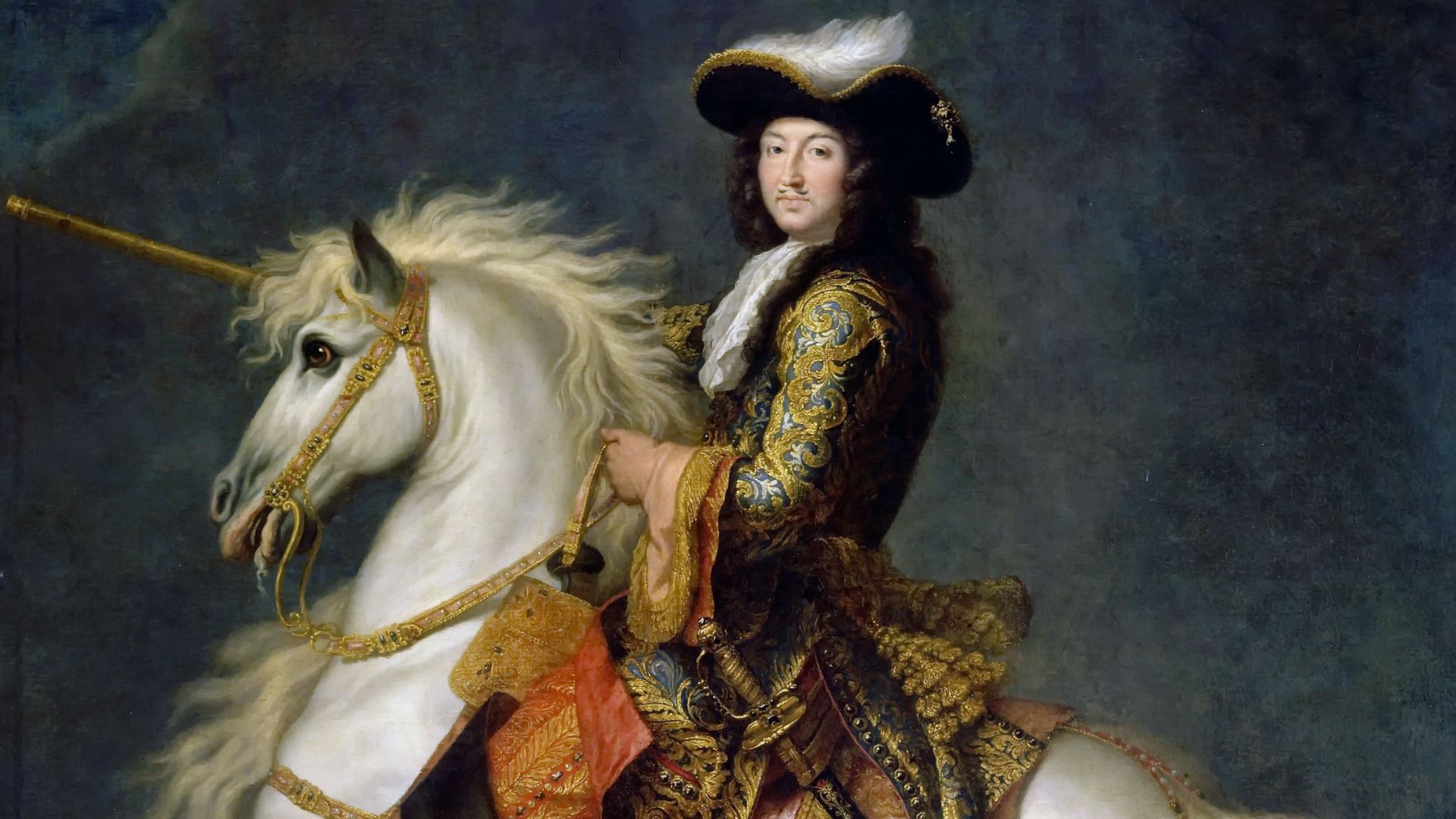
By 1682, Elizabeth Charlotte had reached her limit. Philippe I remained unfailingly committed to the Chevalier de Lorraine—despite his horrific actions against the young Comte de Vermandois—and her enemies continued conspiring against her. Desperate, she appealed to King Louis XIV to send her away to an abbey run by one of her aunts.
Louis XIV refused. He, too, would become an enemy.
 René-Antoine Houasse, Wikimedia Commons
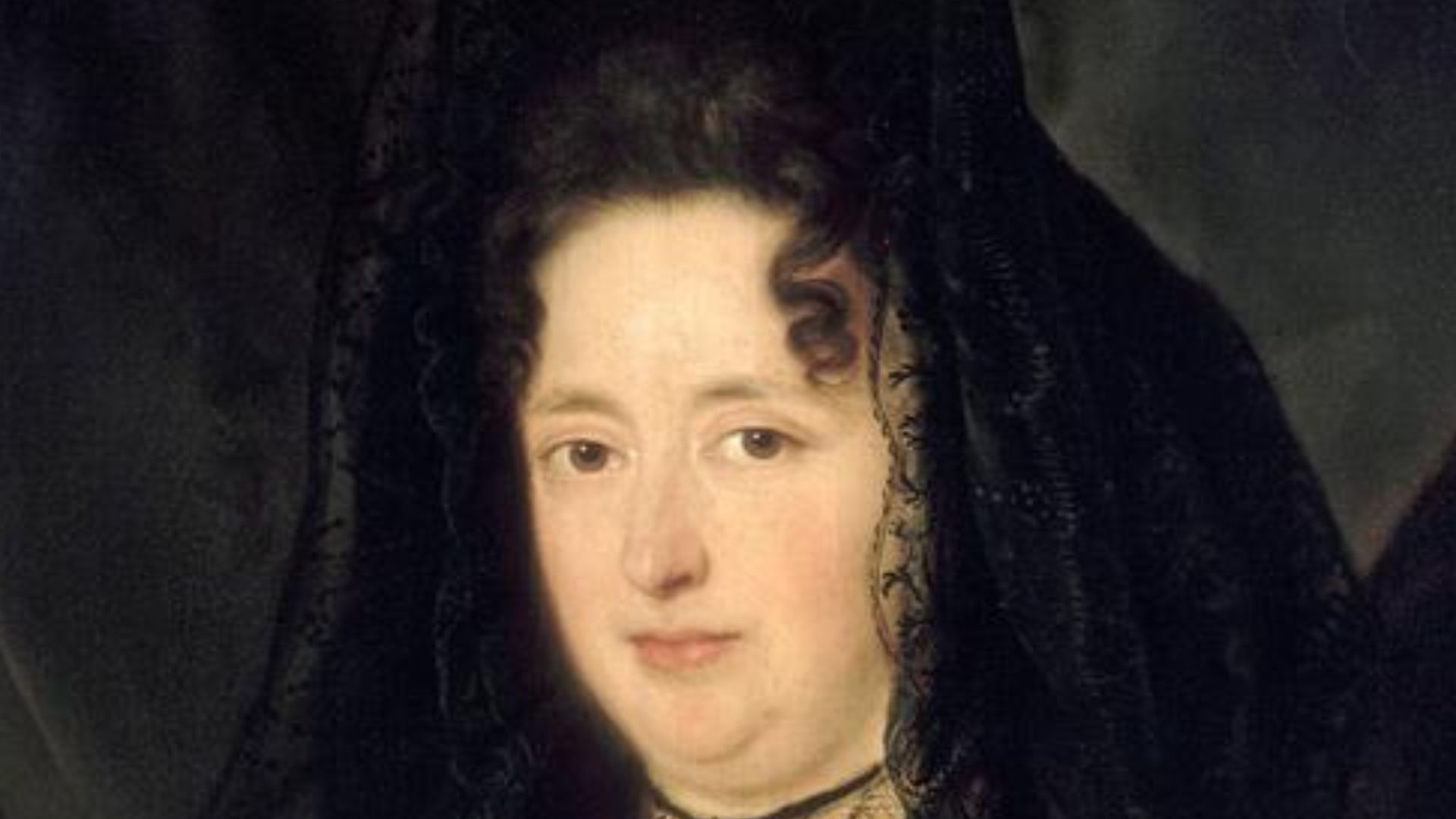
33. She Loathed The King’s New Mistress
Elizabeth Charlotte's crisis at court worsened when Louis XIV threw open his bedroom doors to the infamous Madame de Maintenon, his unofficial “second wife and untitled queen”. Elizabeth Charlotte despised Maintenon for her low birth, lust for power, and haughty, holier-than-thou attitude. In her letters, Elizabeth Charlotte called her newest rival everything from “the King’s old drab” to an “old witch”.
The insults would cost her dearly.
 Louis Ferdinand Elle the Younger, Wikimedia Commons
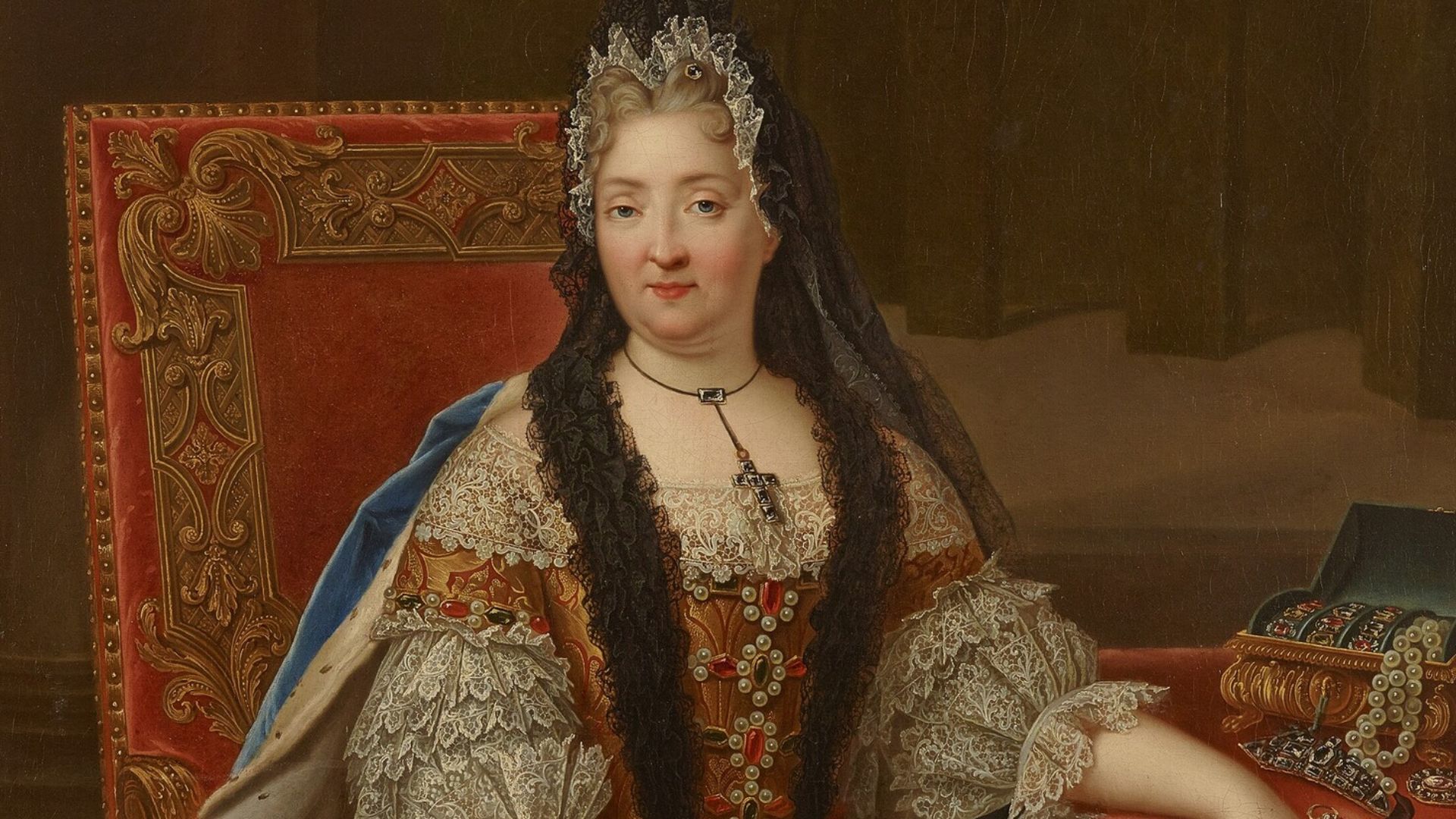
34. She Lost Her Only Ally
Maintenon knew exactly how to hurt Elizabeth Charlotte: by putting distance between her and the King. Louis XIV’s new mistress saw to it that her access to her brother-in-law was restricted to formal occasions only. No hunting, no late-night dinner parties, no dancing. Writing to her aunt Sophia in 1686, Elizabeth Charlotte lamented: “Where the devil can’t get there, he sends an old woman”.
Even her letters weren’t safe.
 Unidentified painter, Wikimedia Commons
35. Her Letters Fell Into The Hands Of Spies
Elizabeth Charlotte had long confided in her letters—but they weren’t private anymore. King Louis XIV and Madame de Maintenon had her letters monitored, reading every one of her scathing insults. But Elizabeth Charlotte was no fool and she knew that her letters were being intercepted. In fact, she often wrote insults addressed to the King’s spies in her letters.
Her insubordination was not something the Crown could overlook.
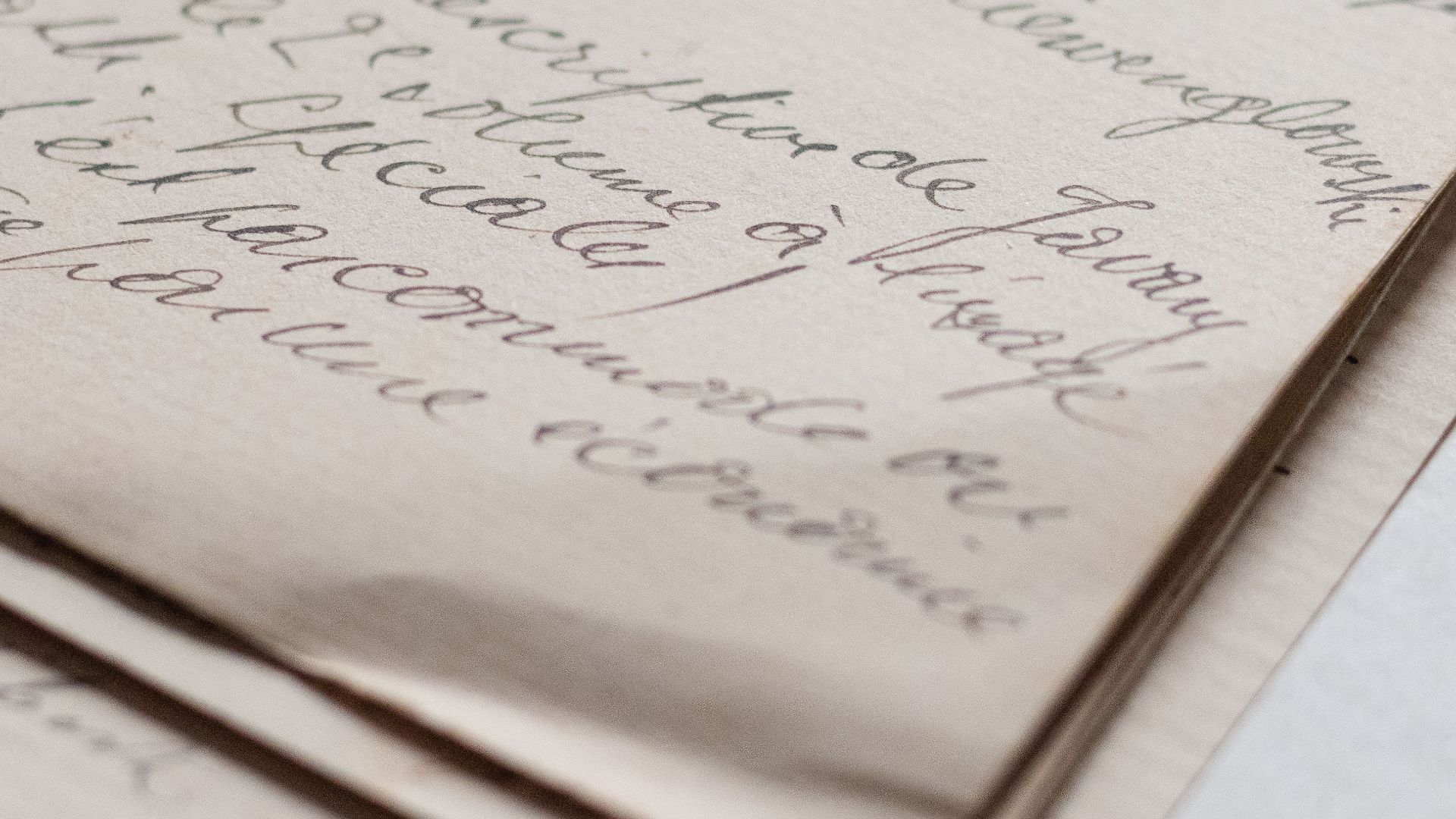
36. Her Fellow Huguenots Fled For Their Lives
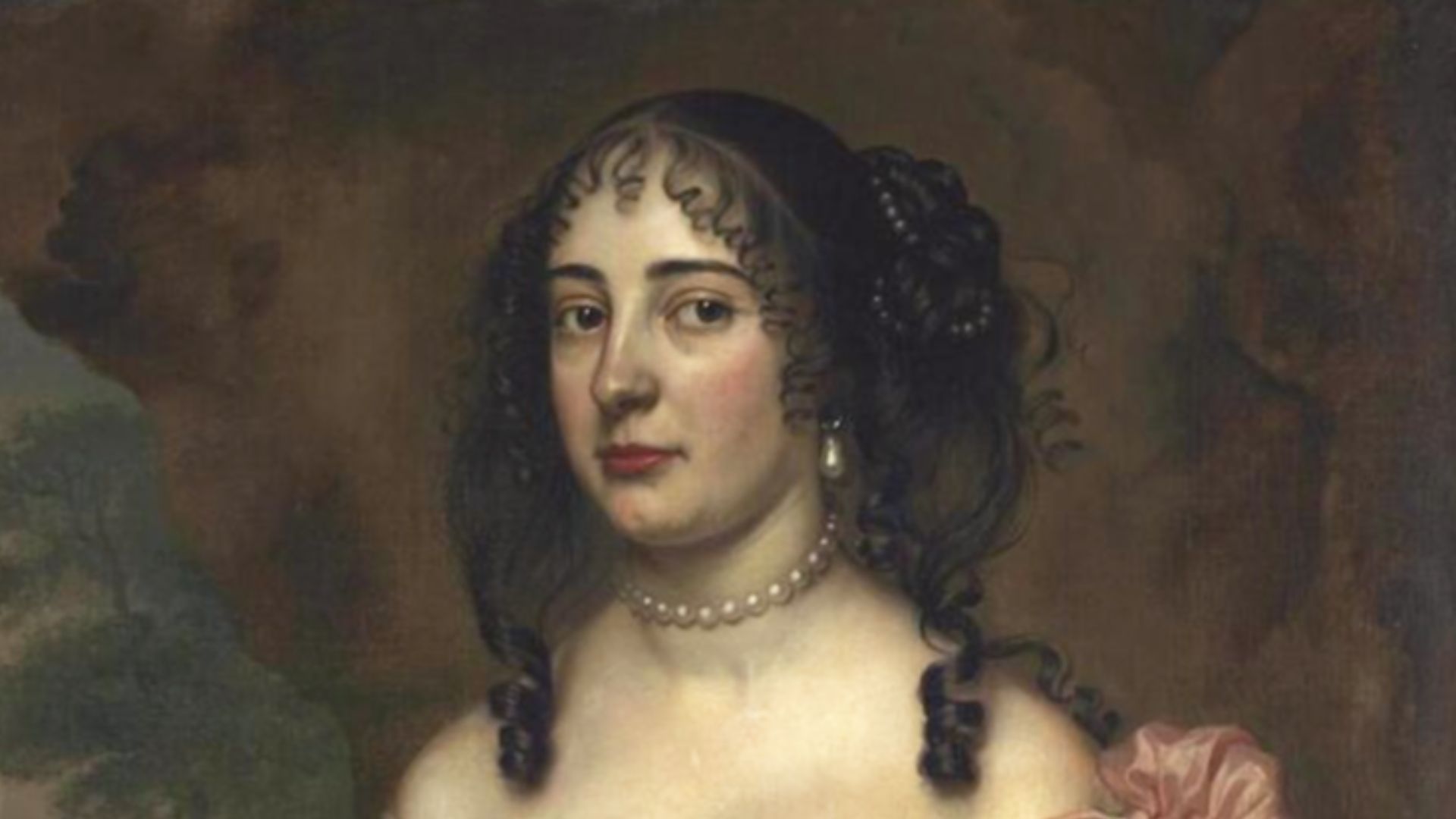
Elizabeth Charlotte had been raised to have religious tolerance. King Louis XIV had not been. So, in October of 1685, he signed the Edict of Fontainebleau, revoking the protections of French Protestants. Elizabeth Charlotte, having converted to Catholicism, was safe from persecution—but her family was not. Her aunt, Emilie of Hesse-Kassel, was among the 400,000 Huguenots who fled to friendlier countries.
The worst was yet to come.
 Johannes Mytens, Wikimedia Commons
37. Her Childhood Home Burned To The Ground
When Elizabeth Charlotte's brother Charles II passed in 1685, the Palatine line ended with him—and Louis XIV saw his opening. Ignoring the terms of her own marriage contract, he claimed the Palatinate in her own name and launched a bloody nine-year conflict. During the fighting, French troops torched her childhood home of Heidelberg Castle and the surrounding town, then leveled Mannheim for good measure.
Elizabeth Charlotte placed all of the blame on one person—and it wasn’t the King.
 Jean-Baptiste Martin, Wikimedia Commons
38. She Blamed It All On Herself
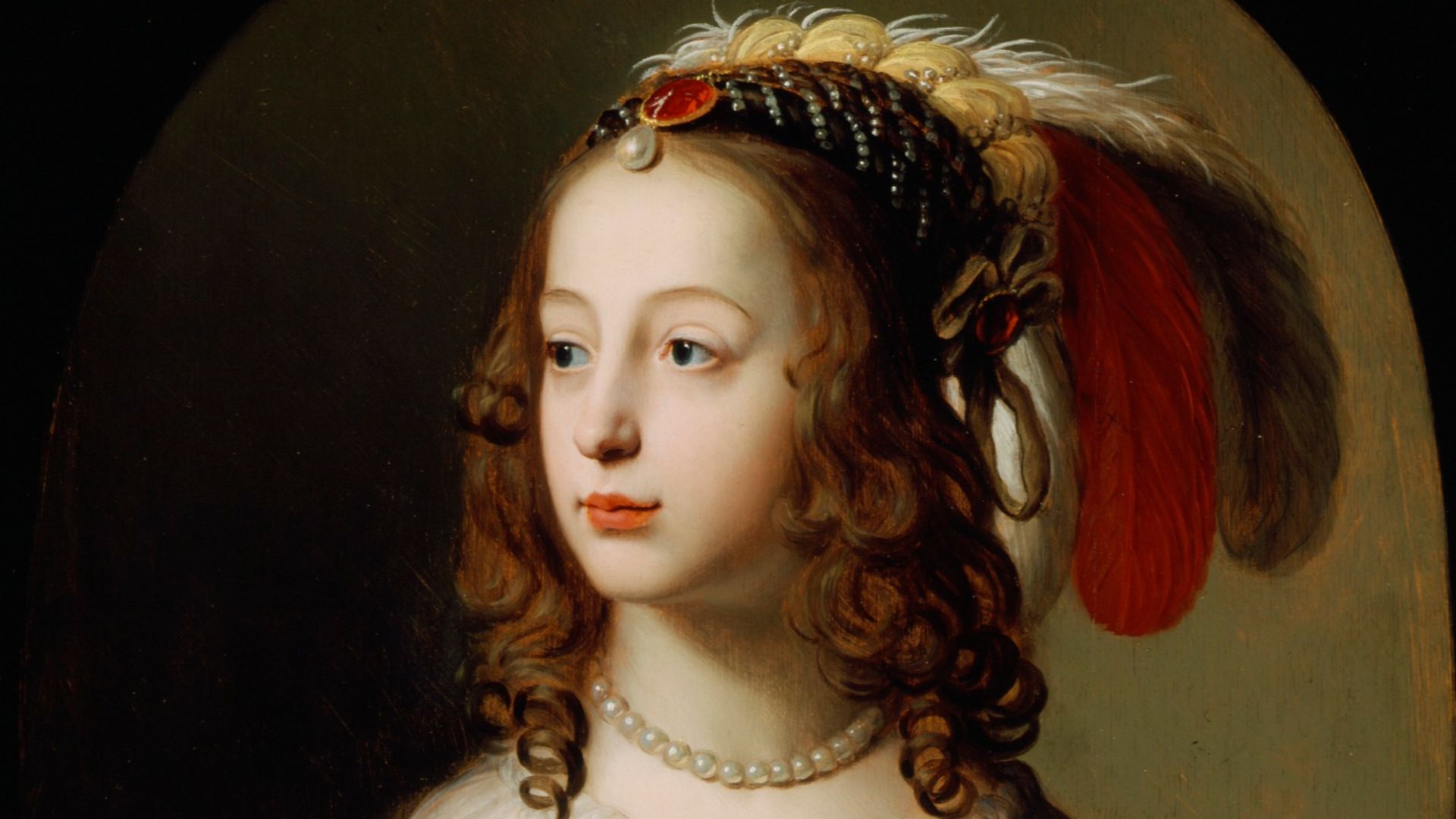
Elizabeth Charlotte took the destruction of the Palatinate as her own personal catastrophe. Writing once again to her aunt, Duchess Sophia of Hanover, in March of 1689, she said, “…the terrible and pathetic misery in the poor Palatinate began, and what hurts me most about it is that my name is used to plunge poor people into utter misfortune…I am the downfall of my homeland”.
Her persecution didn’t end there.
 Gerard van Honthorst, Wikimedia Commons
39. She Had No Say In Her Son’s Marriage
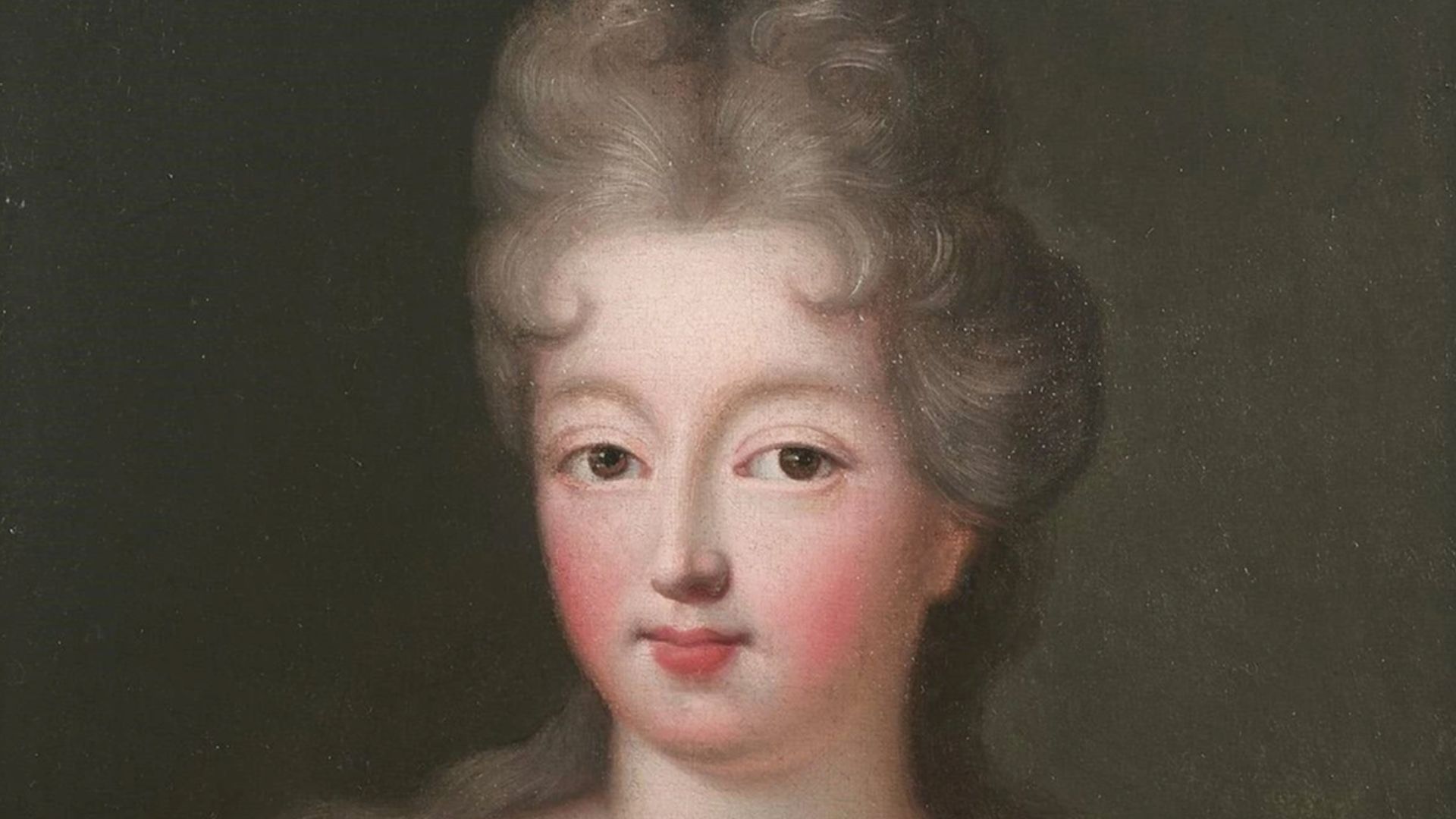
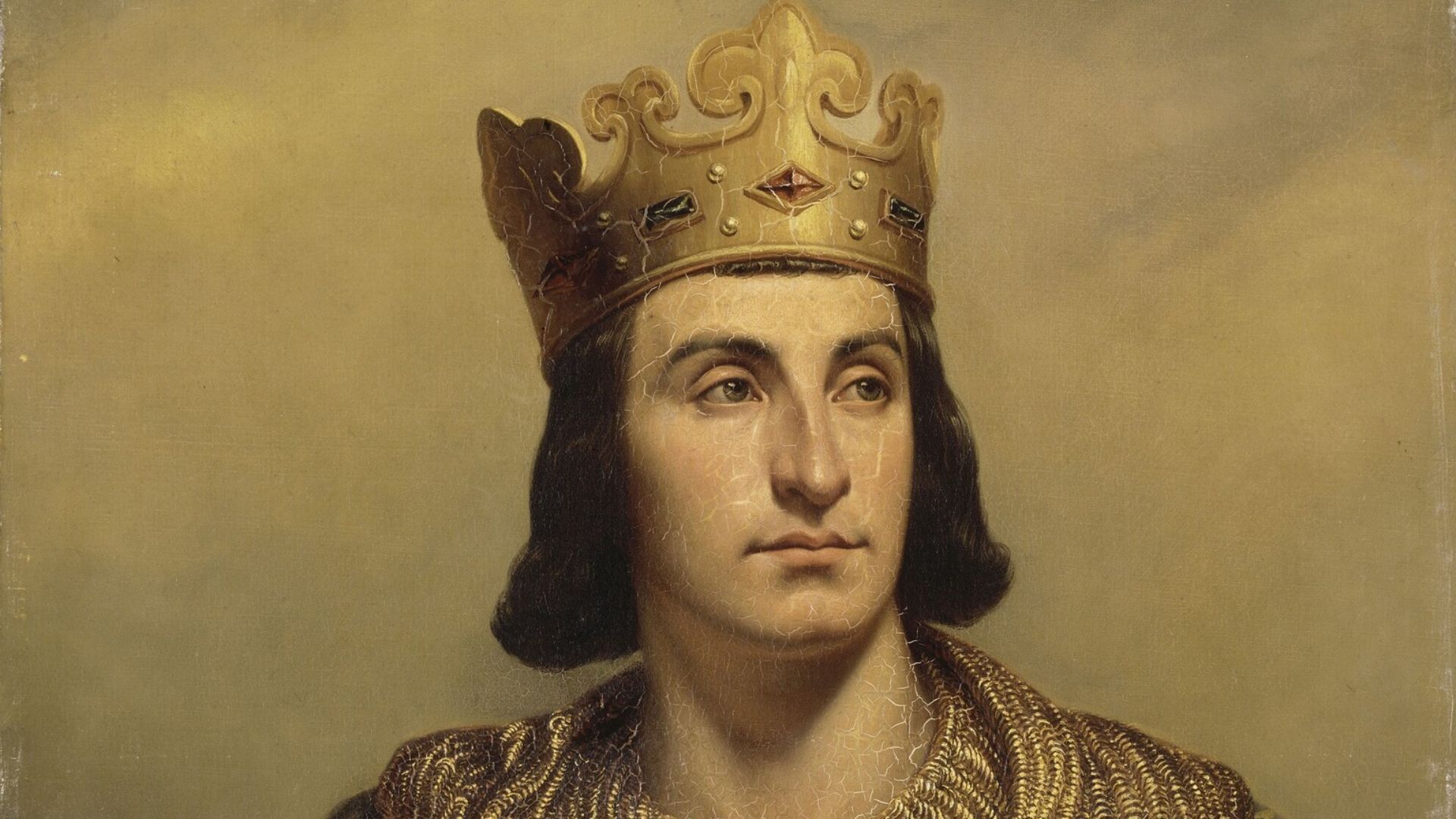
In 1692, King Louis XIV foisted another one of his illegitimate children onto Elizabeth Charlotte. However, this time, she was not at all impressed or grateful. Without consulting Elizabeth Charlotte—much less, seeking her approval—Louis XIV arranged a marriage between his legitimized daughter, Françoise Marie de Bourbon, and her son, Philippe II.
Her reaction was…explosive.
 Attributed to Pierre Gobert / Follower of Pierre Mignard I, Wikimedia Commons
40. She Cried Tears Of Fury
Elizabeth Charlotte and the rest of the French court saw the marriage of Philippe II and Françoise Marie for what it was: a mésalliance. A “humiliating” insult from Louis XIV. And Elizabeth Charlotte responded accordingly. According to the historical record, Elizabeth Charlotte was so irate that she cried tears of fury in front of the entire court and “slapped her son” for consenting to the arrangement.
Her son certainly didn’t have her fighting spirit.
 Louis-Félix Amiel, Wikimedia Commons
41. She Survived With Terrible Scars
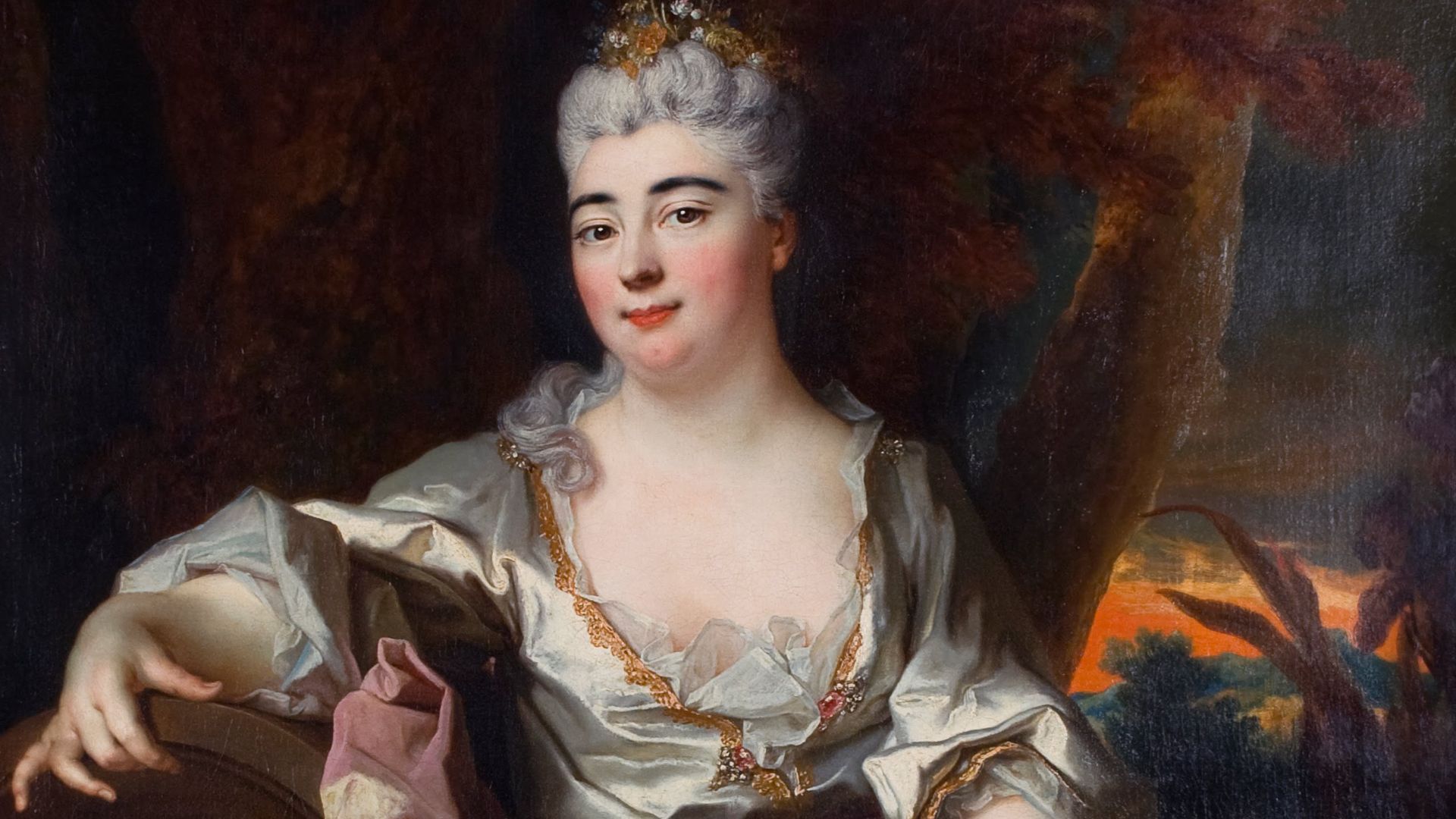
When Elizabeth Charlotte contracted smallpox in 1693, she defied the odds and made a full recovery—kind of. The disease left her face horribly “pockmarked”. However, Elizabeth Charlotte acted like nothing had changed. She had never considered herself to be attractive, refusing to wear makeup, wigs, or fancy clothes. However, there was one consequence that she struggled with.
 Nicolas de Largillière, Wikimedia Commons
42. She Became Too Big For Her Britches
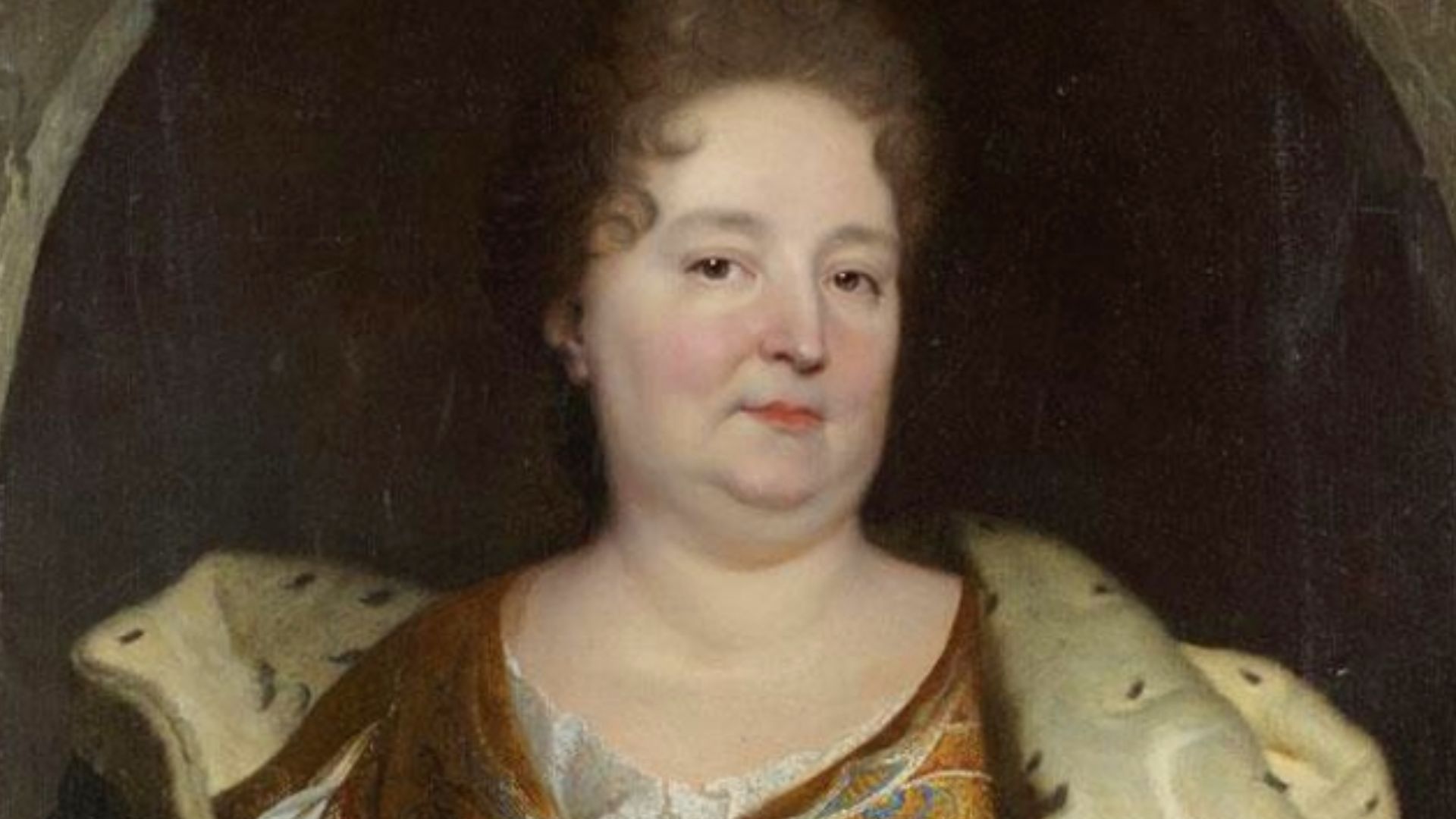
Elizabeth Charlotte might never have cared about her appearance, but she did care about her physicality. After recovering from her episode of smallpox, she gained a shocking amount of weight. The exact reason remains unknown, but the consequences were severe. From 1694 onwards, she could no longer go for long walks in the gardens of Versailles as she once had and could only ride the strongest of horses.
Big or not, she nearly ascended to the throne.
 Workshop of Hyacinthe Rigaud, Wikimedia Commons
43. She Almost Ruled England
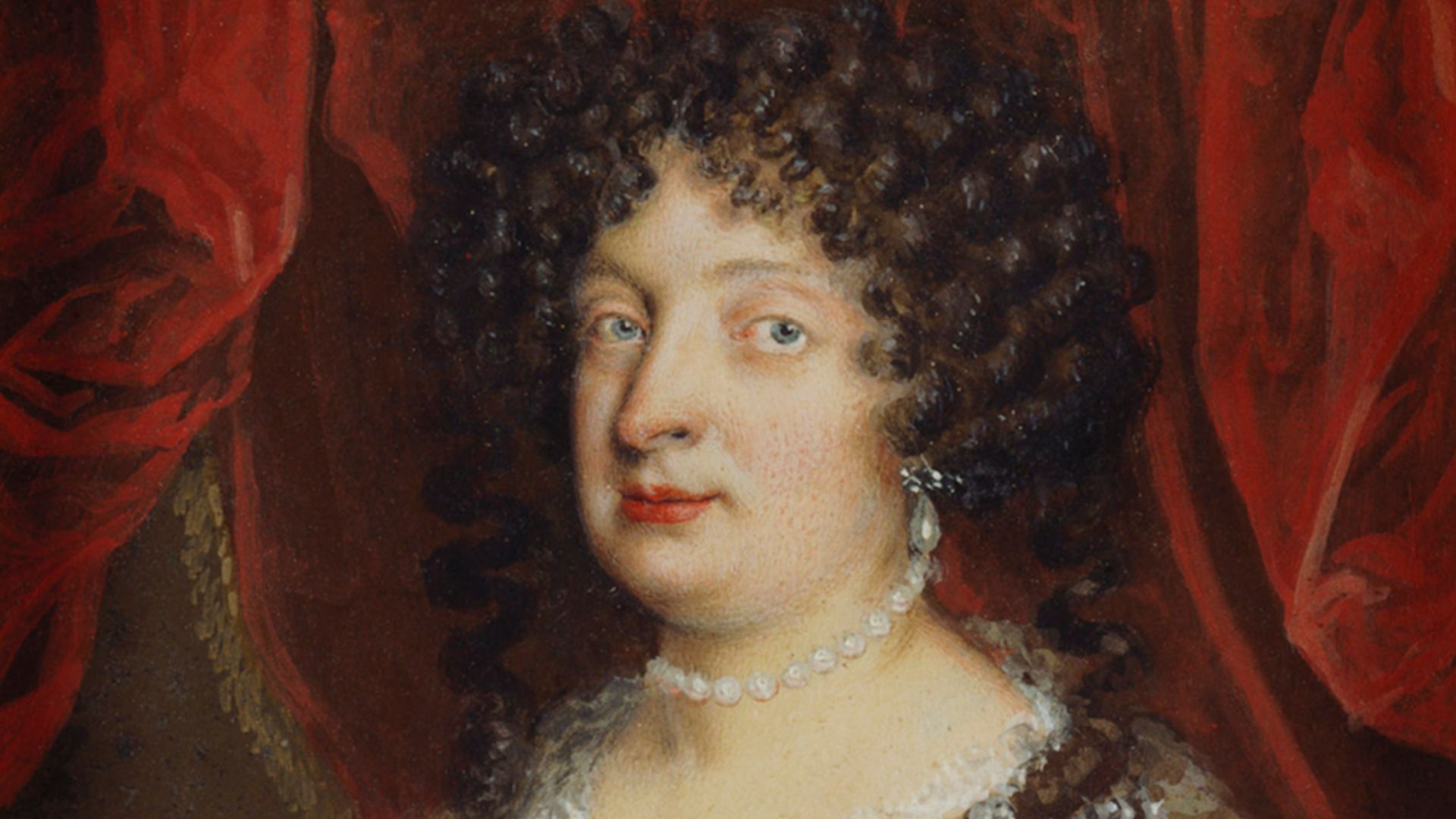
In 1701, Elizabeth Charlotte's aunt, Sophia of Hanover, became the heir presumptive to the English crown. Funny enough, she might have received the honor herself had she not previously converted to Catholicism, making her ineligible. Not that she wanted the British throne. “The English humor and their parliament are not my business,” she wrote to one of her half-sisters. “I would rather be elector than king in England”.
Either way, her life was about to change for the better.
 Jean Michelin, Wikimedia Commons
44. She Covered For Her Husband
June 9, 1701: Elizabeth Charlotte day of liberation. Following a “heated argument” with King Louis XIV, Philippe I succumbed to a stroke, leaving her as his widow. By renouncing their shared assets, she managed to avoid having to pay off his considerable debts, but she still had to cover for him. Elizabeth Charlotte hurriedly destroyed as much of the evidence of his scandalous love life as she could.
But she wasn’t in the clear yet.
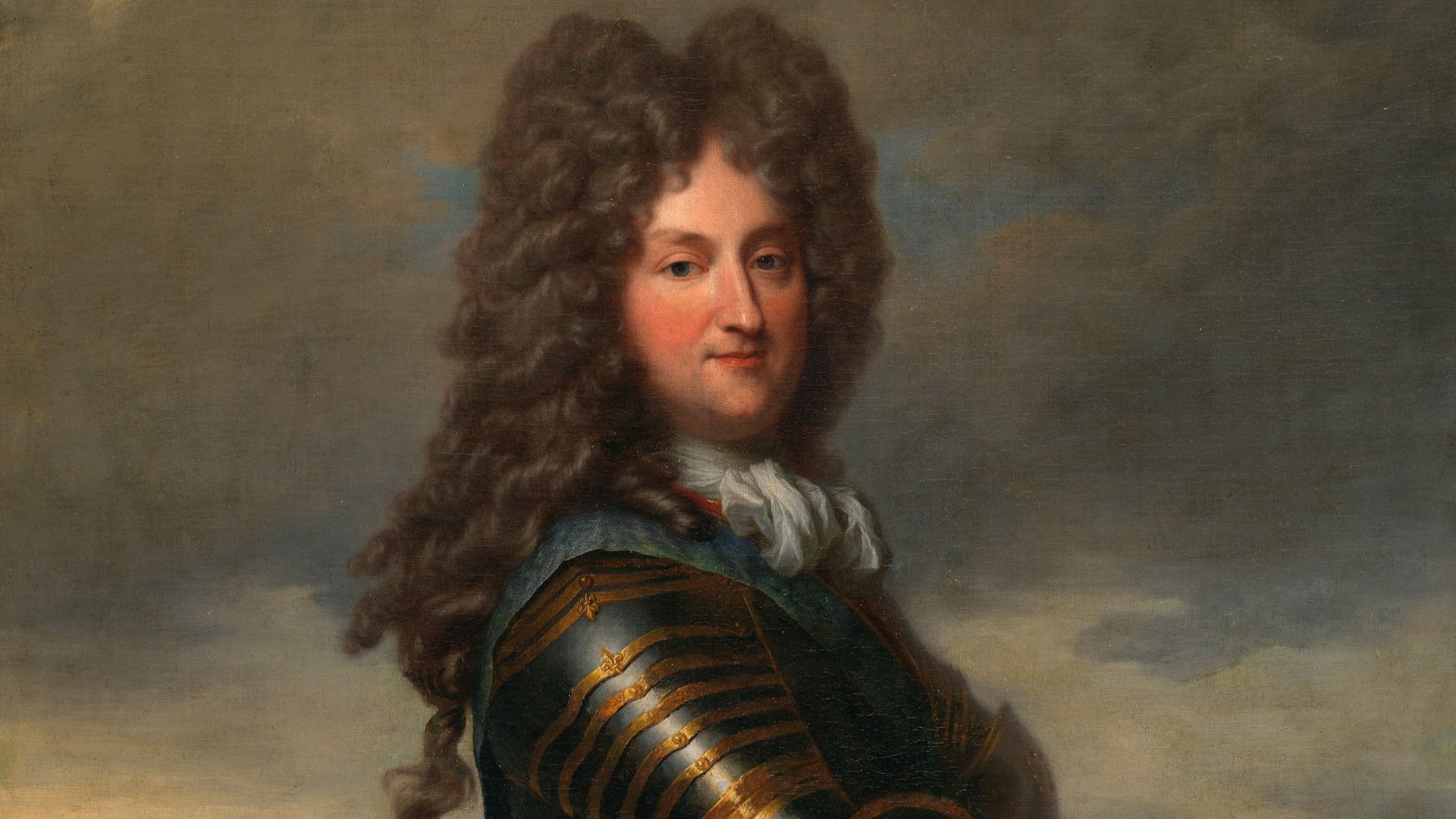 Jean-Baptiste Santerre, Wikimedia Commons
45. She Appealed To An Old Friend
Elizabeth Charlotte's marriage contract had stated that, should she outlive Philippe I, she would join a convent. Elizabeth Charlotte, however, had no such intentions. The only person with the power to void that clause was the King. Desperately, she wrote to him, “If I hadn’t loved you, then I would not have hated Madame de Maintenon so much, precisely because I believed she was robbing me of your favor”.
Madame de Maintenon was not fooled.
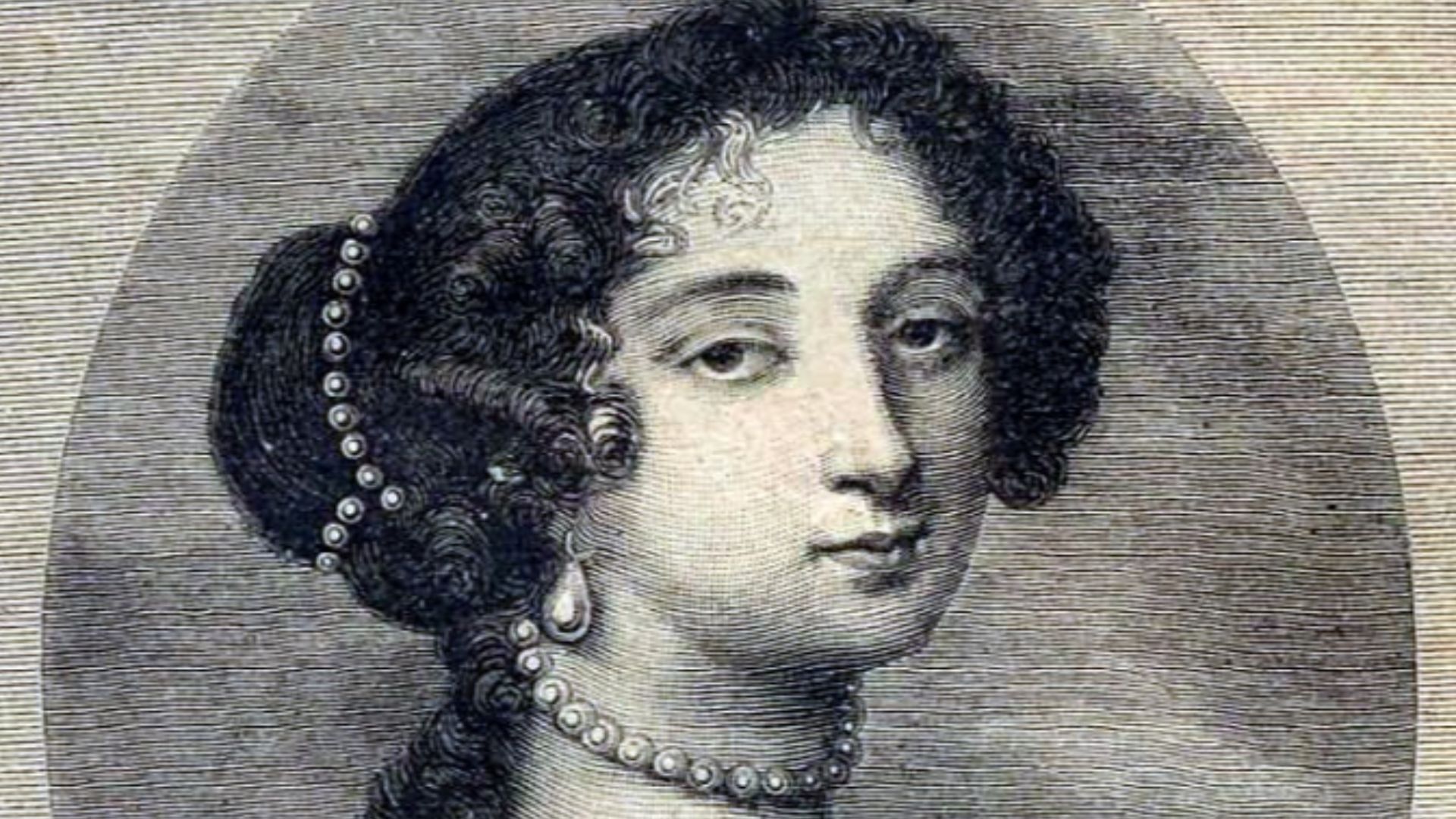 Nicolas de Larmessin / After Pierre Mignard I, Wikimedia Commons
46. Her Nemesis Tried To Intercept Her
The historical record suggests Elizabeth Charlotte was being honest in her appeal to King Louis XIV and sincere in her attempt at reconciliation. However, her archnemesis, Madame de Maintenon, was unmoved. Maintenon simply presented Elizabeth Charlotte with all of the letters that she had written over the years, replete with scathing insults against the King’s mistress.
Some friendships, however, could endure anything.
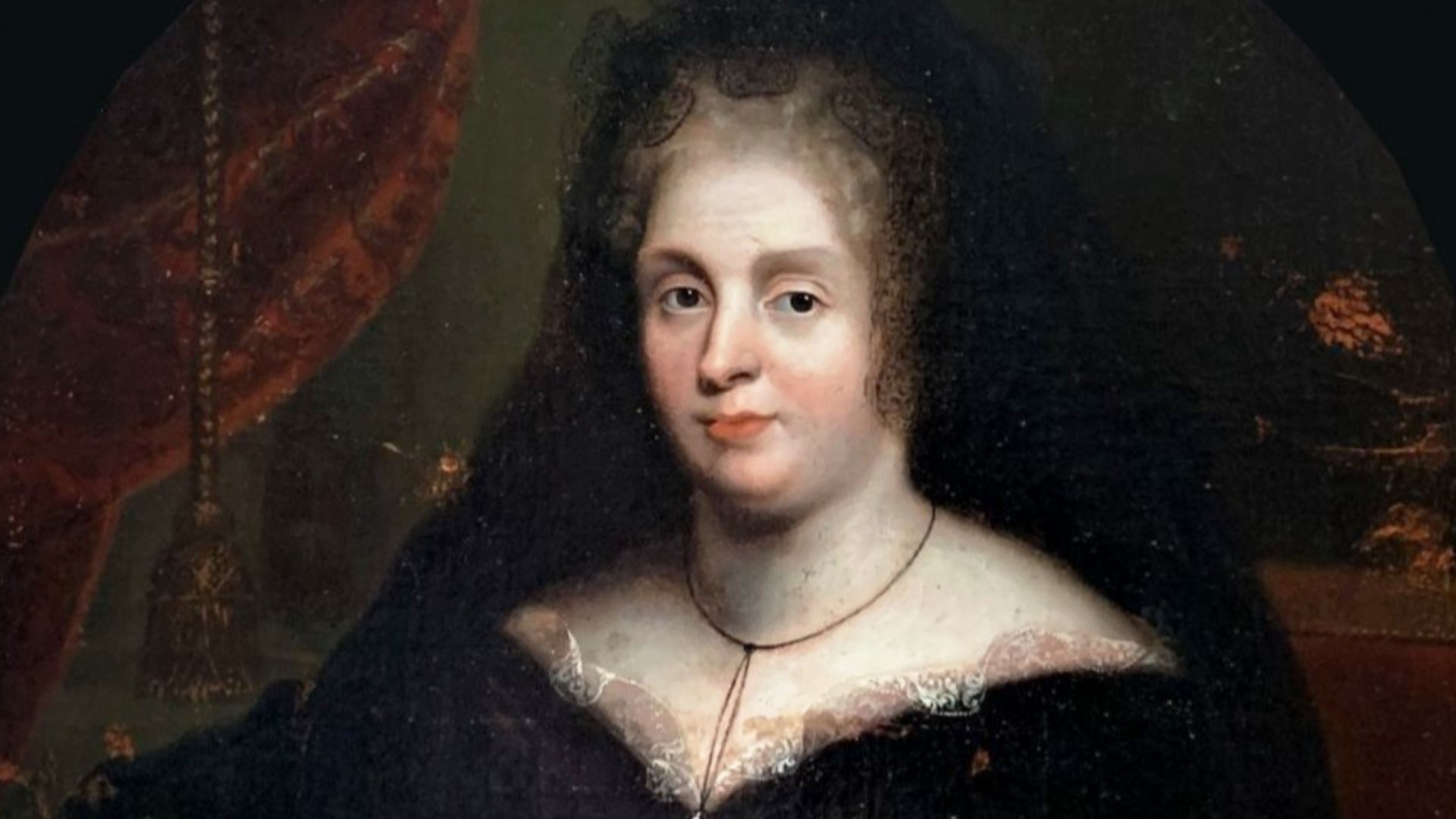 Circle of Pierre Mignard I, Wikimedia Commons
47. She Made Nice With The King
Much to Madame de Maintenon’s chagrin, Elizabeth Charlotte and King Louis XIV managed to patch up their old friendship. Far from getting shipped off to a convent, Elizabeth Charlotte continued living at Versailles in Philippe I’s old apartments and even resumed hunting with King Louis XIV (albeit from the comfort of a carriage instead of vigorously on horseback).
Still, Maintenon wanted to exact her revenge.
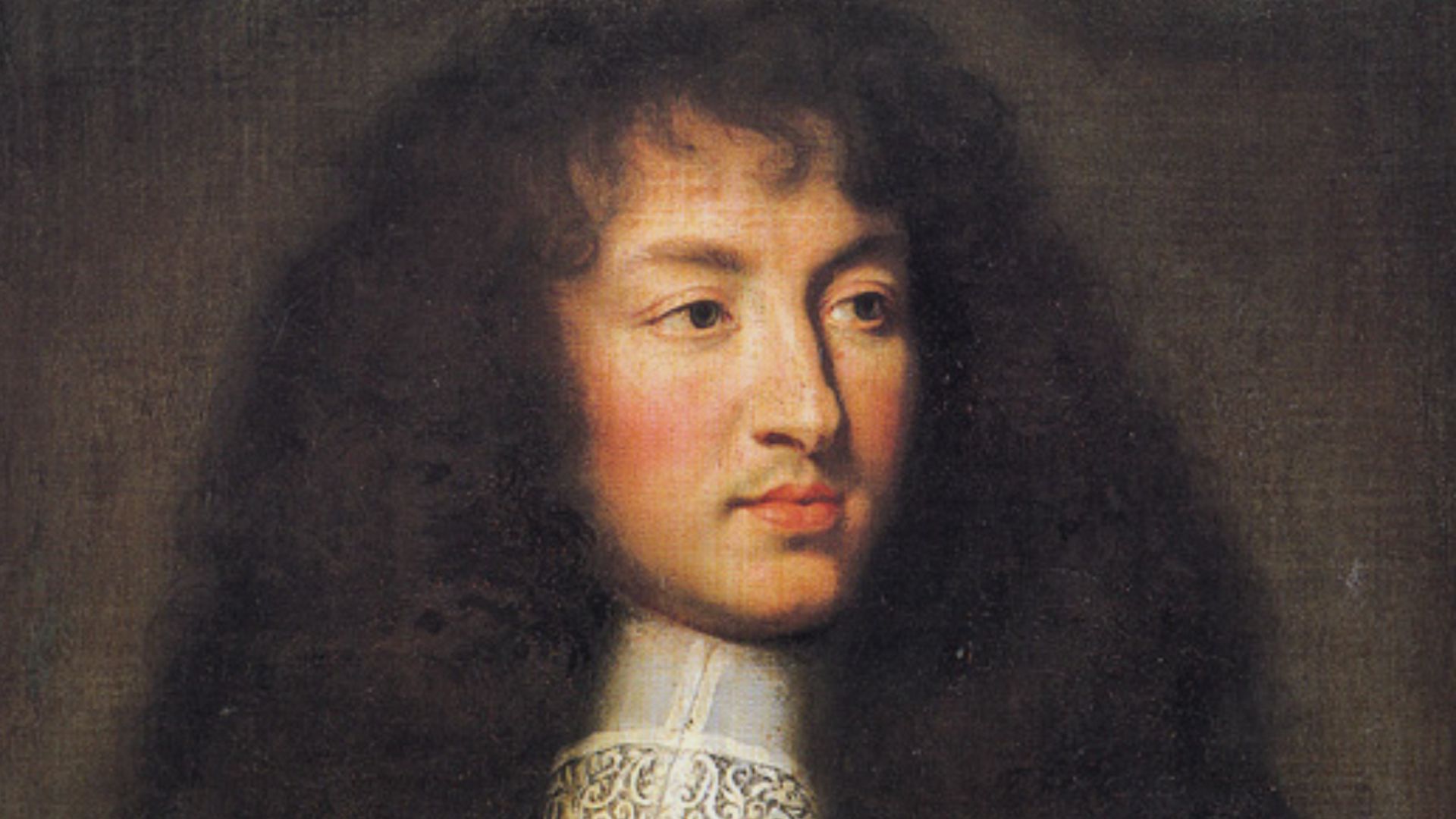 Charles Le Brun, Wikimedia Commons
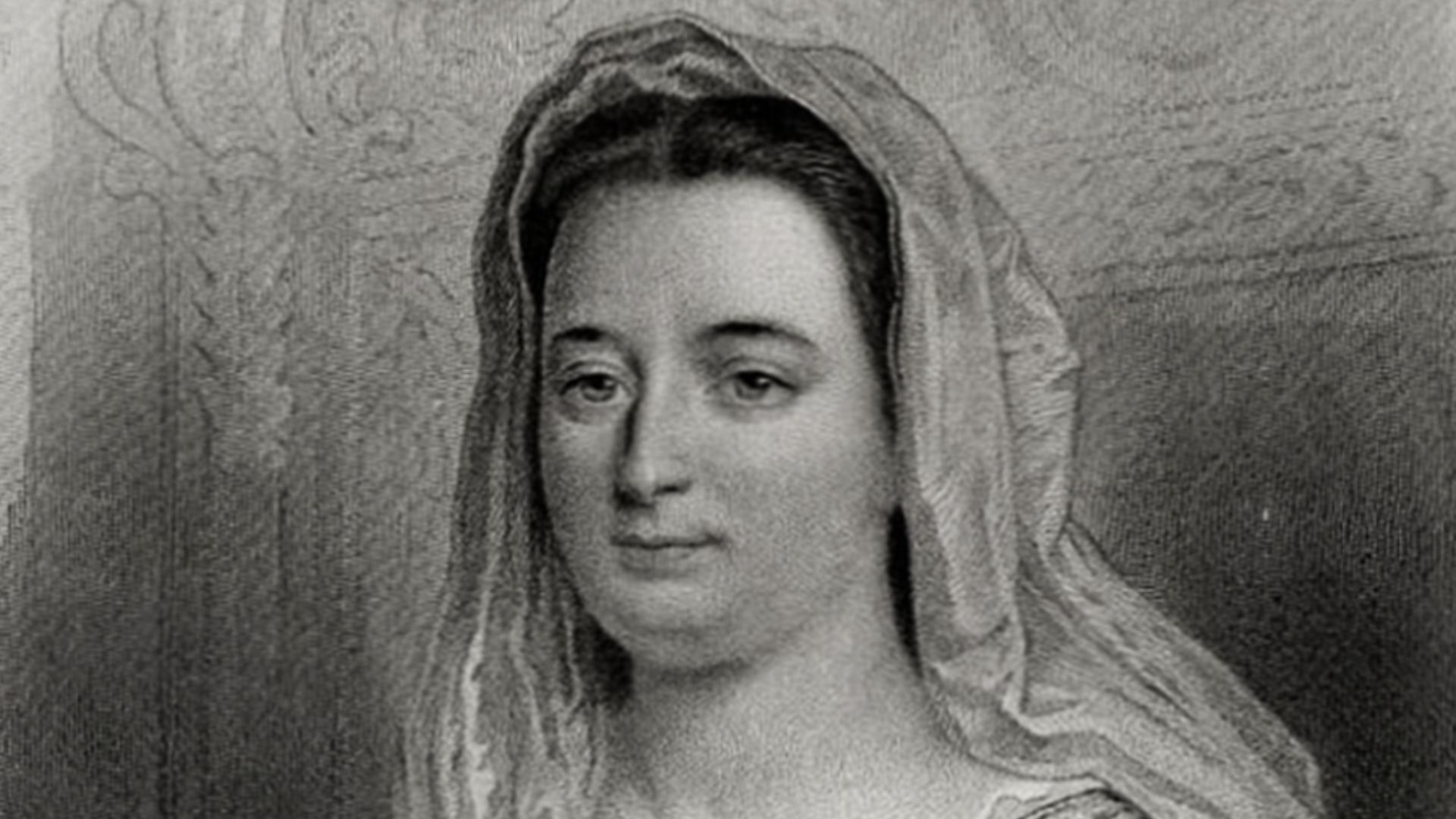
48. Her Life Was Miserable—But She Hid It
Madame de Maintenon was relentless in her pursuit of vengeance against Elizabeth Charlotte. Writing again to her aunt Sophia, Elizabeth Charlotte said, “…she (Madame de Maintenon) does every day abrupt to me, have the bowls I want to eat taken away from my nose at the King’s table”. Elizabeth Charlotte kept her composure, which only enraged Maintenon further.
Still, she called her life in Versailles “miserable”. Thankfully, another chapter was just around the corner.
 After Pierre Gustave Staal, Wikimedia Commons
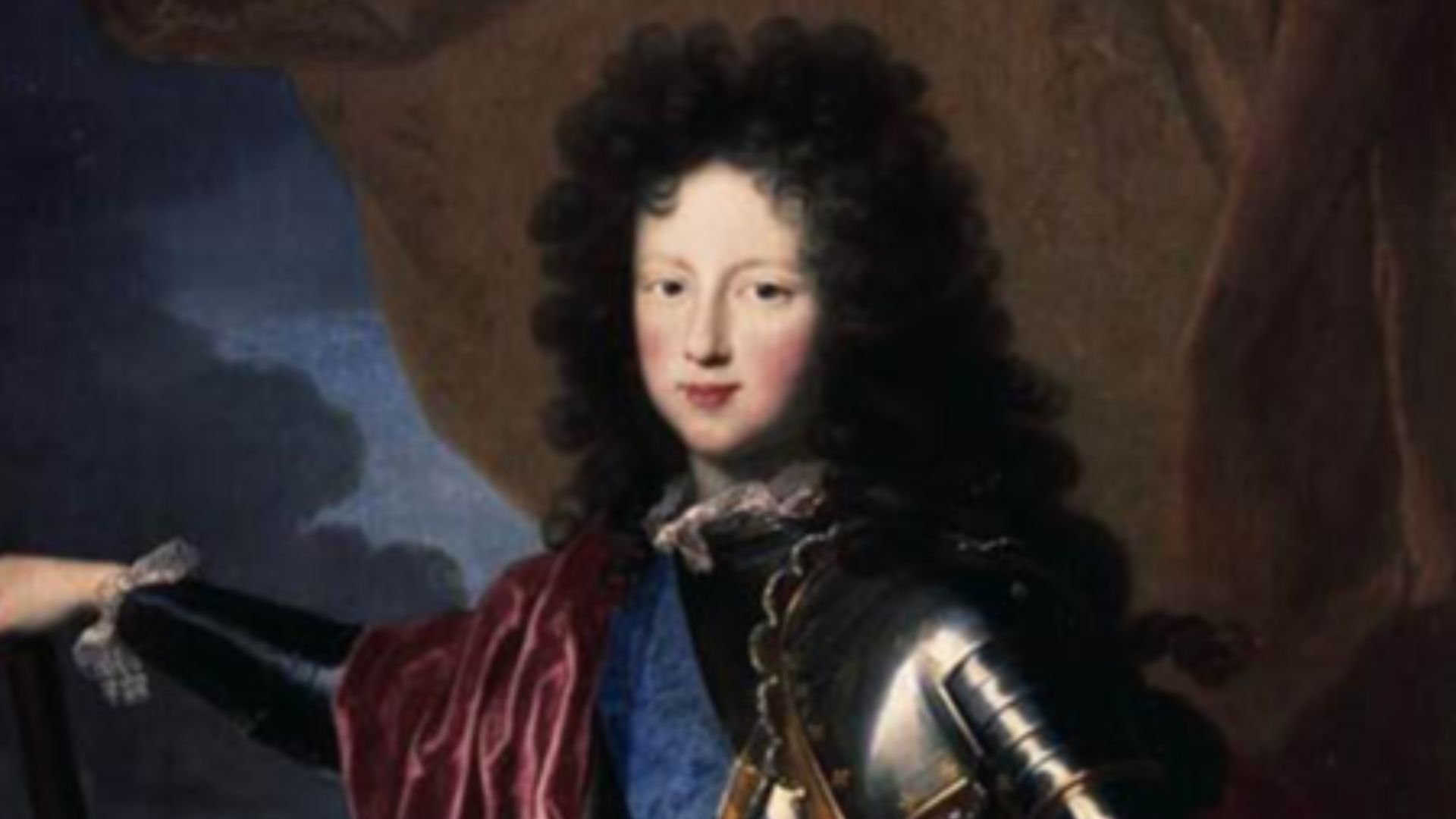
49. She Became The Most Powerful Woman In France
When King Louis XIV passed in September of 1715, he paid Elizabeth Charlotte the high honor of making her one of the last people he saw. Shortly after, her son Philippe II, Duke of Orléans, became the Regent—and Elizabeth Charlotte became untouchable. As the mother of the Regent, she became the “first lady at court” and settled into a peaceful period in her life.
She immediately set out to right old wrongs.
 After Hyacinthe Rigaud, Wikimedia Commons
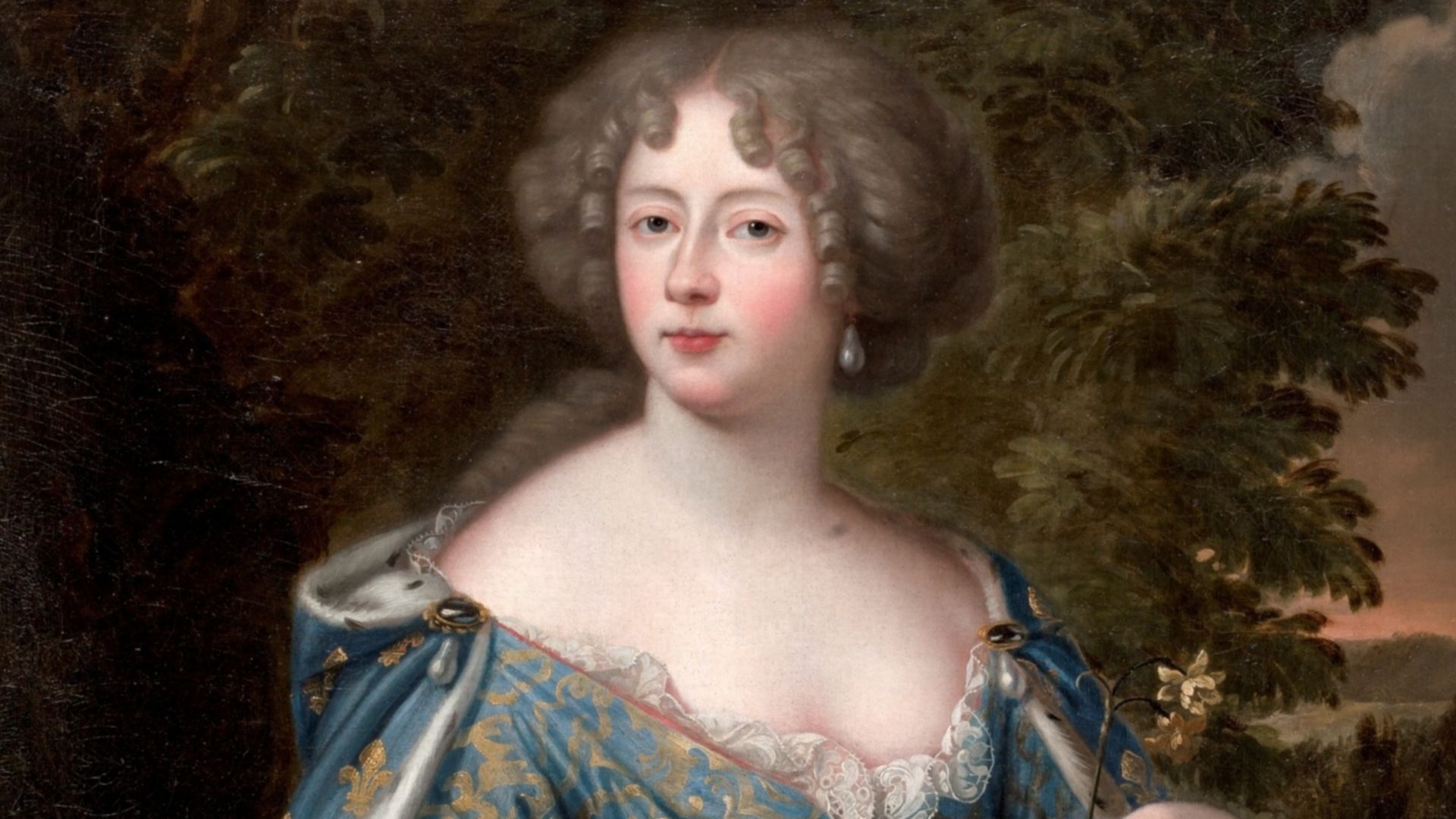
50. She Saved Hundreds Of Huguenots
Even at the height of her power, Elizabeth Charlotte had steered clear of politics. According to her, “France had been ruled by women long enough”. However, when she did intervene, she saved lives—and righted one very bad wrong. With Louis XIV gone, she managed to secure the freedom of more than 200 Huguenots, sparing them from further imprisonment.
She was, in fact, far more intelligent than anyone gave her credit for.
 After Pierre Mignard I, Wikimedia Commons
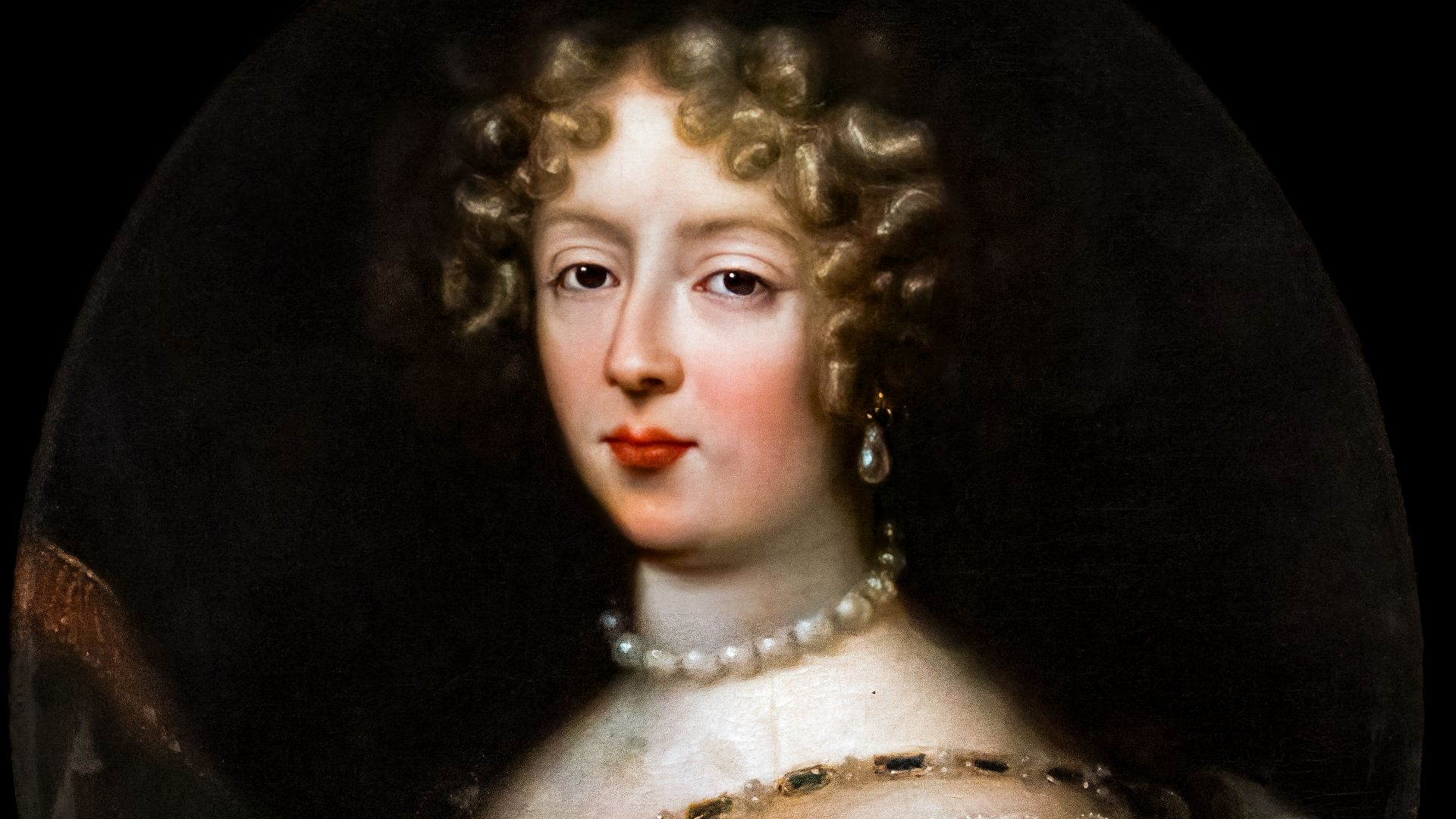
51. She Had A Massive Library
Elizabeth Charlotte didn’t just write a lot; she also read voraciously. Her personal library consisted of “more than 3,000 volumes” including novels, plays, Biblical translations, maps, travelogues, “and tomes of natural history, medicine and mathematics”. She even dabbled in the sciences (owning three microscopes with which she inspected insects) and was an avid coin collector.
 Didier Descouens, Wikimedia Commons
52. She Out-Wrote Every Letter Writer In Europe
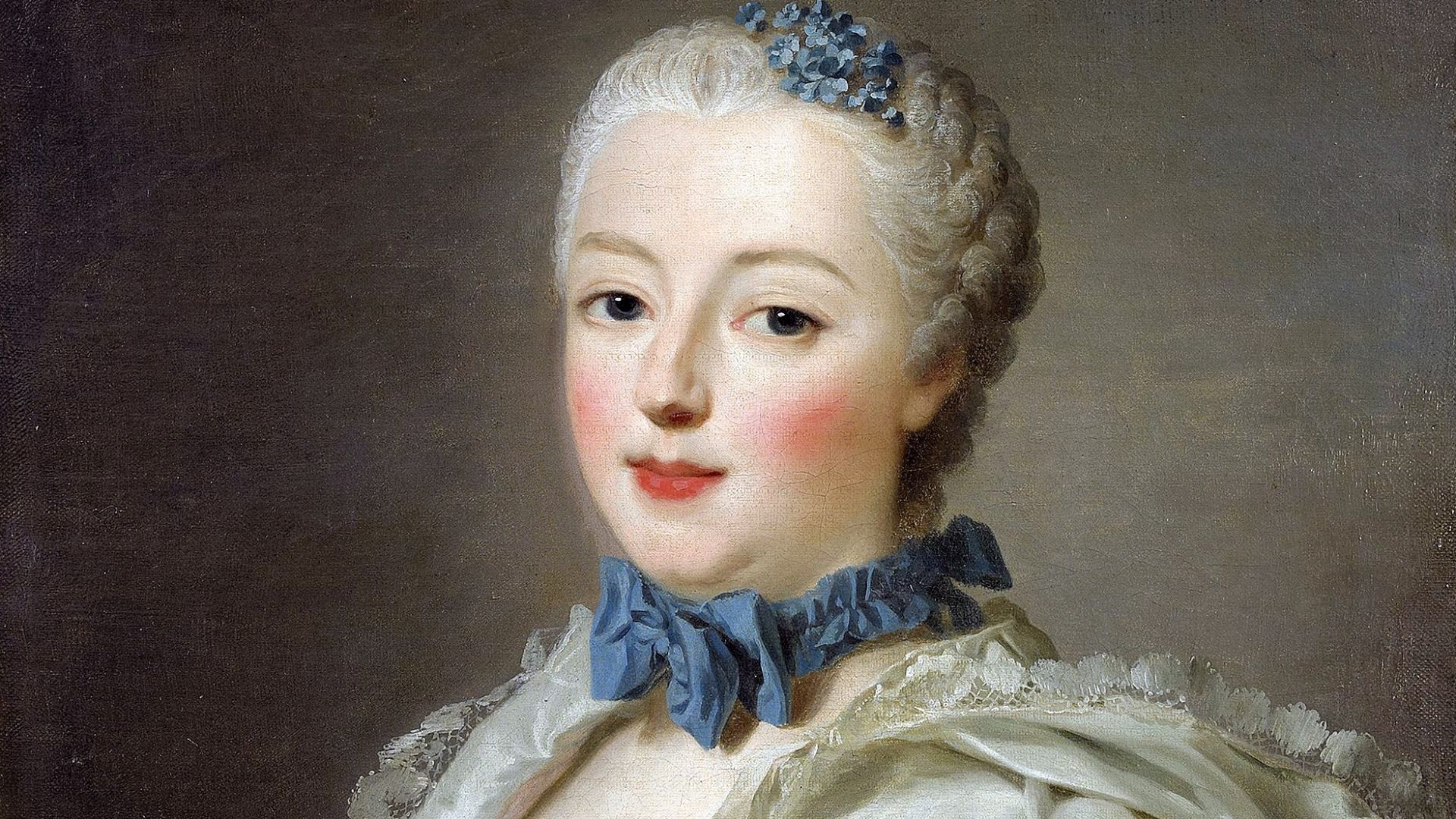
Elizabeth Charlotte filled her library with other writers’ works. But she could have filled it with her own letters. Over her lifetime, historians believe that she wrote some 60,000 letters, two-thirds in German and the rest in French. Sadly, only about 5,000 of them survive. Still, by comparison, the equally prolific Madame de Sévigné left behind about 1,200.
The number of letters is impressive. Their contents are even more so.
 Alexander Roslin, Wikimedia Commons
53. She Wrote The Way She Spoke
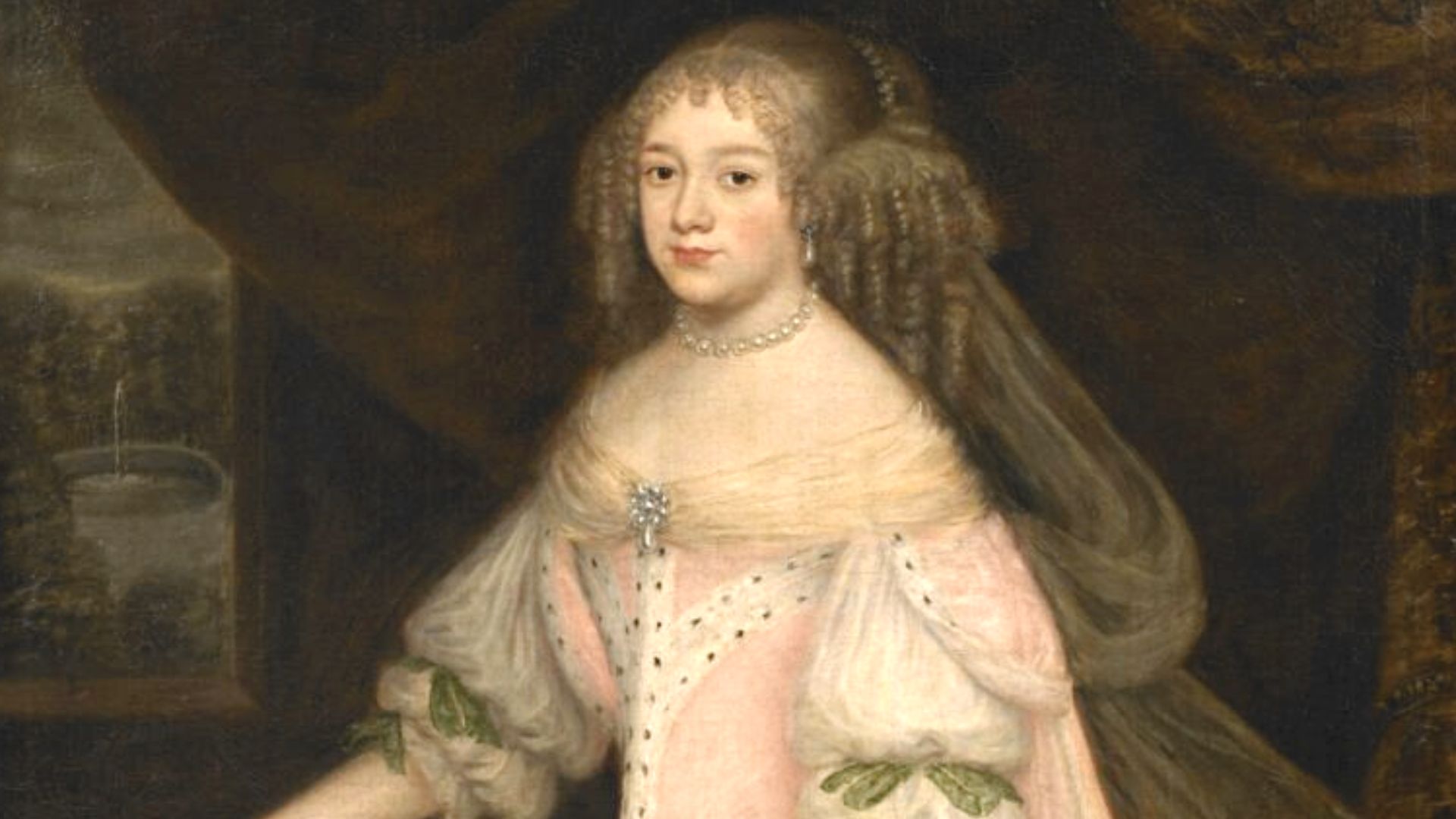
Elizabeth Charlotte called her correspondence “chat”—and she meant it literally. A single letter might run 15 to 30 pages—written on gilt-edged paper, no less. “I write as I speak,” she admitted, “because I am too natural to think before I write”. Her biographer characterized her as such: “Had Madame lived in our time, she would have spent her days on the phone”.
She was just as happy to share gossip as she was to hear it.
 Johann Baptist Ruel, Wikimedia Commons
54. She Refused To Mourn Her Nemesis
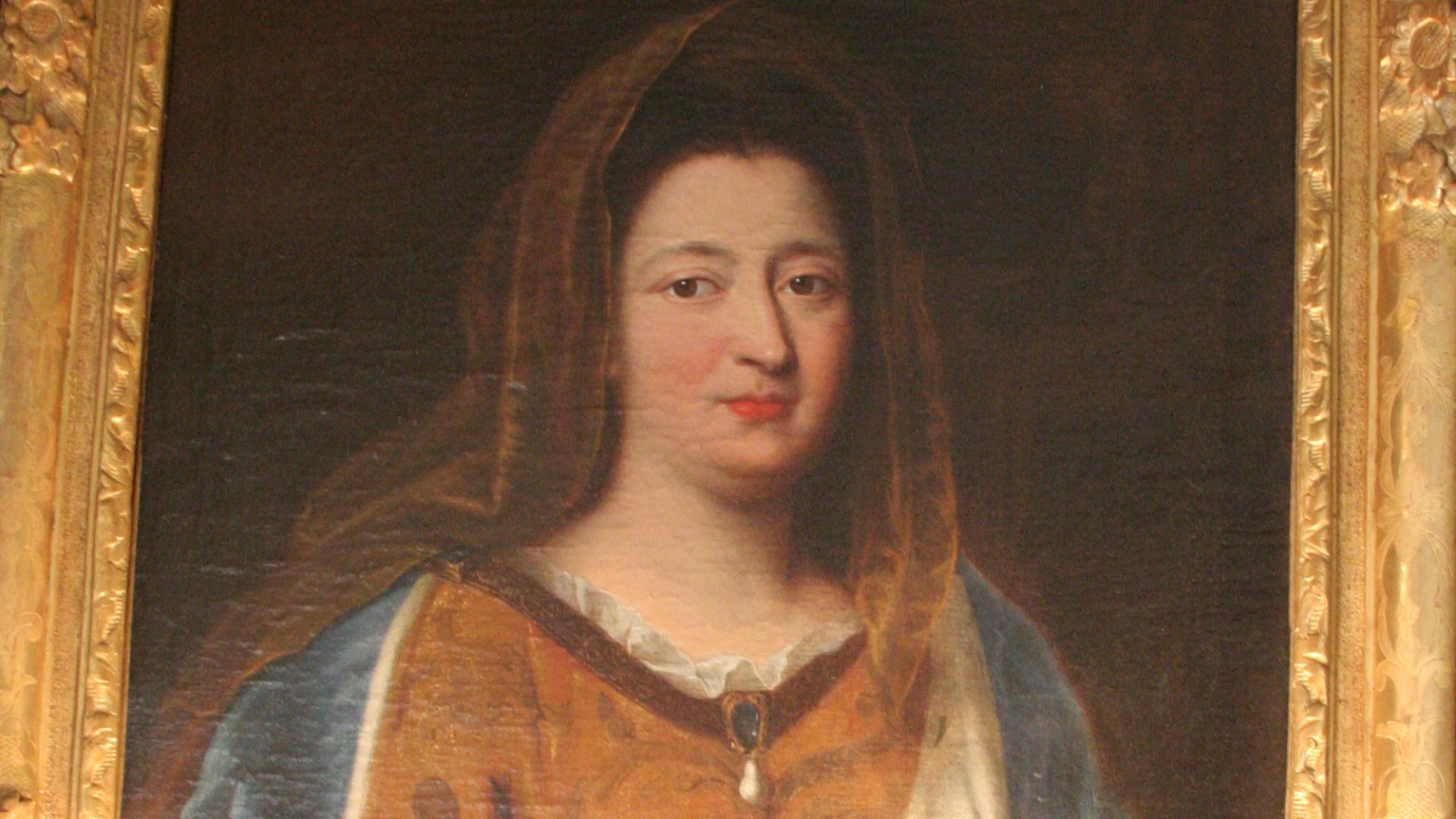
On April 16, 1719, word reached Elizabeth Charlotte that Madame de Maintenon was gone—and she didn’t bother faking grief. “This morning I find out that the old Maintenon [passed], yesterday evening between 4 and 5 o’clock,” she wrote. Then came her patent frankness: “It would be very lucky if it happened 30 years ago”. Her own final years were fast approaching.
 Johann Dréo from Chartres, France, Wikimedia Commons
55. She Wept For Her Old Friend
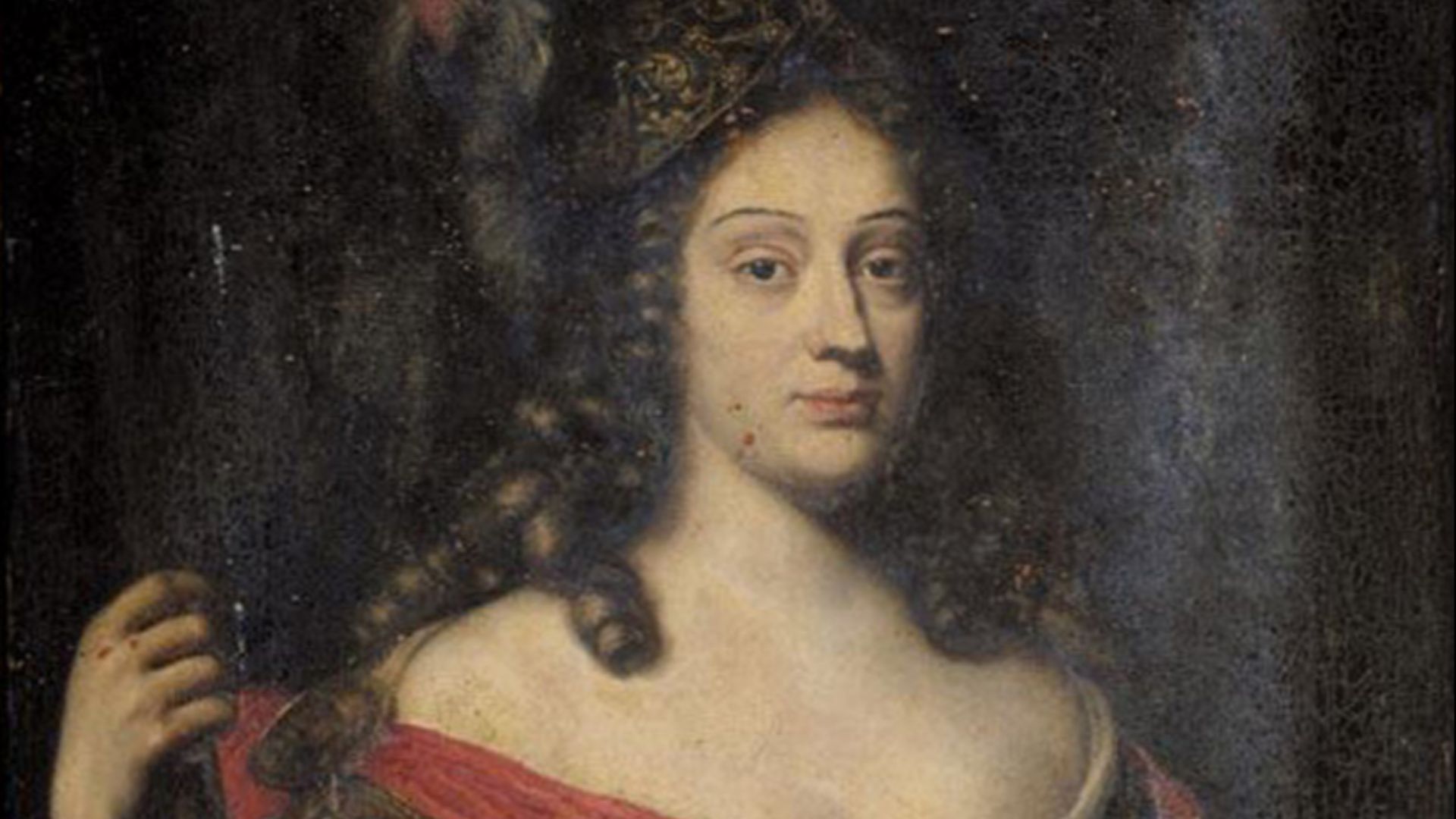
Elizabeth Charlotte didn’t shed a tear for Madame de Maintenon, but another familiar name jerked forth the waterworks. In June of 1722, Elizabeth Charlotte returned to Versailles for the last time and, walking the halls, she came upon the room where Louis XIV had spent his final hours. That’s when she broke down. “I cannot get used to seeing nothing but children everywhere,” she wrote, “and nowhere the great king whom I loved so dearly”.
She would see him soon.
 Attributed to Johann Hulsman, Wikimedia Commons
56. She Slipped Away Before Dawn
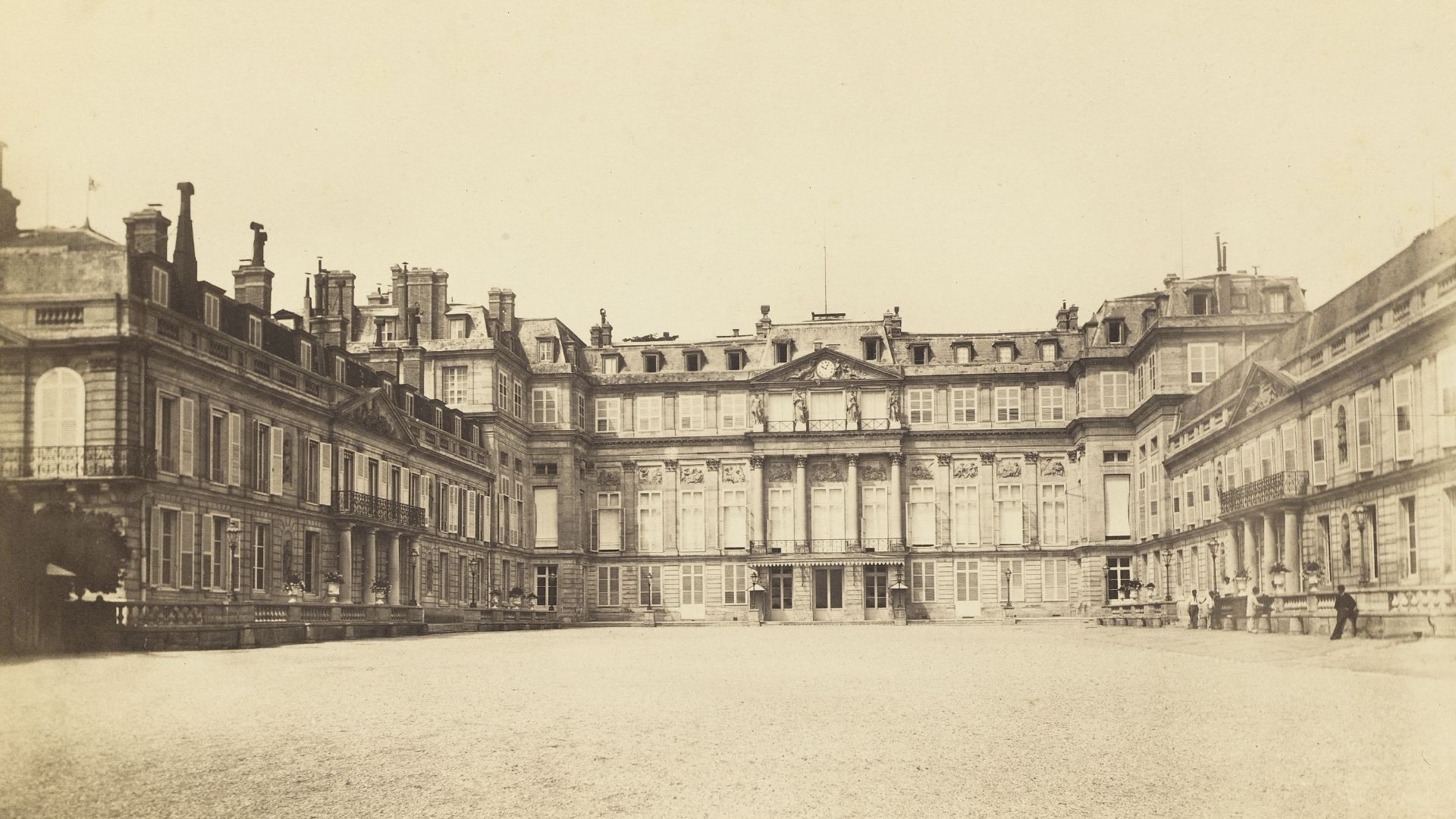
At 3:30 in the morning on December 8, 1722, Elizabeth Charlotte wrote her final letter. She passed at her beloved Château de Saint-Cloud, aged 70. She had outlived Philippe I by 21 years, and, despite their marital challenges, was laid to rest beside him in the royal necropolis at the Basilica of Saint-Denis. Her son was so consumed with grief that he couldn’t attend her funeral.
 Unknown authorUnknown author, Wikimedia Commons
57. She Was Dignity Itself
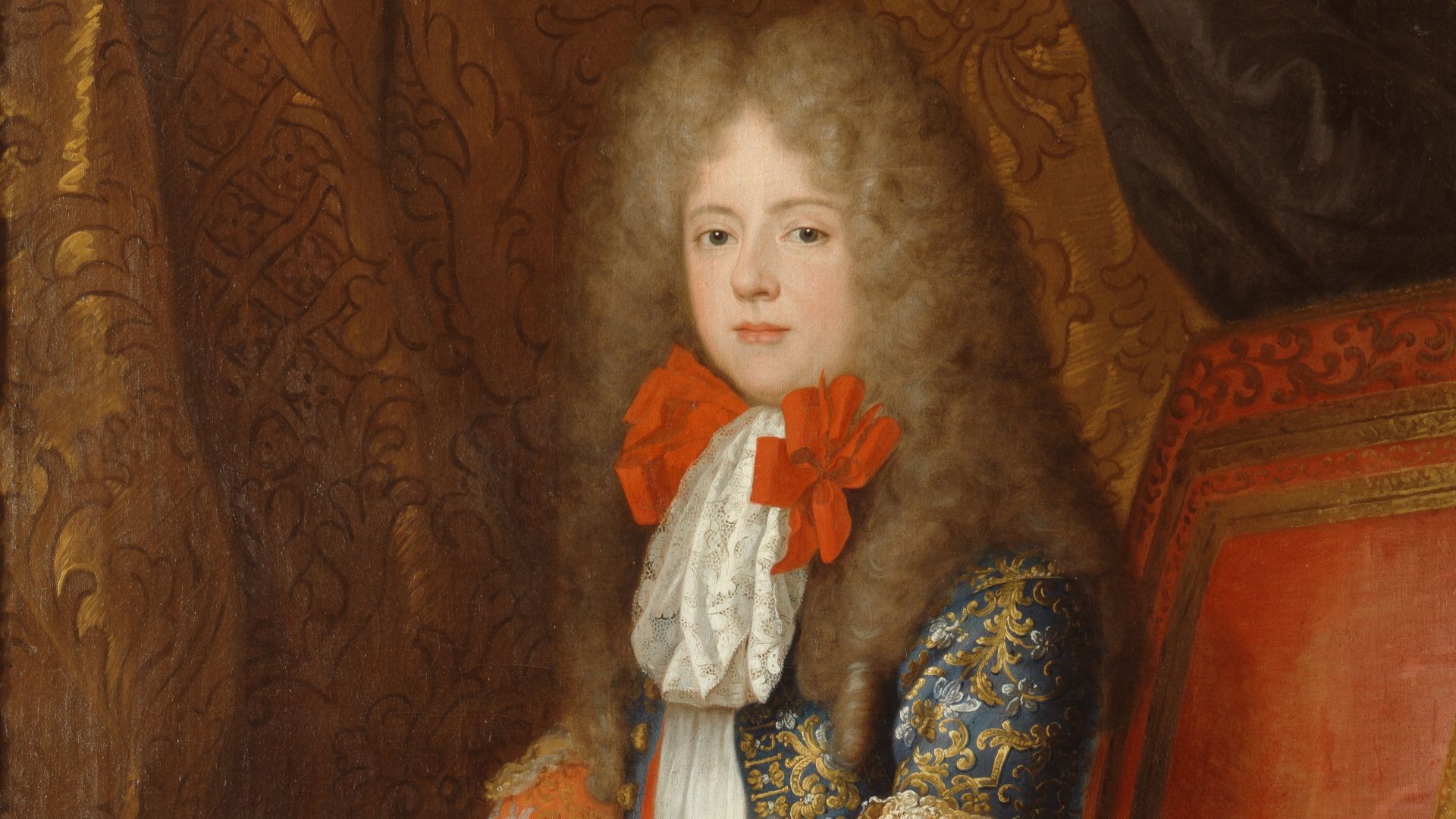
Elizabeth Charlotte's popularity had waxed and waned with the times. But, in the end, no one had a bad word to say about her. “I don’t know anyone who was so proud and generous and yet by no means haughty,” the sermon at her funeral mass began, “I don’t know anyone who was so engaging and amiable and yet by no means slack and powerless…Everything about her was dignity”.
But perhaps not everyone read her letters.
 Louis Ferdinand Elle the Elder, Wikimedia Commons
58. She Exposed All Of Their Secrets
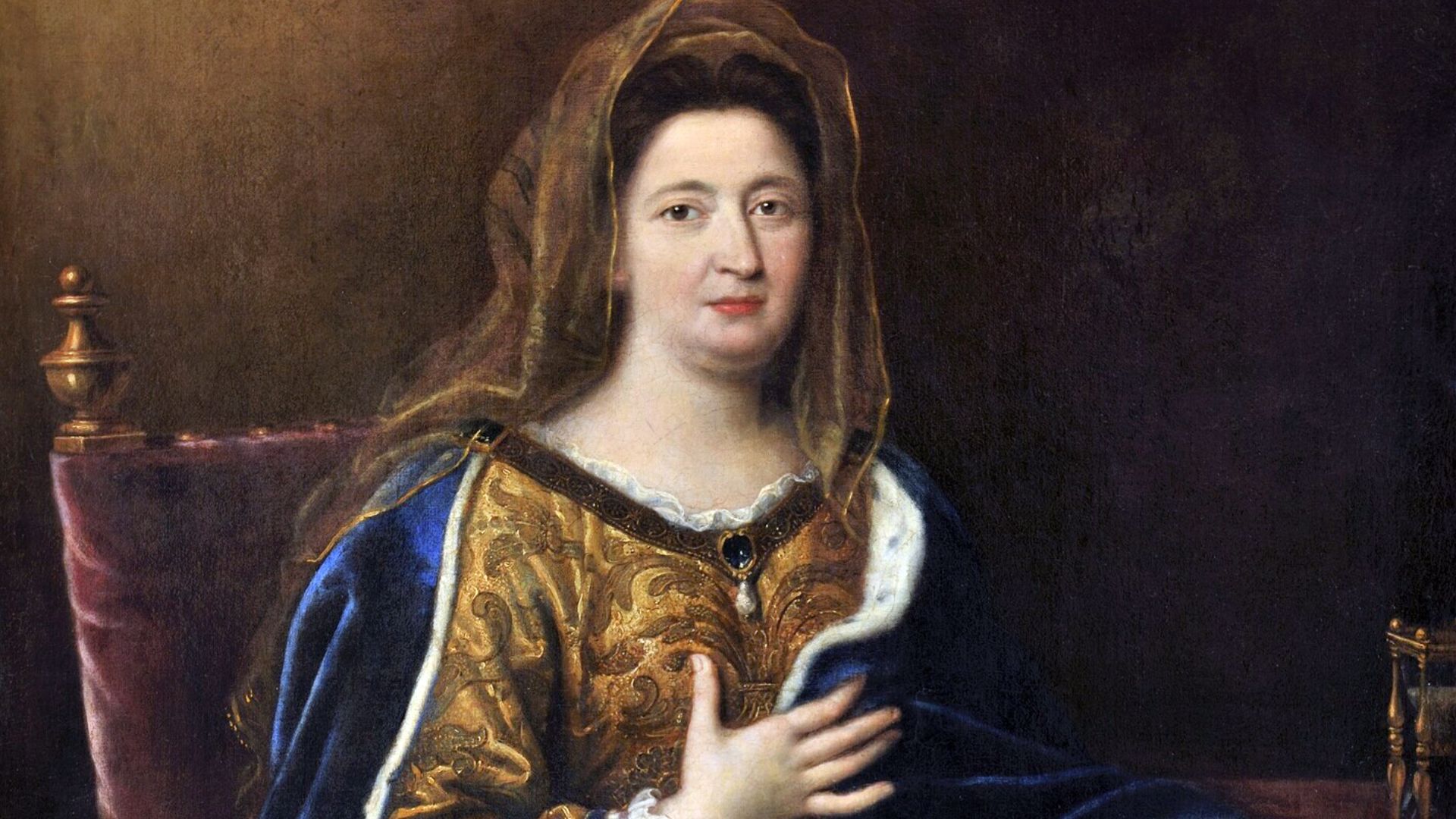
Out of the tens of thousands of letters Elizabeth Charlotte crafted, much of them were filled with the Court's darkest secrets. She didn't hold back, writing about adultery, rumors of homosexuality, outrageous court scandals, and even whispers of illegitimate royal children. But her letters about Madame de Maintenon take the cake.
 Pierre Mignard I, Wikimedia Commons
59. She Doubled Down On Her Enemy
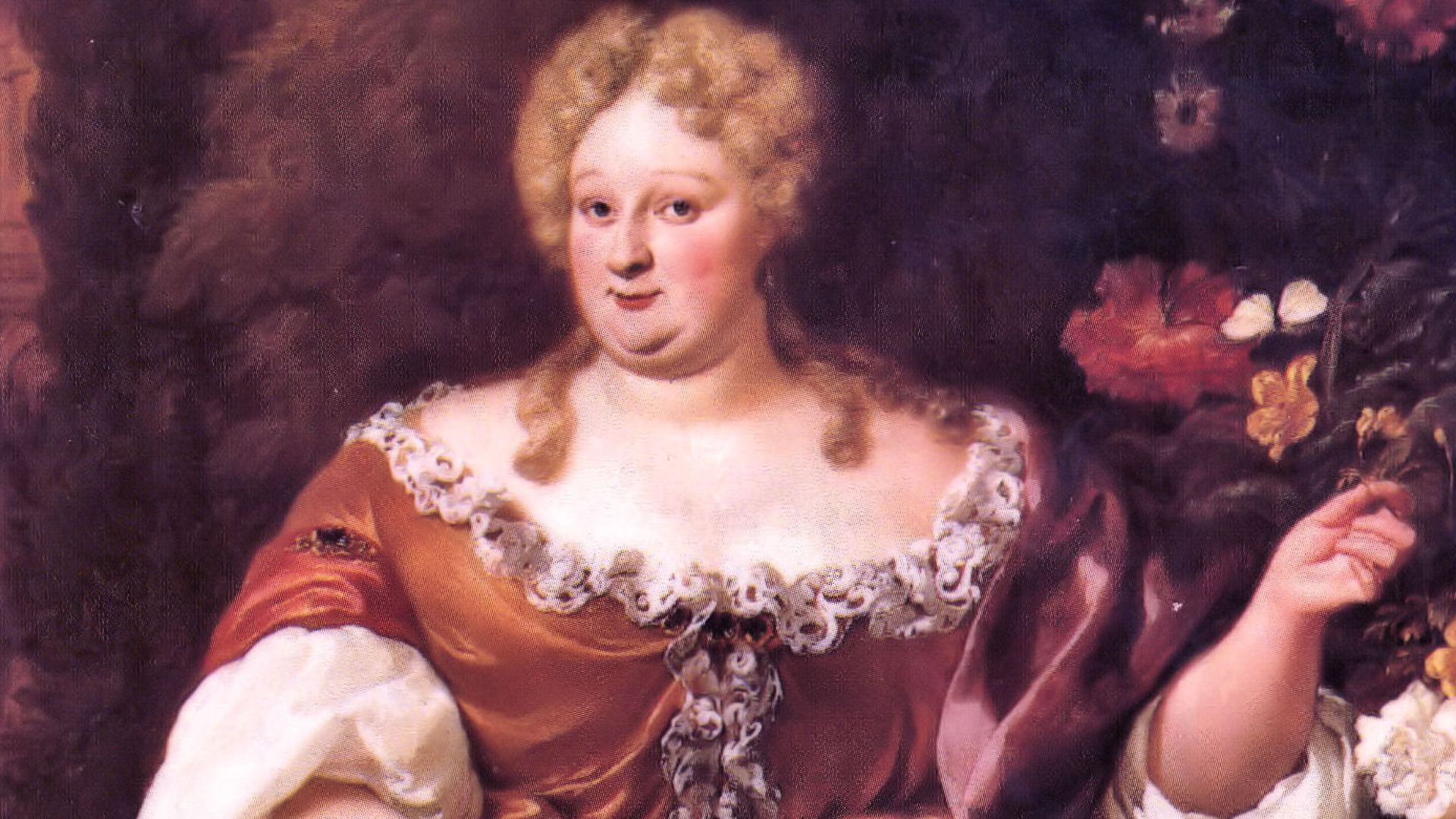
Because Madame de Maintenon had something Elizabeth Charlotte wanted (Louis XIV), she was the subject of many of her letters. Not only did Elizabeth Charlotte refer to Madame de Maintenon with brutally insulting terms, she also revealed the details of her morganatic marriage to the king, exposing how a low-ranking widow happened to corner the most powerful king in the world.
Her letters weren't the only thing making her famous.
 Unidentified painter, Wikimedia Commons
60. She Became The Grandmother Of Europe
Elizabeth Charlotte—once the awkward German outsider—got the last laugh in Versailles. With Philippe I, Elizabeth Charlotte founded the fourth House of Orléans, which eventually put her son Louis-Philippe on the French throne from 1830 to 1848. Further, through her daughter, she became grandmother to Holy Roman Emperor Francis I and great-grandmother to Marie Antoinette.
Though we all know how that ended.
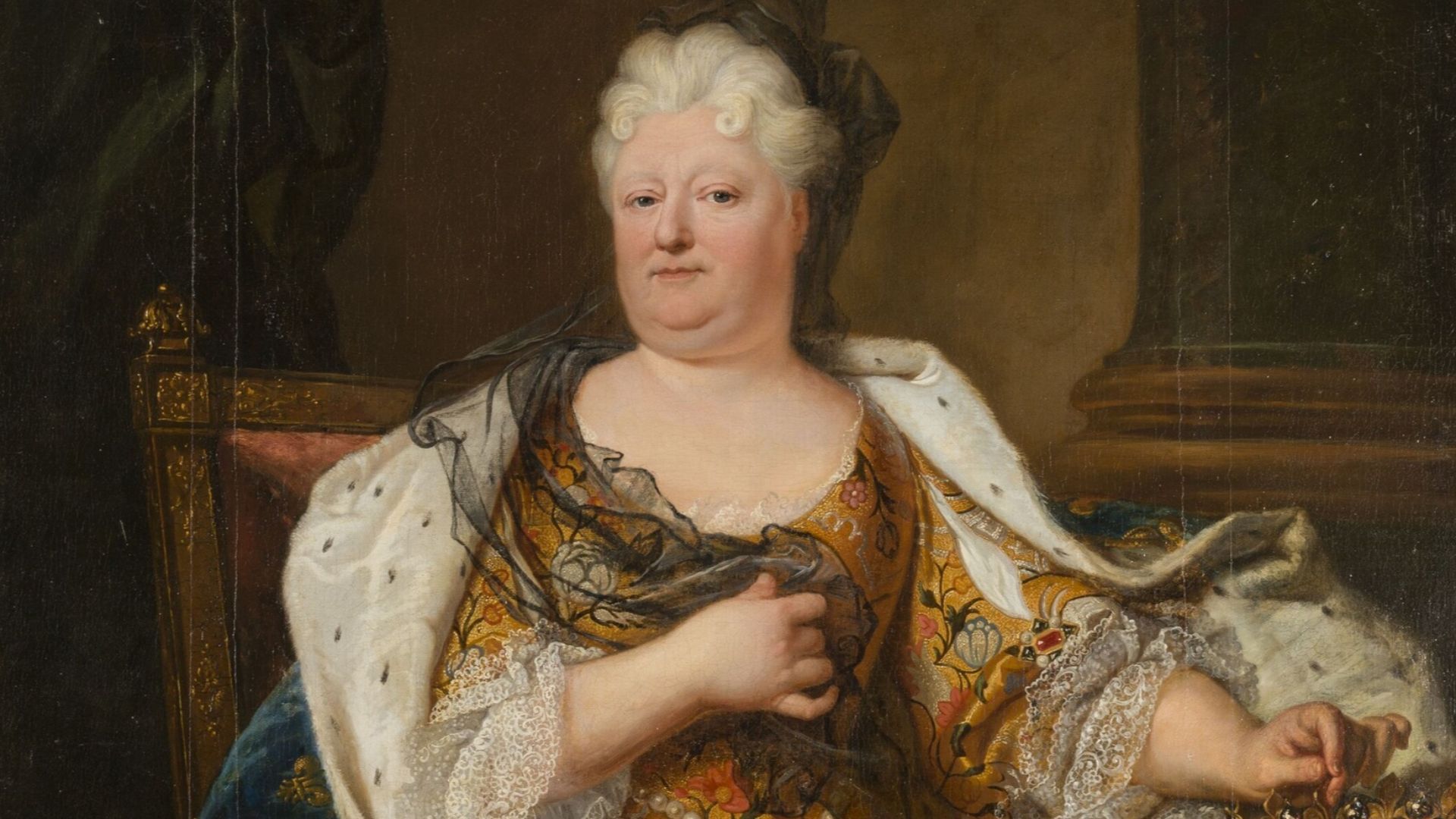 After Hyacinthe Rigaud, Wikimedia Commons
You May Also Like:
Nosy Facts About Princess Augusta, The Meddling Royal Mother
Desperate Facts About Princess Sophia, The Royal Secret-Keeper
Risky Facts About Queen Caroline, Denmark's Royal Bad Girl
Sources: 1, 2, 3, 4, 5, 6, 7, 8, 9, 10, 11, 12, 13, 14, 15, 16, 17, 18, 19, 20, 21, 22, 23, 24, 25