The Woman History Almost Forgot
Everyone knows the names John Hancock, Thomas Jefferson, and Benjamin Franklin. But have you heard of Mary Katharine Goddard? In 1777, she printed a version of the Declaration of Independence that changed how Americans saw the document. Then she did something particularly daring: she put her own name on it.
A Name Hidden In Plain Sight
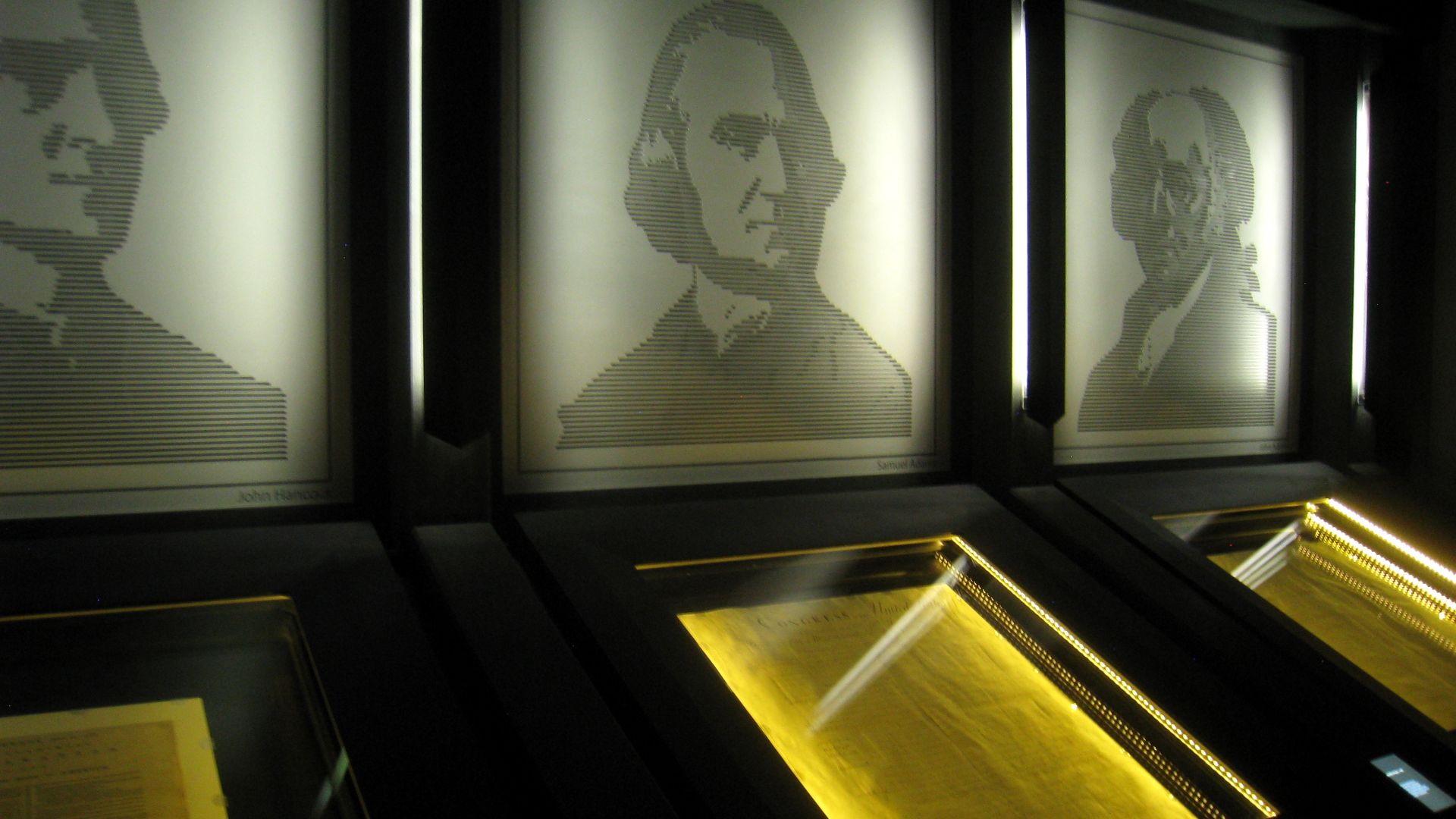
Take a close look at certain early copies of the Declaration of Independence, and you'll find something unexpected. Beneath the famous names of America's founding fathers appears the name of a woman. She wasn't a signer, but without her, an important chapter of American history might look very different.
Her Story Began In Connecticut
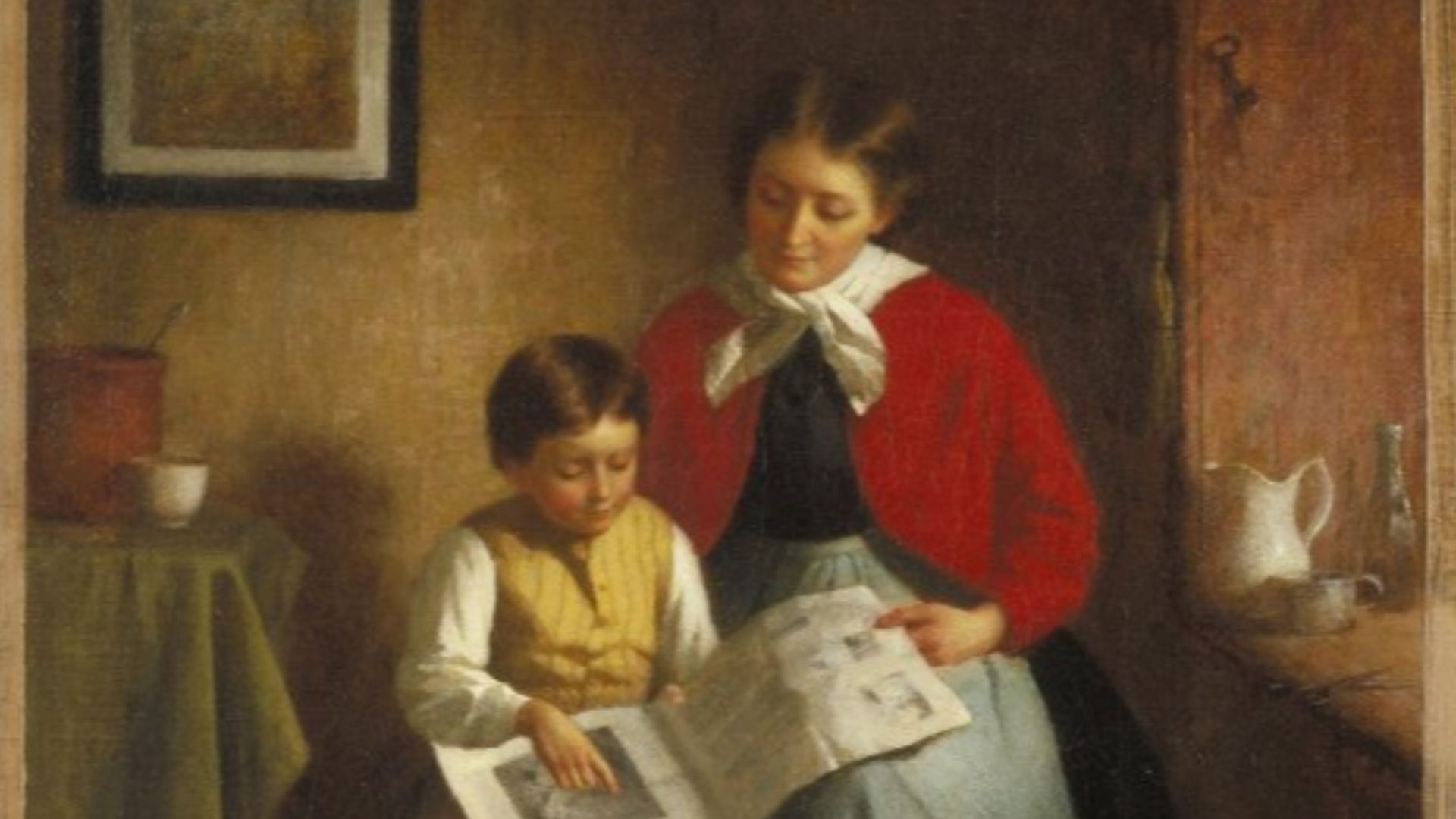
Mary Katharine Goddard was born in New London, Connecticut, in 1738. Her father was a physician and postmaster, while her mother came from a prosperous Rhode Island family. Unlike many girls of her generation, Mary received a substantial education that would prove invaluable in her future career.
A Family Business Opened Doors
When Mary's father died in 1757, her mother used part of the family's inheritance to help establish a printing business in Providence, Rhode Island. Mary's younger brother William became the public face of the operation, but Mary soon developed the practical skills that would make her a successful printer.
 Platt Powell Ryder, Wikimedia Commons
She Learned The Business From The Inside
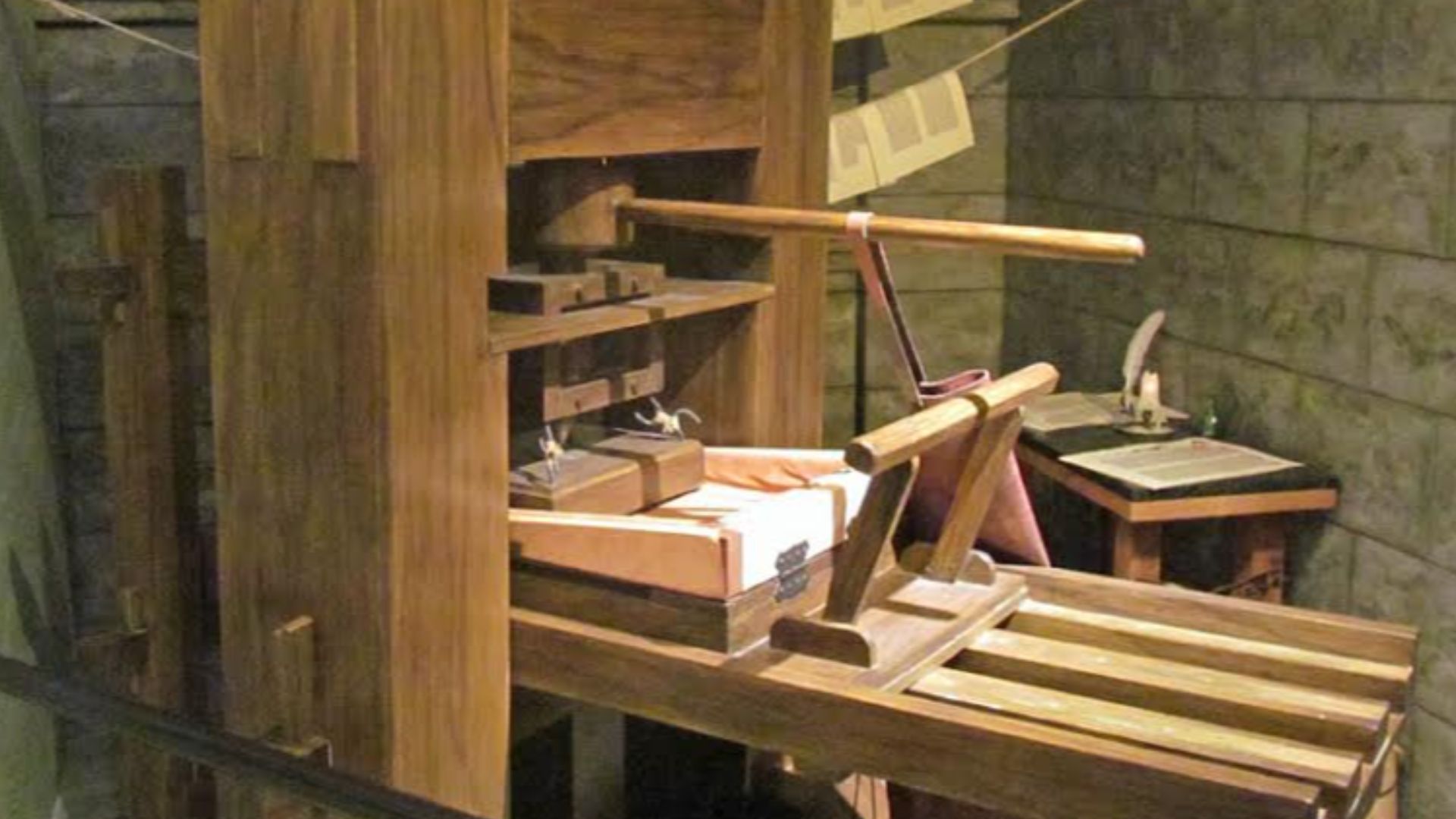
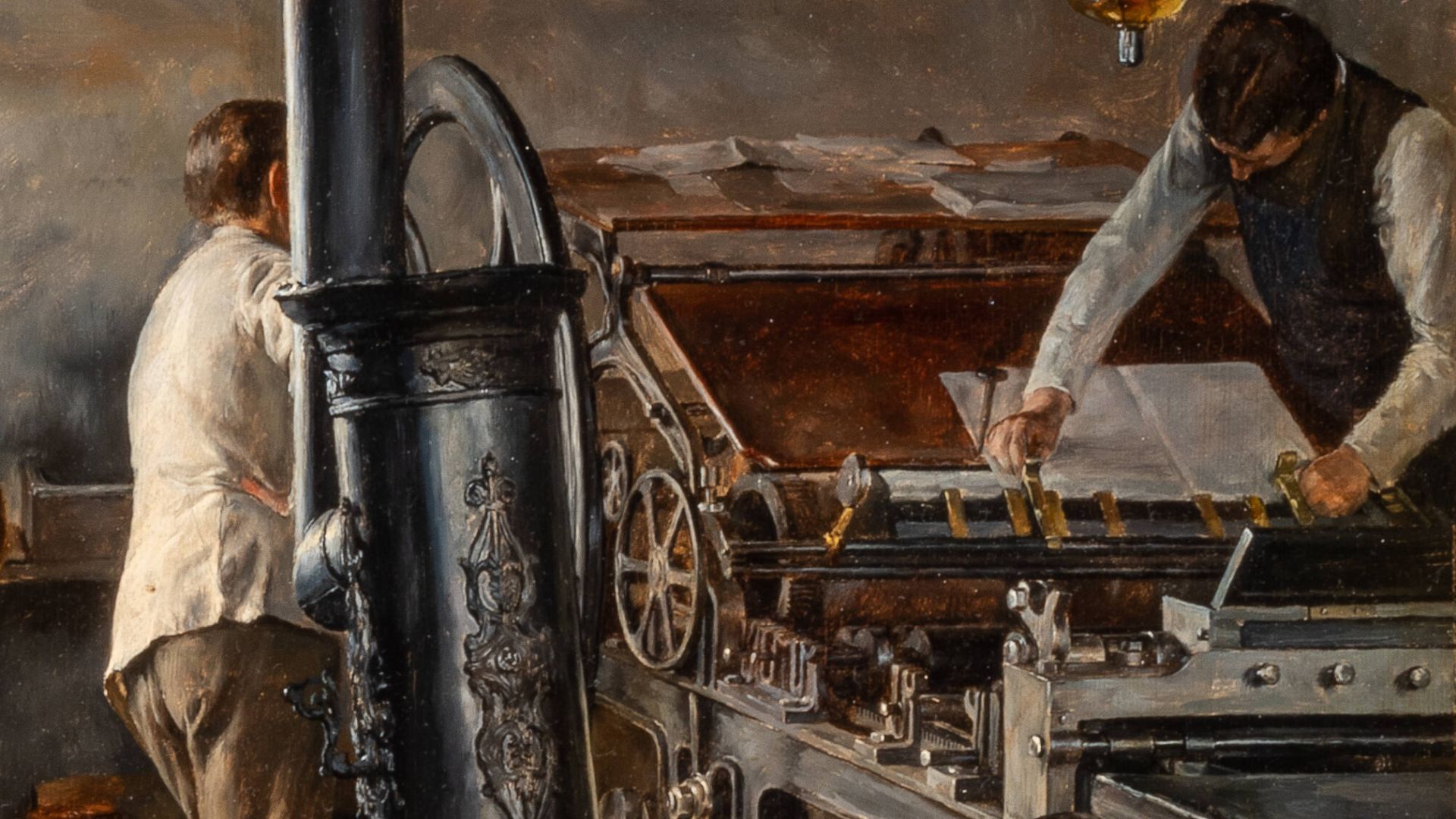
Printing in colonial America wasn't simply a matter of feeding paper into a machine. Every page required careful preparation, with individual pieces of metal type arranged by hand. Mary learned the demanding work of producing newspapers, and she became particularly skilled at keeping a printing operation running.
Her Brother Was Often Elsewhere
William Goddard had big ambitions, but he wasn't always around to manage the family business. His publishing ventures took him from Providence to Philadelphia and eventually Baltimore. Mary followed, frequently finding herself responsible for the everyday work while her brother pursued other opportunities.
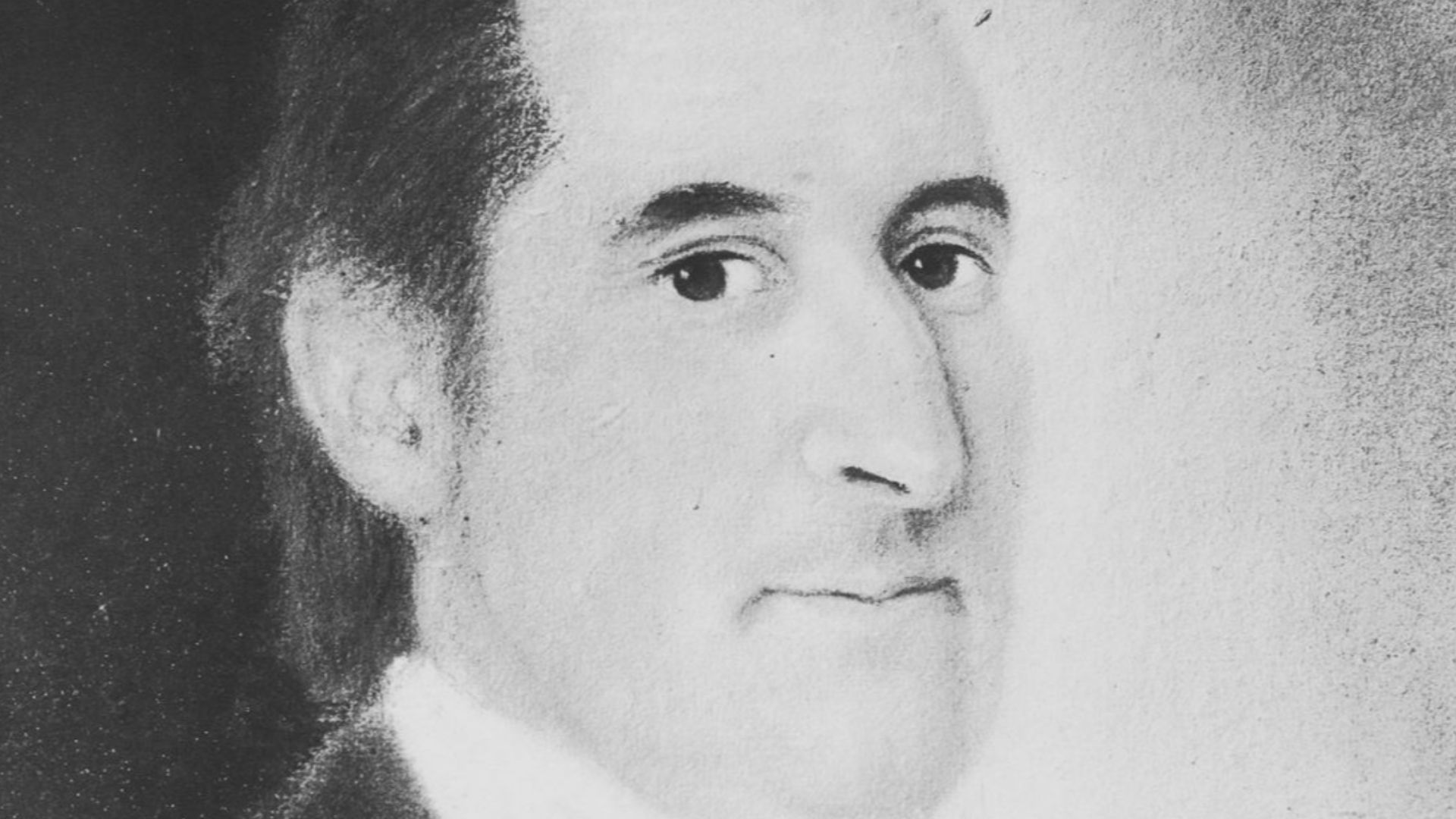
Baltimore Became Her Home
In 1774, Mary took charge of the Maryland Journal, a newspaper her brother had established in Baltimore the previous year. It was a tremendous responsibility, particularly for a woman in an industry dominated by men. Fortunately, she had already spent years learning exactly how the business worked.
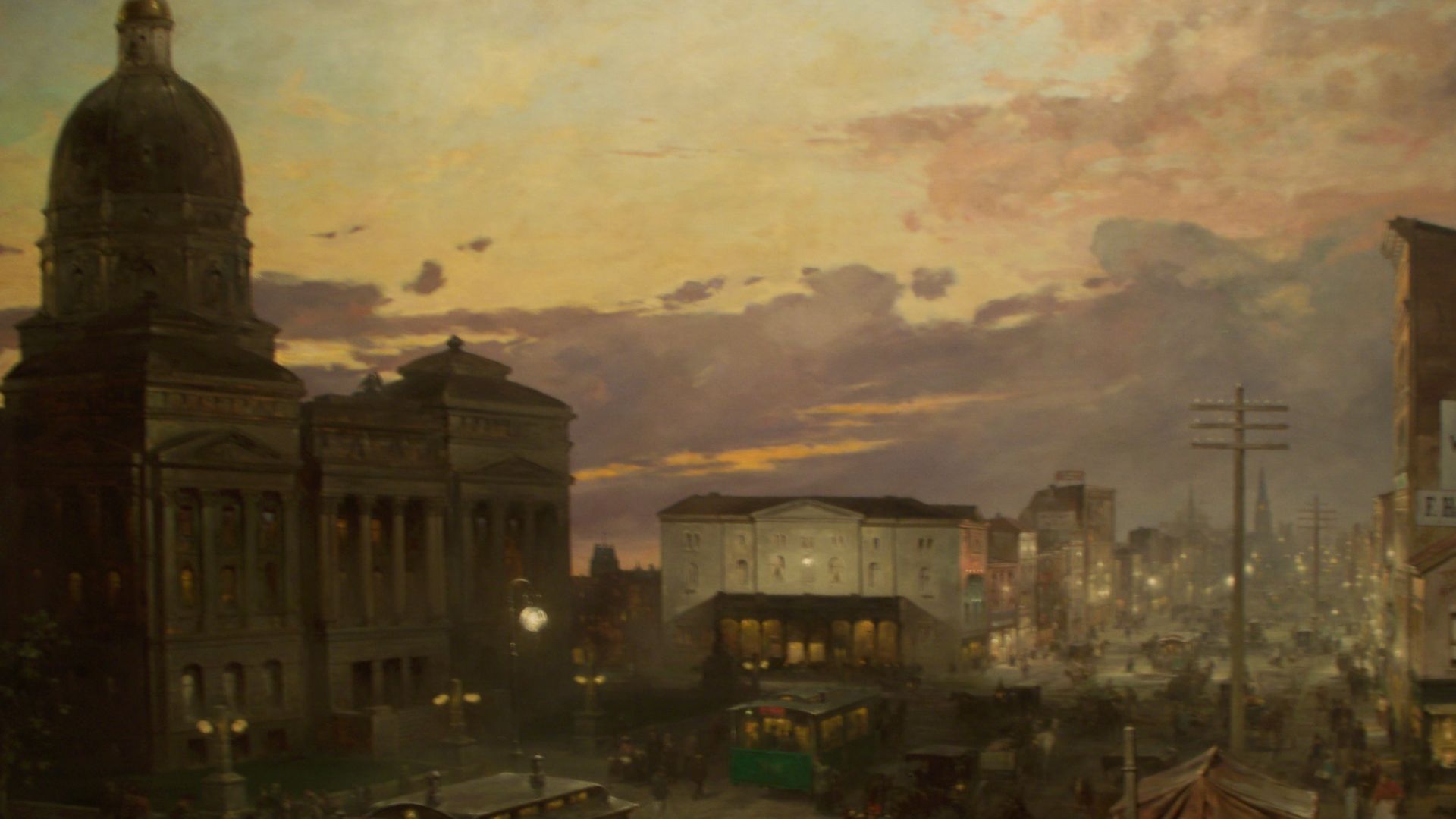 Theodor Groll, Wikimedia Commons
She Became Baltimore's Newspaper Woman
By May 1775, the Maryland Journal officially identified its publisher as M. K. Goddard. Readers might not have realized those initials belonged to a woman, but they certainly knew her newspaper. It became an important source of information in a city increasingly caught up in revolutionary politics.
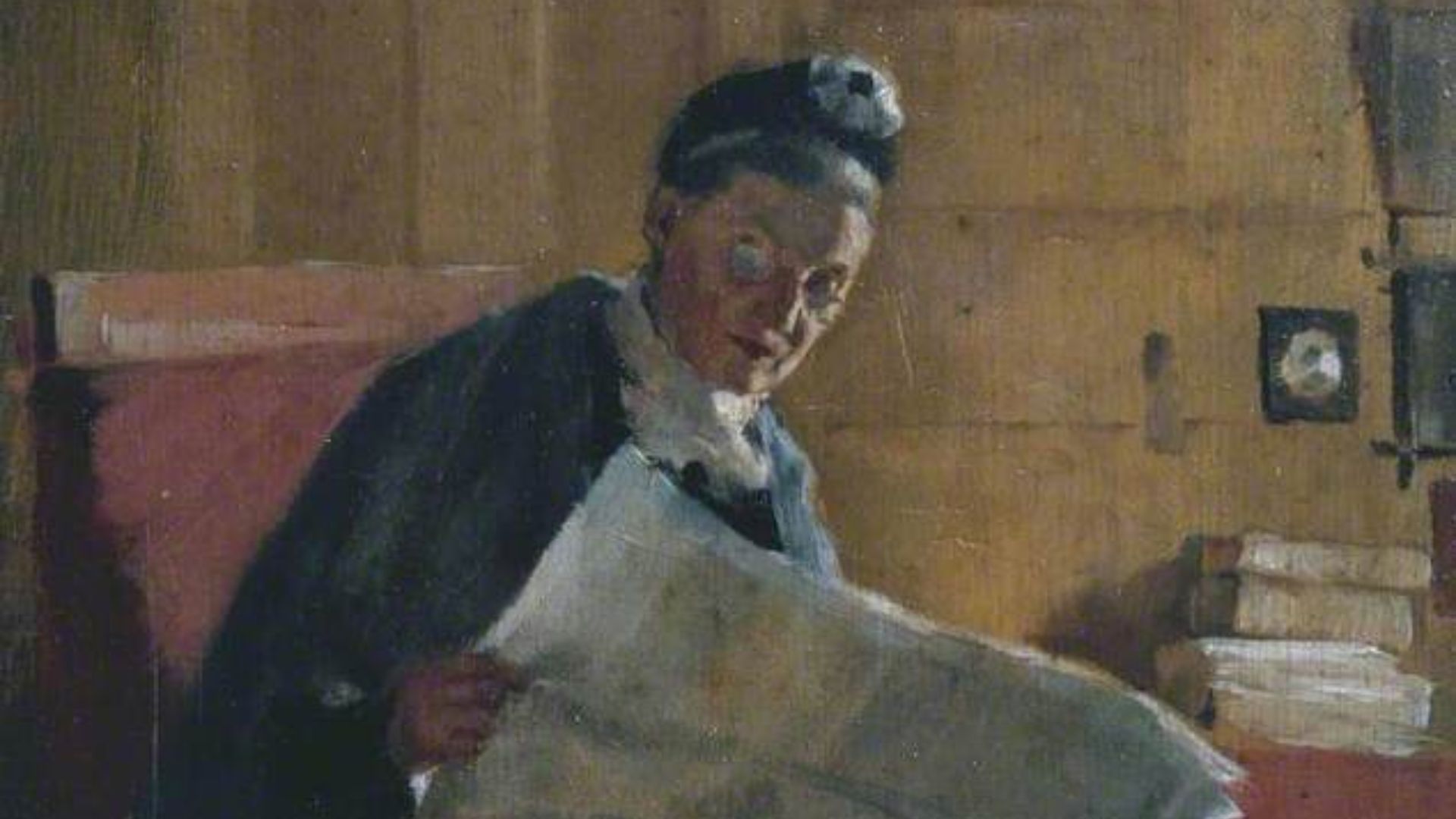 Norman Garstin, Wikimedia Commons
The Revolution Was Making Headlines
As relations between Britain and the colonies deteriorated, Mary reported on boycotts, military developments, and growing demands for independence. Her newspaper helped Baltimore residents follow events unfolding across the colonies. She wasn't merely watching history happen. Her printing press was helping people understand it.
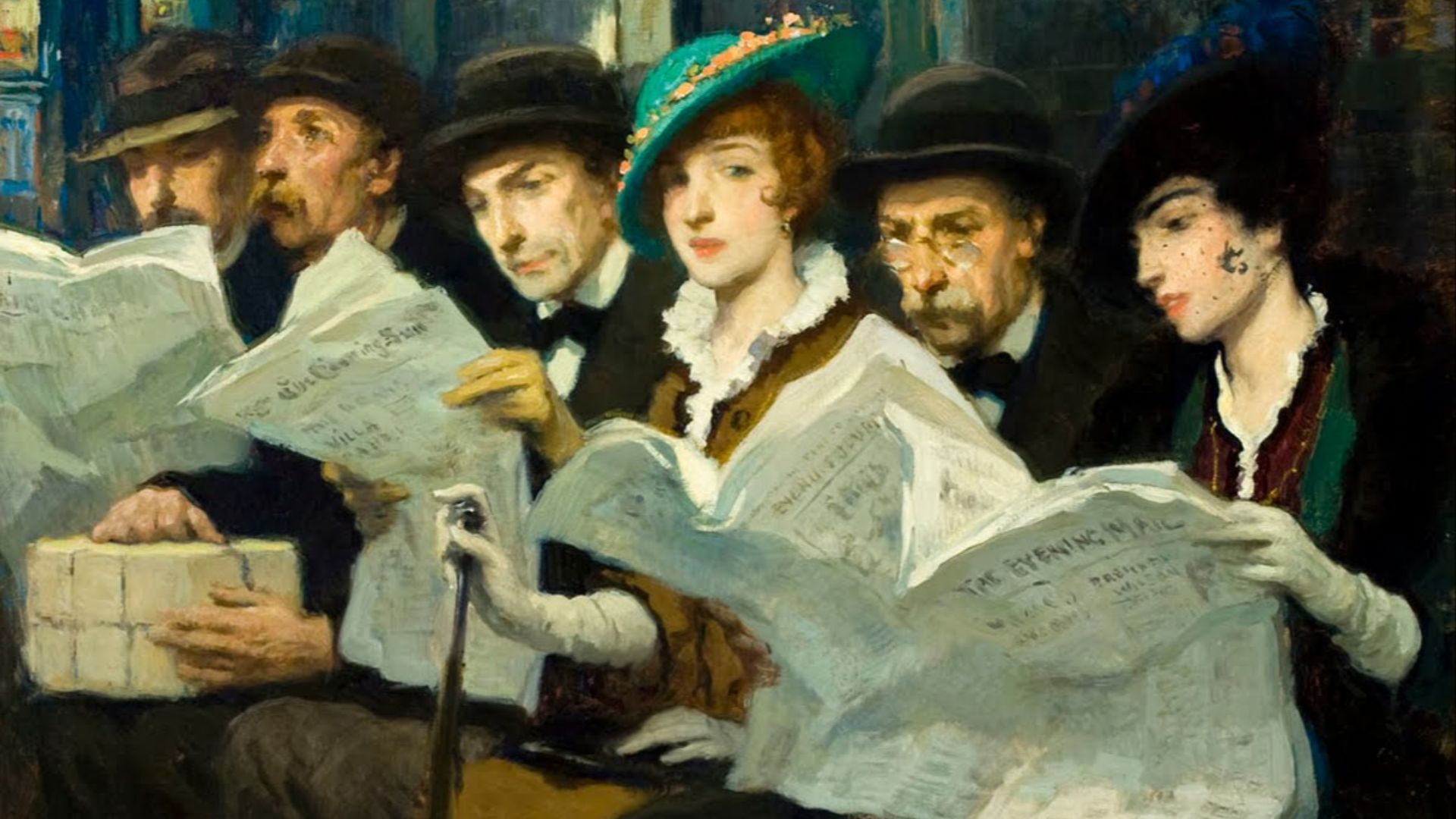 Francis Luis Mora, Wikimedia Commons
She Published Some Explosive Ideas
In 1776, Mary's newspaper published portions of Thomas Paine's Common Sense, the influential pamphlet arguing for American independence. These were dangerous ideas in a world still ruled by the British Crown. Publishing revolutionary material meant accepting risks that could extend well beyond losing customers.
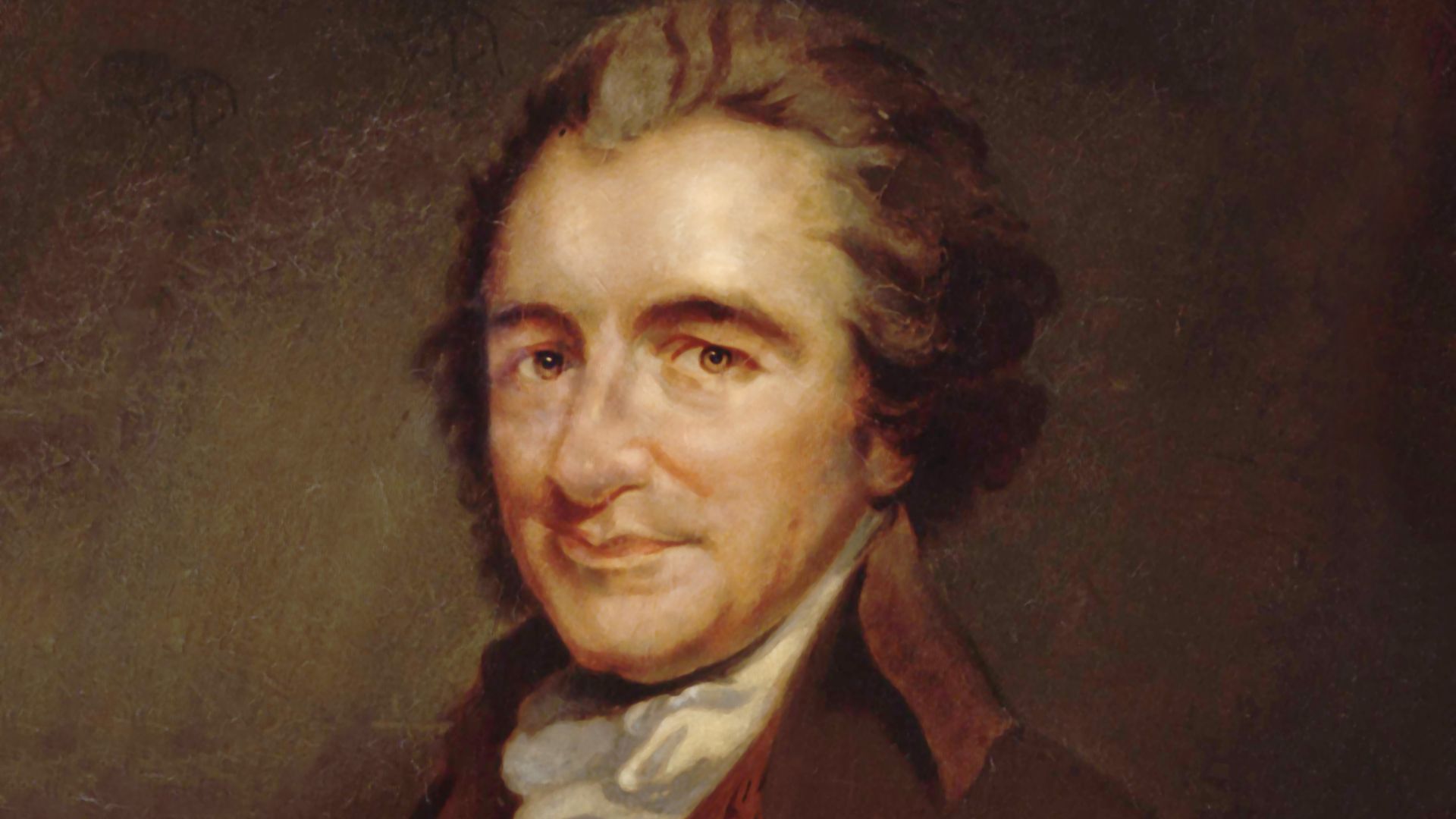 Auguste Millière / After George Romney / After William Sharp, Wikimedia Commons
She Had Another Important Job
Mary wasn't just a newspaper publisher. In 1775, she became Baltimore's postmaster, probably making her one of the first women to hold such a position in colonial America. She managed an essential communication service at a time when delivering information could be just as important as printing it.
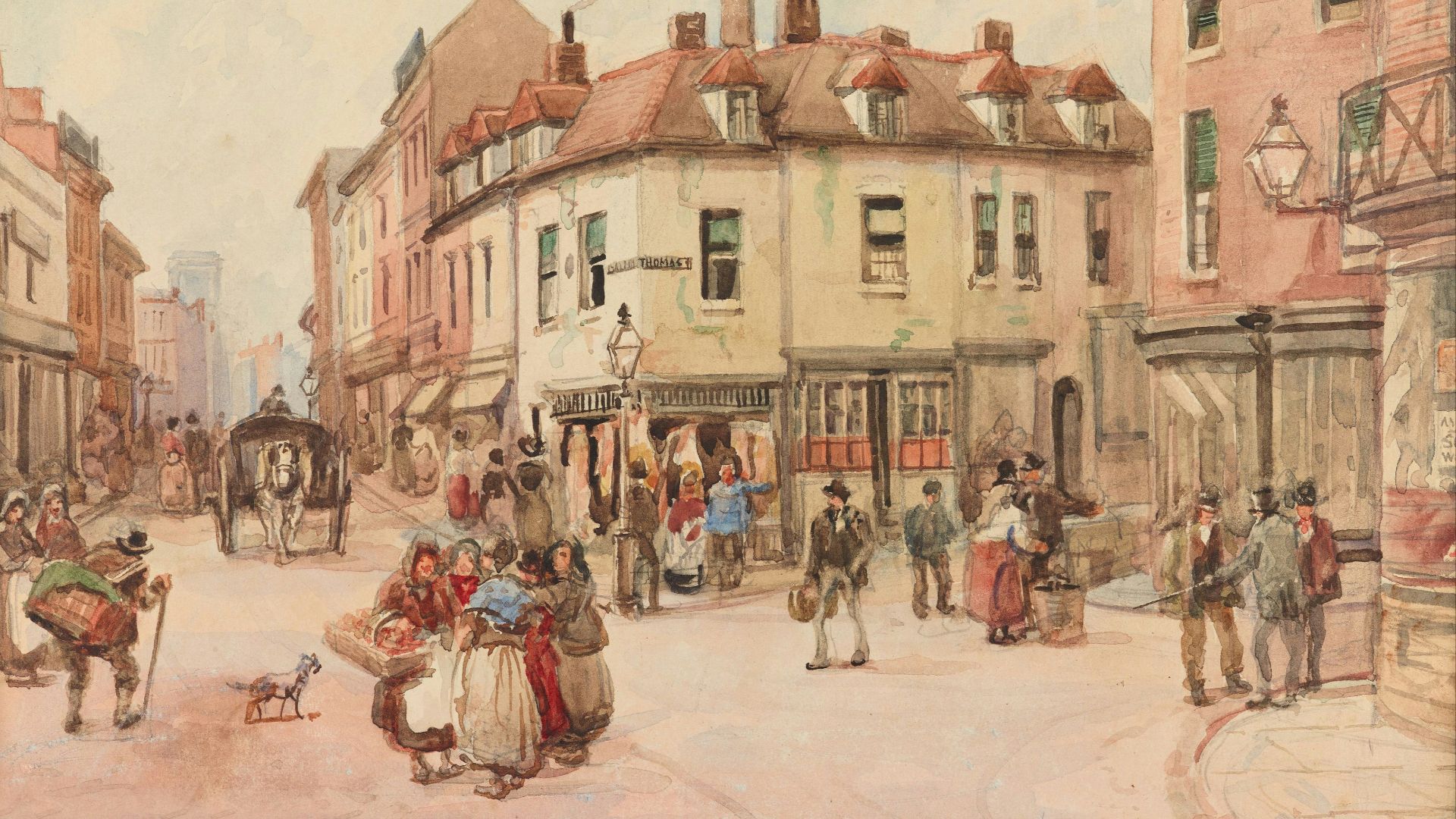 Birmingham Museums Trust, Unsplash
Then Came July 4, 1776
When Congress adopted the Declaration of Independence, printer John Dunlap produced the first official printed copies in Philadelphia. Those broadsides carried the names of John Hancock and congressional secretary Charles Thomson, but not the other delegates. For the moment, most signers' identities remained out of public view.
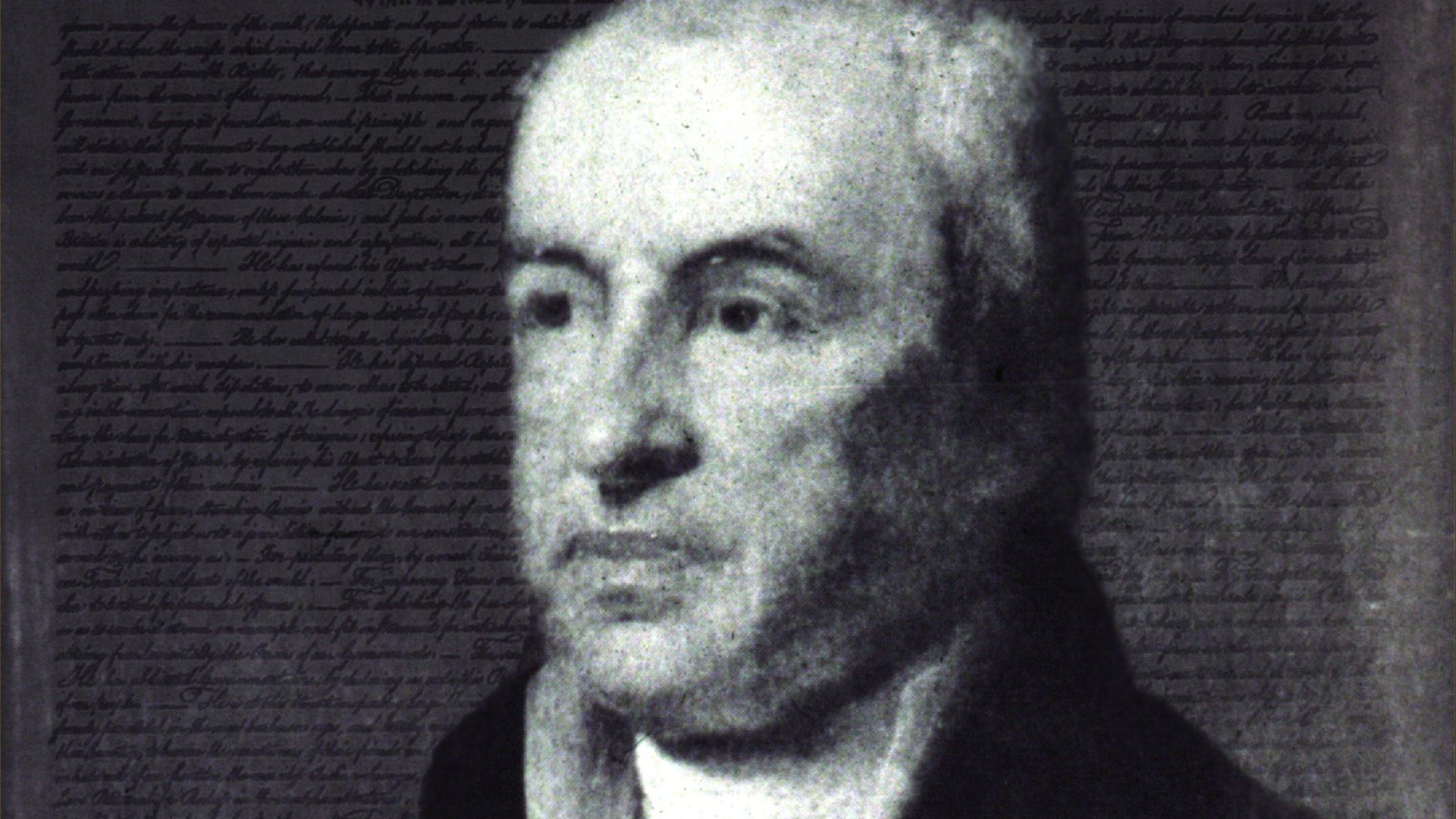 Georgia National Guard from United States, Wikimedia Commons
Independence Was Far From Certain
Declaring independence didn't mean America had won it. By late 1776, British forces were advancing, George Washington's army was struggling, and the Continental Congress feared Philadelphia might fall. The revolutionary government needed somewhere safer to conduct its business, and Baltimore offered a temporary refuge.
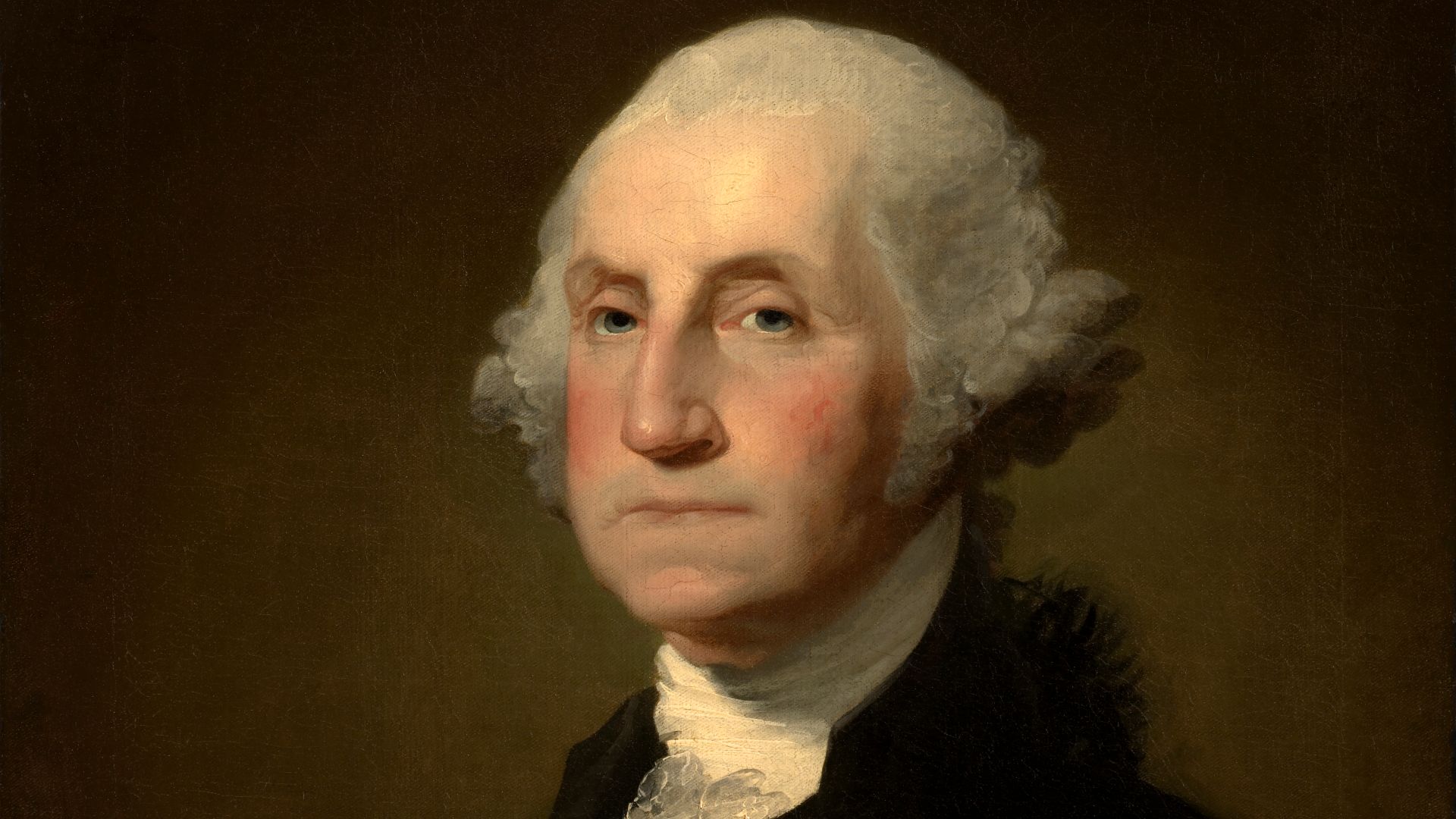 Gilbert Stuart, Wikimedia Commons
Congress Came To Her City
In December 1776, Congress relocated to Baltimore, where it remained until March 1777. Suddenly, Mary Goddard's adopted hometown was the center of America's revolutionary government. She was already a respected local printer, and the arrival of Congress would soon present her with an extraordinary assignment.
 Edouard Louis Dubufe, Wikimedia Commons
A Victory Changed The Mood
Washington's victories at Trenton and Princeton gave the American cause a badly needed boost. Encouraged by the news, Congress decided it was time to make the Declaration's signers publicly known. The document would be printed again, but this version would reveal considerably more than the original.
 Bartholomeus van der Helst / Jan Vos, Wikimedia Commons
Congress Made A Historic Decision
On January 18, 1777, Congress ordered authenticated copies of the Declaration to be distributed to the states, complete with the names of its signers. These weren't ordinary newspaper reprints. They were official documents intended to preserve an important record of America's decision to separate from Britain.
 Nicolas Edward Gabé, Wikimedia Commons
Mary Received The Assignment
The job went to Mary Katharine Goddard. Her Baltimore printing shop would produce the second official printing of the Declaration, this time including the delegates' names. It was an extraordinary responsibility, and one that placed her work alongside the most important documents of the American Revolution.
 Charles Frederic Ulrich, Wikimedia Commons
Every Name Carried A Risk
By publicly identifying the signers, the new printing made clear exactly who had supported independence. Had Britain defeated the Revolution, those men could have faced severe consequences for their actions. Printing their names was therefore more than a routine administrative task. It was a remarkable public commitment.
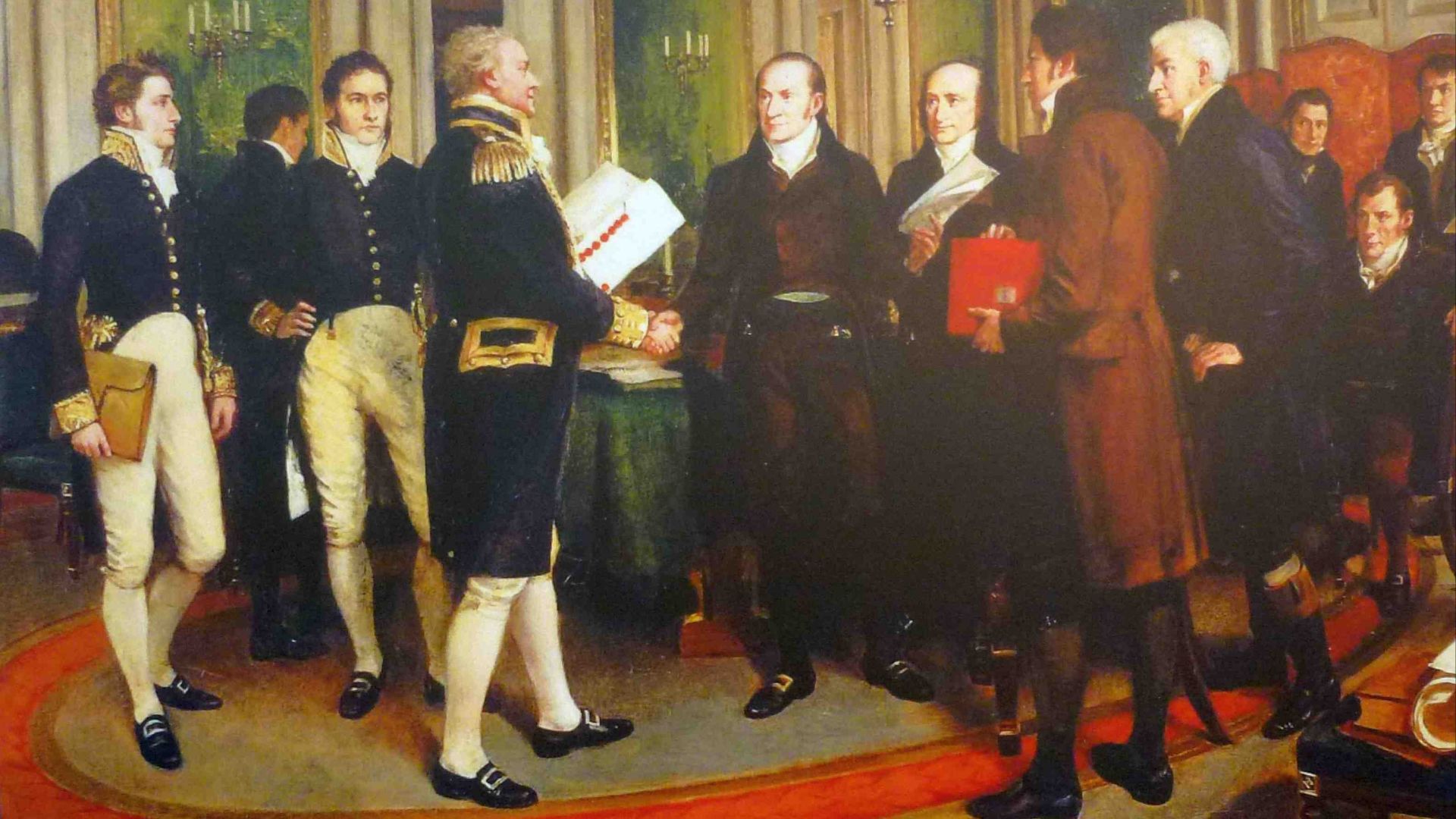 Amédée Forestier, Wikimedia Commons
She Printed Her Own Name Too
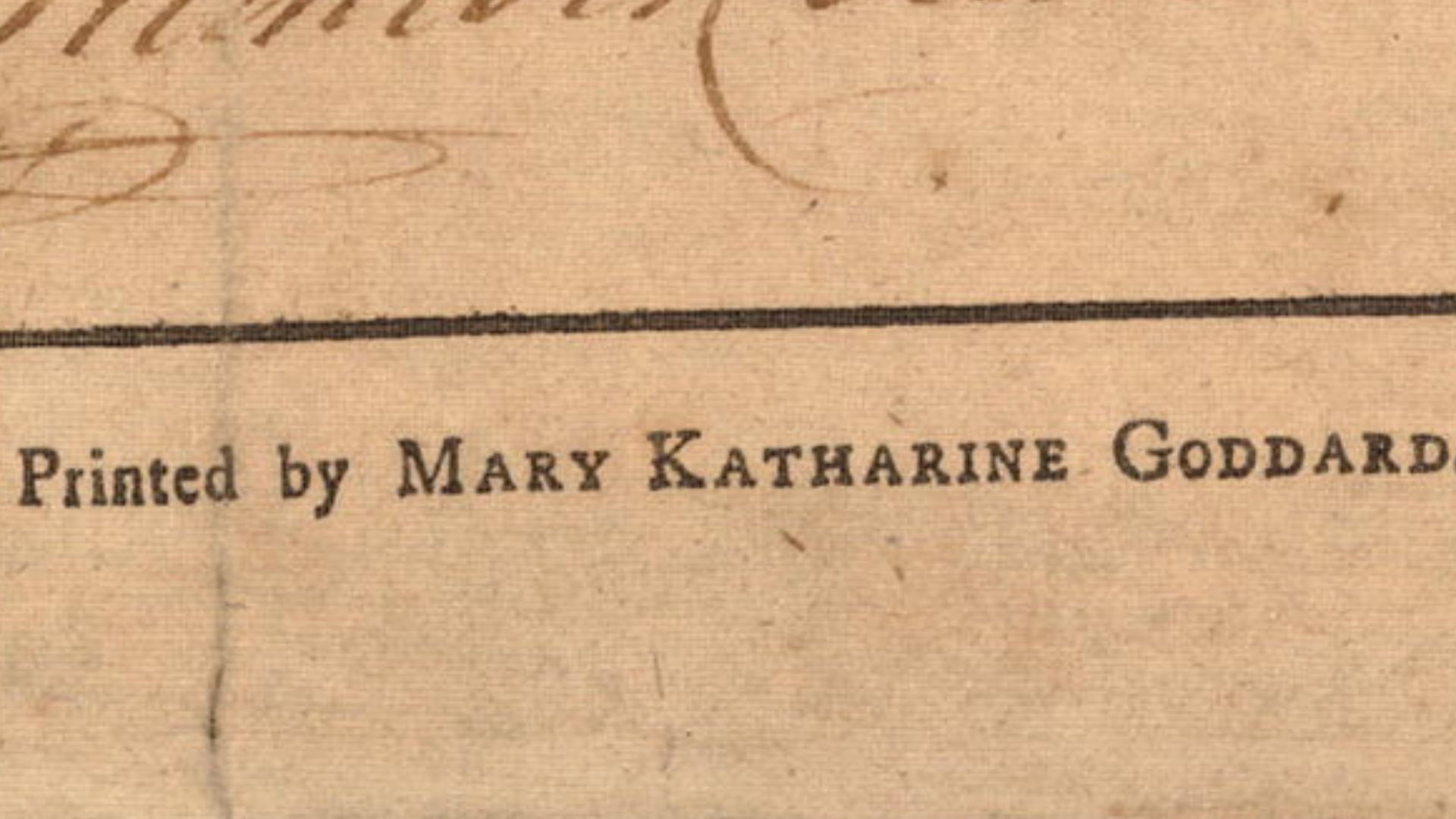
Here's where Mary's story becomes especially interesting. At the bottom of the document, beneath the famous names, she included her own: "Printed by Mary Katharine Goddard." She usually identified herself professionally using initials, but this time she made her full identity unmistakable.
 Thomas Jefferson et al., Wikimedia Commons
She Wasn't One Of The Signers
It's an important distinction. Mary didn't sign the Declaration of Independence, nor did she participate in drafting it. Her name appeared as the printer responsible for producing the official document. Nevertheless, she became the only woman named on this historic version of the Declaration.
 Francis Hayman, Wikimedia Commons
There Was One Missing Signature
Interestingly, Mary's printing didn't include quite every signer. Thomas McKean of Delaware was absent from the printed list, although his name appears on the famous parchment Declaration. The omission makes the Goddard broadside particularly fascinating to historians studying how the document's different versions developed.
 Charles Willson Peale, Wikimedia Commons
The Copies Went Across America
Congress ordered the authenticated copies sent to the states so they could be placed in official records. Mary's printing helped establish a permanent public account of the Declaration and its supporters. Her work wasn't merely announcing independence. It was helping preserve the evidence of America's founding decision.
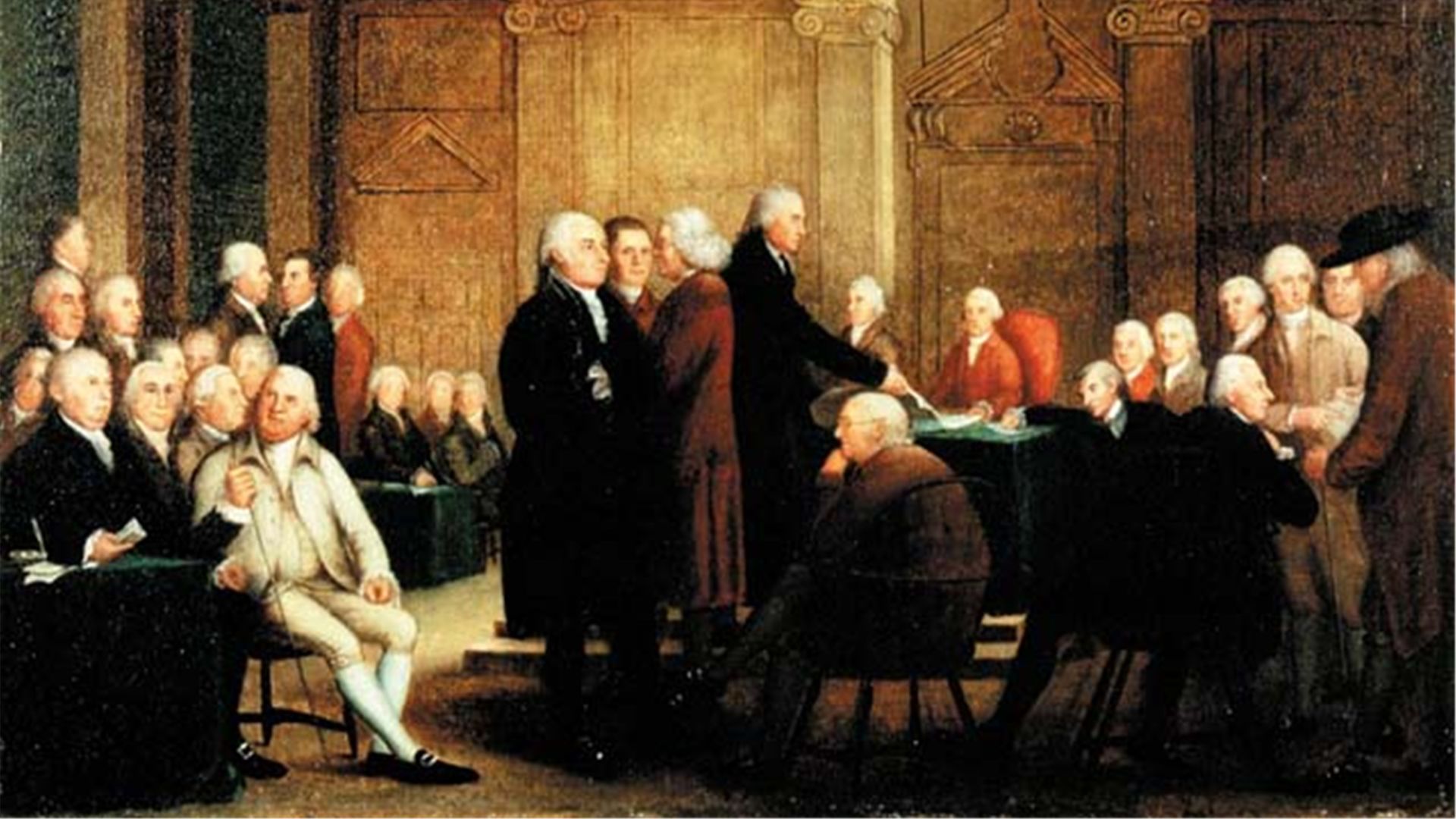 Robert Edge Pine / Edward Savage, Wikimedia Commons
Her Success Didn't Last Forever
Mary continued publishing the Maryland Journal until 1784, when her brother William returned and took control of the newspaper. Despite her years of successful management, the business slipped from her hands. Fortunately, she still held her position as Baltimore's postmaster, although another setback was approaching.
 Federico Zandomeneghi, Wikimedia Commons
She Lost Her Postal Position
In 1789, after fourteen years as postmaster, Mary was removed from her position. Officials claimed the expanded responsibilities required more travel than a woman could undertake. Her replacement, John White, had political connections but lacked her experience. It was a bitter ending to a successful public career.
 Creator:Alexey Danilovich Kivshenko (1851-1895), Wikimedia Commons
Baltimore Residents Fought For Her
Mary wasn't prepared to accept the decision quietly. More than 200 Baltimore residents supported efforts to have her reinstated, praising her years of reliable service. She even appealed to President George Washington, but her campaign failed. Despite her accomplishments, the government refused to give her the position back.
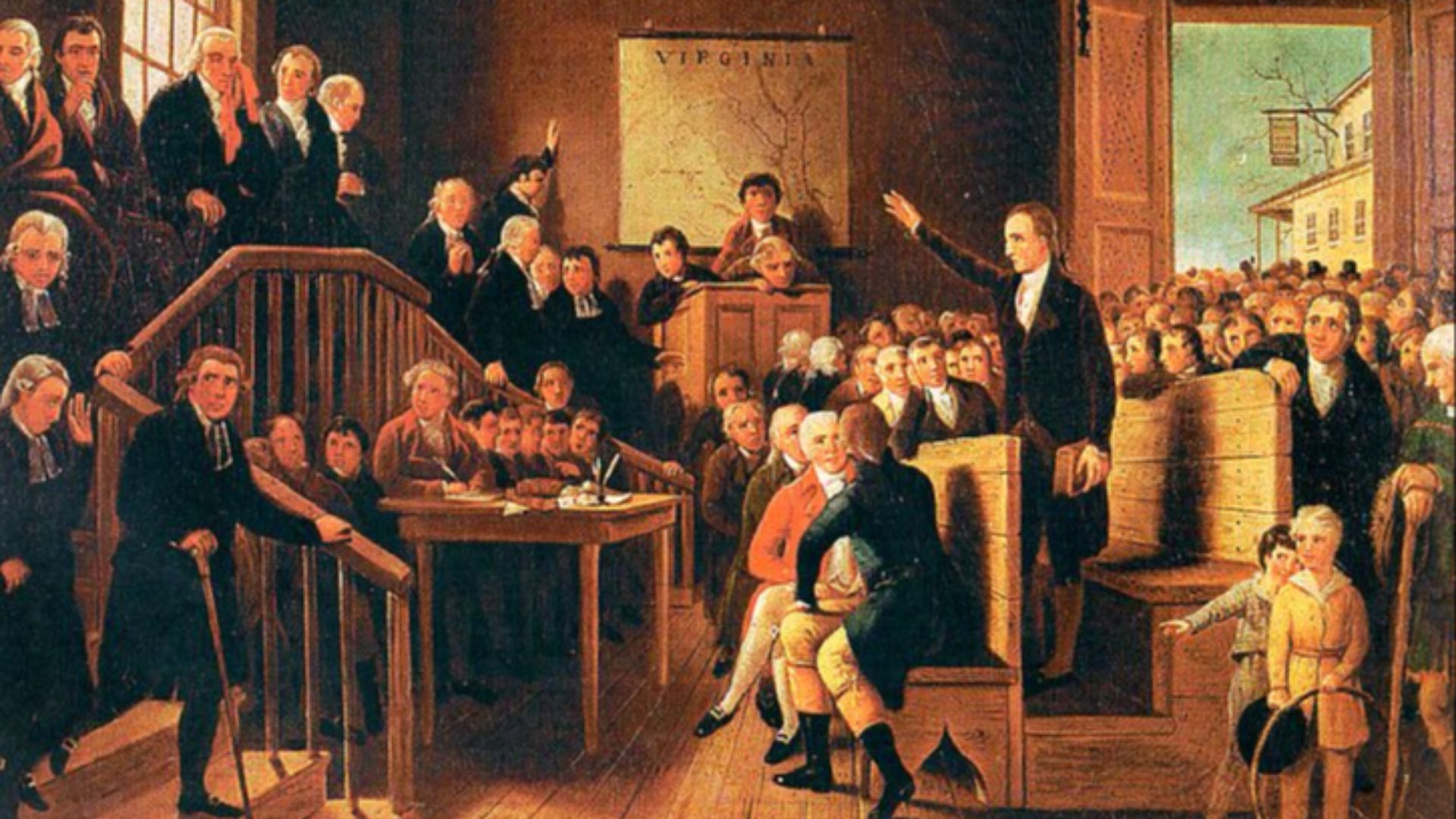 George Cooke, Wikimedia Commons
Her Final Years Were Quieter
After losing her newspaper and postal career, Mary continued operating a Baltimore shop selling books, stationery, and other goods. She never married and remained in the city until her death on August 12, 1816. By then, the United States she had helped support was firmly established.
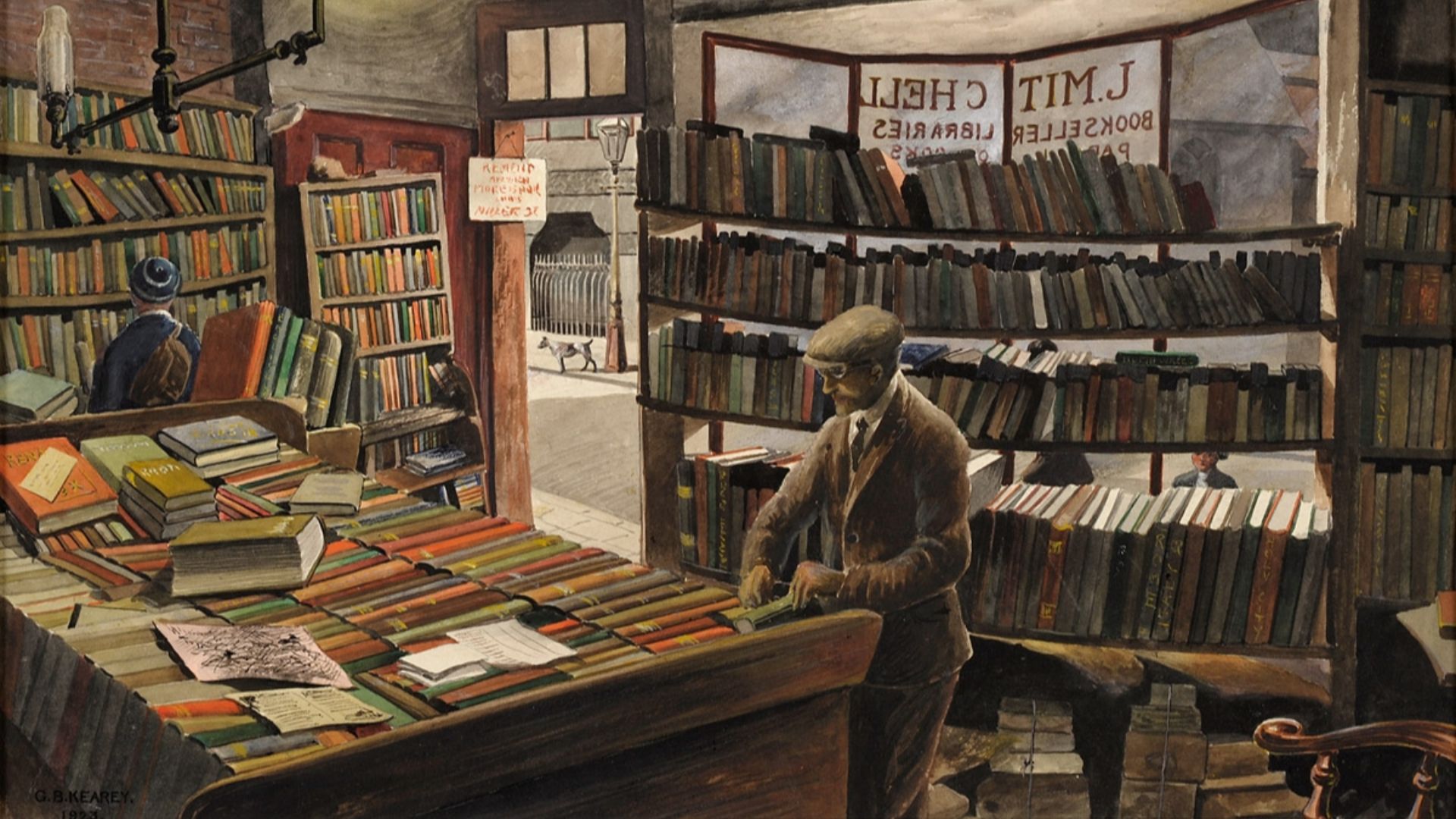 George Baxendale Kearey, Wikimedia Commons
Her Name Still Tells The Story
Mary Katharine Goddard never became a household name like Washington or Jefferson. Yet surviving copies of her 1777 Declaration preserve something remarkable: the name of a woman who helped bring America's founding document to the public. Nearly 250 years later, her contribution remains impossible to erase from the page.
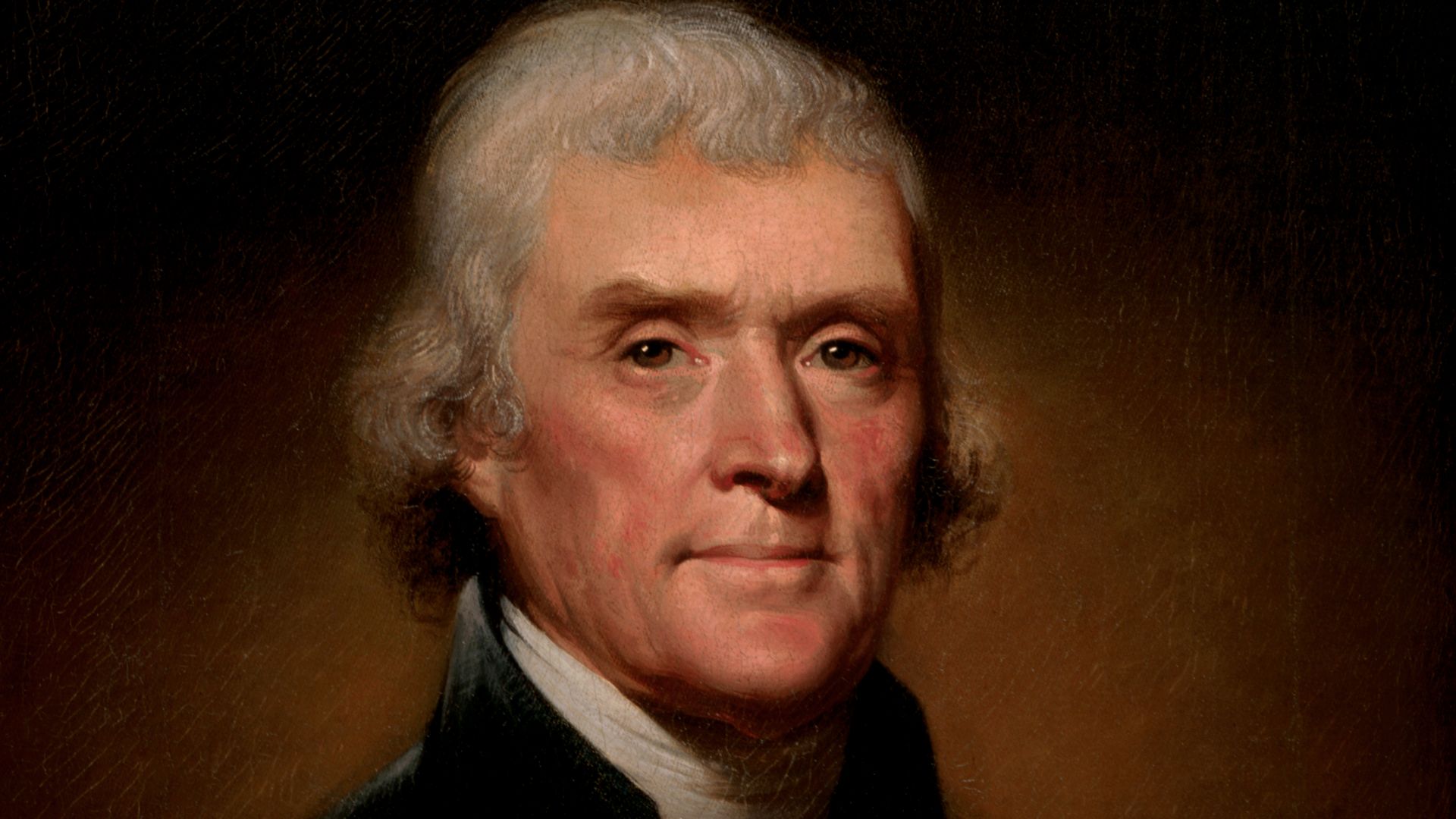 Rembrandt Peale, Wikimedia Commons
You May Also Like:
The 19th-Century Bicycle Craze Changed Women's Clothing And Public Streets Forever
How Traffic Lights Went From Human Operators To The Automated City Systems Of Today
Everyday Errands Baby Boomers Spent Hours Doing In The 1960s—But Millennials Can Finish In Seconds