
The Real Science Behind Early Rising In Older Adults
Many adults wonder why older relatives rise long before daylight appears. A quiet shift takes place inside the aging body, moving sleep to an earlier window long before anyone notices. Science finally has an explanation for what happens as we grow older.
Brain’s Master Clock Physically Shrinks With Age
Inside the brain, the suprachiasmatic nucleus gradually loses neurons, weakening the circadian signals that once kept sleep and wake timing tightly aligned. As these signals fade, earlier bedtimes and earlier awakenings naturally emerge. Morning light becomes especially useful because exposure can help reinforce timing cues.

Melatonin Now Kicks In At 7 PM
Evening sleepiness arrives sooner because melatonin begins to be released earlier in older adults. Earlier onset shortens the natural evening window, making nights feel shifted forward. Exposure to light can delay melatonin’s release, and something as simple as a relaxed walk at dusk may gently nudge bedtime to a later point.

Cortisol Surge Hits Like Rocket Fuel At 4 AM
Cortisol rises sharply before waking, acting as the body’s early-morning alertness signal. In older adults, this surge can feel stronger because it arrives earlier and lifts wakefulness quickly. Keeping wake times consistent helps stabilize this rhythm, and opening curtains at dawn eases the transition.

Deep Sleep Stages Have Basically Retired Forever
Slow-wave sleep steadily declines with age, leaving older adults spending far more time in lighter, easily interrupted stages. As these lighter phases dominate, nighttime fragmentation becomes increasingly common. Research shows cooler bedroom temperatures can coax slightly deeper rest.

Bladder Demands Bathroom Trip Every Single Night
Nocturia affects many older adults, and evening fluids frequently add to nighttime awakenings. Medical conditions can intensify the need, making sleep interruptions routine. Although the bladder prompts the wakeup, a calm, predictable return-to-bed routine improves the chance of falling asleep again without creating lingering restlessness for the remainder of the night.

Fifty Years Of 5 AM Alarms Rewired Everything
Long-term wake patterns shape circadian timing, and decades of early alarms gradually shift the body’s preferred sleep window. As this rhythm becomes deeply trained, earlier waking feels automatic. Adjustments can still occur, though, because small weekly schedule changes have been shown to retrain habits and slowly move long-standing wake times later.

Aging Eyes Block Blue Light That Delays Bedtime
The aging lens filters more blue light, a wavelength essential for strong circadian signaling. With less blue light reaching the brain, timing cues weaken, and bedtime may shift earlier. Strong morning light becomes increasingly important because it provides the compensatory signal needed to support daily alignment and restore circadian strength.

Zero Morning Sunlight Because Curtains Stay Closed
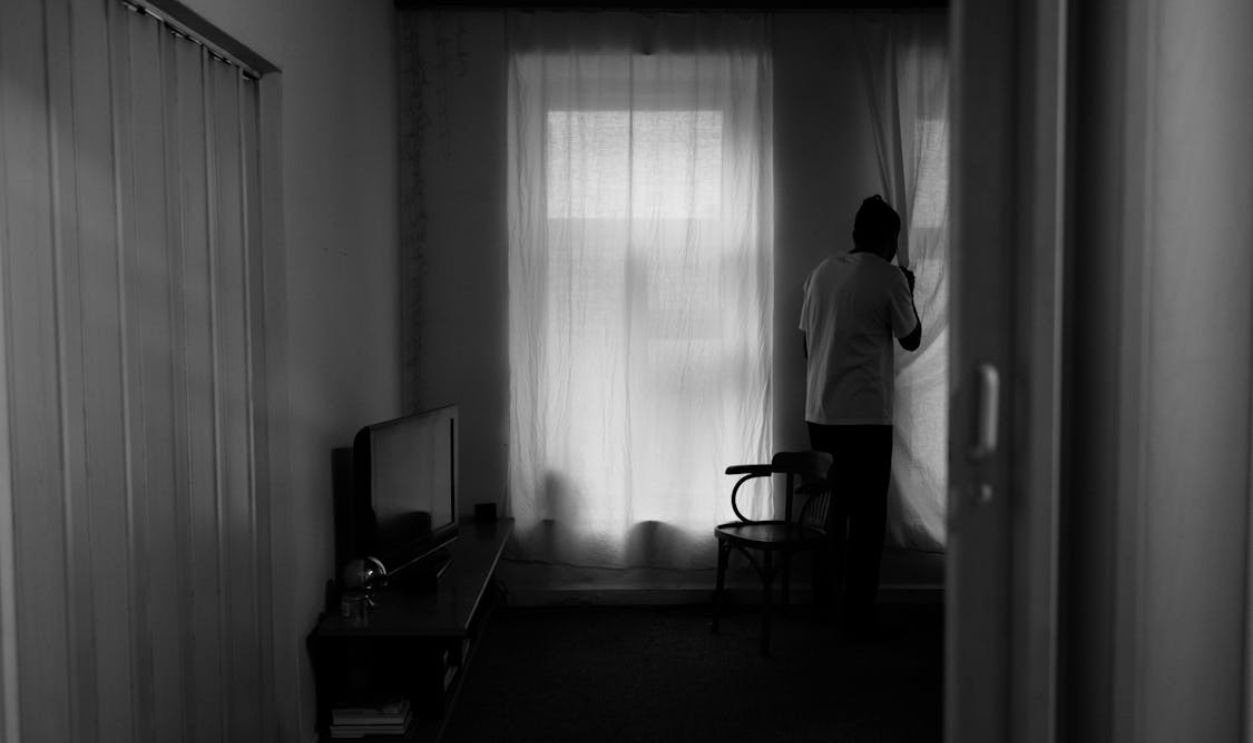
Morning light serves as the strongest cue for circadian alignment, yet missing it delays the body’s internal clock. Exposure each morning reinforces timing signals, improving sleep consistency over days and weeks. Even a simple habit like opening curtains at wakeup strengthens the clock and supports more predictable sleep and wake patterns.
 cottonbro studio, PexelsRetirement Erased Every Reason To Sleep In
When structured work routines disappear, sleep schedules often drift because anchor points vanish. Irregular days pull wake times earlier, creating patterns that feel unplanned rather than biological. Reintroducing structure stabilizes sleep by giving the circadian system predictable cues, and a purposeful morning plan helps early wakeups feel intentional rather than disruptive.


History's most fascinating stories and darkest secrets, delivered to your inbox daily.
Restless Legs Syndrome Goes Berserk After Sixty
Symptoms of restless legs tend to intensify with age, which creates uncomfortable evening sensations that interfere with falling asleep. These disruptions extend into the night, producing fragmented rest. Lifestyle adjustments can ease discomfort, and simple actions like stretching calves before bedtime provide relief that helps the body settle into more stable nighttime sleep.

Sleep Apnea Turns Breathing Off Thirty Times An Hour
Sleep apnea triggers repeated breathing pauses, and its frequency increases with age, breaking nighttime continuity and reducing restorative stages. Effective treatment improves sleep flow by reducing these interruptions. Even positioning matters; side-sleeping can decrease airway collapses, offering a practical adjustment that supports smoother breathing and steadier overnight rest.
 MART PRODUCTION, PexelsChronic Pain Makes Any Position Unbearable By Dawn
Pain commonly disrupts sleep among older adults, and nighttime discomfort leads to frequent awakenings. As fragmented rest accumulates, sensitivity to pain increases, creating a reinforcing cycle. Relaxation rituals introduced before bedtime can soften tension and ease nighttime discomfort.

Acid Reflux Ignites The Second They Lie Flat
Lying flat allows stomach acid to travel upward, which intensifies reflux symptoms and makes falling asleep difficult. Evening meals often contribute to nighttime reflux, especially when eaten close to bedtime. Elevating the head of the bed reduces this discomfort, and earlier dinners frequently quiet symptoms.

Blood Sugar Plummets And Triggers Panic Awakening
Nocturnal hypoglycemia can jolt someone awake abruptly because the body reacts strongly to dropping glucose levels. Long periods without food increase this risk, especially during overnight hours. A small bedtime snack steadies glucose and decreases the chance of sudden awakenings, creating smoother, more continuous sleep throughout the night.

Hot Flashes Turn Sheets Into Lava At 3 AM
Menopausal hot flashes disrupt sleep by creating sudden waves of heat that wake the body out of rest. Hormonal transitions increase the likelihood of these nighttime interruptions. Cooling strategies help manage symptoms, and a chilled pillow offers targeted relief that can reduce awakenings and make overnight rest feel more manageable.

Arthritis Freezes Joints Solid During The Night
Arthritis pain often intensifies after hours of stillness, leaving joints stiff and uncomfortable. This discomfort interrupts sleep and can worsen as the night continues. Because repeated awakenings amplify pain perception, warm showers or gentle heat before bed help loosen joints enough to reduce nighttime disruption and support more continuous rest.

Heart Failure Makes Lying Down Feel Like Drowning
Heart failure can cause nighttime breathlessness that emerges soon after lying down, which makes restful sleep difficult. Sitting up eases symptoms because it reduces fluid pressure around the lungs. Sleep disruptions are common in this condition, and extra pillows create a more elevated position that relieves breathing strain during the night.
 freestocks.org, PexelsDementia Flips Day And Night Completely Backward
Circadian rhythms become disrupted in dementia, leading to irregular sleep-wake patterns that may reverse day and night. These changes scatter rest into short, fragmented segments. Light cues help reestablish a sense of timing, and morning walks provide steady, predictable signals that gently push the internal clock toward better alignment.

Lifetime Debt Finally Cashes In
Caffeine delays sleep onset by blocking adenosine, while alcohol fragments sleep once its sedative effects fade. Over time, both habits erode sleep quality. A simple “caffeine before noon” rule reduces nighttime disruption and supports clearer mornings by preventing late-day stimulation from interfering with the body’s natural readiness for rest.

Medications All Decide To Peak Before Sunrise
Drug timing interacts closely with circadian rhythms, and certain medications taken late in the day can disrupt nighttime rest. When doses peak during early morning hours, sleep becomes lighter and more fragmented. Adjusting the timing under medical guidance often restores smoother rest.

Tiny House Noises Now Sound Like Gunshots
Aging increases sensitivity to sound, making normal nighttime noises feel unexpectedly intense. These disturbances trigger awakenings because lighter sleep dominates later life. Hyperacusis amplifies everyday creaks and hums, turning minor sounds into sleep disruptors. White noise helps soften the environment, creating a steady backdrop that quiets the home again.

Core Body Temperature Crashes Too Low Overnight
Our temperature naturally drops while sleeping, which aligns with non-REM stages. Aging alters this thermal regulation, sometimes causing temperatures to fall lower than comfortable levels. These shifts can disturb rest, yet simple warmth can counter the drop; cozy socks help stabilize comfort and support a more consistent overnight sleep experience.
Worry About Not Sleeping Guarantees No Sleep
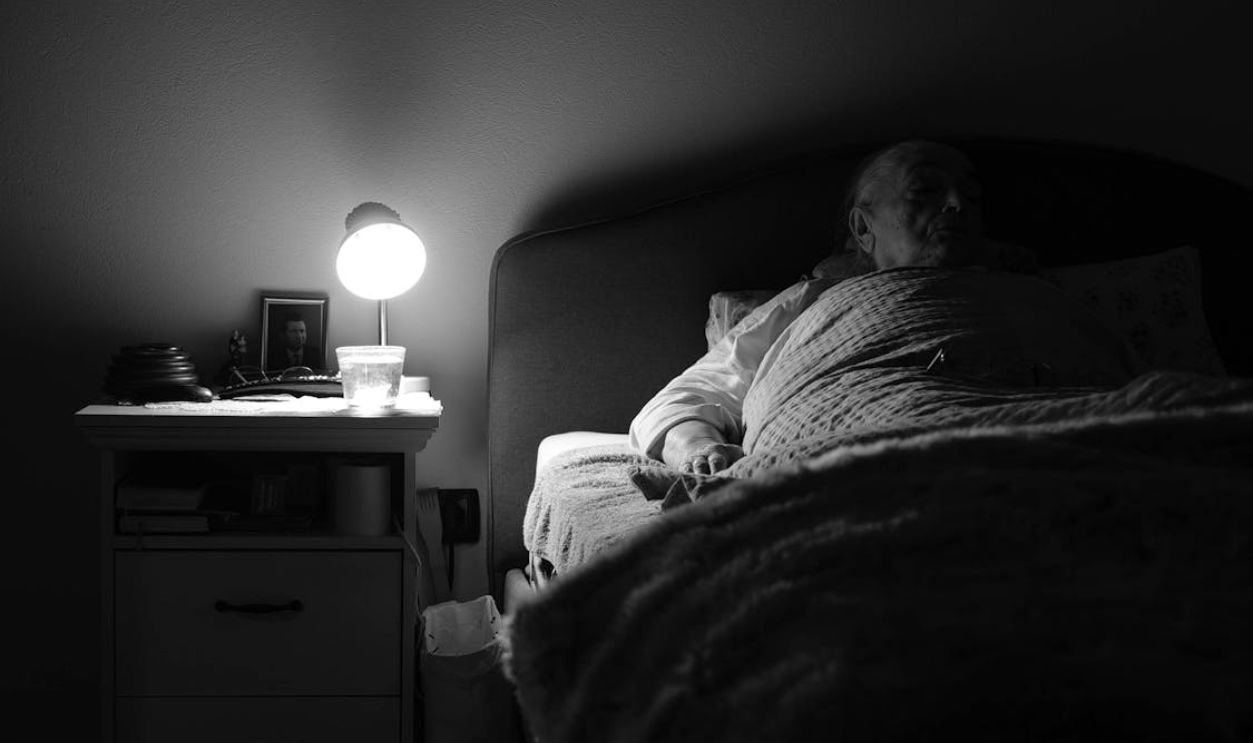
Sleep-related worry fuels insomnia by keeping the mind alert when the body wants rest. Anxiety makes nighttime awakenings linger longer, creating a cycle of concern that interrupts recovery. Relaxation practices reduce this stress, and journaling before bed helps offload thoughts that often spark restless early-morning wakefulness.

Mom Instincts Still Listen For Babies Long Gone
Caregiving roles shape lifelong sleep vigilance, and maternal alertness can persist long after active parenting years end. This heightened awareness disrupts deep sleep because the brain remains attuned to potential disturbances. Predictable routines help quiet those long-standing night watches.

Evening Naps Murder Every Ounce Of Sleep Pressure
Late naps reduce nighttime sleep drive by relieving the natural buildup of sleep pressure. Short naps are less disruptive, while longer ones make falling asleep at night more difficult. Daytime activity strengthens evening sleepiness, and an afternoon walk provides a better boost than a couch nap.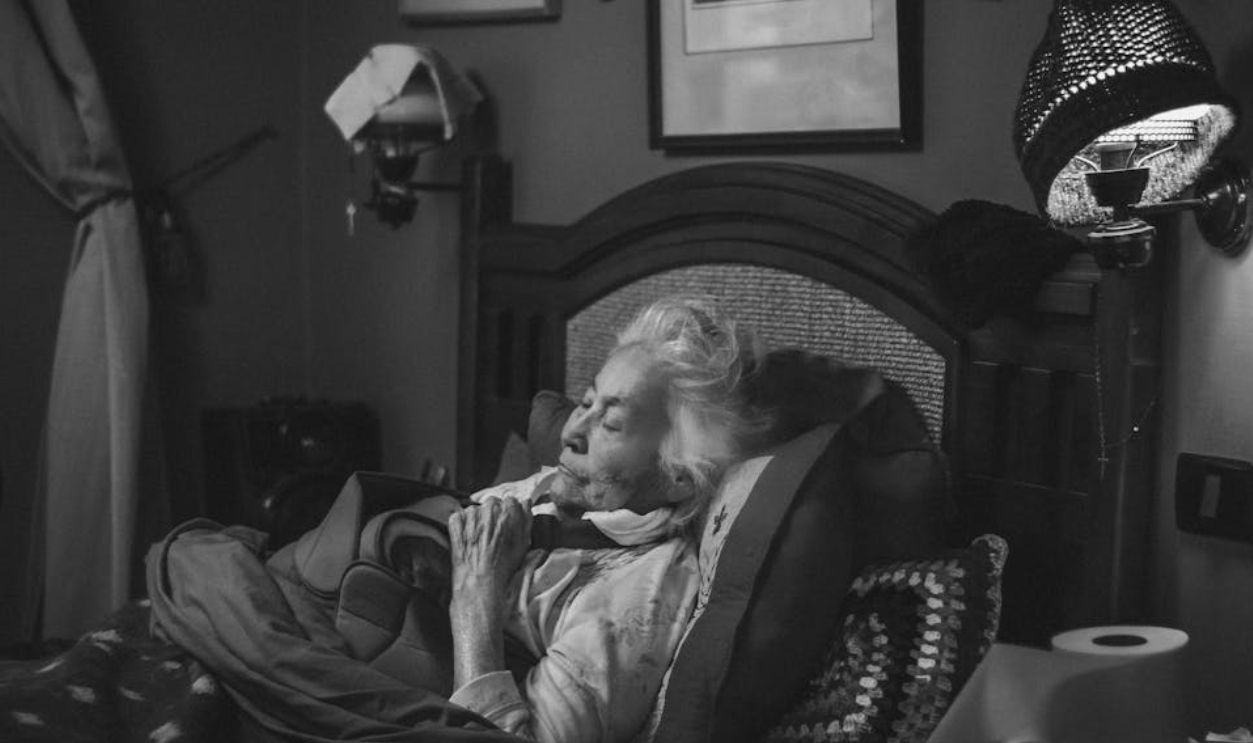 Sofía Gonzalez, Pexels