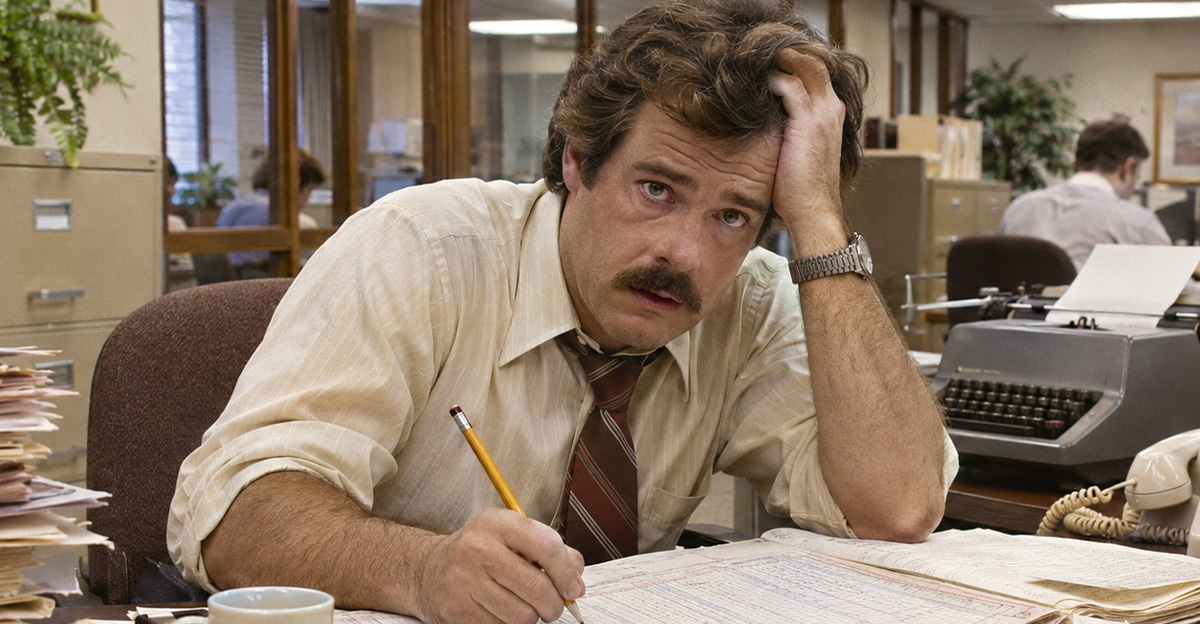
When Office Work Actually Meant Work
If you worked in an office during the 1980s, you probably remember when even the simplest tasks could eat up half your afternoon. Computers were starting to appear, but plenty of offices still ran on typewriters, paper files, and a whole lot of patience. Here's what a typical workday used to involve.
Typing The Same Letter A Hundred Times
Imagine having to send the same letter to 100 customers, except each needed a different name and address. That meant typing the whole thing over and over again. There was no mail merge to save you. Just a typewriter, a stack of paper, and a long afternoon ahead.
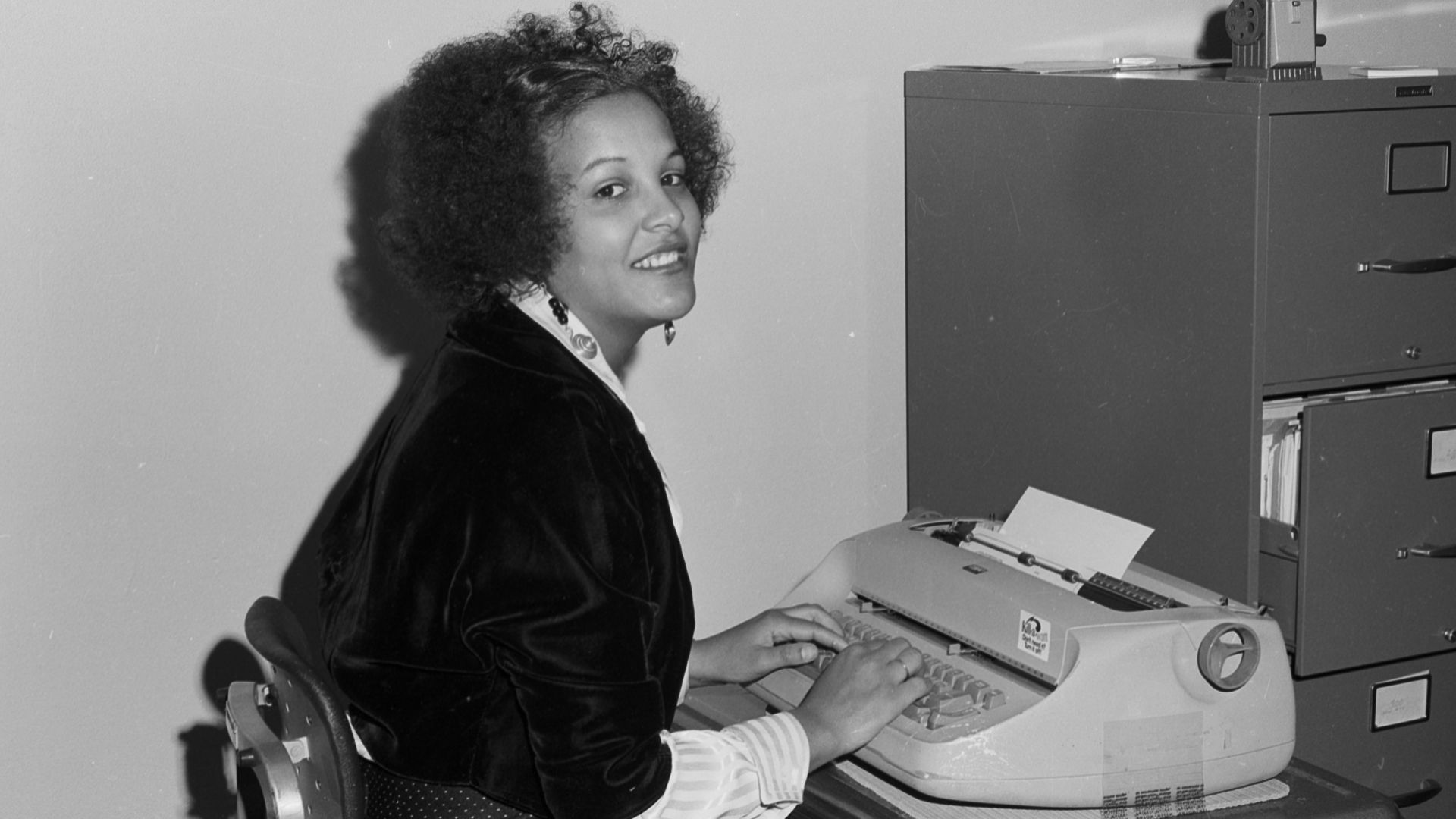 Seattle Municipal Archives from Seattle, WA, Wikimedia Commons
One Typo Could Ruin Your Day
Anyone who used a typewriter remembers the sinking feeling of spotting a mistake halfway down the page. Correction fluid and tape helped, but they weren't always pretty. Sometimes, the only solution was to pull out the paper and start the entire page again.
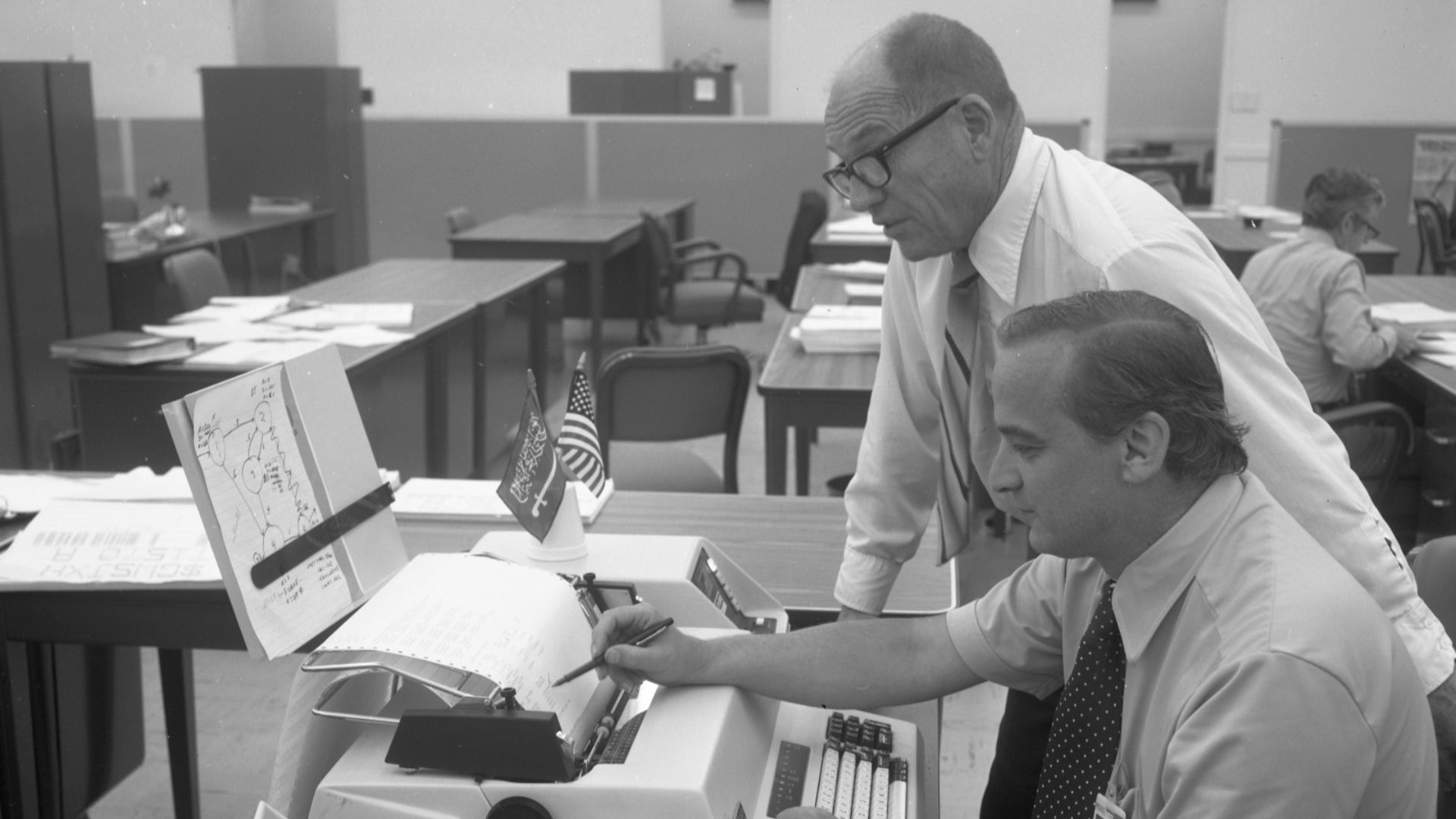 San Diego Air & Space Museum Archives, Wikimedia Commons
The Messy Business Of Carbon Paper
Before making extra copies became so easy, carbon paper was a familiar office supply. You'd sandwich it between sheets of paper and type hard enough to leave an impression underneath. It worked, although getting carbon smudges on your fingers was practically part of the job.
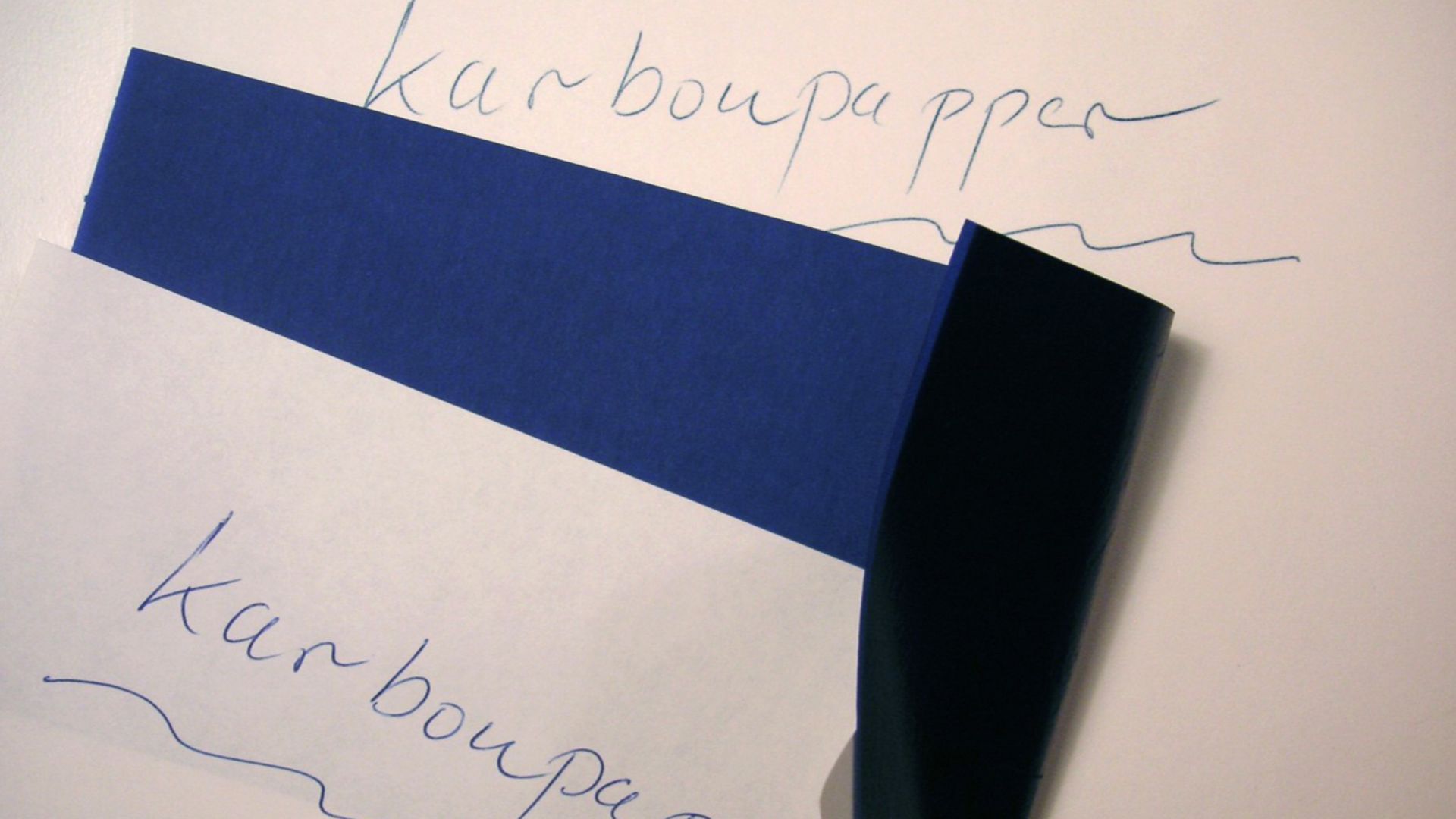 Holger.Ellgaard, Wikimedia Commons
Finding One File Could Take Forever
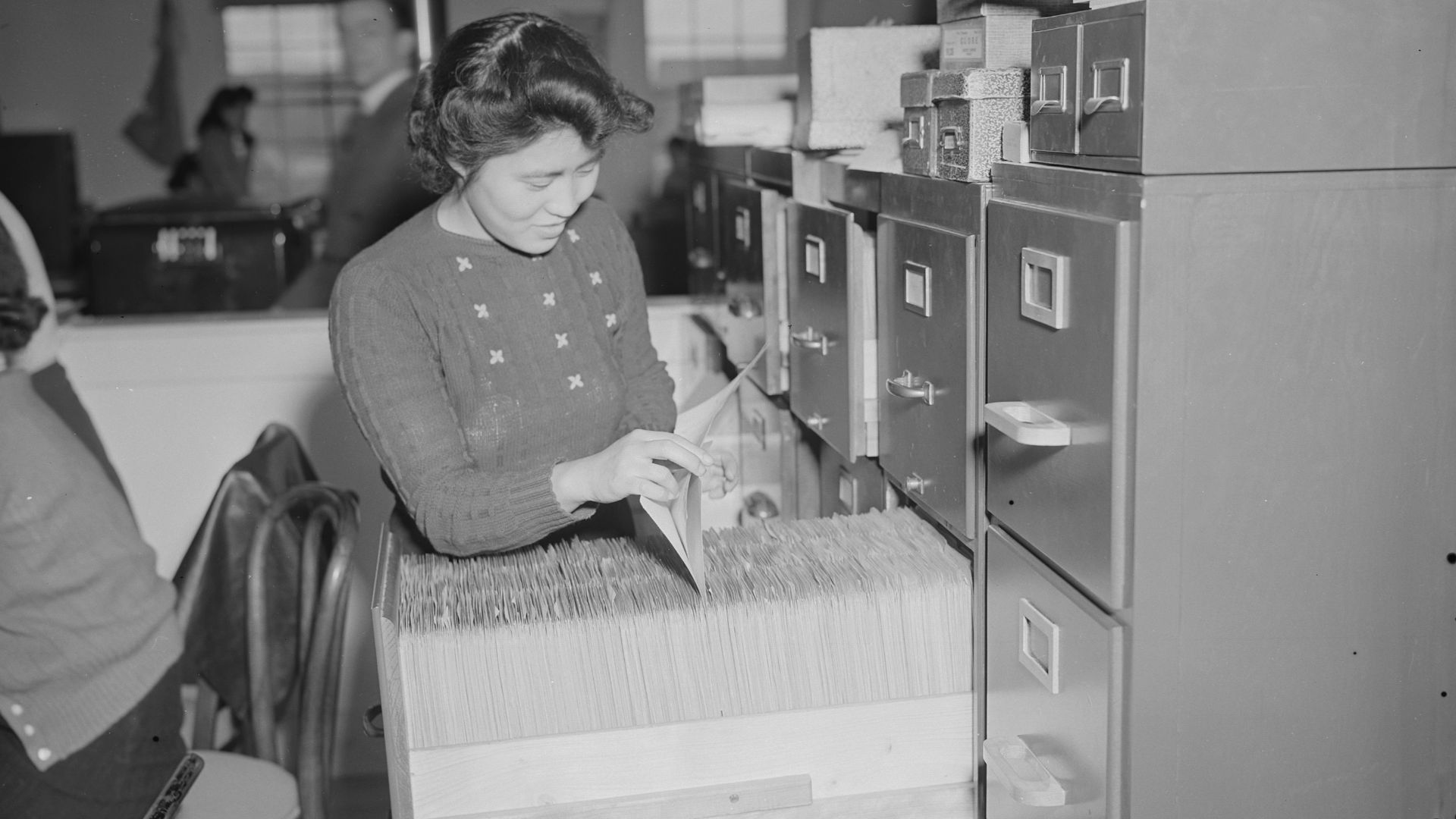
Remember those enormous metal filing cabinets? They weren't just for decoration. Every customer record, invoice, and important document had to be filed somewhere. If somebody accidentally put a folder in the wrong drawer, finding it could turn into an office-wide treasure hunt.
 Francis Stewart, Wikimedia Commons
Mailing Labels Were A Job Of Their Own
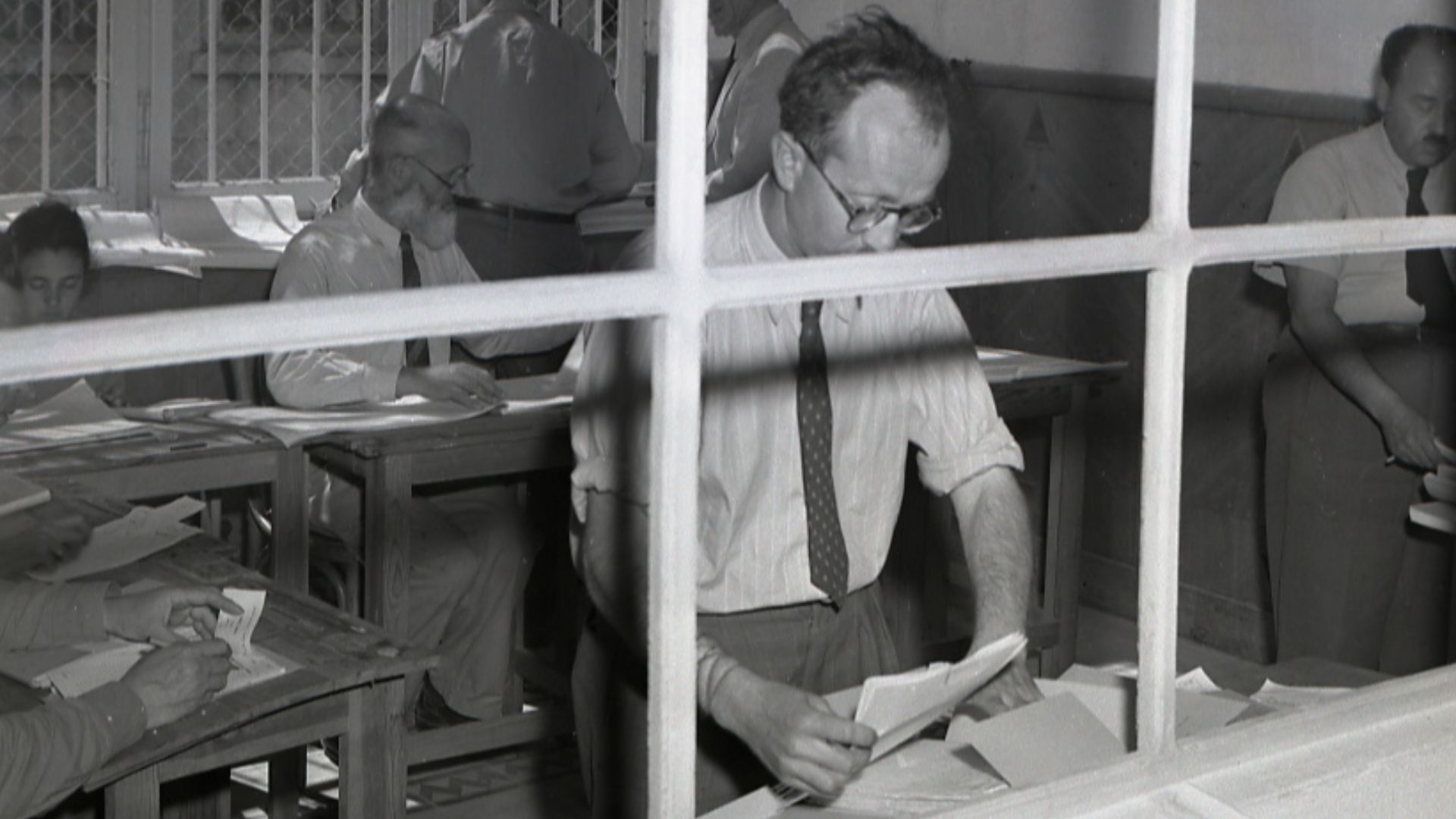
Putting together a large mailing was no small undertaking. Someone had to type the addresses, prepare the labels, and make sure everything matched the right envelope. After a few hundred letters, you'd probably have been grateful for a job that involved anything other than typing.
 Benno Rothenberg, Wikimedia Commons
Payday Required Some Serious Number-Crunching
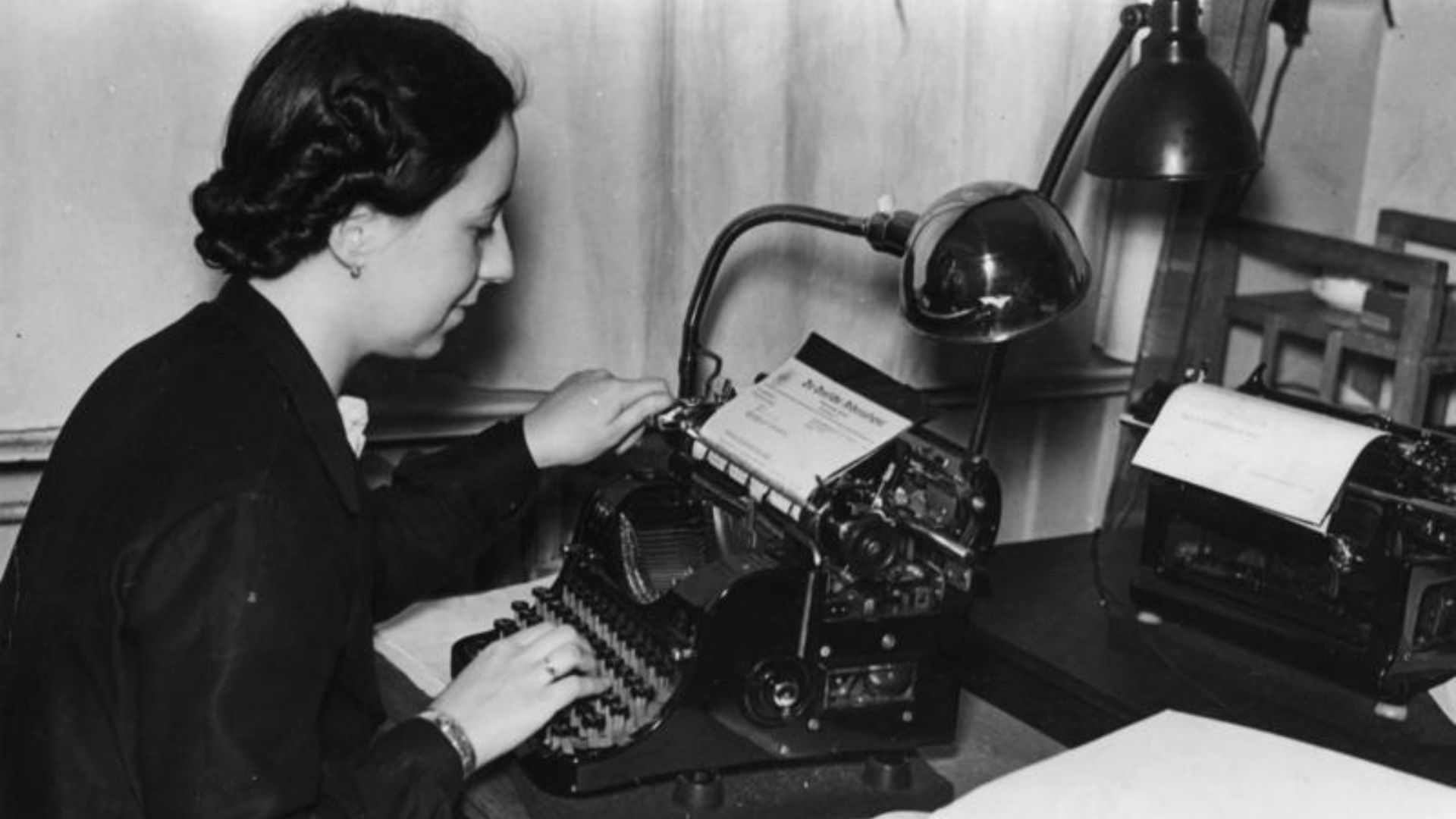
Payroll wasn't always a matter of clicking a button. In offices without computerized systems, someone had to work through timesheets, deductions, overtime, and tax tables. Calculators helped, but there was still plenty of arithmetic involved. And nobody wanted to be responsible for getting someone's paycheck wrong.
 UnknownUnknown , Wikimedia Commons
Expense Reports Came With A Mountain Of Receipts
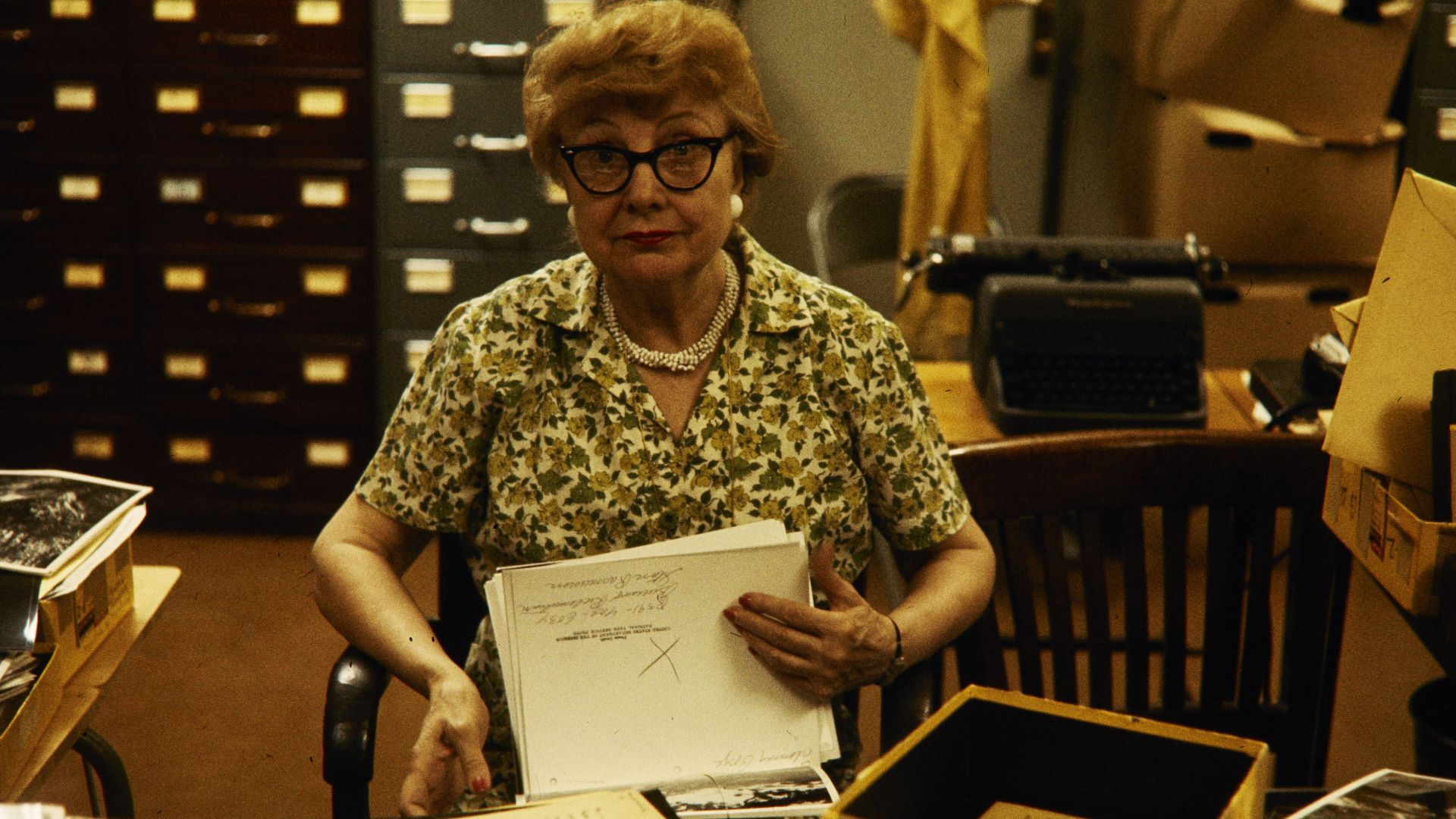
Business trips meant collecting every receipt you could get your hands on. Back at the office, someone had to sort through them, add everything up, and figure out what the company owed. Lose a receipt, and things could get complicated. There was no phone app to photograph it.
Scheduling A Meeting Was Practically A Negotiation
Trying to arrange a meeting between several busy managers could take ages. Secretaries and assistants compared appointment books, made telephone calls, and shuffled schedules until everyone was available. If somebody canceled at the last minute, the whole process might have to begin again.
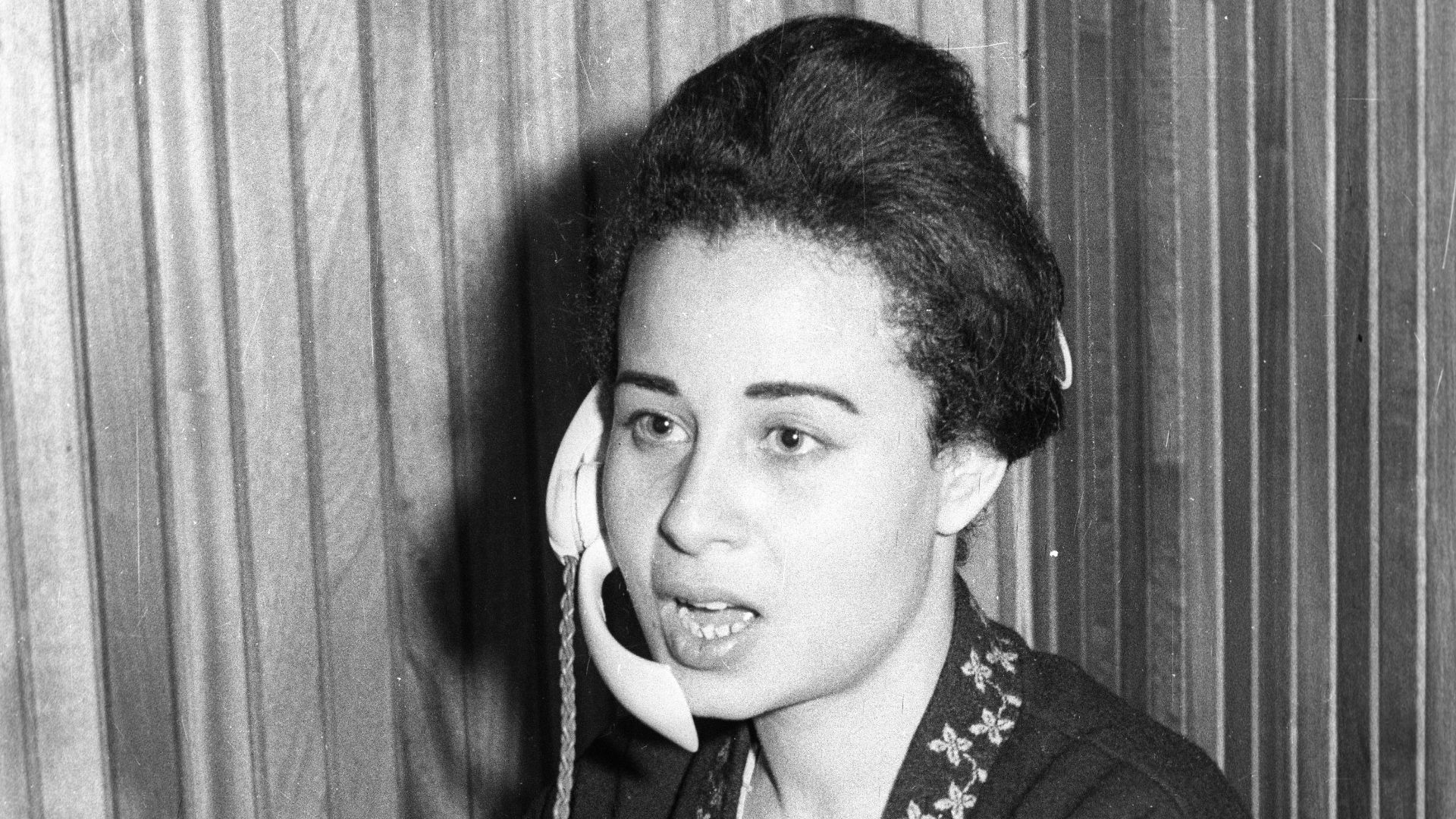 FOTO:Fortepan — ID 93223: Adományozó/Donor: Inkey Tibor., Wikimedia Commons
Keeping The Office Calendar Straight
Most offices had at least one person responsible for keeping track of everyone's appointments. Paper calendars, appointment books, and wall planners were constantly being updated. A last-minute change meant getting out the pencil or eraser, then making sure everybody got the message.
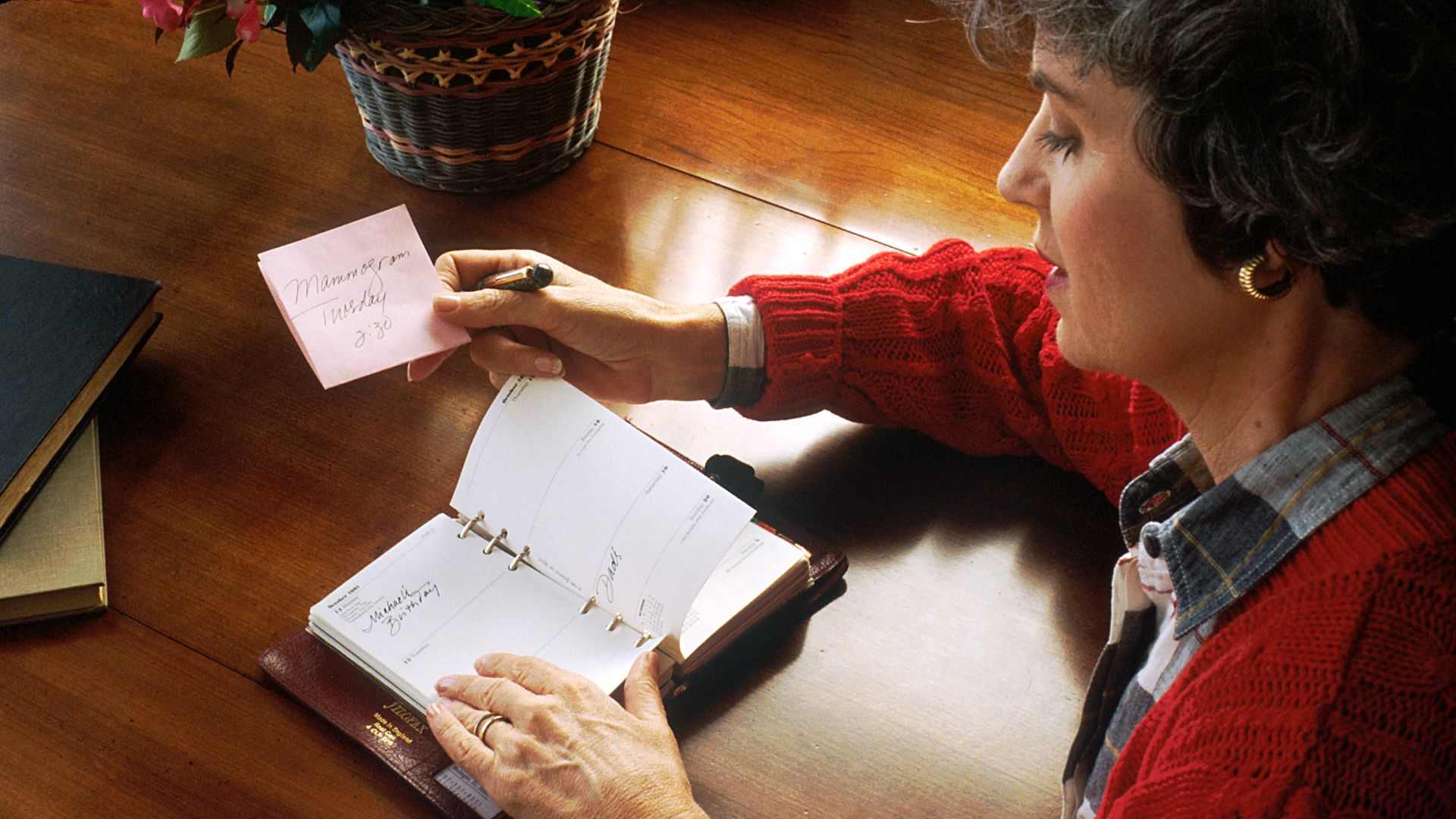 Bill Branson (Photographer), Wikimedia Commons
Monthly Sales Reports Took Real Effort
These days, sales software can produce a report before you've finished your coffee. Back then, employees often had to gather sales figures from different departments, add everything together, and type up the results. Finding a mistake near the end could mean doing a good chunk of it again.
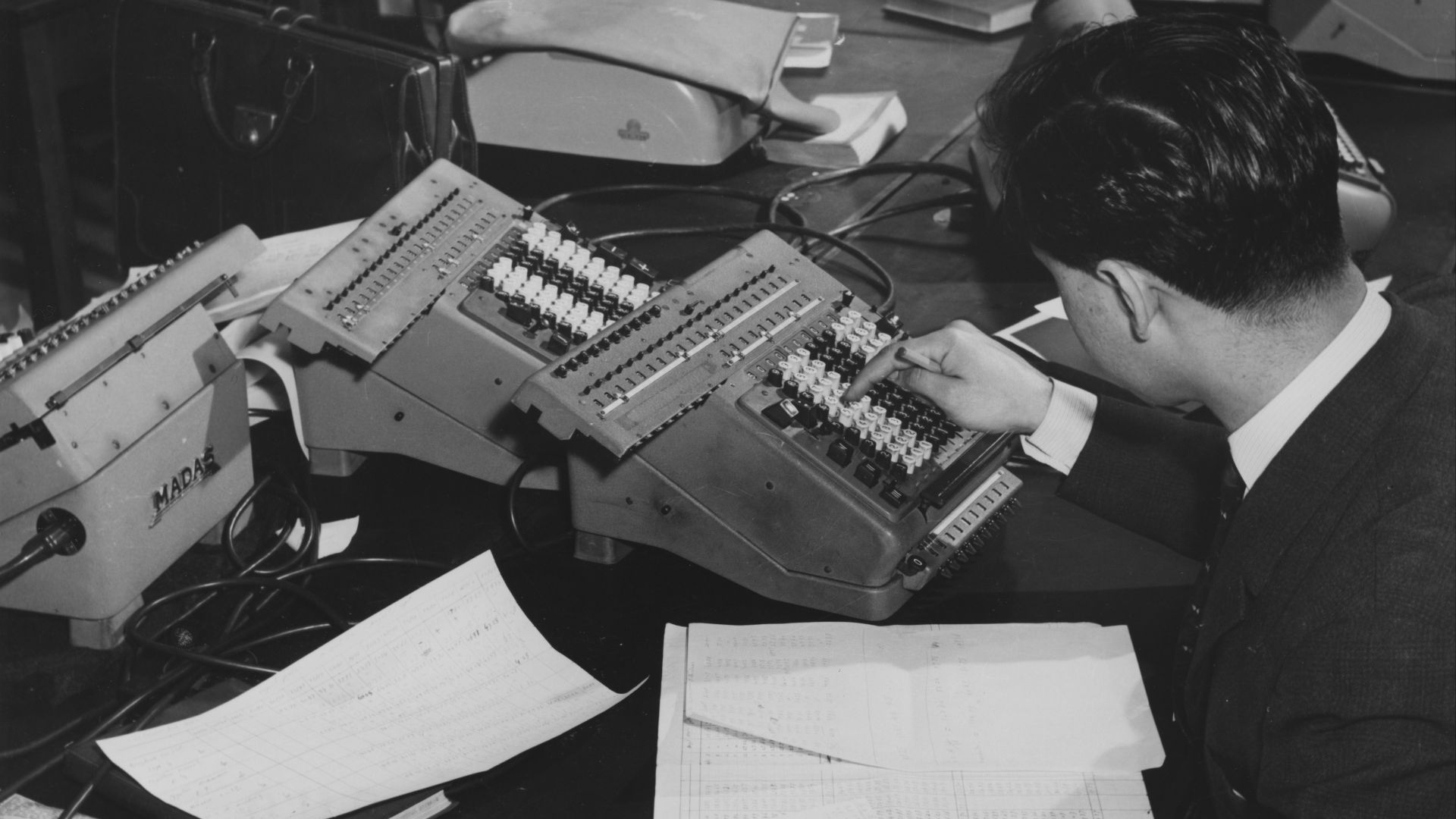 ArthurWilliamJack, Wikimedia Commons
Before Spreadsheets, There Were Actual Sheets
Long before Excel became an office staple, accountants worked with enormous sheets of ruled paper. Every figure had to go into the right column, and every calculation needed checking. Change one number, and you might spend the next hour figuring out what else needed correcting.
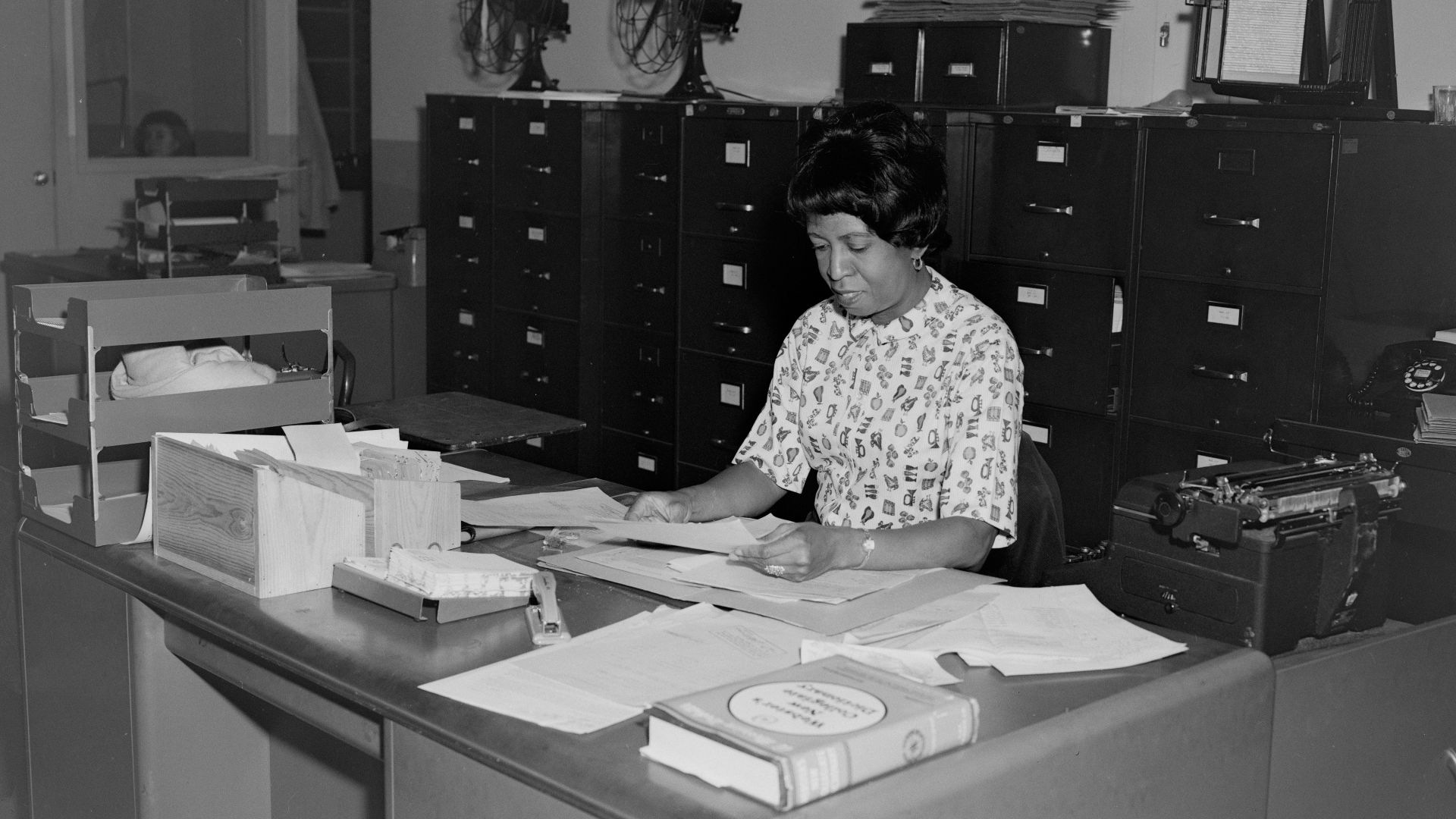 Boston Public Library, Unsplash
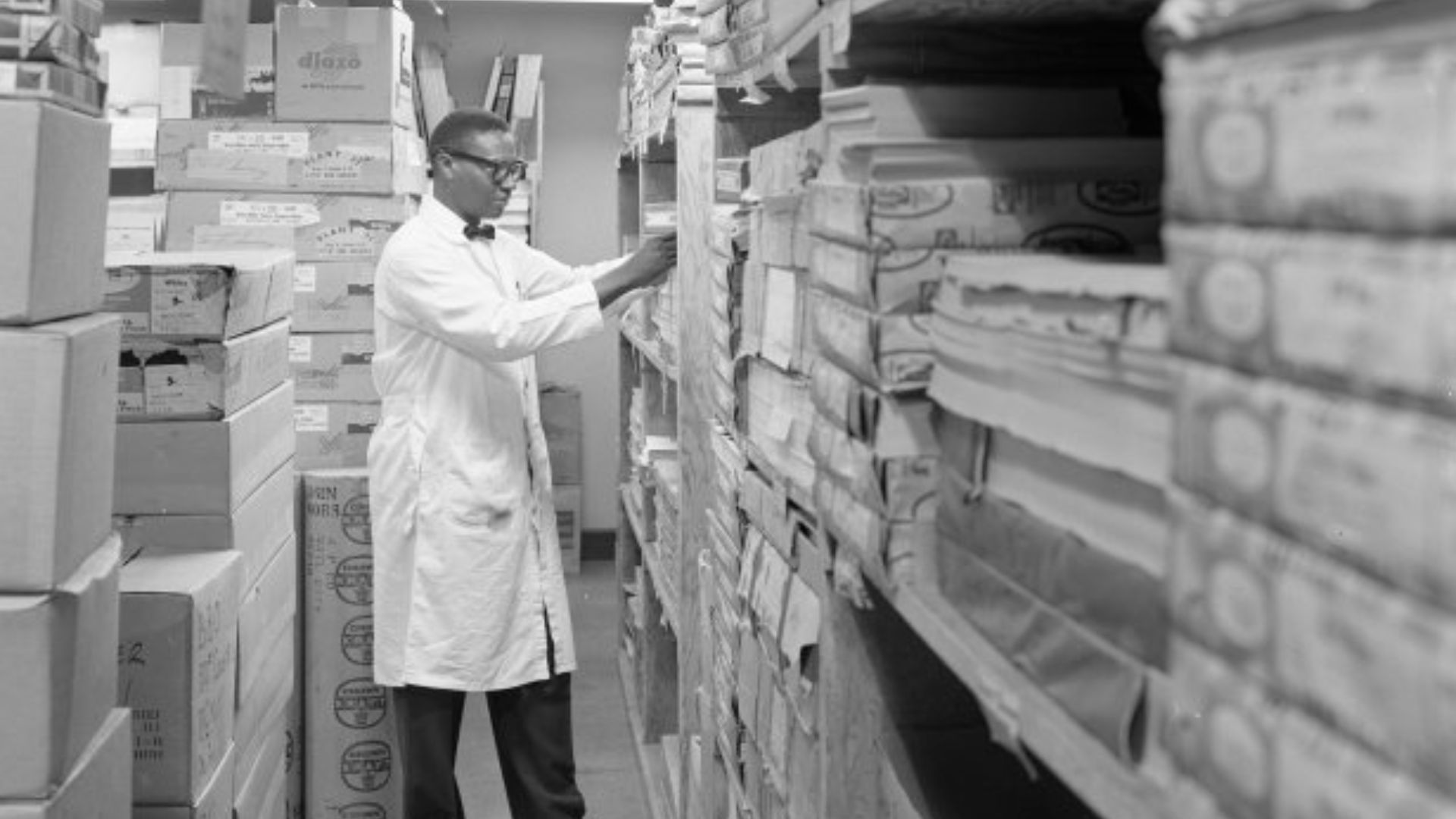
Counting Inventory The Old-Fashioned Way
If the boss wanted to know how much stock was left, someone might actually have to go and count it. Inventory cards and paper records helped keep things organized, but they weren't foolproof. A missing box or an incorrect entry could send employees searching through the storeroom.
 San Diego Air & Space Museum Archives, Wikimedia Commons
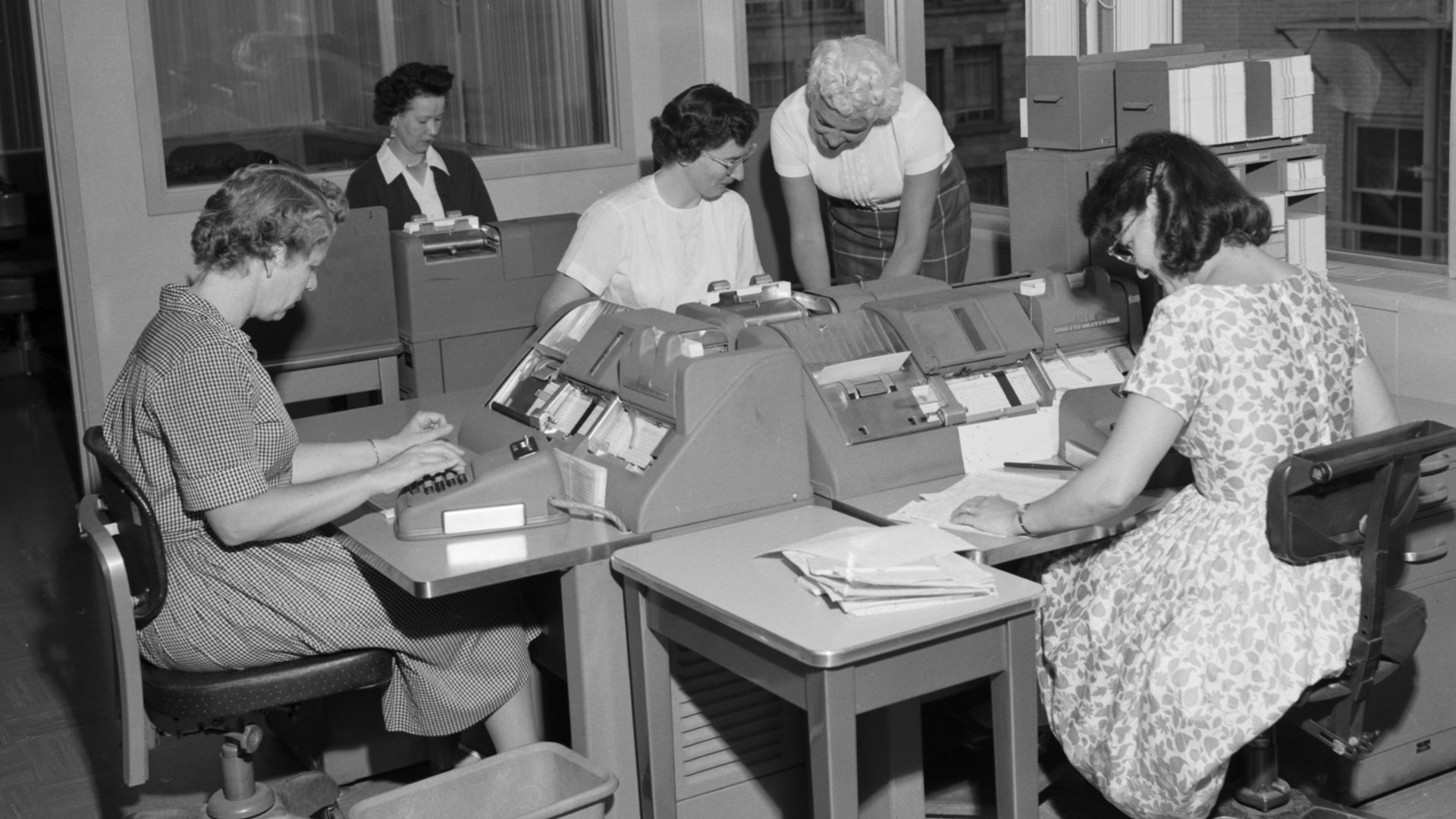
Every Invoice Had To Be Put Together
Sending a customer an invoice wasn't always straightforward. Employees checked order forms, looked up prices, calculated totals, and prepared the paperwork. Larger offices might have specialized machines or systems to help, but plenty of smaller businesses still did much of it by hand.
 Seattle Municipal Archives from Seattle, WA, Wikimedia Commons
Balancing The Books Wasn't For The Impatient
Anyone who worked in bookkeeping remembers the joy of finding a discrepancy that just wouldn't go away. Reconciling bank statements meant comparing transactions against company records, one at a time. When everything finally balanced, it was a pretty satisfying feeling. When it didn't, well, there went your afternoon.
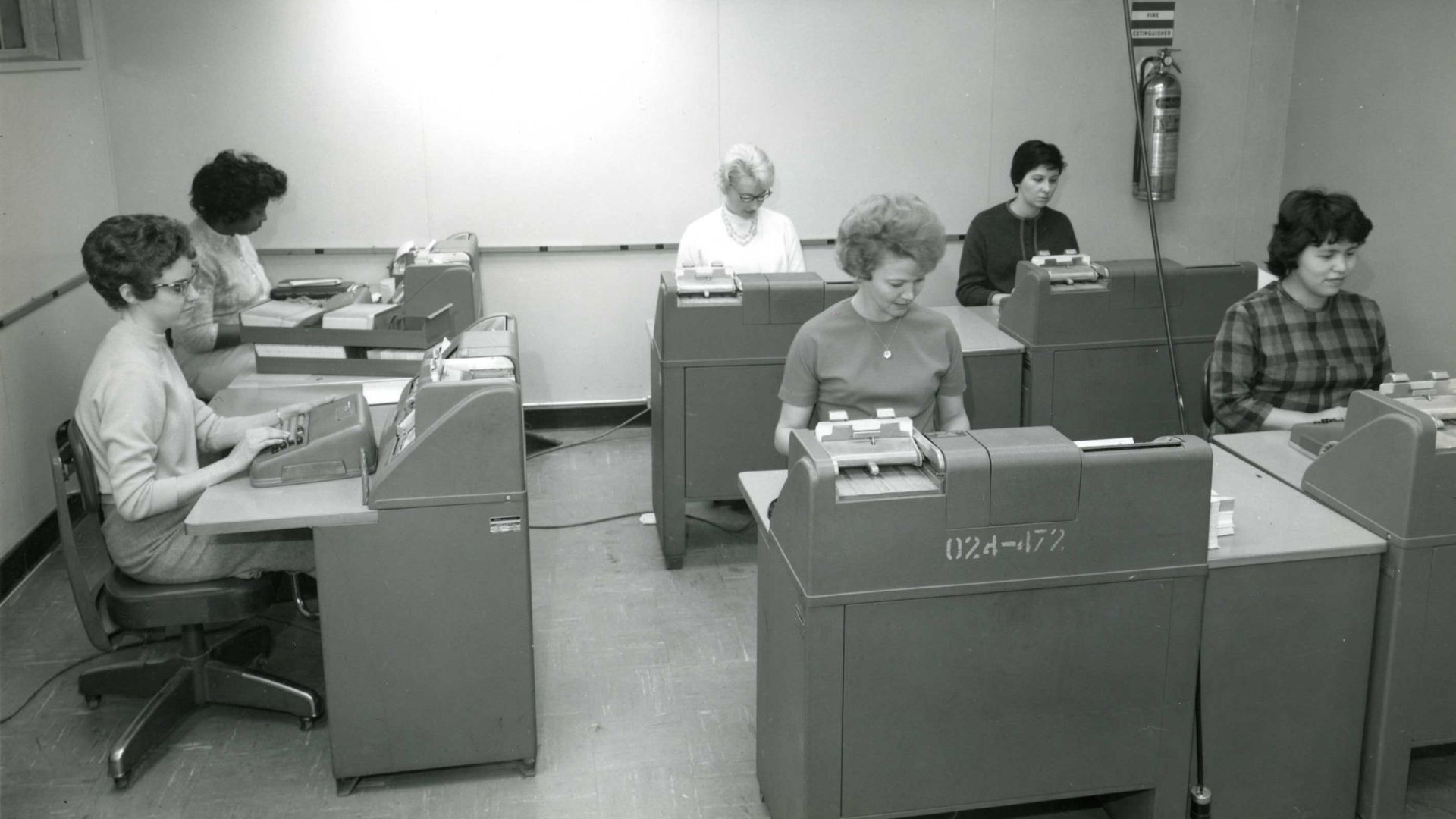
Keeping Track Of Everybody's Vacation Time
Want to know whether an employee had enough vacation days left for a summer trip? Somebody in personnel might have to dig through attendance records and employee files. It wasn't particularly exciting work, but keeping those records accurate mattered, especially when vacation season rolled around.
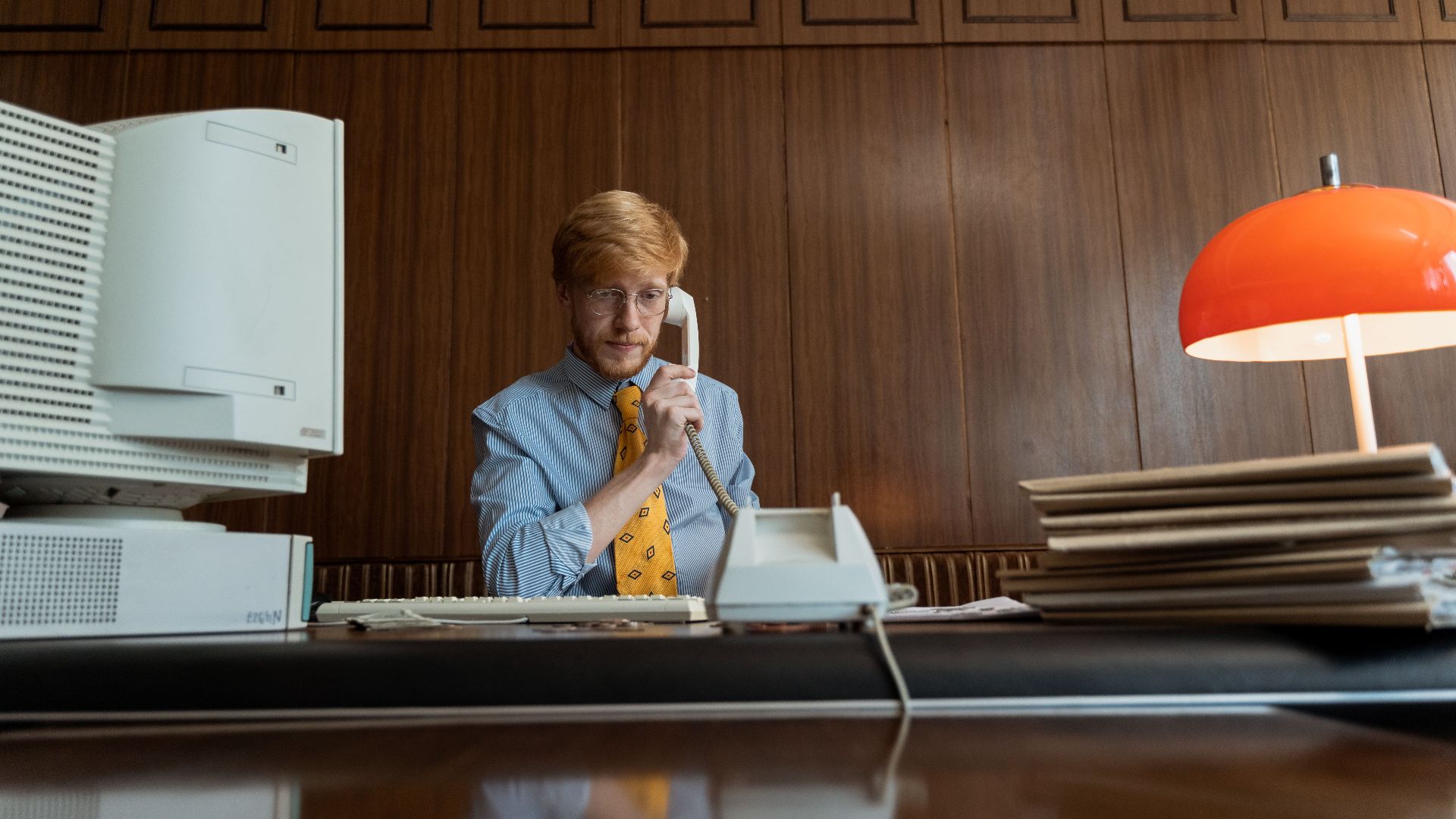
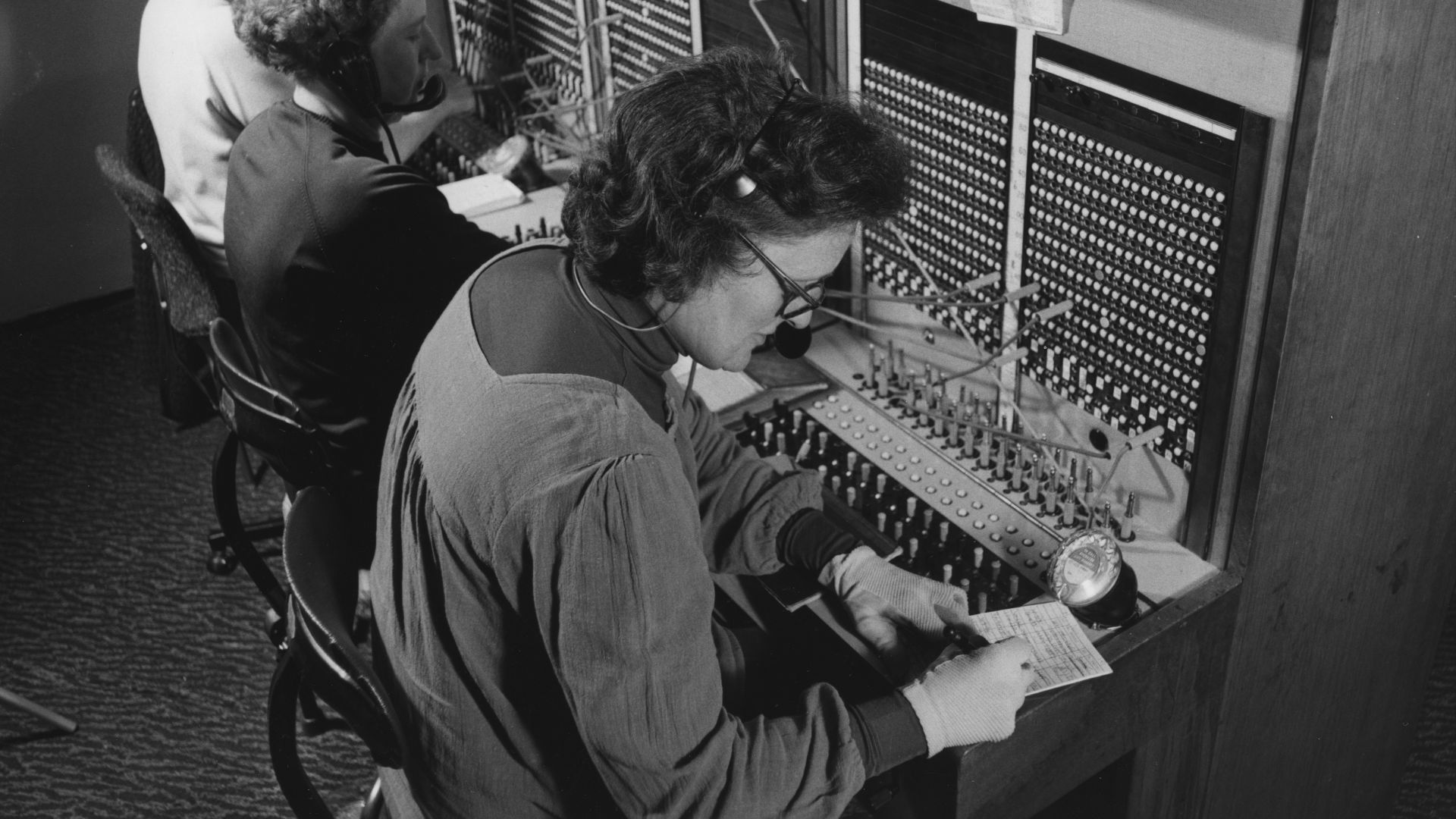
Updating The Company Phone Directory
Every time somebody changed departments, moved house, or got a new telephone number, the office directory needed attention. Some businesses regularly typed and printed updated lists. Of course, by the time the new directory was distributed, there was a good chance something had already changed.
 ArthurWilliamJack, Wikimedia Commons
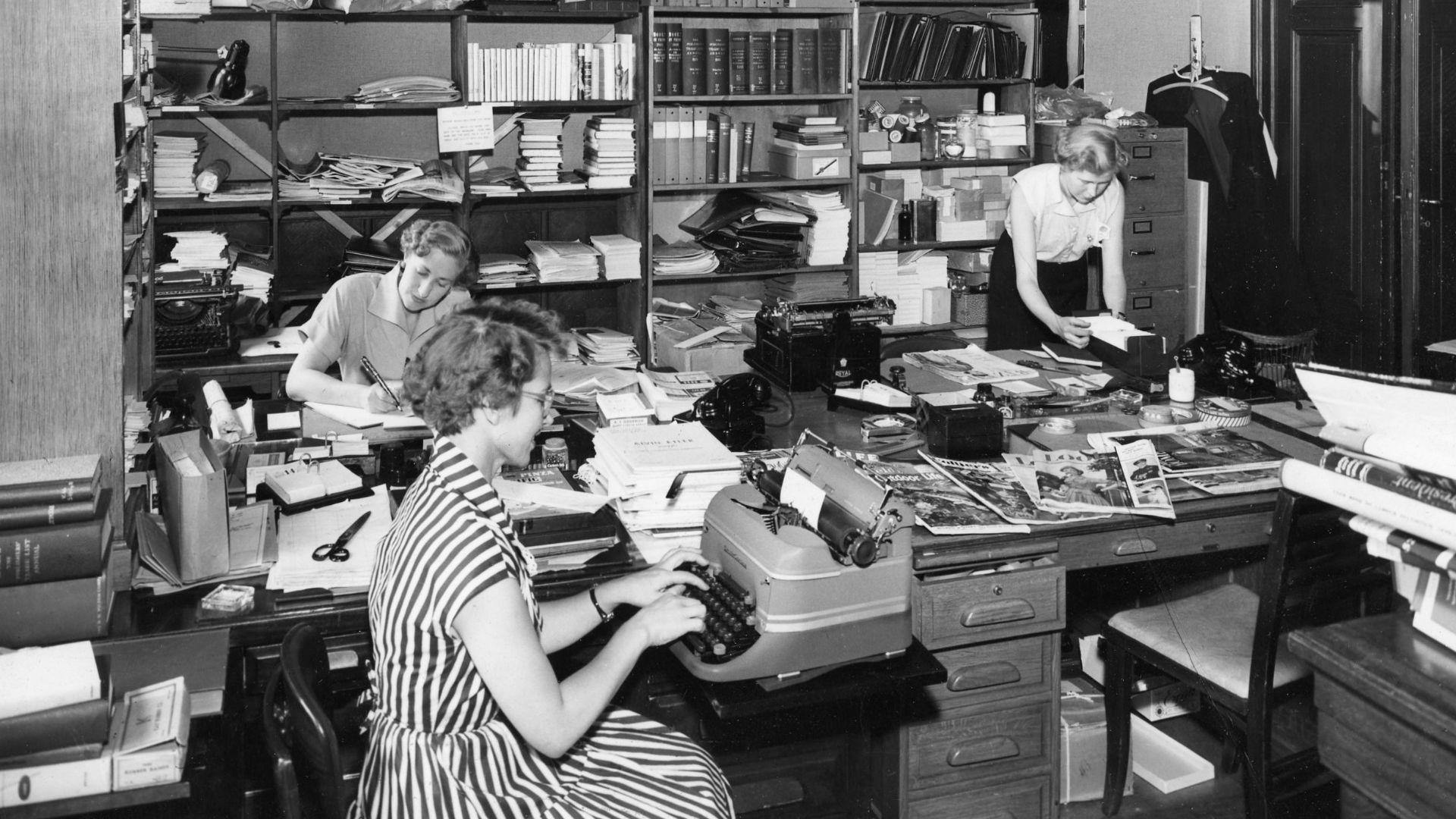
Sending Documents Meant A Trip To The Mailroom
Need to get an important contract to someone across the country? You couldn't just attach it to an email. Depending on the office, you might use the postal service, a courier, or a fax machine. And if the document was particularly urgent, getting it delivered could become everybody's problem.
 usembfinland, Wikimedia Commons
Office Memos Had To Make The Rounds
Before company-wide emails, office announcements were often distributed on paper. Someone typed the memo, made enough copies, and passed them around. Internal mail envelopes traveled from desk to desk, sometimes taking their sweet time to reach the last person on the list.
 Harald Borgström, Wikimedia Commons
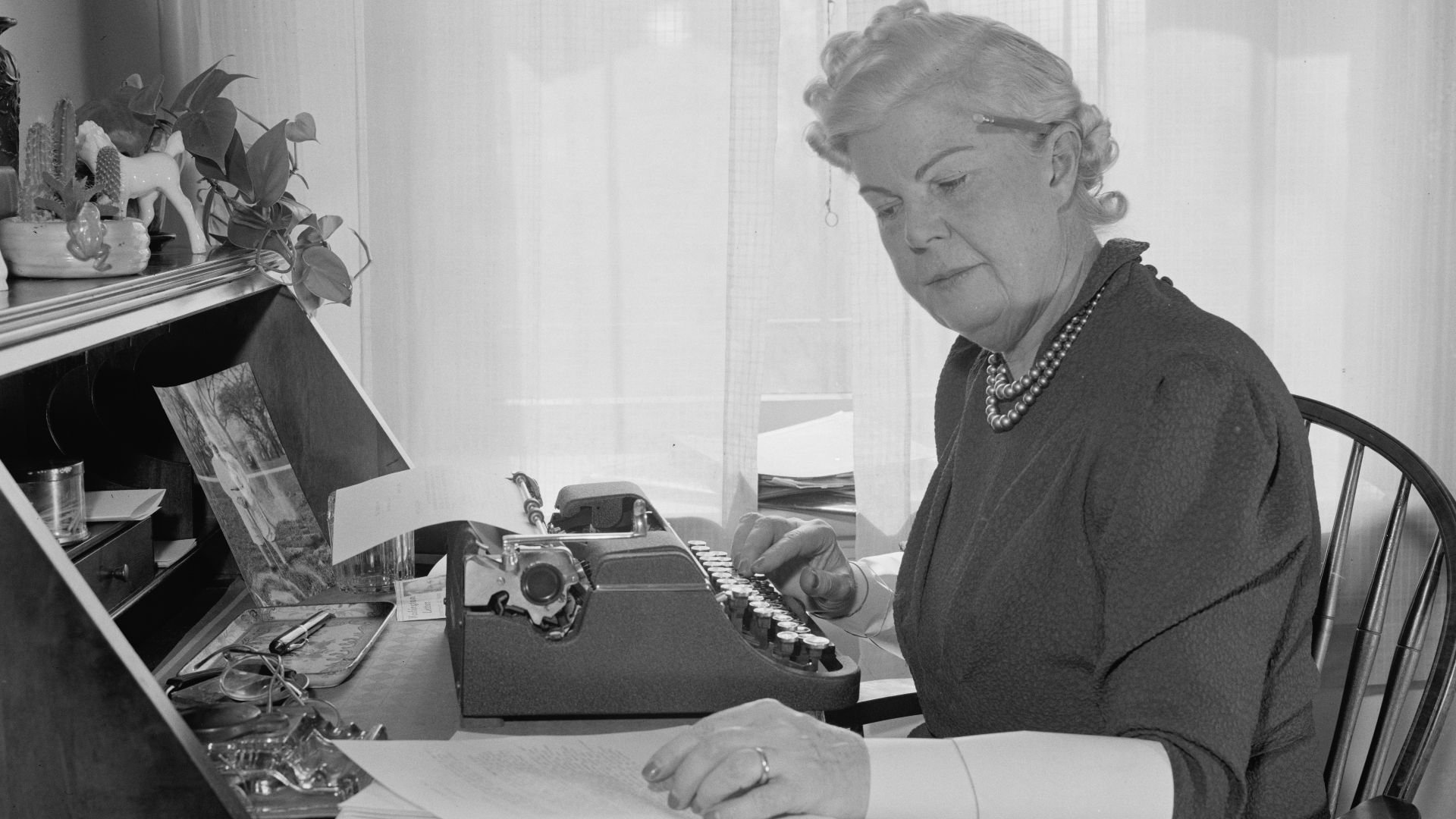
Proofreading Was A Test Of Your Eyesight
Before spellcheck became a familiar feature, finding mistakes meant reading through documents yourself. And then reading them again, just to be sure. A misplaced decimal point or misspelled name could cause real trouble. Good proofreaders were worth their weight in gold.
 Harris & Ewing, photographer, Wikimedia Commons
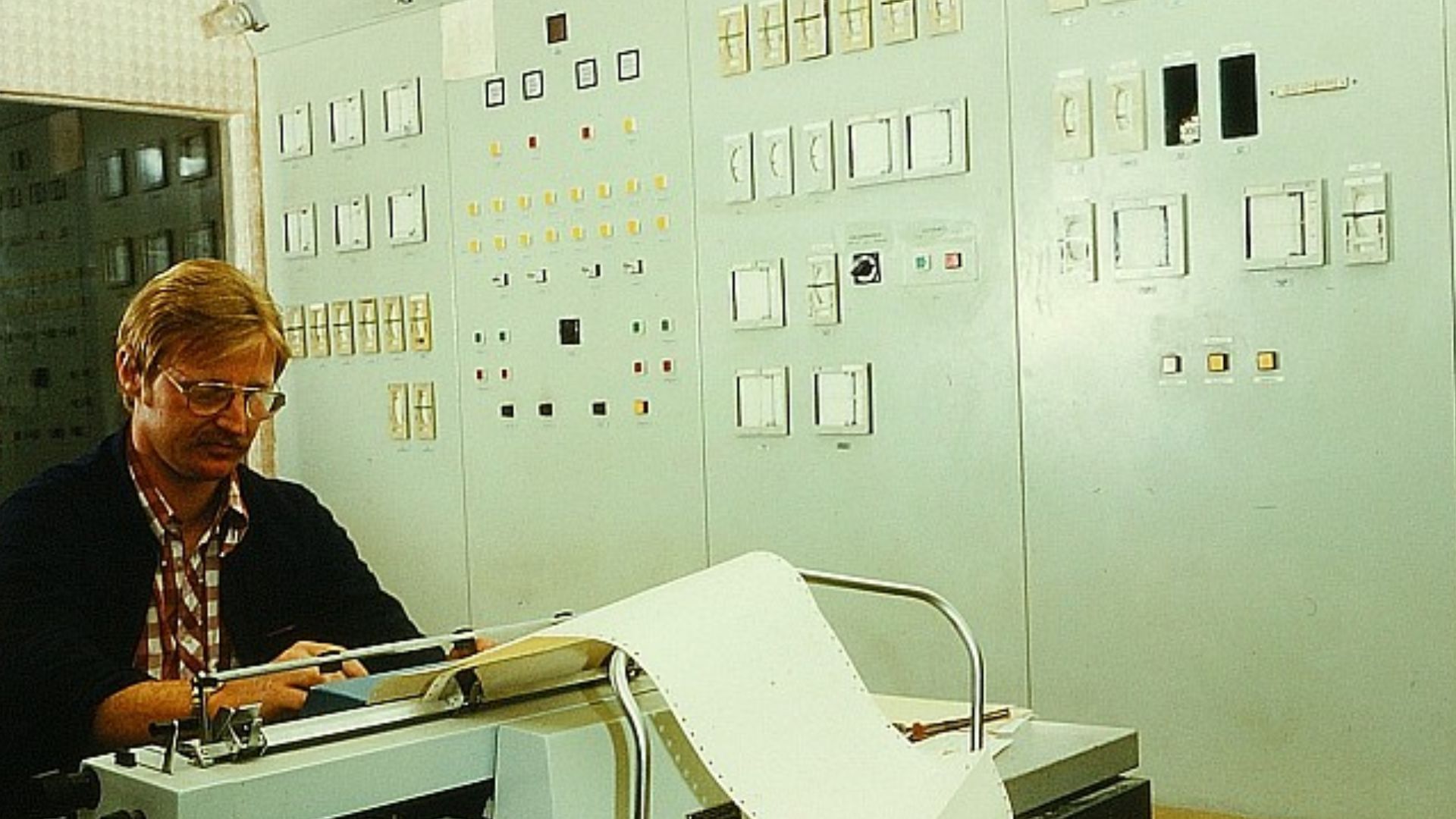
Putting Together A Company Newsletter
If your workplace had a monthly newsletter, somebody probably spent days preparing it. Articles had to be typed, photographs arranged, and pages assembled for printing. There was plenty of cutting, pasting, and rearranging involved, and not the kind you do with a computer mouse.
 Eugen Nosko, Wikimedia Commons
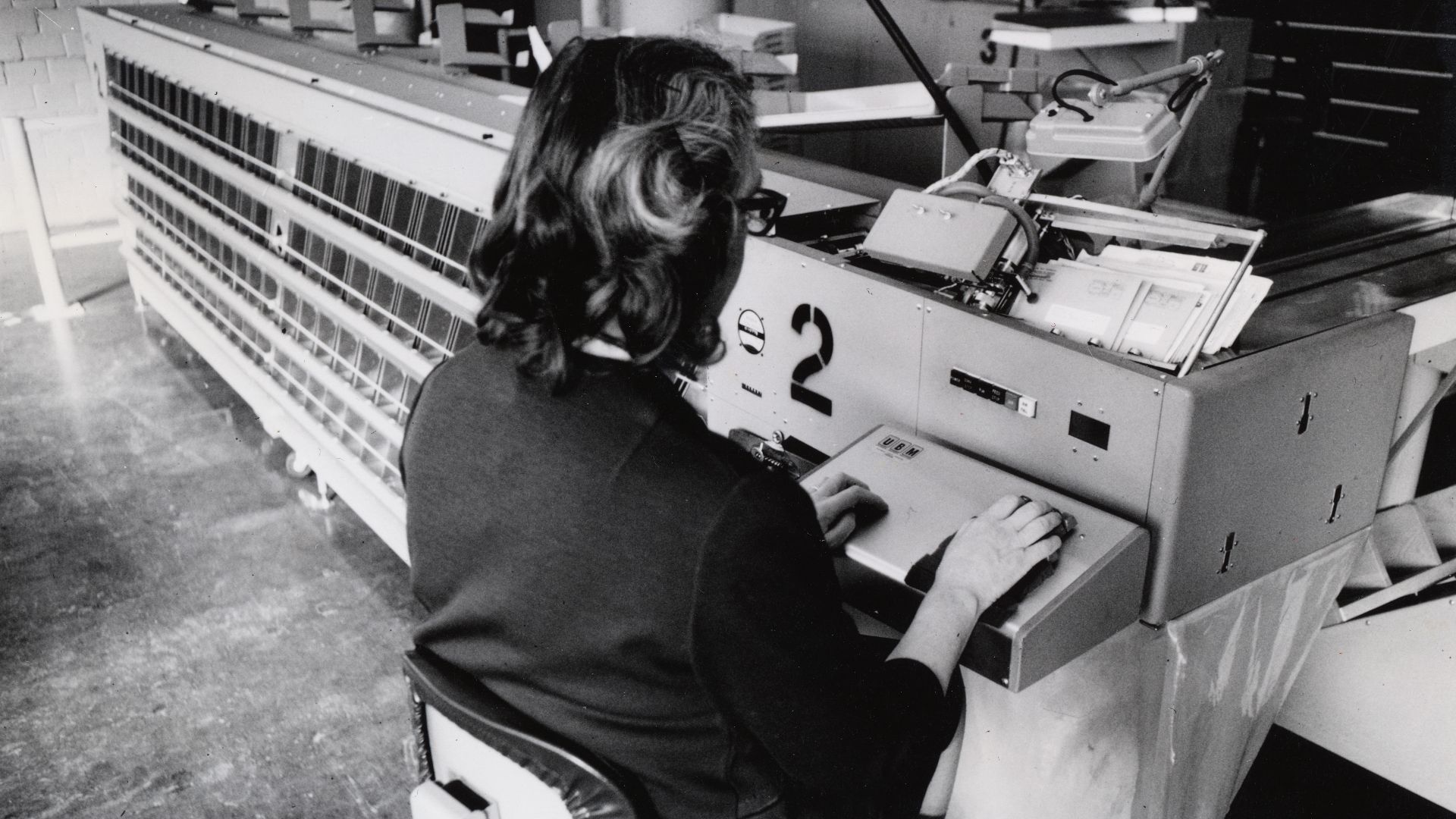
Sorting Through The Daily Mail
The morning mail delivery could keep an office busy for quite a while. Letters needed opening, sorting, date-stamping, and distributing. Important documents then had to be filed or passed along. Larger companies even had employees whose main responsibility was keeping all that paperwork moving.
 Smithsonian Institution from United States, Wikimedia Commons
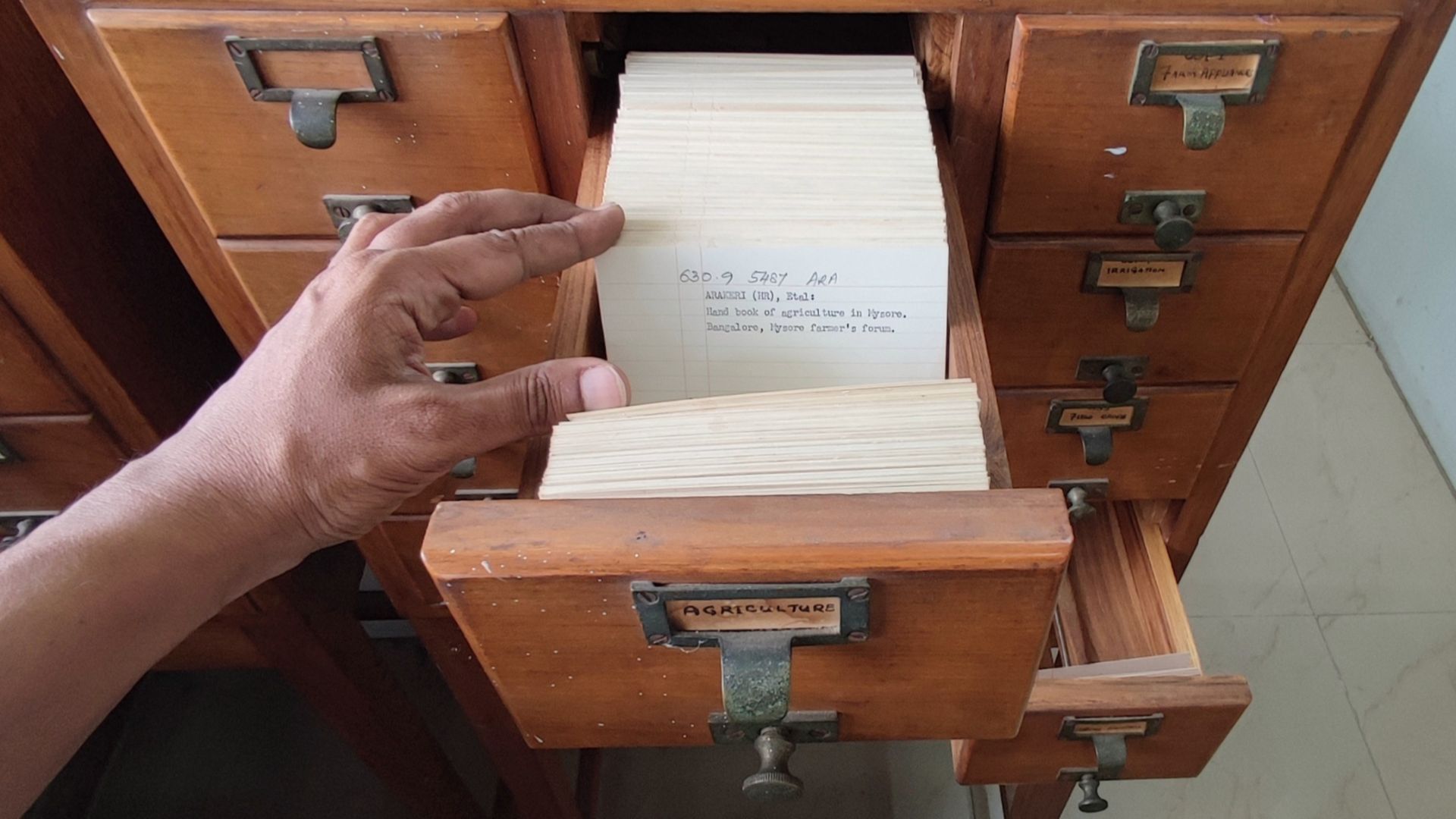
Tracking Orders With Index Cards
Not every business had a sophisticated computer system in the 1980s. Some still relied on index cards and handwritten logs to keep track of customer orders. Each time something changed, somebody had to update the records. Losing a card could create a rather unpleasant mystery.
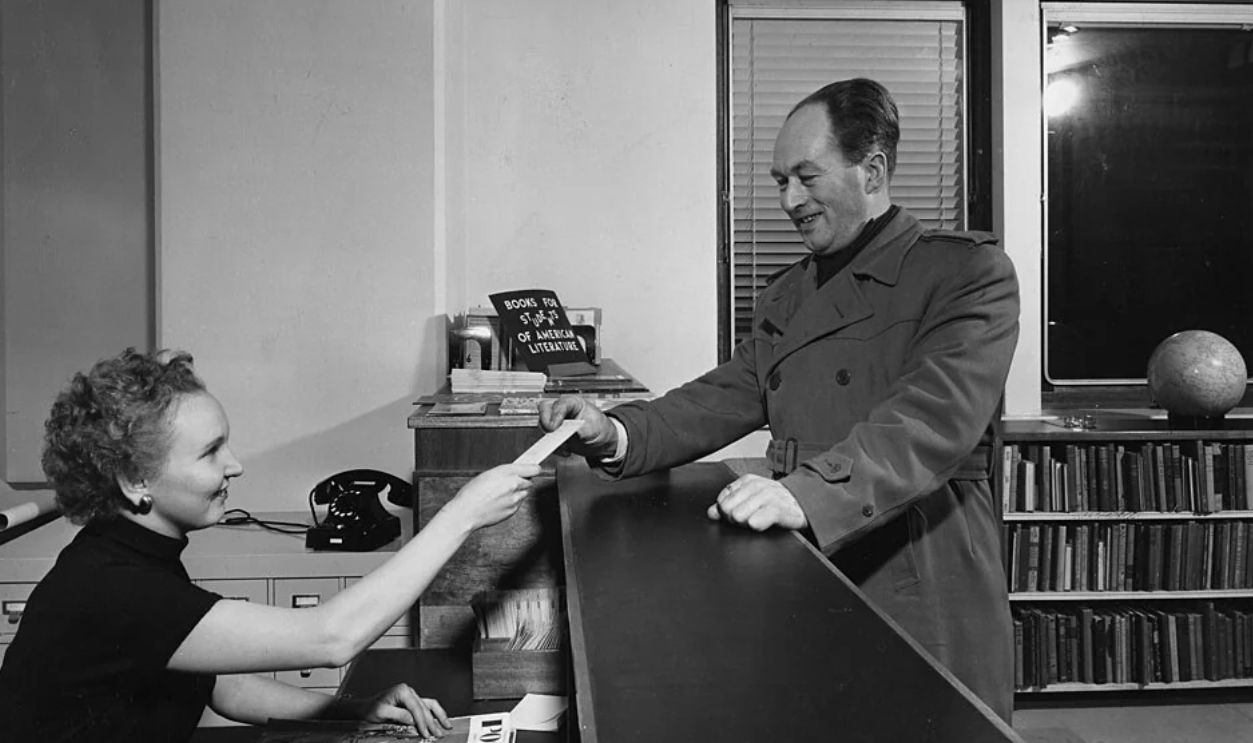
Taking Messages For Everyone Else
If you worked at the front desk, you probably remember those little pink or yellow telephone message slips. When someone was away, you'd write down who called, their number, and what they wanted. By lunchtime, a busy receptionist could have quite a collection.
 usembfinland, Wikimedia Commons
Preparing For A Presentation Took Hours
Giving a business presentation involved more than gathering your thoughts. You might need overhead transparencies, printed charts, or photographic slides. Getting everything in the right order was essential. Discovering a mistake just before the meeting could make for a very stressful morning.
 usembfinland, Wikimedia Commons
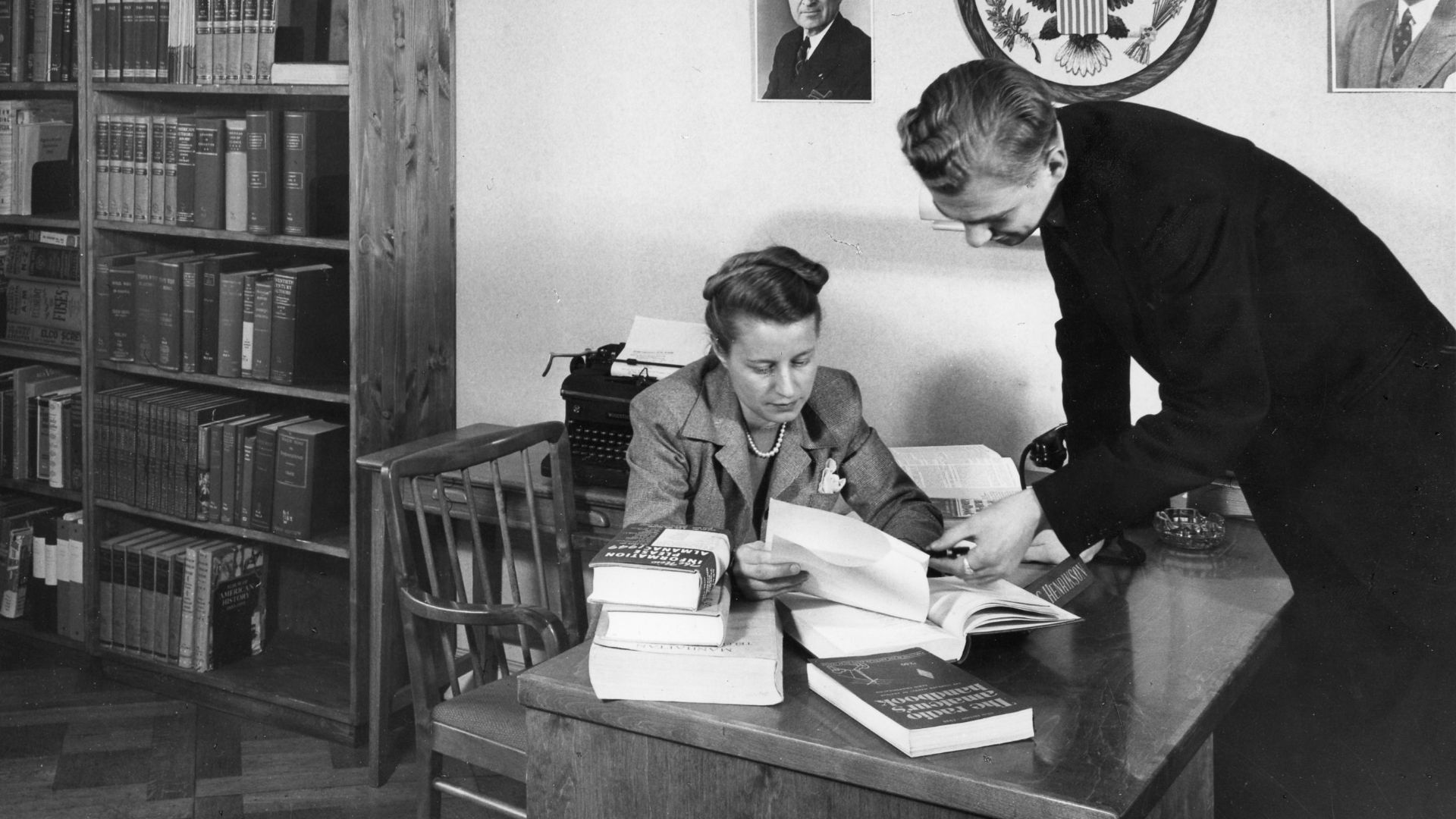
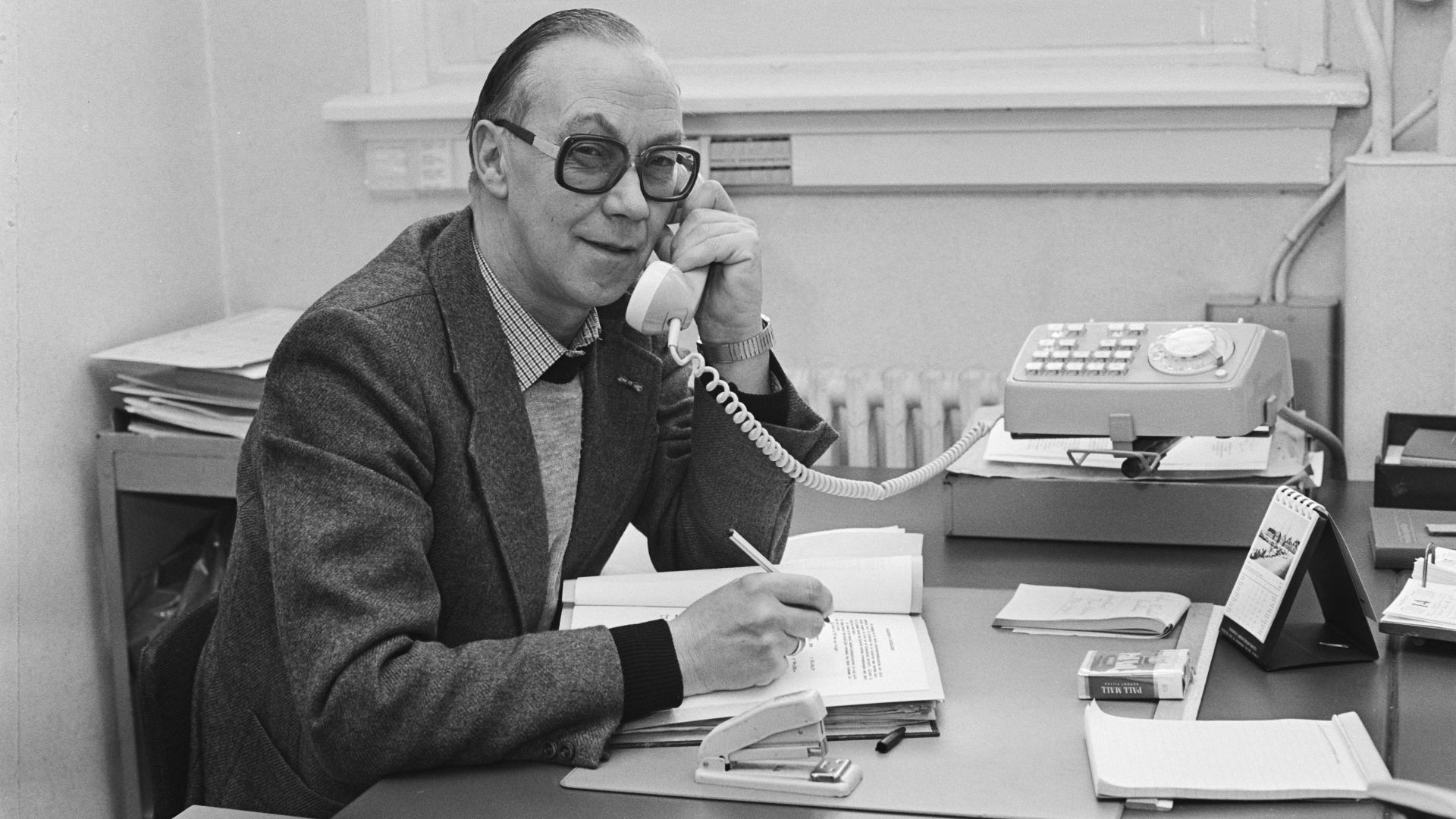
Looking Up Information Was An Adventure
Need an address, a telephone number, or an obscure business statistic? There was no internet search bar waiting to help. Instead, you reached for a telephone directory, reference book, or printed report. If the answer wasn't there, you might end up making several phone calls.
 Marcel Antonisse / Anefo, Wikimedia Commons
We Might Have Worked Harder, But We Had Our Ways
Looking back, it's amazing how much of the 1980s workday was spent doing things computers now handle in seconds. Of course, offices still got the job done, often thanks to some incredibly organized people. And while few of us miss carbon paper or endless filing, there's something satisfying about remembering a time when keeping an office running took a little more elbow grease.
 Department of Labor. 1913, Wikimedia Commons
You May Also Like:
School Supplies Every Kid Wanted In The 1980s And 1990s That Have Nearly Disappeared
Forgotten Christmas Traditions That Even Baby Boomers Don’t Remember