When Work Looked Very Different
History is full of jobs that sound strange now but solved very real problems in their own time. Before alarm clocks, sewer systems, or digital machines, people found unusual ways to earn money. Here are some jobs straight out of the past that might surprise you.
Knocker-Uppers Woke Workers Before Alarm Clocks
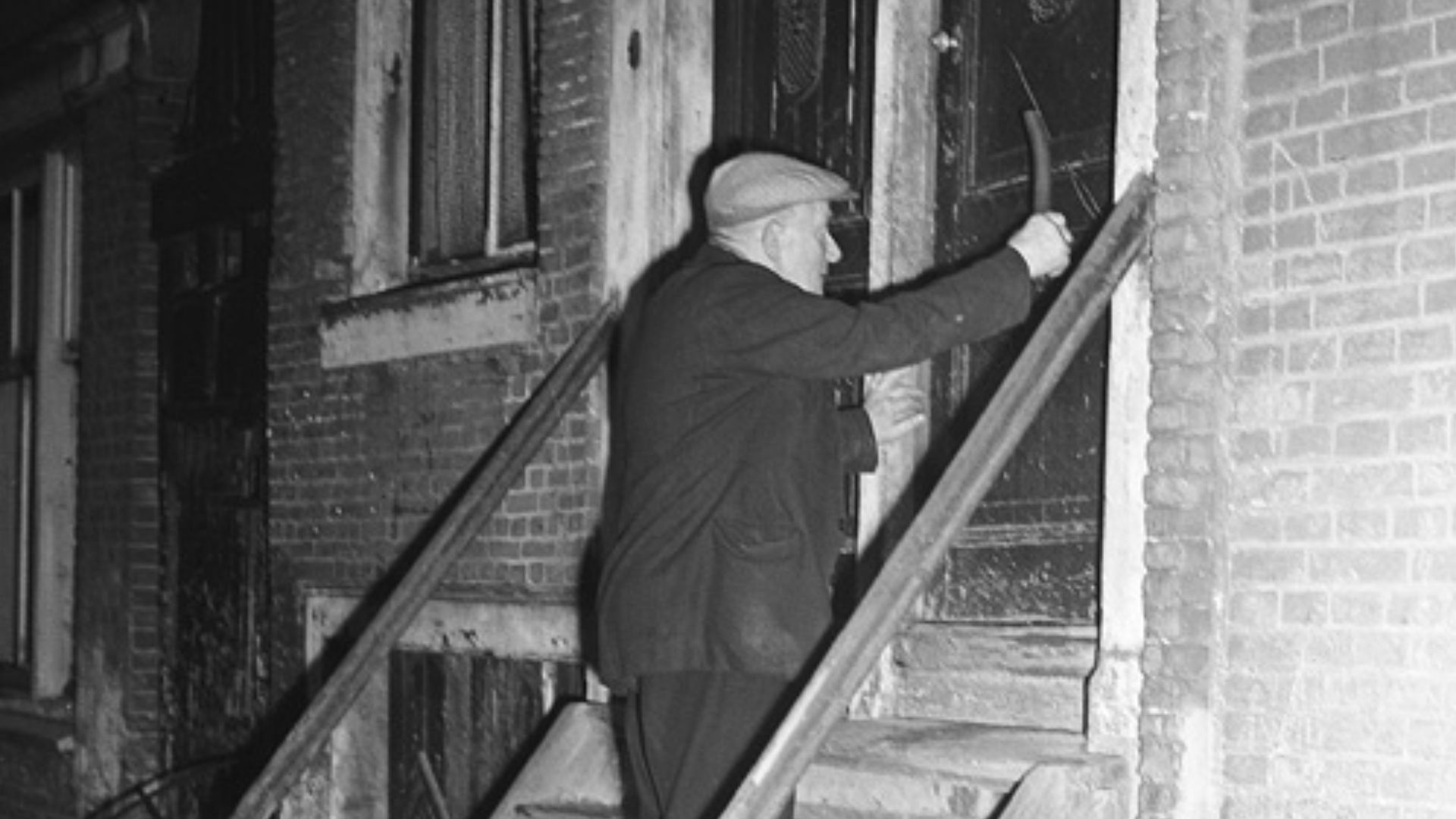
Before reliable alarm clocks were common, knocker-uppers made their rounds in industrial towns, tapping windows with long poles or shooting peas at panes. Their job was simple but vital: wake paying clients in time for factory shifts, where being late could mean lost wages. It was humble work, but it kept households and whole shifts on schedule.
Rat Catchers Turned Vermin Into A Trade
Growing cities created perfect conditions for rats, and professional rat catchers stepped into the gap. They trapped vermin in homes, markets, and stables, sometimes becoming showmen as well as pest controllers. The work was dangerous, dirty, and oddly entrepreneurial.
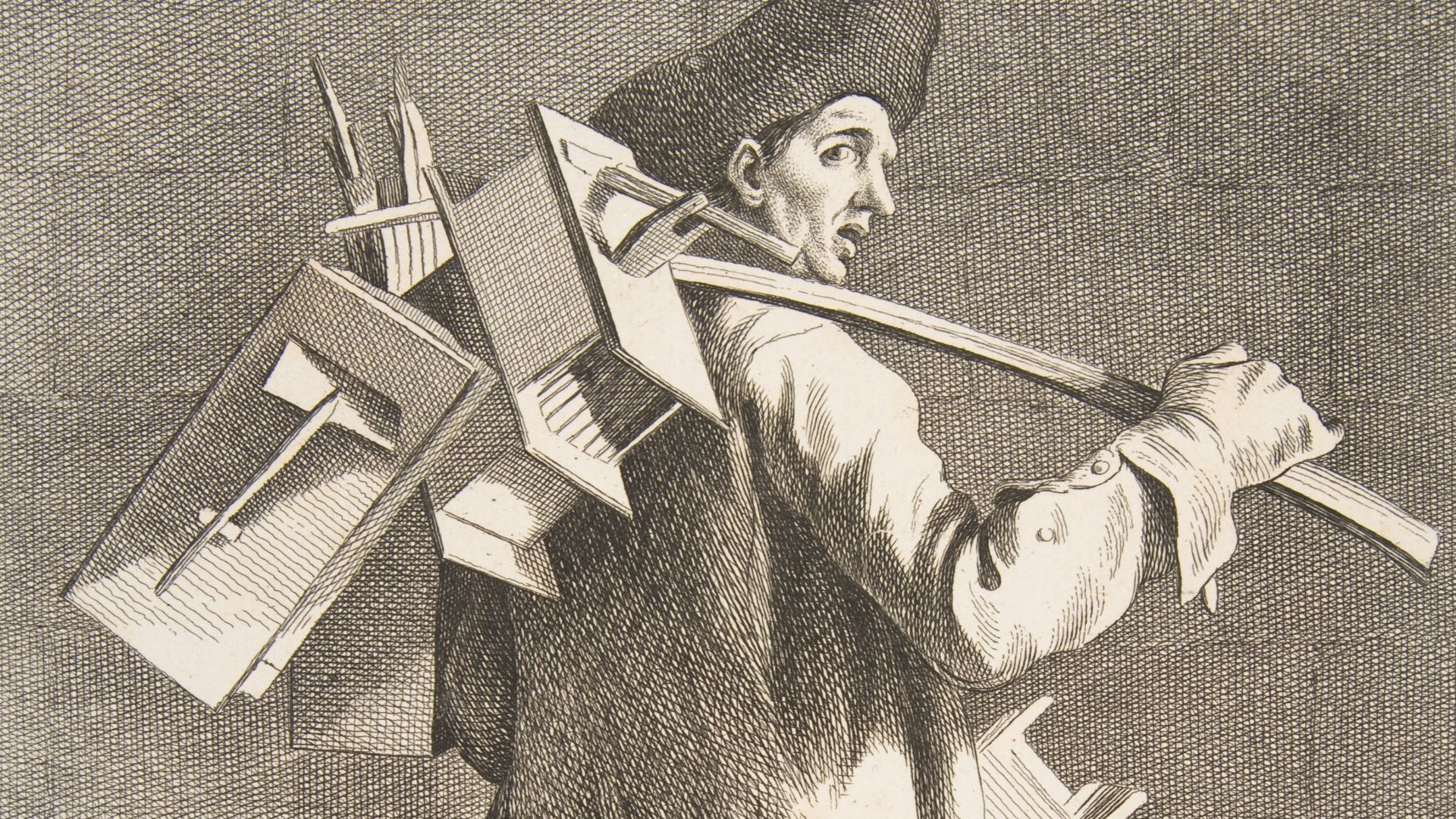 Anne Claude Philippe, Comte de Caylus / After Edme Bouchardon / François Joullain, Wikimedia Commons
Sin-Eaters Carried A Community's Fear
In parts of Wales and the English borderlands, a sin-eater could be paid to eat food near a corpse, symbolically taking on the dead person's sins. The role was spiritually important to believers, but the people who performed it were often treated with fear and unease.

The Groom Of The Stool Had Intimate Access To Power
The Groom of the Stool helped English monarchs with their private toilet needs, a duty that sounds humiliating today. Yet the job placed its holder close to the king's body, routines, and secrets, making it a surprisingly influential court position in the Tudor world. Proximity to power could make even the most private service politically valuable.
 Screenshot from The Tudors, Showtime Networks (2007-2010), Enhanced
Town Criers Were Public News Feeds
Before many people could read newspapers, town criers announced laws, market news, proclamations, and warnings in public streets. Their bells and cries helped connect ordinary residents to official information, making them a loud but essential communications service. In a world without instant alerts, one strong voice could carry civic life.
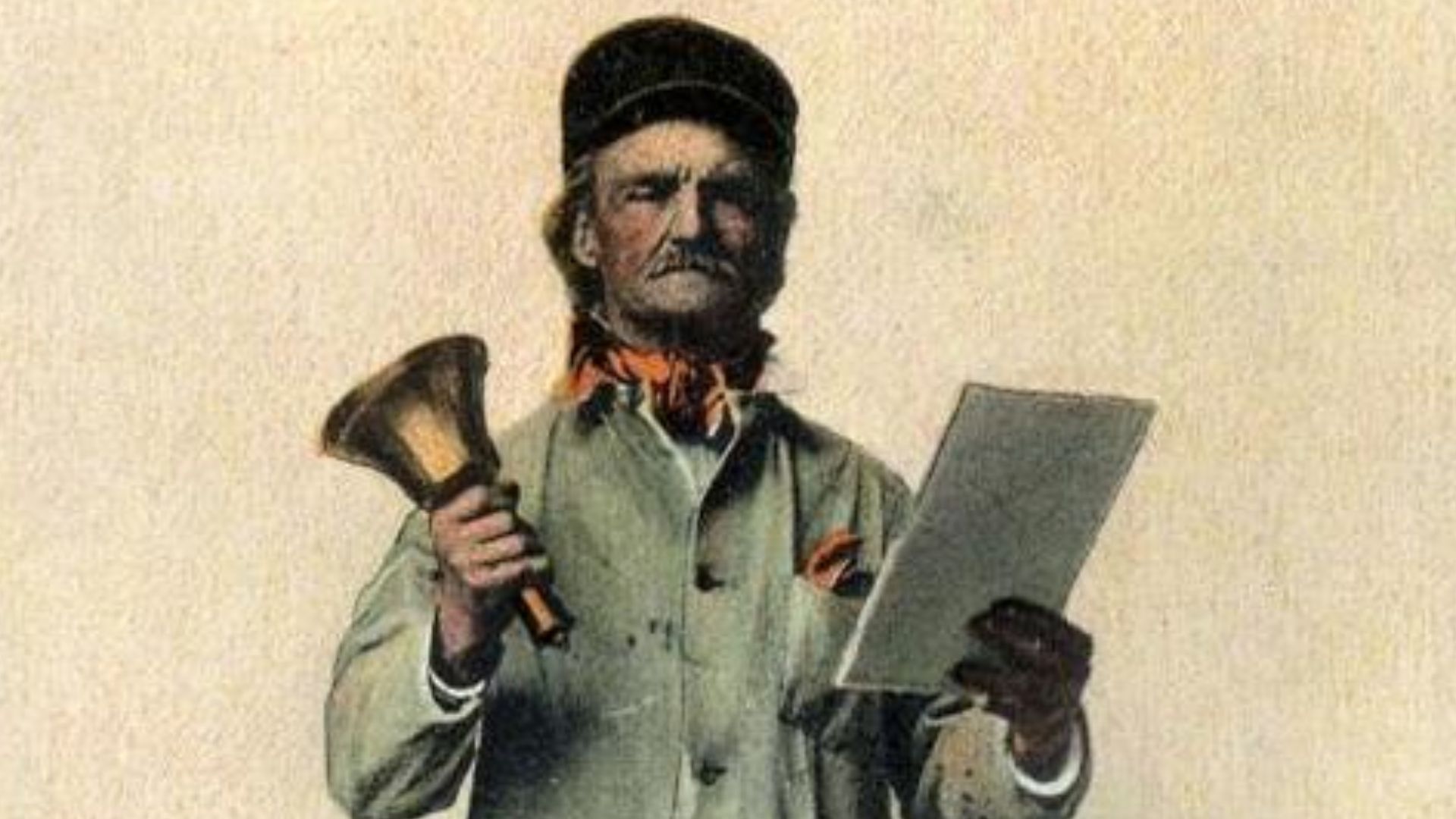 Unknown authorUnknown author, Wikimedia Commons
Resurrectionists Supplied Anatomy Schools
Medical schools once needed more bodies for dissection than the law provided. Resurrectionists, or body snatchers, dug up newly buried corpses and sold them to anatomists. The trade horrified families, but it also exposed the shortage behind medical training. The scandal eventually helped push lawmakers to rethink how anatomy should be taught.
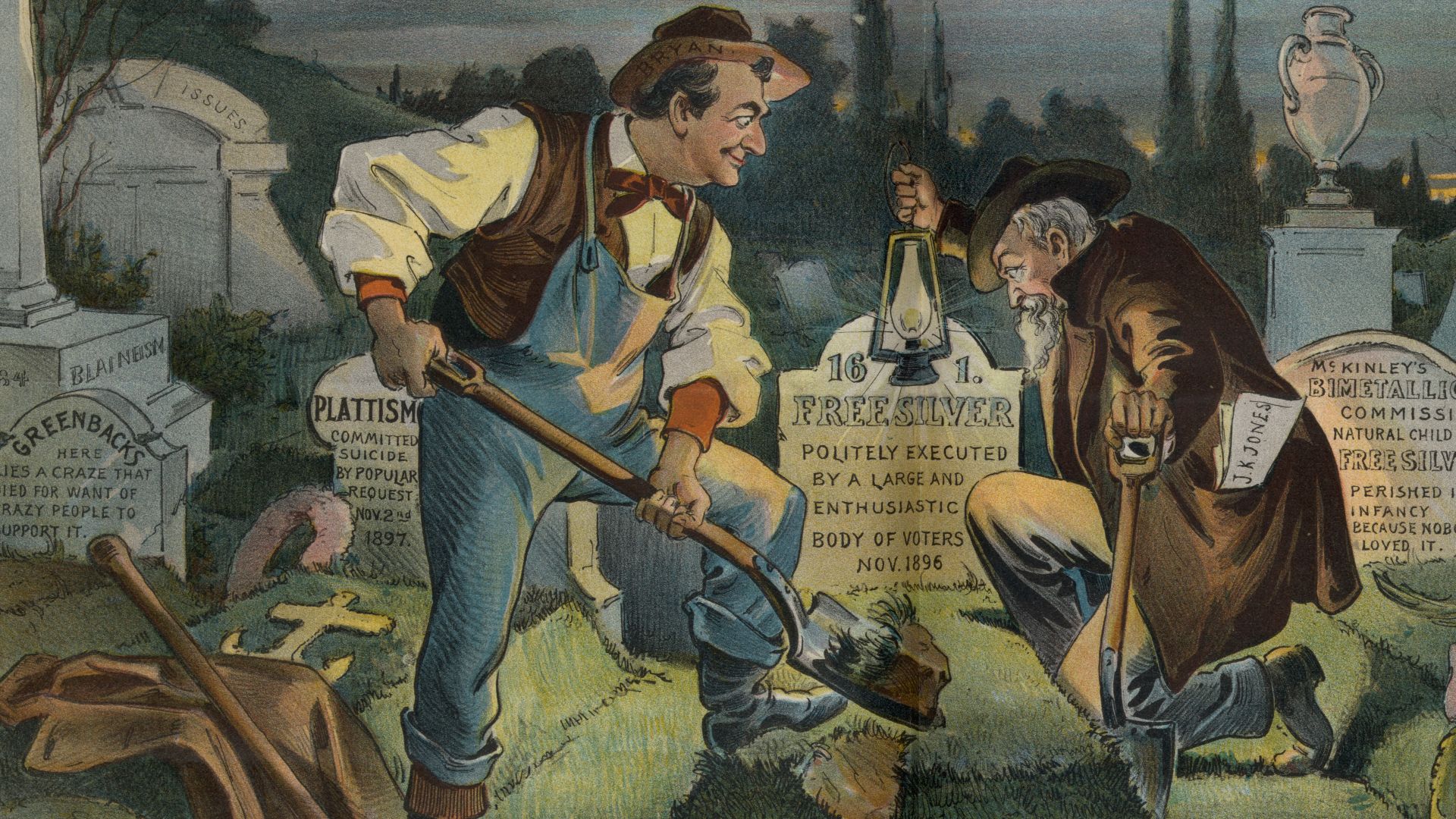 Keppler, Udo J., 1872-1956, artist, Wikimedia Commons
Leech Collectors Worked With Their Own Bodies
When physicians prescribed leeches for bloodletting, collectors supplied the demand. Some waded into marshes and let leeches attach to their own legs before gathering them for sale. It was a painful reminder that medical fashion could create hazardous work. It also shows how patients' hopes could create exhausting labor for people on the margins.
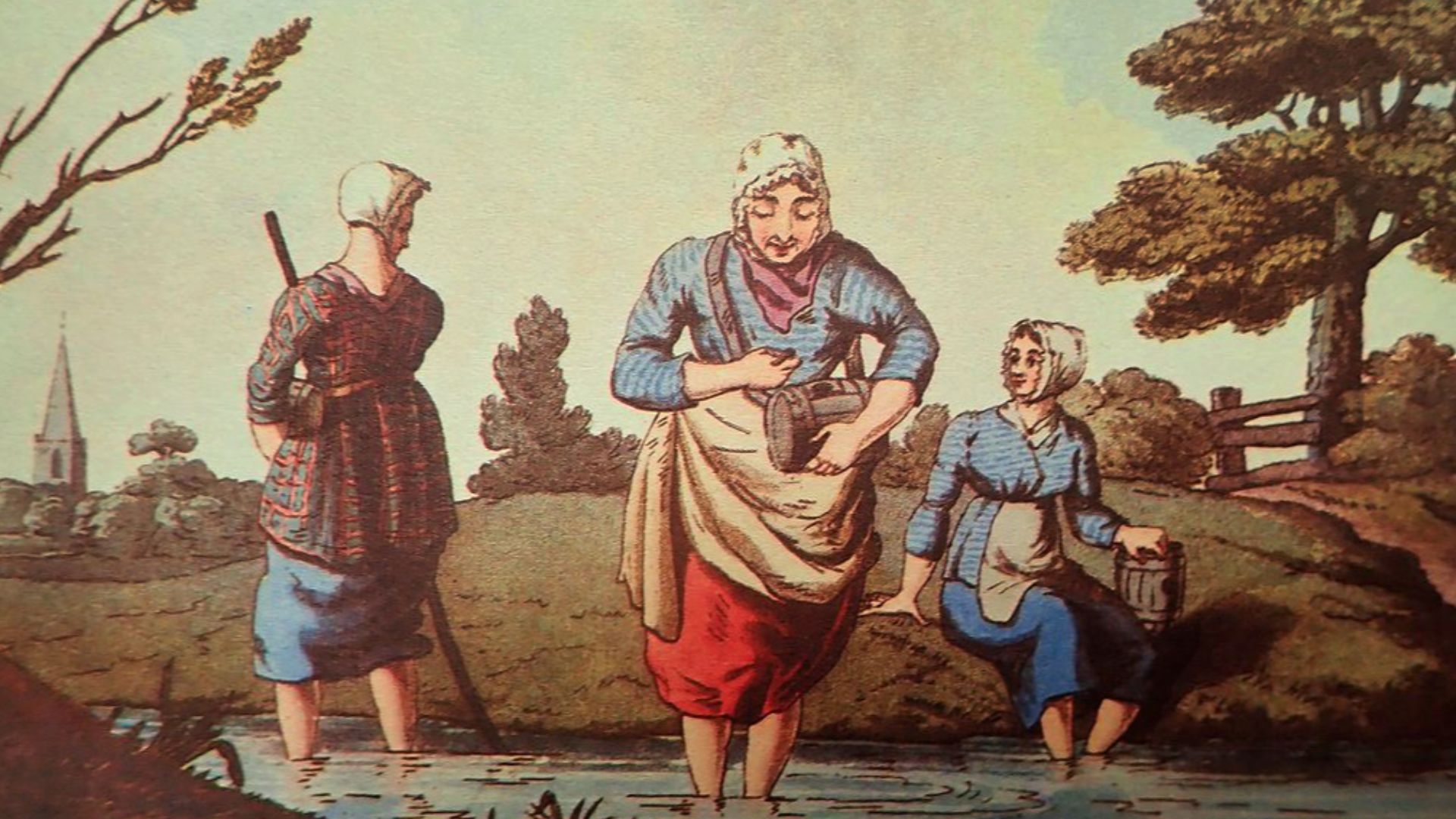 Jim Griffin , Wikimedia Commons
Ice Cutters Harvested Winter For Summer
Before electric refrigeration, workers cut heavy blocks of ice from frozen lakes and rivers, then stored them in insulated ice houses. The job demanded strength and courage: one wrong step on slick, unstable ice could turn a practical winter industry into a deadly one. Still, the trade helped households preserve food long before the refrigerator hummed in the kitchen.
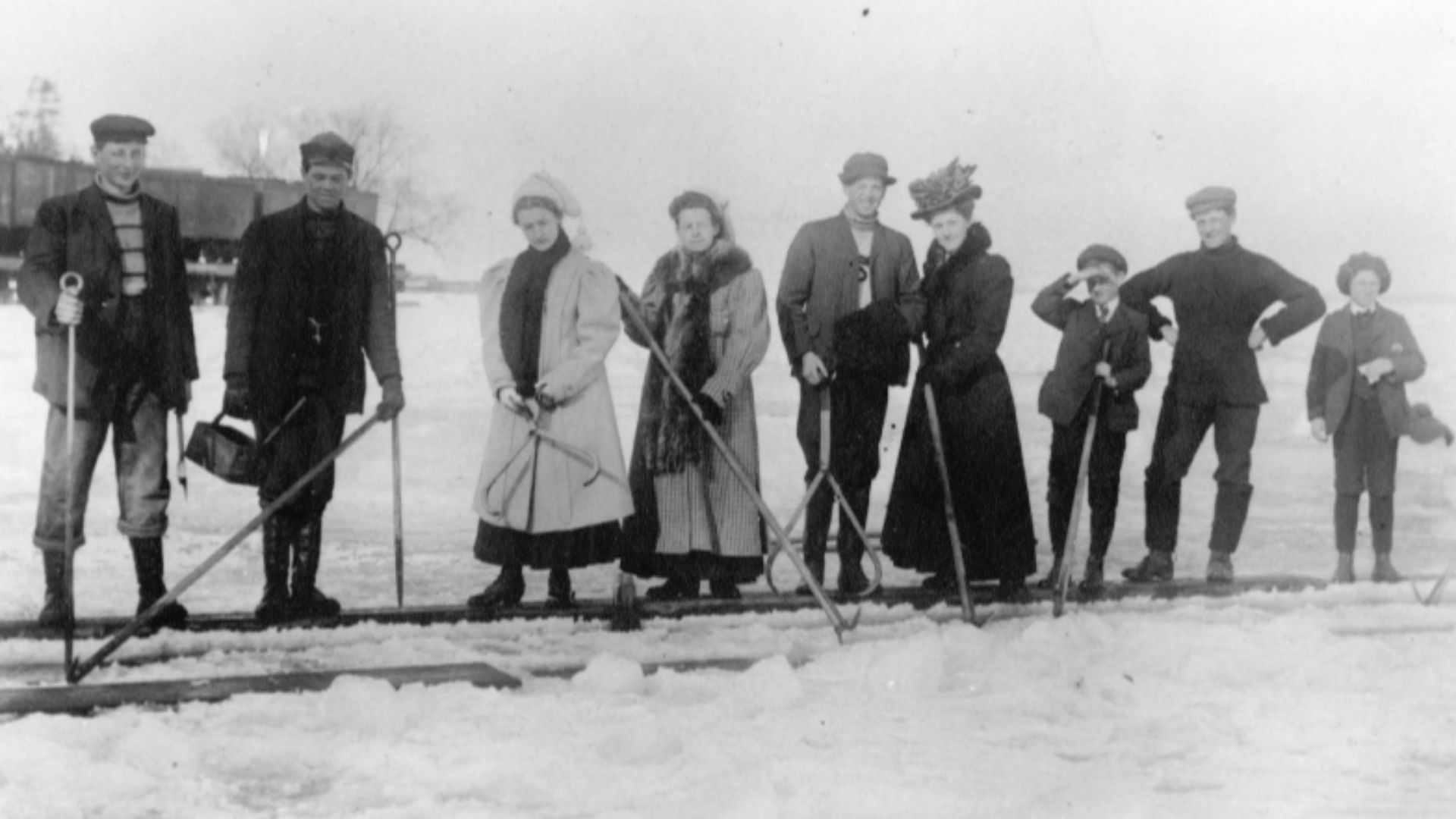 Unknown authorUnknown author, Wikimedia Commons

History's most fascinating stories and darkest secrets, delivered to your inbox daily.
Mudlarks Searched Riverbanks For Survival
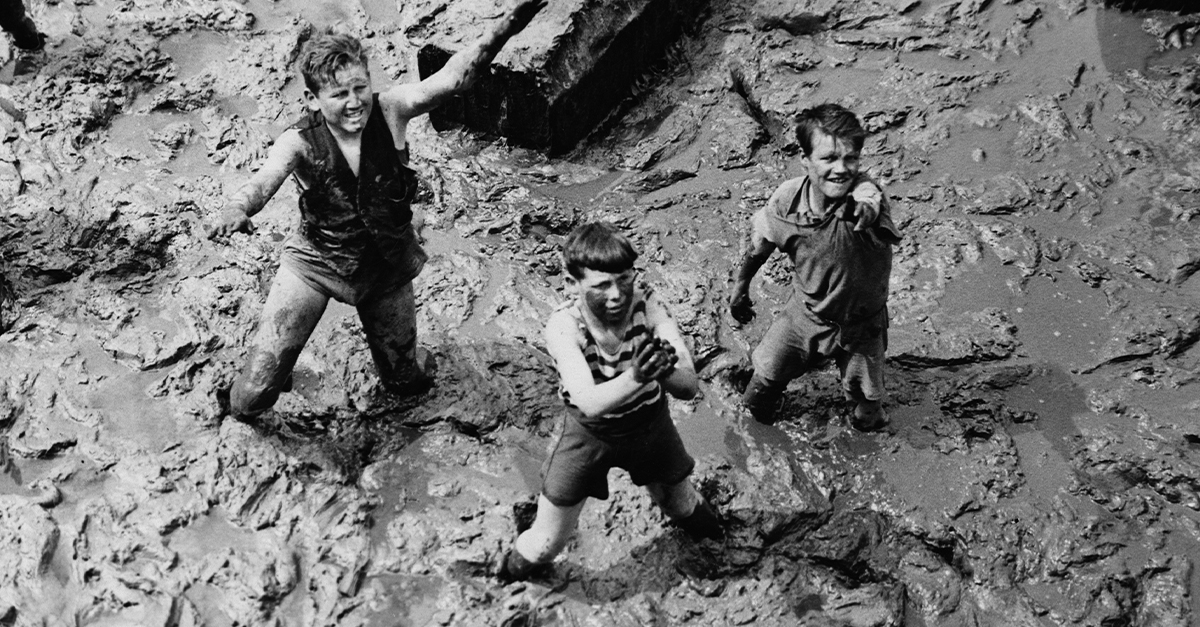
Victorian mudlarks combed the Thames foreshore for coal, metal, rope, bones, and anything else that could be sold. Many were desperately poor children or adults, turning the river's mud into a last-chance workplace where small finds could mean food for the day. Their story is less quaint treasure hunting than a hard lesson in urban poverty.
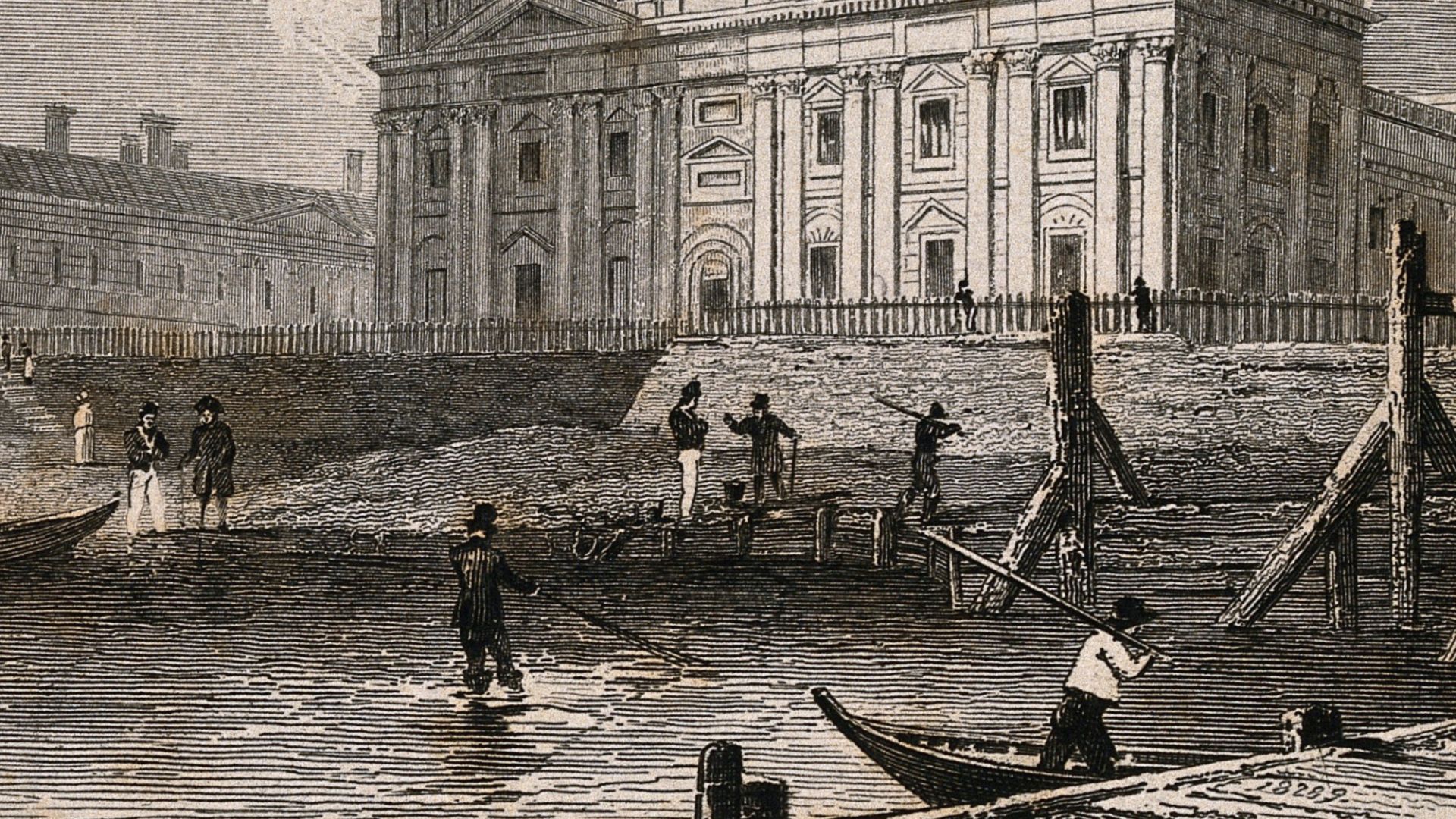
Human Computers Did The Math By Hand
Before electronic computers became dependable, organizations hired people to compute. At places like NASA's Jet Propulsion Laboratory, human computers performed demanding calculations and later helped bridge the transition from hand math to programming. The title sounds quaint now, but the work demanded precision, patience, and serious skill.
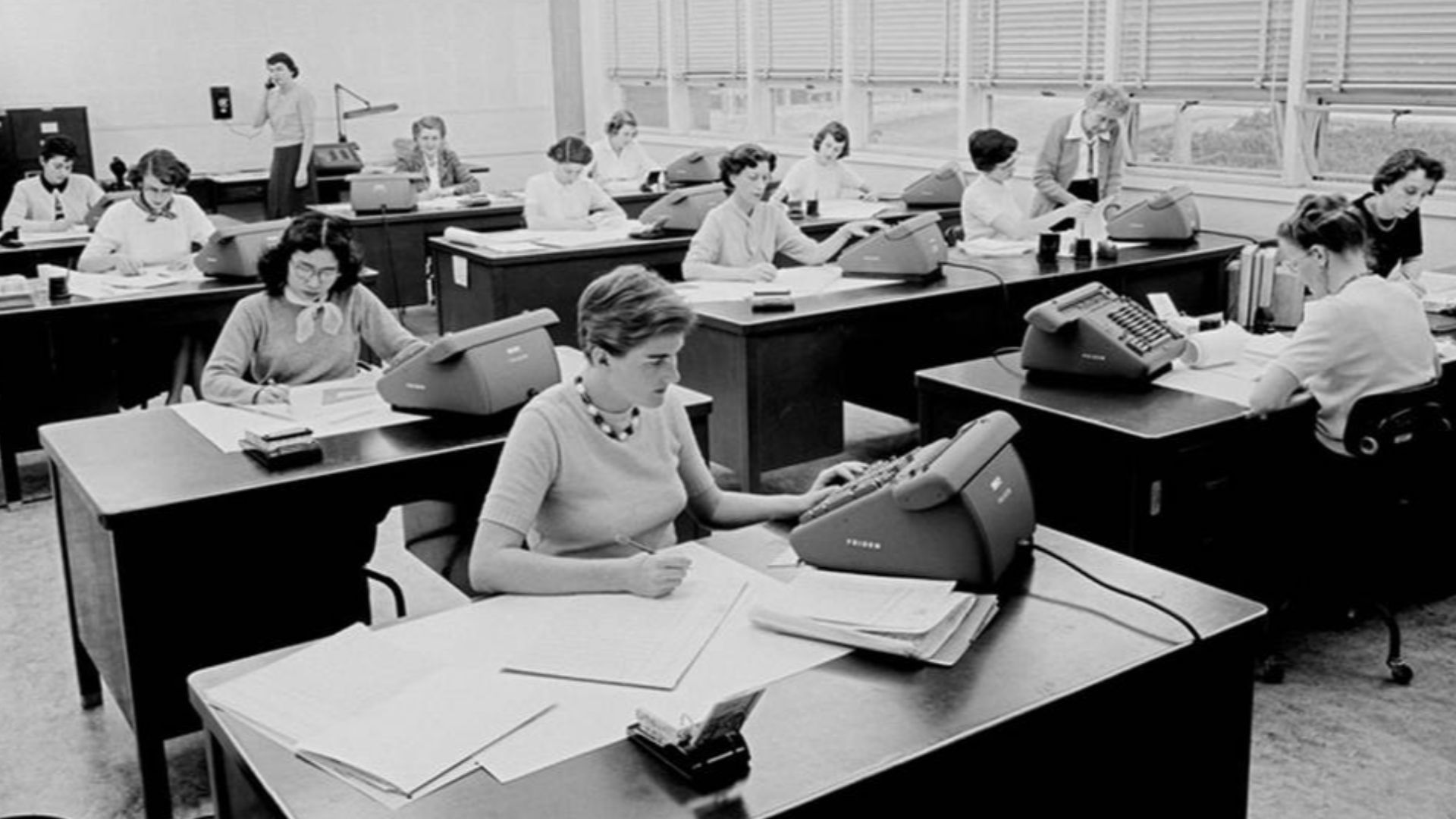
Pin Boys Reset Bowling Alleys By Hand
Before automatic pinsetting machines, bowling alleys relied on pin boys to clear fallen pins, reset them, and return balls. The work was repetitive and physical, and it put young workers close to flying pins and heavy balls until machinery changed the sport. It was one more job created by a pastime and erased by automation.
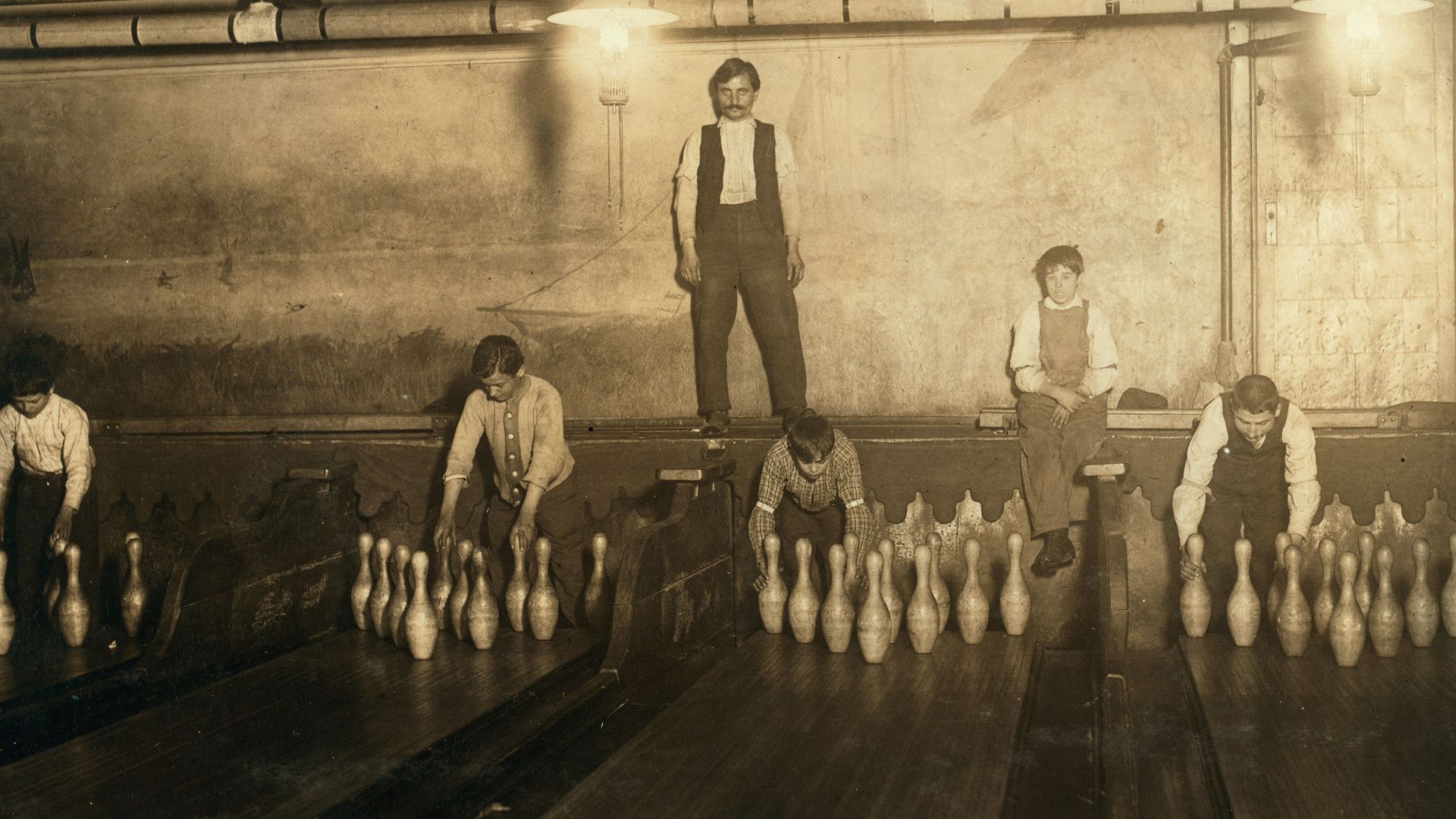 Hine, Lewis Wickes; National Child Labor Committee Collection, Wikimedia Commons
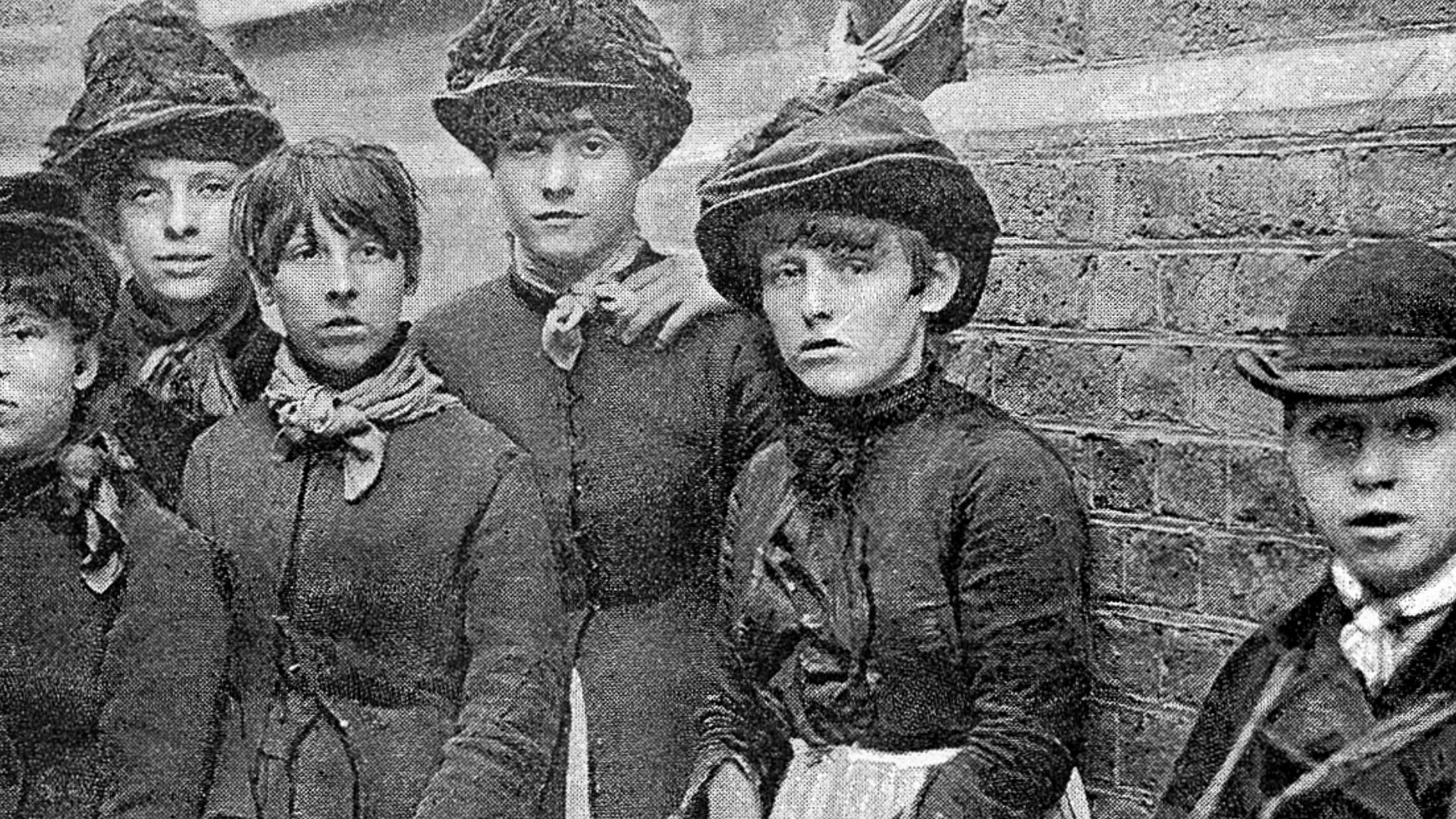
Matchgirls Faced A Toxic Workplace
Match factory workers did not just pack a household convenience; many handled white phosphorus, which could cause the terrible condition known as phossy jaw. The 1888 Matchgirls' Strike showed how workers in a dangerous trade could fight back together. Their struggle helped make a hidden industrial hazard visible to the public.
Lamplighters Kept Streets Visible After Dark
Before electric street lighting, lamplighters walked fixed routes at dusk to ignite lamps and returned later to extinguish or maintain them. Their rounds made streets safer and more usable at night, though automation and electricity gradually dimmed the trade. For generations, though, their daily routes helped shape the rhythm and safety of city nights.
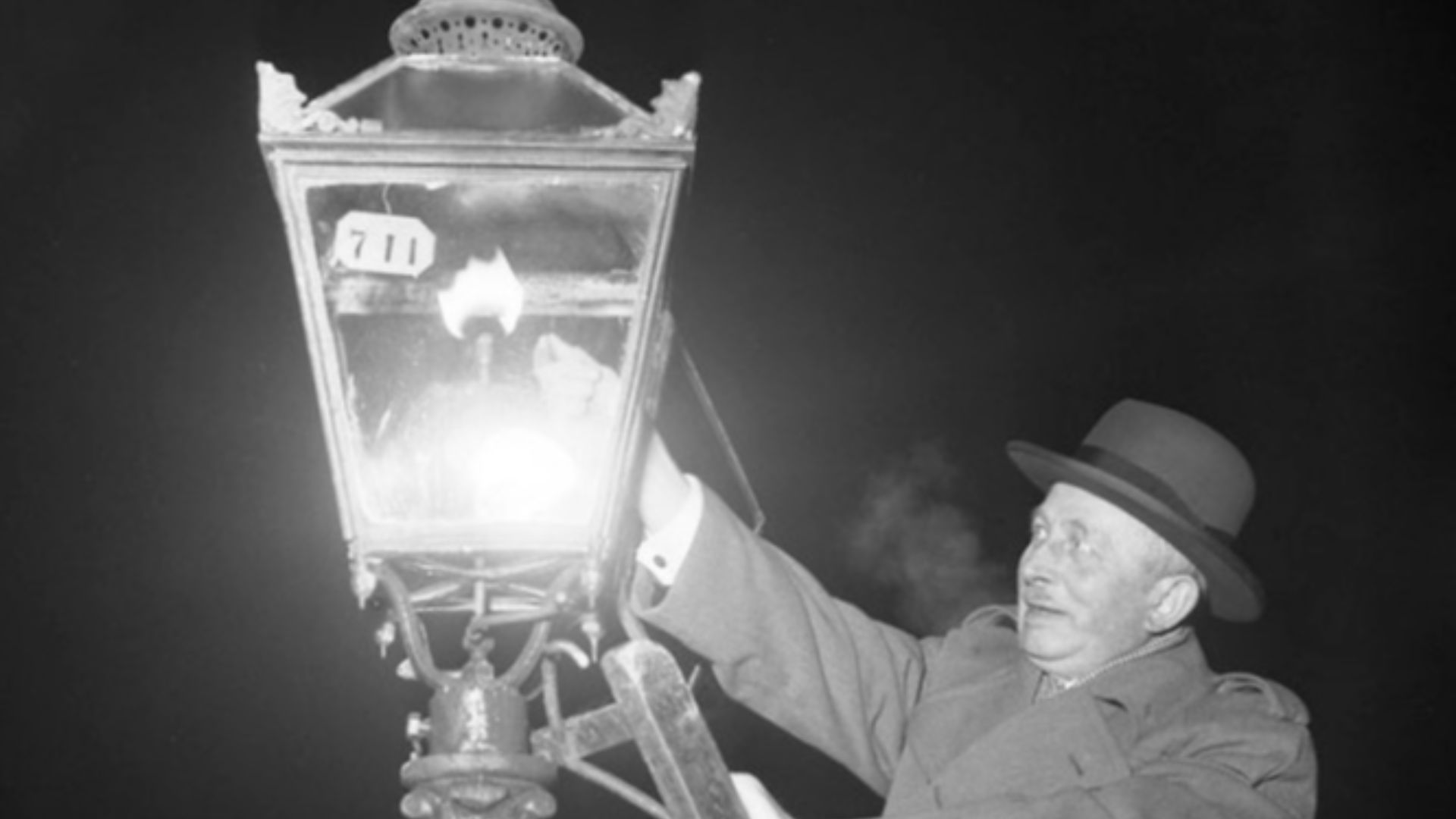 Gunnar Lanz, Wikimedia Commons
Climbing Boys Cleaned Chimneys From The Inside
Small children were once sent up narrow chimneys to scrape away soot. Sometimes called chimney sweeps or climbing boys, many were poor, orphaned, or apprenticed with little control over their lives. Public outrage over injuries and deaths eventually helped push Britain toward child labor reform. The job is a painful example of how convenience for households could come at a child's expense.
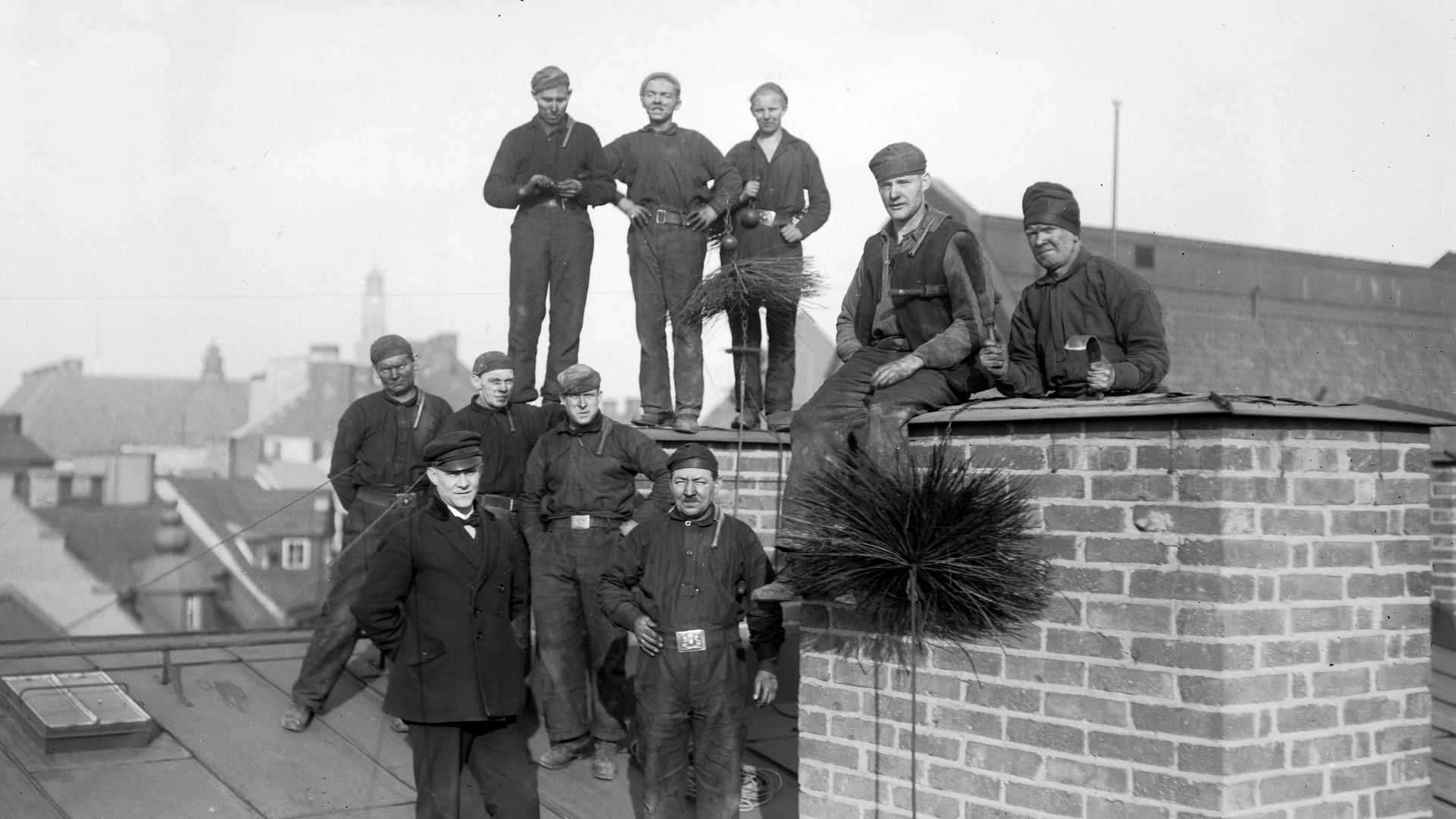 Axel Swinhufvud, Wikimedia Commons
Court Jesters Made Humor Their Profession
Court jesters entertained rulers with jokes, songs, tricks, and sharp commentary. Their unusual license sometimes allowed them to mock powerful people more freely than other courtiers could, making the job part performance, part survival, and part social pressure valve. Behind the laughter, the role required tact, timing, and a sharp instinct for danger.
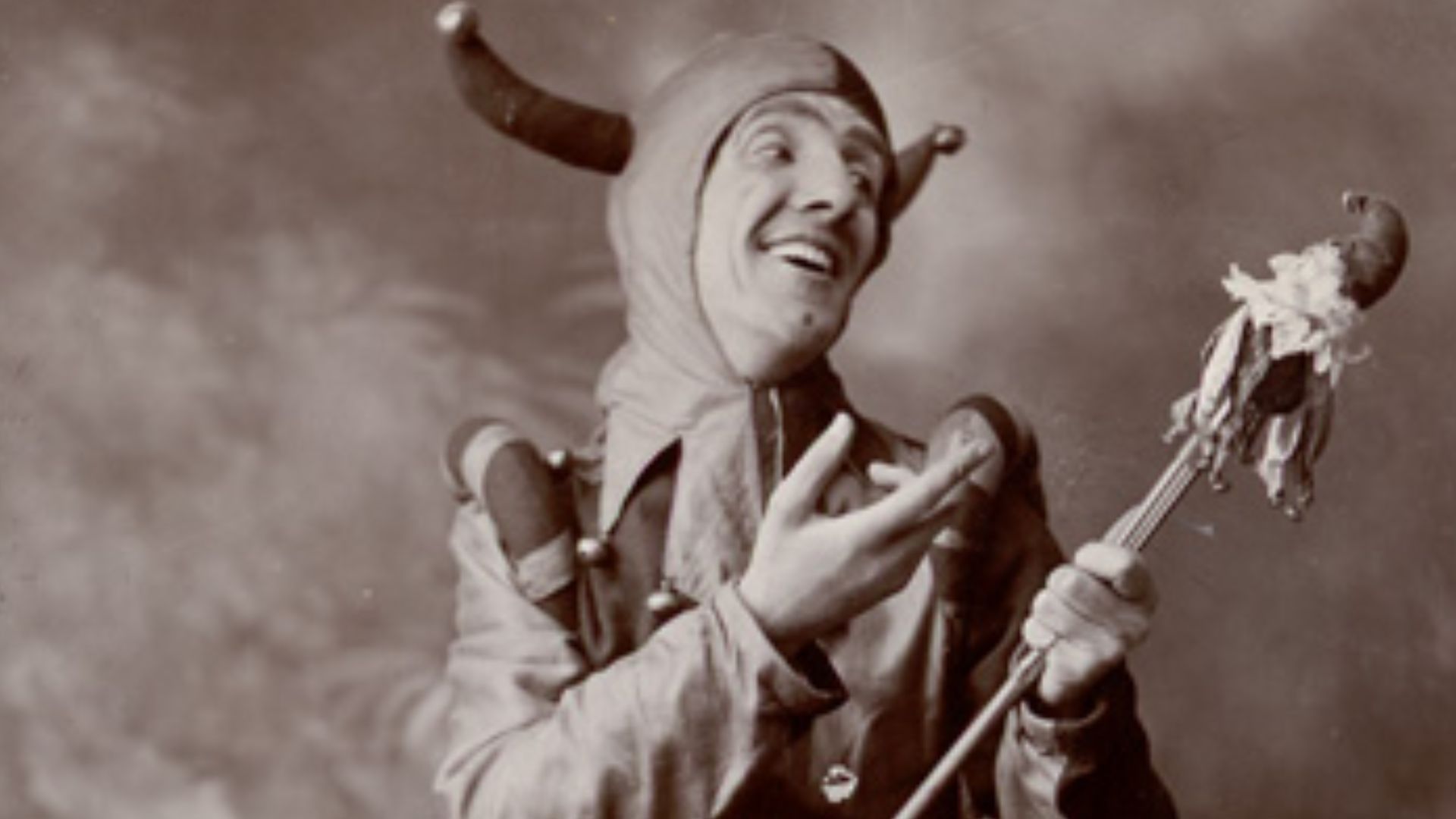 P. B. Abery, Wikimedia Commons
Gong Farmers Emptied The Filth Nobody Wanted
In Tudor England, gong farmers removed human waste from privies and cesspits, often at night because the work was so offensive to the public. It was necessary sanitation labor, but it exposed workers to foul conditions, dangerous fumes, and social disgust. Their work was unpleasant, but cities could not function without someone handling waste.
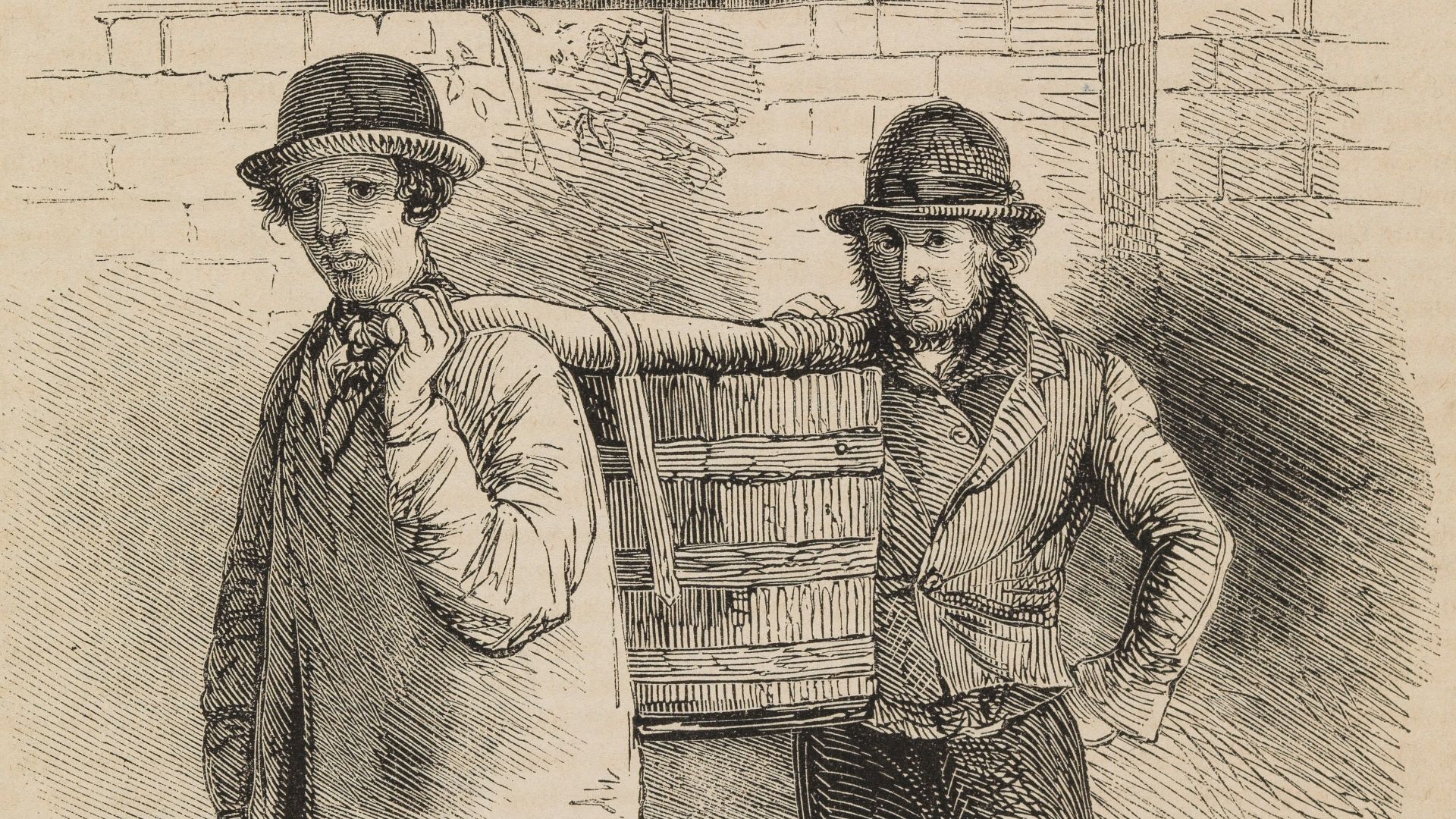
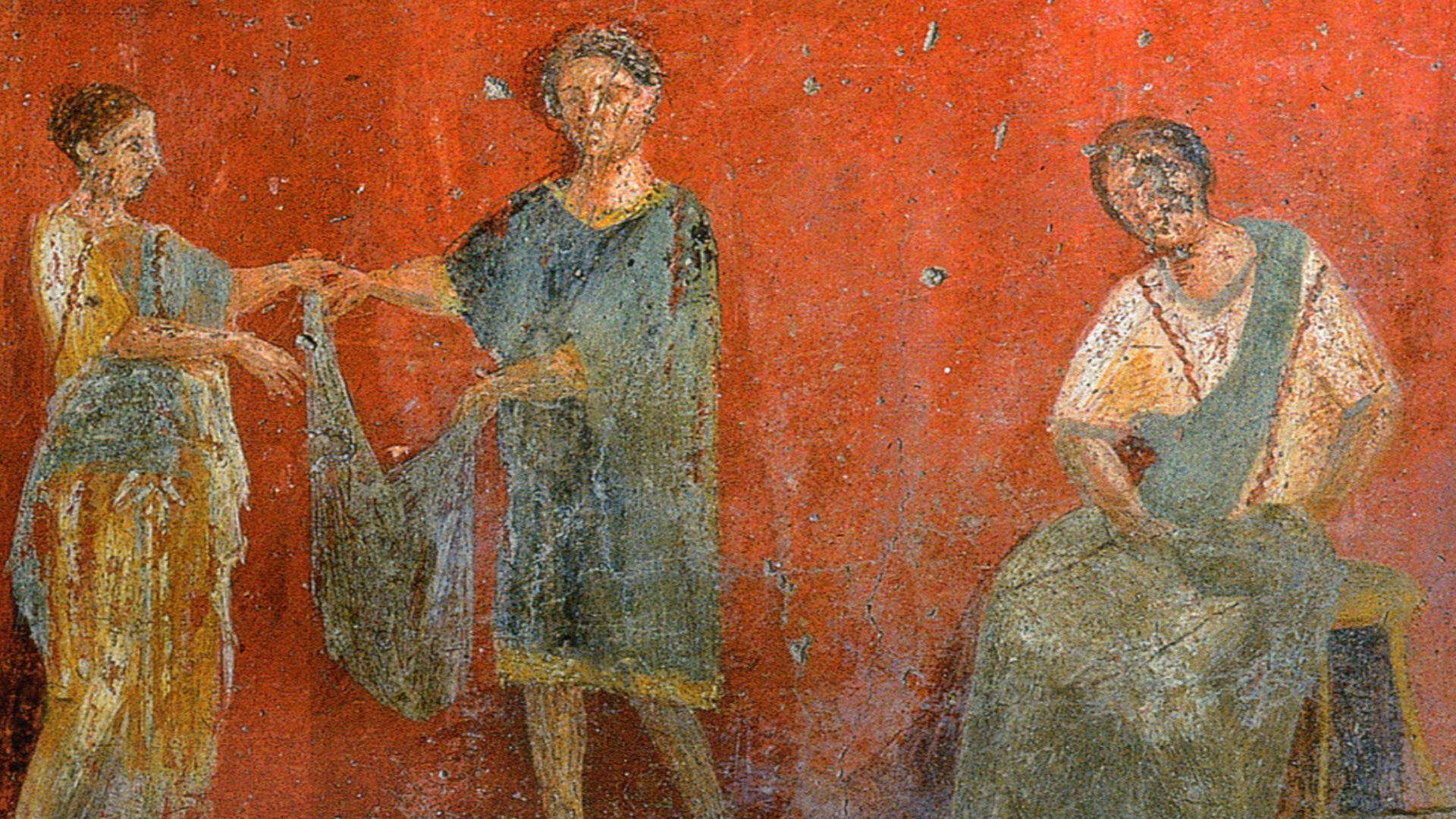
Roman Fullers Made Laundry A Smelly Business
Ancient Roman fullers cleaned and finished cloth, using substances that included stale urine because its ammonia helped remove grease. Their workshops may sound revolting now, but they supplied a major urban service and could be financially successful. Even a smelly trade could be central to clothing, commerce, and daily cleanliness.
 WolfgangRieger, Wikimedia Commons
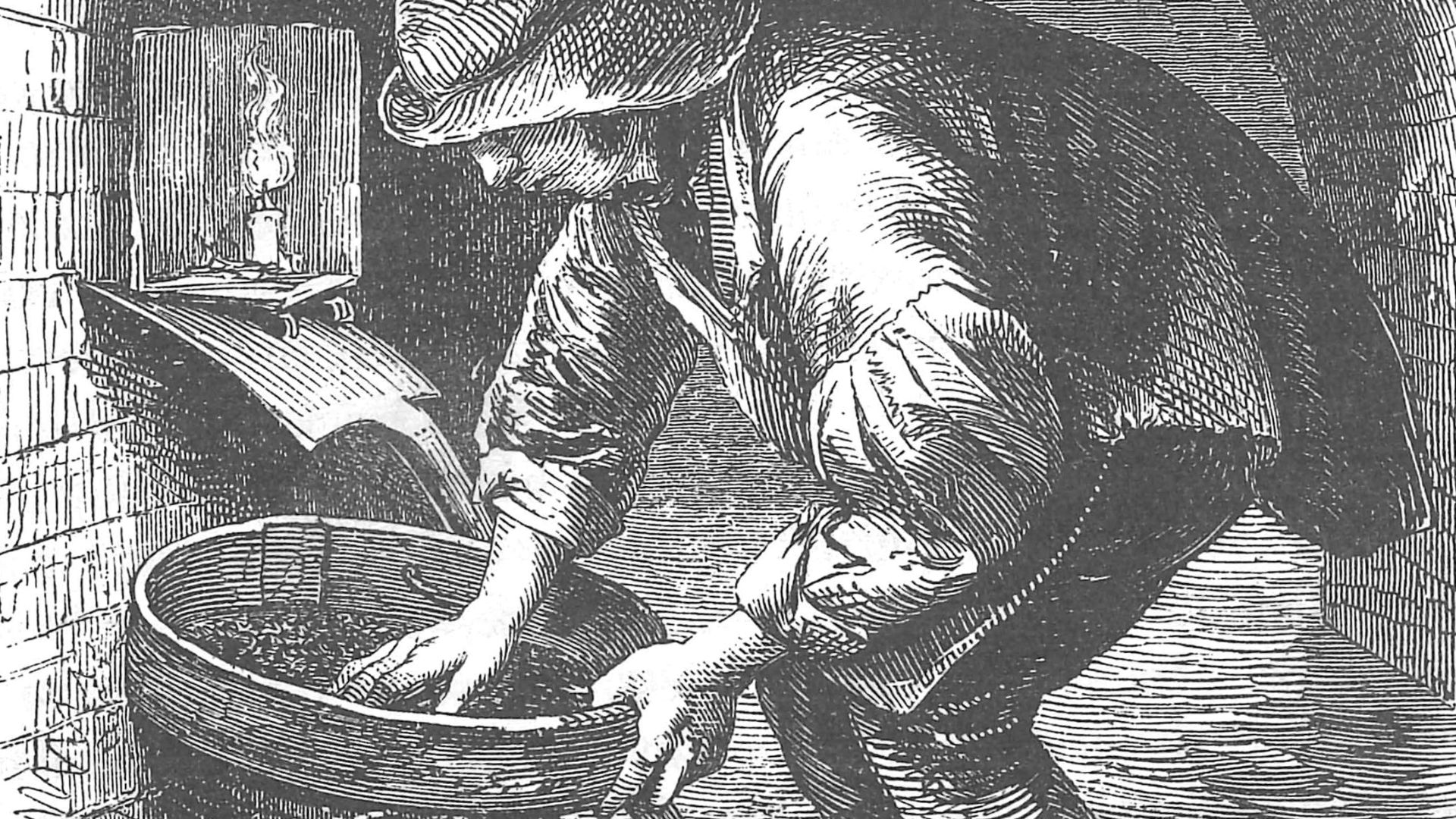
Toshers Searched Sewers For Treasure
Toshers scavenged London's sewers for coins, metal, rope, and anything else worth selling. The job was illegal in some periods and obviously dangerous, but for people with few options, the sewers could become a hidden economy beneath the city. It was survival work carried out in places most Londoners preferred not to imagine.
 Unknown authorUnknown author, Wikimedia Commons
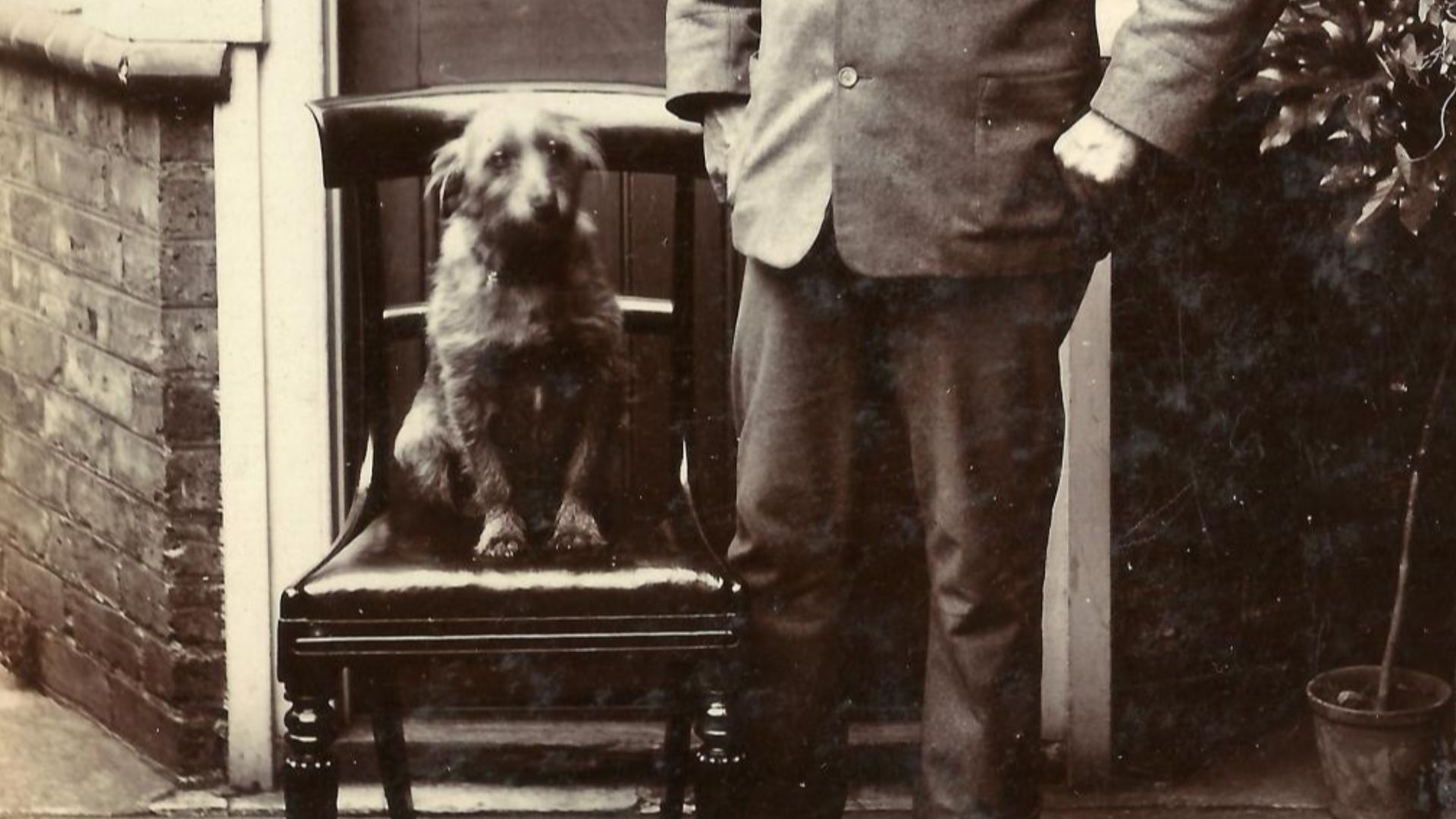
Pure-Finders Collected Dog Dung For Tanneries
Victorian pure-finders gathered dog dung from streets and sold it to tanneries, where it was used in leather processing. The name sounded delicate, but the work was grim, and it shows how even waste became part of the economy of books, gloves, and shoes. The trade connected street poverty to luxury goods in an uncomfortable way.
 whatsthatpicture from Hanwell, London, UK, Wikimedia Commons
Link-Boys Lit The Way Home
Before gas lighting spread, people in London could hire link-boys to carry flaming torches through dark streets. The work helped customers get home, but it also placed poor boys in nighttime spaces where danger, suspicion, and petty crime were never far away. In a city before reliable public lighting, even getting home could become a paid service.
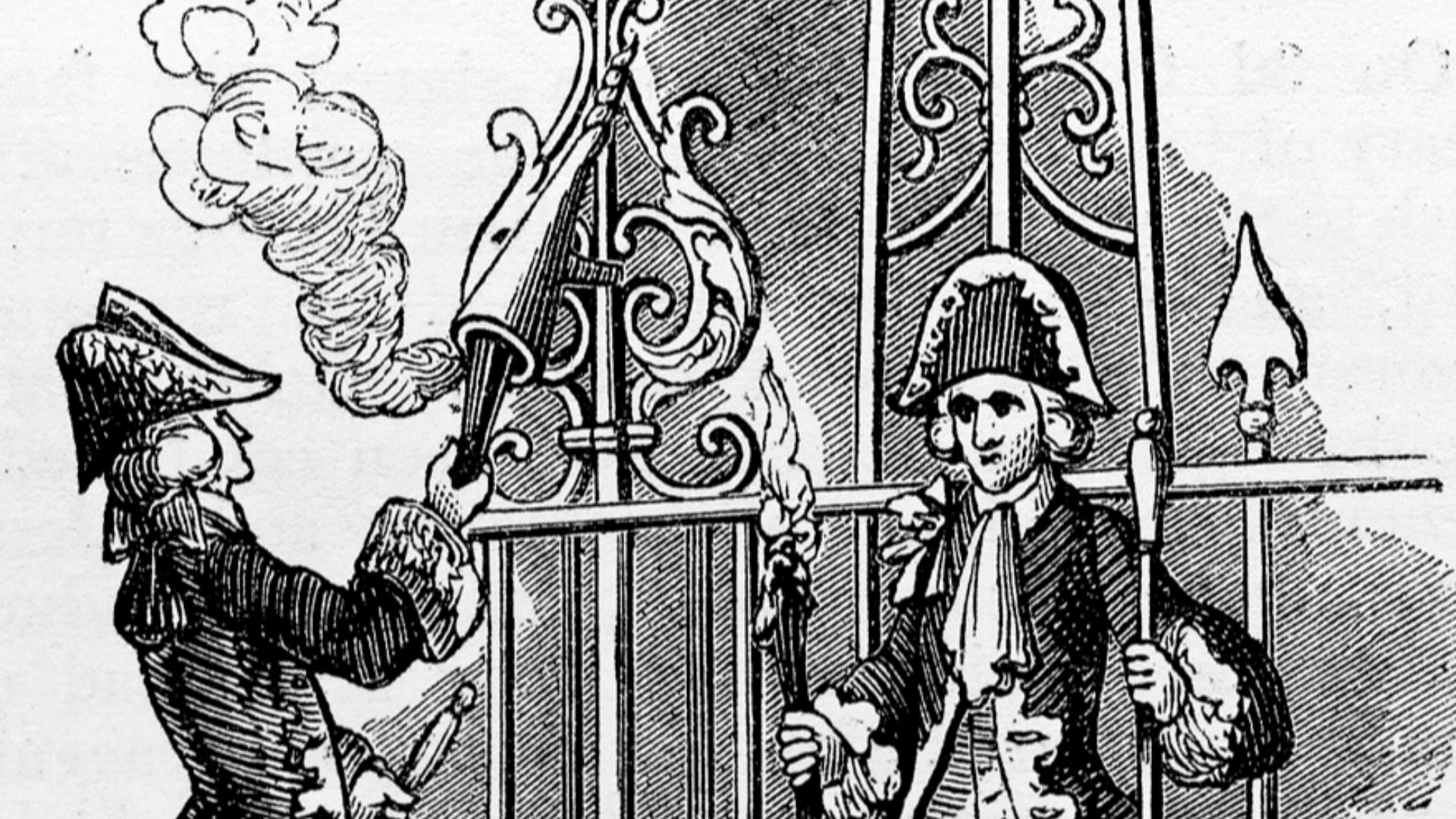 unknown engraver, Wikimedia Commons
Log Drivers Rode Timber Downriver
Log drivers guided floating timber down rivers before trucks and railways became dominant. They balanced on shifting logs, broke jams, and worked in cold, fast water. The job could look graceful from shore, but one slip could be catastrophic. The job turned rivers into highways and required nerve as much as strength.
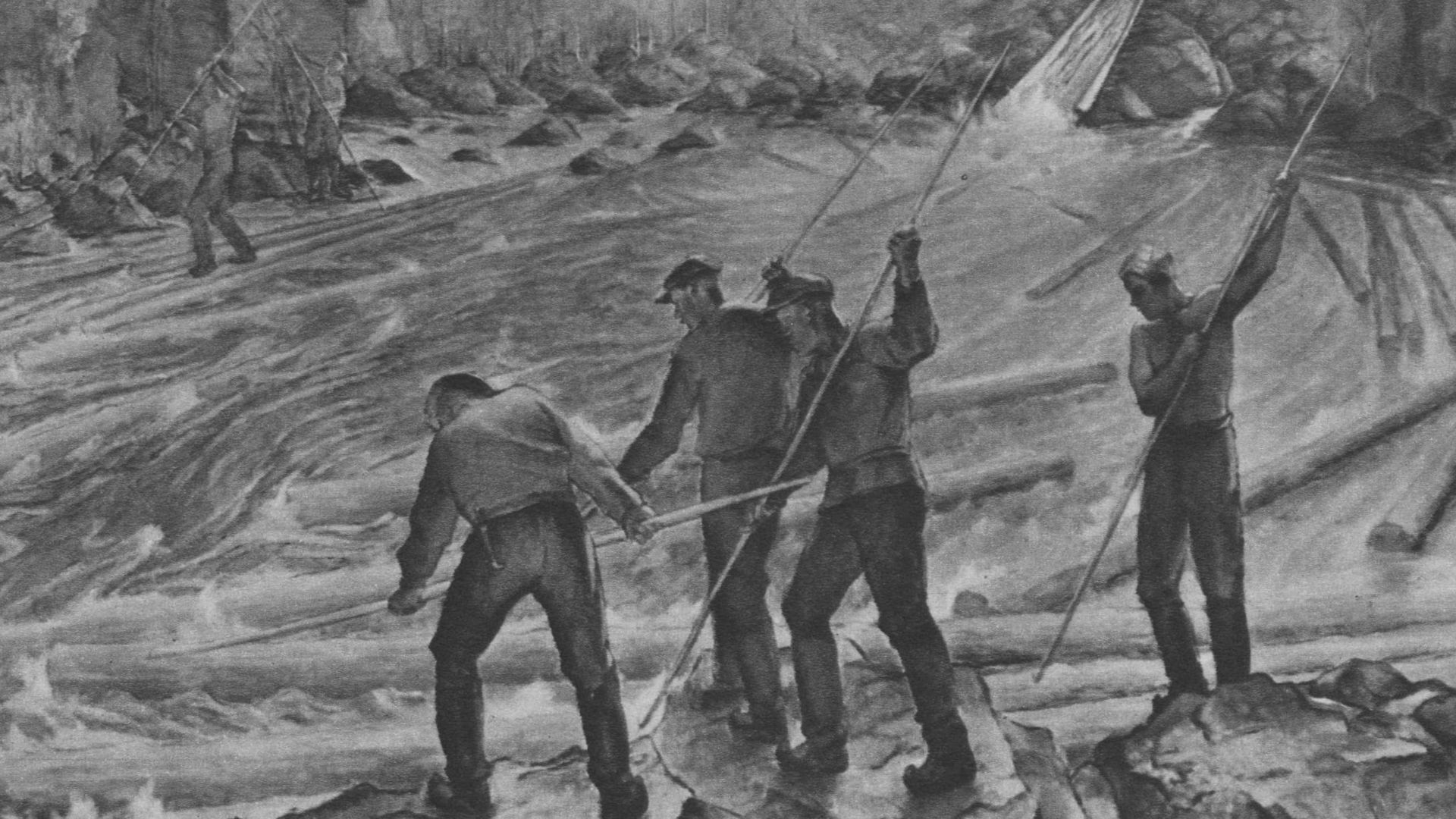 Alvar Cawén, Wikimedia Commons
Professional Mourners Performed Public Grief
In ancient Rome, hired women known as praeficae helped lead funeral lamentation, wailing, and song. Their work may seem theatrical now, but public grief mattered deeply in societies where funerals displayed status, memory, and communal duty. Grief, in this setting, was both emotion and labor performed for an audience.
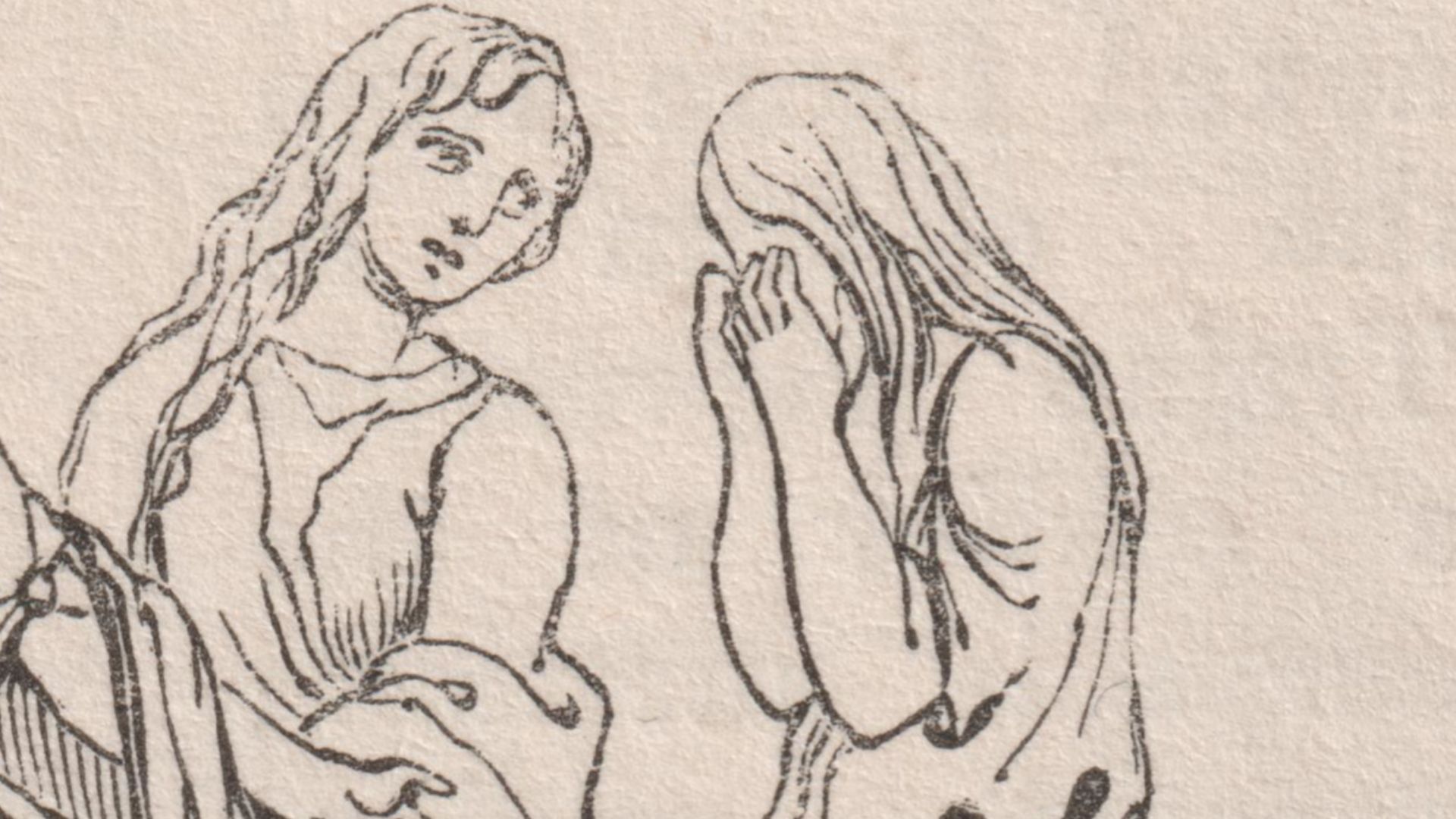 AnonymousUnknown author, Wikimedia Commons
Cigar Factory Lectors Read For A Living
In cigar factories, lectors sat on raised platforms and read newspapers, novels, and political writing aloud while workers rolled cigars. Paid by the workers themselves, they turned a repetitive workplace into a shared classroom, newsroom, and cultural space. The job shows how workers built education and solidarity into the working day.
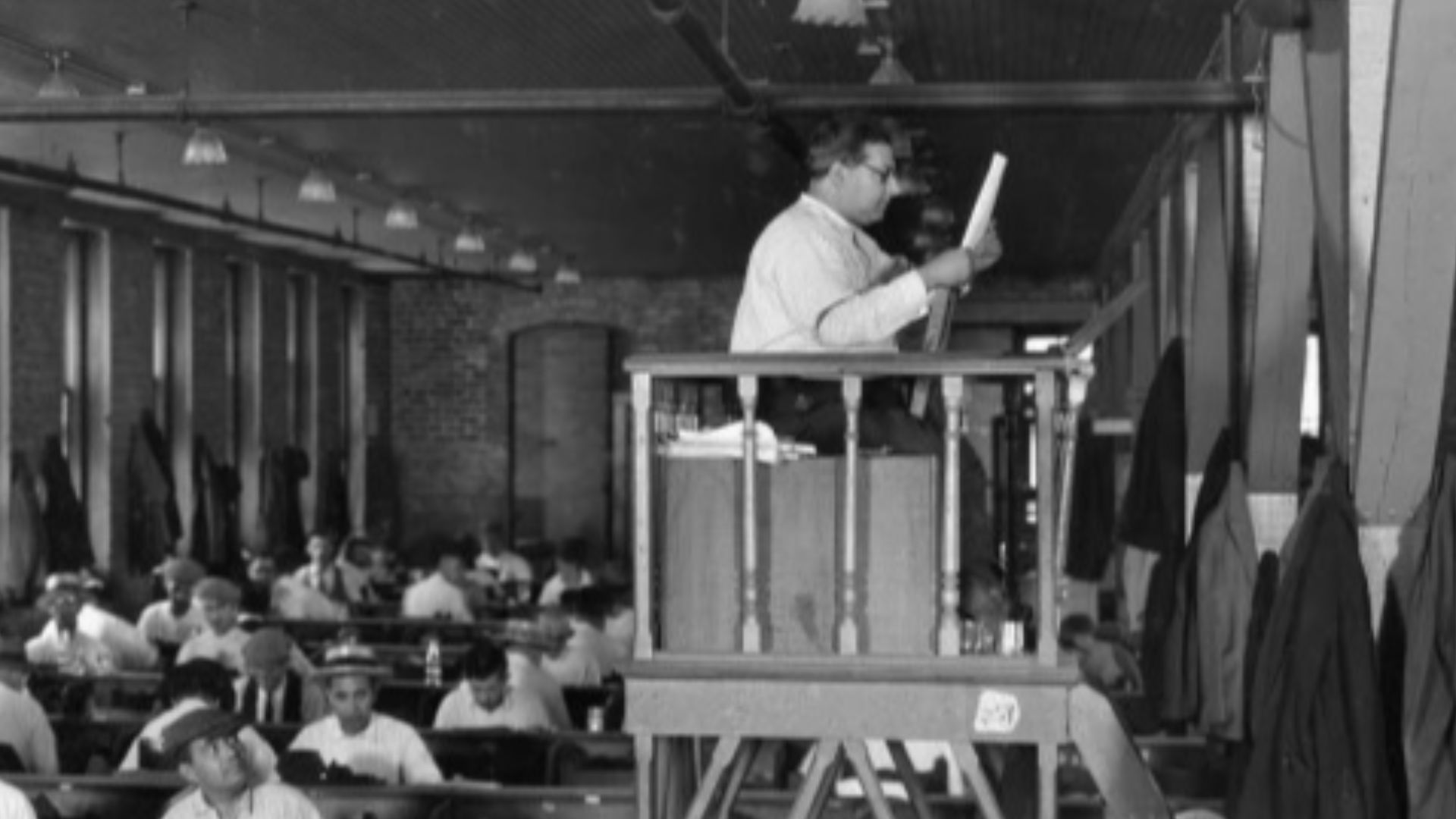 Burgert Brothers. Burgert's Studio - Tampa, Florida, Wikimedia Commons
Phrenologists Sold Personality Readings From Skulls
In the nineteenth century, phrenologists claimed they could read character by measuring bumps on a person's skull. The practice was later discredited, but for a time it supported lectures, consultations, charts, and businesses built on shaky science. It is a useful reminder that a confident profession is not always a truthful one.
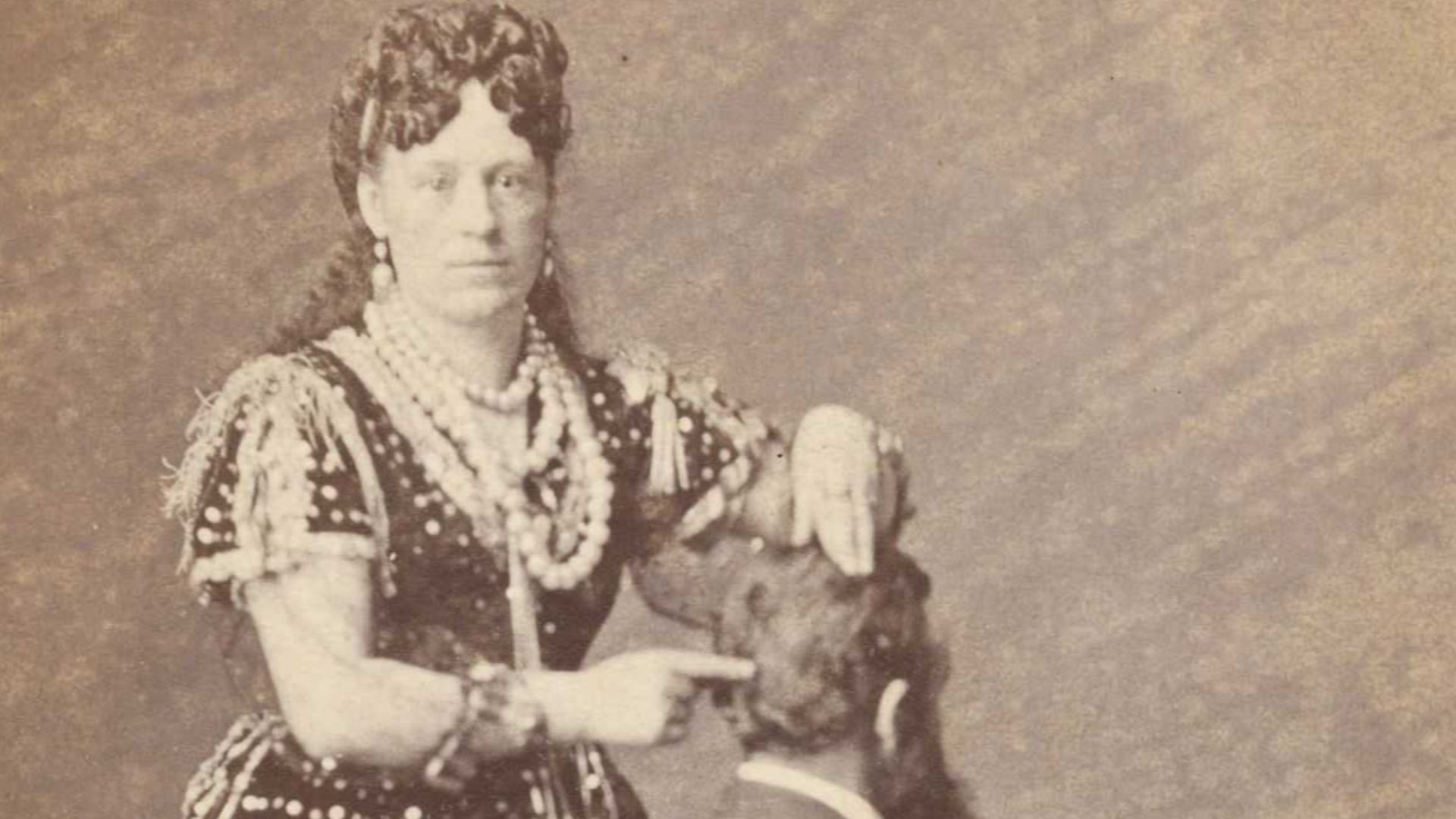 James E Bray, Wikimedia Commons
Powder Monkeys Carried Gunpowder In Battle
On warships, powder monkeys or powder boys carried gunpowder from the magazine to the guns. Their small size made them useful in cramped decks, but the work placed children near explosions, smoke, noise, and the terrifying machinery of naval war. Their youth makes the job especially unsettling to read about today.
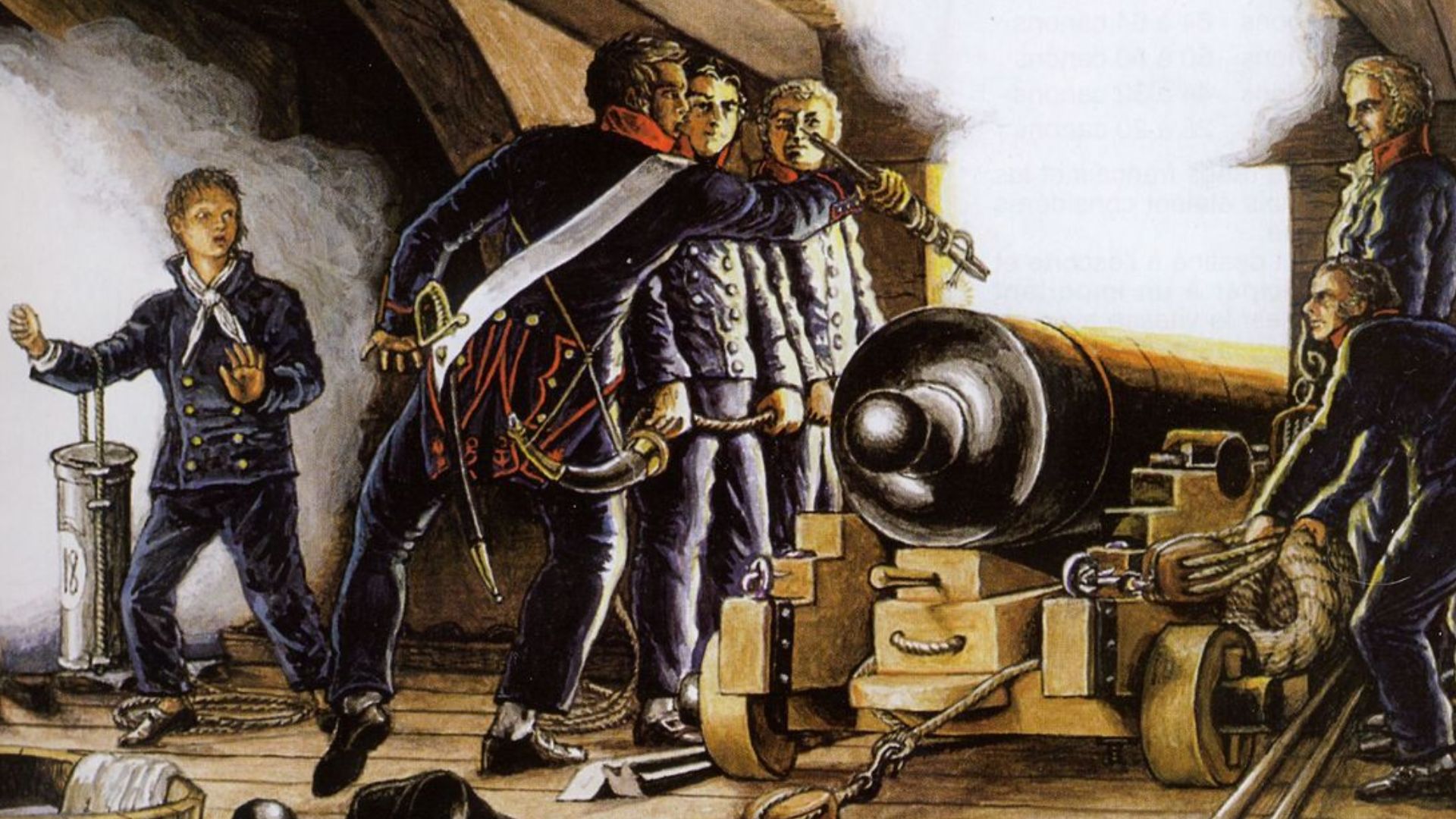 Louis-Philippe Crépin, Wikimedia Commons
What These Jobs Reveal
These occupations may feel strange from a modern perspective, but each one answered a real need: waking workers, managing waste, lighting streets, supplying medicine, moving goods, or providing ritual comfort. They also show how much work is shaped by technology, law, class, and danger.
When those forces change, entire ways of making a living can disappear almost overnight.
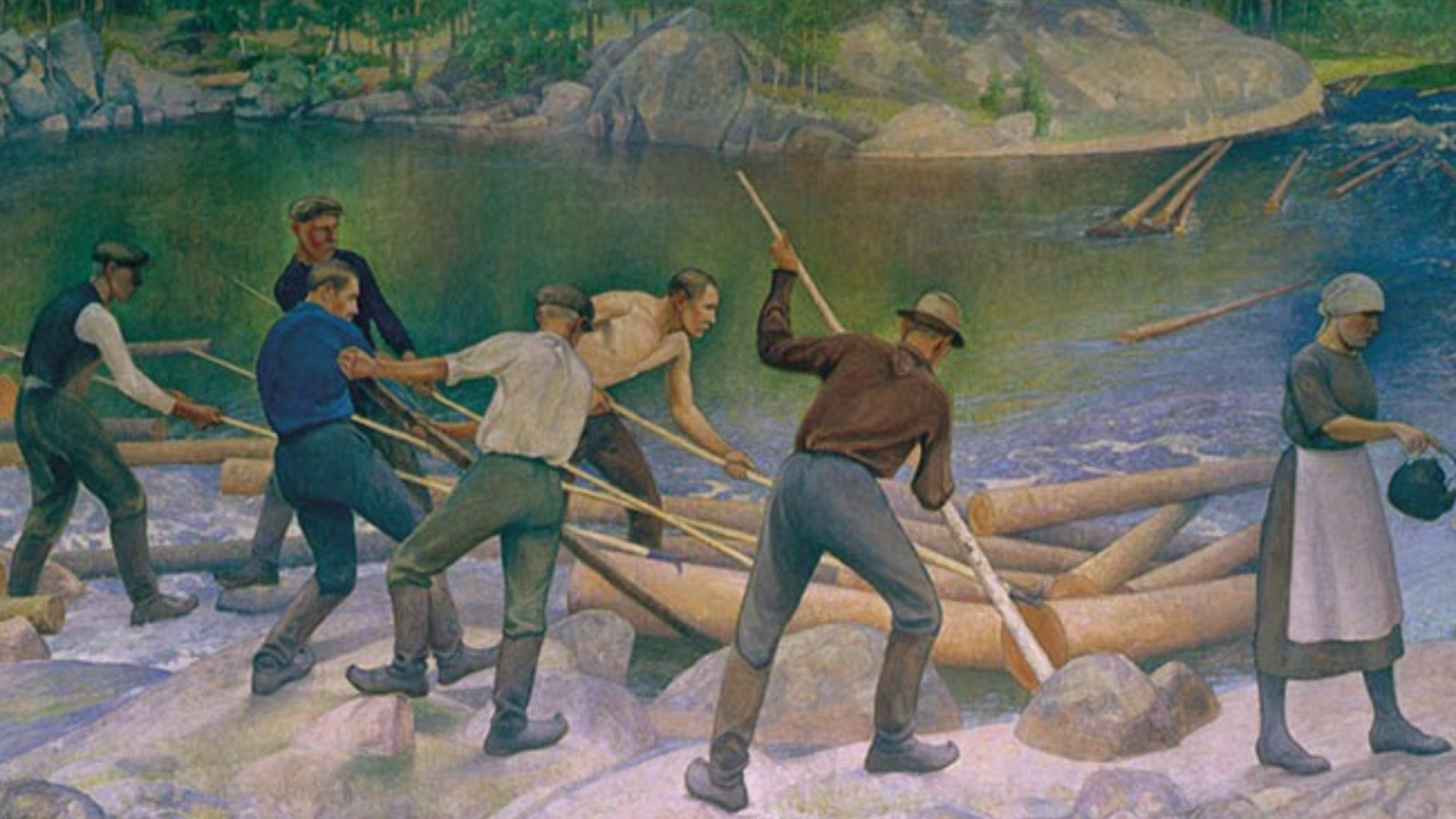 Pekka Halonen, Wikimedia Commons
You May Also Like:
42 Slick Facts About The Rat Pack
Riveting Facts About The World’s Most Iconic Buildings
Historical Predictions That Sounded Ridiculous At The Time—But Turned Out To Be Correct
Sources: 1, 2, 3, 4, 5, 6, 7, 8, 9, 10, 11, 12, 13, 14, 15, 16, 17, 18, 19, 20, 21, 22, 23, 24, 25, 26, 27, 28, 29, 30, 31, 32, 33, 34, 35, 36, 37, 38, 39, 40, 41, 42, 43, 44, 45, 46, 47, 48, 49, 50, 51, 52, 53, 54, 55, 56, 57, 58, 59, 60, 61, 62, 63, 64, 65, 66,