A Very Different Jesus Story
You’ve heard about the manger, the miracles, and the crowds that followed him. But what happened in between? Ask what Jesus was doing before his public ministry, and the familiar story suddenly gets very quiet. People have spent centuries trying to figure out those 18 missing years.
The Last Detailed Childhood Scene
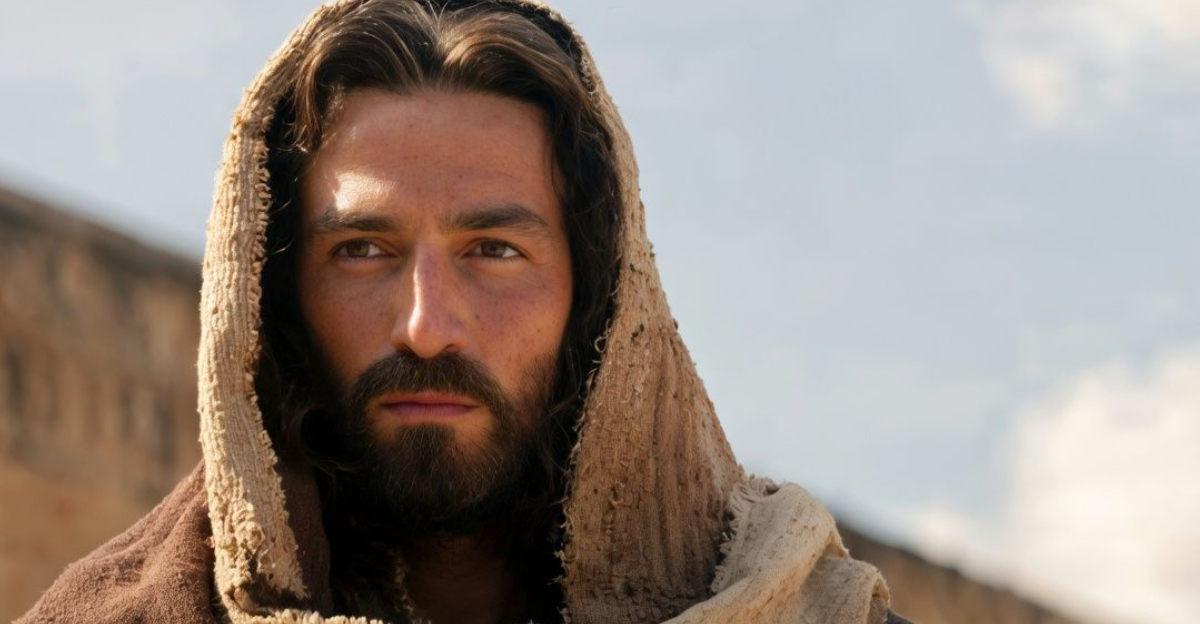
In Luke’s Gospel, Jesus is 12 when he travels with his family to Jerusalem for Passover. Afterward, his parents discover he isn’t with their group. They eventually find him in the Temple, listening to teachers, asking questions, and impressing people with his understanding.
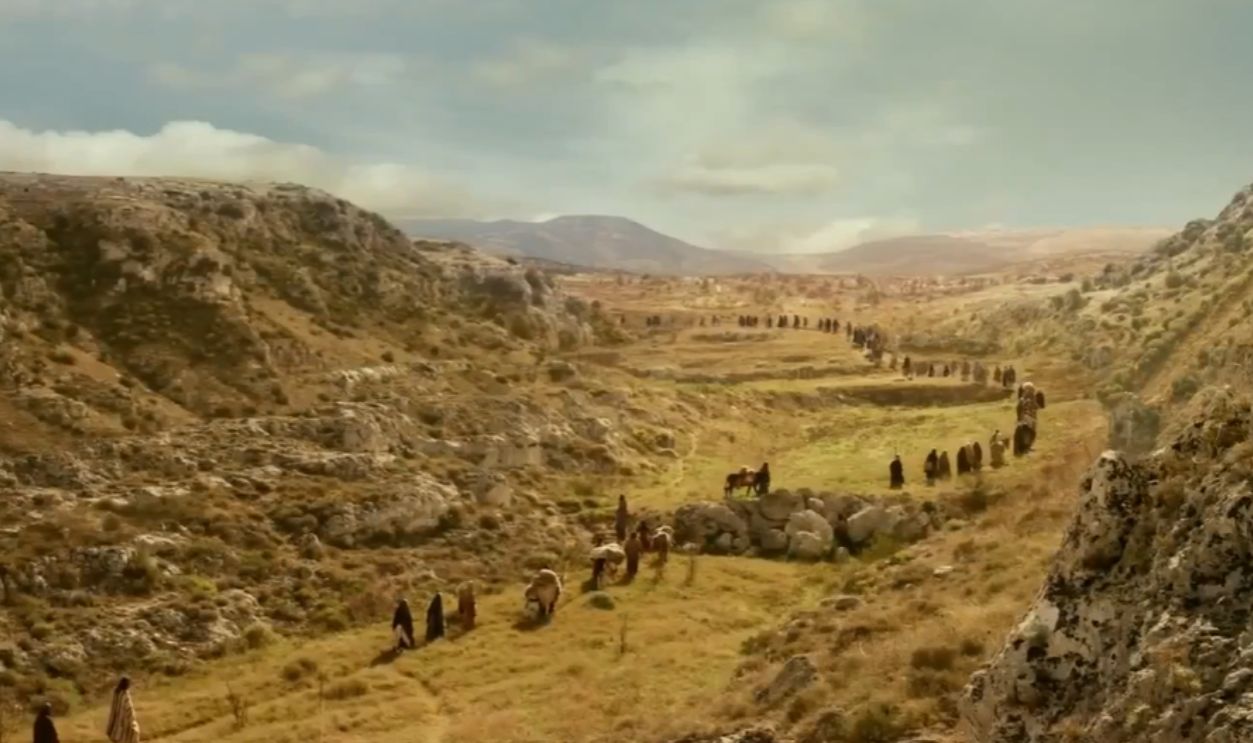 Screenshot from The Young Messiah, NBCUniversal (2016)
Then His Story Suddenly Speeds Up
Jesus returns to Nazareth with his parents. Luke says he obeys them and grows “in wisdom and stature.” That’s a remarkably short update for such an important life. His teenage years and early adulthood receive no detailed account of their own.
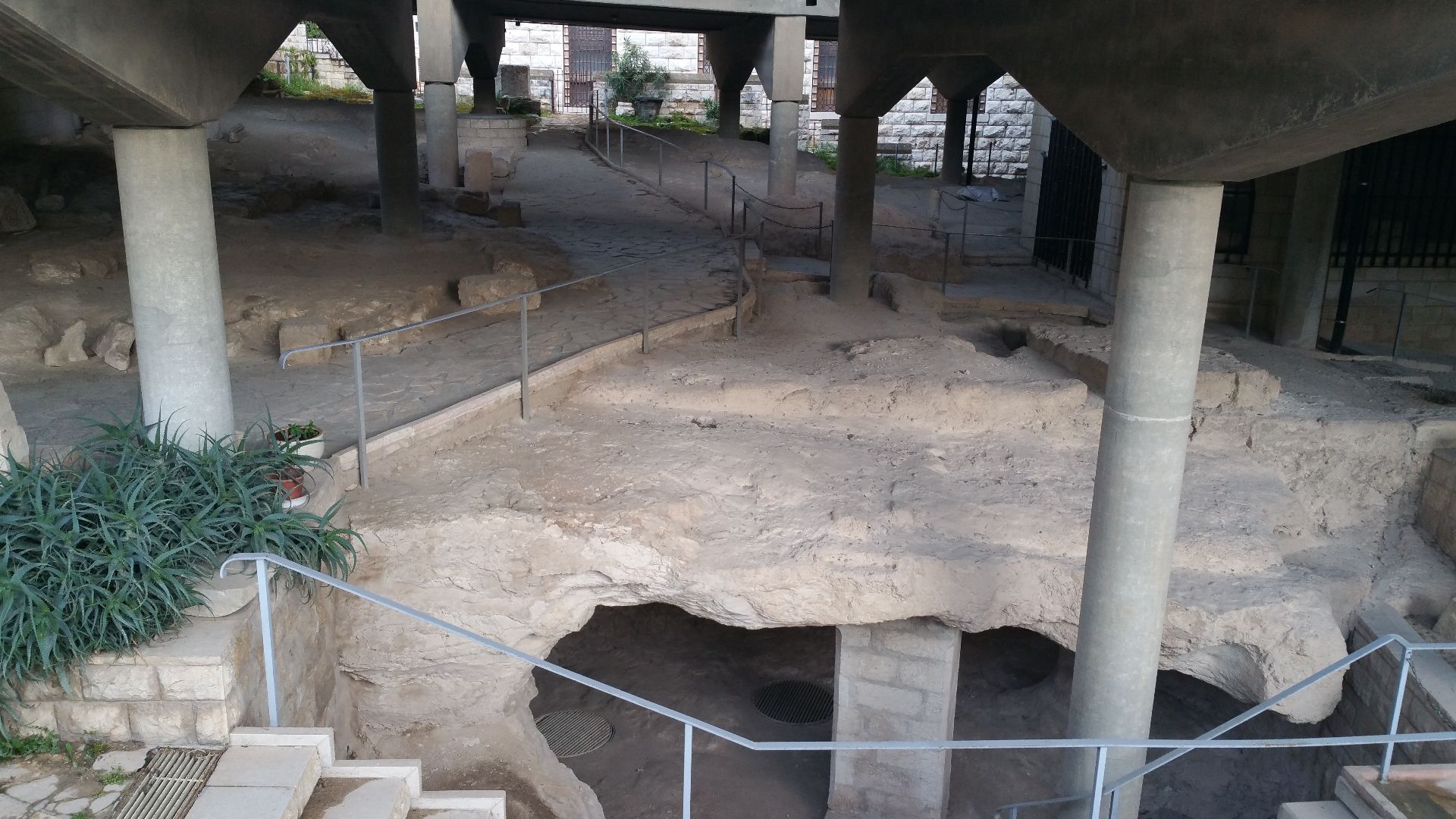 Konrad Summers from Santa Clarita (Valencia) , California, USA, Wikimedia Commons
The Next Age We Get Is About 30
When Luke introduces the beginning of Jesus’ ministry, he describes him as “about thirty years old.” That leaves roughly 18 years between the Temple visit and his public career. Where was he living? Who taught him? What happened during the years that shaped him?
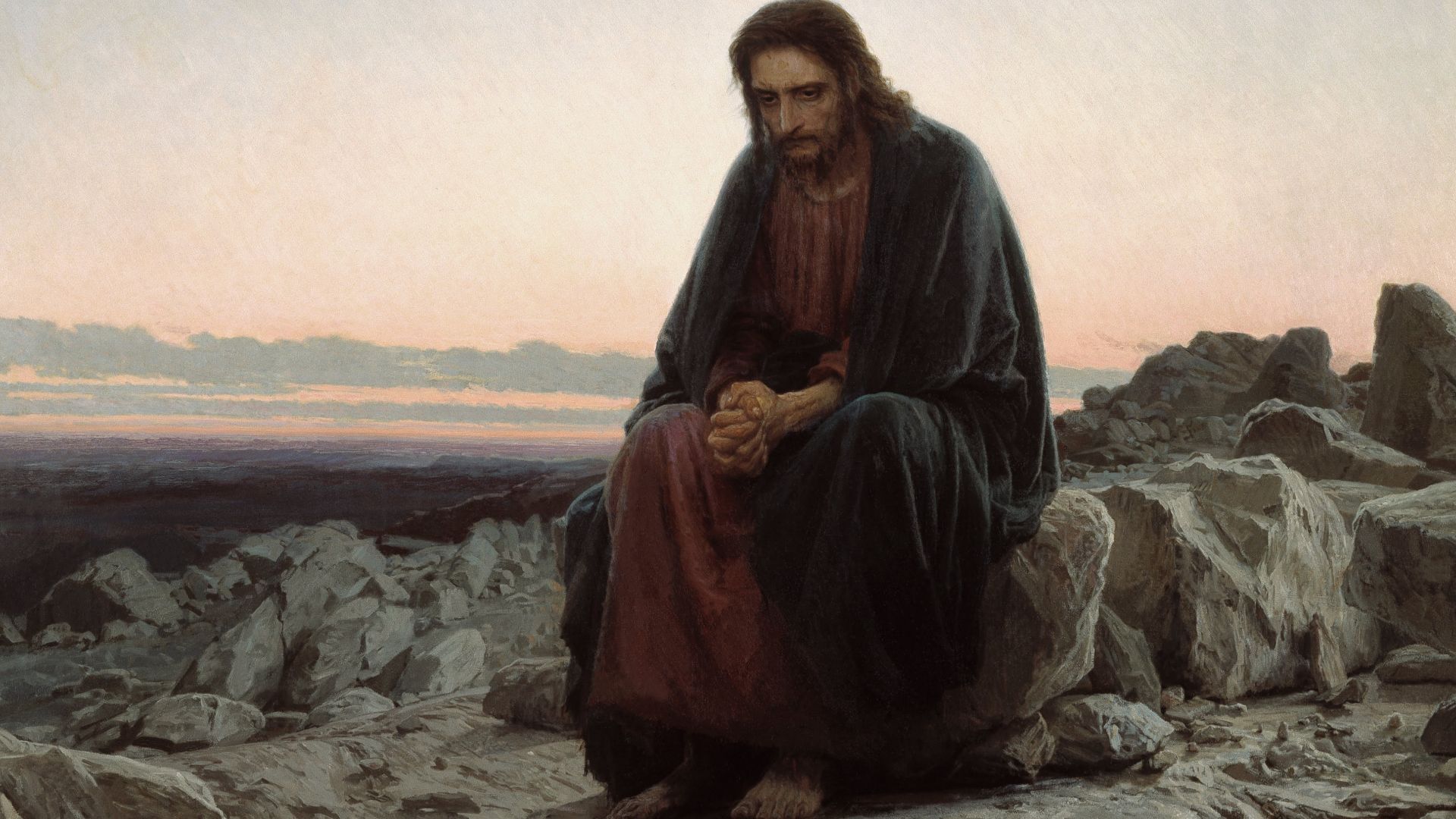 Ivan Kramskoi, Wikimedia Commons
John The Baptist Provides A Real Connection
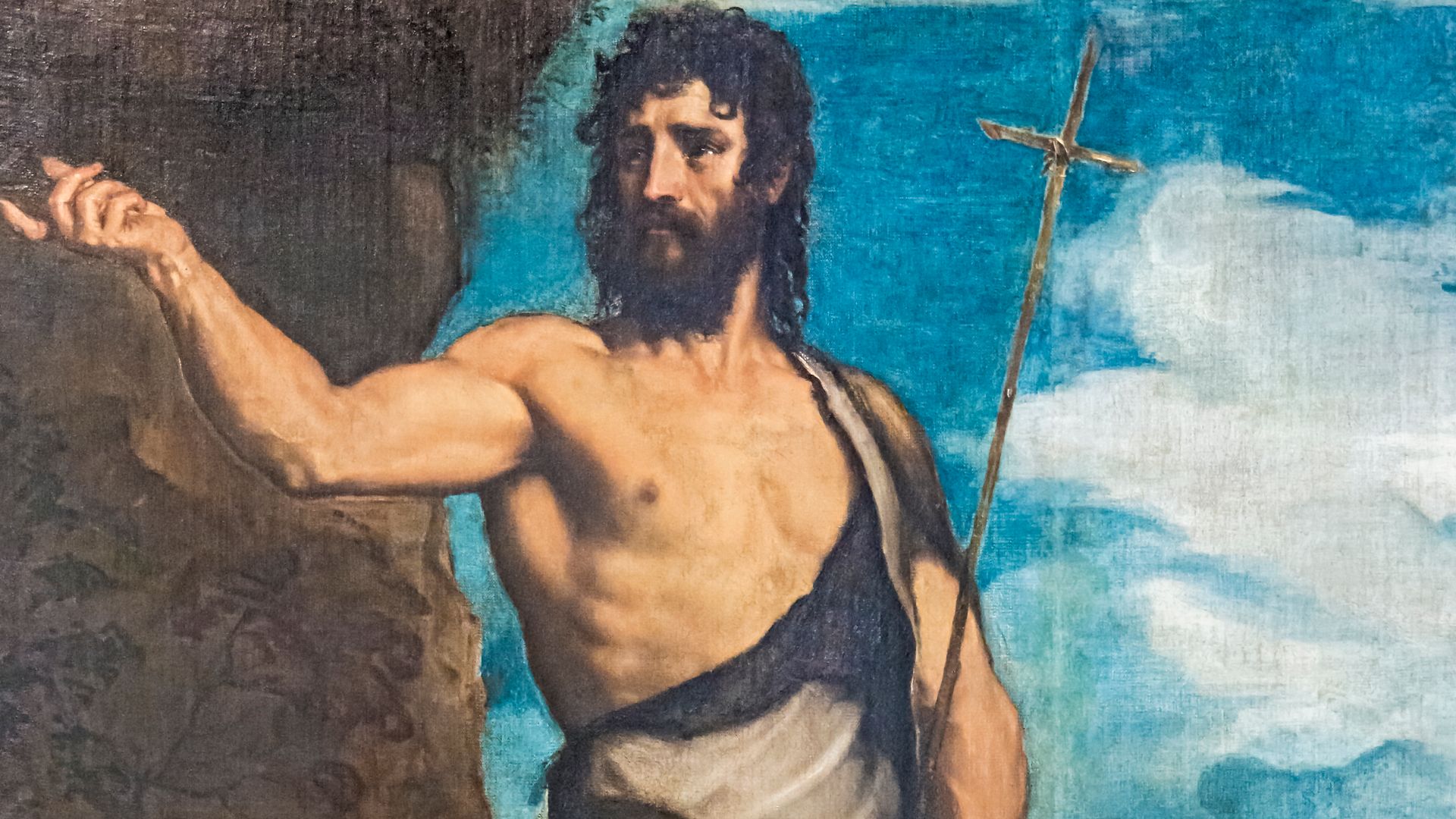
Mark says Jesus came from Nazareth in Galilee to be baptized by John in the Jordan. That gives us a named person and a place at the end of the gap. It doesn’t explain the preceding years, but it’s an important piece of the story.
His Neighbors Leave Another Important Clue
Mark provides a detail that’s easy to overlook. When Jesus teaches in his hometown, people ask, “Isn’t this the carpenter?” They recognize someone with a familiar occupation. That gives us a reasonable starting point: before the crowds and preaching, there was probably a working life.
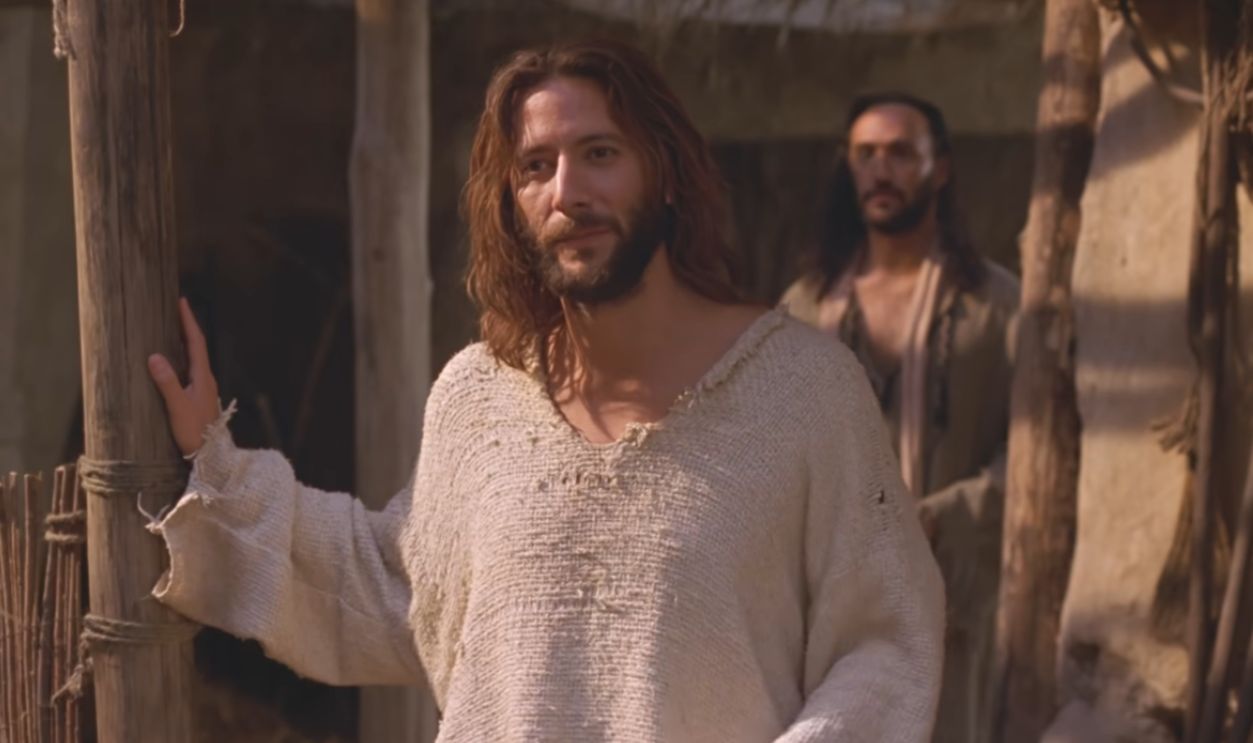 Screenshot from The Gospel of John, Visual Bible International (2003)
The Work May Have Included Farm Equipment
The Greek word tekton commonly meant a carpenter, although it could cover other crafts. Second-century Christian writer Justin Martyr described Jesus making ploughs and yokes. That’s a later tradition, not an eyewitness work record, but it gives us a more practical picture than someone simply making household furniture.

A Nearby City Offers One Possibility
Sepphoris stood less than four miles from Nazareth and underwent major development under Herod Antipas. Scholar Richard Batey suggested that its building activity could have provided work for Jesus and Joseph. It’s a plausible connection, although no surviving record confirms Jesus worked there.
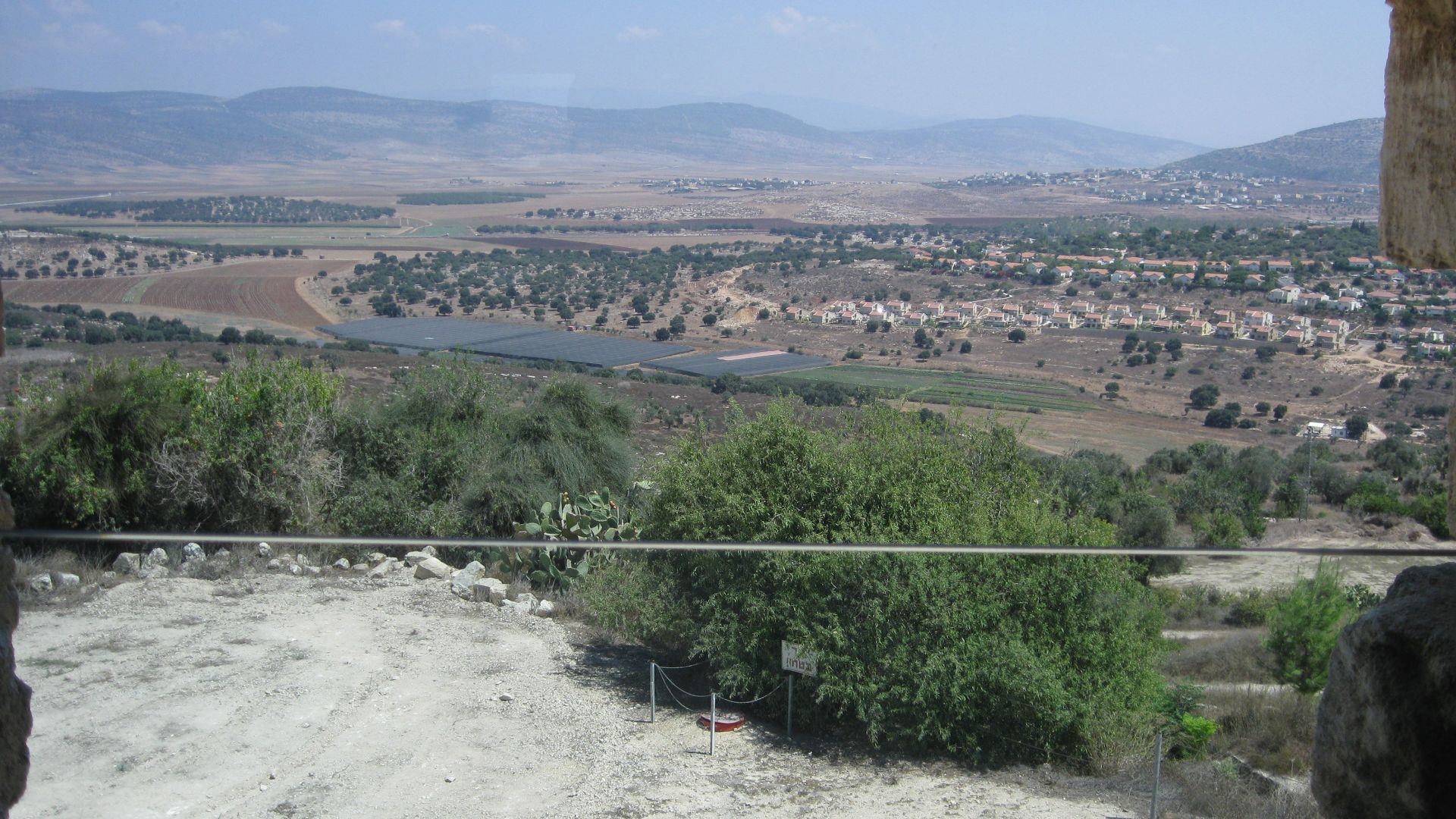
Others Think He Had Religious Training
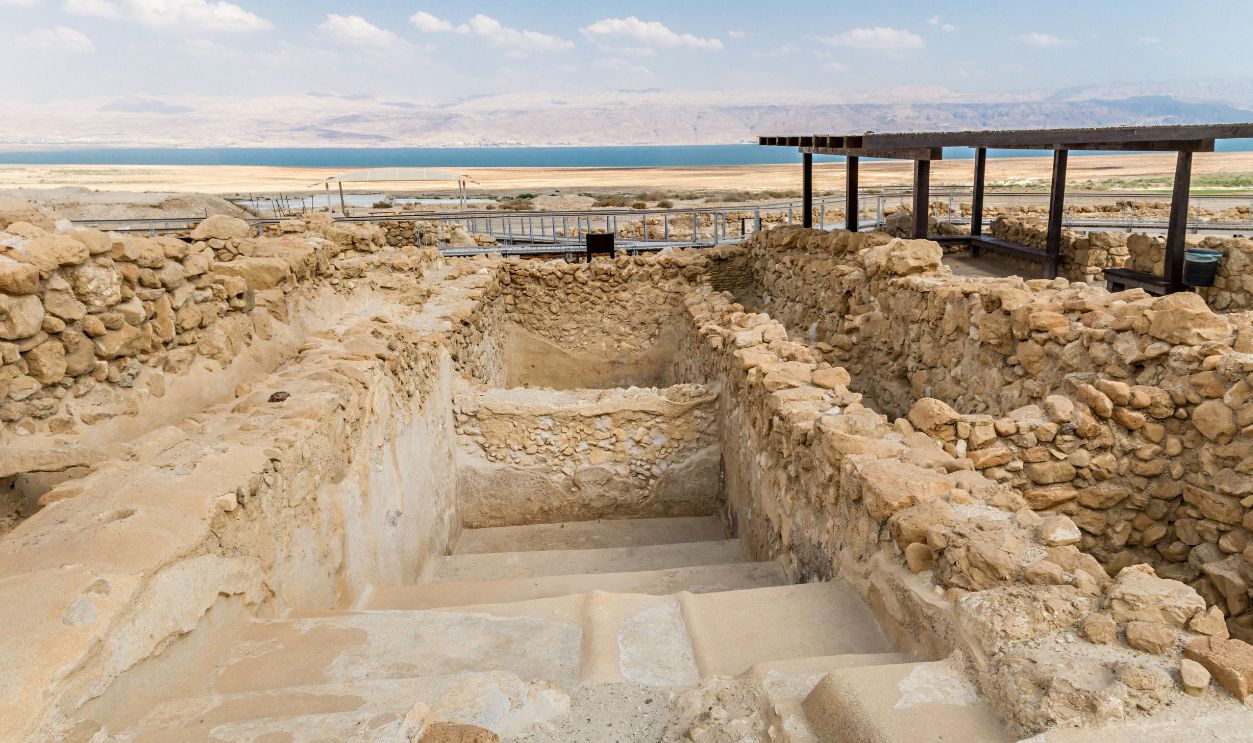
Another theory connects Jesus with the Essenes, a Jewish religious movement often associated with the community at Qumran and the Dead Sea Scrolls. Some writers have suggested that his missing years included training among them. That would give his later teaching a much more specific backstory.
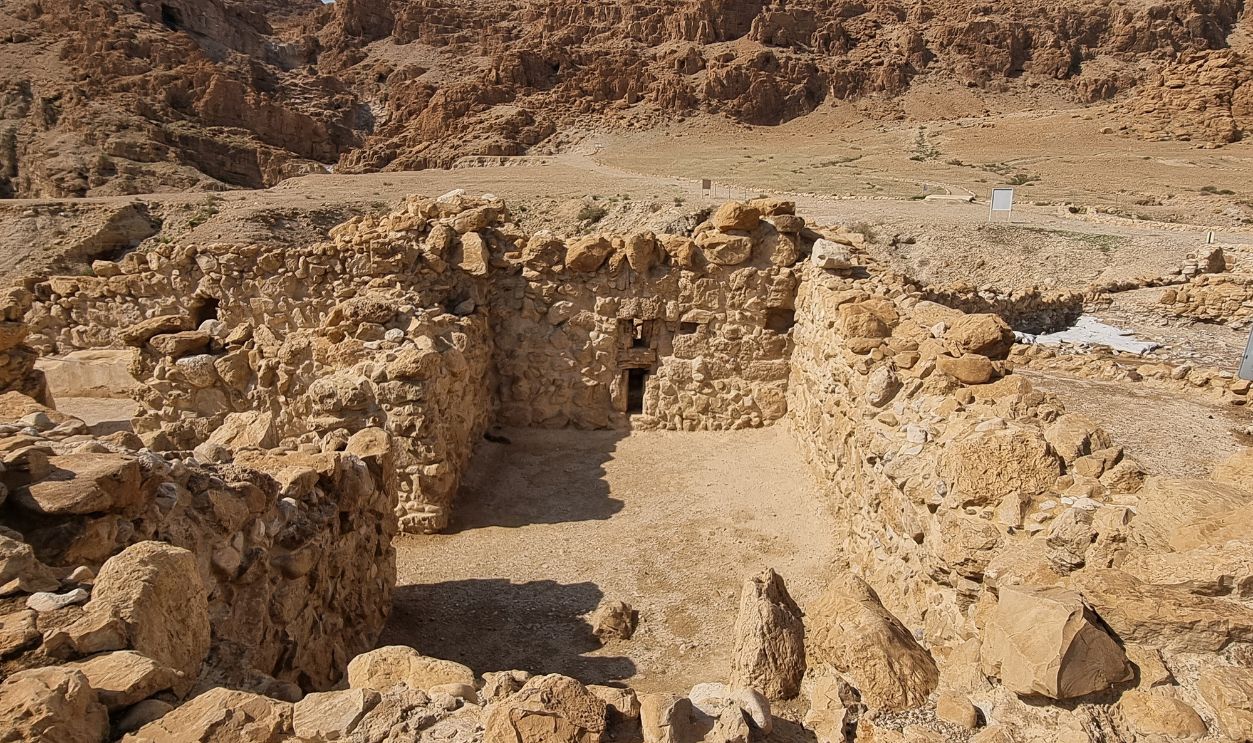
A Connection Isn’t A Confirmed Biography
The Essenes belonged to the same broad religious world as Jesus, making comparisons worth studying. But possible influence doesn’t establish membership. The Gospels never name the Essenes, and no surviving account reliably places teenage Jesus in an Essene school. That part remains a proposed explanation.
Then A Russian Writer Claimed He Had Answers
In 1894, Nicolas Notovitch published The Unknown Life of Jesus Christ. He claimed that the missing story hadn’t vanished at all. It had survived far from Galilee, preserved in texts at Hemis Monastery in Ladakh. Suddenly, those quiet years had a very different setting.
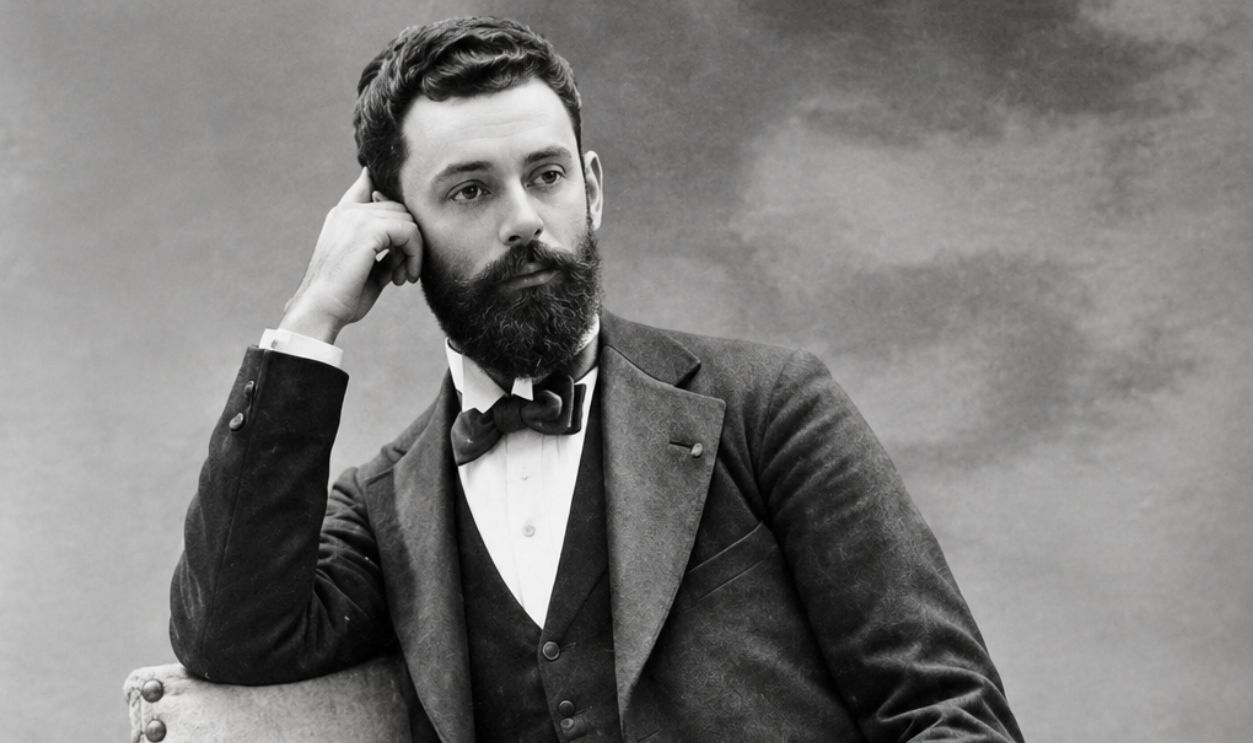 Dazedbythebell, Wikimedia Commons, Enhanced
His Discovery Began With An Accident
According to Notovitch, he injured his leg while traveling and recovered under the care of monks. During that stay, he said, a lama produced Tibetan volumes containing an extraordinary account. With an interpreter’s help, Notovitch supposedly recorded a story about a religious teacher called Issa.

Issa Had Been Studying In India
Notovitch identified Issa as Jesus. His account sent the young man east to learn from Hindu and Buddhist teachers before returning to begin his public ministry. It offered an explanation for where Jesus went—and suggested that his education reached far beyond his Jewish hometown.
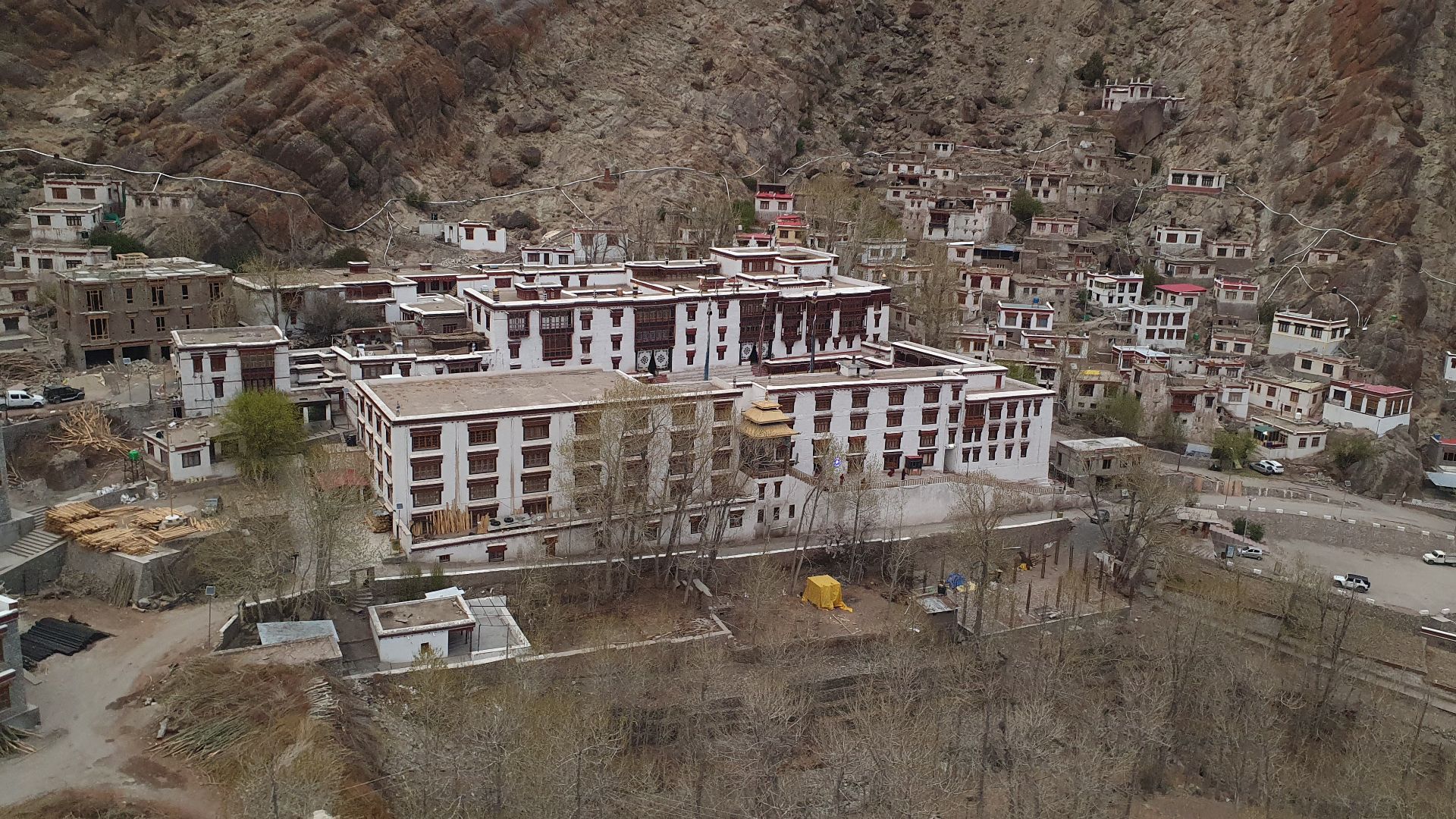 Stanzin1945, Wikimedia Commons
Someone Actually Checked His Story
Scholar J. Archibald Douglas visited Hemis in 1895. The head lama signed a statement denying the manuscript and the claimed recovery stay. Douglas also reported Notovitch’s treatment in Leh for a toothache. Crucially, he acknowledged he couldn’t establish that Notovitch had never visited the monastery.
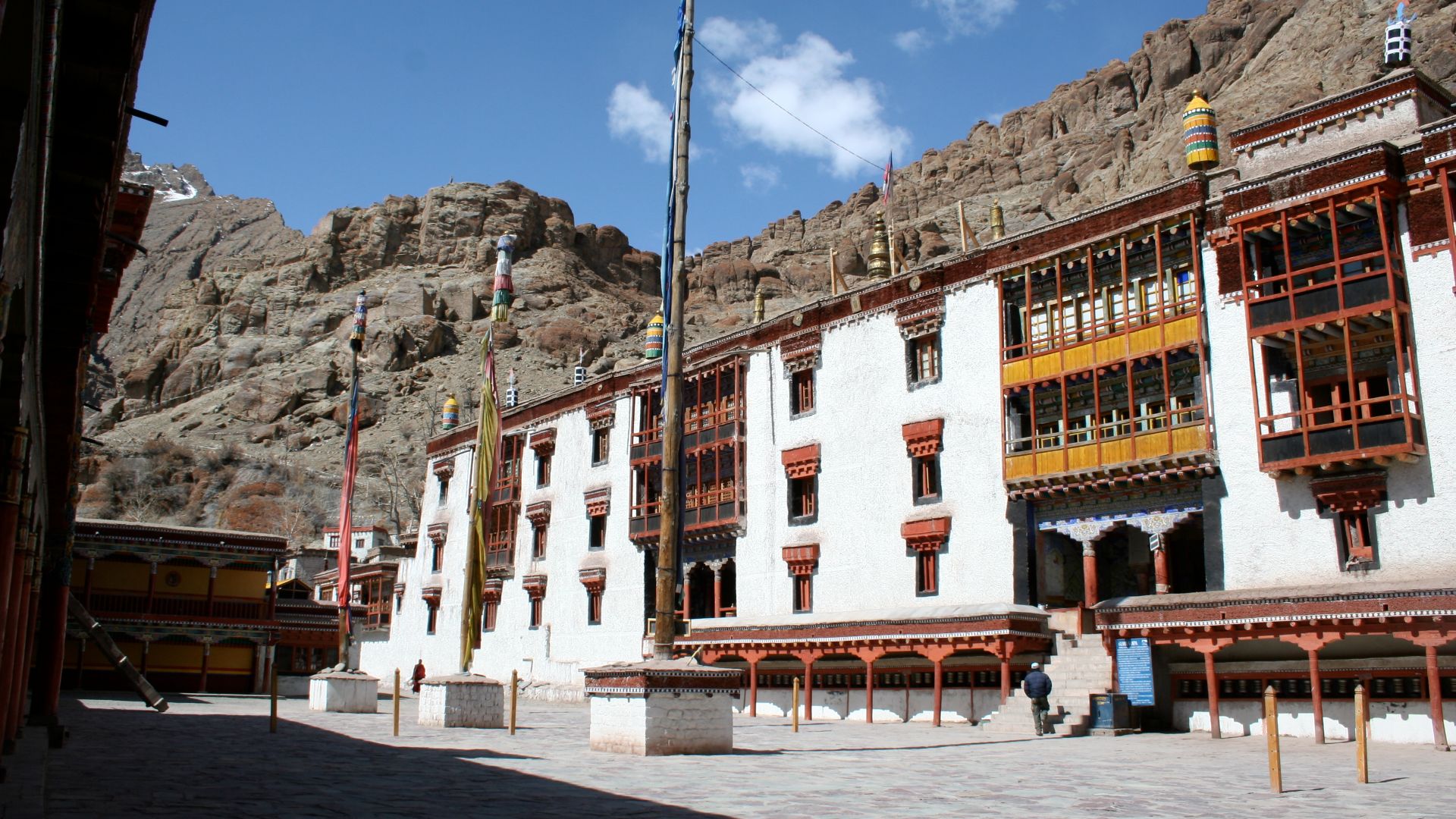 Michael Day, Wikimedia Commons
The Famous Manuscript Didn’t Hold Up
The claim never became an authenticated ancient account of Jesus’ travels. Scholars including Bart Ehrman and Bradley Rice classify Notovitch’s work as a modern forgery. Its importance lies in how successfully it spread an alternative Jesus story, rather than in establishing where Jesus actually went.

Another Writer Claimed A Different Source
In 1908, Levi H. Dowling published The Aquarian Gospel of Jesus the Christ. This time, the claimed source wasn’t a manuscript in a monastery. Dowling said he had accessed the Akashic Records, a supposed spiritual record of events. His alternative biography came from claimed supernatural knowledge.
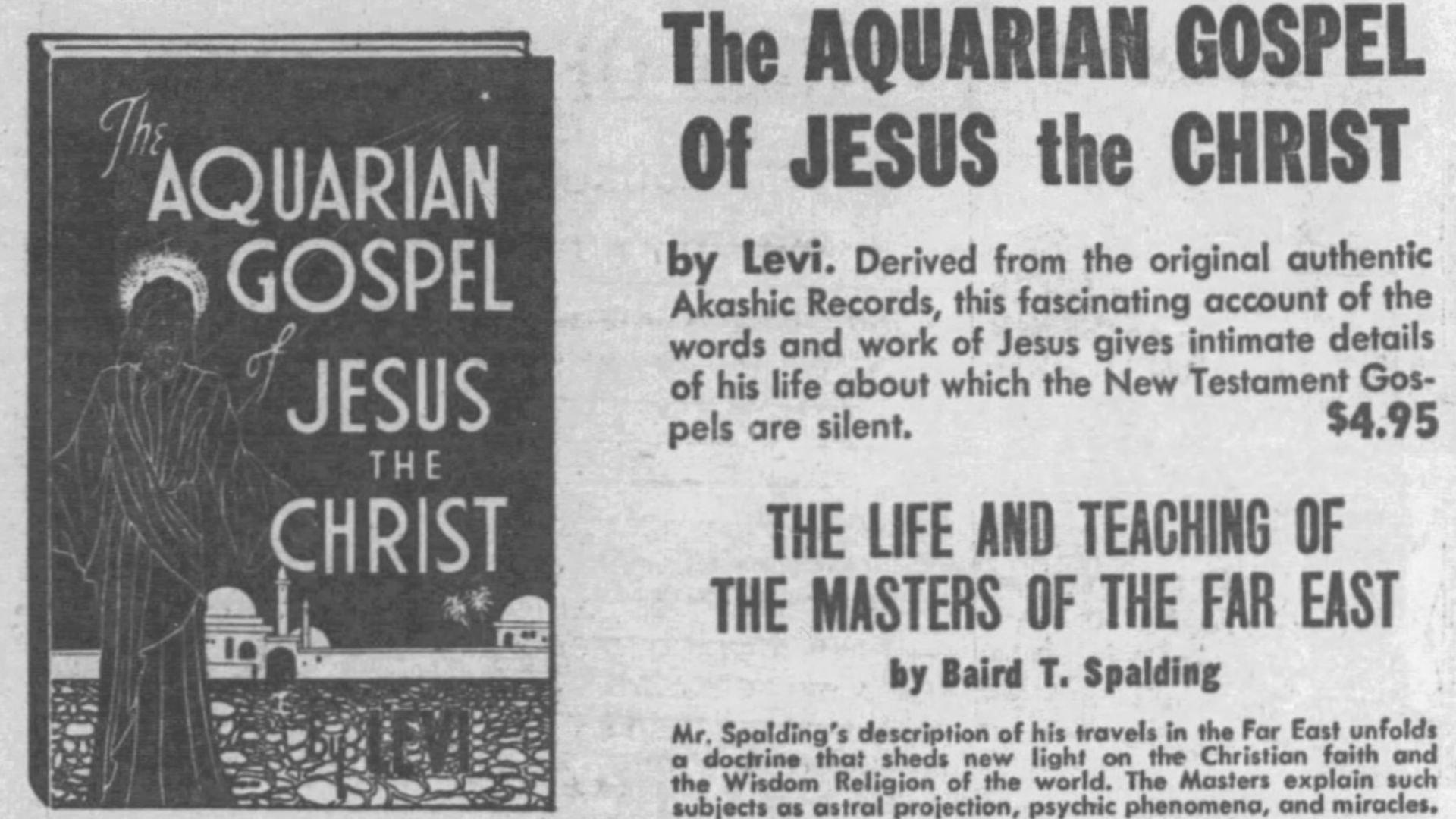 Newspapers.com, Wikimedia Commons
One Psychic Offered His Own Version
American psychic Edgar Cayce later supplied another version through readings delivered in trance. He also claimed access to the Akashic Records. His accounts described an Essene background for Jesus and an education involving travel to Persia, Egypt, and India. Once again, the explanation depended on psychic claims.
 Unknown authorUnknown author, Wikimedia Commons
There Was Even A Woman Named Judy
In Cayce’s account, a prophetess called Judy helped oversee preparations for Jesus and directed his foreign education. It’s an unusually detailed answer to a poorly documented period. Those details, however, came from claimed psychic revelations; they aren’t established by surviving ancient evidence.

Another Story Sends Him To Britain
British traditions offer a completely different destination. In versions of the legend, Jesus travels with Joseph of Arimathea, the man associated with his burial in the Gospels. Some stories even have Jesus helping with building work at Glastonbury. It’s quite a detour from Nazareth.
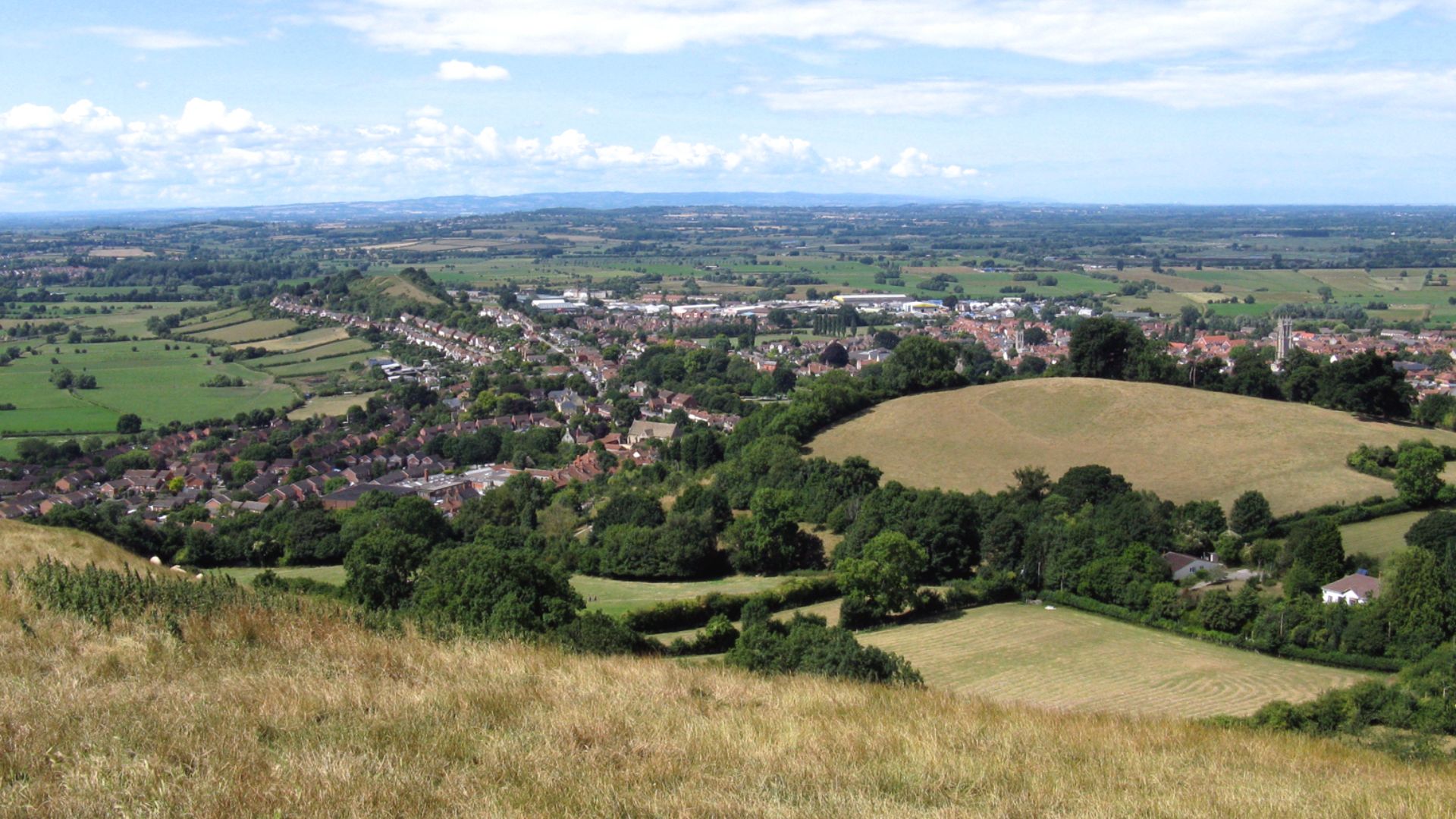 Photographed by myself (Adrian Pingstone), Wikimedia Commons
You May Already Know The Famous Question
William Blake’s poem, familiar through the hymn “Jerusalem,” asks whether Jesus once walked across England’s landscape. But Joseph’s British adventures developed through much later legends involving Glastonbury and the Holy Grail. Neither those traditions nor Blake’s poem establishes that Jesus spent his missing years there.
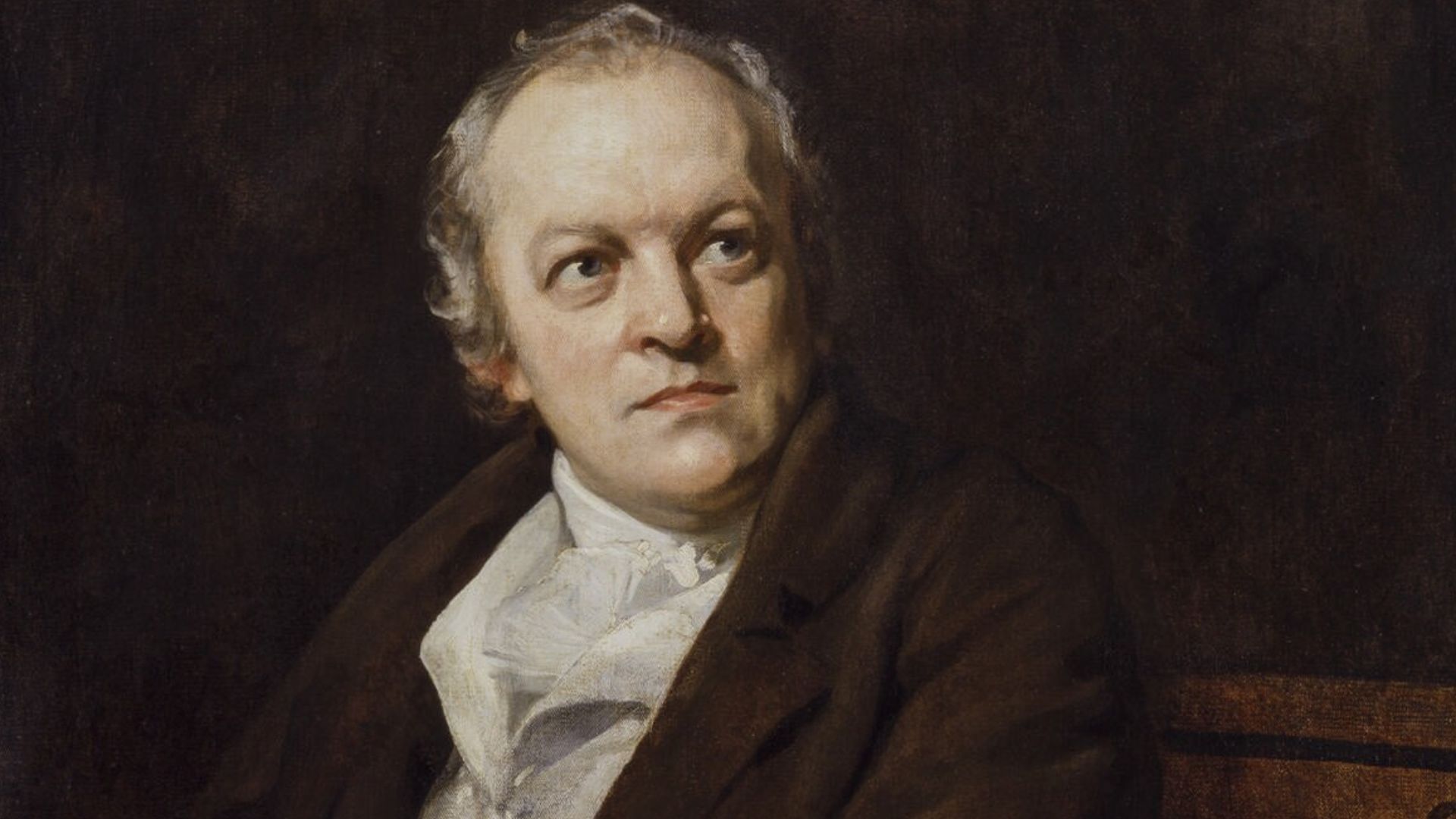 Thomas Phillips, Wikimedia Commons
Archaeologists Have Looked Much Closer To Home
A more grounded line of investigation returns to Nazareth. Archaeologist Ken Dark has studied a site beneath the Sisters of Nazareth convent containing probable first-century house remains. Later Christian structures suggest that the location became religiously important. Could it preserve a connection to Jesus’ upbringing?
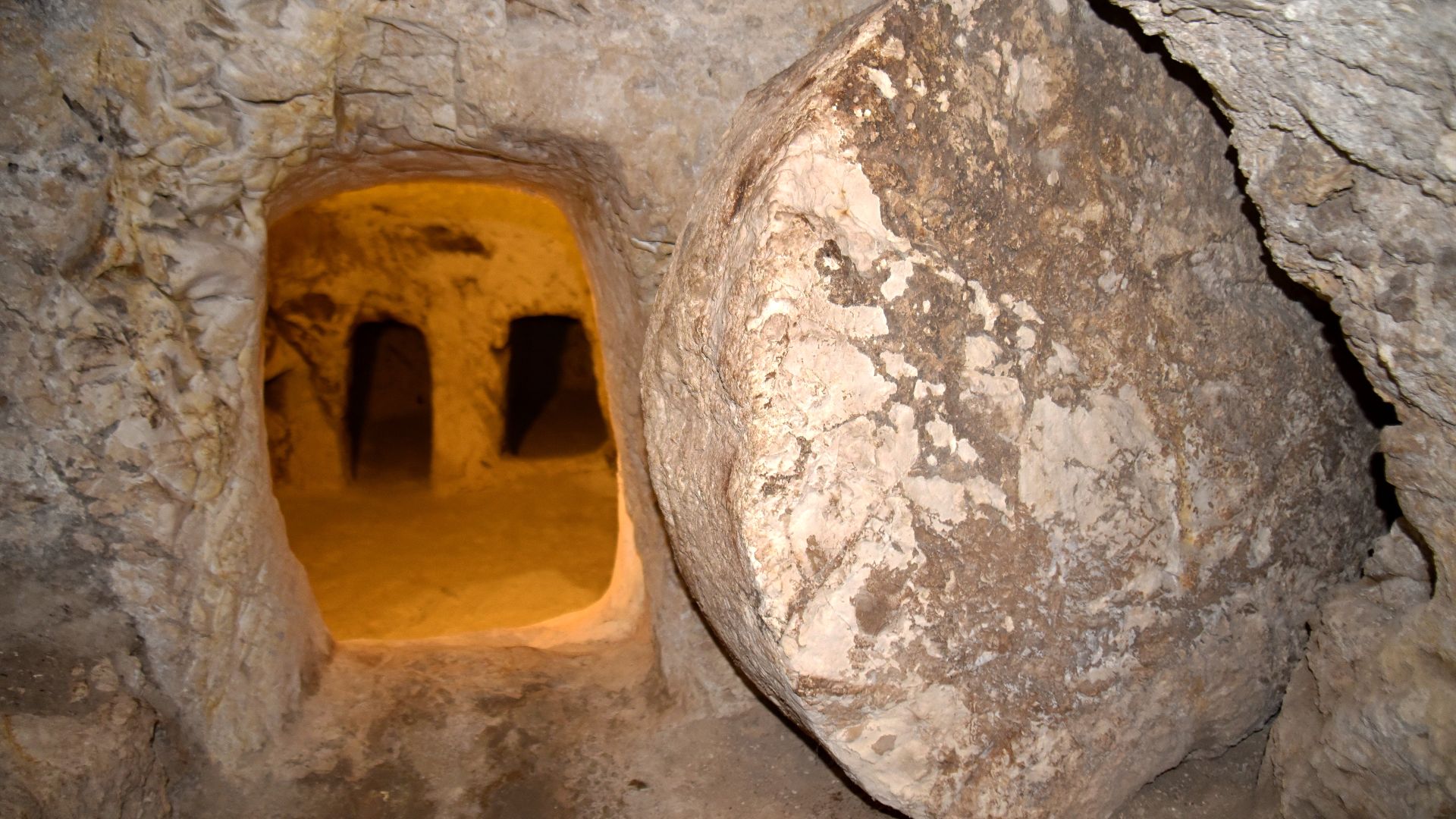
An Old House Still Needs An Owner
Dark’s research explores whether the site could be the childhood home remembered in a seventh-century pilgrim’s account. That’s an intriguing possibility, but the identification remains unproven. Establishing that a house existed in Jesus’ time is different from establishing that Jesus and his family lived there.
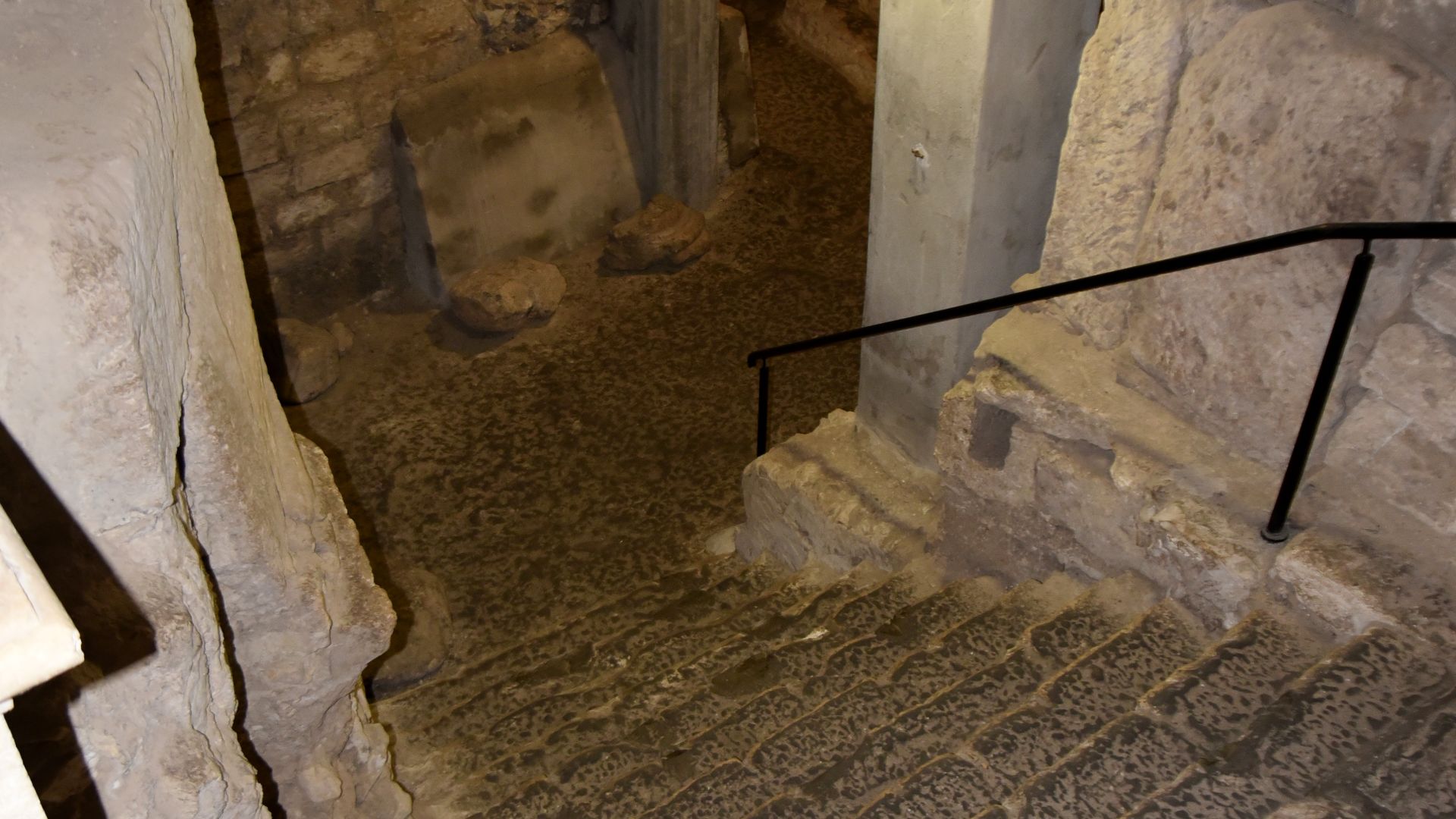
The Ground Can Only Tell Us So Much
Archaeology can improve our picture of the town where Jesus grew up, including its buildings and later religious traditions. That helps explain his surroundings. It cannot automatically tell us which lessons he learned, whom he met, or how he spent each undocumented year.
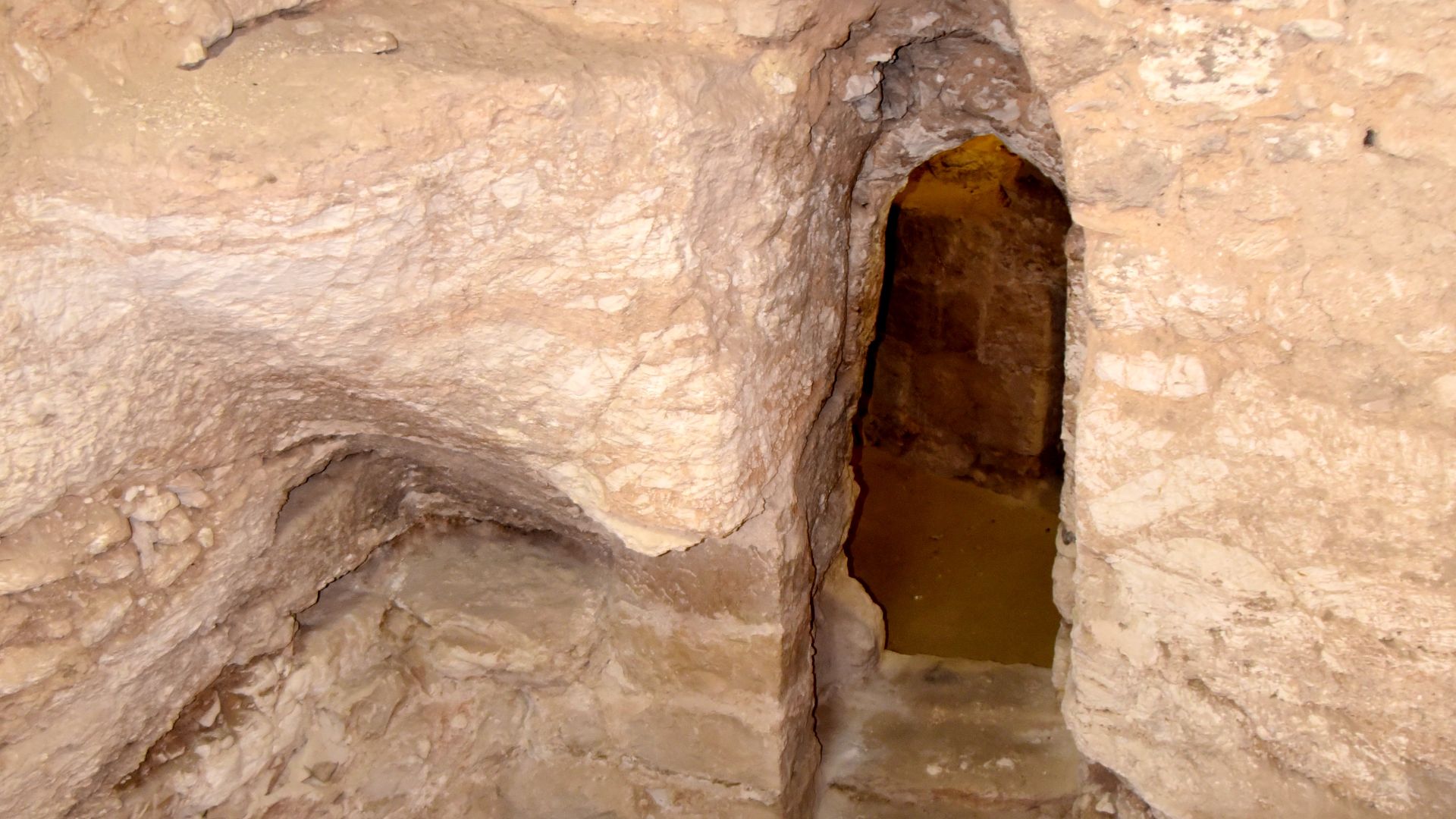
The Gospels Never Promise Every Detail
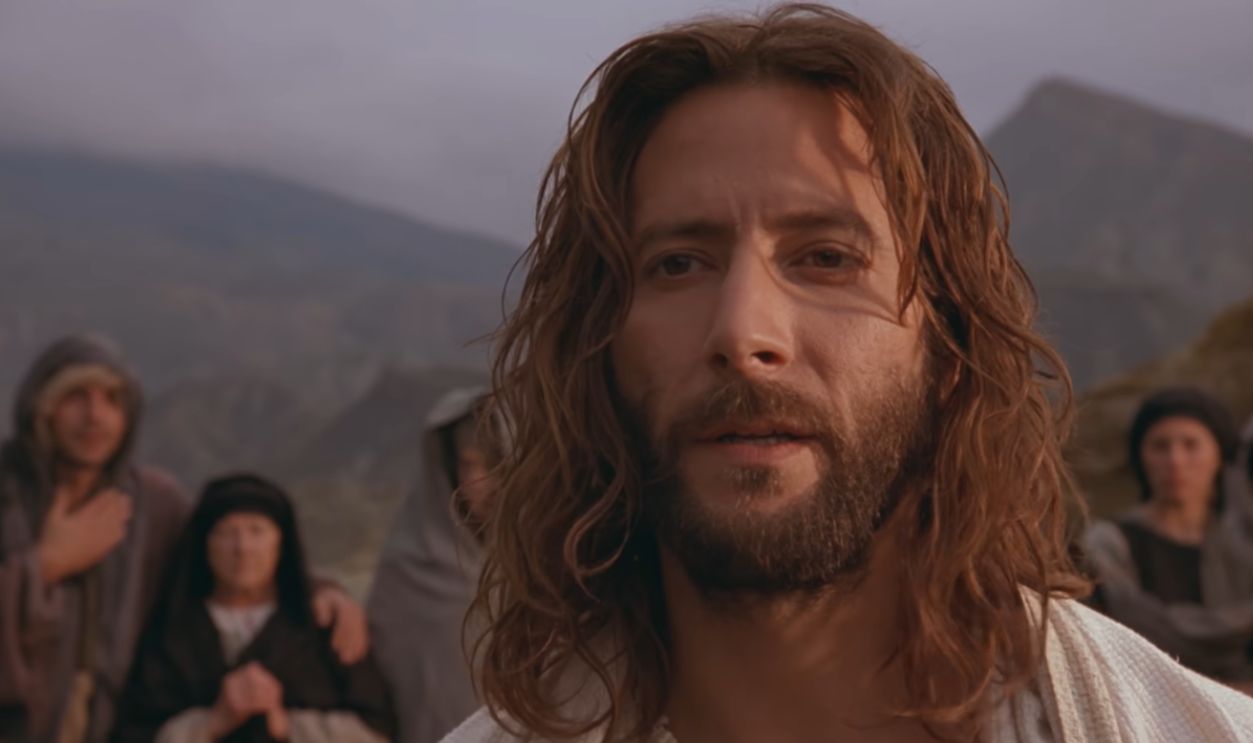
The gap can feel suspicious if we expect a complete modern biography. But the Gospel of John openly acknowledges that Jesus did many things its author didn’t record. These accounts select episodes to convey his religious significance; they don’t provide a year-by-year history.
 Screenshot from The Gospel of John, Visual Bible International (2003)
The Least Dramatic Answer Still Fits
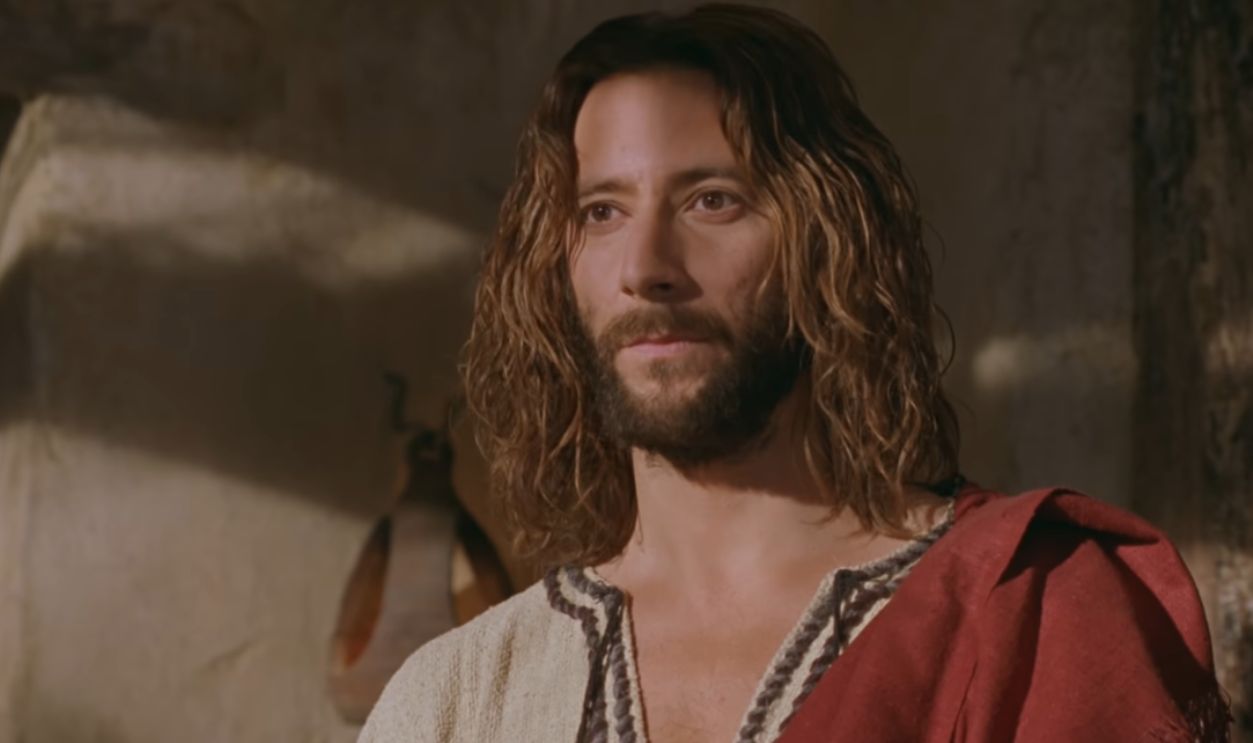
Jesus may have spent much of those years in Galilee, learning a trade, working, and participating in family and religious life. That reconstruction fits the brief Nazareth account and the reference to his occupation. It remains incomplete, but it requires fewer unsupported assumptions than the distant journeys.
 Screenshot from The Gospel of John, Visual Bible International (2003)
The Missing Years Are Still Missing
We have a childhood scene, a brief summary, an occupation, and an adult ministry. What we don’t have is a reliable account connecting them year by year. The mystery is real. But the person offering the most detailed answer may simply be the person inventing the most details.
 Screenshot from The Young Messiah, NBCUniversal (2016)
You Might Also Like:
Historical Figures Who Became Famous For Something They Never Actually Did
Hidden Figures Of The Wild West Who Changed The American Frontier Forever