Your Body Is A Living History Book
The human body carries clues about lives that looked nothing like our own. Long before office chairs, supermarkets, and modern medicine, our ancestors survived by walking enormous distances, finding food, and adapting to changing environments. Some of our most familiar physical features developed under those conditions, while others are leftovers from an even more distant evolutionary past. Once you understand that history, many of the body's strangest details start making sense.
Why Humans Have Such Long Legs
Compared with other great apes, humans have unusually long legs relative to their arms. This body shape developed as our ancestors became increasingly dependent on traveling across the ground. Fossils show that Homo erectus had long legs suited to covering considerable distances efficiently. What seems like an ordinary part of our anatomy was once an important advantage in a world where getting around required physical effort.

Why Our Feet Have Arches
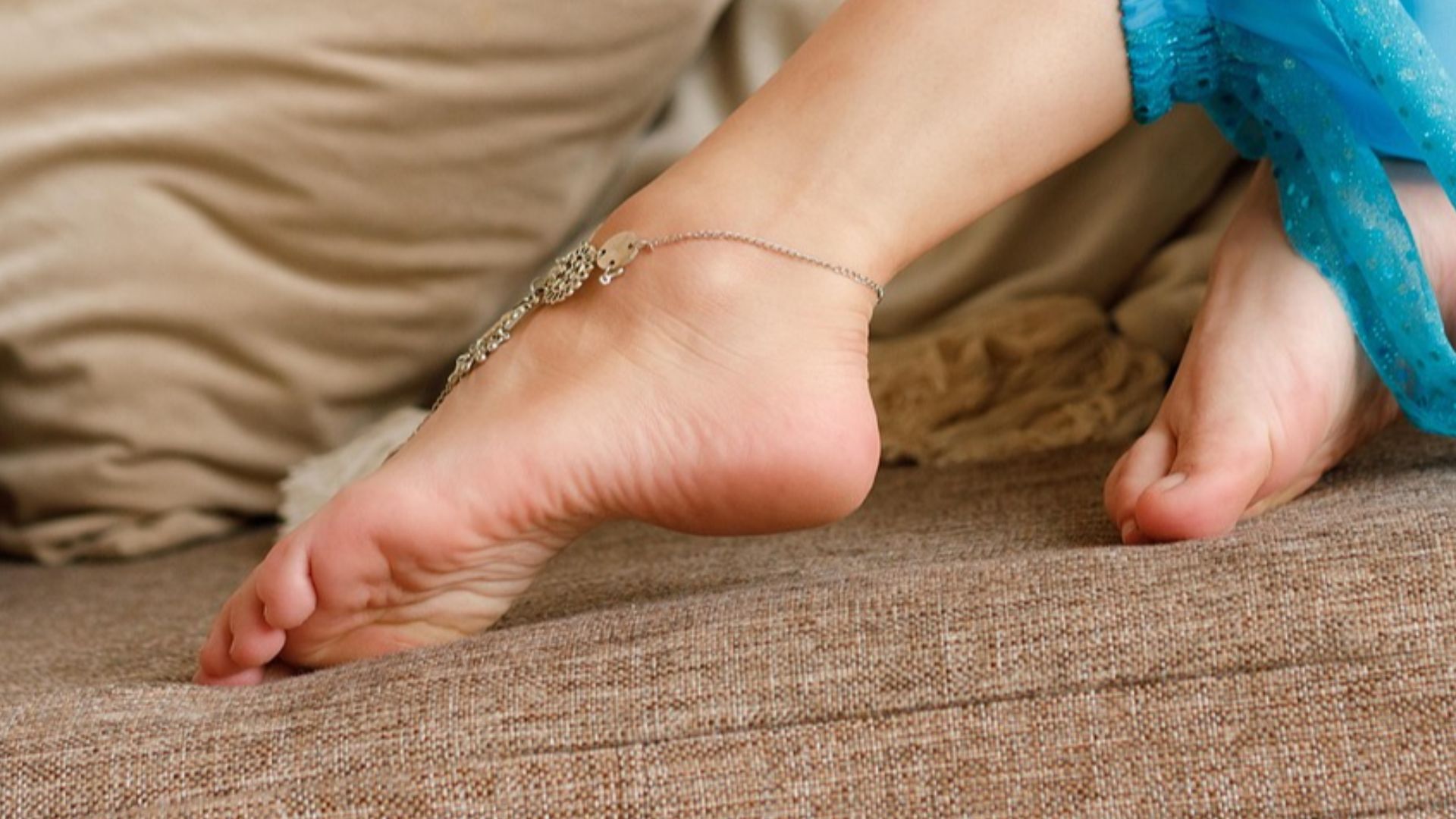
The arches in your feet are more than convenient places for shoes to fit. They help support body weight, distribute forces, and provide stiffness during walking and running. As human ancestors became committed to moving on two legs, their feet evolved away from the flexible, grasping structures seen in other primates. Those arches are part of the reason humans can walk efficiently over long distances.
Why Our Big Toes Point Forward
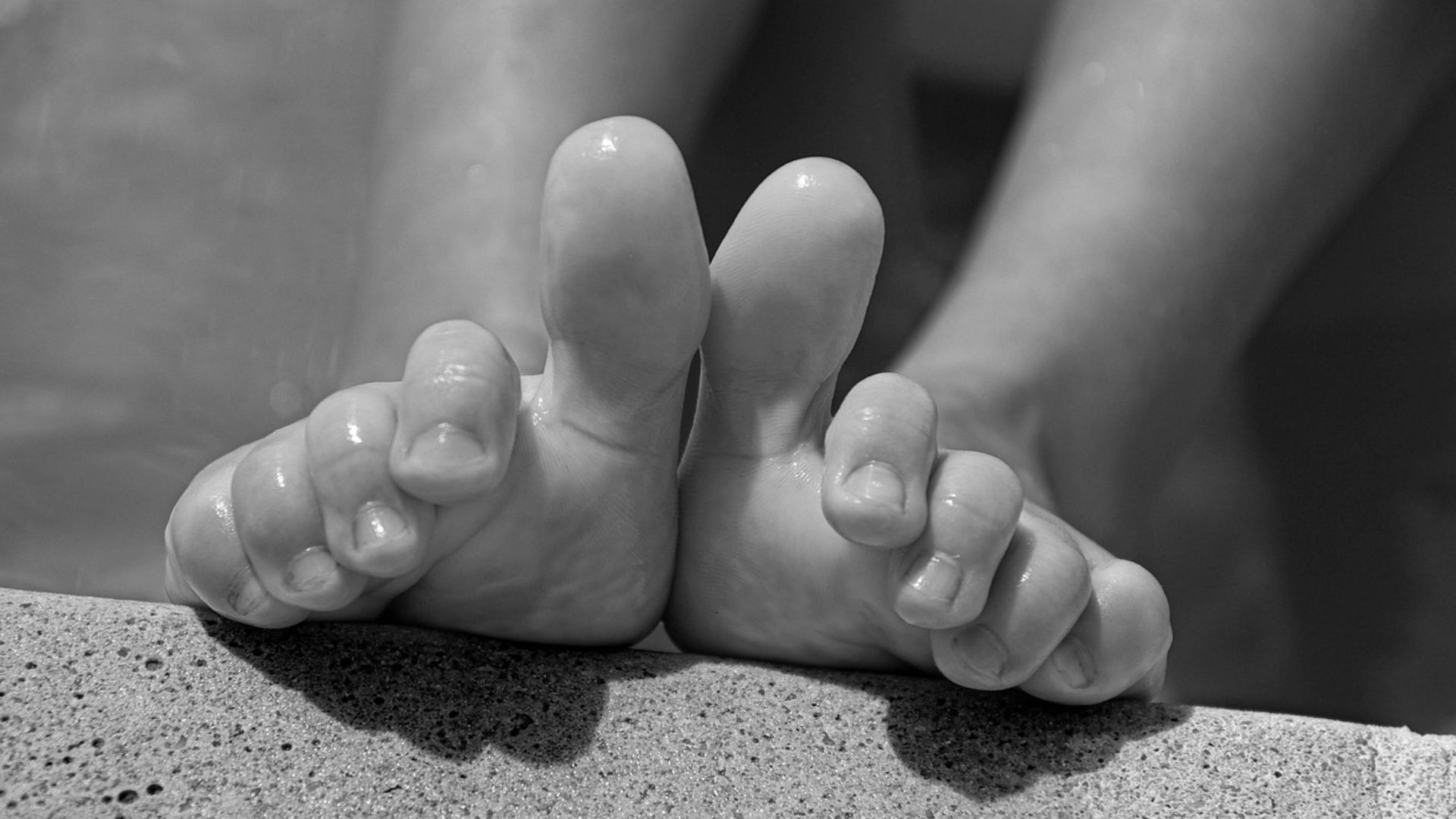
A chimpanzee's big toe can help grasp branches, but a human big toe sits alongside the others. This arrangement helps the foot act as a stable lever when pushing off the ground. Early human fossils reveal a gradual transition from feet useful for climbing toward feet specialized for walking. We lost some tree-climbing flexibility, but gained a foot better suited to life on the ground.
Why Our Spines Have An S-Shaped Curve
Human spines have curves that help balance the head and torso over the hips. The inward curve of the lower back also helps absorb forces during upright movement. Fossils indicate that this arrangement began developing millions of years ago as our ancestors became regular walkers. Unfortunately, the same upright posture places considerable demands on the lower back, helping explain why back problems remain so common.
 Shixart1985, Wikimedia Commons
Why Our Hips Are So Wide
The human pelvis is shaped differently from that of a chimpanzee, with shorter, broader hip bones. This arrangement gives important muscles the leverage needed to stabilize the body when standing on one leg during walking. Without that stability, taking one step after another would be much harder. The pelvis also plays a role in childbirth, making its evolution a complicated balance between different demands.

Why Our Knees Angle Inward
Human thigh bones angle inward toward the knees, positioning the feet closer to the body's center of gravity. This helps keep us balanced as our weight shifts from one leg to the other. Fossils of early human relatives show adaptations to supporting body weight on a single leg. Every ordinary walk down the street depends on skeletal changes that developed millions of years ago.

Why Our Hands Are So Good At Grabbing Tiny Things
Human hands combine strong grips with unusually precise finger movements. Our thumbs and fingers allow us to manipulate small objects, from stone flakes to sewing needles. These abilities became especially important as early humans developed increasingly sophisticated tools. The same anatomy that helped our ancestors shape materials now lets us perform delicate tasks on smartphones and keyboards.

Why Our Shoulders Are Built For Throwing
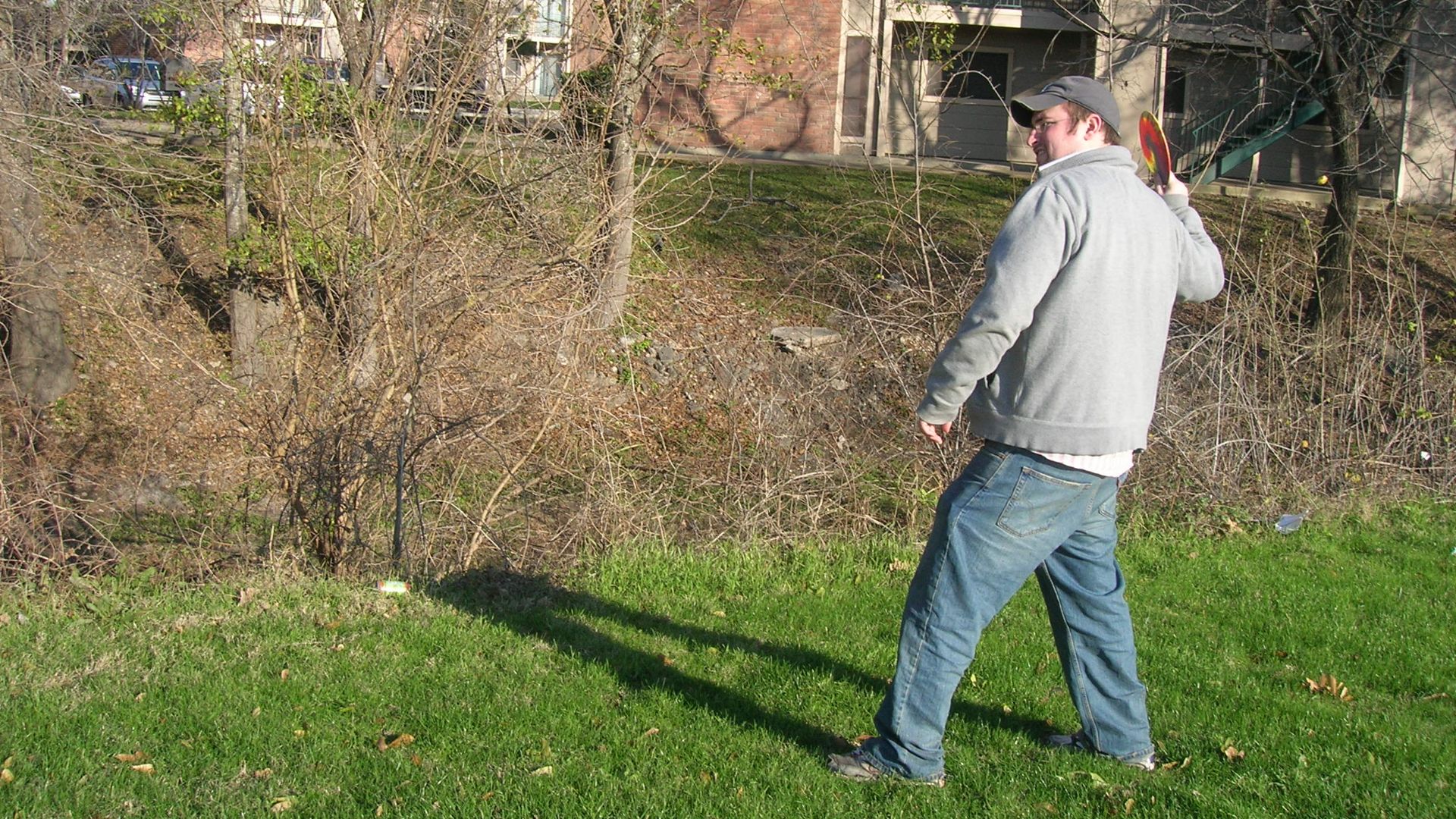
Humans can throw objects with a combination of speed and accuracy that is unusual among primates. Our mobile shoulders, rotating torso, and coordinated arm movements make this possible. Researchers have connected these abilities to anatomical changes that developed in early members of the genus Homo. Throwing may have helped our ancestors hunt and defend themselves, although exactly how those abilities first evolved remains under investigation.
 Matt Herzberger, Wikimedia Commons
Why Humans Sweat So Much
Humans are remarkably good at cooling themselves through sweating. As sweat evaporates from the skin, it carries heat away and helps prevent overheating during sustained activity. Combined with our relatively sparse body hair, this cooling system would have been valuable to ancestors traveling or pursuing animals in hot environments. Sweating might be inconvenient today, but it helped make humans capable of prolonged physical exertion.
Why We Have So Little Body Hair
Compared with most other primates, humans have surprisingly little visible body hair. Researchers connect this change partly to the evolution of more effective cooling through sweating. Less dense body hair allows sweat to evaporate more efficiently, especially during activity in warm climates. Scientists continue to investigate exactly when and why our ancestors lost much of their thick fur.

Why We Still Get Goosebumps
Goosebumps happen when tiny muscles attached to hair follicles contract. In furry mammals, this reaction can raise the coat to trap insulating air or make the animal appear larger. Humans retain the same basic response even though our relatively sparse body hair makes it much less effective. That strange prickling sensation during cold weather or strong emotions is a reminder of our furry evolutionary relatives.

Why Our Skin Comes In Different Shades
Human skin pigmentation reflects a long history of adaptation to different levels of sunlight. Melanin helps protect skin against ultraviolet radiation, which is especially intense near the equator. In regions with lower ultraviolet exposure, lighter pigmentation evolved in some populations, partly in connection with the body's ability to produce vitamin D. These changes developed through complex interactions involving geography, genetics, diet, and human migration.

Why Some Ancient Humans Were Stocky
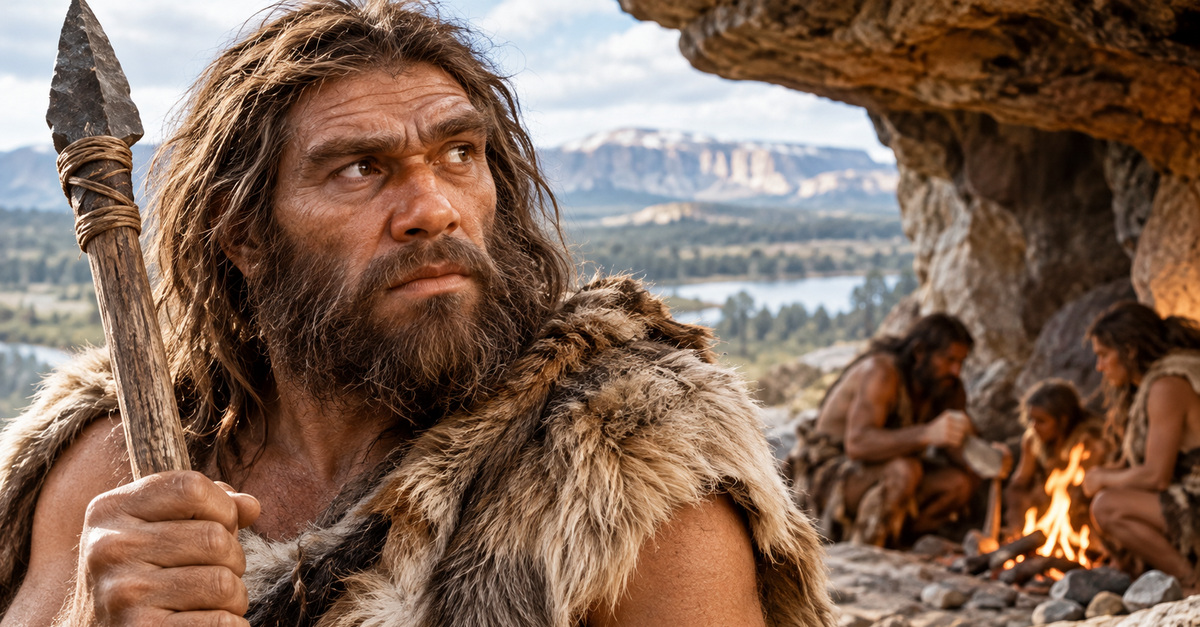
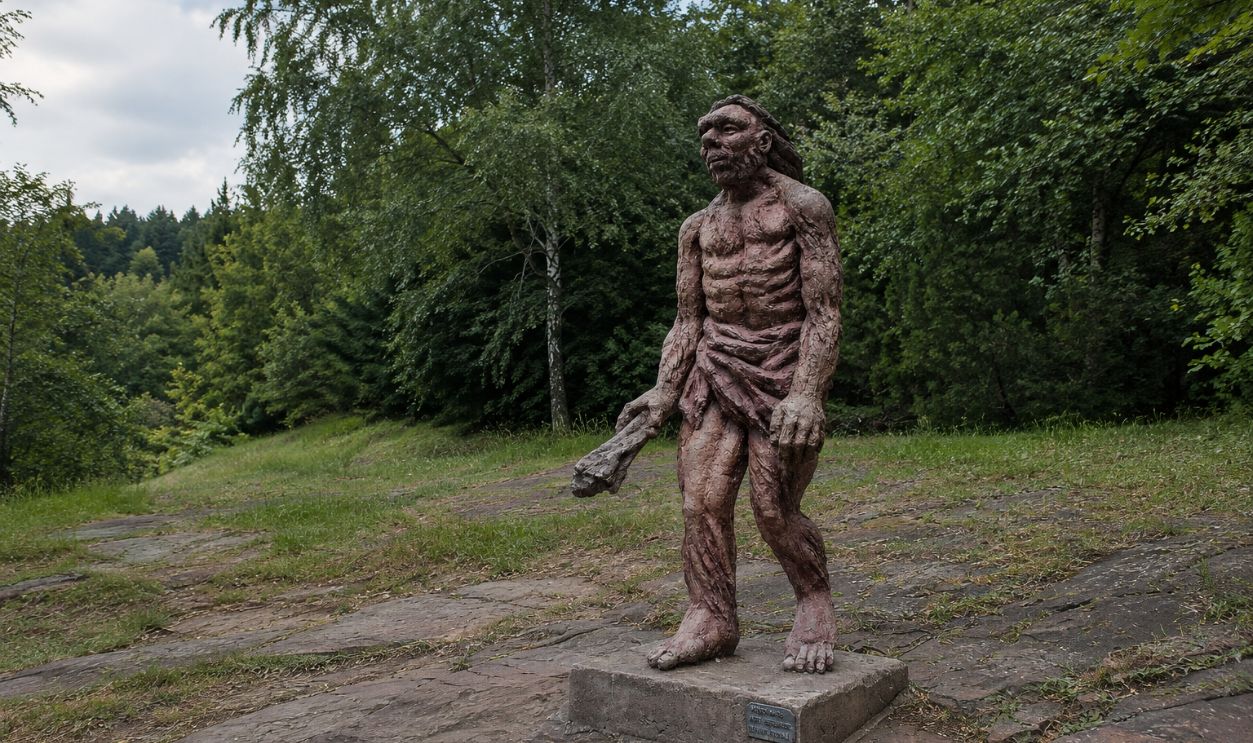
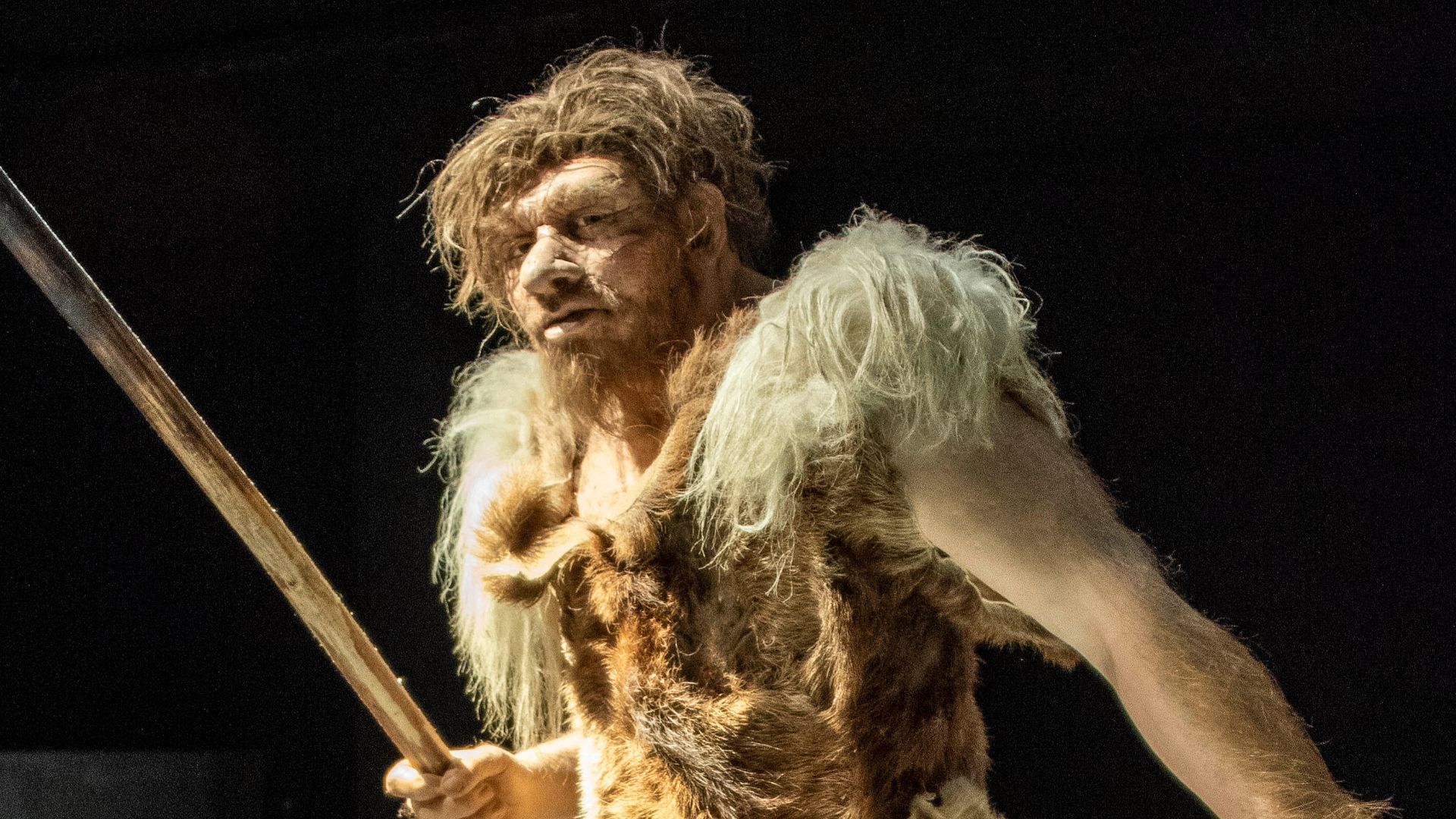
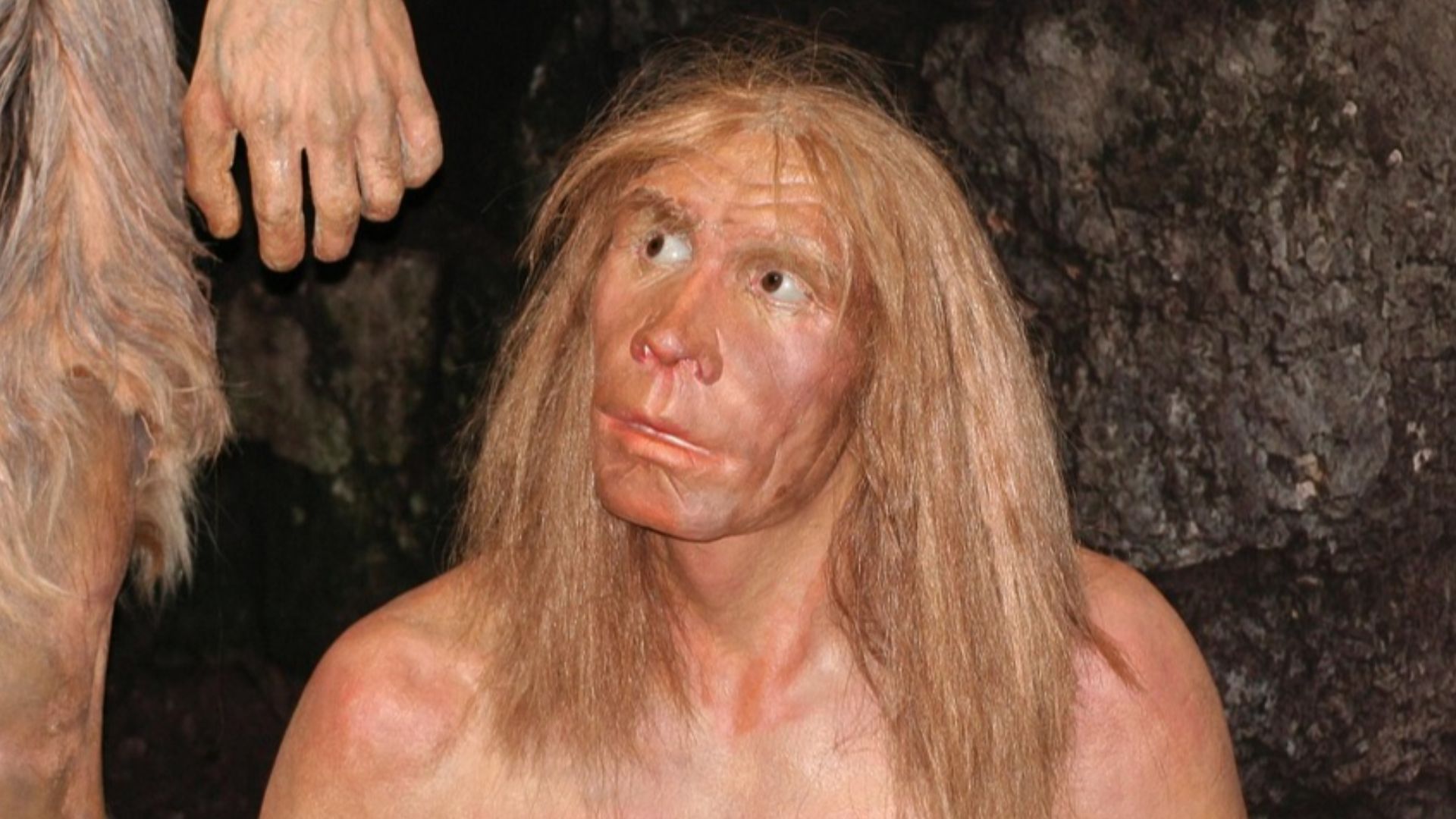
Body proportions can influence how quickly an animal gains or loses heat. Broad, compact bodies generally conserve heat more effectively than narrow bodies with long limbs. Neanderthals had relatively short limbs and broad bodies, features well suited to the cold environments many of them inhabited. Their build demonstrates how human relatives adapted physically to very different climates.
Why Other Ancient Humans Were Tall And Lean
Not every ancient human faced freezing temperatures. Homo erectus populations living in warm parts of Africa developed relatively long legs and narrow bodies. These proportions increased the body's ability to release heat while also supporting efficient travel. The contrast with stockier Neanderthals shows how different environments shaped the human family.
 Paul Hermans, Wikimedia Commons
Why Our Jaws Became Smaller
Earlier human relatives generally had larger jaws and more robust chewing structures than modern humans. Over time, changes in diet, food preparation, and cooking reduced some of the demands placed on the chewing system. Human faces and teeth also became smaller through a complicated evolutionary process. Scientists caution that cooking was not the only influence, but it played an important role in changing how our ancestors obtained energy from food.

Why Wisdom Teeth Cause So Much Trouble
Wisdom teeth are third molars that usually appear during the late teenage years or early adulthood. Additional grinding teeth were useful to ancestors whose diets included tougher, less processed foods. Modern human jaws often lack enough space for these teeth to emerge normally, which can lead to impaction and other dental problems. Not everyone experiences trouble with wisdom teeth, but their frequent complications reflect changes in human anatomy and diet.
 https://kaboompics.com/, Pexels
Why Our Digestive Tract Changed
Our earliest ancestors depended heavily on plant foods that required considerable digestive processing. As the human diet changed to include more energy-dense foods and eventually cooking, the digestive system changed too. Compared with some other great apes, humans have a relatively smaller digestive tract, particularly in areas associated with fermenting fibrous plants. This helped support a different balance of energy use in a body with a large and demanding brain.

Why Our Brains Became So Large
The human brain consumes a substantial amount of energy, making its evolution especially remarkable. Changes in food quality, social behavior, tool use, and other factors likely contributed to the expansion of brains in our ancestors. Cooking and easier access to energy-rich foods may have helped support the costs of maintaining more brain tissue. Scientists still debate the relative importance of these influences, but the connection between diet and brain evolution is a major area of research.

Why Our Teeth Are Smaller Than They Used To Be
Early human fossils reveal substantial changes in tooth size and shape over millions of years. As food processing became more sophisticated, some foods required less powerful chewing. Modern humans generally have smaller teeth than many earlier human relatives, although the evolutionary pattern was not identical across every species. Our mouths preserve evidence of a major transformation in how humans prepared and consumed food.

Why Our Tailbones Still Exist
At the bottom of your spine sits the coccyx, commonly called the tailbone. It represents the remaining skeletal structure associated with the tails possessed by much more distant mammalian ancestors. Humans and other living apes no longer have external tails, but the coccyx remains. Far from being completely useless, it provides attachment points for muscles and ligaments that help support the pelvic region.
Why We Still Have Muscles Around Our Ears
Some people can wiggle their ears, thanks to small muscles surrounding the outer ear. In many other mammals, comparable muscles move the ears toward sounds and help identify their direction. Human ear muscles generally contribute little to hearing because our ears are relatively immobile. Their continued presence offers another example of anatomy inherited from ancestors with different sensory abilities.

Why The Appendix Has Such A Strange Reputation
The appendix is a small, narrow pouch connected to the beginning of the large intestine. It has often been described as a vestigial structure associated with changes in the digestive systems of our ancestors. However, research indicates that the appendix also contains immune tissue and may help maintain beneficial intestinal bacteria. Its evolutionary history is more complicated than the popular claim that it serves absolutely no purpose.

Why Some Adults Can Drink Milk Easily
Most mammals produce the enzyme lactase when young, allowing them to digest the sugar found in milk. In many humans, lactase production decreases after childhood, but some populations developed genetic variants that allow it to continue into adulthood. This ability became especially important after people began domesticating animals and consuming their milk. Lactase persistence is a remarkable example of cultural practices influencing human evolution.

Why Our Bones Are Less Robust Than Ancient Bones
Many early humans had thicker, stronger bones than people living today. Fossil evidence indicates that human skeletons became more lightly built as lifestyles changed over time. Reduced physical demands, especially with the development of more settled ways of living, contributed to changes in skeletal strength. Our bones remain capable of adapting to activity, but their evolutionary history reflects a shift away from consistently demanding physical lives.
Why Our Bodies Still Carry Evolutionary Leftovers
Not every feature of the human body developed specifically for the way we live today. Some structures remain from distant ancestors, while others evolved for activities that have become less central to daily life. Importantly, a vestigial feature is not necessarily useless, since structures can acquire new functions over time. Our bodies are the result of evolutionary changes building upon older anatomy rather than starting from scratch.

Why Modern Life Can Feel Hard On Our Bodies
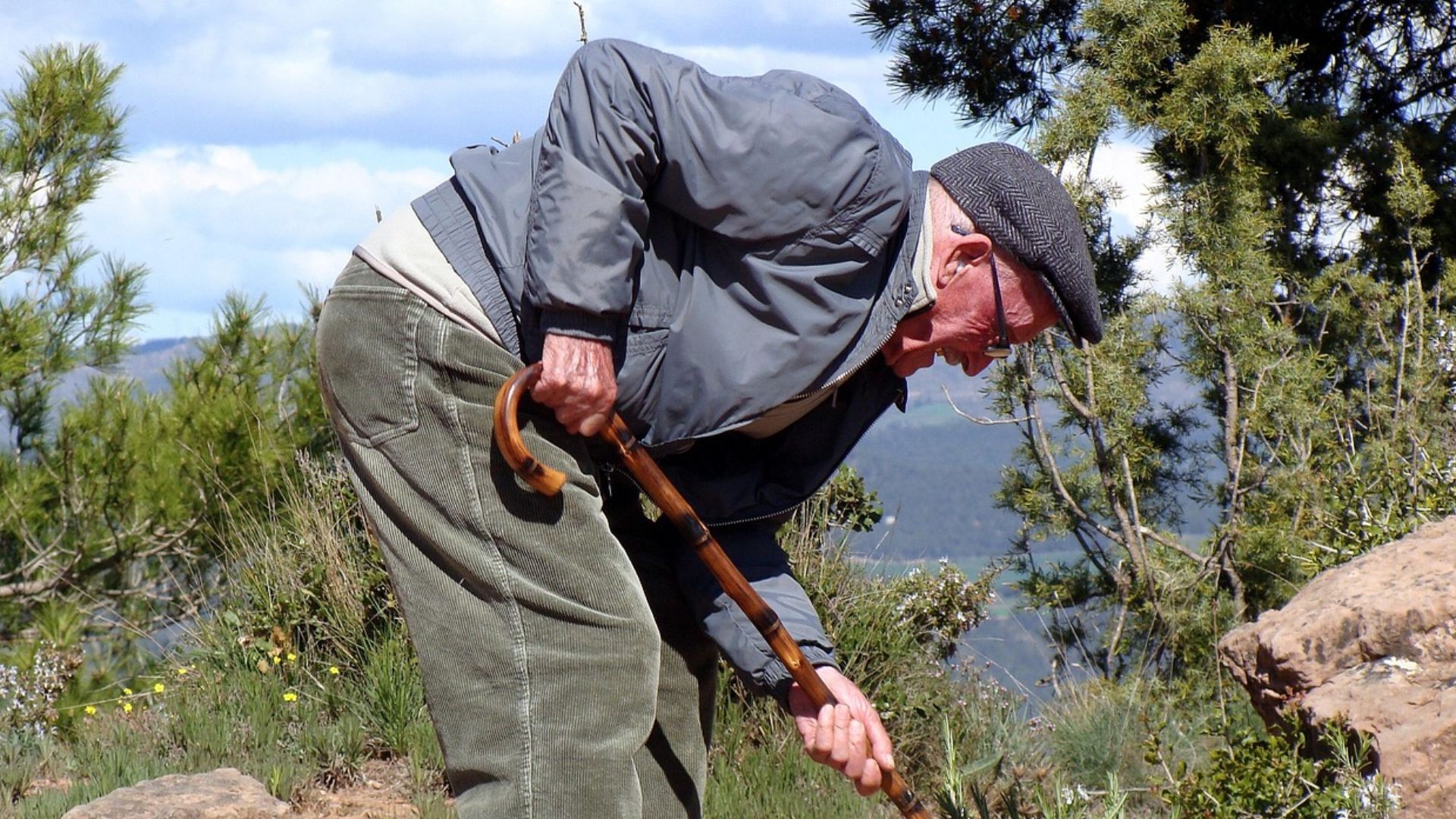
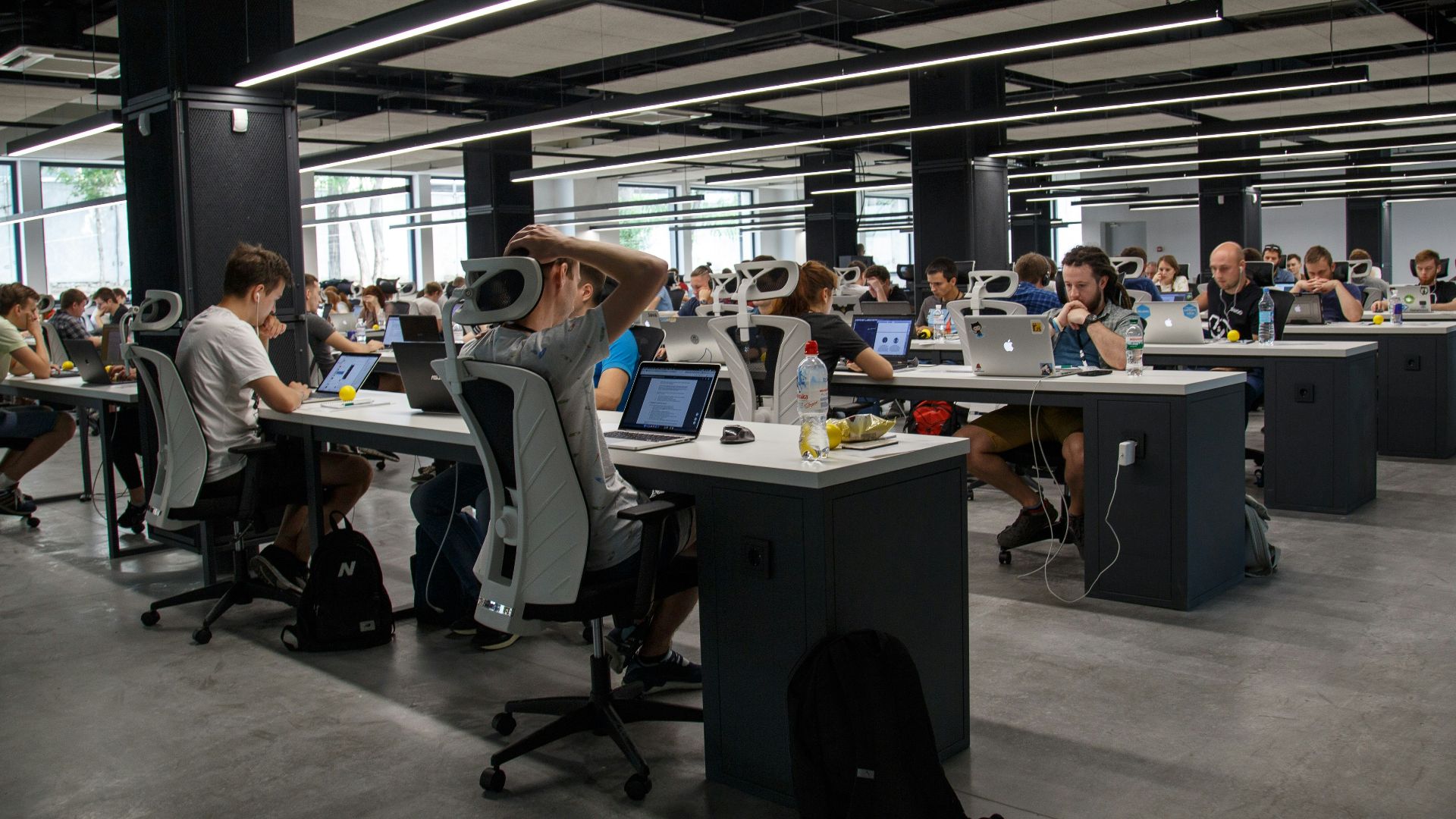
Human evolution took place over millions of years, but modern lifestyles have changed dramatically within a relatively short period. Our ancestors relied heavily on movement, while many people today spend substantial time sitting. The human skeleton still carries adaptations for walking and running, including structures that experience considerable stress when supporting an upright body. Understanding those adaptations helps explain why our bodies can be remarkably capable yet vulnerable to certain physical problems.

The Ancient World Is Still Written Into Us
From the arches of our feet to the muscles surrounding our ears, our anatomy preserves evidence of evolutionary history. Some features helped ancestors travel, hunt, or withstand harsh climates, while others reflect changes in diet and behavior. These adaptations did not appear all at once, and many continue to serve important purposes today. The remarkable thing is that we carry this history with us every day, often without realizing it.
You May Also Like:
Everyday Items From The Past That We Should Bring Back
Famous Products That Everyone Said Were Ridiculous Gimmicks, Now They're Normal
Fashion Terms Everyone Uses That Came From Real People With Stories Stranger Than The Clothes