
When The Toolbox Was Part Of Everyday Life
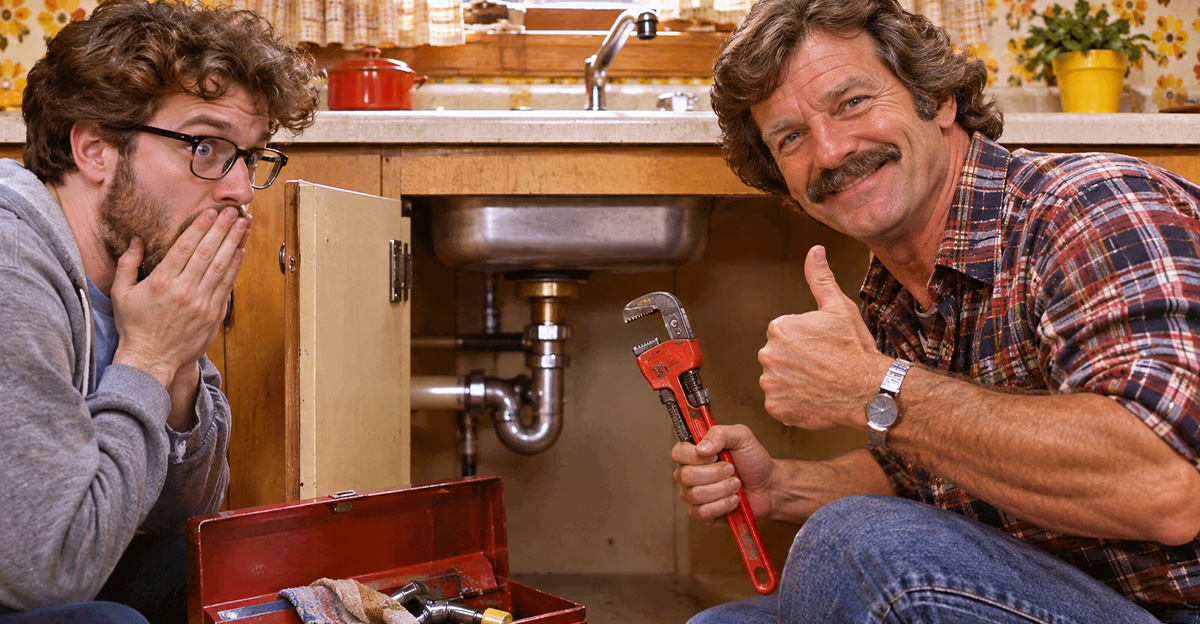
Back in the 1980s, a household repair could turn into an entire Saturday afternoon. With a repair manual, a few borrowed tools, and some advice from the hardware store, Baby Boomers tackled jobs that many homeowners now leave to specialists. It wasn't necessarily about being handier. Appliances and household systems were often easier to take apart and repair.
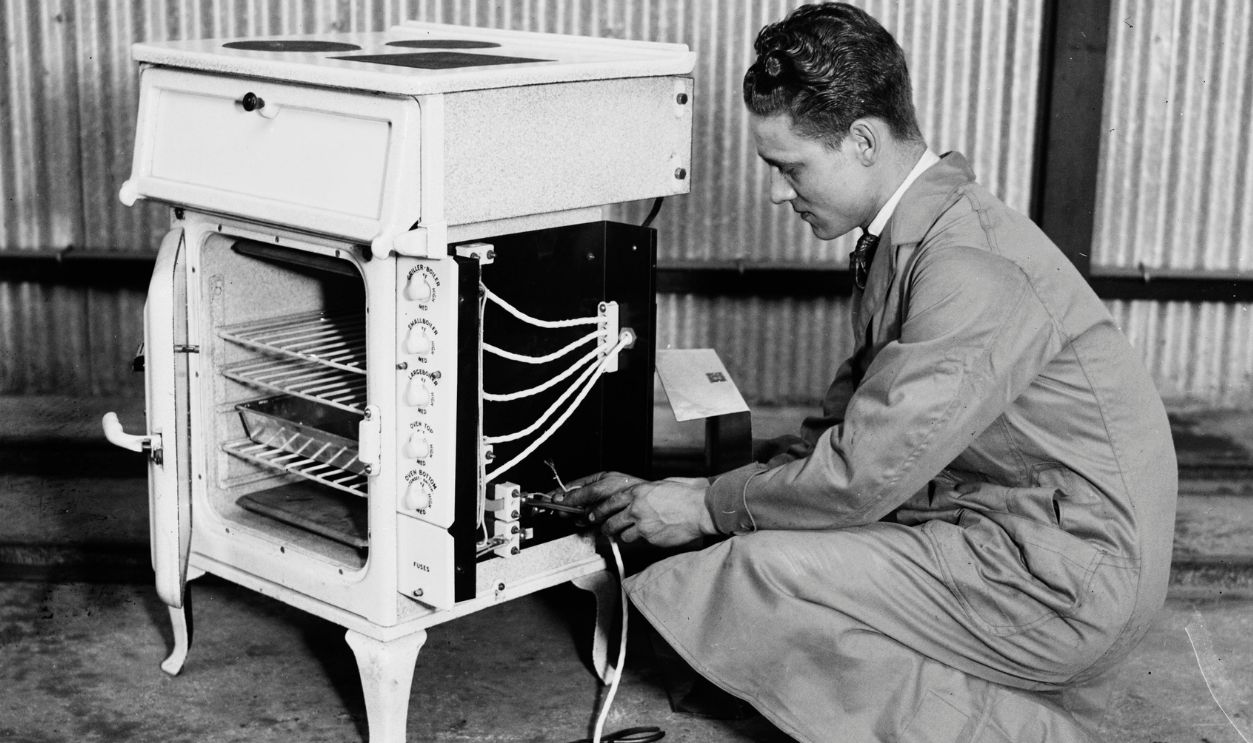
Replacing The Heating Element In An Electric Oven
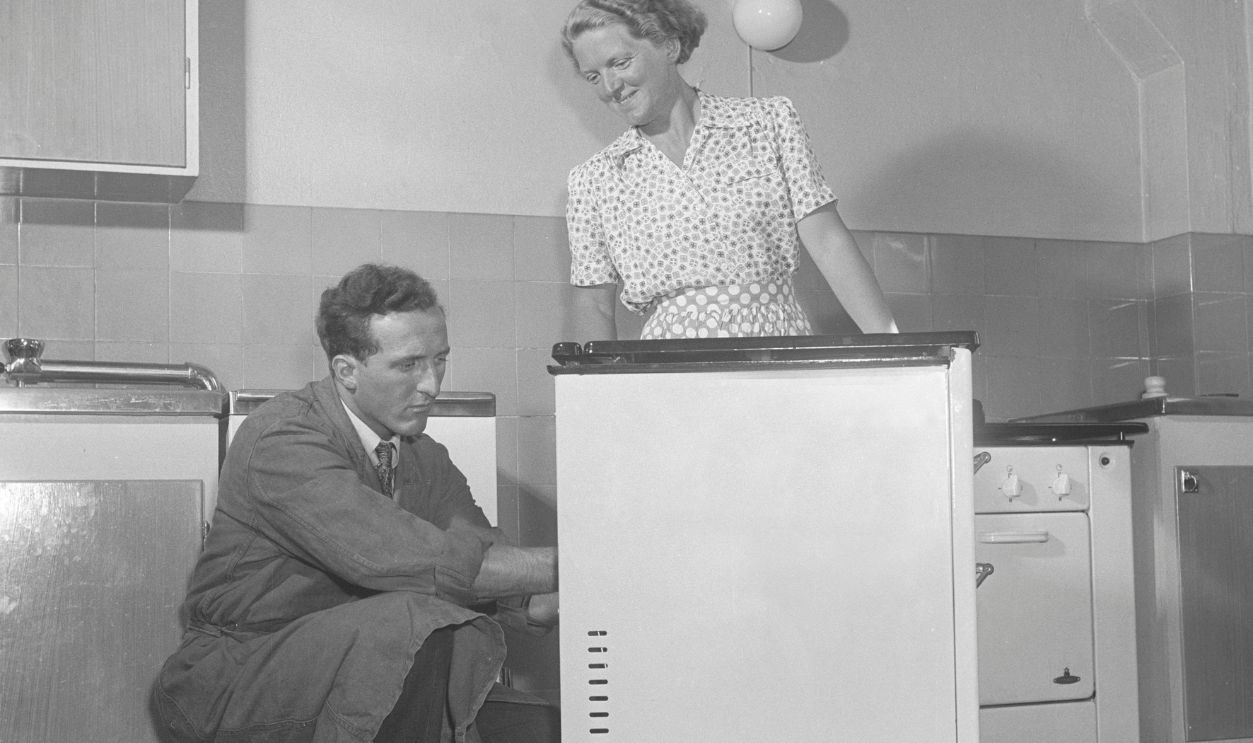
When the oven stopped heating properly, buying a new stove wasn't the first thought. Handy homeowners sometimes replaced the burned-out heating element themselves. It involved finding the correct replacement part, disconnecting the power, and carefully fitting the new element. For someone comfortable with appliance repairs, it could save an expensive service call.
 Sjoberg Bildbyra, Getty Images
Rebuilding A Washing Machine's Water Pump
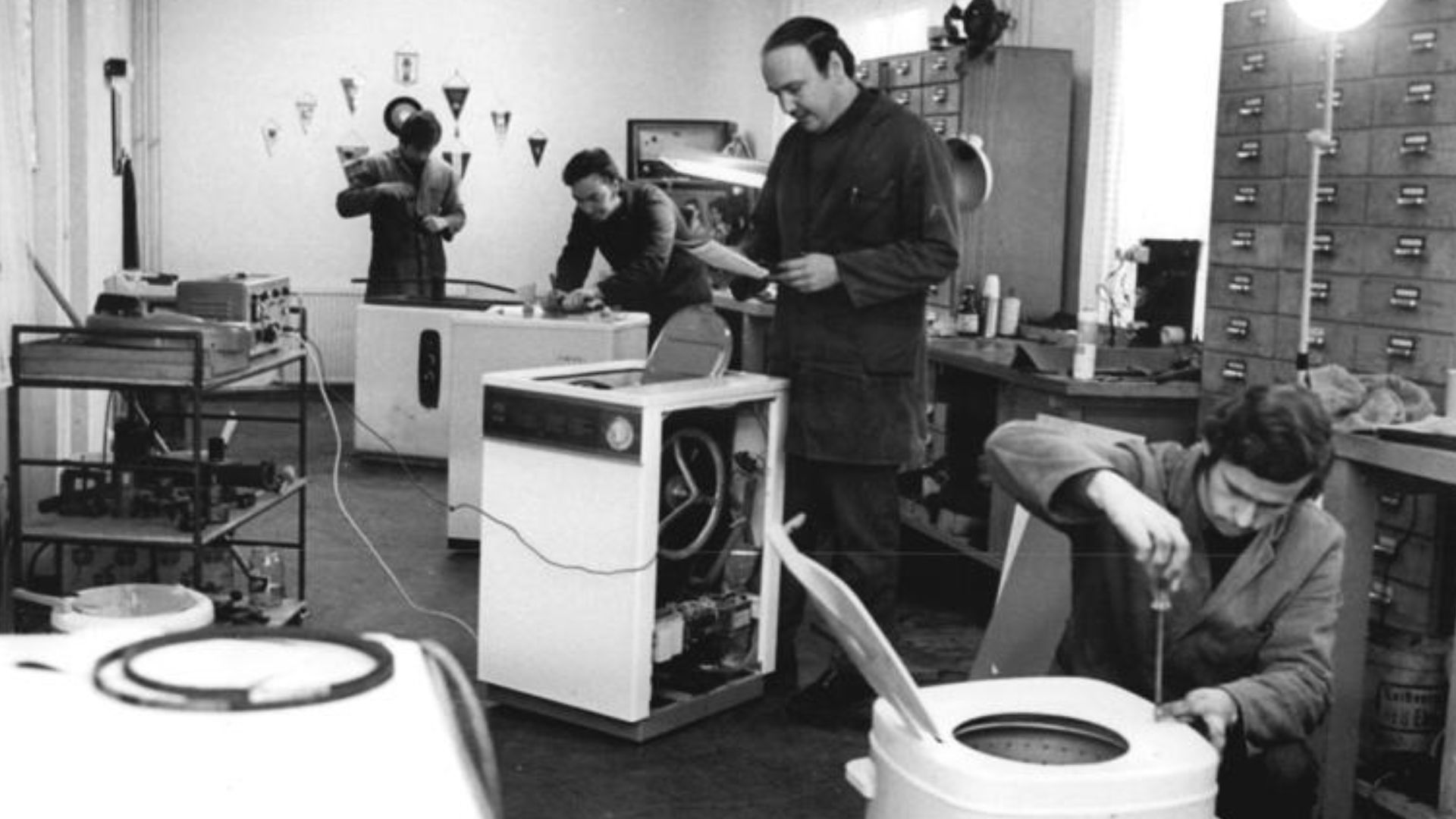
A washing machine that wouldn't drain could have a faulty pump. Rather than immediately shopping for a replacement machine, mechanically inclined homeowners sometimes removed the cabinet, disconnected the hoses, and replaced the pump. It was messy work, especially when leftover wash water spilled across the laundry room floor, but perfectly manageable with the right instructions.
 Benno Bartocha, Wikimedia Commons
Replacing The Bearings In A Clothes Dryer
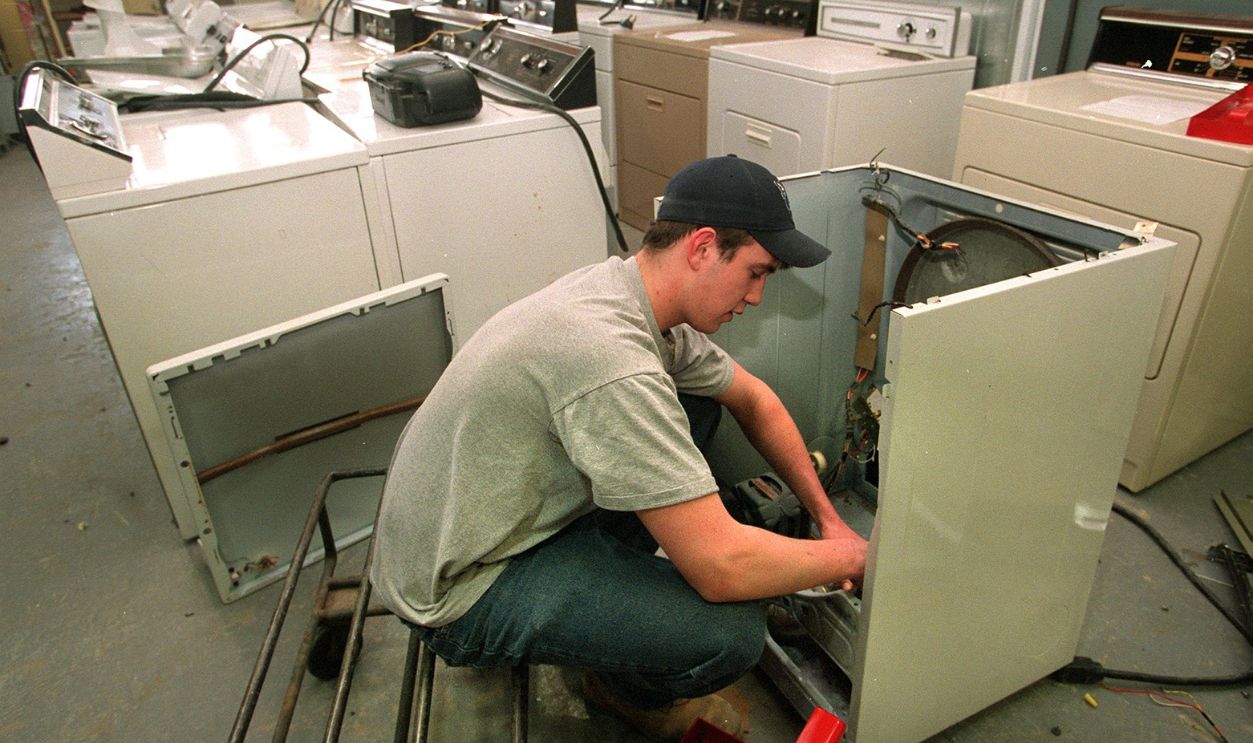
A dryer that sounded like it was full of loose change sometimes needed more than a new belt. Worn drum bearings, rollers, or support parts could make a terrible racket. Some homeowners took the machine apart, replaced the worn components, and reassembled everything. It wasn't a five-minute job, but it could extend the dryer's life considerably.
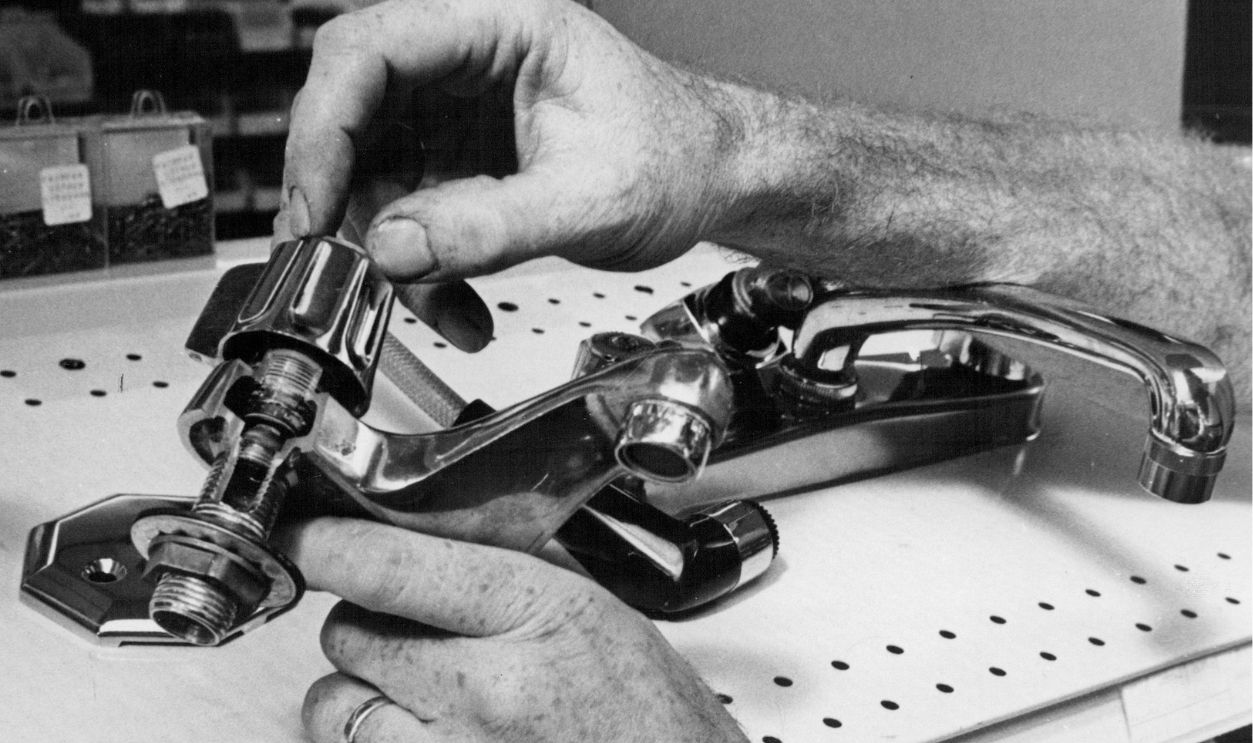
Rebuilding A Leaky Faucet Instead Of Replacing It
Replacing a faucet washer was one thing. Rebuilding the entire mechanism was another. Homeowners sometimes removed valve stems, replaced packing, cleaned mineral deposits, and installed new seats. Older faucets often had replaceable internal parts, meaning a fixture that seemed completely worn out could work for years after a careful afternoon's repair.
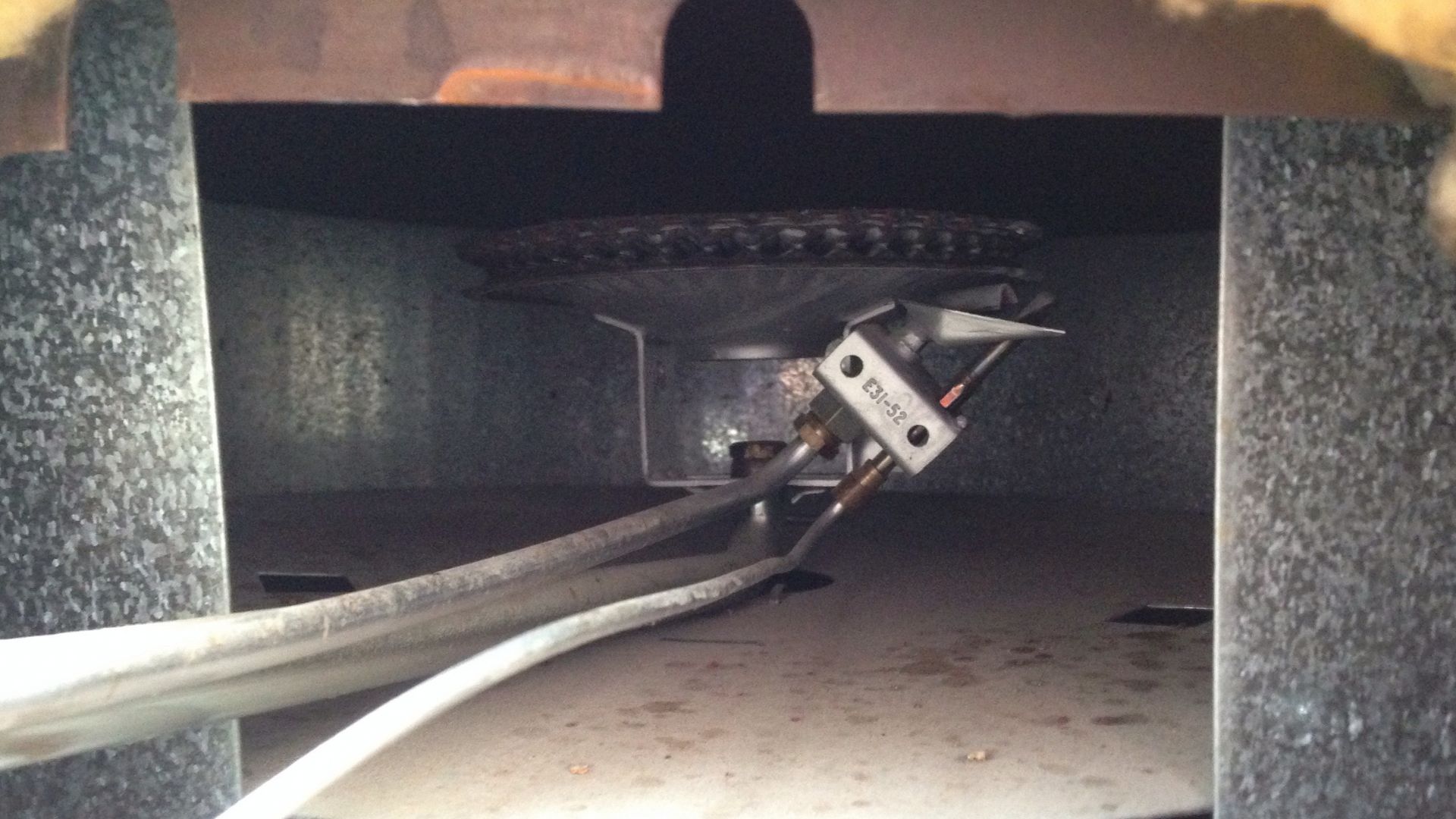
Replacing The Thermocouple In A Gas Water Heater
When an older gas water heater's pilot light refused to stay lit, a faulty thermocouple was one possible culprit. Some experienced homeowners replaced this small safety component themselves. It required understanding the pilot assembly and following the manufacturer's instructions. Gas appliances carried serious risks then, just as they do today, so this wasn't a job for beginners.
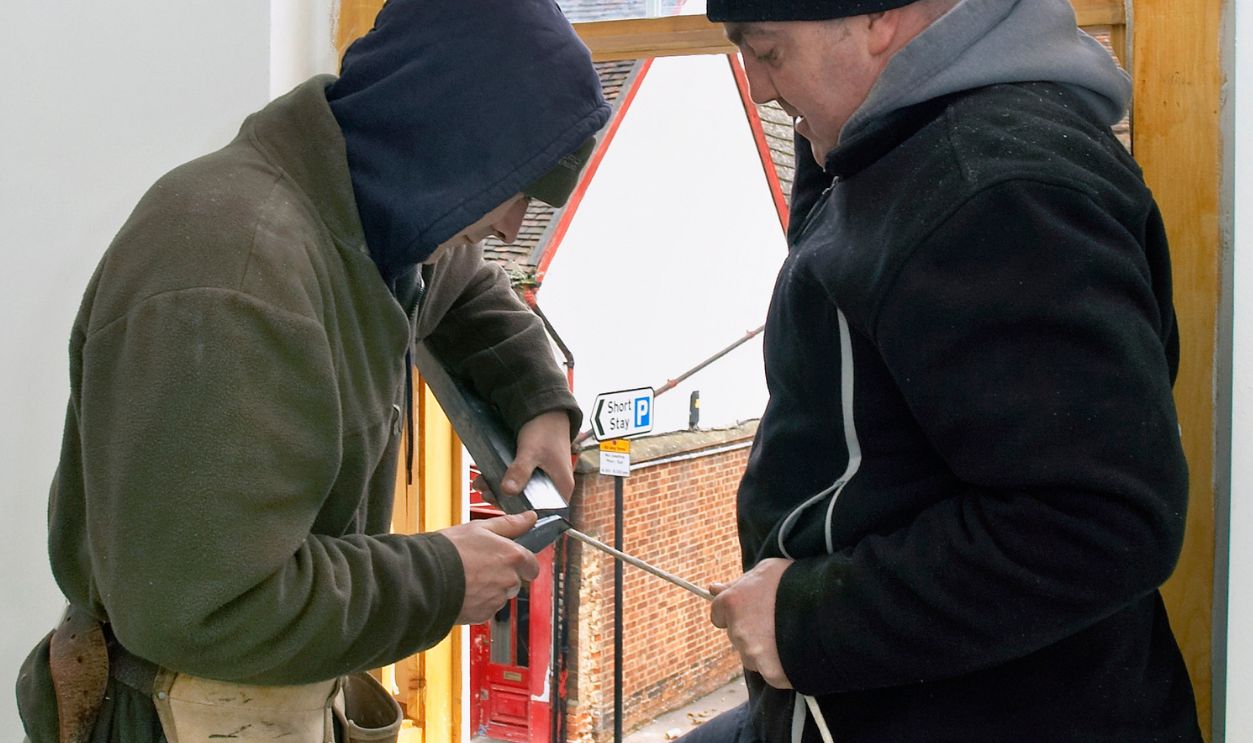
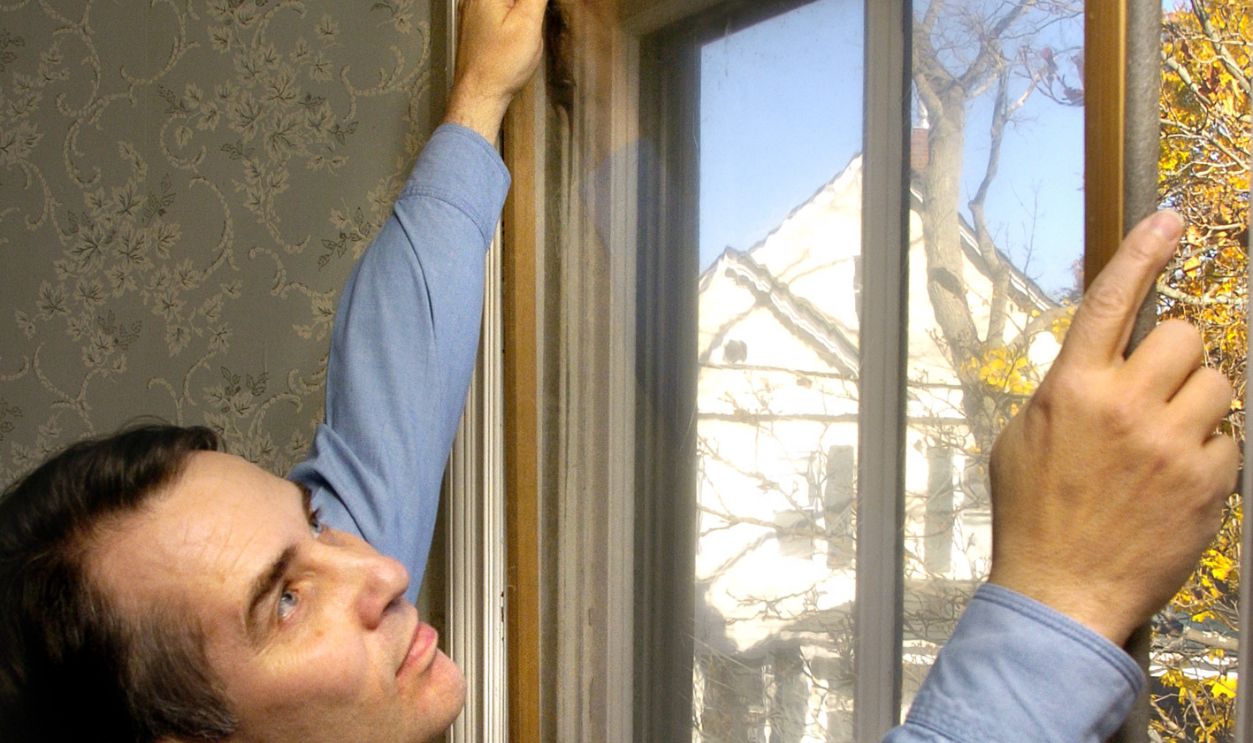
Repairing A Window's Sash Cord
Older double-hung windows used weights hidden inside the frame to help them slide up and down. When a sash cord snapped, the window could become almost impossible to operate. Handy homeowners removed sections of trim, accessed the hidden counterweights, and threaded new cord through the pulleys. It was surprisingly clever old-fashioned engineering.
 Construction Photography/Avalon, Getty Images
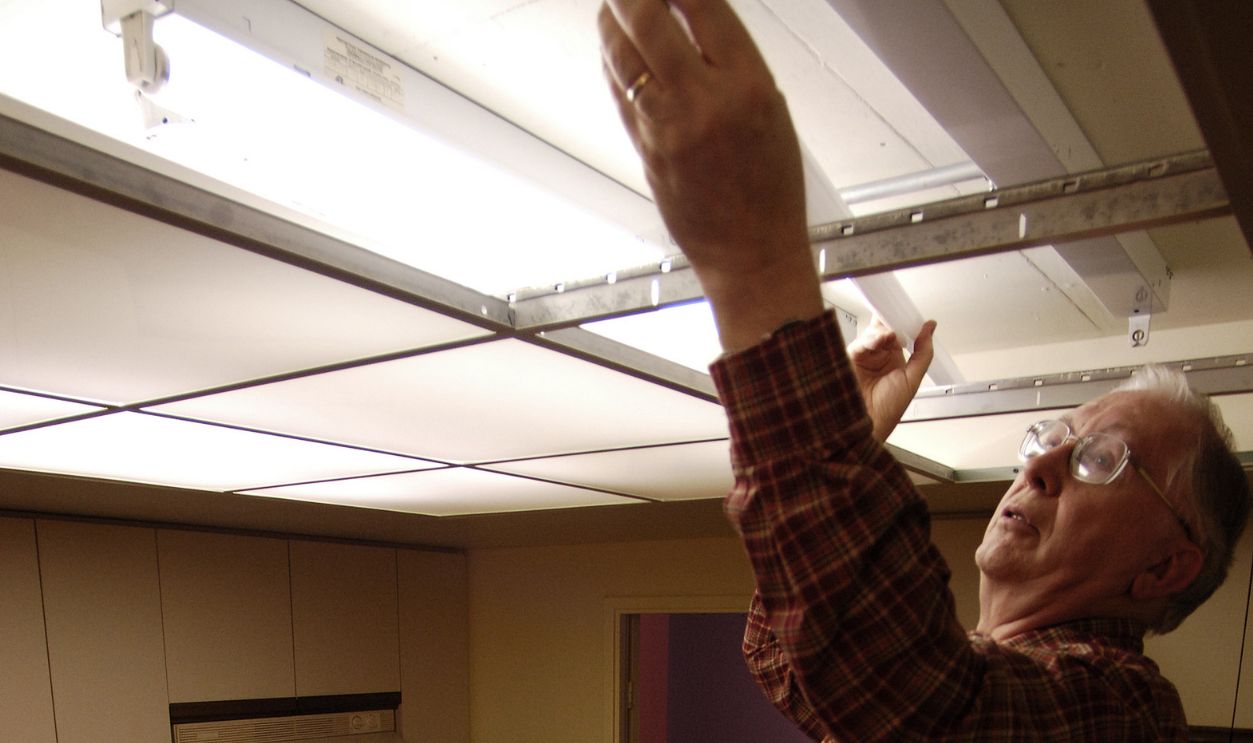
Replacing The Ballast In A Fluorescent Light
Remember those long fluorescent fixtures in basement workshops and kitchens? If the tubes flickered or refused to light, a failing ballast might have been responsible. Electrically experienced homeowners sometimes replaced the ballast rather than the entire fixture. It required proper power isolation and wiring knowledge, and older equipment could contain hazardous materials.
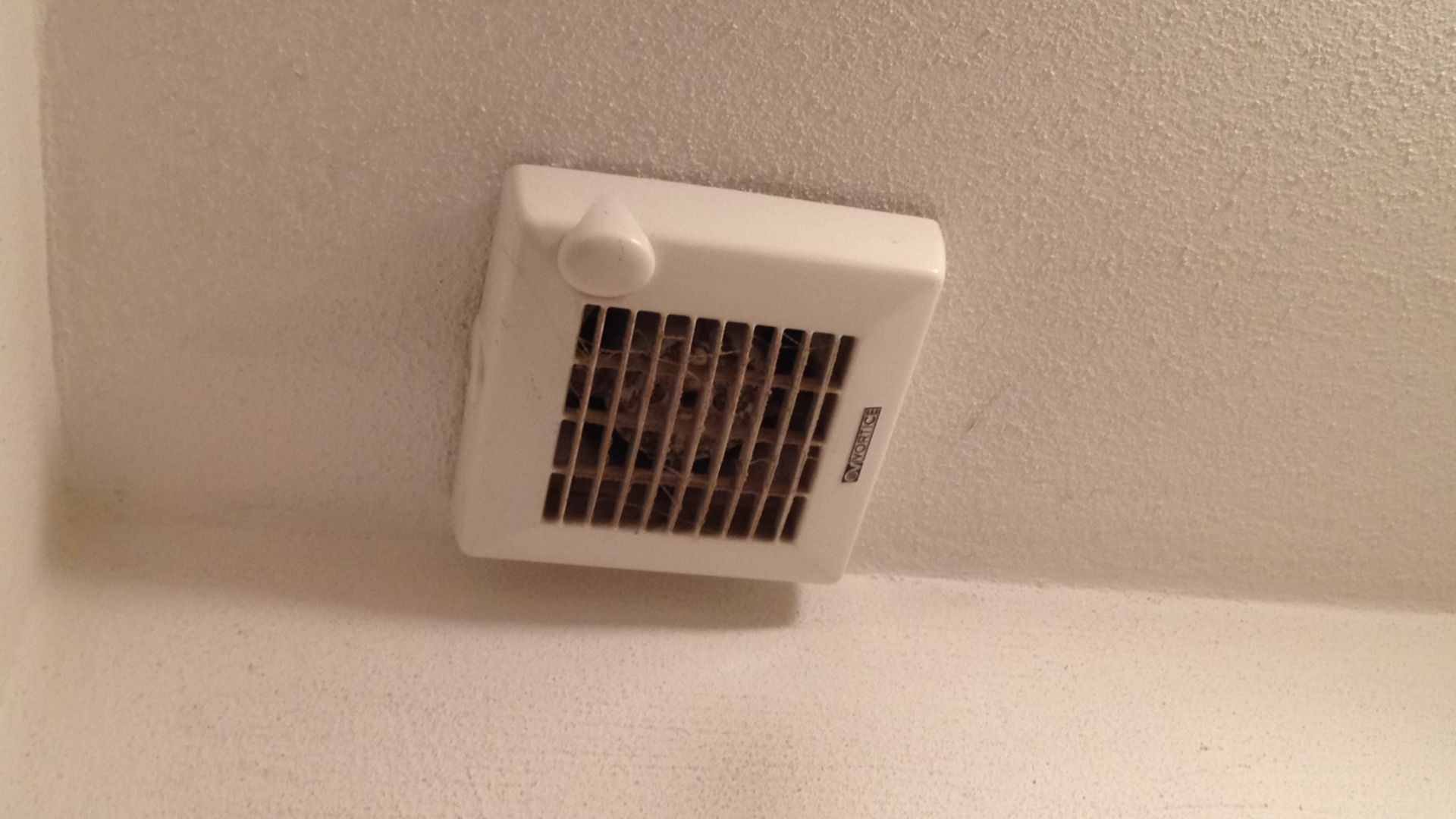
Repairing The Motor In A Bathroom Exhaust Fan
A bathroom fan that rattled loudly or stopped spinning wasn't always destined for the trash. Some homeowners removed the grille, cleaned years of dust from the assembly, and replaced the motor or worn components. Many older fans had relatively straightforward mechanical arrangements, making repair a practical alternative to installing an entirely new unit.
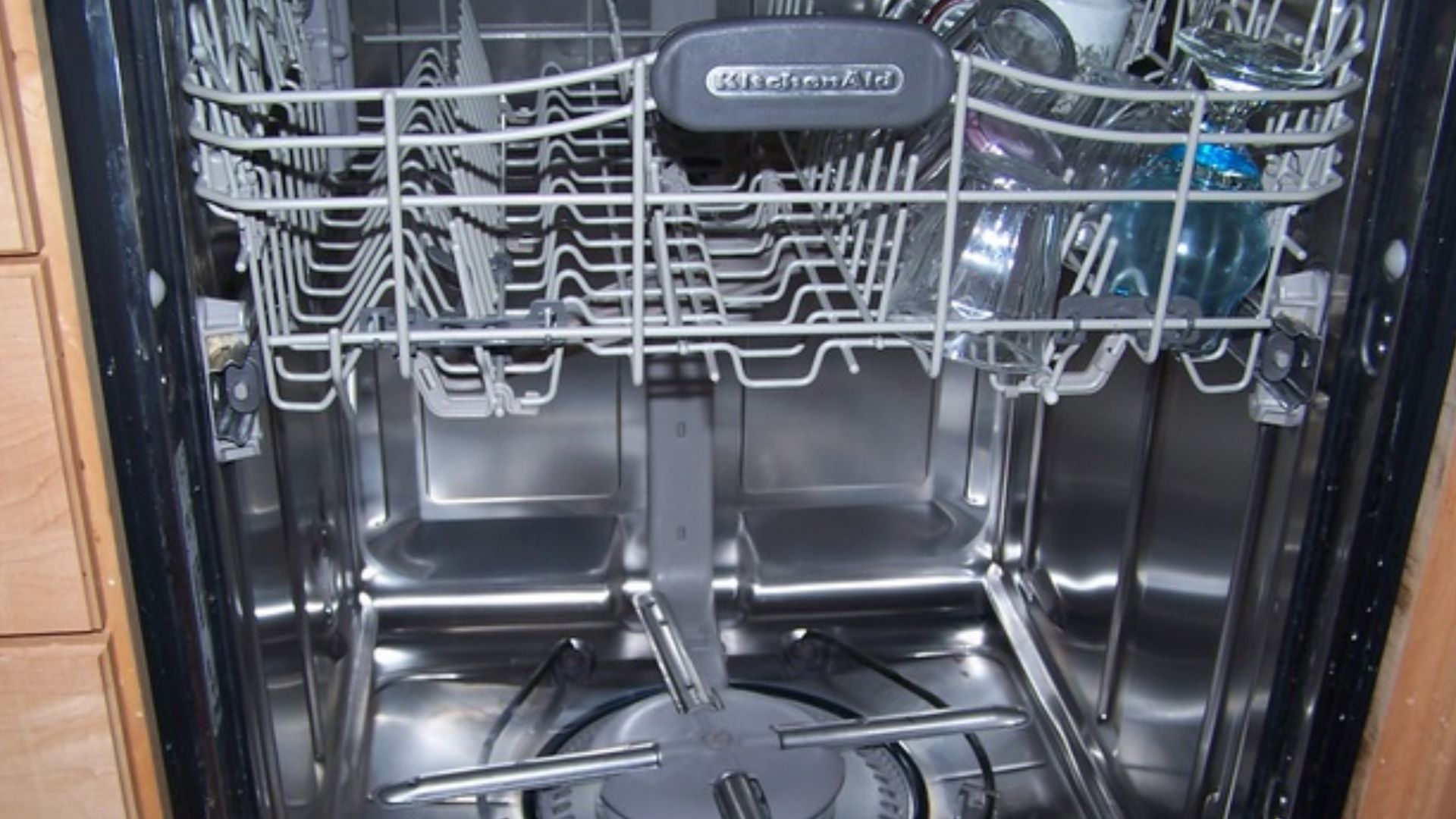
Replacing A Dishwasher's Door Gasket
A puddle beneath the dishwasher didn't necessarily mean the appliance was finished. Sometimes, the rubber gasket surrounding the door had hardened or deteriorated. Homeowners could remove the old seal, clean the channel, and fit a replacement. Getting the gasket seated correctly took patience, but it was considerably cheaper than buying another dishwasher.
 DIYprojects, Wikimedia Commons
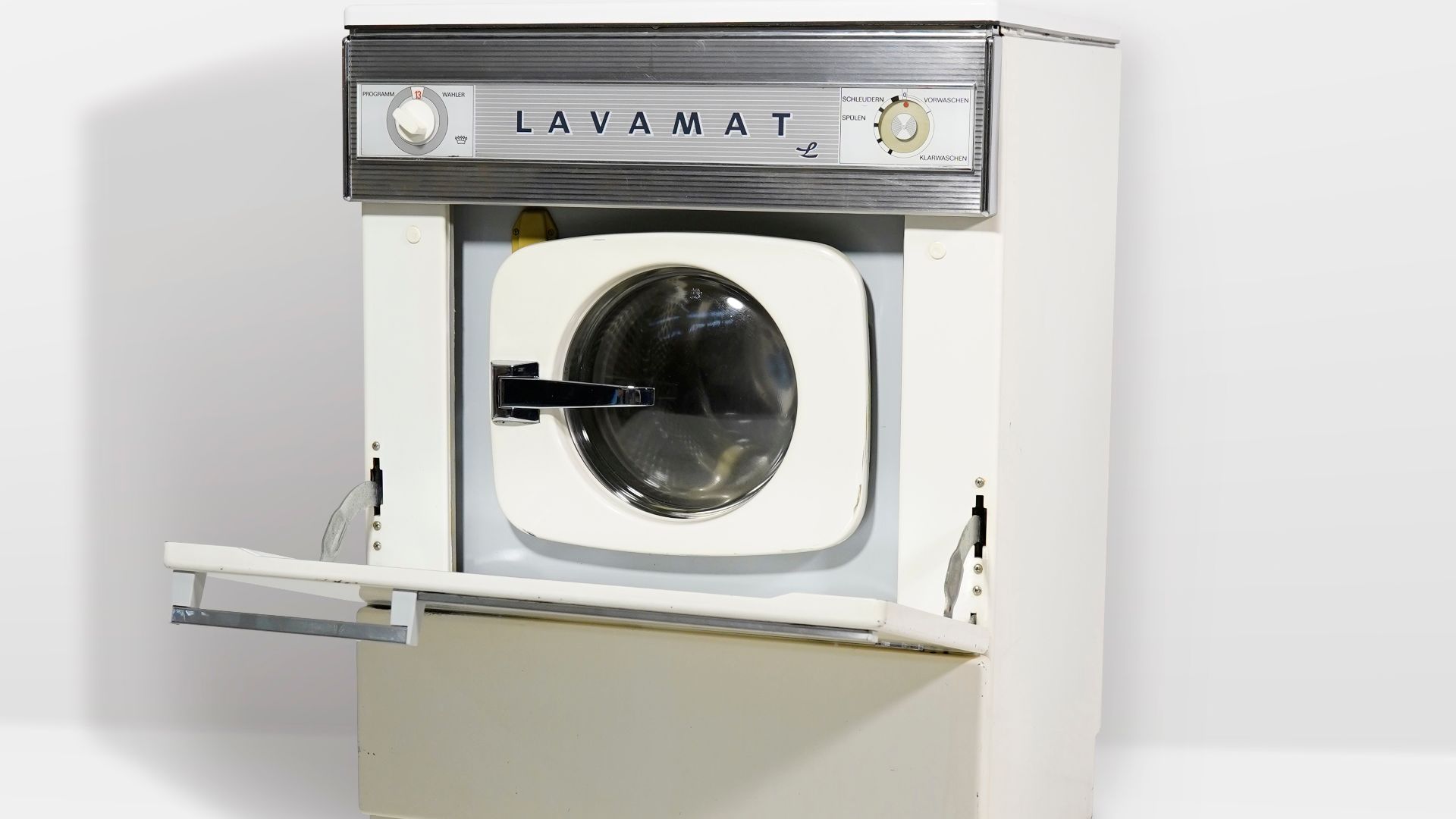
Fixing The Timer On A Washing Machine
Before electronic displays took over, washing machines often relied on mechanical timers. If the machine stopped advancing through its cycles, the timer mechanism could be responsible. Some resourceful homeowners replaced the entire timer assembly themselves. The repair involved removing the control panel and carefully transferring the connections to the replacement unit.
 Museuvalenciaetnologia, Wikimedia Commons
Replacing A Refrigerator Door Gasket
A refrigerator door that no longer sealed properly could make the compressor work overtime. Rather than replacing the appliance, homeowners sometimes removed the old magnetic gasket and fitted a new one. Getting the corners aligned and the seal sitting flat could be frustrating, but it was a repair worth doing.
 Lizlemonhead, Wikimedia Commons
Repairing A Wooden Storm Window
Before replacement windows became such a common home improvement project, many houses had removable wooden storm windows. When the frames loosened or the glazing deteriorated, homeowners repaired the joints, replaced damaged putty, and repainted the wood. Some even built replacement sections themselves. It was painstaking work, but the finished window could last for years.
 Portland Press Herald, Getty Images
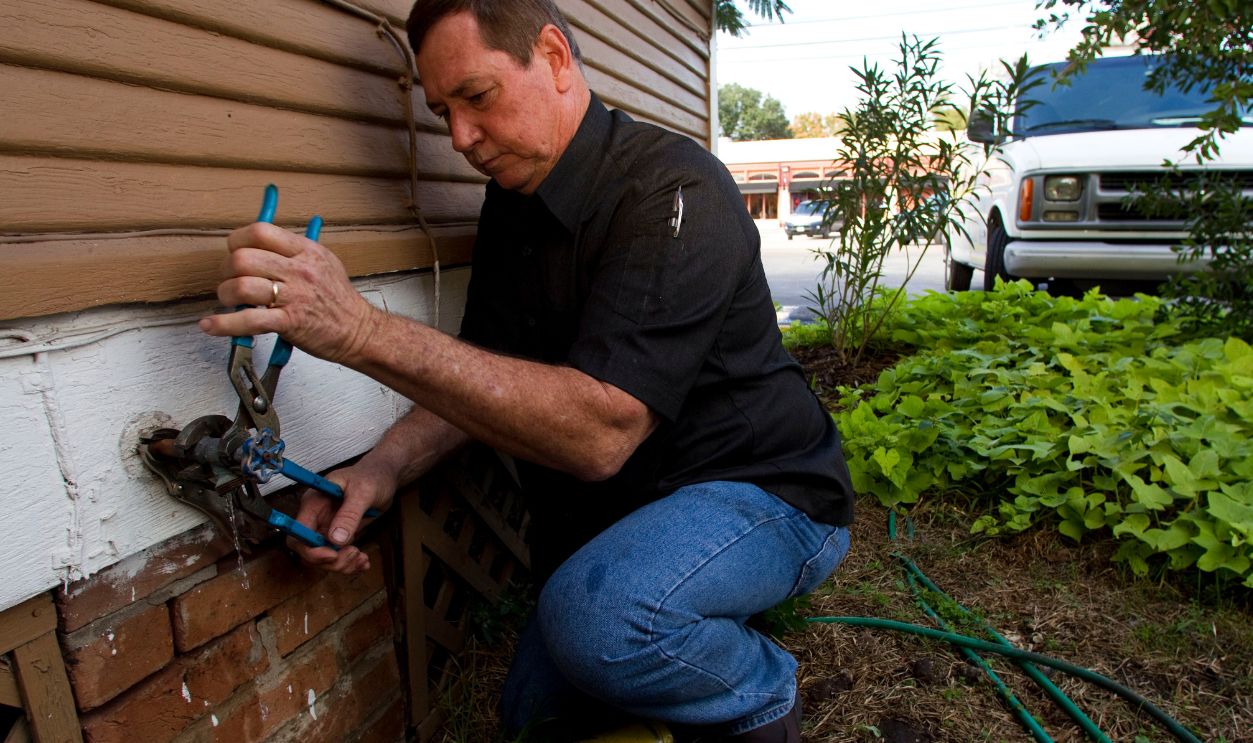
Repacking A Leaky Water Valve
An old shutoff valve sometimes leaked around its handle rather than through the pipe connection. Experienced homeowners could tighten or replace the packing around the valve stem to stop the seepage. It required identifying the valve design and knowing how to isolate the water supply. A small repair could prevent a much larger plumbing headache.
 Houston Chronicle/Hearst Newspapers, Getty Images
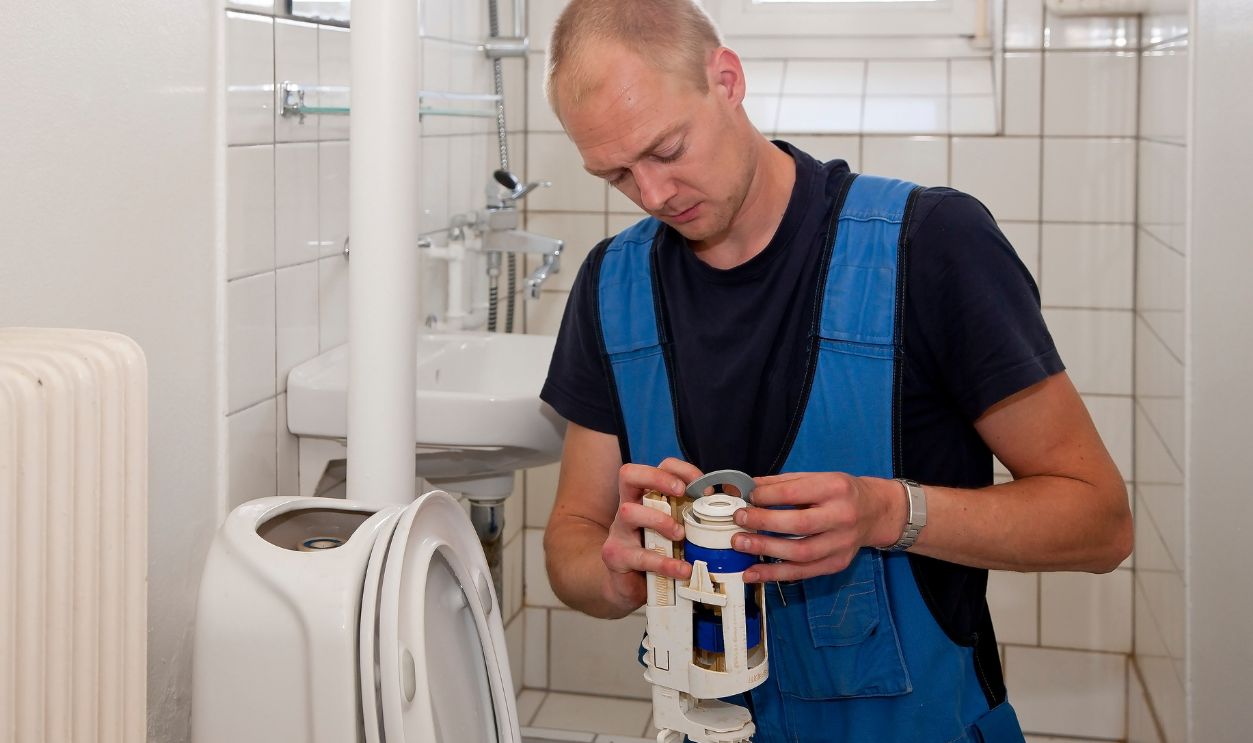
Rebuilding A Toilet's Flush Mechanism
A constantly running toilet could require more than adjusting the float. Some homeowners replaced the entire ballcock assembly, flush valve, and associated seals. Older toilet tanks contained relatively simple mechanical systems that could be disassembled and rebuilt. With the right parts, a troublesome toilet could keep working for decades.
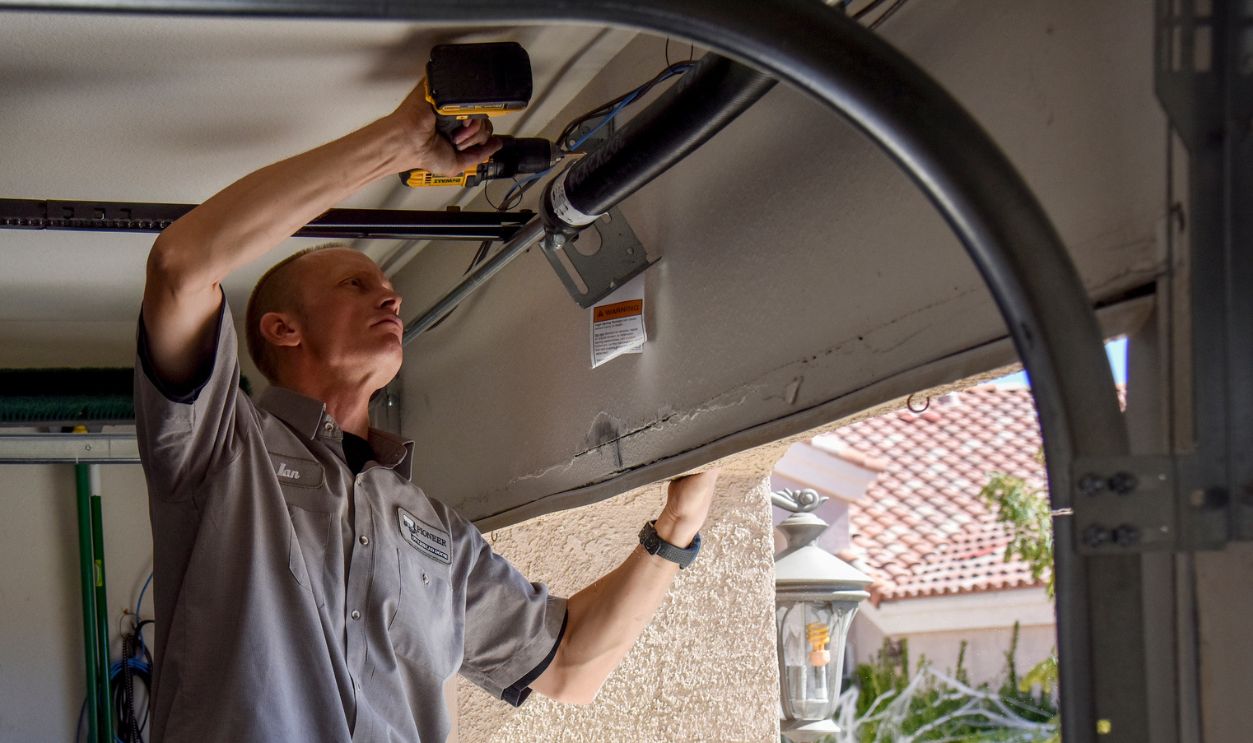
Repairing A Garage Door's Roller Tracks
A garage door that stuck halfway open sometimes had damaged rollers, loose brackets, or misaligned tracks. Handy homeowners occasionally replaced rollers and adjusted non-tensioned hardware to restore smooth operation. However, garage door springs and cables were dangerous even in the 1980s. Those high-tension components were best left to trained professionals.
 The Washington Post, Getty Images
Replacing The Starter Rope On A Lawn Mower
When the pull cord snapped on the family lawn mower, the machine wasn't automatically headed for a repair shop. Mechanically inclined homeowners removed the recoil starter assembly and fitted a replacement rope. Rewinding the spring-loaded mechanism took patience, and the spring demanded respect. Still, it was a familiar repair for many backyard mechanics.
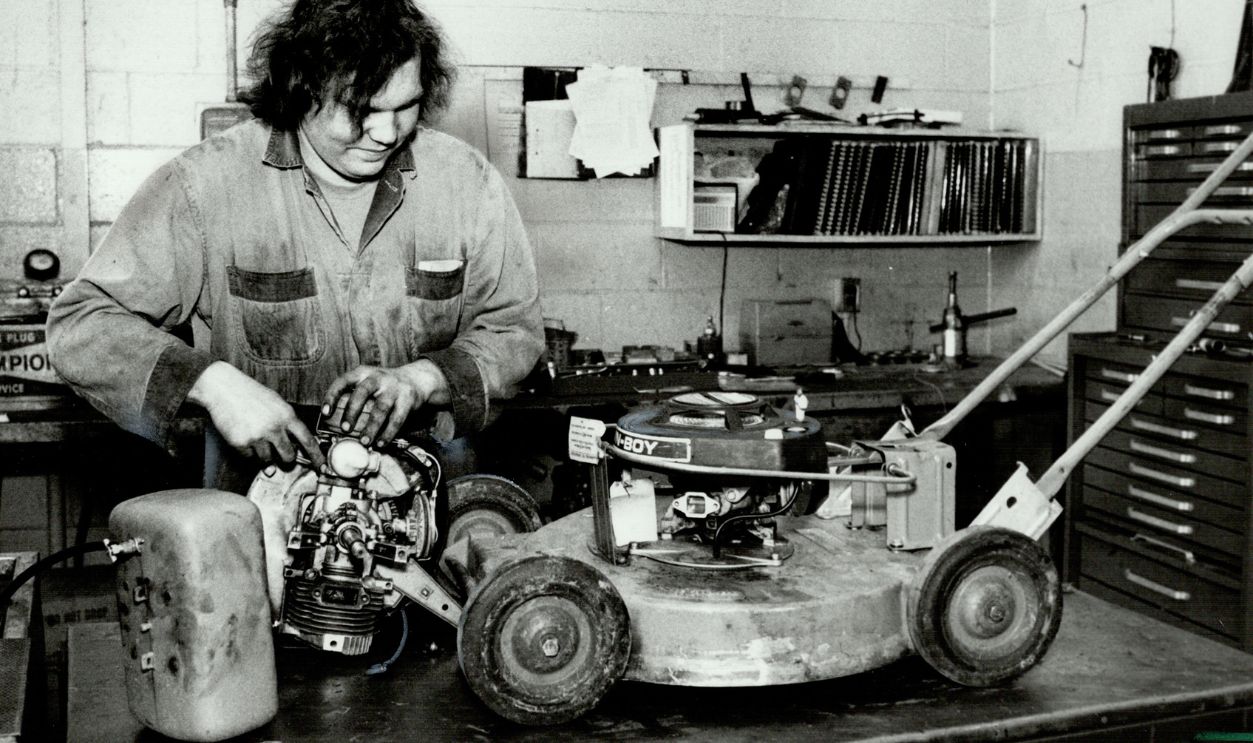
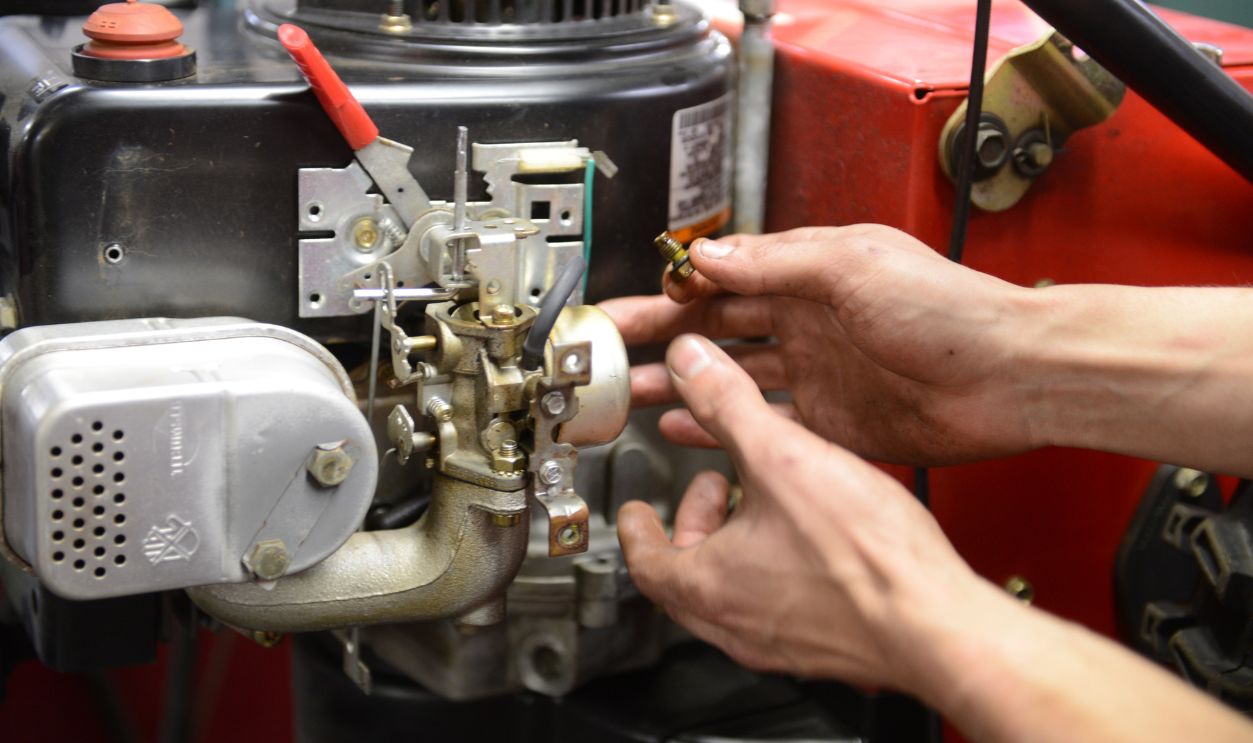
Rebuilding A Carburetor On A Snowblower
A snowblower that sputtered through winter could have a dirty or worn carburetor. Instead of replacing the machine, some homeowners removed the carburetor, cleaned its passages, and installed fresh gaskets and other replacement parts. It required a little mechanical knowledge, but a successful rebuild could bring an aging snowblower back to life.
 MediaNews Group/Reading Eagle via Getty Images, Getty Images
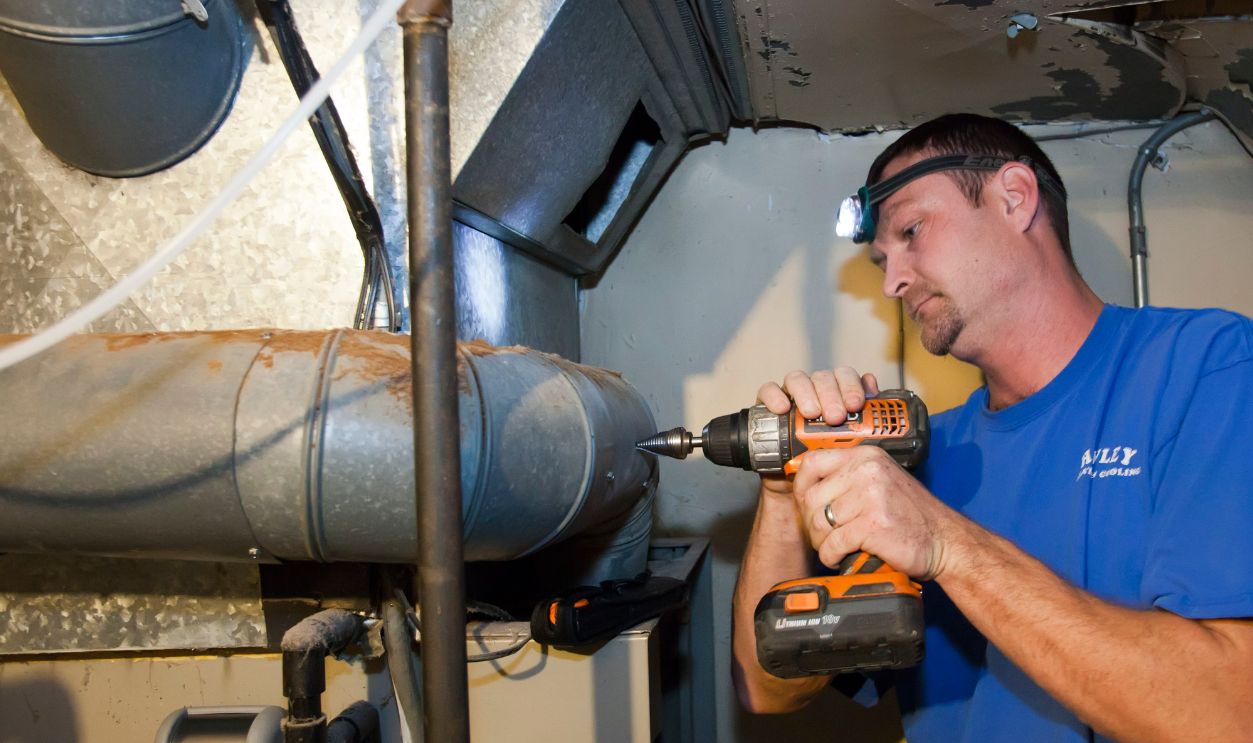
Replacing The Motor In A Furnace Blower
A forced-air furnace could stop circulating warm air because of a failing blower motor. Some mechanically experienced homeowners replaced motors, pulleys, or belts themselves, particularly on older systems. The work involved electrical and moving-part hazards, so it wasn't suitable for everyone. Still, replaceable components made major repairs possible without replacing the entire furnace.
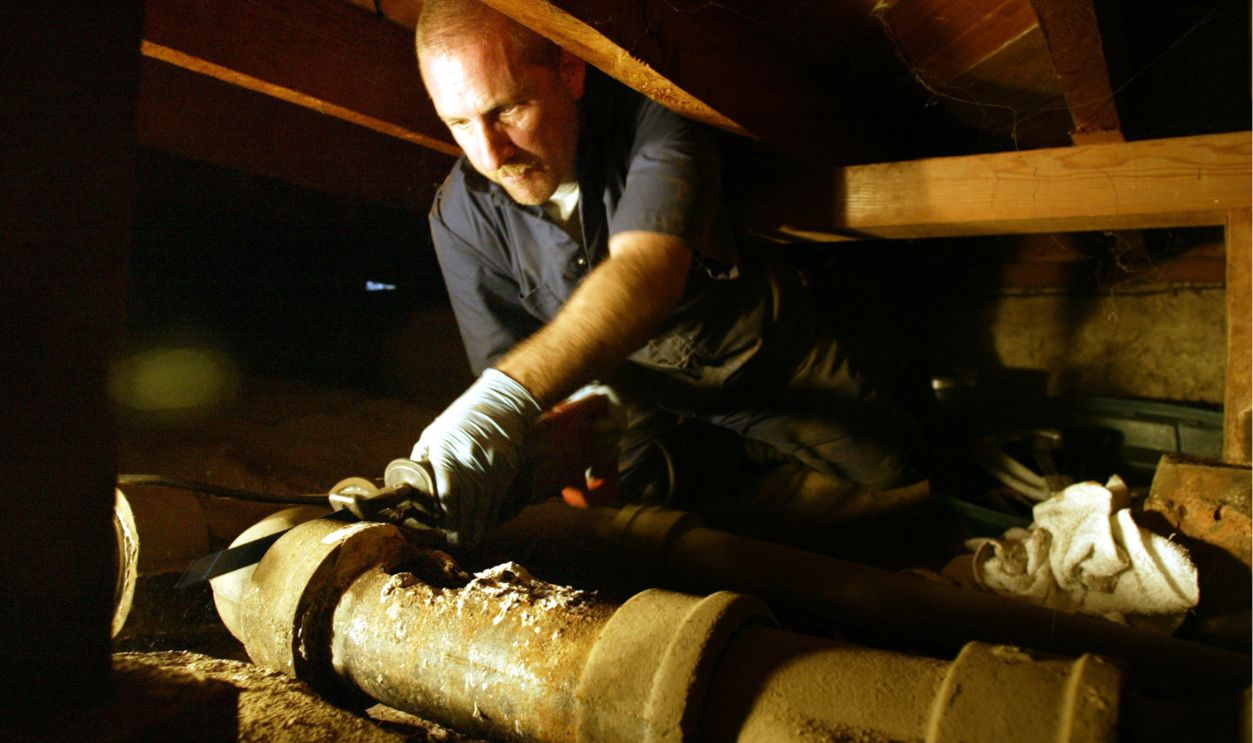
Repairing A Cracked Cast-Iron Drainpipe
Older houses often had cast-iron drainpipes that could develop cracks or leaks. Some skilled homeowners cut out damaged sections and installed approved replacement fittings. Working with heavy cast iron was physically demanding and required proper tools. It was certainly more involved than tightening a faucet, but experienced do-it-yourselfers sometimes tackled it.
Replacing A Damaged Section Of Copper Pipe
A leak in a copper water line didn't always mean bringing in a plumber. Homeowners who knew how to sweat copper fittings sometimes removed the damaged section and soldered in a replacement. It required careful preparation, a clean joint, and safe handling of a torch. A well-made repair could last for decades.
 neffk (talk), Wikimedia Commons
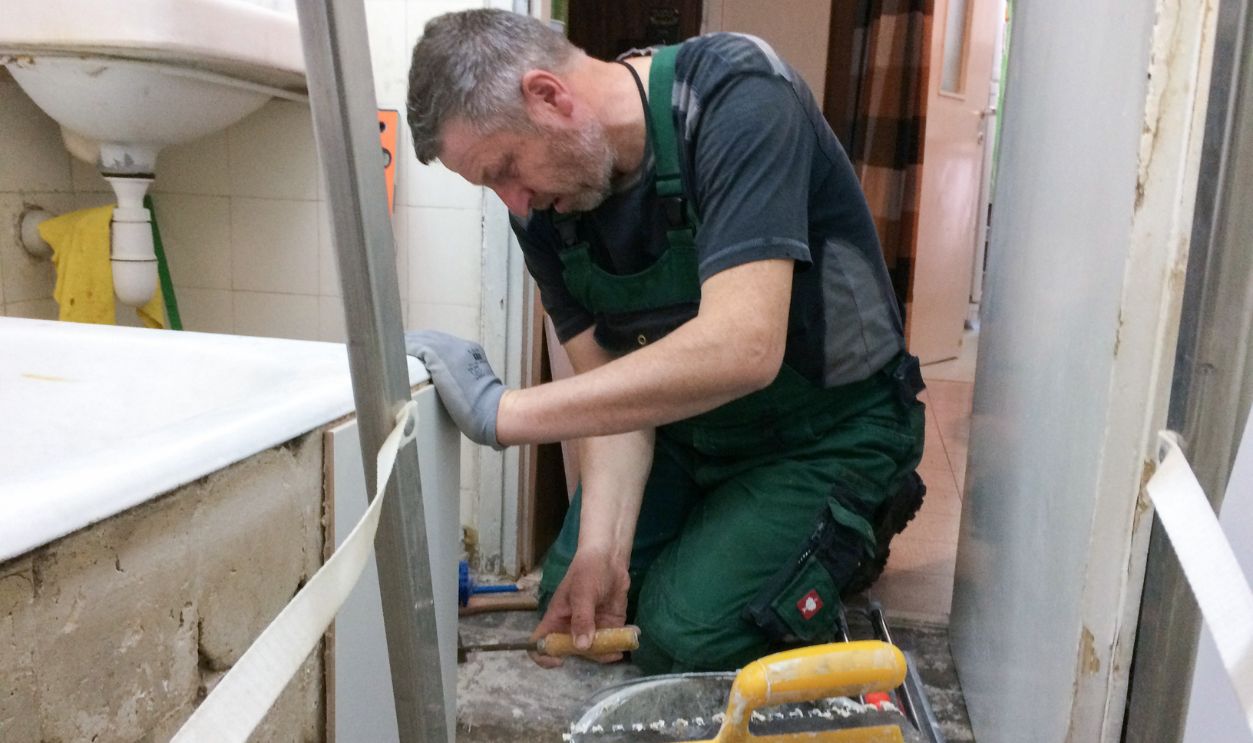
Replacing A Broken Tile Around The Bathtub
A cracked bathroom tile could become a bigger project than expected. Homeowners sometimes removed damaged tiles, scraped out old adhesive, fitted replacements, and regrouted the area. Matching the original tile was often the hardest part. If the underlying wall was damaged by moisture, however, the repair could become much more involved.
 picture alliance, Getty Images
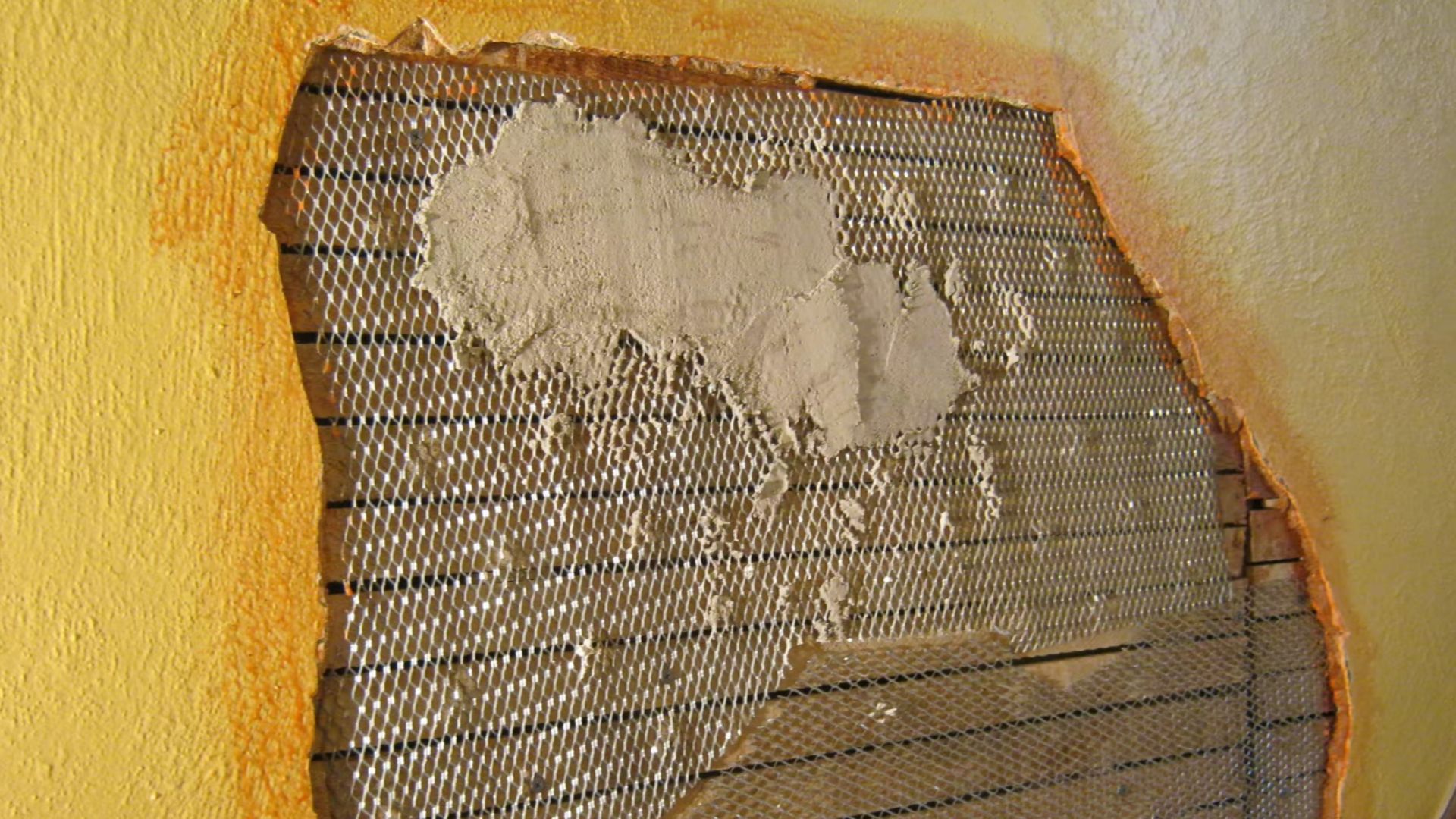
Repairing A Damaged Plaster Wall
Many older homes still had traditional plaster walls rather than modern drywall. Repairing a cracked section could involve removing loose material, securing the surrounding plaster, and applying several layers of patching compound or plaster. It took a practiced hand to create a smooth finish. Some homeowners became remarkably good at it.
 WorkerBeeCP, Wikimedia Commons
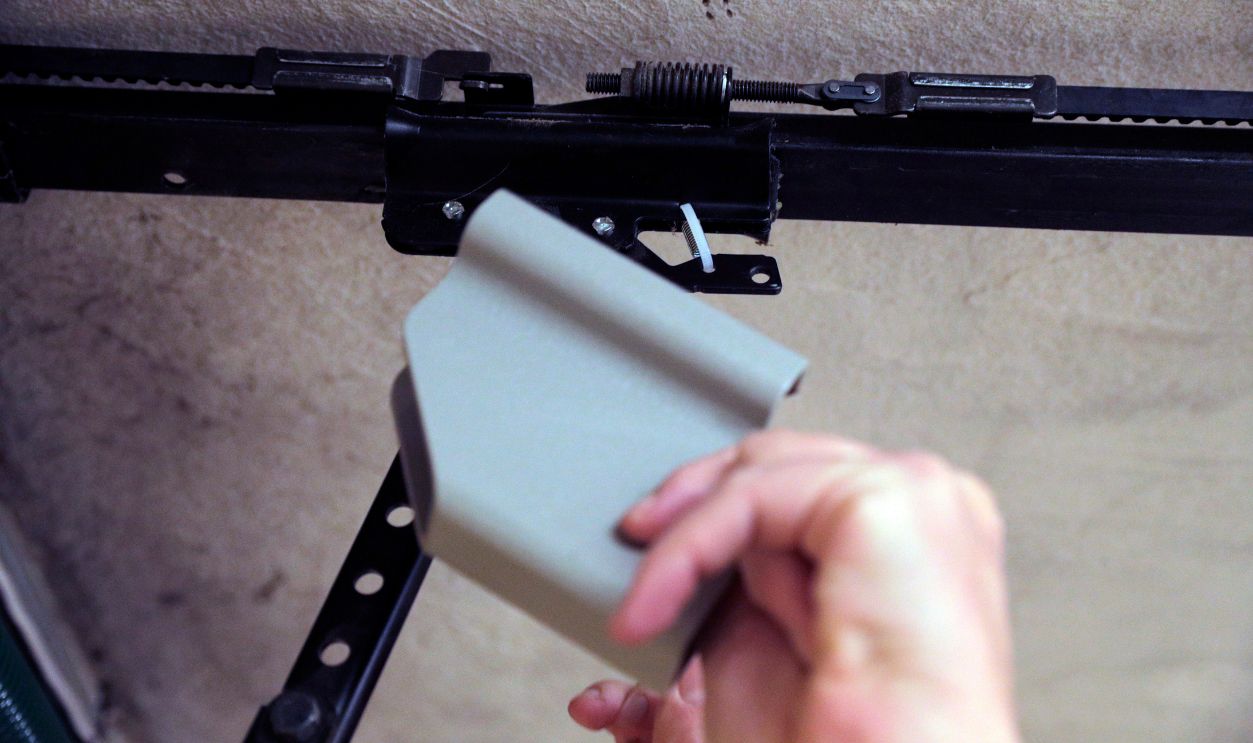
Replacing A Garage Door Opener's Drive Gear
When an automatic garage door opener hummed without moving the door, the problem sometimes involved a stripped internal drive gear. Mechanically capable homeowners could replace the worn gear assembly rather than buying a new opener. The work required careful disassembly and attention to safety, particularly around the door's moving parts.
 San Francisco Chronicle/Hearst Newspapers, Getty Images
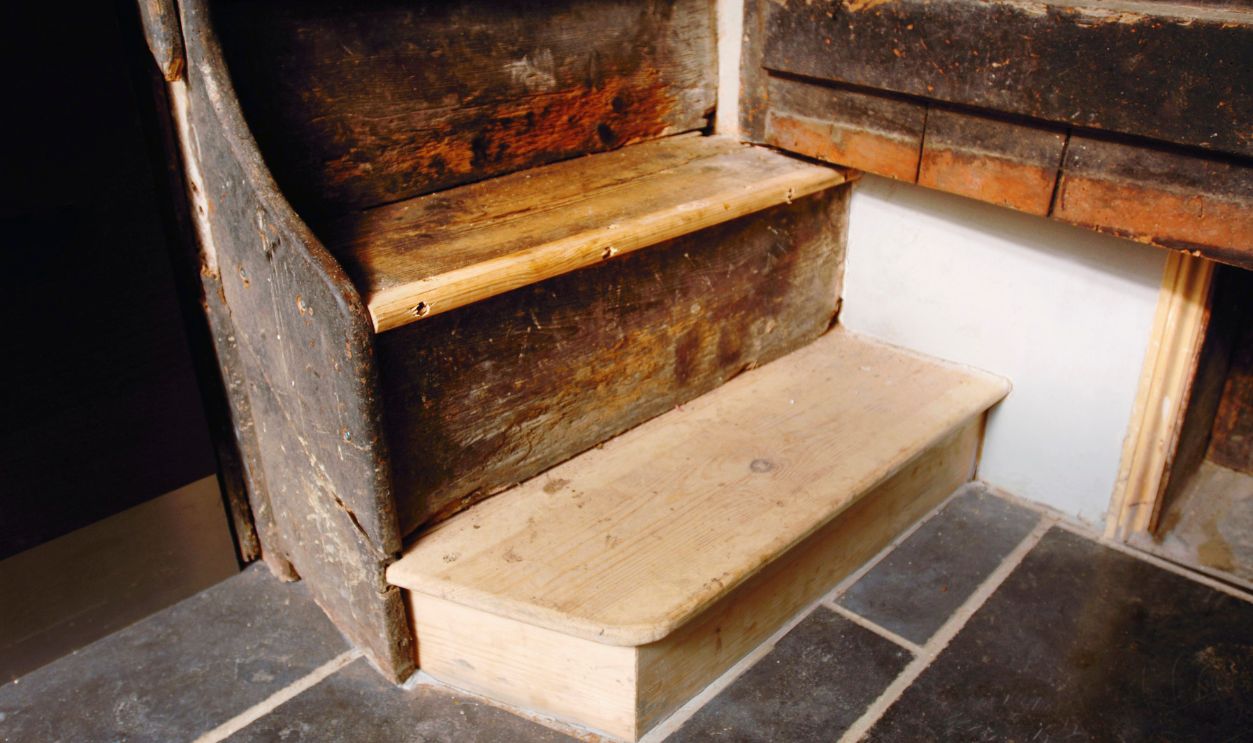
Repairing A Broken Stair Tread
A loose or cracked wooden stair tread wasn't always a simple cosmetic problem. Homeowners with carpentry experience sometimes removed the damaged tread, checked the supporting structure, and fitted a replacement. Matching the existing wood and making everything fit securely could take hours. Still, it was the kind of project a determined homeowner might tackle over a weekend.
 Construction Photography/Avalon, Getty Images
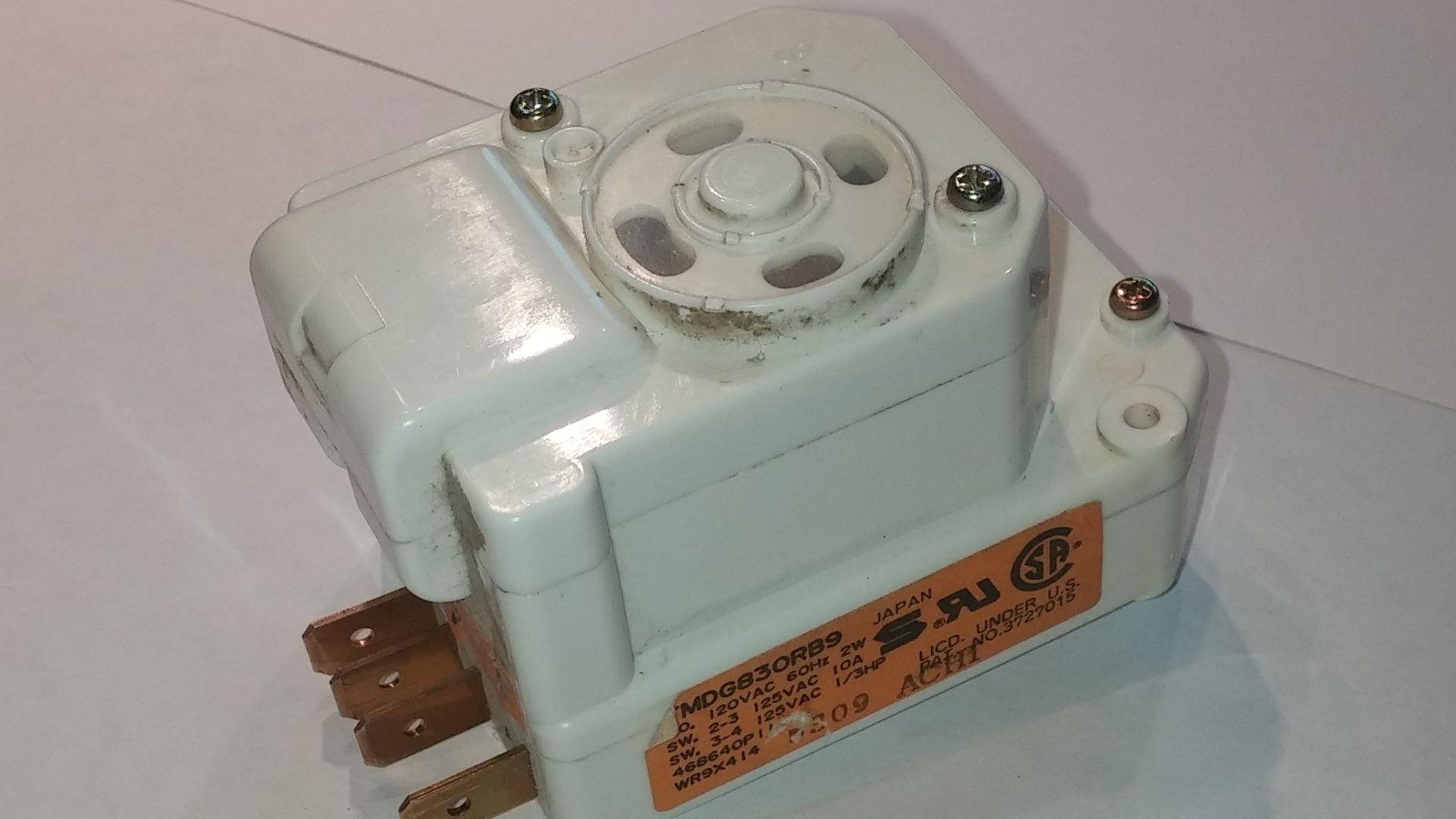
Replacing A Refrigerator's Defrost Timer
Older frost-free refrigerators often used mechanical defrost timers to control their cooling and defrost cycles. When one failed, the refrigerator might develop excessive frost or cooling problems. Some homeowners diagnosed the problem and replaced the timer themselves. It was a small component, but understanding what it did made all the difference.
The Repair Culture That Defined A Generation
What made household repairs different in the 1980s wasn't some magical ability that disappeared with younger generations. Many Baby Boomers grew up around repairable appliances, local hardware stores, and neighbors willing to share their knowledge. Today, complicated electronics, sealed components, and changing safety standards have altered the experience. But the satisfaction of fixing something yourself? That's timeless.
 Daily Herald Archive, Getty Images
You May Also Like:
Did You Ever Wonder How Supermarket Checkouts Worked Before The Barcode Was Invented?