History Had Other Plans
Sometimes history delivers unbelievable twists. Consider inventors undone by their creations, performers whose final acts mirrored their work, and celebrated figures caught in astonishing coincidences. Some popular stories have grown through retelling, but the details here rest on identifiable historical records.
 Bettmann/Corbis, Wikimedia Commons
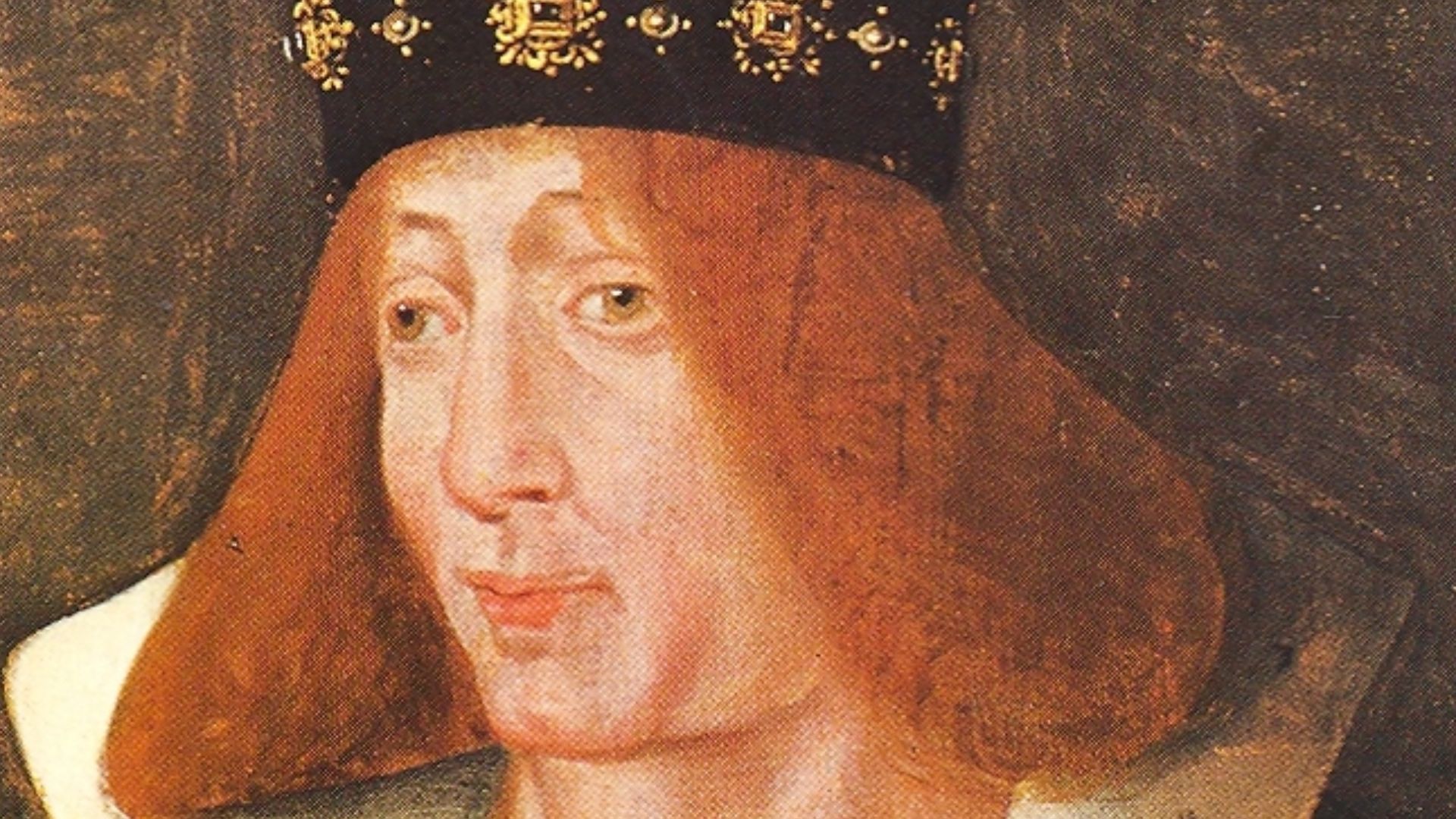
James II And His Cannon
Scottish King James II championed artillery. While besieging Roxburgh Castle in 1460, he stood near a cannon that exploded. The young monarch never survived the malfunction of his favored technology.
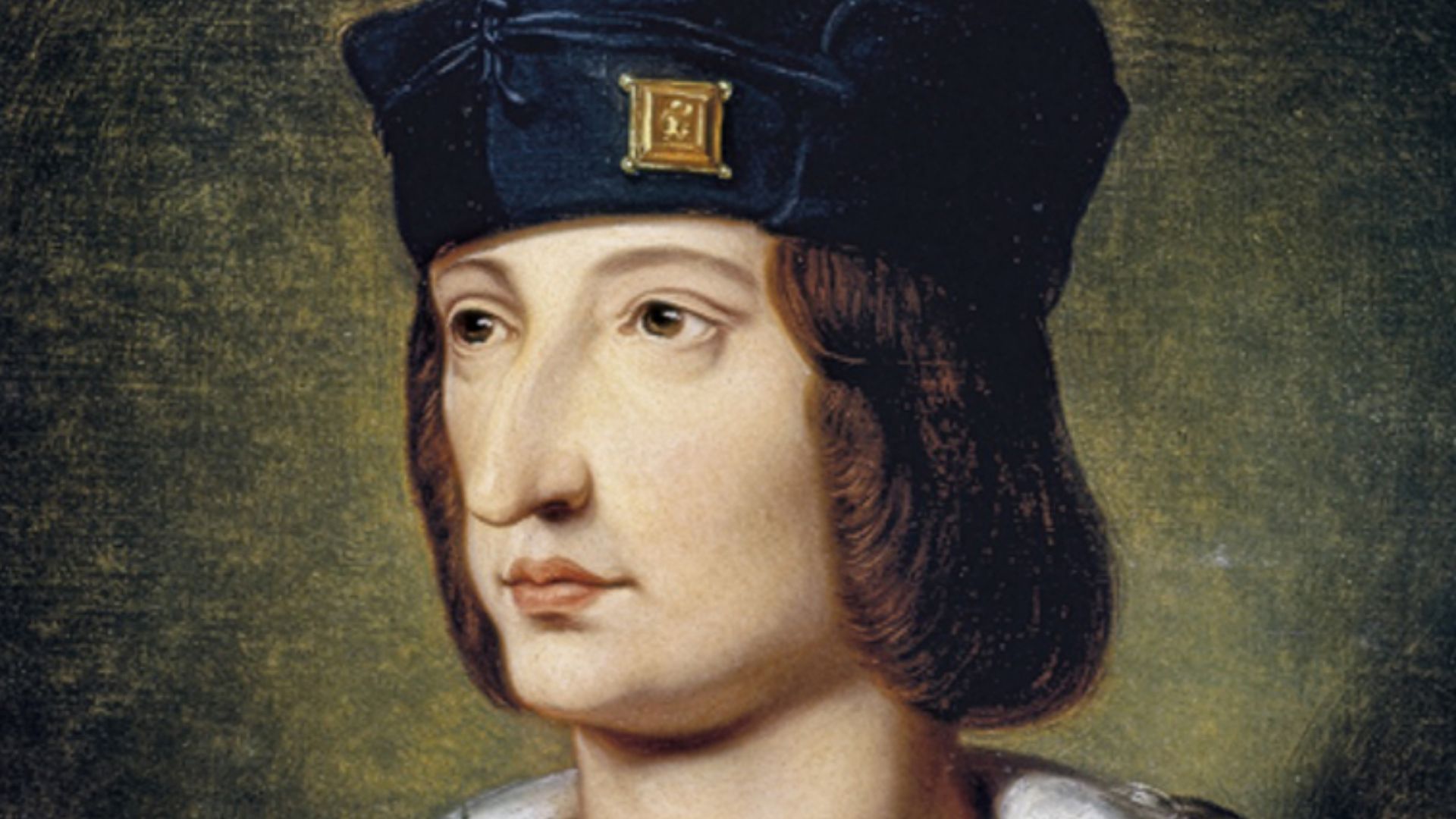
Charles VIII And A Doorway
French King Charles VIII walked through Amboise Castle in April 1498 and struck his head on a low doorway. He appeared well enough to carry on. Hours later, he collapsed and never regained consciousness.
 No artist known, Wikimedia Commons
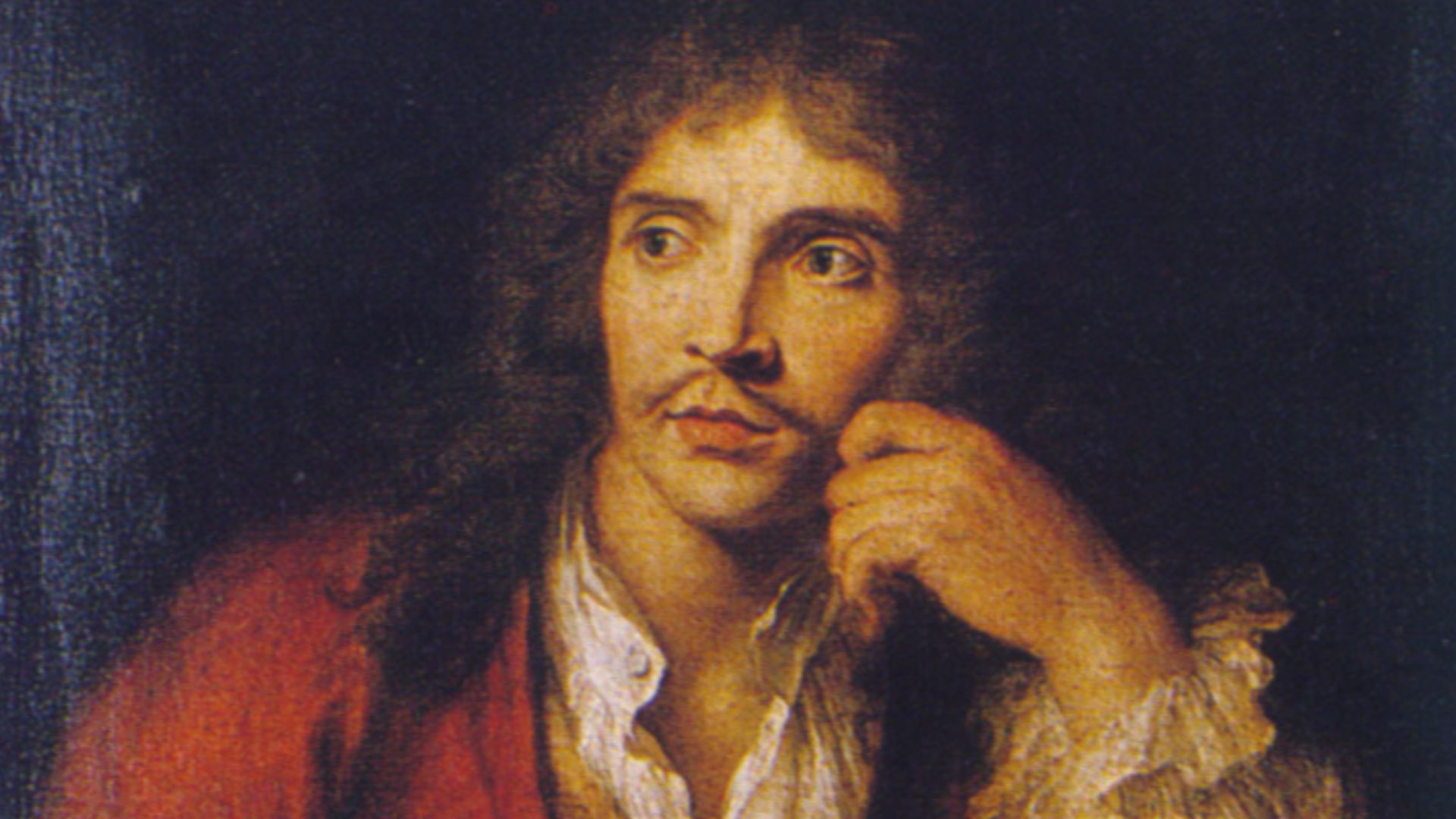
Molière's Final Performance
In February 1673, playwright Molière performed in The Imaginary Invalid, a comedy about an imagined invalid. He became unwell during the performance and was taken home. He never recovered, making the play deeply poignant.
 Charles-Antoine Coypel, Wikimedia Commons
Lully's Final Beat
Jean-Baptiste Lully directed music celebrating Louis XIV's recovery from illness in 1687. While keeping time with a heavy staff, he injured his foot. Infection followed, turning a celebration of restored health into his own final tragedy.
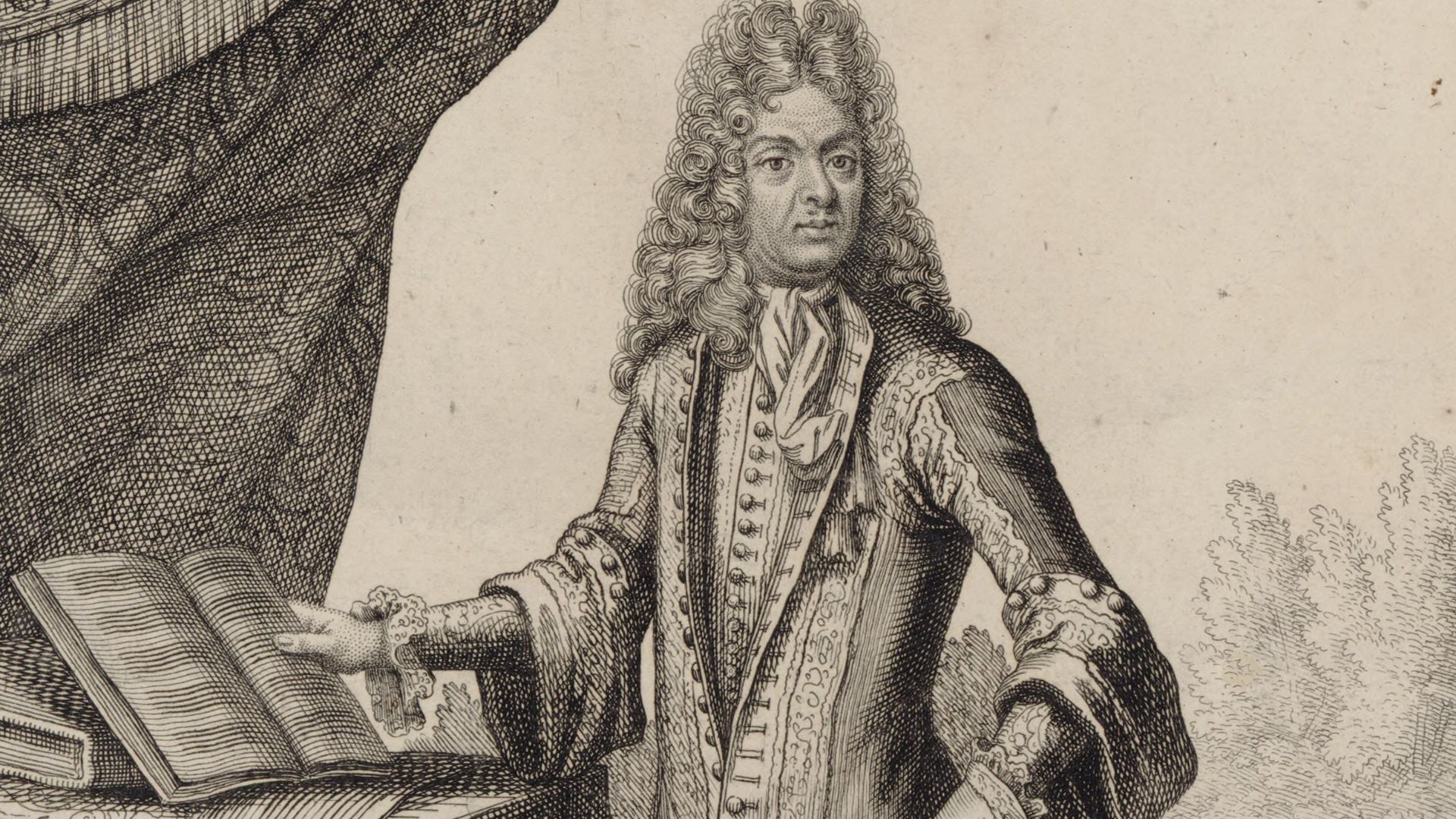 Henri Bonnart, Wikimedia Commons
Henry Winstanley's Lighthouse
Henry Winstanley built a pioneering lighthouse on England's dangerous Eddystone Rocks. In November 1703, he visited for repairs. A tremendous storm swept away the structure with its designer inside, leaving no trace of his ambitious coastal project.
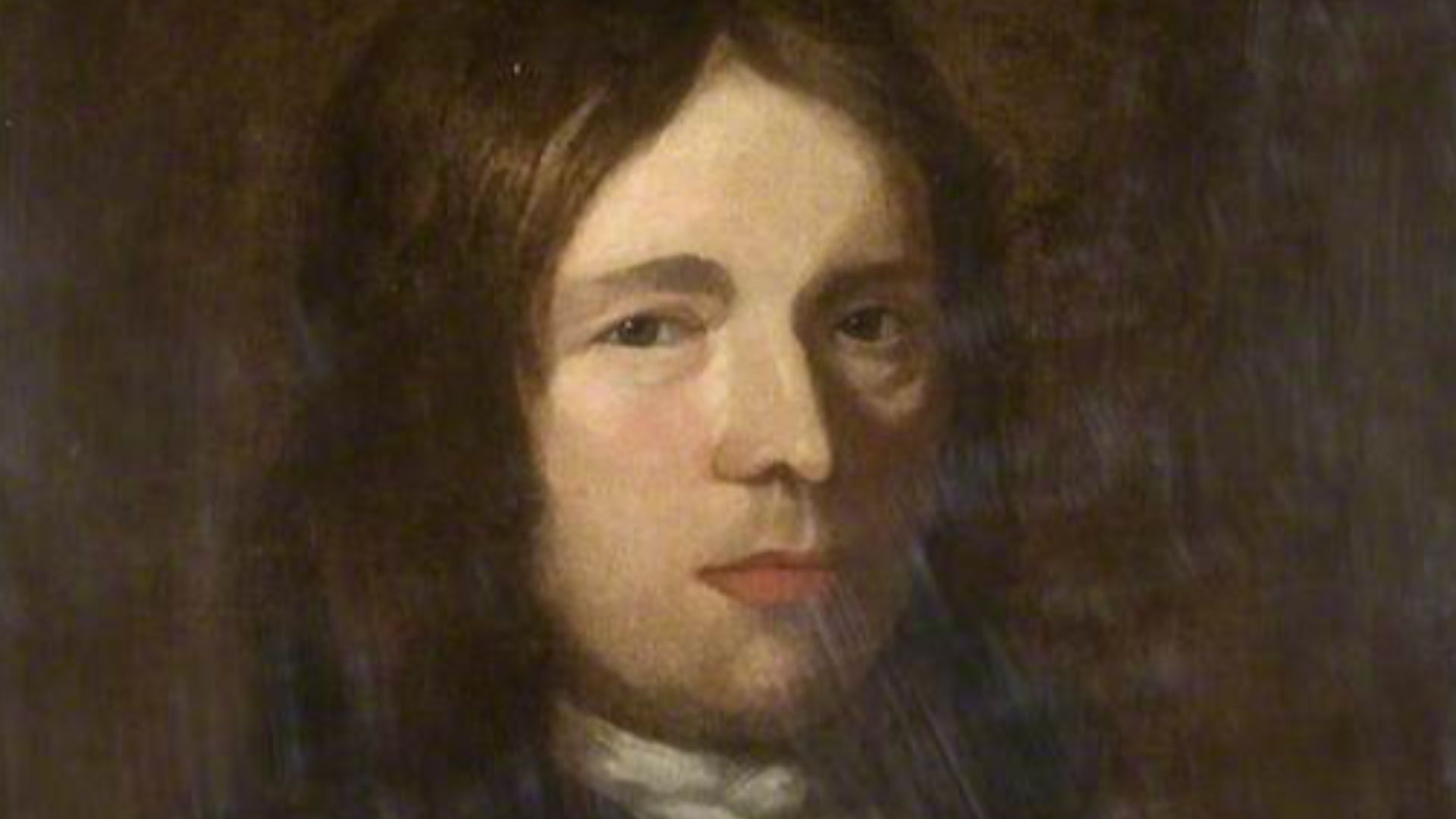 Henry Winstanley, Wikimedia Commons
Adams And Jefferson's Shared Date
John Adams and Thomas Jefferson helped shape American independence as future presidents. Both reached their final day on July 4, 1826, fifty years after the Declaration of Independence was adopted. Only hours separated their endings.
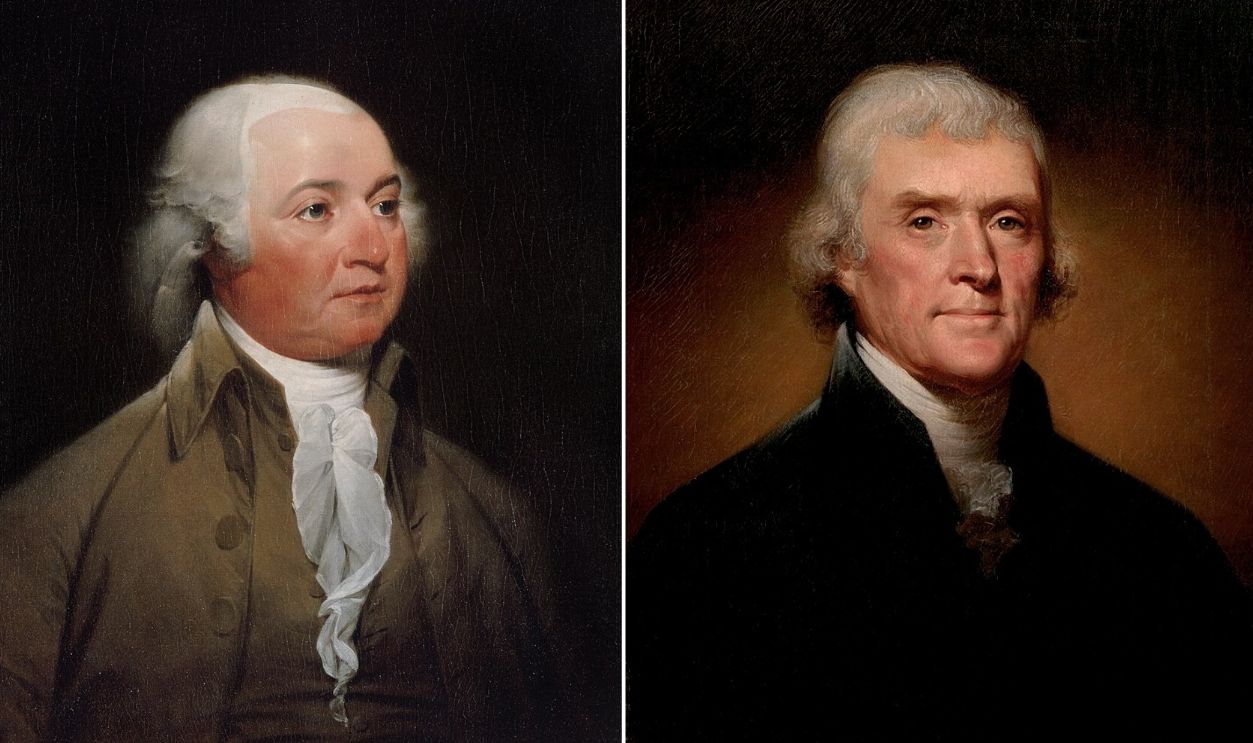 Futurist110 and Emiya1980, Wikimedia Commons
William Huskisson And The Railway
William Huskisson attended the Liverpool and Manchester Railway's opening in September 1830. The politician stepped onto the tracks and was struck by the approaching Rocket locomotive. A landmark celebration became a catastrophe for its guest.
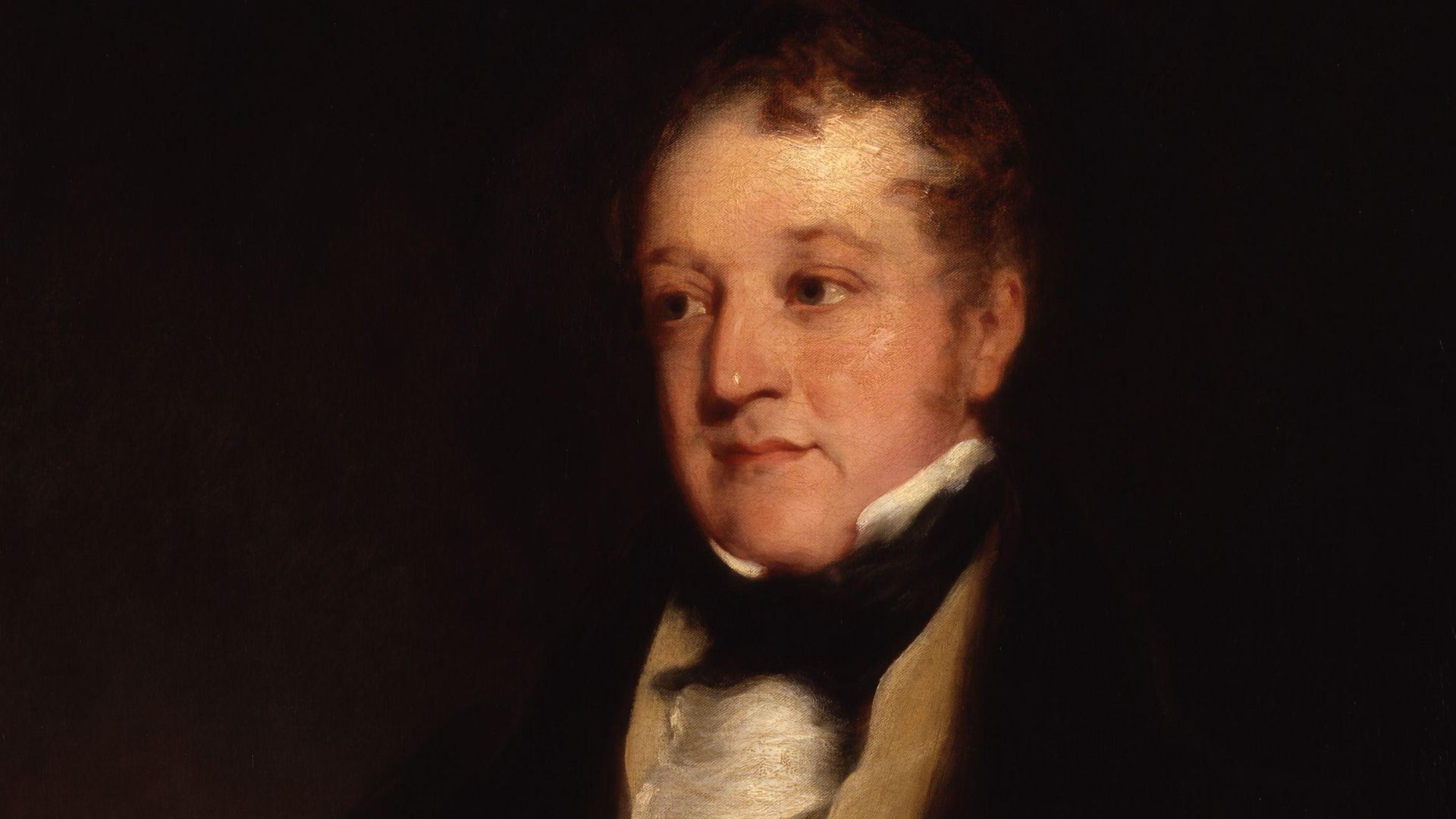 Richard Rothwell, Wikimedia Commons
John Sedgwick's Last Remark
In 1864, General John Sedgwick told his men that distant opposing marksmen could hardly reach them. He joked that an elephant would be safe there. Moments later, a projectile struck him, making his remark unforgettable.
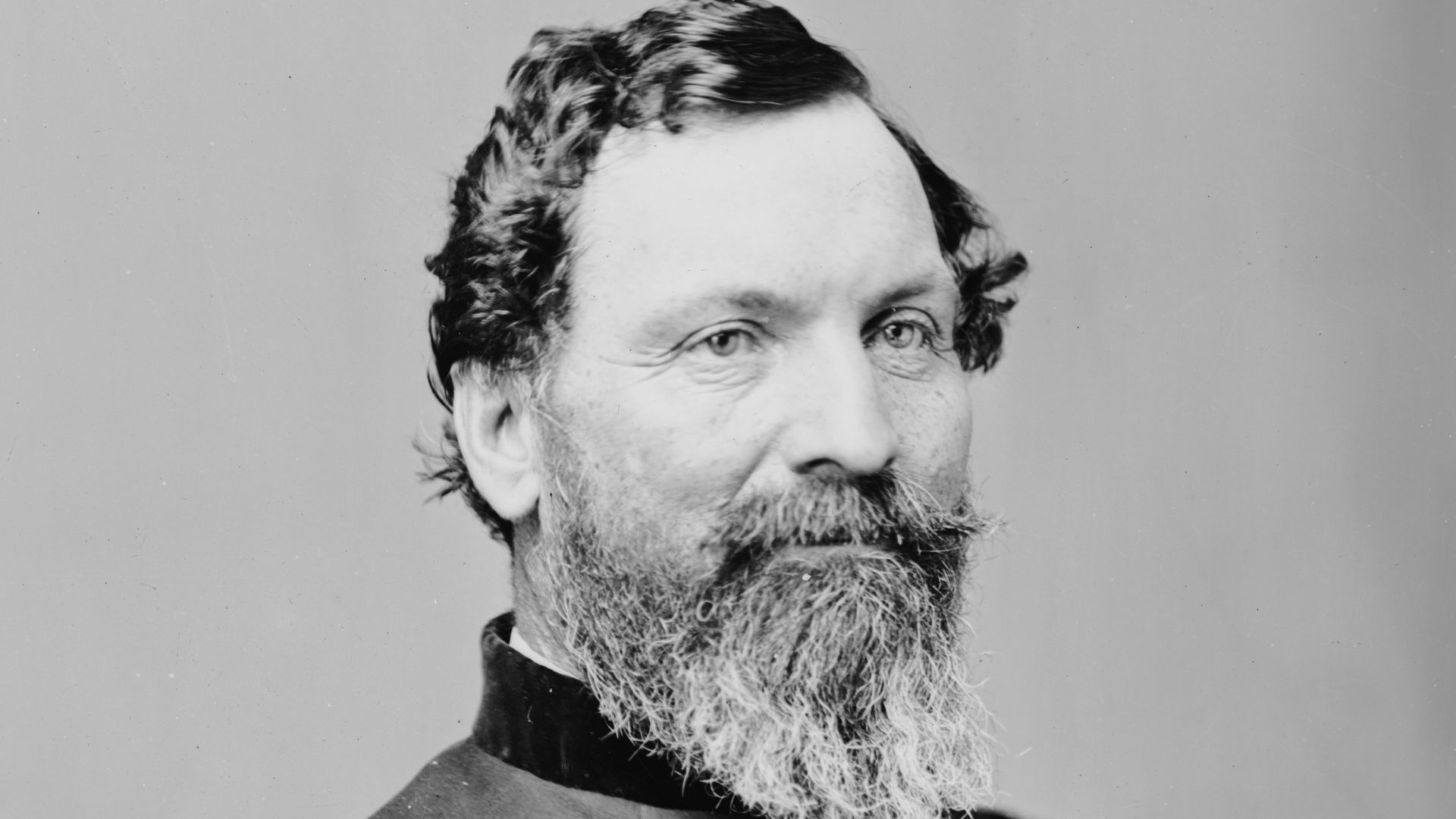 Mathew Benjamin Brady, Wikimedia Commons
Semmelweis And Infection
Physician Ignaz Semmelweis championed handwashing to prevent infections among maternity patients. In 1865, he entered an institution, where injuries and a severe infection contributed to his final illness. The irony was painful.
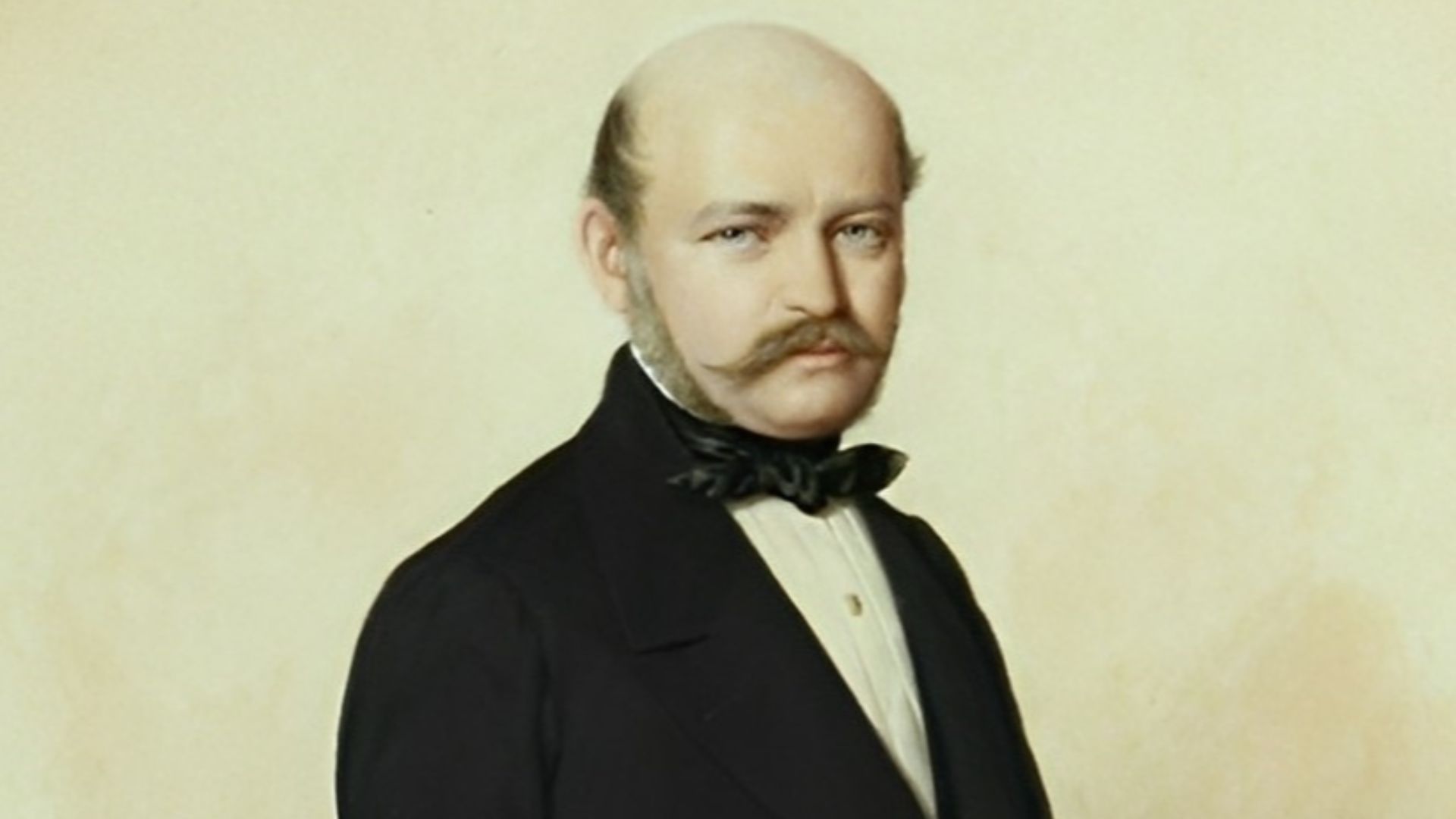 Auguste Alexis Canzi, Wikimedia Commons
William Bullock's Printing Press
Inventor William Bullock transformed newspaper production with innovative presses. In 1867, he became caught in machinery while installing equipment for a Philadelphia newspaper. His injuries proved fatal, linking his invention with tragedy.
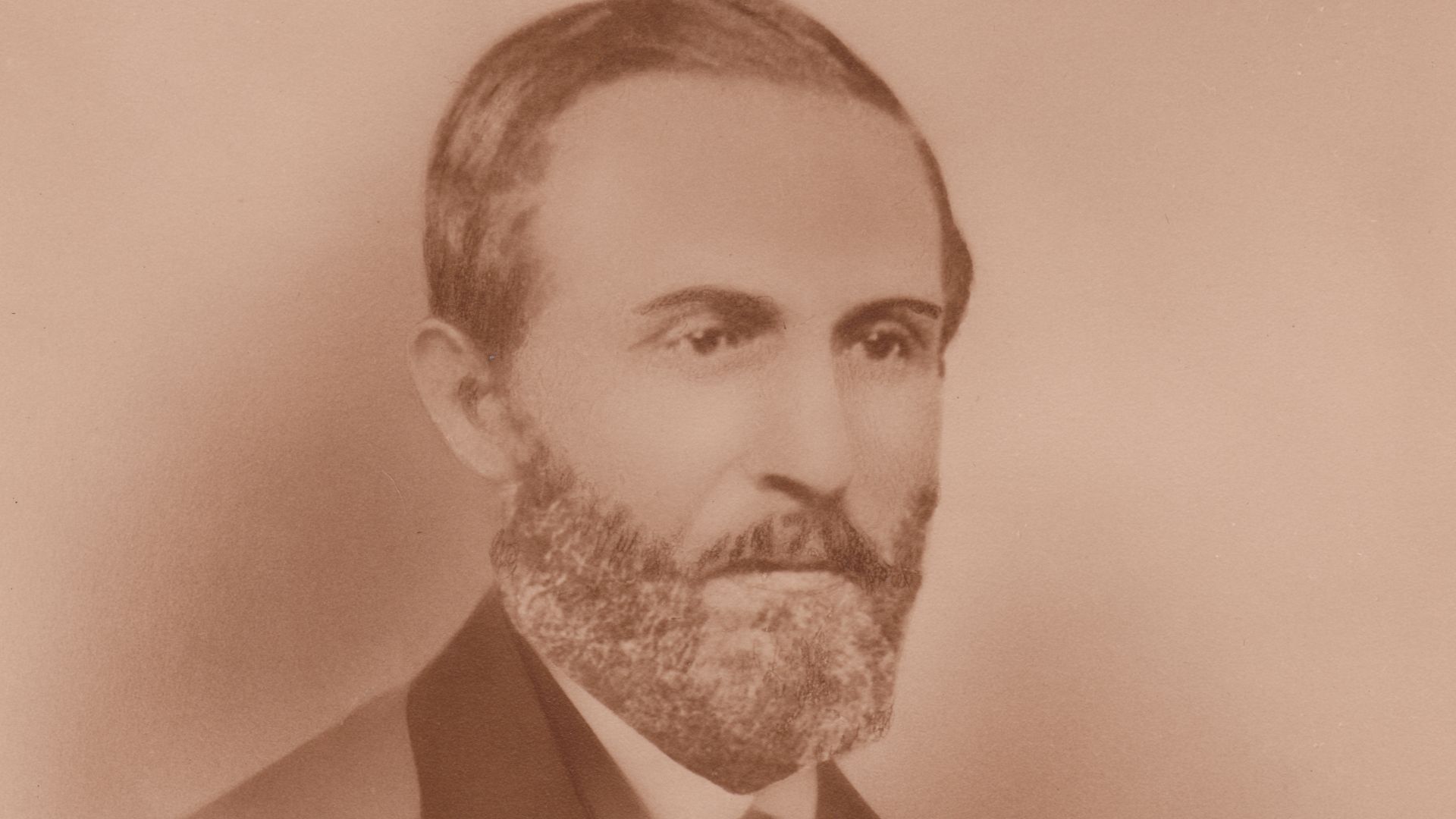 Original artist not known, Wikimedia Commons
Mary Ward's Experimental Ride
Irish scientist Mary Ward loved investigating machinery and nature. In August 1869, she rode in an experimental steam-powered carriage near Birr. She fell beneath its wheels and sustained injuries she could not survive, becoming an early recorded victim of motorized road travel.
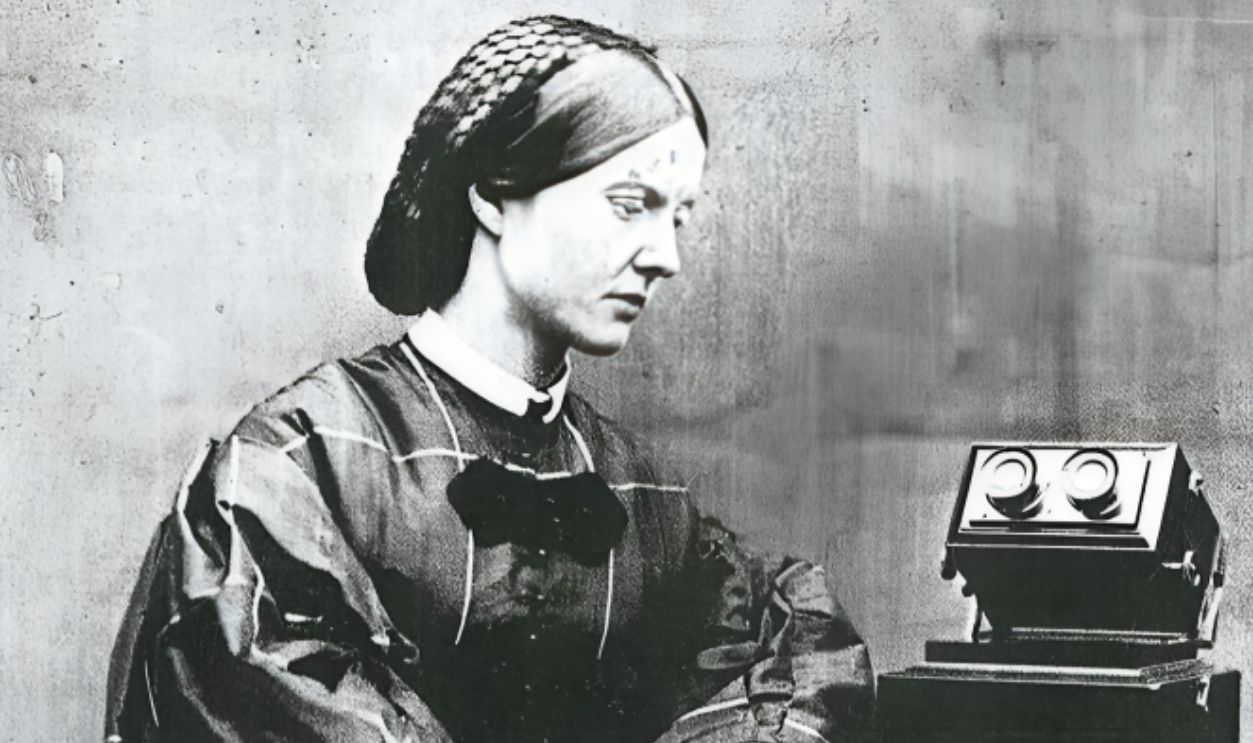 Mary, Countess of Rosse (1813–1885), Wikimedia Commons, Enhanced
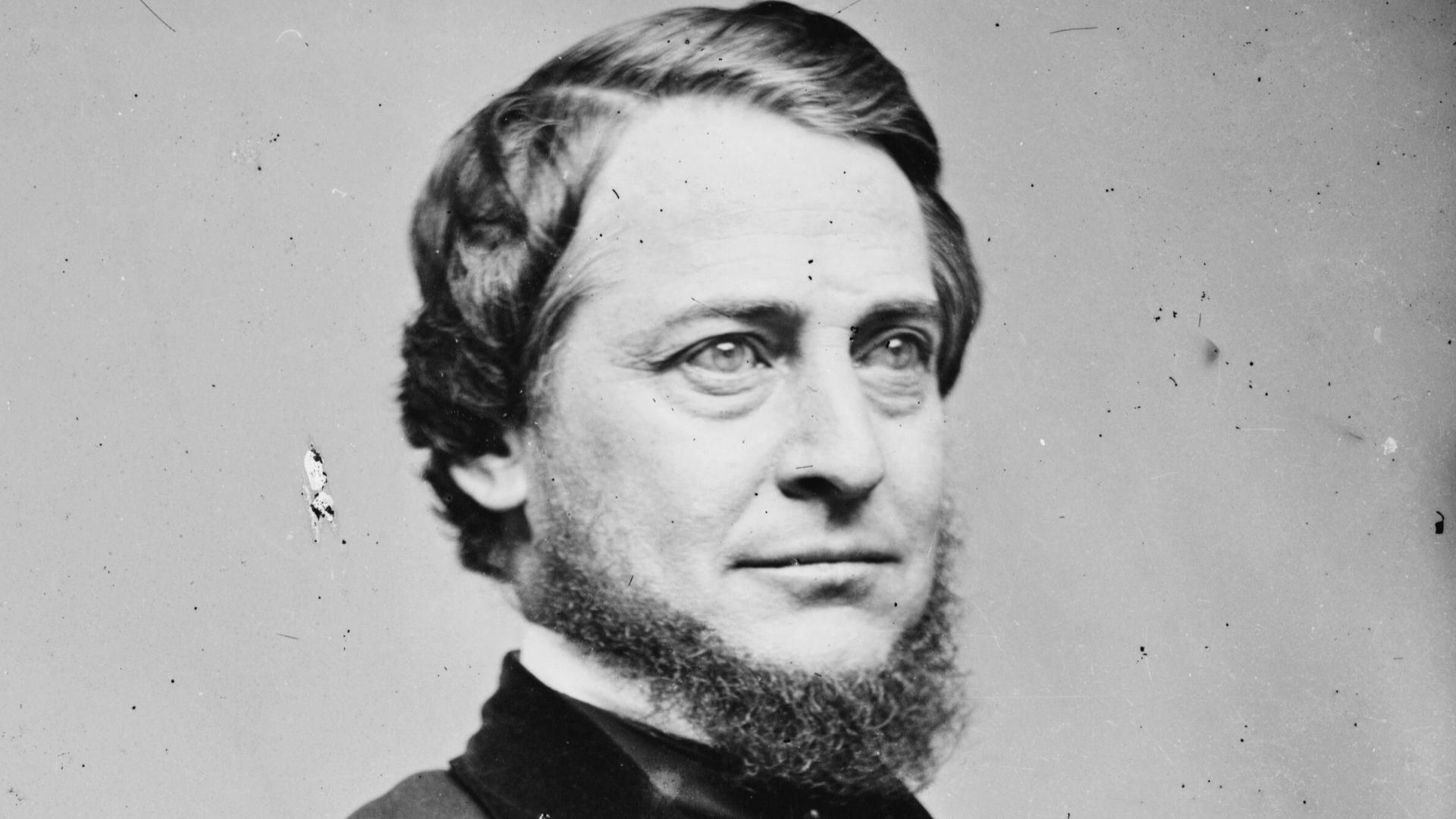
Clement Vallandigham's Demonstration
In 1871, attorney Clement Vallandigham demonstrated how someone might accidentally injure himself with a revolver. Believing it unloaded, he proceeded and sustained a fatal injury. His client's case ultimately ended in an acquittal.
 Mathew Benjamin Brady, Wikimedia Commons
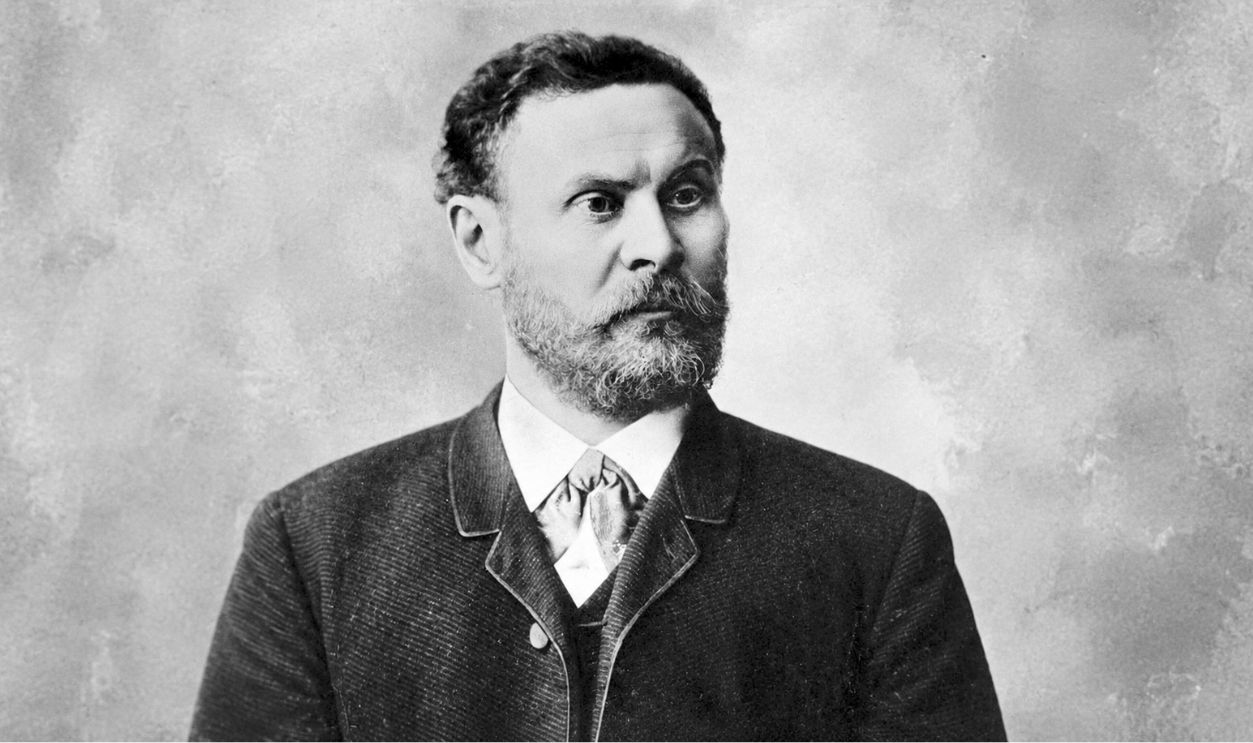
Otto Lilienthal's Final Flight
Aviation pioneer Otto Lilienthal completed thousands of pioneering glider flights. During a flight in August 1896, his glider stalled and crashed. He never recovered, but his research inspired future aviators.
 Photographer: A. Regis, Wikimedia Commons, Modified
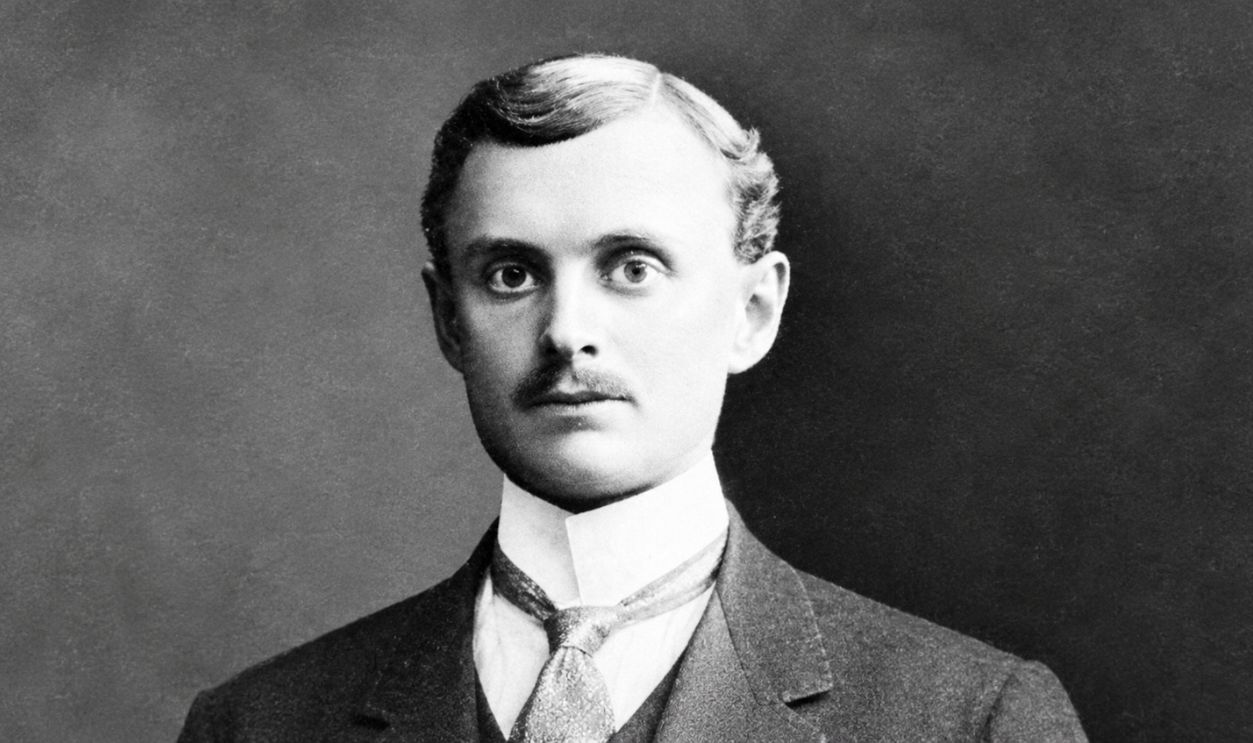
Charles Rolls Takes Flight
Charles Rolls cofounded Rolls-Royce. He also devoted much of his energy to the new world of powered flight. During a flying event in Bournemouth in July 1910, his aircraft's tail structure failed, and the motoring pioneer never returned.
 Arnaud 25, Wikimedia Commons, Modified
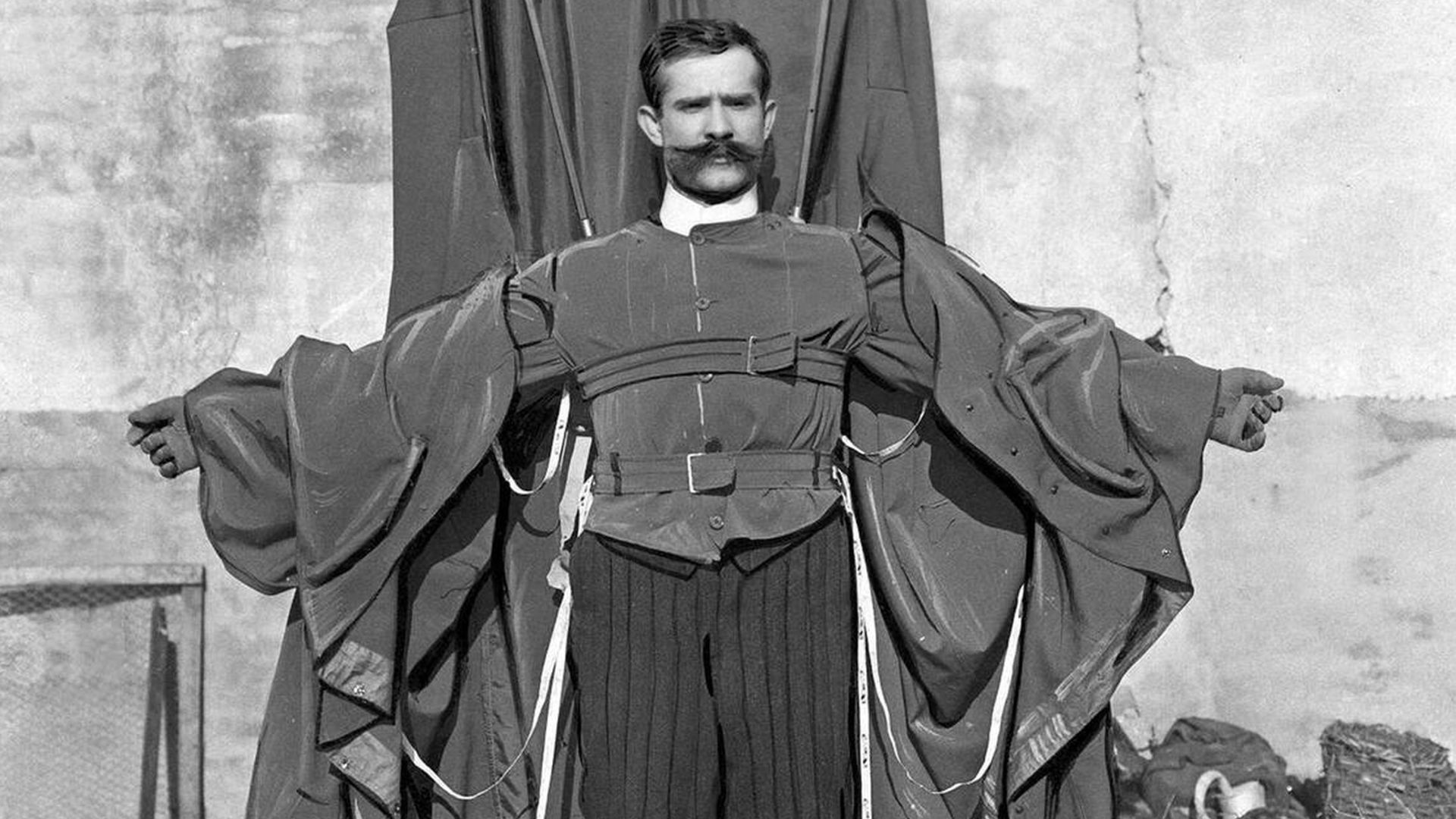
Reichelt's Parachute Trial
Tailor Franz Reichelt believed his wearable parachute could help aviators descend safely. In February 1912, he tested the design by leaping from the Eiffel Tower. The device failed, and his ambitious demonstration ended in tragedy. The attempt was captured on film.
 Unknown authorUnknown author, Wikimedia Commons
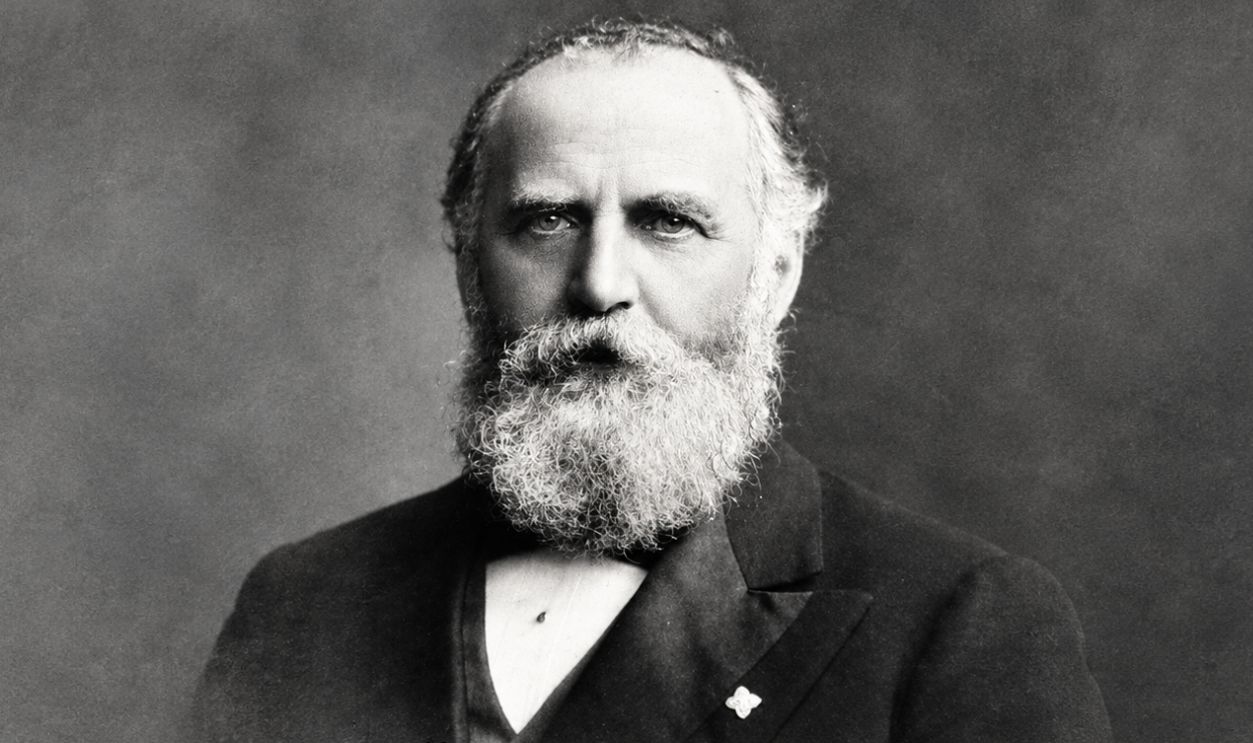
W T Stead's Maritime Prediction
Journalist W T Stead published fiction in 1886 about a ship with too few lifeboats. In April 1912, he boarded the Titanic. The vessel sank, and Stead never returned, echoing his earlier story.
 ArnoLagrange, Wikimedia Commons, Modified
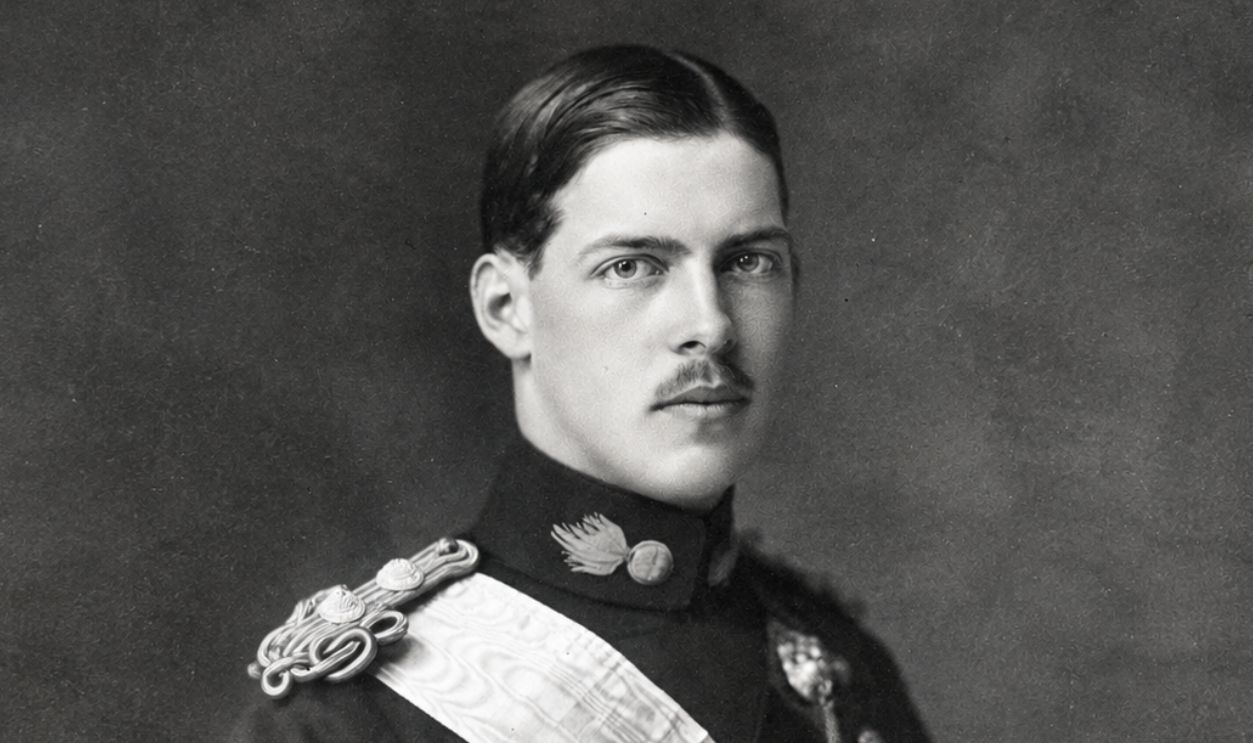
King Alexander And A Monkey
Greek King Alexander intervened when a monkey confronted his dog in October 1920. He received several bites, followed by a serious infection. His reign ended because of an unexpectedly small animal rather than royal intrigue.
 Charles Chusseau-Flaviens, Wikimedia Commons, Modified
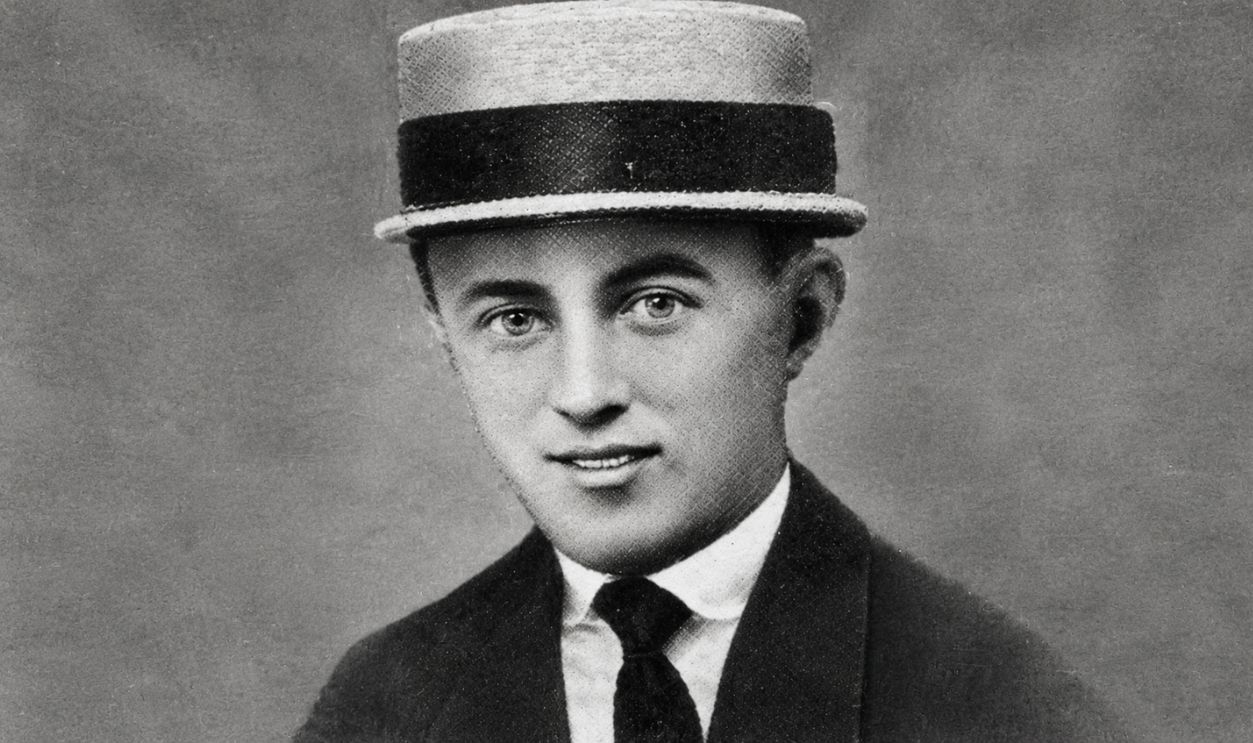
Frank Hayes's Winning Finish
Jockey Frank Hayes entered a race at Belmont Park in June 1923. He suffered a fatal heart attack but remained in the saddle as his horse, Sweet Kiss, finished first. Victory and tragedy arrived together.
 Nick Number, Wikimedia Commons, Modified
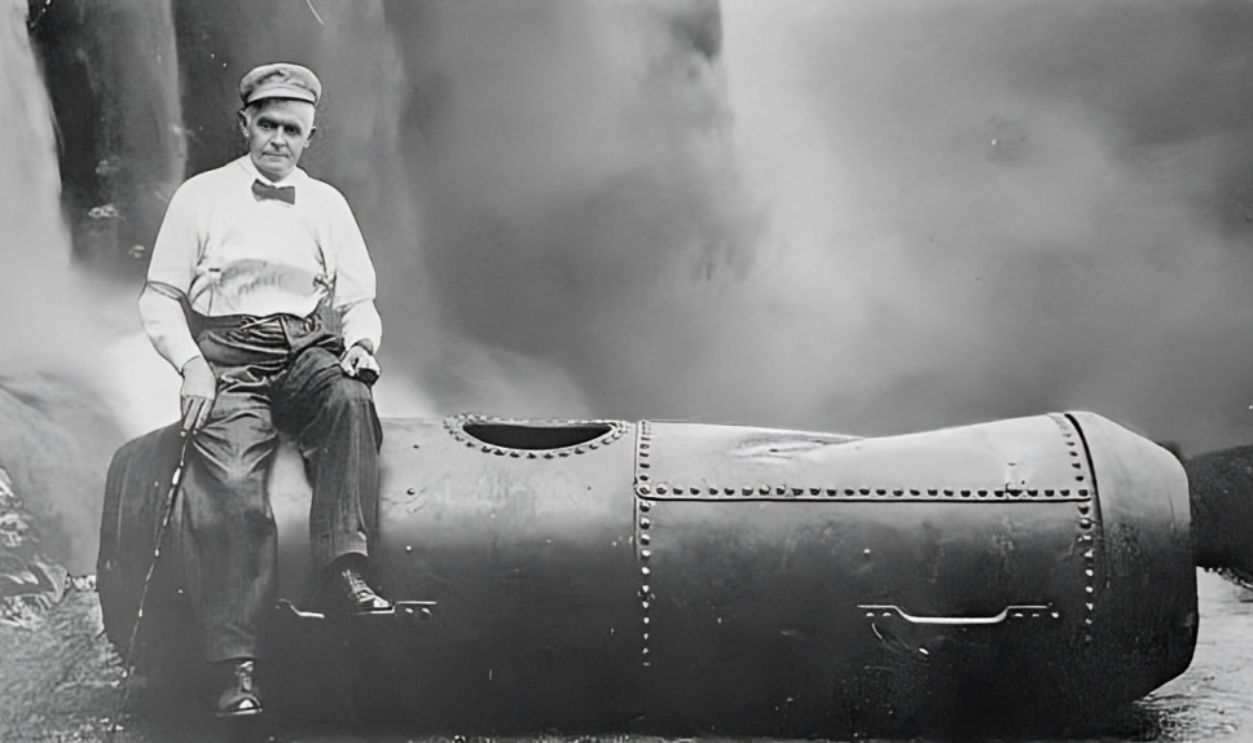
Bobby Leach's Orange Peel
Bobby Leach survived a plunge over Niagara Falls inside a barrel years earlier. In New Zealand in 1926, he slipped on an orange peel and fractured his leg. Complications brought his adventurous life to an unexpectedly ordinary end.
 Robert Leach - Library and Archives Canada, Wikimedia Commons, Enhanced
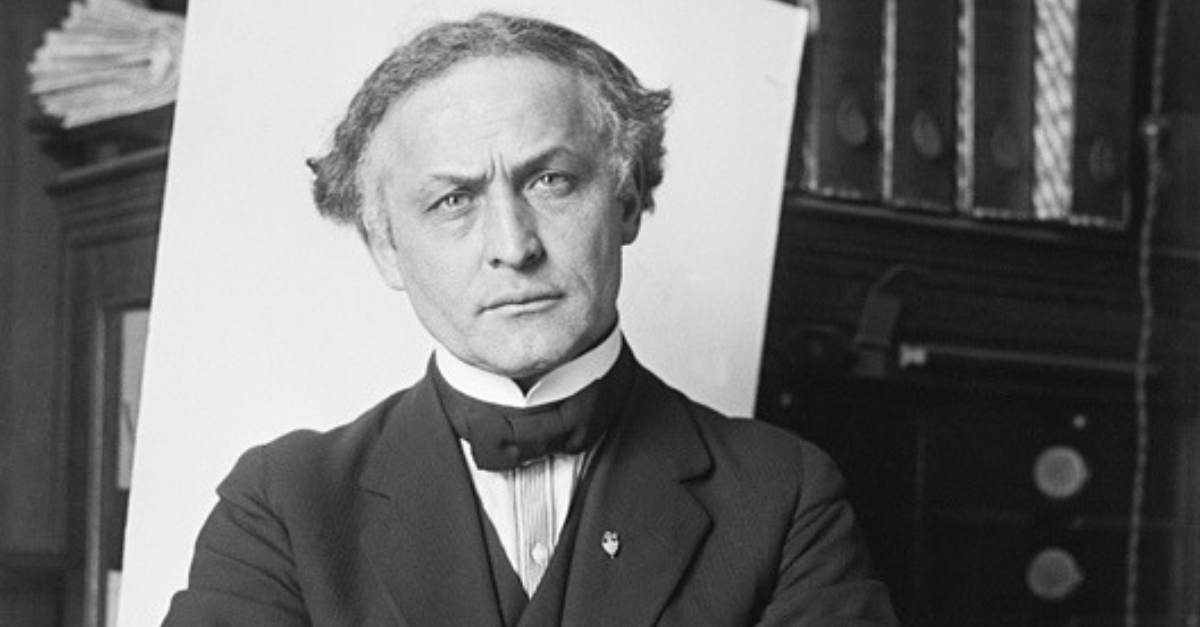
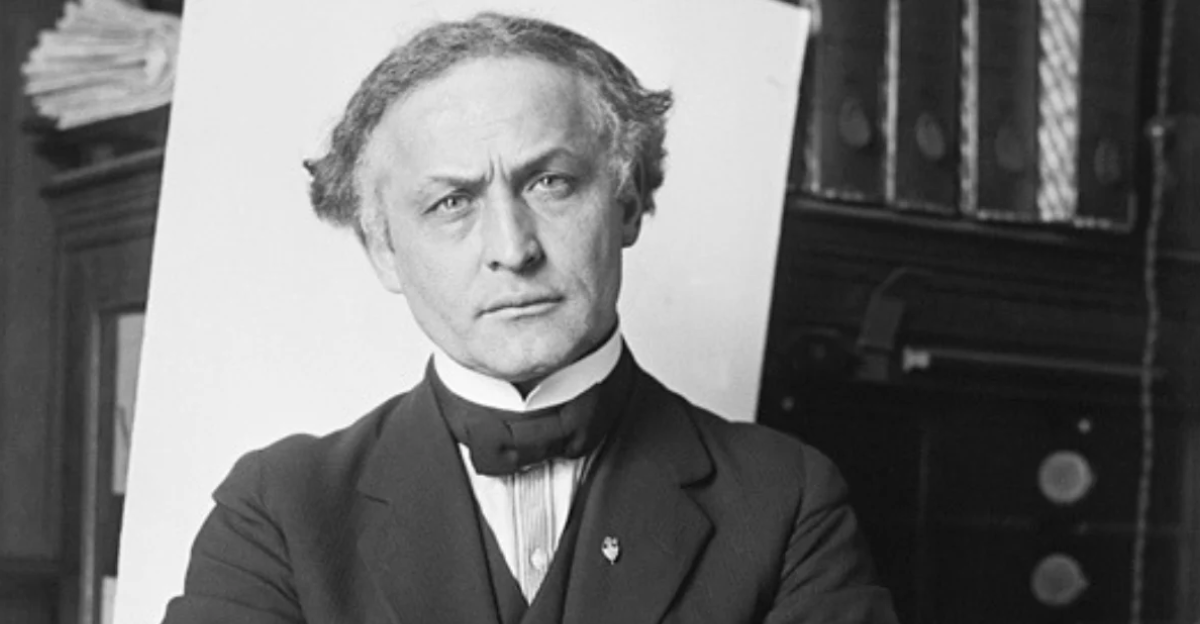
Houdini's Halloween Finale
Harry Houdini escaped extraordinary restraints and amazed crowds for decades. Yet the magician could not overcome infection following a ruptured appendix. He reached his final day on October 31, 1926, a striking coincidence for an entertainer known for mystery.
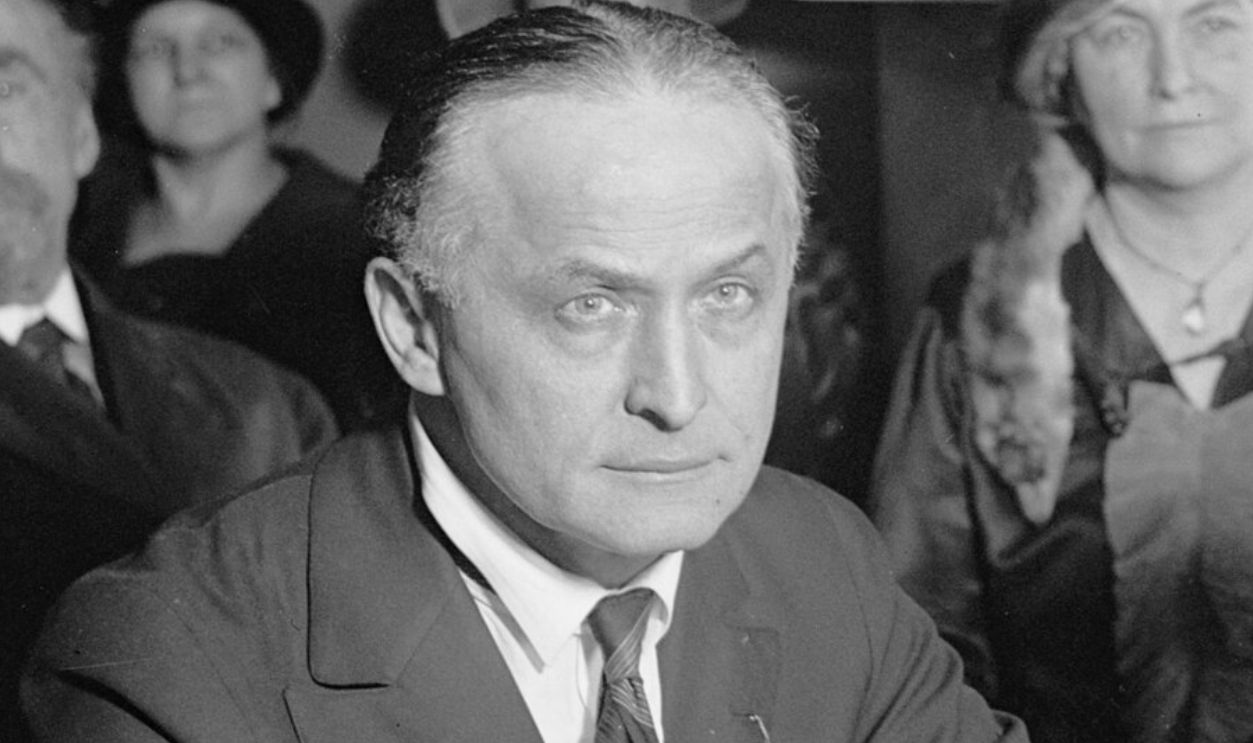 National Photo Company Collection, Wikimedia Commons
Isadora Duncan's Flowing Scarf
Dancer Isadora Duncan favored free movement and flowing clothing. In September 1927, her long scarf caught in the wheel of an open automobile in Nice. Her signature style contributed to the tragedy.
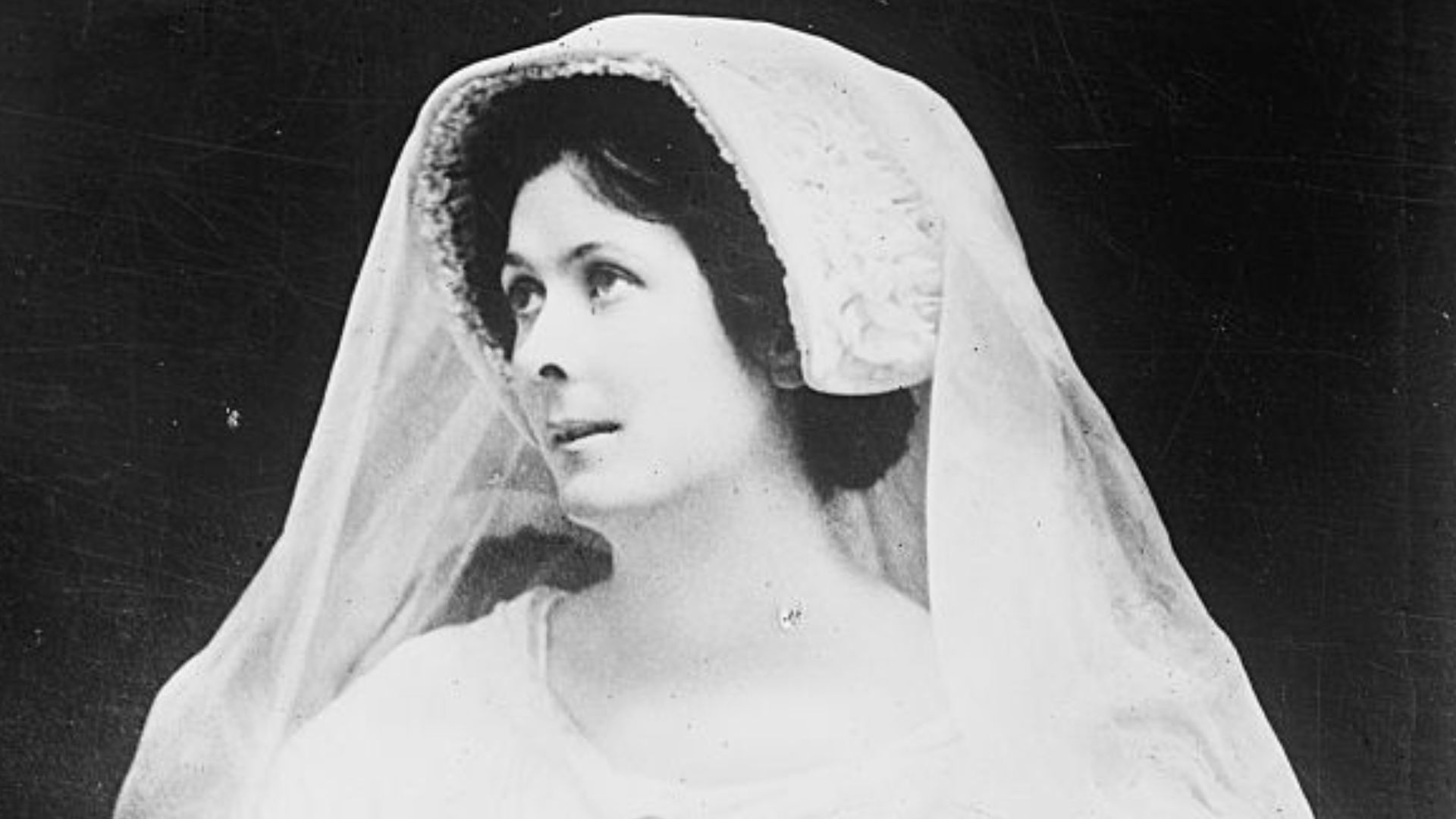 Unknown authorUnknown author, Wikimedia Commons
Bogdanov's Experimental Transfusion
Russian physician Alexander Bogdanov believed blood transfusions offered important medical benefits. He participated in experiments on himself. In 1928, a severe transfusion reaction ended his life, exposing risks of his chosen research.
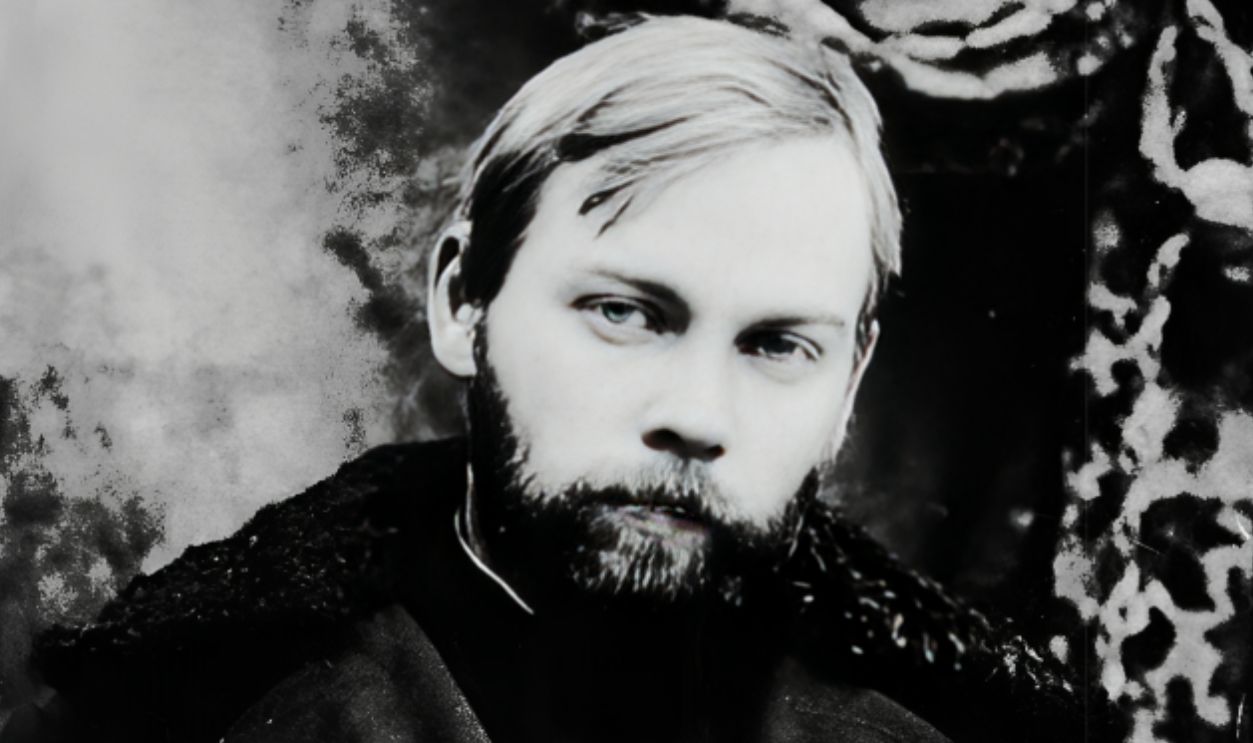 PequodOnStationAtLZ, Wikimedia Commons, Enhanced
Thomas Midgley's Mobility Invention
Chemist Thomas Midgley Jr. developed ropes and pulleys to help himself move after contracting polio. In November 1944, he became entangled in the apparatus. The invention intended to aid him became a hazard.
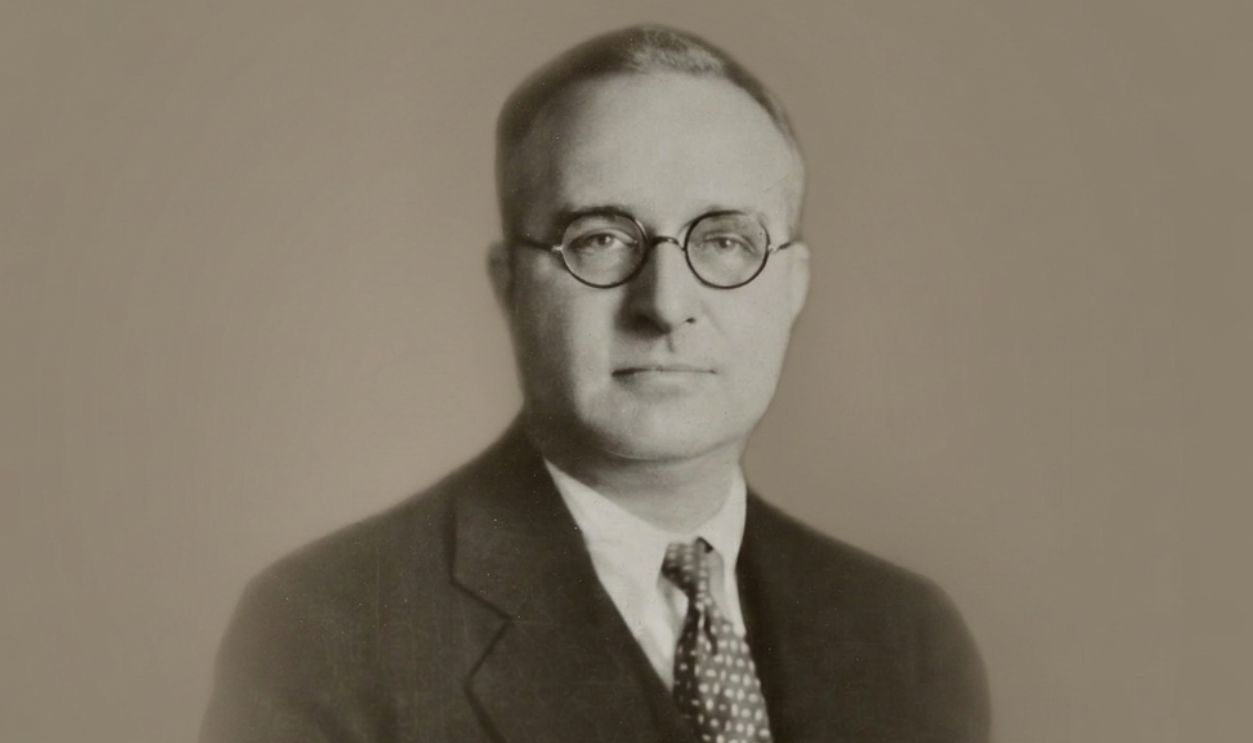 Anonymous for Blank & Stoller N.Y., Wikimedia Commons, Modified
René Goscinny's Medical Examination
René Goscinny helped create the beloved Asterix comics. In November 1977, he underwent a heart evaluation involving exercise on a stationary bicycle. He experienced a fatal cardiac episode during the examination, an ironic outcome for a medical evaluation.
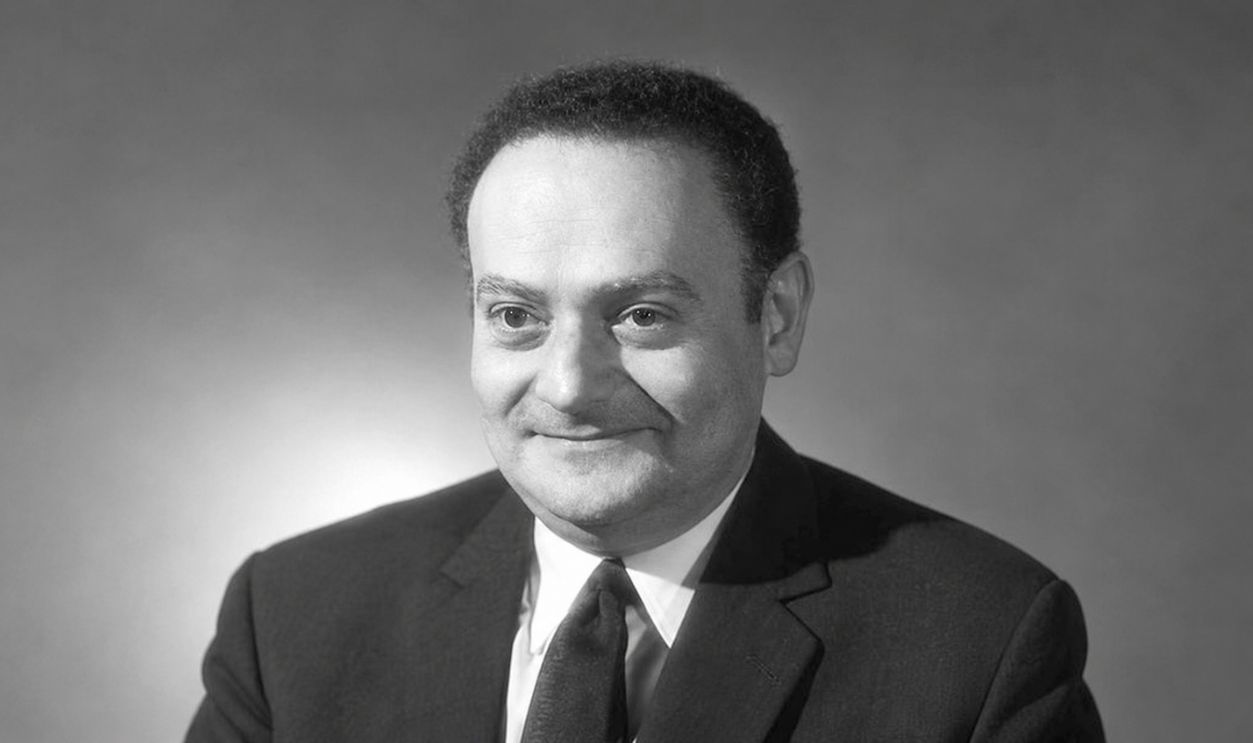 Studio Harcourt, Wikimedia Commons, Modified
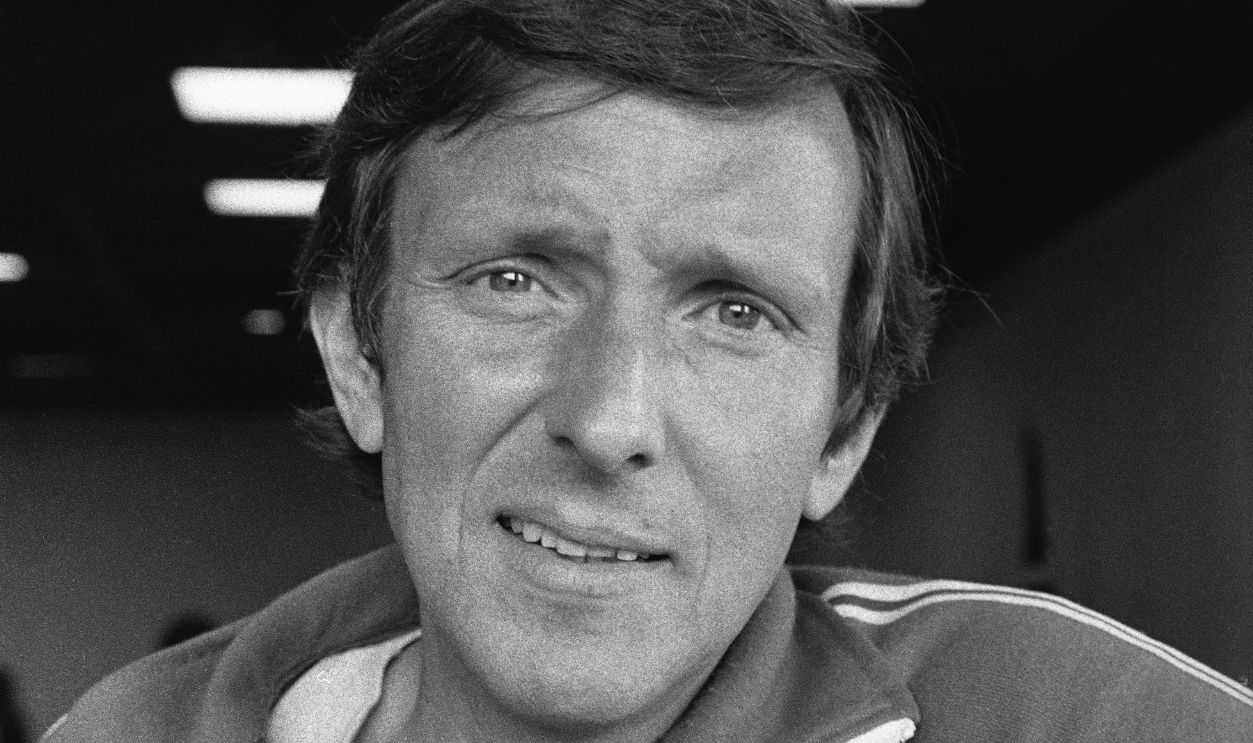
Jim Fixx's Last Jog
Author Jim Fixx inspired readers to start running through The Complete Book of Running. In July 1984, he experienced a fatal cardiac episode while jogging in Vermont. Doctors identified heart disease, reminding readers that exercise cannot guarantee heart health.
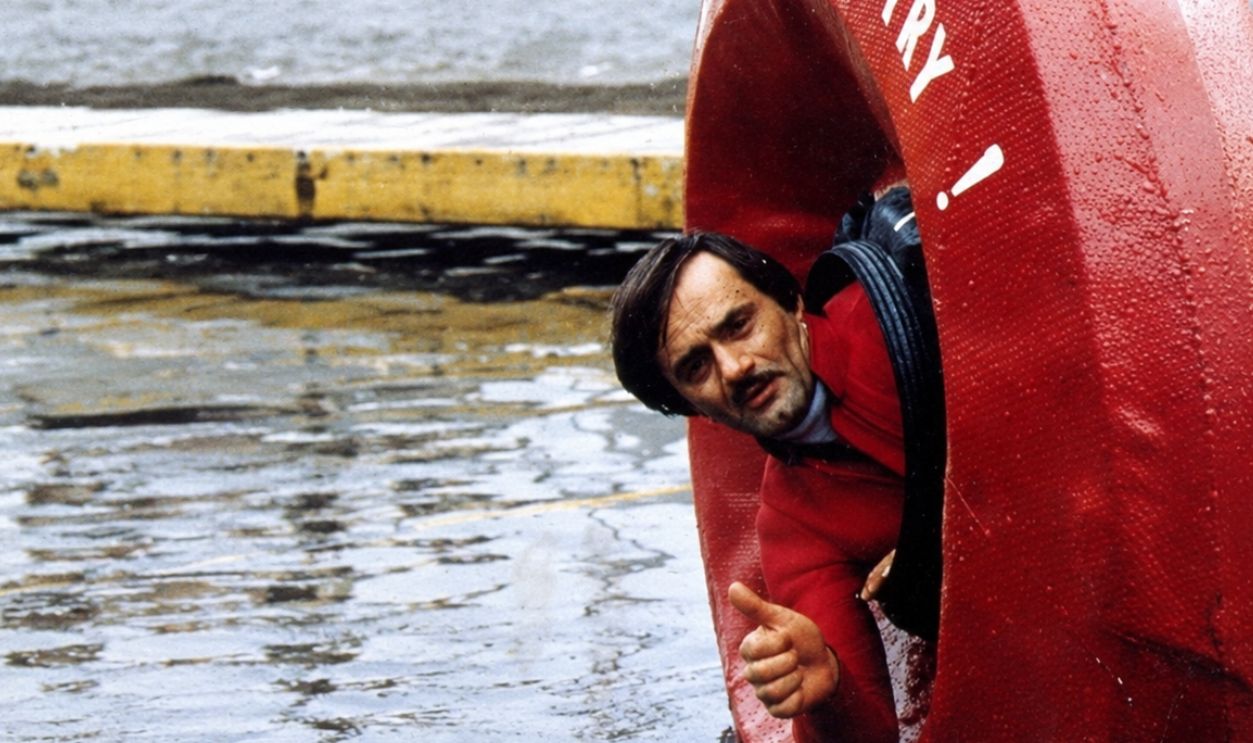
Karel Soucek's Second Barrel
Daredevil Karel Soucek survived Niagara Falls inside a barrel in 1984. The following January, he attempted an indoor drop at Houston's Astrodome. His barrel clipped a water tank's edge, and the resulting injuries proved fatal.
Garry Hoy's Window Demonstration
Toronto attorney Garry Hoy liked demonstrating the strength of office windows. During one demonstration in July 1993, the window gave way as he threw his weight against it. He fell from the building's twenty-fourth floor.
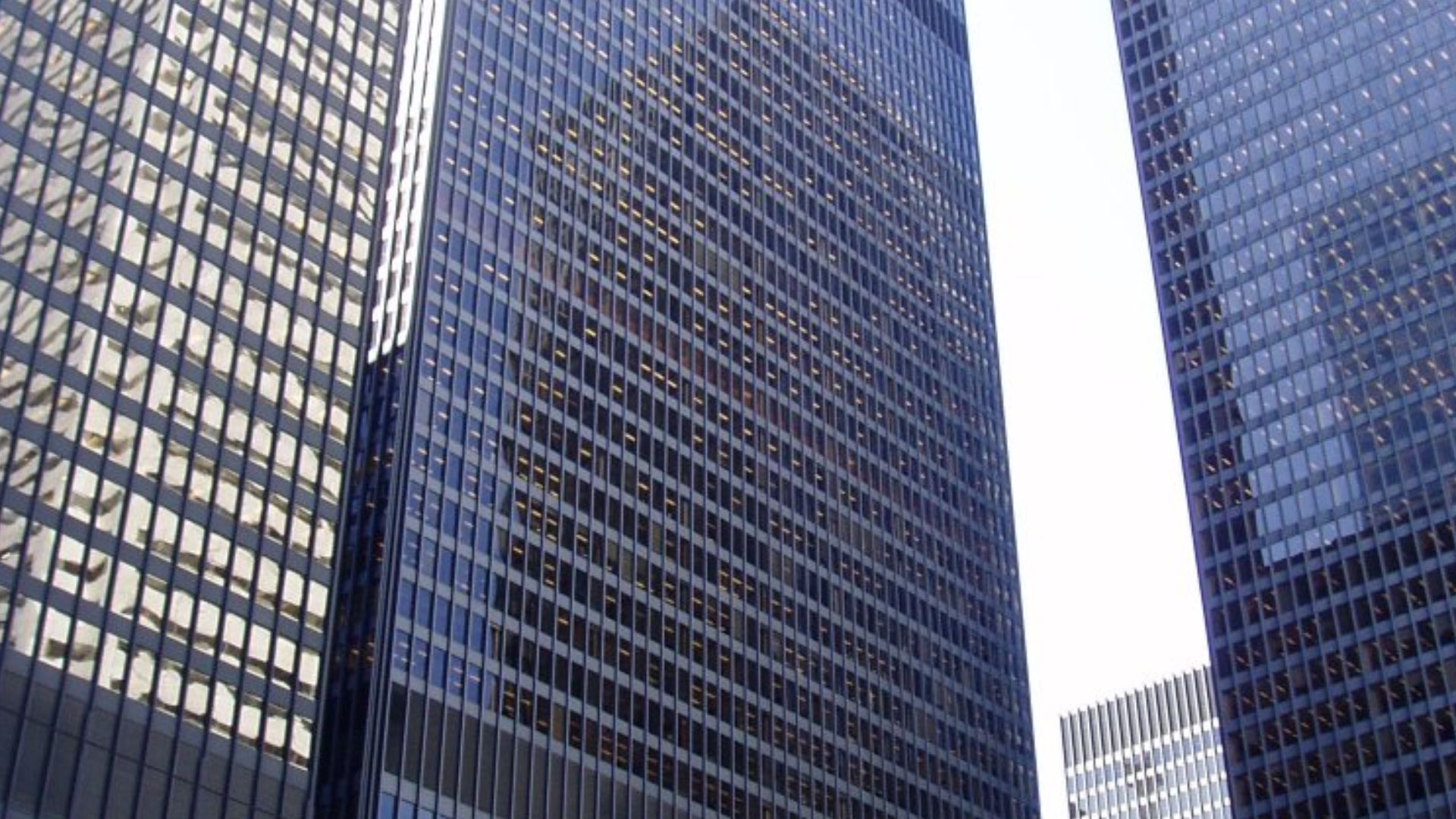 SimonP at en.wikipedia, Wikimedia Commons
Jimi Heselden's Segway
Businessman Jimi Heselden acquired the Segway company in 2010. While riding one of its two-wheeled vehicles near his Yorkshire home, he fell over a steep riverbank. His final accident involved the product his company sold.
 David Adam Kess, Wikimedia Commons
You May Also Like:
Historical Decisions That Made Sense At The Time But Look Insane Today
Historical Figures Who Became Famous For Something They Never Actually Did
Unbelievable Historical Events That Happened On The Same Day
Sources: 1, 2, 3, 4, 5, 6, 7, 8, 9, 10, 11, 12, 13, 14, 15, 16, 17, 18, 19, 20, 21, 22, 23, 24, 25, 26, 27, 28