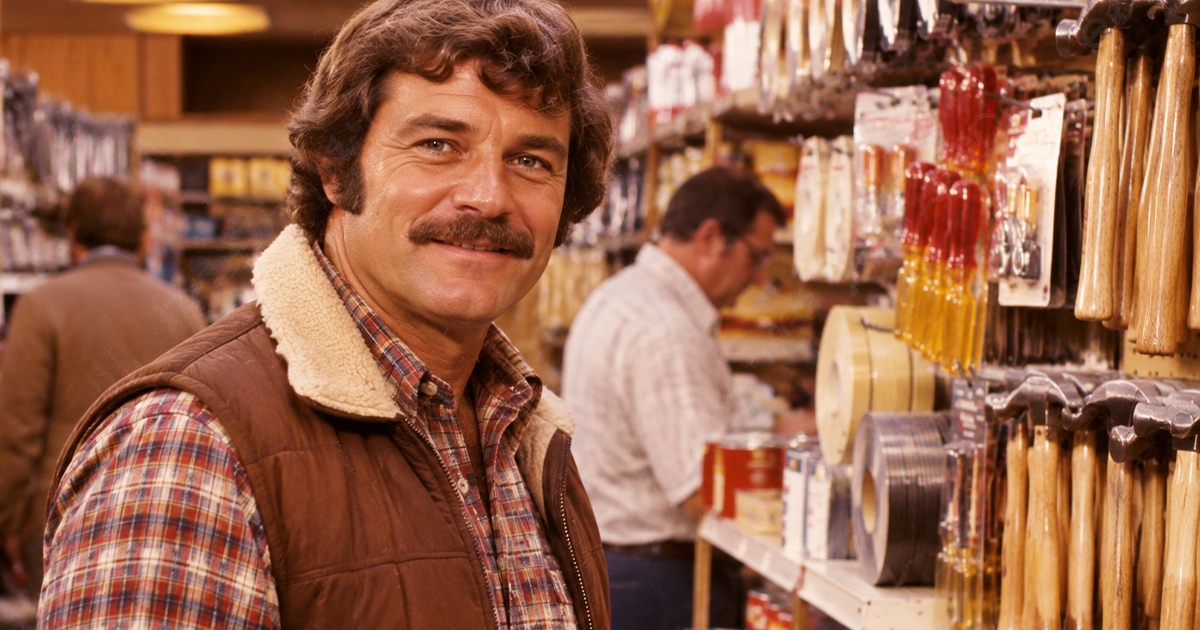
When Saturday Morning Meant A Trip To The Hardware Store
Before Home Depot became a weekend destination, Americans bought paint, lumber, plumbing parts, tools, lawn supplies, and endless little boxes of screws from regional hardware and home-center chains. Some were enormous in the 1970s, yet their familiar signs eventually disappeared.
How many of these do you remember?
#25. Cashway El Paso
Cashway El Paso belonged to the generation of regional home centers serving Southwestern DIY shoppers before giant national warehouses dominated the business. Stores like this made lumber, building supplies, and hardware accessible to ordinary homeowners tackling increasingly ambitious weekend projects themselves.
 National Library of Scotland, Unsplash
#24. Lindsley Lumber
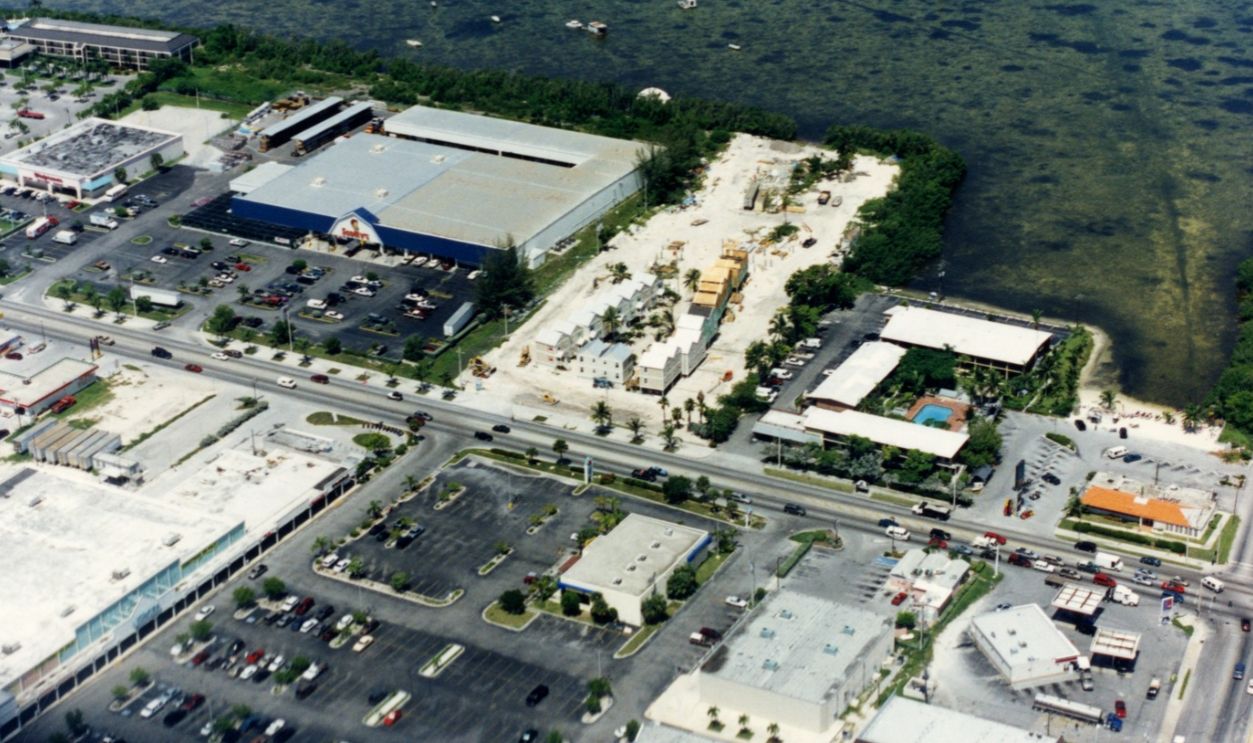
Lindsley Lumber served the Southeast during the era when lumberyards were evolving into full-fledged home centers. Customers weren't simply contractors anymore. Increasing numbers of homeowners wanted building materials, hardware, and supplies they could carry home and turn into their own weekend projects.
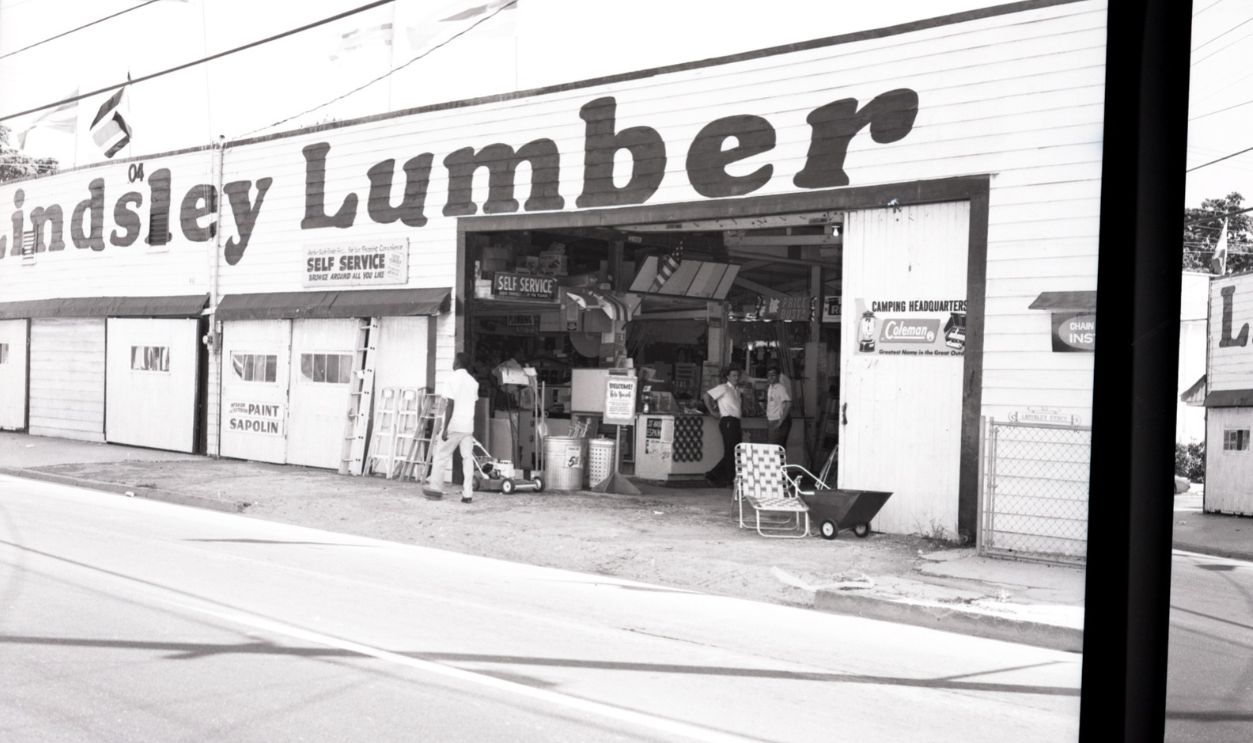 Florida Keys History Center-Monroe County Public L, Flickr
#23. Courtesy Lumber
Courtesy Lumber was among the regional Midwestern home-center names operating before the modern warehouse giants reshaped the industry. It belonged to an era when home-improvement shopping was still heavily regional, meaning the hardware chain your family knew could depend entirely on where you lived.
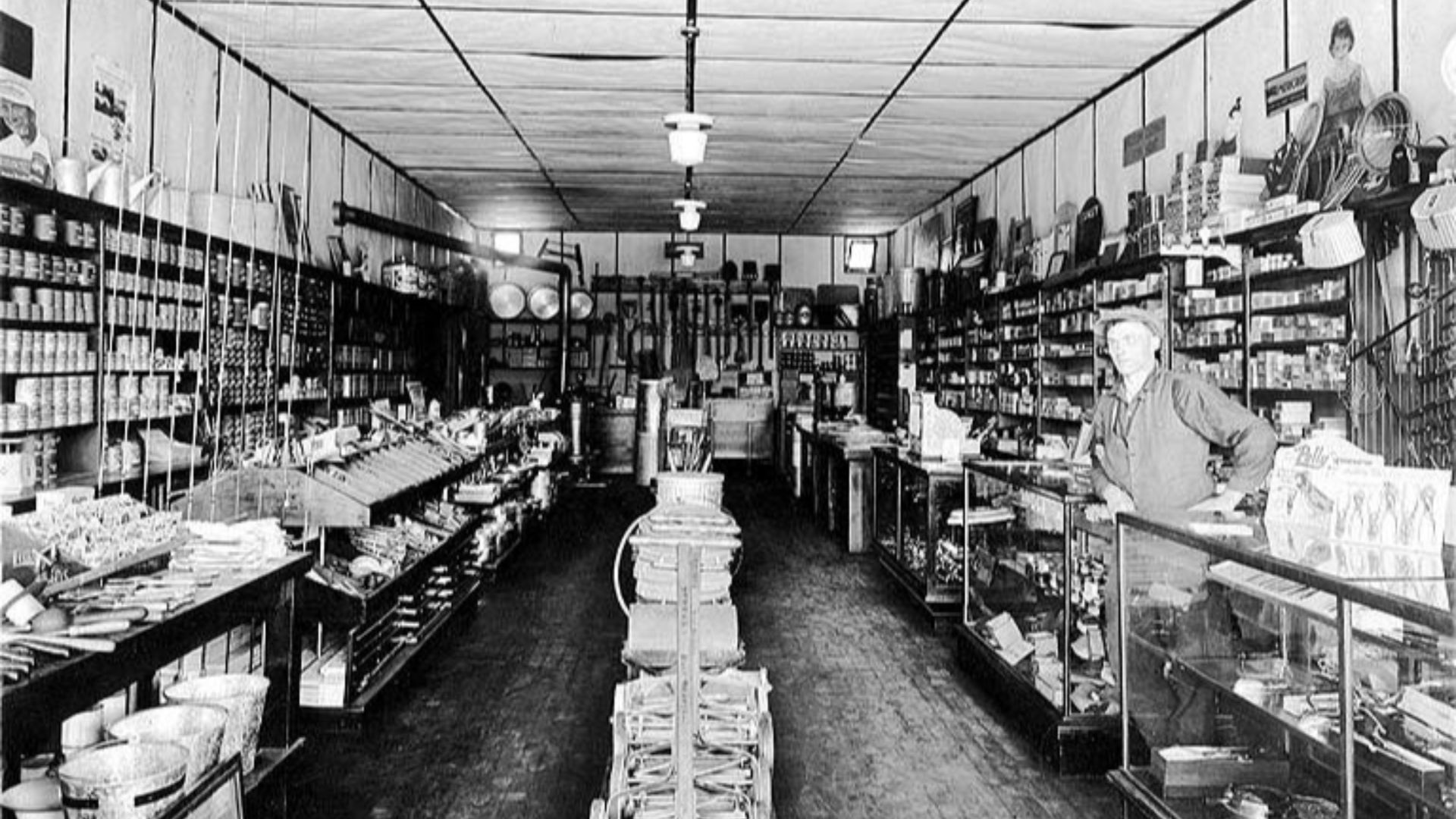 Unknown authorUnknown author, Wikimedia Commons
#22. Republic Lumber
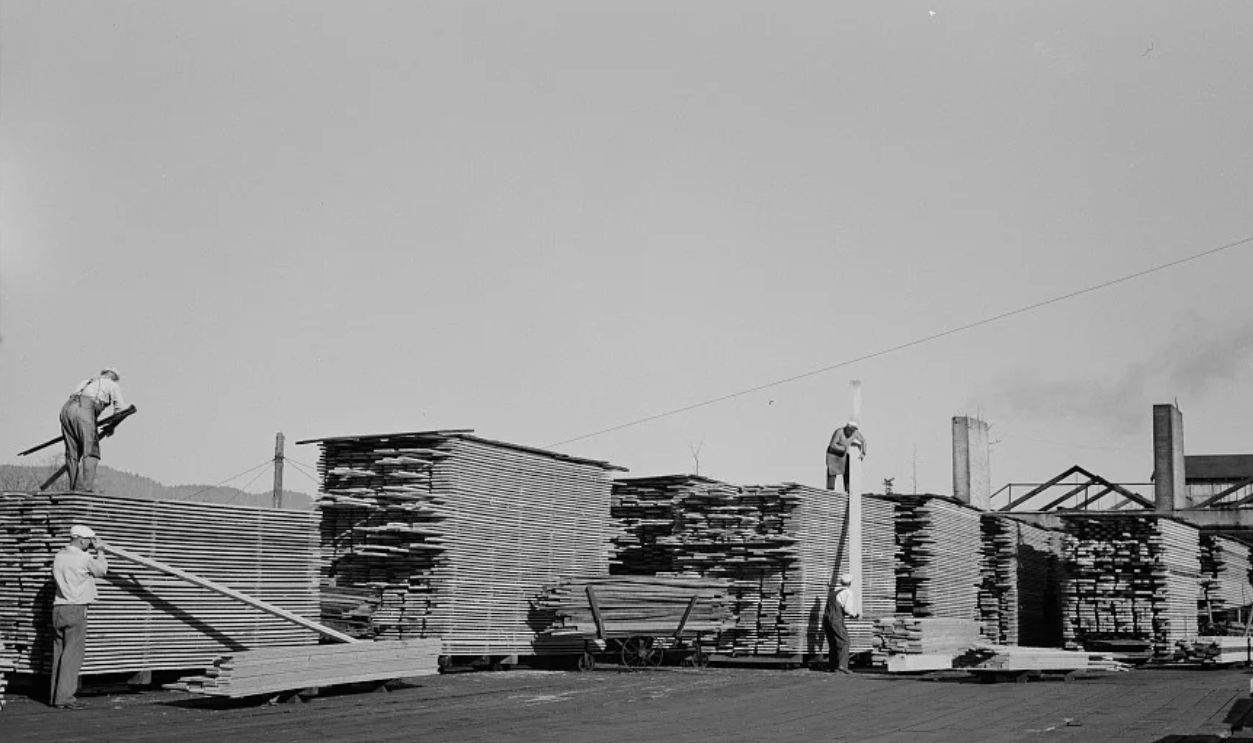
Another Midwestern name that disappeared was Republic Lumber. Businesses like this blurred the line between the traditional lumberyard and the emerging home center, giving DIY homeowners access to building materials and hardware without requiring them to shop through a professional contractor.
#21. Somerville Lumber
Massachusetts shoppers once knew Somerville Lumber as a go-to place for home projects. Former customers still remember its enormous American flag and red-shirted employees. Long before big-box home improvement became standard, families headed there for hardware, building supplies, appliances, and advice.
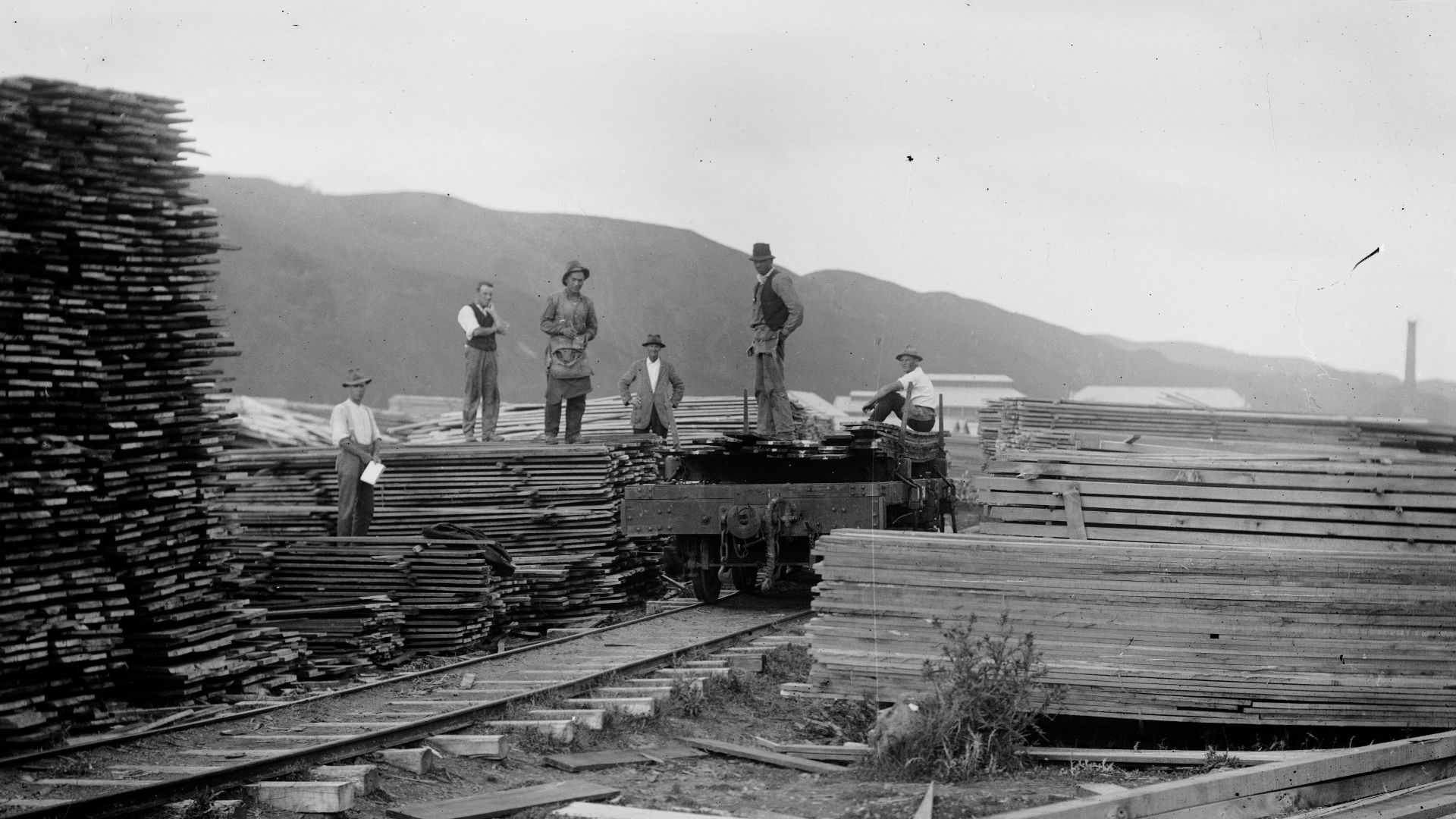 National Library NZ on The Commons, Wikimedia Commons
#20. Forest City
Forest City was a recognizable home-improvement retailer in Ohio and Michigan and remained active through the 1970s. The company eventually agreed to sell 18 retail home-improvement stores to Chicago-based Handy Andy in 1987, taking another regional name off the hardware-store landscape.

#19. Knox Lumber
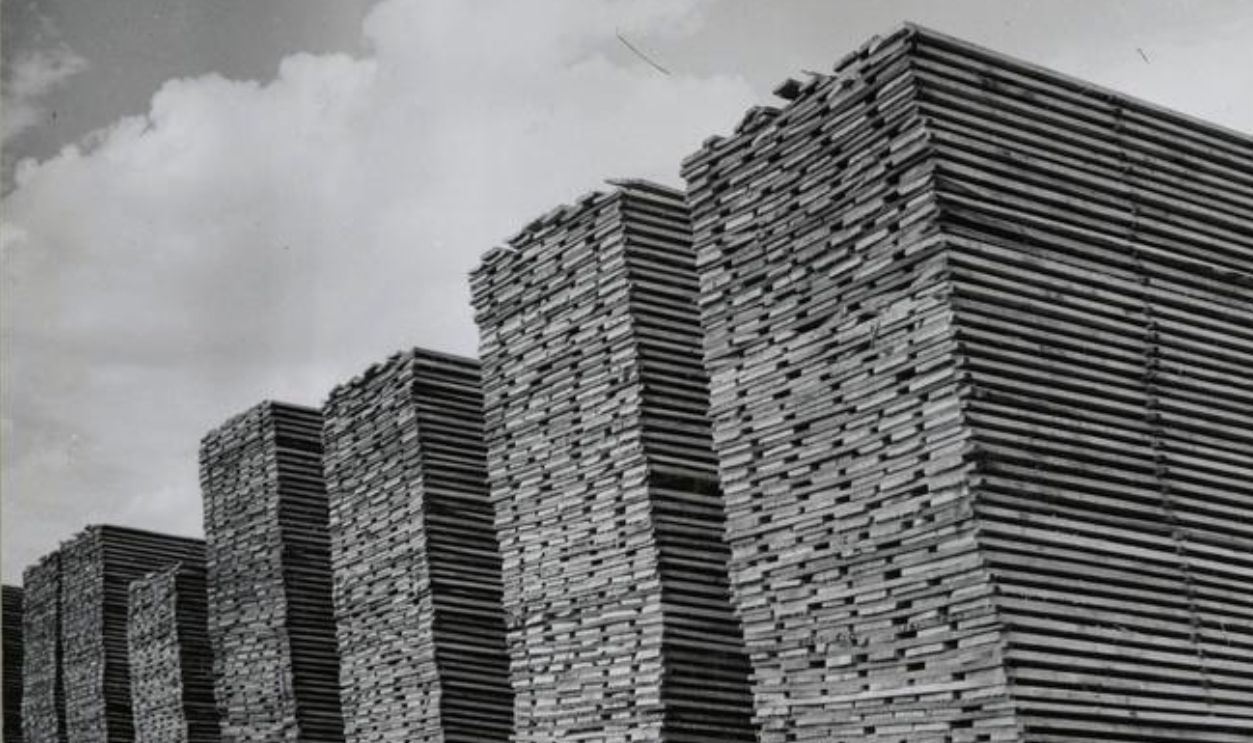
Knox opened its first store in St. Paul in 1961 and expanded rapidly during the 1970s. Its cash-and-carry lumberyards catered heavily to do-it-yourself homeowners and eventually evolved into home centers stocking more than 21,000 items. The Knox retail name later disappeared.
 The U.S. National Archives, Picryl
#18. Handy City
Handy City was among the home-center chains active in the South during the late 1970s. Industry trade coverage placed its executives alongside leaders from Hechinger, Rickel, Scotty's, Handy Dan, and Channel, showing just how established these once-familiar regional retailers had become.
#17. Handyman
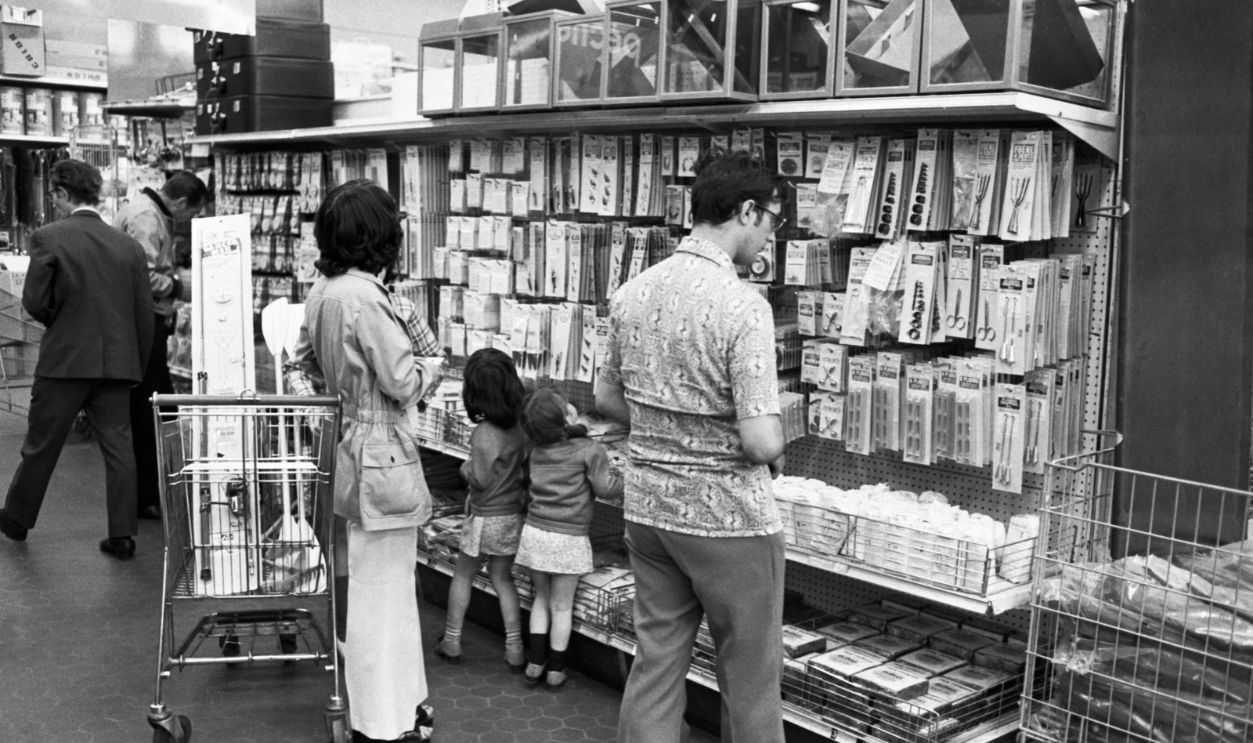
Handyman was a major Ohio-based home-center operation by the late 1970s. Industry figures credited it with approximately $145 million in 1977 sales. Shoppers once knew the name well, even though today's younger DIY crowd would probably have no idea it existed.
#16. Angels
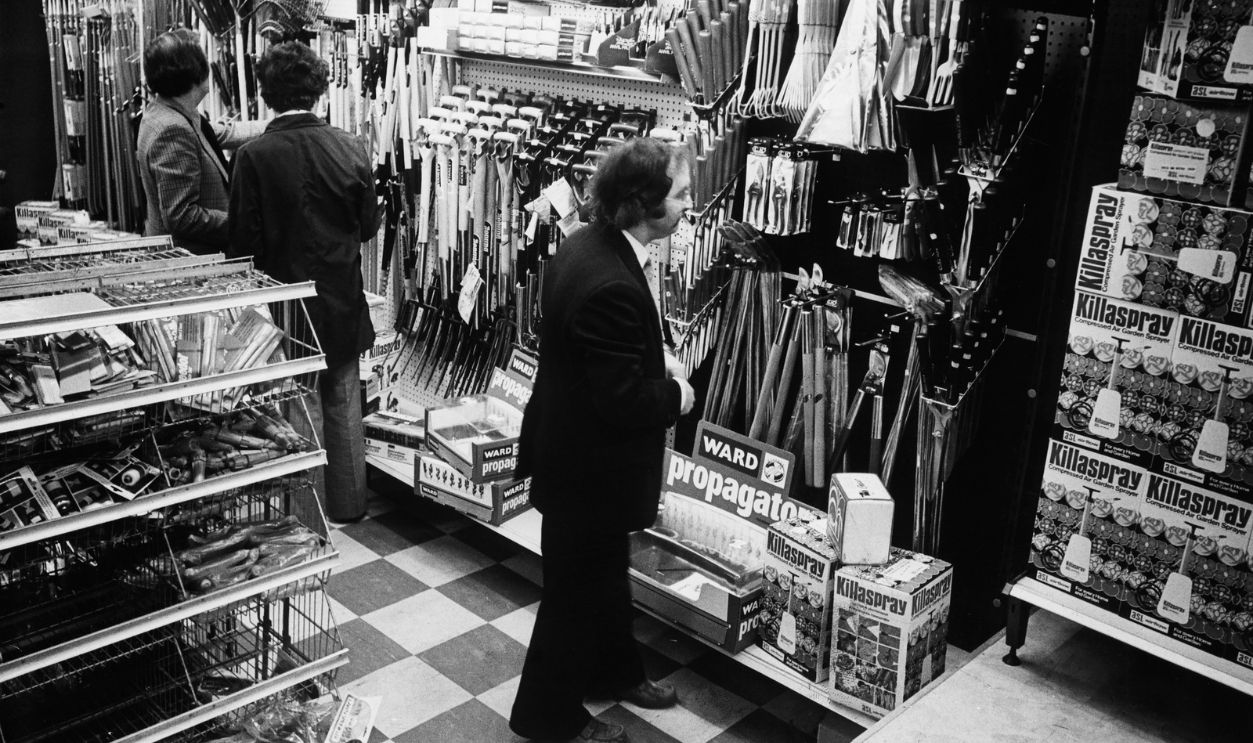
Angels was a significant Western home-center chain and was frequently grouped with Handy Dan in contemporary industry statistics. Together, Handy Dan and Angels recorded approximately $185 million in consumer sales during 1977, making them serious players in America's growing DIY market.
 Shixart1985, Wikimedia Commons
#15. Ole's Home Centers
Ole's was a familiar Southern California home-improvement name during the 1970s. Its president even chaired an industry legislative council in 1979. Builders Emporium later acquired Ole's as competition intensified and regional home centers began consolidating into increasingly powerful chains.

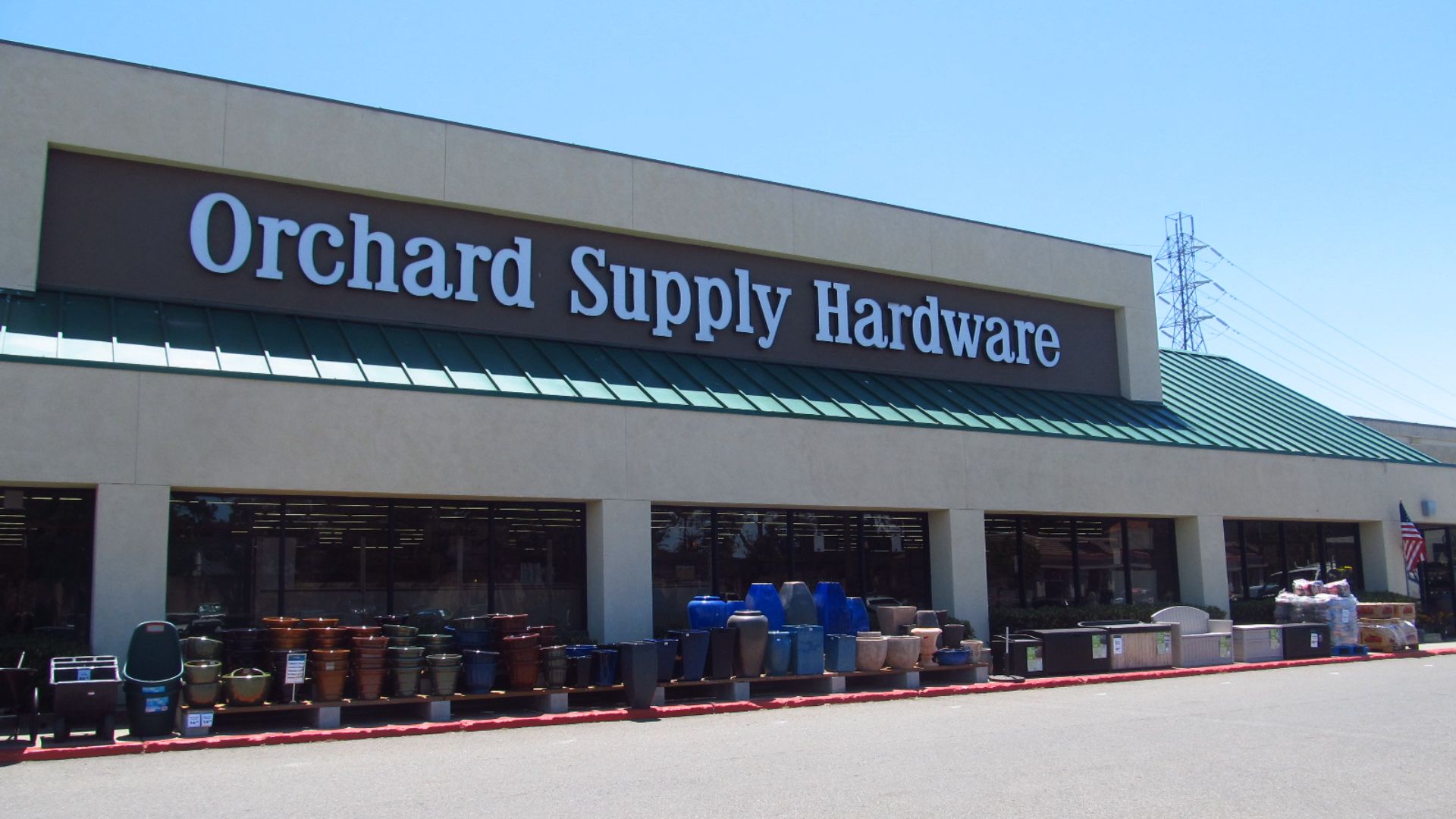
#14. Orchard Supply Hardware
Northern California families knew Orchard Supply Hardware long before big-box stores arrived. By the late 1970s, OSH had seven stores and was acquired by W.R. Grace. The beloved chain survived much longer than most on this list before its remaining stores closed in 2018.
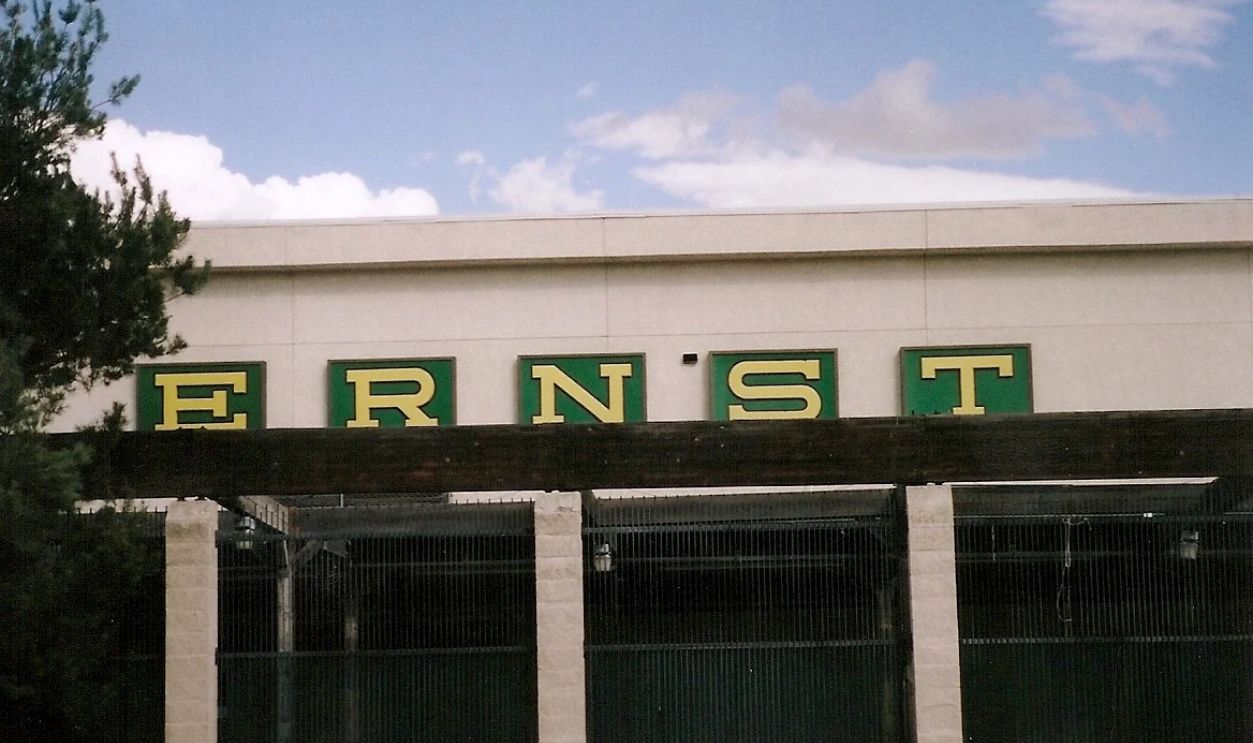
#13. Ernst Home Centers
Ernst had been selling hardware in the Pacific Northwest for generations by the time the 1970s arrived. Period advertising shows Ernst Home Centers selling hardware, paneling, lawn supplies, and other DIY products in 1979. The century-old chain ultimately liquidated in 1996.
 Caldorwards4, Wikimedia Commons
#12. Pay 'N Pak
Pay 'N Pak became a familiar home-improvement destination across the West. The stores catered to homeowners who wanted everything needed for repairs and remodeling without calling a professional. The chain survived into the 1990s before bankruptcy finally ended its run.
#11. Central Hardware
St. Louis-based Central Hardware was already one of America's larger home-center chains by the late 1970s. Industry data put its 1977 sales at approximately $122 million. The once-familiar Midwestern retailer survived beyond the decade but eventually disappeared during the 1990s.
#10. Handy Andy
Handy Andy became a major Midwestern home-improvement chain, particularly around Chicago. It expanded by acquiring other regional operations, including Forest City stores. For families who spent weekends painting bedrooms or rebuilding decks, Handy Andy was once a very recognizable destination.
#9. Channel Home Centers
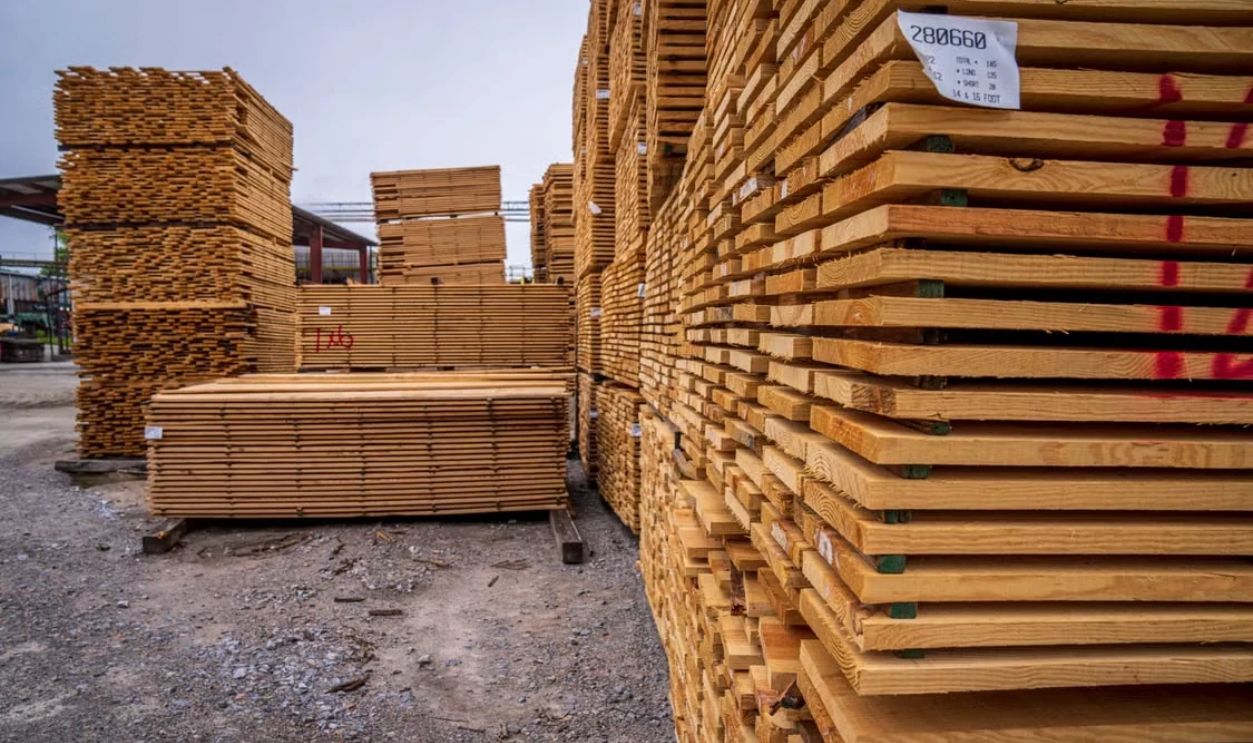
Channel started as a lumber business but opened its first do-it-yourself supermarket in New Jersey in 1969. By 1977 it had 33 stores and became part of W.R. Grace. Channel expanded aggressively afterward, but its once-prominent retail name eventually disappeared.
#8. Grossman's
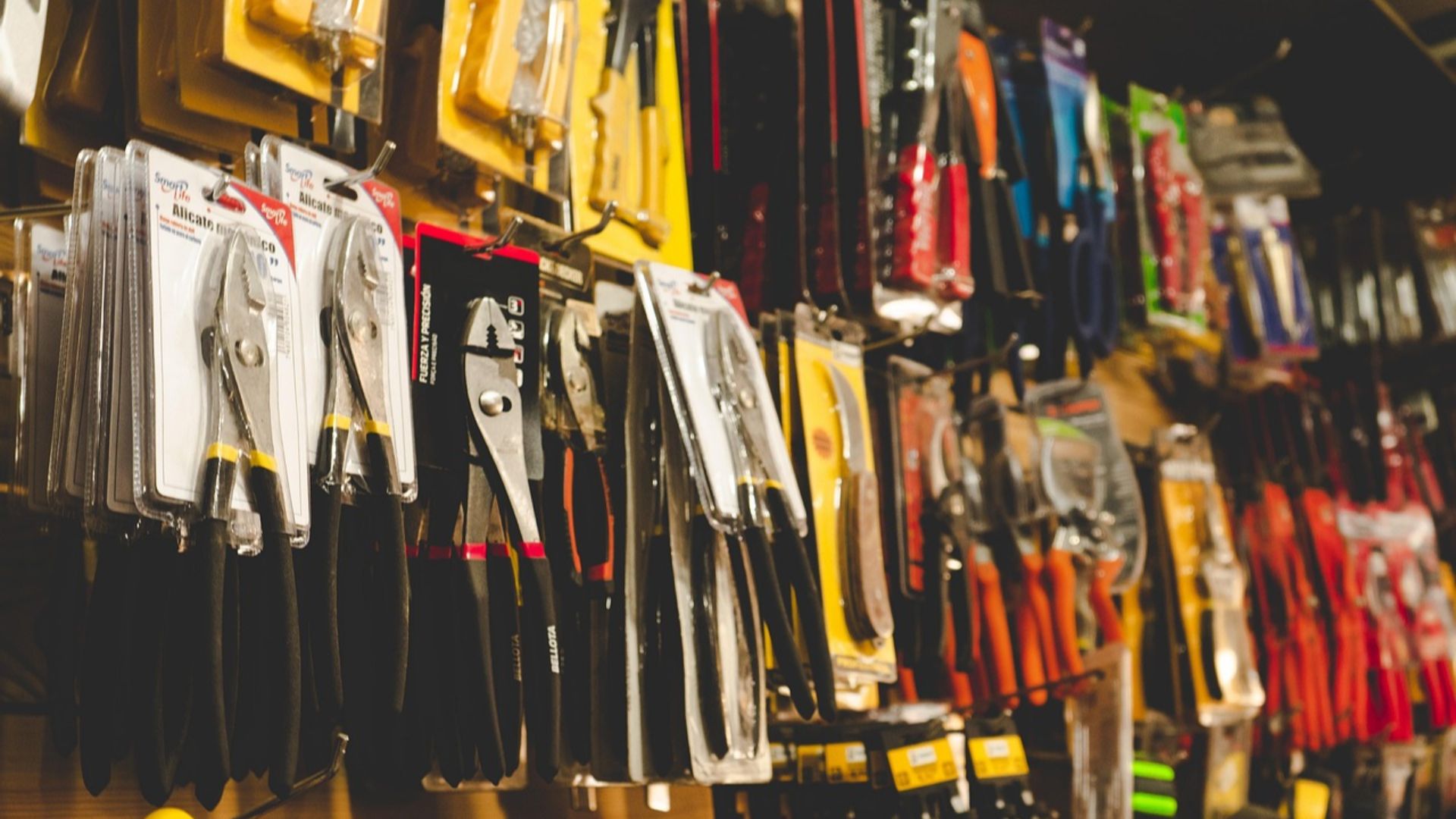
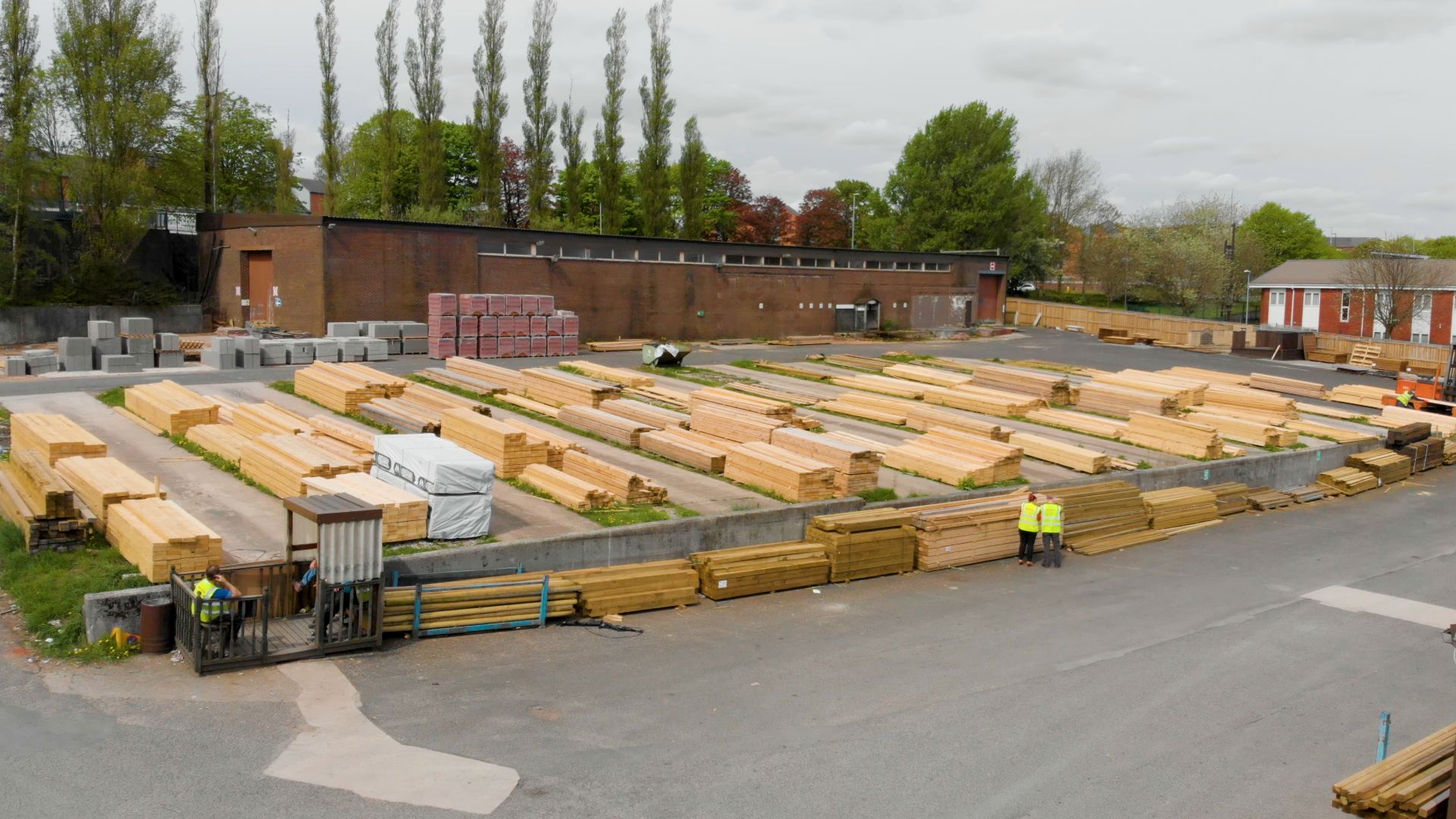
Grossman's was already an established building-material retailer when the 1970s began. Its cash-and-carry approach helped make home-improvement materials easier for ordinary homeowners to buy directly. For generations of Northeastern families, a trip to Grossman's could mean another weekend project was coming.
 GeorgeHillTimber, Wikimedia Commons
#7. Pergament Home Centers
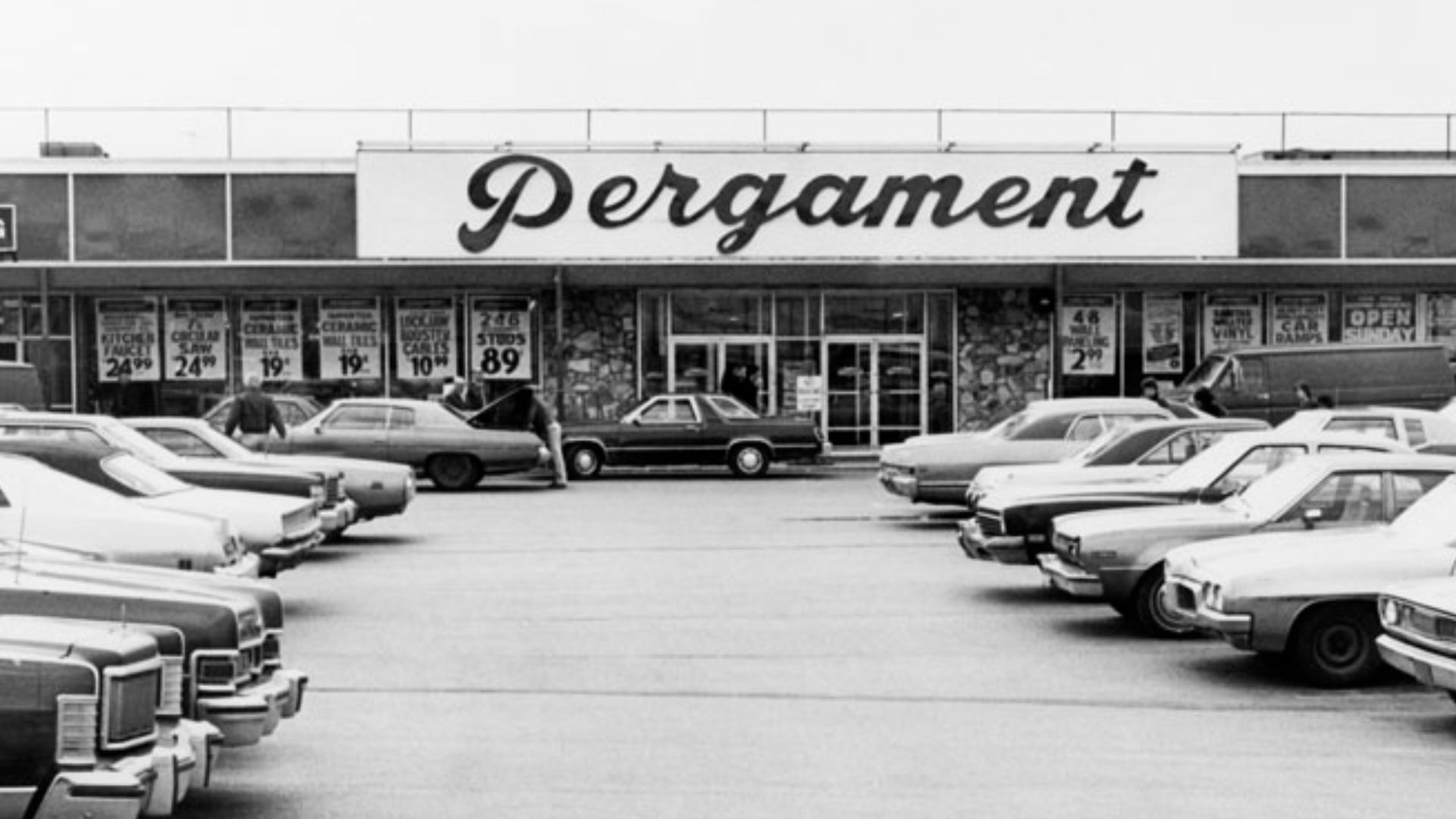
Pergament grew from a New York hardware business into a familiar regional home-center chain. Its stores became especially recognizable around New York and surrounding markets, offering the hardware, roofing, windows, and remodeling supplies that suburban homeowners increasingly wanted to install themselves.
#6. Payless Cashways
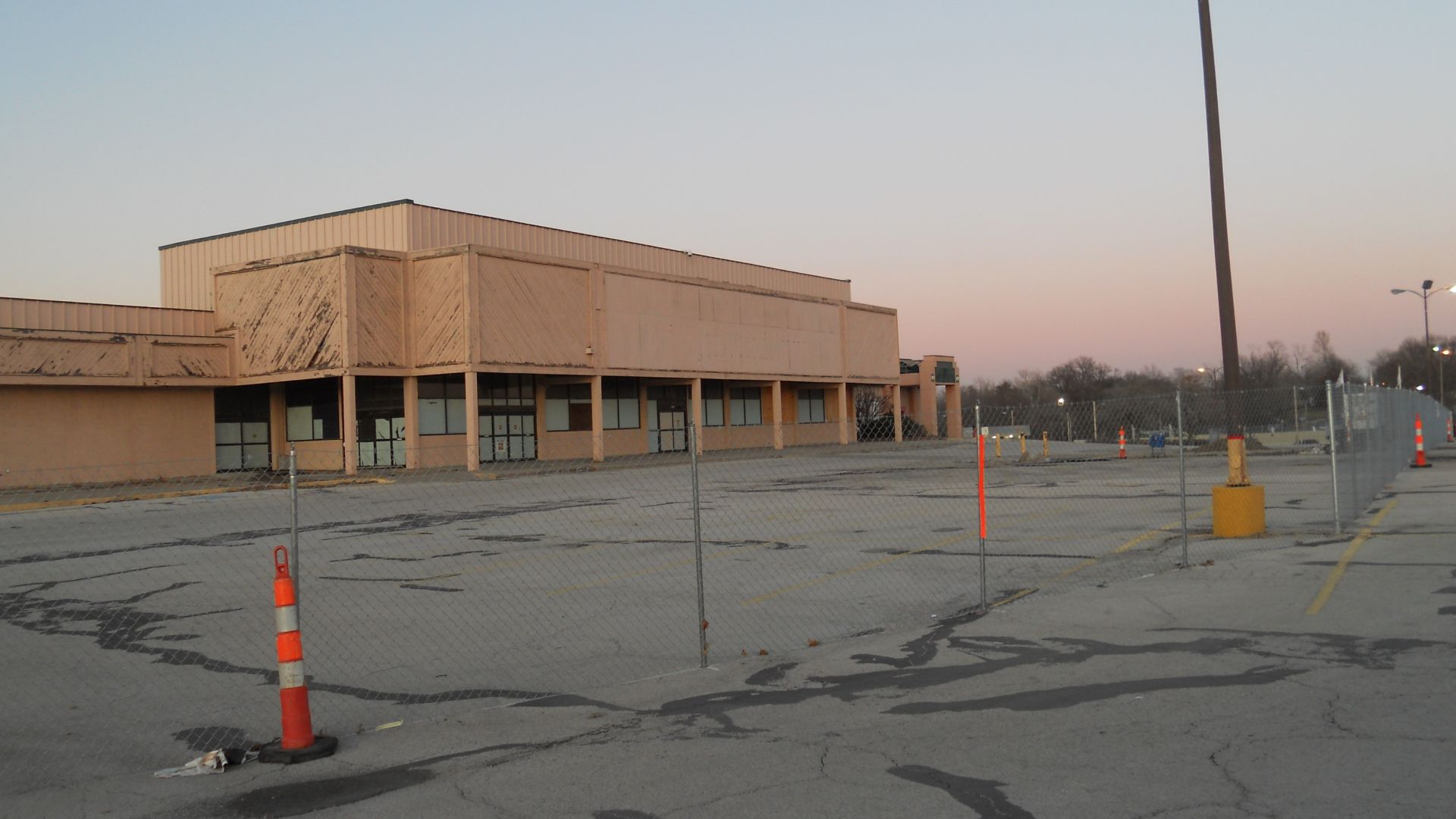
Payless Cashways ranked among America's leading home-center chains in 1977, with roughly $175 million in total sales. The company grew dramatically in later years and eventually operated nearly 200 locations, but financial trouble and bankruptcy finally ended the chain in 2001.
 95 b-body ss, Wikimedia Commons
#5. Scotty's
Florida homeowners knew Scotty's extremely well. The chain was already a major home-center company during the 1970s, generating approximately $135 million in 1977 sales. Scotty's later grew to more than 150 locations before the once-dominant regional retailer eventually disappeared.
 Florida Keys History Center-Monroe County Public L, Flickr
#4. Builders Emporium
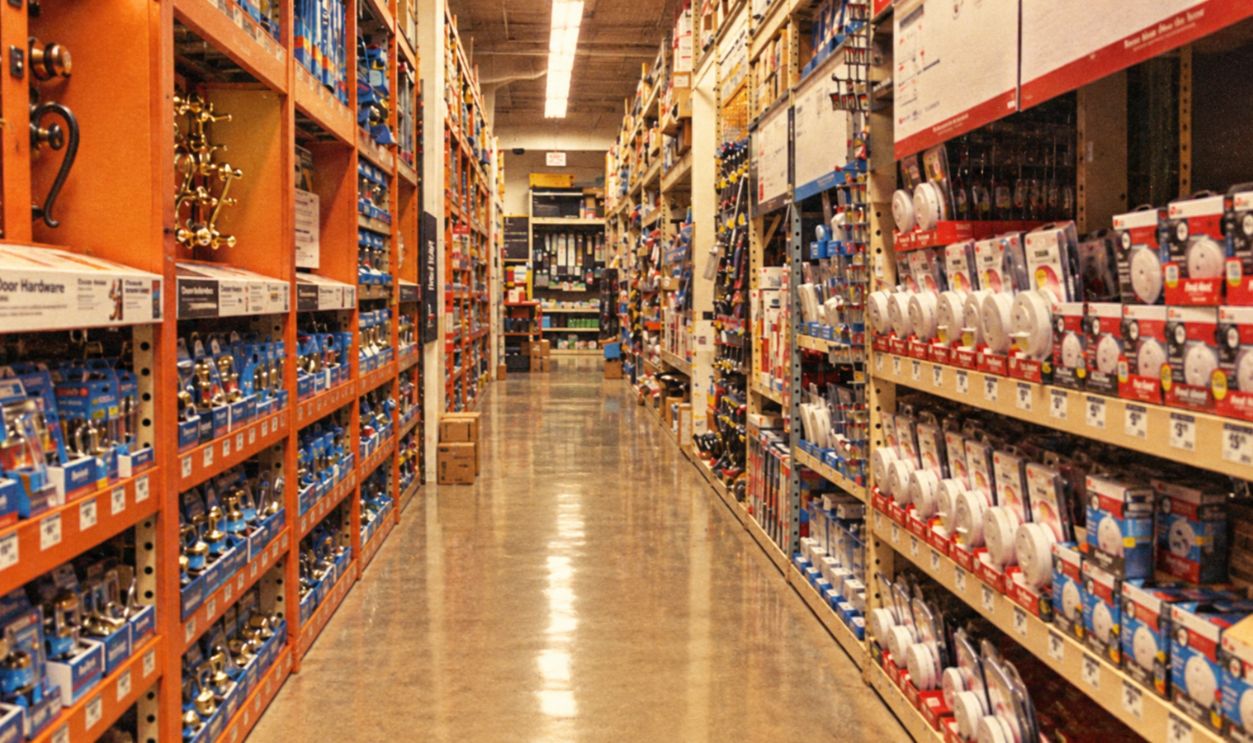
Builders Emporium became a Southern California home-improvement institution. Its big self-service stores sold lumber, hardware, plumbing supplies, garden products, and plenty more. Increased competition and a weak housing market eventually caught up with it, and the chain closed its stores in 1993.
#3. Rickel
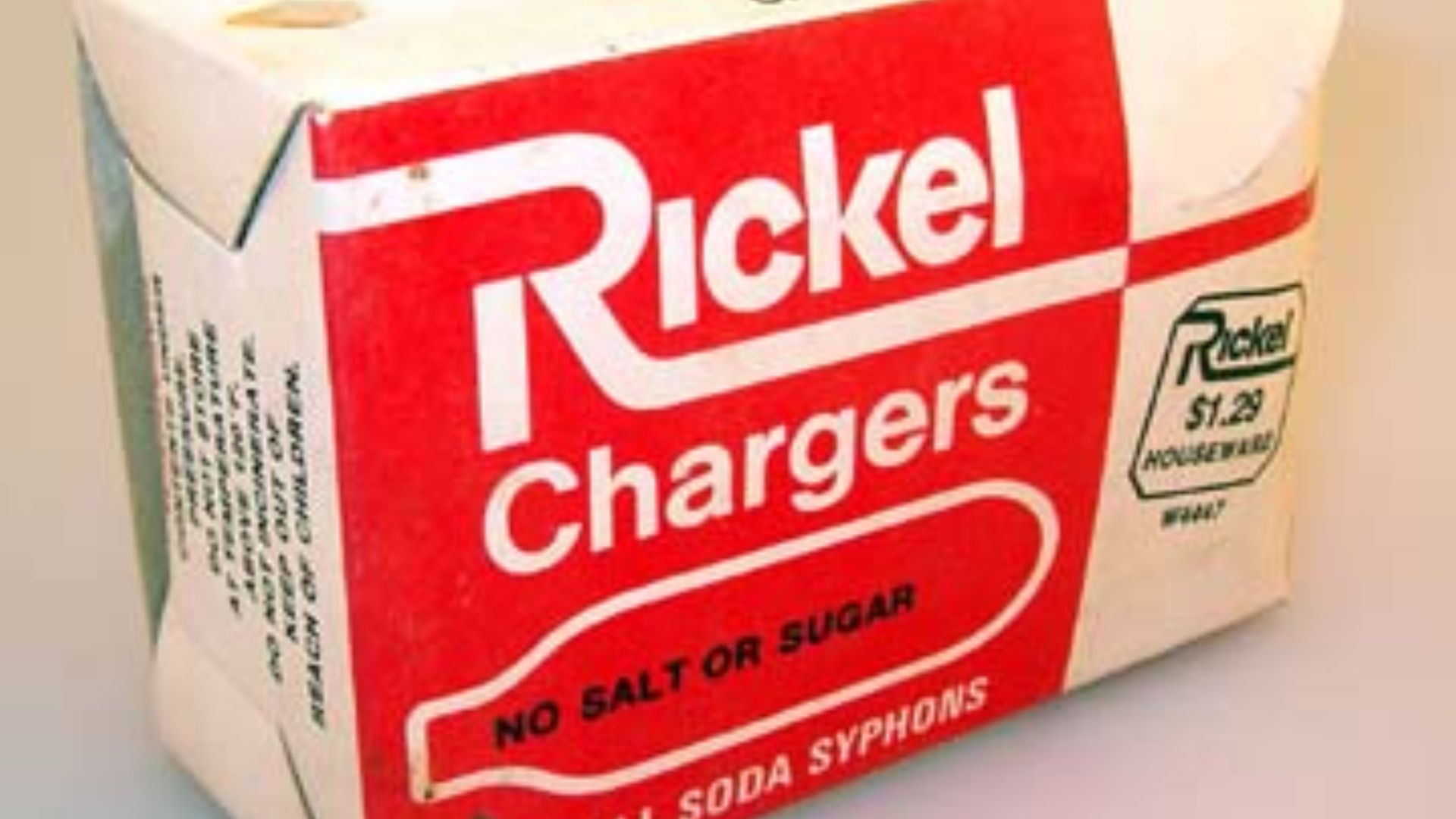
Rickel began in New Jersey in 1953 and became a major regional DIY chain selling hardware, plumbing, electrical, and heating supplies. At its peak it operated more than 90 stores. Bankruptcy finally ended a name Northeastern homeowners had known for decades.
#2. Handy Dan
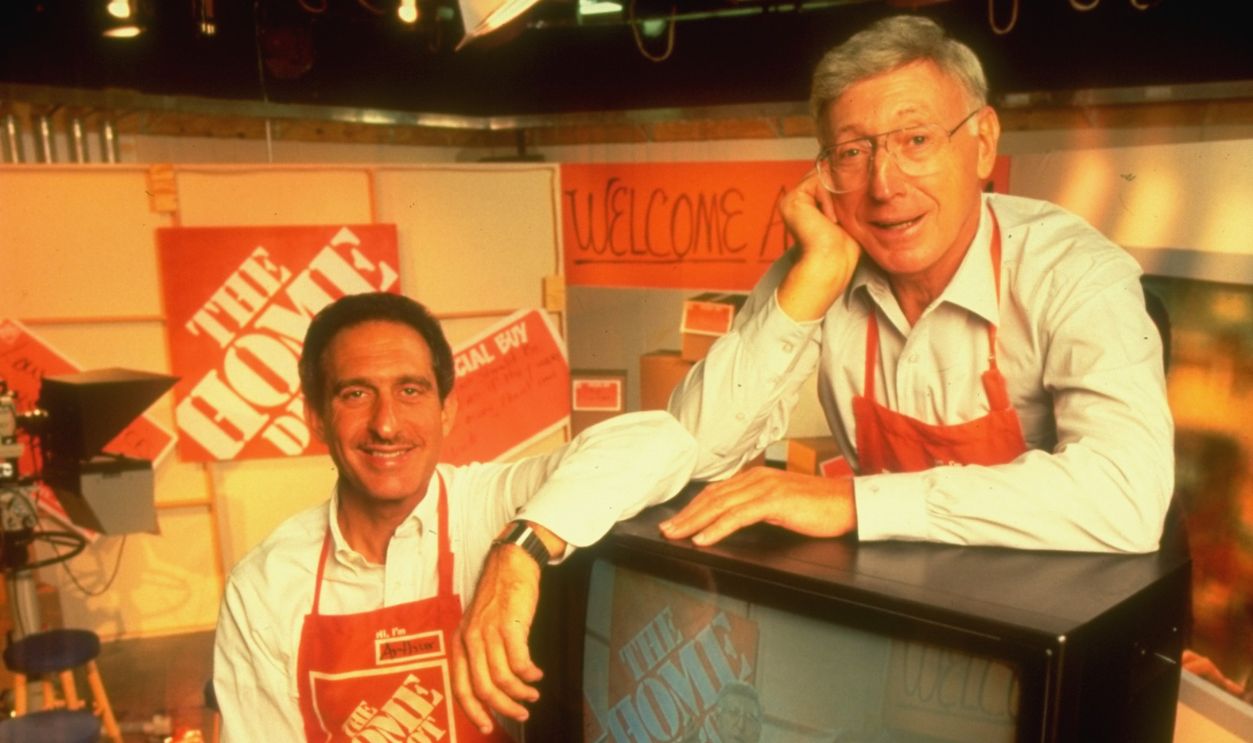
Handy Dan was already a major home-center chain in the 1970s, but its biggest legacy came from two employees. Bernard Marcus and Arthur Blank were fired from the company in 1978. The following year, they helped launch a little competitor called Home Depot.
#1. Hechinger
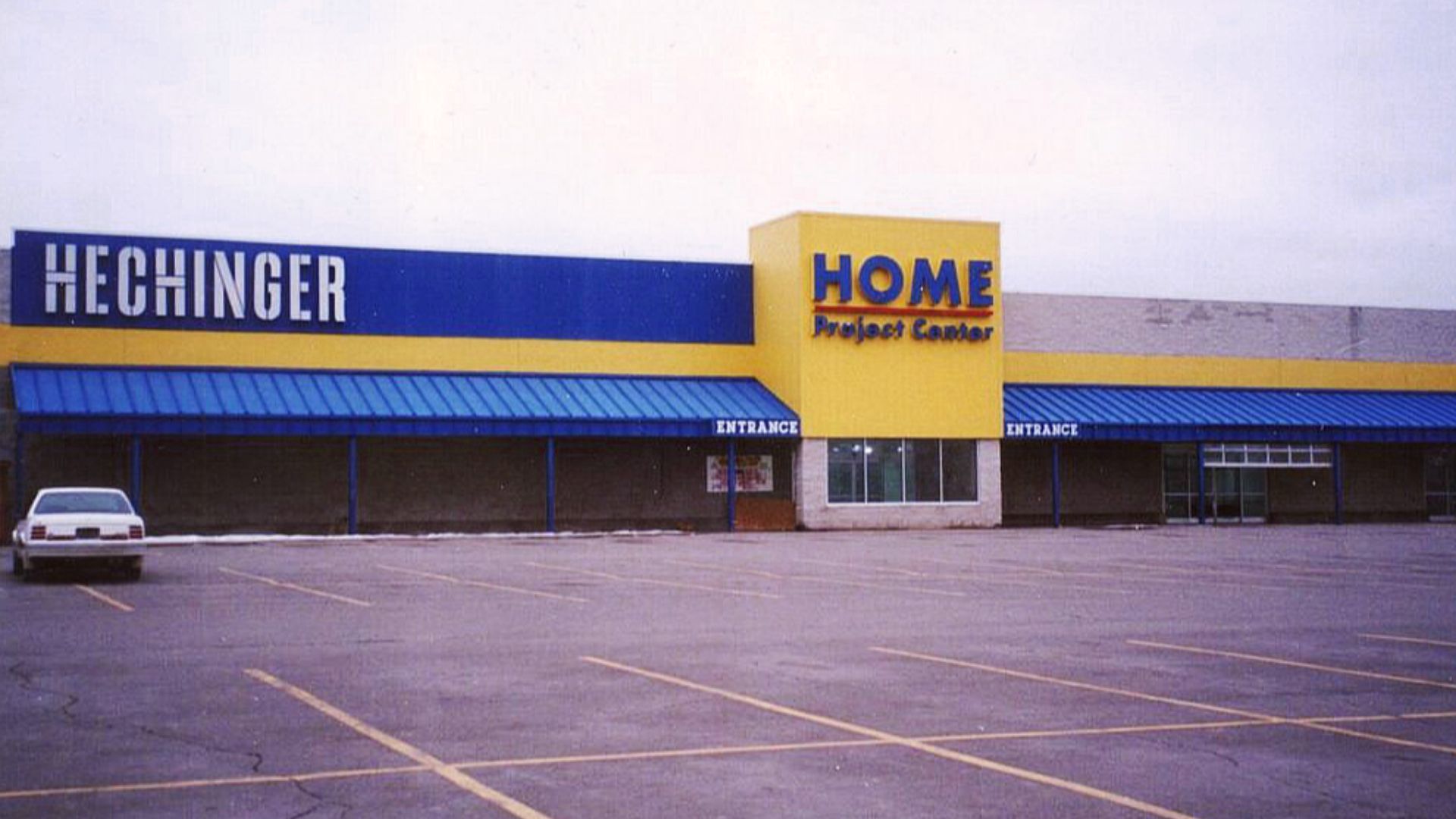
For Washington-area families, Hechinger practically defined home improvement. The company deliberately courted ordinary DIY homeowners when competitors still focused heavily on contractors. It went public in 1972 and became a regional institution, but intense big-box competition eventually helped push Hechinger into liquidation in 1999.
Then The Hardware Store Changed Forever
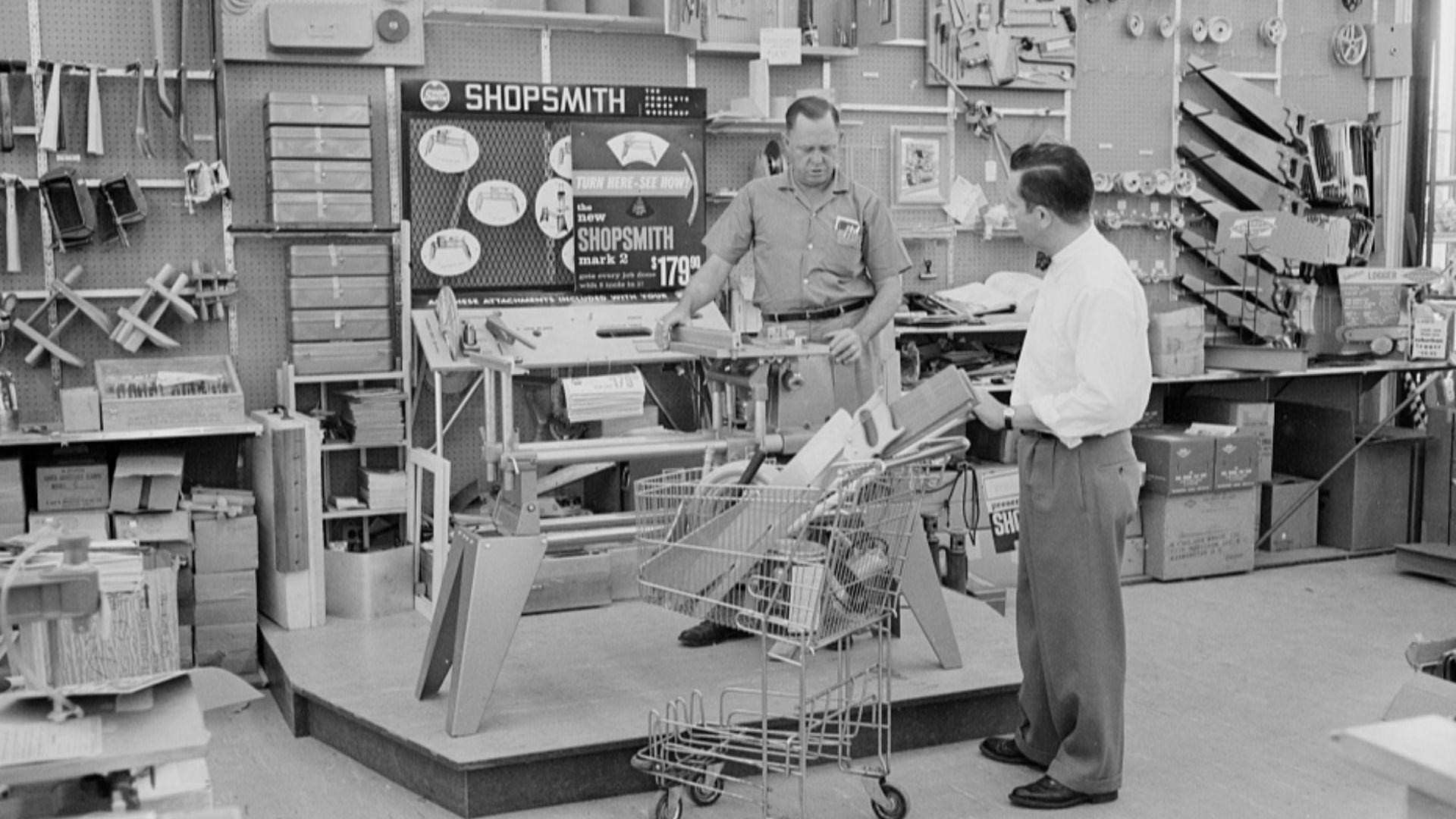
The 1970s were a turning point. Home centers were getting bigger, homeowners were tackling more projects themselves, and regional chains were expanding quickly. Then an even larger warehouse model arrived. Many familiar stores were bought, merged, bankrupted, or simply outcompeted, leaving behind some serious Saturday-morning nostalgia.
 The Library of Congress from Washington, DC, United States, Wikimedia Commons
You May Also Like: How A&P Went From An American Household Name To One Of Retail's Biggest Collapses