The Grocery Empire That Almost Everyone Forgot
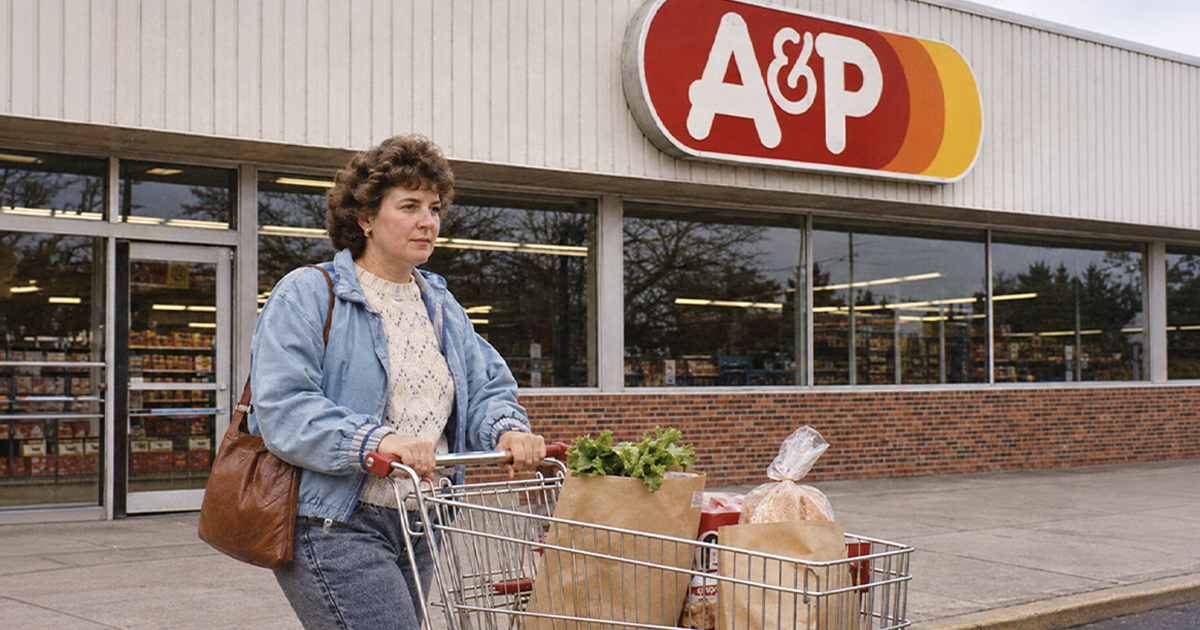
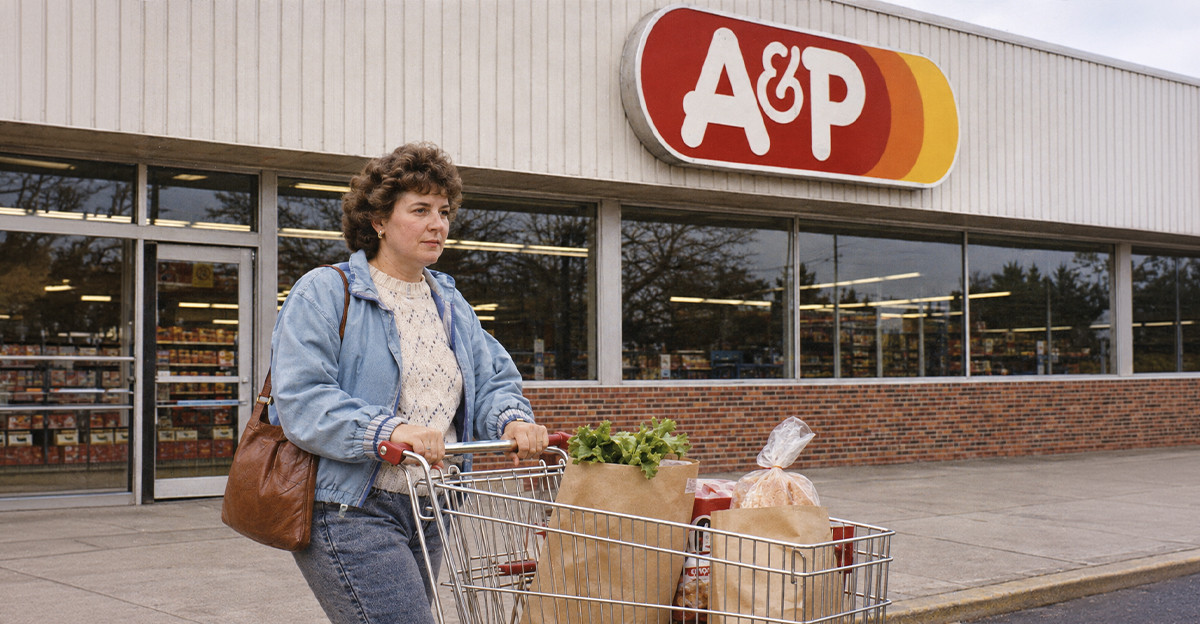
Before Walmart dominated groceries, before Costco sold food by the cartload, and before supermarkets seemed to occupy every street corner, there was A&P. At its peak, the company operated more than 15,000 stores and sold over $1 billion worth of goods annually. Generations of Americans grew up shopping there.
So how did one of the most powerful retailers in American history end up bankrupt and completely disappear?
It All Started With Tea
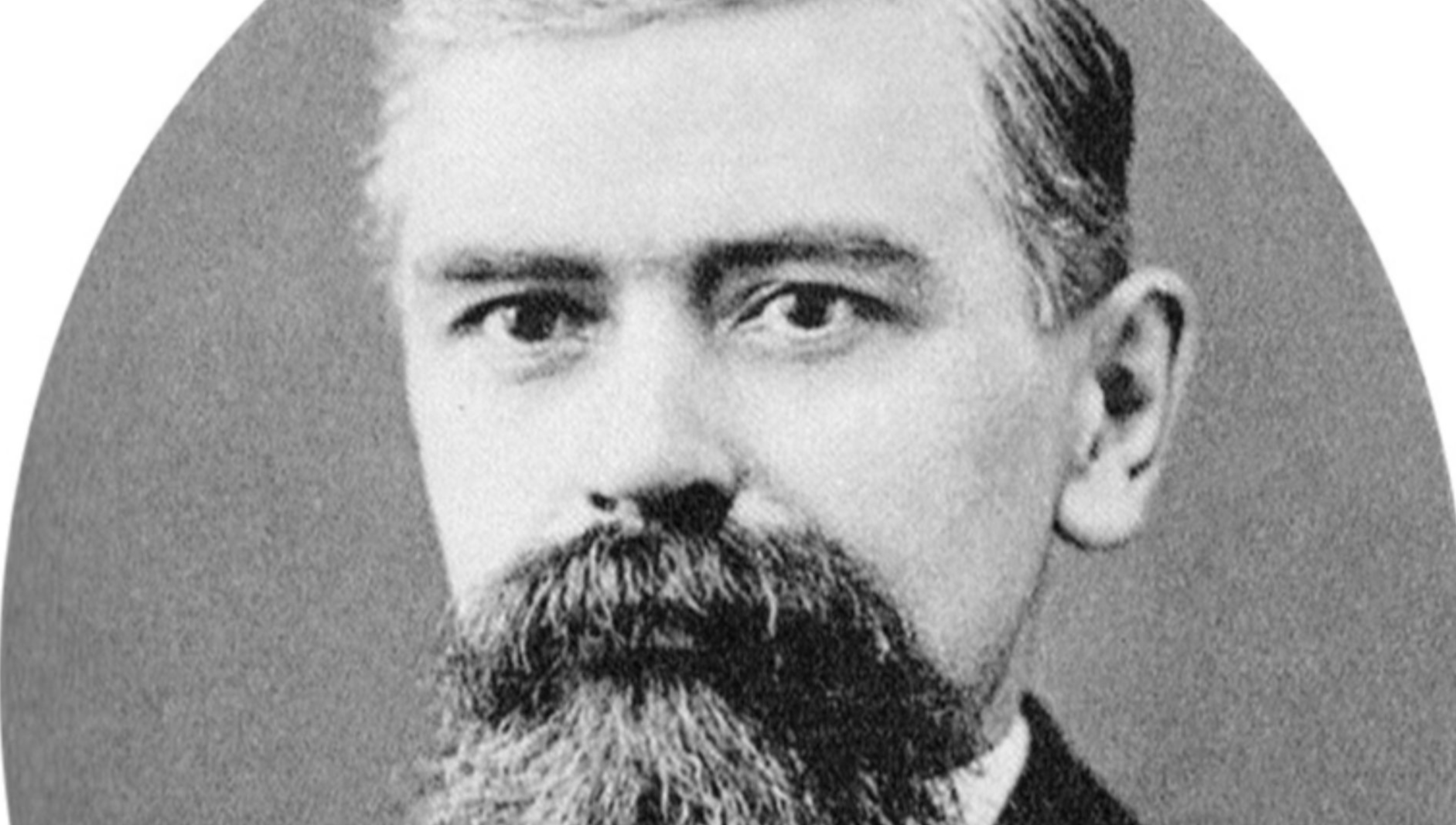
The story began in New York City in 1859, when George Gilman and George Huntington Hartford entered the tea business. Their company initially specialized in tea and coffee, selling products at competitive prices. Tea was still an important household purchase, and the partners believed they could build a successful business by making it more affordable.
 Unknown authorUnknown author, Wikimedia Commons
A Name That Promised Something Bigger
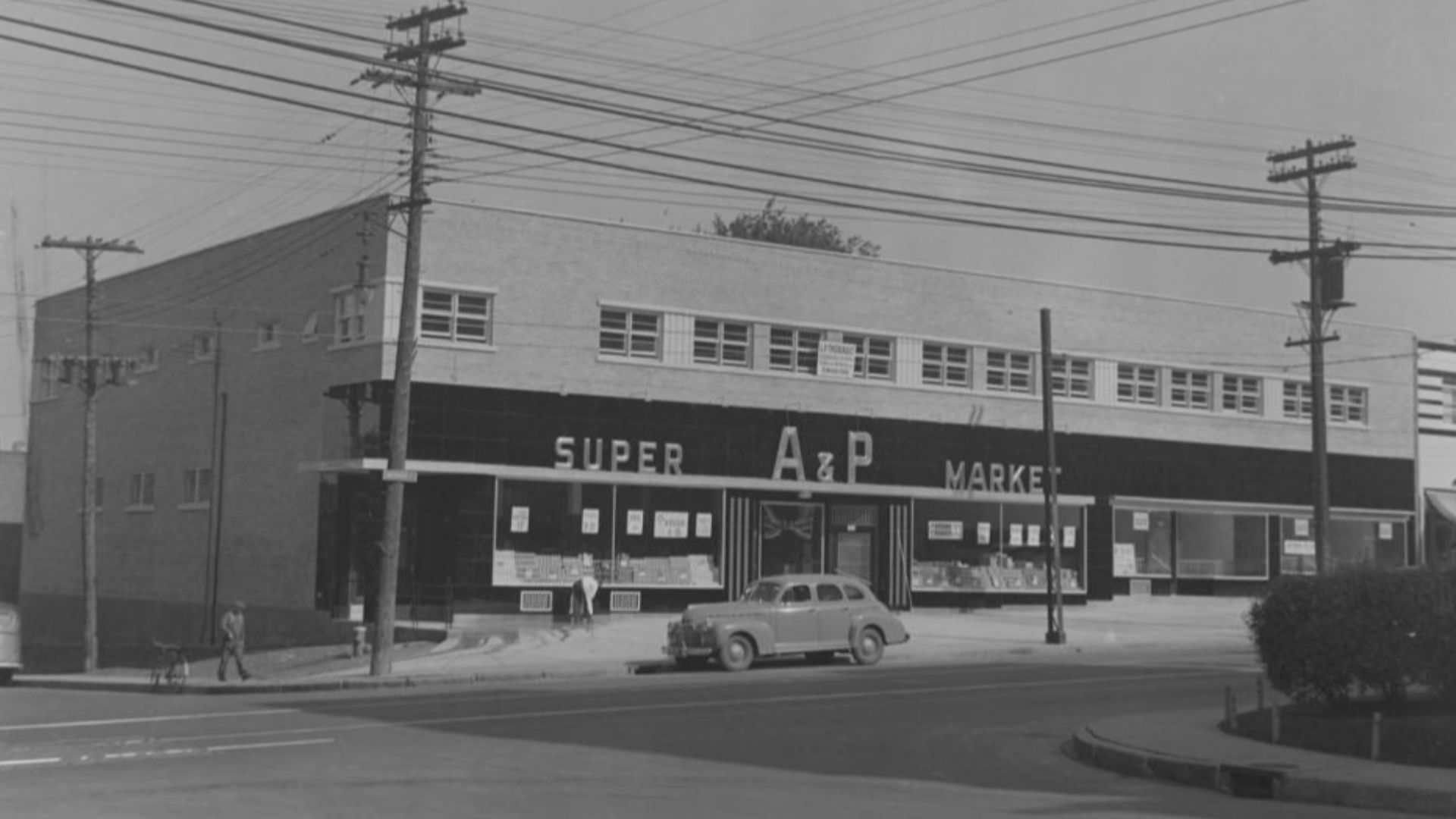
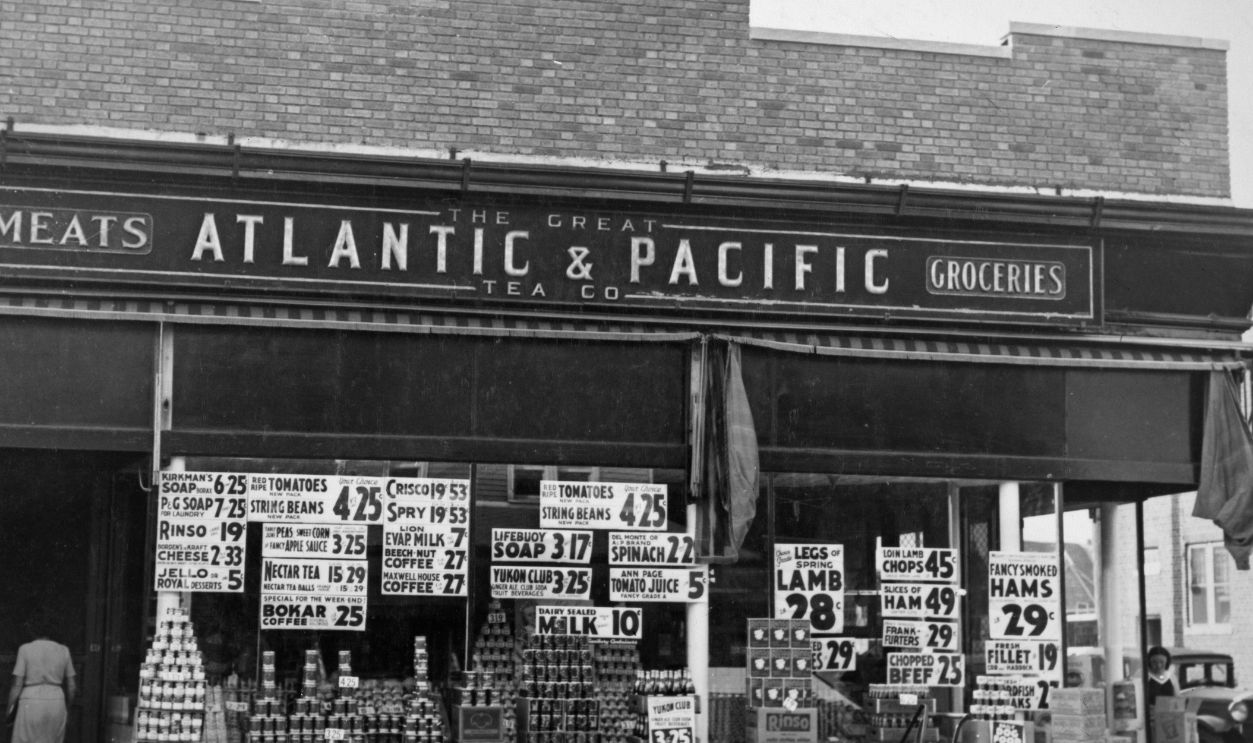
The business became known as the Great American Tea Company in 1863. Around 1870, it adopted the name Great Atlantic & Pacific Tea Company, reflecting the nation's growing coast-to-coast ambitions. Americans eventually shortened that rather ambitious name to A&P. Fortunately, nobody had to say the full version every time they needed coffee.
 Conrad Poirier, Wikimedia Commons
The First Stores Were Nothing Like Modern Supermarkets
Early A&P stores were small businesses selling tea, coffee, and other specialty goods. Customers didn't push shopping carts through enormous aisles filled with thousands of products. Shopping was more personal, with clerks serving customers directly. Still, A&P was already developing something that would change American retailing: a recognizable chain operating under one name.
A&P Learned The Power Of Buying In Bulk
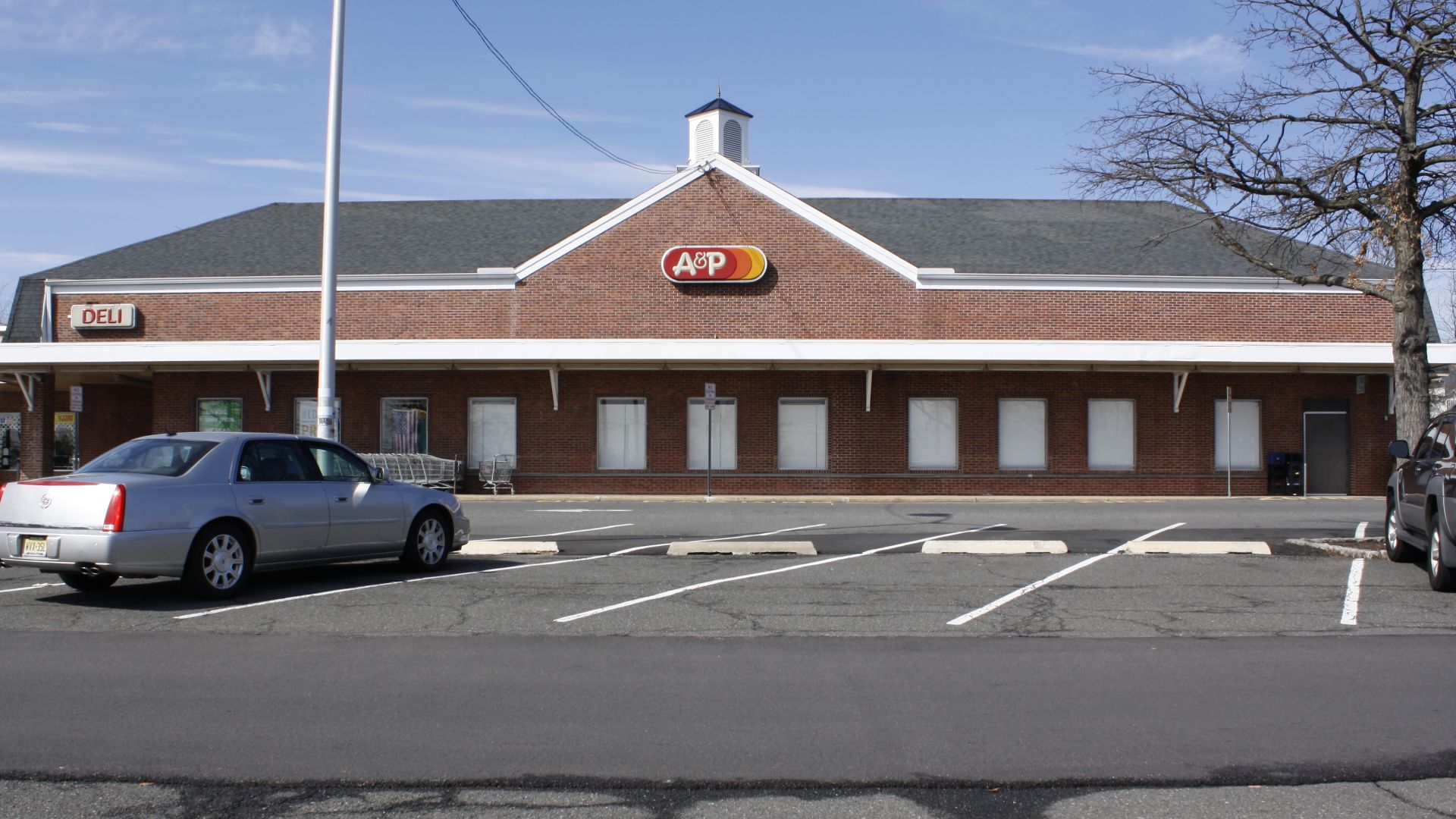
As the company expanded, it discovered that buying enormous quantities could lower costs. Instead of purchasing goods like an independent neighborhood merchant, A&P negotiated purchases for an entire chain. The savings helped it offer attractive prices. That sounds perfectly ordinary today, but it was a major competitive advantage in the late 1800s.
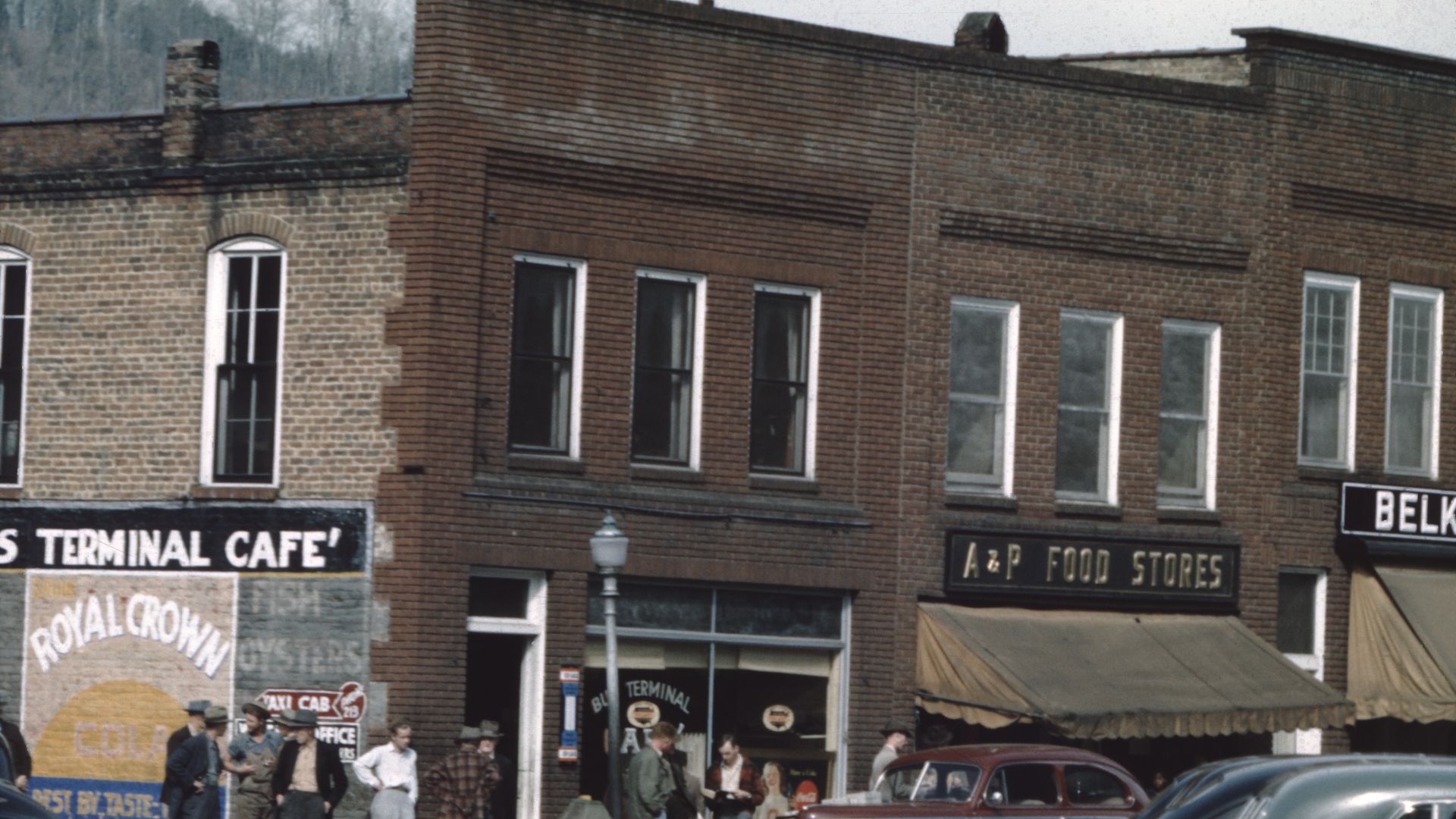 Victor Grigas, Wikimedia Commons
The Hartford Family Took Over
George Huntington Hartford's sons, John and George L., eventually became the driving forces behind A&P's enormous expansion. They believed low prices and efficient operations mattered more than fancy store decorations. Their business philosophy was simple: spend less running the store, charge customers less, and make money through enormous sales volume.
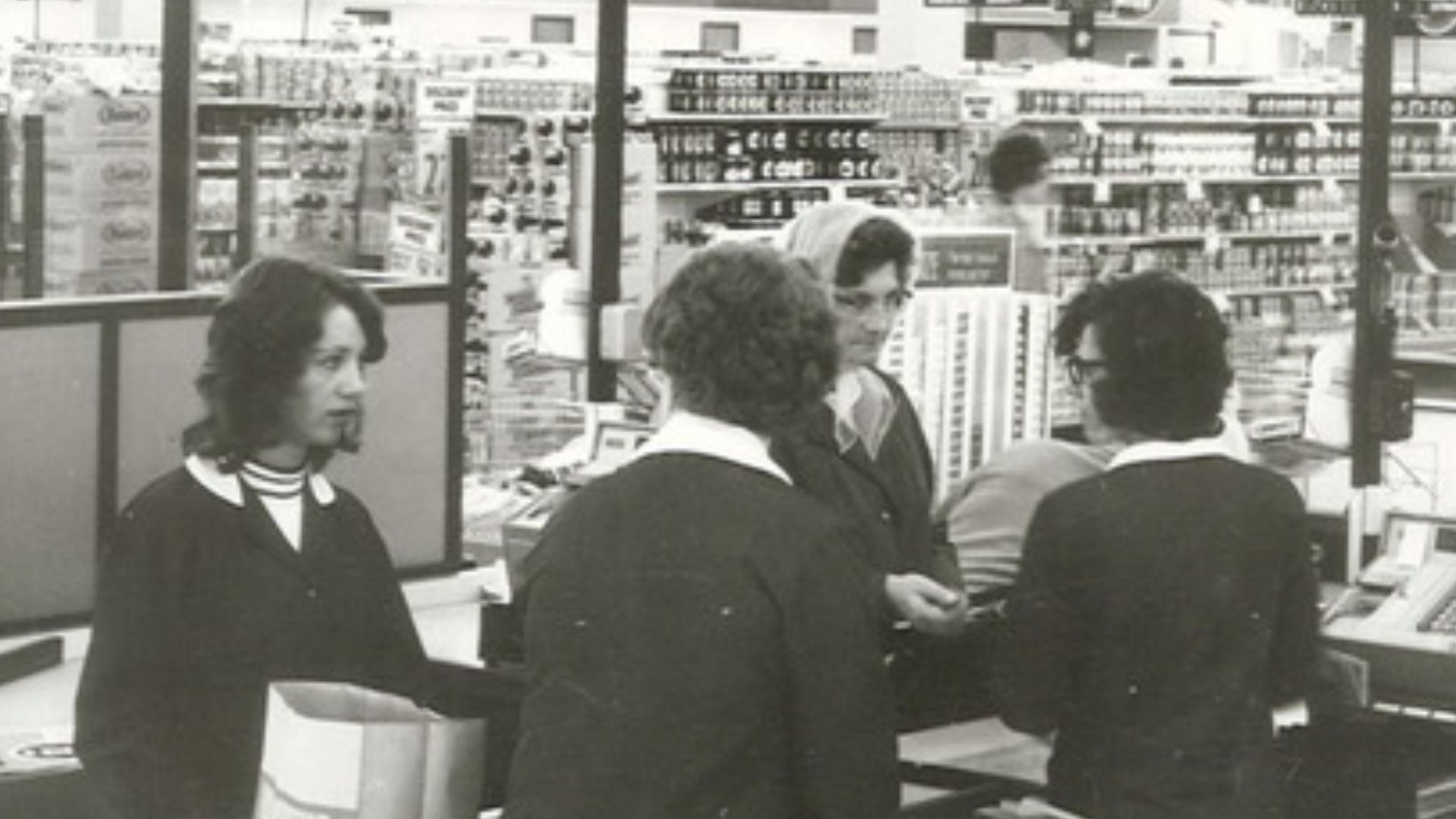 Archives New Zealand from New Zealand, Wikimedia Commons
The 1912 Idea That Changed Grocery Shopping
In 1912, A&P introduced its Economy Store concept. These shops were deliberately simple, with limited selections, basic interiors, and relatively little customer service. Shoppers generally paid cash, and the stores avoided expensive services such as home delivery and credit accounts. It wasn't glamorous, but families looking to stretch their grocery budgets loved the savings.
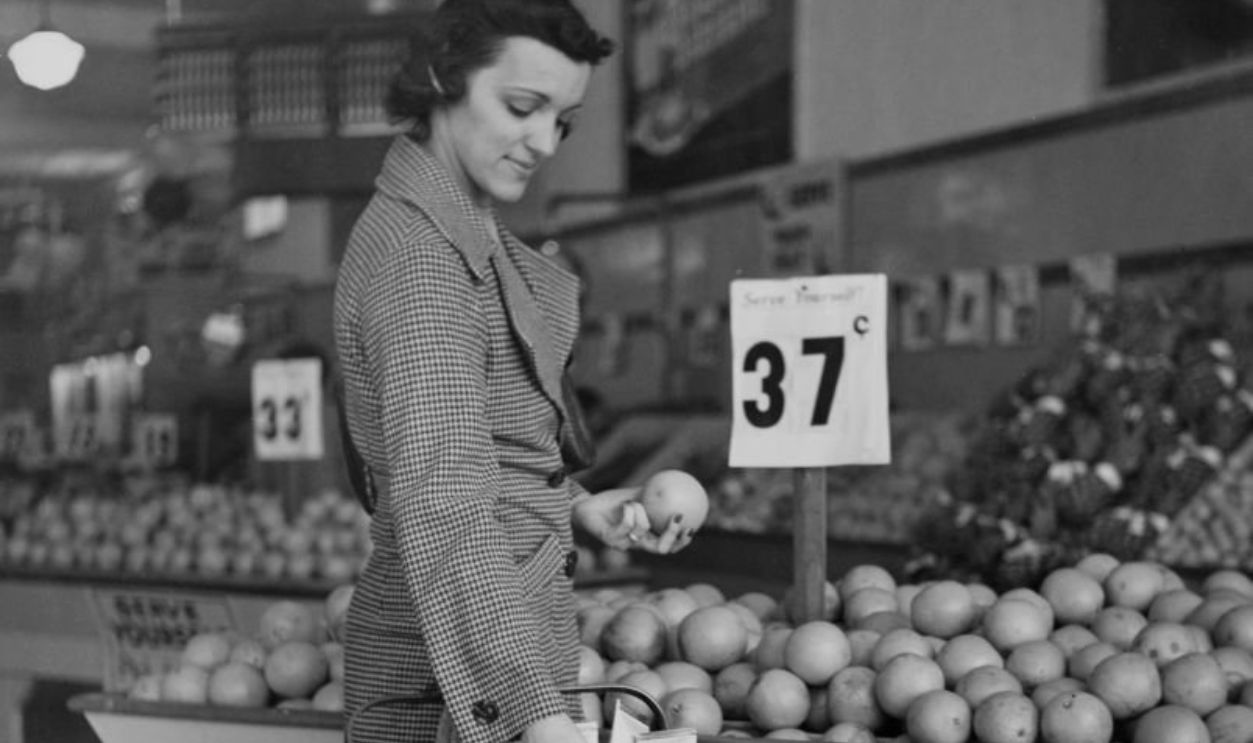
Suddenly, A&P Stores Were Everywhere
The Economy Store formula worked spectacularly. A&P had approximately 350 stores in 1910, but by 1920, it operated more than 4,600. Small storefronts carrying the familiar A&P name appeared across American communities. For families trying to save money, the chain offered something increasingly attractive: predictable prices and familiar products wherever they shopped.
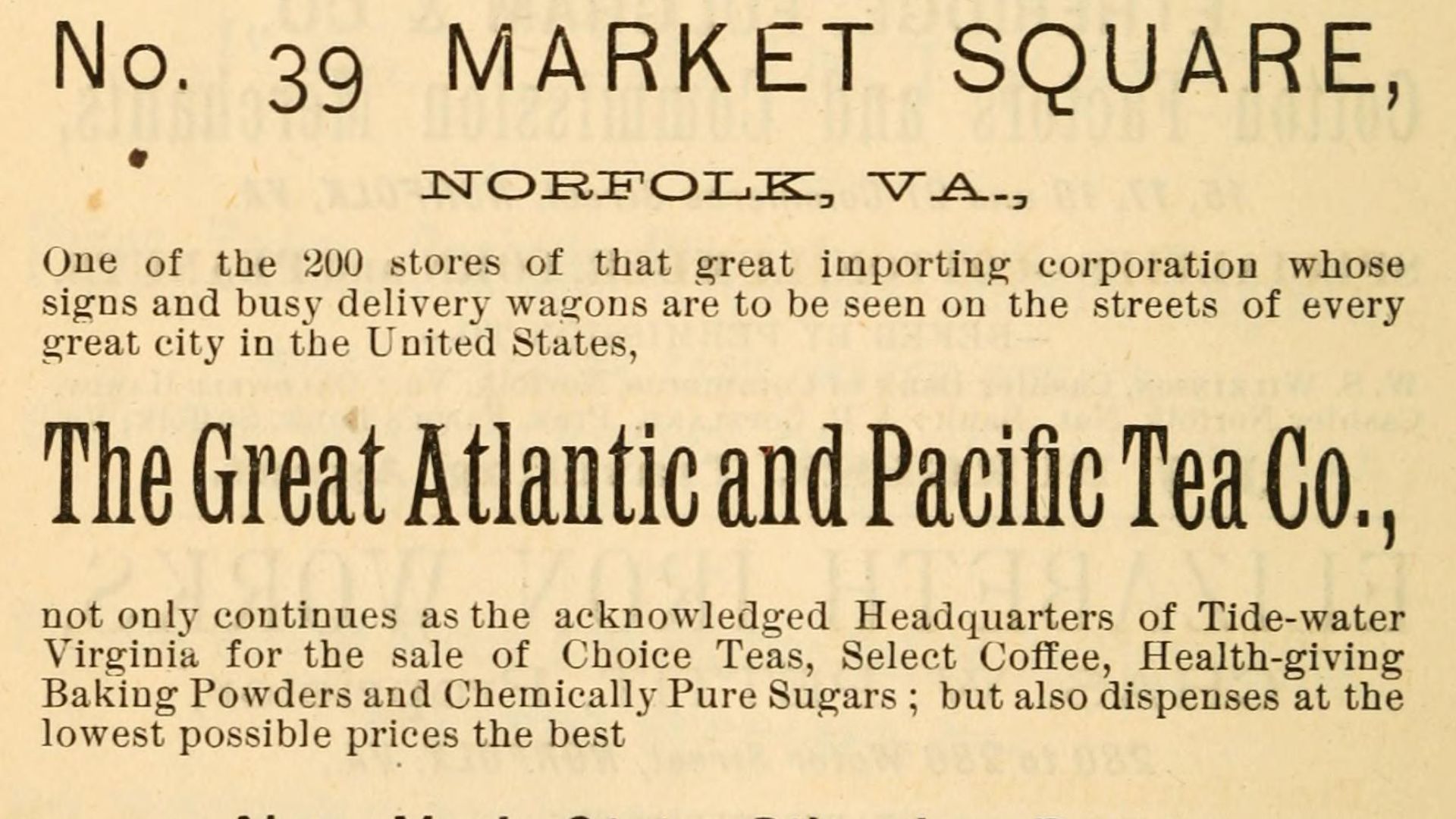 Geo. I Nowitsky, author and publisher of the work, Wikimedia Commons
The Neighborhood Grocer Had A Problem
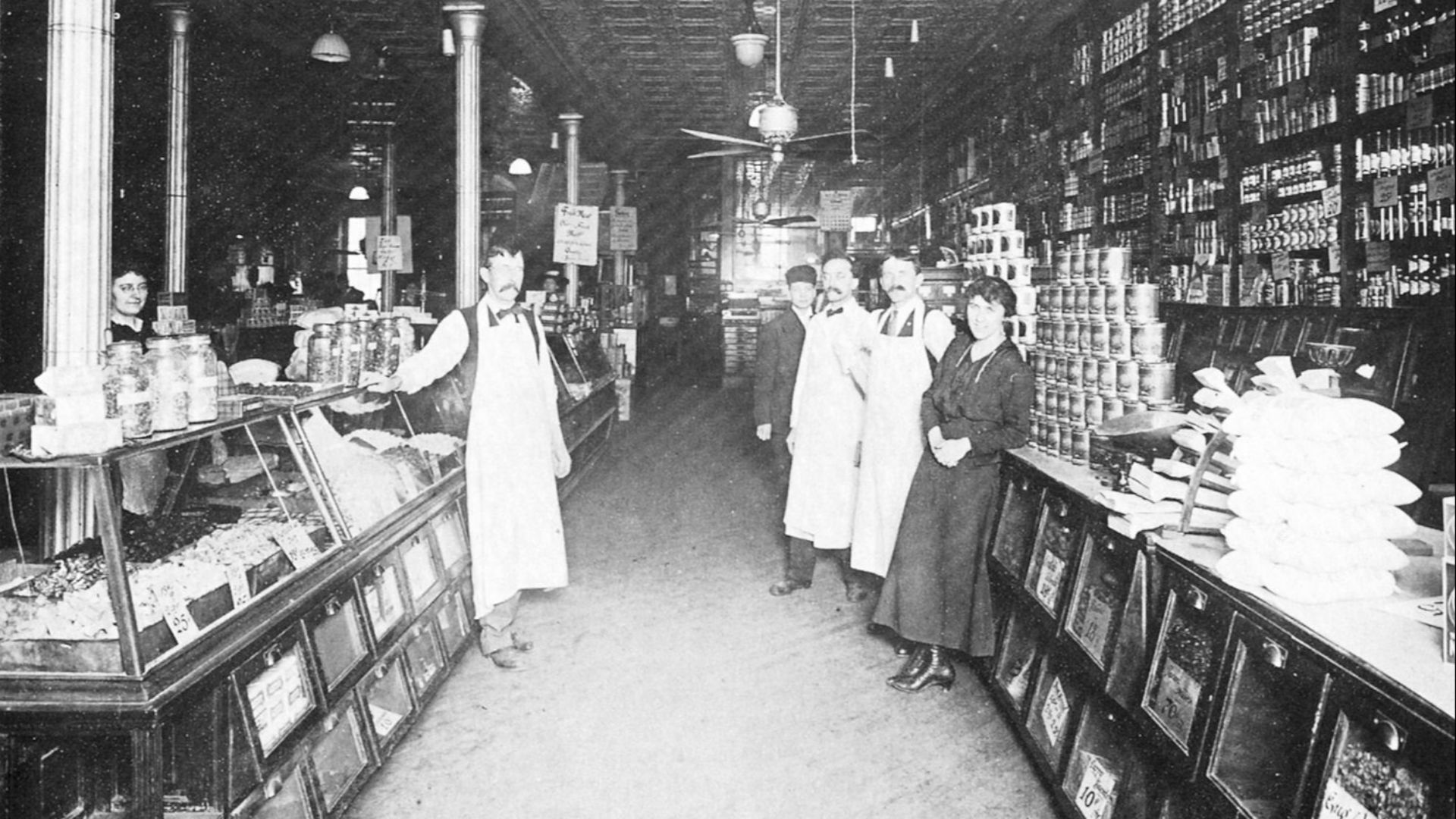
A&P's success wasn't universally celebrated. Independent grocery stores struggled to match the chain's prices because they couldn't purchase goods in comparable quantities. Some closed as powerful chains expanded. Small merchants accused A&P of using its enormous buying power unfairly. The grocery chain was becoming an American institution, but it was also creating some very unhappy competitors.
 Anonymous Photographer, Wikimedia Commons
A&P Started Making Its Own Products
The company didn't stop at buying groceries cheaply. It expanded into producing and distributing its own goods, including coffee, baked products, and packaged foods. By controlling more of its supply chain, A&P could reduce reliance on outside manufacturers. That helped keep prices competitive and gave the company greater control over what appeared on its shelves.
Eight O'Clock Coffee Became A Household Favorite
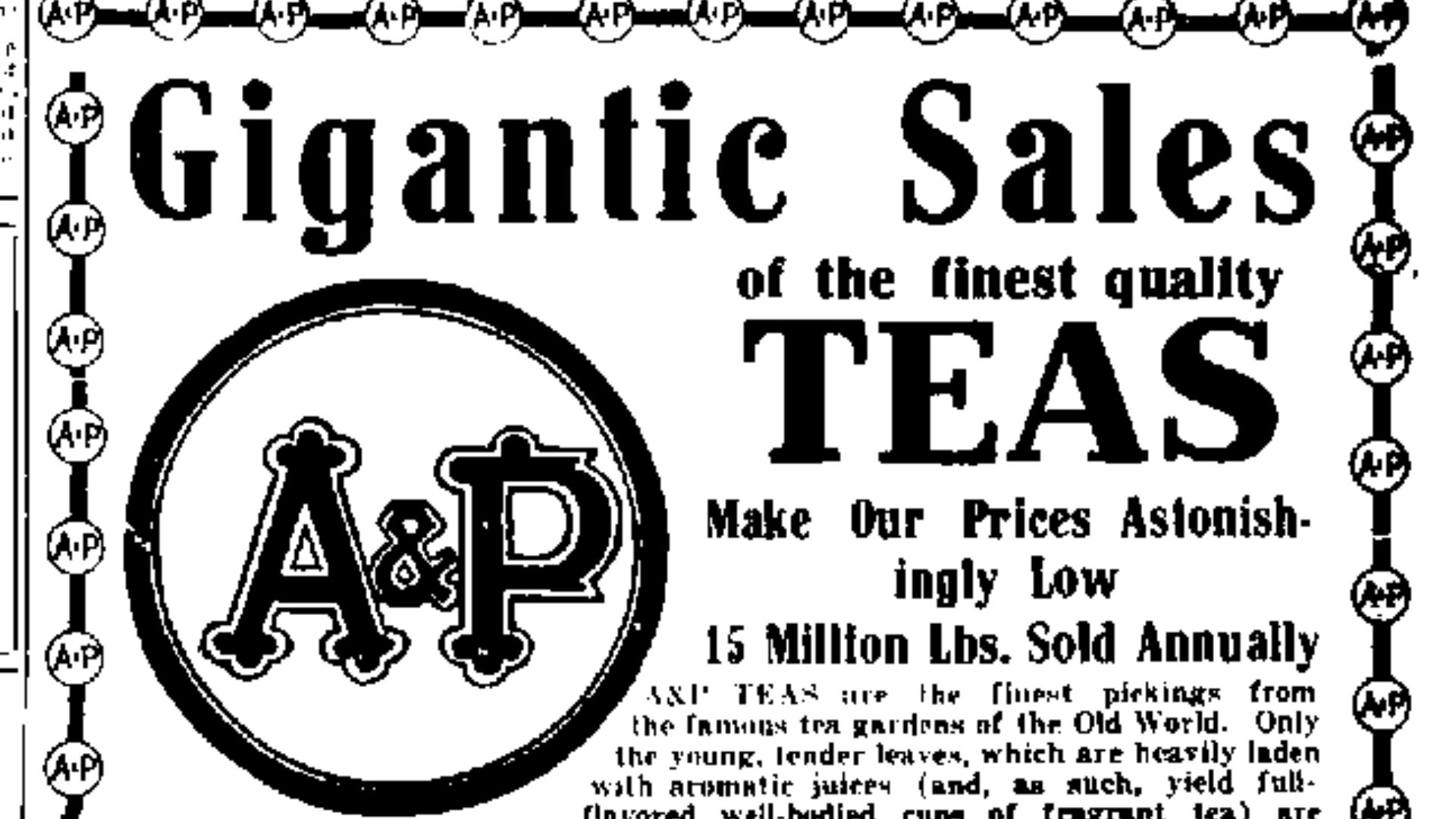
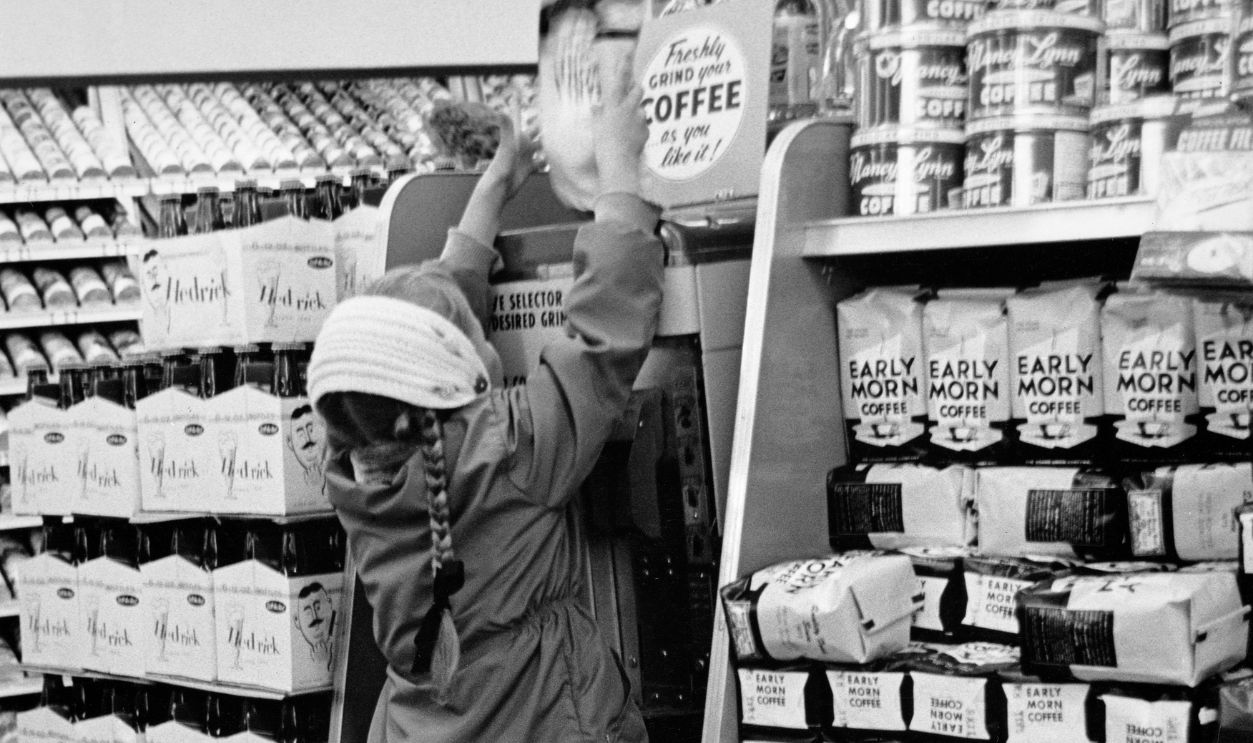
One of A&P's best-known products was Eight O'Clock Coffee, whose history dates to the company's early private-label operations. For generations, customers associated A&P with freshly ground coffee and familiar house brands. The name survived long after the original grocery empire disappeared. For older shoppers, that familiar coffee aroma can still bring back memories of weekend grocery trips.
The Chain Became An Advertising Giant
A&P understood that Americans needed to recognize its name. During the 1920s, it sponsored The A&P Radio Hour, featuring Harry Horlick and the A&P Gypsies. Radio advertising helped make the company's name familiar far beyond its storefronts. Long before grocery chains competed with television commercials, A&P was finding ways to reach families in their living rooms.
By 1929, A&P Was A Billion-Dollar Business
In 1929, A&P reached approximately $1 billion in annual sales, an extraordinary achievement at the time. The company had become one of the largest retailers in the world. Its buying power, store network, and manufacturing operations were unlike anything most American shoppers had previously encountered. A&P had gone from selling tea to practically running the grocery business.
Nearly 16,000 Stores At Its Peak
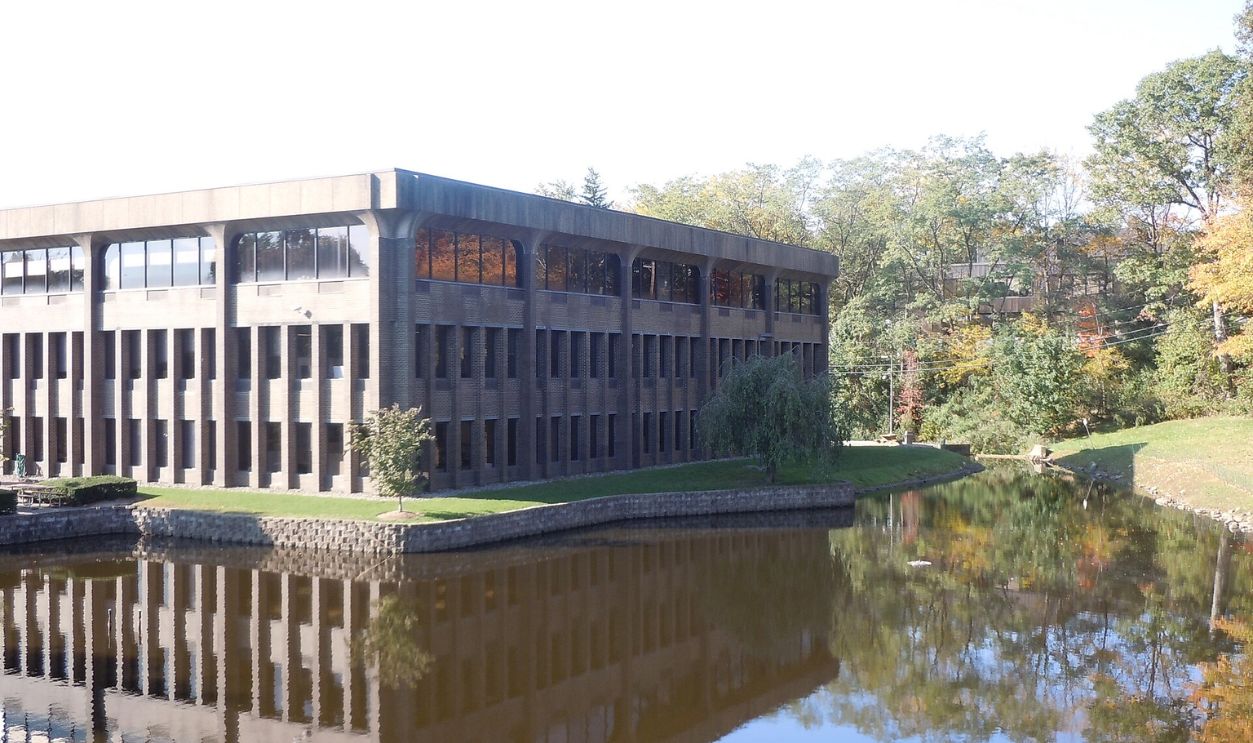
Around 1930, A&P reached approximately 15,737 stores in the United States. Its familiar storefronts appeared in cities, towns, and neighborhoods across the country. The company was a giant by almost any measure. Today's shoppers might struggle to imagine one grocery chain having that kind of reach before modern supermarkets had even become widespread.
The Great Depression Tested The Empire
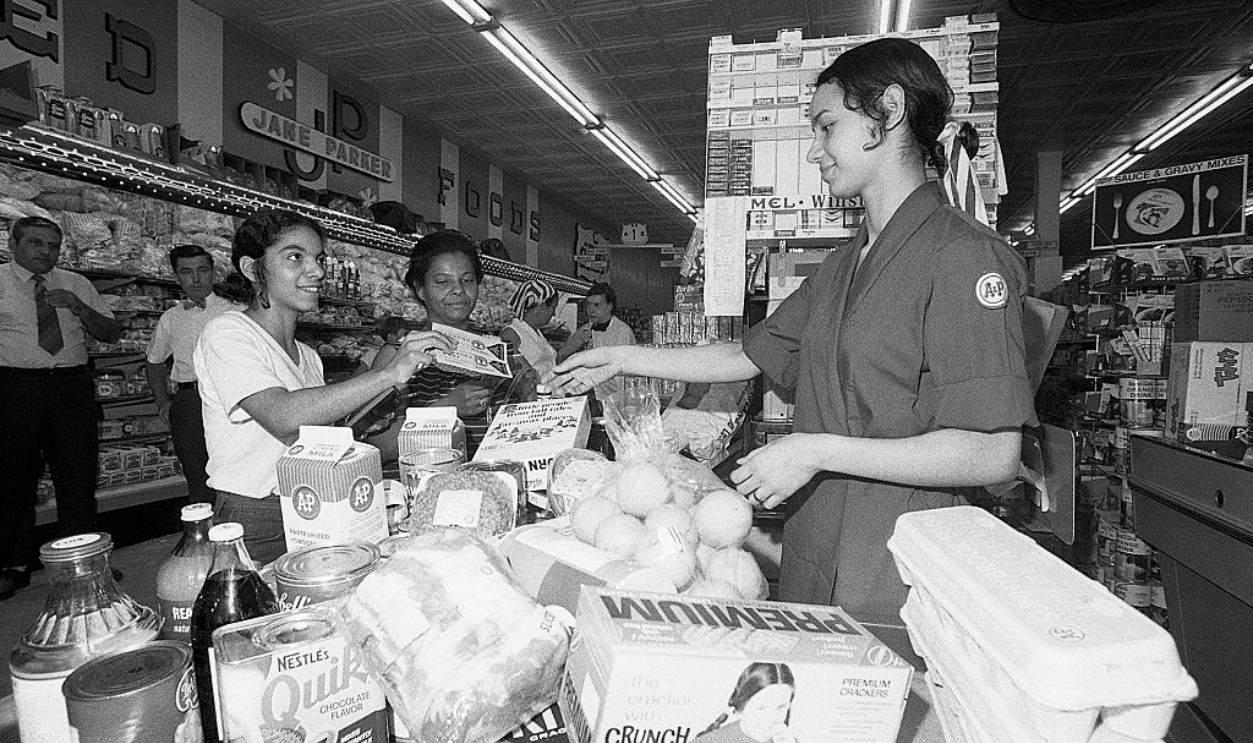
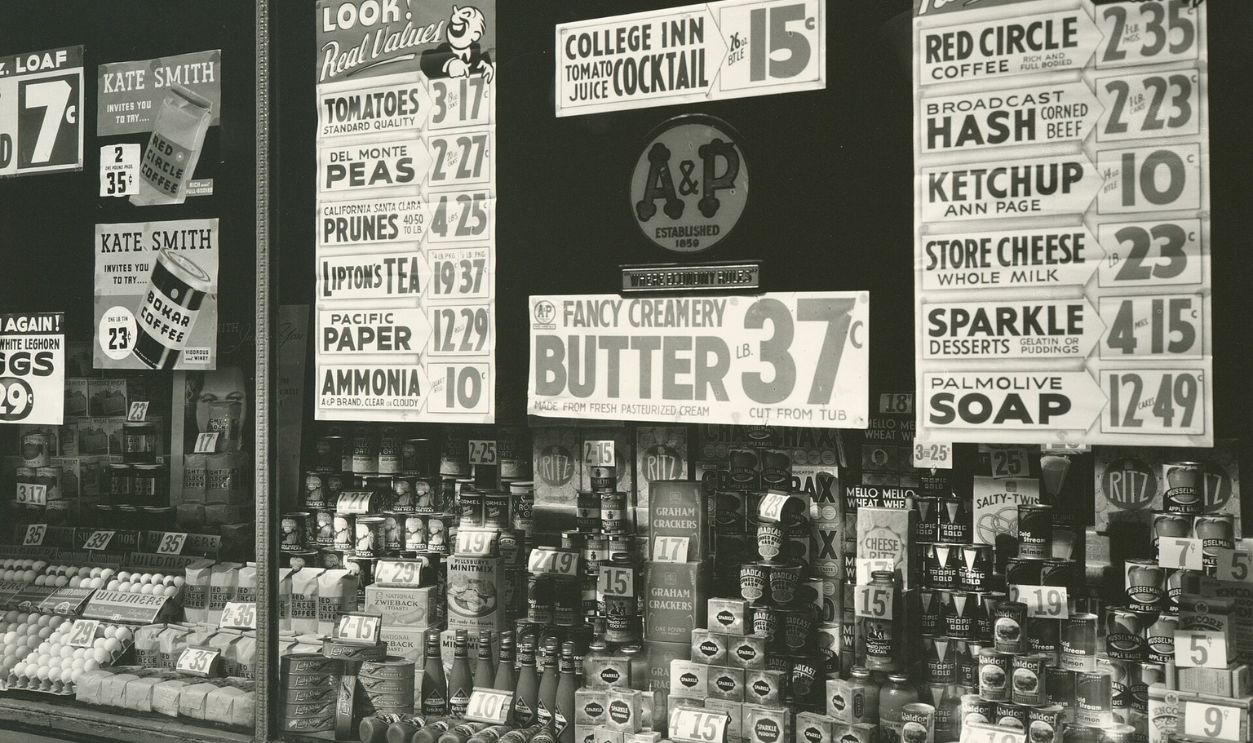
When the Great Depression began, Americans became even more concerned about grocery prices. A&P's efficient buying system and low-cost stores helped it remain competitive. Conservative financial policies also provided stability. While countless businesses struggled, A&P remained an enormously important part of everyday shopping. Its reputation for value had become one of its greatest strengths.
 Berenice Abbott, Wikimedia Commons
Then The Supermarket Changed Everything
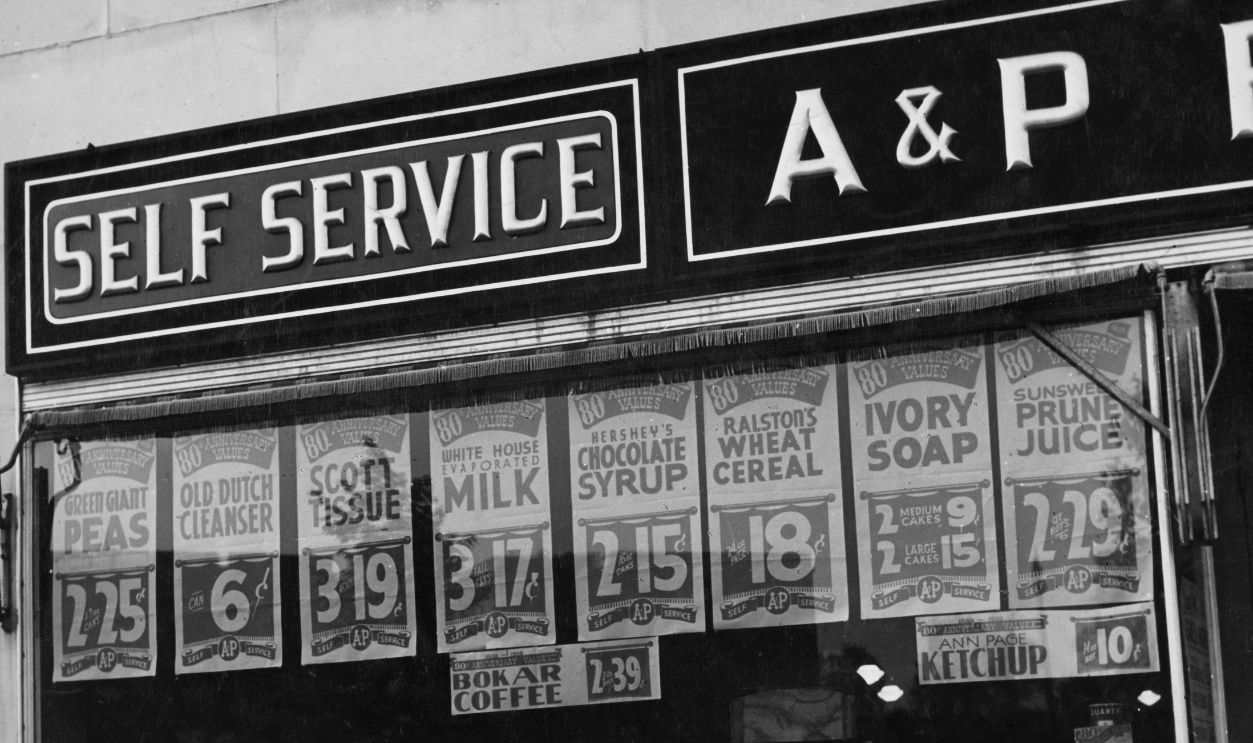
During the 1930s, a new kind of grocery store began transforming American shopping. Self-service supermarkets offered larger selections, shopping carts, and multiple departments under one roof. A&P initially underestimated the trend. Its smaller stores had worked beautifully for years, but customers were beginning to expect something different.
 Martin Forstenzer, Getty Images
A&P Finally Embraced The Supermarket
In 1937, A&P opened its first supermarket-format location in Braddock, Pennsylvania. It began converting its business toward larger stores offering meat, produce, groceries, and other essentials. The company could still compete, but modernization meant closing many smaller neighborhood locations. The strategy worked well enough to keep A&P near the top of American grocery retailing.
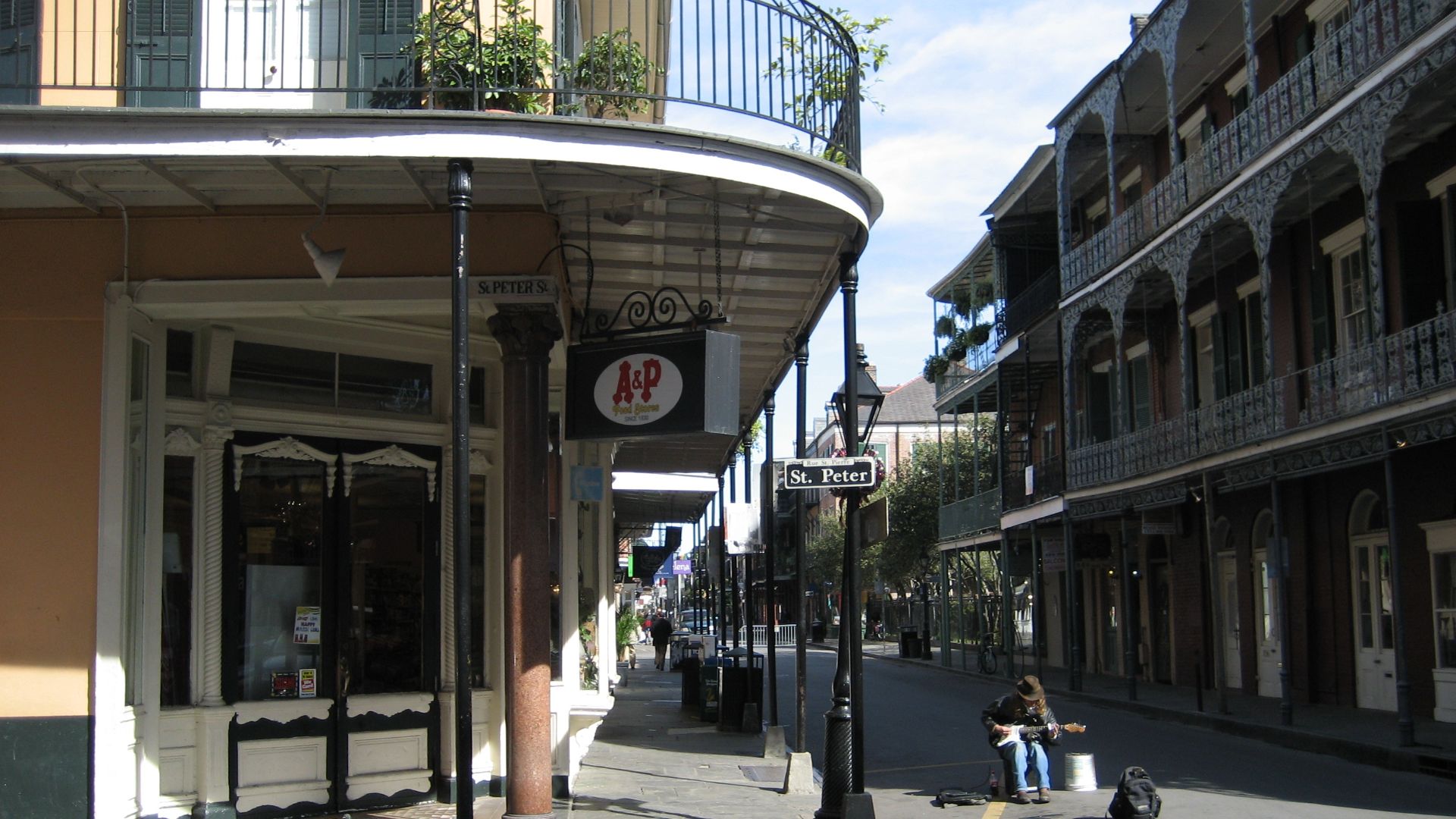 Infrogmation, Wikimedia Commons
A&P Became Bigger By Having Fewer Stores
By 1950, A&P operated roughly 4,700 locations, far fewer than its 1930 peak. But these stores were generally larger and capable of selling much more merchandise. The supermarket format allowed customers to complete more of their shopping in one visit. A&P had learned an important lesson: sometimes fewer stores could produce more business.
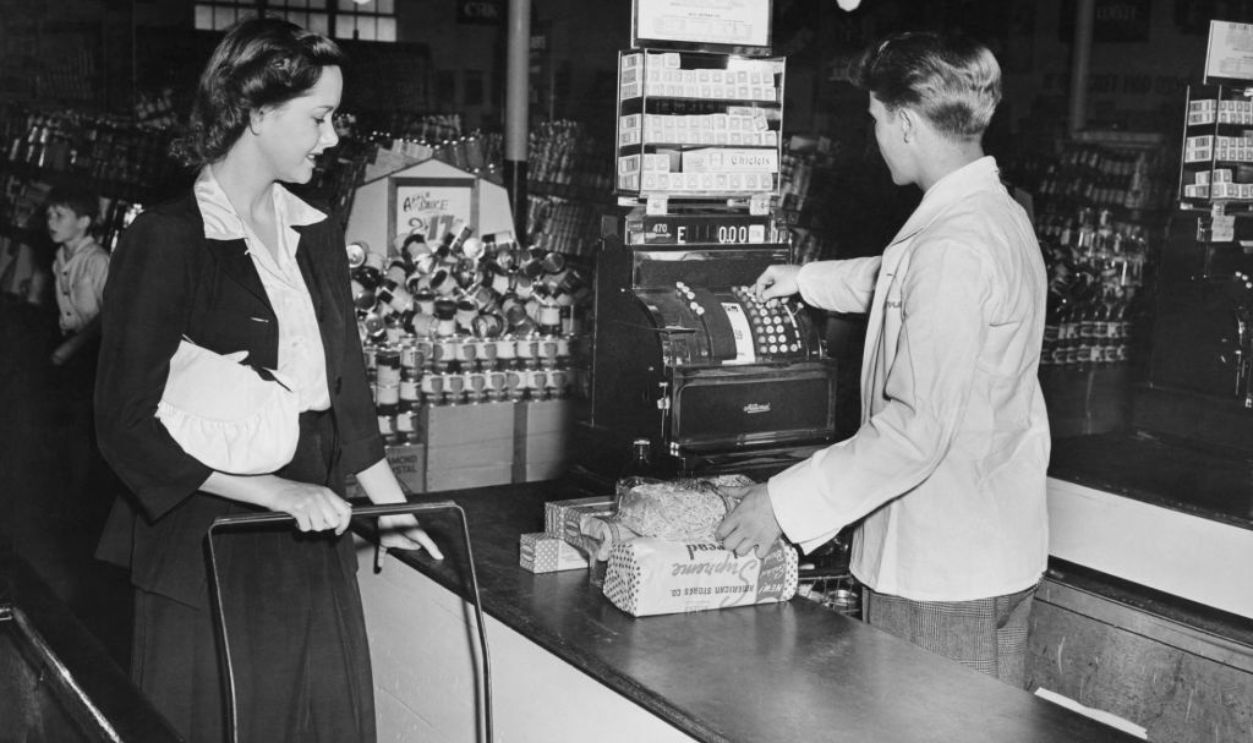 Harold M. Lambert, Getty Images
The Government Was Watching Closely
A&P's size attracted intense scrutiny from lawmakers and regulators. Federal antitrust proceedings challenged the company's buying and pricing practices, and A&P and its executives were convicted of antitrust violations in 1946. The controversy reflected a broader question: were low grocery prices helping American families, or was an enormous chain gaining too much power over smaller competitors?
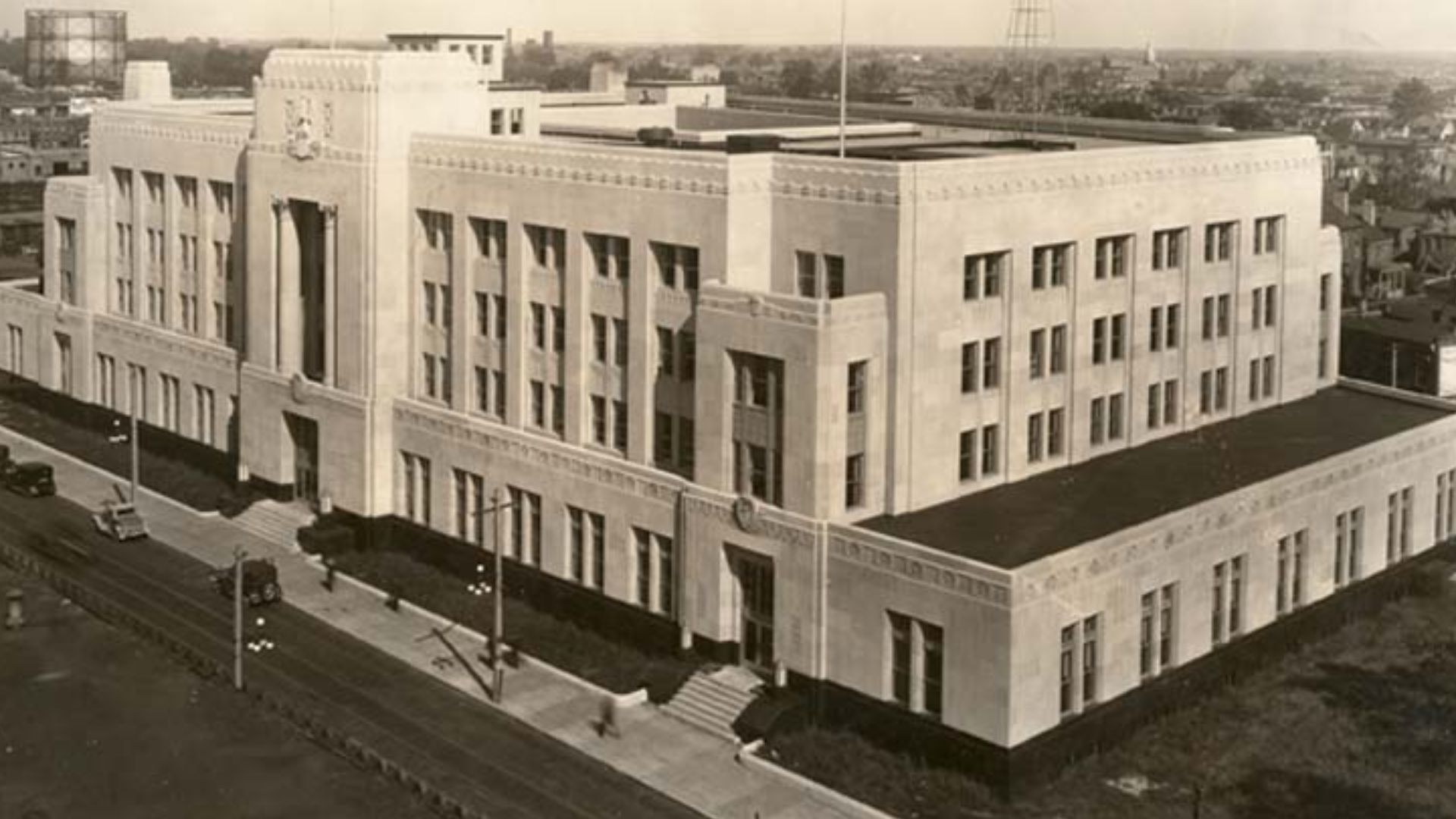 Unknown authorUnknown author, Wikimedia Commons
The 1950s Were Still Golden Years
Despite legal battles, A&P remained a grocery powerhouse during the 1950s. Sales surpassed $3 billion in 1958. Shoppers recognized its private labels, familiar store layouts, and competitive prices. For families of the era, a trip to A&P might mean picking up fresh bread, meat for Sunday dinner, coffee, and enough groceries to get through the week.
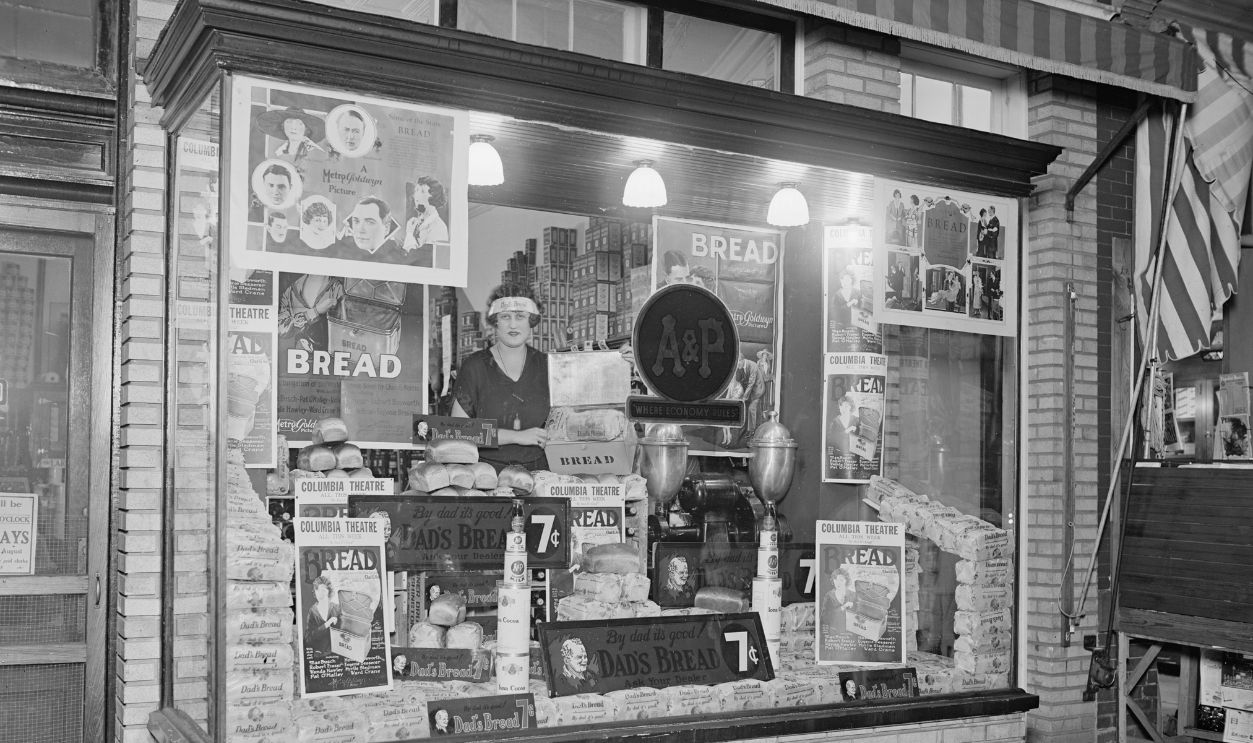
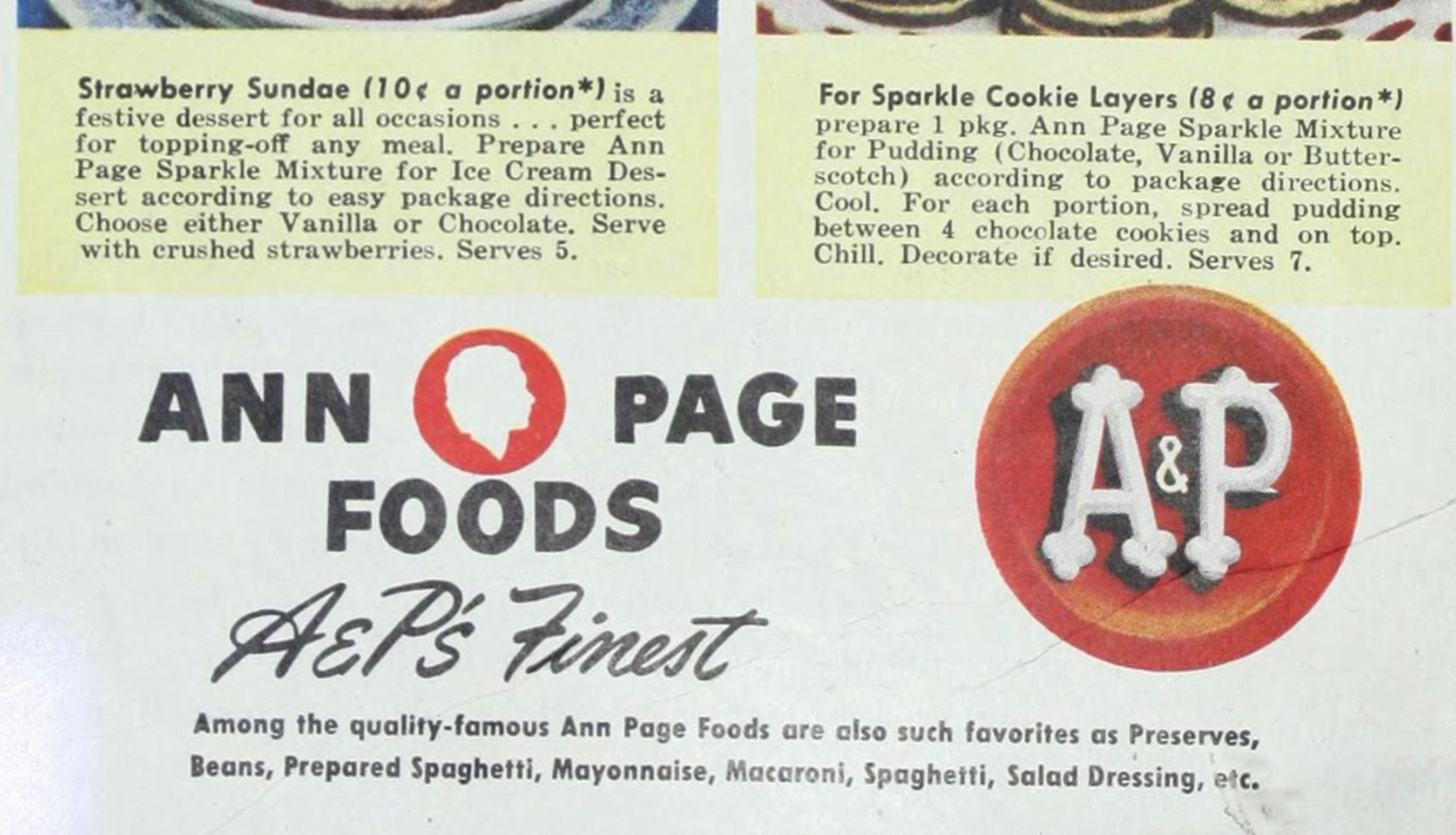
Ann Page And Jane Parker Became Kitchen Staples
A&P's own brands helped distinguish its stores from competitors. Ann Page products included familiar pantry staples, while Jane Parker became known for baked goods. These labels gave shoppers recognizable alternatives to national brands. For many Baby Boomers, the names still bring back memories of grocery aisles, holiday baking, and foods that seemed to be in every kitchen.
 Internet Archive Book Images, Wikimedia Commons
But American Families Were Moving
After World War II, millions of Americans moved to expanding suburbs. Larger homes, automobiles, and new shopping centers transformed how families bought groceries. Competitors invested in big suburban supermarkets with expansive parking lots. A&P still had too many older stores designed for another era, when shoppers lived nearby and bought groceries in smaller quantities.
 David Shankbone, Wikimedia Commons
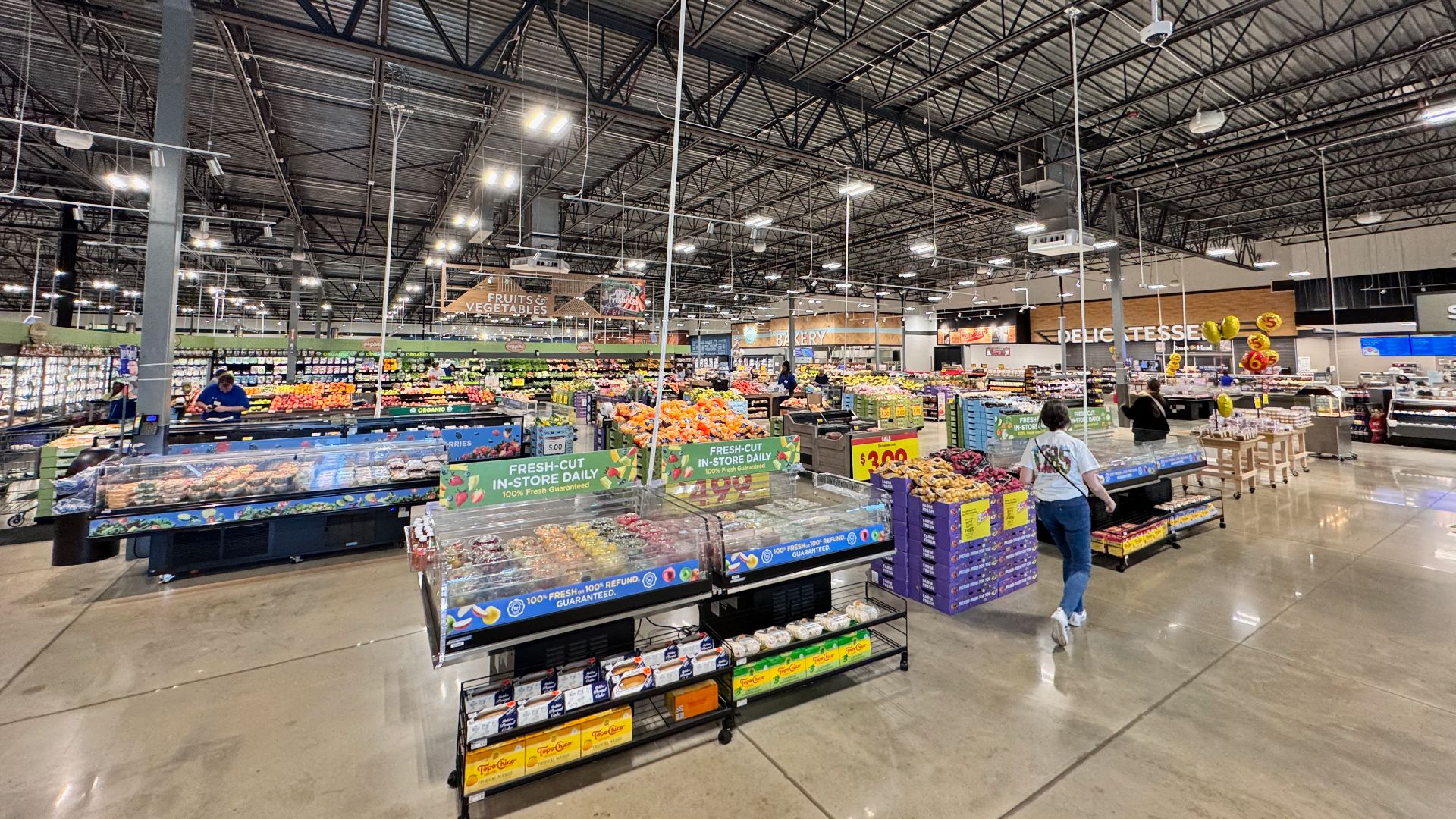
The Competition Started Looking Better
By the 1960s, chains such as Safeway and Kroger were aggressively modernizing their stores. Shoppers increasingly wanted spacious aisles, convenient parking, wider selections, and modern shopping experiences. Many A&P locations appeared dated beside their newer competitors. The company that had once revolutionized grocery shopping was starting to look like yesterday's news.
 Harrison Keely, Wikimedia Commons
A&P Made An Expensive Investment
In 1965, A&P opened an enormous food-processing facility in Horseheads, New York. The $25 million plant was intended to strengthen its private-label manufacturing operation. Unfortunately, the business was already changing. The facility proved economically disappointing and closed in 1973. It became an example of how A&P sometimes invested heavily in strategies that no longer matched the market.
The 1970s Price War Backfired
In 1972, A&P launched an aggressive discount campaign called WEO, short for "Where Economy Originates." The goal was to win back customers with extremely low prices. Competitors responded with discounts of their own. The resulting price war damaged profits, and A&P reported a $51 million loss for that fiscal year. Cheap groceries were great for shoppers, but the company was struggling to make the numbers work.
 Community Archives, Wikimedia Commons
A&P Lost Its Crown
During the early 1970s, Safeway overtook A&P in supermarket sales. For a chain that had once dominated American grocery retailing, it was an enormous blow. A&P still operated thousands of stores, but many were outdated, poorly located, or unprofitable. Having more stores than competitors no longer guaranteed having the most successful business.
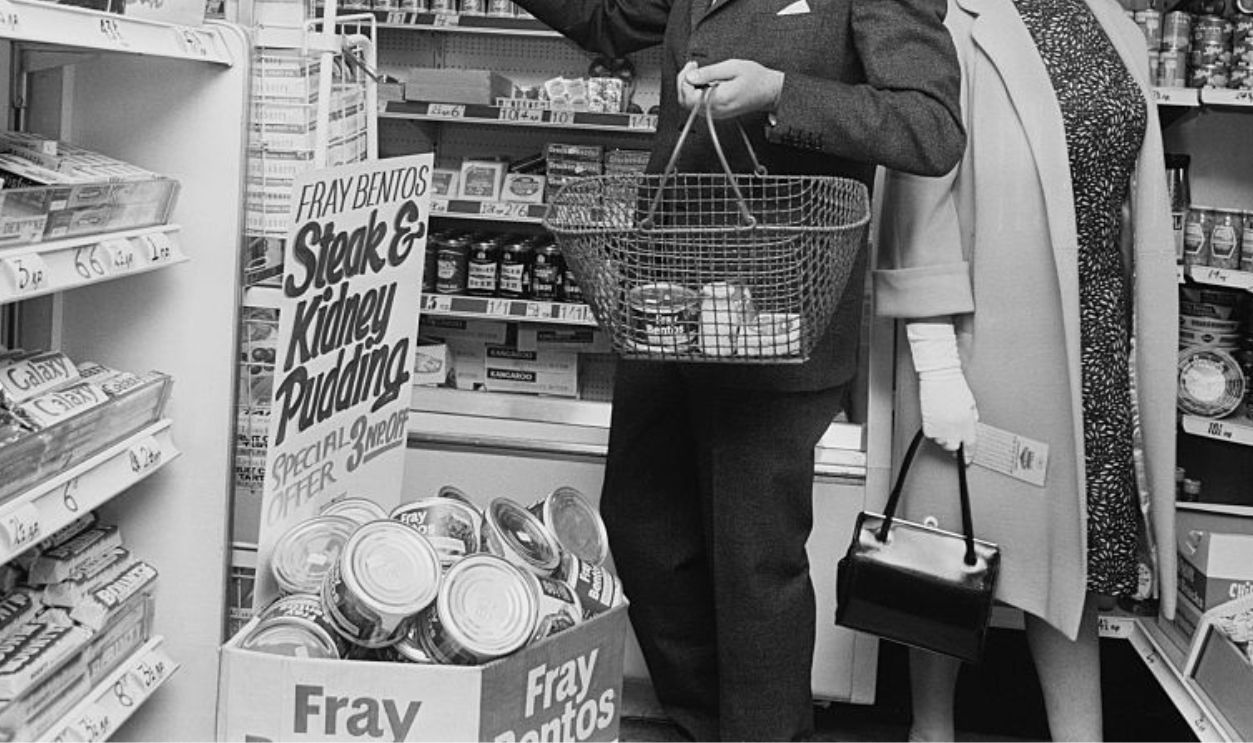
The Company Started Closing Stores By The Hundreds
In 1975, A&P hired Jonathan Scott, a former Albertsons executive, as its first chief executive from outside the company. He faced the unpleasant task of dismantling much of the old empire. A major restructuring plan called for closing more than 1,200 stores. Communities that had shopped at A&P for decades began losing their familiar neighborhood supermarkets.
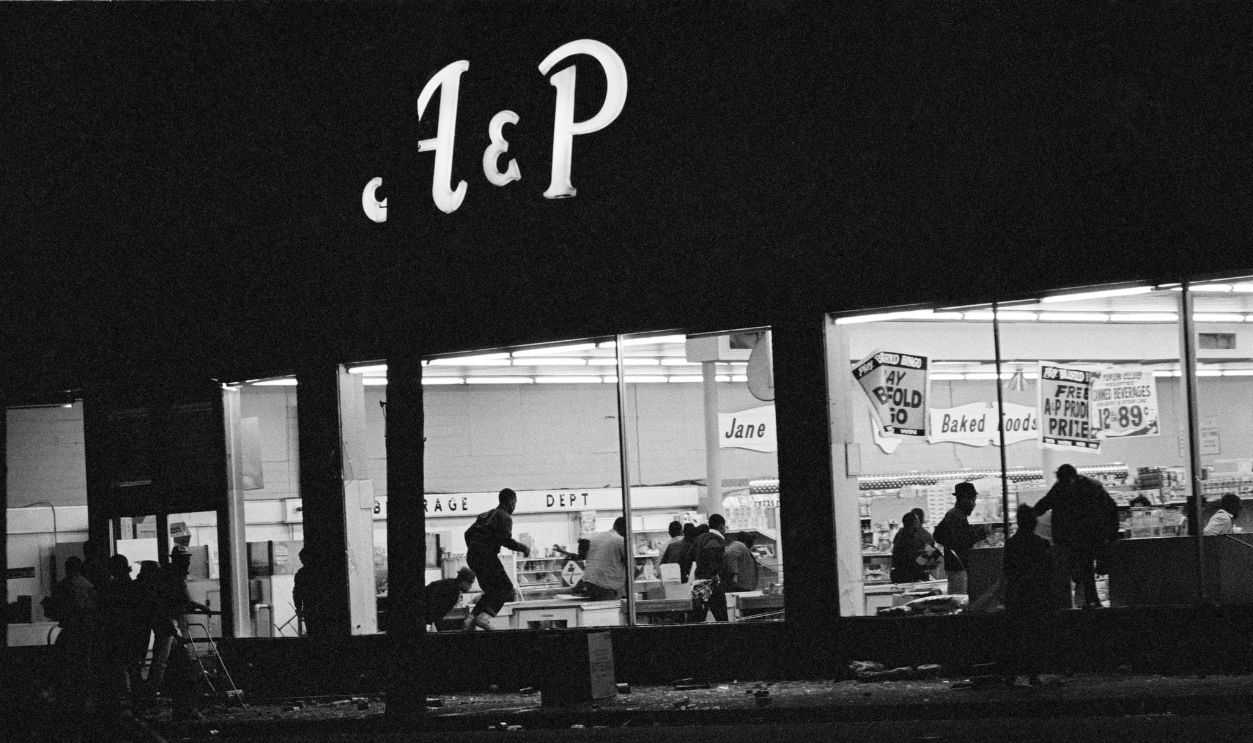 Michael Ochs Archives, Getty Images
A German Company Took Control
In 1979, West Germany's Tengelmann Group acquired majority control of A&P. The investment offered hope that new leadership and fresh ideas could rescue the struggling chain. But A&P's problems were deeply rooted. Its huge network, aging stores, and changing customer base couldn't be fixed by simply changing the people in charge.
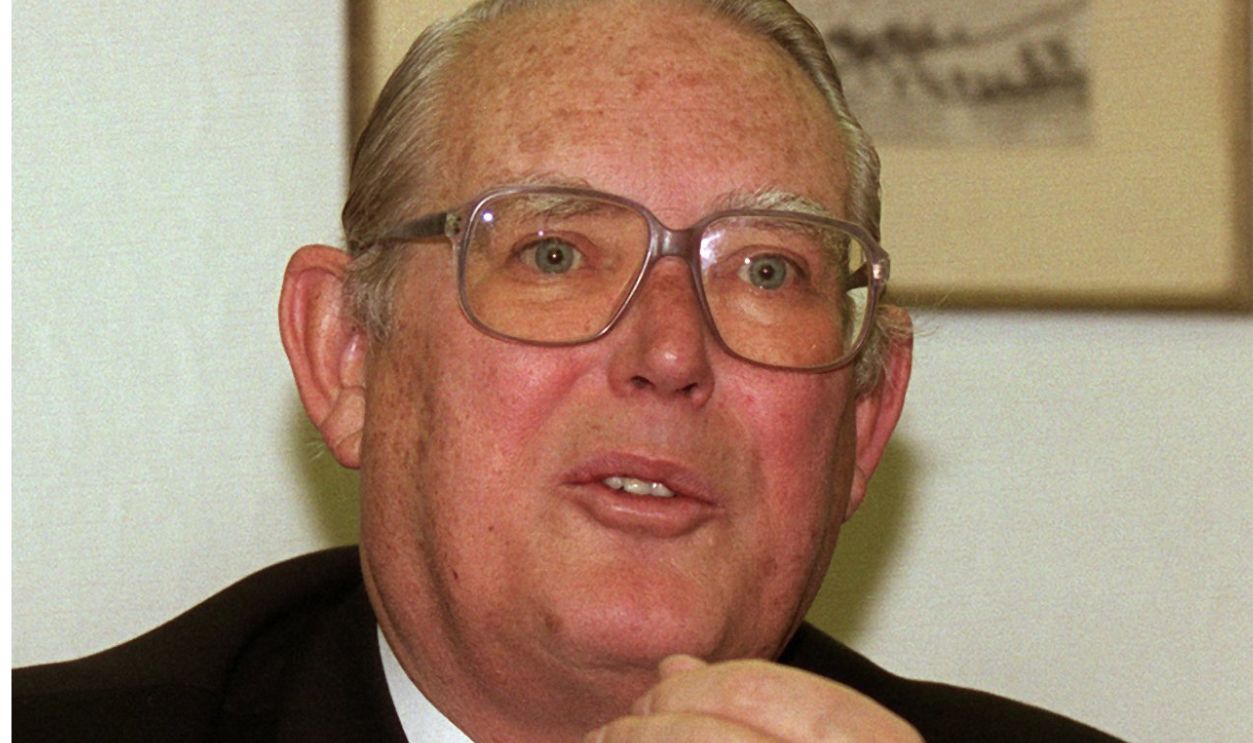 picture alliance, Getty Images
A&P Tried Reinventing Itself In The 1980s
Under new leadership, A&P reduced its store count dramatically and experimented with new formats. The company introduced SuperFresh in Philadelphia and tried a modernized Futurestore concept. By 1982, it had fewer than 1,000 stores and had returned to profitability. The old giant was much smaller, but management hoped it could become competitive again.
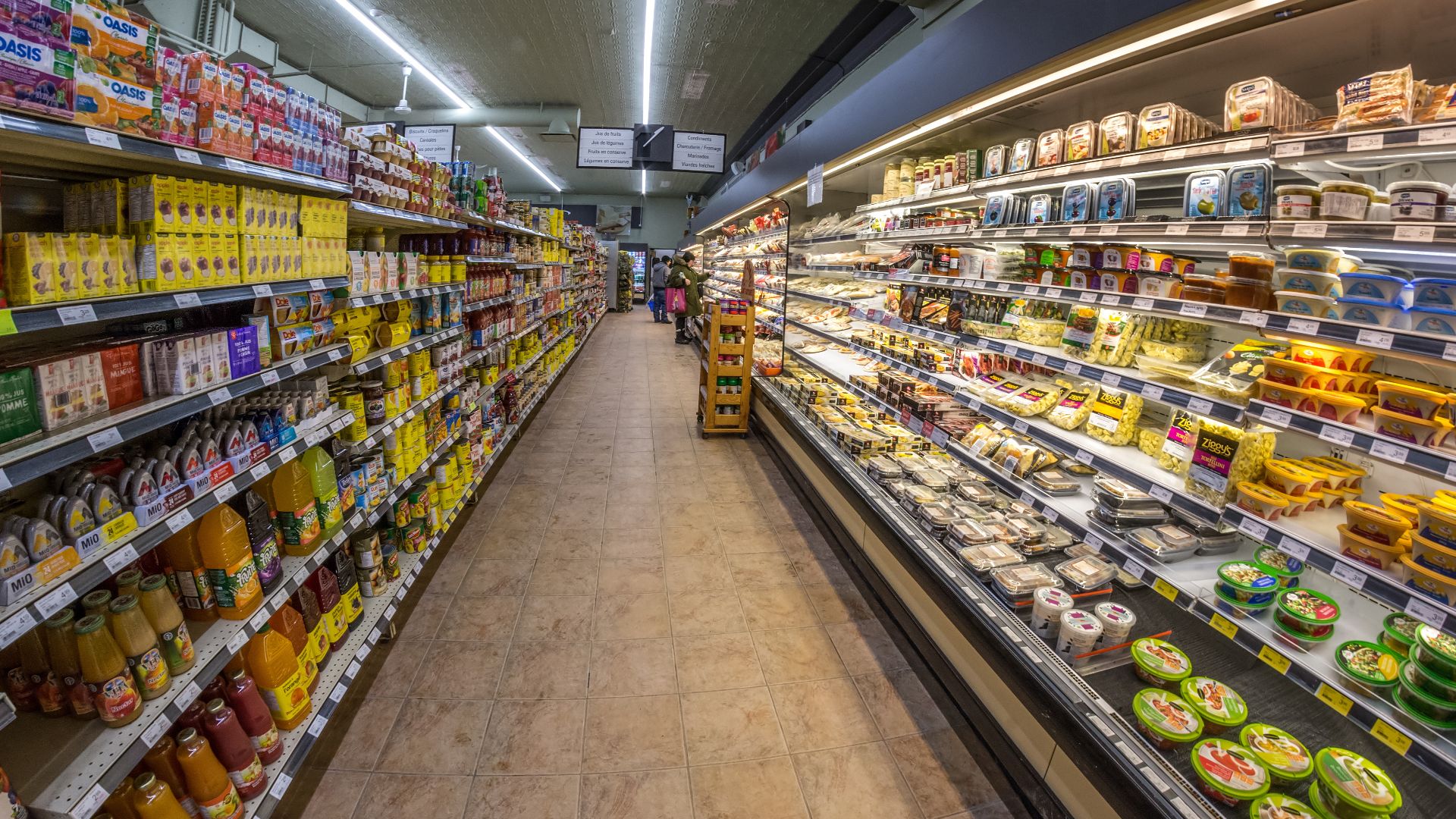
Buying Other Grocery Chains Became The Strategy
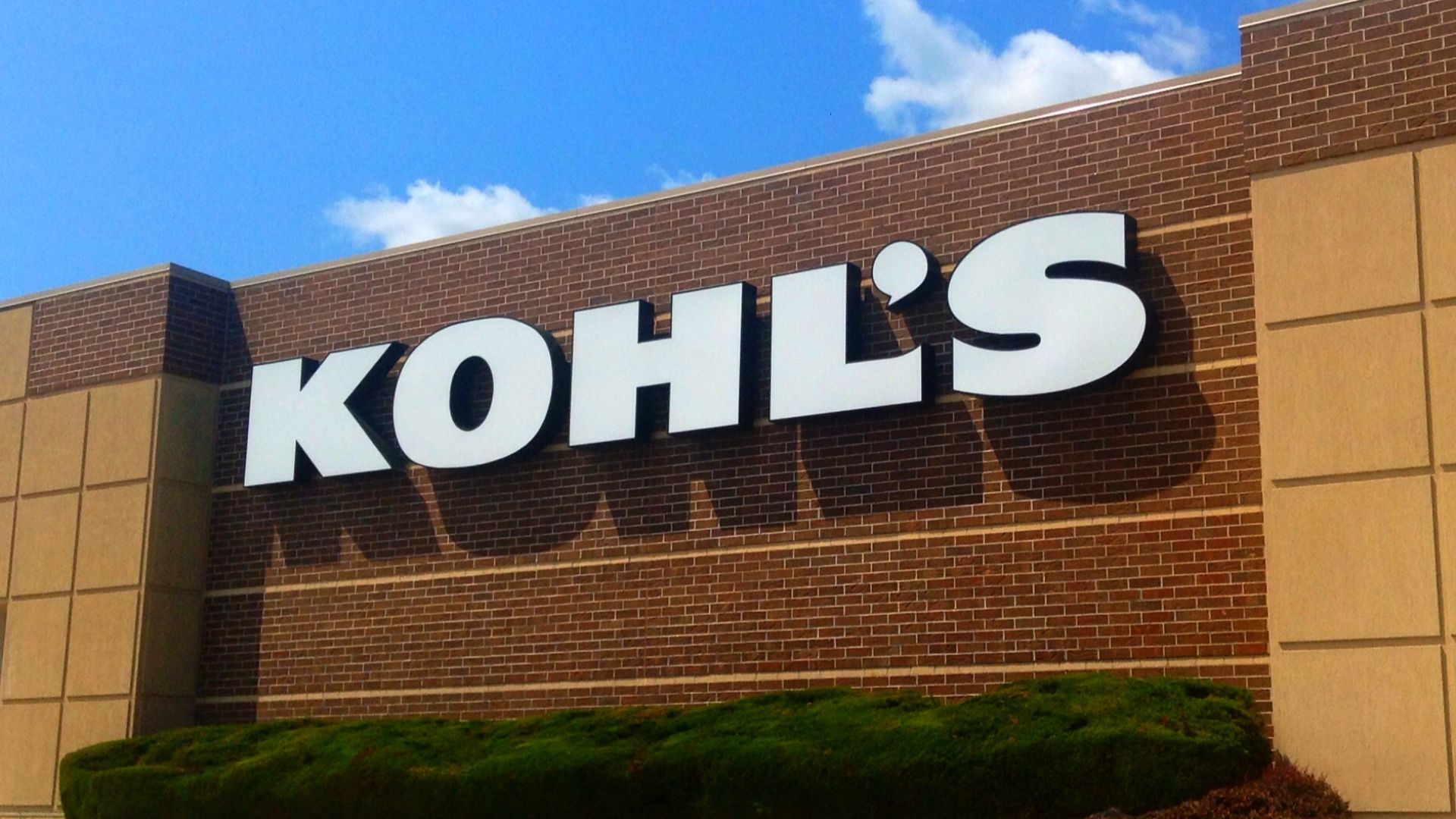
During the 1980s and 1990s, A&P increasingly expanded by acquiring established regional grocery businesses. It purchased operations including Kohl's Food Stores, Waldbaum's, The Food Emporium, and Farmer Jack. These acquisitions added customers and locations, but they also created a complicated collection of brands. A&P was no longer simply one familiar chain with one recognizable identity.
 Mike Mozart from Funny YouTube, USA, Wikimedia Commons
The Company Sold Its Famous Coffee Business
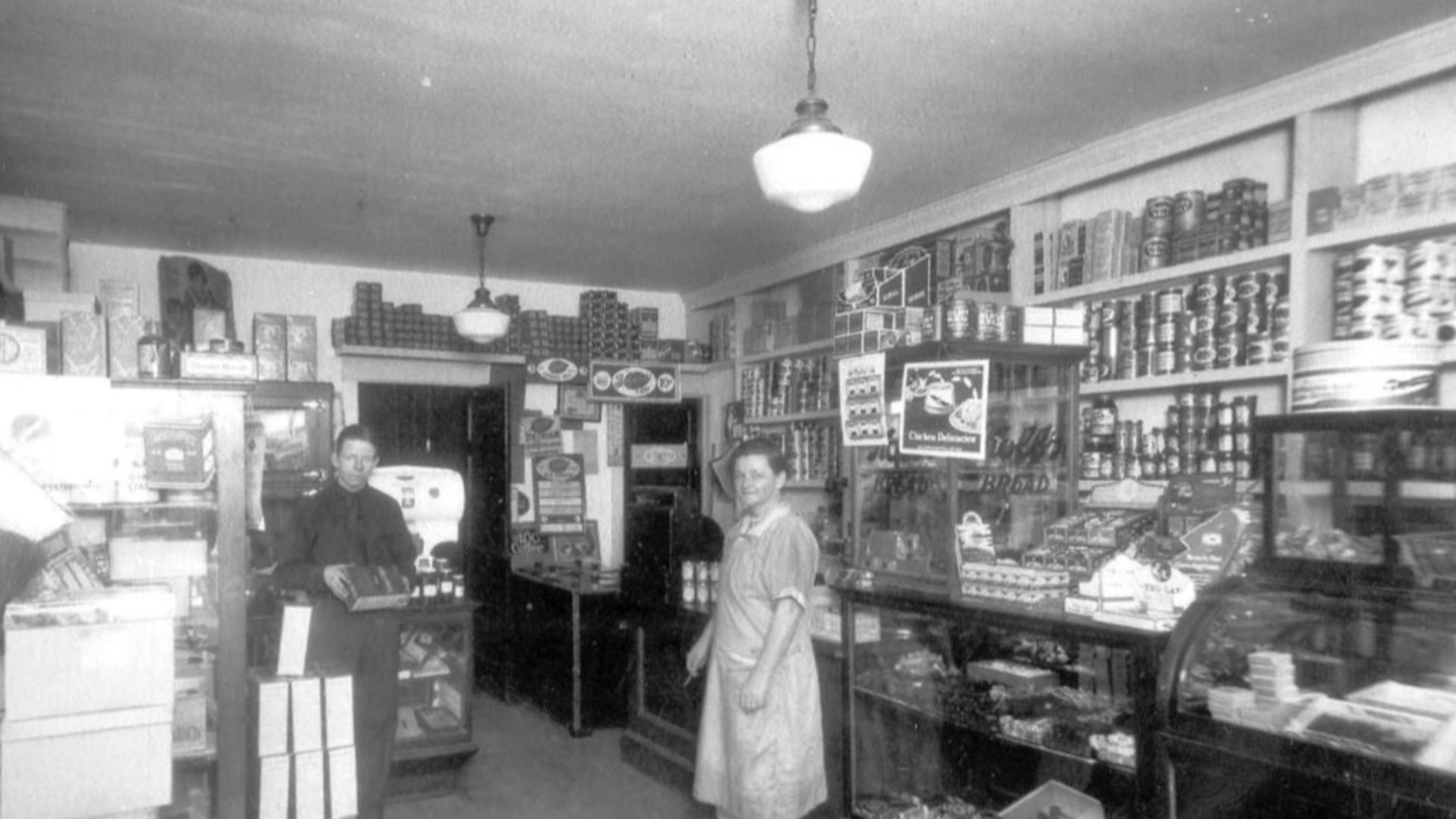
In 2003, A&P sold Eight O'Clock Coffee for approximately $150 million. For longtime shoppers, it was a symbolic moment. Coffee had been at the heart of A&P since its earliest days, and the brand was one of its most recognizable products. Selling it showed just how far the company had moved from the business that originally built its fortune.
The Canadian Business Was Sold Too
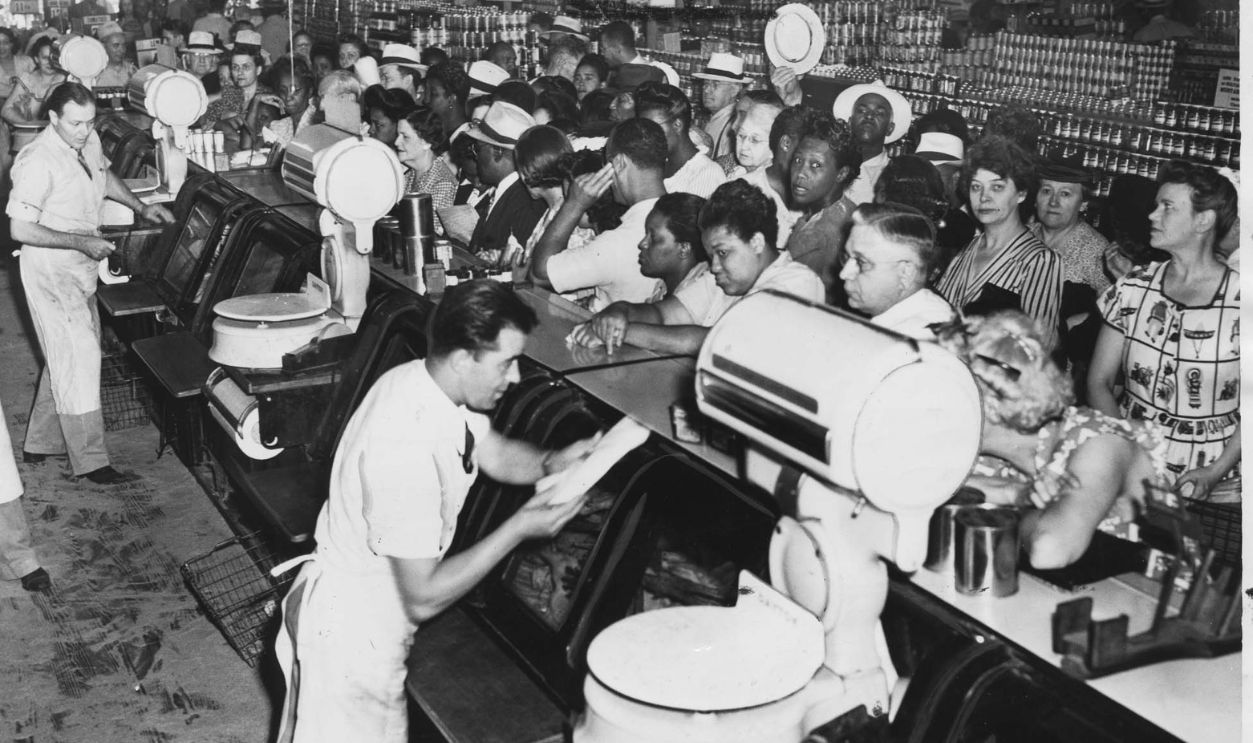
In 2005, A&P sold its Canadian operations to Metro Inc. in a deal valued at approximately $1.475 billion. The transaction brought in substantial money but also removed an important part of the company. The grocery empire was retreating from markets that had once contributed to its enormous reach. A&P increasingly depended on its remaining American stores for survival.
 The Washington Post, Getty Images
A&P Made One More Enormous Bet
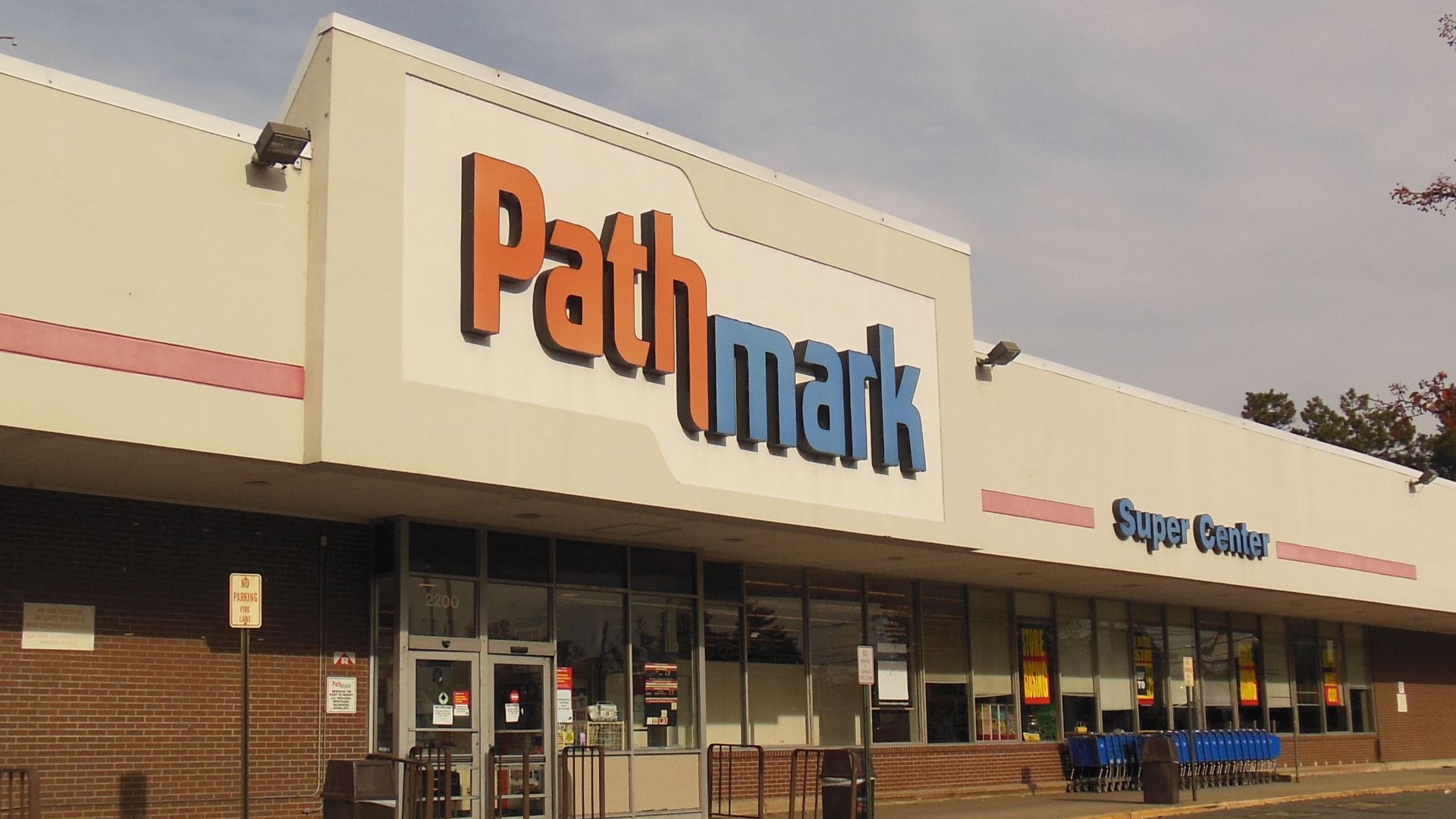
In 2007, A&P acquired rival supermarket chain Pathmark in a deal valued at approximately $1.3 billion. The purchase strengthened its position in the Northeast, but it also increased financial pressure and added integration challenges. The timing proved especially difficult as the economy weakened. Instead of delivering the hoped-for revival, the acquisition became another major burden.
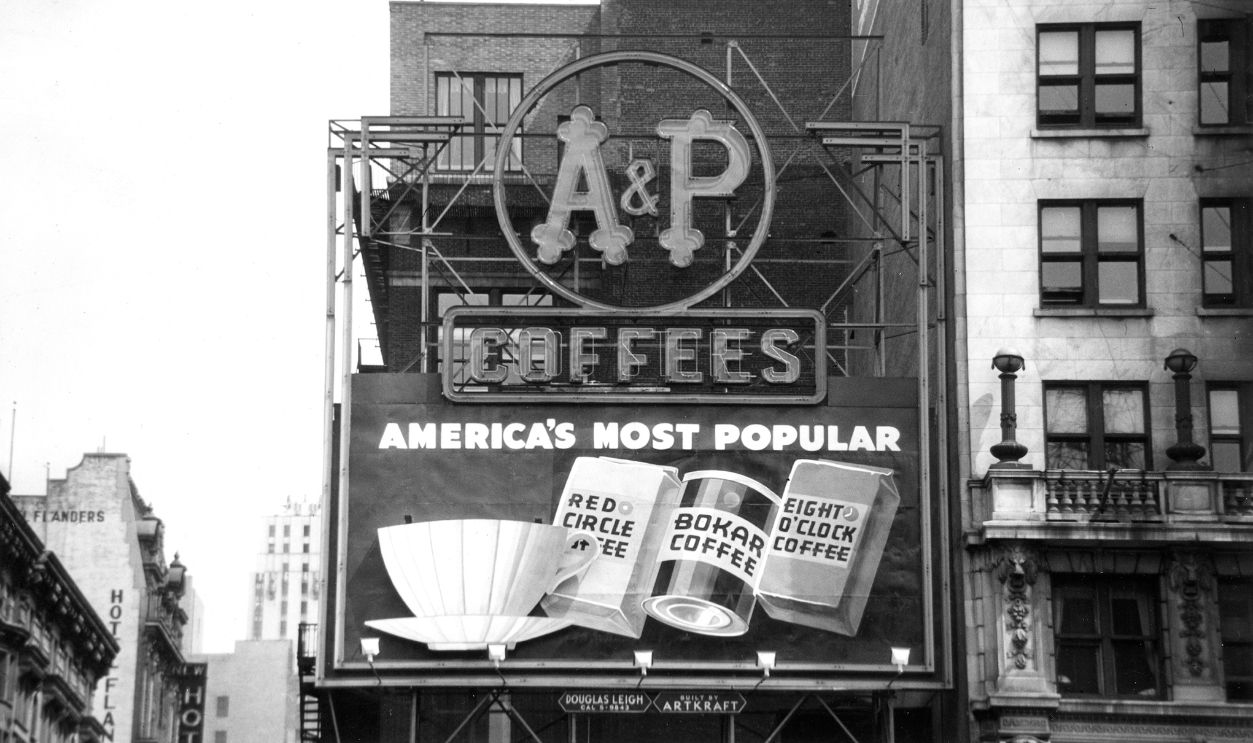
The First Bankruptcy Arrived In 2010
On December 12, 2010, A&P filed for Chapter 11 bankruptcy protection. The company was struggling with debt, operating costs, declining performance, and difficult store leases. It tried to use bankruptcy to renegotiate agreements and restructure the business. For Americans who remembered A&P as an untouchable grocery giant, the announcement was almost impossible to believe.
 The New York Historical, Getty Images
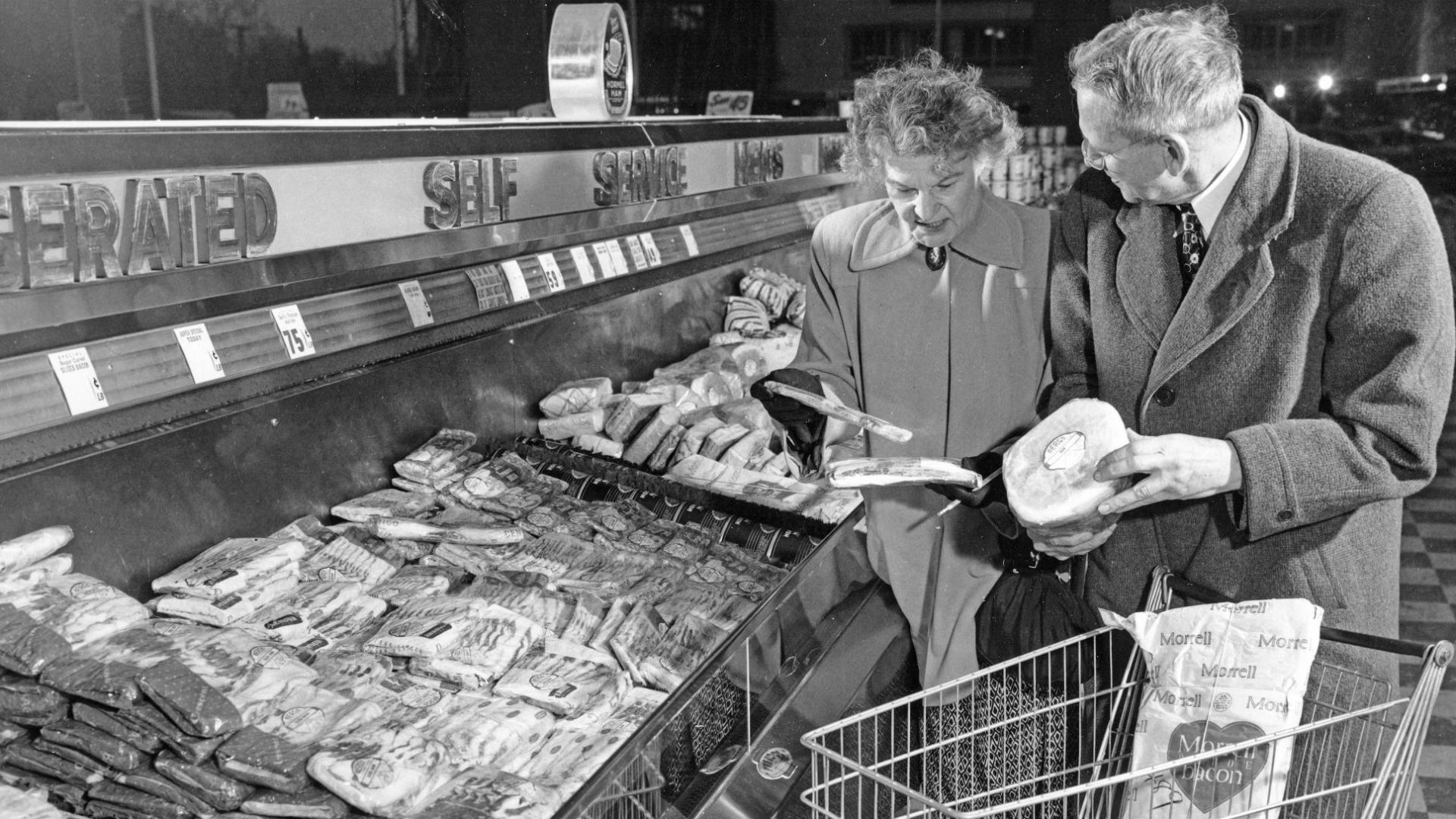
A&P Got A Second Chance
In 2012, A&P emerged from bankruptcy after approximately 15 months of restructuring. The company had closed stores, renegotiated contracts, and received additional investment. Management hoped refreshed stores and renewed customer attention would restore profitability. But emerging from bankruptcy did not erase decades of competitive problems, and many customers had already moved on.
 OSU Special Collections & Archives : Commons, Wikimedia Commons
The Final Bankruptcy Came In 2015
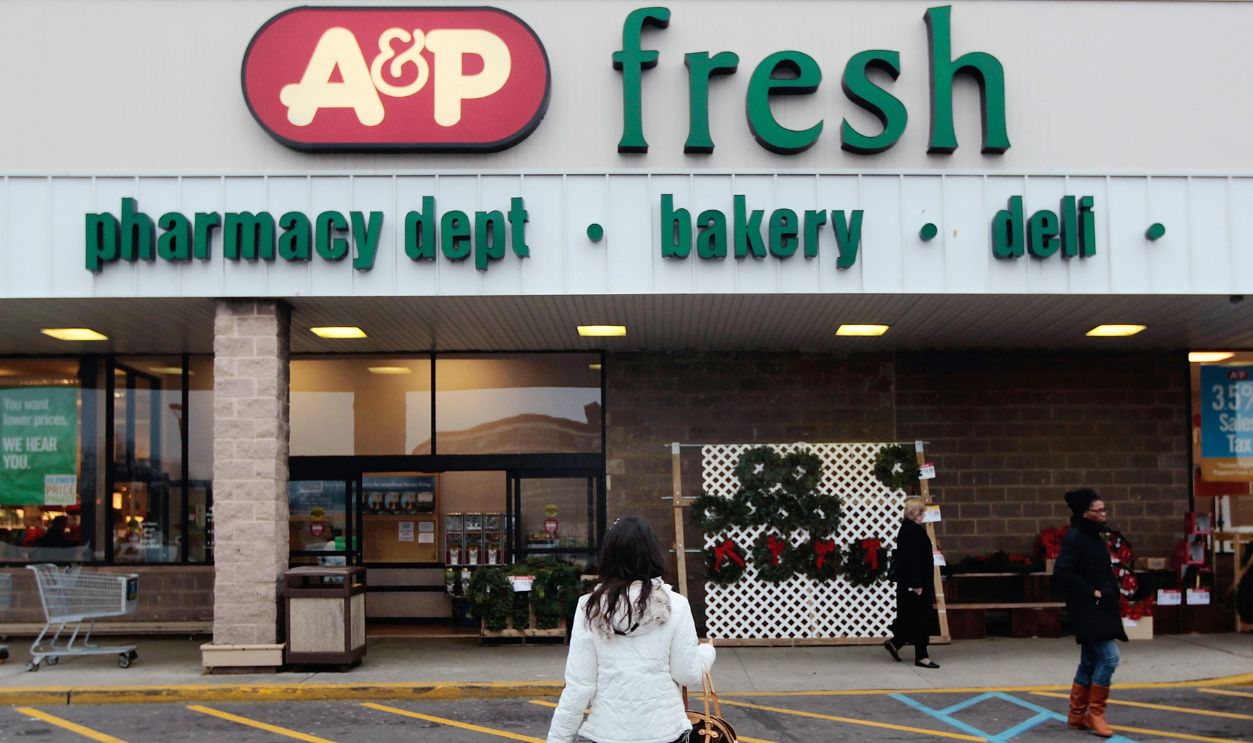
On July 19, 2015, A&P filed for Chapter 11 bankruptcy protection again. By then, it had roughly 300 stores remaining under several banners. Competition from discount retailers, large supermarkets, and specialty grocery chains had taken its toll. The company no longer had the financial strength or customer loyalty needed to stage another comeback.
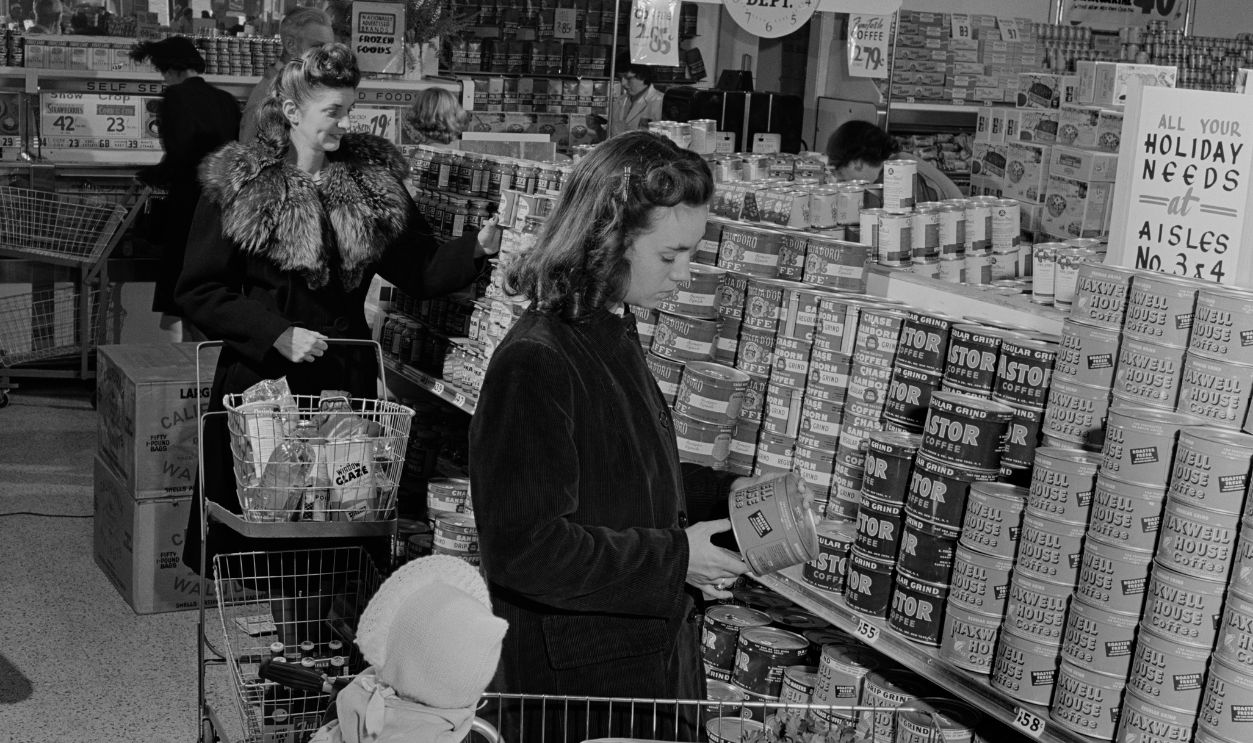
The Last Stores Closed
During the final bankruptcy, A&P sold locations to other supermarket operators and shut down those it could not sell. More than 26,000 workers were affected by the company's collapse. By late November 2015, the original supermarket operation had ended. After more than 150 years, one of America's most famous grocery chains was officially gone.
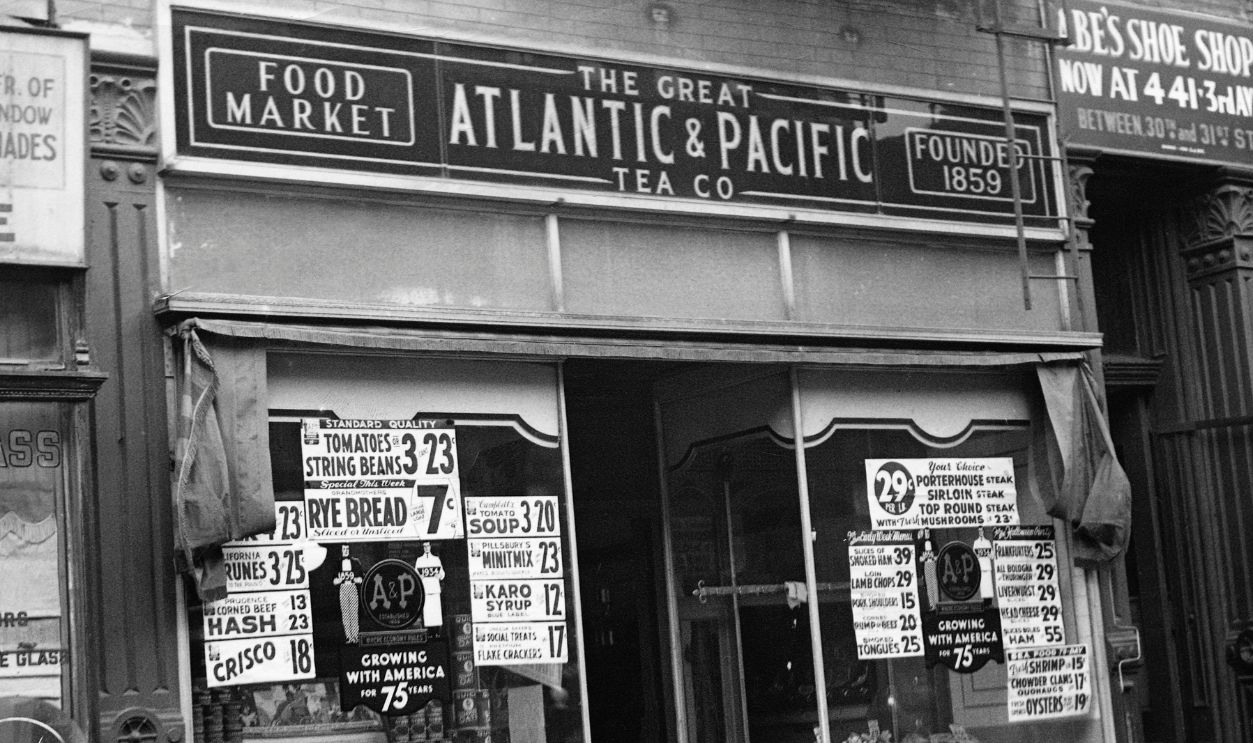
What Really Killed A&P?
There wasn't one disastrous decision. A&P struggled to adapt to suburban shopping, invested too slowly in modern stores, launched damaging price wars, and pursued acquisitions that complicated its finances. Competitors became more efficient while the old giant tried to catch up. The company that had once transformed grocery shopping ultimately failed to keep transforming itself.
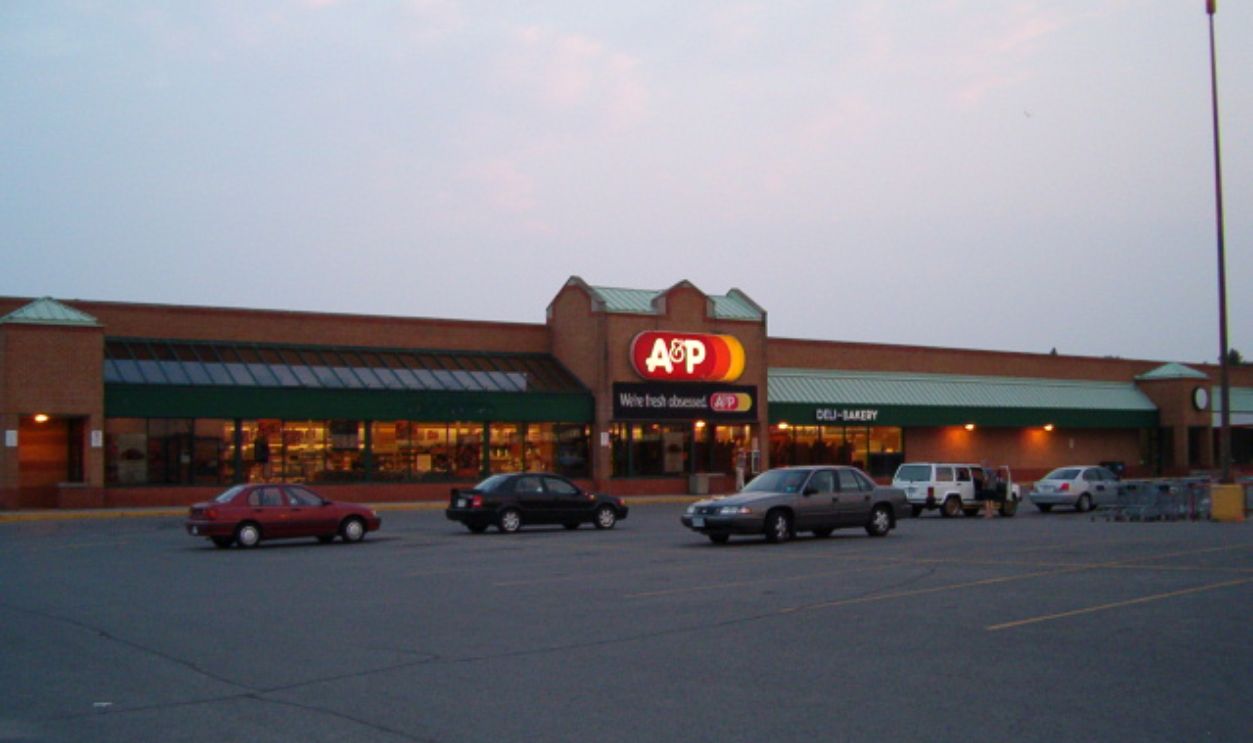
The Grocery Store America Never Forgot
A&P may have disappeared, but its influence remains everywhere. Chain-store buying, private-label groceries, large-scale distribution, and low-price retailing became central features of modern supermarkets. For generations of Americans, though, A&P was something simpler: the place Mom bought groceries, where Dad picked up coffee, and where Saturday shopping trips became family memories.
The company that once changed how America bought food eventually became part of the country's retail history. And for anyone who remembers those familiar A&P signs, its disappearance still feels like losing a little piece of home.
You May Also Like: Ordinary Household Objects You Would Never Expect To Find In A Museum—Until You Hear Their Stories