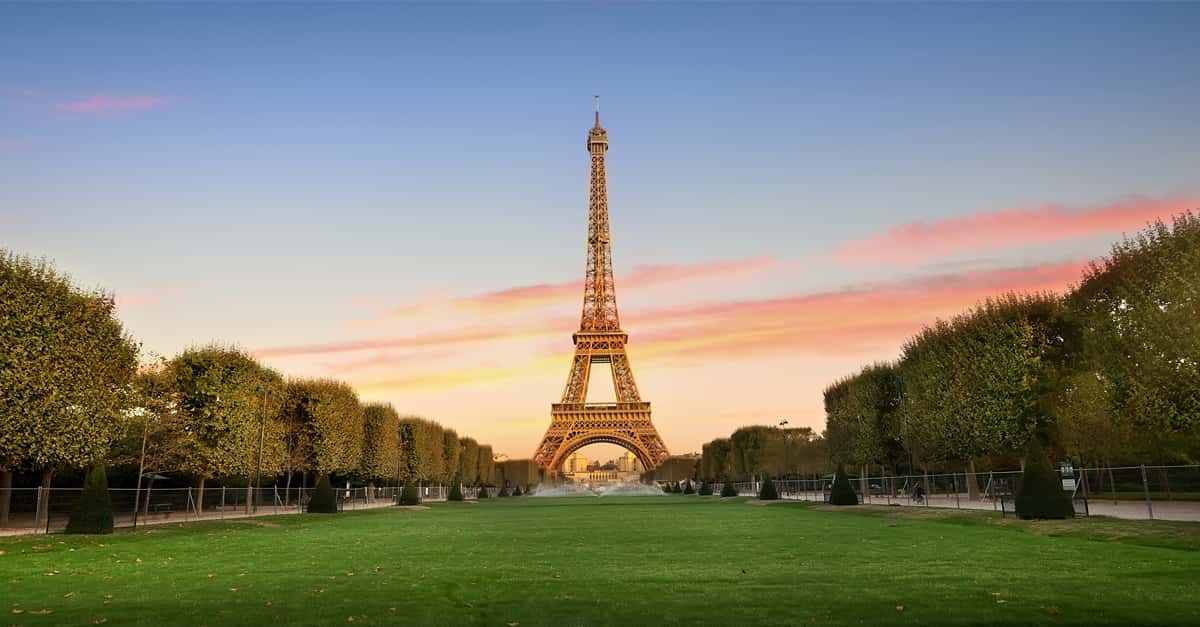
We Simply Don't Like Change
Every generation complains about new technology. Something arrives promising to save time, reduce effort, or make life easier, and plenty of people immediately decide it is unnecessary, ugly, dangerous, rude, or just plain annoying. Then, slowly, the same invention becomes ordinary.
These once-controversial conveniences prove that progress often has to survive a lot of eye-rolling first.
 Monkey Business, Adobe Stock Images
The Telephone Seemed Intrusive And Unnecessary
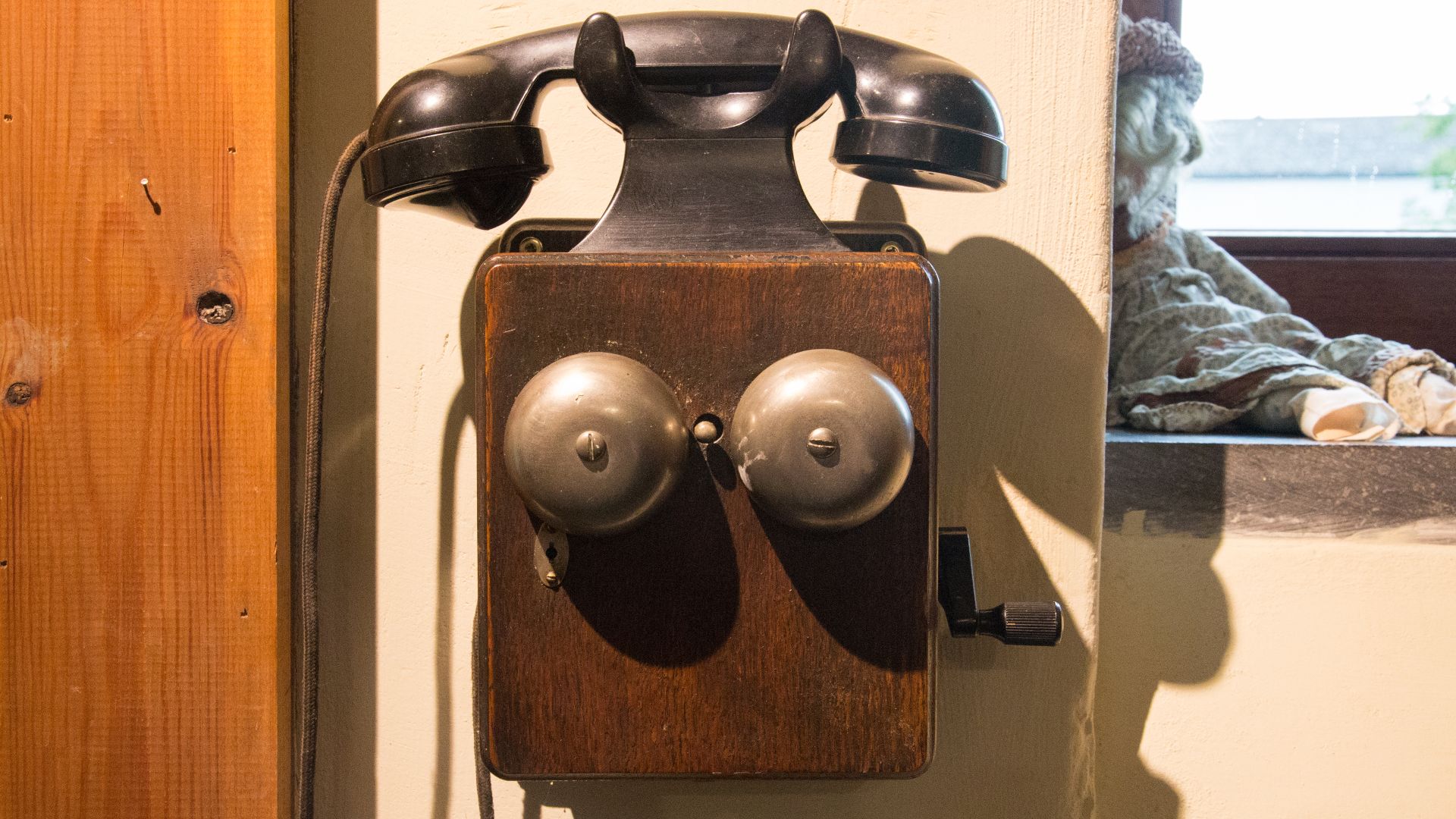
Today, phones feel impossible to live without, but early telephones confused and irritated many people. Some saw no clear reason to talk through a machine when letters and telegraphs already existed. Others worried the ringing phone would invade the privacy of the home, turning quiet domestic life into something constantly interruptible.
Electric Lights Felt Harsh And Suspicious
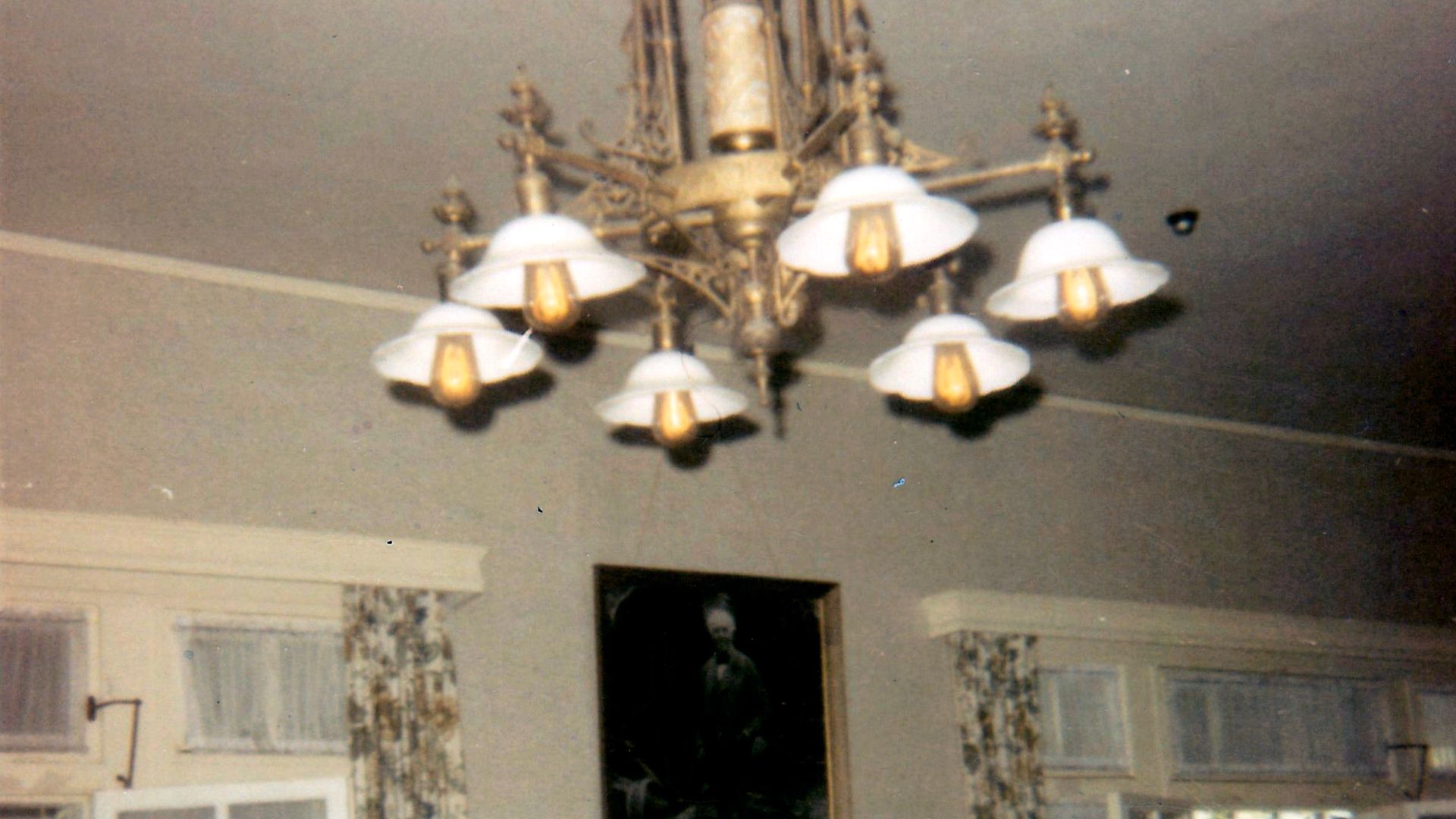
Electric lighting promised cleaner, safer illumination than candles or gas lamps, but not everyone welcomed it. Some people disliked the brightness, distrusted the wiring, or worried electricity was dangerous inside homes. Over time, though, electric light became so ordinary that most people now panic the moment the power goes out.
 Infrogmation, Wikimedia Commons
Elevators Once Terrified Passengers
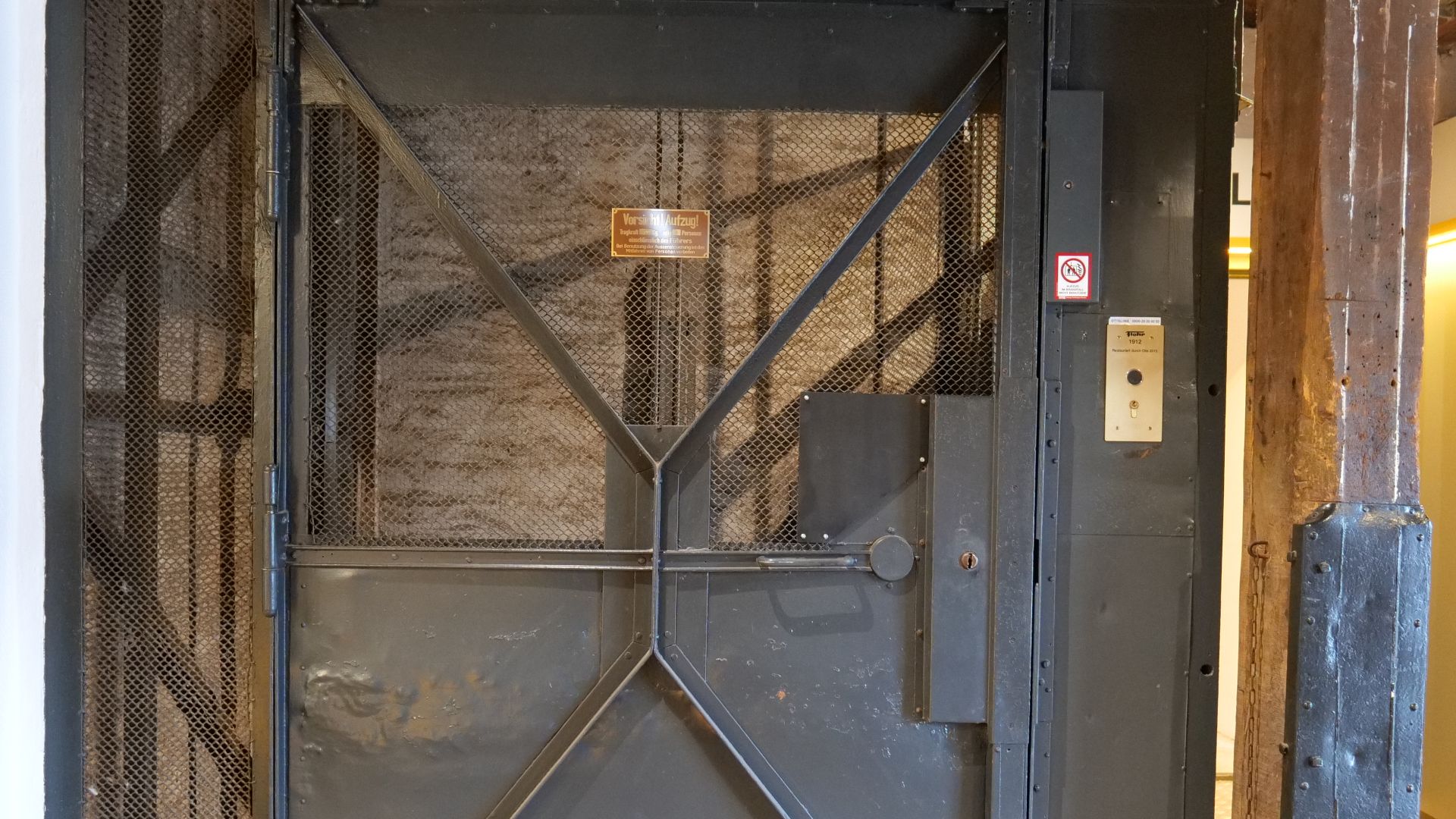
Early elevators made many people nervous because being lifted inside a suspended box felt unnatural and risky. Passengers had to trust cables, brakes, and operators they barely understood. Safety improvements eventually transformed elevators from frightening contraptions into everyday necessities for offices, apartment towers, hotels, and shopping centers.
 Waltraud.gropius, Wikimedia Commons
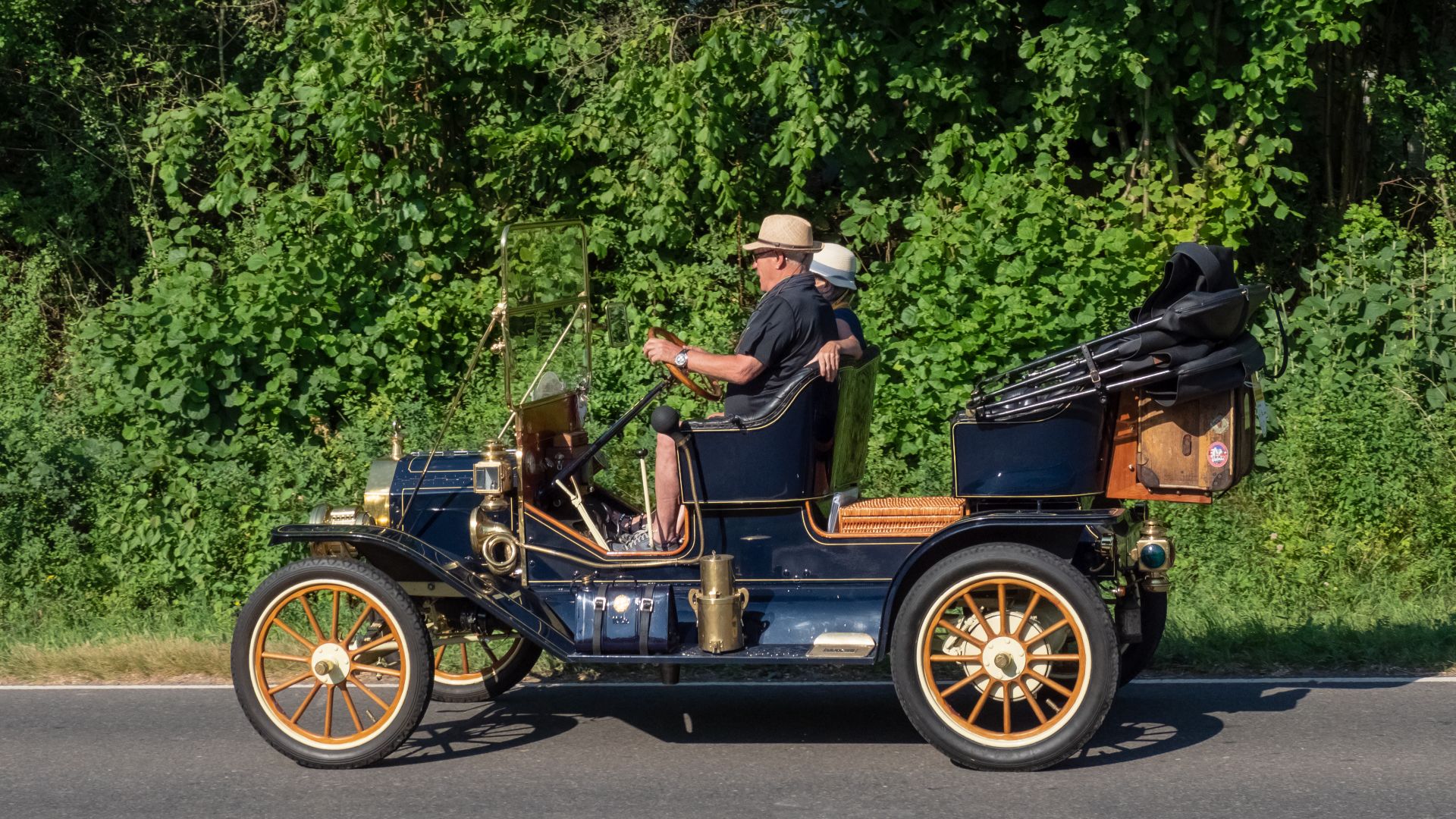
The Automobile Was Seen As Loud And Dangerous
Before cars became symbols of freedom, many people saw them as noisy, smelly machines that frightened horses and threatened pedestrians. Early drivers faced speed limits, public suspicion, and complaints about dust, fumes, and accidents. Eventually, the automobile reshaped cities, suburbs, vacations, dating, work, and nearly every part of modern life.
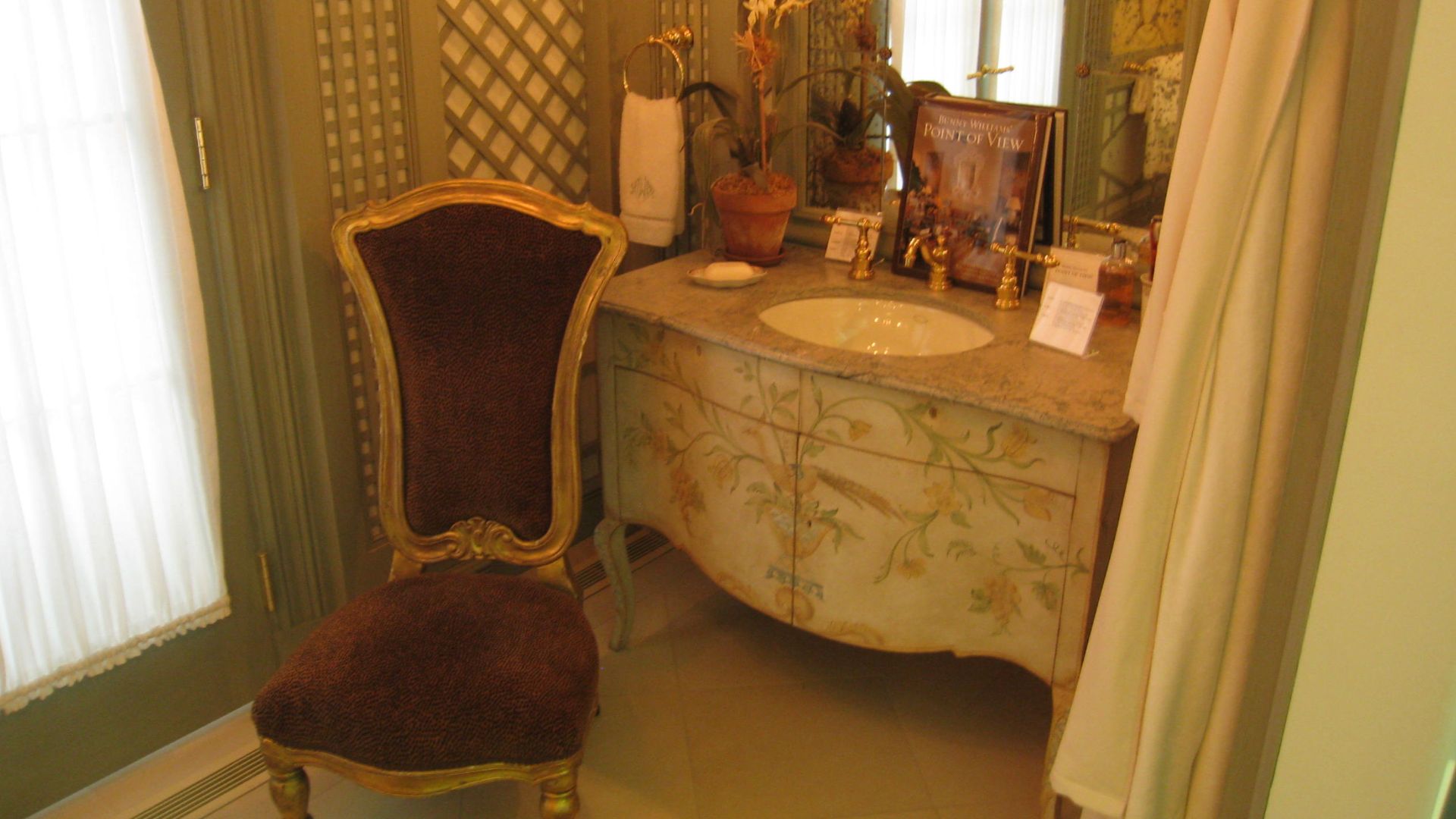
Indoor Plumbing Felt Like A Strange Luxury
Bringing toilets and running water indoors was not instantly accepted everywhere. Some people worried about smells, sanitation, and the cost of installation. For families used to wells, washbasins, and outhouses, the change felt dramatic. Now indoor plumbing is considered one of the most basic requirements of a livable home.
 Dan Perry from Atlanta, USA, Wikimedia Commons
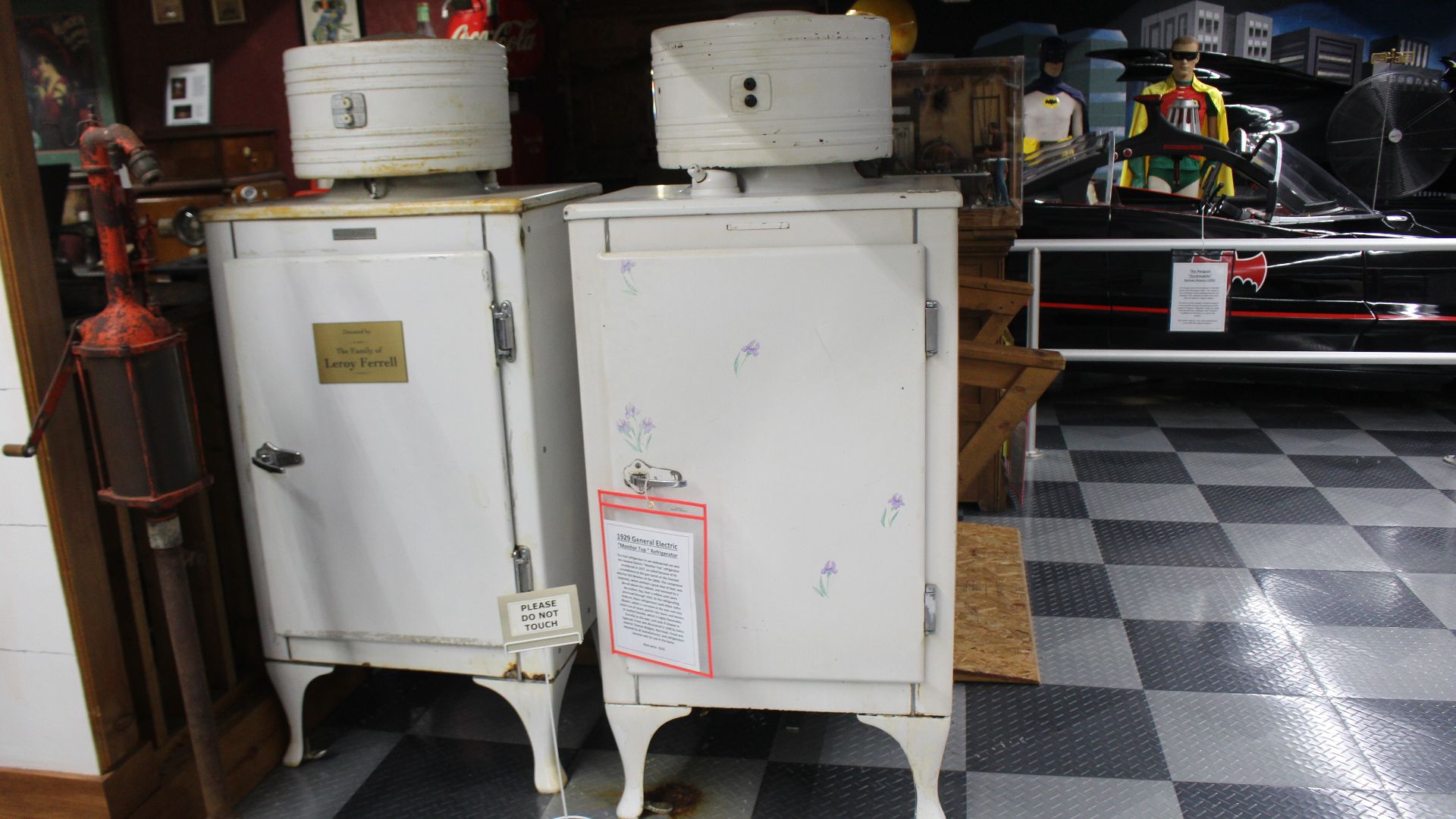
Refrigerators Were Distrusted At First
Mechanical refrigerators replaced iceboxes, but many households hesitated before adopting them. Early models were expensive, bulky, and sometimes associated with dangerous refrigerants. People also had to adjust to storing food differently. Eventually, refrigerators changed grocery shopping, meal planning, leftovers, and the entire rhythm of home kitchens.
 Michael Rivera, Wikimedia Commons
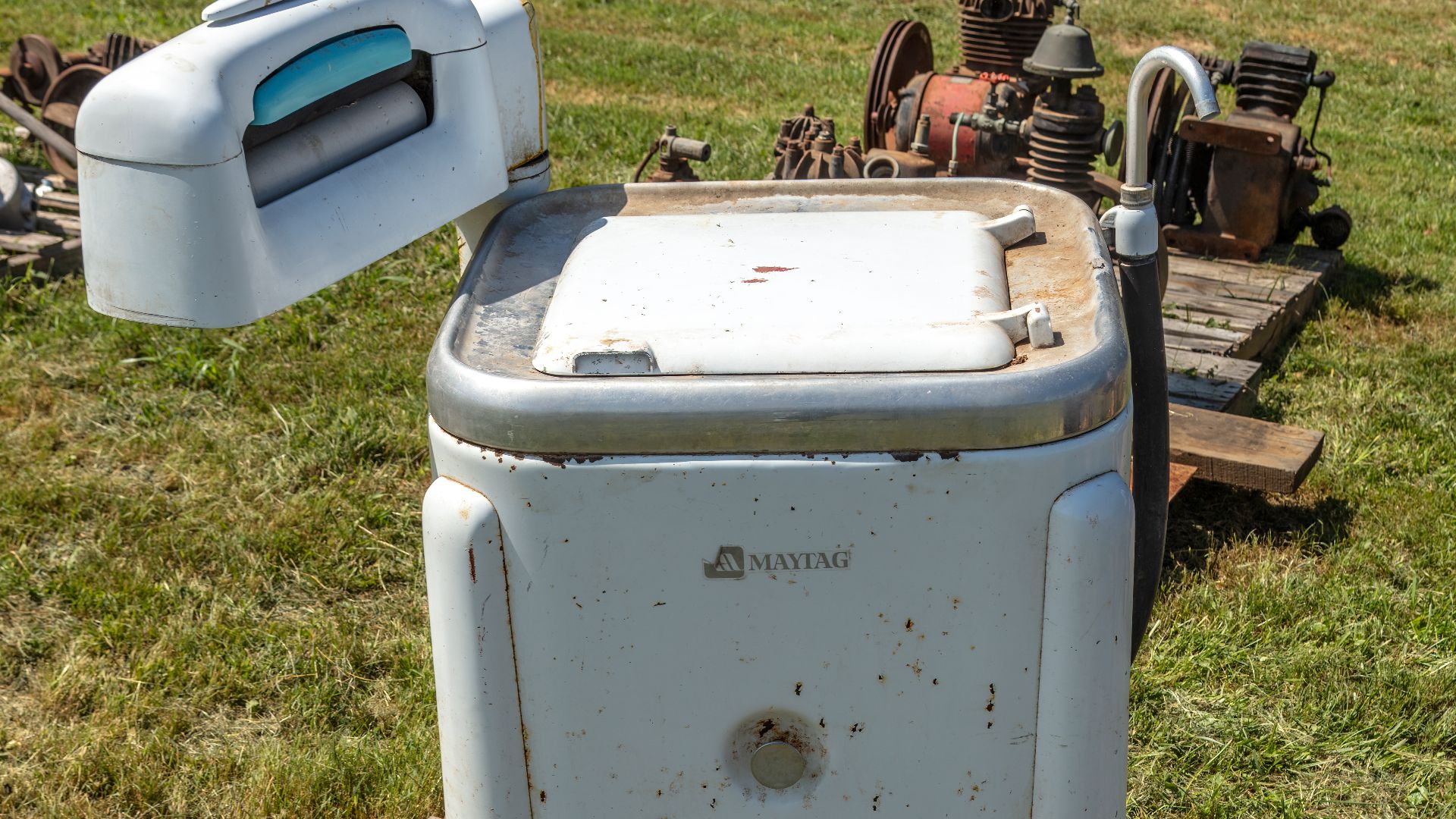
Washing Machines Seemed Too Expensive For Ordinary Homes
Laundry was exhausting before washing machines, yet early models were still difficult to justify for many families. They cost money, took up space, and required access to water and electricity. Once they became more reliable and affordable, washing machines radically reduced one of the most time-consuming chores in household life.
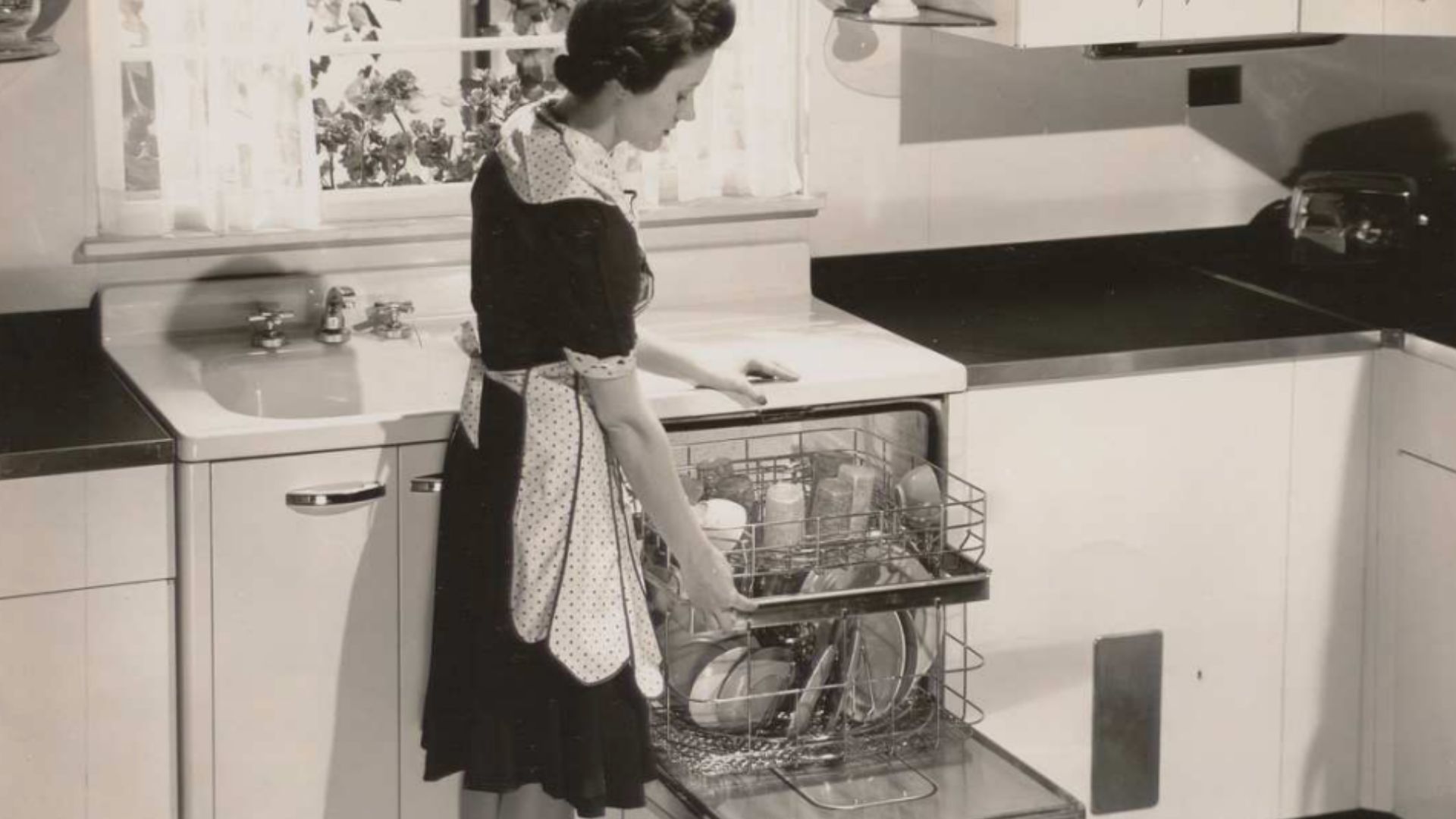
Dishwashers Were Mocked As Lazy
Dishwashers were once viewed by many people as unnecessary, indulgent, or impractical. After all, dishes could be washed by hand for free. The machine had to prove it could save time, sanitize effectively, and fit into ordinary kitchens. Today, many households argue over loading techniques instead of whether the appliance should exist.
 75Portlewes, Wikimedia Commons

History's most fascinating stories and darkest secrets, delivered to your inbox daily.
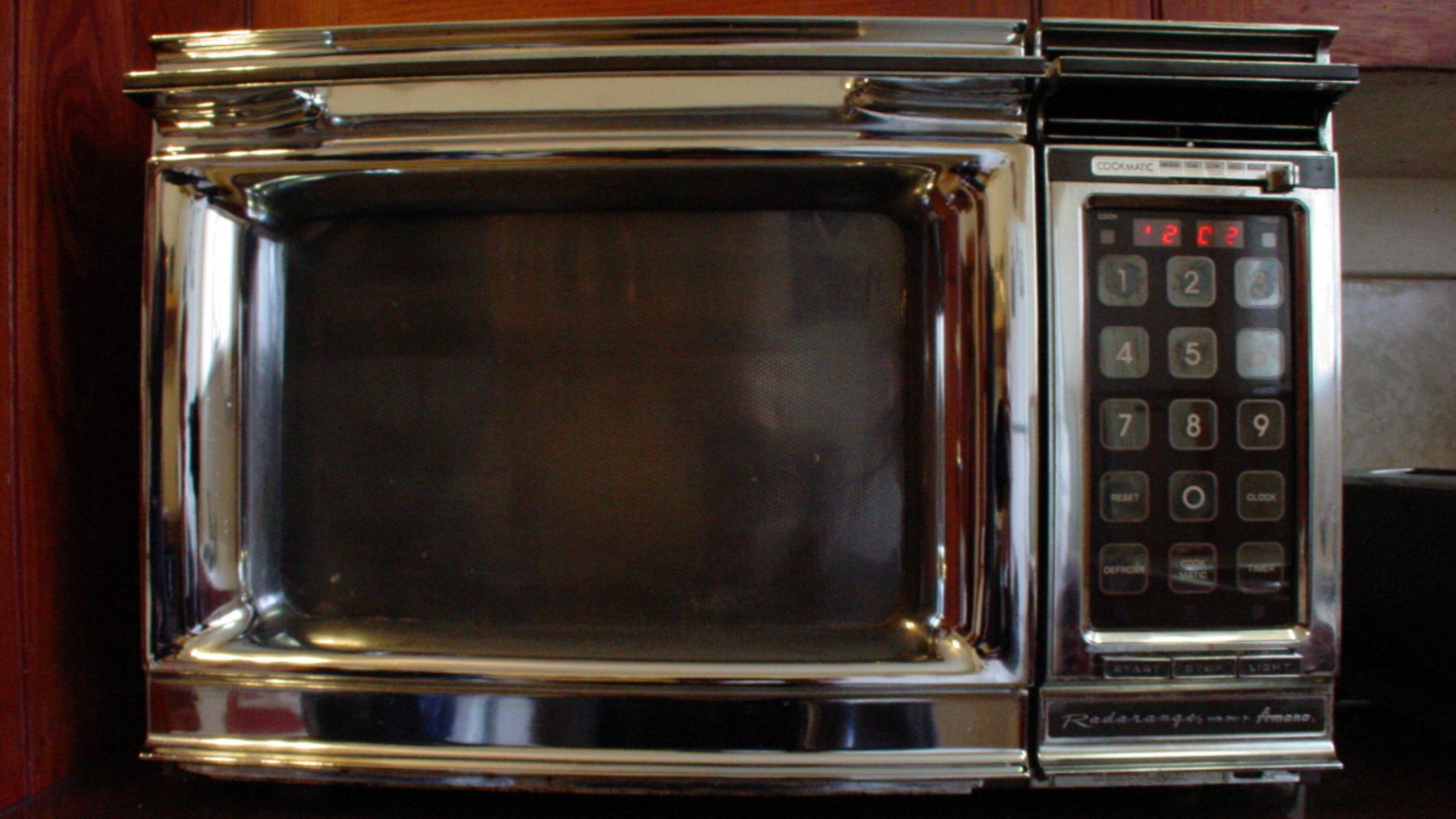
Microwaves Made People Nervous
Microwave ovens promised fast cooking, but the idea of heating food with invisible radiation made many consumers uneasy. People worried about safety, taste, and whether real cooking was being replaced by shortcuts. Eventually, microwaves became essential for leftovers, frozen meals, office lunches, and anyone too tired to use the stove.
The Television Was Accused Of Ruining Families
Television brought entertainment into the living room, but critics quickly worried it would destroy conversation, reading, homework, and family life. Parents feared children would stare at screens for hours. Those complaints never completely disappeared, but television still became one of the defining household technologies of the twentieth century.
![Collectie / Archief : Fotocollectie Anefo
Reportage / Serie : [ onbekend ]
Beschrijving : Ajax tegen Dukla Praag, spanning in de huiskamer bij de TV
Annotatie : Kwartfinale Europacup 1 in het Olympisch Stadion.
Datum : 1 maart 1967
Trefwoorden : huiskamer](https://www.factinate.com/storage/app/media/factinate/2026/7/22/1784732563a3b130d89467679d32d40e3174f908992de1c664.jpg) Ben Merk / Anefo, Wikimedia Commons
Ben Merk / Anefo, Wikimedia Commons
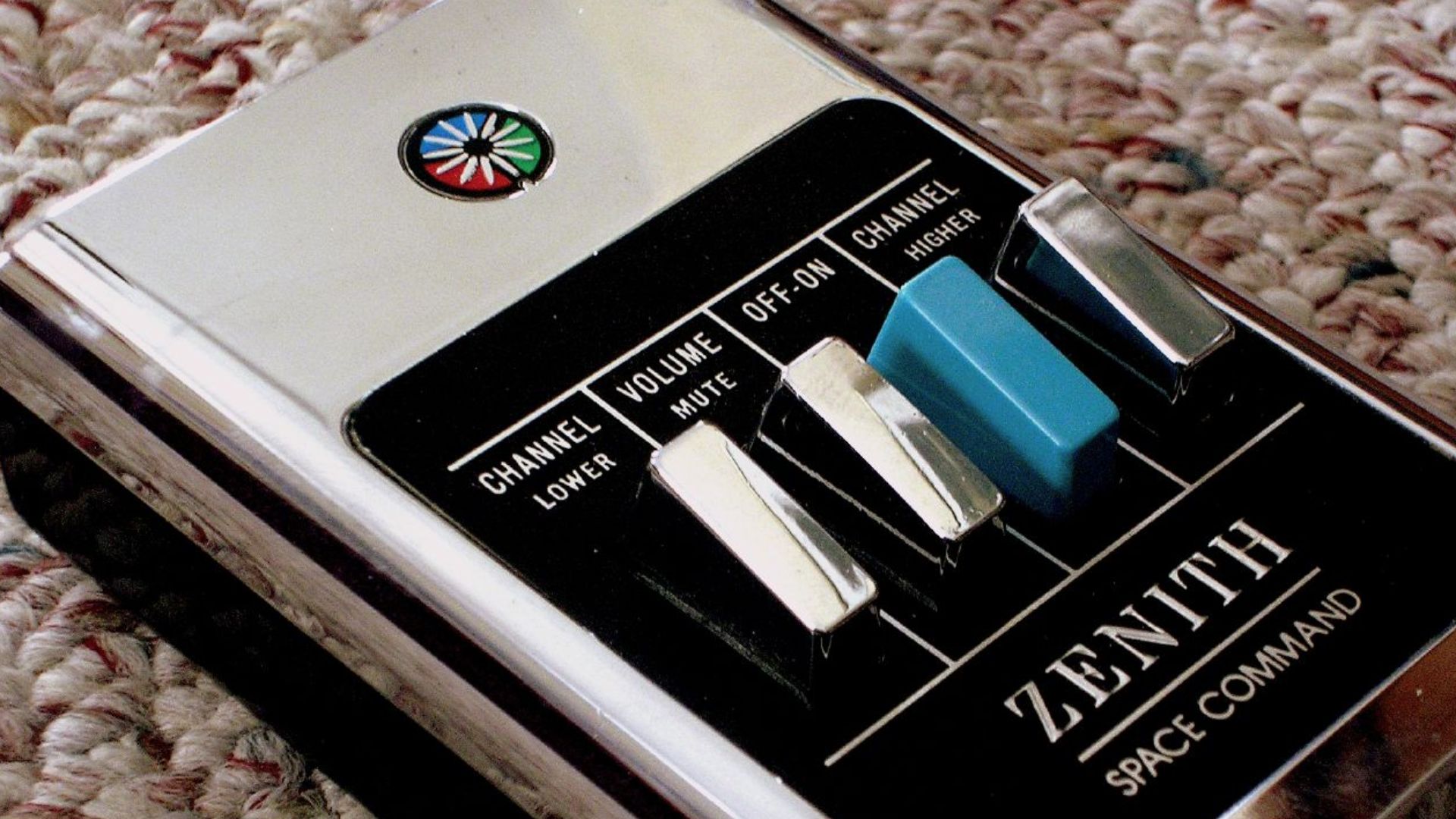
Remote Controls Were Treated Like A Silly Extra
At first, remote controls could seem like a luxury for people too lazy to cross the room. Early versions were clunky and limited, and some viewers did not see the point. Then channel surfing became part of television culture, and the remote quietly became one of the most fought-over objects in the house.
 Todd Ehlers, Wikimedia Commons
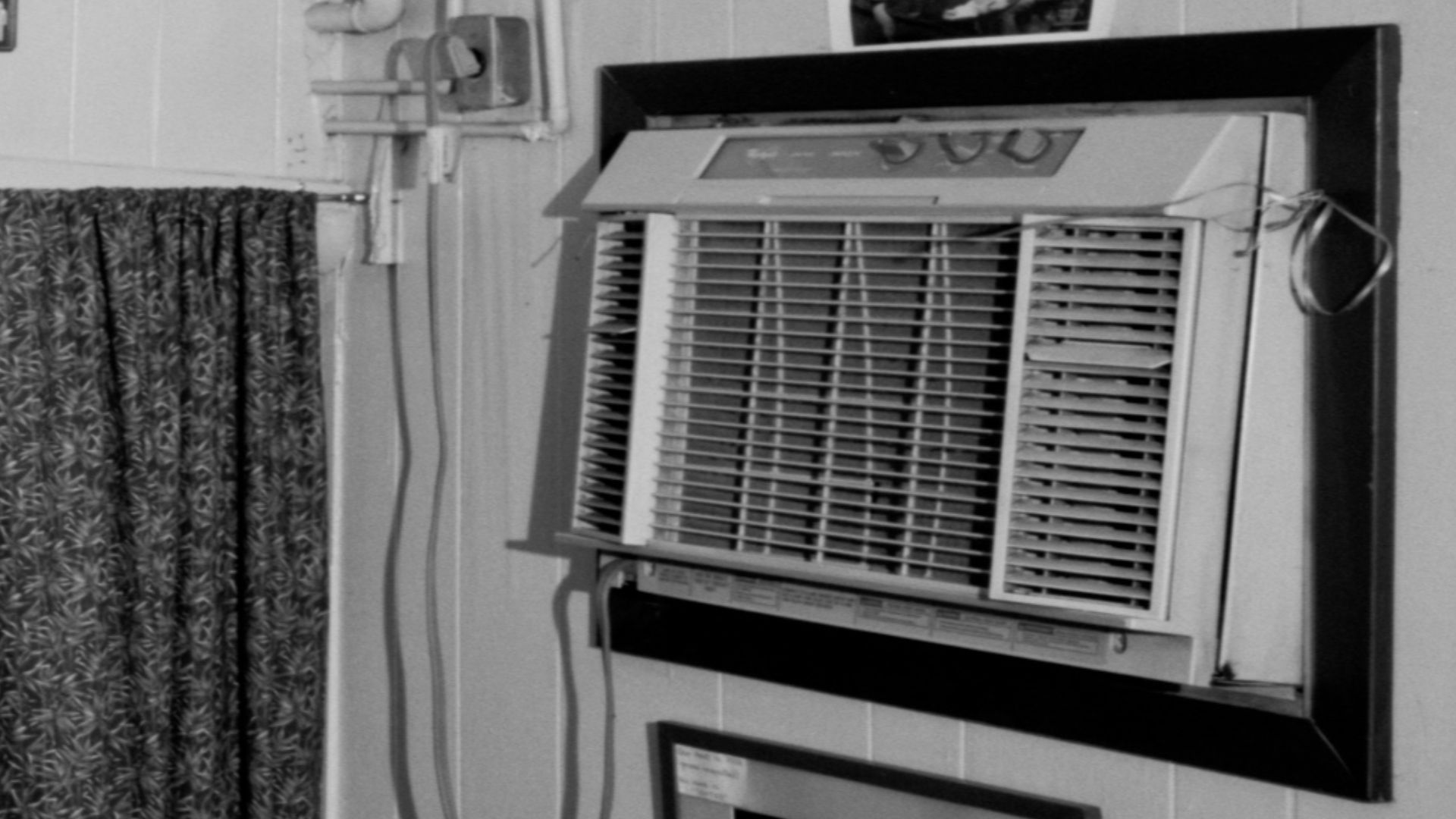
Air Conditioning Was Considered Unhealthy
Air conditioning transformed offices, theaters, cars, and homes, but early critics worried artificial cooling was unnatural or bad for the body. Some disliked moving from hot streets into chilly indoor spaces. Over time, air conditioning changed migration patterns, architecture, summer work habits, and expectations of comfort in warm climates.
 James W. Rosenthal, Wikimedia Commons
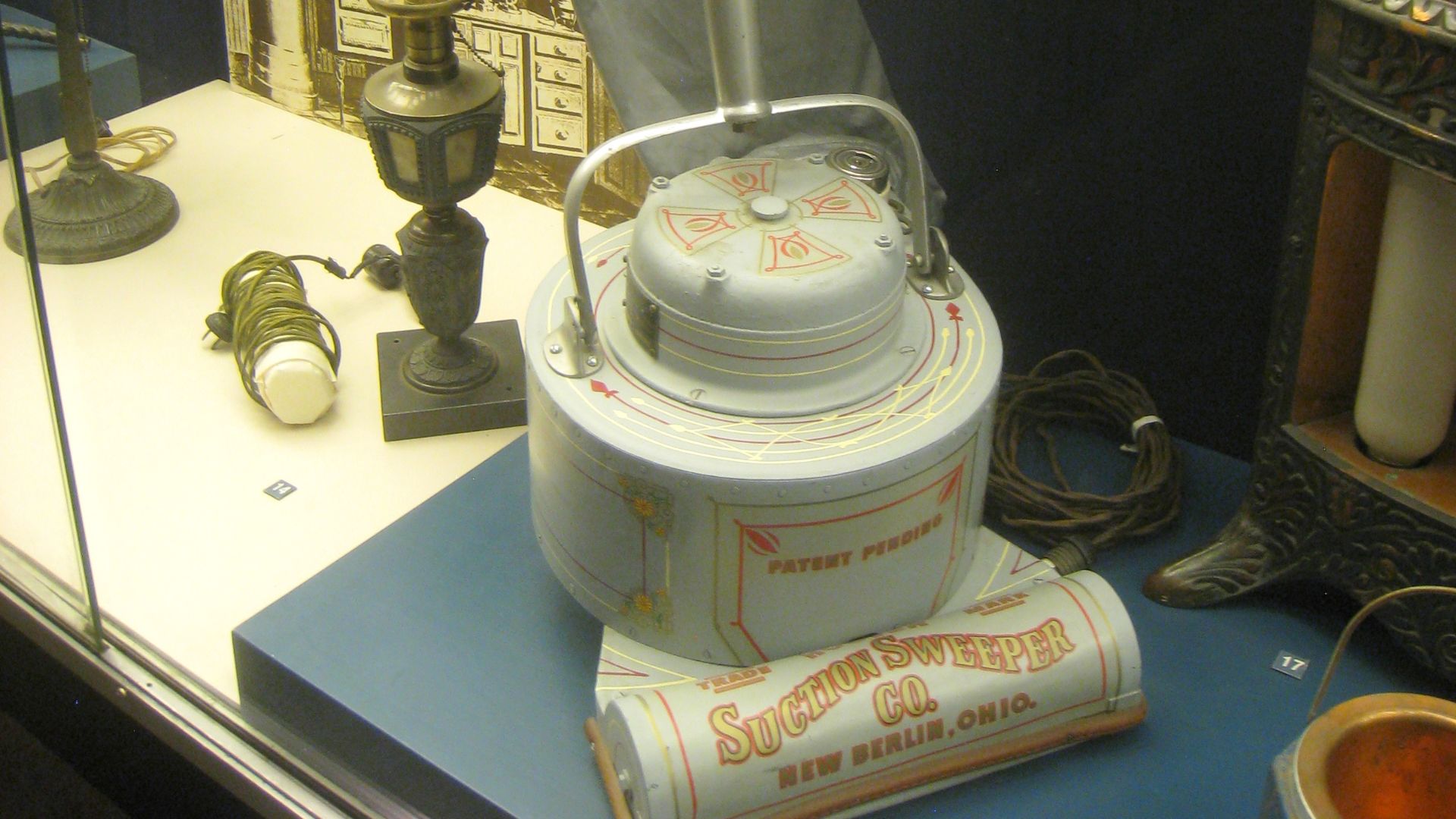
Vacuum Cleaners Looked Ridiculous At First
Early vacuum cleaners were large, expensive, and sometimes operated by outside services using hoses run through windows. People were used to brooms, rugs beaten outdoors, and manual cleaning. Once smaller electric models appeared, vacuuming became ordinary, even if many people still dislike doing it.
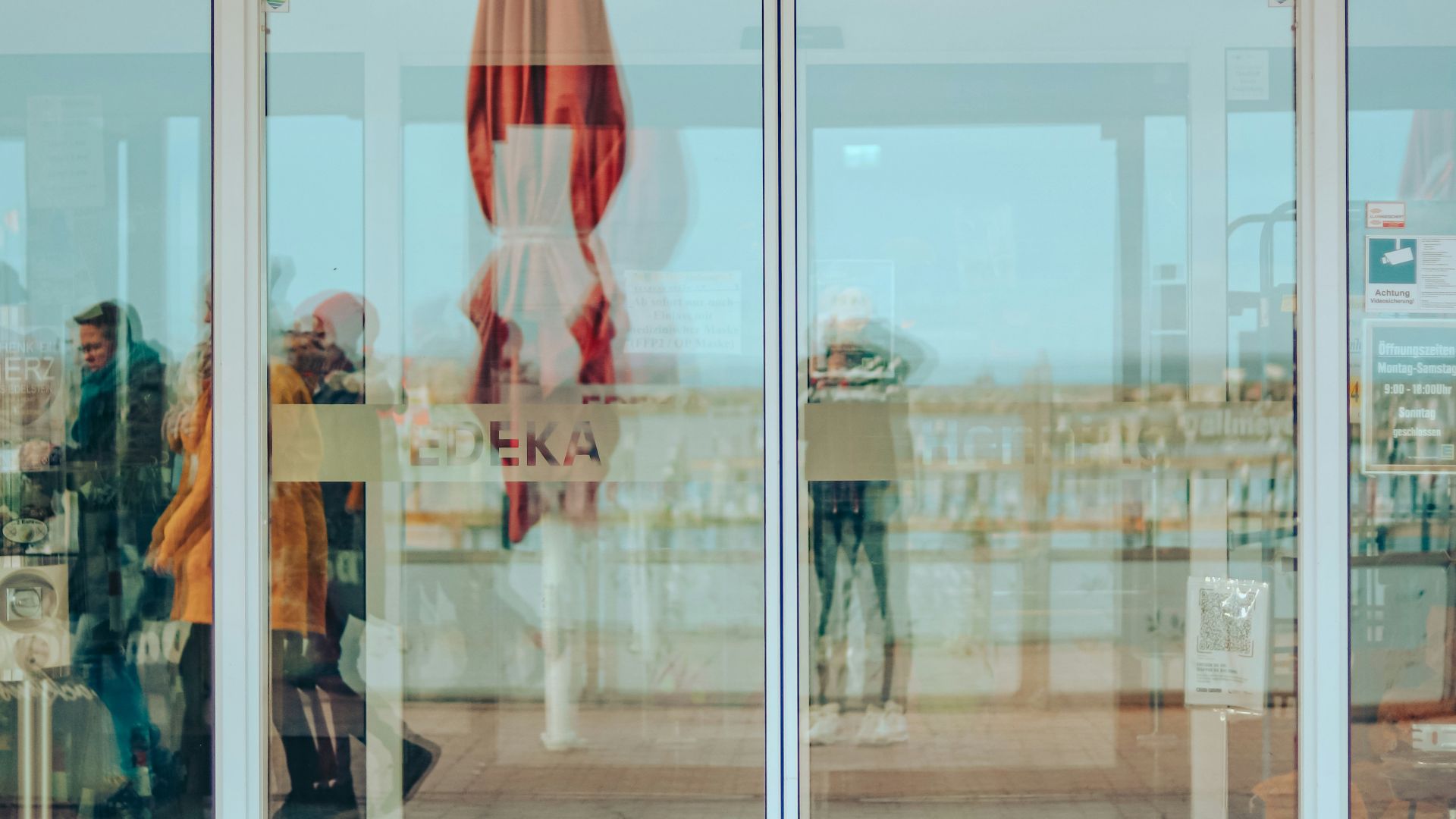
Automatic Doors Made People Hesitate
Automatic doors now feel normal in grocery stores, airports, and hospitals, but they once seemed futuristic and slightly unsettling. Some people instinctively paused, unsure whether the door would actually open. The convenience eventually won out, especially in places where people carried bags, pushed carts, or needed accessible entrances.
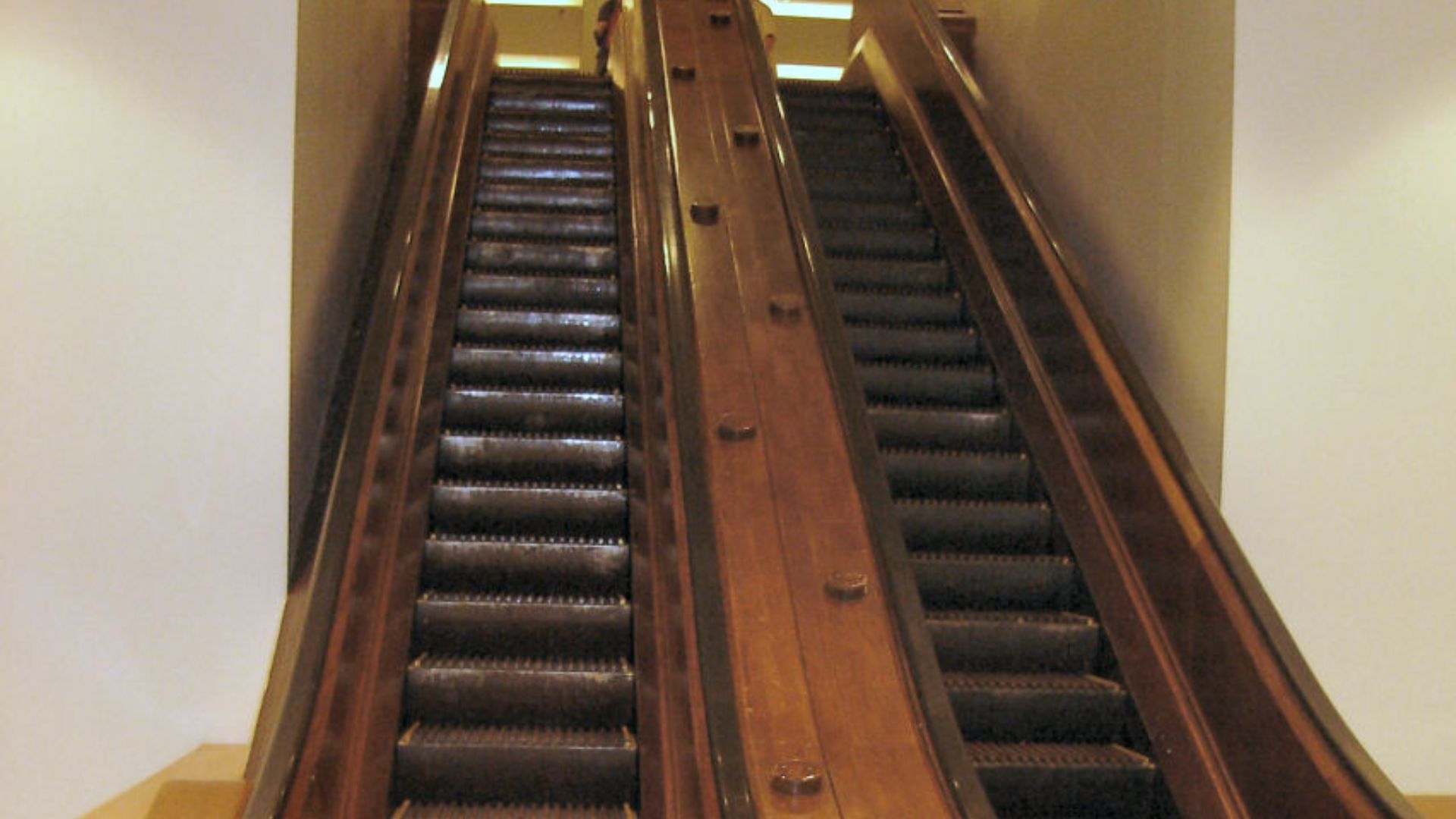
Escalators Made Shoppers Uneasy
Early escalators impressed crowds, but stepping onto moving stairs required a leap of faith. Many riders worried about timing their steps or getting clothing caught. Department stores and transit systems helped normalize the experience, and escalators became a signature feature of modern public spaces.
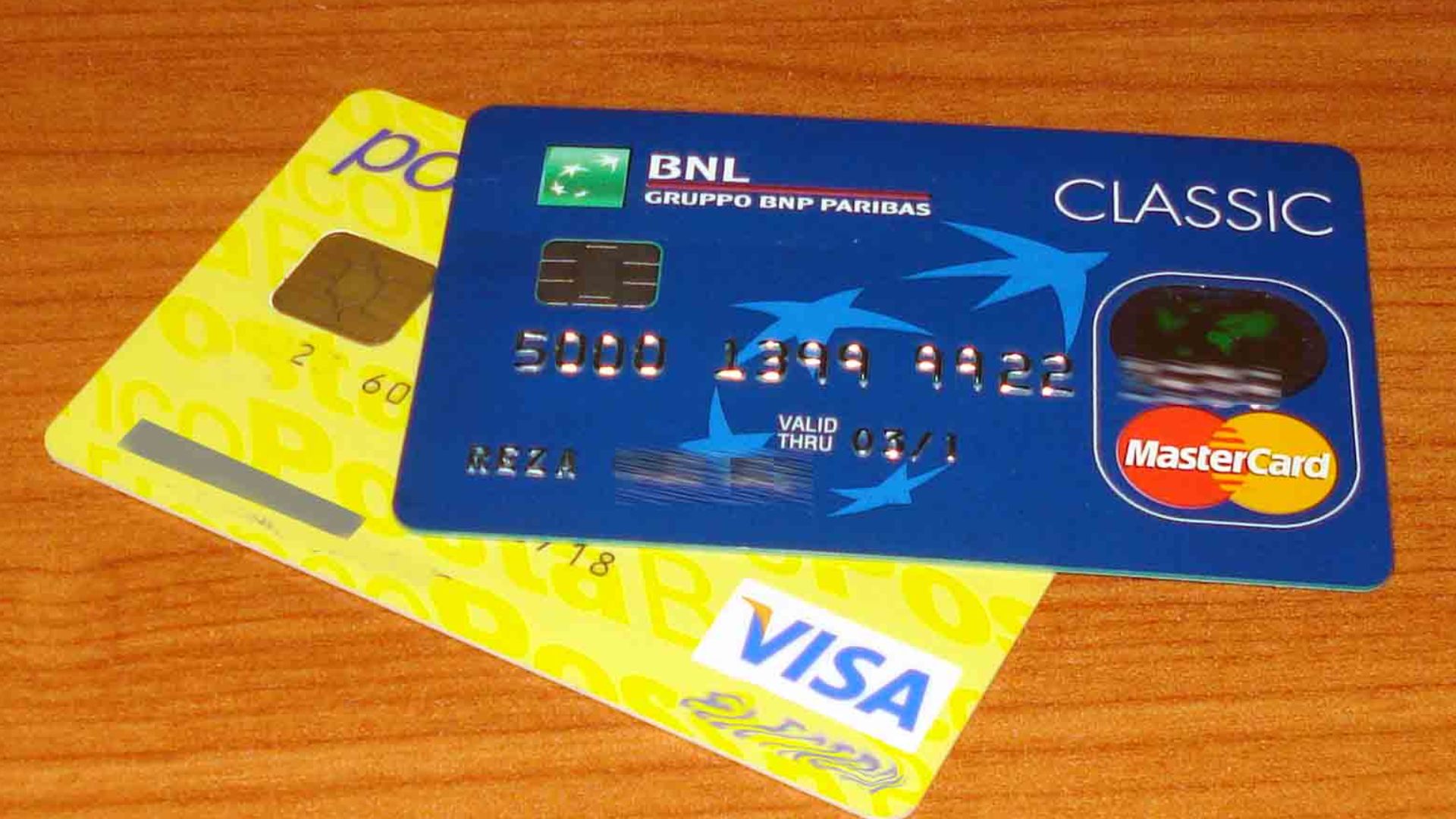
Credit Cards Seemed Reckless
When credit cards became common, critics worried they encouraged overspending and weakened old-fashioned thrift. The idea of buying now and paying later felt dangerous to many households. Those concerns were not entirely wrong, but credit cards still became deeply embedded in travel, shopping, emergencies, and online life.
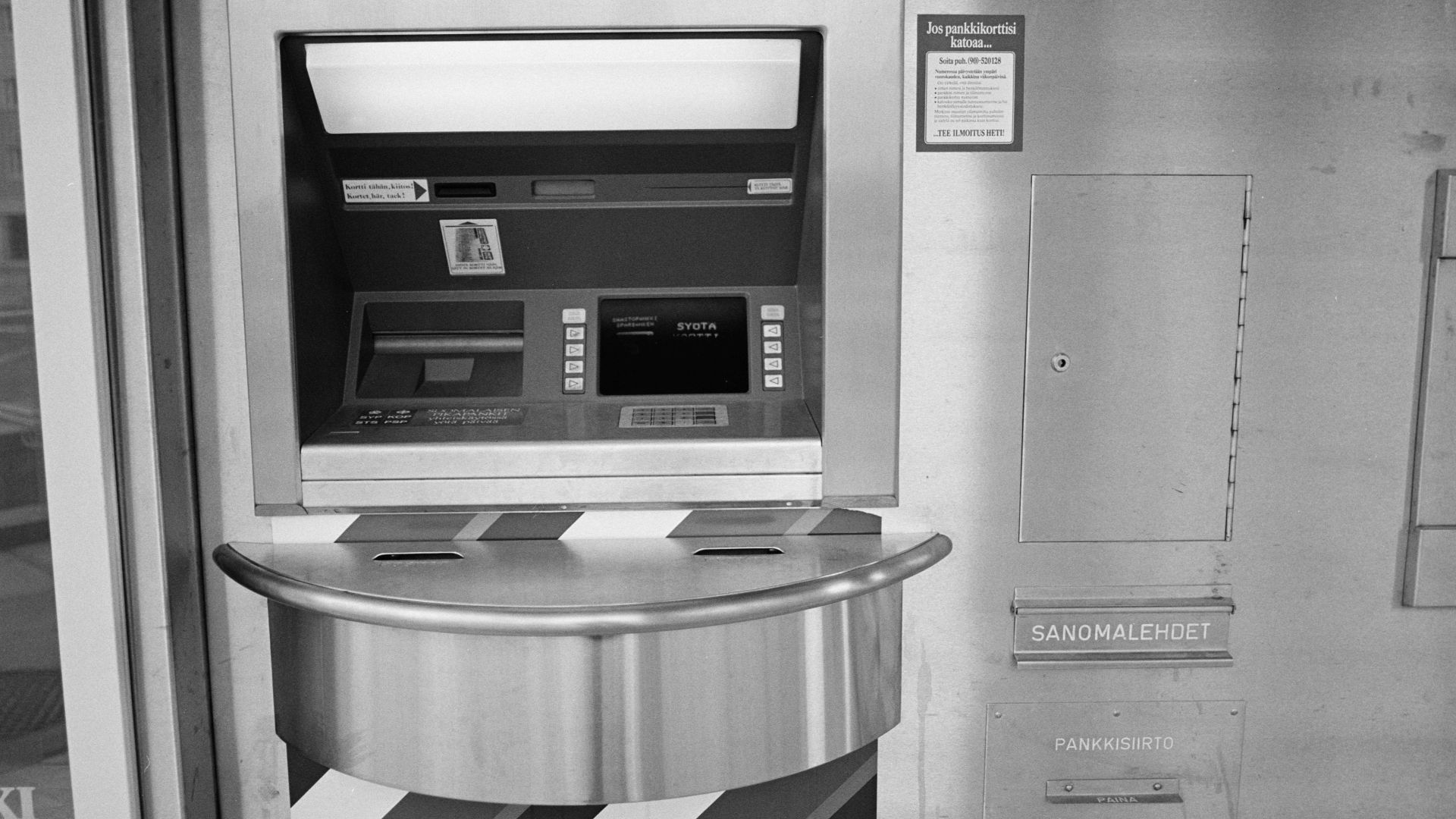
ATMs Felt Impersonal And Risky
Bank customers once relied on tellers, passbooks, and branch hours. ATMs changed that by allowing people to withdraw cash from machines, which some found suspicious or unsafe. Eventually, the convenience of after-hours banking became irresistible, even if people still glance over their shoulders while using them.
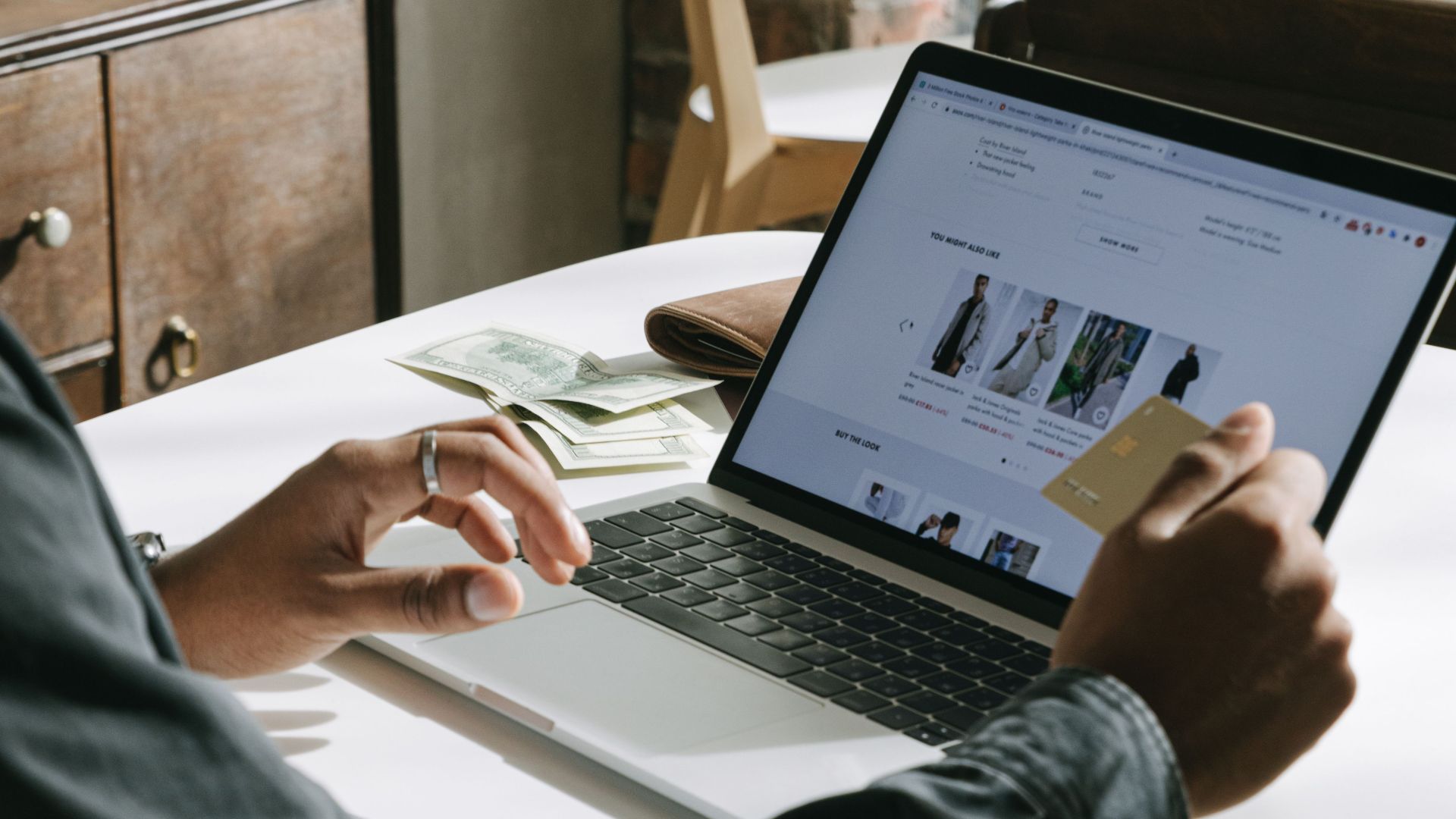
Online Shopping Felt Like A Gamble
Ordering products through a website once seemed risky and strange. Customers worried their credit card numbers would be stolen, packages would vanish, or items would look nothing like promised. Over time, faster shipping, reviews, return policies, and convenience turned online shopping into a default habit.
Email Was Seen As Less Serious Than Letters
Email began as a fast office and academic communication tool, but many people considered it informal, cold, or less meaningful than letters and memos. It also created new expectations for instant replies. Today, email is both indispensable and exhausting, proving that convenience can become its own burden.
 Stephen Phillips - Hostreviews.co.uk, Unsplash
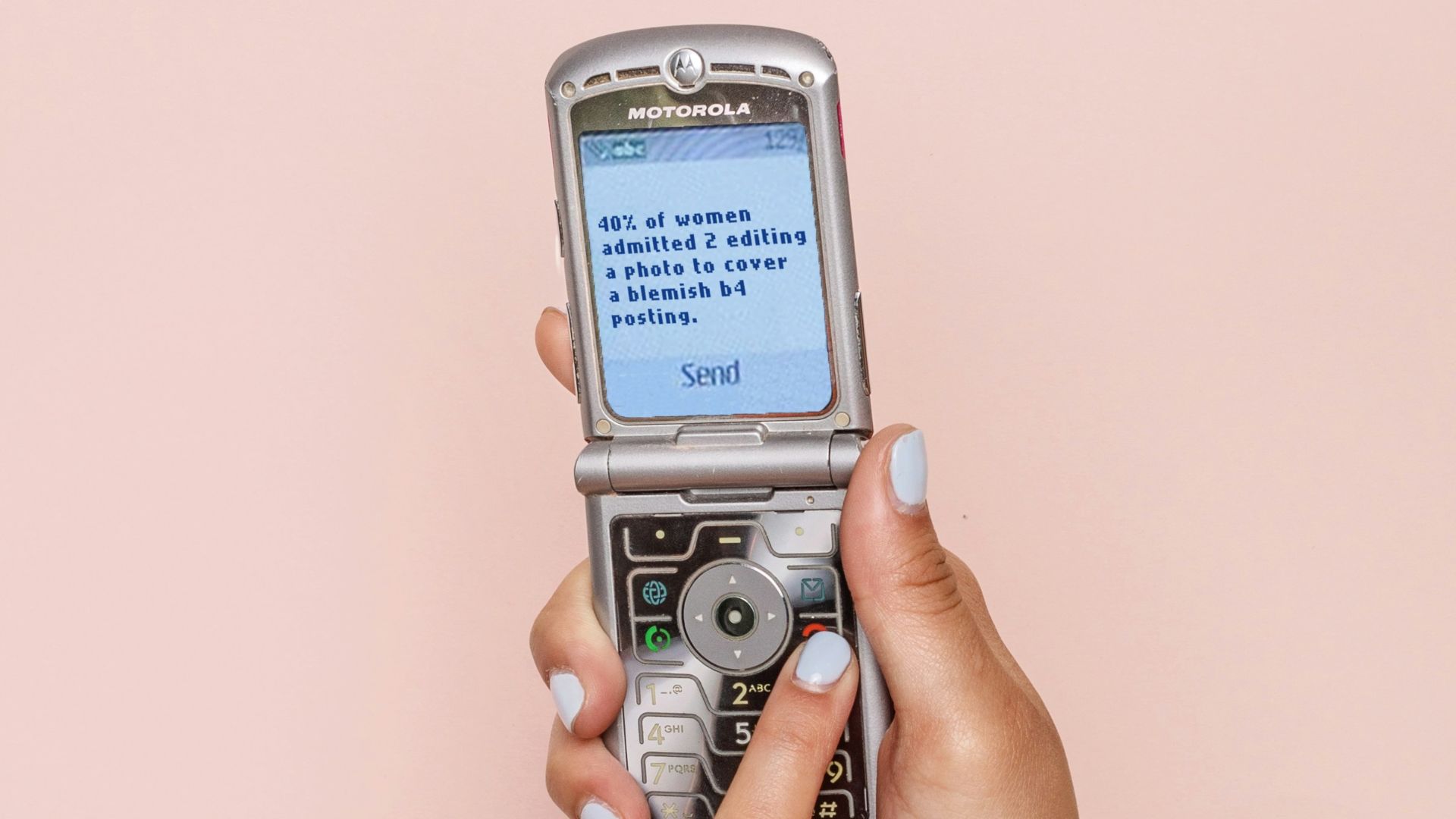
Texting Was Once Considered Rude And Teen-Coded
Early texting looked awkward, slow, and unserious to many adults. Tapping messages on number pads seemed inferior to simply calling someone. Then texting became the preferred way to send quick updates, avoid interruptions, and communicate quietly. The habit that once seemed rude now often feels more polite than a phone call.
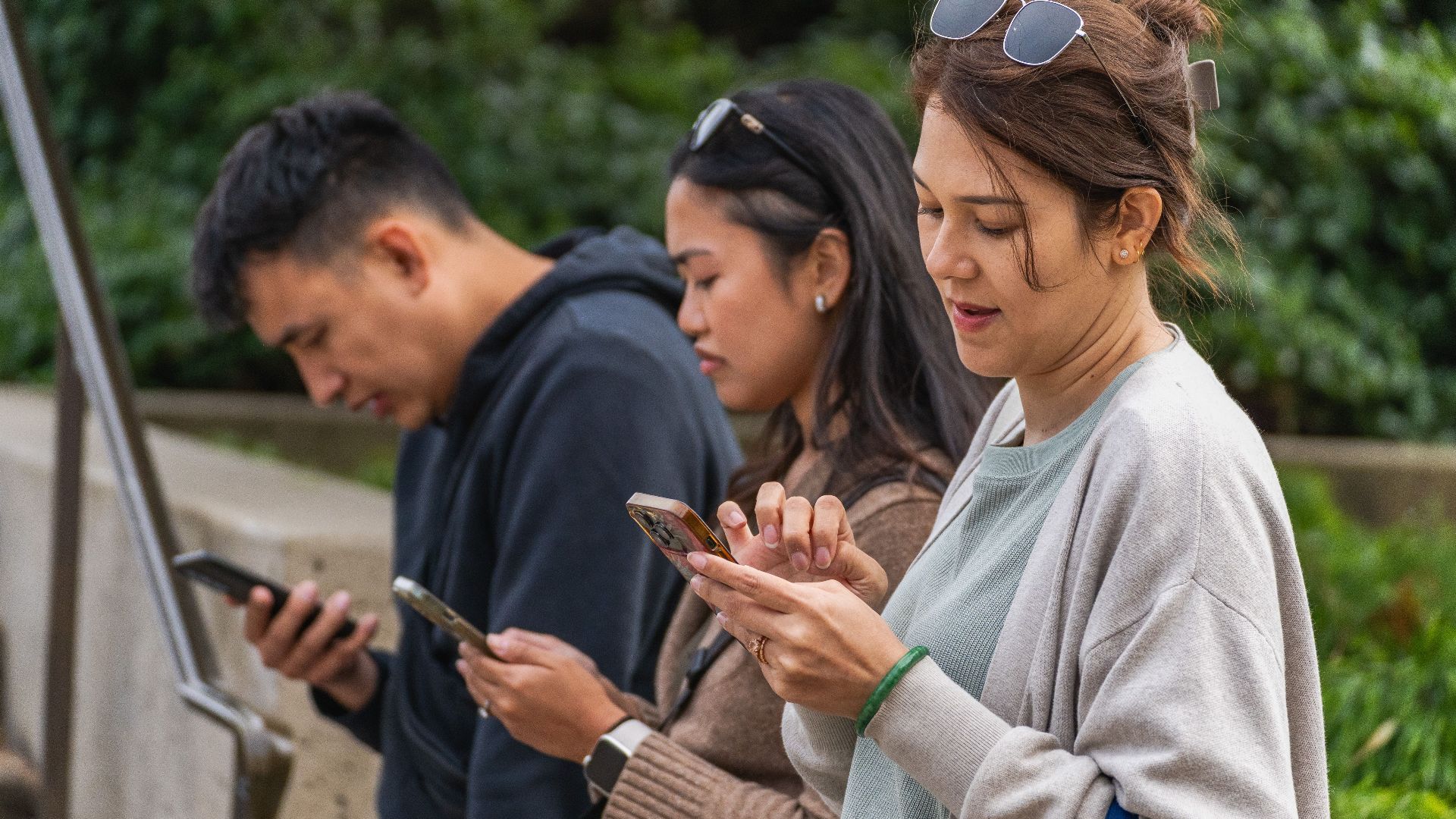
Smartphones Were Accused Of Making People Antisocial
When smartphones spread, critics worried they would ruin attention spans, manners, and face-to-face conversation. They had a point, but people also discovered maps, cameras, banking, music, news, and messaging in one pocket-sized device. The smartphone became both modern life’s best helper and most persistent distraction.
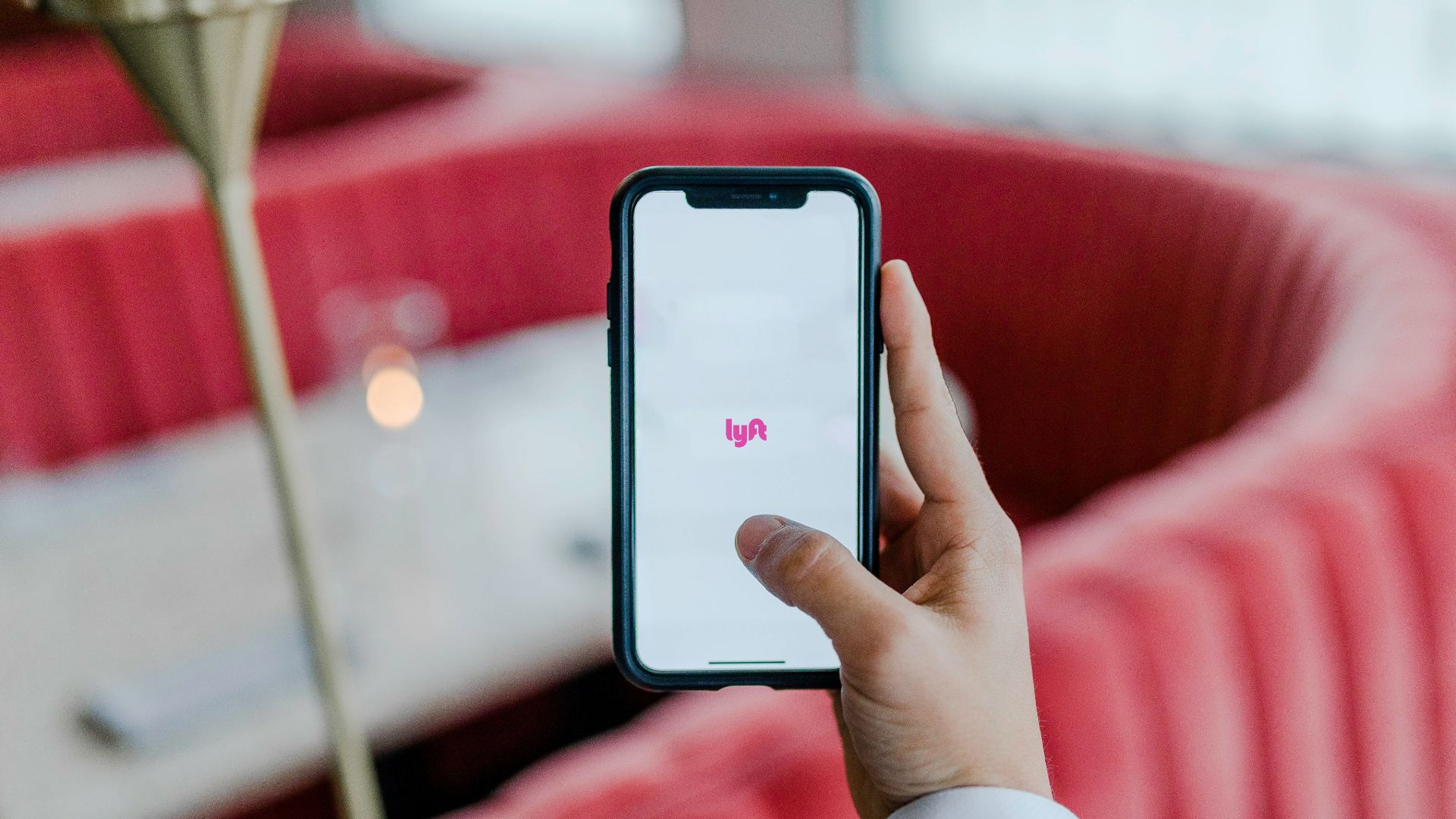
Ride-Hailing Apps Made People Suspicious
Calling a ride through an app once sounded risky to people used to taxis, dispatchers, and cash payments. Getting into a stranger’s personal car required trust in ratings, GPS tracking, and digital payment systems. Over time, convenience made ride-hailing feel routine, especially in cities and areas with limited taxi service.
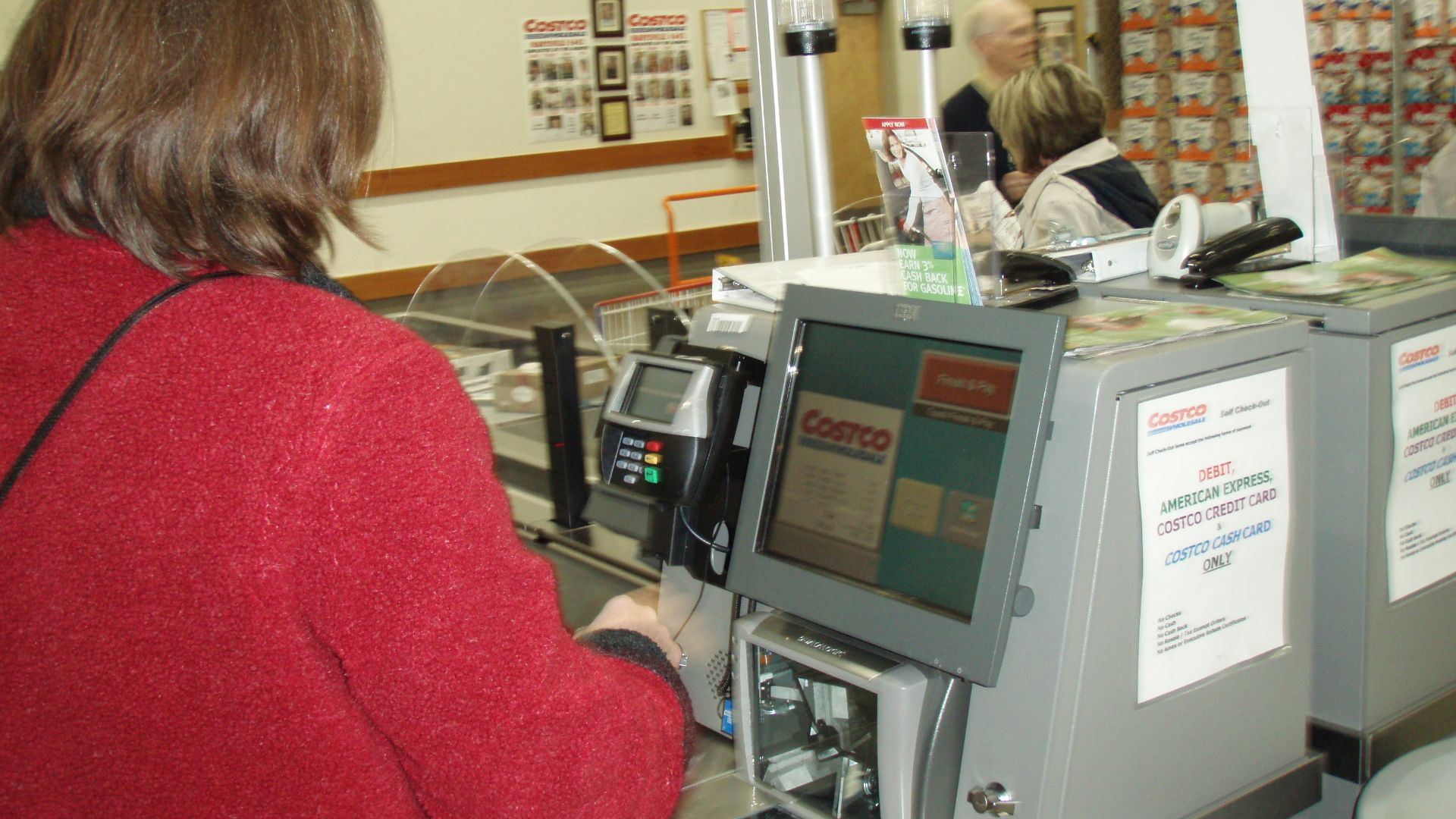
Self-Checkout Turned Customers Into Cashiers
Self-checkout promised speed, but many shoppers initially hated it because it seemed like unpaid labor. Scanning errors, bagging alerts, and age-verification delays made the machines feel more frustrating than helpful. Some people still avoid them, while others now prefer getting in and out without small talk.
 thekirbster, Wikimedia Commons
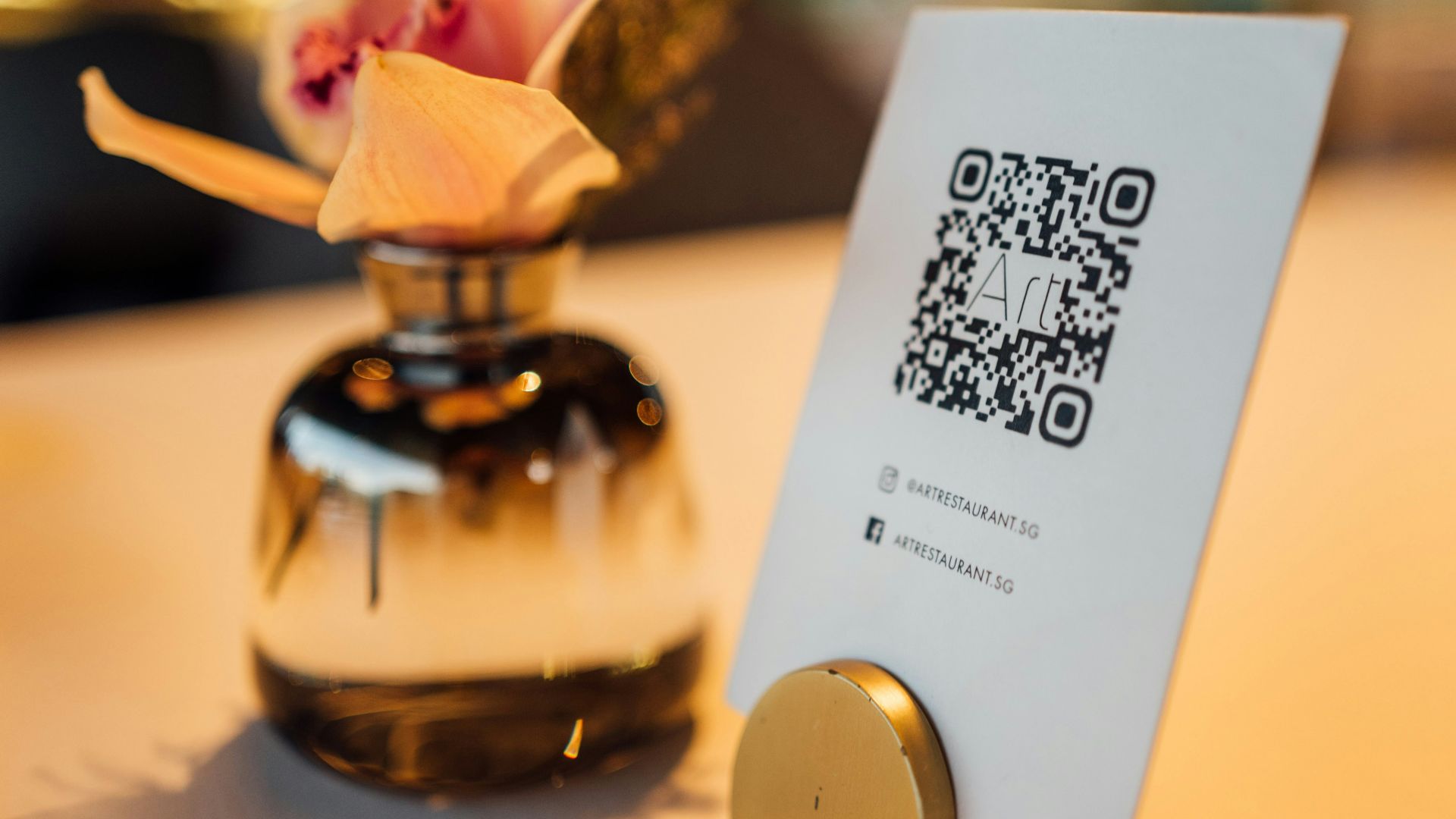
QR Code Menus Annoyed Restaurant Customers
QR code menus became common during the pandemic, but many diners disliked scanning codes instead of receiving physical menus. People complained about tiny text, dead phone batteries, awkward ordering systems, and the loss of a familiar restaurant ritual. Some restaurants kept them anyway because they were cheap and easy to update.
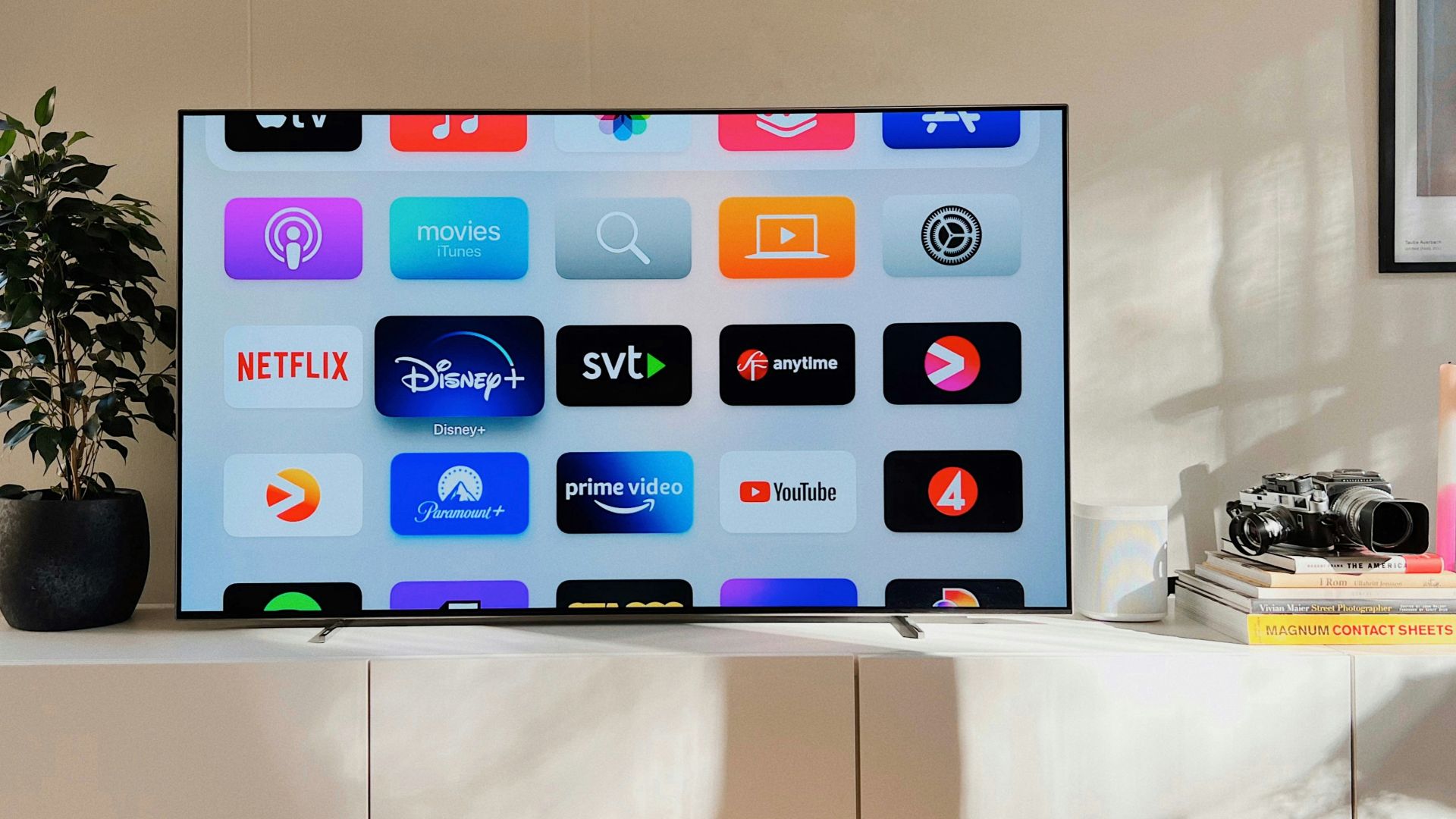
Streaming Services Made People Miss Cable
Streaming first sounded like freedom from cable bills and rigid schedules. Then the market fragmented, prices rose, and viewers found themselves juggling multiple subscriptions. People who once hated cable began joking that streaming had reinvented cable in a more confusing form. Convenience, apparently, can still come with headaches.
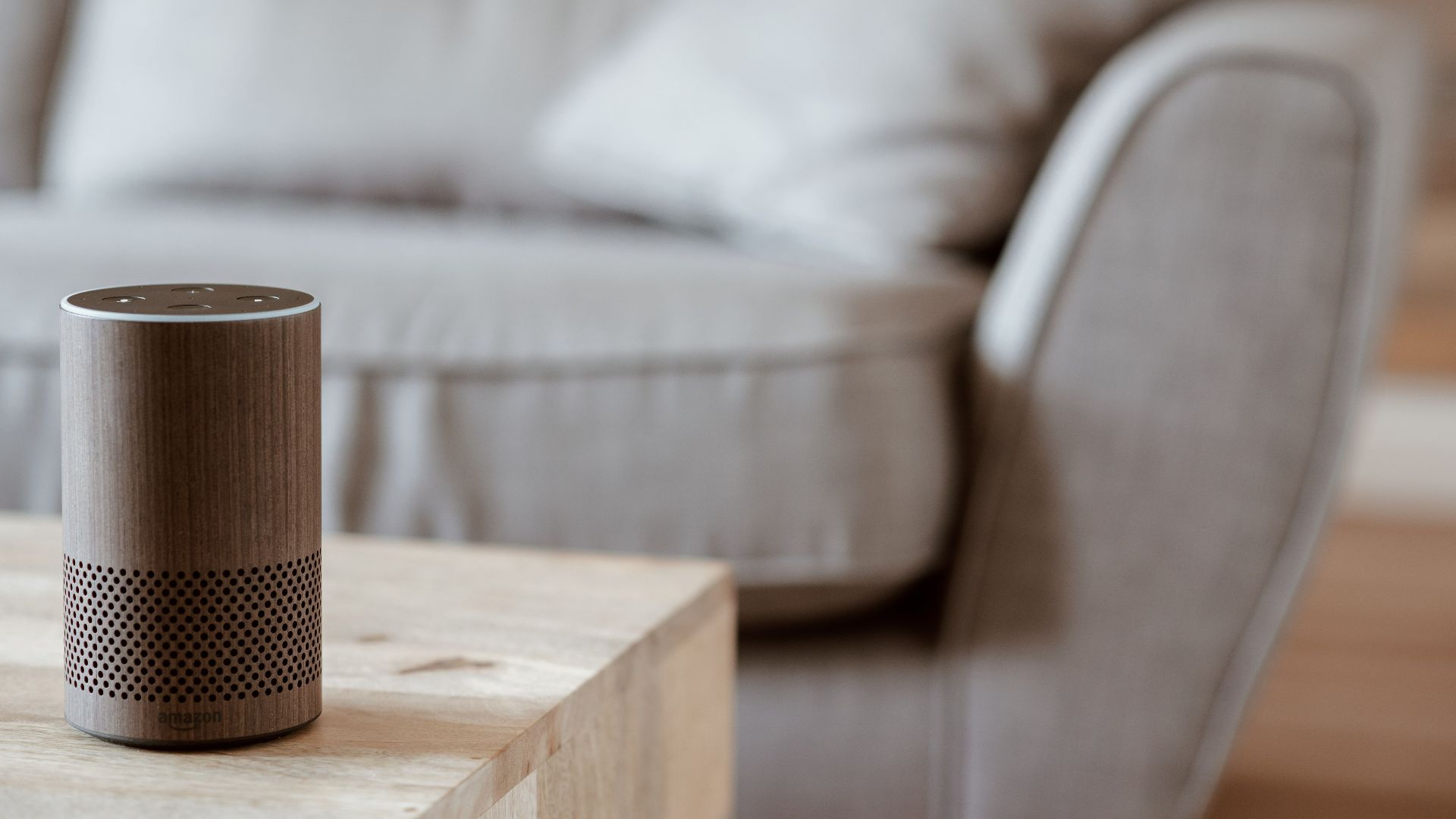
Smart Speakers Made Homes Feel Too Listened-To
Voice assistants promised music, timers, weather, reminders, and hands-free help. Still, many people felt uncomfortable speaking commands to a device that was always waiting for a wake word. Privacy concerns never fully vanished, but plenty of households learned to like the convenience of asking a speaker to set a timer.
People Often Resist Convenience Before Depending On It
The funny thing about modern conveniences is that people often reject them right before reorganizing life around them. New tools feel strange because they change habits, expectations, and manners. Then one day, the same invention becomes so normal that losing it feels like a crisis. That may be the clearest sign a convenience has truly won.

You May Also Like:
Restaurant Chains That Once Dominated America But Disappeared
The Oddest Taxes Governments Have Ever Collected
Strange Competitions That Were Once Taken Very Seriously
Sources: 1, 2, 3, 4, 5, 6, 7, 8, 9, 10, 11, 12, 13, 14, 15, 16, 17, 18, 19, 20, 21, 22, 23