When Expeditions Go Sideways
Explorers have a remarkable talent for arriving somewhere other than where they intended. Some chased trade routes and encountered unfamiliar coastlines; others pursued treasure and returned with scientific breakthroughs. These journeys also crossed lands long familiar to Indigenous peoples. Here are the documented detours that changed history.
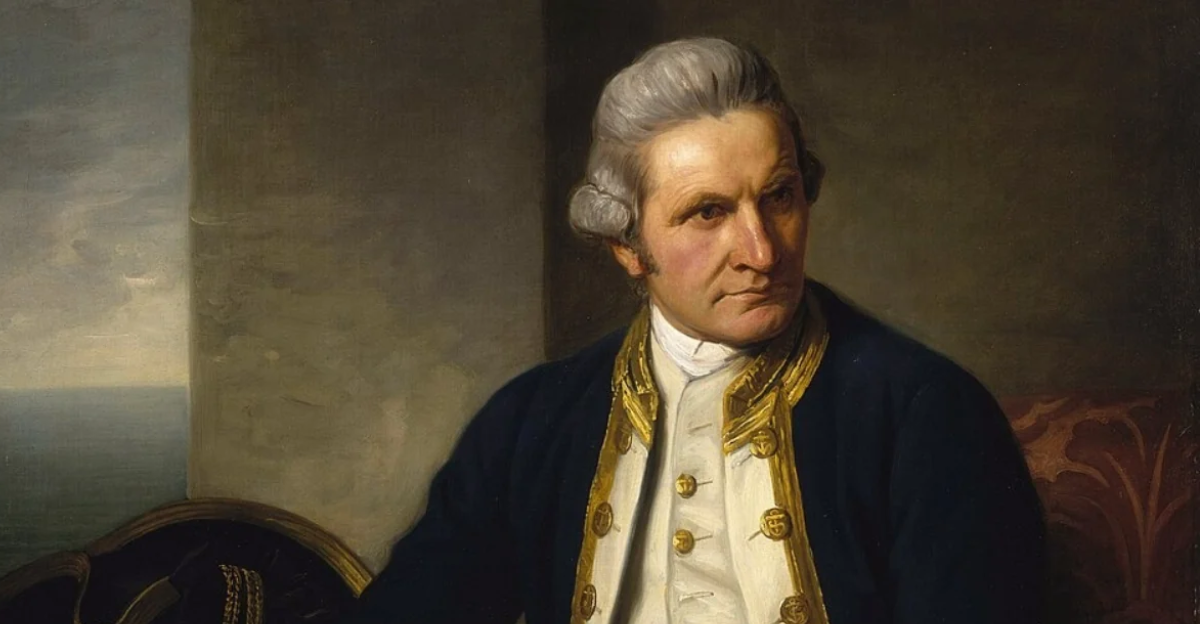 from the National Maritime Museum, United Kingdom, Wikimedia Commons
Columbus Found The Caribbean
Christopher Columbus sailed west in 1492 hoping to reach Asian trading markets. Instead, his ships reached Caribbean islands already inhabited for generations. He continued believing he had approached Asia, even as his voyages reshaped Atlantic history.
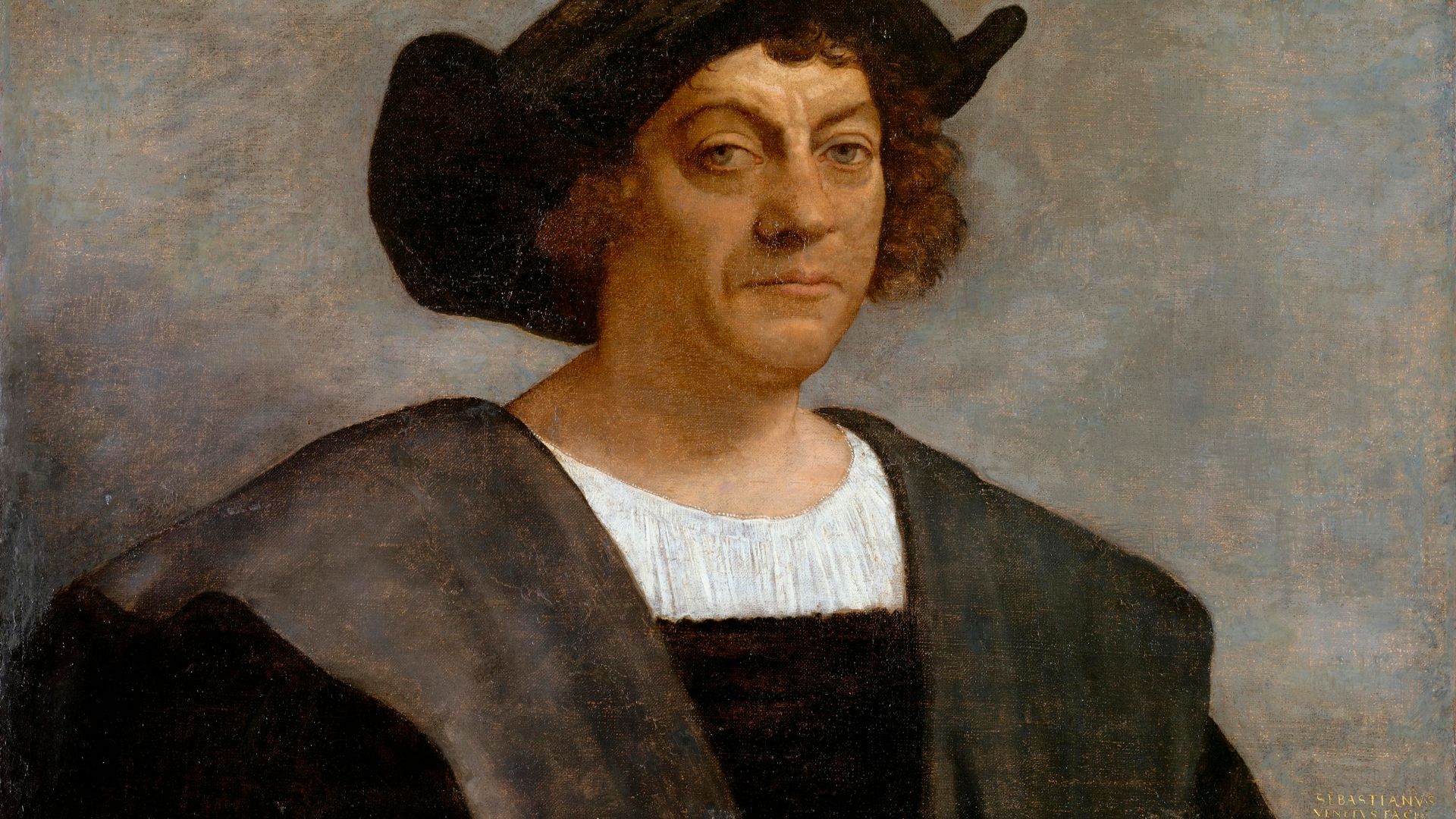 Sebastiano del Piombo, Wikimedia Commons
Cabot Came Home With Cod
John Cabot left England in 1497 pursuing a western route to Asia. His voyage instead reached the northeastern shores of North America. Reports of enormous cod populations helped attract European fishing fleets to the Grand Banks.
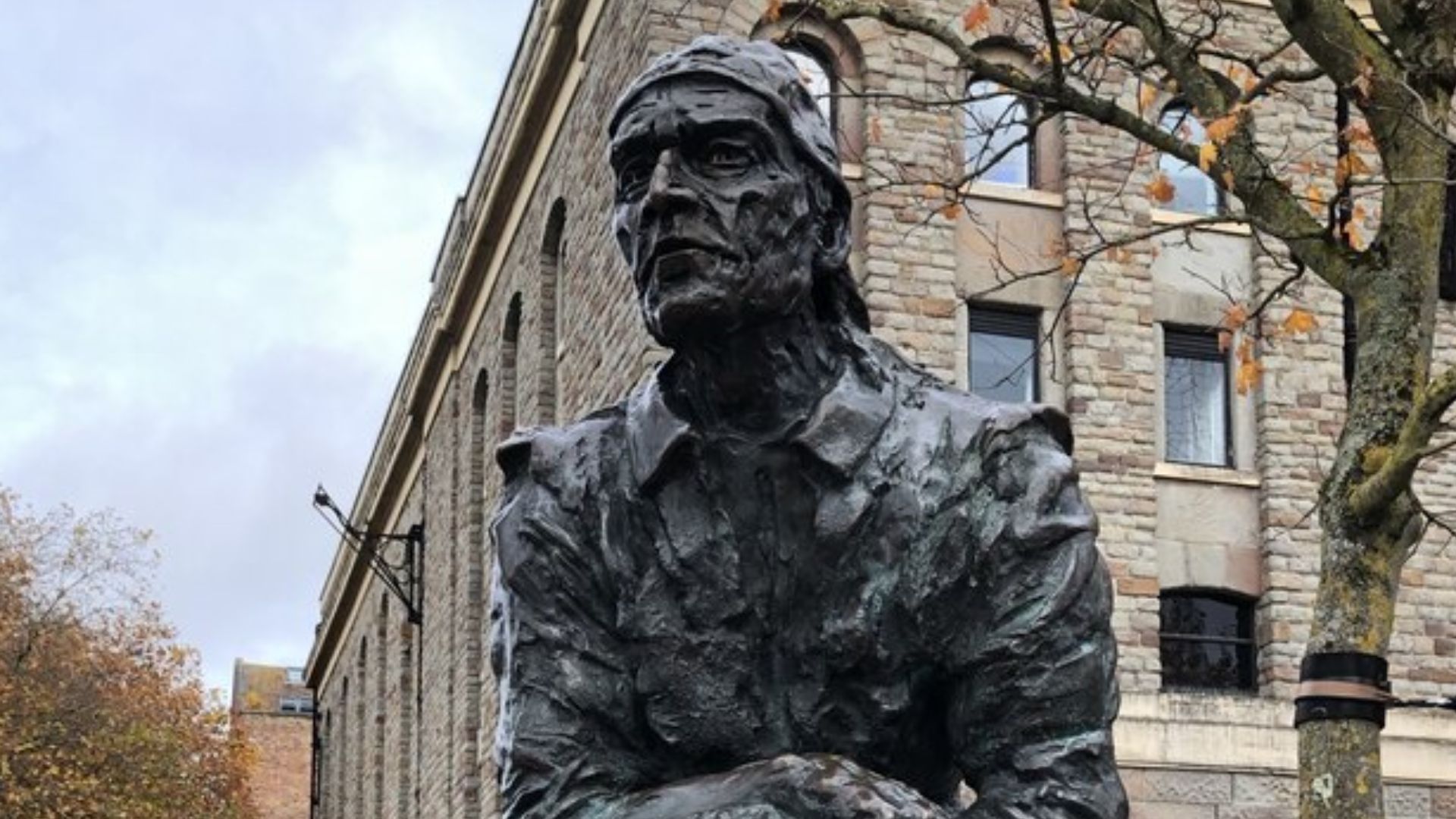 David Robinson , Wikimedia Commons
Cabral's Brazilian Detour
Pedro Álvares Cabral commanded a Portuguese fleet bound for India in 1500. Sailing west into the Atlantic, he reached the Brazilian coast instead. The expedition eventually resumed its eastern journey, but that stop transformed Portugal's imperial ambitions.
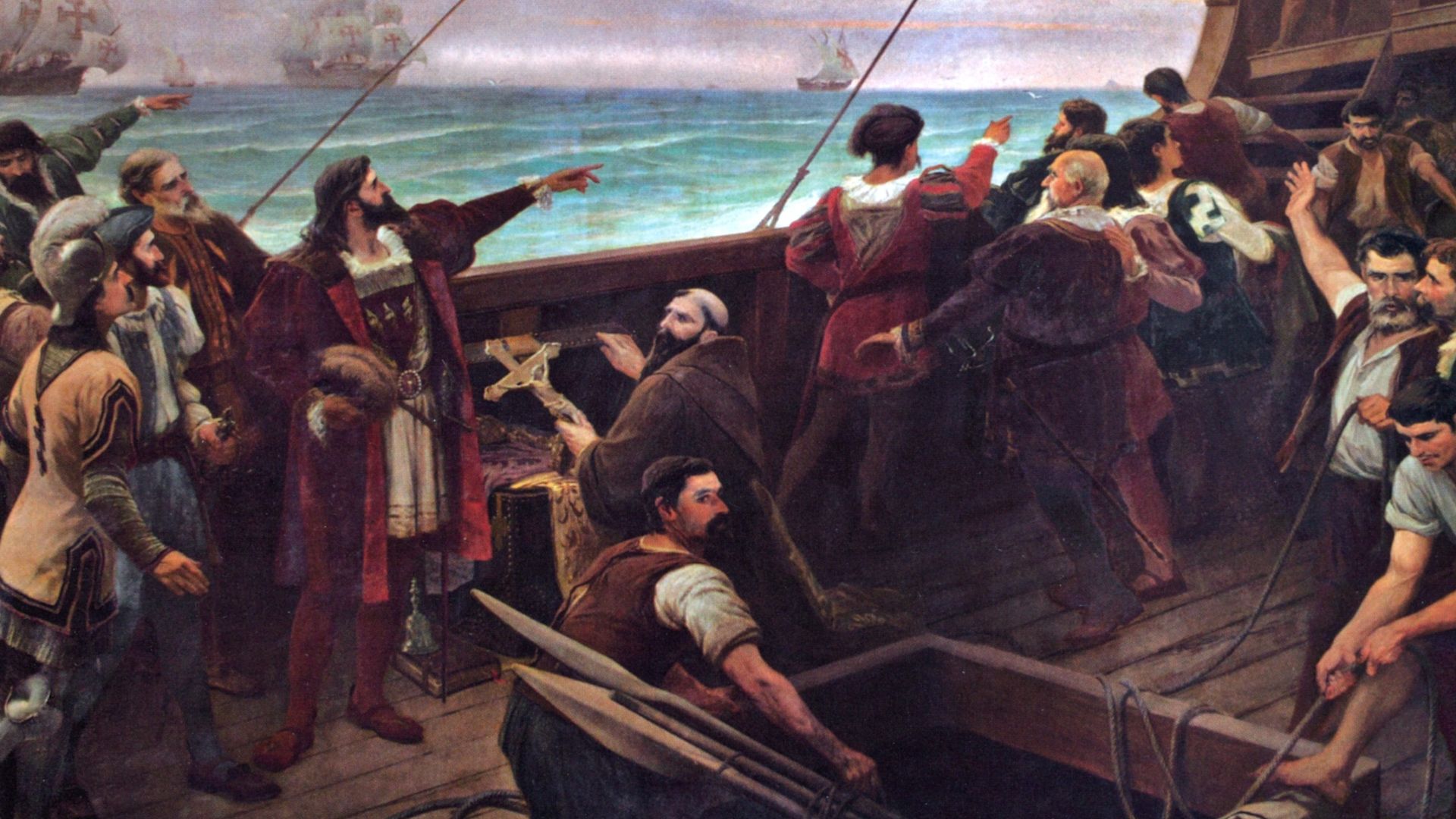 Aurélio de Figueiredo, Wikimedia Commons
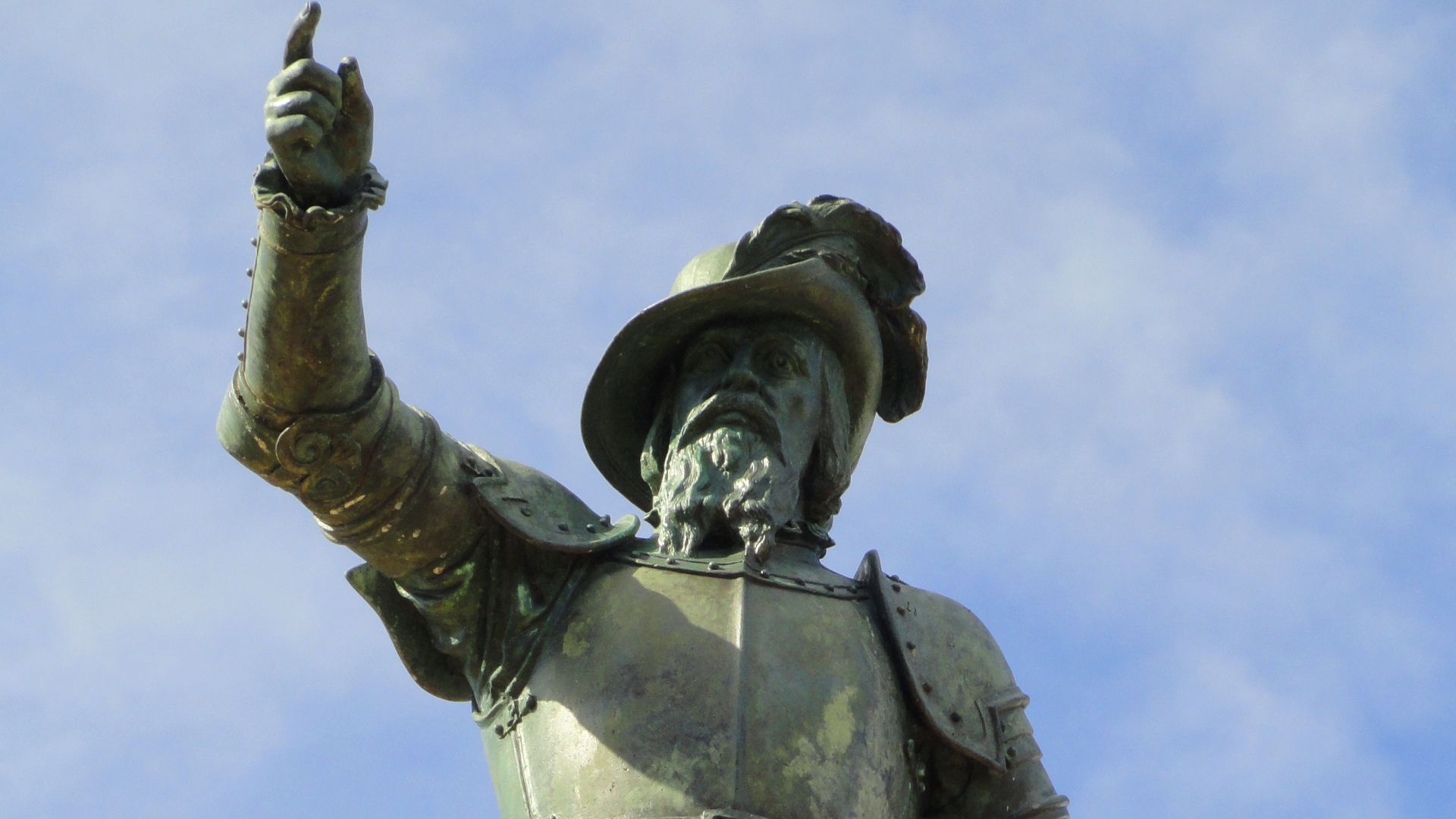
Ponce De Leon Reached Florida
In 1513, Juan Ponce de León sailed to explore and claim Bimini. He reached Florida, which he initially considered an island. Contrary to popular legend, surviving royal instructions do not show he was searching for a magical fountain.
Cartier's St. Lawrence Surprise
Jacques Cartier hoped Canada's waterways might offer France a passage to Asia. His voyages instead explored the Gulf and River St. Lawrence, where established Indigenous communities already lived. The imagined shortcut became a lasting geographic connection.
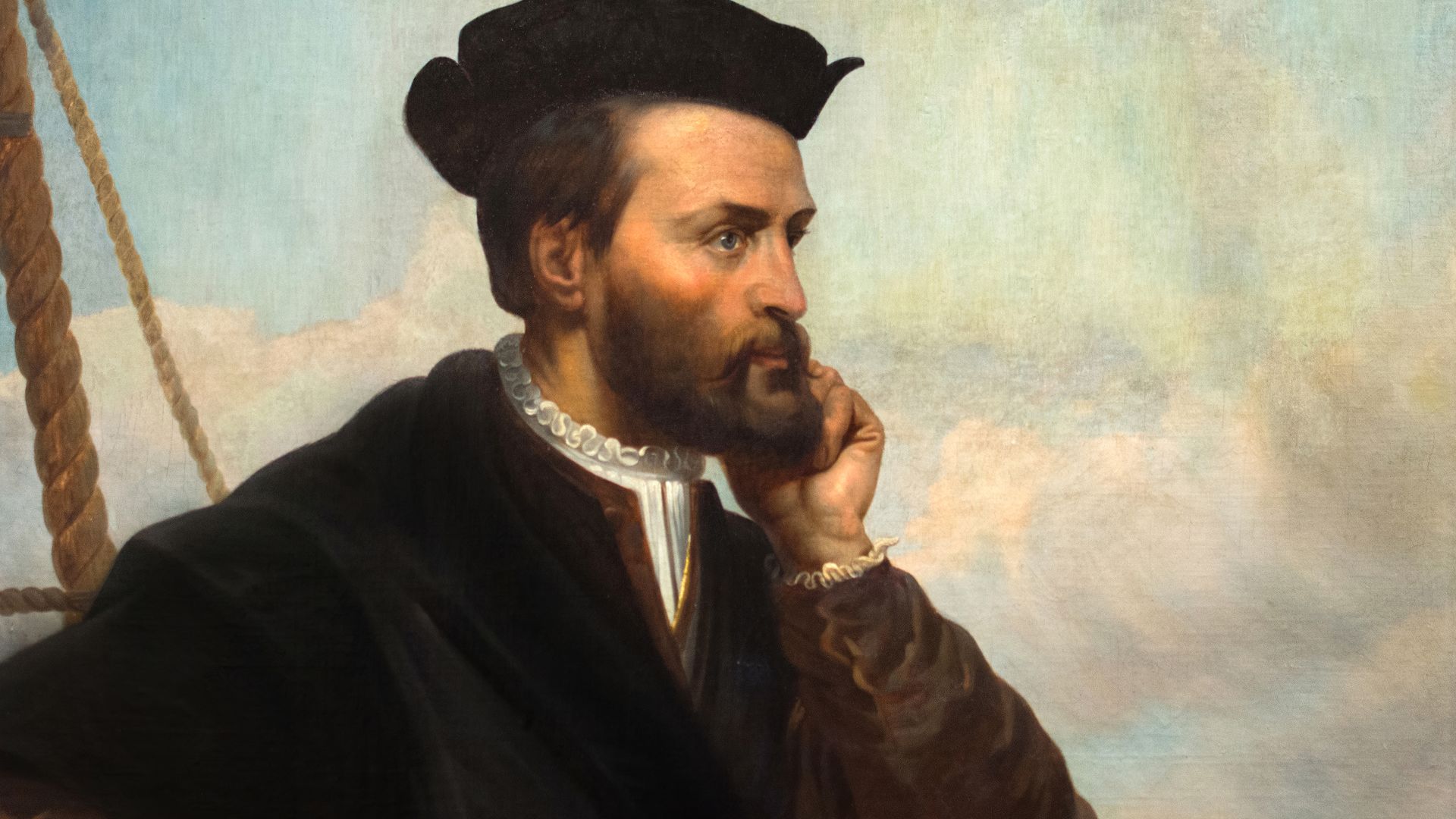 Théophile Hamel / After François Nicholas Riss, Wikimedia Commons
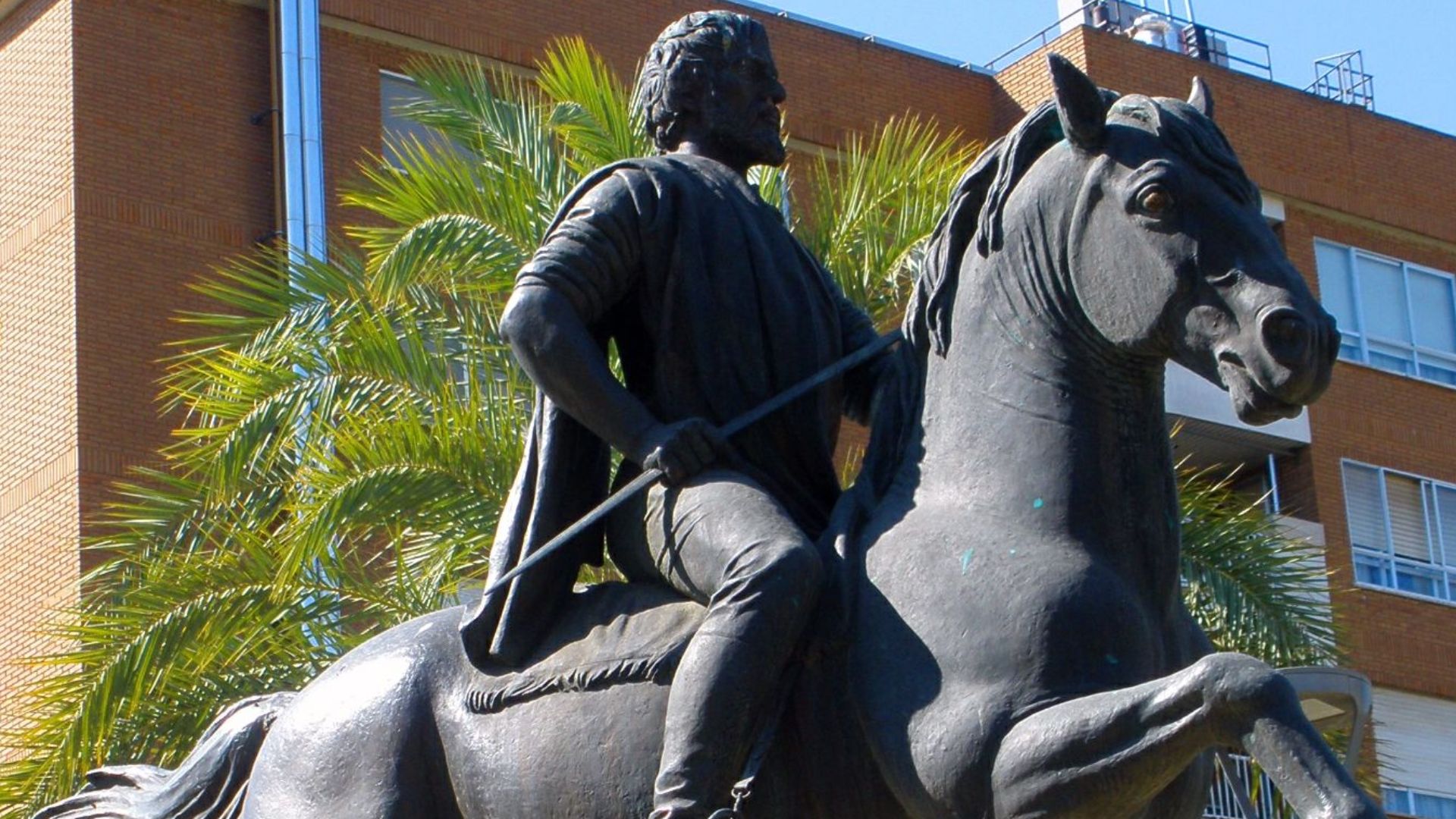
De Soto Encountered The Mississippi
Hernando de Soto entered the North American Southeast in 1539 seeking wealth and territory. His expedition found no coveted treasure troves but reached the Mississippi River in 1541. The journey devastated communities encountered along its route.
Coronado's Canyon Surprise
Francisco Vázquez de Coronado set out in 1540 after reports of wealthy cities. Instead, his forces found inhabited Pueblo settlements. Members of the expedition, guided by Hopi people, also reached the Grand Canyon's immense rim.
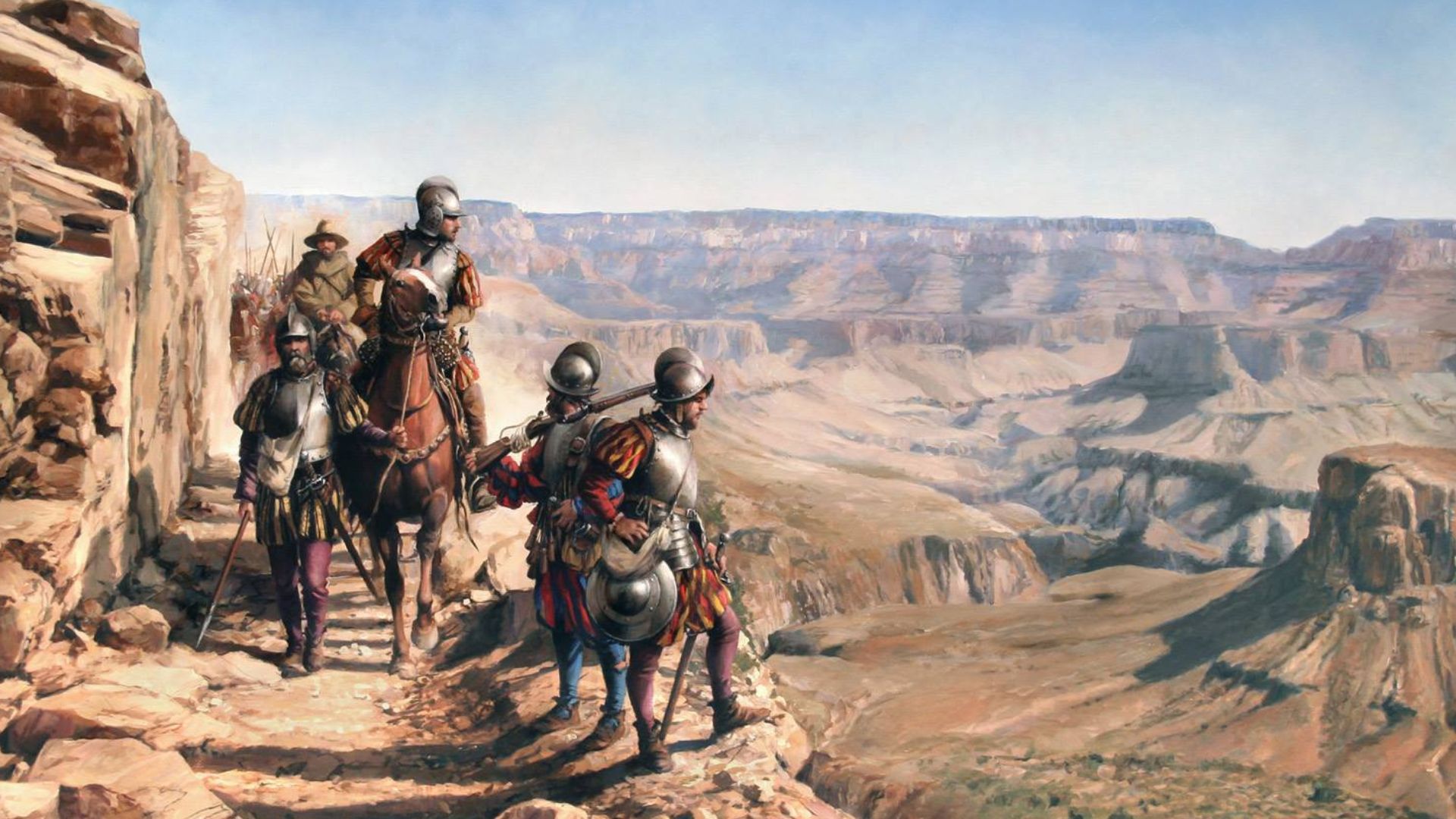 Augusto Ferrer-Dalmau Nieto, Wikimedia Commons
The Amazon Cinnamon Detour
Gonzalo Pizarro's party entered the eastern Andes seeking cinnamon and rumored riches. Sent downstream for food, Francisco de Orellana traveled onward through the Amazon river system to the Atlantic. The supply mission became an extraordinary river journey.
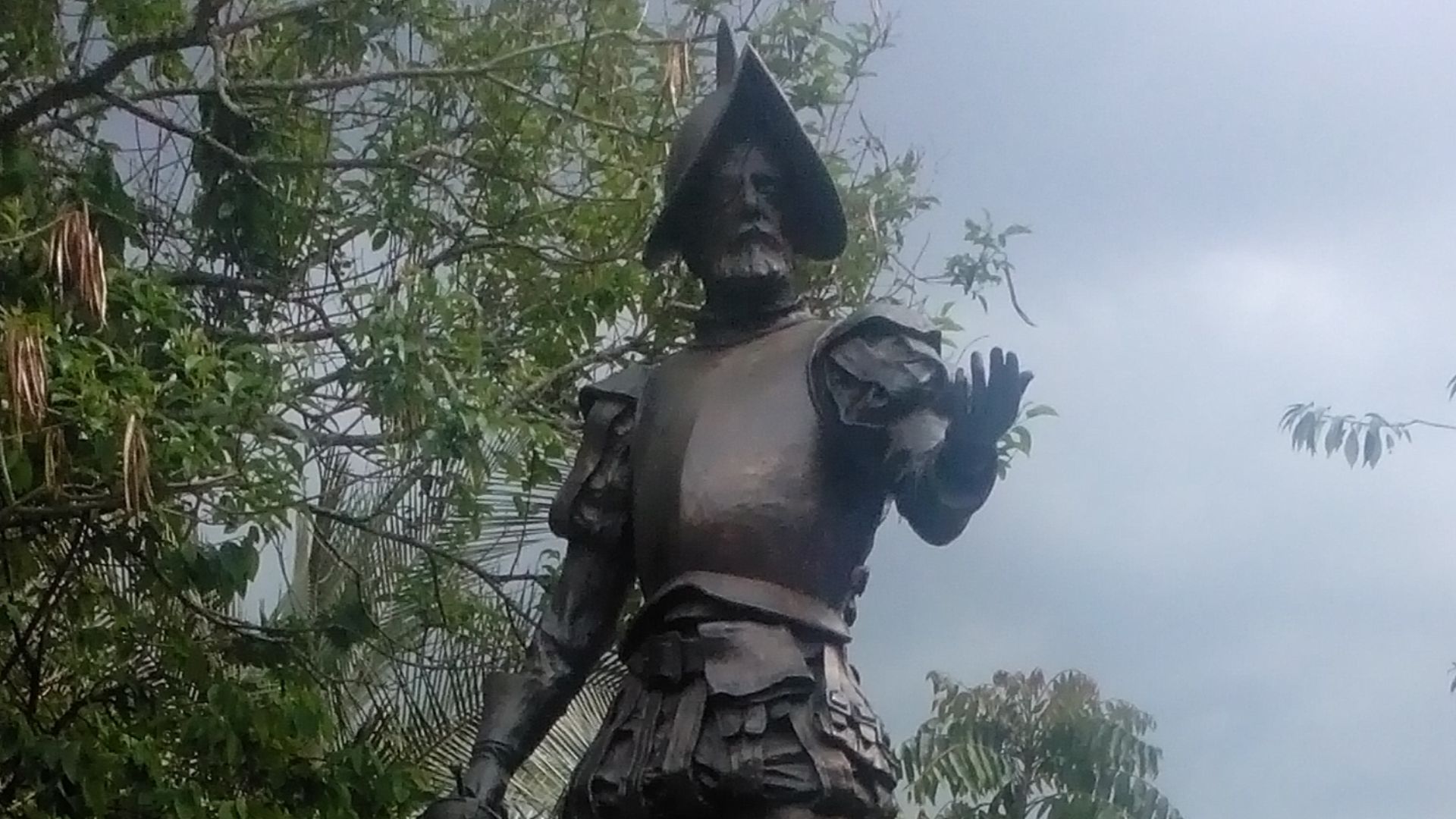 Segundonome, Wikimedia Commons
Frobisher's Treasure Wasn't Treasure
Martin Frobisher searched for a northern sea route to Asia in the 1570s. He instead encountered a Canadian bay and collected rocks believed to contain gold. Later testing revealed the supposedly valuable ore was worthless.
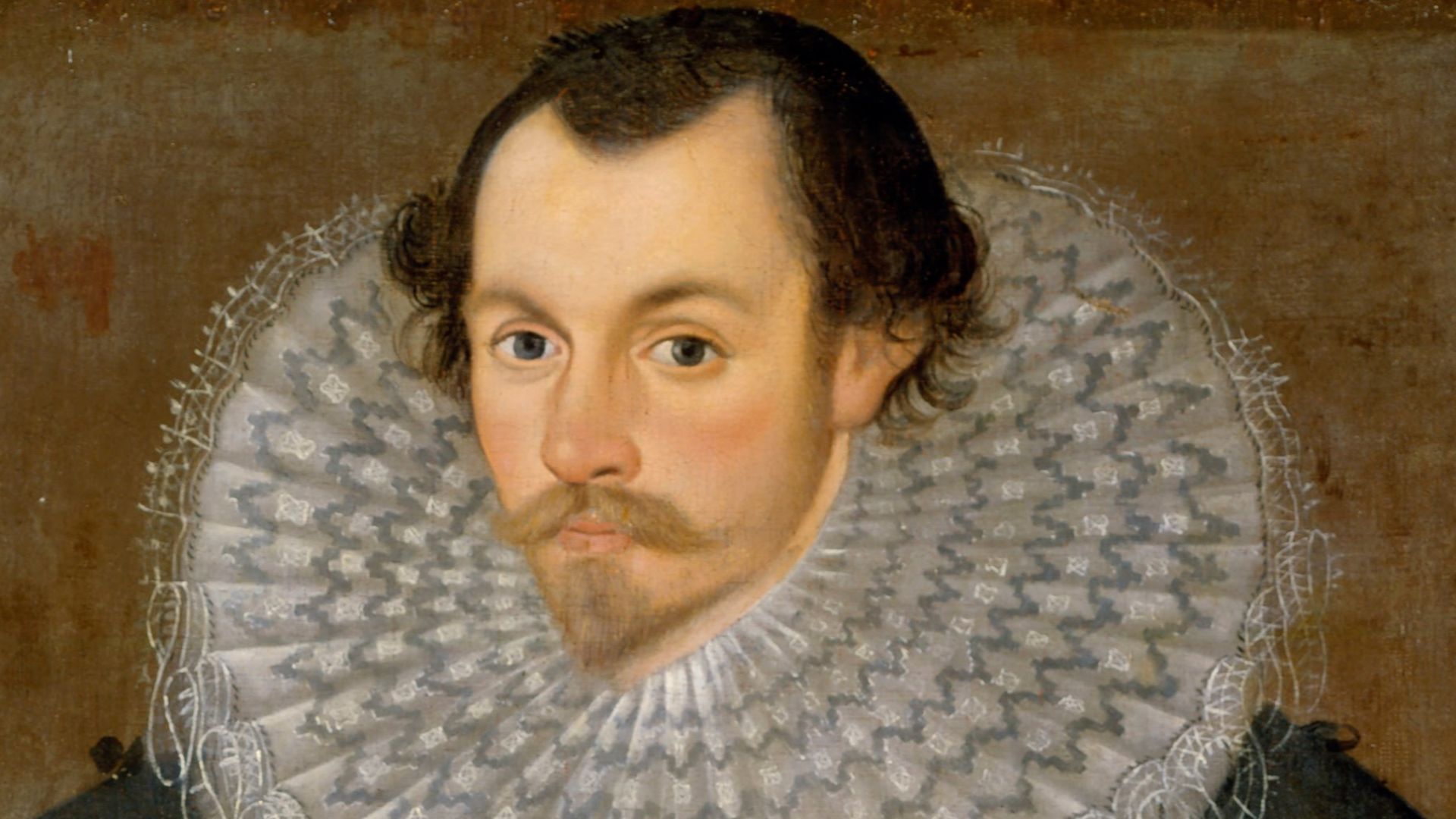 After Hieronimo Custodis, Wikimedia Commons
Barents Found Arctic Islands
Willem Barents sailed north hoping for a northeastern passage to Asia. His 1596 expedition encountered Bear Island and Spitsbergen instead. Ice trapped the crew near Novaya Zemlya, forcing an Arctic winter rather than the profitable voyage envisioned.
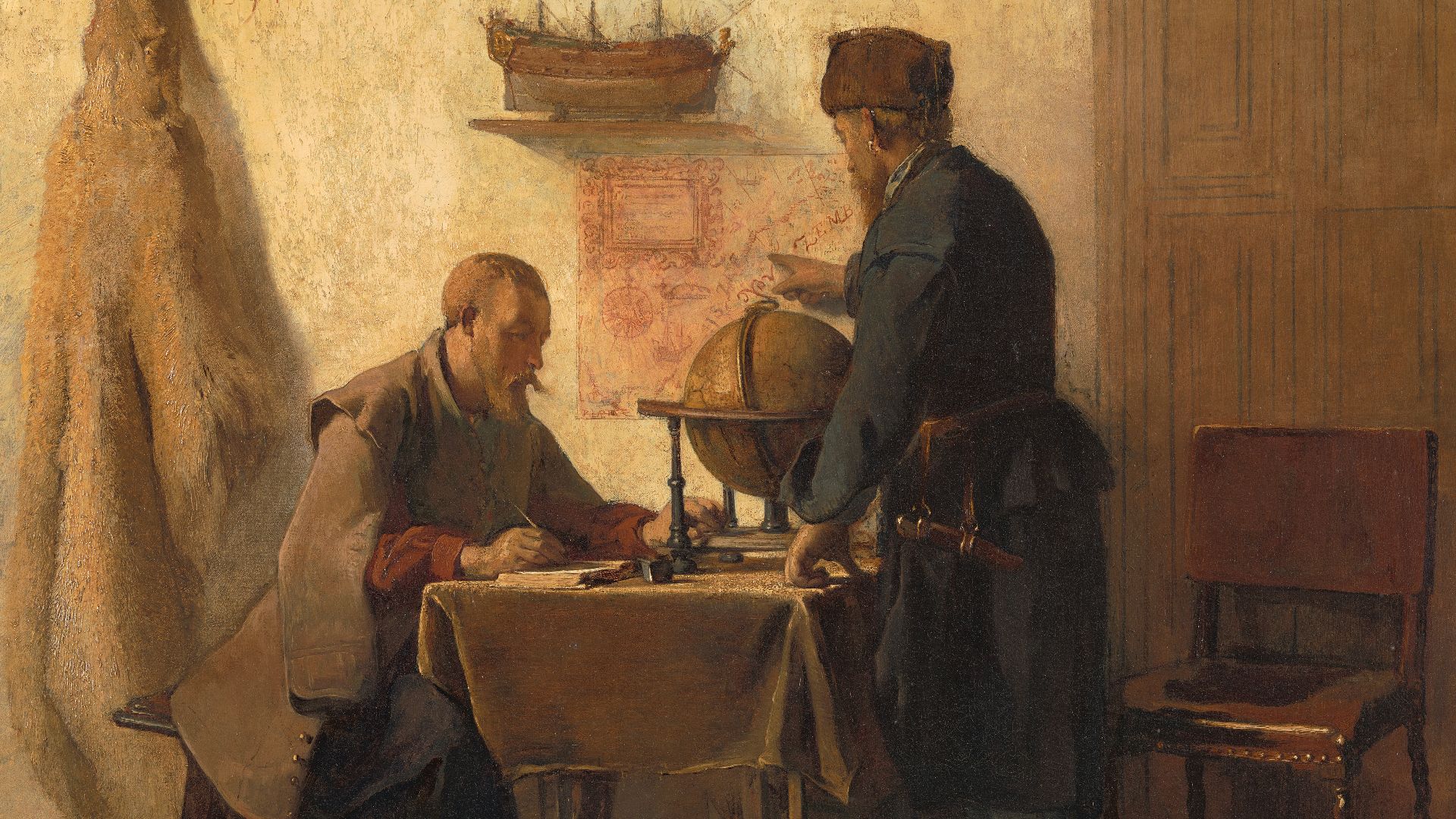 Christoffel Bisschop, Wikimedia Commons
Hudson's Bay With No Exit
Henry Hudson pursued a Northwest Passage in 1610. His vessel sailed through the strait now bearing his name into Hudson Bay, not the Pacific. After a frozen winter, a mutiny left Hudson and several companions adrift.
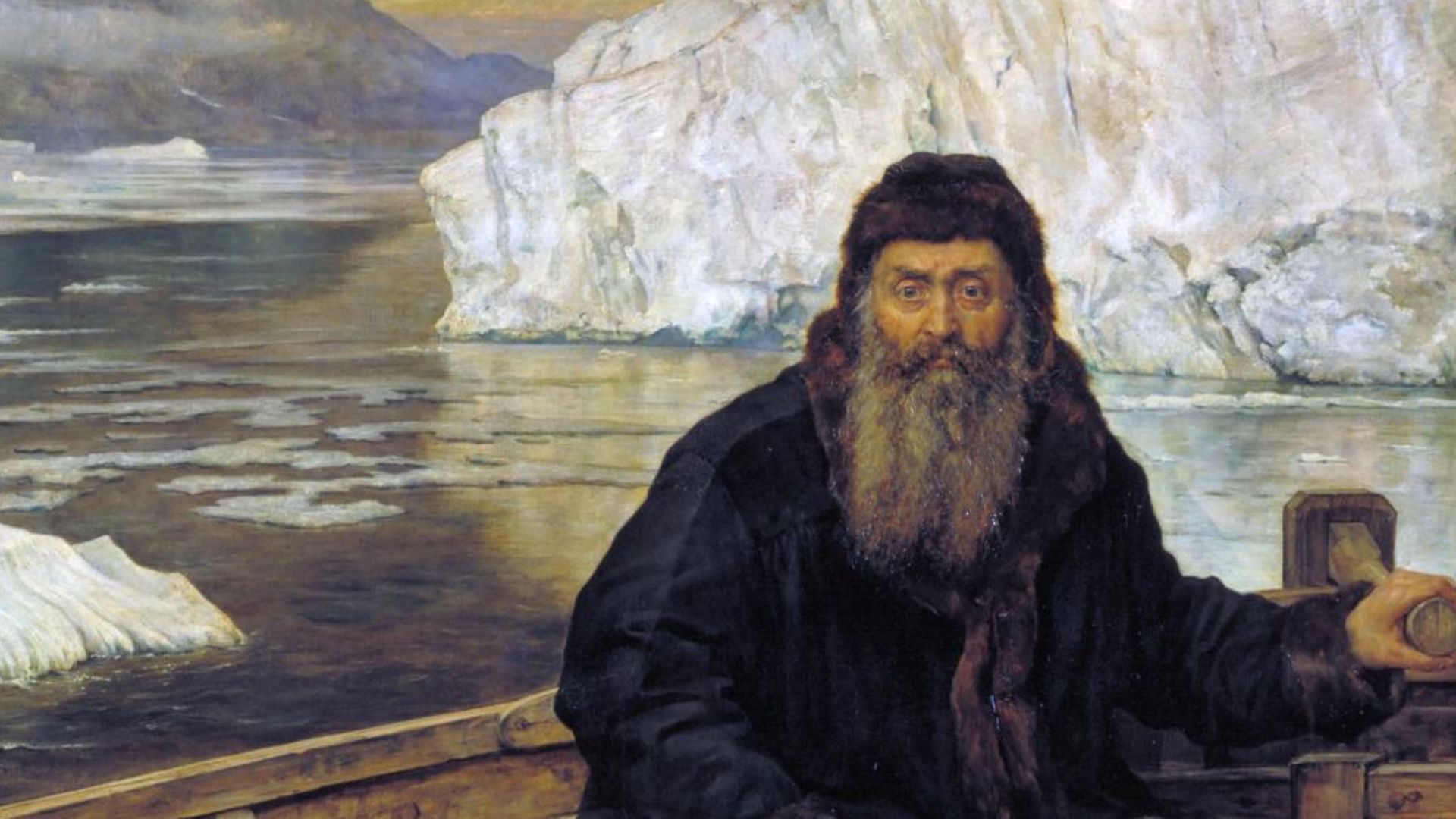 John Collier, Wikimedia Commons
Tasman Found Islands Instead
Abel Tasman's 1642 voyage sought exploitable southern lands and a possible Pacific route to Chile. Instead, he charted parts of Tasmania and encountered New Zealand. Neither place was the vast southern continent his backers imagined.
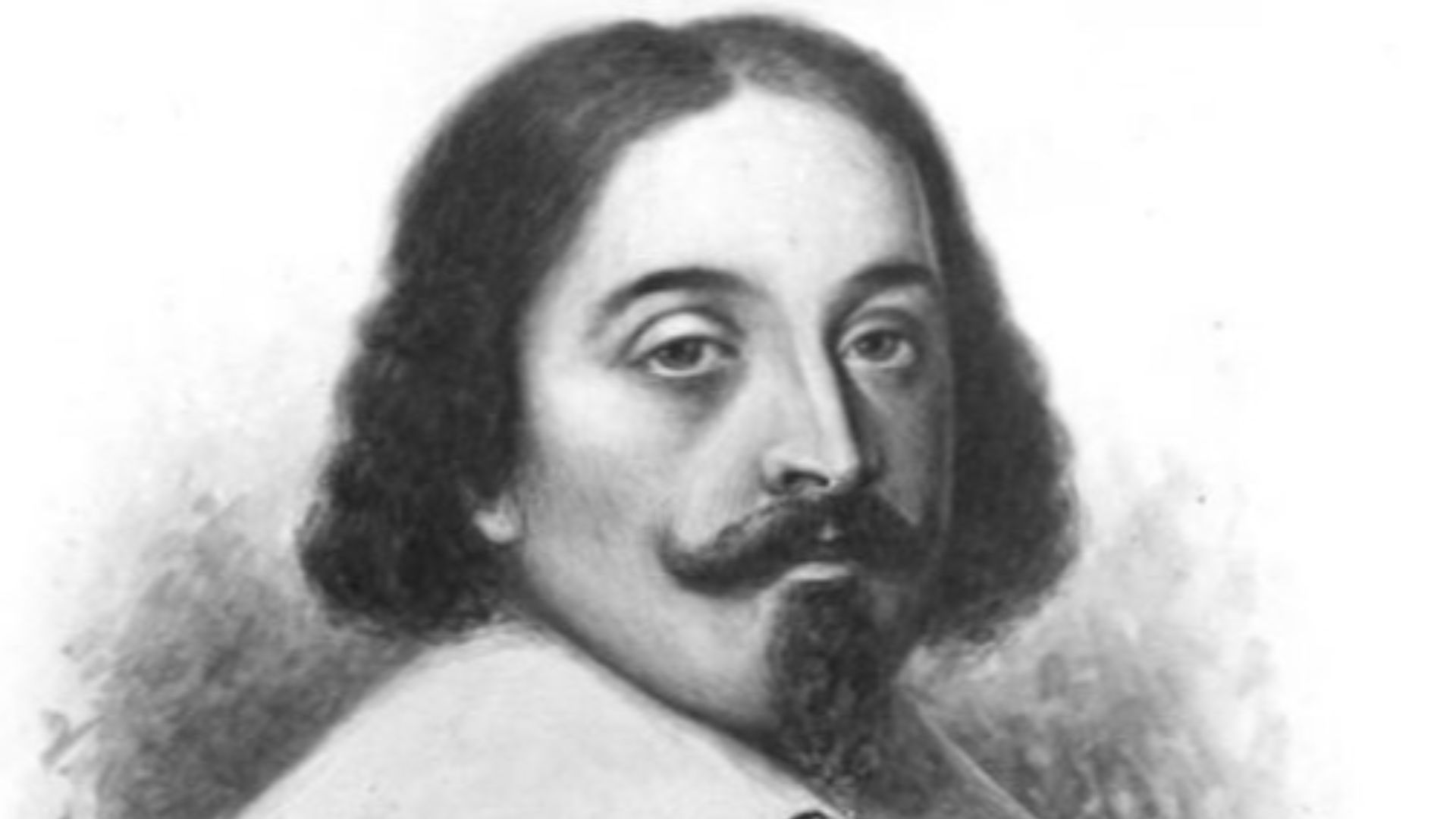 Archives New Zealand from New Zealand, Wikimedia Commons
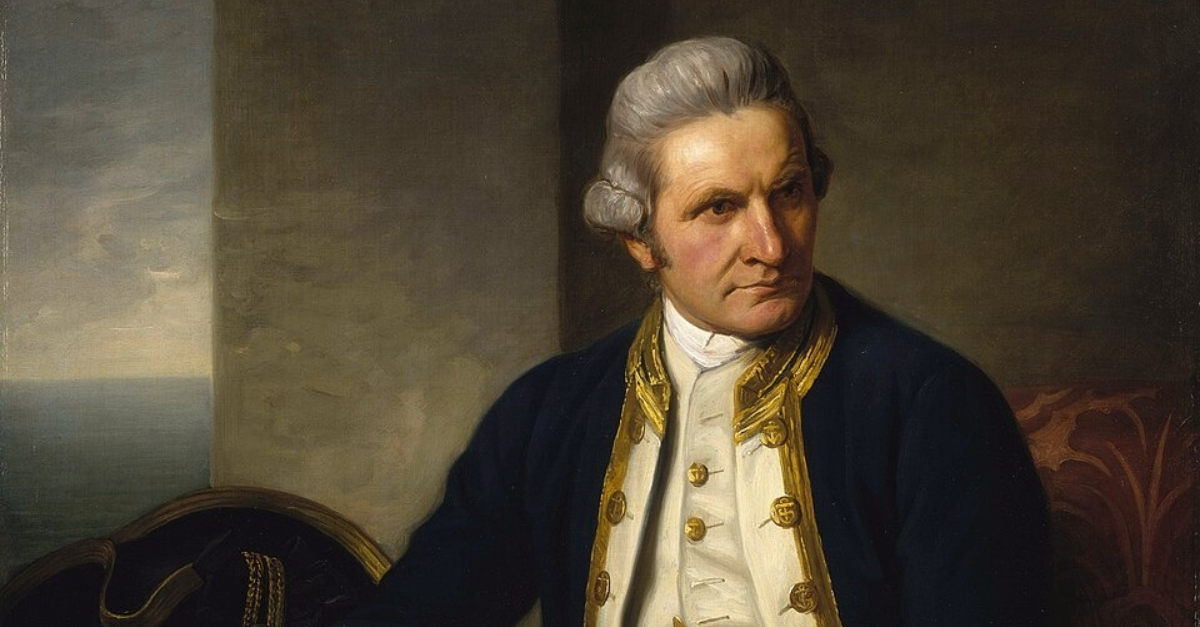
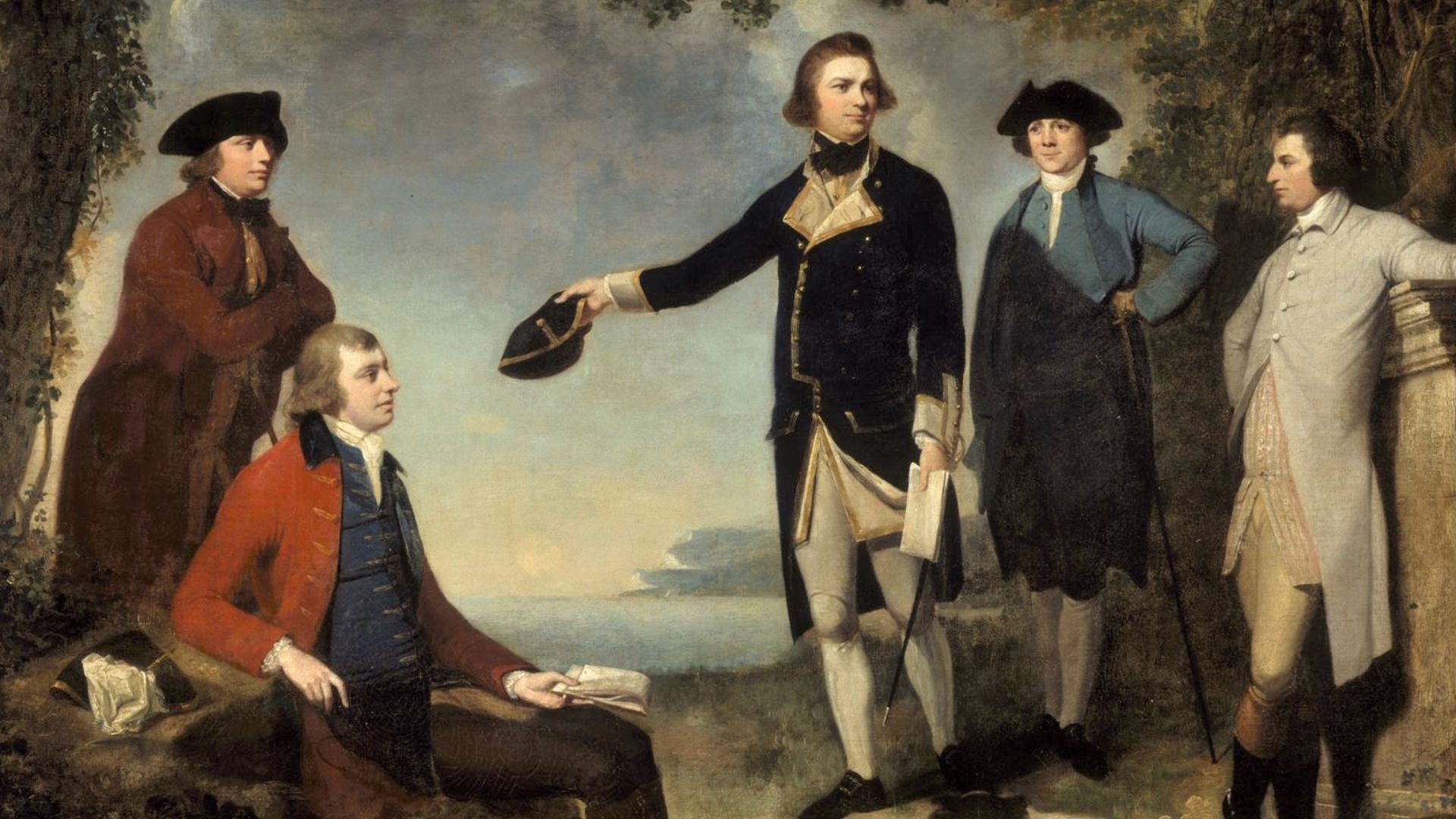
Cook's Journey Beyond Tahiti
James Cook sailed toward Tahiti to observe Venus crossing the Sun in 1769. Secret instructions then directed him to search for a southern continent. His expedition charted New Zealand and Australia's eastern coastline instead.
Mackenzie's Route Led North
In 1789, Alexander Mackenzie tested whether a river from Great Slave Lake reached the Pacific. It led to the Arctic Ocean instead. Accompanied by Indigenous guides and fellow travelers, he mapped a major northern waterway.
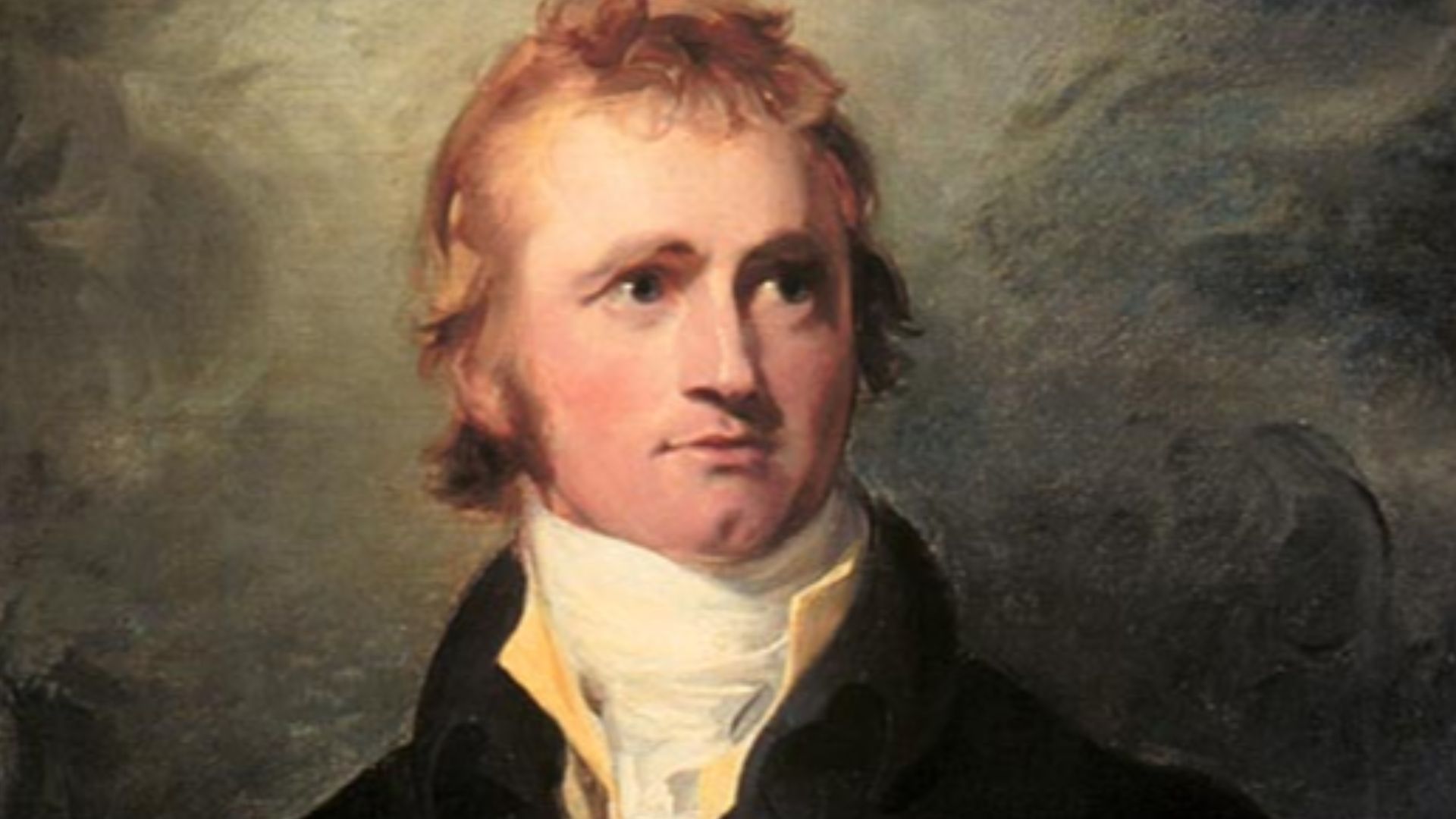 Thomas Lawrence, Wikimedia Commons
Napoleon's Rosetta Stone Surprise
Napoleon's forces entered Egypt pursuing military objectives. While rebuilding a fort in 1799, French soldiers uncovered a stone bearing three writing systems. The unexpected artifact later enabled researchers to decipher ancient Egyptian hieroglyphs.
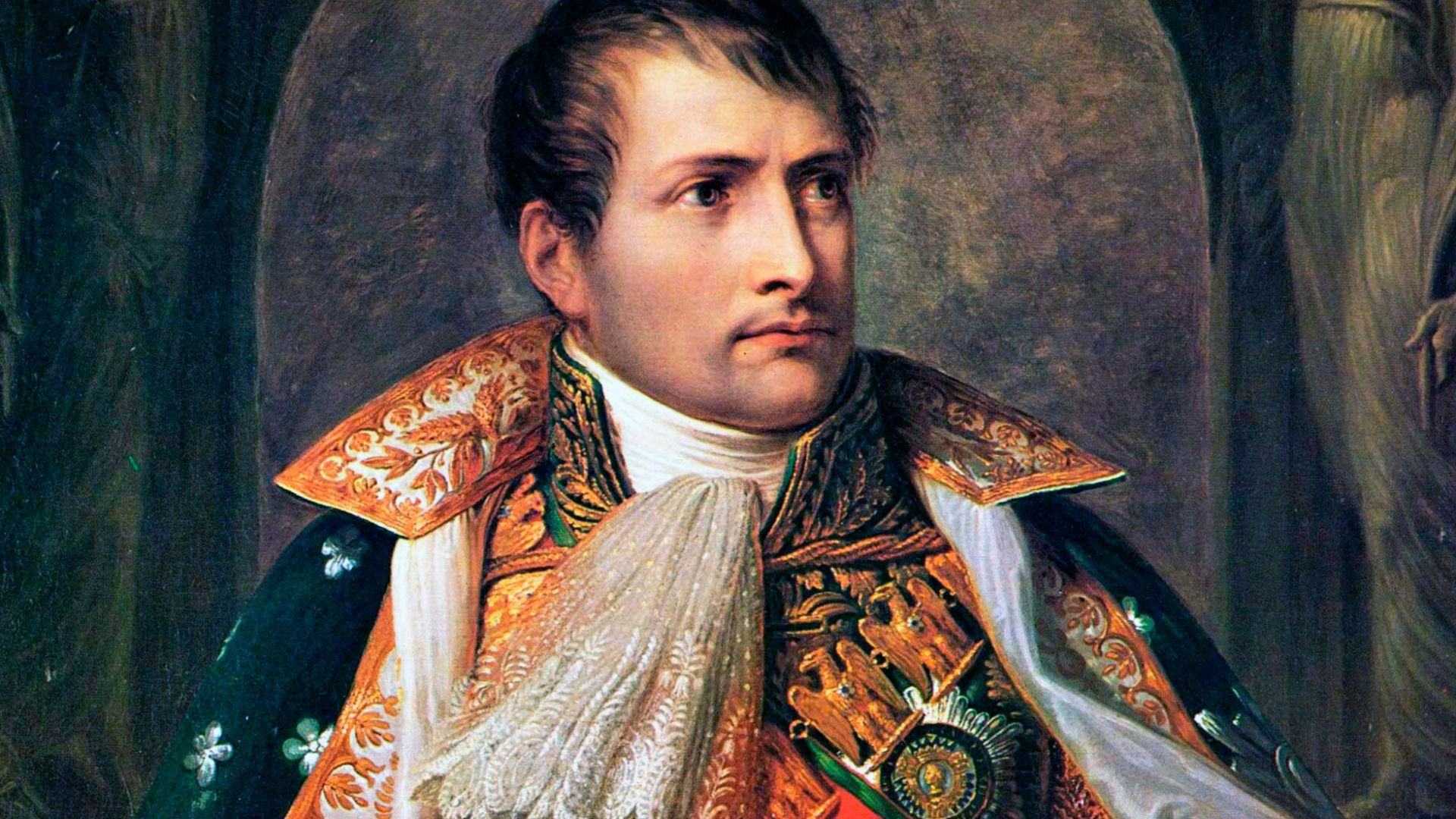 Andrea Appiani, Wikimedia Commons
Lewis And Clark Met Mountains
President Jefferson wanted Lewis and Clark to investigate a navigable water route toward the Pacific. Their 1804–1806 expedition encountered the Rocky Mountains instead. With Indigenous guidance, they crossed overland and documented geography and wildlife.
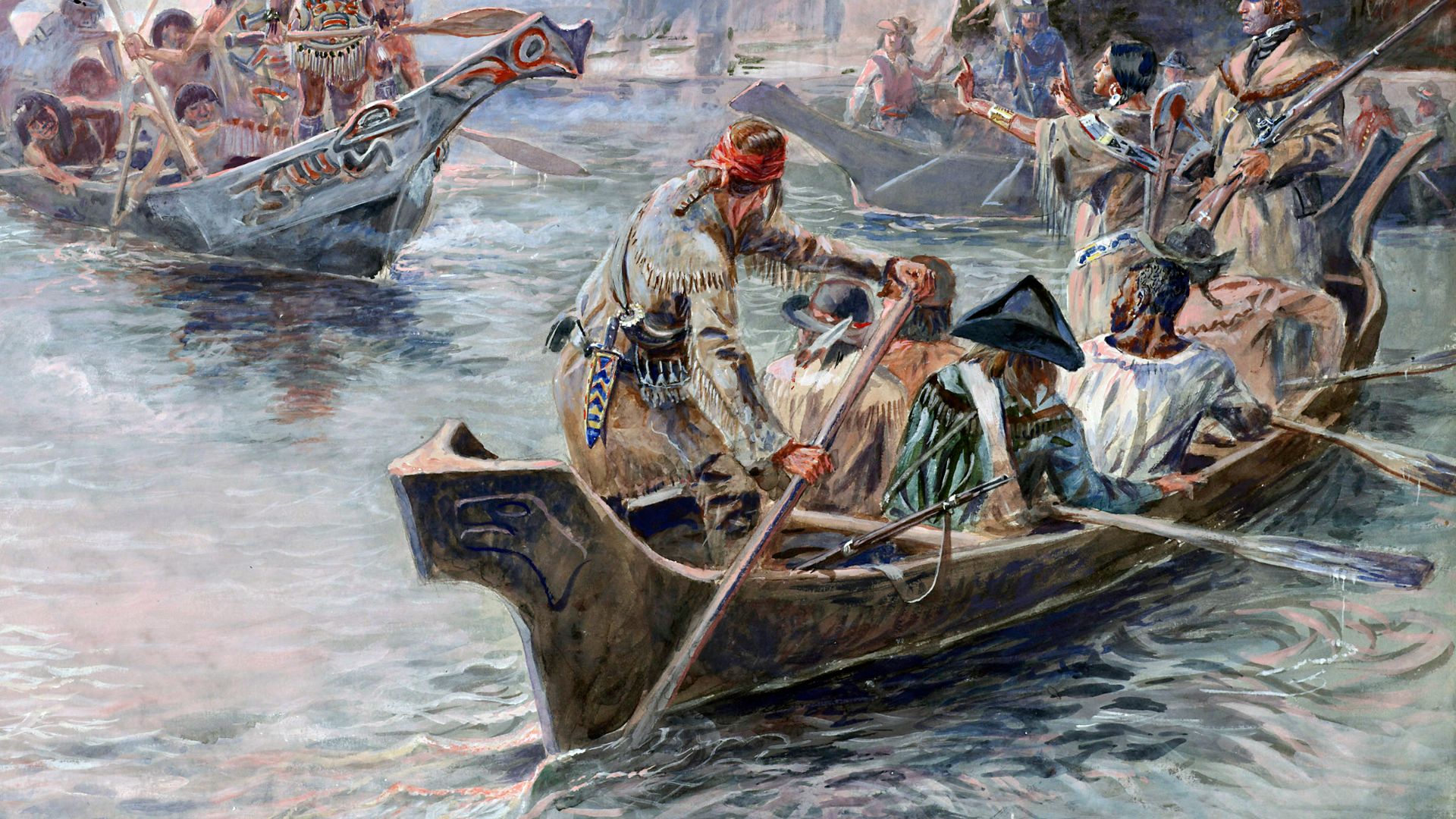 Charles Marion Russell, Wikimedia Commons
Burckhardt's Petra Detour
Johann Ludwig Burckhardt prepared to explore Africa and investigate the Niger River. Traveling through the Middle East in 1812, he reached Petra instead. Local residents knew the ancient city, but his account introduced it to many Europeans.
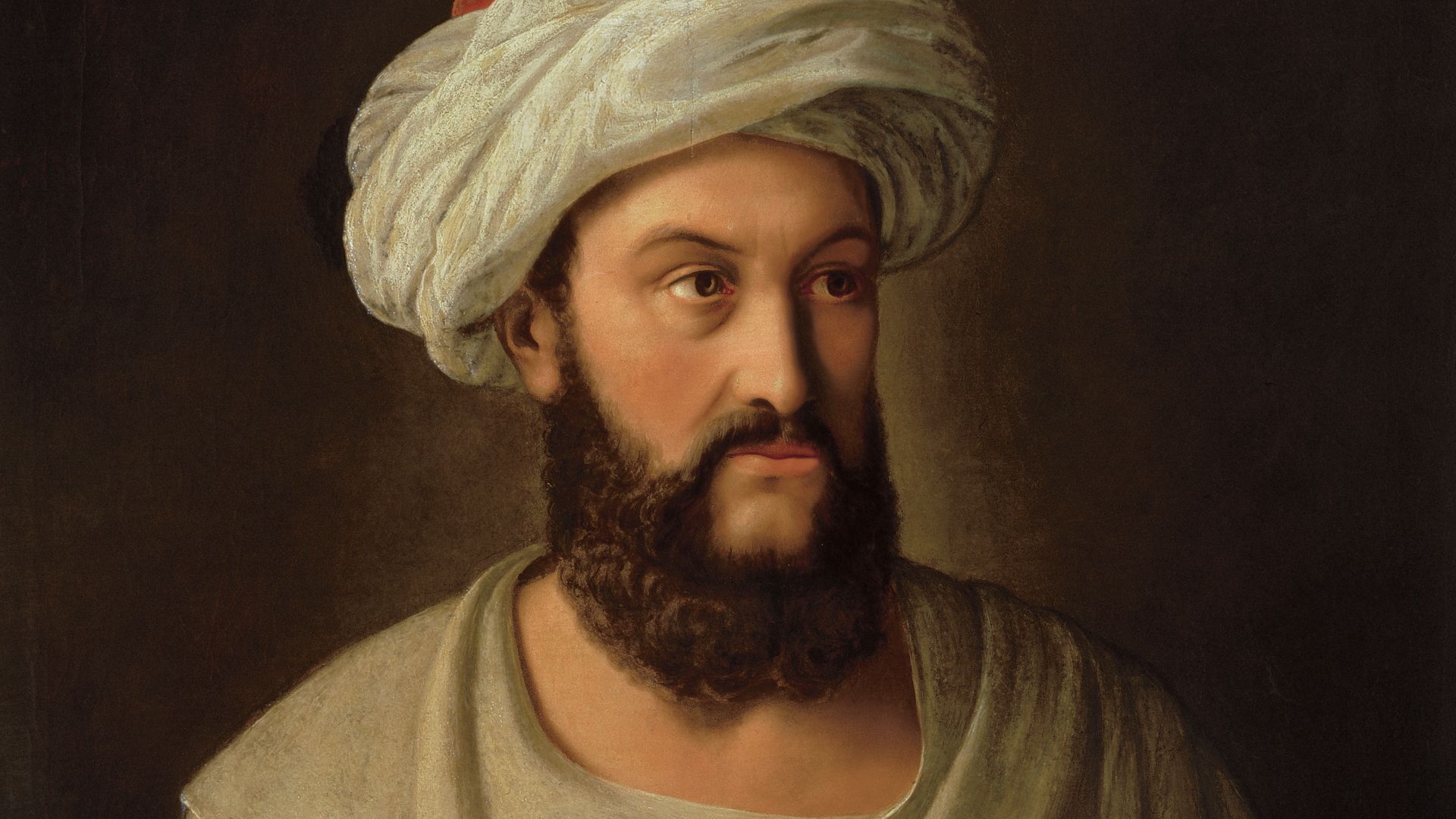 Maurice Babey, Wikimedia Commons
Darwin's Unexpected Voyage
HMS Beagle embarked in 1831 on a surveying voyage. Aboard was Charles Darwin, who collected fossils, studied geology and observed wildlife across South America and the Galápagos. Those experiences later shaped his theory of natural selection.
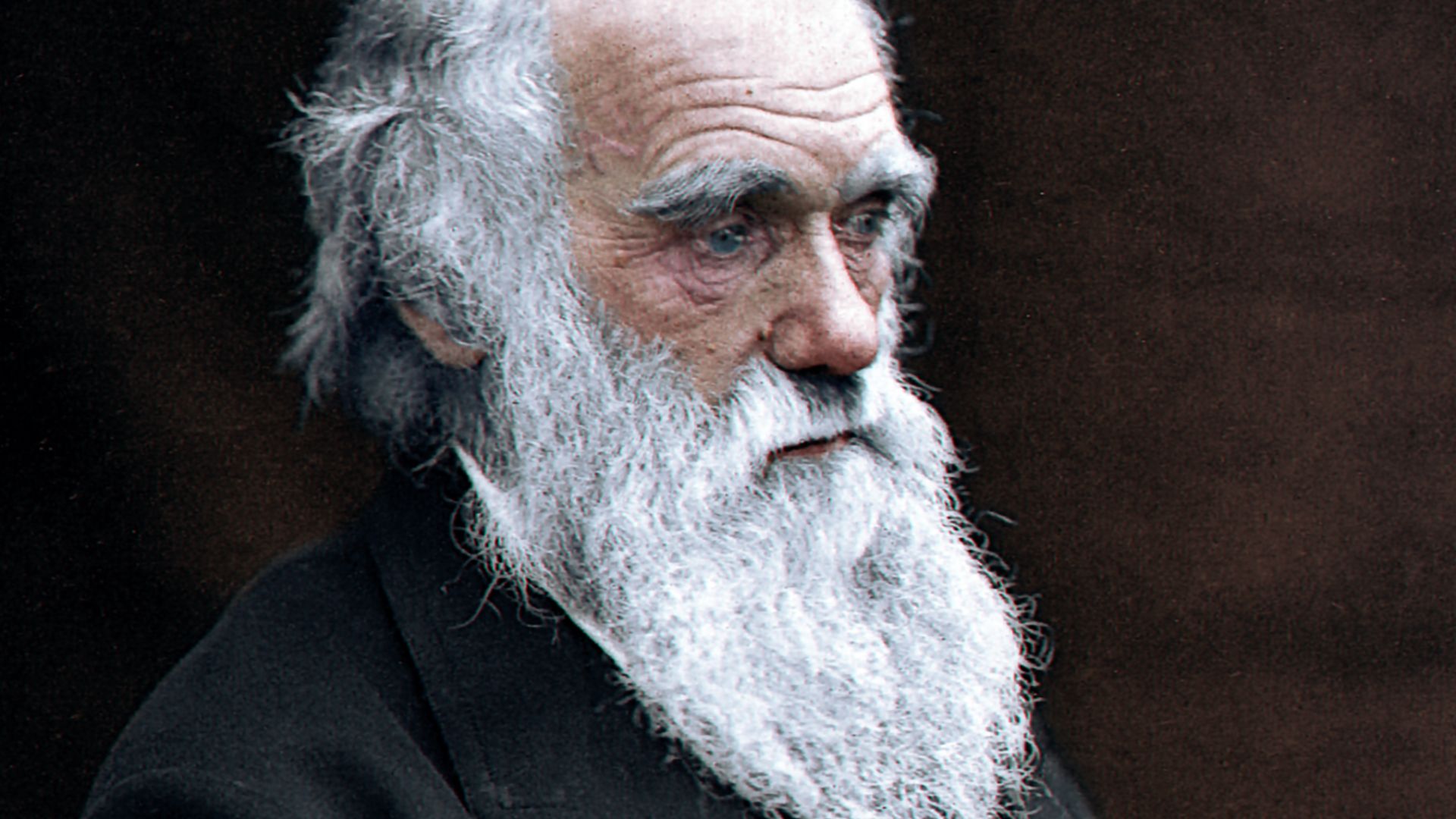 Leonard Darwin, colorized by Julius Jääskeläinen, Wikimedia Commons
Ross Found Ice, Not A Pole
James Clark Ross led an Antarctic magnetic survey aboard Erebus and Terror beginning in 1839. The south magnetic pole remained beyond reach. His expedition instead mapped the Ross Sea and encountered the vast Ross Ice Shelf.
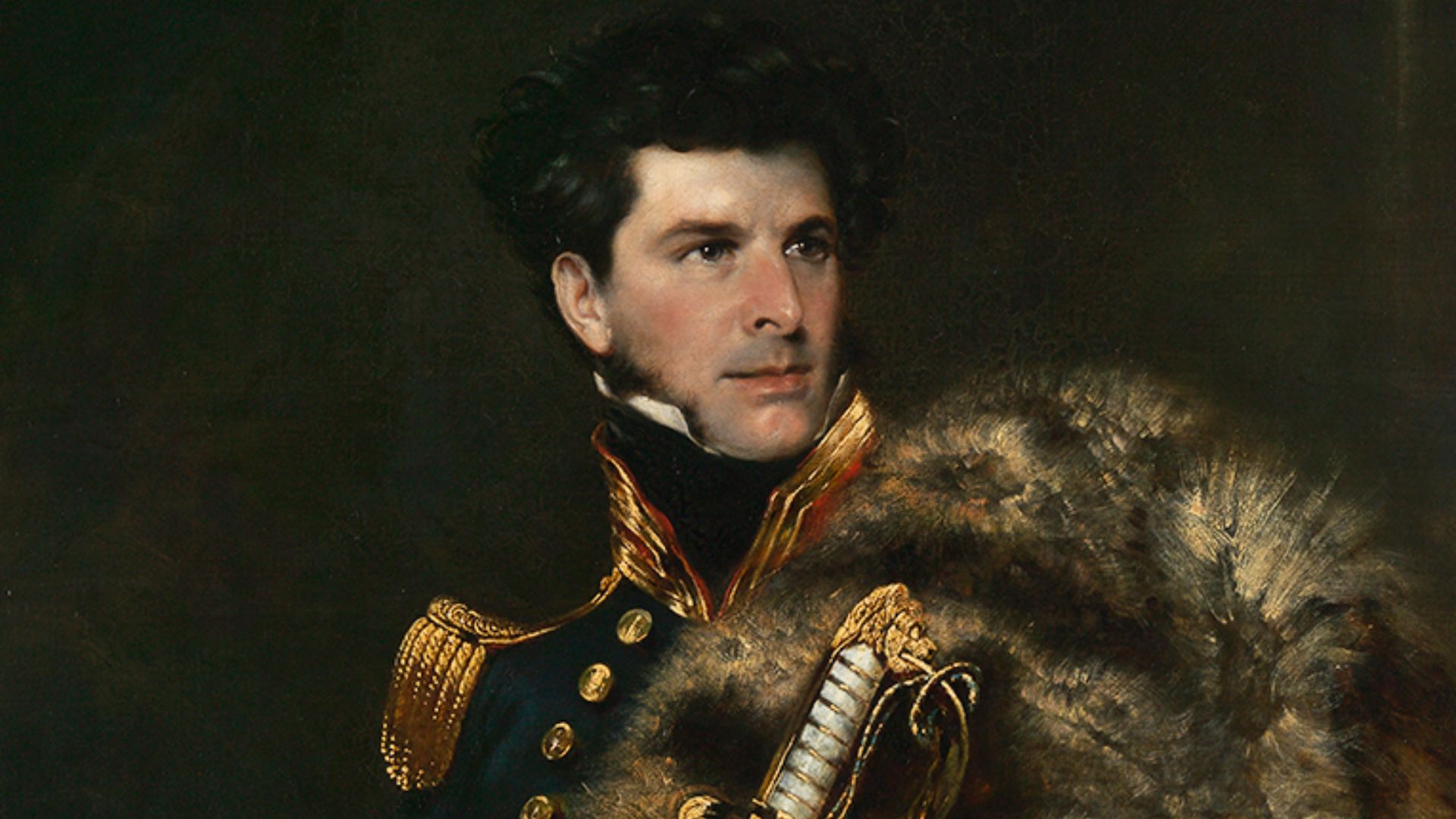 Wildman, John R. (1785), Wikimedia Commons
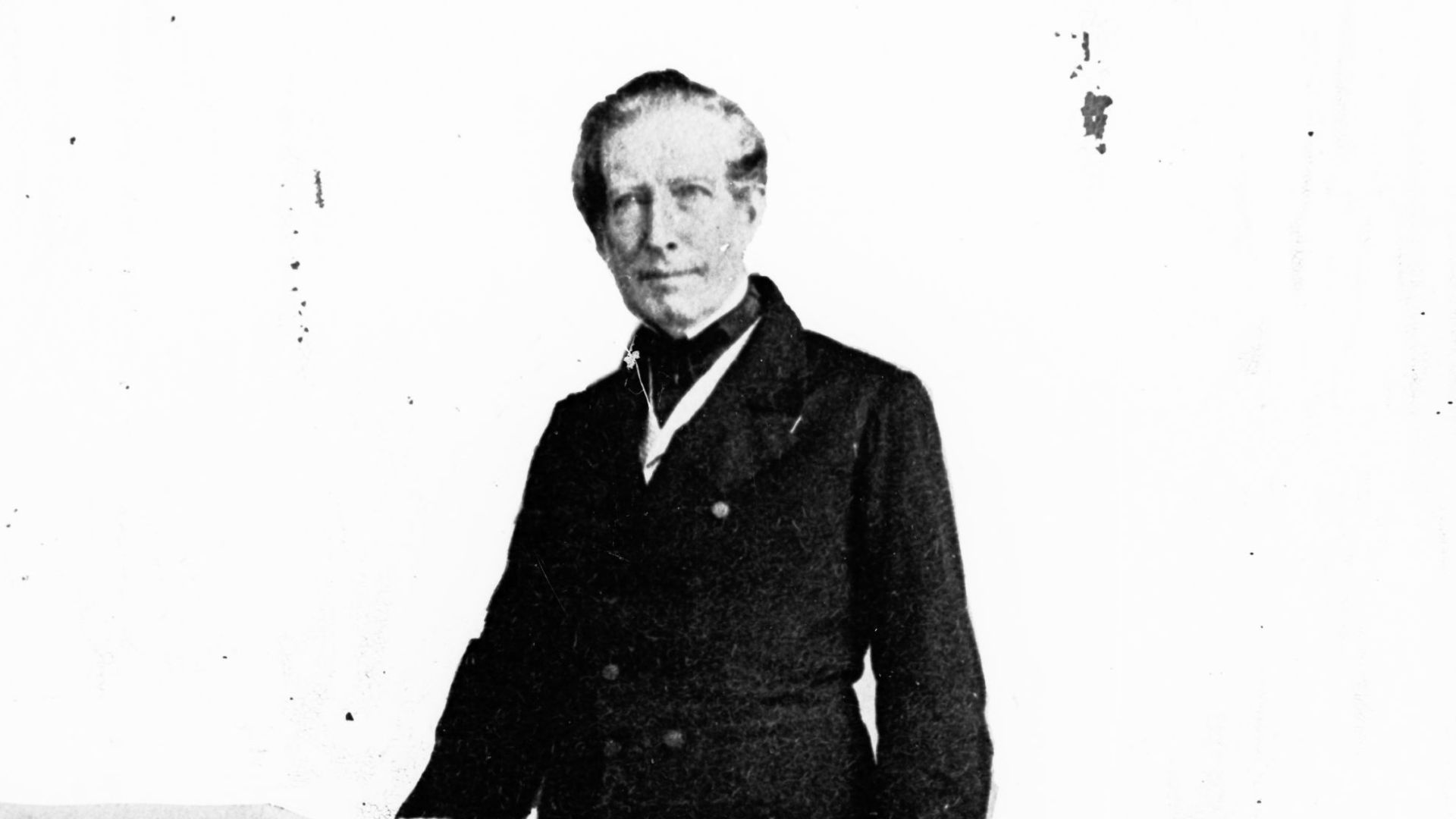
Sturt's Boat In The Desert
Charles Sturt hoped to locate an inland sea in Australia. His 1844 expedition carried a boat, but the promised water never appeared. Instead, his party confronted extreme heat and the stony and sandy deserts of the interior.
 State Government Photographer, Wikimedia Commons
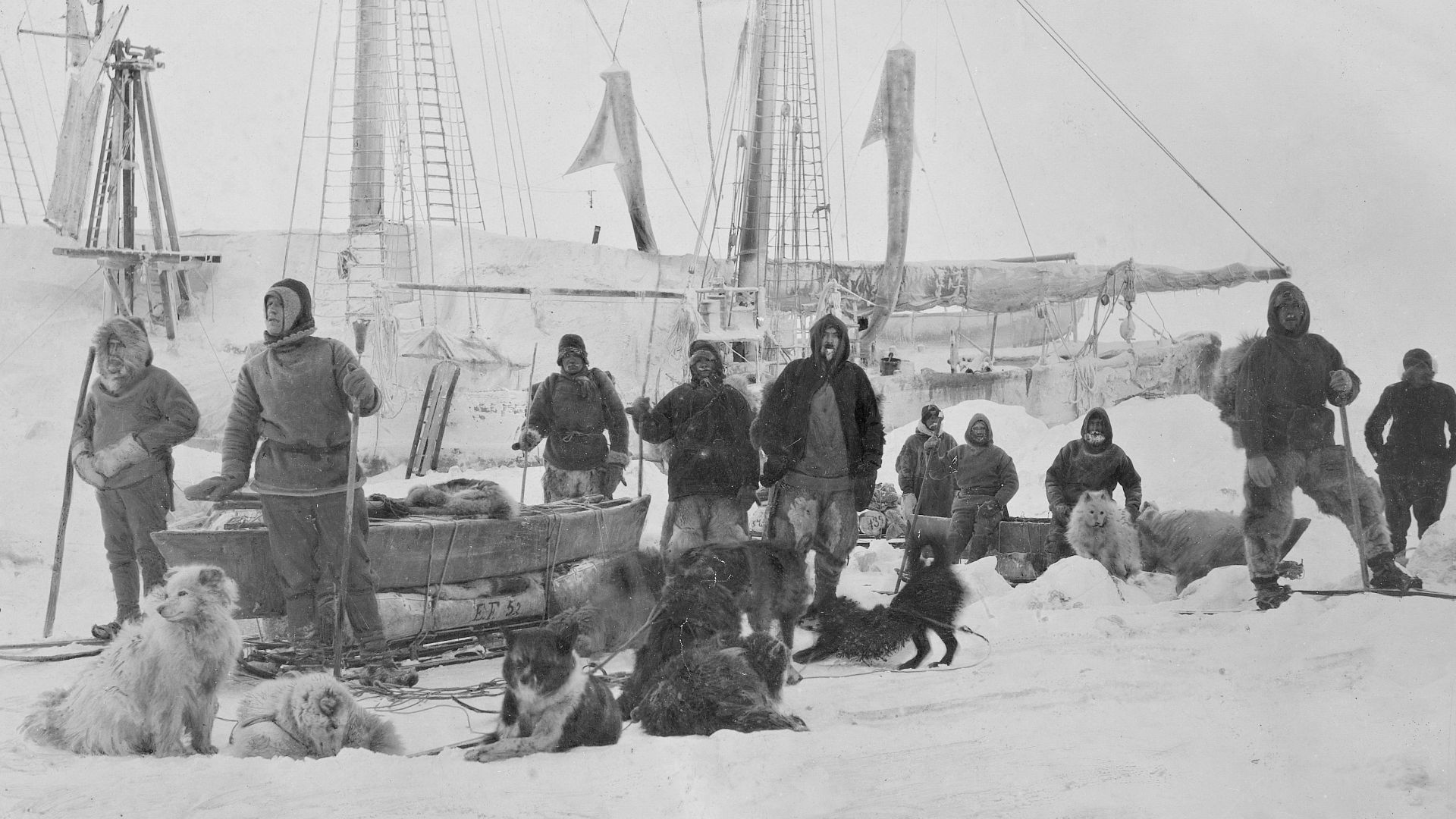
Nansen's North Pole Detour
Fridtjof Nansen hoped Arctic currents would carry his specially built ship Fram toward the North Pole. Instead, the ship drifted through unexplored waters, gathering scientific measurements. Nansen tried reaching the pole over ice but ultimately turned back.
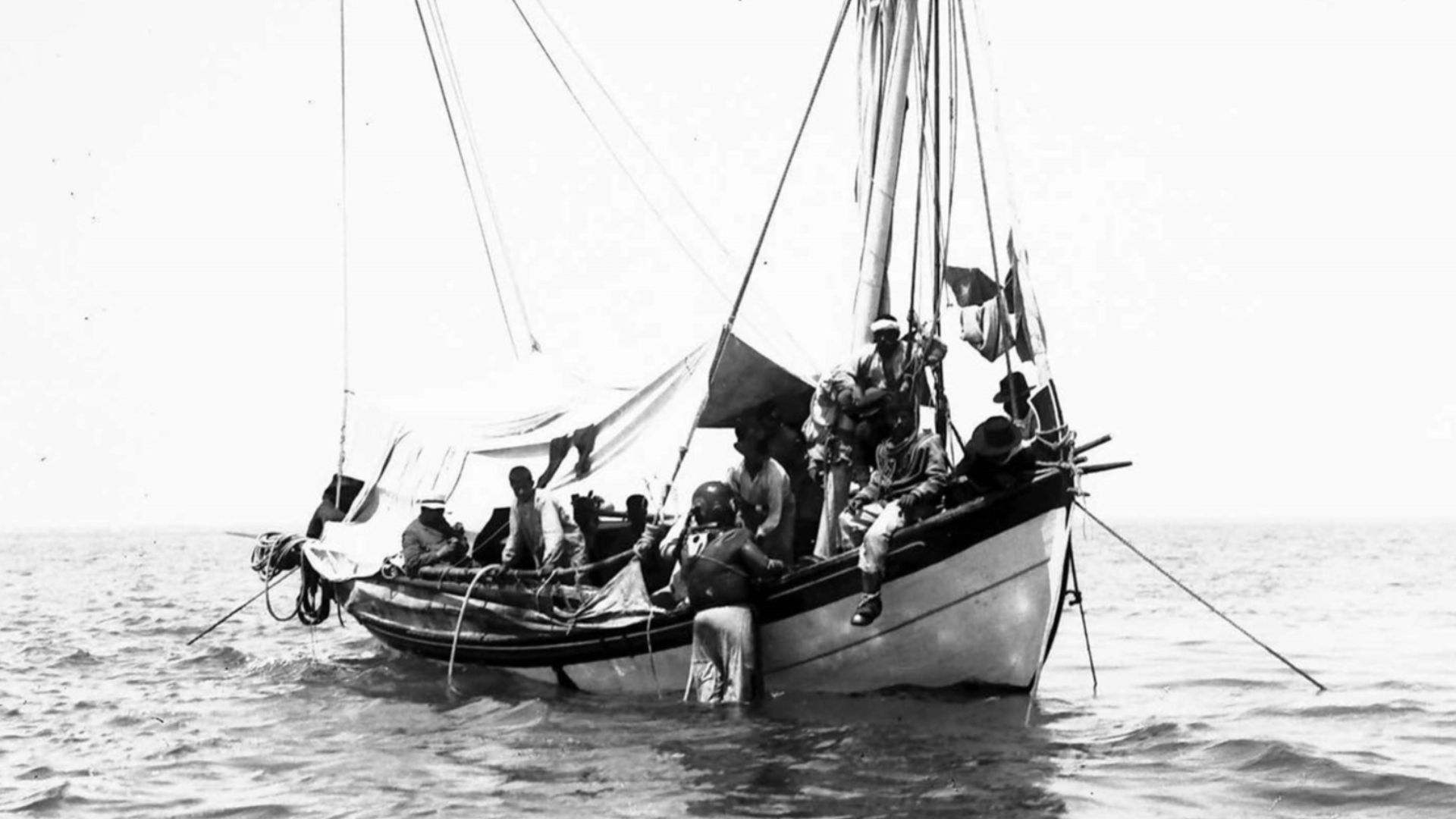
Sponge Divers Found A Shipwreck
Greek sponge divers working near Antikythera in 1900 encountered underwater statues rather than sponges. Their discovery revealed an ancient shipwreck containing the remarkable Antikythera mechanism, a complex geared device that transformed understanding of ancient technology.
 Unknown authorUnknown author, Wikimedia Commons
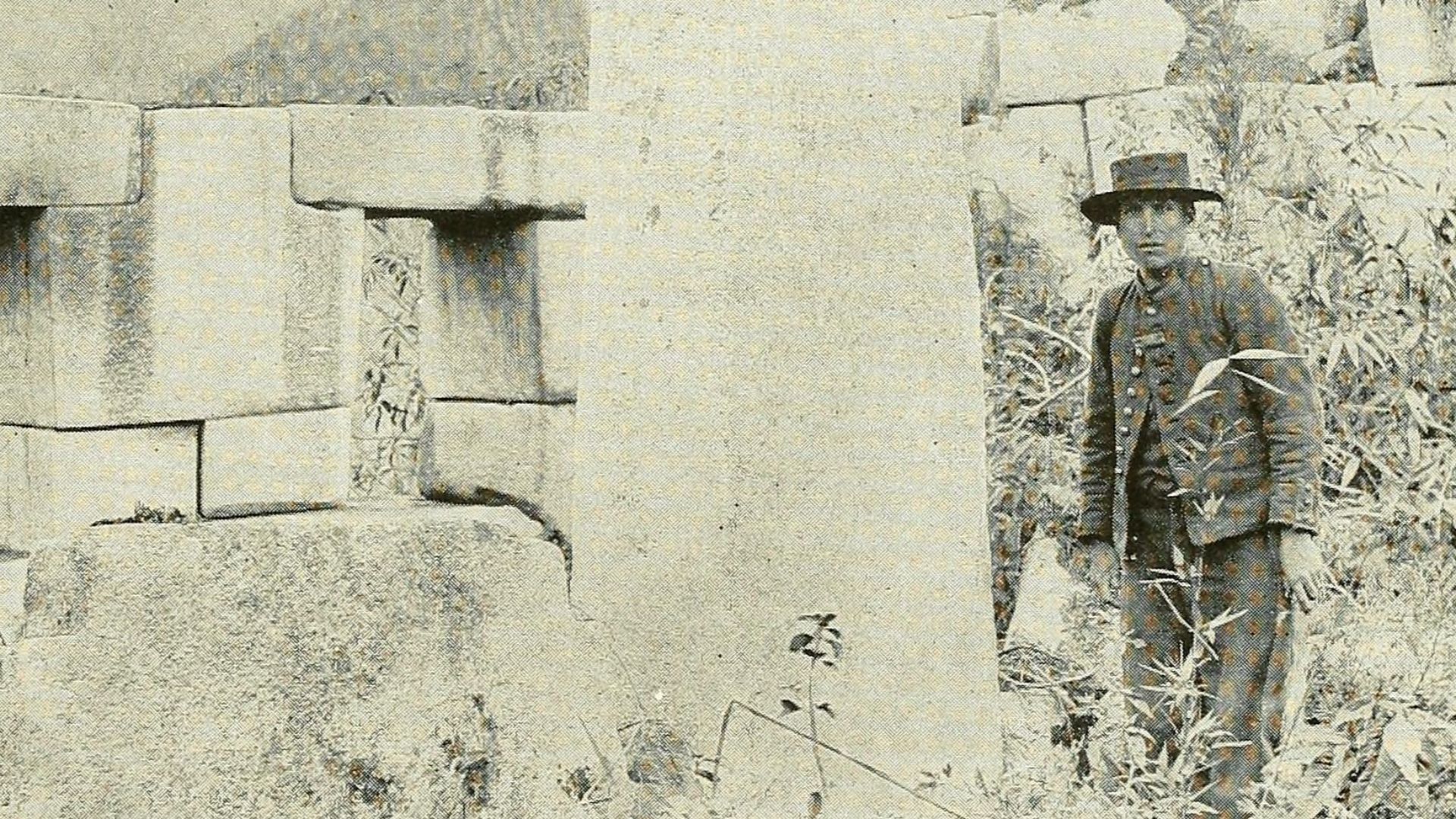
Bingham Found Machu Picchu
Hiram Bingham traveled through Peru in 1911 searching for Inca strongholds, especially Vilcabamba. Local guides brought him to Machu Picchu instead. The site was already known nearby, and it was not the final Inca capital.
 Hiram Bingham III, Wikimedia Commons
Scott's Ancient Antarctic Leaves
Robert Falcon Scott hoped to reach the South Pole first. On his party's fatal return journey in 1912, they collected fossilized Glossopteris leaves. These remains offered powerful evidence of Antarctica's ancient connections to other southern continents.
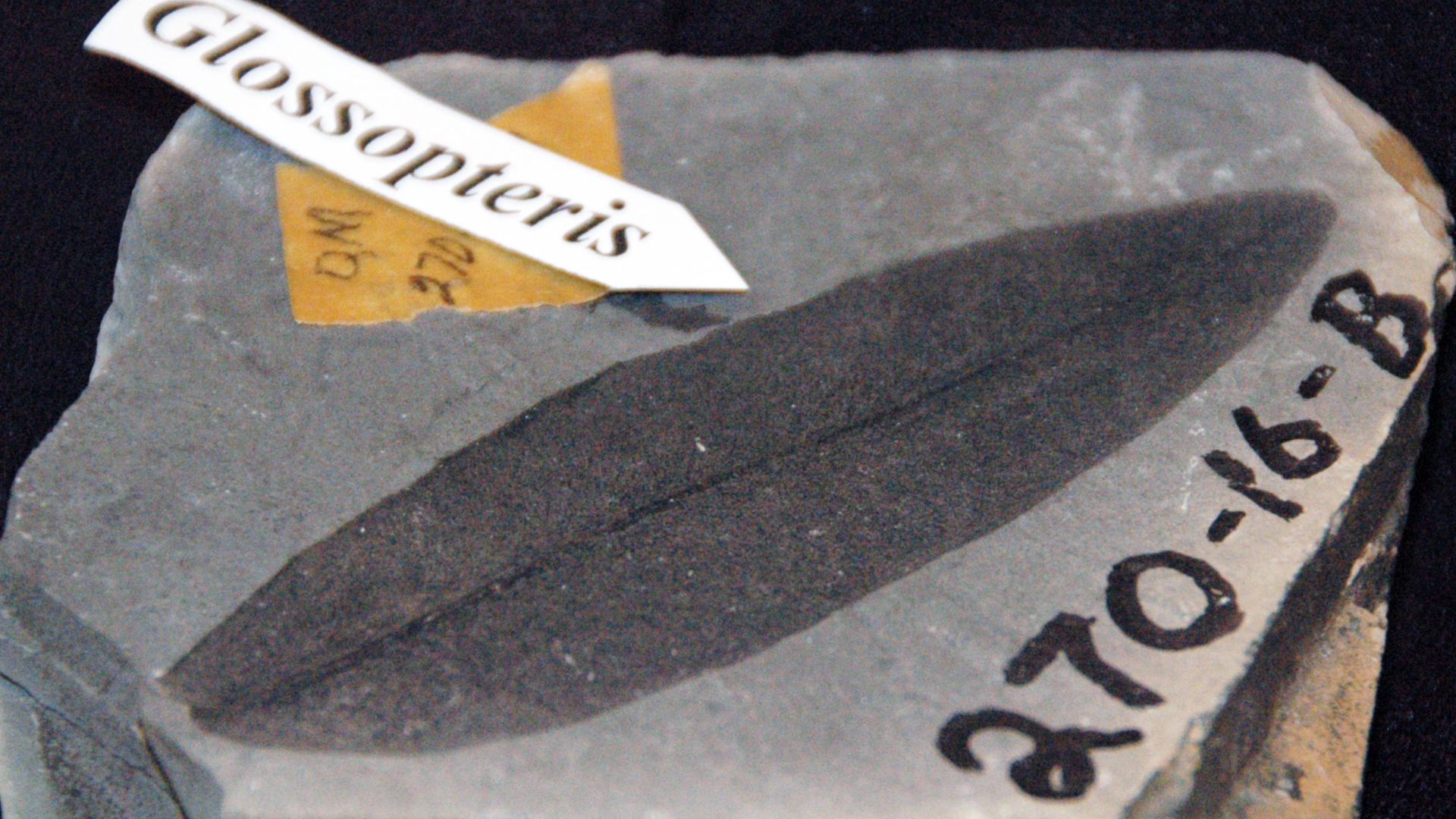 James St. John, Wikimedia Commons
Dinosaur Eggs, Not Human Fossils
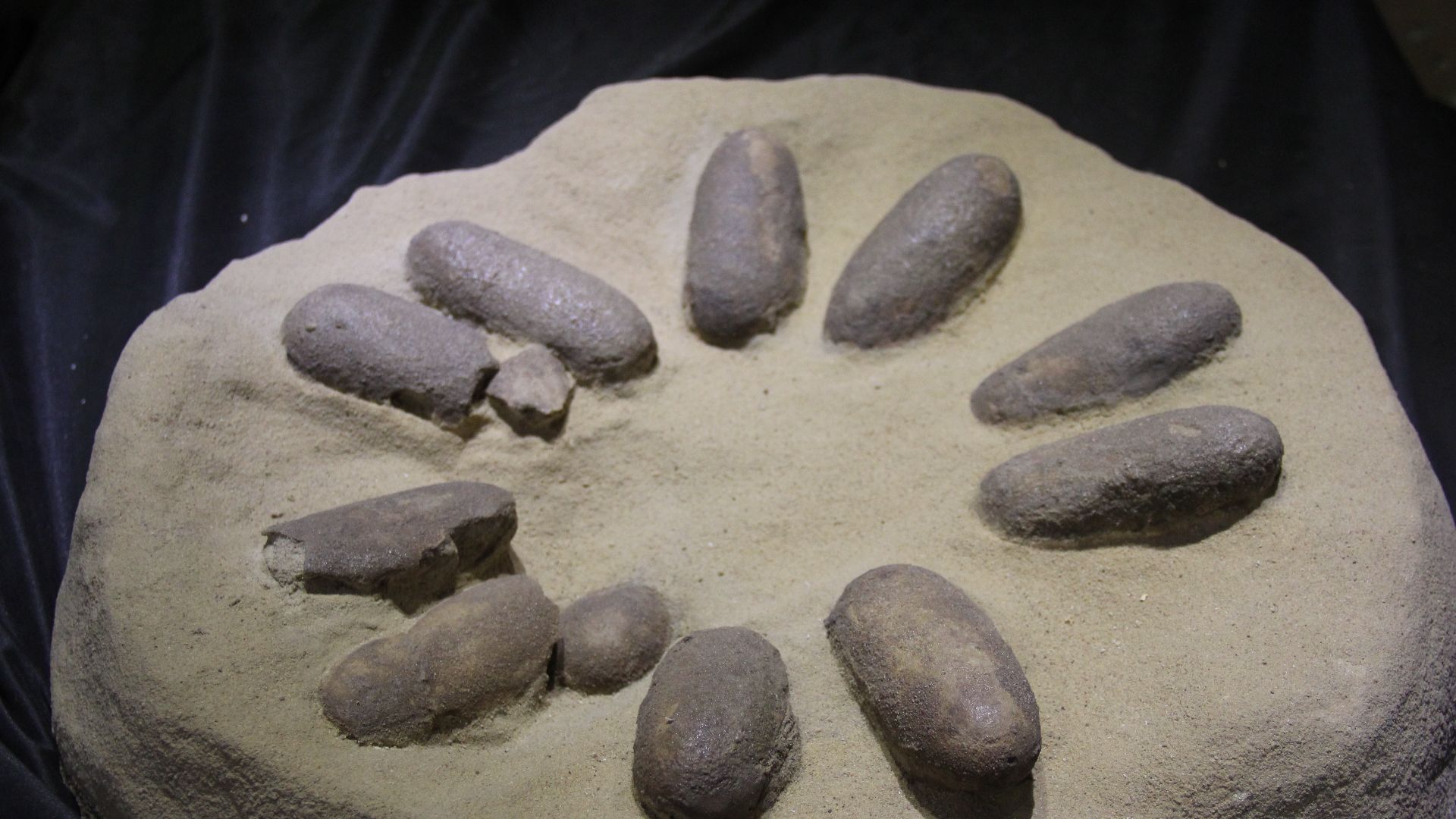
Roy Chapman Andrews led expeditions into Mongolia's Gobi Desert seeking ancient human remains. His team instead uncovered dinosaur eggs and important prehistoric animals in the 1920s. They never found the human fossils originally sought.
Alvin Found Life Without Sunlight
Researchers diving in Alvin near the Galápagos in 1977 investigated deep-sea geology. Unexpectedly, they encountered thriving animal communities around warm hydrothermal vents. The discovery transformed understanding of ecosystems powered by chemical energy rather than sunlight.
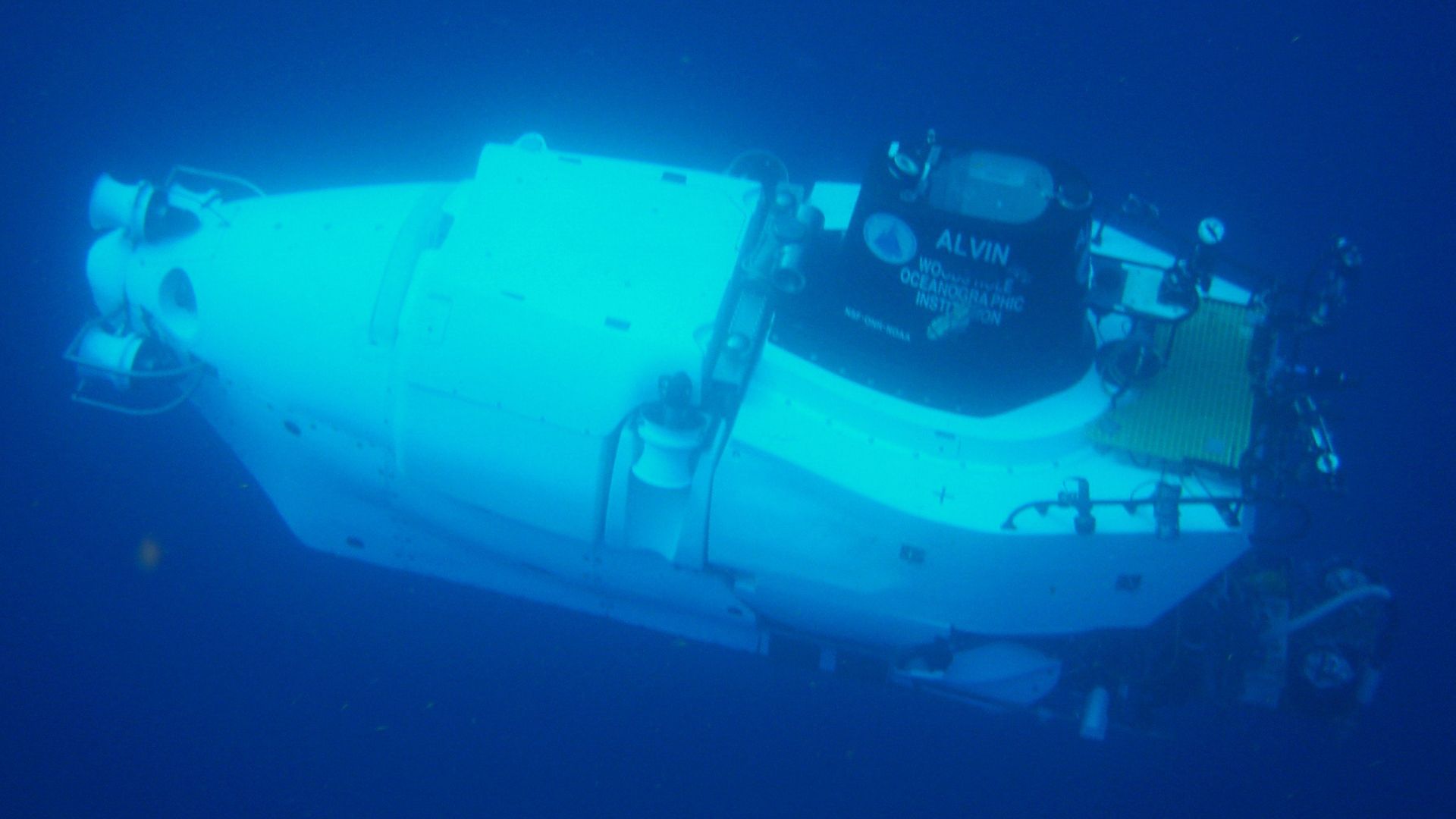 Gavin Eppard, WHOI. Credit: Expedition to the Deep Slope/NOAA/OER., Wikimedia Commons
A Secret Mission Found Titanic
Robert Ballard's 1985 work included a confidential Navy mission investigating two lost submarines. After that work, he used remaining time to search for Titanic. His team found the passenger liner's wreck, producing worldwide headlines.
 Titanic Belfast, Wikimedia Commons
MH370's Unexpected Shipwrecks
Underwater teams hunting for missing flight MH370 in 2015 detected two unexpected wrecks. Museum researchers later identified them as nineteenth-century merchant sailing vessels carrying coal. The aircraft itself was not located during that search.
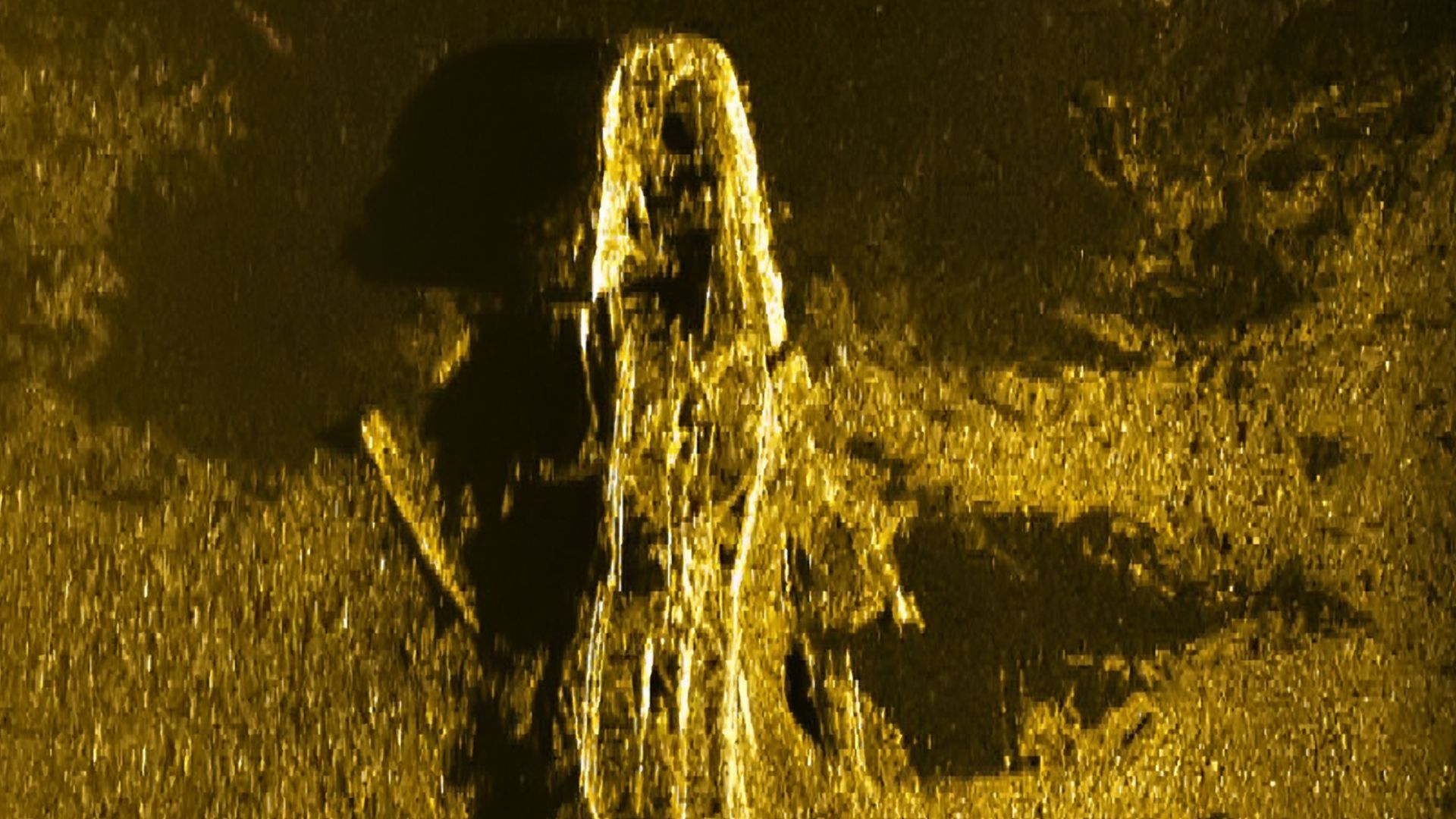 Australian Transport Safety Bureau, Wikimedia Commons
You May Also Like:
Popular Historical Cures That Scholars Can Be 100% Sure Made The Original Problem Worse
Historical Figures Who Became Famous For Something They Never Actually Did
Historical Scams That Worked Because People Desperately Wanted To Believe Them
Sources: 1, 2, 3, 4, 5, 6, 7, 8, 9, 10, 11, 12, 13, 14, 15, 16, 17, 18, 19, 20, 21, 22, 23, 24, 25, 26, 27, 28