Secrets Hidden Behind The Walls
Some of the world's most famous buildings have been hiding incredible secrets for centuries. Hidden behind walls and beneath floors are mysterious chambers, forgotten passageways, and rooms nobody knew existed. From drawings attributed to Michelangelo to secret chambers that sheltered fugitives and a hidden corridor inside the Great Pyramid, these discoveries have raised more questions than they've answered.
And remarkably, several weren't discovered until the 21st century.
 PHOTOCREO Michal Bednarek, Shutterstock
Michelangelo's Secret Room Beneath A Chapel
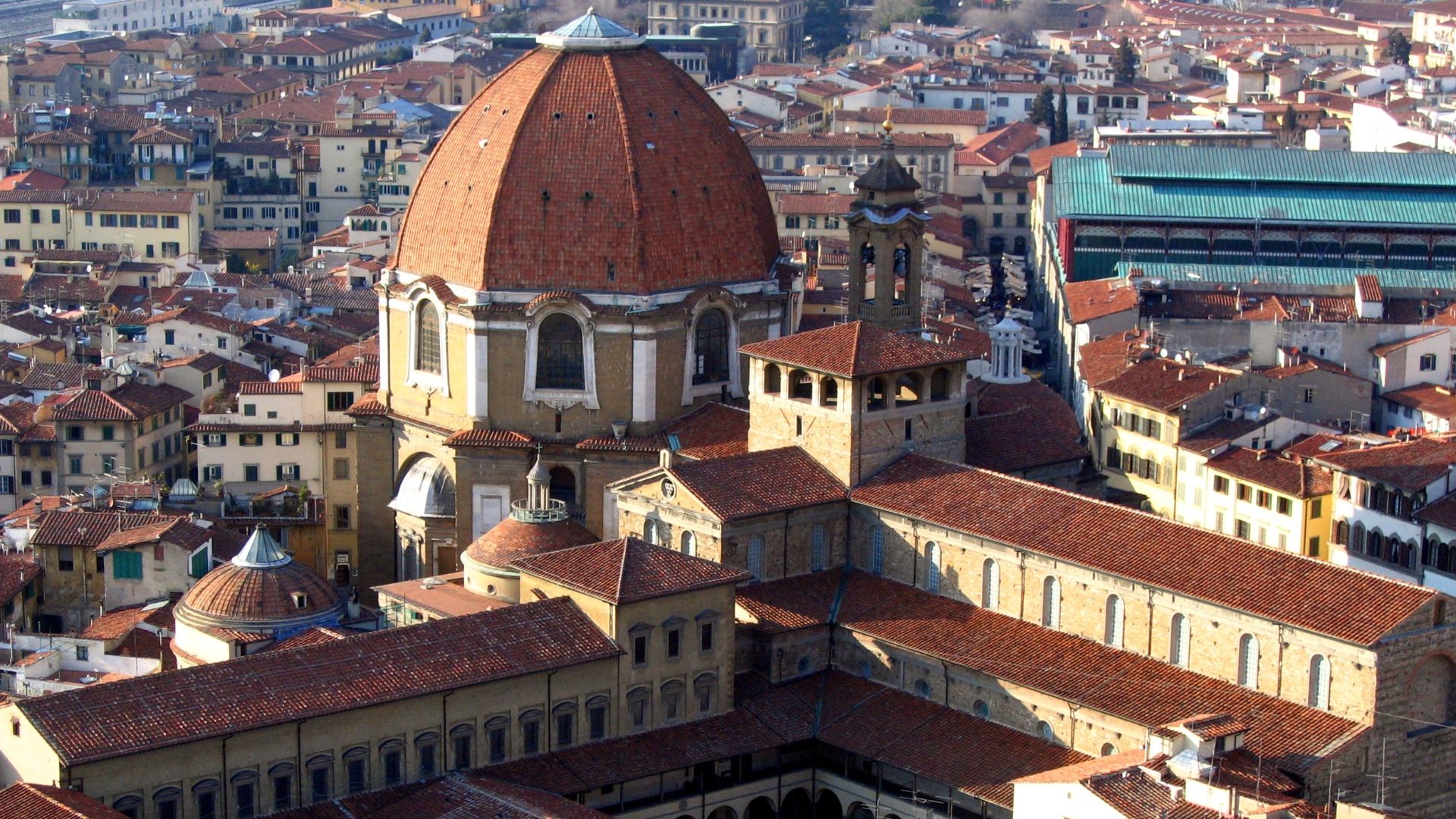
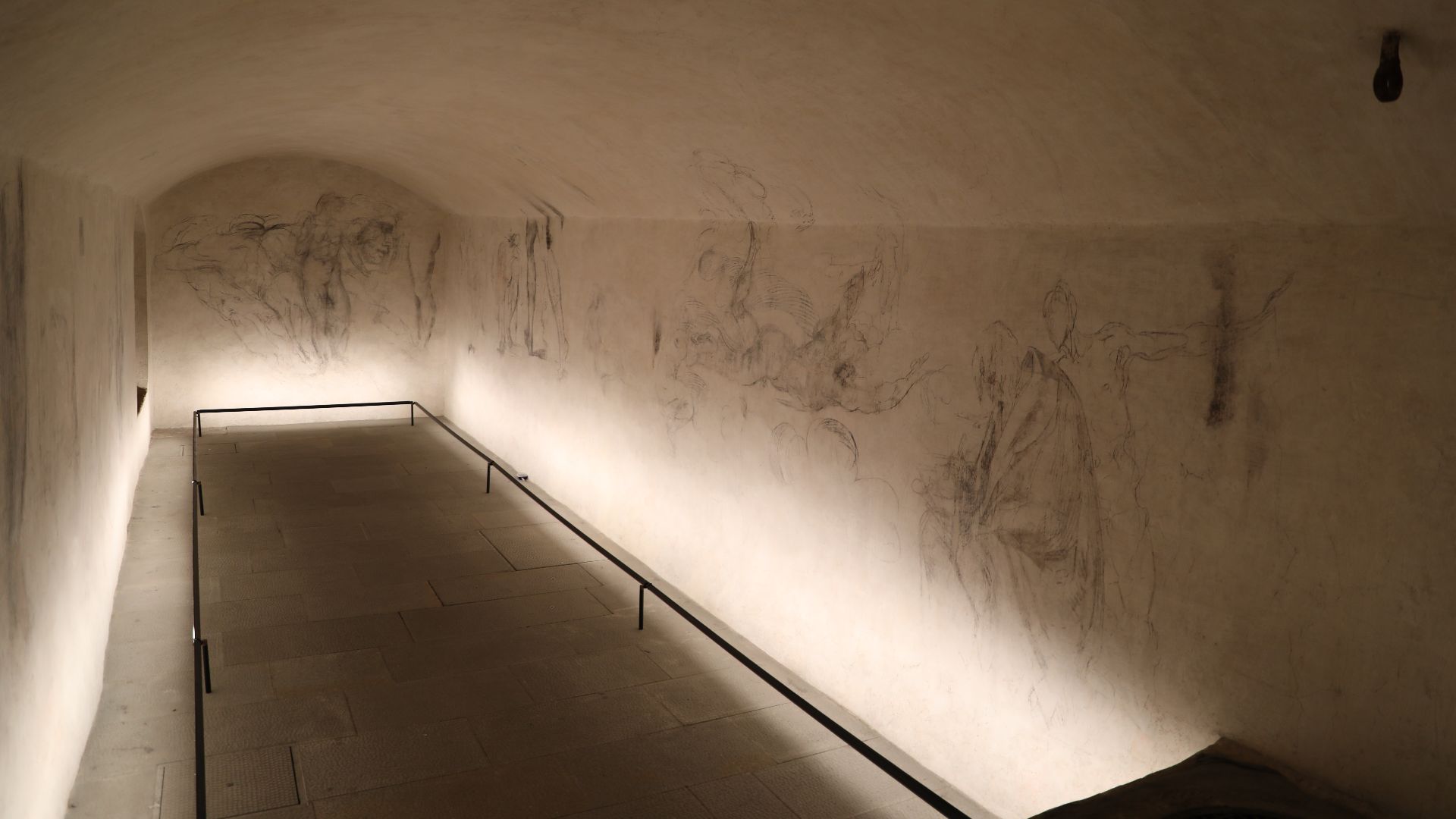
Florence's Medici Chapels contain some of Michelangelo's greatest sculptures. But in 1975, workers searching for an emergency exit discovered a hidden chamber beneath the New Sacristy. Once used to store coal, the room contained something extraordinary on its walls.
The Walls Were Covered In Mysterious Drawings
Beneath layers of plaster, restorers uncovered sketches that some experts attribute to Michelangelo. One theory suggests he hid there in 1530 after opposing the powerful Medici family. Although his connection remains debated, the drawings resemble his known artwork. The chamber opened to limited public visits in 2023.
 Francesco Bini, Wikimedia Commons
Britain's Parliament Had A Forgotten Door
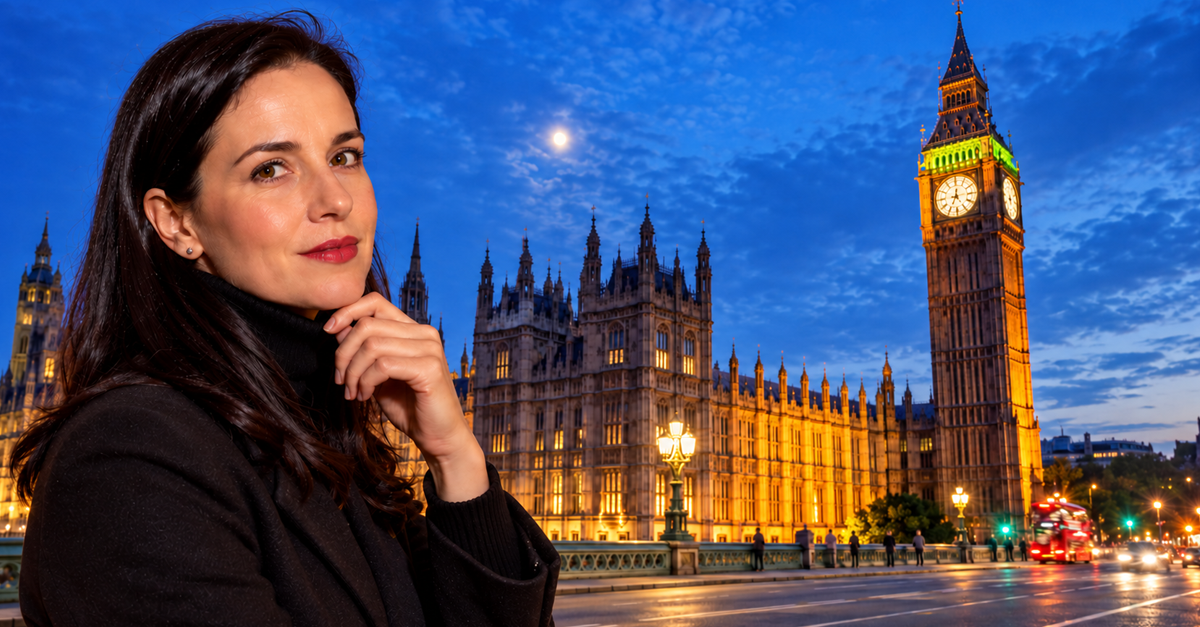
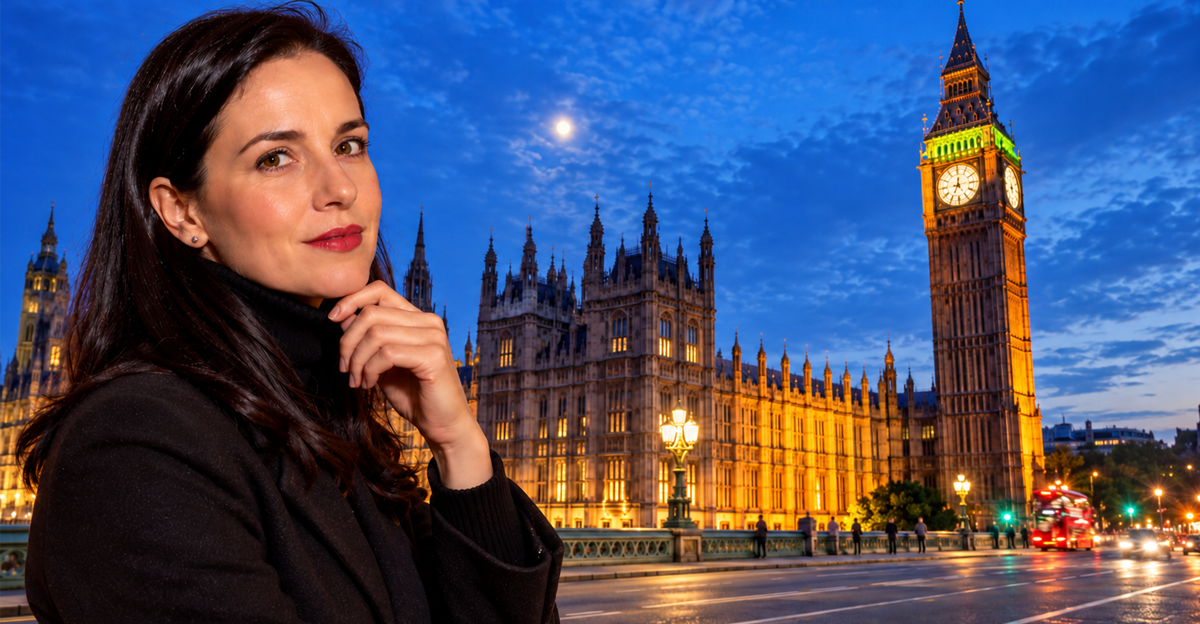
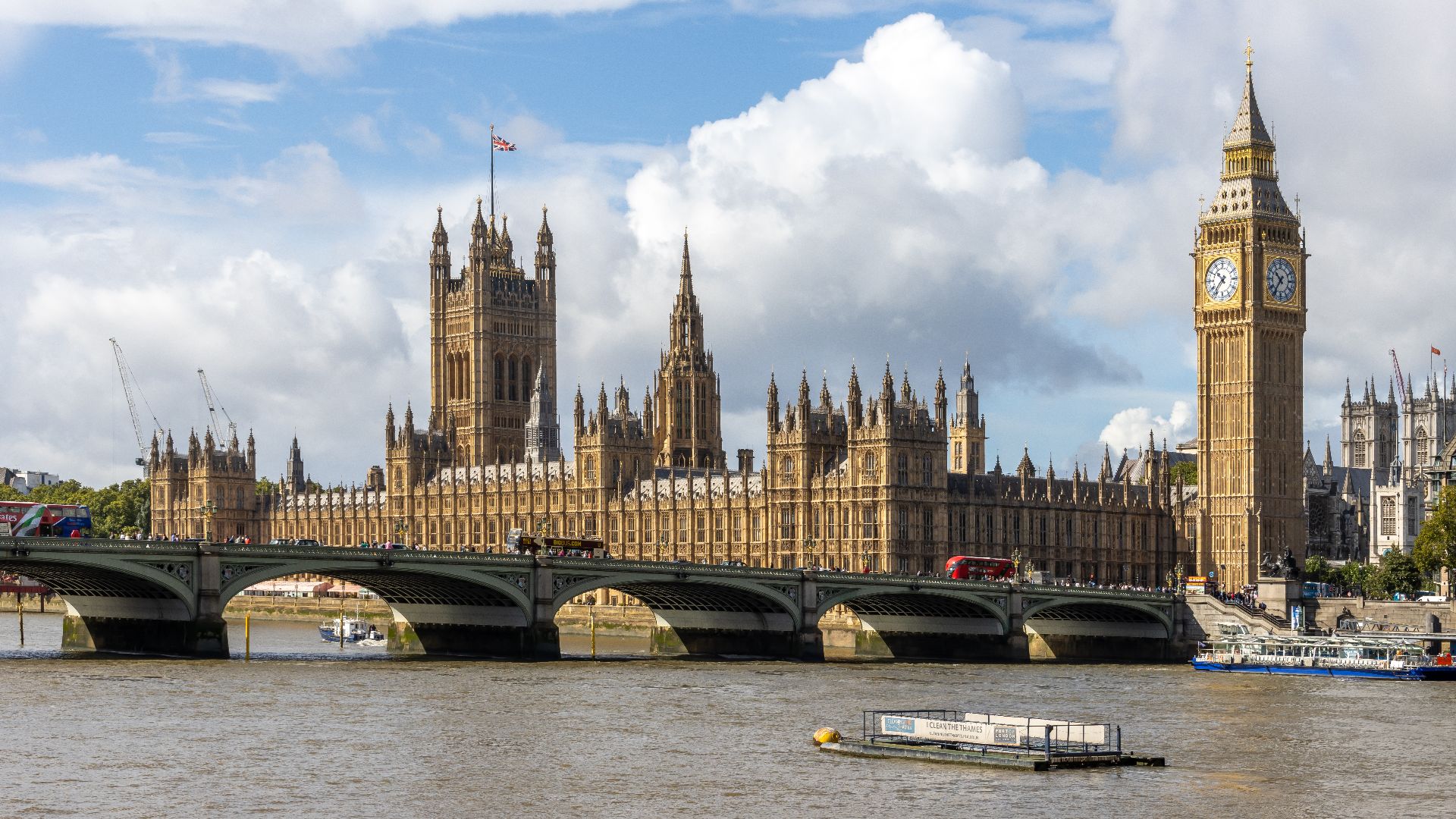
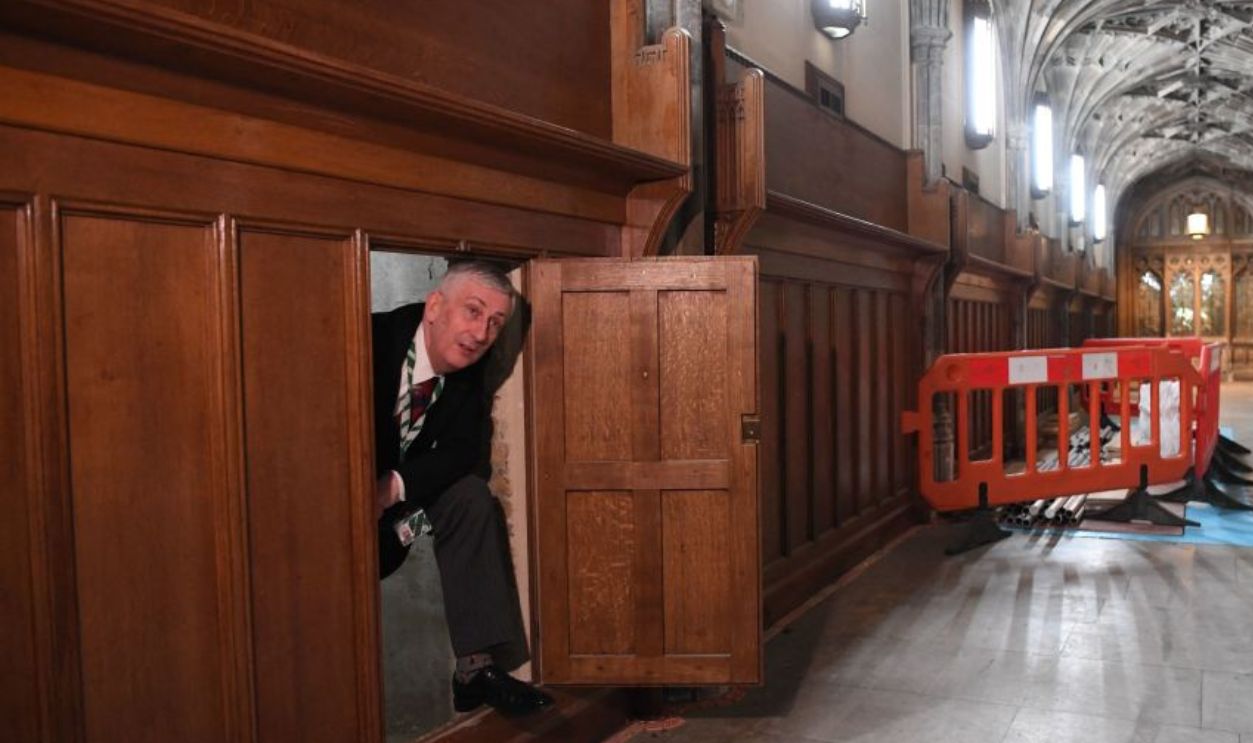
In 2020, historians investigating London's Palace of Westminster discovered a doorway hidden behind wooden paneling. A tiny brass keyhole near Westminster Hall led researchers to have a key made. When they opened the panel, they found a passage forgotten for generations.
 Photograph by Mike Peel (www.mikepeel.net)., Wikimedia Commons
The Passage Had Been Sealed For 169 Years
The entrance was created around 1660–1661 for Charles II's coronation banquet. Sealed in 1851, it was eventually forgotten, with later historians mistakenly blaming World War II bombing. Inside, researchers found original fittings and graffiti left by Victorian workers.
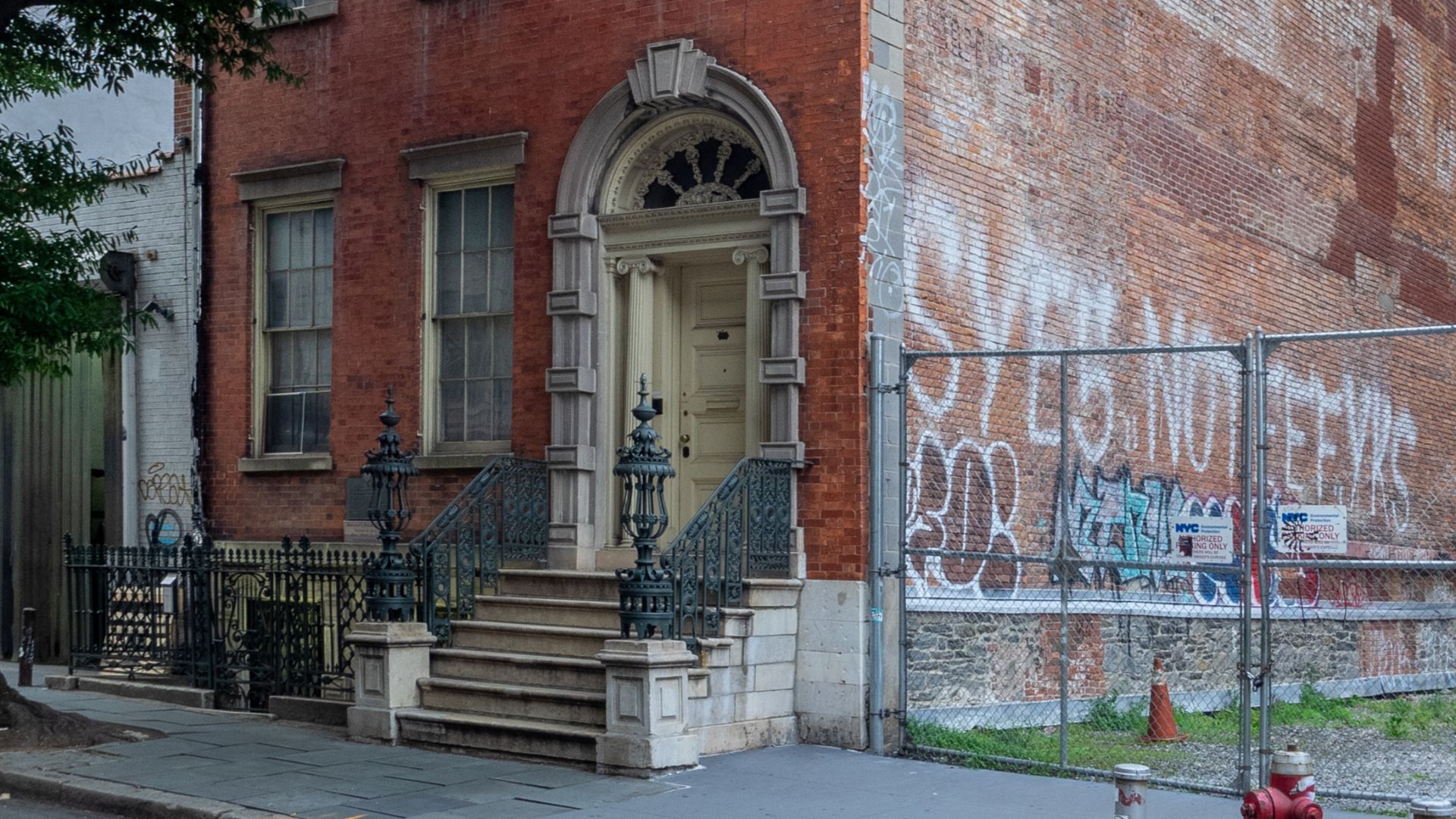
A New York Townhouse Hid A Secret Passage
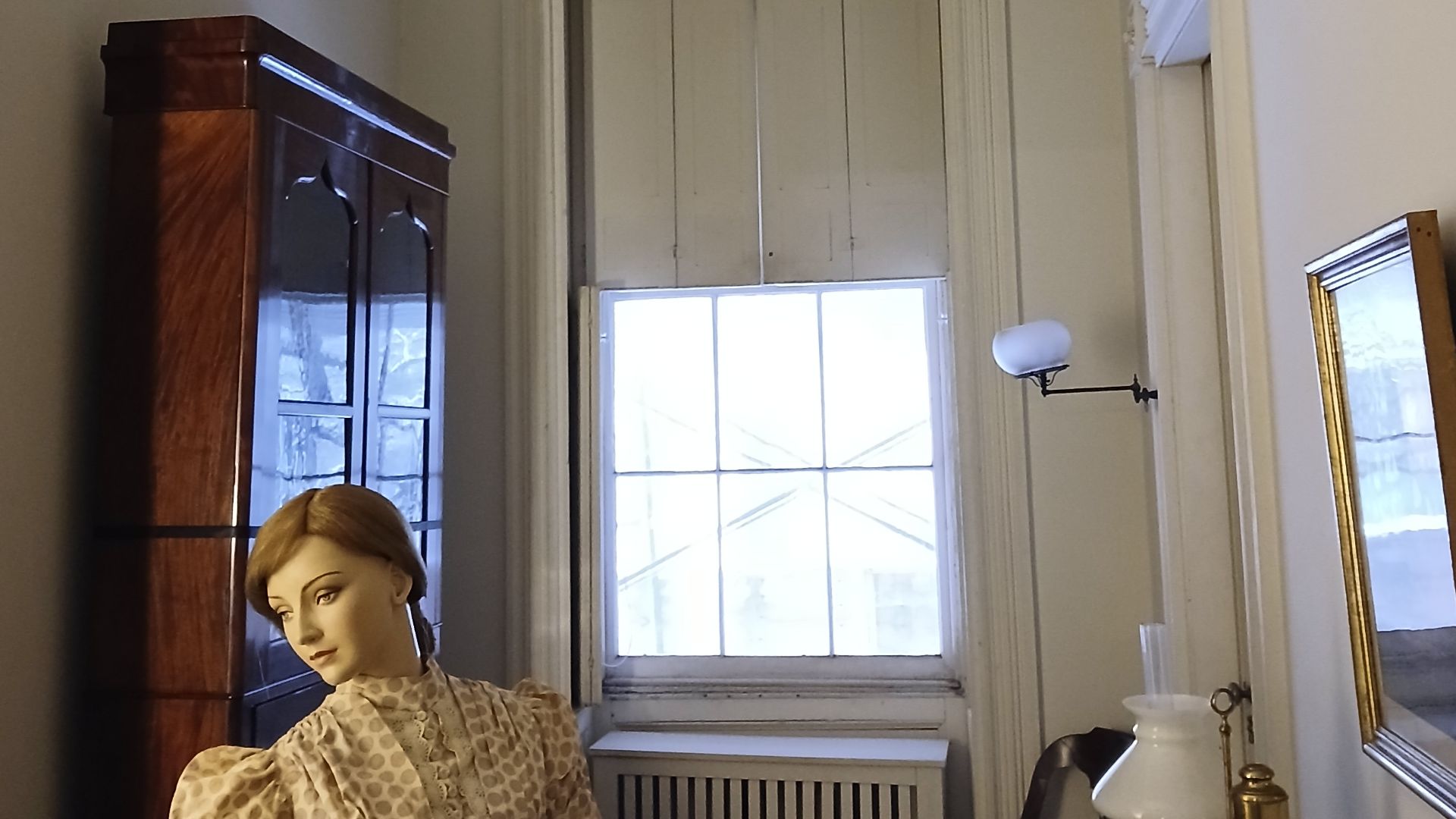
Built in 1832, Manhattan's Merchant's House looks like an ordinary historic townhouse. But beneath a built-in chest of drawers on the second floor lies a concealed passage descending 15 feet. In February 2026, researchers announced that the mysterious space was likely connected to the Underground Railroad.
 Ajay Suresh from New York, NY, USA, Wikimedia Commons
The Passage May Have Helped People Escape Slavery
The shaft had a hidden hatch and ladder, allowing people to move between floors unseen. The home's original owner, Joseph Brewster, was an abolitionist, suggesting it may have sheltered people escaping slavery. Although its exact purpose remains unproven, historians only recently recognized the passage's possible significance.
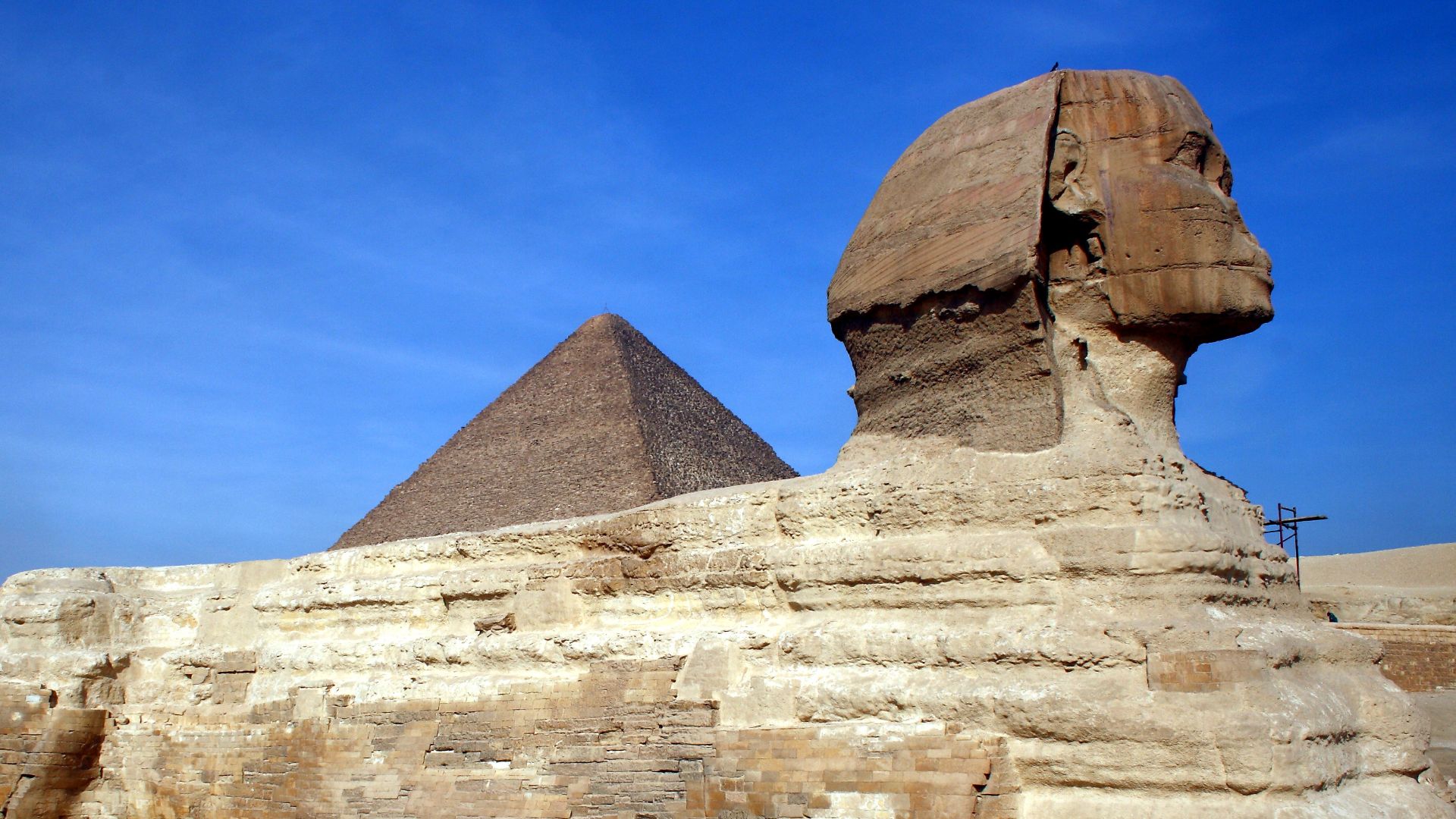
The Great Pyramid Was Hiding Something Enormous
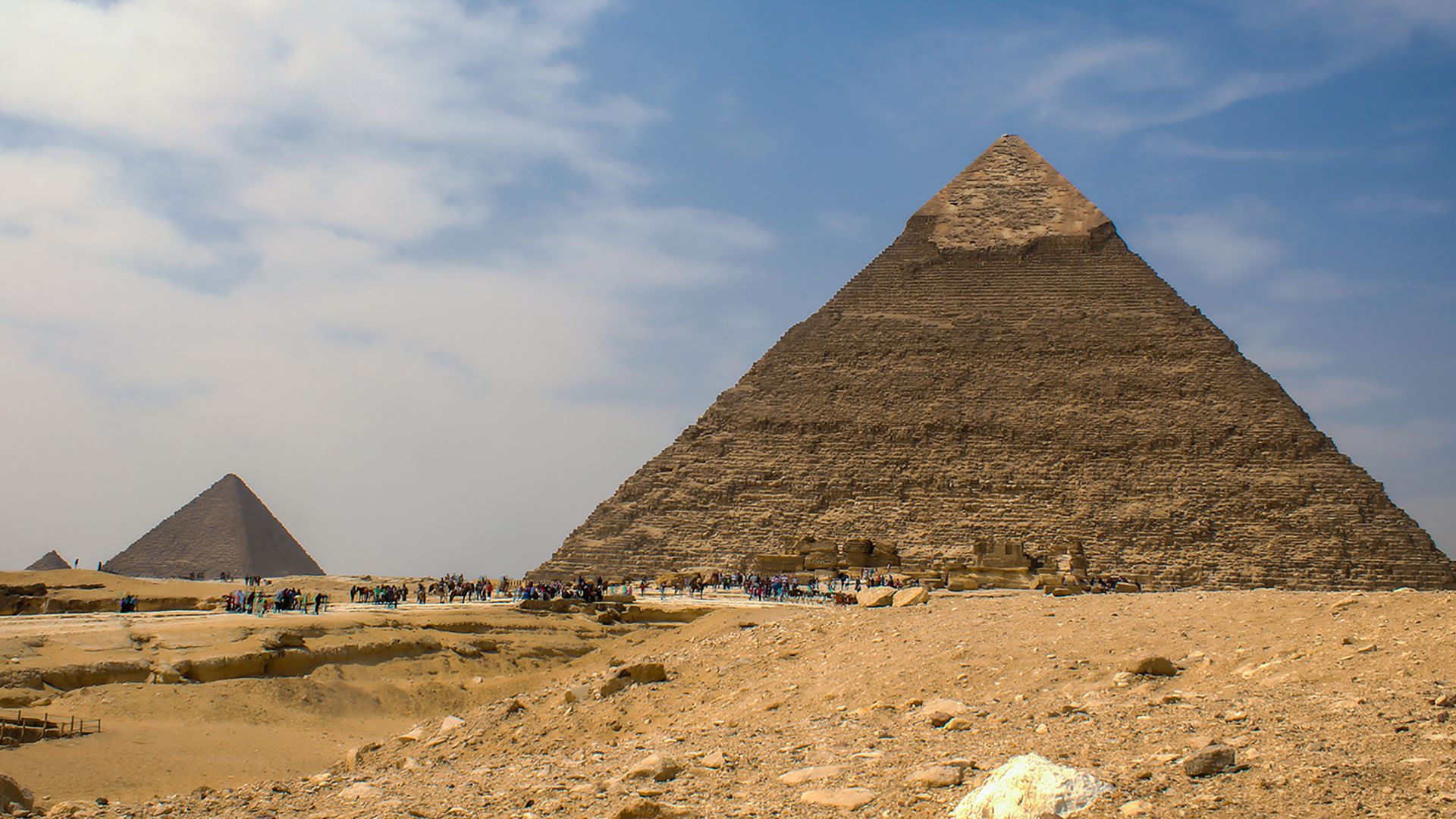
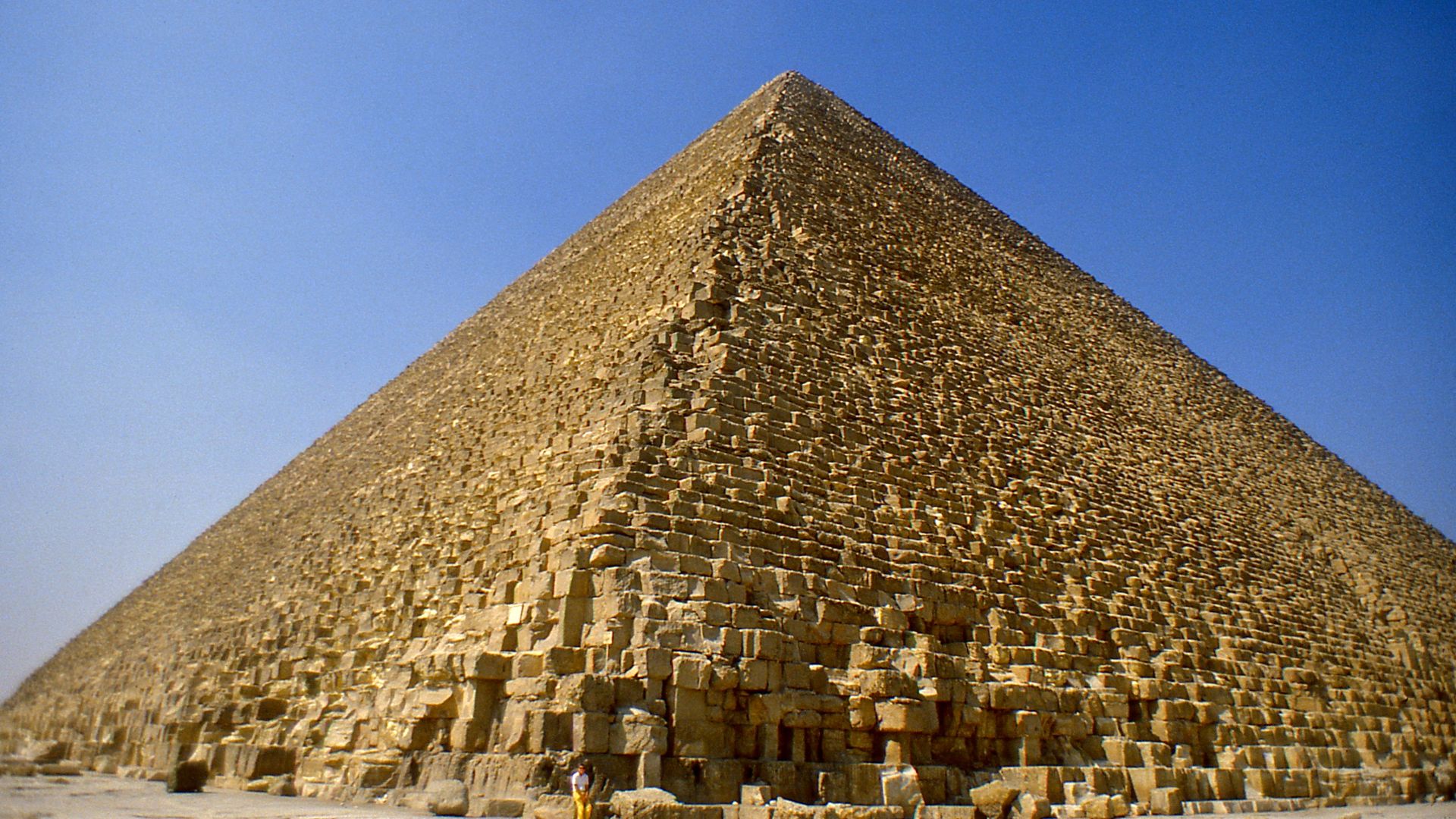
The Great Pyramid of Giza has stood for approximately 4,500 years, yet parts of its interior remain mysterious. Using advanced scanning technology, researchers detected an unusual empty space behind massive stones on its northern face. It appeared to be a corridor hidden for millennia.
 Hedwig Storch, Wikimedia Commons
A Nine-Meter Corridor Emerged
In March 2023, researchers confirmed a hidden corridor approximately nine meters long and two meters wide. Using noninvasive scans and a tiny camera, they examined its stone walls and angled ceiling. Its purpose remains unknown, leaving archaeologists with another ancient mystery.
 Eslam maalky.22, Wikimedia Commons
An English Manor Hid Priests Beneath Its Kitchen
During the late 1500s, Baddesley Clinton in Warwickshire became a refuge for Catholic priests. Its occupants risked severe punishment for hiding religious fugitives. Beneath the kitchen floor lay a concealed passage that had originally served as a medieval sewer.
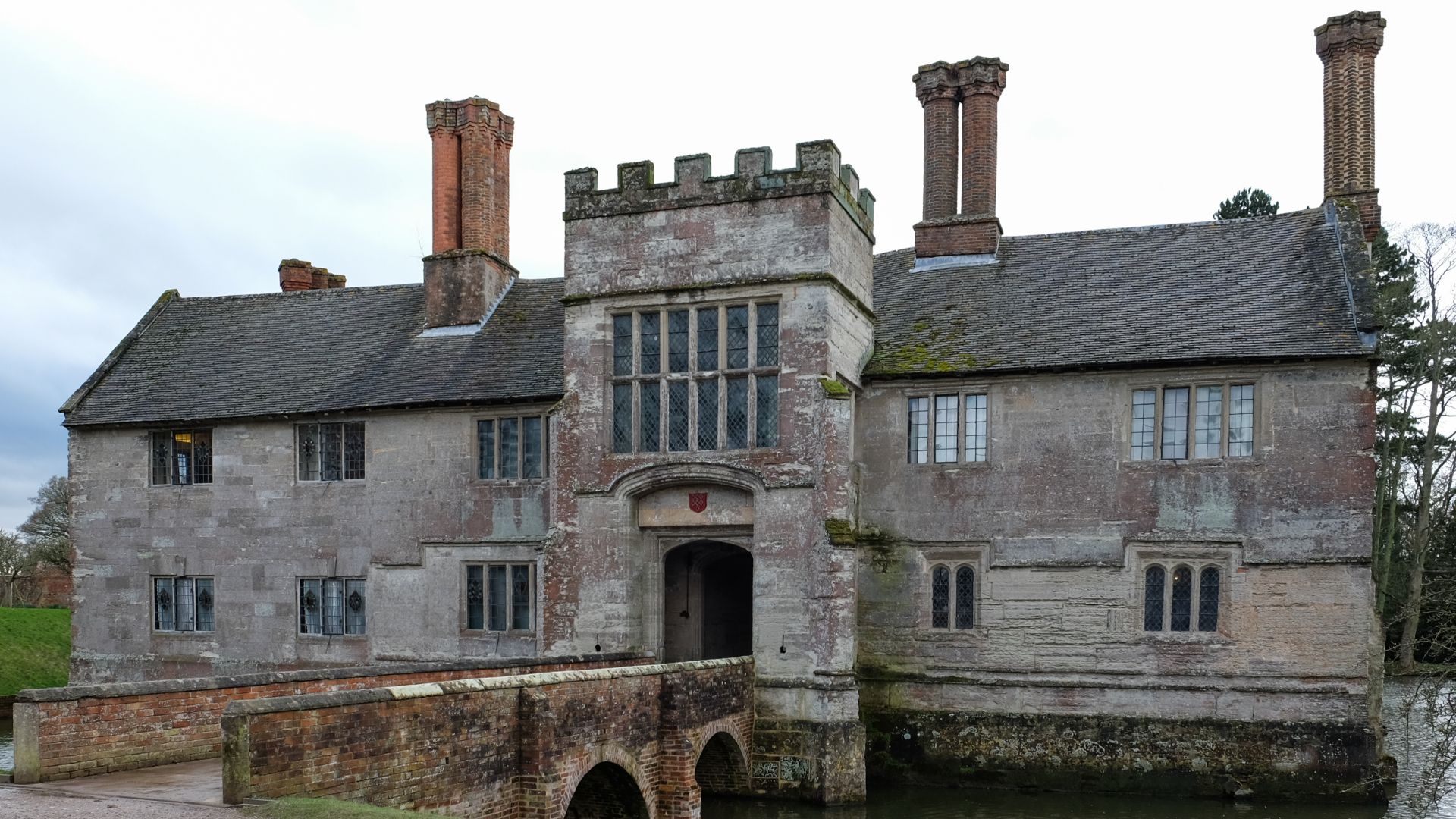
The Priests Escaped Detection
In October 1591, government agents arrived at Baddesley Clinton searching for Catholic priests. Several hid beneath the kitchen while officials searched for hours. Anne Vaux helped protect the fugitives, even inviting the searchers to breakfast before they departed.
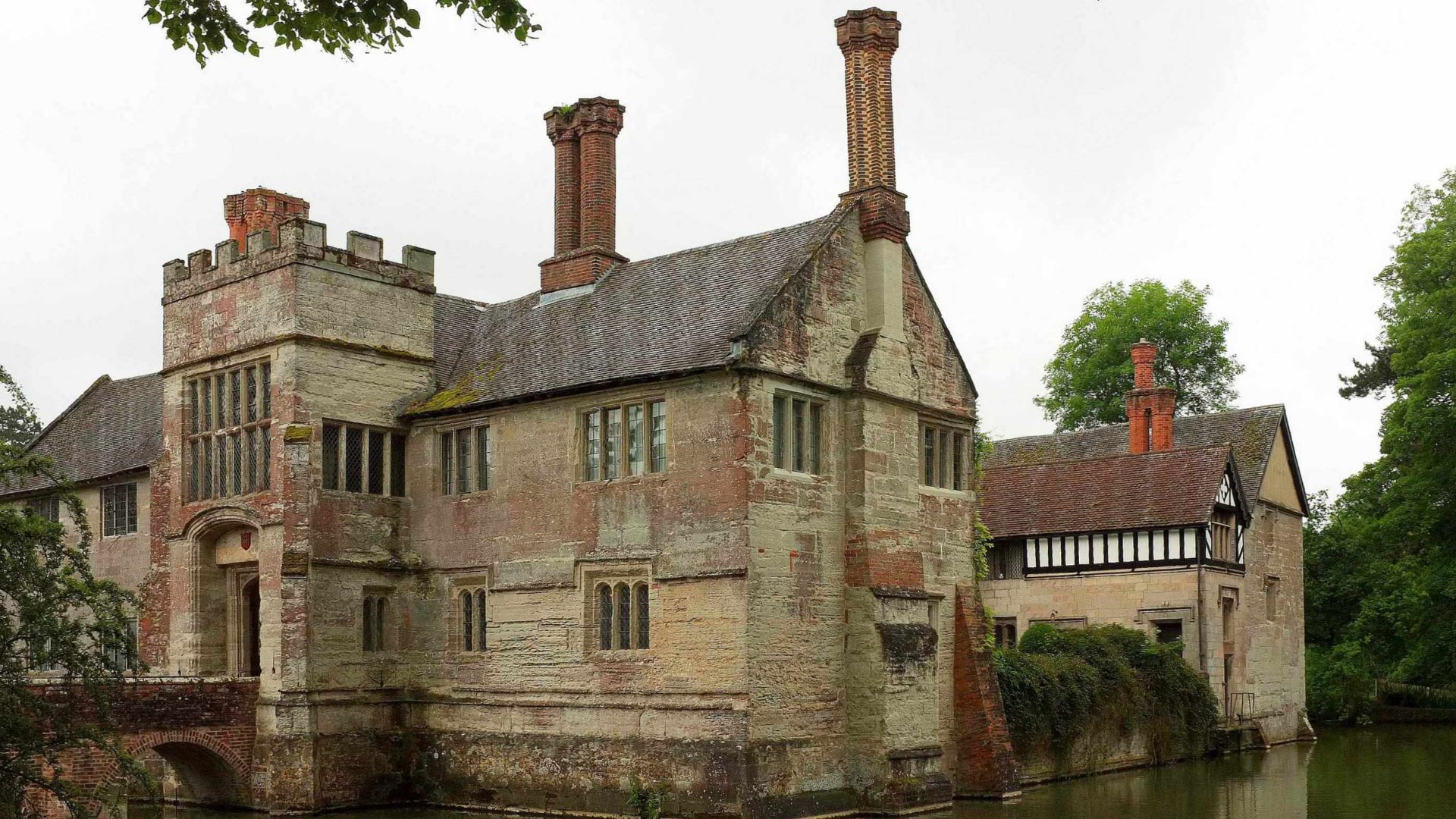 Derek Harper , Wikimedia Commons
Versailles Had Rooms Hidden Behind Its Splendor
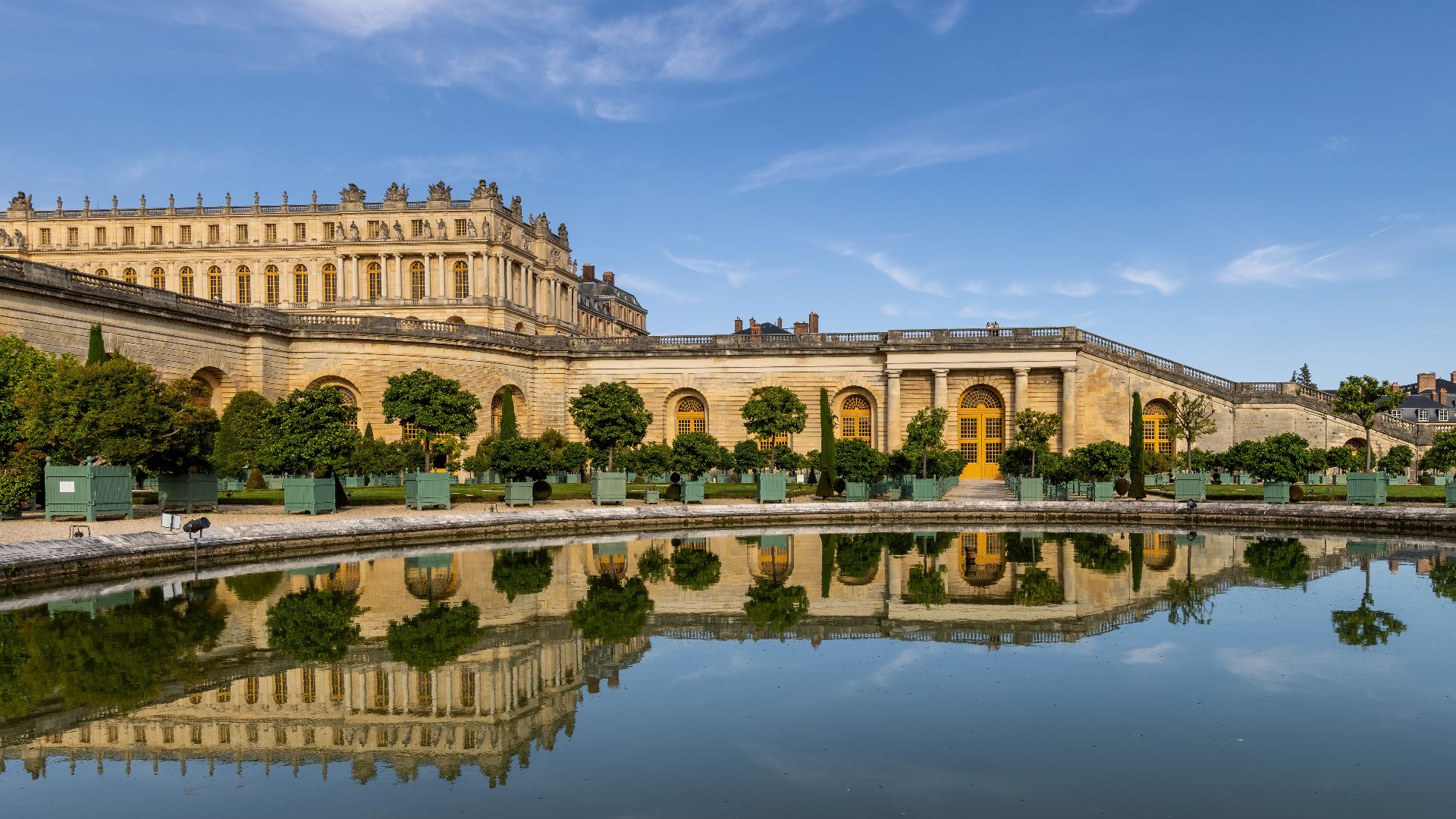
Behind Versailles' grand halls were smaller chambers where French queens could escape public life. Marie Antoinette expanded these private quarters after becoming queen in 1774. Concealed behind decorative paneling, they offered rare privacy within the crowded royal palace.
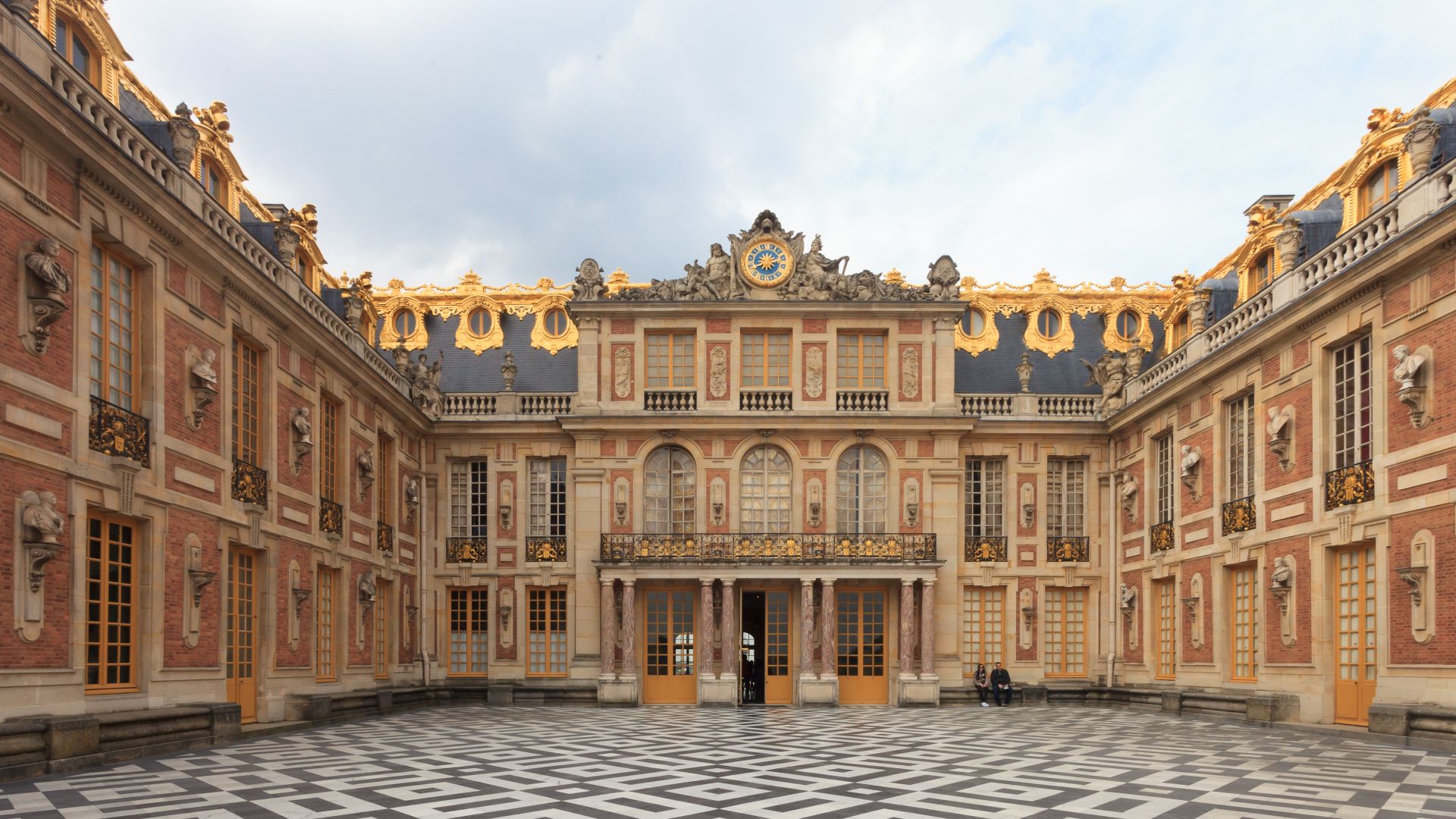 Luis Miguel Bugallo Sánchez (Lmbuga), Wikimedia Commons
Marie Antoinette Had Her Own Private Retreat
Marie Antoinette's secluded quarters included a library, the richly decorated Méridienne room, and upstairs chambers. She used these spaces for reading, relaxation, and private visits. After extensive restoration, the palace reopened them to visitors in June 2023.
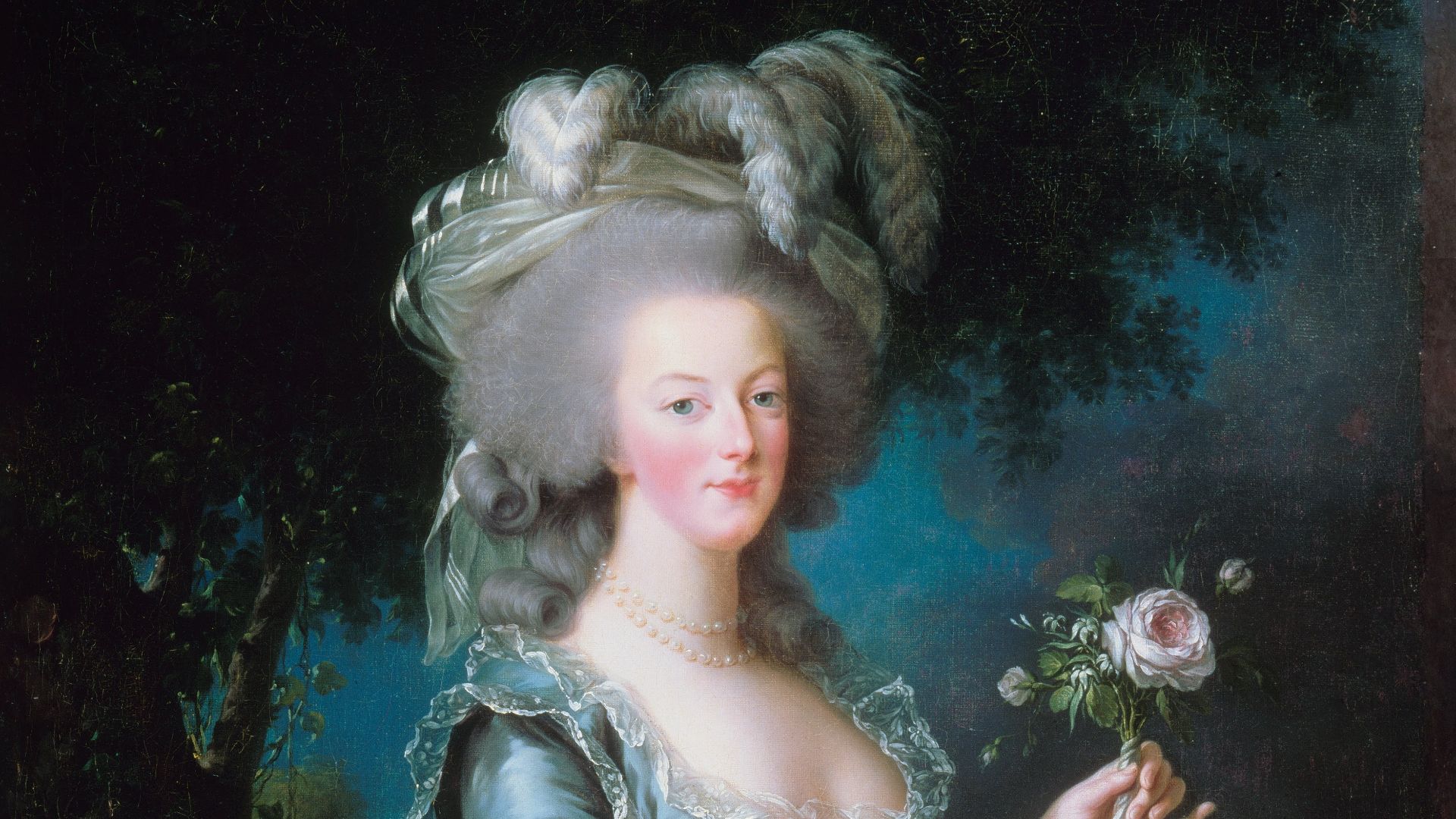 Élisabeth Louise Vigée Le Brun, Wikimedia Commons
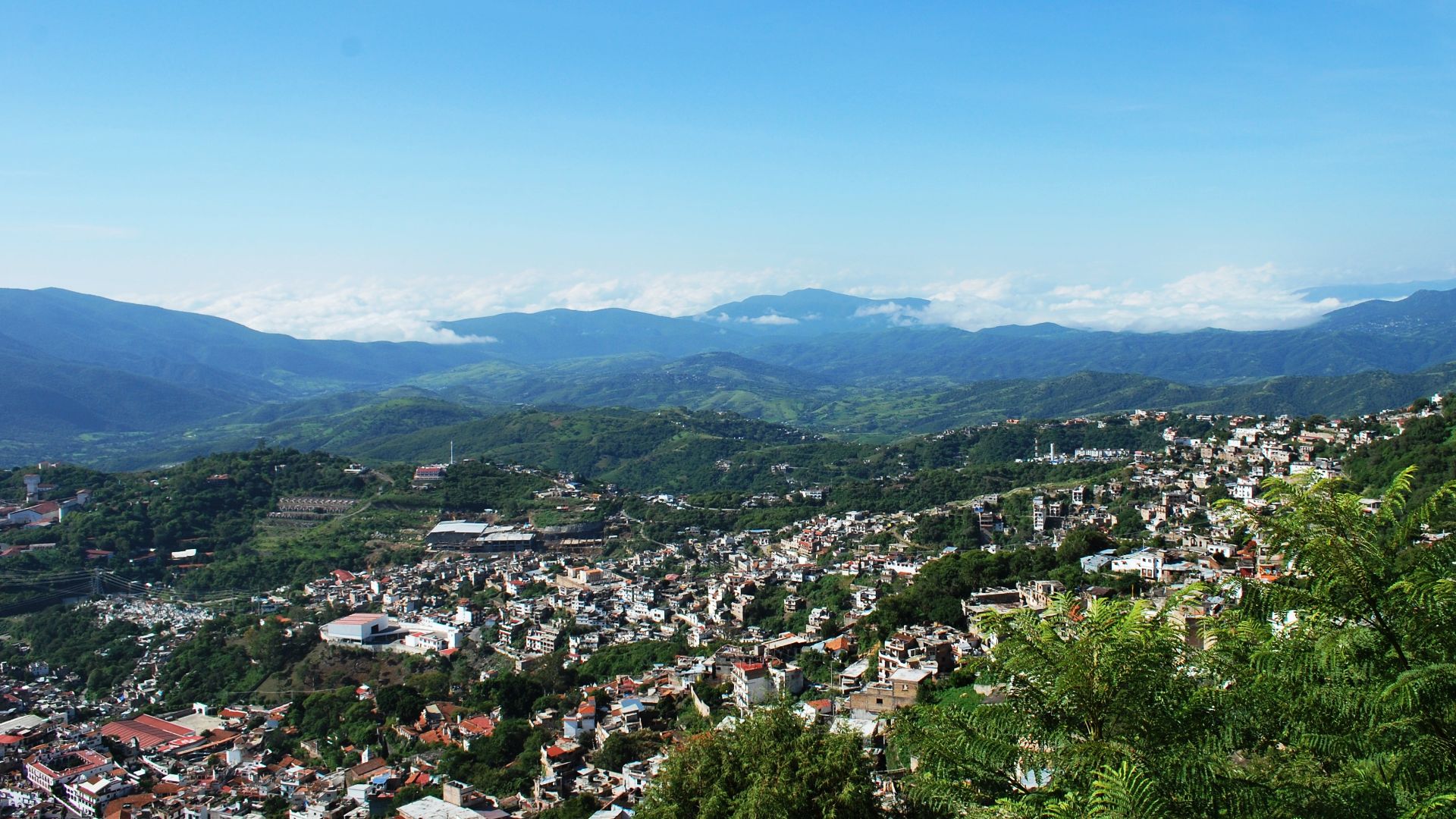
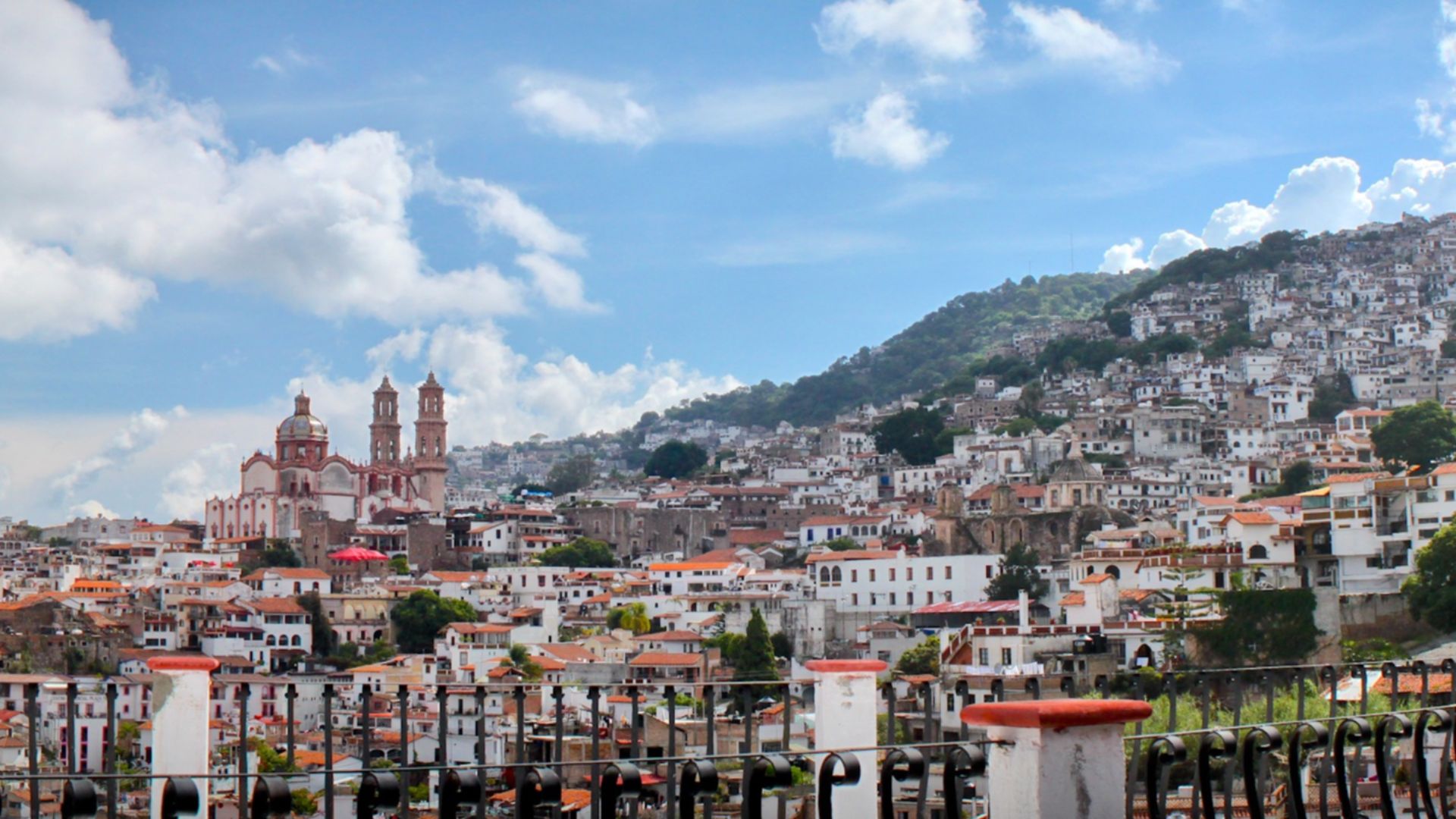
A Mexican Mansion Hid Rooms Behind Its Walls
Built in 1767, Casa Figueroa in Taxco, Mexico, became known as the House of Tears because of its troubled history. When artist Fidel Figueroa acquired the property in 1943, renovations revealed concealed spaces throughout the mansion. Behind its thick walls were secret compartments, hidden rooms, and passages.
 AlejandroLinaresGarcia, Wikimedia Commons
The Walls Concealed More Than Rooms
One bedroom contained a removable brick concealing a compartment for valuables, while the courtyard cistern reportedly connected to an escape passage. Another hidden chamber, accessible through a ceiling trapdoor, was said to have sheltered women during periods of conflict. The mansion eventually became a museum, preserving its unusual architectural secrets.
 Emigdio Hernández, Wikimedia Commons
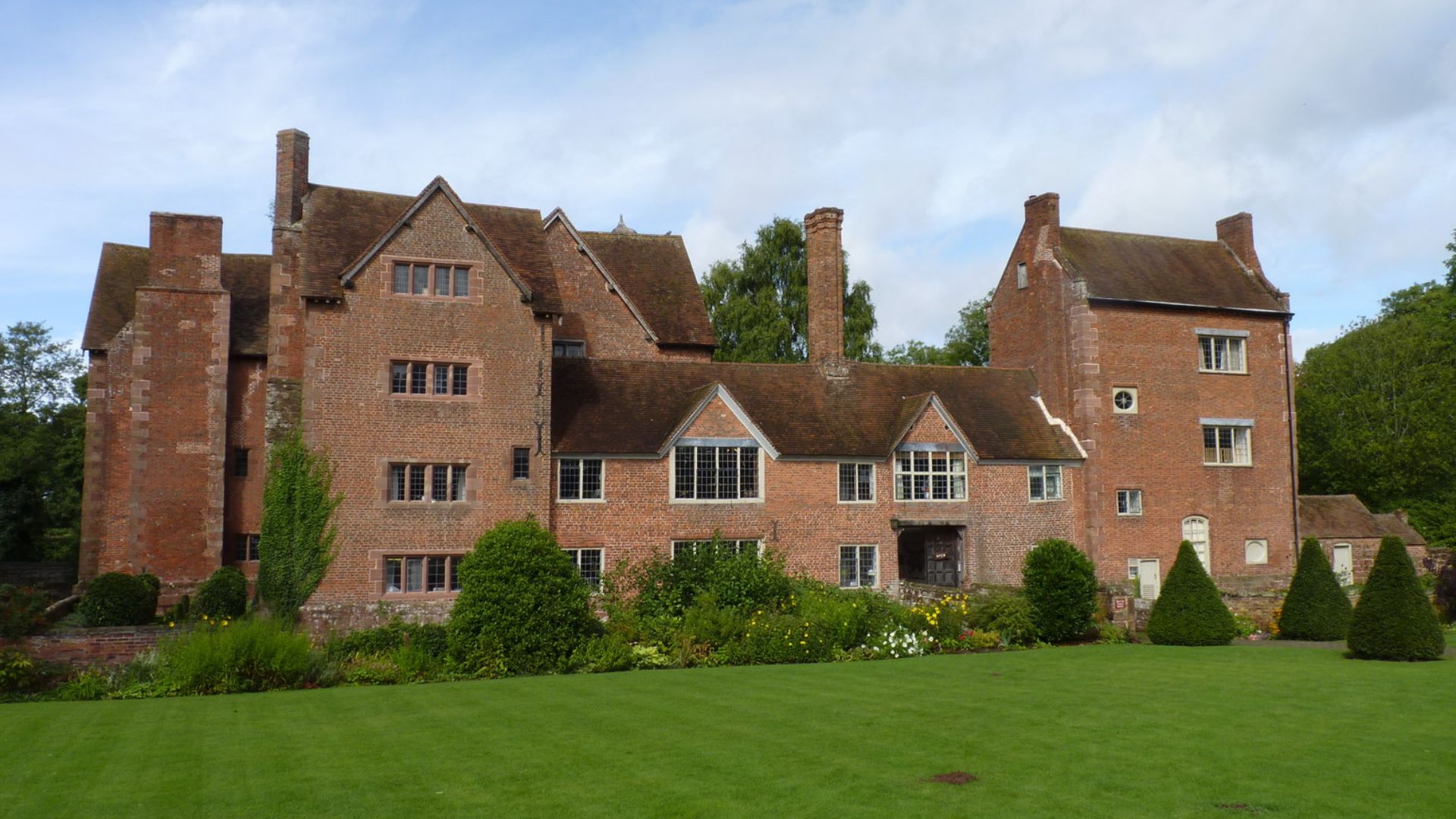
Harvington Hall Was Designed To Hide People
Harvington Hall in Worcestershire contains an extraordinary collection of concealed hiding places. Many were built to protect Catholic priests, who faced imprisonment or execution under Elizabeth I. Its walls and floors concealed chambers designed to fool government search parties.
 Jeff Gogarty , Wikimedia Commons
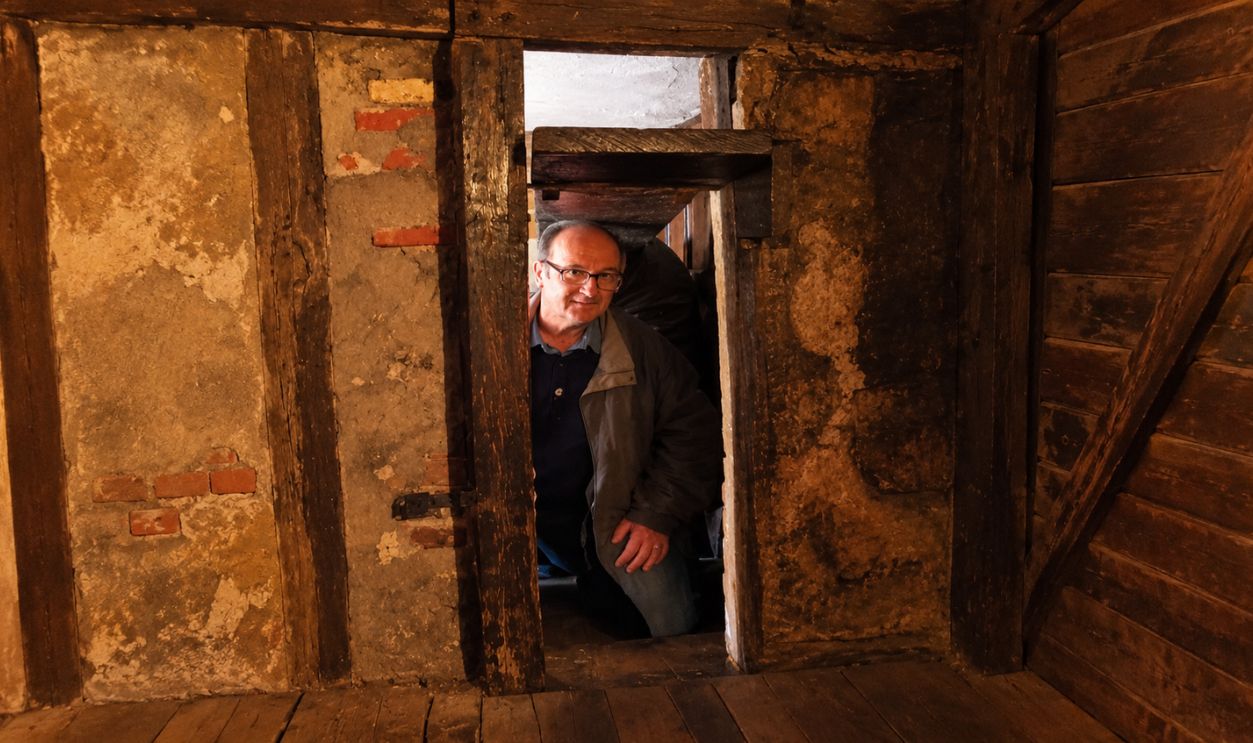
A Boy Accidentally Exposed One Of Its Secrets
In 1894, a boy playing in a cupboard accidentally broke through a wall at Harvington Hall. Behind it was a hidden chamber approximately eight feet long, three feet wide, and five feet high. Believed to be the work of Nicholas Owen, it had an entrance barely a foot wide.
 Quodvultdeus, Wikimedia Commons, Enhanced
Florence's Palazzo Vecchio Had Secret Passages
Florence's Palazzo Vecchio became a residence of the powerful Medici family in the 16th century. Behind its magnificent rooms were concealed staircases and passages built into thick walls. These allowed select occupants to move through the palace away from public view.
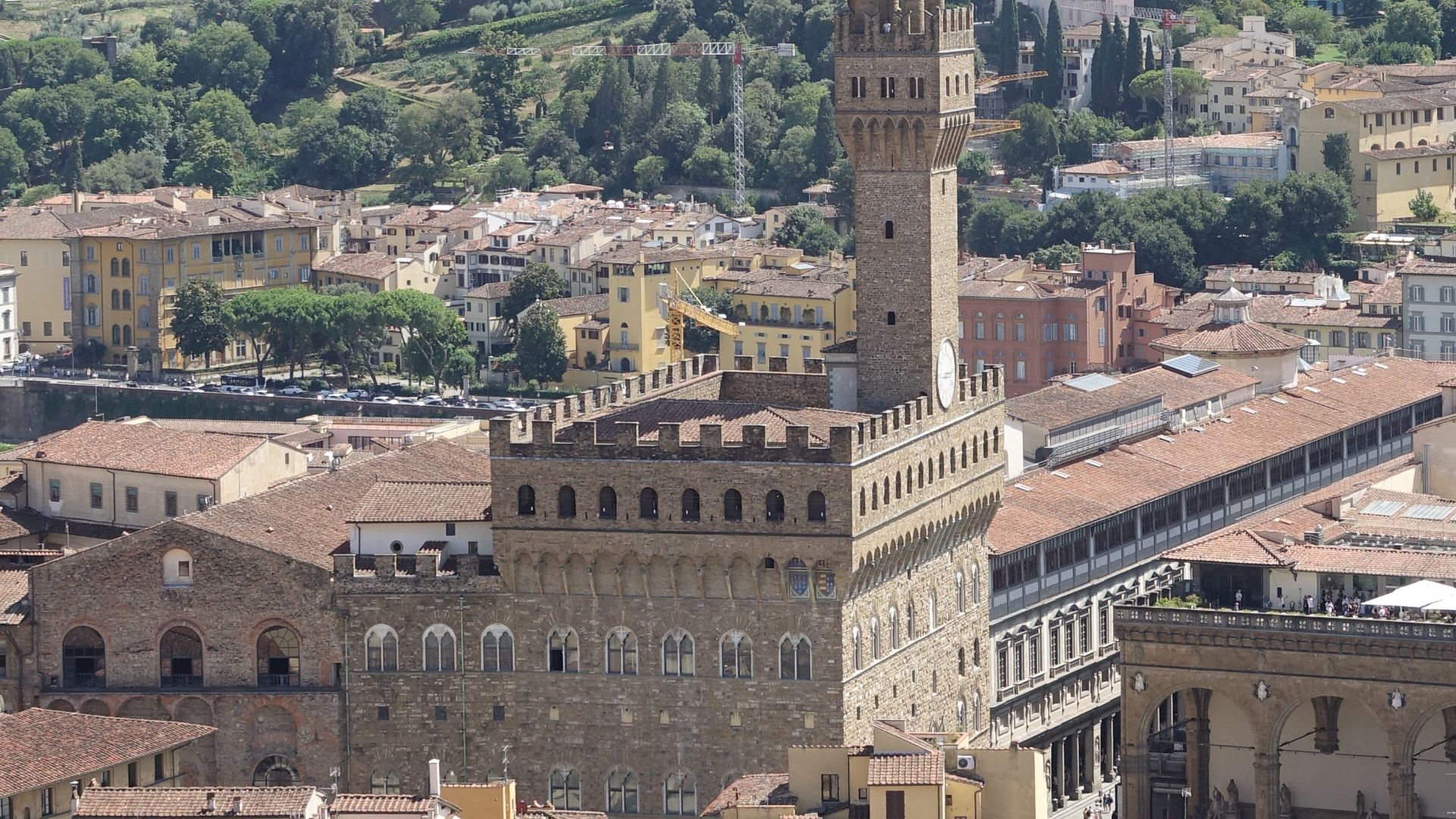
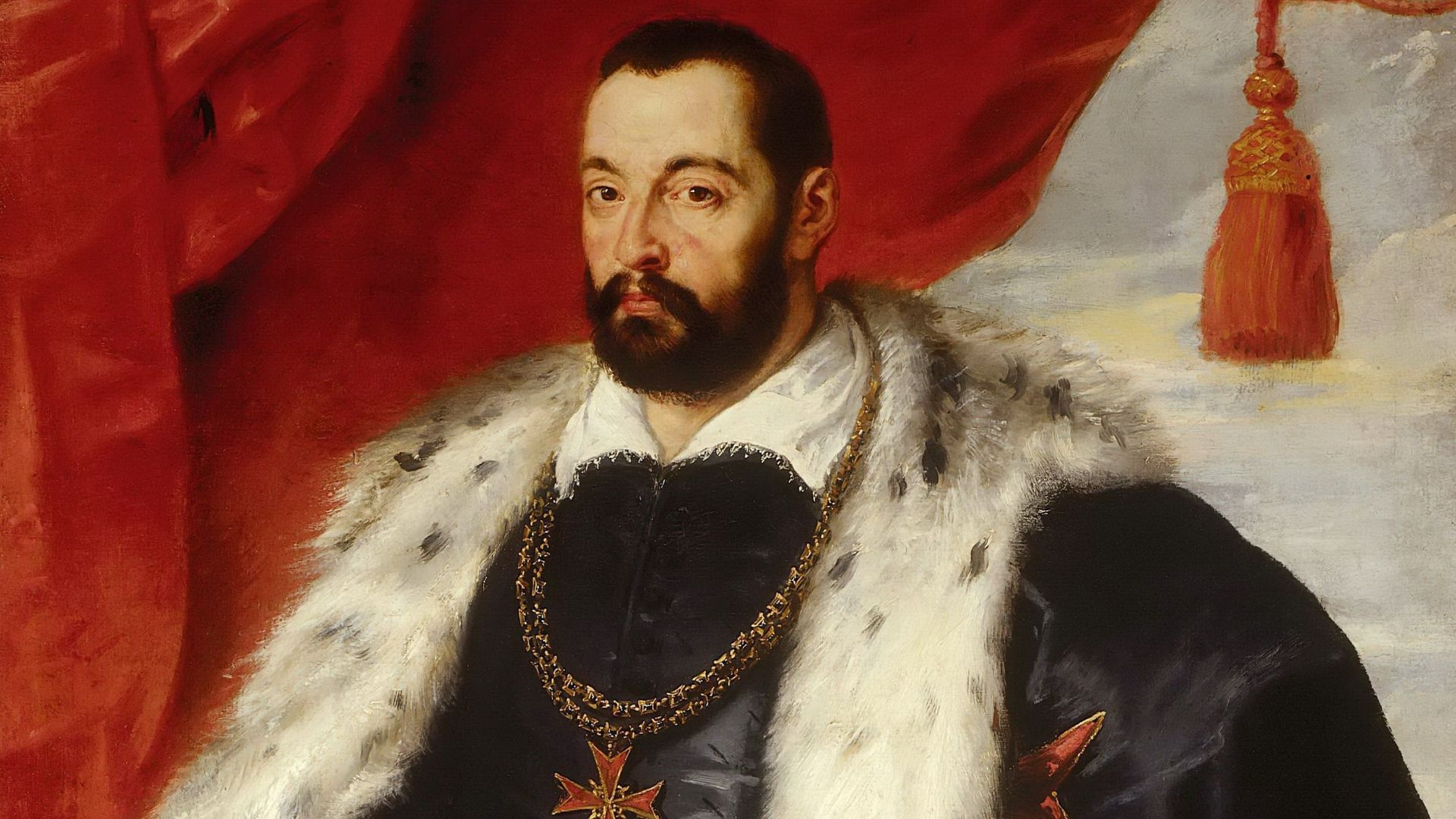
A Duke Kept His Treasures Behind The Walls
In the 1570s, Francesco I de' Medici created a private study called the Studiolo to house rare treasures. Its elaborate paintings concealed cupboards containing his prized collections. Today, special tours reveal this extraordinary room and other secret spaces inside the palace.
 Peter Paul Rubens, Wikimedia Commons
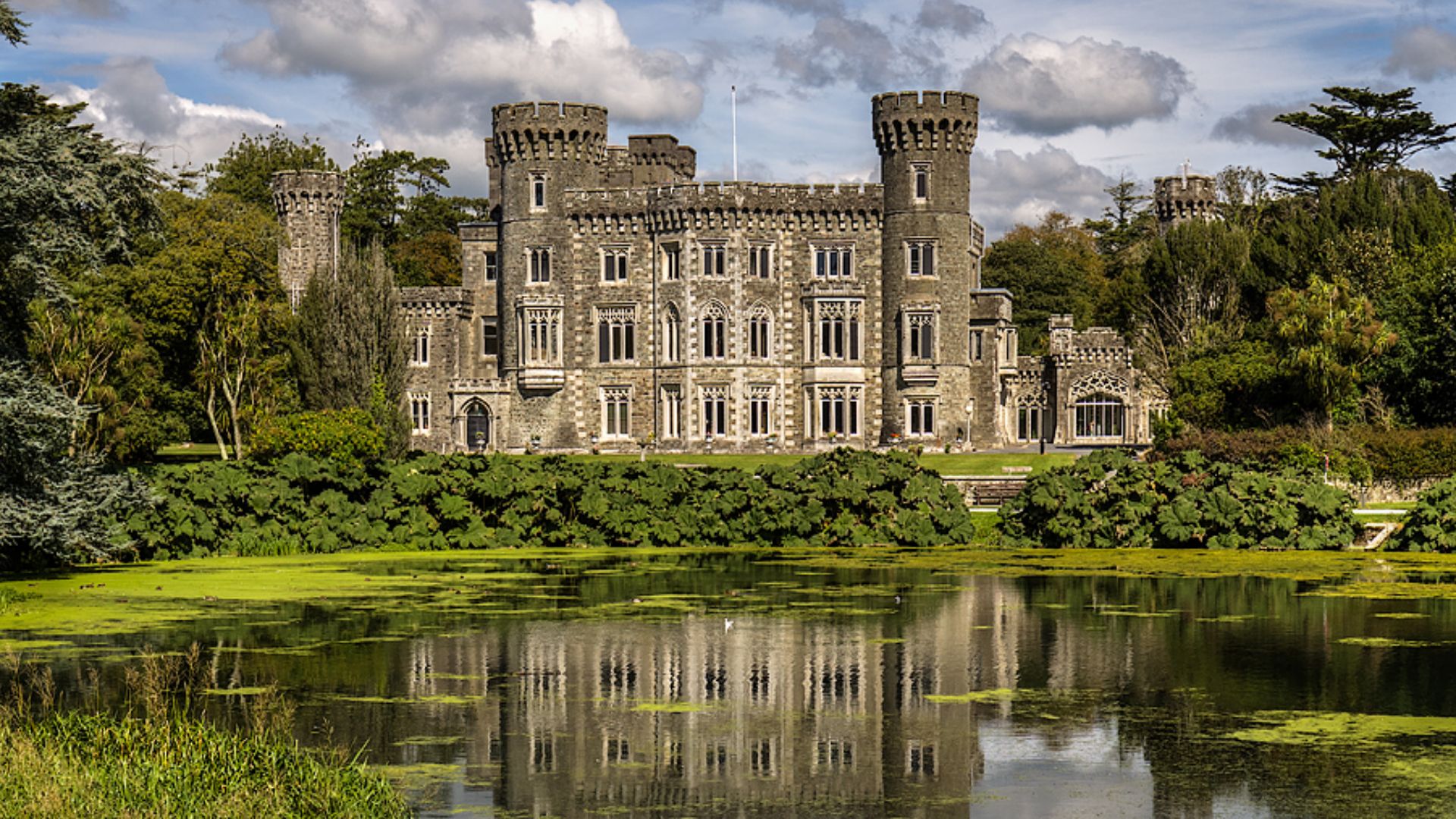
An Irish Castle Concealed A Forgotten Room
In August 2023, workers restoring Johnstown Castle in County Wexford made an unexpected discovery. A carpenter repairing a window broke through part of a wall and uncovered a previously unknown room. The hidden space appeared to have remained untouched for generations.
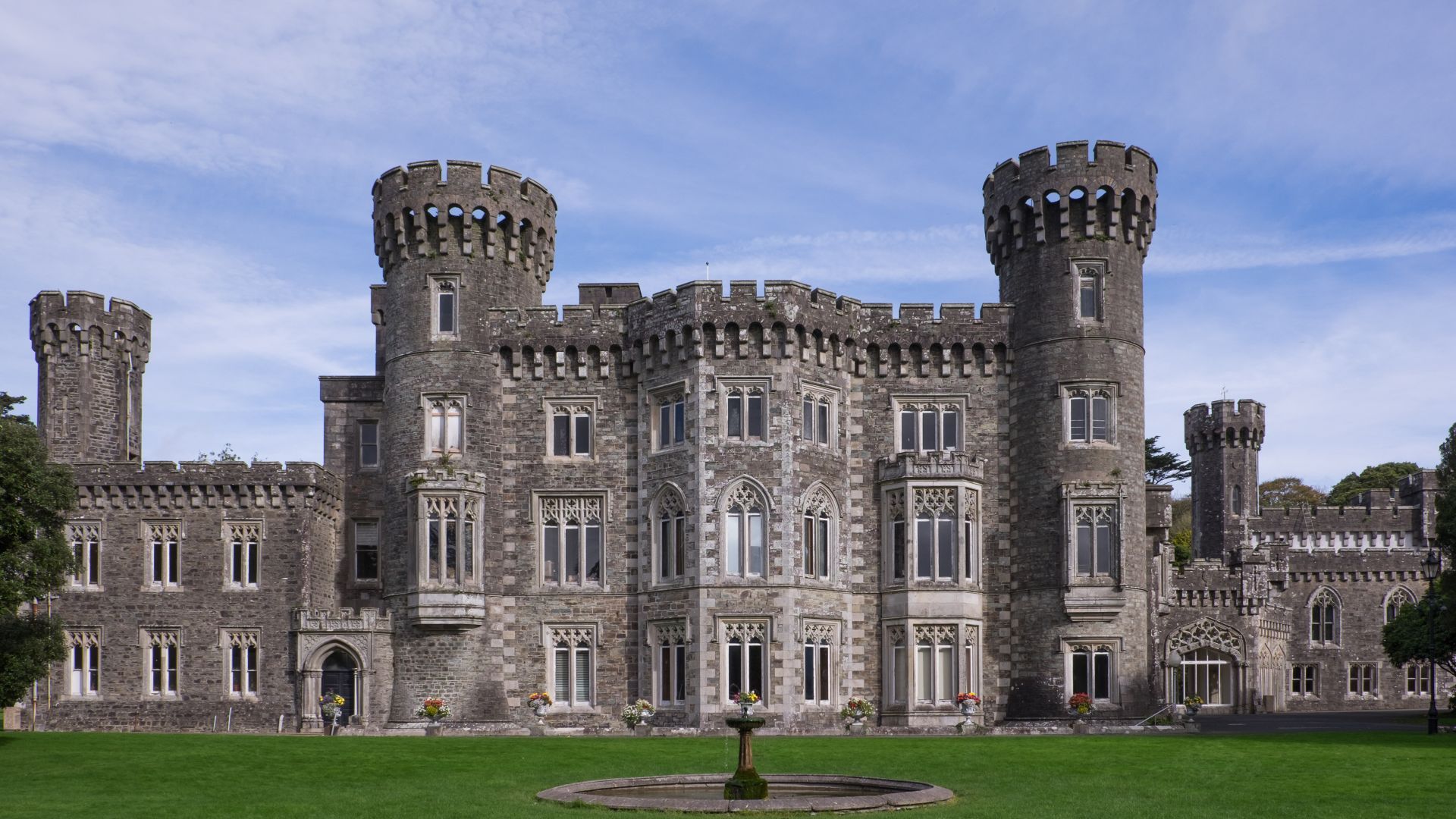
Nobody Knew What The Room Was For
The mysterious chamber appeared to have been sealed off during an earlier renovation, possibly remaining hidden for generations. Its original purpose was unclear, leaving historians to wonder why it had been concealed. The discovery raised fresh questions about the castle's changing layout and former occupants.
 Mike Searle , Wikimedia Commons
Workers Discovered A Secret Room Inside The Red Fort
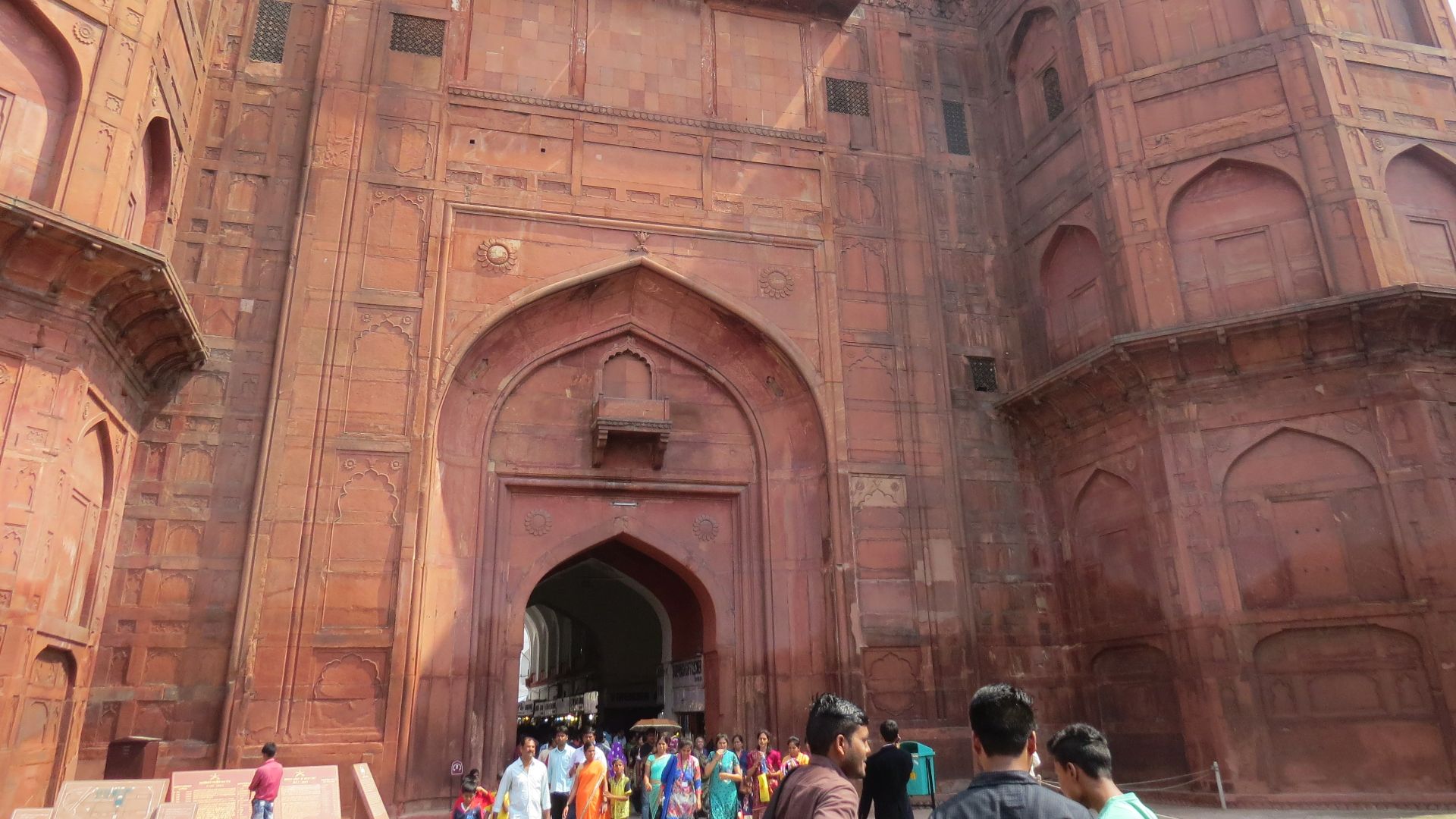
Delhi's Red Fort was built in the 17th century as a residence for Mughal emperors. But in 2018, restoration workers clearing earth near its main entrance, Lahori Gate, stumbled upon a hidden underground chamber. The previously unknown room had been buried beneath layers of soil for generations.
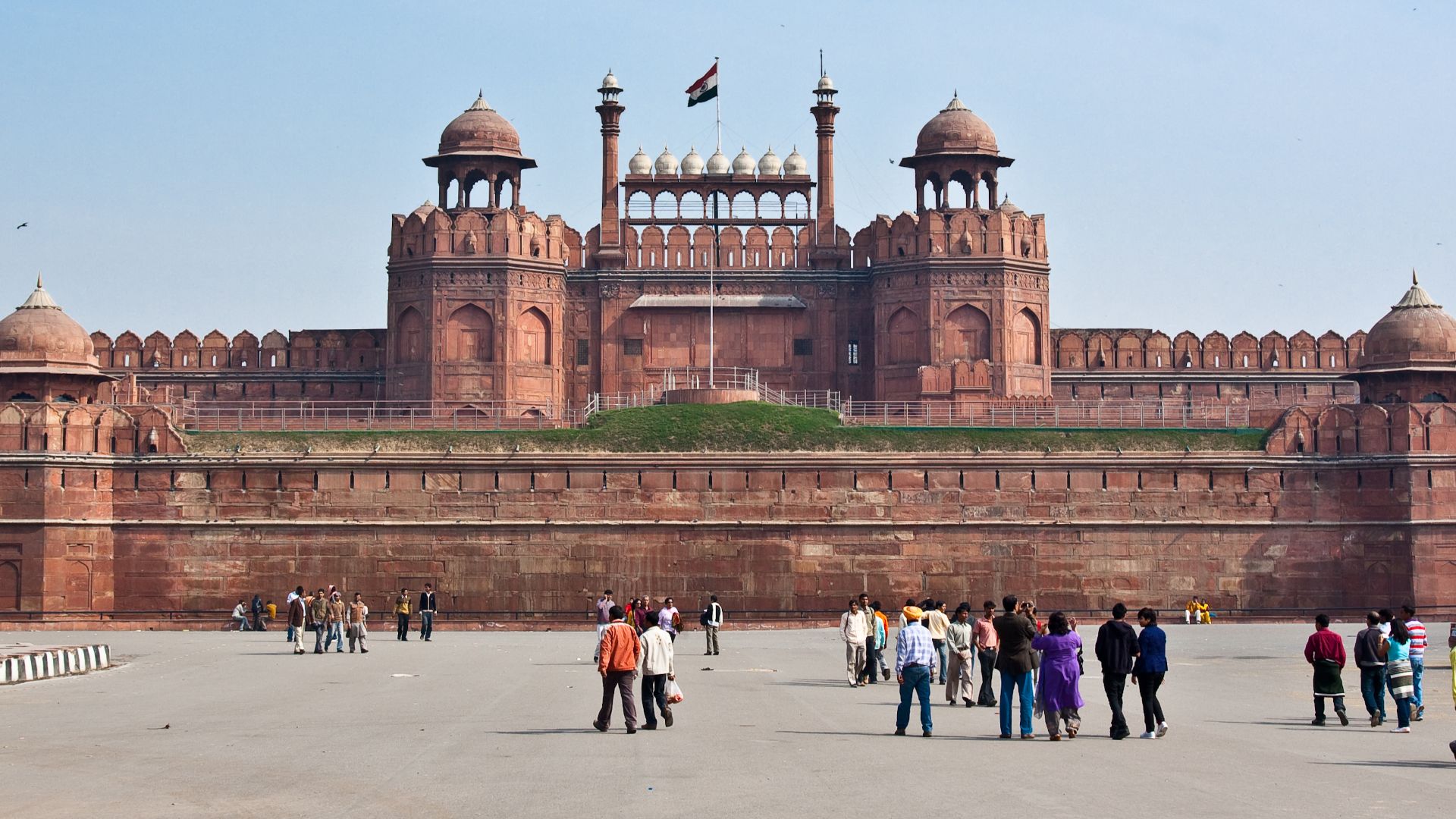
The Chamber May Have Hidden Ammunition
The brick chamber measured approximately six meters long, two meters wide, and three meters high, with stairs leading inside. Archaeologists suspected it stored ammunition during the Mughal or British colonial period, although no weapons were found. The Archaeological Survey of India cleared and restored the chamber, preserving another secret of the historic fortress.
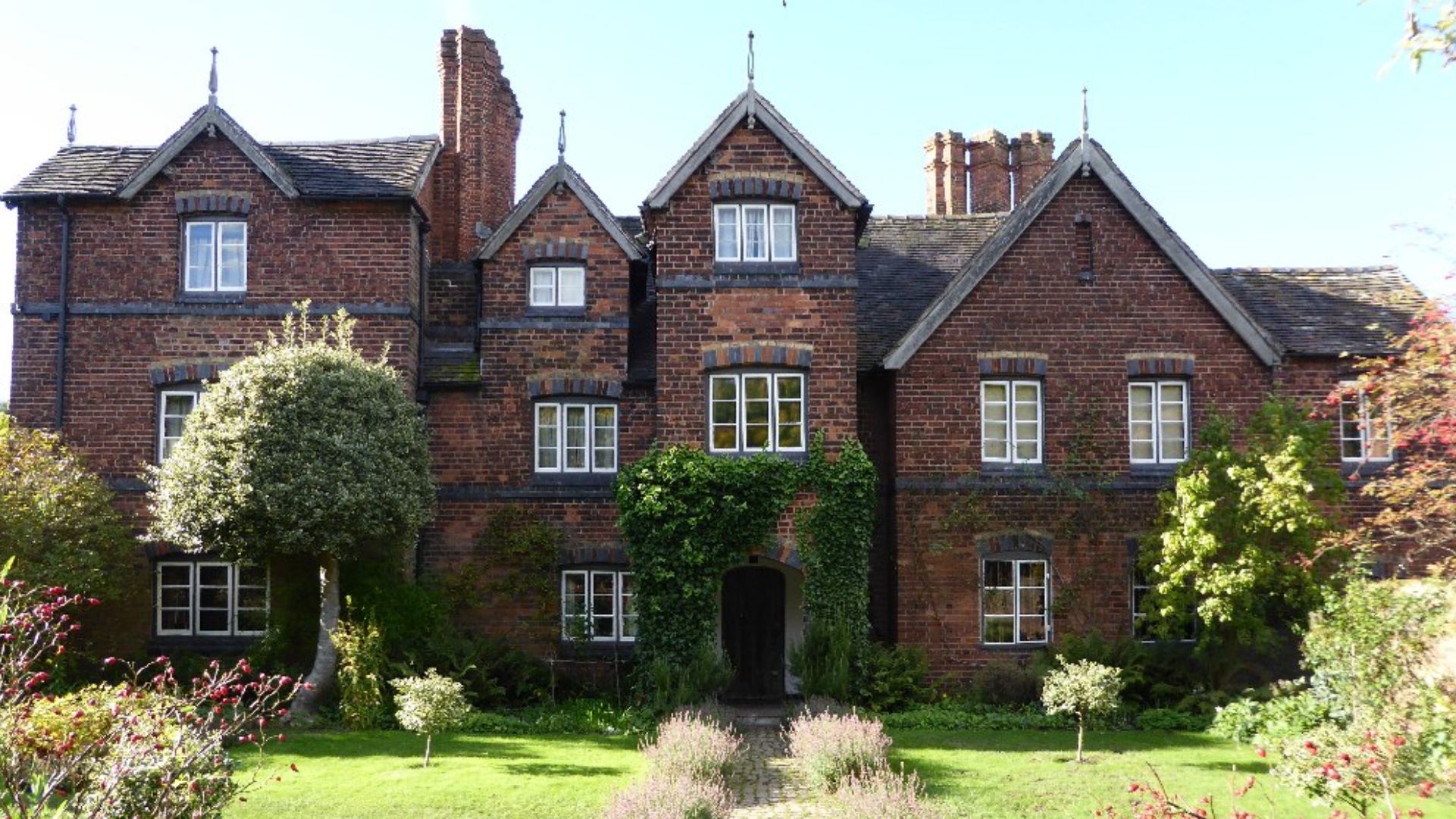
A Future King Hid Inside Moseley Old Hall
In September 1651, the future Charles II fled after losing the Battle of Worcester, the final major battle of the English Civil War. He sought refuge at Moseley Old Hall, where the Catholic Whitgreave family offered shelter. The house contained a concealed chamber originally designed to hide priests from government searches.
 Philip Halling , Wikimedia Commons
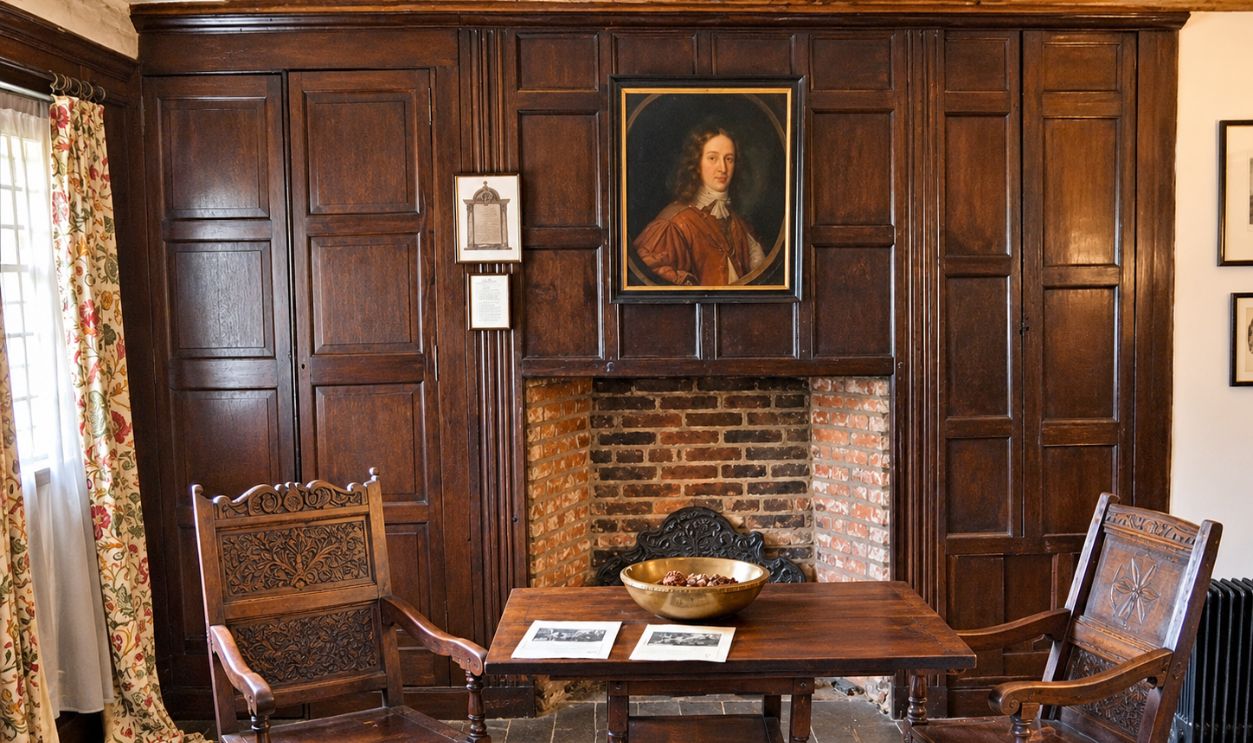
Soldiers Nearly Found The Fugitive King
When Parliamentarian soldiers approached Moseley Old Hall, Charles hid beneath a cupboard floor. The compartment was painfully cramped for a man over six feet tall. The soldiers failed to find him, and he eventually escaped to France before returning as king in 1660.
 Moseley Old Hall [2] by Michael Dibb, Wikimedia Commons
Leonardo Da Vinci Knew About A Castle's Secrets
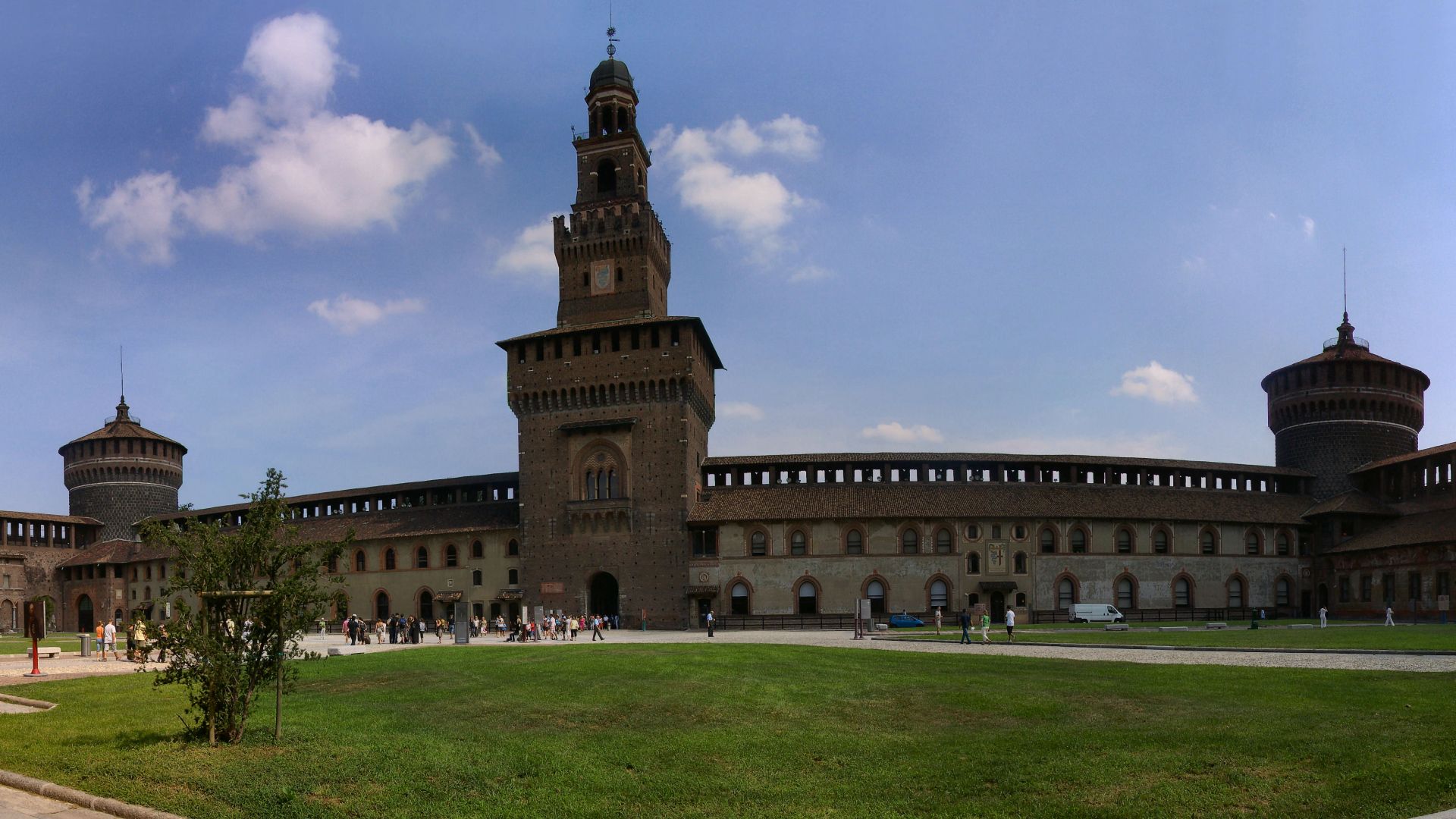
Milan's Sforza Castle became a powerful Renaissance residence during the 15th century. For generations, rumors circulated about secret passages beneath its enormous walls. Some underground structures appeared in drawings associated with Leonardo da Vinci, but their precise locations remained a mystery.
Radar Revealed The Buried Passages
In January 2025, researchers announced that radar had revealed underground structures beneath Sforza Castle. Some appeared to match passages depicted in Leonardo's drawings. The findings also revived interest in a rumored tunnel leading to the Basilica of Santa Maria delle Grazie, although its existence remains unconfirmed.
Modern Technology Is Revealing More Secrets
For centuries, hidden rooms were often discovered accidentally during renovations. Today, radar, cosmic-ray imaging, and other scanning technologies allow researchers to investigate spaces without damaging historic structures. Discoveries at Sforza Castle and the Great Pyramid show that even famous landmarks still hold surprises.
 Bernard DUPONT from FRANCE, Wikimedia Commons
What Else Could Be Hiding Behind The Walls?
From Michelangelo's mysterious drawings to the chamber that sheltered a future king, these hidden spaces reveal extraordinary stories. Some protected fugitives, while others concealed treasures or forgotten passageways. And despite centuries of exploration, historians are still uncovering secrets inside famous buildings. What incredible discoveries might be hiding behind the next unopened wall?
 Basile Morin, Wikimedia Commons
You May Also Like:
These Royal Brides Were Sent Across Europe To Marry Men They’d Never Met
Historical Nicknames That Outlived The People Who Hated Them