
Everyday Speech Is Full Of Fossils
English is packed with phrases that feel modern because we still use them constantly. But many of them began long ago in law courts, ships, theaters, battlefields, horse racing, religion, or old office routines. The strange part is that the original image often disappears while the expression keeps working perfectly.
Red Tape Was Real Tape
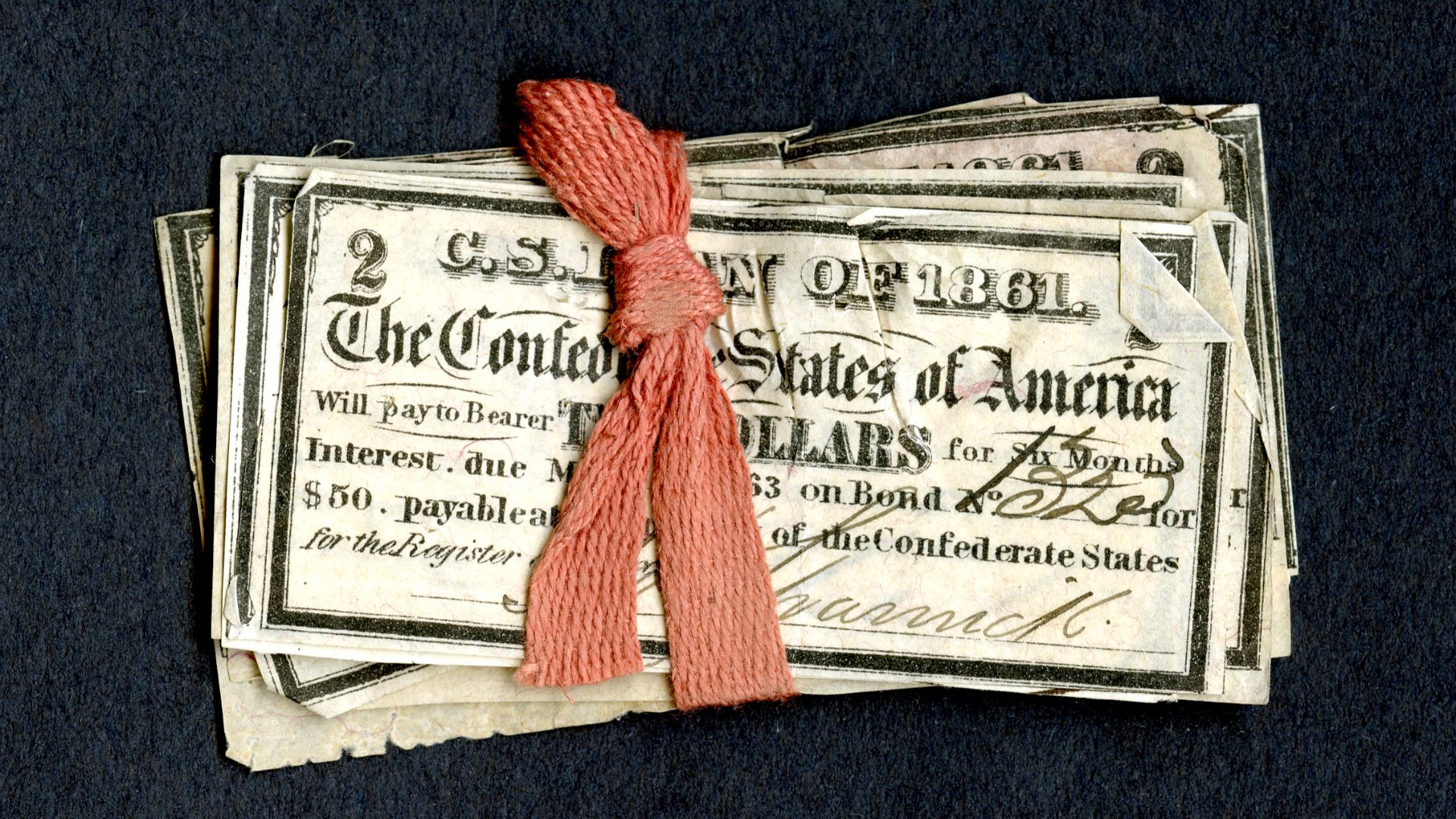
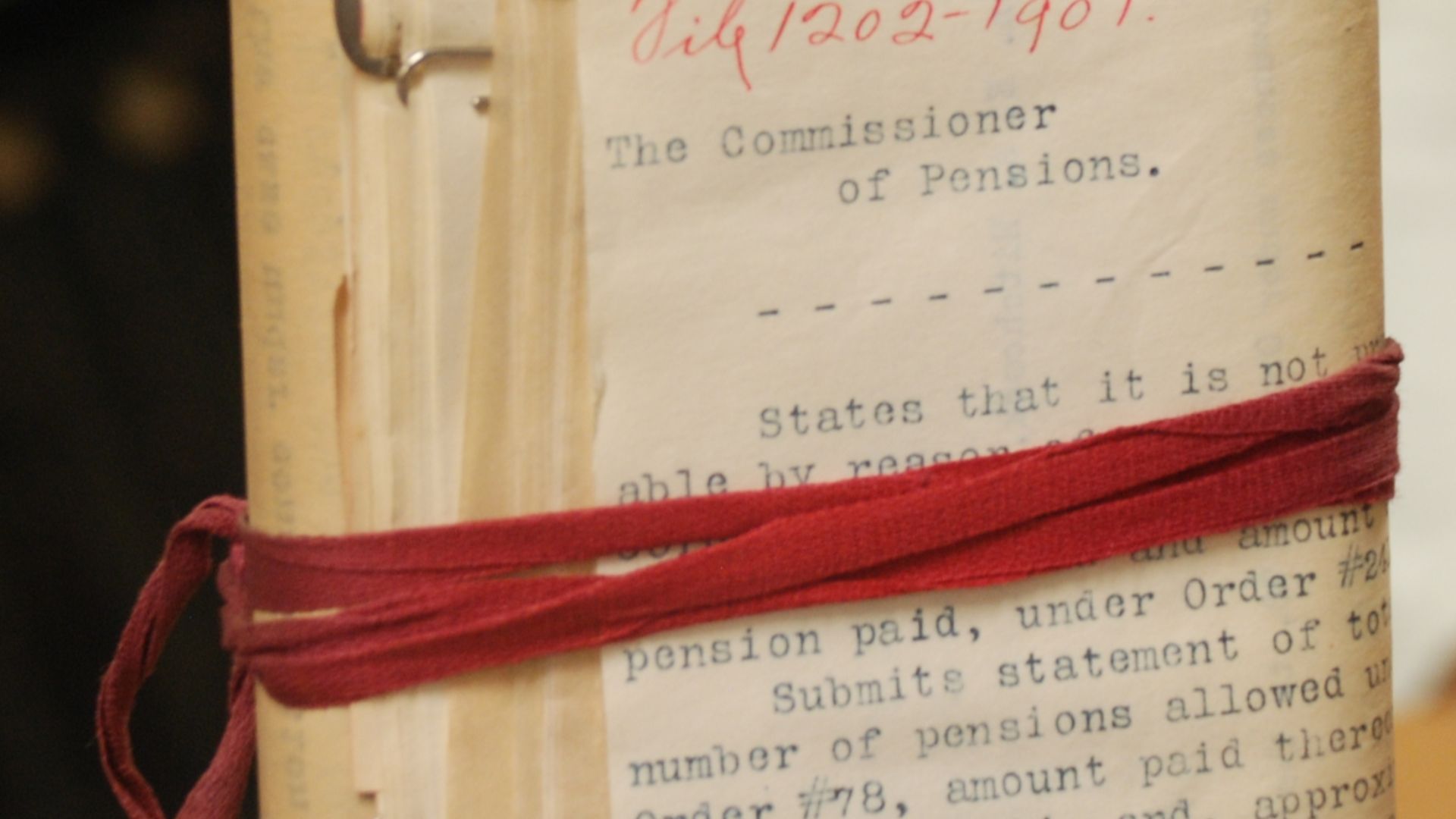
When people complain about “red tape,” they usually mean frustrating bureaucracy. The phrase comes from the red tape once used to bind official and legal documents in Britain and the American colonies. By the 1700s, the literal office supply had become a metaphor for excessive official procedure.
 National Museum of American History
, Wikimedia Commons
National Museum of American History
, Wikimedia Commons
A Deadline Was Once Much Darker
Today, a deadline is just the time something is due. Merriam-Webster traces an older meaning to a line around a prison that a prisoner crossed at the risk of being shot. The modern time-limit meaning became dominant much later, especially through newspaper and printing usage.
 Library of Congress, Wikimedia Commons
White Elephants Were Expensive Honors
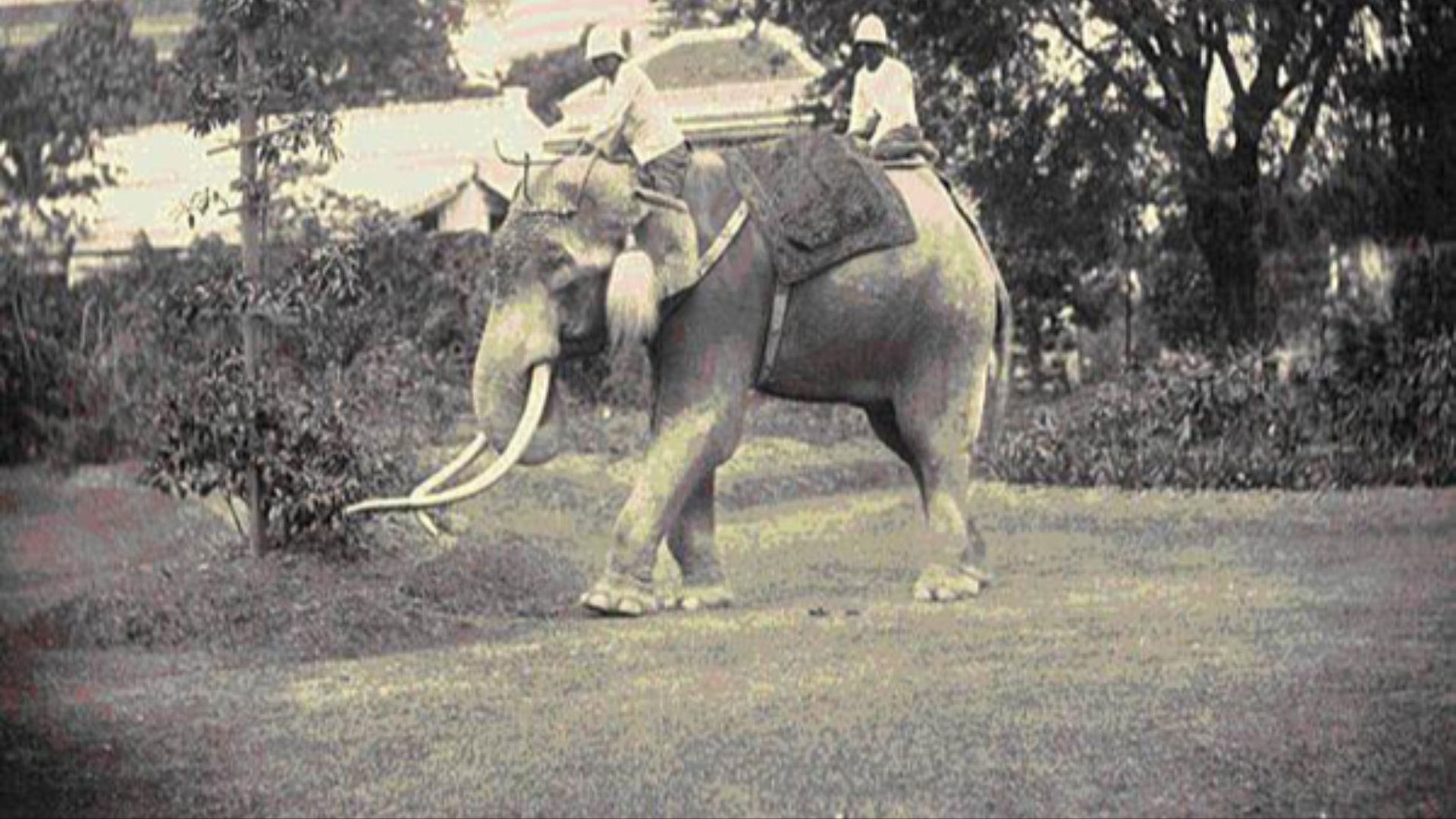
A “white elephant” is something costly, awkward, and hard to get rid of. The phrase is tied to the status of pale elephants in parts of South and Southeast Asia, where they could be sacred and expensive to maintain. The familiar English figurative use was recorded in the nineteenth century.
 Unknown authorUnknown author, Wikimedia Commons
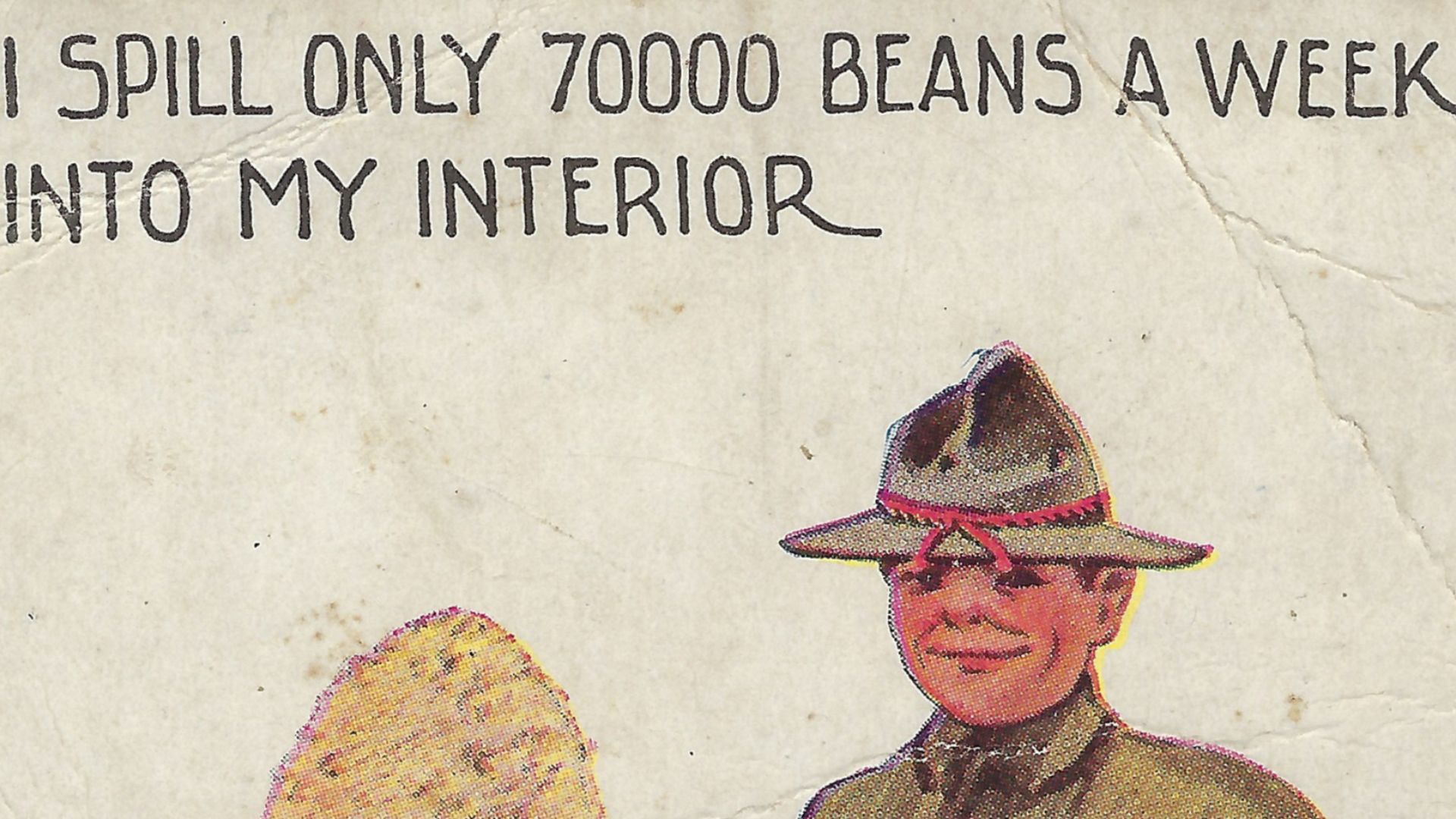
Spill The Beans Is Still Mysterious
“Spill the beans” means to reveal a secret, but its exact origin remains uncertain. Oxford University Press’s Anatoly Liberman notes that popular explanations exist, but firm evidence for the source is lacking. That makes it a good reminder that not every idiom has a neat origin story.
 Wall, Bernhardt, 1872-1956, Wikimedia Commons
Break The Ice Goes Back Centuries
We now “break the ice” at parties, meetings, and awkward dinners. Older uses treated ice-breaking as a metaphor for opening the way for action or conversation. Phrase Finder traces literary use back to the early modern period, including Shakespeare and later seventeenth-century writing.
 U.S. Department of Defense Current Photos, Wikimedia Commons
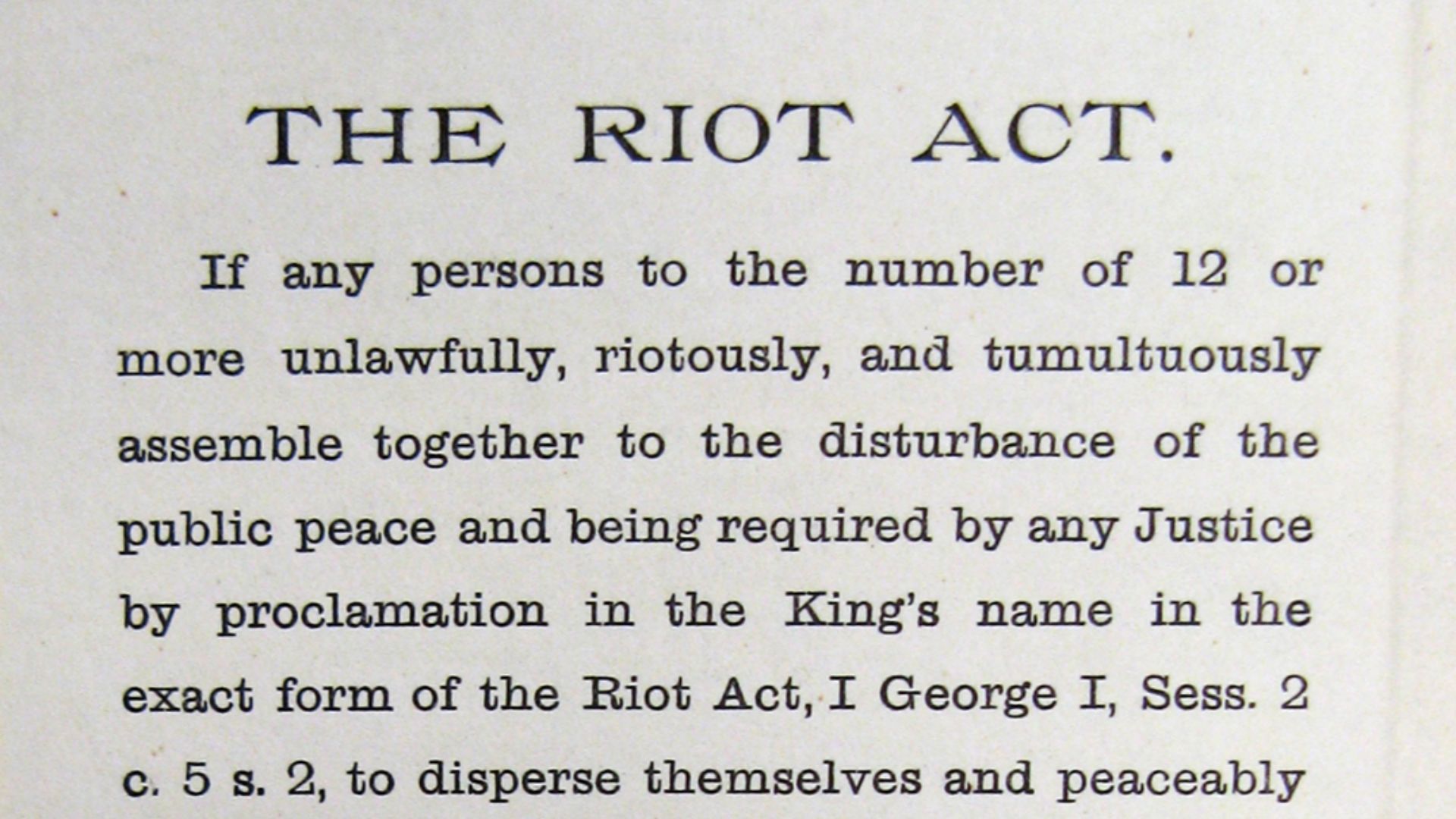
Read The Riot Act Was Literal
To “read someone the riot act” now means to reprimand them sharply. The original Riot Act was a British law passed in 1714 that required an official proclamation before authorities acted against an unlawful assembly. Over time, a legal warning to crowds became a domestic phrase for telling someone off.
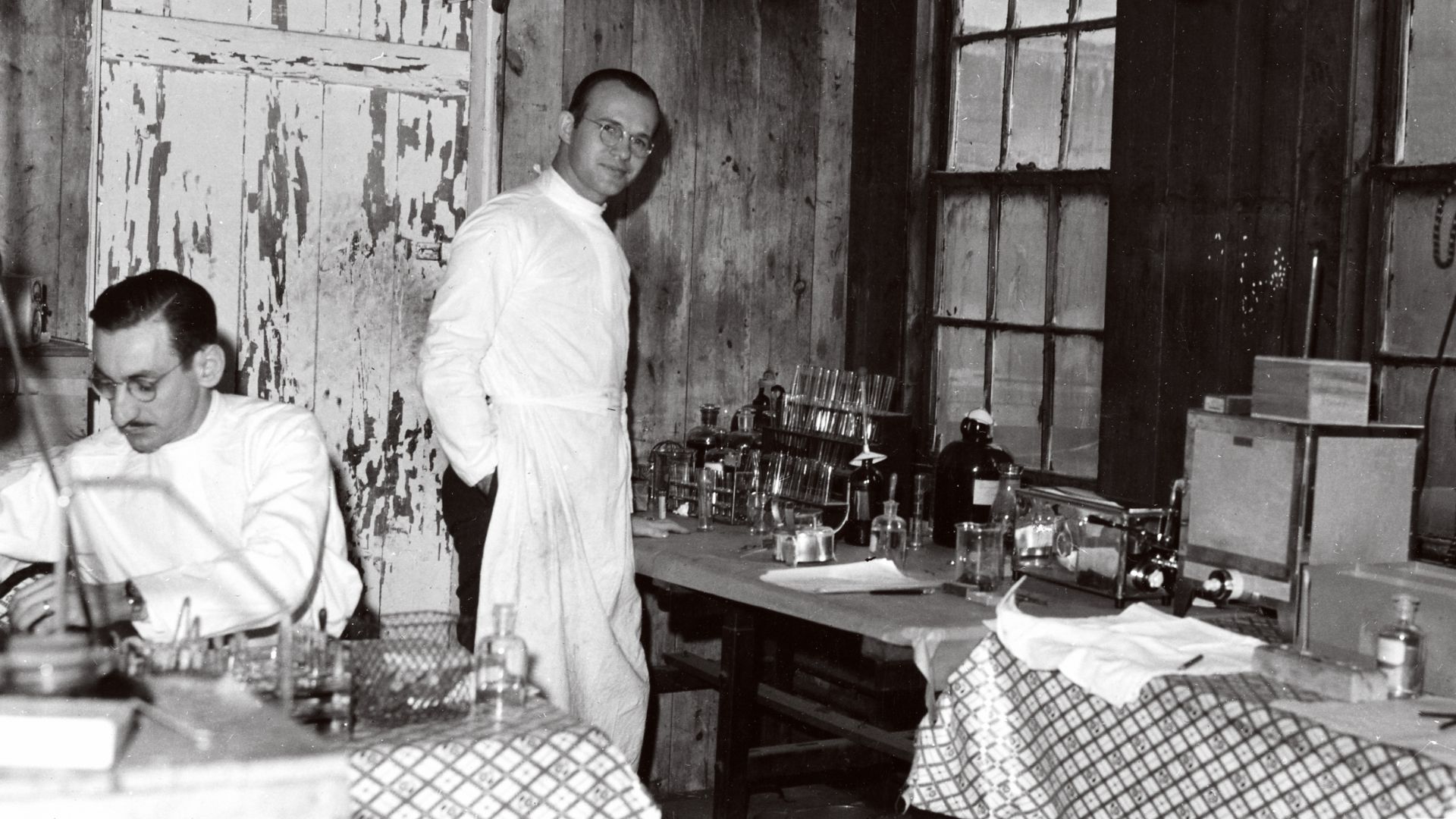
Mad As A Hatter Was Not From Alice
Lewis Carroll made the Hatter famous, but the phrase “mad as a hatter” predates Alice’s Adventures in Wonderland. The expression is often linked to mercury compounds used in felt hatmaking, which could cause neurological symptoms in workers. History and Merriam-Webster both note the phrase existed independently of Carroll’s character.
 U.S. Public Health Service, Wikimedia Commons
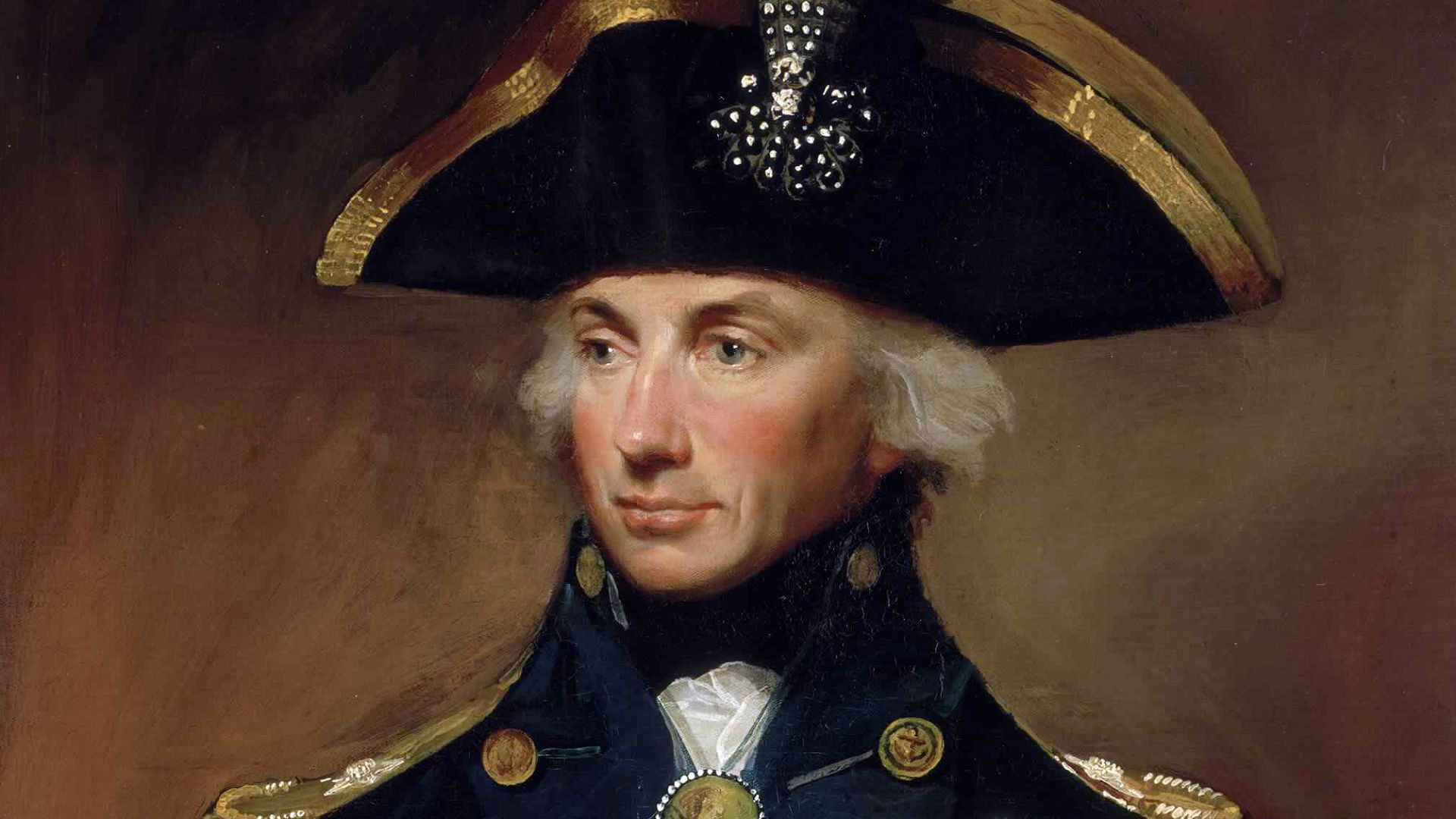
Turn A Blind Eye Has A Famous Story
To “turn a blind eye” means to deliberately ignore something. The phrase is often associated with Admiral Horatio Nelson, who supposedly ignored a signal during the Battle of Copenhagen by putting a telescope to his blind eye. Phrase Finder cautions that heroic anecdotes can grow exaggerated, so the Nelson story should be treated carefully.
 Lemuel Francis Abbott, Wikimedia Commons

History's most fascinating stories and darkest secrets, delivered to your inbox daily.
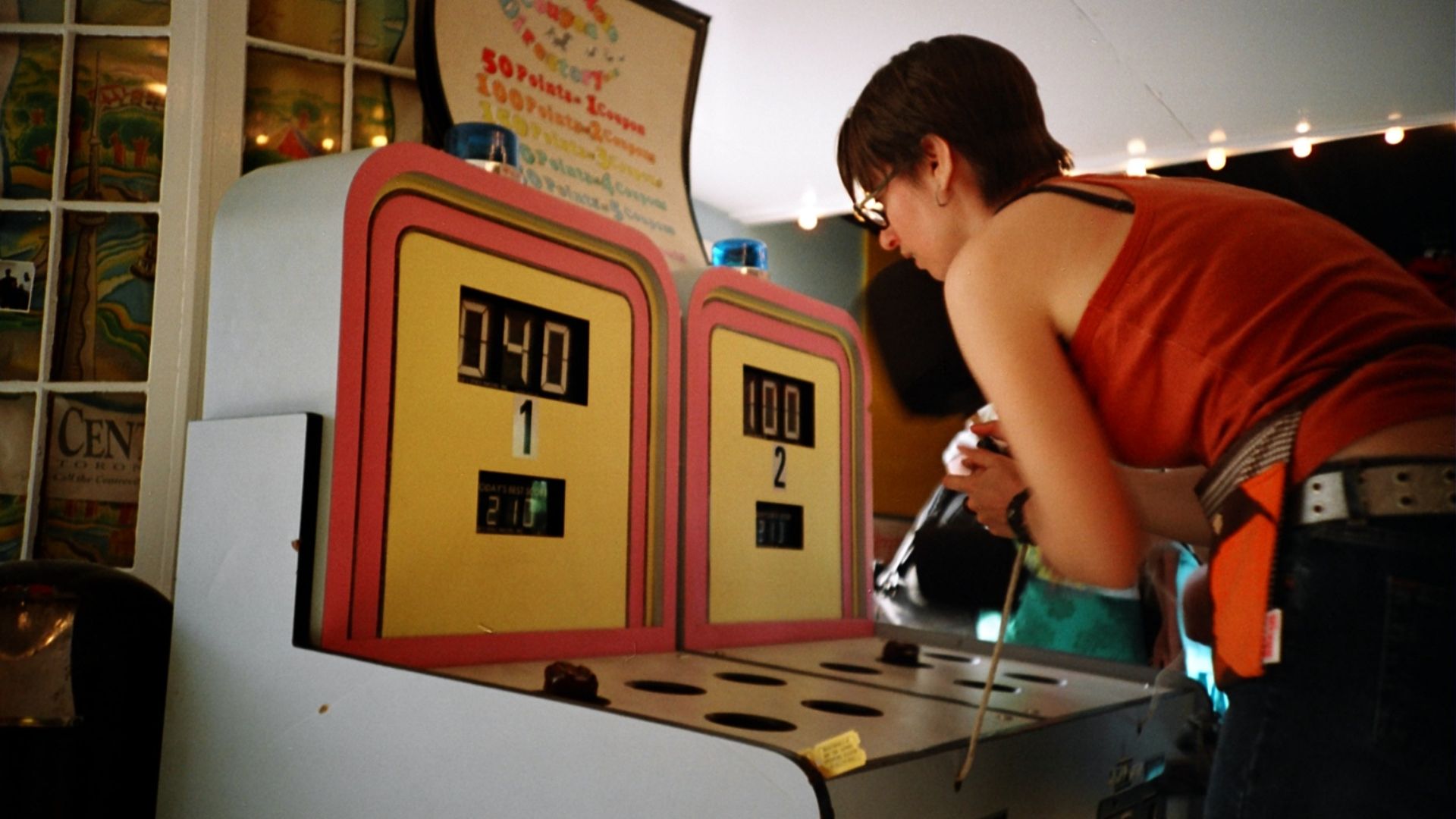
Close, But No Cigar Came From Prizes
“Close, but no cigar” means someone almost succeeded but did not quite win. The phrase is generally tied to American fairground and carnival games where cigars were given as prizes. Phrase Finder dates the expression to the mid-twentieth century in American usage.
 sa_ku_ra / sakura, Wikimedia Commons
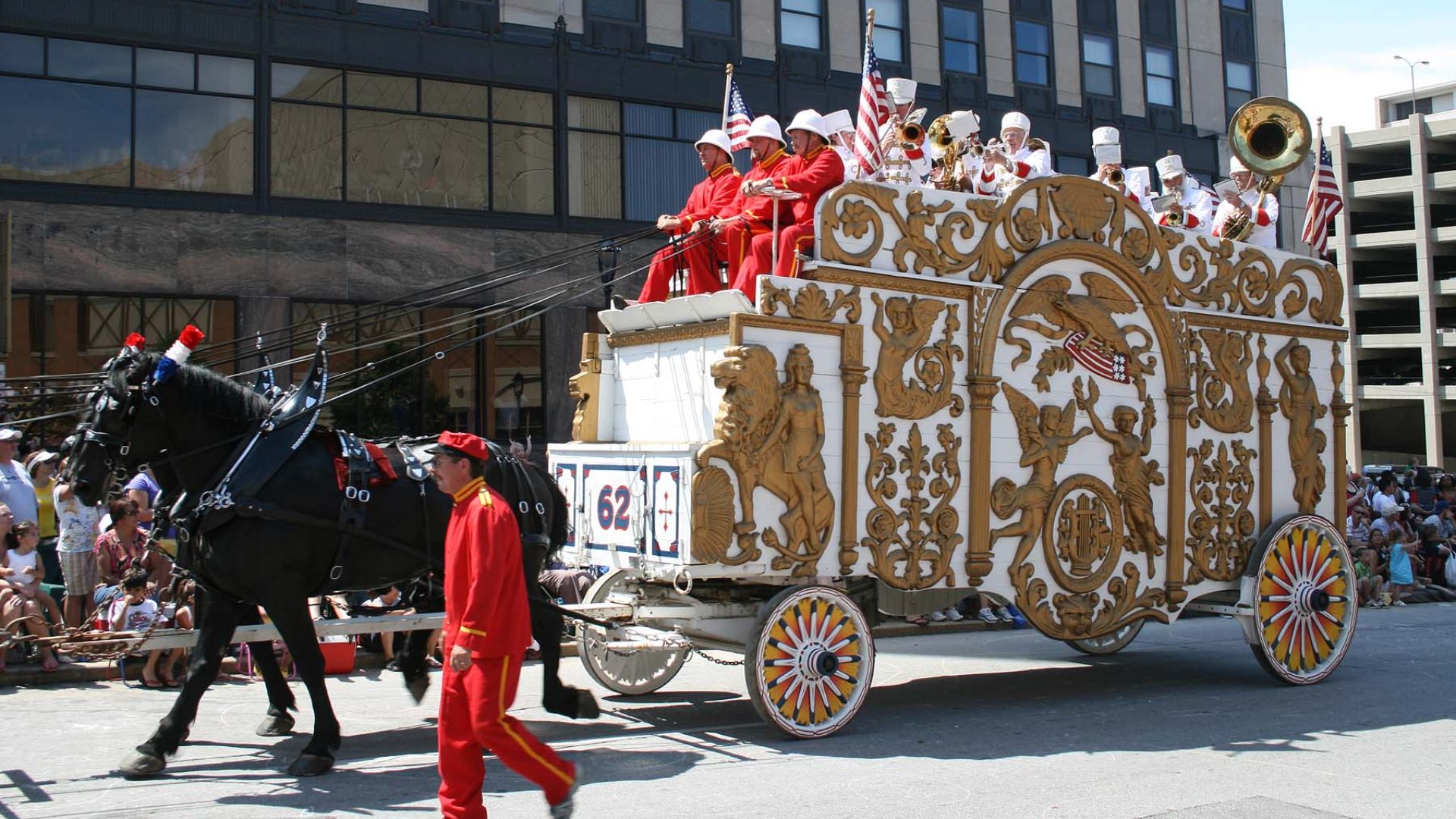
Jumping On The Bandwagon Was Political Theater
A bandwagon was originally a wagon carrying a band in a parade or circus. The figurative sense developed in American culture, especially around popular movements and political campaigns. By the late nineteenth century, “bandwagon” could describe joining something because it looked likely to succeed.
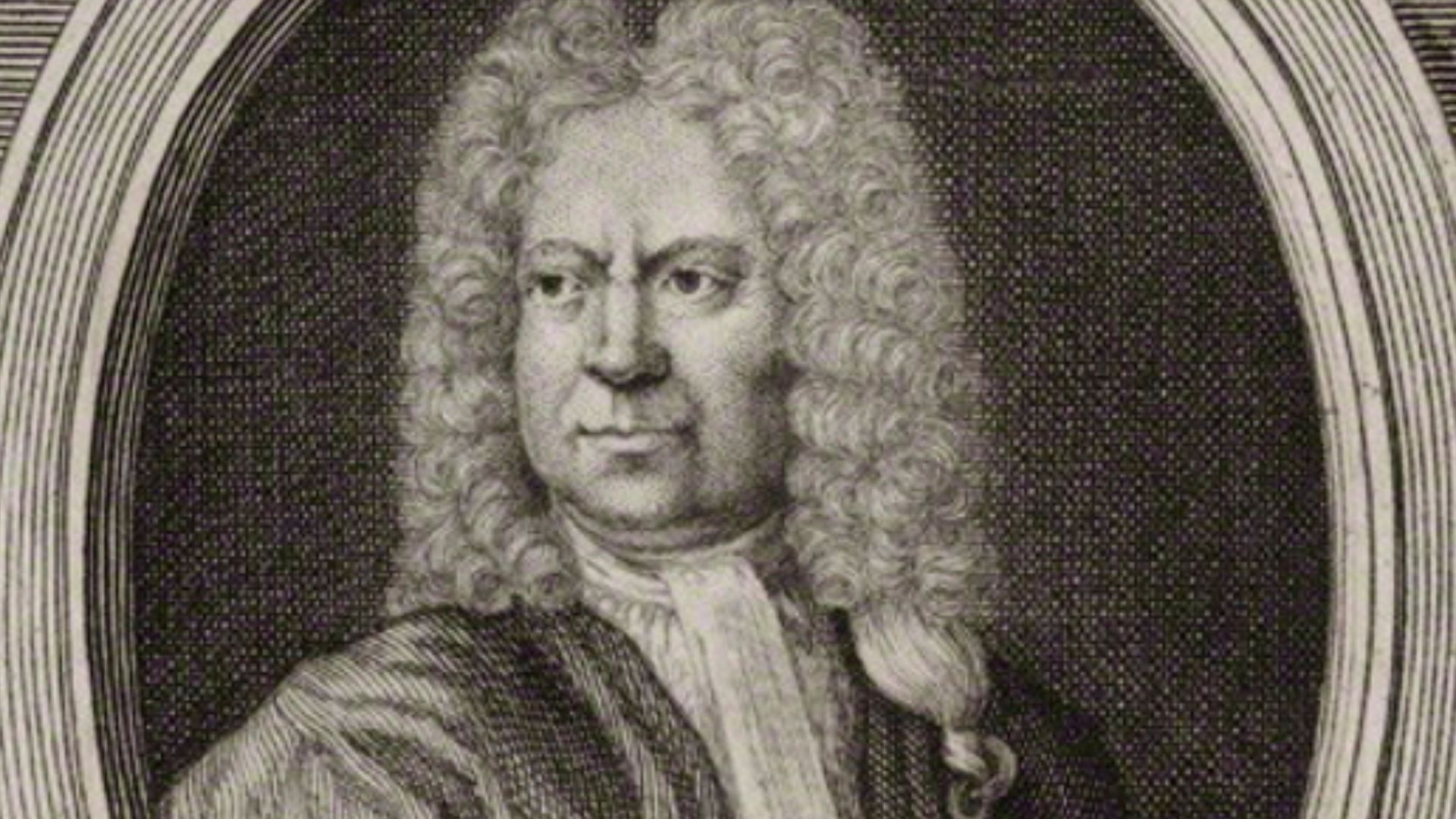
Stealing Thunder Began Backstage
To “steal someone’s thunder” means to use another person’s idea or upstage them. The phrase is usually traced to playwright John Dennis, who created a theatrical thunder effect and then saw it used elsewhere. Etymonline dates the figurative use to the nineteenth century and connects it to that stage anecdote.
 Jan (John) Vandergucht, Wikimedia Commons
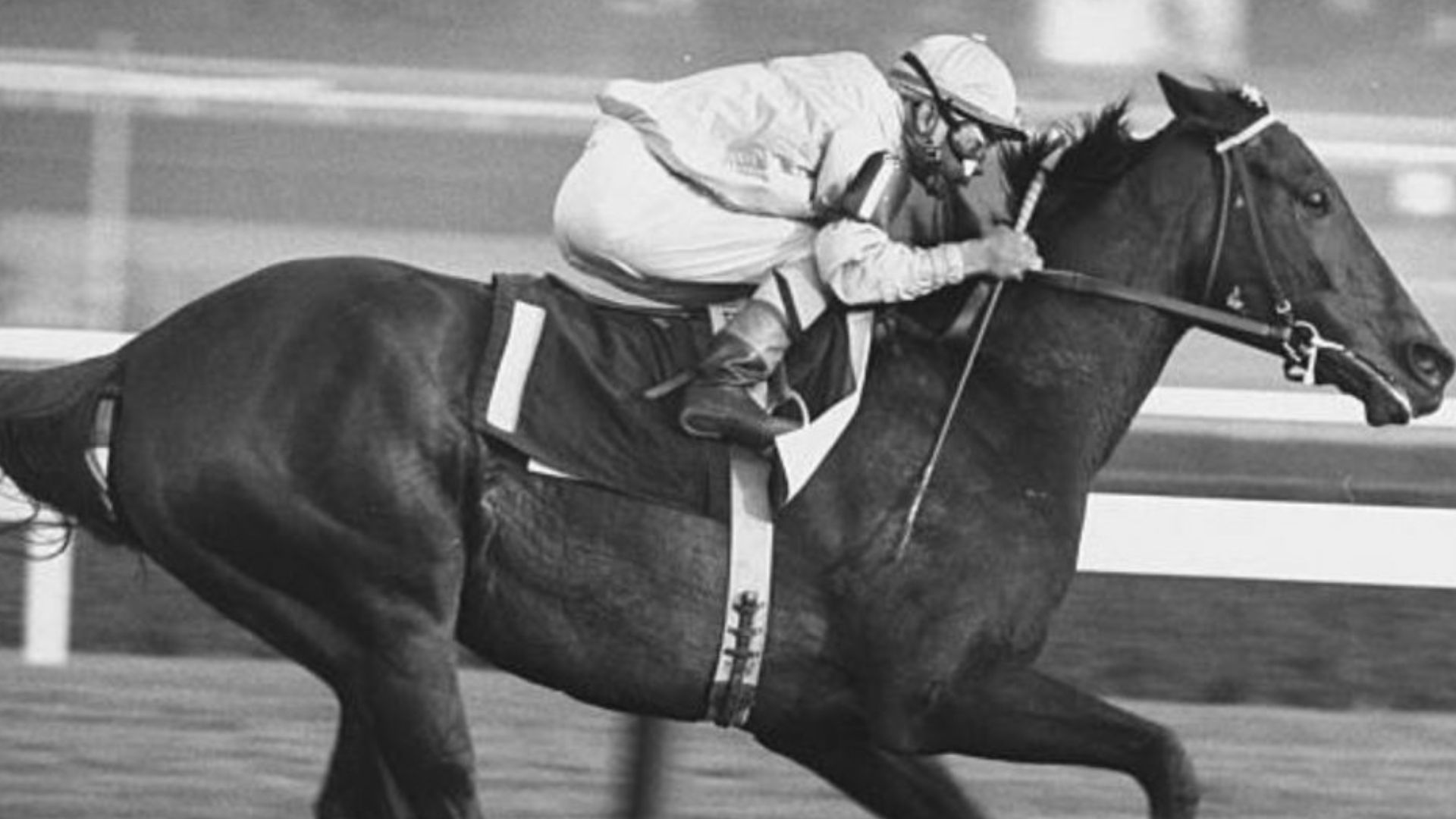
Hands Down Comes From Horse Racing
When something wins “hands down,” it wins easily. The phrase comes from horse racing, where a jockey with a comfortable lead could relax the reins and lower his hands. Etymonline records this racing sense in the nineteenth century.
Foot The Bill Came From The Bottom
To “foot the bill” means to pay it, often for everyone else. The “foot” was the bottom of an account page, where the total would be written. That bookkeeping image gradually became a phrase about taking financial responsibility.
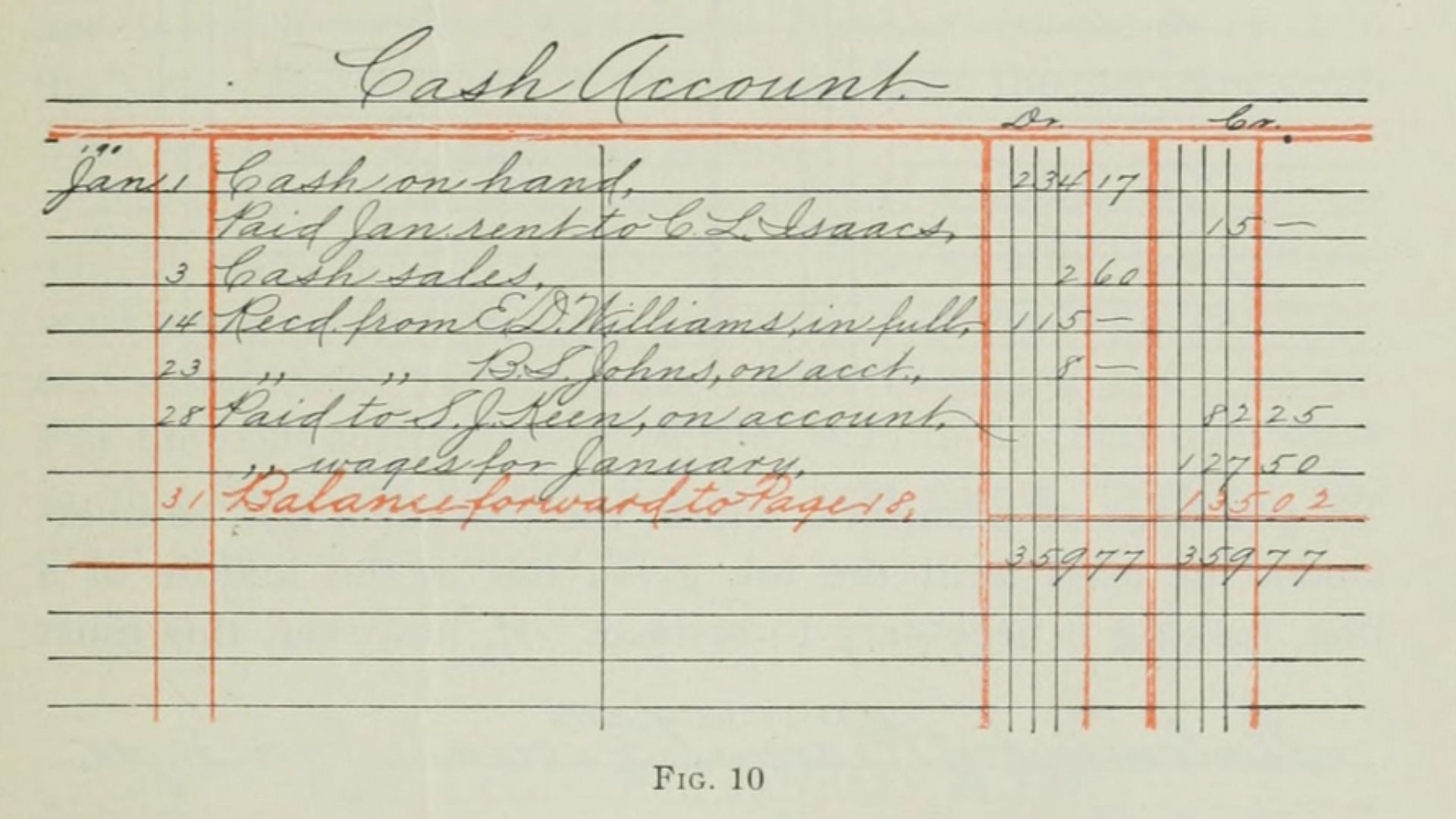 Prouty, Nelson Hindley,, Wikimedia Commons
The Upper Hand May Come From Grappling
Having “the upper hand” means having the advantage. Etymonline records the phrase from the late fifteenth century and says it may come from wrestling. The basic image still makes sense because the person on top has control.
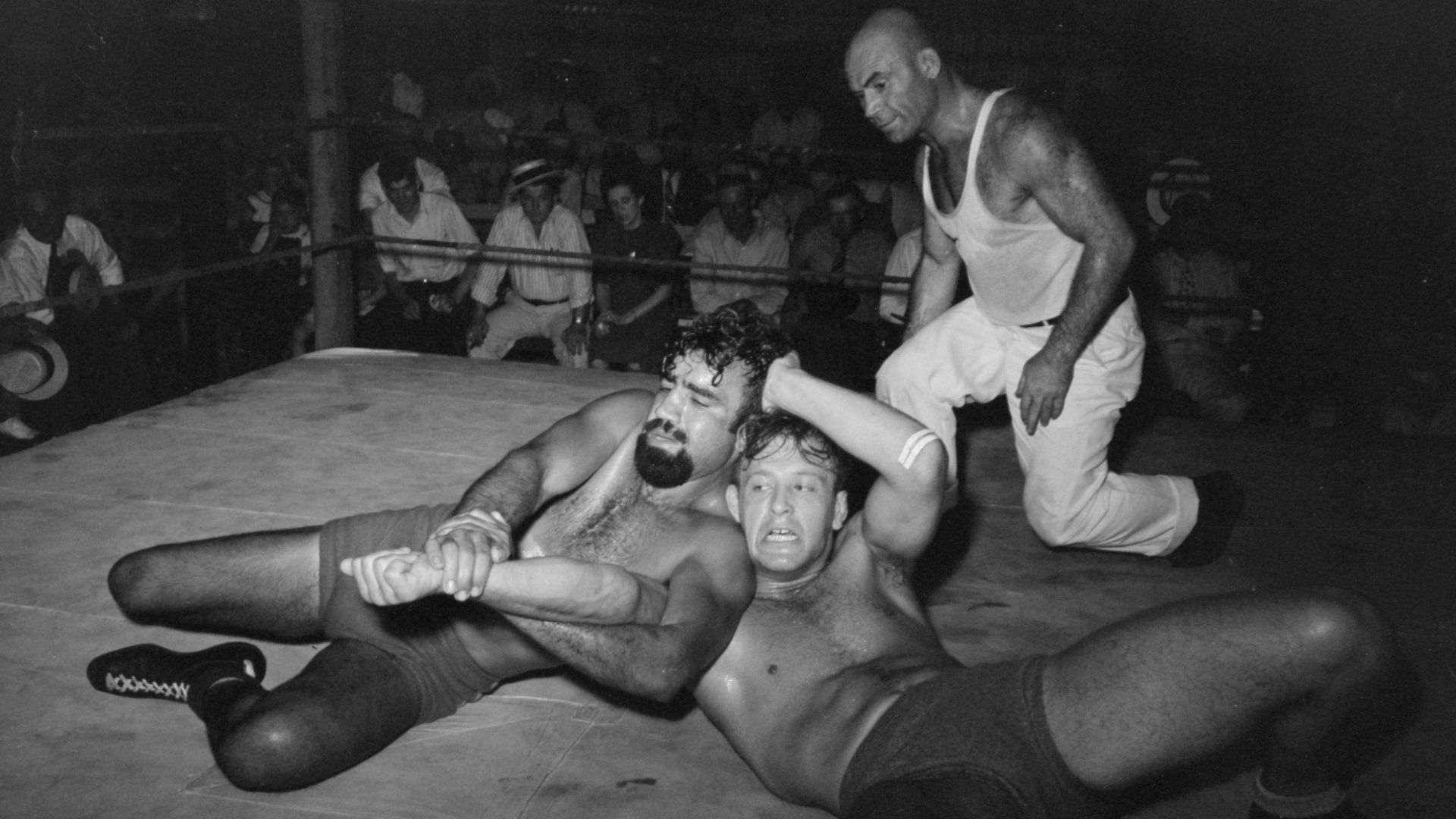 Russell Lee, Wikimedia Commons
By And Large Was Nautical
“By and large” now means generally or on the whole. The phrase comes from sailing language, where “by” and “large” described different relations between a ship and the wind. Its broader meaning grew from the idea of considering matters from different directions.
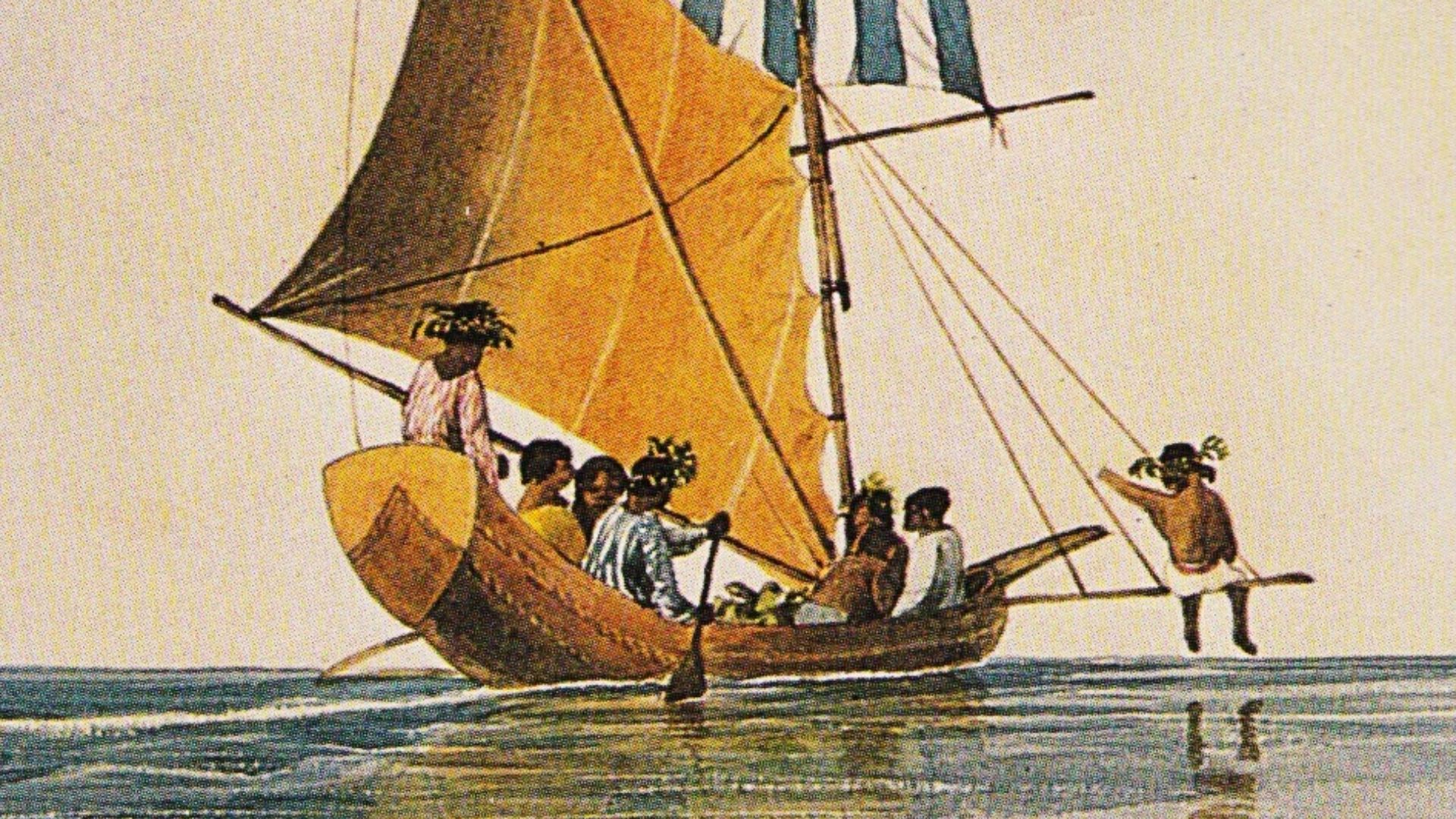 Henry Byam Martin, Wikimedia Commons
The Cold Shoulder Has A False Folk Tale
People often say “cold shoulder” came from serving unwanted guests cold meat. That story is widely repeated, but several etymology sources treat it as doubtful or unsupported. The phrase is more securely linked to Sir Walter Scott and the idea of deliberate coldness or rejection.
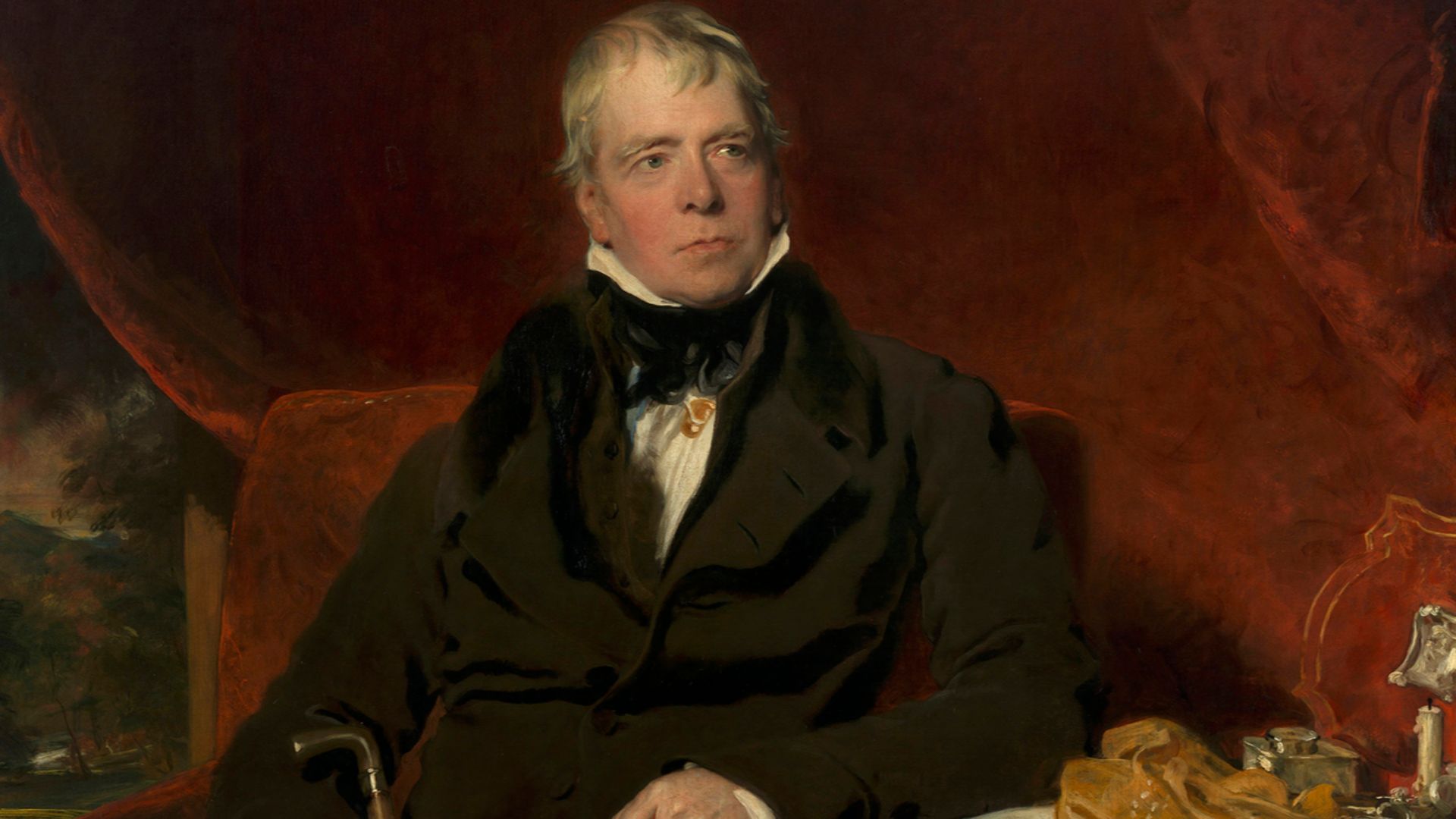 Thomas Lawrence, Wikimedia Commons
Scapegoat Began In A Ritual
A scapegoat is someone blamed for the faults of others. The word comes from the biblical Day of Atonement ritual described in Leviticus, where one goat symbolically carried away sins into the wilderness. English usage was shaped by William Tyndale’s 1530 Bible translation.
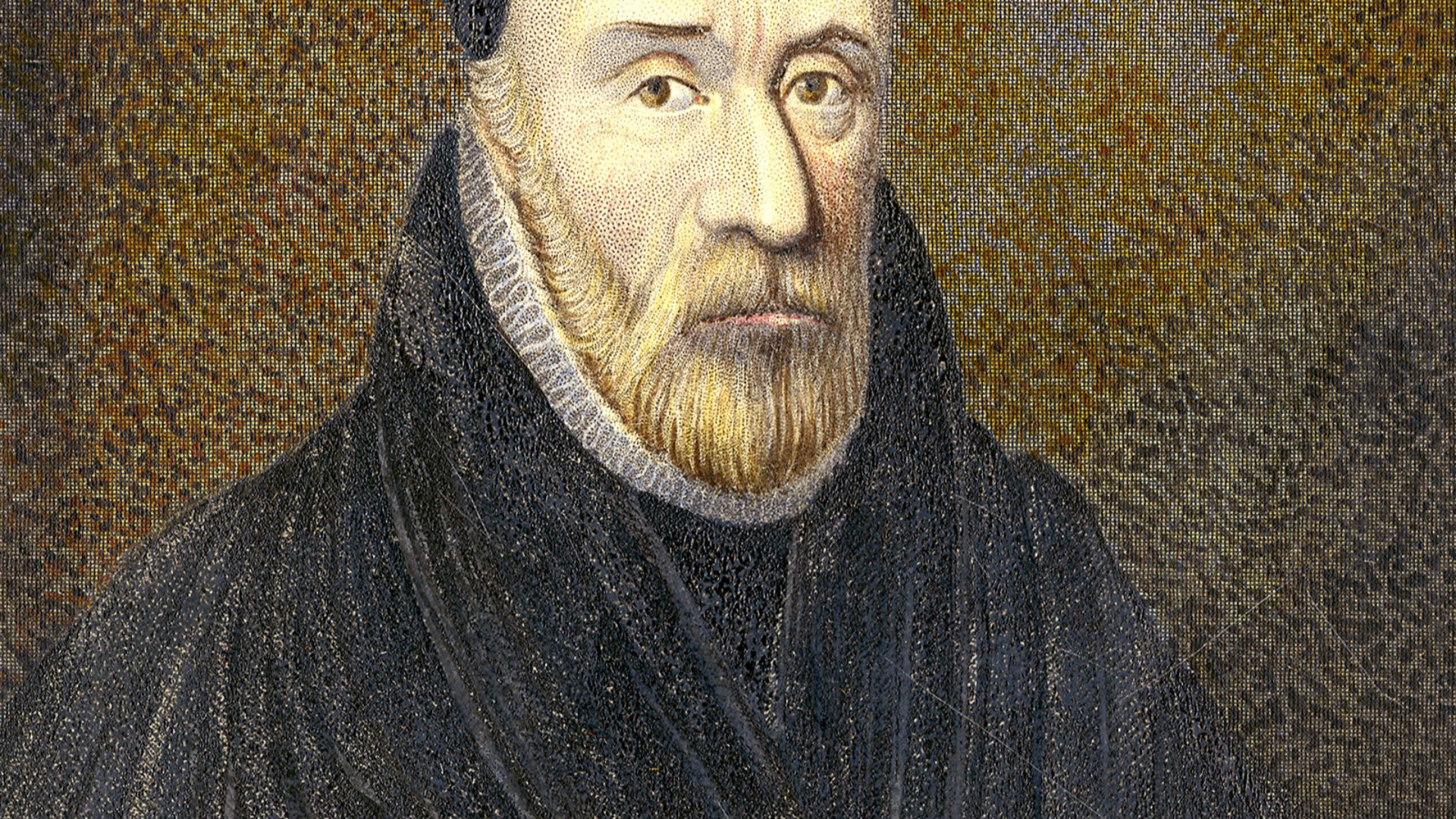 Unknown authorUnknown author, Wikimedia Commons
Limelight Was Dangerous Stage Technology
Being “in the limelight” means being the center of attention. Limelight was once a bright stage light produced by heating lime with an oxygen-hydrogen flame. Because it illuminated performers, the physical spotlight became a metaphor for public attention.
 Chemicalinterest, Wikimedia Commons
Pipe Dreams Were Opium Dreams
A “pipe dream” is an unrealistic hope or fantasy. Merriam-Webster explains that the phrase comes from the visions associated with smoking an opium pipe. Today, the drug reference has mostly faded, while the meaning of an unlikely plan remains.

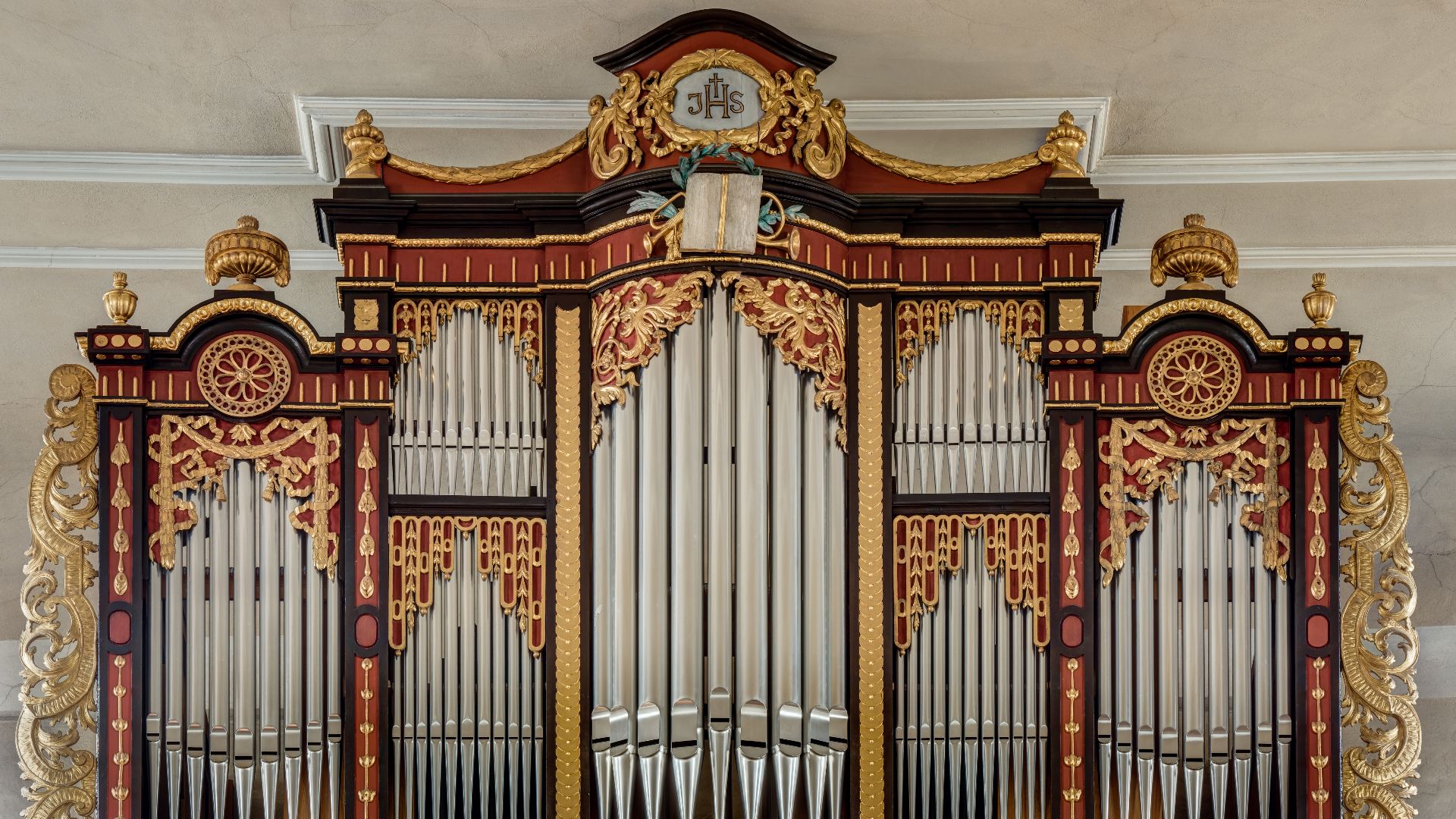
Pulling Out All The Stops Was Musical
To “pull out all the stops” means to make every possible effort. The phrase comes from pipe organs, where stops control airflow to sets of pipes. Pulling out more stops could create a louder, fuller sound.
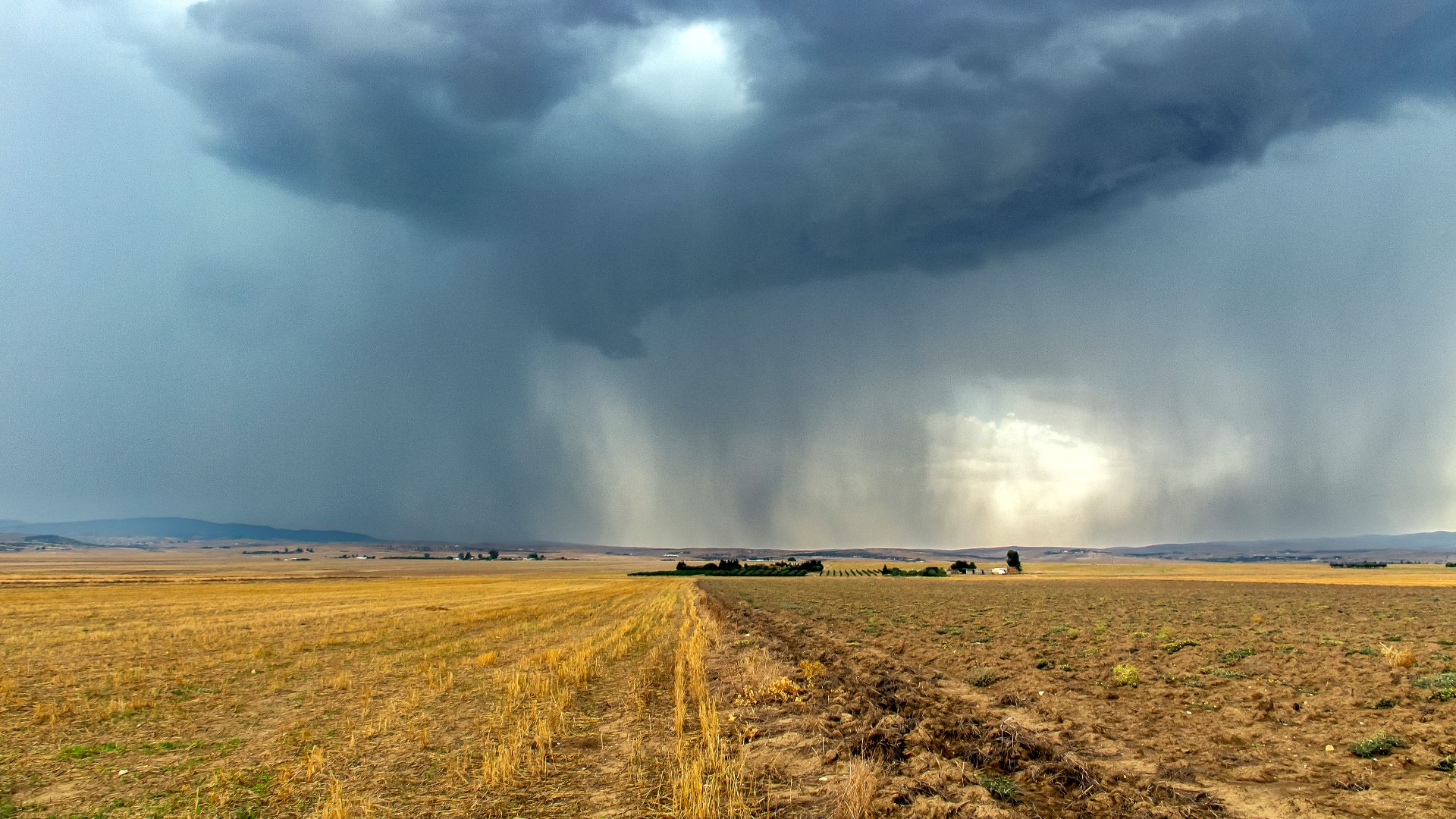
Under The Weather May Be Nautical
When people feel “under the weather,” they feel ill or out of sorts. Etymonline records the ill-health meaning by 1810 and notes earlier senses connected to difficulty. Wordorigins connects the phrase to older nautical language about being below or protected from bad weather.
Cut To The Chase Came From Movies
“Cut to the chase” means to skip the buildup and get to the point. The phrase is usually traced to the early American film industry, where chase scenes were often the exciting payoff. Phrase Finder connects the wording to film editing and early Hollywood usage.
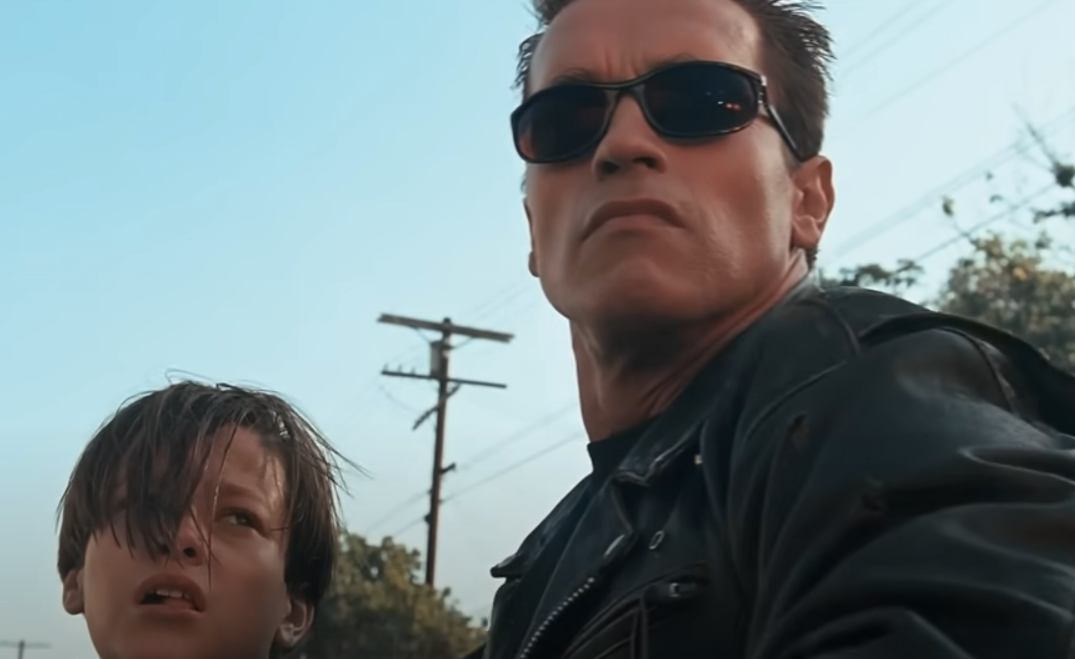 Screenshot from Terminator 2: Judgment Day, Carolco Pictures (1991)
Long Shot Was A Difficult Shot
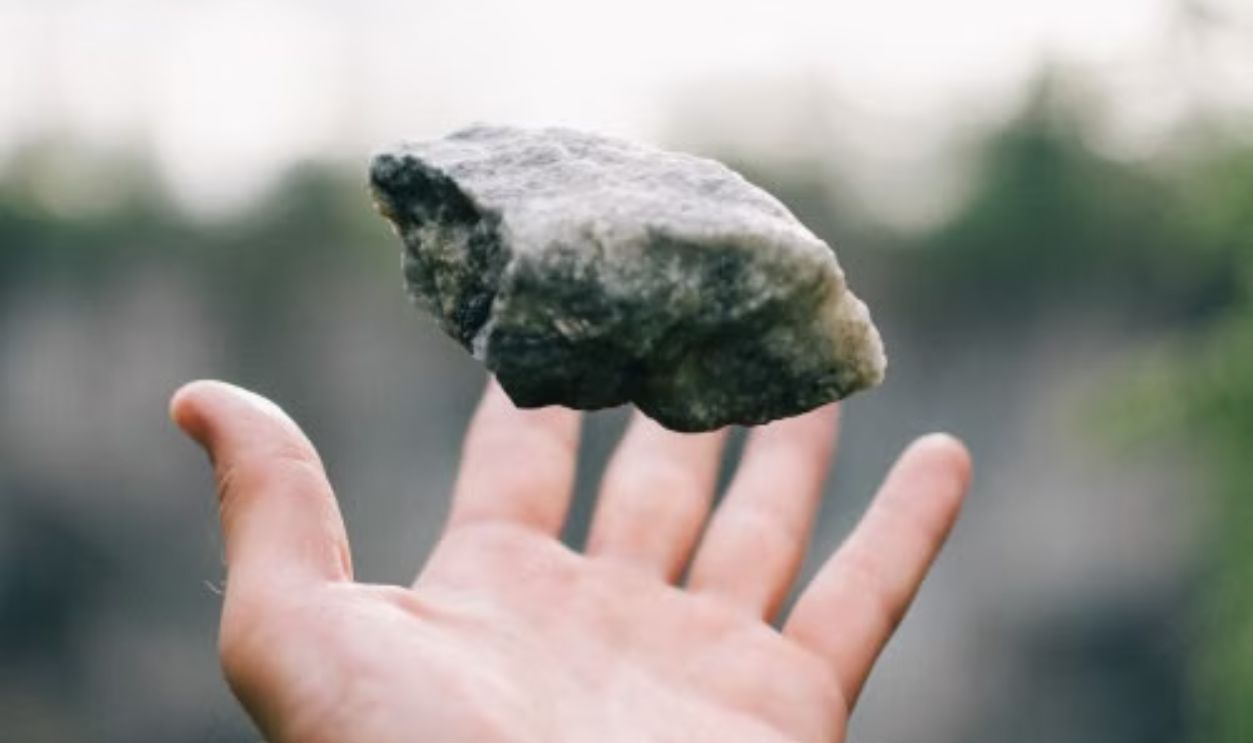
A “long shot” is something unlikely to succeed. Etymonline traces the figurative meaning to the nineteenth century and explains the image as a shot taken from a great distance. The farther the shot, the lower the chance of hitting the target.
Loopholes Were Built Into Walls
A legal loophole now means an ambiguity or gap that lets someone avoid a rule. The word originally referred to a narrow slit in a wall, often used by defenders to shoot through. That physical opening eventually became a metaphorical opening in a law or system.
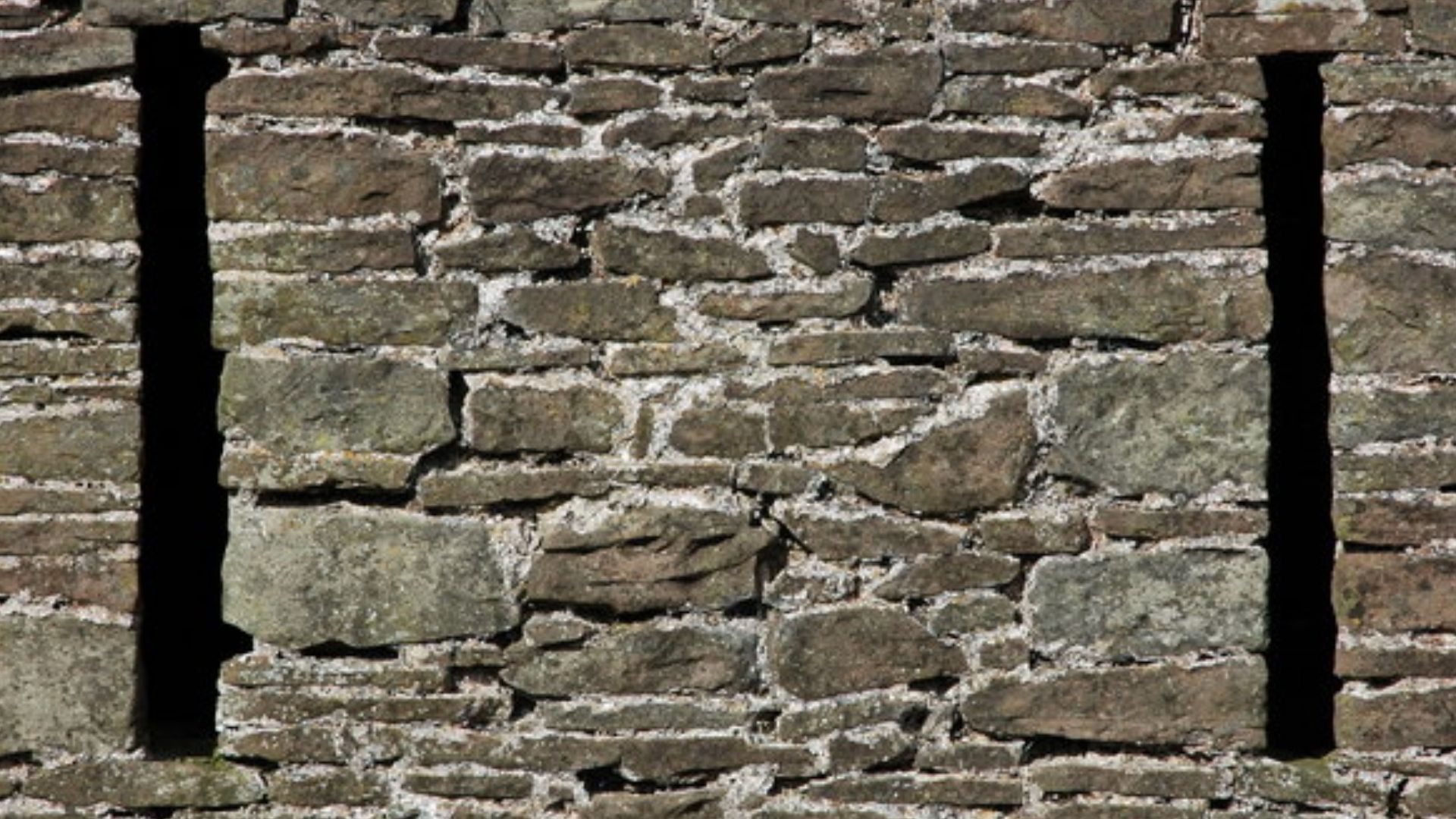 Philip Halling, Wikimedia Commons
Black Sheep Once Stood Out In The Flock
A “black sheep” is the odd or disreputable member of a group, especially a family. The image comes from black sheep born among white sheep, where the difference made them conspicuous. Etymonline records the negative figurative meaning as a familiar English usage.
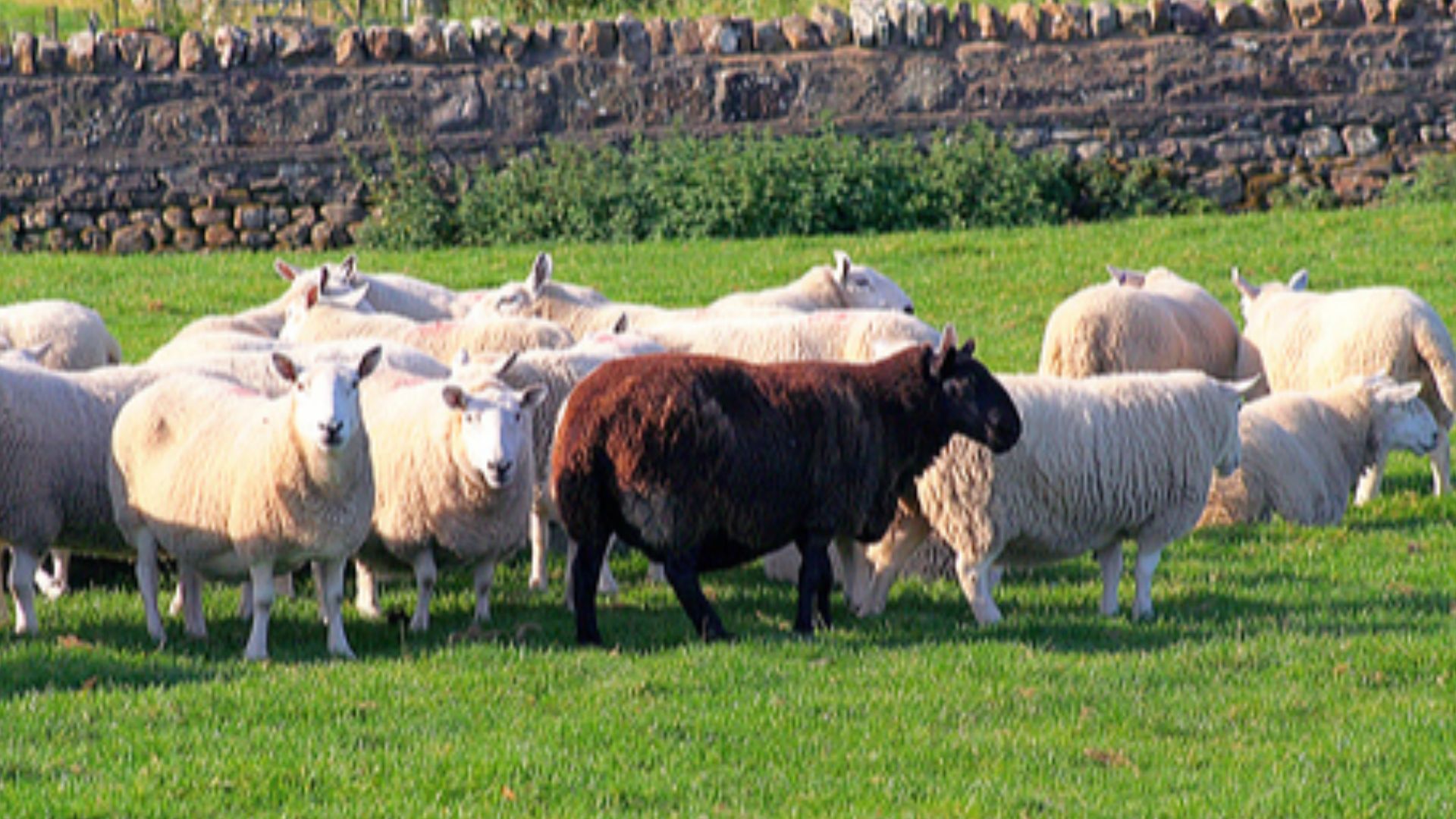 John Haslam from Dornoch, Scotland, Wikimedia Commons
These Phrases Outlived Their Worlds
The most interesting thing about these expressions is not just where they came from. It is that people still use them after forgetting the offices, ships, theaters, laws, rituals, and technologies behind them. Everyday speech is basically a museum that nobody realizes they are walking through.
 Jarek Tuszyński, Wikimedia Commons









