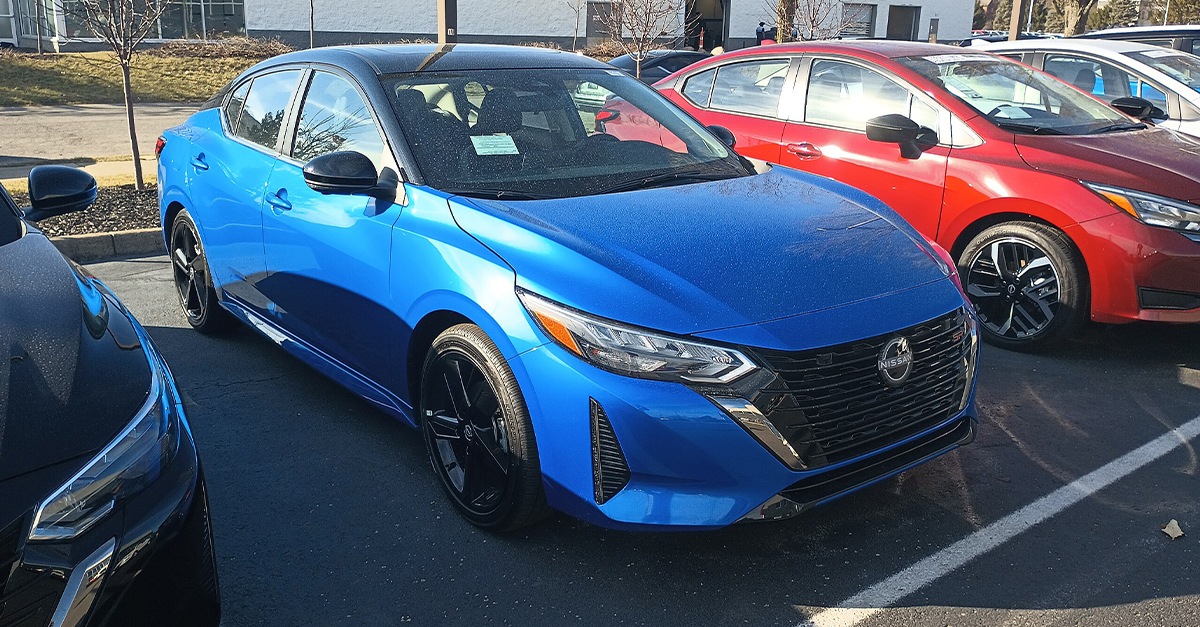
Buyer’s Remorse
You just bought a 4-door compact with a continuously variable transmission and immediately got a talking to from your know-it-all uncle. He says CVTs are unreliable, expensive, and doomed to fail. Your dad, on the other hand, says your uncle doesn’t know what he’s talking about. Now you’re wondering if you made a mistake getting this car. You need to understand why CVTs get such a bad rap but why some people still defend them.

What A CVT Actually Is
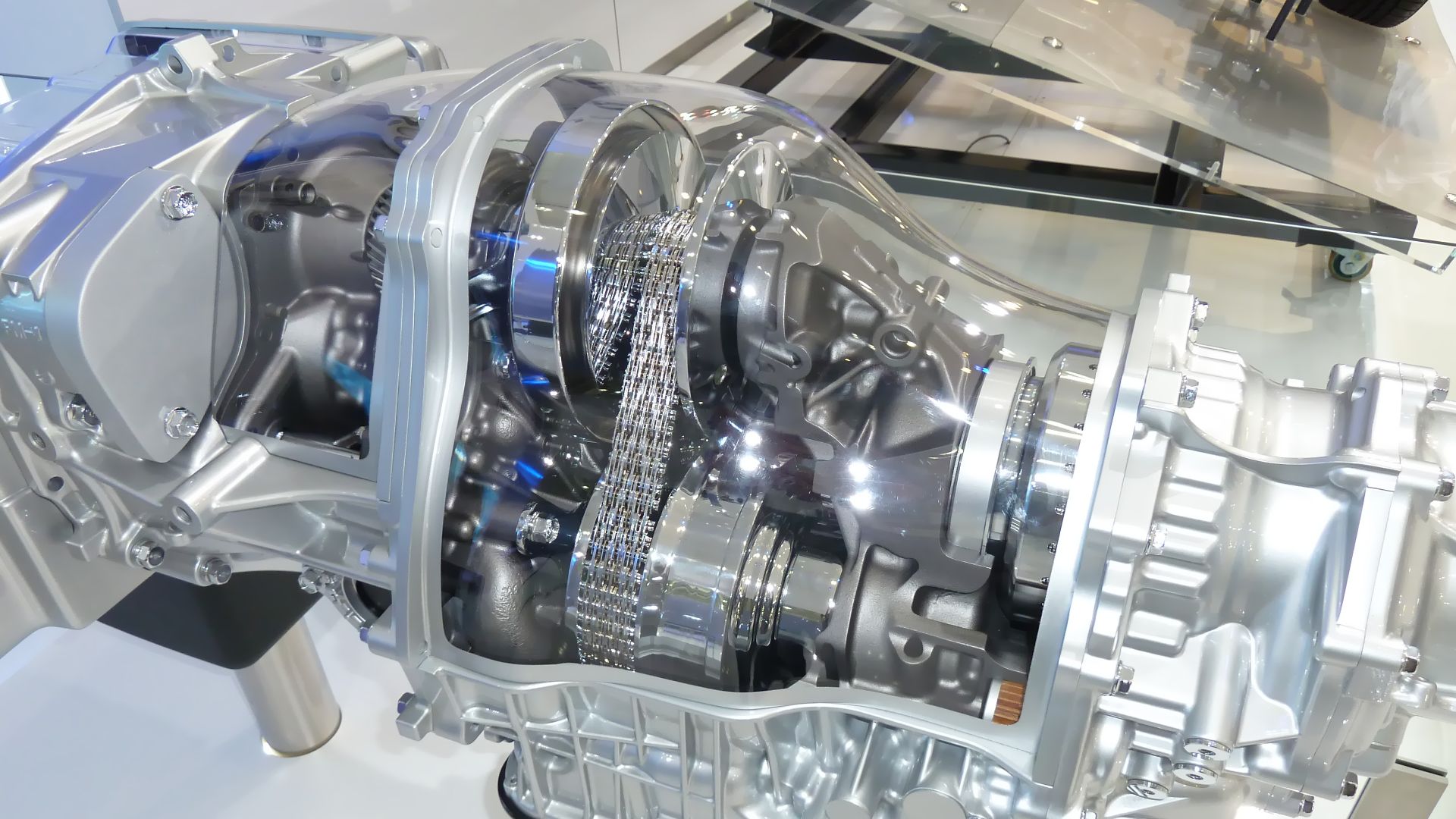
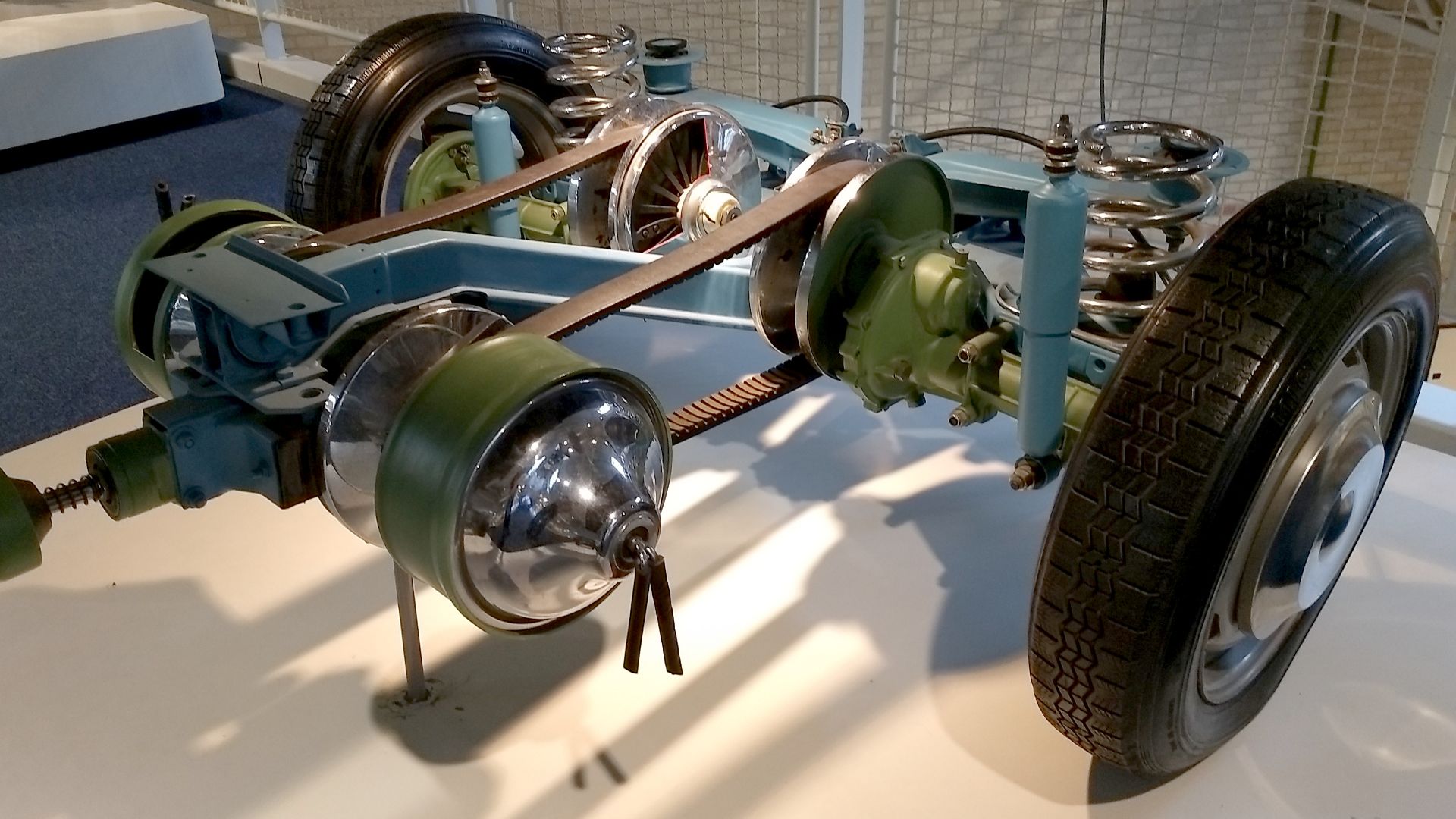
A CVT works very differently from a traditional automatic transmission. Instead of fixed gears, it uses belts or chains running between variable pulleys. This gives the engine the ability to stay at its most efficient speed while the car accelerates. This improves fuel economy and smooth engine running, especially in hybrids. That is, at least in theory.
Why CVTs Feel Wrong To Many Drivers
One immediate complaint is how CVTs feel from behind the wheel. Engine speed will often rise and stay high while road speed increases only slowly. To drivers used to gear changes, this sensation feels like slipping or strain. That unfamiliar feeling alone is enough to convince a lot of people that something must be mechanically wrong.

Reputation For Early Failures
CVTs have been around for a long time, but they got a bad name in the early 2000s when several manufacturers rolled out poorly designed units. Some of these failed well before 100,000 miles. Word spread fast through repair shops and online forums. Even though the designs have improved since then, those early failures did long-term damage to the CVT’s reputation.

Belt And Chain Wear Concerns
Unlike planetary gearsets, CVTs rely on belts or steel chains that are under constant tension. Over time, these components can stretch, glaze, or wear unevenly. When that happens, repair often becomes a matter of full replacement rather than a simple rebuild. This makes owners nervous about long-term durability once their vehicle’s warranty expires.

Heat Is A Major Enemy
CVTs are very sensitive to heat. Excessive heat degrades the fluid quickly and accelerates internal wear. Towing, aggressive driving, or clogged cooling systems can understandably shorten lifespan dramatically. Your uncle more than likely knows someone whose CVT failed after overheating, forever confirming for him the belief that these transmissions are fragile by nature.

Maintenance Often Ignored
Many drivers get told that CVTs are sealed for life or don’t require much more than the bare minimum of service. In reality, fluid condition in CVT transmissions matters a lot. Skipping fluid changes can lead to premature failure. Older drivers remember regular transmission service schedules and see modern CVT neglect as a recipe for expensive surprises.

Repair Costs Are High
When a CVT does fail, the repairs are rarely cheap. Many shops won’t rebuild them and instead will offer to replace the entire unit. That cost can be shocking compared to traditional automatics. Stories of five figure repair bills spread quickly and scare off buyers, even if most of these failures happen outside modern warranty periods.

Hybrids Add More Complexity
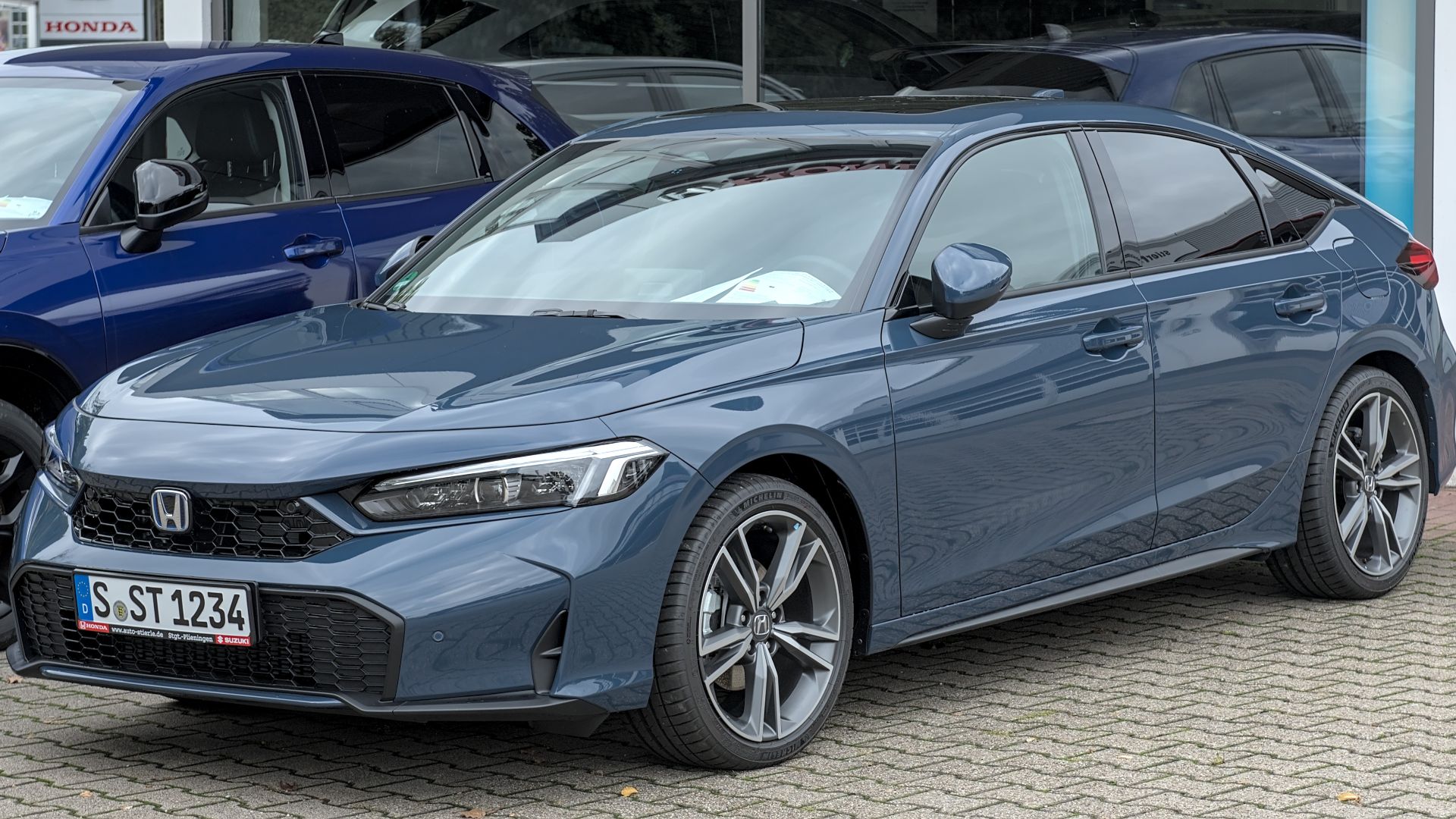
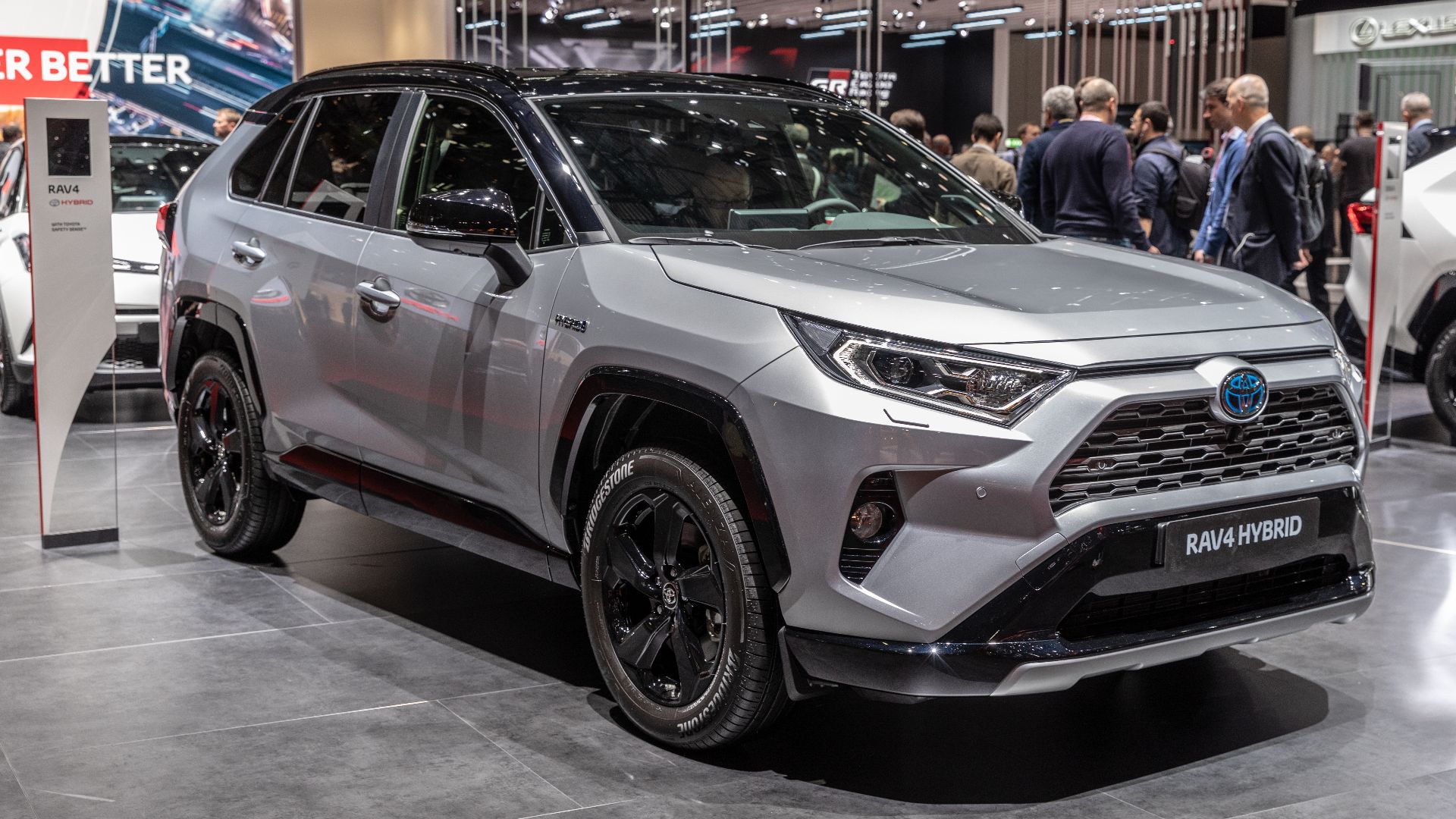
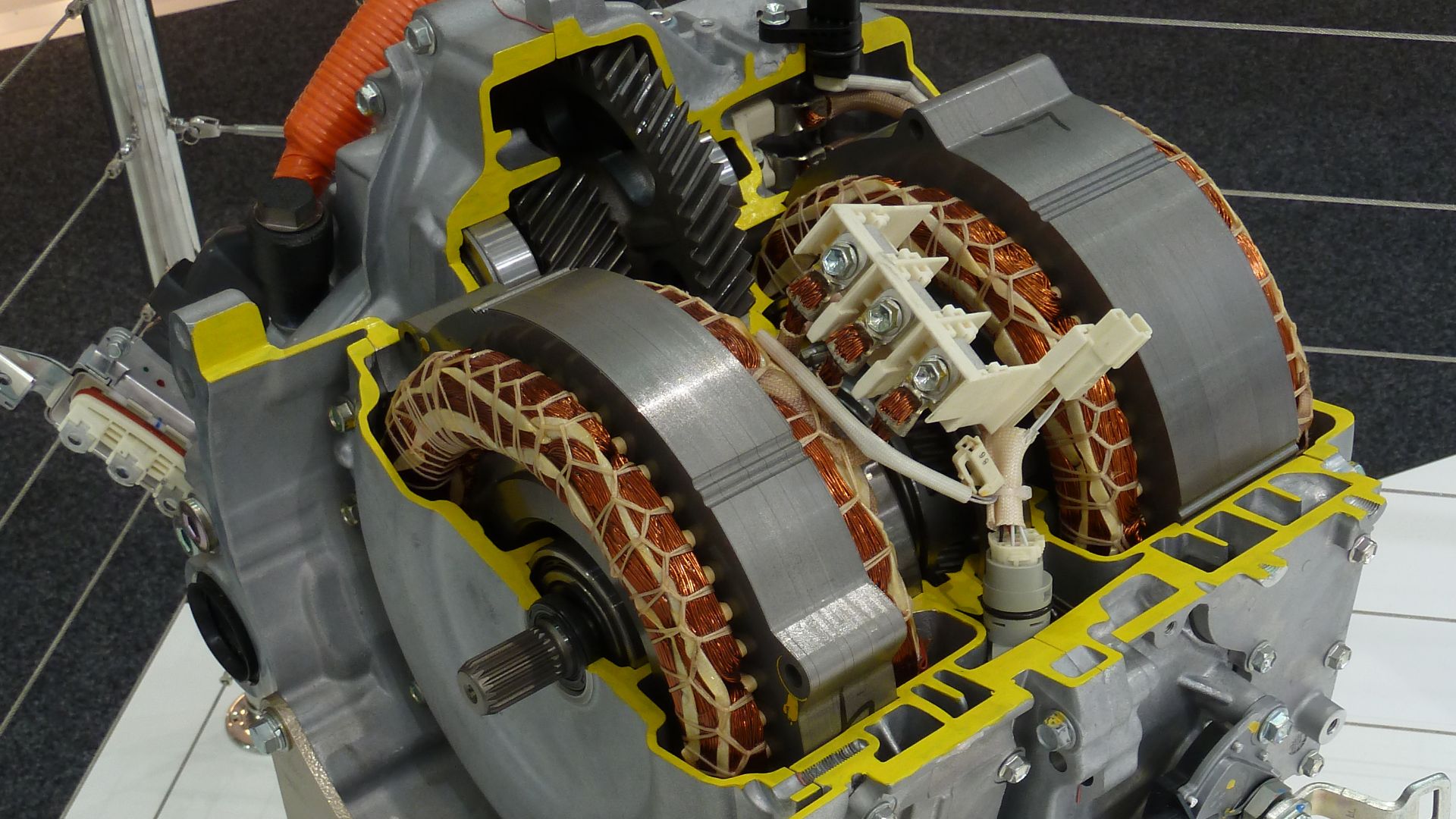
A hybrid adds electric motors, control software, and regenerative braking into the mix. While these systems are designed to reduce strain on the engine, they make the transmission ecosystem more complex. To skeptics, more complexity means more obvious potential failure points, even if the real-world data doesn’t always necessarily square with that fear.
 Alexander Migl, Wikimedia Commons

History's most fascinating stories and darkest secrets, delivered to your inbox daily.
Driving Style Matters More With CVTs
CVTs tend to dislike aggressive throttle inputs, sudden acceleration, and heavy loads. Drivers who treat them gently tend to have fewer problems. Critics argue that a transmission should be able to survive the normal abuse of fast, aggressive, decisive driving. CVT defenders counter that modern vehicles reward smoother driving and punish habits that the older transmissions tolerated.

Why Automakers Keep Using Them
If CVTs were terrible beyond hope, the automakers would waste no time in abandoning them. But they don’t because CVTs improve fuel economy and reduce emissions. For hybrids especially, the ability to hold an engine at peak efficiency is extremely valuable. That engineering benefit keeps CVTs firmly entrenched in spite of consumer distrust.

Counterargument: Not Your Dad’s CVT
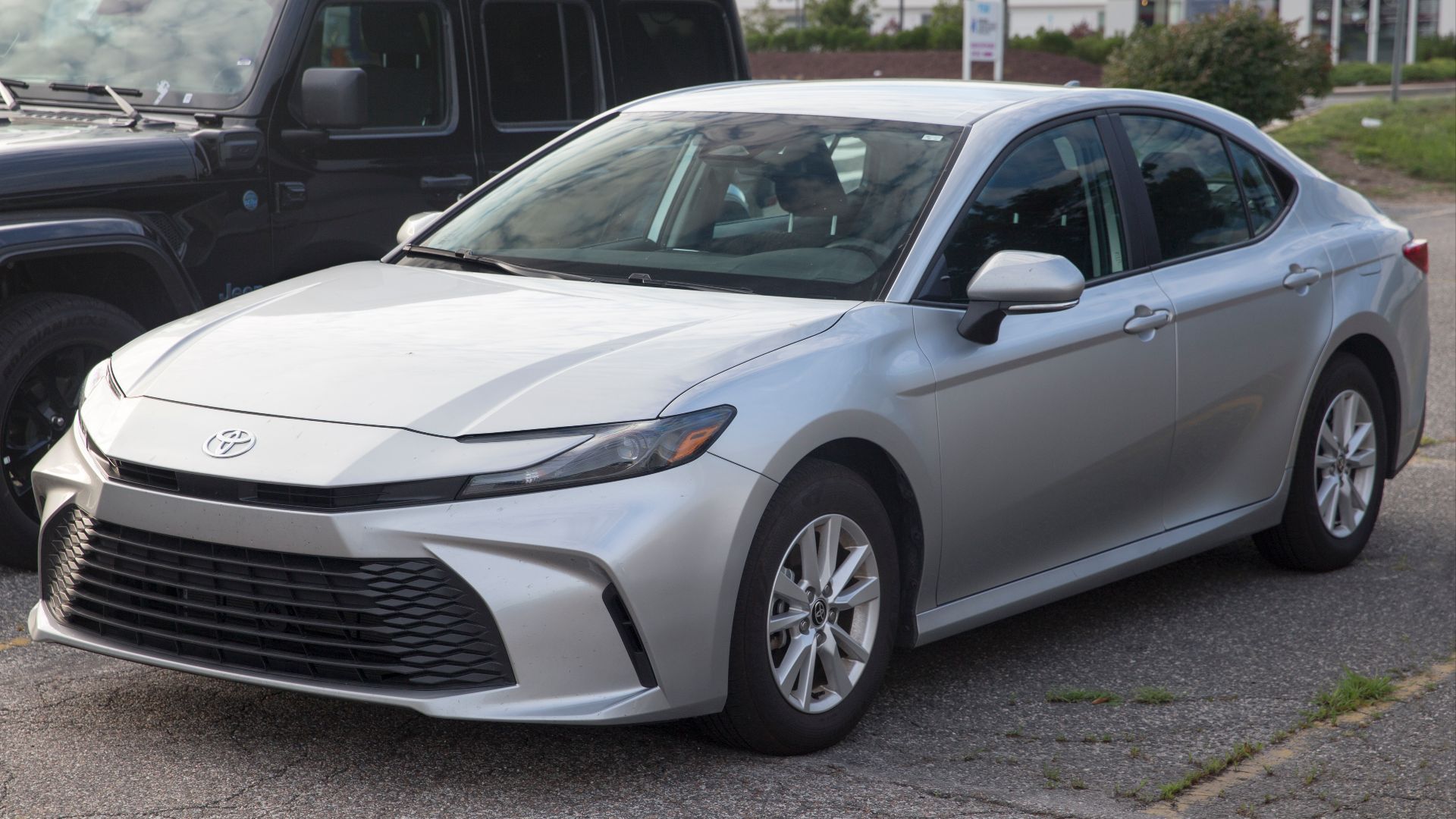
Defenders correctly note that modern CVTs aren’t the same as the older versions. Materials, cooling, software control, and fluid chemistry have all improved a lot over the past two decades. Many newer units last well beyond warranty without issue. Unfortunately, public opinion doesn’t tend to keep up with these changes in engineering realities.
 Mr.choppers, Wikimedia Commons
Counterargument: Fewer Moving Parts
Compared to traditional automatics, CVTs often have fewer complex gearsets. In theory, fewer parts means fewer failure points. Supporters argue that the catastrophic failures get a lot of attention, but thousands of trouble free CVTs quietly keep humming along accumulating miles without ever turning into cautionary tales on the internet.
 Harald Linden, Wikimedia Commons
Counterargument: Hybrids Cut Down On Wear
In hybrids, electric motors handle all the low-speed movement and initial acceleration. This takes a lot of stress off the CVT itself. In a lot of cases, the transmission experiences less strain than in a conventional gasoline vehicle. This context matters, but the naysayers are usually content to lump all CVTs together regardless of what they do specifically.
 Matti Blume, Wikimedia Commons
Why Enthusiasts Still Hate Them
Car enthusiasts, especially a lot of “old school” guys dislike CVTs because they remove mechanical engagement even moreso than a regular automatic transmission does. There’s no shifting, and no direct feel. To that crowd, driving enjoyment matters as much as reliability. That emotional response often spills into practical advice, even when the buyer, in this case you, is more interested in fuel efficiency than fun.
Are CVTs Guaranteed To Fail?
No transmission type is guaranteed to fail early. Traditional automatics, dual clutch systems, and manuals all have known weaknesses. CVTs simply fail in ways that are more spectacular and expensive. This visibility shapes reputation and notoriety more than overall statistical reliability across the entire vehicle population.

What You Can Do To Protect Yours
You can greatly improve your odds of a trouble-free CVT transmission by maintaining the fluid level, driving smoothly, and avoiding unnecessary strain. Following severe-use maintenance schedules is also a must. Your uncle’s wild horror stories usually involve neglected vehicles or early designs, and even perhaps a strong dose of embellishment here and there. It doesn’t pertain to a well-maintained modern car driven within its intended use.

When Your Uncle Might Be Right
Keep in mind that if you plan to tow heavy loads, drive aggressively, or keep the car far beyond 200,000 miles, a CVT may not be ideal. For those particular use cases, traditional transmissions still hold a clear advantage. Context matters, and your uncle’s advice may also reflect his own driving priorities, not necessarily yours.

Where Your Uncle May Be Wrong
If your priority is fuel economy, quiet operation, and low daily stress driving, a CVT hybrid makes perfect sense. Millions of owners quietly rack up miles without incident. The loudest stories are rarely the most representative, especially online where failures get far more clicks than success stories do.

Not The Whole Story
Your uncle’s reaction comes from years of real hands-on experience but it’s not the whole story. CVTs earned their bad reputation honestly, but modern versions are a lot more refined. You didn’t make a mistake. Please, don’t have an ulcer over this! You made a tradeoff, and understanding that tradeoff matters a lot more than knee-jerk or fear-driven advice.

You May Also Like:
The Ultra-Rare Manual Transmission Supercars That Changed The Game
The Most Reliable American Cars Of The Last 25 Years