The Decade Of The Shared Bestseller
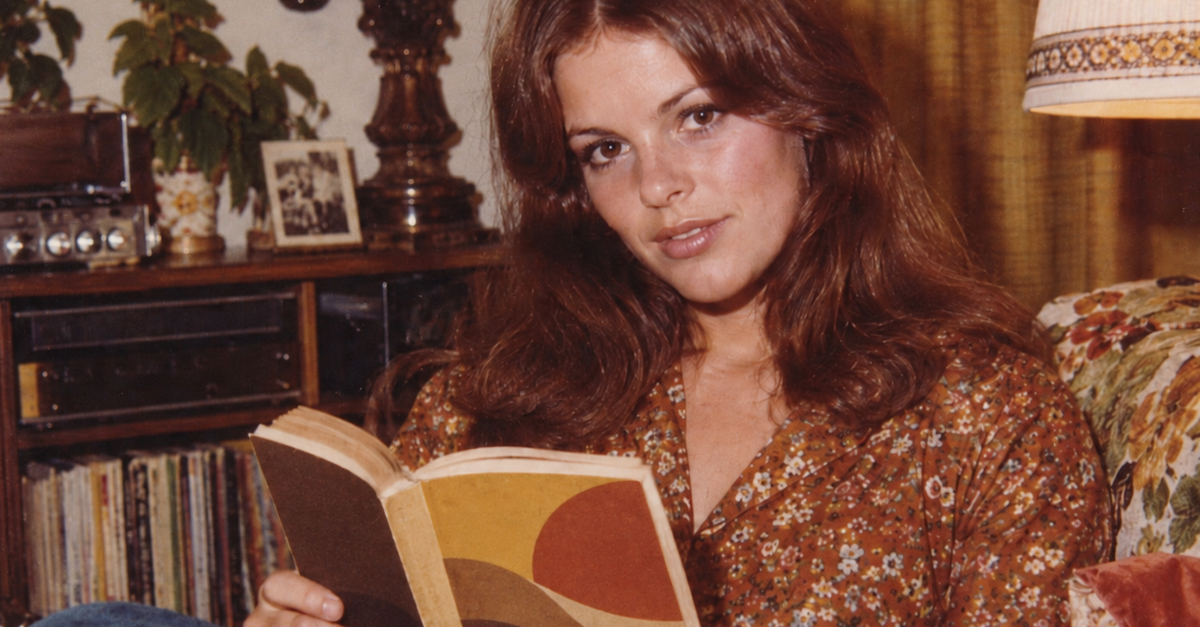
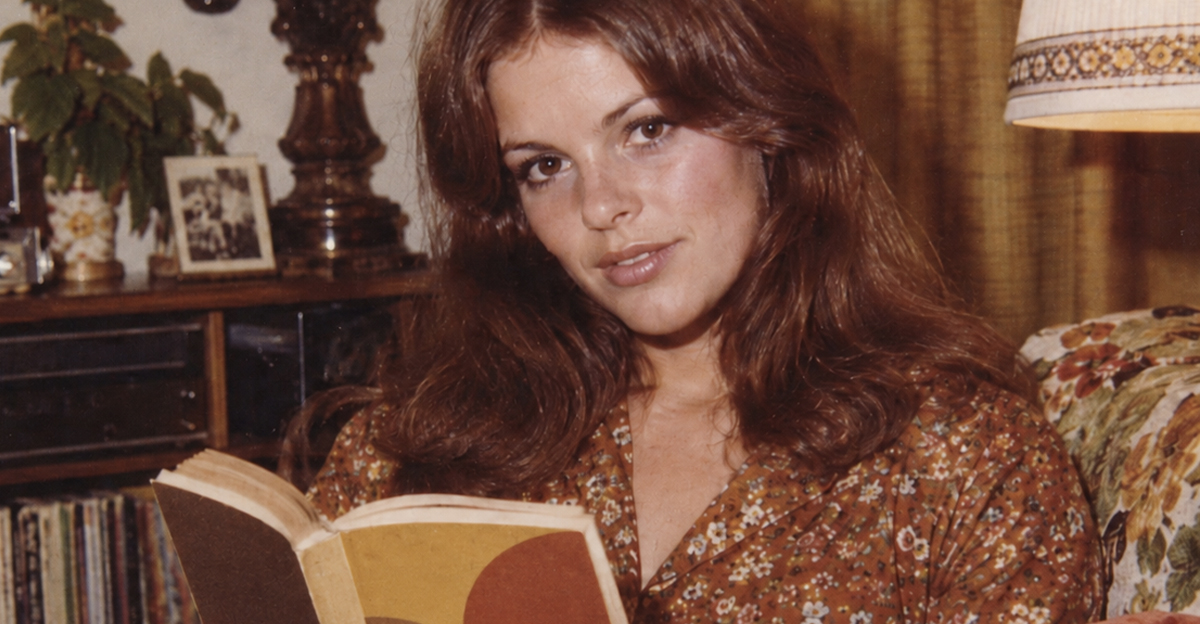
The 1970s was a perfect decade for book crazes. A huge bestseller could move through offices, campuses, commuter trains, suburbs, book clubs, talk shows, and movie lines all at once. Before social media, people still knew what “everyone” was reading because the same titles kept turning up everywhere.
Love Story Made Everyone Cry
Erich Segal’s Love Story was published in 1970 and quickly became one of the decade’s defining tearjerkers. Its doomed romance, short sentences, and famous line about love and apology made it easy to quote and easy to mock. People read it quickly, cried over it, argued about it, and then watched the movie.
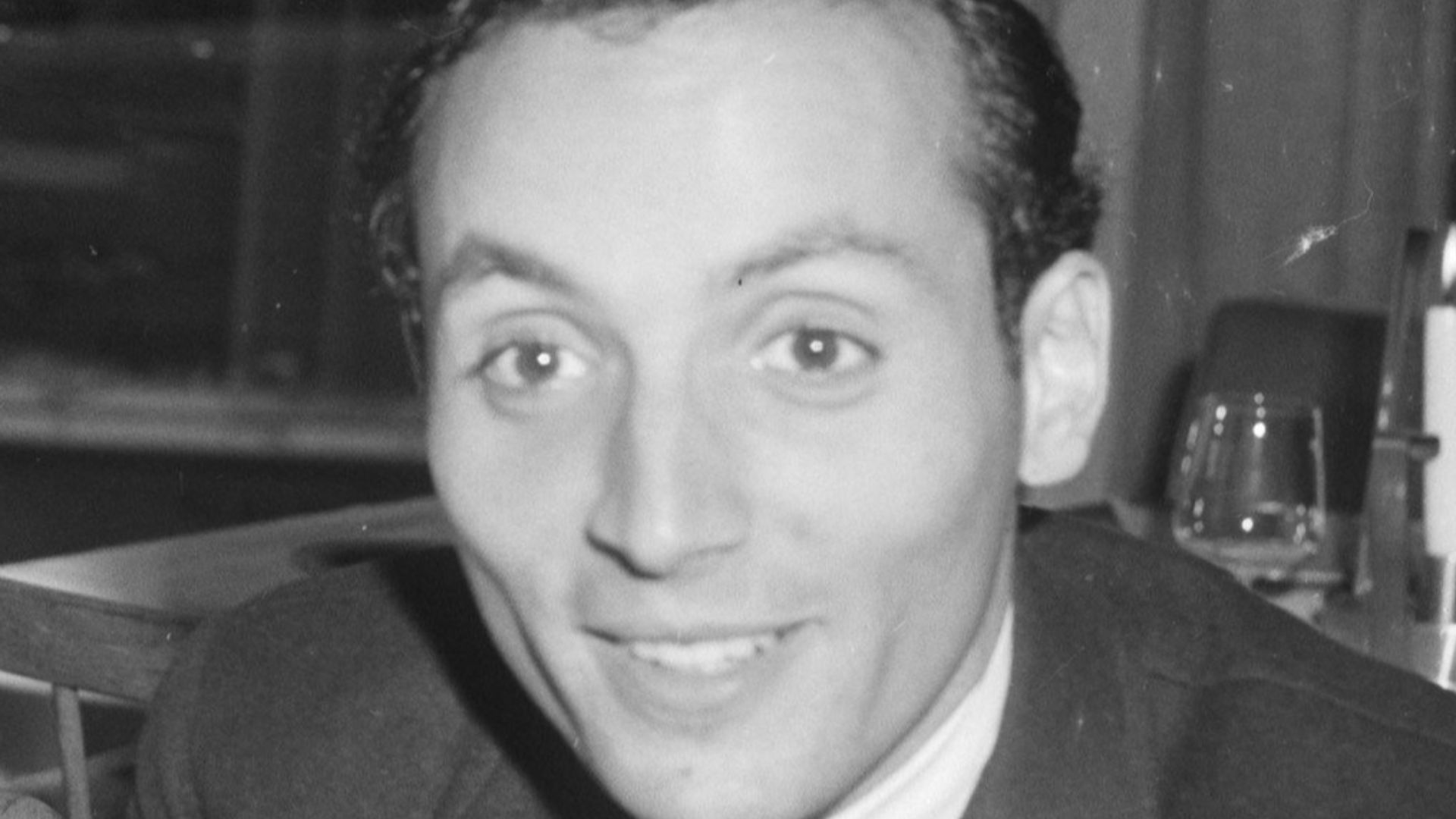 Joop van Bilsen for Anefo / Anefo, Wikimedia Commons
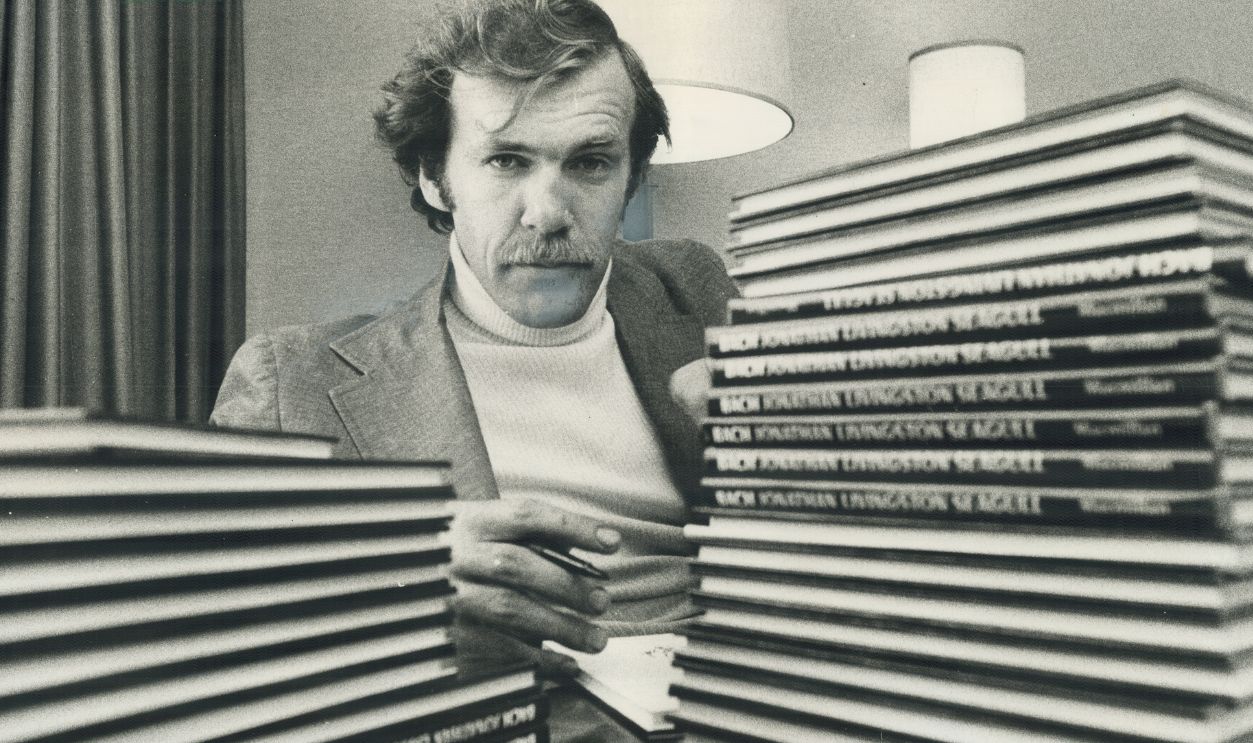
Jonathan Livingston Seagull Became A Tiny Spiritual Object
Richard Bach’s Jonathan Livingston Seagull was short, illustrated, and unexpectedly huge. A fable about a bird who wanted to fly higher became a self-improvement text, gift book, dorm-room symbol, and bestseller phenomenon. Some readers found it profound. Others found it unbearably soft. Either way, it was everywhere.
The Godfather Turned Crime Into Family Myth
Mario Puzo’s The Godfather appeared just before the decade began, but its hold on the 1970s was enormous. The book and the 1972 film made the Corleones feel like forbidden family history. Readers passed it around for the violence, the power games, and the sense that organized crime had become grand opera.
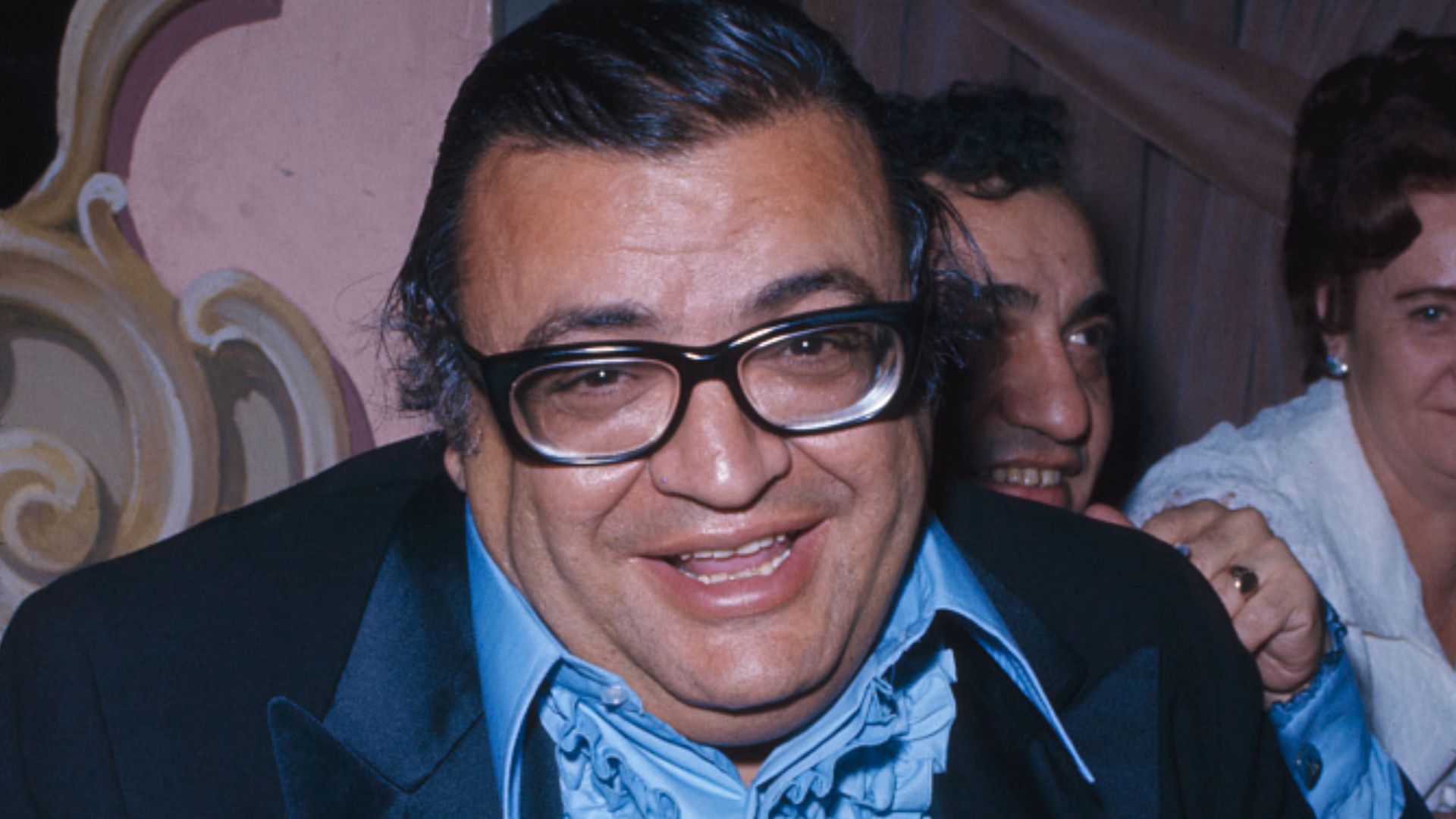 Bernard Gotfryd, Wikimedia Commons
The Exorcist Made Horror Feel Dangerous
William Peter Blatty’s The Exorcist was not just a scary novel. It became a cultural event. Readers treated it like something risky to bring home, especially after the film made the story even more notorious. The book fed a decade already fascinated by religion, evil, psychology, and the fear that ordinary homes were not safe.
 George Napolitano, Getty Images
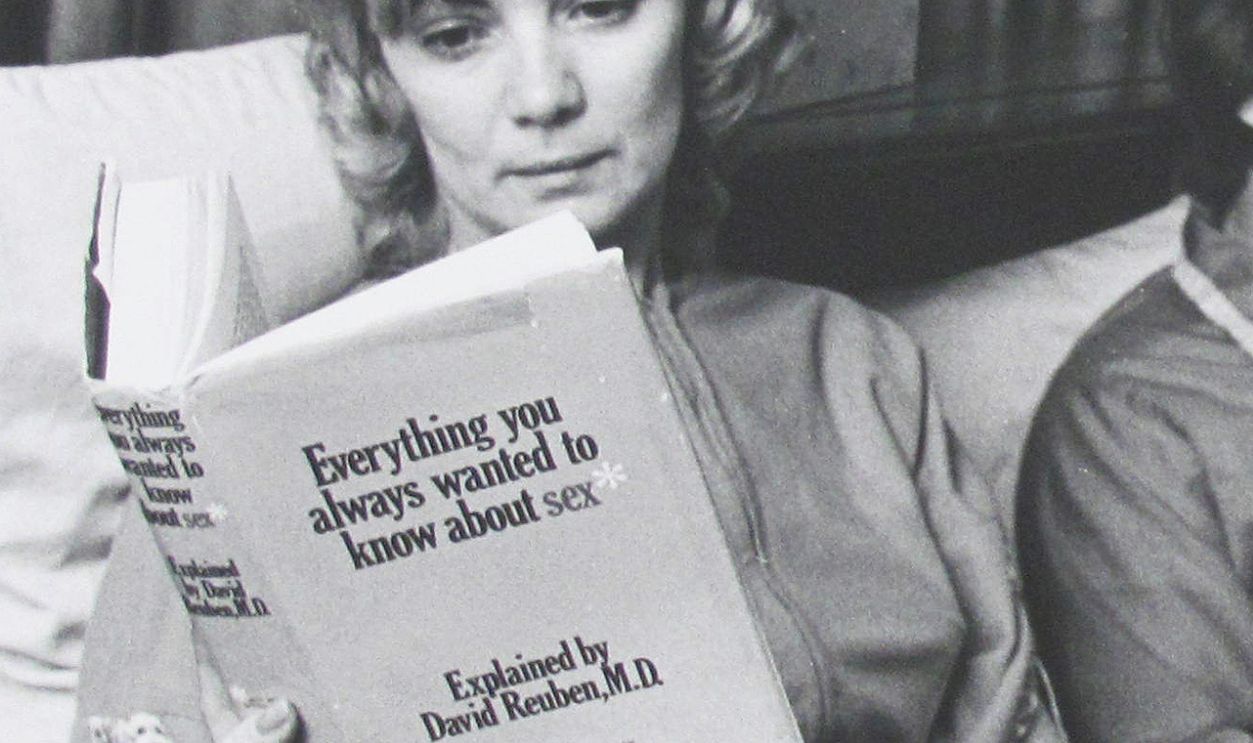
Everything You Always Wanted To Know About Sex Made Private Questions Public
David Reuben’s intimacy guide was first published in 1969, but it fit perfectly into the 1970s’ new frankness around bodies and desire. Its title alone became a cultural phrase. People bought it for information, curiosity, shock value, or secrecy, proving that a book could turn embarrassment into mass-market sales.
I’m OK—You’re OK Turned Therapy Language Into Small Talk
Thomas A Harris’s I’m OK—You’re OK helped bring transactional analysis into everyday conversation. Readers learned to talk about “Parent,” “Adult,” and “Child” as if psychology belonged at dinner. The title became a catchphrase because it sounded reassuring, simple, and just scientific enough to feel useful.

The Late Great Planet Earth Put The Apocalypse On Nightstands
Hal Lindsey’s The Late Great Planet Earth made biblical prophecy feel connected to the evening news. It sold because it gave readers a framework for conflict, nuclear fear, and global anxiety. For many people, it was not just a book. It was a warning system for the end of the world.

The Total Woman Became A Marriage Flashpoint
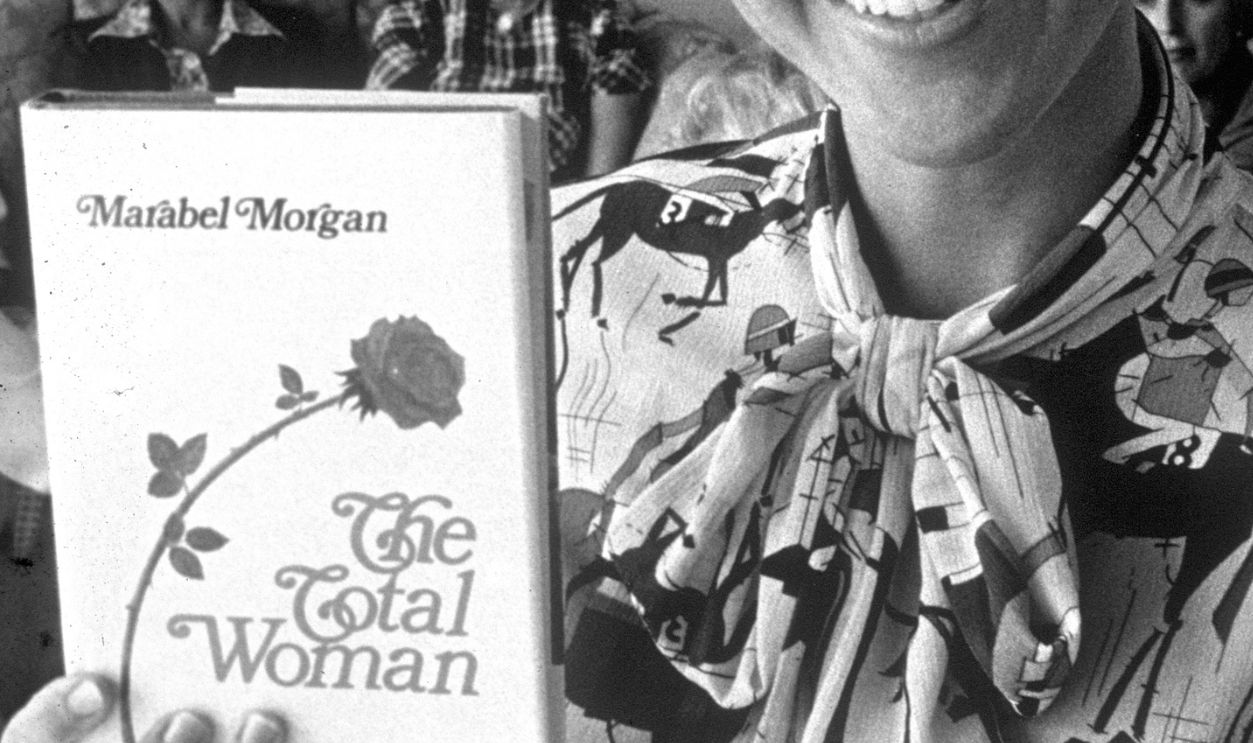
Marabel Morgan’s The Total Woman became a 1970s nonfiction sensation by telling wives how to please and support their husbands. Supporters treated it as marriage advice. Critics saw it as a backlash against feminism. Its fame came partly from the advice itself and partly from the arguments it started.

History's most fascinating stories and darkest secrets, delivered to your inbox daily.
Fear Of Flying Made Readers Whisper And Argue
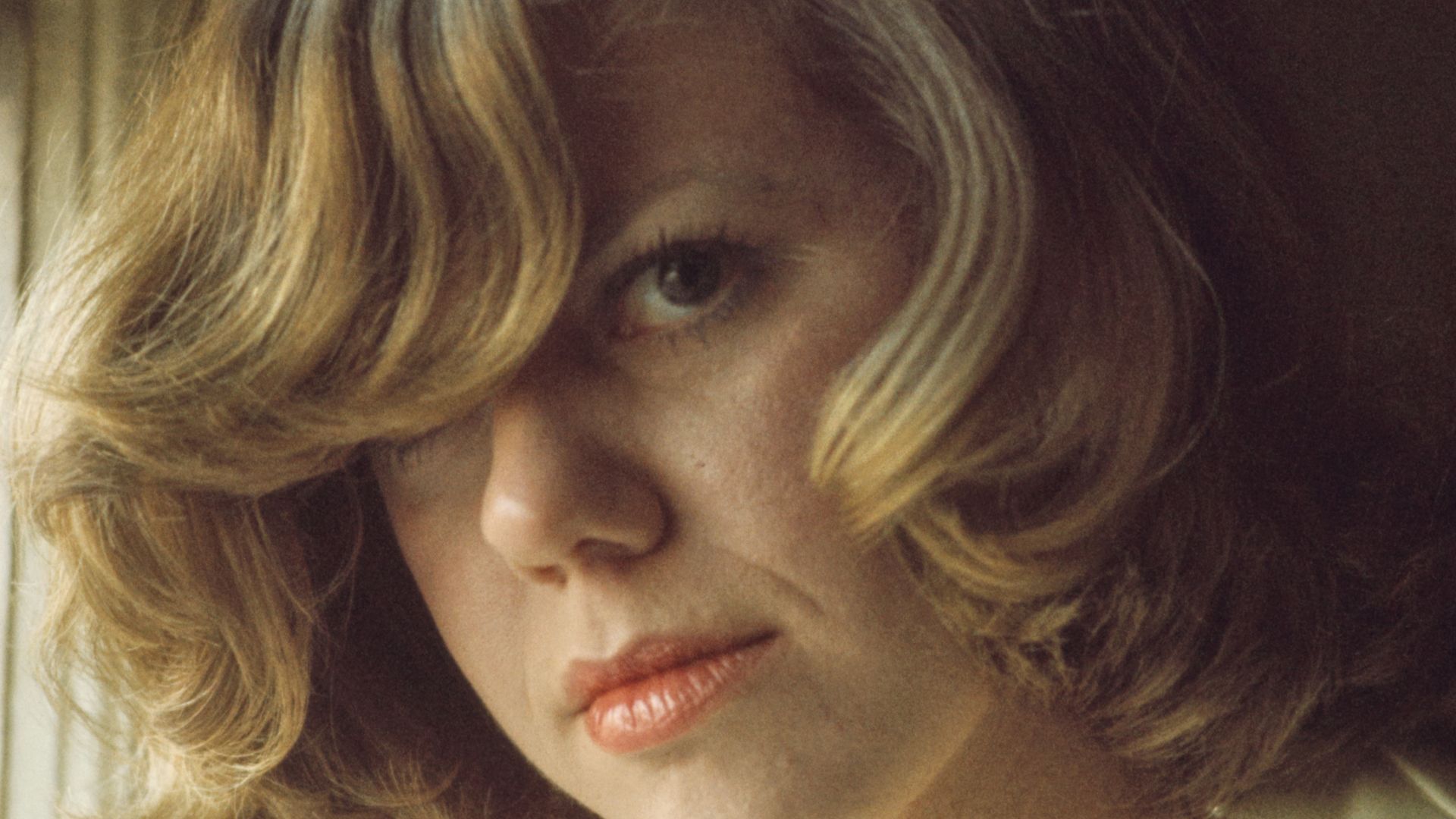
Erica Jong’s Fear of Flying became a sensation because it put a woman’s intimate restlessness, ambition, anger, and fantasy into language that felt startlingly direct. Readers debated whether it was liberating, vulgar, honest, or overhyped. That debate was exactly what turned it into a cultural touchstone.
 Bernard Gotfryd, Wikimedia Commons
Zen And The Art Of Motorcycle Maintenance Became A Thinking Person’s Road Book
Robert M Pirsig’s Zen and the Art of Motorcycle Maintenance mixed memoir, philosophy, travel, parenting, and mental strain into a book that many readers carried around like a challenge. It was not light reading, but that helped its reputation. Owning it suggested seriousness, searching, and maybe a little confusion.

Jaws Made Beach Reading Feel Like A Threat
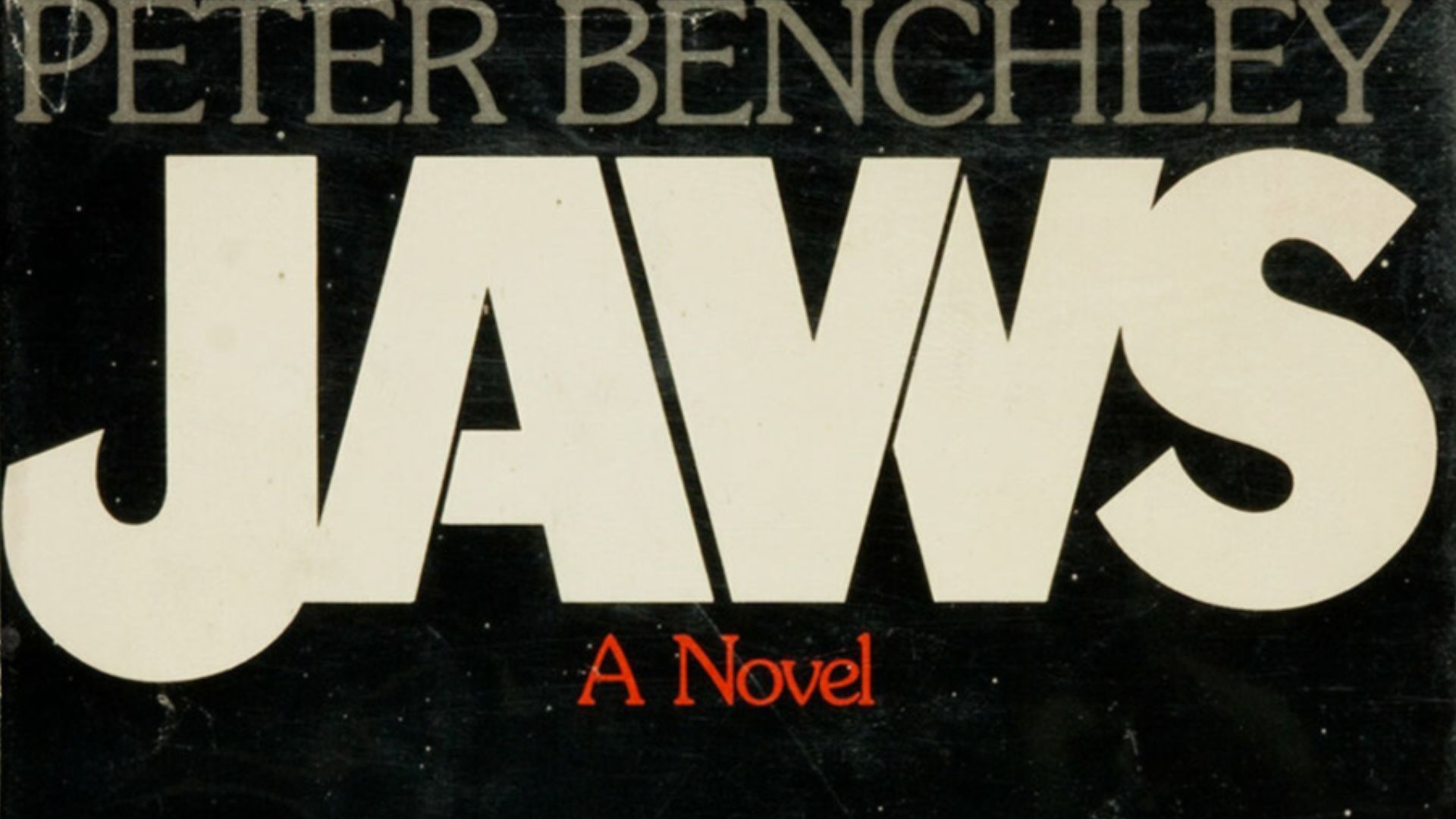
Peter Benchley’s Jaws was the rare bestseller that changed how people looked at water. The novel became huge, and the 1975 film turned it into a full-blown cultural fear. Readers who opened it for summer suspense found themselves staring differently at the ocean. A beach book had made the beach feel unsafe.
Helter Skelter Made True Crime A Shared Obsession
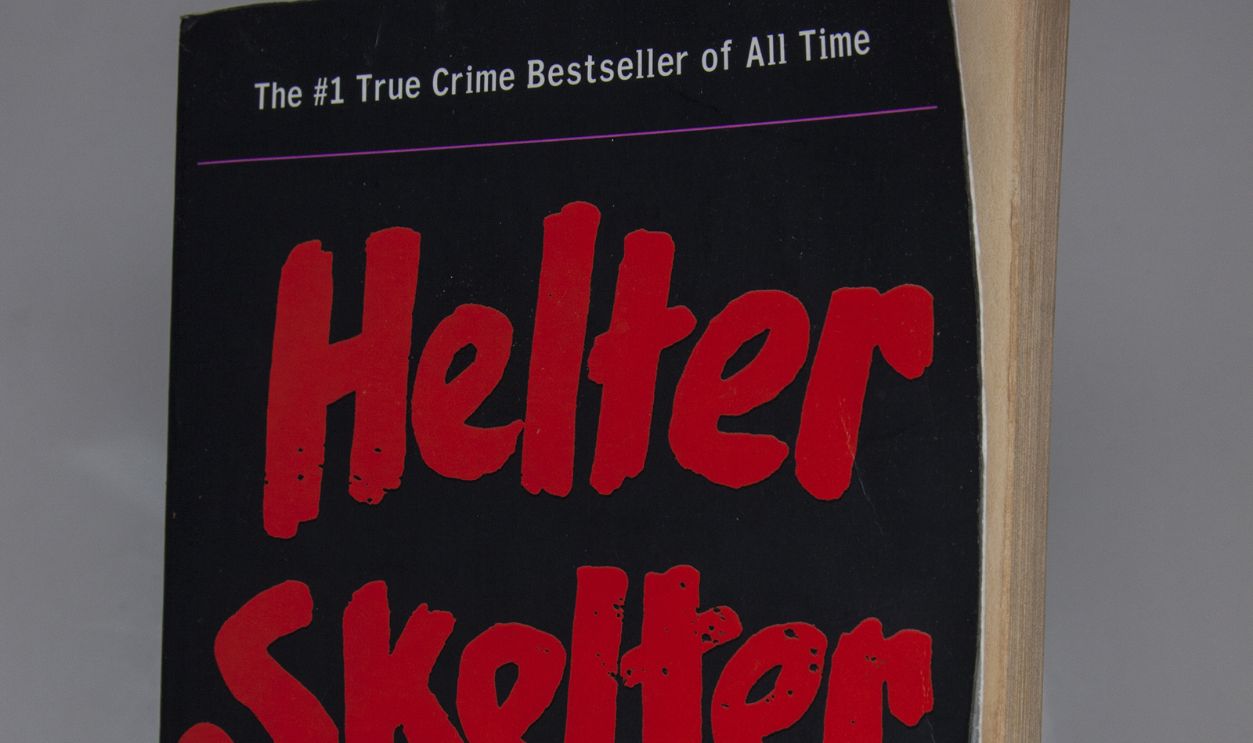
Vincent Bugliosi and Curt Gentry’s Helter Skelter gave readers a detailed account of the Manson murders and the prosecution that followed. It helped make true crime feel like something people could read seriously, obsessively, and guiltily. The book was horrifying, but it was also hard to put down.
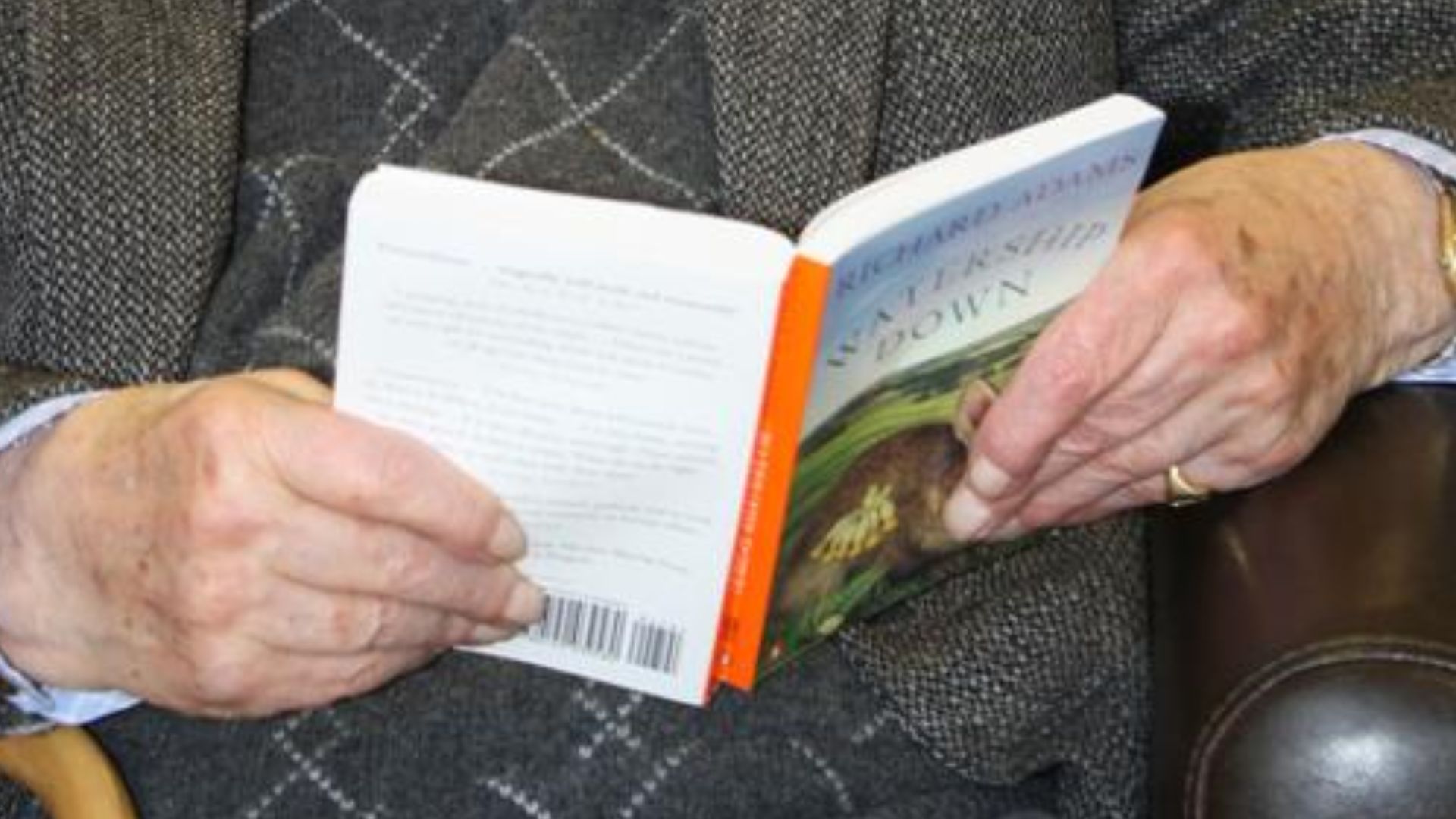
Watership Down Was Not Just About Rabbits
Richard Adams’s Watership Down looked, from a distance, like a book about rabbits. Readers quickly discovered a survival epic about leadership, exile, violence, mythology, and home. Adults and younger readers both claimed it, which helped it become one of those unusual books families could read at different depths.
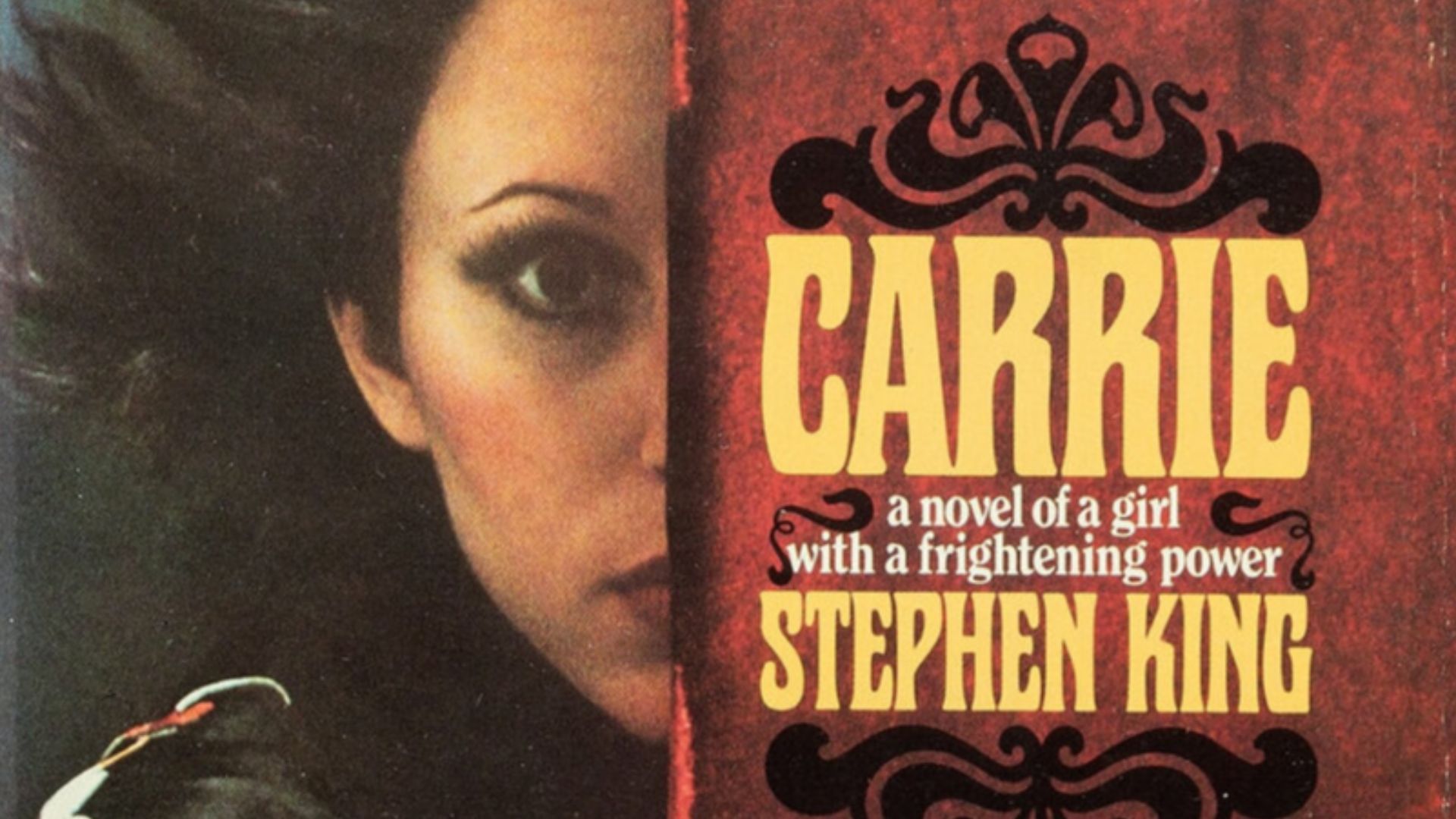
Carrie Helped Announce Stephen King
Stephen King’s Carrie did not become a phenomenon in quite the same way as his later blockbusters, but it still changed paperback horror and helped launch one of the decade’s most important popular writers. After the film adaptation, Carrie White’s rage, humiliation, and telekinetic revenge became part of 1970s horror memory.
 Jacket by Alex Gotfryd Photo by Alex Gotfryd, Wikimedia Commons
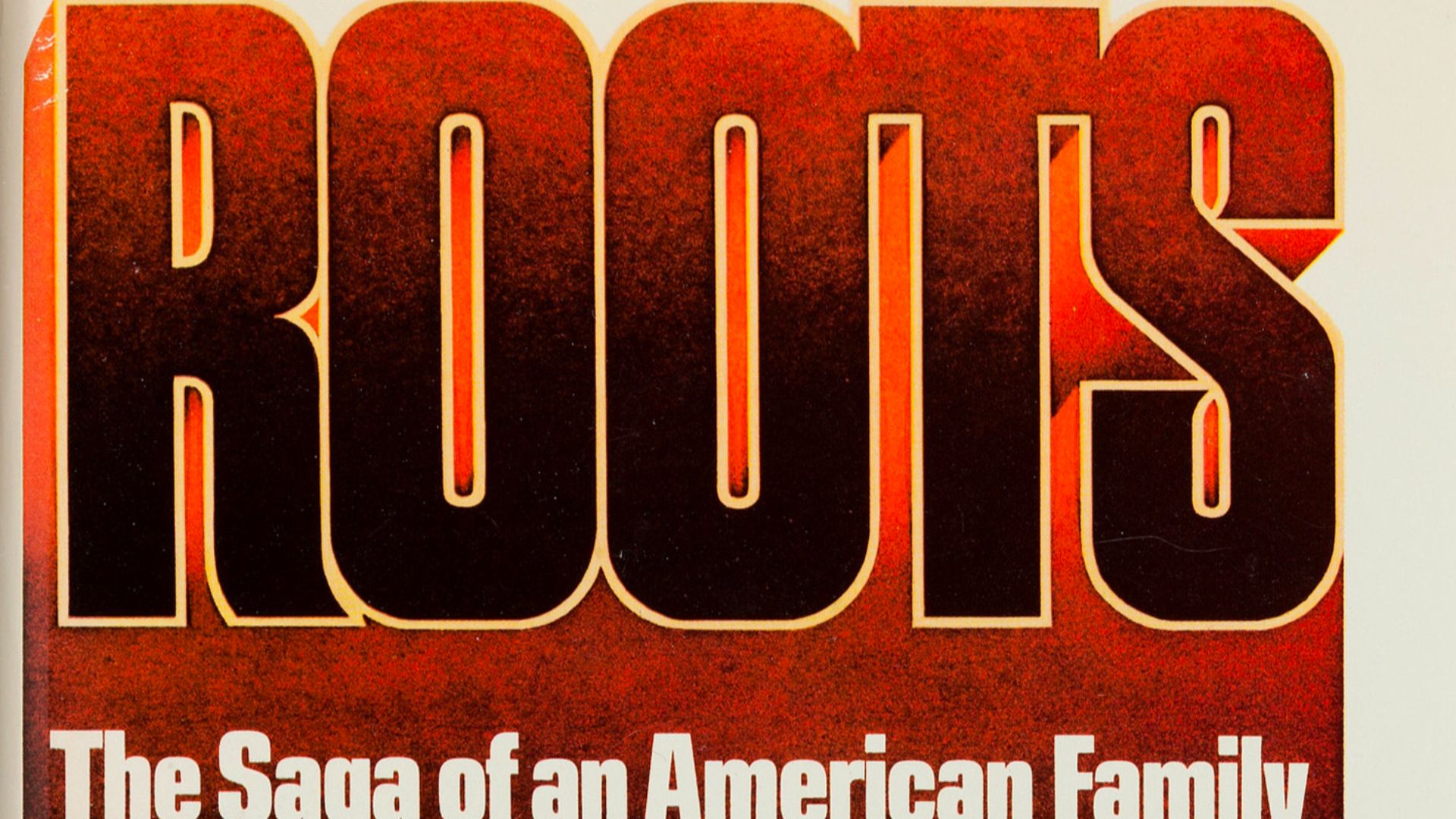
Roots Became A National Conversation
Alex Haley’s Roots was already a bestseller before the television miniseries, but the 1977 broadcast turned it into a national event. Readers returned to the book with new urgency. Families talked about ancestry, slavery, memory, and history. Few books of the decade felt so tied to a shared public reckoning.
 Jacket design by Al Nagy. Published by Doubleday., Wikimedia Commons
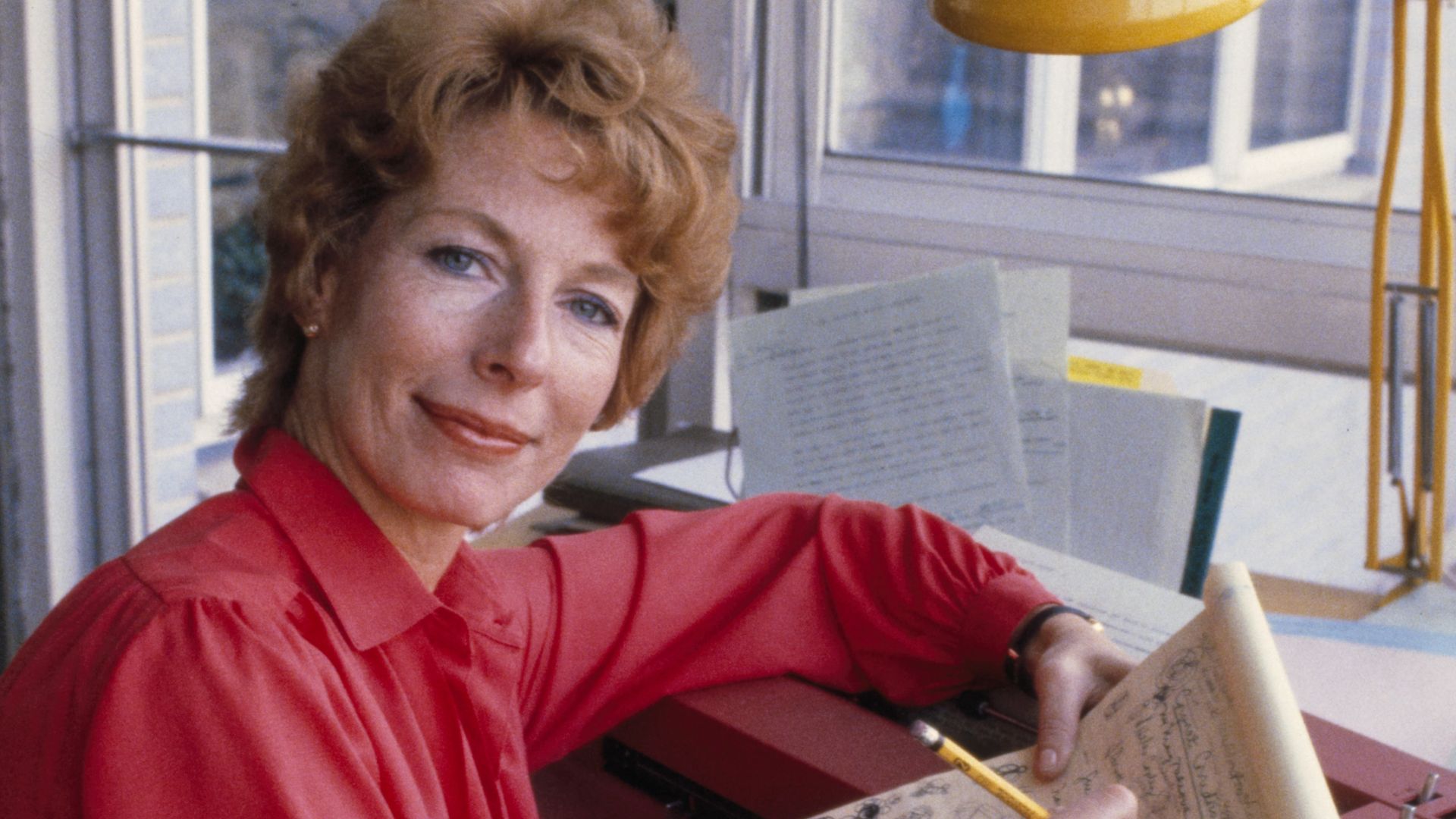
Passages Made Middle Age Sound Like A Diagnosis
Gail Sheehy’s Passages gave readers a map of adult life at a moment when many people felt traditional timelines breaking down. It helped make “midlife crisis” and life-stage talk mainstream. People read it to understand themselves, their spouses, their friends, and the unsettling feeling that adulthood had hidden stages.
 Gotfryd, Bernard, photographer, Wikimedia Commons
Your Erroneous Zones Sold Self-Reliance In Paperback Form
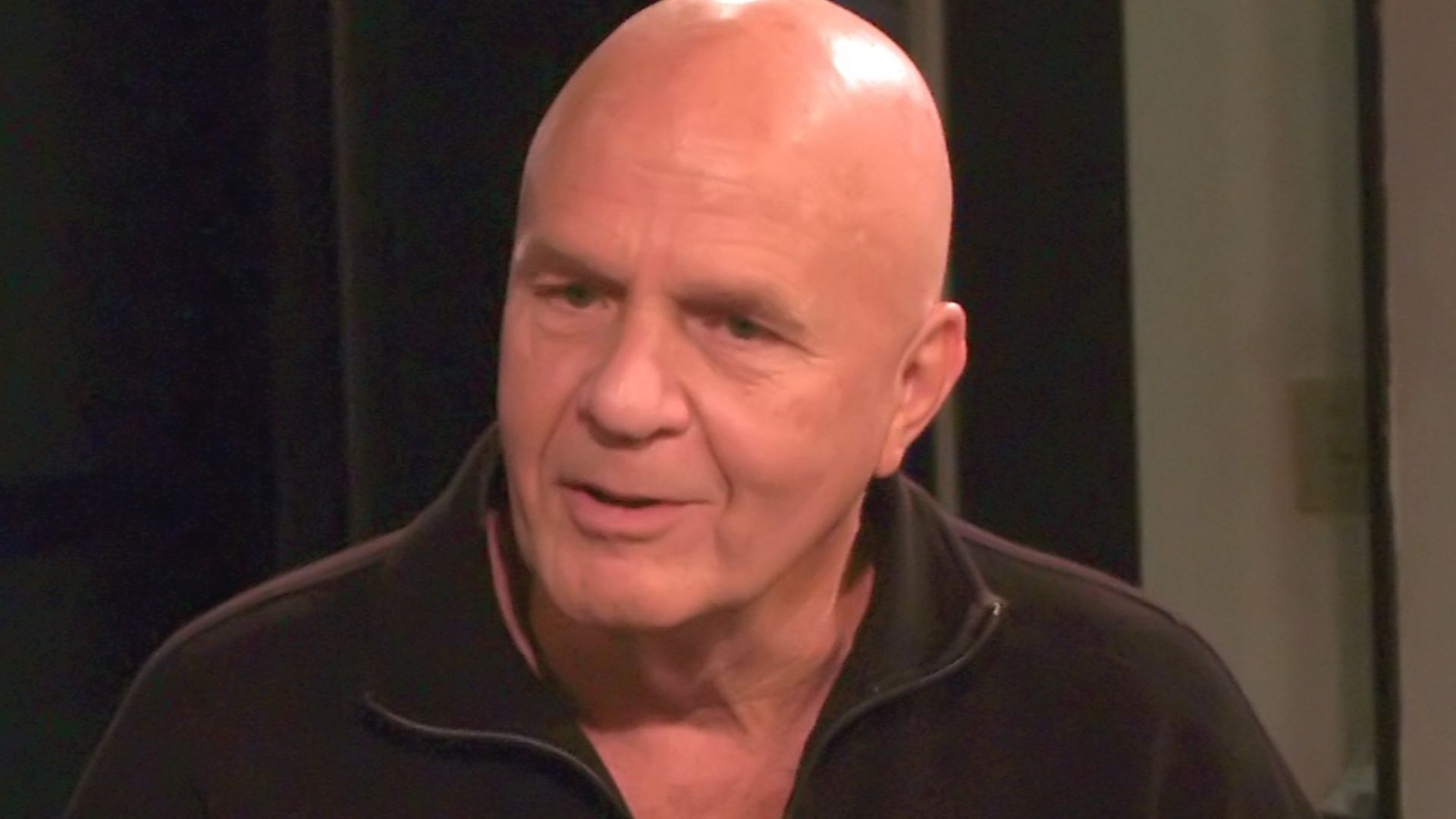
Wayne Dyer’s Your Erroneous Zones became a self-help giant by telling readers they could stop being trapped by guilt, worry, and approval-seeking. Its message fit the decade’s hunger for personal control. It was direct, upbeat, and portable, exactly the kind of book people underlined and recommended.
 Philkon Phil Konstantin, Wikimedia Commons
The Hite Report Made Private Testimony Public
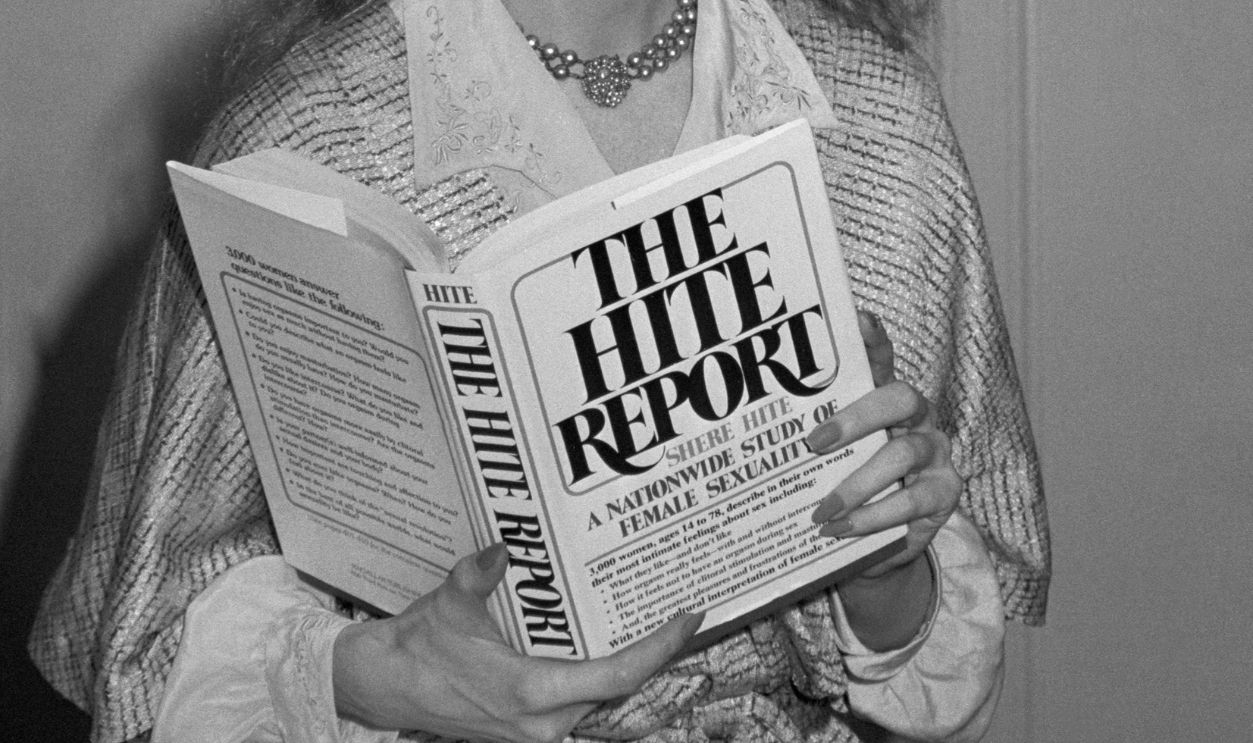
Shere Hite’s The Hite Report turned women’s anonymous responses about intimacy into a bestseller and public debate. It was discussed, praised, attacked, and quoted because it made intimate experience sound collective. Like many 1970s books about intimate encounters, it worked because readers felt they were seeing something newly speakable.
The Thorn Birds Became A Sweeping Escape
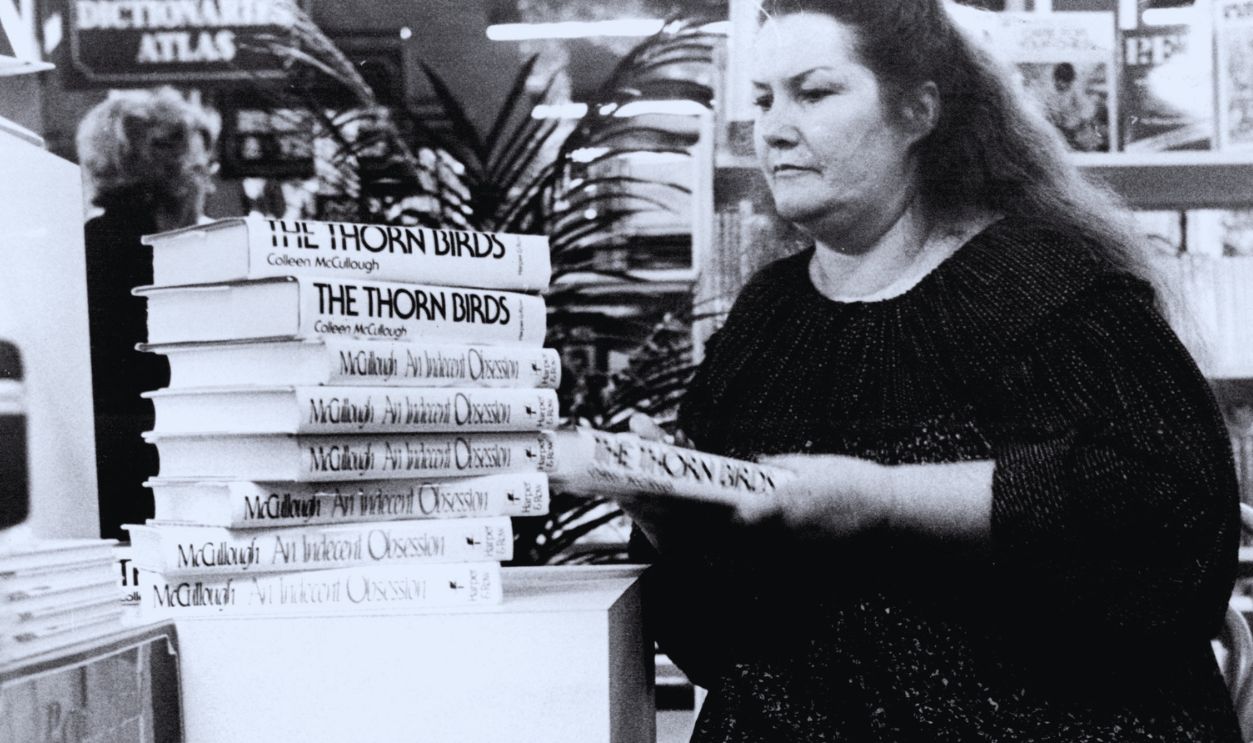
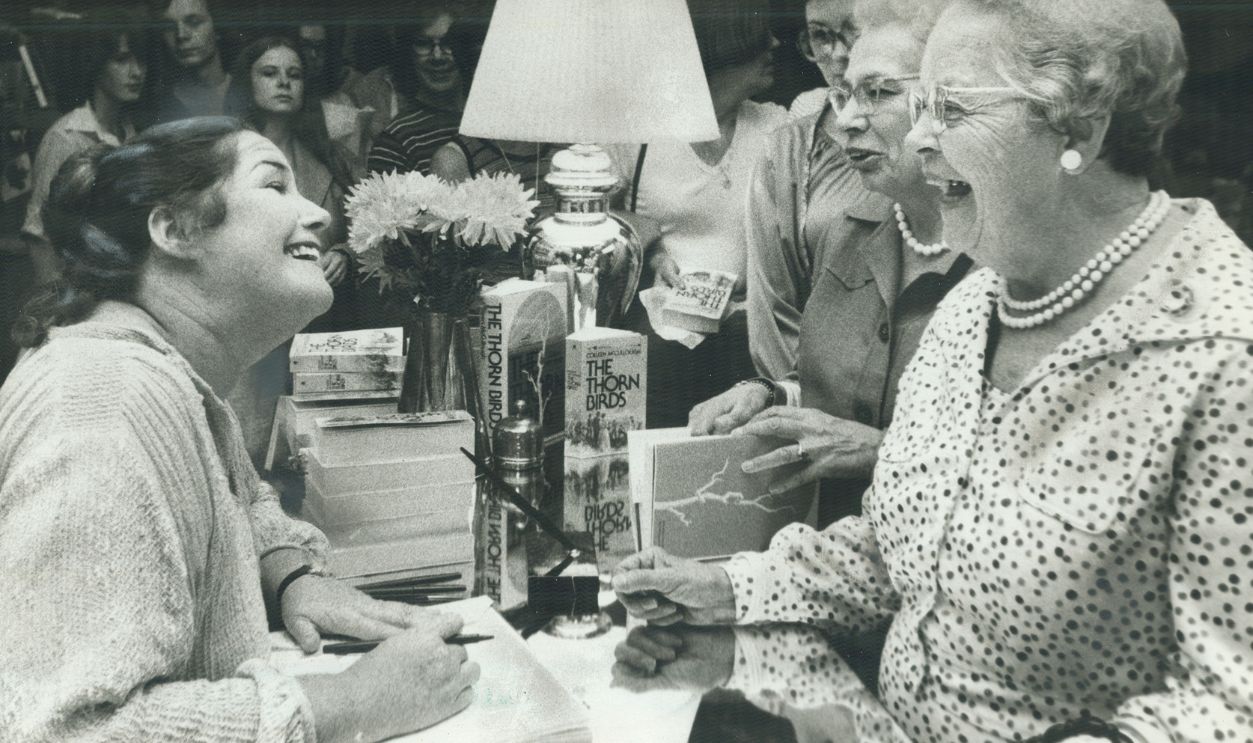
Colleen McCullough’s The Thorn Birds gave readers family saga, forbidden love, religion, Australian landscape, and melodrama on a grand scale. It was the kind of big novel people sank into and then handed to someone else. Its later television adaptation only strengthened the feeling that everyone knew the story.
 Fairfax Media Archives, Getty Images
The Amityville Horror Blurred Fear And “True Story”
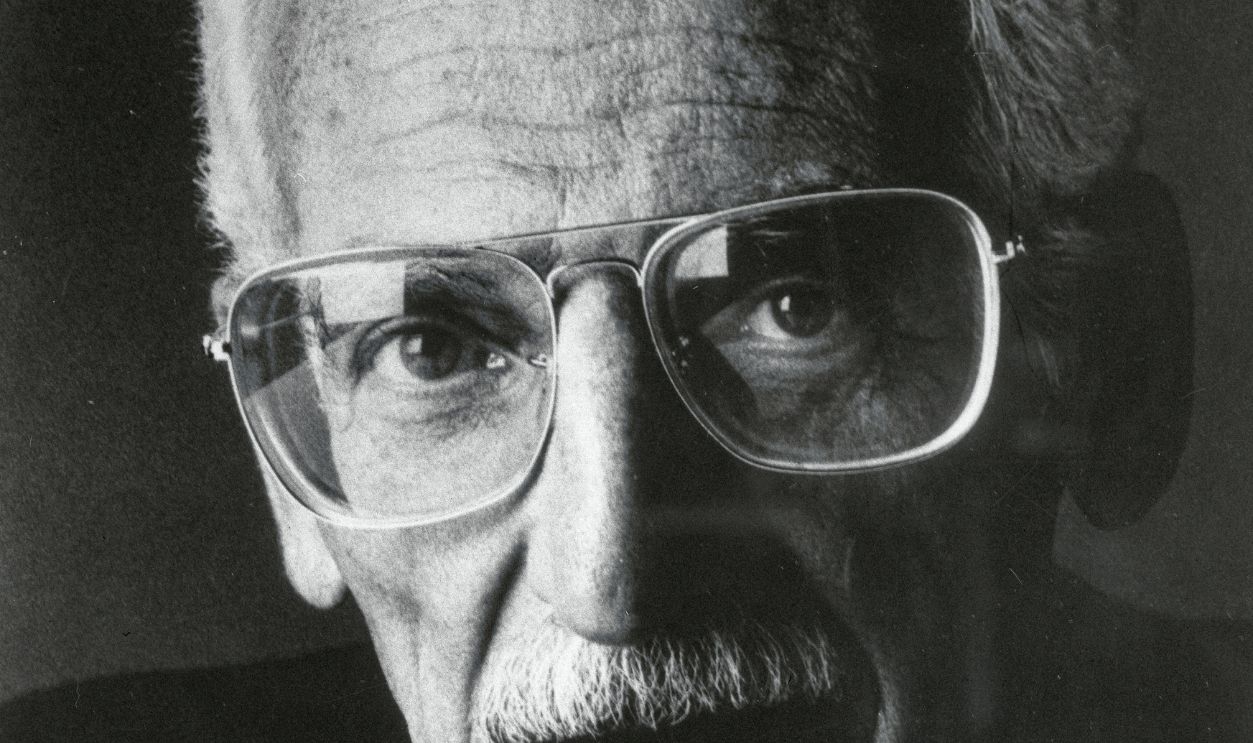
Jay Anson’s The Amityville Horror became a craze because it was marketed around the idea of a true haunting. That claim made it more unsettling than ordinary horror for many readers, even as skeptics challenged the story. The book lived between campfire tale, paperback shocker, and suburban nightmare.
The Women’s Room Turned Anger Into A Bestseller
Marilyn French’s The Women’s Room captured feminist frustration in a blunt, sprawling novel about marriage, motherhood, education, and female rage. It was not a polite book, and that was part of the point. Readers argued over it because it made private dissatisfaction sound political, shared, and impossible to ignore.
 Vika Glitter, Pexels, Modified
The Silmarillion Became A Pilgrimage For Tolkien Fans
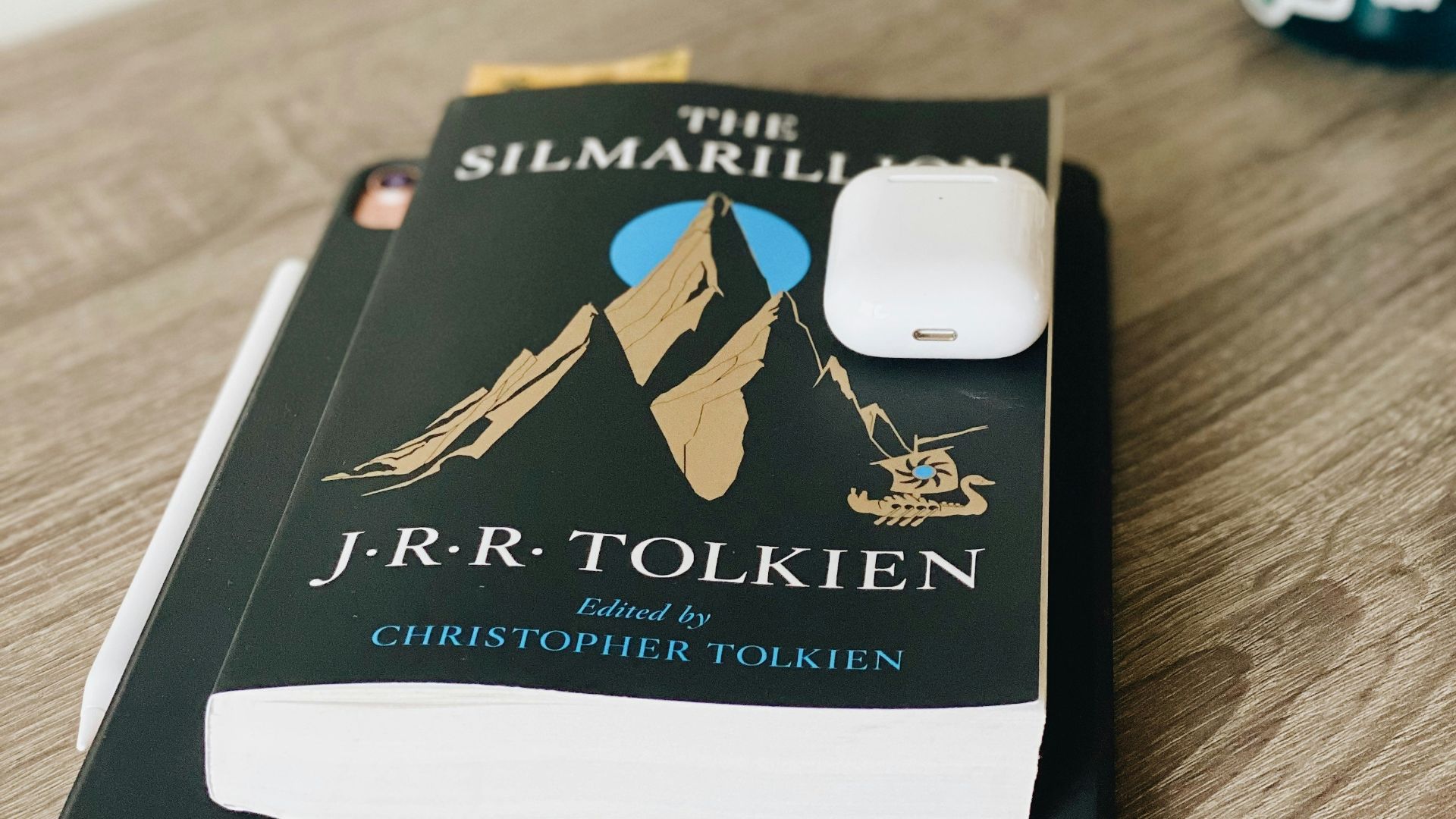
After JRR Tolkien’s death, The Silmarillion arrived in 1977 like a deep archive for devoted fantasy readers. It was not as easy to read as The Hobbit or The Lord of the Rings, but that almost added to its aura. Fans treated it as proof that Tolkien’s imagined world extended far beyond the familiar quest.
The World According To Garp Felt Like The Strange Novel Everyone Had An Opinion About
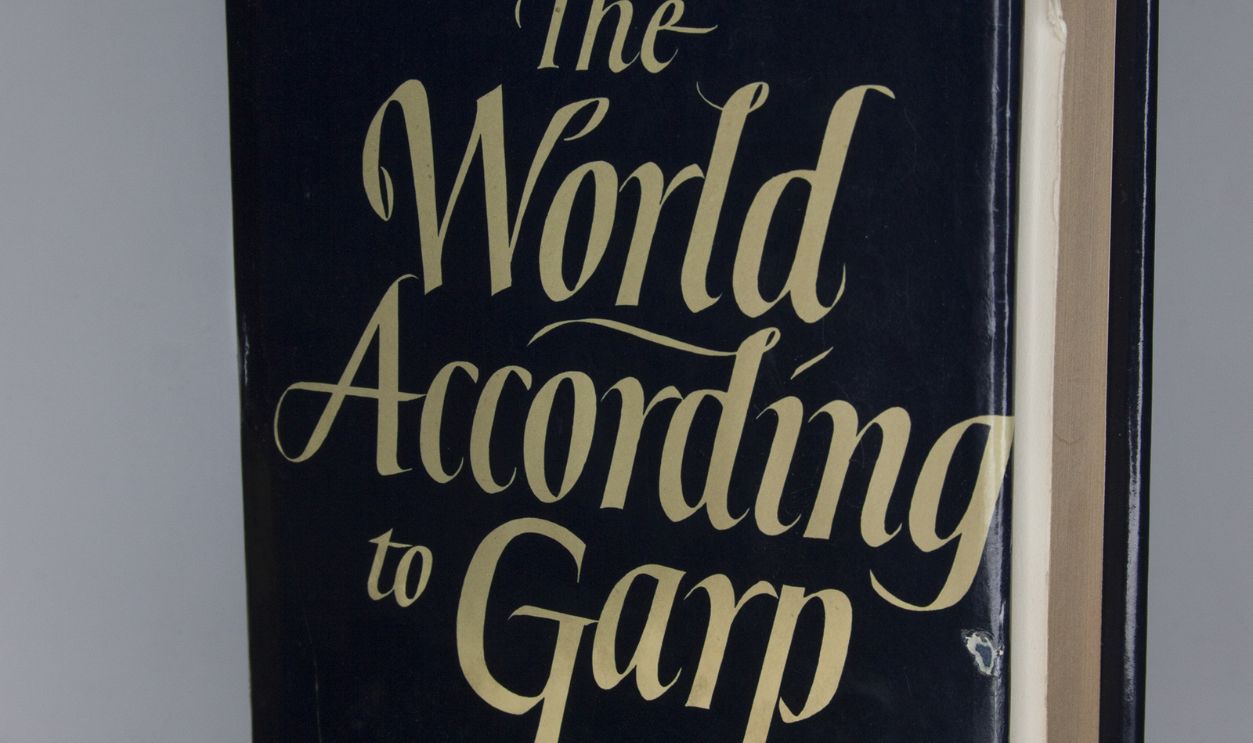
John Irving’s The World According to Garp became a late-1970s literary phenomenon because it mixed comedy, violence, family, feminism, and grief in ways readers could not easily categorize. Some loved its wildness. Others found it too much. That intensity made it a shared argument as much as a shared read.
These Books Moved Through Real-World Networks
A 1970s book craze did not spread by algorithm. It moved through book clubs, newspaper lists, paperback racks, talk shows, campus chatter, magazine profiles, libraries, movie adaptations, and television events. If enough people carried the same book in public, it became its own advertisement.
Some Were Read Seriously, Others Secretly
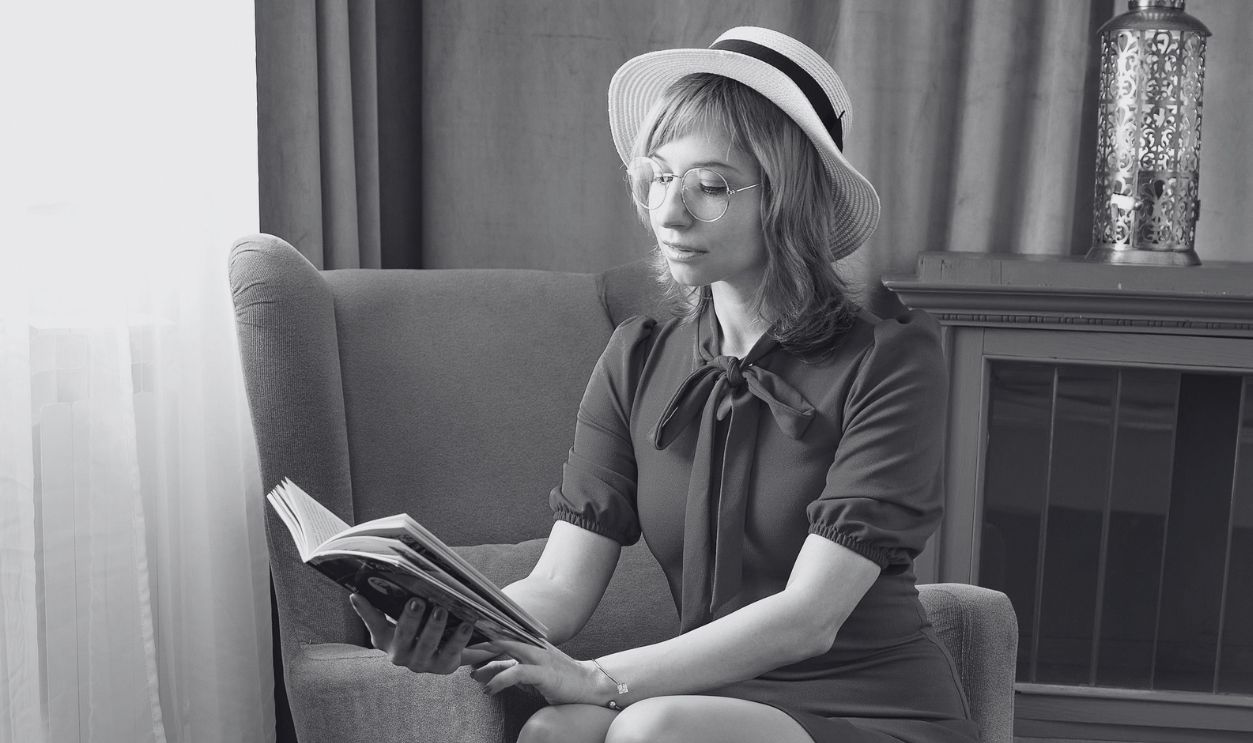
Part of the fun of 1970s bestseller culture was that different books carried different social meanings. Some made readers look thoughtful. Some looked religious, feminist, intellectual, dangerous, or embarrassingly trendy. People did not just read these books. They signaled something by being seen with them.

The Shared Reading Moment Is Harder To Recreate
Today, audiences are more fragmented. A book can still explode, but it competes with streaming, podcasts, social media, and endless niche communities. In the 1970s, a bestseller had more room to dominate. For a while, it really could feel as if every neighbor, coworker, relative, and stranger on the bus was reading the same thing.

You May Also Like:
Literary Facts Only True Bookworms Would Know
Classic Novels Everyone Should Read At Least Once
Sources: 1, 2, 3, 4, 5, 6, 7, 8, 9, 10, 11, 12, 13, 14, 15, 16, 17, 18, 19, 20, 21, 22, 23, 24