They did more than figure out Facebook
Millennials have spent years making jokes about baby boomers and technology. Fair enough—some family group chats practically write the jokes themselves. But take away the inventions boomers helped create, and a surprisingly large chunk of modern life disappears. Starting with...
 picture alliance, Getty Images
Bluetooth made the wires disappear
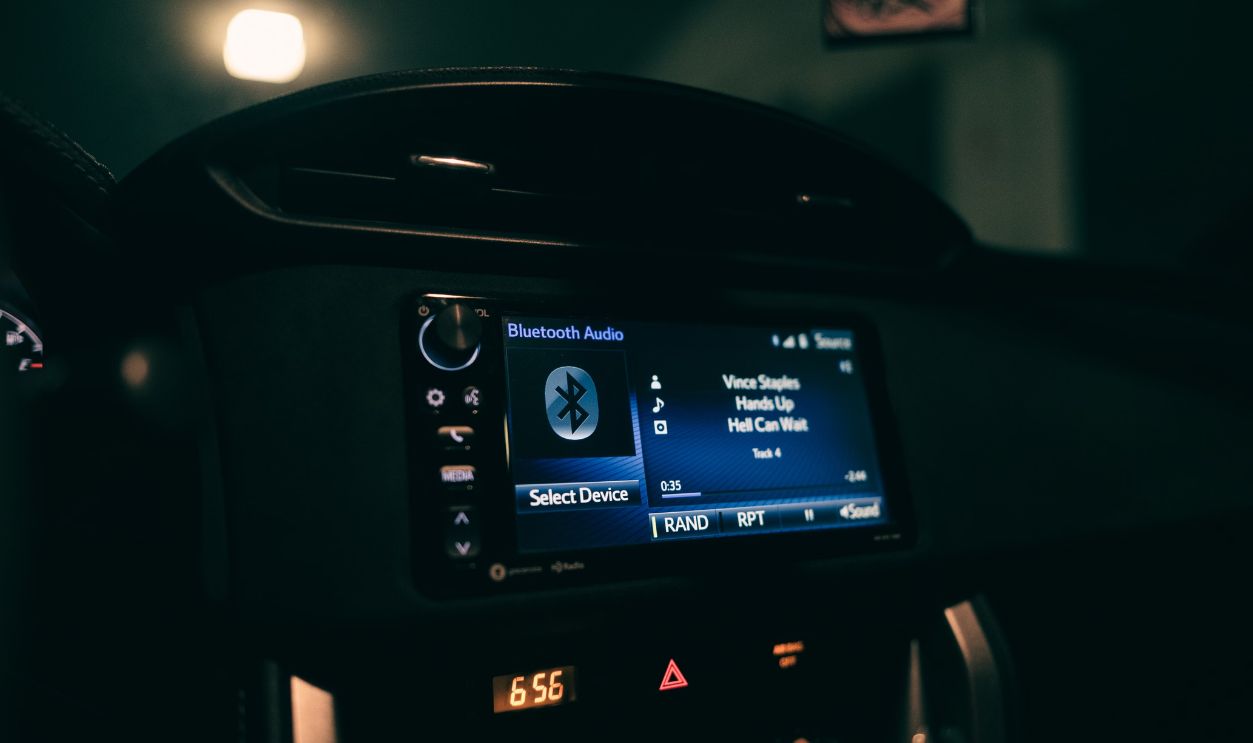
Millennials connecting earbuds for a workout or pairing a phone with the car have a boomer to thank. Jaap Haartsen, born in 1963, led the invention of Bluetooth at Ericsson. He began developing the system in 1994, helping make those everyday wireless connections possible.
It started with a much smaller ambition
Haartsen was tasked with developing short-range radio connections for mobile phones. The possibilities eventually expanded to headphones, keyboards, speakers, and more. “It starts with imagination, where you have no boundaries,” he explained. Apparently, that includes imagining a future where fewer things need to be plugged into other things.
The air fryer wasn’t a millennial invention
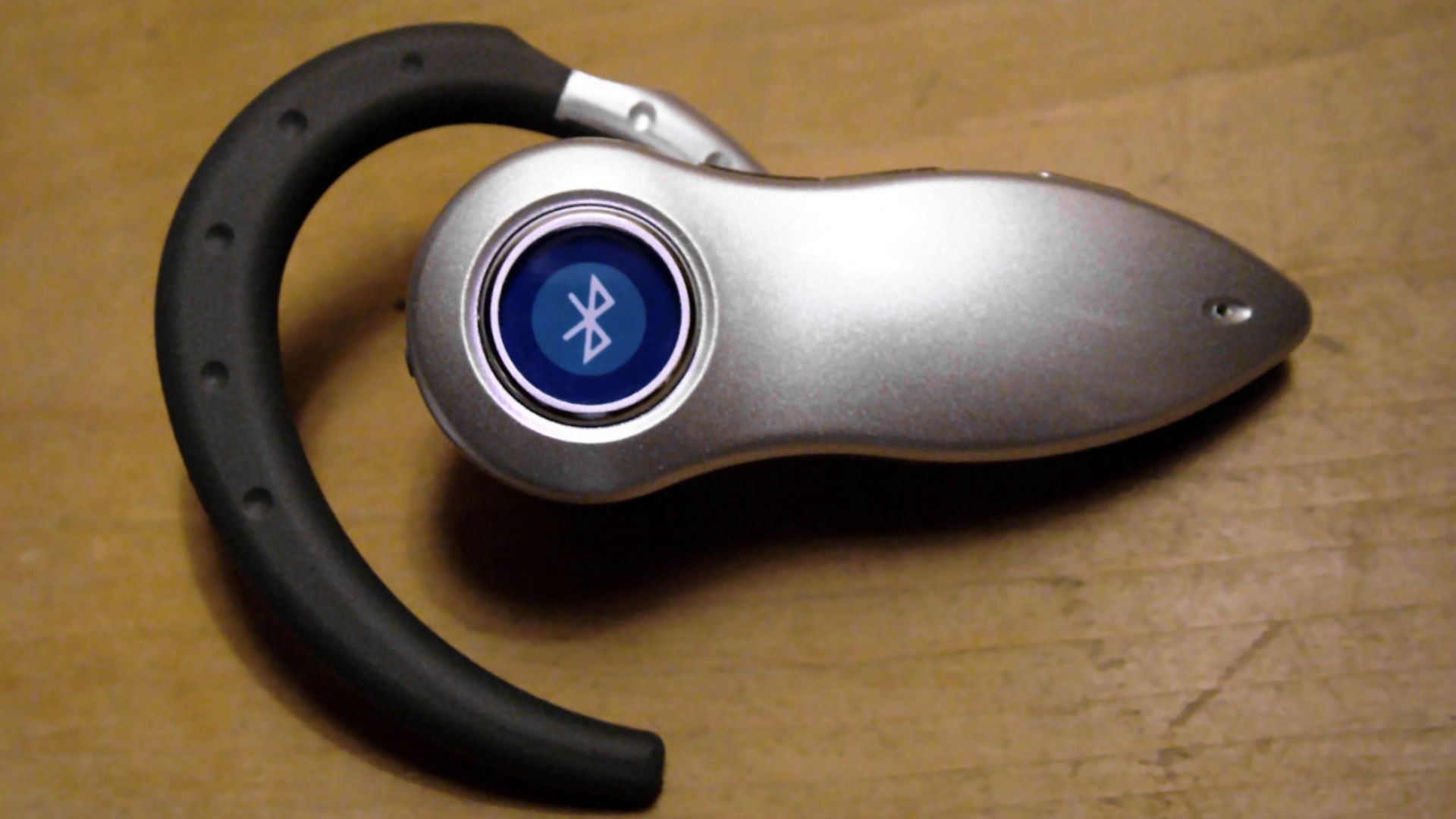
Dutch inventor Fred van der Weij, born in the early 1960s, developed the design behind the Philips Airfryer, introduced in 2010. His work turned existing hot-air cooking principles into a practical countertop appliance. Millennials using one for a quick dinner—or yesterday’s fries—are enjoying a boomer’s handiwork.
USB began with a familiar frustration
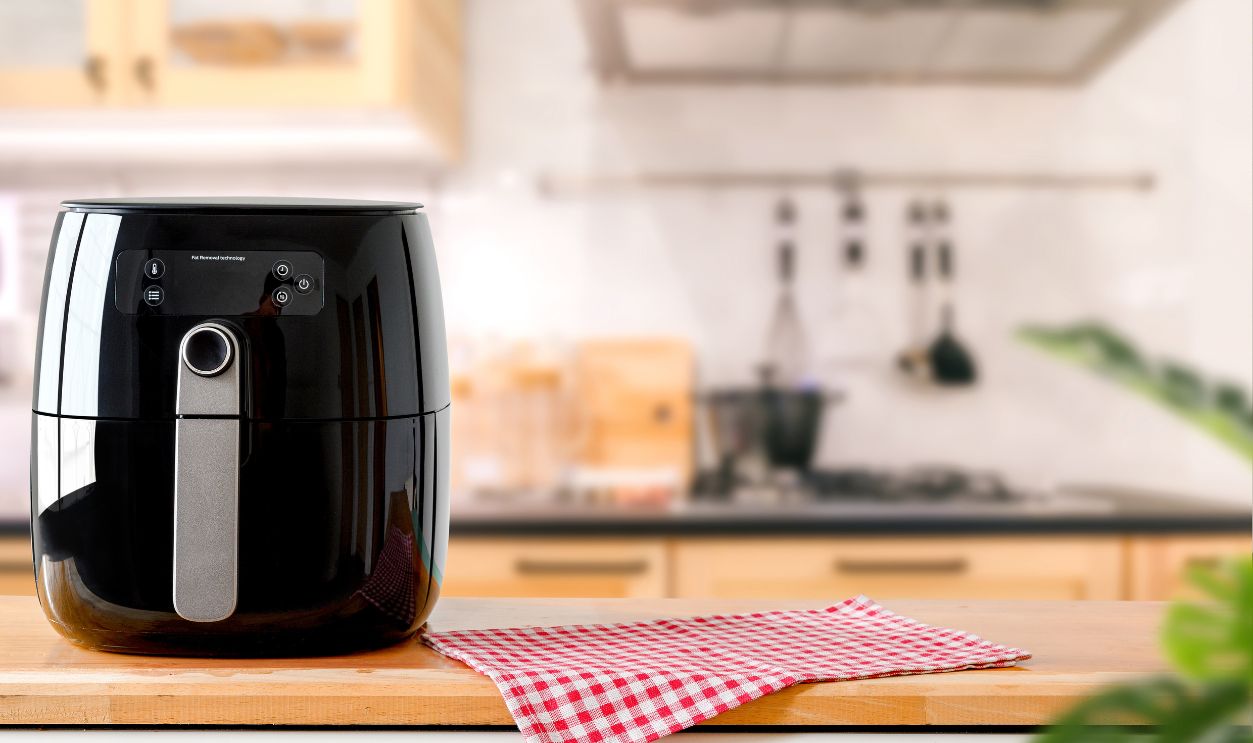
Ajay Bhatt, born in 1957, became a key co-inventor of USB after getting frustrated with connecting devices to his computer. Working with Intel colleagues and other companies, he helped simplify the process. Millennials plugging in a keyboard or charging a phone are using later generations of that idea.
The digital camera started at Kodak
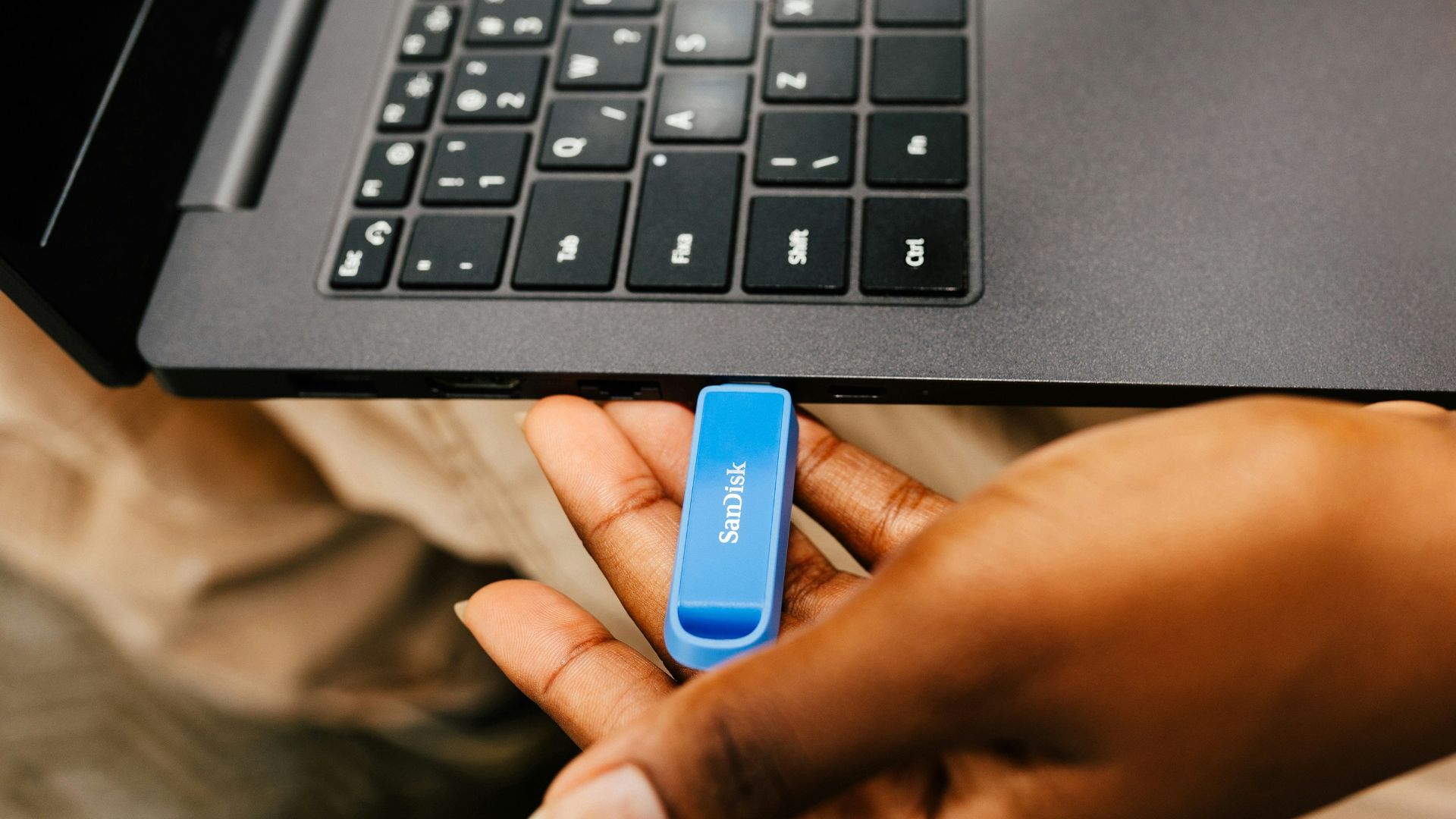
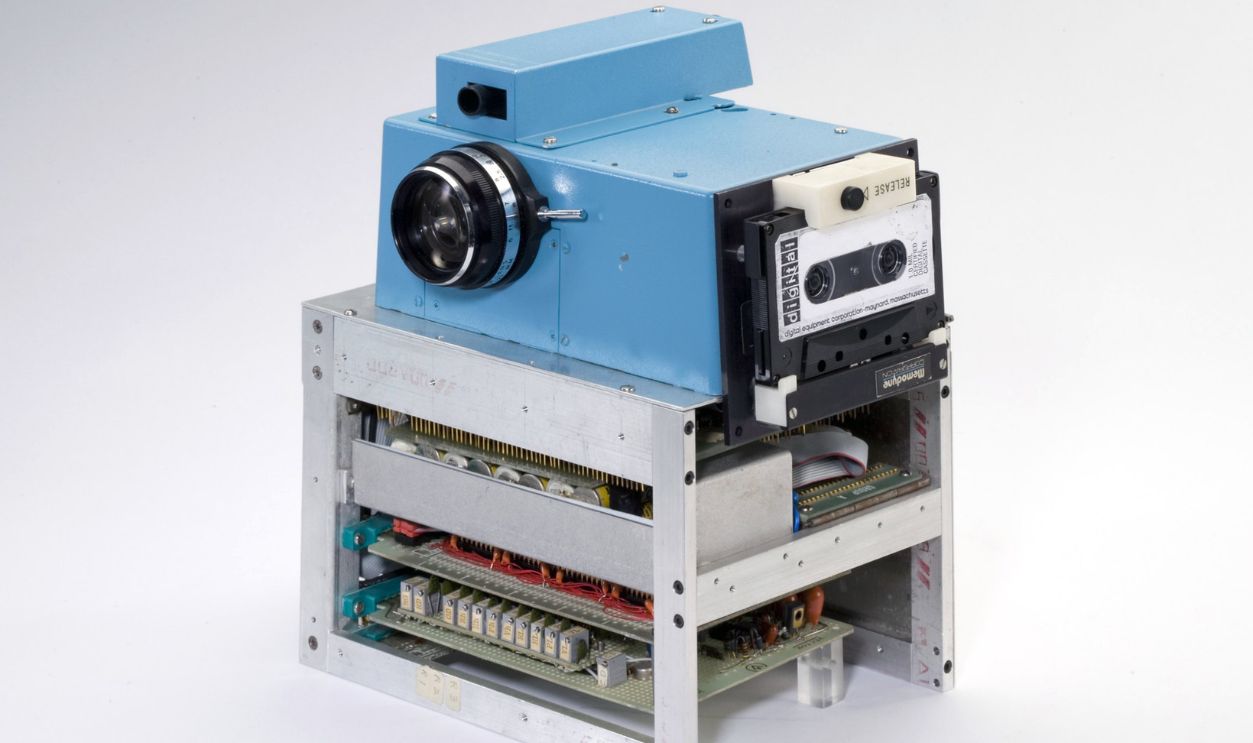
Steven Sasson, born in 1950, built the first self-contained digital camera at Kodak in 1975. It captured and stored pictures without film. Millennials photographing their meals, pets, and approximately 400 versions of the same sunset are participating in a digital photography revolution he helped set in motion.
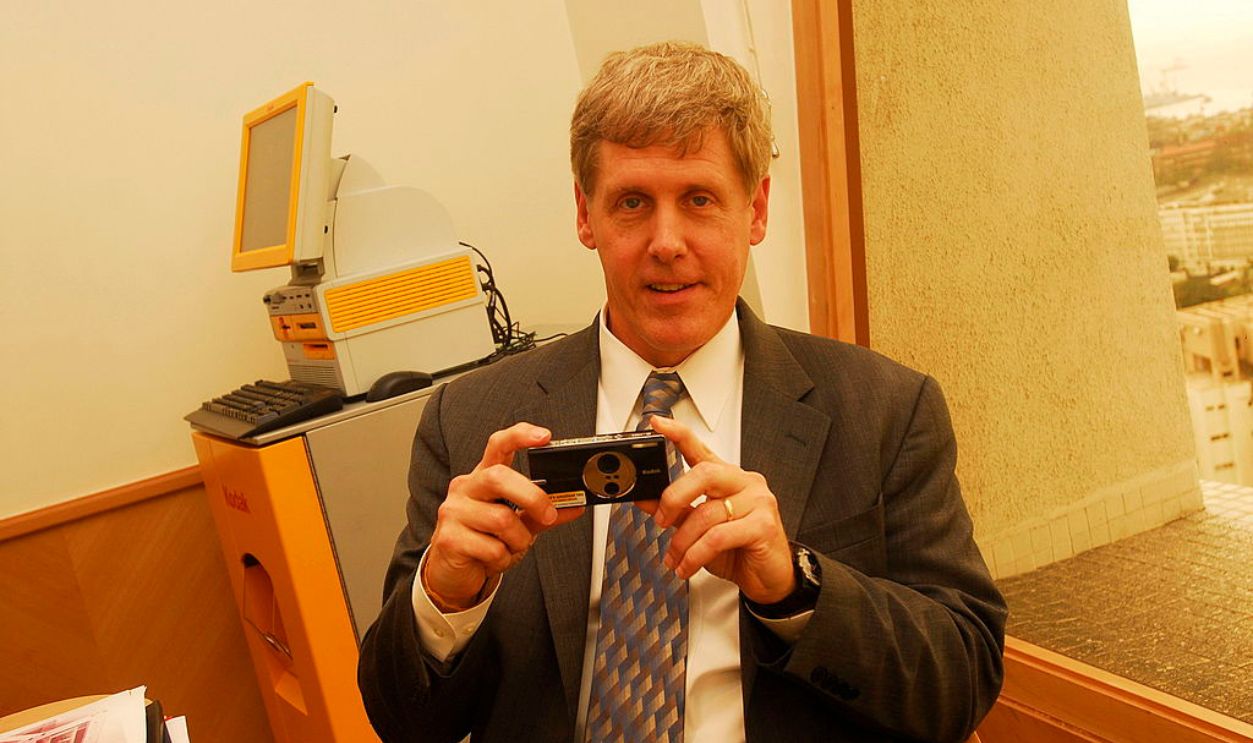 The India Today Group, Getty Images
His version needed a cassette tape
Sasson’s prototype used 16 batteries and recorded images onto cassette tape. It wasn’t something you could casually slip into your pocket. Many later breakthroughs made today’s cameras possible, but his machine demonstrated the essential idea: capture a photograph electronically and store it as digital information.
QR codes weren’t invented for restaurant menus
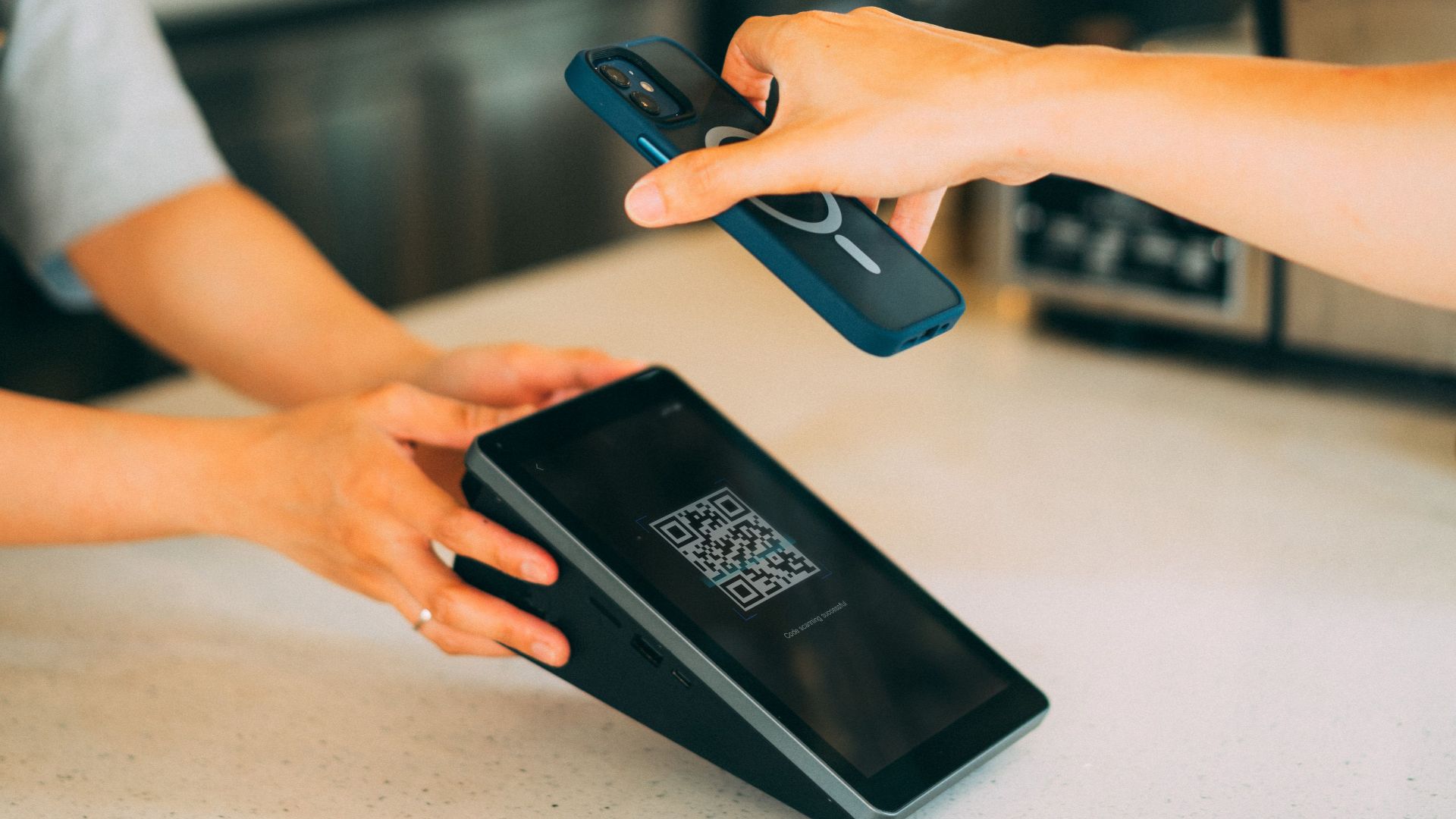
Masahiro Hara, born in 1957, led the team that developed QR codes at Denso in 1994 to track automotive parts. Millennials now scan them for restaurant menus, concert tickets, and package returns. Quite a journey for something originally intended to make factory operations run more smoothly.
Your morning espresso has a boomer connection
Swiss engineer Eric Favre, another member of the boomer generation, developed the Nespresso capsule system, with its first patent application filed in 1976. His ambition was to bring excellent espresso into people’s homes. Millennials popping in a capsule before work are making regular use of that achievement.
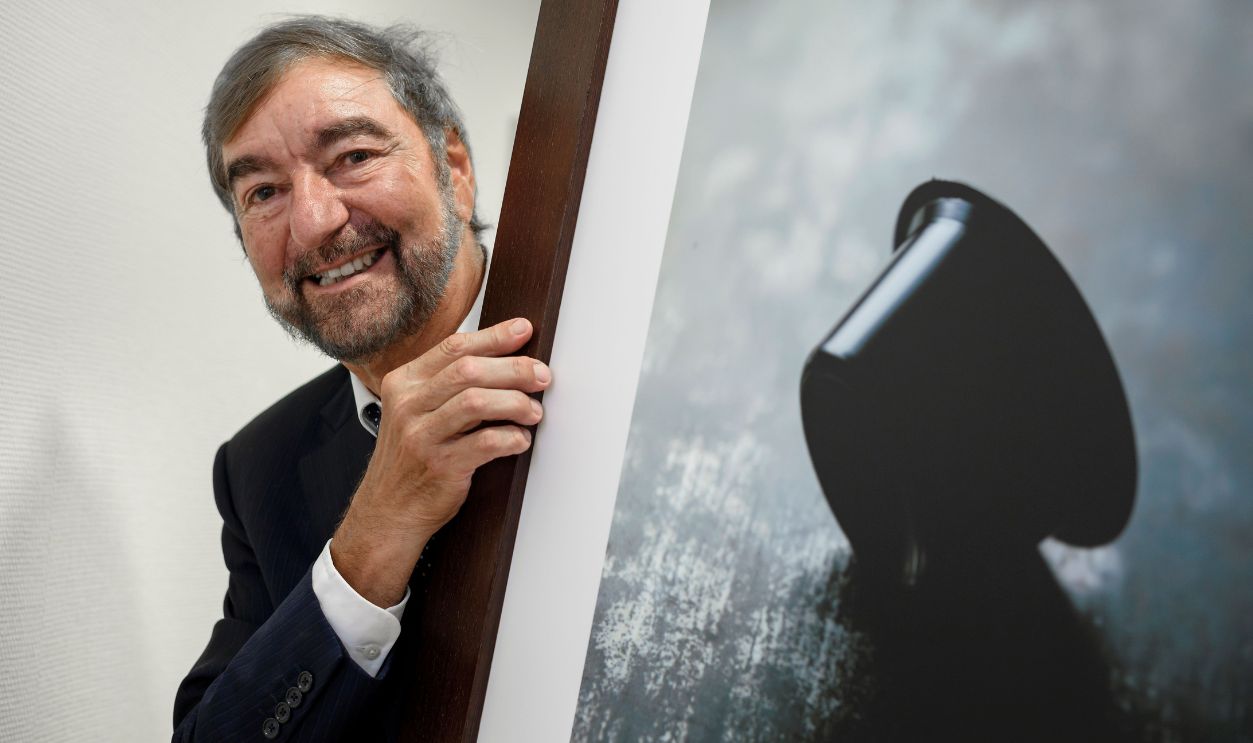 FABRICE COFFRINI, Getty Images
Your phone battery belongs on this list
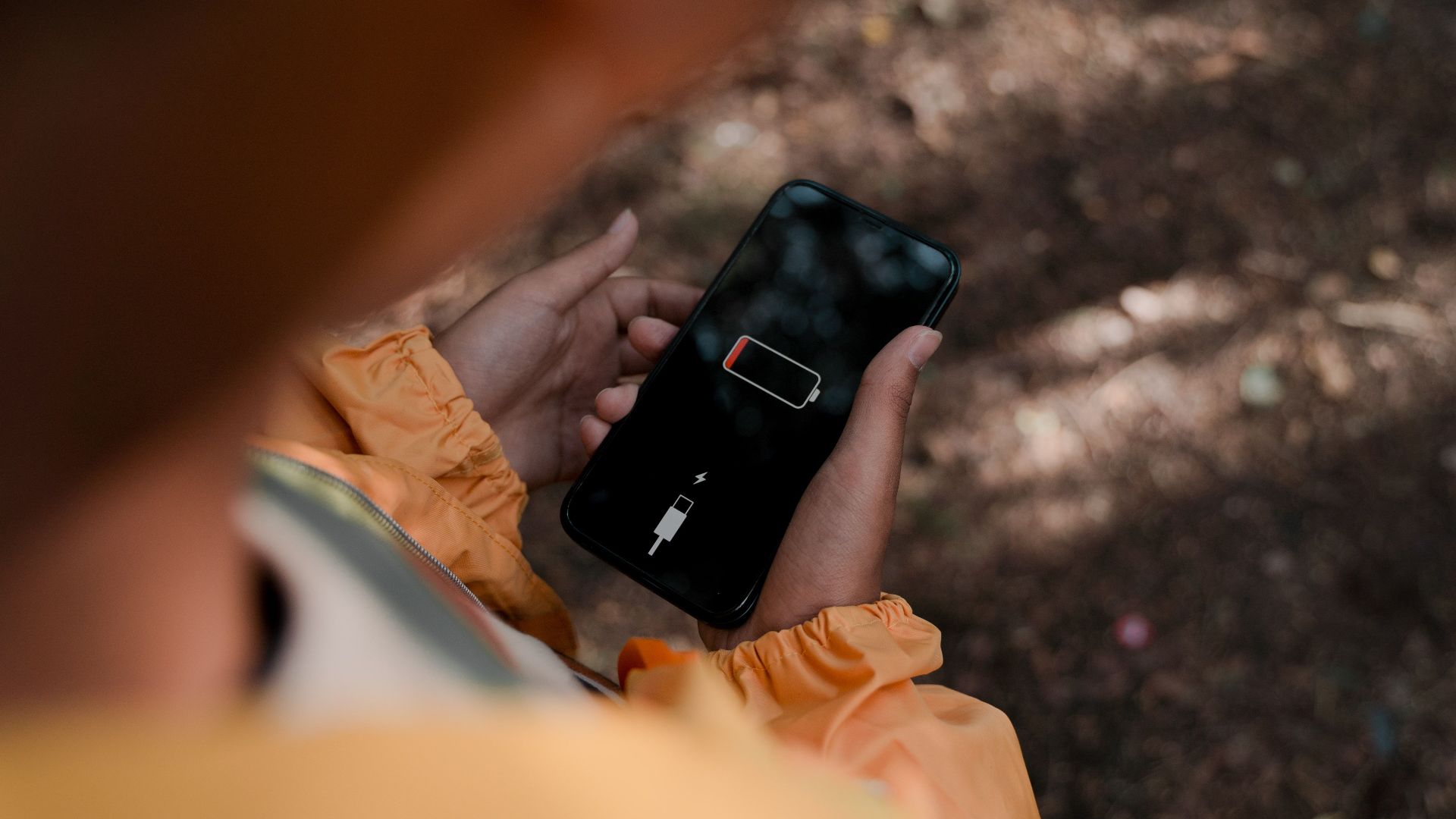
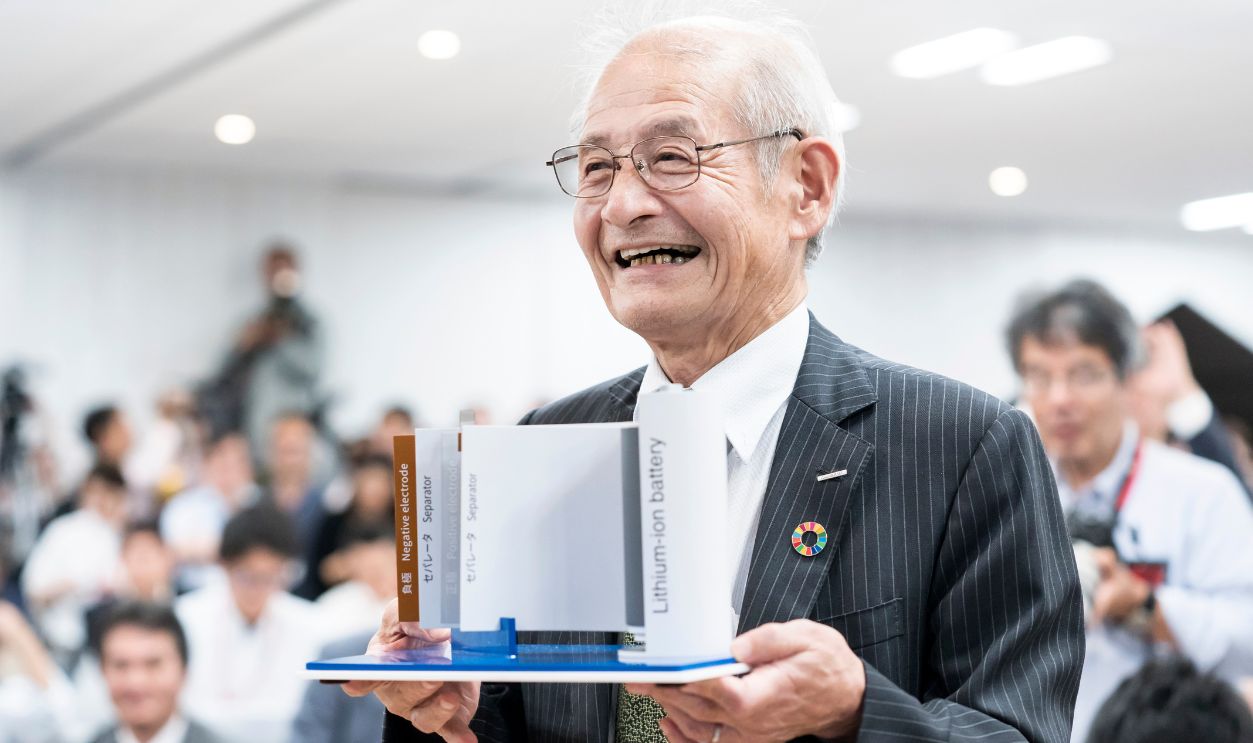
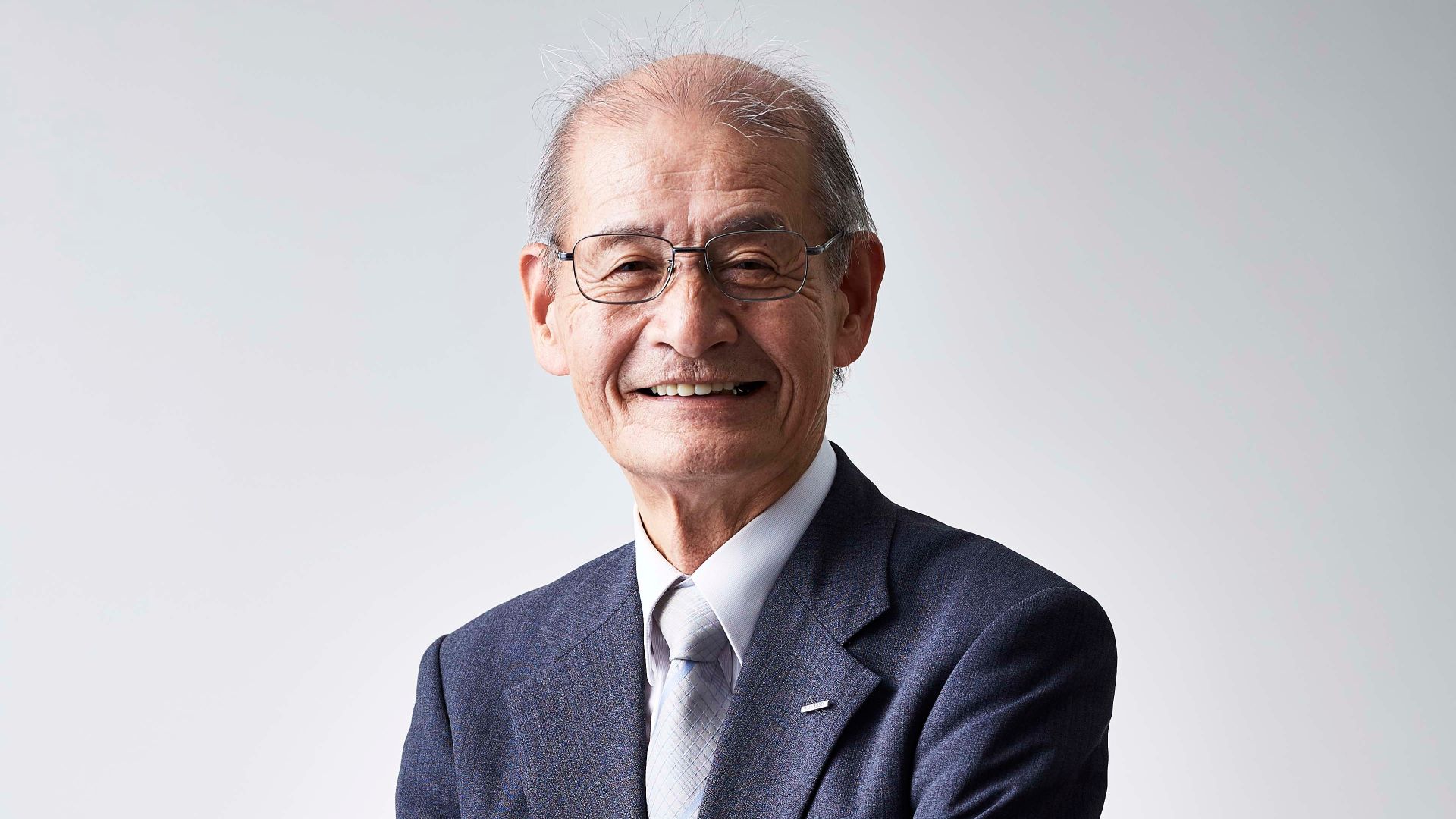
Akira Yoshino, born in 1948, created the first commercially viable lithium-ion battery in 1985, building on earlier researchers’ discoveries. Millennials checking messages, working on laptops, or wondering whether 12 percent battery will last until they get home are benefiting from technology he helped make practical.
Making it safer was the real breakthrough
Earlier lithium battery research faced serious safety problems. Yoshino used a carbon-based anode instead of reactive metallic lithium, helping produce a practical rechargeable design. Making a battery powerful was only part of the challenge. People also needed to carry it around and recharge it repeatedly.
A boomer gave the internet the GIF
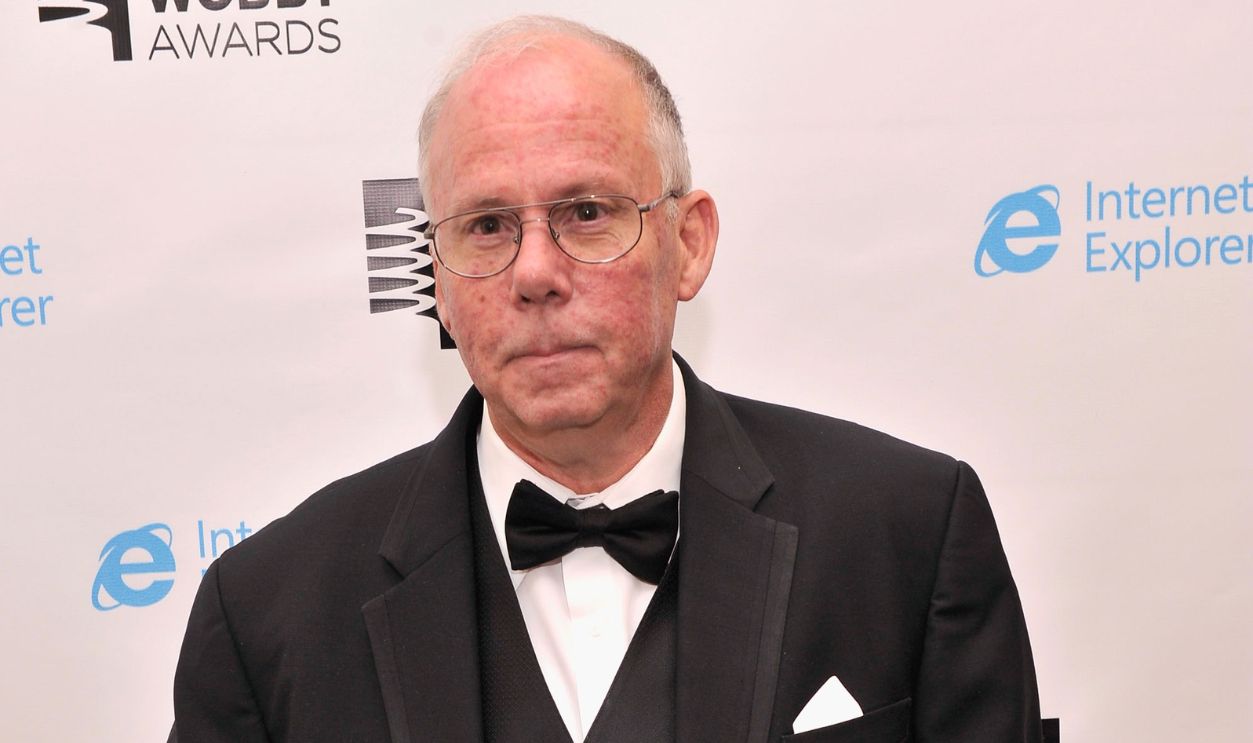
Steve Wilhite, born in 1948, led the development of the GIF format at CompuServe in 1987. It originally helped computers exchange color images efficiently. Animated GIFs later became a favorite way for millennials to answer a group chat with an eye roll instead of an actual sentence.
Dyson found a way around the vacuum bag
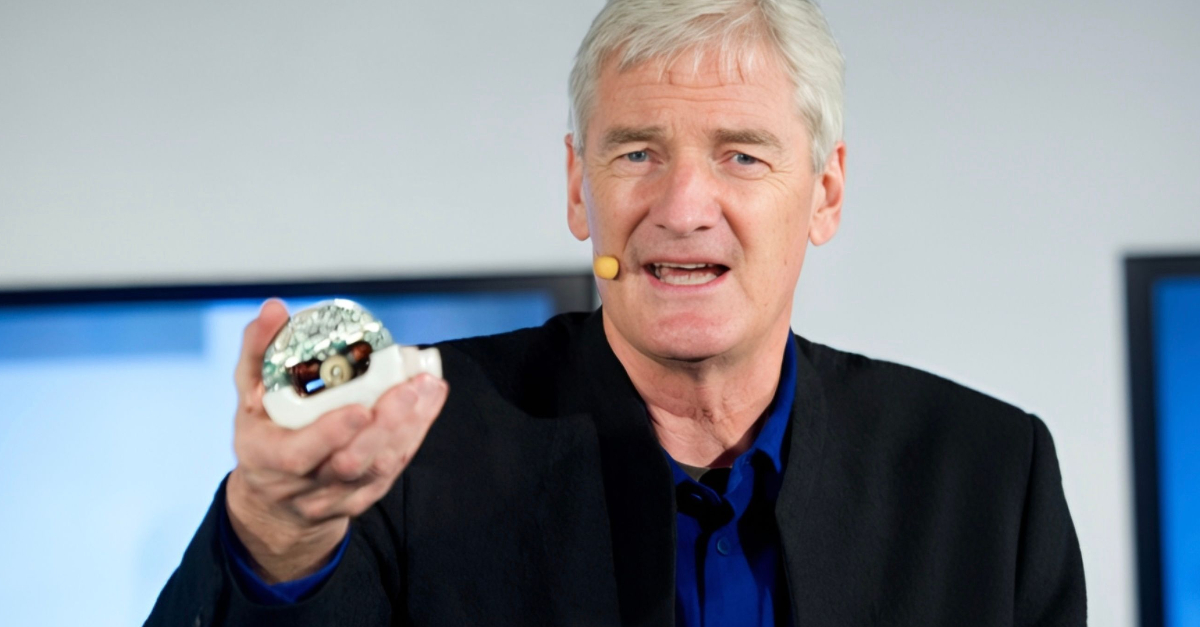
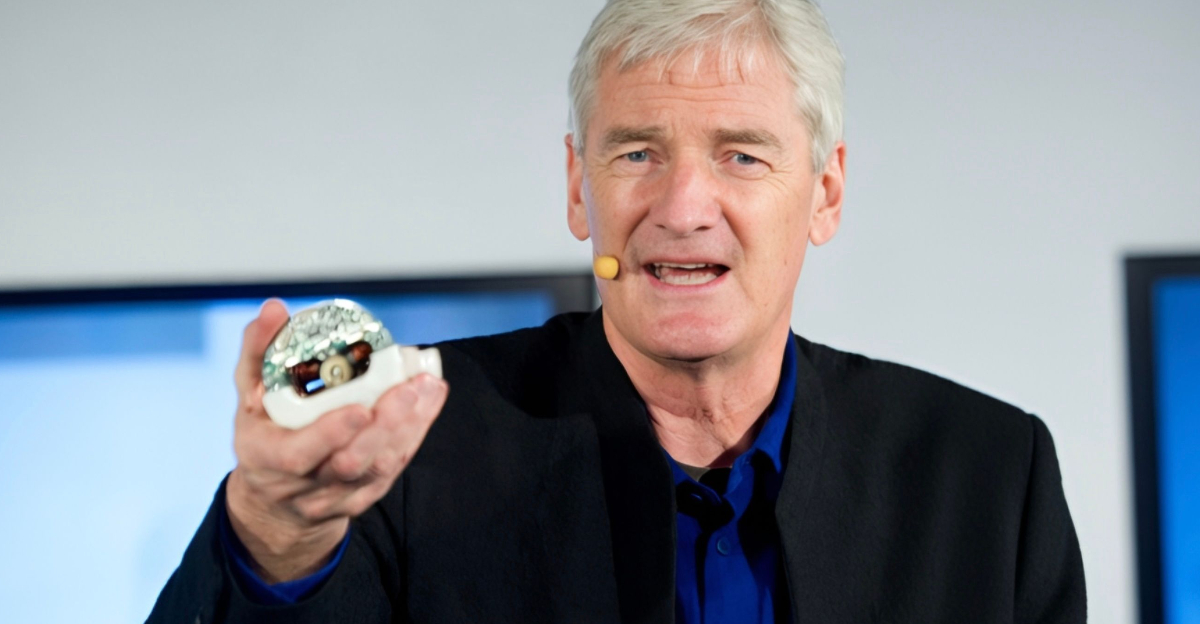
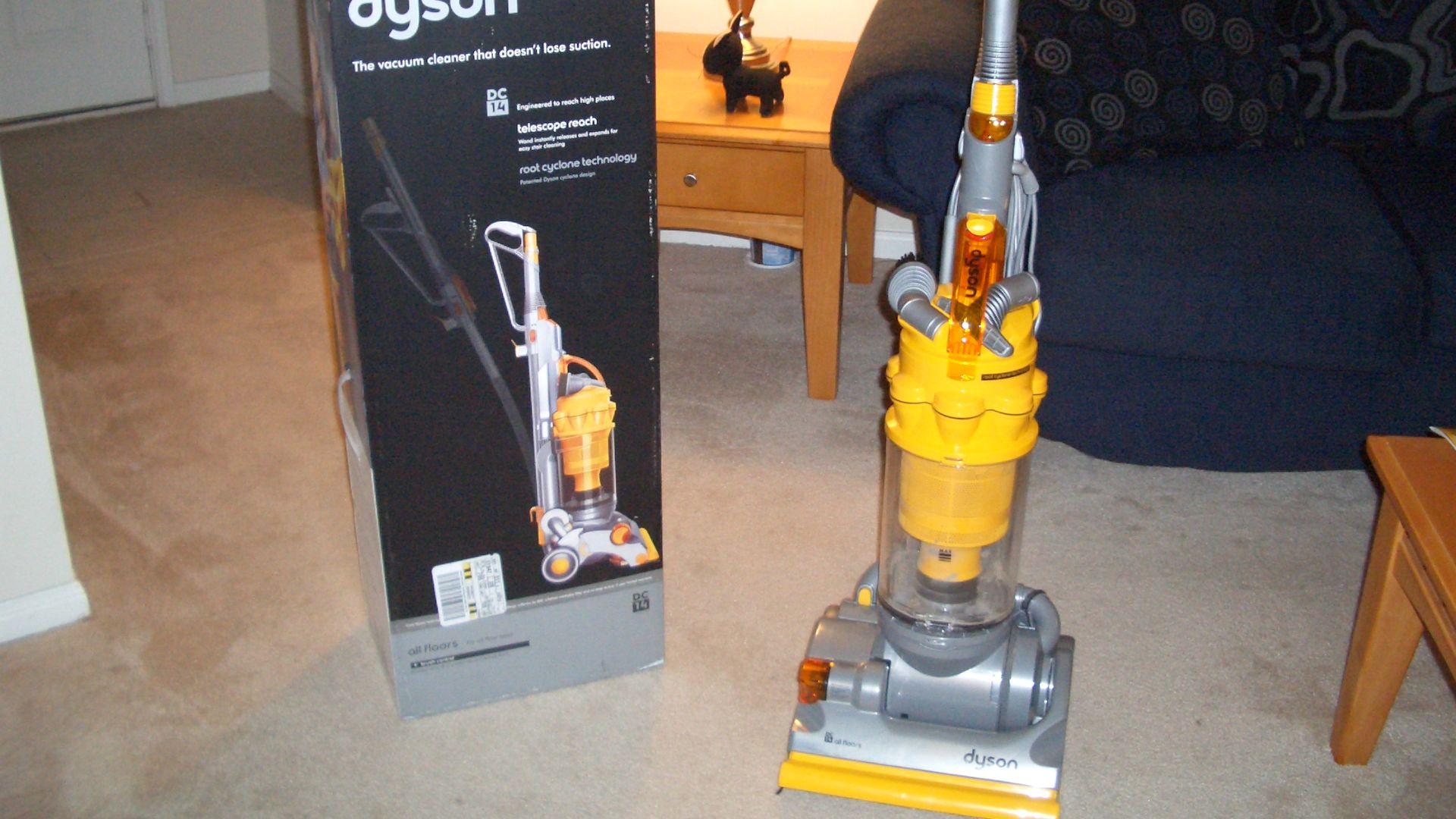
James Dyson, born in 1947, developed his cyclonic bagless vacuum after becoming frustrated with a bag that clogged. His design used spinning air to separate dirt from the airflow. Millennials cleaning up pet hair with a Dyson are using the results of a boomer taking housework personally.
Spreadsheets made the office a different place
Dan Bricklin, born in 1951, and Bob Frankston, born in 1949, created VisiCalc, the pioneering personal-computer spreadsheet released in 1979. Modern Excel and Google Sheets came later, but millennials using them for work, household budgets, or wedding planning are benefiting from the approach these two helped establish.

The optical mouse retired an annoying chore
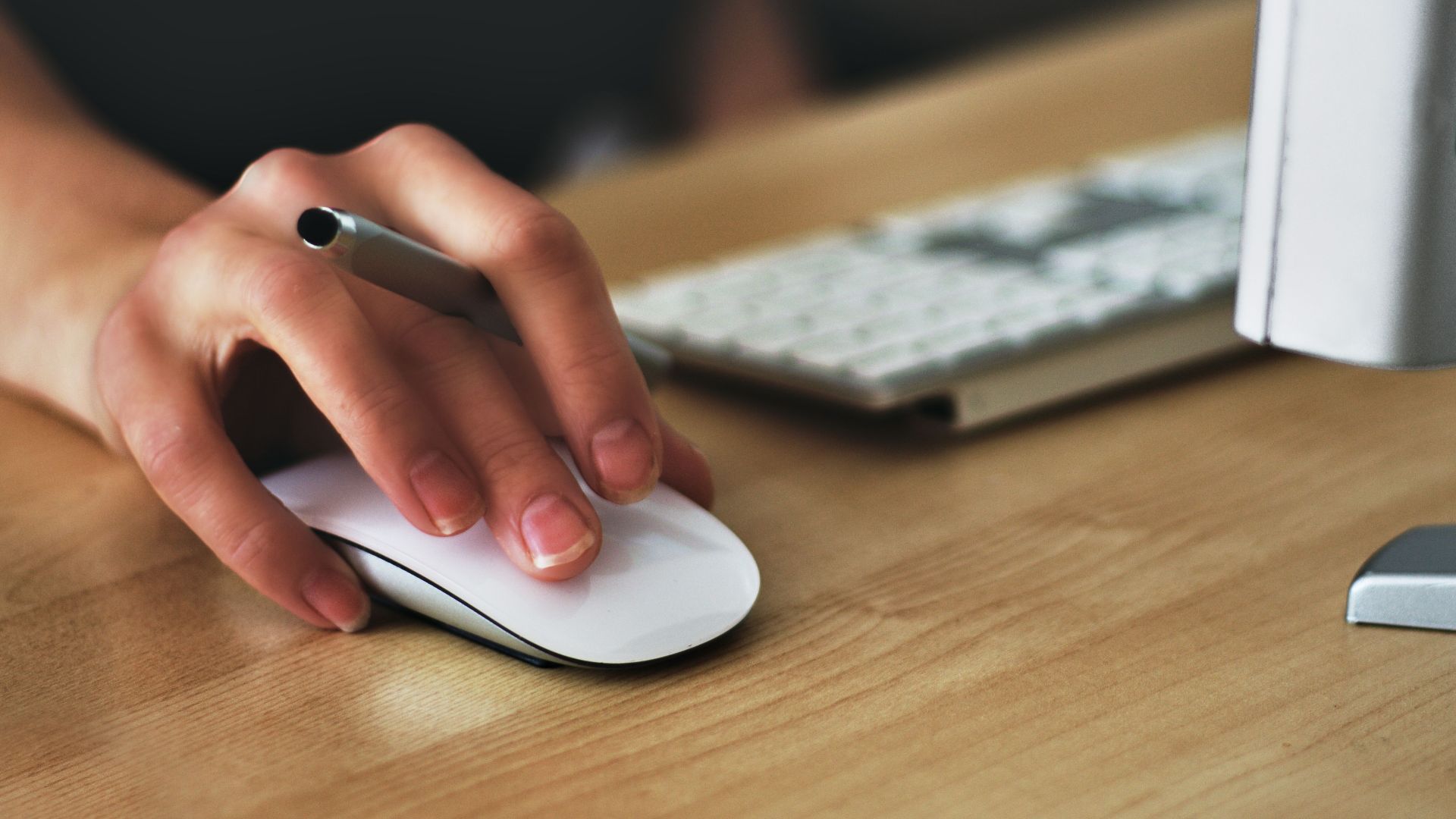
Steve Kirsch, born in 1956, and Richard Lyon independently developed early optical mice around 1980. Later designs improved considerably, bringing optical tracking to everyday desks. Millennials clicking through work documents can appreciate the convenience—and older users can appreciate no longer scraping grime off a little rolling ball.
Photoshop began as a family project
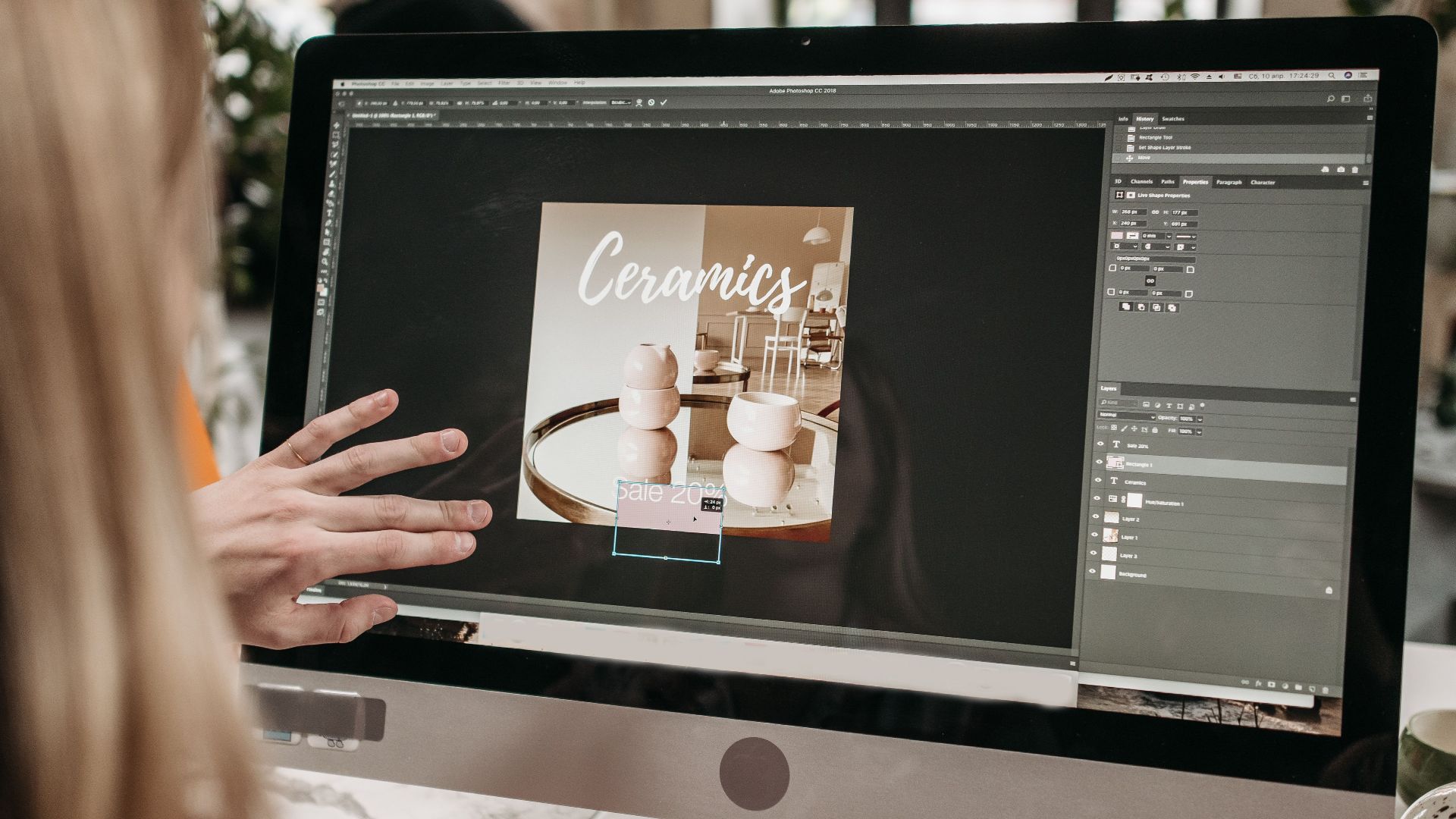
Thomas Knoll, born in 1960, and his brother John, born in 1962, created Photoshop, which Adobe released in 1990. Millennial photographers, designers, and other creative professionals regularly use its descendants to edit pictures and produce graphics. A program developed by two brothers became part of countless working days.
OLED screens came from two boomer chemists
Ching Wan Tang, born in 1947, and Steven Van Slyke, born in 1956, pioneered practical OLED technology at Kodak. Their work helped make today’s thin, vivid displays possible. Millennials scrolling on an OLED phone or watching television on an OLED screen are looking directly at that invention’s legacy.

High-speed Wi-Fi needed some Australian problem-solving
John O’Sullivan, born in 1947, led a CSIRO team whose invention became an important foundation of high-speed Wi-Fi. His colleagues were boomers, too. Millennials working from the kitchen table, streaming television, or browsing in bed benefit from their solution to a surprisingly troublesome problem: signals bouncing around indoors.

The walls were getting in the way
Radio signals bounce off walls and other surfaces, reaching a receiver at different times and interfering with reception. The CSIRO team developed technology to handle that problem while transmitting data quickly. Their experience studying radio signals from space helped improve wireless communication much closer to home.
A boomer helped design what’s inside your phone
Sophie Wilson, born in 1957, co-designed the original ARM processor with Steve Furber in the 1980s. Later generations of ARM technology spread into phones and tablets. Millennials opening apps, checking directions, or ordering dinner on those devices use its descendants without needing to know Wilson’s name.
JavaScript gave websites more to do
Brendan Eich, born in 1961, created the first version of JavaScript at Netscape in 1995, producing the initial implementation in about ten days. It developed into a central tool for interactive websites. Millennials using webmail, online shopping tools, and browser-based work applications encounter it constantly behind the scenes.
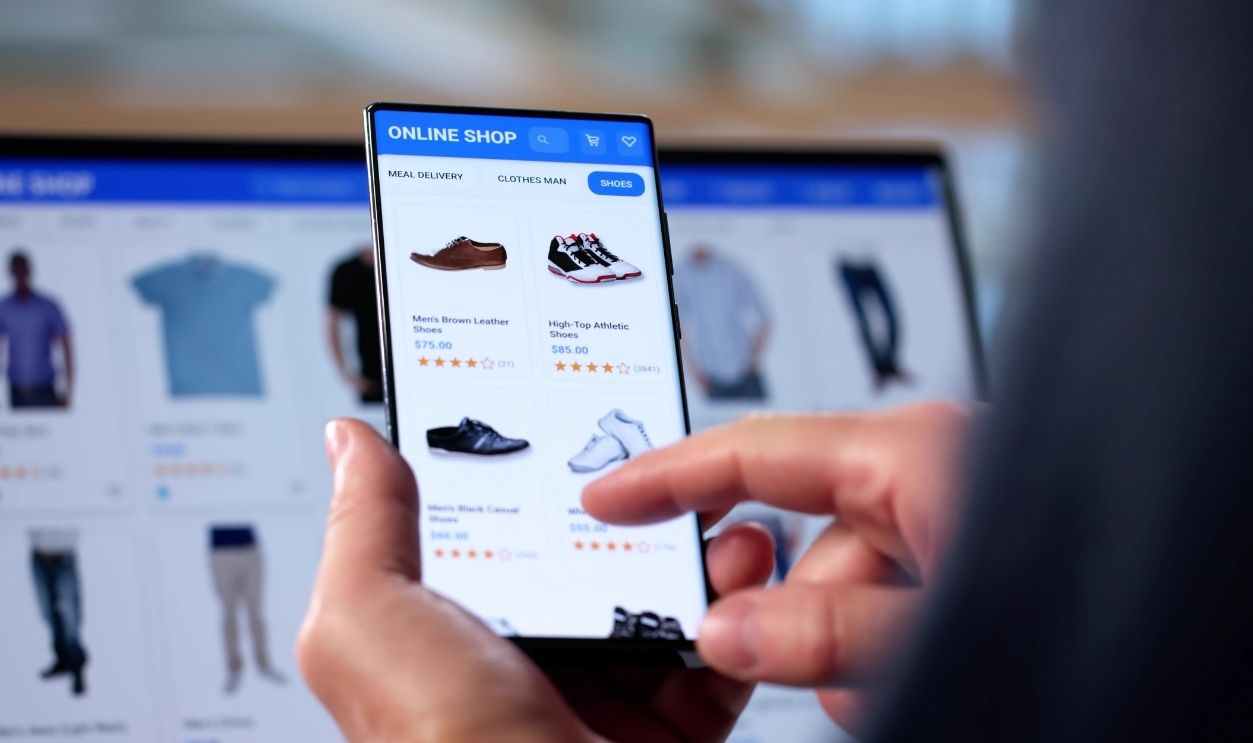
Then there’s the World Wide Web itself
Tim Berners-Lee, born in 1955, invented the World Wide Web at CERN in 1989. The internet already existed; his breakthrough connected information through linked web pages. Millennials checking news, shopping online, or opening a website to settle an argument are using the system he created.

The first server came with a warning
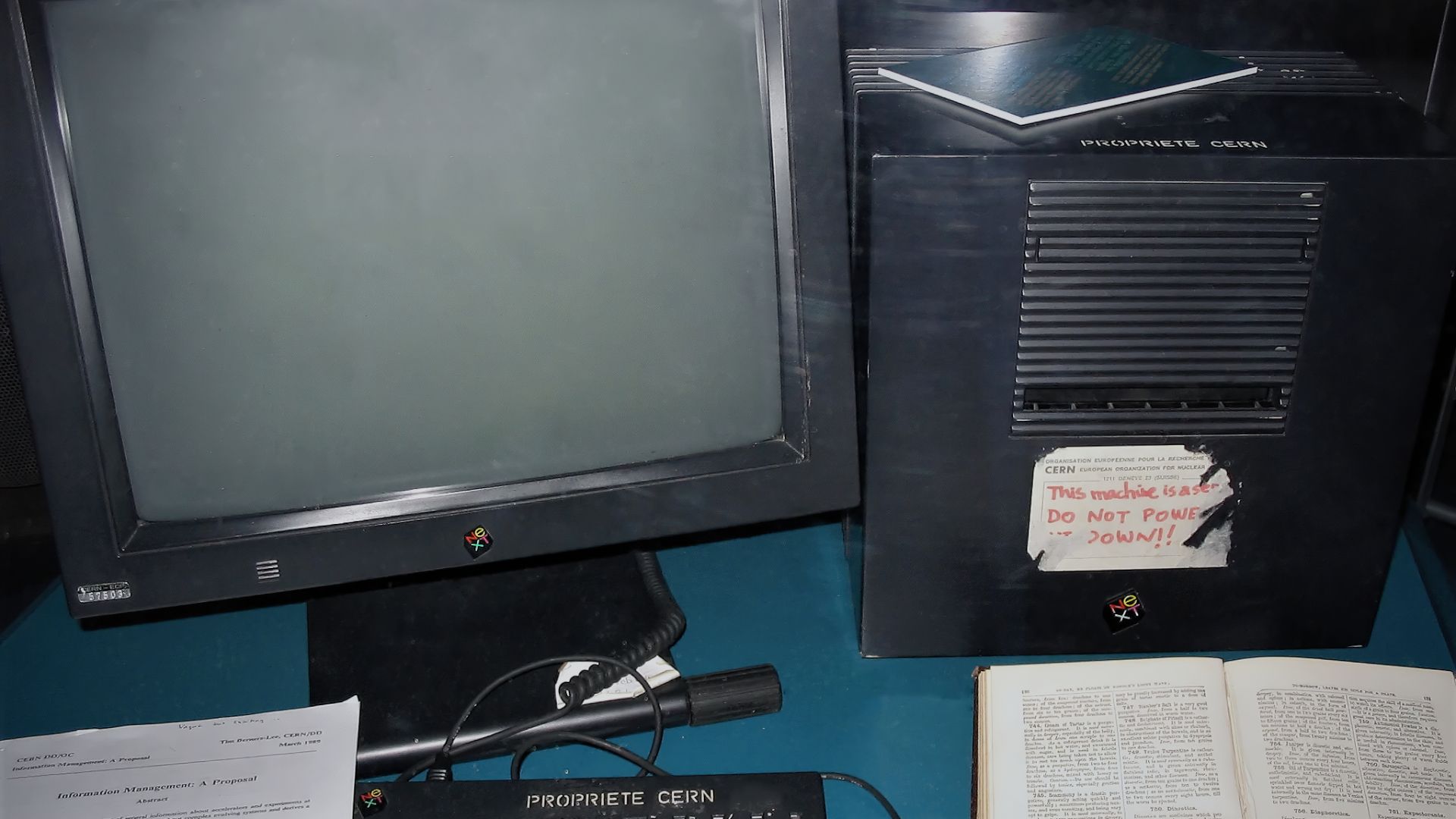
By the end of 1990, Berners-Lee had the first web server and browser running. The server’s computer carried a handwritten warning: “This machine is a server. DO NOT POWER IT DOWN!!” Even at the birth of the web, someone needed reminding not to switch off something important.
 User:Coolcaesar at en.wikipedia, Wikimedia Commons
That’s quite a lot to unplug
These inventions depended on earlier discoveries, teams of colleagues, and decades of improvements. But boomers deserve their share of the credit. Take away their contributions, and a millennial’s ordinary morning—from making coffee to opening the laptop—starts looking considerably less convenient. Which invention would you miss first?
 Personnel Division, Minister’s Secretariat, Wikimedia Commons
You Might Also Like:
Everyday Words That Came From People Whose Names Most Of Us Have Forgotten
Modern Conveniences That People Fiercely Opposed When They Were Introduced