The Fascinating Origin Of The Sandwich
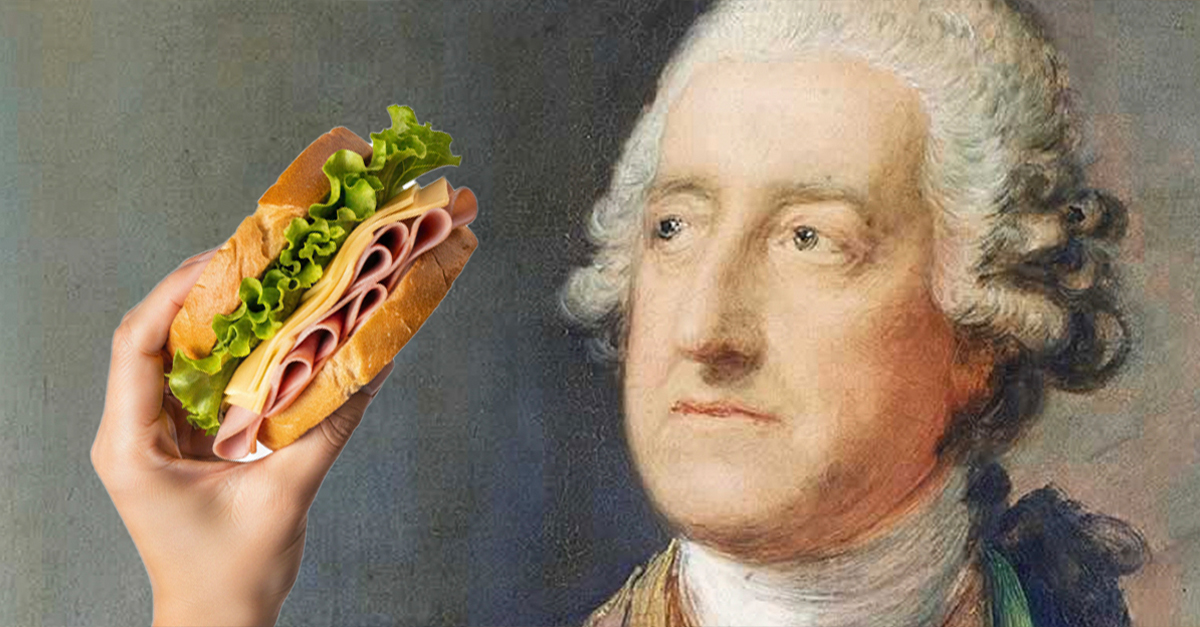
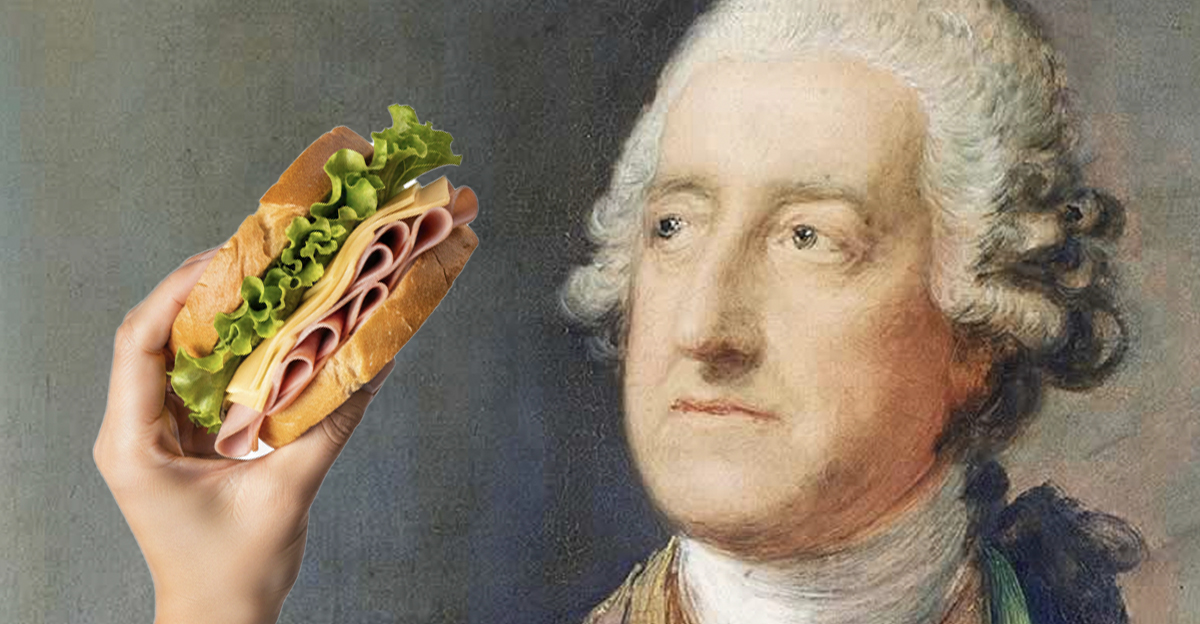
The sandwich feels too ordinary to need an origin story. It belongs in lunchboxes, diners, picnics, airport terminals, office desks, and midnight kitchens. But the word is tied to an 18th-century aristocrat whose life was far bigger, messier, and stranger than lunch: John Montagu, the 4th Earl of Sandwich.
 Thomas Gainsborough, Wikimedia Commons, Modified / Donnangelo, Adobe Stock Images, Modified
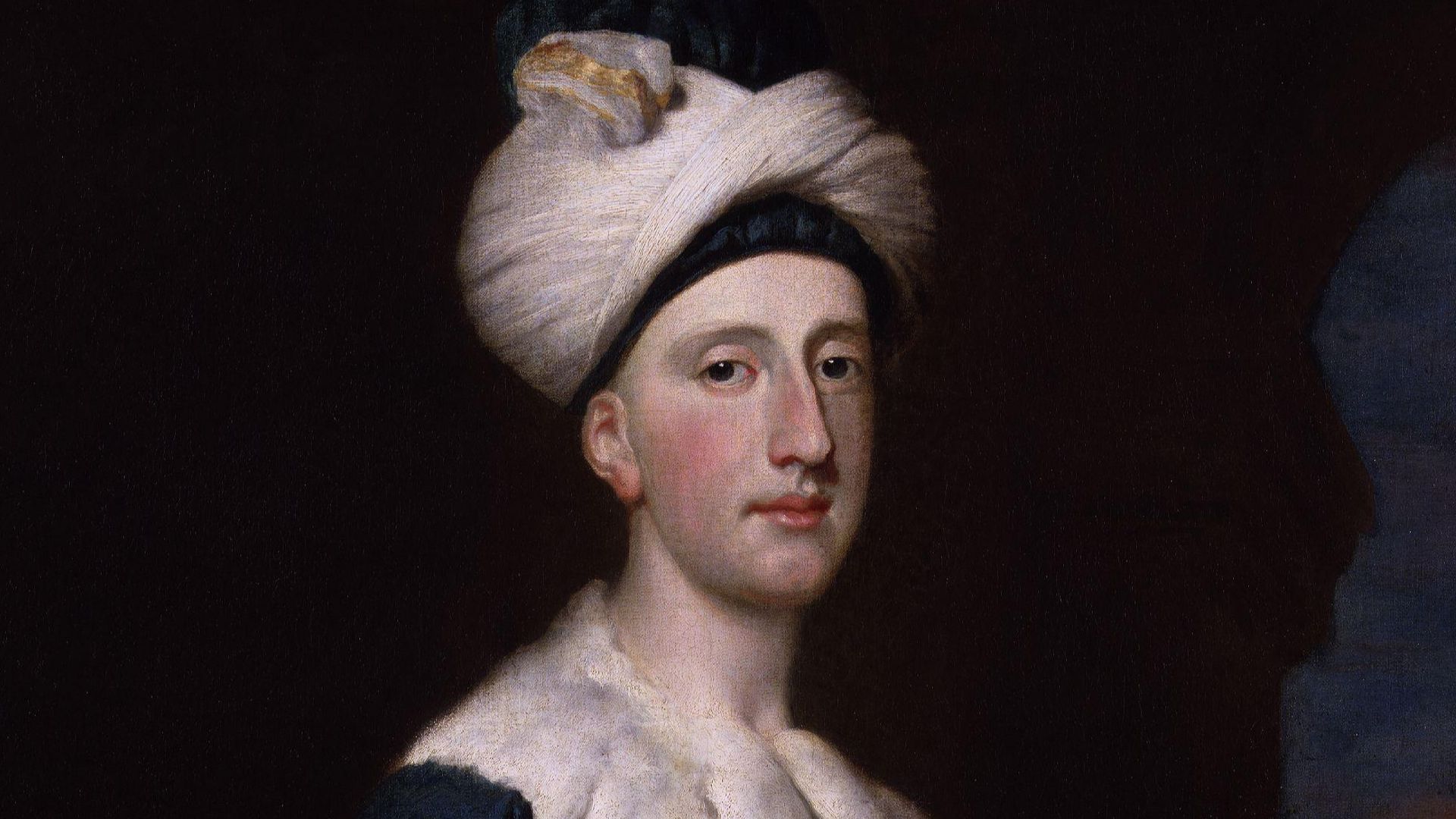
He Was Born Into A Powerful Family
John Montagu was born in 1718 into an aristocratic family with deep political and naval connections. The title Earl of Sandwich already carried weight before he inherited it. His life was shaped from the beginning by privilege, expectation, and the assumption that noble birth should lead to public office.
 Joseph Highmore, Wikimedia Commons
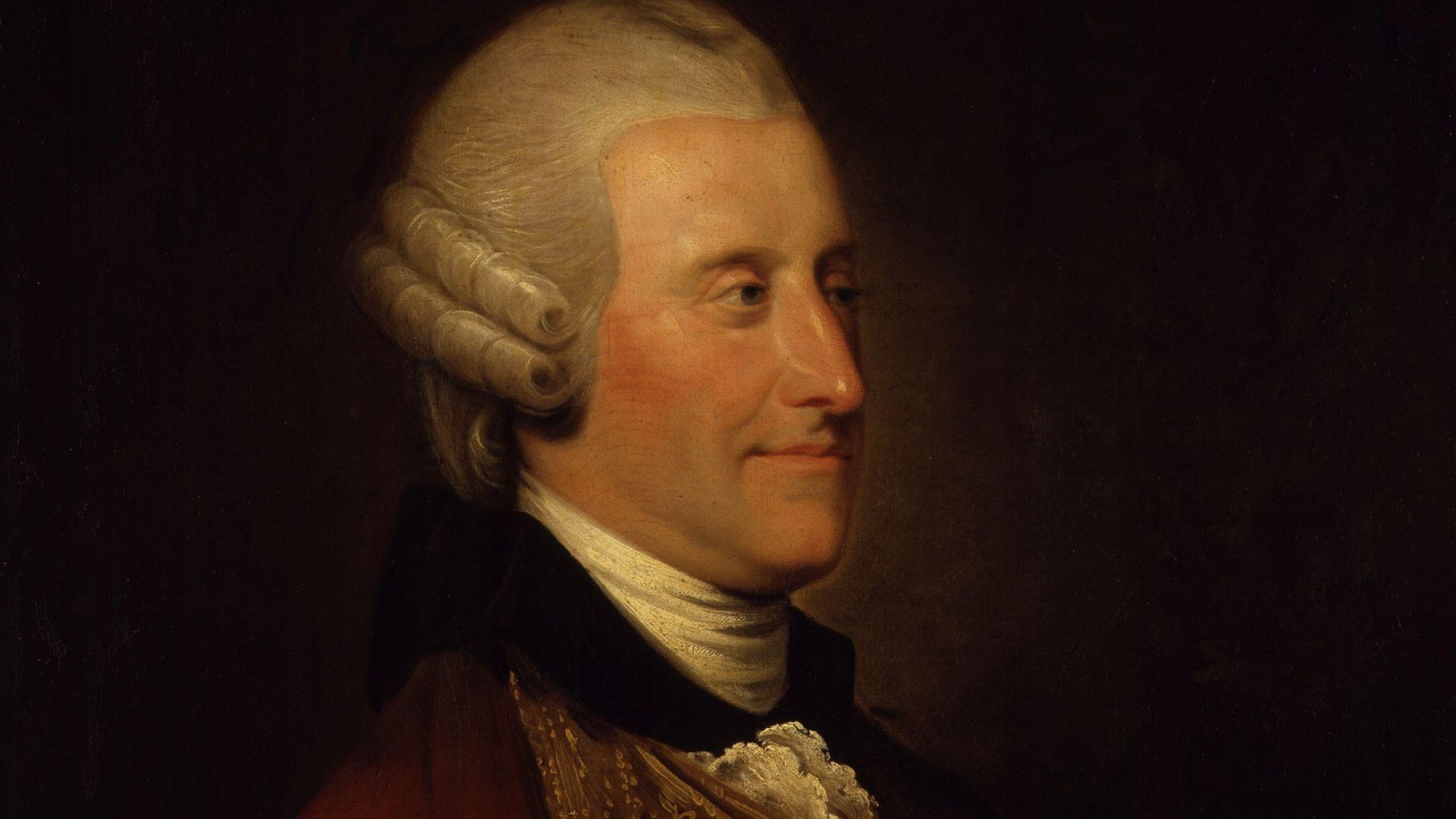
He Became Earl While Still A Child
Montagu became the 4th Earl of Sandwich at only 10 years old, after the passing of his grandfather. That meant he inherited status long before he was ready to use it. Like many aristocratic boys of his era, he grew up knowing that a title was not just a name. It was a career path.
 Johann Zoffany, Wikimedia Commons
Sandwich Was A Place Before It Was A Food
The title came from Sandwich, a town in Kent, England. Long before anyone used the word for lunch, Sandwich was a place name and a noble title. That is part of what makes the food story so odd: one of the world’s most ordinary meals began, linguistically, as a marker of rank and geography.
 Ian Dalgliesh, Wikimedia Commons
He Was Educated For Public Life
Montagu was educated at Eton and Trinity College, Cambridge, placing him inside the elite world that prepared Britain’s ruling class. His education did not simply teach him books. It placed him among the people, networks, and assumptions that would shape his political future.
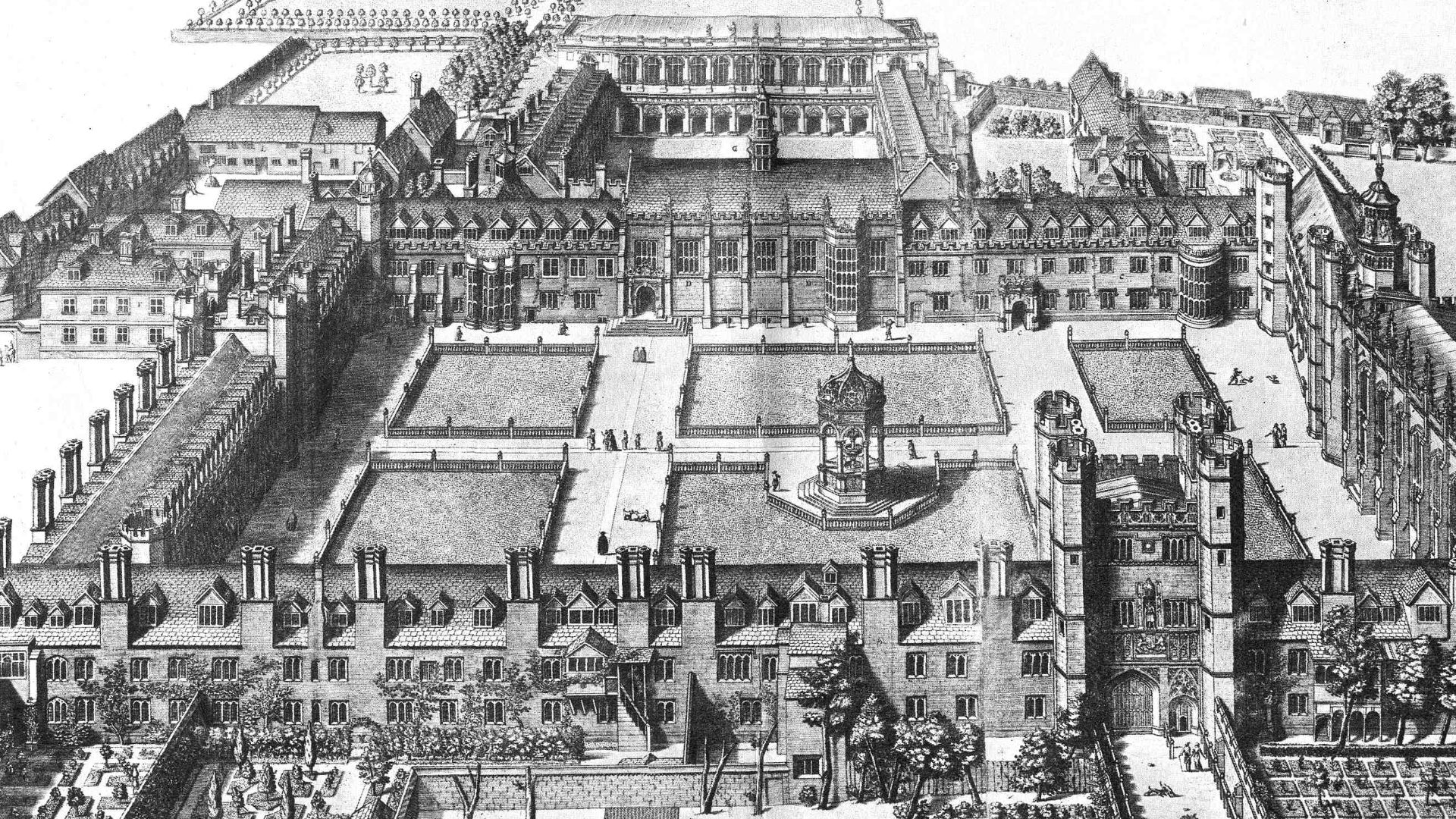 David Loggan, Wikimedia Commons
A Mediterranean Tour Broadened His World
As a young man, Montagu traveled through the Mediterranean and kept a journal of the journey. Travel was part education, part status display, and part preparation for public life. It also exposed him to food customs outside Britain, which some writers have connected to the later sandwich legend.
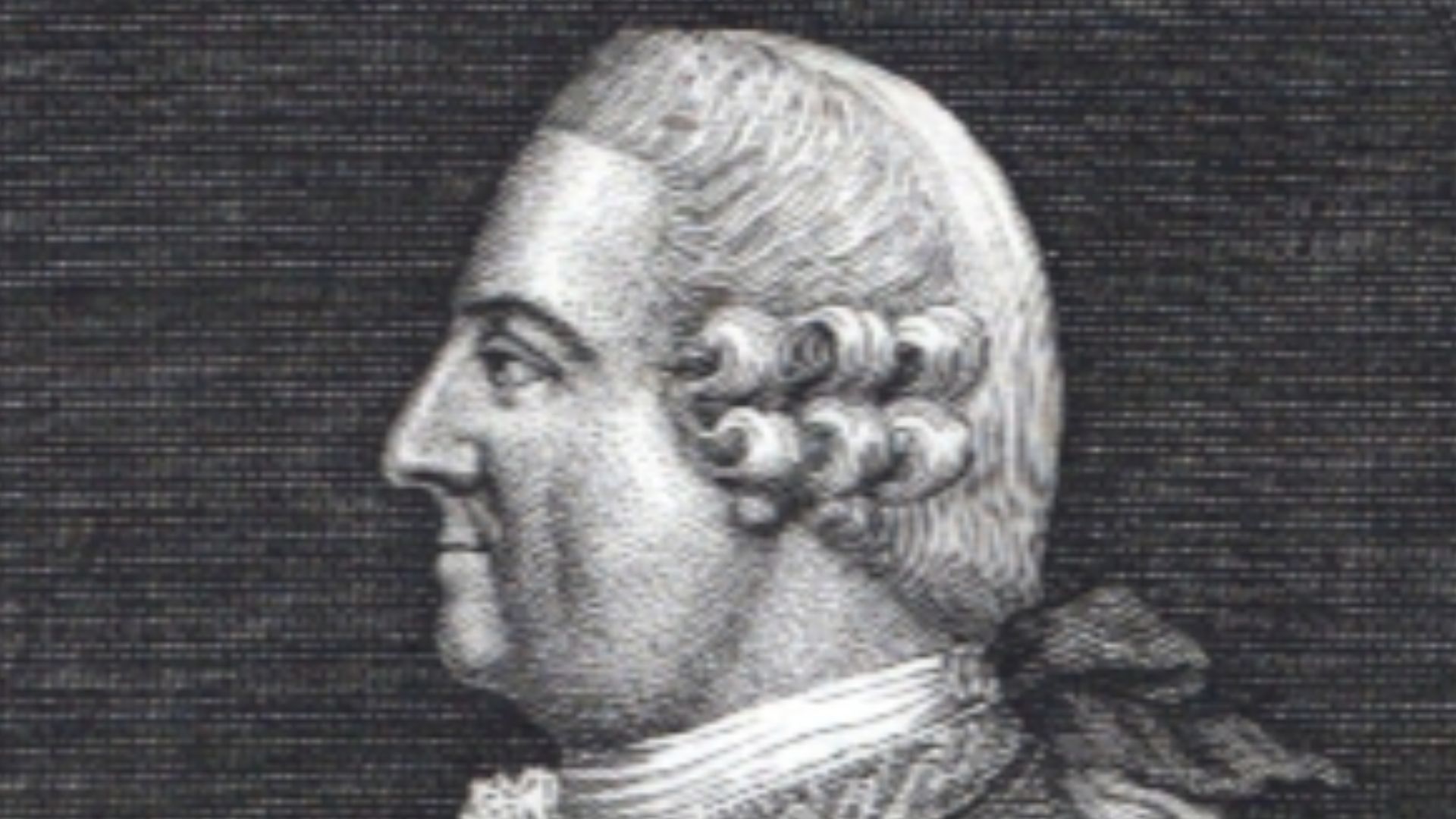 Ludwig Schmidt, Wikimedia Commons
He Entered Politics Young
Montagu took his seat in the House of Lords while still a young man. He became part of the shifting alliances, patronage networks, and power struggles of 18th-century politics. His career was not quiet or ceremonial. He wanted influence, and he spent much of his life close to government.
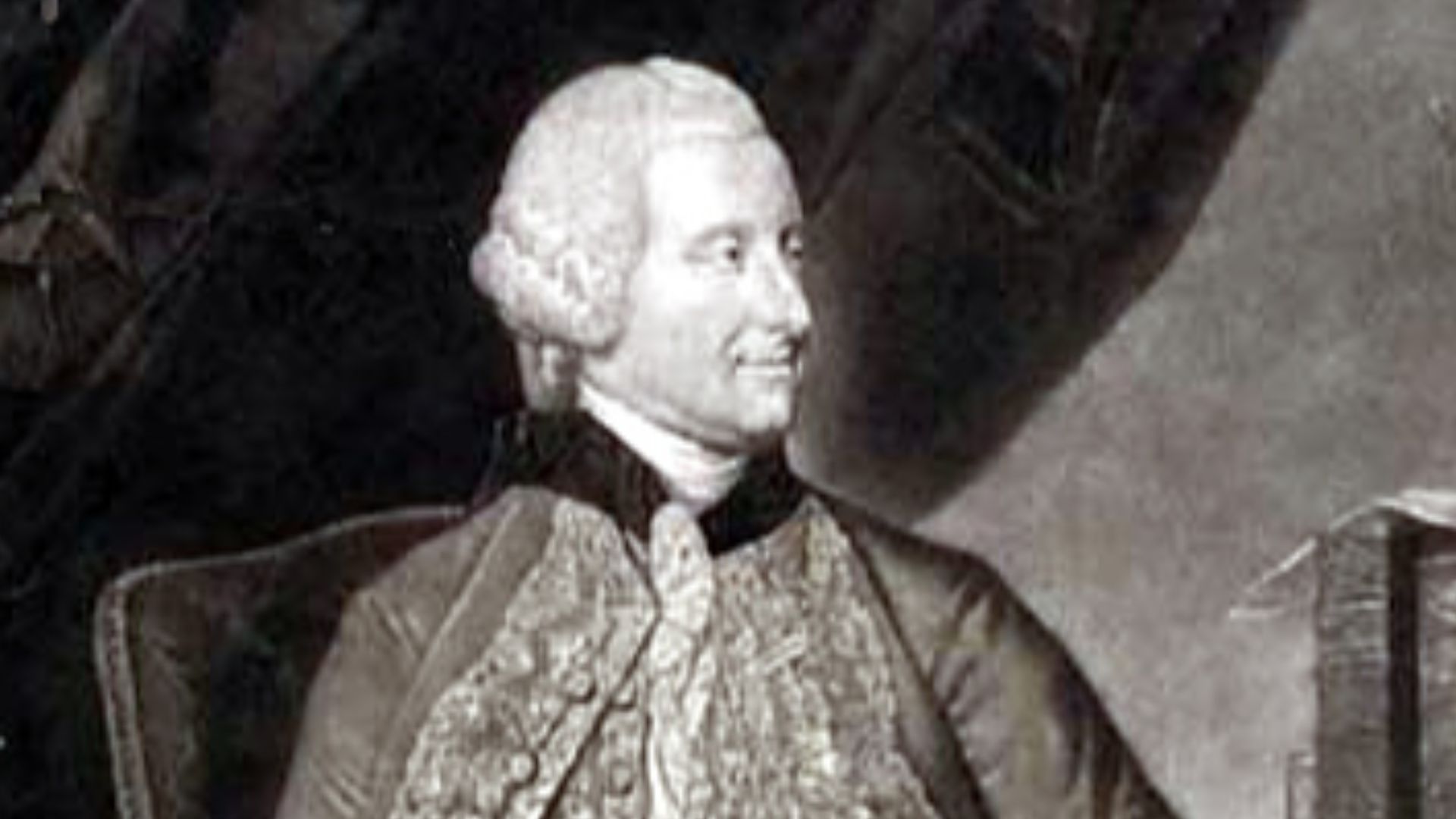 Valentine Green / After Johann Zoffany, Wikimedia Commons
He Became Connected To The Bedford Circle
Montagu was politically allied with John Russell, the Duke of Bedford, and the Bedford faction. This connection helped him rise. In 18th-century Britain, talent mattered, but connections mattered too. Montagu’s career shows how aristocratic politics often moved through friendship, loyalty, faction, and favor.
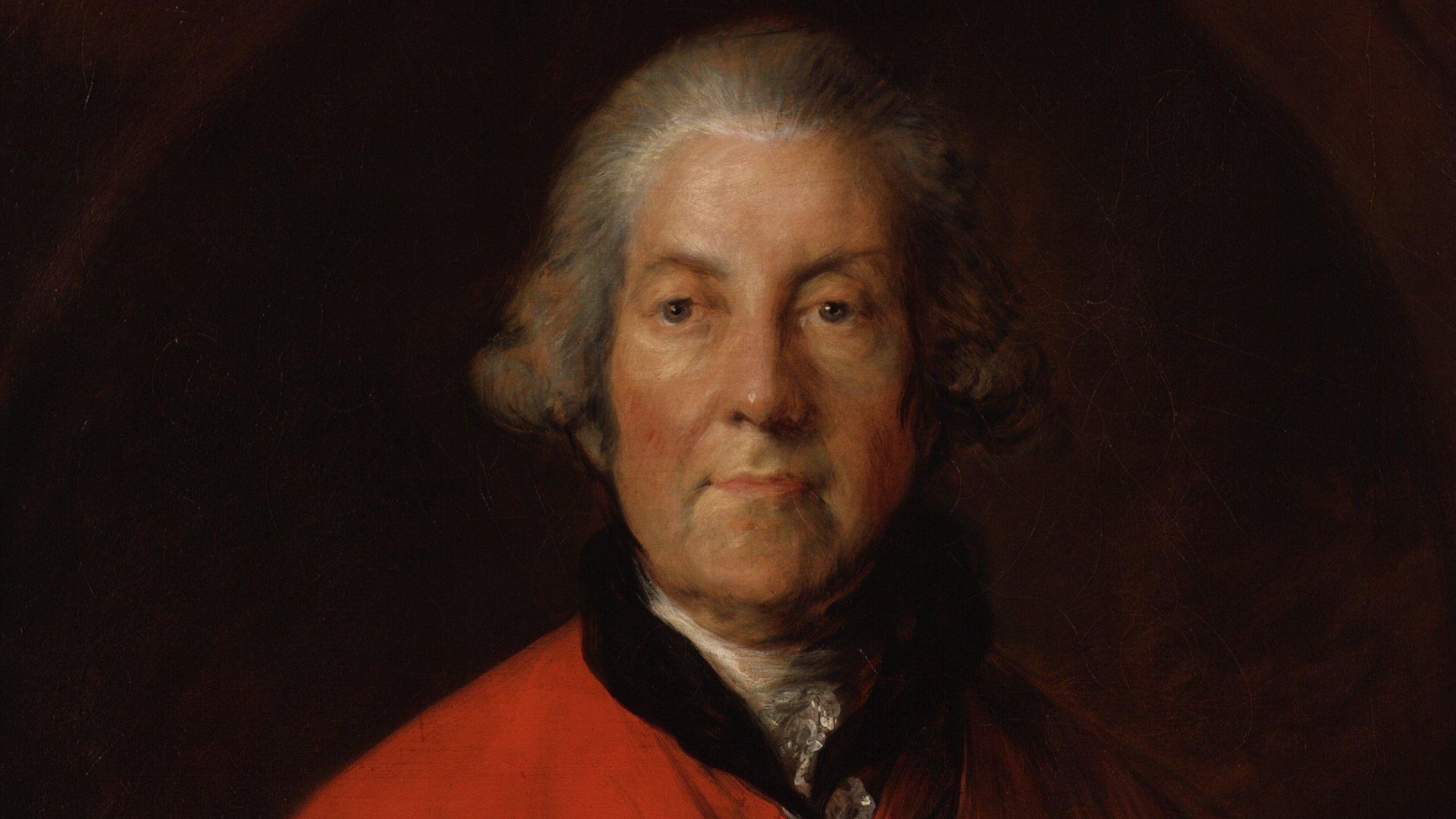 Thomas Gainsborough, Wikimedia Commons
He Held Serious Government Offices
Montagu served in several major posts during his career, including Postmaster General, Secretary of State, and First Lord of the Admiralty. These were not decorative roles. They placed him inside the machinery of empire, communication, war, and naval administration. The future sandwich namesake was a serious political operator.
![Title: The courtiers assembled on hearing the news of the death of the Rt. Honble. Wm. Beckford [graphic].
Published: [London : s.n., 1770]
Description: 1 print on laid paper : etching with engraving ; plate mark 11.2 x 16.9 cm., on sheet 12 x 21 cm.,](https://www.factinate.com/storage/app/media/factinate/2026/8/31/1788164968ee75ada9c85ae2b426421d68e04733b19206f05e.png)

History's most fascinating stories and darkest secrets, delivered to your inbox daily.
The Admiralty Became His Defining Office
Montagu is most closely associated with the Admiralty, where he served more than once as First Lord. The Royal Navy was central to Britain’s power, and the Admiralty controlled huge questions of ships, supplies, strategy, and command. His work there made him a major figure in Britain’s maritime history.
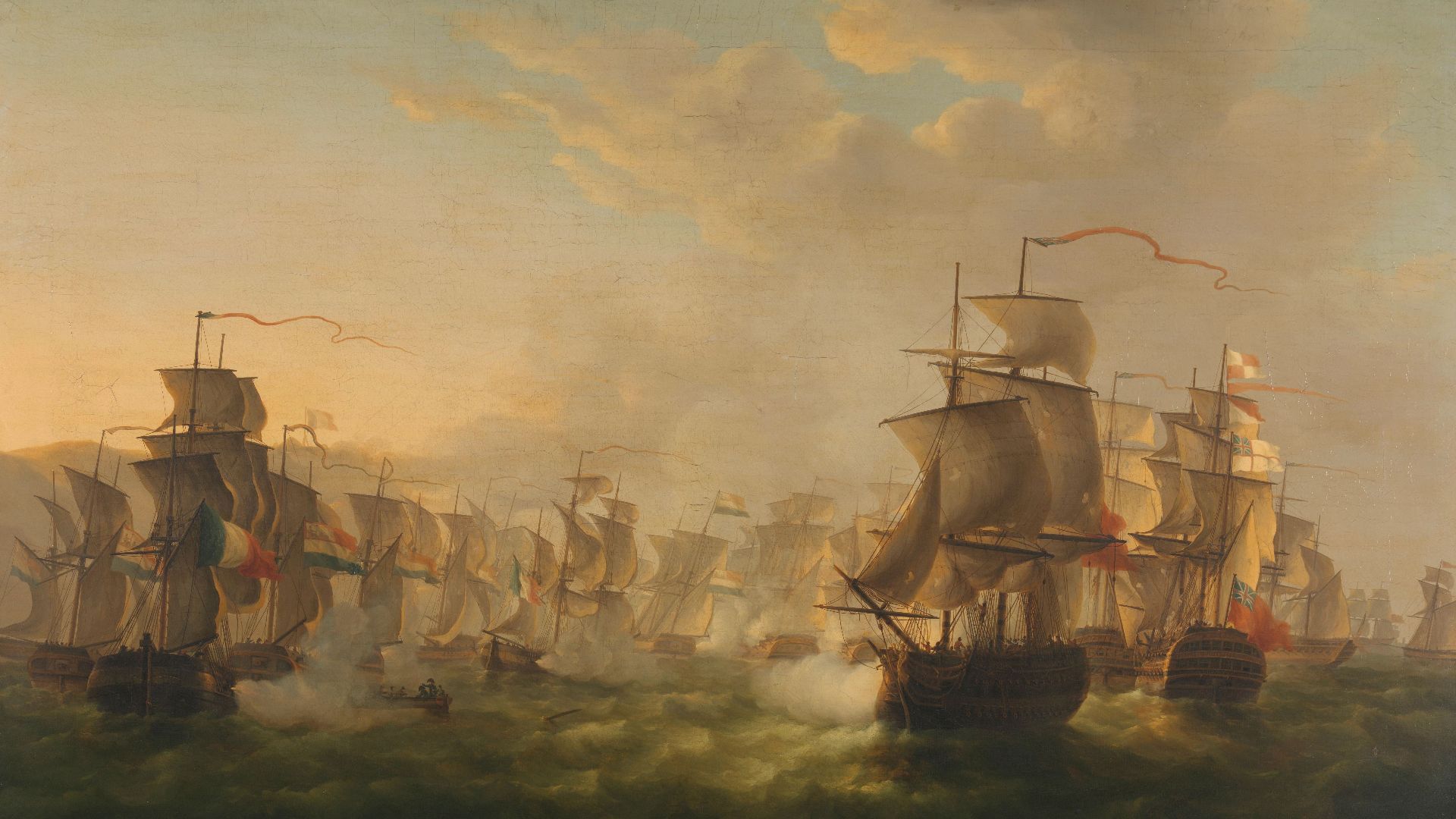 Martinus Schouman, Wikimedia Commons
He Was Not Always Remembered Kindly
Historians have disagreed sharply about Montagu’s record. Some older Whig accounts blamed him for naval weakness during the American War of Independence. Other assessments have credited him with reforms in dockyards and ship construction that later helped the Royal Navy. His reputation has always been more complicated than the sandwich joke suggests.
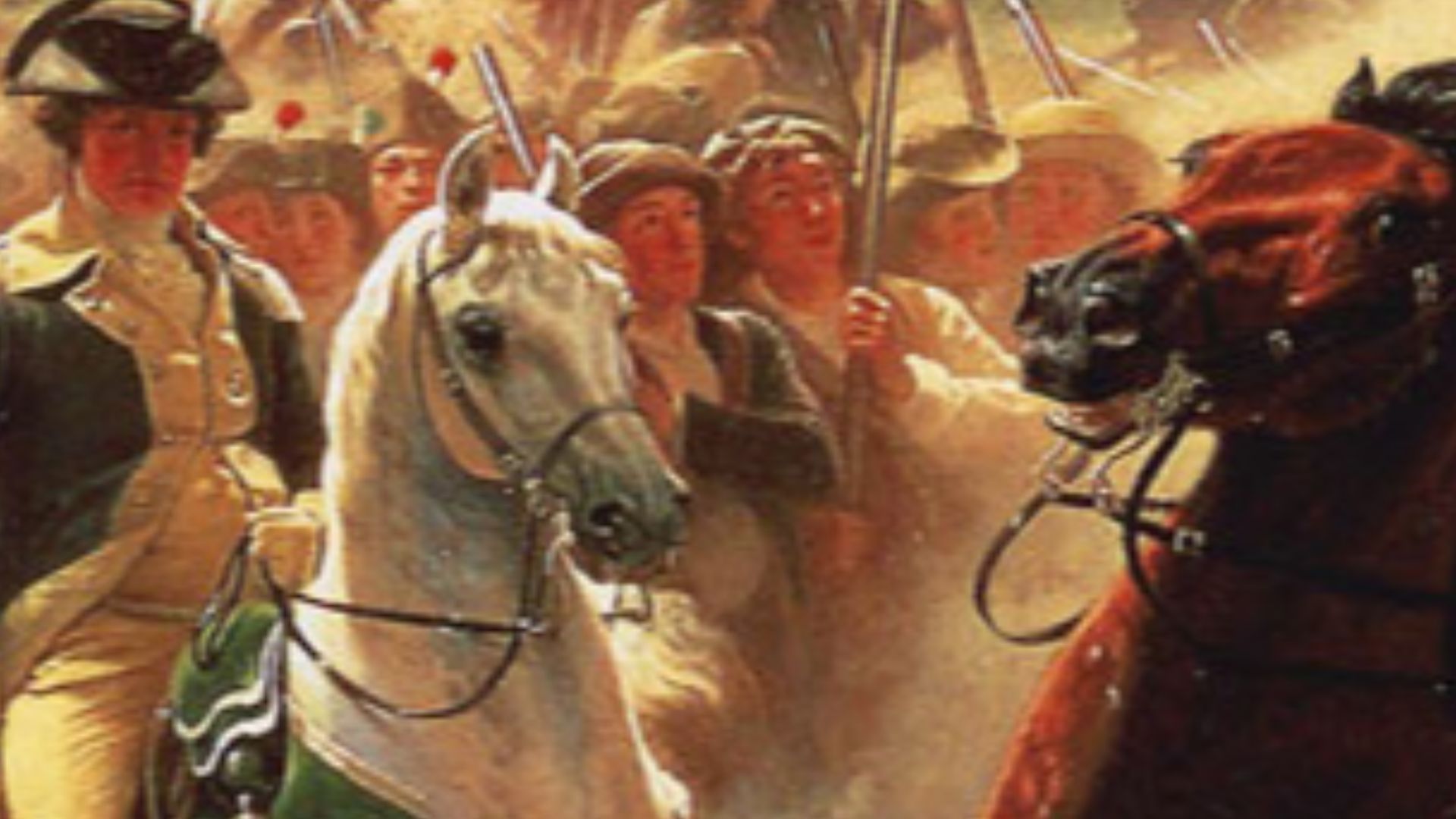 Eugène Lami / Emanuel Leutze / Richard Paton, Wikimedia Commons
He Supported Captain Cook’s Voyages
One of Montagu’s lasting achievements was his support for Captain James Cook’s Pacific voyages. As First Lord of the Admiralty, he was connected to the official backing of exploration. Cook later named the Sandwich Islands, now Hawaii, in his honor. Montagu’s name traveled across maps before it became fixed on menus.
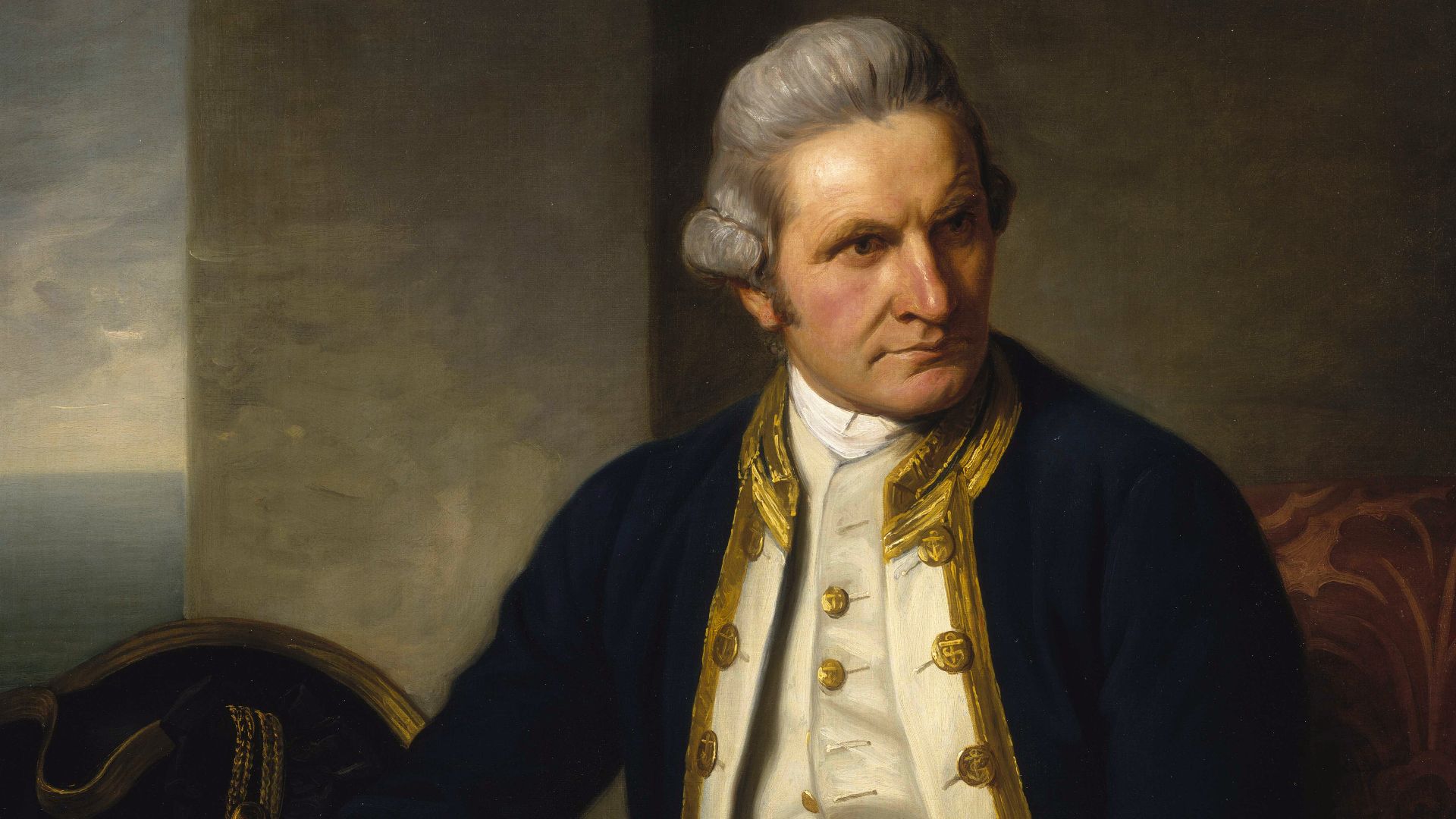 Nathaniel Dance-Holland, Wikimedia Commons
His Name Reached The Pacific
The Sandwich Islands name is a reminder that Montagu’s influence was once tied to empire and exploration. Today, most people associate him with lunch, but in the 18th century, his name also appeared in naval records, voyages, maps, and imperial geography. The food word is only one strange fragment of his legacy.

He Was Linked To Scandalous Circles
Montagu’s private life and social circle also attracted gossip. He was associated with Sir Francis Dashwood’s Medmenham circle, often remembered as part of the Hellfire Club tradition. The exact realities behind the group have been sensationalized, but the association contributed to Montagu’s reputation for vice and controversy.
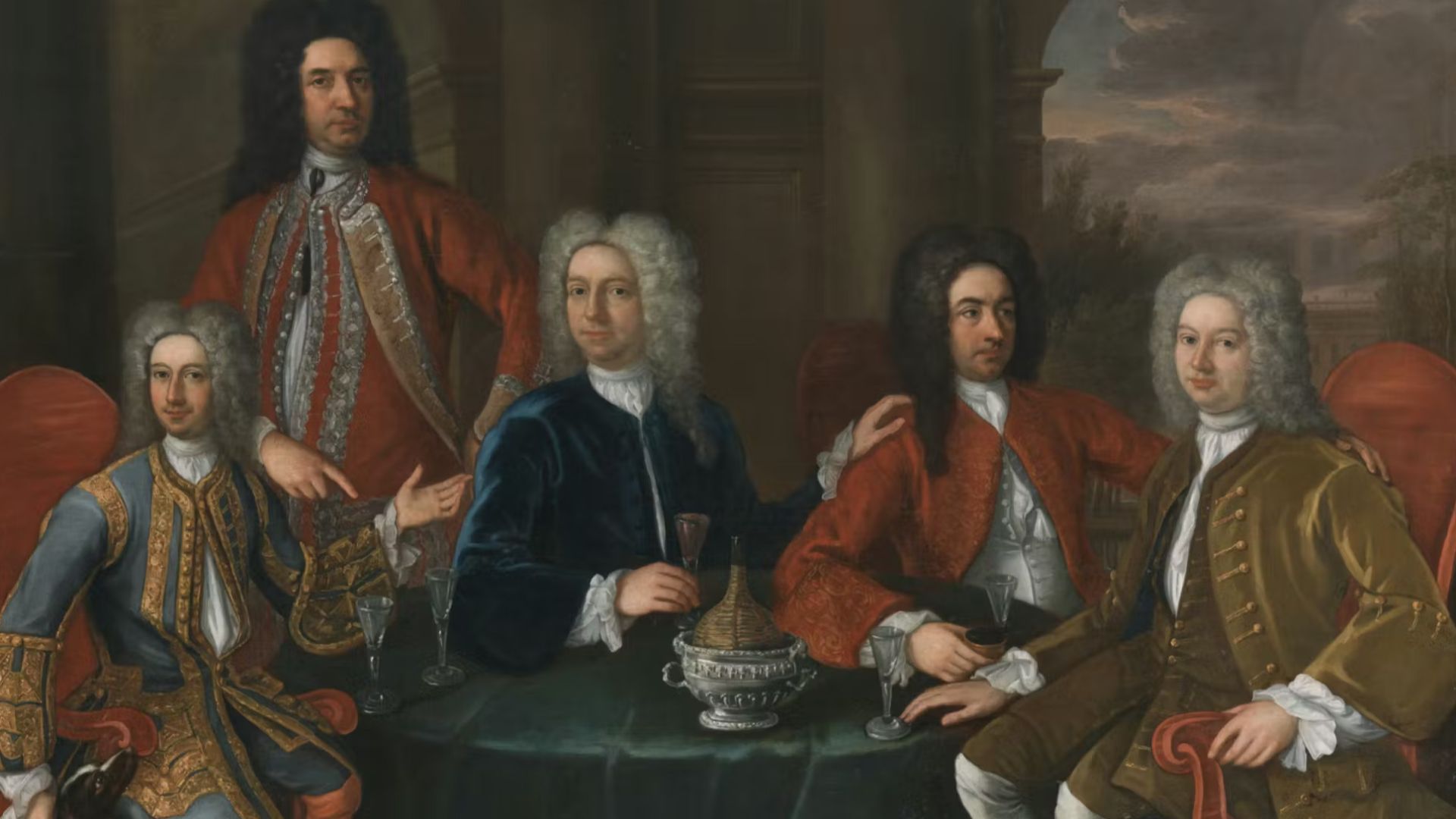 James Worsdale, Wikimedia Commons
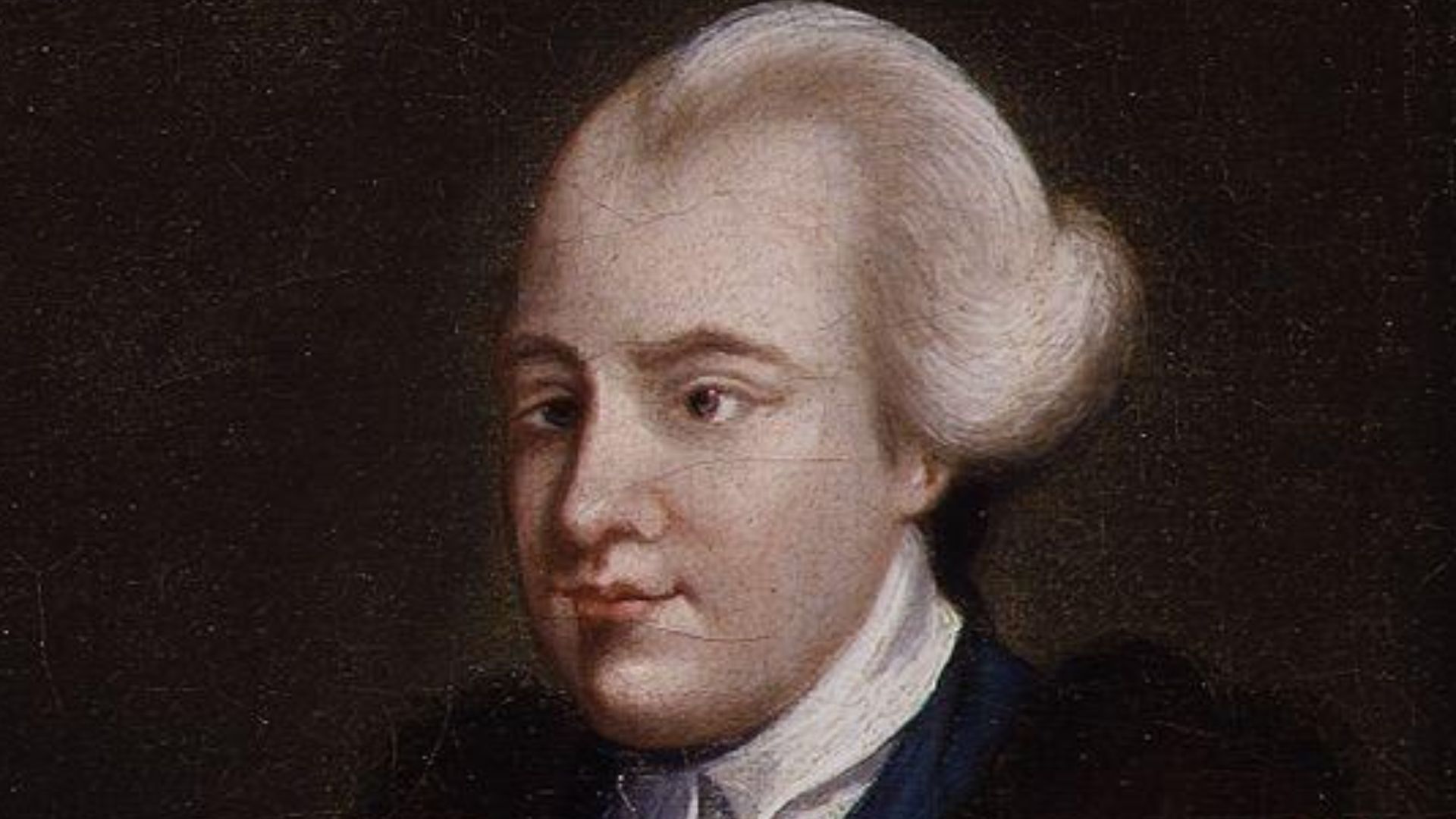
John Wilkes Became His Enemy
Montagu’s conflict with the radical politician John Wilkes damaged his public image. Wilkes and Montagu had once moved in overlapping circles, but they became bitter enemies. Their feud mixed politics, scandal, satire, and personal revenge, the kind of public fight that could shape reputation for generations.
 After Richard Houston, Wikimedia Commons
His Private Life Drew Public Attention
Like many aristocrats of the period, Montagu’s personal life was not separate from politics. Gossip about his relationships, clubs, and habits became part of how enemies attacked him. The sandwich story later made him seem merely amusing, but in his own time he could be a controversial and polarizing figure.
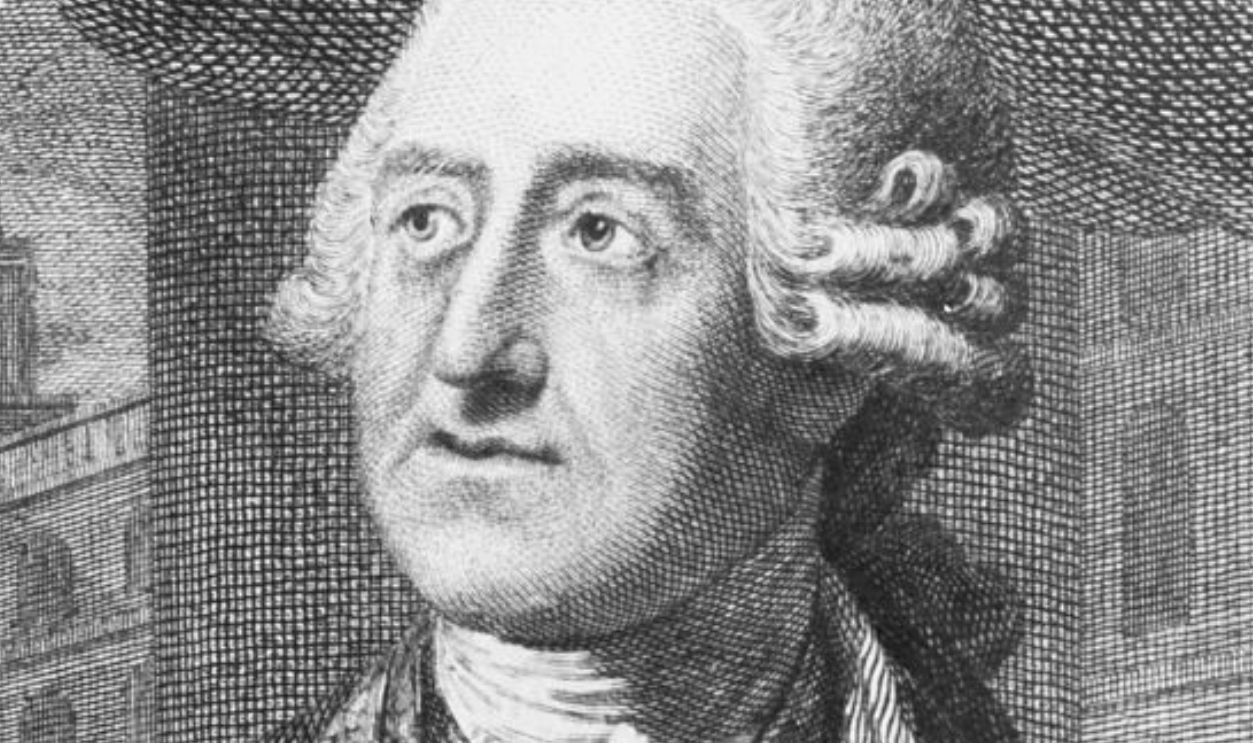
The Gambling Story Fit His Reputation
There's a reason why the sandwich legend stuck so well. The image of Montagu refusing to leave a gambling table sounded believable to people already inclined to see him as worldly, indulgent, or vice-prone. Whether the exact scene happened as told, it matched the public personality attached to his name.
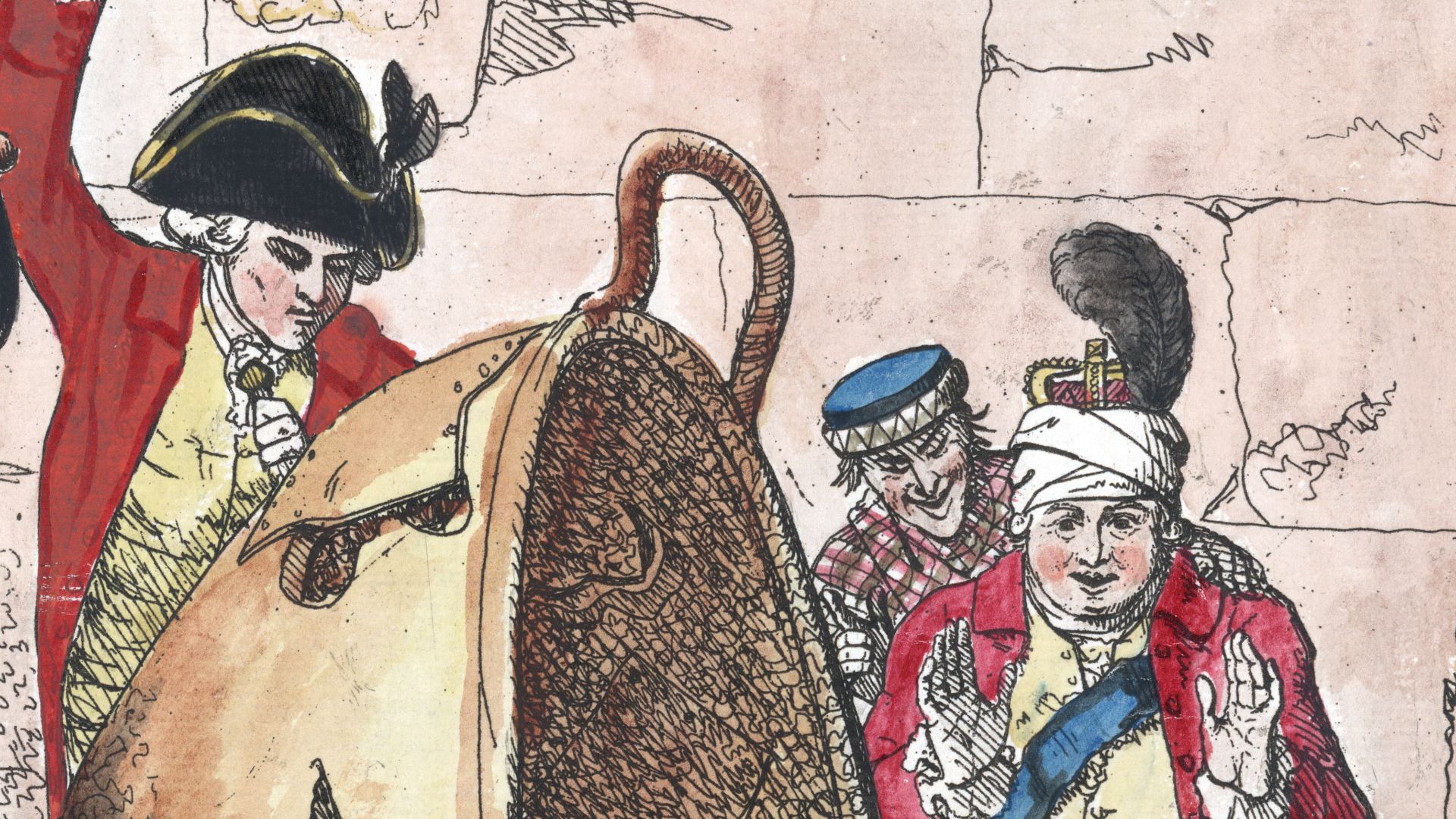 James Gillray, Wikimedia Commons
The Famous Snack Story Is Simple
The best-known version says Montagu was so absorbed in gambling that he did not want to stop for dinner. He asked for meat placed between slices of bread so he could eat with one hand and keep playing. Other gamblers supposedly asked for “the same as Sandwich,” and the name caught on.
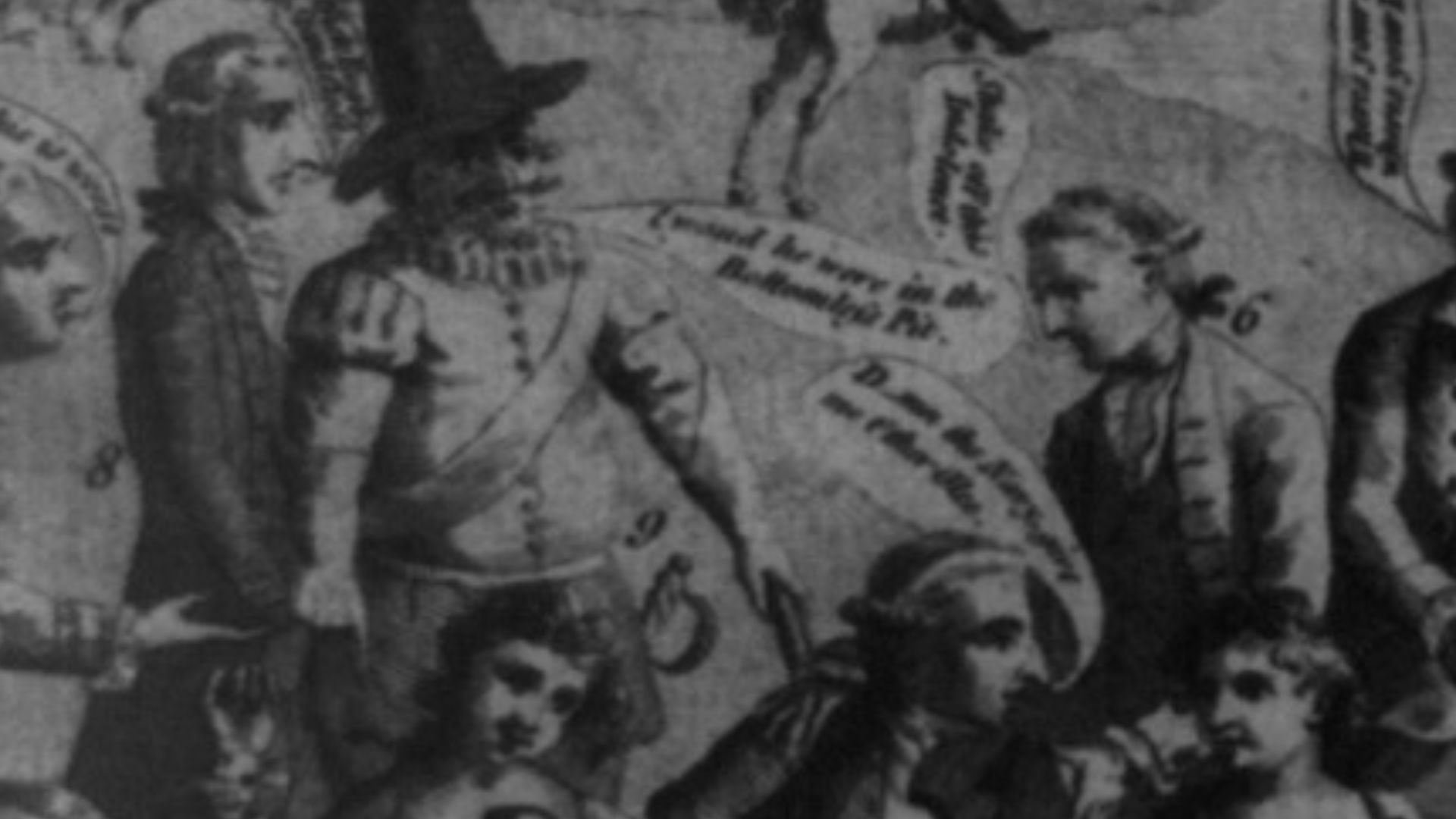 British Cartoon Prints Collection, Wikimedia Commons
The Story May Be Too Neat
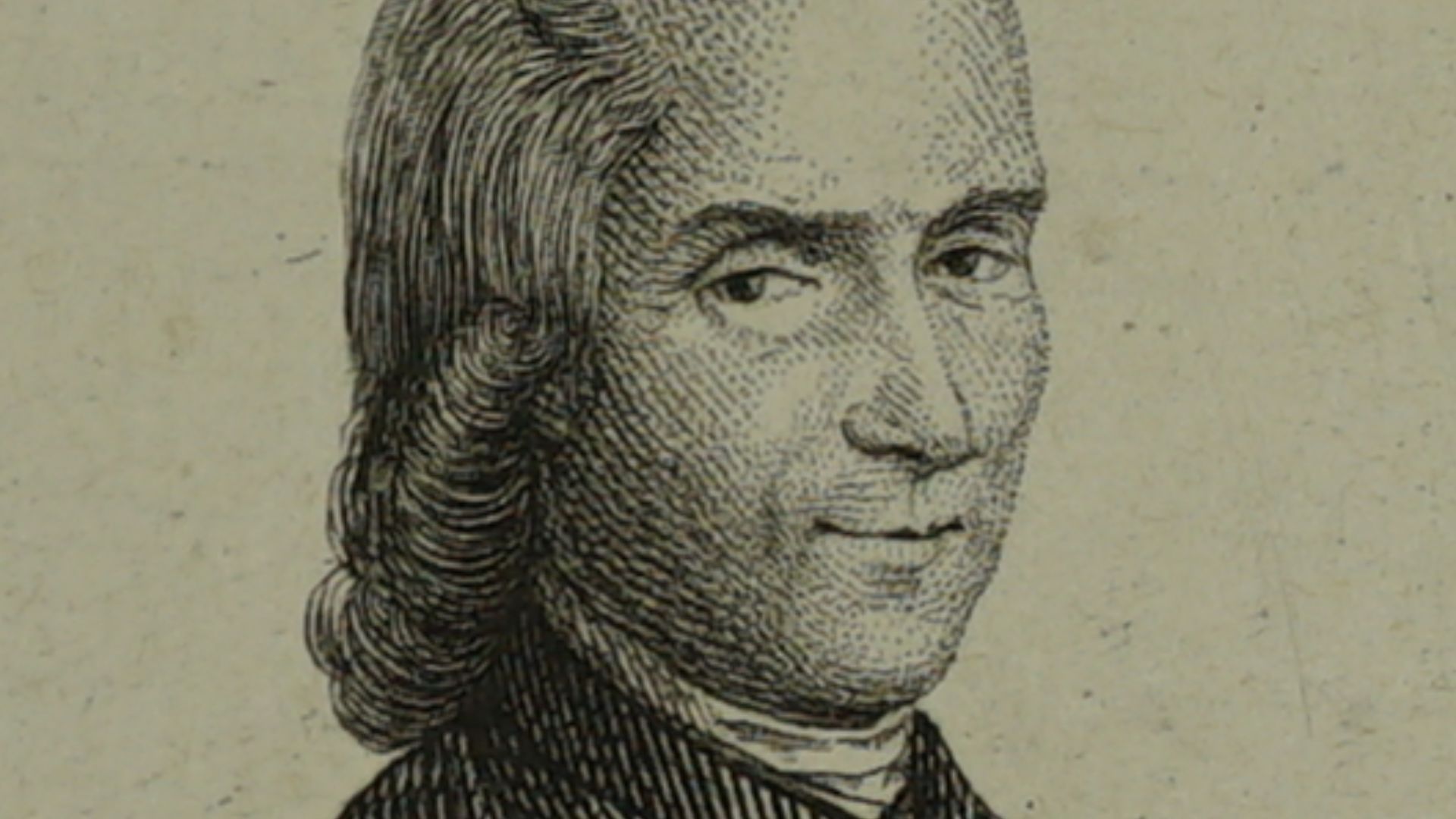
The gambling-table version comes through 18th-century storytelling and should be treated cautiously. Pierre-Jean Grosley, a French travel writer, helped spread the account. The connection between Montagu and the word is strong, but the perfect scene of cards, hunger, and invention may be partly polished legend.
 Pierre Jean Grosley, Wikimedia Commons
He Did Not Invent Meat And Bread
People had been eating bread with fillings long before Montagu. Many cultures used flatbreads, rolls, trenchers, and wrapped foods. Montagu did not invent the concept of portable bread-based eating. What he helped give English was the name that stuck.
The Earliest Sandwiches Were Plain
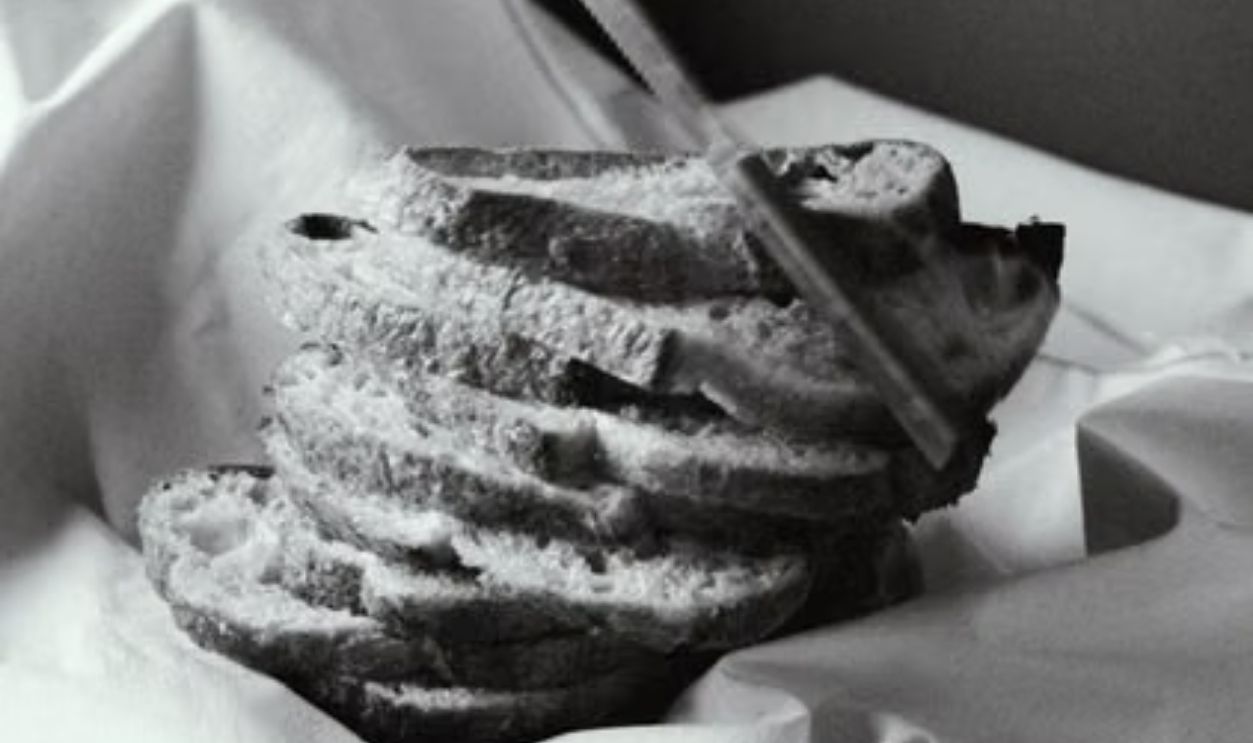
The early sandwich associated with Montagu was not a towering deli creation. It was usually described as cold meat between bread or toast. Its appeal was practical: it was tidy, filling, portable, and easy to eat without interrupting another activity.

The Word Was Circulating By The 1760s
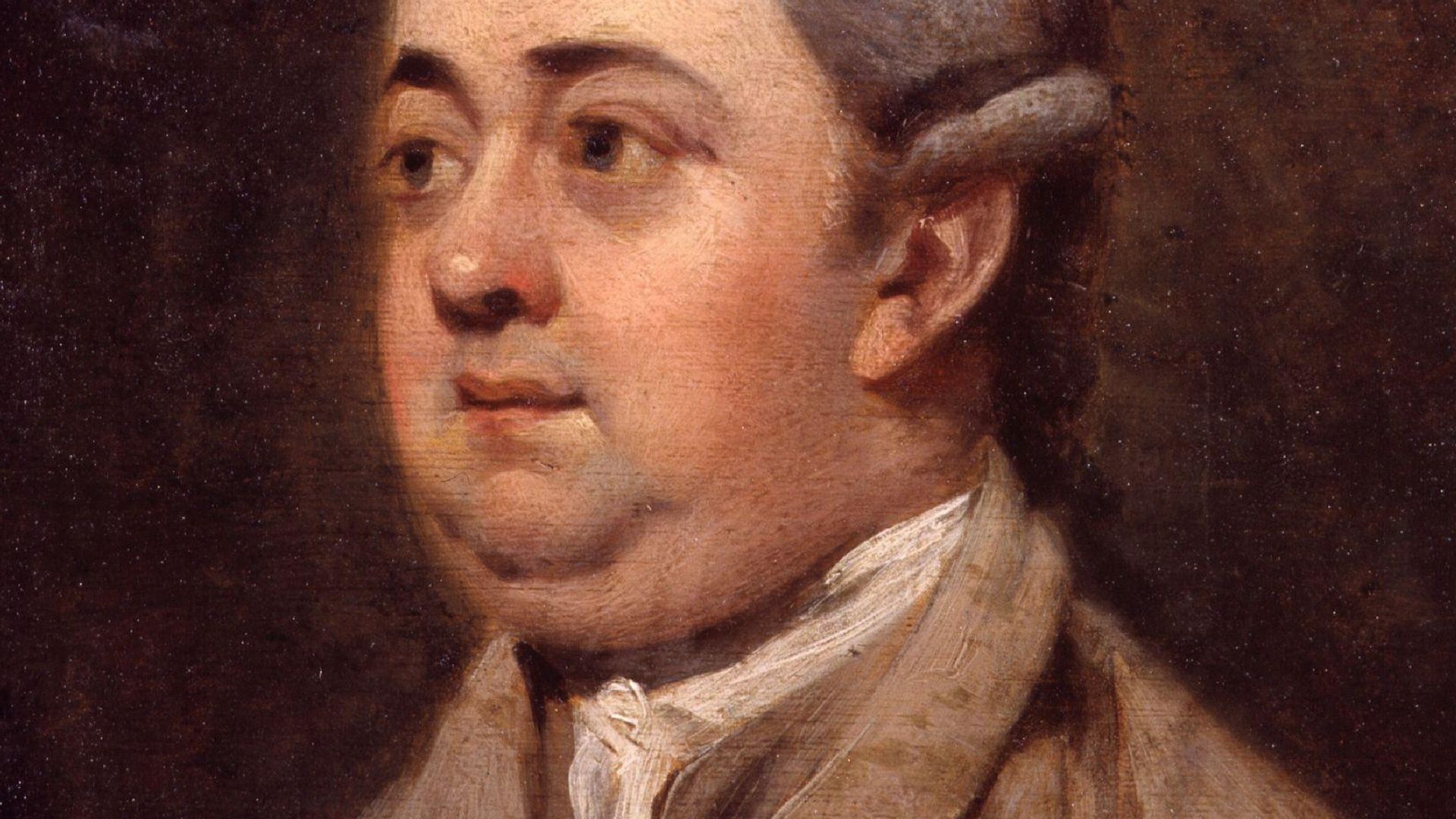
The word “sandwich” appears in 18th-century English usage, including a 1762 diary reference by Edward Gibbon. That timing places the term in fashionable social spaces while Montagu was still alive and active. The name was not a later invention looking backward. It was already becoming current in his world.
 Henry Walton, Wikimedia Commons
Elite Society Helped Spread The Name
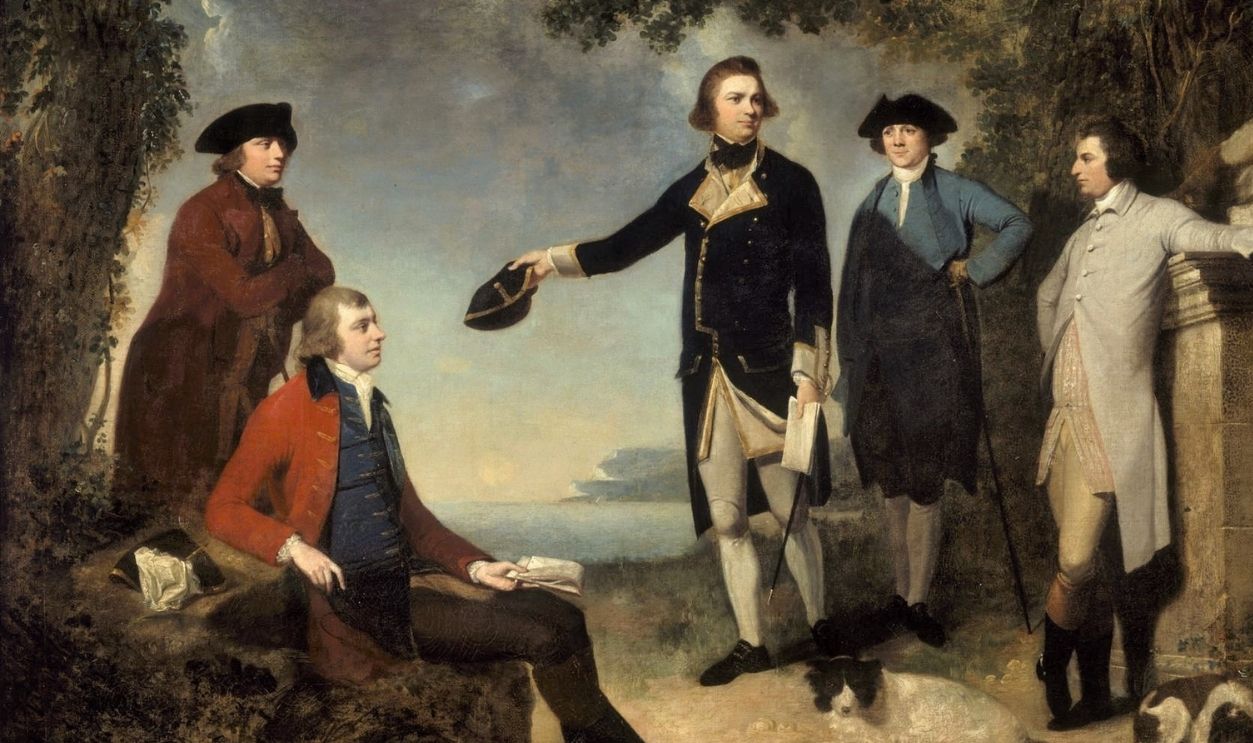
The sandwich spread partly because it had a fashionable name attached to it. If men in clubs and public rooms were eating “Sandwiches,” the term carried social force. A simple meal sounded more interesting when connected to an aristocrat whose life already had public drama.
 John Hamilton Mortimer, Wikimedia Commons
Convenience Made The Food Last
The sandwich endured because it solved a problem that never went away. People need food they can hold, pack, carry, and eat without ceremony. Whether the first story happened exactly as told or not, the sandwich survived because it fit human impatience perfectly.
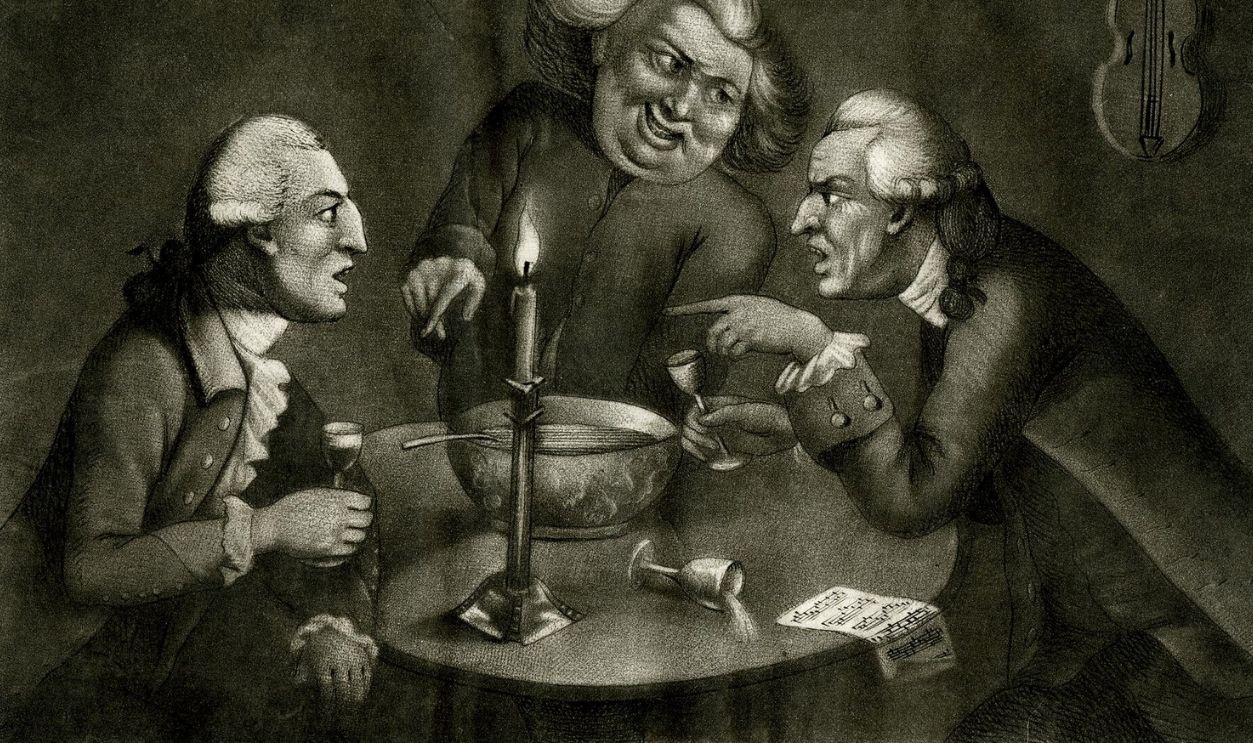 British Museum, CC BY-NC-SA 4.0, Wikimedia Commons
His Career Became Smaller Than His Eponym
Montagu spent decades in political life. He handled naval administration, supported exploration, held office, made enemies, and lived through scandal. Yet most people remember him for a food he may not even have invented. History sometimes reduces complicated lives to the one word everyone repeats.
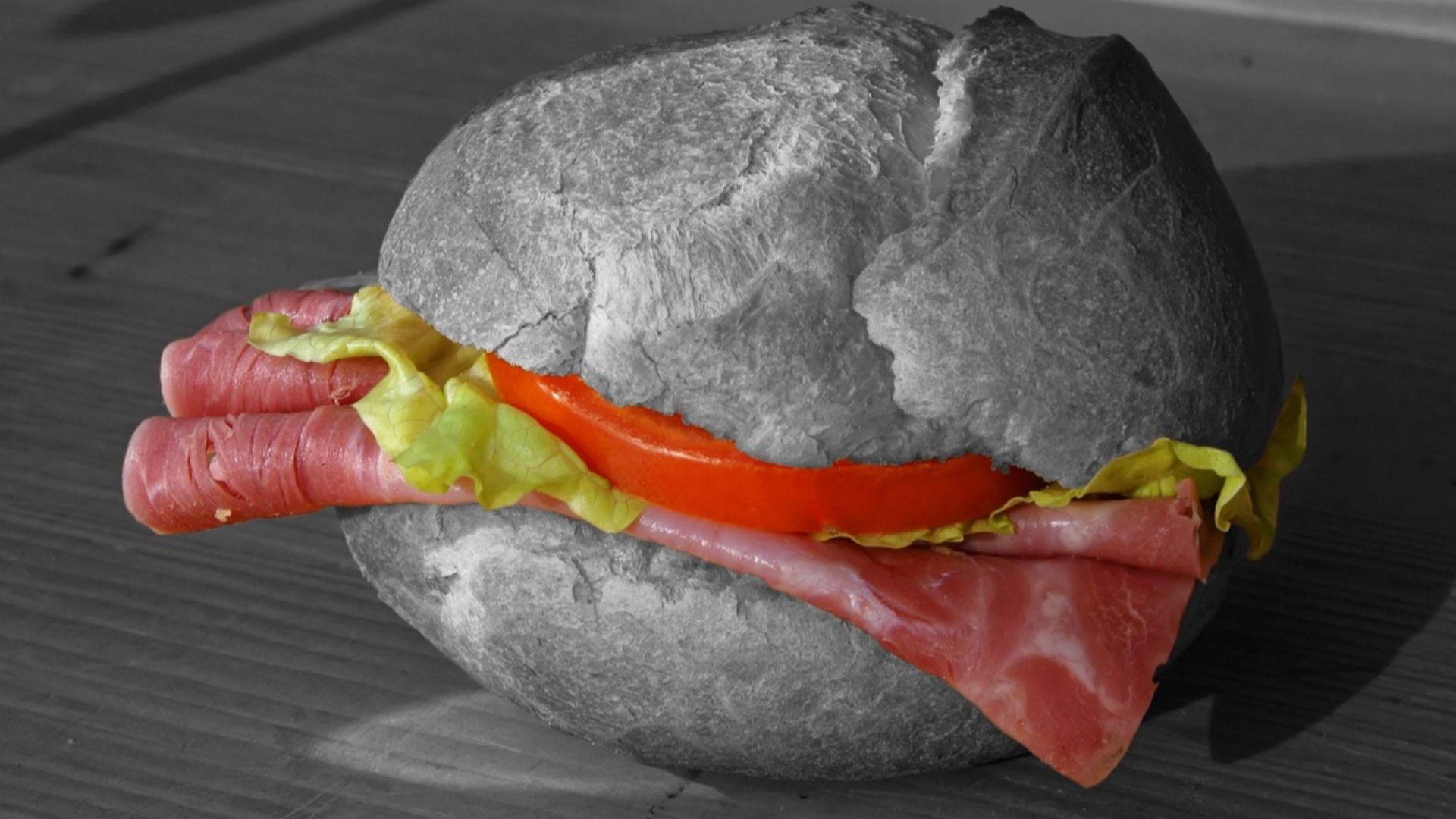
It Is A Strange Kind Of Immortality
John Montagu’s speeches, alliances, and political battles are now mostly for historians. But his title is spoken daily by people ordering lunch. That is a strange form of immortality: not a statue, not a law, not a battle, but a word so common that its origin almost disappears.
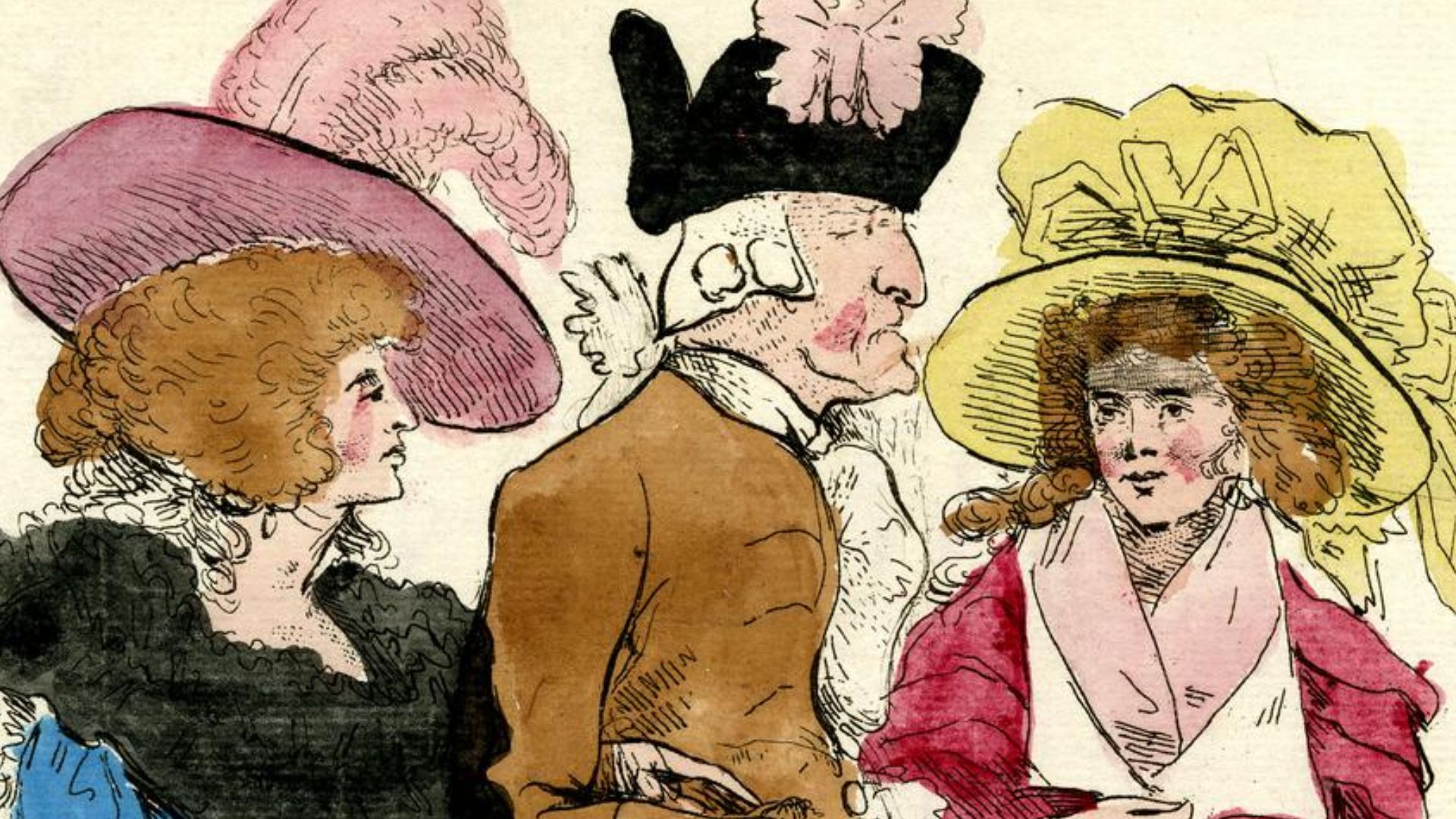
The Sandwich Became Democratic
Whatever aristocratic glamour the name once had, the food became useful to everyone. Workers could pack it, travelers could carry it, children could eat it, and shops could sell it cheaply. A word linked to an earl eventually belonged to factories, schools, diners, offices, and kitchens.
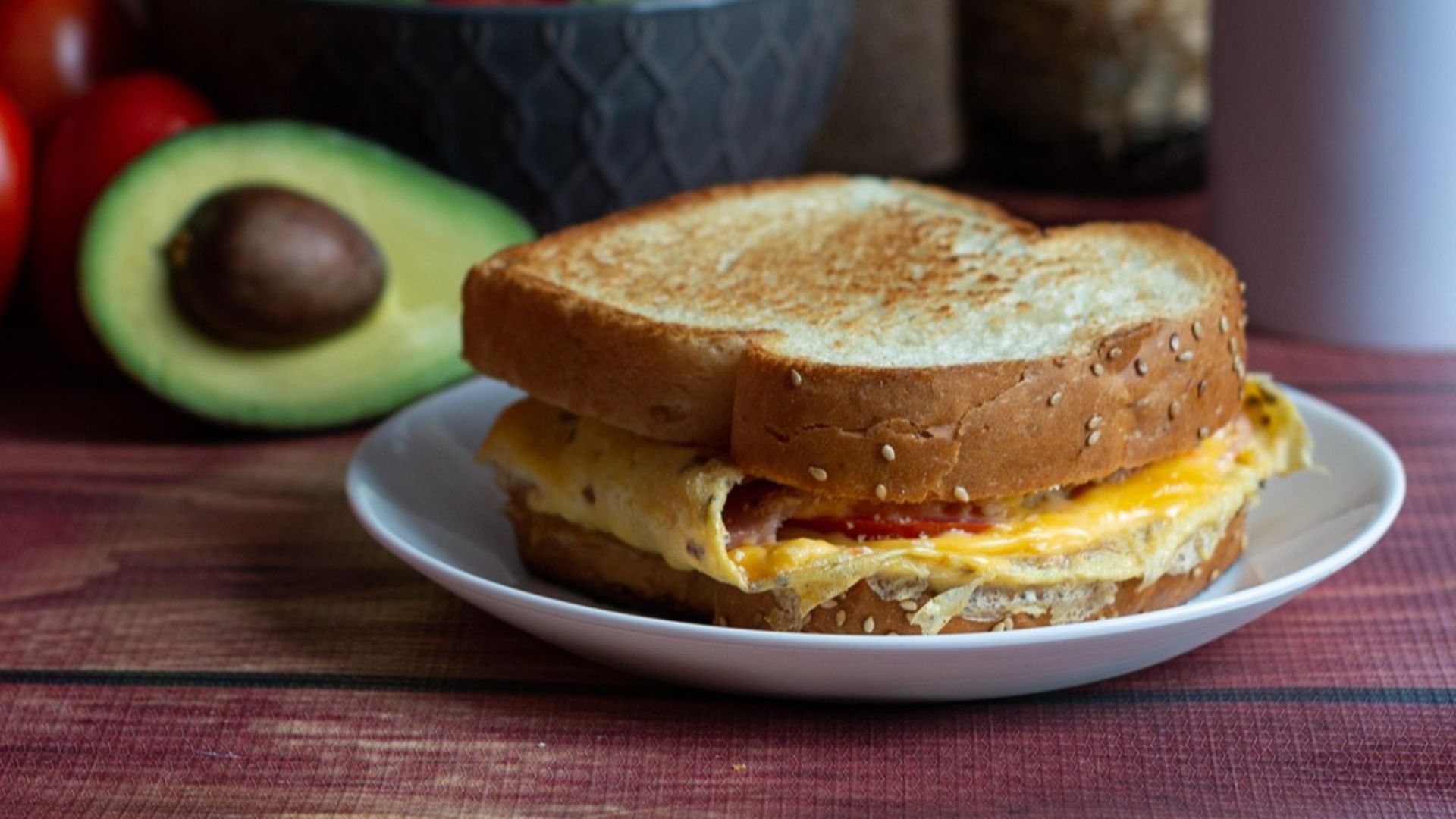 Heribertoaguirrefotograf, Pixabay
America Made It Even Bigger
In the United States, the sandwich became a flexible national form. It absorbed immigrant traditions, regional ingredients, lunch-counter habits, and industrial food systems. Clubs, subs, po’ boys, Reubens, peanut butter and jelly sandwiches, and burgers all show how adaptable the basic structure became.
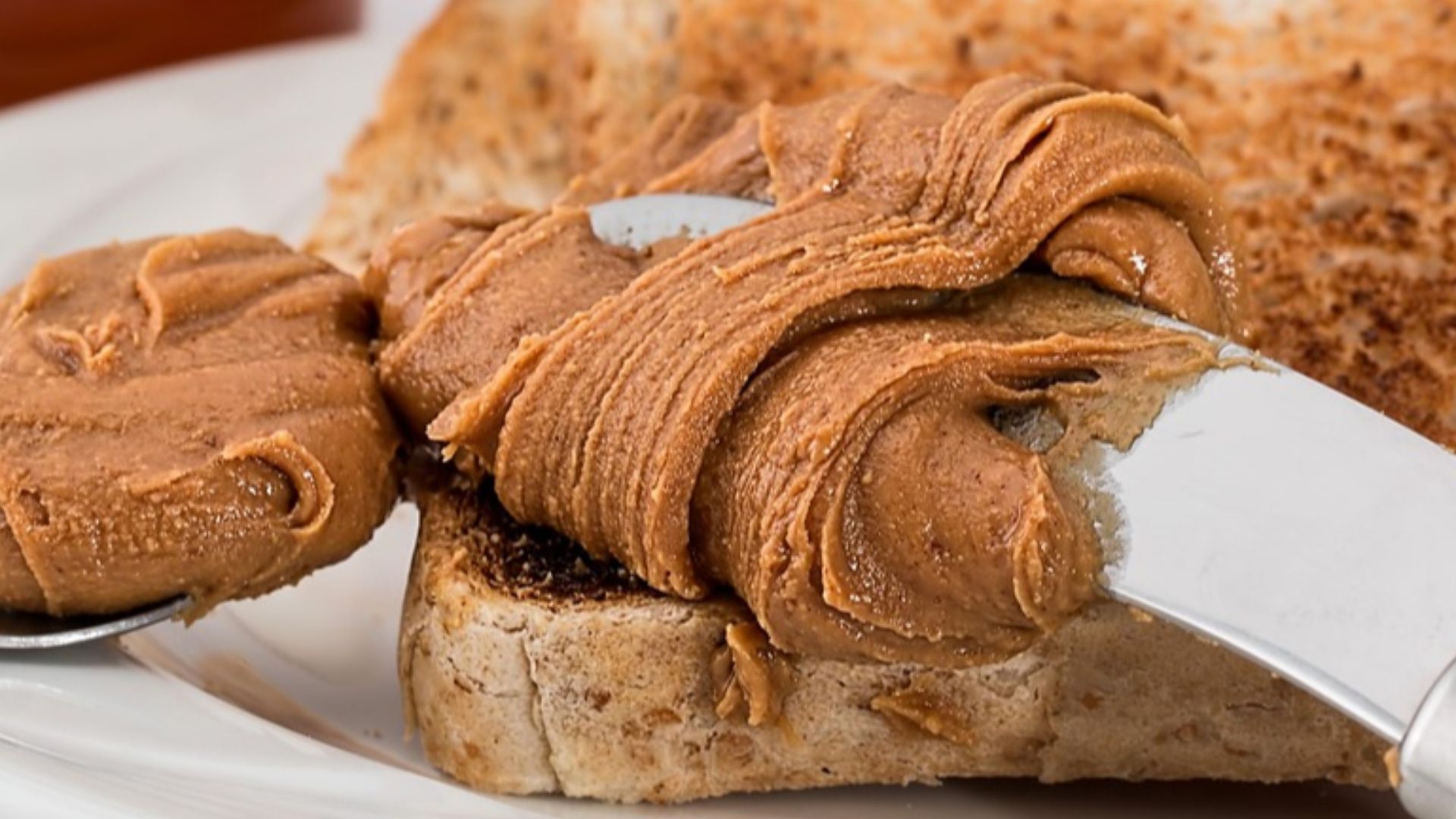
The Myth Feels True Even If It Is Polished
The gambling-table version may be simplified, but it captures something real about the food. A sandwich is what people eat when they are busy, distracted, rushed, absorbed, or unwilling to pause. The 18th-century gambler is just an early version of the modern person eating at a desk.

The Man Was Bigger Than The Meal
John Montagu was not just a hungry gambler with a good lunch idea. He was a titled child, educated aristocrat, political operator, Admiralty figure, patron of exploration, scandal magnet, and public enemy to some of his contemporaries. The sandwich story is funny, but the life behind it was far more complicated.
You May Also Like:
Strange Historical Coincidences That Are Almost Impossible To Believe
Wild West Mysteries That We May Never Get An Answer To