History Needed Someone To Blame
When an empire collapses, a city burns, or an epidemic tears through a population, later generations tend to prefer a villain over a complicated explanation. That's left some ancient rulers carrying the blame for disasters beyond their control and events that happened after they were longe gone. In several cases, the story we all know may not even have happened.
 Petar Milošević, Wikimedia Commons
Nero — The Great Fire Of Rome
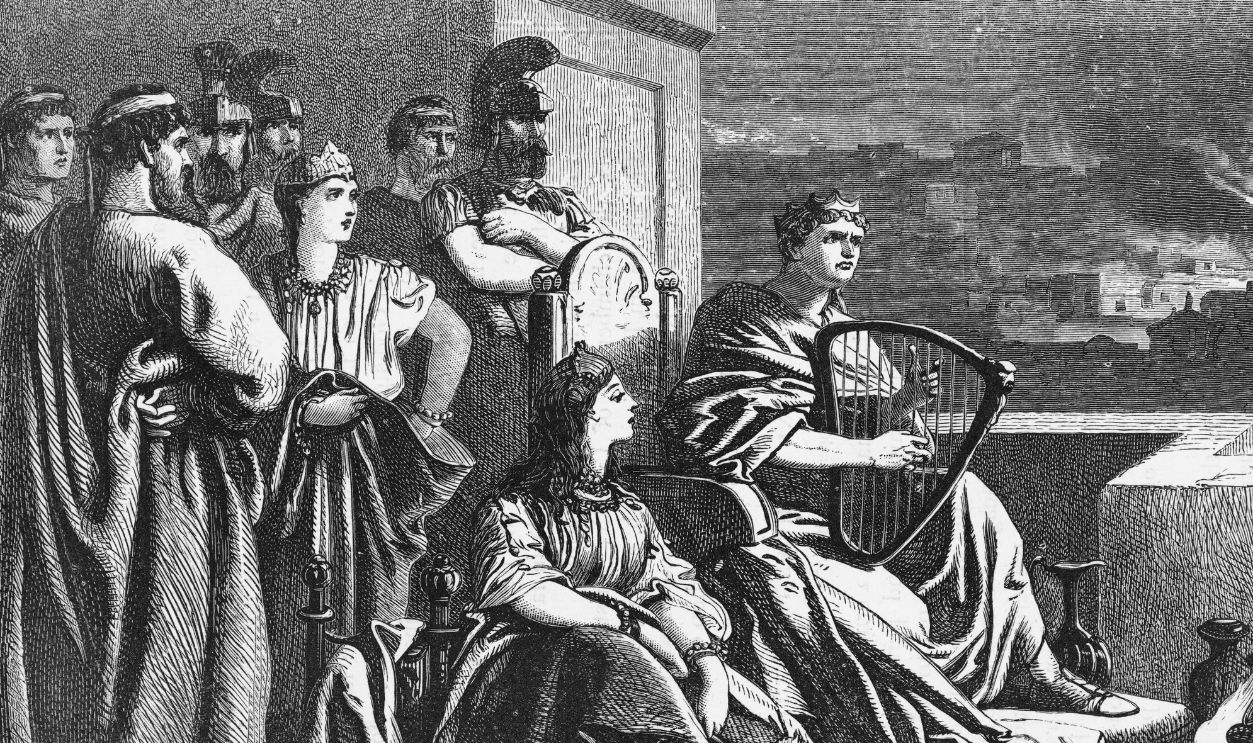
Few historical images are more famous than Nero casually making music while Rome burned around him in July 64 CE. Ancient writers helped create the association, with Tacitus recording a rumor that Nero sang about the destruction of Troy during the catastrophe and Suetonius presenting an even more damning version. Later generations transformed the instrument into a fiddle, producing the phrase that survives today.
There was one obvious problem, though: the violin-like fiddle of the familiar story didn't yet exist. More importantly, Nero wasn't even in Rome when the fire began. He was staying at Antium, roughly 35 miles away.
Nero — The Great Fire Of Rome (Cont'd)
Tacitus, hardly an admirer of Nero, records that the emperor returned as the fire threatened his property and organized substantial relief. Nero opened the Campus Martius, public buildings, and even his own gardens to displaced residents, erected temporary housing, brought food into the city, and reduced grain prices. None of that made the rumors disappear. Nero's later construction of the extravagant Domus Aurea on land cleared by the blaze made suspicions even harder to shake.
Historians still debate the fire's precise origin, but there's no solid evidence that Nero ordered it. The emperor's terrible reputation made him an irresistible suspect long after the flames were gone.
Naram-Sin — The Fall Of The Akkadian Empire
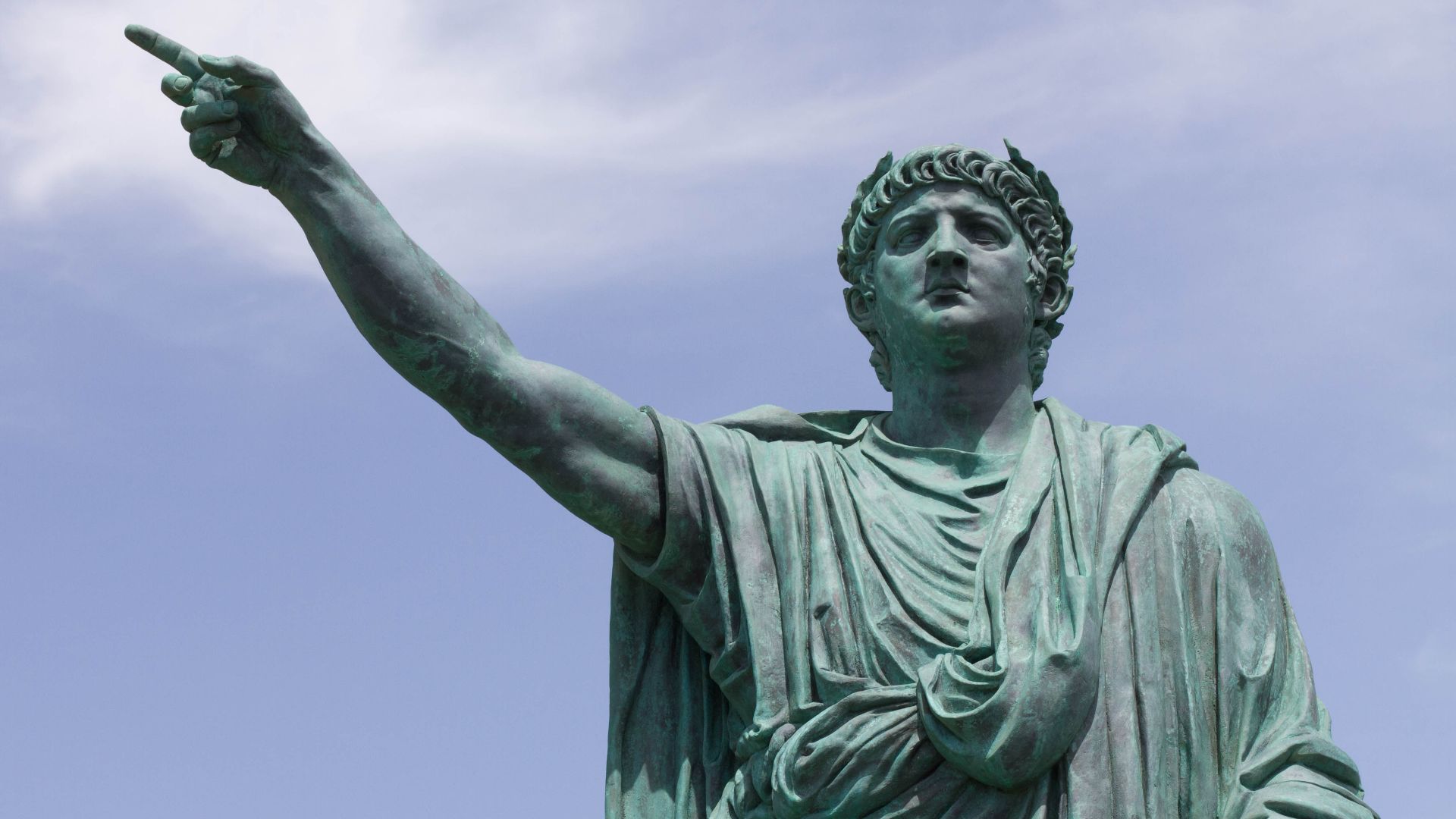
Centuries after Naram-Sin ruled Mesopotamia, scribes told an unforgettable story about why the Akkadian Empire collapsed. In The Curse of Agade, the powerful king angers the god Enlil, waits unsuccessfully for divine guidance, then commits the ultimate sacrilege by attacking Enlil's great temple at Nippur. Furious gods unleash the Gutians, famine spreads, trade collapses, and mighty Akkad is destroyed.
The lesson was clear: an arrogant king had challenged divine authority and doomed his entire civilization. Naram-Sin consequently became one of the ancient world's great examples of a ruler whose pride supposedly brought catastrophe down on everyone around him.
Naram-Sin — The Fall Of The Akkadian Empire (Cont'd)
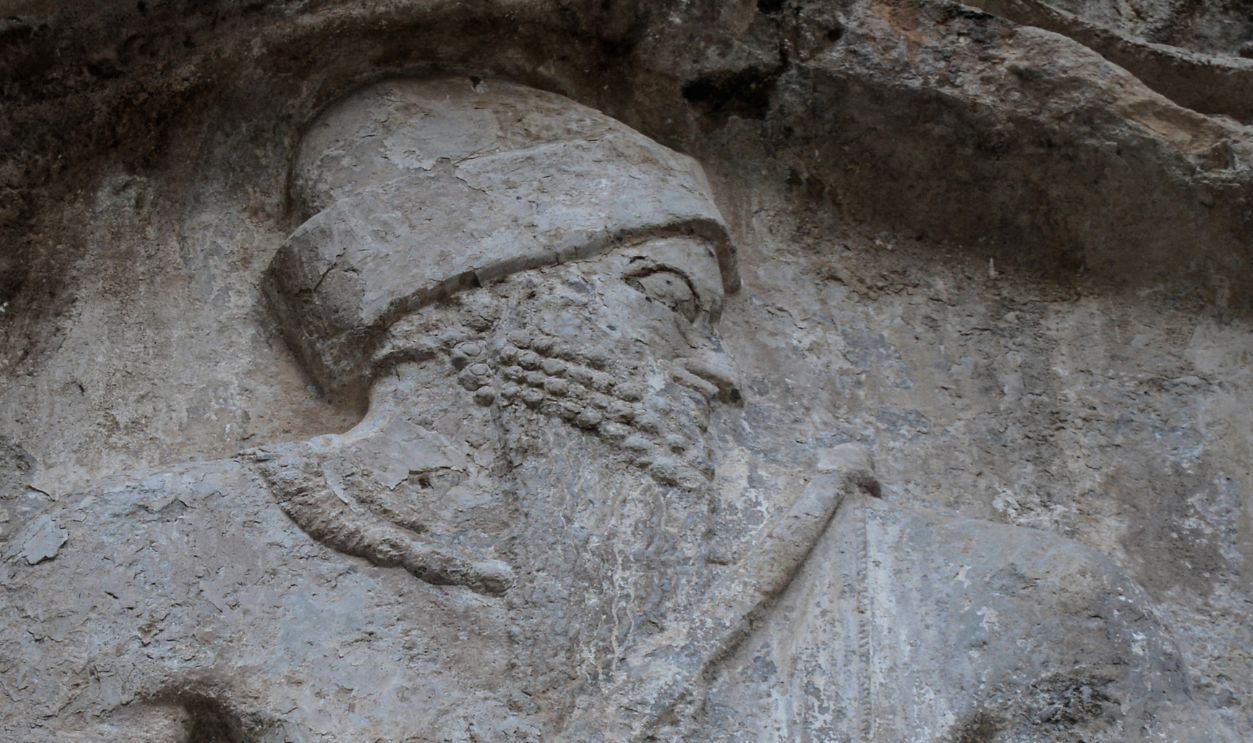
The historical problem is that archaeologists have found no evidence Naram-Sin actually destroyed Enlil's temple. The surviving evidence instead depicts a king who patronized temples and enjoyed an exceptionally successful reign. Akkad didn't collapse when he did, either. His son Shar-Kali-Sharri continued ruling for decades as the empire struggled with revolts, Gutian incursions, political fragmentation, and severe economic pressures.
Climate evidence has also encouraged theories connecting regional aridification and food shortages with the wider crisis. The Curse of Agade was written later as moralizing literature, turning one famous king into the villain of a collapse he never lived to see completed.
 David Stanley from Nanaimo, Canada, Wikimedia Commons
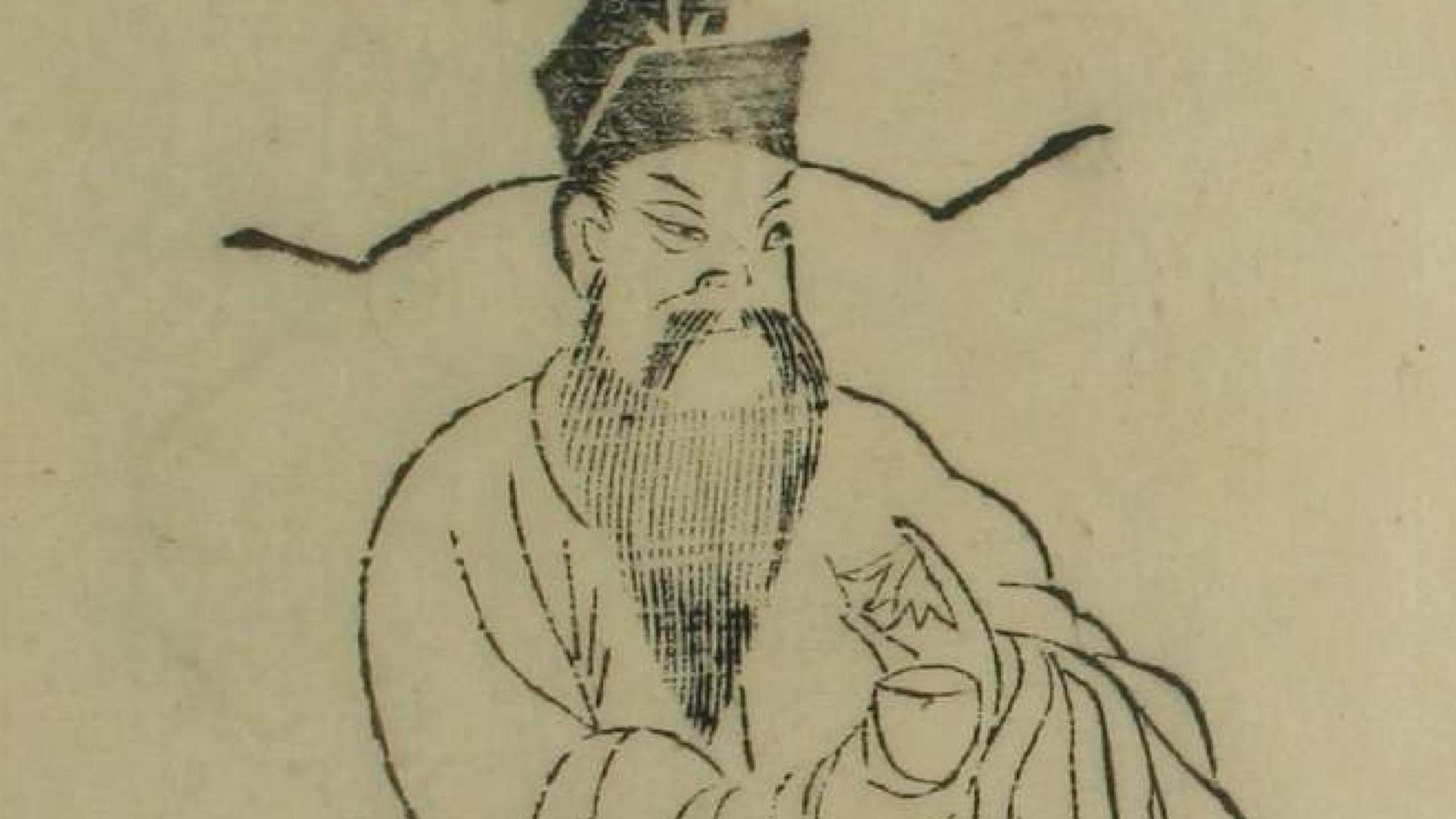
Wang Mang — The Yellow River Flood That Looked Like Heaven’s Verdict
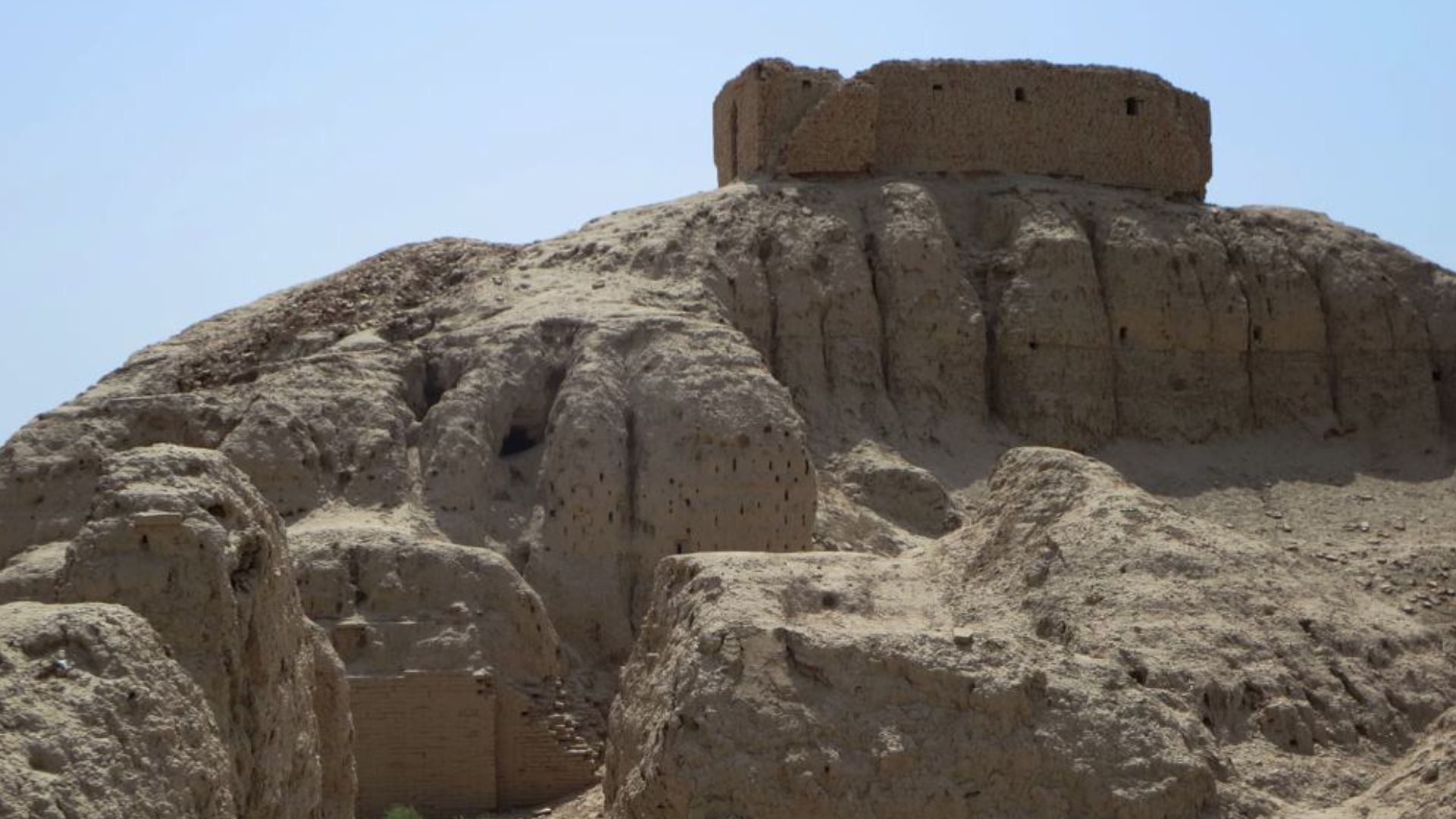
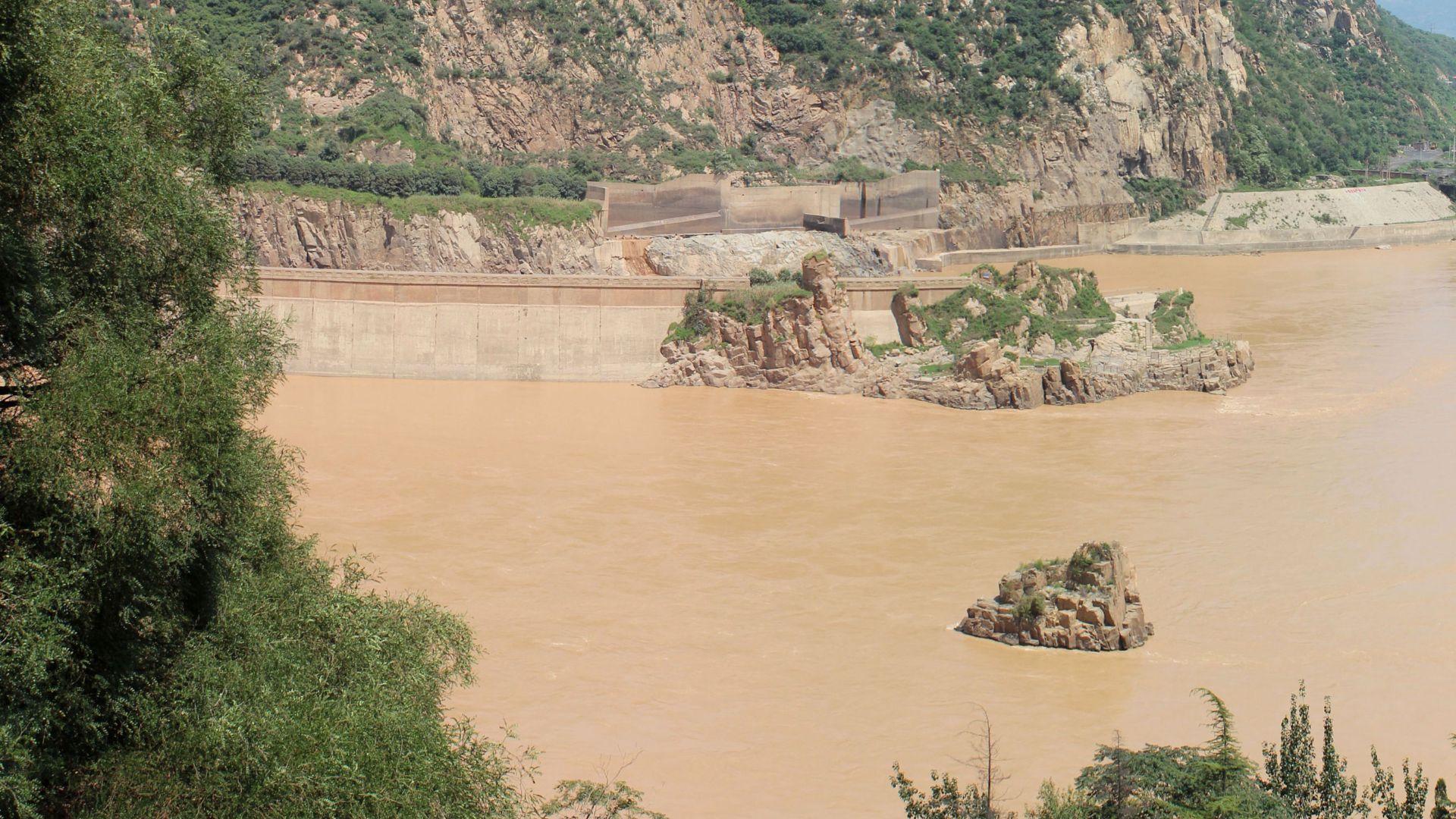
Wang Mang had justified replacing the Han dynasty partly through an elaborate political language of heavenly signs and divine legitimacy. That made what happened after he founded the Xin dynasty especially damaging. In 11 CE, the Yellow River breached its defenses and underwent a major course change, inundating farmland and communities across the North China Plain.
Displacement, food shortages, and economic disruption helped swell rural unrest, including rebel movements that eventually became serious threats to Wang Mang's regime. In a political culture where floods, droughts, eclipses, and other disasters could be interpreted as warnings from Heaven, catastrophe on this scale made it easy to argue that the new emperor had lost the very heavenly approval he had claimed.
 Zhong Xing, 1574-1624, Wikimedia Commons
Wang Mang — The Yellow River Flood That Looked Like Heaven’s Verdict (Cont'd)
The Yellow River did not change course because Heaven had passed judgment on Wang Mang. It was an extraordinarily unstable river system with a long history of sediment buildup, levee breaches, flooding, and dramatic course changes. Research into the river's history confirms a major avulsion beginning in 11 CE, with flooding continuing to cause problems for decades.
Wang Mang's government can certainly be criticized for its response, including controversial decisions surrounding levee repair, and his unpopular reforms contributed independently to political instability. But the initial environmental catastrophe wasn't a punishment generated by one ruler's failures. A volatile river struck at exactly the moment his short-lived dynasty could least afford it.
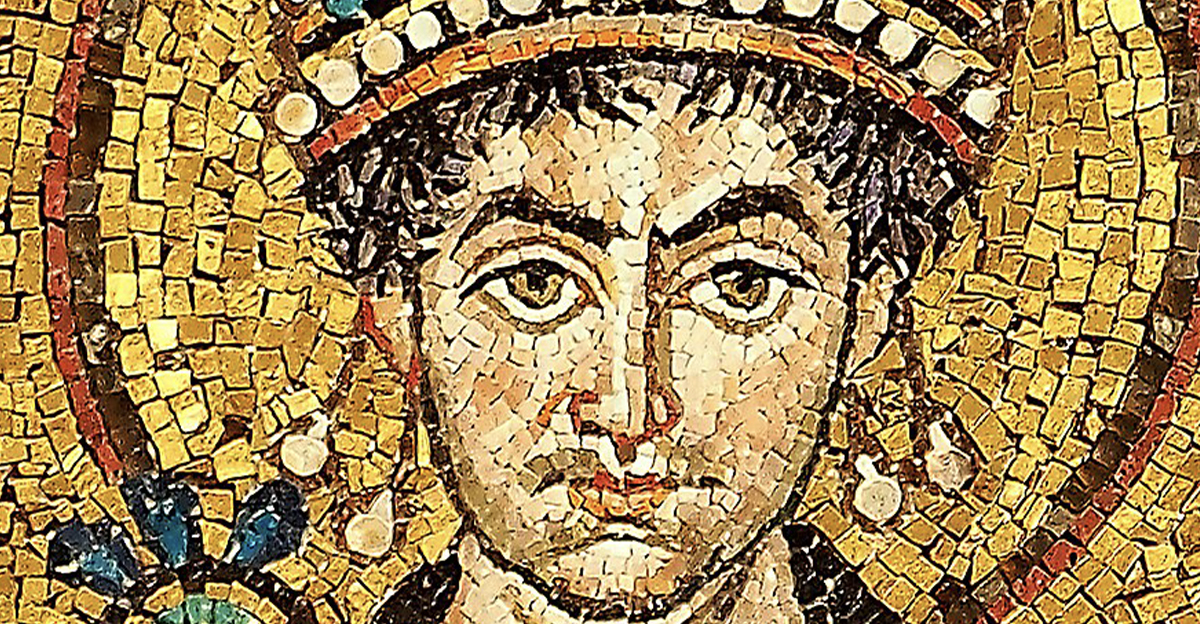
Justinian I — The Plague That Still Bears His Name
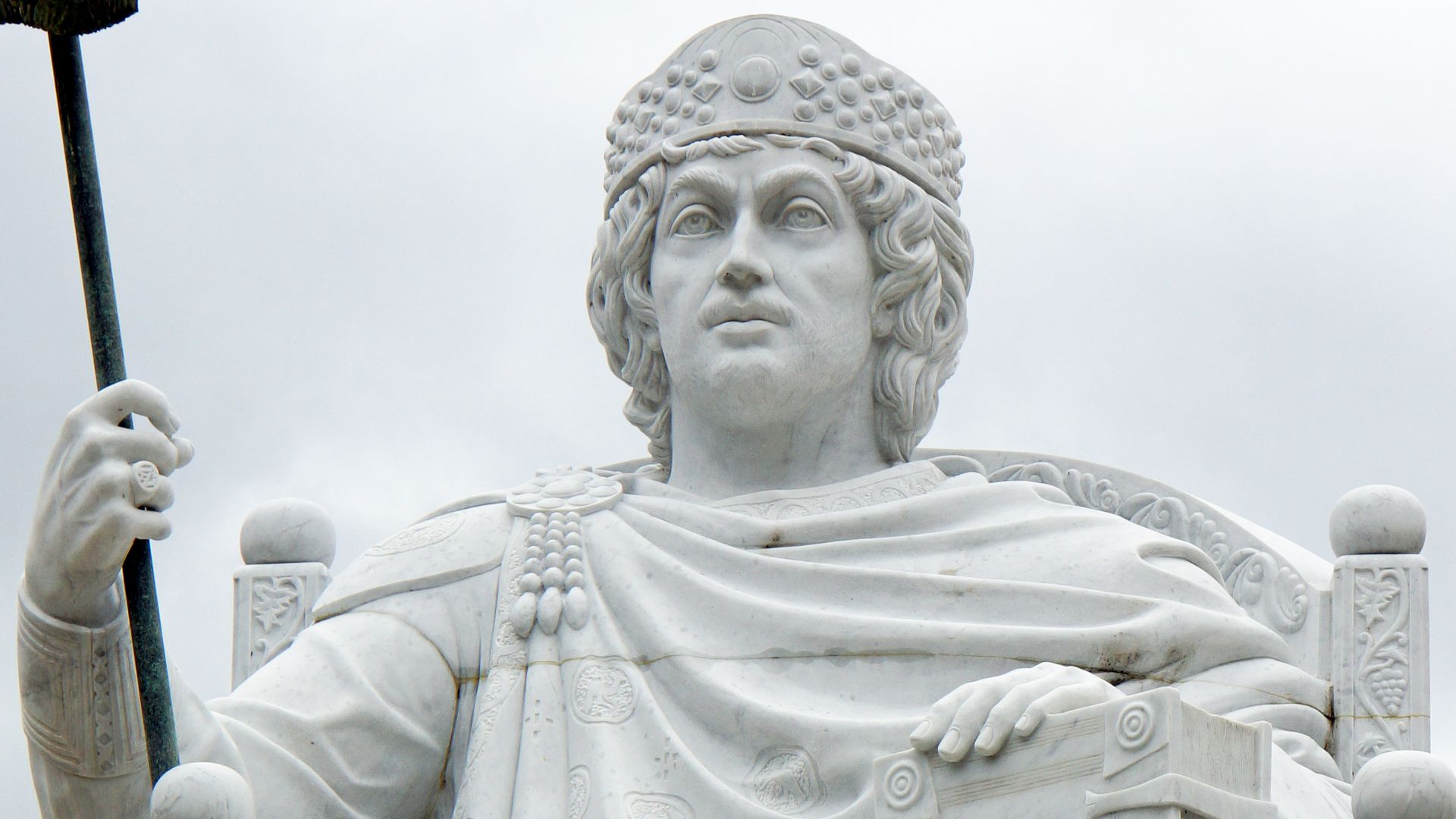
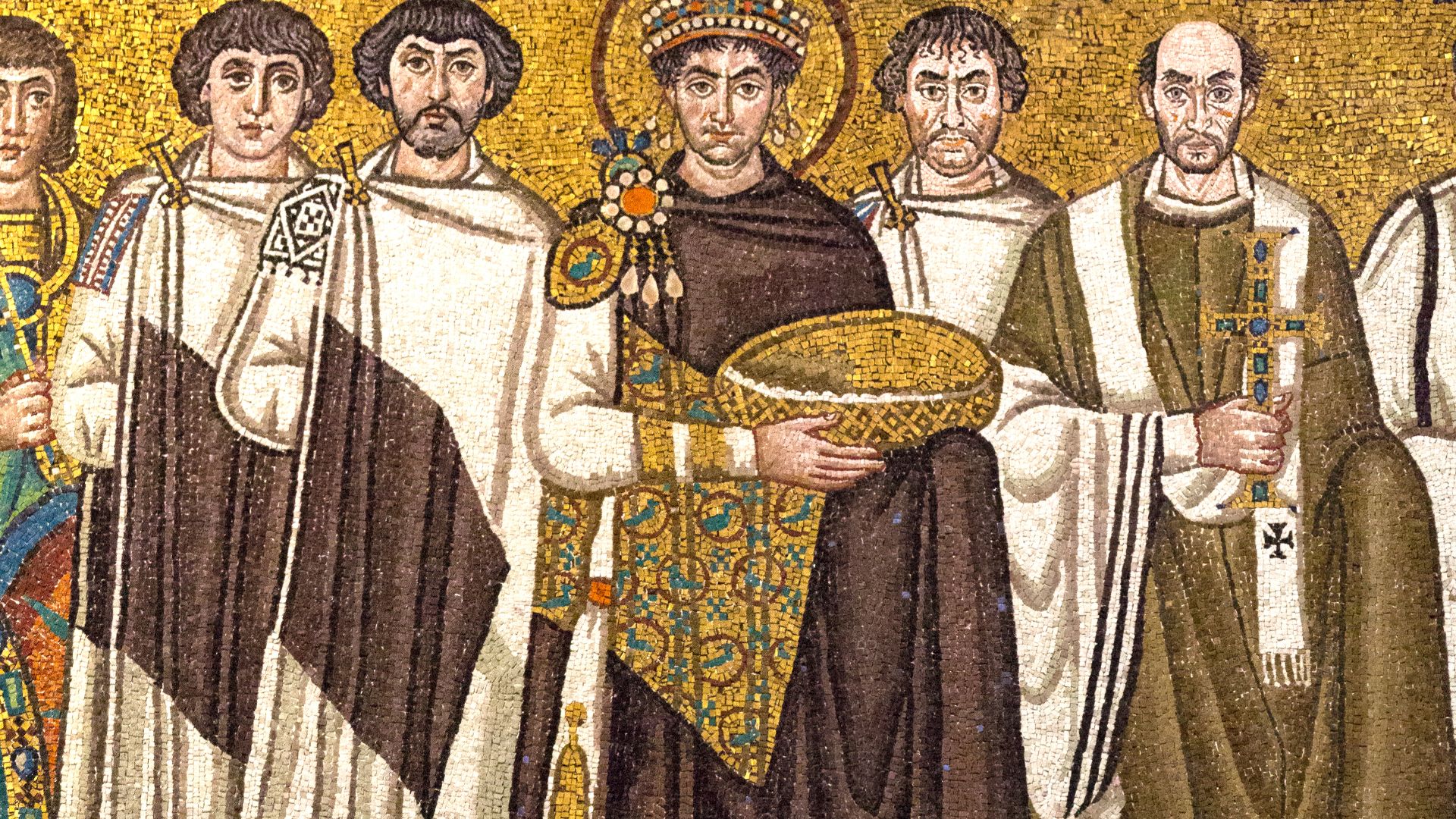
Few rulers have been tied to a natural disaster as permanently as Justinian I. When a devastating epidemic reached the Eastern Roman Empire in 541–542 CE, it tore through Constantinople and continued recurring around the Mediterranean for generations. Contemporary historian Procopius described horrifying mortality and reported that Justinian himself contracted the disease before recovering.
In his much more hostile Secret History, however, Procopius went far beyond criticizing the emperor's policies. He portrayed Justinian as almost demonic and connected the earthquakes, wars, epidemics, and other disasters of his reign with the emperor's wickedness. Even the pandemic's familiar modern name—the “Plague of Justinian”—keeps that association alive.
 Dennis G. Jarvis, Wikimedia Commons
Justinian I — The Plague That Still Bears His Name (Cont'd)
Modern science has provided an explanation considerably less interested in imperial morality. Ancient DNA studies have confirmed that the first plague pandemic was caused by Yersinia pestis, the same bacterium responsible for later plague pandemics. It spread far beyond Justinian's direct control and continued producing outbreaks long after his passing in 565. Recent genetic evidence has even identified Y. pestis in victims from the Eastern Mediterranean, reinforcing its enormous geographic reach.
Justinian's government had to deal with the epidemic's consequences, and historians still debate exactly how severe its demographic and economic effects were. But the emperor didn't create the pathogen that history attached permanently to his name.
 Roger Culos, Wikimedia Commons
King You Of Zhou — The Beacon Fires That Supposedly Destroyed A Dynasty
For more than two thousand years, King You's downfall has been explained through one wonderfully simple cautionary tale. His concubine Bao Si supposedly refused to smile, so the king lit emergency beacon fires to trick regional lords into believing enemies were attacking. They rushed to his defense, discovered the alarm was false, and watched Bao Si finally laugh.
King You repeated the stunt until nobody trusted the signals. When genuine enemies beset them in 771 BCE, he supposedly lit the beacons again—but this time nobody came. He was slain, and the Western Zhou dynasty ended because a foolish ruler had turned national defense into entertainment.
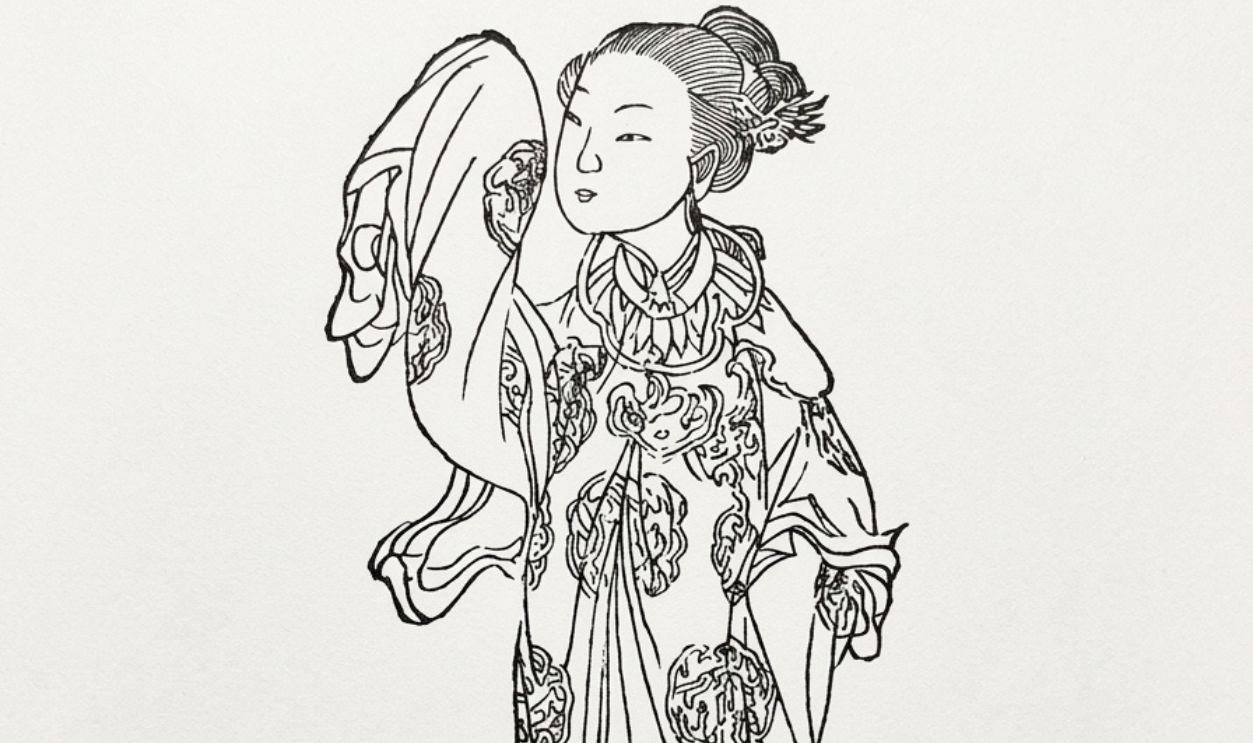 Wang Hui Wang Hui (1736-1795), Wikimedia Commons, Enhanced
King You Of Zhou — The Beacon Fires That Supposedly Destroyed A Dynasty (Cont'd)
Newly recovered texts make that famous explanation look suspiciously like later moral storytelling. The Tsinghua bamboo manuscripts instead describe a political and armed struggle involving King You, the state of Shen, and western peoples, without making a disastrous beacon prank the centerpiece.
King You had displaced Queen Shen and her son, the crown prince, helping provoke a succession conflict with the powerful Marquis of Shen. The resulting conflict was complicated enough without an invented joke. King You was hardly blameless for his political decisions, but the idea that Western Zhou collapsed because he repeatedly sounded false alarms to make Bao Si smile appears to be a much later simplification.
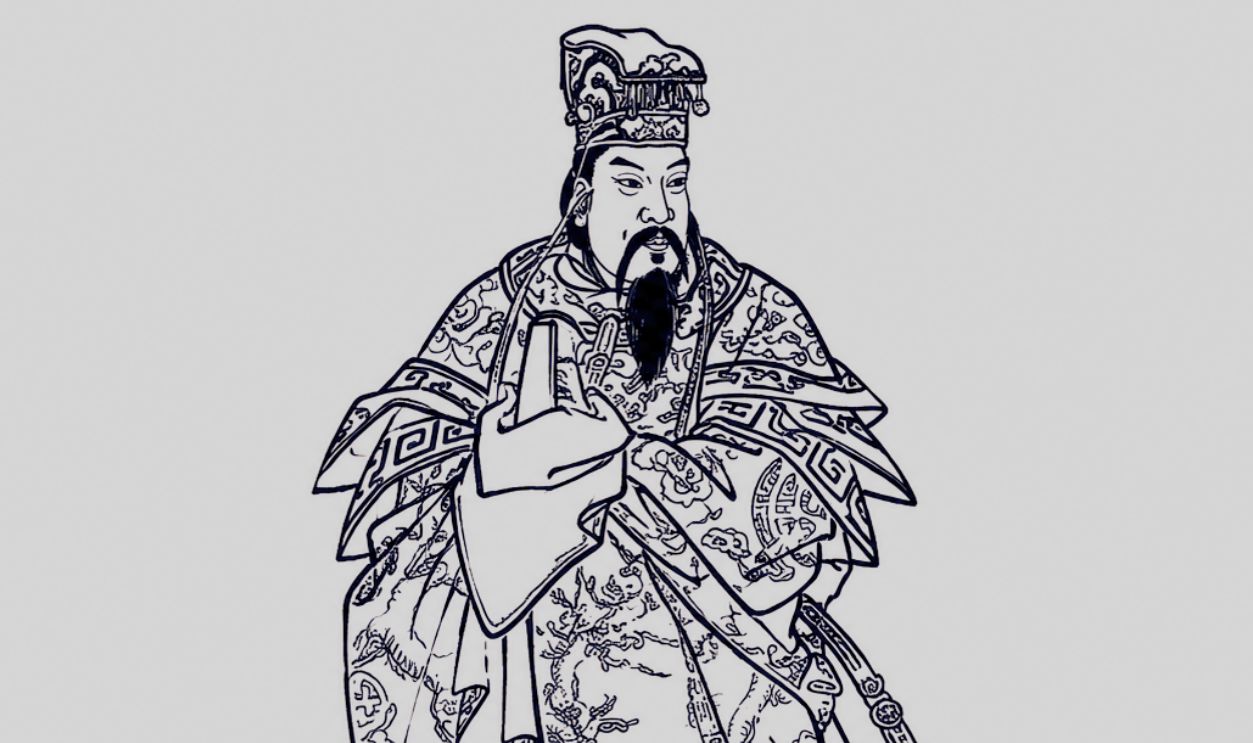 https://baike.sogou.com/v8347.htm, CC BY-SA 4.0, Wikimedia Commons, Enhanced
Di Xin, “King Zhou” Of Shang — The Monster Who Supposedly Destroyed Shang
Traditional Chinese histories turned Di Xin, the final Shang king, into an almost supernatural catalogue of bad government. Later accounts accused him of drunken excess, carnal obsession, monstrous punishments, neglecting ritual, slaying loyal ministers, and creating infamous tortures such as the burning bronze pillar.
His depravity supposedly grew so extreme that Heaven withdrew its mandate from Shang and transferred it to the morally superior Zhou. That made his defeat at the Battle of Muye more than an armed coup. It became cosmic justice. For generations, Di Xin functioned as the archetypal wicked last ruler whose personal immorality explained why an entire dynasty deserved to disappear.
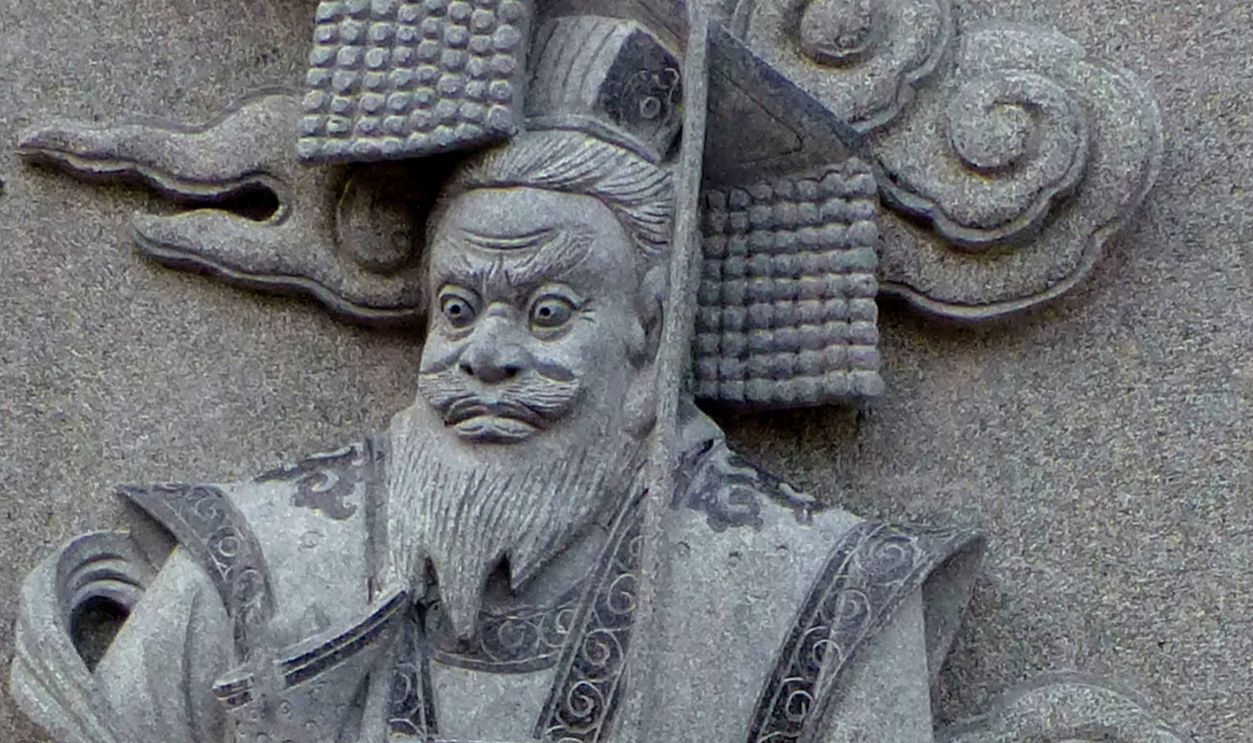 Pictures from History, Getty Images
Di Xin, “King Zhou” Of Shang — The Monster Who Supposedly Destroyed Shang (Cont'd)
The people who replaced Di Xin had an obvious reason to tell that story. Early Zhou rulers needed to justify overthrowing a long-established royal house, and the developing concept of the Mandate of Heaven gave conquest a moral explanation: Shang had fallen because its ruler had become unworthy. Some criticism of Di Xin appears relatively early, but the catalogue of atrocities grew dramatically in later literature.
Modern scholars therefore distinguish the historical king from the increasingly theatrical tyrant created around him. Shang's collapse involved warfare, rival political networks, military alliances, and Zhou expansion. A defeated king's personal depravity provided the victors with a far more useful explanation.
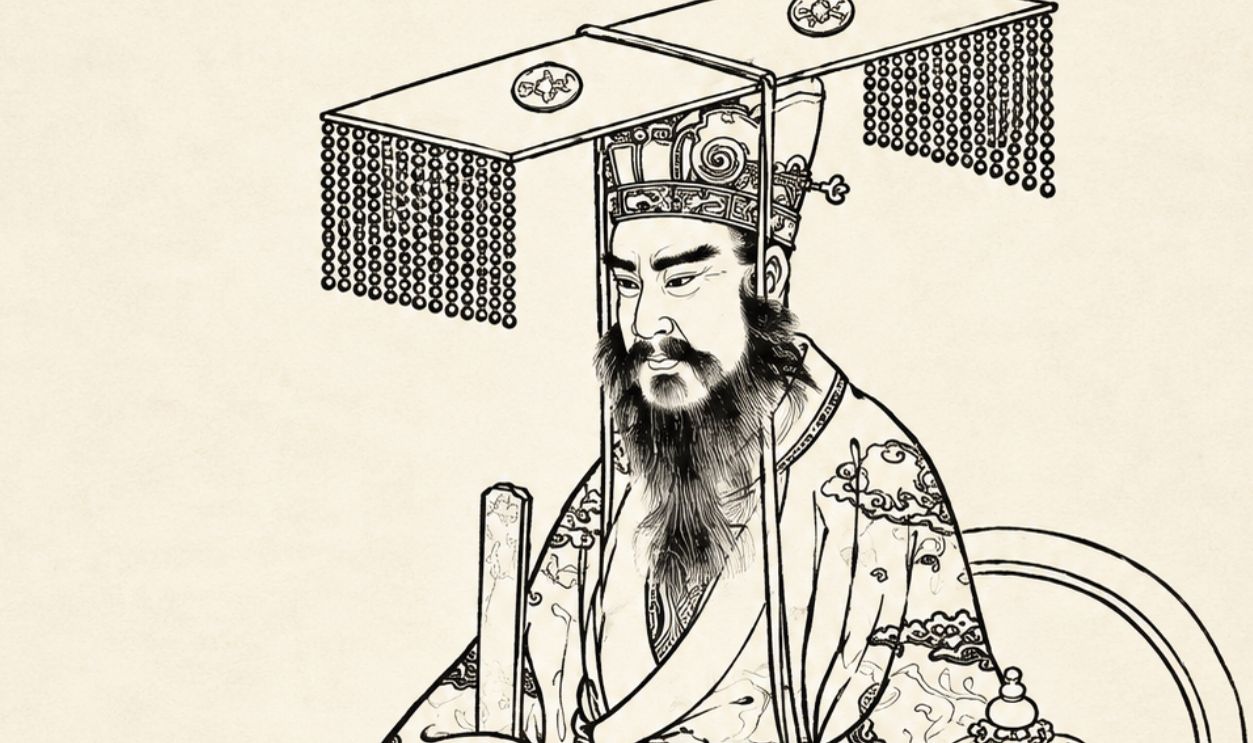 Takai Tomohiro, Teisai Hokuba (Hiroshi Takai, Hossai Hokuma), Wikimedia Commons, Enhanced
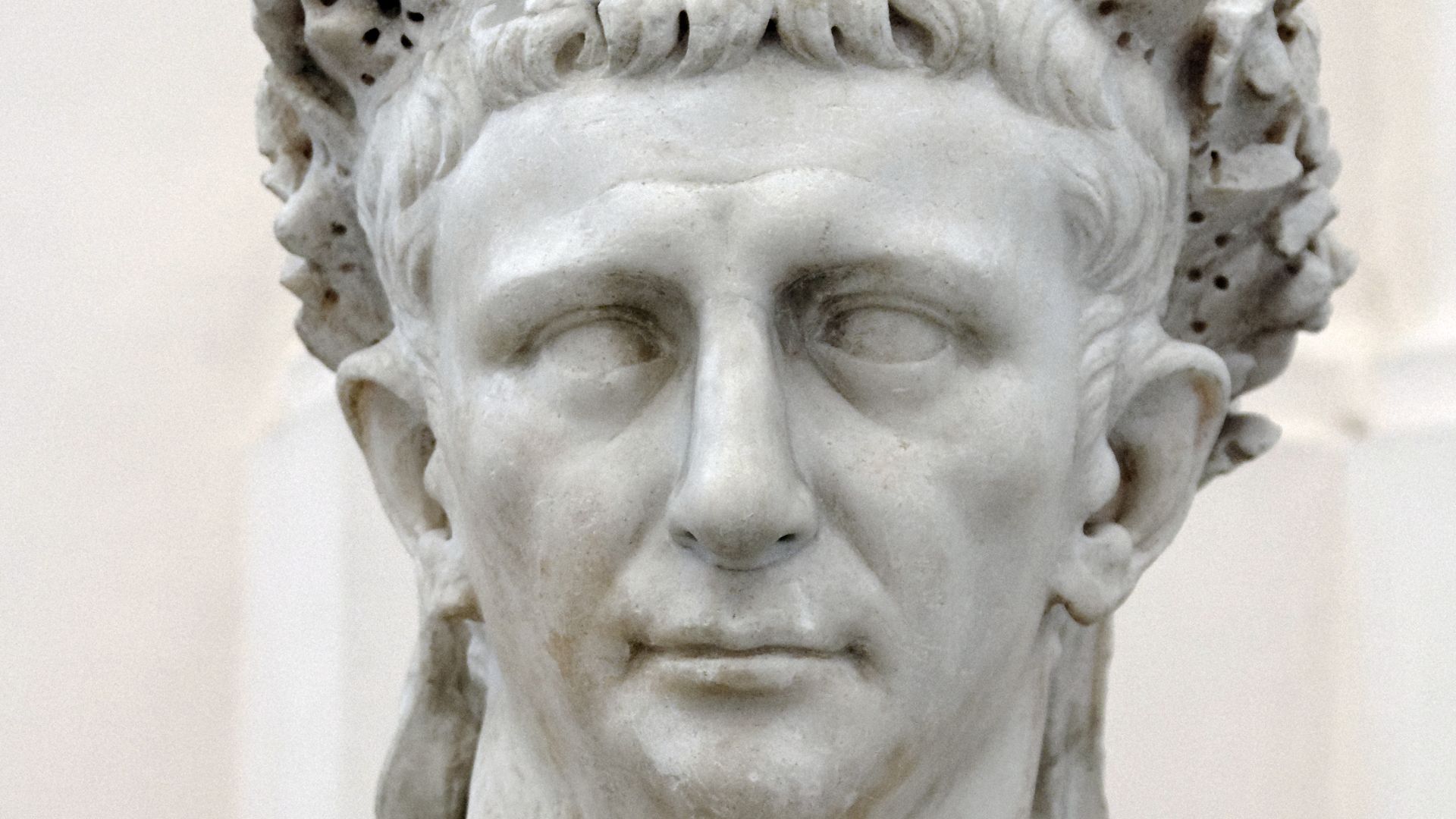
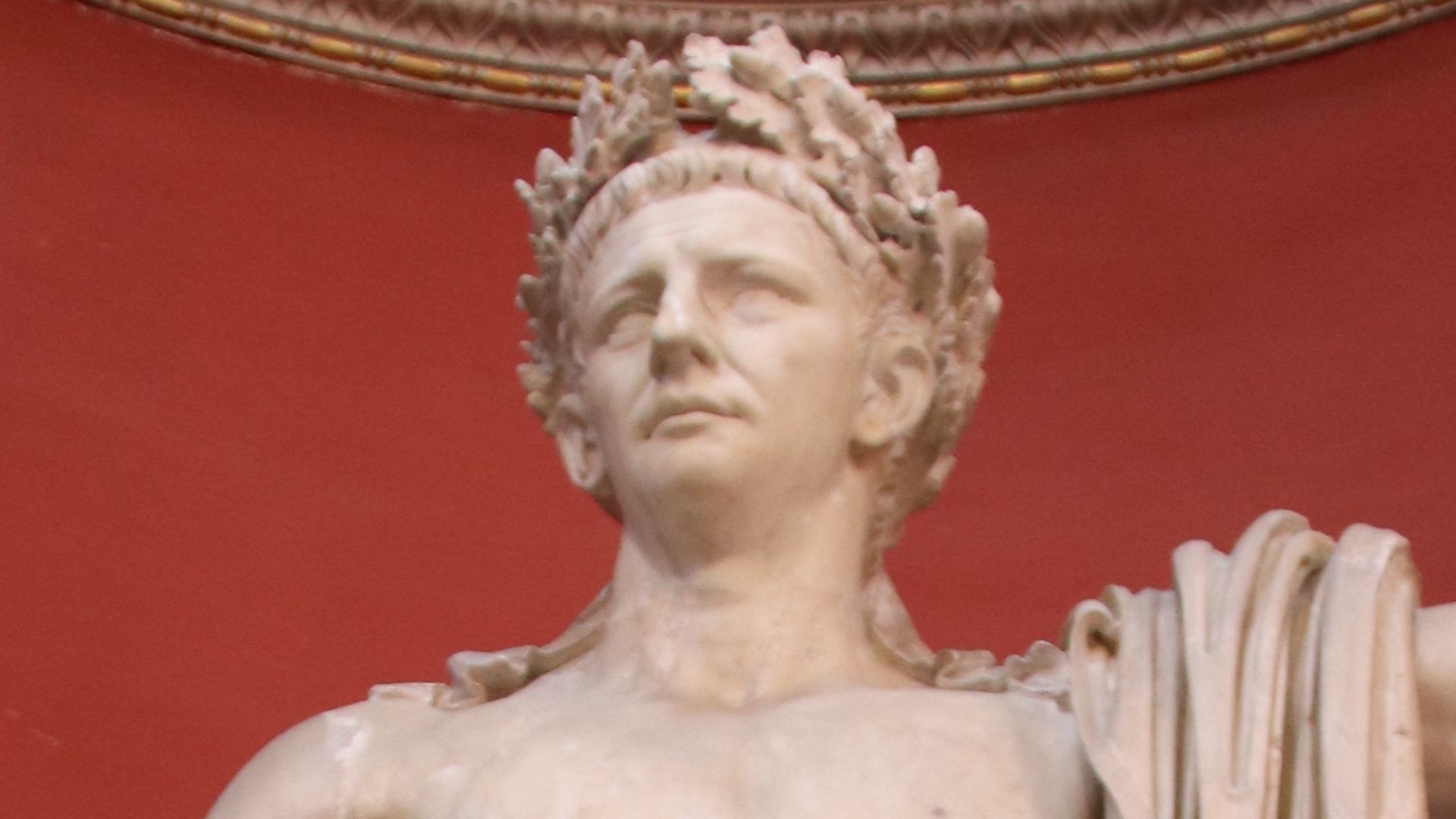
Claudius — The Emperor Pelted With Bread During A Grain Crisis
Roman emperors were expected to keep the capital fed, which meant that when grain became scarce, the person on the throne could become the target regardless of what had caused the shortage. Suetonius records that during Claudius's reign, prolonged drought produced a serious scarcity of grain. An angry crowd surrounded the emperor in the Forum, showering him with insults and even pelting him with pieces of bread.
Claudius reportedly escaped back to the palace through a side entrance. To frightened Romans facing rising food insecurity, the distinction between a drought, a shipping problem, and an emperor's personal incompetence didn't matter much. If Rome was hungry, Claudius was expected to fix it.
Claudius — The Emperor Pelted With Bread During A Grain Crisis (Cont'd)
Claudius responded by trying to make the grain supply more reliable rather than simply blaming the weather. According to Suetonius, he encouraged merchants to sail during the dangerous winter season by promising that the state would cover losses caused by storms. He also offered incentives to people willing to build merchant vessels, part of a broader effort to improve Rome's dependence on imported grain.
Claudius couldn't command rain to fall or Mediterranean storms to disappear, but he could reduce the financial risks involved in keeping ships moving. The episode shows how quickly an ancient ruler could become personally blamed for a food crisis created substantially by environmental conditions and fragile supply networks.
 Gary Todd from Xinzheng, China, Wikimedia Commons
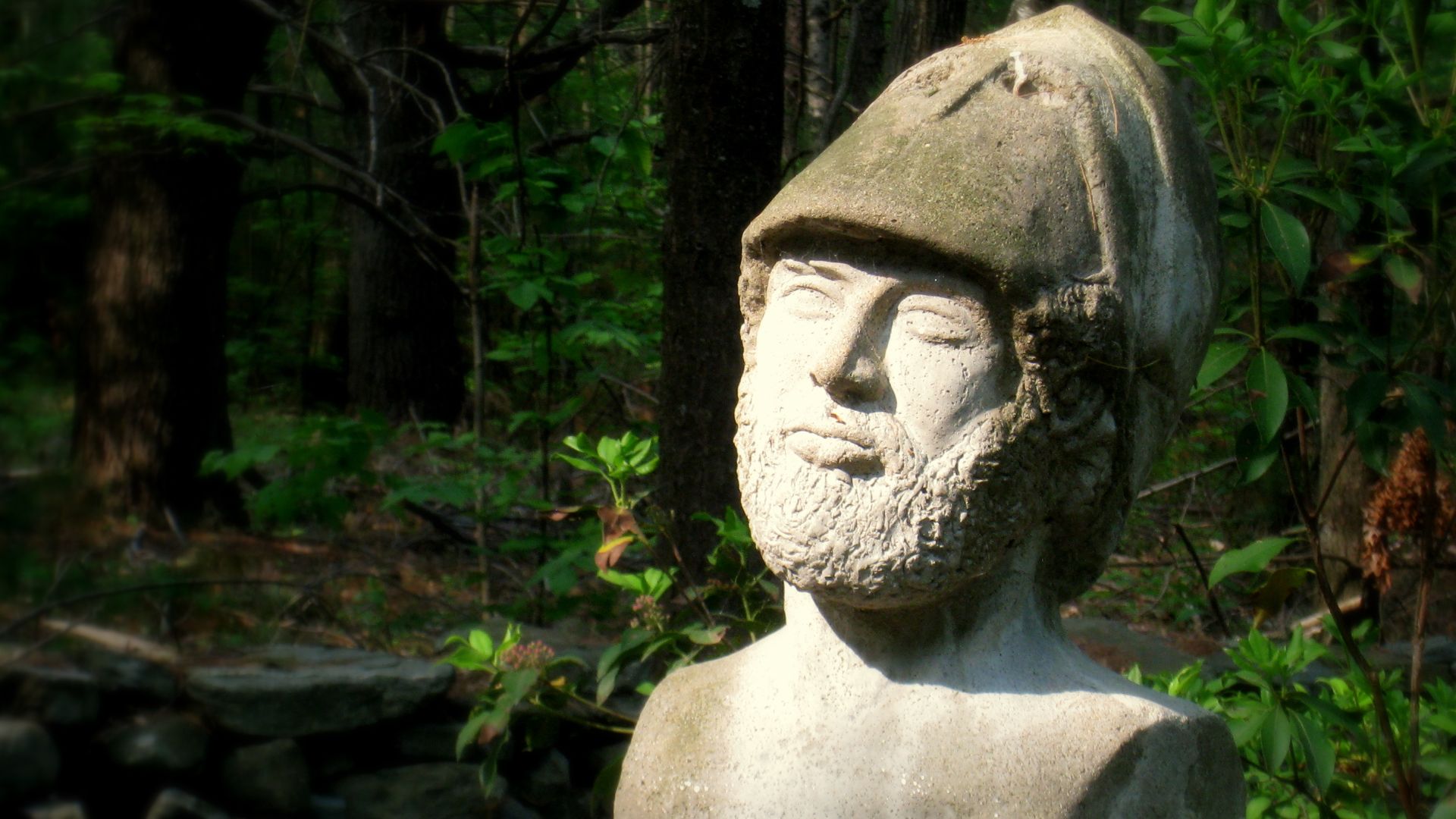
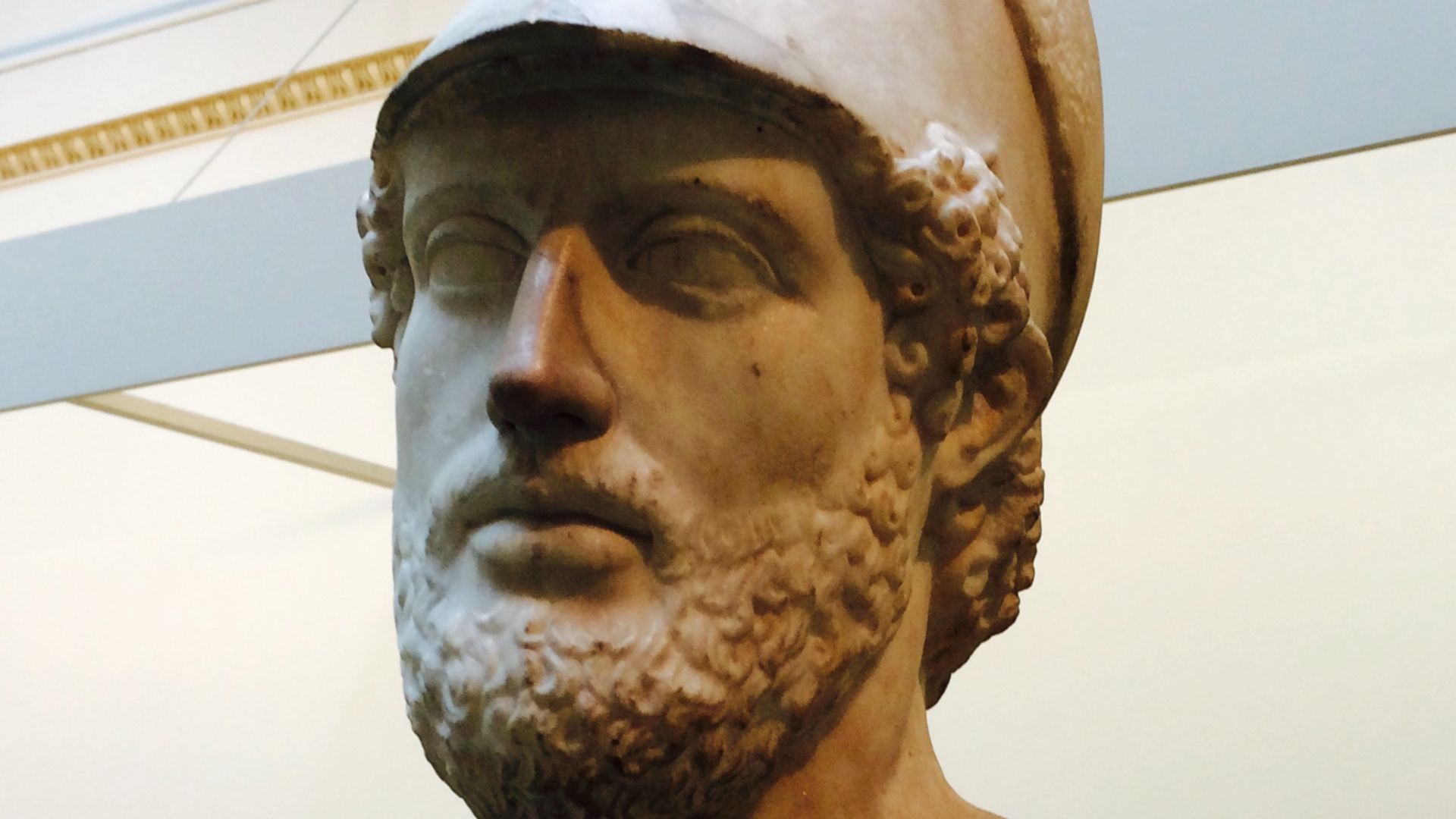
Pericles — The Plague Of Athens
Pericles' strategy during the Peloponnesian War made grim military sense. Athens couldn't easily defeat Sparta's superior hoplite army in a direct land battle, so Pericles encouraged rural residents of Attica to withdraw behind Athens' defensive walls while the city's navy remained active. The result was an extraordinarily crowded urban population.
Then, in 430 BCE, epidemic disease struck. People packed into makeshift accommodation suffered horrifically as the disease spread, and anger naturally focused on the statesman whose strategy had brought so many of them together. Pericles was fined and temporarily removed from office while Athenians watched the epidemic devastate their city.
Pericles — The Plague Of Athens (Cont'd)
Pericles' strategy probably did make transmission easier, but that isn't the same as causing the plague. He couldn't have known that a major epidemic would arrive just as conflict forced rural populations into Athens, and the disease itself remains uncertain despite centuries of attempts to identify it.
Thucydides described fever, thirst, rashes, gastrointestinal distress, and enormous mortality, but modern diagnoses range widely. Pericles suffered personally as members of his own family perished before he succumbed in 429 BCE. Athenians had legitimate reasons to question his decisions. Blaming him for the appearance of an unpredictable infectious disease was another matter entirely.
 Brett Bigham, Wikimedia Commons
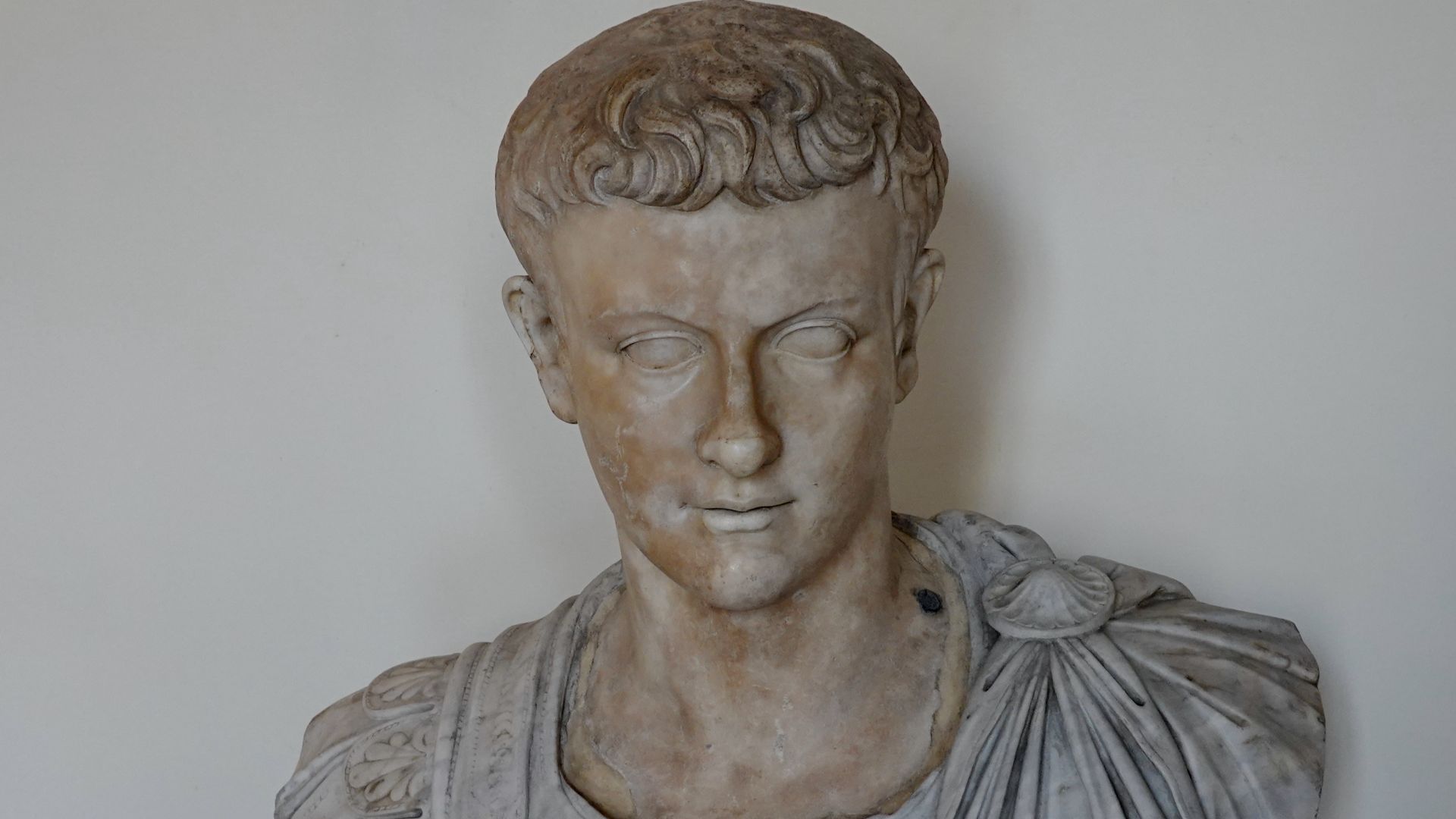
Caligula — The Grain Shortage Blamed On His Floating Bridge
Caligula gave ancient historians plenty of material for stories about reckless extravagance, and his famous temporary bridge across the Bay of Baiae became one of their favorites. Ancient accounts claimed he assembled merchant ships into a floating bridge so he could ride dramatically across the bay. Later writers connected that spectacle with food shortages, arguing that commandeering vessels for the bridge disrupted the grain fleet supplying Rome.
It was an irresistible accusation: while ordinary Romans worried about bread, the emperor had supposedly turned the ships they needed into an enormous stage for his own vanity. That version fitted Caligula's posthumous reputation so neatly that it became part of the larger case against him.
 Richard Mortel, Wikimedia Commons
Caligula — The Grain Shortage Blamed On His Floating Bridge (Cont'd)
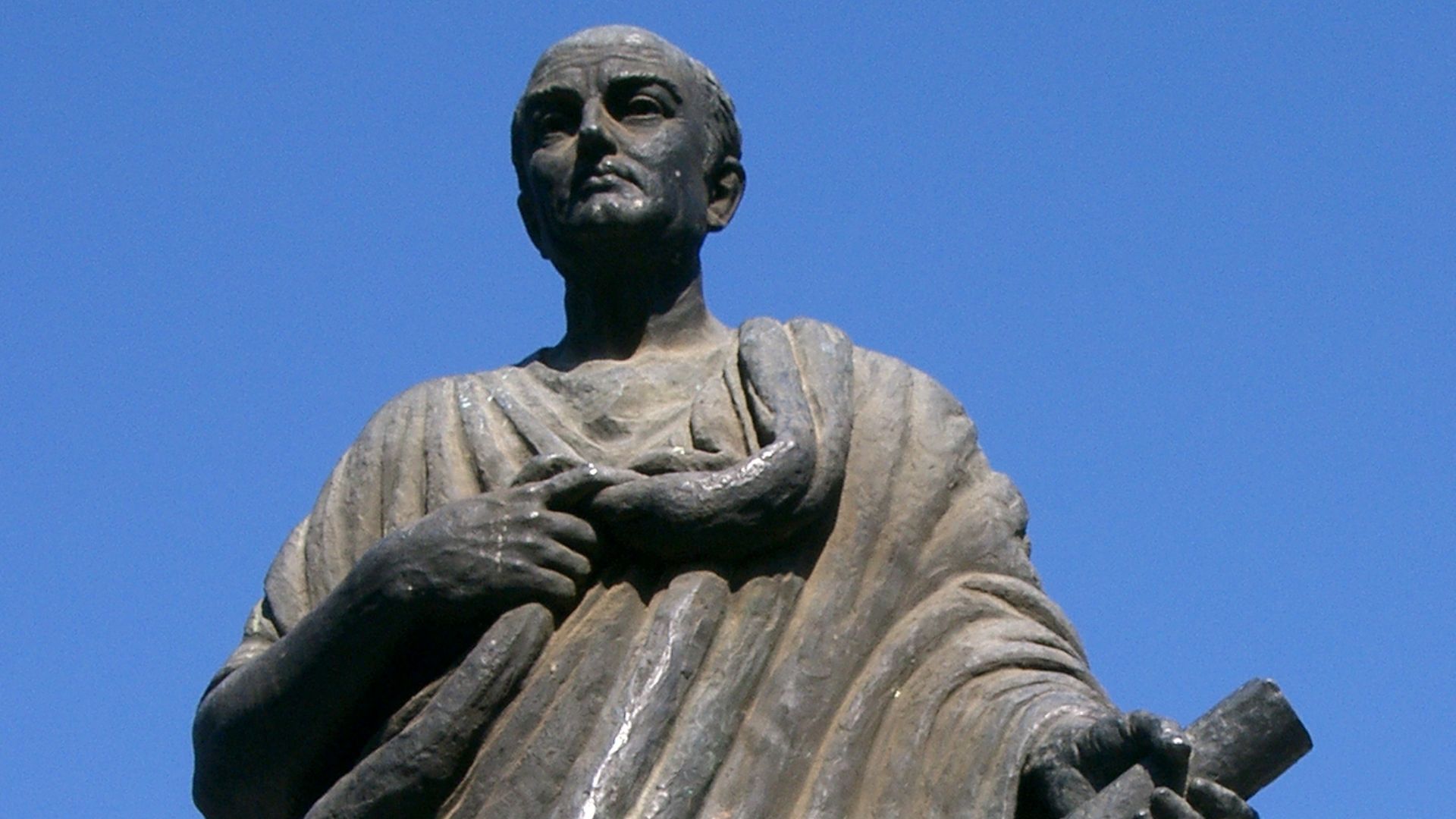
The chronology is much less convincing than the story. Seneca claimed Rome was only days away from exhausting its grain supply around the time of Caligula's demise in January 41 CE and linked the danger to the emperor's misuse of ships. Modern historians have questioned that explanation sharply, with scholars including J.P.V.D. Balsdon and Anthony Barrett regarding Seneca's dramatic claim as implausible or heavily exaggerated.
Grain supplies could fail for numerous reasons, including harvest conditions, transportation problems, weather, and the immense logistical challenge of feeding Rome. Caligula's bridge was certainly extravagant. The tidy story that his stunt nearly starved the capital looks much more like hostile moralizing than a securely demonstrated chain of cause and effect.
Theodosius I — The Emperor Who Supposedly Split Rome In Two
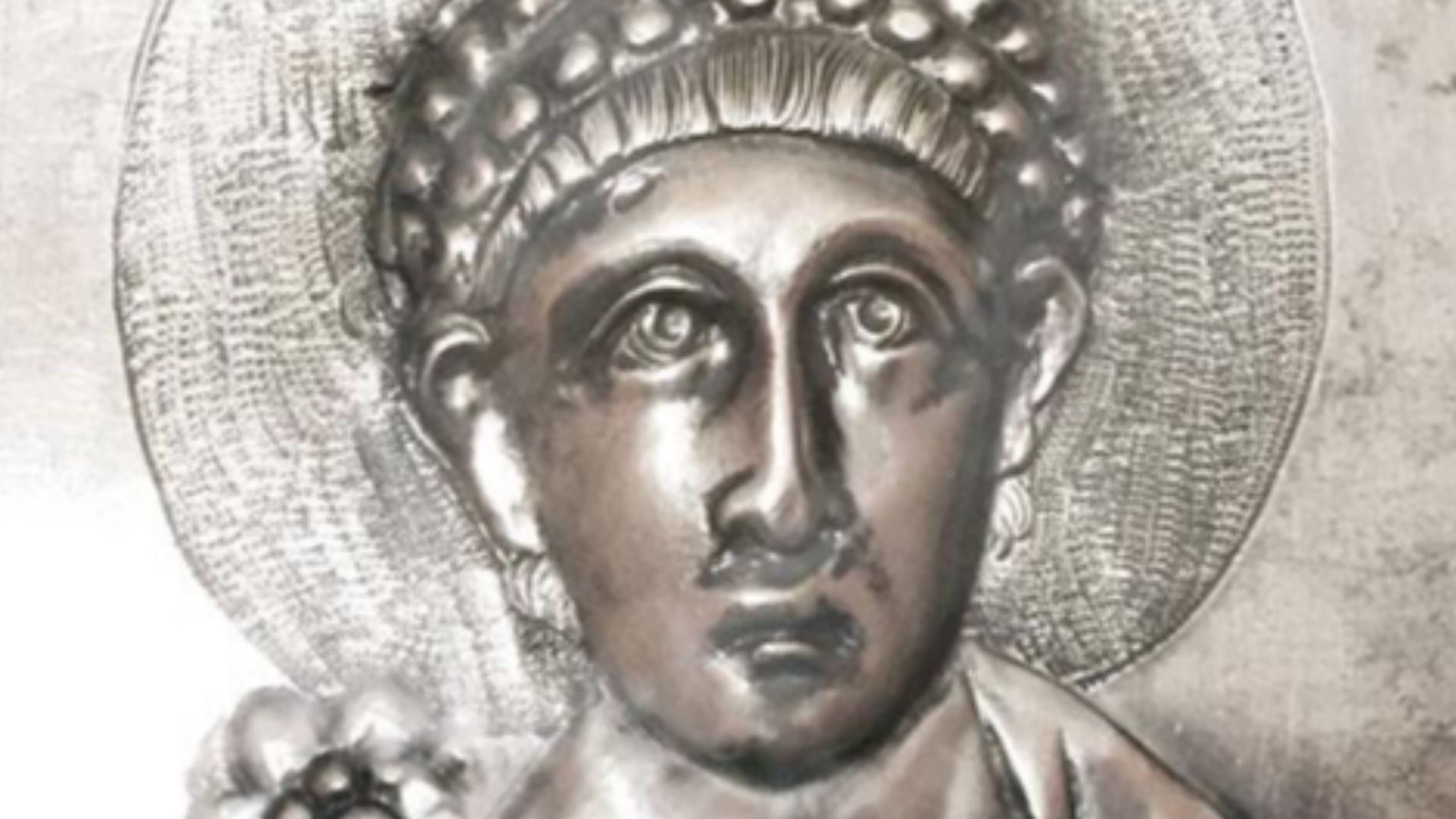
Textbooks often present 395 CE as an ominously neat turning point. Theodosius I perished, leaving Arcadius in charge of the East and Honorius in charge of the West, thereby supposedly dividing the Roman Empire into two permanent halves. The western portion then declined until its imperial government collapsed in the fifth century, while the eastern empire survived.
Put those facts beside each other and Theodosius can appear to have made a disastrous succession decision that fractured Rome. The story is appealing because it provides a single date and a single ruler for a division that, in reality, developed through much longer political and administrative processes.
 Unknown Roman artist, Wikimedia Commons
Theodosius I — The Emperor Who Supposedly Split Rome In Two (Cont'd)
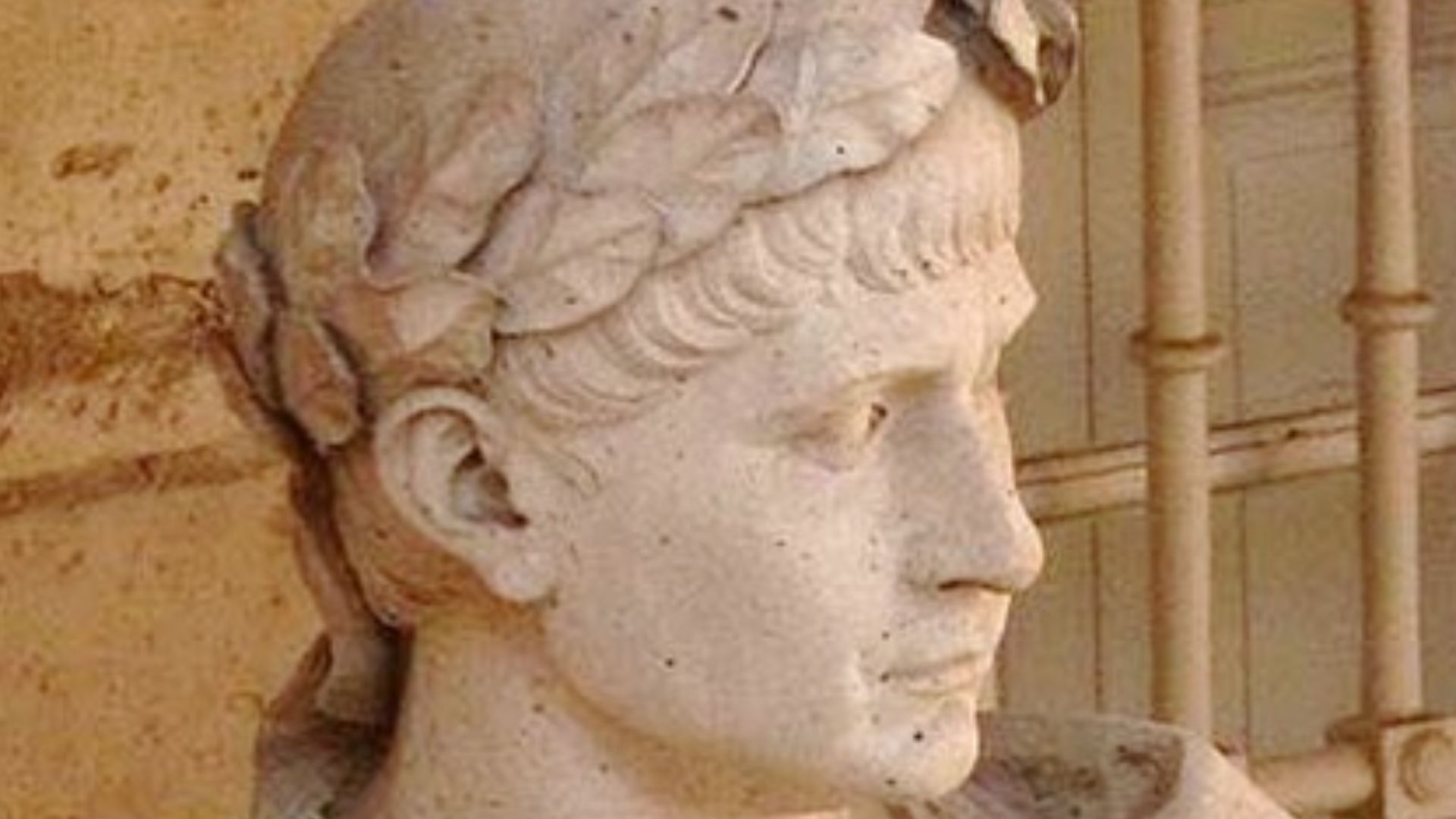
Multiple emperors had governed different geographical portions of the Roman world repeatedly during the fourth century, and Arcadius and Honorius had already been elevated as co-emperors before their father's passing. Theodosius was therefore following established imperial practice rather than inventing two new states.
Even after 395, the Imperium Romanum remained formally one empire, and the two courts continued to operate within a shared Roman constitutional world despite increasingly serious rivalry. Only gradually did separate eastern and western political structures harden. Blaming Theodosius for “splitting Rome” turns decades of administrative evolution, military disasters, court competition, and regional divergence into a decision he supposedly made on his deathbed.
 Benjamin Nunez Gonzalez, Wikimedia Commons
Valerian — Rome’s Humiliating Defeat At Edessa
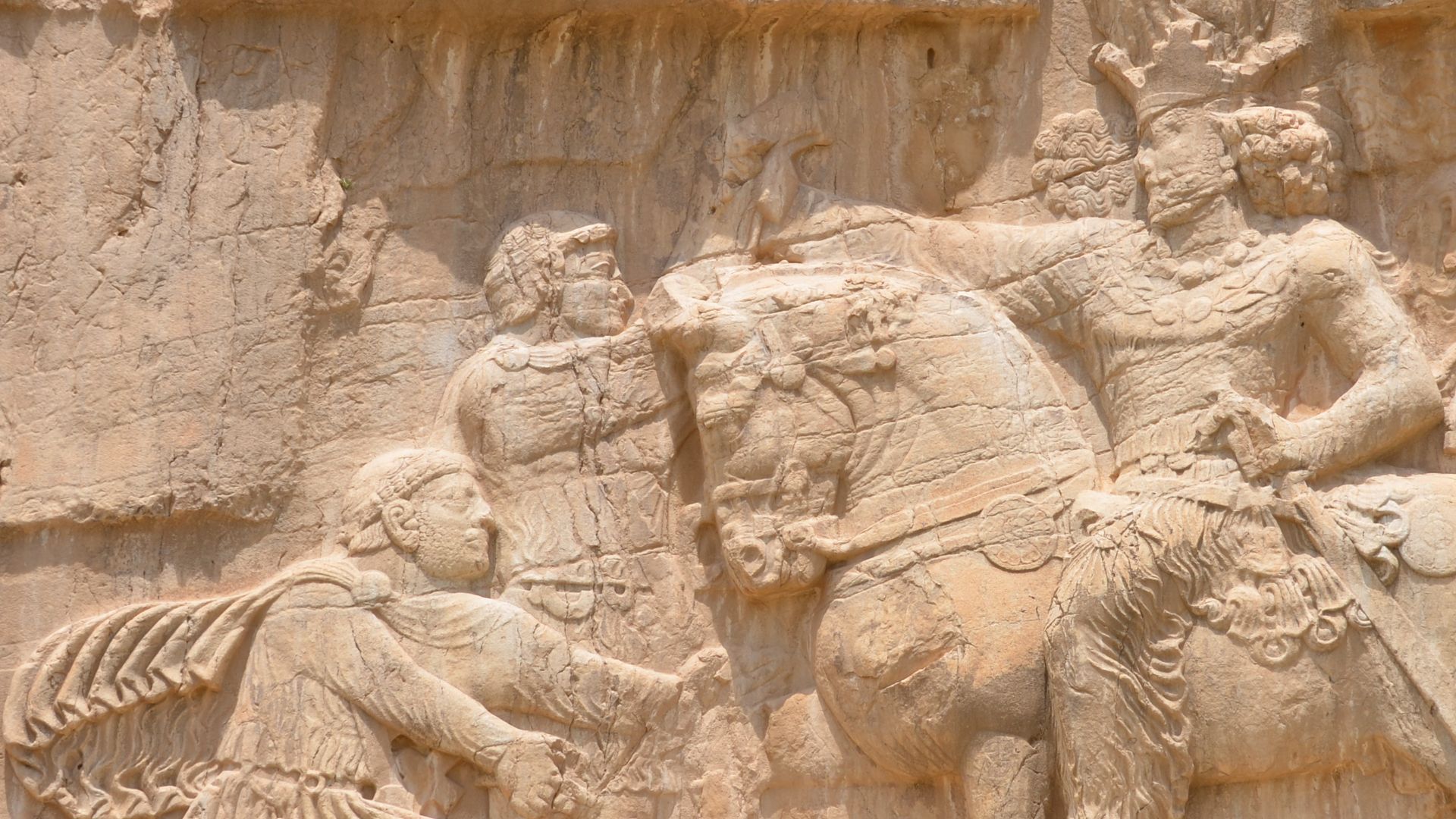
Roman emperor Valerian acquired one distinction no emperor wanted: in 260 CE, he became the first reigning Roman emperor captured alive by a foreign enemy. Sasanian king Shapur I defeated Roman forces near Edessa and took Valerian prisoner along with senior officers and other soldiers. Shapur celebrated the victory spectacularly, immortalizing the captured emperor in monumental rock reliefs where Valerian appears physically restrained by the Persian king.
Later Roman memory treated the episode as an almost unimaginable humiliation. Stories grew increasingly lurid, eventually claiming that Shapur used the captive emperor as a human mounting block before having his lifeless body stuffed and displayed.
 Carole Raddato from Frankfurt, Germany, Wikimedia Commons
Valerian — Rome’s Humiliating Defeat At Edessa (Cont'd)
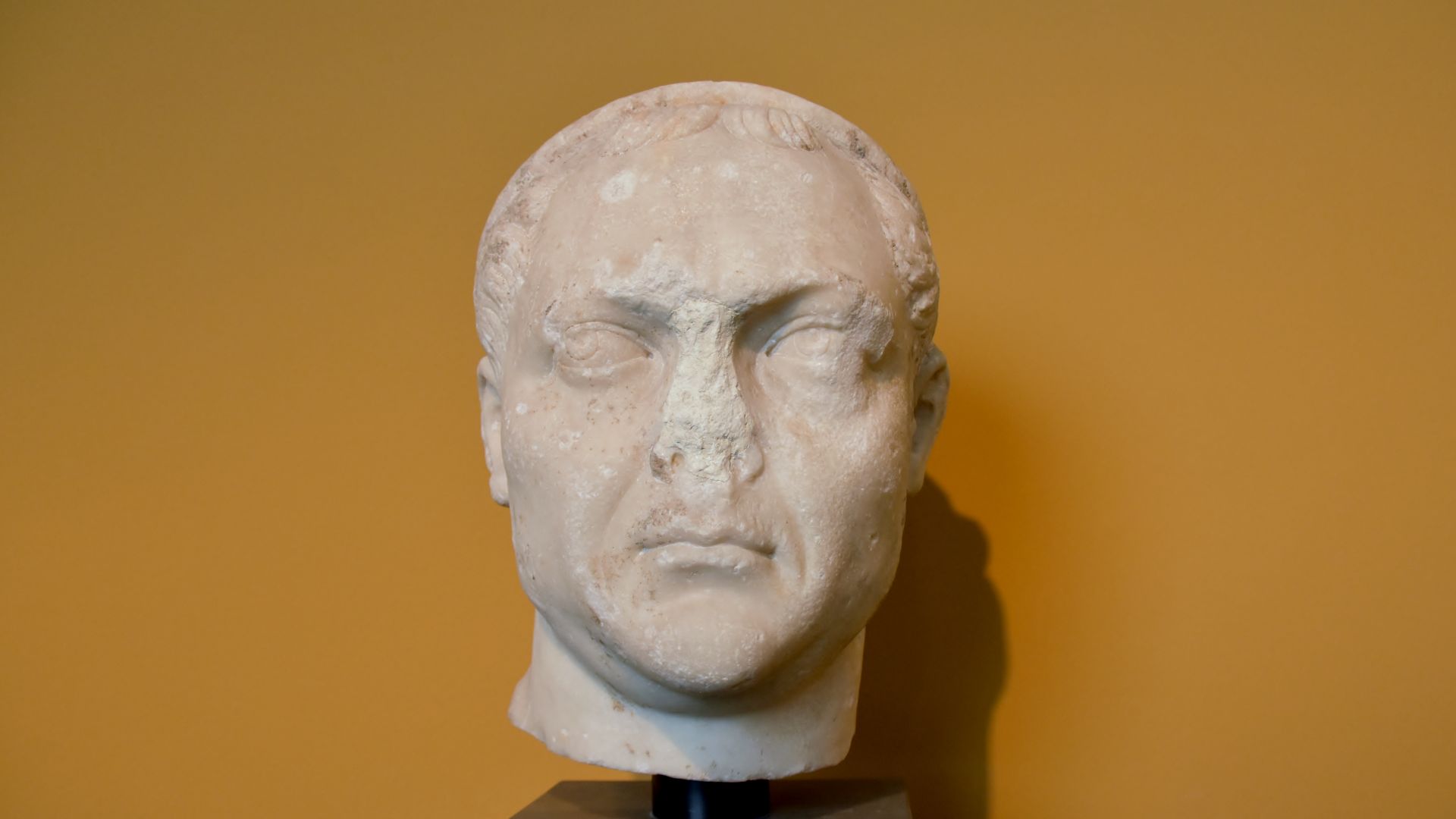
Valerian's defeat looks less like uniquely foolish leadership when placed inside the Crisis of the Third Century. Rome was simultaneously facing invasions, civil wars, breakaway regimes, unstable imperial succession, economic disruption, and epidemic disease. Valerian and his son Gallienus effectively divided responsibility for defending an empire under pressure on multiple fronts, with Valerian concentrating on the dangerous eastern frontier.
His army may itself have been badly affected by disease before the confrontation with Shapur. He undeniably suffered a catastrophic defeat, but later tradition transformed one emperor into the symbol of a systemic imperial crisis that no single ruler had created and few could control.
 Richard Mortel from Riyadh, Saudi Arabia, Wikimedia Commons
Constantine The Great — The Emperor Later Blamed For Starting Rome’s Fall
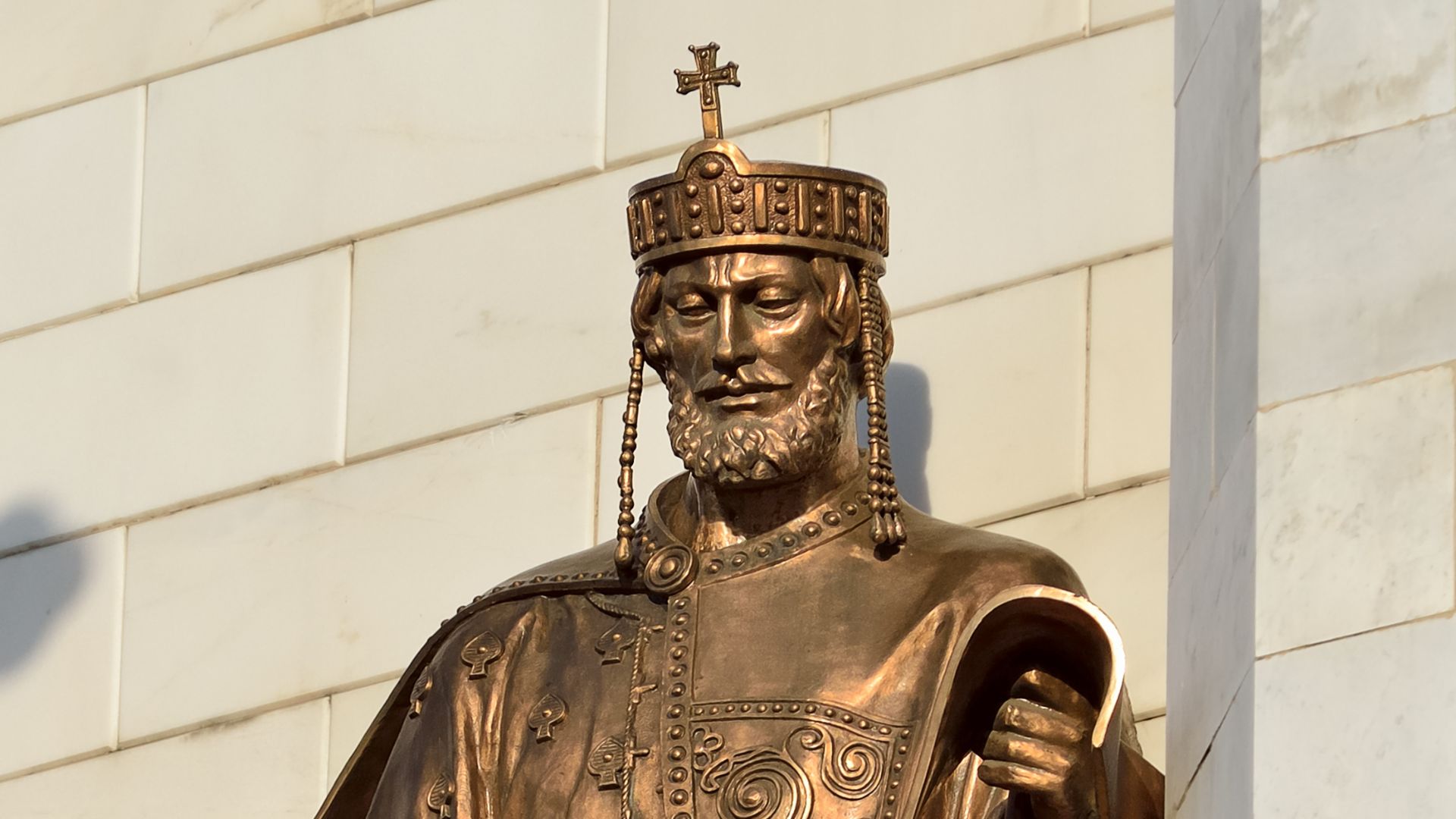
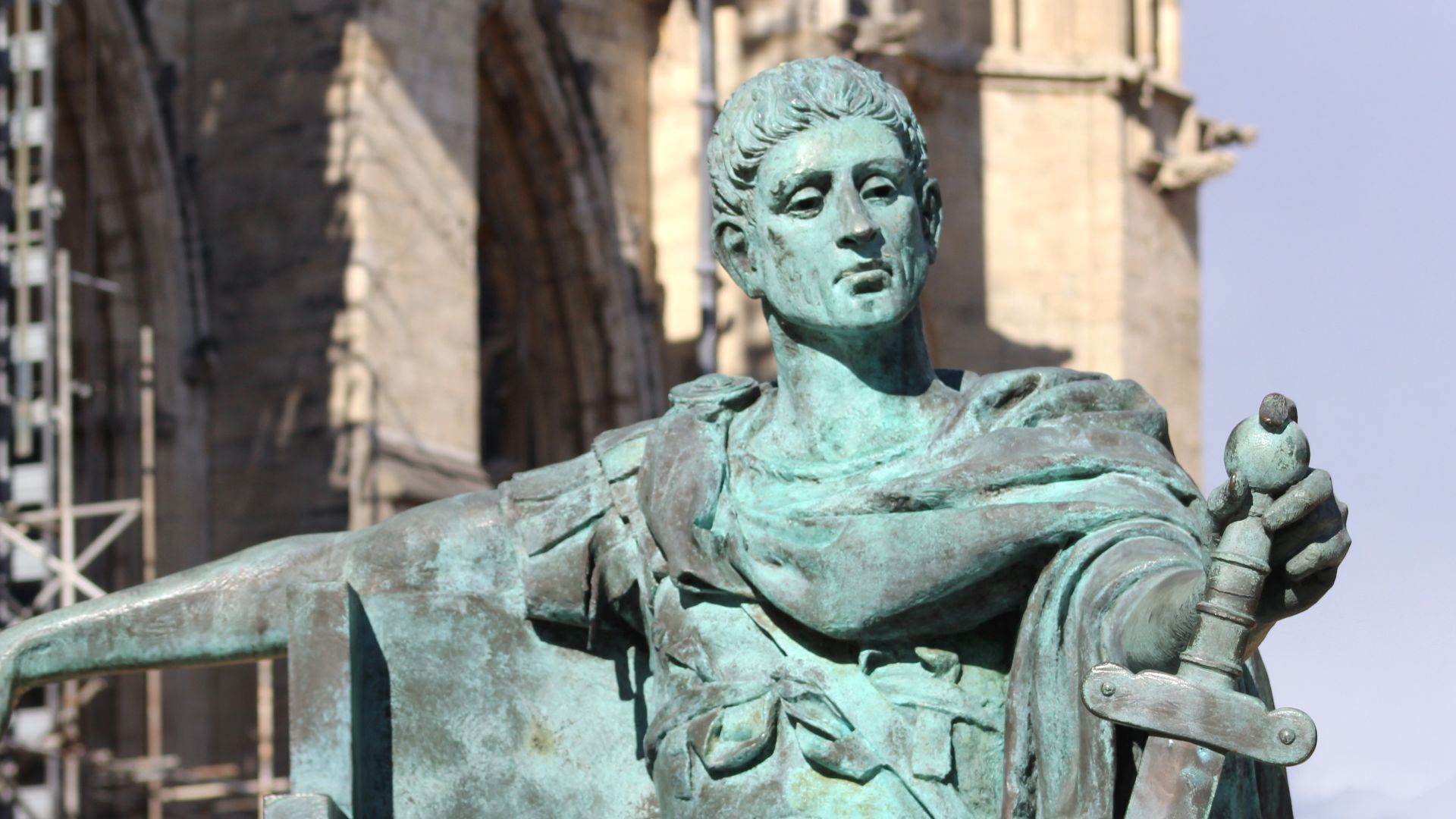
Constantine attracted a particularly powerful critic more than 1,400 years after his passing. Edward Gibbon's enormously influential History of the Decline and Fall of the Roman Empire made Christianity part of its explanation for Roman decline, helping popularize the idea that Constantine's conversion weakened the state by redirecting loyalty, wealth, and cultural energy toward the Church.
Constantine also founded Constantinople as a new imperial center, seemingly pushing power away from old Rome. Put together, the charges can make his reign look like the moment an ancient pagan empire abandoned everything that had made it strong and unknowingly began preparing its own funeral.
 Dmitry Ivanov., Wikimedia Commons
Constantine The Great — The Emperor Later Blamed For Starting Rome’s Fall (Cont'd)
Constantine's actual record makes that neat explanation difficult to sustain. He defeated rival emperors, reunited Roman territory after years of civil conflict, reformed administration and currency, strengthened imperial institutions, and founded a strategically located capital that became one of the medieval world's greatest cities. Christianity didn't prevent the Roman state from remaining a major military power throughout the fourth century.
More awkwardly for the decline theory, the Christian eastern Roman Empire centered on Constantinople survived the western imperial collapse and continued for roughly another millennium. Constantine undeniably transformed Rome. Treating those transformations as the straightforward cause of a collapse more than a century later confuses enormous change with inevitable decline.
Akhenaten — The “Heretic King” Who Supposedly Threw Egypt Into Chaos
Akhenaten gave later Egyptians plenty of reasons to dislike him. He elevated the Aten above Egypt's traditional gods, marginalized the powerful cult of Amun, changed royal art dramatically, altered his own name, and created an entirely new capital at Akhetaten, modern Amarna. After his passing, the experiment unraveled rapidly.
Tutankhamun restored traditional cults, the court abandoned Akhetaten, and later rulers dismantled Akhenaten's temples and smashed his statues. Official king lists produced afterward even skipped the Amarna rulers entirely. That deliberate suppression encouraged a compelling image of Akhenaten as a dangerous religious fanatic whose bizarre revolution had thrown a stable Egypt into catastrophe.
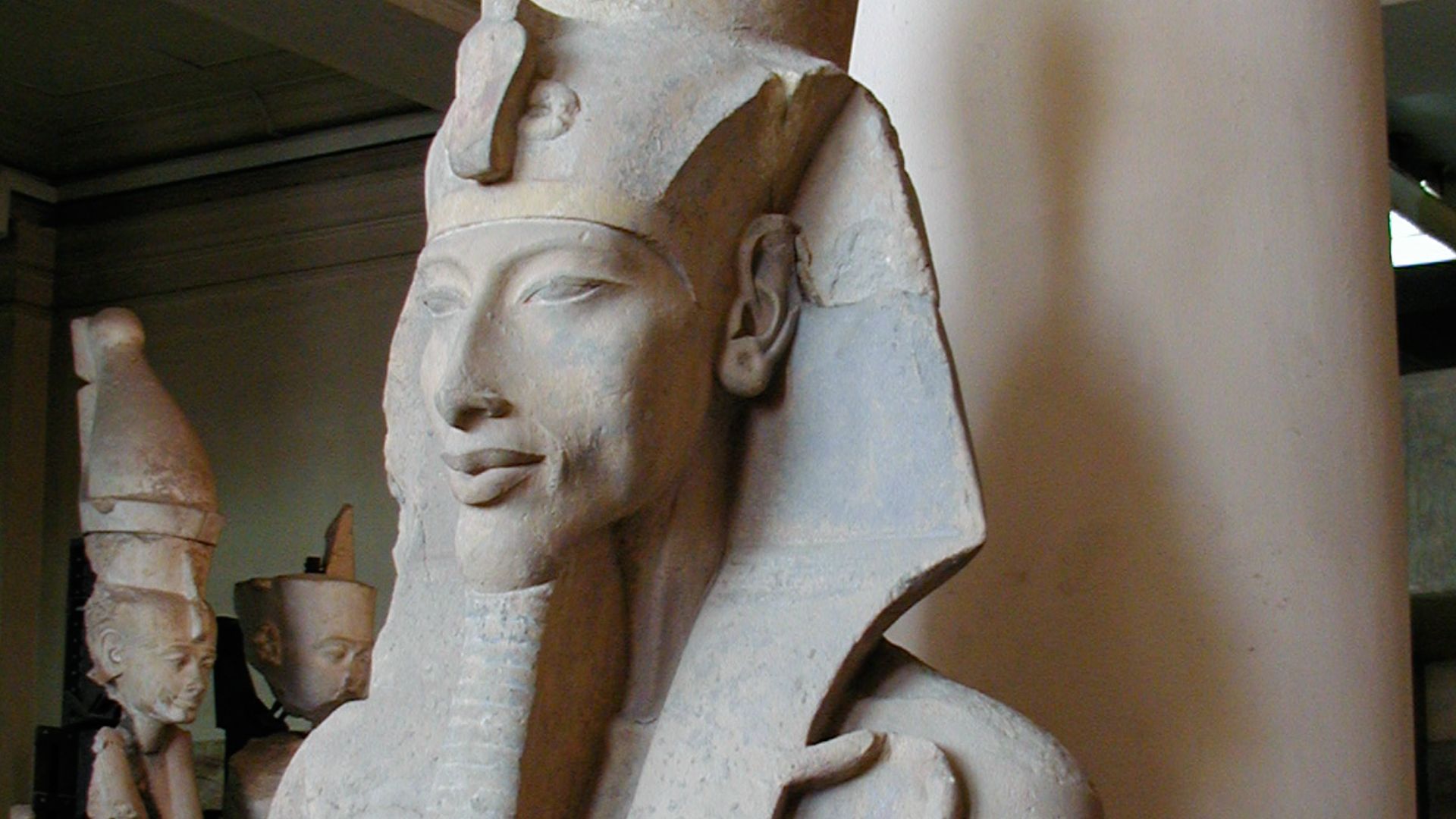
Akhenaten — The “Heretic King” Who Supposedly Threw Egypt Into Chaos (Cont'd)
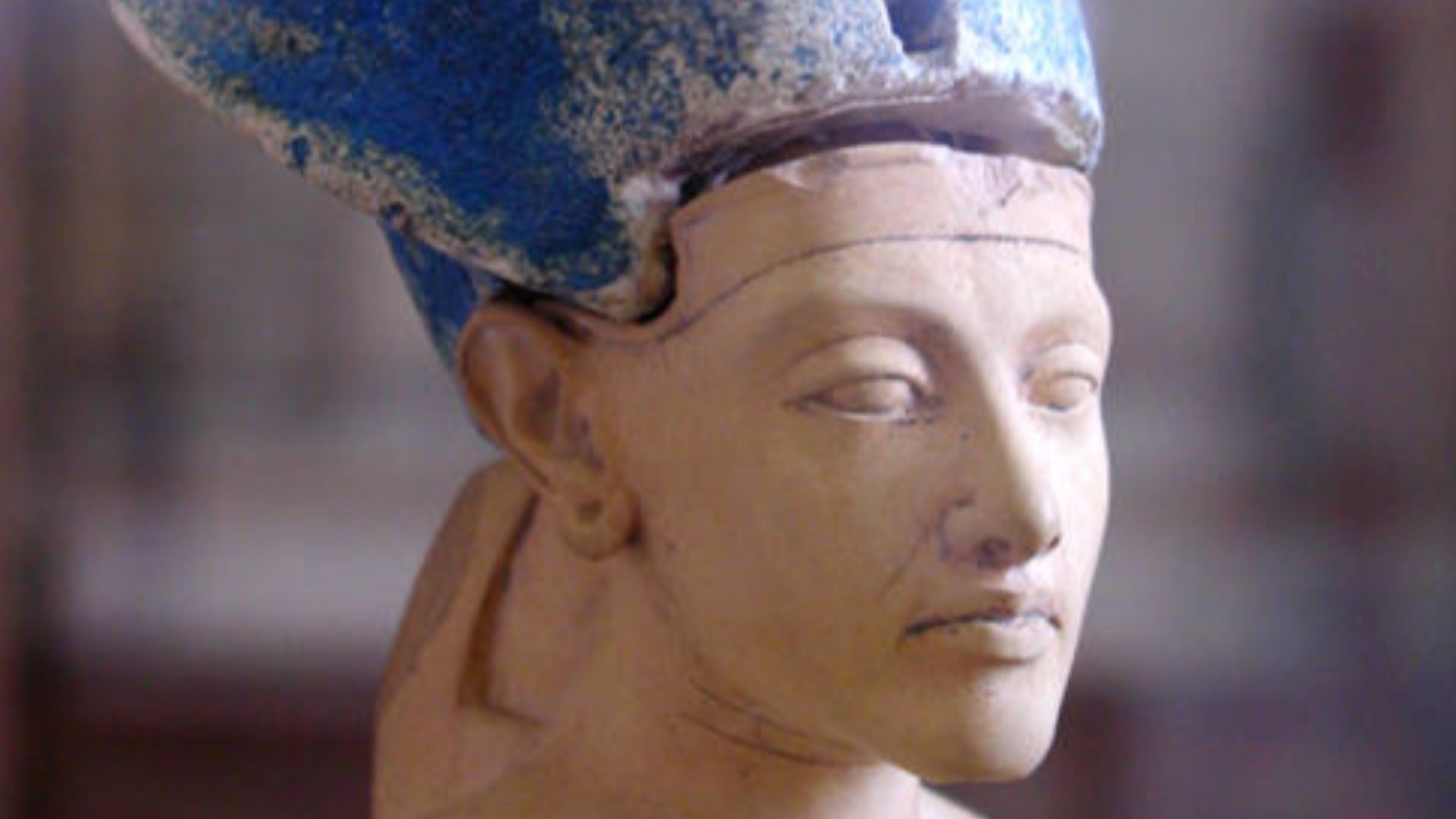
Akhenaten's reforms were unquestionably disruptive, but Egypt didn't collapse during or immediately after his reign. The 18th Dynasty continued, the state remained intact, and later rulers successfully redirected its political and religious institutions. Even claims that Amarna suffered a catastrophic epidemic during Akhenaten's reign now look less secure.
A 2025 bioarchaeological reassessment of the city's cemeteries found little evidence that Akhetaten experienced the massive mortal epidemic sometimes proposed. What Akhenaten clearly left behind was religious upheaval and a short-lived capital. His successors then dismantled that legacy so thoroughly that the failed religious experiment became easier to remember as a national disaster than as one turbulent episode in an otherwise continuing Egyptian state.
 Jon Bodsworth, Wikimedia Commons
You May Also Like:
Powerful World Leaders Who Took "Holding A Grudge" To Another Level
Ancient Engineering Tricks That Solved Problems Modern Cities Still Have