The Old Solutions Were Surprisingly Smart
Cities did not need electricity or computers to become complicated. Thousands of years ago, engineers were already wrestling with water shortages, flooding, sanitation, heat, unstable ground, food supply, and infrastructure that needed to survive for generations.
Romans Let Gravity Do The Pumping
Roman aqueducts moved enormous quantities of fresh water without electric pumps. Engineers established extremely gentle gradients that allowed water to flow continuously from distant springs toward urban settlements. The famous aqueduct serving ancient Nîmes stretched roughly 50 kilometers, with the Pont du Gard carrying its channel dramatically across the Gardon River valley.
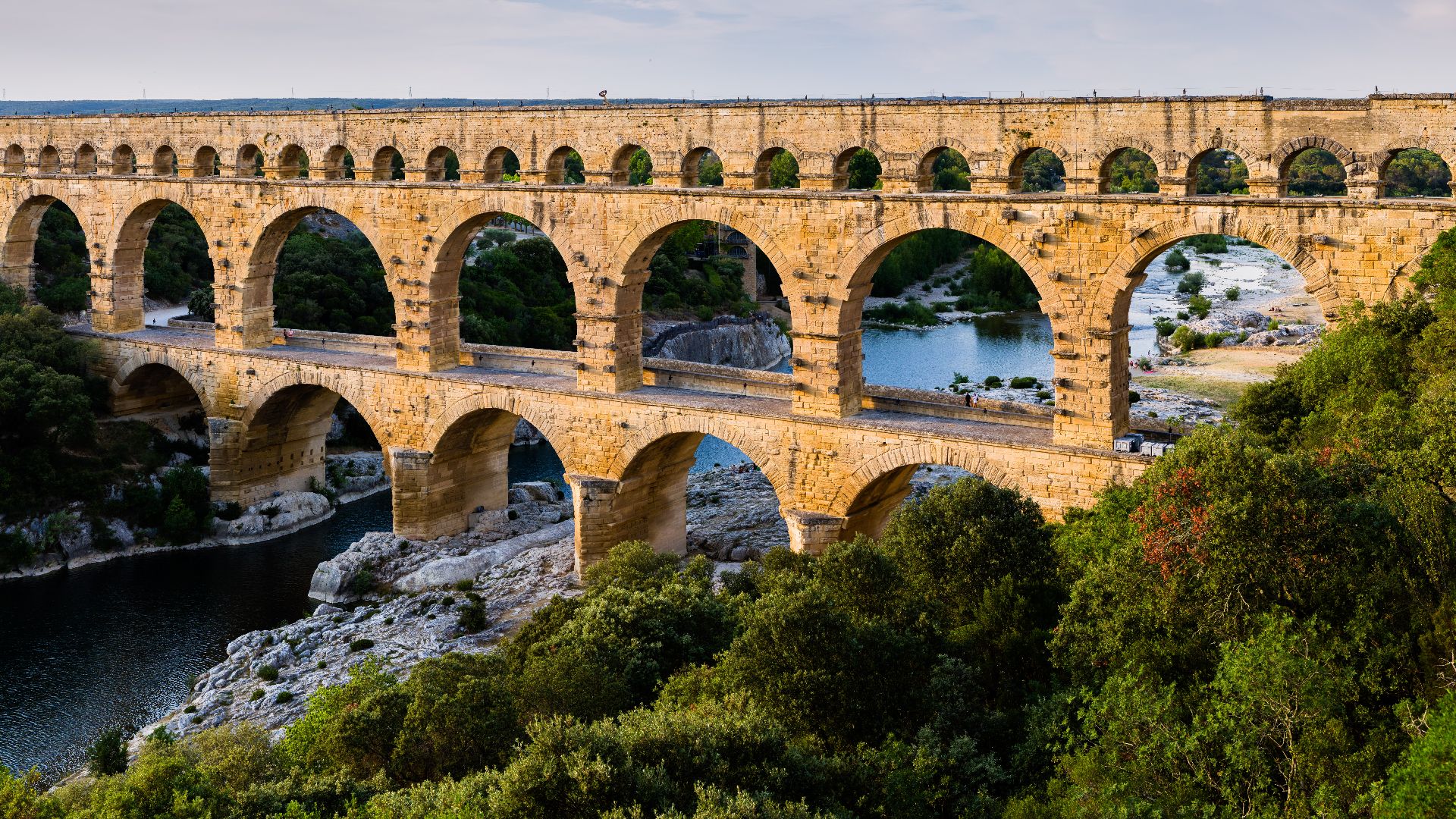 Benh LIEU SONG (Flickr), Wikimedia Commons
Precision Kept The Water Moving
The remarkable part was not simply building an aqueduct but maintaining the correct slope across valleys and uneven ground. Too steep a gradient could damage channels, while too little could stall the flow. Modern cities consume huge amounts of energy moving water, while the Roman system demonstrates how cleverly designed elevation can perform much of that work for free.
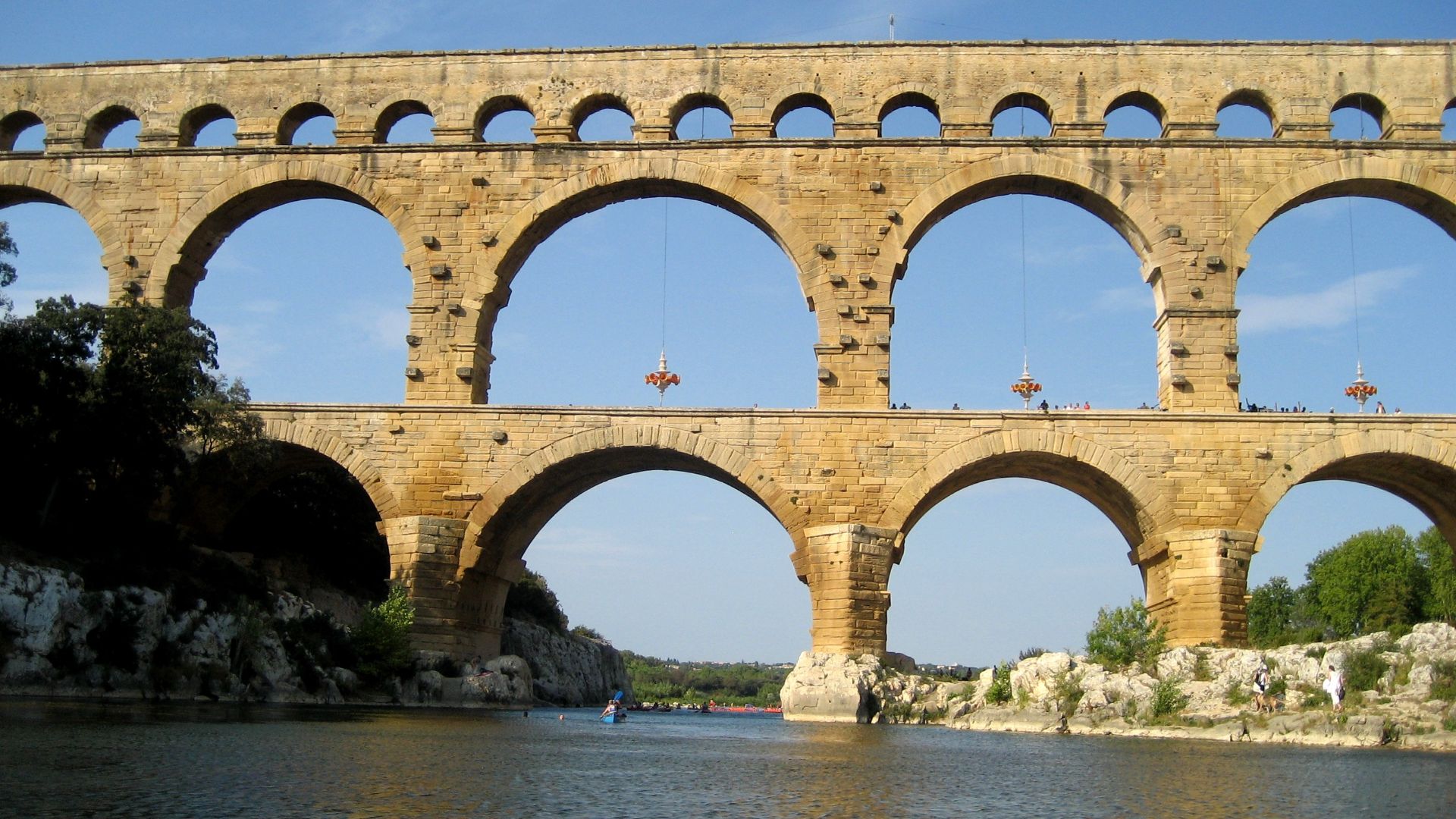 Marion Schneider & Christoph Aistleitner --- Contact: Mediocrity, Wikimedia Commons
Persia Hid Its Water Underground
Communities in arid Iran developed qanats to tap groundwater far from where people actually lived. Workers dug gently sloping underground tunnels from aquifers toward farms and settlements, allowing gravity to deliver water over distances of many kilometers. Vertical shafts provided ventilation and access for removing excavated material and performing maintenance.
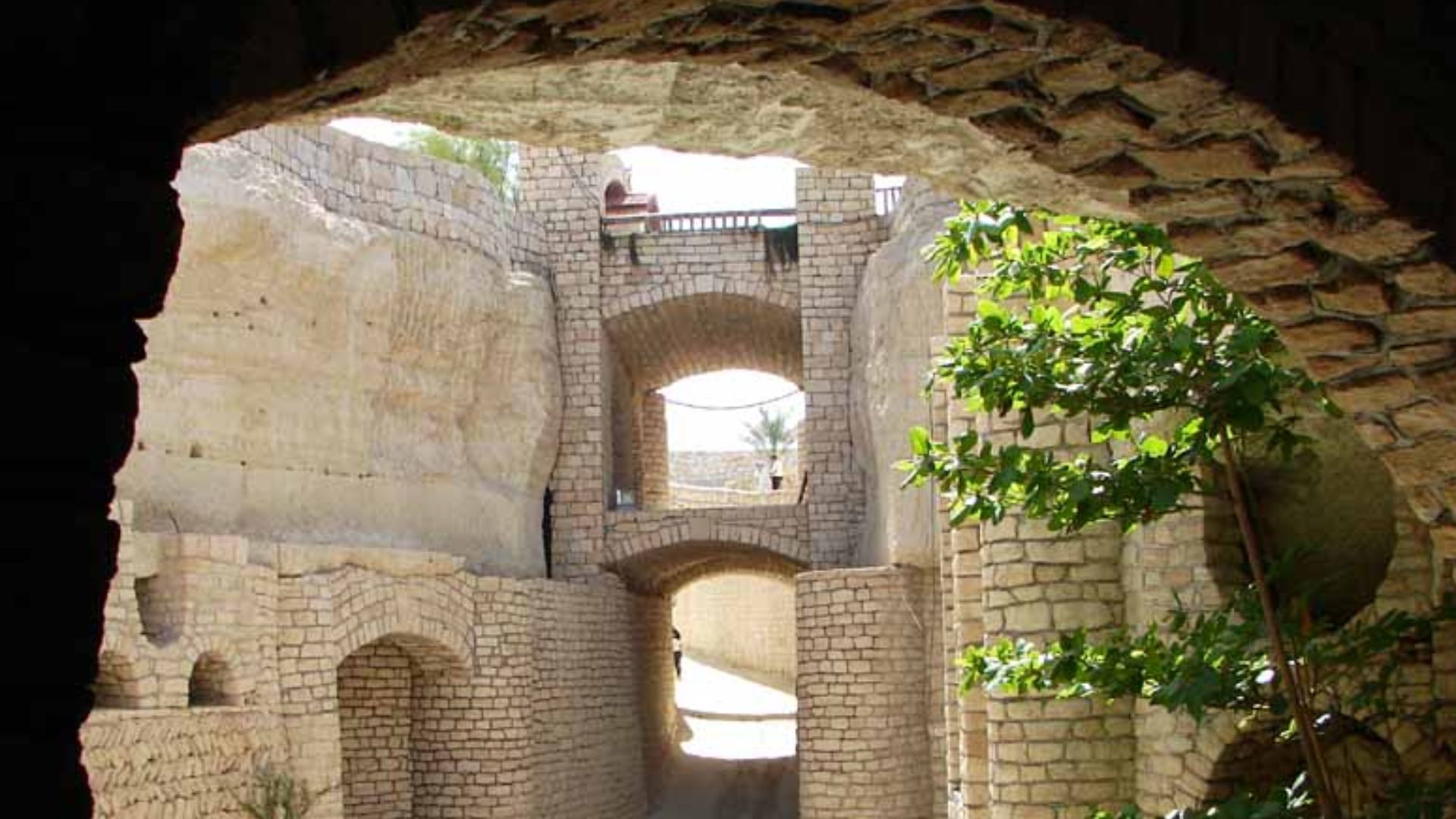 Hamed Saber from Tehran, Iran, Wikimedia Commons
Underground Pipes Had A Desert Advantage
Keeping the channels below ground greatly reduced direct exposure to desert heat and evaporation. Qanats could therefore deliver water without mechanical pumps while supporting permanent settlements in environments where surface water was scarce. UNESCO notes that some traditional qanat communities still maintain systems of shared water distribution today.
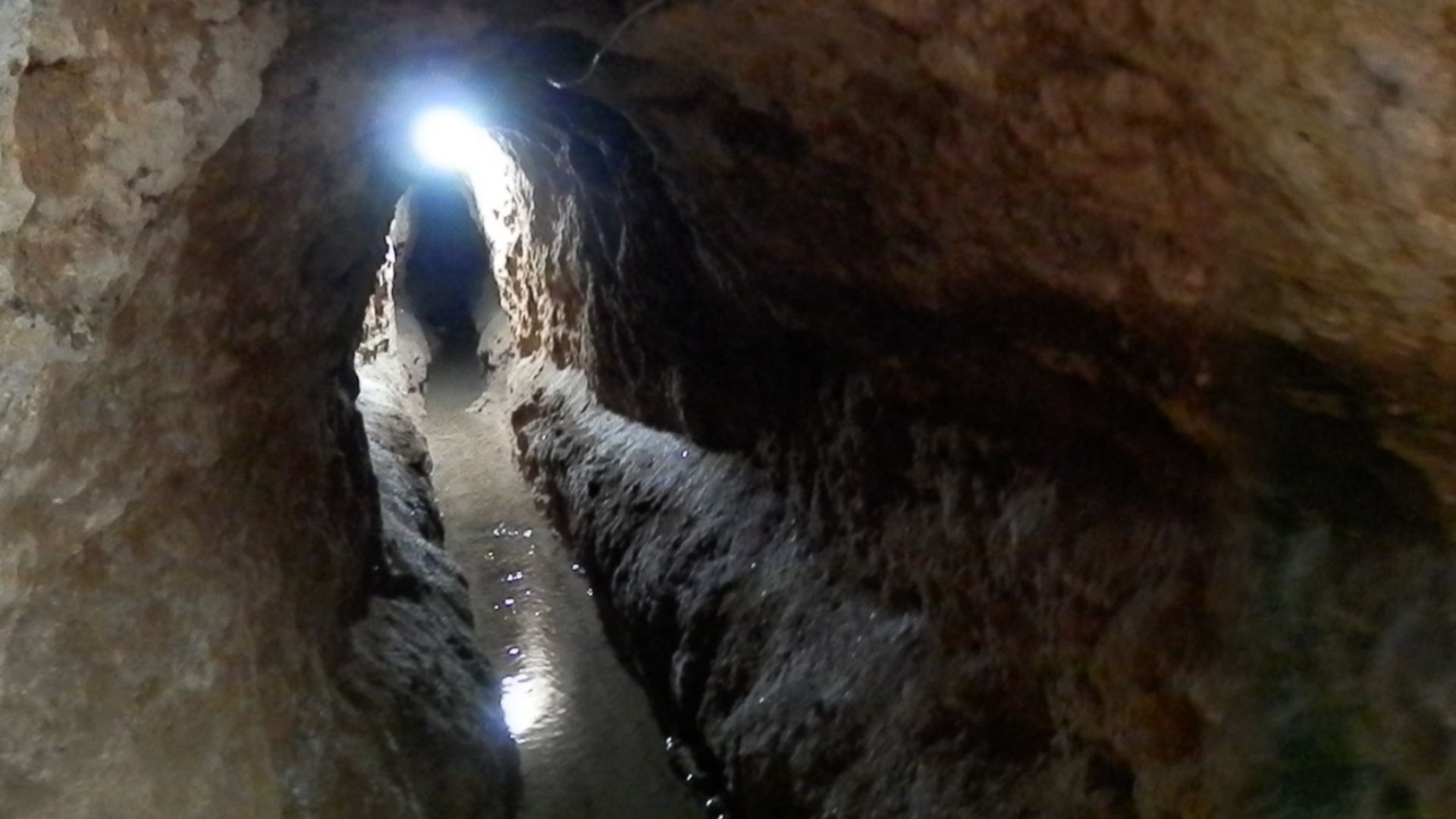
Mohenjo-Daro Took Drainage Seriously
More than four thousand years ago, the Indus city of Mohenjo-Daro was already planning around sanitation. Its neighborhoods contained wells, drains, soak pits, bathing areas, and carefully laid streets. UNESCO describes its drainage and sanitation systems as integral parts of the city's highly organized design.
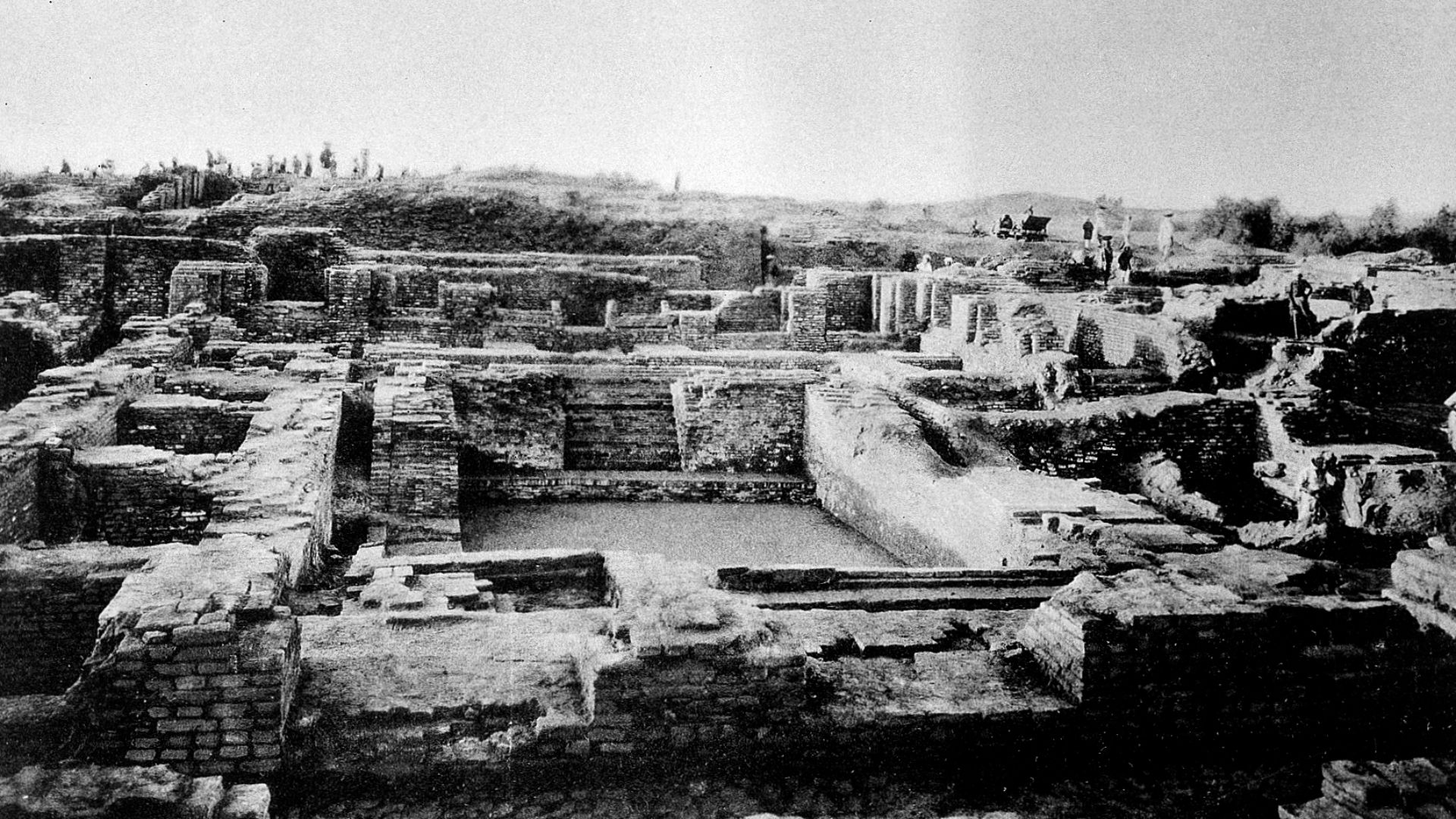
Drains Were Built Into The City
Wastewater did not simply have to find its own way through crowded streets. Drains were incorporated into the urban layout, while soak pits helped deal with sewage and household wastewater. Modern cities still spend enormous sums retrofitting drainage into neighborhoods that developed without enough capacity, while Mohenjo-Daro demonstrates the advantage of planning for water before the city is finished.
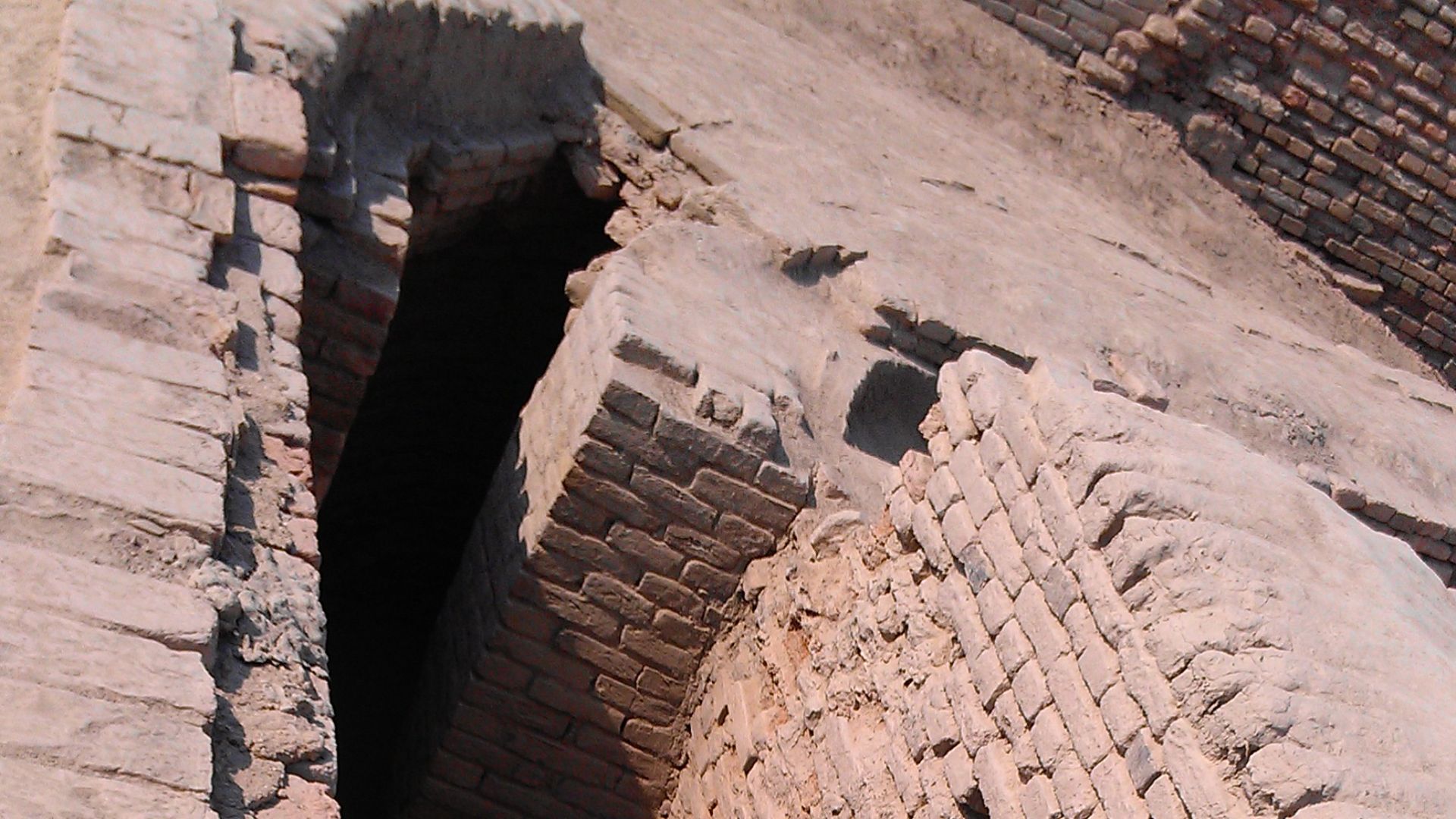
Petra Treated Rain Like Treasure
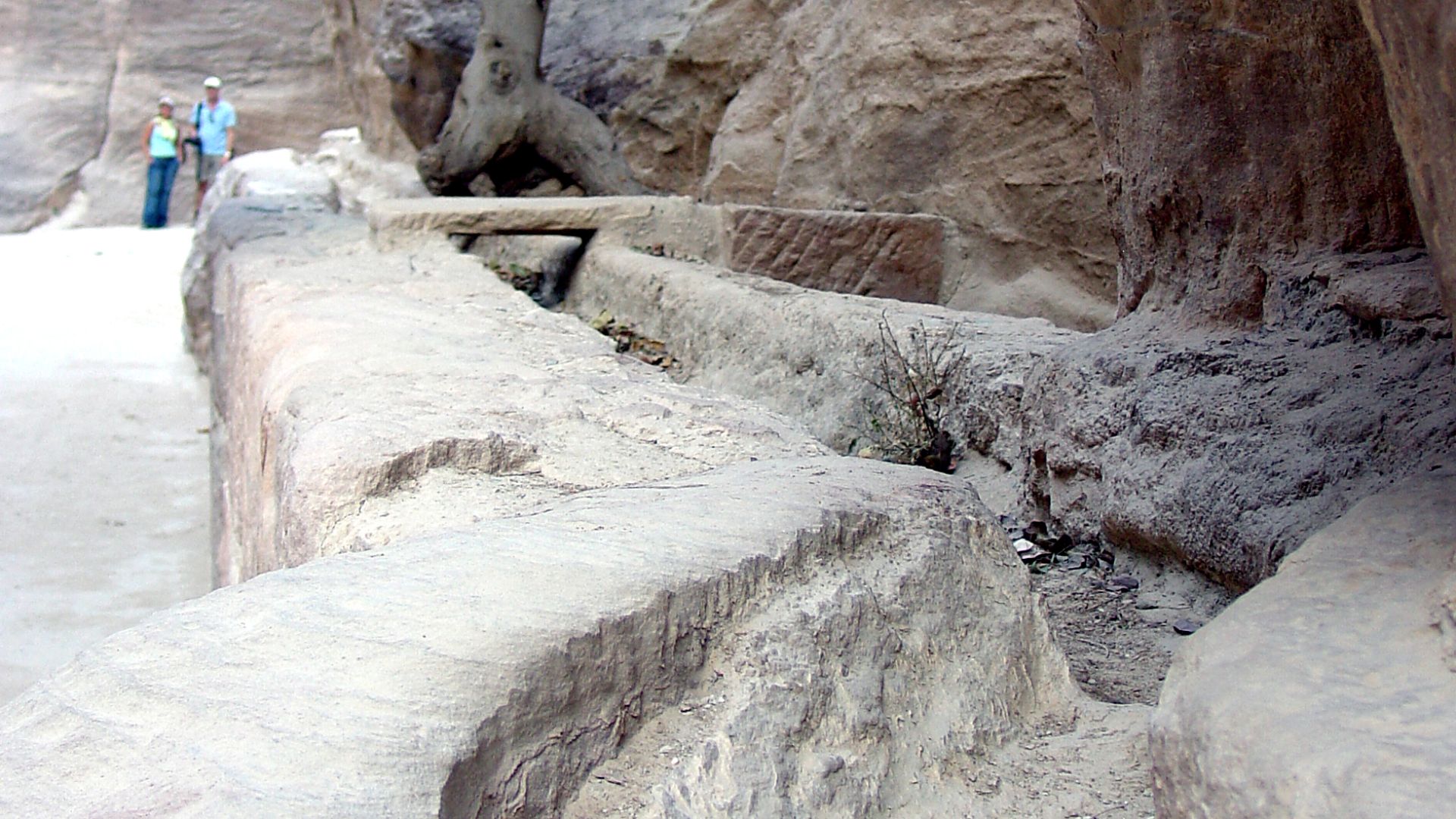
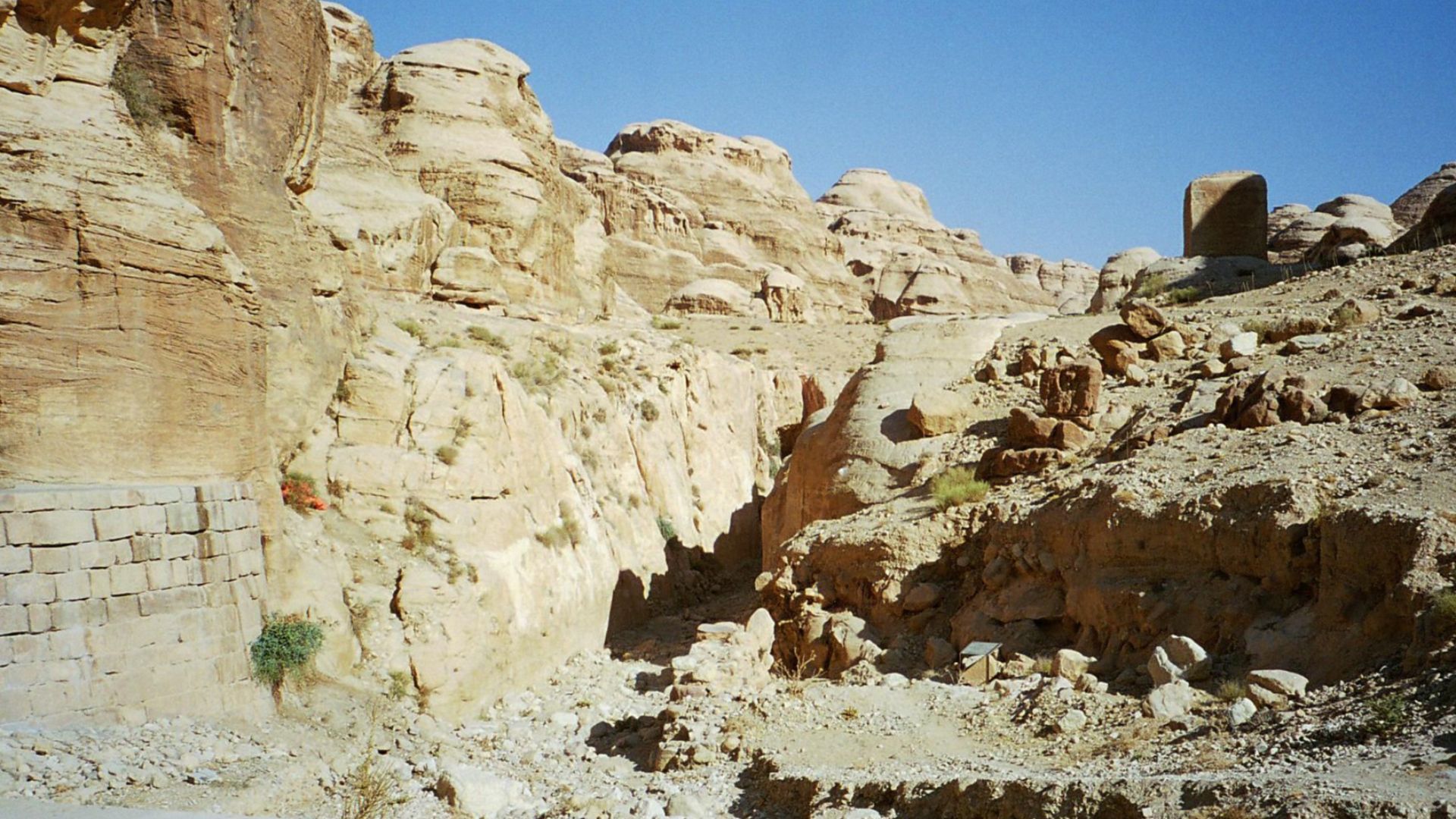
Petra flourished in a harsh landscape where water could be scarce for months and suddenly dangerous when storms arrived. Nabataean engineers created channels, reservoirs, cisterns, tunnels, and diversion dams throughout the city. Their goal was not simply to find water, but to control it.
 Michael Gunther, Wikimedia Commons
The Same System Fought Floods And Drought
Seasonal rainfall could be captured instead of immediately escaping through the surrounding terrain. At the same time, diversion structures helped steer dangerous runoff away from important parts of the settlement. Petra's engineers were therefore tackling two problems modern desert cities know well: having too little water most of the year and far too much arriving at once.
 No machine-readable author provided. Clem23 assumed (based on copyright claims)., Wikimedia Commons
Machu Picchu Was Built Around Rain
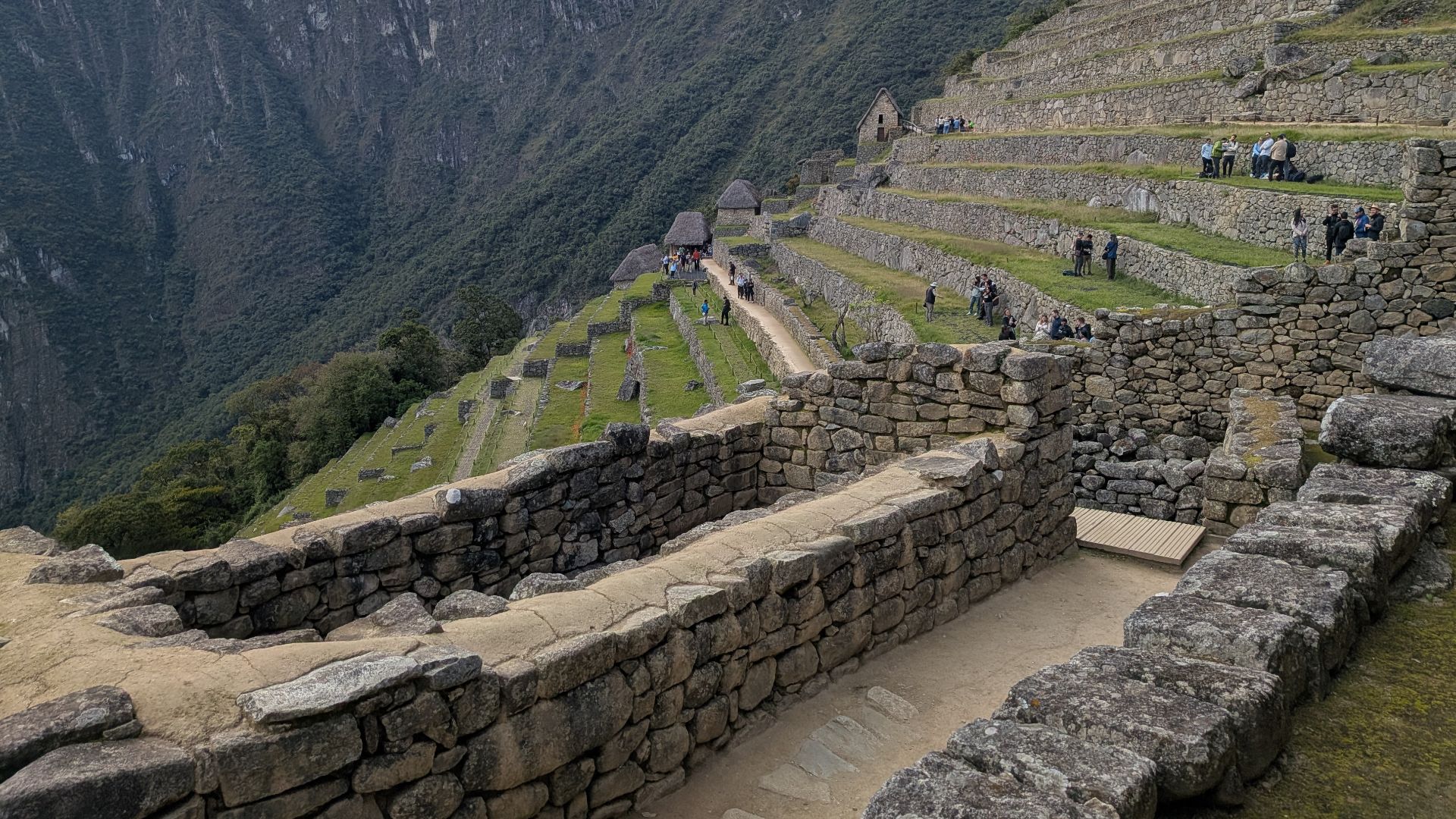
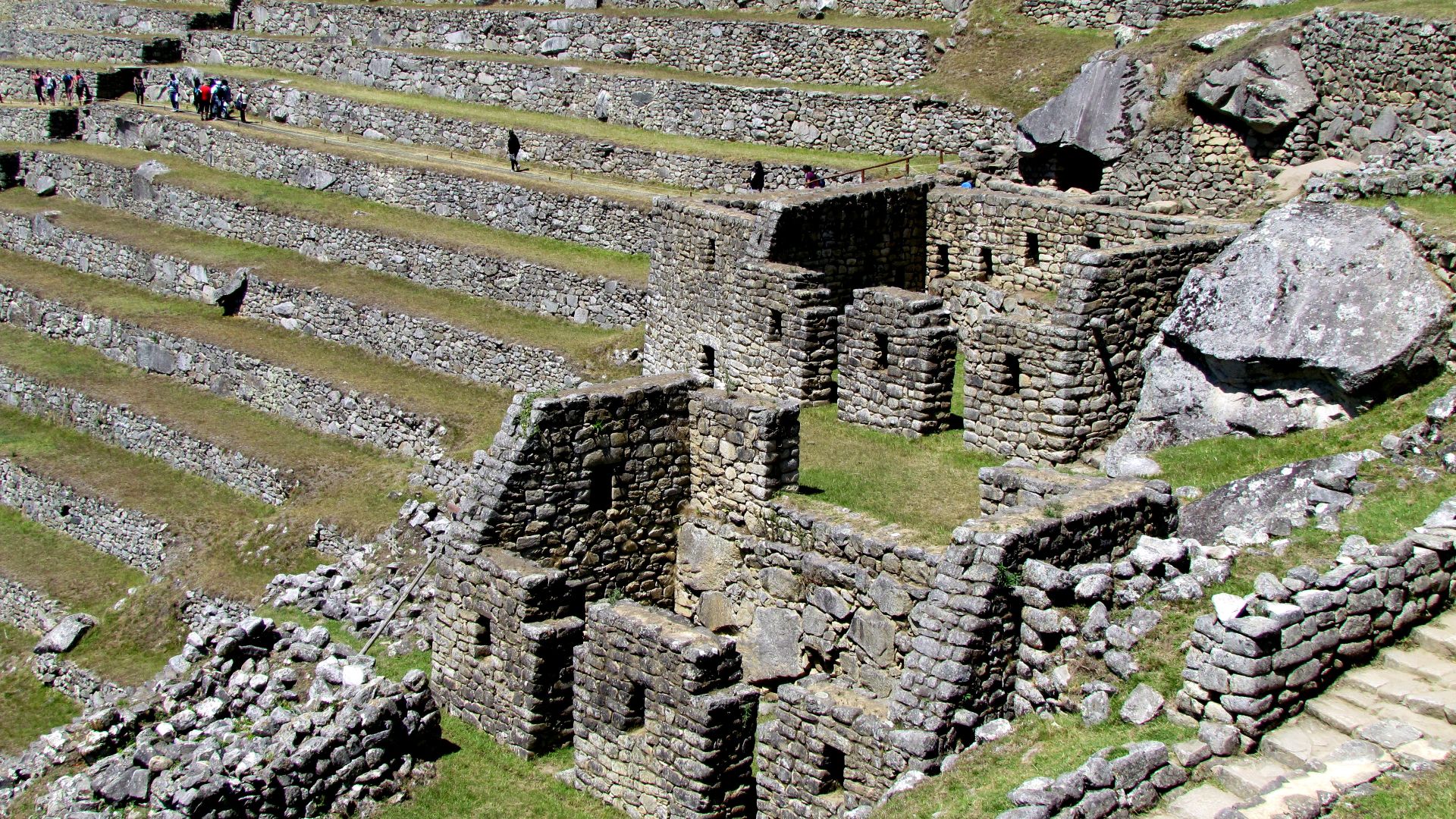
Machu Picchu sits in steep Andean terrain where heavy rainfall and unstable slopes could have destroyed a poorly engineered settlement. Inca builders used hundreds of terraces, drainage channels, foundations, and carefully prepared layers beneath structures. The American Society of Civil Engineers considers its drainage design exceptionally sophisticated.
 Gedankenstuecke, Wikimedia Commons
Much Of The Engineering Was Invisible
Water entering the ground had to escape without destabilizing walls or turning slopes into landslides. Inca builders used subsurface drainage and terracing to move water while strengthening the terrain supporting the city. Modern engineers still struggle with exactly this combination of stormwater, steep slopes, and development pressure.
 bobistraveling, Wikimedia Commons
China Controlled A River Without A Dam
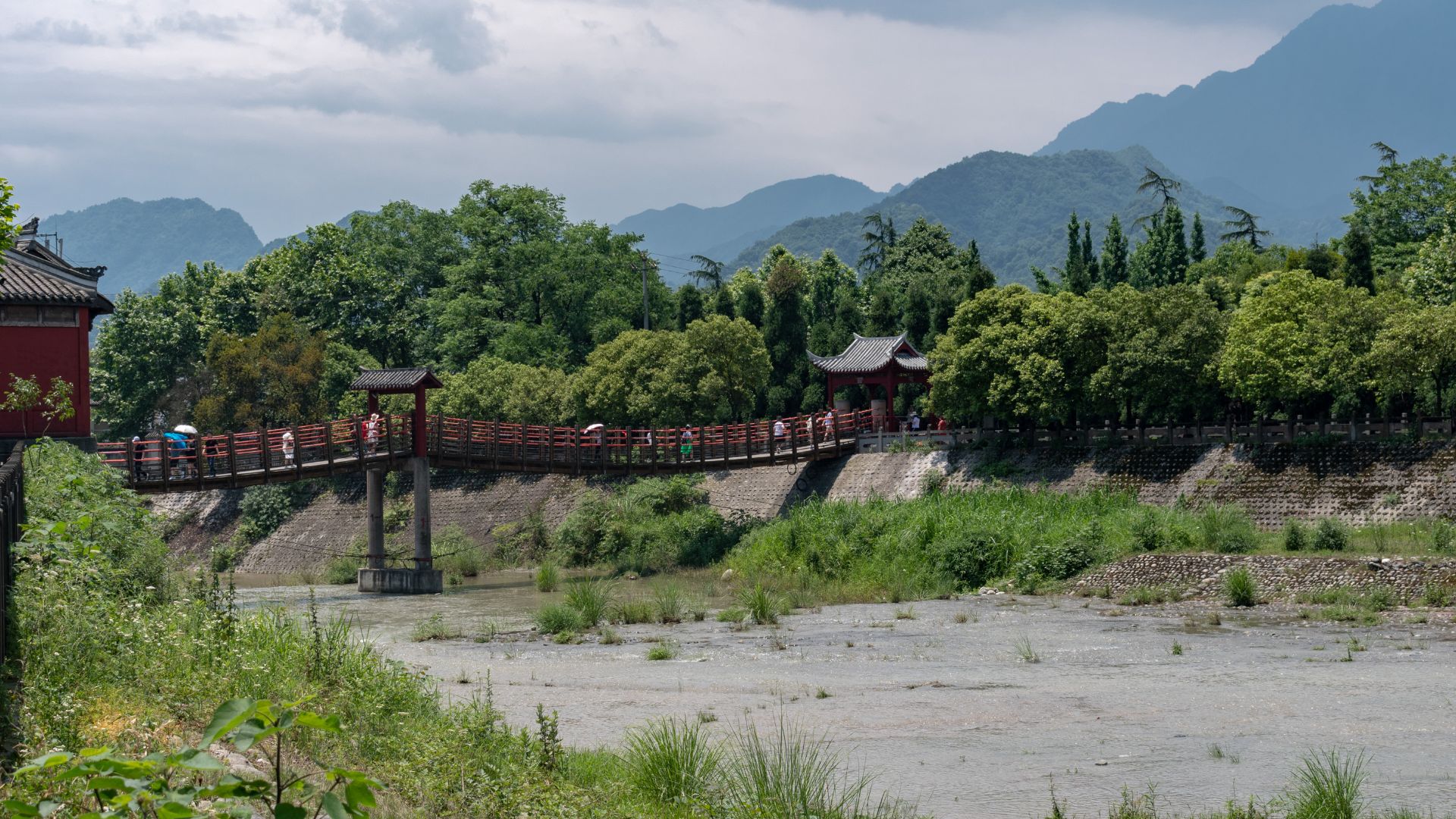
The Dujiangyan irrigation system began around 256 BCE on China's Min River. Instead of blocking the river with a conventional dam, engineers divided and redirected its flow using channels, a diversion dike, a spillway, and a carefully positioned inlet. The system simultaneously addressed irrigation, sediment, flooding, and water distribution.
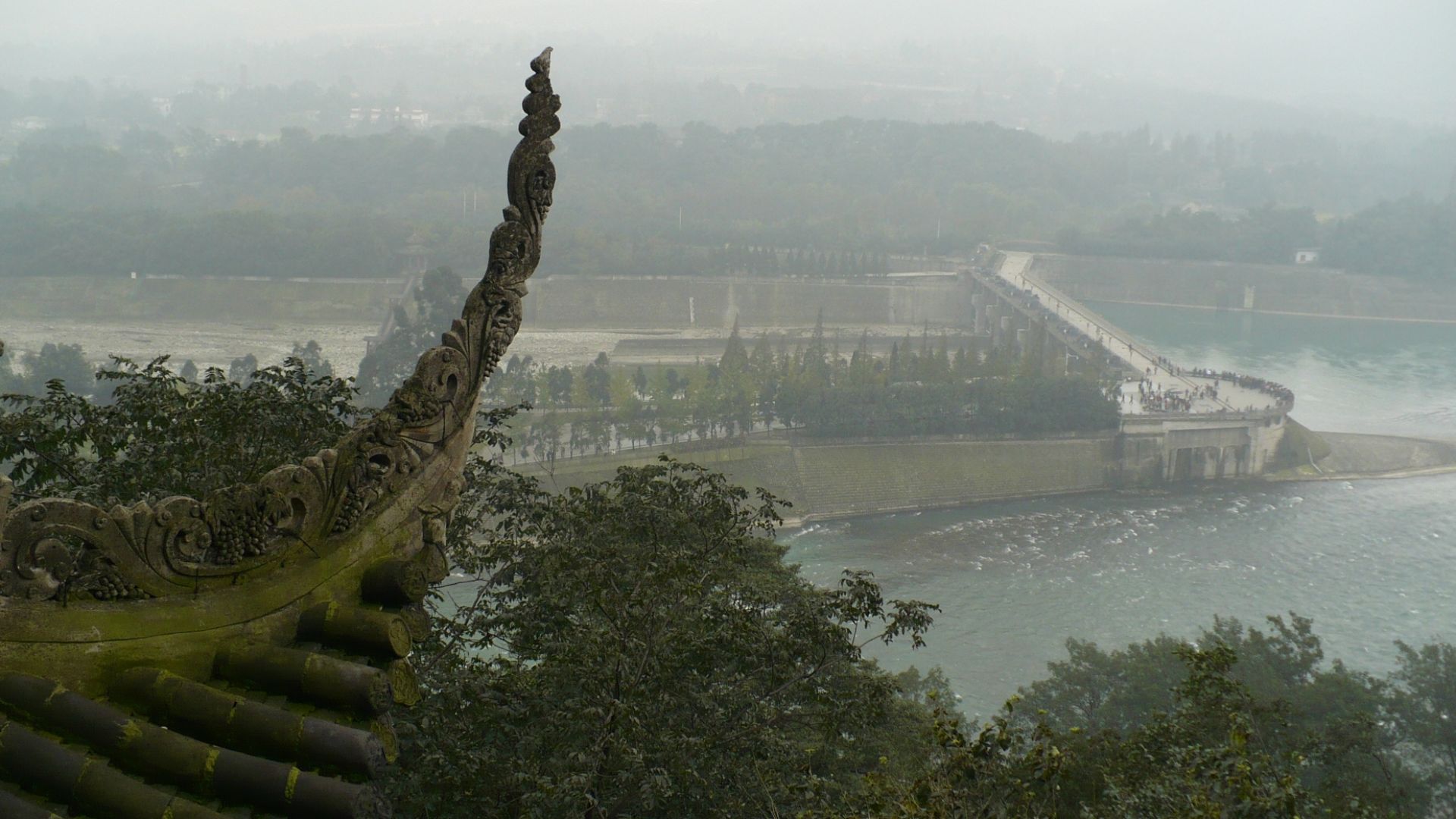
It Is Still Working
Dujiangyan was repeatedly maintained and enlarged across later dynasties rather than being discarded for an entirely different design. UNESCO reports that it continues regulating the Min River and supplying the Chengdu Plain more than two millennia after construction began. Few pieces of modern urban infrastructure can claim anything close to that service life.
 xiquinhosilva, Wikimedia Commons
Angkor Built A Water City
The Khmer metropolis of Angkor grew across an enormous landscape supplied by reservoirs, canals, ponds, moats, embankments, and other hydraulic works. Water infrastructure helped support farming and urban life through Cambodia's dramatic seasonal shifts between wet and dry conditions. Modern mapping has revealed that the network extended across hundreds of kilometers.
 Dennis G. Jarvis, Wikimedia Commons
Complexity Was Also Its Weakness
An interconnected system can spread benefits across a huge city, but problems can also cascade through it. Research into Angkor suggests that prolonged drought and intense flooding stressed portions of its hydraulic infrastructure during the city's later centuries. Its history resembles a modern engineering dilemma: networks can make cities resilient until changing conditions push interconnected systems beyond what they were designed to handle.
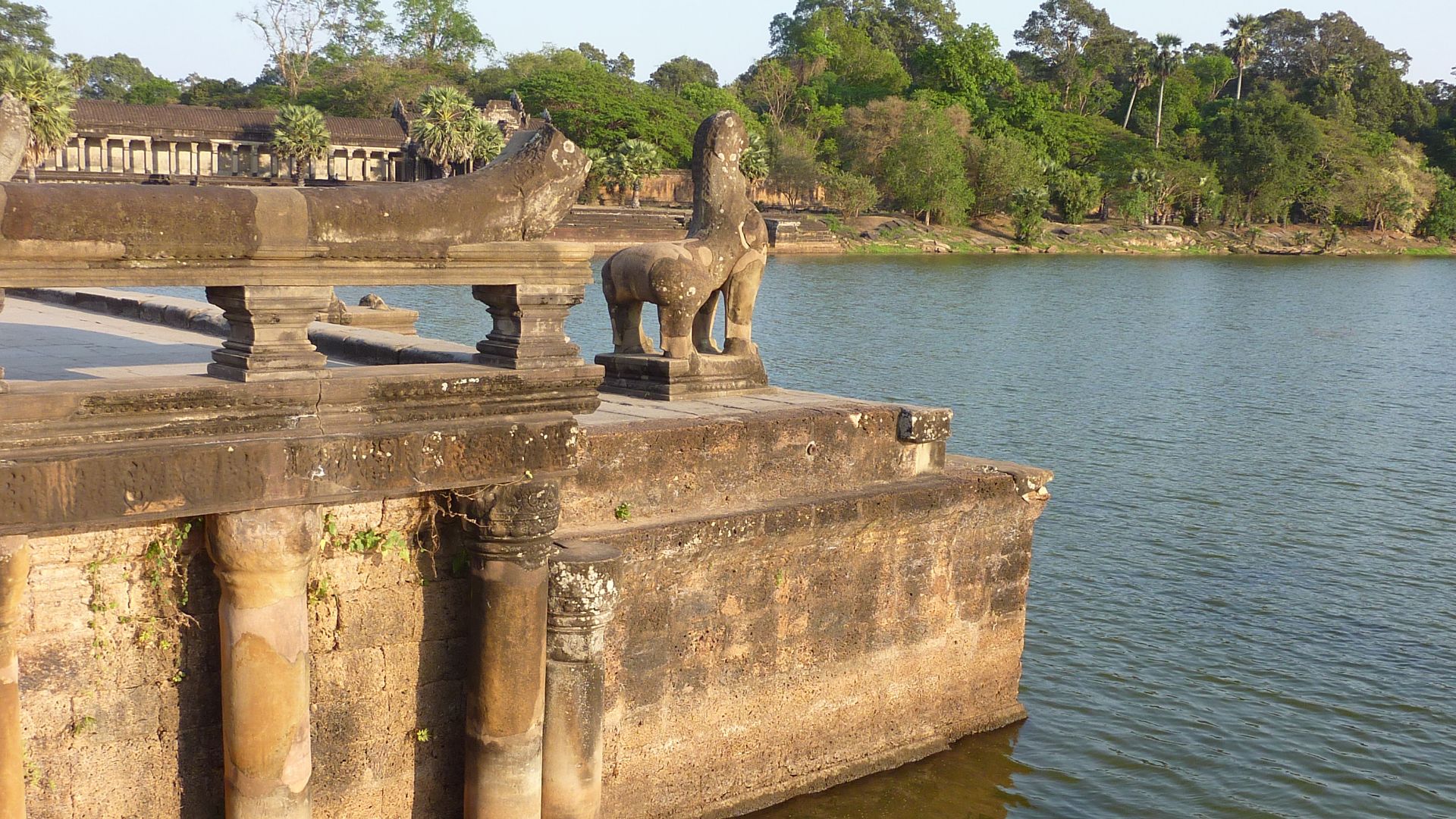 Photo Dharma from Penang, Malaysia, Wikimedia Commons
Roman Concrete Could Repair Itself
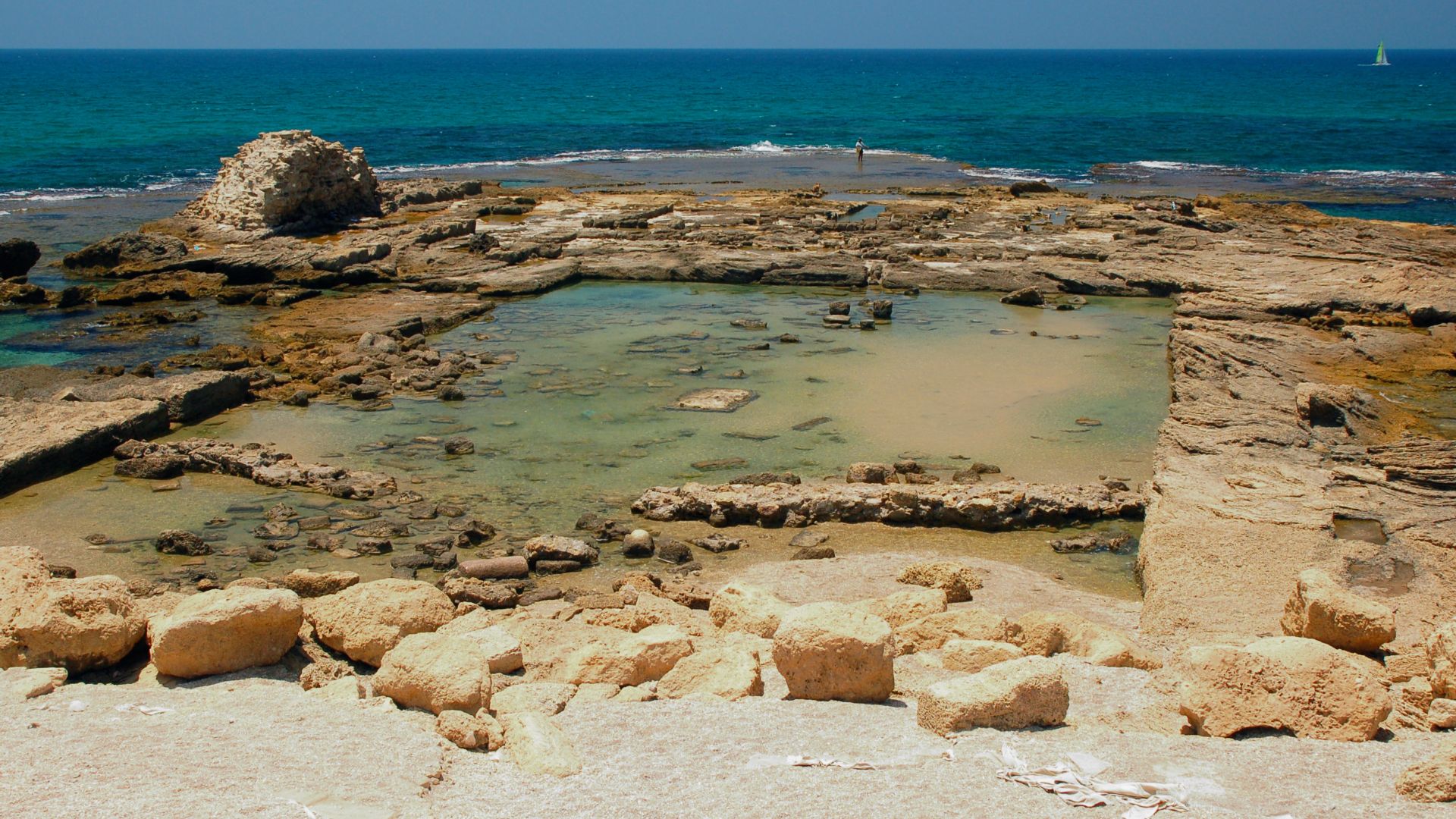
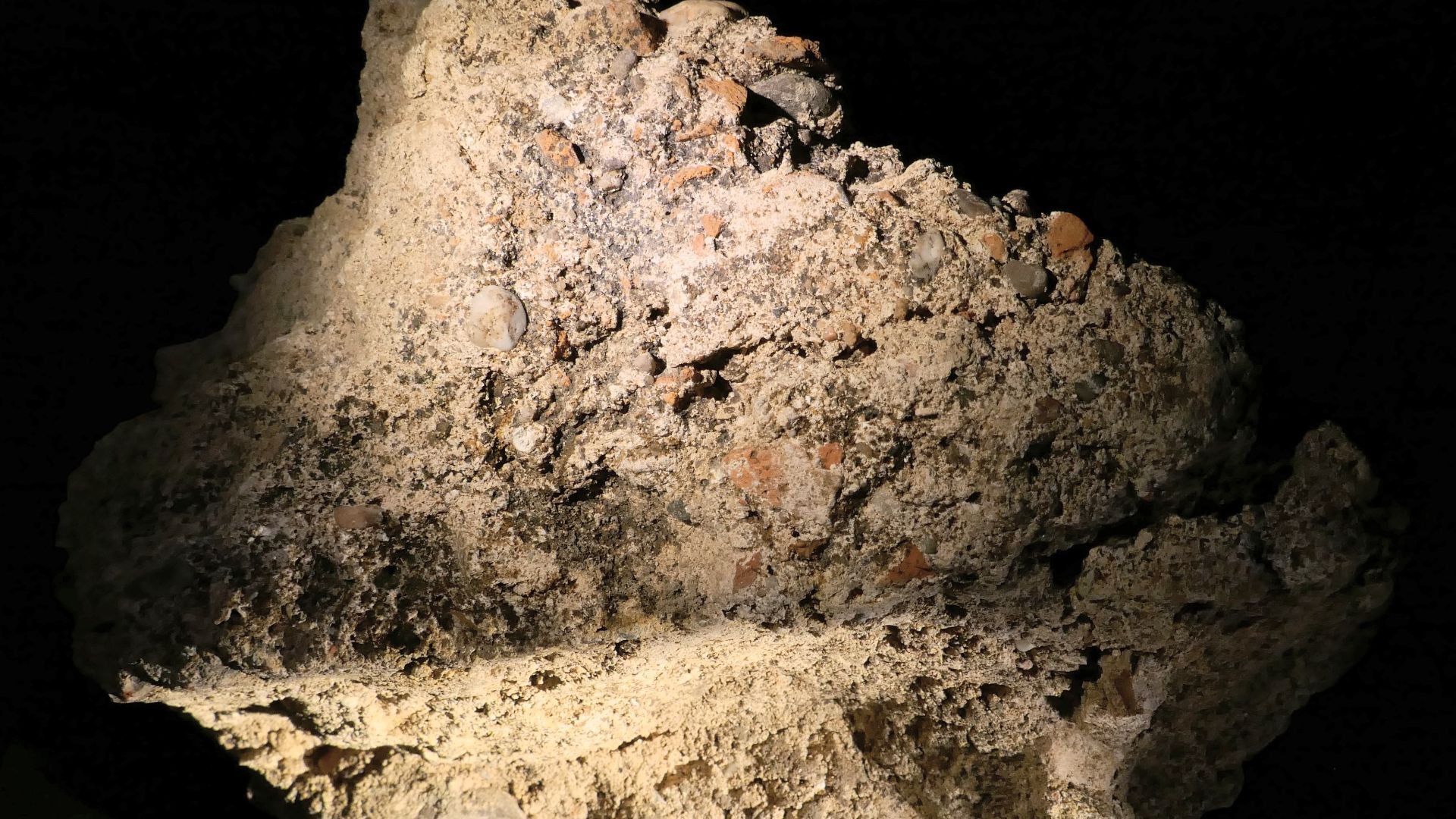
Roman concrete has survived in structures for roughly two thousand years, a lifespan that has fascinated modern materials scientists. Researchers at MIT found evidence that Roman builders used a hot-mixing process that left reactive fragments of lime within the hardened material. Those fragments were once dismissed as signs of poor workmanship.
 James Cocks www.jamescocks.com, Wikimedia Commons
The Imperfection Was The Clever Part
When small cracks formed and water entered them, the lime could release calcium that recrystallized and helped fill the damaged area. Laboratory experiments using a Roman-inspired mixture showed cracks healing sufficiently to stop water flowing through them. Modern infrastructure faces enormous repair costs from deteriorating concrete, making an ancient material recipe unexpectedly relevant again.
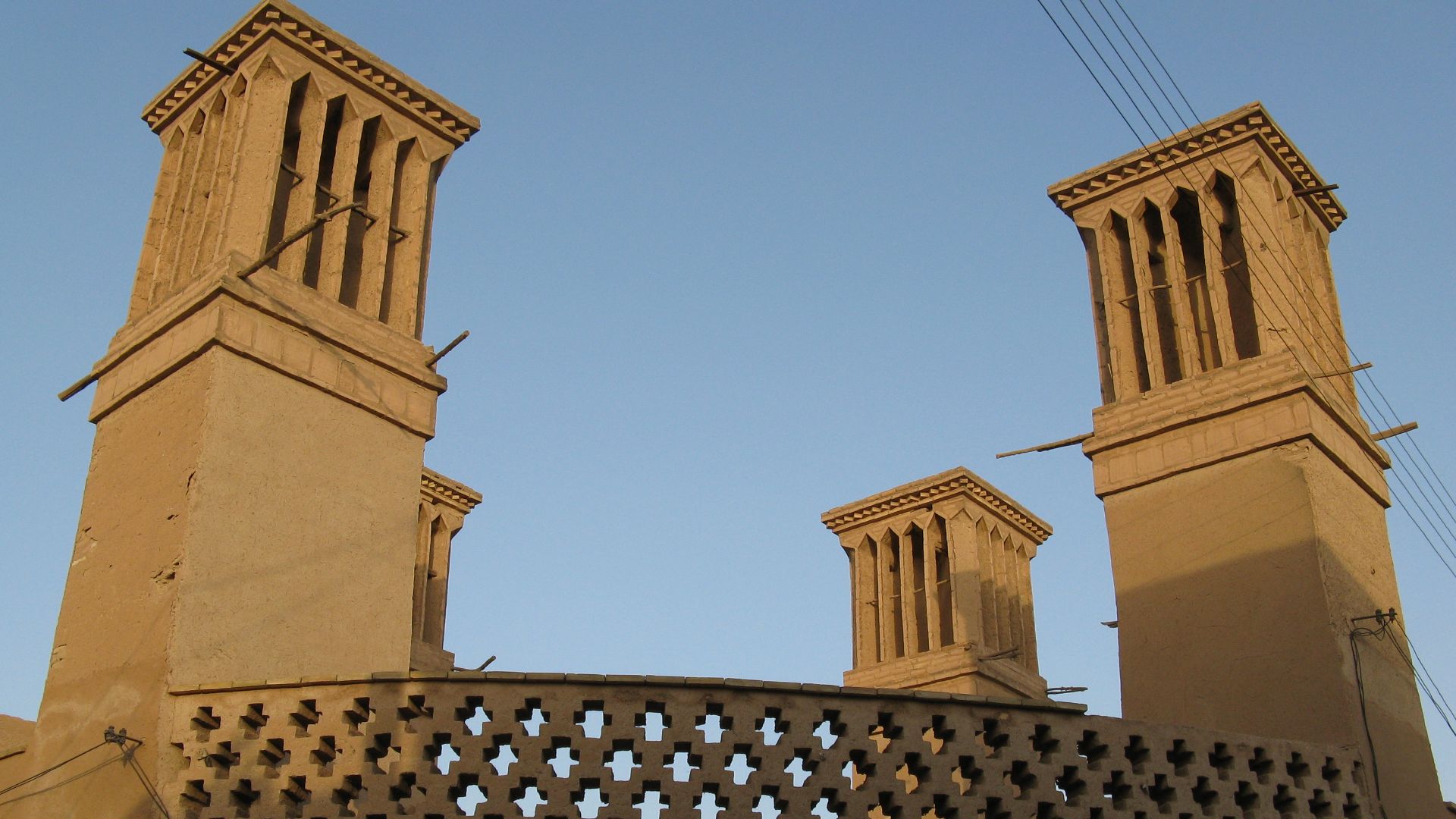
Persian Buildings Caught The Wind
In hot, dry parts of Iran, builders learned to cool buildings without compressors or air conditioners. Wind-catchers rose above roofs and directed moving air into interior spaces, often working alongside courtyards, thick earthen walls, and underground areas. In some systems, air could also interact with water associated with subterranean qanats before moving through occupied rooms.
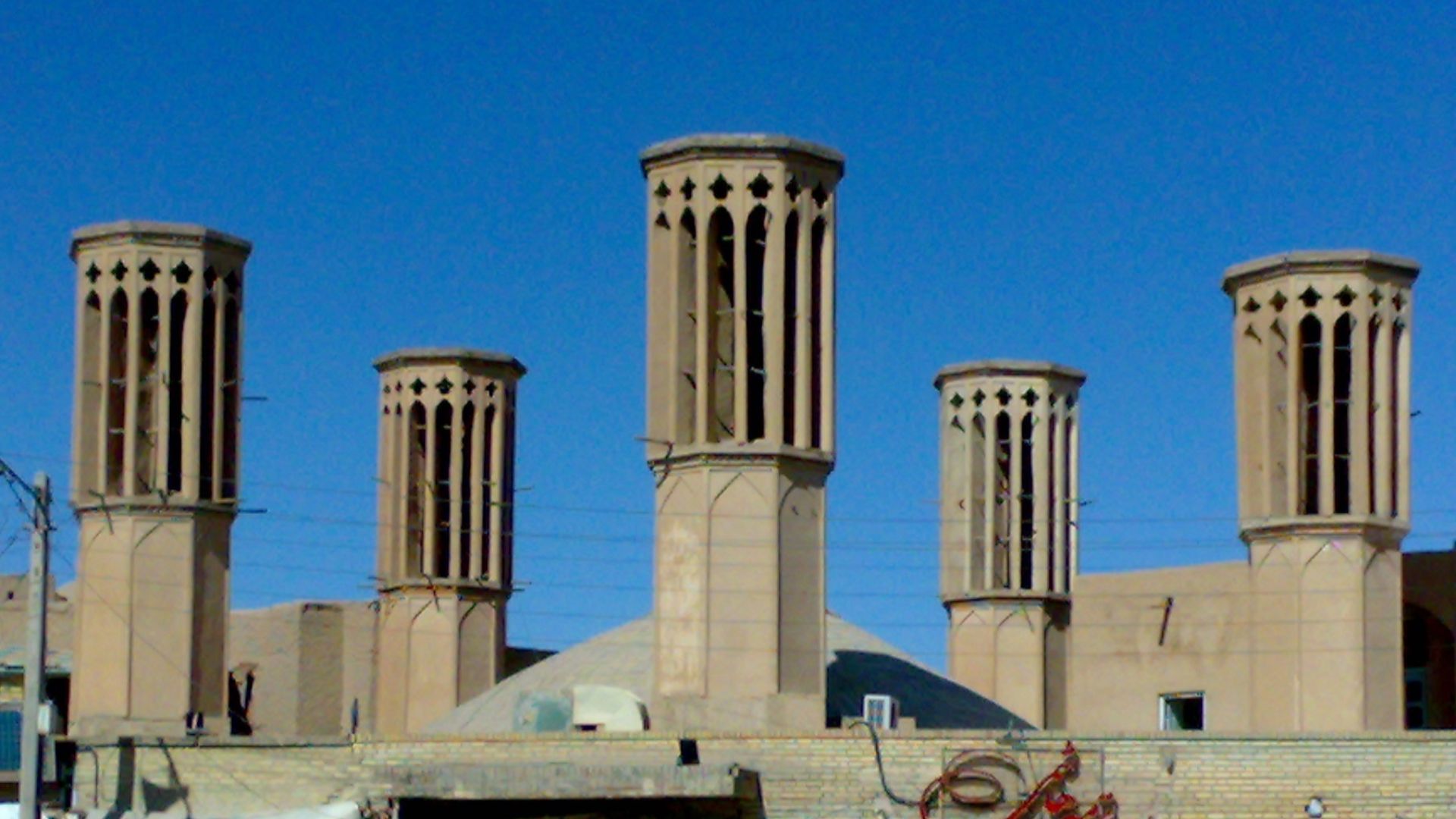
Cooling Did Not Require A Power Grid
The design used building orientation, airflow, shade, earth, and evaporation instead of electricity. Historic Yazd still preserves neighborhoods where wind-catchers form a distinctive part of the skyline. As modern cities struggle with rising cooling demand and extreme heat, passive techniques like these have become interesting again precisely because they reduce reliance on mechanical systems.
 Alen Ištoković, Wikimedia Commons
India Built Downward To Reach Water
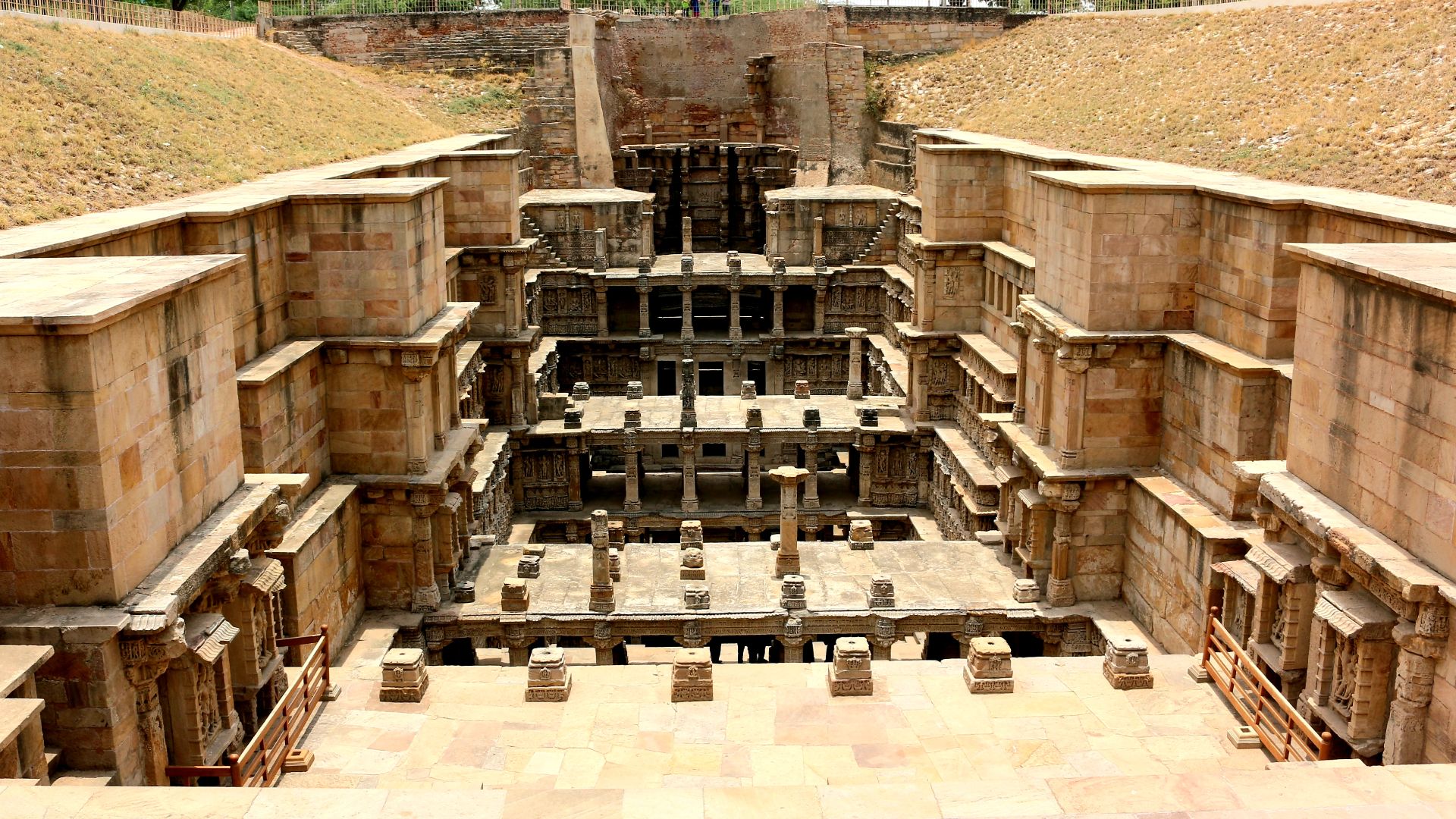
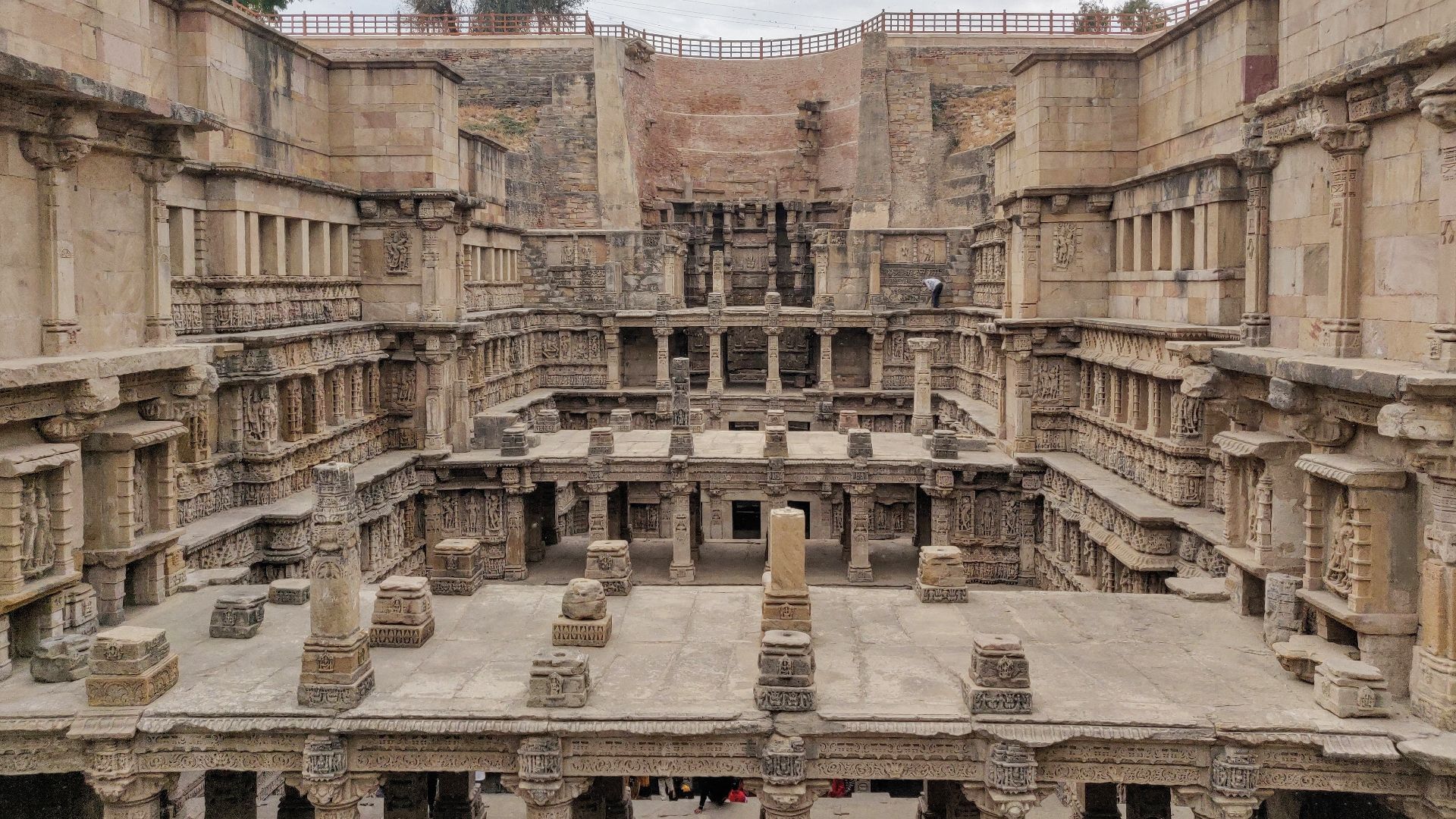
Across the Indian subcontinent, builders created stepwells that allowed communities to descend toward groundwater as levels changed. The tradition developed from simple excavated pits into elaborate subterranean architecture containing stairways, platforms, wells, and gathering spaces. UNESCO traces stepwell construction back thousands of years.
 Rupeshsarkar, Wikimedia Commons
Water Storage Became Public Architecture
Rani-ki-Vav in Gujarat shows how technically ambitious the idea became. Its seven descending levels lead toward a deep well and tank, combining water management with elaborate sculpture and monumental architecture. Instead of treating infrastructure as something that had to be hidden, builders turned access to stored water into an important civic place.
 Darshanavenugopal, Wikimedia Commons
Aztec Farmers Built Fields In The Water
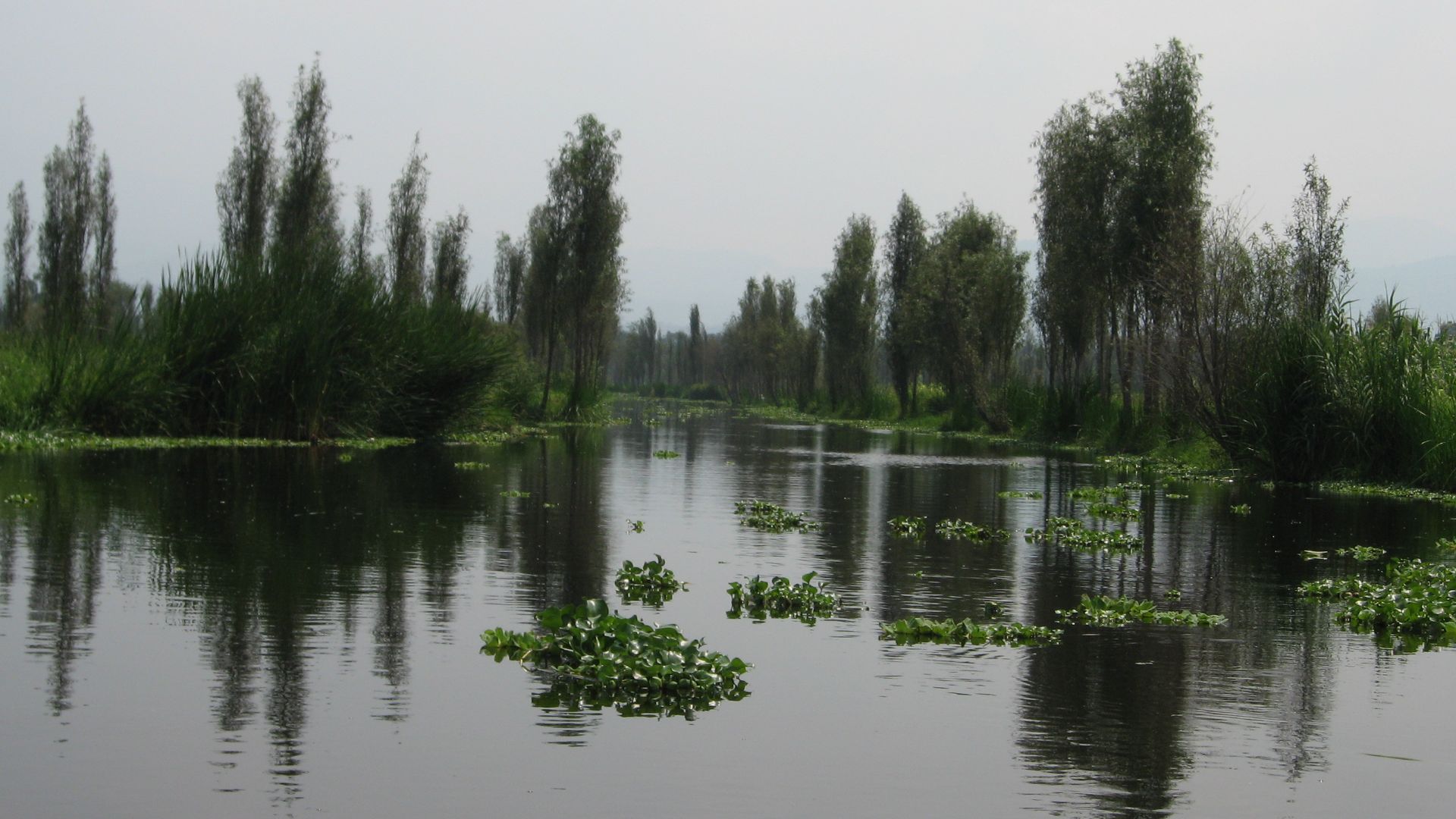
In and around the lakes of the Valley of Mexico, farmers developed raised agricultural plots known as chinampas. The fields were surrounded by canals and constructed with local mud and vegetation. Trees planted along their edges helped stabilize the plots and protect them from erosion.
The Farm And Irrigation System Were One
Canal water could supply moisture to crops through the surrounding soil, reducing the amount of additional irrigation farmers needed. The system also allowed highly productive agriculture close to a major population center. Modern cities now promote urban farming and shorter food-supply chains, but farmers around Aztec-era Mexico City were already integrating food production directly into an urban water landscape.

Sri Lanka Connected Reservoirs Like A Chain
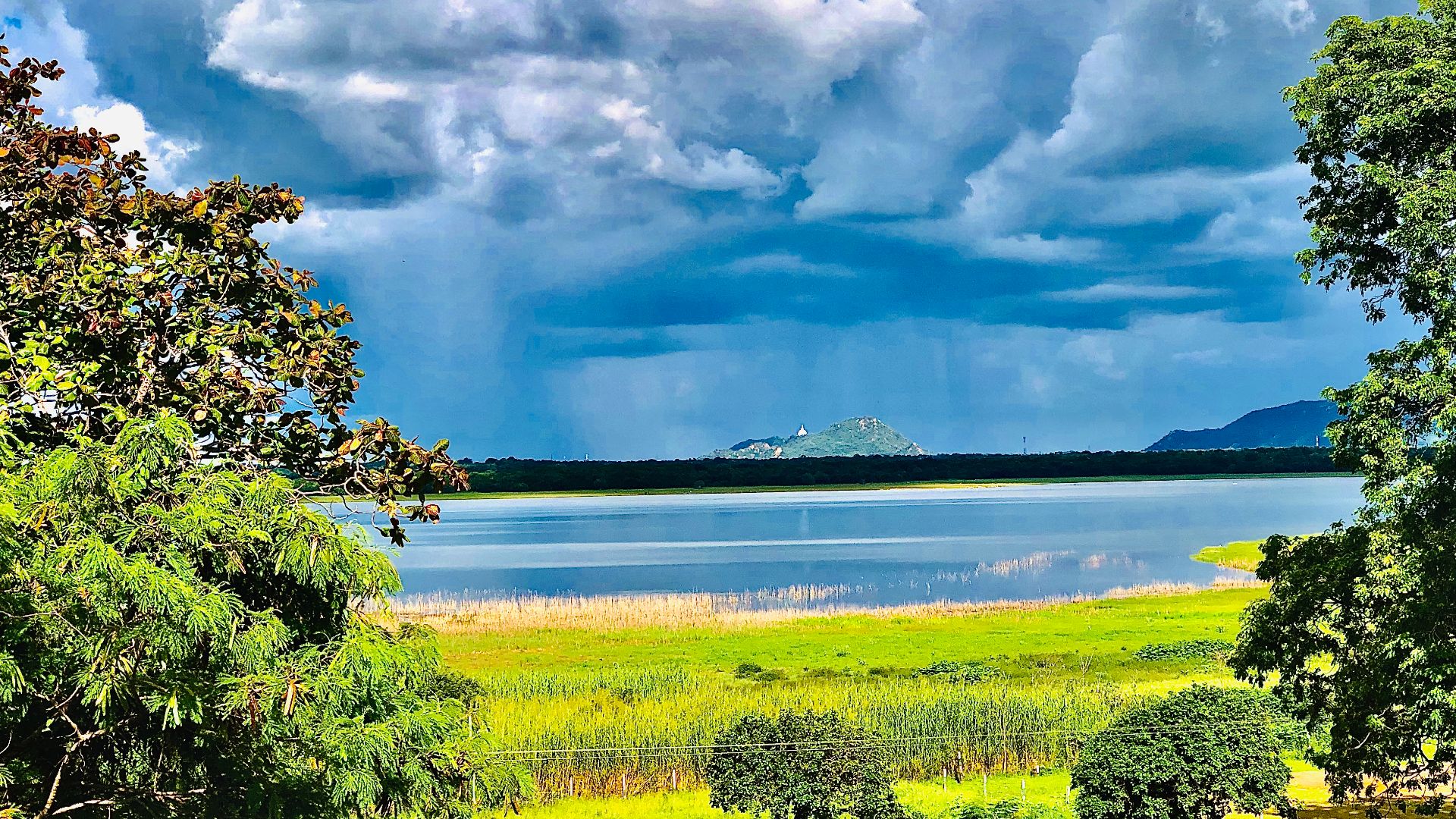
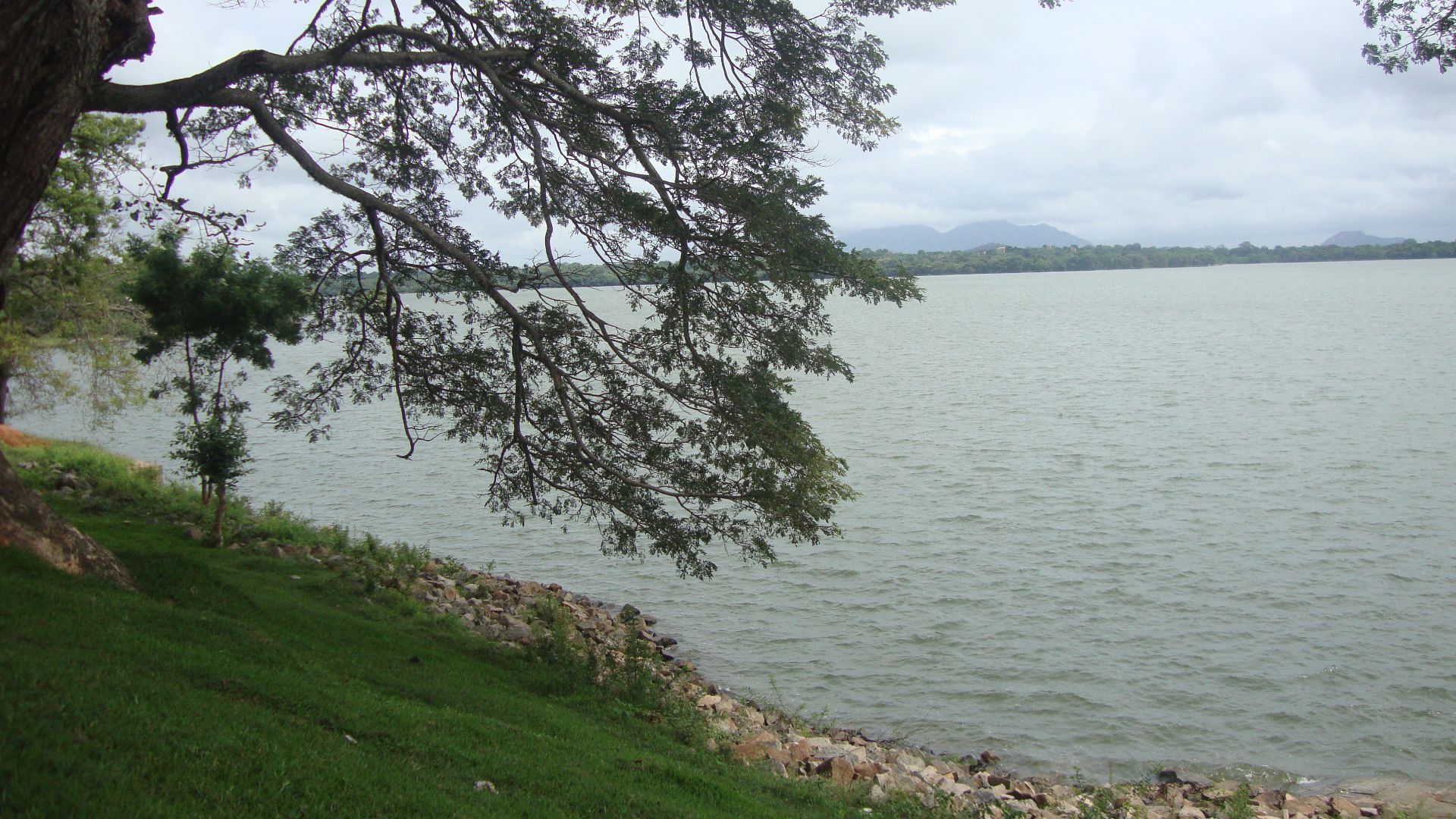
Ancient communities in Sri Lanka's dry zone developed networks of reservoirs, often called tanks, organized in cascades across small watersheds. Water flowing from one part of the landscape could be captured, used, and passed toward another reservoir farther downstream. The system gradually expanded over many centuries.
One Reservoir Helped The Next
Connecting storage areas reduced dependence on a single giant source and helped communities manage highly seasonal rainfall. The Food and Agriculture Organization describes the tank-cascade landscape as both resilient and environmentally valuable. Modern planners increasingly discuss distributed water storage, yet Sri Lankan engineers were organizing entire landscapes around that principle nearly two thousand years ago.
 Pjohoofanasterix, Wikimedia Commons
Roman Roads Were Built To Shed Water
The Romans understood that a road that stayed wet would not stay useful for long. Builders commonly raised the roadway on an embankment, gave its surface a camber, and cut drainage ditches along the sides. Layers of compacted stone and gravel created a hard, relatively free-draining surface.
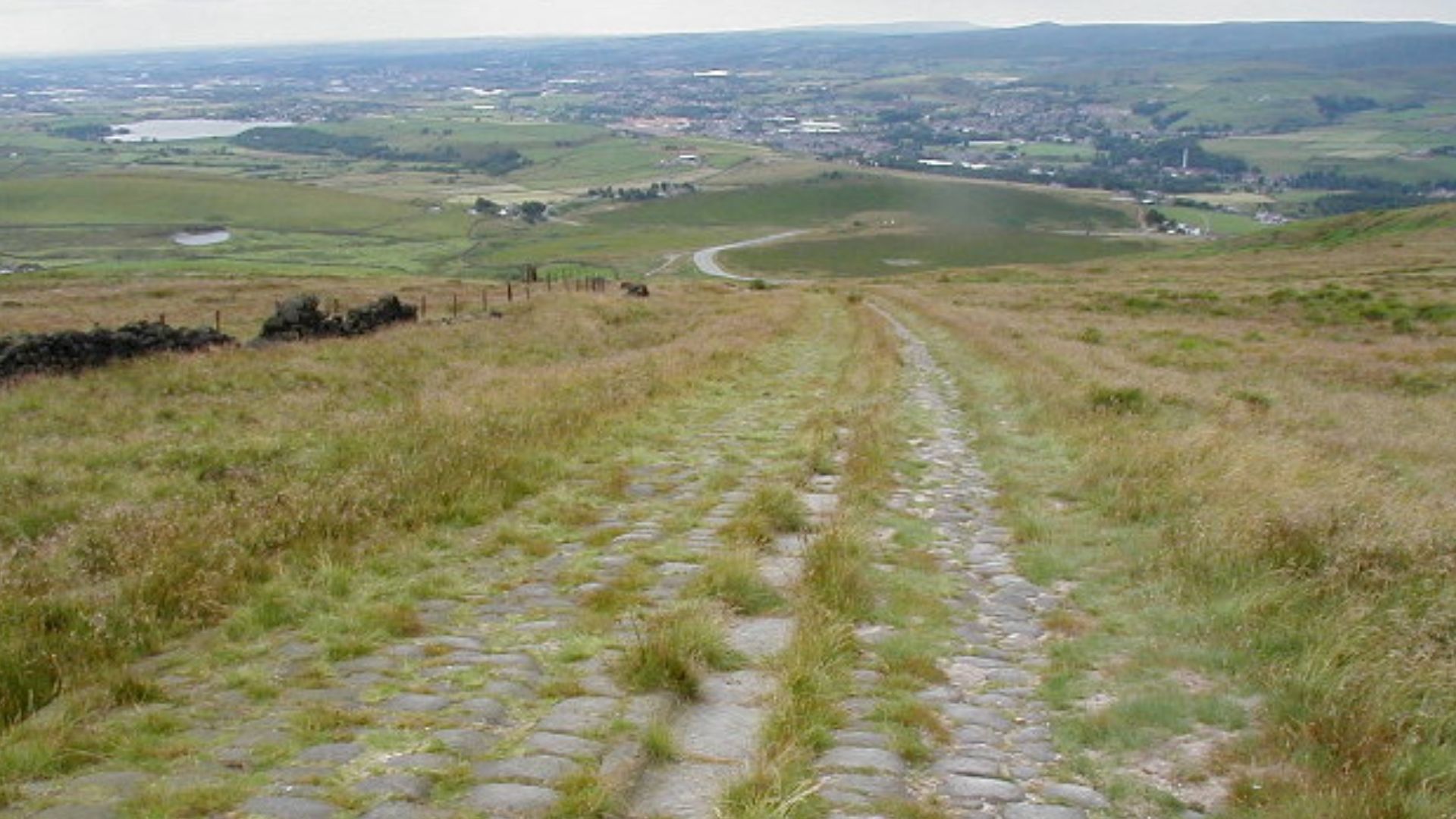 Nigel Homer, Wikimedia Commons
Drainage Was Part Of The Road, Not An Addition
Culverts and roadside channels helped move water away before it could saturate the roadbed. In difficult terrain, Roman builders could even place road foundations over timber and brushwood. Modern potholes and flooded roads are reminders that keeping water away from transportation infrastructure remains just as important as the surface people drive across.
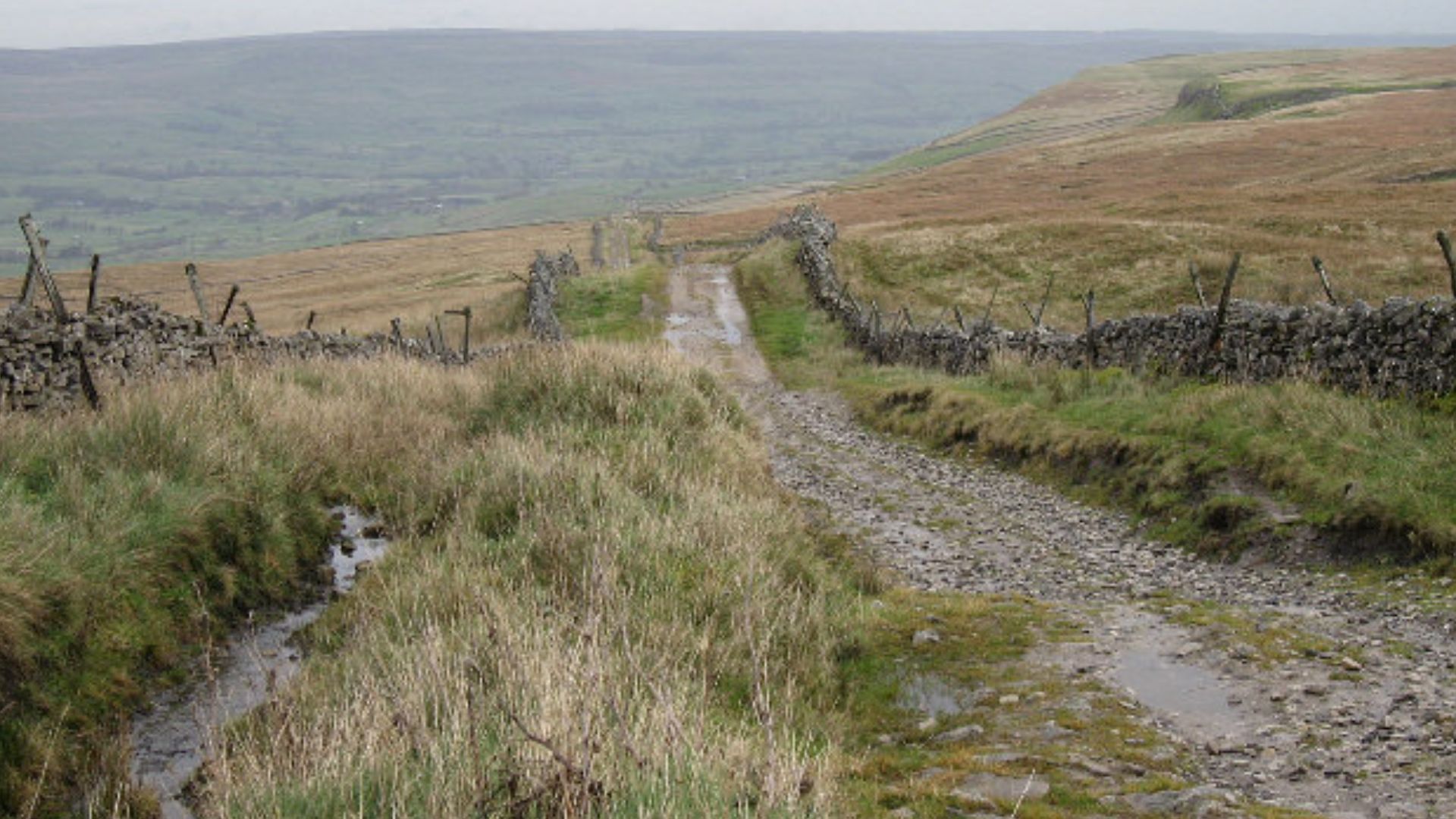 Roger Gilbertson, Wikimedia Commons
Rome Built A Sewer Big Enough For A City
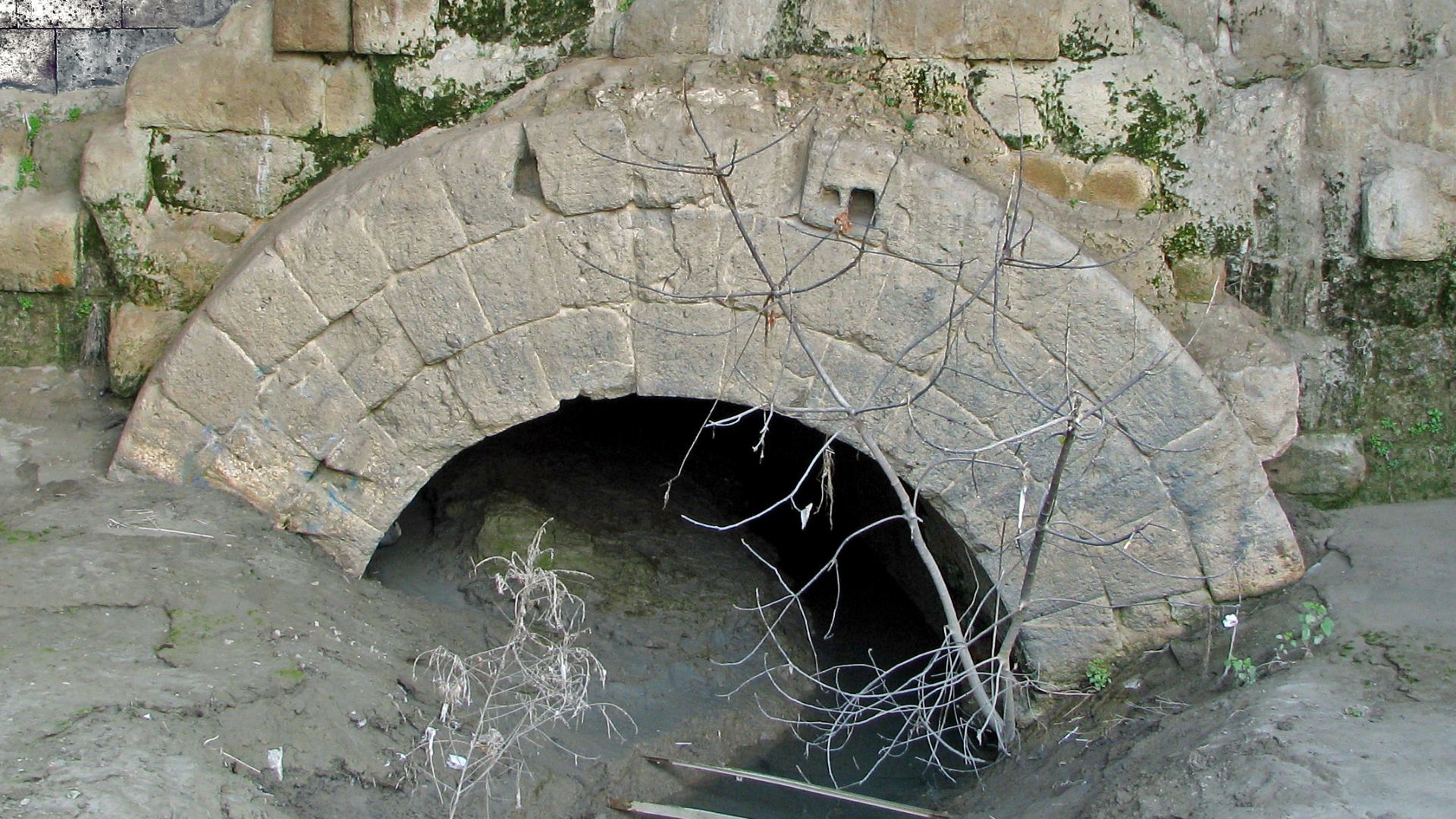
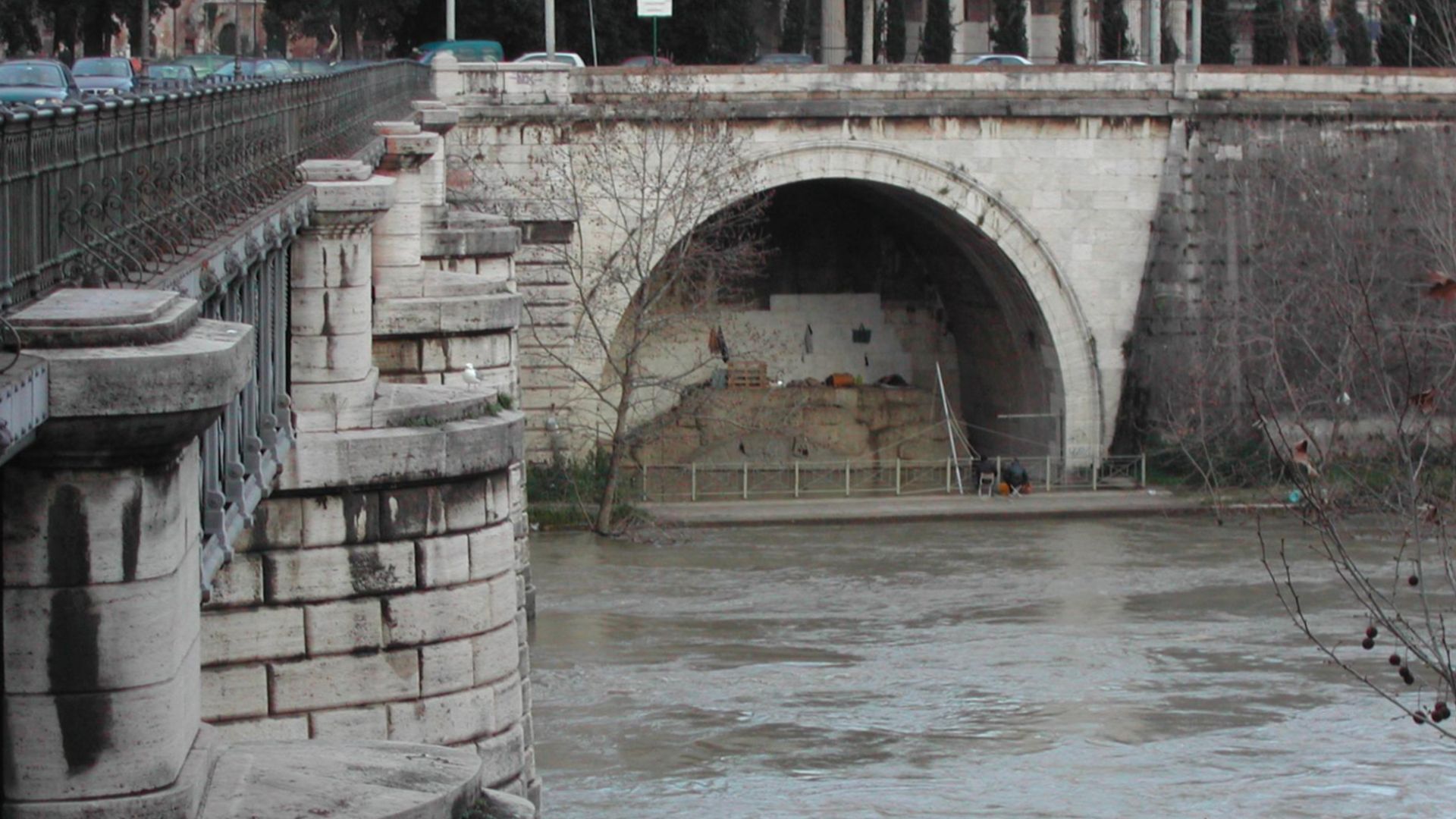
The Cloaca Maxima began as part of Rome's effort to drain low-lying land and eventually became the backbone of an enormous urban drainage network. It carried unwanted water and waste toward the Tiber. As Rome grew toward a population approaching one million, sanitation became a challenge on an extraordinary scale.
One Tunnel Solved Several Problems
The system drained marshy ground, removed stormwater, helped carry waste away, and reduced flooding in parts of the city. Ancient writers marveled at the size and durability of Rome's sewers, and portions of the Cloaca Maxima survive today. Modern cities still build combined networks intended to perform many of the same jobs, although extreme rainfall repeatedly demonstrates how difficult that balancing act remains.
 user:Lalupa, Wikimedia Commons
The Best Technology Worked With Nature
Ancient engineers could not overpower landscapes with endless energy, so they often had to cooperate with gravity, soil, wind, rainfall, and existing terrain. Their systems were not perfect, and some eventually failed when populations, climates, or maintenance practices changed. What makes them remarkable is how many modern urban problems were already familiar thousands of years ago, along with some surprisingly sophisticated solutions.
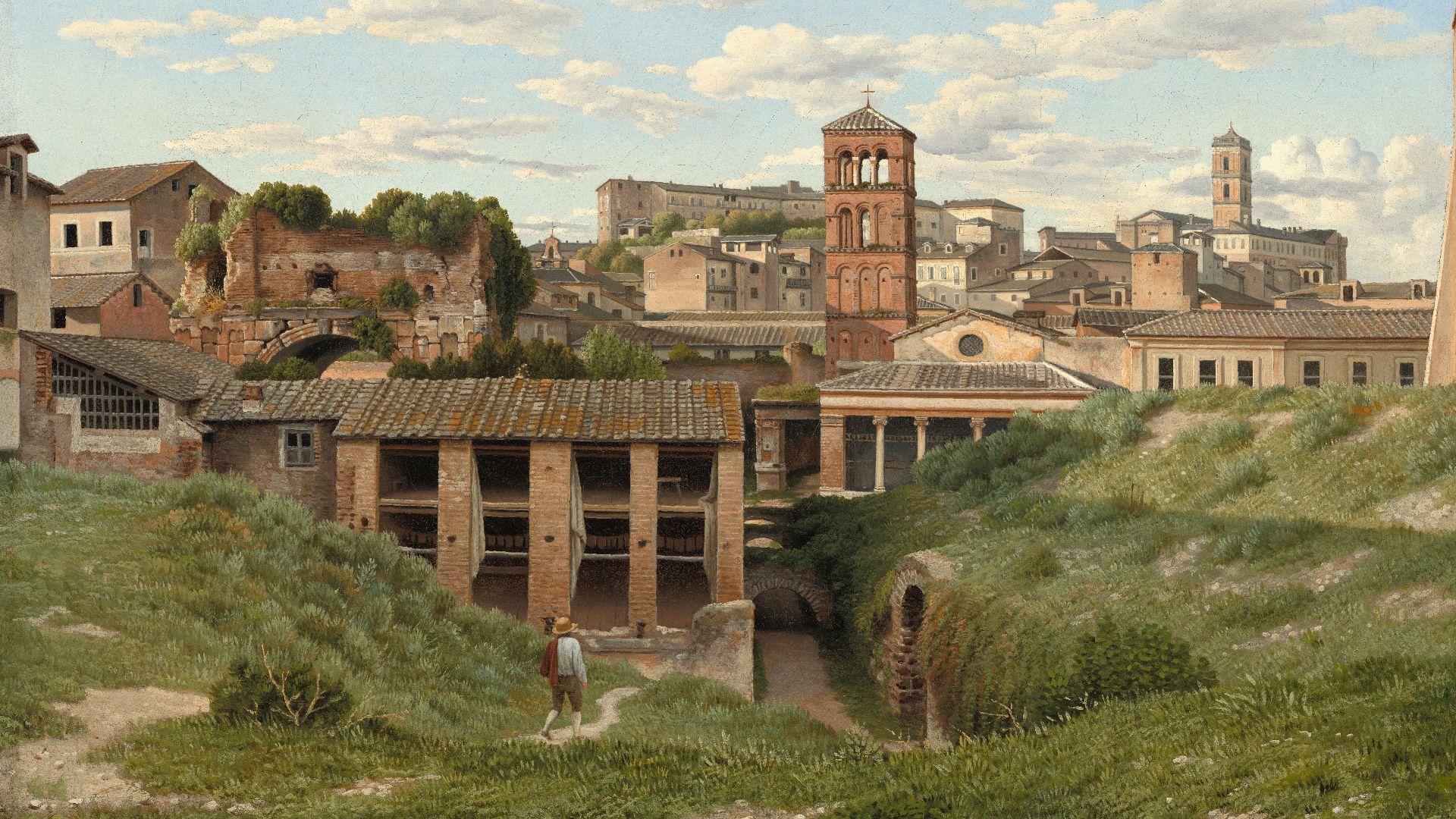 Christoffer Wilhelm Eckersberg, Wikimedia Commons
You May Also Like:
Golden Facts About The Aztec Civilization
Ancient Rome's Chaotic Year Of Four Emperors
Sources: 1, 2, 3, 4, 5, 6, 7, 8, 9, 10, 11, 12, 13, 14, 15, 16, 17, 18, 19, 20, 21, 22, 23, 24