
A Death That Shocked England
On September 8, 1560, a young noblewoman was discovered dead at the bottom of a staircase in an Oxfordshire house. Her name was Amy Robsart, and her husband happened to be Queen Elizabeth I's favorite courtier. What looked like a tragic accident quickly became one of Tudor England's most enduring mysteries.
A Promising Tudor Marriage
Born in Norfolk in 1532, Amy Robsart was the daughter of a wealthy landowner, Sir John Robsart. In June 1550, she married Robert Dudley, the ambitious son of John Dudley, Earl of Warwick, who later became Duke of Northumberland. Both bride and groom were teenagers, and their marriage initially appeared advantageous.
However, the Dudley family's fortunes collapsed in 1553, when Robert's father unsuccessfully attempted to place Lady Jane Grey on the English throne. Robert was imprisoned in the Tower of London, although he eventually regained his freedom.

The Queen's Favorite
Everything changed when Elizabeth I inherited the throne in November 1558. Dudley, who had known Elizabeth since childhood, quickly became one of her closest companions. Appointed Master of the Horse, he spent considerable time in the queen's company, accompanying her on rides, hunts, and other entertainments.
Their obvious affection soon attracted attention. Foreign ambassadors speculated that Elizabeth intended to marry Dudley, despite one rather significant obstacle: he already had a wife.
The Forgotten Wife
While Dudley enjoyed royal favor, Amy lived largely apart from her husband. She moved between various residences, eventually settling at Cumnor Place, near Oxford, in the household of Anthony Forster.
Although Dudley occasionally visited Amy and sent her gifts, their separation fueled speculation about the marriage. Rumors also circulated that Amy was seriously ill, possibly suffering from a breast condition that some historians have interpreted as cancer.
Whether she knew the full extent of her husband's relationship with Elizabeth remains uncertain.
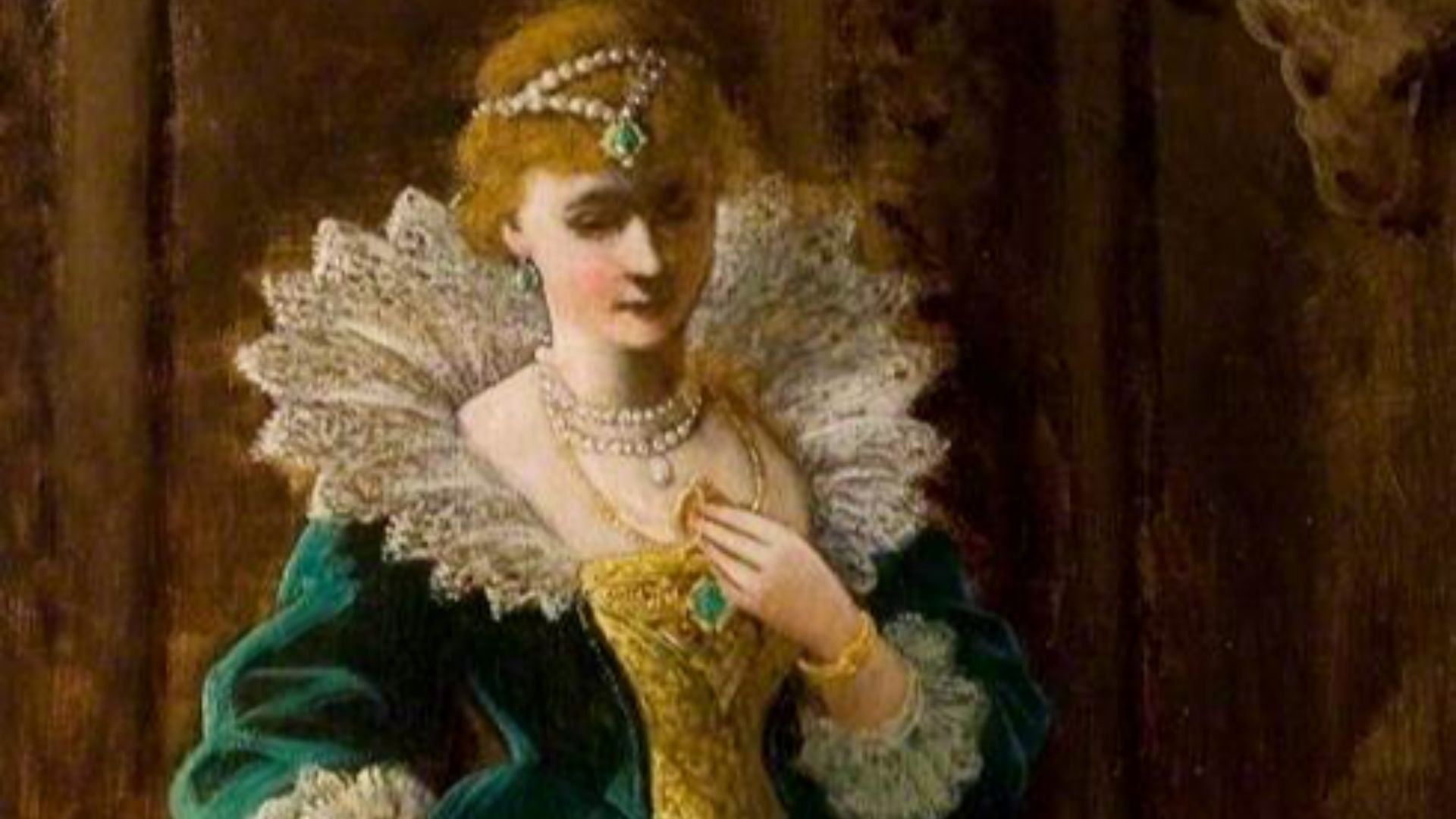 Edward Charles Barnes (1830–1890), Wikimedia Commons
A Strange September Afternoon
On September 8, 1560, Amy reportedly insisted that her servants leave Cumnor Place to attend a fair in nearby Abingdon. Some apparently questioned her determination to remain alone, but she refused to accompany them.
When members of the household returned, they discovered Amy lying dead at the bottom of a staircase. She was just 28 years old.
There were no witnesses to her fall, and the circumstances immediately raised troubling questions. Why had she insisted on sending everyone away? Had she fallen accidentally, taken her own life, or encountered someone who wished her harm?
Suspicion Falls On Dudley
Dudley was at Windsor when news of his wife's death reached him. He immediately instructed his associate Thomas Blount to investigate the circumstances and ensure that the truth was established.
Nevertheless, suspicion quickly settled on the grieving husband. With Amy gone, Dudley was suddenly free to marry Elizabeth, potentially becoming the most powerful man in England.
Rumors of a plot spread through the English court and eventually reached foreign ambassadors. Some even suggested that Elizabeth herself might have been involved. No convincing evidence emerged to substantiate these accusations, but the political damage was considerable.
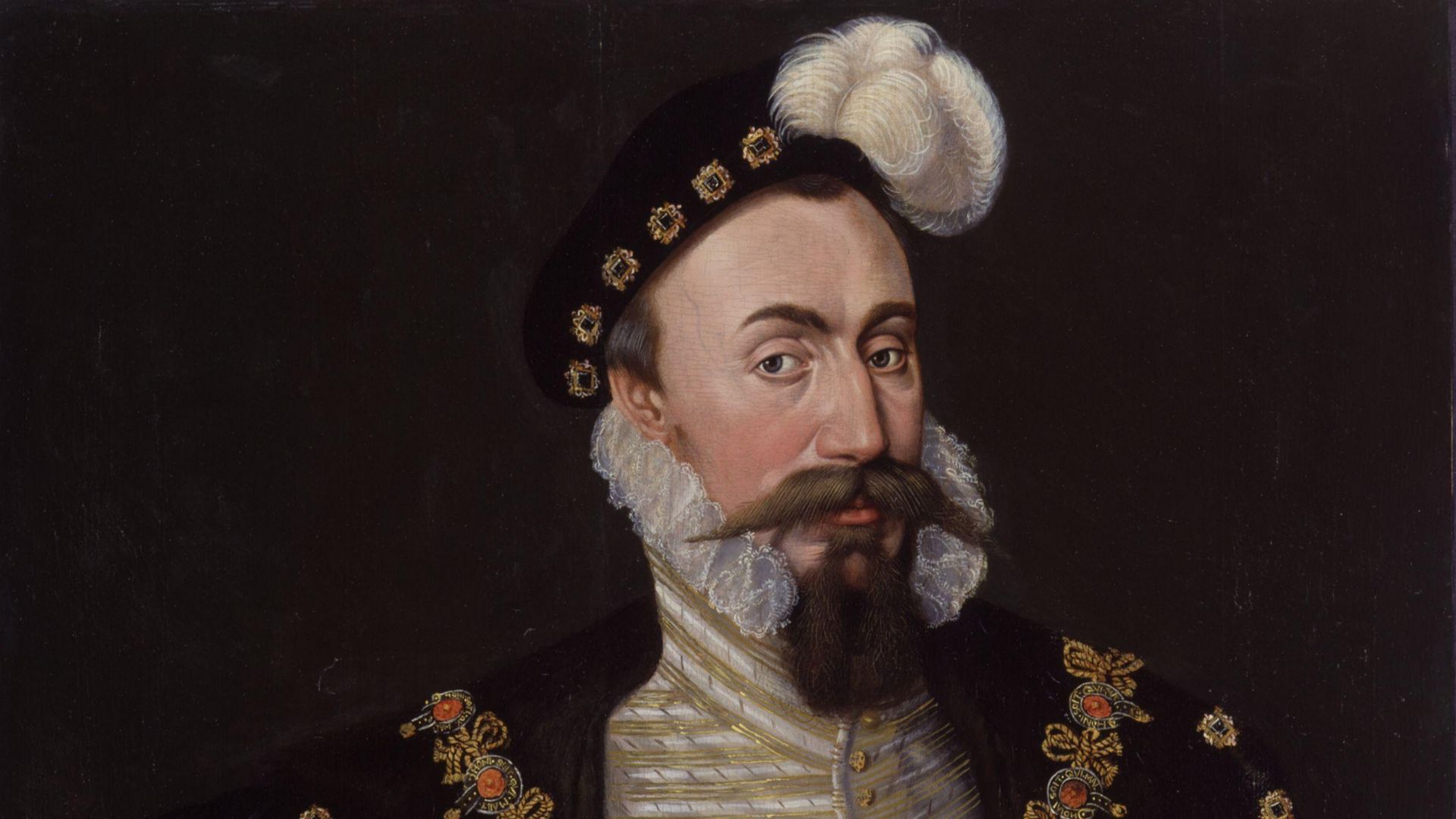 Unknown artistUnknown artist, Wikimedia Commons
The Coroner's Troubling Findings
An official inquest examined Amy's death, ultimately concluding in August 1561 that she had died through misfortune after accidentally falling downstairs.
The surviving coroner's report describes a broken neck and two wounds to her head, one considerably deeper than the other. The jury found no other injuries.
Although the verdict established an accidental death, it did little to silence speculation. The circumstances seemed suspicious to many contemporaries, particularly given Dudley's apparent motive and his increasingly intimate relationship with the queen.
An Accident Or Something Worse?
Historians have proposed several explanations for Amy's death. One theory suggests that an underlying illness, possibly advanced breast cancer, weakened her bones and contributed to a fatal fall. However, the evidence for such a diagnosis remains inconclusive.
Others have considered that Amy took her own life, particularly given her unusual insistence on being left alone. Murder has also remained a possibility in popular accounts, although no reliable evidence establishes that Dudley ordered her death.
More than four centuries later, the precise circumstances remain unresolved.
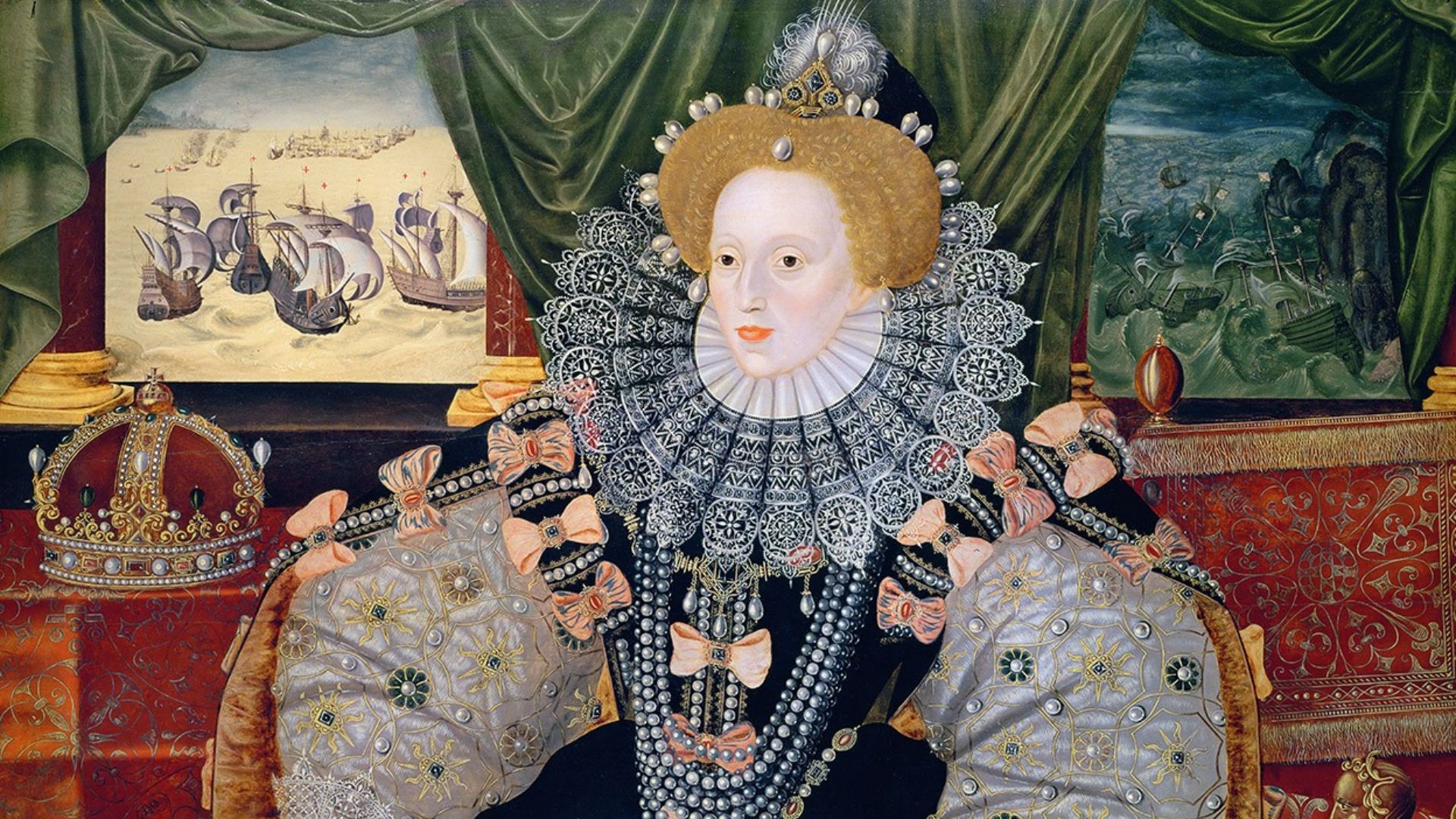 Formerly attributed to George Gower, Wikimedia Commons
A Scandal That Changed Everything
Amy was buried at St Mary's Church in Oxford on September 22, 1560, in an elaborate funeral financed by her husband.
Dudley retained Elizabeth's affection and eventually became Earl of Leicester in 1564. Yet his wife's death had effectively destroyed his prospects of marrying the queen. Any such marriage risked associating Elizabeth with a scandal that could undermine her authority.
Dudley remained an influential royal favorite until his death in 1588. Elizabeth never married, and Amy Robsart's mysterious death continued to shadow his reputation.
What actually happened on that September afternoon remains unknown. The woman whose death might have cleared Dudley's path to the throne instead became the greatest obstacle to his royal ambitions.
You May Also Like:
Enduring Facts About Lettice Knollys, Queen Elizabeth I’s Greatest Rival
Outrageous Facts About Royal Scandals