


Scientists estimate that the total weight of the world’s termites is greater than the weight of all humans combined, a scale that helps explain how such small creatures can reshape entire lands. Their colonies build large mounds, manage airflow, and shape the land in ways that look almost engineered. These insect builders use simple signals to help millions of workers, creating stable environments that support farming and strong temperature control. Their influence reaches far beyond the mound walls to challenge the idea that complex construction and organized cities belong only to human societies.
How Termite Colonies Build Massive Architectural Networks
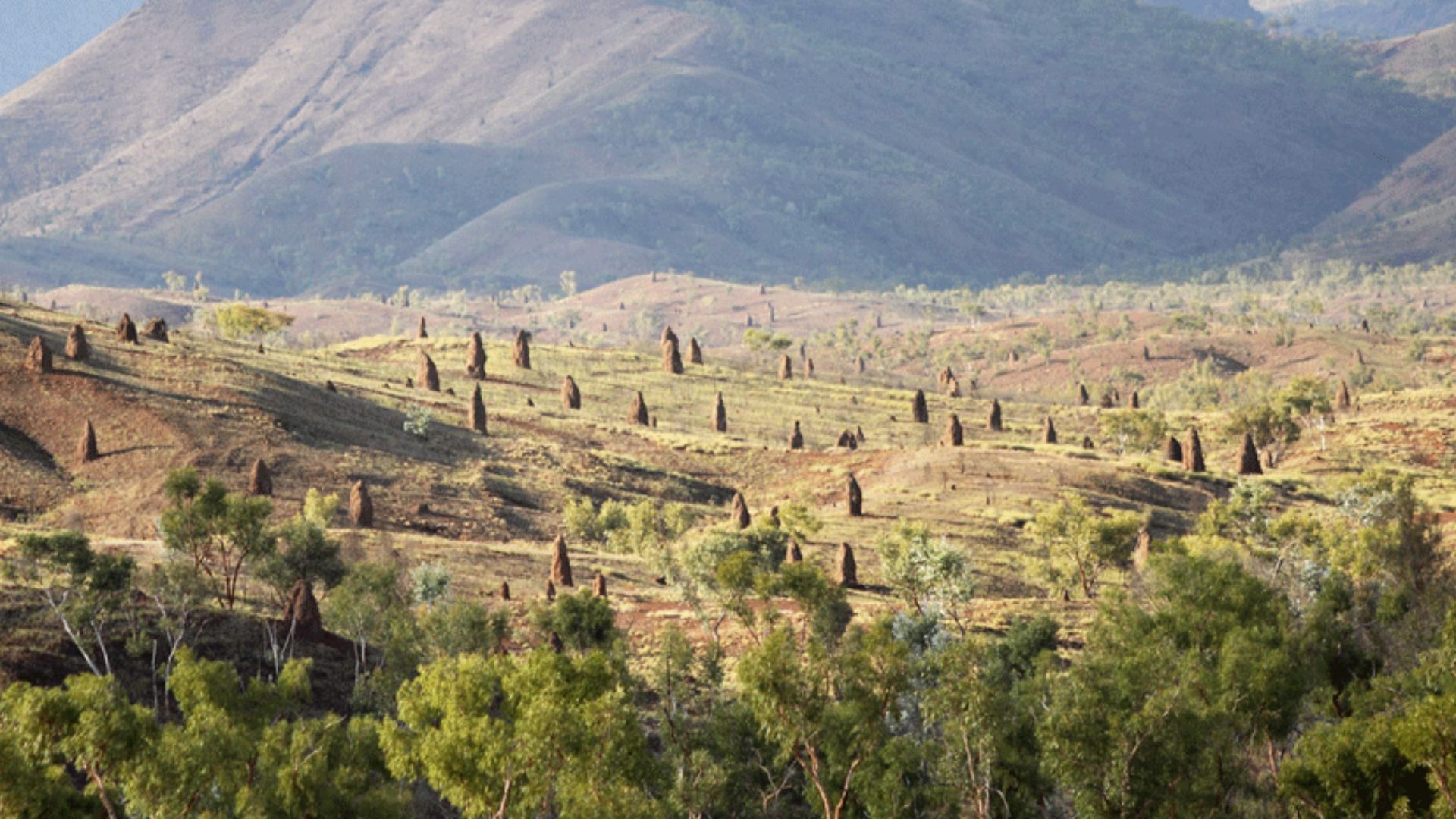
Termite colonies build unusually large structures for their size, with mounds that rise over 20 feet in parts of Africa, South America, and Australia. These tall forms rely on internal tunnels and ventilation paths that move air without mechanical help. The outer walls harden into a durable surface after workers pack soil and saliva together. Research has shown that certain African species keep the mound interior remarkably stable in temperature, even during intense heat swings. Designers studying these natural systems seek ways to apply the cooling principles to buildings that need far less energy.
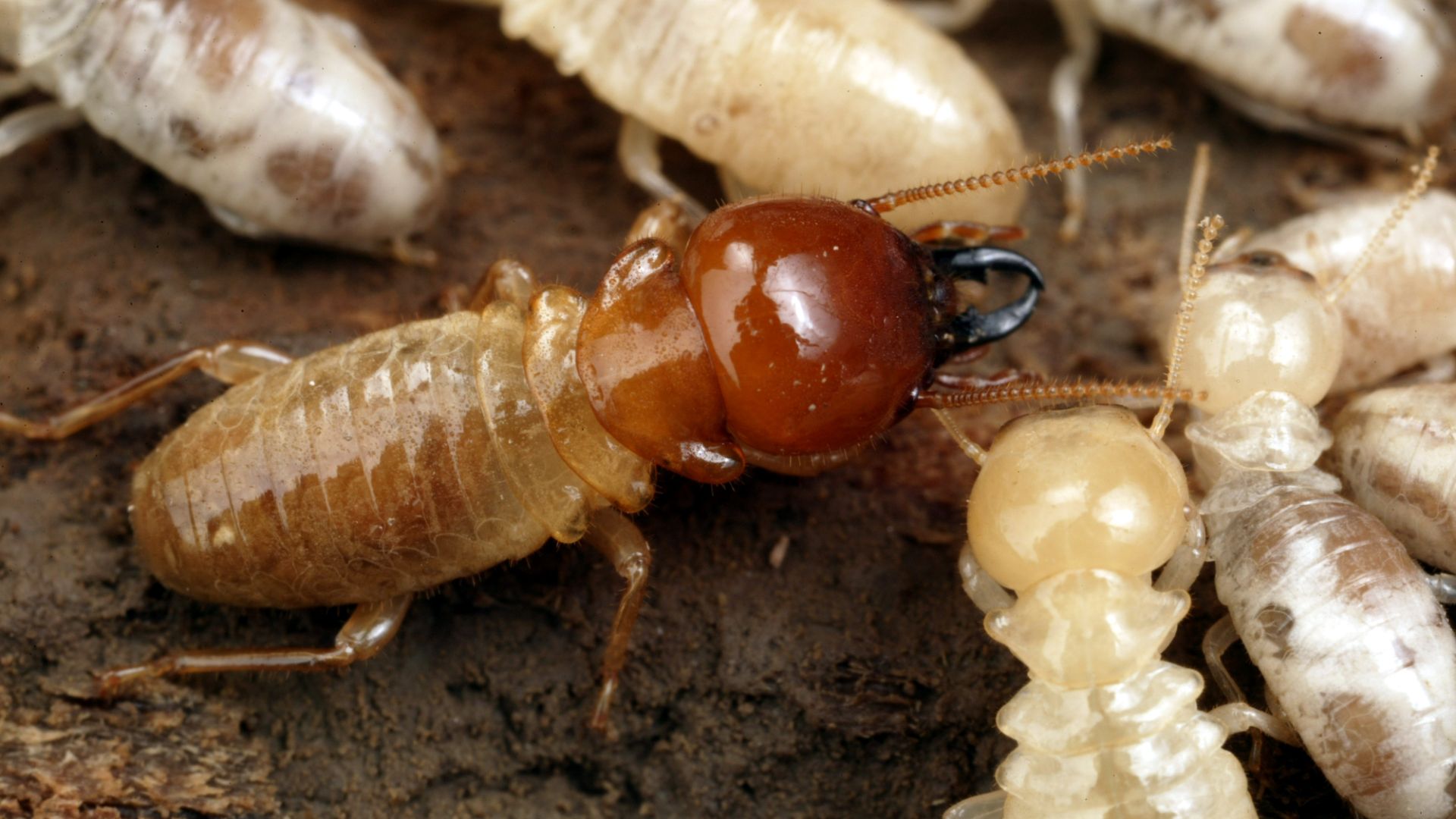
Inside the mound, a network of chambers supports food storage, fungus cultivation, nurseries, and the queen’s care. Workers shift and reopen passages when conditions inside the nest change by responding to air quality and temperature. Their coordination comes from stigmergy, a process in which each termite reacts to cues in the environment rather than instructions from above. Millions of small adjustments shape a structure that functions as a living city. As resources shift, the colony reorganizes space to match new needs, showing how large, ordered settlements can grow from simple actions repeated across an enormous workforce.
Termites As Ecosystem Engineers On A Continental Scale
Termites change their surroundings so deeply that scientists describe them as ecosystem engineers. Their tunnels help water move into the soil during heavy rains by reducing runoff and improving soil strength. In African savannas, plants grow better in areas with termite activity because the insects improve nutrient cycling and soil airflow. Termites carry organic matter underground, which speeds up decomposition and supports carbon movement through the environment. Their mounds also hold moisture and create small habitats that help plants survive dry periods. All these actions show how termite activity affects entire lands, not just small patches of ground.
Termites also support many other species. Their mounds offer shelter for reptiles, amphibians, insects, and small mammals. Some antelope species feed near termite mounds because the plants are more nutritious there. Birds use the raised surfaces as lookout points or nesting spots. These interactions show how termite work shapes local wildlife patterns. Their large-scale impact helps explain how the insects reach such enormous total biomass. By reshaping soil and supporting plant growth across continents, termites play a major part in the stability and recovery of ecosystems, making their influence one of the strongest in the natural world.
What Termite “Cities” Reveal About Collective Intelligence And The Future Of Human Design
Termite colonies act like superorganisms. No single termite understands the full structure, yet the colony works as a coordinated whole. Workers respond to chemical signals and environmental changes to repair tunnels, expand the mound, and regulate temperature. Scientists studying these behaviors have used the findings to shape new ideas in robotics and artificial intelligence. Swarm robots, for example, copy termite problem-solving by using simple rules to create organized results. These studies help engineers build systems that can fix themselves, build on their own, and manage resources efficiently.
The global importance of termite construction becomes clear when comparing their work to human building. Termite mounds last for decades and support surrounding species without producing waste or relying on outside energy. Humans build on huge scales but continue to search for sustainable solutions that termites developed through natural processes long ago. As researchers study termite ventilation, building materials, and teamwork, architects and engineers see new ways to design structures that cooperate with natural forces. Termites show that well-organized cities can rise from simple behaviors and environmental balance to offer lessons worth using in future design.
 division, CSIRO, Wikimedia Commons










