Cosmic Roulette Spinning
Your GPS stops working. Satellites go dark. The power grid collapses in 90 seconds. This isn't a cyberattack or nuclear war. It's just the sun doing what it does naturally. Are we ready?
Solar Fury
The sun releases seconds' worth of its total energy output during a massive solar flare, creating electromagnetic chaos that ripples across 93 million miles of space. These violent eruptions happen when the sun's twisted magnetic field lines suddenly snap and reconnect, releasing huge amounts of radiation.
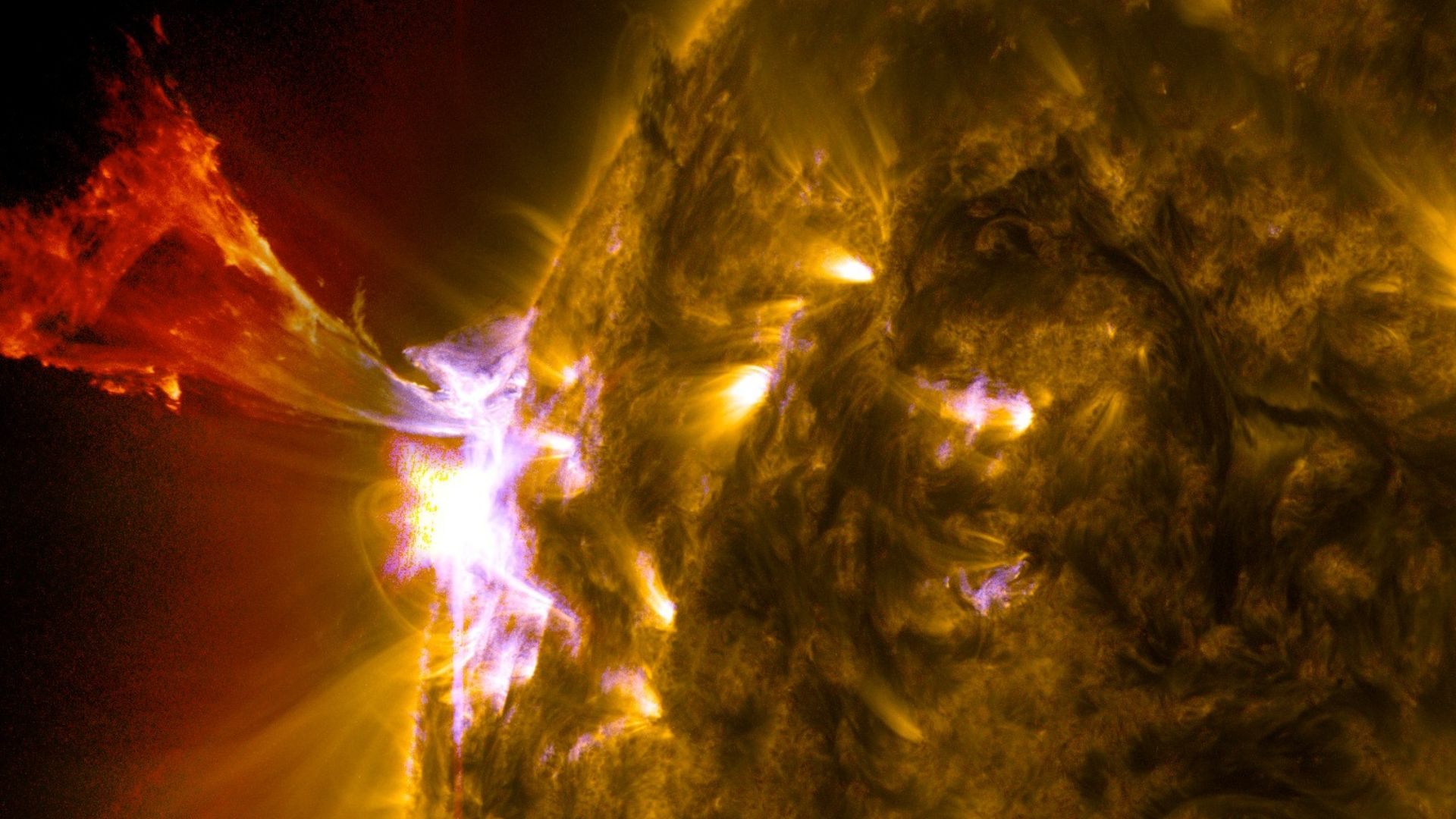 Nasa (on flickr), Wikimedia Commons
Carrington Event
On September 1, 1859, British astronomer Richard Carrington was sketching sunspots through his telescope when something unprecedented happened. He witnessed two patches of intensely bright white light erupting from the sun's surface, lasting about five minutes before vanishing. What followed seventeen hours later was the most intense geomagnetic storm.
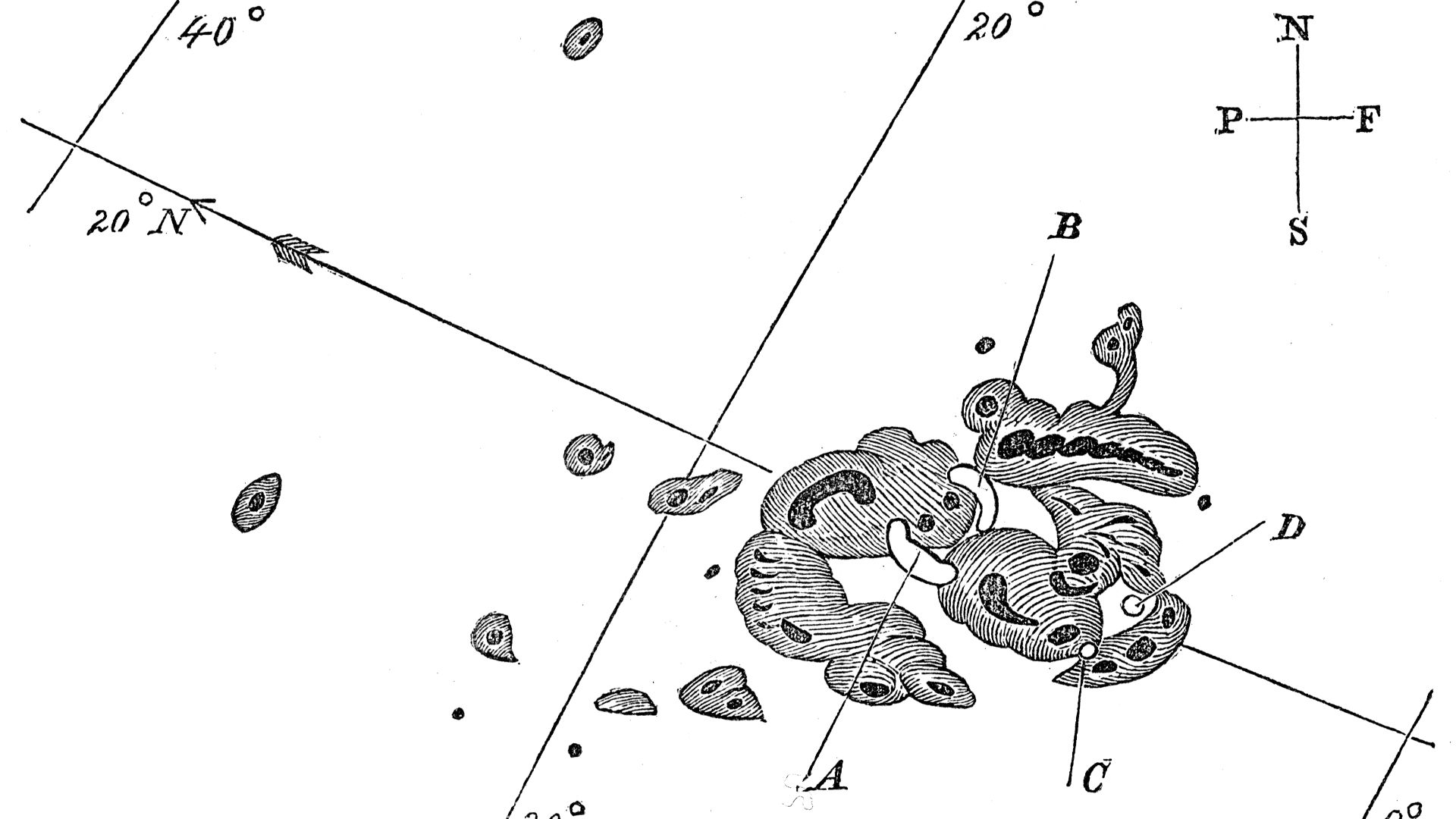 Richard Christopher Carrington, Wikimedia Commons
Telegraph Fires
Telegraph operators reported sparks showering from their machines, shocking them and setting papers ablaze as geomagnetically induced currents surged through the world's communication networks. The electromagnetic pulse was so powerful that some telegraph systems continued operating even after being disconnected from their batteries.
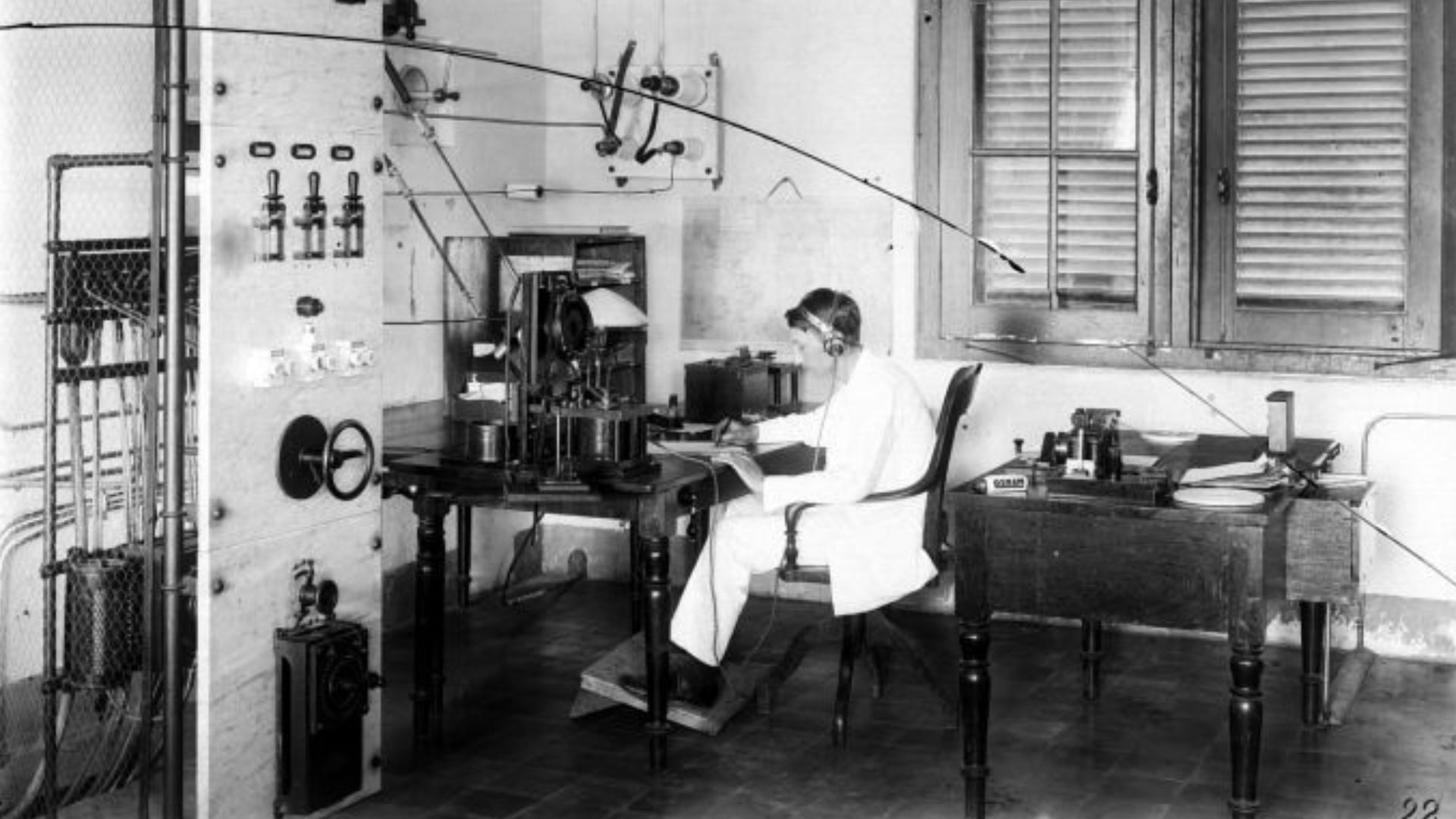 Unknown authorUnknown author, Wikimedia Commons
Aurora Everywhere
Gold miners in the Rocky Mountains woke at 1 AM, genuinely convinced dawn had arrived. The aurora borealis was so bright that people in the northeastern United States could read newspapers by its light alone. These red auroras were visible from within 23 degrees of the geomagnetic equator.

Solar Cycles
German amateur astronomer Samuel Heinrich Schwabe discovered the 11-year solar cycle in 1843 after observing the sun for over 17 years, noticing that sunspot numbers varied predictably over time. The Carrington Event struck during Solar Cycle 10, just months before the 1860 maximum.
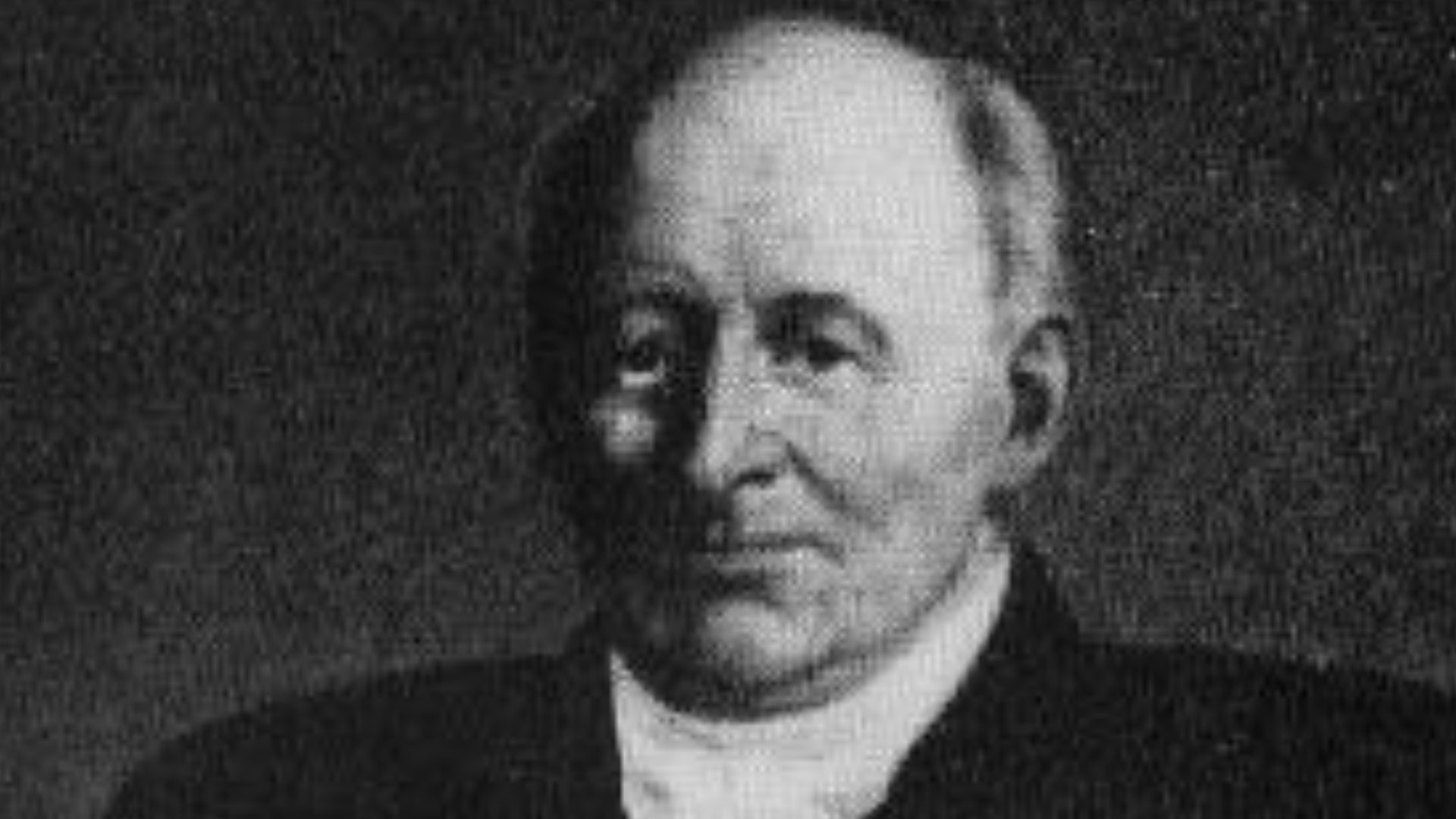 unknown, must be dead for more than 70 years, Wikimedia Commons
Quebec Blackout
In March 1989, a geomagnetic storm three times smaller than the Carrington Event caused the Hydro-Quebec electrical grid to break, plunging five million people into darkness. What's truly alarming? The province of Quebec went from normal operating conditions to a complete power grid blackout in about 92 seconds.
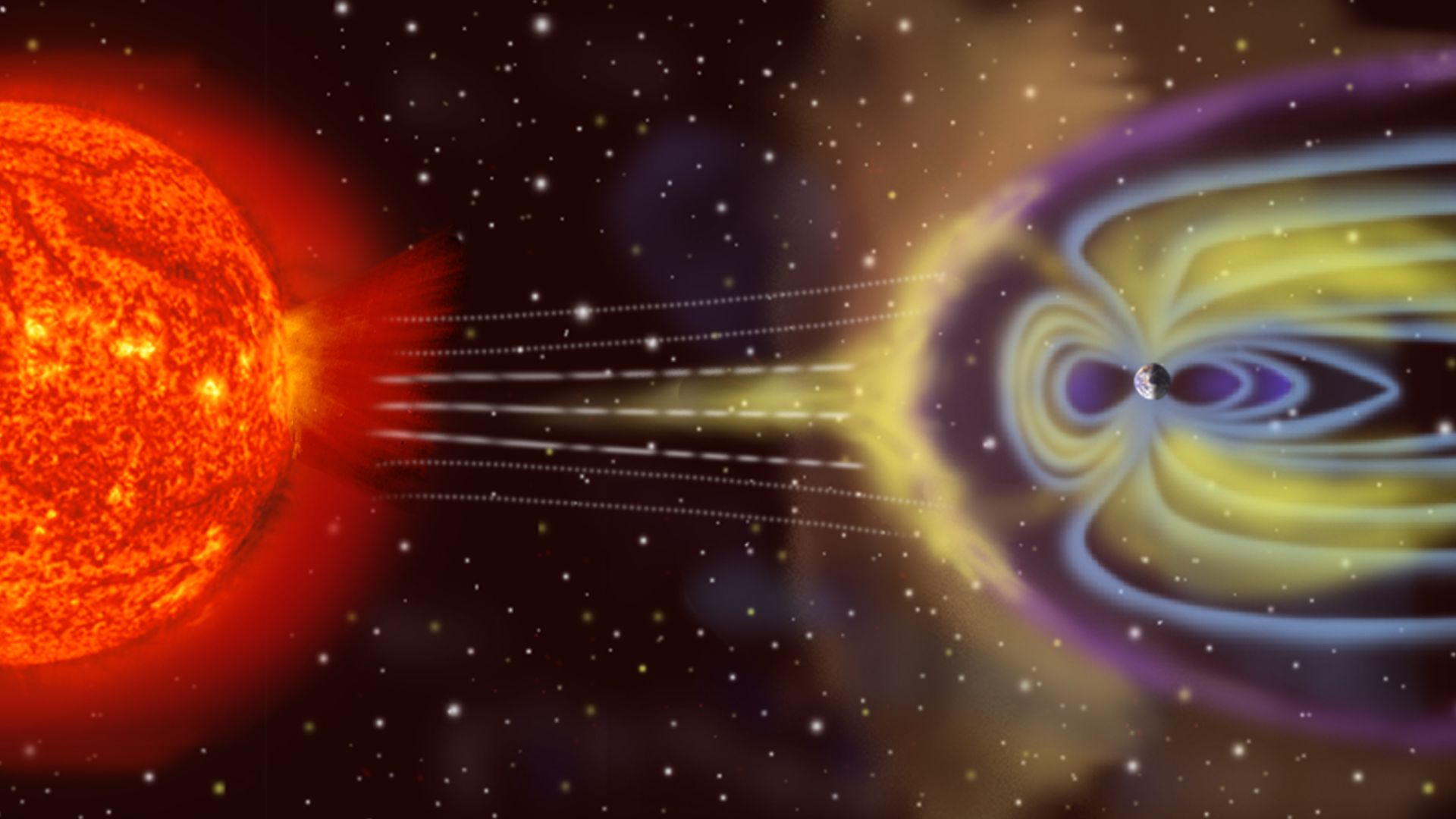
Halloween Storms
October 2003 delivered humanity a terrifying preview of solar destruction potential. The Halloween solar storms registered the most powerful solar explosions ever recorded, with flares comparable in energy to the Carrington Event itself. These storms interfered with satellite communications, partly damaging Japan's ADEOS-2 satellite.
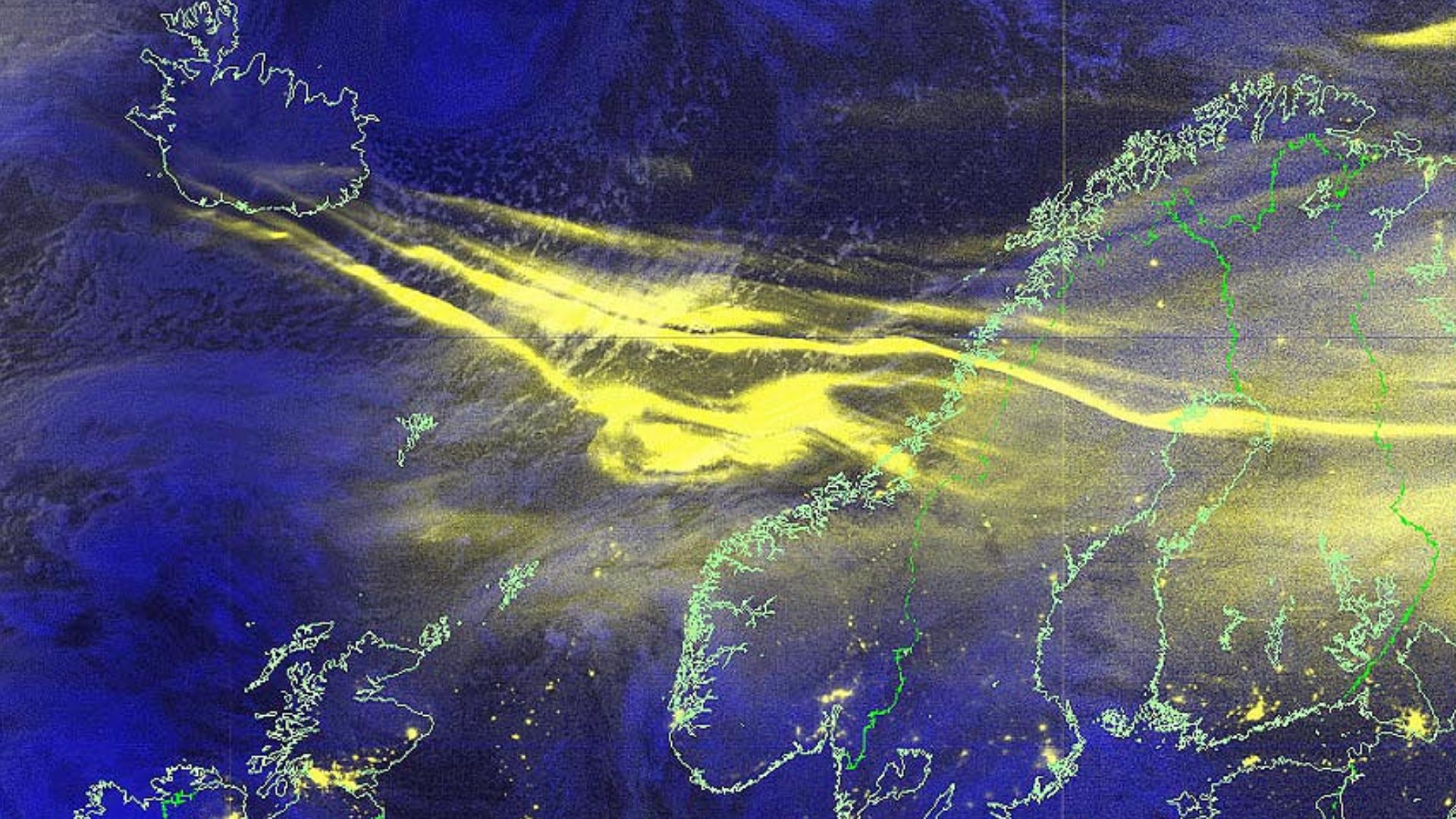 Senior Airman Joshua, Wikimedia Commons
Near Miss
Then, on July 23, 2012, a Carrington-class solar superstorm erupted from the sun, but its trajectory slightly missed Earth by a margin of around nine days. Had our planet been in that orbital position just over a week earlier, civilization would have faced its worst technological disaster.
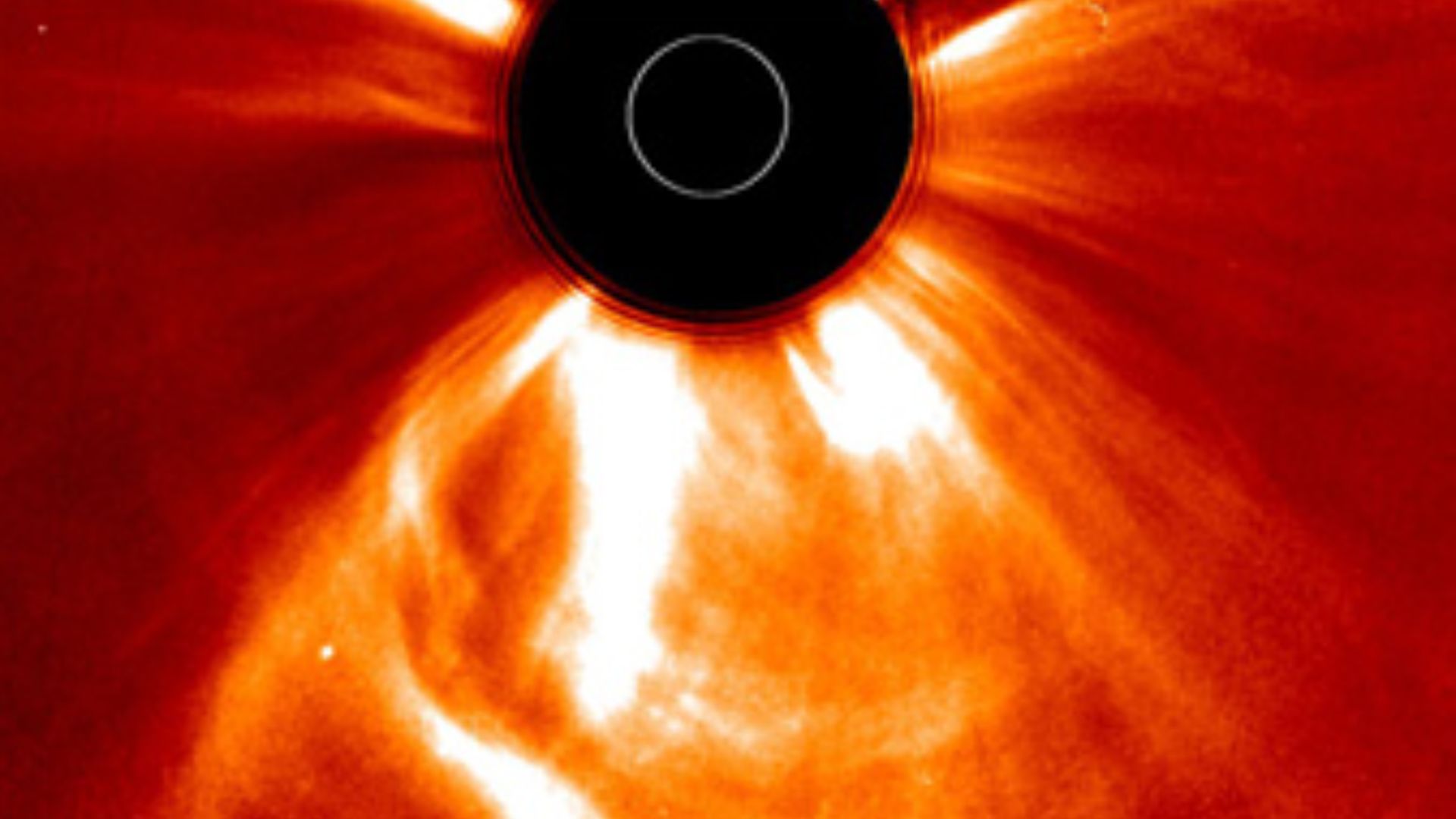 NASA/STEREO, Wikimedia Commons

History's most fascinating stories and darkest secrets, delivered to your inbox daily.
Historical Patterns
A new study using 150 years of magnetic field data found that severe space superstorms occurred in 42 years out of the last 150, while great superstorms occurred in 6 years. Besides, carbon-14 levels from tree rings suggest an event around 774–775 CE was 10 times larger than the Carrington Event.
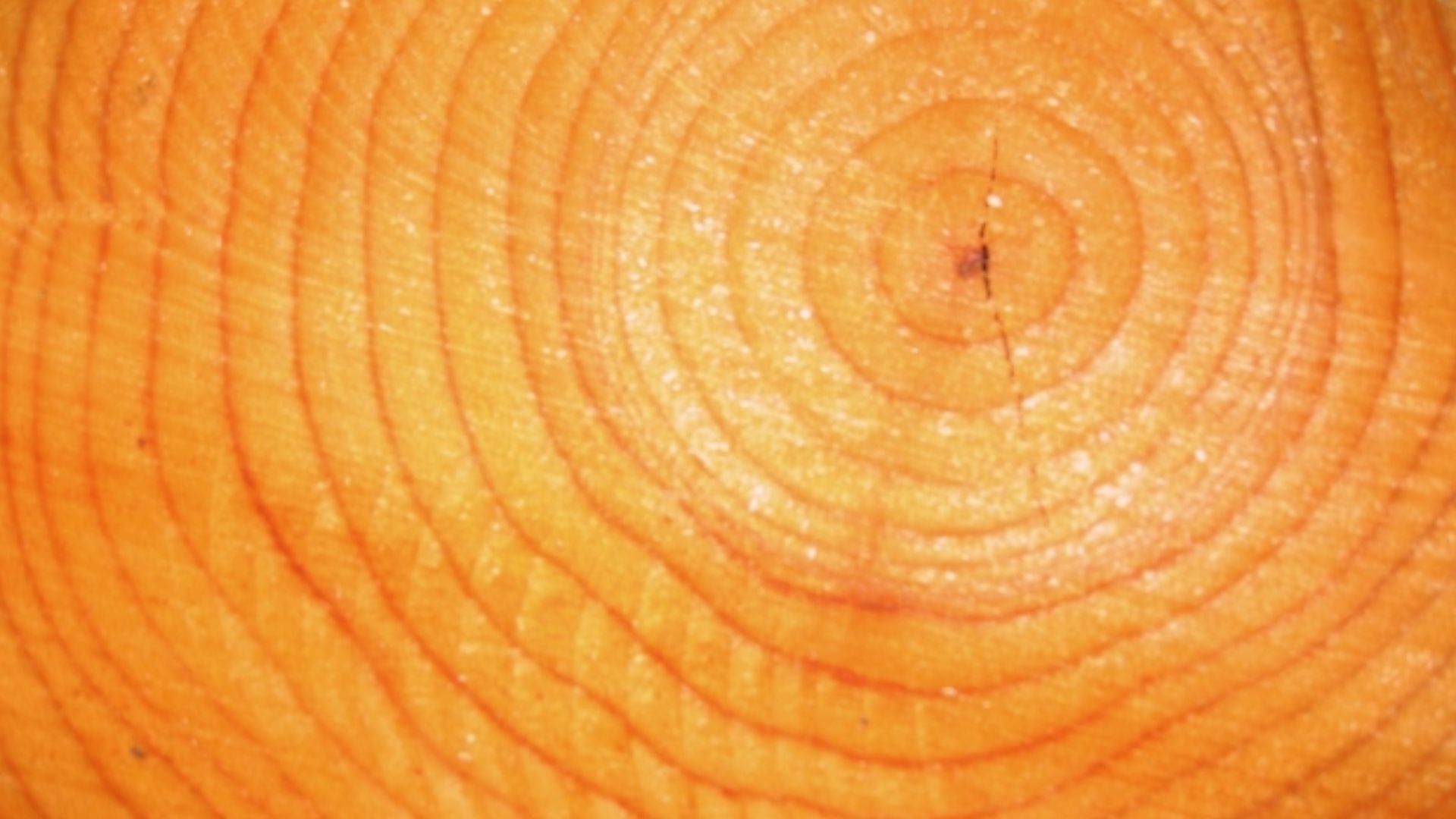 Lawrence Murray from Perth, Australia, Wikimedia Commons
Power Grid
Geomagnetically induced currents exceeding 100 amperes flow into electrical components connected to the grid, including transformers, relays, and sensors. All of this is equivalent to powering many households simultaneously. Modern high-voltage transformers are particularly vulnerable because they weren't designed for these surges.
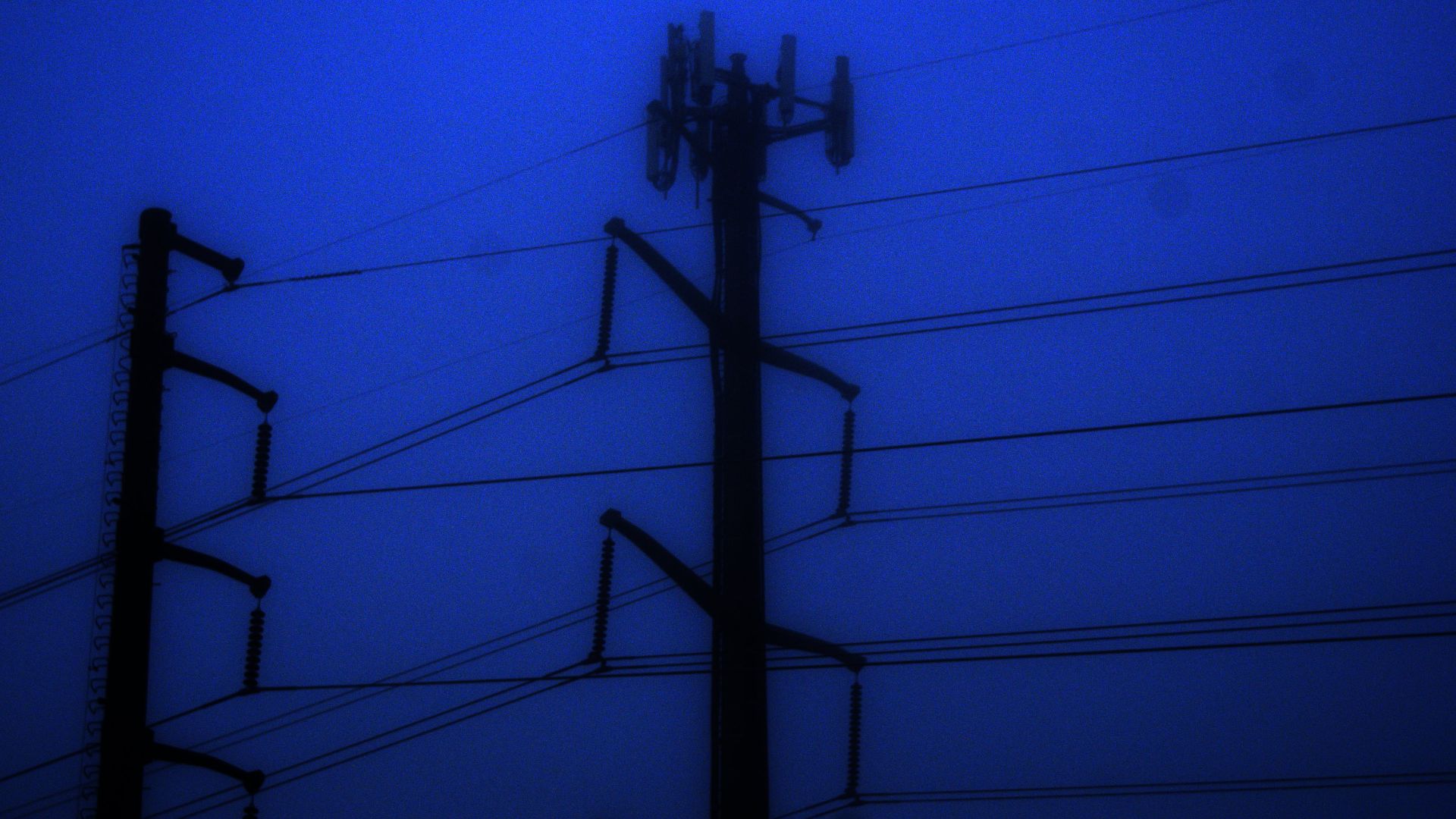
Transformer Weakness
High-voltage transformers transmitting voltages greater than 100 kV make it possible to send electricity over huge distances to thousands of substations, forming the backbone of modern civilization. Here's the terrifying reality: these massive units are custom-built, extraordinarily expensive, and can weigh over 400 tons each.
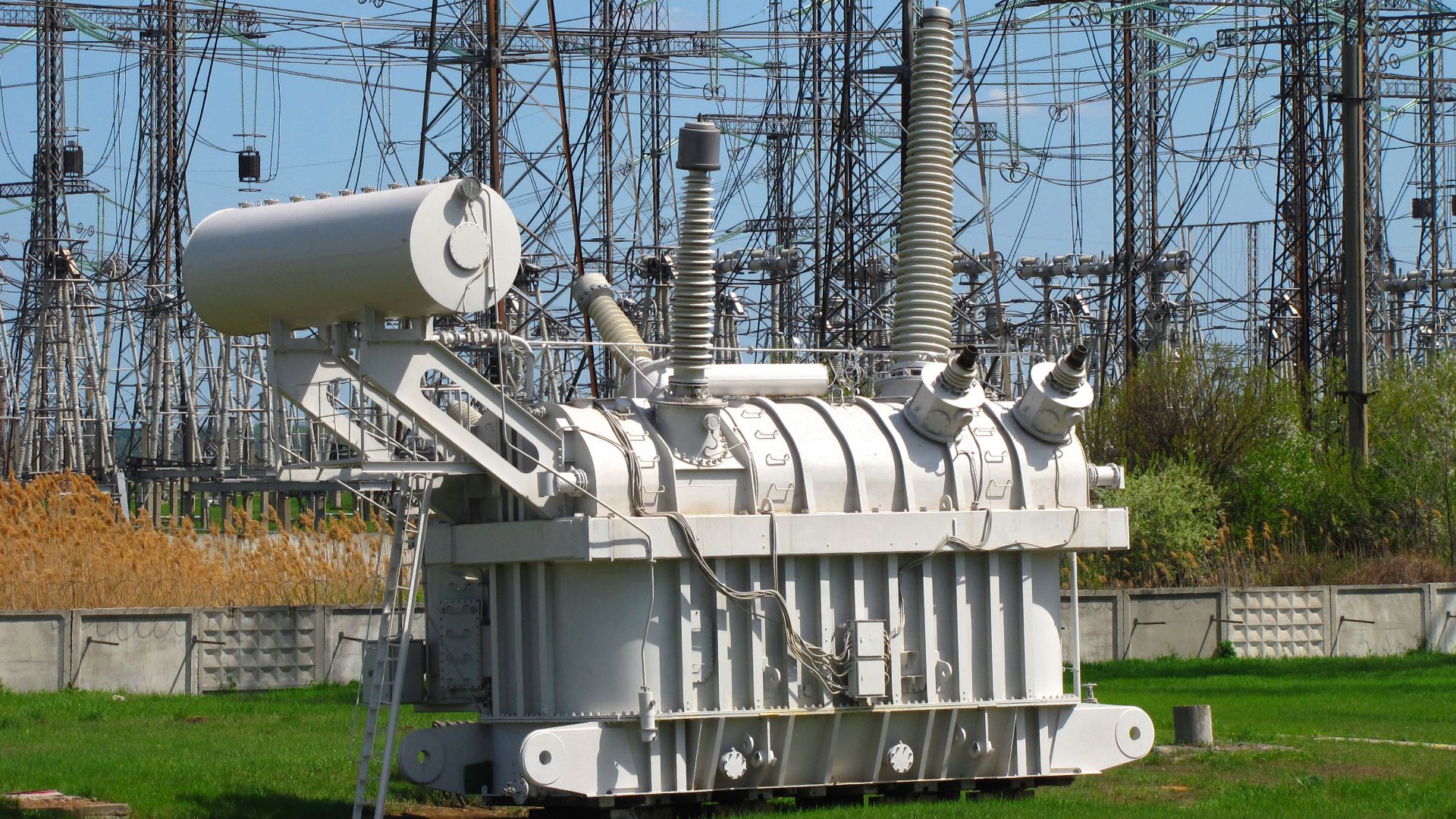
Satellite Destruction
Solar storms increase atmospheric density in the thin upper layers, making it difficult for satellites to maintain their speed and altitude, potentially causing them to sink and reducing operational lifetimes. The charged particle bombardment doesn't just drag satellites down; it fries their electronics from the inside.
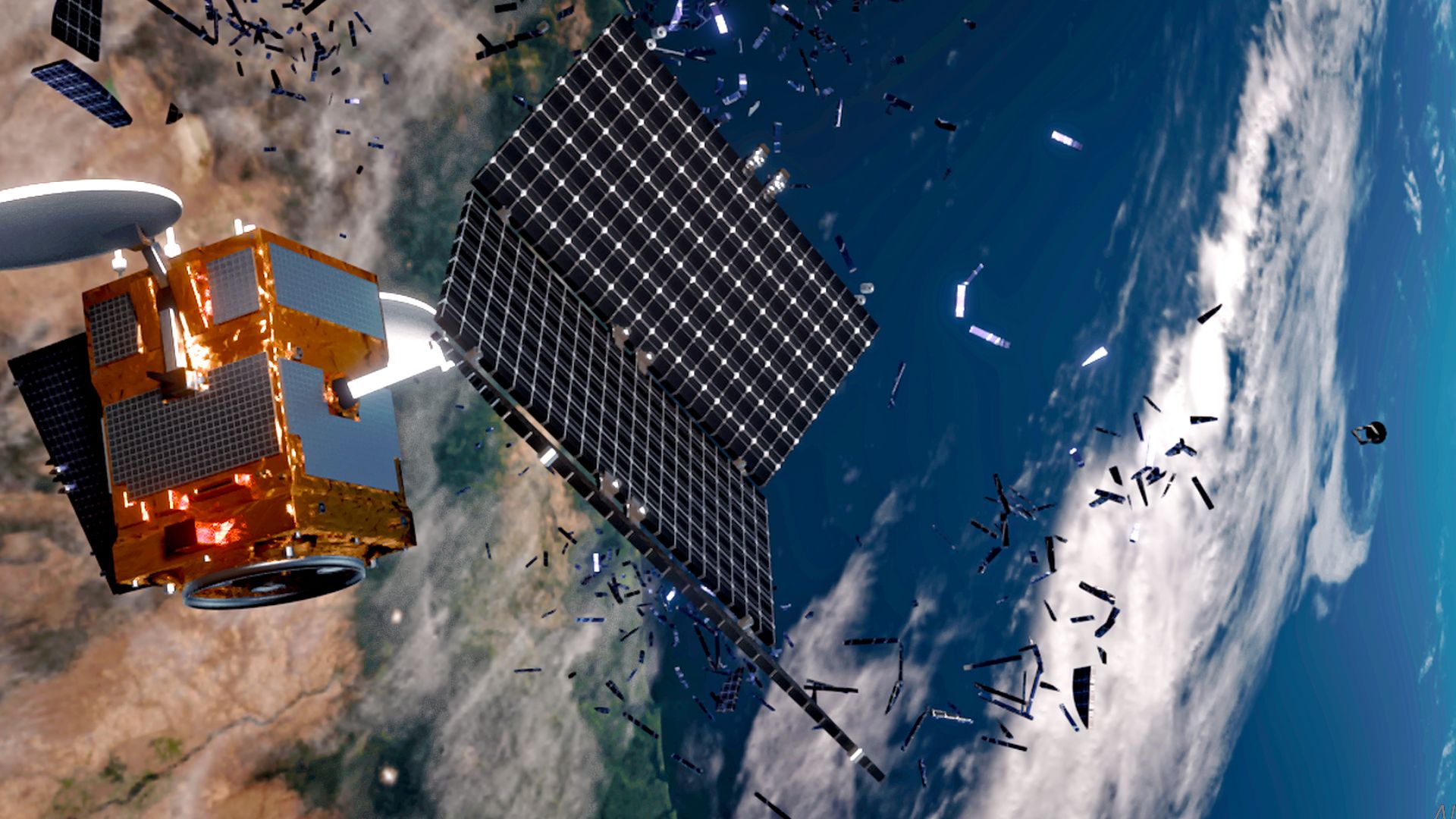 European Space Agency, Wikimedia Commons
GPS Failure
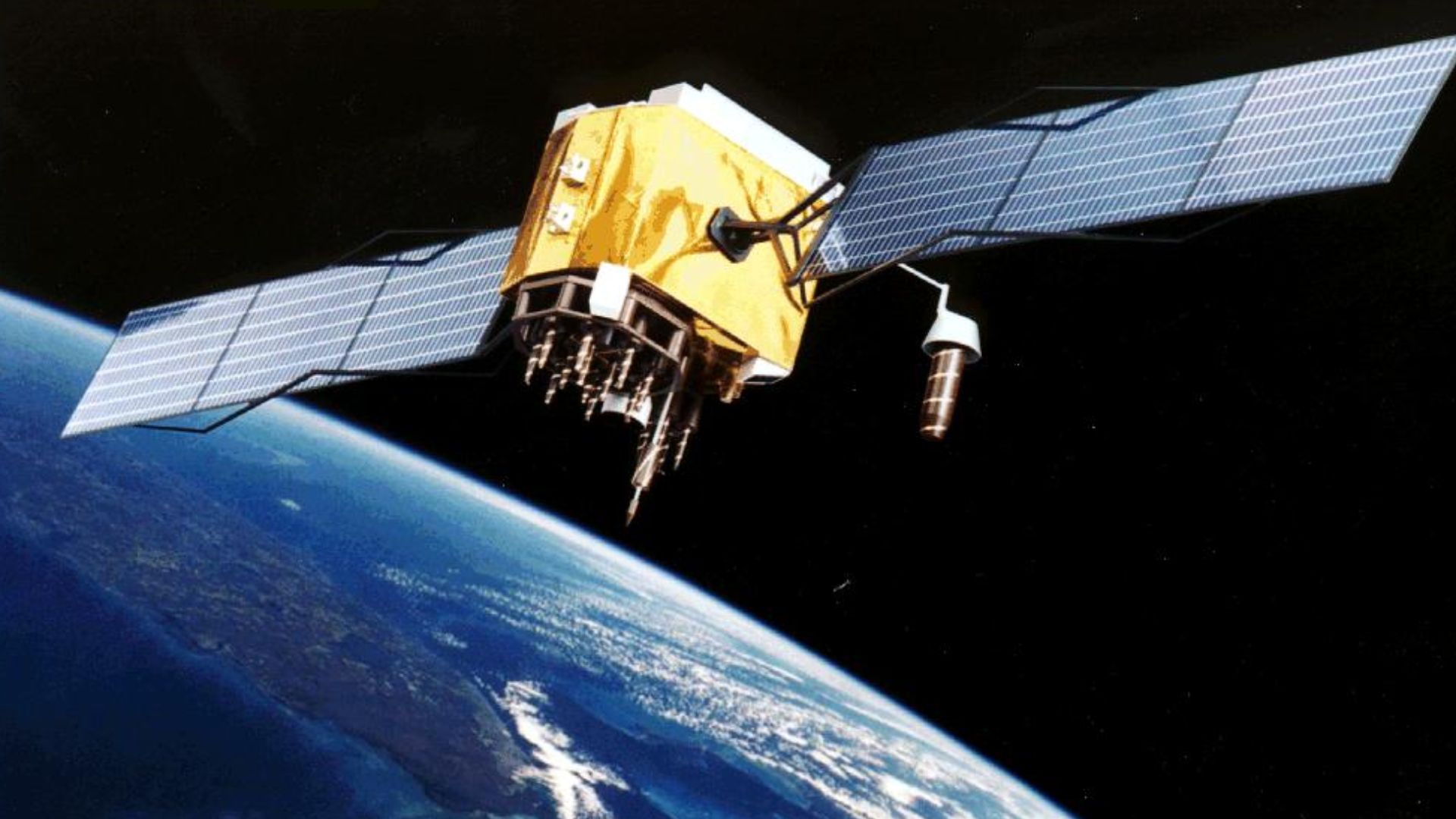
During severe space weather storms, GPS positioning errors can increase from less than a meter to tens of meters or more, rendering precision agriculture, construction, and transportation systems useless. The ionosphere—that charged plasma layer GPS signals must penetrate—becomes violently disturbed during geomagnetic storms.
Internet Apocalypse
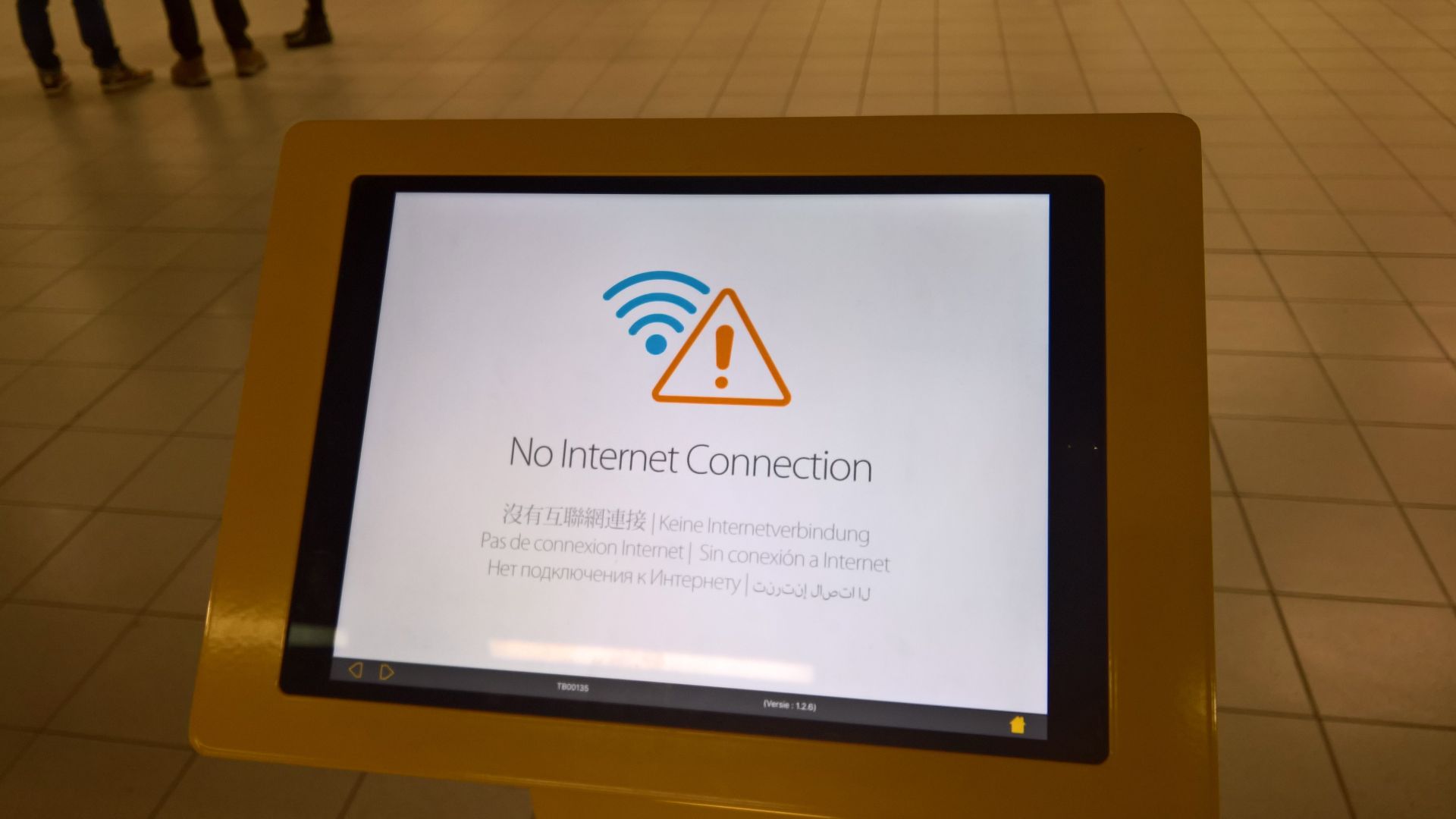
Imagine the entire digital backbone of civilization collapsing all at once. Internet service providers could go down. Submarine cables, which carry 99% of international internet traffic, would likely survive, but the data centers, routers, and infrastructure connecting to them might not.
 Donald Trung, Wikimedia Commons
Communication Collapse
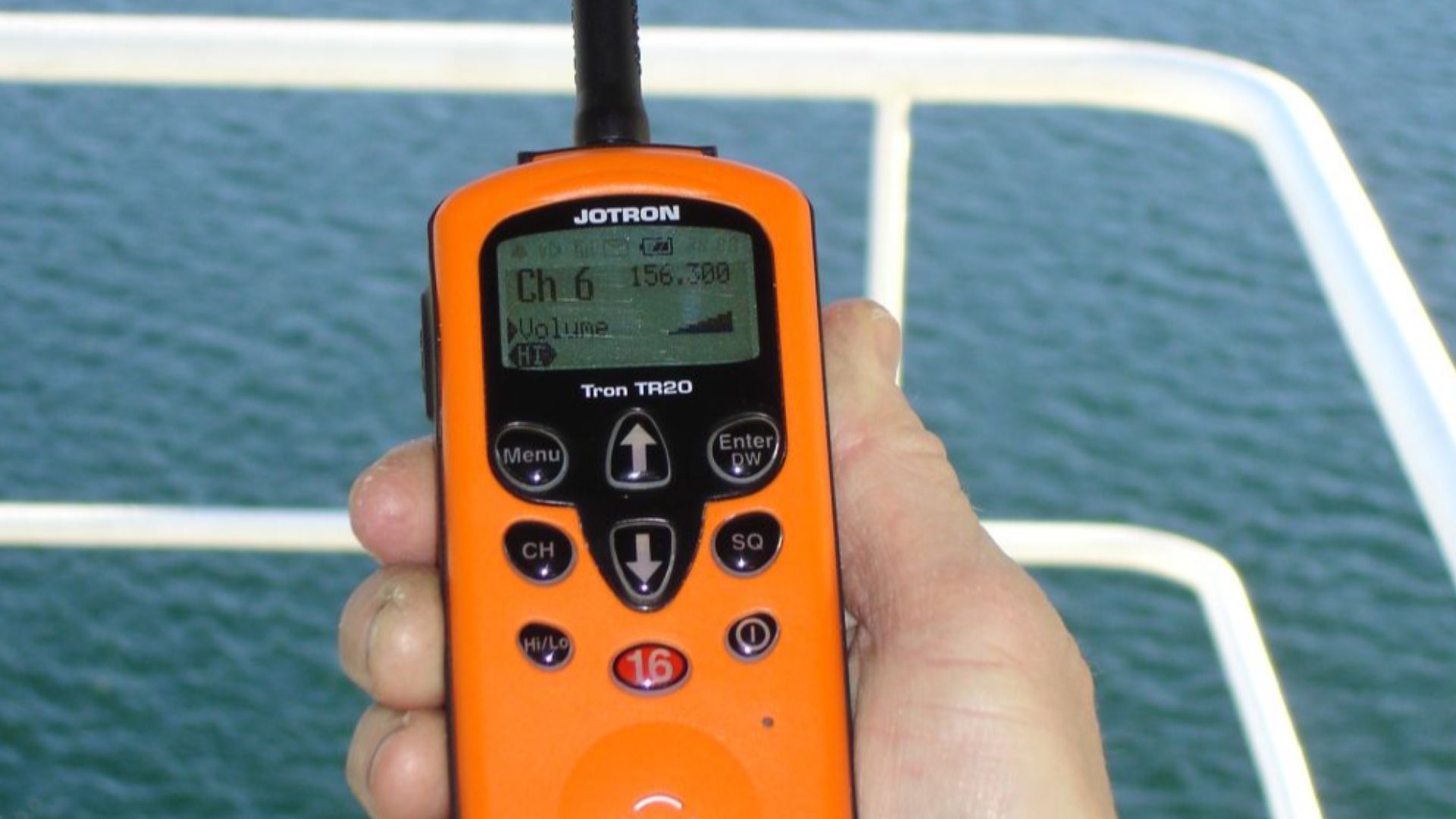
High-frequency radio communications used by ships, aircraft, emergency management agencies, and the military can be scattered and disrupted by solar storms, leaving critical services blind and mute. During the 1859 event, the telegraph was humanity's only advanced communication technology; today, we have thousands of vulnerable systems.
Aviation Chaos
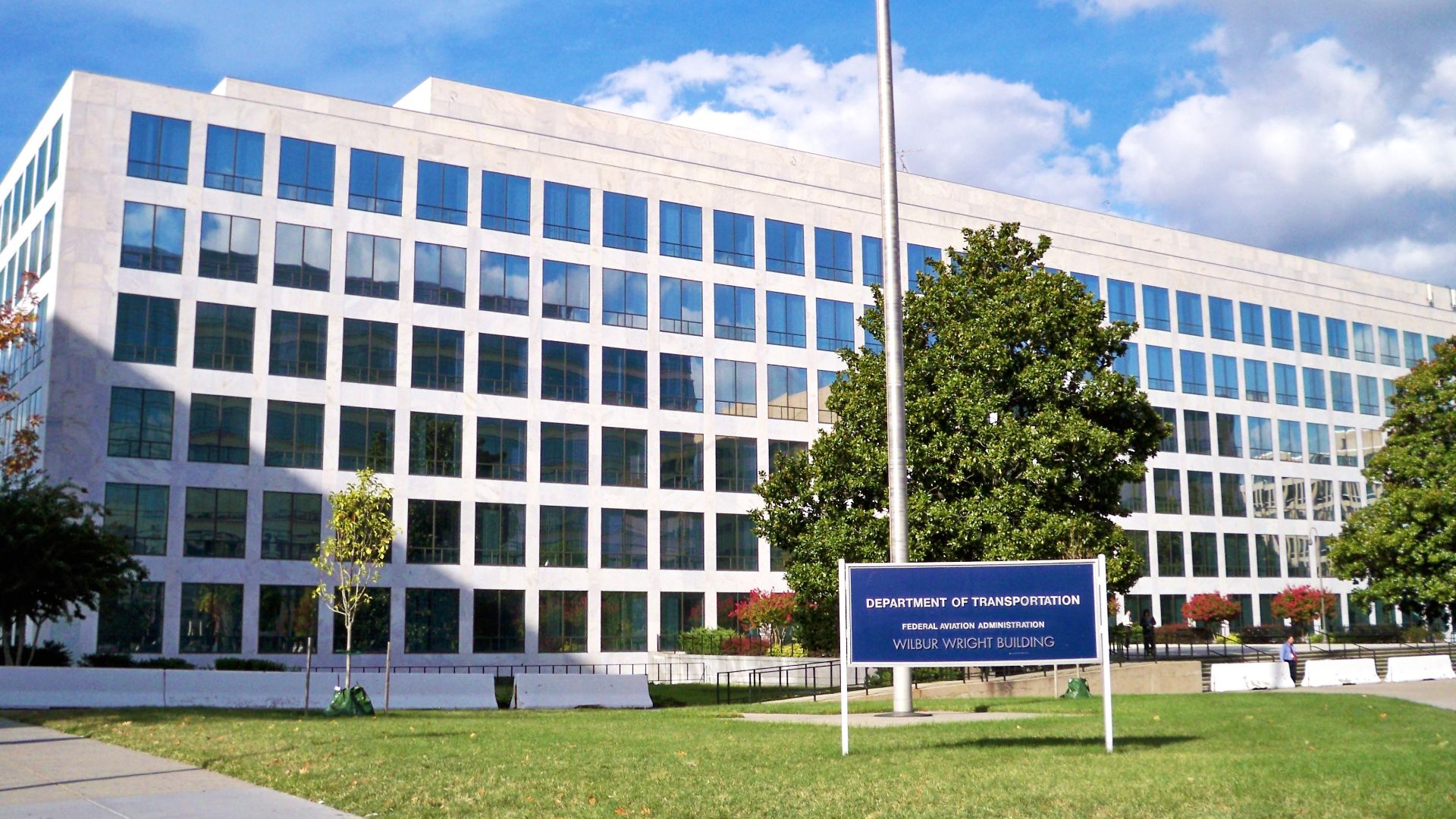
The Halloween Storm of 2003 stopped the Federal Aviation Administration from giving GPS navigational guidance for roughly 30 hours, grounding flights across North America. Radiation levels at cruising altitude skyrocket during solar storms, exposing passengers and crew to dangerous doses comparable to multiple chest X-rays per hour.
Economic Catastrophe
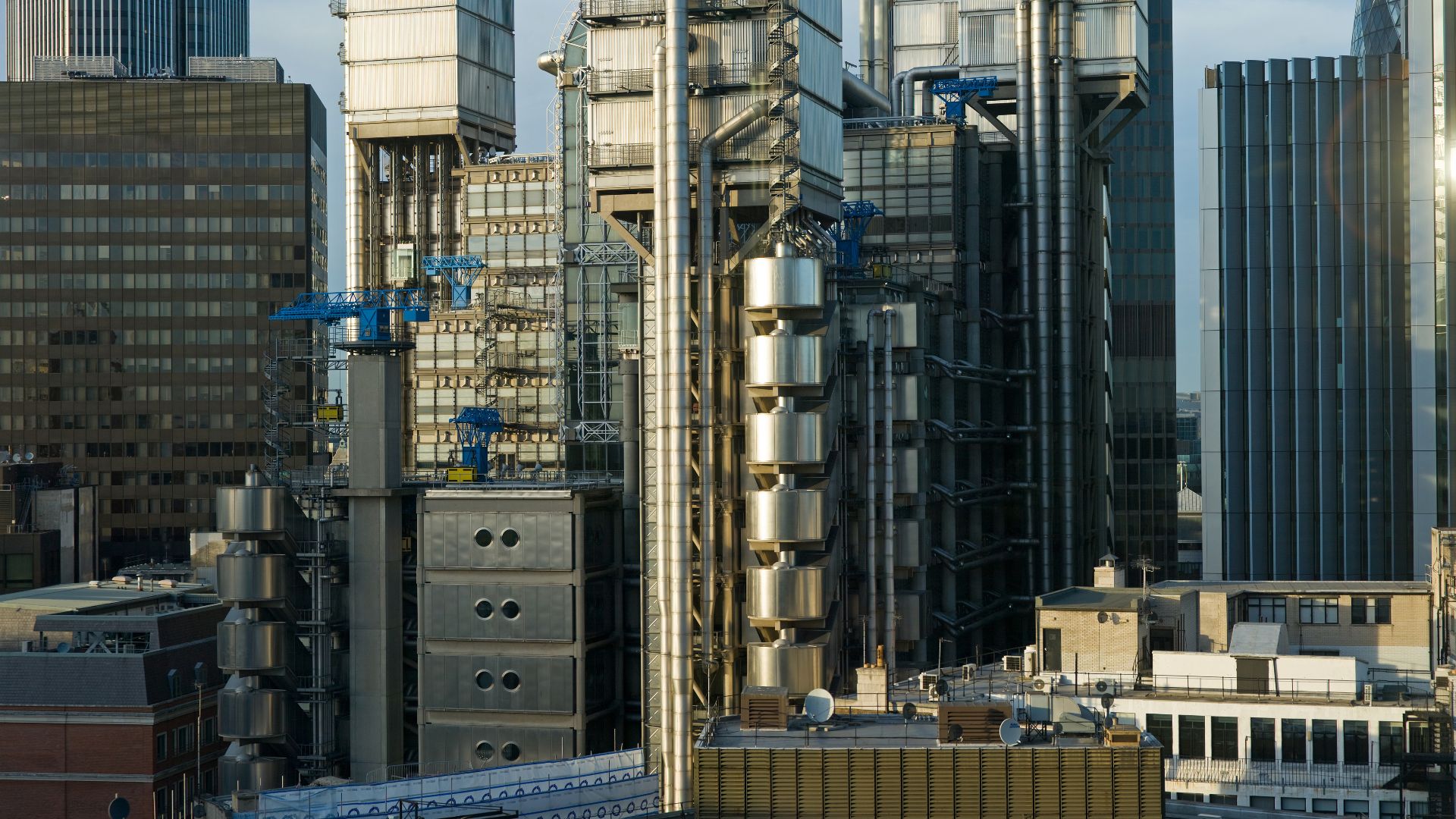
Lloyds of London and Atmospheric and Environmental Research estimated that a Carrington-level event today would cost the US alone between $600 billion and $2.6 trillion, representing roughly 3.6 to 15.5 percent of the country's annual GDP.
Food Disruption
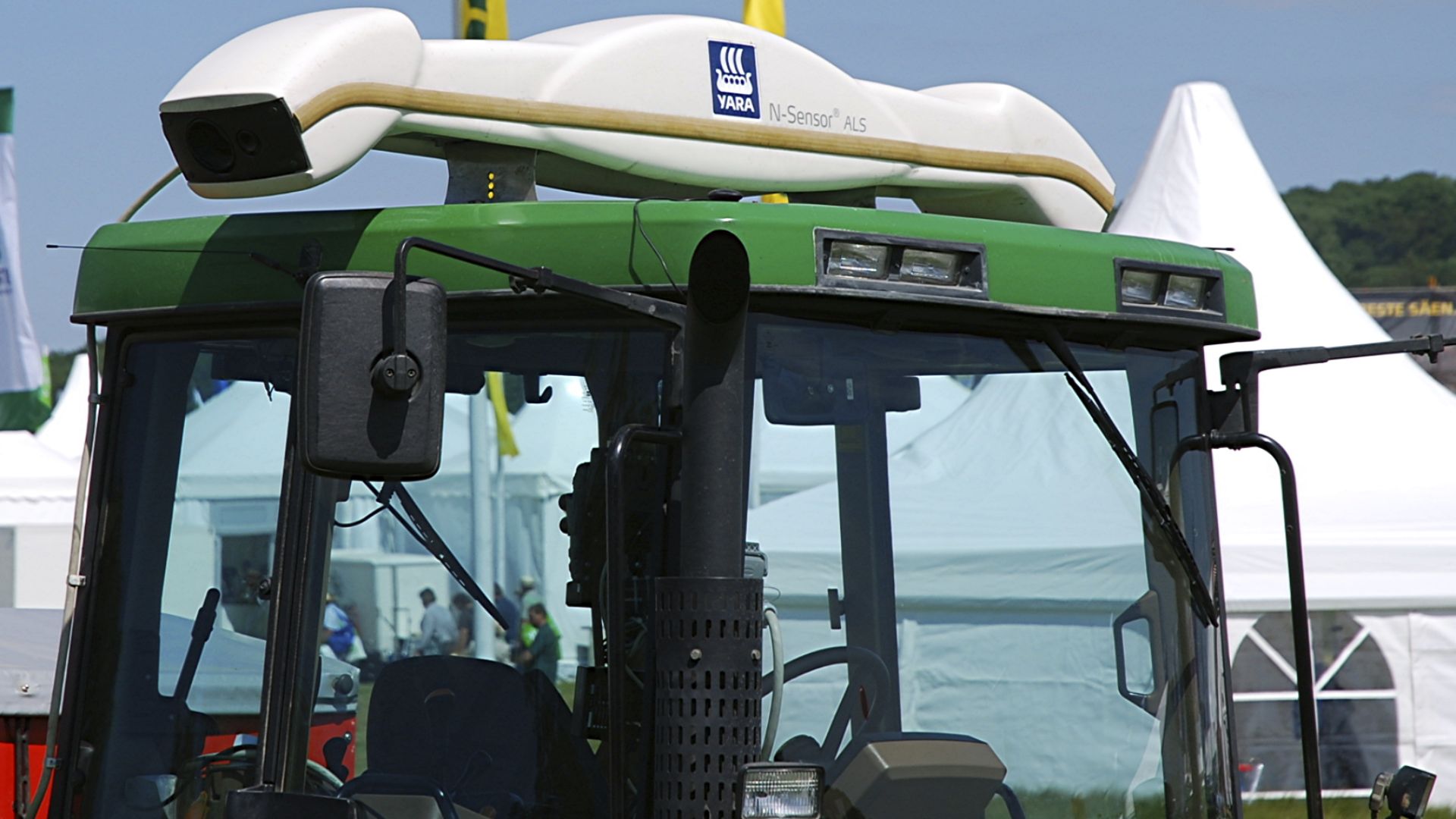
It is said that large geomagnetic storms could reduce agricultural yields by 38–48% globally through loss of access to agricultural inputs such as fertilizer or pesticides due to disrupted industrial production. Without GPS-guided tractors, modern precision farming collapses. Without electricity, food processing plants shut down.
Medical Emergency
Hospitals depend entirely on continuous electricity for life-support systems, ventilators, surgical equipment, and medication refrigeration. If there is no power grid stability, backup generators will provide only days of autonomy before fuel supplies run out. Major disruptions would cascade through emergency and hospital services.
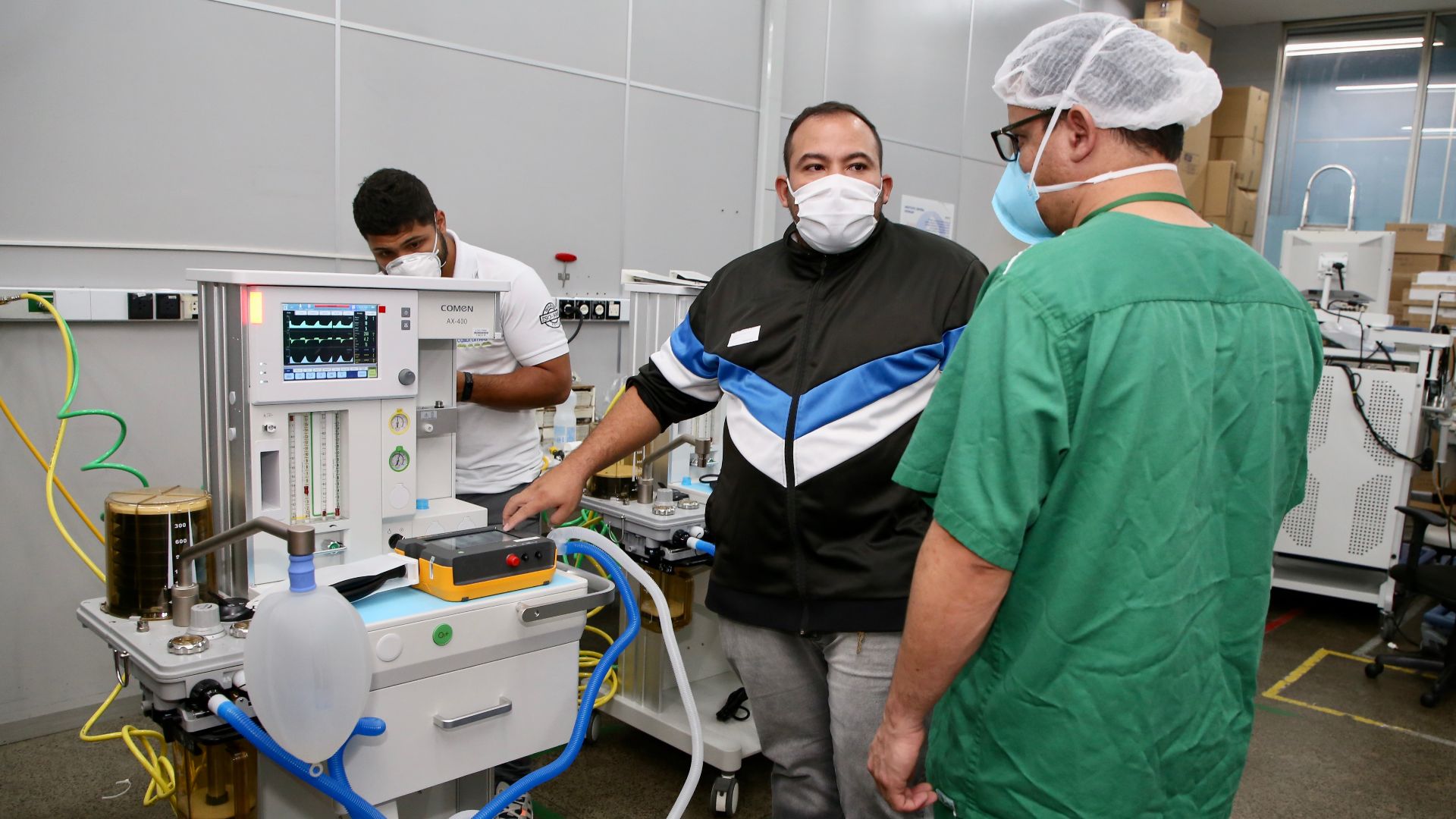 Governo do Estado de São Paulo, Wikimedia Commons
Probability Assessment
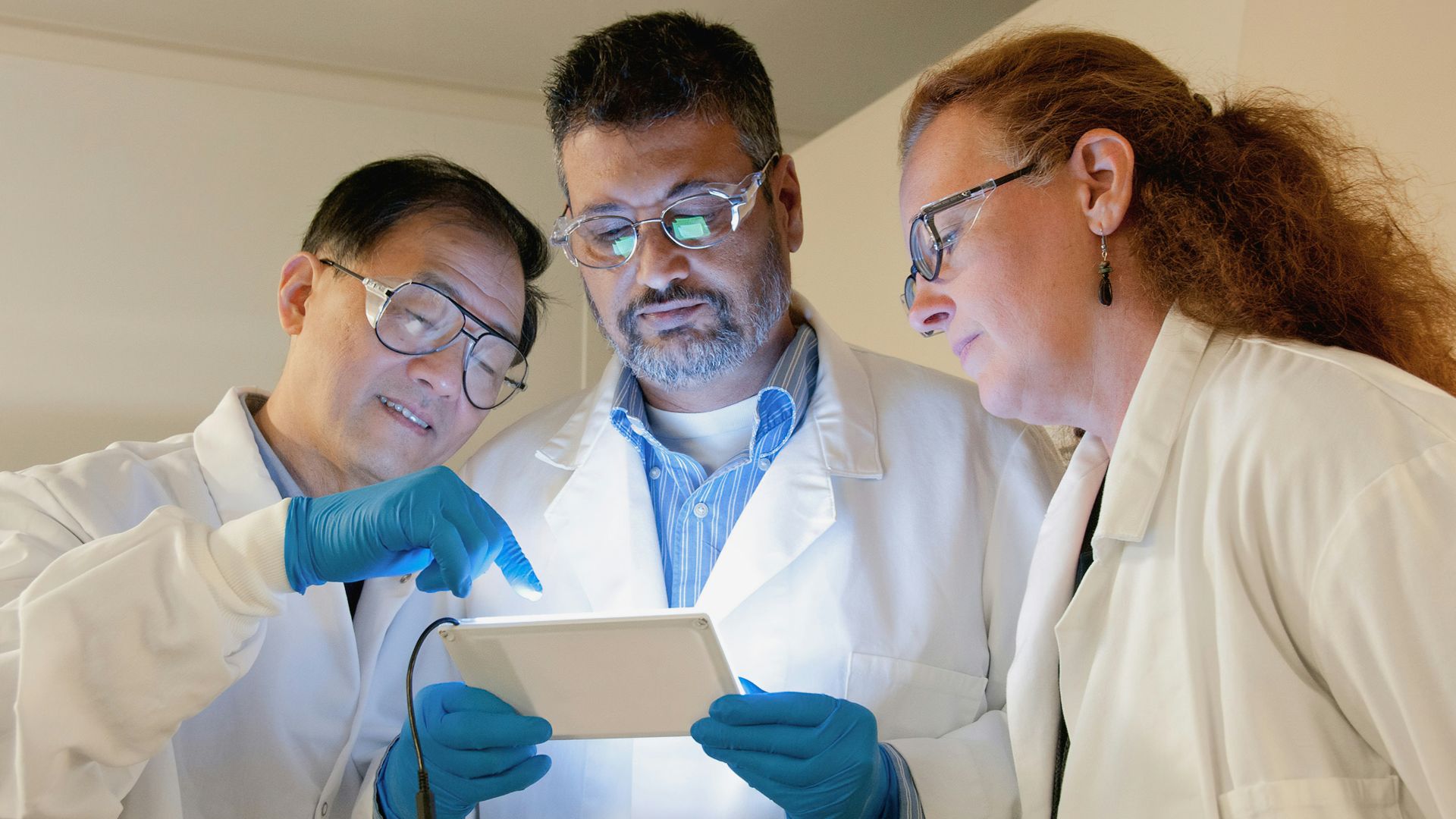
Scientists estimate there's a 4% chance of at least one severe storm per year, and a 0.7% chance of a Carrington-class storm annually—meaning one is statistically overdue. Ice core samples show that large-scale geomagnetic storms occur at an average rate of once every 500 years.
 National Cancer Institute, Unsplash
Warning Systems
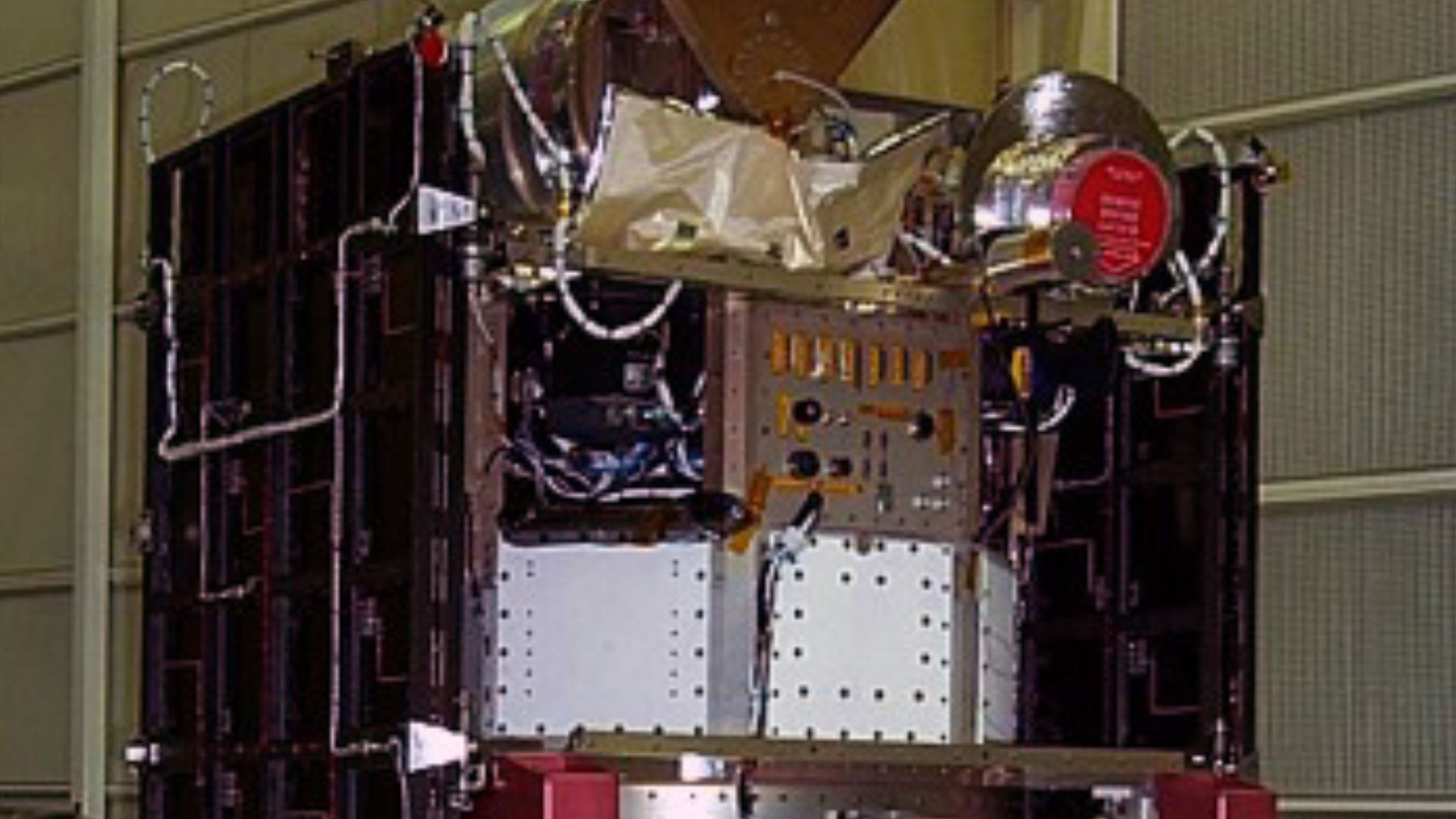
Defense systems like the Advanced Composition Explorer and DSCOVR Deep Space Climate Observatory satellite provide critical but limited warnings, offering only a brief window—up to an hour—before a potential impact. That's barely enough time to shut down critical infrastructure safely.
Infrastructure Hardening
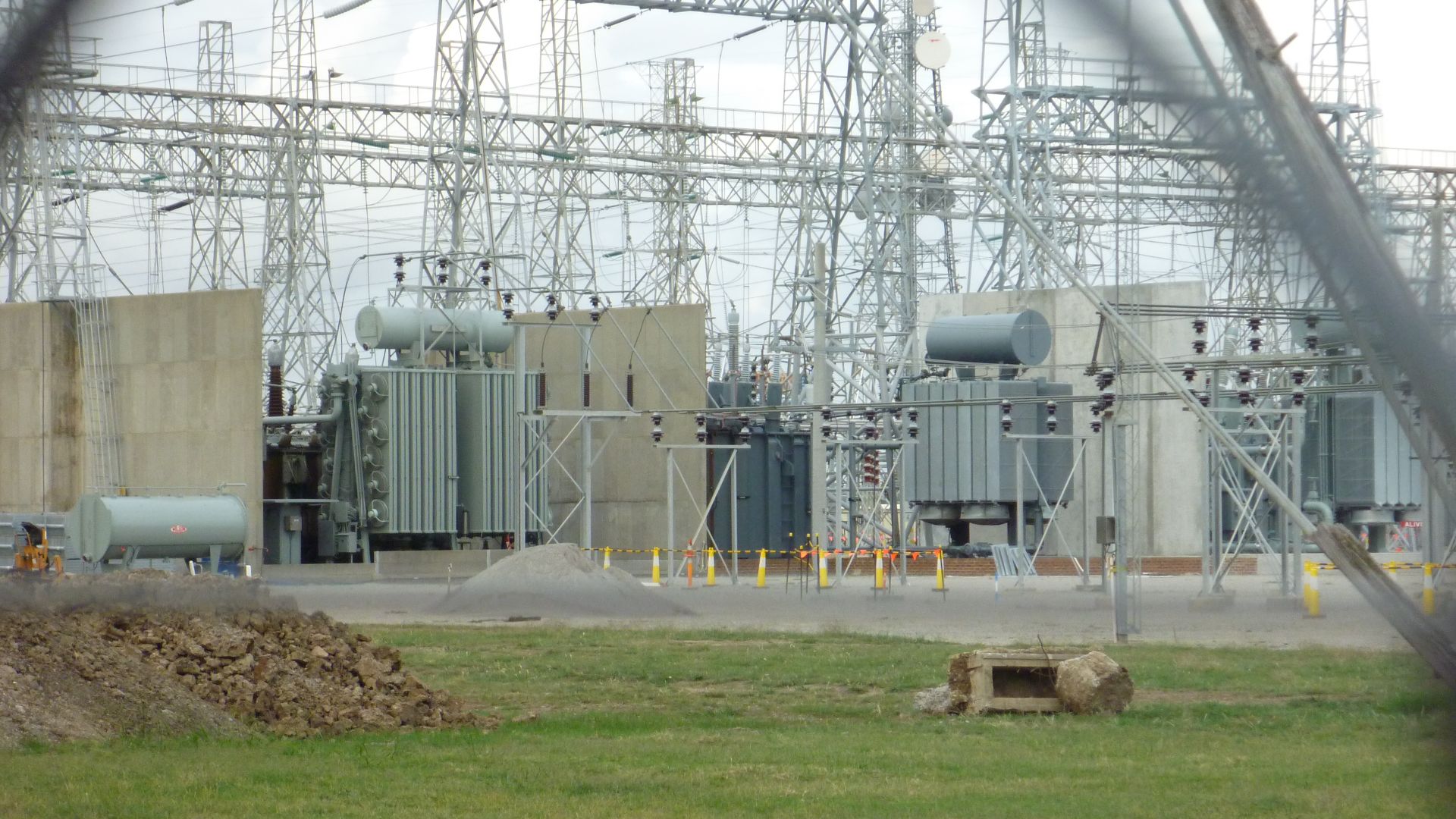
Western Area Power Administration installed the first commercially developed neutral blocking device in the US at White Substation in South Dakota to block geomagnetically induced currents during solar storms. These devices build barriers preventing dangerous currents from saturating transformers and causing catastrophic failures.
Emergency Preparedness
NOAA recommends creating an emergency kit, making a family communications plan, and filling plastic containers with water to place in refrigerators and freezers as basic preparation for extreme geomagnetic storms. Keep your car's gas tank at least half full since stations need electricity to pump fuel.
Global Cooperation
The UK has invested millions into the Swimmr project to improve space weather monitoring and prediction capabilities through collaboration with industry, academia, and international partners. ITU's World Radiocommunication Conference secured future spectrum availability for essential space and science services.
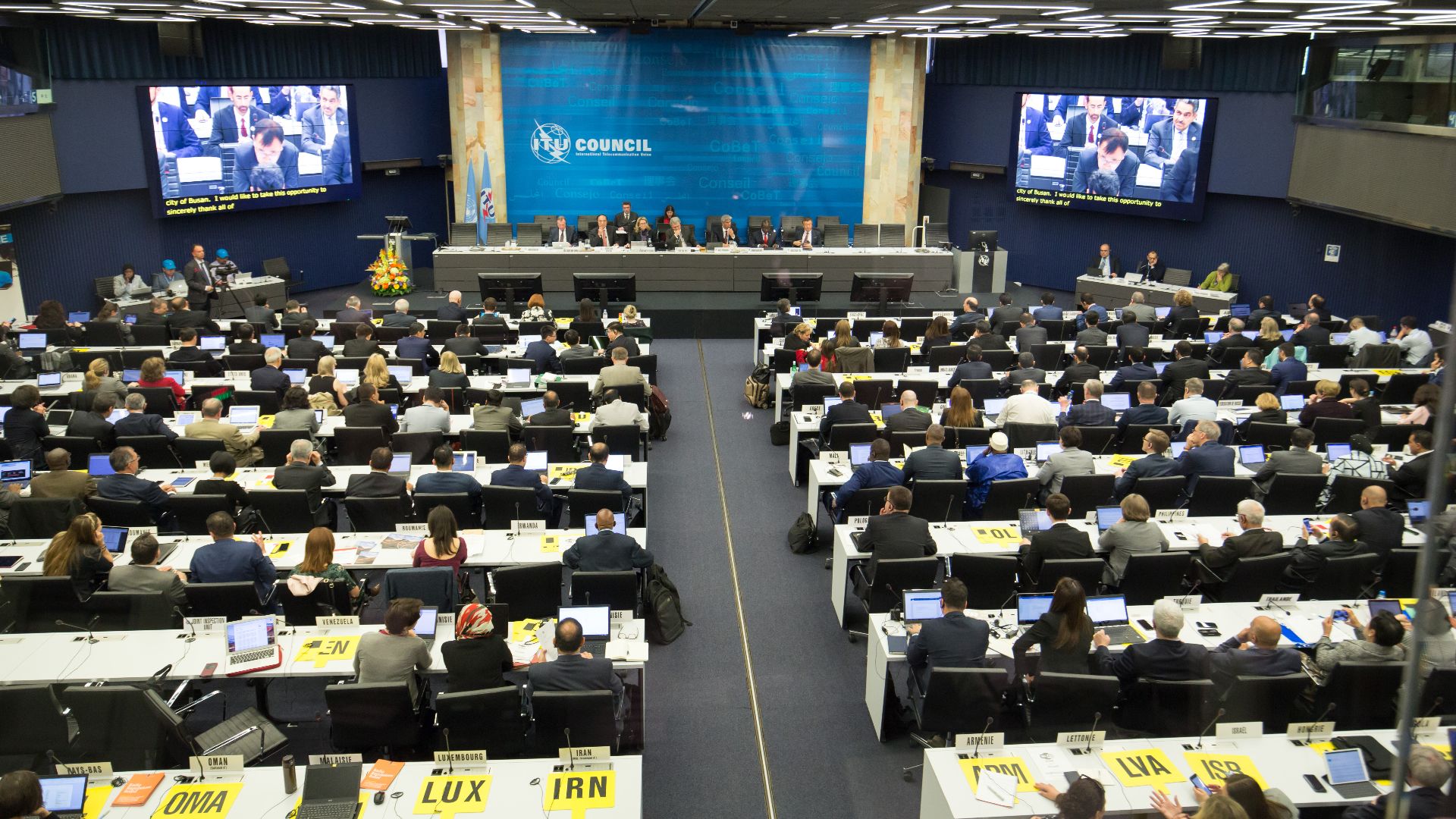 ITU Pictures from Geneva, Switzerland, Wikimedia Commons