How Art And Power Reshaped His Image
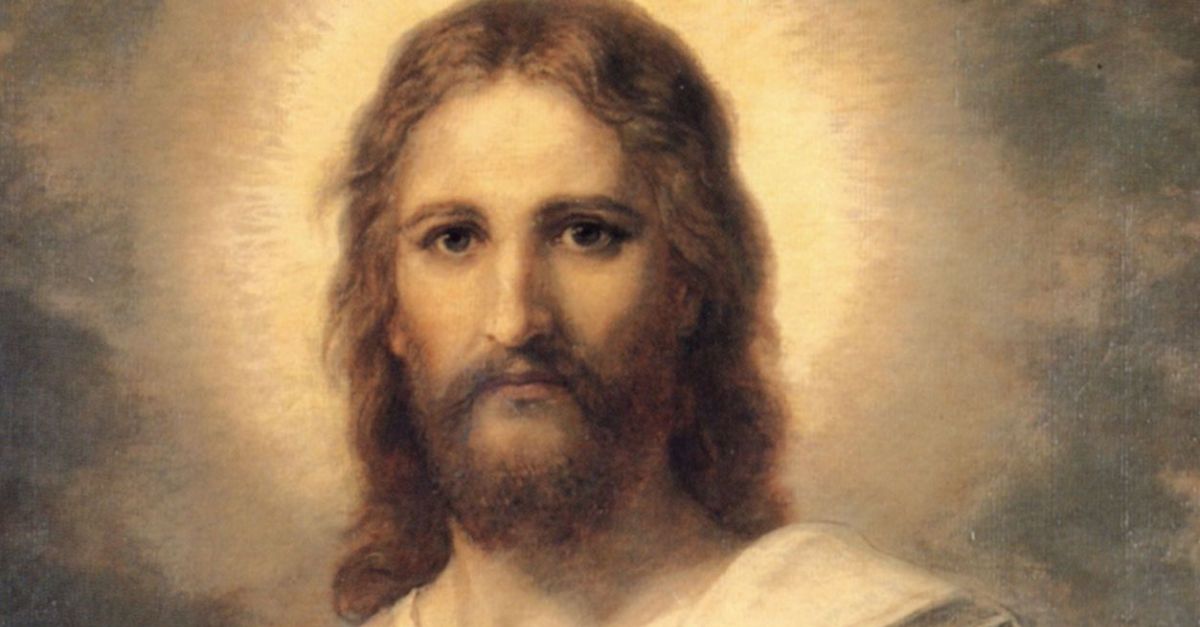
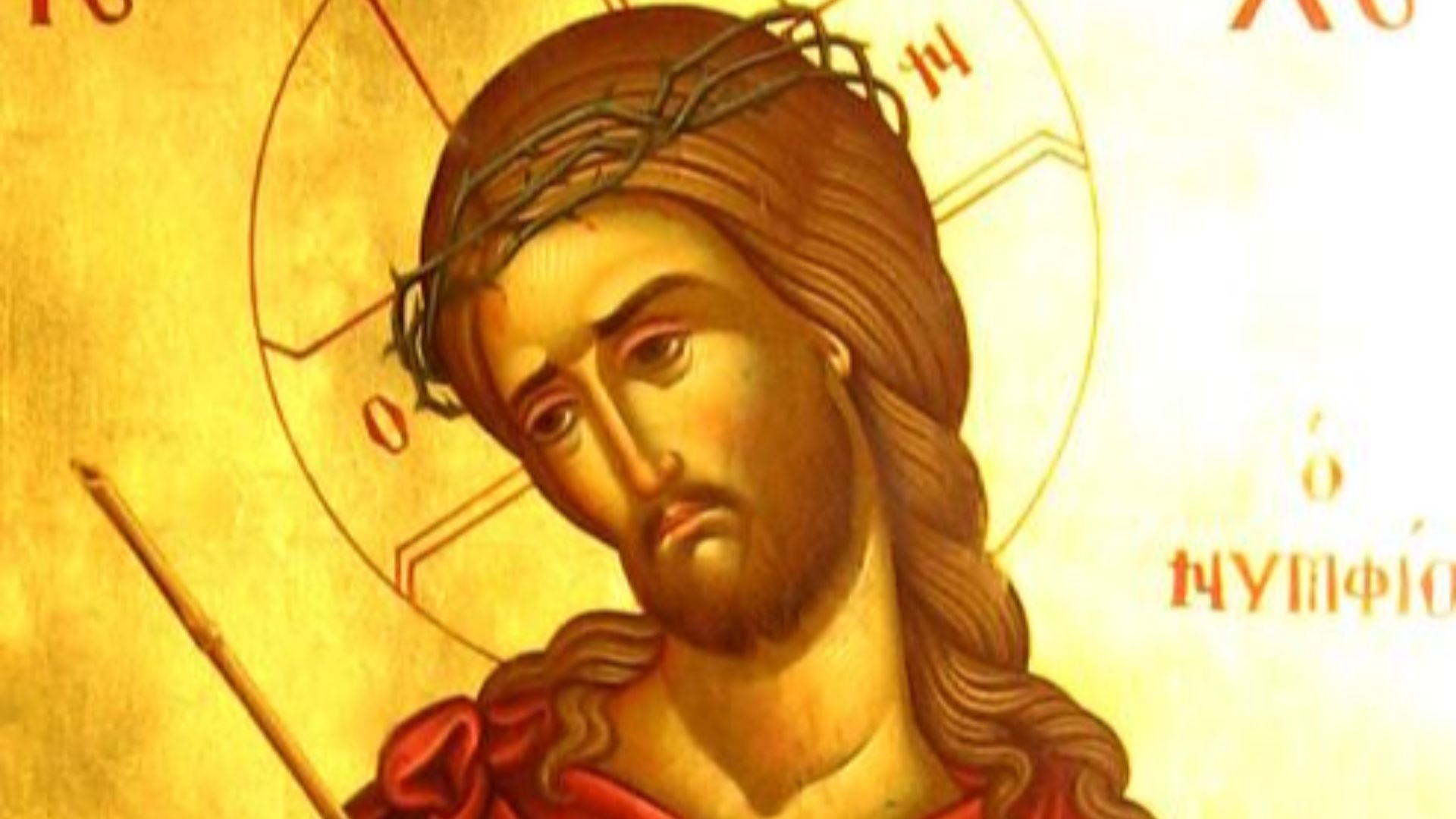
The face most people associate with Jesus did not come from the Bible or eyewitness accounts. Despite knowing his ancestry, the way he is commonly portrayed reflects centuries of artistic choices and social authority.
An Ongoing Focus On Jesus’s Skin Color
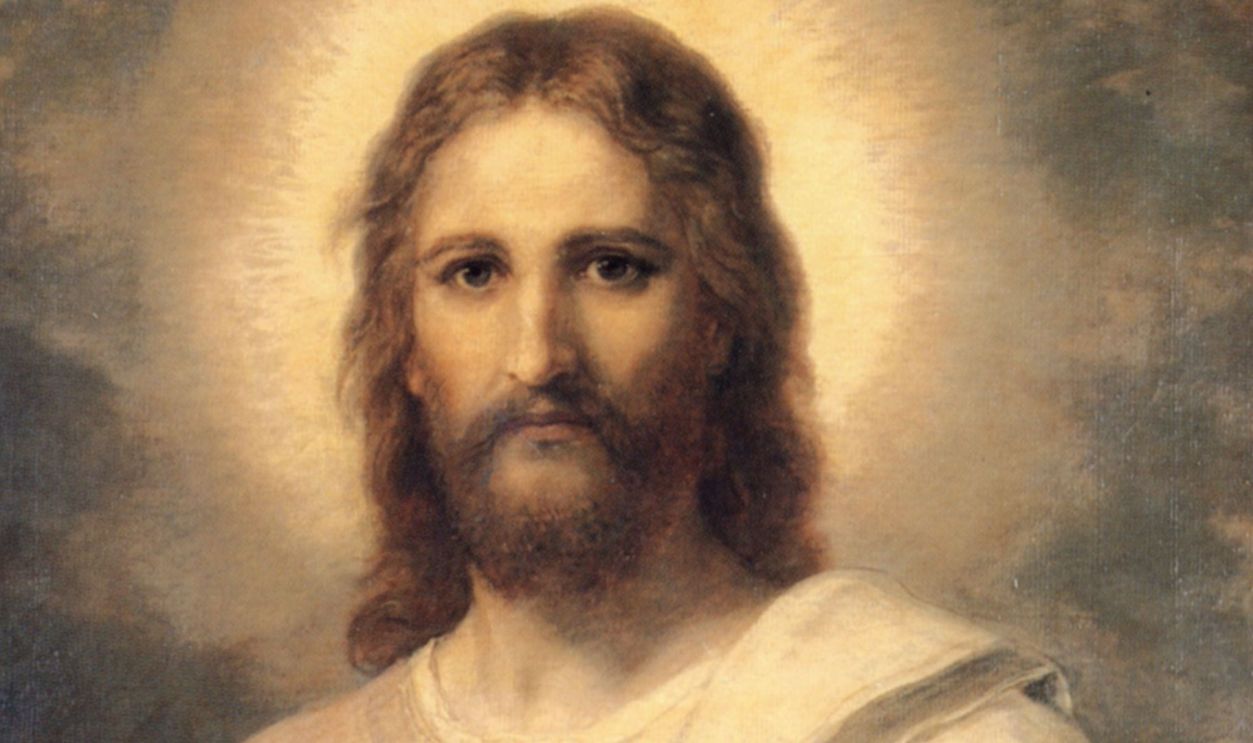
Jesus is usually portrayed in a way that often surprises people once they learn where he actually lived. Images of a light-skinned savior dominate Western culture, prompting questions about history and identity. These questions matter now more than ever, as conversations about race and accuracy grow louder in modern American society.
 Unknown artistUnknown artist, Wikimedia Commons
What The Bible Does And Does Not Say About His Appearance
Notably, the New Testament never describes Jesus’s skin tone, hair, or facial features. Early Christian writers focused on his teachings and actions, not his looks. This absence allowed later cultures to imagine him in ways that felt familiar and meaningful to them.
 NYC Wanderer (Kevin Eng), Wikimedia Commons
Within His Historical And Cultural World
Understanding Christ’s appearance begins with understanding his world. He lived in Roman-occupied Judea, a crossroads of the Middle East shaped by Jewish tradition and Mediterranean trade. His daily life reflected local customs and social conditions, but not European norms that feel familiar today.
The Role Of Geography In Shaping Human Features
Geography plays a major role in how people look over generations. Populations in the Middle East evolved features suited to strong sun and warm climates, including darker skin tones. These traits were common among Jewish communities in the region during the first century.

A First-Century Jewish Man Might Have Looked Like This
Historians and anthropologists agree that Jesus likely resembled other Jewish men of his time. He would have had dark hair and brown eyes with olive or brown skin. Clothing and nutrition shaped appearance more than modern ideals of beauty or race in the ancient Mediterranean world.
The Earliest Visual Representations
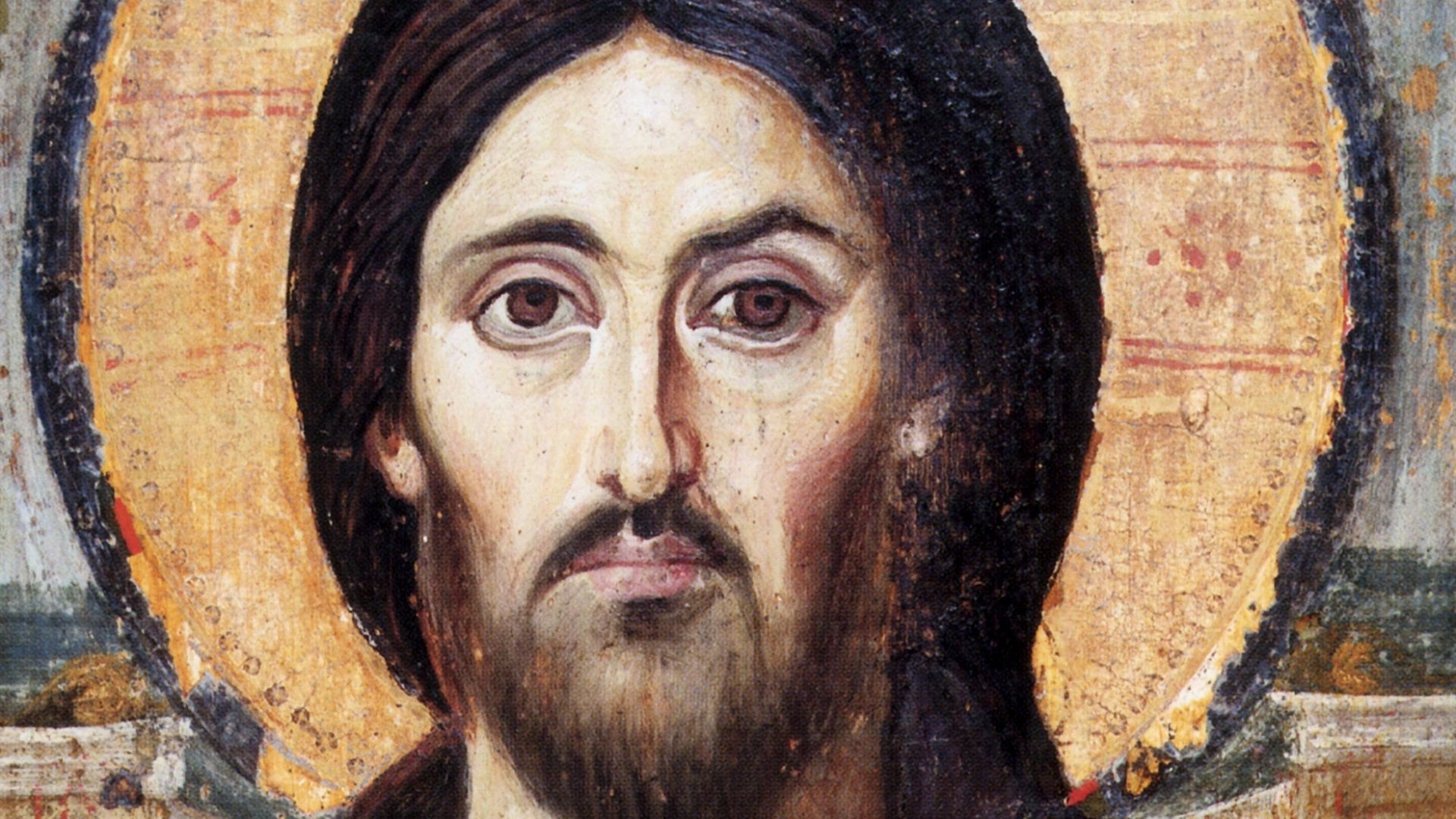
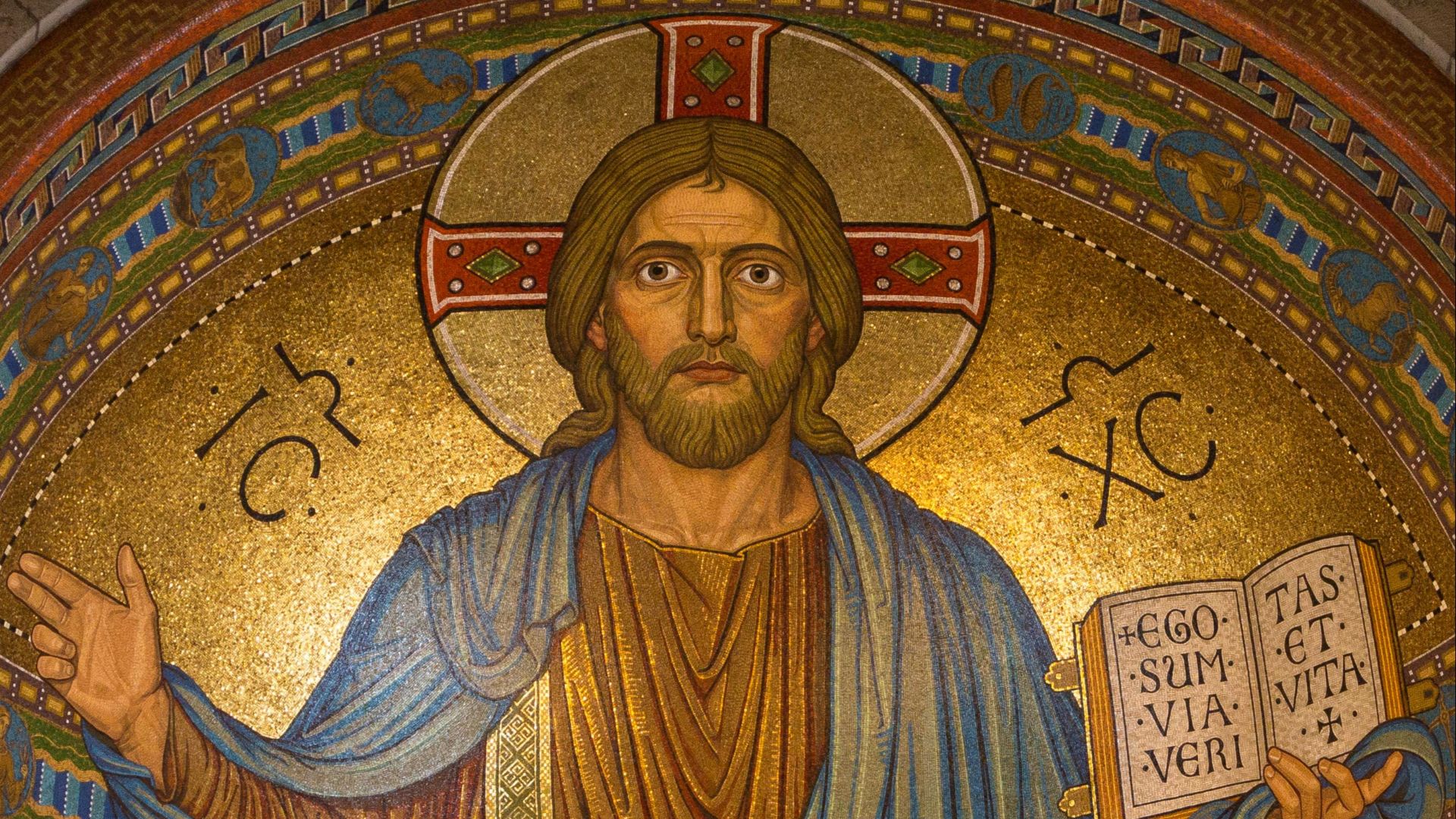
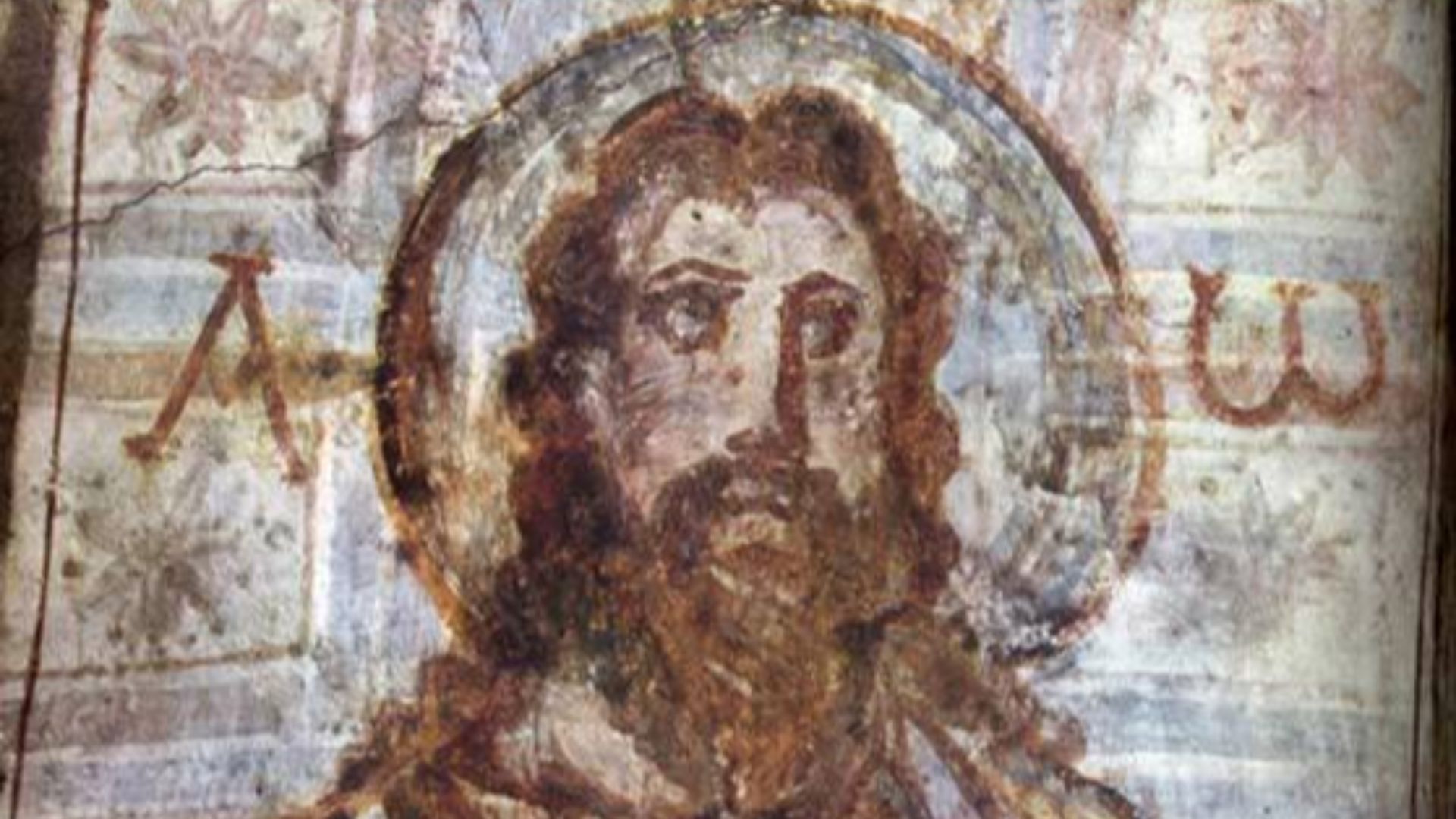
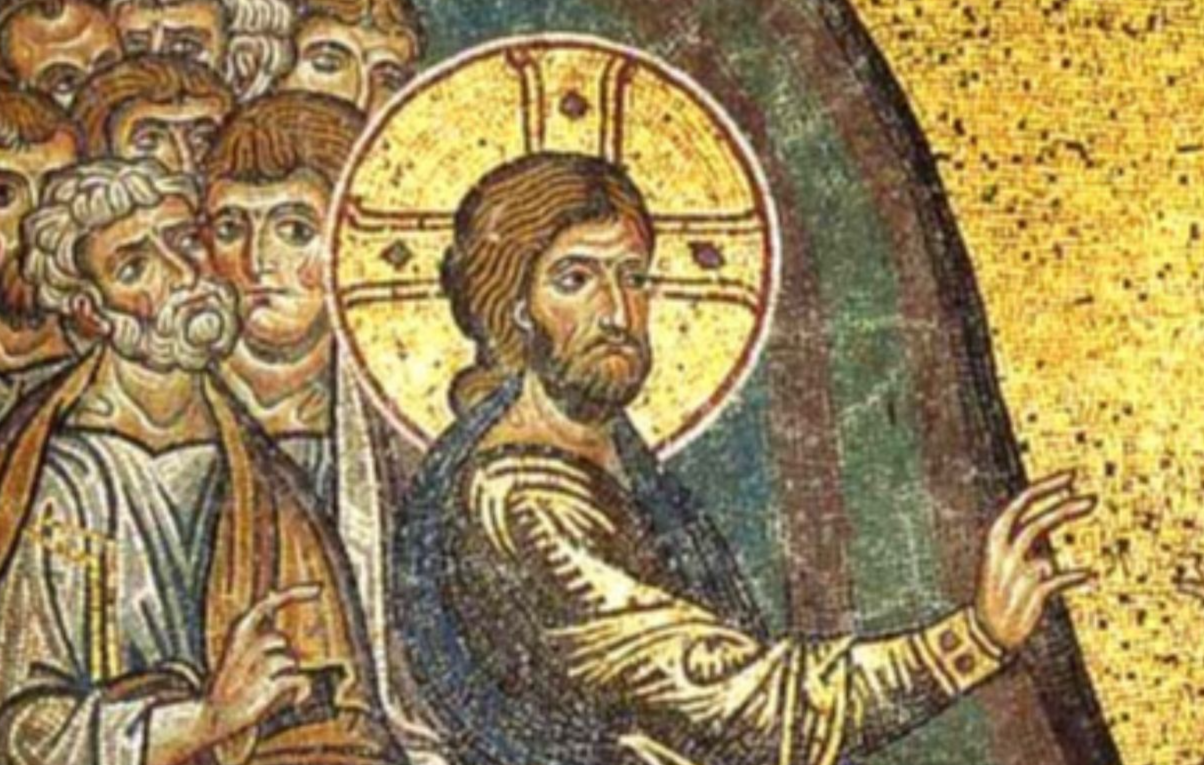
The earliest images of Jesus appeared centuries after his death, mostly in Roman catacombs and early Christian art. These portrayals were symbolic and often showed him as a shepherd or teacher. In other words, they reflected spiritual meaning instead of physical accuracy or ethnic detail.
 Sebastian Wallroth, Wikimedia Commons
Christianity’s Expansion Beyond The Middle East
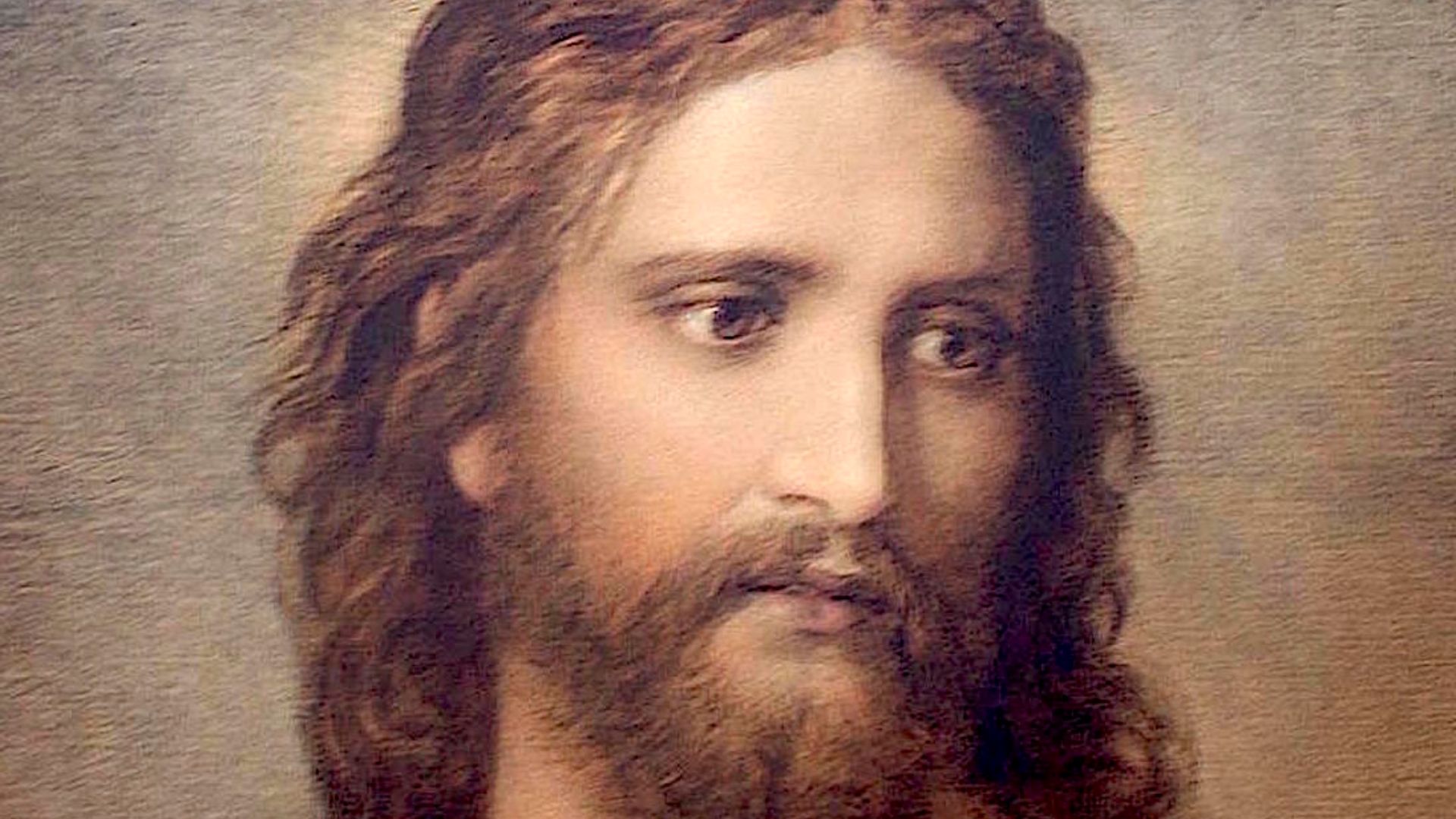
As Christianity spread into Rome and later Europe, it encountered new cultures and artistic traditions. Local believers adapted imagery to their own environments, gradually reshaping how Jesus appeared in art as the faith moved farther from its Middle Eastern origins.
 Heinrich Hofmann, Wikimedia Commons
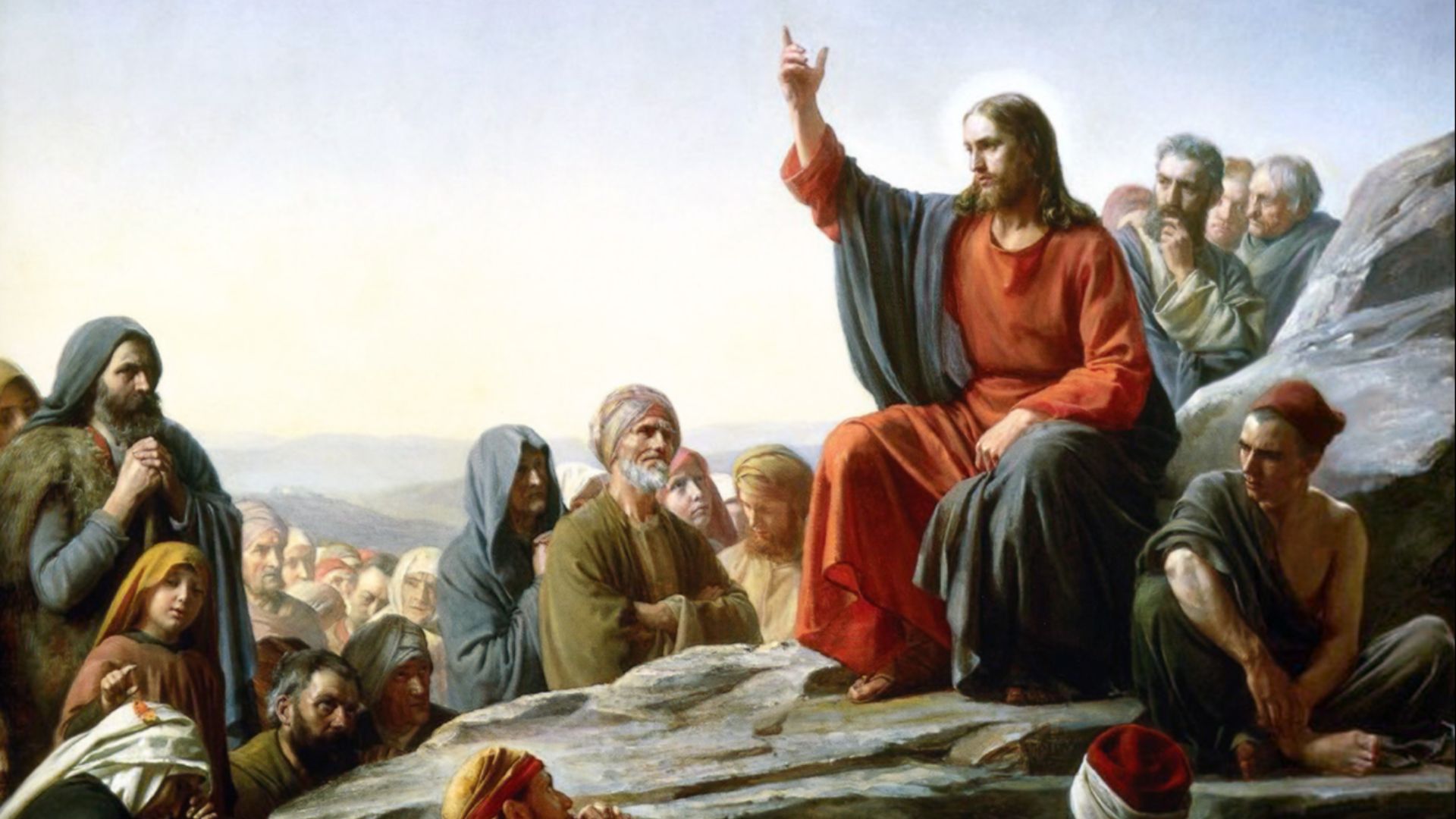
Artists Historically Painted Him Like Themselves
Before photography, artists relied on familiar faces as models. Painters naturally depicted holy figures using local features and clothing. This practice helped worshippers relate emotionally to religious scenes but unintentionally changed Christ’s appearance to match regional populations.

History's most fascinating stories and darkest secrets, delivered to your inbox daily.
Europe As Christianity’s Center Of Power
Once Christianity became dominant in Europe, church leaders and institutions held immense influence over religious imagery. European-controlled churches commissioned most surviving artwork. This means that European interpretations of Jesus became widespread and were treated as authoritative for centuries.
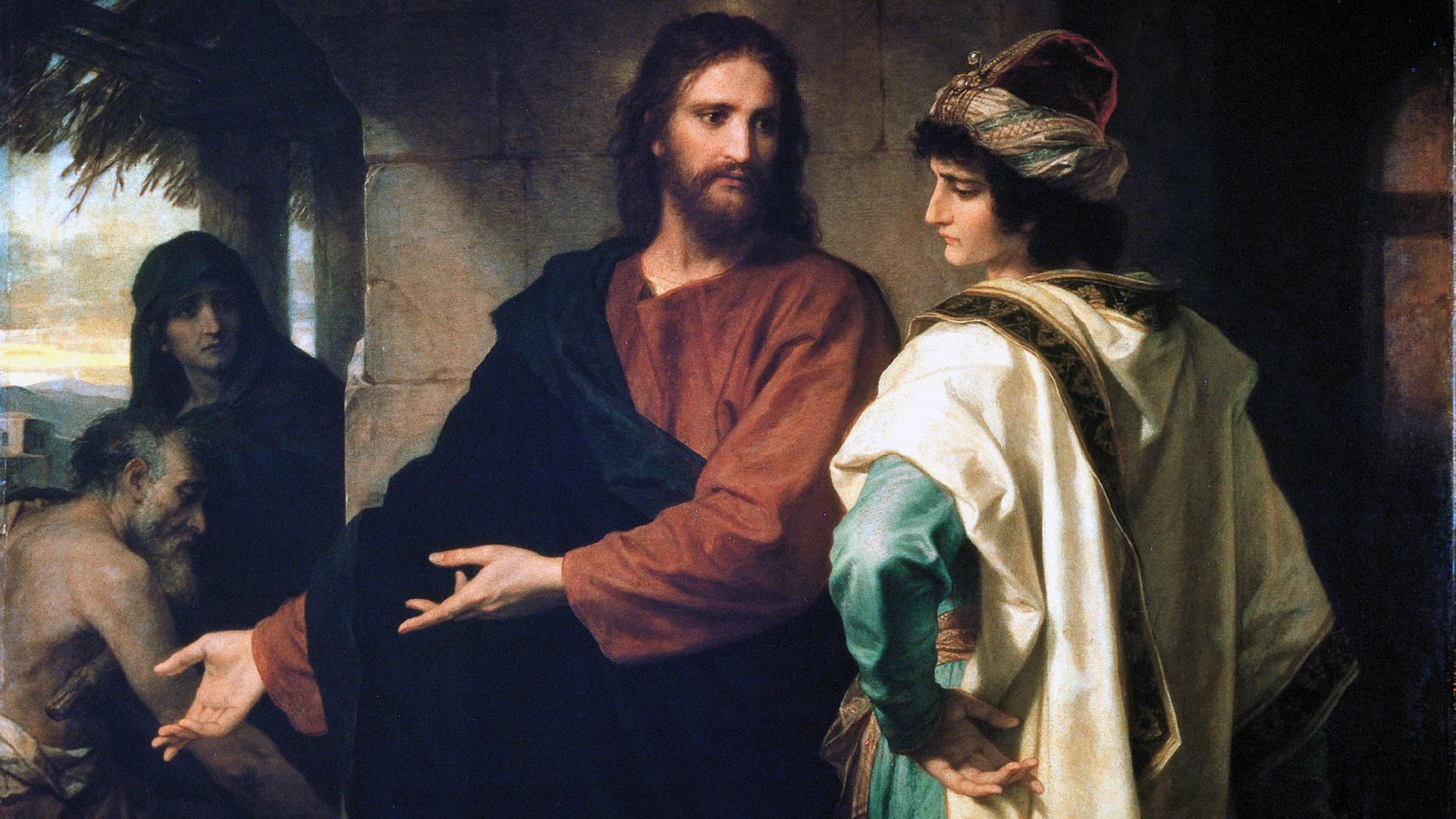 Heinrich Hofmann, Wikimedia Commons
A Gradual Shift Toward A European Look
Over time, repeated artistic choices normalized a lighter-skinned Jesus with European facial features. These images appeared in churches, manuscripts, and stained glass. Over time, they reinforced the idea visually. Gradual repetition helped this version feel familiar and unquestioned.
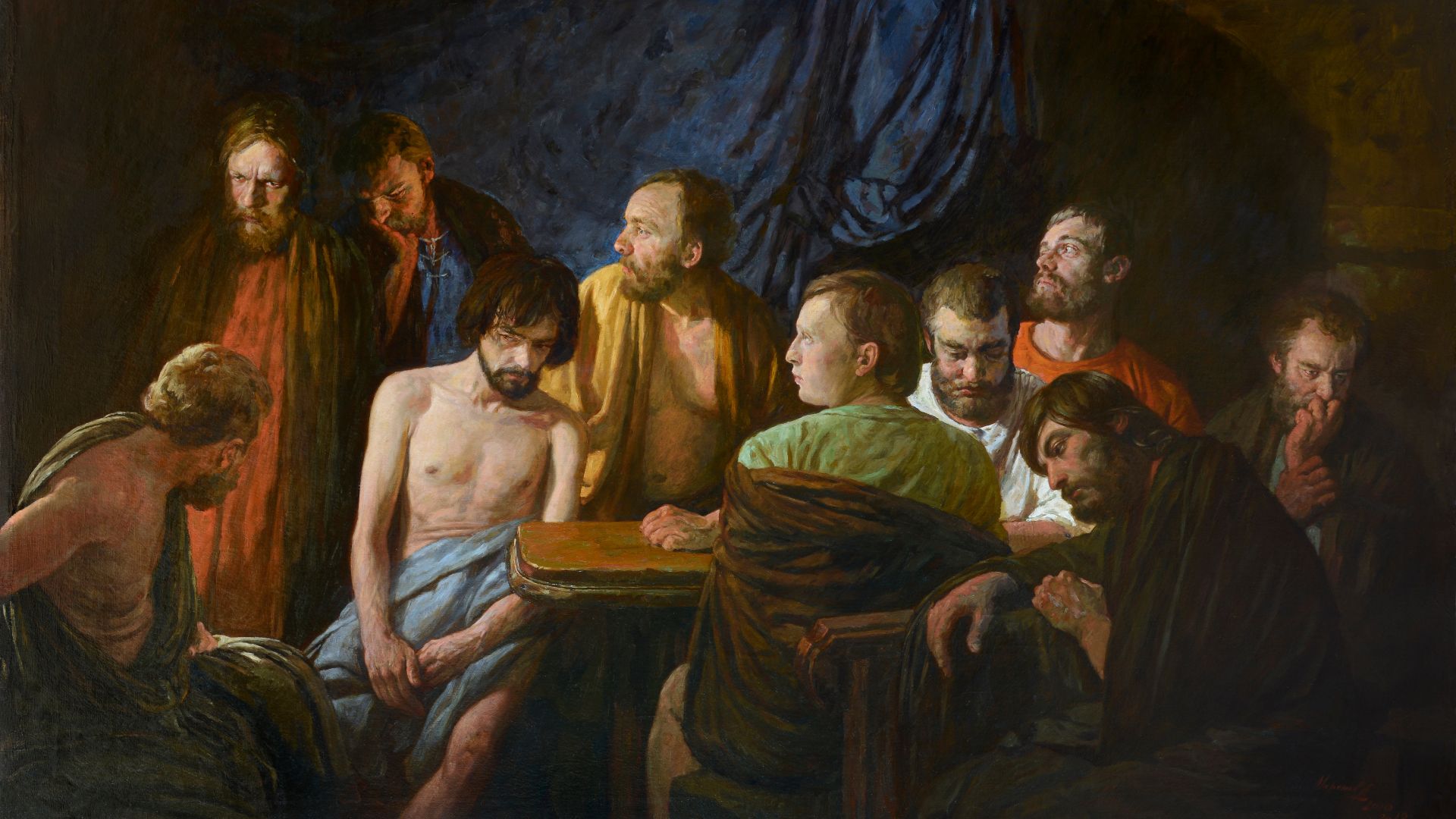 Andrey Nikolaevich Mironov (A.N. Mironov), Wikimedia Commons
Art And The Idealized Savior
Renaissance artists emphasized realism and human emotion. Christ was portrayed according to European ideals of perfection and grace. These works were admired for artistic mastery, not historical accuracy, yet they deeply influenced how generations imagined his face.
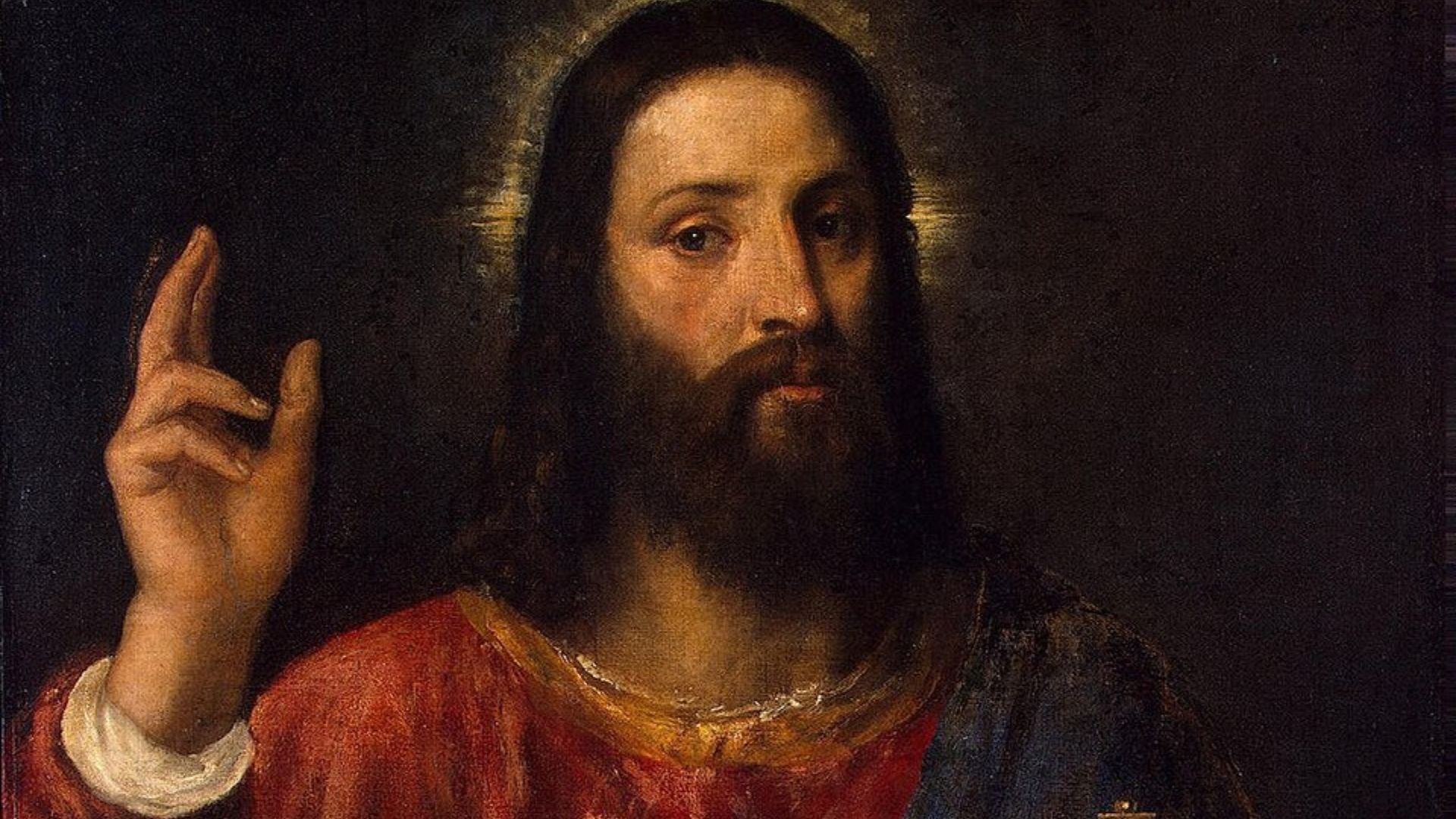 Hermitage Museum, Wikimedia Commons
A Visual Link Between Beauty And Holiness
Western art often connected physical beauty with moral goodness. As a result, Jesus was portrayed using the era’s standards of attractiveness. Over time, these artistic ideals blended with theology, subtly changing assumptions about holiness and appearance within Christian visual culture.
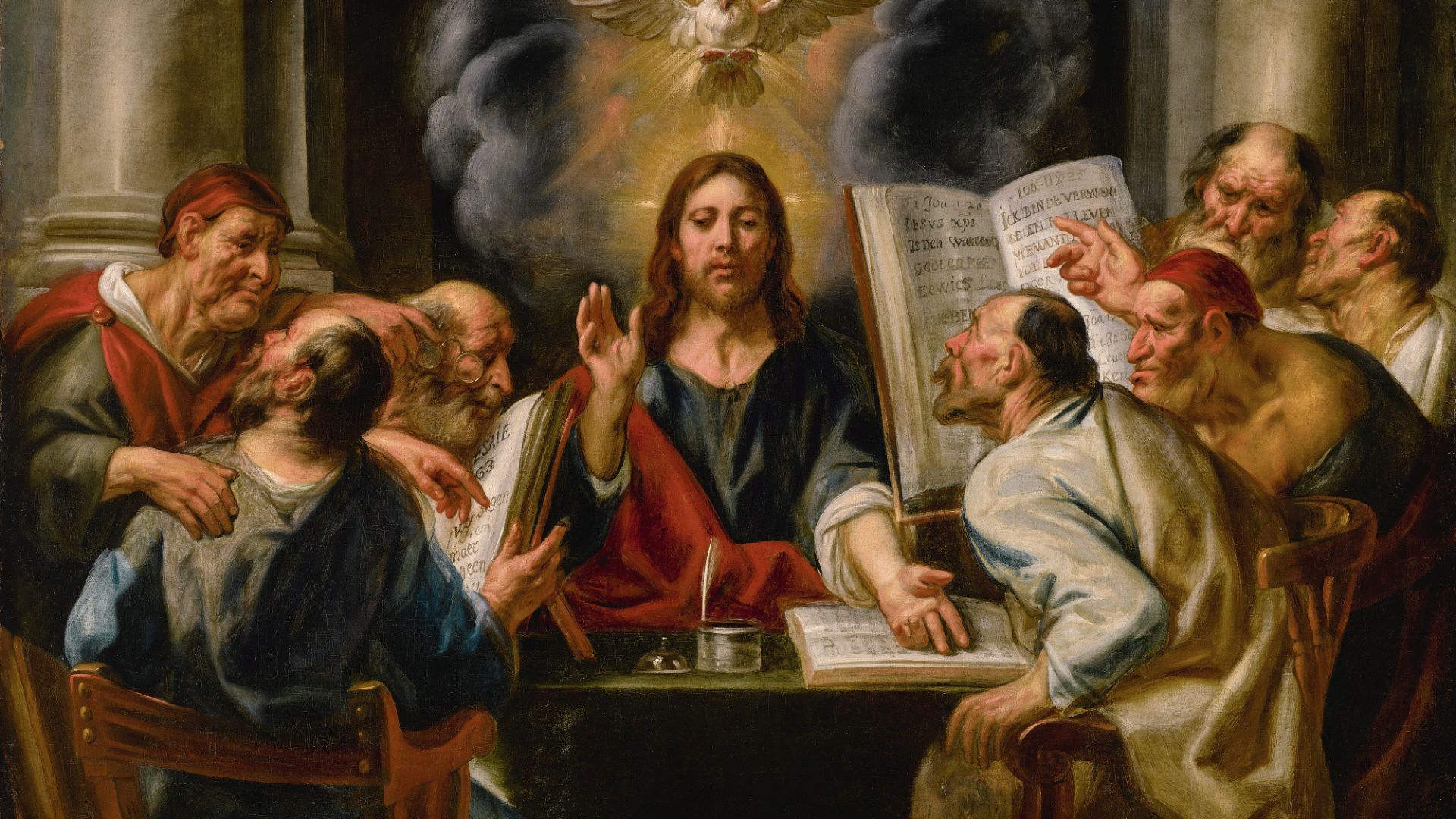 Jacob Jordaens, Wikimedia Commons
Empires And The Spread Of A White Jesus
As European empires expanded, Christianity often traveled alongside political power. Missionaries brought religious art that reflected European norms, which included depictions of a white Christ. These images became teaching tools, and they impacted beliefs in colonized regions while linking faith and European identity.
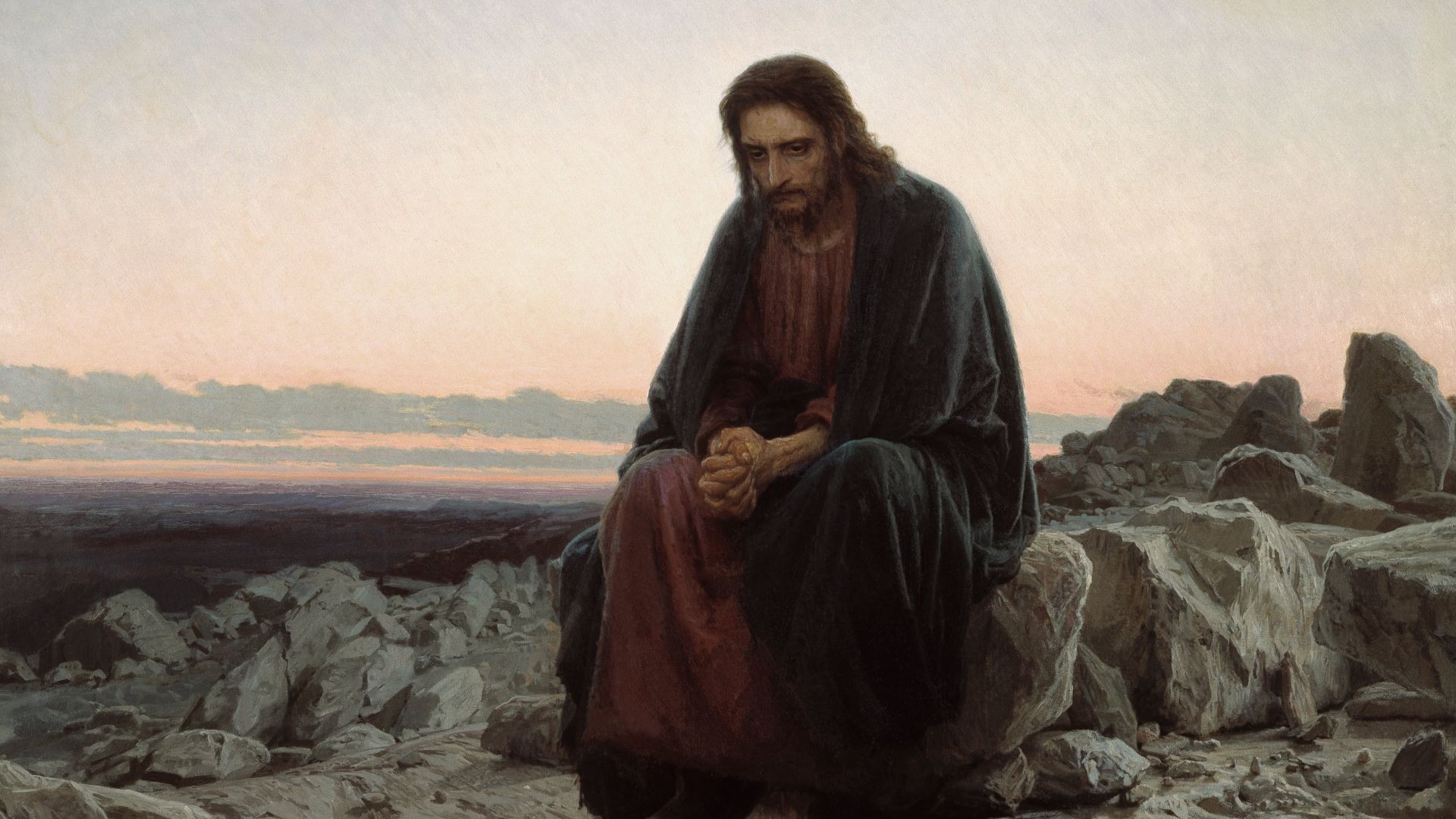 Ivan Kramskoi, Wikimedia Commons
Missionary Imagery And Cultural Authority
Missionary churches frequently replaced local religious symbols with European Christian art. Images of Jesus were presented as universal and correct, and this discouraged local reinterpretations. Over the centuries, Western-looking religious imagery carried spiritual authority and legitimacy across diverse cultures.
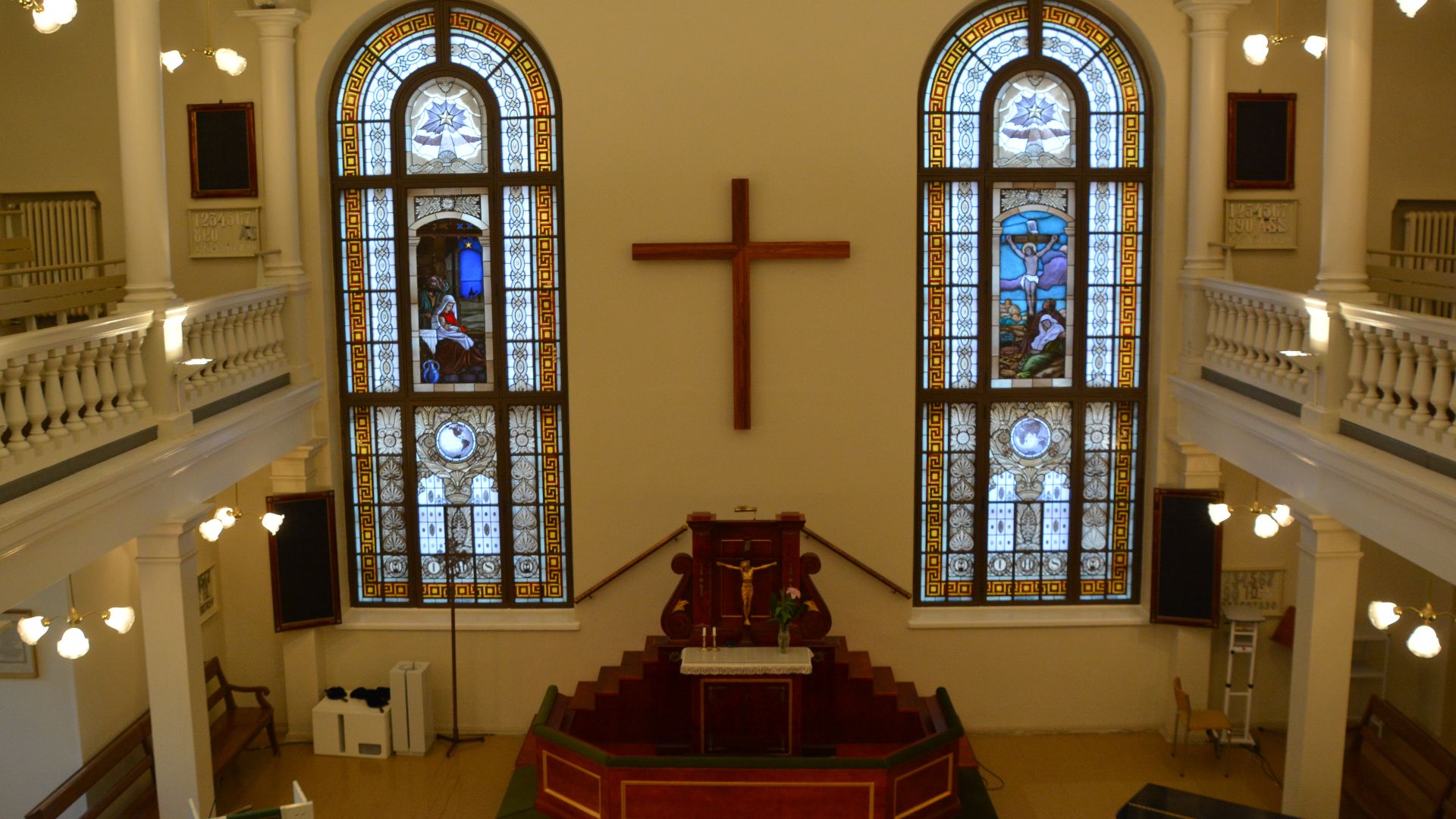 Bengt Oberger, Wikimedia Commons
Race Enters Christian Visual Traditions
In the 19th century, racial thinking influenced theology and art. Some Europeans recast biblical figures as white to support flawed racial hierarchies. These interpretations ignored geography and history, but they left lasting marks on religious imagery and public understanding.
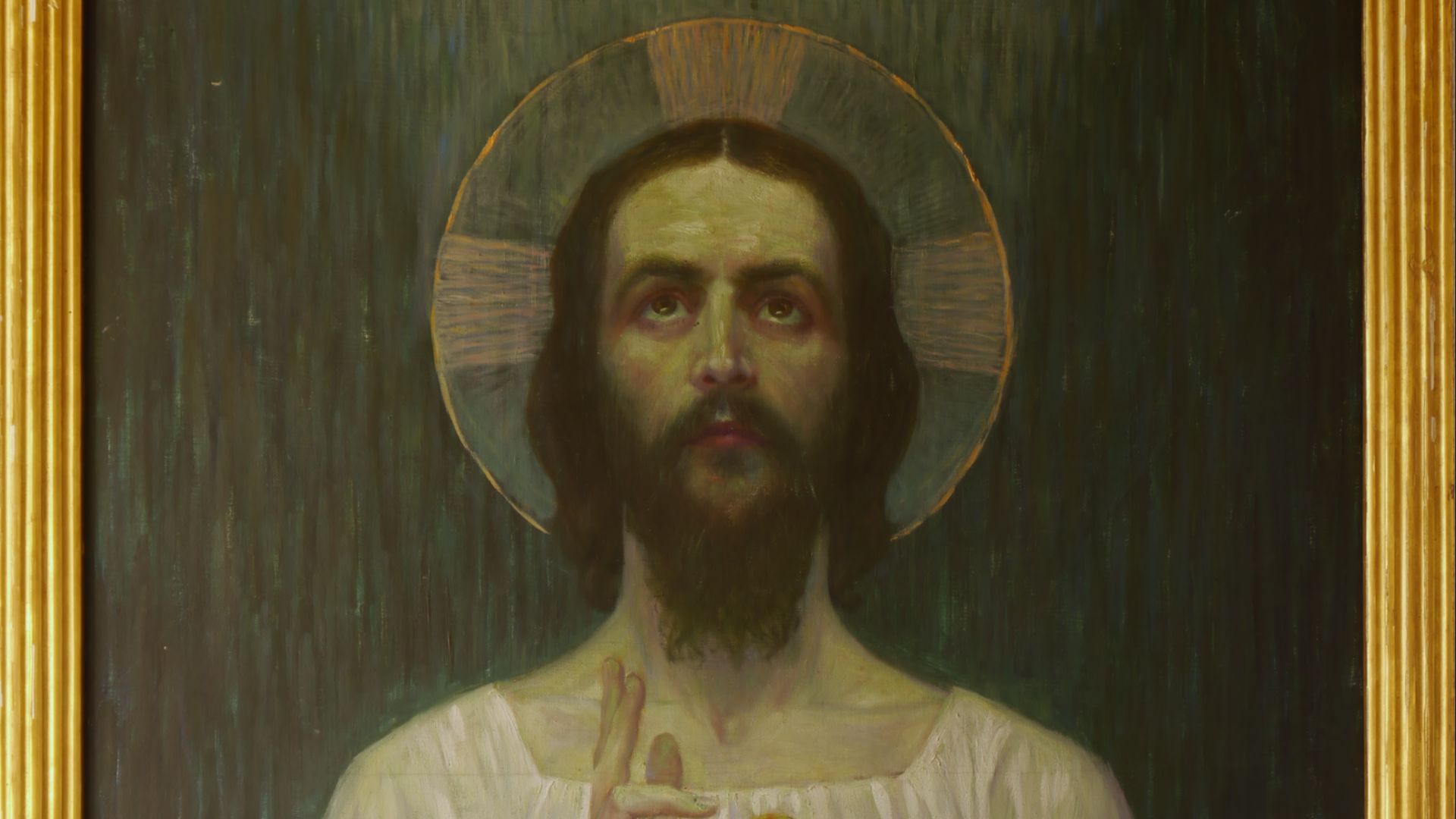 Wilhelm List, Wikimedia Commons
A White Jesus And The Normalization Of Hierarchy
A white portrayal of Jesus sometimes reinforced social power structures. When paired with colonial rule or segregation, the image subtly suggested divine alignment with those in control. This connection affected how faith and moral authority were perceived in many Western societies.
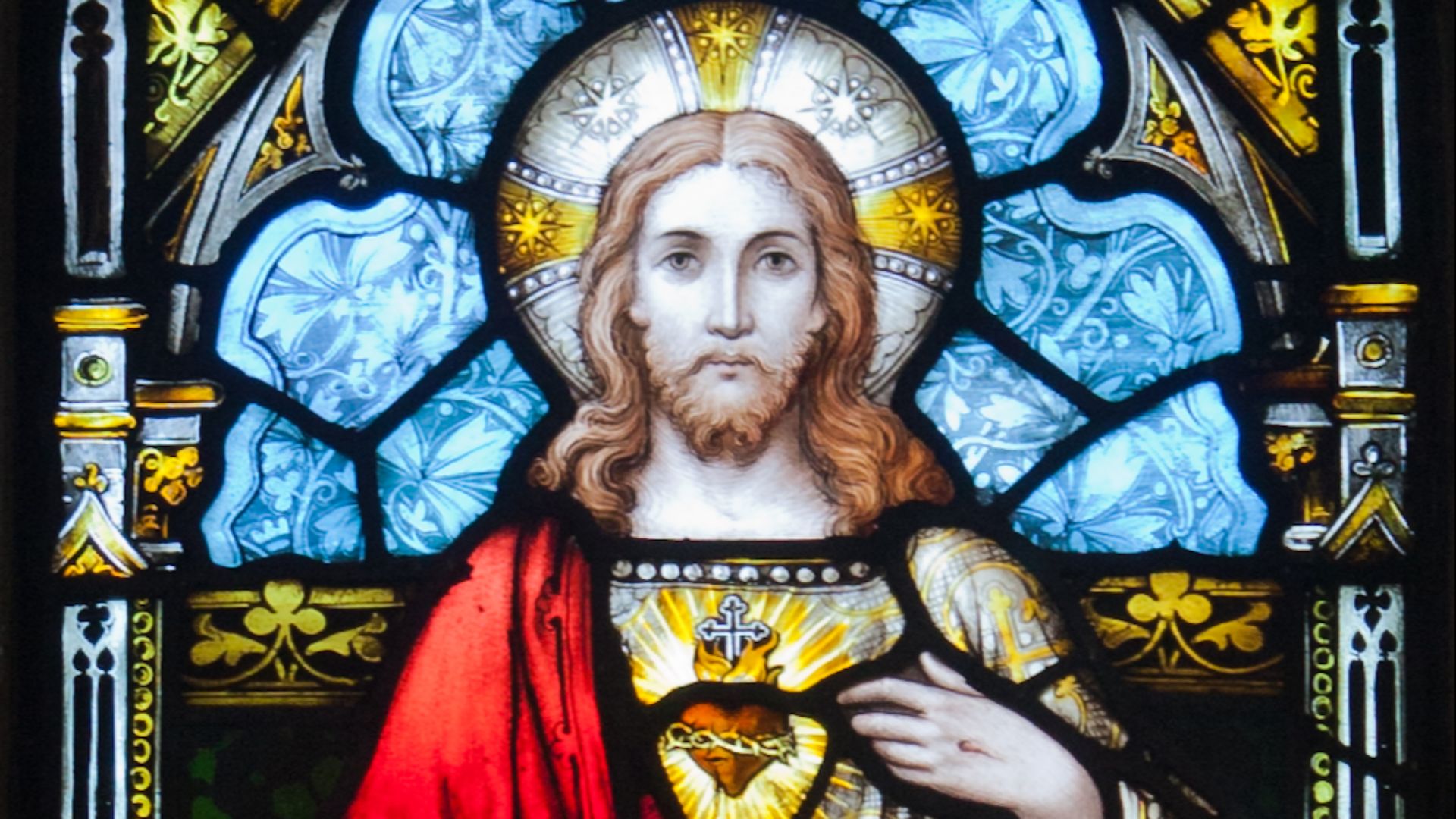 Andreas F. Borchert, Wikimedia Commons
The Printing Press And A Standardized Image
Mass printing changed everything. Religious books and posters circulated identical images of Christ across continents. Once reproduced at scale, one version became familiar and trusted. It reduced variation while cementing a specific look within popular Christian imagination.
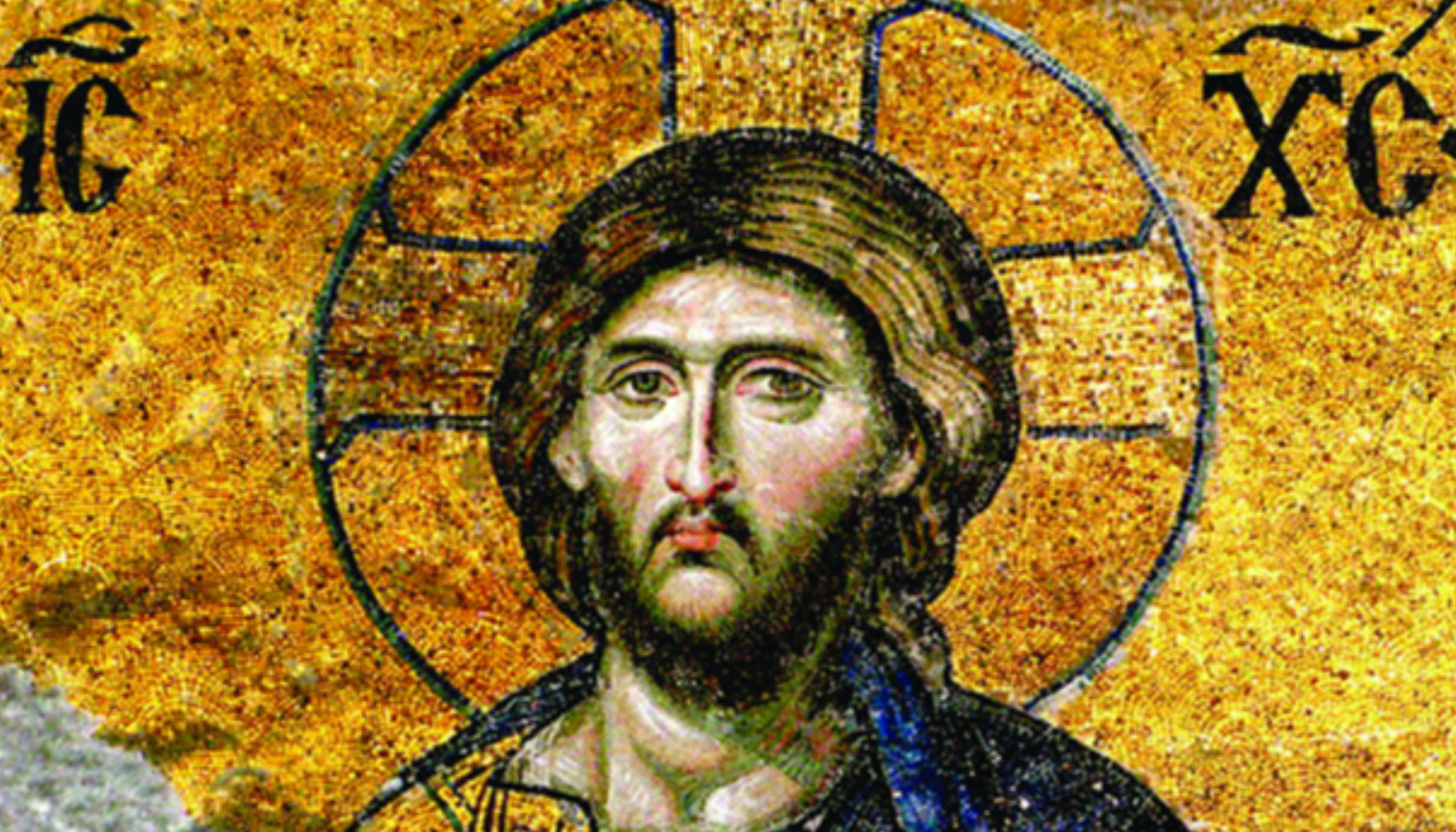 Byzantinischer Mosaizist des 12. Jahrhunderts, Wikimedia Commons
Film And Television Solidifying A Familiar Face
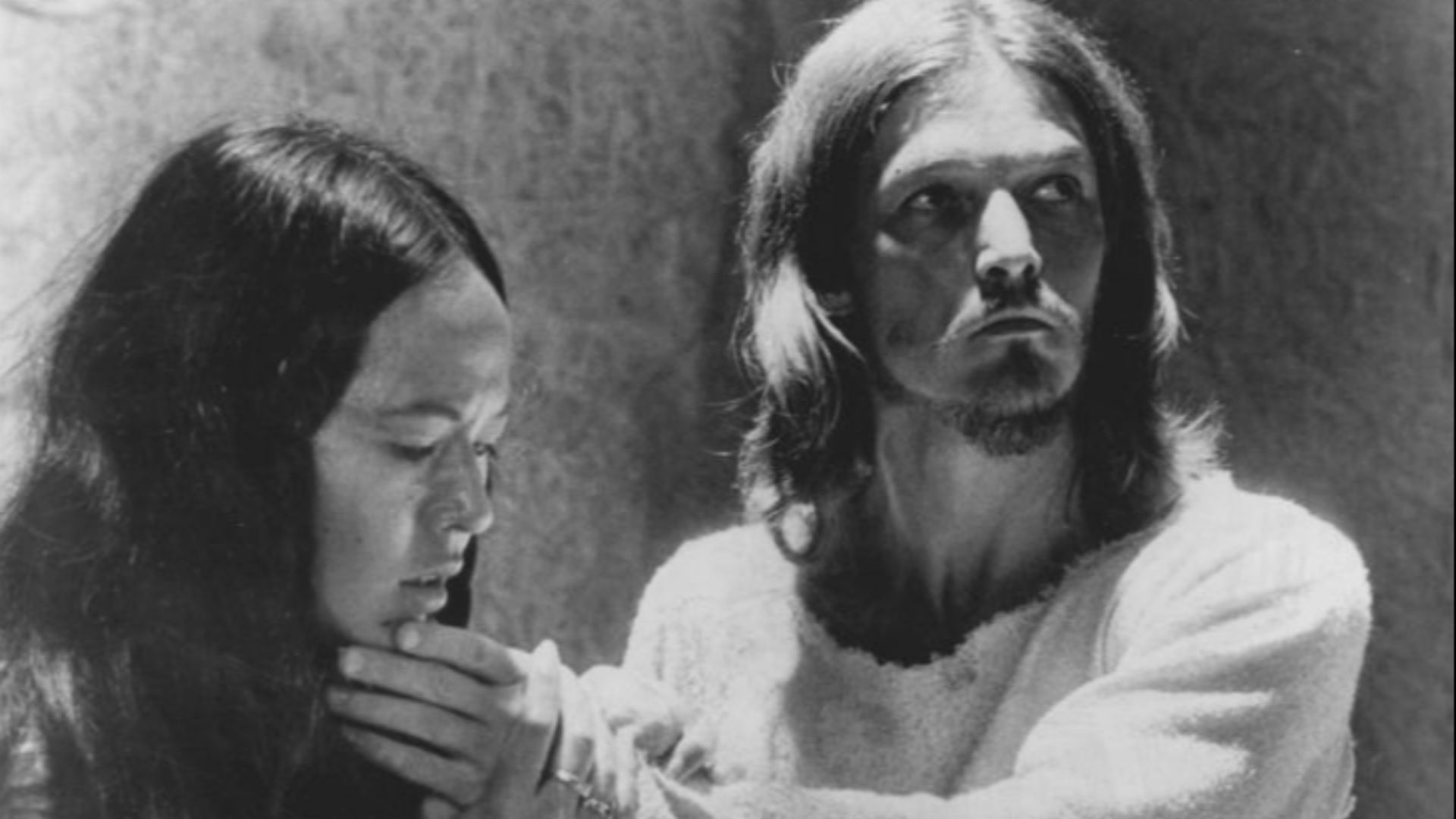
20th-century films and television brought Jesus to life for millions. Casting choices favored European-looking actors according to earlier artistic traditions. Moving images proved especially powerful by embedding a particular appearance into cultural memory more deeply than paintings or books ever could.
Familiar Images And Spiritual Comfort
People often feel comforted by sacred images that resemble their own communities. Familiar faces create emotional connection and trust. This psychological tendency helped preserve certain depictions of Jesus, even when viewers understood those images were symbolic.
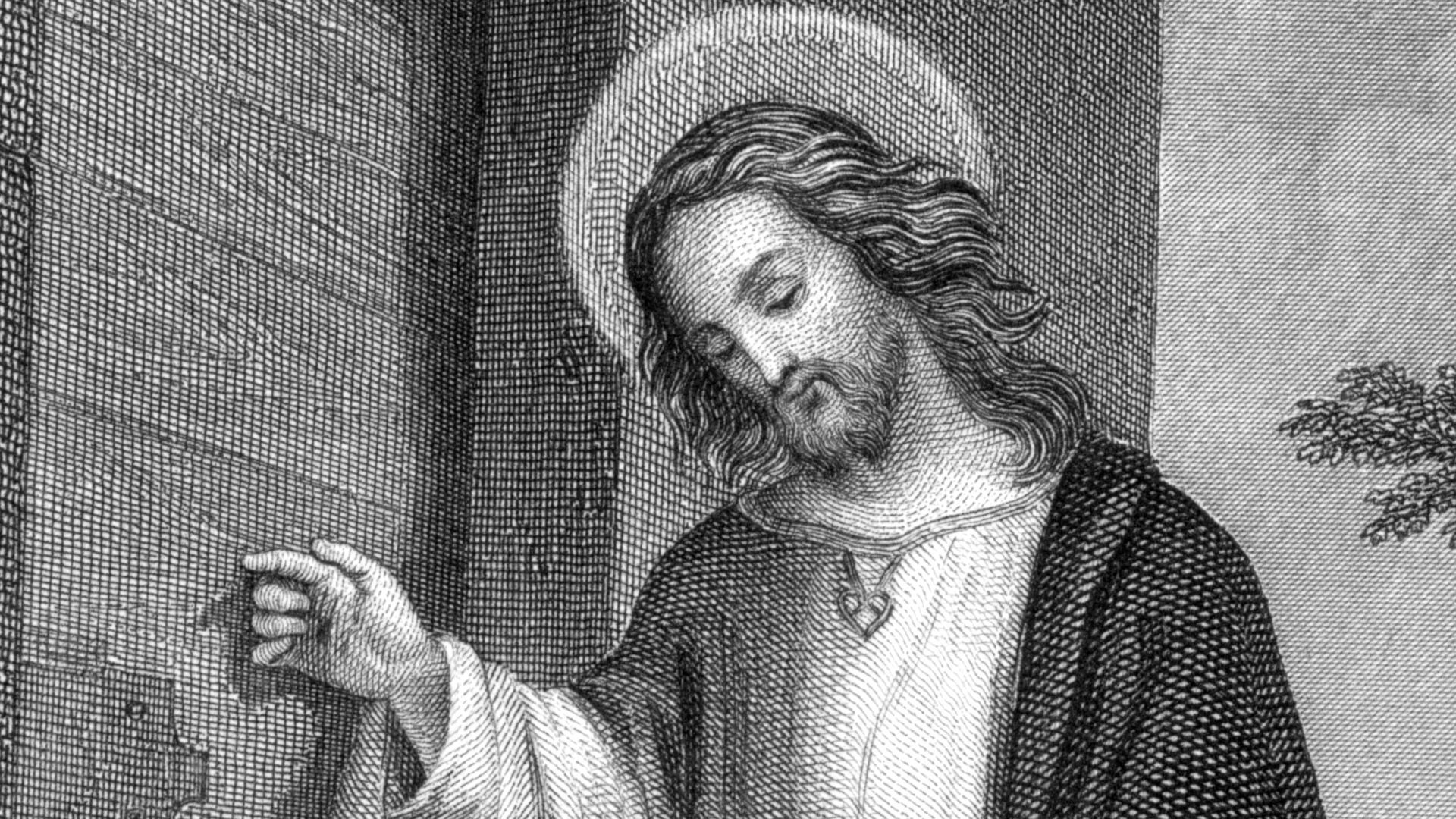 Peter Carl Geissler, Wikimedia Commons
Jesus In Non-Western Christian Art
Outside Europe and North America, believers have long depicted Christ using local features and artistic styles. African, Asian, and Latin American images show a man who looks familiar to local believers, which highlights how Christianity adapted visually as a global faith and not a single culture.
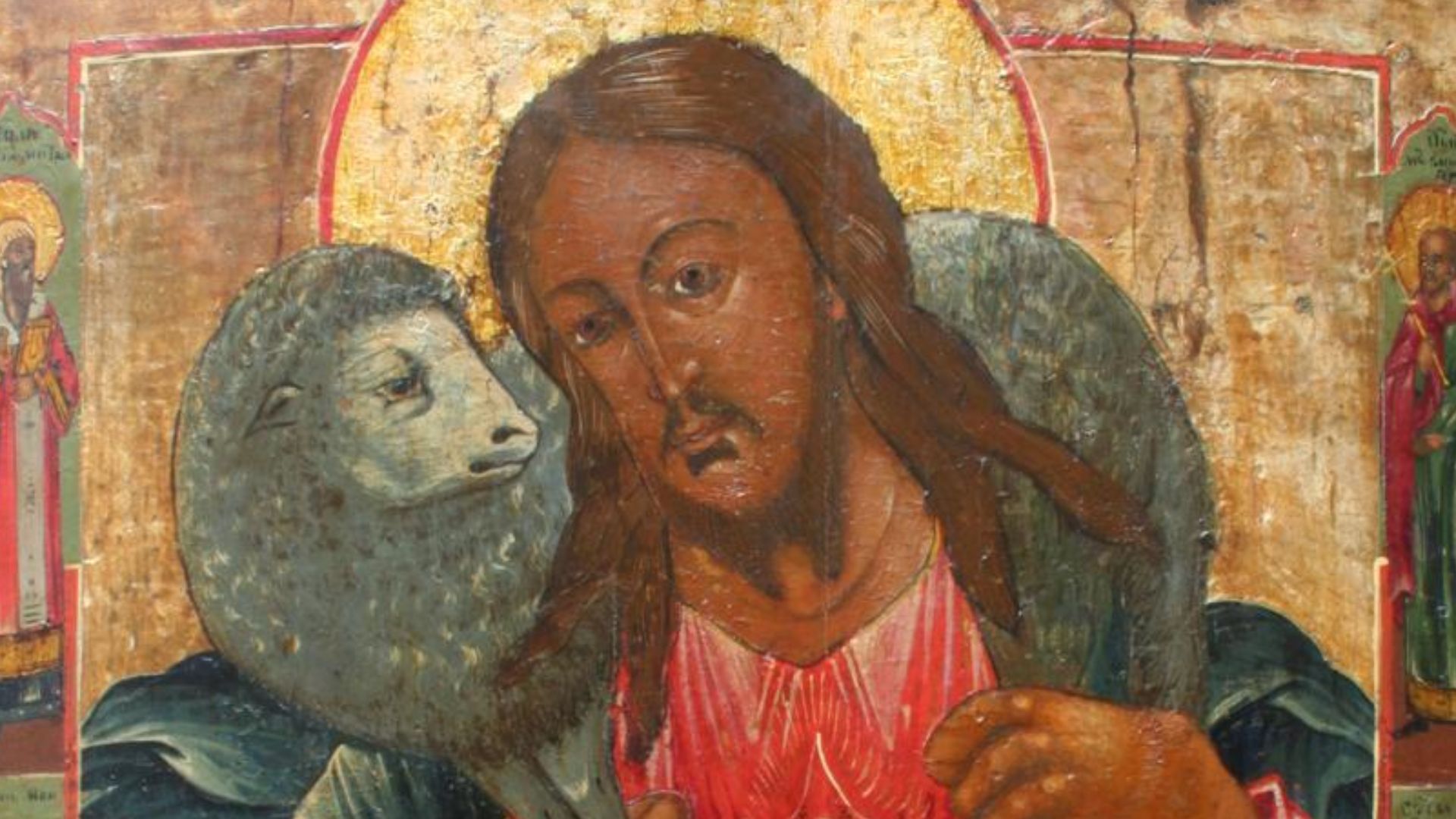
Theological Challenges To A White Jesus
Many theologians argue that treating a white Christ as historically accurate distorts both history and theology. They emphasize that faith does not depend on race and that acknowledging his Middle Eastern identity can deepen understanding of his message and connection to marginalized communities.
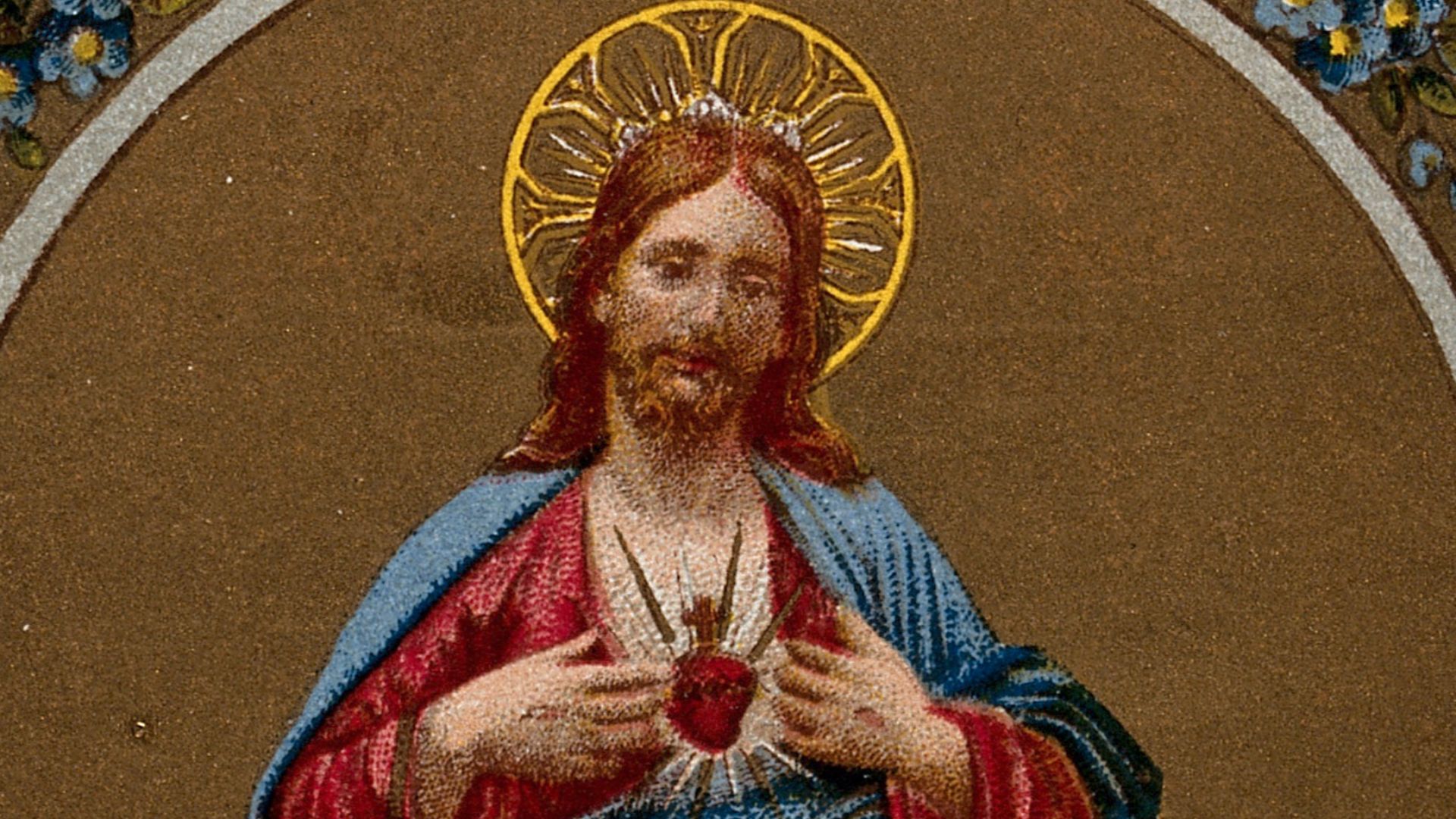
Reclaiming His Middle Eastern Identity
Scholars and artists increasingly seek to present Jesus as a Jewish man from the Middle East. This effort draws on archaeology and historical texts, and aims to replace inherited assumptions with evidence-based portrayals that better reflect the world in which he actually lived.
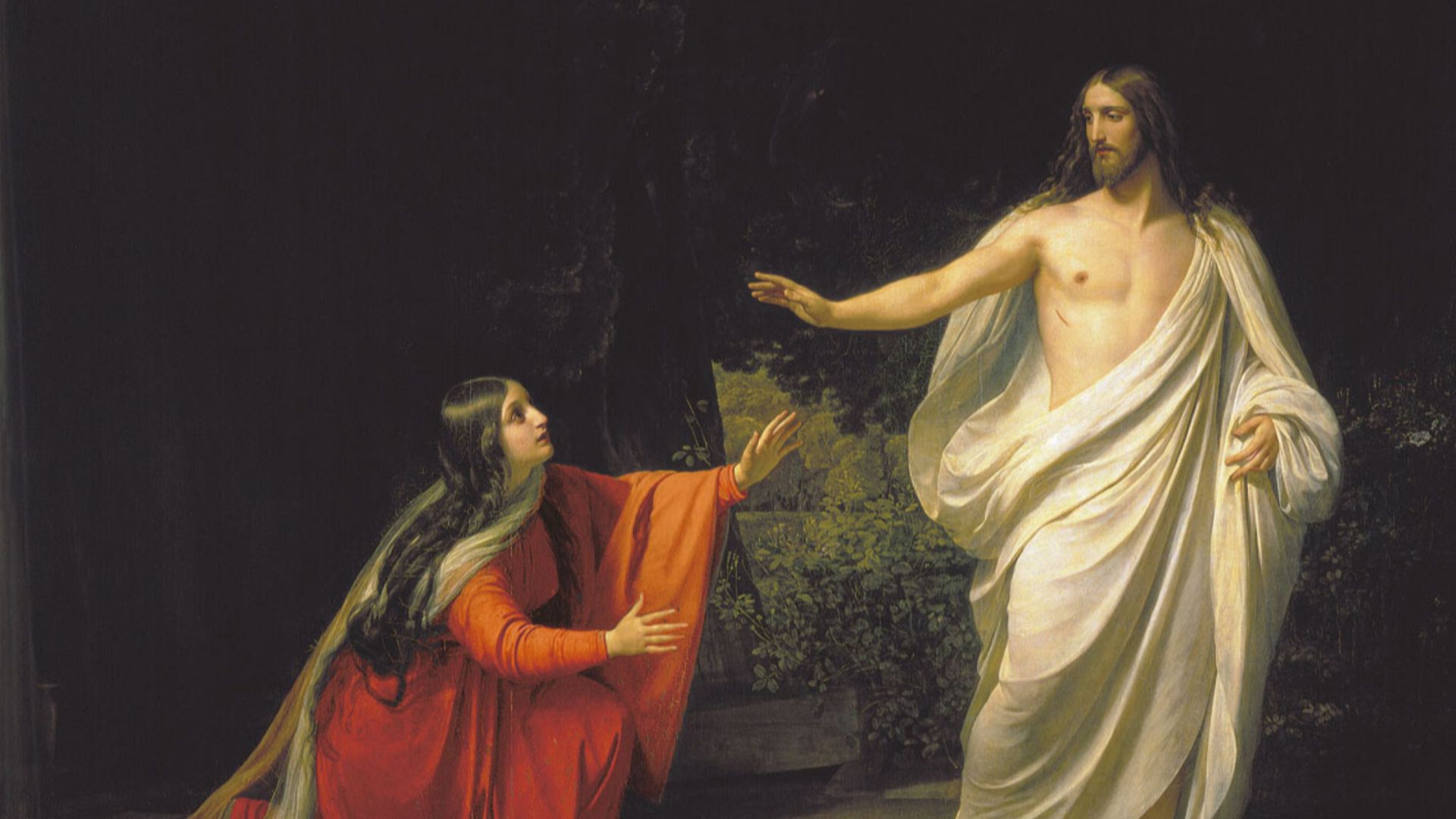 Alexander Ivanov, Wikimedia Commons
Why This Debate Persists Today
Questions about Christ’s appearance remain relevant because they intersect with modern discussions about race and representation. In a diverse society, visual symbols matter. Reexamining familiar images invites broader conversations about history and bias.
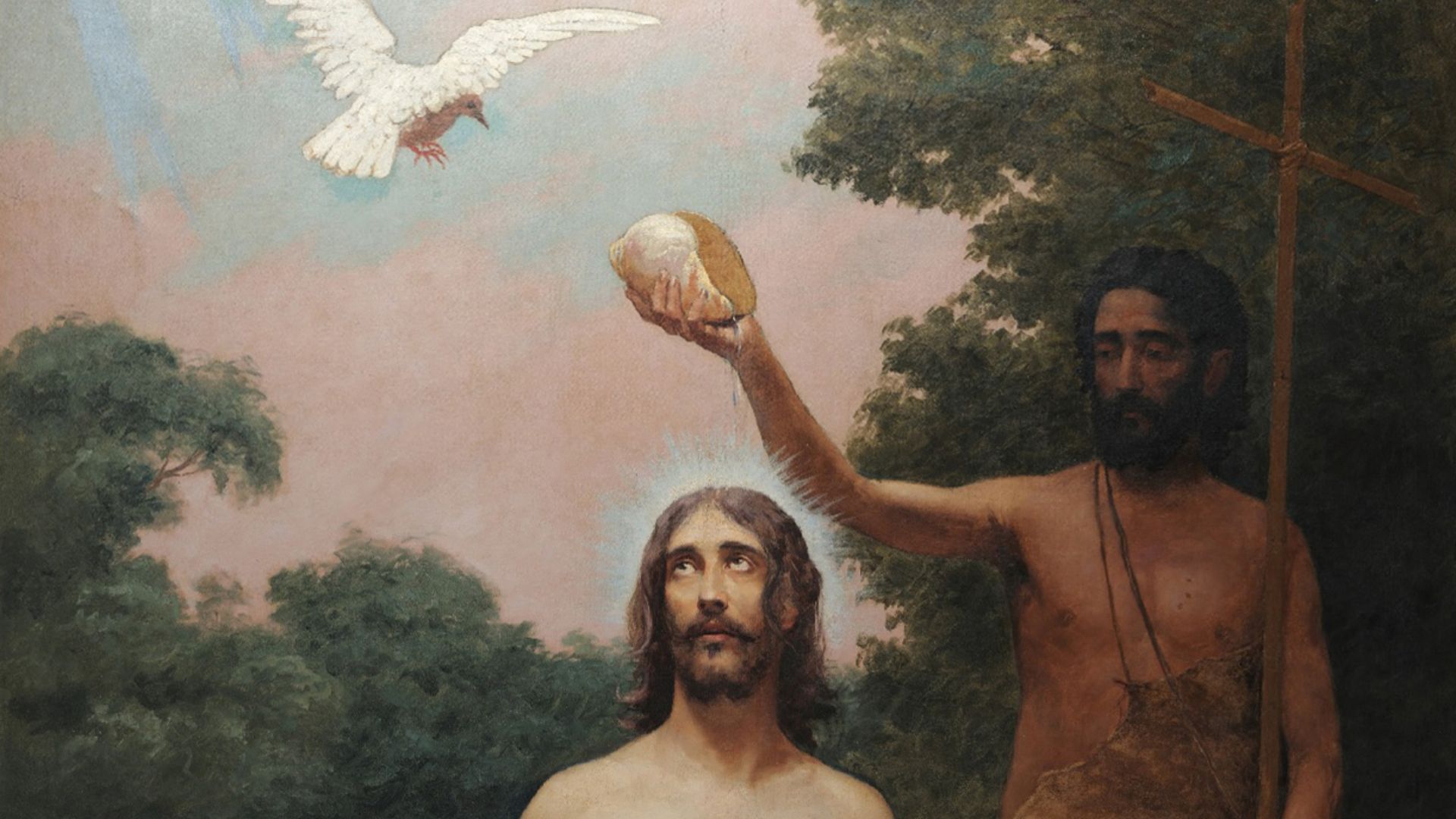 Jose Ferraz de Almeida Junior, Wikimedia Commons
A Reflection Of Society
Ultimately, these depictions reveal as much about the cultures creating them as about history itself. Each generation changed sacred imagery through its values and ideals. This reminds us that religious art often mirrors society’s identity and evolving understanding of the past.
 Unknown authorUnknown author, Wikimedia Commons