Before the Ships Arrived
Textbooks once handed out a tidy answer to a very messy question. One ship. One name. One date. History, of course, rarely behaves so neatly. Long before European sails appeared, entire worlds thrived across these continents. Curious how the story really unfolds? Let’s rethink discovery together.
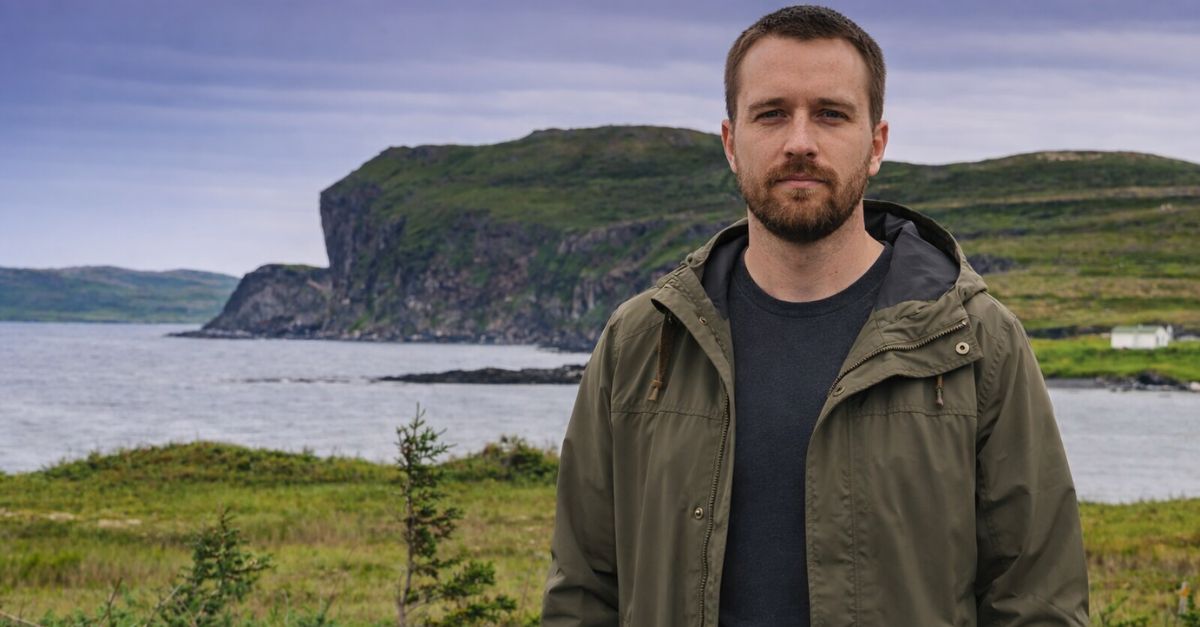
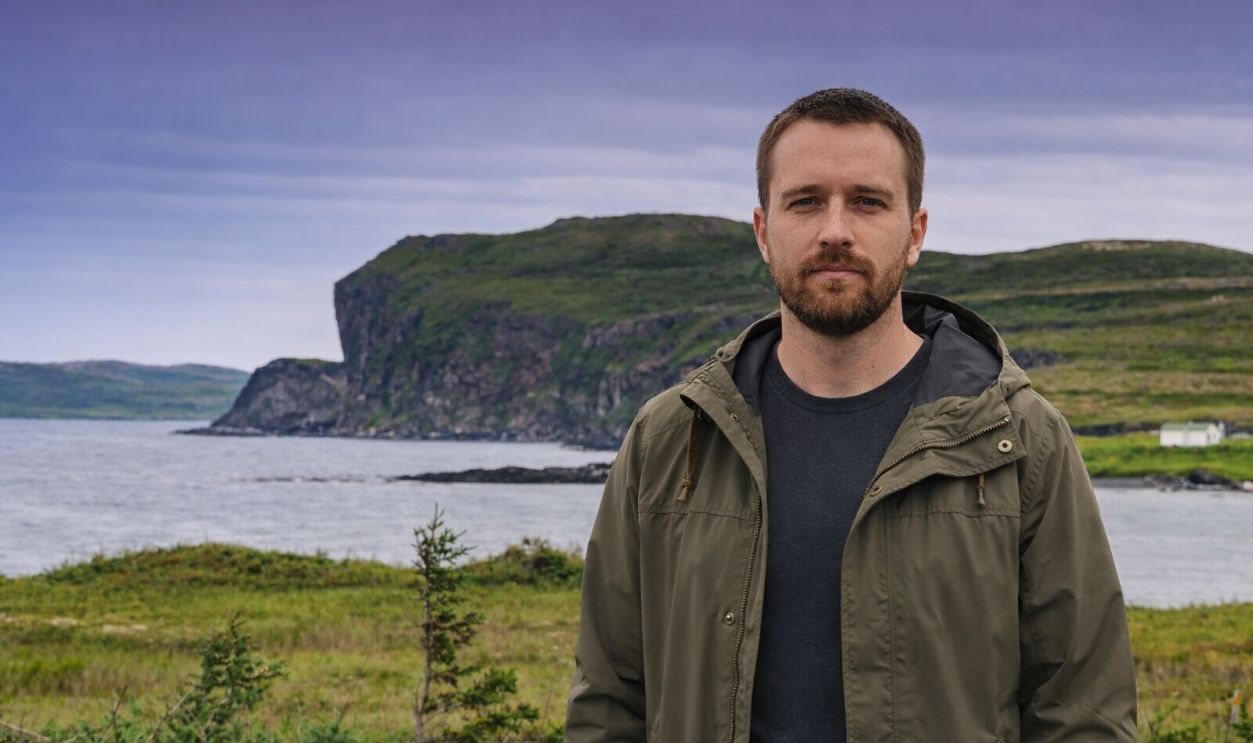 Michel Rathwell from Cornwall, Canada, CC BY 2.0, Wikimedia, Modified
Why “Discovery” Is a Loaded Word
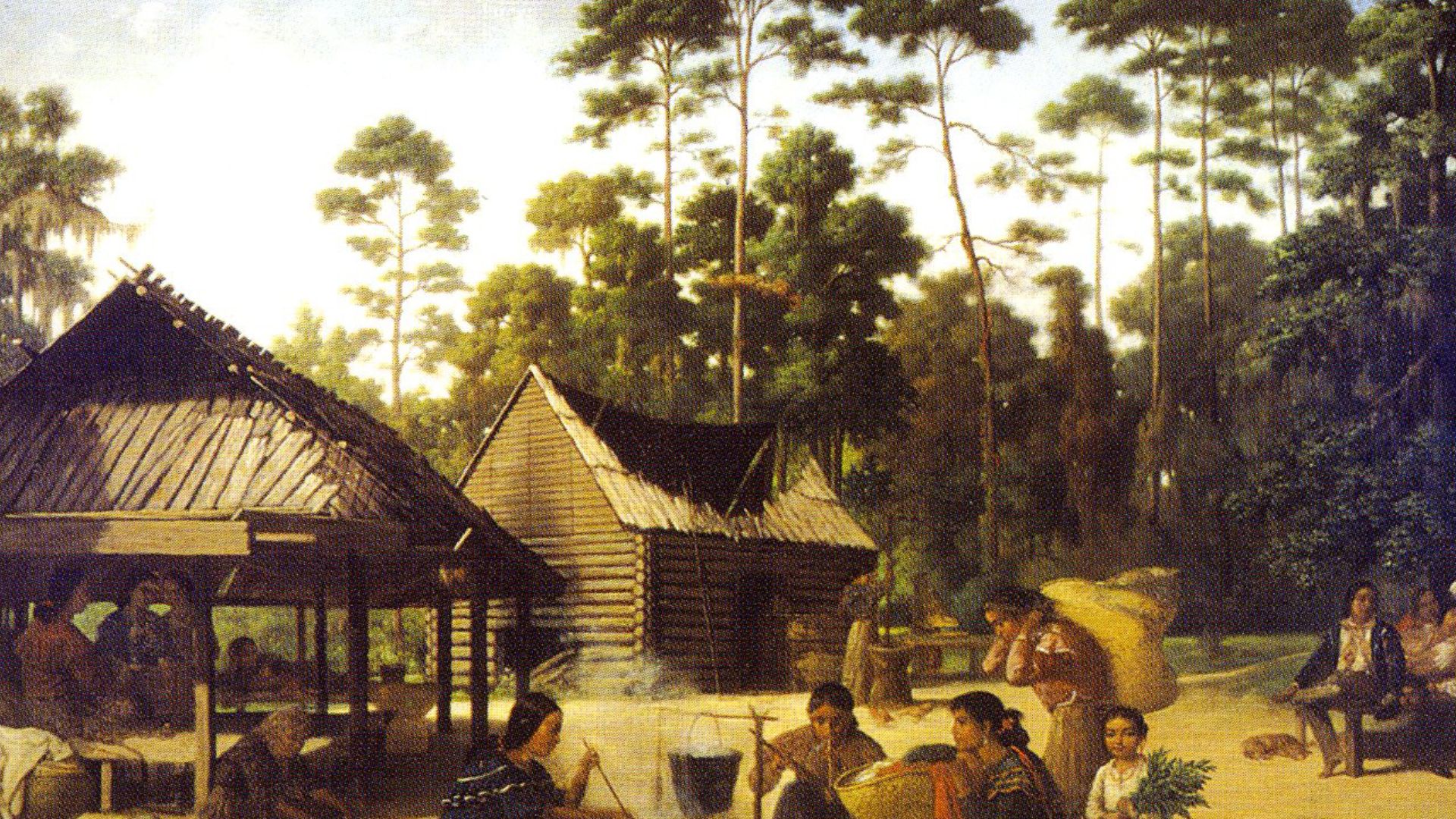
History class often framed America’s story around a single European arrival. That framing skips a basic truth. Millions already lived across two continents, speaking hundreds of languages and managing complex societies. So the question shifts. Discovery for whom, exactly? Perspective changes everything.
 Francois Bernard, Wikimedia Commons
The First Americans and Beringia
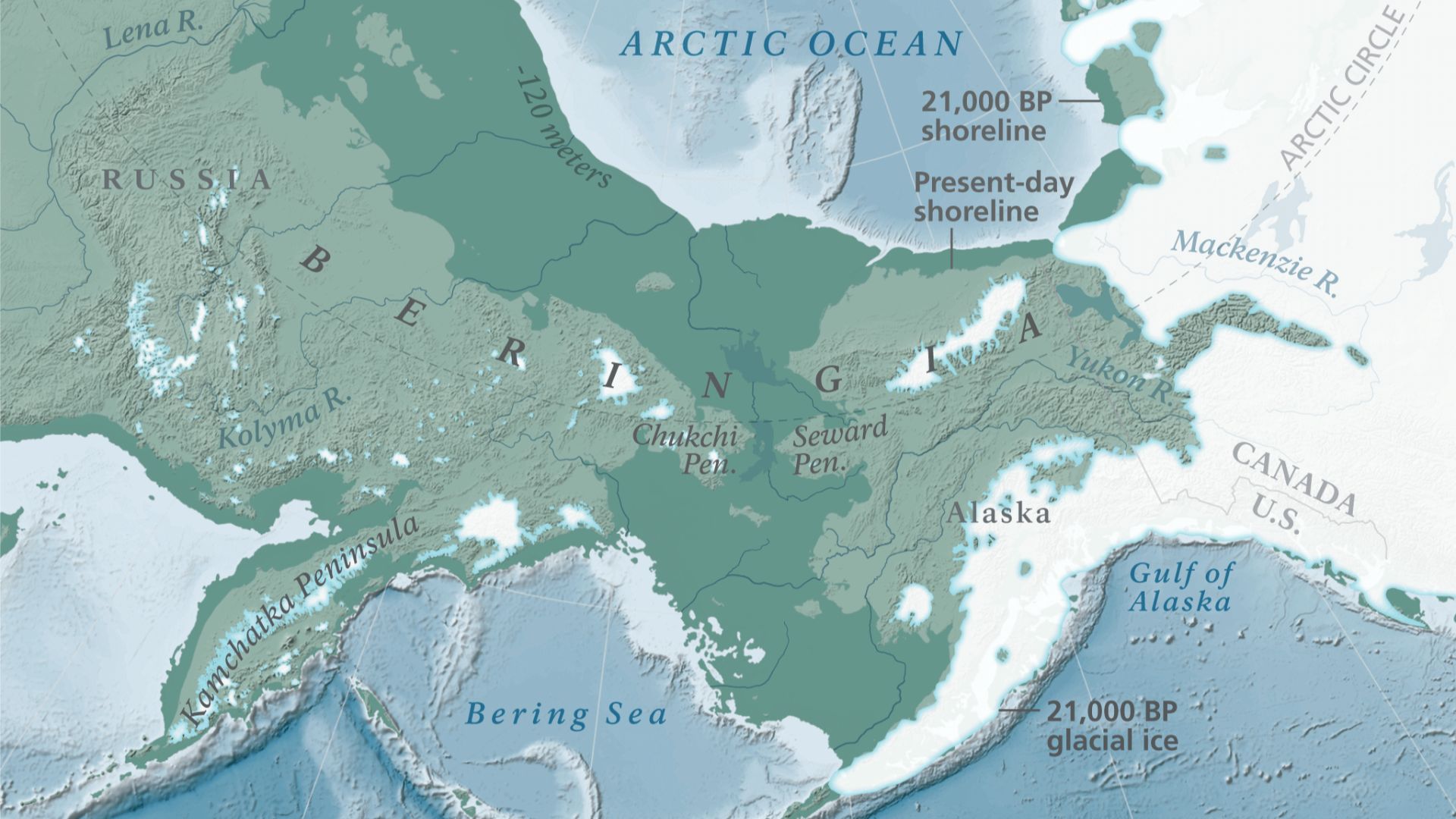
During the last Ice Age, lowered sea levels exposed a land bridge connecting Siberia and Alaska. Archaeological evidence, which included stone tools and genetic data, indicates that humans migrated into the Americas at least 15,000 years ago. Subsequently, populations spread southward by adapting to diverse climates over millennia.
 Unknown authorUnknown author, Wikimedia Commons
Indigenous Civilizations Before 1492
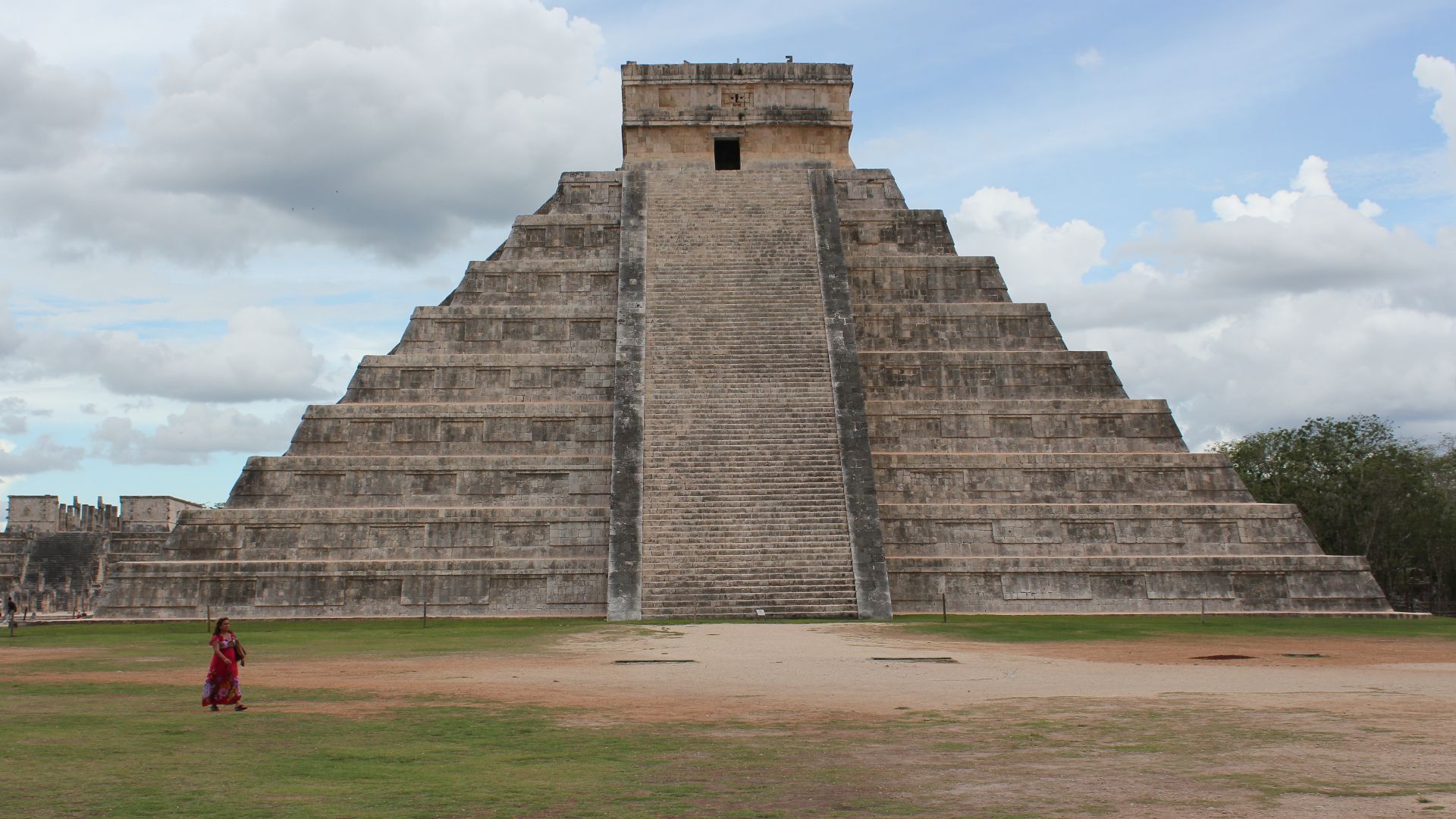
Picture cities with pyramids, trade networks, and astronomers tracking celestial cycles. Long before European ships appeared, the Maya recorded calendars with mathematical precision, while the Mexica built Tenochtitlan on a lake. Meanwhile, Andean engineers shaped terraces high in the mountains. Hardly empty territory.
 Arian Zwegers from Brussels, Belgium, Wikimedia Commons
Leif Erikson’s Atlantic Voyage
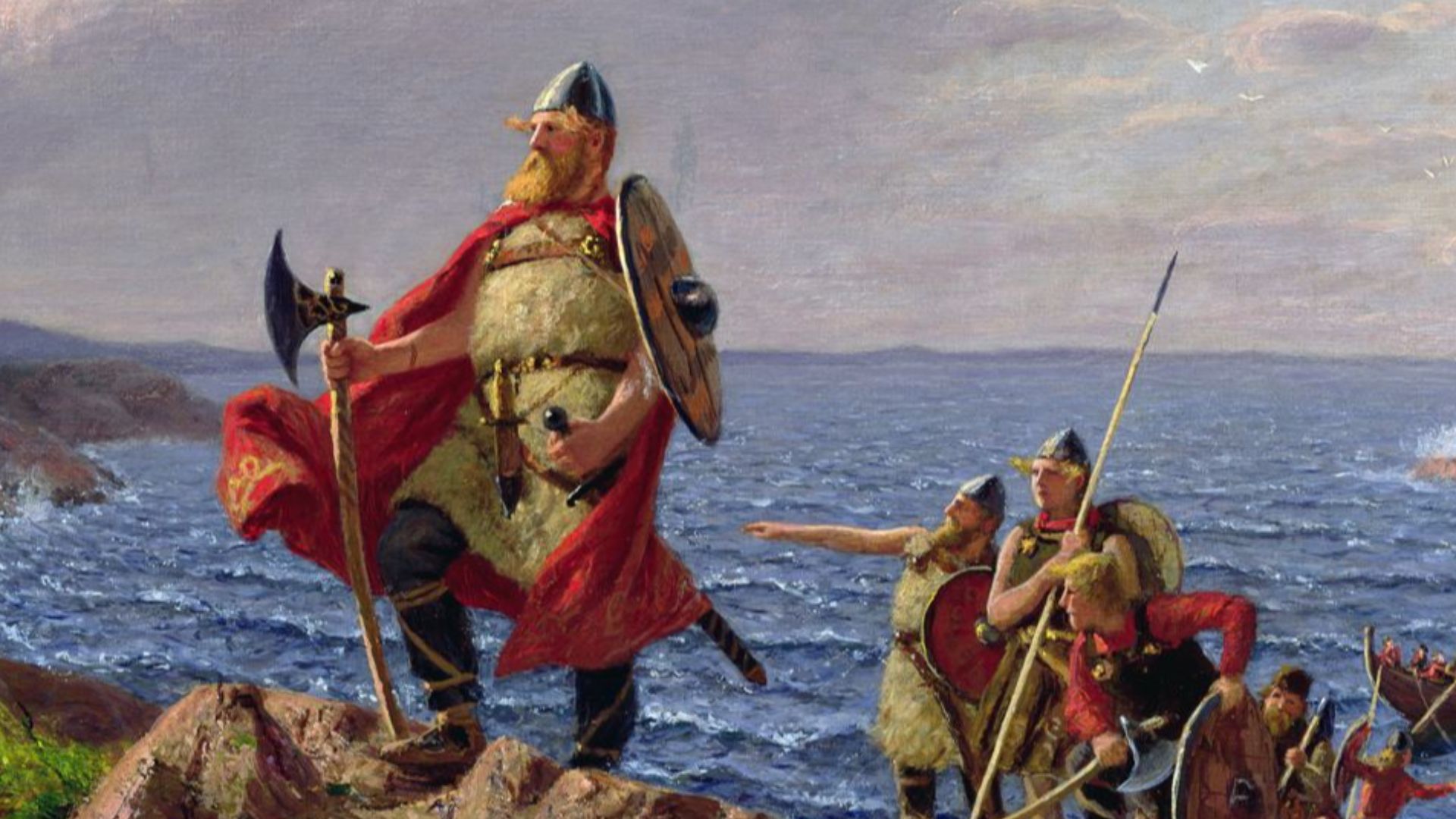
Around the year 1000, Norse sailor Leif Erikson sailed west from Greenland and reached parts of North America. Icelandic sagas recount the journey to a region called Vinland. Although brief, this expedition marked the first known European contact with the continent.
 RickyBennison, Wikimedia Commons
L’Anse aux Meadows Confirmed
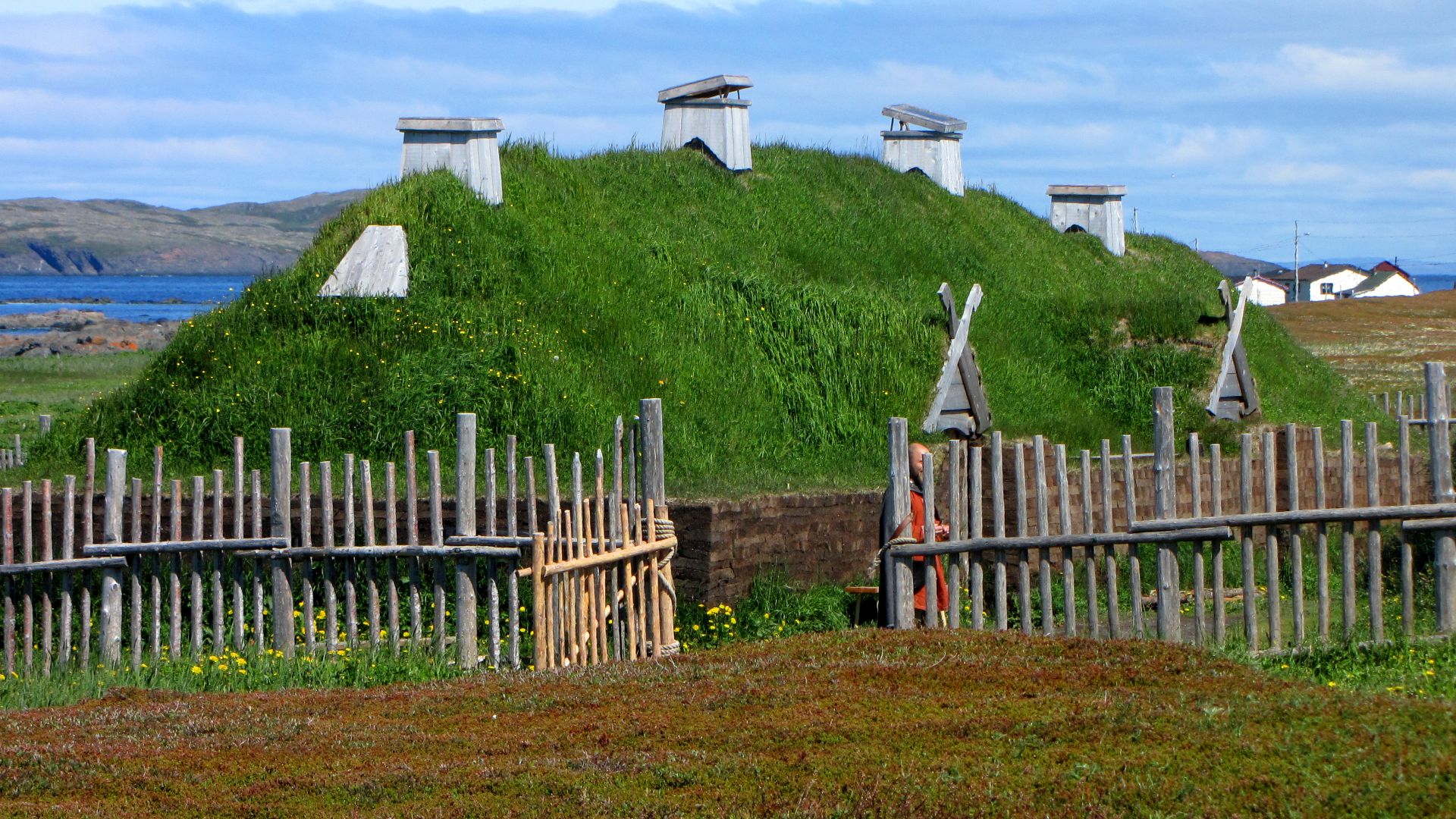
Turns out Columbus was late to the party. Archaeologists in the 1960s uncovered unmistakable Norse remains at L’Anse aux Meadows in Newfoundland. Turf structures, iron nails, and radiocarbon dating settled the debate. Vikings reached North America centuries earlier. Surprise rarely survives excavation.
 D. Gordon E. Robertson, Wikimedia Commons
Why the Norse Left
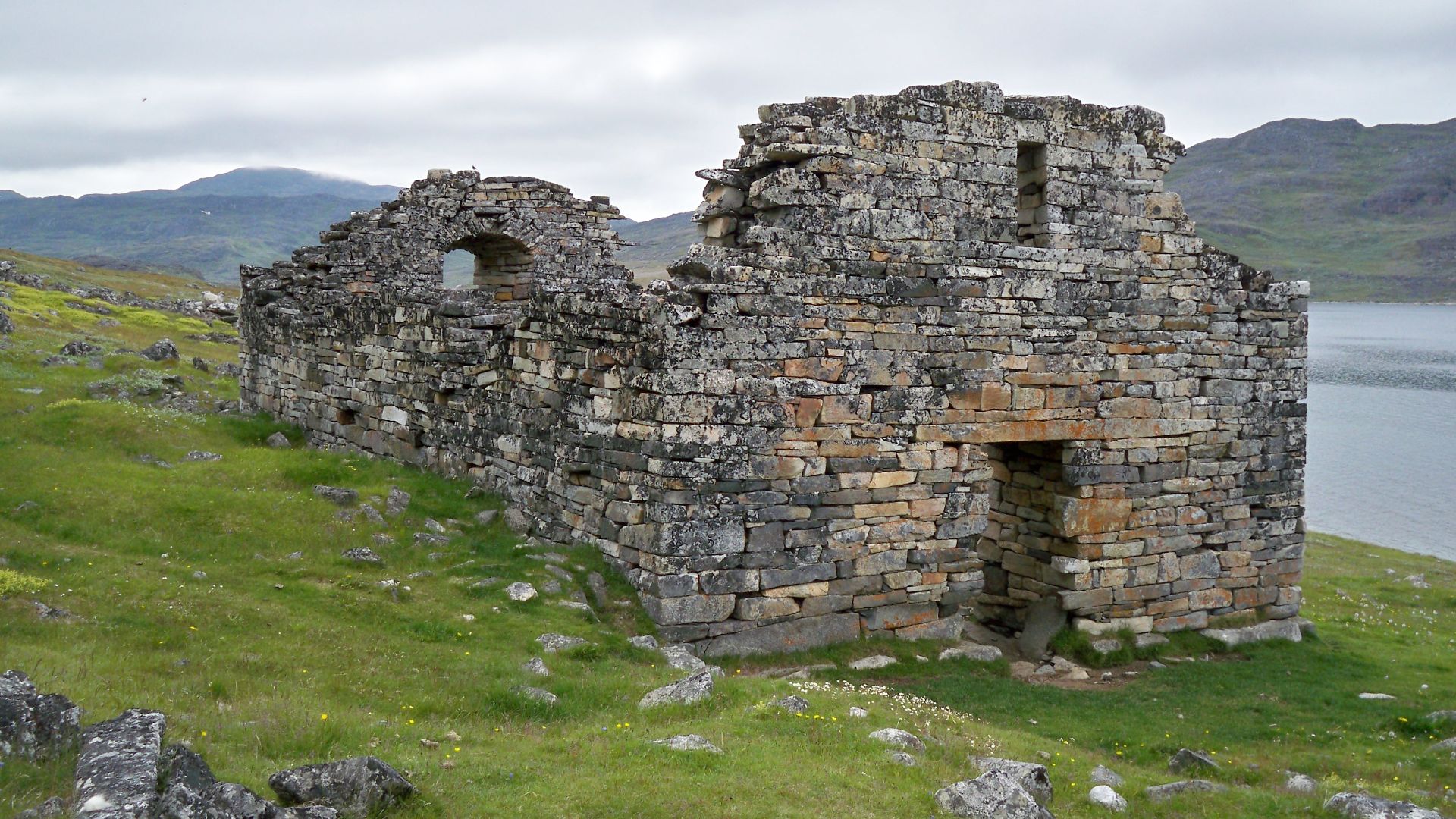
Small settlements. Harsh winters. Limited support from Greenland. Norse efforts in North America faded within a few years. Distance-strained supply lines and encounters with Indigenous groups added tension. Without sustained migration or royal backing, the experiment ended quietly.
 Number 57 at English Wikipedia, Wikimedia Commons
Columbus Sets Sail in 1492
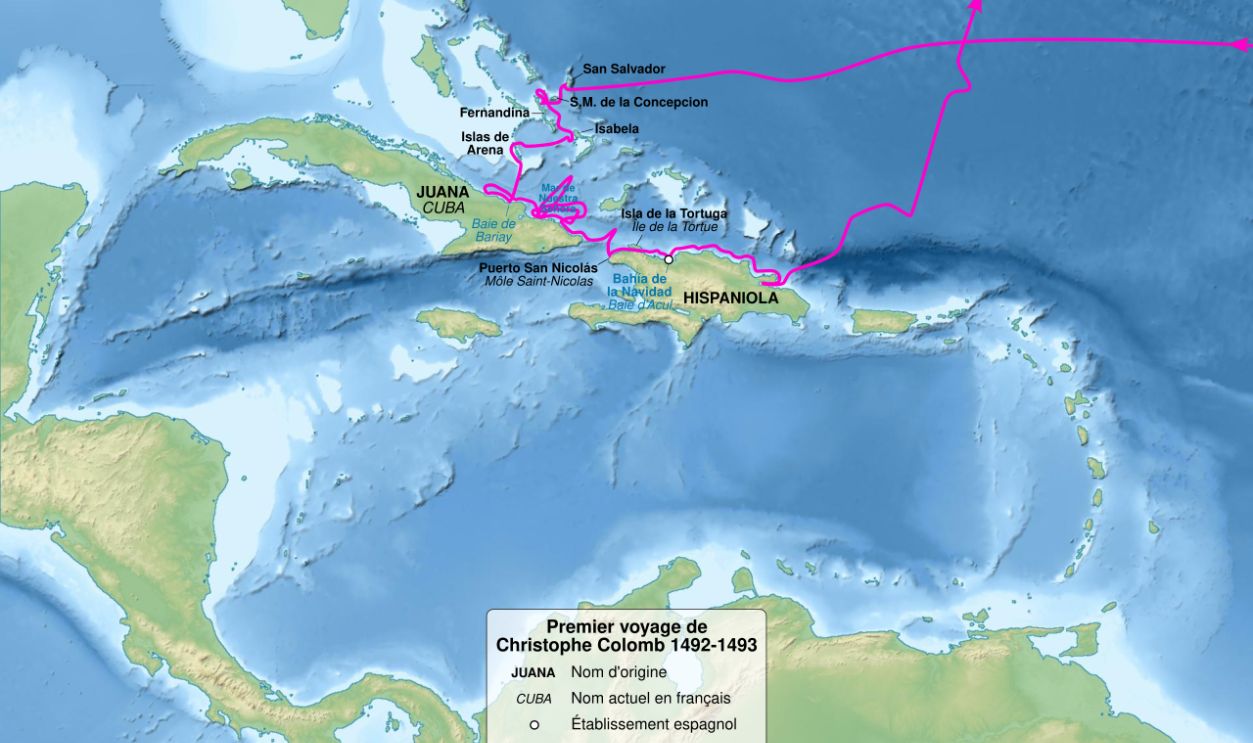
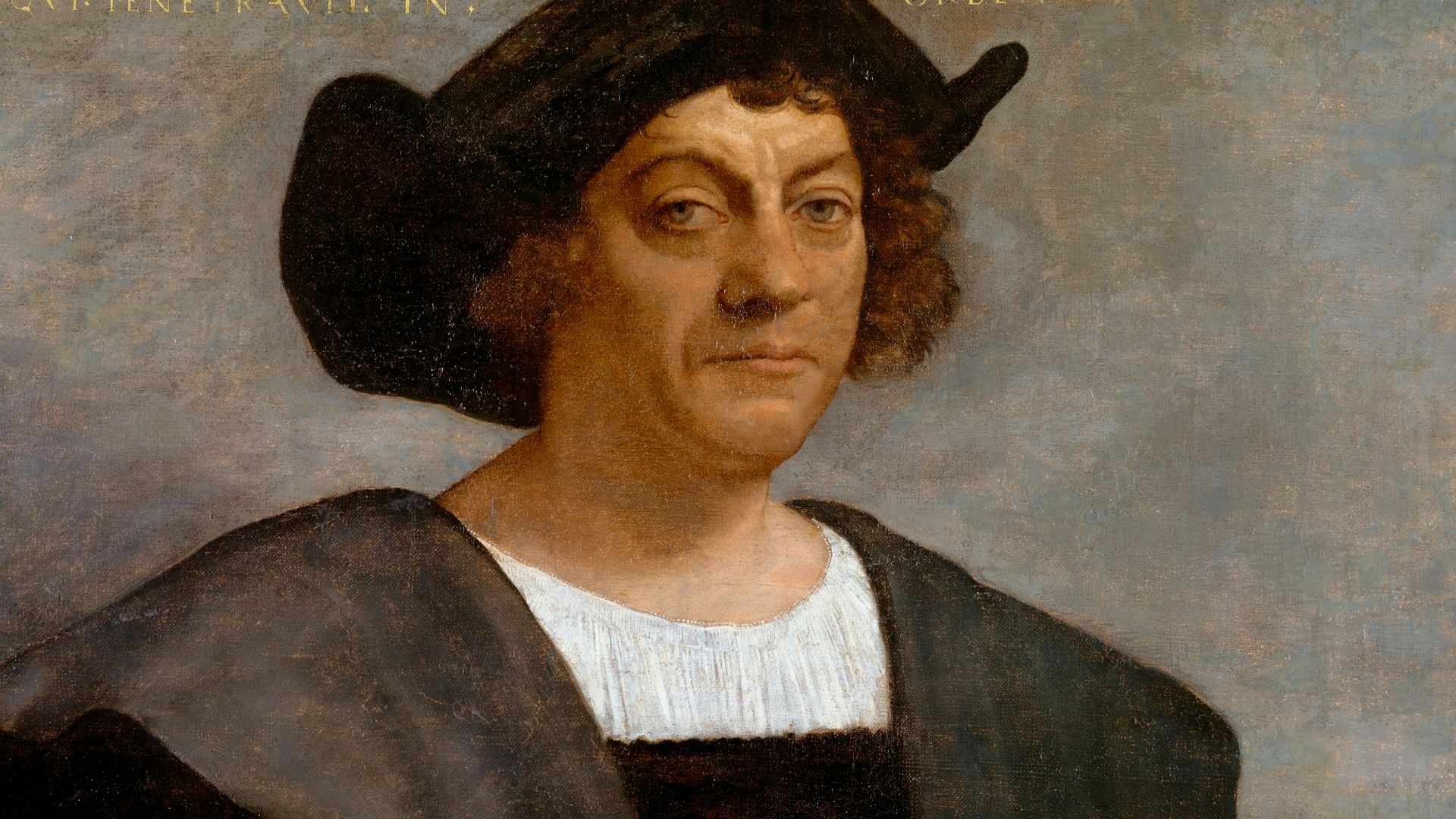
Late fifteenth-century Europe searched for a shorter path to Asia’s spice markets. Christopher Columbus proposed sailing west to reach India and the courts of East Asia more directly. Spain agreed to fund the gamble. In August 1492, three ships crossed the Atlantic, aiming for Asia yet encountering Caribbean islands instead.
 © Semhur, CC BY-SA 4.0, Wikimedia Commons
What Columbus Actually Reached
Drama often centers on a dramatic landfall, yet geography matters. Columbus first arrived in the Bahamas, likely on an island he named San Salvador. Subsequent voyages explored parts of Cuba and Hispaniola. Mainland North America remained untouched during that initial expedition.
 Sebastiano del Piombo, Wikimedia Commons

History's most fascinating stories and darkest secrets, delivered to your inbox daily.
Why Columbus Misread the Map
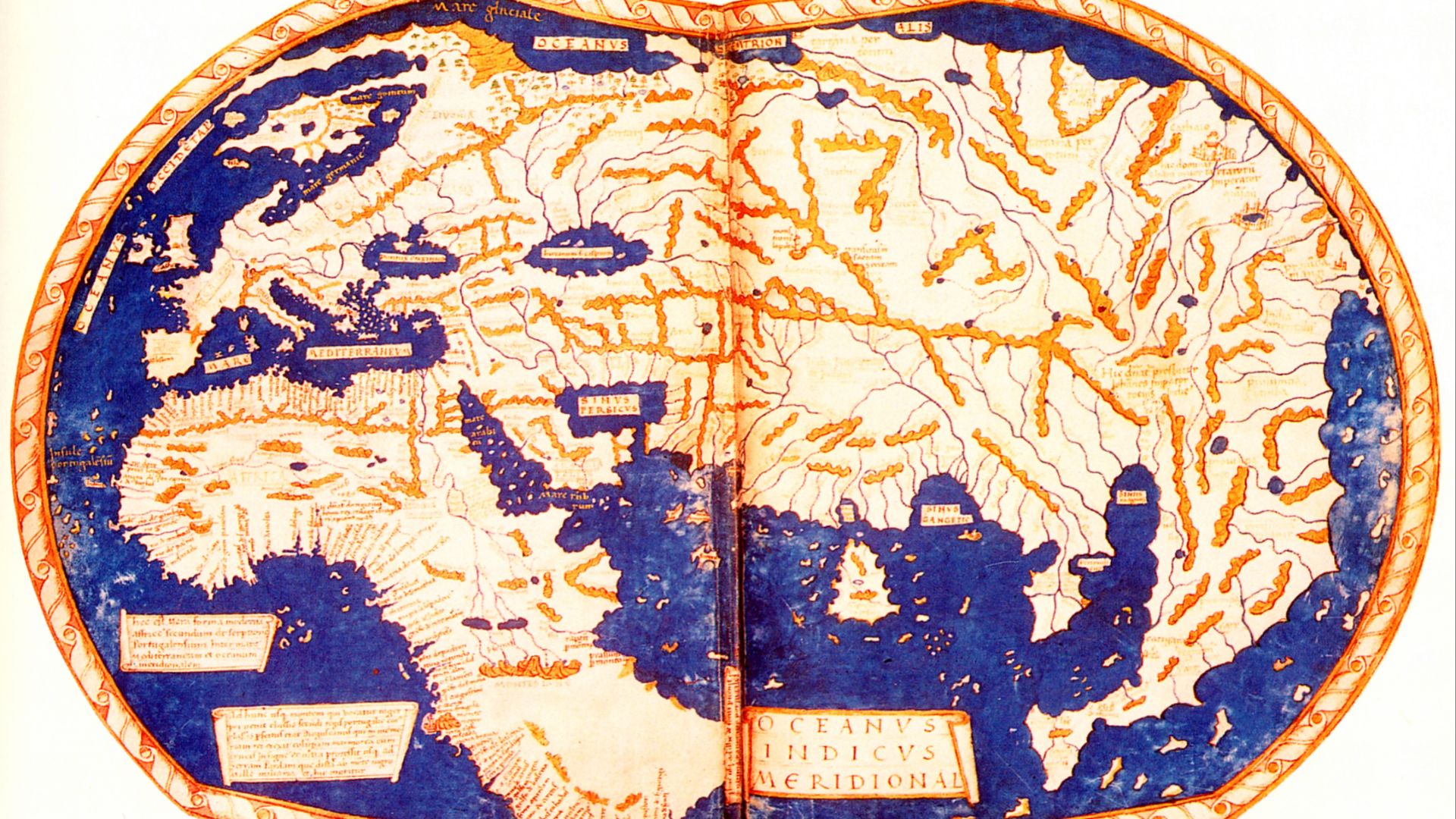
Medieval geography underestimated Earth’s circumference and exaggerated Asia’s eastern reach. Columbus relied on those calculations, believing a westward route would be shorter than it was. Consequently, islands in the Caribbean seemed like Asia’s outskirts. Confirmation bias did the rest.
 Heinrich Hammer the German (" Henricus Martellus Germanus "), Wikimedia Commons
The Columbian Exchange Begins
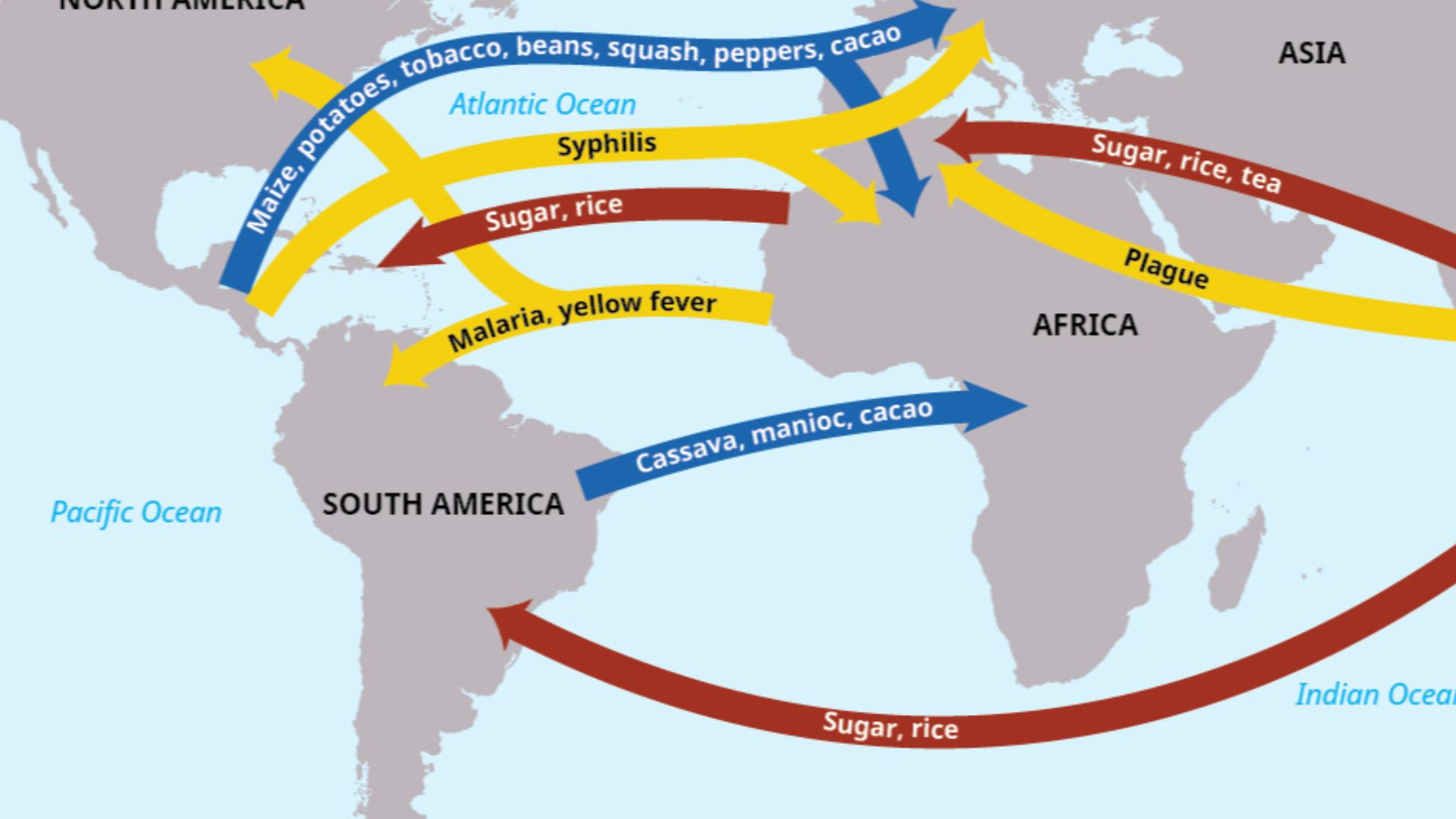
Transatlantic contact initiated a sustained biological transfer between hemispheres. Livestock and grains from Europe altered American ecosystems. In turn, crops such as potatoes and maize reshaped European agriculture and population growth. Pathogens moved alongside goods, producing mortality rates that destabilized Indigenous societies across vast regions.
 Mark Christensen, Wikimedia Commons
Amerigo Vespucci Recognizes a New Continent
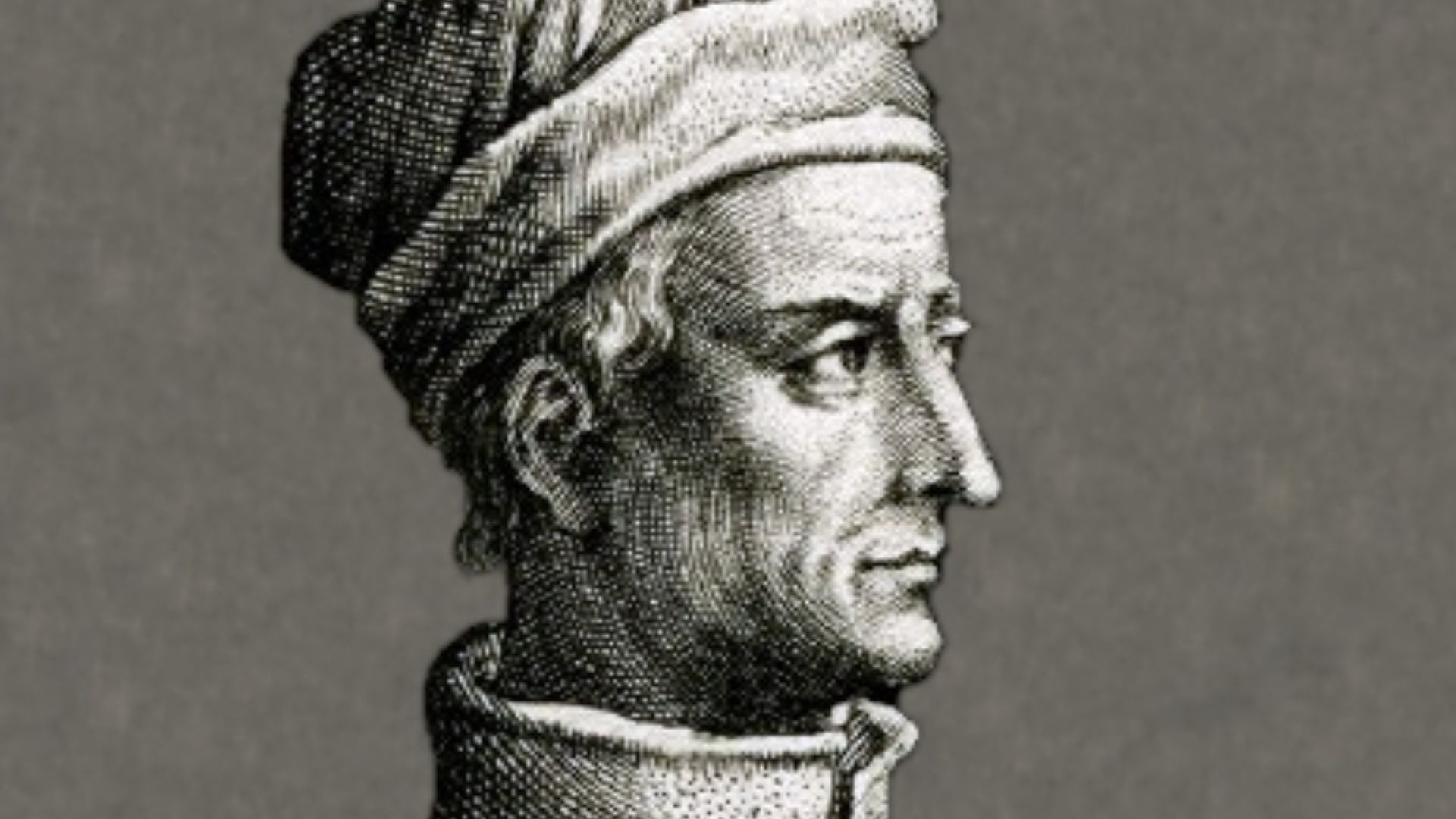
Letters attributed to Amerigo Vespucci described voyages along South America’s coast in the early 1500s. Unlike Columbus, Vespucci argued these lands were not Asia but an entirely separate continent. His accounts circulated widely in Europe, which shaped geographic understanding at a pivotal moment.
 Crispijn van de Passe the Elder, Wikimedia Commons
Waldseemüller Names “America”
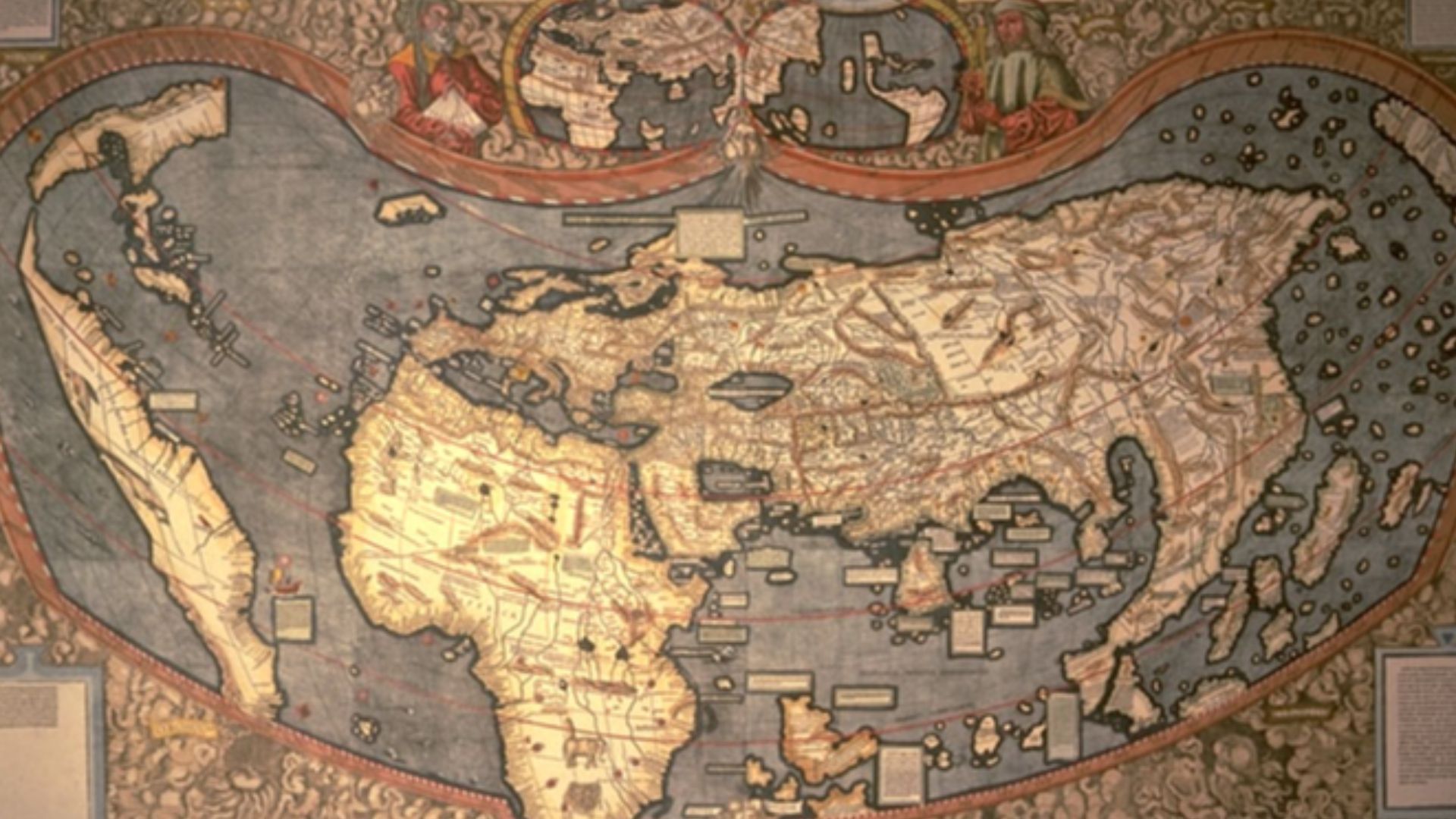
In 1507, German cartographer Martin Waldseemüller published a world map labeling the southern continent “America.” He credited Vespucci’s writings, believing him to have identified a new landmass. Although later editions softened that claim, the name persisted and gradually attached itself to two continents.
 After Martin Waldseemüller, Wikimedia Commons
John Cabot Reaches Newfoundland
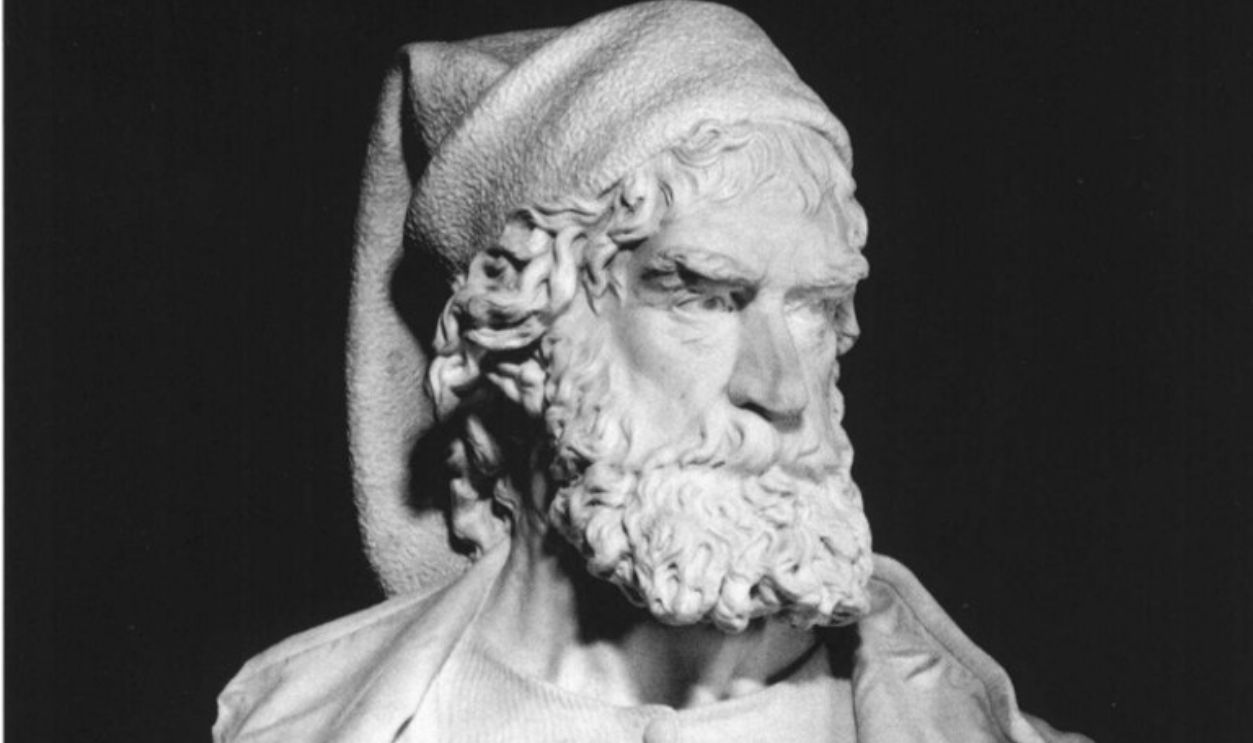
Picture England watching Spain and Portugal claim new territories. In 1497, John Cabot sailed west under Henry VII’s commission. He reached parts of Newfoundland, likely seeking fishing grounds and trade routes. England’s later colonial ambitions traced back to that early voyage.
 Istituto Veneto di Scienze, Lettere ed Arti, CC BY 4.0, Wikimedia Commons
Pedro Álvares Cabral Lands in Brazil
Portuguese expansion toward Asia shaped the Cabral mission in 1500. Royal orders set a course across the Atlantic with aim of reach India. Ocean currents diverted the fleet west to the coast of Brazil. The Treaty of Tordesillas later affirmed the Portuguese claim over that region.
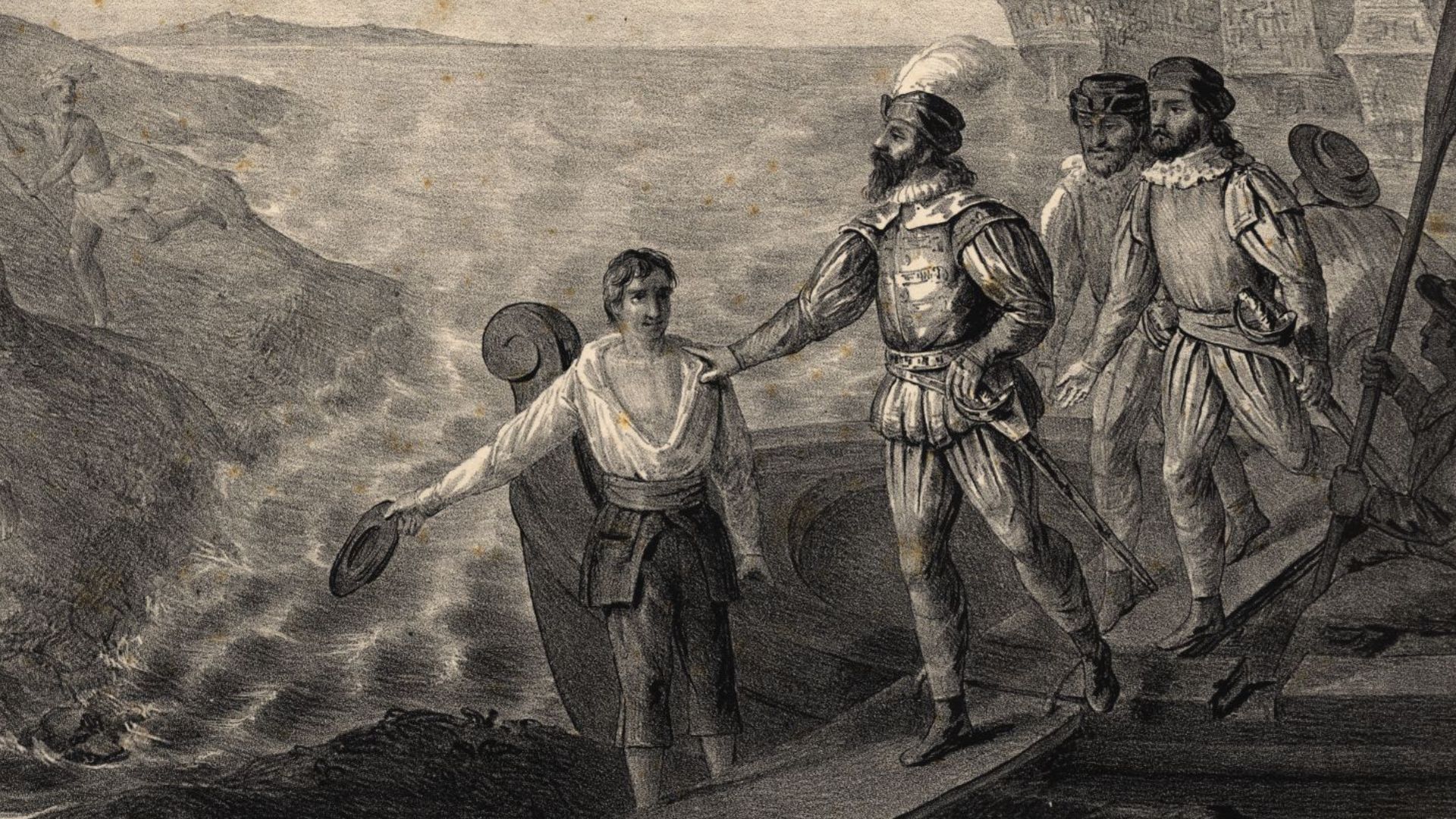 Creator:Sendim, Maurício José do Carmo, 1786-1870, Wikimedia Commons
Balboa Sees the Pacific
Vasco Núñez de Balboa hacked through dense Panamanian terrain in 1513. Eventually, he stood before a vast ocean unknown to Europeans. Of course, Indigenous communities already lived along its shores. European maps, however, suddenly expanded. Geography kept surprising ambitious explorers.
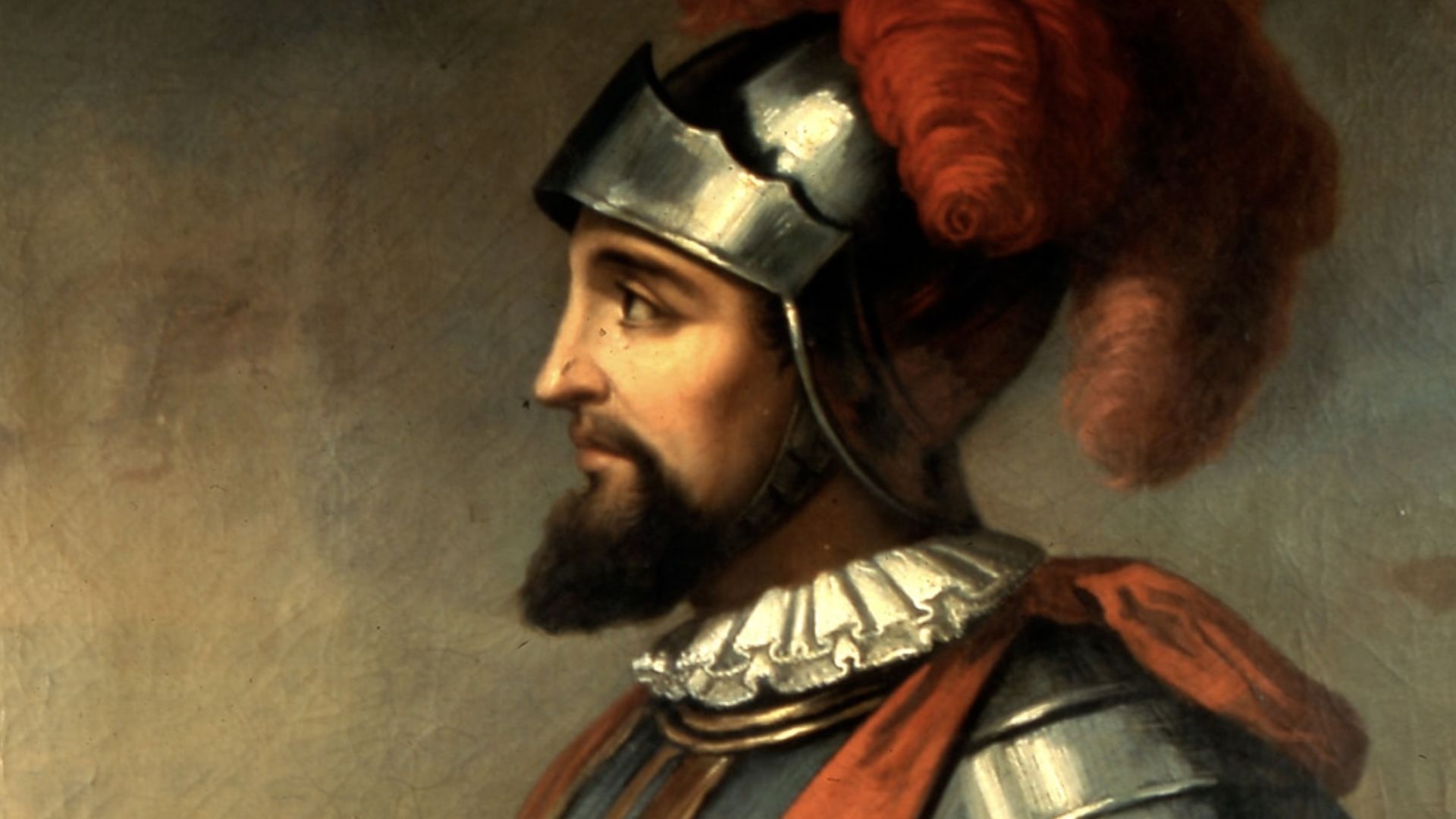 Anonymous (Spain)Unknown author after a 18th-century engraving, Wikimedia Commons
Cortés and the Fall of Tenochtitlan
1519 marked Hernán Cortés’s arrival in central Mexico. Alliances with rival Indigenous groups strengthened his position against the Mexica Empire. After prolonged conflict and a devastating smallpox outbreak, Tenochtitlan fell in 1521. Spanish rule reshaped political and cultural structures across the region.
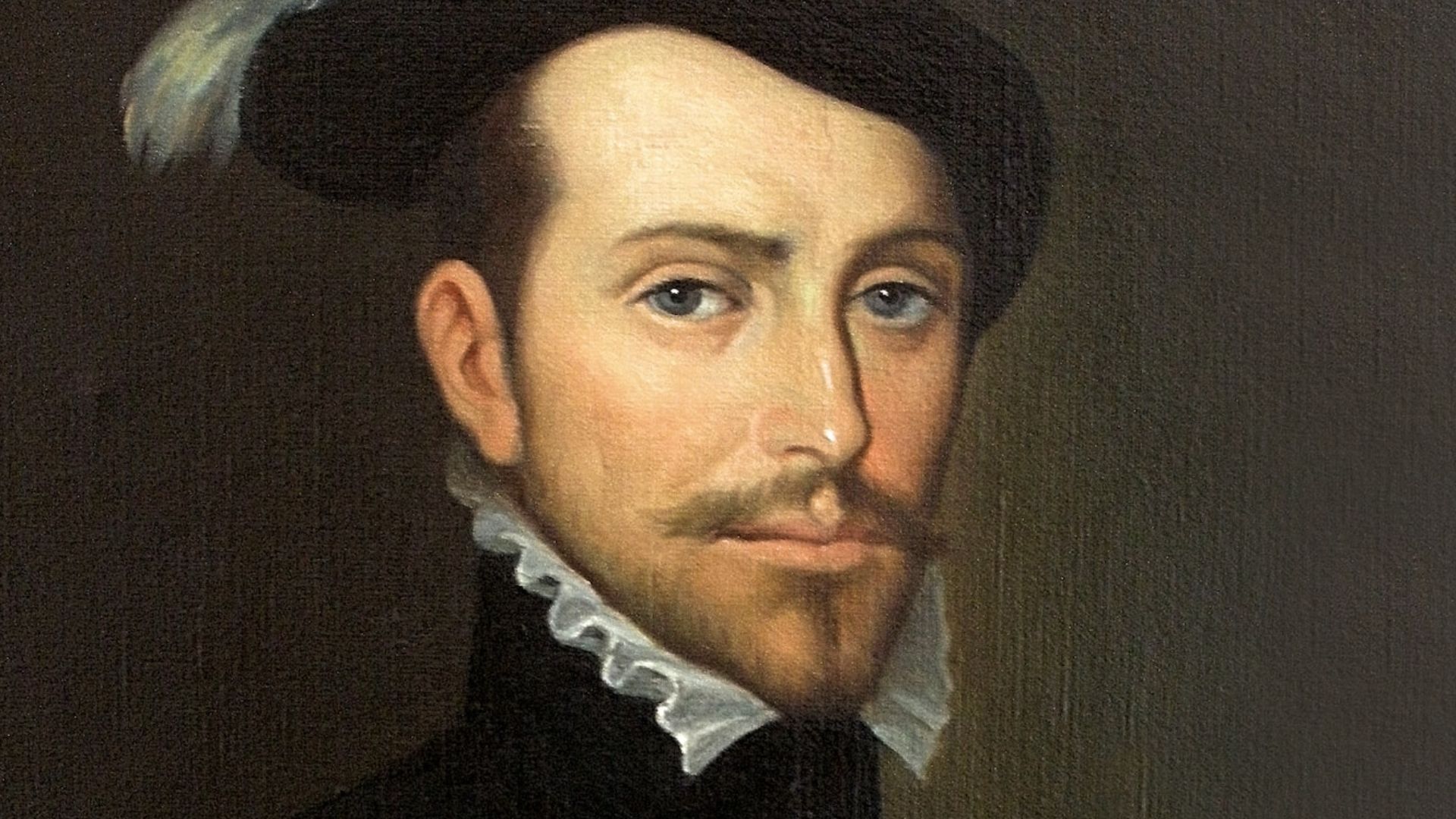 Unknown authorUnknown author Uploaded by Barbudo Barbudo, Wikimedia Commons
Pizarro and the Inca Empire
Gold drew Francisco Pizarro southward along the Pacific coast. In 1532, he captured Inca ruler Atahualpa during a tense encounter at Cajamarca. Despite a massive ransom, execution followed. The imperial administration fractured, and Spanish control spread across former Inca territories.
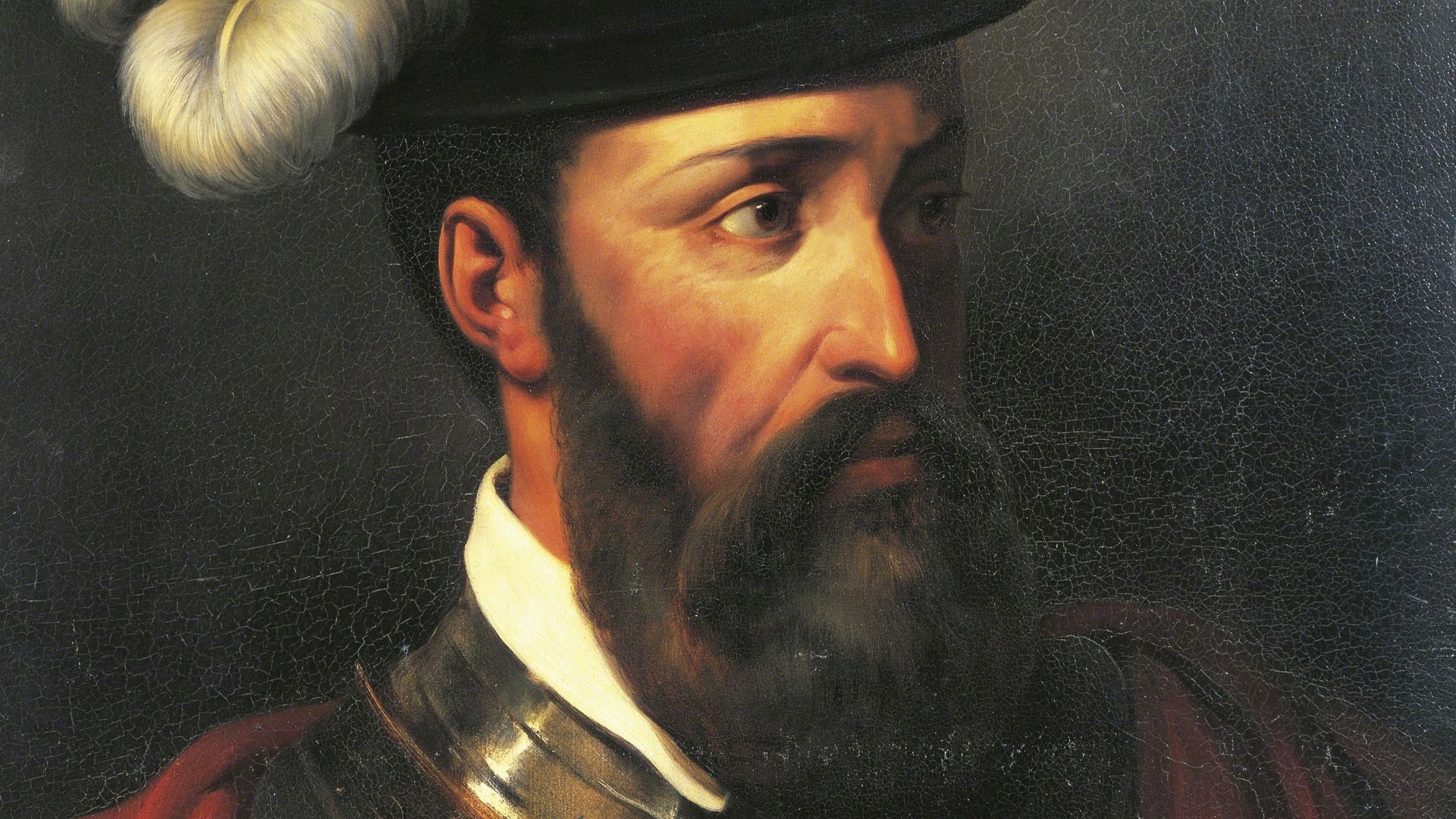 Amable-Paul Coutan, Wikimedia Commons
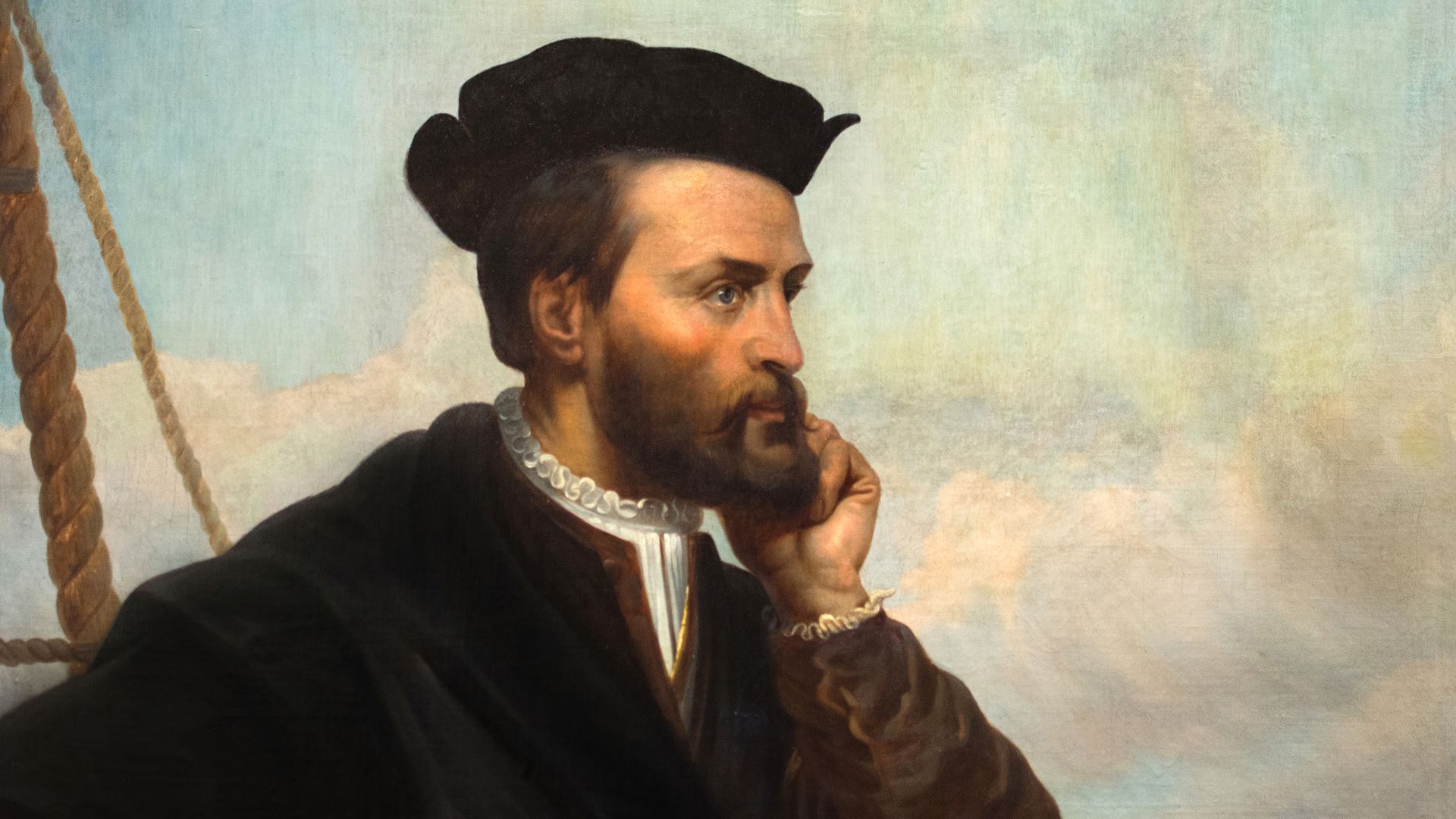
Jacques Cartier Explores the St. Lawrence
French mariner Jacques Cartier sailed into the Gulf of St. Lawrence in 1534. Later voyages carried him upriver toward present-day Montreal. Conversations with local leaders introduced Europe to the word Canada. Gradually, France staked claims in northern North America.
 Théophile Hamel / After François Nicholas Riss, Wikimedia Commons
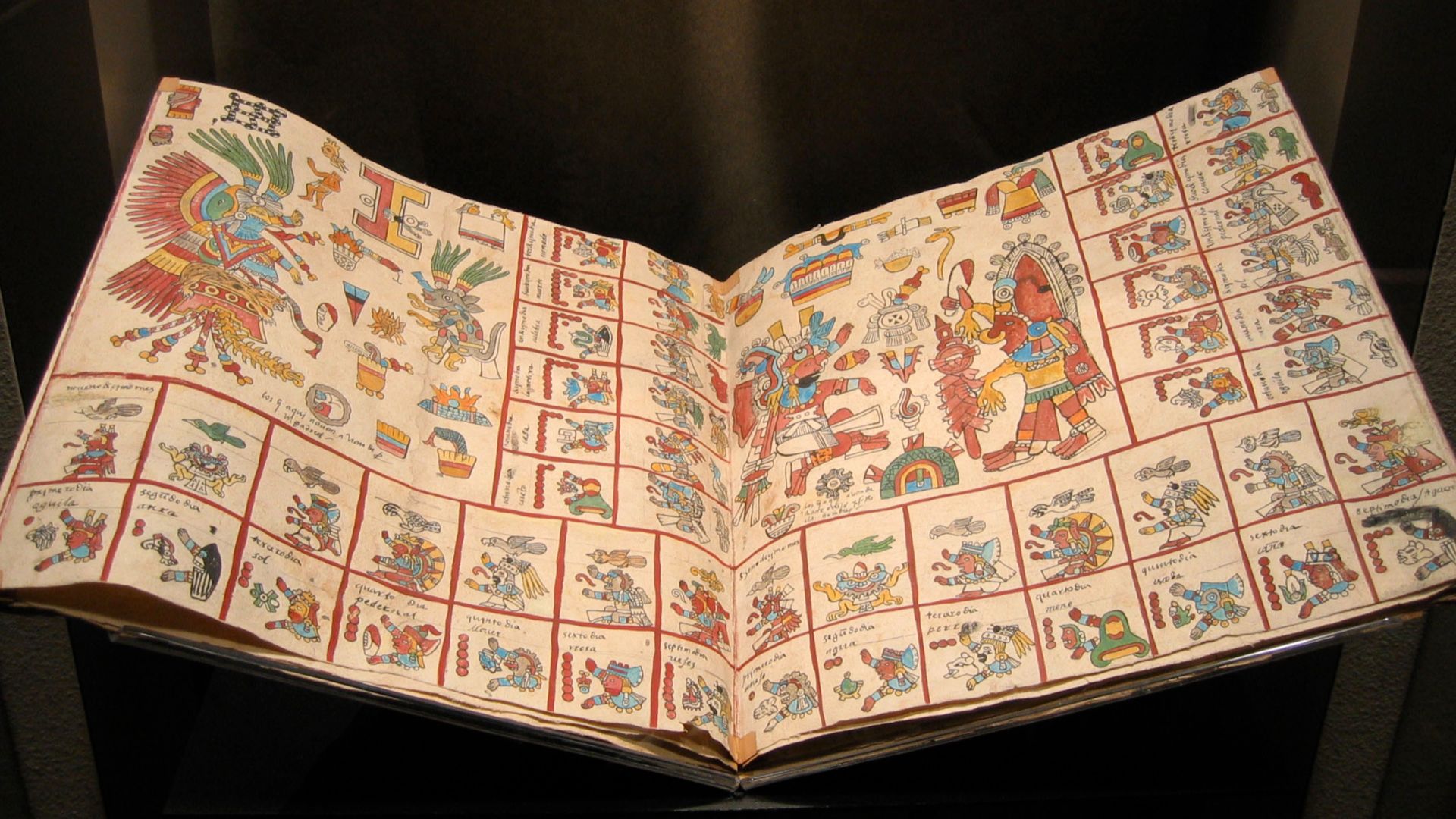
Indigenous Perspectives on First Contact
Just imagine unfamiliar ships appearing on the horizon. Oral histories across many Native nations describe a mix of curiosity and caution. Trade began in some regions. Violence erupted in others. Disease-altered societies before many fully understood their source. Contact felt immediate and deeply personal.
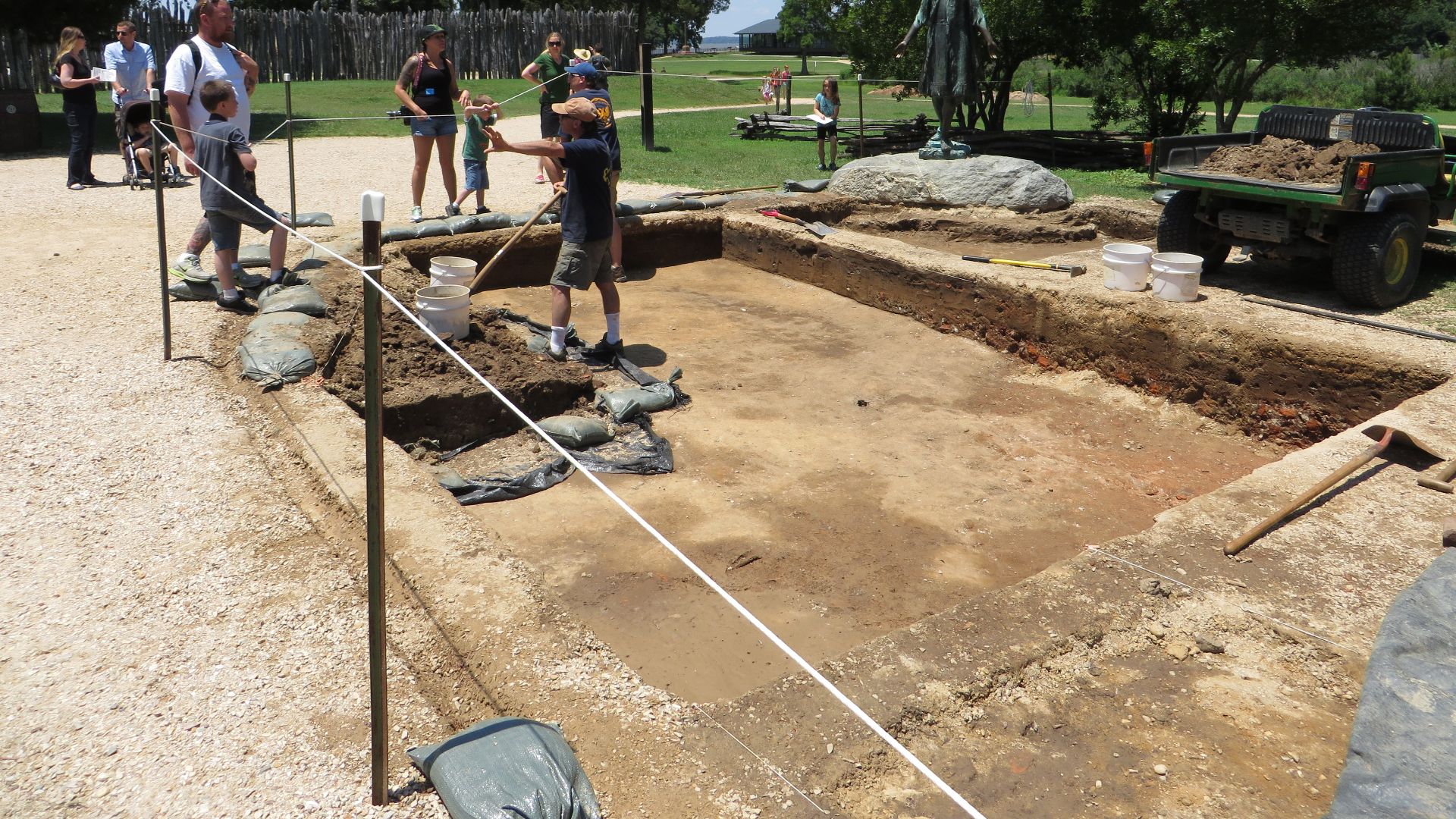
Exploration Turns Into Colonization
Initial reconnaissance missions evolved into structured colonial enterprises during the early seventeenth century. European states invested in fortified settlements linked to maritime trade networks. Agricultural production and resource extraction became institutional priorities. Consequently, Indigenous governance systems faced systematic displacement as imperial frameworks consolidated territorial control.
 Ken Lund from Reno, Nevada, USA, Wikimedia Commons
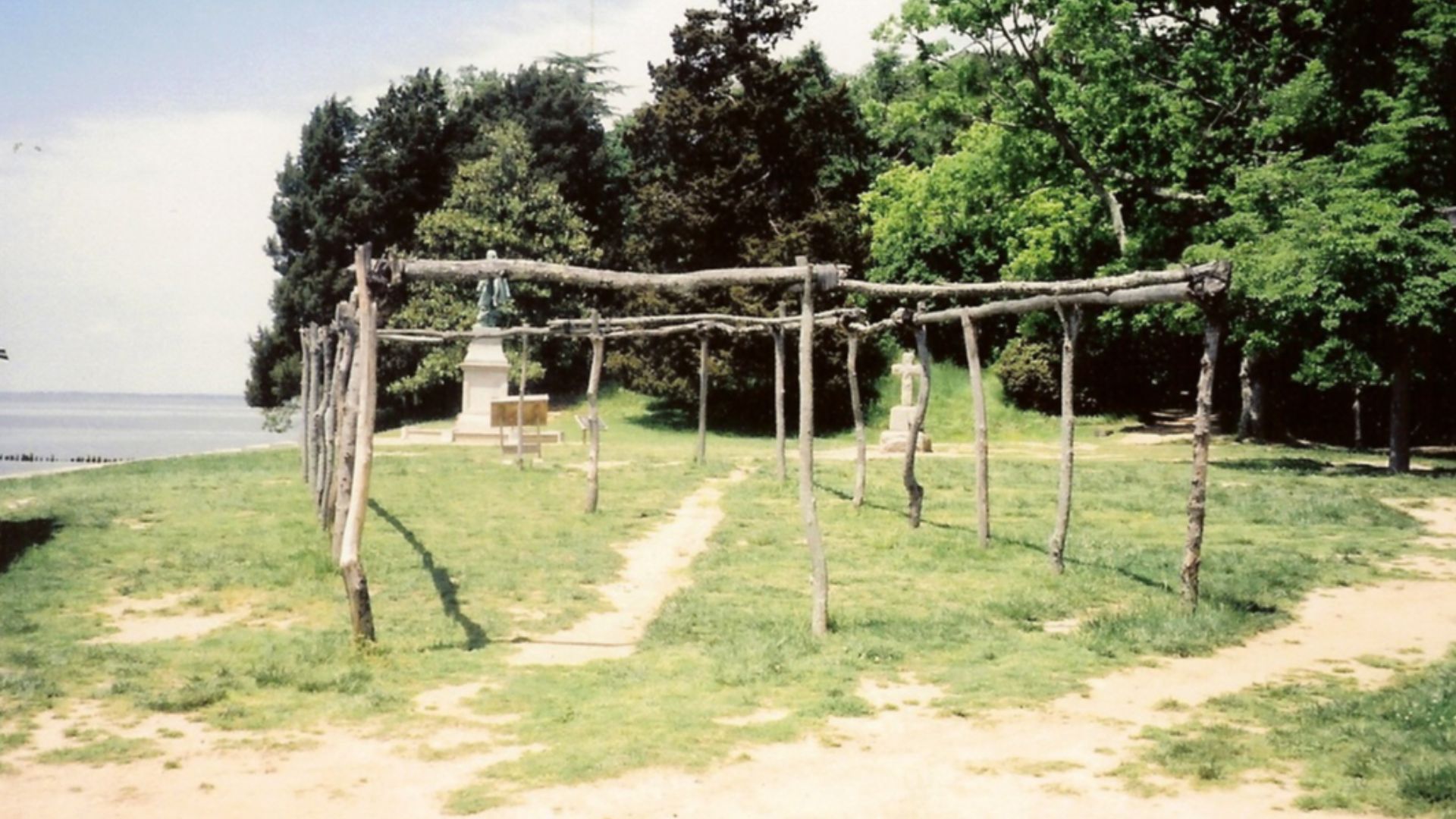
Jamestown Establishes England’s Foothold
In 1607, English investors backed a risky settlement along the James River. Jamestown struggled with disease, famine, and tense relations with the Powhatan Confederacy. However, tobacco cultivation later secured economic survival. Gradually, England gained a permanent presence in North America.
 Ken Lund from Reno, Nevada, USA, Wikimedia Commons
St. Augustine Secures Spain’s Claim
Spanish ambitions in Florida solidified in 1565 with the founding of St. Augustine. Established decades before Jamestown, the settlement functioned as a military outpost guarding Atlantic routes. Because Spain sought to deter rival powers, fortified towns anchored imperial authority in the region.
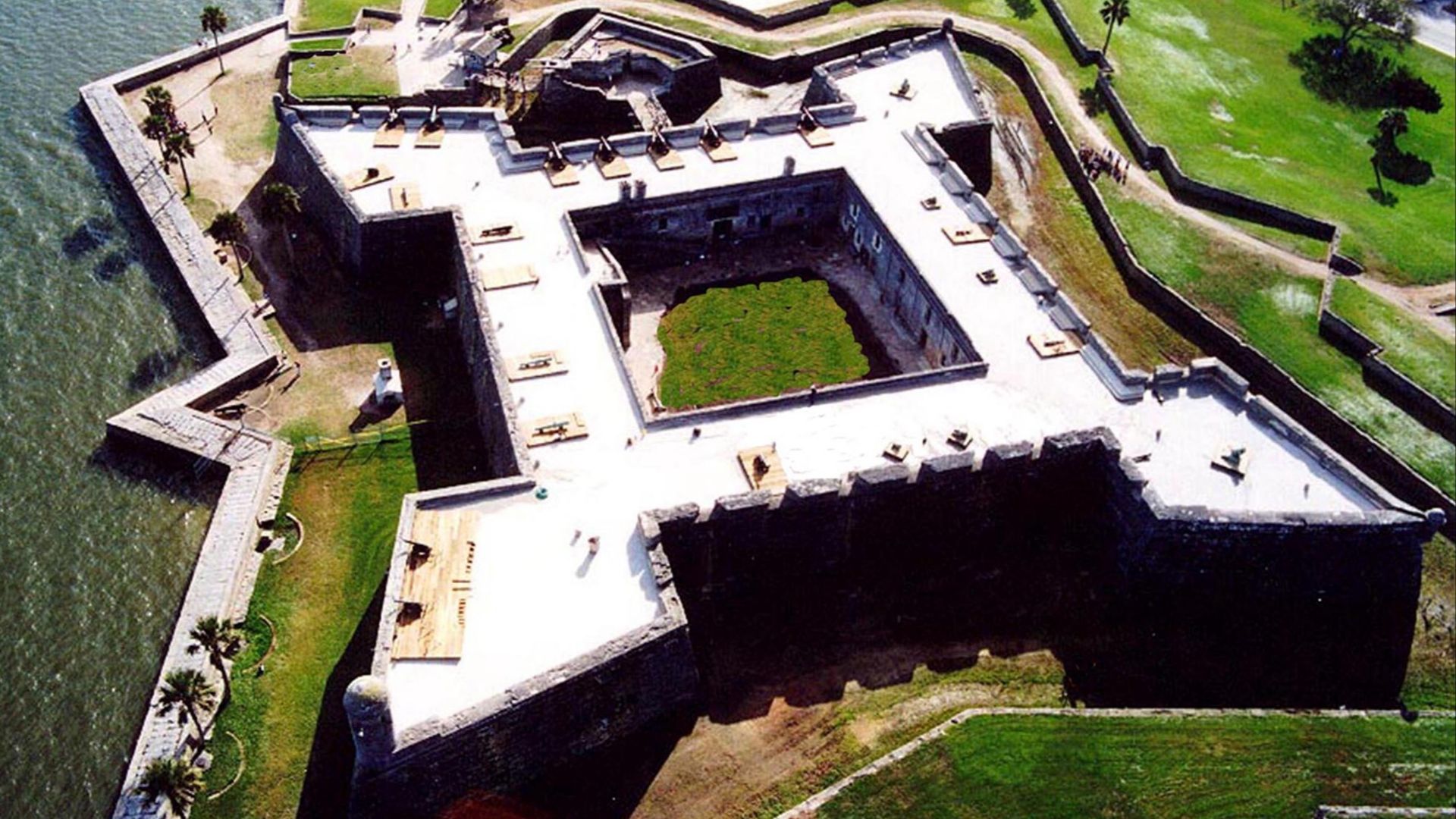 National Park Service, Wikimedia Commons
The Myth of a Single Discoverer
History loves a headline hero. Yet continents do not wait empty for one dramatic arrival. Multiple voyages, migrations, and encounters shaped the story across centuries. Still, popular memory often compresses complexity into a single name because simplicity travels faster than nuance.
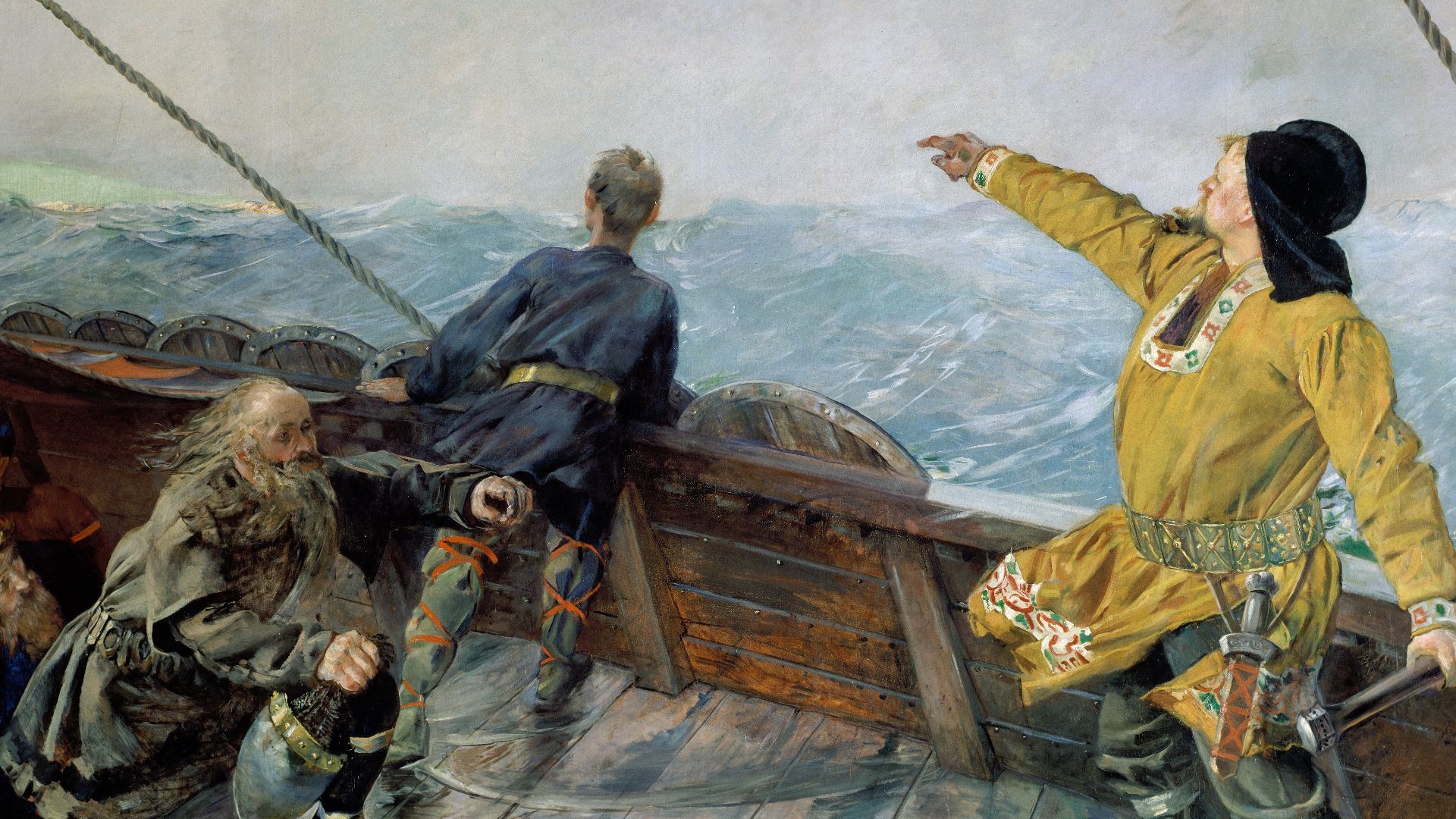 Christian Krohg, Wikimedia Commons
Textbooks and National Identity
During the nineteenth century, American schoolbooks emphasized Columbus as a foundational figure. The authors framed his voyage as a heroic exploration, reinforcing national identity. Meanwhile, Indigenous presence received limited attention. Narratives reflected cultural priorities of their time, shaping generations of classroom understanding.
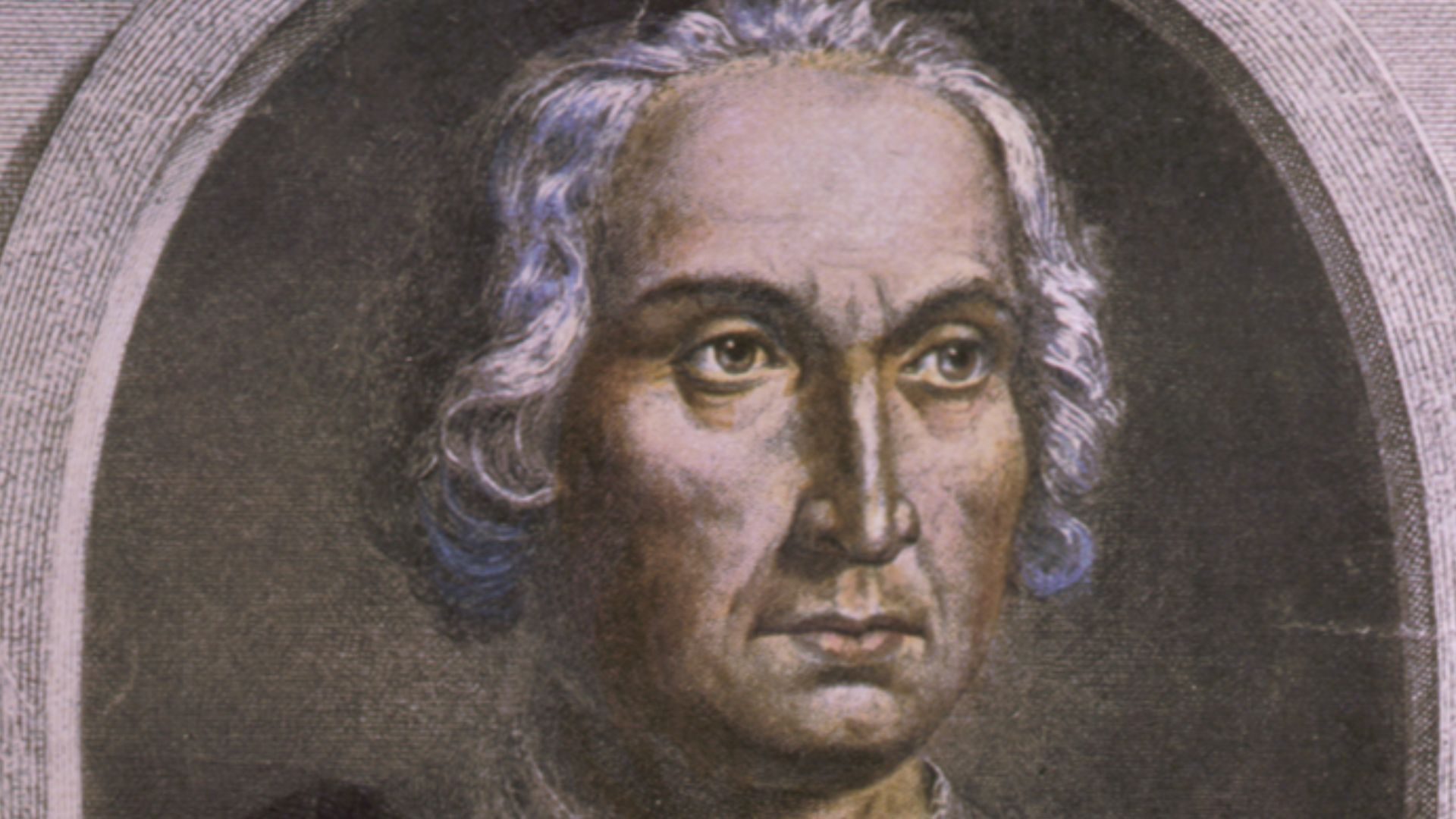 Unknown authorUnknown author, Wikimedia Commons
So Who Discovered America
Questions about discovery reveal assumptions about ownership and perspective. Indigenous communities arrived first through ancient migrations. Norse sailors reached North America centuries before Columbus. His voyages, however, initiated sustained European expansion. Ultimately, discovery depends on viewpoint, historical impact, and lived experience.
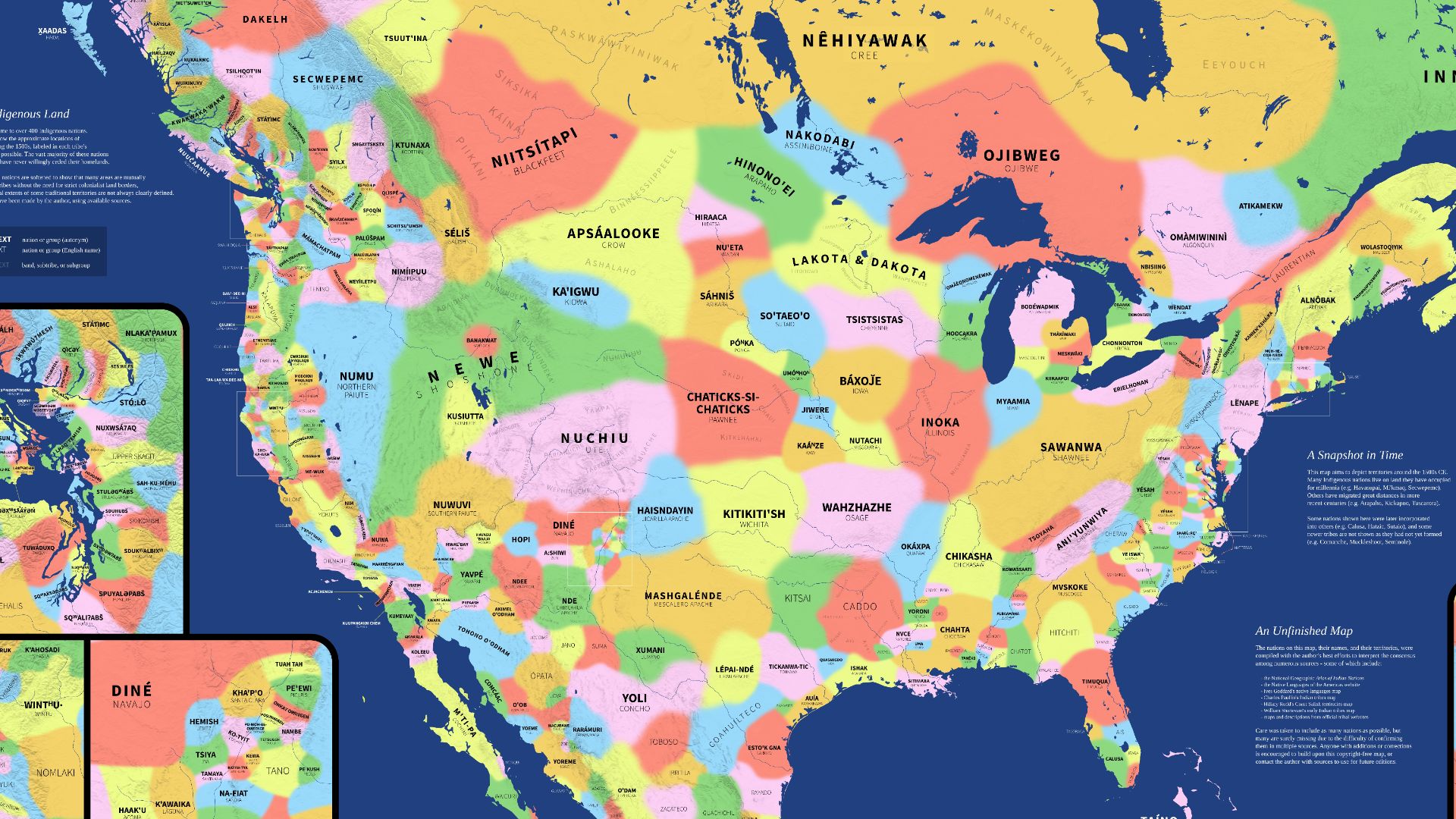 Peter Klumpenhower, Wikimedia Commons