 picture alliance, Getty Images, Modified
Cold air and the scrape of steel against stone set the tone at Magdeburg’s Domplatz in late 2023. This was no accidental discovery uncovered by routine repairs or surface work. Instead, it was the result of a deliberately planned archaeological excavation aimed at resolving decades-old questions about what once stood beside Magdeburg Cathedral. Beneath the square, archaeologists exposed solid masonry that had eluded earlier investigations—walls carefully set and construction techniques linked to the 10th century. These remains do not confirm a specific royal palace tied to Otto I, but they do offer something just as compelling: physical proof of monumental Ottonian-era construction at the heart of a city central to early imperial ambition. For historians and anyone fascinated by how power shaped medieval cities, this dig adds weight to written records long treated with caution.
A Planned Dig With Long-Term Questions In Mind
This excavation began on October 16, 2023, as a focused research effort rather than a byproduct of urban maintenance. Archaeologists targeted a compact zone at the southeast corner of Domplatz to bridge gaps left by earlier campaigns carried out between 1959 and 1968 and again from 2001 to 2003. Those earlier efforts revealed foundation trenches and fragmentary walls, yet they stopped short of uncovering intact structures that could be firmly dated to the Ottonian period. This time, the goal was narrower and more precise. Researchers wanted to confirm whether substantial 10th-century buildings once occupied this area and understand how they related to later development around the cathedral.
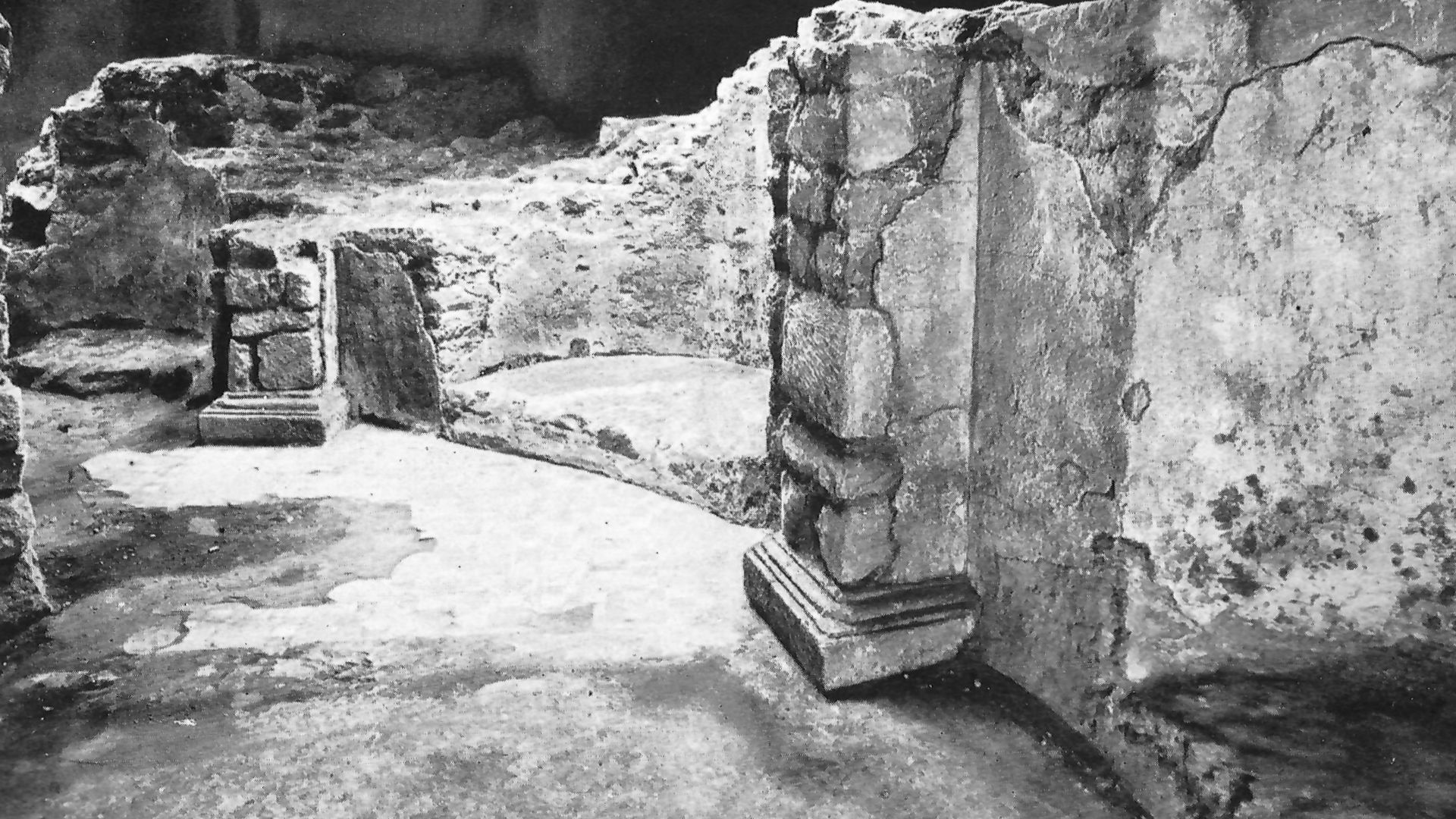
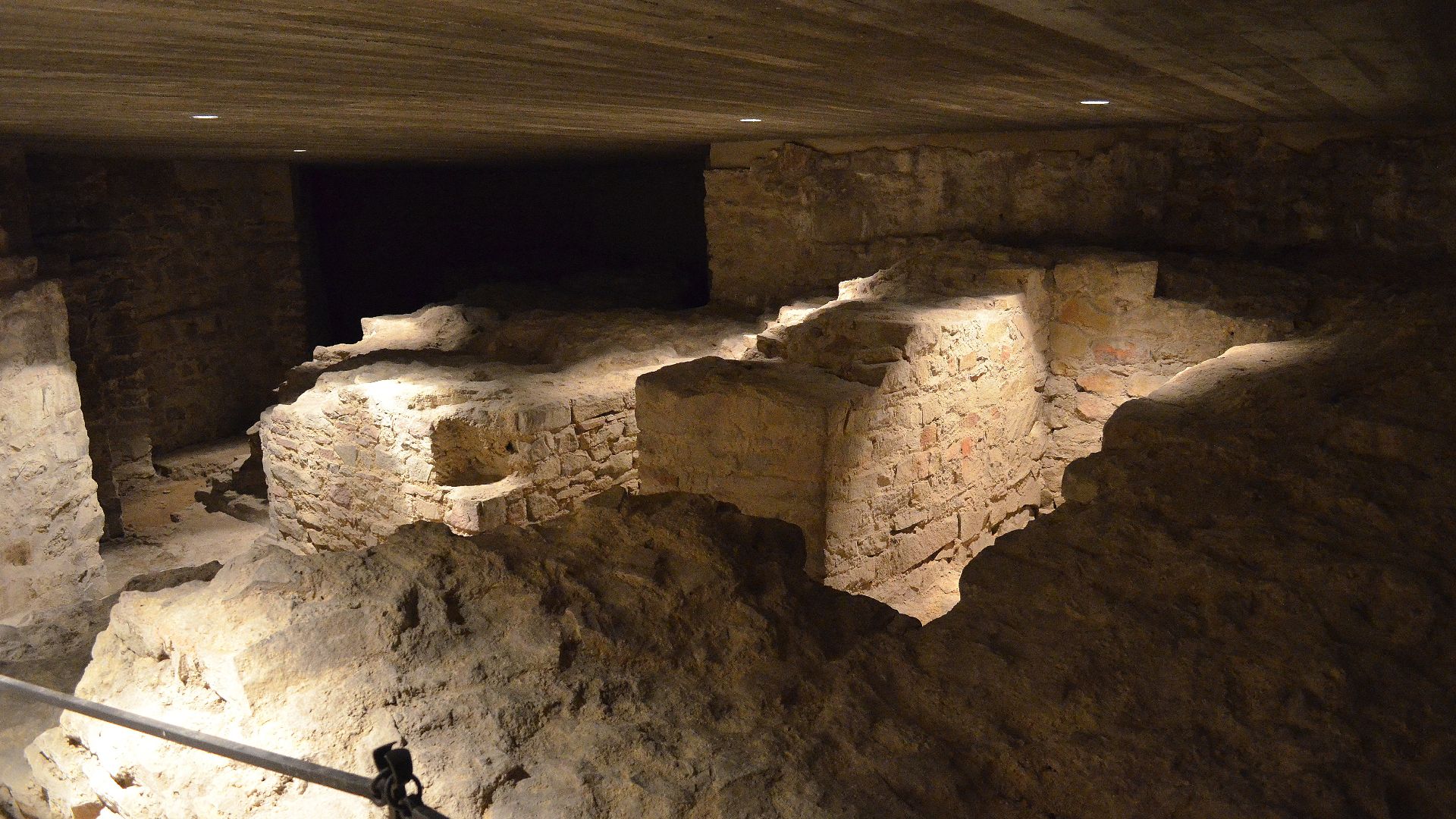
That decision paid off. The team uncovered two preserved walls resting on a sloped base of gypsum mortar. One wall forms part of a semicircular apse, while the other extends westward from its northern edge. The curvature of the apse, along with traces of half-columns or pilasters, points to a refined architectural plan rather than a utilitarian structure. Importantly, these walls represent the first cemented architectural remains from the Ottonian era identified directly within the cathedral square. These walls did not exist in isolation. Their orientation runs parallel to the later Gothic cathedral, which suggests intentional alignment within a broader complex. It hints at coordinated planning that blends sacred and secular functions. While the structure can’t be labeled definitively as Otto I’s palace, its scale and details argue for a building connected to authority.
 Rudolf Hatzold (1884—1950), Wikimedia Commons
Burn Layers And A City Rebuilt
Above the Ottonian walls lies a story written in ash and rubble. Archaeologists identified foundations and a doorway base belonging to a later structure, widely associated with a bishop’s palace constructed in the 12th century during the tenure of Norbert von Xanten. This later building cuts directly across the earlier remains, a reminder that medieval cities often reused prime locations without sentimentality. Historical records describe a catastrophic fire that swept through Magdeburg in 1207, which destroyed large sections of the city. The excavation confirms this account in material form. A burned layer sits directly atop the 12th-century foundations, sealing the destruction event in soil and charcoal. Above that lies a leveling layer dated to the 13th century, which signals cleanup and reorganization rather than abandonment.
What makes this sequence especially valuable is its precision, because each layer shows a clear shift in how the space was used and valued over time. The Ottonian-era structure prioritized durability, with gypsum-based mortar carefully applied to limit moisture damage and extend the building’s lifespan. That choice reflects long-term planning and access to skilled labor. Later, the construction of a bishop’s residence directly over the earlier remains signals a change in authority, as ecclesiastical leadership claimed one of the city’s most prominent locations. The destructive fire of 1207 marked another turning point, and the layer of burned debris points to a practical effort to restore order rather than abandon the site.
Read together, these layers create a grounded timeline that supports historical records while avoiding exaggeration. Beyond chronology, this sequence also reveals how medieval cities adapted without erasing their past. Reuse of the same footprint shows that location mattered as much as structure, especially near the cathedral. Each rebuilding phase responded to immediate needs while preserving the square’s role as a center of power. That continuity helps explain why Domplatz remained significant for centuries. Instead of dramatic breaks, the evidence shows steady adjustment, shaped by authority, disaster, and recovery.
 RomkeHoekstra, Wikimedia Commons