
Archaeologists excavating the temple of Ramesses II in Abydos stumbled upon an astonishing tribute: more than 2,000 mummified ram heads, neatly arranged as offerings to the pharaoh who died a millennium earlier. The discovery reveals a devotion that far outlived Ramesses himself, proving that reverence for Egypt’s most legendary ruler endured through the ages.
Unearthing The Offering Cache
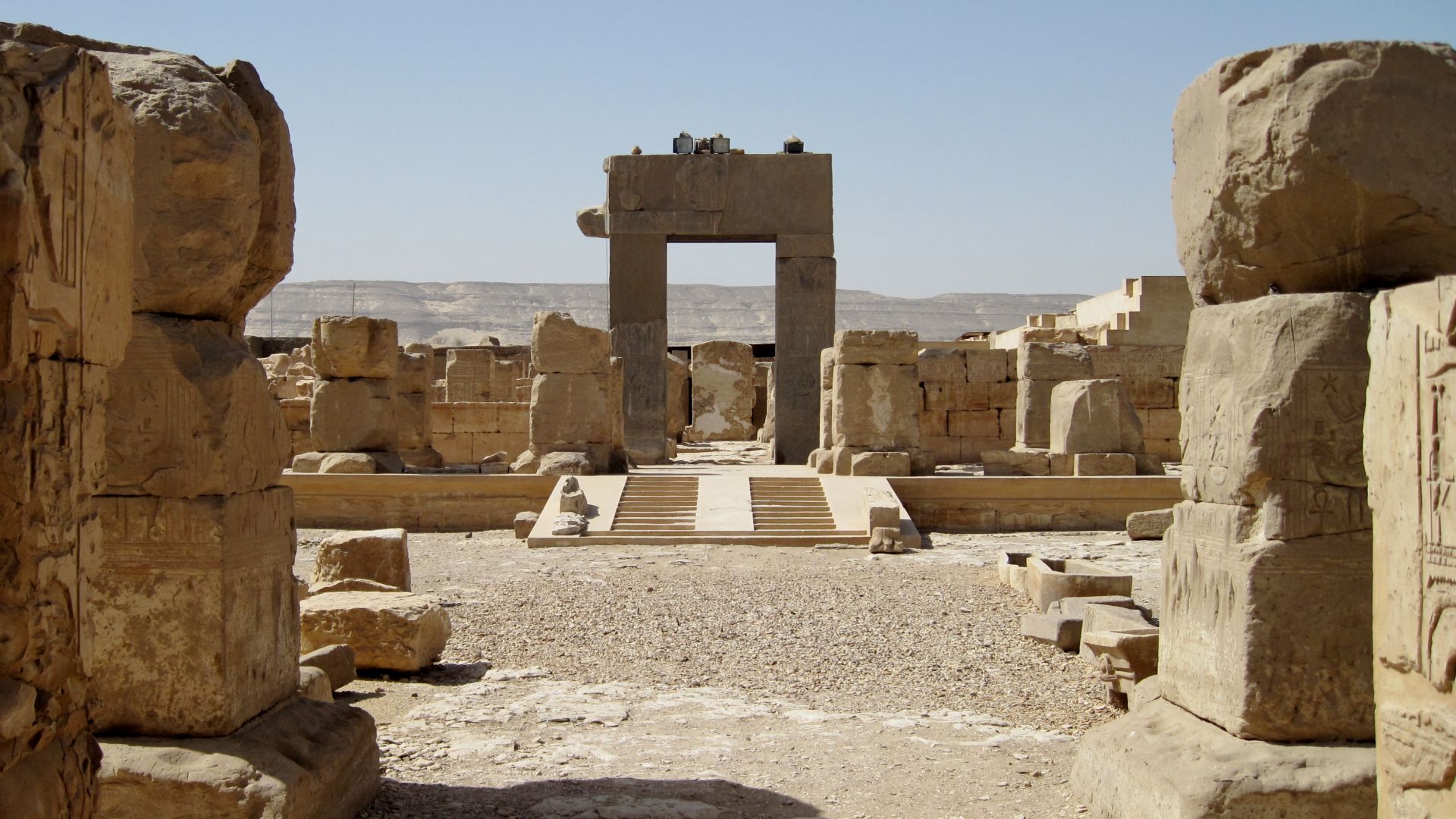
Deep within the temple’s northern precinct, researchers uncovered a sealed chamber—essentially a time capsule of enduring worship. Thousands of preserved ram heads, layered with linen and resin, filled the chamber floor, pointing to large-scale, coordinated offerings instead of occasional individual gestures.
According to Live Science, the magnitude of the discovery suggests that ceremonies were held centuries after Ramesses II’s death. Far from being a static relic, Abydos emerges as a dynamic site of pilgrimage where Egyptians fused ritual and royal legacy into a continuous act of devotion.
 Olaf Tausch, Wikimedia Commons
A Ritual Practice That Outlived A Dynasty
Evidence places these offerings in the Ptolemaic period—between 332 and 30 BCE—long after the New Kingdom’s golden age. Reports from Archaeology World suggest this continued worship shows how the pharaoh’s cult persisted even under Greek rule.
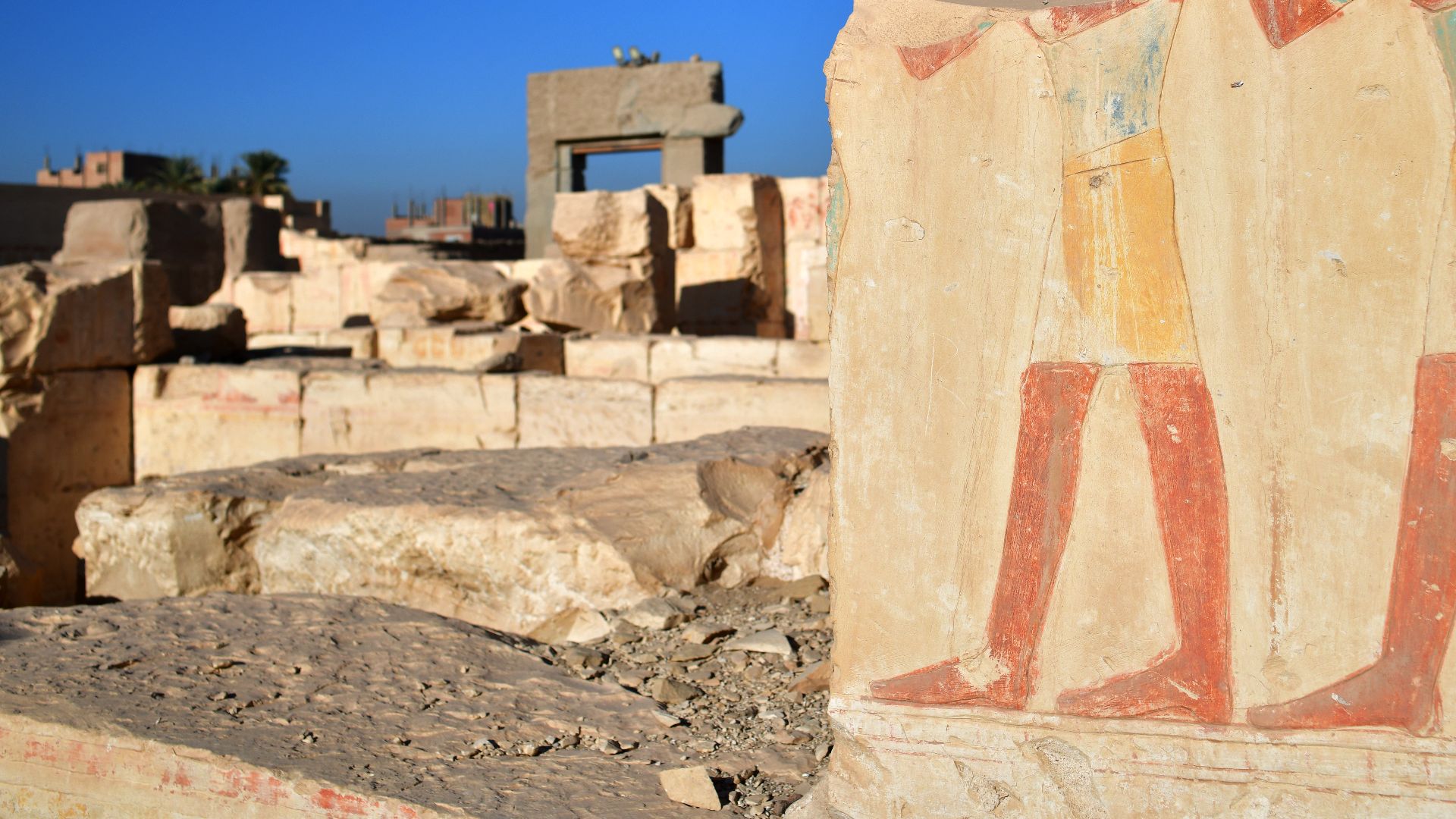
Worshippers likely returned to Abydos to honor Ramesses II as both a symbol of divine kingship and a bridge to Egypt’s glorious past. Each carefully mummified ram, a sacred animal linked to the god Khnum, represented strength, fertility, and renewal.
 Panegyrics of Granovetter, Wikimedia Commons
Layers Beneath The Sand
Excavation teams also discovered a massive mud-brick structure dating to the Sixth Dynasty around 2181 BCE, as reported by ScienceAlert. Its five-meter-thick walls suggest Abydos was sacred long before Ramesses II’s temple existed. The site evolved over millennia, with each generation leaving new marks of devotion atop the old.
This deep layering of architecture and ritual shows how sacred spaces in Egypt rarely stood still—they adapted and absorbed meaning over time.
Final Thoughts
When people think of ancient Egypt, they often picture golden tombs and colossal statues. Yet discoveries like this offer a quieter, more personal glimpse into history. The thousands of ram heads unearthed at Abydos are the remains of centuries-long devotion—proof that memory, faith, and reverence can survive the passage of time. And somewhere beneath the desert sands, more echoes of that devotion are still waiting to be found.