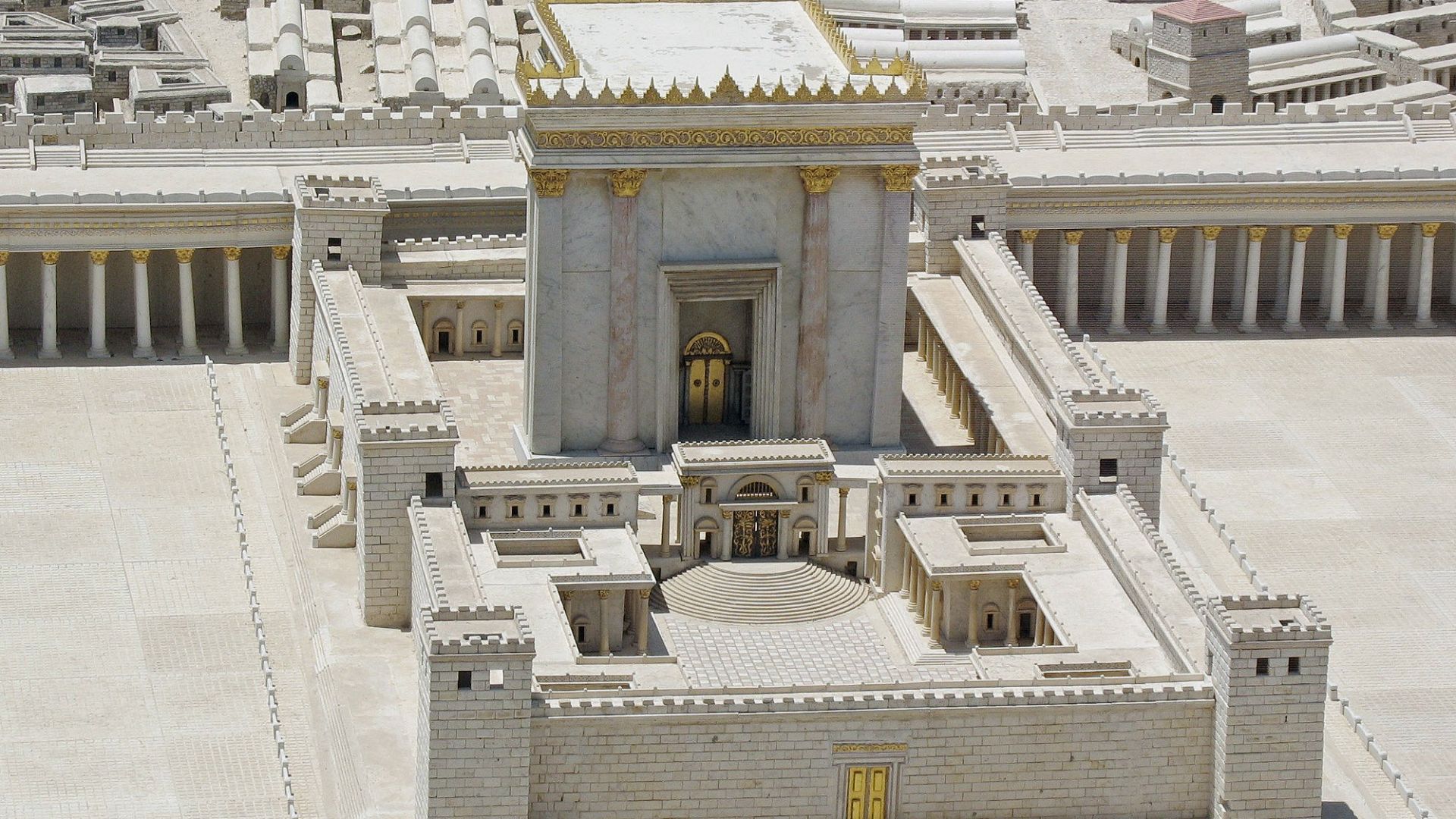
The Mystery That’s Still Being Asked Today
Does Flavius Josephus hold the key to proving Jesus existed? That’s what people wonder when they hear about his ancient book Antiquities of the Jews, because of one key entry. But to solve the mystery, we first need to understand who this man actually was.
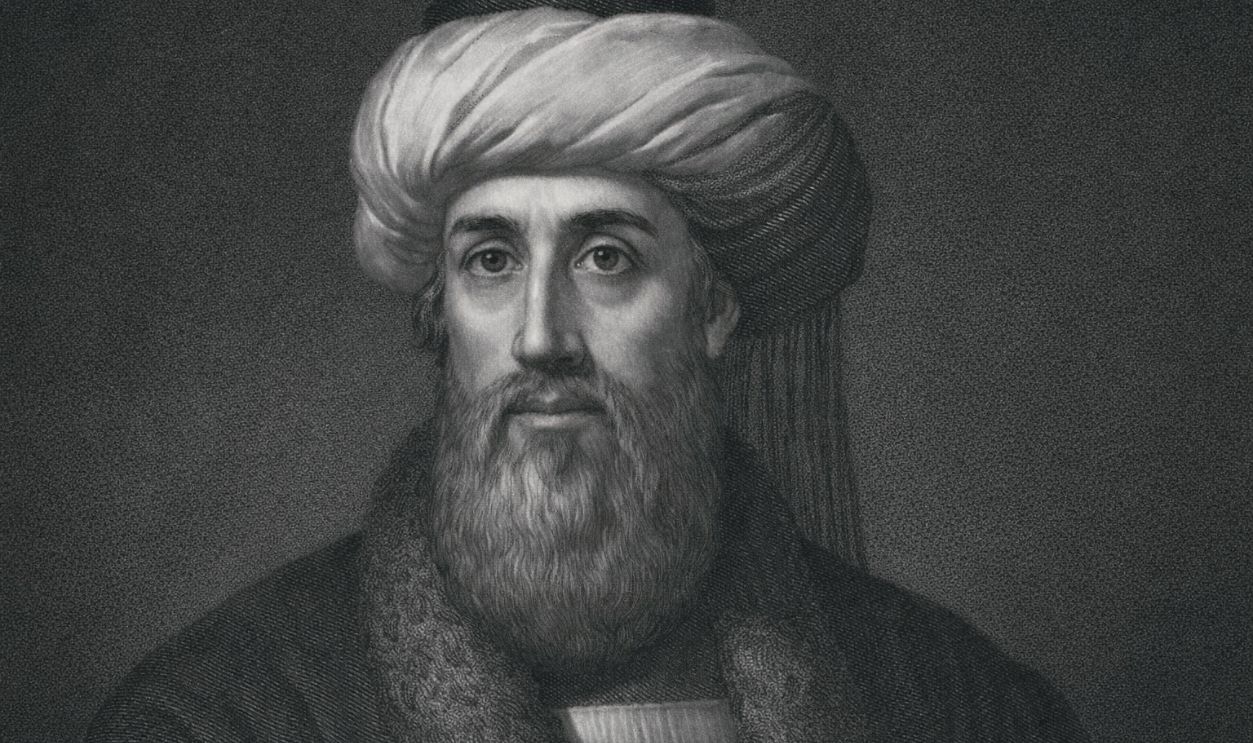
Meet Flavius Josephus
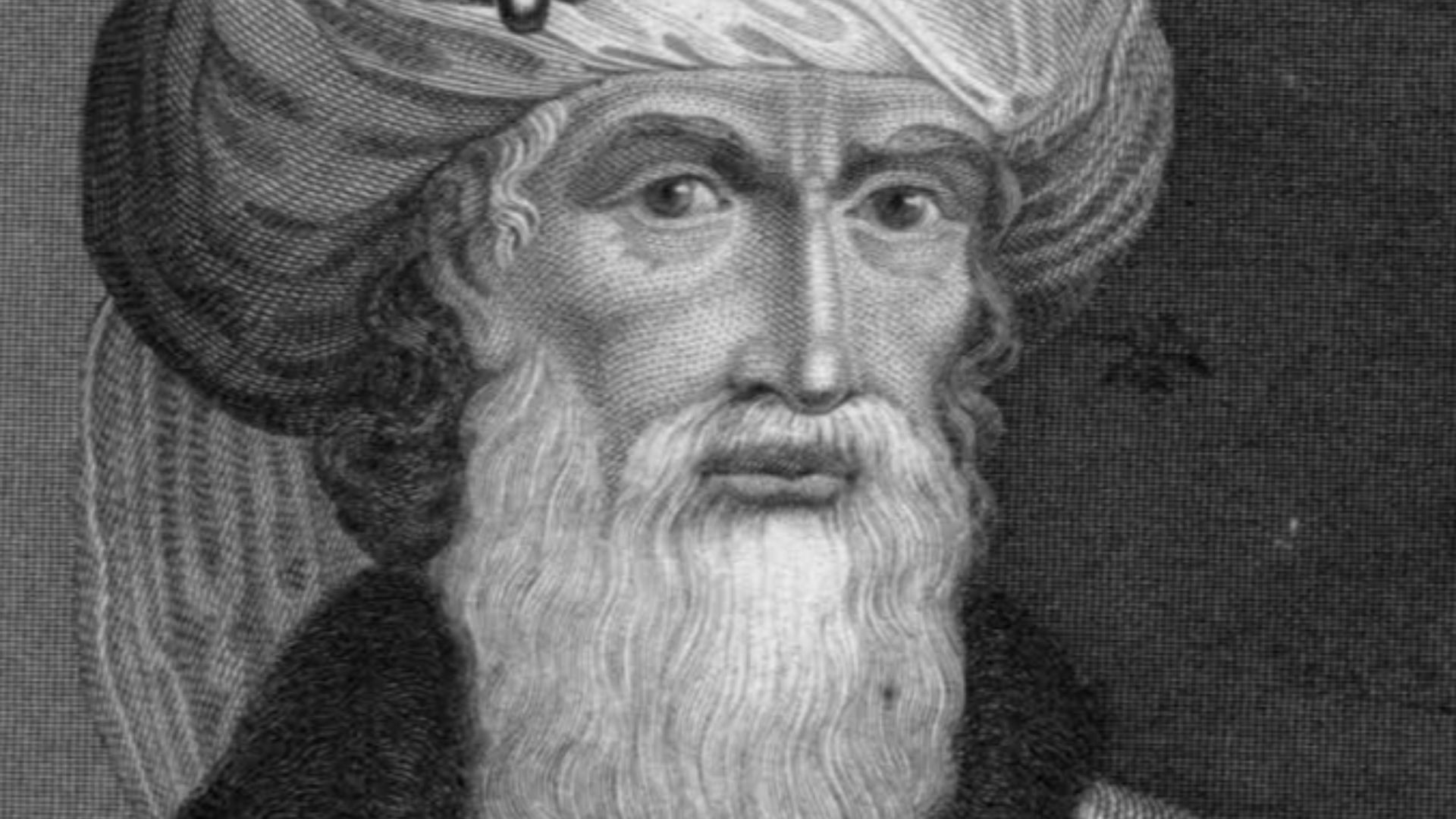
Born in 37 CE in Jerusalem, Josephus was a Jewish priest who eventually became a Roman historian. He switched allegiances after being captured in war and ended up writing detailed accounts of his people’s past for powerful Roman leaders.
 William Whiston (originally uploaded by The Man in Question on en.wikipedia.org), Wikimedia Commons
A City Boiling With Tension And Change
First‑century Jerusalem was caught between Roman rule and Jewish unrest. Armed uprisings broke out, Roman governors cracked down hard, and religious groups struggled for control. This was the world Josephus knew—and it shaped every word he later put to paper.
 Hartmann Schedel, Wikimedia Commons
Josephus Documented A Nation
Josephus wasn’t telling tales. He aimed to record history through the eyes of someone who lived it. His major works, The Jewish War and Antiquities of the Jews, were written to explain Jewish history clearly to his Roman audience.
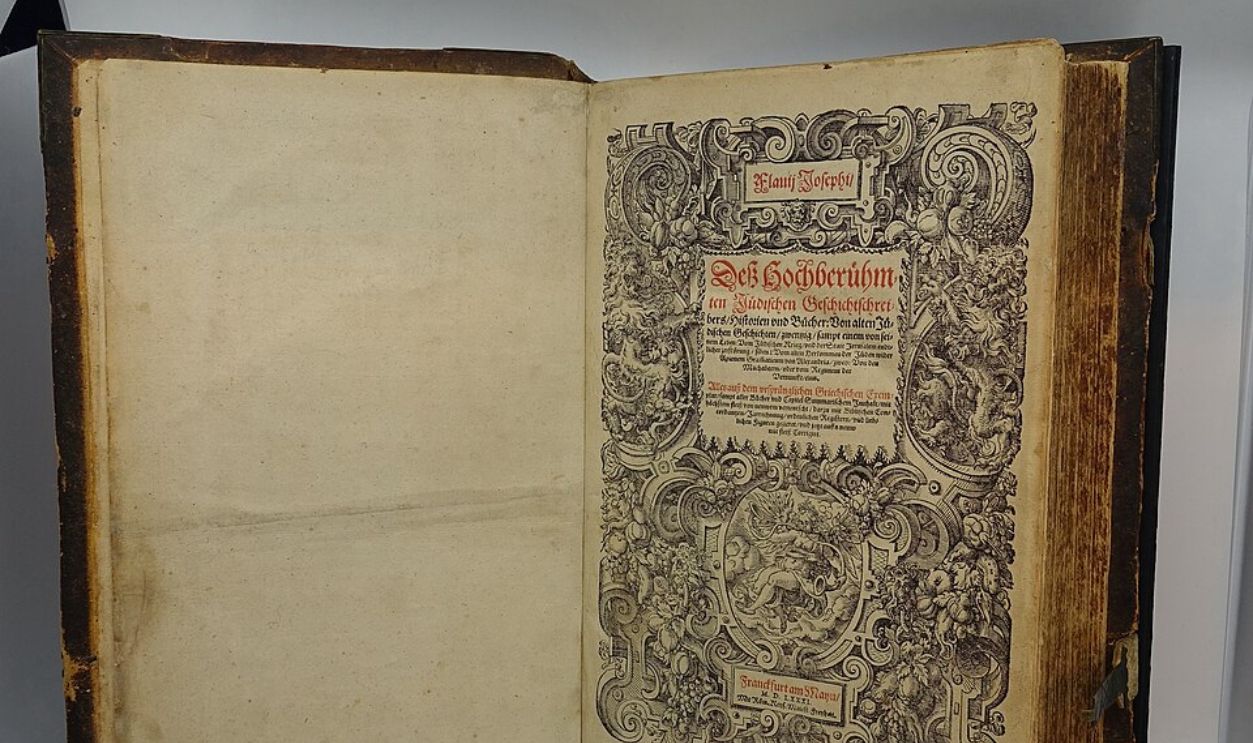
The Strange Importance Of Evidence Outside The Bible
Why does Josephus’s writing matter in this debate? Because he wasn’t a follower of Jesus. Historians rely on outside voices to confirm if someone truly lived, and Josephus, surprisingly, may have written one of the earliest such references to Jesus.
 Unknown author, Wikimedia Commons
What Counts As Real Historical Evidence
Historians don’t rely on belief—they look for physical writings, firsthand accounts, or independent mentions from the time. To say someone existed, they need sources that were written close to when that person actually lived, not centuries later.
 Rijksmuseum, Wikimedia Commons
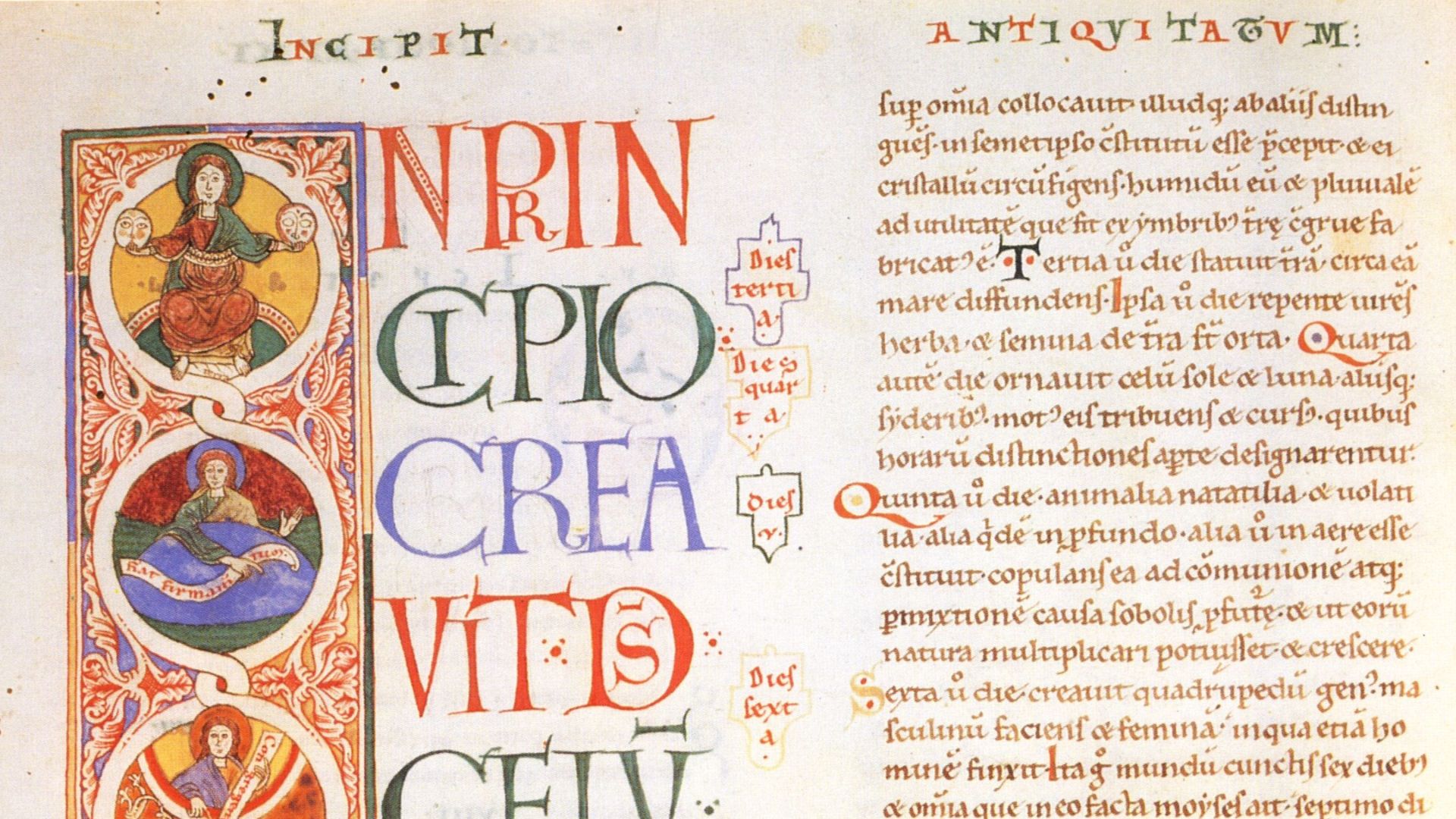
The Testimonium Flavianum
In his book Antiquities of the Jews, Josephus includes a short paragraph about a man named Jesus. Scholars call it the Testimonium Flavianum. It’s the only place where Josephus seems to directly mention Jesus by name, and it caught everyone's attention.
What The Paragraph Actually Says About Jesus
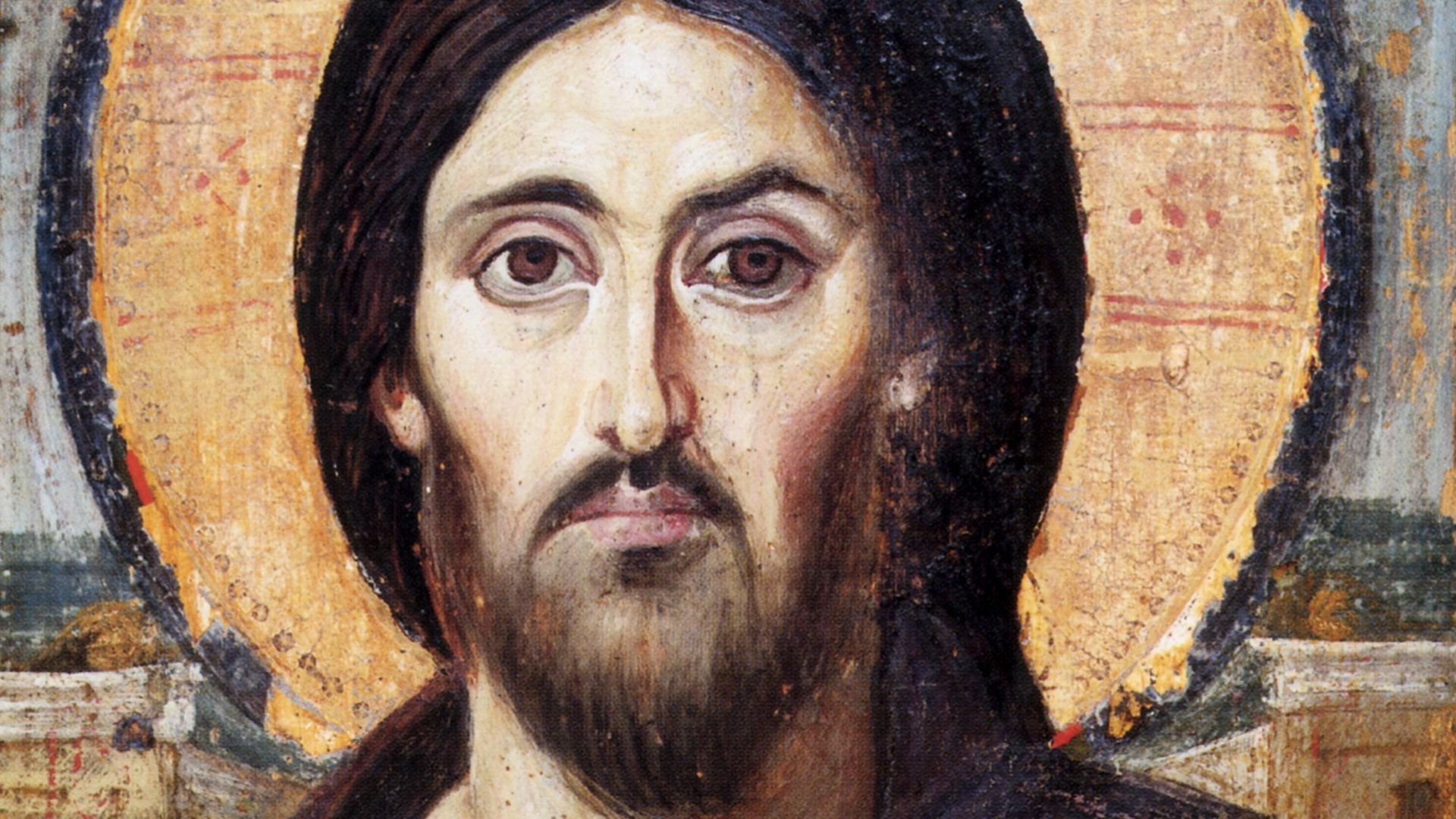
It describes Jesus as a wise man with a strong following. It also says Pilate sentenced him to crucifixion, and his supporters didn’t abandon him. The text also says Jesus was the Christ, but that part might not be exactly what Josephus originally wrote.
 Unknown artistUnknown artist, Wikimedia Commons
Why This Short Passage Caused Such A Stir
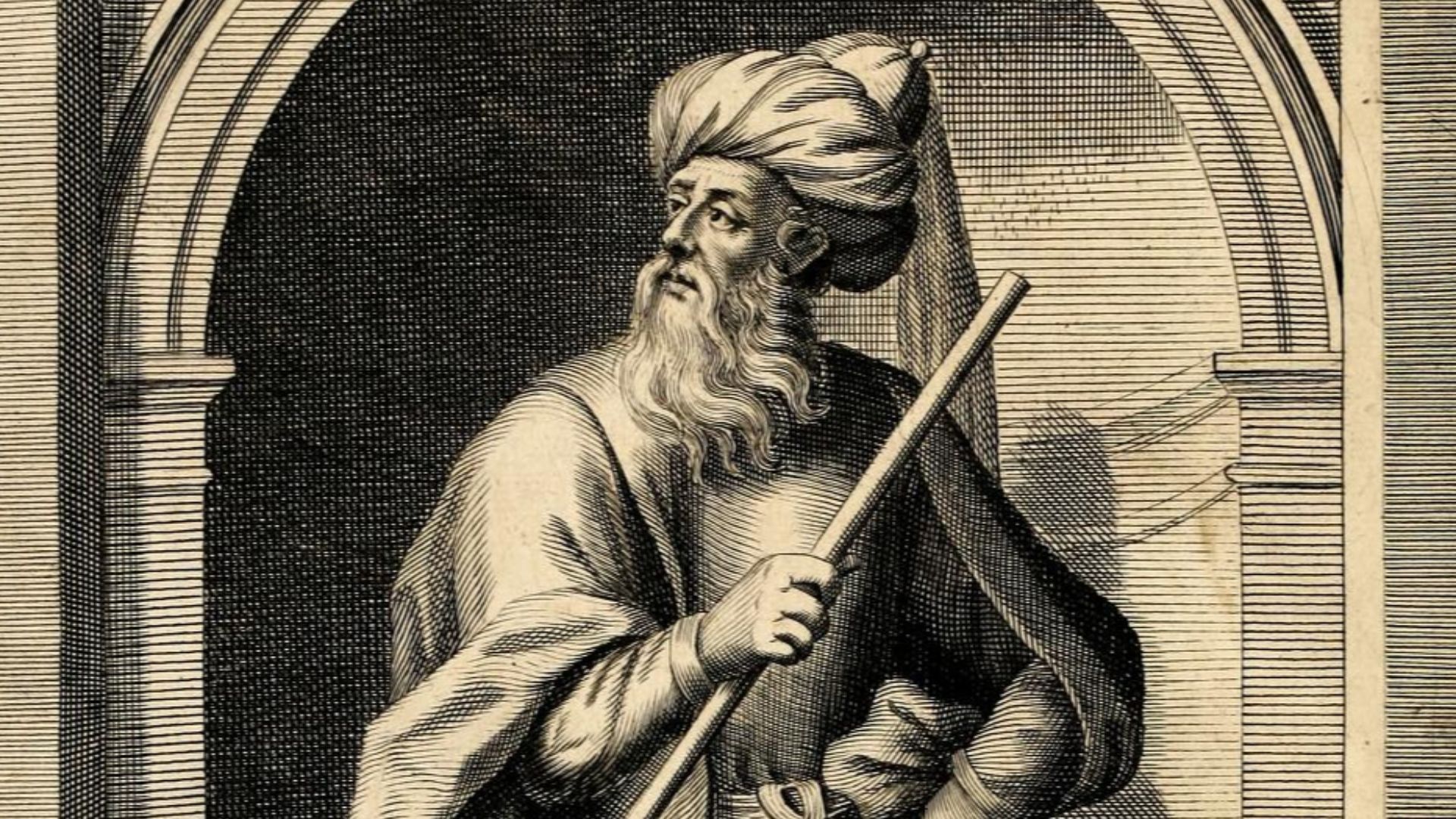
If Josephus really wrote those words, it would be one of the earliest non‑Christian mentions of Jesus. That’s why this little passage has been debated for centuries. Its wording is unusual, and some parts don’t match how Josephus writes elsewhere.
 Unknown author, Wikimedia Commons

History's most fascinating stories and darkest secrets, delivered to your inbox daily.
A Closer Look At What Seems Off
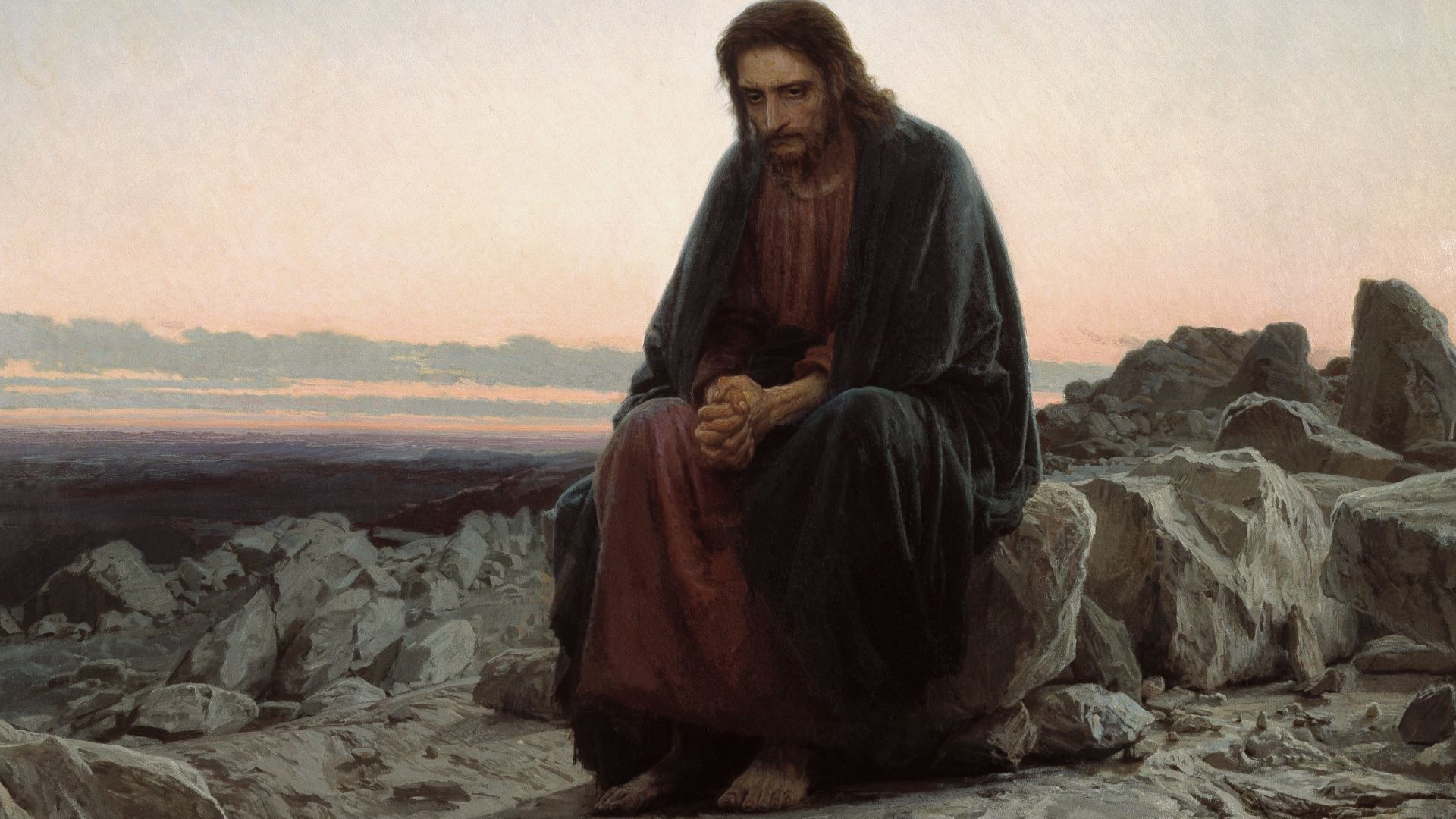
Josephus wasn’t a follower of Jesus. Yet the paragraph reads like something a Christian might say. It calls Jesus the Messiah and mentions his resurrection without any doubt. That’s what makes scholars think later writers might have changed it.
 Ivan Kramskoi, Wikimedia Commons
How Copying By Hand Led To Later Additions
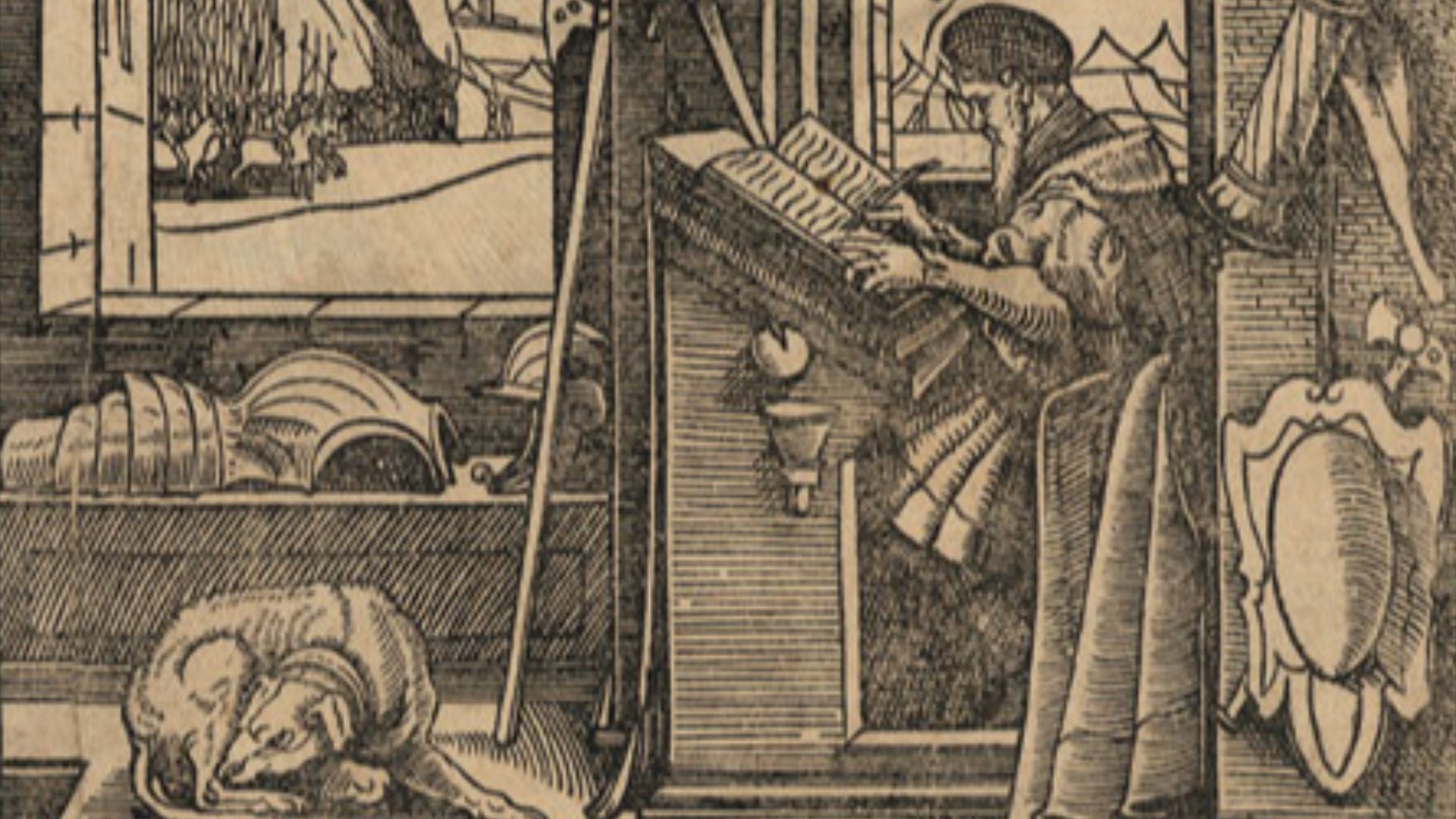
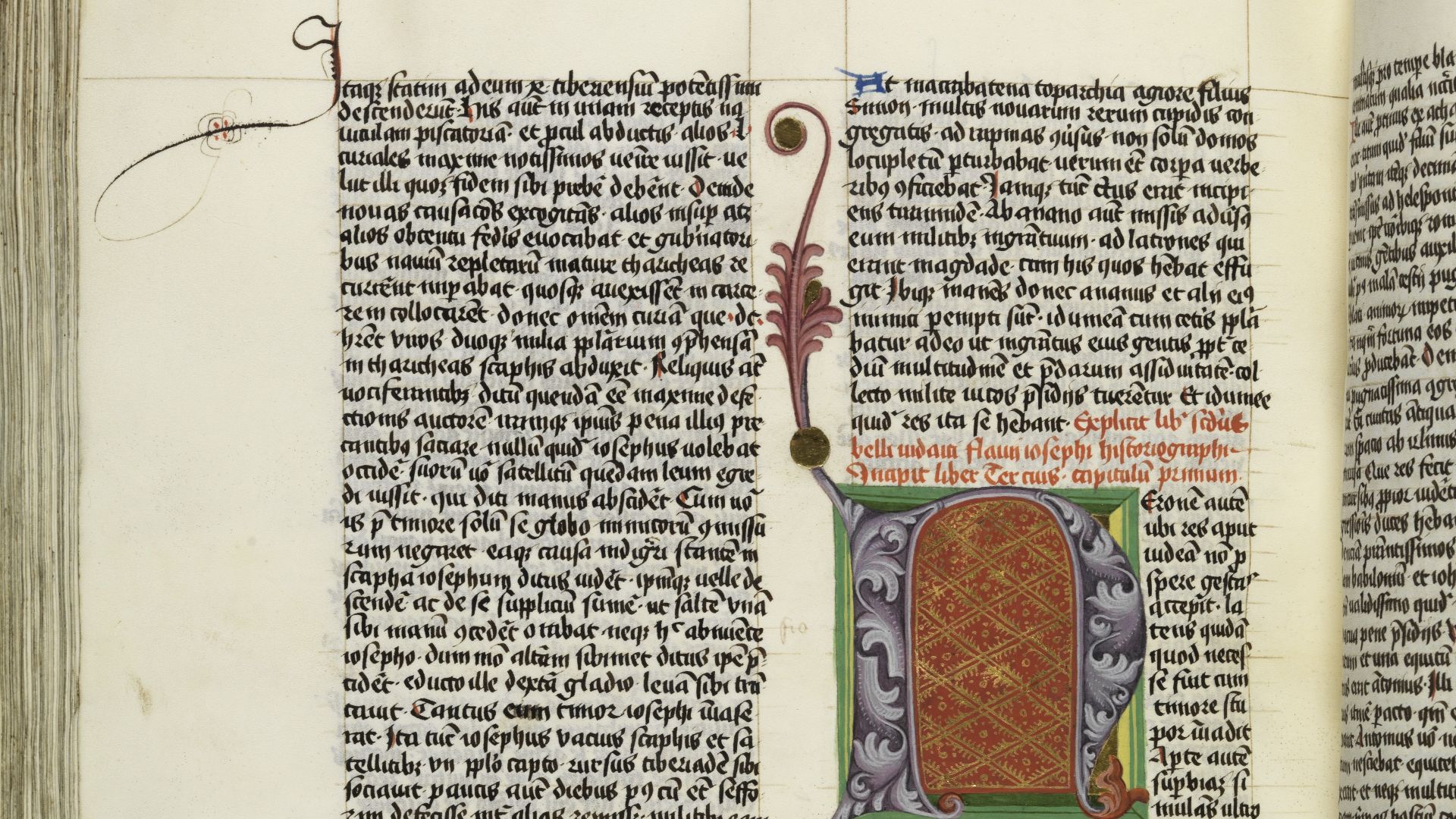
Books in Josephus’s time were copied by hand, often centuries later. Scribes sometimes added notes or beliefs into the margins. Over time, these could slip into the main text. Historians call these changes later additions—and they’re key to this debate.
 User:AndreasPraefcke, Wikimedia Commons
Why Some Of The Passage Still Feels Genuine
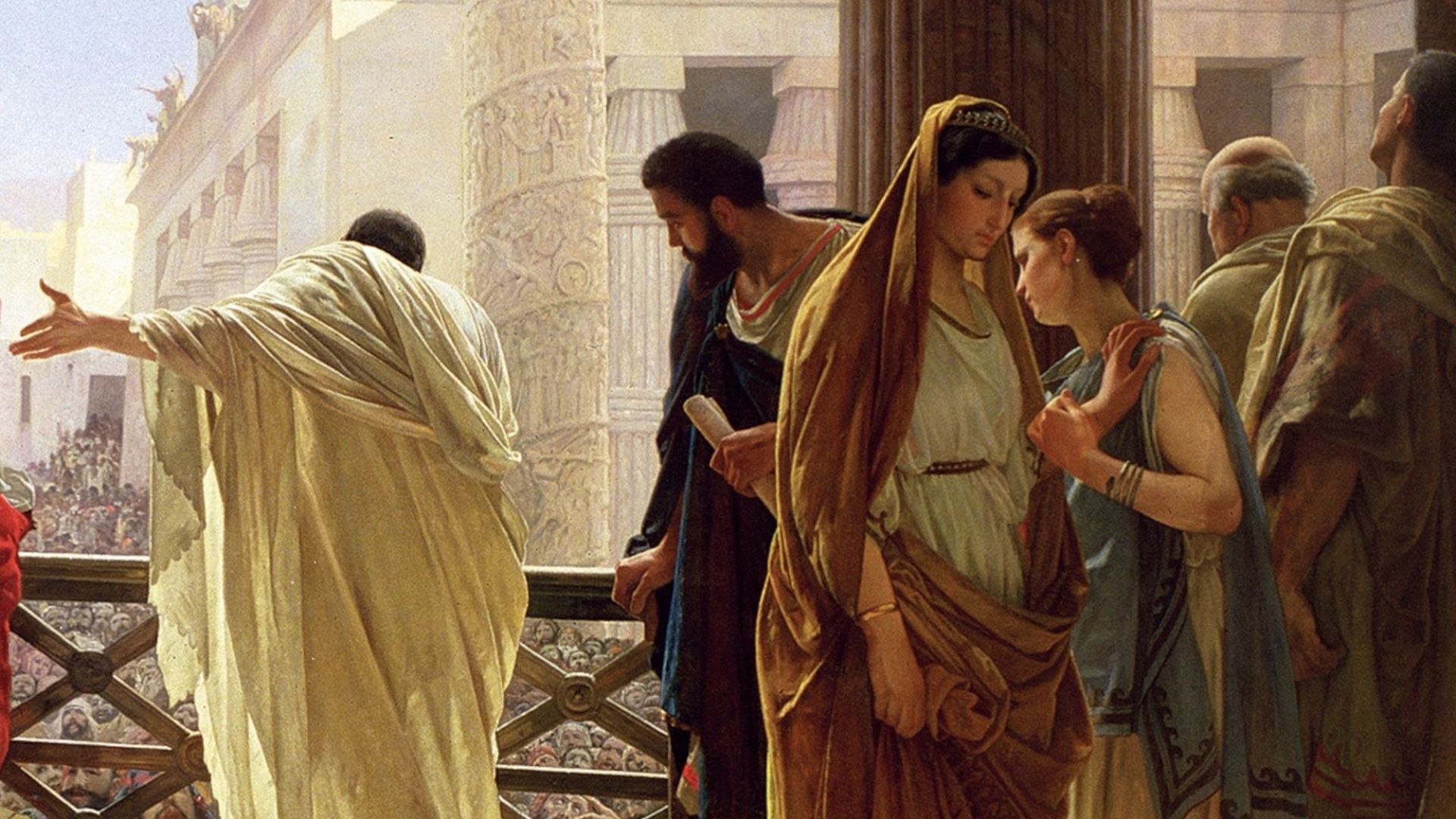
Many scholars believe Josephus likely mentioned Jesus in a neutral way. The references to Jesus’s execution under Pontius Pilate match known Roman records. The tone of certain lines also fits Josephus’s usual style, suggesting a core passage may be authentic.
 Antonio Ciseri, Wikimedia Commons
One Early Historian Who Quoted The Passage
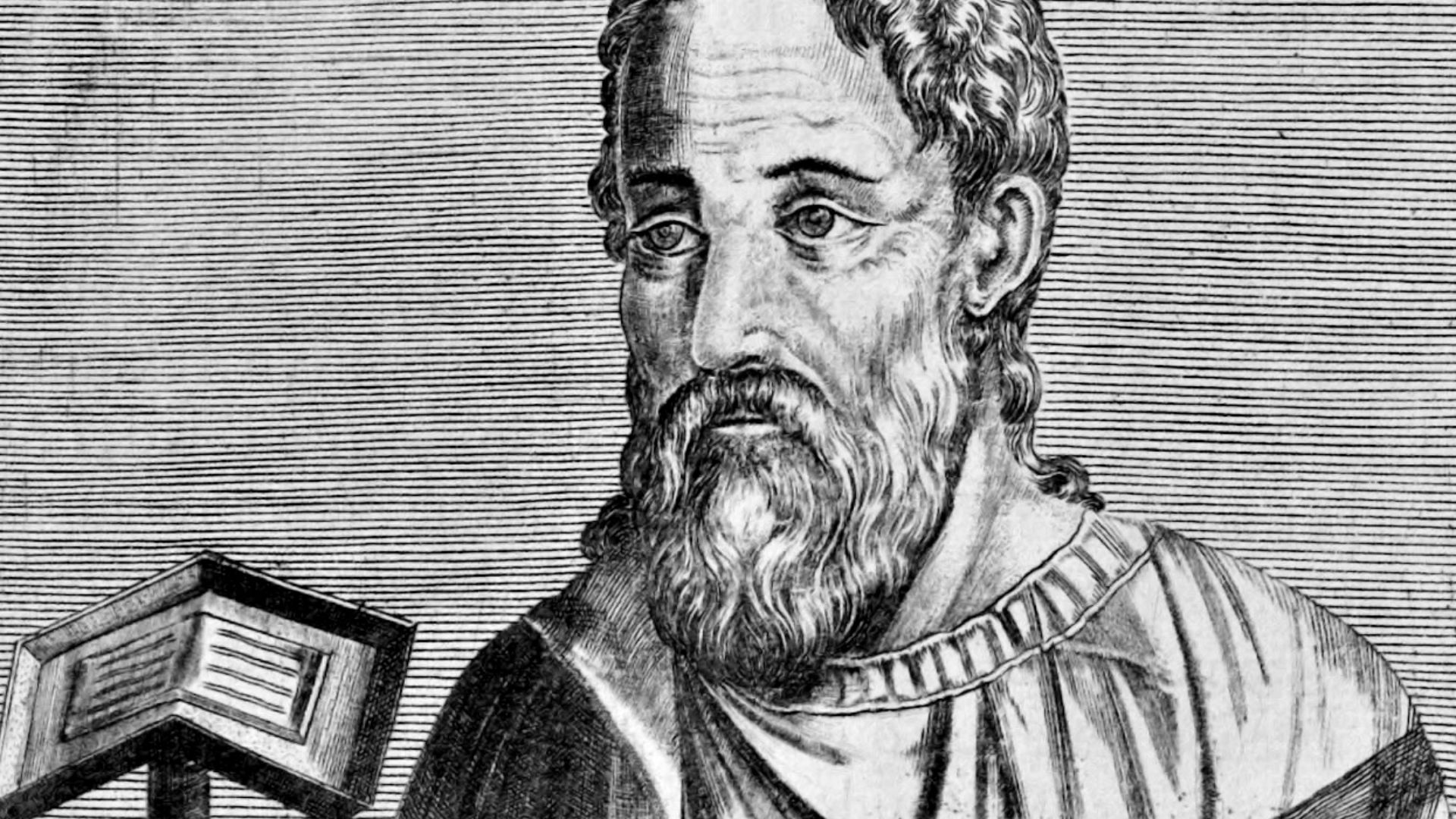
A fourth‑century Christian writer named Eusebius quoted the Josephus passage about Jesus. His version includes the most positive language. Since earlier writers didn’t quote it the same way, scholars question whether Eusebius preserved the original or helped shape it.
 Desconocido, Wikimedia Commons
Another Mention That Feels More Believable
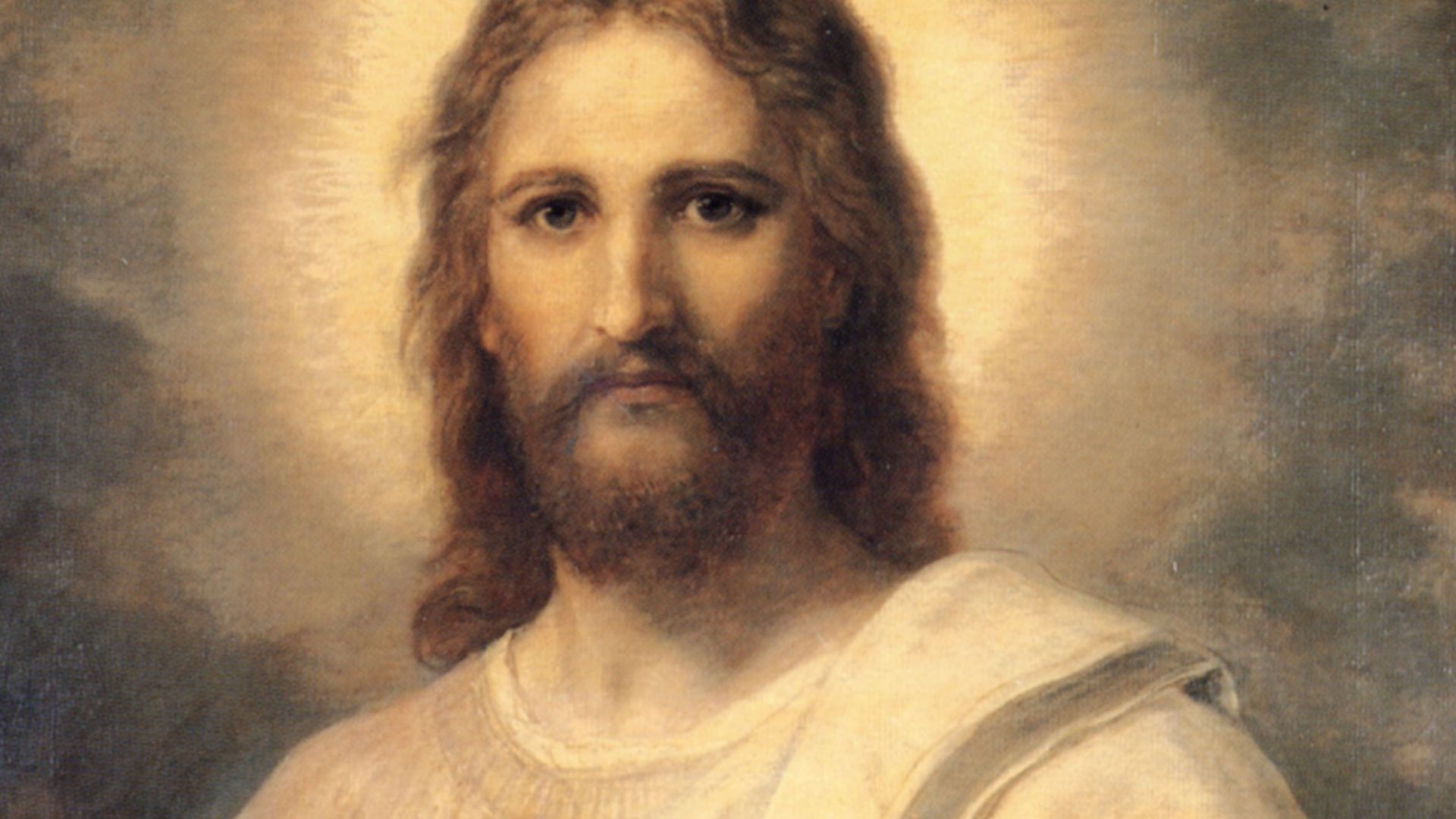
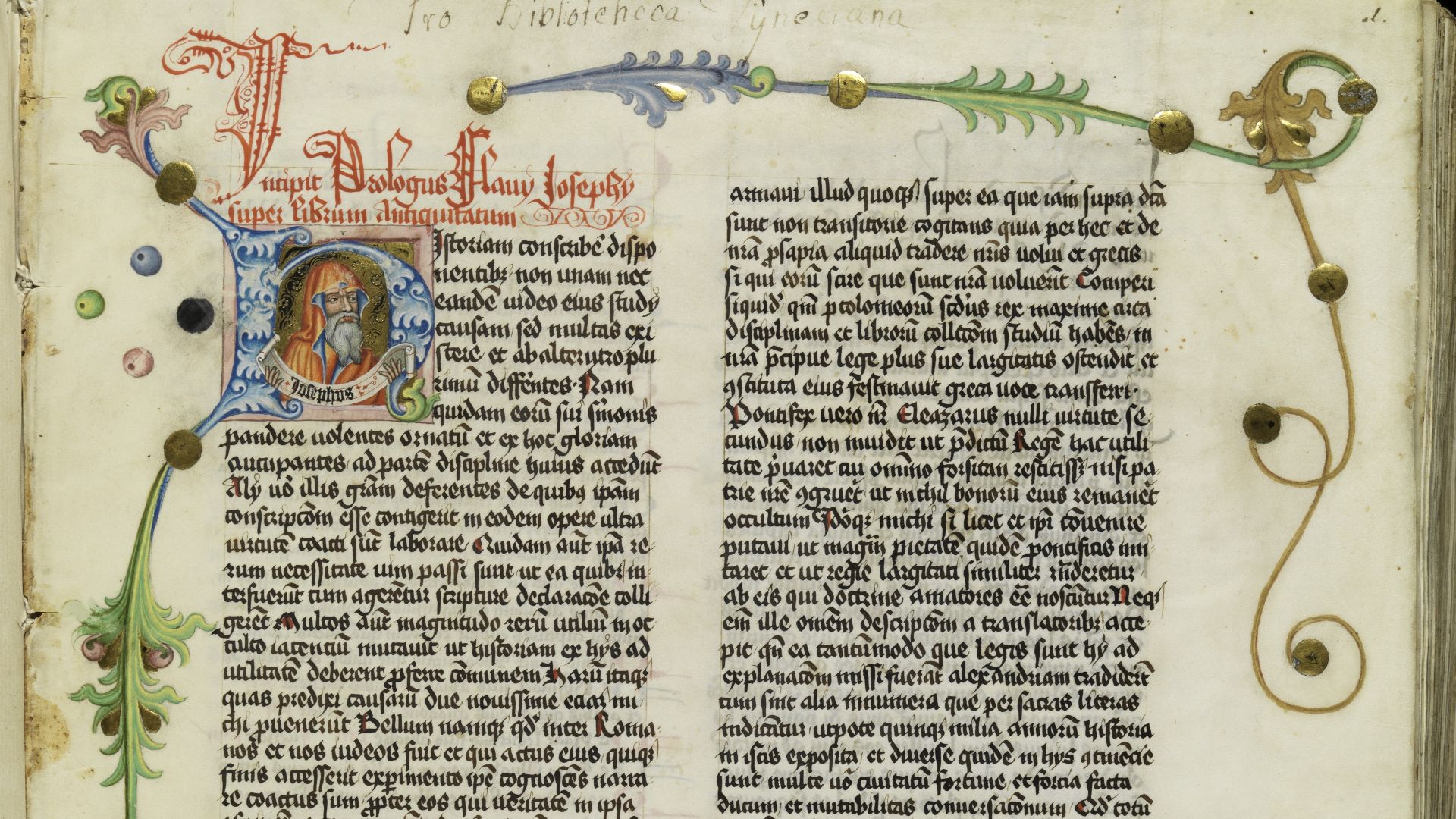
In another part of Antiquities of the Jews, Josephus briefly mentions “James, the brother of Jesus who was called Christ”. This reference is simpler, less dramatic, and is widely considered genuine. It suggests Josephus at least knew of someone named Jesus.
 Heinrich Hofmann, Wikimedia Commons
Why That Second Mention Holds Weight
Unlike the debated passage, this one doesn’t sound exaggerated or out of place. It fits Josephus’s usual tone and style. Most experts believe it’s authentic, making it an important clue that Jesus may have been a real historical person.
 Jozef Flawiusz, Wikimedia Commons
Roman Writers Who Also Took Notice
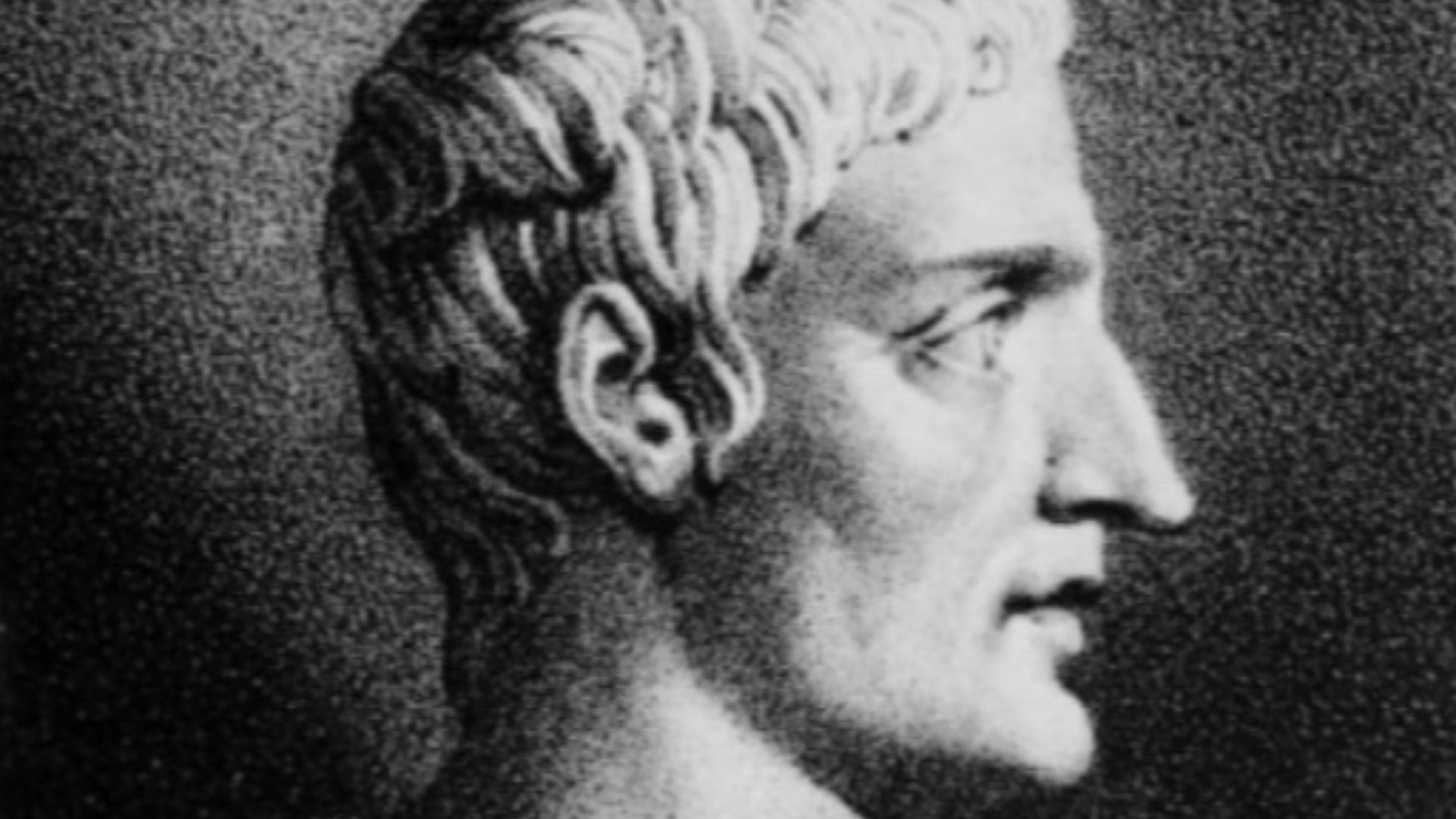
Roman historian Tacitus wrote about Jesus’s execution under Pontius Pilate during Emperor Tiberius’s rule. He didn’t admire Christians, but he confirmed parts of the story. This kind of mention, from someone with no religious agenda, carries serious historical value.
How Historians Study Ancient Writings
Historians don’t just read a passage and accept it. They compare different copies, check how the language fits with the author’s style, and look at who quoted it later. Every small detail helps them get closer to the original version.
 Jozef Flawiusz, Wikimedia Commons
What It All Means For The Jesus Question
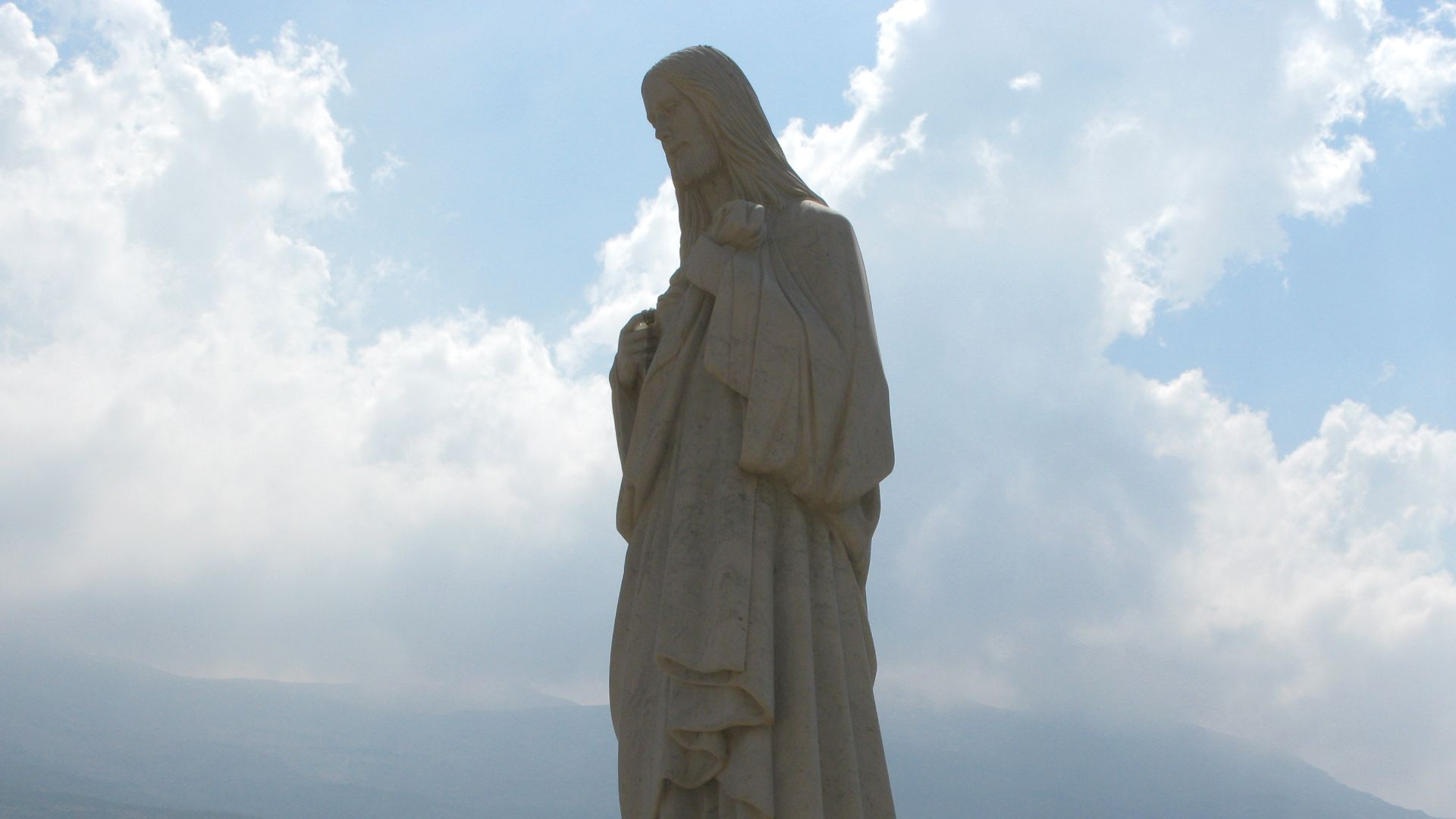
If Josephus and others really mentioned Jesus, that helps confirm he wasn’t just a legend. These sources don’t prove miracles or divinity, but they do suggest that someone named Jesus left a strong enough mark to be remembered in official records.
 Vyacheslav Argenberg, Wikimedia Commons
What Josephus Didn’t Say
Even if the passage is real, it doesn’t describe Jesus as performing miracles or rising from the dead. Josephus reports events, not beliefs. That’s why historians see his words as possible historical references, not religious endorsements.
Myths That Get In The Way Of The Facts
Some people say there’s no evidence for Jesus outside the Bible. That’s not true. Josephus, Tacitus, and others mentioned him. The real debate isn’t whether Jesus existed—it’s what exactly those ancient sources originally said about him.
 Dietmar Rabich, Wikimedia Commons
Why This Still Sparks Strong Reactions
People aren’t just arguing about a paragraph. They’re arguing about what it means for faith, history, and truth. For some, the idea that Jesus was real is comforting. For others, proving or disproving it has become a personal mission.
What This Does And Doesn’t Prove
Josephus might have mentioned Jesus, but that doesn’t confirm anything supernatural. Historians focus on whether a person named Jesus lived and died in first‑century Judea. What he did—or didn’t do—is still debated in both religious and academic circles.
 Unknown authorUnknown author, Wikimedia Commons
New Tools Are Giving Old Texts A Second Look
Today, scholars use digital scans and side‑by‑side manuscript comparisons to study how ancient texts evolved. These methods help detect later edits more easily. The more we examine the sources, the closer we get to understanding what Josephus really wrote.
What We Can Actually Take Away From This
Josephus likely mentioned Jesus, but the exact wording was touched by later hands. Still, even a neutral mention means Jesus wasn’t just a story made up centuries later. He likely lived, was crucified, and became known to non‑Christian writers soon after.
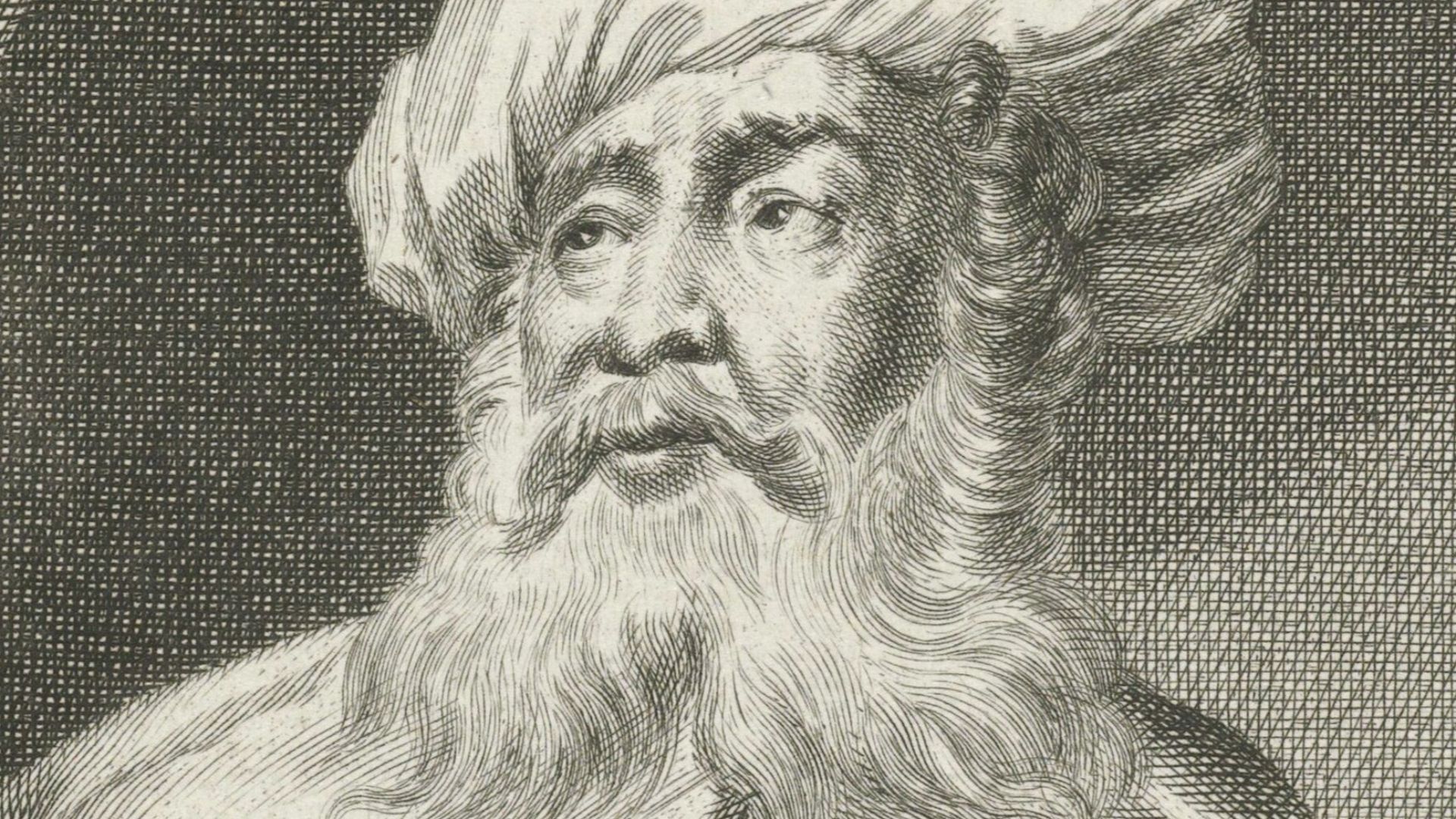 Rijksmuseum, Wikimedia Commons
Why Ancient Questions Still Matter Today
This isn’t just dusty history; it’s about how we separate myth from fact. One short paragraph, copied across centuries, still stirs debate. Whether you believe or just wonder, Josephus shows how even the smallest clue can echo across time.