Let’s Get Things Straight
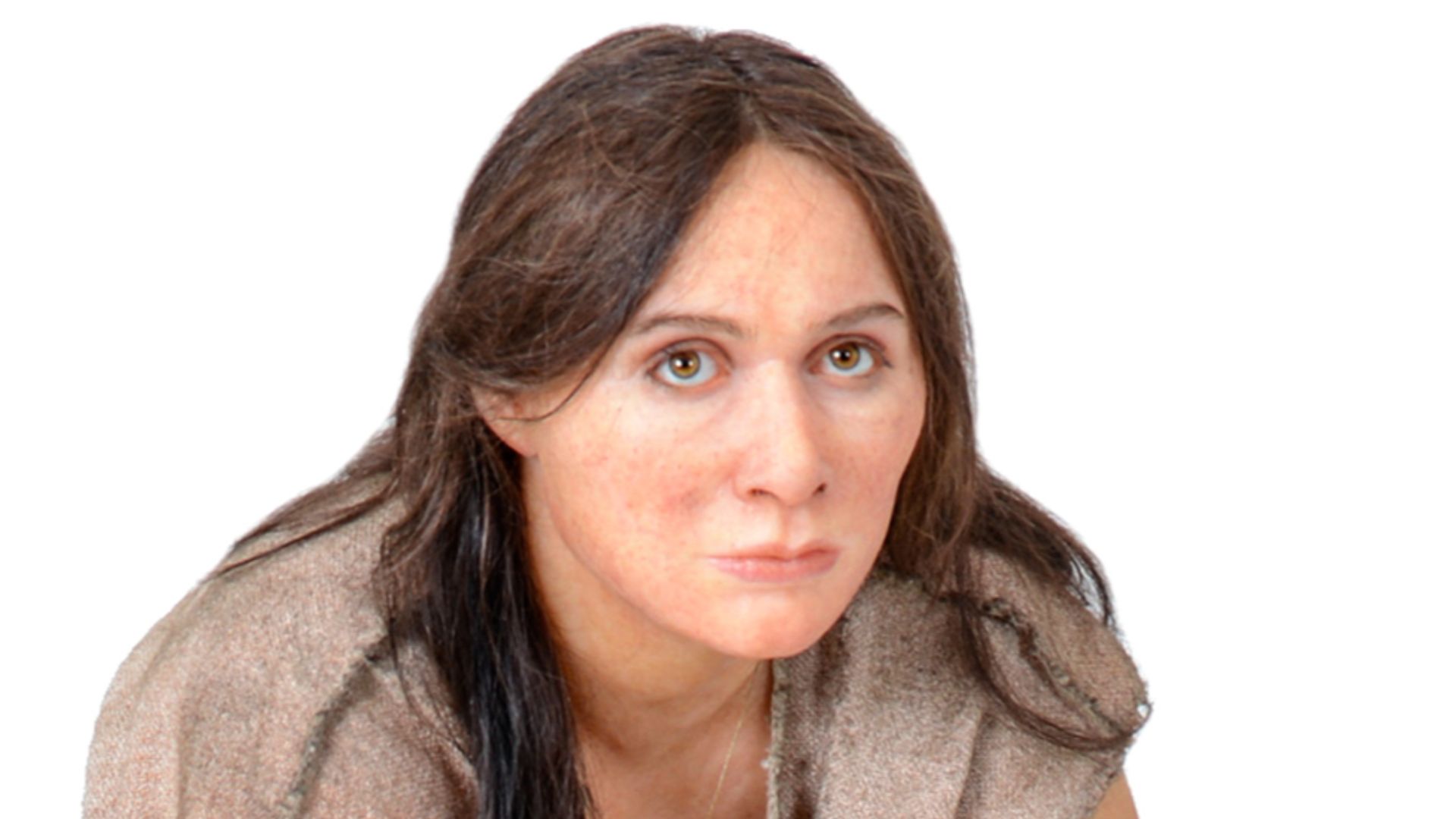
Fresh genetic clues on the usual Neanderthal stereotype suggest shifting features and far more variety than old drawings promised. One ancient genome nudges the familiar face into new territory and opens a surprisingly colorful story.

Our Closest Extinct Relatives
Neanderthals were our closest extinct relatives, sharing a deep evolutionary history with Homo sapiens. They lived across Europe and Asia long before modern humans arrived. Their skeletons show a powerful, distinctive body type that sets them apart from us but still ties them to our shared ancestry.
 Jakub Halun, Wikimedia Commons
A Branch Of The Human Family
Neanderthals, in fact, represent a distinct species: Homo neanderthalensis. Though related to us, they evolved separately outside Africa. Their existence reveals how diverse the human lineage once was, with multiple human species coexisting and sometimes even interacting across ancient areas.
 Neanderthal-Museum, Mettmann, Wikimedia Commons
A Species Evolving Outside Africa
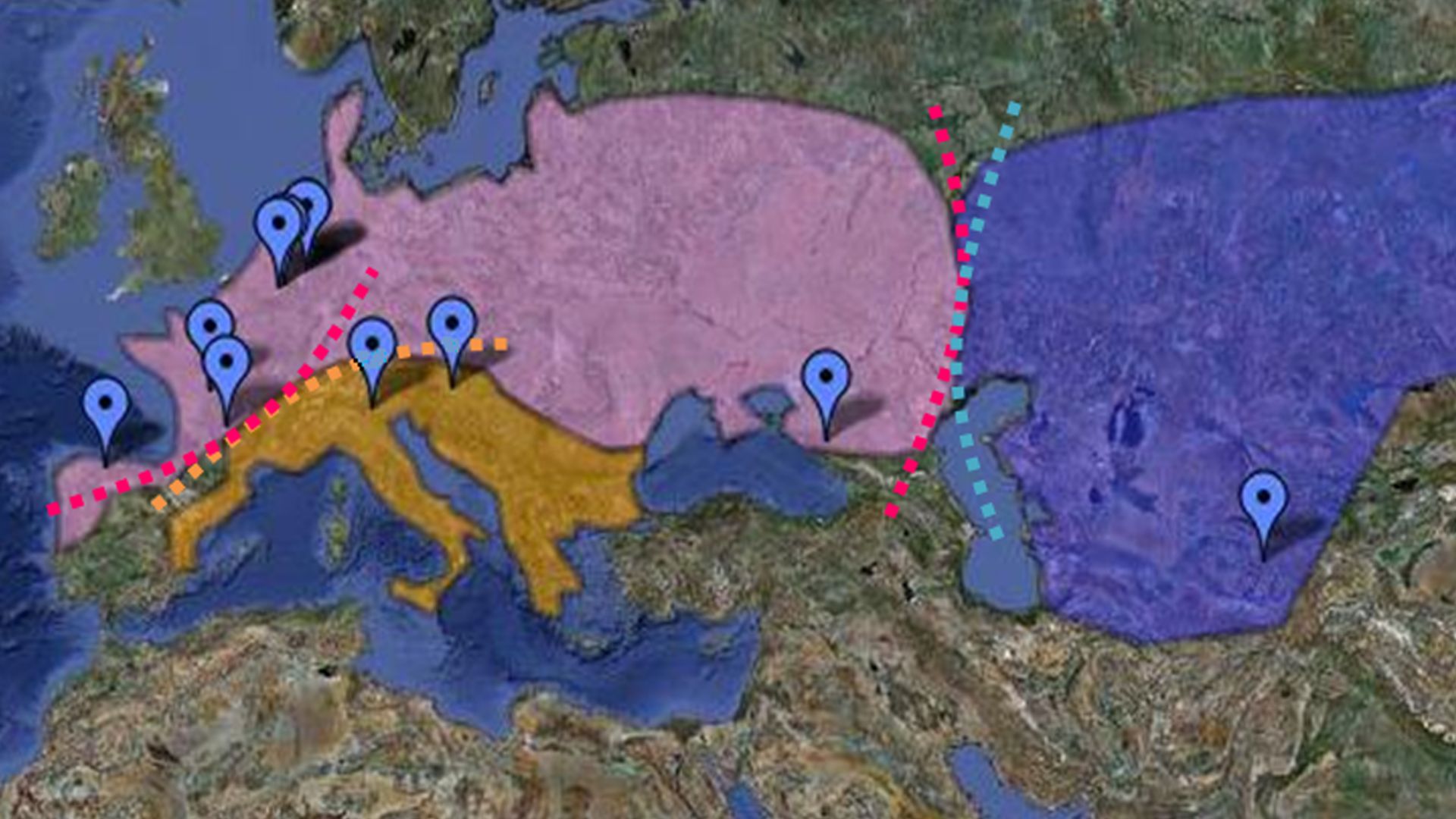
Unlike most human ancestors, Neanderthals evolved outside Africa because their fossils appear only in Europe and Asia. That actually reveals a separate evolutionary path. Their cousins, the Denisovans, also lived outside Africa and interbred with both Neanderthals and Homo sapiens.
 Fabre V, Condemi S, Degioanni A, Wikimedia Commons
They Had Shorter And Stockier Bodies
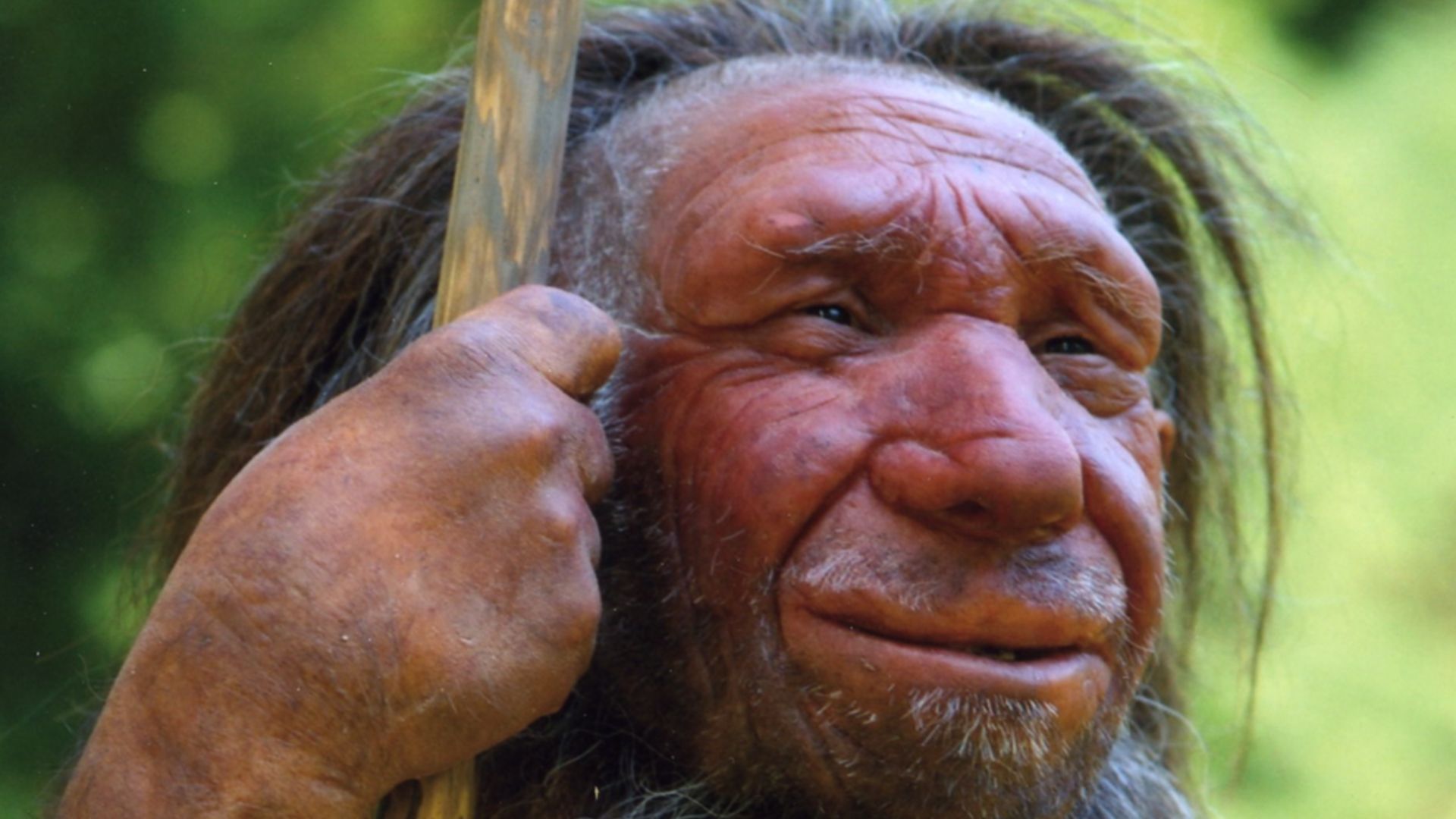
Neanderthals carried a shorter, broader build than modern humans, with thick bones that supported serious strength. Their compact frames helped them handle cold climates and demanding physical work, though researchers still debate which pressures mattered most in shaping their stocky bodies.
 Neanderthal-Museum, Mettmann, Wikimedia Commons
Stocky Frames Differences In Male And Female
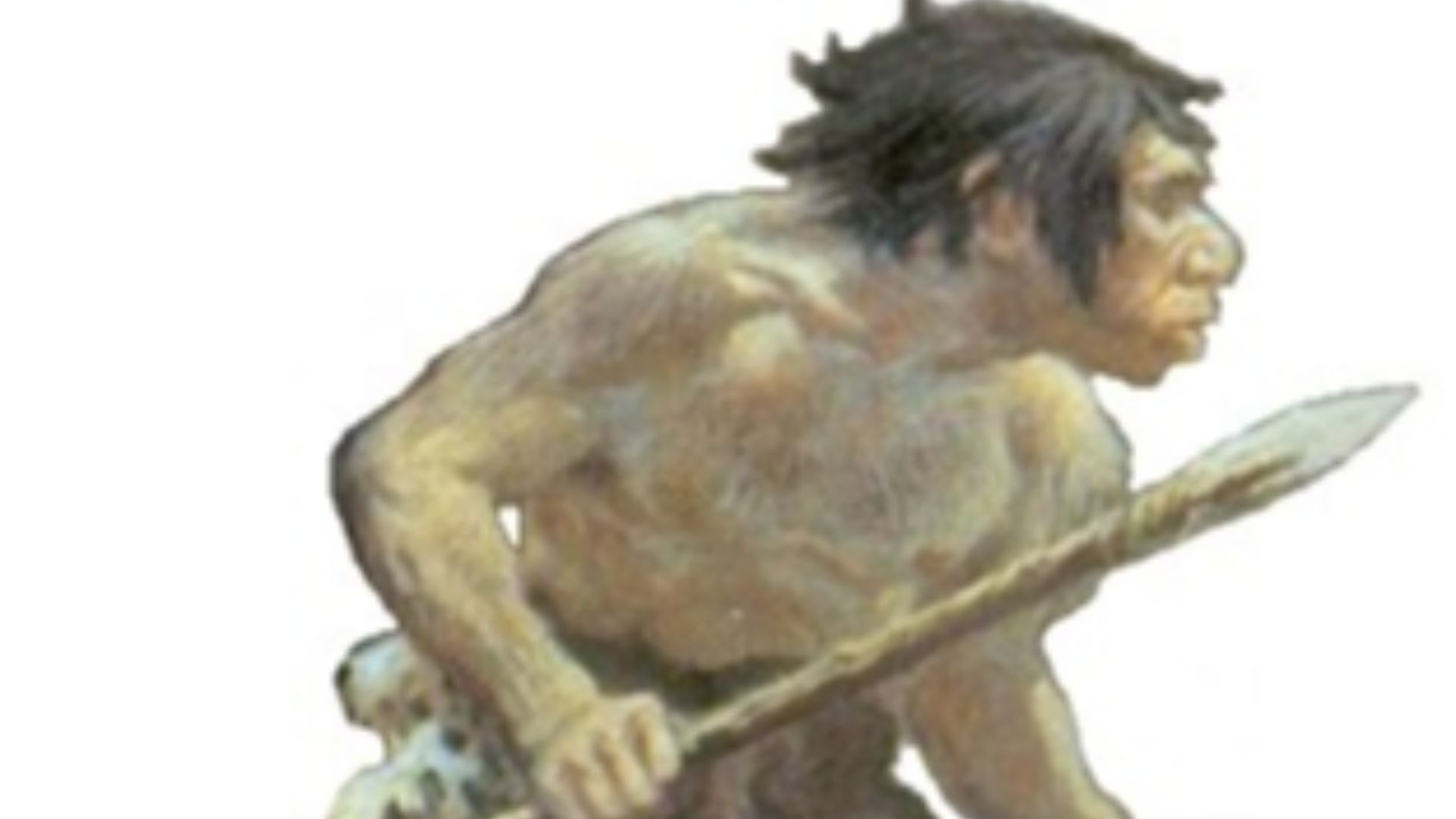
Measurements from Neanderthal skeletons show women averaged about five feet one inch, and men about five feet five inches. Their wider pelvises and muscular build also align with evidence of heavy mobility across rugged Ice Age landscapes, a pattern reflected in wear marks found on their joints.
 Charles Robert Knight, Wikimedia Commons
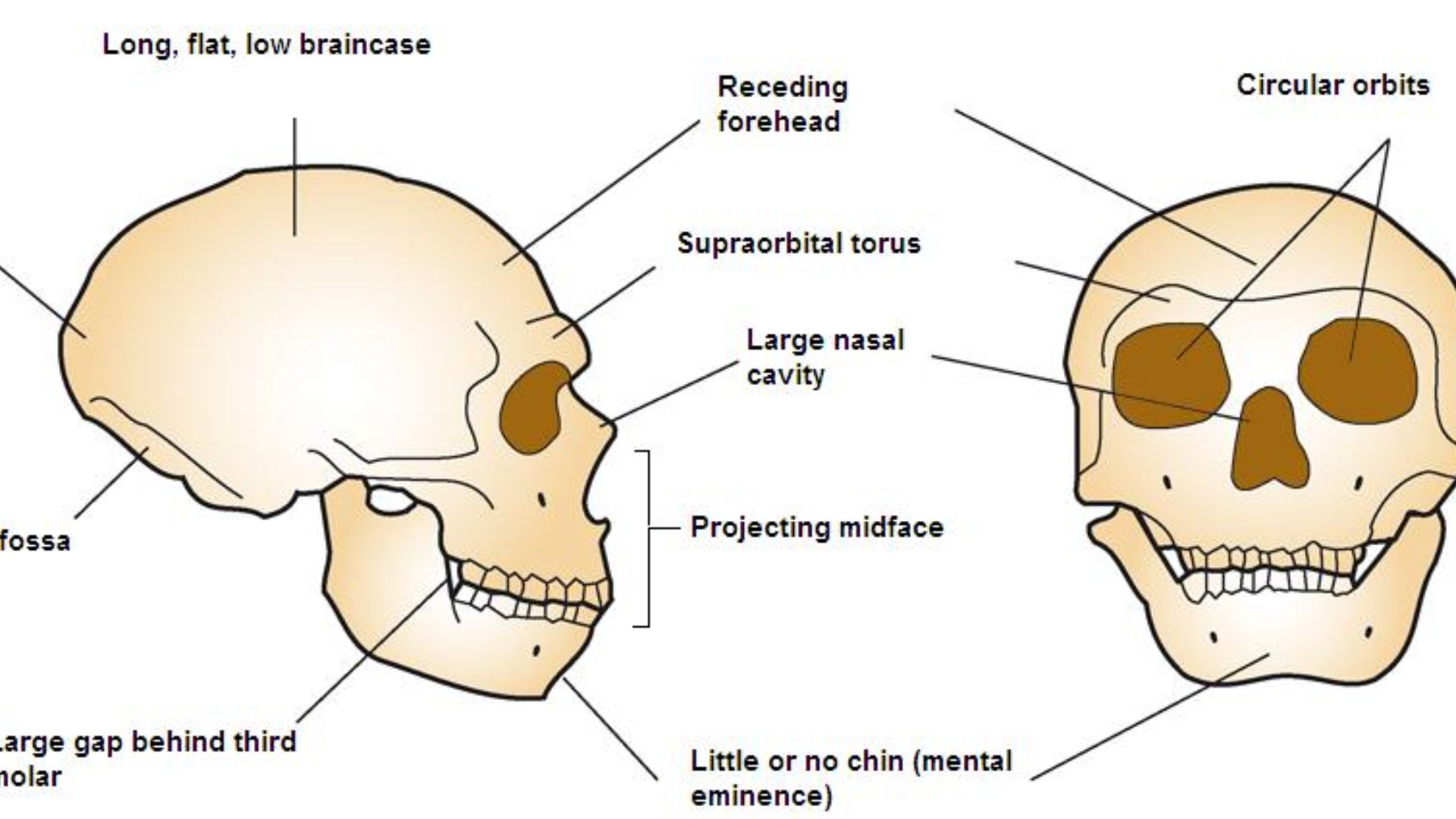
Skull Shapes That Stand Out
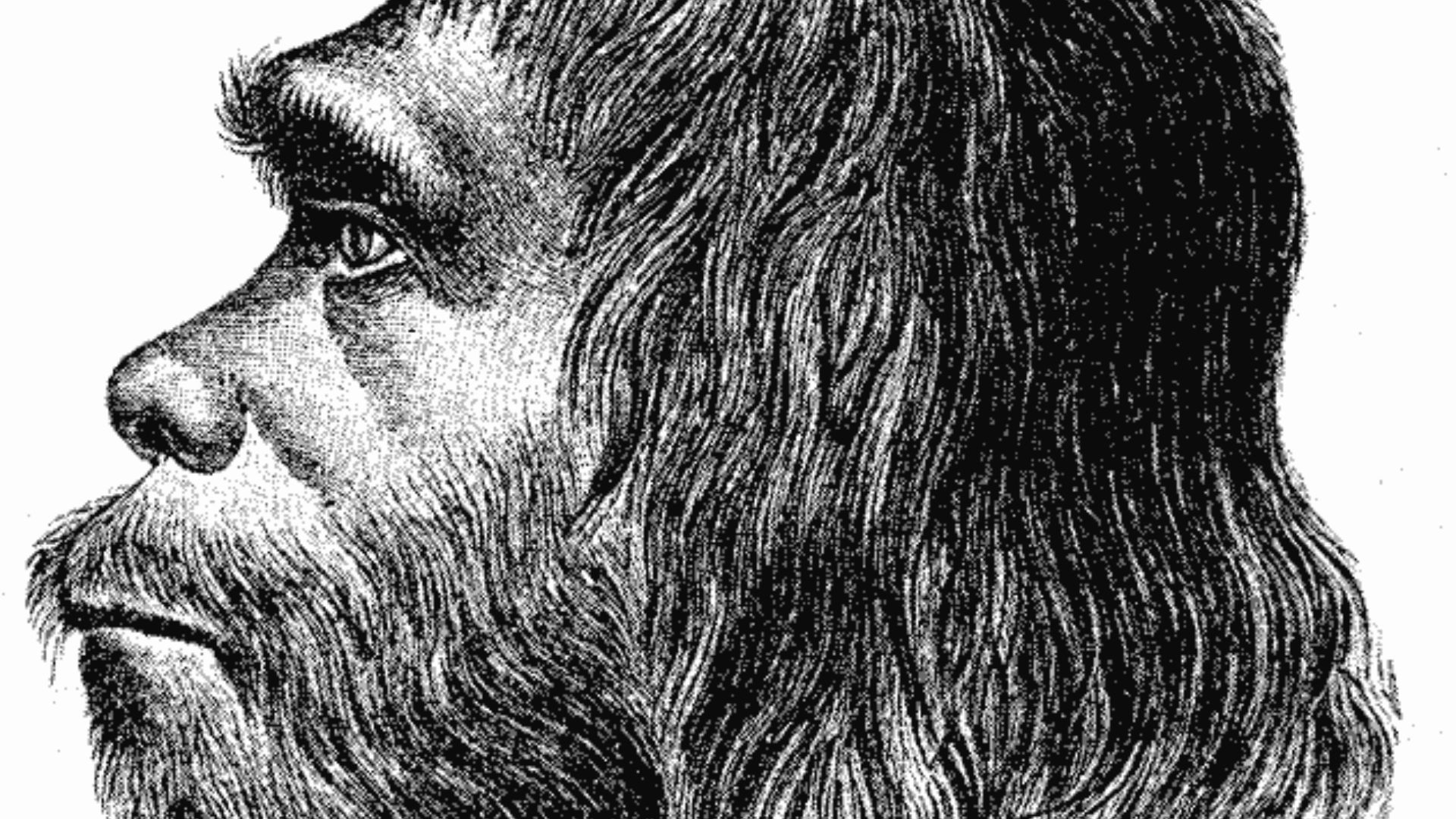
Neanderthals had elongated skulls with low, sloping foreheads. Their braincases were oval rather than rounded. Prominent brow ridges framed their faces, which create a distinctive shape that makes Neanderthal skulls instantly recognizable to paleoanthropologists documenting ancient human variation.
 Hermann Schaaffhausen, Wikimedia Commons
Big Noses For Harsh Climates
The recovered Neanderthal skulls also show larger nasal openings than those of modern humans, and this suggests they had broader noses. These wide passages may have warmed and humidified cold air. They supported survival in Ice Age environments spanning much of Europe and western Asia.
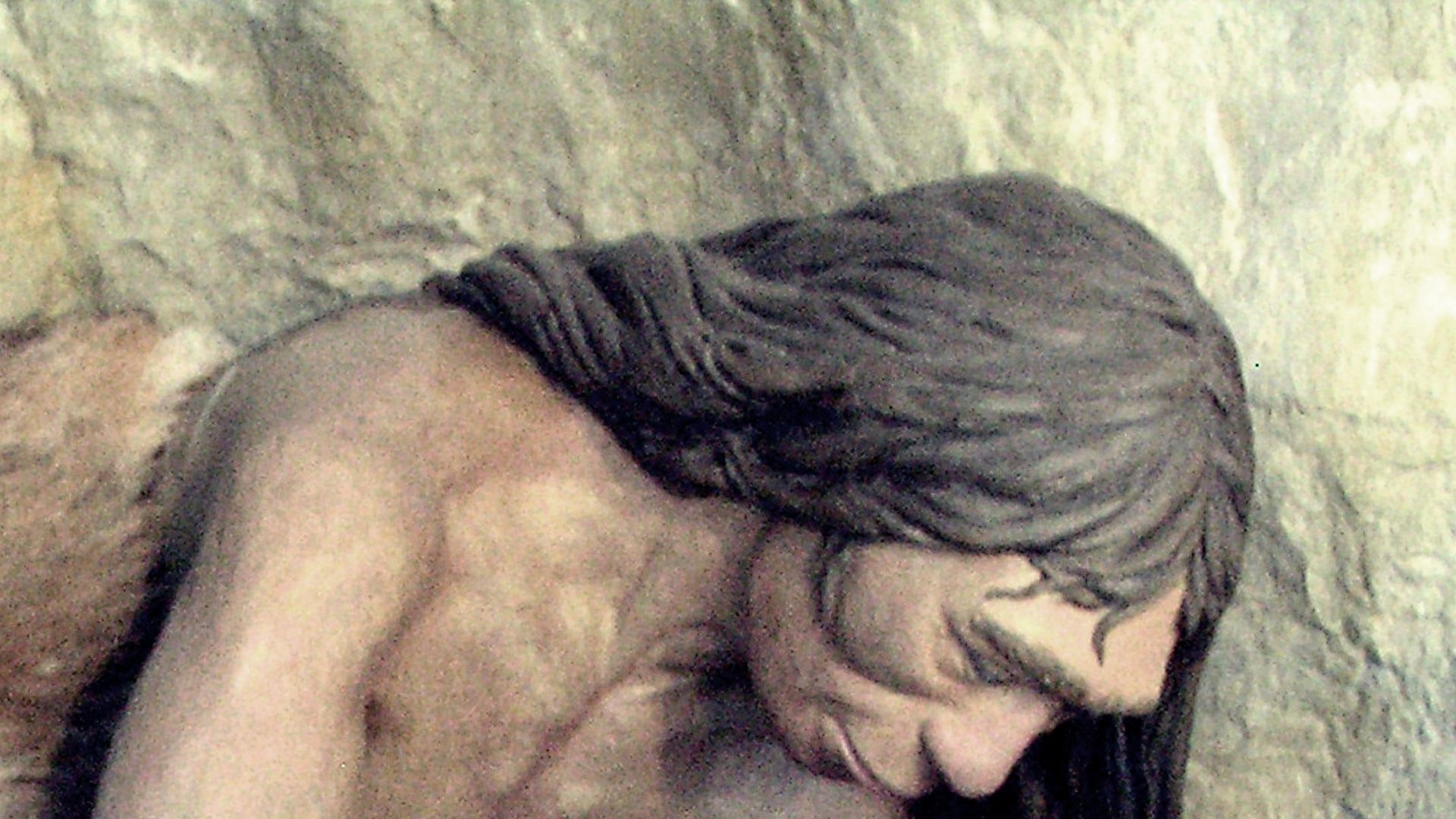 Jaroslav A. Polak from Brno, Czech Republic, Wikimedia Commons
The Mystery Of No Chin
Neanderthals lacked a chin entirely, a striking contrast to the modern human lower jaw. Their mandibles ended without the forward-jutting point seen in us. This absence places them among nearly all other animals and leaves the evolutionary reason behind our own chin still unresolved.
 Original uploader was Jason Potter at en.wikipedia, Wikimedia Commons

History's most fascinating stories and darkest secrets, delivered to your inbox daily.
A Human Trait With No Match
Modern humans stand alone in having a true chin that visibly extends from the lower jaw. No extinct human relatives, including Neanderthals, Denisovans, or earlier ancestors, show this feature. Scientists still debate its function, but it remains one of the clearest anatomical markers of our species.
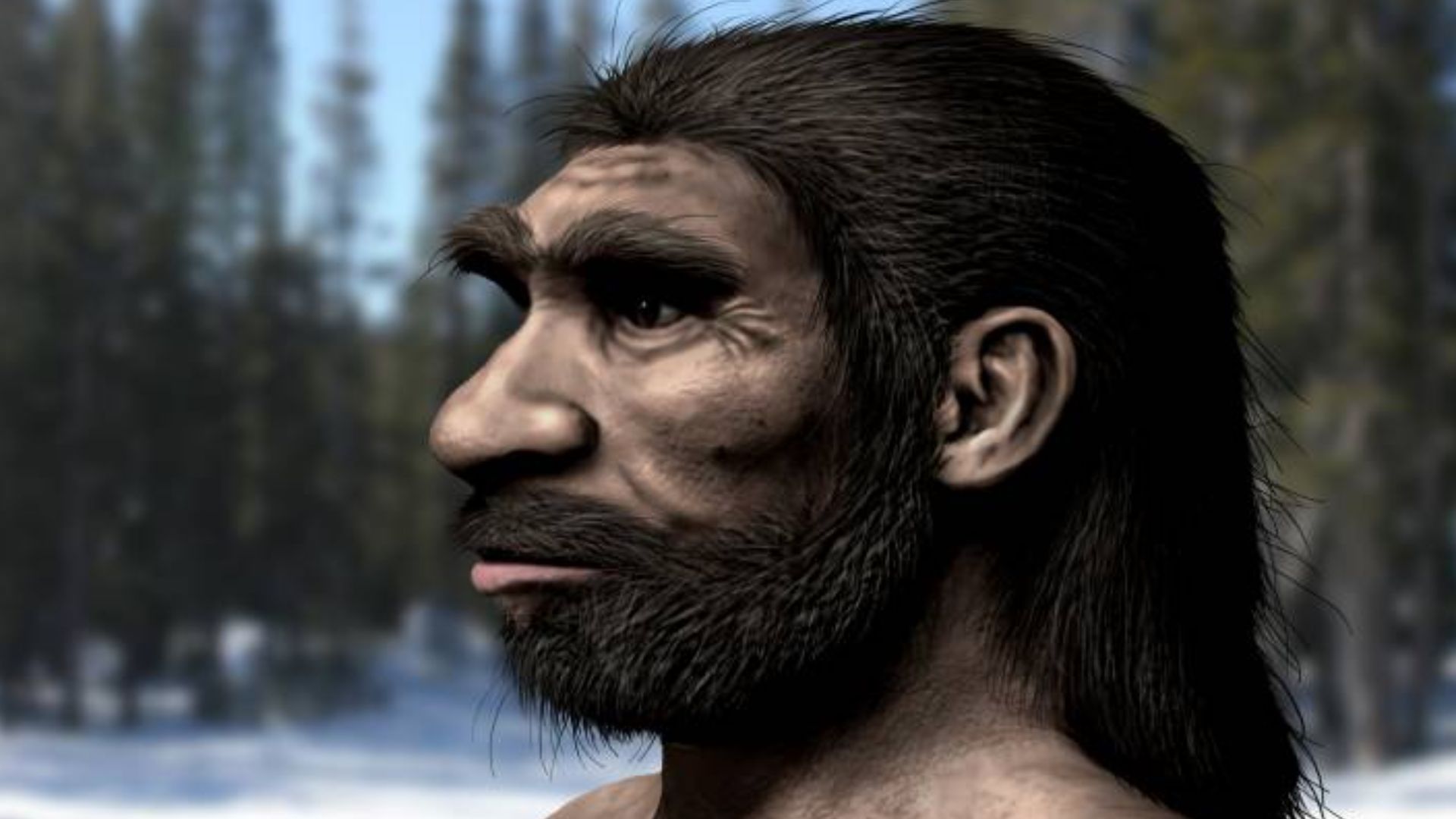 Nobu Tamura, Wikimedia Commons
Lives Spanning 400,000 Years
This species is said to have lived across Europe and Asia from roughly 400,000 to 40,000 years ago. A likely pattern involved following migrating herds and shifting camps as seasons changed. Archaeological sites show they hunted game and survived dramatic Ice Age conditions.
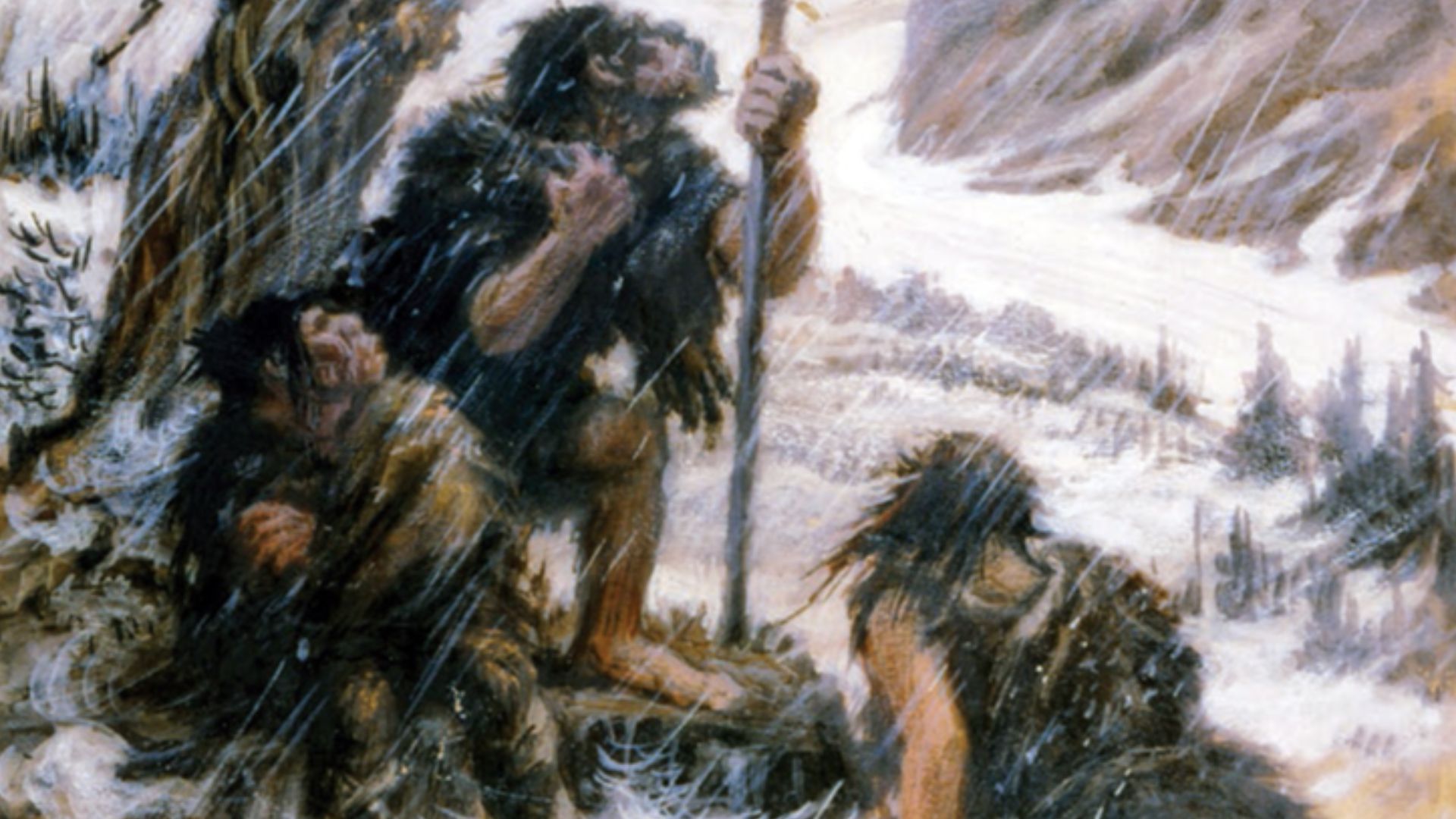 Charles R. Knight, Wikimedia Commons
What Their Tools Reveal
Archaeology shows Neanderthals crafted stone tools. It’s also proposed that they were masters of controlling fire and tailoring their techniques to local environments. Their toolmaking abilities demonstrate that they were intertwined with planning, coordination, and knowledge passed through generations, challenging outdated assumptions about their cognitive abilities.
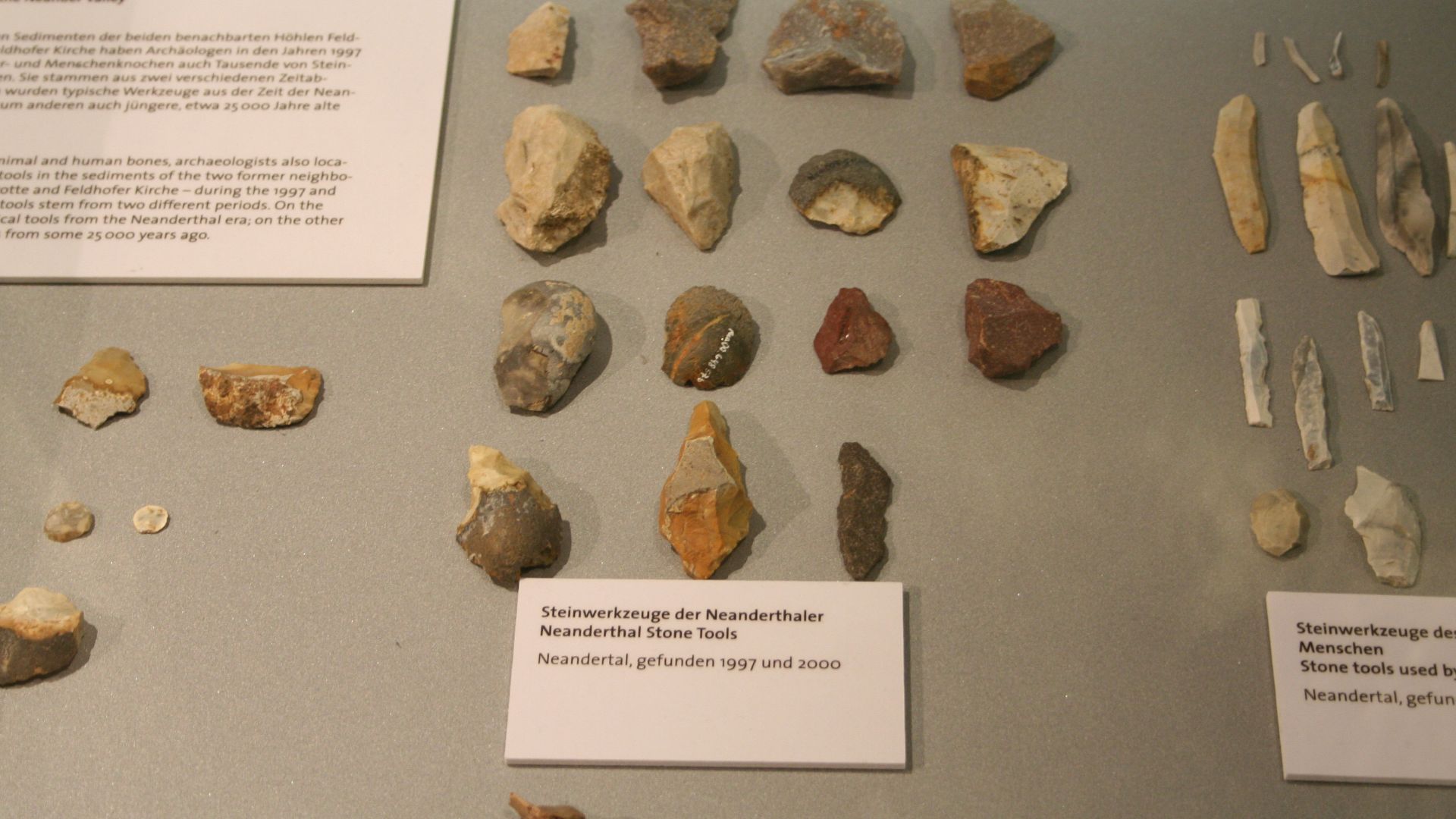 Einsamer Schutze, Wikimedia Commons
How We Study Their Bones
Scientists treat Neanderthal skeletons like detailed field notes from another world, reading clues about how they moved, what they ate, and the hardships they endured. The details in each search are what help them distinguish and classify accurately. But hold that thought, because in the beginning…
 Yakuzakorat, Wikimedia Commons
The Early Discoveries Got Misunderstood
The first Neanderthal fossils surfaced in 1829 and 1848, yet no one knew what they represented. That changed in 1864 when British geologist William King named a newly studied specimen Homo neanderthalensis. His classification retroactively clarified the earlier discoveries and firmly established Neanderthals as a distinct human species.
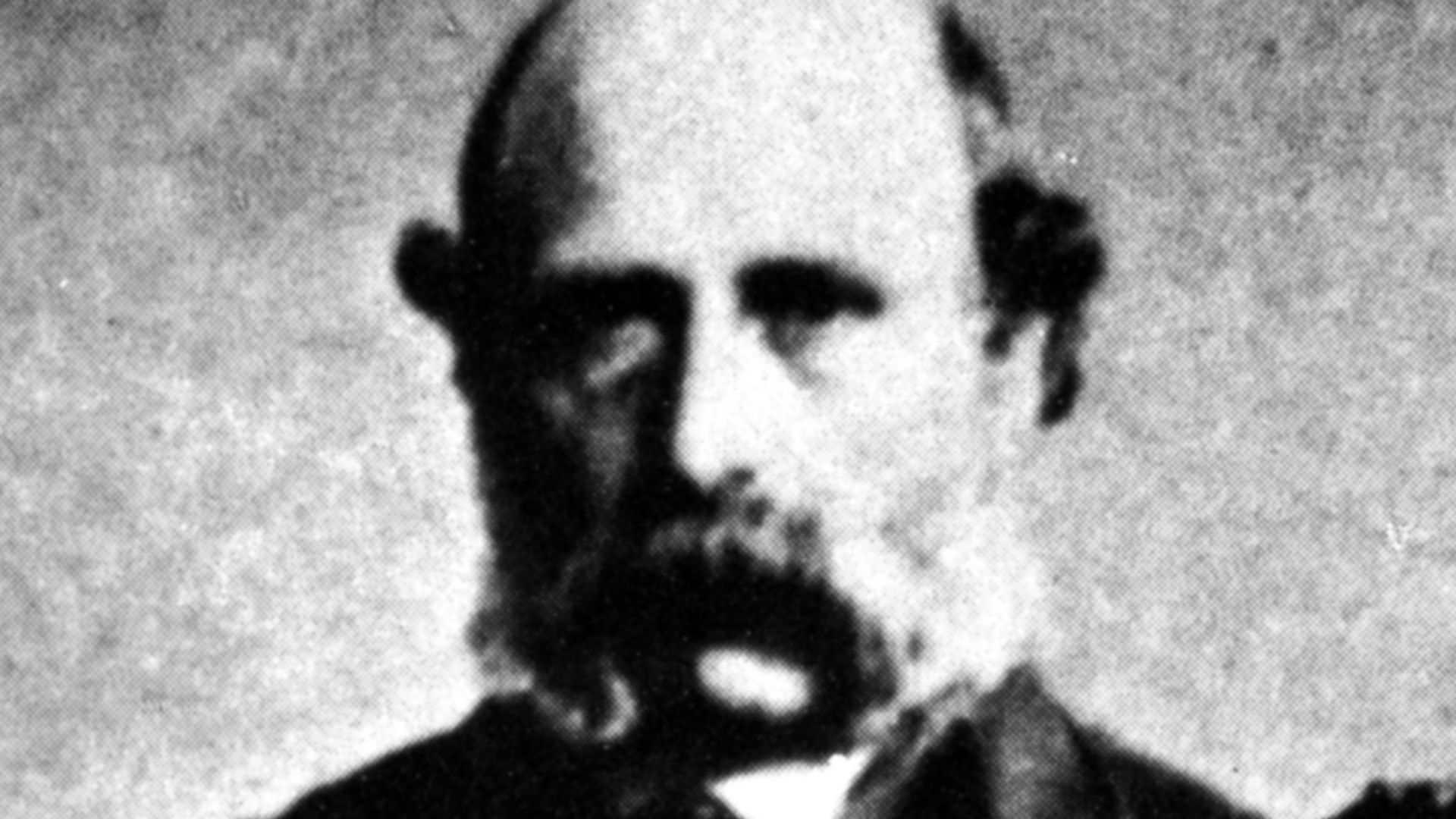 Unknown authorUnknown author, Wikimedia Commons
Rethinking Ancient Relatives
Nineteenth-century scholars like William King helped shape the old belief that Neanderthals lagged behind early Homo sapiens. Modern research tells a different story, where the evidence of complex tools and wide-ranging adaptability shows Neanderthals as capable, resourceful humans rather than the evolutionary missteps they were once made out to be.
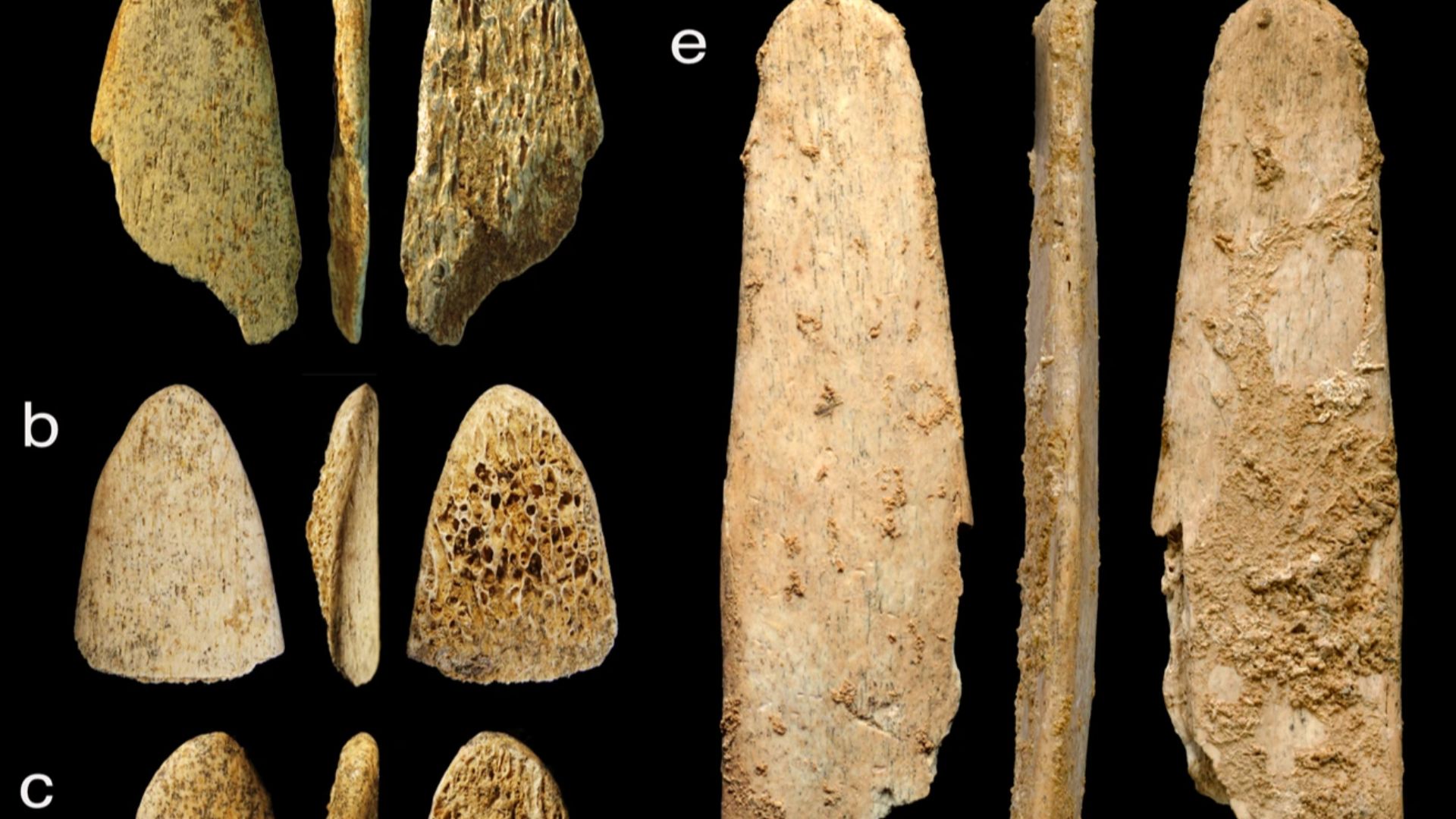
Art And Reconstruction Efforts
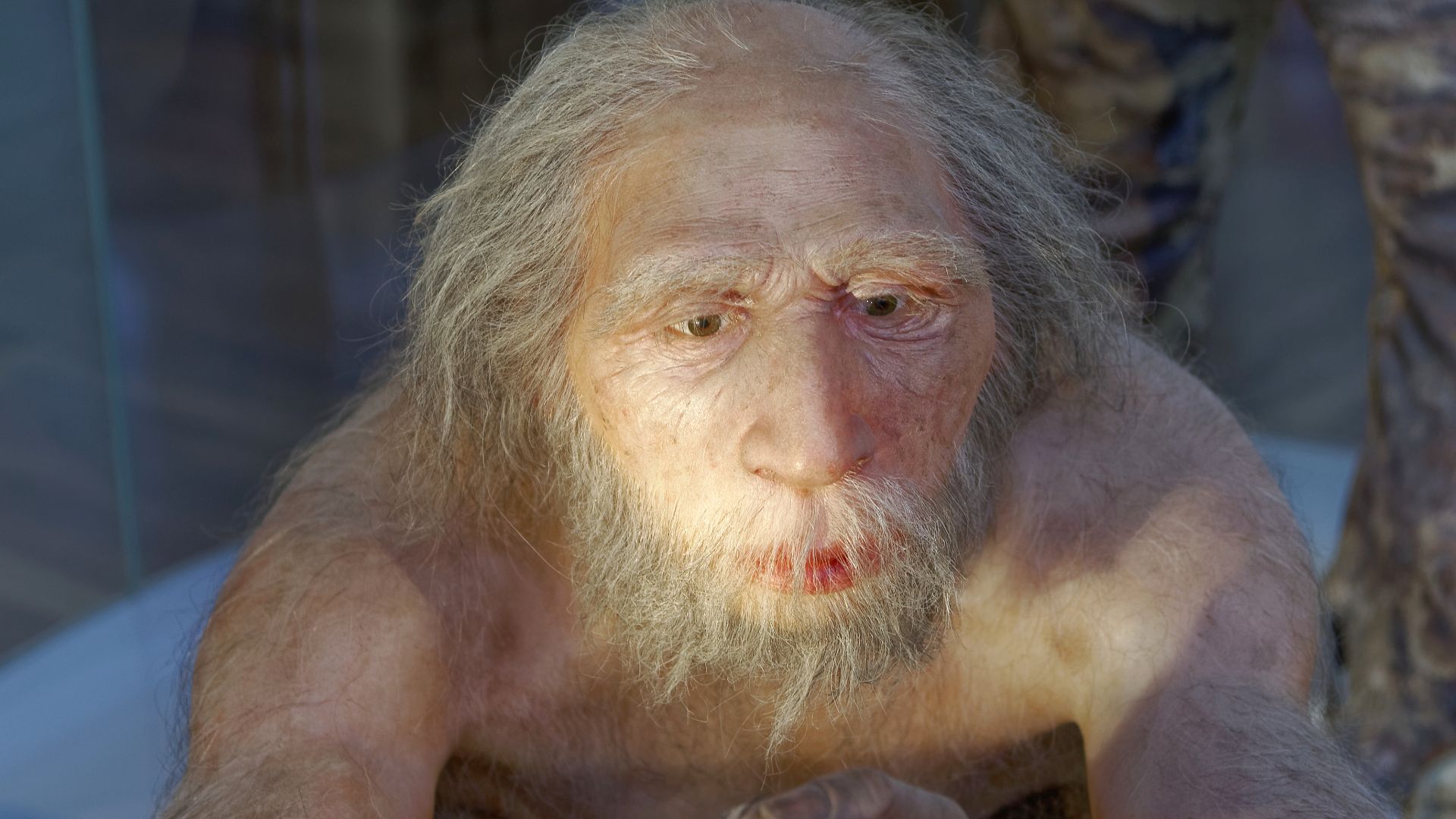
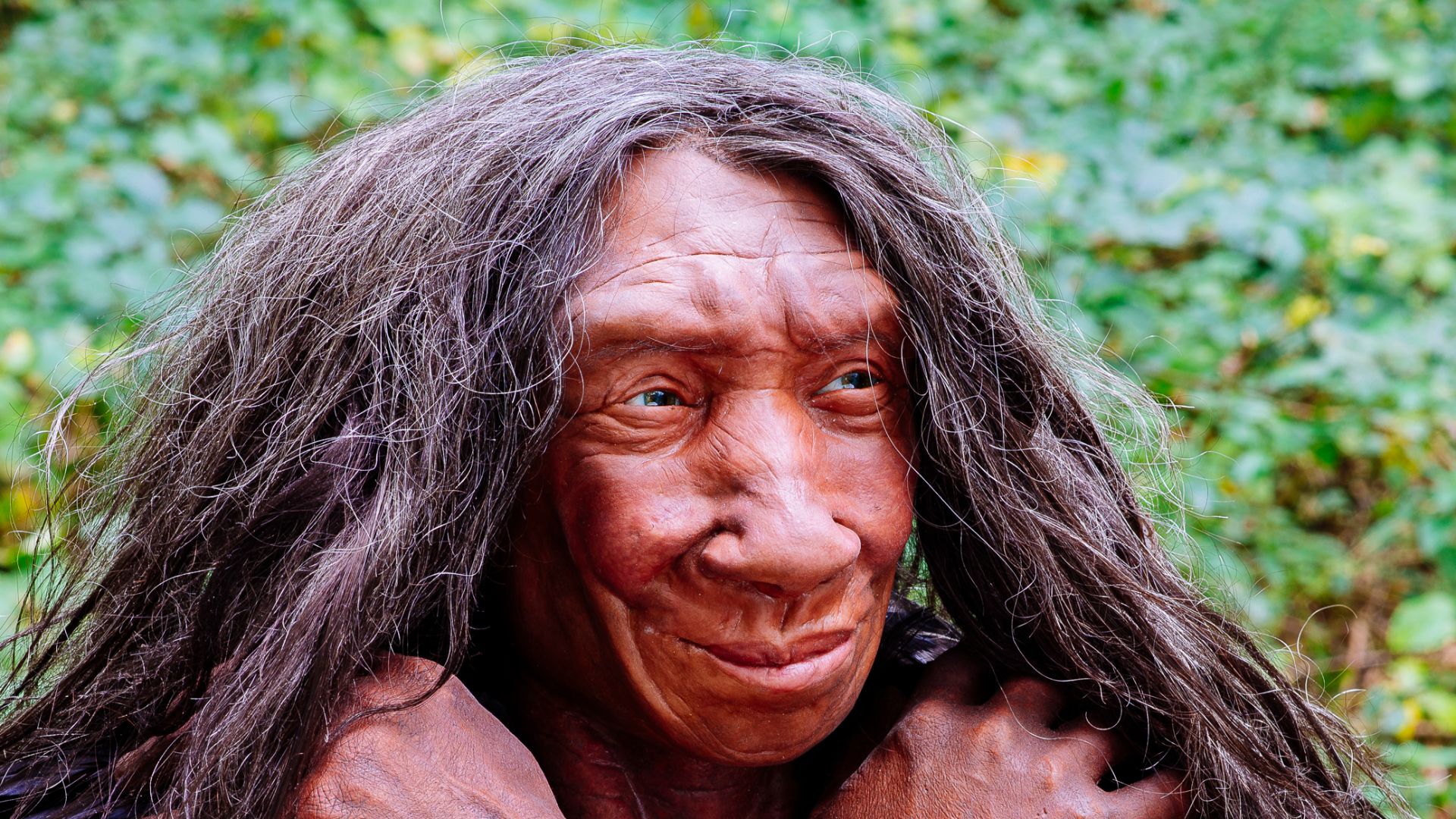
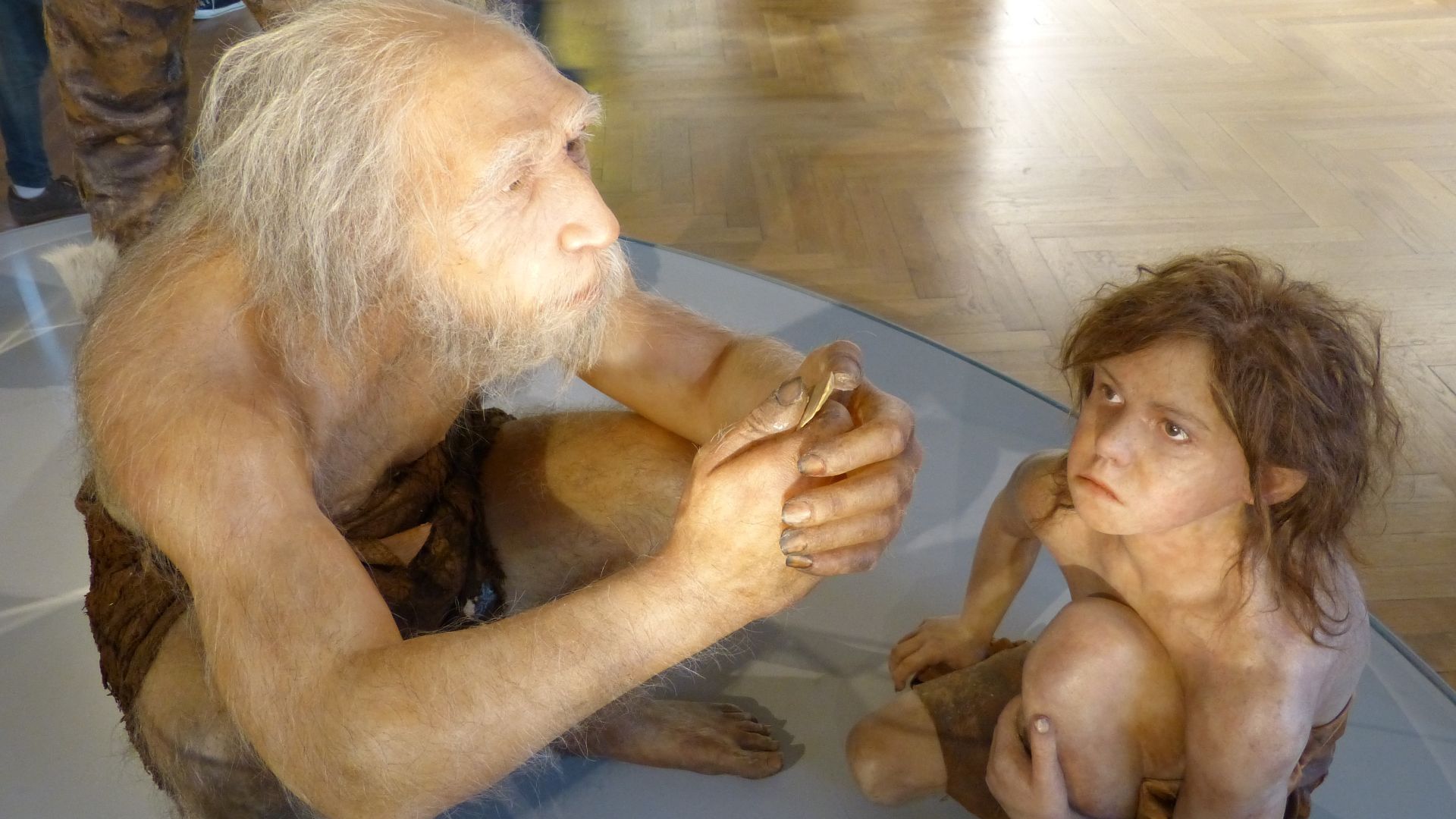
Research got even more interesting when recreations by artists such as Andrie and Alfons Kennis helped visualize Neanderthals. These lifelike models, grounded in fossil evidence, give the public a clearer view of how Neanderthals may have looked and interacted with their environment and each other.
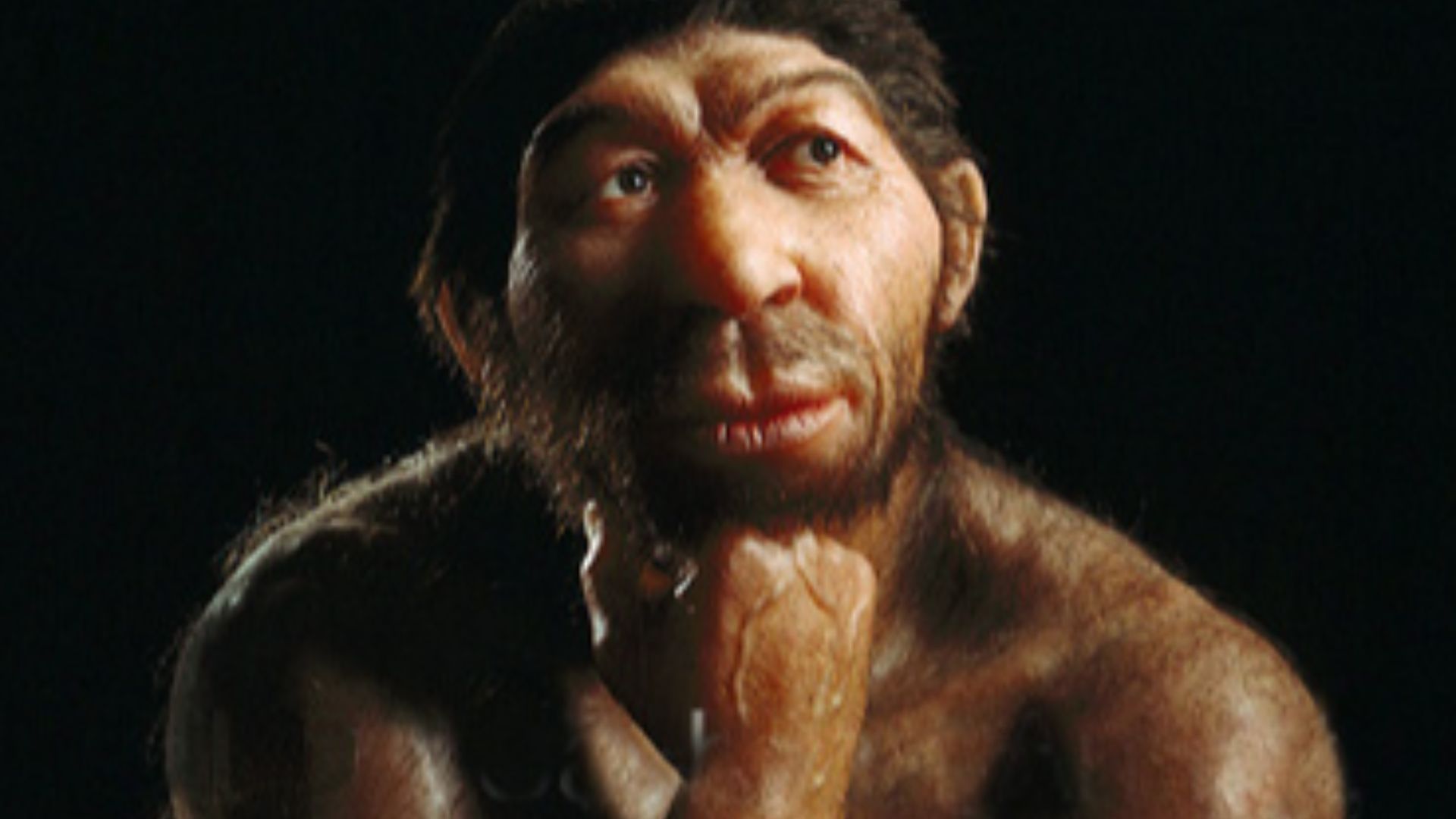
Fossils With Mixed Features
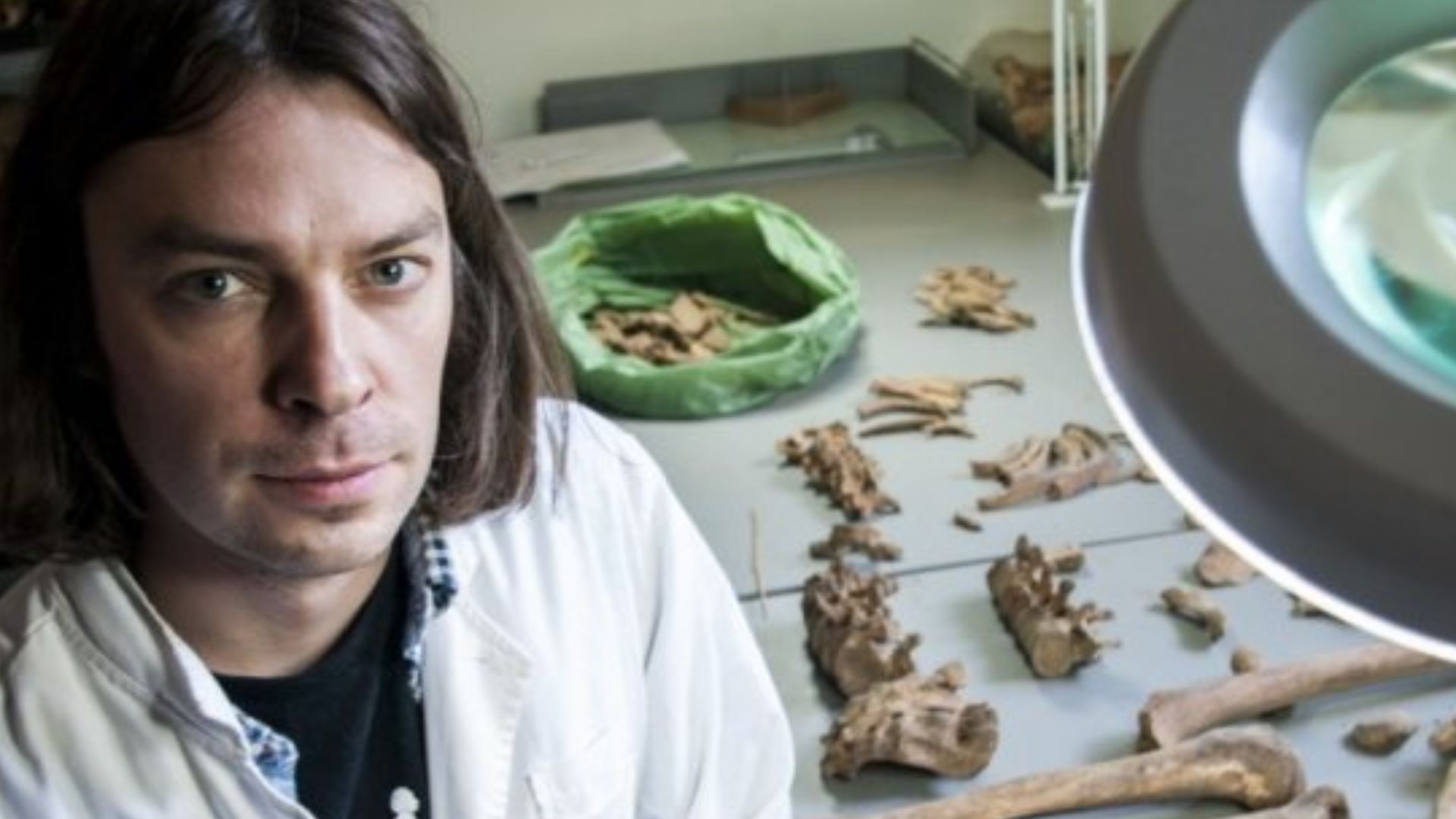
A 2025 study published in L’Anthropologie reexamined a child’s skull and jaw dating to about 140,000 years ago. The researchers found a skull with Homo sapiens traits and a Neanderthal-like chinless jaw, concluding the child likely had mixed ancestry; our next subject.
 Daumantas Liekis~commonswiki, Wikimedia Commons
Interbreeding Left A Genetic Trace
Modern humans carry small traces of Neanderthal DNA, a genetic echo of encounters that took place outside Africa before our species spread across the globe. Those inherited fragments still matter today since they shape biological traits that include parts of our immune response and vulnerability to certain diseases.
This Mixed Heritage Isn’t Unusual
Some species interbreed and produce fertile offspring. Take, for instance, wolves and domesticated dogs. Neanderthals and Homo sapiens appear to have followed a similar pattern. Despite being different species, they produced offspring whose genes continued to circulate in human populations long after Neanderthals disappeared.
 Wolfgang Sauber, Wikimedia Commons
Why Neanderthal DNA Exists Today
Interbreeding happened before the Neanderthals’s extinction around 40,000 years ago. Humans carrying Neanderthal genes migrated widely and spread their ancestry worldwide. Because these genes offered advantages—especially immune benefits—they persisted and ensured that Neanderthals left a long-lasting genetic legacy.
 PublicDomainPictures, Wikimedia Commons
How DNA Reentered Africa
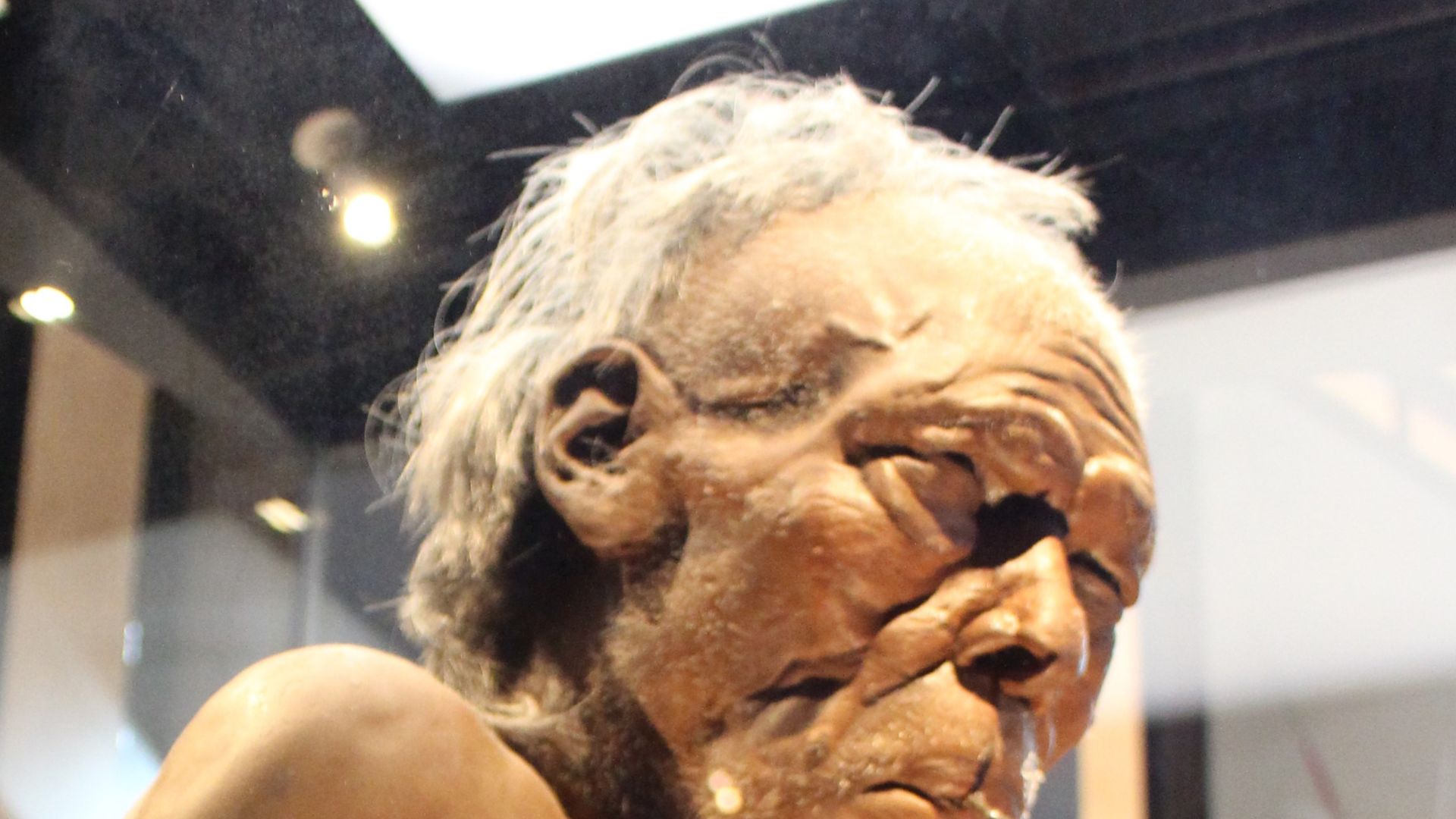
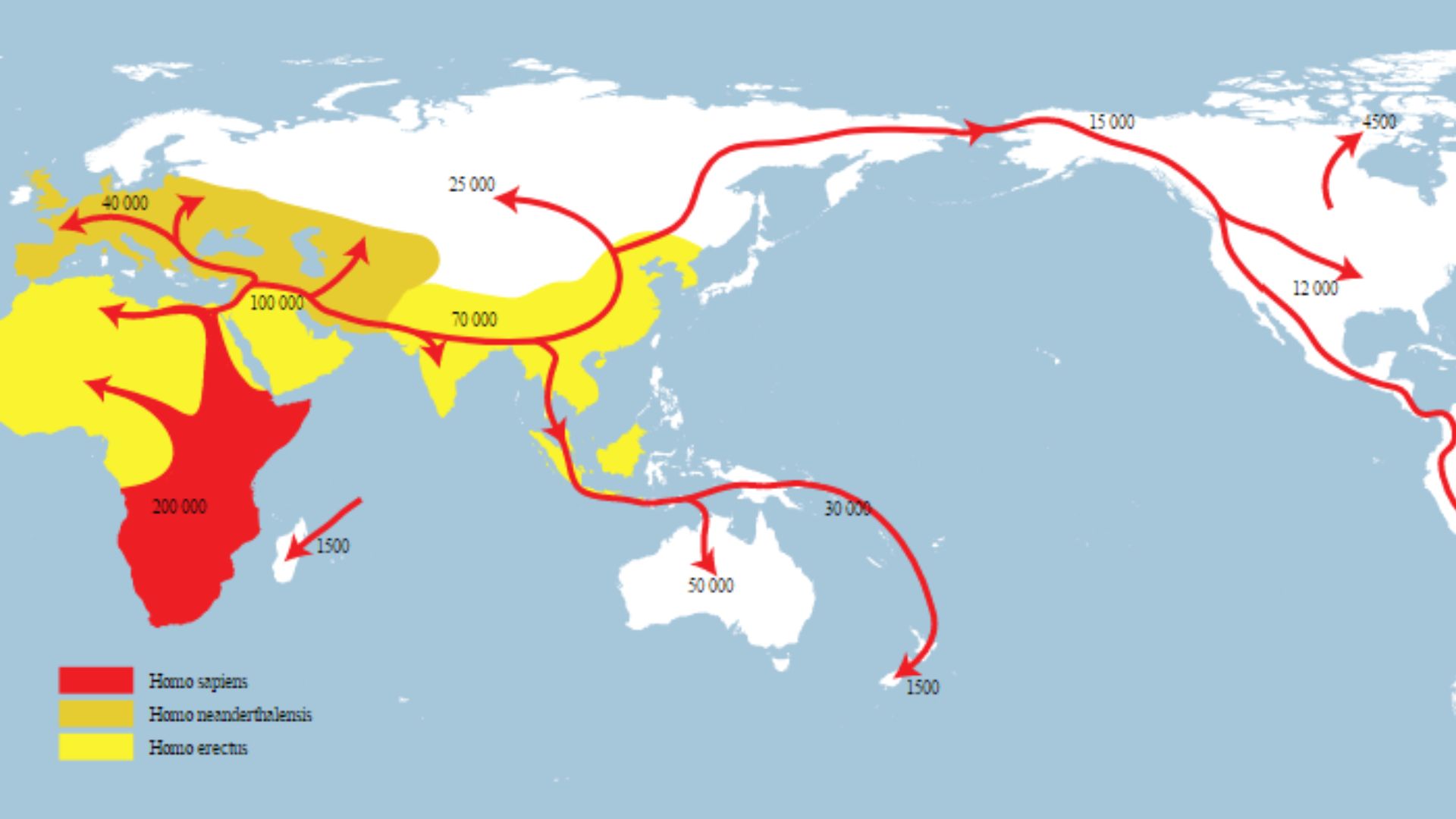
Although Neanderthals never lived in Africa, their DNA appears there today. Researchers believe Homo sapiens carrying Neanderthal genes repeatedly migrated back into Africa. These return journeys blended inherited Neanderthal DNA into populations across the continent over many generations. And guess what?
 Emoke Denes, Wikimedia Commons
These Human Journeys Were Complex
Ryan McRae explains that humans migrated in and out of Africa many times. These returning groups brought Neanderthal ancestry with them, which is why African populations hold Neanderthal DNA even though Neanderthals never lived on the continent or interacted with them directly.
 Unknown authorUnknown author, Wikimedia Commons
DNA That Strengthened Immunity
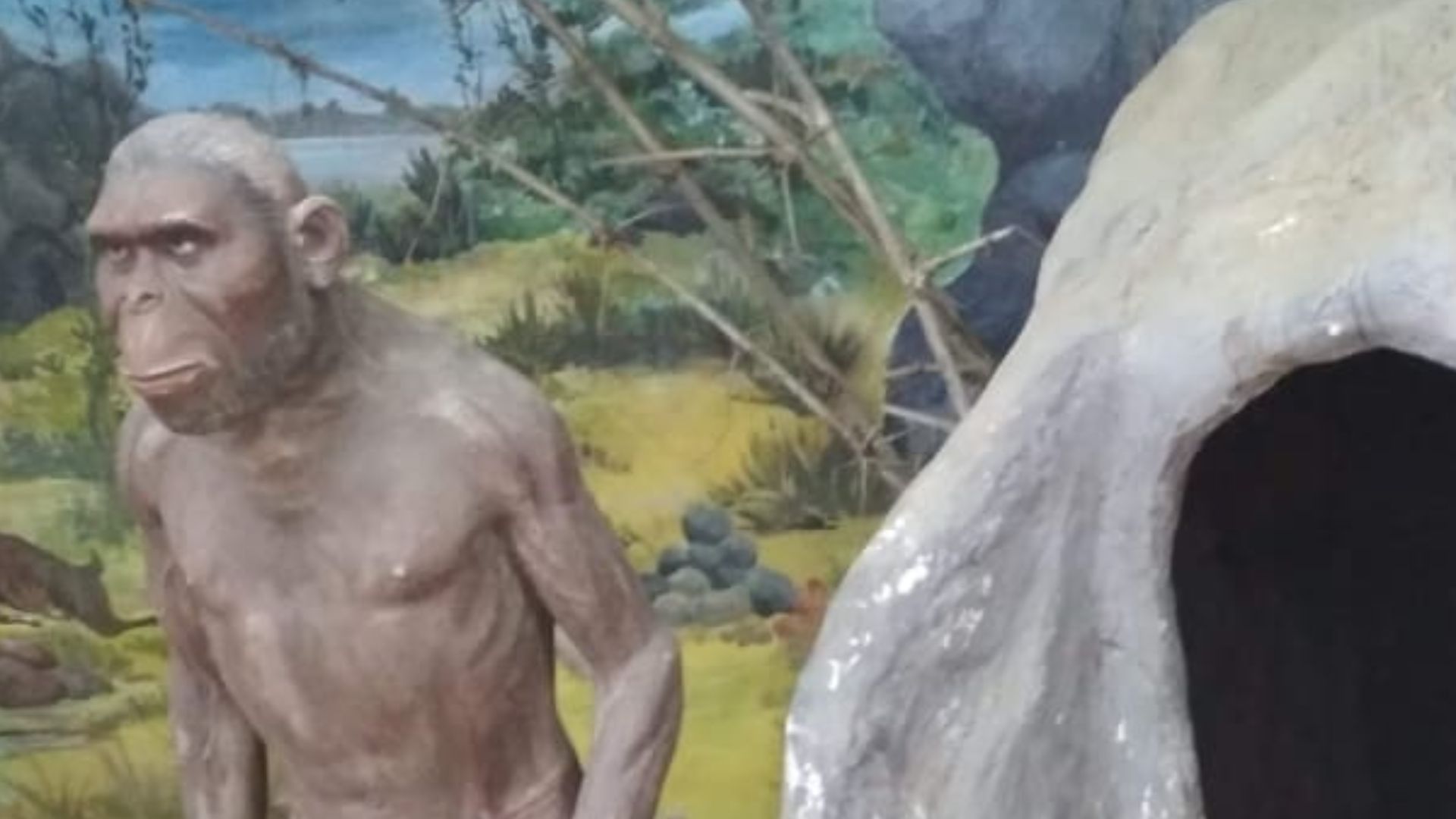
Certain Neanderthal genes appear to strengthen immune responses, which likely helped them persist in human populations long after Neanderthals disappeared. These inherited segments gave migrating Homo sapiens protection against unfamiliar pathogens, improving survival as they entered new environments and encountered different disease pressures.
Understanding Neanderthal DNA Today
Many modern people are fascinated to learn that they have Neanderthal DNA. Paleoanthropologist Ryan McRae notes that once-insulting comparisons now feel like badges of curiosity. This shift reflects changing public attitudes shaped by advances in genetics and evolutionary research.

Learning Through Ancient DNA
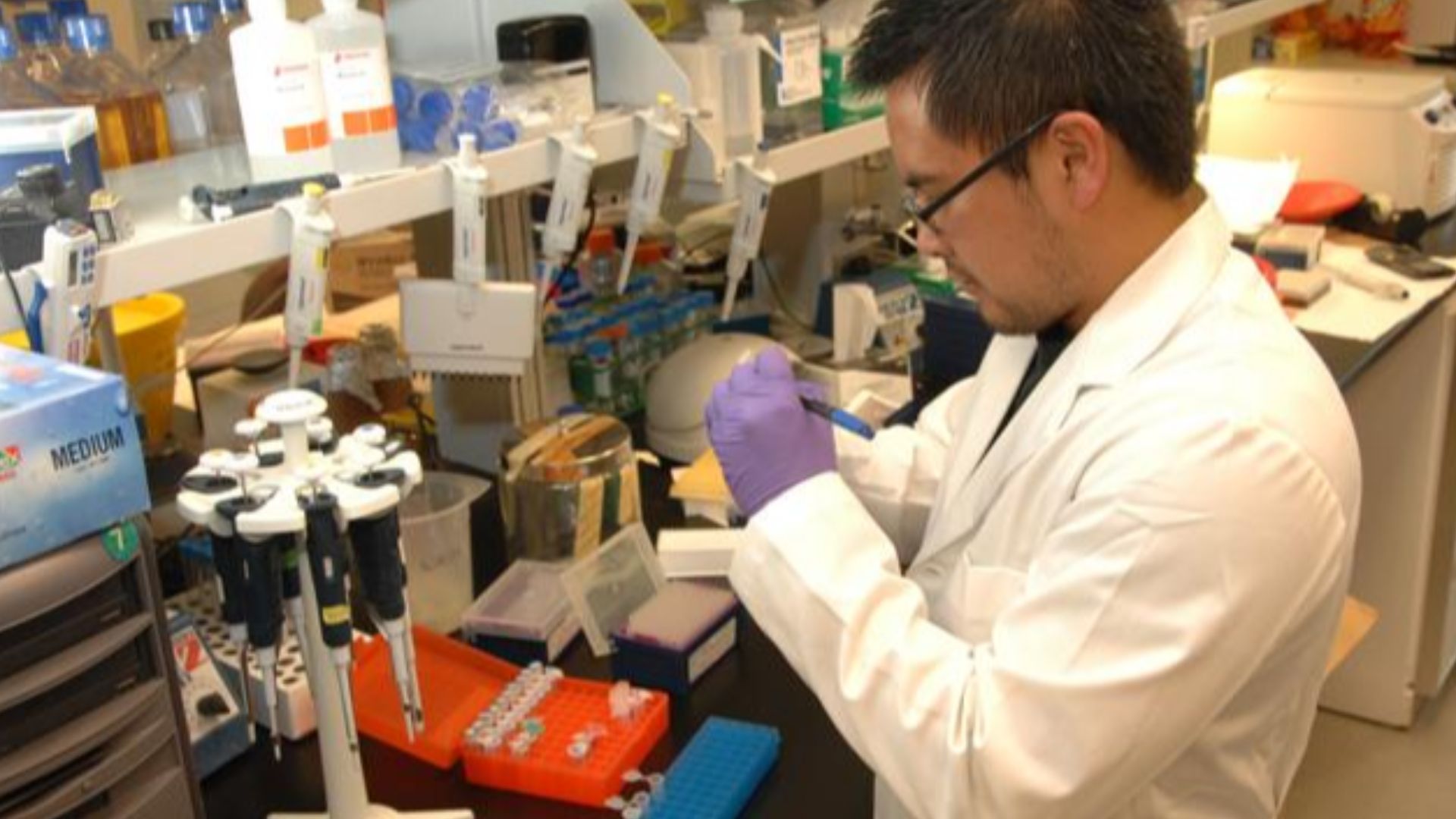
DNA extracted from Neanderthal bones revolutionized the understanding of human evolution. Genetic comparisons revealed interbreeding, migration patterns, and biological traits we still carry. These discoveries transformed Neanderthals from distant curiosities into deeply connected human relatives.
 National Institutes of Health., Wikimedia Commons
A Legacy Passed Forward
Though Neanderthals vanished, their genetic influence spread globally through Homo sapiens. Each generation passed along small fragments of Neanderthal ancestry, gradually blending two evolutionary histories. Today, this inherited mixture appears in nearly all humans, carried forward as a small but measurable part of our DNA.