Introduction To A Forgotten Figure
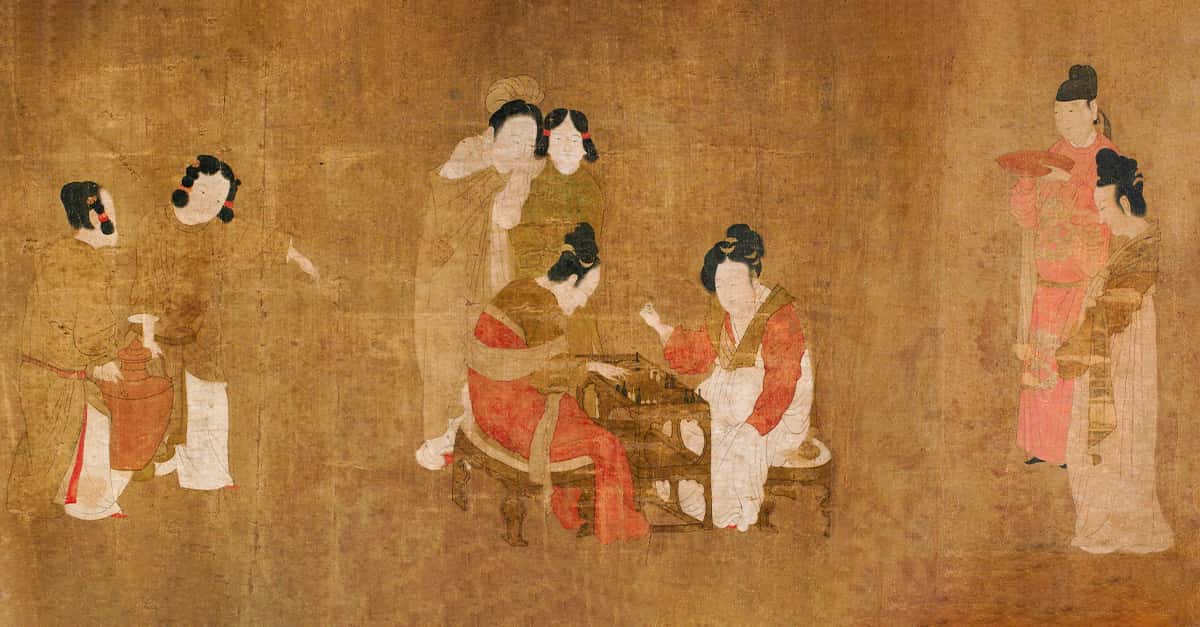
A little-known figure lingers in the shadows of ancient history. Mentioned briefly, expanded later, and widely misunderstood, Lilith’s presence raises a compelling question: How does a character so powerful nearly disappear from collective memory?

Understanding Myth And Religious Tradition
Before written religions formed, people explained the world through myths. These stories were passed orally, changing over time. When religions later organized sacred texts, only selected stories were preserved. Others remained folklore, never officially adopted, even if widely known.
The Earliest Origins Of Lilith
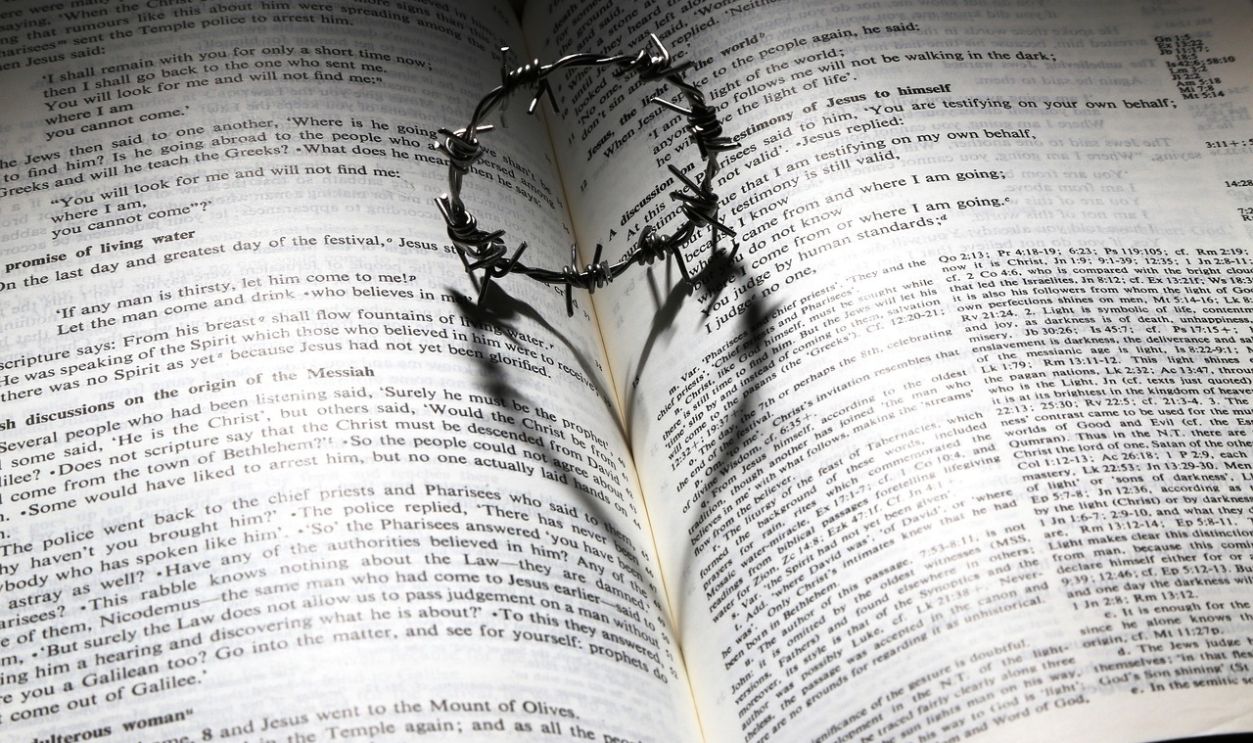
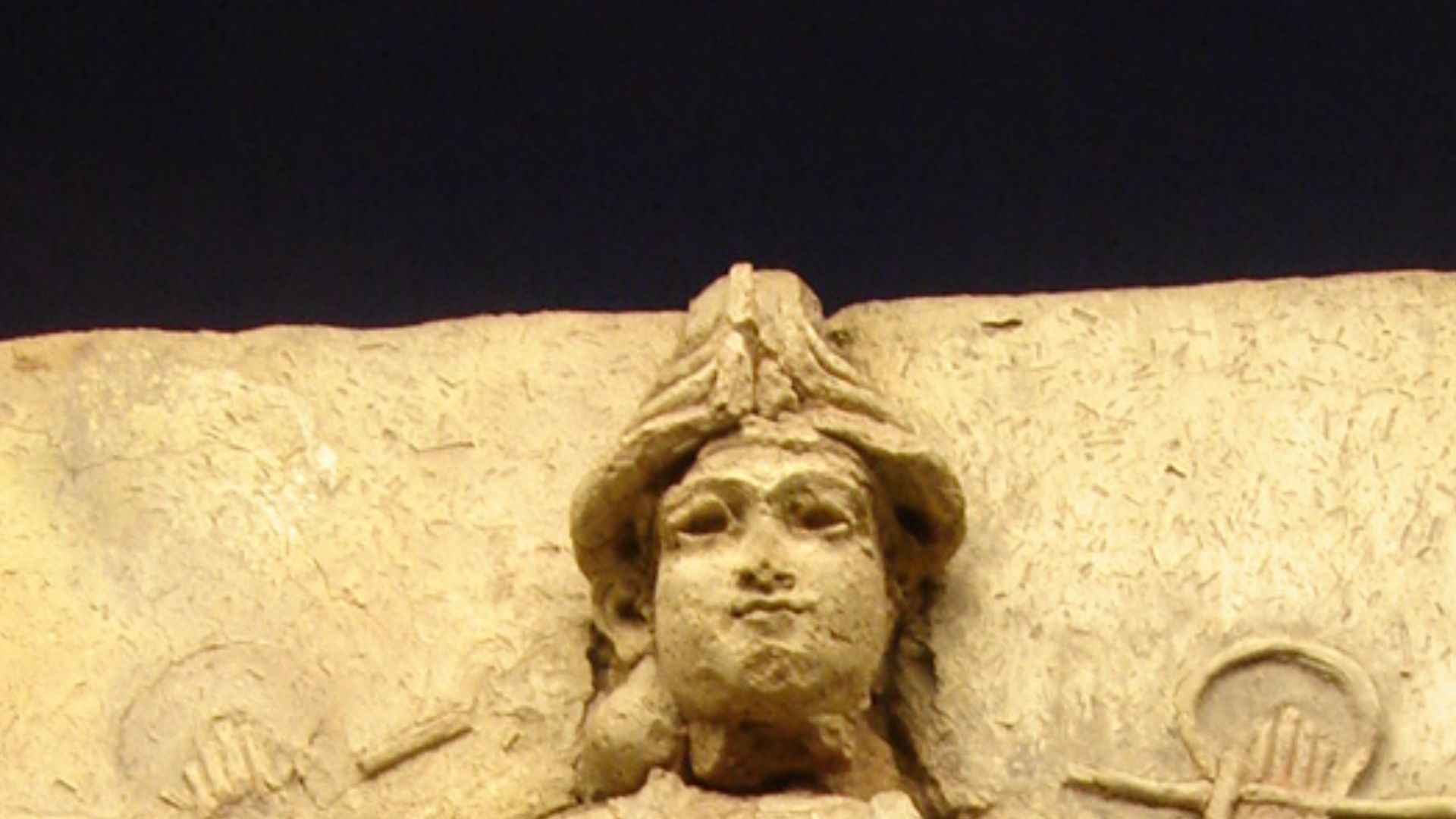
The earliest references to Lilith come from ancient Mesopotamia circa 4000-2000 BCE. She appeared as a supernatural night figure linked to winds and darkness. These beliefs existed long before Judaism, showing that Lilith began as a mythological being, not a biblical character.

What The Name Lilith Originally Meant
The name Lilith comes from ancient words meaning night or air spirit. In early cultures, the night symbolized danger and the unknown, so the names often reflected fear or mystery. It shaped how people imagined beings like Lilith long before detailed stories existed.

How Ancient Cultures Viewed Night Spirits
In ancient societies without artificial light, nighttime was dangerous and unpredictable. Illness, death, and fear were often blamed on unseen forces. Night spirits explained what people could not control and helped communities make sense of real threats using supernatural explanations.
Lilith’s Limited Appearance In Hebrew Scripture
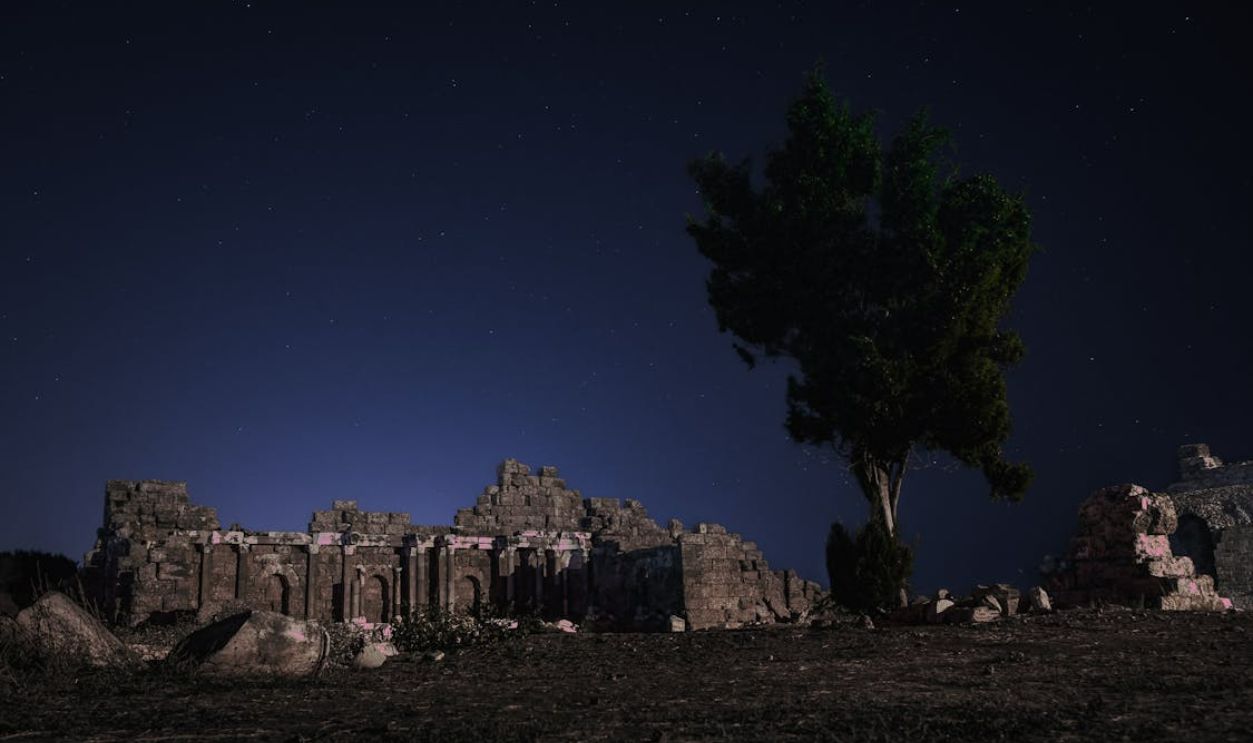
Lilith appears only once in the Hebrew Bible, in the Book of Isaiah. The passage describes a desolate land inhabited by wild creatures, which includes a night being. The text offers no story or personality, leaving her identity unclear and undefined.

Why Canonical Texts Excluded Her Story
When religious leaders finalized sacred texts, they chose stories that supported shared beliefs and structure. Characters without a clear theological purpose were excluded. Lilith never had a full narrative in these texts, so her story remained outside official scripture rather than being removed.
 Joshua Keller, Wikimedia Commons
The Alphabet Of Ben Sira And Its Role
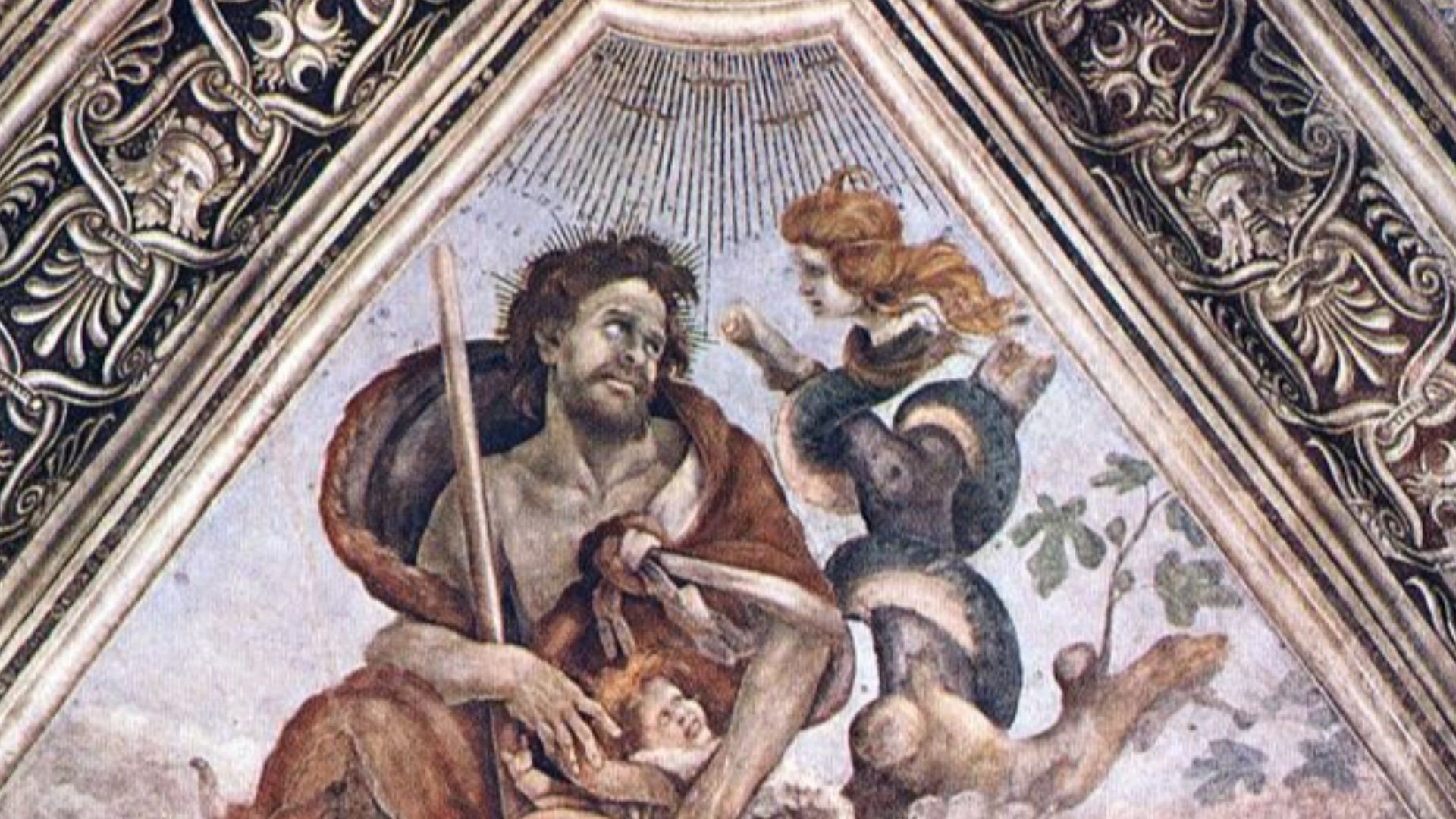
Between the 8th and 10th centuries, a Jewish text called the Alphabet of Ben Sira introduced a detailed story of Lilith. This work was satirical and non-canonical, meaning it was never considered scripture, but it became influential in shaping later ideas about her.
 Filippino Lippi, Wikimedia Commons
The Creation Story That Challenged Authority
In the same source, Lilith is described as created at the same time as Adam. Conflict follows when she refuses to accept a lower position. The story presents equality as the first point of disagreement in human origins.
 Vojtech Klimkovic, Wikimedia Commons
The Departure From Eden
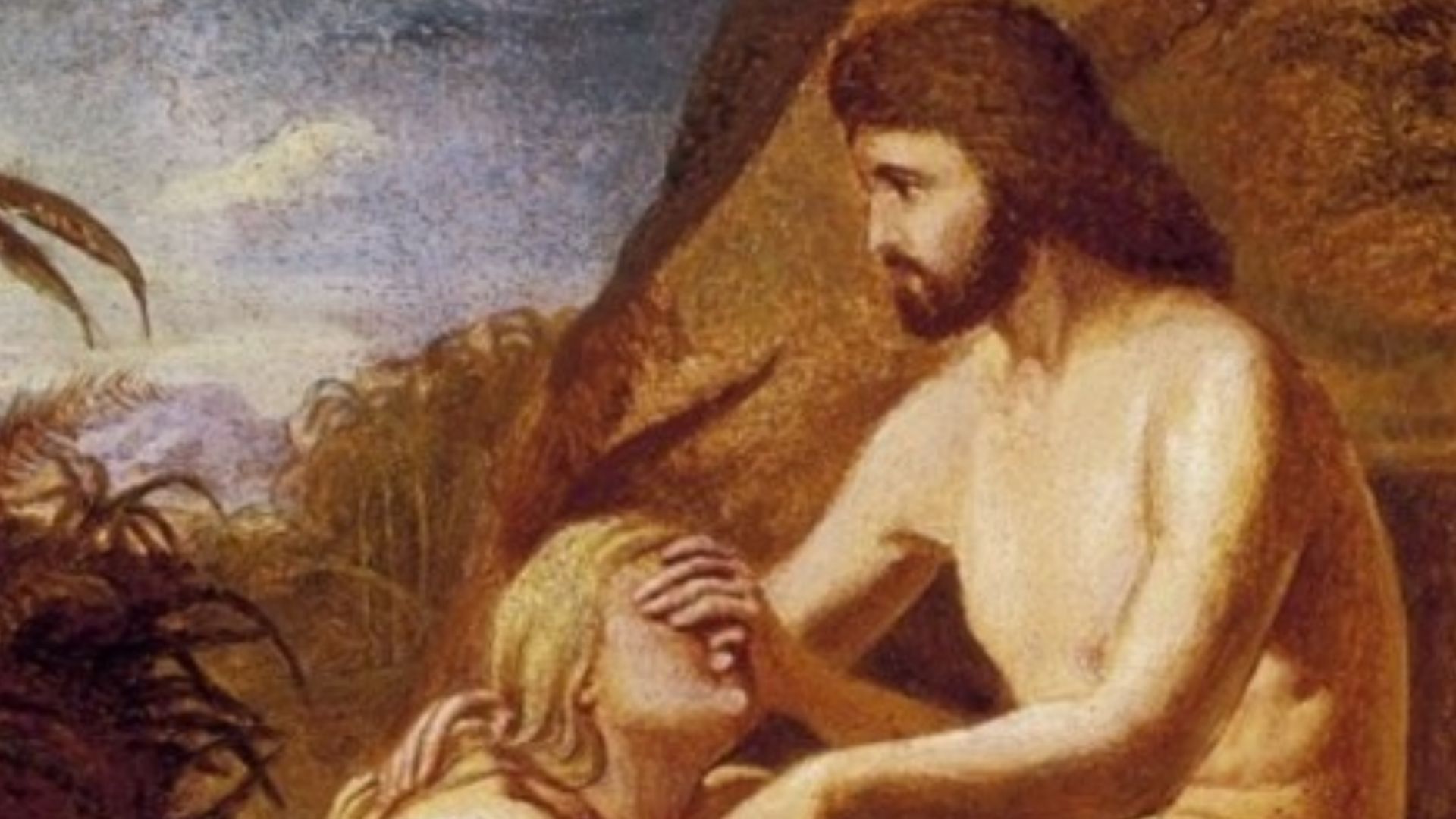
After the dispute, the text describes Lilith leaving Eden by her own decision rather than through exile. She speaks a sacred name and exits the garden. From that moment, her role shifts away from shared beginnings and into separation from humanity’s central story.
 Izaak van Oosten, Wikimedia Commons
The Introduction Of Eve As The Chosen Partner
Following Lilith’s exit, later traditions introduce Eve as Adam’s companion through a different creation account. She is formed from Adam instead of alongside him. That version becomes dominant, shaping religious teaching and replacing earlier alternative explanations of human partnership.
 Lucas Cranach the Elder, Wikimedia Commons
Lilith’s Transformation In Rabbinic Writings
Later rabbinic writings move away from Lilith’s role in Eden and focus on her existence beyond human society. She appears in desolate places associated with night and distance. Attention shifts from origin stories to her presence on the margins of the world.
 „J. Christ....“ ?, Wikimedia Commons
The Shift From Woman To Supernatural Threat
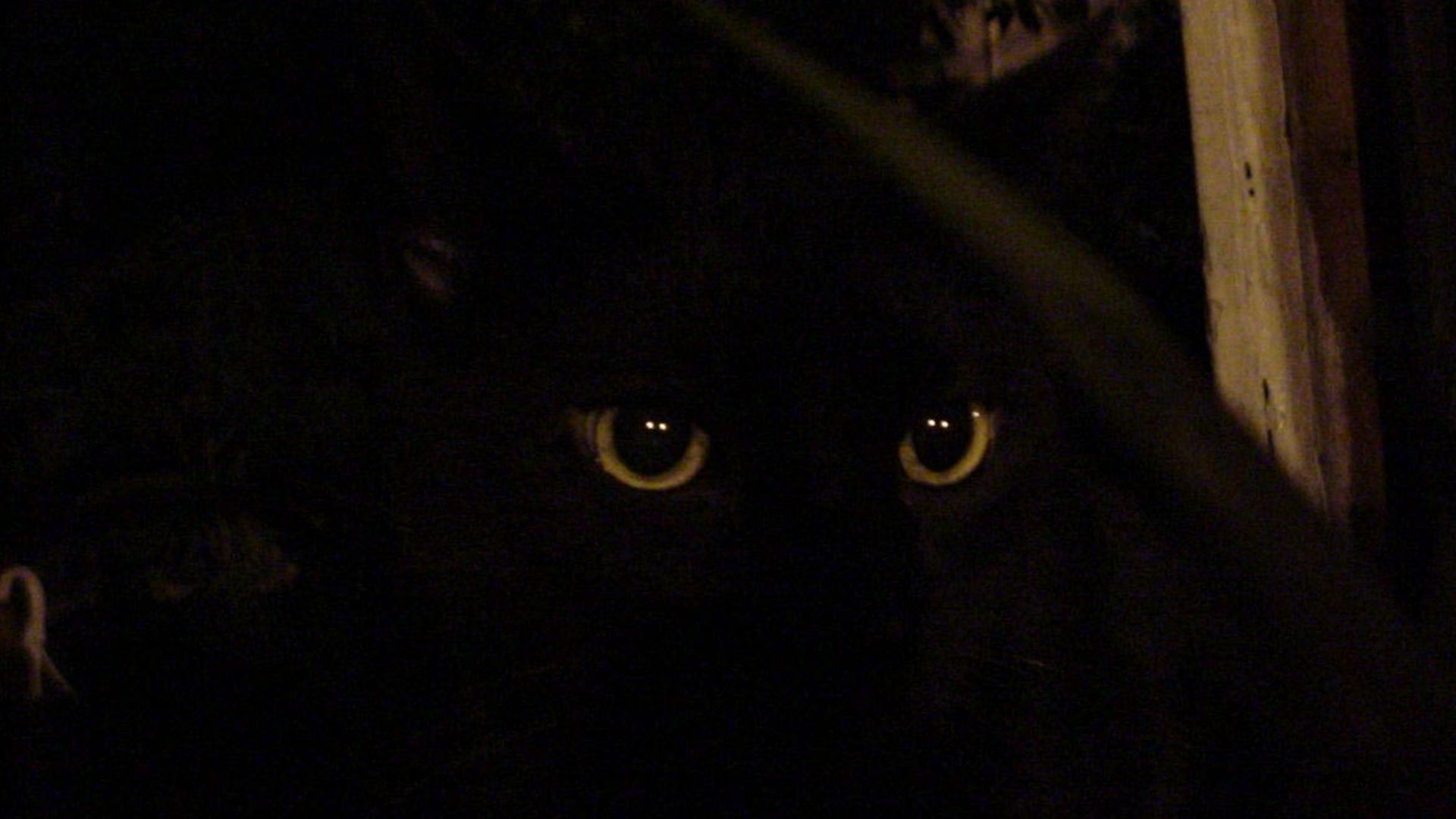
Over time, folklore reframes Lilith as a source of danger, particularly during childbirth and early infancy. Such portrayals reflect historical fears during eras of high mortality. Stories link unexplained tragedy to supernatural influence rather than visible or understood causes.
 Snapdragon66, Wikimedia Commons
Folklore Practices Built Around Fear Of Lilith
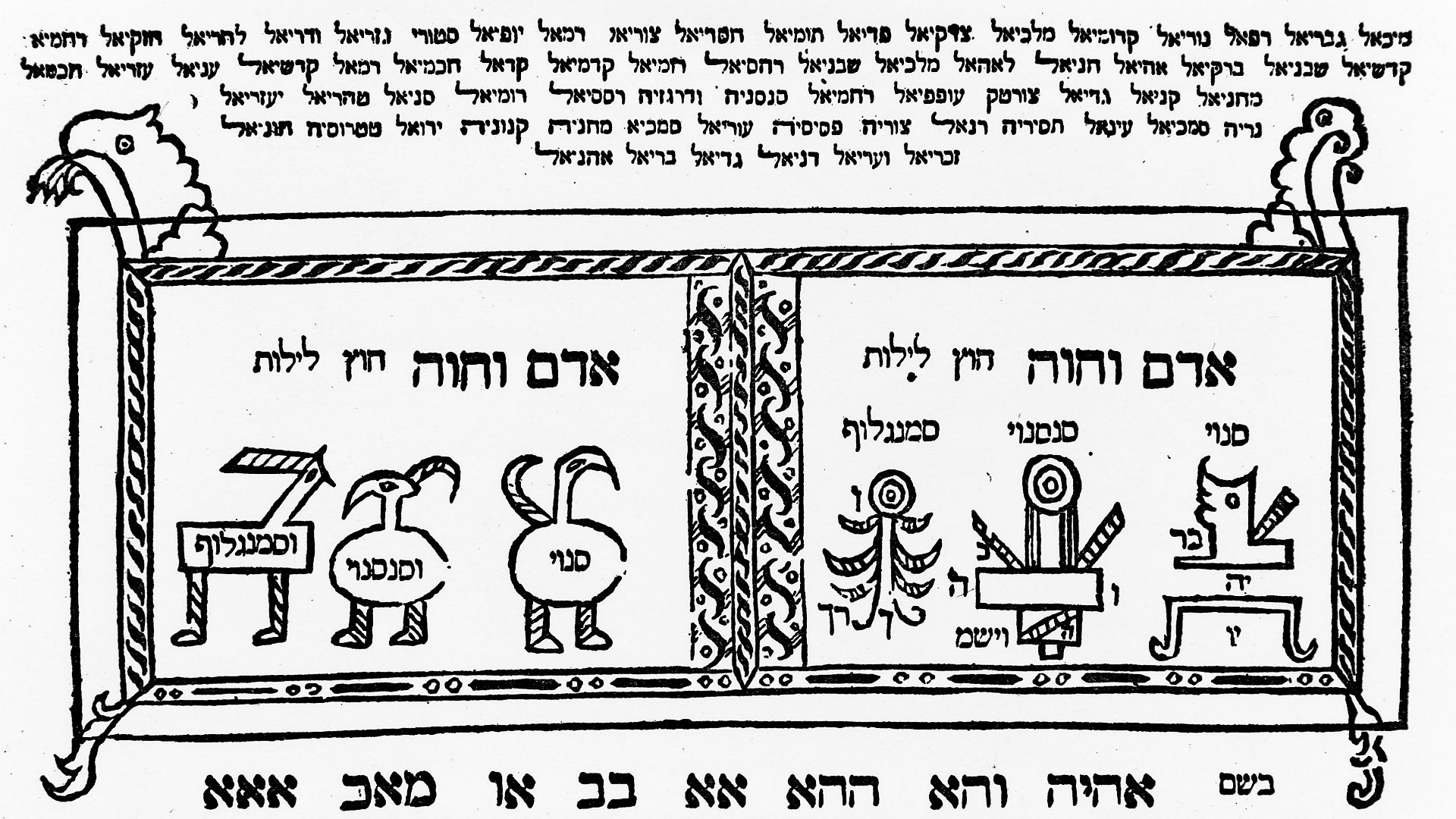
Belief in Lilith leads to protective customs within households. Families place amulets, angel names, and written charms near newborns. These traditions show how myth shaped daily life during moments people viewed as especially vulnerable.
Gender Roles In Ancient Religious Thought
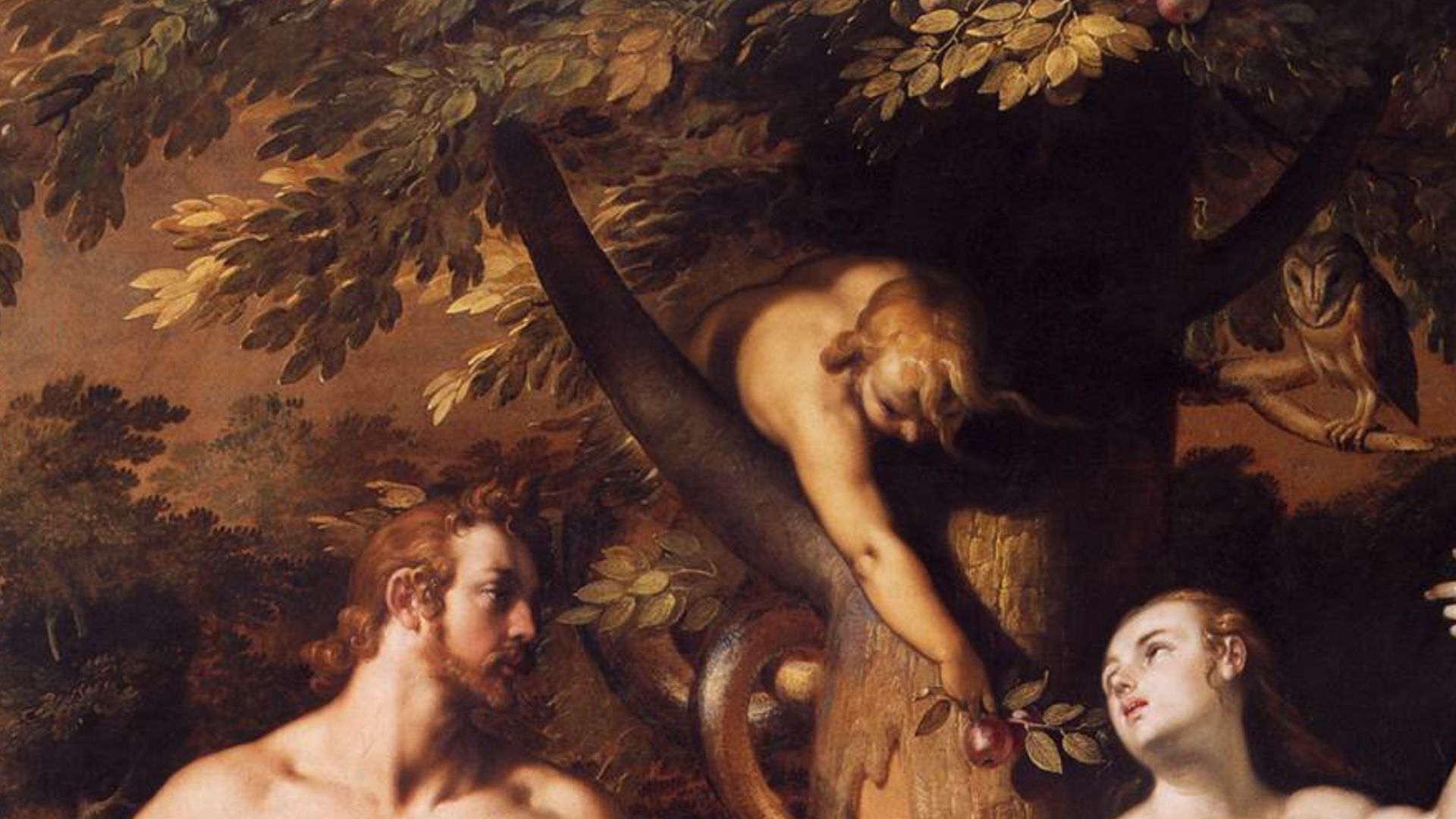
Ancient societies valued order, obedience, and clearly defined roles. Stories that reinforced these ideals were preserved, while those that challenged them faded. Female figures who resisted authority often became warnings rather than models, shaping which narratives survived through generations.
 Cornelis van Haarlem, Wikimedia Commons
Authority And Control In Religious Narratives
As religious institutions grew, storytelling became a way to maintain stability. Narratives that supported leadership, obedience, and hierarchy were emphasized. Stories that introduced ambiguity or challenged authority were less likely to be preserved, especially when they conflicted with established power structures.
Scholarly Resistance To Lilith’s Existence
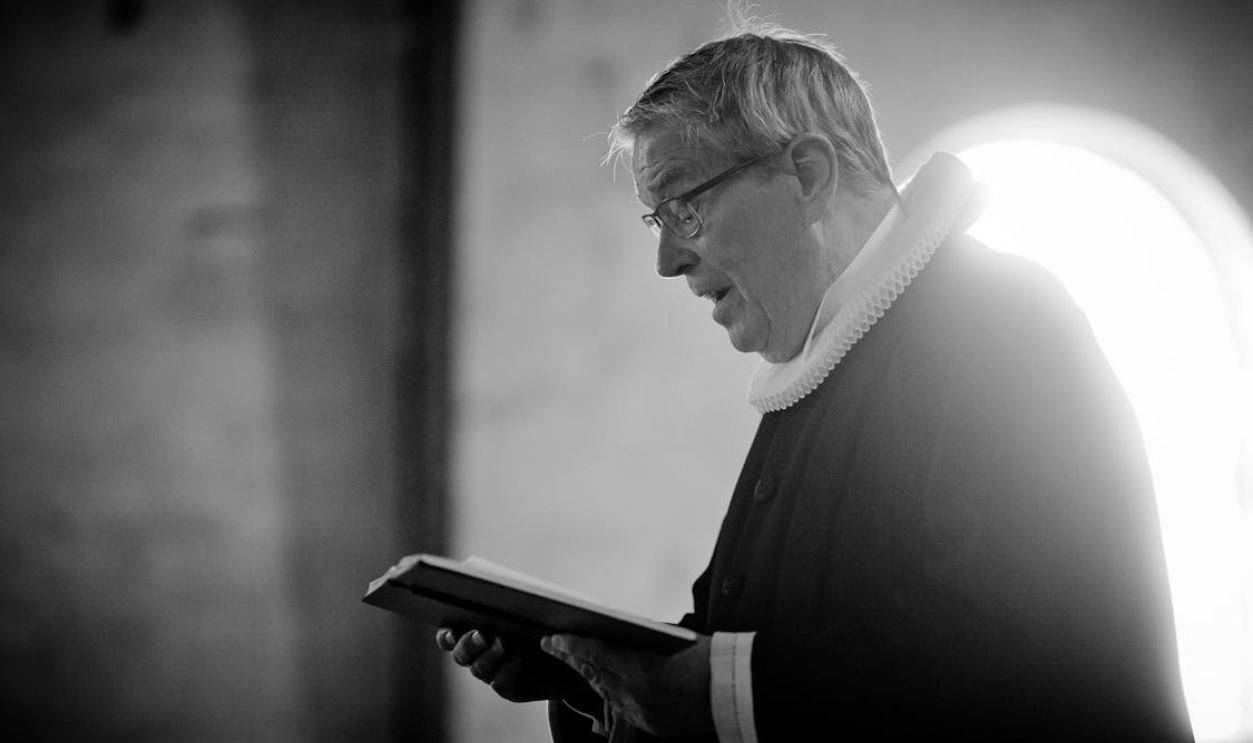
Some medieval Jewish scholars argued that Lilith should not be taken literally. Thinkers like Maimonides dismissed supernatural beings as symbolic rather than real. These views reduced Lilith’s importance in serious theological discussion, further pushing her story to the margins of religious thought.
 Dr. Manuel at de.wikipedia, Wikimedia Commons
The Debate Over Lilith As A Divine Figure
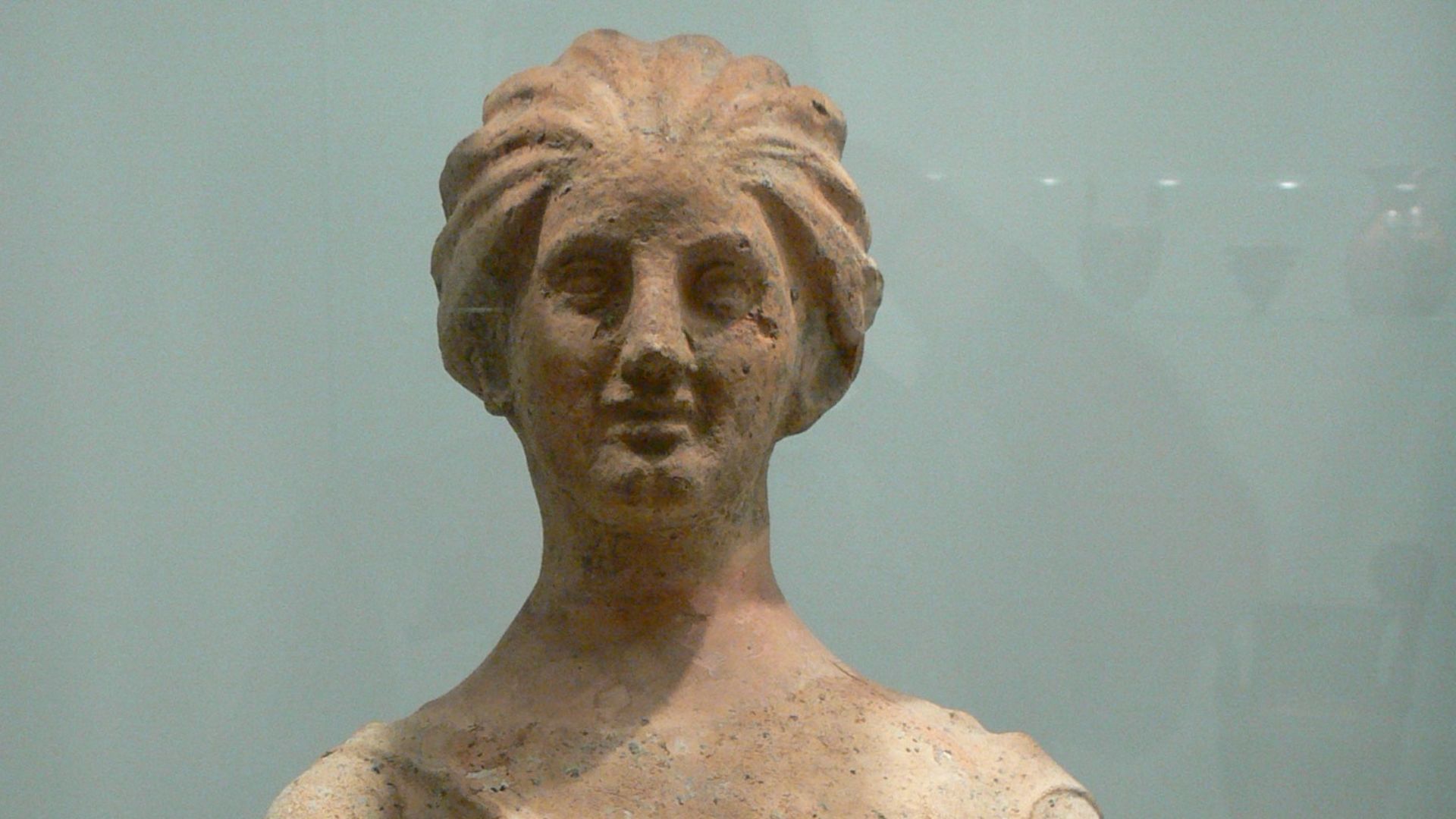
Certain interpretations suggest Lilith may have originated as a powerful female entity rather than a demon. This idea comes from comparing her traits to ancient goddesses associated with fertility or chaos. However, no direct evidence confirms she was ever formally worshiped.
 Wolfgang Sauber, Wikimedia Commons
Lilith As A Symbol Rather Than A Character
Over time, Lilith became less of a defined figure and more of a symbol. She represented themes like independence, danger, and the unknown. The symbolic role allowed her story to survive indirectly, even as her concrete narrative faded from religious tradition.
Why People Believe Lilith Was Erased
Modern readers often assume Lilith was removed from scripture. In reality, her story mostly existed in non-canonical texts. Popular articles and online discussions sometimes blur this distinction, creating the impression of deliberate erasure rather than historical exclusion.

Similar Female Figures Across Cultures
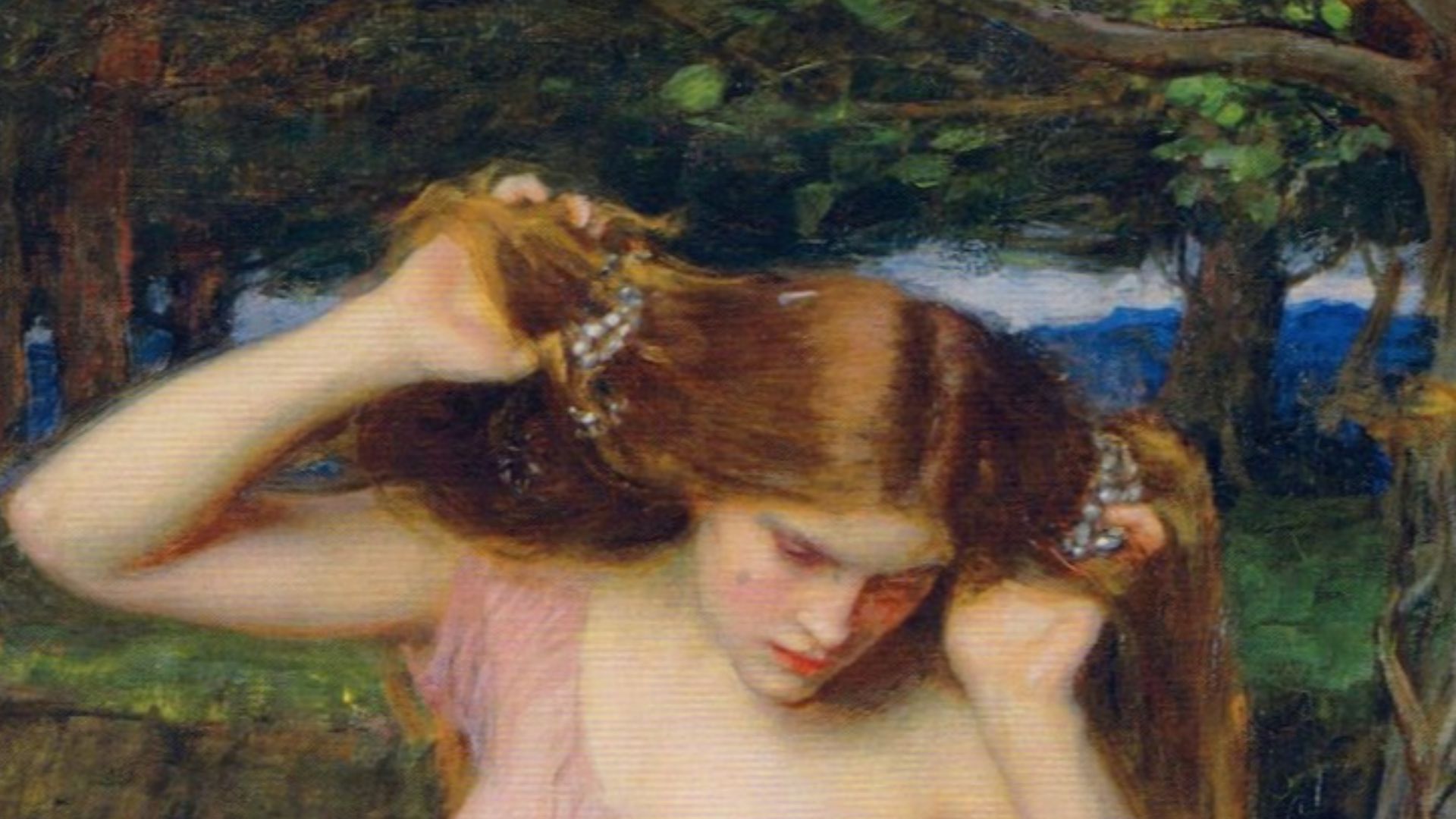
Many cultures feature female figures linked to night or independence. Greek mythology has Lamia, while Mesopotamian lore includes Lamashtu. These figures were not copies of Lilith, but they reflect shared human fears and themes that appeared independently across civilizations.
 John William Waterhouse, Wikimedia Commons
Artistic Depictions That Shaped Her Image
Artists played a major role in defining how Lilith was imagined. Medieval and Renaissance artwork often portrayed her as part woman, part creature. These visual choices reinforced fear and mystery, influencing how later generations understood her without reading original texts.
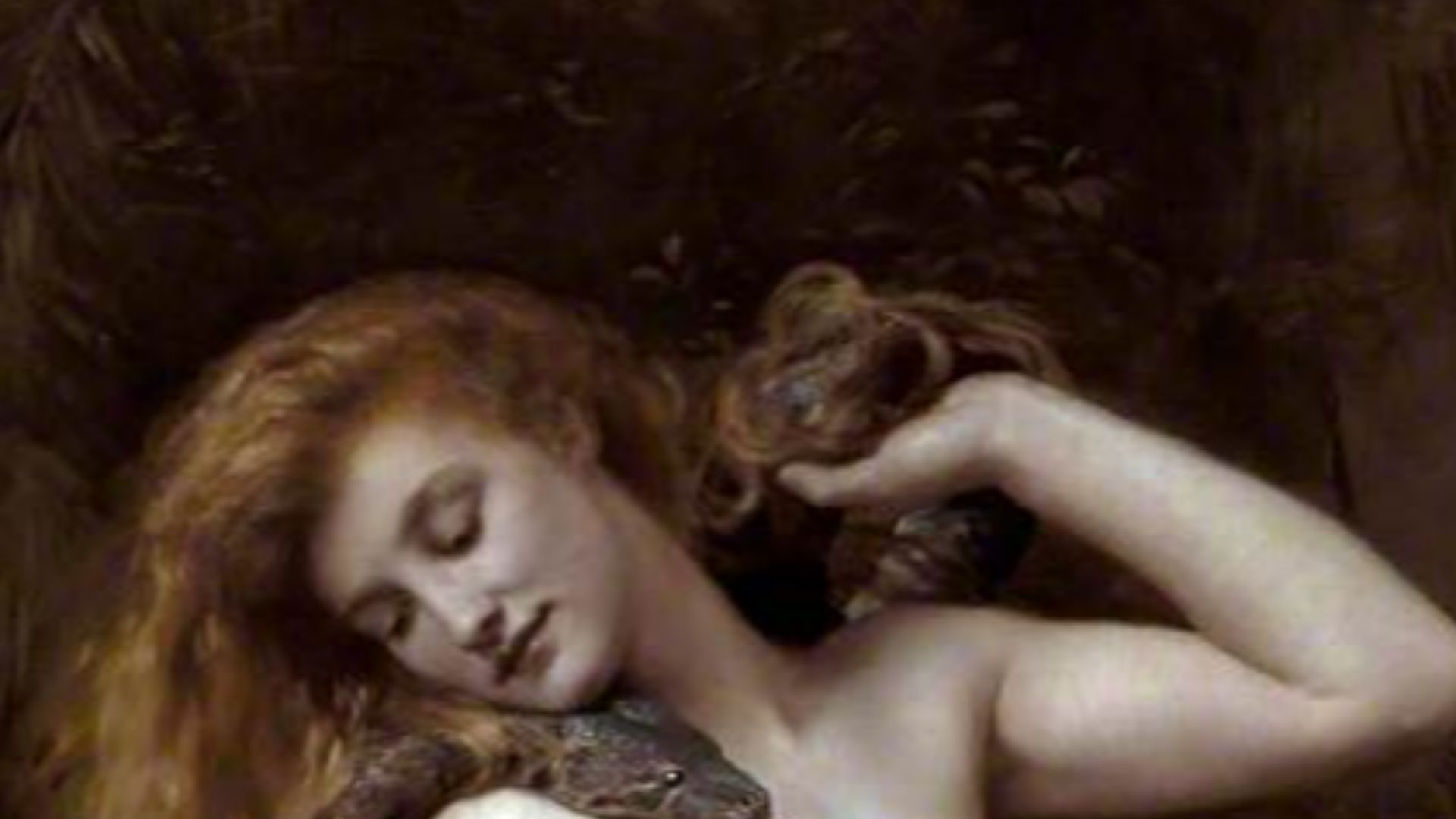 John Collier, Wikimedia Commons
Literary Uses Of Lilith Over Time
Writers across centuries reintroduced Lilith in poetry, folklore, and essays. Each version reflected its era’s concerns, from morality to rebellion. Literature allowed her story to evolve creatively, even when religious institutions no longer engaged with her directly.

Lilith In Modern Feminism And Popular Culture
During the twentieth century, feminist thinkers revisited Lilith as a symbol of autonomy rather than fear. That perspective influenced modern storytelling, where her presence appears across novels, television, music, and games. Each portrayal reshapes her meaning while keeping her relevant to new audiences.
 Oliver Ayala, Wikimedia Commons
Why Lilith’s Story Still Resonates
Lilith’s story remains compelling because absence can speak as loudly as presence. Her quiet removal from official history reveals how power shapes memory over time. What goes unrecorded often carries meaning and encourages reflection on which voices are preserved and which slowly disappear.
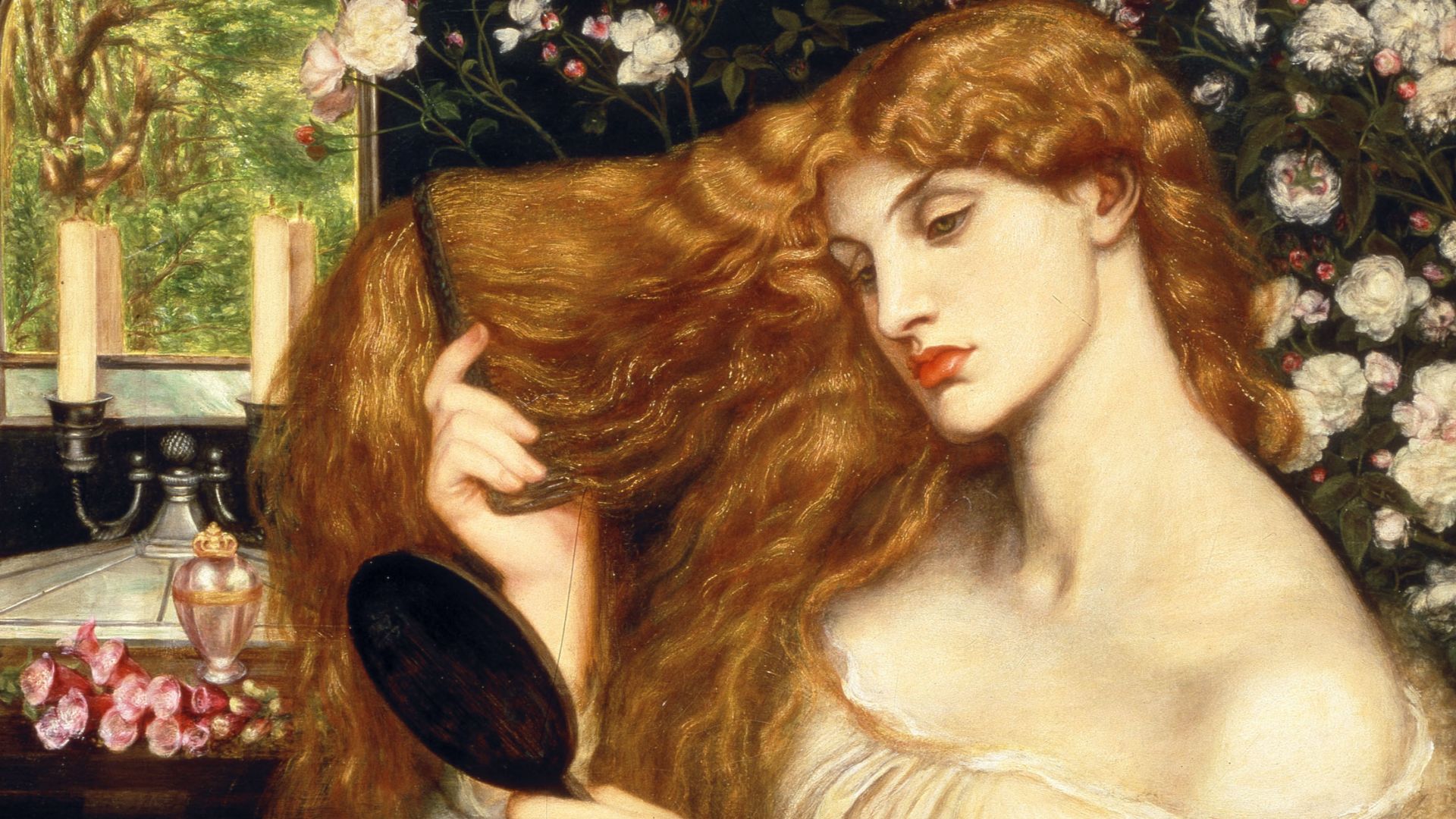 Dante Gabriel Rossetti, Wikimedia Commons