The Conspiracy Theory That Still Exists
Stories of giant human skeletons hidden from public view have been around for over a century. These claims can be seen in old newspaper reports, and, as expected, they raise questions about how history is misremembered by several people.
 Nate Lee, Wikimedia Commons, Modified
An Unorganized Search For America’s Past
Before the Smithsonian was established in 1846, American archaeology was informal. Travellers went on to collect and trade artifacts independently. Discoveries were kept in private collections or local museums, with little documentation. There was no coordinated effort to preserve findings accurately.
The Man Behind The Name
James Smithson was a British scientist known for his work in various fields such as mineralogy and scientific classification. When he died in 1829, he left his entire estate to the United States to create an institution dedicated to sharing knowledge.
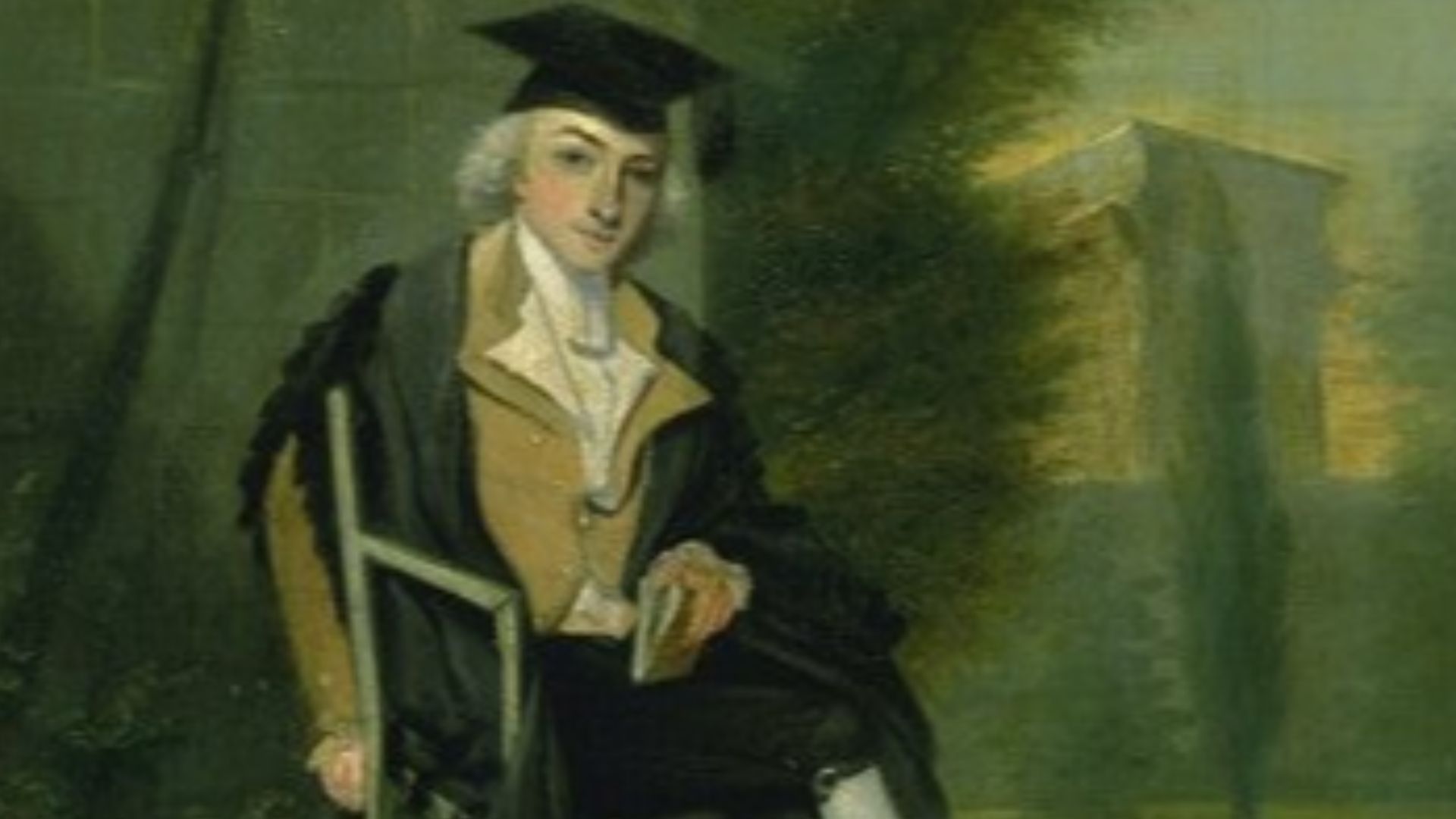 James Roberts de tena (1753-c.1809), Wikimedia Commons
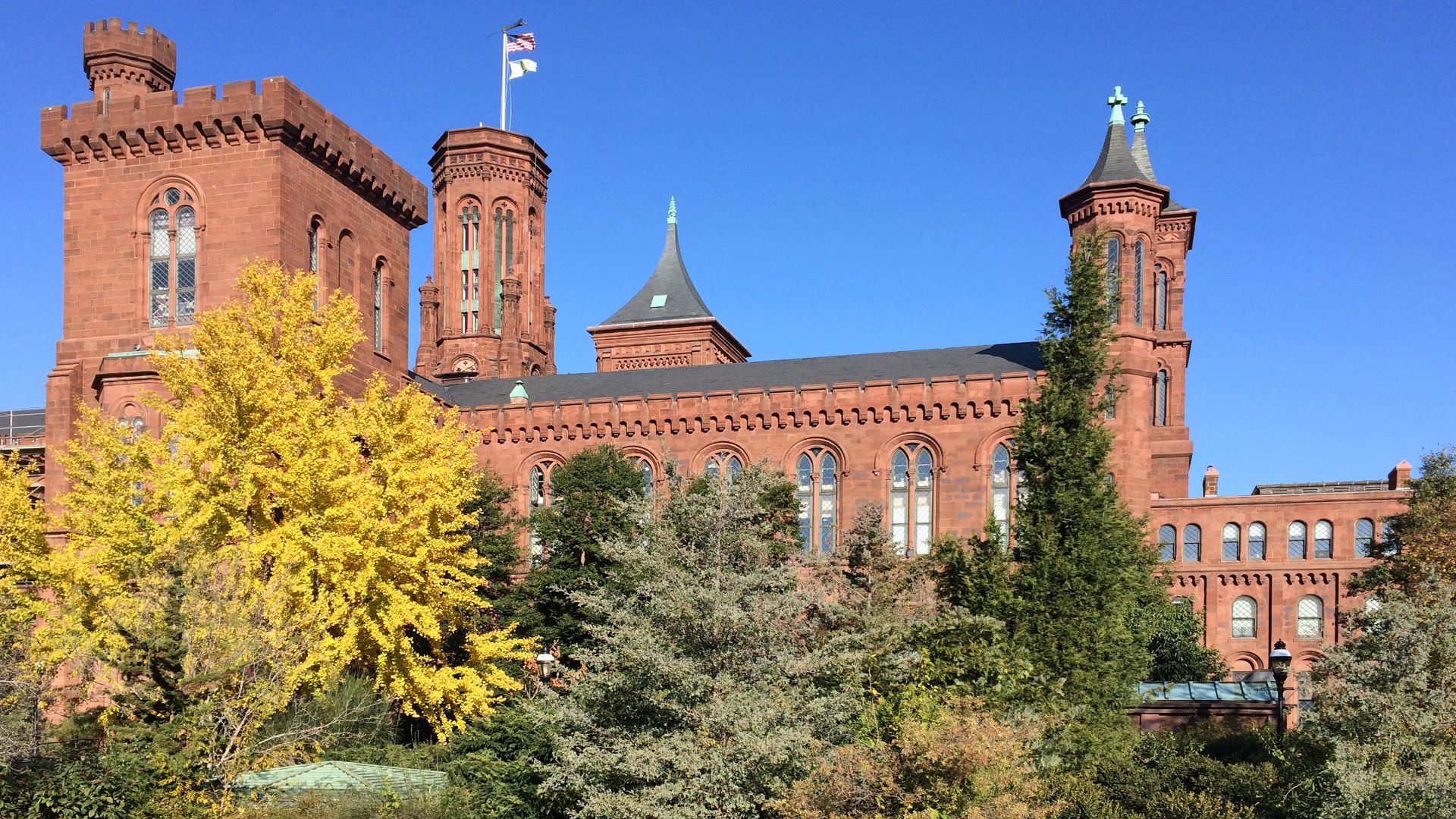
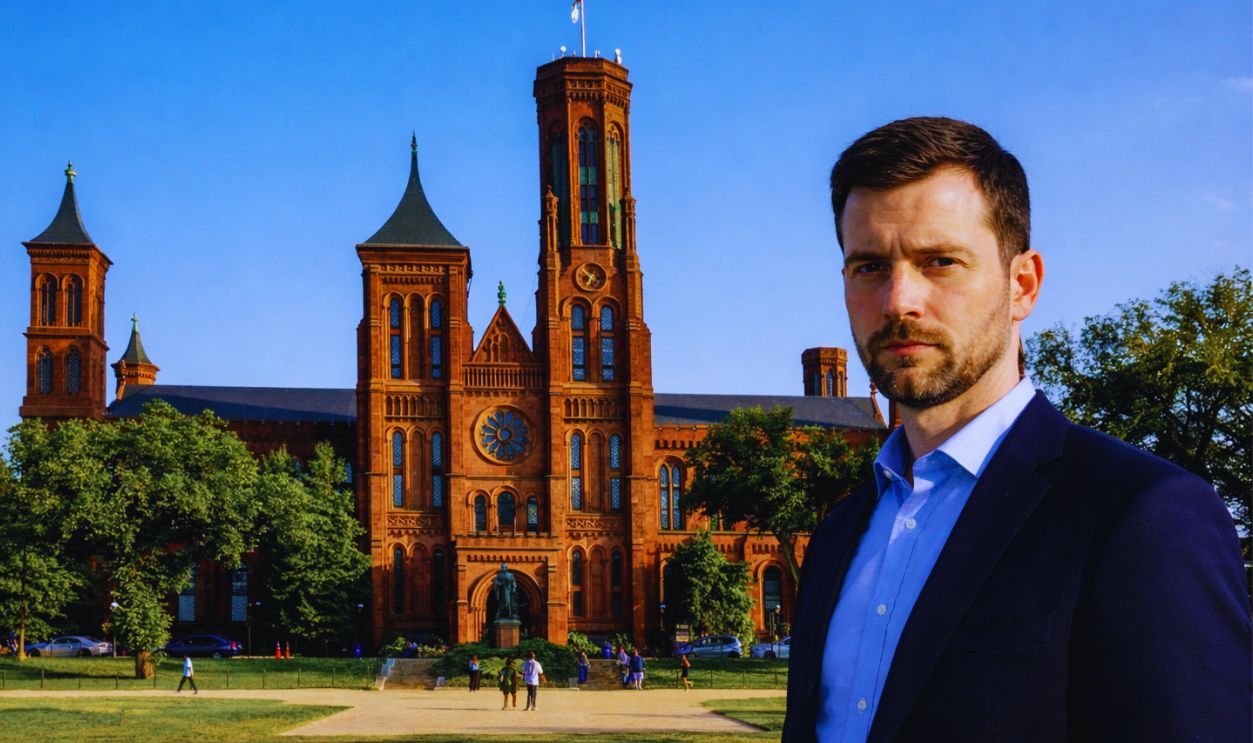
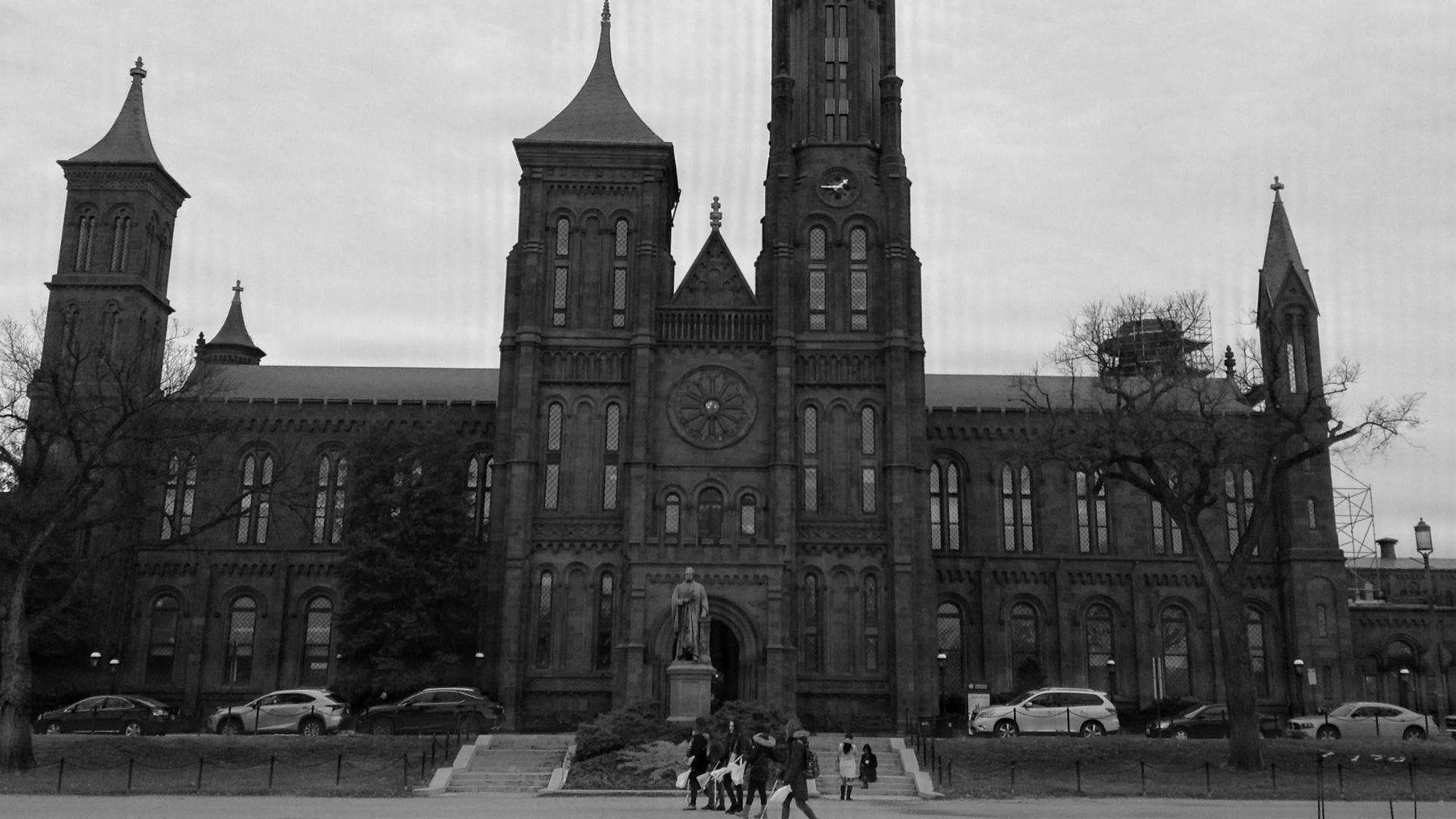
The Smithsonian Institution
Its mission is to increase public knowledge based on past findings. Today, the Smithsonian Institution is the world’s largest entity that operates 21 museums, libraries, research centers, and the National Zoo, preserving millions of objects. They also offer educational programs that share knowledge with the public globally.

The Smithsonian’s Role In Archaeology
During the late 19th and early 20th centuries, the Smithsonian became a leading authority in American archaeology. Its researchers documented burial mounds and published findings to replace speculation with evidence. It helped establish professional standards for studying North America’s Indigenous past.
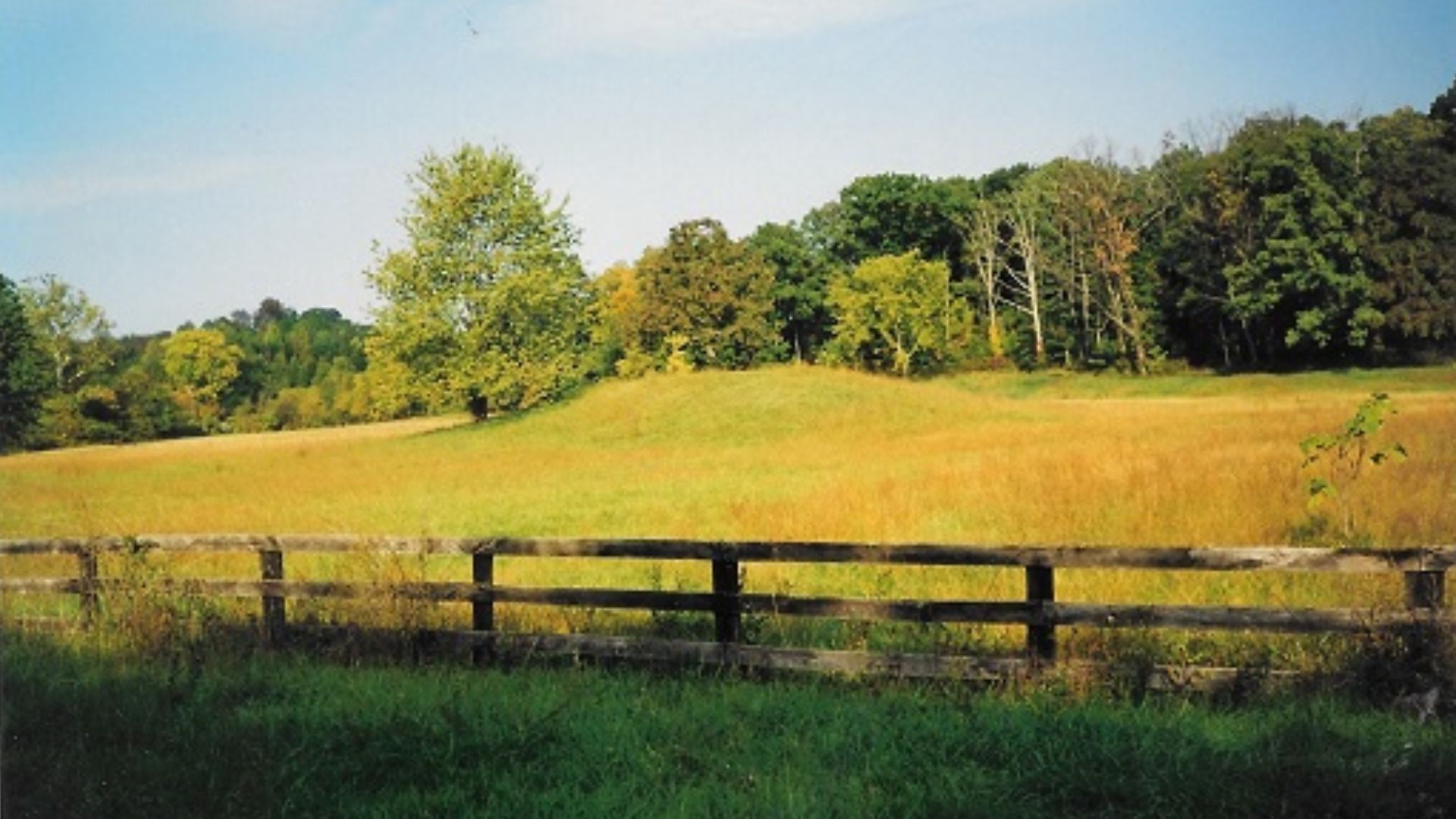
19th Century America
In the 1800s, westward expansion exposed many ancient earthworks across the United States. Amateur diggers went around to open mounds out of curiosity. Lacking modern methods, many early interpretations mixed real discoveries with guesswork and cultural misunderstanding, widely shared over time.
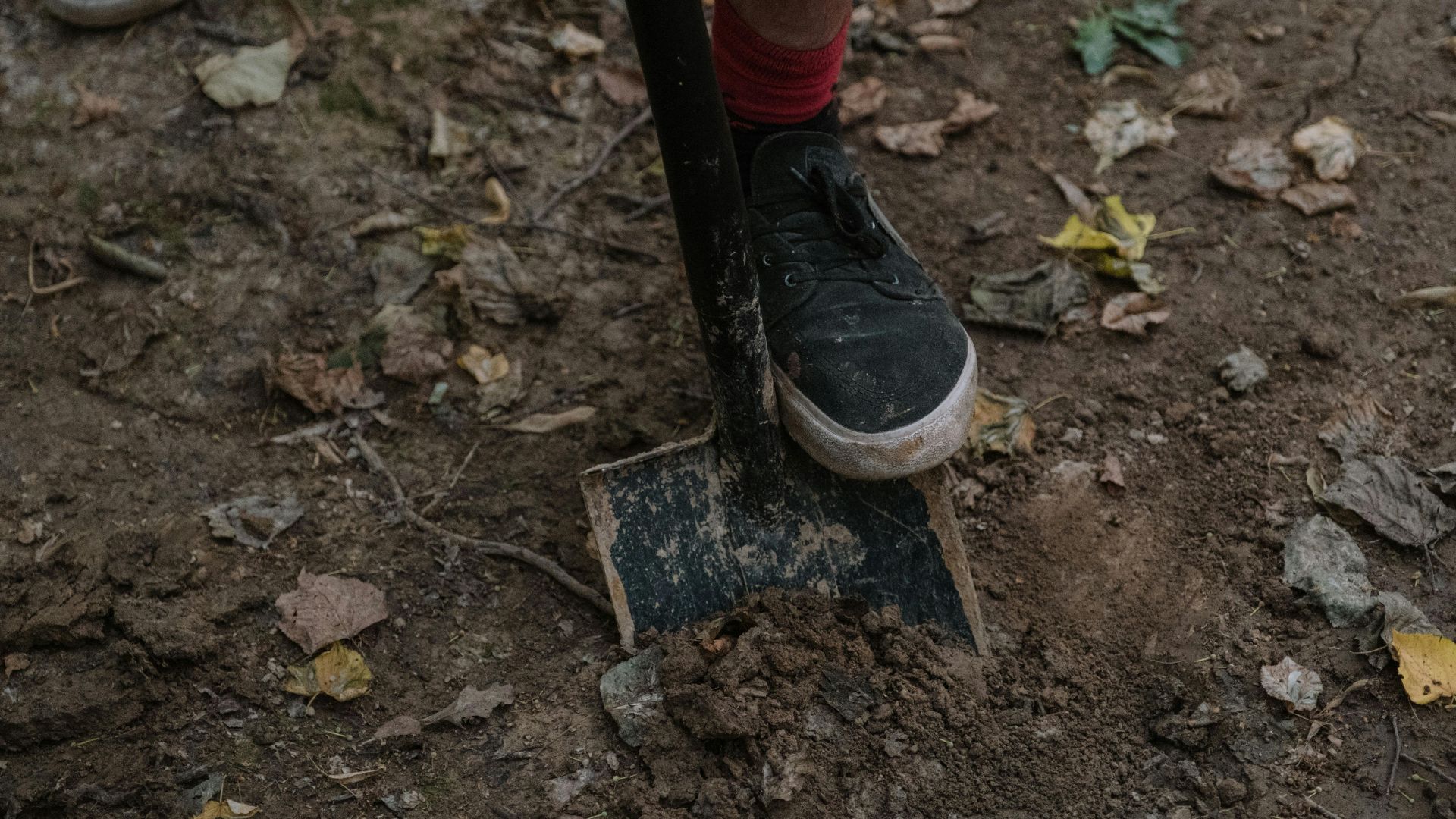
The Mound Builders Mystery
Native American burial mounds were built centuries before European contact across much of North America. These large earth structures served a ceremonial purpose for them as well. They showed careful design with long-term planning among Indigenous societies living in organized settlements.
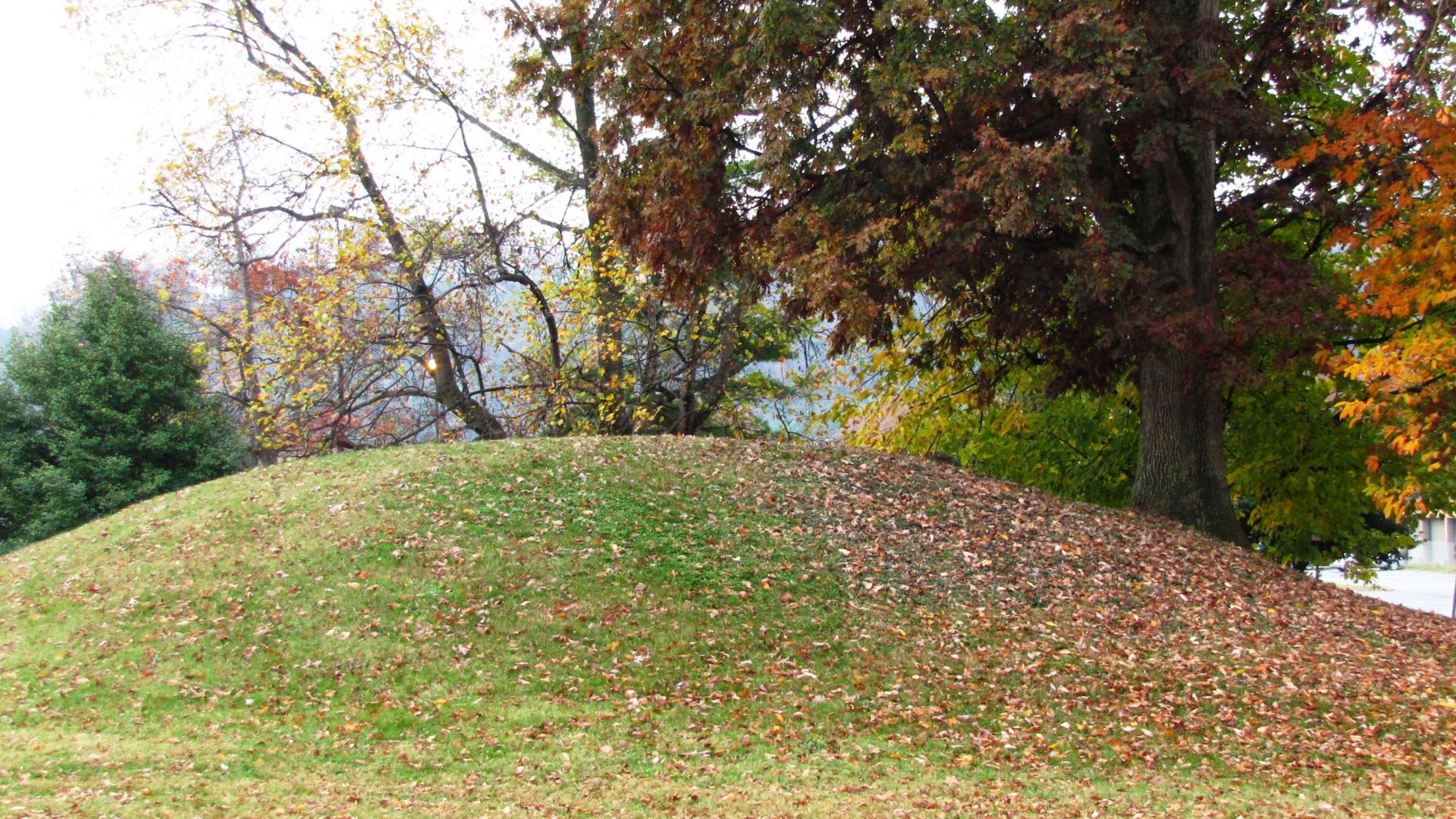 Brian Stansberry (photographer), Wikimedia Commons
The Mound Builders Mystery (Cont.)
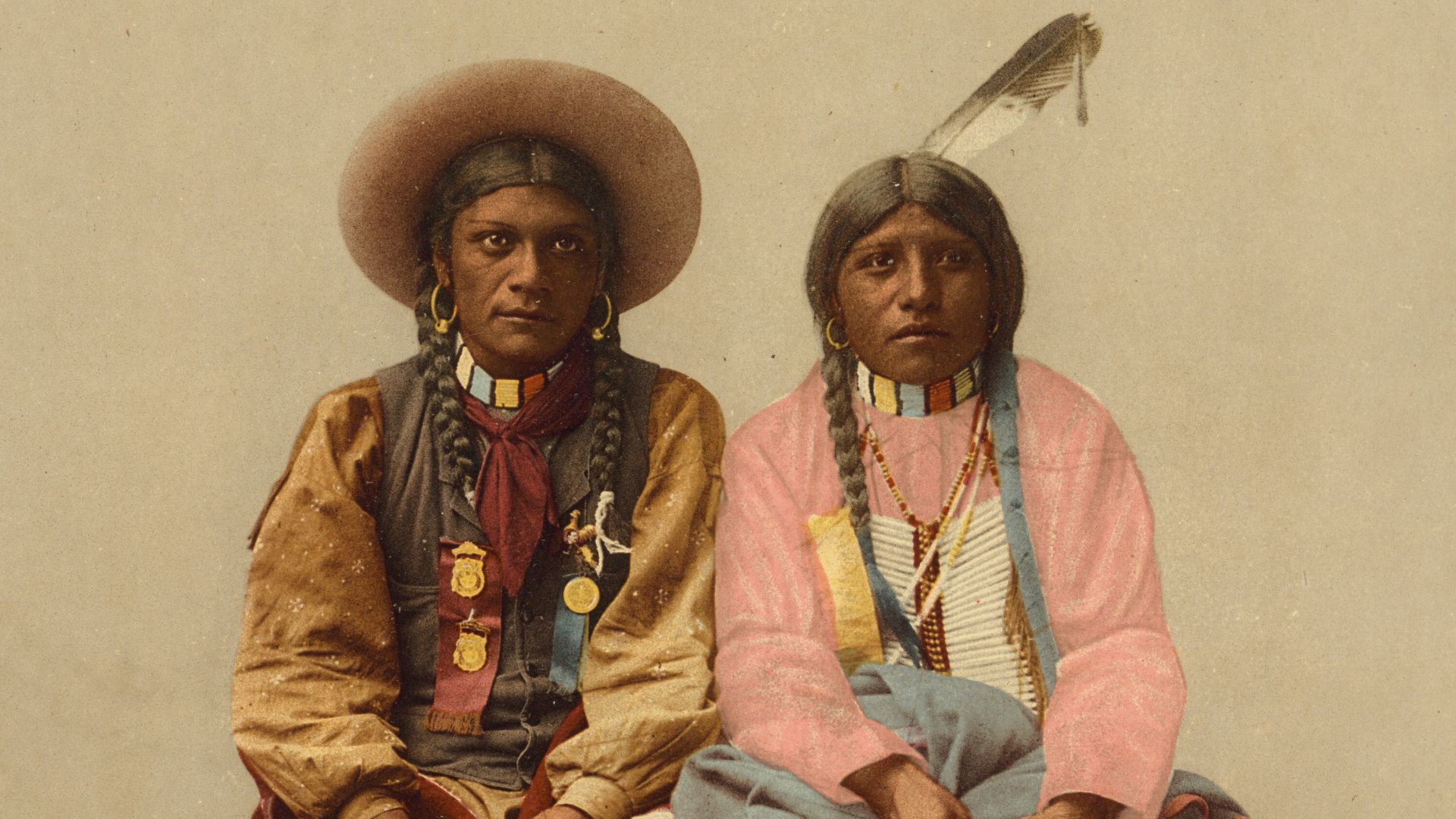
Early European settlers often believed Native Americans were too “primitive” to create such large structures. Influenced by racial bias and limited understanding of Indigenous cultures, they imagined lost civilizations instead. Later archaeological research proved the mounds were built by Native peoples themselves.
Early Reports Of Giant Skeletons
In the late 1800s, American newspapers frequently reported discoveries of unusually large skeletons in these burial mounds. Claimed heights ranged upto 12 feet. These stories relied on secondhand accounts that lacked scientific measurements. They were believed to be a part of the folklore.


History's most fascinating stories and darkest secrets, delivered to your inbox daily.
Folklore And Myth Of Giants
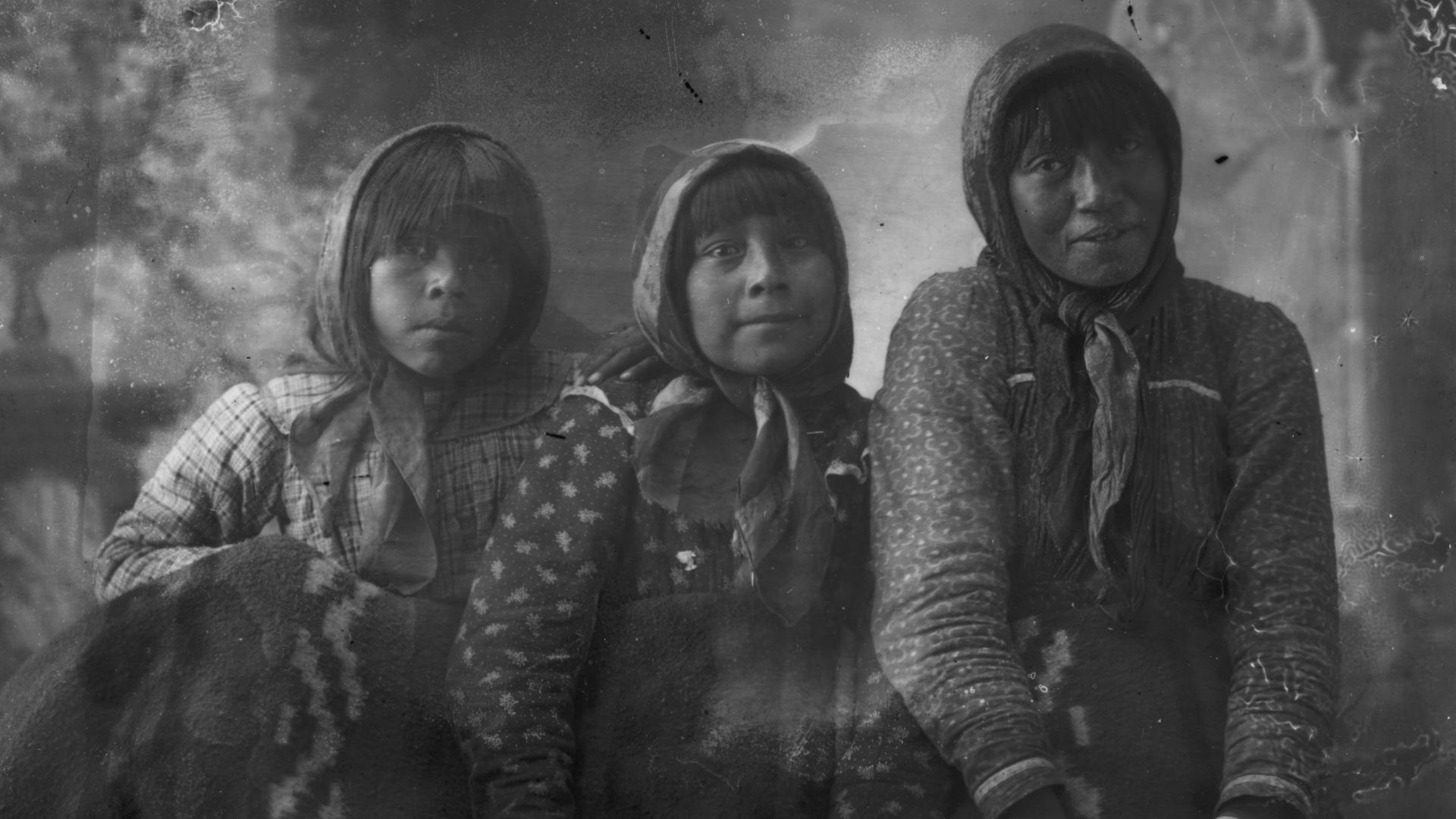
Many Native American groups share stories about large or powerful beings. Some Paiute (western United States) legends mention red-haired enemies, while other tribes describe oversized figures used to express danger or chaos. Scholars understand these stories as symbolic folklore, not literal accounts of real human giants.
 Thomas Woodliff, Wikimedia Commons
The Alleged Giant Skeleton Discoveries
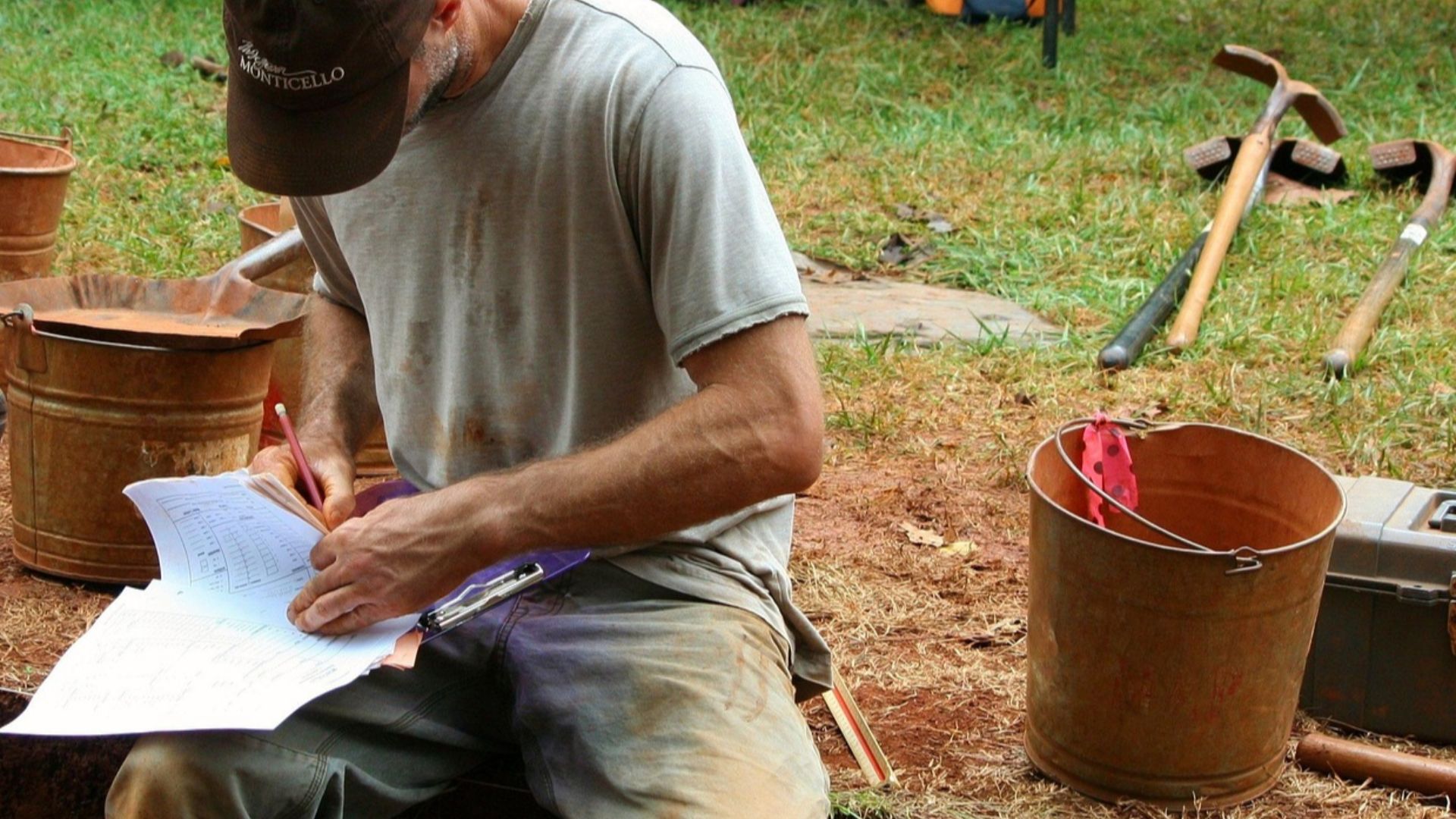
Some mound excavations reported oversized femurs, skulls, or teeth interpreted as human. Later analysis showed many measurements were mere estimates, while others involved mixed bones from multiple individuals. No verified excavation documented a complete human skeleton of extraordinary height.
The Smithsonian’s Involvement
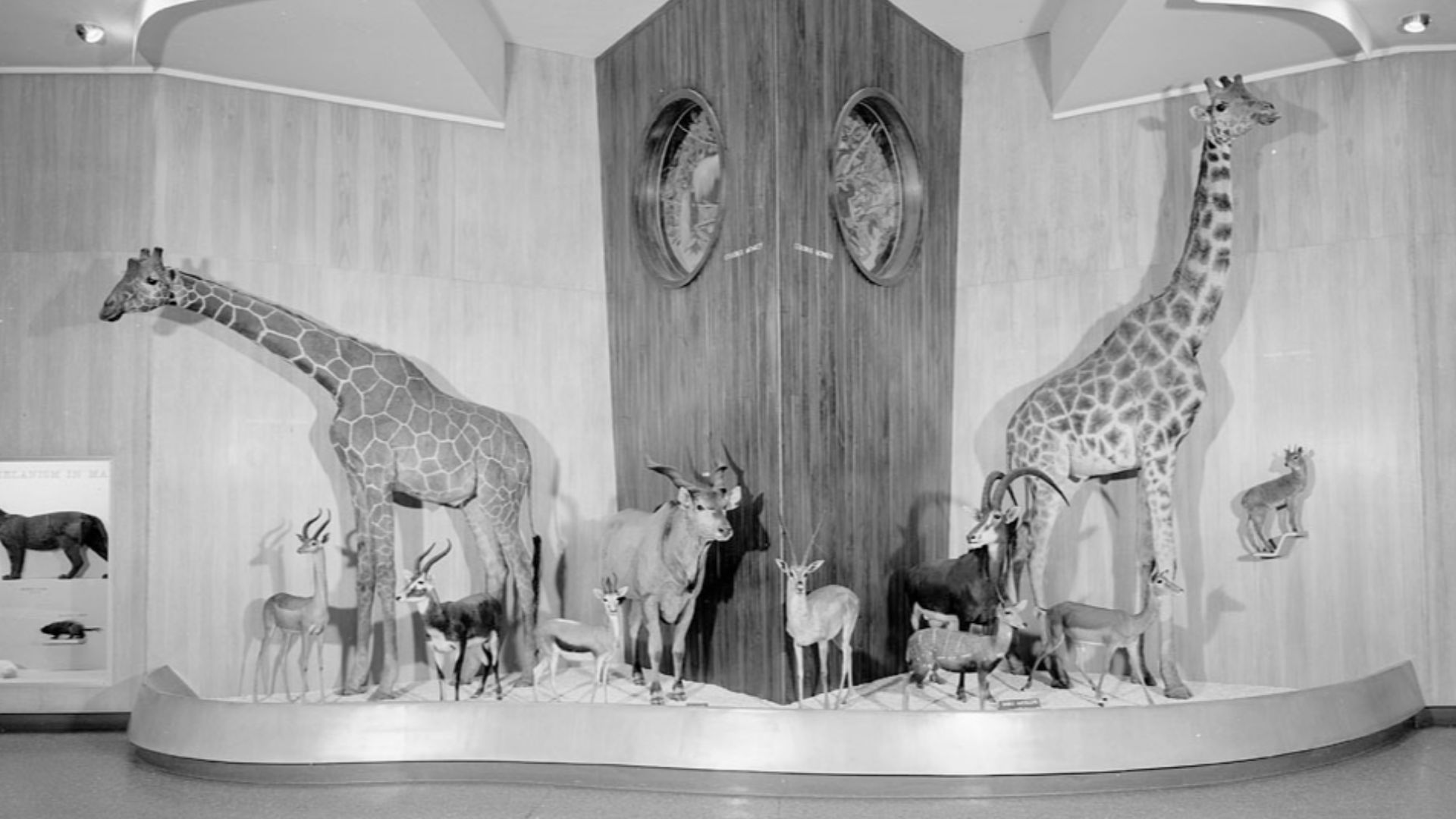
As more burial mounds were dug up, the Smithsonian was frequently asked to review the finds. Its scientists studied the remains to fix identification mistakes and shared their conclusions publicly. This was done to help bring order to a field once driven by local collectors and amateur explorers.

Accusations Of Suppression
After scientists rejected giant skeleton claims, some people accused museums of hiding evidence. Critics felt discoveries were dismissed too fast. However, no records show that museums destroyed real remains. The conflict was about proof and scientific standards, not secret cover-ups.
 Smithsonian Institution Archives, Wikimedia Commons
The 1930s Investigations
In the early 20th century, Smithsonian anthropologists like Ales Hrdlicka reviewed claims of giant skeletons. Using anatomical comparisons and verified measurements, they concluded that the reported remains fell within normal human variation or were incorrectly identified, and published their findings in peer-reviewed scientific journals.
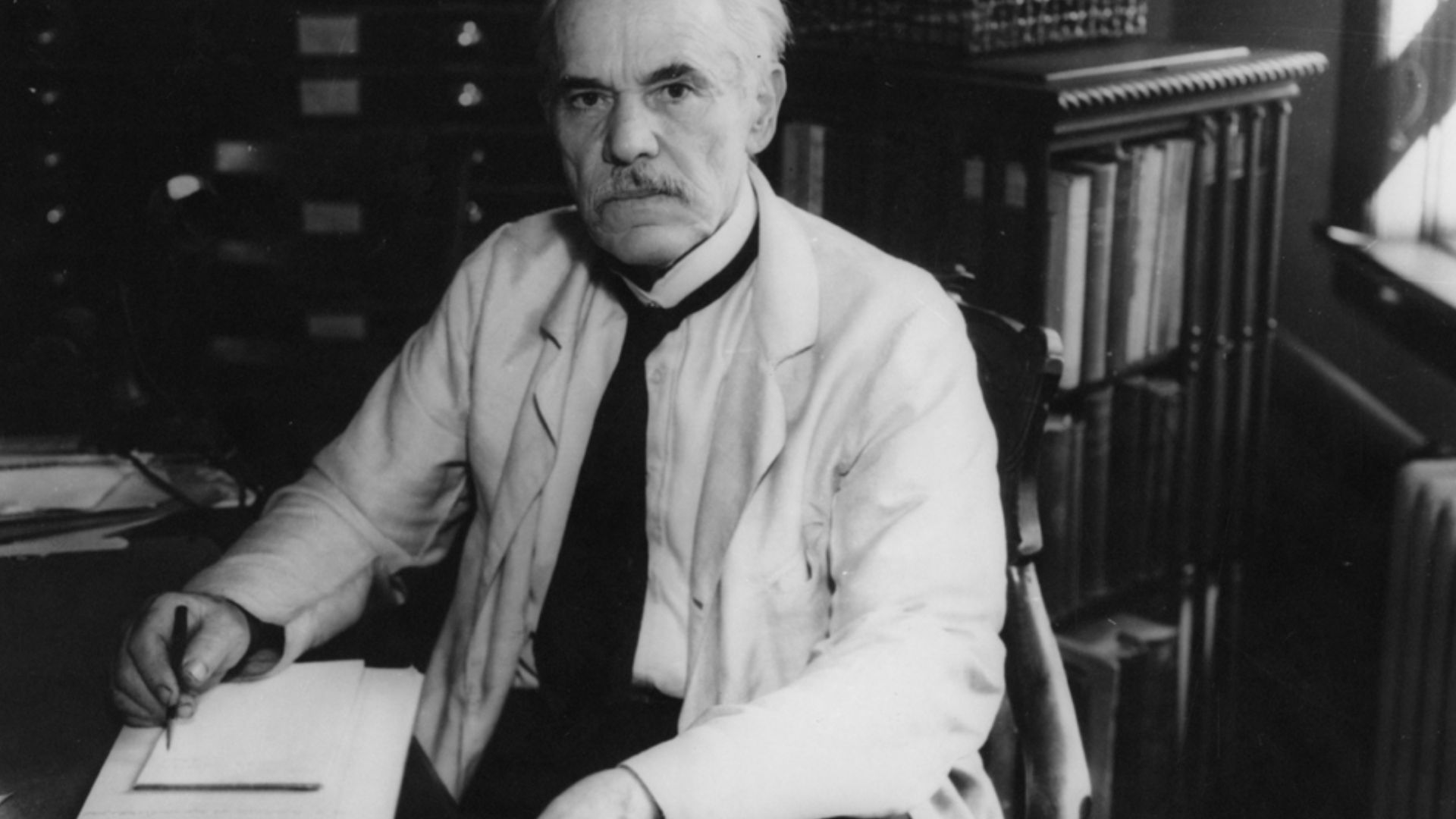 Unknown authorUnknown author, Wikimedia Commons
The Birth Of The Conspiracy Theory
As archaeology became more organized, many bold claims were no longer accepted without proof. Some people felt their discoveries were brushed aside. Over time, this frustration, mixed with old sensational stories, led to claims of suppression even though no evidence supported them.

Newspaper Hoaxes And Exaggerations
19th-century American newspapers often favored dramatic stories to attract readers. They kept publishing reports of enormous skeletons based on vague measurements and missing specimens. Historians reviewing archives mentioned that these stories rarely included photographs or professional verification, hallmarks of unreliable reporting.

The Famous “Smithsonian Lawsuit” Never Existed
A story claims the Smithsonian admitted to destroying giant skeletons after a Supreme Court case. Historical checks show the claim originated from a satirical website. No verified court documents support it, yet the story continues circulating online and in conspiracy circles.
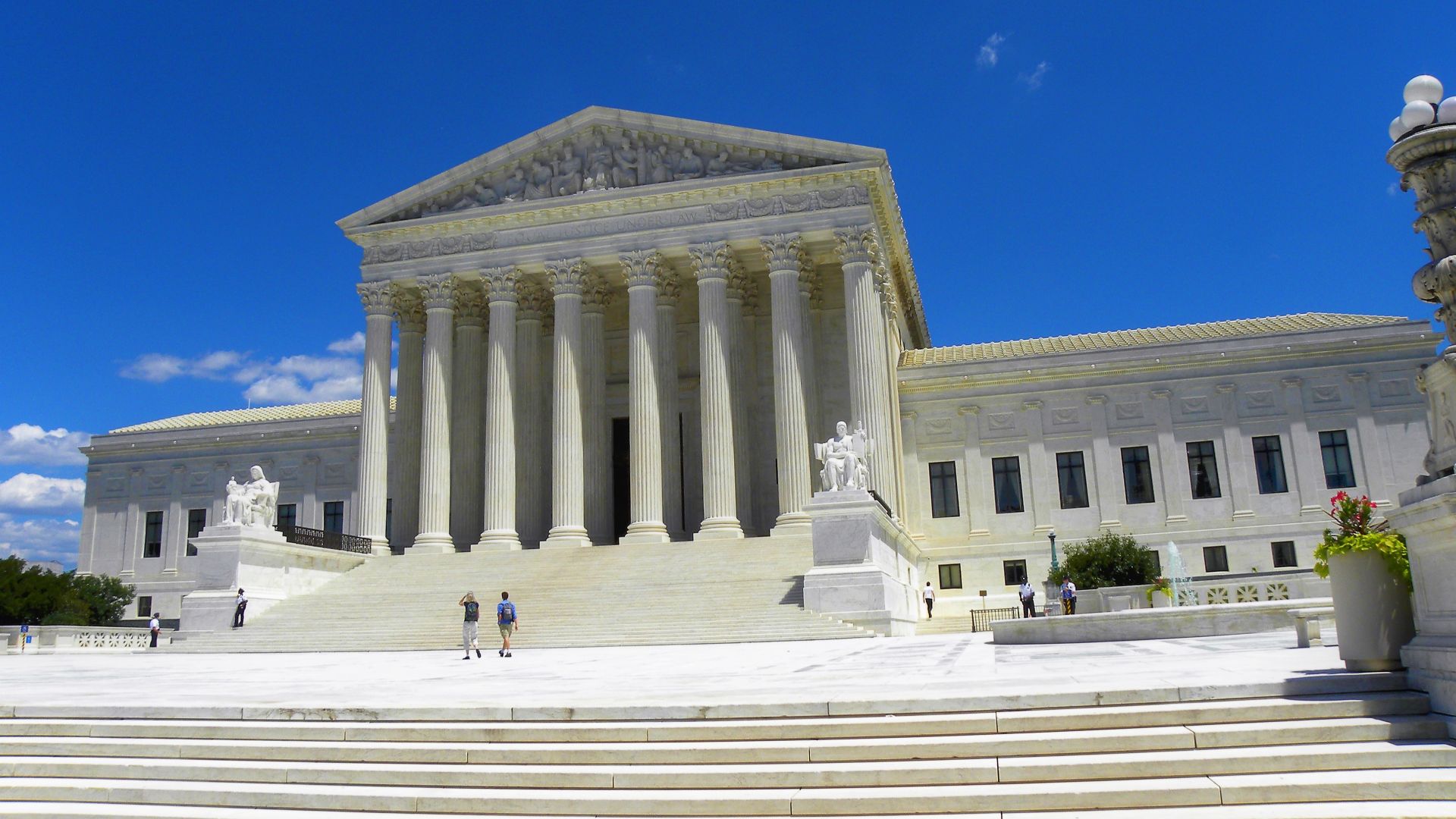 Mathieu Landretti, Wikimedia Commons
The Smithsonian Published Its Findings Publicly
From the late 1800s onward, Smithsonian researchers released excavation results in government bulletins and academic journals. These publications are still accessible. A real cover-up would require suppressing hundreds of openly distributed reports—there is no evidence this occurred.
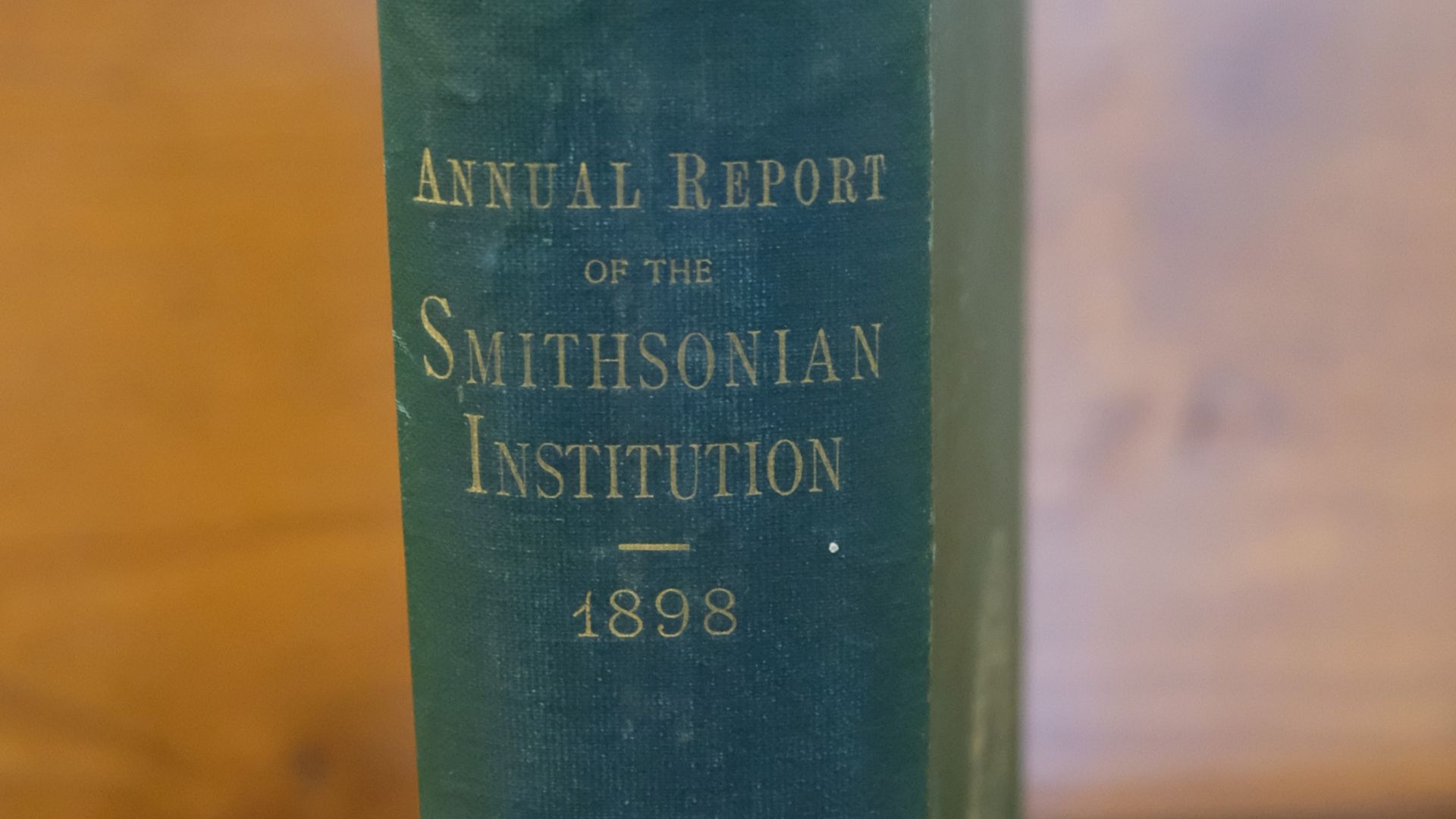 Smithsonian Institution, Wikimedia Commons
The Bureau of American Ethnology (BAE) Was Central
The Smithsonian’s archaeological research was led through the Bureau of American Ethnology, founded in 1879. Its mission focused on carefully documenting Indigenous mound sites. Researchers systematically recorded findings and published detailed reports that shaped early American archaeology. These people were professionals who knew the power of documentation.
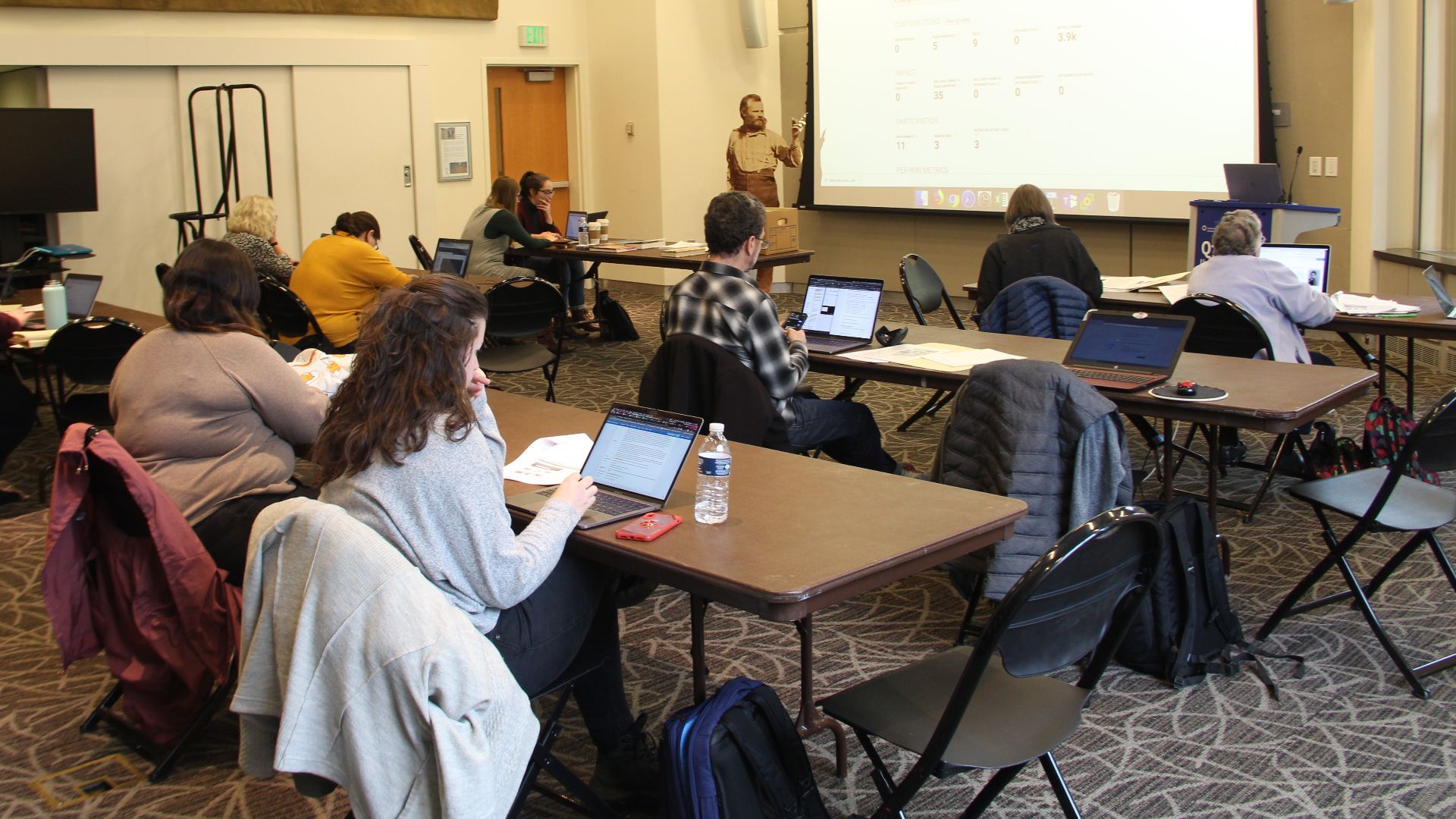 Avery Jensen, Wikimedia Commons
Repatriation Laws Increased Transparency
Since the 1990 NAGPRA law, the Smithsonian has conducted formal inventories of Native American human remains and cultural items. The process includes collaboration with tribes and federal oversight, increasing documentation, accountability, and transparency in how collections are managed and reviewed.

Misidentified Fossils
Large animal bones, including mastodon and bison remains, were sometimes mistaken for human remains due to limited anatomical knowledge. Before modern paleontology, fragmented fossils could appear humanlike in size or shape. Later scientific review clarified these misidentifications through comparative skeletal analysis.
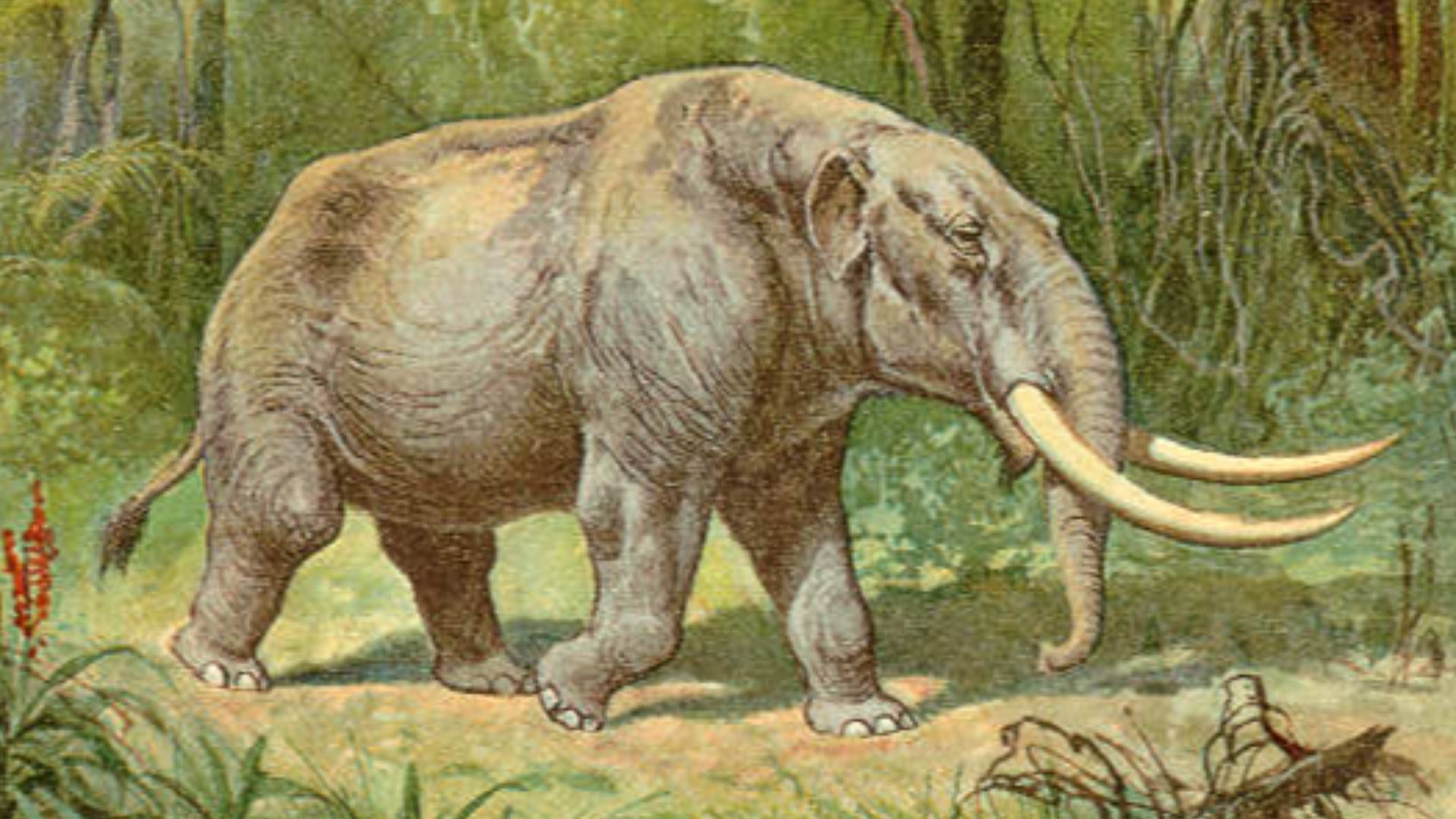 Heinrich Harder (1858-1935), Wikimedia Commons
Absence Of Verified Remains
Despite decades of excavation and extensive museum collections, no verified giant human skeletons have ever been documented. Smithsonian and university archives contain many measured human remains, all falling within known human height ranges. It includes rare medical cases, but none supporting the existence of ancient giants.
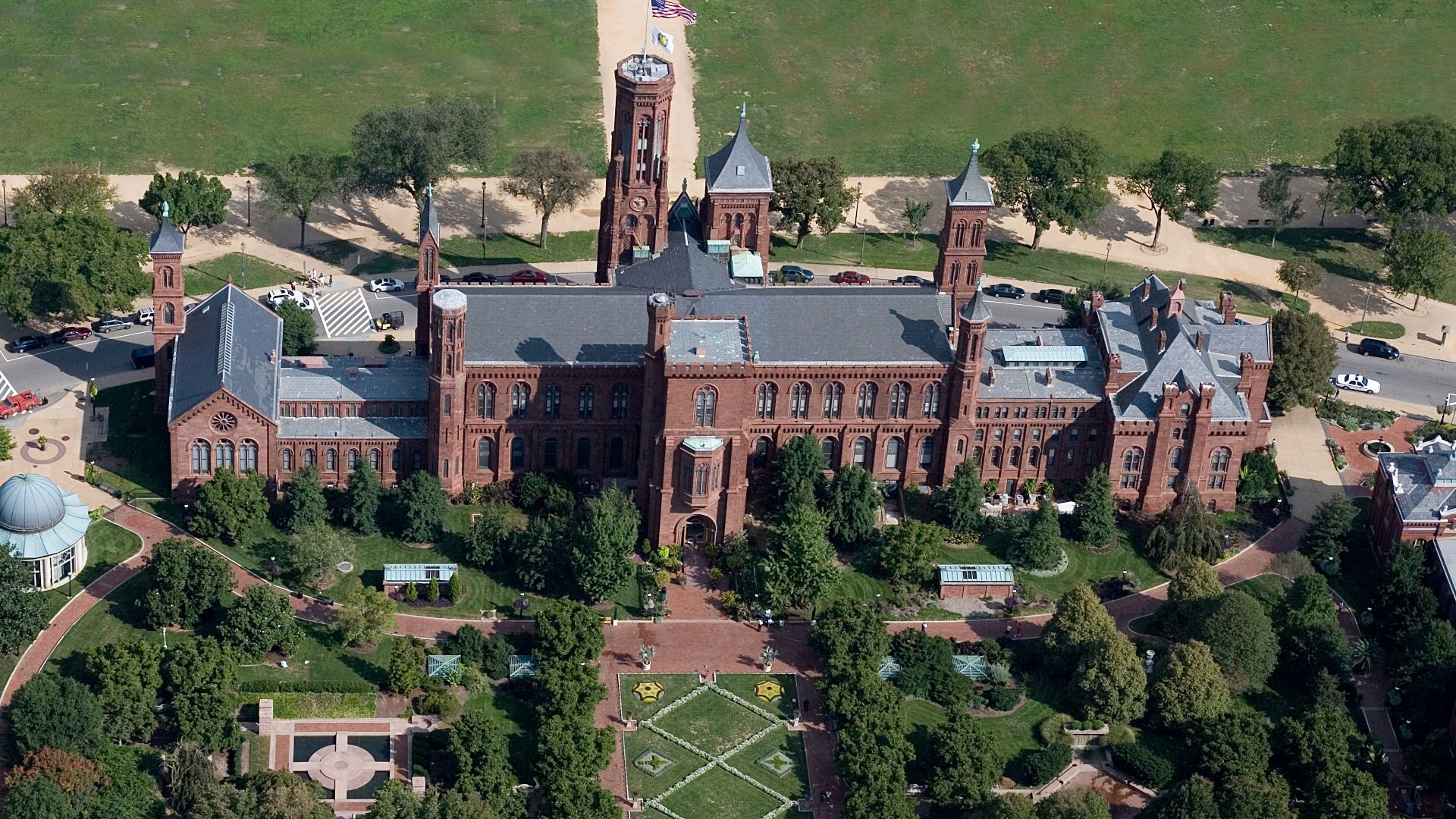 Highsmith, Carol M., 1946-, photographer, Wikimedia Commons
Pop Culture Influence
Television programs, books, and online forums revived interest in giants during the late 20th and early 21st centuries. Shows like Ancient Aliens presented speculation as a possibility, which blurred the lines between entertainment and evidence for audiences unfamiliar with scientific standards.

The Psychology Of Belief In Giants
People are naturally drawn to extraordinary explanations. Giant stories feel exciting and disruptive, while careful scientific conclusions seem ordinary. Psychologists note that dramatic narratives are easier to remember and share, which helps myths survive even when evidence consistently points elsewhere.

Comparisons To Other Conspiracies
The giant suppression story mirrors other hidden-truth narratives involving Atlantis or UFO cover-ups. Each claims institutions conceal disruptive discoveries. In every case, the pattern is similar: strong storytelling, weak physical evidence, and reliance on suspicion rather than independently verifiable facts.
 maxime raynal from France, Wikimedia Commons
Current Smithsonian Position On The Giants's Claim
In a 2022 fact check, Reuters quoted a Smithsonian Institution spokesperson stating that claims of destroyed giant skeletons were false. The spokesperson was not named. Investigations confirmed the story originated from a satirical website, not institutional records or court cases.