If you’ve ever wondered how the pharaohs of ancient Egypt held back invasions and protected their land, here’s a tale that delivers. Near the dusty flank of the eastern Nile Delta, a Polish-Slovak team at Tell el‑Retaba revealed a massive fortress built under Ramesses II—and it speaks volumes about how Egypt guarded the entrance to the Sinai.
The findings from this excavation were thoroughly researched and published in Discoveries on Fortifications at Tell el‑Retaba.
If this intrigues you, keep reading because you’ll want to see how the pieces fit, and what that means for the larger story of empire and border defense.
Strategic Location And Architecture
The site at Tell el‑Retaba sits roughly 22 miles east of modern-day Ismailia. It is nestled in the Wadi Tumilat corridor that channels movement from the Nile Delta toward the Sinai. That made it a key pivot in the eastward defense network.
Archaeologists found a multi-layered fortification system dating to the New Kingdom era, with clear evidence of large-scale construction under Ramses II. Walls up to 16–18 feet thick protected the core enclosure, and a broad moat up to 30 feet wide was identified outside the walls.
The scale here means this was a deliberately built fortress meant to house troops and act as a durable bulwark.
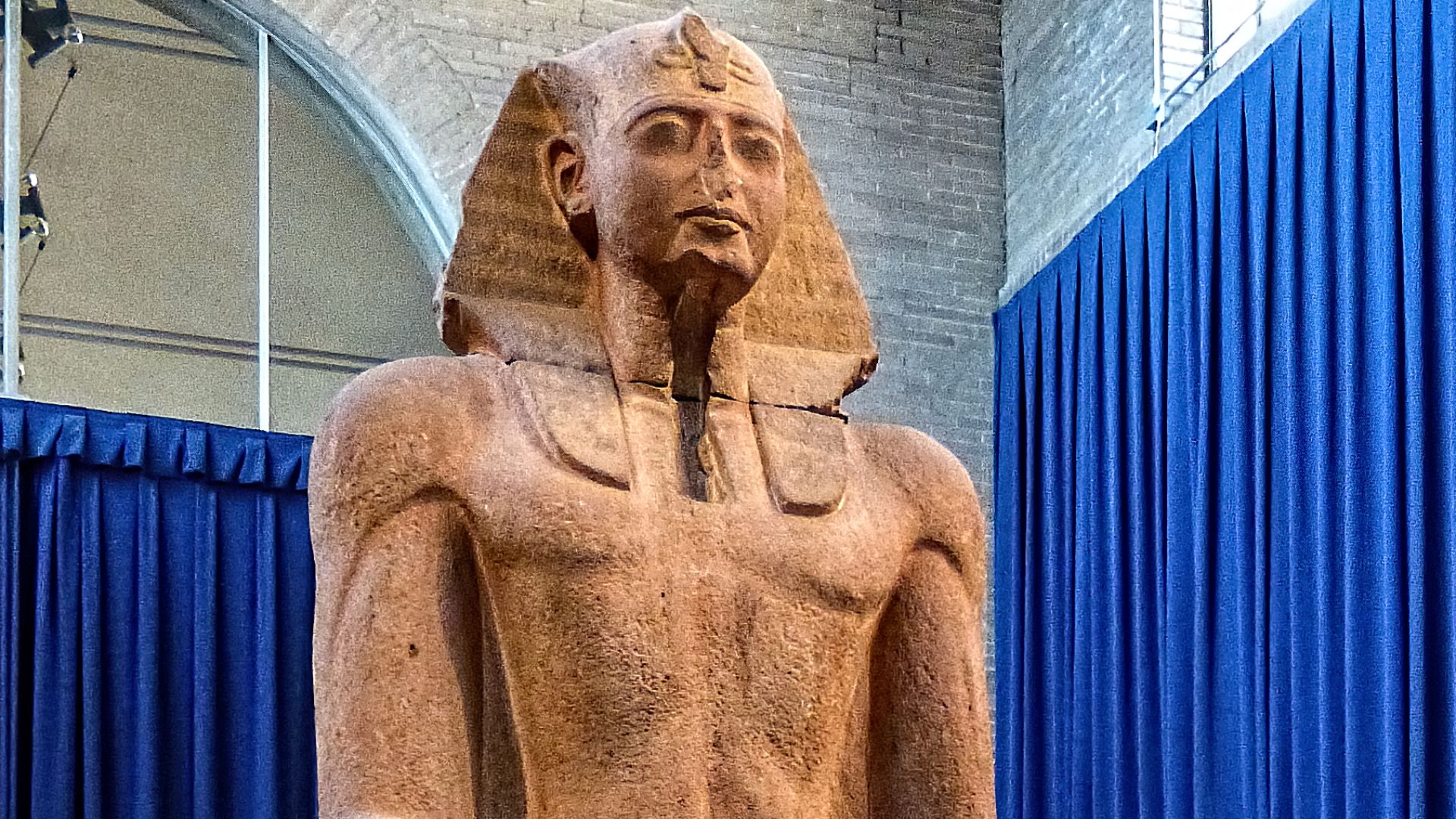 Mary Harrsch, Wikimedia Commons
Operational Infrastructure & Garrison Life
Inside the fortress complex, excavators uncovered long barrack blocks and workshop spaces attributed to the fortress phase. The presence of heavy-duty work areas indicates sustained occupation, supply handling, and repair of equipment.
A water-management system runs through the site: channels and cisterns collected and distributed water to support the garrison. Without water, a fortress could not hold; the presence of this infrastructure shows planners expected long-term operations.
Add to this the discovery of ramps leading to wall-walks and towers positioned for sweeping views across the plain. This inner complexity points to a fully functioning stronghold with high operational readiness.
Role In Border Defense & Symbolism
From a strategic perspective, the fortress gave Egypt control of the Wadi Tumilat route—a corridor used by armies, trade caravans, and migrants moving between the Delta and the Sinai or the Levant. By stationing troops here, Egypt could monitor and, if necessary, block movement eastwards.
The construction phase under Ramses II also served a symbolic purpose. The fortress carried inscriptions and architectural features that projected royal authority far from the Nile’s core. It told raiders and neighboring states alike: Egypt’s eastern frontier is under firm control.
Moreover, subsequent layers show repair and reuse during later Ramesside rulers—so the work done here under Ramses II was valued and sustained for generations.
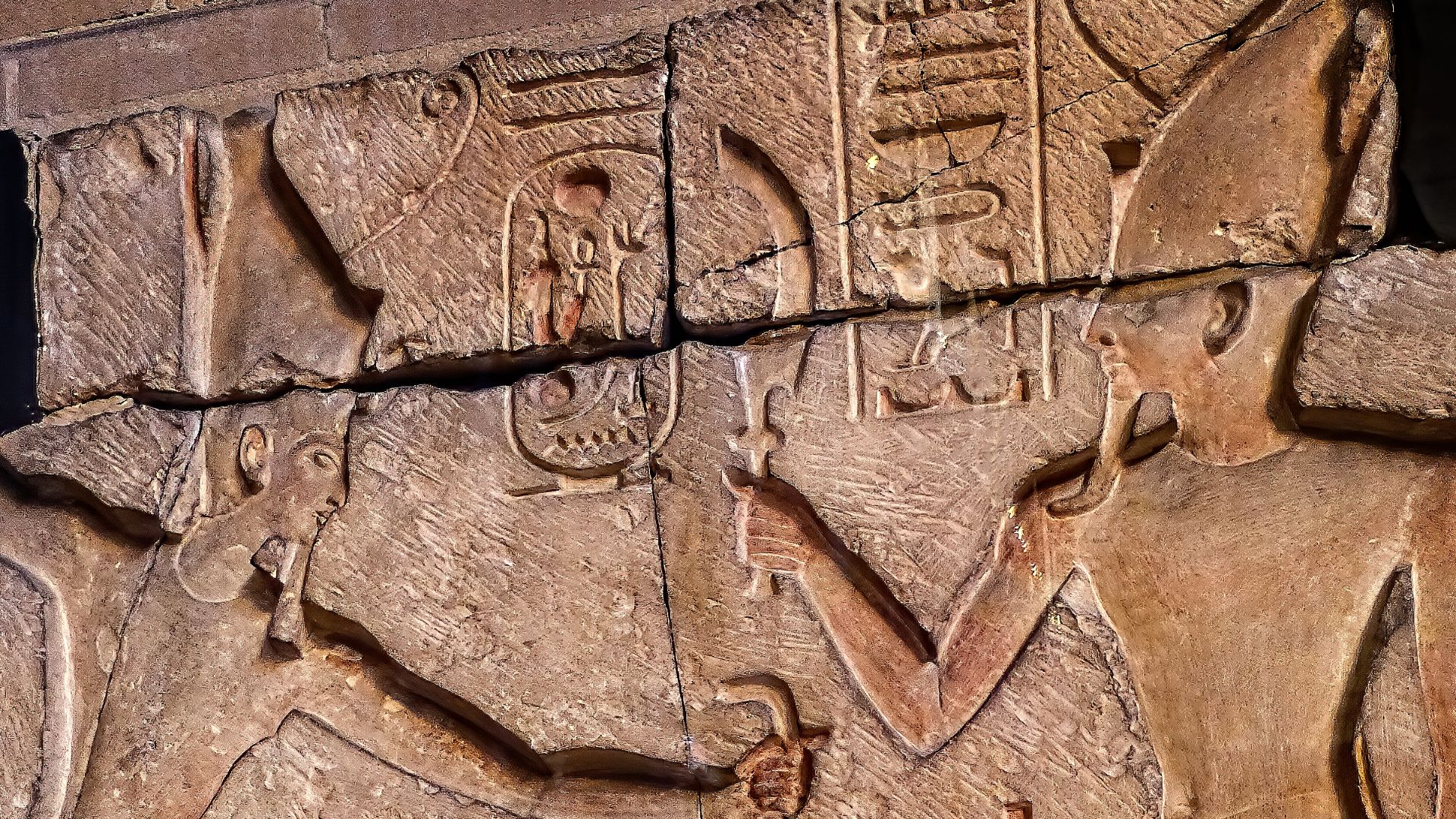 Mary Harrsch, Wikimedia Commons
Key Take-Away
This fortress at Tell el-Retaba wasn’t a modest outpost but a major piece of ancient Egypt’s eastern defense strategy. With thick walls, a moat, barracks, water systems, and direct association with Ramses II, the site demonstrates how the pharaoh used terrain, construction, and manpower to hold the frontier.
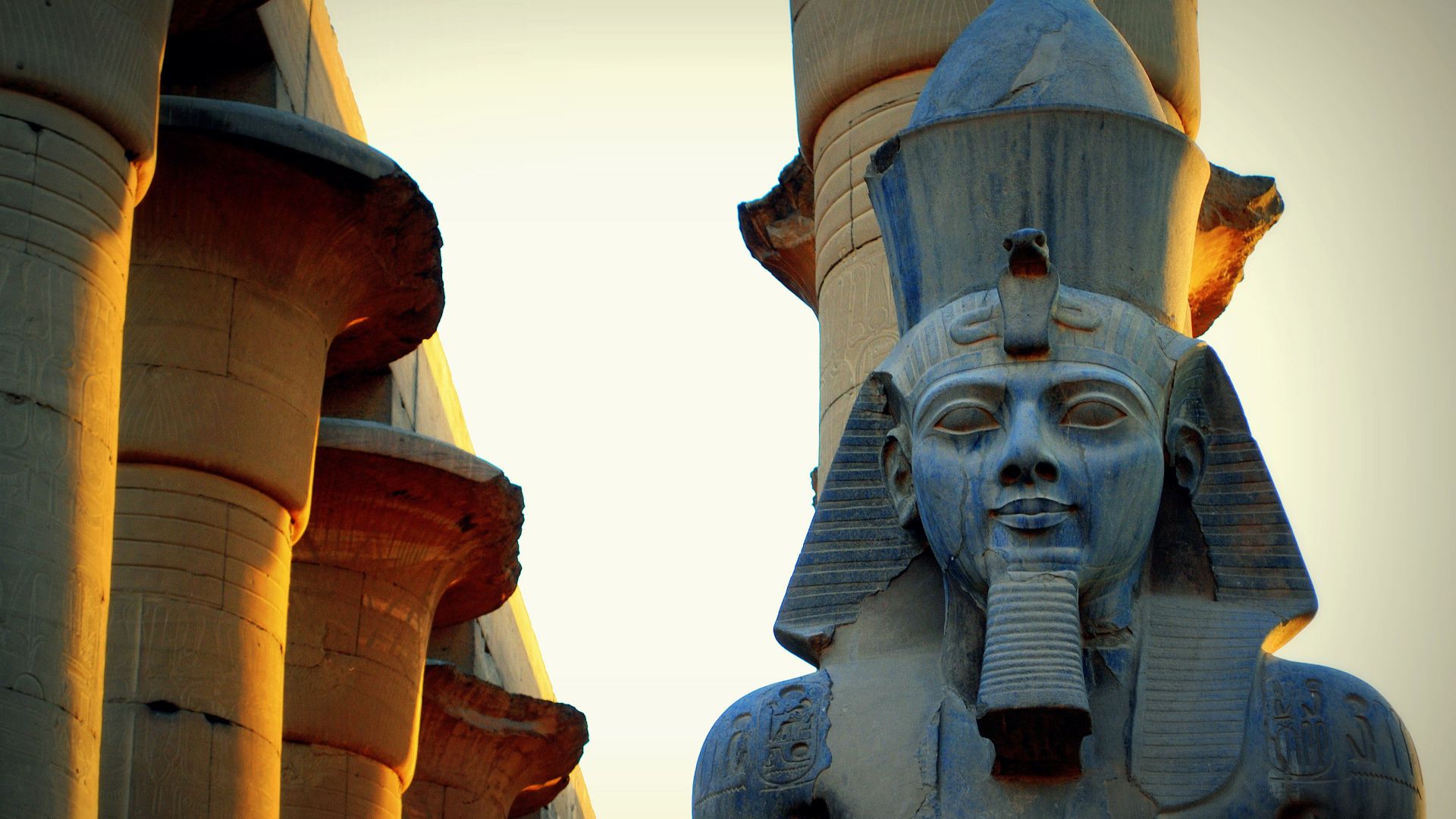 Mohammed Moussa, Wikimedia Commons