 Stable Diffusion Jib Mix Realistic XL by J1B, CCO, Wikimedia Commons
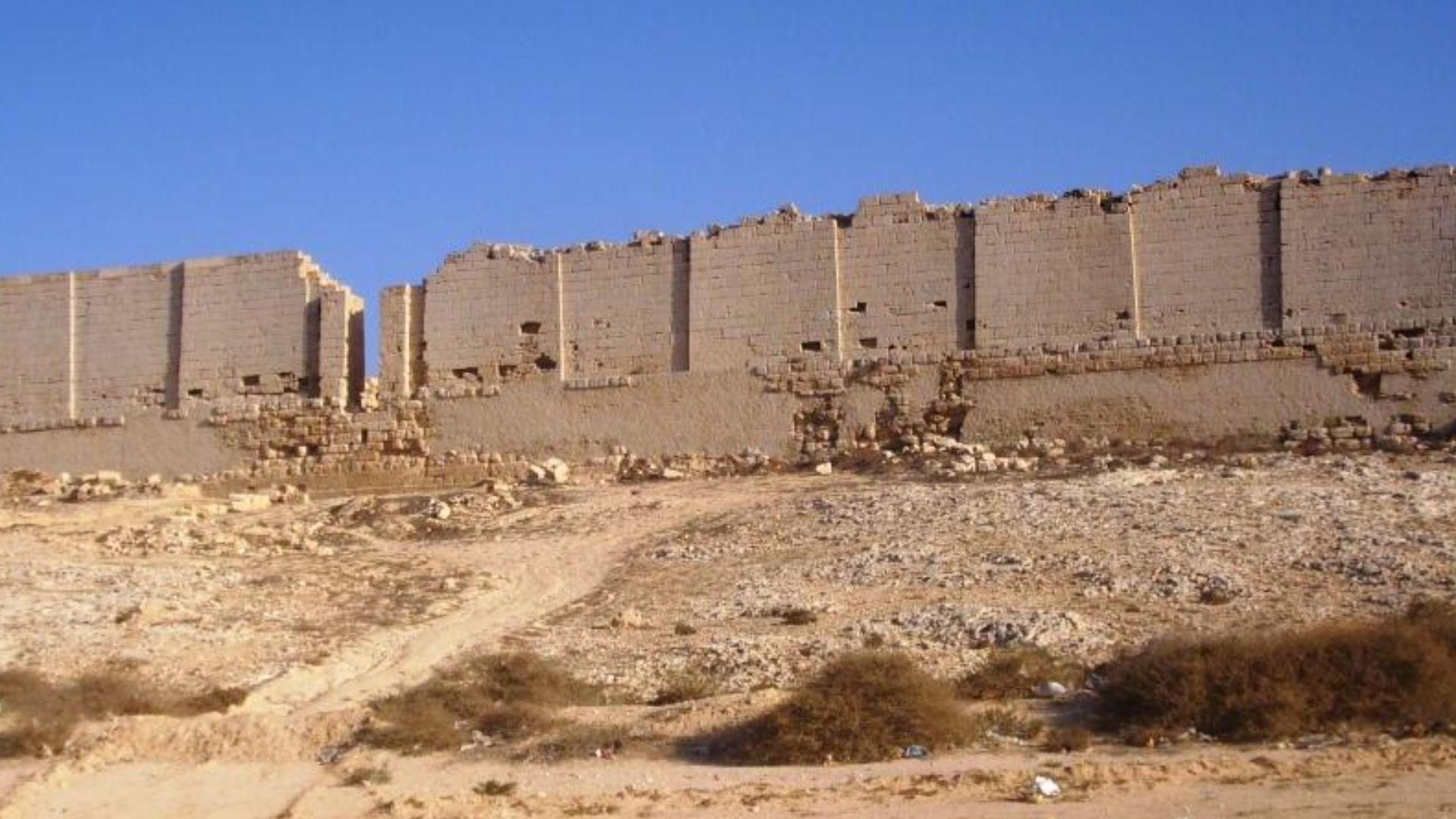
Deep beneath the sands of Egypt, archaeologists exploring the temple of Taposiris Magna uncovered something extraordinary—a perfectly carved corridor stretching thousands of feet below ground. This “geometric miracle”, as experts call it, reveals the precision and ambition of ancient builders. What began as a search for Cleopatra's Tomb soon turned into one of the most remarkable tunnel discoveries in modern archaeology.
Subterranean Marvel: The Tunnel Discovery
Researchers unearthed a rock-cut passage measuring about 4,281 feet long and 6.5 feet high, located nearly 43 feet beneath the temple complex. Carved through dense sandstone, the tunnel is aligned so precisely that it has been compared to the ancient Greek Tunnel of Eupalinos—one of history’s engineering wonders. The symmetry, slope, and alignment suggest that the Egyptians weren’t just skilled architects; they were mathematical geniuses.
The discovery astonished scientists because it challenged assumptions about what builders at that time could achieve underground. The tunnel’s consistent shape and orientation indicate that advanced geometric planning guided its construction. It was a carefully calculated effort, likely serving a purpose as meaningful as the temple above it.
 Roland Unger, Wikimedia Commons
Hidden Purpose: Sacred Passage Or Waterway?
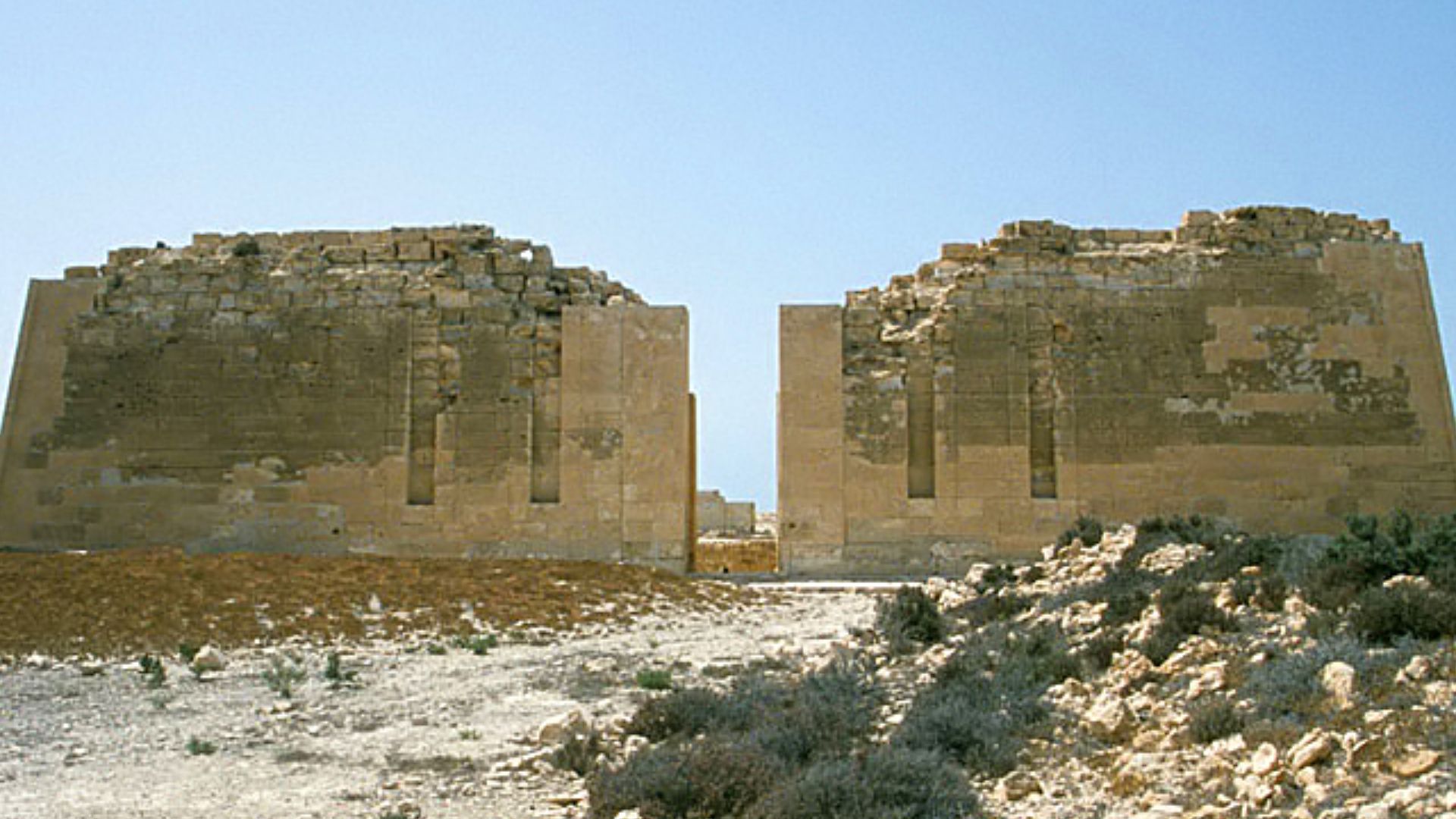
The tunnel’s location beneath the temple of Osiris and Isis hints at ritual significance. Archaeologists believe it might have been part of a sacred network used for religious ceremonies—or possibly a symbolic pathway connecting the human and divine. That theory gains weight from the temple’s long-standing ties to ancient Egyptian myths of rebirth and eternal life.
However, there’s another intriguing possibility. Portions of the area show signs of flooding, suggesting that the tunnel could have served as a water conduit or drainage system. Researchers also uncovered pottery fragments and hints of a port structure nearby. Together, these findings point to a larger system that may have linked the temple to a once-thriving harbor.
Echoes Of Cleopatra And A Lost Legacy
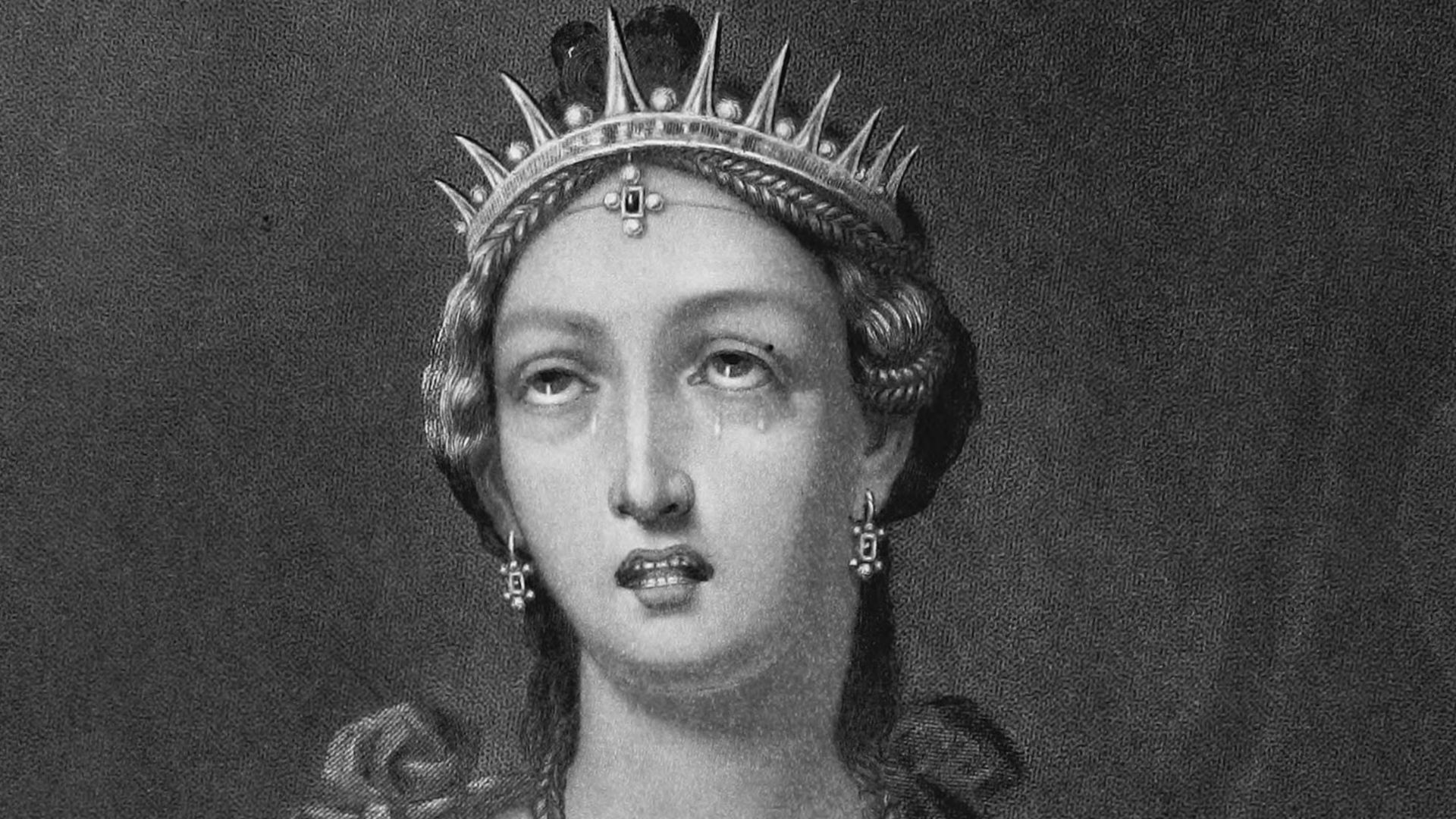
The temple at Taposiris Magna holds special intrigue because it’s tied to Egypt’s final queen, Cleopatra VII. Historians know that she declared herself the living embodiment of Isis, making this site a potential resting place for her remains. Excavations led by Dr. Kathleen Martinez have uncovered coins bearing Cleopatra’s image, statues, and sacred carvings—all fueling the belief that her tomb may lie nearby.
While no definitive evidence of Cleopatra’s burial has surfaced, each layer of discovery brings researchers closer. The tunnel’s sheer complexity hints that it may lead to chambers still sealed off from view.
 John Sartain, Wikimedia Commons
The Legacy Beneath The Sand
What lies beneath Taposiris Magna is more than just a tunnel—it’s a conversation between past and present. Every chisel mark, every foot of carved sandstone speaks to an ancient culture’s mastery of geometry and vision. As excavations continue, this “geometric miracle” stands as a reminder that history still whispers underneath our feet, waiting for someone bold enough to keep digging.