

Gamma Rays Hint At A Breakthrough In Cosmic Mystery
An unexpected pattern inside the Milky Way has stirred fresh excitement among researchers who’ve spent decades chasing dark matter’s fingerprints. Sure, the predictions of scientists were wrong. But that's the first hint in decades that could point us to the truth.
A faint gamma-ray signal now challenges old assumptions and raises a surprising possibility. Could the world be nearing an answer to a decades-long question?

Why Dark Matter Became The Universe’s Biggest Missing Piece
Astronomers realized long ago that visible stars and gas couldn’t explain how galaxies move. Their rotations suggested far more mass existed than telescopes could detect. That hidden mass shaped galaxy formation, influenced cosmic structure, and outweighed ordinary matter several times over.
 RubinObs/NOIRLab/SLAC/NSF/DOE/AURA/J. Pinto, Wikimedia Commons
Early Astronomers First Sensed Something Was Off
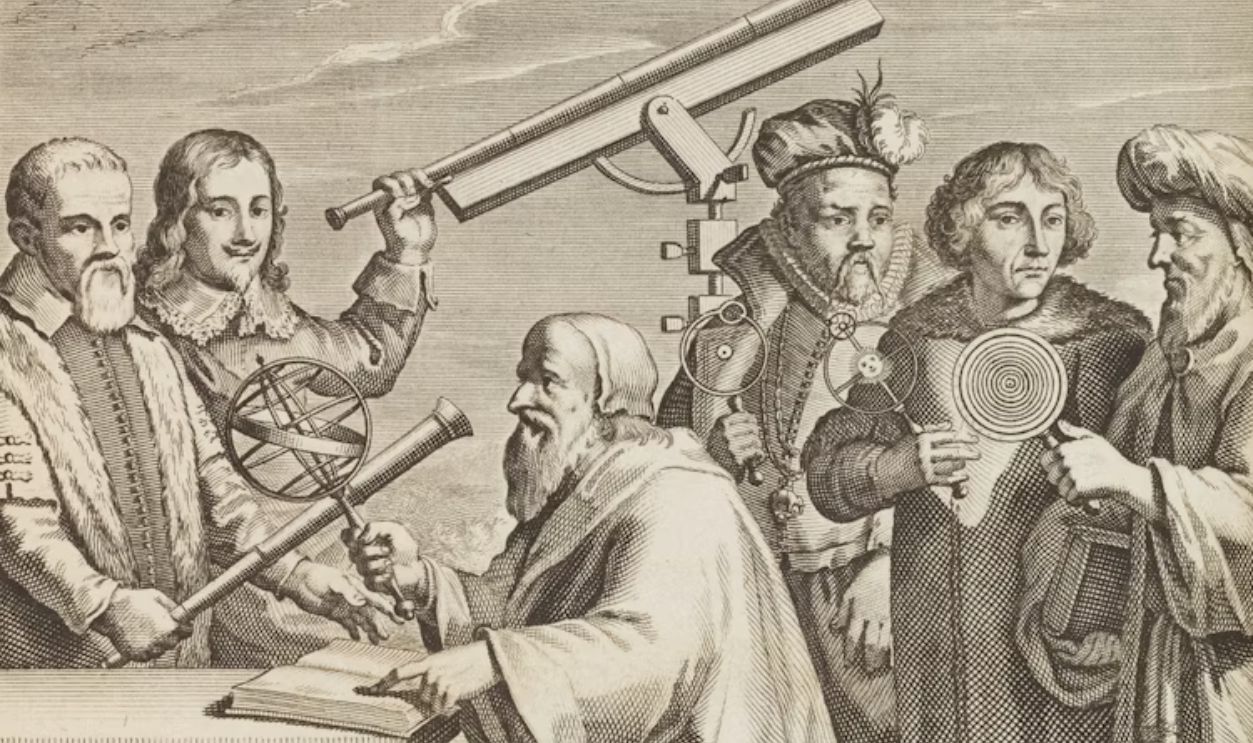
Clues emerged when researchers compared the speeds of orbiting stars with the gravity generated by visible material. The math didn’t align. Galaxies behaved as though an additional, unseen component stabilized them. These early discrepancies pushed scientists to question long-standing assumptions and search for forces or substances operating beyond ordinary observation.
 The New York Public Library, Unsplash
Zwicky’s Galaxies And The Mystery They Revealed
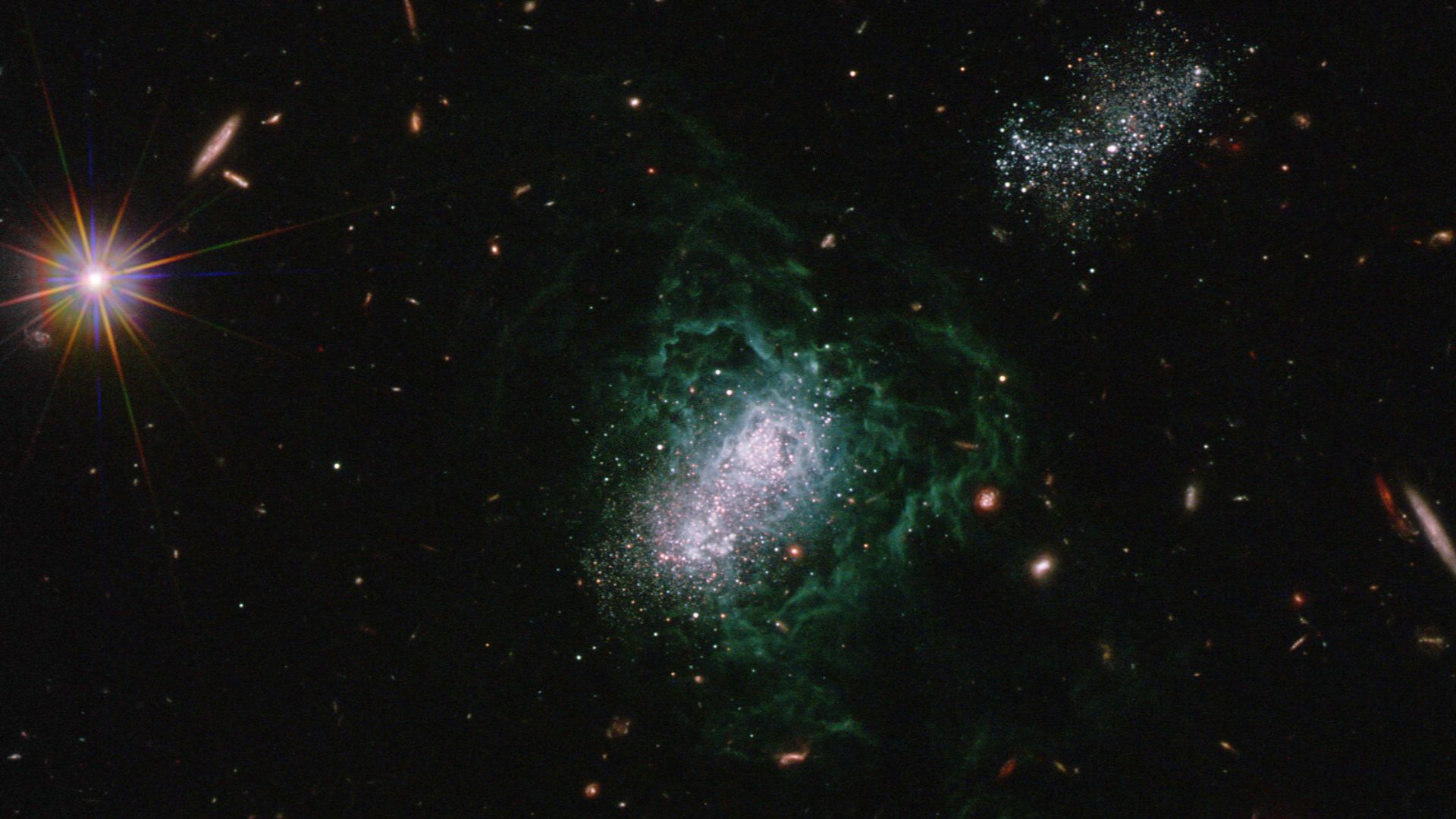
In 1933, Fritz Zwicky studied the Coma Cluster and found its galaxies racing too quickly to remain gravitationally bound by visible matter alone. He concluded that some unseen mass held the cluster together. His proposal introduced a radical idea: much of the universe might consist of material that emits no light at all.
 Judy Schmidt, Wikimedia Commons
And The Invisible Matter Became Impossible To Ignore
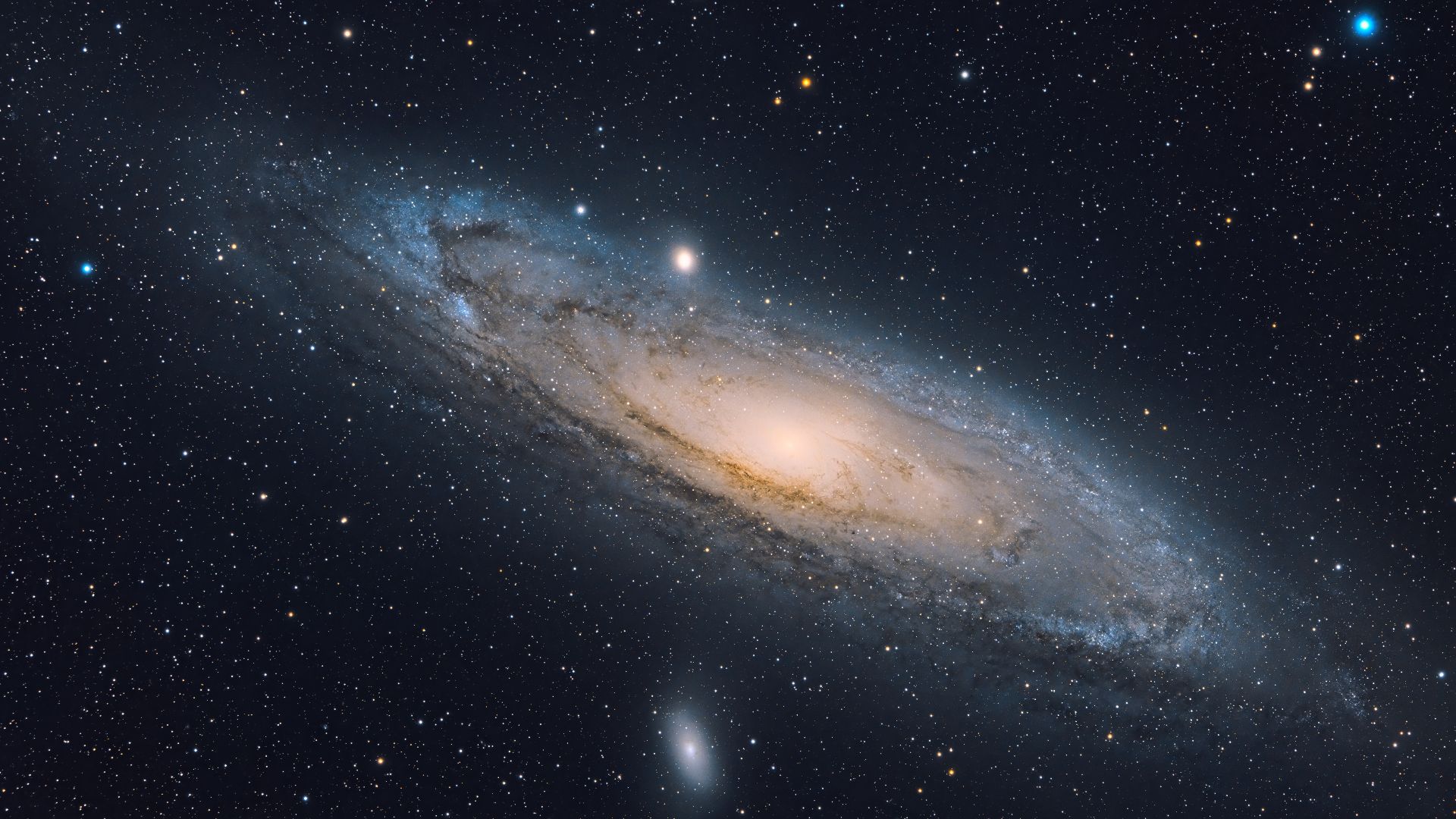
Evidence accumulated across multiple observations. Galaxy rotation curves, gravitational lensing, and cosmic microwave background measurements all suggested substantial mass beyond what instruments could detect. These independent lines of inquiry converged on the same conclusion: something nonluminous influenced large-scale behavior.
Studying What Refuses To Be Seen
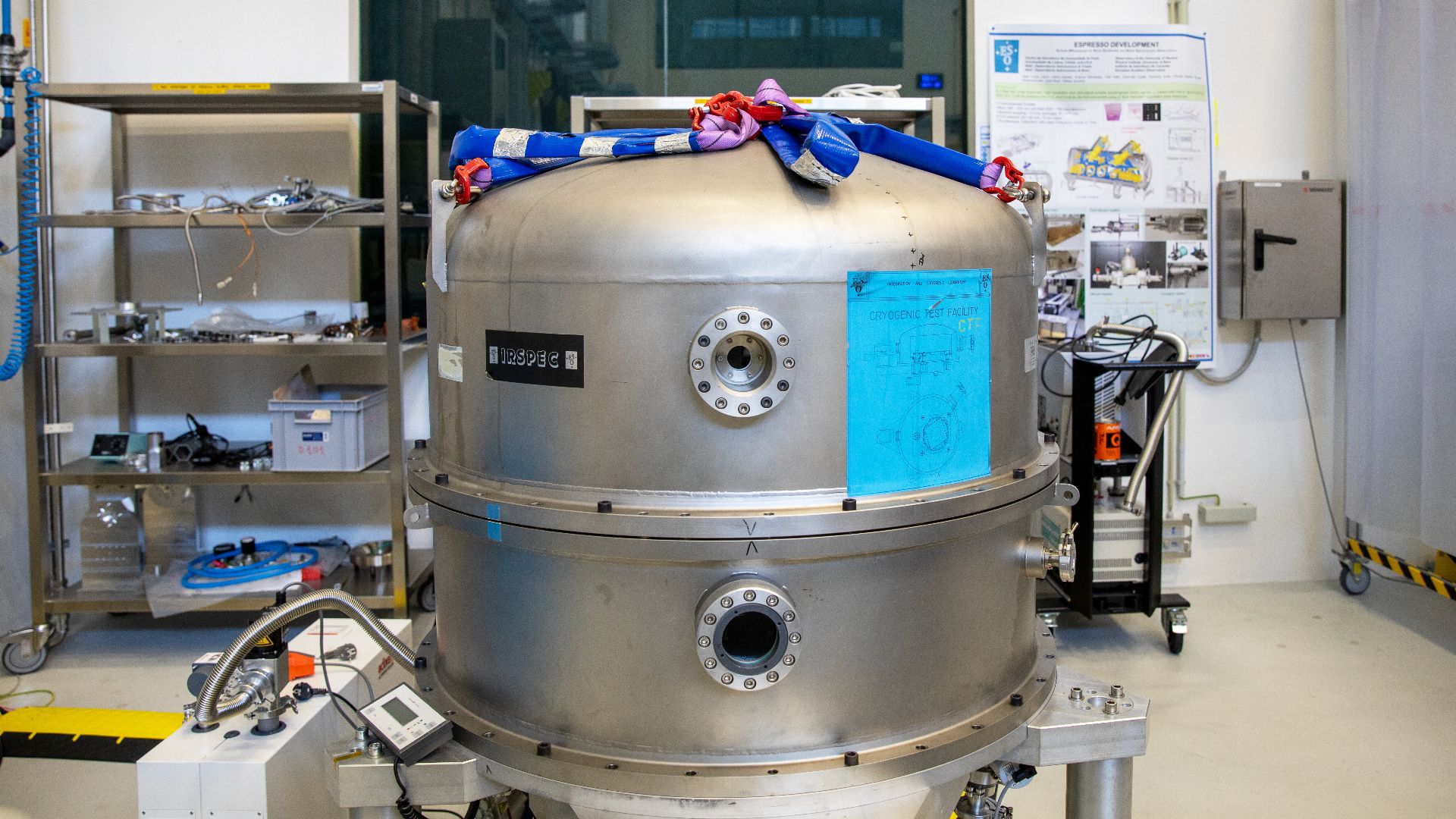
Dark matter eludes direct detection because it doesn’t emit or absorb electromagnetic radiation. Researchers must infer its presence through gravitational effects or possible particle interactions. That limitation forces reliance on specialized instruments and theoretical models, and turns the search into one of modern science’s most persistent and technically demanding pursuits.
 ESO/A. Tsaousis, Wikimedia Commons
Clues Kept Pointing Toward An Unseen Substance
Observations across many environments hinted at the same hidden component. Galaxy clusters required extra mass to remain intact, while lensing distortions revealed gravity stronger than visible matter could produce. Even simulations of large-scale cosmic structure failed without an unseen ingredient.
 RubinObs/NOIRLab/NSF/AURA/J. Pinto, Wikimedia Commons
So, WIMPs Emerged As The Leading Explanation
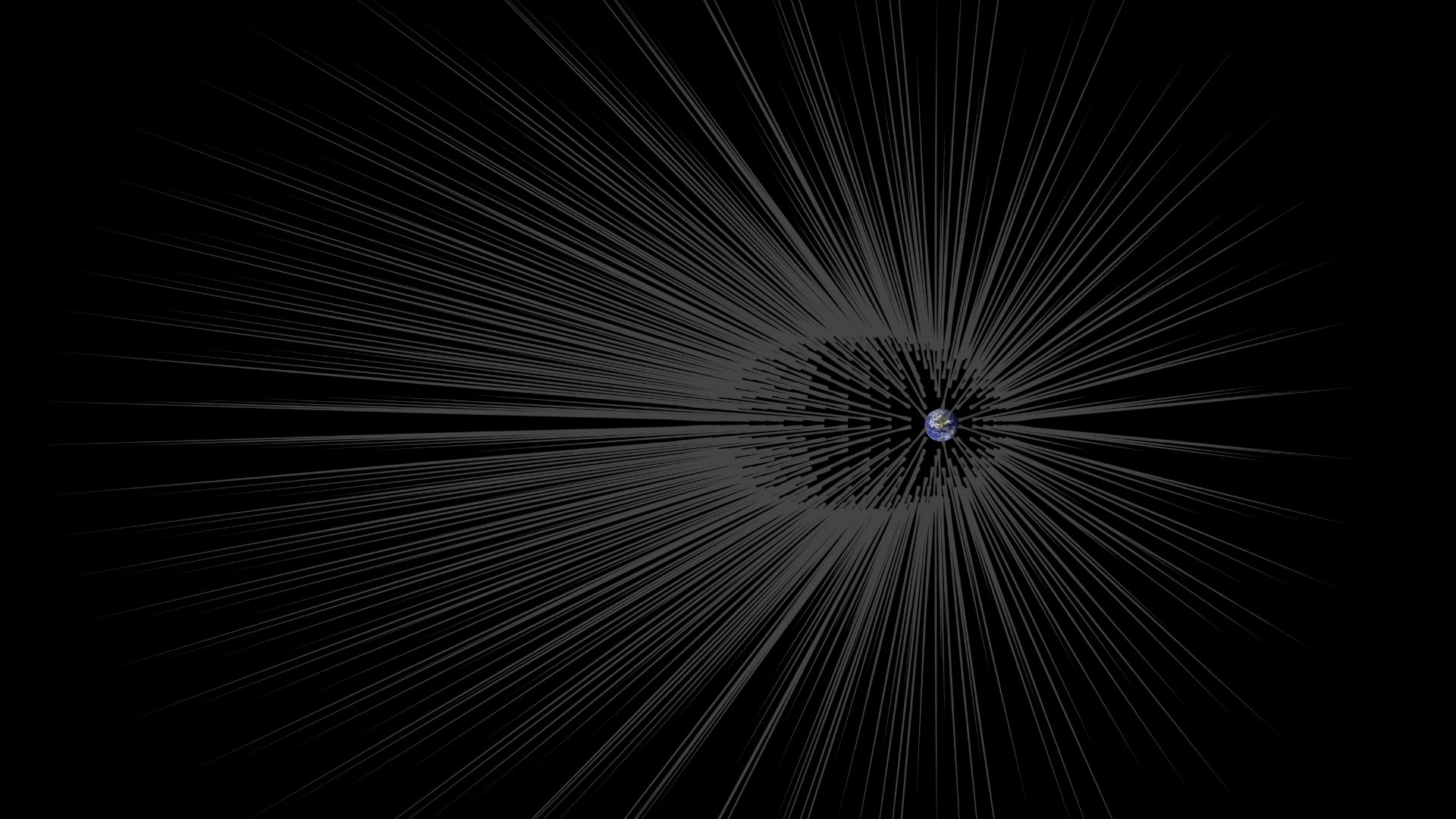
Weakly Interacting Massive Particles fit the requirements for dark matter remarkably well. They would be heavy enough to add significant mass, yet interact so rarely with regular matter that they remain undetected. Their predicted behavior aligned with cosmological models and made them a reasonable candidate as scientists explored particle-based explanations for the phenomenon.

And They Became So Appealing To Physicists
WIMPs naturally arise in several theories extending the Standard Model, which strengthened their appeal. Their expected masses and interaction rates matched conditions in the early universe, potentially explaining how dark matter formed. This theoretical compatibility gave researchers a clear target: search for rare annihilation signals or subtle interactions hinting at their existence.
 NASA/JPL-Caltech, Wikimedia Commons

History's most fascinating stories and darkest secrets, delivered to your inbox daily.
Despite A Long Trail Of Experiments That Found Nothing
For decades, underground detectors and astrophysical surveys have attempted to observe WIMPs. Sensitive instruments sought faint energy signatures from potential interactions, while accelerators looked for new particles emerging from high-energy collisions. Each attempt narrowed the possibilities but produced no definitive evidence.

As A Result, Doubts Sparked New Theories And Fresh Debate
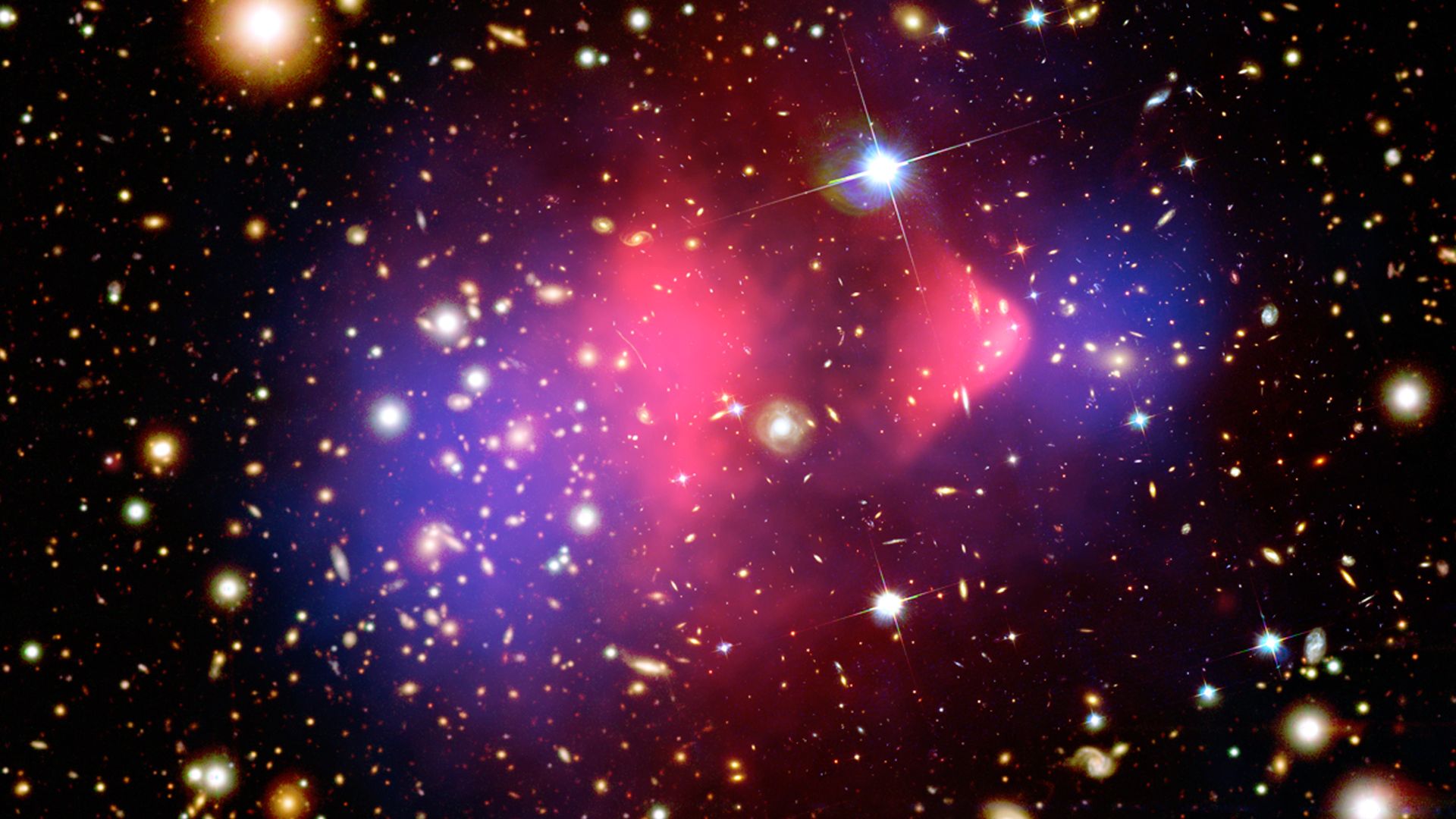
The continued absence of direct detections encouraged scientists to explore alternatives. Some reconsidered gravity itself, proposing modified Newtonian dynamics. Others examined ideas involving exotic particles or entirely different cosmic ingredients. This unresolved evidence broadened scientific exploration rather than settling on a single untested explanation.
 NASA/CXC/M. Weiss, Wikimedia Commons
A Return To The Milky Way’s Center For Answers
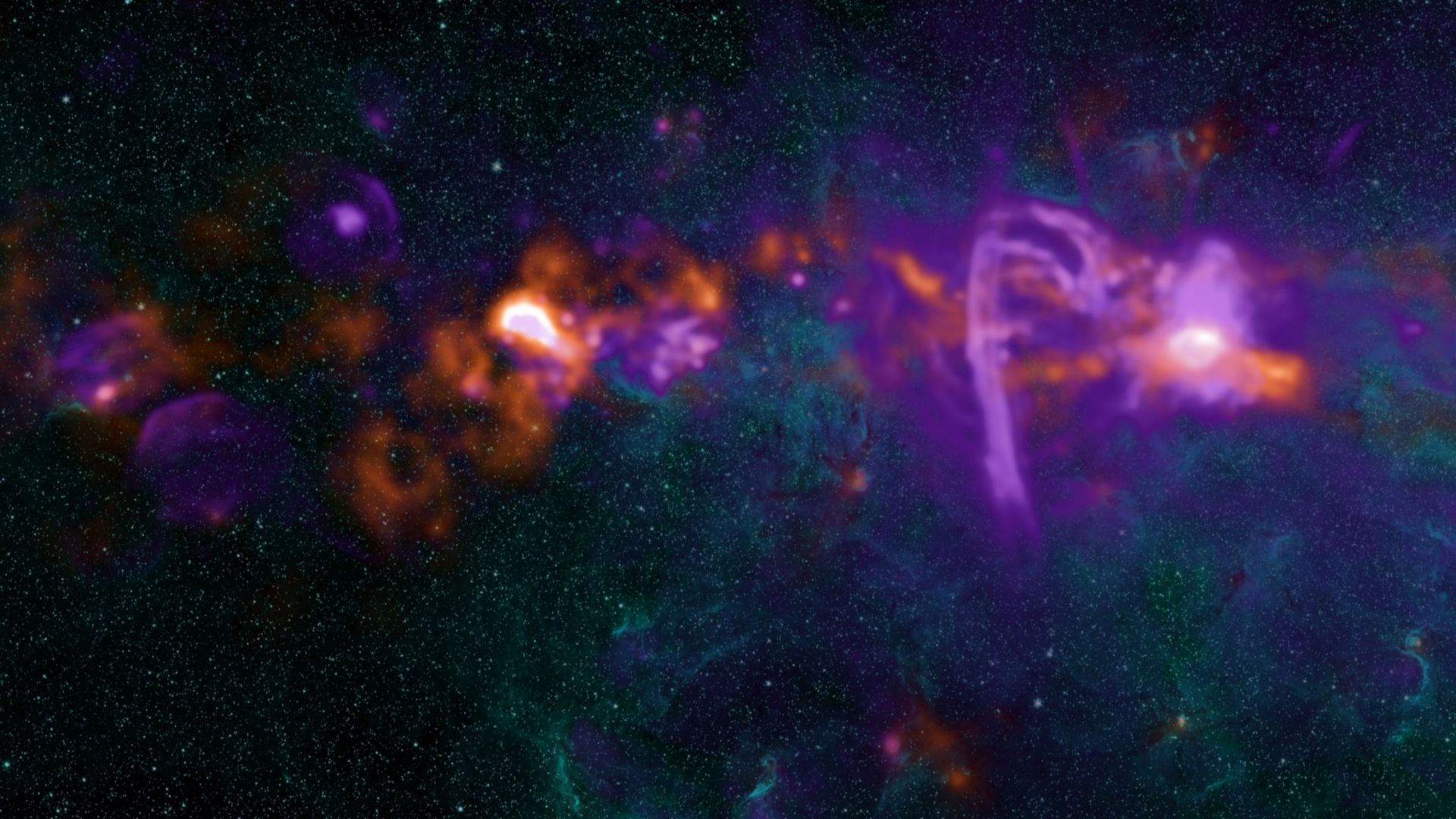
Researchers refocused on the dense region surrounding the Milky Way’s core, where dark matter should be most concentrated. High-energy processes there create a complex environment, yet the potential for detecting annihilation signals drew renewed interest. By revisiting archived data, scientists hoped subtle patterns might shed light on interactions hidden in earlier analyses.
The Telescope Designed To Capture Extreme Energy
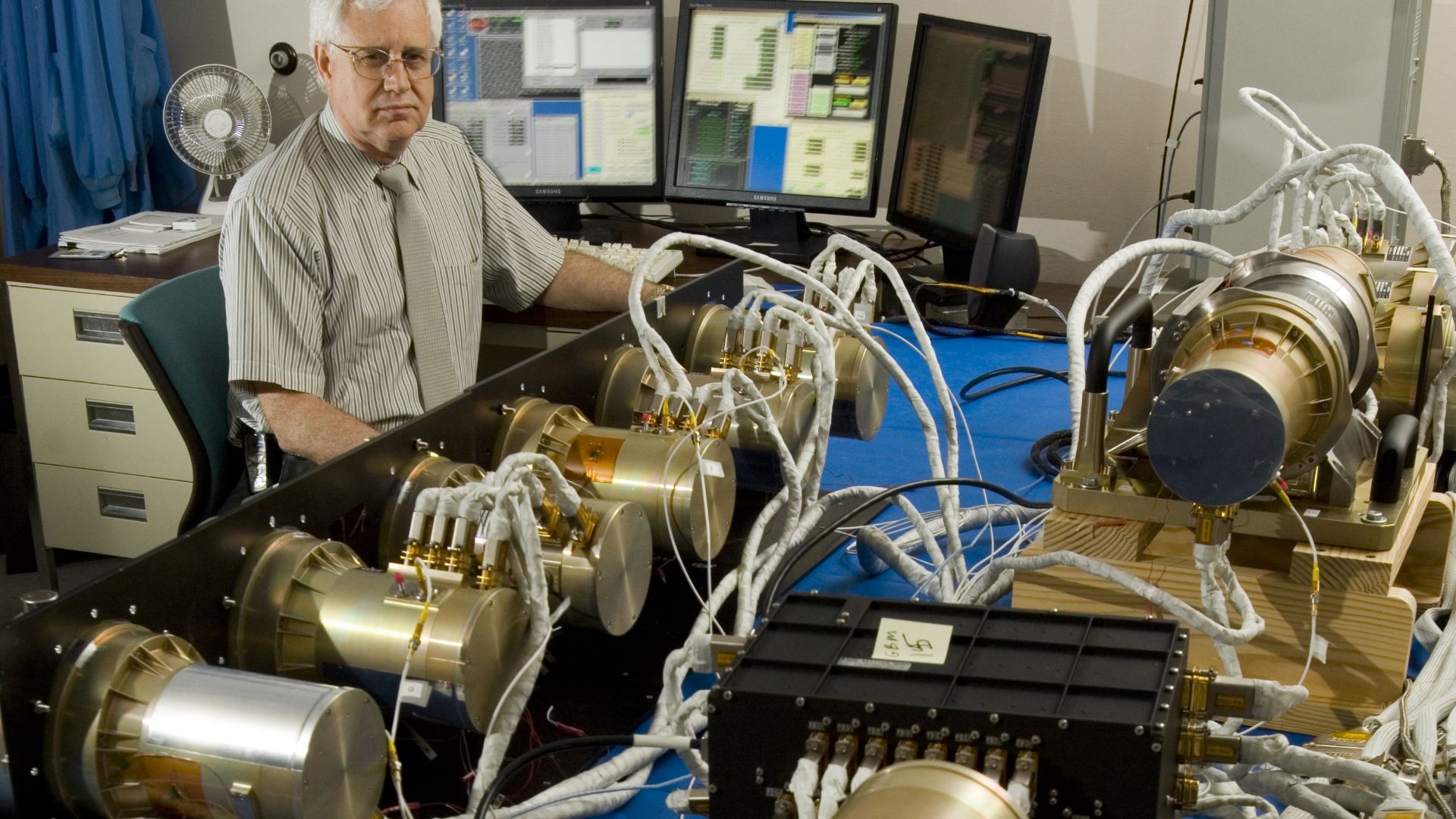
NASA’s Fermi Gamma-Ray Space Telescope was built to study the universe’s highest-energy processes. Its detectors track gamma rays produced by black holes, supernova remnants, and other powerful events. Because potential dark matter interactions also generate gamma rays, Fermi offered a rare opportunity to search for signals beyond the reach of ground-based instruments.
What The Fermi Mission Recorded Deep In The Galactic Core
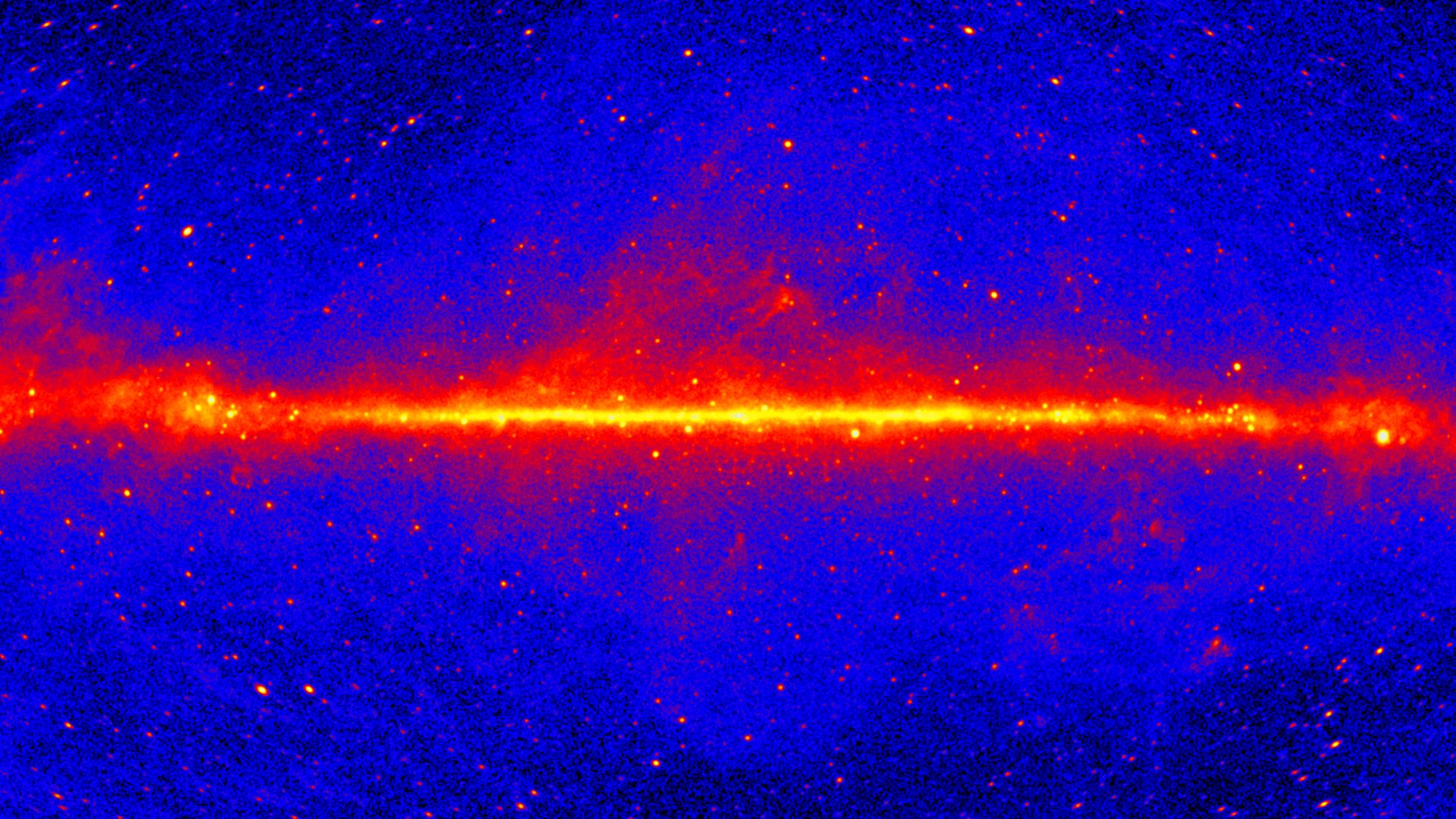
Years of observations produced detailed maps of gamma-ray activity near the Milky Way’s center. This region contains overlapping sources, yet Fermi’s data helped separate distinct components. When researchers reexamined these patterns, they noticed emissions that didn’t fit common astrophysical explanations.
A Halo Pattern That Matched Predictions Too Well To Ignore
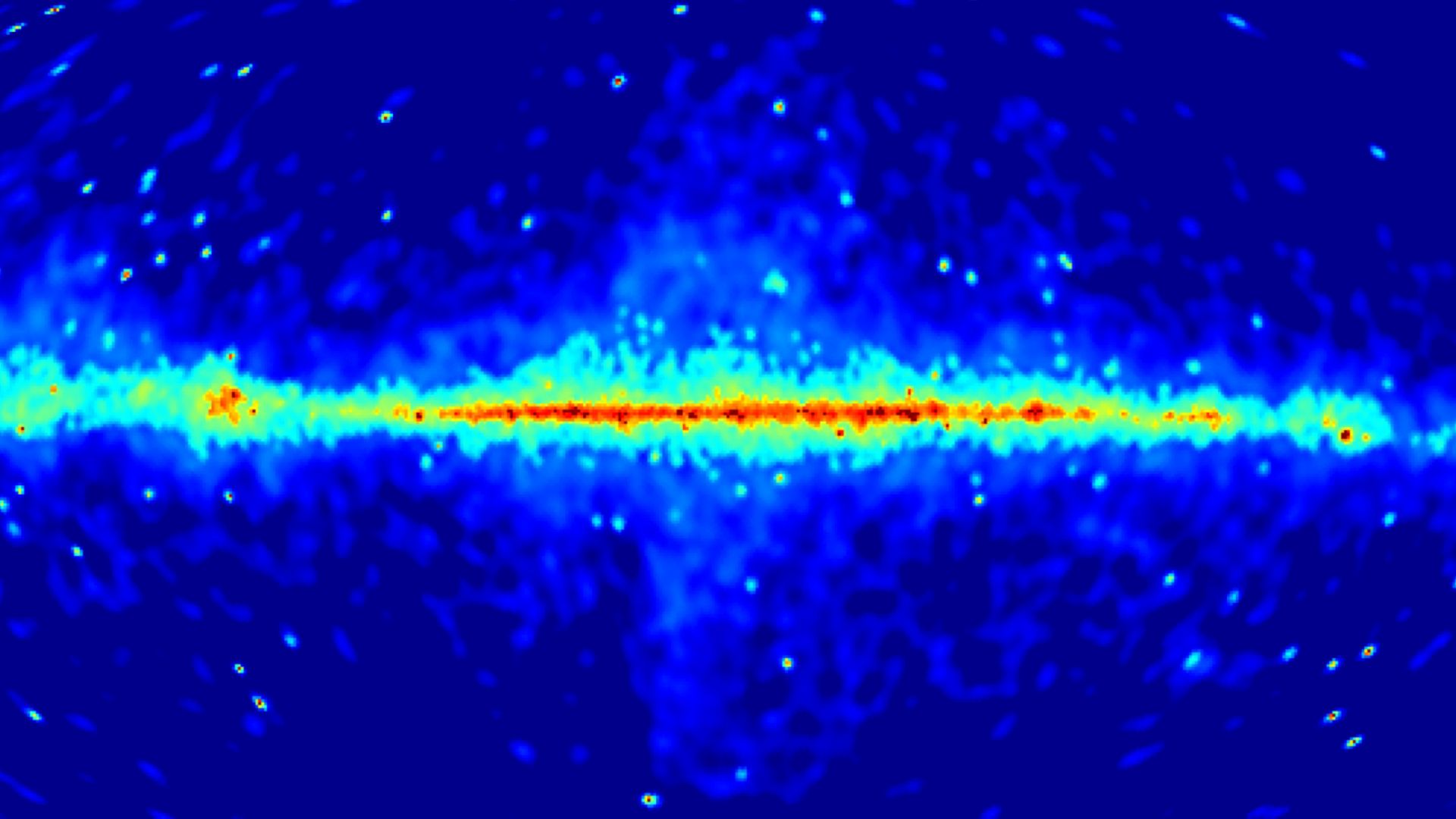
The reanalysis revealed gamma-ray emissions arranged in a broad, halo-shaped structure around the Galactic center. That geometry resembled theoretical dark matter distributions predicted by simulations. Because the pattern did not follow the shapes of known astrophysical sources, it encouraged investigators to consider whether they were seeing the influence of a different process entirely.
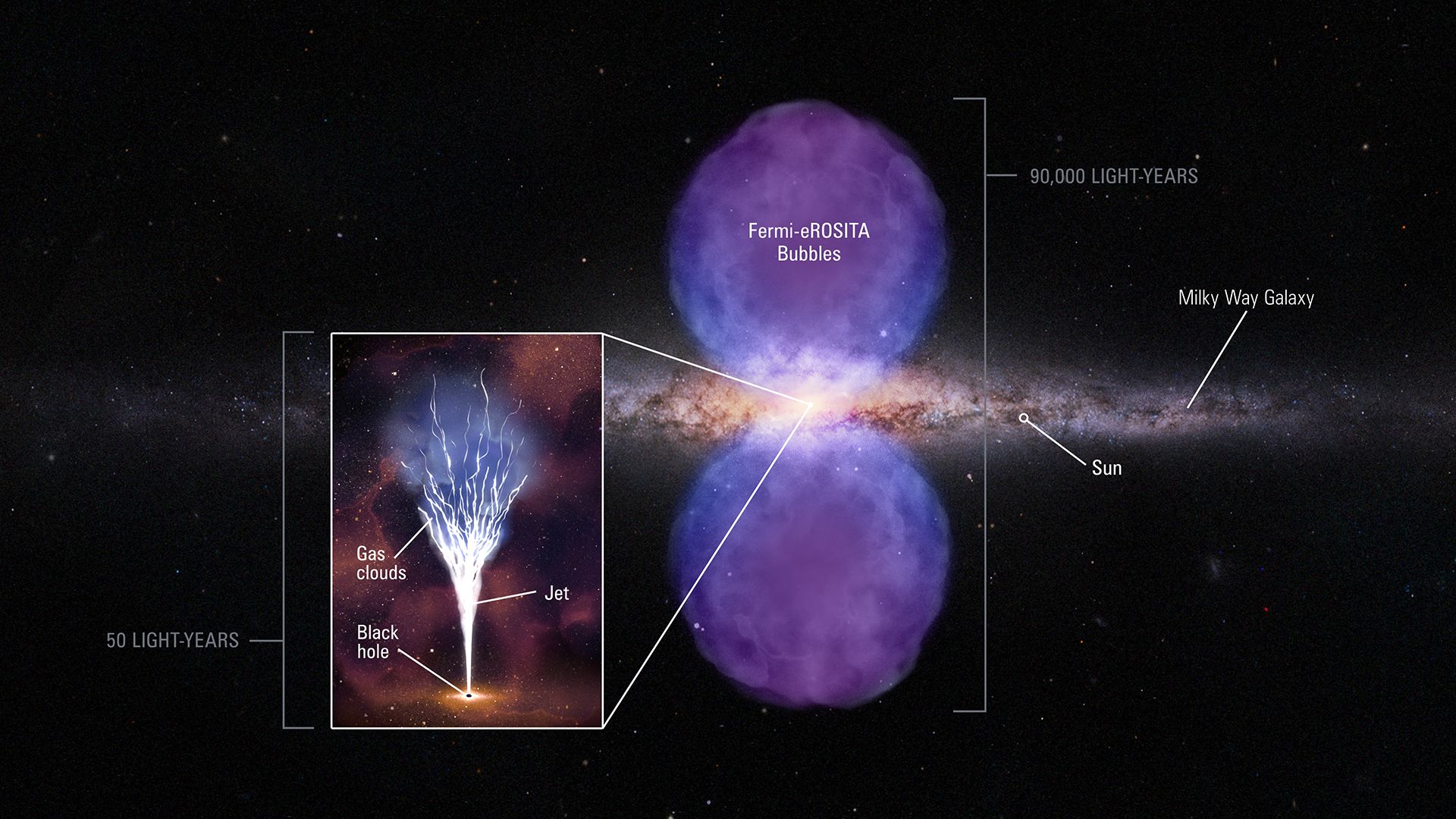 ILLUSTRATION: NASA, ESA, Gerald Cecil (UNC-Chapel Hill), Dani Player (STScI), Wikimedia Commons
20-GeV Photons Became The Focus Of Attention
Photons around 20 gigaelectronvolts stood out because their energies matched predictions for annihilating WIMPs with masses hundreds of times heavier than a proton. This alignment between theory and observed spectra raised important questions. Could these photons originate from particle collisions long theorized but never directly detected?
 NASA/DOE/Fermi LAT Collaboration, Wikimedia Commons
Are These Emissions The Signature Of Colliding WIMPs?
If WIMPs occasionally collide and annihilate, they should release gamma rays at characteristic energies. The observed photons roughly fit that expectation. Although competing explanations exist, the spectral shape and spatial distribution strengthened the argument that dark matter interactions could be contributing to the measured signal.
 Jacqueline Ramseyer Orrell/SLAC National Accelerator Laboratory, Wikimedia Commons
What Sets Totani’s Findings Apart
Earlier claims of dark matter signatures often faded under reanalysis because emissions aligned more closely with ordinary astrophysical phenomena. Totani’s study differs by presenting a signal that resists such straightforward explanations. Its shape and energy range match theoretical expectations unusually well.
 Canada-France-Hawaii Telescope Lensing Survey, Wikimedia Commons
Eliminating Ordinary Astrophysical Explanations
Scientists compared the signal with emissions from pulsars, supernova remnants, and cosmic-ray interactions. Those sources typically create patterns tied to the Galactic plane or specific clusters, not broad halo shapes. The mismatch reduced the likelihood of familiar origins.

These Signals Qualify As Potential Direct Evidence
Most dark matter research relies on gravitational effects, but these gamma rays represent a possible particle-level interaction. If the emissions come from WIMP annihilation, they would mark the first observation of dark matter behaving as a particle rather than a gravitational influence.
 NASA's Scientific Visualization Studio - Jeanette Kazmierczak, Scott Wiessinger, Wikimedia Commons
The Consequences Of Finally Seeing Dark Matter
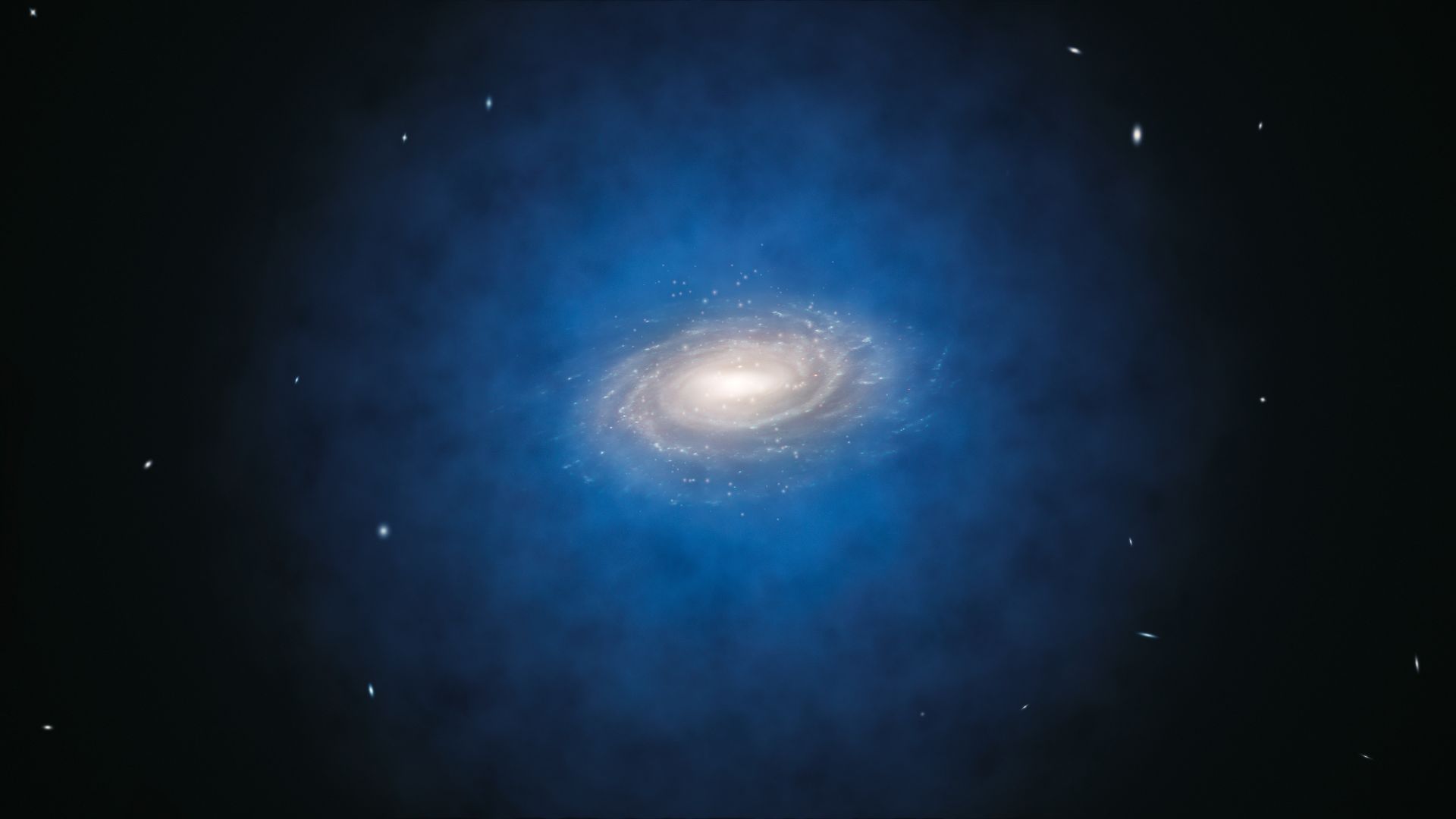
Detecting dark matter particles would reshape modern physics. It would confirm the existence of matter outside the Standard Model and open avenues for studying its properties and role in cosmic evolution. Such a discovery would also add weight to decades of theoretical work that relied on dark matter as a fundamental cosmic ingredient.
 ESO/L. Calçada, Wikimedia Commons
But Independent Verification Remains Essential
Science requires results to withstand scrutiny from multiple teams using varied techniques. Other researchers must analyze the same data and test alternative models. Only through repeated confirmation can the community determine whether the gamma-ray signal reflects genuine particle interactions or an overlooked astrophysical process.

Searching Other Galaxies For Matching Gamma-Ray Patterns
Dwarf galaxies orbiting the Milky Way contain high dark matter densities but minimal competing emissions. If similar gamma-ray signatures appear there, confidence in a dark matter origin would grow significantly. These quieter environments provide valuable testing grounds, allowing scientists to examine whether the pattern near the Galactic center appears elsewhere under comparable conditions.
 Kristian Pikner, Wikimedia Commons
Upcoming Telescopes Could Confirm The Discovery
The Cherenkov Telescope Array will study gamma rays with greater sensitivity and improved resolution. Its design allows it to map high-energy emissions across many regions, including dark matter–rich galaxies. If it detects matching signals, it could provide the independent confirmation needed.
 European Southern Observatory, Wikimedia Commons
What A New Particle Would Mean For Modern Physics
Identifying a particle responsible for dark matter would signal a major shift beyond the Standard Model, which currently describes known matter and forces. A confirmed detection would prompt new theories about early-universe conditions and cosmic structure. It would also redefine long-standing assumptions about how matter behaves on the largest scales.
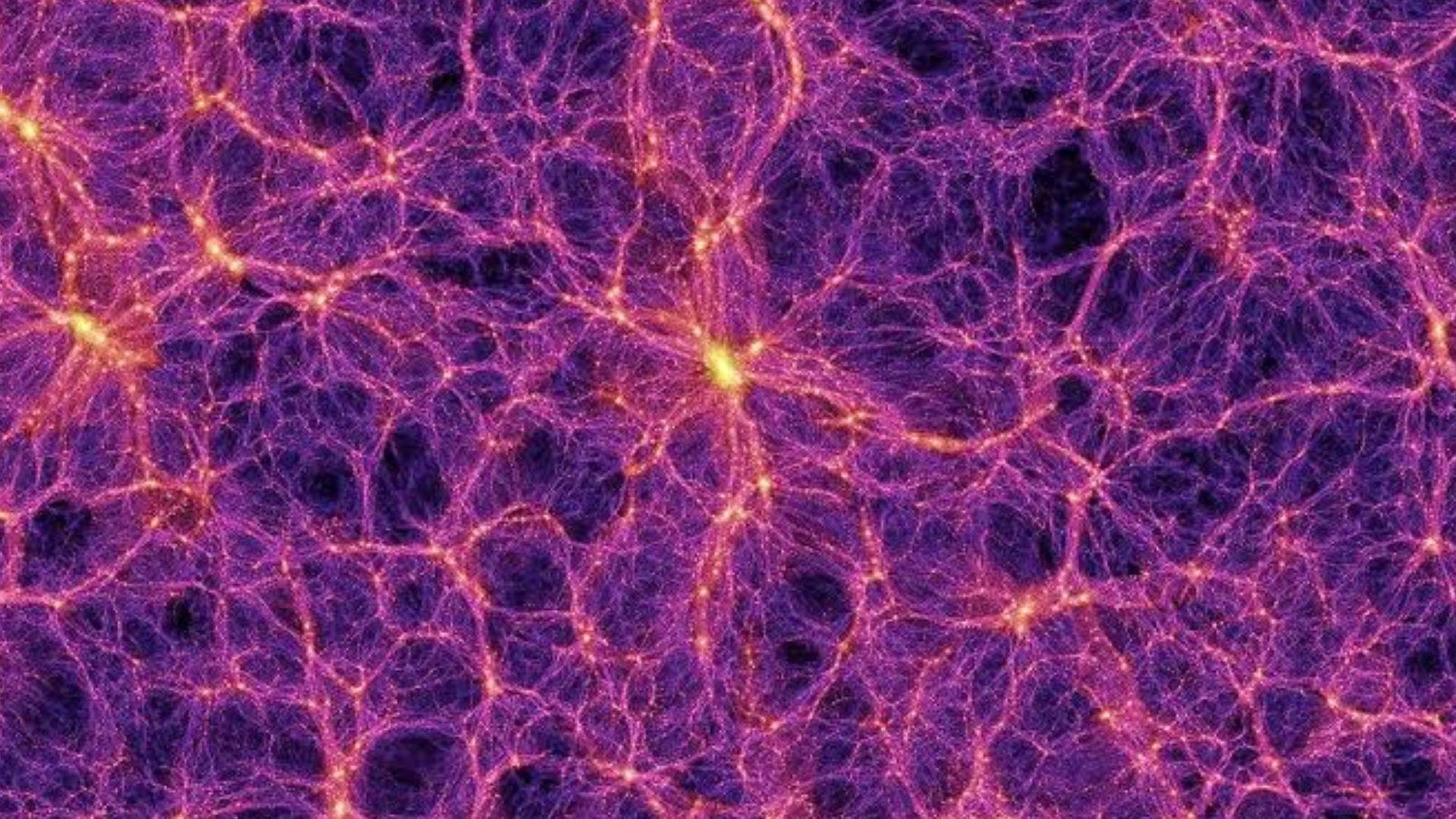 Volker Springel / Max Planck Institute For Astrophysics, Wikimedia Commons
Are We Approaching The Moment Dark Matter Stops Being A Theory?
The latest findings suggest researchers may be edging closer to observing dark matter directly, yet confirmation requires more data from independent teams. If matching signals emerge elsewhere, the field could cross a milestone: recognizing dark matter as a demonstrable component of the universe.










.jpg)