Legends Revisited Through History
Many well-known figures carry reputations shaped more by repetition than reality. Their genuine personalities and choices tell a different story that challenges the simplified versions passed down through stories that tell just one side.
Cleopatra
People picture Cleopatra as a dramatic temptress, but she ruled Egypt like a strategic diplomat. She belonged to the Macedonian Ptolemies and worked nonstop to protect Egypt through alliances. She spoke multiple languages and shaped her public image through coins and ritual.
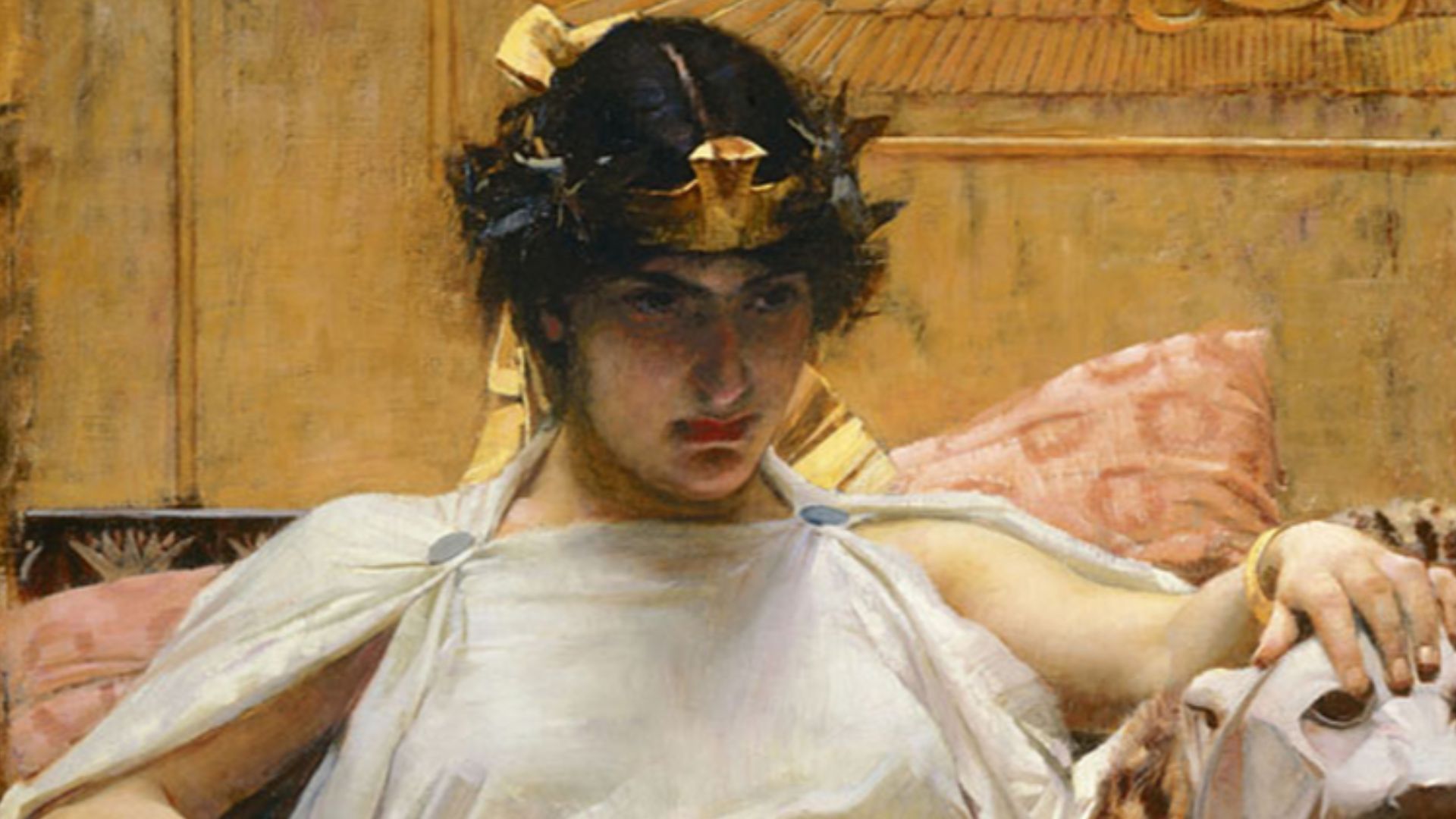 John William Waterhouse, Wikimedia Commons
Christopher Columbus
He took four voyages, thinking he’d reached Asia, but instead kicked off lasting European involvement in the Americas. His logs show his goals and methods, and he labeled Indigenous groups “Indians,” a mistake that stuck. The heroic explorer image hides the imperial motives and devastating consequences that followed.
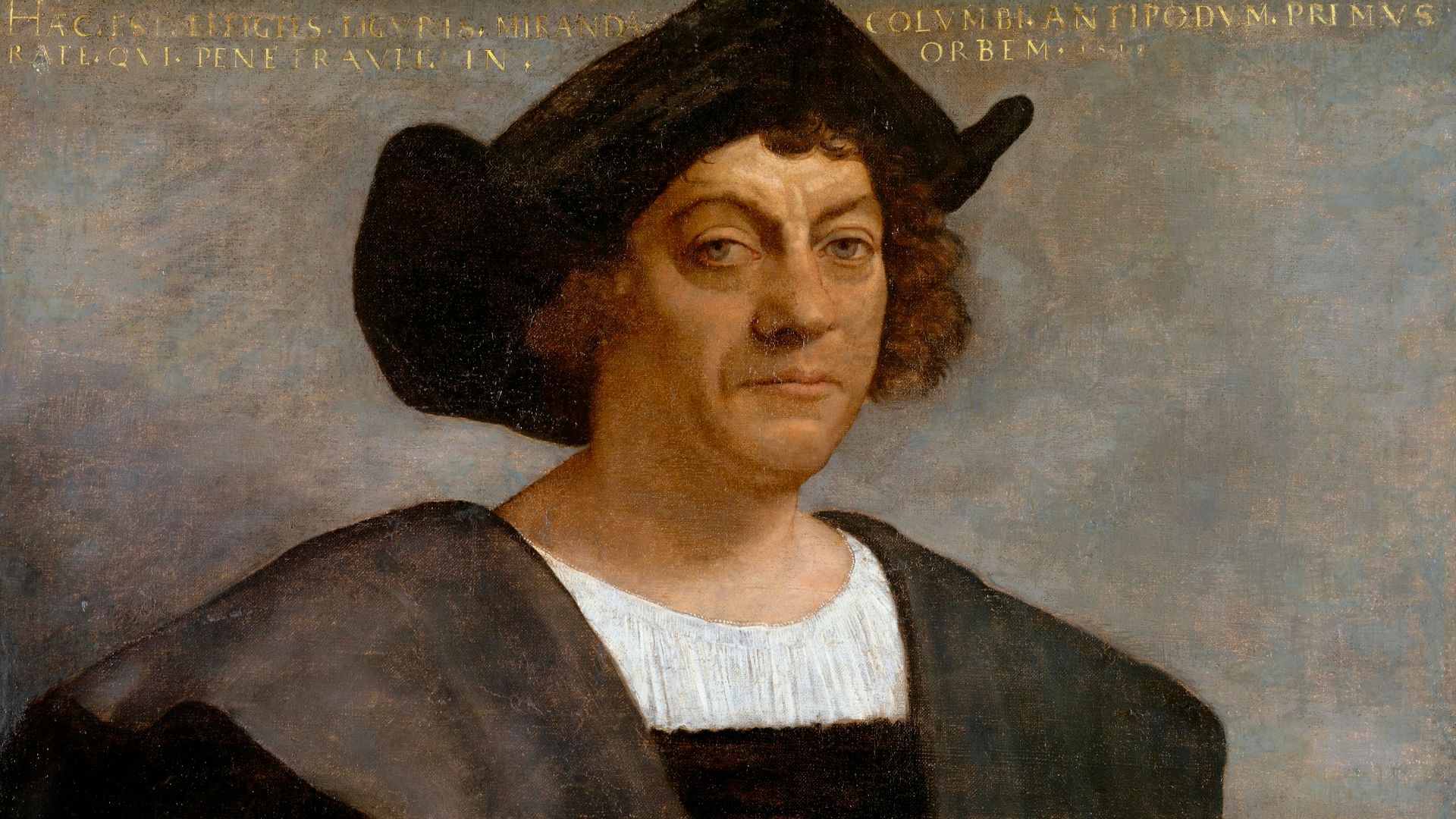 Sebastiano del Piombo, Wikimedia Commons
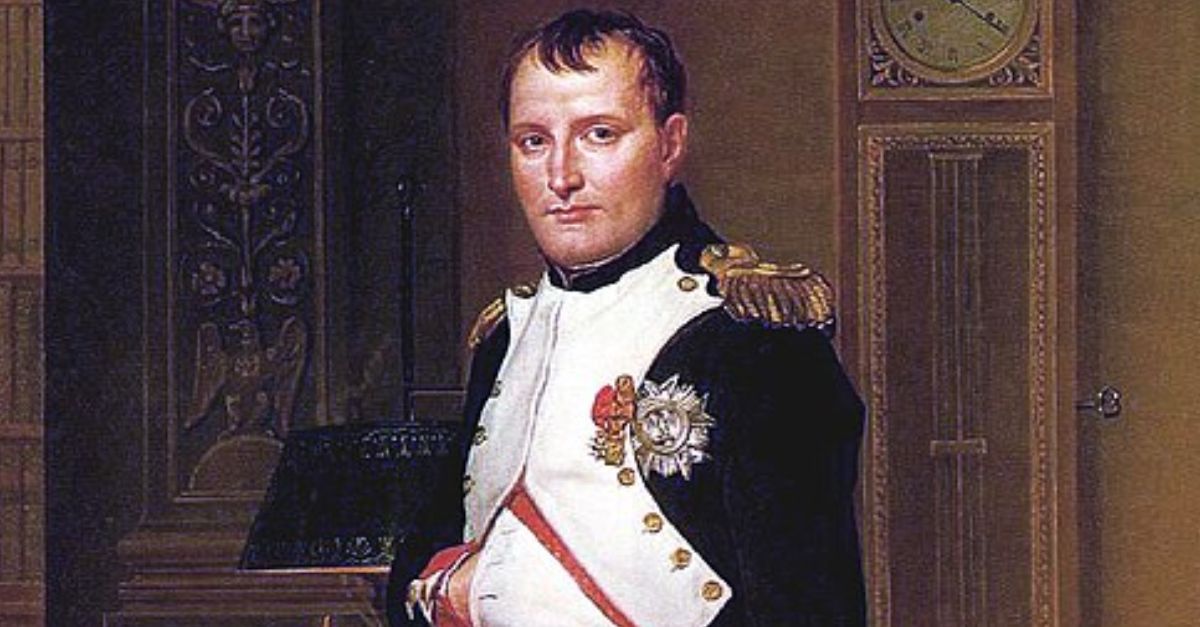
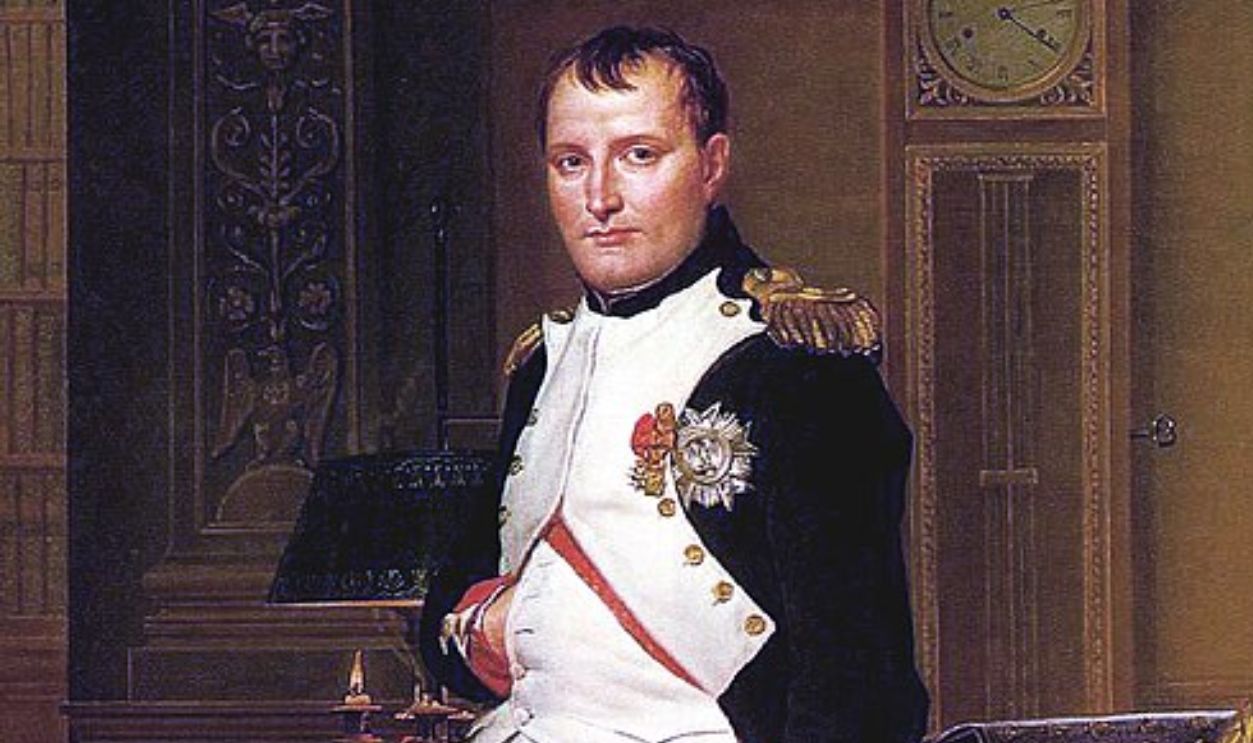
Napoleon Bonaparte
People joke about Napoleon being tiny, but he stood right in the average range for his era. What really set him apart was the legal overhaul he pushed across Europe. He micromanaged logistics and built a court with rules of etiquette. The caricature overlooks the reformer who shaped modern governance.
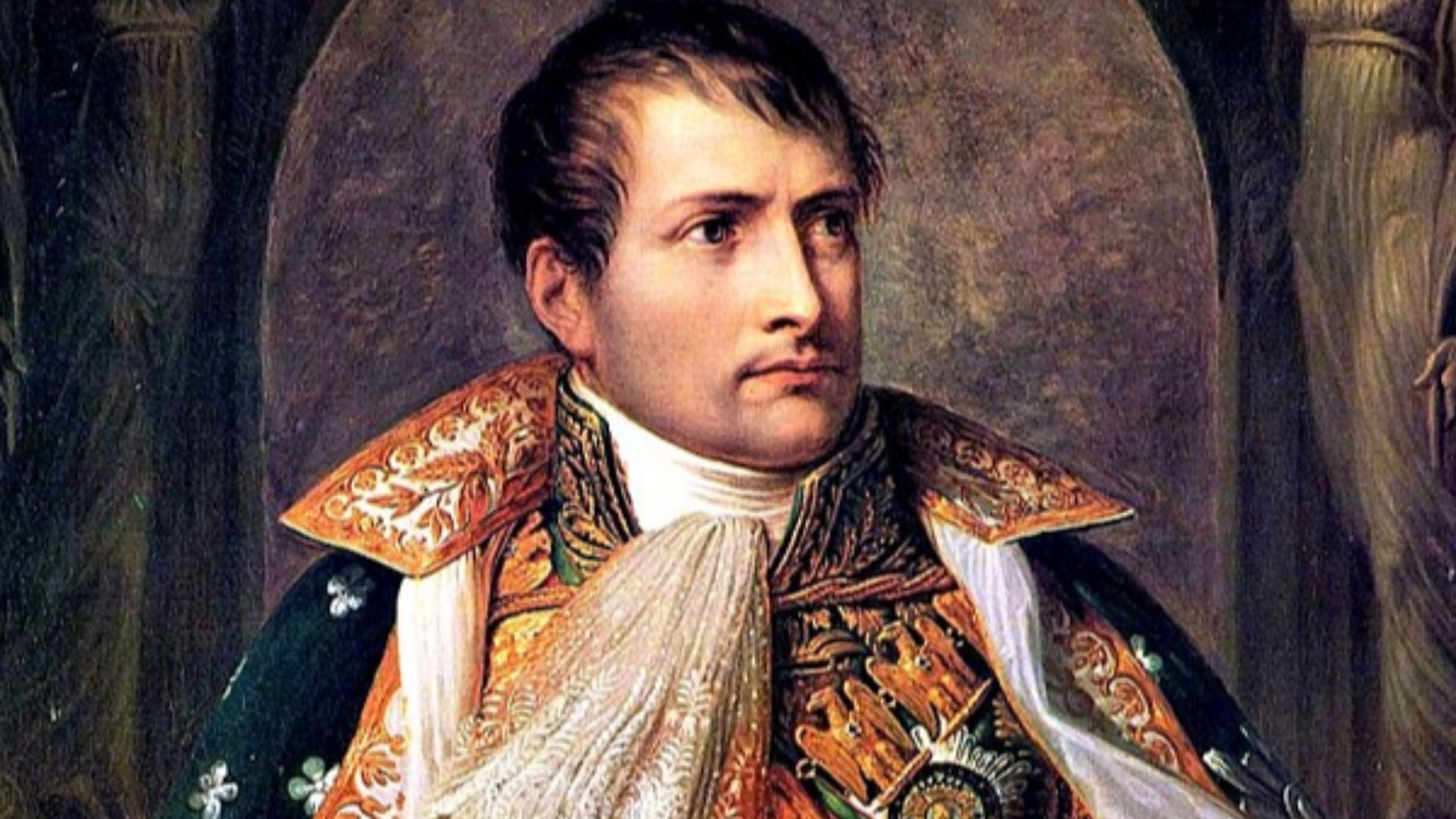 Unknown authorUnknown author, Wikimedia Commons
George Washington
The wooden-teeth story is pure myth. Washington used dentures crafted from ivory, metal, and human teeth. He served as the nation’s first president and shaped early political expectations. At Mount Vernon, he tried new crops and eventually left office voluntarily.
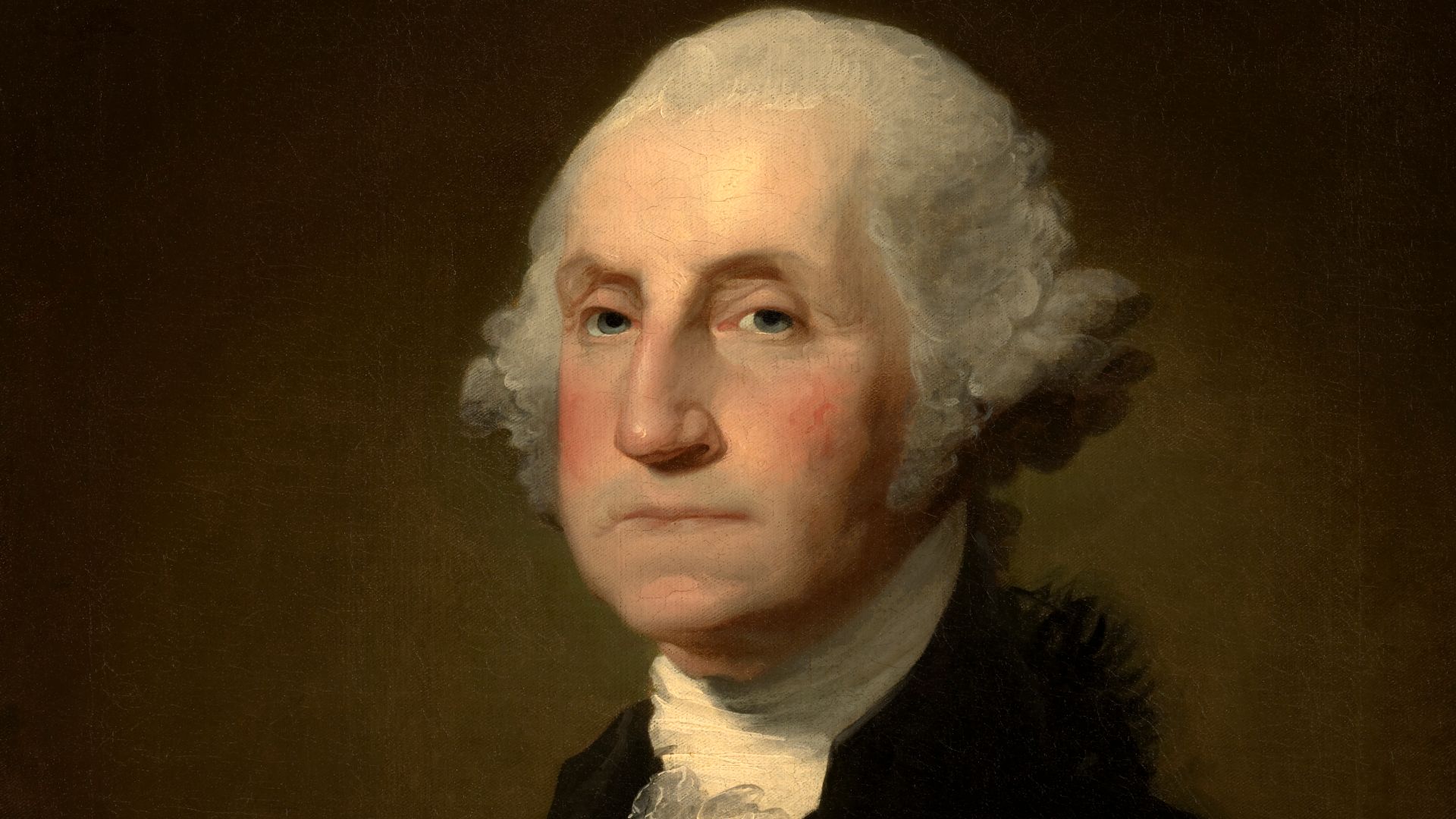 Gilbert Stuart, Wikimedia Commons
Marie Antoinette
The famous “let them eat cake” quote wasn’t hers, though it shadowed her for centuries. Brought to France as an Austrian archduchess, she became an easy target once revolutionary anger boiled over. She loved creativity and retreating to the Petit Trianon. Propaganda turned her into a simple villain.
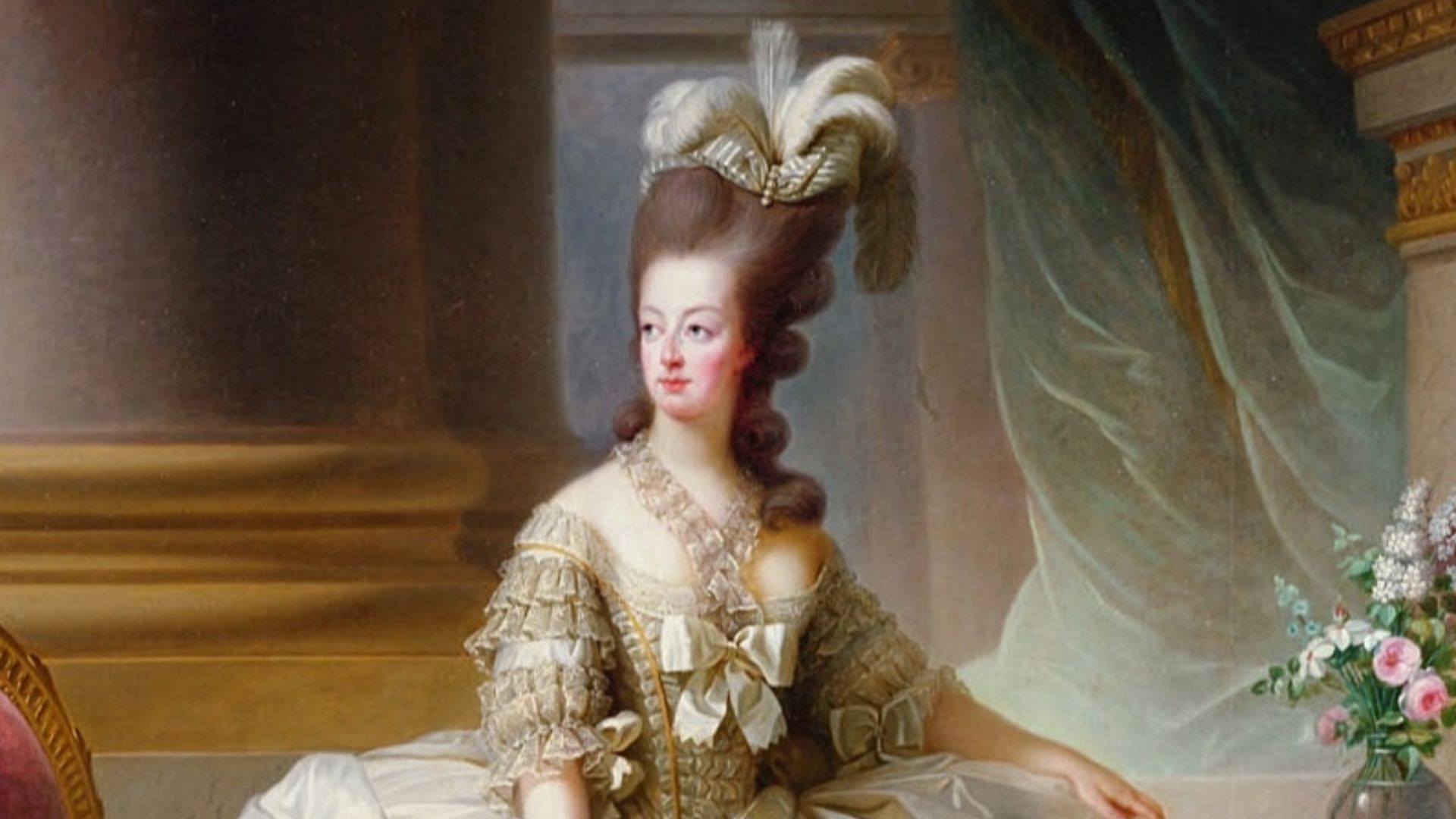 Elisabeth Louise Vigee Le Brun, Wikimedia Commons
Joan Of Arc
Often cast as a miracle‑driven saint, Joan of Arc was also a sharp strategist. Trial records reveal her clarity of purpose, and she wore men’s armor for protection while leading troops in decisive battles. Her real impact lay in political influence and military leadership, not legend alone.
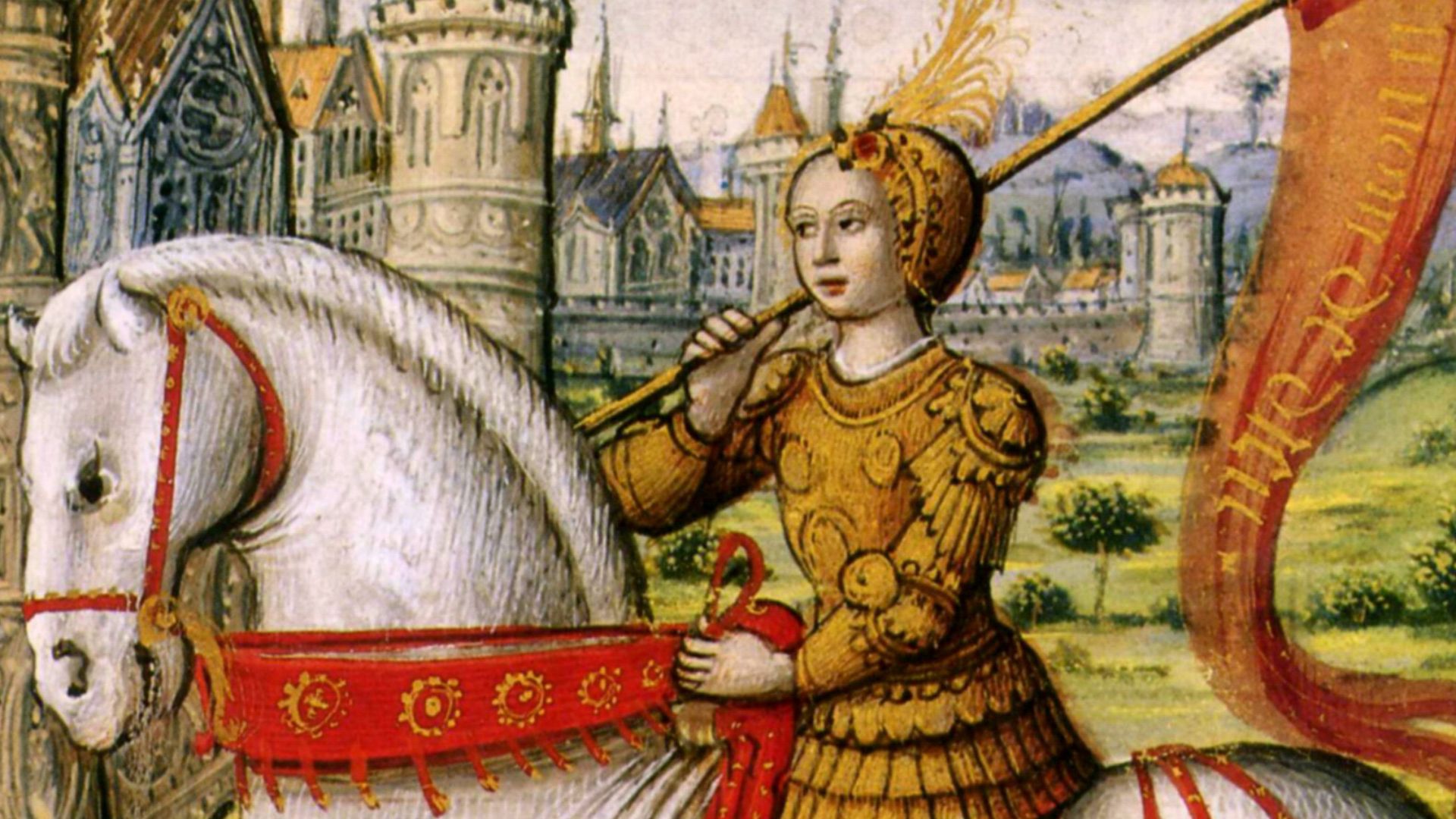 Jean Pichore, Wikimedia Commons
Genghis Khan
Genghis Khan unified tribes and built a legal system that launched vast trade routes. The Mongol postal relay made communication astonishingly fast, and promotions came through merit. The “mindless barbarian” image ignores the administrator who built one of history’s most efficient empires.
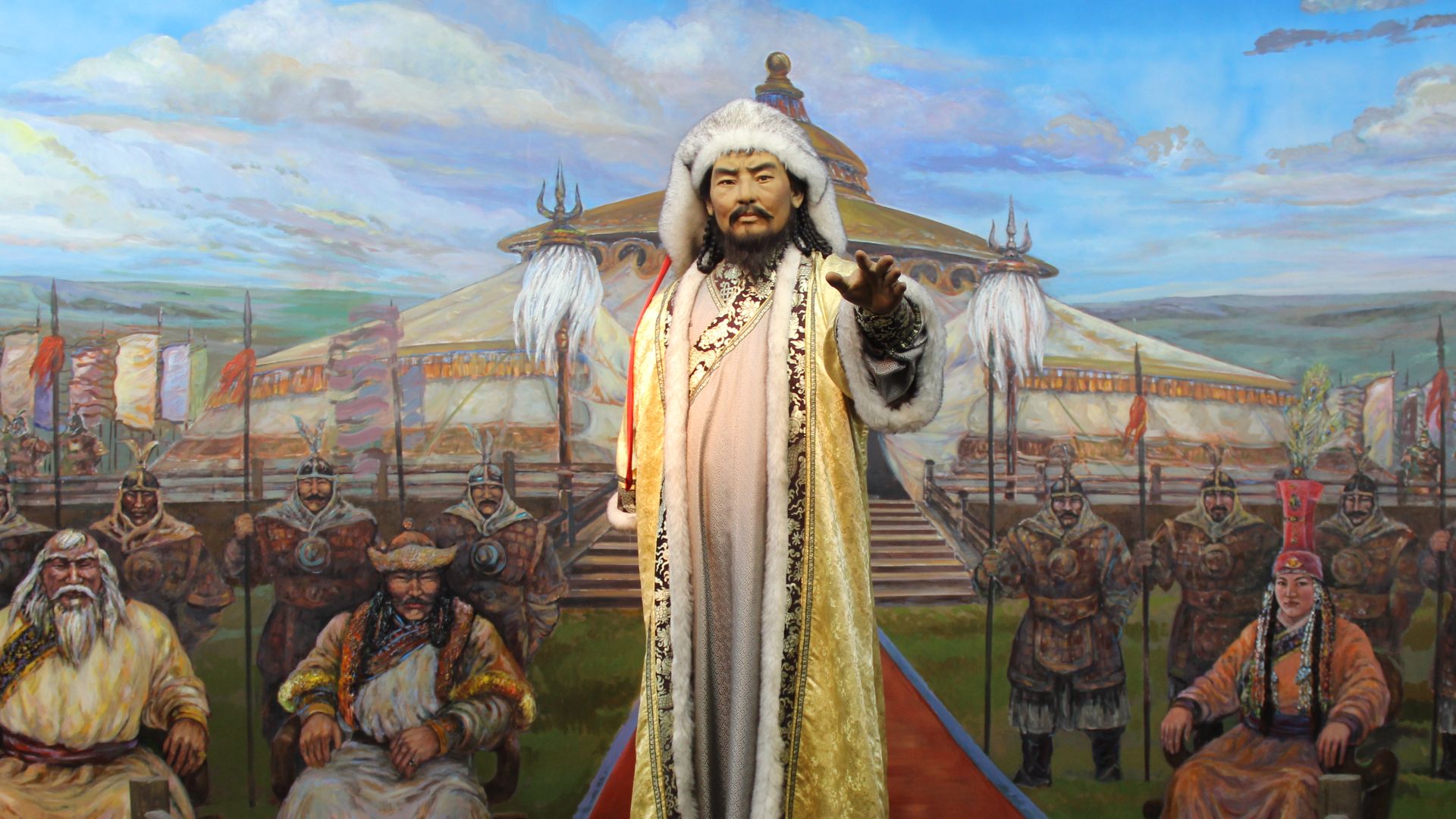 Gary Todd from Xinzheng, China, Wikimedia Commons
Vlad The Impaler
The reason Vlad III terrified people was impalement, his signature punishment during a turbulent era. The Dracula legend emerged centuries afterward. Historical accounts show a mix of cruelty and fierce defense against Ottoman control.
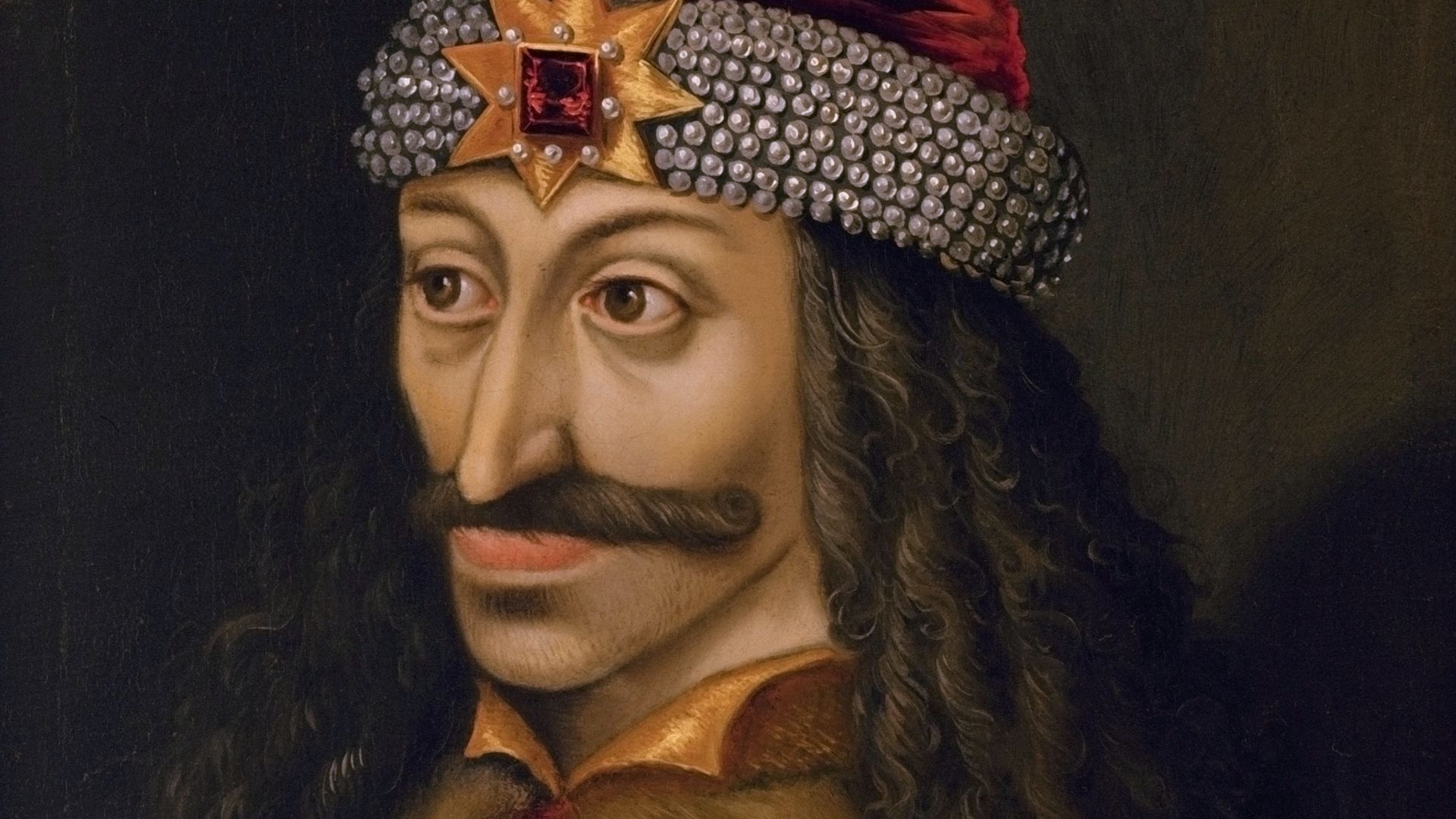 AnonymousUnknown author, Wikimedia Commons

History's most fascinating stories and darkest secrets, delivered to your inbox daily.
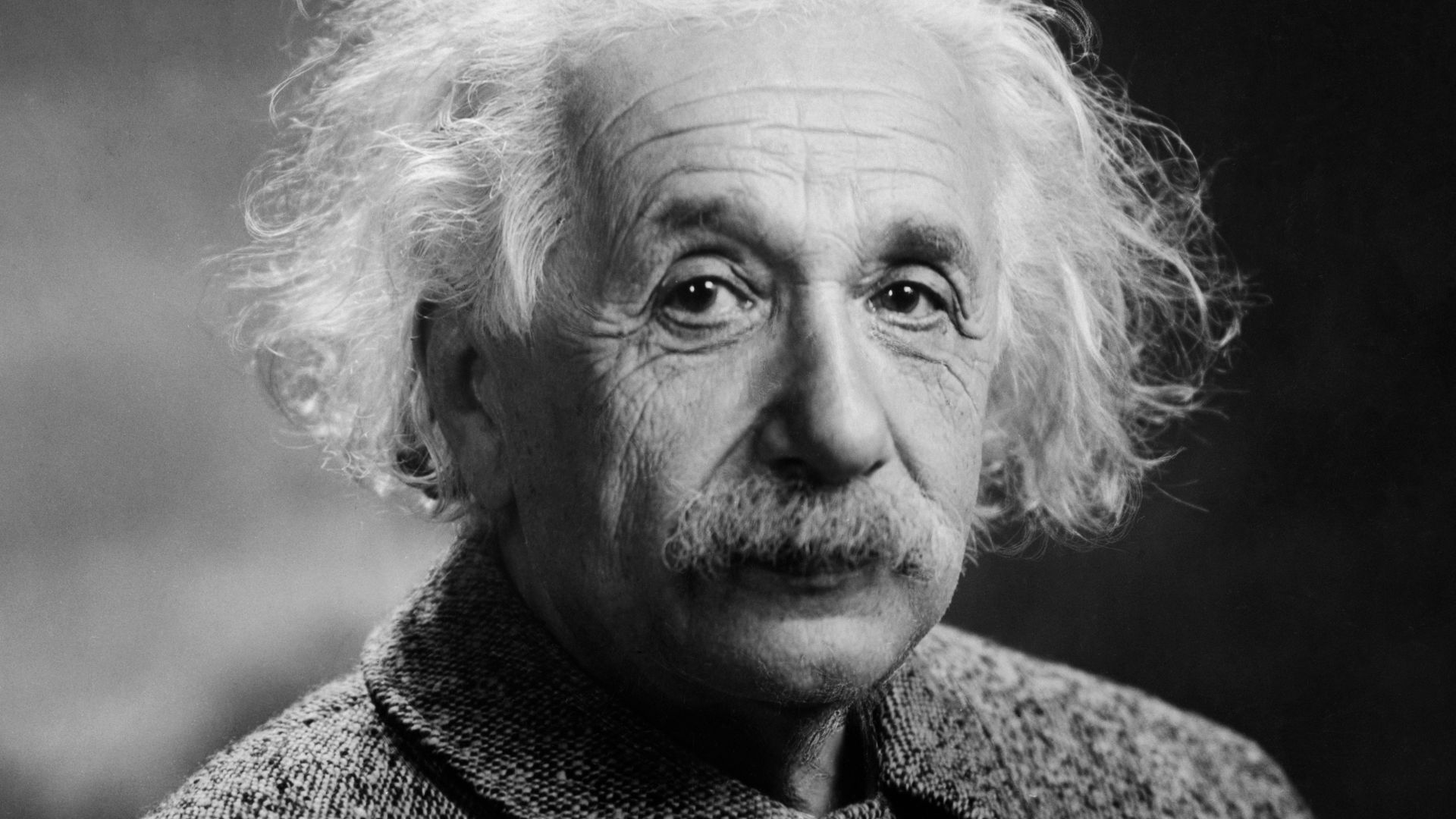
Albert Einstein
The idea that Einstein struggled with math is just a myth. He was incredibly capable and used that skill to revolutionize physics. He held a patent-office job while producing landmark work and loved sailing in his free time. His imaginative experiments were grounded in precision.
Florence Nightingale
Nightingale revolutionized nursing by treating healthcare like a data problem. Her charts—especially the coxcomb diagrams—made governments confront preventable deaths. She kept up steady communication with officials to push reforms. The nurturing image misses the numbers-driven organizer who rewired hospital sanitation and public-health systems.
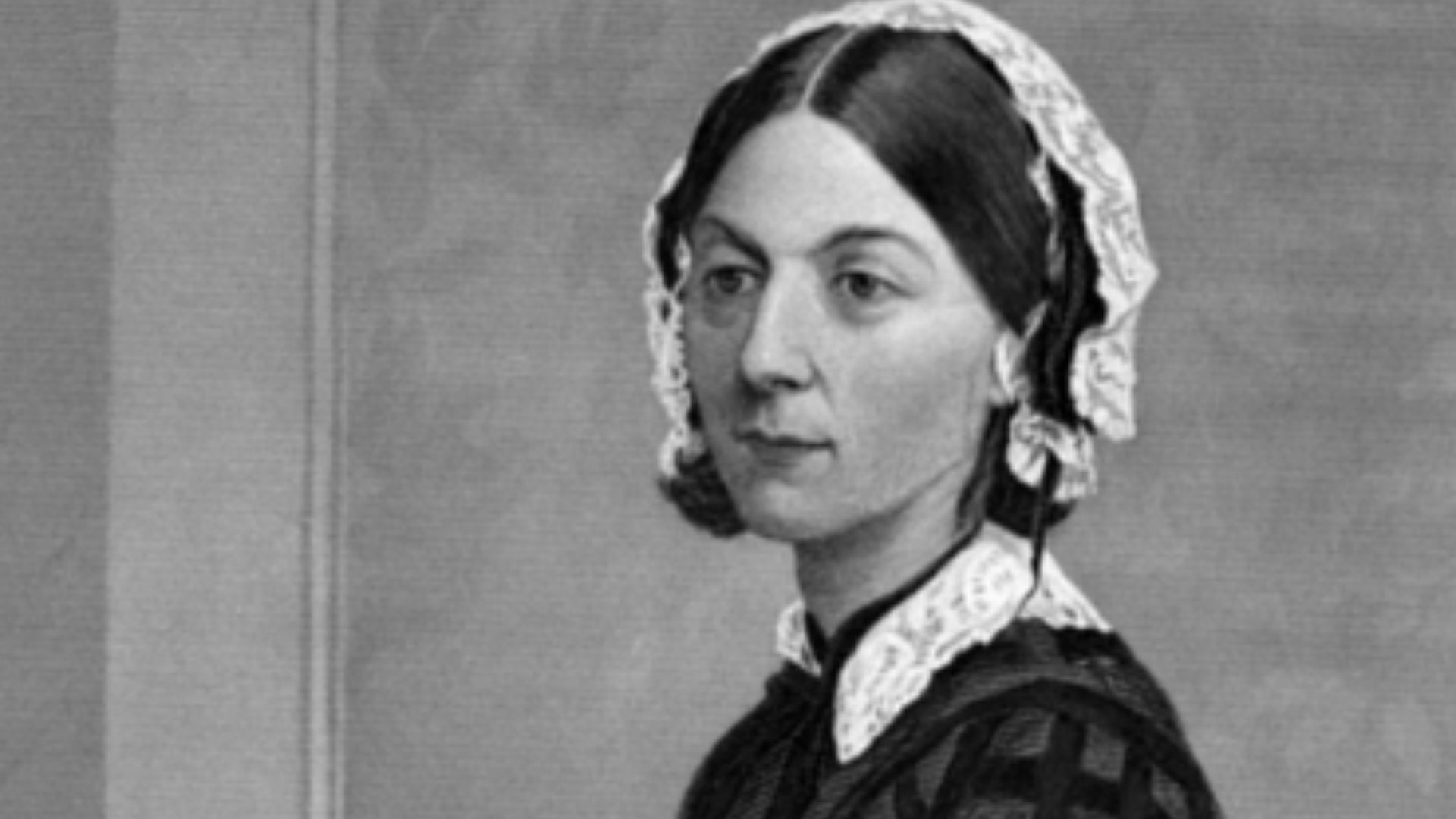 Muriel Gottrop~commonswiki, Wikimedia Commons
Pocahontas
Often remembered through the romantic tale of saving John Smith, her real life was far more complex. Pocahontas acted as a go‑between in tense colonial exchanges, was baptized as Rebecca, and traveled to England as a political symbol. Legends softened her story, but power shaped her fate.
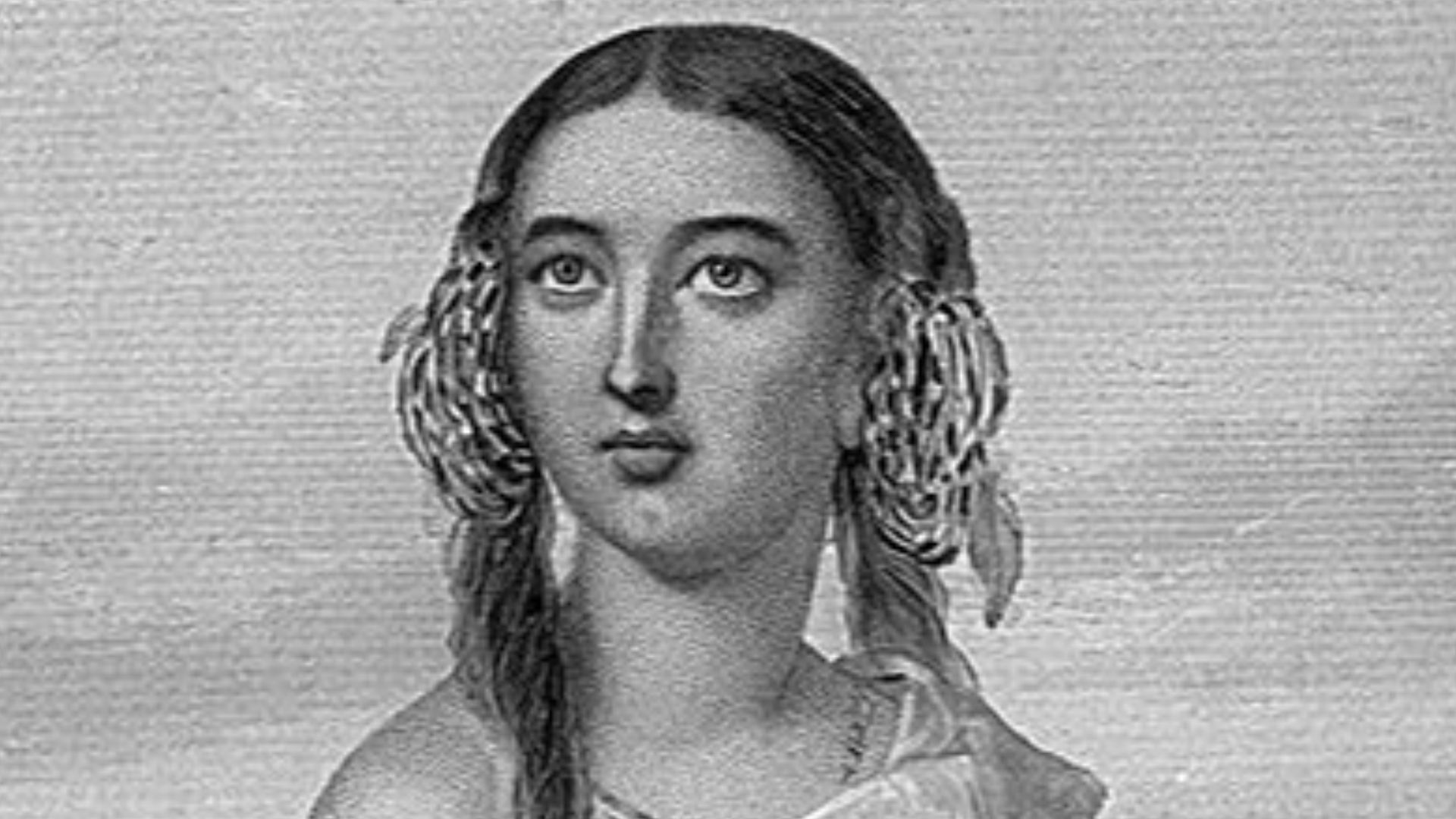 Pierre Gustave Eugene Staal (1817-1882), Wikimedia Commons
Sitting Bull
People often picture Sitting Bull only as a warrior, but he was also a spiritual guide and political strategist. He influenced the moment around the Little Bighorn and later appeared in Buffalo Bill’s show. His leadership balanced ceremony and resistance, not just the straightforward fighter stereotype.
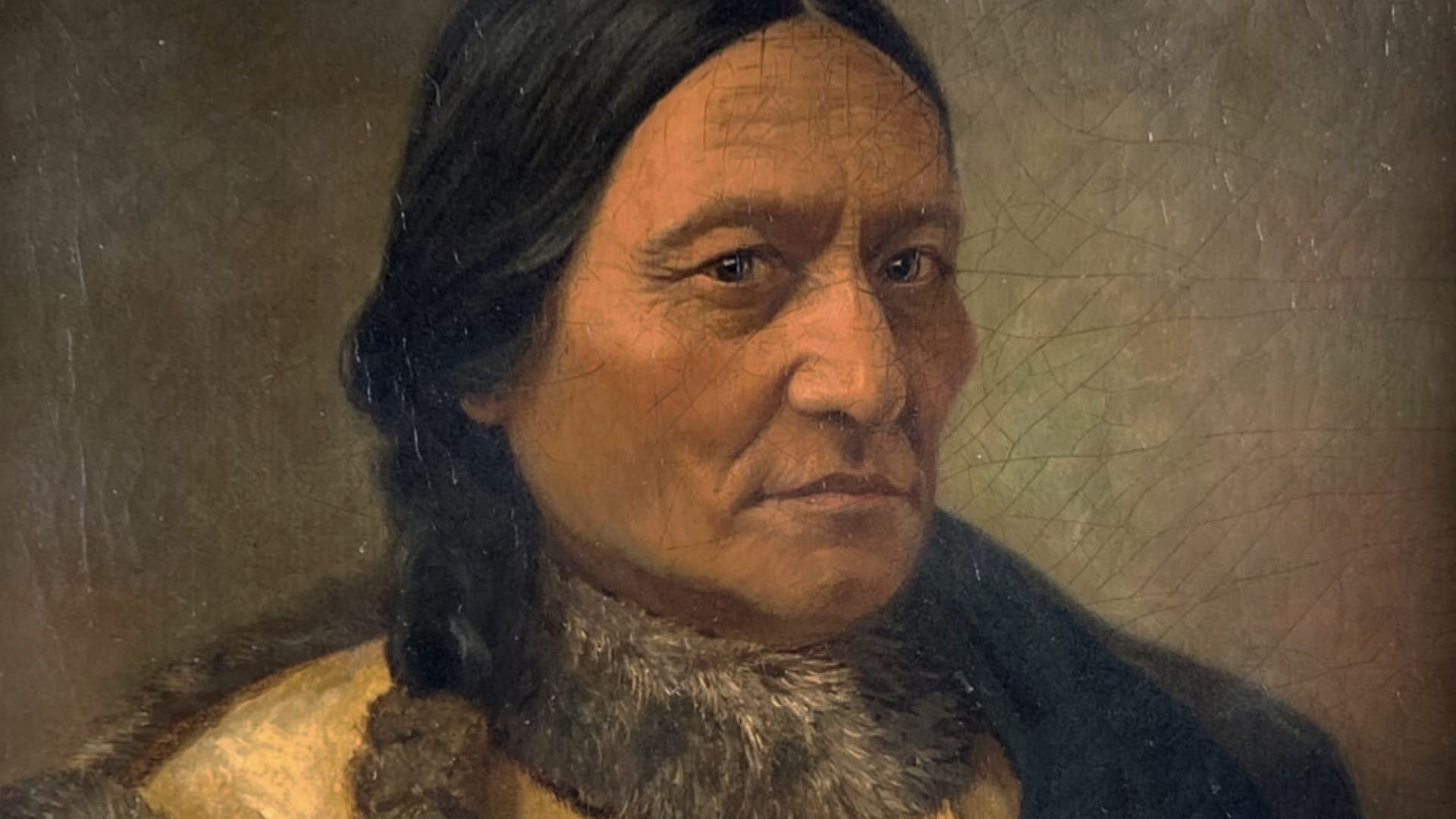 Caroline Weldon (1844–1921), Wikimedia Commons
Thomas Jefferson
The image of Jefferson as an uncomplicated hero hides sharp contradictions. He drafted stirring defenses of liberty while enslaving hundreds. His architectural vision shaped Monticello, and his vast book collection enriched the Library of Congress. His life reveals how brilliance and hypocrisy can coexist within one enduring figure.
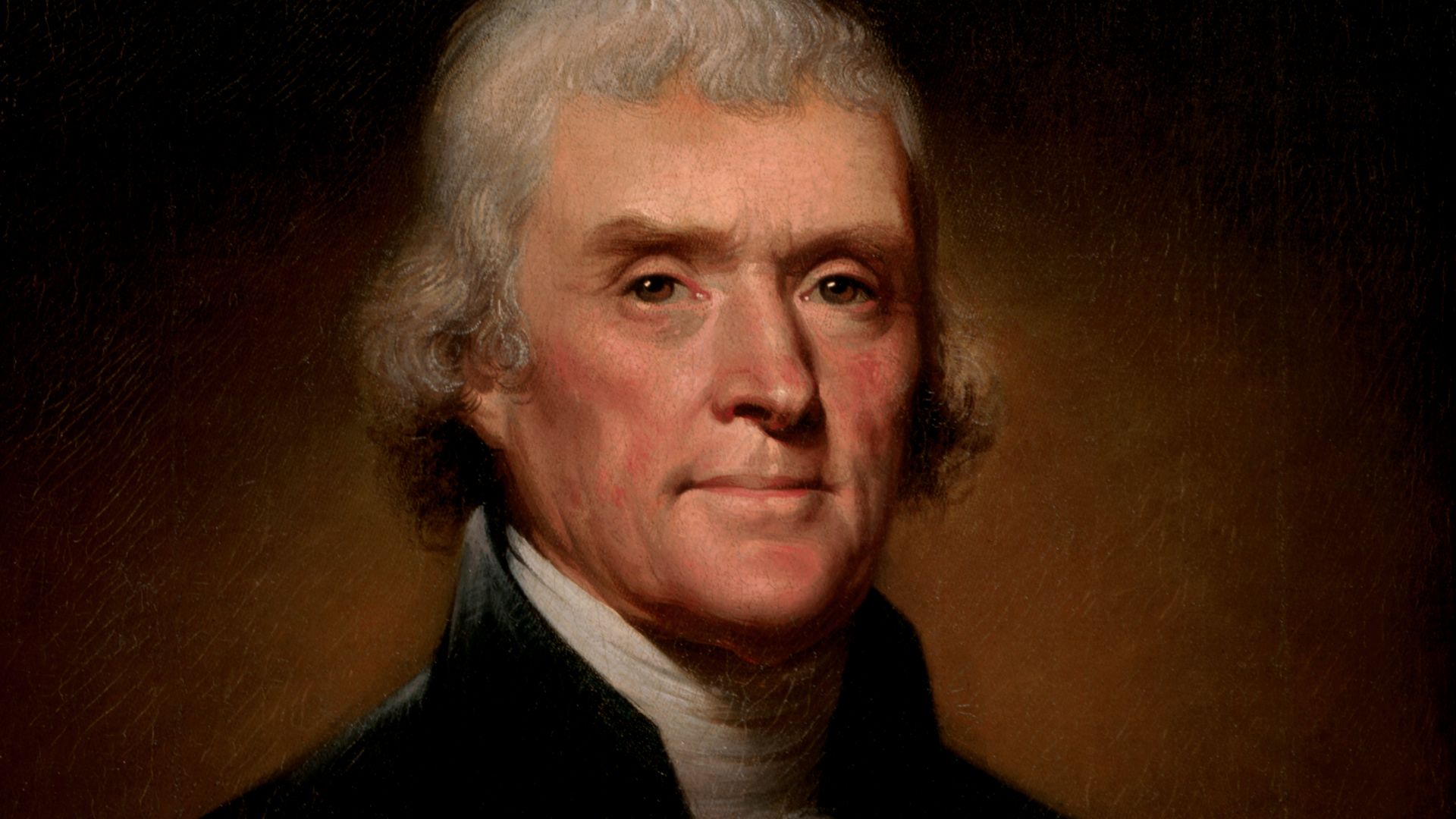 Rembrandt Peale, Wikimedia Commons
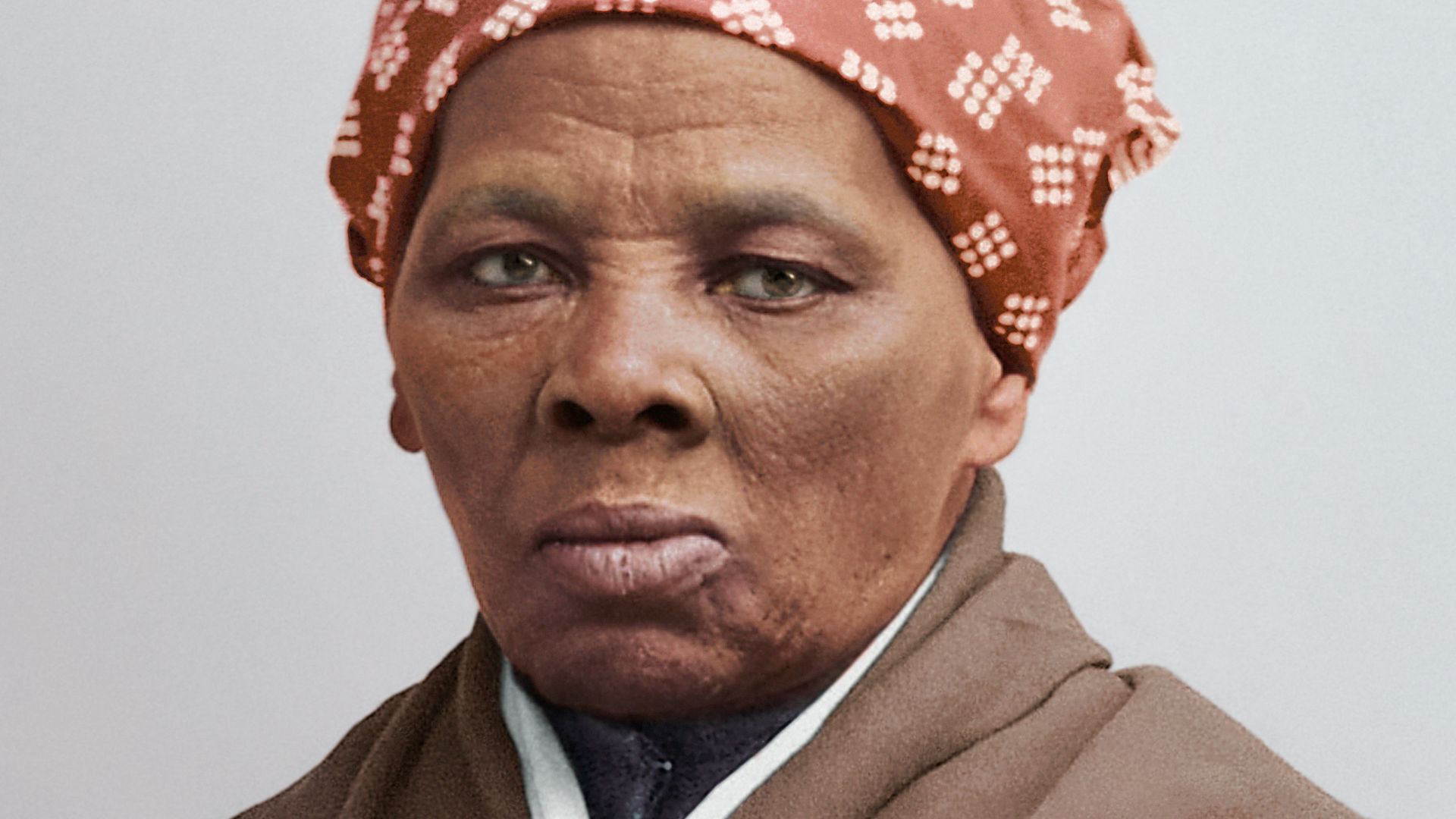
Harriet Tubman
Tubman’s impact stretched far beyond the Railroad. She escaped slavery and then courageously returned to lead multiple rescue missions. During the Civil War, she became a Union scout, spy, and raid leader. Her lifelong health issues came from a childhood head injury, yet she pushed on, eventually fighting for women’s rights as well.
Frida Kahlo
Kahlo is often remembered only for her striking self‑portraits and dramatic personal life. In reality, she was a political thinker and cultural force who used art to challenge identity, colonialism, and gender roles. Her vivid imagery was not just personal expression but a deliberate statement of resistance.
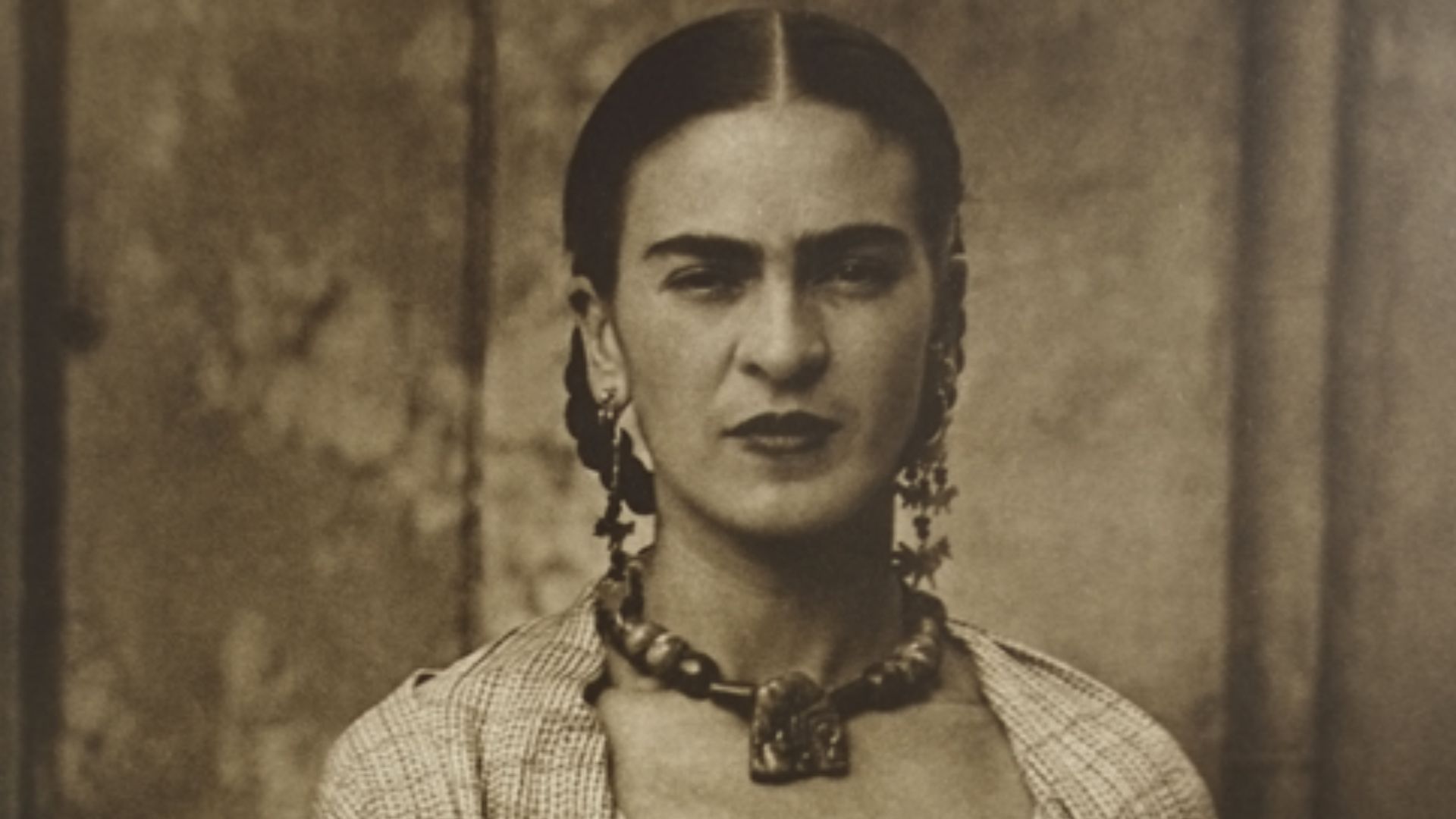 Guillermo Kahlo, Wikimedia Commons
Leonardo Da Vinci
Beyond his famous paintings, Leonardo explored anatomy and optics in detail, and filled notebook after notebook. He sketched flying machines and scribbled notes backward. The pure-artist narrative leaves out the restless scientist whose investigations were just as defining as his artwork.
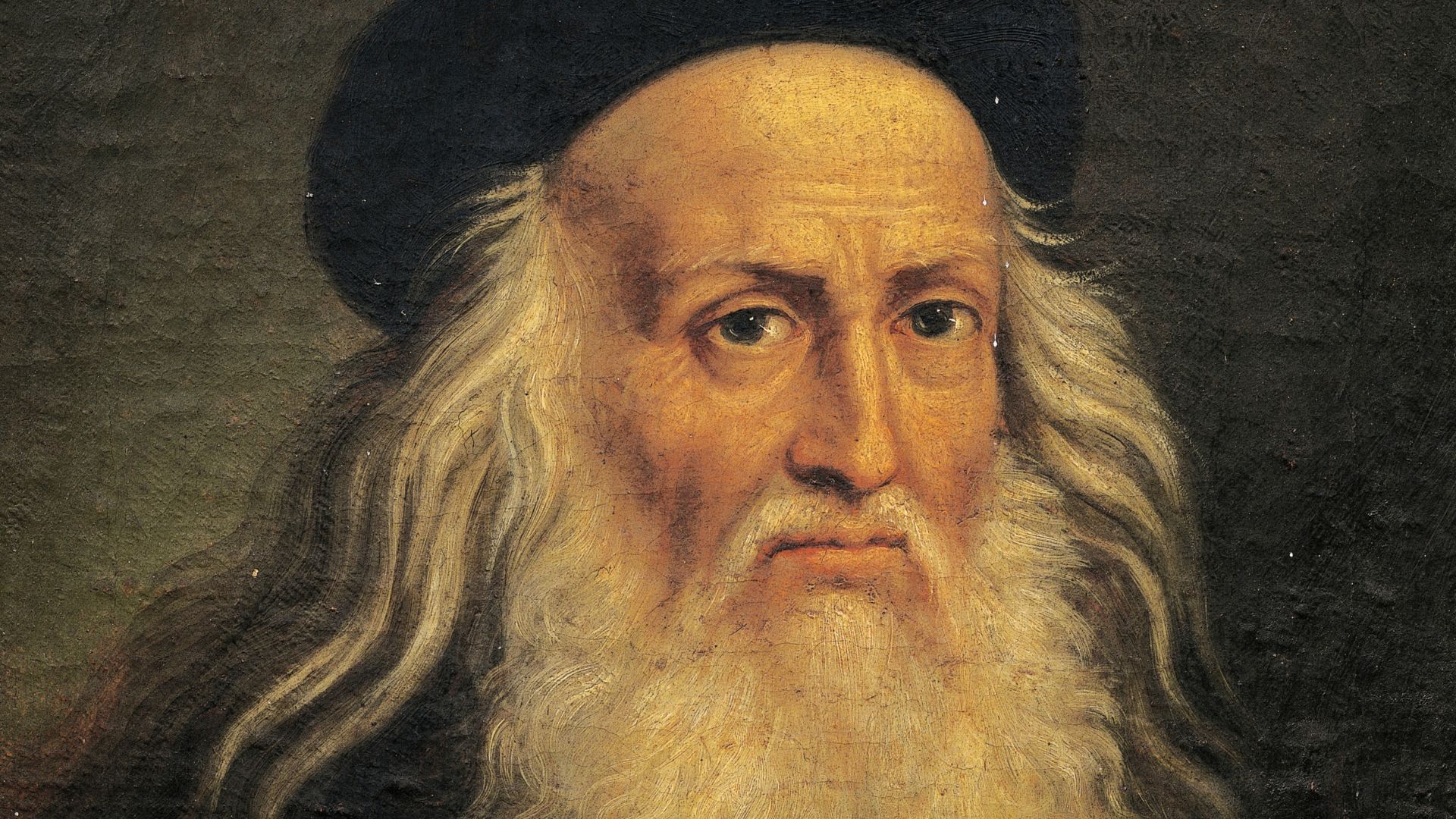 Lattanzio Querena, Wikimedia Commons
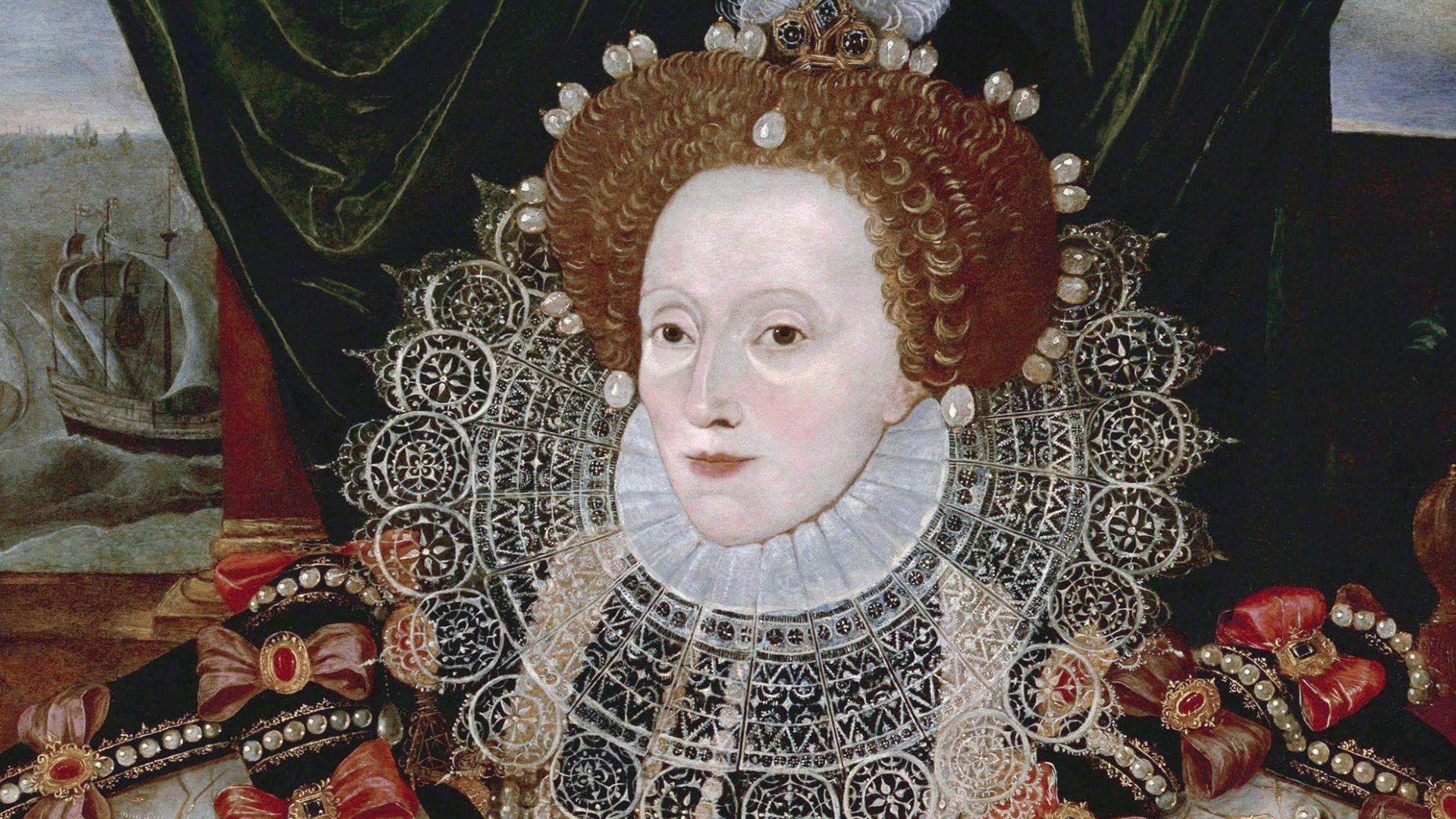
Queen Elizabeth I
Elizabeth I crafted the “Virgin Queen” persona to strengthen her rule. She steadied England with careful diplomacy and strategic patronage. Her portraits packed symbolic power, and she spoke multiple languages. Focusing only on chastity misses the political brilliance behind her choices.
Nikola Tesla
Nikola Tesla is often remembered as the lone genius who single‑handedly invented modern electricity. In reality, his career was shaped by fierce rivalries, failed business ventures, and collaborations that rarely get mentioned. While his dramatic demonstrations of high‑voltage currents made him a public sensation, many of his bold ideas, like wireless power, never reached practical success.
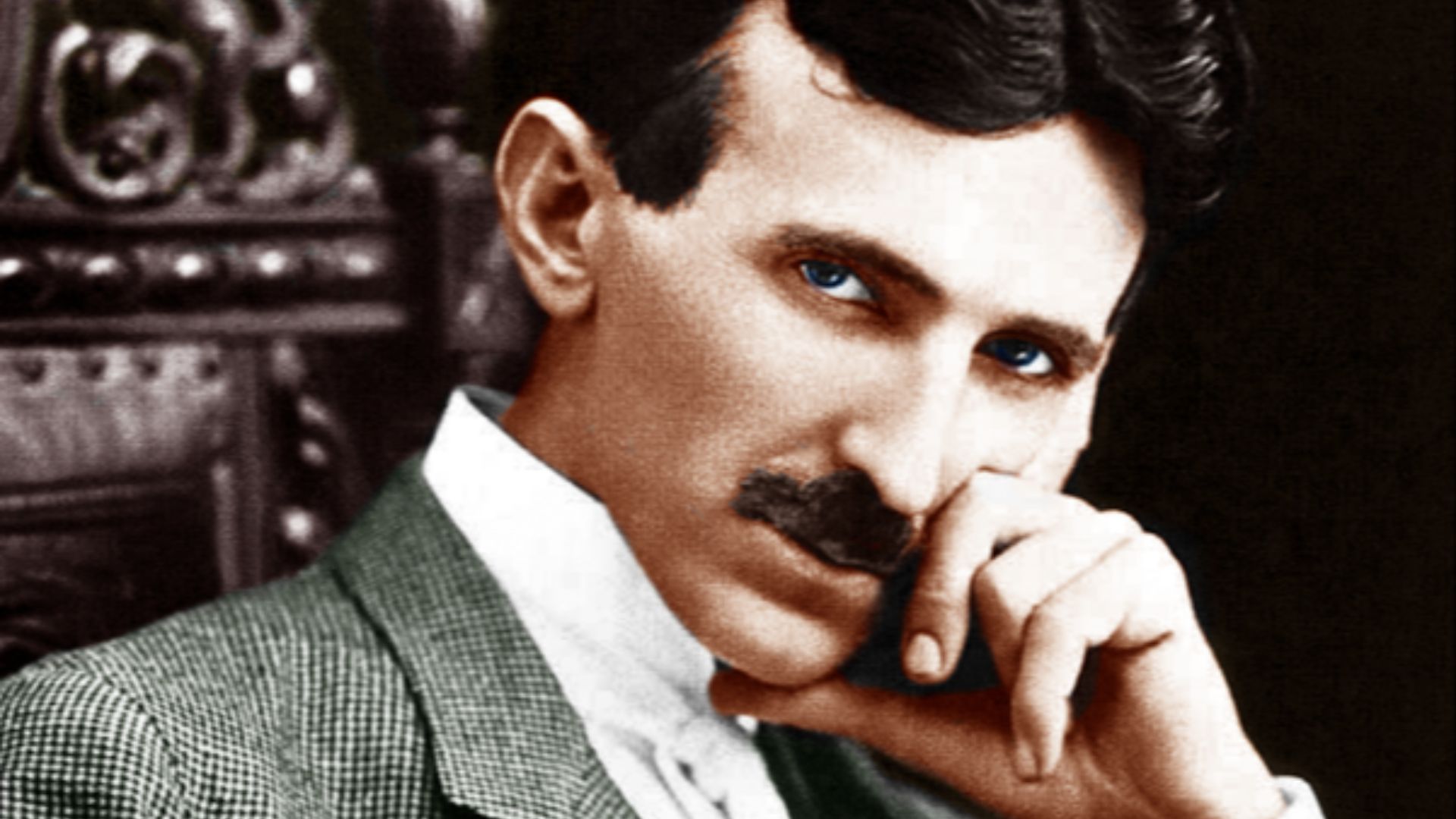 Original author unknow; colored by Ivar van Wooning, Wikimedia Commons
Martin Luther
Celebrated as the spark of the Reformation, he also stirred deep conflict. His bold defiance reshaped church doctrine, yet his writings fueled the Peasants’ War and carried harsh attacks on Jews. By translating the Bible and composing hymns, he shaped language and worship while leaving a fractured legacy.
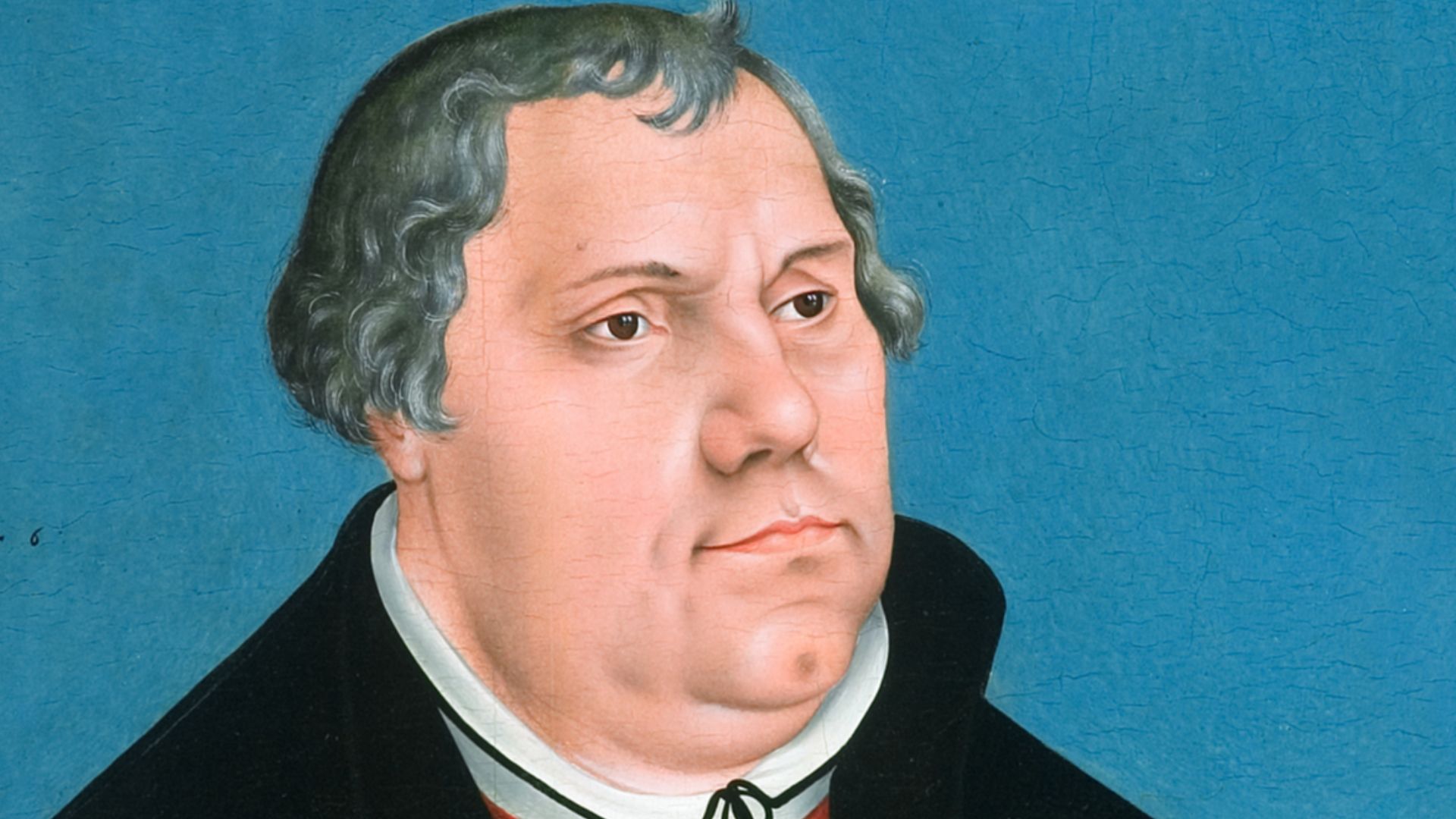 Workshop of Lucas Cranach the Elder, Wikimedia Commons
Salvador Dali
Dali brought together surreal ideas with technical skill and crafted a public persona that doubled as performance art. He collaborated with filmmakers and designers to turn his mustache into a trademark. Beneath the antics was a theorist using spectacle to push modern art forward.
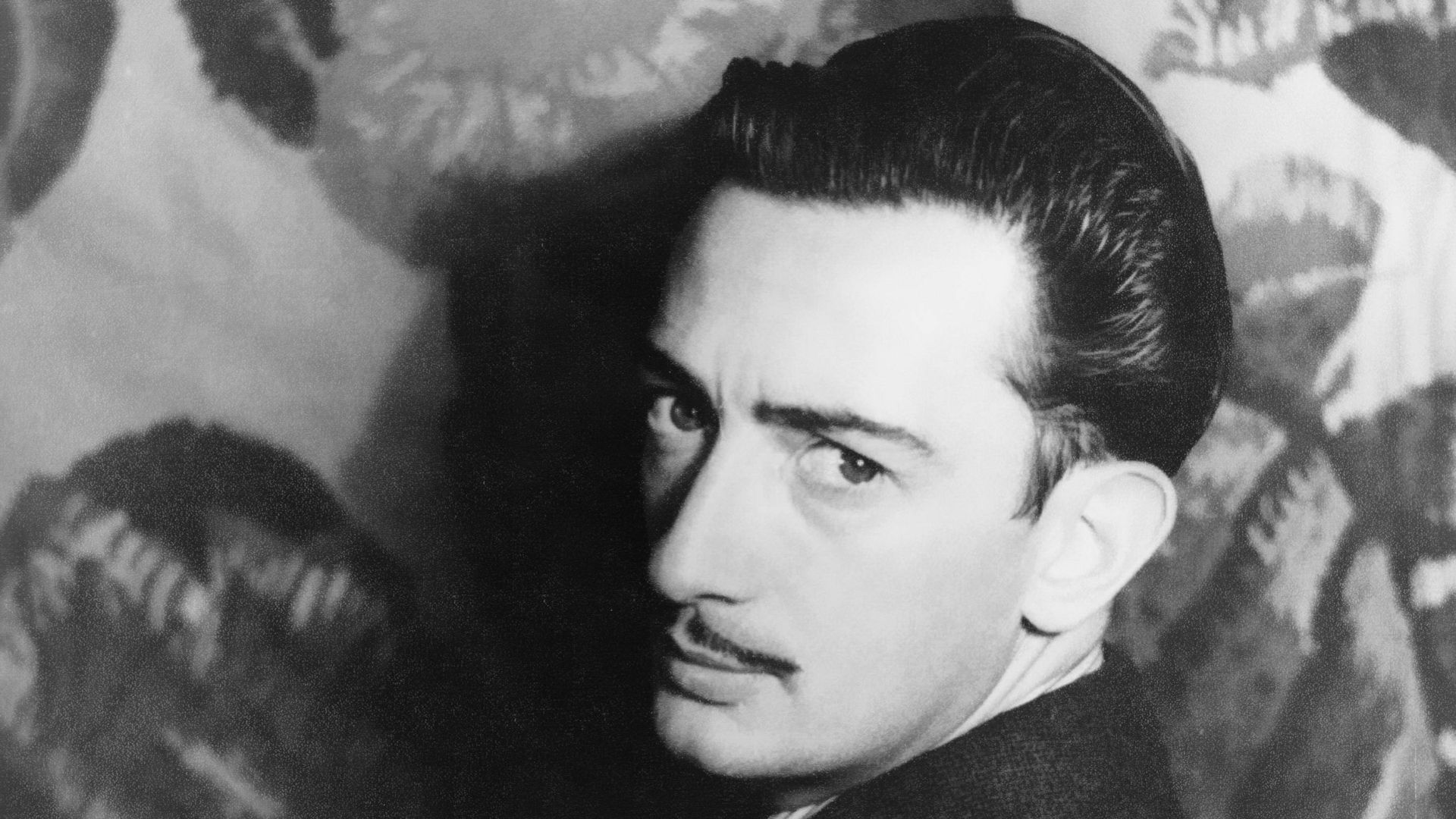 Van Vechten, Carl, 1880-1964., Wikimedia Commons
Catherine The Great
Catherine the Great is often remembered through scandalous gossip, from lurid horse myths to tales of endless lovers. In reality, she reshaped Russian statecraft, expanded territory, embraced Enlightenment ideas, and built cultural institutions like the Hermitage. The rumors obscure a pragmatic reformer whose legacy endured long after her reign.
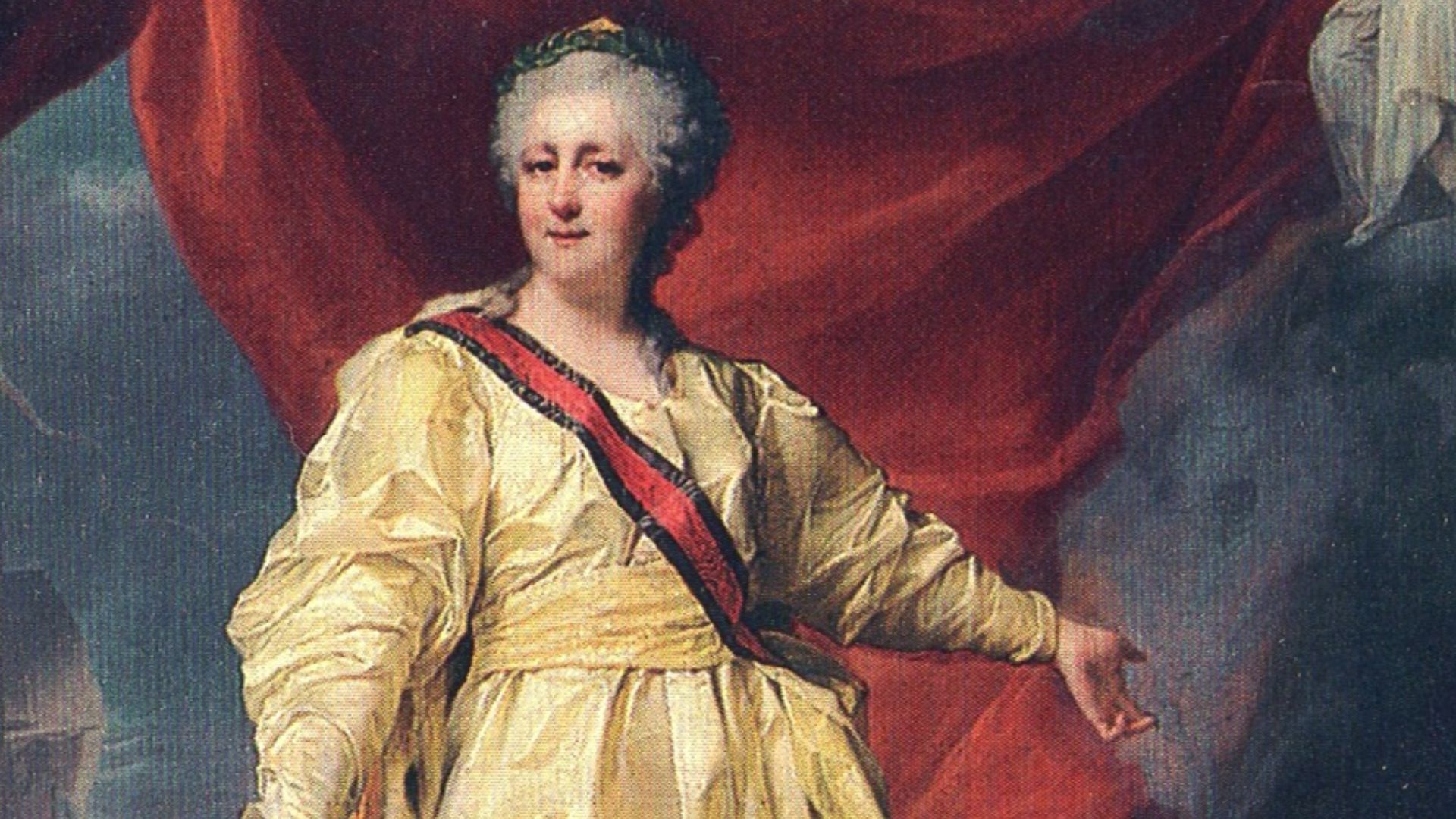 Dmitry Levitzky, Wikimedia Commons
Sacagawea
Much of the expedition’s communication with Indigenous groups depended on her interpretation and cultural knowledge. Records show her pointing out plants and calming encounters while traveling with her baby. The myth of a single heroic guide oversimplifies a role that was symbolic.
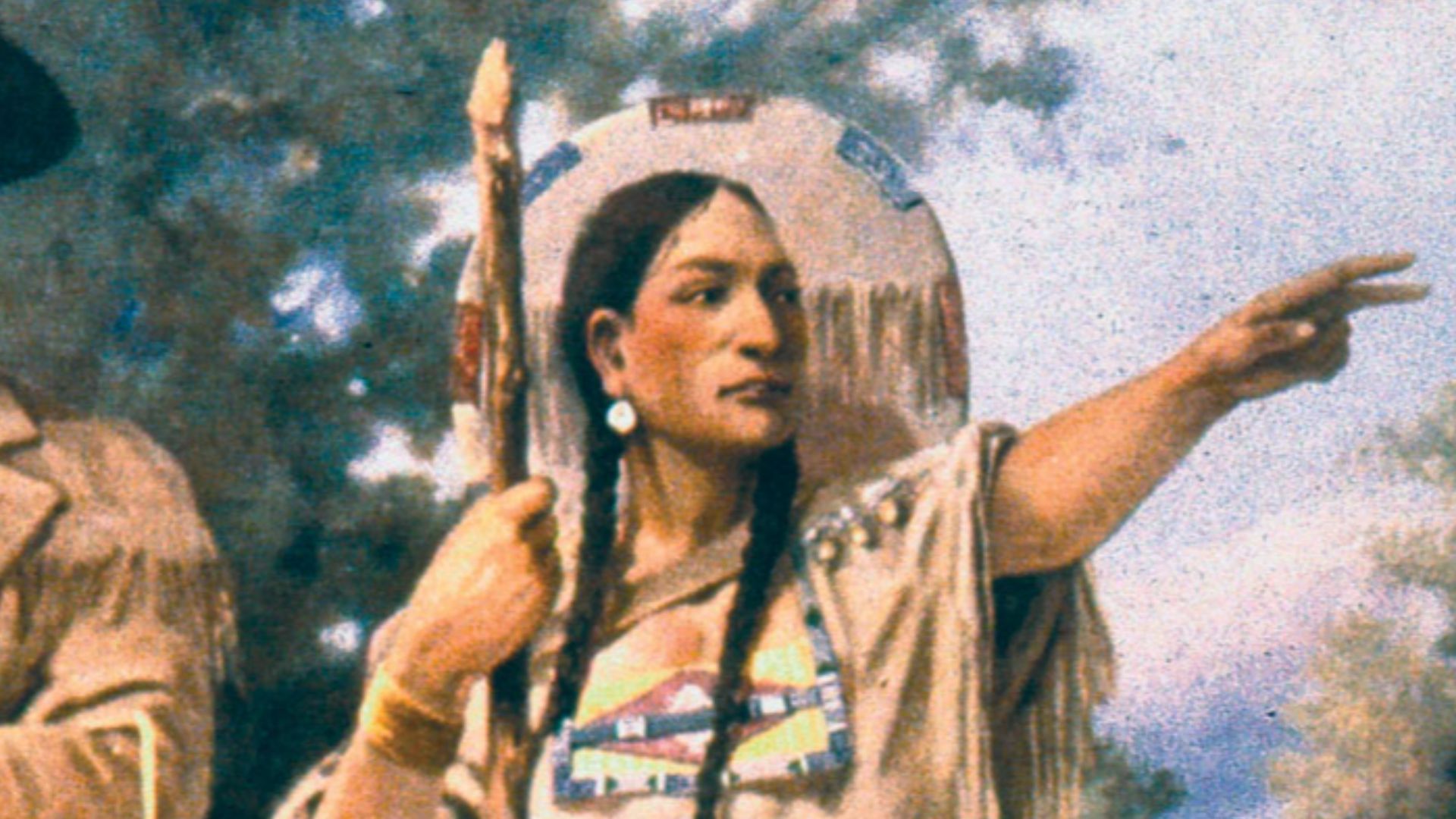 Edgar Samuel Paxson, Wikimedia Commons
Benjamin Franklin
Franklin wasn’t just a genial hobbyist. Public service and negotiation defined his role in shaping the colonies and the new nation. He helped secure French aid, created civic institutions, and designed practical tools like bifocals and the lightning rod. Even Poor Richard’s Almanack added to his reach.
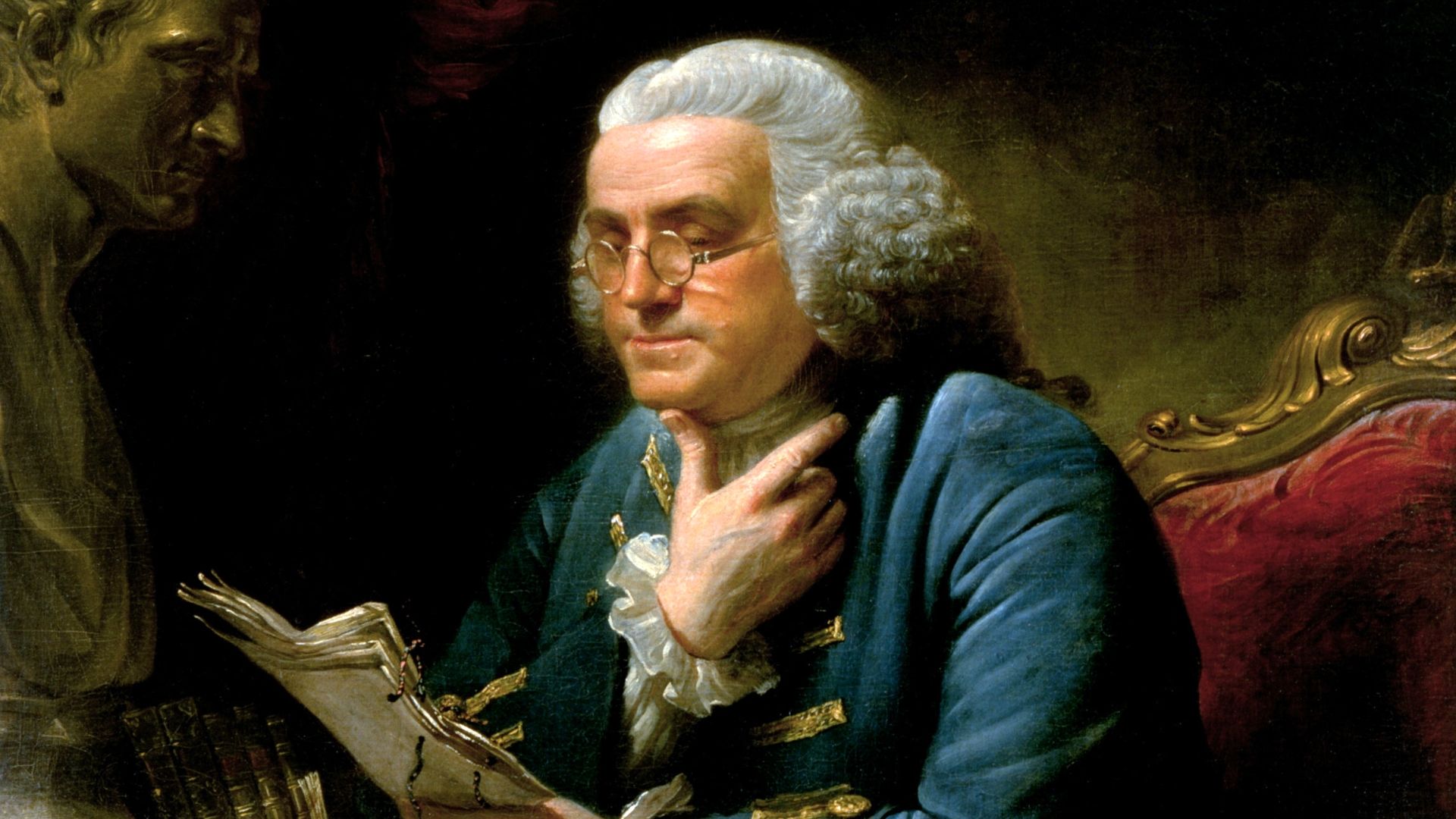 David Martin, Wikimedia Commons
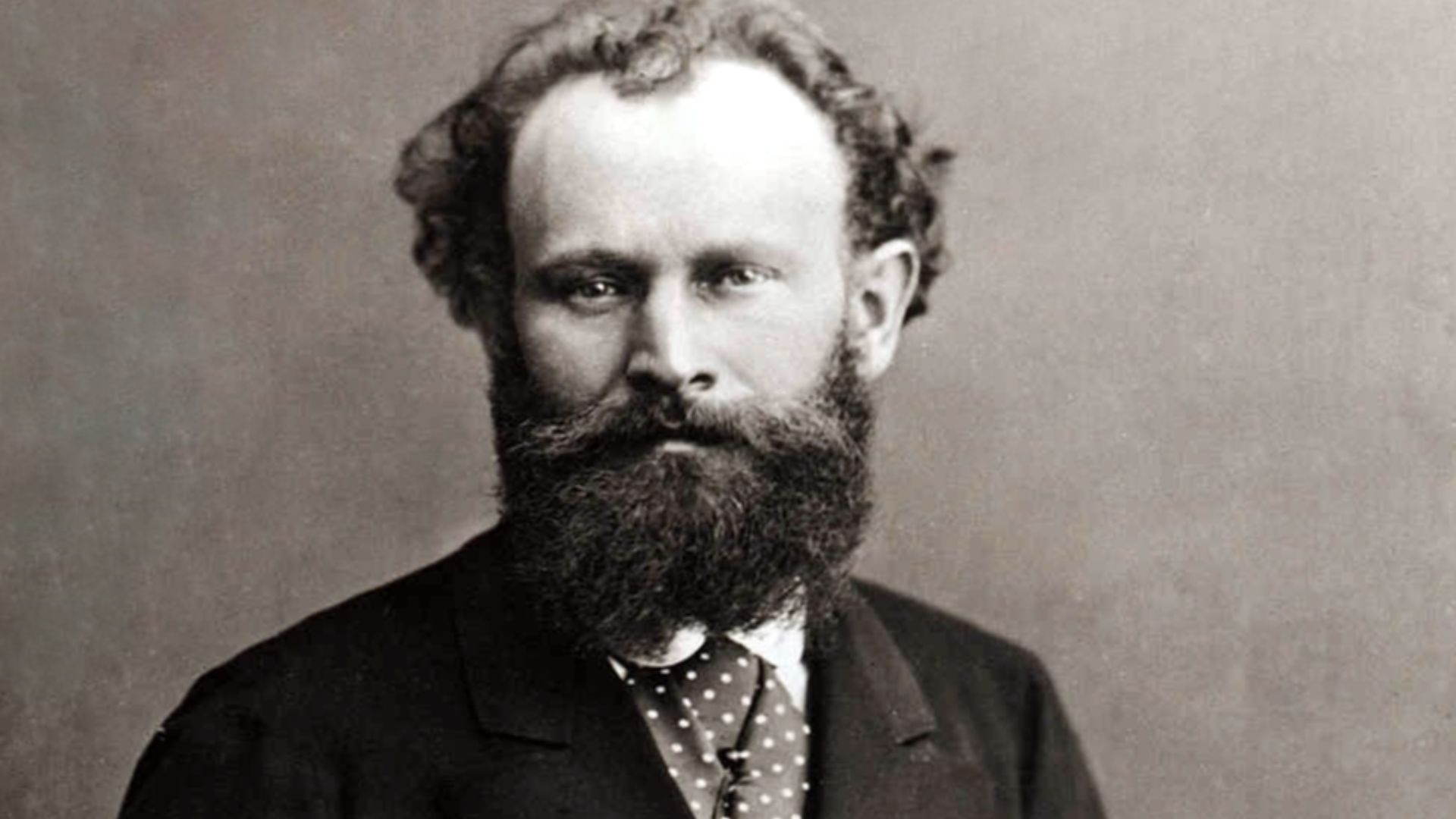
Edouard Manet
Manet shocked the public with paintings that challenged academic rules, yet he bridged realism and modernism. He used friends as models and captured Parisian life, showing work at both the Salon and independent shows. His “scandal maker” label misses his role in modern art’s foundation.
Che Guevara
Che’s romantic rebel icon hides a leader whose tactics and legacy remain hotly debated. He trained as a medical student before joining the Cuban Revolution and later launching guerrilla efforts abroad. His campaigns saw mixed results, and his diaries shaped his global image.
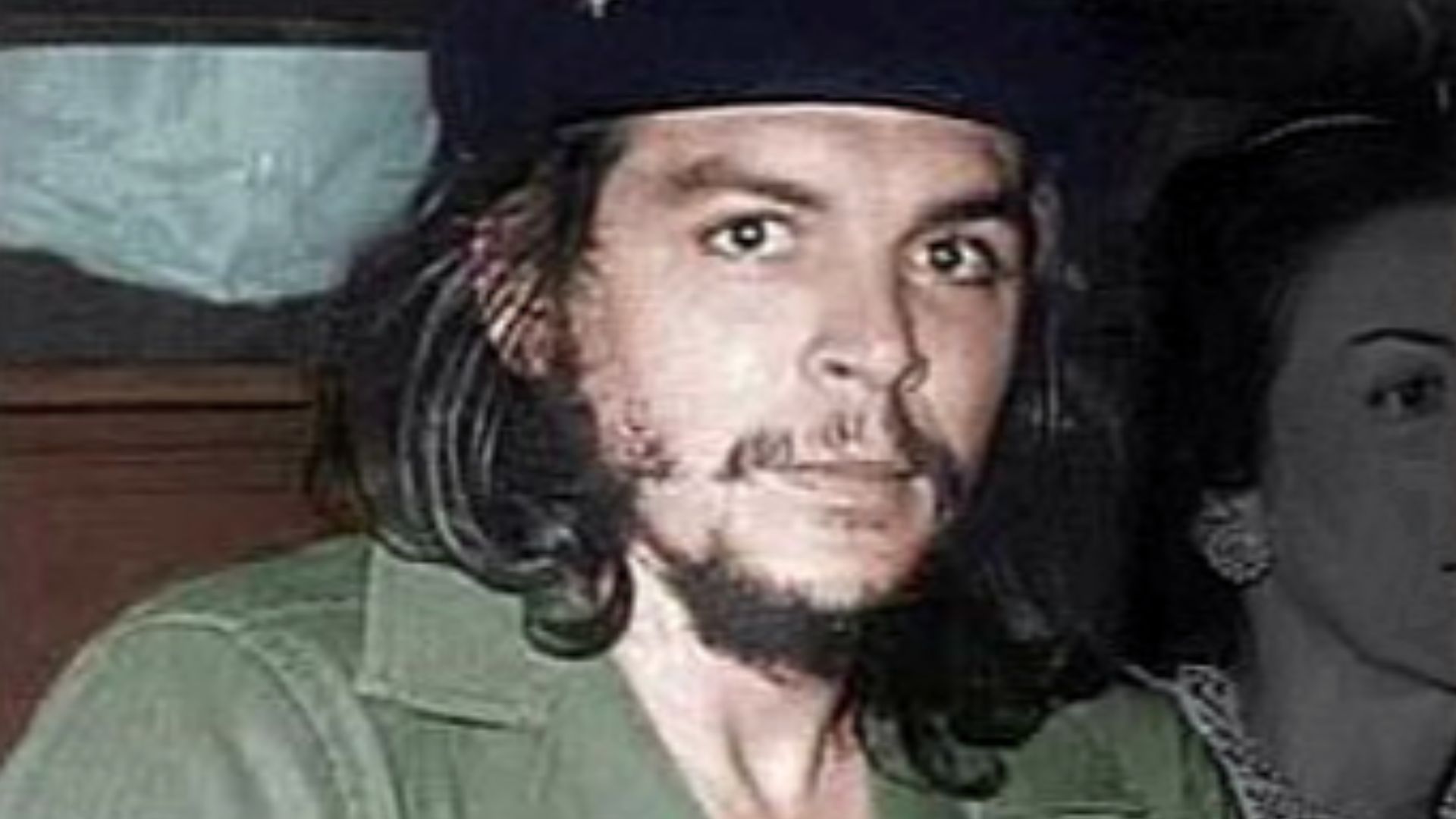 Unknown authorUnknown author, Wikimedia Commons