
Their Impact Grew After Their Journeys Ended
Some lives pass almost unnoticed, only gaining meaning once time rewrites their story. Several individuals were dismissed or misunderstood while alive. History later uncovered their influence and gave them the recognition they deserved.
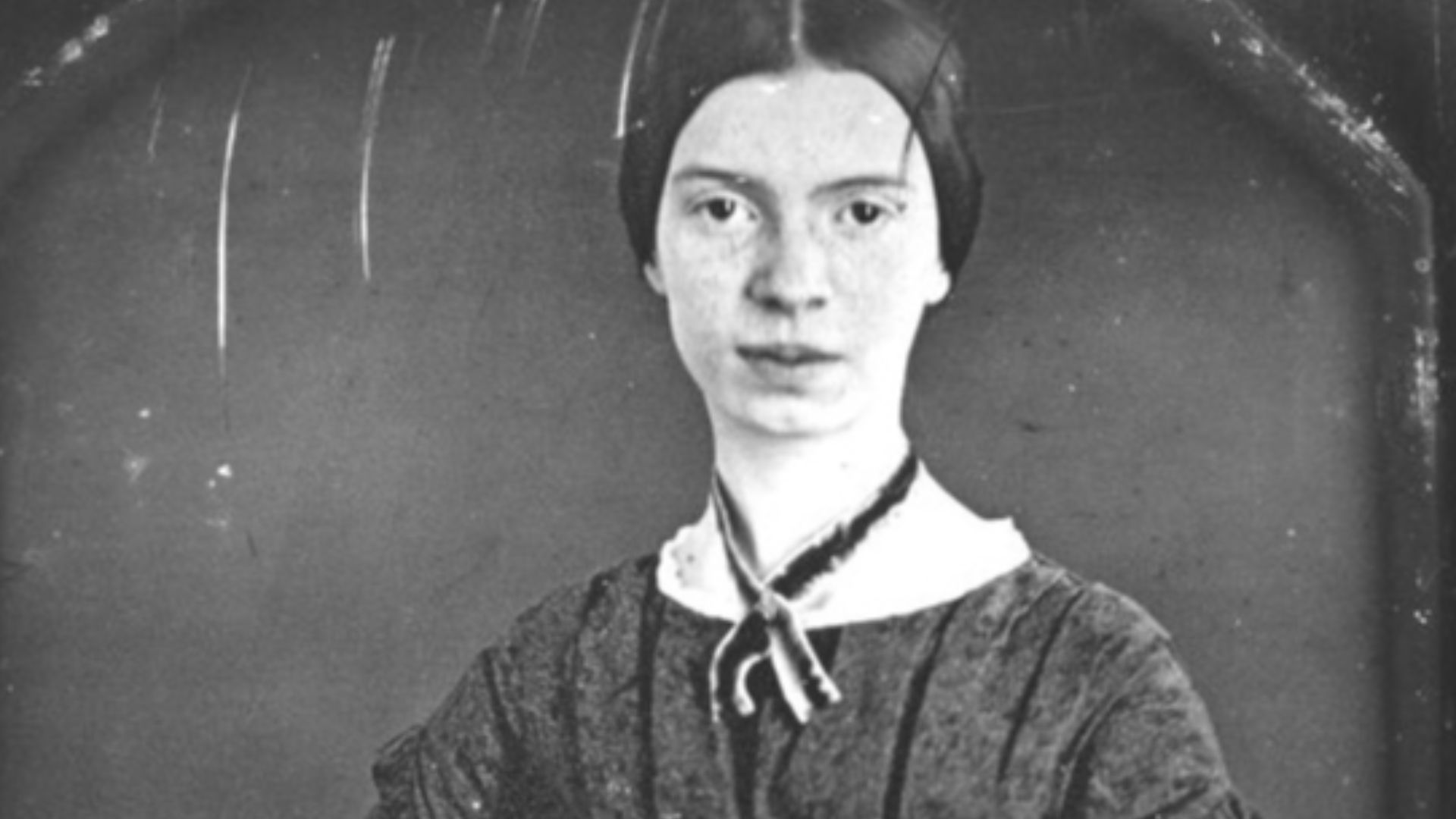
Emily Dickinson
Living reclusively in her family home, Emily Dickinson shared little of her writing and published almost nothing. Nearly 1,800 poems surfaced when she passed away, revealing daring ideas about love and identity. Her influence later transformed American poetry.
 Unknown authorUnknown author, Wikimedia Commons
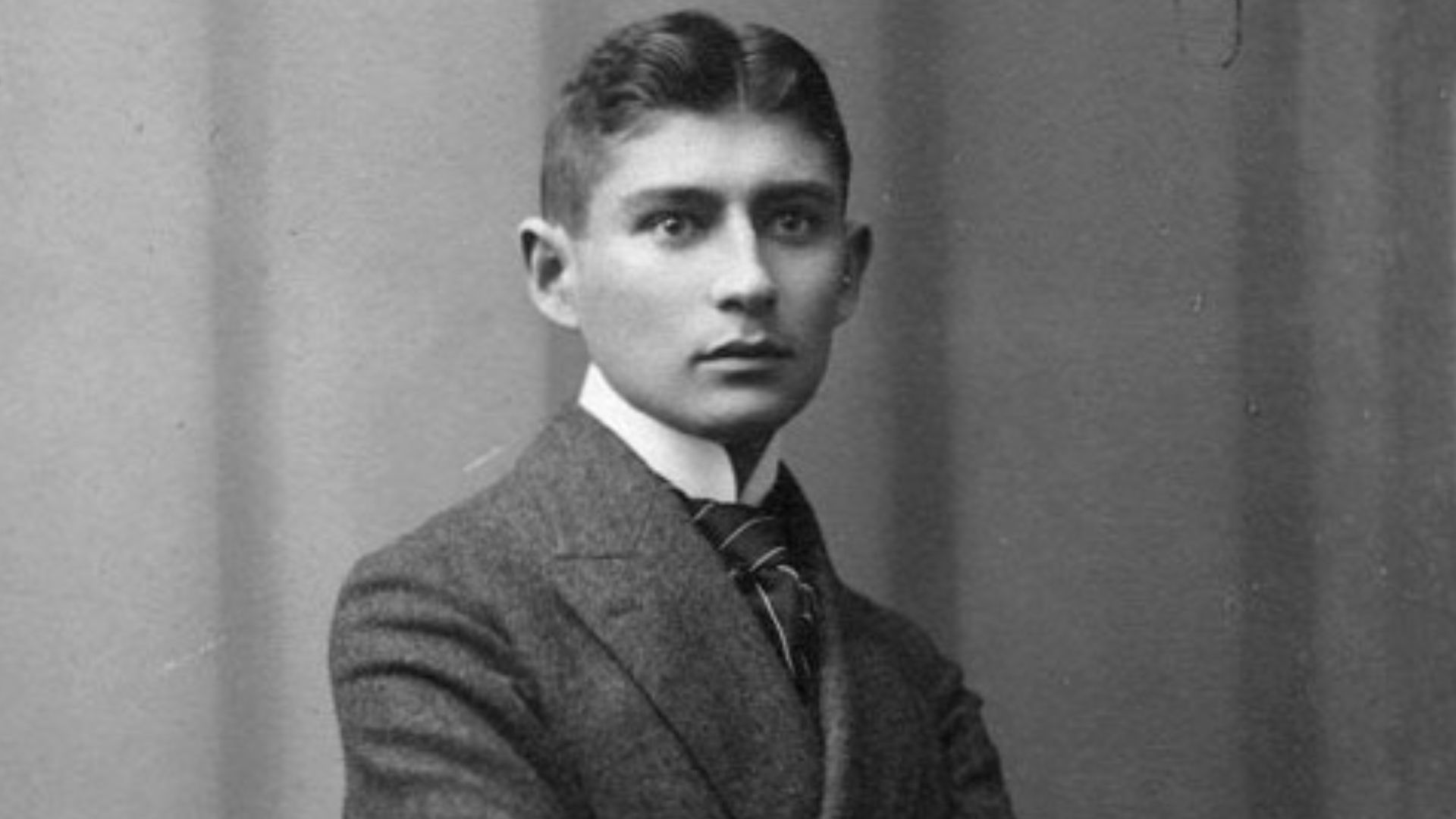
Franz Kafka
Franz Kafka worked as an insurance clerk and wrote unsettling stories in his spare time, but published little. He asked that his manuscripts be destroyed after his death. Instead, they were released to expose a unique literary voice that reshaped modern fiction and introduced themes of alienation.
 Atelier Jacobi: Sigismund Jacobi (1860–1935), Wikimedia Commons
Joan Of Arc
Born to a poor peasant family, Joan of Arc claimed divine guidance and led French troops during a desperate conflict. Captured by enemies, she was executed and condemned as a heretic. Her story was reevaluated years afterwards, turning her into a national hero and eventually a Catholic saint.
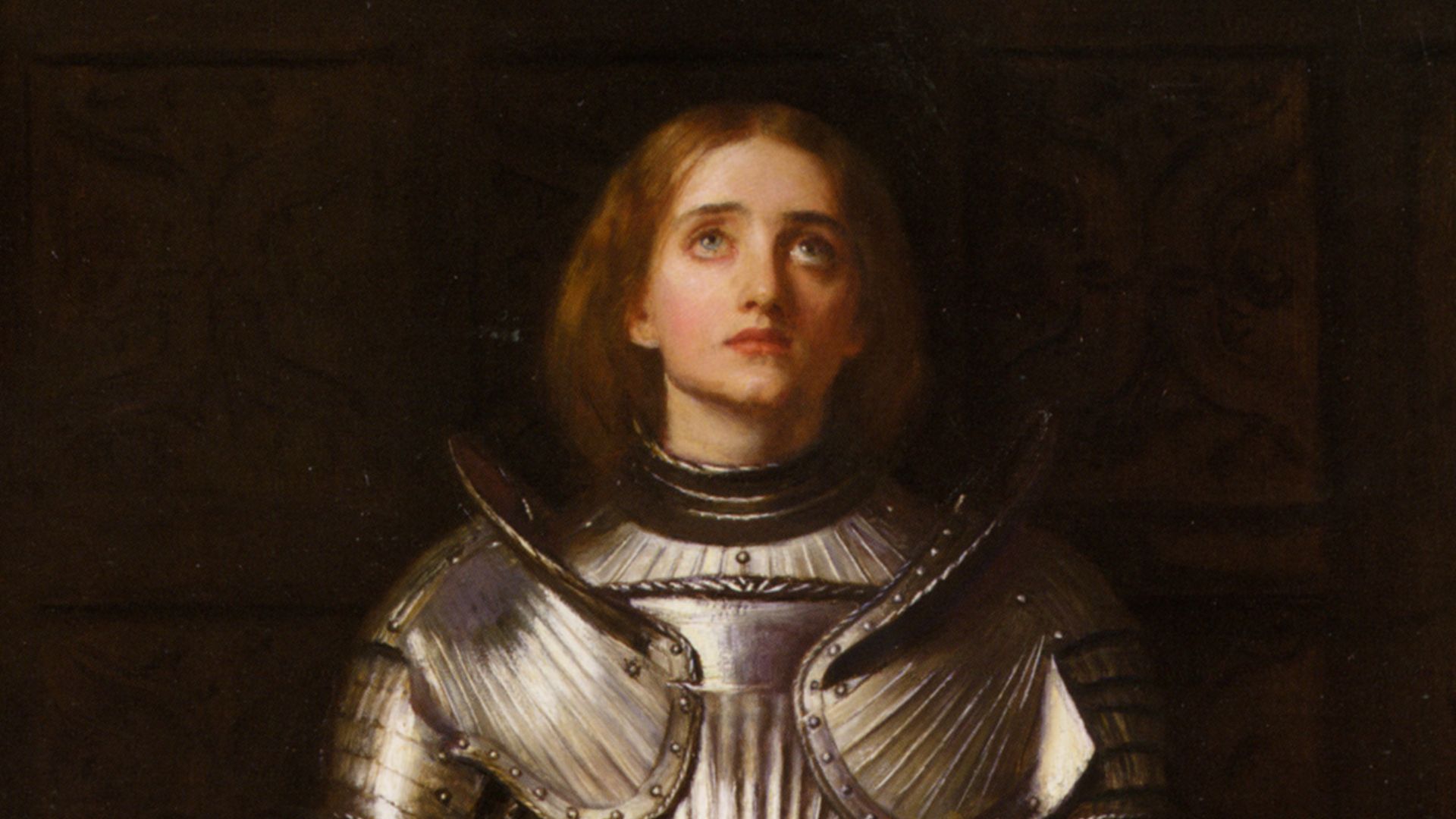 John Everett Millais, Wikimedia Commons
Gregor Mendel
While tending a monastery garden, Gregor Mendel patiently studied how traits passed between pea plants. His careful conclusions were dismissed by scientists of the time. Only decades after his death did researchers recognize his experiments as the foundation of modern genetics.
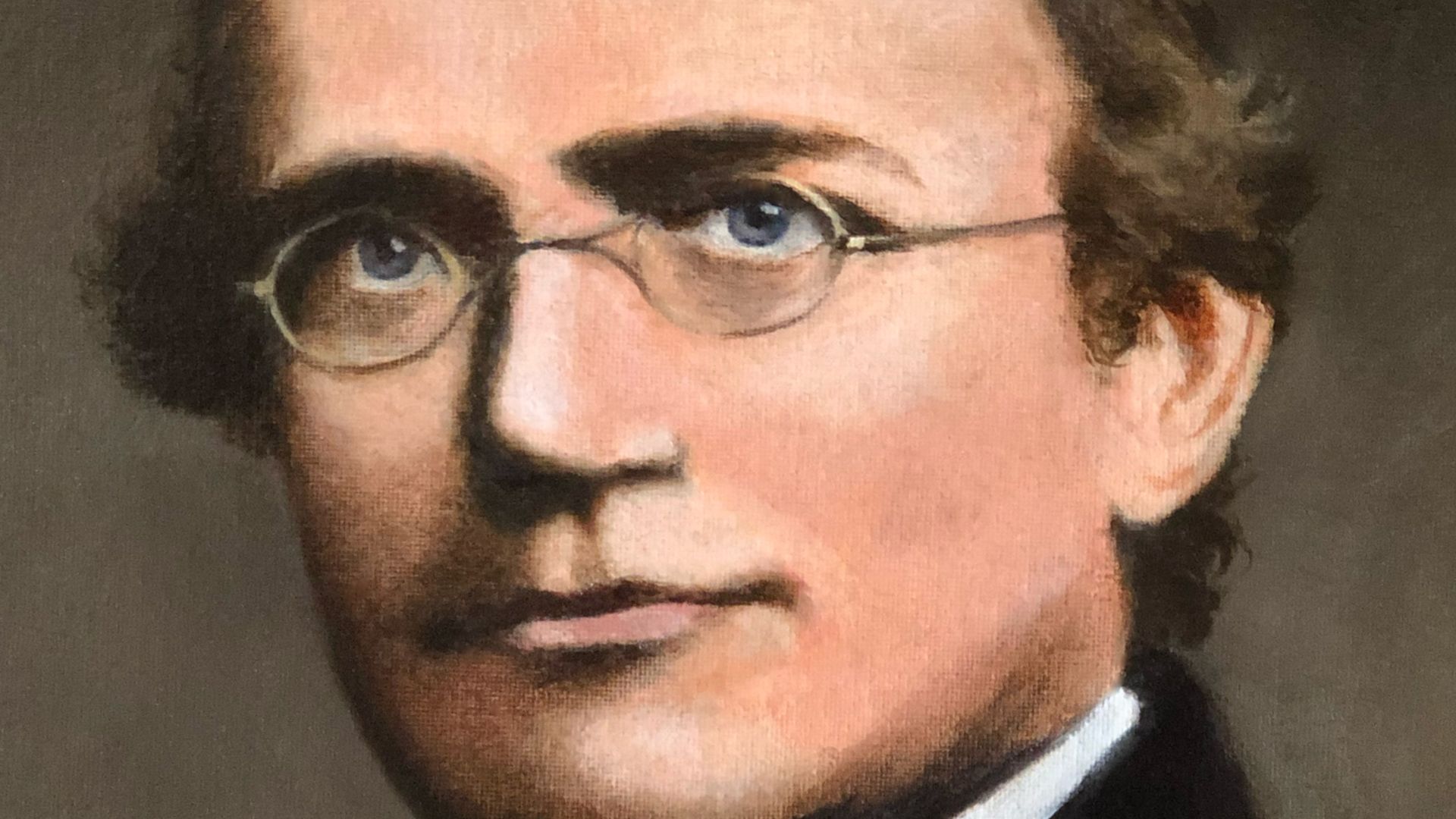 Daniel J. Fairbanks, Wikimedia Commons
Chevalier D’Eon
Chevalier d’Eon served as a diplomat and soldier who remained socially misunderstood. Much of their life drew ridicule rather than respect. After he passed away, historians reassessed d’Eon as a significant early figure in discussions of gender identity and personal autonomy in history.
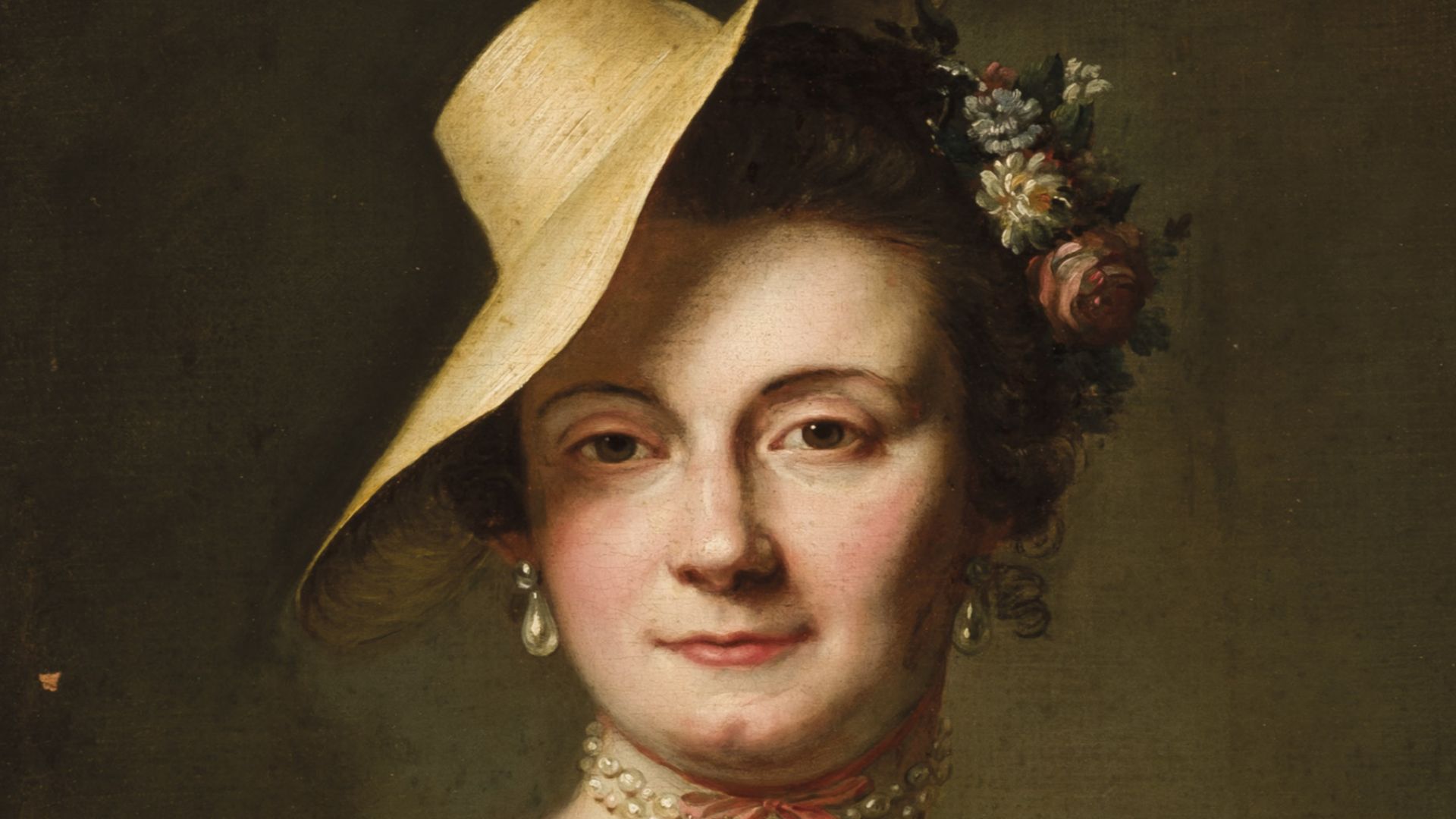 Thomas Hudson, Wikimedia Commons
Vincent Van Gogh
Throughout his troubled life, Vincent Van Gogh struggled financially and sold very little artwork. His vivid colors and emotional brushwork were largely ignored. Collectors and critics embraced his vision after he passed away and turned him into one of the most influential artists in global art history.
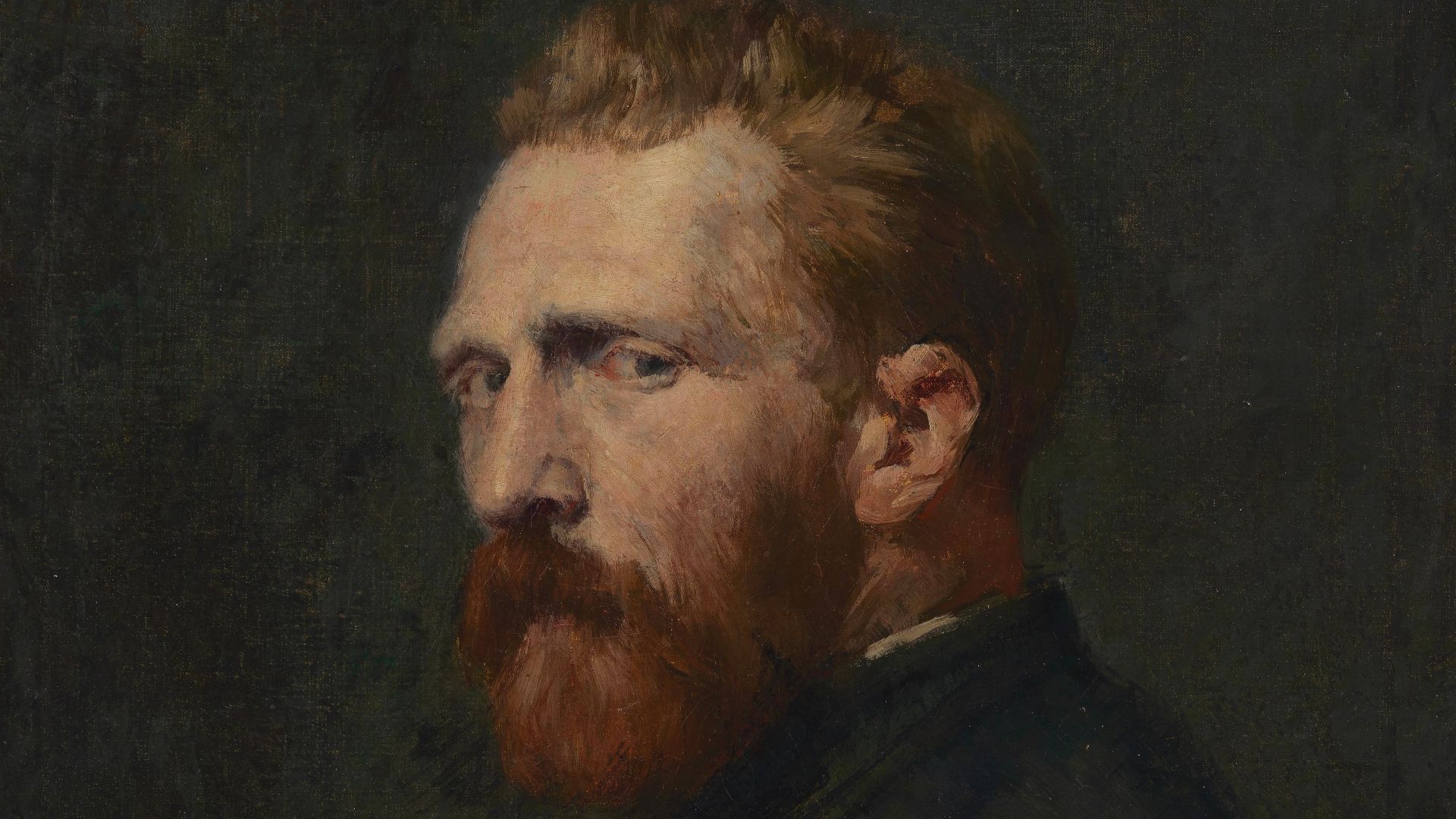 John Peter Russell, Wikimedia Commons
Sophie Scholl
As a university student, Sophie Scholl quietly joined an underground resistance group opposing Hitler. Arrested for distributing leaflets, she was executed at 21. Postwar Germany eventually celebrated her as a symbol that teaches generations about moral courage and youth activism.
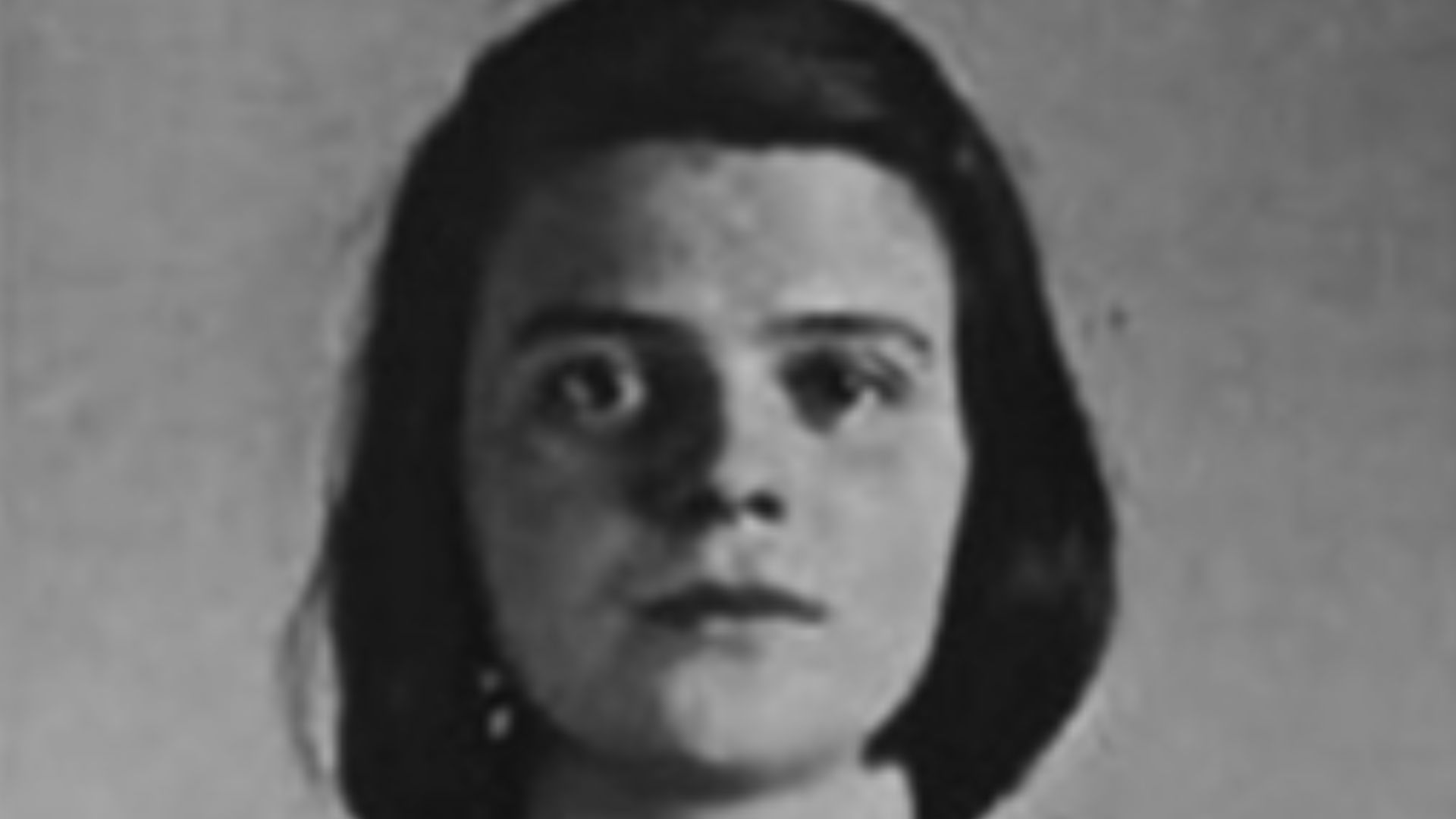 Unknown German police officer, Wikimedia Commons
Henry David Thoreau
Known during life to only a small readership, Henry David Thoreau earned modest attention for his essays. In the years subsequent to his passing, his reflections on nature, simplicity, and civil disobedience found broader meaning. His ideas influenced environmental movements and leaders who challenged injustice.
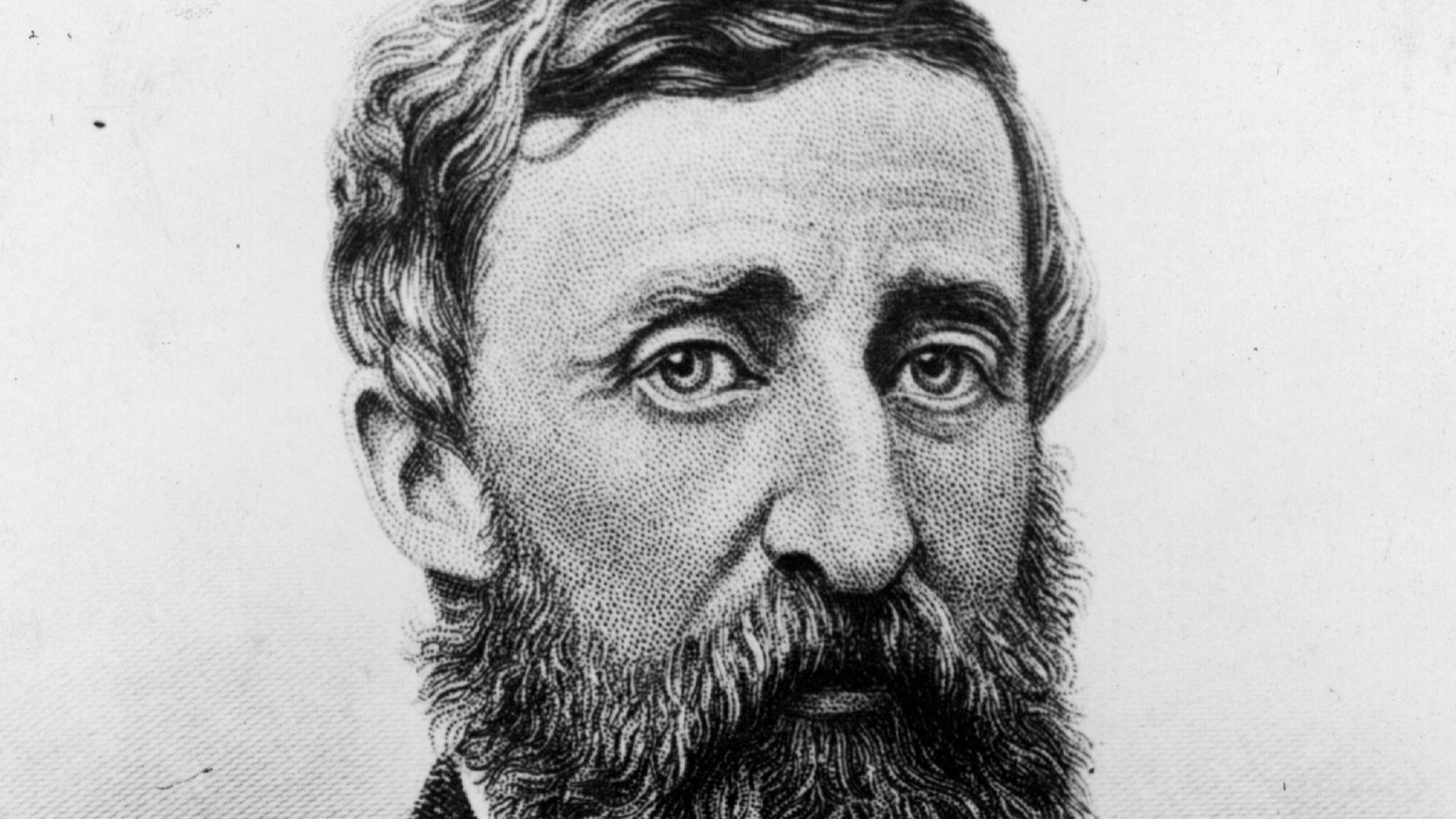 Geo. F. Parlow., Wikimedia Commons

History's most fascinating stories and darkest secrets, delivered to your inbox daily.
Ignaz Semmelweis
Ignaz Semmelweis noticed that doctors spread deadly infections by skipping handwashing while working in 19th-century hospitals. His warnings were mocked, and his career collapsed. In the years to follow, medical science confirmed his observations, recognizing him as a pioneer of antiseptic practice whose ideas save countless lives daily.
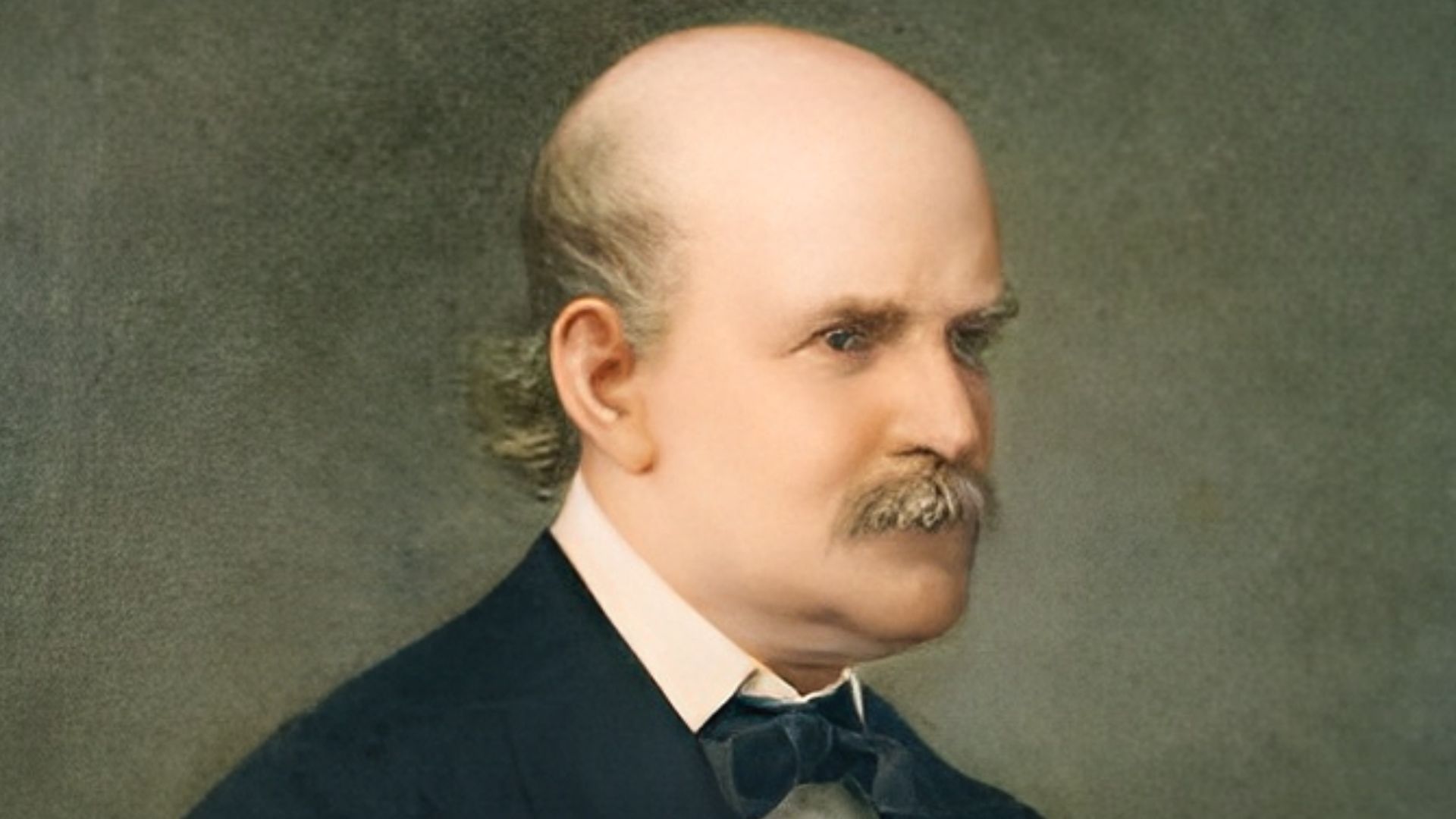
Stanislav Petrov
On a tense Cold War night, Stanislav Petrov faced computer alerts indicating incoming nuclear missiles. Trusting instinct over protocol, he chose not to report the warning. The incident remained secret for years. Only later did the world learn how one ordinary officer quietly prevented a global disaster.
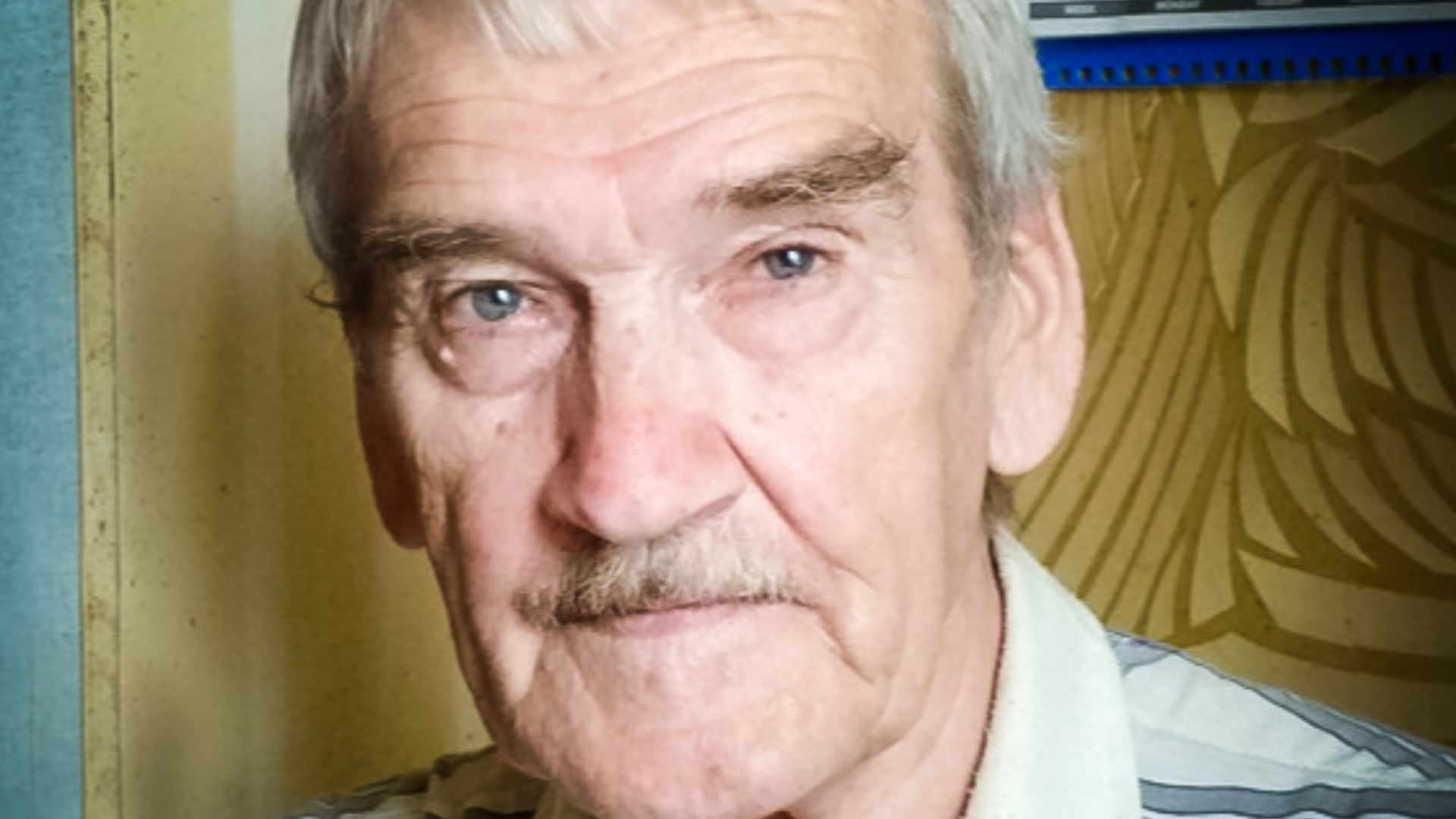
John Harrison
Raised as a self-taught carpenter, John Harrison spent decades solving a navigation problem that baffled experts. His accurate marine clock could determine longitude at sea, yet officials dismissed him. Recognition arrived long after he passed away, when historians confirmed his invention changed global exploration and maritime safety permanently.
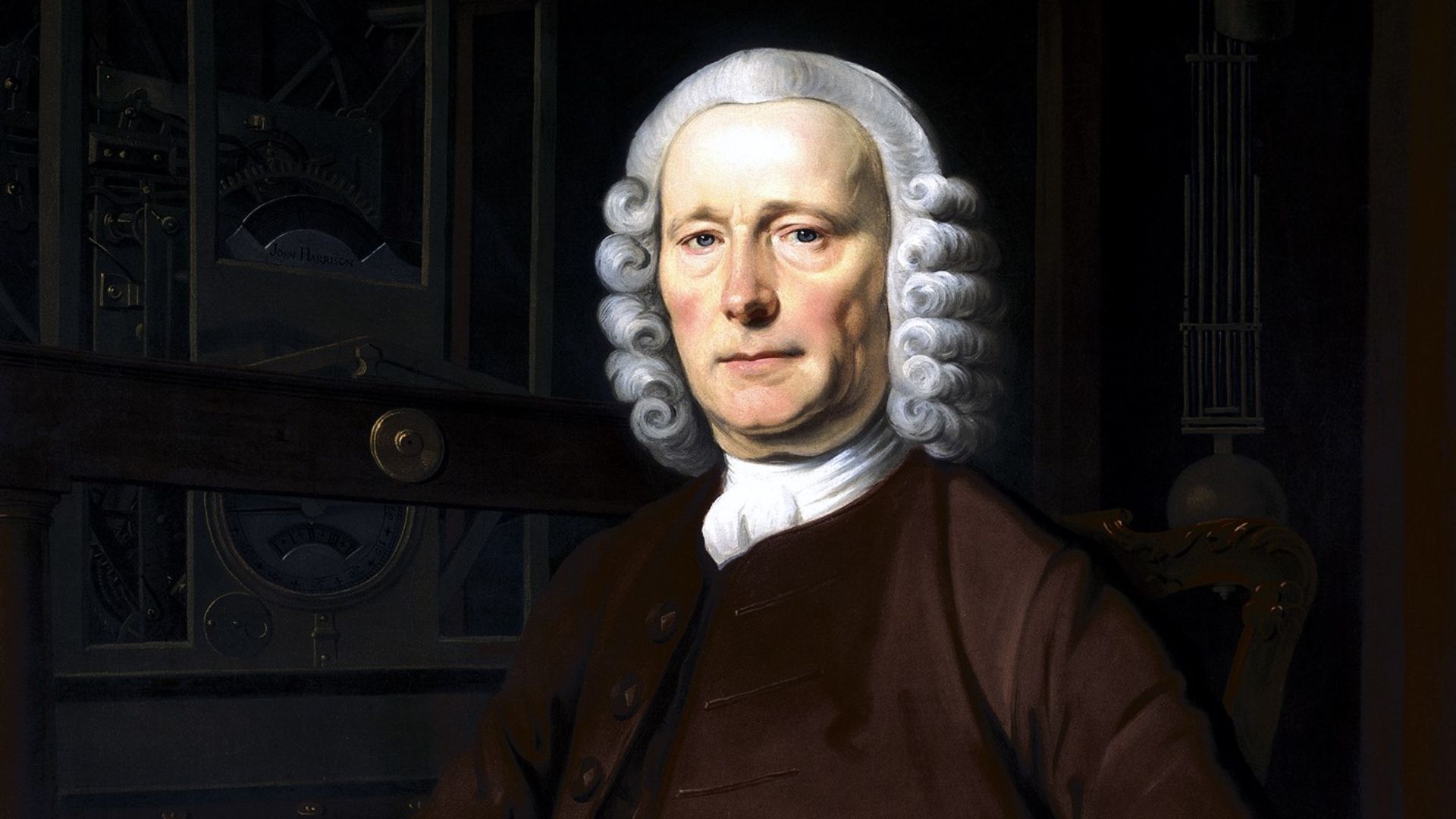 Thomas King († circa 1796date QS:P,+1796-00-00T00:00:00Z/9,P1480,Q5727902), Wikimedia Commons
Emily Warren Roebling
When her husband fell ill, Emily Warren Roebling quietly assumed responsibility for overseeing the construction of the Brooklyn Bridge. At the time, her role remained largely uncredited. In the next decades, history exposed her engineering knowledge and leadership.
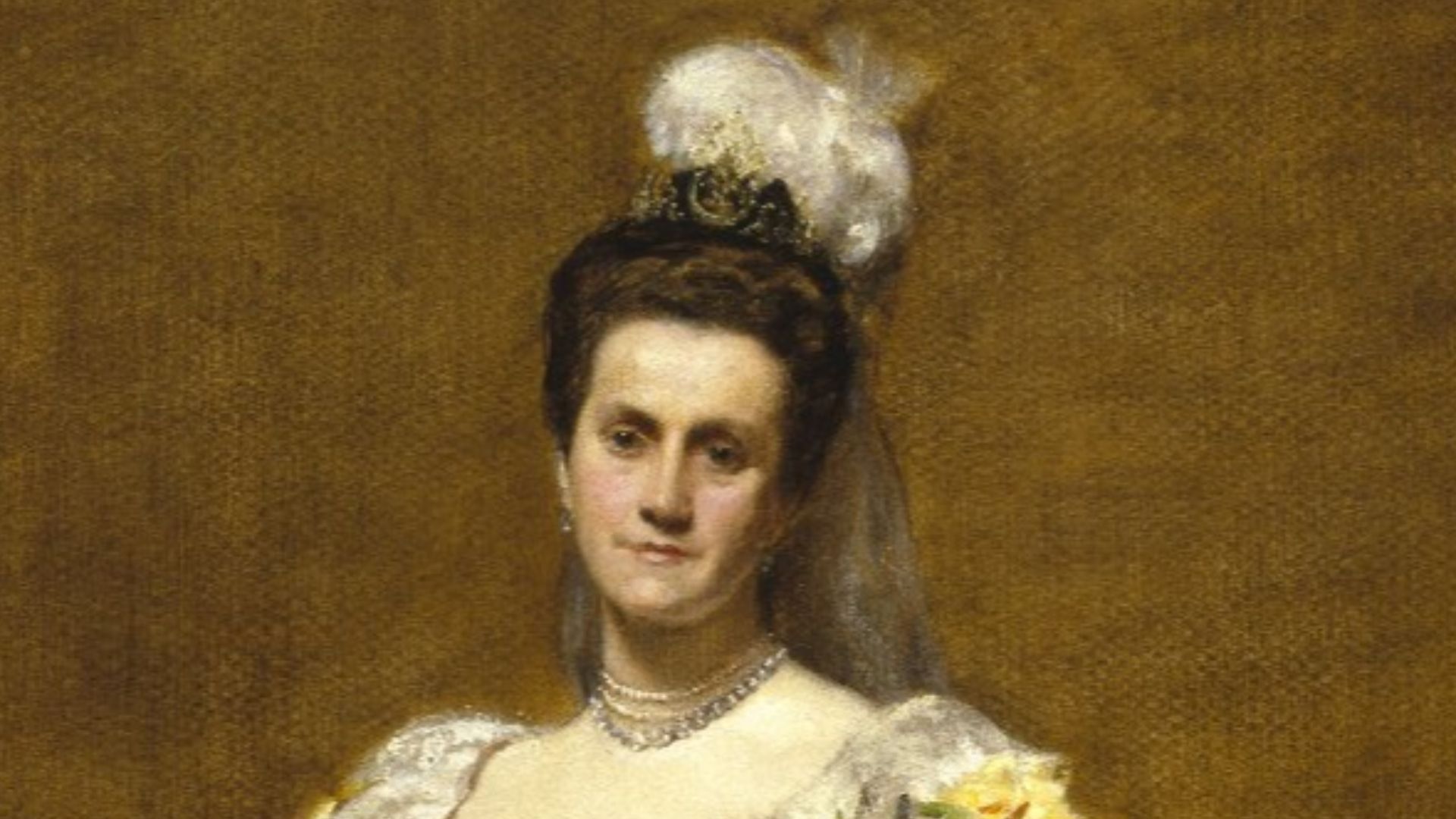 Carolus-Duran, Wikimedia Commons
Ned Kelly
Growing up poor in colonial Australia, Ned Kelly became an outlaw after repeated clashes with authorities. Executed as a criminal, his story evolved over time. Songs, books, and films recast him as a folk legend who symbolized resistance and class struggle.
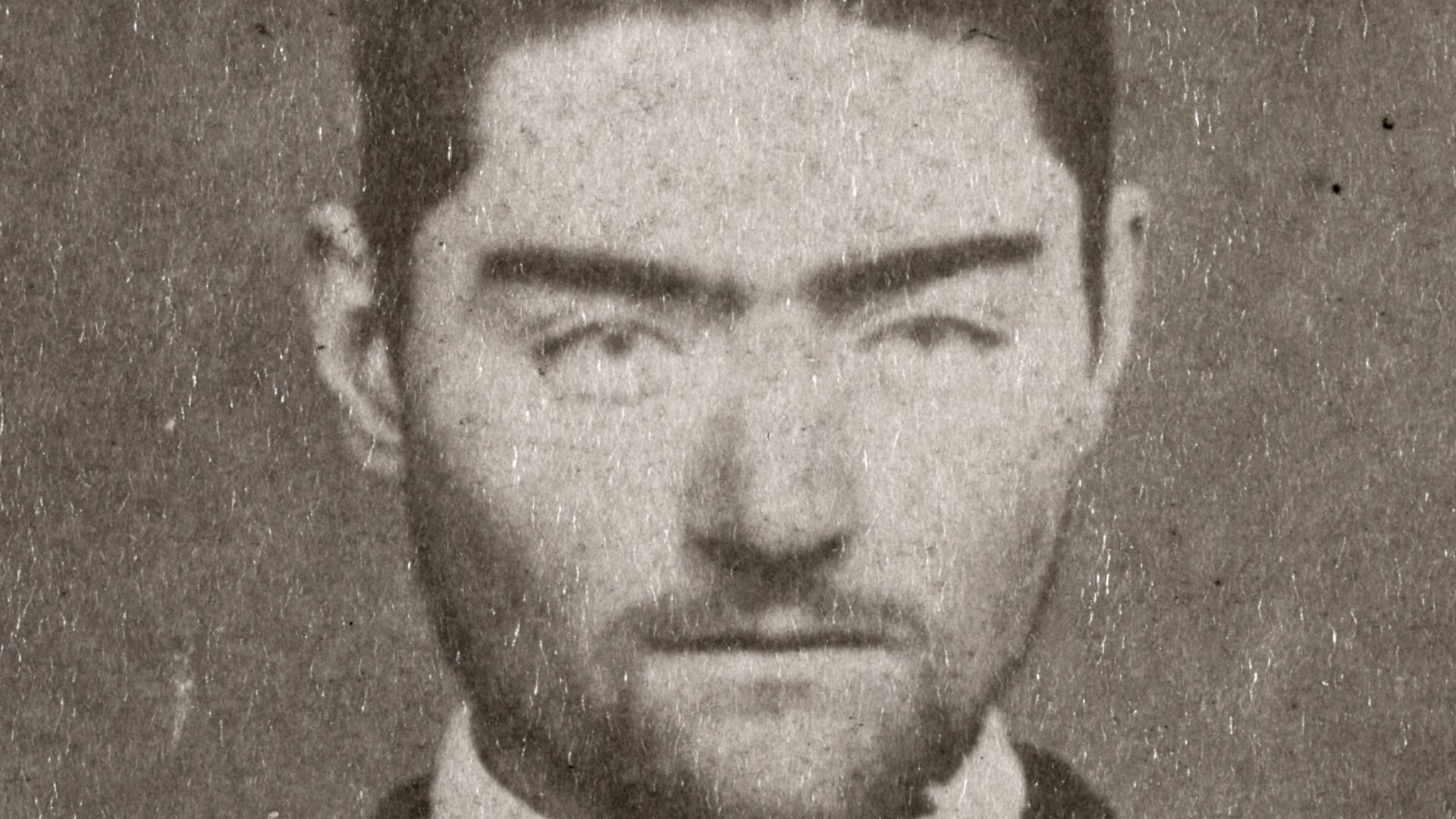 Charles Nettleton (attributed), Wikimedia Commons
Phineas Gage
Employed as a railroad foreman, Phineas Gage survived a horrific accident that damaged his brain and altered his personality. Doctors studied his case quietly. Posthumously, neuroscientists used his experience to understand how specific brain regions influence behavior and decision-making.
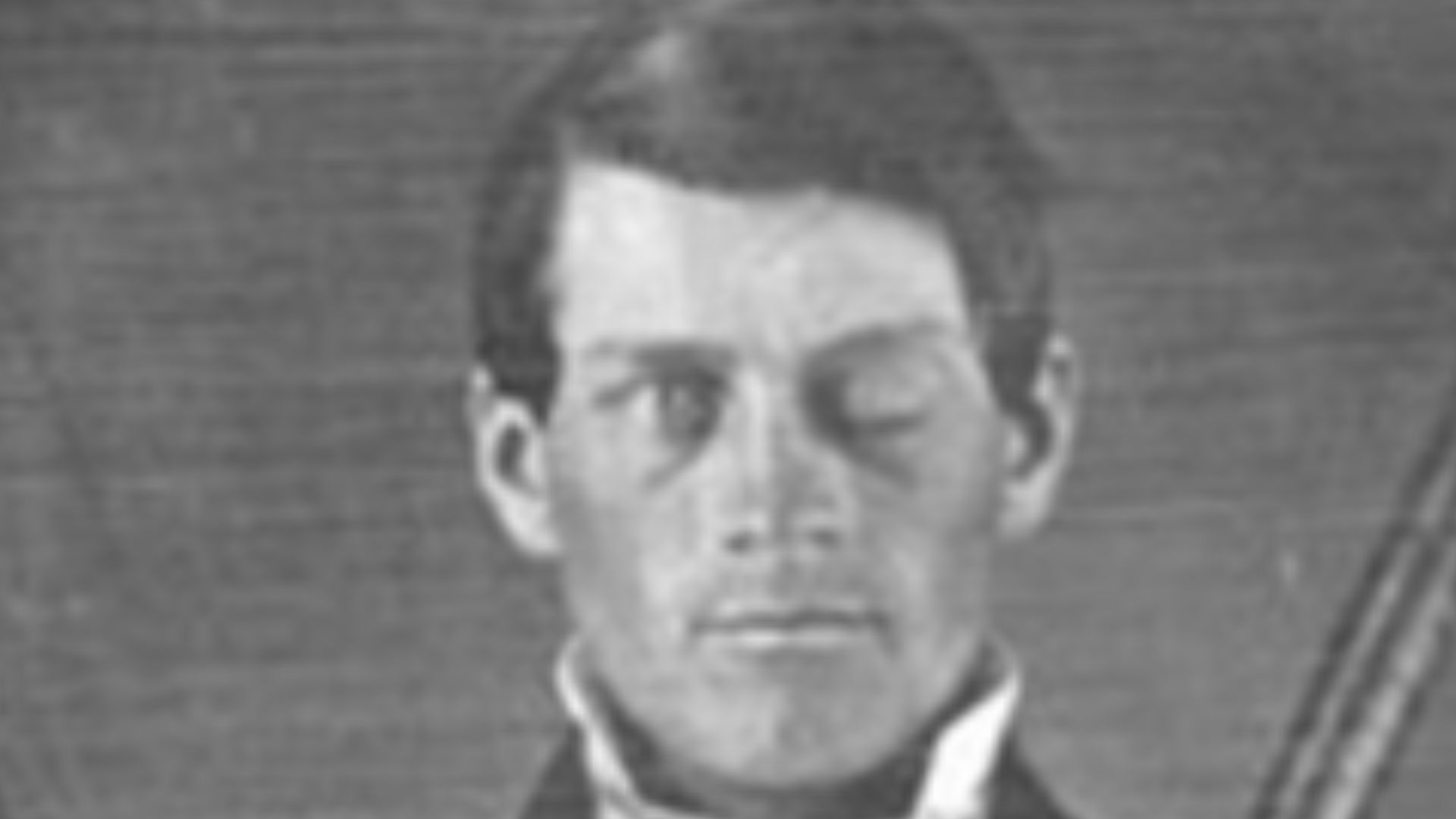 Unknown authorUnknown author, Wikimedia Commons
Ada Lovelace
Ada Lovelace was born into British high society and received little recognition for her intellectual work while she was alive. Her notes on an early mechanical computer went largely overlooked. Historians eventually recognized those writings as the first description of computer programming.
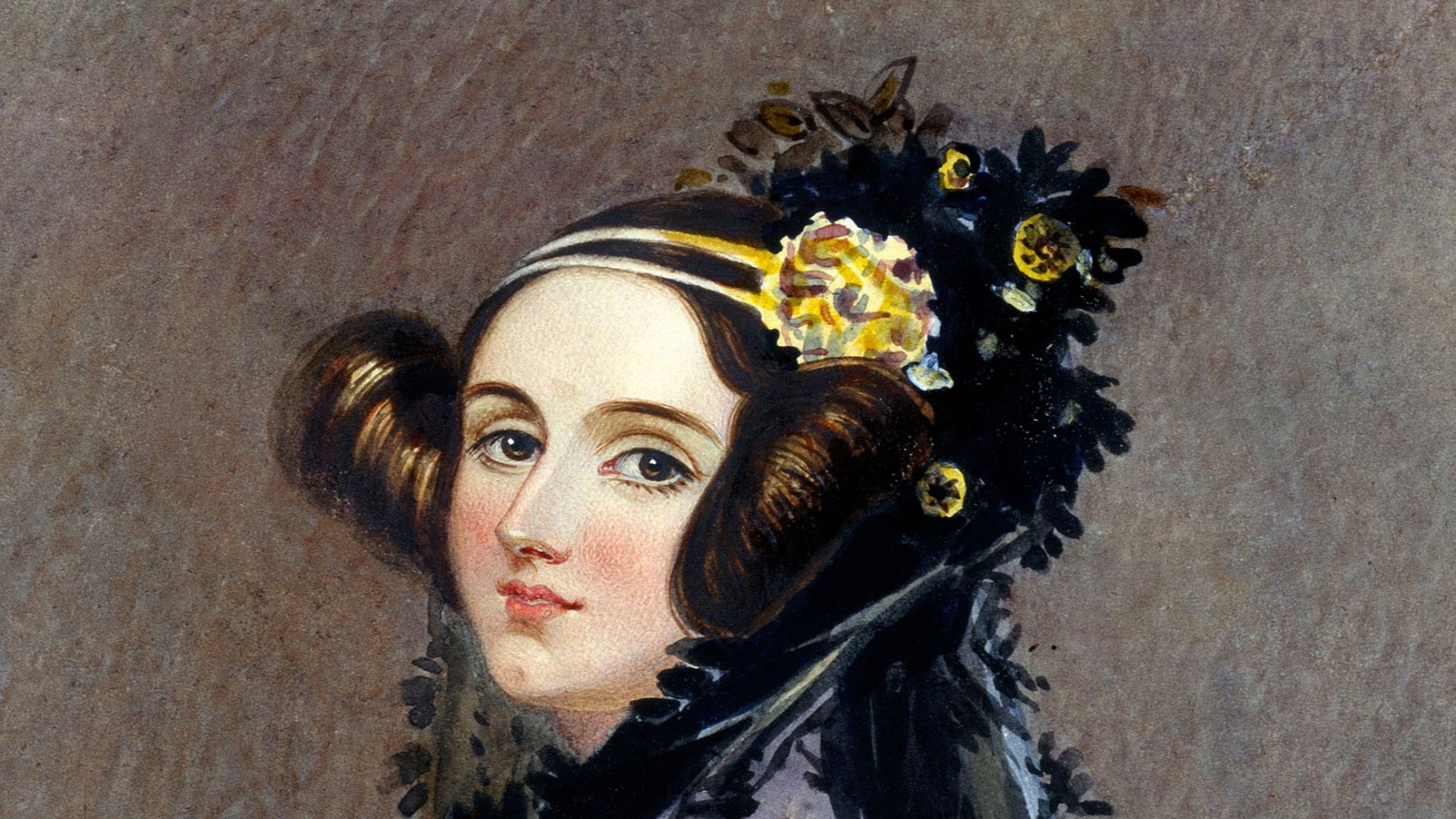 Alfred Edward Chalon, Wikimedia Commons
Jane Austen
Writing quietly within domestic life, Jane Austen published anonymously and earned modest recognition. Her novels were viewed as polite entertainment rather than serious literature. Scholars eventually recognized her sharp social commentary and narrative skill.
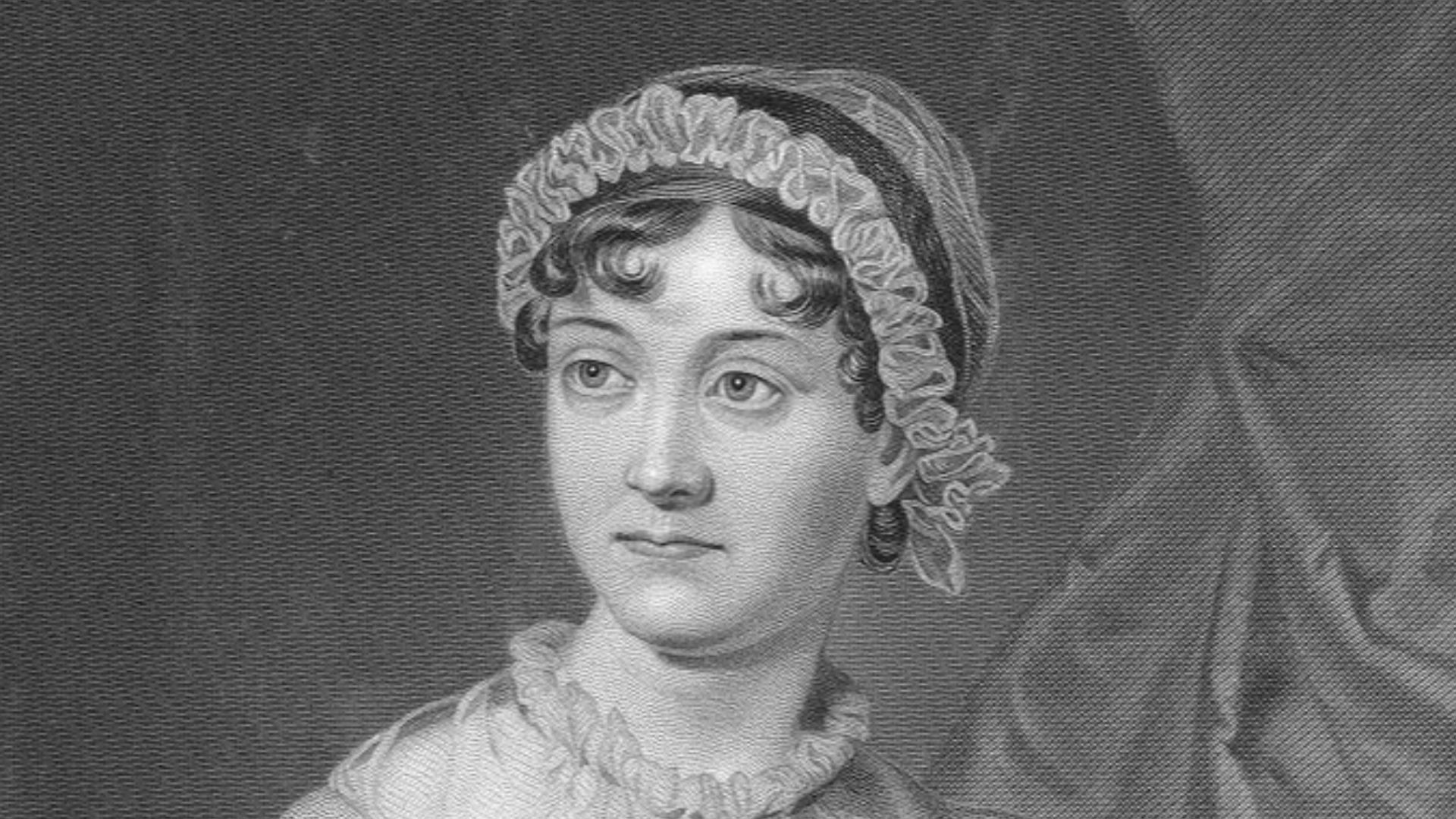 Based on one drawn by her sister Cassandra, Wikimedia Commons
Irena Sendler
Employed as a social worker in Nazi occupied Poland, she secretly helped smuggle Jewish children out of ghettos. Irena Sendler’s efforts remained largely unknown for decades. Only later did the public learn about the lives she saved.
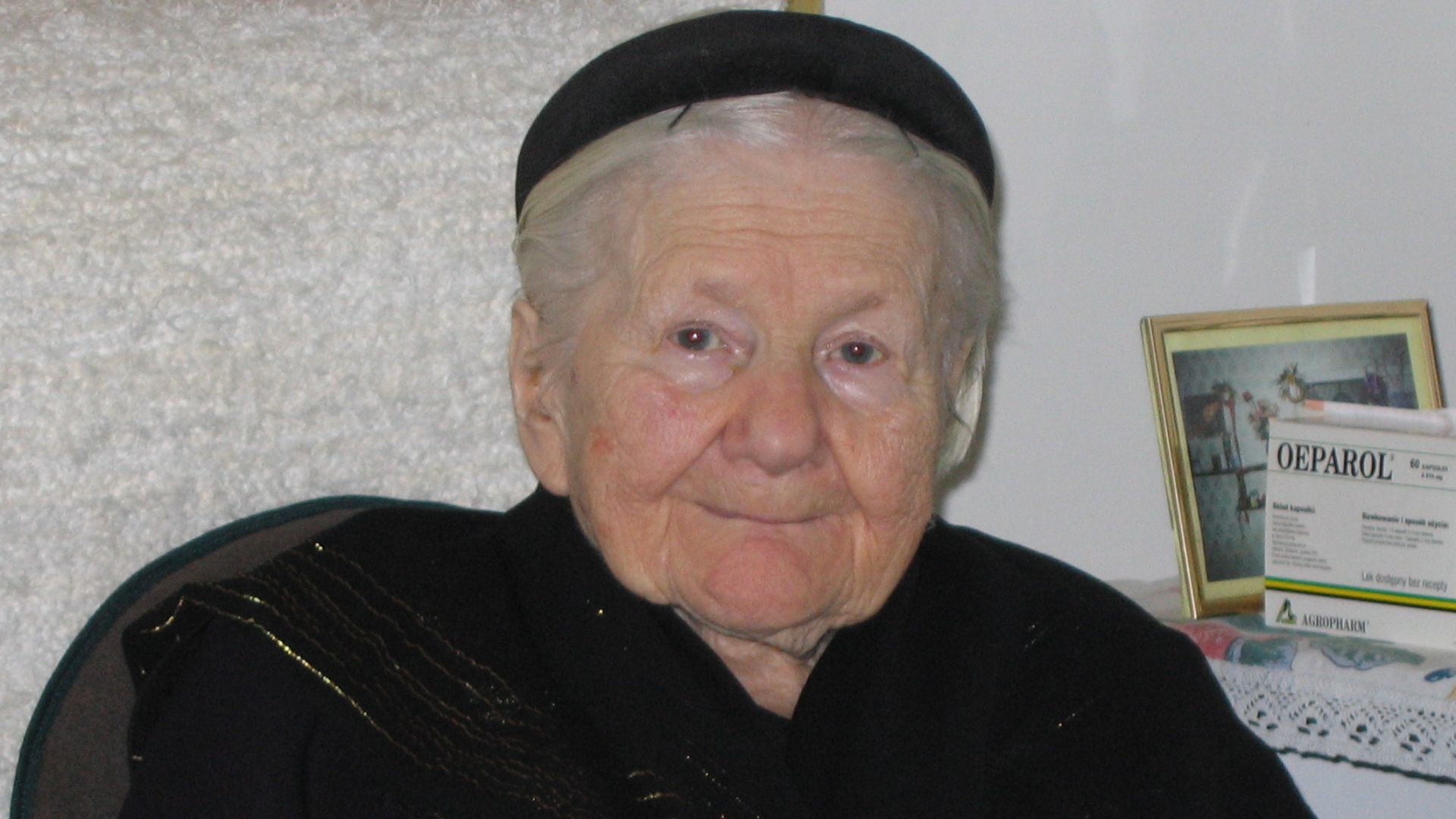 Mariusz Kubik, Wikimedia Commons
Rosalind Franklin
Working as a chemist, Rosalind Franklin produced important images that explained the structure of DNA. Her contributions were overlooked while others received acclaim. After her early death, scientists acknowledged her essential role, as she changed the historical narrative of one of biology’s most important discoveries.
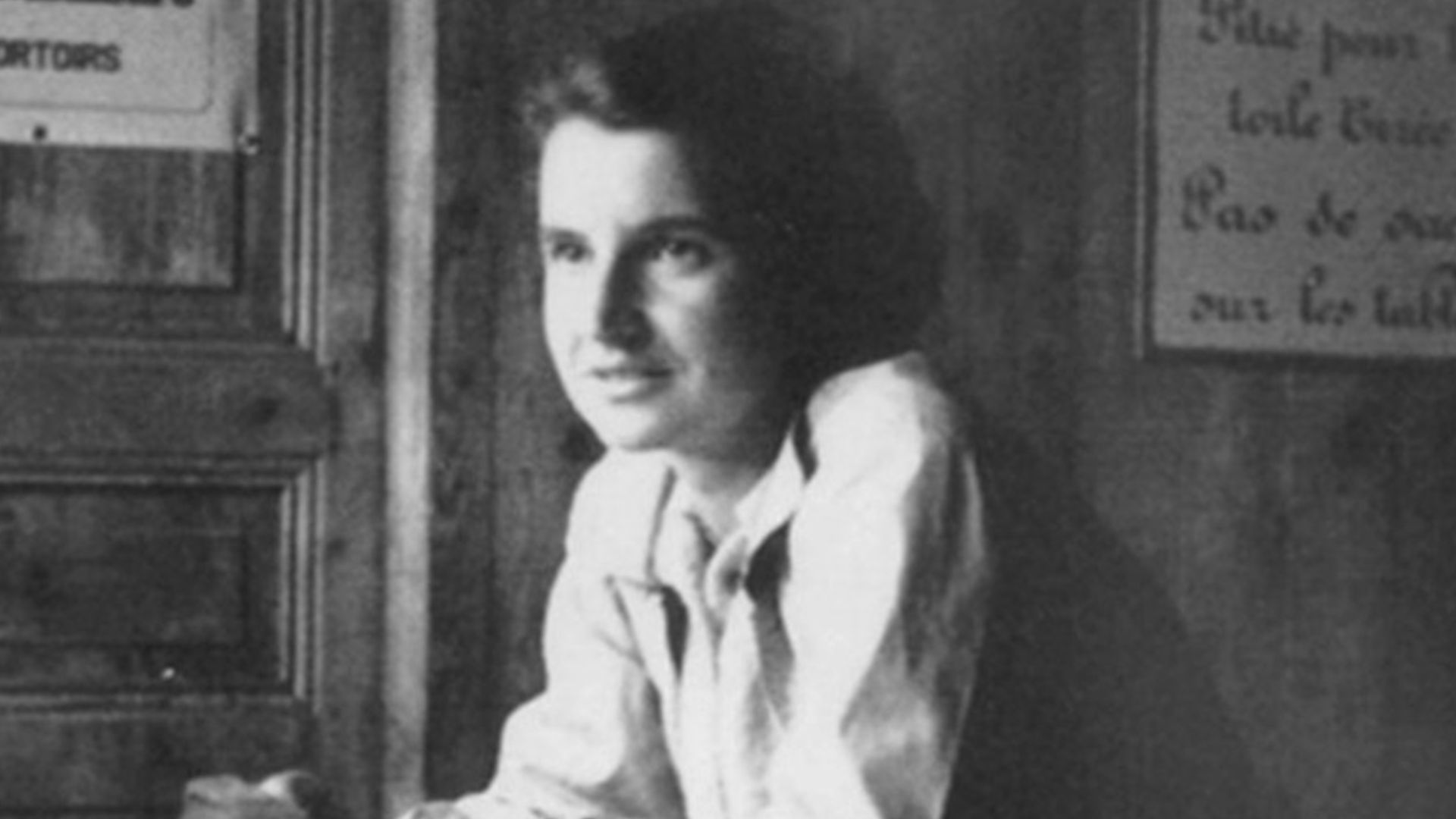
Laika
Chosen from the streets of Moscow, Laika became the first animal to orbit Earth. The mission offered no chance of survival, and details were hidden for years. Laika later emerged as a powerful symbol of scientific sacrifice and ethical debate.
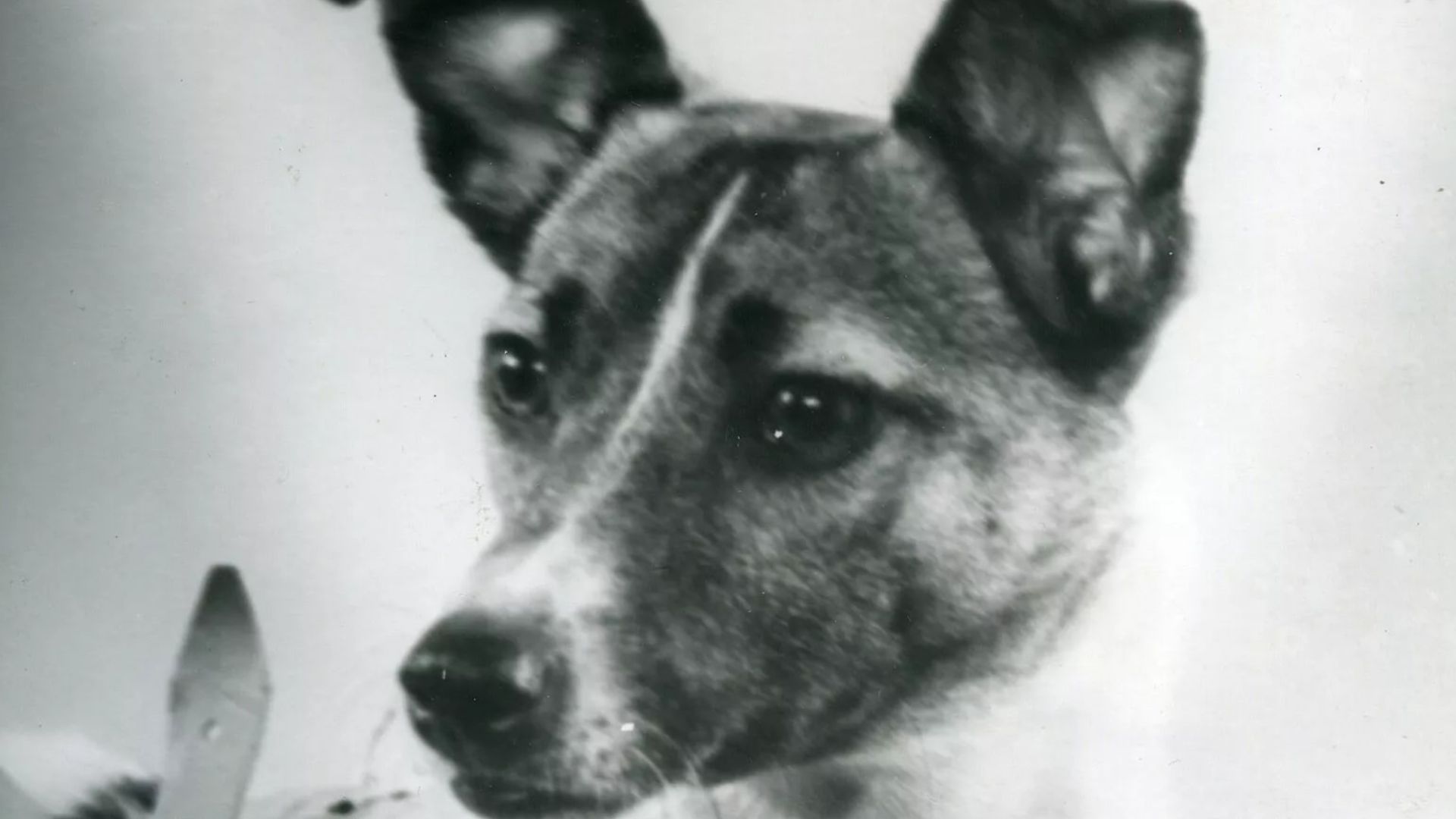 Museum of Cosmonautics / Moscow Main Archives, Wikimedia Commons
Harriet Tubman
Born into slavery, Harriet Tubman escaped and returned repeatedly to guide others to freedom. When she was alive, her bravery received limited recognition, but her legacy expanded dramatically to honor her as a central figure in American history.
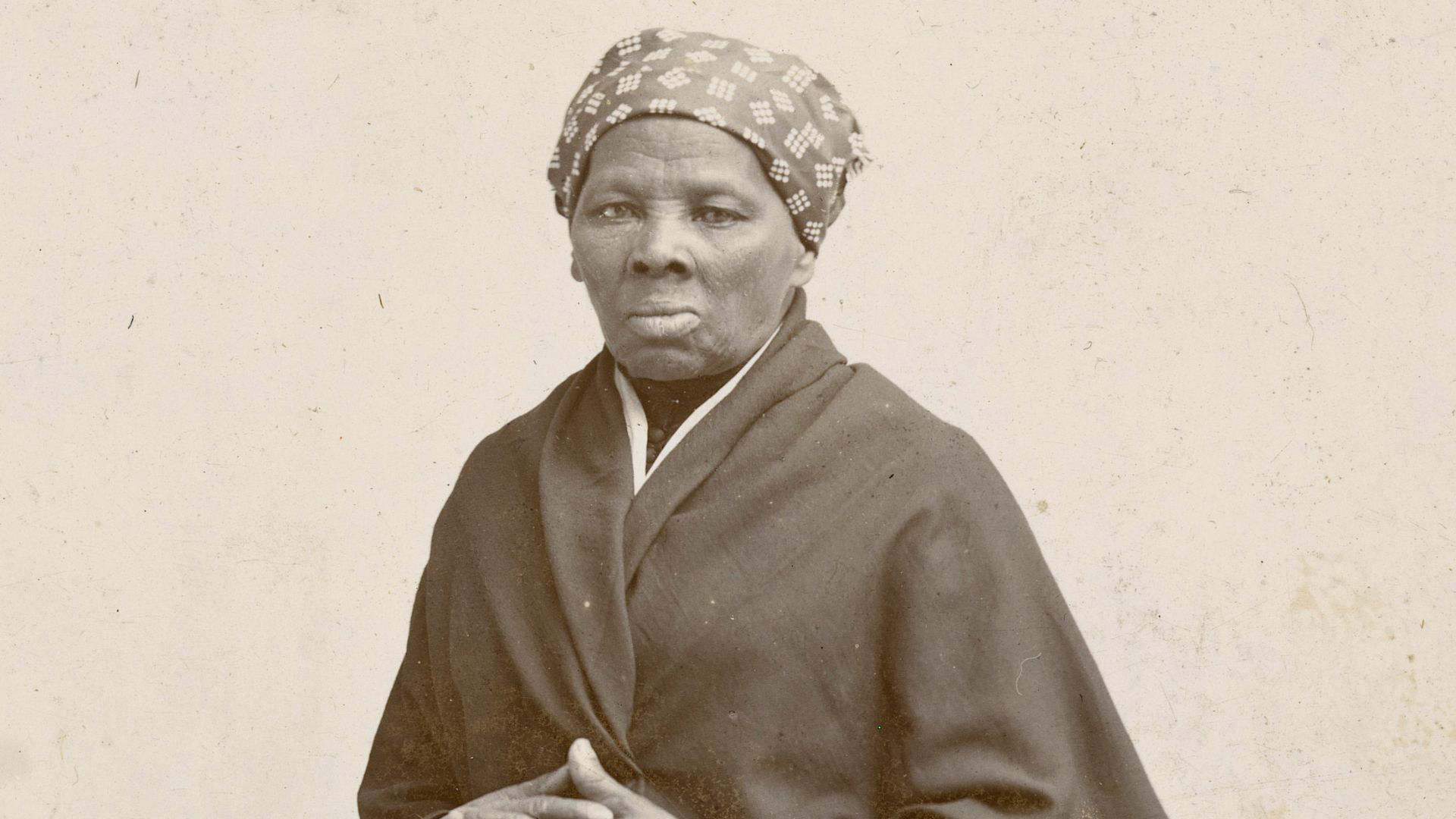 Photographer: Horatio Seymour Squyer, 1848 - 18 Dec 1905, Wikimedia Commons
Oskar Schindler
Oskar Schindler began as an opportunistic businessman with little public recognition. During WWII, he protected Jewish workers inside his factories. He died relatively obscure, but survivor testimonies and records showed how his actions saved more than 1,000 lives.
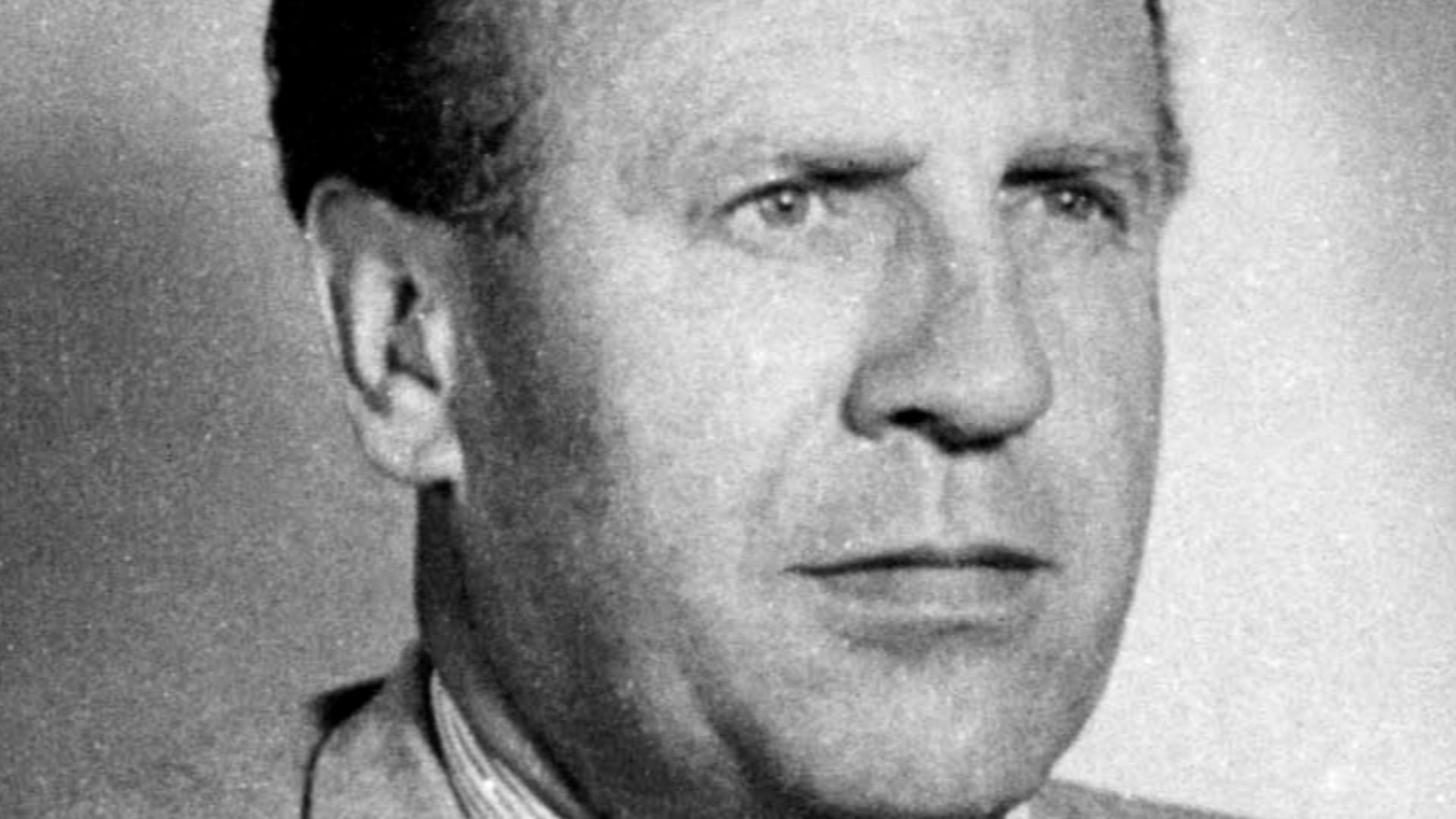 Unknown authorUnknown author, Wikimedia Commons
Claus Von Stauffenberg
Serving as a German army officer, Claus von Stauffenberg was not widely known outside military circles. After participating in a failed plot against Hitler, he was executed. Postwar reassessment transformed him into a symbol of moral resistance and personal sacrifice.
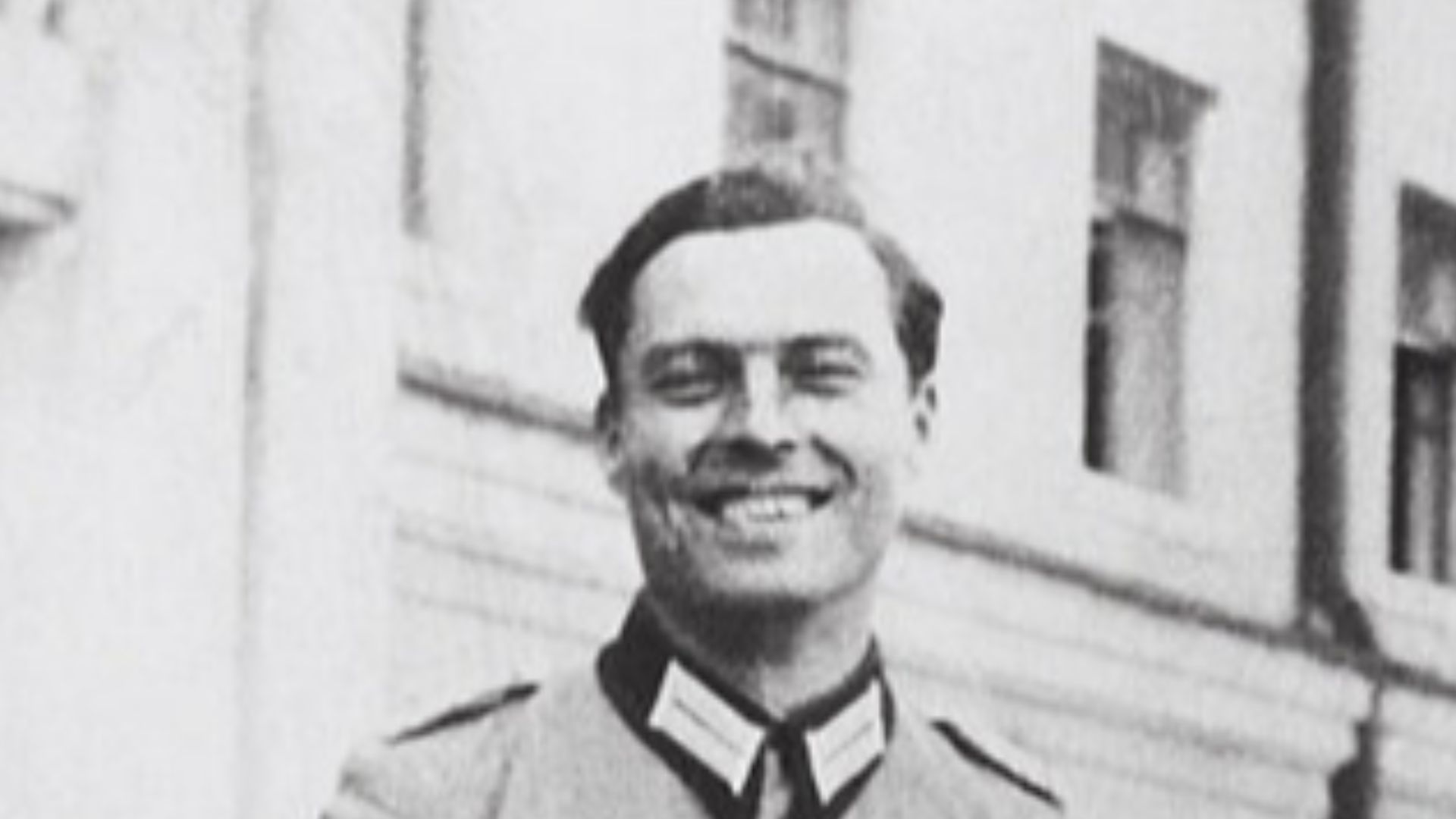
Alan Turing
Long before computers entered daily life, his mathematical brilliance helped crack WWII Nazi codes. Prosecuted for his identity, Alan Turing’s life ended in disgrace, and he was largely unknown. Decades later, declassified records explained how his work shortened the war and laid the groundwork for modern computing science.
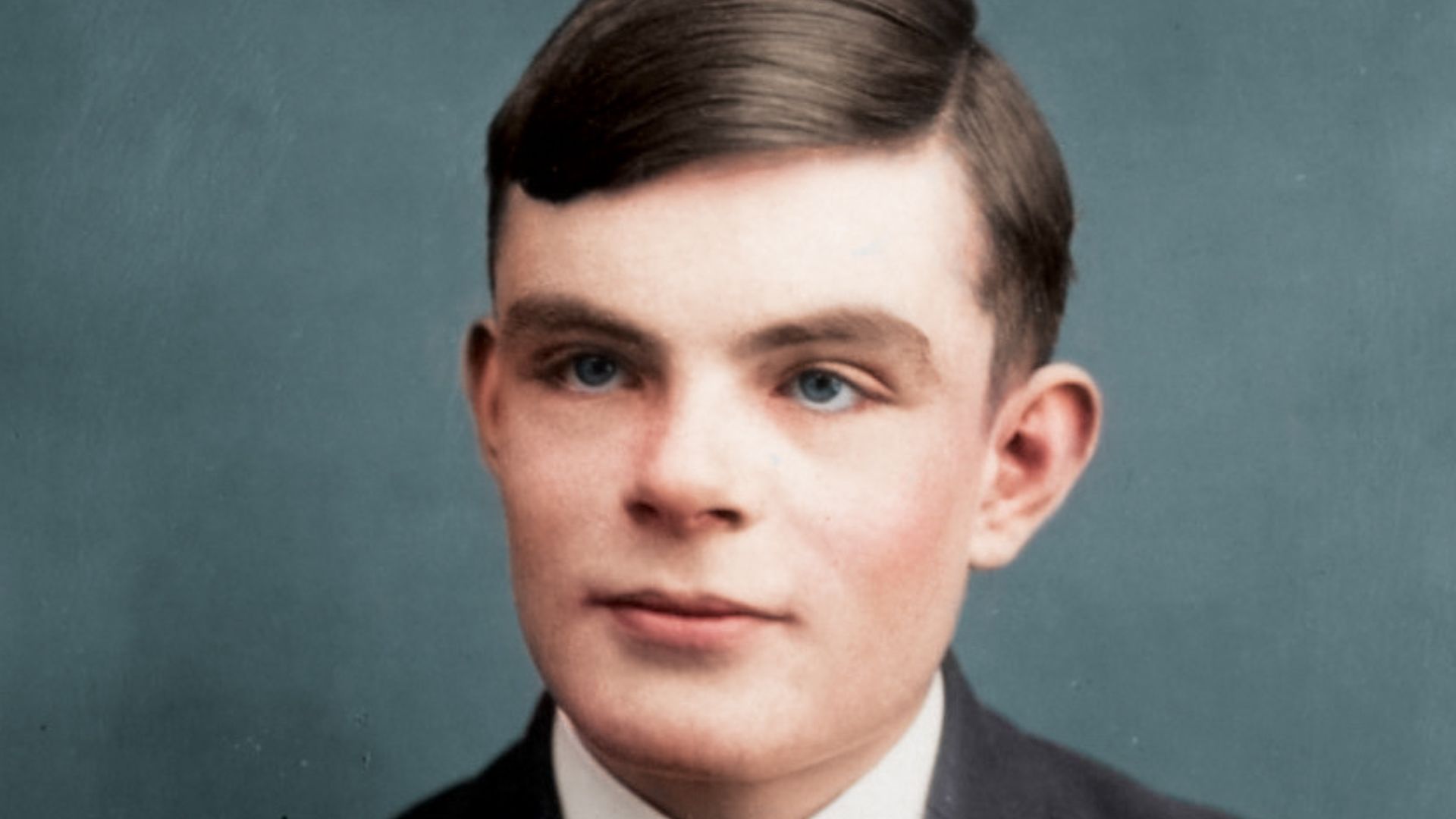 Possibly Arthur Reginald Chaffin (1893-1954), colorized by @frommonotopoly, Wikimedia Commons
Hedy Lamarr
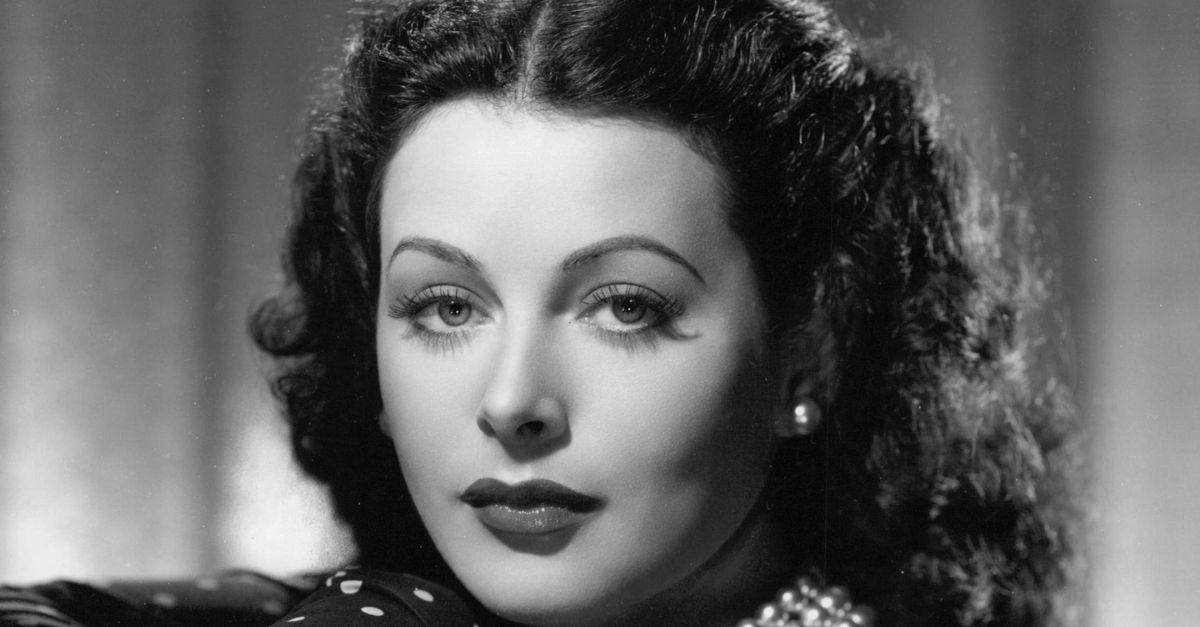
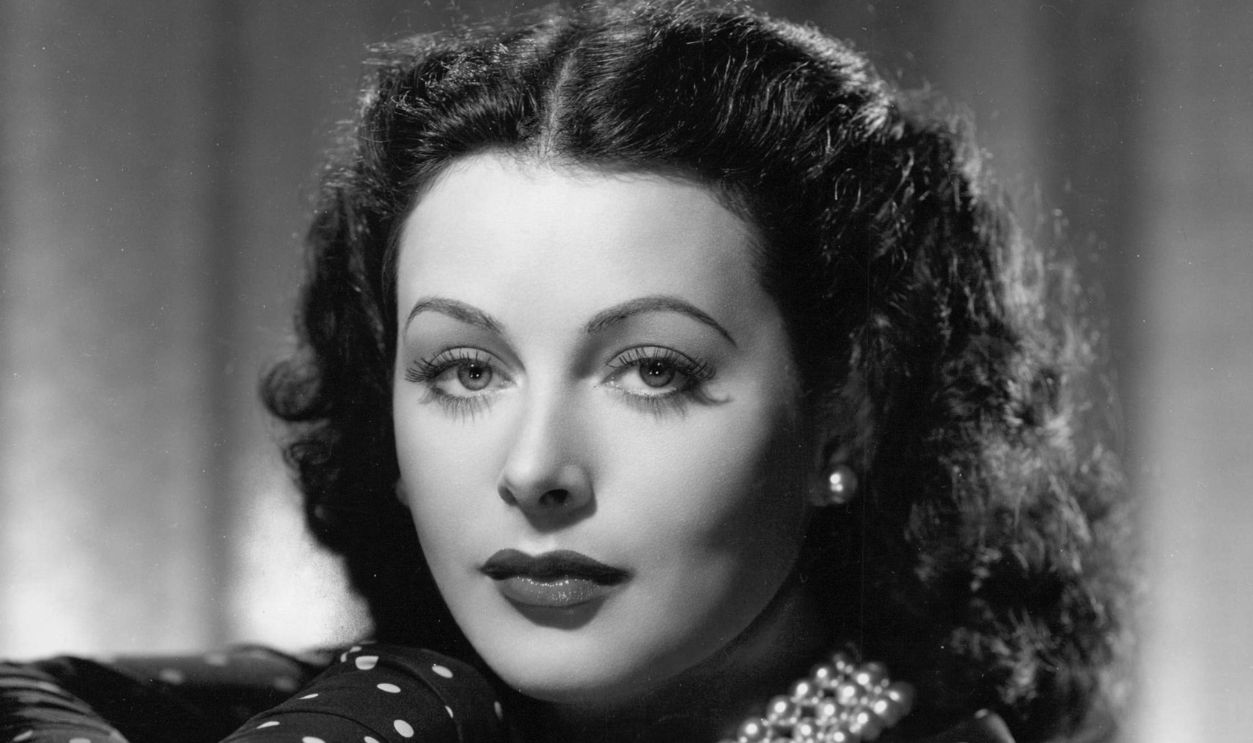
Famous in Hollywood for her beauty, Hedy Lamarr received little credit for her technical ideas. She co-developed a frequency-hopping system during WWII. Only in the decades to follow did engineers understand its importance in modern wireless communication and secure technology.
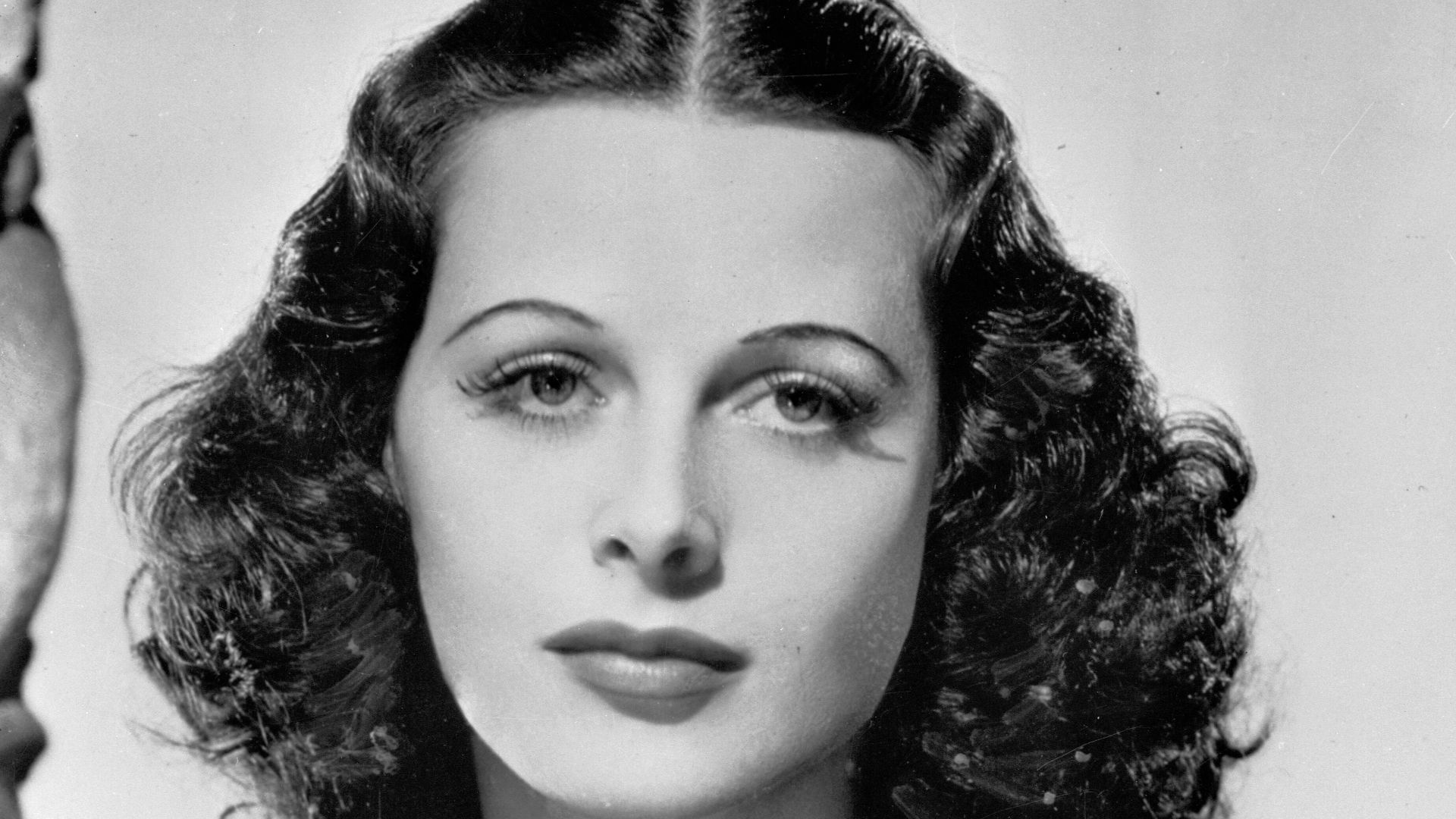 Los Angeles Times, Wikimedia Commons
Vasili Arkhipov
Serving aboard a Soviet submarine at the time of the Cuban Missile Crisis, Vasili Arkhipov held a critical but uncelebrated position. When nuclear launch approval was demanded, he refused. His decision remained unknown for years, later revealing how one calm judgment helped prevent a catastrophe.
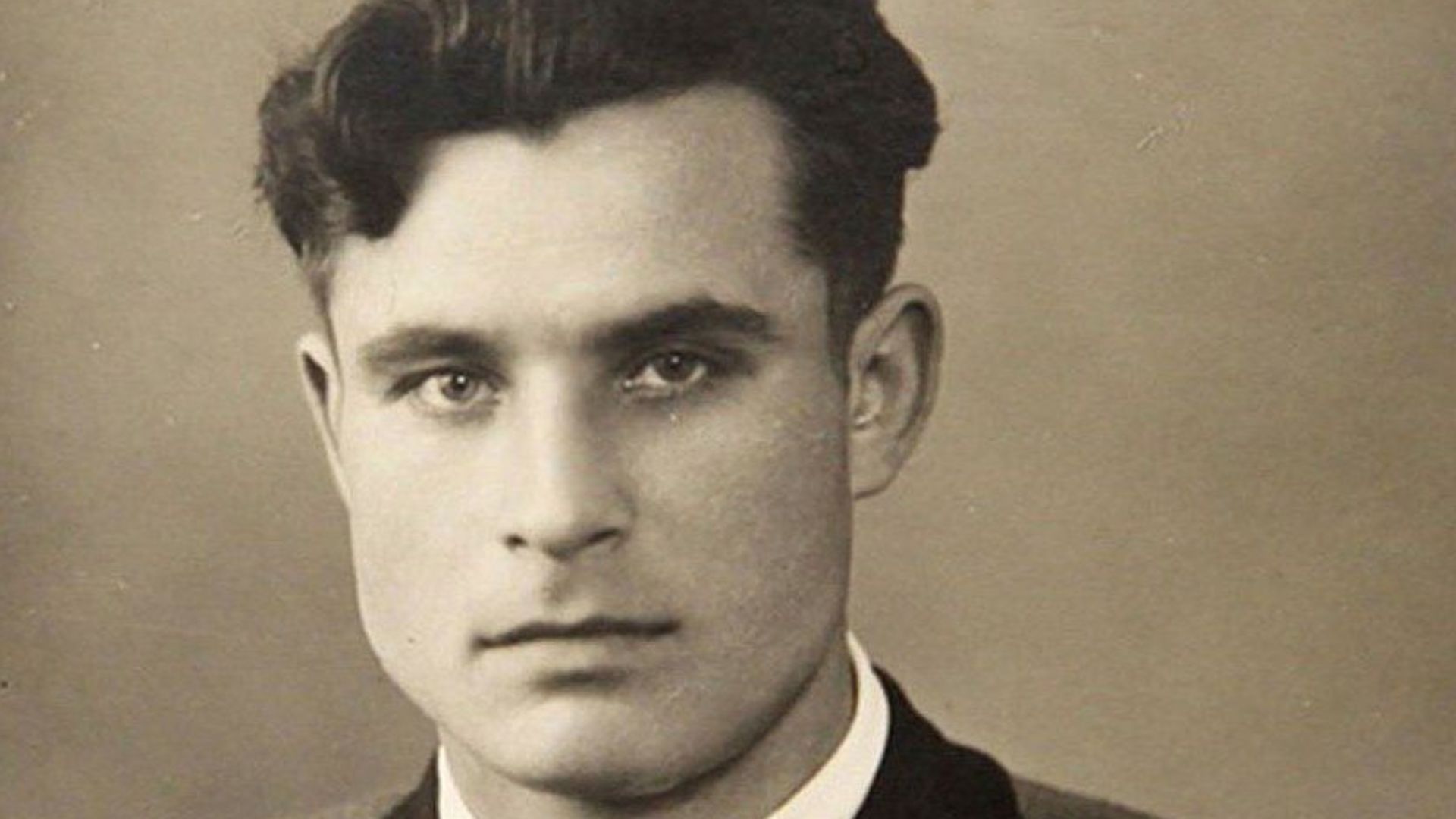 Image courtesy by Olga Arkhipova, Wikimedia Commons









