

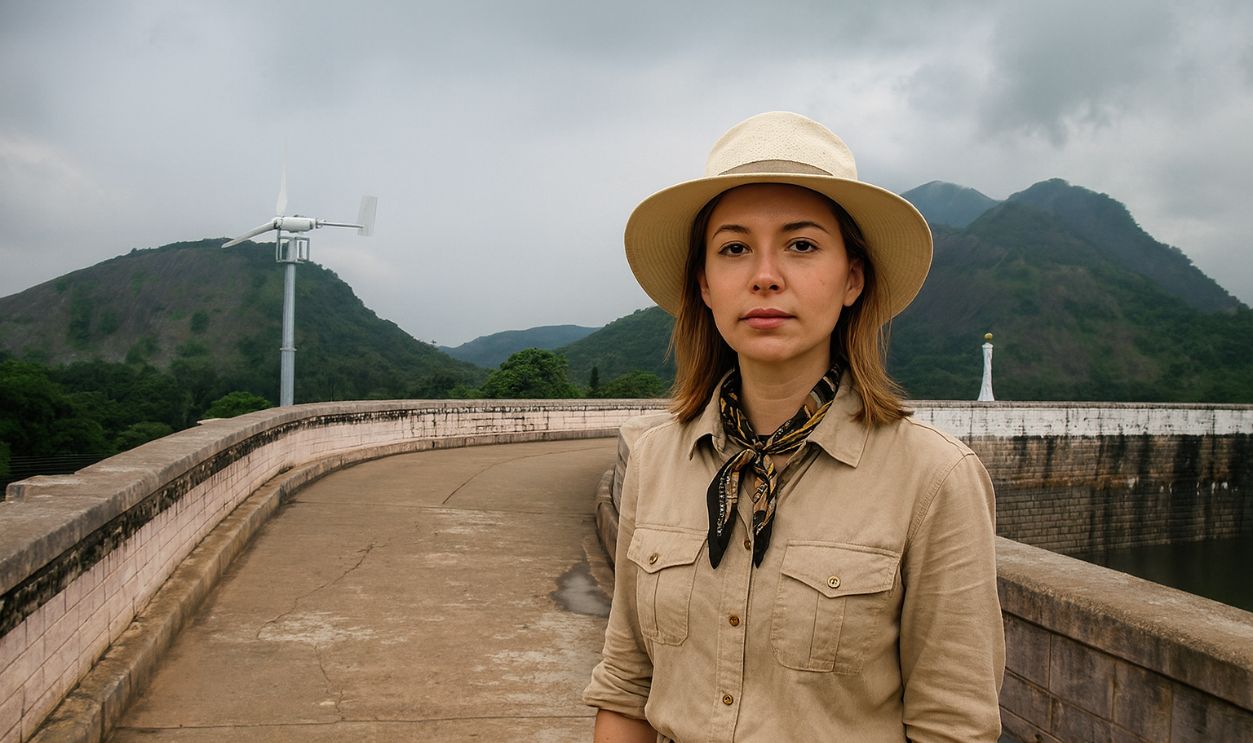
 Jaseem Hamza, CC BY 3.0, Wikimedia Commons, Modified
The hillsides surrounding the Malampuzha Dam in Palakkad have long been known for their quiet slopes and scattered mounds that merge gently with the reservoir’s edge. Yet when surveyors began documenting the terrain, these familiar rises took on a different character. Shapes that once seemed incidental began forming aligned patterns, which hinted at deliberate placement across the land. What emerged suggested that the ground held traces of a community far older than modern settlements, its presence marked not by inscriptions or sculptures but by enduring stone structures that had remained folded into the area for centuries.
Architecture Of An Iron-Age Community
The subtle arrangement of these forms prompted a closer examination that shifted the focus from surface mapping to understanding the terrain’s deeper history. As researchers walked the field, the terrain appeared like a carefully arranged record preserved in stone. The mounds revealed themselves as part of a larger design, and this encouraged investigators to look beyond what the eye first registered. With each contour charted and each alignment noted, the land began to reveal a narrative rooted in the mortuary practices of Kerala’s early Iron Age. When the mapping was completed, more than 110 megalithic structures were documented across approximately 111 acres.
These monuments appeared on mound-like rises that naturally segmented the terrain, allowing each burial to occupy a distinct elevated platform. The forms themselves reflected recognized categories of megalithic architecture, which began with cists—stone-lined chambers assembled from granite slabs fitted to create compartments. Dolmens formed another identifiable type, their upright stones supporting horizontal capstones that created table-like tombs. Dolmenoid cists, which merged elements of dolmens and standard cists, added further variation. Stone circles, composed of arranged boulders that outlined burial sites, added visual markers that differed in form but served related functions. Urn burials introduced yet another method, emphasizing the range of funerary expressions present in the area.
Material choices offered additional clarity. Massive granite slabs and heavy boulders appeared consistently across the site, and this reflects the geological resources of Palakkad. In some locations, laterite stones were incorporated into construction, another clue of familiarity with multiple local materials. Each stone was stabilized with careful attention, indicating a methodical approach to mortuary architecture rather than an improvised assembly. The durability of these materials ensured the structures withstood centuries of exposure, allowing present-day researchers to identify them with minimal distortion.
The placement of these monuments on elevated mounds strengthened the impression of deliberate site selection. These natural rises provided both visibility and separation from surrounding terrain to create a burial scene organized by intention. Rather than being scattered loosely, the monuments followed the contours of the land in a pattern that preserved their identity across generations. By documenting these structures precisely as they appeared, the mapping established a clear, verifiable picture of how Iron-Age communities in this region constructed and arranged their burial spaces back in the day.
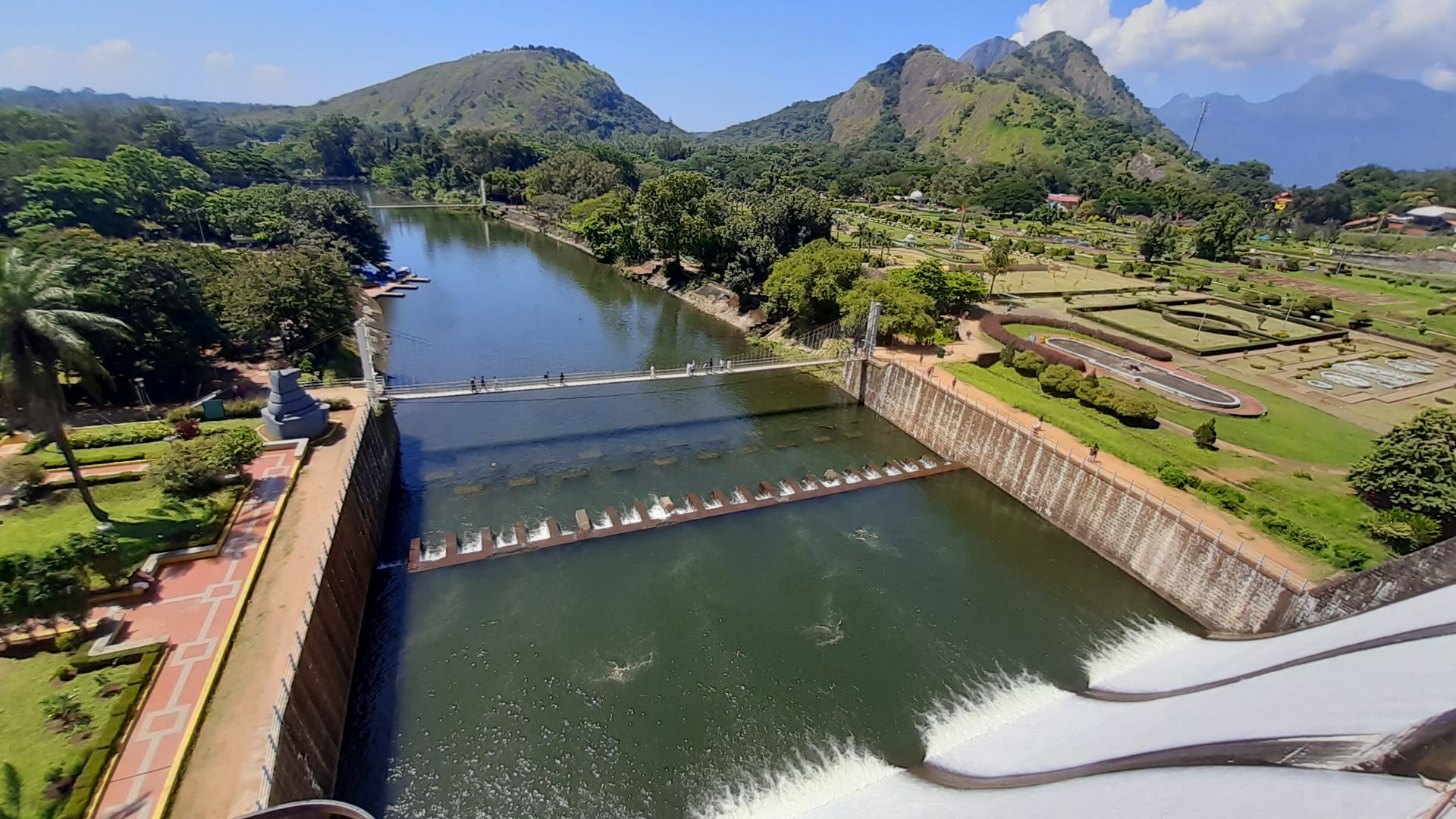 Shagil Kannur, Wikimedia Commons
Cultural Routes Embedded In Stone
While Kerala hosts several megalithic sites, including Marayur’s forested dolmens and Eyyal’s stone circles and urn burials, few match the expansive extent recorded here. Kudakkallu Parambu, with its curated assemblage of menhirs and dolmens, stands as an established heritage site, yet the Malampuzha cluster distinguishes itself by presenting a large, continuous funerary zone rather than a collection of smaller, dispersed clusters. This gives researchers a spatially unified reference point for examining Iron-Age mortuary customs within a single site. Instead of pointing toward speculation about social roles, the site simply confirms that variation in mortuary architecture was practiced collectively within a shared geographic setting.
The Scope Of Future Discovery
By adding this field to Kerala’s archaeological record, Malampuzha expands the documented range of Iron-Age mortuary terrains across the state. Its scale and organization contribute a much-needed counterpart to the smaller or more fragmented megalithic distributions found elsewhere. This strengthened comparative framework allows Kerala’s megalithic tradition to be viewed with greater regional context, supported entirely by observable features such as structure types, material use, and spatial extent. Without relying on hypothetical interpretations, the Malampuzha field serves as a grounded example of how early communities shaped their burial practices within the geography available to them.
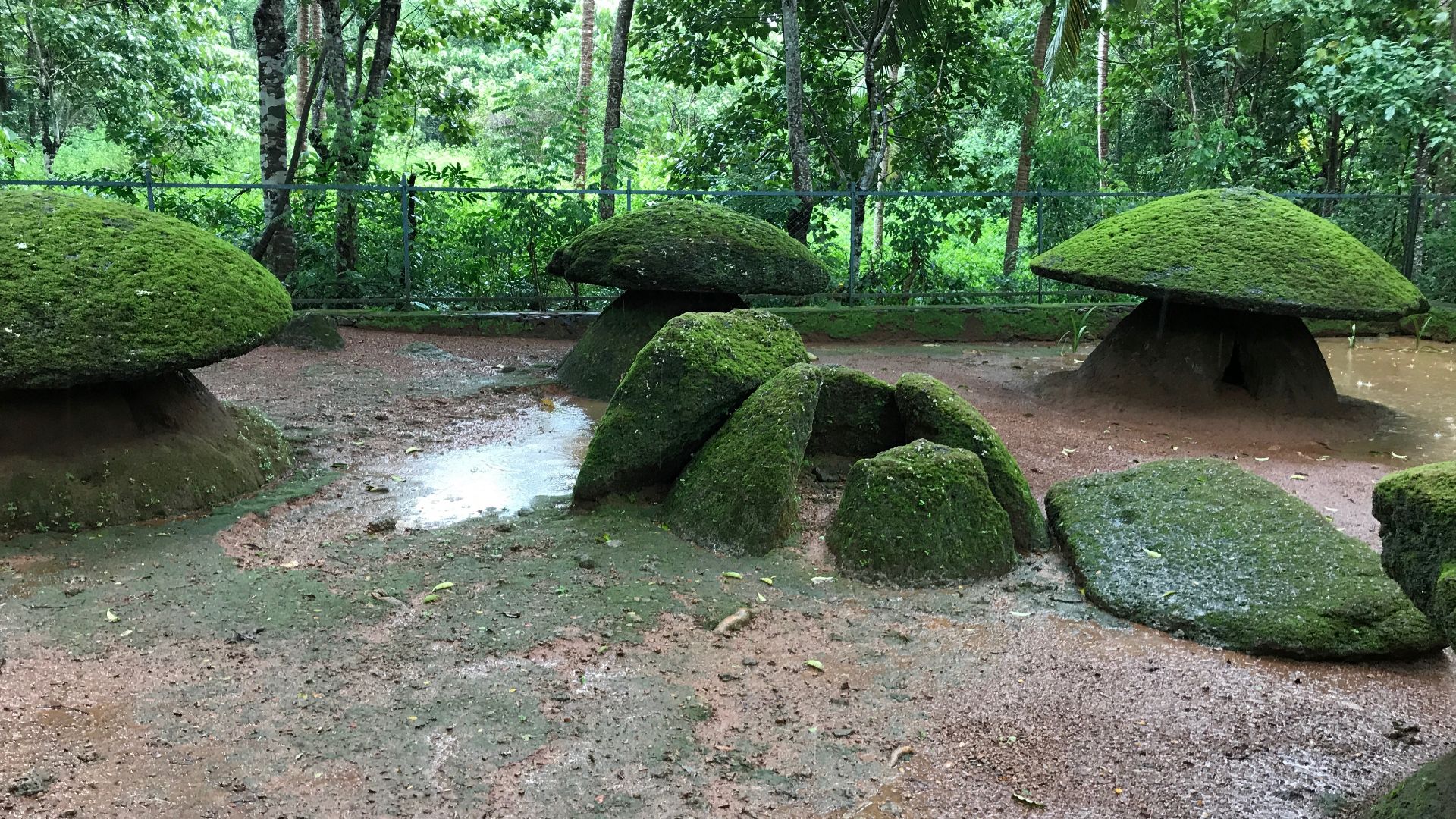 Ms Sarah Welch, Wikimedia Commons











.jpg)