
When Attention Became The Whole Game
Publicity stunts are supposed to make people look twice, but the wildest ones made entire cities stop and stare. Some involved elephants, fake giants, outer space, or fast food chains pretending to buy national treasures. The best of them blurred the line between promotion and spectacle, which is exactly why people still talk about them today.
 Public Domain, Wikimedia Commons
Barnum Saw A Bridge And Smelled Opportunity
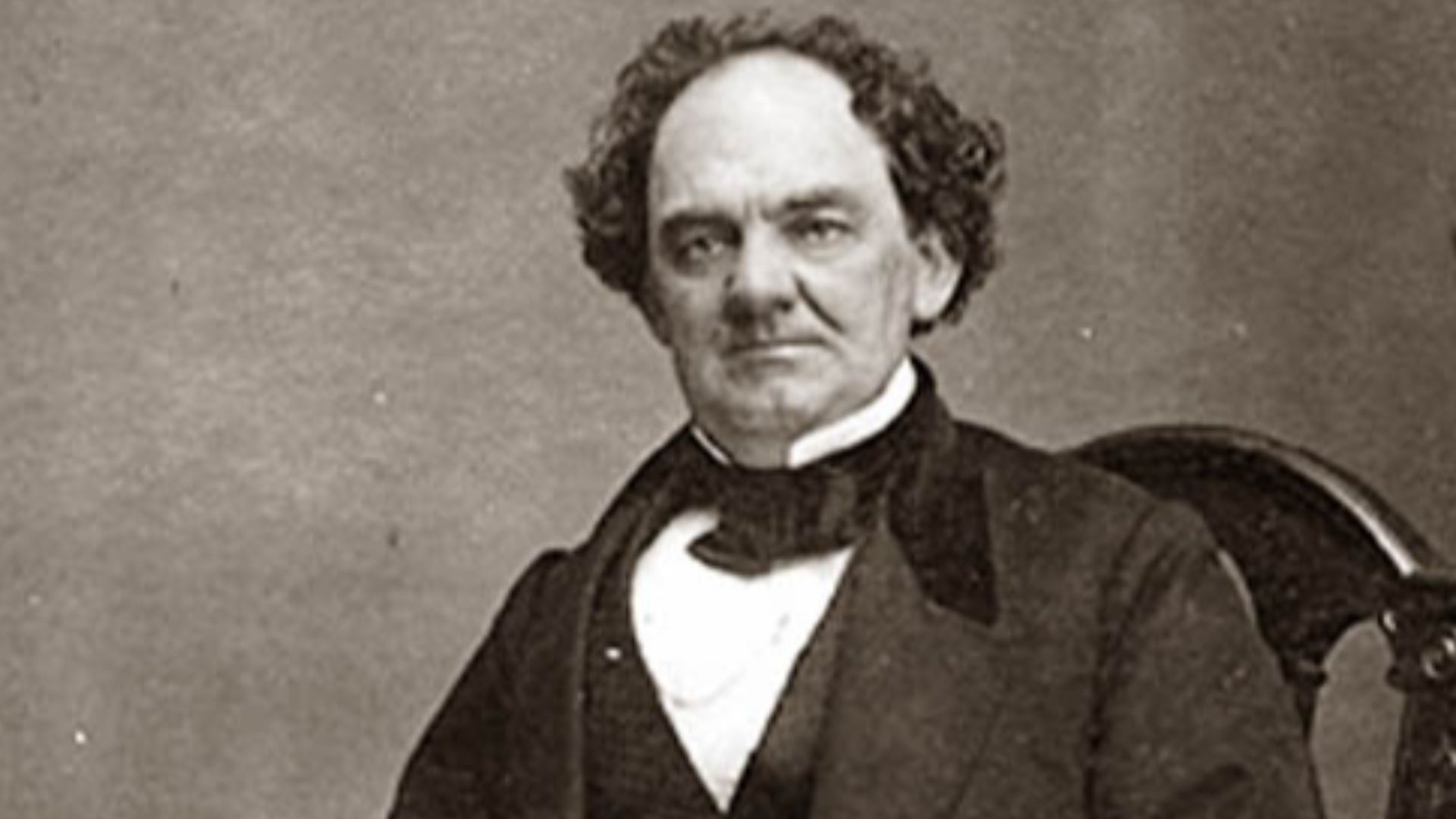
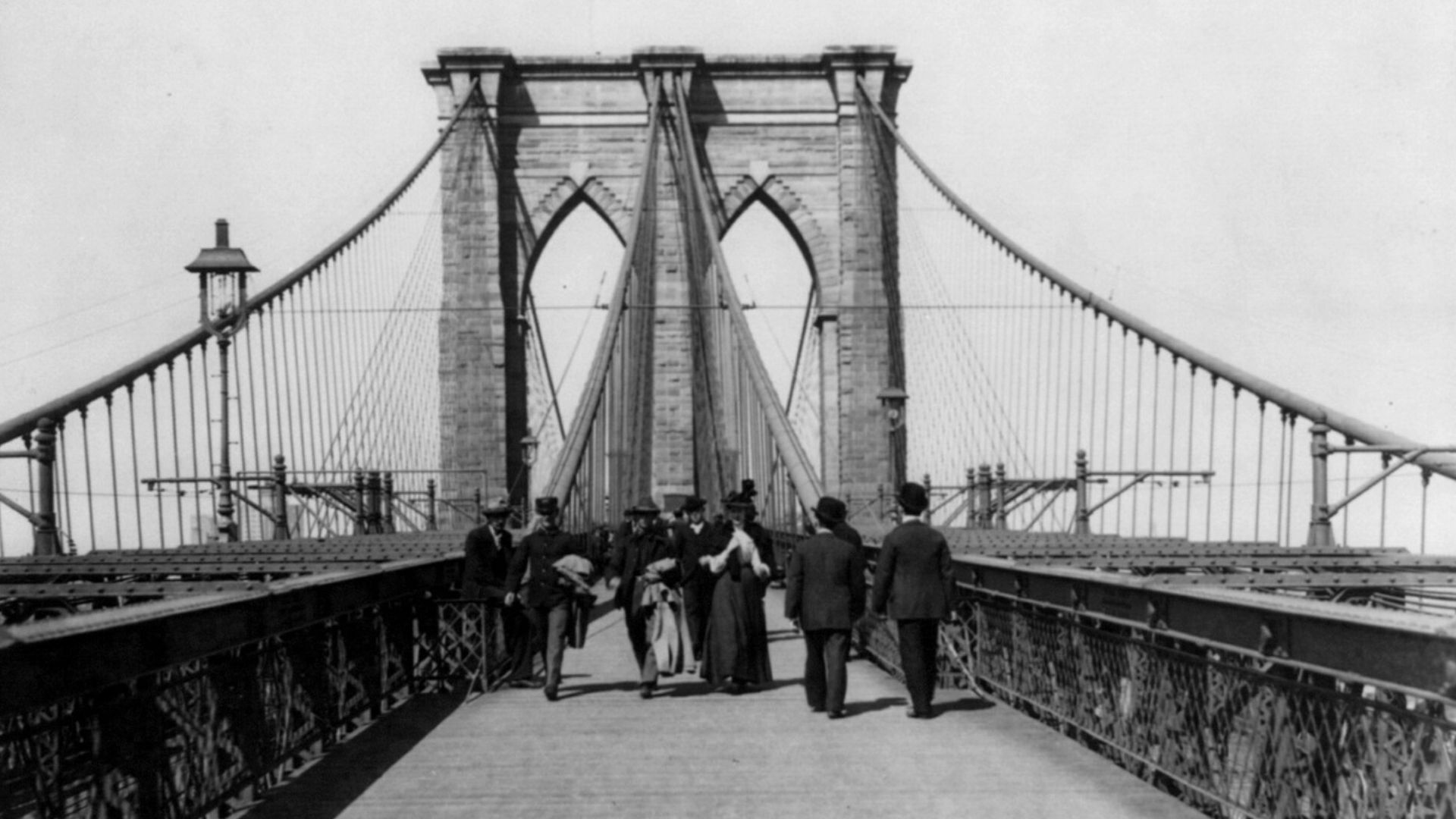
In 1883, the Brooklyn Bridge opened as an engineering marvel, but a deadly pedestrian panic soon damaged public confidence in it. P.T. Barnum, already famous for turning attention into money, saw a perfect opportunity. If the bridge could hold his circus animals, surely ordinary New Yorkers could trust it too.
 Mathew Benjamin Brady, Wikimedia Commons
The Elephants Came Marching In
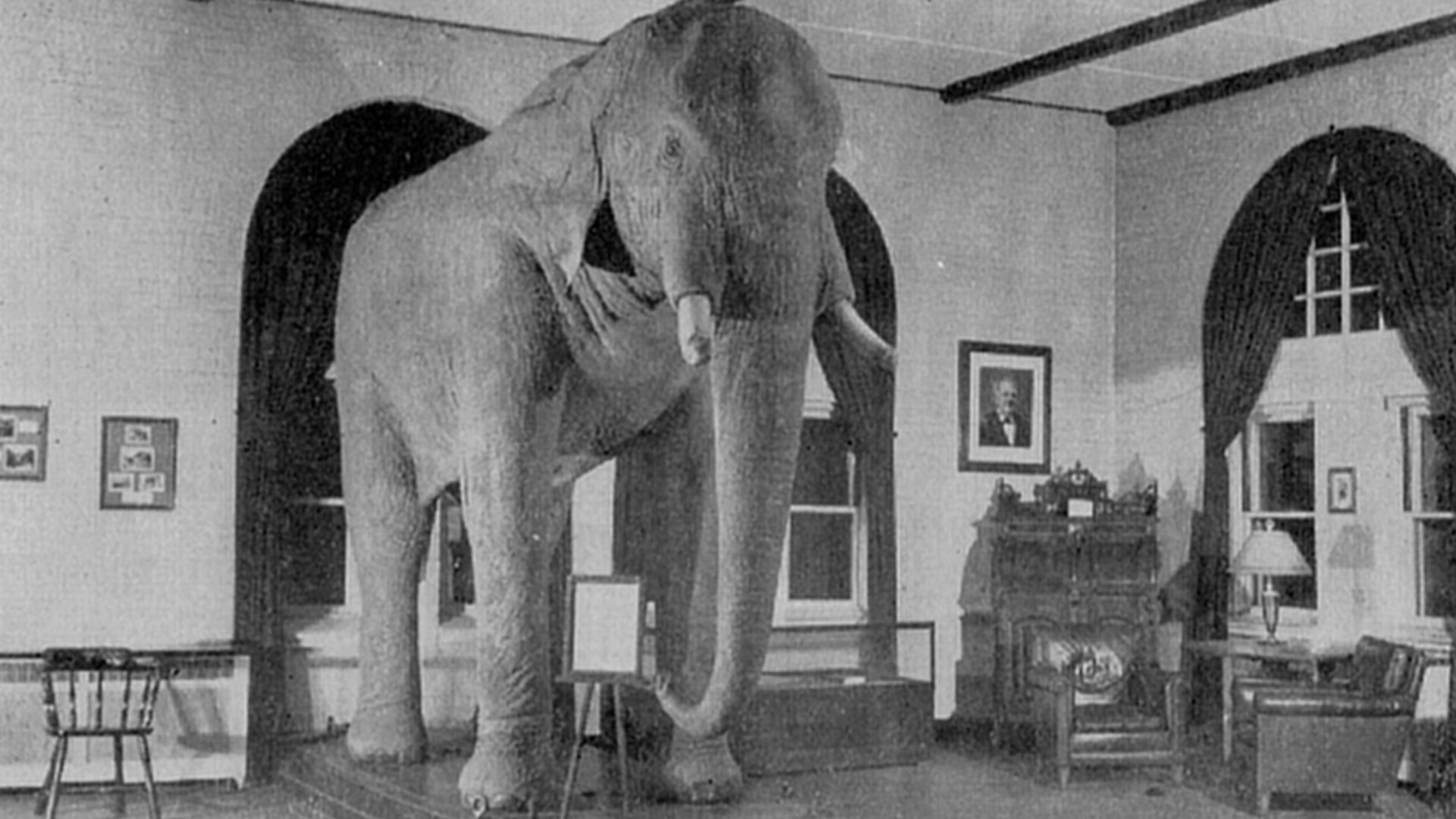
On May 17, 1884, Barnum sent a procession of 21 elephants and 17 camels across the Brooklyn Bridge. Jumbo, his most famous elephant, reportedly brought up the rear as crowds gathered to watch the strange parade. The stunt reassured the public while giving Barnum exactly what he wanted, a citywide advertisement disguised as civic service.
 Barnum Museum of Natural History, Wikimedia Commons
A Giant Appeared In A Farm Field
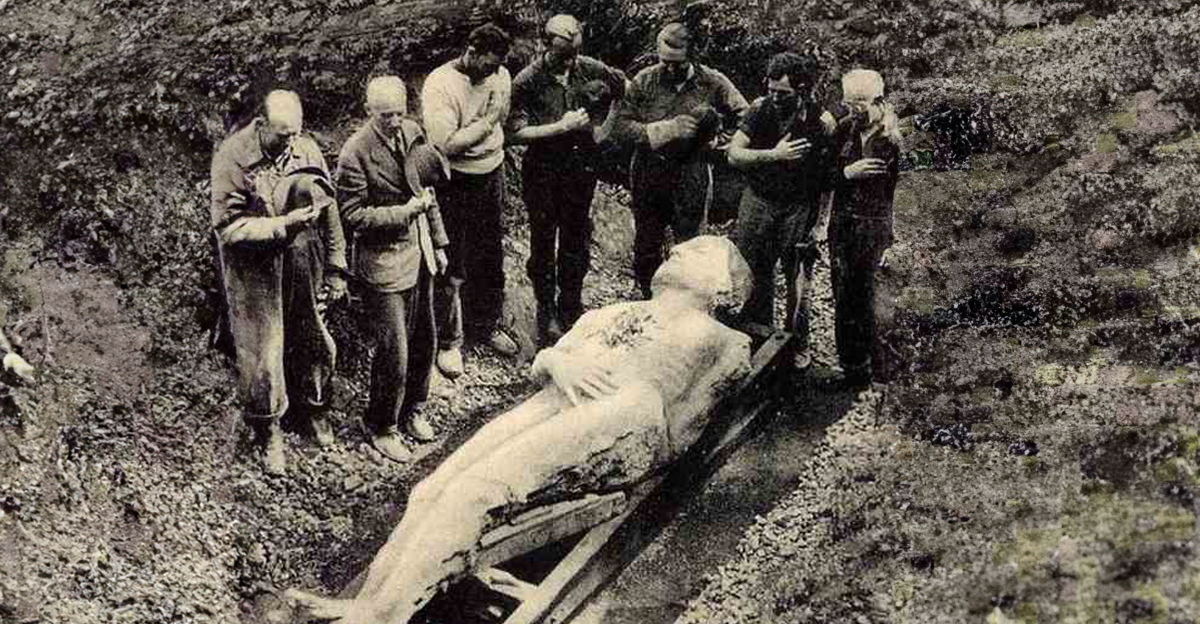
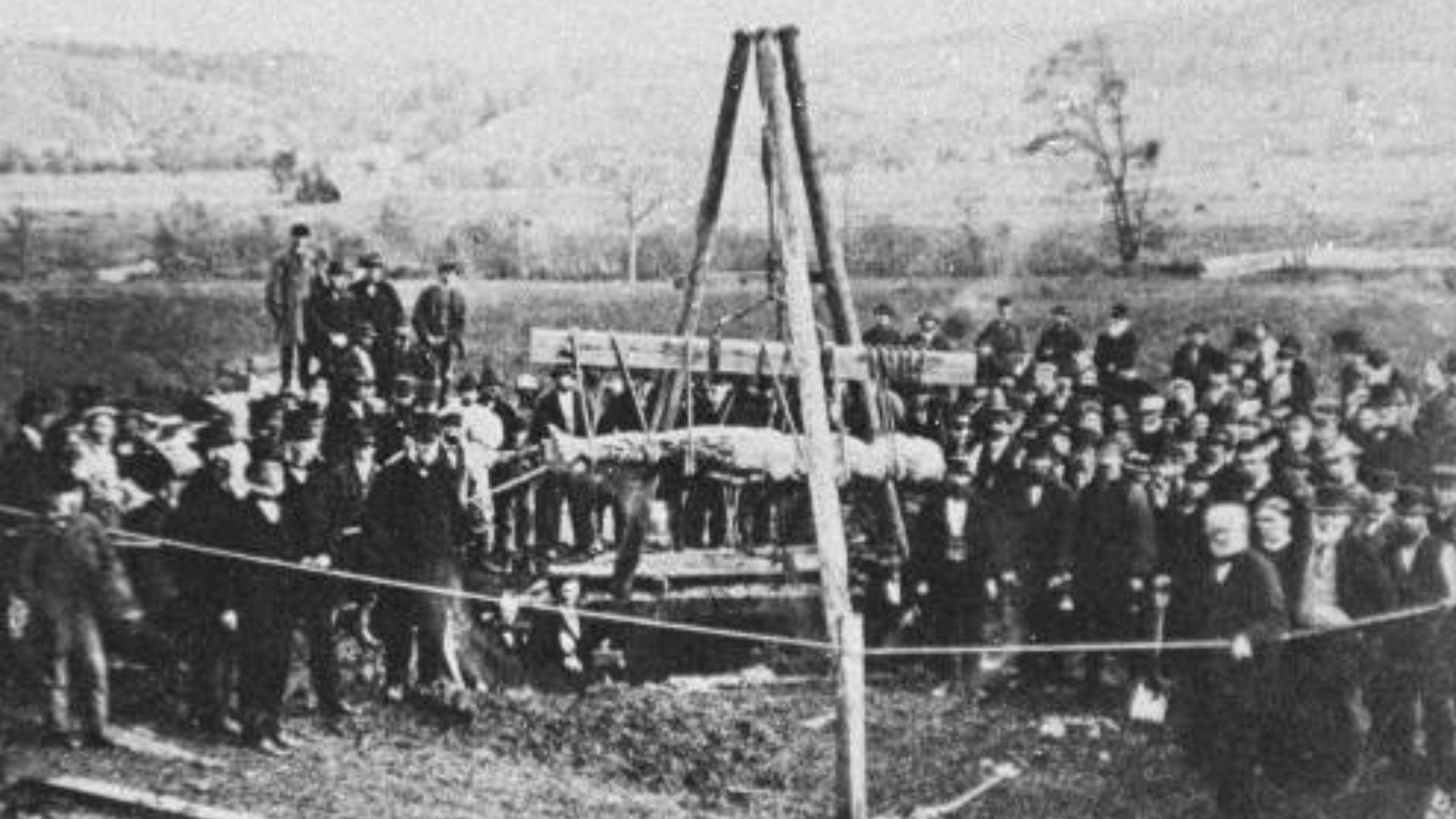
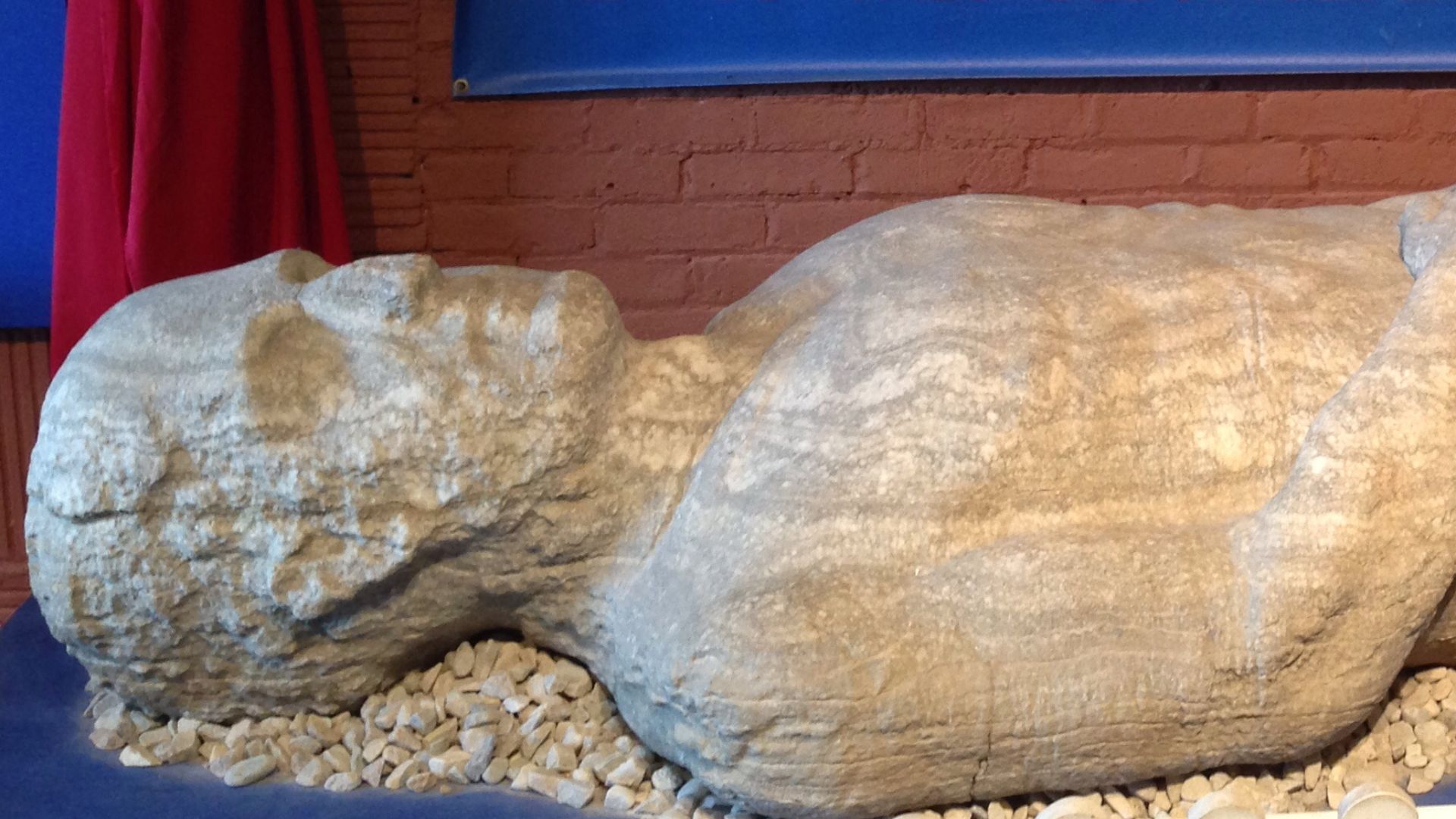
In 1869, workers digging a well near Cardiff, New York uncovered what looked like a ten-foot petrified man. The discovery became known as the Cardiff Giant, and crowds quickly paid to see it. The whole thing was actually a hoax created by George Hull, but that did not stop it from becoming a national sensation.
 Lotsofissues~commonswiki, Wikimedia Commons
Barnum Could Not Resist
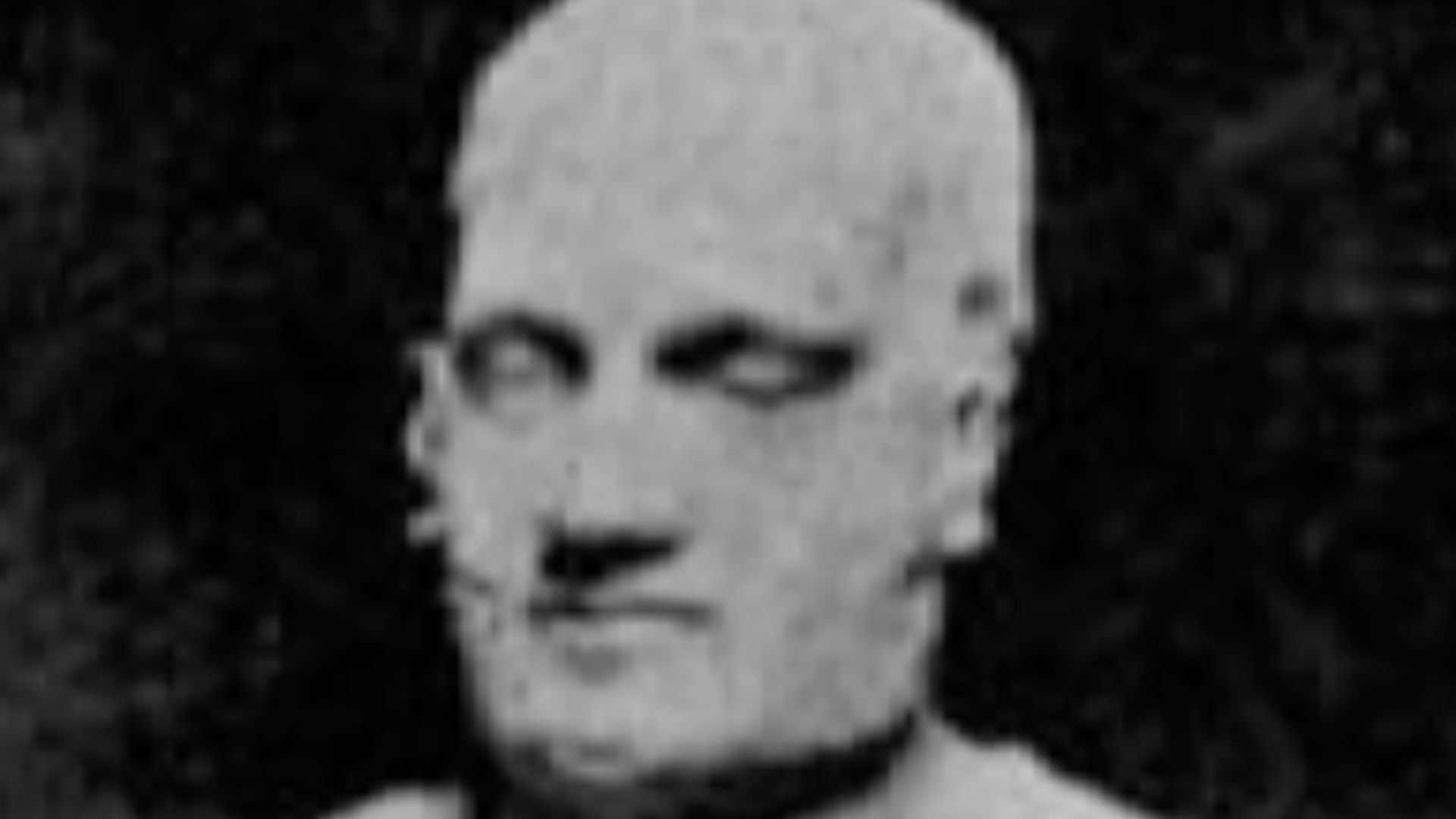
Legendary showman P.T. Barnum tried to buy the Cardiff Giant, but when he could not get it, he displayed his own copy. That meant the public suddenly had two supposedly real giants to choose from. The ridiculous competition only made the hoax bigger, proving that sometimes publicity grows faster when everyone knows something smells suspicious.
 Unknown authorUnknown author, Wikimedia Commons
The Fake Giant Won Anyway
The Cardiff Giant was eventually exposed as a fraud, but by then it had already done its job. It drew paying crowds, stirred newspaper coverage, and became one of America’s most famous hoaxes. In a strange way, the exposure made it even more memorable.
 Martin Lewison from Forest Hills, NY, U.S.A., Wikimedia Commons
A Horror Movie Pretended To Be Real
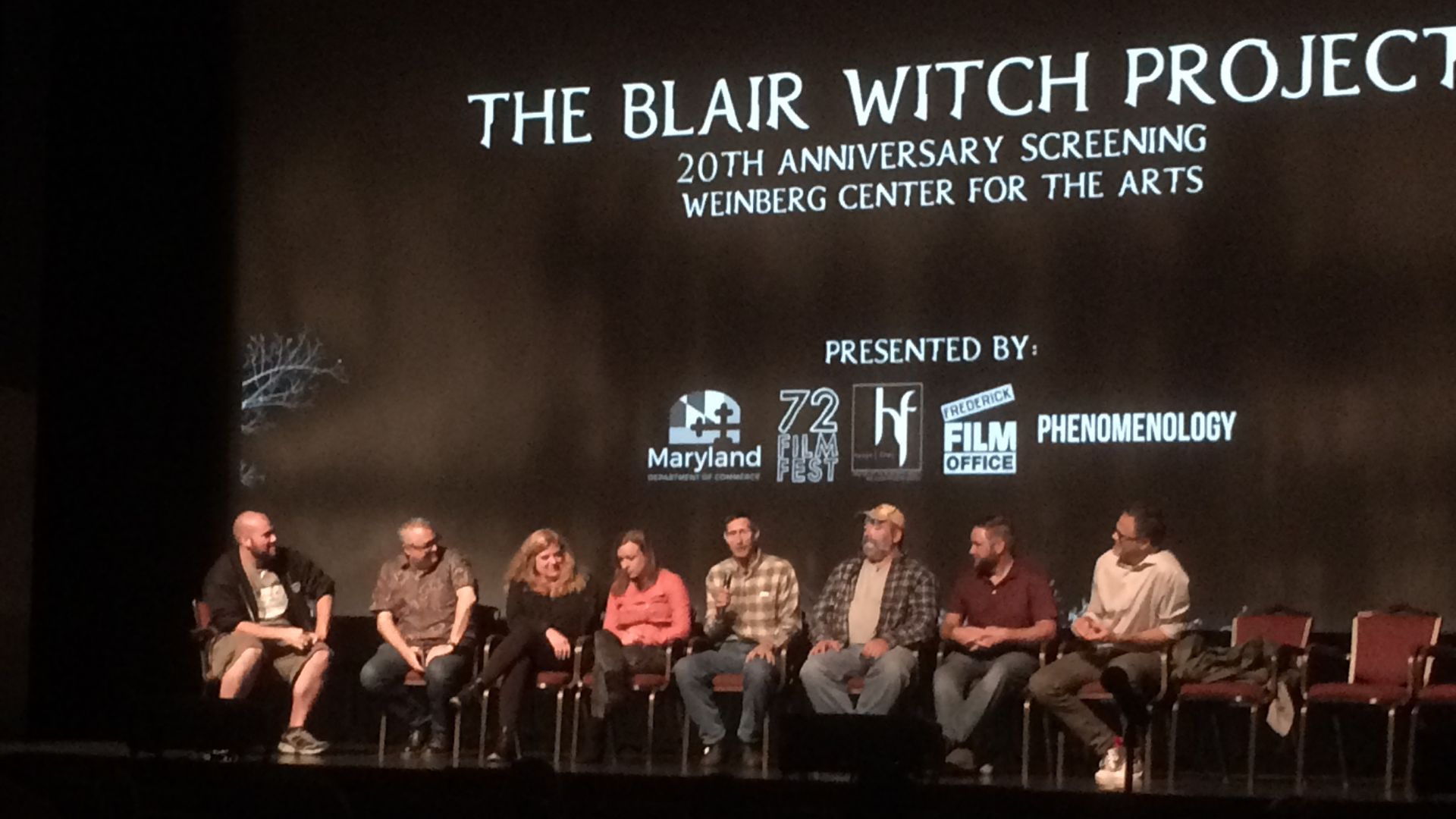
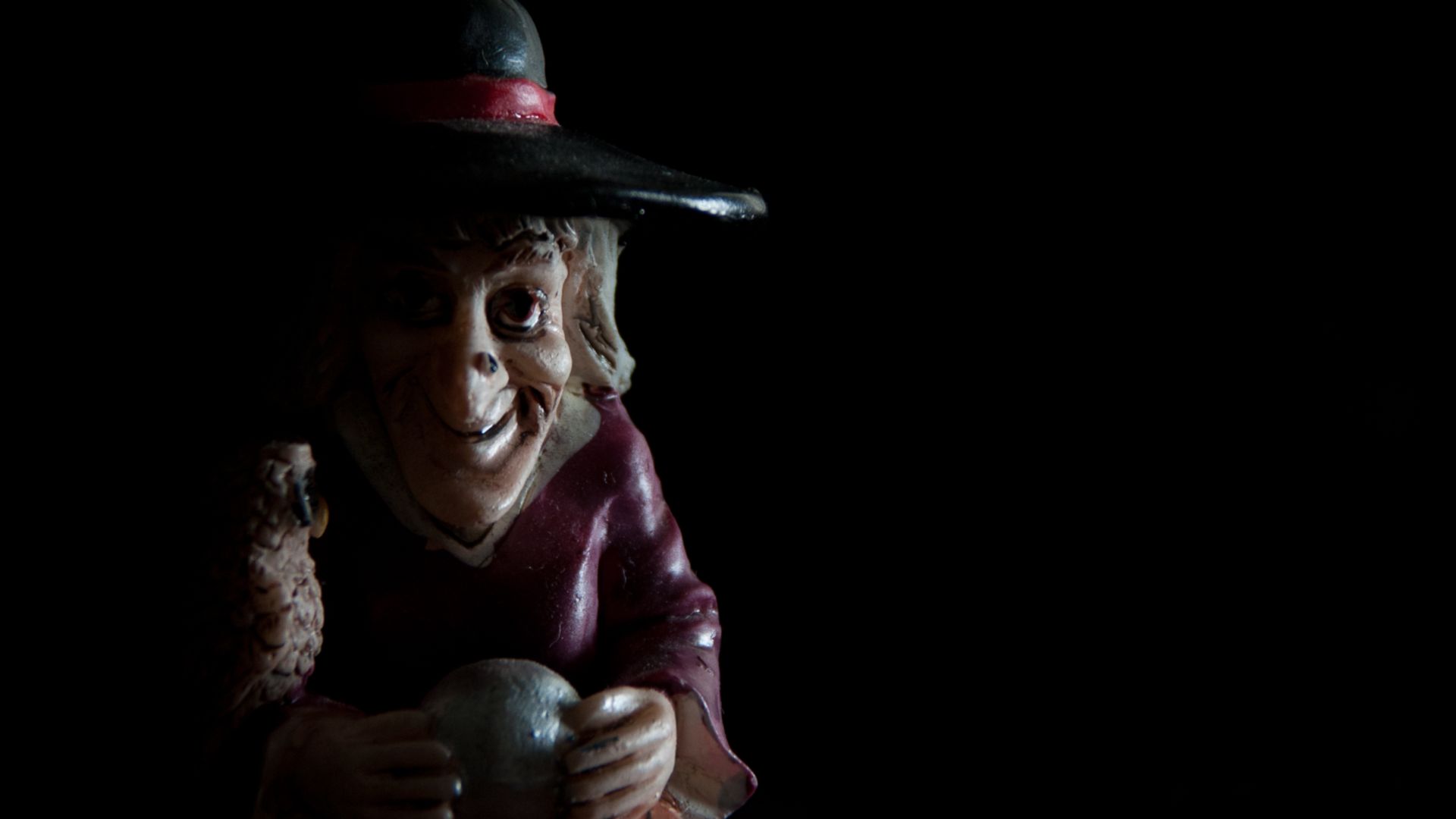
When The Blair Witch Project arrived in 1999, its marketing leaned hard into mystery. Promotional materials treated the fictional missing student filmmakers as if they were real people. The campaign used fake documents, missing person posters, and a mythology that made audiences wonder what they were actually watching.
The Internet Made The Legend Spread
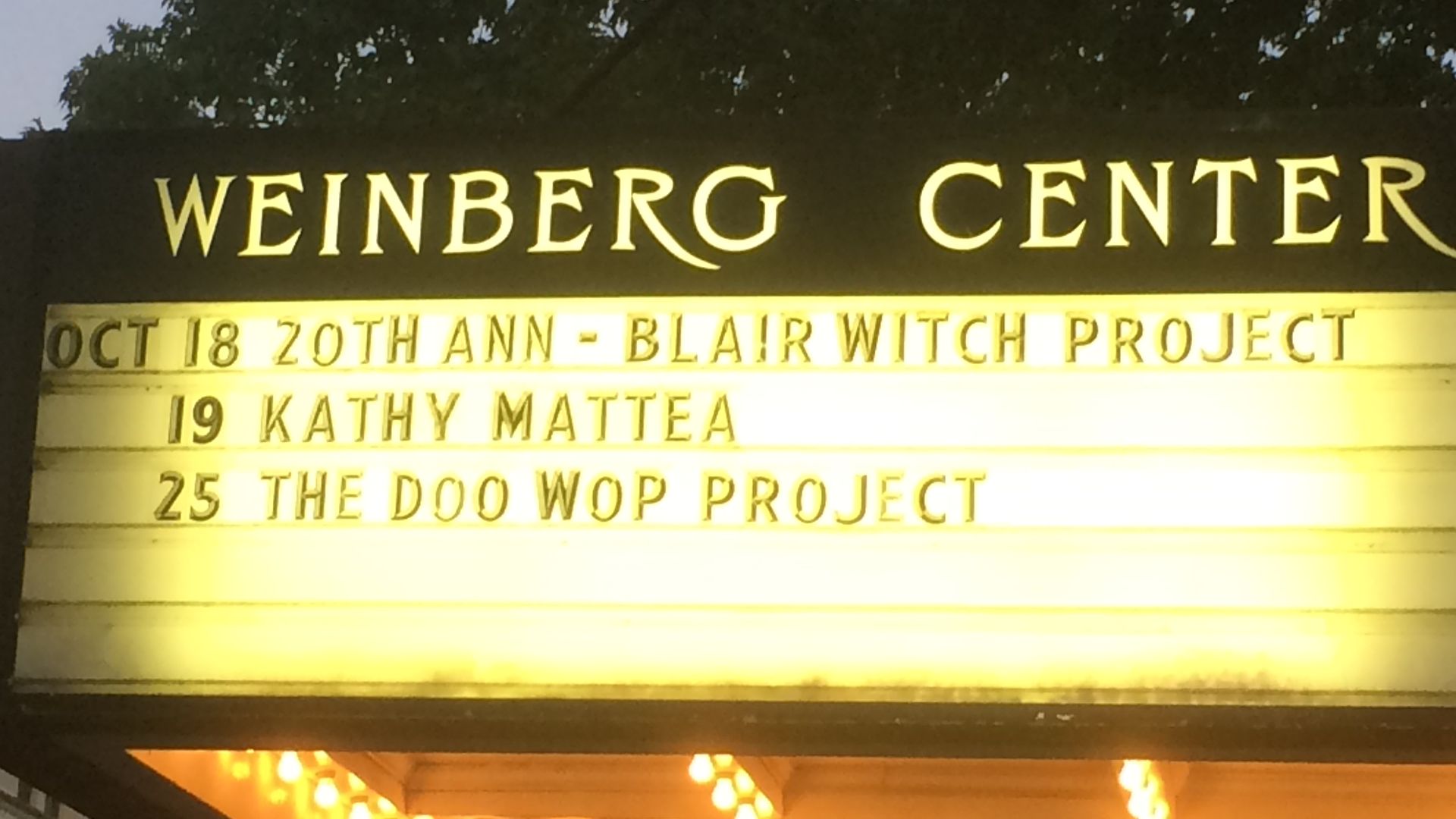
The Blair Witch Project is widely regarded as one of the first major films marketed primarily through the internet, making the campaign unusually convincing in 1999. Viewers could find eerie “evidence” and backstory material before seeing the film. That made the tiny independent horror movie feel less like a movie and more like a rumor people had discovered for themselves.
The Trick Became Bigger Than The Budget
The Blair Witch Project became famous not only for its found footage style, but for how convincingly it sold the illusion around it. The marketing helped turn a low-budget film into a cultural event. It remains one of the clearest examples of a publicity stunt that made uncertainty the main attraction.
 Andres Nieto Porras from Palma de Mallorca, Espana, Wikimedia Commons

History's most fascinating stories and darkest secrets, delivered to your inbox daily.
Taco Bell Claimed A National Treasure
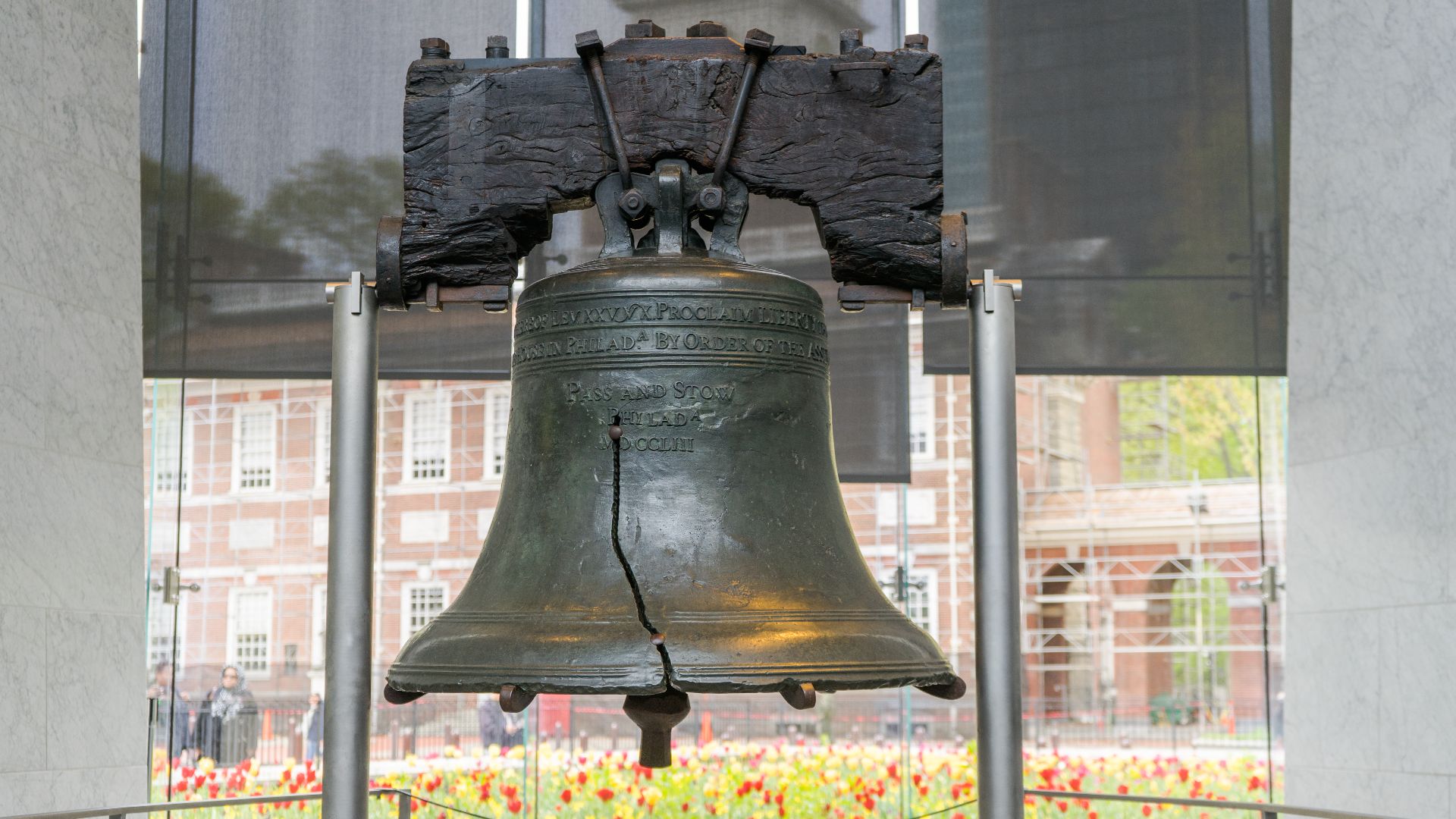
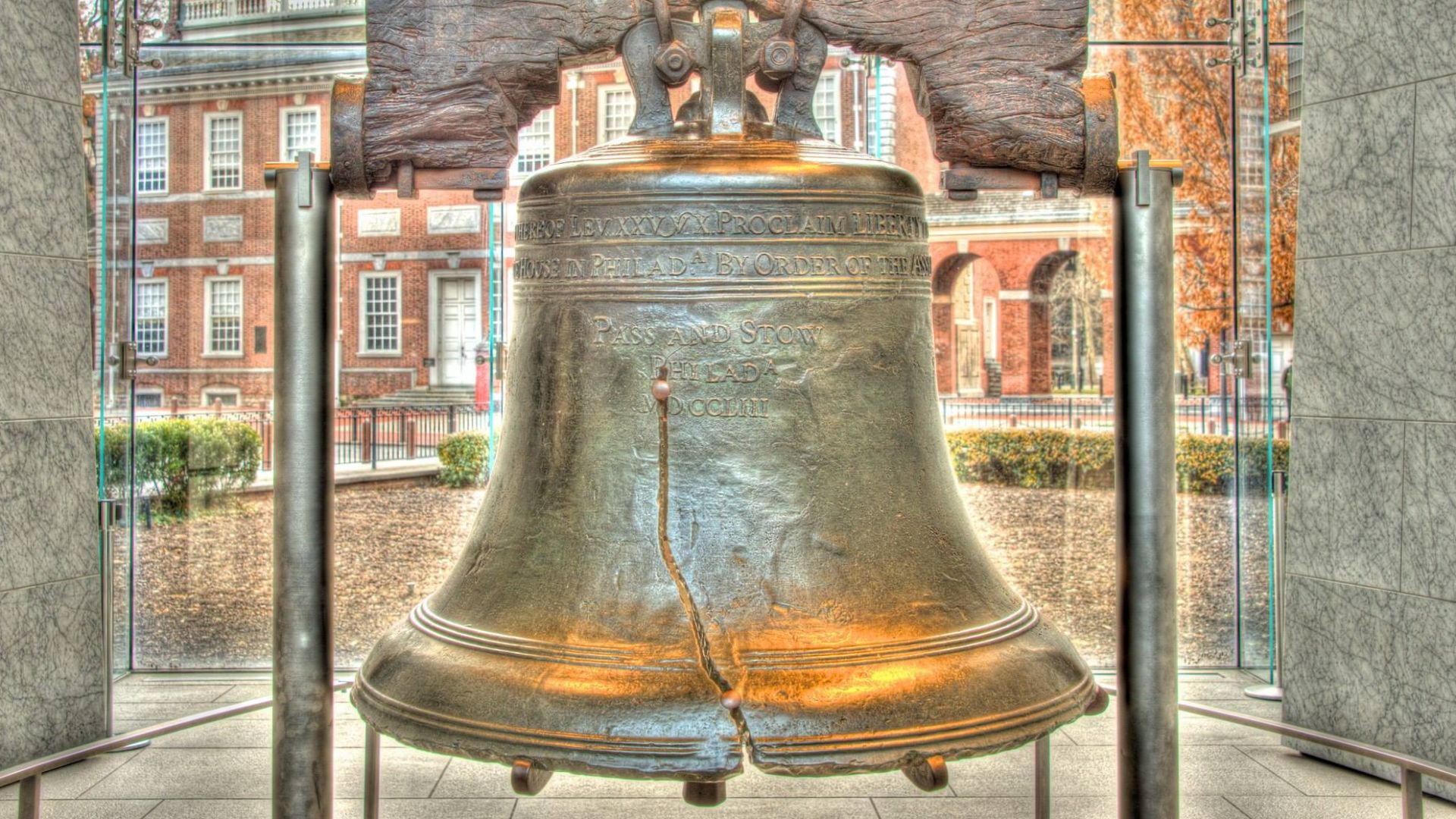
On April 1, 1996, Taco Bell placed full-page newspaper ads claiming it had purchased the Liberty Bell. The company said it was renaming the monument the “Taco Liberty Bell” as a way to help reduce the national debt. Plenty of readers did not immediately realize it was an April Fools’ joke.
 William Zhang, Wikimedia Commons
The Phones Started Ringing
The prank sent people calling Taco Bell and the National Park Service for answers. National Park rangers had to reassure angry and confused callers that the Liberty Bell had not actually been sold. By noon, Taco Bell admitted the announcement was a joke, but the stunt had already become advertising history.
 Bestbudbrian, Wikimedia Commons
Branson Brought A Tank To Times Square
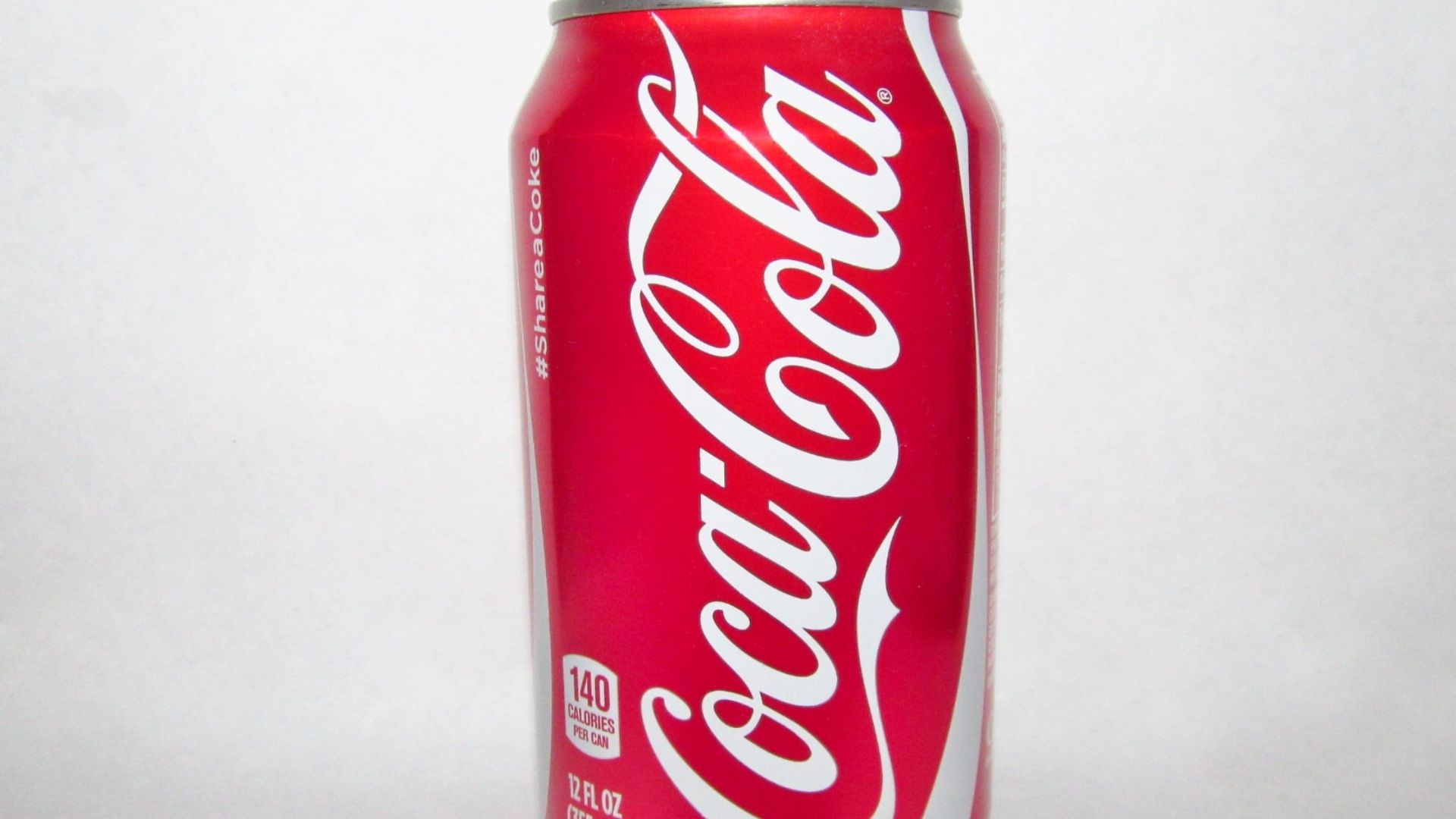
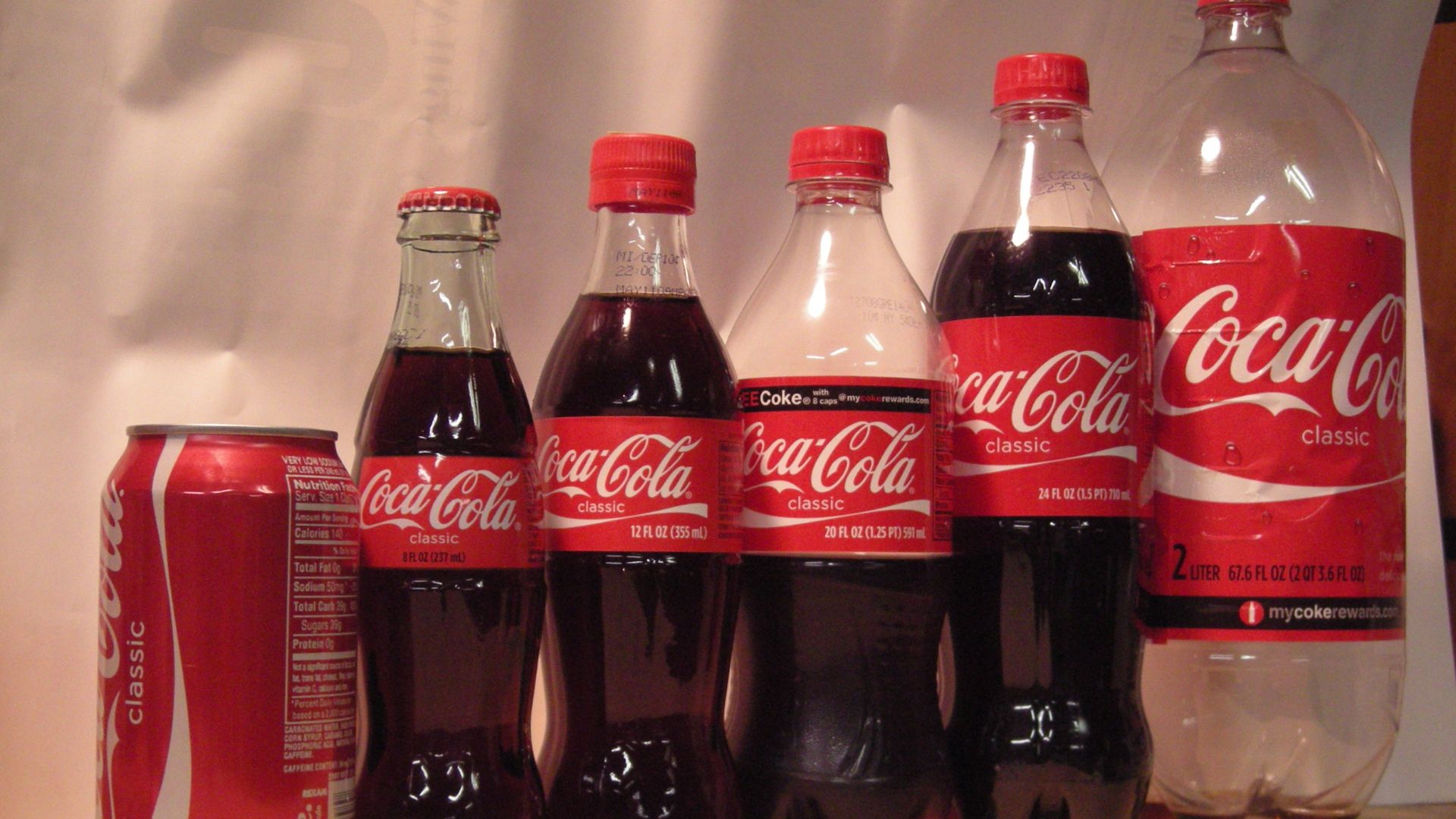
In 1998, Richard Branson launched Virgin Cola in the United States with a stunt that looked more like a movie scene. He drove a tank through Times Square and rolled over stacks of Coca-Cola cans. The stunt was meant to announce Virgin Cola as a fearless challenger to the biggest name in soda.
The Cola War Was Not So Simple
Branson later admitted that Virgin Cola could not withstand Coca-Cola’s power in the marketplace. The drink did not become the giant-killer he hoped for, but the Times Square tank stunt still became one of his best-known promotional moments. It proved that a stunt can be unforgettable even when the product does not win.
 Oilpanhands (talk), Wikimedia Commons
William Castle Turned The Theater Into The Stunt
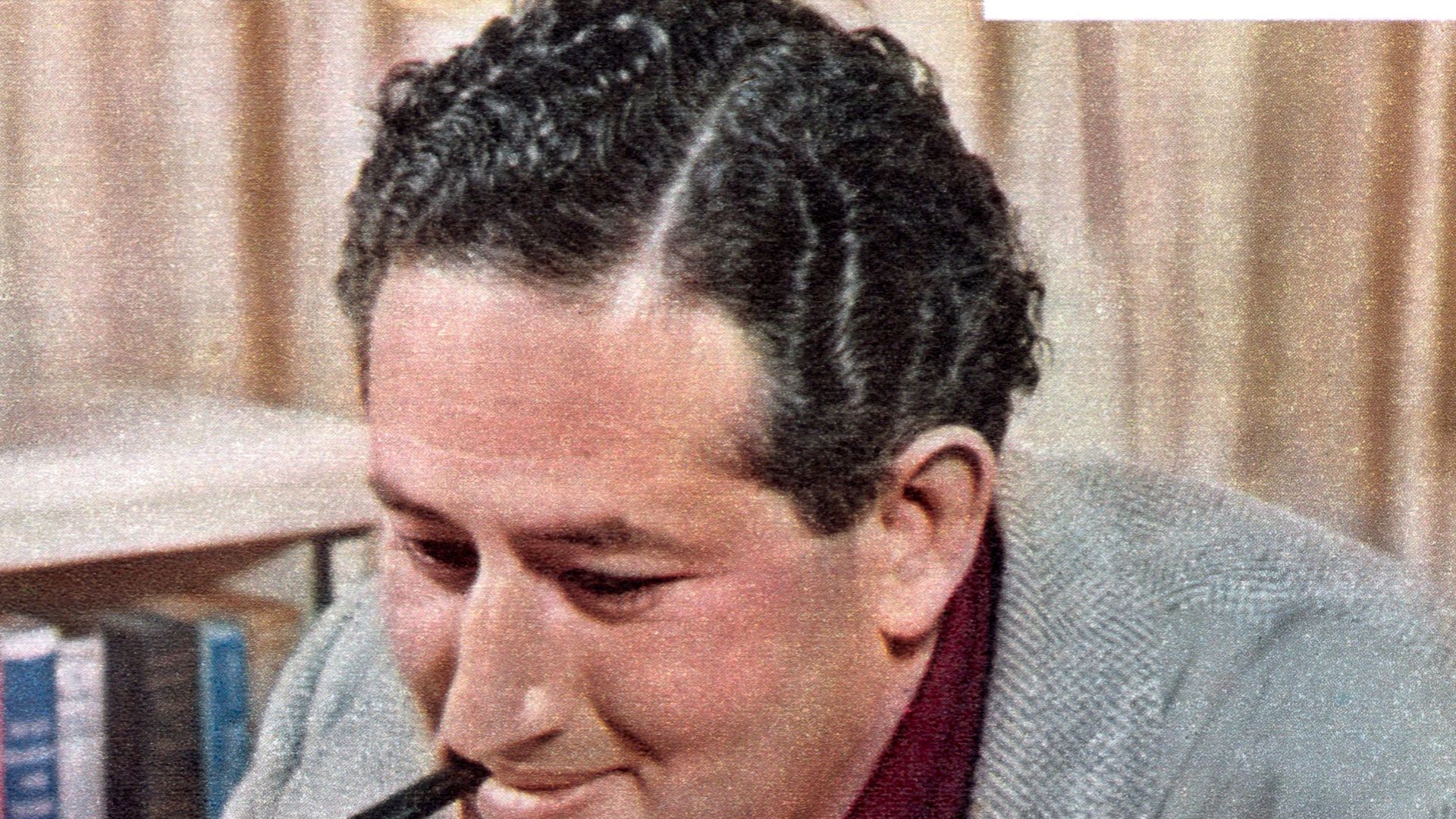
Producer and director William Castle understood that selling a horror movie did not have to stop at the screen. For Macabre, he promoted a fright insurance policy. For House On Haunted Hill, he sent a skeleton flying over audiences in some theaters.
 Crowell-Collier Publishing Company, photograph by Ralph Crane, Wikimedia Commons
Then Came The Tingler
For The Tingler in 1959, Castle used a gimmick called Percepto. Some theater seats were fitted with buzzers that vibrated during key moments in the film. The goal was simple and shamelessly effective, make the audience feel like the monster had escaped into the theater.
 Columbia Pictures (The original uploader was DCGeist at English Wikipedia.), Wikimedia Commons
The Seats Did The Screaming
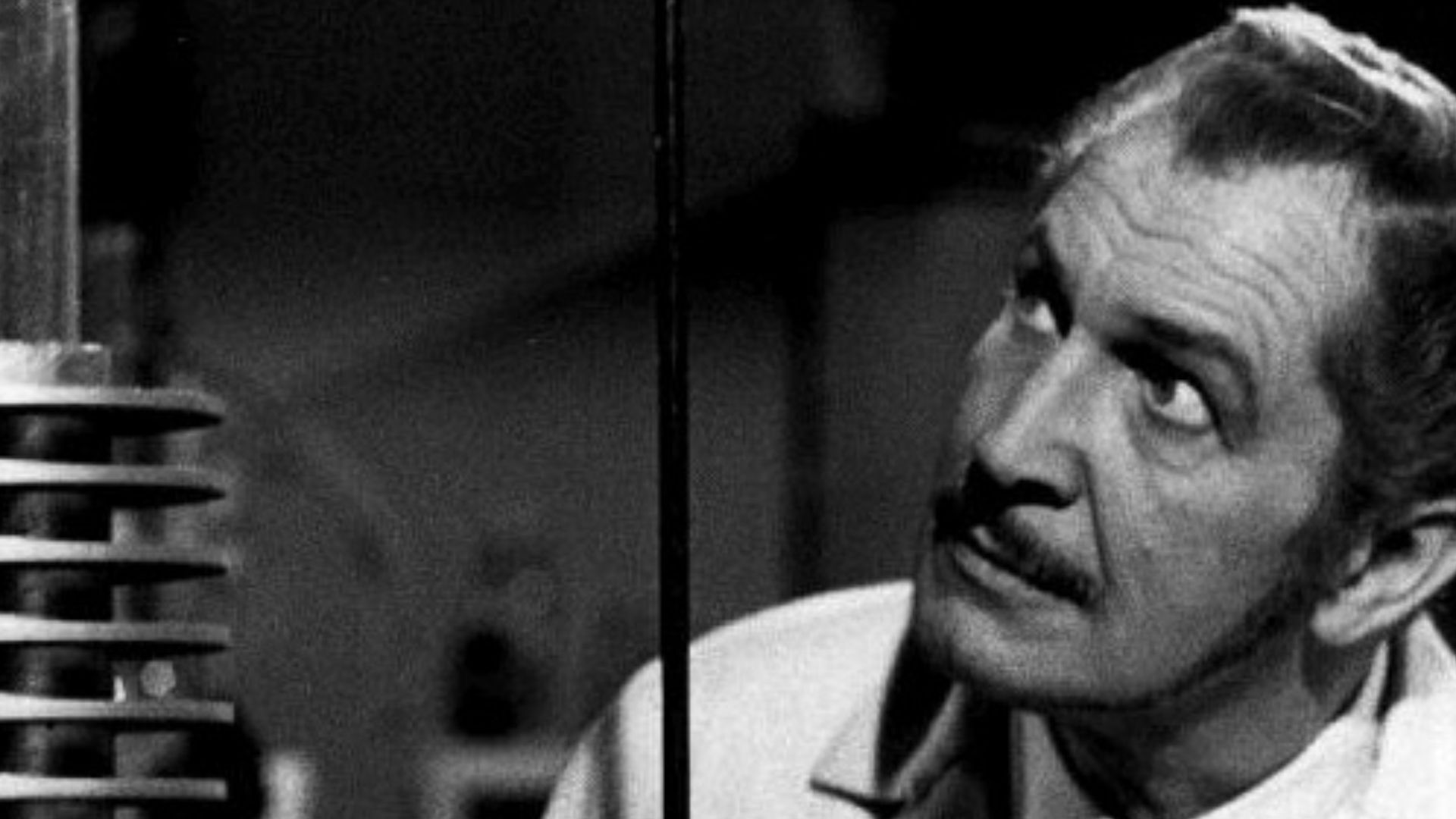
The Tingler starred Vincent Price, but the real star of the campaign was the audience reaction. People were not just watching a horror movie, they were waiting to be physically startled by it. Castle’s gimmicks helped turn ordinary screenings into events people wanted to describe afterward.
 CBS Television, Wikimedia Commons
The BBC Grew Spaghetti On Trees
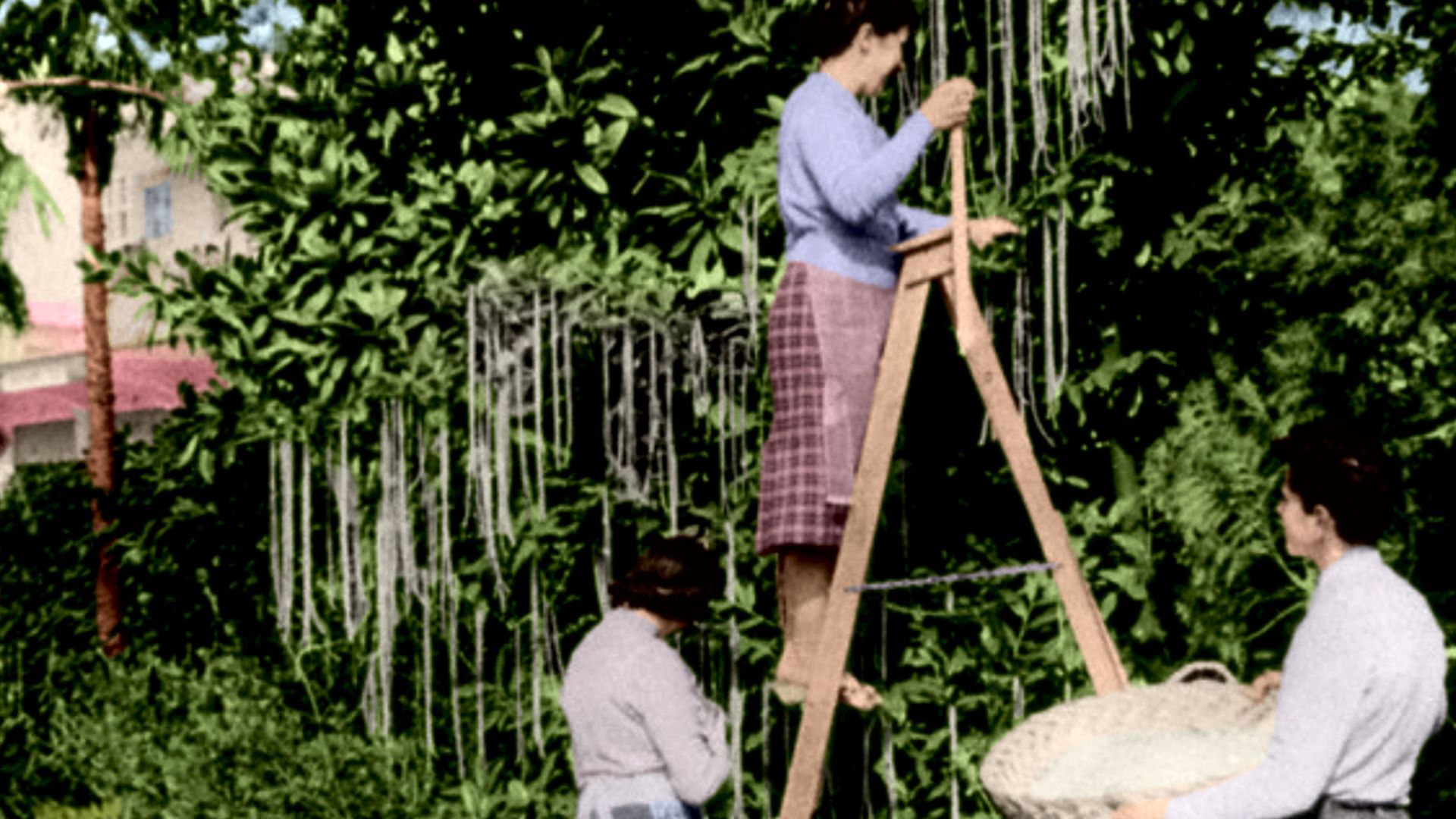
On April 1, 1957, the BBC program Panorama aired a fake report about a spaghetti harvest in Switzerland. The segment showed people supposedly collecting strands of spaghetti from trees. Because spaghetti was not yet familiar to many British viewers, the joke landed with surprising force.

Viewers Wanted Gardening Advice
After the broadcast, viewers contacted the BBC asking how they could grow their own spaghetti trees. The prank became one of the most famous April Fools’ broadcasts in television history. It also showed how much authority a trusted news voice could give to even the most absurd idea.
Red Bull Sent A Man To The Edge Of Space
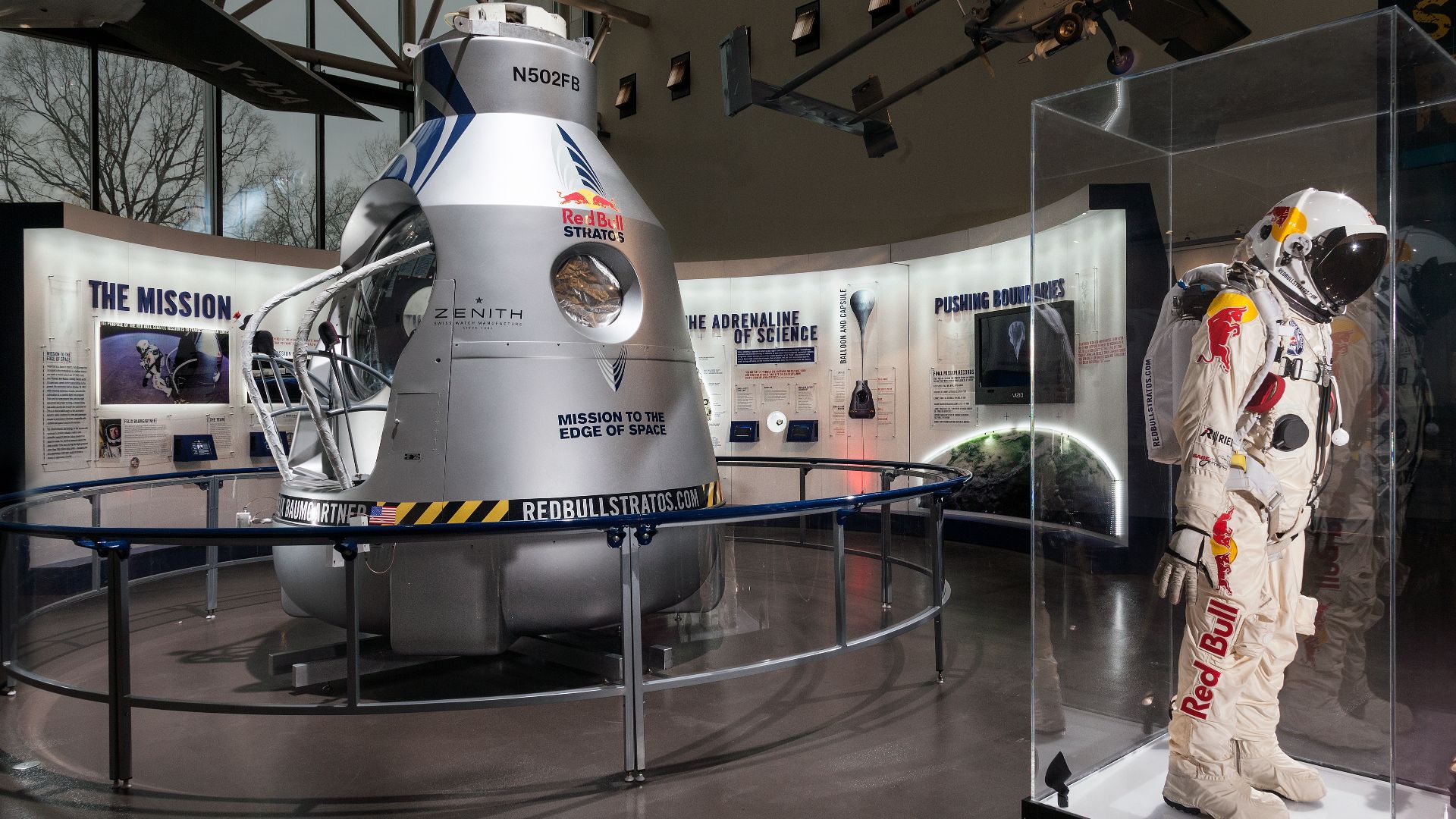
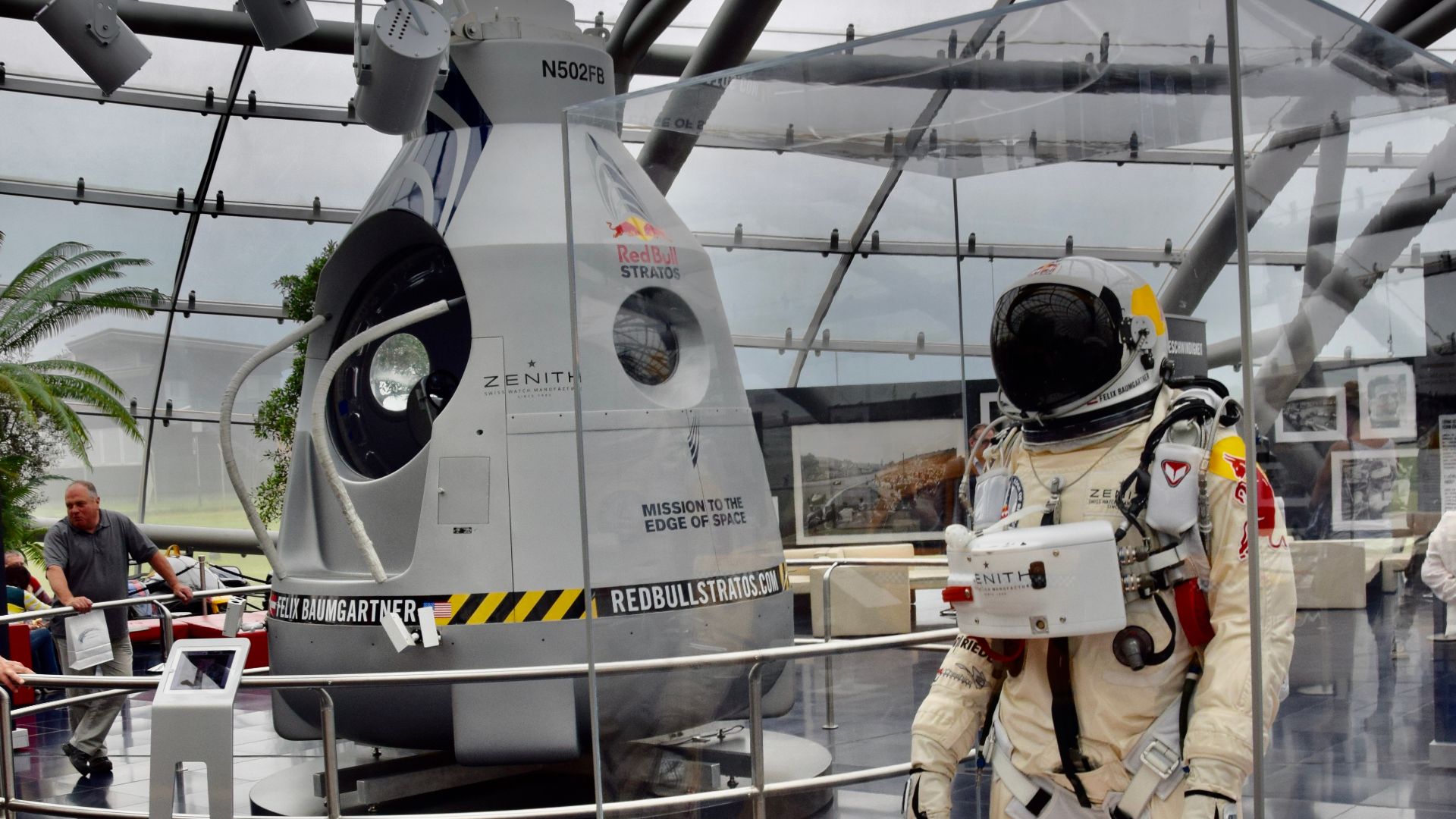
Red Bull Stratos was not a fakeout, but it was one of the most extreme branded spectacles ever staged. On October 14, 2012, Felix Baumgartner jumped from a capsule high above New Mexico. The mission turned a skydiving record attempt into a global media event.
 Smithsonian Institution, Wikimedia Commons
The Numbers Were Almost Absurd
Baumgartner stepped off at 127,852.4 feet and reached 843.6 mph during freefall. Red Bull’s official mission data said he broke the speed of sound without vehicle propulsion. Millions watched because the stunt mixed science, danger, and branding in a way few promotions ever had.
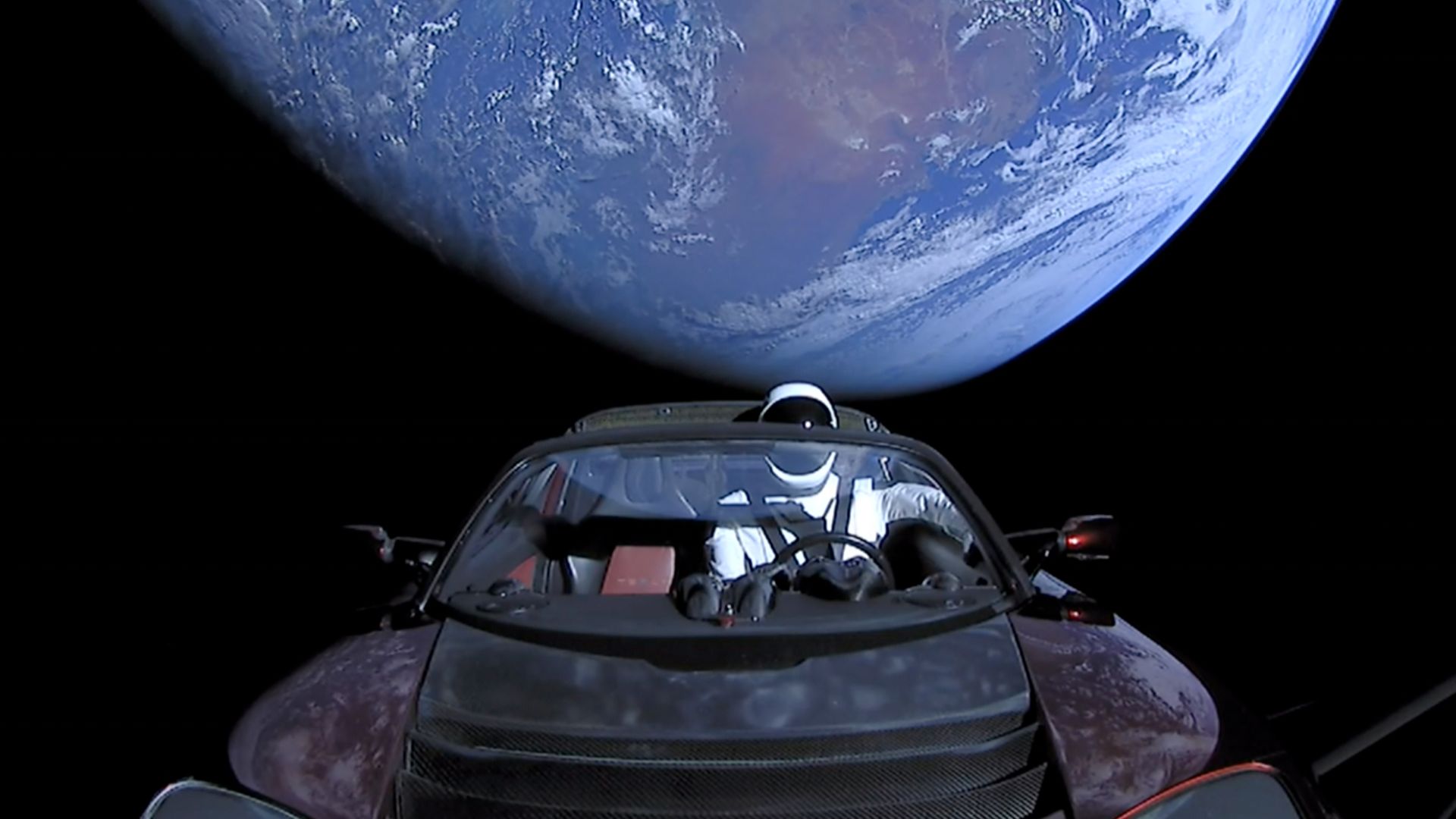
A Sports Car Went To Space
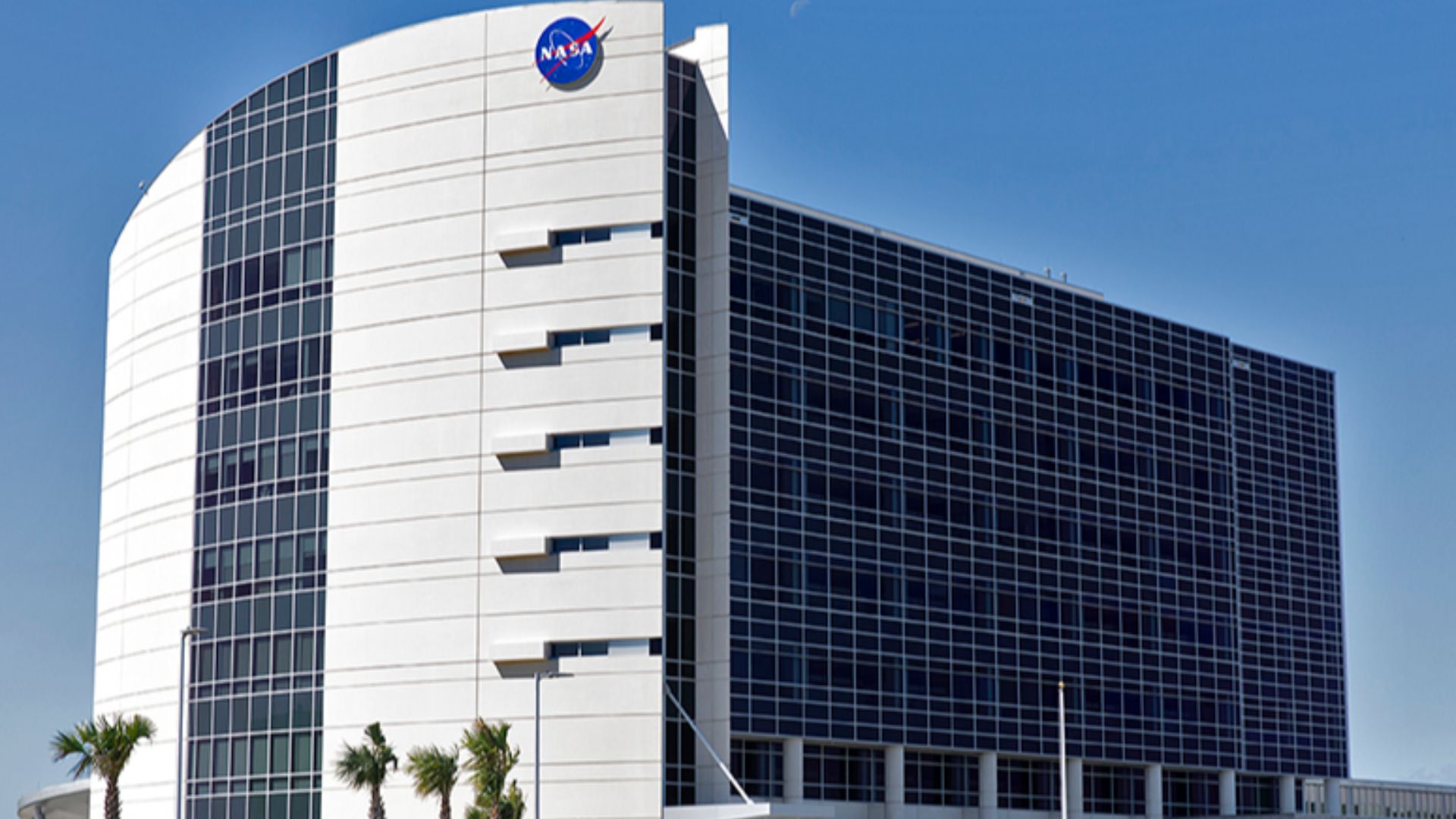
In 2018, SpaceX used Elon Musk’s Tesla Roadster as the payload for the first Falcon Heavy test flight. The car launched from Kennedy Space Center and was sent into solar orbit. A routine dummy payload would have been forgettable, but a red sports car in space became instantly iconic.
 NASA/Glenn Benson, Wikimedia Commons
The Dummy Driver Became The Image
The Roadster carried a mannequin driver known as Starman, which made the spectacle even stranger and more shareable. NASA later noted that the demonstration flight placed the Roadster into solar orbit as far as the orbit of Mars. As publicity images go, a convertible floating above Earth is hard to beat.
Evel Knievel Sold The Impossible
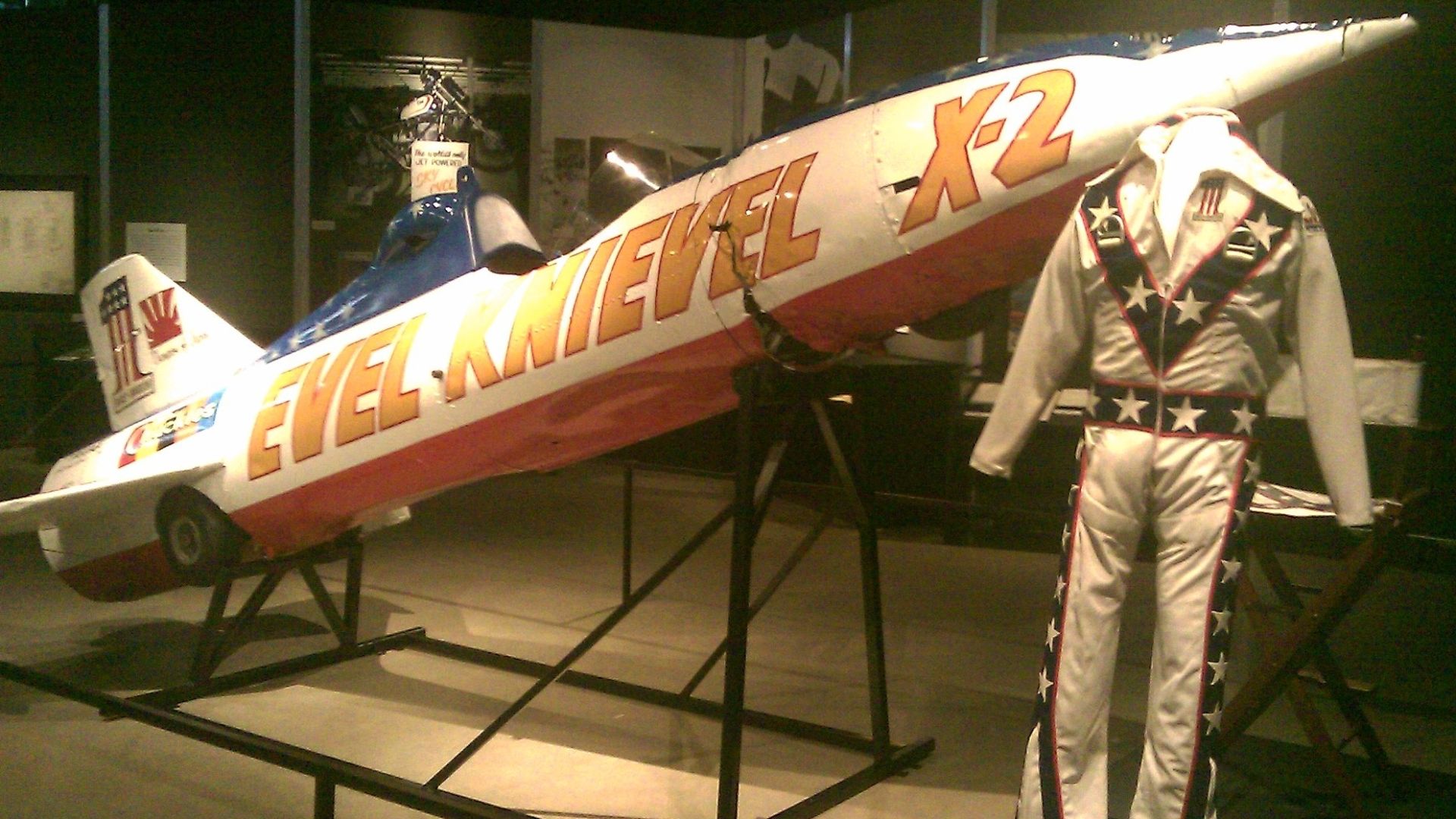
Evel Knievel built his career on making danger feel like prime-time entertainment. His 1974 attempt to cross Idaho’s Snake River Canyon in a steam-powered rocket was promoted like a massive sporting event. Even before the launch, the stunt had become a national spectacle.
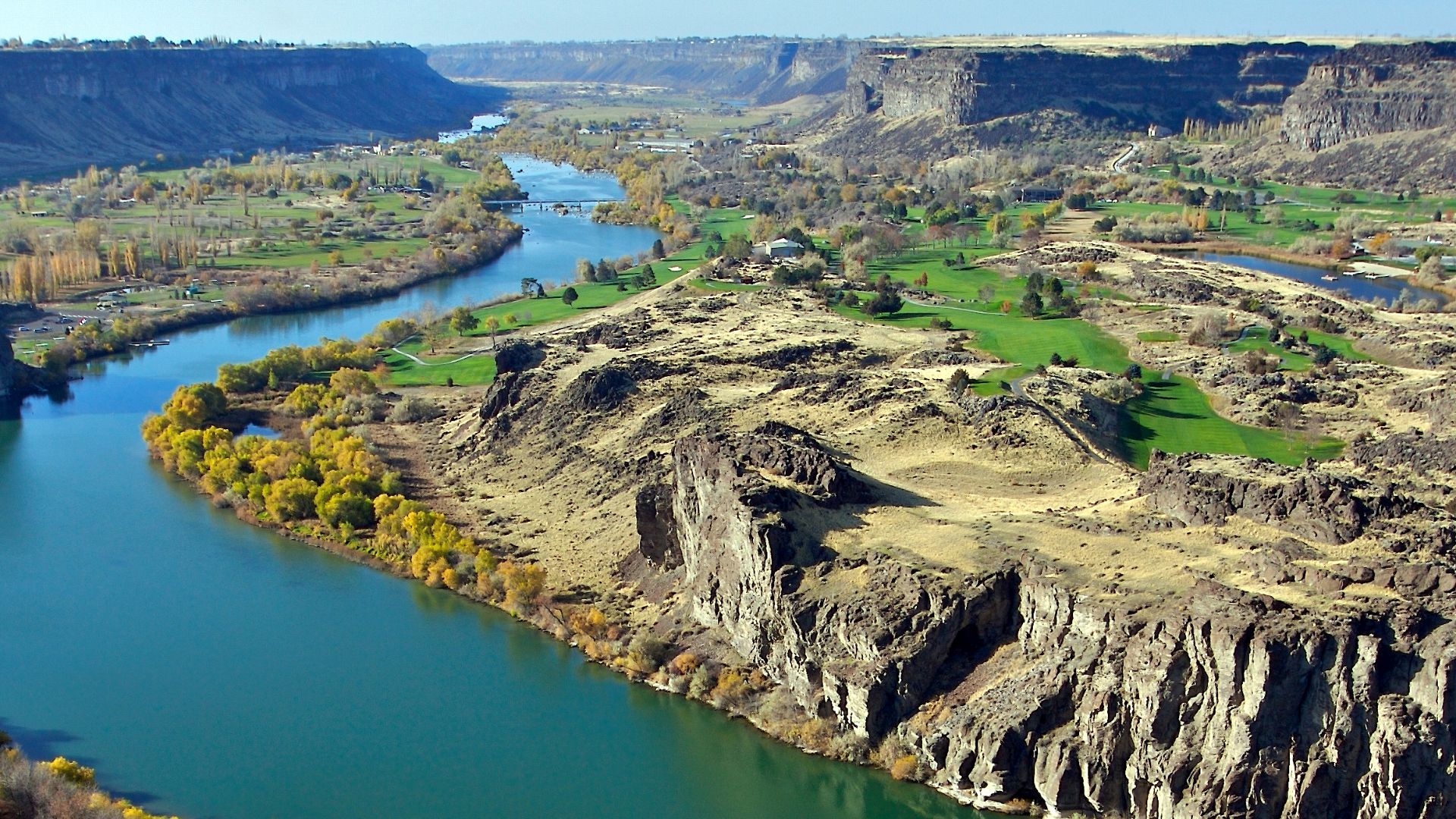
The Jump Failed But The Legend Survived
On September 8, 1974, Knievel’s Skycycle launched, but its parachute deployed too early. He did not complete the canyon jump, though he survived with relatively minor injuries. The failure hardly erased the stunt, because the buildup had already cemented it as one of the boldest self-promotions in American pop culture.
Oscar Mayer Put A Hot Dog On Wheels
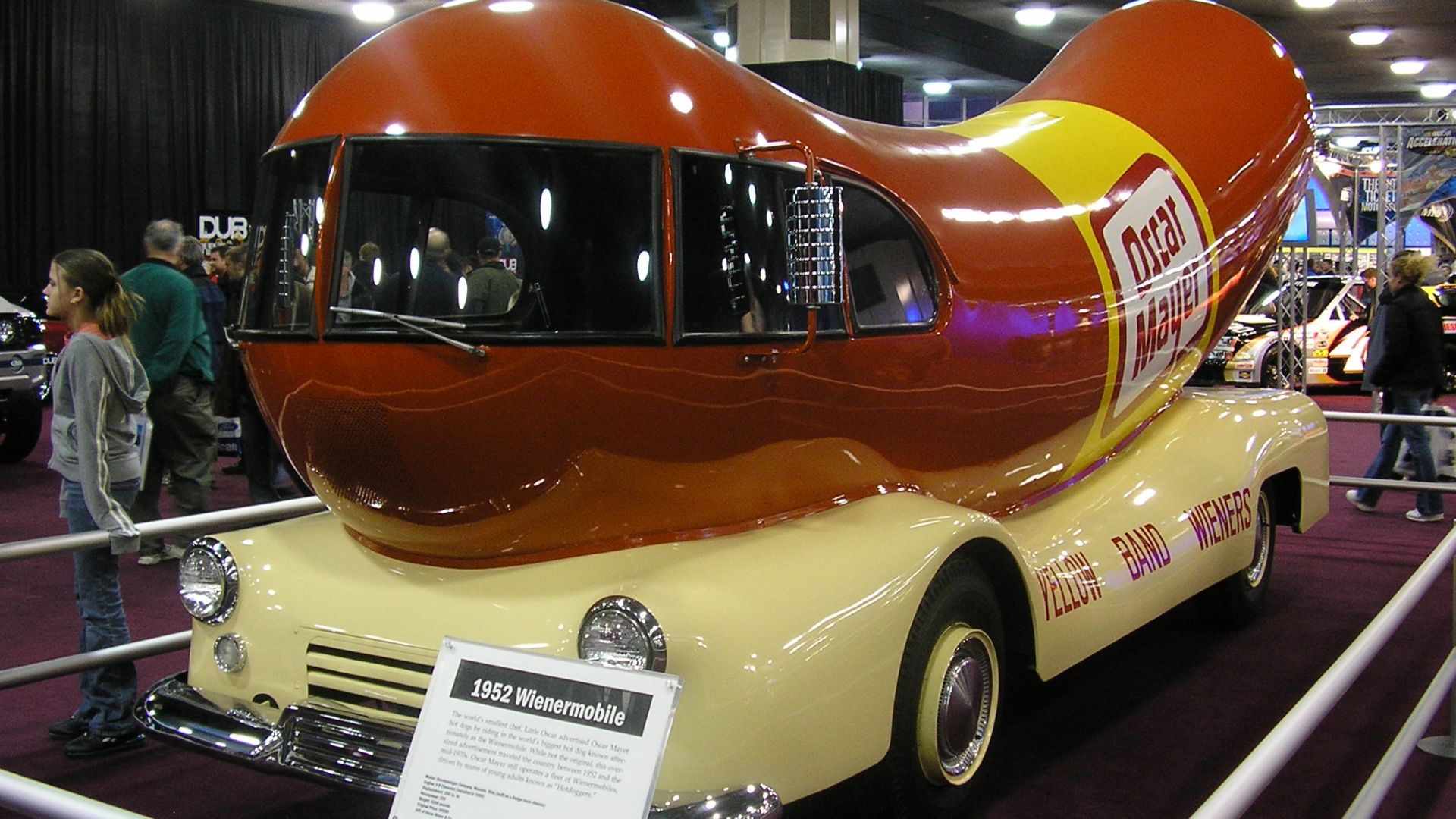
The Oscar Mayer Wienermobile began in 1936 as a rolling advertisement shaped like a hot dog. It was strange, silly, and almost impossible to ignore. Over time, it became less like a one-off stunt and more like a traveling piece of American advertising folklore.
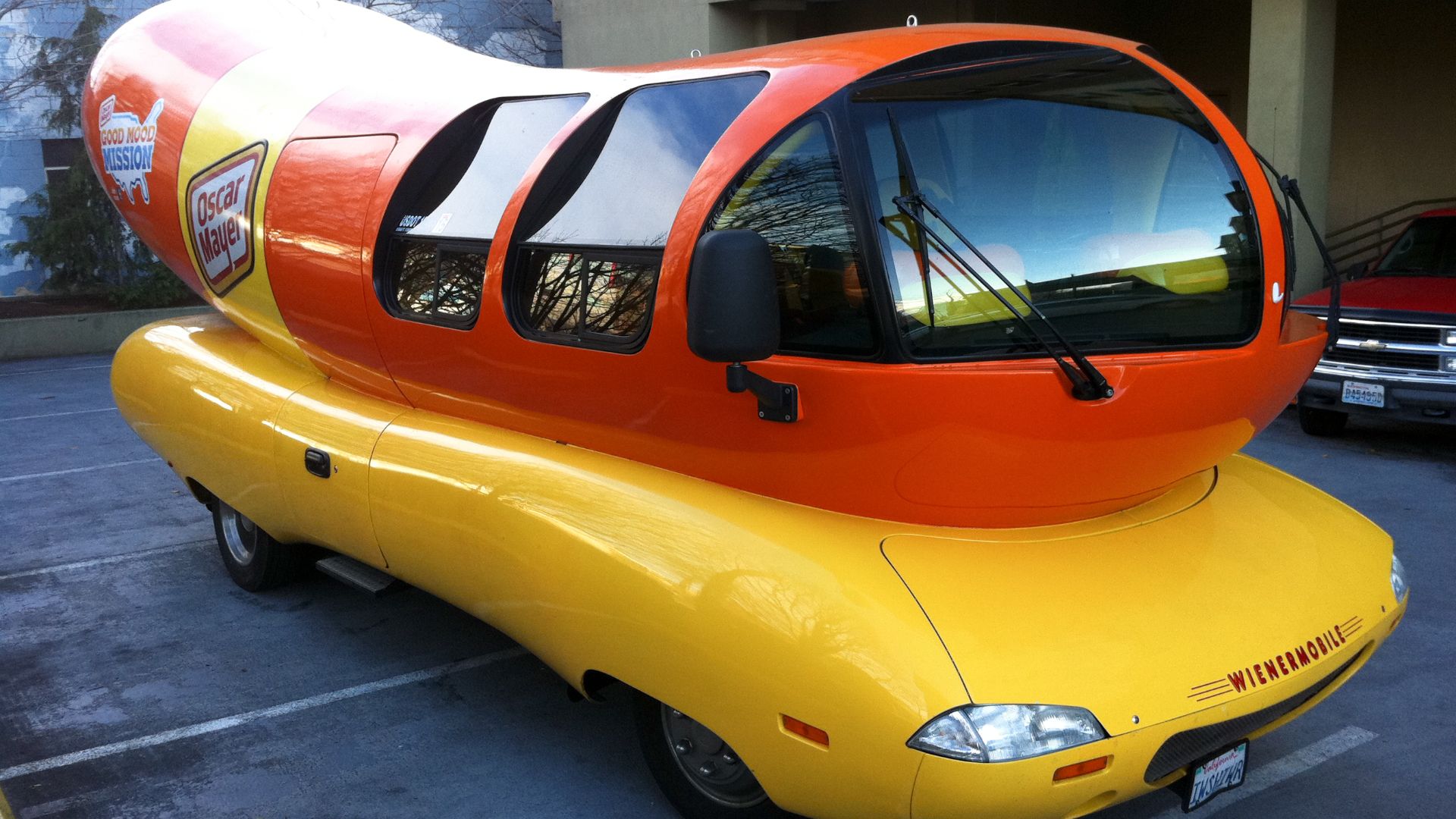 Victorgrigas, Wikimedia Commons
The Joke Kept Driving
The Wienermobile has returned in new versions across generations, and its drivers became known as Hotdoggers. In 2023, Oscar Mayer briefly renamed it the Frankmobile, but the company brought back the original name after fans pushed back. That reaction says a lot about the power of a publicity stunt that people eventually treat like a beloved character.
 The original uploader was Mrmiscellanious at English Wikipedia., Wikimedia Commons
KFC Built A Logo For Satellites
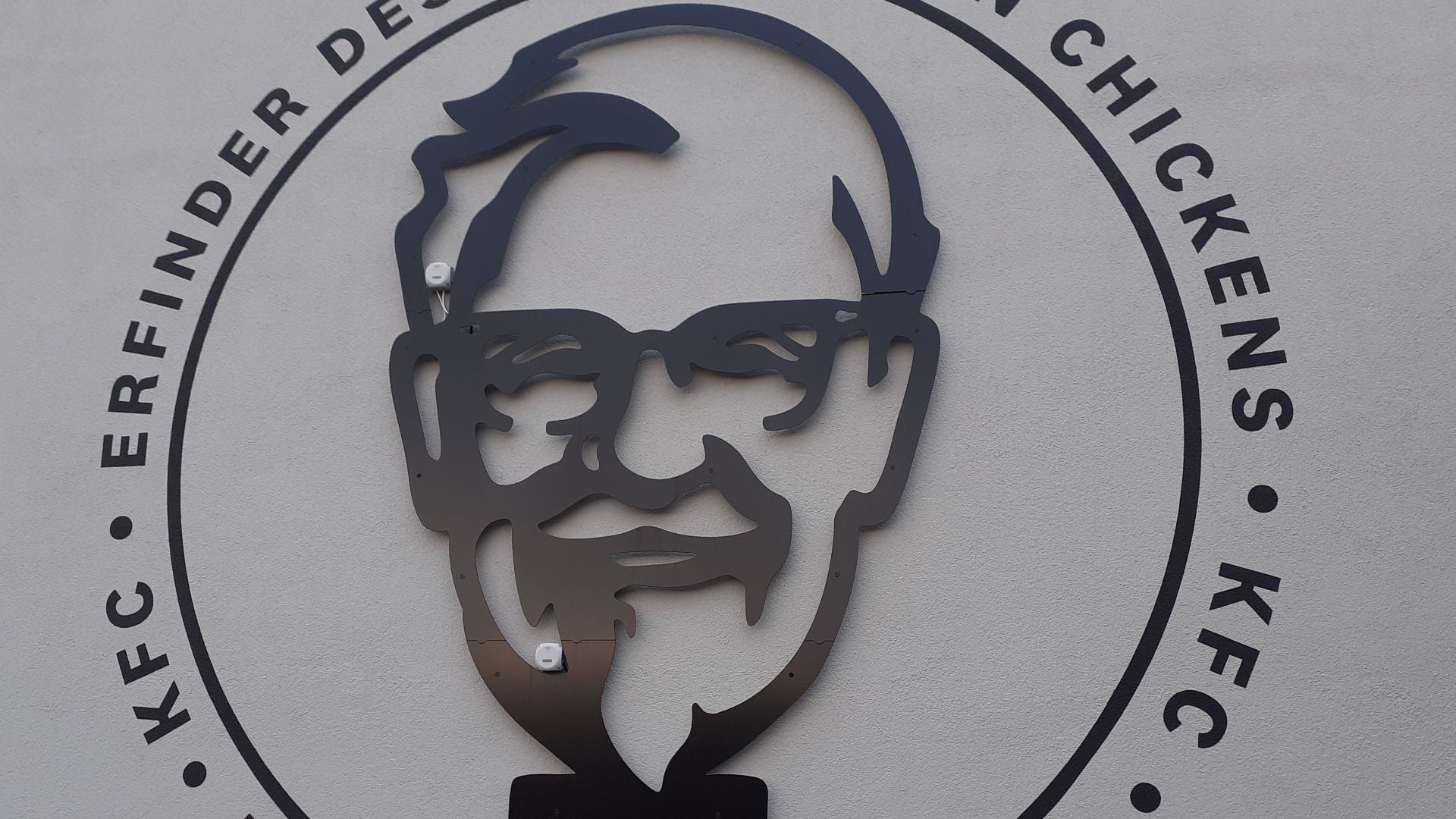
In 2006, KFC created a giant Colonel Sanders logo in the Nevada desert. The company promoted it as a “Face from Space” campaign tied to a brand redesign. It reportedly used tens of thousands of colored tiles, turning a fast-food logo into a landscape-scale stunt.
 Marnfred Klein, Wikimedia Commons
The Biggest Stunts Understand One Thing
The best publicity stunts do not just announce a product, a film, or a performer. They create a story that people feel compelled to repeat. Whether it was elephants on a bridge, a fake fossil giant, vibrating theater seats, or a car orbiting the sun, the goal was the same: make the promotion impossible to ignore.
You May Also Like:
Everyday American traditions that began as marketing campaigns—and somehow became permanent.
Do You Remember These Discontinued Fast Food Items?
Sources: 1, 2, 3, 4, 5, 6, 7, 8, 9, 10, 11, 12, 13, 14, 15, 16, 17, 18, 19, 20, 21, 22, 23, 24, 25










