300,000-year-old bones that rewrote our story
A few scattered bones beneath the Moroccan desert stunned scientists and forced history books to catch up. The face looked familiar, but the brain told another story about who we are and where we truly began.

A Groundbreaking Discovery In The Heart Of Morocco
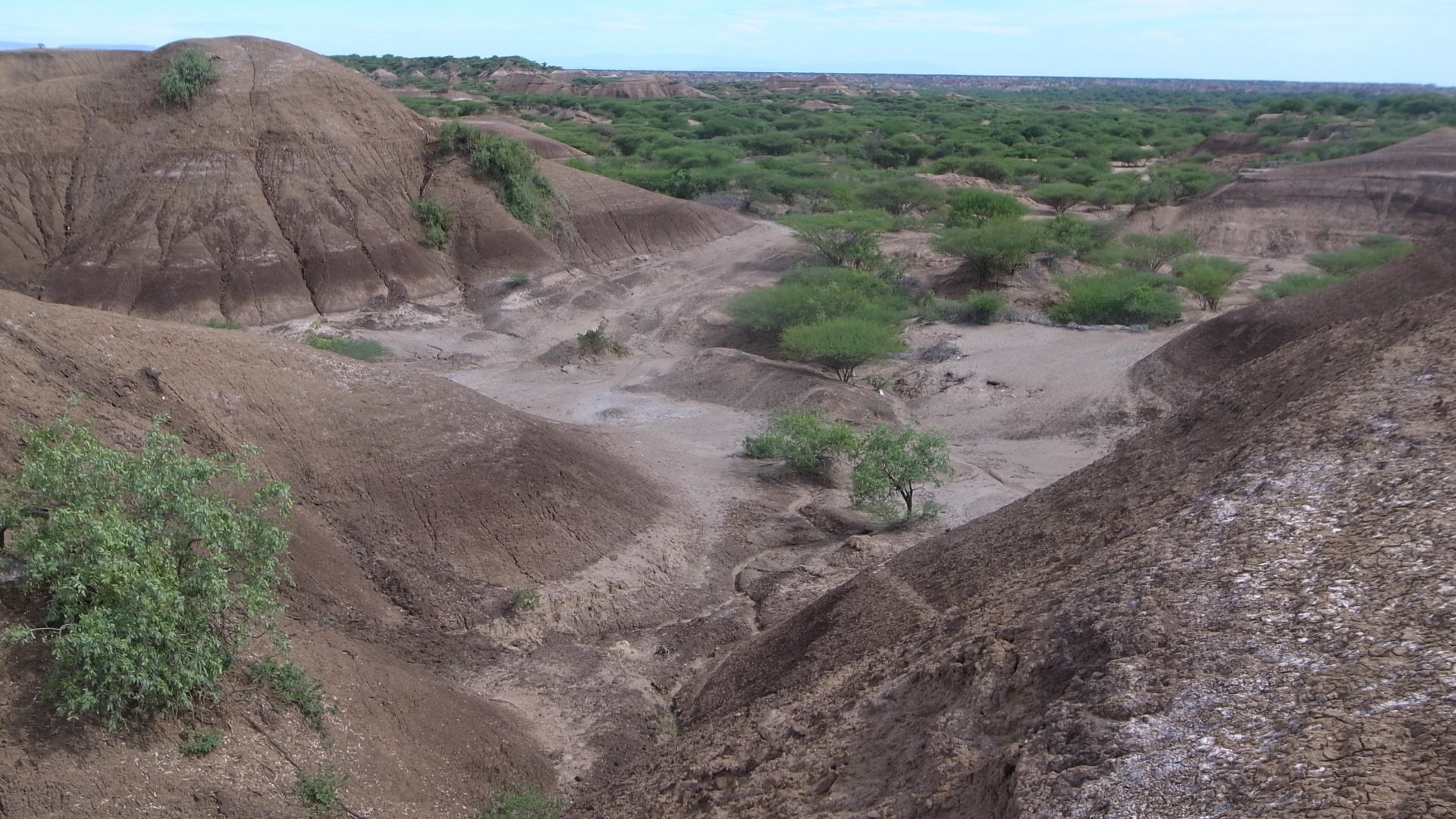
Since 2004 researchers have expanded excavations at Jebel Irhoud in Morocco. Analysis in 2017 exposed fossilized remains that would rewrite our understanding of human origins. The site yielded skulls, jaws, bones, and tools dating back 300,000 years to shed light on the earliest known members of our species.
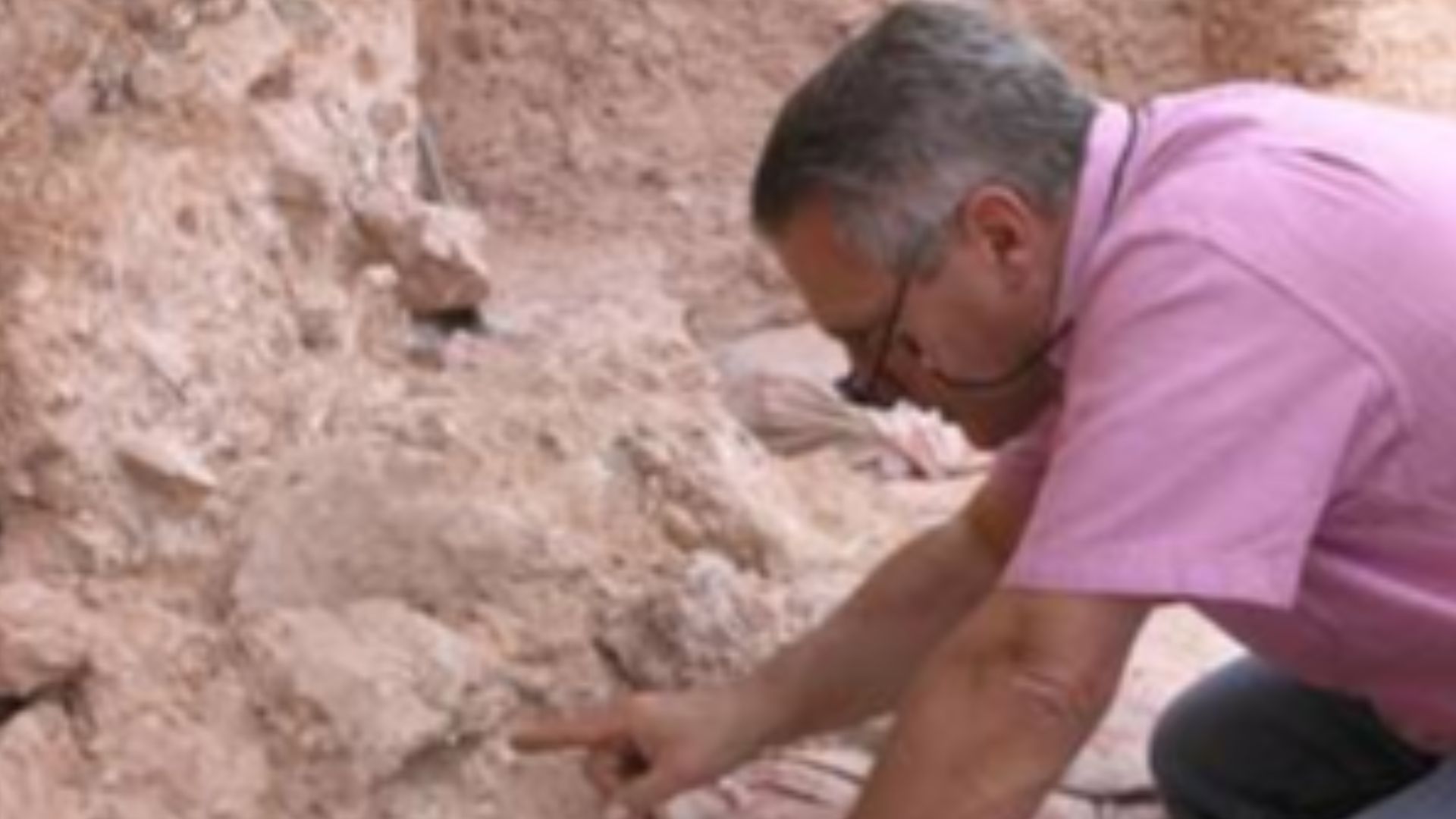 Shannon McPherron, MPI EVA Leipzig, Wikimedia Commons
The Unearthing Of Humanity’s Oldest Known Relatives
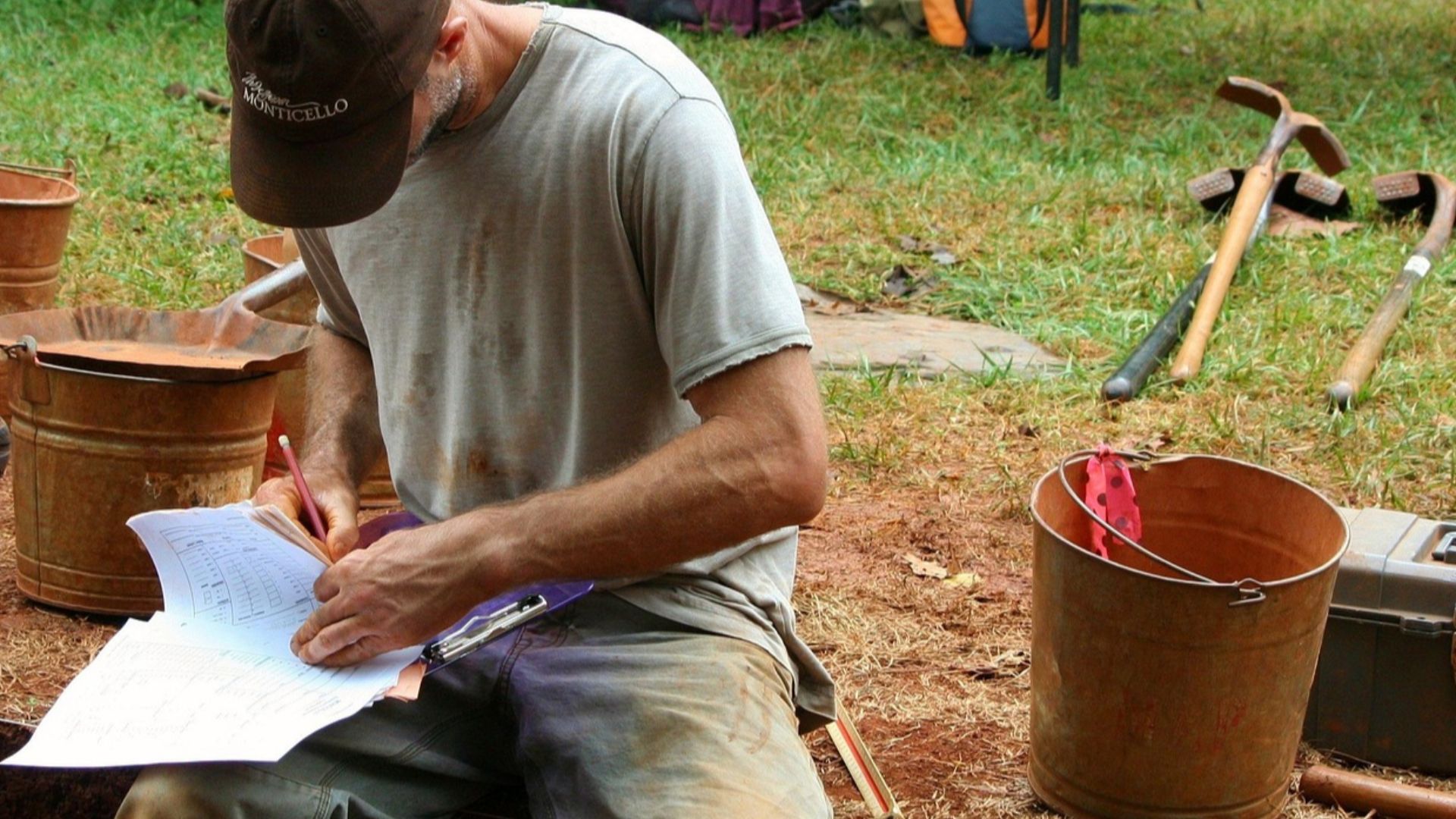
Bones from at least five individuals were found: three adults, a teenager, and a child. Their features pointed clearly to early Homo sapiens. These weren’t primitive hominins but recognizable human ancestors. Their presence in northwest Africa expanded the map of early human development far beyond previous assumptions.
What The Bones At Jebel Irhoud Tell
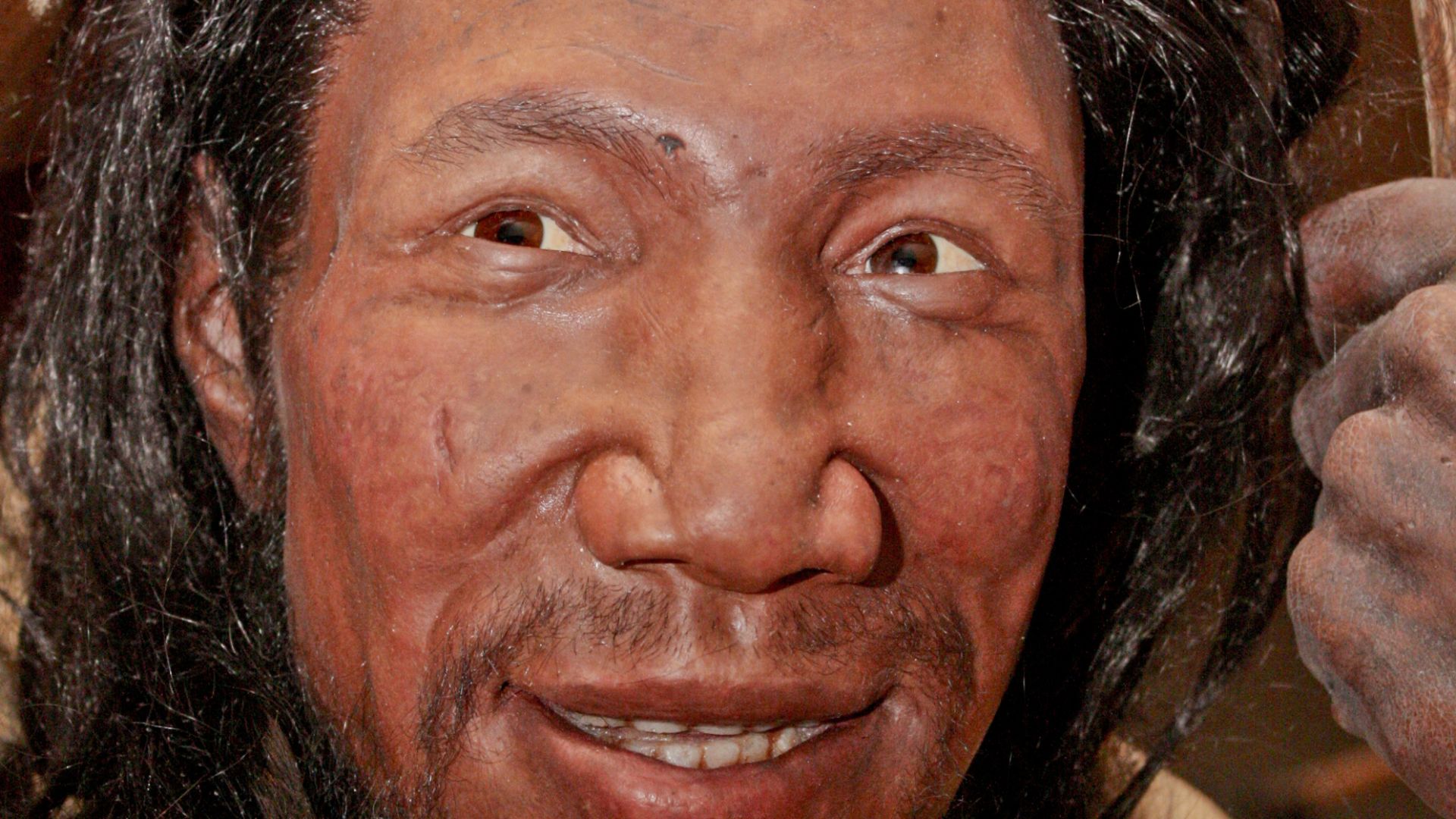
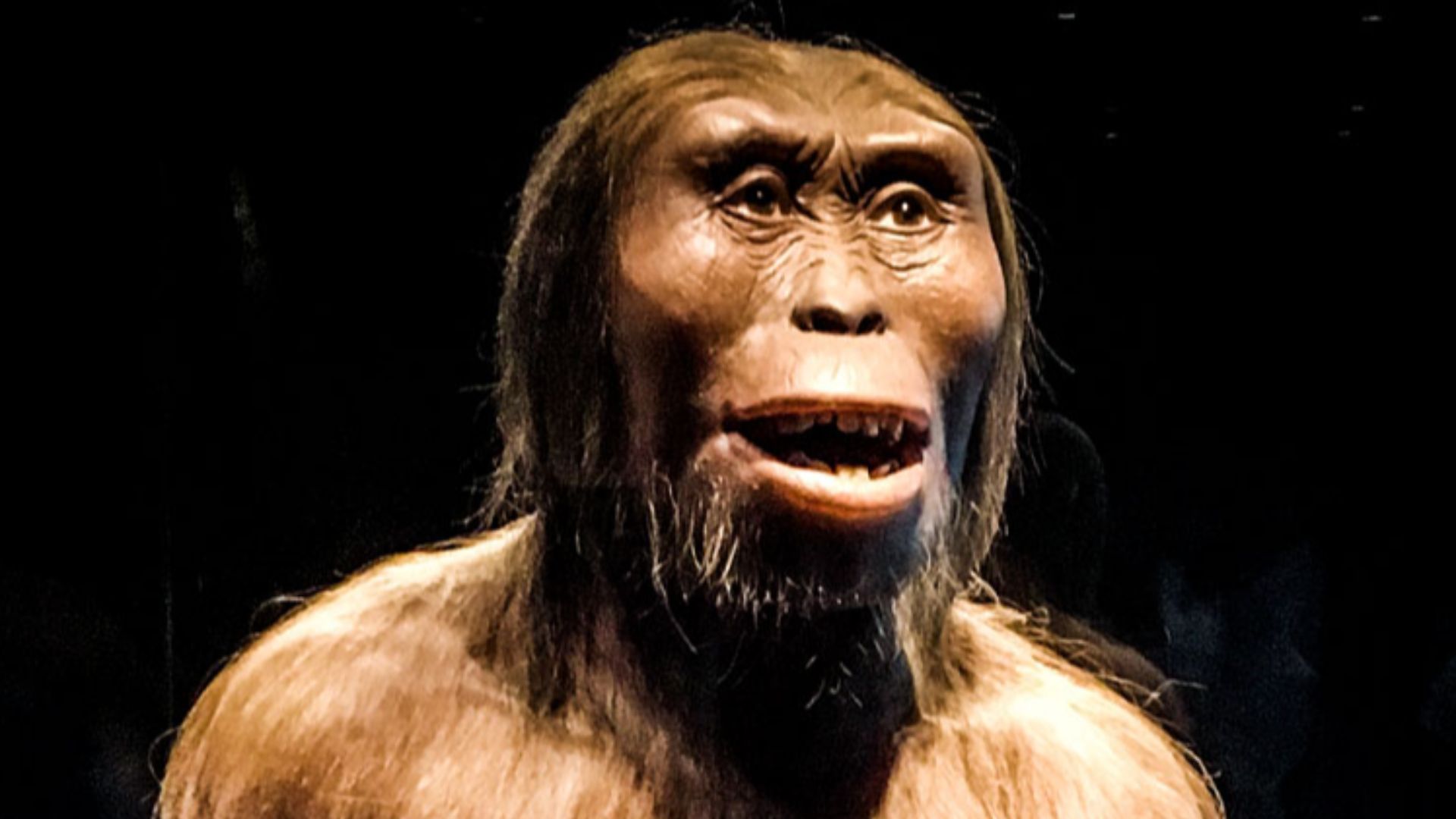
Each skull found at Jebel Irhoud had a surprisingly modern face, which was flat and positioned under the braincase. It was paired with a more elongated, archaic brain shape. This combination suggests that early Homo sapiens had evolved key traits but were still undergoing changes that shaped the human form we recognize today.
 Daniela Hitzemann (photograph), Wikimedia Commons
Dating The Fossils That Changed Everything
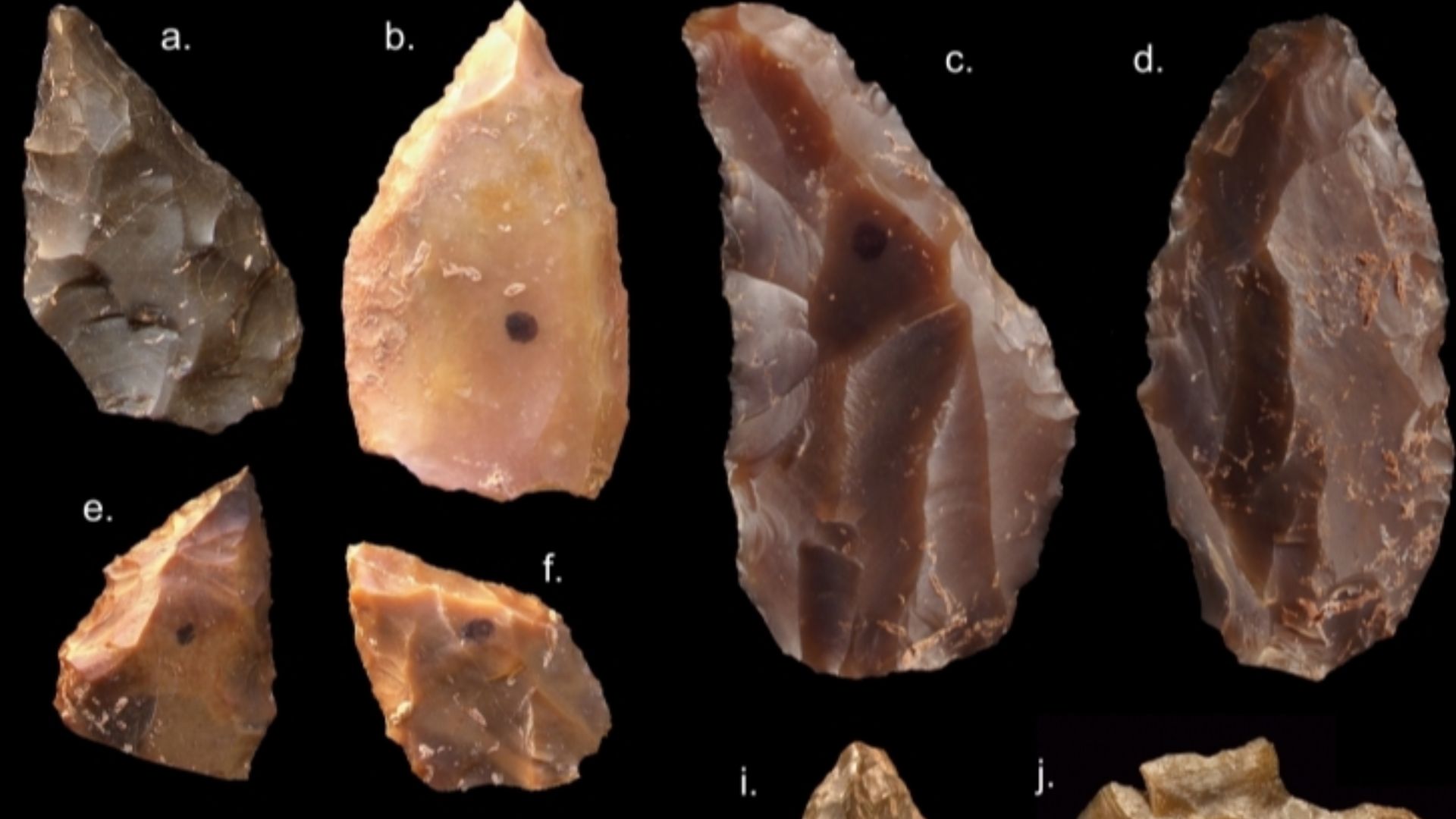
Researchers used thermoluminescence to date heated flint tools found near the bones, arriving at an astonishing age of around 300,000 years. This method measures the last time the material was exposed to heat and offers a reliable timeline that places Homo sapiens far earlier than previously documented.
 Mohammed Kamal, MPI EVA Leipzig, Wikimedia Commons
Pushing Homo Sapiens Back By 100,000 Years
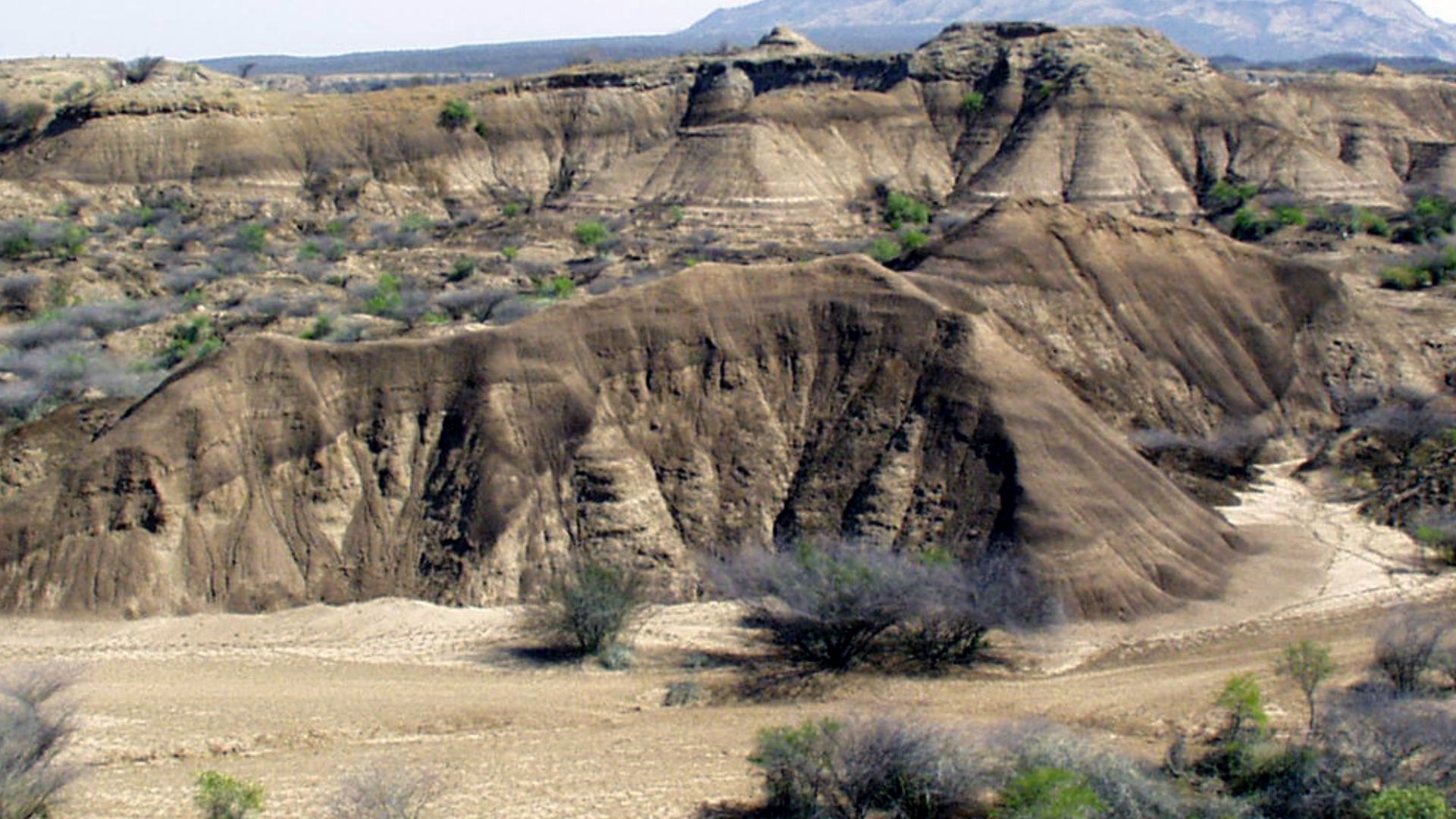
Before this discovery, the oldest known Homo sapiens fossils came from Ethiopia and were dated to about 233,000 years ago. Jebel Irhoud extended our species’ timeline by approximately 80,000 years, which suggests that Homo sapiens existed much earlier and in places previously overlooked by paleoanthropologists.
 John Fleagle, Wikimedia Commons
Rethinking The Cradle Of Humankind
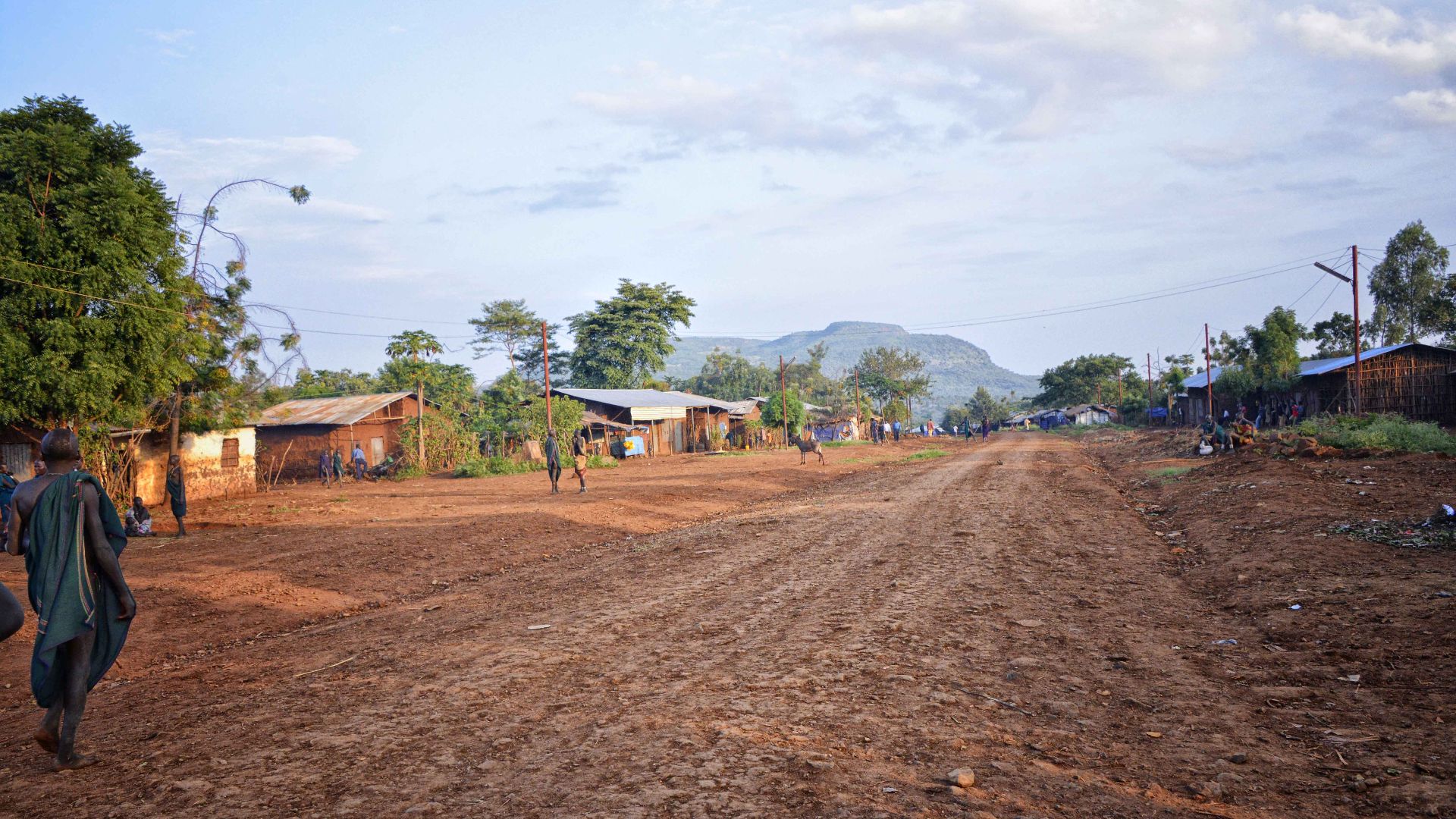
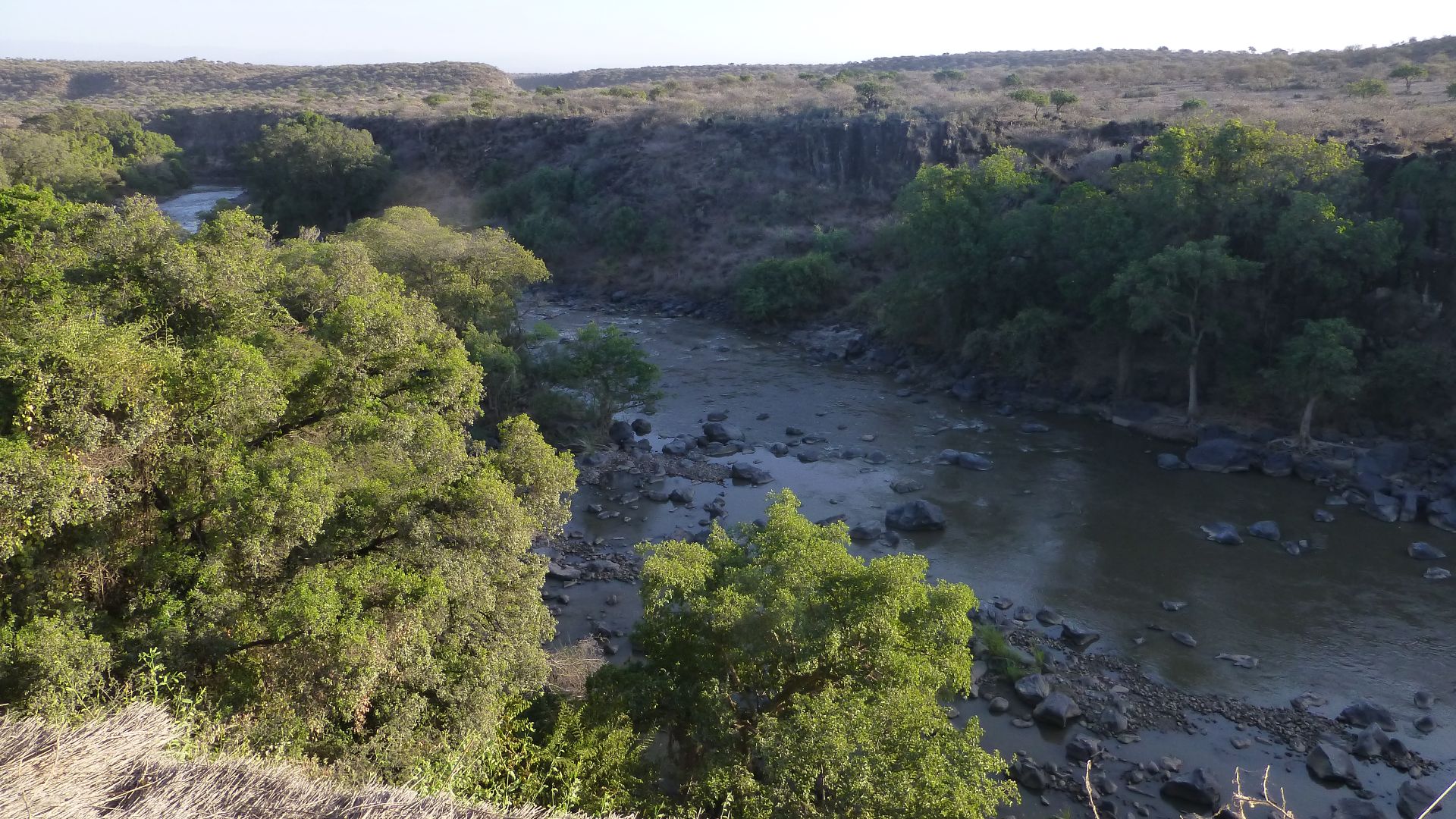
For decades, East Africa was considered the undisputed birthplace of Homo sapiens. Discoveries like Omo Kibish and Herto strengthened that idea. But Jebel Irhoud challenged this view by suggesting our origins weren’t confined to one region but were instead spread across the African continent.
 Rod Waddington from Kergunyah, Australia, Wikimedia Commons
From A Single Origin To A Pan-African Evolution
The Jebel Irhoud evidence supports a “pan-African” model, where early human populations across Africa evolved together through gene flow and shared technologies. Rather than a single birthplace, Homo sapiens may have emerged from interconnected groups adapting locally yet contributing collectively to the species we recognize as modern humans.
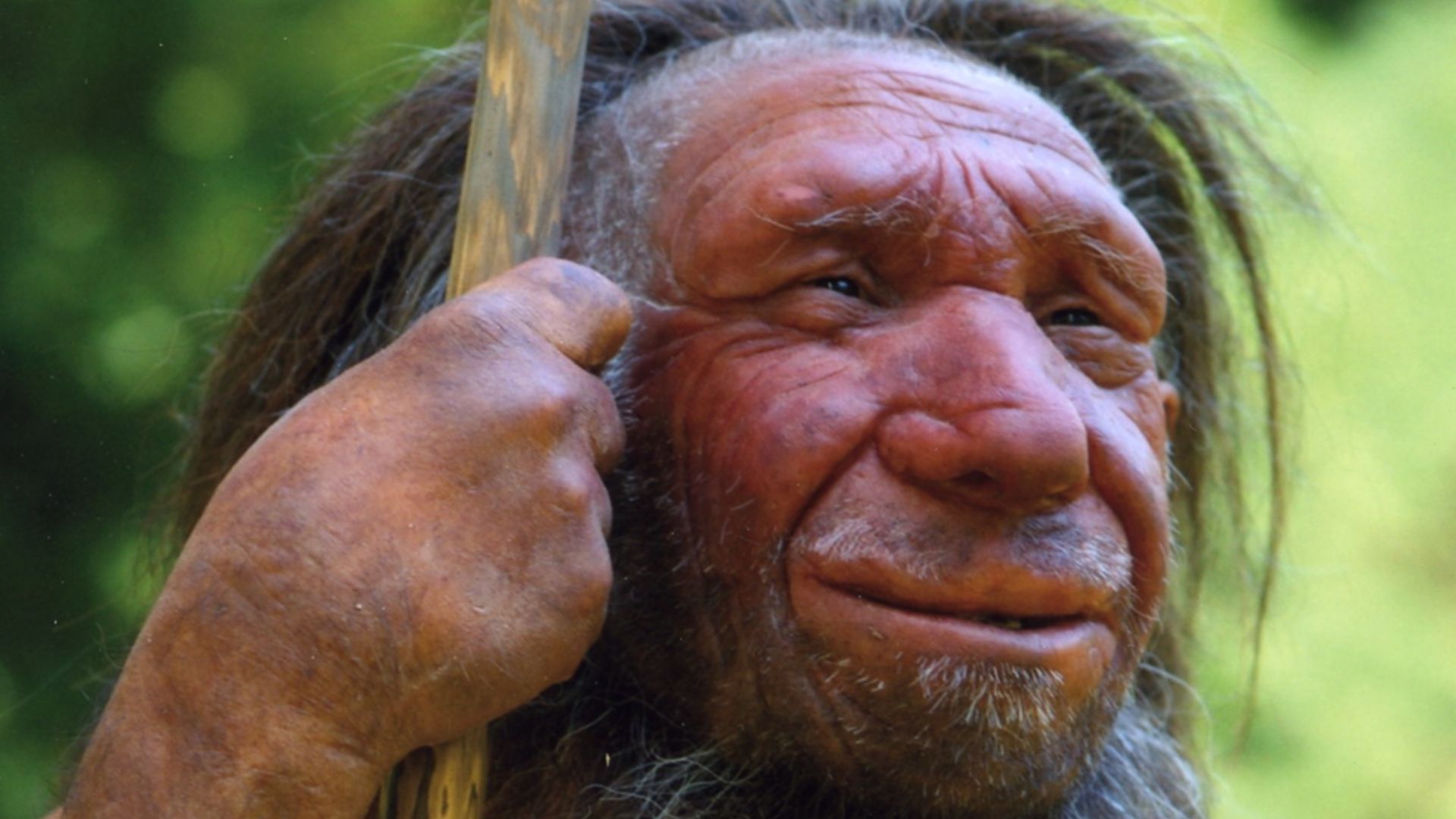 Neanderthal-Museum, Mettmann, Wikimedia Commons
A Modern Face In An Ancient Skull
What really surprised scholars is that the facial structure in the Jebel Irhoud fossils was remarkably modern. It had flat cheeks and a prominent chin region. These traits suggest that some parts of the human form took shape earlier than the rest of the skull, especially the braincase.
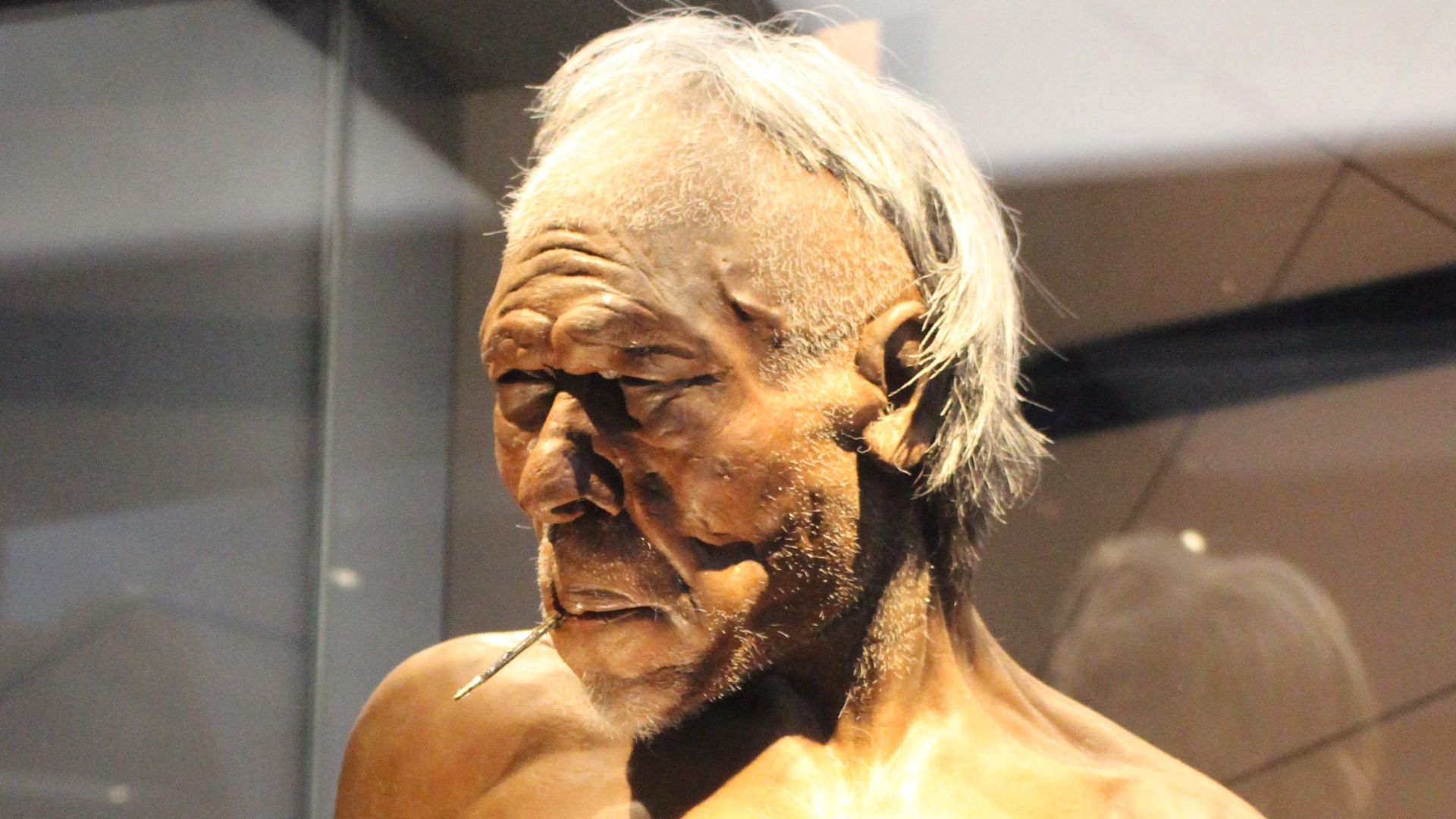 Emőke Dénes, Wikimedia Commons

History's most fascinating stories and darkest secrets, delivered to your inbox daily.
The Braincase That Hints At A Gradual Transformation
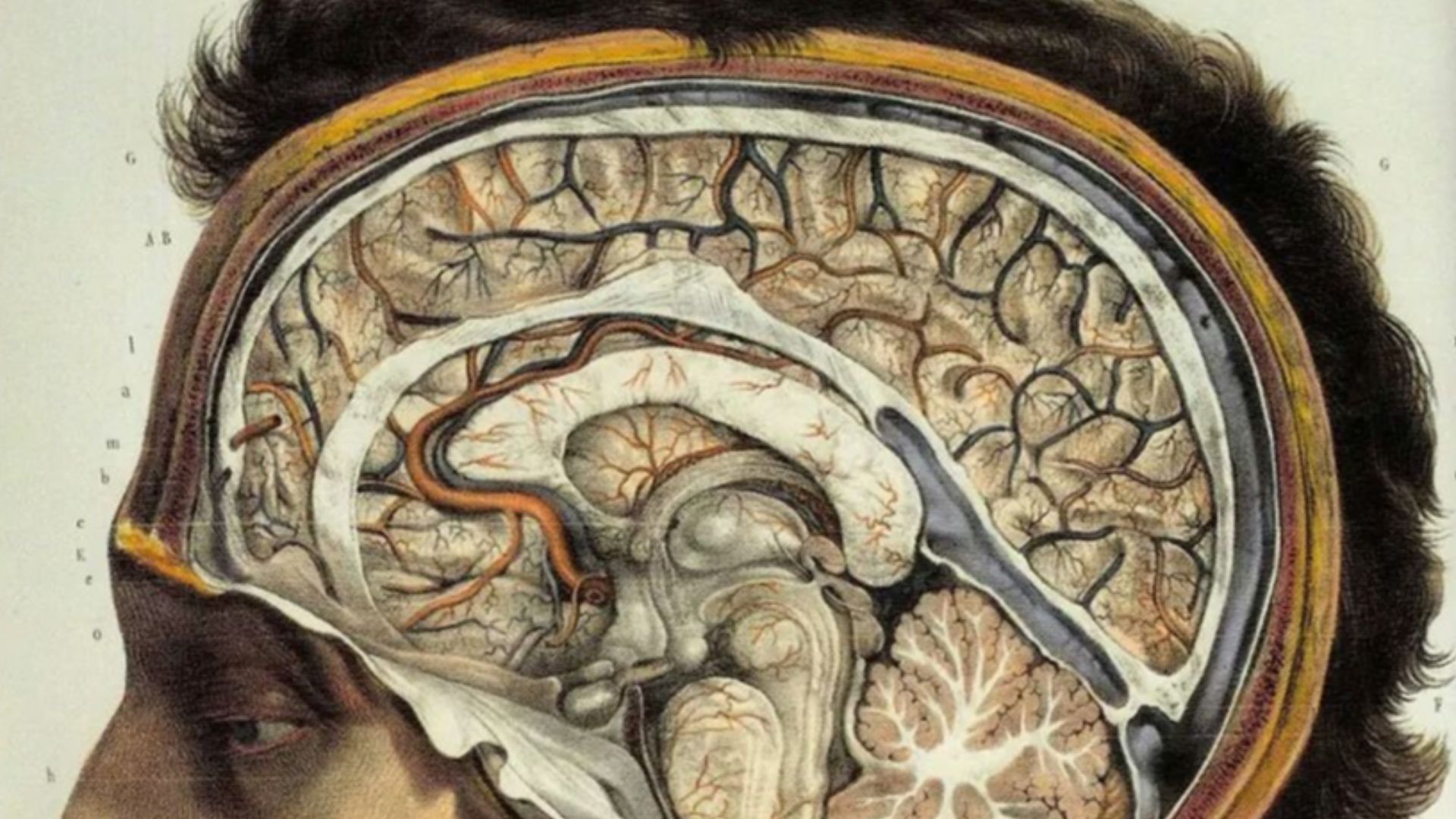
Despite their modern faces, the Jebel Irhoud individuals had elongated, low braincases, which are traits more typical of earlier hominins. Such a mix suggests that brain shape, and possibly function, developed in stages. The modern brain wasn’t just larger; it was reorganized over time.
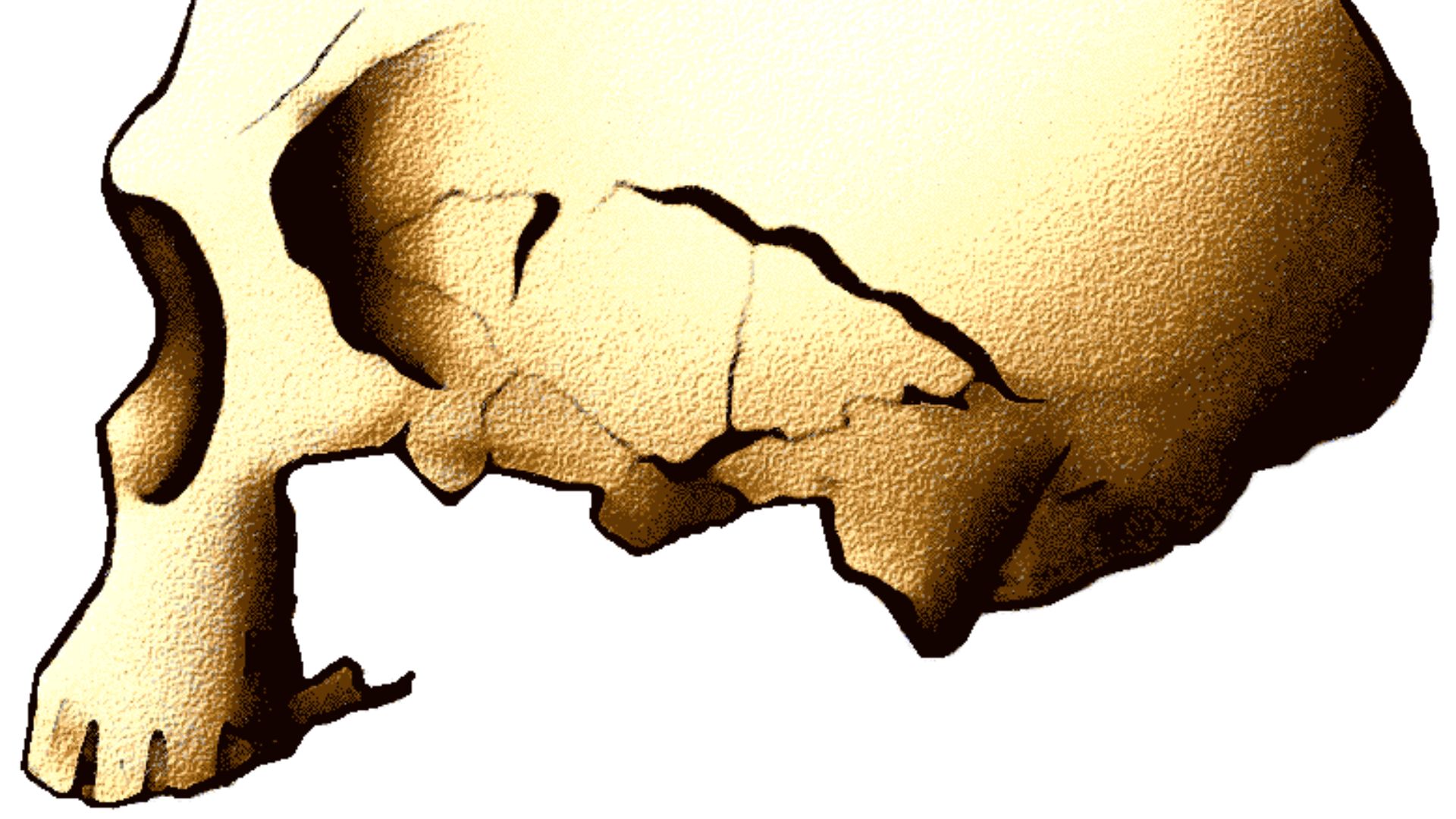 José-Manuel Benito Álvarez —> Locutus Borg, Wikimedia Commons
Human Evolution Was Never A Straight Line
The fossils illustrate that human evolution didn’t follow a clean, linear path. Features associated with modern humans appeared at different times and in different regions. Instead of a single transition point, Homo sapiens emerged through a mosaic of changes, shaped by environment, migration, and interaction across vast distances.
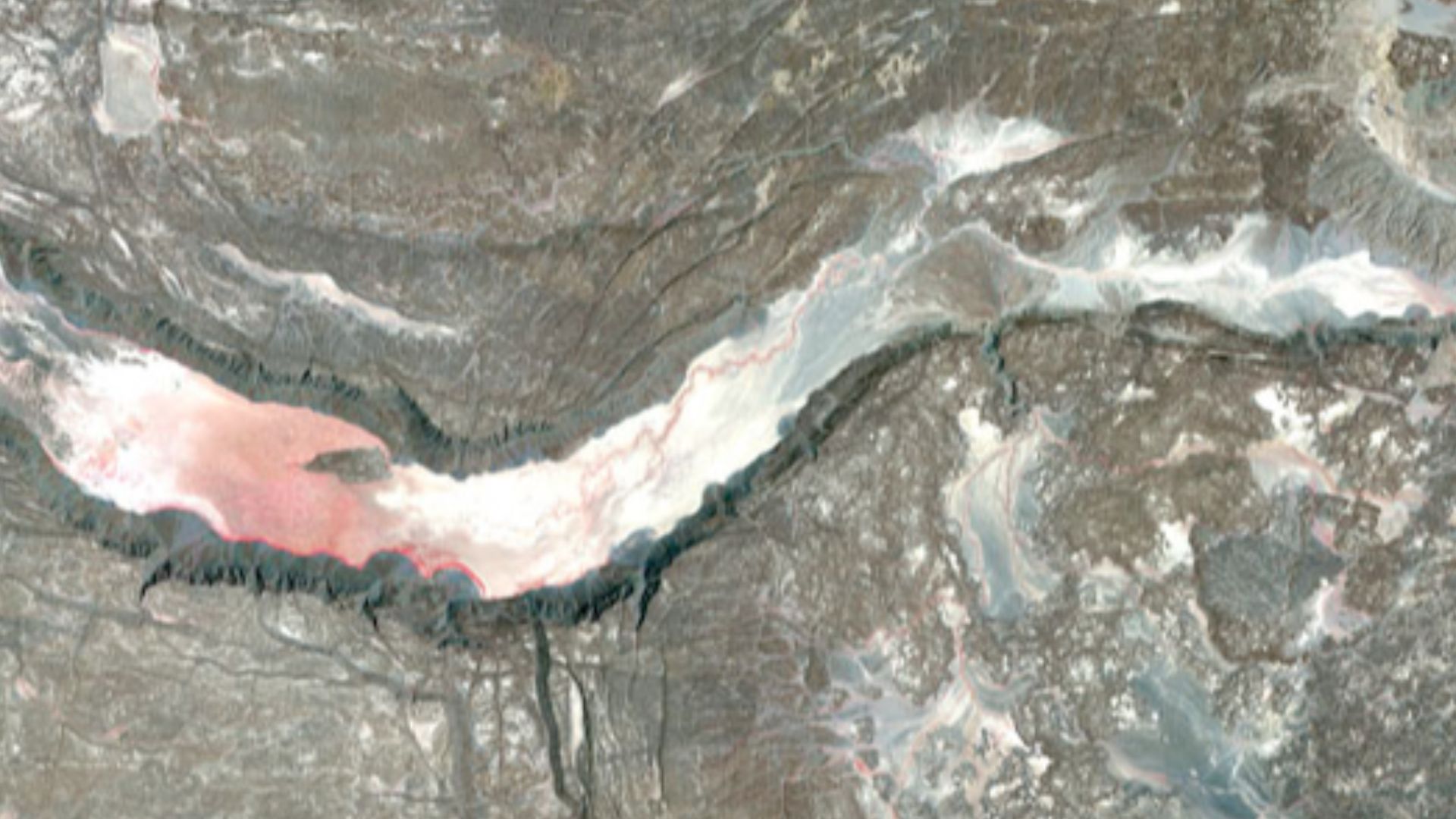 NASA/GSFC/METI/ERSDAC/JAROS, and U.S./Japan ASTER Science Team, Wikimedia Commons
Stone Tools And The Minds That Crafted Them
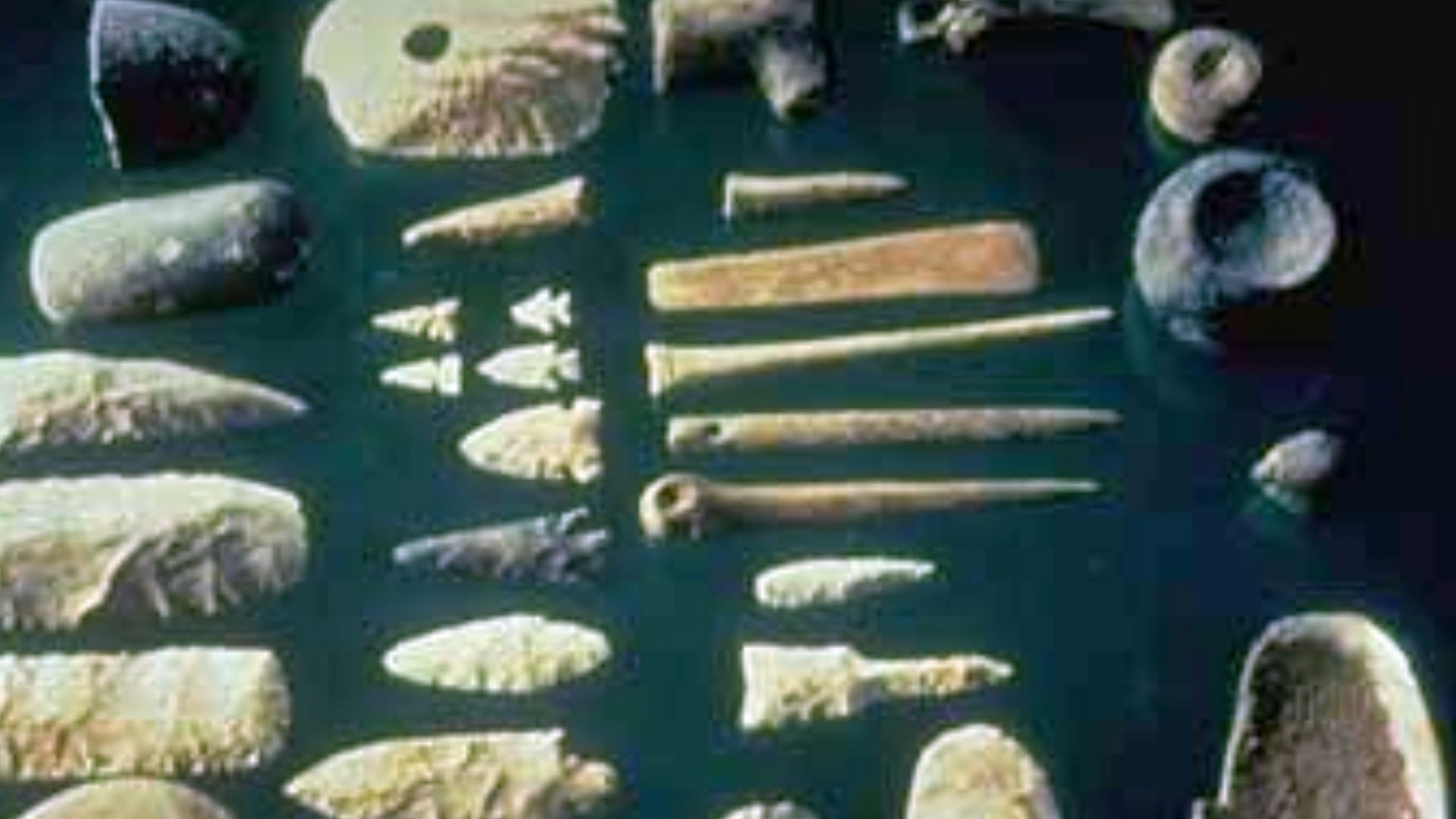
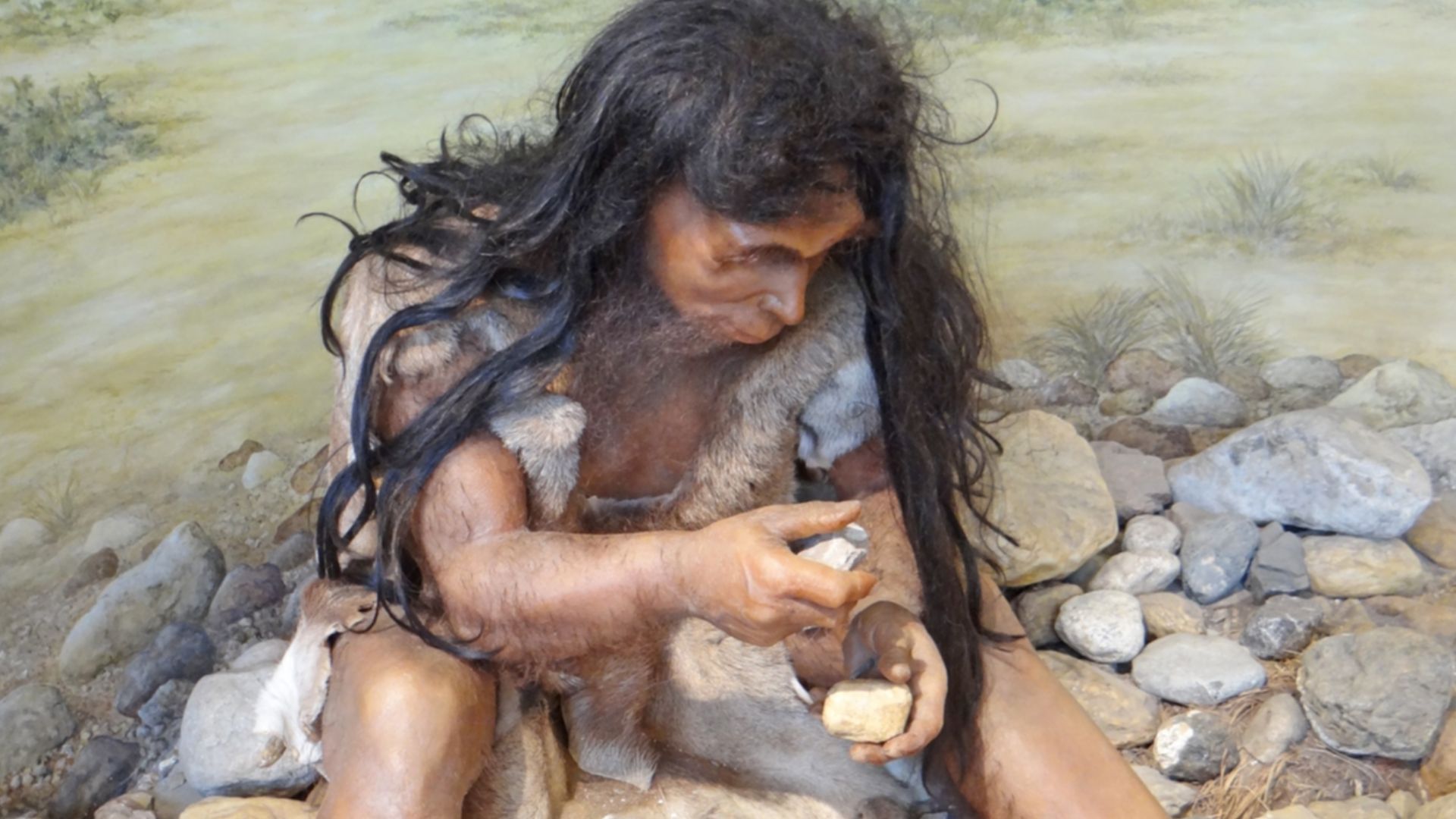
Alongside the bones, researchers found Middle Stone Age tools that included carefully shaped flint points likely used as spear tips. They reflected planning and skill, and their presence suggests that early Homo sapiens possessed evolving cognitive and technological sophistication.
Signs Of Fire And Survival Strategies
Traces of burnt animal bones and heated flints point to controlled fire use at Jebel Irhoud. Early humans here cooked food and likely organized campsites. These clues provide insight into their daily lives by showing intelligence and the ability to manipulate their surroundings to survive.
 Jean-Pierre Dalbéra from Paris, France, Wikimedia Commons
Life At Jebel Irhoud 300,000 Years Ago
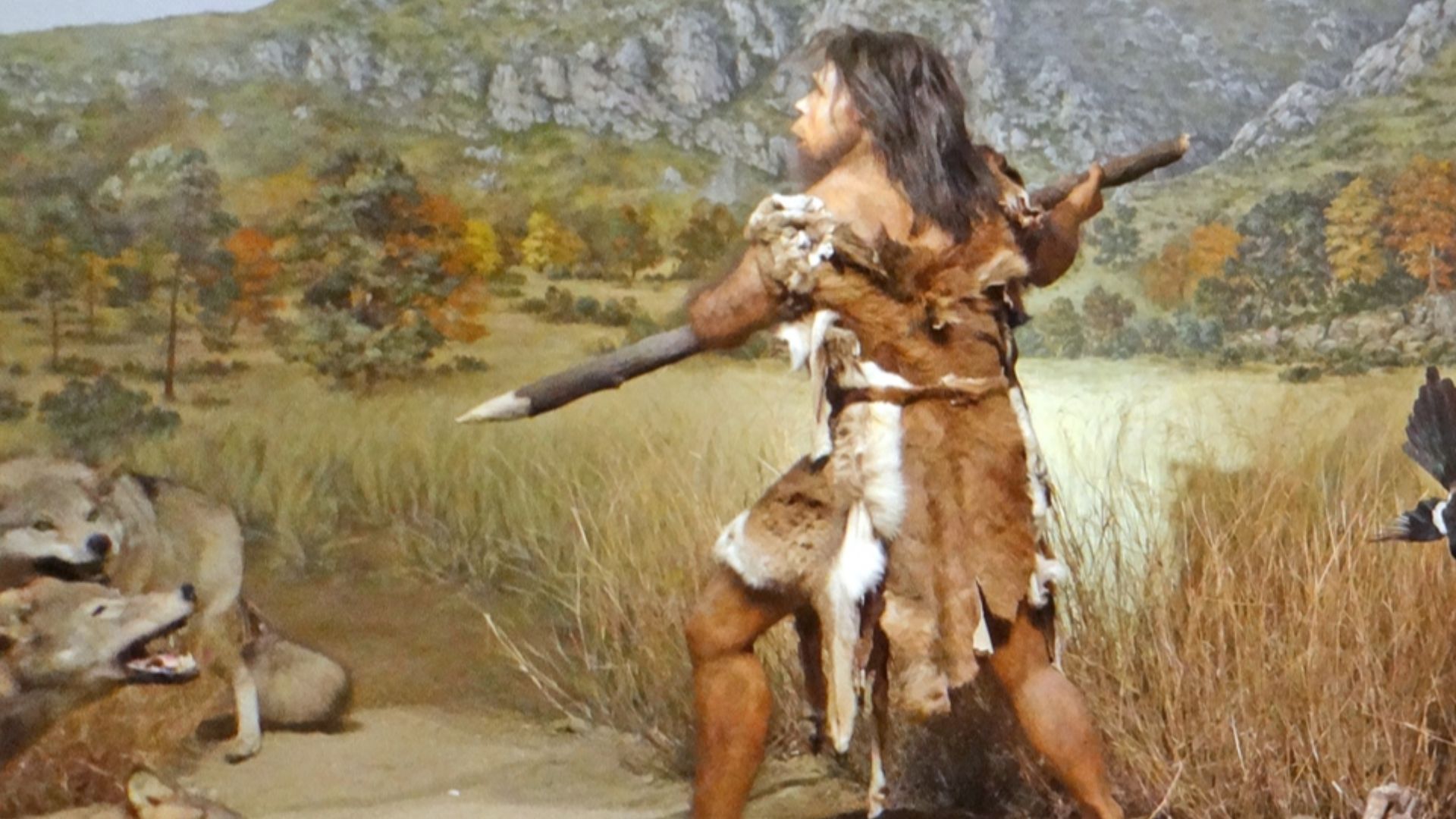
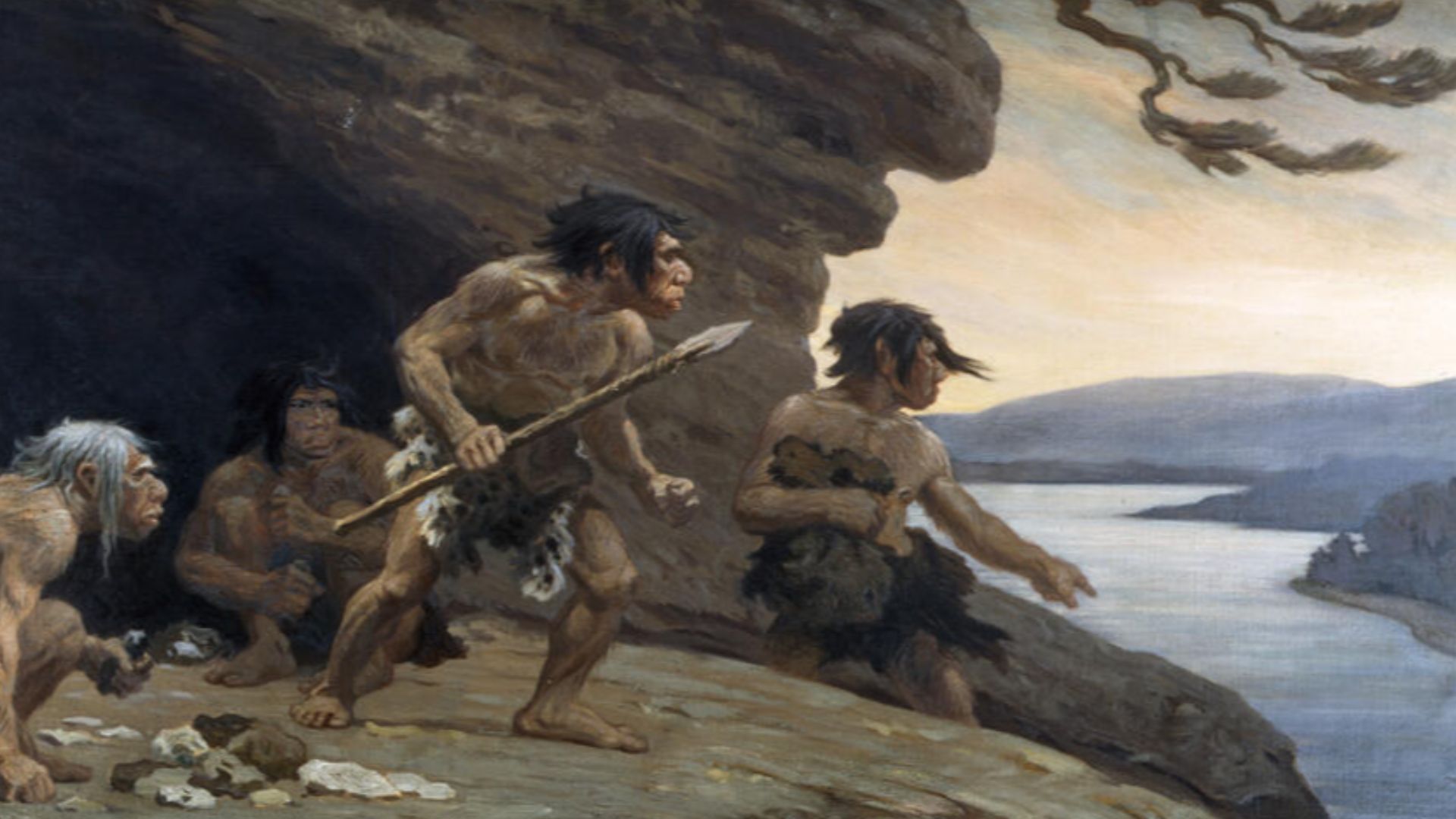
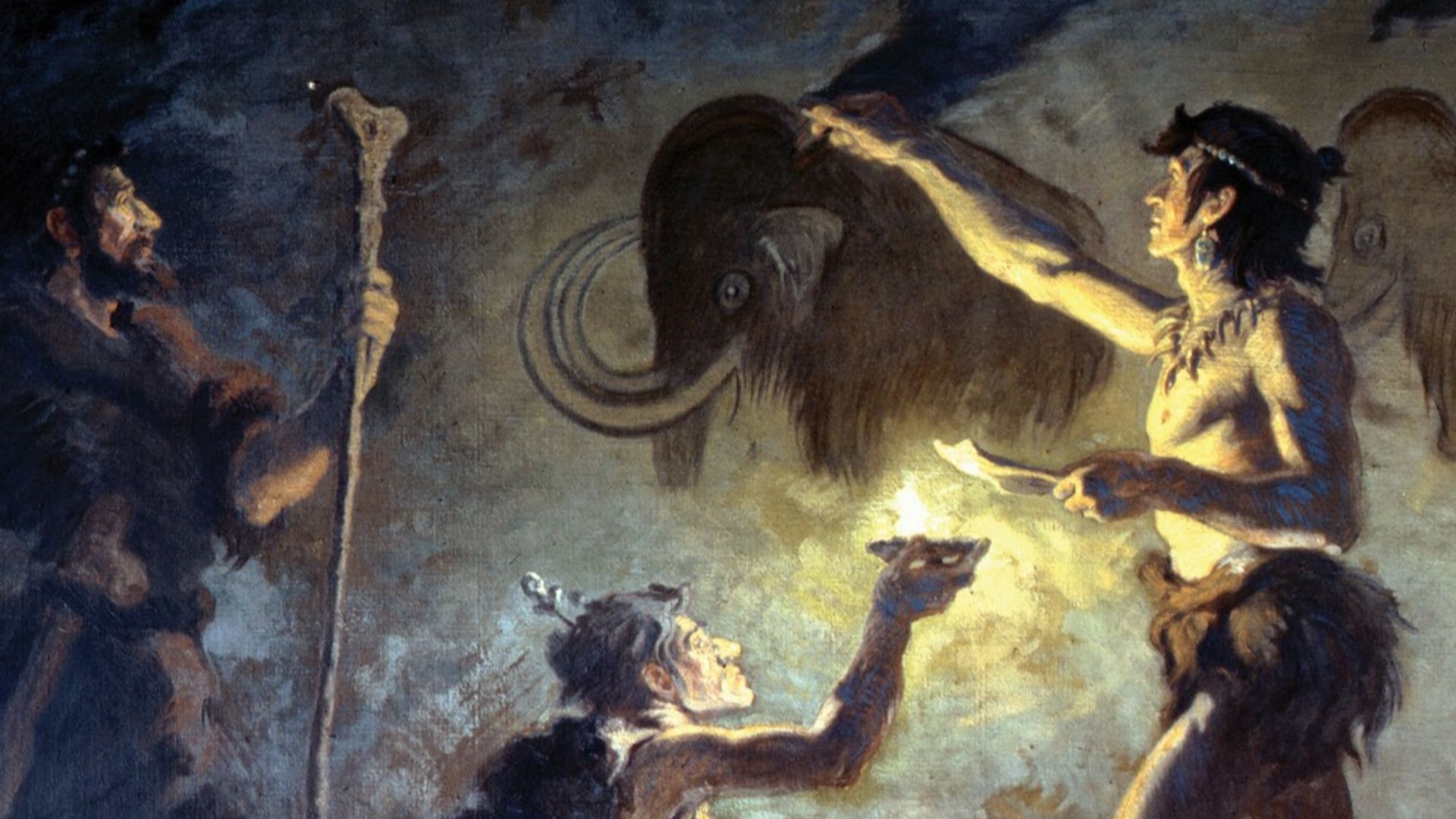
The evidence paints a picture of a small, adaptable community of early Homo sapiens. They hunted gazelle and other animals, controlled fire, and crafted stone tools. Their survival suggests social cooperation as a group capable of living in challenging, changing environments.
 Charles Robert Knight, Wikimedia Commons
How Different Were They From Us?
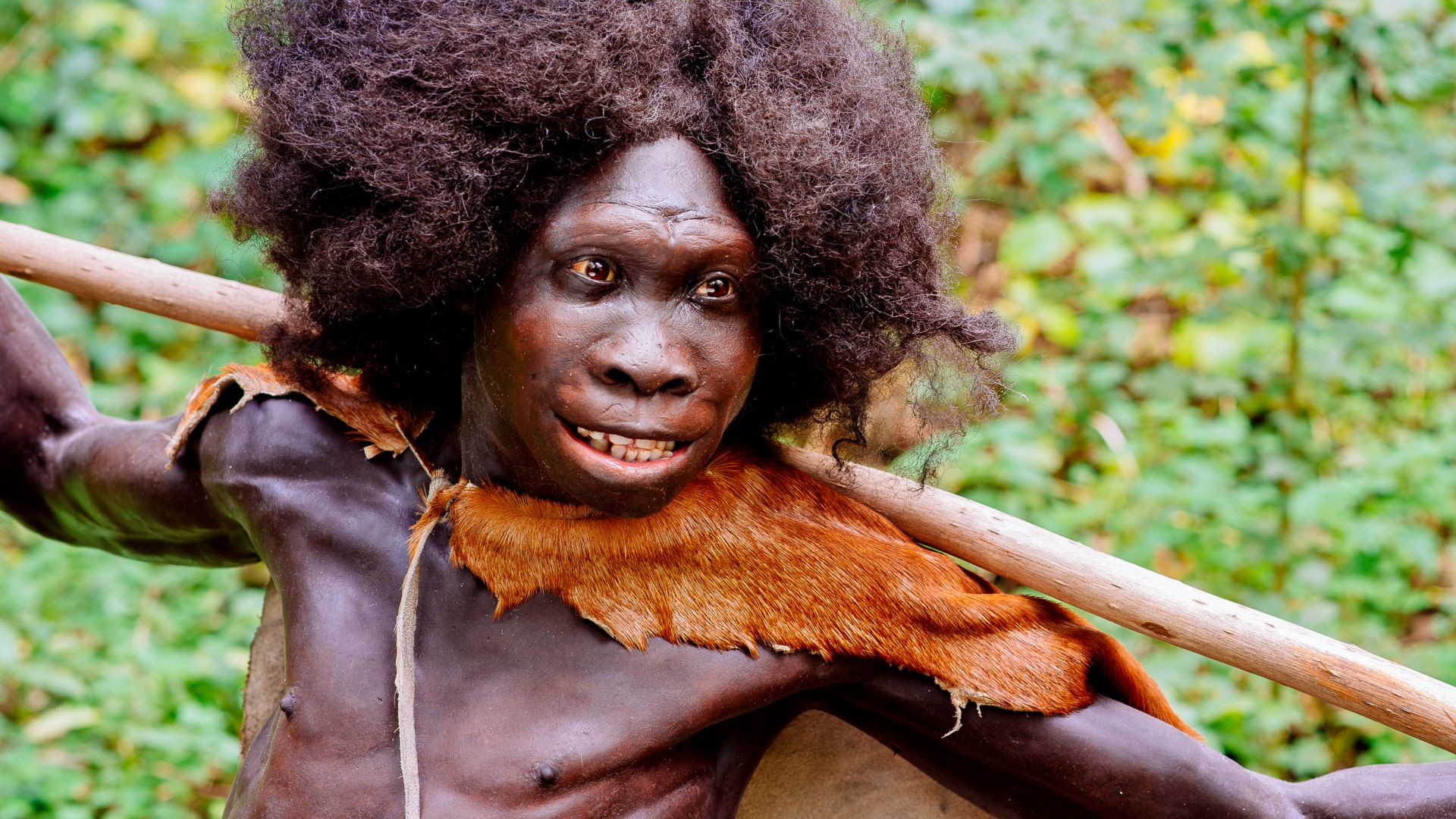
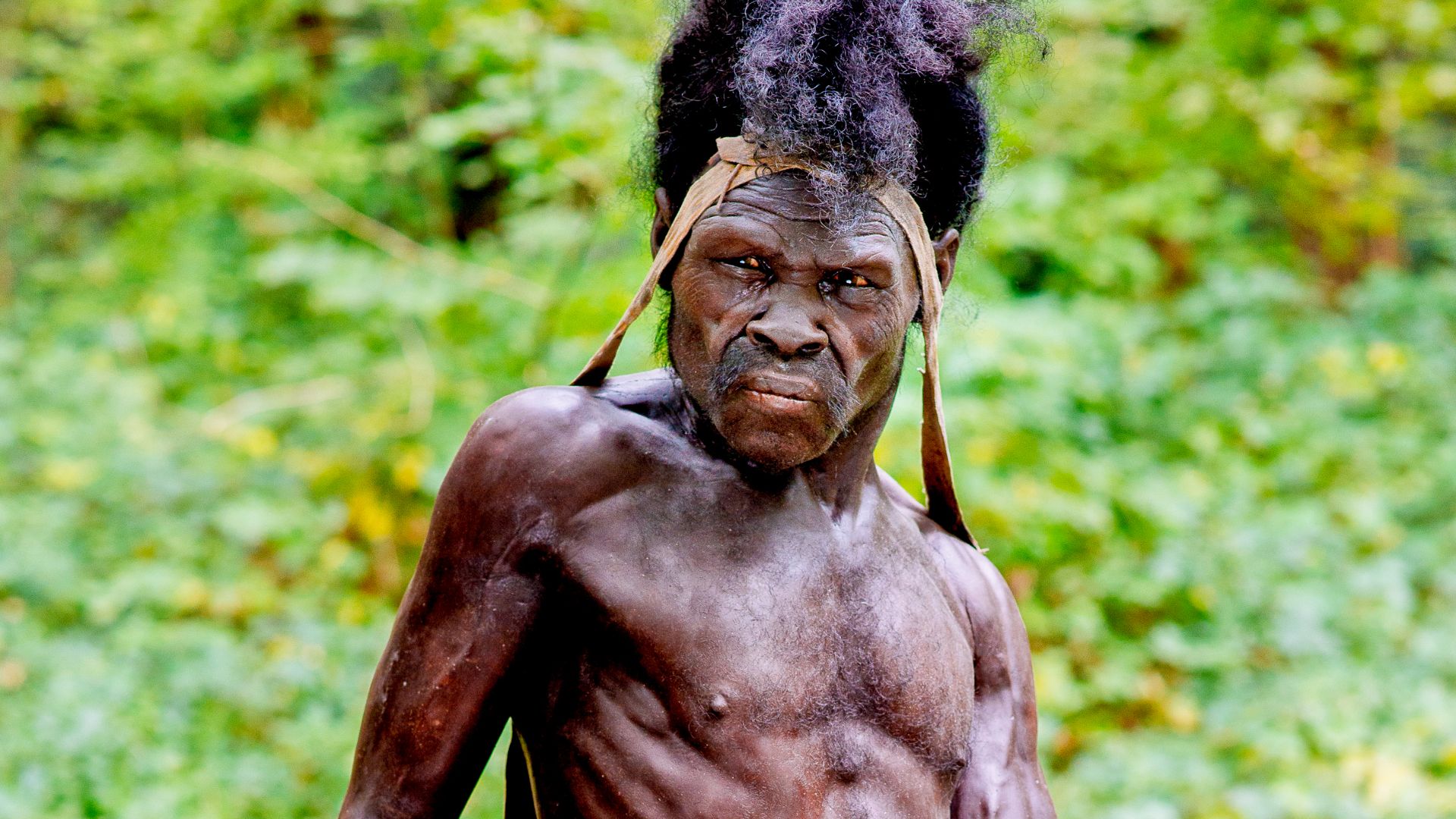
In appearance, they’d be recognizable, especially from the front. But neurologically and culturally, these early Homo sapiens were still developing. Their brains hadn’t yet fully adopted the rounded shape associated with modern cognition. They stood at the threshold between archaic ancestors and the humans we are today.
 Neanderthal Museum, Wikimedia Commons
Echoes Of Complexity In Early Human Behavior
Using fire and skilled toolmaking suggests these early humans were capable of abstract thinking. They anticipated needs and likely communicated in meaningful ways. Their behavior foreshadowed later cultural advancements.
 Jean-Pierre Dalbéra from Paris, France, Wikimedia Commons
Connections Across A Continent
The tools at Jebel Irhoud share similarities with artifacts from other African sites. This points to cultural diffusion or shared knowledge networks among distant populations. Early Homo sapiens probably moved and exchanged ideas, which created a web of interaction across the continent long before migration outward.
A Web Of Ancestors, Not A Tree
Rather than branching neatly from one origin, Homo sapiens developed through a web of ancestral populations. These groups mixed and evolved together. As a result, the discovery challenged the outdated idea of a linear progression from primitive to modern human.
 ErnestoLazaros, Wikimedia Commons
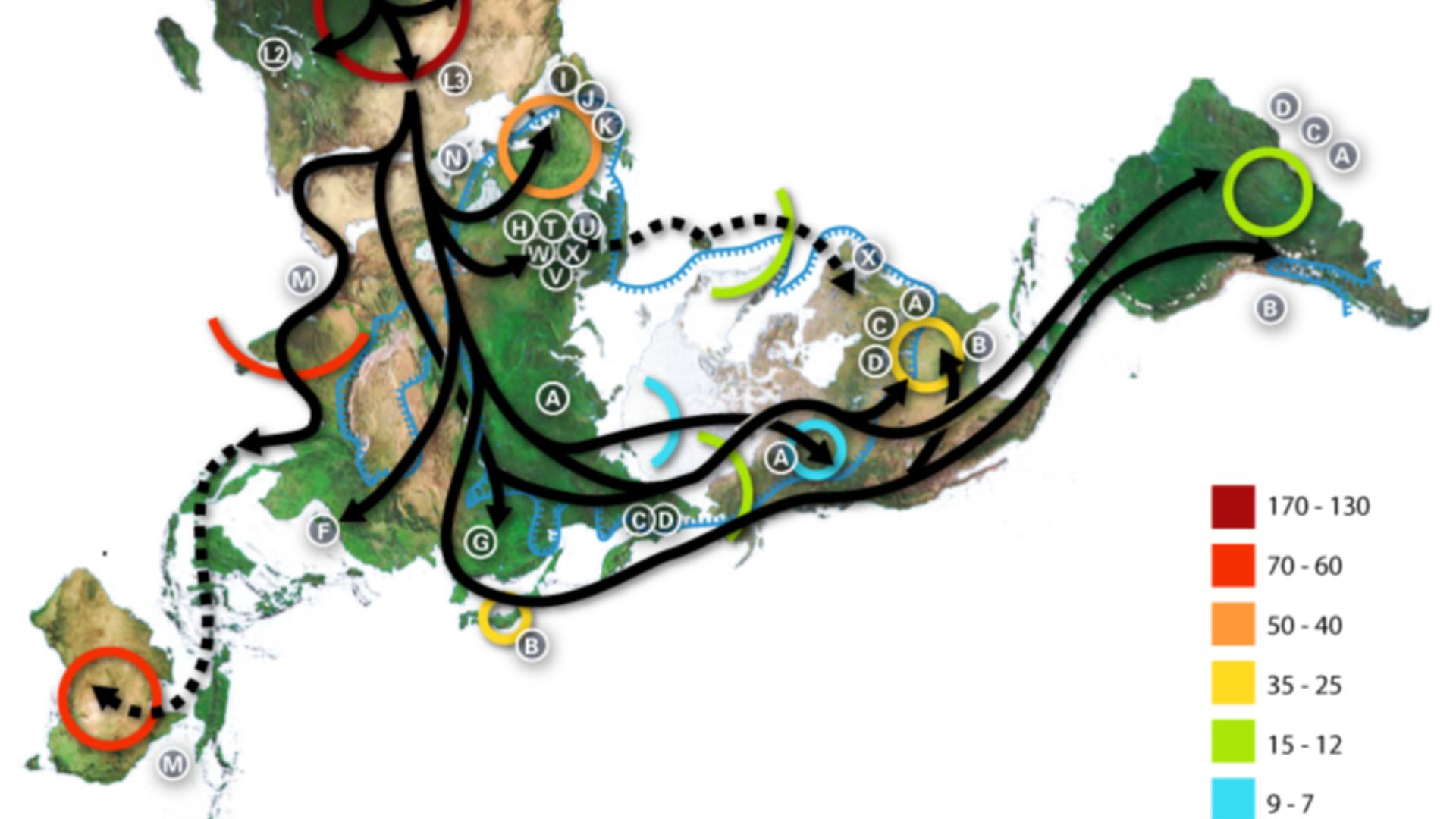
The Role Of Movement In Shaping Our Species
Mobility was key to early human success. Populations likely migrated across ecological zones, spreading innovations and genes. This constant movement helped shape physical diversity and accelerate adaptation. The Jebel Irhoud find explains that humans have always been a mobile, flexible species.
Were They Capable Of Language And Symbolism?
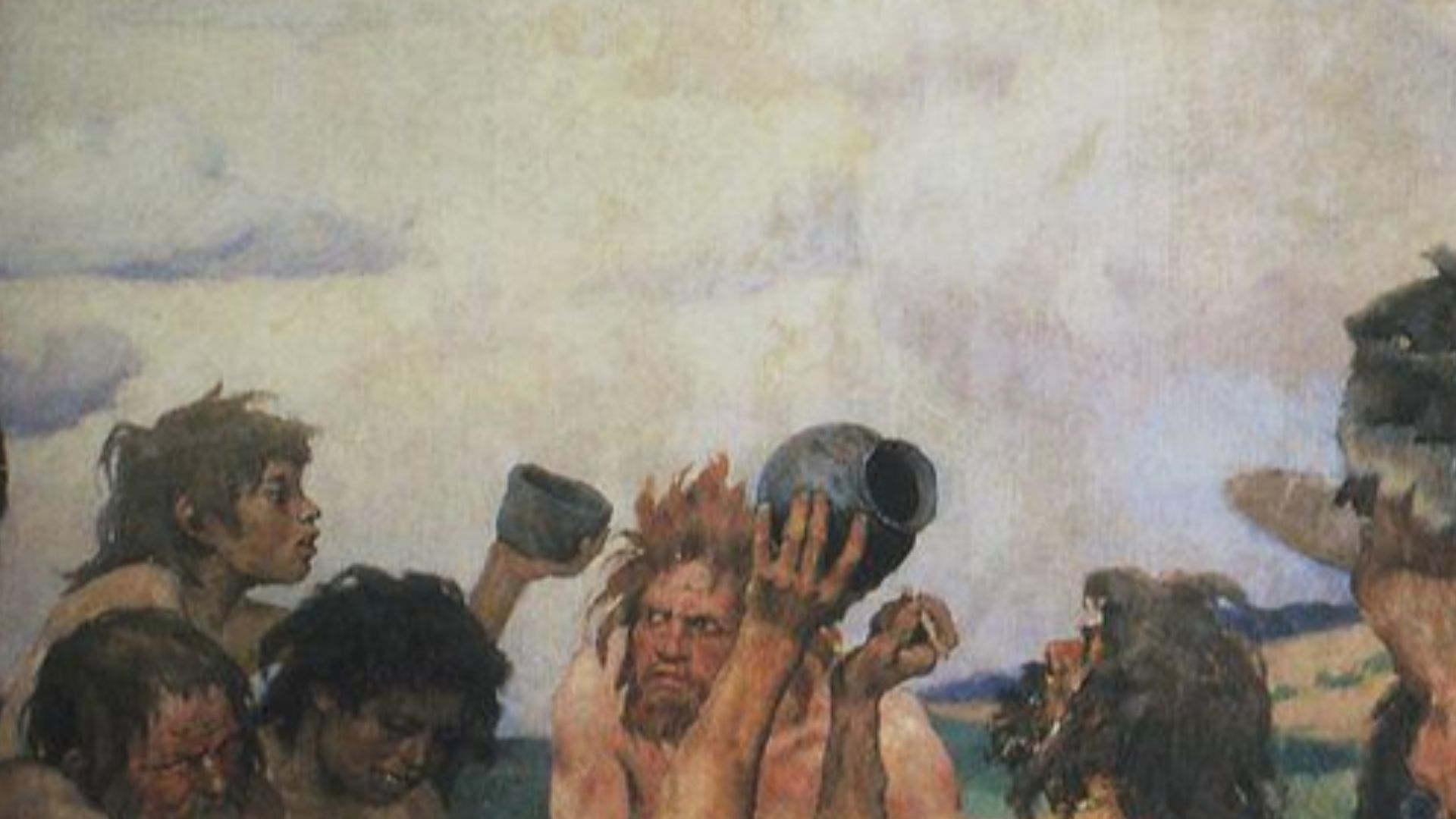
Although no written records exist, these humans’ complex behavior suggests potential for early forms of coordination. Planned hunting and sophisticated tools indicate shared understanding, though direct evidence of symbolic communication or language is absent: early Homo sapiens may have relied on gestures or sounds, but this remains hypothetical.
 Viktor Vasnetsov, Wikimedia Commons
Clues To How The Modern Human Brain Evolved
The elongated braincase of Jebel Irhoud humans suggests that brain shape, not just size, evolved gradually. Modern brain organization, which supports language, memory, and abstract thought, probably emerged through stages. These fossils offer insight into how structure may have influenced cognitive development.
 Neanderthal-Museum, Mettmann, Wikimedia Commons
The Global Impact Of A Local Discovery
Jebel Irhoud changed global conversations about human origins. It prompted scientists to reconsider long-held assumptions about when and where Homo sapiens arose. By extending our species’ timeline and geography, it challenged the East Africa–centric model and highlighted Africa’s complexity as the true source of human diversity.
How Jebel Irhoud Redefines Earlier Fossil Finds
Earlier fossils like those from Omo Kibish and Herto, once seen as the oldest Homo sapiens, are now part of a broader story. Jebel Irhoud adds depth to the fossil record by showing that traits considered “modern” appeared earlier and in more regions than scientists previously believed.
 Karalyn Monteil, Wikimedia Commons
What This Tells Us About Who We Are
This discovery reframes what it means to be human. It highlights that our species didn’t emerge in isolation, but through shared experiences across a continent. Our physical form and cognitive abilities developed gradually to remind us that human identity is the result of connection and collective evolution.
 Charles Robert Knight, Wikimedia Commons
The Search For Origins Is Far From Over
Jebel Irhoud is a milestone, not a final answer. New discoveries across Africa and beyond continue to expand our understanding of the past. As science advances, we uncover more about where we come from while the story of human origins is still being written.
 Neanderthal-Museum, Mettmann, Wikimedia Commons