Merida already holds a reputation for stunning Roman remains, yet a newly documented mosaic panel featuring Medusa adds a fresh jolt to the city’s archaeological record.
Her swirling hair, fierce expression, and watchful gaze weren’t placed there for decoration alone. Symbols like these carried weight in Roman daily life, and understanding them deepens your understanding of what you see in ancient homes. Keep reading, because this discovery reshapes how you picture elite life in Augusta Emerita.
A Face Meant To Guard A Luxury Home
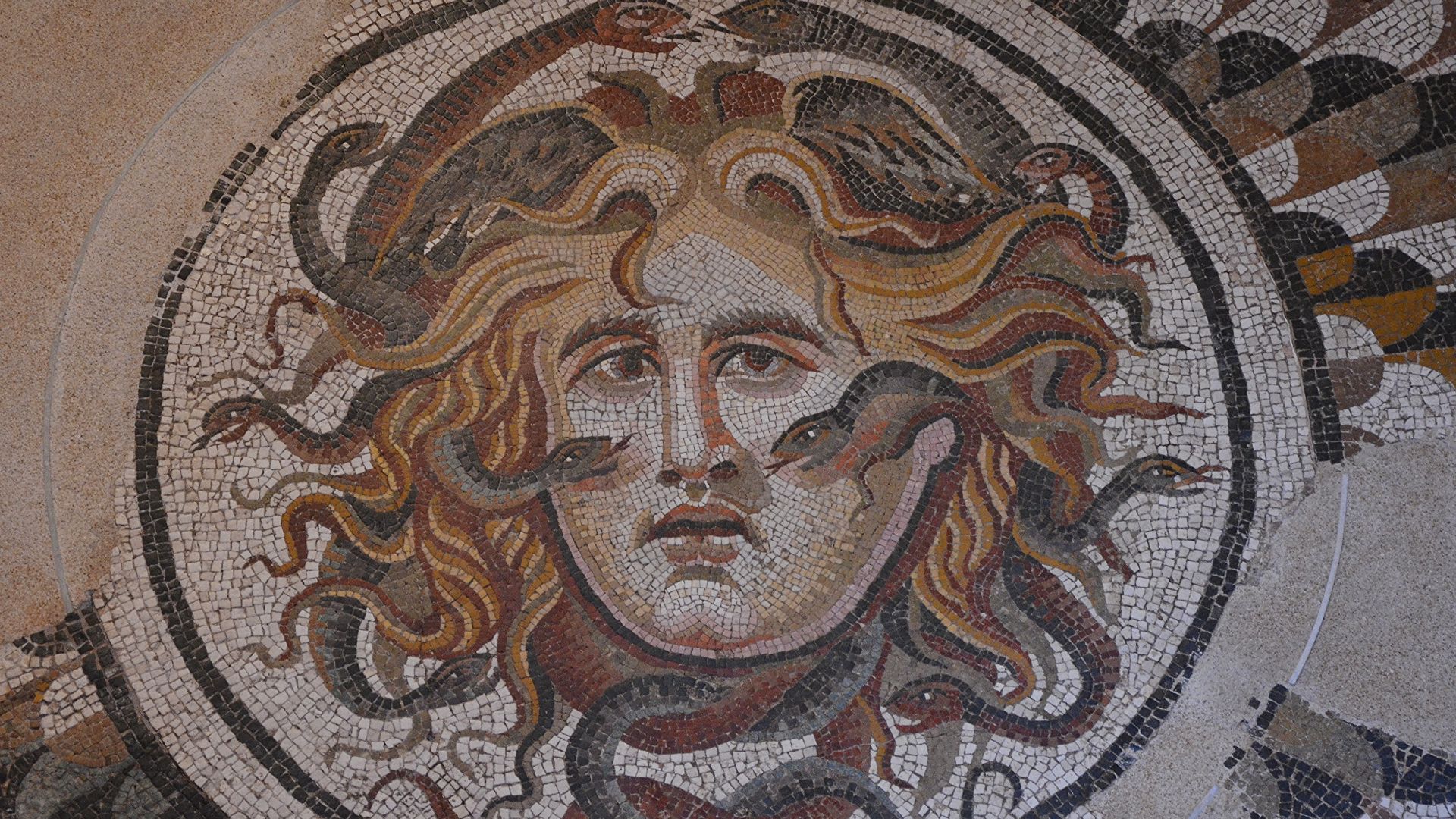
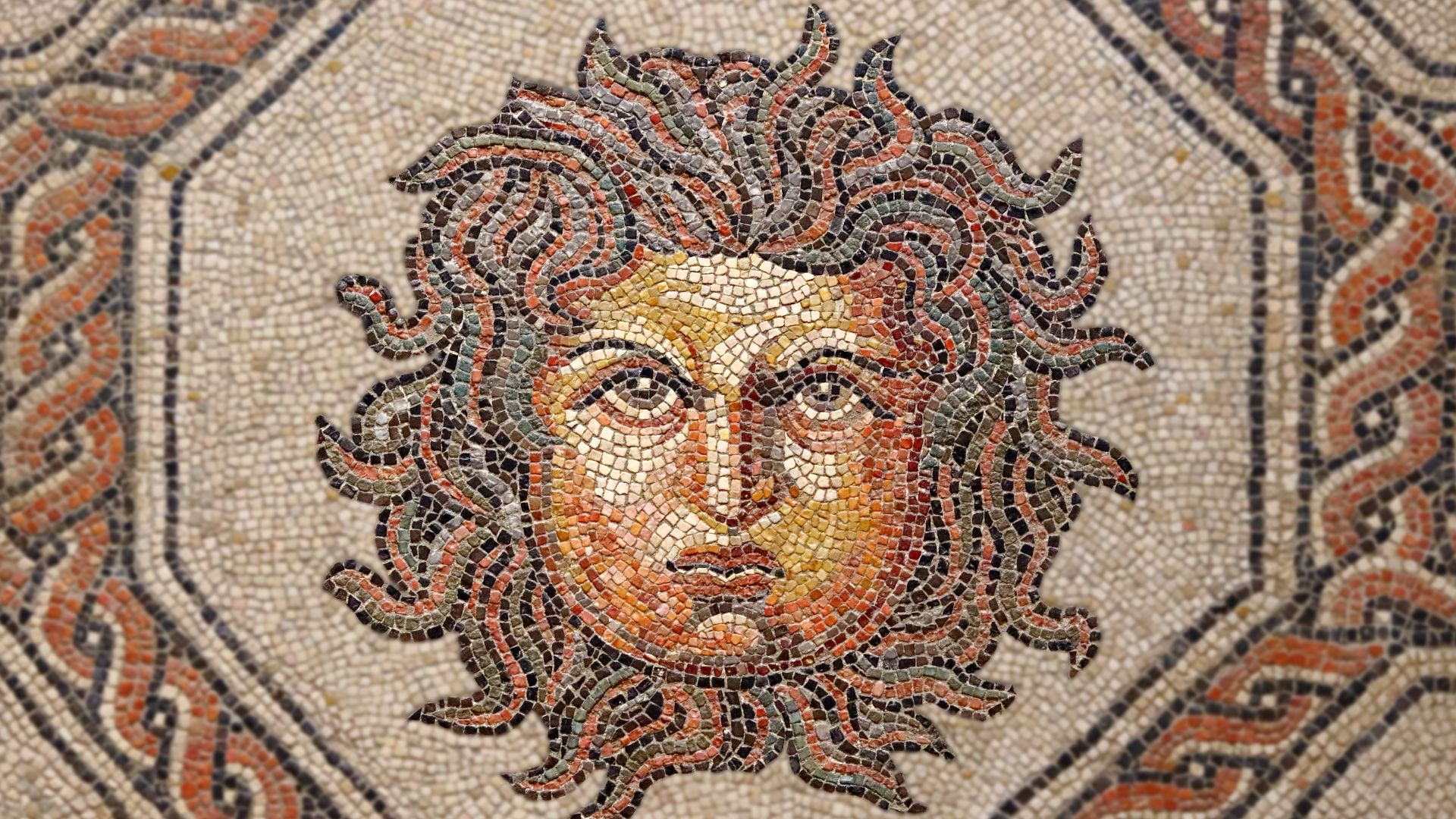
During recent conservation work, experts recorded a detailed mosaic panel showing Medusa’s head framed by patterned borders. Originating from Augusta Emerita, the capital of Roman Lusitania, the piece once formed part of an upscale residence. The craftsmanship points to a team of trained mosaicists working with precision-cut stones and a well-developed workshop tradition.
Because the panel sits amid rich pavements in Merida’s urban center, its placement says plenty about the homeowners. Wealthy Romans treated mythic images as statements. A Medusa set into the floor served both as ornament and protection, aimed at warding off misfortune as guests crossed the threshold.
Stones in the panel range from warm reds to near-glassy blacks, reflecting the color palette favored by Iberian mosaicists in the first centuries of the empire. Light plays across the tesserae sharply, so a visitor walking past would see subtle shifts in the creature’s expression. That effect mattered. Roman floors often startled, impressed, or amused anyone entering the room.
The panel’s preservation also reveals something about the soil and the building that sheltered it. Many floors in Augusta Emerita collapsed inward during later centuries, and this allowed earth to cushion the mosaic rather than grind it apart. That fortunate chain of events kept Medusa’s features crisp enough for conservators to study today.
Taken together, those details help historians build a clearer picture of elite taste in the region. Augusta Emerita’s residents likely favored bold mythic themes long before such imagery spread across rural villas.
Myth, Power, And A City Built To Impress
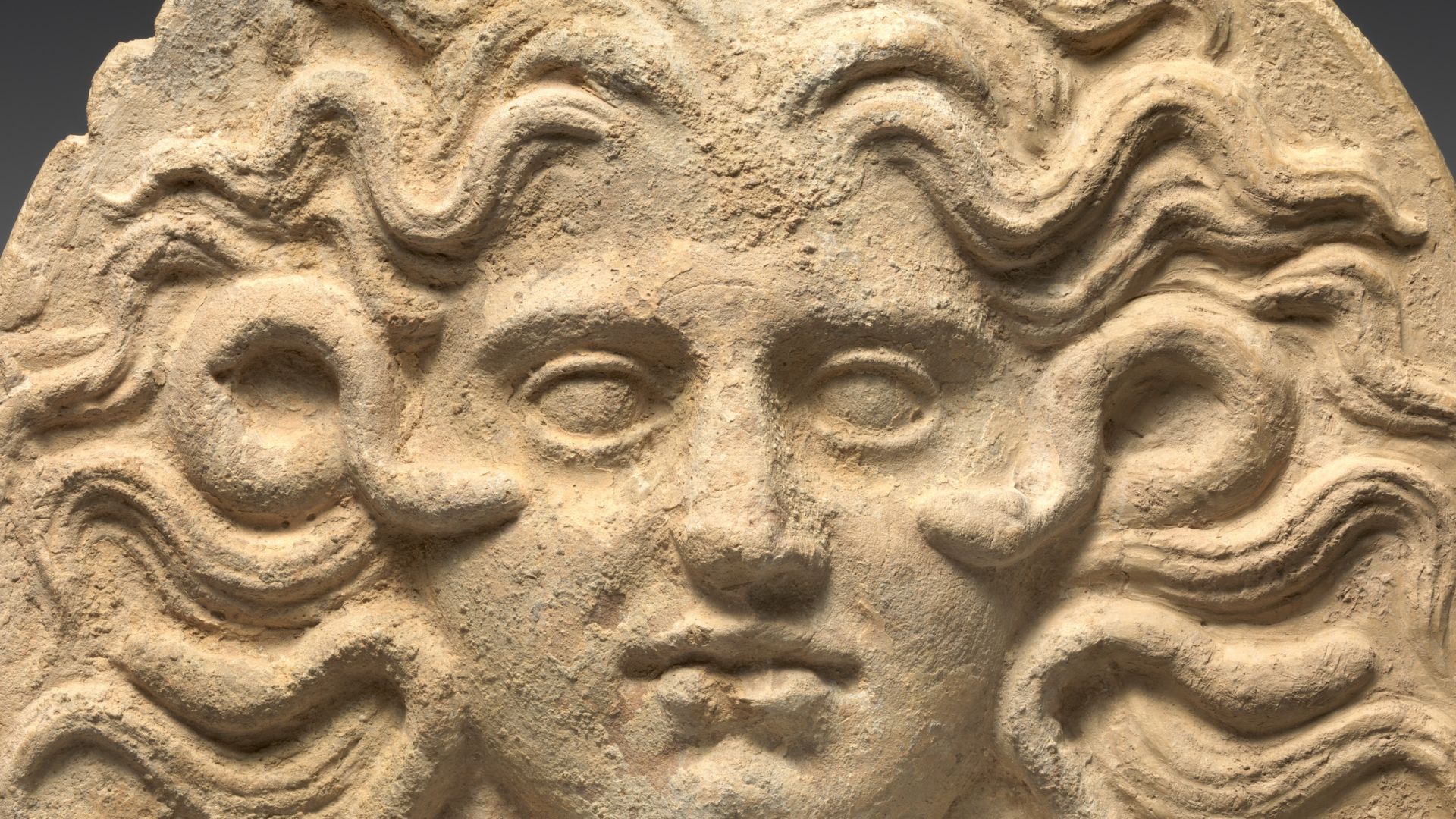
Medusa’s presence inside a Roman home raises familiar questions about symbolism. In domestic spaces, her head acted as a guardian emblem. Romans believed the fierce gaze pushed back envy and harmful intent. The mosaic’s central position reinforces that interpretation, suggesting the owner wanted visitors to feel watched, protected, or both.
Augusta Emerita itself offered a stage for displays like this. Founded in 25 BCE for retired soldiers under Augustus, the city held theaters, bridges, and temples that announced Roman authority across western Iberia. Private homes followed that tone. Landowners decorated reception rooms with imagery that blended status and local identity.
The Medusa panel fits comfortably among other mosaics found across Merida: geometric labyrinths, hunting scenes, and mythic portraits favored by families eager to broadcast education and refinement. Yet this panel stands out for its crisp detail. The curling strands around the face mimic movement, and this gives Medusa a startling energy that would have impressed guests at first glance.
Beyond aesthetics, the mosaic shows how local artisans adapted imported styles. Workshops in Lusitania absorbed trends circulating from North Africa and Italy, then adjusted them to the tastes of Iberian patrons. The Medusa panel captures that blend—Roman myth with local technique—offering a snapshot of cultural exchange inside daily life.
 Carole Raddato from FRANKFURT, Germany, Wikimedia Commons
Why This Mosaic Matters For Future Research
Three elements give this discovery real impact:
Strong Artistic Quality that demonstrates a high-level workshop active in Augusta Emerita.
Protective Mythic Symbolism placed intentionally in a reception area.
Clear Evidence Of Elite Identity shown through expensive materials and design choices.
These features help scholars map how Roman households in Lusitania expressed power and cultural alignment.
New documentation also helps conservators track deterioration patterns. Light exposure, vibration from modern traffic, and past excavation techniques all shape preservation decisions today. Recorded details allow future teams to compare conditions year by year and adjust treatments without guesswork.
As more panels surface in Merida, the city’s archaeological footprint grows stronger. Each mosaic links private life to empire-wide networks.
 Javier Perez Montes, Wikimedia Commons