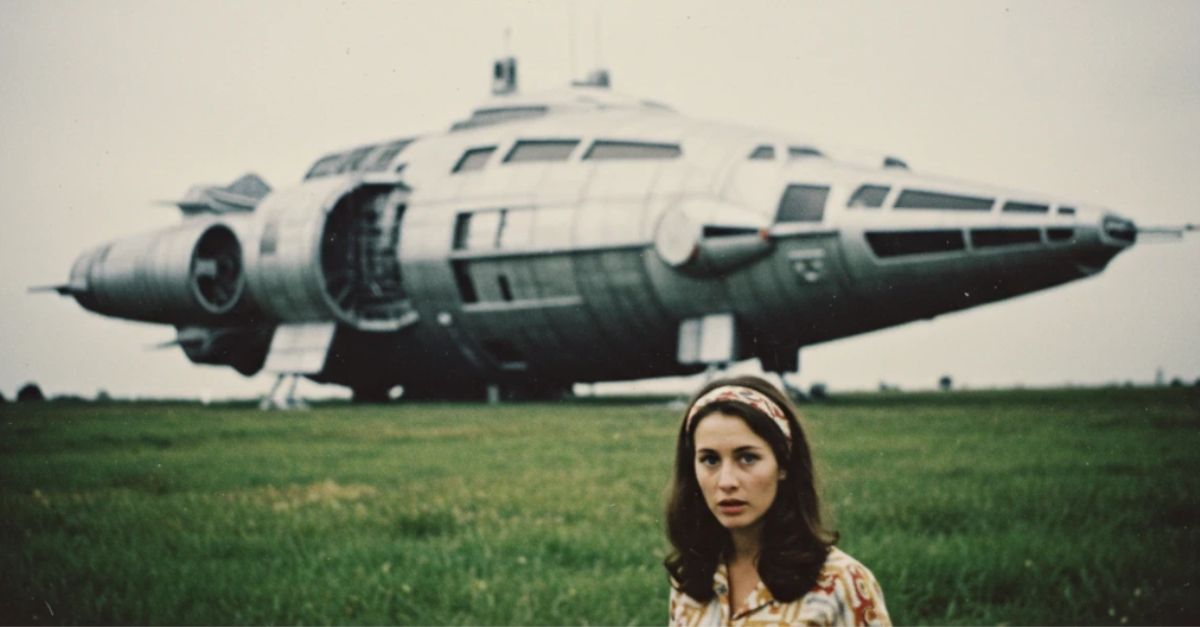
Proxima Centauri Bound
Space travel usually promises a return. Not this time. Chrysalis offers something stranger: a one-way ticket spanning lifetimes. Scientists mapped how thousands survive between stars. The journey takes a minimum of four centuries.
Interstellar Vision
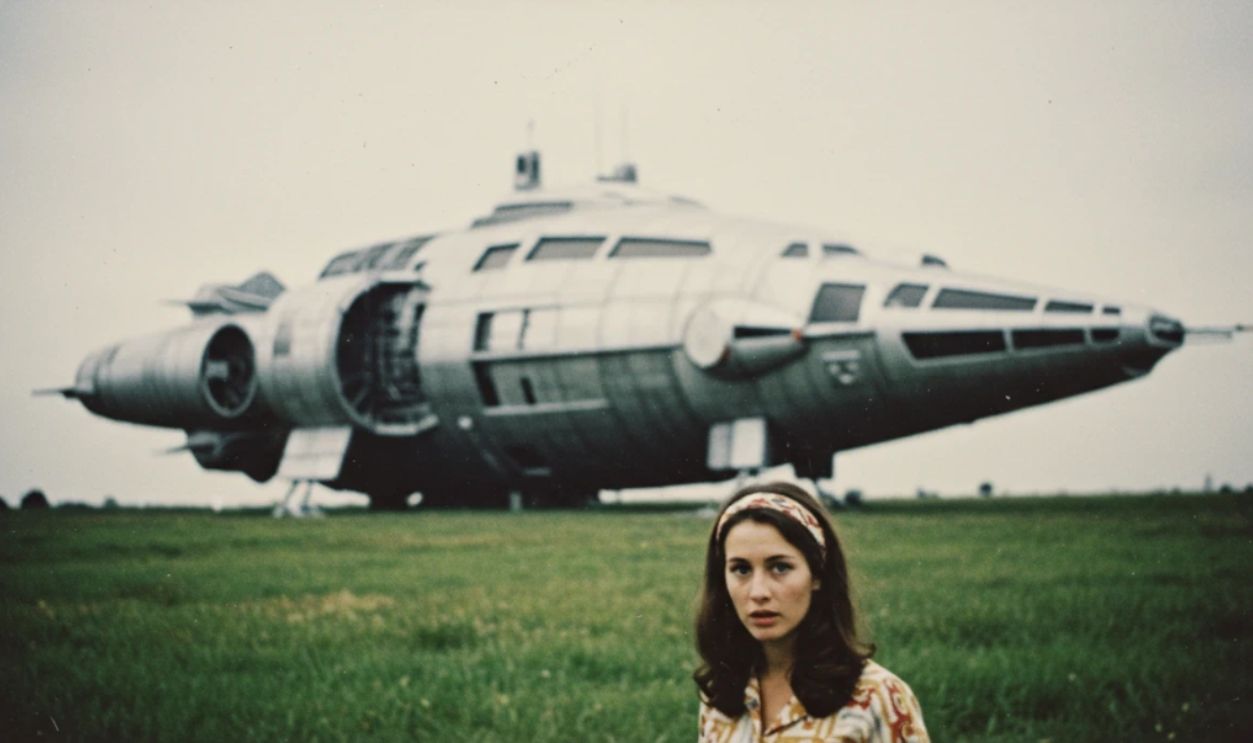
Just imagine a spacecraft so massive it stretches 36 miles from end to end, carrying thousands of humans on a journey they'll never see completed. This isn't science fiction anymore—it's Chrysalis, a meticulously designed generation ship concept that won the Project Hyperion Design Competition in 2025.

Competition Origins
The Initiative for Interstellar Studies launched Project Hyperion on November 1st, 2024, challenging teams to design realistic generation ships for 250-year journeys. With $10,000 in prizes, hundreds of interdisciplinary teams worldwide submitted proposals. Each required at least one architect and a social scientist to address this monumentally complex challenge.
Chrysalis Concept
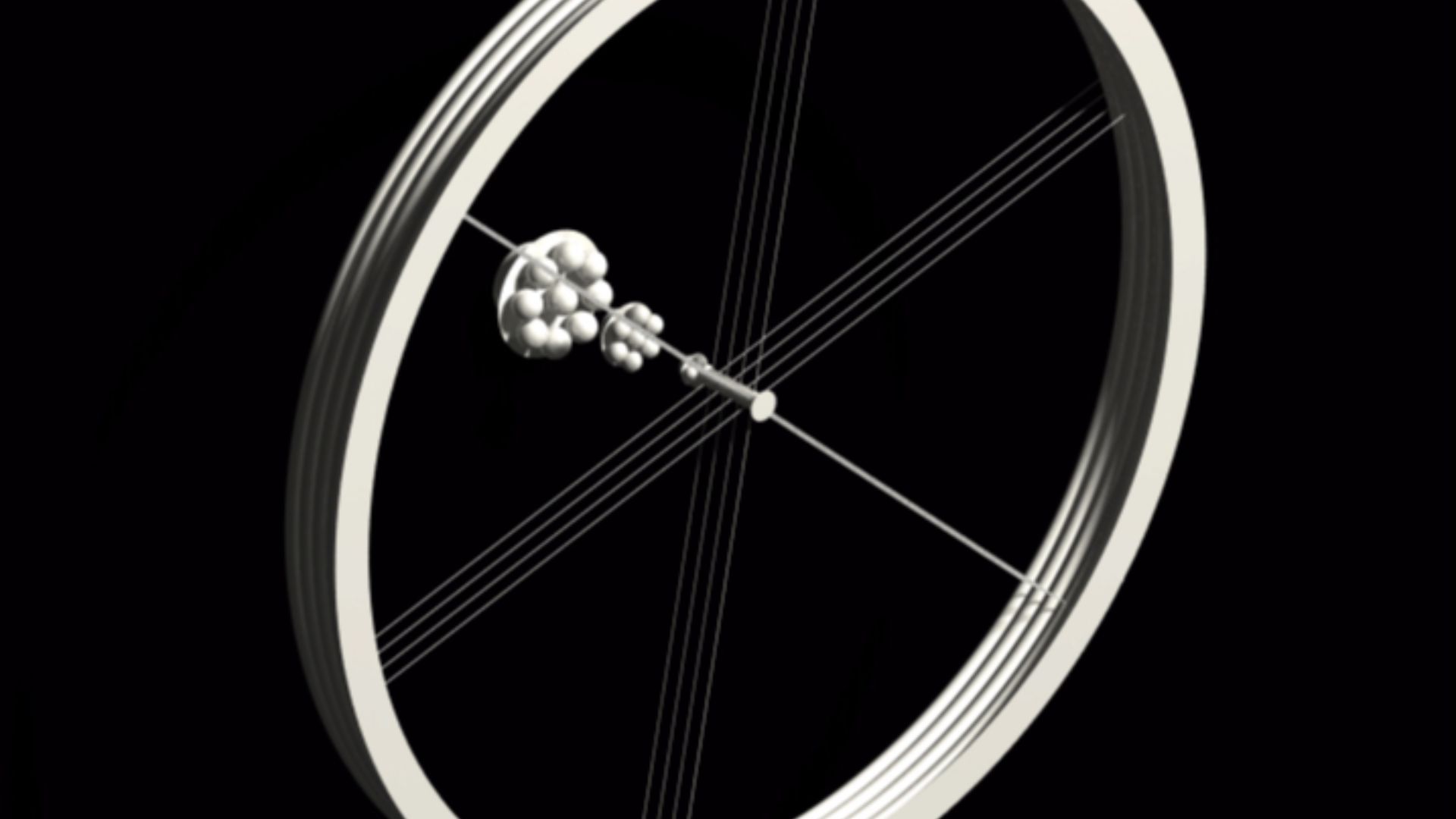
Named after the transformative butterfly casing, Chrysalis earned $5,000 for first place. Judges praised its visually engaging presentation, drawing comparisons to Arthur Clarke's Rama. The cigar-shaped vessel masses 2.4 billion tons, rotating continuously for artificial gravity through layered Russian-doll architecture.
 en:User:Mamyjomarash (Amy Marash), Wikimedia Commons
Generation Ships
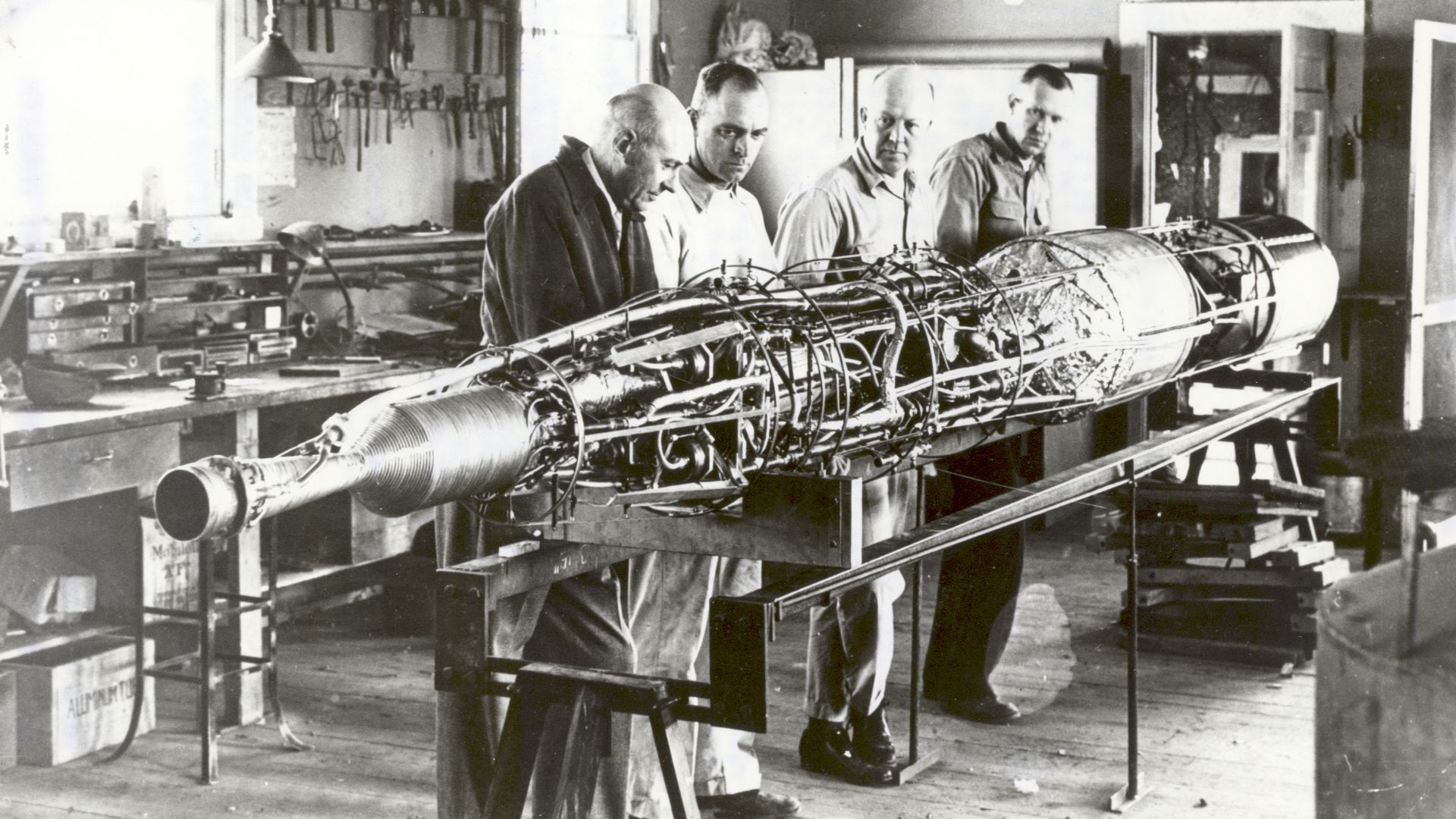
Robert H Goddard first conceptualized interstellar arks in 1918's "The Ultimate Migration," proposing suspended animation for centuries-long voyages. Konstantin Tsiolkovsky followed in 1928 with space "Noah's Ark" concepts. Generation ships describe spacecraft where multiple generations live, reproduce, and die during centuries-long journeys to distant stars.
 National Geographic Society, Wikimedia Commons
Goddard's Dream
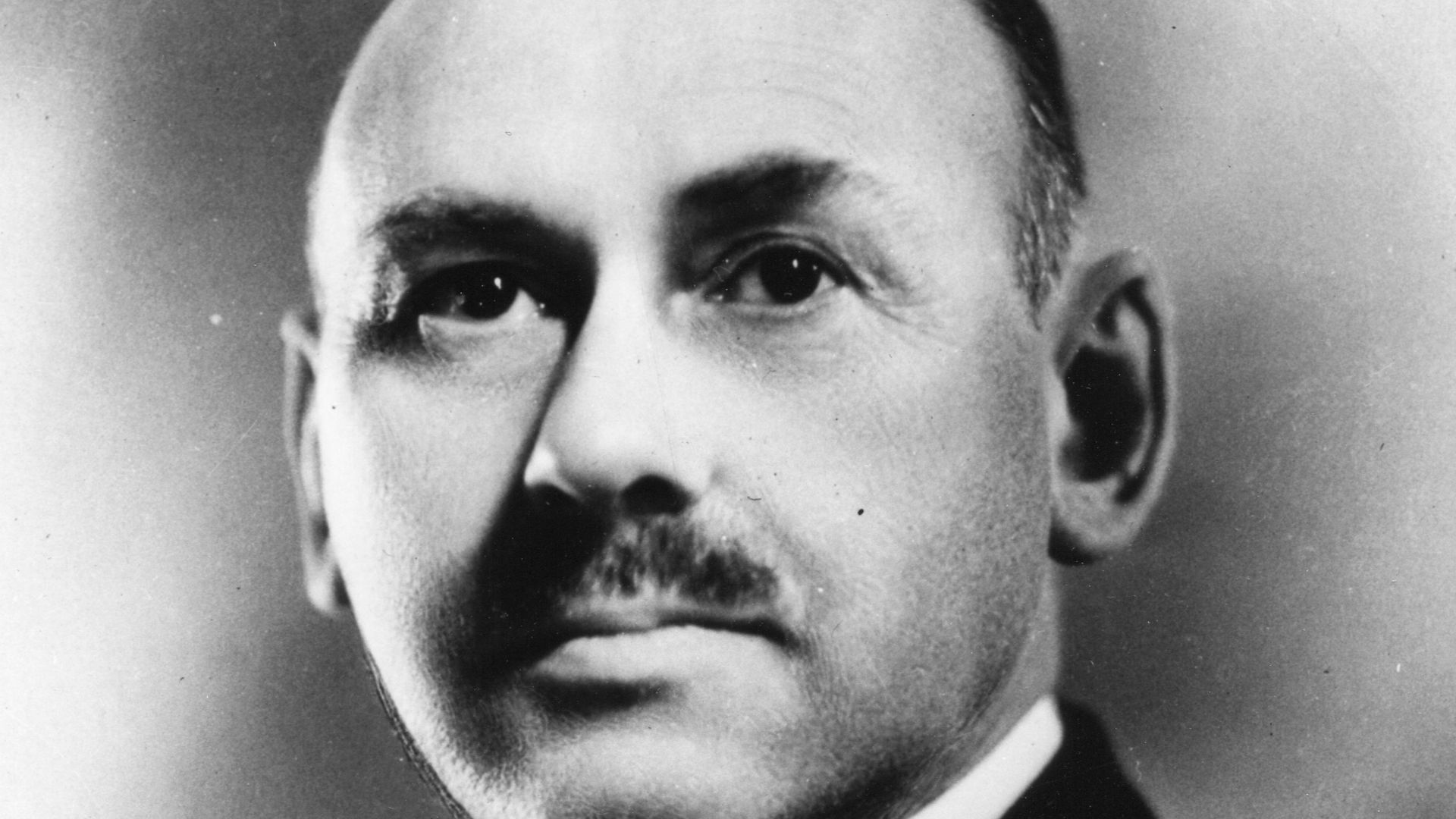
The father of modern rocketry envisioned humanity's escape from a dying sun long before anyone reached orbit. His revolutionary 1918 essay described interstellar arks using suspended animation, with crew awakening periodically for maintenance. Goddard proposed using asteroids as vessels.
 NASA Goddard Space Flight Center, Wikimedia Commons
Bernal Spheres
British scientist John Desmond Bernal proposed spherical space habitats in his 1929 essay “The World, the Flesh, & the Devil”. His original design described hollow spherical shells, 16 kilometers in diameter, that would house 20,000–30,000 people. It was later modified by Gerard K O'Neill.
 Photo courtesy of Stewart Brand, Wikimedia Commons
Enzmann Starship
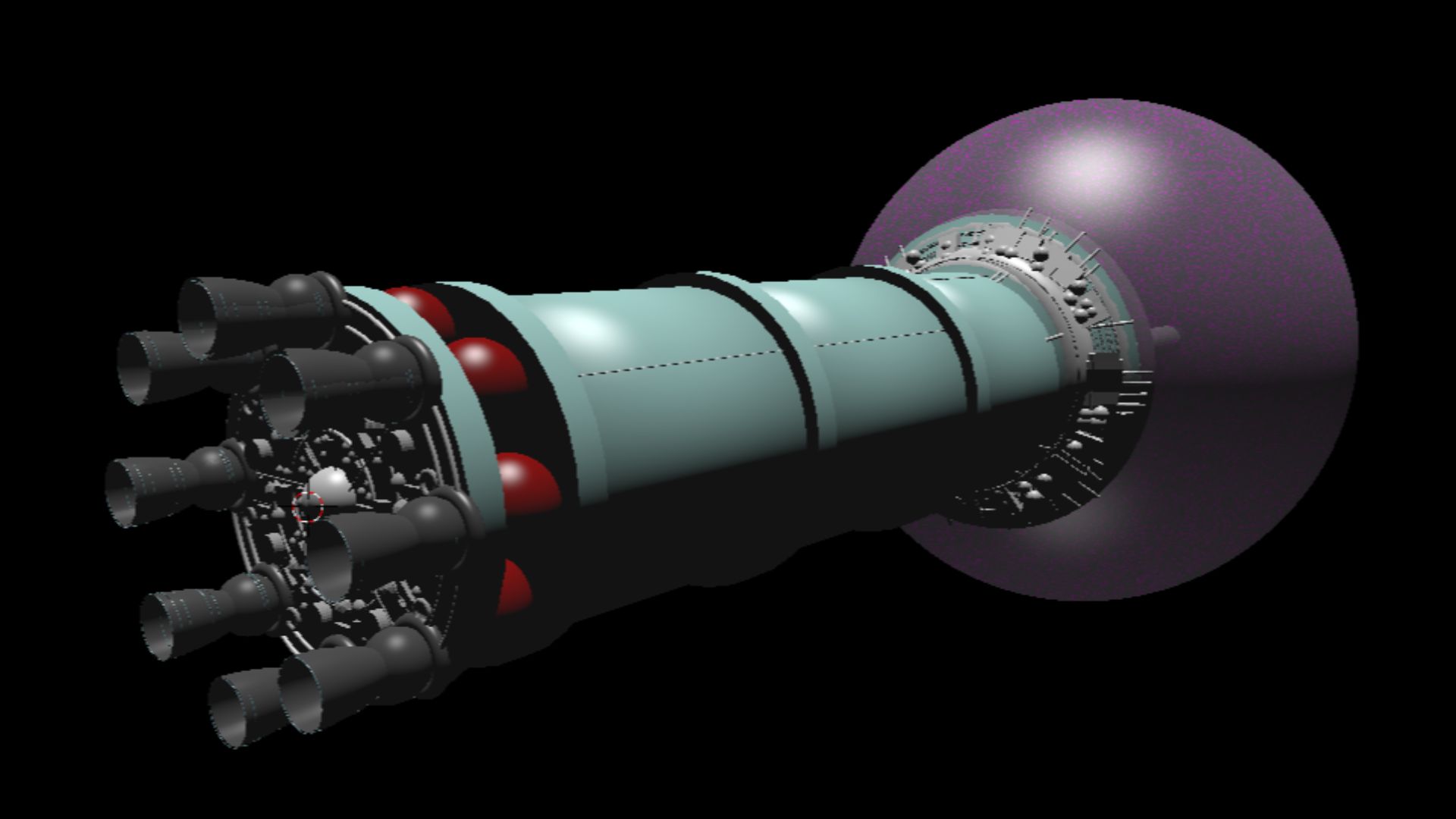
Dr Robert Enzmann proposed the most detailed generation ship concept in 1964, featuring a 600-meter vessel. Powered by deuterium fusion engines similar to Project Orion's nuclear pulse propulsion, this "slow boat" design became categorized as such after Astronomy Magazine's 1977 title “Slow Boat to Centaur”.
O'Neill Cylinders
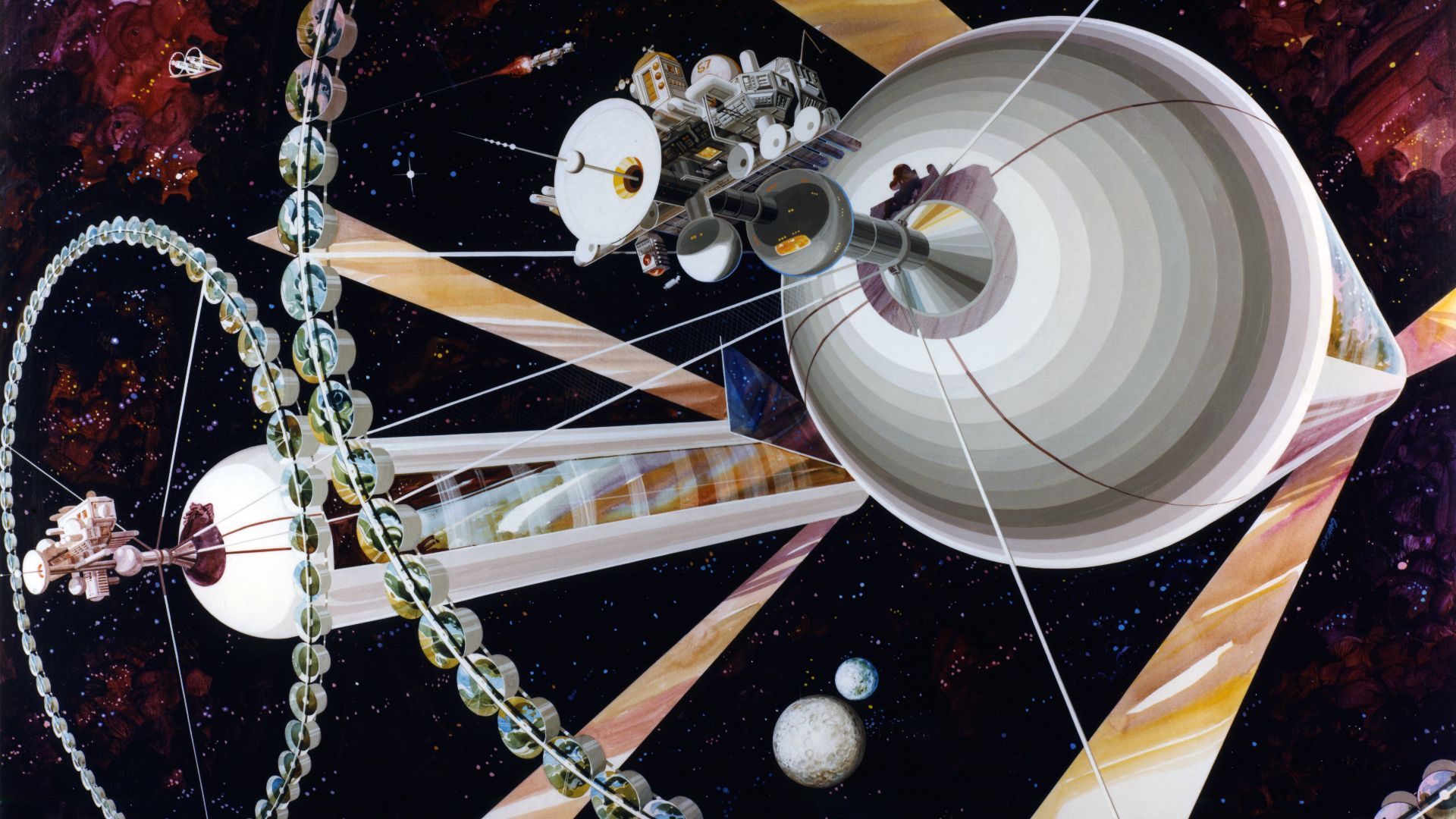
Gerard K O'Neill proposed massive cylindrical habitats in 1976 as alternatives to spherical designs. Each cylinder measures 20 miles long and four to five miles in diameter, featuring three transparent window stripes alternating with three habitable land surfaces. Two counter-rotating cylinders connected at ends maintain balance.
 NASA/Rick Guidice, Wikimedia Commons
Project Hyperion
Originally launched in December 2011 by Andreas M Hein at the Technical University of Munich, Project Hyperion aimed to define integrated concepts for crewed interstellar starships. The initiative produced the most detailed generation ship designs to date, assessing feasibility using current and near-future technologies.

Proxima Centauri
Proxima Centauri, a red dwarf star, sits just 4.2 light-years from Earth as our sun's closest stellar neighbor within the Alpha Centauri triple star system. Despite being dim and only about one-eighth the sun's mass, it became a prime target for interstellar missions.
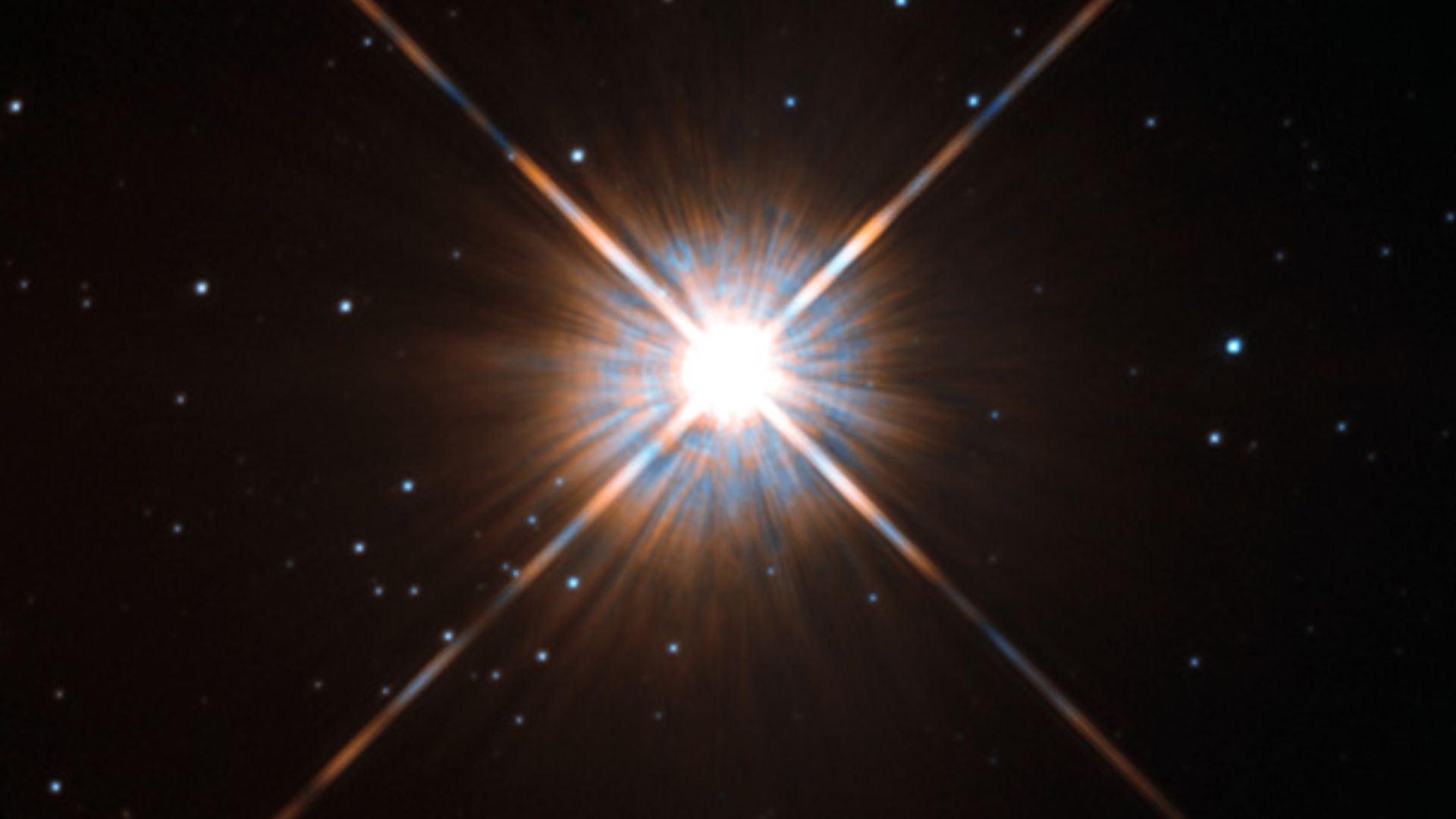 ESA/Hubble & NASA, Wikimedia Commons
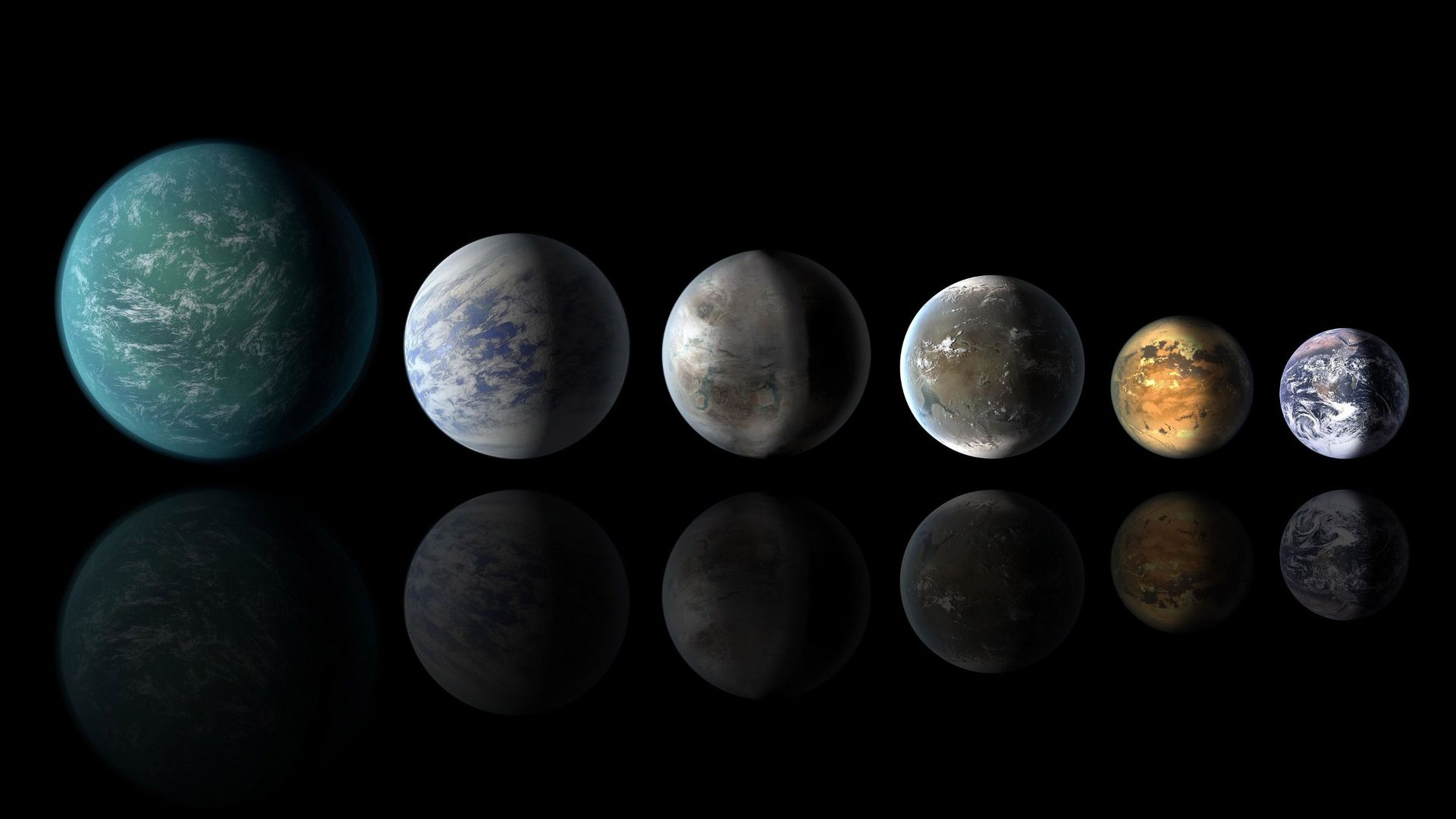
Exoplanet Target
This object orbits its star every 11.2 Earth days at roughly 0.048 astronomical units distance, residing firmly within the habitable zone where liquid water could exist. Discovered in August 2016 by the Pale Red Dot project, this terrestrial exoplanet possesses a minimum mass of 1.17 Earths.
400-Year Transit
Chrysalis would require approximately four centuries to traverse 25 trillion miles to Alpha Centauri, moving at roughly one-tenth light speed. The original crew launching from Earth would never witness their destination. Their children wouldn't either. In fact, at least three complete generations would live entire lives aboard the vessel before descendants finally glimpsed Proxima Centauri b through observation windows.
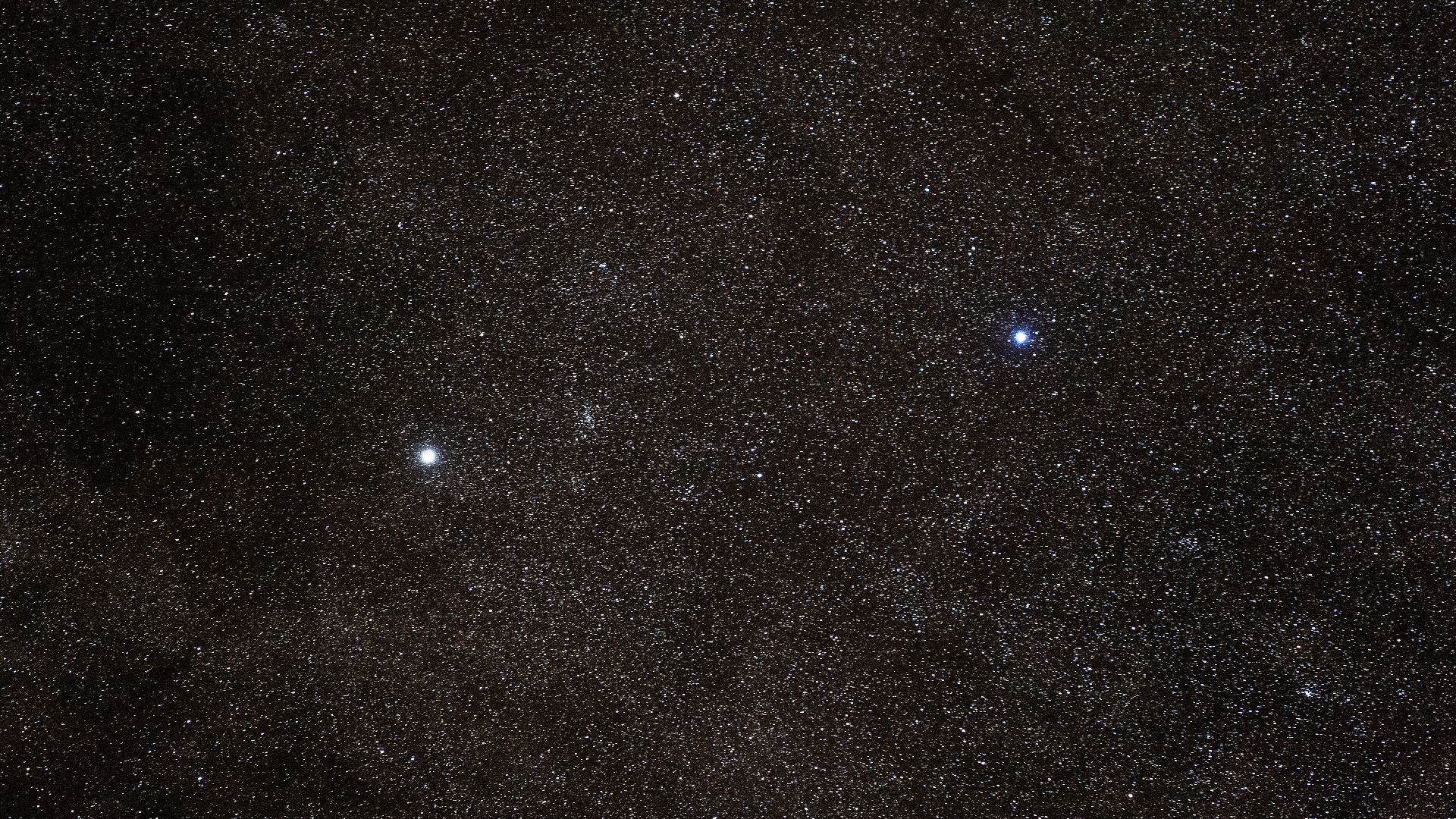 John Colosimo/ESO, Wikimedia Commons
Speed Calculations
Traveling at approximately 10% the speed of light, Chrysalis would cover about 18.6 million miles per hour—fast enough to reach Pluto in weeks rather than years. Direct fusion drive propulsion enables this velocity while providing 2 megawatts of electrical power for onboard systems.
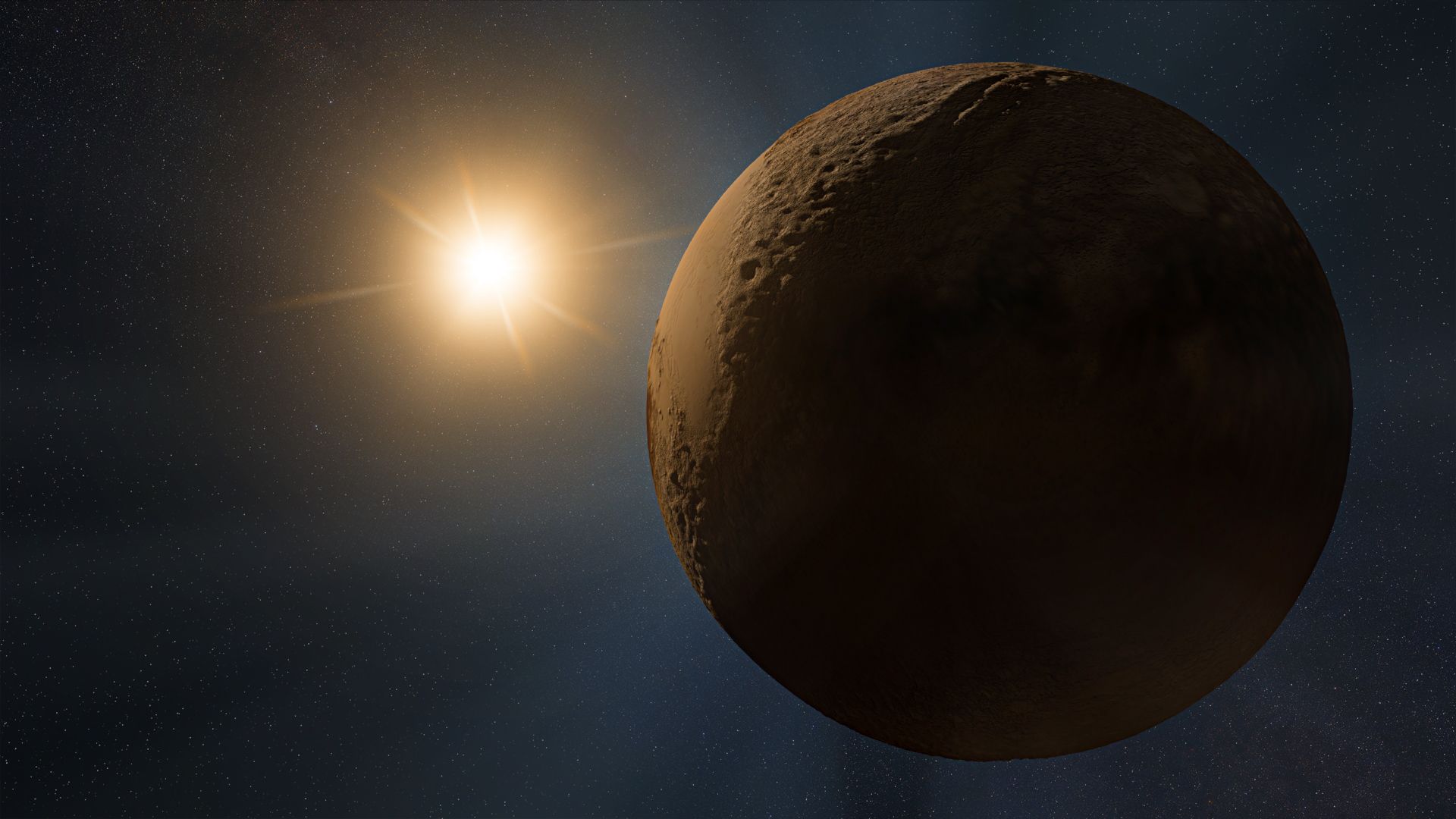 Kevin M. Gill, Wikimedia Commons
36-Mile Structure
The vessel's staggering 58-kilometer length makes it longer than Manhattan Island. Construction would occur at Lagrange Point 1 between Earth and Moon, where gravitational forces balance, minimizing structural stress during assembly. Engineers estimate 20–25 years just to build this colossus.
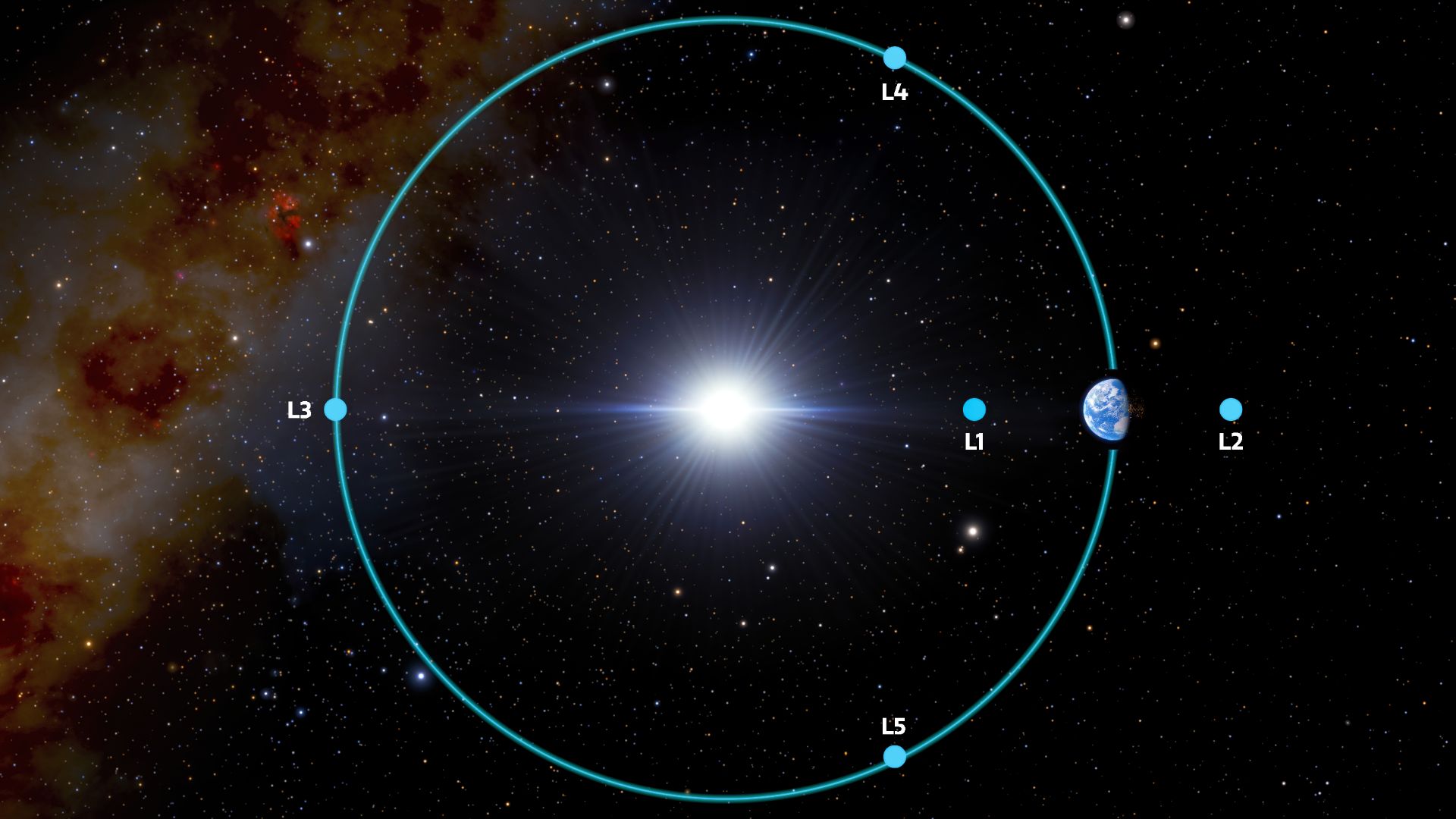 NOIRLab/NSF/AURA/J. da Silva Acknowledgment: M. Zamani (NSF’s NOIRLab), Wikimedia Commons
Nested Layers
Like Russian nesting dolls, Chrysalis has concentric shells encompassing each other around a central core. The outermost layer serves as a massive warehouse for resources and equipment, potentially operated entirely by robots. Moving inward, successive layers house industrial manufacturing, 3D-printed residential modules, and communal spaces including parks and libraries.

Rotation Mechanics
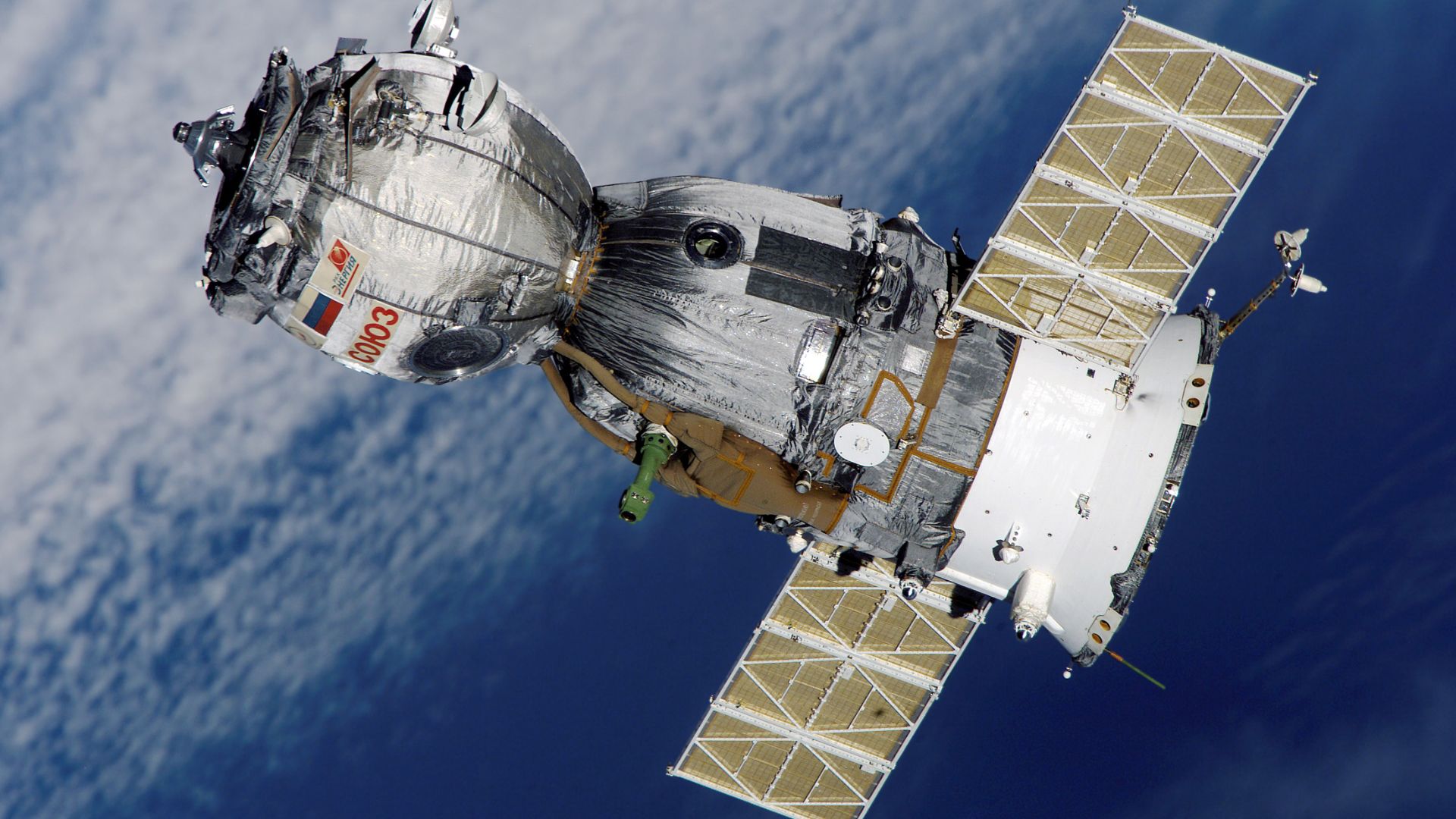
The entire structure spins continuously at carefully calculated speeds to produce centrifugal force mimicking Earth's gravity. Larger spacecraft rotate more slowly to generate equivalent gravitational effects. This is important because rapid rotation causes problematic gravitational differences between head and feet.
 The original uploader was Thegreenj at English Wikipedia., Wikimedia Commons
Radiation Shielding
Cosmic radiation poses among the greatest threats to interstellar travelers, with high-energy particles capable of damaging DNA and causing cancers. Chrysalis's outer shells distribute impacts from cosmic debris while providing radiation protection through sheer mass and strategic material placement. The multi-layered hull design absorbs and deflects harmful particles.
Biome Architecture
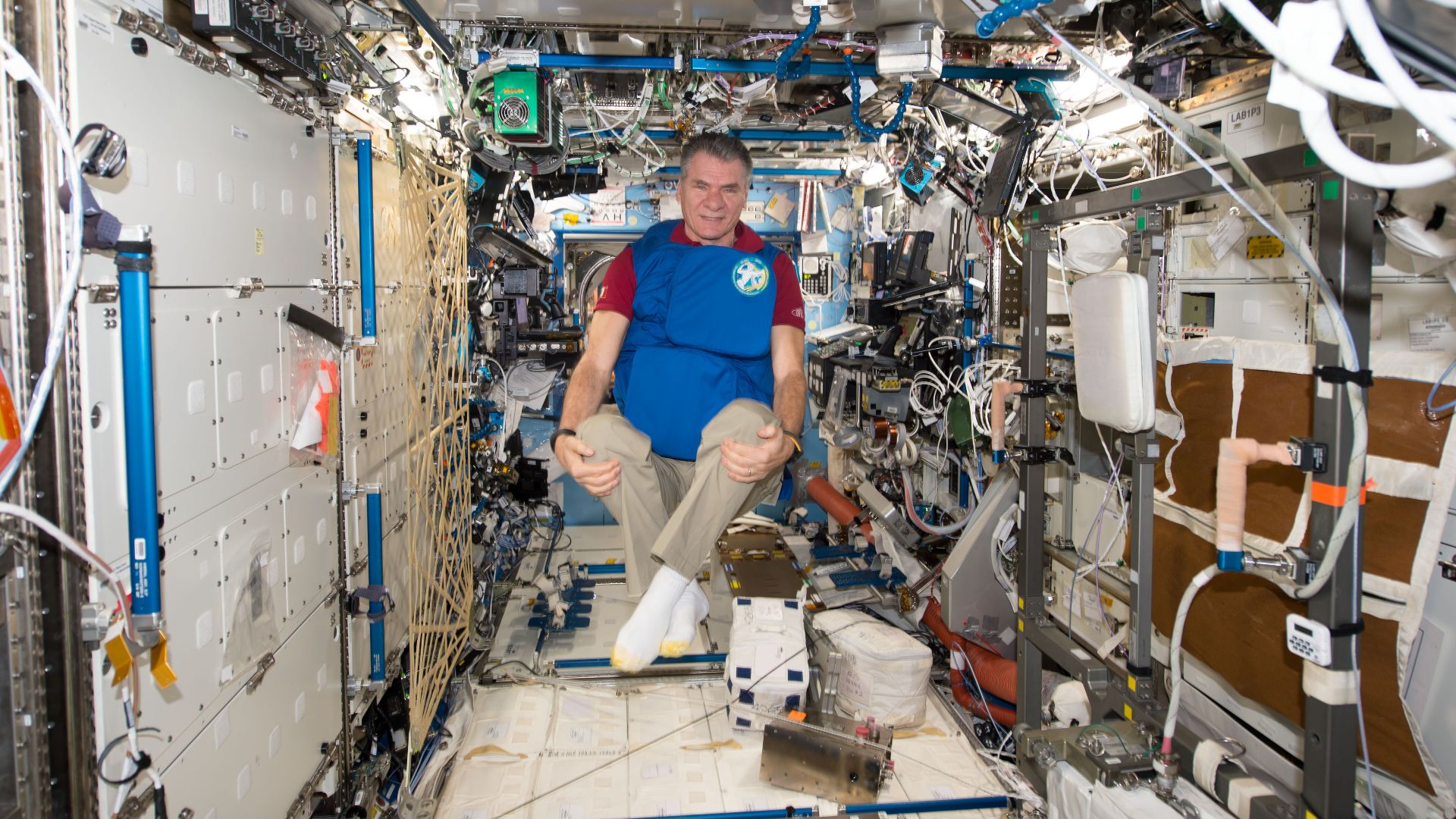
Chrysalis incorporates diverse Earth ecosystems within its hull: tropical forests, boreal woodlands, freshwater lakes, and agricultural zones create psychological comfort while maintaining biodiversity. These are functional components of life support, recycling air, processing waste, and producing food. The 130-meter-high Cosmos Dome has transparent walls facing away from the trajectory.

Closed-Loop Recycling
Every drop of water, every breath of air, every nutrient must be continuously recycled in a well-balanced system. Earth itself isn't perfectly closed. It receives solar energy and loses atmospheric particles. A system trillion times smaller than Earth faces exponentially greater challenges from losses, buildups, metabolic imbalances, and unexpected chemical reactions.

Food Production
Plant-based agriculture dominates food production aboard Chrysalis, with limited animals kept primarily for biodiversity rather than consumption. Protein would be synthetically manufactured using technologies similar to today's lab-grown meat. Farms occupy dedicated shell layers. Also, automated systems manage agricultural data.

Population Management
Births aboard Chrysalis would be meticulously planned to maintain sustainable population levels around 1,500 people, 900 below maximum capacity to ensure resource security. Each person receives a three-year reproductive window between the ages of 28 and 31, permitting a maximum of two children.

Antarctic Preparation
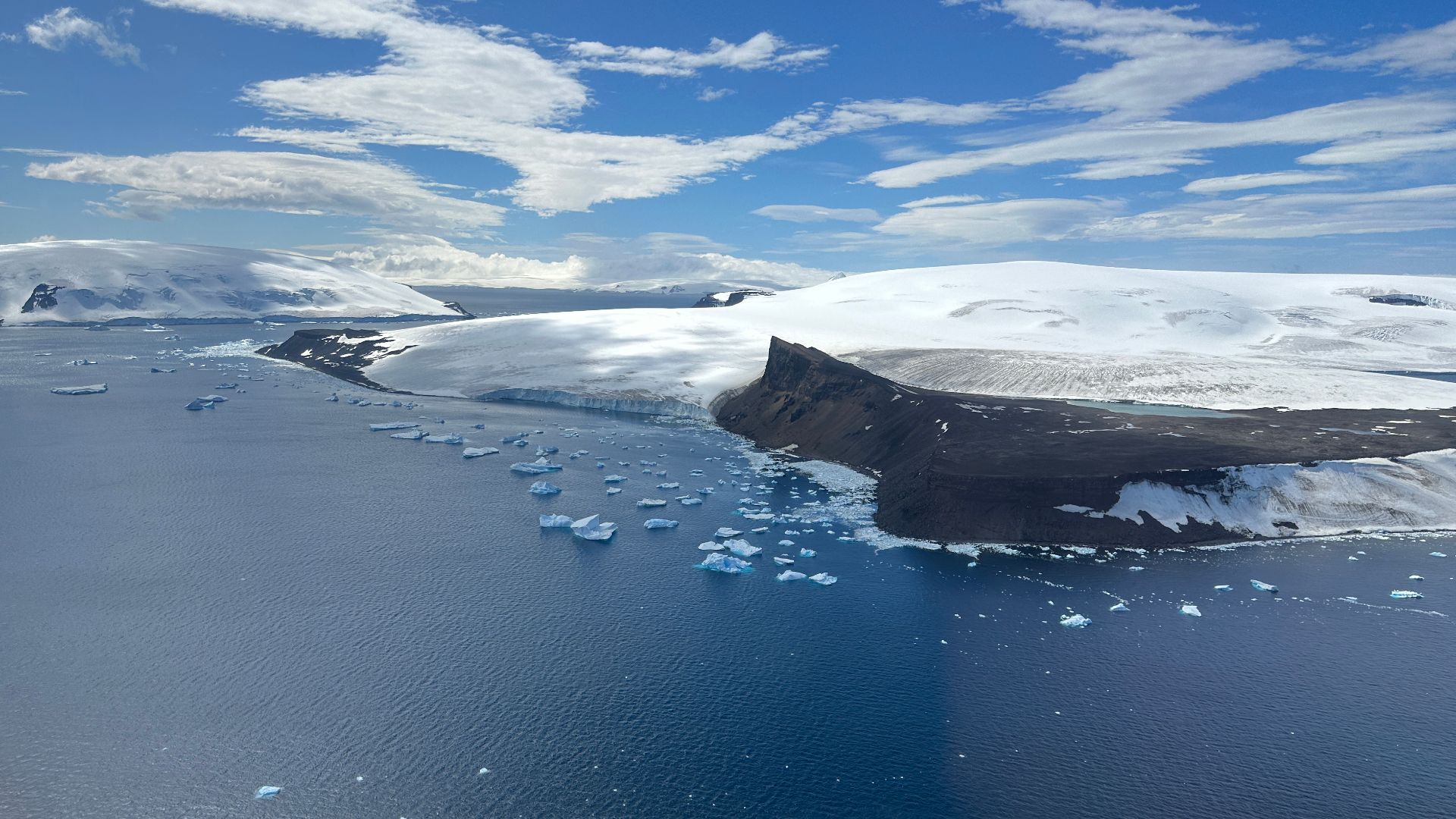
Before boarding, initial generations must spend 70–80 years living in complete isolation in Antarctica, simulating the psychological pressures of confined, resource-constrained existence. This unprecedented preparation tests whether humans can maintain social cohesion, mental health, and purpose across multiple generations in extreme isolation.
 IAEA Imagebank, Wikimedia Commons
AI Collaboration
Human leaders would share governance with advanced artificial intelligence systems, creating unprecedented hybrid authority structures. This partnership ensures knowledge transfer between generations. The AI serves as institutional memory, preventing loss of critical technical knowledge while helping resolve conflicts and optimize resource allocation.
 mikemacmarketing, Wikimedia Commons
Fusion Propulsion
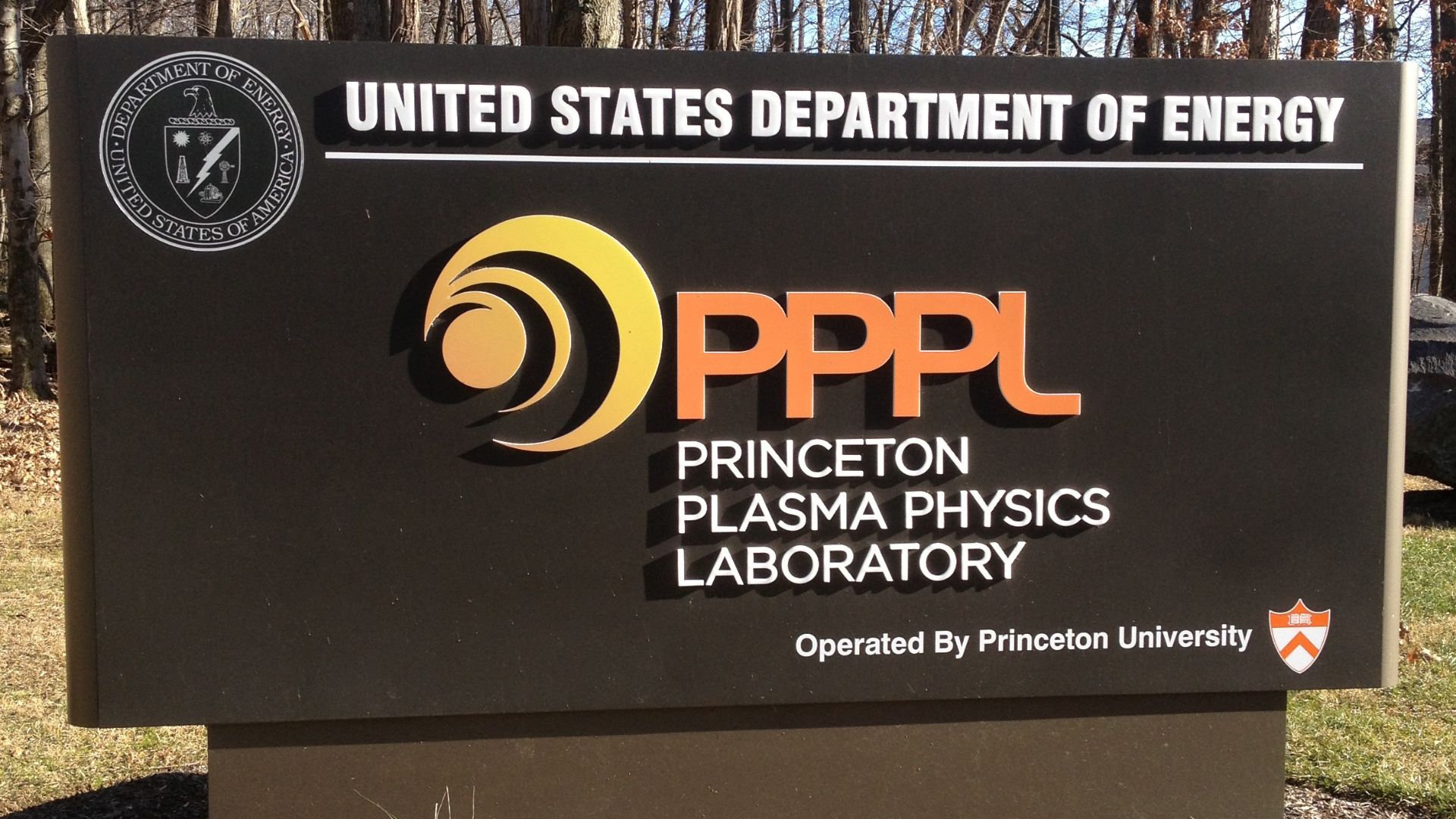
Direct Fusion Drive technology, developed by Princeton Plasma Physics Laboratory, would power Chrysalis using deuterium-helium-3 reactions. This revolutionary system produces 5–10 Newtons thrust per megawatt of fusion power with specific impulse around 10,000 seconds, which is vastly superior to chemical rockets' 300–400 seconds.
 U.S. Department of Energy from United States, Wikimedia Commons