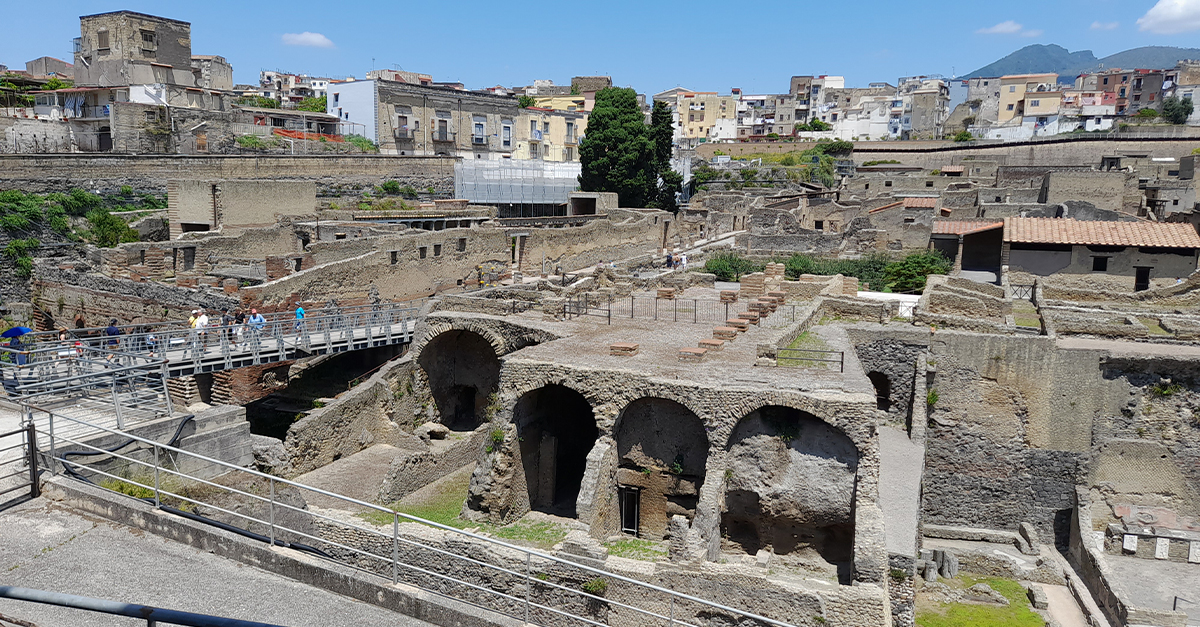
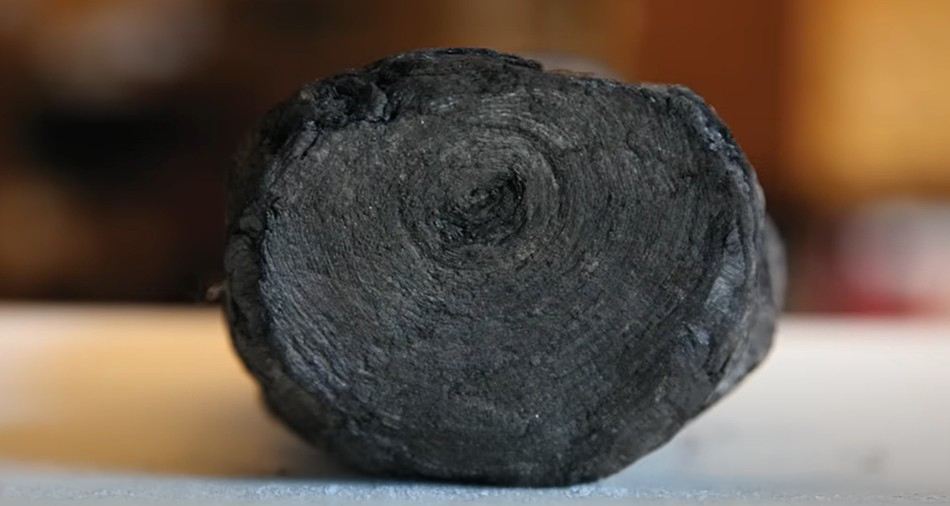
The charred scrolls of Herculaneum, buried under the ash of the eruption of Mount Vesuvius in 79 AD, have long mesmerized scholars with their mysteries. Discovered in the 1750s at the villa of Julius Caesar’s father-in-law, the scrolls were charred rolled-up lumps thought to be undecipherable. But a new breakthrough in artificial intelligence has unrolled the scrolls so we can see what’s written on them.
Digitally Driven Unravelling
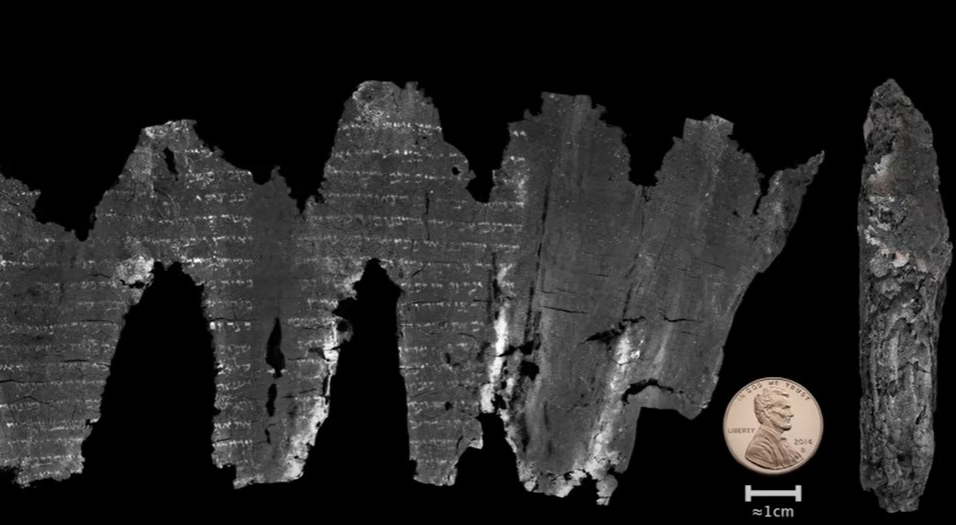
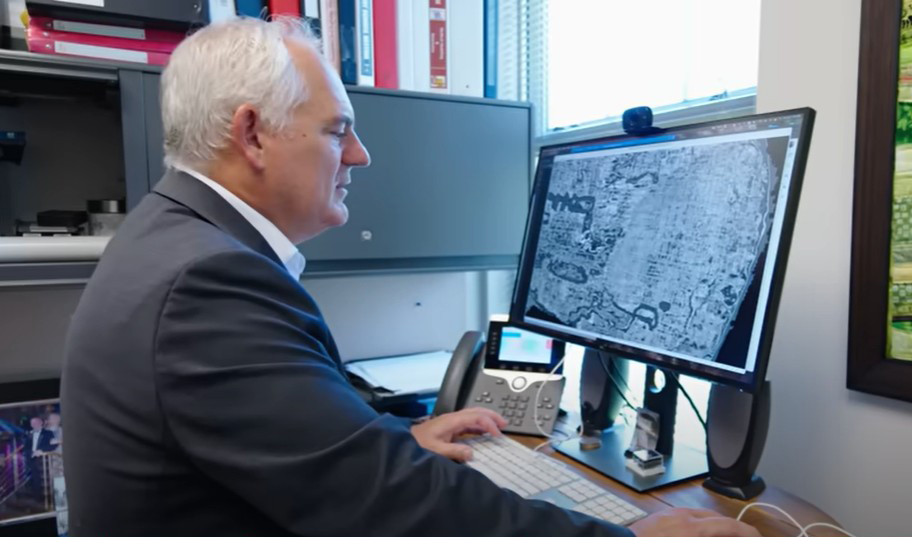
Researchers used high-resolution X‑ray micro-CT scans and phase‑contrast tomography to create detailed 3D images of the scrolls. AI-powered segmentation algorithms then virtually separate the page layers, literally unfolding the scroll in digital space. It’s a bit hard to understand, but this digital unwrapping evidently preserves the fragile papyrus material while enabling people to read the text hidden inside.
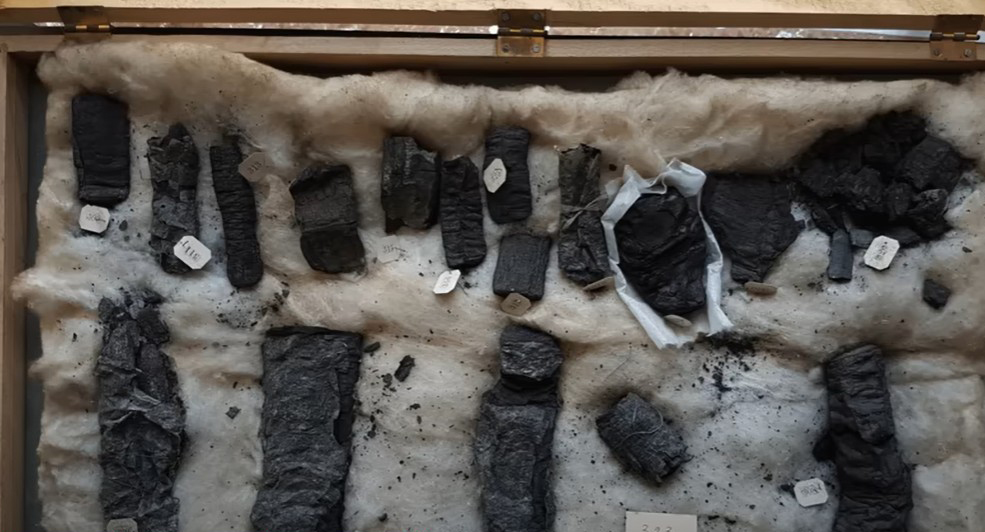 Herculaneum scrolls: A 20-year journey to read the unreadable, University of Kentucky, YouTube
The Vesuvius Challenge Throws Down A Gauntlet
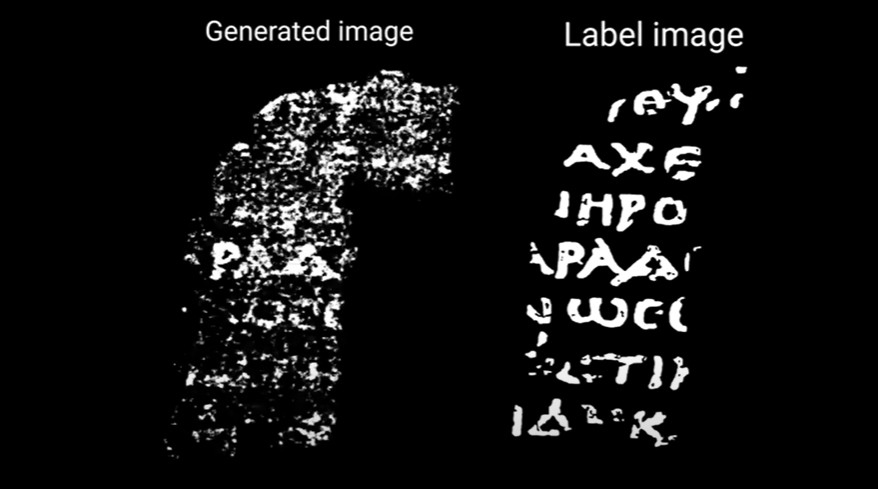
Launched by Brent Seales and tech leaders like Nat Friedman and Daniel Gross, the Vesuvius Challenge offered $700,000 to teams decoding texts from unopened scrolls. The contest rewarded students for picking out Greek words like “porphyras,” meaning “purple,” marking the first words read since antiquity.
 Herculaneum scrolls: A 20-year journey to read the unreadable, University of Kentucky, YouTube
First Passages Revealed: Disgust And Philosophy
In February 2025, AI-aided translation revealed the Greek word for “disgust” (“διατροπή”) within PHerc. 172, preserved at Oxford’s Bodleian Library. Further work finally zeroed in on the scroll’s title: On Vices and Their Opposite Virtues by Philodemus. He was an Epicurean philosopher of the 1st century BC. This was the first confirmed author and title ever deciphered from a sealed papyrus.
Reading Ancient Ink With Machine Learning
AI models can detect carbon-based ink within volumetric scans by analyzing subtle phase shifts in X-rays, distinguishing ink from carbonized papyrus. Projects like EduceLab‑Scrolls use supervised learning to align CT scans with spectral images, as part of models that can "see" writing that is invisible to the human eye.
 Herculaneum scrolls: A 20-year journey to read the unreadable, University of Kentucky, YouTube
Crowdsourcing Expertise And Continuity
The Vesuvius Challenge was a funding pipeline for innovation but opened up the scrolls to global teams. Beyond early student successes, researchers from University of Würzburg and Oxford worked together to nail down the title and author of the scroll by using similar AI and imaging tech.
From Words To Full Texts
The early results have decoded scattered words and short passages, but the goal of the project is far more ambitious, and is intended to read entire scrolls from start to finish. For another Herculaneum scroll, Pherc Paris 4, teams have read around 5% of the text covering Epicurean themes of pleasure and food. The 2024 grand prize was determined to reach 90% text recovery, laying the groundwork for complete translations.
 Herculaneum scrolls: A 20-year journey to read the unreadable, University of Kentucky, YouTube
Resurrecting History Using Technology
Unlike earlier mechanical unrolling, like Padre Antonio Piaggio’s 18th-century silk-thread device, these modern methods are non-invasive. Using digital imaging and AI, researchers avoid damaging these irreplaceable artifacts. The method holds the promise of unlocking countless secrets of the past.
A Breath Of Fresh Air For Classical Studies
All of this use of machine learning, imaging, and collaborative competition is a major breakthrough in humanities research, and could turn out to be the biggest discovery of the 21st century. In deciphering these scrolls, researchers are adding massively to our understanding of ancient thought. Future projects could reveal lost works by Philodemus, Seneca, or even philosophical texts whose authors’ names we don’t know.
 Herculaneum scrolls: A 20-year journey to read the unreadable, University of Kentucky, YouTube
A Huge Backlog
With over 800 scrolls piled up waiting for analysis across Naples, Oxford, and elsewhere, the AI quest for the truth is only now taking its first bold steps. As the technology gets better, the integration of X‑rays, infrared imaging, and machine learning promise to bring more history-shattering revelations. The 24/7 digitization and open-access initiatives should keep scholars occupied for years to come.
Long-Term Implications
The deciphering of the Herculaneum scrolls shows how new technology can breathe life into a field of study stuck at a standstill. As researchers continue to reveal the secrets of these scrolls, the dusty halls of academia are going to be a much noisier and more exciting place!
You May Also Like:
Epic Facts About Ancient Rome, History's Great Civilization
Facts About Ancient Archaeological Discoveries