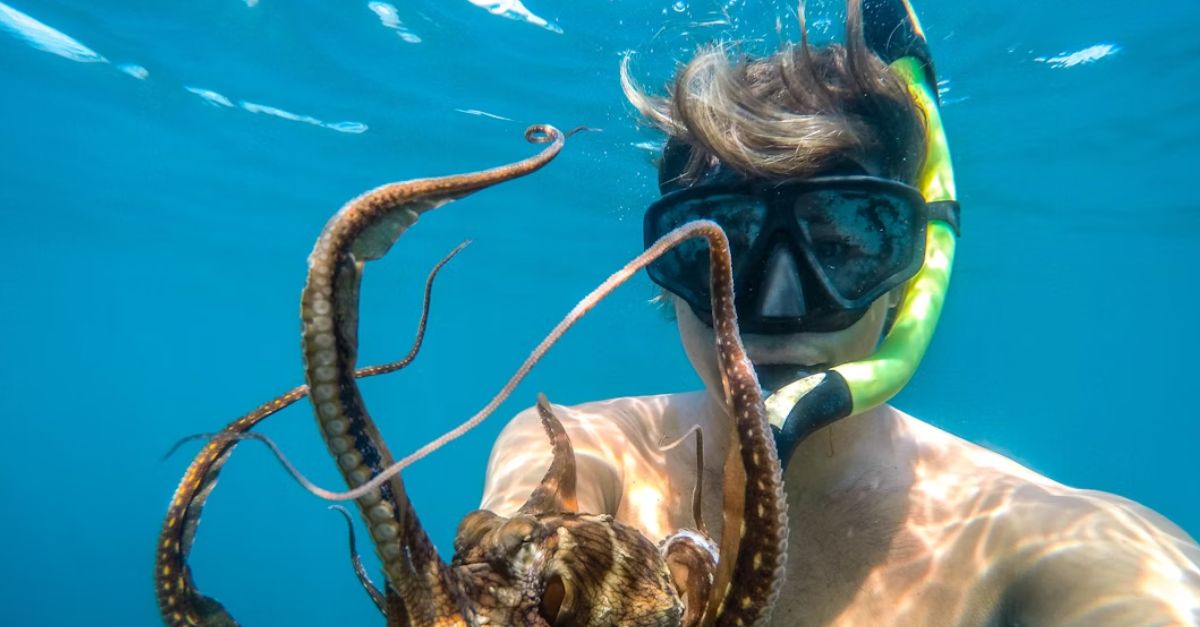
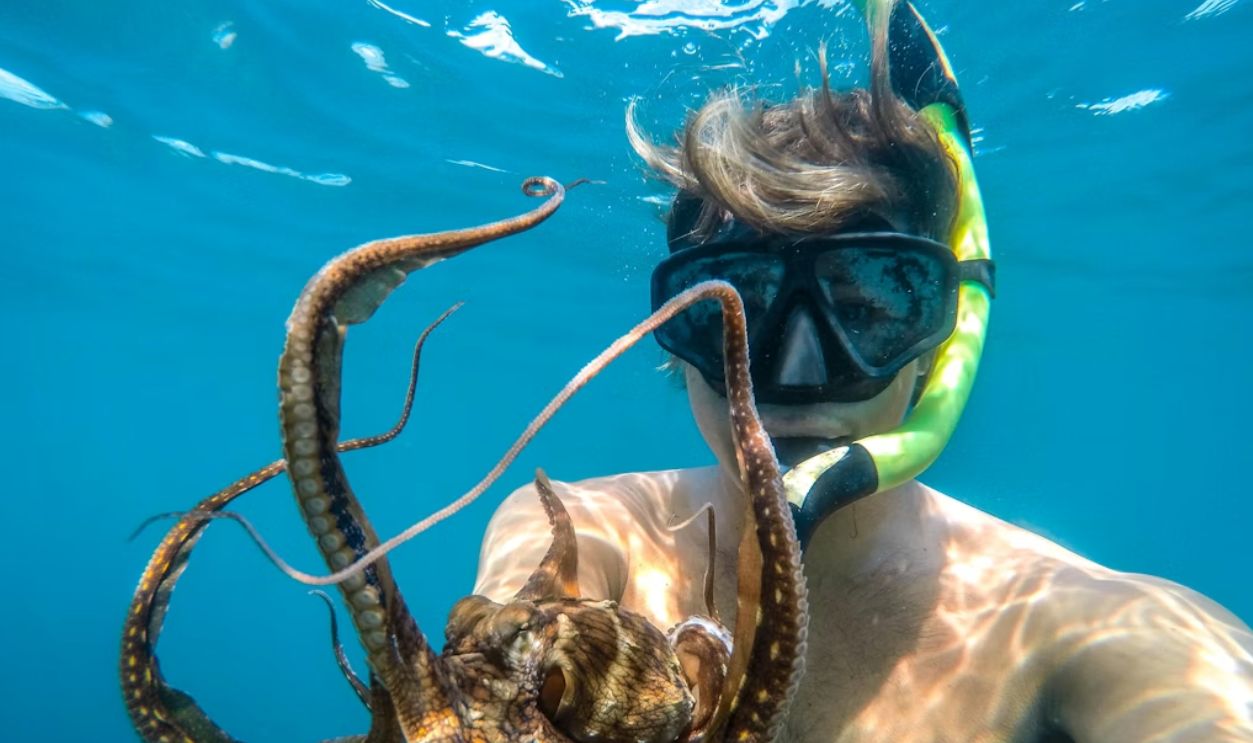
Octopuses tend to catch your attention the moment you learn anything real about them. They don’t fit the neat biological patterns most animals follow, and that’s precisely what makes them so intriguing. Their bodies operate with systems that feel engineered for challenges that are wildly different from anything you’d expect in a soft-bodied creature.
Look a little closer, and the surprises stack up quickly. Each and every part of the body of this creature is a marvel of its own that reveals a survival style built on flexibility and quick thinking. So linger a bit, and you may look at marine life differently by the end of this read.
Three Hearts Working Around The Clock
An octopus depends on three separate hearts. Two of these hearts push blood through the gills, and the third sends it through the rest of the body. That’s a lot of responsibility for a creature that rarely reaches more than a few feet long, but the payoff is constant oxygen delivery, even in colder waters with less oxygen available.
Because of this unusual setup, something interesting happens when an octopus swims in the ocean. The systemic heart that supplies the body temporarily stops. This is why swimming exhausts them. They prefer crawling along the seafloor or gliding across sand and coral with great ease. And to carry oxygen efficiently, they rely on a trait that might surprise you even more.
Blue Blood Built For Survival
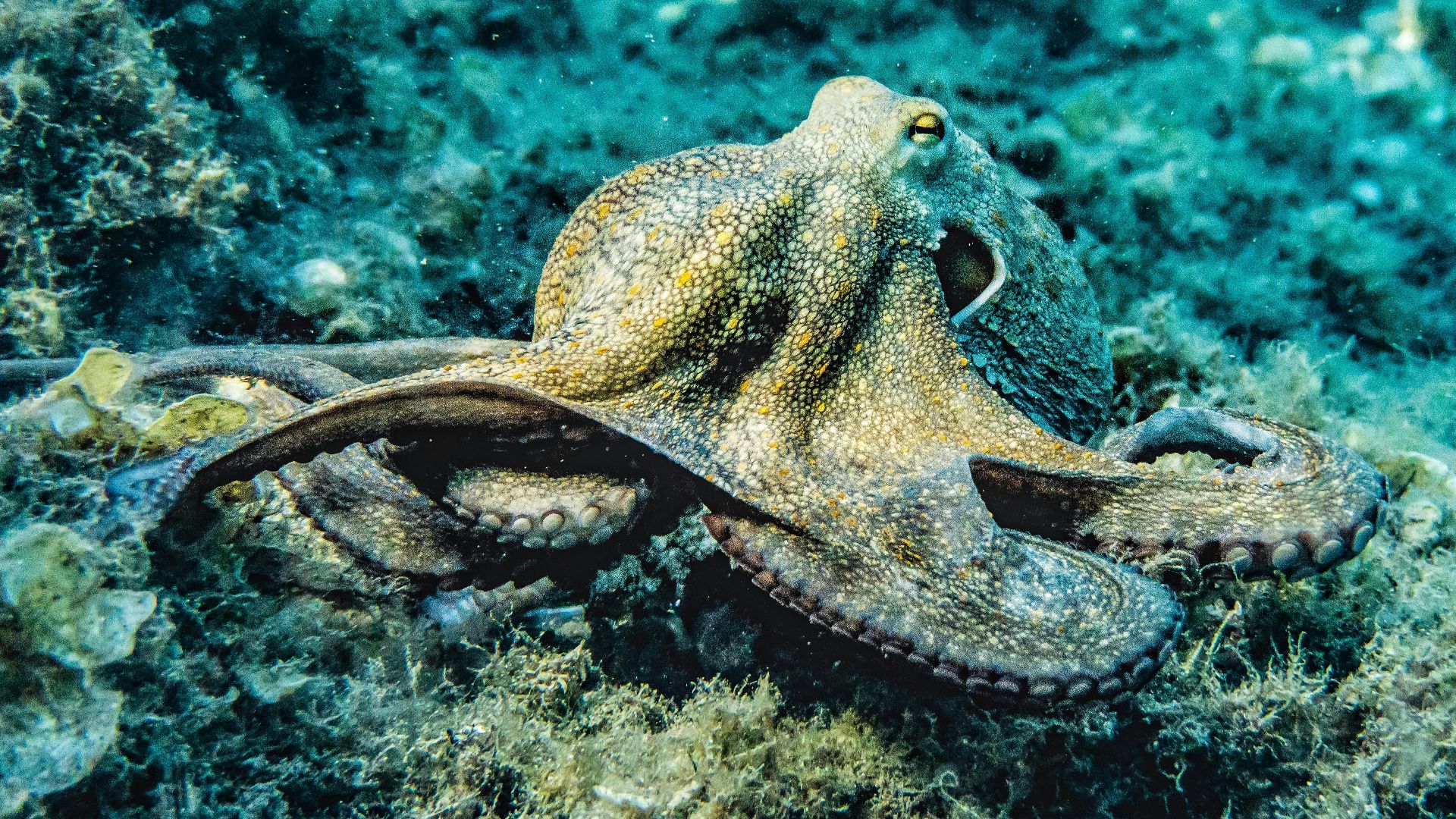
Instead of hemoglobin, octopuses use hemocyanin, a copper-rich protein that turns their blood blue and helps them absorb oxygen more effectively in low-oxygen settings. Copper binds oxygen differently from iron. This gives octopuses an advantage in the deep or along chilly currents where many creatures would struggle to function.
Hemocyanin circulates through their entire body at a much higher concentration than vertebrates need. This thick, efficient bloodstream helps maintain performance even when the temperature shifts or the water becomes murky. The system is demanding, but it keeps their organs supplied no matter where they wander. And that adaptability is only the beginning, because the rest of their body keeps pace in astonishing ways.
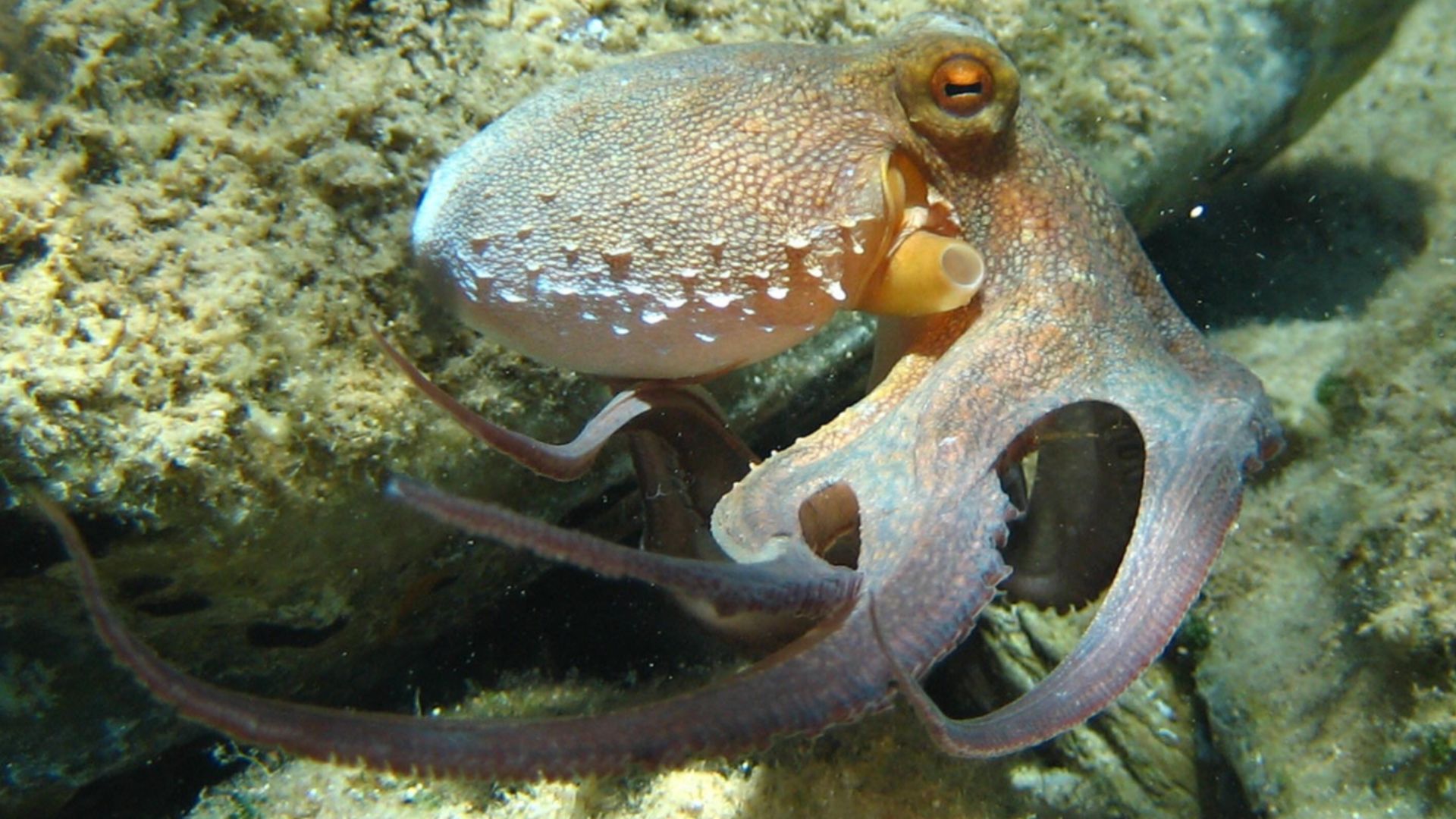
 Betty Wills (Atsme), Wikimedia Commons
The Wonder Continues
Octopuses are among the very few ocean dwellers that continue to impress marine biologists. Their bodies seem to operate on a logic that bends the rules you’re used to, especially once you look at how their brains and muscles work together.
Each octopus has a central brain supported by large clusters of neurons in every arm. These clusters act like local hubs, allowing the limbs to process sensory input and react instantly. All types of cues are evaluated right at the arm to create efficient responses without waiting for instructions from the main brain. This setup lets the animal assess its surroundings with remarkable precision.
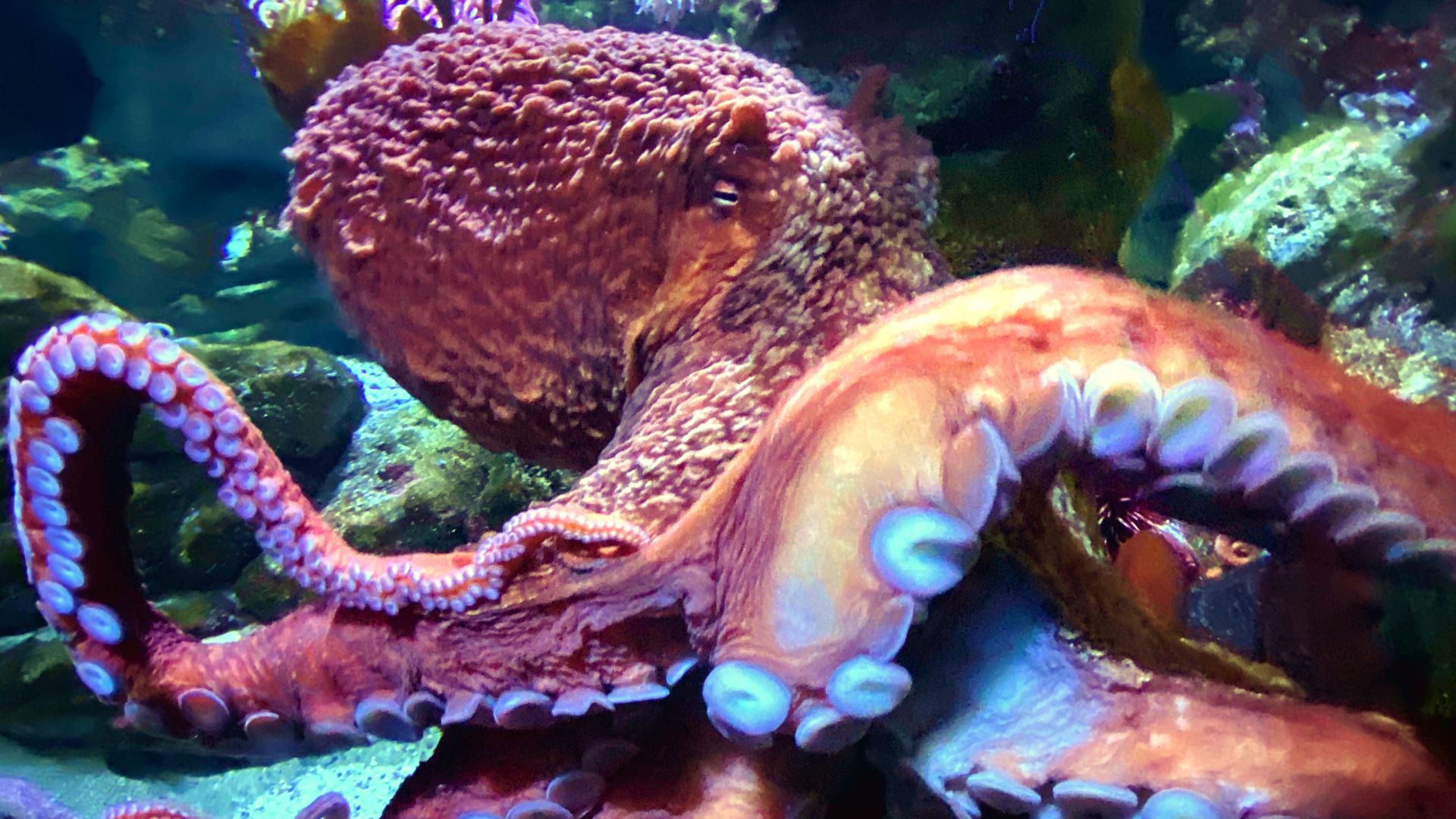
Moving from the brain to the framework that supports it, the octopus’s body takes the same unconventional path. Without rigid structures, the animal relies entirely on muscles arranged in layers along each arm. These muscles contract in multiple directions, which gives the limbs incredible strength.
The result is a level of flexibility that lets an adult slip through gaps barely larger than a quarter. The coordination between their neural network and muscular system allows movements that look almost liquid-like.
All of these traits build toward one conclusion: the octopus body works as a perfect system, more innovative and efficient than its soft frame might suggest. Its entire anatomy functions like a quiet powerhouse, shifting direction without hesitation, and handling changing waters with surprising ease.
Studying them adds a sense of wonder to everyday biology, because it’s clear their abilities were shaped by the ongoing pressure to survive in places where hesitation can cost everything. And the more these behaviors are observed, the more the octopus stands out as one of the ocean’s most impressive problem-solvers—quiet yet endlessly surprising.
 Beckmannjan, Wikimedia Commons