
The Human Oddity
Every mammal shares certain traits, except this one. It sits quietly on every human face, yet no other creature on Earth has it. And the strangest part? Science still doesn’t know why it exists.

The Human Chin Stands Alone Among All Mammalian Species
Take a good look in the mirror. That small jut beneath your lower lip? No other mammal has it. Apes, dogs, even whales—none show a protruding chin like ours. It’s such an odd distinction that researchers still struggle to explain why it exists at all.

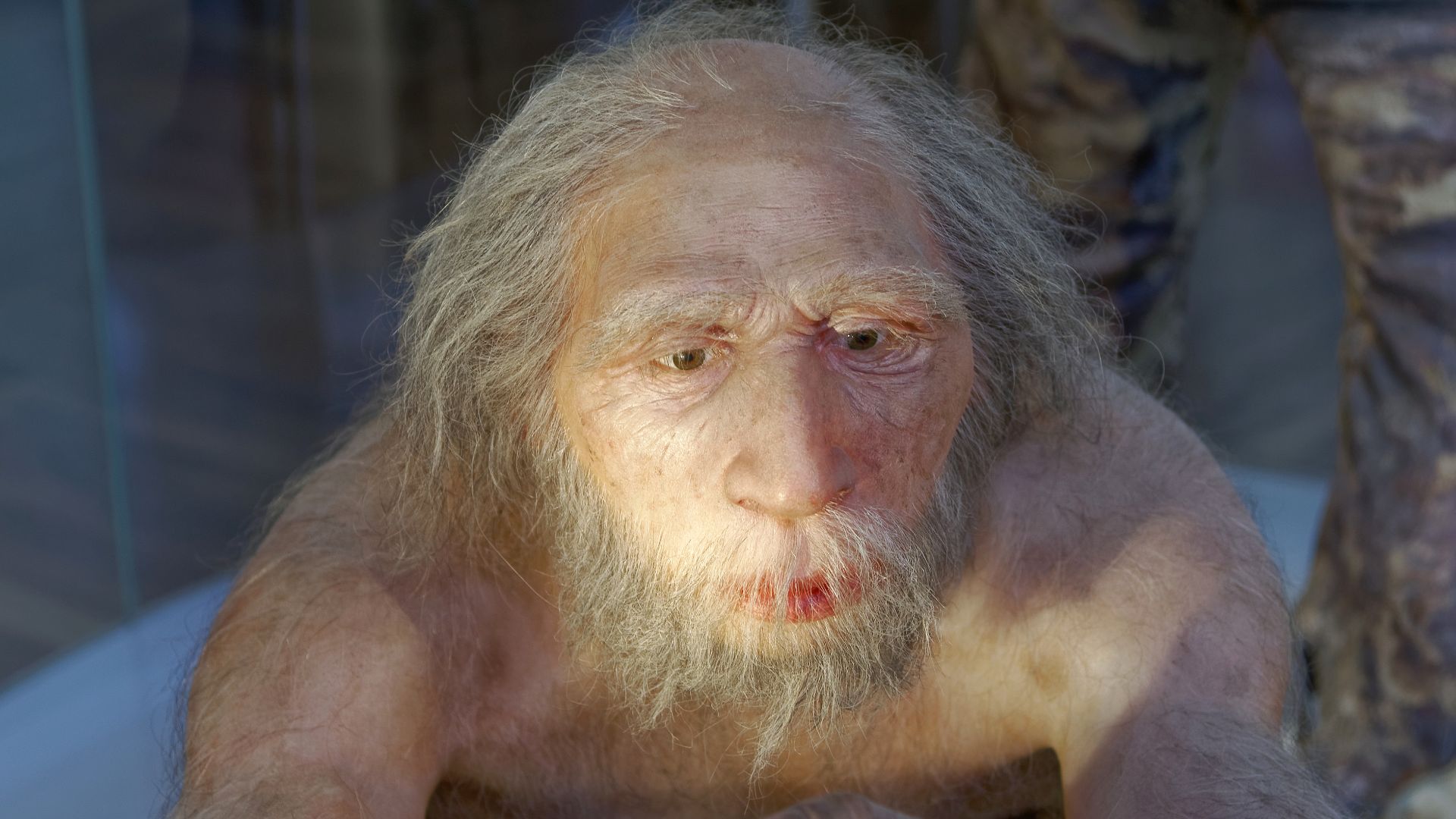
Neanderthals And Early Hominins Lacked Protruding Chins
If you compared your jawline with that of a Neanderthal, the difference would stand out immediately. Early hominins had sloping faces without that forward-pointing bone. Their jaws ended smoothly and lacked the defined ridge that modern humans developed somewhere along the evolutionary road.
 Jakub Halun, Wikimedia Commons
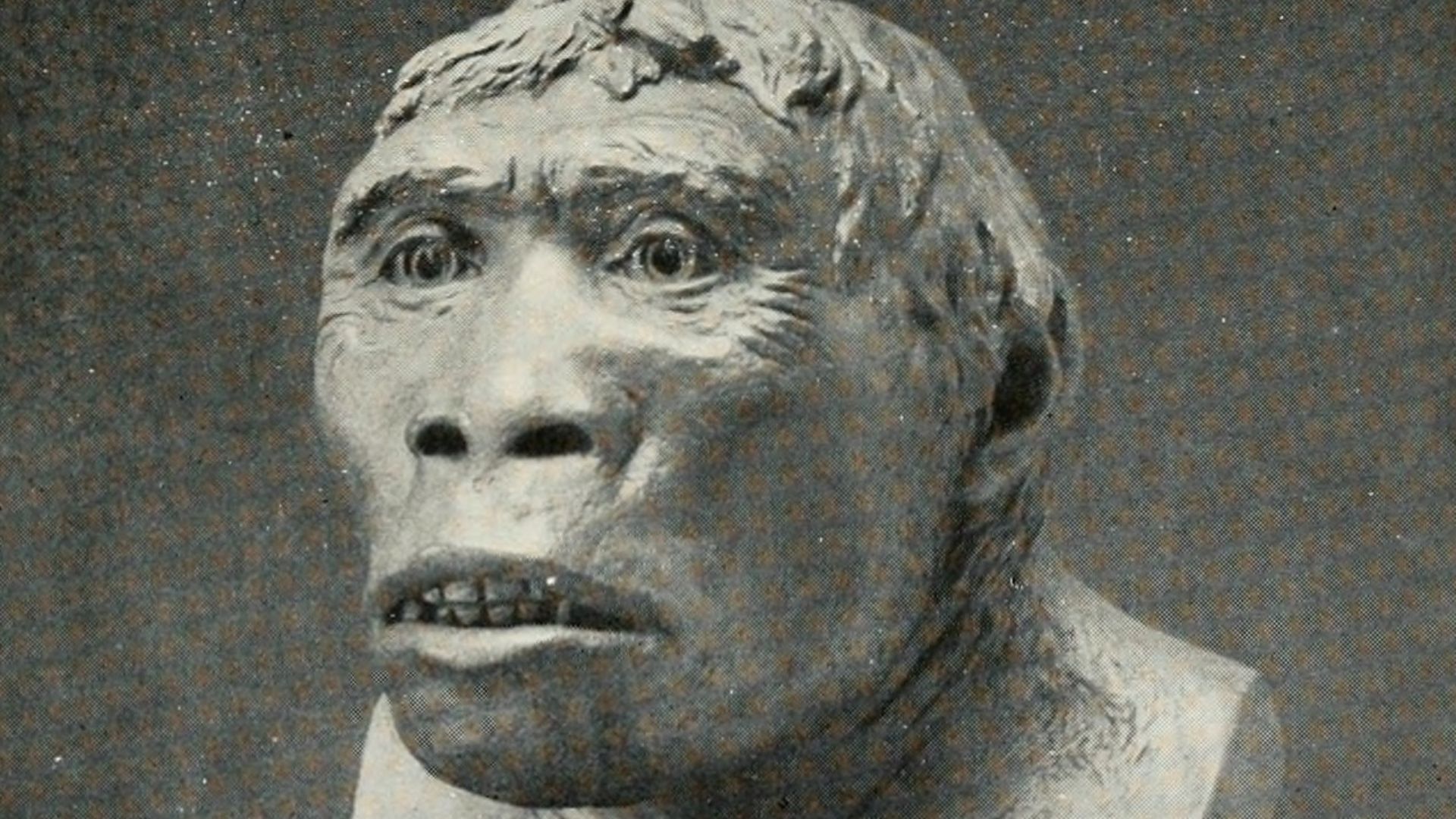
Fossil Records Show Chin Emerged In Late Pleistocene Era
Archaeologists studying ancient skulls noticed that the chin appears relatively late in the fossil record. Around 200,000 years ago, during the Late Pleistocene, the first truly human chin began to show. Before that, even our closest ancestors carried flatter, heavier jaws without the distinct projection.
 Internet Archive Book Images, Wikimedia Commons
Scientists Puzzle Over Evolutionary Purpose For Decades
Few anatomical mysteries have sparked as much debate as this one. From Darwin’s era to modern anthropology, theories keep surfacing and collapsing. The chin simply doesn’t fit into any clear pattern of survival, which leaves experts scratching their heads generation after generation.

Mechanical Theory Suggests Chin Strengthens Jaw During Chewing
One idea argues that the chin acts as reinforcement. When we chew, it could help distribute stress along the jawbone to prevent fractures. Yet when scientists measured bite forces, the numbers didn’t quite support it. The supposed strength benefit seems far too minor to explain its presence.

Other Mammals With Similar Diets Show No Chin Development
If chewing were the main reason, animals with similar diets should have developed chins, too. But look at gorillas or bears, they chew tough food daily and never formed that lower ridge. This clue pushes researchers to keep searching for another explanation.

Speech Facilitation Theory Links Chin To Language Evolution
Another proposal connects our chins to how we talk. As speech became central to communication, the structure of our jaws might have adapted to support complex tongue and lip movements. The idea ties facial anatomy to language and hints that our voices may have shaped our bones.
 Henri Mathieu-Saint-Laurent, Pexels
Protruding Bone May Aid Complex Tongue Movements
Some scientists think the chin could stabilize muscles controlling the tongue. When we pronounce intricate sounds, those muscles flex and anchor along the jawline. A forward projection might have provided just enough space or leverage for precision speech that defined human communication.


History's most fascinating stories and darkest secrets, delivered to your inbox daily.
Cooking And Softer Foods Possibly Created The Facial Promontory
Once humans began cooking food, our meals softened dramatically. With less need for powerful jaws, the lower face reshaped itself over generations. The chin may have been a leftover bump from this shrinking bone structure, a quiet reminder of how fire transformed evolution.

Weakening Jaw Left Behind Functionless Bone Structure
As tool use and diet evolved, our jaws lost their former bulk. Without heavy chewing muscles, the lower jaw changed shape and left the chin behind like a fossilized echo of strength. It’s possible the chin simply stayed because nature didn’t bother removing it.

Beard Display Theory Proposes Social Signaling Purpose
Some anthropologists take a more social view. They think the chin helped men display beards more prominently, as a visual cue for maturity or dominance. Though the idea borders on humor, it reminds us how evolution sometimes blends survival with attraction.

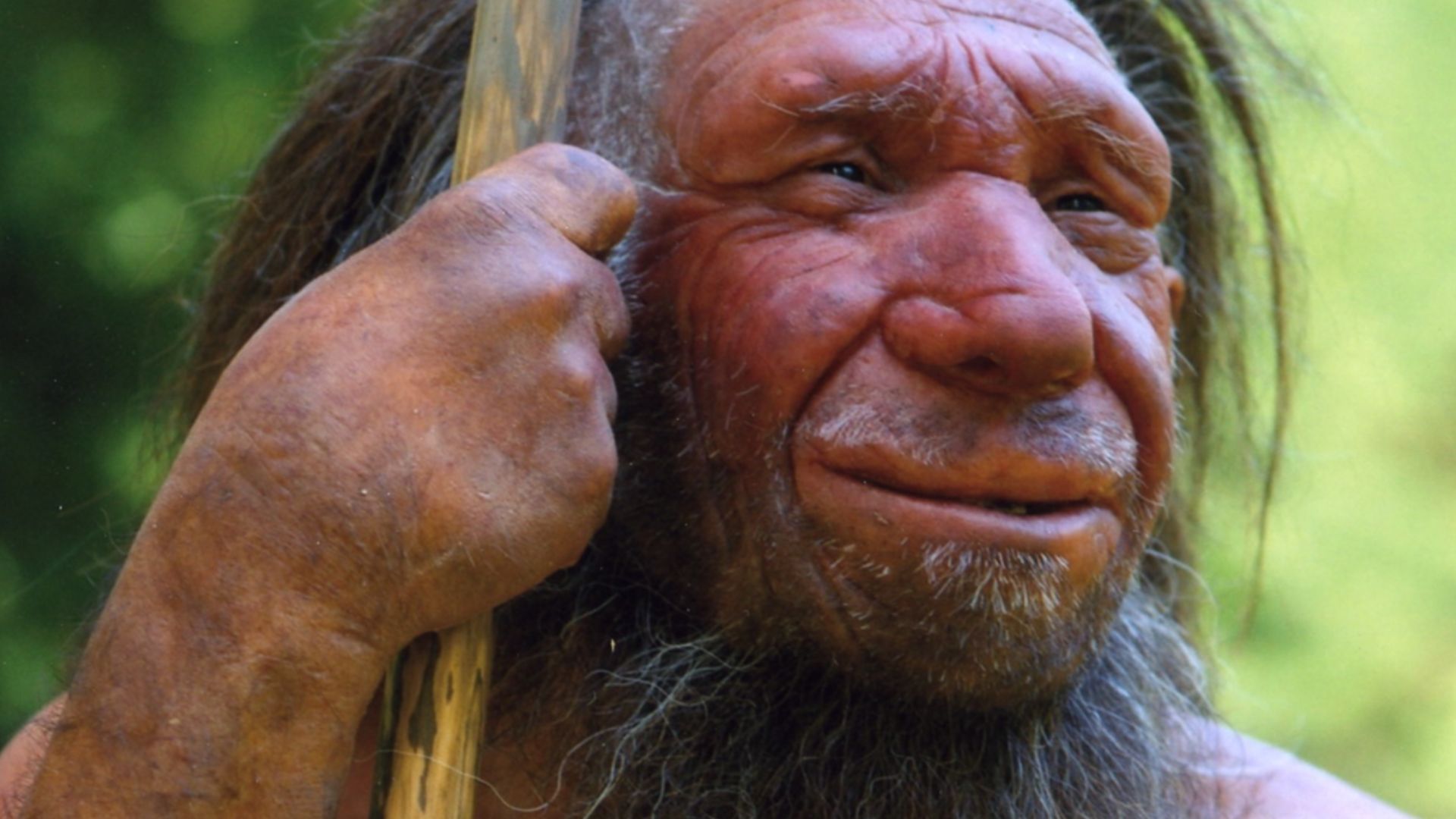
Combat Reinforcement Hypothesis Targets Battling Cavemen
There’s even a “battle theory” that suggests early males developed stronger jawlines and chins to absorb punches during fights. In this view, the chin acted as a built-in shock absorber. Tests, however, found little evidence that it truly improved resilience in combat.
 Neanderthal-Museum, Mettmann, Wikimedia Commons
No Clear Survival Advantage Identified By Researchers
Despite all these proposals, no single theory has held up completely. The chin doesn’t seem vital for eating, speaking, or fighting. Yet it persists in every human skull, a stubborn anatomical riddle that continues to defy neat evolutionary logic.

Convergent Evolution Methods Fail To Explain Chin Presence
Usually, when a feature offers clear benefits, nature repeats it in other species. But the chin never appeared elsewhere. No case of convergent evolution explains its existence, which suggests that our species alone took an unusual detour—one that shaped faces unlike any other mammal’s.

Feature Appears Only Once In The Entire Evolutionary Tree
Over millions of years of mammalian evolution, the chin emerged only once. That rarity makes it one of evolution’s strangest accidents. Whether it’s a leftover quirk or a subtle adaptation, the human chin stands as a reminder that evolution doesn’t always follow reason.

Cultural Beauty Standards May Have Influenced Development
Some scientists wonder if our fascination with faces might have played a quiet role. Over time, humans could have favored partners with slightly jutting chins, shaping future generations through attraction. Beauty, not biology, might have subtly guided our facial evolution.

Diverse Societies Share Common Chin Characteristics
From Arctic tribes to tropical communities, every group of humans displays the same bony feature. Despite vast differences in culture and ancestry, the chin remains constant. Its consistency across populations suggests it became fixed in our species long before migration scattered us worldwide.

Homo Sapiens Uniquely Displays A Distinctive Facial Feature
Among all branches of the human family tree, only Homo sapiens developed this projecting bone. Earlier species lacked it entirely. The feature became one of the key markers distinguishing us from our ancient relatives and set our faces apart in both structure and expression.
 Jakub Halun, Wikimedia Commons
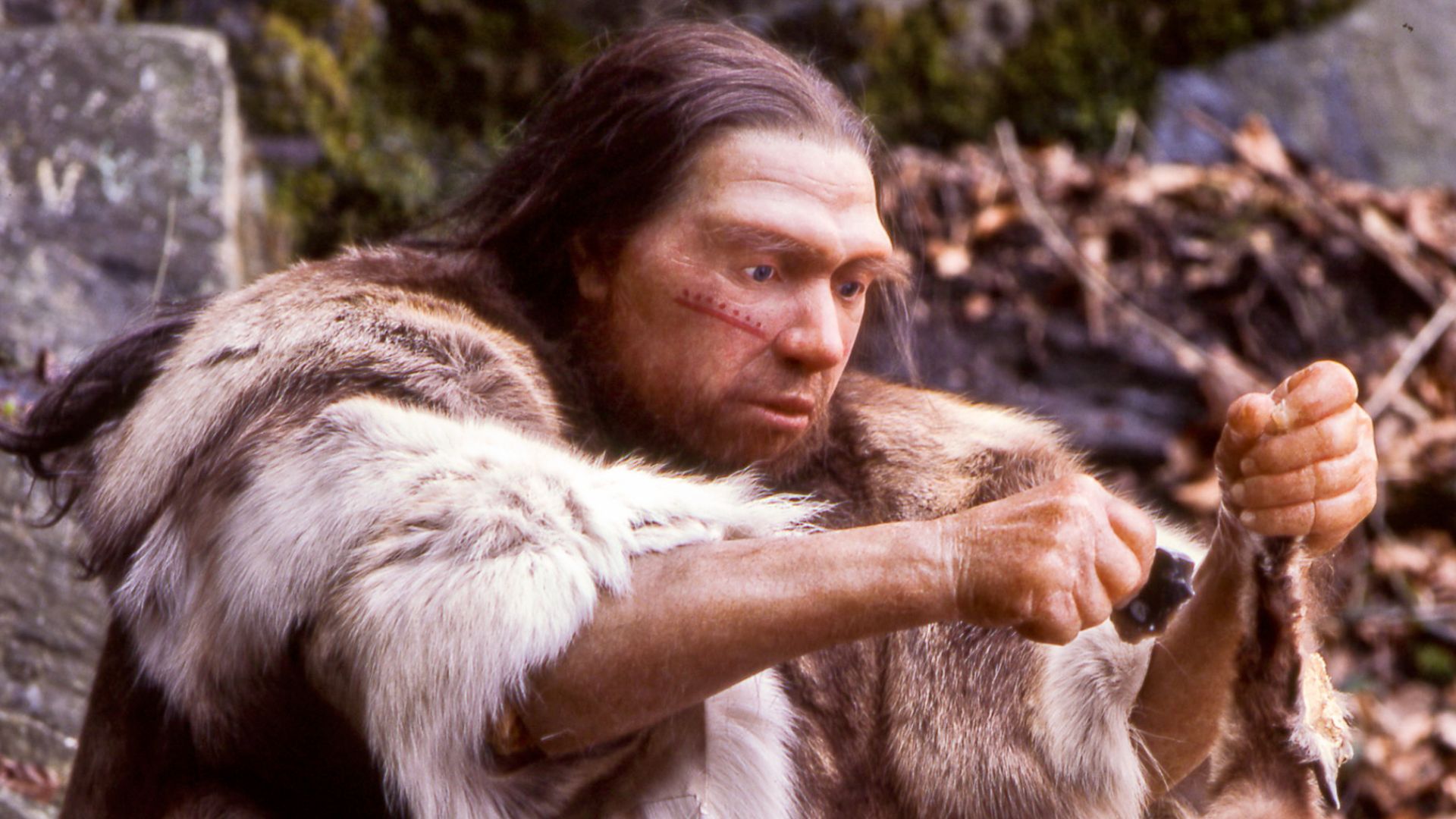
Sudden Appearance Contradicts Gradual Evolution Patterns
Most traits evolve slowly and leave transitional forms behind. This feature, however, seems to have appeared almost overnight in evolutionary terms. This abrupt emergence doesn’t align with typical adaptation timelines, which makes it one of the most abrupt shifts seen in human morphology.
 Neanderthal-Museum, Mettmann, Wikimedia Commons
Natural Selection Framework Cannot Account For This Feature
Natural selection favors traits that boost survival or reproduction, yet nothing about this feature fits that logic. Its stubborn presence bends the usual rules of evolution and hints that chance or culture may have shaped it more than biological need.
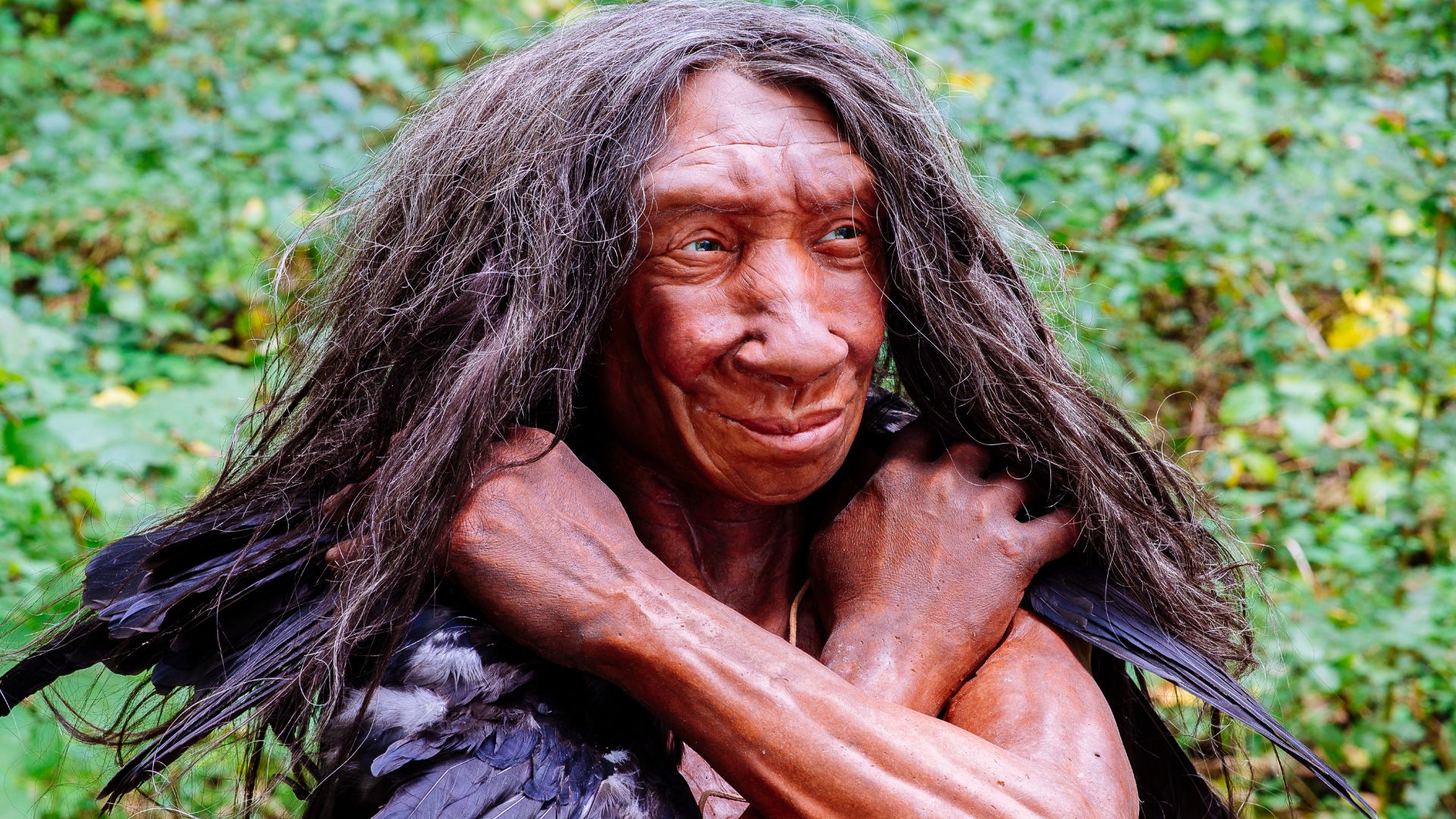 Neanderthal-Museum, Mettmann, Wikimedia Commons
Every Proposed Theory Contains Significant Logical Gaps
Each hypothesis explains a fragment but leaves larger questions open. If it’s about chewing, why don’t other omnivores have it? If it’s about attraction, why so universal? The inconsistencies pile up and force researchers to accept that the full truth remains elusive.

Chimpanzees And Gorillas Possess Flatter Jawline Profiles
Our nearest evolutionary relatives lack chins entirely. Their jaws taper smoothly, matching the rest of the skull. Humans ended up with a far more defined structure, a shift that emerged only after our lineage broke away from other apes.
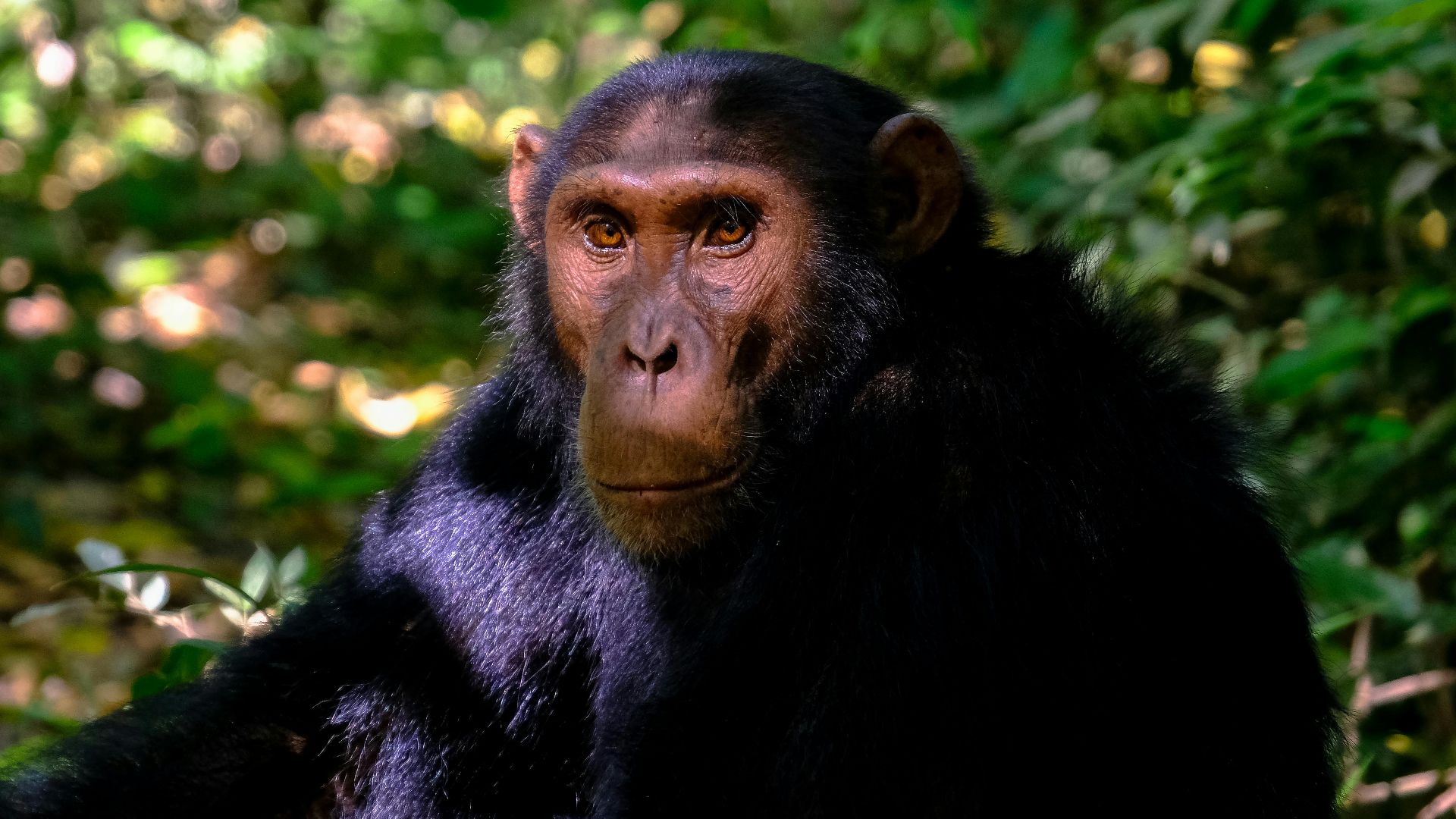
Chin's Development Occurred Relatively Recently In Human History
Compared to ancient skeletal features like upright posture or large brains, the chin is a newcomer. It surfaced long after early humans were already spreading across continents. Its late debut only deepens the puzzle—why did evolution introduce it so far down the line?

Anomaly Highlights Unpredictable Nature Of Human Evolution
The chin’s existence reminds scientists that evolution isn’t always logical. Some traits appear through mutation or even luck. This single bone on our face challenges tidy explanations and stands as proof that human development can be as unpredictable as it is fascinating.

Researchers Continue Search For Satisfactory Explanation
The mystery has kept anthropologists, geneticists, and anatomists busy for decades. Each new study adds fragments of understanding, but no single explanation connects all the dots. The chin remains an unsolved case that continues to attract scientific curiosity around the world.