The Plans Sounded Absurd.
Builders proposed lifting mountains of stone, spanning violent waterways, tunneling beneath rivers, and cutting transportation routes through terrain that had defeated earlier attempts. These 26 projects show how persistence, new technology, and sometimes enormous human sacrifice turned supposedly impossible ideas into landmarks of engineering history.
 National Museum of Health and Medicine, Modified
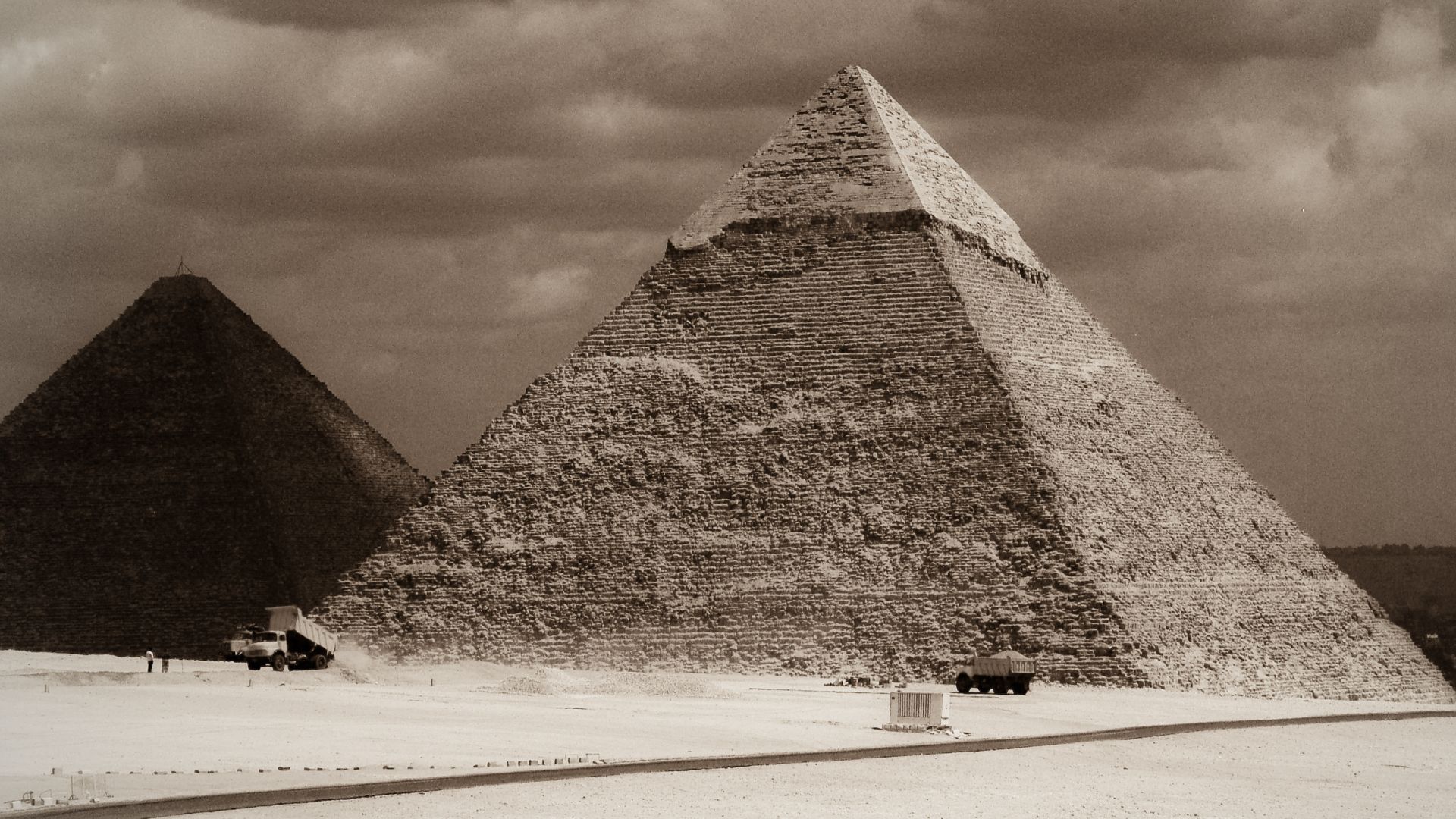
The Great Pyramid Defied Ancient Limits
The Great Pyramid of Giza rose more than 4,500 years ago, when builders had no steel cranes, powered machinery, or modern surveying equipment. Its enormous stone mass was laid out with remarkable geometric precision, and fundamental questions about its construction remain under investigation. UNESCO describes it as an unparalleled architectural achievement and the only surviving wonder of the ancient world. The pyramid proved that organized labor, careful planning, and simple machines could accomplish something that still appears almost impossible.
 Mstyslav Chernov, Wikimedia Commons
Roman Engineers Carried Water Across A Valley
The aqueduct supplying ancient Nîmes had to maintain a gentle gradient across nearly 50 kilometers of uneven countryside. At the Gardon River, Roman engineers created the Pont du Gard, a three-level stone bridge standing almost 50 meters high. Its precisely fitted masonry carried water across the valley without mortar binding much of the structure together. The result was both a hydraulic solution and one of the ancient world’s most impressive engineering monuments.
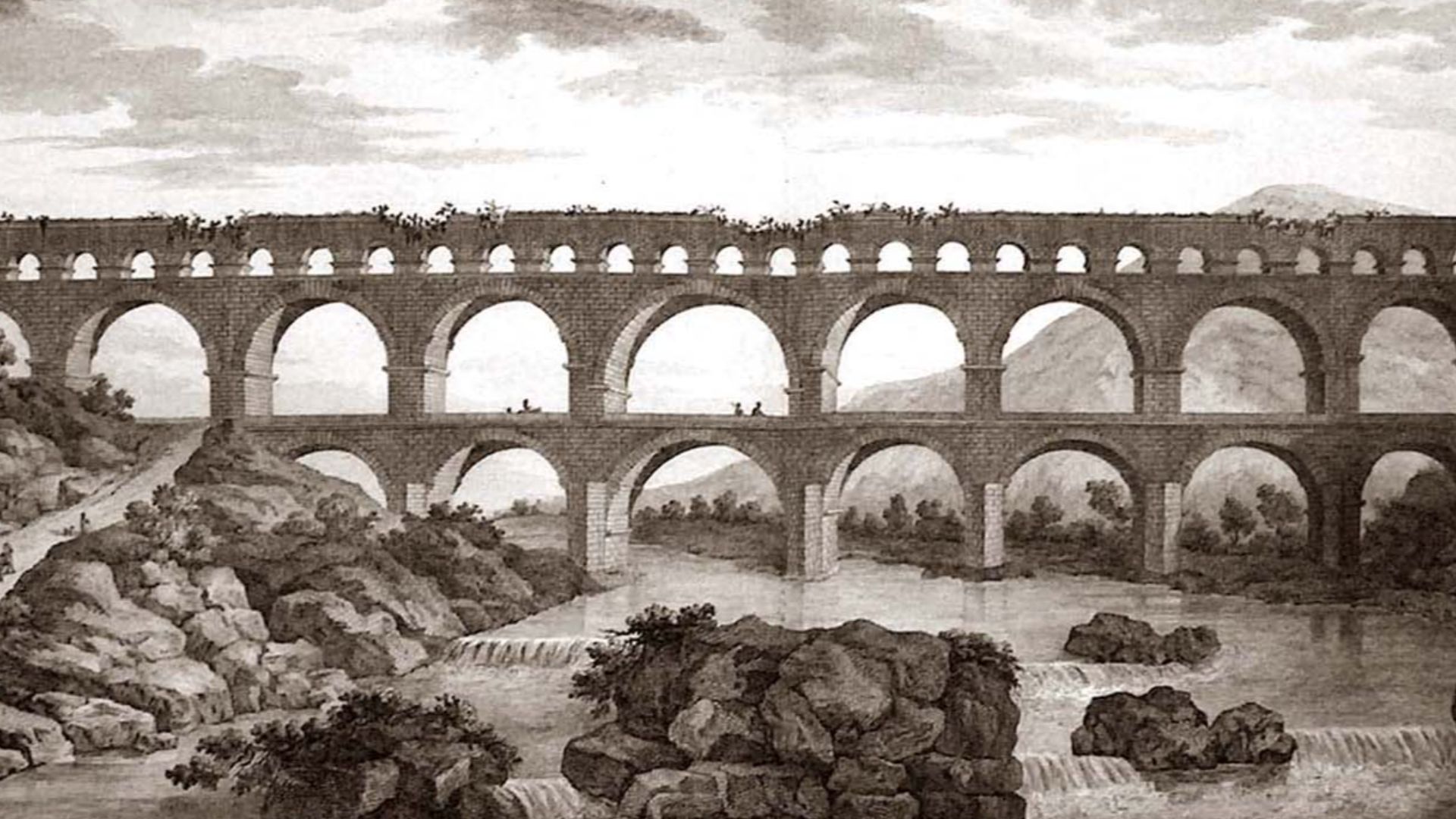 Charles-Louis Clerisseau, Wikimedia Commons
The Great Wall Crossed Mountains And Deserts
China’s Great Wall was not a single construction campaign but a vast system assembled, rebuilt, and extended by successive states and dynasties. Workers carried materials across deserts, steep ridges, grasslands, and remote mountain passes where ordinary supply lines were extremely difficult. Local builders adapted the structure to available resources, using stone, brick, tamped earth, and other materials. UNESCO calls the surviving system an outstanding example of ancient military architecture and technology.
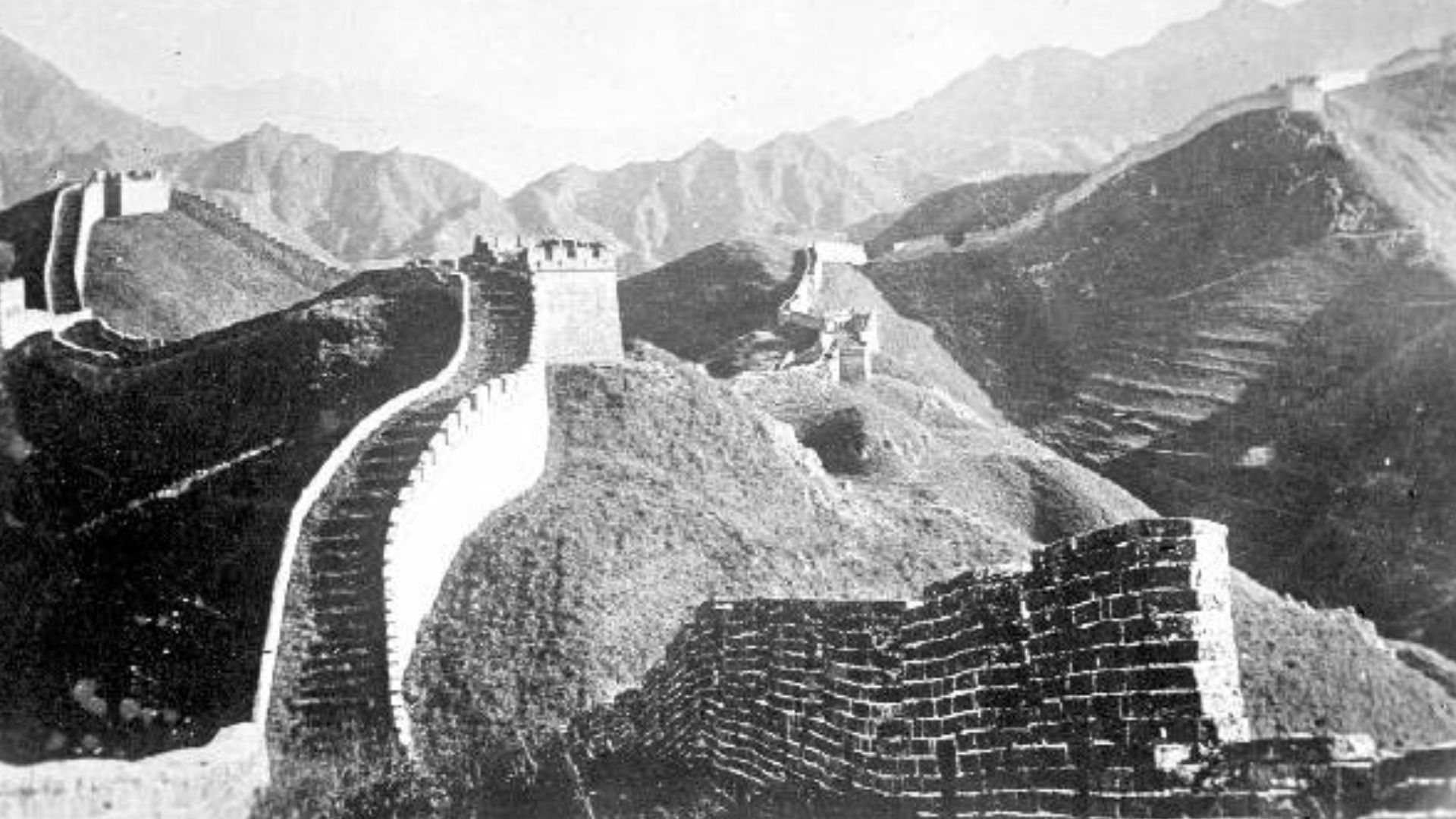 Unknown authorUnknown author, Wikimedia Commons
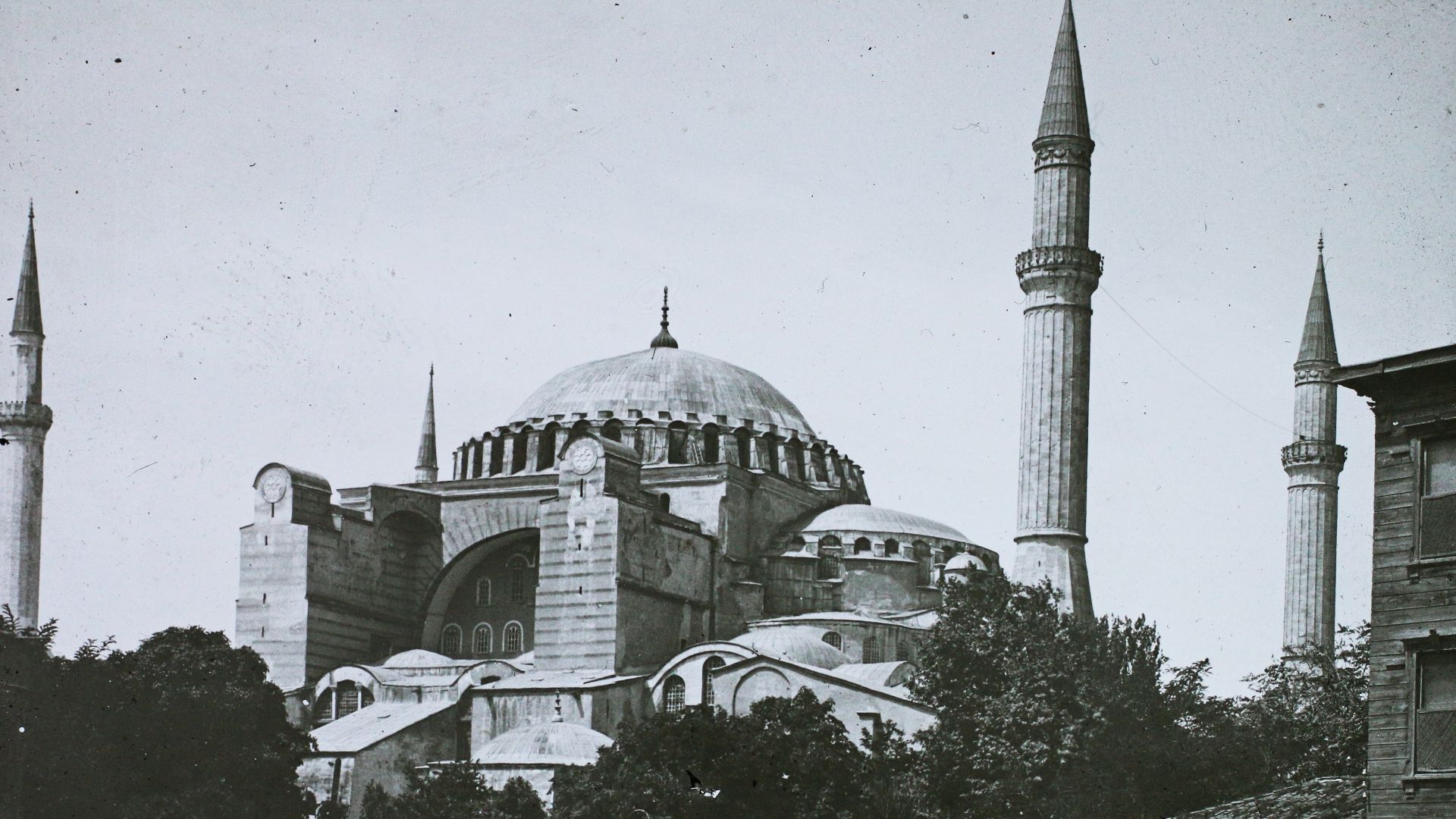
Hagia Sophia Raised A Dome On A New Scale
Emperor Justinian ordered Hagia Sophia after an earlier church on the site was destroyed during unrest in Constantinople. Architects Anthemius of Tralles and Isidore of Miletus created an enormous central dome supported through an innovative system of arches and pendentives. The first dome partly collapsed after earthquakes and was rebuilt with a steeper profile, showing that even a masterpiece required correction. Completed in the sixth century, the building became one of the defining architectural achievements of the Byzantine world.
Angkor Turned A Landscape Into A Machine
The builders of Angkor created far more than a collection of temples. Across hundreds of square kilometers, they constructed reservoirs, canals, embankments, roads, and monumental complexes that helped support the Khmer Empire. Managing water across the tropical landscape required engineering on a scale that modern archaeological mapping has only gradually revealed. The remains demonstrate how builders transformed an entire region into an interconnected ceremonial and hydraulic system.
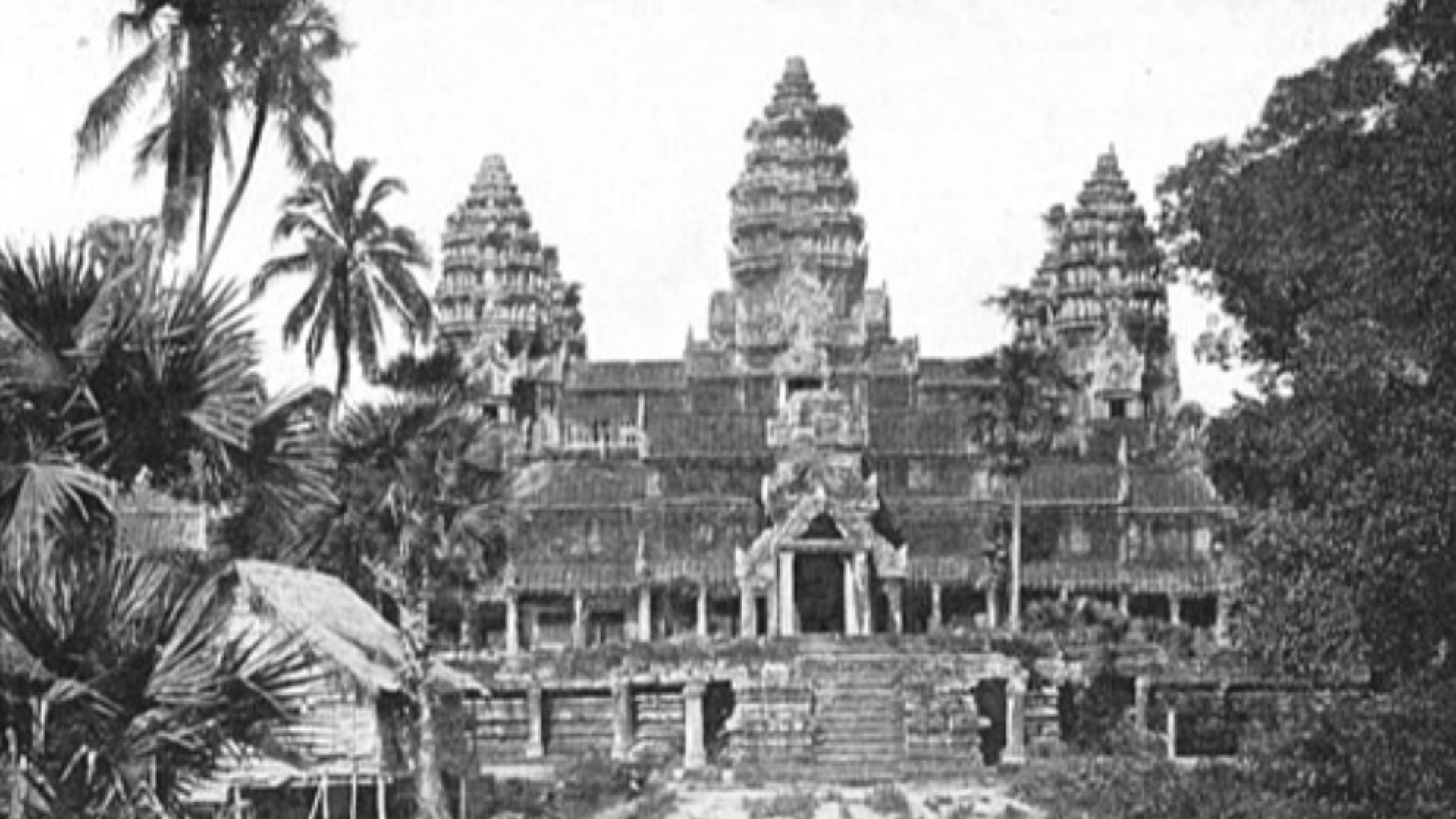 Emile Gsell (1838-1879), Wikimedia Commons
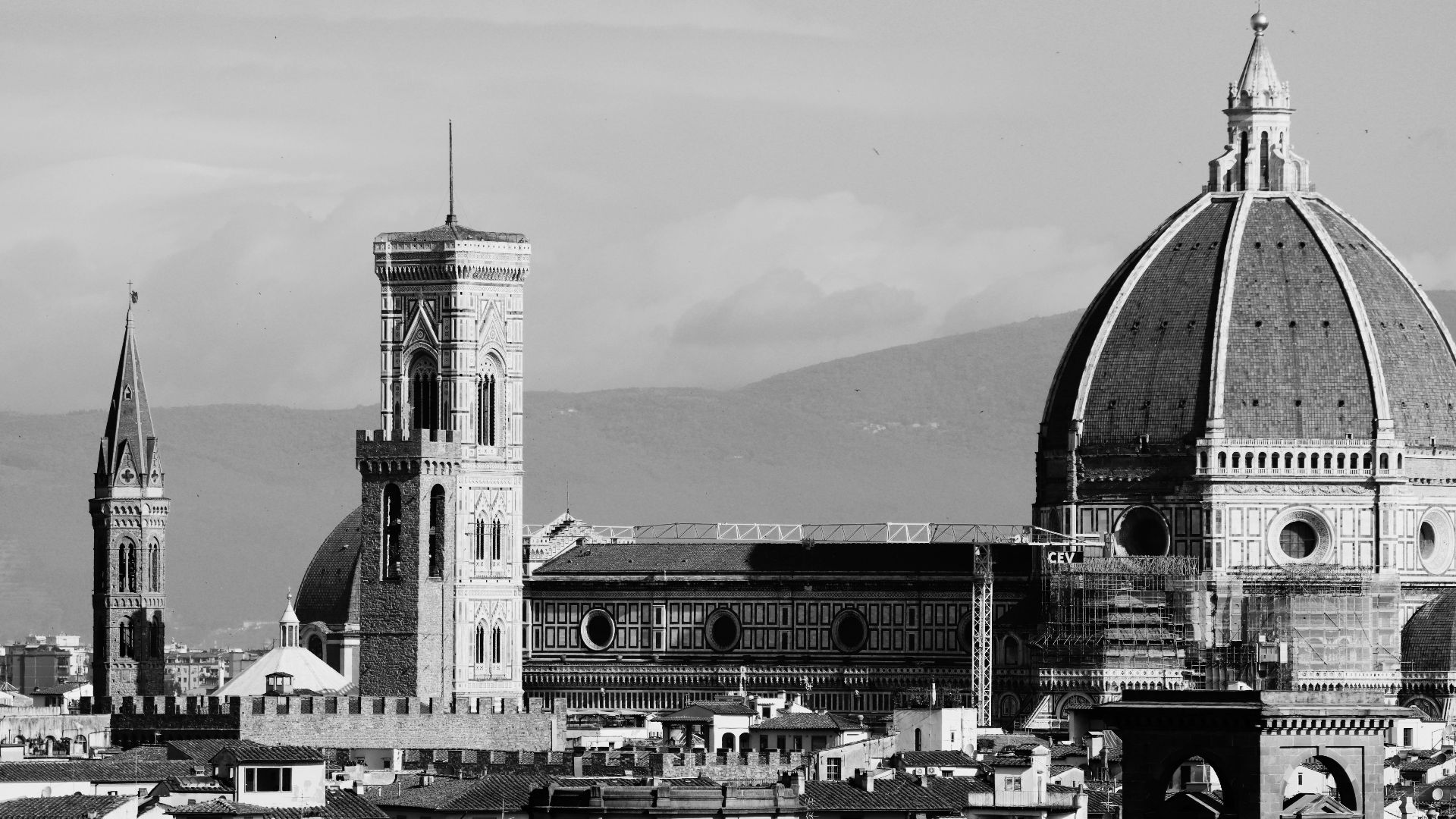
Florence Had A Cathedral With No Roof
Florence began building Santa Maria del Fiore before anyone had a proven method for covering its enormous octagonal crossing. Traditional wooden centering for a dome of that size would have required extraordinary quantities of timber and may not have been practical. Filippo Brunelleschi developed a double-shell design, specialized lifting machines, and a brick pattern that allowed the dome to rise without full conventional support from below. Work began in 1420, and the great dome was completed 16 years later.
Pontcysyllte Put A Canal In The Sky
Thomas Telford’s canal route in Wales faced a valley that would normally have required a long descent through locks. Instead, engineers carried the canal across the landscape on the Pontcysyllte Aqueduct, using a slender cast-iron trough supported by towering masonry piers. The design was unusually light for its height and avoided interrupting the canal’s level course. UNESCO recognizes it as a pioneering work of civil engineering and monumental metal construction.
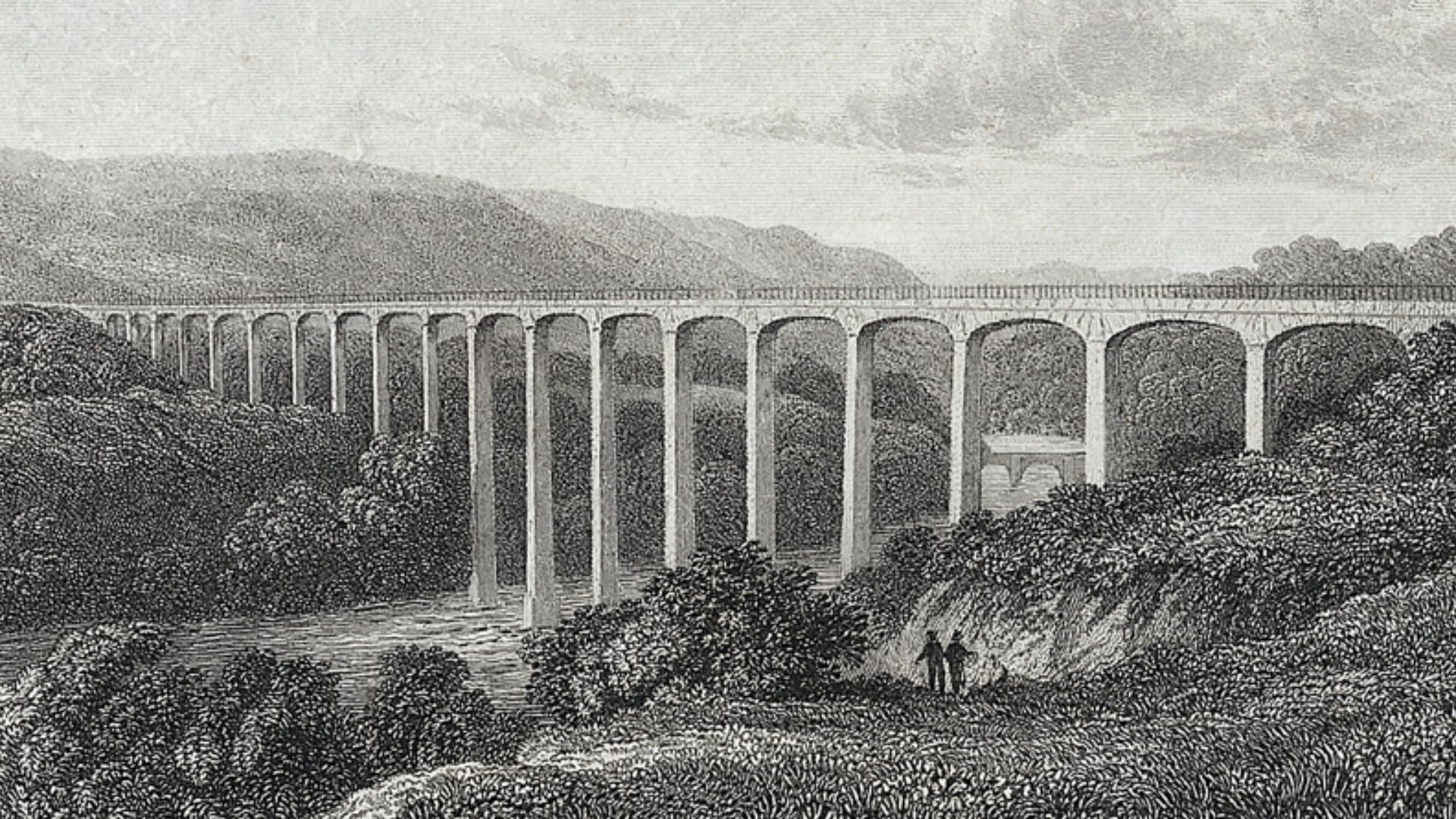 Finden, Edward Francis, 1791-1857 Batty, Robert, d. 1848, artist., Wikimedia Commons
The Erie Canal Was Mocked As Folly
A waterway connecting the Hudson River to Lake Erie required workers to cross forests, swamps, rivers, and a major elevation change. The scheme was derided as “Clinton’s Folly,” after New York governor DeWitt Clinton, and the young United States had few professionally trained civil engineers available. Nevertheless, largely self-taught surveyors and builders created a 363-mile canal with locks and aqueducts. When it opened in 1825, it transformed trade and helped establish New York City as the nation’s dominant port.
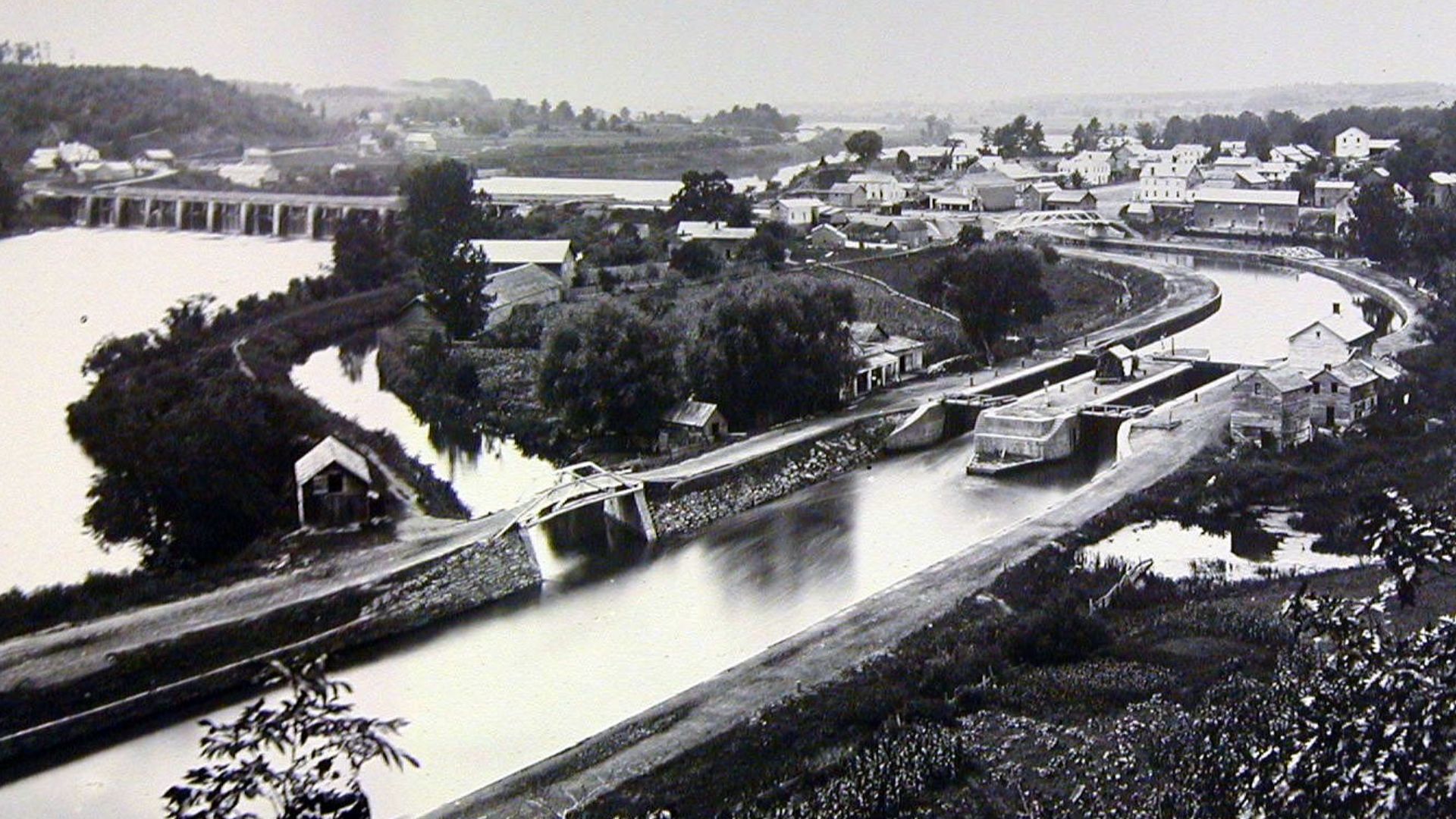 Unknown authorUnknown author or not provided, Wikimedia Commons

History's most fascinating stories and darkest secrets, delivered to your inbox daily.
Brunel Burrowed Beneath The Thames
Tunneling beneath a navigable river seemed nearly suicidal in the early 19th century. Marc Isambard Brunel developed a tunneling shield that protected workers as they excavated through unstable ground below the Thames. Floods repeatedly filled the works, construction stopped for years, and several workers died before the tunnel opened in 1843. The achievement established techniques that influenced generations of later underground construction.
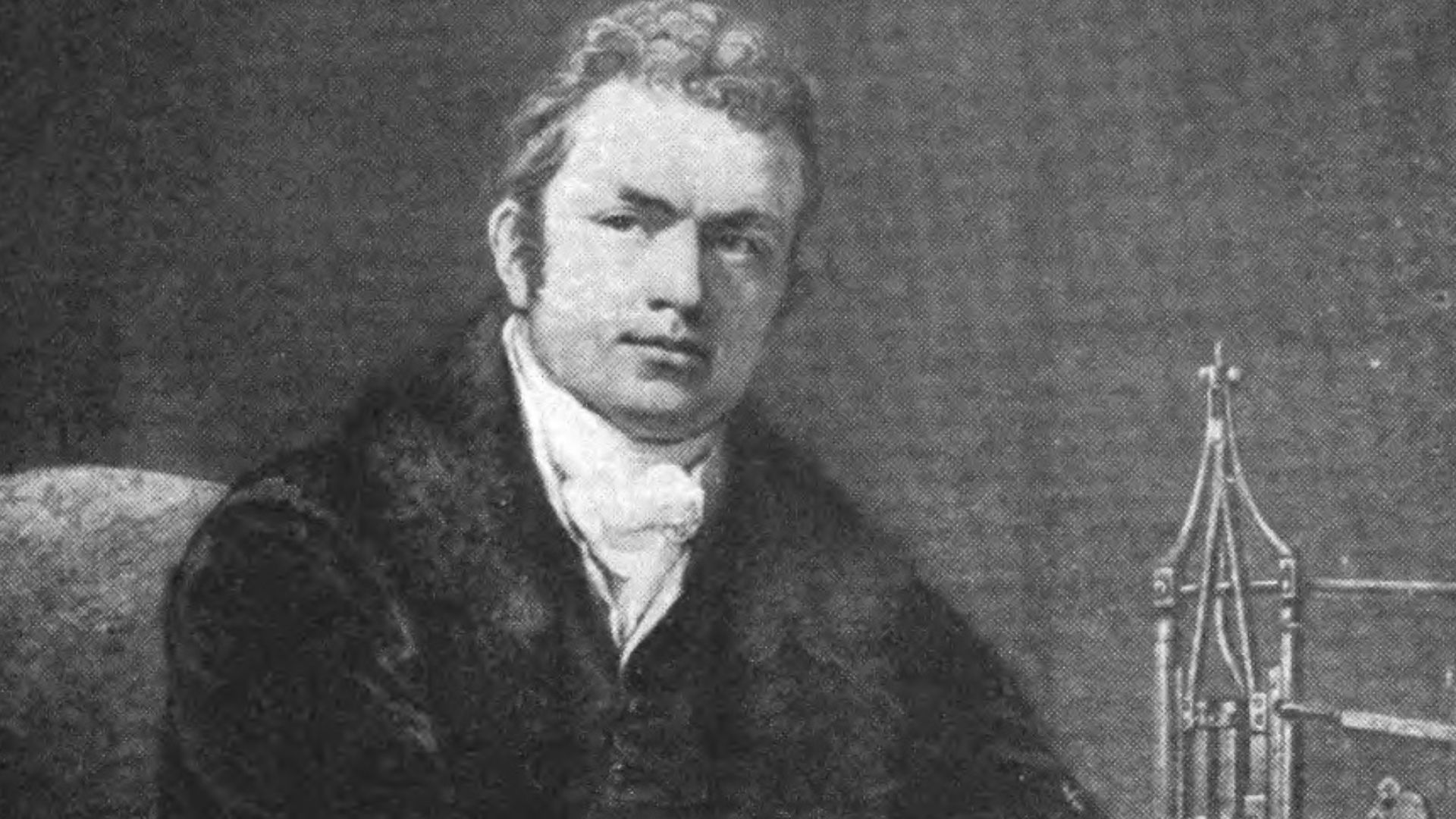 Unknown authorUnknown author, Wikimedia Commons
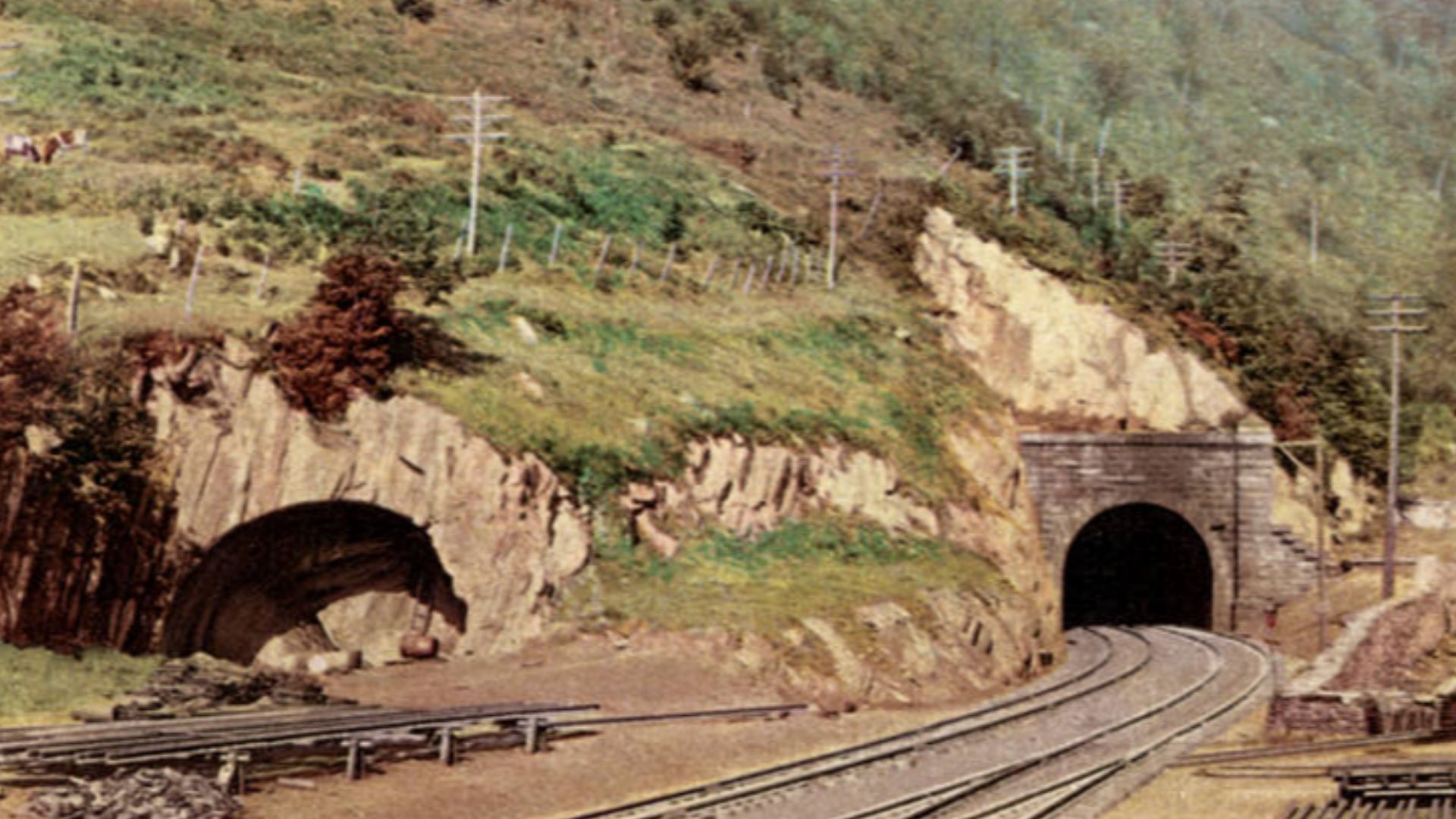
The Hoosac Mountain Would Not Give Way
Massachusetts planners wanted a railway tunnel through Hoosac Mountain, but the rock, water, ventilation problems, and limited drilling technology defeated early expectations. Construction began in the 1850s and continued through changes of contractors, financing crises, explosions, and fatal accidents. Workers eventually used compressed-air drilling and nitroglycerin to accelerate the excavation. When completed in the 1870s, the nearly five-mile tunnel was one of the longest in the world and a major American engineering achievement.
 Unknown authorUnknown author, Wikimedia Commons
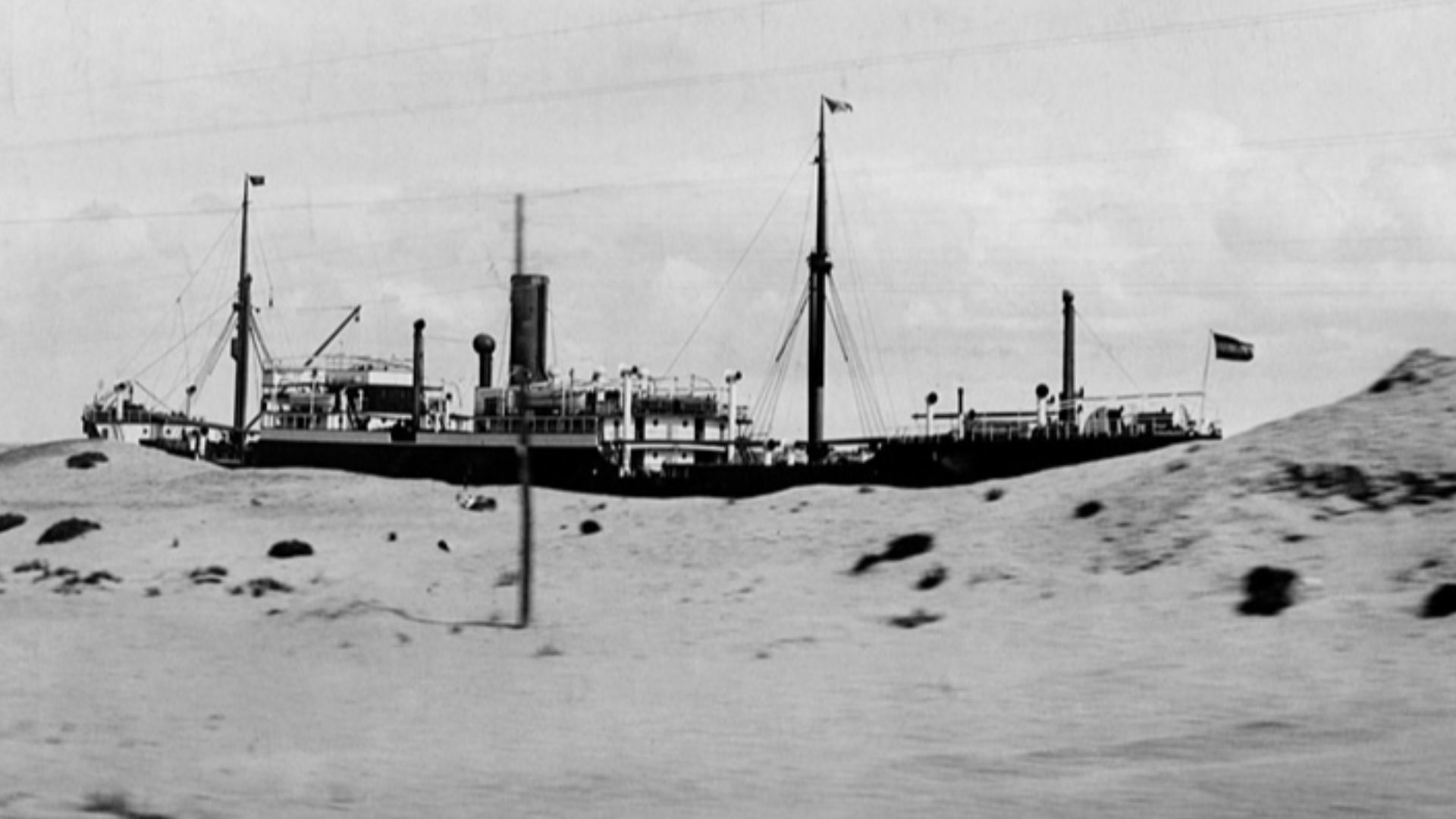
The Suez Canal Joined Two Seas
For centuries, planners imagined a direct water route between the Mediterranean and Red seas. The modern Suez Canal required laborers to excavate across desert terrain while builders struggled with water supply, logistics, disease, and international politics. It opened in 1869 without locks because the two connected seas have broadly similar levels. The canal dramatically shortened the maritime route between Europe and Asia and permanently altered global trade.
 Brown & Dawson, Wikimedia Commons
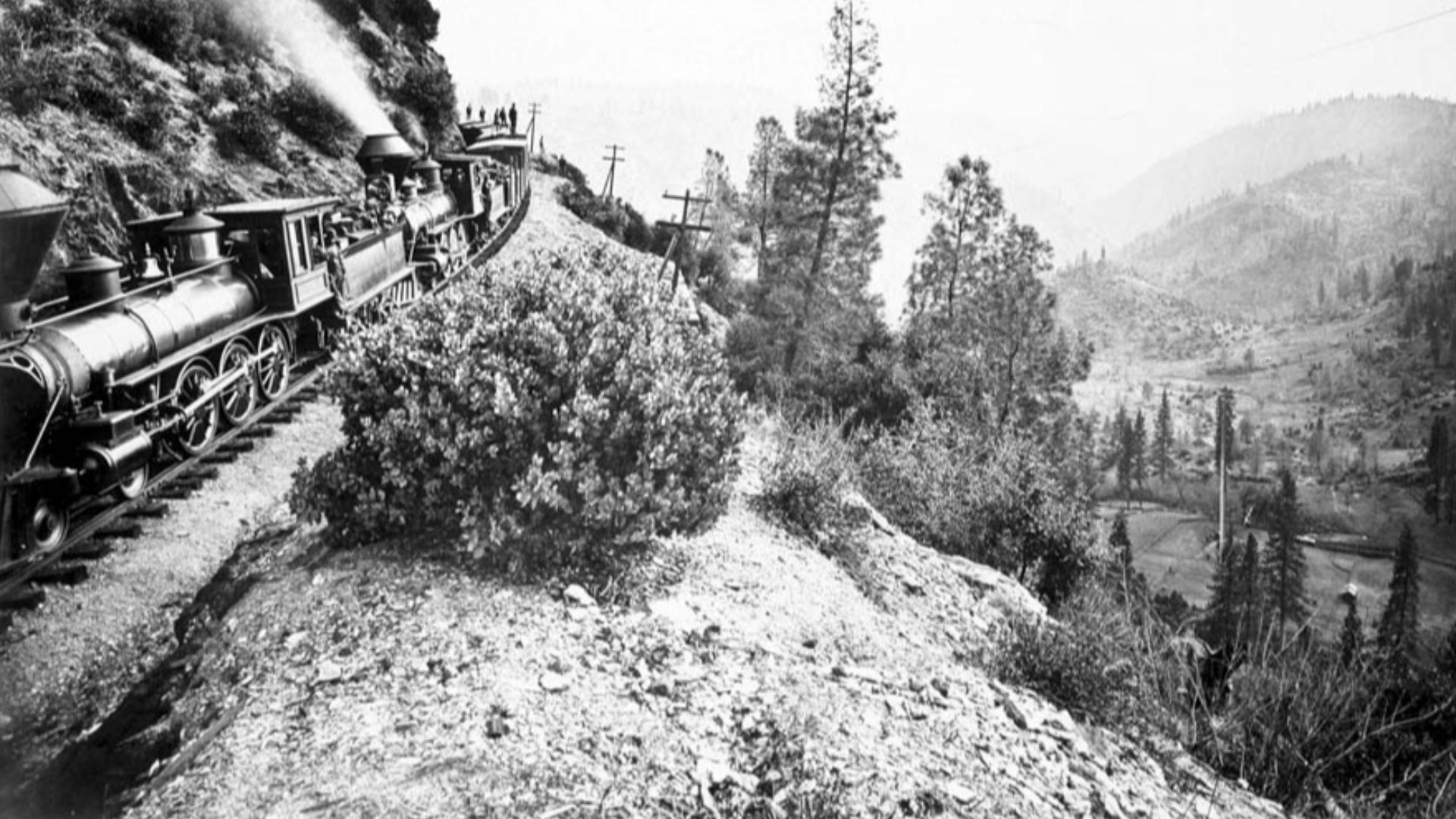
The Railroad Conquered The Sierra Nevada
The western half of the first transcontinental railroad confronted the granite wall of California’s Sierra Nevada. Workers, many of them Chinese immigrants, drilled and blasted tunnels through mountain rock while enduring deep snow, avalanches, and isolated camps. Donner Summit Tunnel became the most difficult construction project on the Central Pacific route. The final joining of the railroads in 1869 created the first continuous rail connection across the United States.
 Carleton Watkins, Wikimedia Commons
The Brooklyn Bridge Took One Giant Leap
The East River was crowded with shipping, which meant a bridge could not rely on closely spaced piers or a low movable span. Contemporary observers described the required crossing as one enormous leap between New York and Brooklyn. John Roebling’s design used steel-wire cables, massive towers, and pneumatic caissons sunk into the riverbed. When the bridge opened in 1883, it was the world’s longest suspension bridge and a new model for urban infrastructure.
![500px provided description: Brooklyn Bridge [#city ,#clouds ,#bridge ,#ny ,#new york ,#new york city ,#brooklyn ,#landmark ,#manhattan ,#foggy ,#NYC]](https://www.factinate.com/storage/app/media/factinate/2026/7/22/1784735149c1f9a957f7fc855adbf3646cc7749e0972037e69.jpeg)
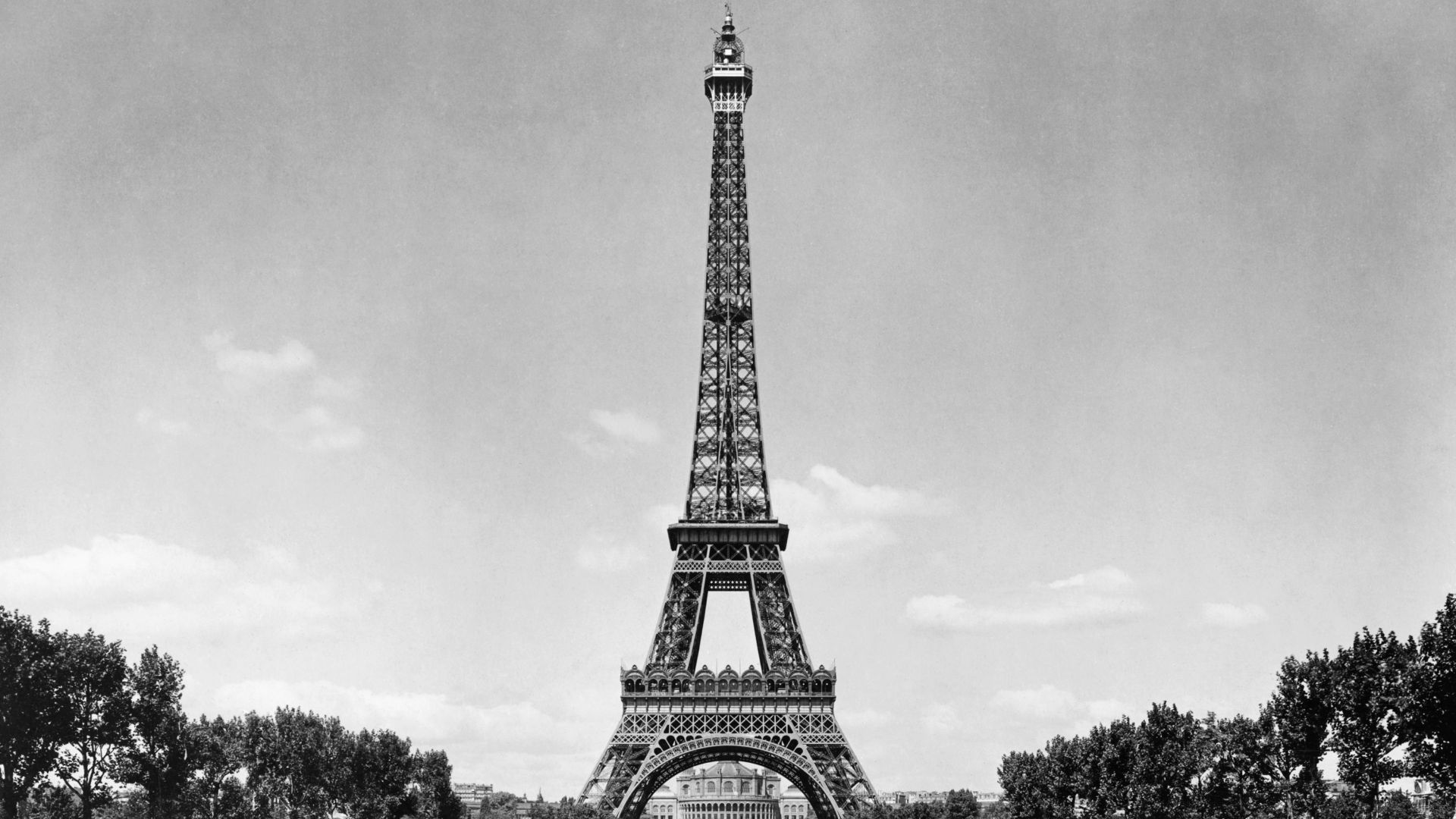
The Eiffel Tower Challenged The Wind
Gustave Eiffel proposed a 300-meter iron tower for the 1889 Paris exposition, provoking criticism from artists and writers who considered it ugly and excessive. The structure’s unprecedented height forced engineers to calculate wind pressure and the curvature of its four enormous legs with exceptional care. Prefabricated iron components were assembled with millions of rivets in just over two years. The temporary exhibition tower survived its planned lifespan and became the defining symbol of Paris.
 Unknown authorUnknown author, Wikimedia Commons
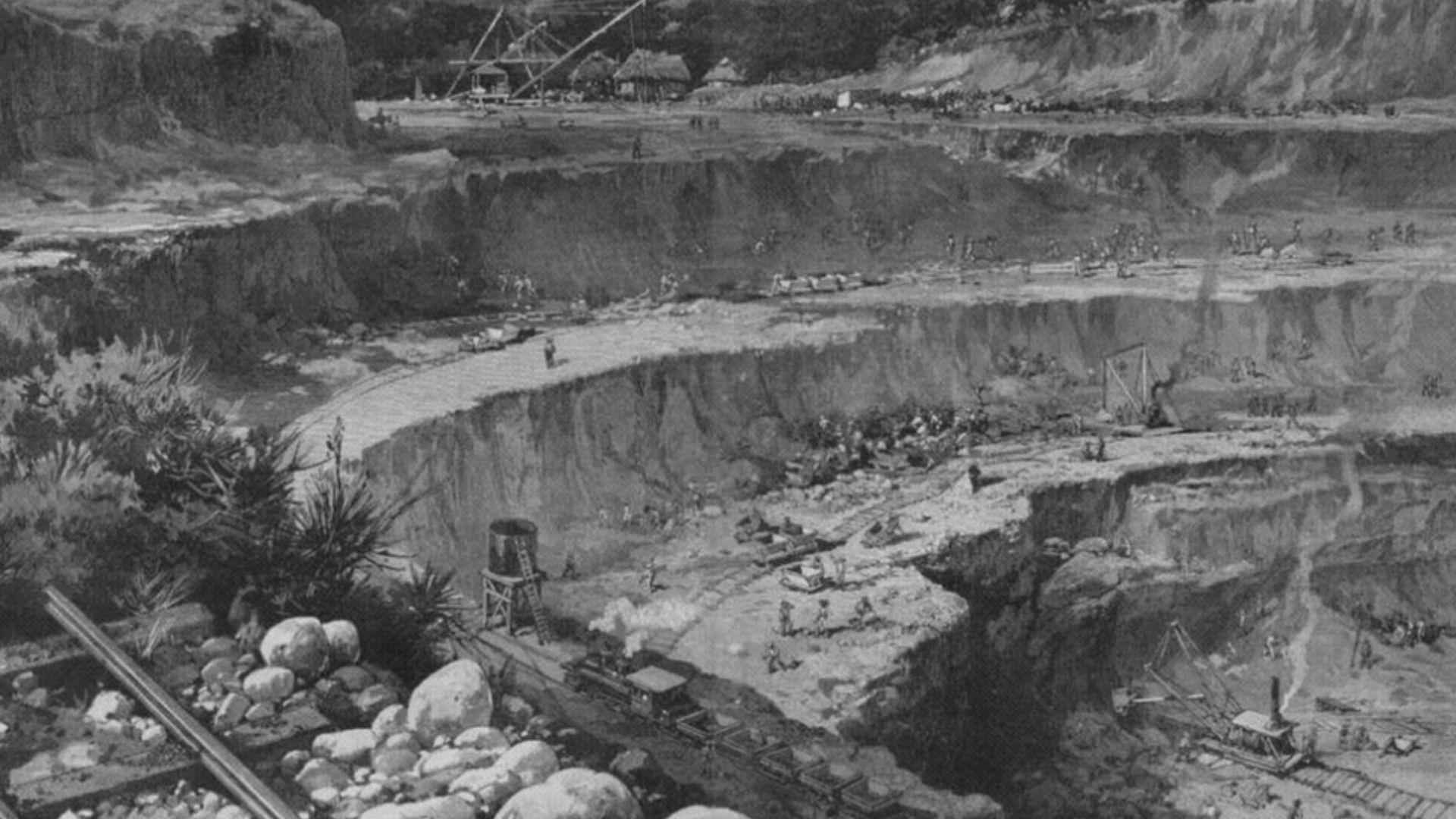
Panama Defeated One Construction Empire
A French company began cutting a sea-level canal through Panama in the 1880s, but tropical disease, landslides, financial corruption, and a flawed design destroyed the effort. The United States later adopted a lock-based system, controlled mosquitoes, dammed the Chagres River, and removed vast quantities of earth from the Culebra Cut. The canal opened in 1914 after a decade of American construction and decades of failed ambition. It fulfilled a dream that had long seemed beyond the limits of engineering.
 Charles Graham (1852-1911), artist, Wikimedia Commons
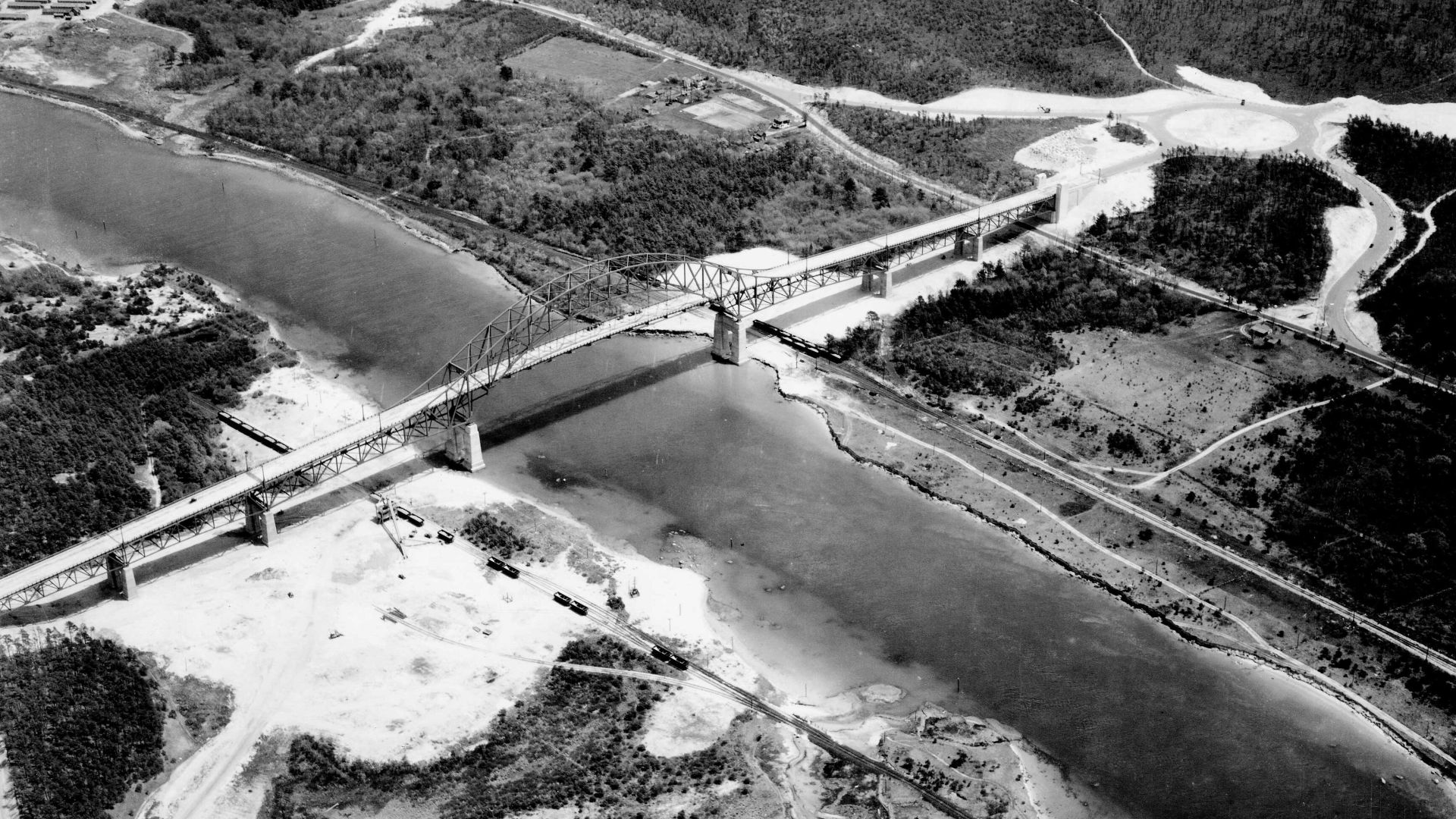
The Cape Cod Canal Outlasted Centuries Of Failure
Mariners had long wanted a shortcut through Cape Cod to avoid dangerous waters and long voyages around the peninsula. Various schemes failed because of financing problems, difficult excavation, strong tides, and uncertainty about whether a practical channel could be maintained. A privately built canal finally opened in 1914, and the federal government later widened and improved it. The project succeeded where generations of proposals had stalled.
 Unknown authorUnknown author or not provided, Wikimedia Commons
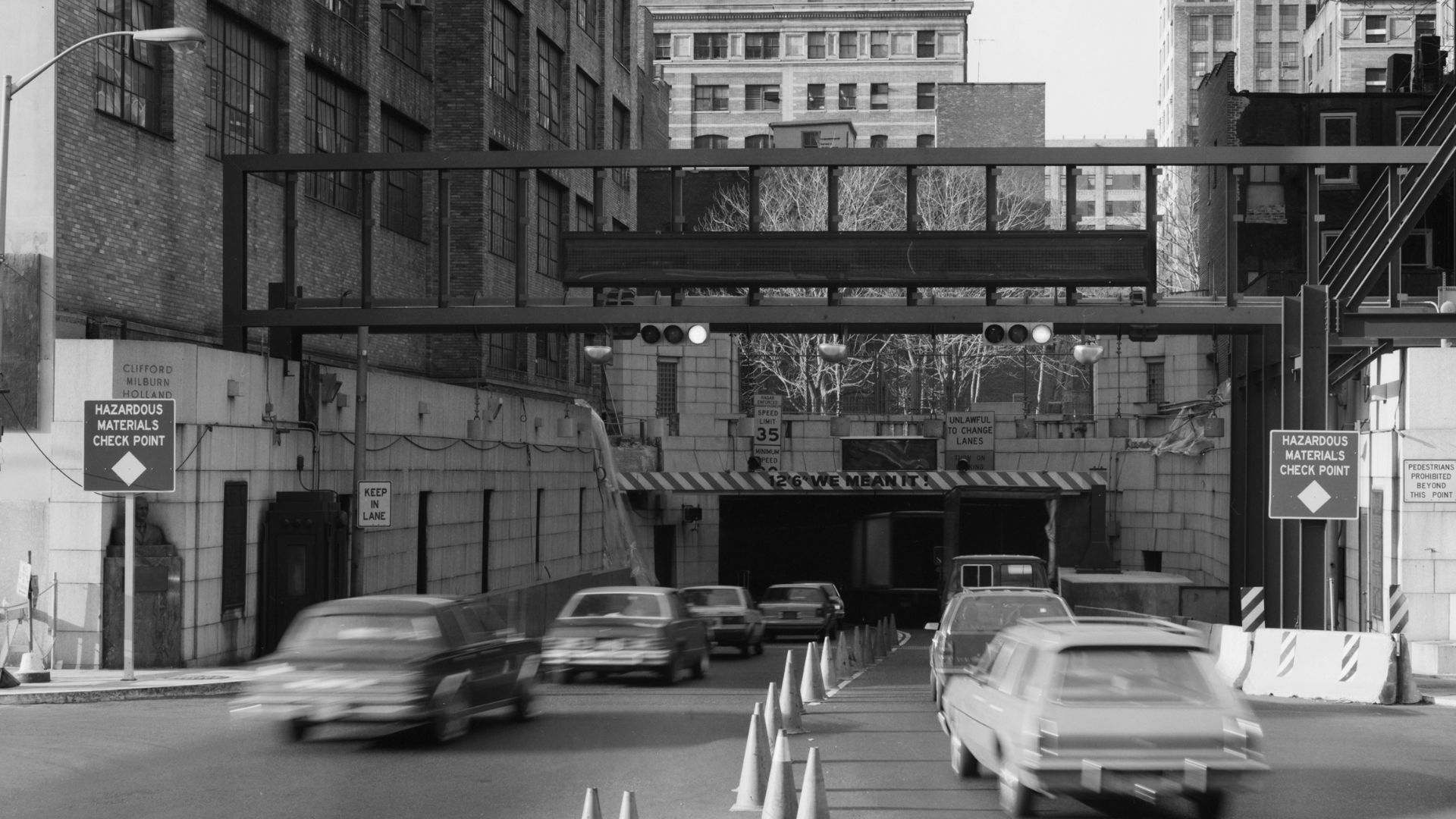
The Holland Tunnel Had To Breathe
Tunneling beneath the Hudson River was only part of the problem facing the Holland Tunnel. Engineers also had to prevent exhaust from thousands of automobiles from accumulating to lethal levels underground. They created a powerful mechanical ventilation system that replaced the air throughout the tunnel at regular intervals. Opening in 1927, it became the first tunnel designed specifically for large volumes of cars and trucks beneath a major waterway.
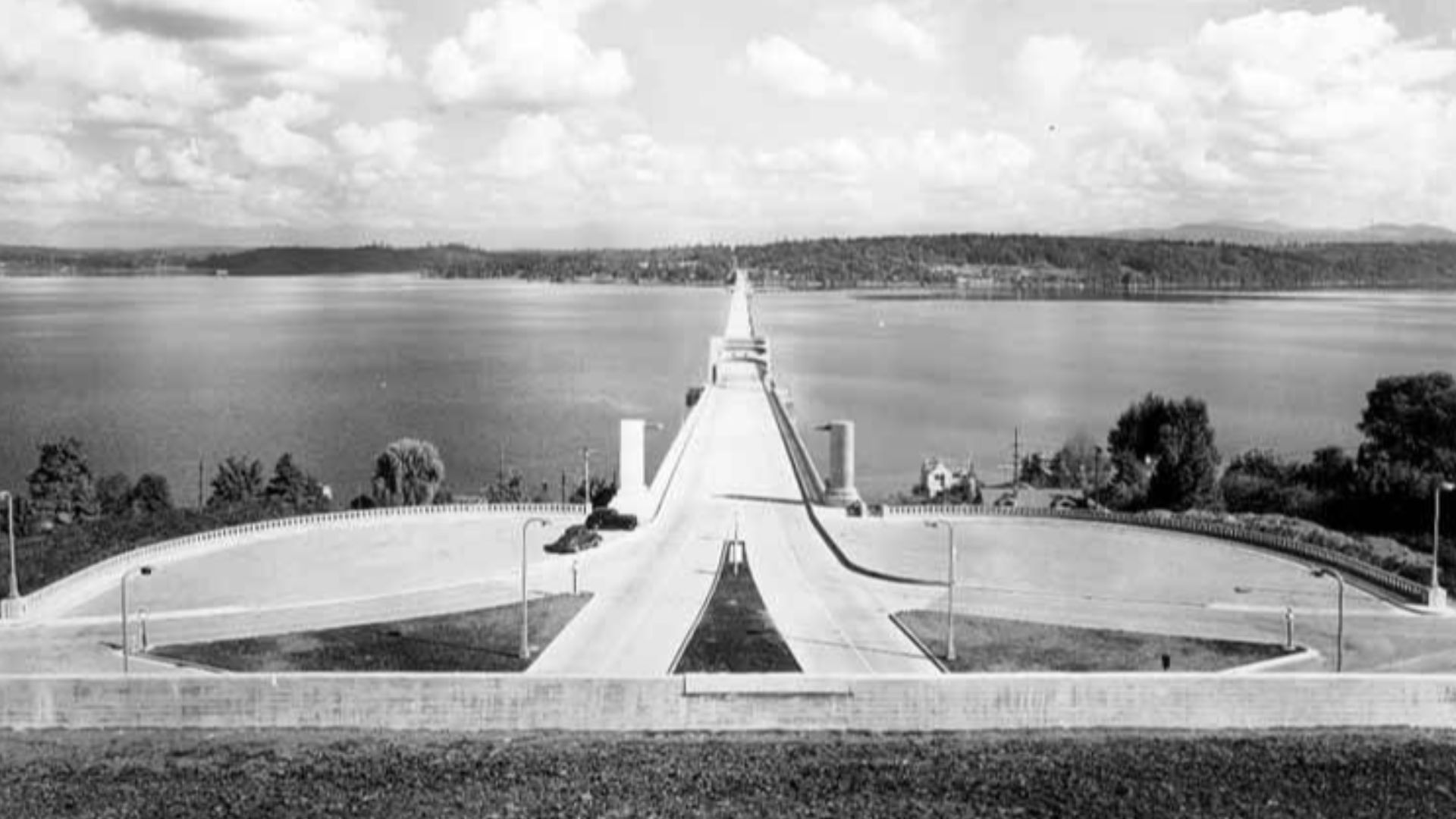
A Floating Concrete Bridge Crossed Lake Washington
Seattle-area engineer Homer Hadley promoted the unusual idea of floating a concrete highway across deep Lake Washington. Conventional bridge piers would have been extremely difficult because of the depth and soft lakebed. Engineers instead anchored hollow concrete pontoons to the bottom and connected them into a roadway. The concept, initially treated with skepticism, became the basis for several major floating bridges in the region.
 Alfred G. Simmer, Wikimedia Commons
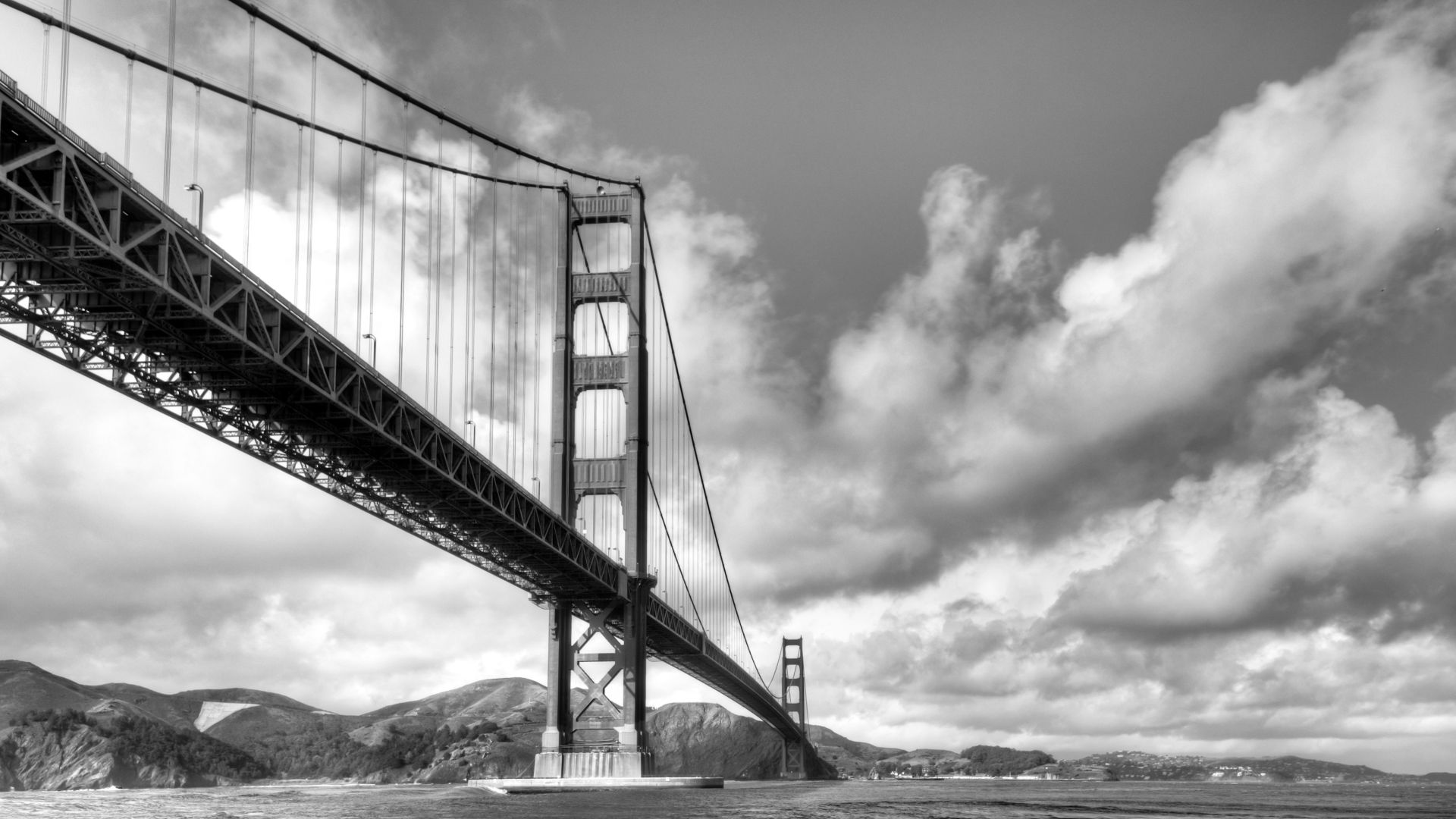
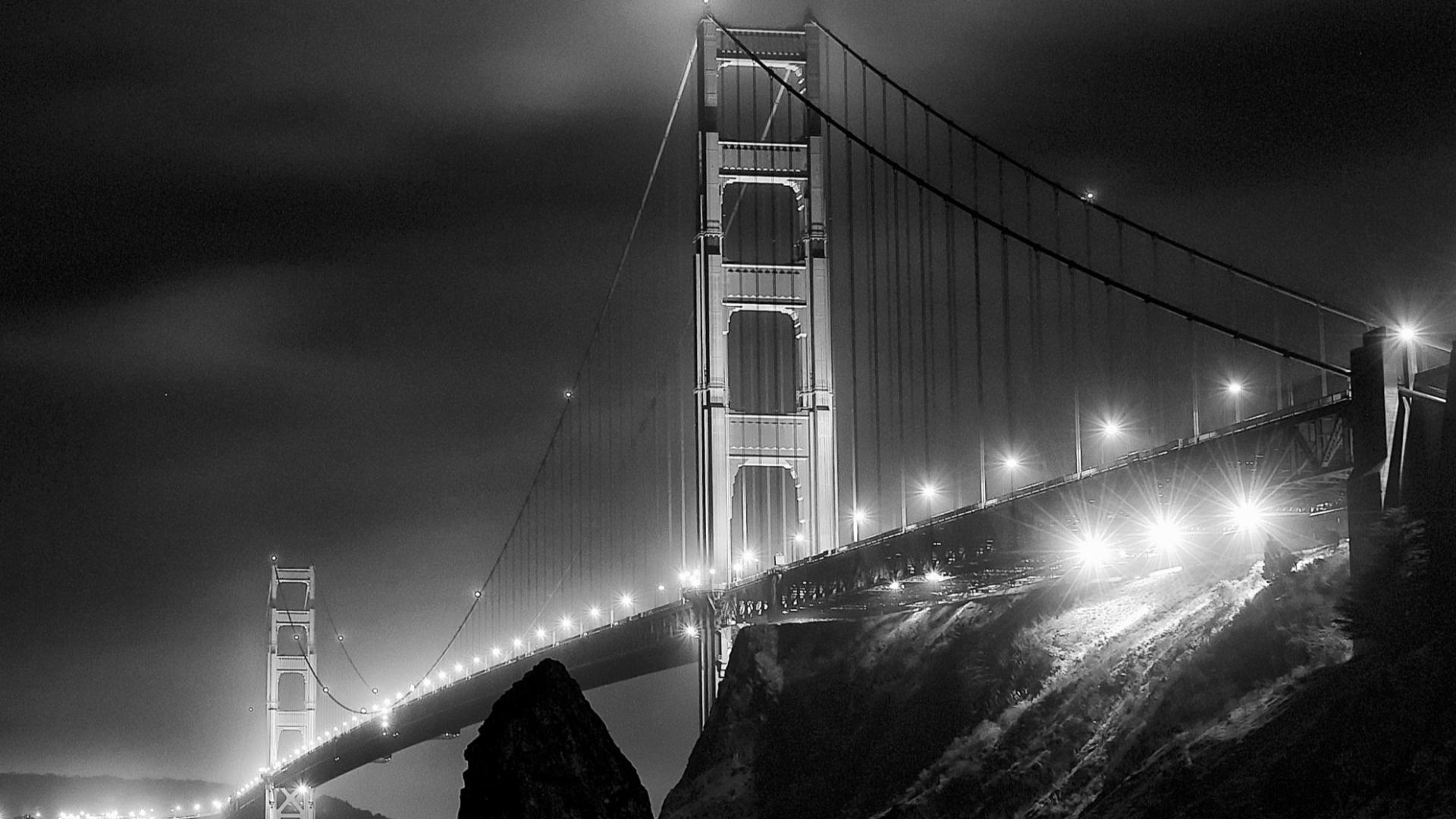
The Golden Gate Was Called Unbridgeable
The Golden Gate presented builders with deep water, fierce currents, powerful winds, fog, and a channel that had to remain open to shipping. Critics argued that a bridge would be technically impossible or financially reckless. Joseph Strauss and his engineering team designed a suspension span stretching 4,200 feet between its towers, then the longest in the world. The bridge opened in 1937 and turned an “impossible dream” into San Francisco’s most famous landmark.
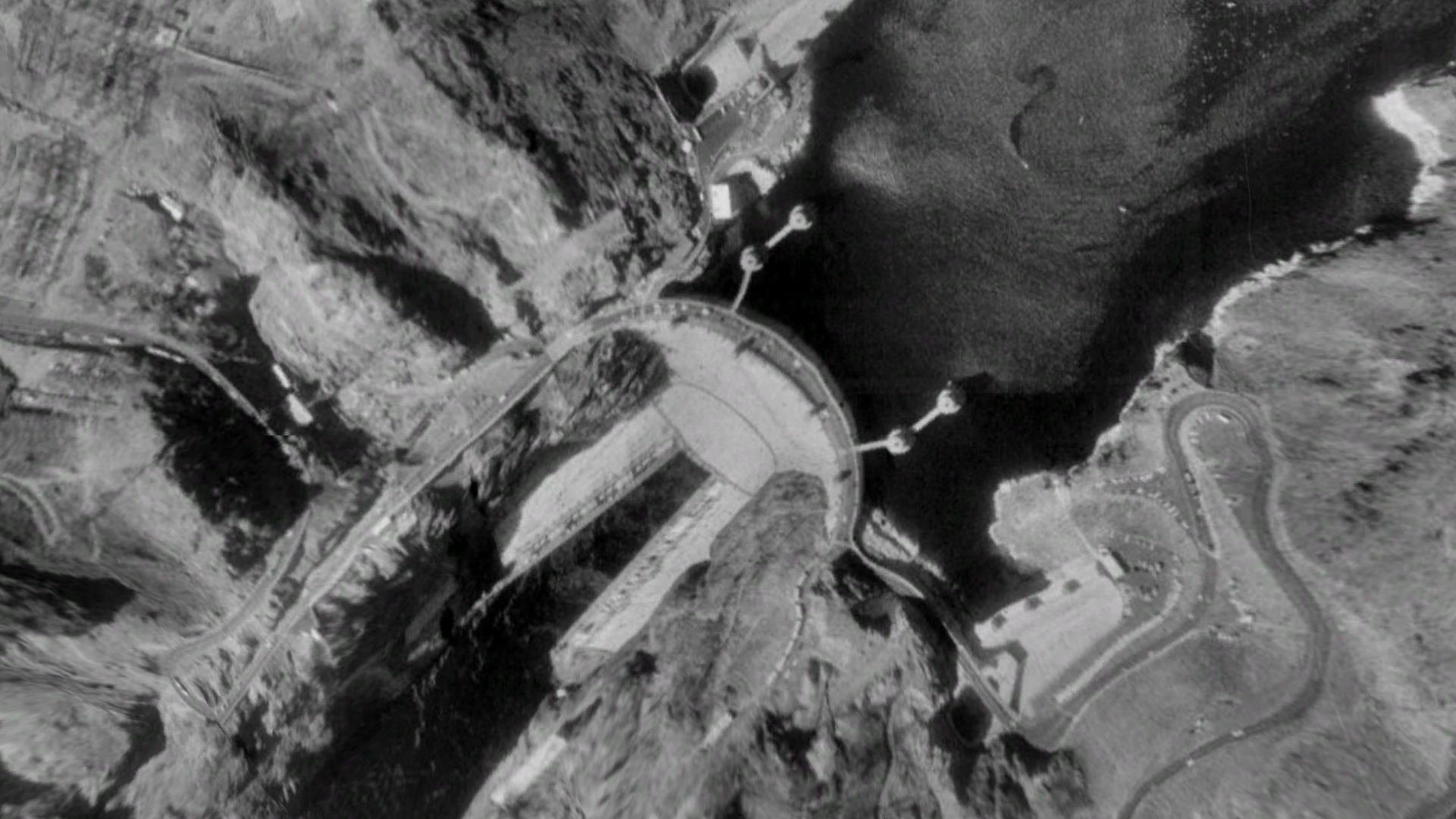
Hoover Dam Had To Cool From The Inside
A single uninterrupted mass of concrete large enough for Hoover Dam would have taken an extraordinary length of time to cool naturally and could have cracked dangerously. Engineers poured the dam in interlocking blocks and embedded pipes that circulated chilled water through the curing concrete. Workers also diverted the Colorado River through tunnels blasted into Black Canyon. Completed in 1935, Hoover Dam was the highest dam in the world and the largest construction project of its kind.
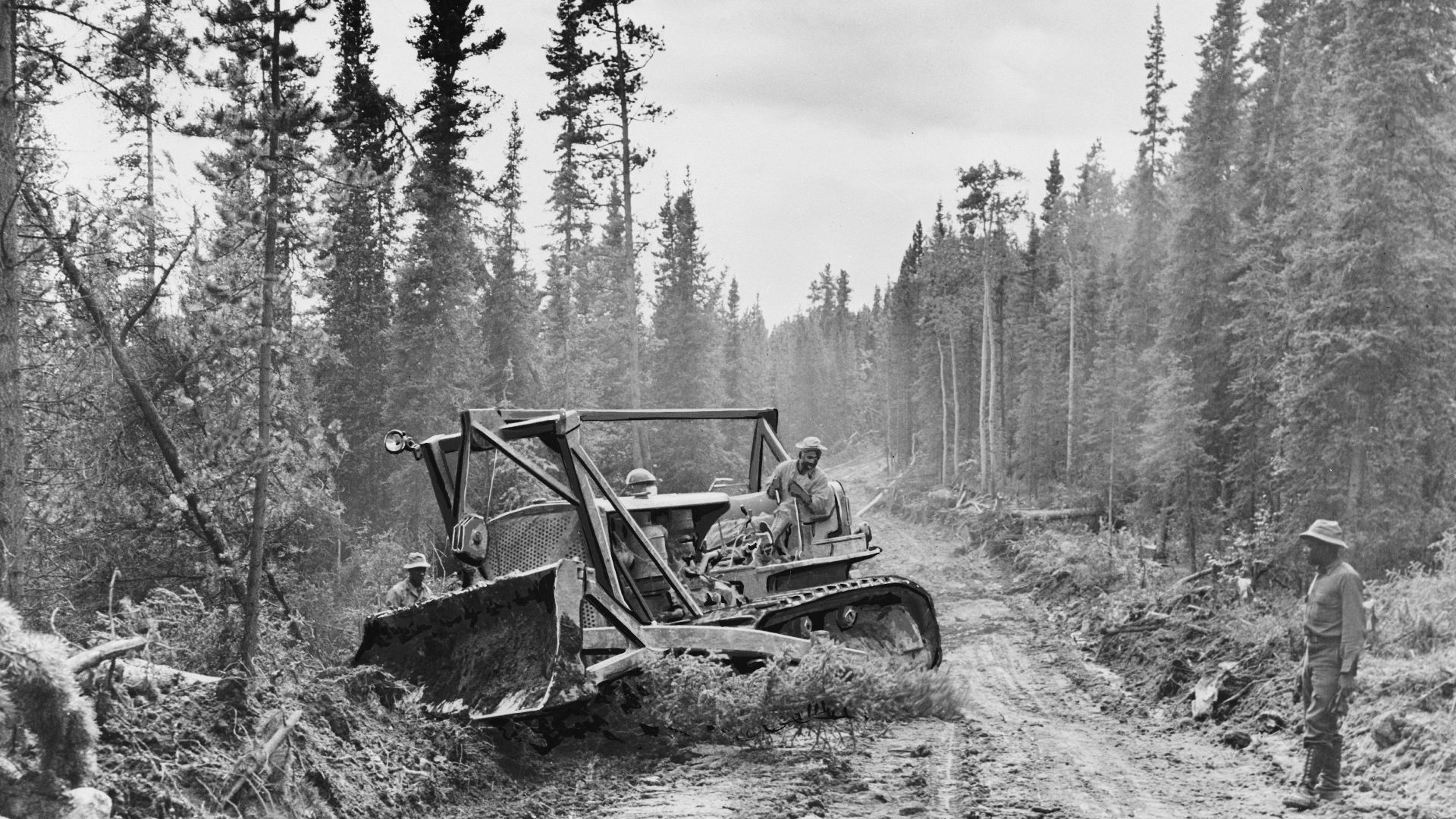
The Alaska Highway Crossed A Wilderness
After the attack on Pearl Harbor, the United States and Canada approved a military road through the remote northwest. Army engineers and civilian contractors confronted permafrost, muskeg, forests, mountains, rivers, insects, and almost nonexistent supply infrastructure. Crews pushed more than 1,500 miles of pioneer road through the wilderness in roughly eight months during 1942. The rushed route was rough, but it demonstrated that a continuous overland connection to Alaska was possible.
 Office of War Information. Overseas Picture Division. Washington Division; 1944., Wikimedia Commons
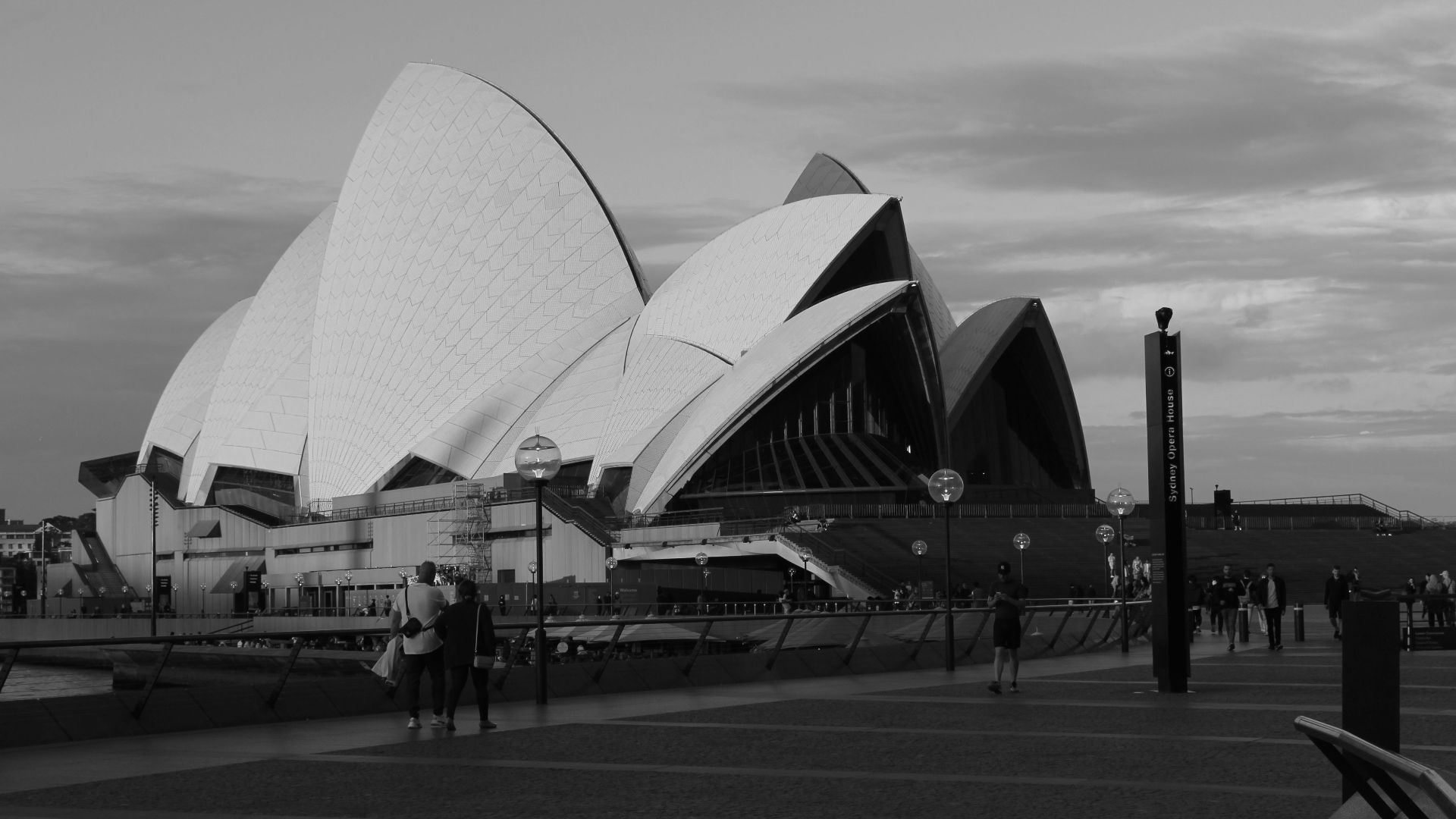
Sydney’s Roof Could Not Be Drawn Properly
Jørn Utzon’s winning design for the Sydney Opera House featured sweeping roof forms that were visually striking but initially impossible to define and construct economically. Architects and engineers spent years testing different geometries before deriving the shells from sections of a common sphere. That solution allowed standardized precast concrete ribs to replace a collection of entirely unique shapes. UNESCO describes the completed building as a daring experiment and an exceptional achievement in structural engineering.
The Channel Tunnel Finally Reached France
Plans for a fixed link beneath the English Channel appeared as early as the 19th century, but war fears, politics, financing, and technical doubts repeatedly stopped them. Modern tunnel-boring machines eventually excavated three parallel tunnels through relatively stable chalk marl beneath the seabed. British and French crews broke through and met underground in December 1990. The railway tunnel opened in 1994, more than a century after serious proposals had begun.
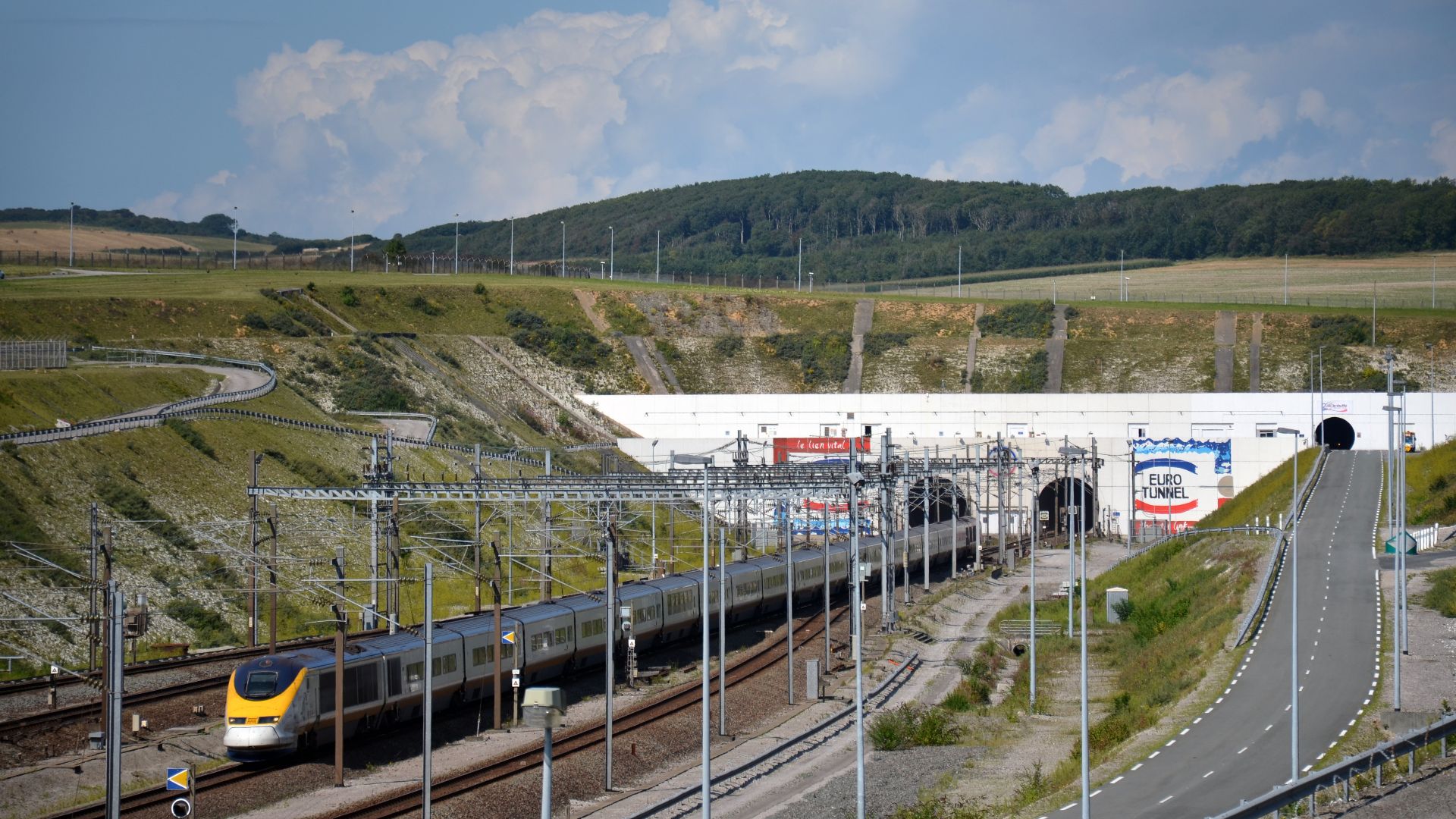 Billy69150 (voir les conditions d'utilisation / see licensing below), Wikimedia Commons
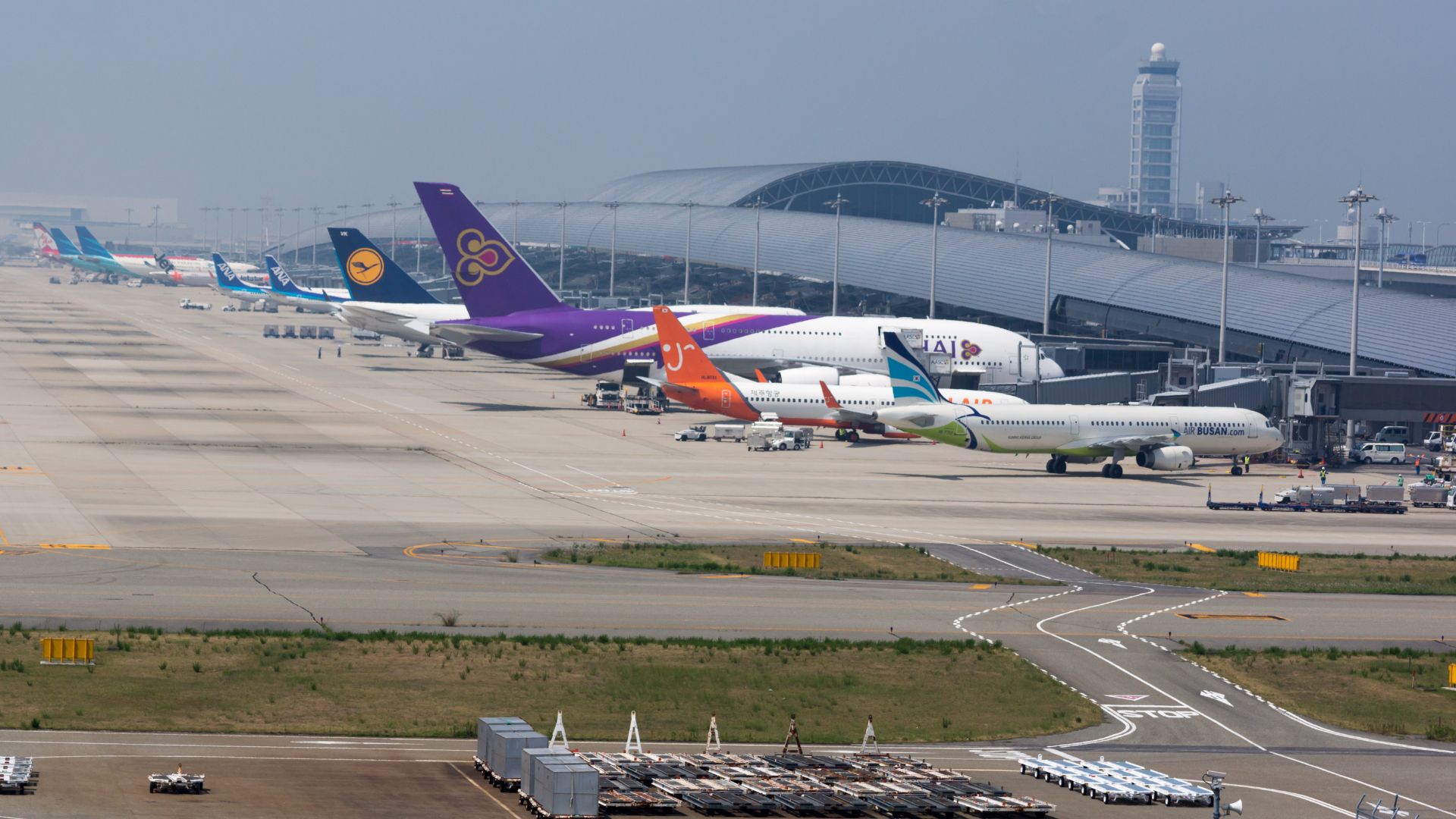
Kansai Airport Rose From The Sea
Japan needed a major airport near Osaka that could operate around the clock without worsening noise in densely populated neighborhoods. Engineers chose to build an artificial island in Osaka Bay, where soft seabed soils made settlement inevitable and difficult to predict. Millions of cubic meters of fill created the island, while adjustable structural supports helped the terminal respond to uneven sinking. Kansai International Airport opened in 1994 as one of the boldest examples of constructing major infrastructure offshore.
The Gotthard Base Tunnel Went Beneath The Alps
The Gotthard Base Tunnel required workers to excavate more than 35 miles through the Swiss Alps, much of it under immense rock pressure and high temperatures. Multiple access points allowed crews to attack the route from several directions, while extreme surveying accuracy was required for the headings to meet. The tunnel opened in 2016 as the world’s longest railway tunnel. Instead of forcing trains to climb over the mountains, engineers created an almost level route beneath them.
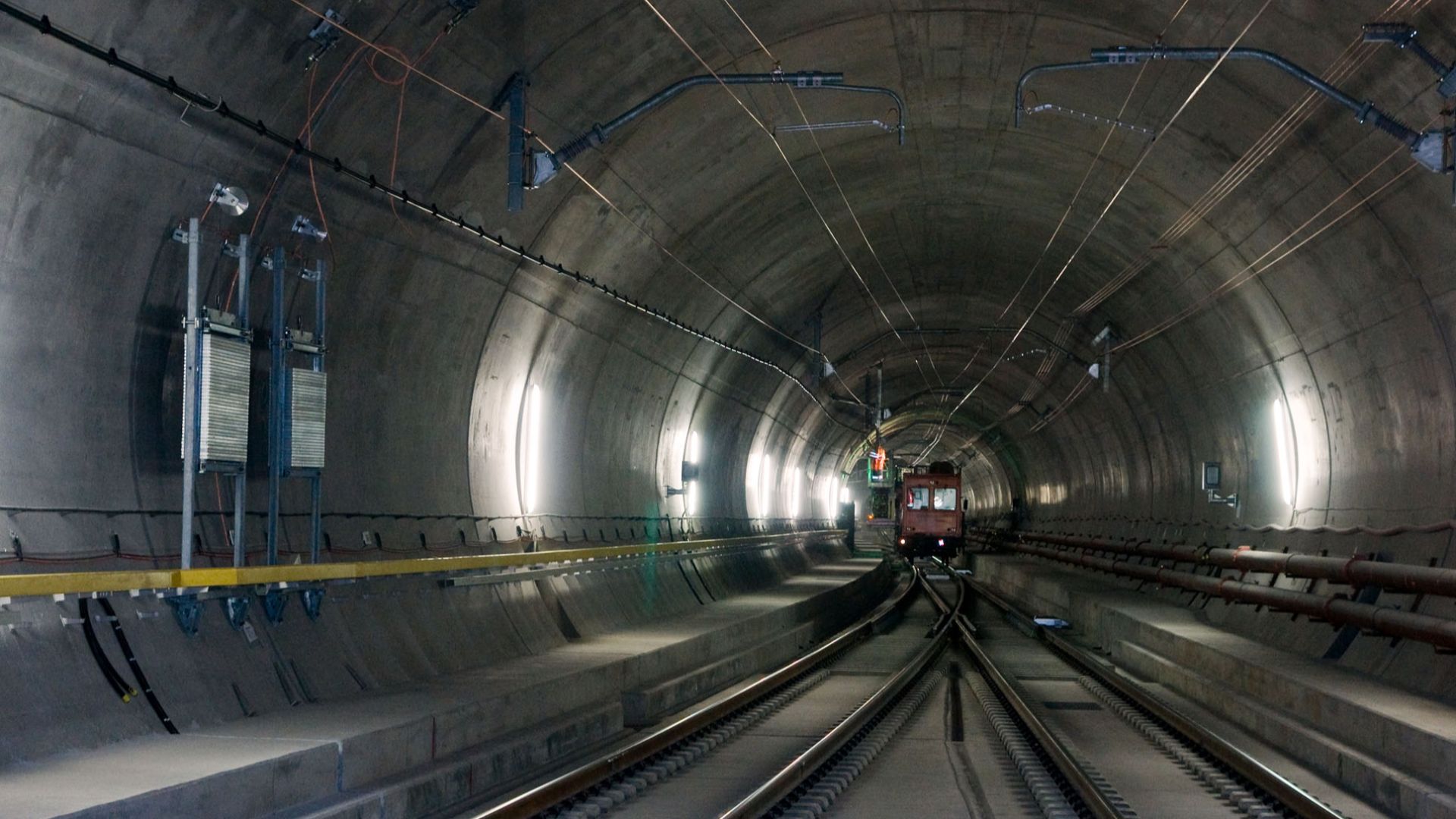 Hannes Ortlieb (Diskussion), Wikimedia Commons
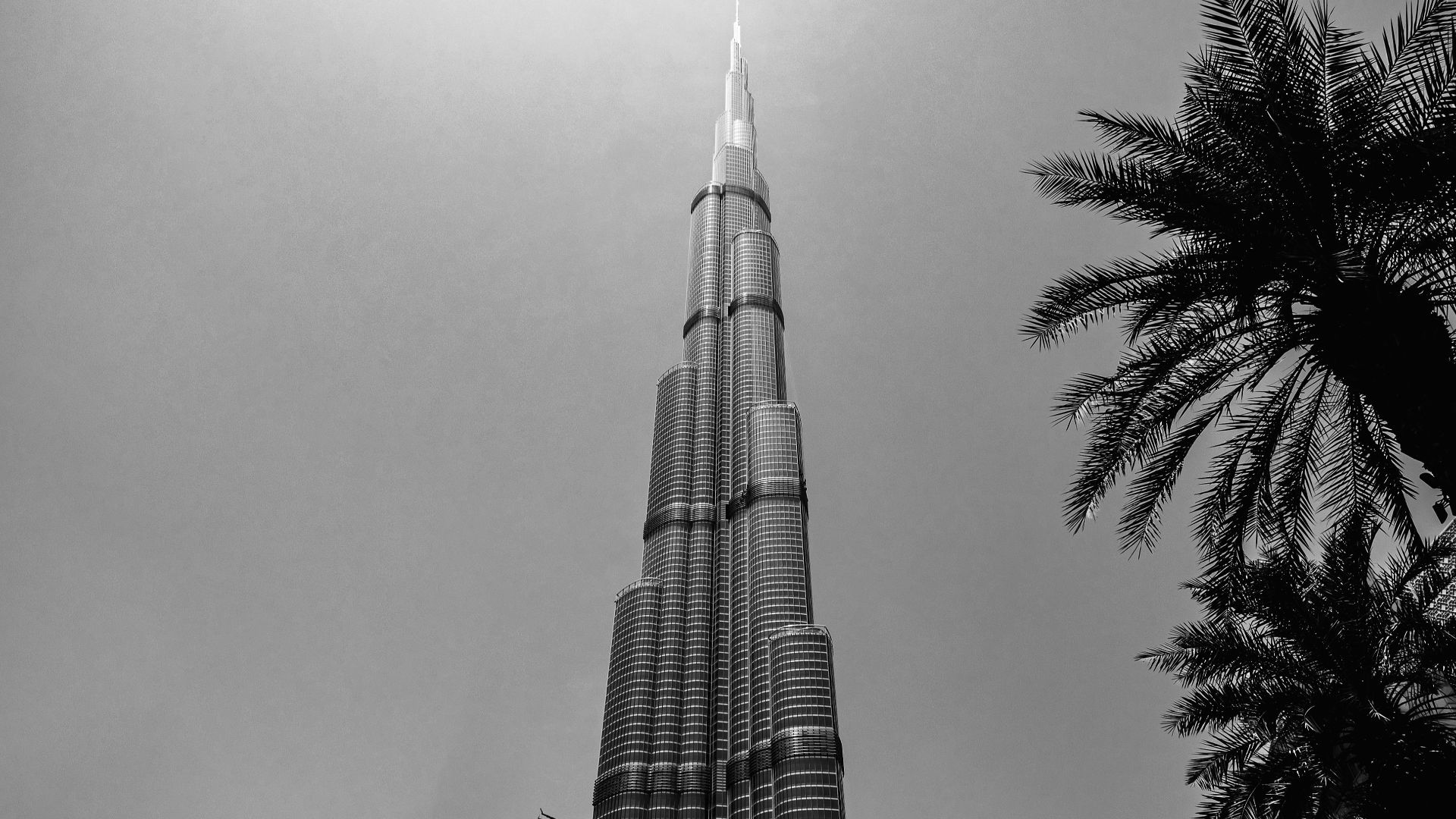
The Tallest Tower Needed A New Structural System
As architects pursued a tower exceeding 800 meters, ordinary skyscraper designs became increasingly vulnerable to wind and structural weight. Engineers developed the buttressed-core system used in Dubai’s Burj Khalifa, with three wings supporting a central hexagonal core. The building’s stepped shape also disrupts organized wind forces as the tower rises. Completed in 2010, it demonstrated that a habitable structure could reach a height previously associated more with fantasy than conventional construction.
Impossible Usually Meant Not Yet
None of these projects succeeded through confidence alone. Their builders relied on experimentation, new materials, revised designs, enormous labor forces, and lessons learned from failures that sometimes cost lives. Several were completed only after earlier plans collapsed or critics had good reasons to doubt them. Their real achievement was not ignoring physical limits, but discovering new ways to work within them.
 Christopher Michel, Wikimedia Commons
You May Also Like:
Legendary Facts About Lost Cities
The Three Gorges Dam Is A Chinese Colossus
History's Most Unbelievable Screwups
Sources: 1, 2, 3, 4, 5, 6, 7, 8, 9, 10, 11, 12, 13, 14, 15, 16, 17, 18, 19, 20, 21, 22, 23, 24, 25, 26, 27, 28, 29, 30, 31, 32, 33