

Evidence From Ages
People long questioned whether certain biblical accounts were just stories. As discoveries unfolded, it became clear that some ancient observations reflected real events and patterns in ways that still surprise historians and scientists alike.
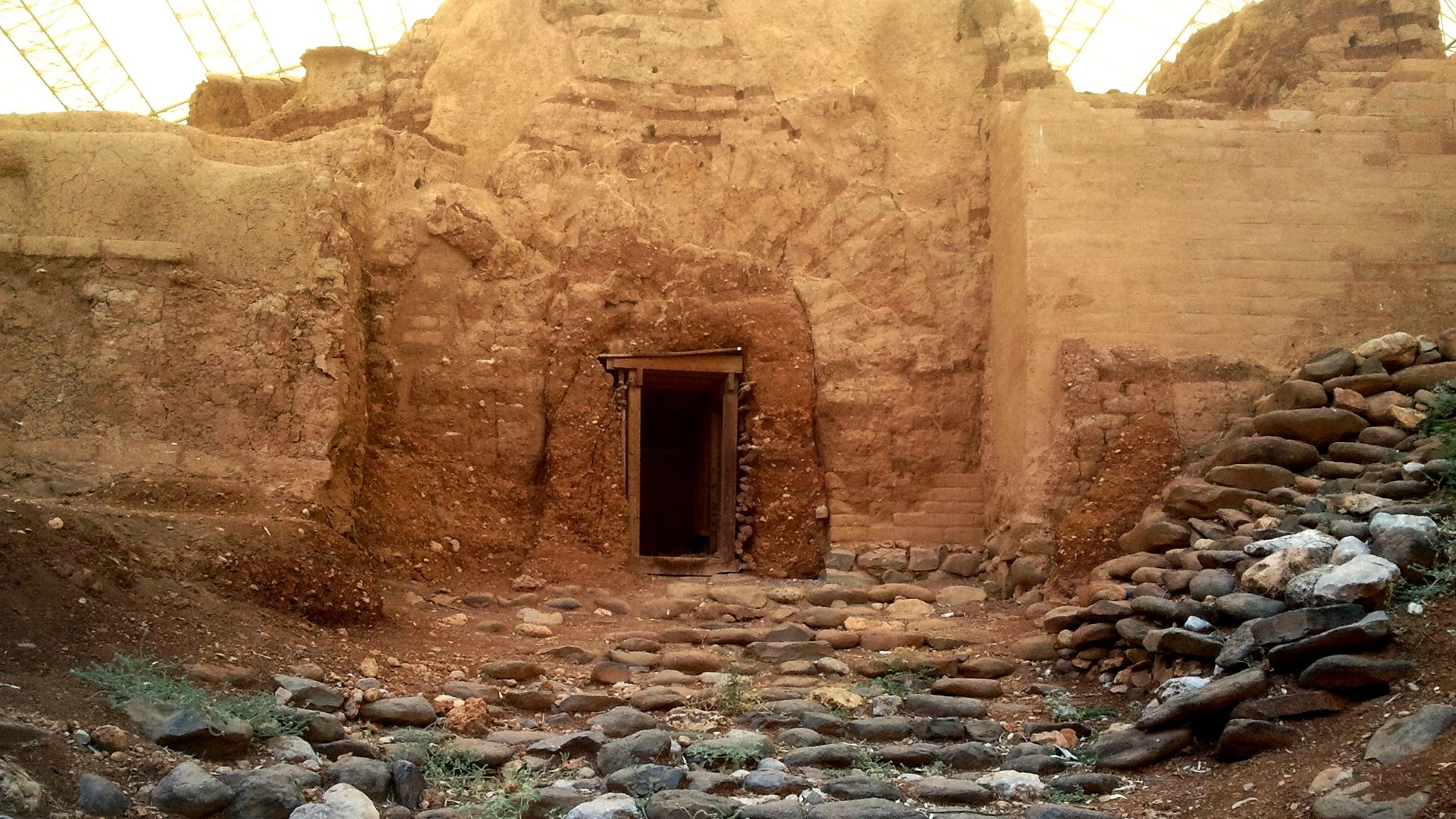
The Tel Dan Stele
In 1993, archaeologist Avraham Biran was excavating at Tel Dan in northern Israel when his team uncovered a broken basalt stone that would silence decades of skepticism. The inscription, dating to the 9th century BC, contained the phrase "House of David".

The Tel Dan Stele (Cont.)
The first archaeological evidence outside the Bible confirming King David's dynasty actually existed. For years, many scholars had dismissed David as legendary, a mythical figure embellished over time. The stele was sealed beneath an Assyrian destruction layer firmly dated to 733–722 BC.
The Pilate Stone
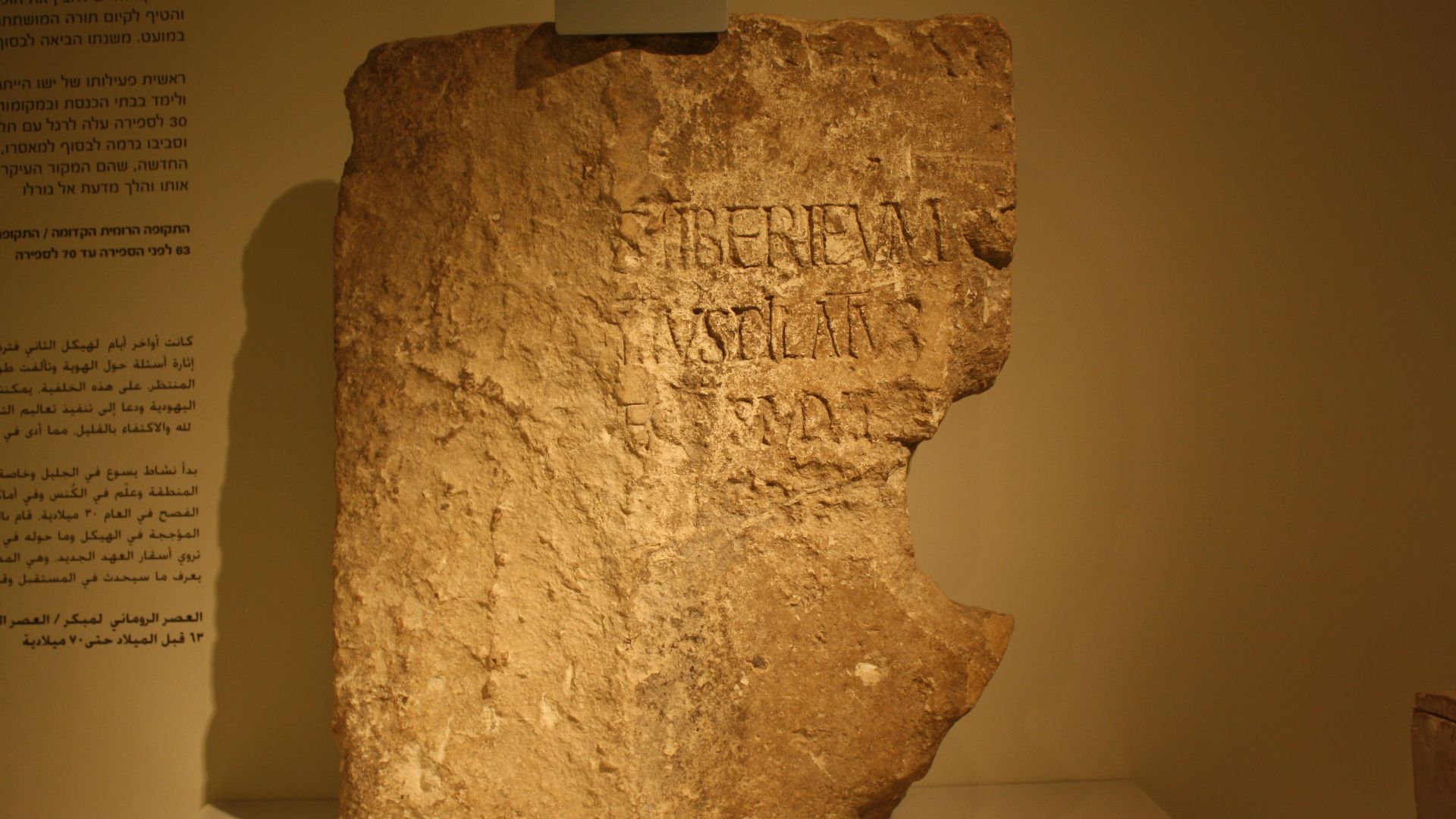
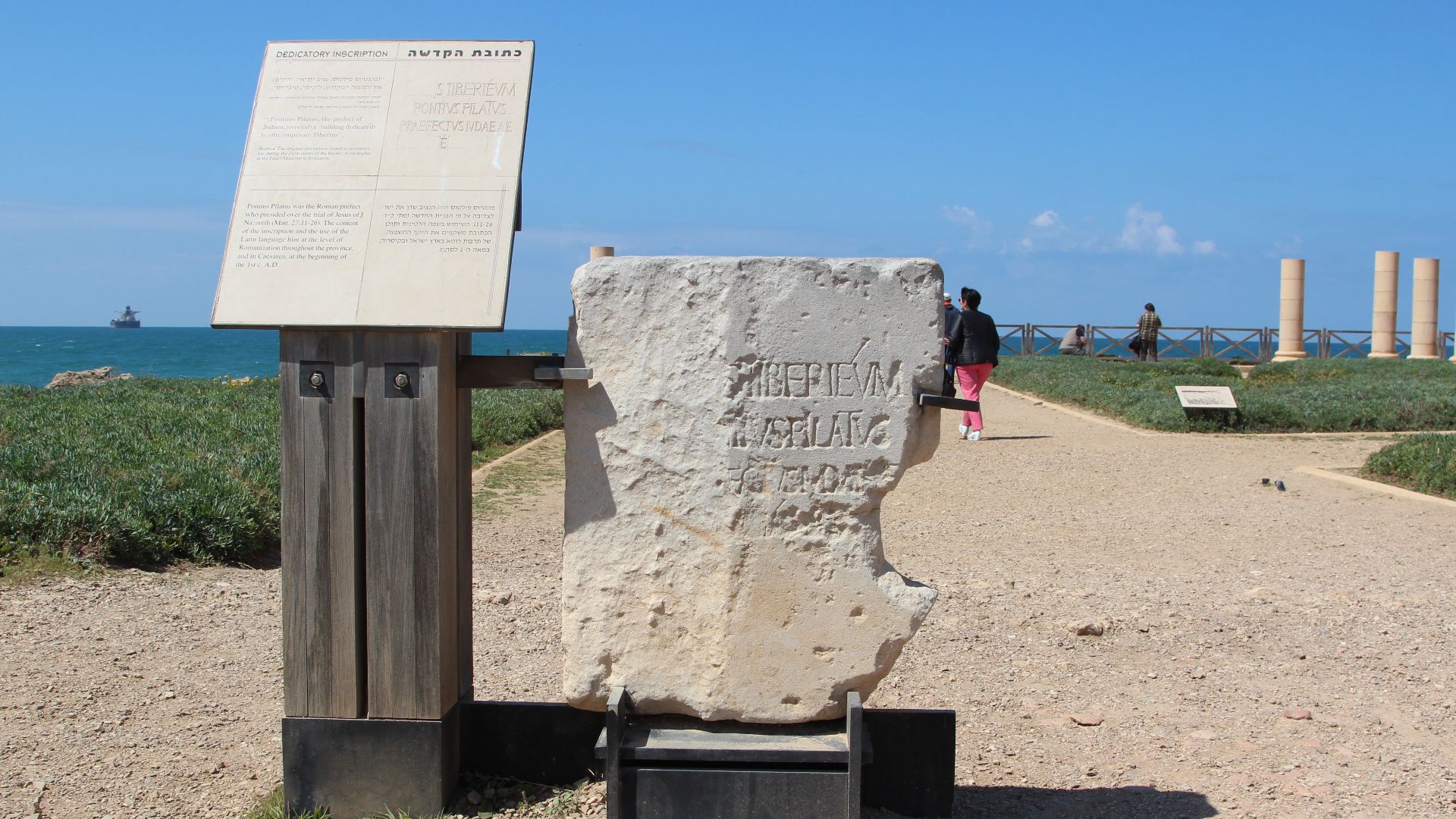
When Italian archaeologists turned it over in 1961, they found themselves staring at history: a dedication inscription from "Pontius Pilate, Prefect of Judea" to Tiberius Caesar. Until this moment, Pilate's existence rested solely on biblical accounts and references by ancient historians like Josephus and Tacitus.
The Pilate Stone (Cont.)
The discovery solved a minor historical puzzle, too. Tacitus had called Pilate a "procurator," but the stone clearly reads "Prefect of Judea”. Historians now understand that the office of prefect was abolished in the early 40s AD during Emperor Claudius's reign.
Hezekiah's Tunnel
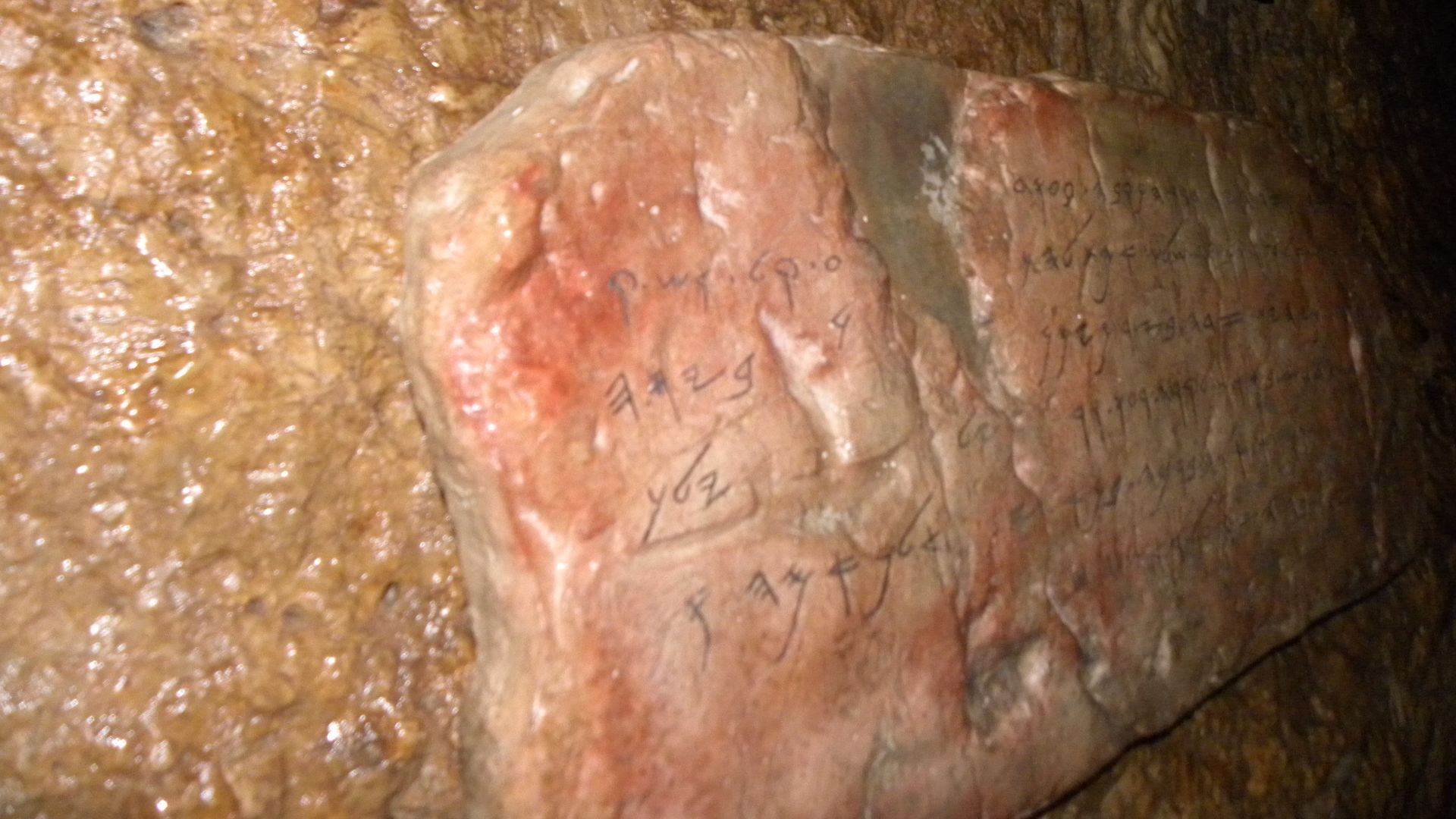
Beneath Jerusalem's ancient streets runs a 1,750-foot engineering marvel that perfectly matches the biblical account in 2 Kings and 2 Chronicles. When British explorer Charles Warren discovered the tunnel in 1867, he found an ingenious system: workers had carved through solid bedrock from both ends.

Hezekiah's Tunnel (Cont.)
An inscription discovered inside the tunnel in 1880 describes the dramatic moment when the two teams of diggers heard each other's pickaxes through the rock and broke through. The Hebrew inscription details how "the waters flowed from the spring to the pool for 1,200 cubits," matching the tunnel's actual length.
The Hittite Civilization
For centuries, the Hittites seemed like biblical fiction. Scripture mentions them dozens of times. Abraham purchased Sarah's burial plot from Hittite merchants, King David counted Uriah the Hittite among his warriors, and Solomon allied with Hittite kings. Yet no trace of this supposedly powerful civilization existed outside biblical texts.
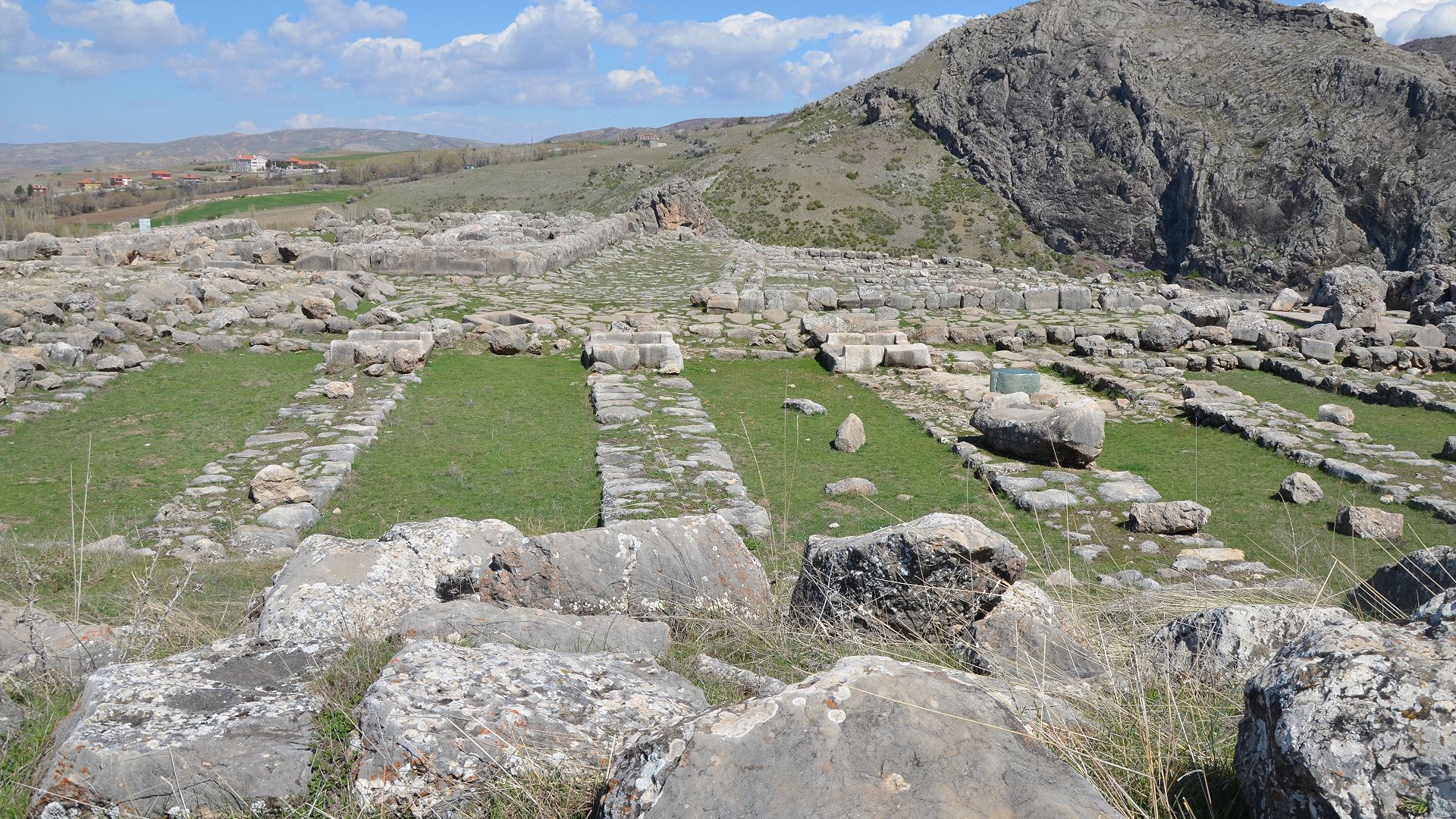 Carole Raddato from FRANKFURT, Germany, Wikimedia Commons
The Hittite Civilization (Cont.)
Then in 1906, German archaeologist Hugo Winckler began excavating Bogazkale in modern Turkey and unearthed Hattusha, the sprawling, fortified capital of the Hittite Empire. The discovery revealed cuneiform archives containing thousands of tablets documenting a sophisticated Bronze Age superpower that had rivaled Egypt.
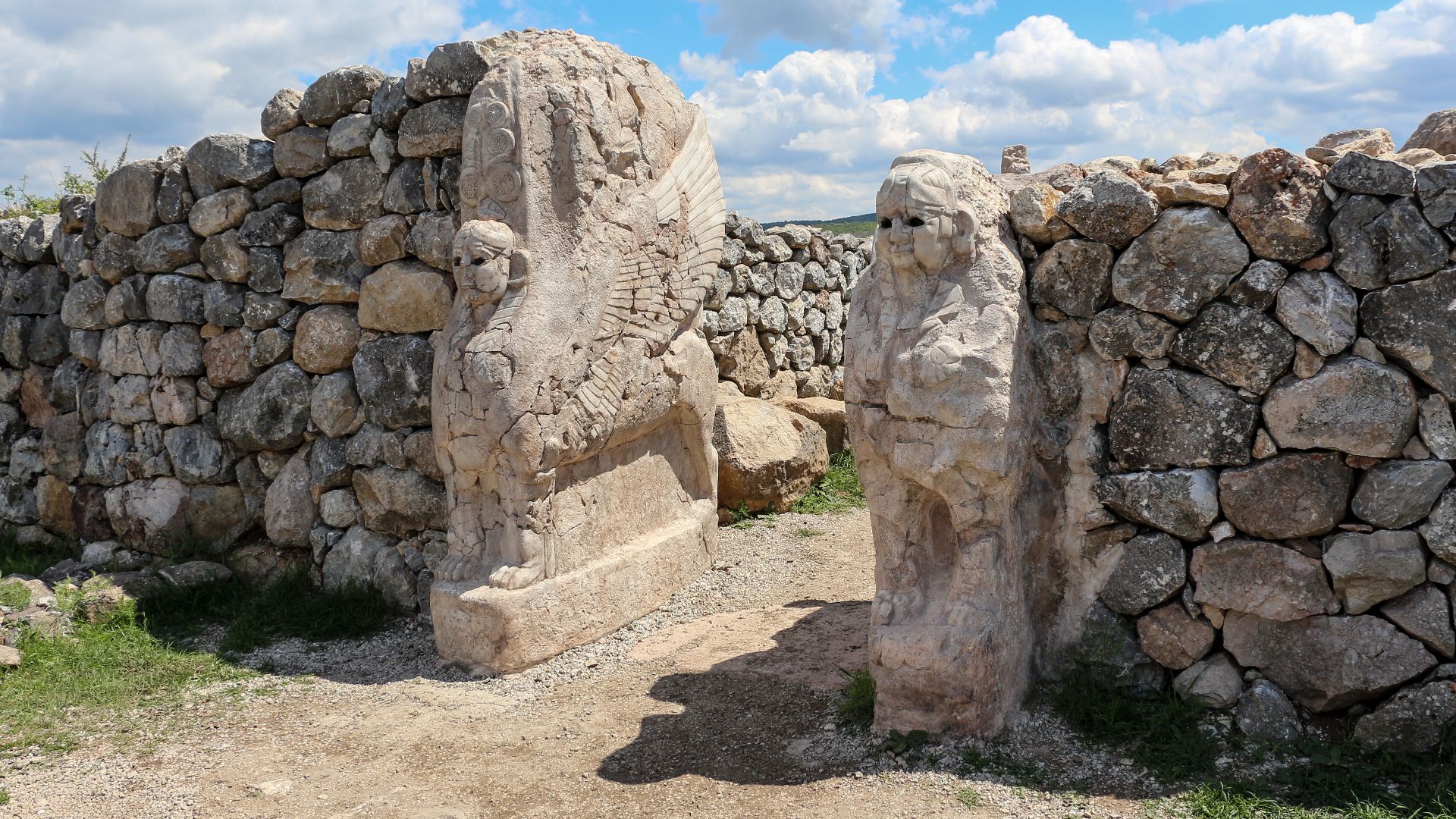 Bernard Gagnon, Wikimedia Commons

History's most fascinating stories and darkest secrets, delivered to your inbox daily.
Quarantine Protocols
Three and a half thousand years before Louis Pasteur discovered germ theory in the 1860s, the book of Leviticus outlined detailed quarantine procedures that would make modern epidemiologists nod in approval. Chapter 13 instructs that anyone with a contagious disease must be isolated outside the camp for seven days.
 Frederic de Haenen / After Rook Carnegie, Wikimedia Commons
Quarantine Protocols (Cont.)
The Mosaic Law's medical precision becomes even more striking when you consider the timeline. Venice wouldn't enforce the first documented quarantine until 1377 AD, during a plague outbreak, requiring ships from infected areas to wait forty days before docking. That's 2,877 years after Moses recorded these instructions.
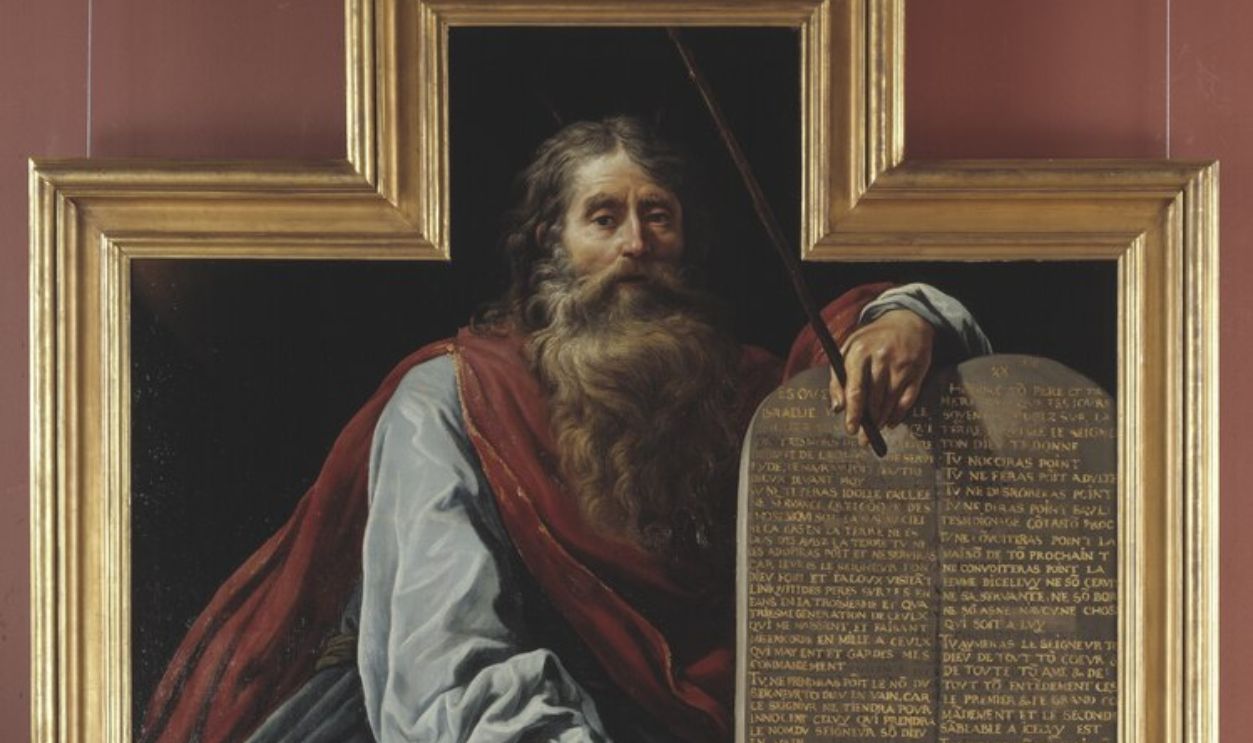 Claude Vignon, Wikimedia Commons
Eighth Day Circumcision
Genesis 17:12 contains a puzzling medical specification: male infants should be circumcised specifically on the eighth day of life, not the seventh or ninth. In 1935, Professor H Dam discovered Vitamin K, and medical science uncovered why this exact timing matters profoundly for infant survival.
 Luca Signorelli, Wikimedia Commons
Eighth Day Circumcision (Cont.)
Vitamin K controls blood clotting by regulating prothrombin production in the liver. Newborns have virtually no Vitamin K at birth, and levels remain dangerously low through the first week of life. On day eight, prothrombin levels surge to 110% of normal.

Handwashing And Hygiene
Ignaz Semmelweis faced mockery, career destruction, and eventual commitment to an insane asylum for suggesting something radical in 1847: doctors should wash their hands between patients. At Vienna General Hospital, he'd noticed that mothers delivered by doctors died from childbed fever at a rate of 18%.
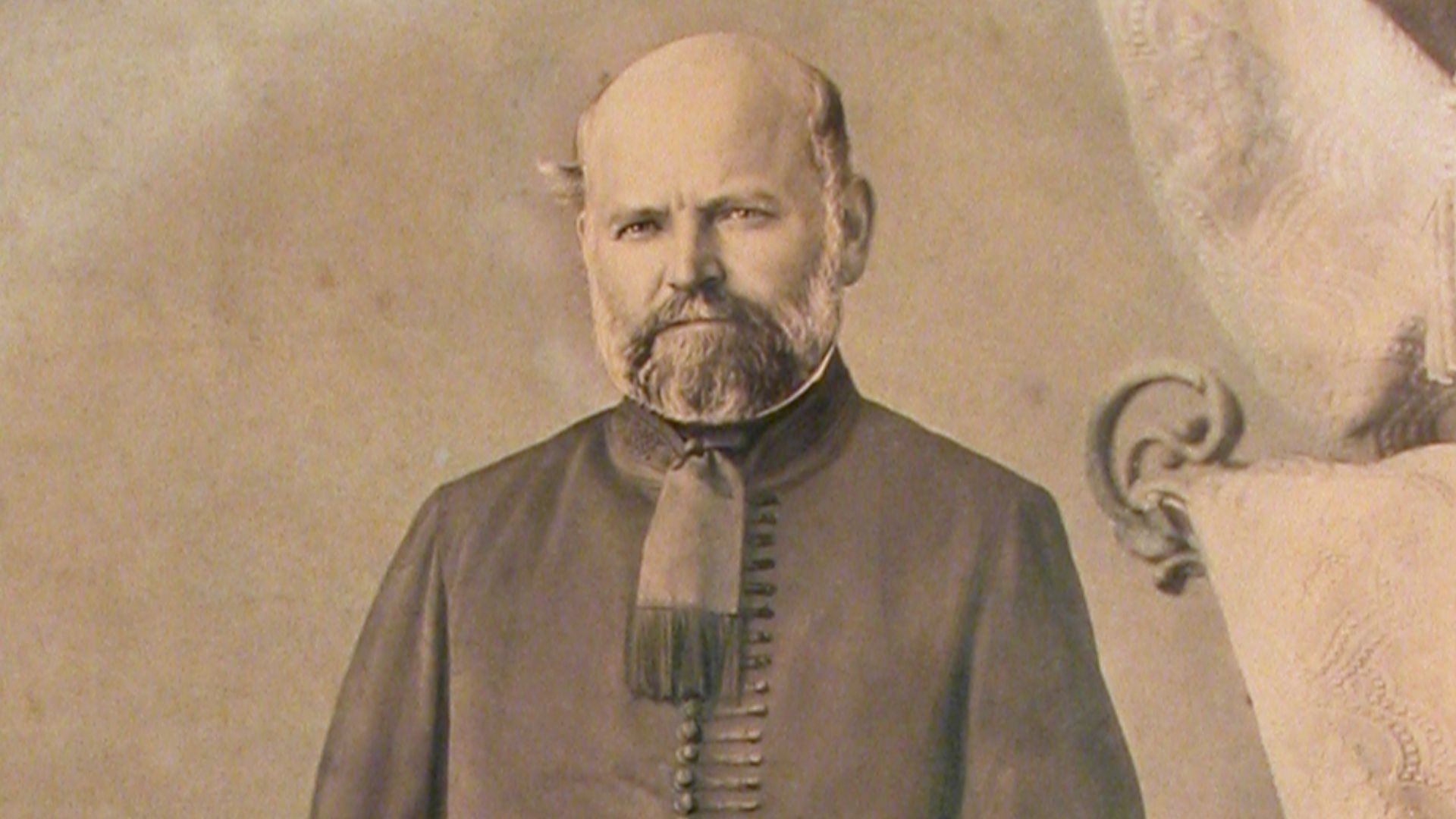 Ludwig Angerer, Wikimedia Commons
Handwashing And Hygiene (Cont.)
Leviticus 15 had outlined the solution 3,400 years earlier with extraordinary specificity. Anyone touching bodily discharges must wash their hands before touching others, and clothes must be washed. The text even specifies running water, not standing water that could harbor and spread pathogens.

Life In The Blood
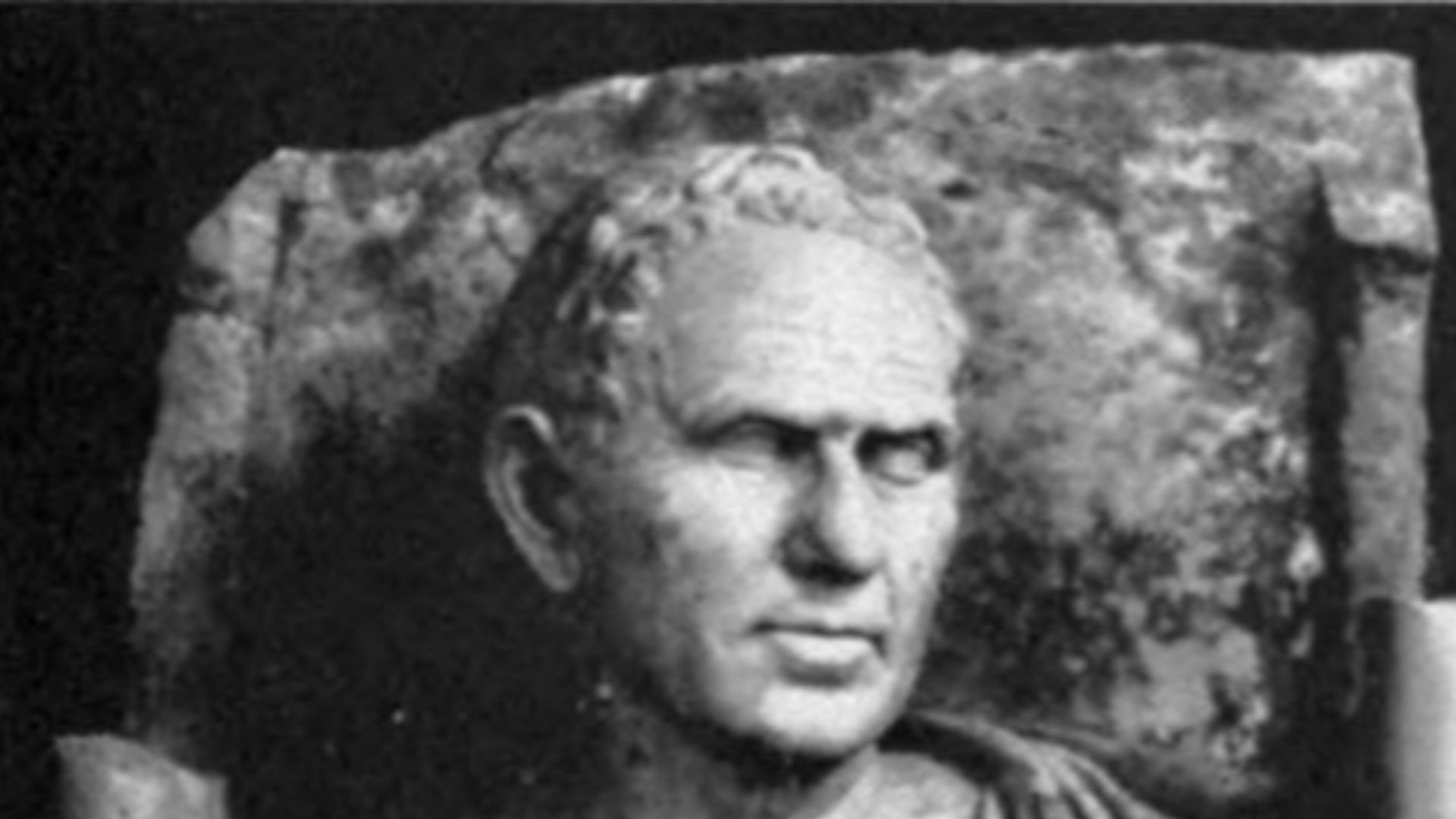
"For the life of the flesh is in the blood". Leviticus 17:11 makes this statement with absolute certainty in an era when medical understanding was at best primitive. Ancient physicians worldwide practiced bizarre treatments based on fundamental misunderstandings of human physiology.
 F. Bruckmann, Munich, Wikimedia Commons
Life In The Blood (Cont.)
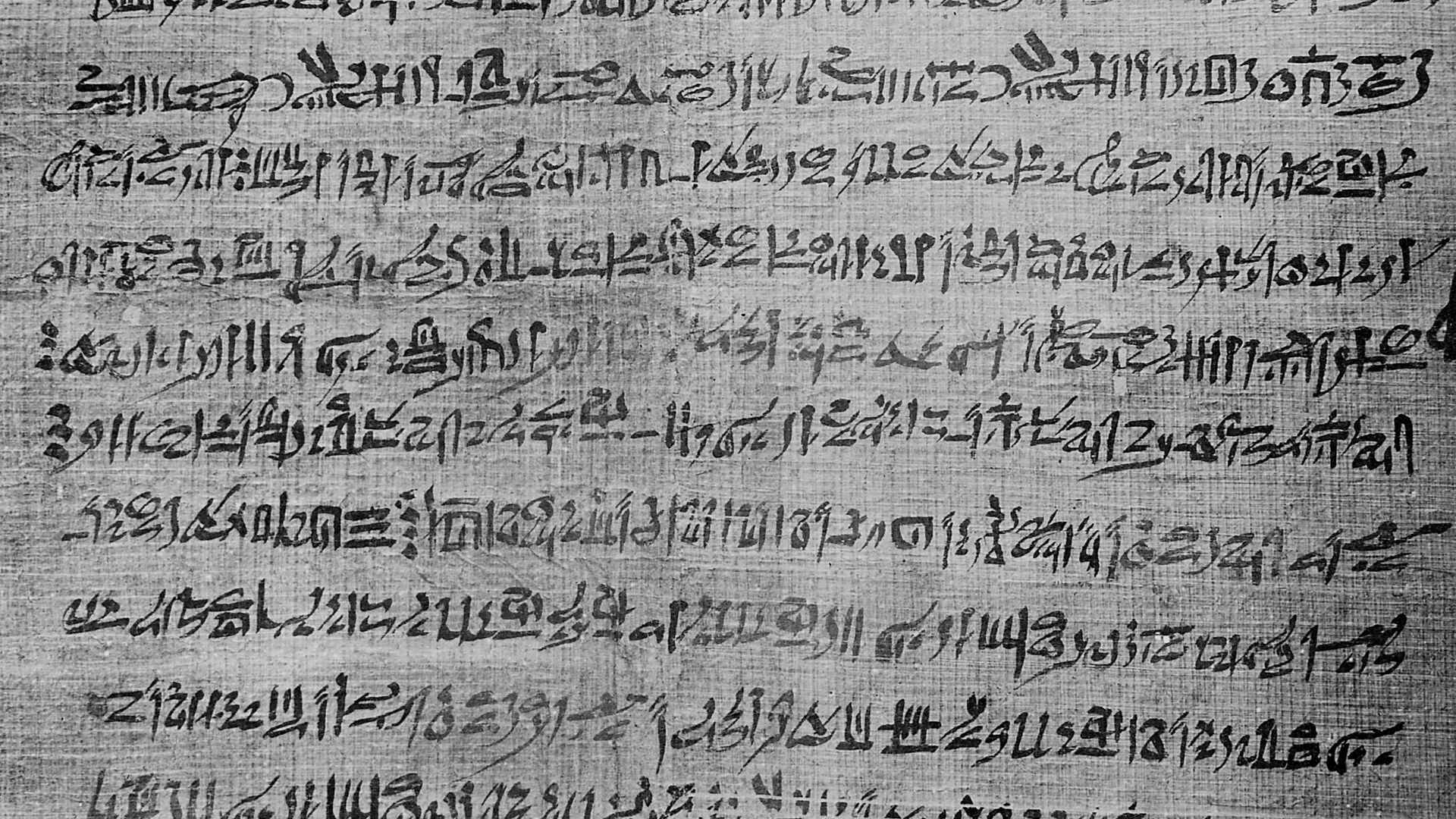
Egyptian medical papyri from Moses's time prescribed remedies of crushed beetles, donkey excrement, and putrefied meat for various ailments, while Greek physicians believed health depended on balancing four bodily "humors”. The biblical accuracy becomes staggering when you consider what blood actually does.
The Pleiades And Orion
God poses a fascinating challenge to Job in chapter 38, verse 31: "Can you bind the chains of the Pleiades or loose the cords of Orion?" For the ancient observer, these were simply beautiful star clusters, indistinguishable in behavior from any other celestial lights wheeling across the night sky.

The Pleiades And Orion (Cont.)
Why would God contrast them so specifically, implying one was "bound" while the other needed "loosening"? Modern astrophysics mentions that the Pleiades is an open star cluster of roughly 1,000 stars gravitationally bound together, moving through space as a cohesive unit in the same direction at the same speed.
 Bob Familiar from Sudbury, MA, USA, Wikimedia Commons
Innumerable Stars
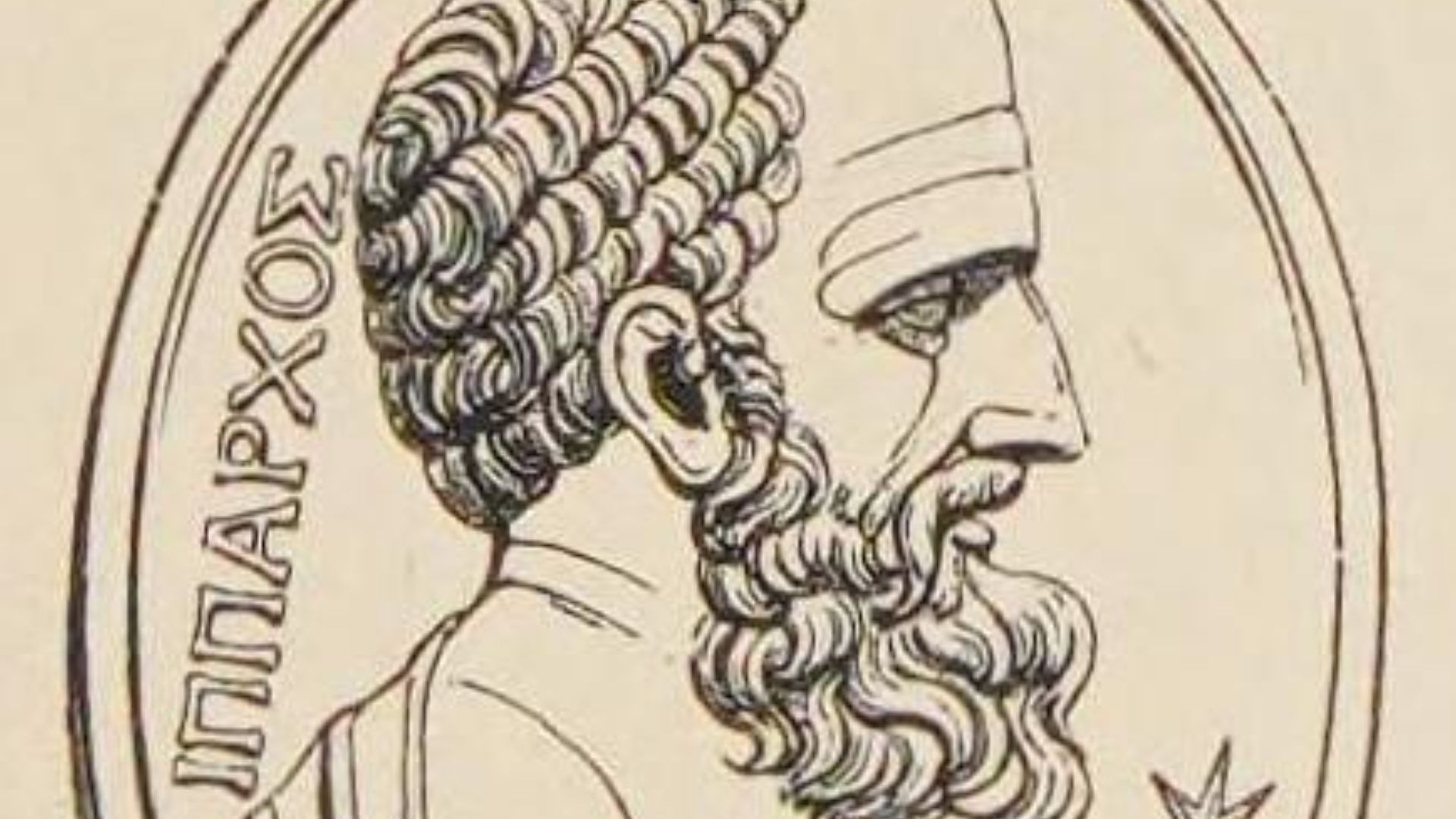
On the clearest night, from the darkest location, the human eye can see approximately 6,000 to 7,000 stars, a specific, countable number that dedicated astronomers had attempted to catalog. Greek astronomer Hipparchus recorded about 850 stars in his catalog around 150 BC, while Ptolemy later documented roughly 1,500.
 William Henry Smyth, Wikimedia Commons
Innumerable Stars (Cont.)
Jeremiah 33:22 doubles down on this claim: "As the host of heaven cannot be numbered, neither the sand of the sea measured," declaring the impossibility of counting stars centuries before anyone possessed tools to verify such an audacious statement.

Earth Suspended In Space
Job 26:7 makes a striking claim for an ancient text: “He stretches out the north over empty space and hangs the earth on nothing”. At a time when most cultures imagined the world resting on pillars or animals, this verse describes Earth as unsupported—floating in emptiness.

Earth Suspended In Space (Cont.)
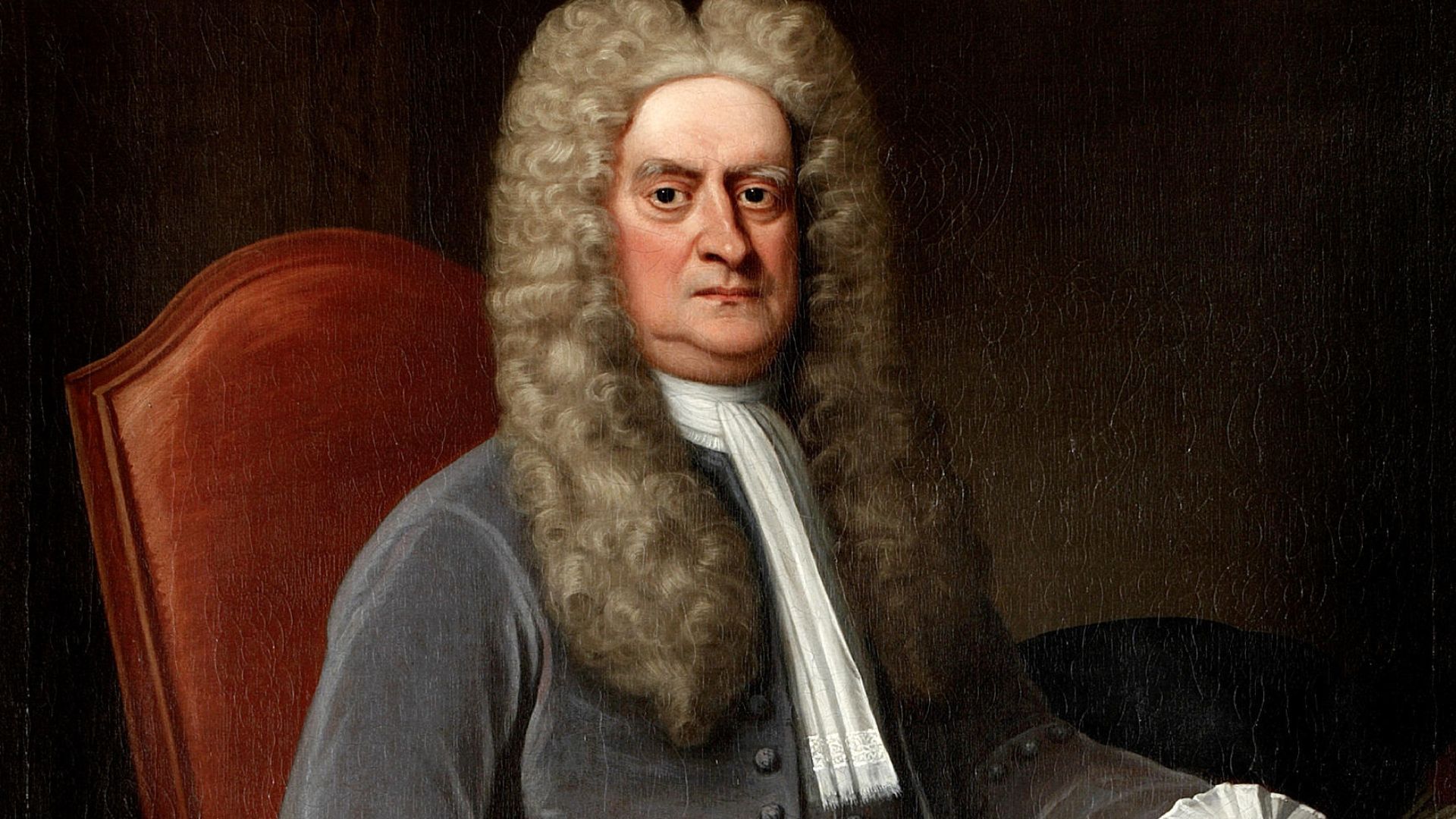
Egyptian cosmology described the sky goddess Nut arching over the earth god Geb. The biblical text preceded scientific verification by over three millennia, and Sir Isaac Newton himself acknowledged this, stating he found “more sure marks of the authenticity of the Bible than in any profane history whatever”.
 attributed to 'English School', Wikimedia Commons
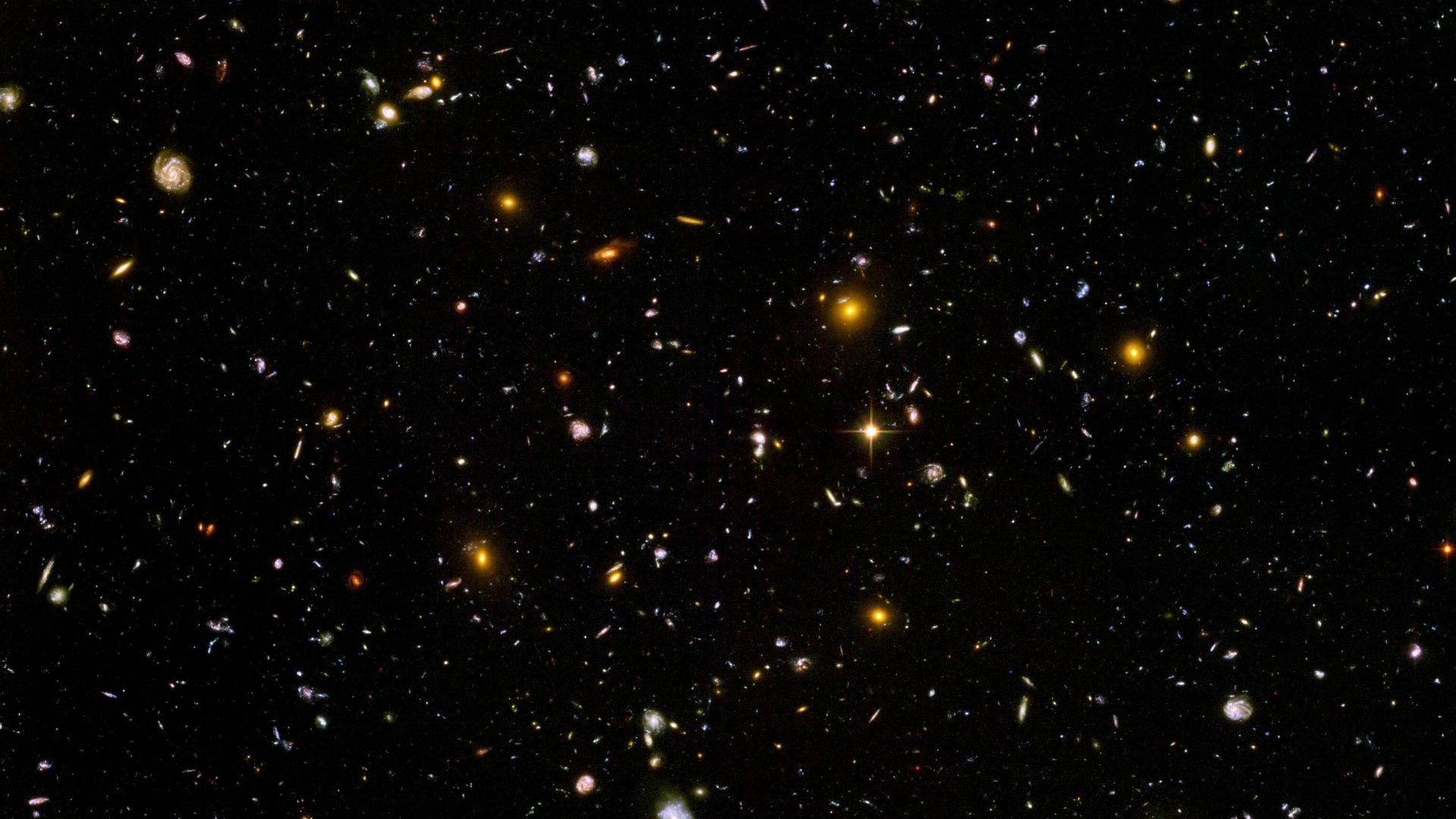
The Expanding Universe
Multiple Old Testament passages describe God "stretching out the heavens" using the Hebrew word "natah," the same word used for pitching a tent by pulling and extending its fabric. Isaiah 42:5 declares God "stretches out the heavens," while Job 9:8 states He “alone stretches out the heavens”.

The Expanding Universe (Cont.)
Zechariah 12:1 confirms "the Lord, who stretches out the heavens”. For centuries, readers interpreted this as poetic language describing God's initial creation act, a beautiful metaphor without scientific implications. Then in 1929, astronomer Edwin Hubble made an observation that revolutionized cosmology.
 NASA and the European Space Agency., Wikimedia Commons









