
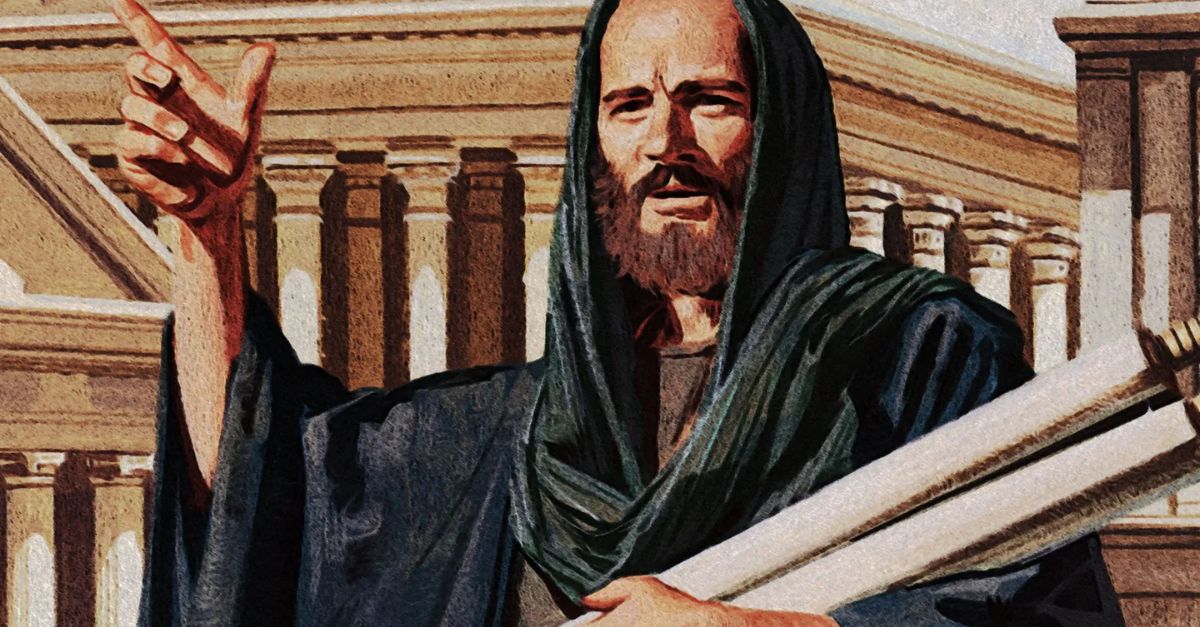
Where did the Apostles end up?
Legends about the Apostles traveled farther than the men themselves, leaving behind competing tombs, contested relics, and striking absences. Every region guarded a story, though few preserved proof.
A Mystery Began With Twelve Men And Disappearing Remains
The fate of the Apostles’ bodies became uncertain largely because early records rarely described their burials. Communities preserved teachings rather than physical details, leaving later generations to rely on scattered traditions and fragmented relic claims that surfaced long after the first-century witnesses were gone.
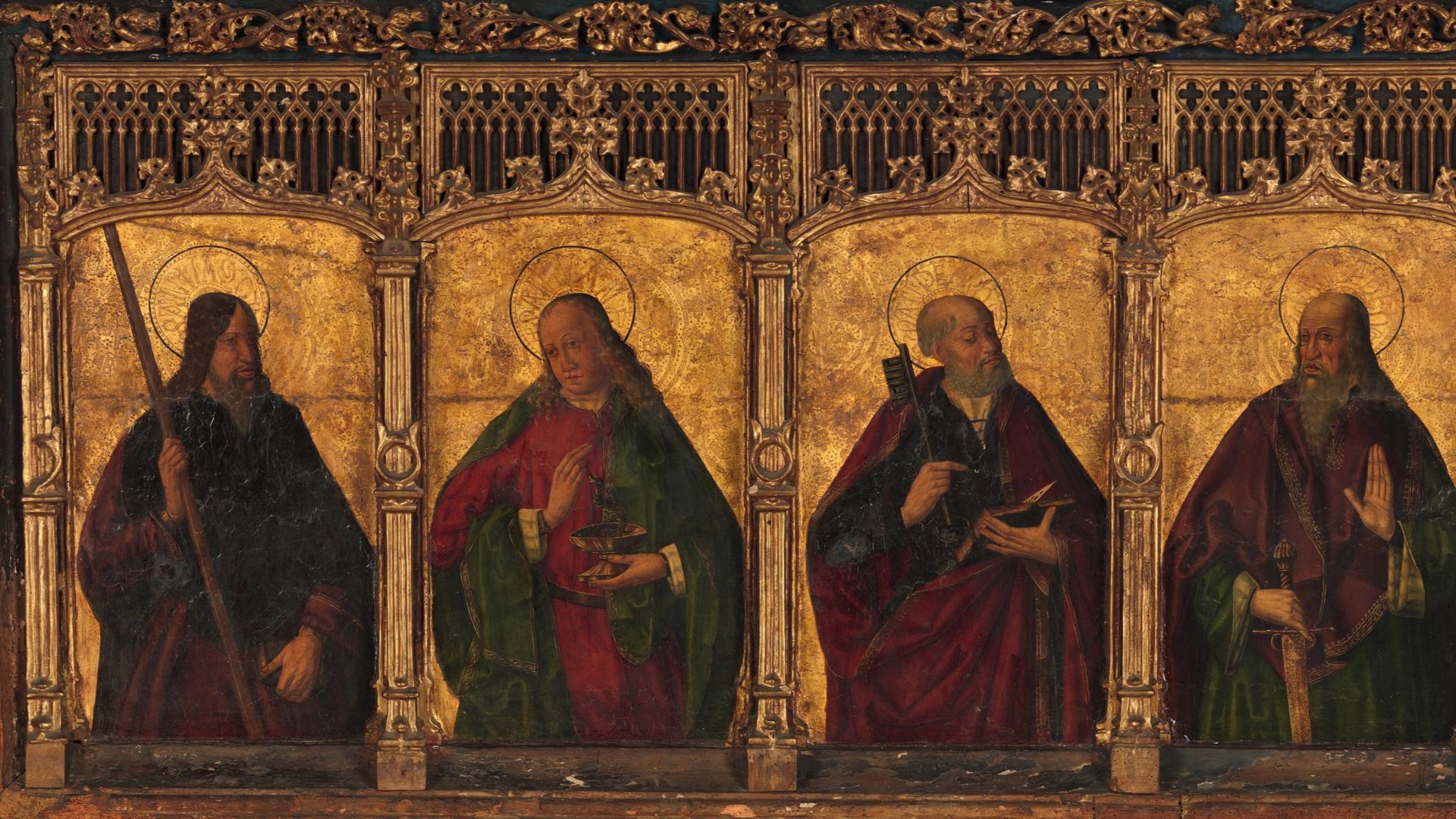
Early Accounts Hint At Lives Marked By Mission And Danger
Surviving early texts emphasize the Apostles’ travels and hardships rather than documenting what happened to their bodies. Writers focused on their missions, conflicts with authorities, and growing Christian communities. These priorities helped explain why concrete details about their deaths rarely appeared in foundational sources.
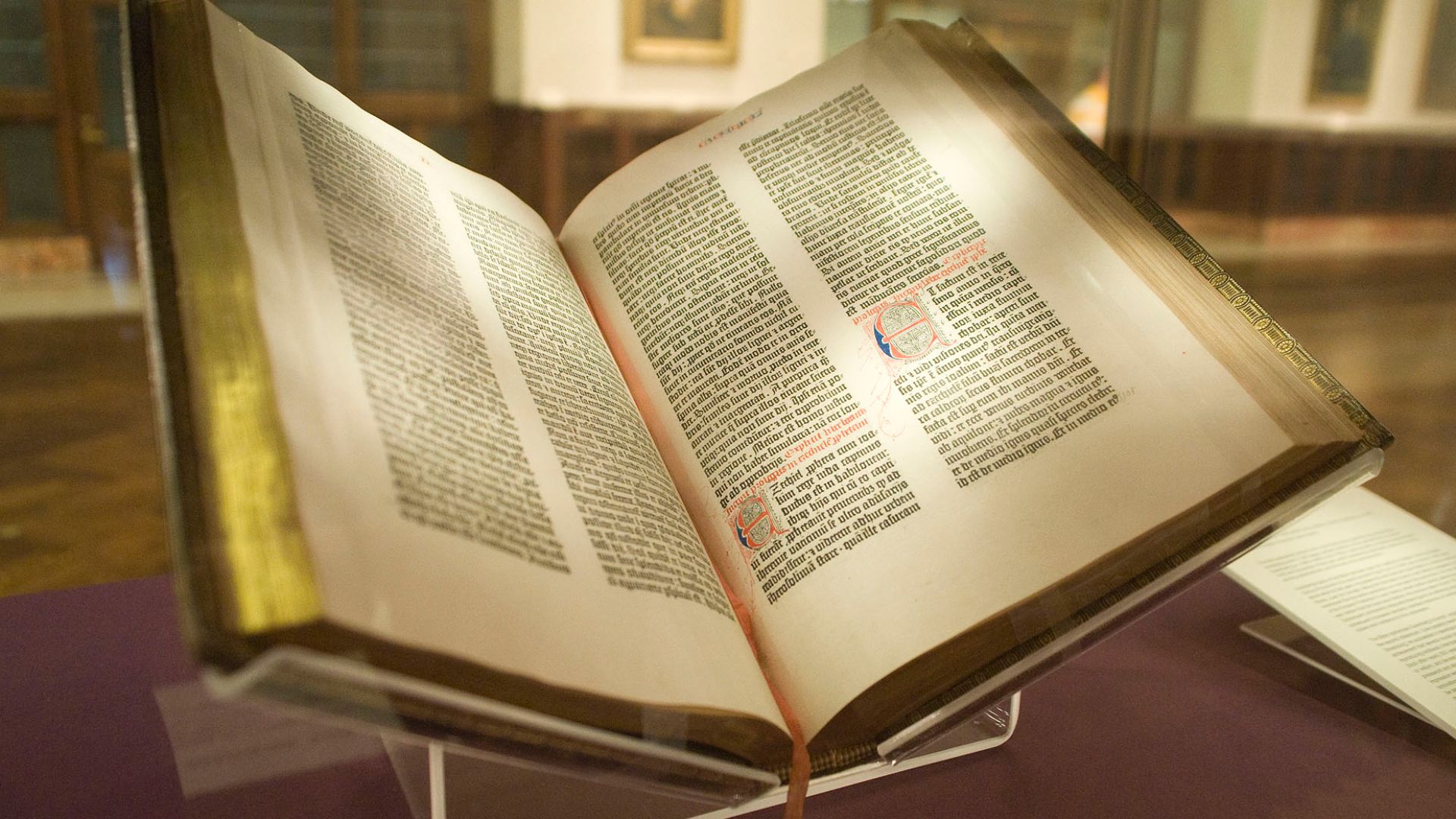 NYC Wanderer (Kevin Eng), Wikimedia Commons
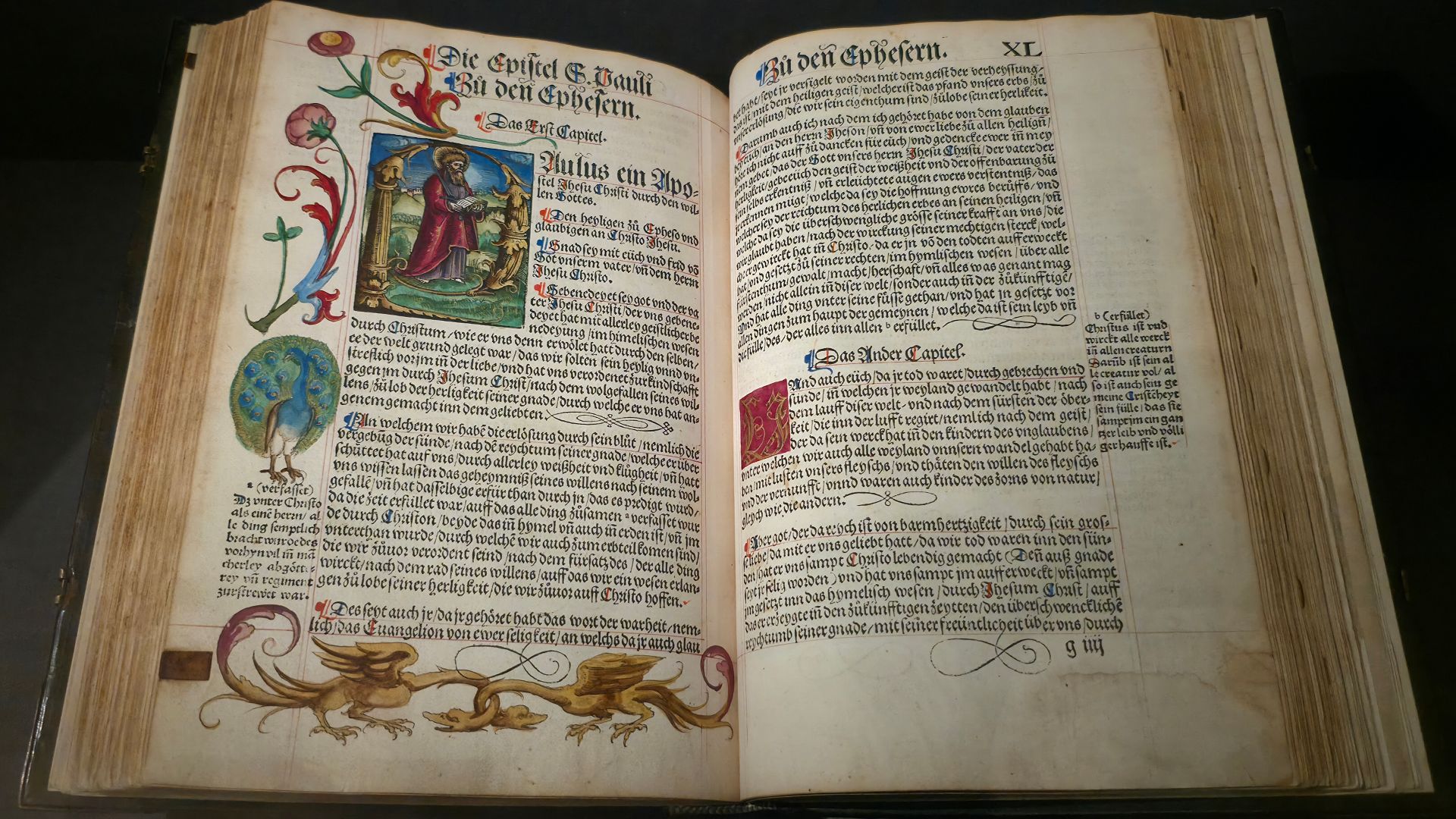
Silence In Scripture Left Their Final Resting Places Open
The New Testament rarely comments on how most Apostles died or where they were buried, as its authors concentrated on Jesus’ message and spiritual instruction. That narrative focus created significant historical gaps, which allowed later traditions to fill the silence with varying accounts of martyrdom and burial sites.
 Germanisches Nationalmusem, [S] 4° Dk 152/2, Wikimedia Commons
Persecution Drove The Apostles Into Wider Worlds
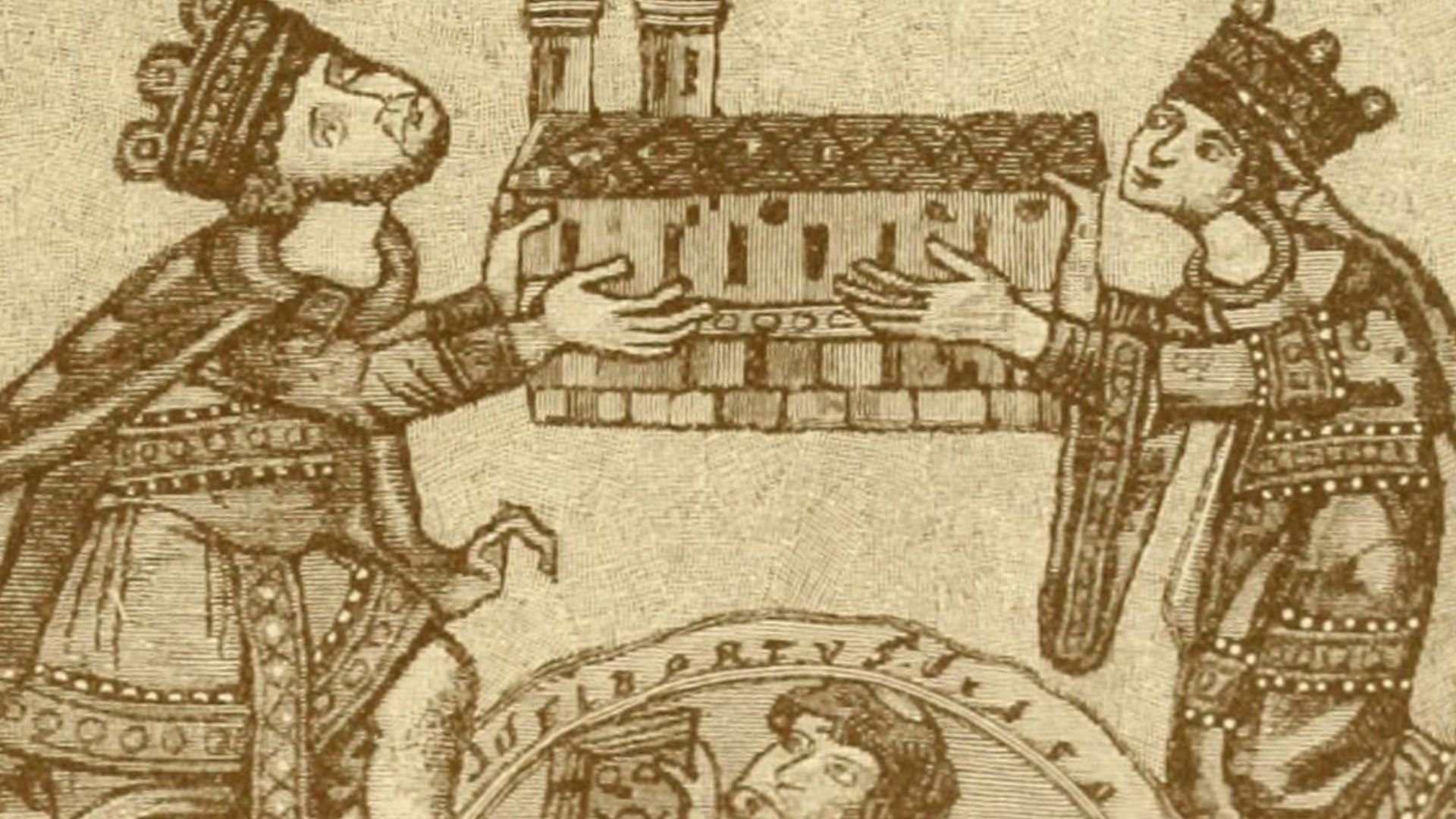
Roman hostility pushed many Apostles far beyond Judea, which shaped both their missions and the later uncertainty surrounding their remains. As they traveled through regions such as Asia Minor, Greece, and possibly India, records grew sparse. Movement across vast territories complicated efforts to trace authentic burial places centuries afterward.
 Internet Archive Book Images, Wikimedia Commons
Journeys Across Empires Scattered Their Followers And Their Stories
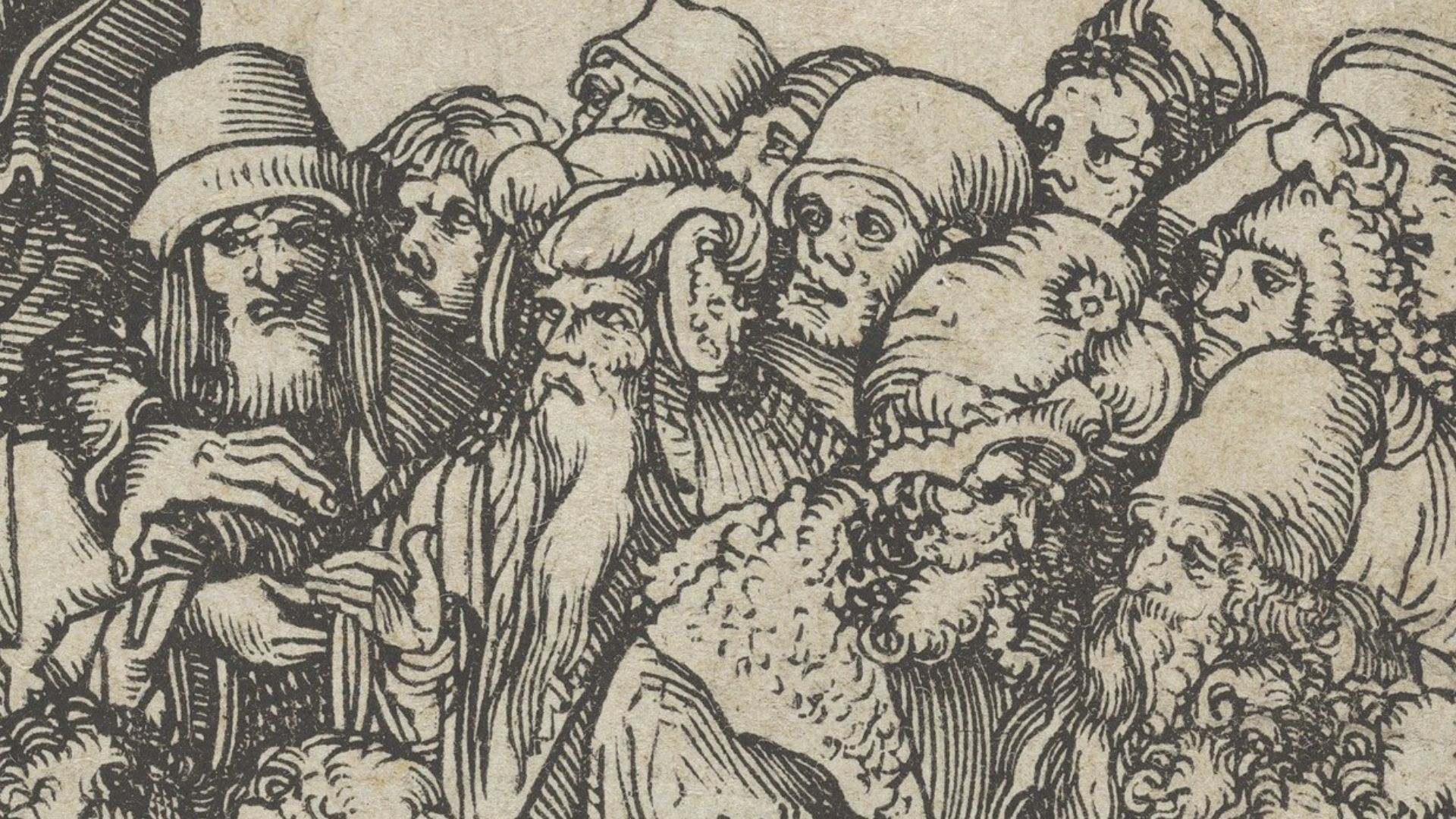
As the Apostles moved through Roman and neighboring territories, communities recorded their activities unevenly. Some regions documented visits carefully, while others preserved only brief memories. That uneven preservation scattered the historical trail, leaving later researchers to piece together traditions shaped by distance and cultural differences.
 Lucas Cranach the Elder, Wikimedia Commons
Martyrdom Narratives Shaped How Generations Remember Them
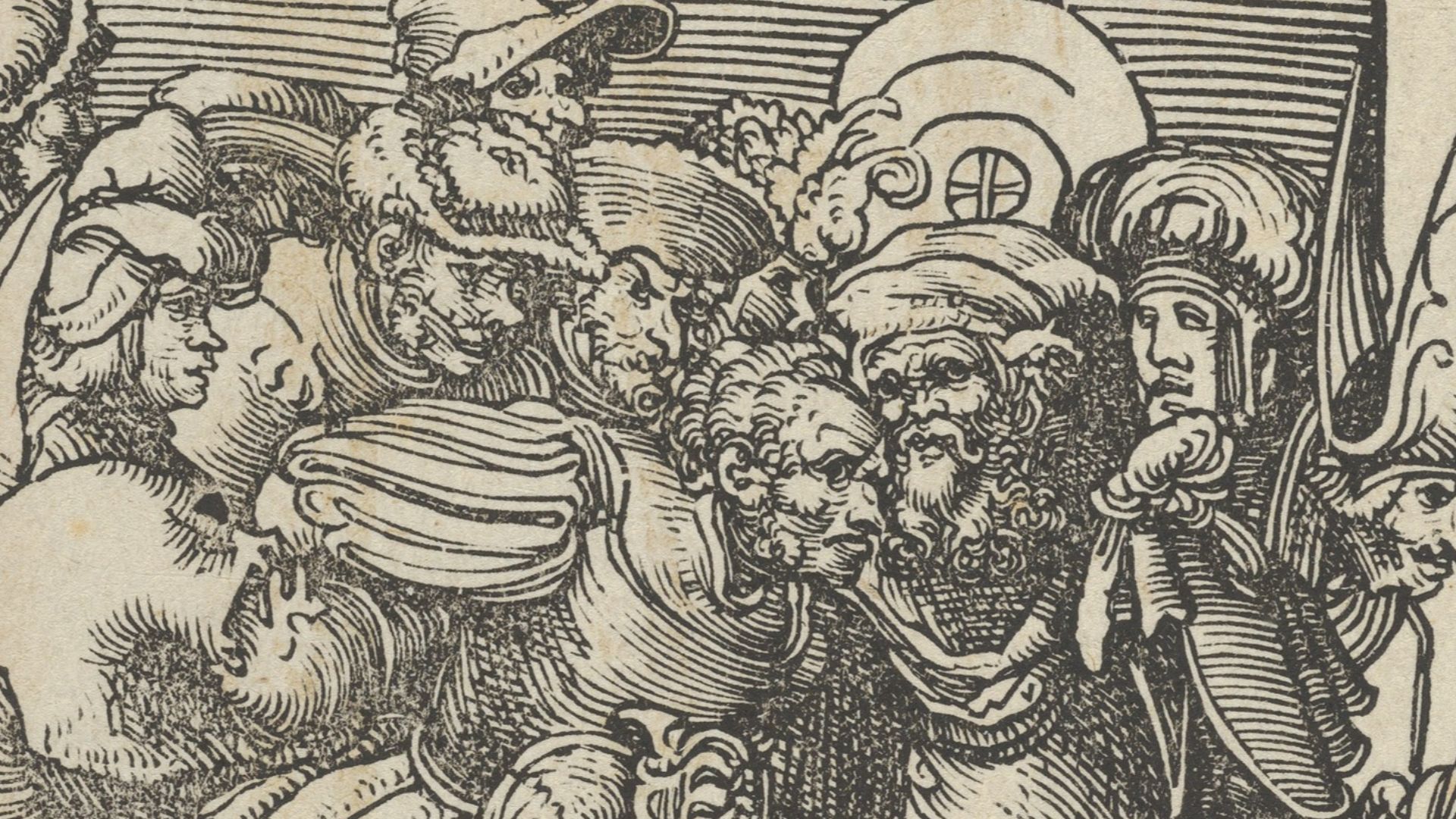
Many early Christian writers emphasized martyrdom to highlight the Apostles’ convictions, describing deaths under Roman rule or local opposition. These accounts aimed to inspire believers rather than provide precise historical detail. Over time, spiritual messaging overshadowed factual clarity.
 Lucas Cranach the Elder, Wikimedia Commons
Relics Became Central To How Believers Honor The Apostles
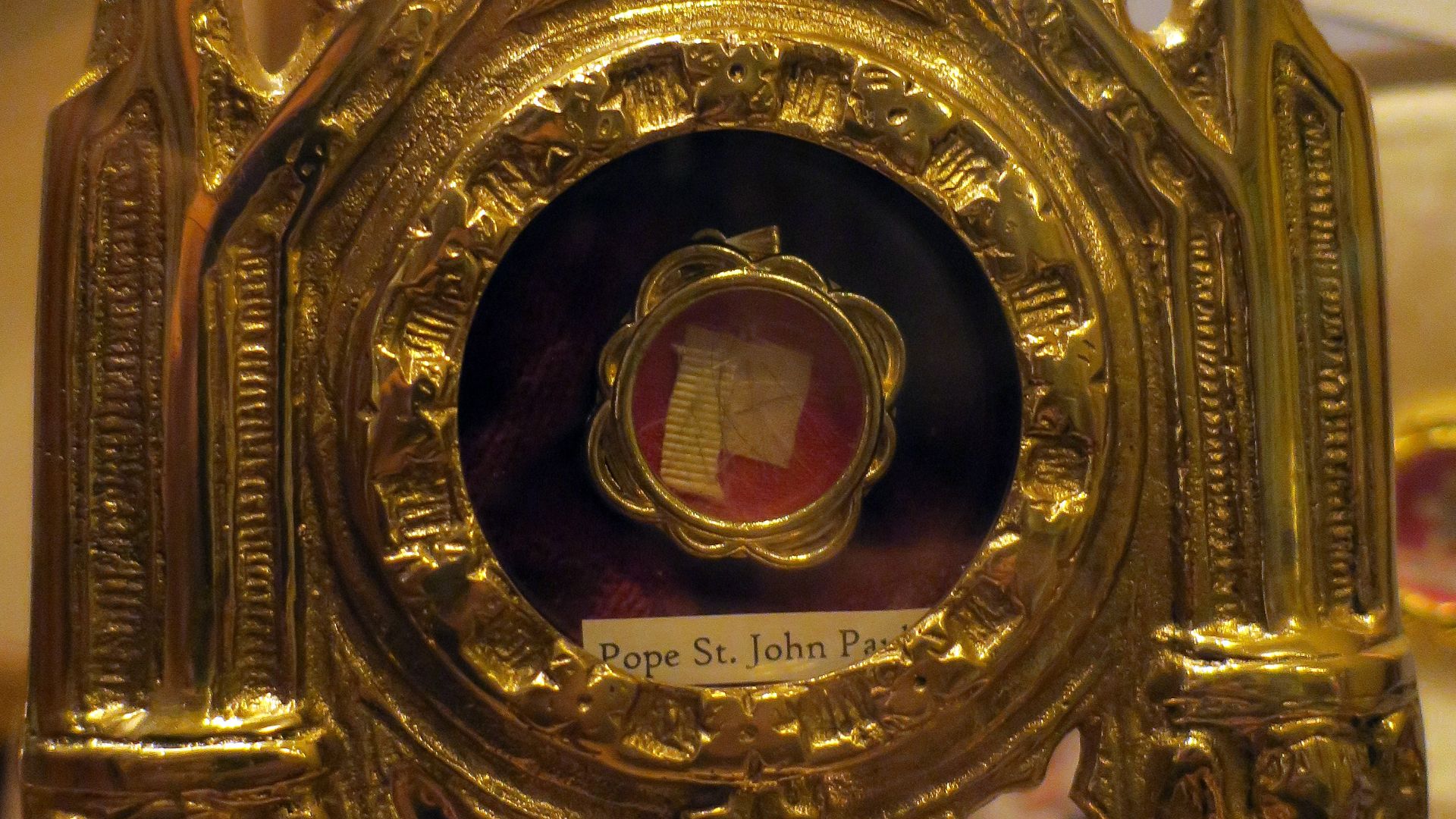
By the second and third centuries, relics associated with apostolic figures gained significance as tangible links to Christianity’s beginnings. Communities placed fragments or claimed remains in shrines, reinforcing local identity. The rise of relic veneration helped preserve memory but also introduced disputes over authenticity and provenance.
Competing Claims About Tombs Took Root Across Regions
Different cities eventually asserted connections to specific Apostles, sometimes based on oral tradition, sometimes on later writings. These claims reflected devotion as much as documentation. Because few early burial sites were formally recorded, overlapping traditions emerged, prompting centuries of debate among historians, archaeologists, and church authorities.
 Me, but logged in at English Wikipedia, Wikimedia Commons

History's most fascinating stories and darkest secrets, delivered to your inbox daily.
Rome Rose As The Strongest Voice In Apostolic Legacy
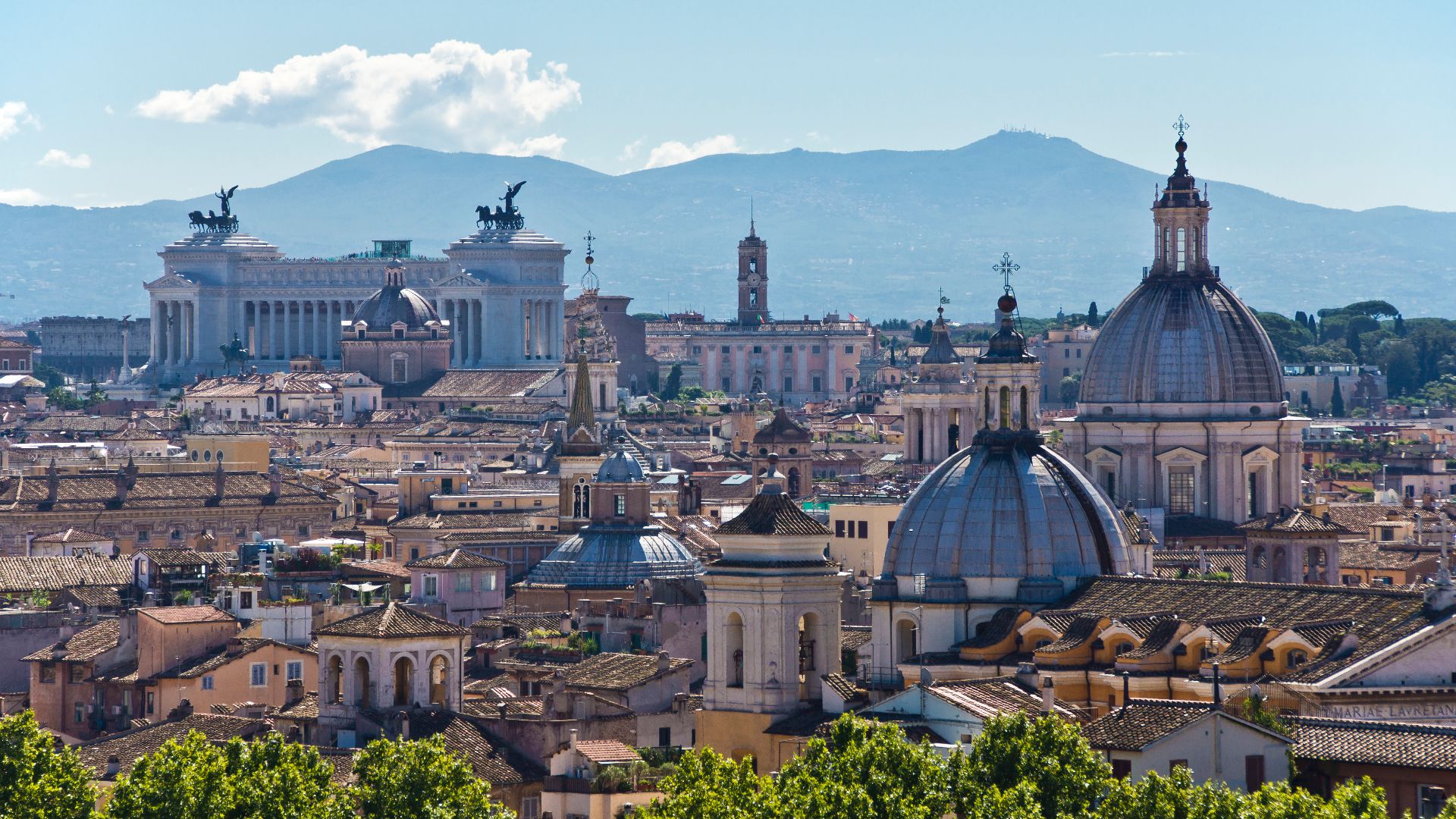
Rome’s prominence grew partly because early Christian authors linked Peter and Paul to the city’s first-century community. Their reported martyrdoms under Nero strengthened Rome’s authority, and later excavations beneath major basilicas supported the longstanding tradition. This combination of historical memory and archaeological evidence gave Rome a uniquely stable claim.
 Bert Kaufmann from Roermond, Netherlands, Wikimedia Commons
Excavations Beneath St Peter’s Offered Clues From The Earth Itself
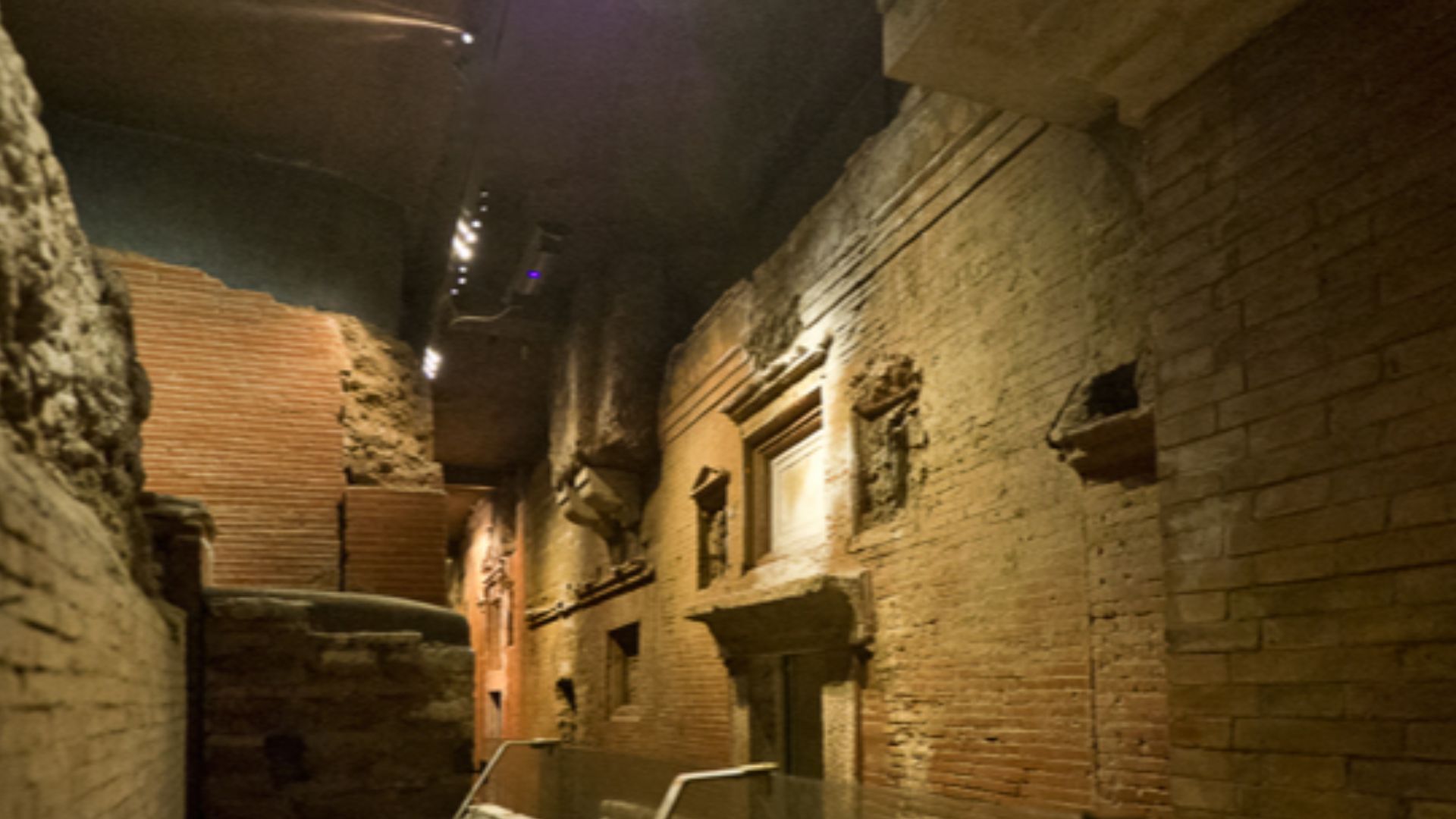
Excavations under St Peter’s Basilica uncovered a first-century necropolis and a tomb long associated with Peter. Bone fragments belonging to an older man were found near a revered wall. Though identification cannot be absolute, archaeological context supports the longstanding tradition that Peter’s remains rest on Vatican Hill.
Relics Traveled Far Beyond The Lands The Apostles Knew
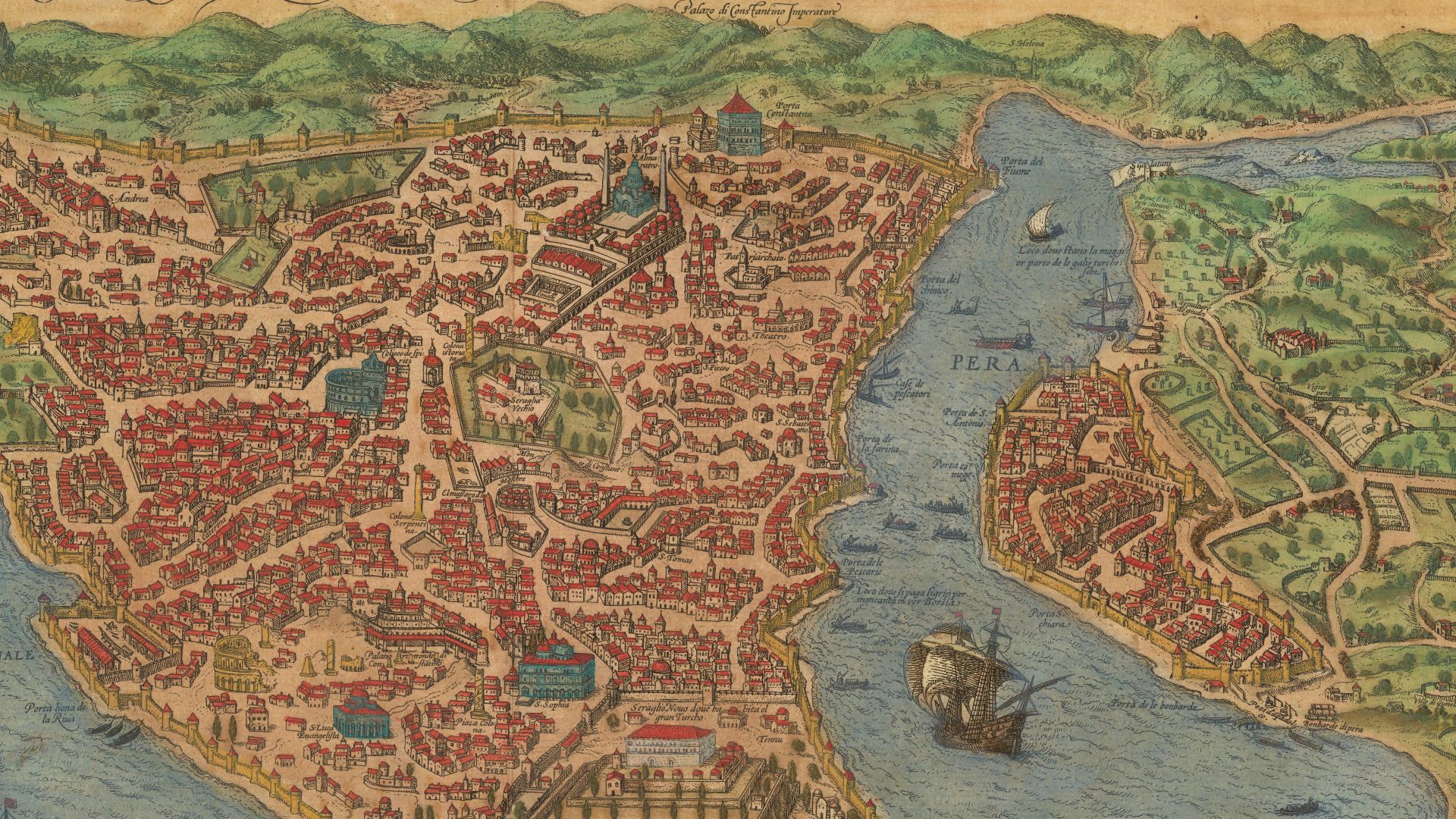
Many claim Andrew’s remains were moved from Greece to Constantinople, then later to Italy and Scotland. Philip’s relics appear in multiple locations, including Hierapolis and Rome. Such movements reflect centuries of translation, where communities safeguarded fragments they believed connected them directly to the earliest witnesses of Christianity.
 Georg Braun & Frans Hogenberg, Wikimedia Commons
Medieval Pilgrims Turned Shrines Into Centers Of Devotion
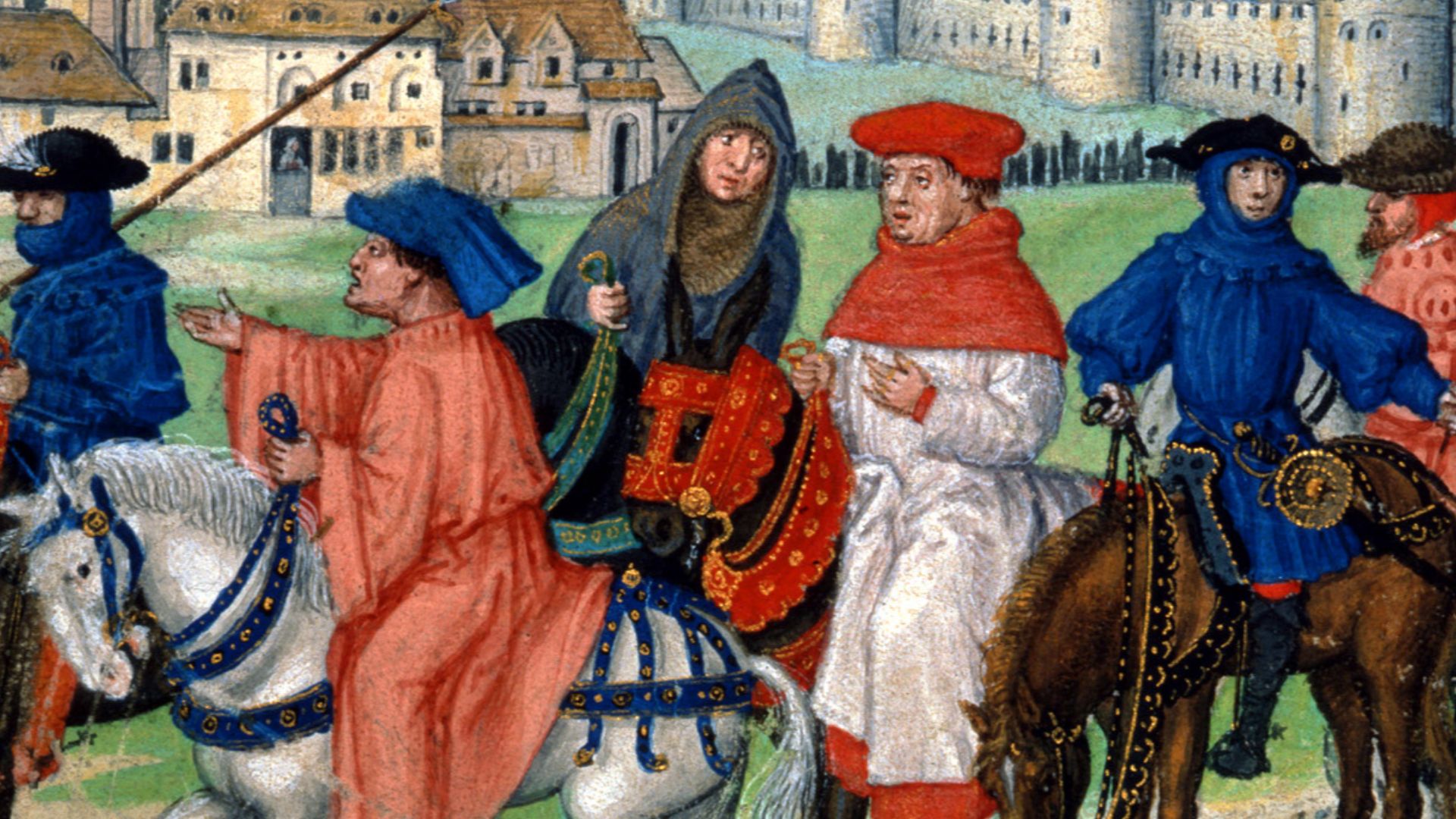
Pilgrims journeyed to sites believed to hold apostolic remains, such as James the Great’s shrine at Santiago de Compostela. The route grew into a major medieval pilgrimage network. Whether all relics were original or partially symbolic, these destinations shaped religious life and reinforced local identity across Europe.
 Unknown authorUnknown author, Wikimedia Commons
Duplicate Relics Complicated An Already Fragile History
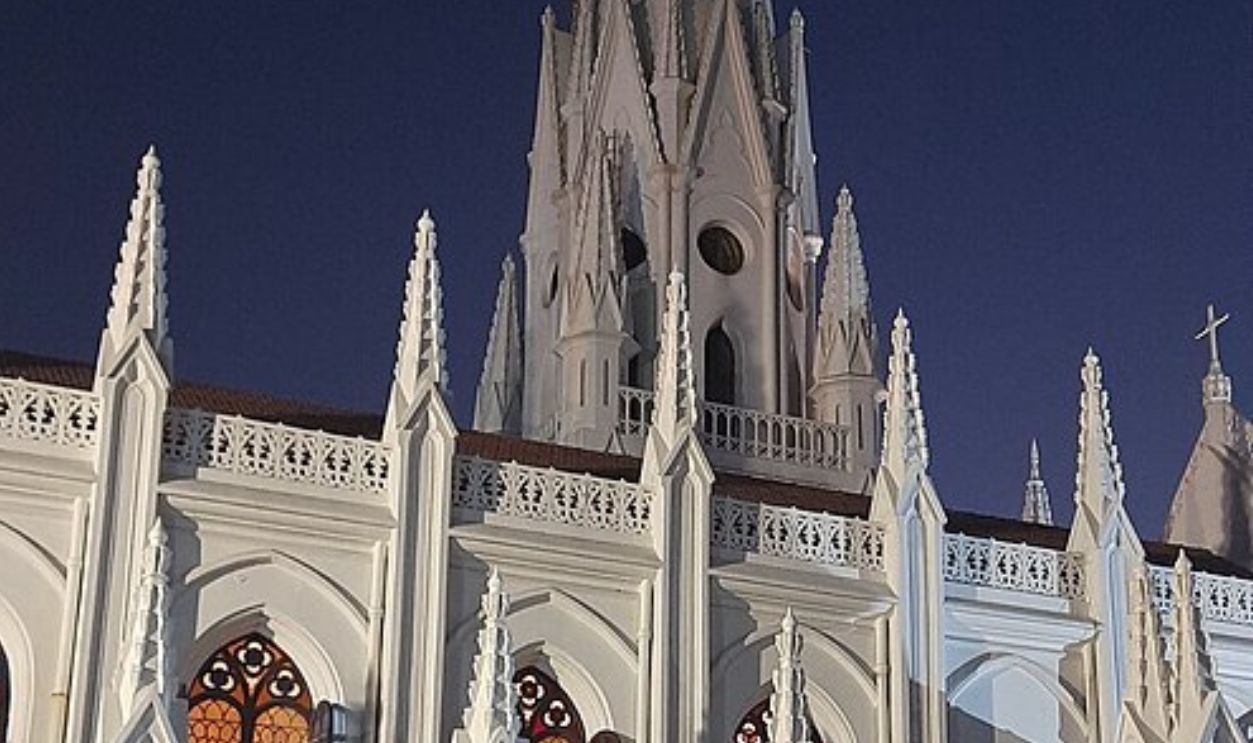
Multiple churches claimed Thomas’s remains, with traditions pointing to India, Mesopotamia, and later Edessa. Similar overlaps appear with Bartholomew, whose relics reportedly reached Armenia and Rome. These competing claims emerged because early records were scarce, which allowed regional communities to preserve their own versions of apostolic heritage.
Scientific Testing Added New Light To Ancient Customs
Limited scientific analyses, including carbon dating and osteological study, have offered partial confirmation for some relics. Tests on remains linked to Philip and James in Rome showed ages consistent with early Christian periods. Yet science rarely provides definitive identification, leaving traditions and material evidence to coexist carefully.
 Rhoda Baer (Photographer), Wikimedia Commons
Scholars Worked To Separate Plausible Paths From Legend
John’s death remains debated, though early writers placed him in Ephesus with a tomb later venerated there. Matthew’s resting place is likewise disputed, with claims in Ethiopia, Italy, and Cyprus. Scholars compare early texts, archaeological layers, and historical context to judge which claims carry a stronger grounding.
Occasional Convergences Strengthened Certain Long-Held Beliefs
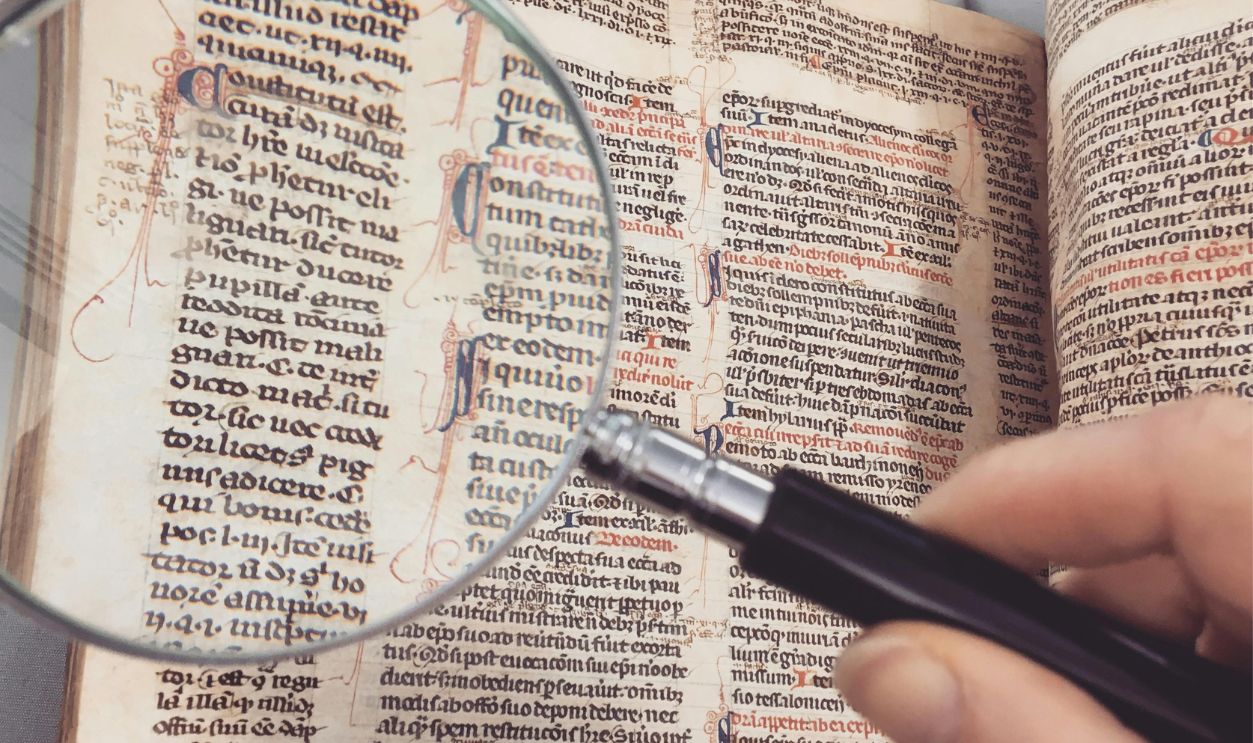
Traditions surrounding James the Less are notably complex, since early writers sometimes linked him with James the Just, while others maintained they were separate figures. Claims about his burial point to Jerusalem, where some accounts describe an honored resting place, though archaeological confirmation remains unavailable.
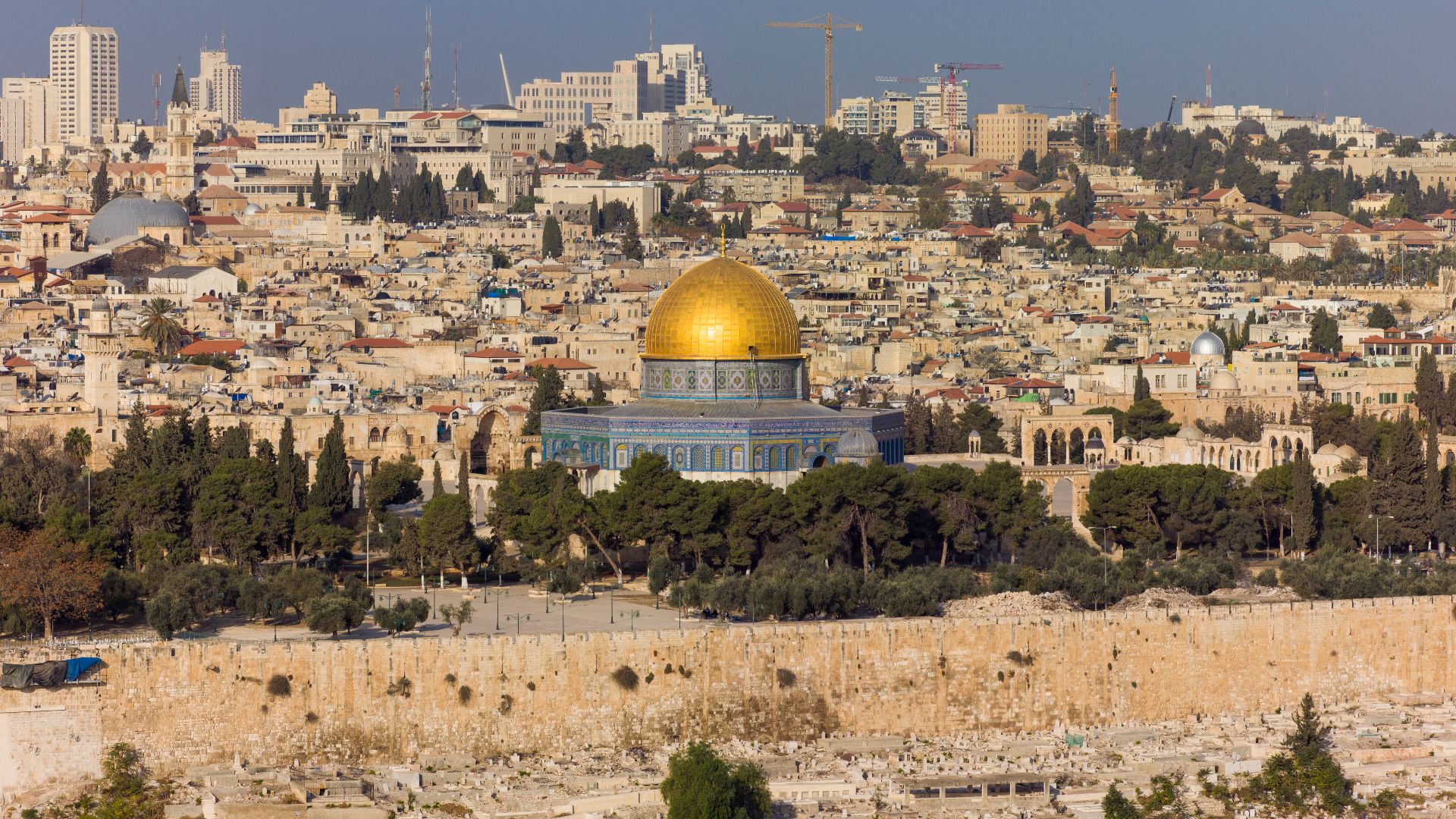
Several Apostles Retained Clear Tomb Sites While Others Faded Into Mystery
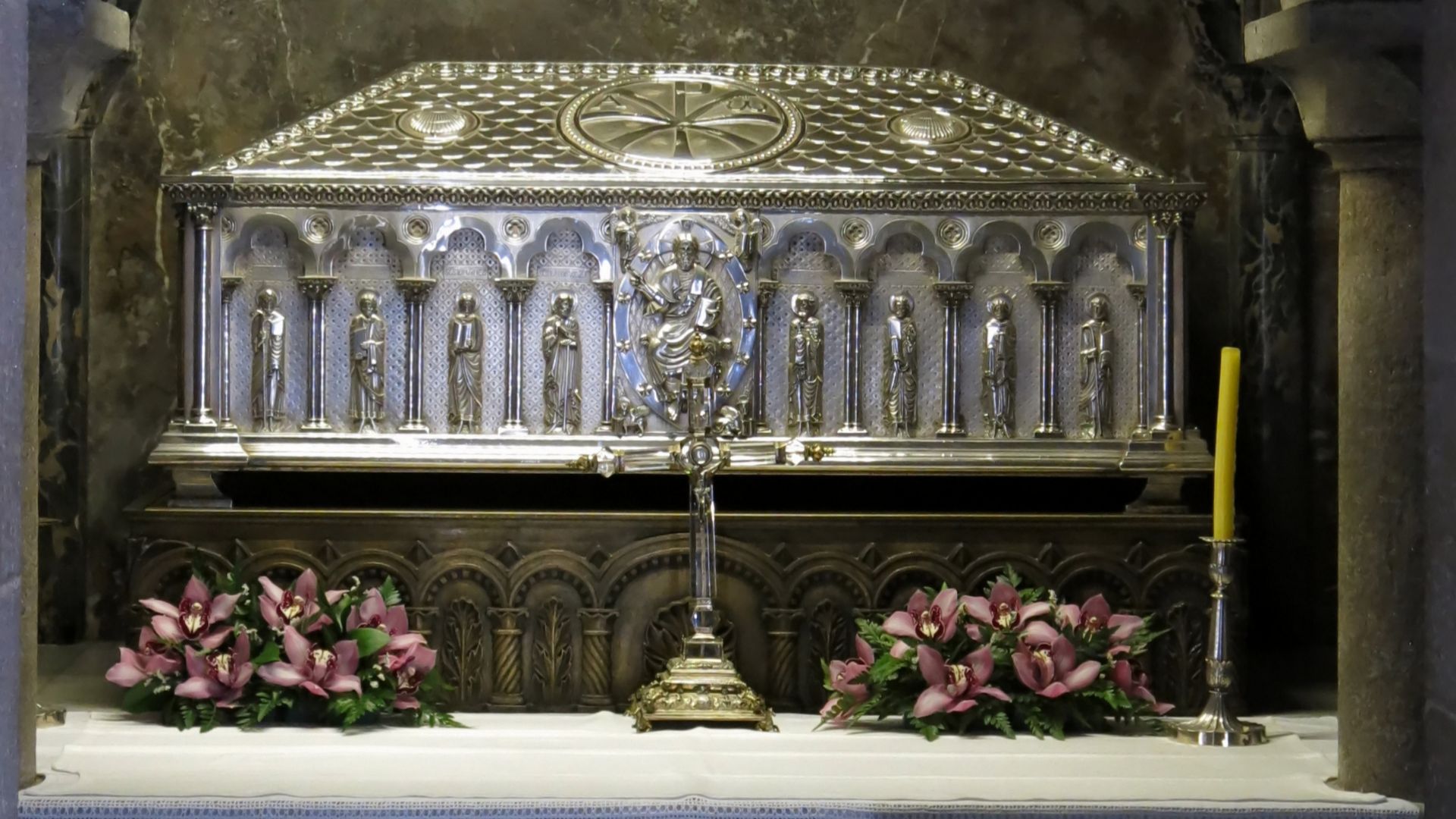
James the Great became strongly linked to Santiago de Compostela, where medieval accounts described the transfer of his body from the Holy Land. In contrast, Simon the Zealot’s fate remains uncertain, with tales placing him in Persia, Syria, or Judea, none supported by archaeological confirmation.
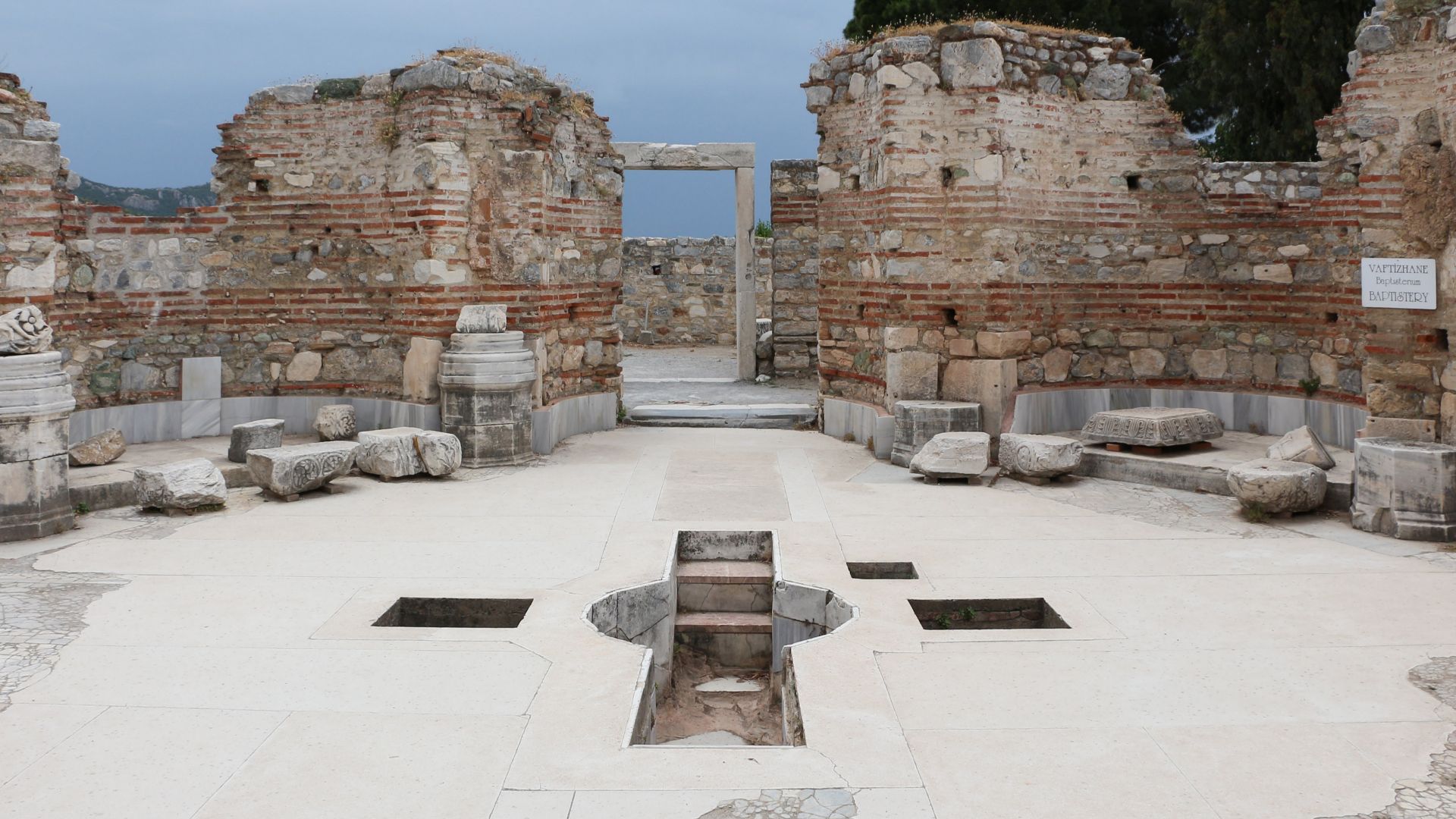
John’s Empty Tomb Became A Story All Its Own
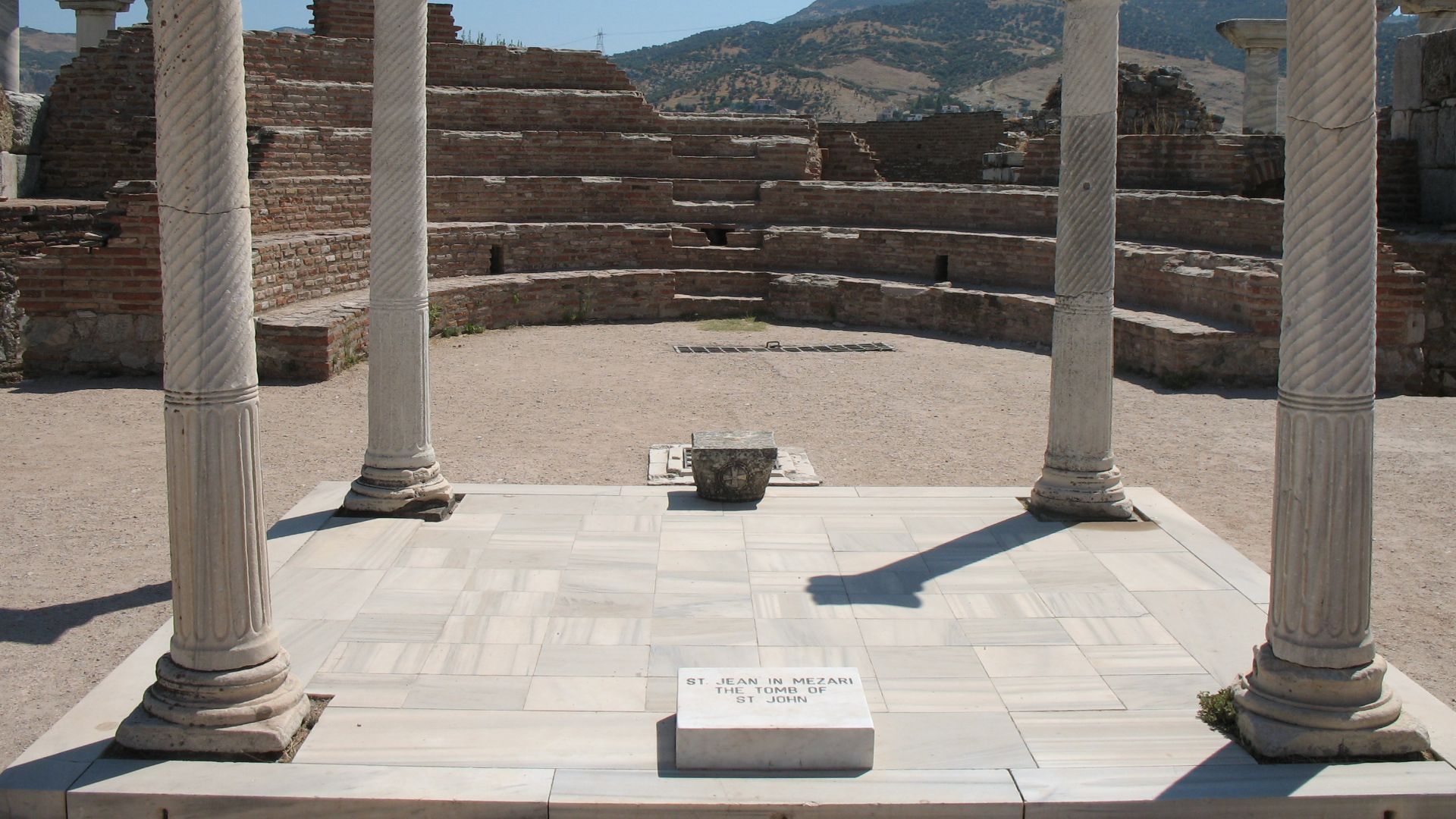
Excavations at the Basilica of St John in Ephesus exposed a revered but empty tomb, which reinforced earlier traditions claiming his body was no longer present. Some early Christians interpreted the absence symbolically, while others suggested later relocations, though no verified remains tied to John have surfaced.
 Bernard Gagnon, Wikimedia Commons
Centuries Of Relic Movement Rewrote The Map Repeatedly
Bartholomew’s body was reportedly moved from Armenia to Mesopotamia, then eventually to Rome’s Tiber Island, where a major basilica preserves associated relics. Thomas’s body followed a similarly complex path, with traditions locating his remains in India before later transferring them to Edessa.
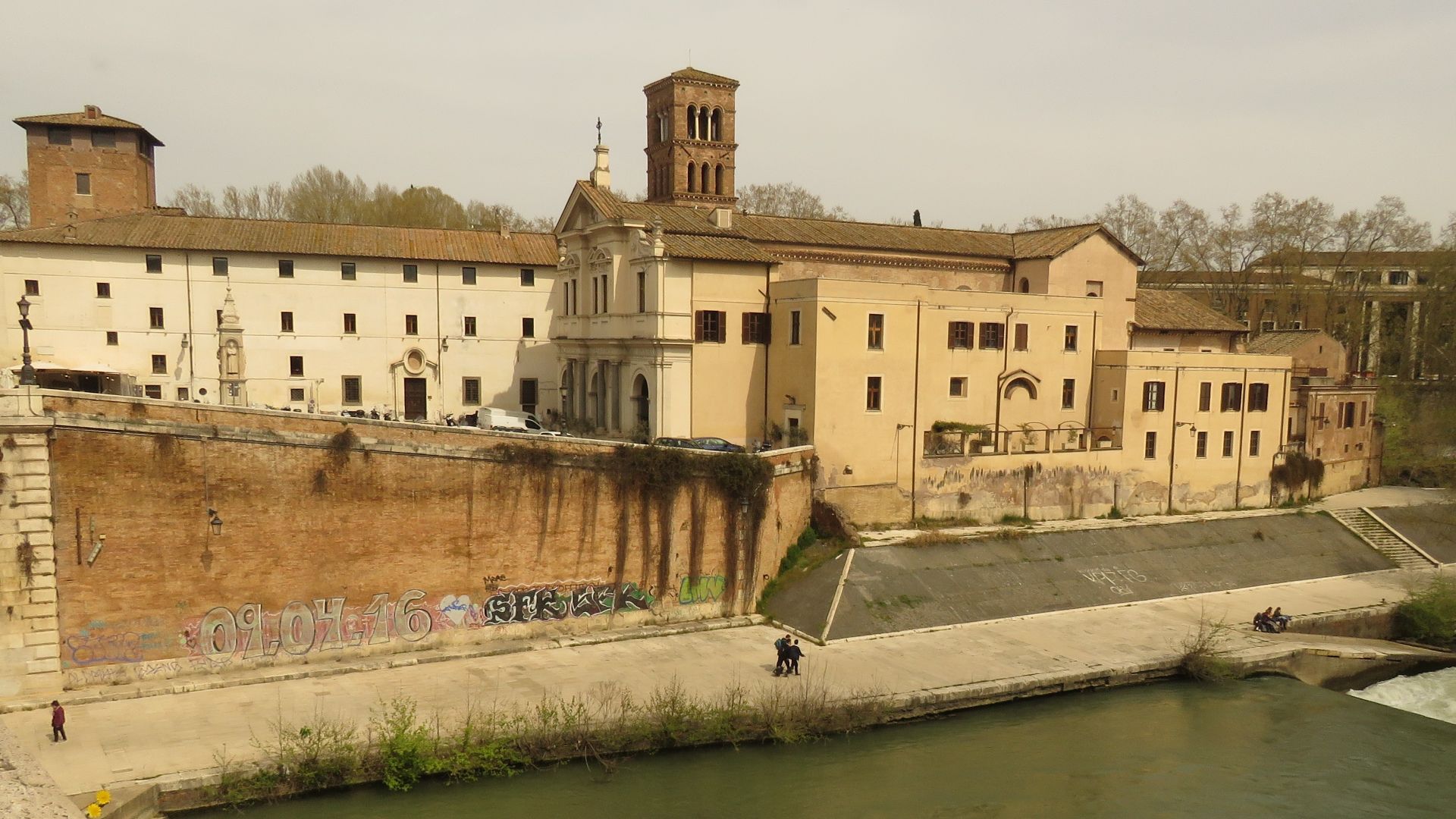
Power And Culture Shaped Which Claims Should Survive
Political influence helped preserve some traditions, including Philip’s connection to Hierapolis, where a fourth-century martyrium marked his reported burial. Meanwhile, Matthias’s resting place remains unclear, with claims ranging from Jerusalem to Trier. Surviving narratives often reflect which communities held authority rather than definitive archaeological confirmation.
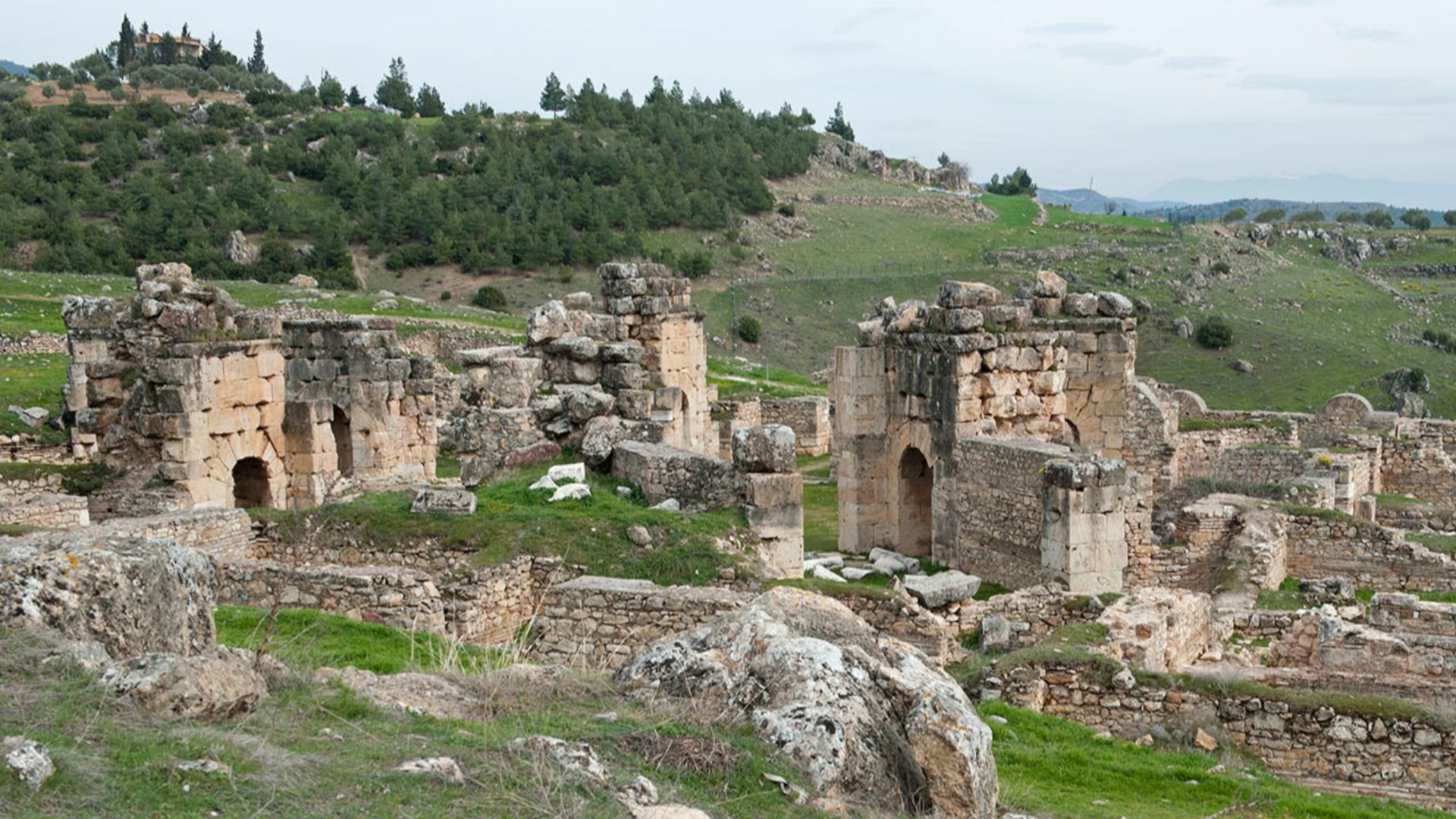
Definitive Identification Remains Beyond Modern Reach
Few apostolic relics carry documentation strong enough for conclusive identification. For Simon Peter’s brother Andrew, stories point to Patras, Constantinople, and later Amalfi. Each location preserves fragments attributed to him, yet none can provide direct first-century evidence. These uncertainties illustrate the limits researchers face when sources are late.
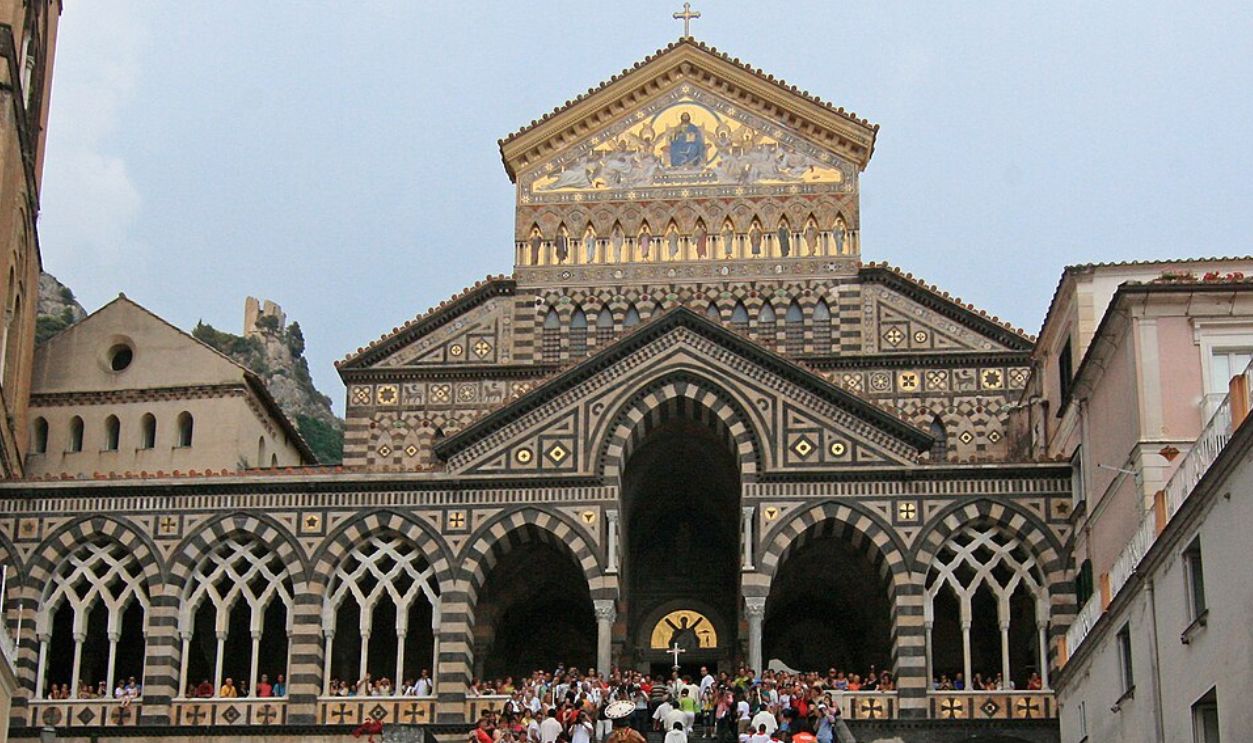
Ambiguity Reveals How Early Christians Preserved What Mattered Most
Traditions surrounding Thaddeus, also known as Jude, vary widely. Armenia preserves a longstanding claim connected to early missions, while Rome houses relics linked to him in the Basilica of St Peter. The diversity of accounts reflects devotional continuity rather than verified historical detail about his physical resting place.
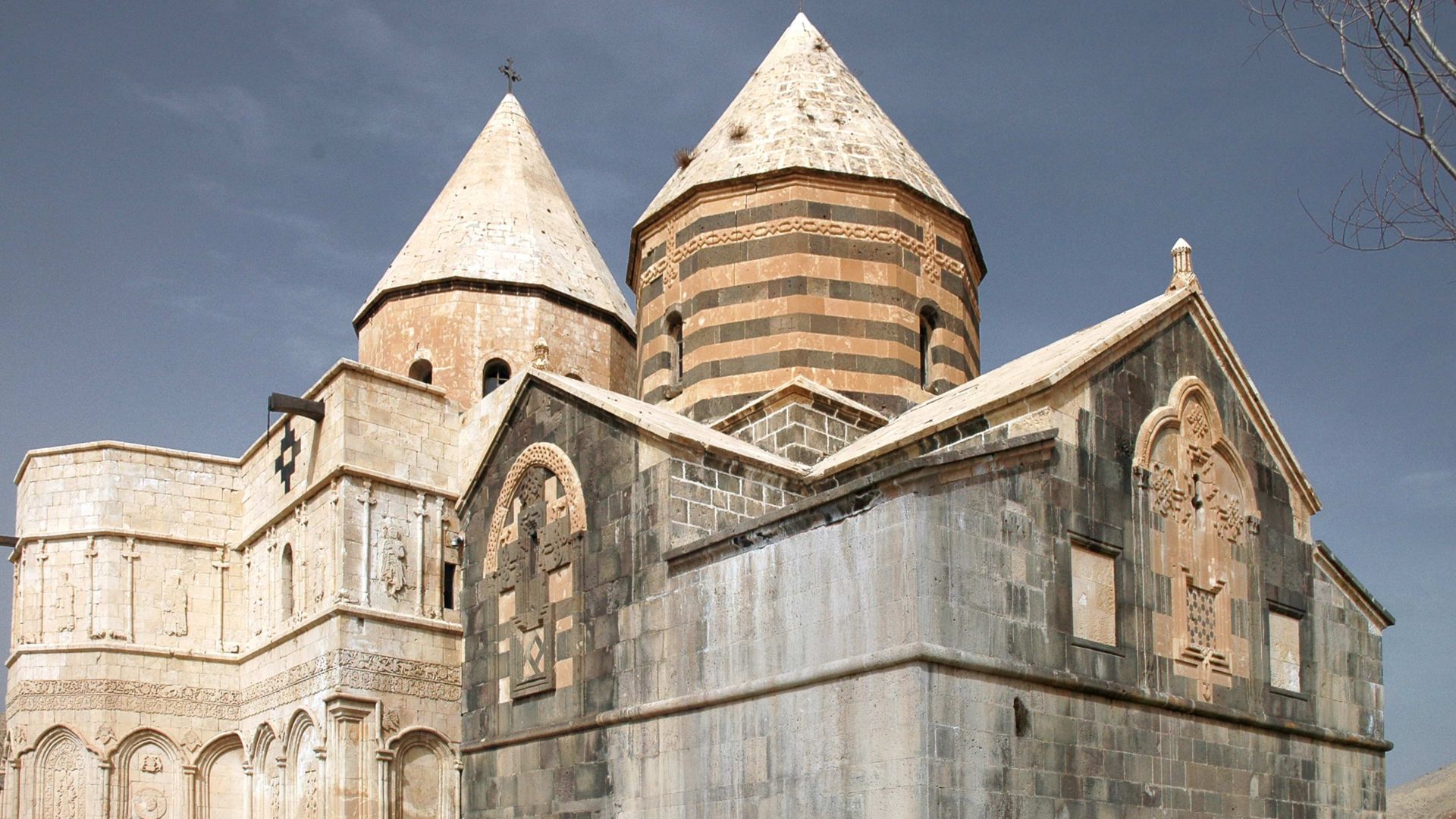 Nicola e Pina in Iran 2008, Wikimedia Commons
A Symbolic Presence Often Outlives Physical Remains
Judas Iscariot’s death is reported in early texts, yet no community preserved a burial tradition for him. His absence contrasts sharply with efforts to honor the others. The silence around his remains underscores how early Christians emphasized moral meaning over physical continuity.
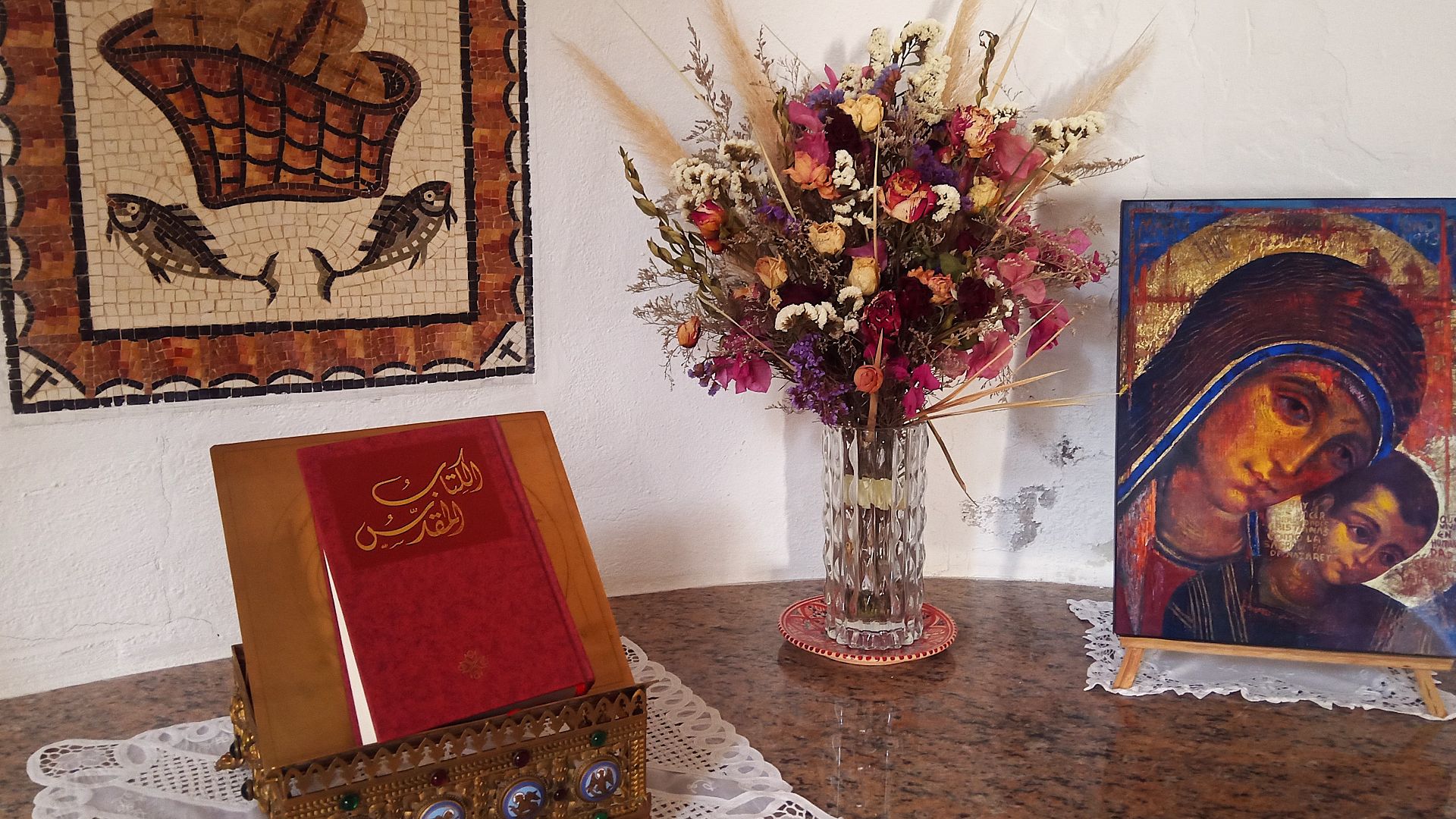 Dr. Ondřej Havelka (cestovatel), Wikimedia Commons
The Search Continues Because The Story Still Resonates Today
Modern interest brings renewed study of long-held burial claims, from Peter’s tomb in Rome to relics associated with Thomas in India and Edessa. While definitive proof remains rare, ongoing research deepens understanding of how communities honored the Apostles and constructed memory through stories and sacred objects.
 Tabitha Lawrence, Colchester Archaeological Trust, Wikimedia Commons











