 Godwin Borg, CC BY-SA 4.0, Wikimedia Commons, Modified
Beneath the cobblestones of Via Santa Croce in modern Trento, archaeologists have uncovered something remarkable—a sprawling Early Iron Age cemetery that rewrites what we know about life in this Alpine valley before Rome ever showed up. This isn't just a handful of graves. We're talking about a major necropolis, a city of the dead that served a thriving community roughly 2,800 years ago. The discovery turns Trento from a Roman footnote into a place with deep, complex roots reaching back to the first millennium BCE. Every burial tells a story about social structure, trade networks, ritual practices, and daily existence in a world that left no written records. The finds are spectacular: bronze fibulae still clasping decomposed fabric, ceramic vessels that once held food for the journey beyond, iron weapons corroded but recognizable, and jewelry that speaks to vanity and status even across millennia.
The Graves That Changed Everything
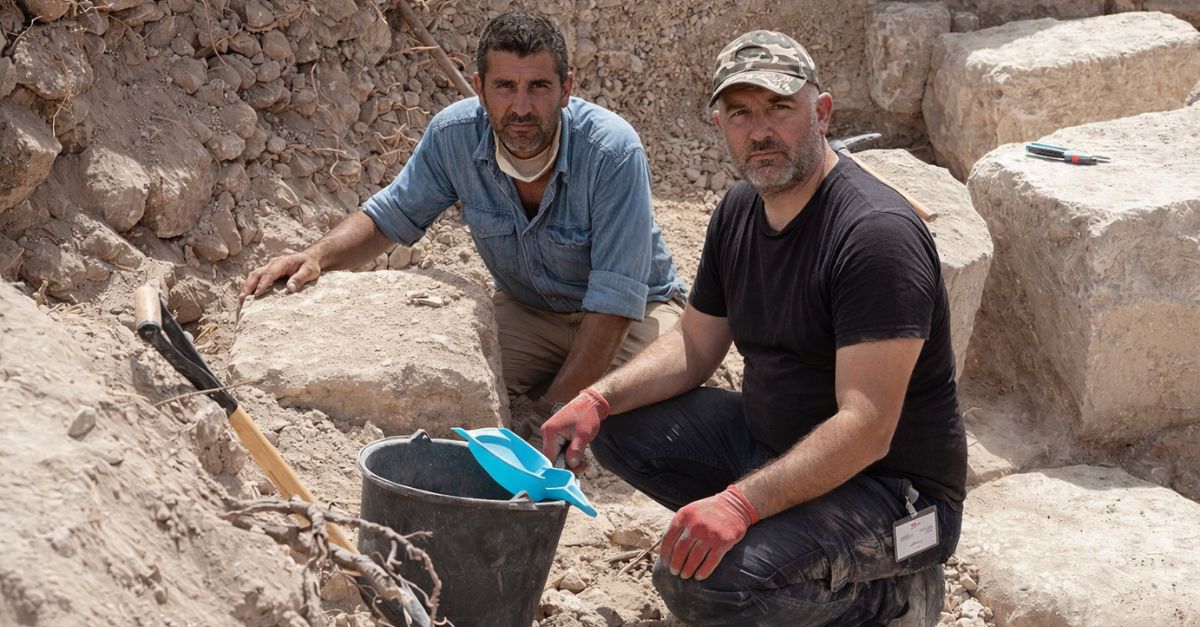
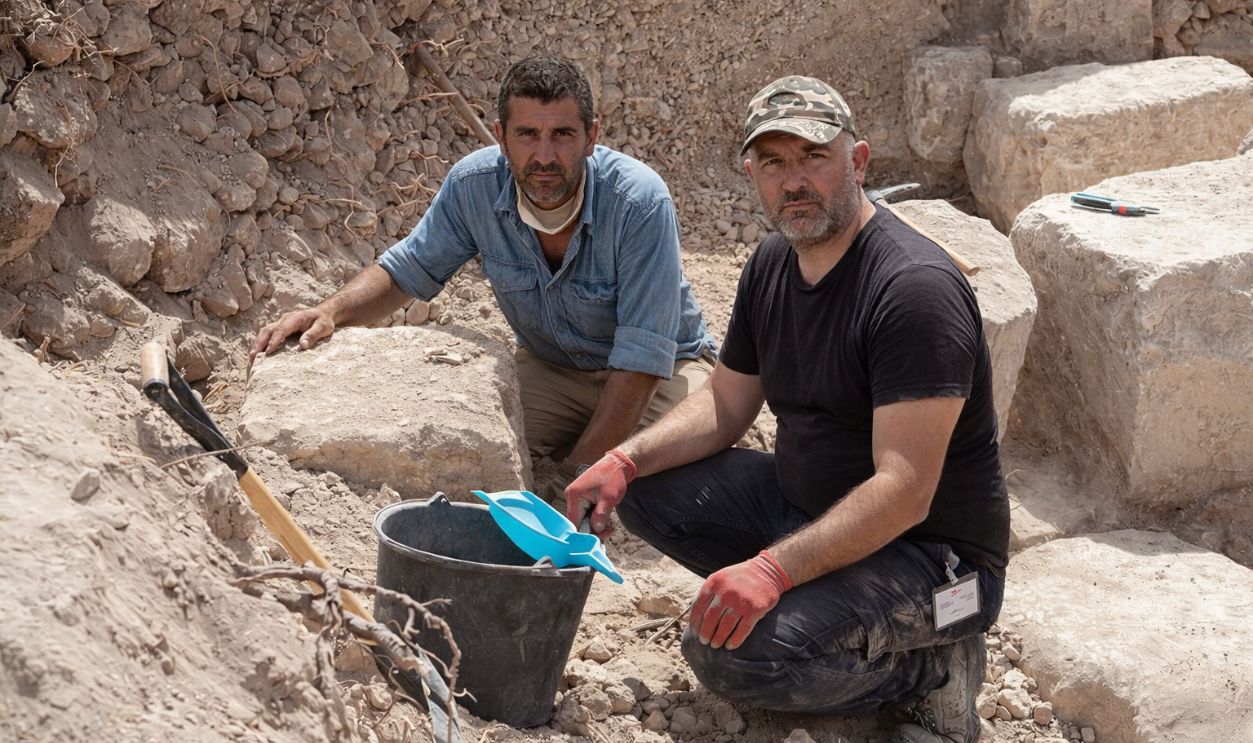
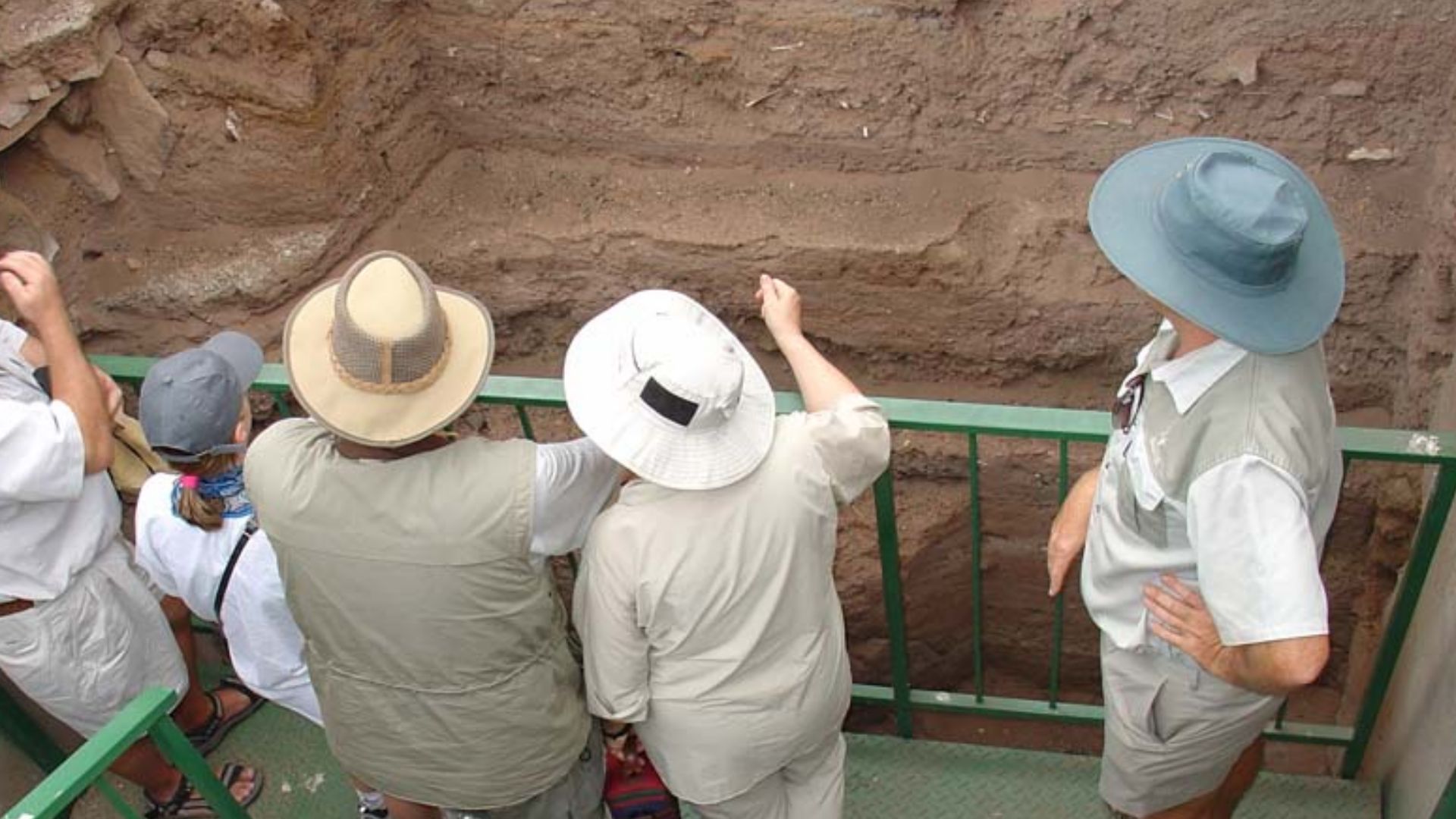
The Via Santa Croce excavations began as routine urban archaeology. Nobody expected to hit burials on this scale. But as the topsoil came away, the outline of tomb after tomb emerged, many arranged in clear clusters suggesting family groups or social divisions that mattered deeply to these ancient communities. The burial style itself is revealing: cremation was the norm, with ashes and bone fragments placed in ceramic urns and surrounded by grave goods chosen with obvious care and intention. This matches practices documented across northern Italy during the Early Iron Age, linking Trento to broader cultural patterns that stretched from the Po Valley into the Alps.
Some tombs were elaborate, loaded with bronze ornaments, imported pottery, and even amber beads that traveled hundreds of kilometers from the Baltic coast through complex trade networks. Others were simpler, containing just a few everyday objects such as a cup, a fibula, maybe a small knife. The disparity suggests a stratified society where wealth and status mattered, where some families commanded resources and prestige while others lived more modestly but still participated in the same ritual traditions. Archaeologists have also noted the deliberate care in how bodies were treated. The placement of certain objects, like weapons exclusively in male graves and weaving tools in female ones, hints at gendered roles that structured daily life.
Connecting Trento To The Ancient World
The presence of amber from northern Europe, bronze objects showing influences from Etruscan and Venetic cultures to the south, and pottery styles echoing designs from across the Alps all point to Trento as a crossroads rather than a backwater. This wasn't an isolated mountain settlement scratching out a marginal existence. It sat along trade routes that moved goods, ideas, and probably people between the Mediterranean world and central Europe, functioning as a critical link in networks that spanned thousands of kilometers. The Adige River, which flows through Trento, was almost certainly an important artery for this exchange, allowing boats to carry metal ores, salt, amber, pottery, and other valuables up and down the valley in both directions.
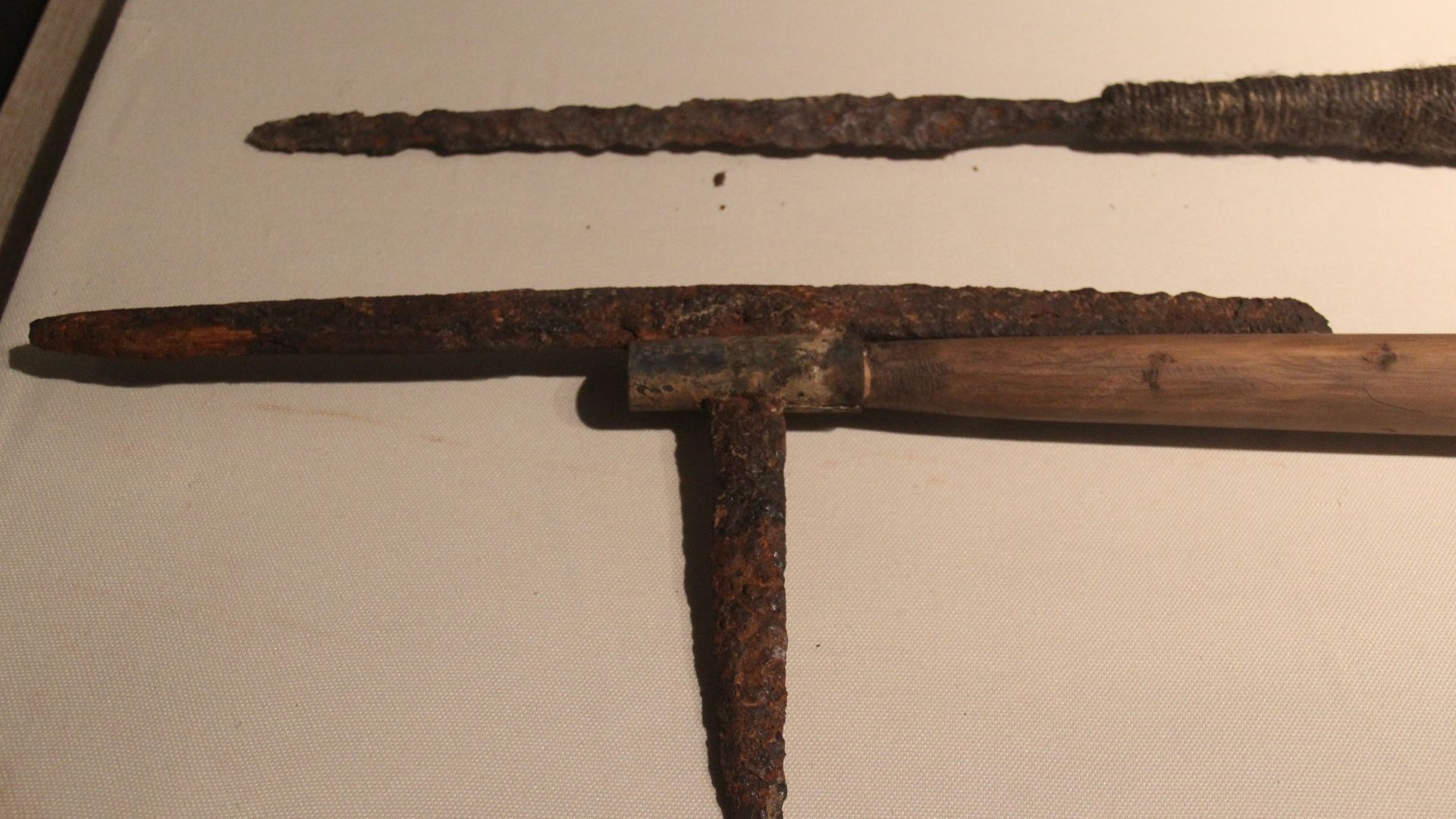
Well, the iron weapons found in some graves remind us that this era wasn't entirely peaceful. Control of trade routes meant competition, conflict, and the need for warriors who could defend community interests. But the overall picture is one of sophistication and cultural complexity. These were people who understood advanced metallurgy, who valued artistry enough to commission fine bronze work, who participated in long-distance exchange networks requiring trust and reciprocity, and who invested heavily in ritual life and proper treatment of their dead. The care taken in burial practices suggests beliefs about an afterlife or at least about maintaining social memory and honoring ancestors. When Roman legions eventually marched into this valley centuries later, they weren't conquering empty wilderness or primitive tribes. They were taking over a landscape already layered with history, memory, and meaning, where communities had thrived for generations with their own sophisticated ways of organizing society, conducting trade, and making sense of existence. The Via Santa Croce necropolis gives us a window into the people who came first, the ones who made Trento matter long before it became the Roman municipium of Tridentum.
 Gary Todd from Xinzheng, China, Wikimedia Commons